EP2021457B1 - Probiotic strain and antimicrobial peptide derived therefrom - Google Patents
Probiotic strain and antimicrobial peptide derived therefrom Download PDFInfo
- Publication number
- EP2021457B1 EP2021457B1 EP07736018.8A EP07736018A EP2021457B1 EP 2021457 B1 EP2021457 B1 EP 2021457B1 EP 07736018 A EP07736018 A EP 07736018A EP 2021457 B1 EP2021457 B1 EP 2021457B1
- Authority
- EP
- European Patent Office
- Prior art keywords
- st4sa
- peptide
- strain
- cfu
- activity
- Prior art date
- Legal status (The legal status is an assumption and is not a legal conclusion. Google has not performed a legal analysis and makes no representation as to the accuracy of the status listed.)
- Active
Links
Images






Classifications
-
- C—CHEMISTRY; METALLURGY
- C07—ORGANIC CHEMISTRY
- C07K—PEPTIDES
- C07K14/00—Peptides having more than 20 amino acids; Gastrins; Somatostatins; Melanotropins; Derivatives thereof
- C07K14/195—Peptides having more than 20 amino acids; Gastrins; Somatostatins; Melanotropins; Derivatives thereof from bacteria
- C07K14/315—Peptides having more than 20 amino acids; Gastrins; Somatostatins; Melanotropins; Derivatives thereof from bacteria from Streptococcus (G), e.g. Enterococci
-
- A—HUMAN NECESSITIES
- A01—AGRICULTURE; FORESTRY; ANIMAL HUSBANDRY; HUNTING; TRAPPING; FISHING
- A01N—PRESERVATION OF BODIES OF HUMANS OR ANIMALS OR PLANTS OR PARTS THEREOF; BIOCIDES, e.g. AS DISINFECTANTS, AS PESTICIDES OR AS HERBICIDES; PEST REPELLANTS OR ATTRACTANTS; PLANT GROWTH REGULATORS
- A01N63/00—Biocides, pest repellants or attractants, or plant growth regulators containing microorganisms, viruses, microbial fungi, animals or substances produced by, or obtained from, microorganisms, viruses, microbial fungi or animals, e.g. enzymes or fermentates
- A01N63/50—Isolated enzymes; Isolated proteins
-
- A—HUMAN NECESSITIES
- A61—MEDICAL OR VETERINARY SCIENCE; HYGIENE
- A61K—PREPARATIONS FOR MEDICAL, DENTAL OR TOILETRY PURPOSES
- A61K35/00—Medicinal preparations containing materials or reaction products thereof with undetermined constitution
- A61K35/66—Microorganisms or materials therefrom
- A61K35/74—Bacteria
-
- A—HUMAN NECESSITIES
- A61—MEDICAL OR VETERINARY SCIENCE; HYGIENE
- A61K—PREPARATIONS FOR MEDICAL, DENTAL OR TOILETRY PURPOSES
- A61K35/00—Medicinal preparations containing materials or reaction products thereof with undetermined constitution
- A61K35/66—Microorganisms or materials therefrom
- A61K35/74—Bacteria
- A61K35/741—Probiotics
- A61K35/744—Lactic acid bacteria, e.g. enterococci, pediococci, lactococci, streptococci or leuconostocs
-
- A—HUMAN NECESSITIES
- A61—MEDICAL OR VETERINARY SCIENCE; HYGIENE
- A61K—PREPARATIONS FOR MEDICAL, DENTAL OR TOILETRY PURPOSES
- A61K38/00—Medicinal preparations containing peptides
- A61K38/16—Peptides having more than 20 amino acids; Gastrins; Somatostatins; Melanotropins; Derivatives thereof
-
- A—HUMAN NECESSITIES
- A61—MEDICAL OR VETERINARY SCIENCE; HYGIENE
- A61P—SPECIFIC THERAPEUTIC ACTIVITY OF CHEMICAL COMPOUNDS OR MEDICINAL PREPARATIONS
- A61P31/00—Antiinfectives, i.e. antibiotics, antiseptics, chemotherapeutics
- A61P31/02—Local antiseptics
-
- A—HUMAN NECESSITIES
- A61—MEDICAL OR VETERINARY SCIENCE; HYGIENE
- A61P—SPECIFIC THERAPEUTIC ACTIVITY OF CHEMICAL COMPOUNDS OR MEDICINAL PREPARATIONS
- A61P31/00—Antiinfectives, i.e. antibiotics, antiseptics, chemotherapeutics
- A61P31/04—Antibacterial agents
-
- A—HUMAN NECESSITIES
- A61—MEDICAL OR VETERINARY SCIENCE; HYGIENE
- A61P—SPECIFIC THERAPEUTIC ACTIVITY OF CHEMICAL COMPOUNDS OR MEDICINAL PREPARATIONS
- A61P31/00—Antiinfectives, i.e. antibiotics, antiseptics, chemotherapeutics
- A61P31/12—Antivirals
-
- C—CHEMISTRY; METALLURGY
- C12—BIOCHEMISTRY; BEER; SPIRITS; WINE; VINEGAR; MICROBIOLOGY; ENZYMOLOGY; MUTATION OR GENETIC ENGINEERING
- C12N—MICROORGANISMS OR ENZYMES; COMPOSITIONS THEREOF; PROPAGATING, PRESERVING, OR MAINTAINING MICROORGANISMS; MUTATION OR GENETIC ENGINEERING; CULTURE MEDIA
- C12N1/00—Microorganisms; Compositions thereof; Processes of propagating, maintaining or preserving microorganisms or compositions thereof; Processes of preparing or isolating a composition containing a microorganism; Culture media therefor
- C12N1/20—Bacteria; Culture media therefor
-
- C—CHEMISTRY; METALLURGY
- C12—BIOCHEMISTRY; BEER; SPIRITS; WINE; VINEGAR; MICROBIOLOGY; ENZYMOLOGY; MUTATION OR GENETIC ENGINEERING
- C12N—MICROORGANISMS OR ENZYMES; COMPOSITIONS THEREOF; PROPAGATING, PRESERVING, OR MAINTAINING MICROORGANISMS; MUTATION OR GENETIC ENGINEERING; CULTURE MEDIA
- C12N1/00—Microorganisms; Compositions thereof; Processes of propagating, maintaining or preserving microorganisms or compositions thereof; Processes of preparing or isolating a composition containing a microorganism; Culture media therefor
- C12N1/20—Bacteria; Culture media therefor
- C12N1/205—Bacterial isolates
-
- A—HUMAN NECESSITIES
- A61—MEDICAL OR VETERINARY SCIENCE; HYGIENE
- A61K—PREPARATIONS FOR MEDICAL, DENTAL OR TOILETRY PURPOSES
- A61K38/00—Medicinal preparations containing peptides
-
- C—CHEMISTRY; METALLURGY
- C12—BIOCHEMISTRY; BEER; SPIRITS; WINE; VINEGAR; MICROBIOLOGY; ENZYMOLOGY; MUTATION OR GENETIC ENGINEERING
- C12R—INDEXING SCHEME ASSOCIATED WITH SUBCLASSES C12C - C12Q, RELATING TO MICROORGANISMS
- C12R2001/00—Microorganisms ; Processes using microorganisms
- C12R2001/01—Bacteria or Actinomycetales ; using bacteria or Actinomycetales
- C12R2001/46—Streptococcus ; Enterococcus; Lactococcus
-
- Y—GENERAL TAGGING OF NEW TECHNOLOGICAL DEVELOPMENTS; GENERAL TAGGING OF CROSS-SECTIONAL TECHNOLOGIES SPANNING OVER SEVERAL SECTIONS OF THE IPC; TECHNICAL SUBJECTS COVERED BY FORMER USPC CROSS-REFERENCE ART COLLECTIONS [XRACs] AND DIGESTS
- Y02—TECHNOLOGIES OR APPLICATIONS FOR MITIGATION OR ADAPTATION AGAINST CLIMATE CHANGE
- Y02A—TECHNOLOGIES FOR ADAPTATION TO CLIMATE CHANGE
- Y02A50/00—TECHNOLOGIES FOR ADAPTATION TO CLIMATE CHANGE in human health protection, e.g. against extreme weather
- Y02A50/30—Against vector-borne diseases, e.g. mosquito-borne, fly-borne, tick-borne or waterborne diseases whose impact is exacerbated by climate change
Definitions
- THIS INVENTION relates to a peptide obtained from a strain of Enterococcus mundtii and to a probiotic composition of a strain of Enterococcus mundtii. More particularly, the invention relates to a peptide obtained from a strain of Enterococcus mundtii, the gene coding for the peptide and various applications of the strain which produces the peptide and the peptide itself.
- Lactic acid bacteria play an important role in maintaining the balance of normal gastro-intestinal microflora. Diet, stress, microbial infection and intestinal diseases disturb the microbial balance, which often leads to a decrease in the number of viable lactic acid bacteria (especially lactobacilli and bifidobacteria) in the intestinal tract. The subsequent uncontrolled proliferation of pathogenic bacteria then leads to diarrhoea and other clinical disorders such as cancer, inflammatory disease and ulcerative colitis.
- probiotic lactic acid bacteria One of the key properties of probiotic lactic acid bacteria is the adhesion of cells to epithelial cells or intestinal mucus. This requires strong interaction between receptor molecules on epithelial cells and bacterial surfaces. A hesion of probiotic cells prevent the adhesion of pathogens and stimulate the immune system. The latter is achieved by interacting with mucosal membranes, which in turn sensitises the lymphoids. Another important characteristic of probiotics is survival at low pH and high bile salts.
- bacteriocins antimicrobial peptides
- bacteriocins active against Gram-negative bacteria there may be renewed interest in these peptides and their interaction with intestinal pathogens.
- Many of the latter bacteriocins are produced by lactic acid bacteria normally present in the intestinal tract, viz.
- Lactobacillus acidophilus -group Lactobacillus reuteri, Lactobacillus easel, Lactobacillus fermentum, Lactobacillus plantarum, Lactobacillus pentosus, Lactobacillus paracasei subsp. paracasei and Enterococcus faecalis.
- JP 2003 339377 disclose a baceriocin mundticin KS and the Enterococcus mundtii 7393 strain that are used for the production of conservable foods.
- the invention describes a strain of Enterococcus mundtii that resists intestinal stress conditions (e.g. low pH, bile salts, salts, pancreatic enzymes) and produces a broad-spectrum antibacterial peptide (peptide ST4SA).
- intestinal stress conditions e.g. low pH, bile salts, salts, pancreatic enzymes
- peptide ST4SA broad-spectrum antibacterial peptide
- an isolated peptide from the bacterium Enterococcus mundtii said peptide having the following amino acid sequence: MSQWGGKYYGNGVSCNKKGCSVDWGKAIGIIGNNSAANLATGGAAGWKS (SEQ. ID. NO. 12); a fragment thereof having antimicrobial activity; muteins and derivatives thereof having antimicrobial activity; covalently bound bridge constructs thereof having antimicrobial activity; or sequences having more than about 95% homology, preferably more than 85% homology, most preferably more than about 75% homology to said amino acid sequence, having antimicrobial activity.
- nucleotide sequence which codes for peptide ST4SA of the bacterium Enterococcus mundtii.
- the isolated nucleotide sequence may comprise the following nucleotide sequence: the complement thereof; a fragment thereof capable of producing, following expression thereof, a peptide having antimicrobial activity; or nucleotide sequences which hybridize under strict hybridization conditions thereto.
- Strict hybridization conditions correspond to a wash of 2 x SSC, 0.1 % SDS, at 50°C.
- the nucleotide sequence may be included in a vector, such as an expression vector or transfer vector in the form of a plasmid.
- the vector may include nucleic acid sequences encoding selection attributes, such as antibiotic resistance selection attributes, or other marker genes. Accordingly, the disclosure extends to a recombinant plasmid adapted for transformation of a microbial host cell, said plasmid comprising a plasmid vector into which a nucleotide sequence which codes for the antimicrobial peptide of the disclosure has been inserted.
- the cell may be a prokaryotic or a eukaryotic cell, such as a bacterial cell or yeast cell.
- the nucleotide sequence may be incorporated transiently or constitutively into the genome of the cell. Accordingly, the disclosure extends to a transformed microbial cell which includes a recombinant plasmid, said plasmid comprising a plasmid vector into which a nucleotide sequence which codes for the antimicrobial peptide of the invention has been inserted.
- the present disclosure also relates to an isolated peptide from the bacterium Enterococcus mundtii, the peptide having antimicrobial activity.
- the bacterium Enterococcus mundtii which produces the isolated peptide identified above has been deposited with the ATCC under the assigned number PTA-7278.
- the specific strain of the bacterium Enterococcus mundtii that produces the isolated peptide identified above has been designated as strain ST4SA.
- the invention extends to a substantially pure culture of Enterococcus mundtii strain ST4SA deposited with the ATCC under the assigned number PTA-7278, said culture capable of producing peptide ST4SA in a recoverable quantity upon fermentation in a nutrient medium containing assimilable sources of carbon, nitrogen, and inorganic substances.
- the present disclosure also relates to a process for the production of a peptide of the disclosure which comprises cultivating Enterococcus mundtii strain ST4SA in a nutrient medium under micro-aerophilic conditions at a temperature of between 10 °C and 45 °C, until a recoverable quantity of said peptide is produced, and recovering said peptide.
- the cultivation occurs at a temperature of about 37 °C.
- the nutrient medium may be selected from any one or more of the group including: corn steep liquor; cheese whey powder; MRS broth; yeast extract; and molasses.
- the nutrient medium is MRS broth at pH 6 to 6.5.
- the isolated peptide of the disclosure may be used as an antimicrobial agent in a liquid formulation or a gel formulation as a topical treatment for, for example, ear infections, such as mid-ear infections, and also throat, eye, or skin infections.
- the liquid formulation may also be for use as a liquid supplement to meals.
- the peptide may also further be used as an antimicrobial agent in a spray for treatment of, for example, sinus infections, sinusitis, tonsillitis, throat infections or rhinitis.
- the peptide may also be in the form of a lyophilized powder.
- the isolated peptide may also be used as an antimicrobial agent following encapsulation in a polymer.
- the disclosure extends to a polymer having incorporated therein an antimicrobial amount of peptide ST4SA.
- This polymer may then be used in a formulation for topical treatment of infections such as, for example, skin infections, or may be used for incorporation in implants or medical devices such as, for example, ear grommets, catheters, ostomy tubes and pouches, stents, suture material, hygiene products such as feminine hygiene products, contact lenses, contact lens solution, or for incorporation in wound dressings.
- the encapsulation of the antimicrobial peptide in the polymer leads to a slow release of the antimicrobial peptide and an extended period of treatment of a microbial infection.
- the isolated peptide may be included in a concentration of 100 000 AU/ml (Arbitrary Units) to 300 000 AU/ml of polymer, preferably about 200 000 AU/ml of polymer.
- the peptide further may be used as an antimicrobial agent by being incorporated into ointment, lotion, or cream formulations. These ointment, lotion, or cream formulations may be used to treat infections.
- the peptide may also further be used as an antimicrobial agent by being incorporated into liquid formulations such as, for example, contact lens rinsing fluid, or it may be incorporated into the contact lenses themselves. Accordingly, the disclosure relates to an antimicrobial ointment, lotion, or cream containing an antimicrobial peptide of the invention.
- the disclosure also relates to using the peptide as an antimicrobial agent by being incorporated into packaging material such as, for example, plastic, for use in the manufacture of aseptic packaging.
- packaging material such as, for example, plastic
- the peptide may be used as part of a broad-spectrum probiotic of the bacterium Enterococcus mundtii in a tablet form or in a capsule form or it may be in an edible form such as, for example, a sweet or chewing gum.
- the probiotic composition may be used to reduce pathogenic bacteria in an animal or a human.
- the probiotic composition may be used to reduce pathogenic viruses in an animal or a human.
- the probiotic composition may be in the form of a powder, a liquid, a gel, a tablet, or may be incorporated into a foodstuff.
- the probiotic composition in a liquid form may be used as a liquid supplement to meals.
- the strain may be included in a concentration of about 10 6 to 10 9 , preferably about 10 8 viable cells (cfu) per ml of liquid supplement.
- the probiotic composition may be administered to an animal or human at a final concentration of between 10 3 and 10 6 cfu/ml, preferably between 10 5 and 10 6 cfu/ml, most preferably about 3x 10 5 cfu/ml.
- a method of treating a bacterial infection condition in an animal or human including the step of exposing an infected area of the animal or human to a substance or composition selected from the group comprising any one or more of:
- the invention extends also to use of a therapeutically effective amount of the Enterococcus mundtii strain of the invention in the manufacture of a medicament for use in a method of treating a bacterial infection in an animal or human.
- the method may include the step of exposing bacterial species to the antimicrobial peptide of the invention at a concentration of 100 000 to 300 000 AU/ml, preferably about 200 000 AU/ml.
- the disclosure extends also to use of a therapeutically effective amount of the antimicrobial peptide of the disclosure in the manufacture of a medicament for use in a method of treating a bacterial infection in an animal or human.
- the invention further provides a substance or composition for use in a method of treating a bacterial infection in an animal or human, said substance or composition comprising the Enterococcus mundtii strain of the invention, and said method comprising administering a therapeutically effective amount of the substance or composition to the animal or human.
- the disclosure further provides a substance or composition for use in a method of treating a bacterial infection in an animal or human, said substance or composition comprising the antimicrobial peptide of the disclosure, and said method comprising administering a therapeutically effective amount of the substance or composition to the animal or human.
- the bacterial infection may be an infection caused by any one or more of: Acinetobacter baumanii; Bacillus cereus; Clostridium tyrobutyricum; Enterobacter cloacae; Escherichia coli; Klebsiella pneumoniae; Listeria innocua; Pseudomonas aruginosa; Staphylococcus aureus; Staphylococcus camosus; Streptococcus cap[eta]nus; Streptococcus (Enterococcus) faecalis; or Streptococcus pneumoniae.
- the present disclosure also relates to a method of inhibiting growth of bacterial species, the method including the step of exposing bacterial species to an effective amount of the antimicrobial peptide of the invention.
- the bacterial species may be selected from the group including:
- the method may include the step of exposing bacterial species to the antimicrobial peptide of the invention at a concentration of 100 000 to 300 000 AU/ml, preferably about 200 000 AU/ml.
- the present disclosure also relates to an isolated transporter peptide from the bacterium Enterococcus mundtii, said peptide having the amino acid sequence of SEQ. ID. NO. 14:
- the present disclosure also relates to an isolated nucleotide sequence which codes for ST4SA transporter peptide of the bacterium Enterococcus mundtii.
- the isolated nucleotide sequence may comprise the nucleotide sequence of SEQ. ID. NO. 13; the complement thereof; a fragment thereof; or nucleotide sequences which hybridize under strict hybridization conditions thereto.
- the present disclosure also relates to an isolated immunity peptide from the bacterium Enterococcus mundtii, said peptide having the amino acid sequence of SEQ. ID. NO. 16:
- the present disclosure also relates to an isolated nucleotide sequence which codes for ST4SA immunity/adhesion peptide of the bacterium Enterococcus mundtii.
- the isolated nucleotide sequence may comprise the nucleotide sequence of SEQ. ID. NO. 15; the complement thereof; a fragment thereof; or nucleotide sequences which hybridize under strict hybridization conditions thereto.
- the disclosure extends to a primer selected from the group consisting of SEQ. ID. NO. 1 to SEQ. ID. NO. 10. Accordingly, the disclosure extends also to a primer pair selected from the following group:
- the disclosure extends also to the use of the primer pair of SEQ. ID. NO. 1 and SEQ. ID. NO. 2 in the identification of Enterococcus mundtii.
- the present invention also provides use of a probiotic composition according to claim 12.
- the present invention also provides use of the cultured strain of the invention as defined in claim 16.
- the invention describes a strain of the bacterium Enterococcus mundtii that resists intestinal stress conditions (e.g. low pH, bile salts, salts, pancreatic enzymes) and produces a broad-spectrum antibacterial peptide, namely peptide ST4SA.
- intestinal stress conditions e.g. low pH, bile salts, salts, pancreatic enzymes
- the strain of Enterococcus mundtii which produces the peptide ST4SA has been deposited with the ATCC (American Type Culture Collection) and the assigned number is PTA-7278. Activity has been observed against a large number of Gram-positive and Gram-negative bacteria, most of these isolated from middle-ear infections and the intestine.
- bacteria inhibited are as follows: Acinetobacter baumanii , Bacillus cereus, Clostridium tyrobutyricum, Enterobacter cloacae, Escherichia coli, Klebsiella pneumoniae, Listeria innocua, Pseudomonas aruginosa, Staphylococcus aureus, Staphylococcus camosus, Streptococcus caprinus, Streptococcus (Enterococcus) faecalis, Streptococcus pneumoniae, and a number of clinical strains of unidentified Gram-positive and Gram-negative bacteria isolated from infected middle-ear fluid samples. This is a large spectrum of activity, specifically against such a variety of human pathogens.
- a number of broad-spectrum antibacterial peptides with activity against Gram-negative bacteria have been described, e.g. pentocin 35d produced by Lactobacillus pentosus, bacteriocin ST151BR produced by Lactobacillus pentosus ST151BR, a bacteriocin produced by Lactobacillus paracasei subsp. paracasei, thermophylin produced by Streptococcus termophylus, peptide AS-48 produced by Enterococcus faecalis, a bacteriocin produced by Lactococcus lactis KCA2386 and enterocin CRL35 produced by Enterococcus faecium.
- pentocin 35d produced by Lactobacillus pentosus
- bacteriocin ST151BR produced by Lactobacillus pentosus ST151BR
- a bacteriocin produced by Lactobacillus paracasei subsp. paracasei thermophylin produced by Streptoc
- peptide ST4SA activity spectrum of these peptides are much narrower than that recorded for peptide ST4SA, as may be seen from the species sensitive to peptide ST4SA listed above.
- the broad spectrum of activity, especially against pathogenic bacteria, renders peptide ST4SA ideal for the control of bacterial infections, especially middle-ear infections (since the peptide is active against a large variety of middle-ear pathogens), as well as pathogens involved in secondary wound infections (the peptide inhibits the growth of a number of these pathogens).
- Pathogens isolated from infected middle-ear fluid were Acinetobacter baumanii, Escherichia coli, Klebsiella pneumoniae, Pseudomonas aruginosa, Staphylococcus aureus, Staphylococcus camosus, Streptococcus pneumoniae, and a number of unidentified Gram-positive and Gram-negative bacteria.
- Soy bean extract obtained from soy beans that have been immersed in sterile distilled water for 4h, was serially diluted and plated onto MRS Agar'(Biolab), Biolab Diagnostics, Midrand, SA), supplemented with 50 mg/l Natamycin (Delvocid ® , Gist-brocades, B.V., Delft, The Netherlands) to prevent fungal growth. The plates were incubated at 30°C and 37°C for two days.
- Colonies were at random selected from plates with between 50 and 300 cfu (colony forming units) and screened for antimicrobial activity by overlaying them with a second layer of MRS Agar, supplemented with Delvocid ® (50 mg/l). The plates were incubated at 30°C and 37°C for 48 h, in an anaerobic flask (Oxoid, New Hampshire, England) in the presence of a Gas Generation Kit (Oxoid). The colonies were covered with a third layer ( ca . 10 ml) semi-solid (1.0 % agar, w/v) BHI medium (Merck; Darmstadt, Germany), supplemented with 1 ml active growing cells ( ca.
- strain ST4SA The cell morphology of strain ST4SA was studied by scanning electron microscopy (SEM) (see Figure 1 ).
- SEM scanning electron microscopy
- Ten ml of an early-exponential phase (OD 600nm 0.2) culture of strain ST4SA was harvested by centrifugation and washed five times with sterile distilled water (3 000 x g, 10 min, 4°C). The pellet was resuspended in 500 ⁇ l sterile MilliQ water (Waters, Millipore) and then subjected to microscopy.
- Antimicrobial activity was expressed as arbitrary units (AU) per ml cell-free supernatant.
- AU arbitrary units
- One AU is defined as the reciprocal of the highest dilution showing a clear zone of growth inhibition and is calculated as follows:
- Strain ST4SA was cultured in MRS broth (Biolab) for 24 and 48 h at 30°C. The cells were harvested (8 000 x g , 4°C, 15 min) and the cell-free supernatants adjusted to pH 6.0 with 6M NaOH. One ml of each supernatant was treated with catalase (Boehringer Mannheim) at 0.1 mg/ml (final concentration), Proteinase K (Roche, Indianopolis, IN, USA), pronase, papain, pepsin and trypsin (Boehringer Mannheim GmbH, Germany), at 1 mg/ml and 0.1 mg/ml (final concentration), respectively. After incubation the enzymes were heat-inactivated (3 min at 100°C) and tested for antimicrobial activity, as described before. The results are listed in Table 3.
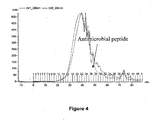
- the column was washed with 20% (v/v) iso-propanol in 25 mM ammonium acetate (pH 6.5) and the bacteriocin eluted with 40% iso-propanol in 25 mM ammonium acetate (pH 6.5). After drying under vacuum (Speed-Vac; Savant), the fractions were pooled and dissolved in 50 mM phosphate buffer, pH 6.5. The active fractions were further separated by gel filtration chromatography in a Superdex tm 75 column (Amersham Pharmacia Biotech) linked to an ⁇ KTA purifier (Amersham) ( Figure 4 ).
- Elution of the peptide from the column was with 50 mM phosphate buffer and 400 mM NaCl, pH 6.5. Peptides were detected at 254 nm and 280 nm, respectively. Fractions containing the active peptide were collected, dried under vacuum and stored at -20°C. Activity tests were performed by using the agar spot method.
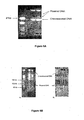
- Strain ST4SA was grown in MRS broth (Biolab) for 20h at 30°C. The cells were harvested by centrifugation (8 000 x g , 10 min, 4°C) and peptide ST4SA precipitated from the cell-free supernatants with 80% saturated ammonium sulphate. The precipitate was resuspended in one tenth volume 25 mM ammonium acetate (pH 6.5), desalted against distilled water by using a 1000 Da cut-off dialysis membrane (Spectrum Inc., CA, USA) and separated by tricine-SDS-PAGE ( Figure 5A ). A low molecular weight marker with sizes ranging from 2.35 to 46 kDa (Amersham International, UK) was used. The gels were fixed and one half overlaid with L. casei LHS (10 6 cfu/mL), embedded in Brain Heart Infusion (BHI) agar (Biolab), to determine the position of the active bacteriocin ( Figure 5B ).
- peptide ST4SA has cytotoxic properties
- triplicate wells of confluent monolayers of monkey kidney Vero cells were grown in tissue culture plates for 48 h and then exposed to various concentrations of the antimicrobial peptide. After 48 h of incubation, cell viability was tested by treating the cells with tetrazolium salt MTT [3-(4,5-dimethylthiazol-2-gamma-2,5-diphenyl tetrazolium bromide] (Sigma). Production of a blue product (formazan), which forms after cleaning of MTT by succinate dehydrogenase was recorded.
- the 50% cytotoxicity level (CC 50 ) was defined as the peptide concentration ( ⁇ g/ml) required to reduce cell viability by 50%. According to the CC 50 results (cytotoxicity level), no cytotoxicity was recorded, that is, the peptide has zero (0) CC 50 .
- Plasmid DNA was isolated, after which the DNA was further purified by CsCl density gradient centrifugation. The DNA was separated on an agarose gel ( Figure 6 ). Lambda DNA digested with Eco RI and Hind III (Promega, Madison, USA) was used as molecular weight marker.
- faecalis OGX1 as recipient.
- the selection was done on plates containing 1 mg ml -1 streptomycin and 2000 AU ml -1 crude peptide ST4SA. Colonies were selected at random and checked for production of peptide ST4SA and screened for plasmid content, as described before.
- a colony of conjugated cells of Ent. faecalis OGX1 which contained pST4SA was cultured and the cell-free supernatant was subjected to activity tests, as described before.
- NCBI National Center for Biotechnology Information
- Strain ST4SA was grown in 10 ml MRS broth for 18 hat 30 °C, the cells harvested by centrifugation (8000 x g, 10 min, 4 °C), and the pellet resuspended in 10 ml sterile peptone water.
- MRS broth (De Man, Rogosa and Sharpe) without glucose, supplemented with 20.0 g/l fructose, sucrose, lactose, mannose, and maltose, respectively; (d) MRS broth with 0.1-40.0 g/l fructose as sole carbon source; (e) MRS broth (De Man, Rogosa and Sharpe) with 2.0 - 50.0 g/l K 2 HPO 4 or 2.0 - 50.0 g/l KH 2 PO 4 ; and (f) MRS broth (De Man, Rogosa and Sharpe) supplemented with 0 - 50.0 g/l glycerol.
- Vitamin K 1 Vitamin K 1 (Fluka Chemie AG, CH-9471 Buchs, Switzerland) were filter-sterilised and added to MRS broth at 1.0 mg/ml (final concentration). Incubation for all tests was at 30°C for 20 h. Activity levels of peptide ST4SA were determined as described before. All experiments were done in triplicate.
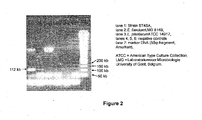
- Strain ST4SA was identified as a strain of the genus Enterococcus, based on morphology, as shown in Figure 1 , non-motility, absence of pigment formation, and PCR with genus-specific primers ( Figure 2 ) and species-specific primers ( Figure 3 ). Further identification to species level was by sugar fermentation patterns as shown in Table 1 and physiological characteristics as shown in Table 2 above.
- Peptide ST4SA was inactivated by treatment with proteolytic enzymes (Proteinase K, pepsin, pronase, papain and trypsin), Triton X-114 and after 20 min at 121°C, as can be seen in Table 3.
- proteolytic enzymes Proteinase K, pepsin, pronase, papain and trypsin
- Triton X-114 was inactivated by treatment with proteolytic enzymes (Proteinase K, pepsin, pronase, papain and trypsin), Triton X-114 and after 20 min at 121°C, as can be seen in Table 3.
- the peptide remained active after treatment for 90 min at 100°C and when treated with Tween 20, Tween 80, urea, EDTA and Triton X-100 (Table 3). No activity was lost after incubation at pH values ranging from 2.0 to 12.0 (Table 3).
- Peptide ST4SA inhibited a large number of Gram-positive and Gram-negative bacteria as shown in Table 4.
- Table 4 Organism Temp.(°C) Medium, incubation Peptide activity Acinetobacter baumanii AB16 37 BHI, aerobic + Bacillus cereus LMG 13569 37 BHI, aerobic + Clostridium tyrobutyricum LMG 13571 30 RCM, anaerobic + Enterobacter cloacae26 37 BHI + Enterococcus faecalis LMG 13566, E77, E80, E9 FA2, 20, 21 37 MRS, aerobic + Escherichia coli EC1 37 BHI + Klebsiela pneumoniae KP31 37 BHI + Lactobacillus acidophilus LMG 13550 37 MRS, anaerobic - Lactobacillus bulgaricus LMG 13551 37 MRS, anaerobic - Lactobacillus casei LMG 13552 37 MRS, anaerobic -
- Peptide ST4SA was purified by gel filtration shown in Figure 4 and is in the range of 3400 Da, as seen from Figures 4 and 5 .
- the peptide had no cytotoxicity when tested on Vero cells as described hereinbefore.
- Strain ST4SA has two plasmids as shown in Figure 6A . Curing the strain of these plasmids did not result in loss of antimicrobial activity. Probing of the chromosome and plasmid DNA with a DNA fragment encoding the structural gene showed clear hybridization with the chromosome (genome) ( Figure 6B ). This proved that the structural gene encoding peptide ST4SA is located on the genome. Furthermore, conjugation of these plasmids to E . faecalis (not shown) did not convert the strain to a peptide ST4SA producer, confirming that the genes encoding peptide ST4 production are located on the genome of strain ST4SA.
- sequence of peptide ST4SA is indicated in Figure 7 and the sequence listing and is indexed as SEQ. ID NO. 12 for the purposes of this invention.
- sequence of the transporter and immunity peptides are indexed as SEQ. ID. NOs 14 and 16, respectively, for the purposes of this invention.
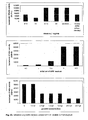
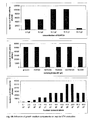
- peptide ST4SA Production of peptide ST4SA in different growth media is indicated in Figures 9A and 9B .
- a DNA fragment containing an adhesion/immunity gene is indicated in Figure 11 , and is indexed as SEQ. ID. NO. 15 for the purposes of this specification.
- Enterococcus mundtii ST4SA produces a broad-spectrum antimicrobial peptide (peptide ST4SA) with activity against a number of pathogens.
- the structural gene encoding the leader peptide and propeptide (collectively known as the prepeptide) is located on the genome of strain ST4SA (see Figure 6B ). Only one such gene structure was detected, suggesting that only one peptide is responsible for the broad spectrum of antimicrobial activity.
- Efforts were made to cure strain ST4SA from its 50 kb and 100 kb plasmids ( Figure 1 ), but they failed. This suggests that the plasmid may play a major role in rendering immunity to peptide ST4SA, or harbours genes important in key metabolic reactions.
- ST4SA is a strain of Enterococcus mundtii was obtained by species-specific PCR (polymerase chain reaction) with primers designed from conserved regions on 16S rDNA using:
- a 306 base-pair fragment was amplified (shown in Figure 3 ). Sequencing of the DNA fragment yielded 98% homology with conserved 16S rDNA fragments in GenBank.
- the structural gene (encoding the propeptide ST4SA), the transporter genes and the immunity gene have been sequenced and their respective amino acid sequences translated from the DNA sequences ( Figure 8 ).
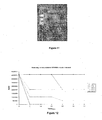
- peptide ST4SA The stability of peptide ST4SA, suspended in sterile distilled water, was tested at temperatures ranging from -20°C to 60°C over 42 days ( Figure 12 ). The peptide remained stable at -20°C for 42 days and for three weeks at 4°C. Stability decreased after one week at 37°C. Peptide ST4SA in powder form did, however, remain stable for 6 months at room temperature (25°C). Peptide ST4SA will be produced in powder form and marketed as such. Once dissolved in sterile distilled water, peptide ST4SA may be kept for three weeks at 4°C (see Figure 12 ).
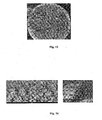
- the activity of peptide ST4SA on paper disks is listed in Table 5. Comparison of activity with antibiotics is listed in Table 6. Activity was tested against a Pseudomonas sp. isolated from infected middle-ear fluid. Images of the inhibition zones are shown in Figure 13 . Table 5 . Activity of peptide ST4SA on paper disks. Peptide ST4SA (AU/ml) Freeze dried (A U / ml) 409600 Paper disk (2 cm x 2 cm; 700 ⁇ l) 286720 Paper disk (0.6 cm diameter) 20263 Table 6. Comparison of the activity of peptide ST4SA to commonly used antibiotics. Antibiotic Diameter of inhibition zones (mm) Ampicillin (10 ⁇ g) 24 Bacitracin (10 units) 10 Chloramphenicol (30 ⁇ g) 28 Erythromycin (15 ⁇ g) No zone Tetracycline (30 ⁇ g) 35 Peptide ST4SA 25
- Binding of peptide ST4SA to target cells is important to ensure penetration of the peptide.
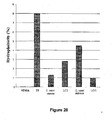
- the ability of peptide ST4SA to adhere to pathogens was studied and the results were expressed as a percentage binding to the pathogens (Table 7). Concluded from these results, at least 75% of peptide ST4SA binds to the pathogens tested. Adhesion of peptide ST4SA to the target cell leads to penetration and disruption of the cell membrane ( Figure 14 ). Table 7. Adhesion of peptide ST4SA to pathogens.
- HKLHS 1.395 Table 9 Pathogen ⁇ -galactosidase recorded at OD 420 Streptococcus pneumoniae 27 No leakage 29 No leakage D No leakage Streptococcus pyogenes 20 No leakage Staphylococcus aureus 36 No leakage Klebsiella pneumoniae 30 No leakage Middle ear isolates (unknown) 40 BW 0.370 DW 0.293 F 0.318 HW 0.235 GW 0.373 K No leakage L No leakage M No leakage Control Enterococcus spp. HKLHS No leakage
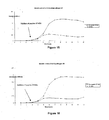
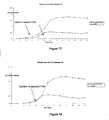
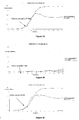
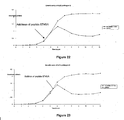
- FIG. 15 to 23 Cell lysis of different pathogens after treatment with peptide ST4SA are shown in Figures 15 to 23 .
- a 0.2% (v/v) inoculum of an overnight pathogen was inoculated into BHI broth.
- Peptide ST4SA was added to each pathogen at mid-exponential phase. From the results presented herein ( Figures 15 to 23 ), it is clear that peptide ST4SA acted in a bactericidal manner against most pathogens.
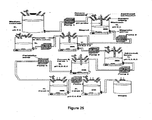
- the survival of Enterococcus mundtii ST4SA was evaluated in a computerized gastro-intestinal model (GIM, shown in Fig 25 ).
- the first vessel in the GIM simulates the stomach, the second vessel the duodenum, vessel number three the jejunum and ileum, and vessel four the colon.
- Flow of the nutrients was regulated by dedicated software.
- the pH in the different sections of the GIM was regulated by the peristaltic addition of sterile 1 N HCl or 1 N NaOH. Each section was fitted with a highly sensitive pH probe, linked to a control unit and computer.
- the flow rate of nutrients through the GIM was adjusted according to an infant's intestinal tract. Conditions simulating a short digestive tract were chosen to allow greater fluctuation and thus increased stress onto the probiotic.
- Four infant formulas (Lactogen2, NAN Pelargon, ALL110 and Alfare) were evaluated.
- Dosage with the probiotic bacterium was according to prescription, i.e. 10 8 viable cells (cfu) per ml.
- the probiotic cells were suspended in saliva.
- the pancreatic-bile solution contained NaHCO 3 , pancreatin and oxgall, dissolved in distilled water.
- the conditions used in the GIM were as summarized in Tables 10 and 11.
- Table 10 Time (min.) pH Growth medium Pancreatic-bile solution 0-4 Nutrients pumped into stomach vessel.
- strain ST4SA against a pathogen was tested by infecting the GIM with Listeria monocytogenes .
- the survival of strain ST4SA and its ability to produce the antimicrobial peptide ST4SA in the GIM was monitored (results shown in Table 12).
- Table 12 Antibiotics ST4 Ampicillin +++ Bacitracin ++ Cephazolin + Chloramphenicol +++ Ciprofloxzcin +++ Cd.
- strain ST4SA survived in all sections of the intestinal tract.
- Antimicrobial peptide production was in excess of 25 600 AU (arbitrary units) per ml in all sections of the intestinal tract.
- Growth in NAN Palargon was slightly less optimal than in MRS.
- the cell numbers did not decrease by more than one logarithmic cycle (see Table 13).
- Table 13 Antibiotic (mg) Number of viable cells of strain ST4SA Control 1 x 10 8 TMP-SMX 20/100 7 x 10 4 TMP-SMX 40/200 8 x 10 4 TMP-SMX 60/300 8 x 10 4 TMP-SMX 80/400 1.8 x 10 4 Metronidazole 50 1.3 x 10 4 Metronidazole 100 6 x 10 4 Metronidazole 200 3 x 10 4
- strain ST4SA Resistance of strain ST4SA to various antibiotics has been tested according to standard procedures (antibiotic discs, Oxoid). Concluded from these results, strain ST4SA is resistant to sulphonamides, cloxacillin, metronidazole, methicillin, neomycin, nystatin, oxacillin and streptomycin (Table 13).
- TMP-SMX Trimethoprim-sulfamethoxazole
- Metronidazole Metronidazole
- TMP-SMX and Metronidazole decreased the cell numbers of strain ST4SA with four log cycles. However, increased concentrations had no drastic effect on viability.
- strain ST4SA As a probiotic, it is important to know if there are any virulence factors associated therewith. Primers have been designed for the genes encoding the following virulence factors: Vancomycin resistance (VanA/VanB); production of gelatinase (Gel); aggregation substance (AS); adhesin of collagen from enterococci (Ace), enterococcus surface protein (Esp); haemolysin/bacteriocin (Cyl) and non-cytolysin beta hemolysin genes.
- peptide ST4SA has a broad spectrum of antmicrobial activity, acting against a number of Gram-positive and Gram negative bacteria, the mode of action of peptide ST4SA appears to be different from other antimicrobial peptides thus far described for lactic acid bacteria.
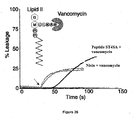
- site of recognition on the cell walls of sensitive cells may differ from the usual Lipid II anchor site used by other peptides of which the Applicant is aware ( Figure 26 ).
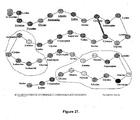
- Peptide ST4SA has two hydrophobic regions ( Figure 27 ) which can intercalate with phospholipid-rich cell membranes after it has formed a reaction with the receptor site on the cell wall.
- the area between the two hydrophobic regions, more specifically between amino acid 29 (serine) and amino acid 30 (alanine) ( Figure 27 ) is more flexible than the rest of the structure and may act as a hinge area, which would allow the C-terminal half of the peptide to bend and incorporate itself into the phospholipid-rich cell membrane.
- the two sections of peptide ST4SA ( Figure 27 ) were synthesized (listed hereinafter as Fragment 1 and Fragment 2), based on the amino acid sequence deduced from the DNA sequence of the structural gene.
- Fragment 1 consisted of the first 29 amino acids (from lysine to serine), just before the hinge area (viz. between the serine at position 29 and alanine at position 30).
- a disulfide bridge was introduced (connecting line, shown below) that covalently linked amino acids 9 (cysteine) and 14 (cysteine), also shown below in the full length peptide sequence:
- Fragment 1 contained the first hydrophobic region, indicated by the encircled region (six amino acids from position 21 to 26, viz. AIGIIG). This part of the molecule recognizes the receptor on the cell wall of the target (sensitive) organism.
- Fragment 2 comprised the last 13 C-terminal amino acids in the second hydrophobic loop downstream of the hinge area, plus the preceding 11 amino acids just before the hinge area (between serine and alanine):
- PE film was cut into sections of 5 x 5 cm and soaked for 1h in a solution of 60% isopropanol and peptide ST4SA (activity level: 102 400 AU/ml).
- the PE sections were air-dried (20 min at 60°C) and assayed for antimicrobial activity by using the standard agar diffusion method.
- Peptide ST4SA adsorbed to PE within 60 seconds to produce a film with high antimicrobial activity (large inhibition zones surrounding the PE section).
- the strength of binding was determined by soaking the peptide-coated PE film in SDS-buffer, followed by electro-eluting peptide ST4SA from the film with a current of 30 mA for 2h (room temperature, i.e. ca. 25°C). Samples were taken at regular time intervals and tested for antimicrobial activity. Protein concentrations were determined by using the Bradford method. Electro-eluted film was tested for antimicrobial activity by using the agar diffusion method as before.
- Peptide ST4SA adhered strongly, and it would seem irreversibly, to the PE film. Release of peptide ST4SA from the surface of PE was only possible after 1 h with a current of 30mA. In a challenge study with red meat as model, surface (PE)-bound peptide ST4SA prevented the growth of pathogenic bacteria ( Listeria , Bacillus and Staphylococcus ). This suggests that peptide ST4SA is usable in wound dressings to prevent or reduce microbial infections and also finds uses in other medical or aseptic applications such as, for example, implants, ear grommets, catheters, ostomy tubes and pouches, stents, suture material, hygiene products such as feminine hygiene products, contact lenses, contact lens rinsing solutions.
- the encapsulation of the antimicrobial peptide in the polymer leads to a slow release of the antimicrobial peptide and an extended period of treatment of a microbial infection. Furthermore, strong adherence of peptide ST4SA to PE shows that it acts as a slow-release antimicrobial agent.
- Peptide ST4SA binds to more than one receptor site on a microbial cell and is typical of what one would expect from a broad-spectrum antimicrobial agent.
- the first section of peptide ST4SA (in front of the hinge area) binds to the receptor.
- the second part (downstream of the hinge area) has a bigger hydrophobic region and intercalates into the cell membrane and distorts the permeability, leading to cell death (visualized by DNA and enzyme leakage).
- Peptide ST4SA binds to PE in a stable and slow-release fashion and is suited for incorporation into wound dressings.
- Enterococcus mundtii ST4SA was evaluated in a computerized gastro-intestinal model as shown. This phase comprised further in vitro and in vivo evaluation of strain ST4SA as a probiotic. Adhesion to mucus and epithelial cells were studied in vitro with human cell lines. In vivo studies were performed in rats.
- the human intestinal cell lines used in the study were from the human colon adenocarcinoma and included Caco-2 cell lines, HT-29 and HT29-MTX (mucus-secreting cells).
- the cell-lines express morphological and functional differentiation when grown under standard culture conditions and show characteristics of mature enterocytes, which include polarization, a functional brush order and apical intestinal hydrolyses.
- Adherence of strain ST4SA to host cells is influenced by cell surface carbohydrates, the Efa A protein, the Ace (adhesin of collagen from enterococci) protein and aggregation substance (AS), related to pathogenicity.
- AS is an adhesin which mediates the formation of cell clumps that allows the highly efficient transfer of the sex pheromone plasmid on which AS is encoded.
- strain ST4SA was screened for virulence traits, bile salt hydrolase (BSH) activity, and the ability to adhere to the human enterocyte-like cell line Caco-2, competitive exclusion while adhering to the Caco-2 cell line, and in the in vitro gastrointestinal (GIT) model.
- BSH bile salt hydrolase
- GIT in vitro gastrointestinal
- virulence factors viz. vancomycin resistance (VanA/VVanB/VanC1-VanC2/VanC3), production of gelatinase (Gel), aggregation substance (AS), adhesin of collagen from enterococci (Ace), enterococcus surface protein (Esp), haemolysin/bacteriocin (Cyl) and non-cytolysin beta hemolysin genes were studied by in vitro tests and/or PCR screening. DNA was extracted from E. mundfii ST4 according to standard methods. The primers designed for amplification of the latter genes were as described. The results are shown in Table 14.
- Sex pheromone was obtained by growing the pheromone producer, Enterococcus faecalis JH2-2, in MRS broth at 37°C for 18 h.
- ⁇ -hemolysin Production of ⁇ -hemolysin was indicated by the formation of clear zones surrounding the colonies on blood agar plates. Blood agar plates were prepared using Columbia Blood Agar Base with 5% sheep blood. No production of ⁇ -hemolysin was observed.
- strain ST4SA does not have the genes encoding vancomycin resistance, gelatinase production, production of the endocarditis antigen, forming of cell aggregates, adherence to collagen, and/or production of a surface protein.
- Genes encoding ⁇ -hemolysin activity and non-cytolysin beta hemolysin III were detected. However, the latter two genes are not expressed (no haemolytic activity was observed on blood agar plates - see below)
- Strain ST4SA was tested for BSH activity by spotting 10 ⁇ l of an overnight culture on MRS agar plates supplemented with 0.5% (w/v) sodium salt of taurodeoxycholic acid (TCDA) and 0.37 g/L CaCl 2 . Plates were incubated in anaerobic jars for 72h at 37 °C. The formation of precipitation zones were regarded BSH positive.
- TCDA taurodeoxycholic acid
- BSH bile salt hydrolytic
- strain ST4SA did not show signs of hydrophobicity. Accordingly, the cells do not stick permanently to surfaces in the GIT. The cells move freely (as planctonic cells) in the gut, which enhances the usefulness thereof as a good probiotic.
- Caco-2 cells (Highveld Biological Sciences) were seeded at a concentration of 5 x 10 5 cells per well to obtain confluence. Adherence was examined by adding 100 ⁇ l of bacterial suspension (1 x 10 5 cfu/ml of strain ST4SA and 1x10 3 cfu/ml of L. monocytogenes ) to the wells. After incubation at 37°C for 2h, the cell lines were washed twice with PBS. The bacterial cells were lysed with Trition-X 100 and plated onto MRS and BHI agar, respectively. Adhesion was calculated from the initial viable counts and the cell lysates.
- Caco-2 cell monolayers were prepared on glass coverslips in 12-well tissue culture plates. A suspension of ST4SA cells was added to the wells. After a 2h adhesion period, the cell lines were washed twice with PBS, fixed with 10% formalin and gram-stained. Adherent bacteria were examined microscopically. The results are shown in Table 15 and Table 16. Table 15 Cfu/ml Inoculum of ST4 Adhesion of ST4 Inoculum of L . Monocytogenes Adhesion of L .
- ST4SA antimicrobial activity against L. monocytogenes in an in vitro gastro-intestinal model was determined.
- ST4SA was inoculated in the stomach vessel as described hereinbefore.
- L . monocytogenes (1 x 10 4 ) was inoculated in the duodenum vessel of the GIT. Samples were taken from each vessel and plated out on Enterococcus and Listeria specific medium, respectively. As control, only L. monocytogenes was inoculated in the GIT model.
- Ten male Wistar rats weighing between 318 g and 335 g were housed in groups of five in plastic cages with 12-hour light/dark cycle, in a controlled atmosphere (temperature 20°C ⁇ 3°C). The animals were fed a standard diet, as well as autoclaved, reverse osmosis water either supplemented with probiotic or unsupplemented ad lib.
- Strain ST4SA was cultured in MRS Broth at 30°C for 18 hours; the optical density was adjusted to 1.8 at 600 nm. Cells were harvested by centrifugation and washed in 20 mM phosphate buffer (pH 7.5). Washed cells were re-suspended in 100 mM sucrose, frozen in liquid nitrogen and lyophilized overnight. The cfu/ml value was determined by suspending a given mass of cells in 1 ml of phosphate buffer and spread plating dilutions on MRS solid media. Strain ST4SA was added to drinking water at a concentration of approximately 2 x 10 8 cfu/ml.
- Lactovita Three capsules containing a probiotic commercially available under the trade name Lactovita were opened and added to each bottle of drinking water. This resulted in approximately 3 x 10 5 cfu/ml being administered.
- Rats were placed in single cages overnight at specified sampling points and the 24 h faecal samples were collected to determine bacterial counts and [3-glucuronidase activity. Faecal samples were homogenized in 20 mM phosphate buffer at a concentration of 100 mg faeces/ml buffer. Samples were stored at -20°C until analysis. The faecal samples were pelleted by centrifugation and resuspended in 1 ml GUS extraction buffer (50 mM NaHPO 4 , 5 mM DTT, 1 mM EDTA, 0.1% Triton X-100), mixed and incubated at 22°C for 10 minutes.
- GUS extraction buffer 50 mM NaHPO 4 , 5 mM DTT, 1 mM EDTA, 0.1% Triton X-100
- ⁇ -Glucuronidase activity was assayed by incubating 100 ⁇ l of treated faecal suspension with 900 ⁇ l of reaction buffer (extraction buffer containing 1mM ⁇ -nitrophenyl glucuronide) and incubating at 37°C for 2 hours. The reaction was stopped by adding 2.5 ml 1M Tris, pH 10.4. The absorbance was determined at 415 nm and a standard curve was constructed using concentrations of 0.1, 0.2, 0.5, 1 and 10 mM p-nitrophenol.
- mice After feeding with test strains for the specified time periods, animals were euthanized by pentobarbitone sodium overdose. Blood samples were obtained by cardiac puncture of the right ventricle. The gross anatomy of the visceral organs of each rat was checked and recorded. A sample of the liver, spleen, ileum, caecum and colon tissues was excised. The tissue samples were collected in cassettes and placed in a 4% formaldehyde (PBS) solution and then embedded in paraffin wax for histological analysis and FISH studies. A section of the ileum and colon were frozen in liquid nitrogen. Blood samples were spread plated on BHI solid media and incubated at 37°C overnight.
- PBS formaldehyde
- TNF tumour necrosis factor
- IFN interferon ⁇
- Bacterial enzymes including ⁇ -glucuronidase, are known to be involved in generating mutagens, carcinogens and tumour promoters from precursors found in the GIT and there presence may indicate toxicity of bacterial strains and can therefore be used as an indication of the safety of potential probiotics.
- strain ST4SA and a Lactovita suspension exhibited no ⁇ -glucuronidase activity in vitro (data not shown).
- rats given a Lactovita suspension showed an increase in ⁇ -glucuronidase activity in faecal samples compared to control rats (Table 18A).
- Control animals also showed a decrease in activity at day 107 of the study compared to activity at day 56, experimental animals showed slightly increase values at day 107 compared to day 56.
- Rats given a ST4 supplement showed higher ⁇ -glucuronidase activity compared to control groups (Table 18B), however, this activity was still lower at the end of the study compared to the values on day 0 of the study.
- the control group also showed lower activity at the end of the study compared to day 0.
- Table 18 Table 18A Day 56 Day 77 Day 107 Lactovita 6.58 (0.34) 7.49 (0.23) 7.88 (0.36) Control 7.52 0.26 8.17 0.08 6.70 (0.32) Table 18B Day 0 Day 14 Day 30 Day 50 ST4 6.43 (0.52) 1.78 (0.45) 5.25 (0.57) 5.14 (0.83) Control 5.78 (0.50) 2.40 (0.76) 4.02 (0.62) 2068 (0.15)
- An enlarged spleen may indicate increase immune system activity. This also correlates with pronounced MLN.
- MLN are also involved in immune function and may enlarge.as a result of inflammation or infection. This enlargement is an indication that they are performing their function as expected. Therefore strain ST4SA may act as an immune stimulant.
- Rats receiving Lactovita supplements showed a smaller spleen and less pronounced MLN compared to the control rats. This indicates that Lactovita does not induce an immune reaction.
- the MLN and spleen of the control rats were enlarged and no symptoms of disease were observed in the absence of any immune stimulant.
- Cytokines are secreted proteins that mediate cell growth, inflammation, immunity, differentiation and repair. They often only require femtomolar concentrations to produce their required effects. Often they act in combination with cell surface receptors to produce changes in the pattern of RNA and protein synthesis. Because they are usually present in such low concentrations it may be more beneficial to determine the expression of additional genes that are under the influence of these proteins.
- strain ST4SA does not possess genes encoding vancomycin resistance. Genes encoding ⁇ -hemolysin activity and non-cytolysin beta hemolysin III were detected, but they remained silent (not expressed). Strain ST4SA has no bile salt hydrolytic (BSH) activity. This indicates that the strain would perform better in the lower sections of the GIT (ileum and colon). As shown above, the date indicate that E. mundtii strain ST4SA moves freely through the GIT and prevents the adhesion of Listeria to Caco-2 cells, while also successfully competing against Listeria from binding to receptors on human cells. Strain ST4SA had an antimicrobial effect on L . monocytogenes in gastro-intestinal model (GIM) studies.
- GIM gastro-intestinal model
- Strain ST4SA is not toxic, as shown with rat studies. No treatment-related illness or death occurred. Strain ST4SA also performed better than Lactovita as such, with rats being given Lactovita showing an increase in ⁇ -glucuronidase activity; strain ST4SA therefore stimulates the immune response in rats. Rats given Lactovita supplements showed a smaller spleen and less pronounced MLN compared to the control rats, which suggest that Lactovita does not induce an immune reaction.
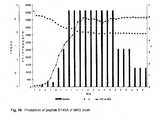
- peptide ST4SA inhibits the growth of a variety of bacteria and maximal production of peptide ST4SA (51 200 AU/ml) was recorded after 20 h of growth in MRS broth (Biolab), which was maintained throughout fermentation.
- the cells were harvested by centrifugation (8 000 x g, 4°C, 15 min) and the cell-free supernatant incubated at 80° C for 10 min. Ammonium sulfate was gently added to the cell-free supernatant at 4° C to a saturation level of 60%. After 4 h of slow stirring, the precipitate was collected by centrifugation (20 000 x g, 1 h, 4° C).
- the pellet was resuspended in one-tenth volume 25 mM ammonium acetate (pH 6.5) and desalted against sterile MilliQ water using a 1.0 kDa cut-off Spectra/Por dialysis membrane (Spectrum Inc., CA, USA). Further separation was by cation exchange chromatography in a 1 ml Resource S column (Amersham Biosciences) with an ⁇ KTA purifier (Amersham), as described hereinbefore.
- Peptide ST4SA activity levels obtained after each purification step are indicated in Table 19.
- Table 19 Sample Activity (AU/ml) Total protein ( ⁇ g/ml) Specific activity (AU/ ⁇ g protein) Yield (%) Purification Factor Cell-free supernatant (450ml) 12 800 10.77 1 188.49 100 1 Ammonium sulphate precipitate (45ml) 102 400 82.31 1 244.08 80 1.1 Dialysate (45ml) 102 400 35.77 2 862.73 80 2.4
- Active fractions collected from the ⁇ KTA purifier corresponded to the ST4SA peak and produced a 42-amino acid peptide, the expected size of peptide ST4SA.
- Iso-electric focusing of peptide ST4SA was done by using the Rotofor® electro-focusing cell (Bio-Rad, Hercules, California, USA).
- a constant current of 12 W was applied for 5 h at 8°C. After separation, a small volume from each of the collected fractions was adjusted to pH 7.0 with 3 N NaOH or 3 N HCl and tested for antimicrobial activity against Lactobacillus casei LHS.
- fractions that tested positive were pooled, resuspended in de-ionized water to a total volume of 50 ml, again subjected to electro-focusing, the fractions collected and tested for antimicrobial activity. Samples were stored at -20°C.
- Cost reduction of cultivation media forms an important part of media optimization. Media costs can be lowered by using industrial media as a carbon and/or nitrogen source.
- Corn steep liquor (CSL), cheese whey powder (CWp) and molasses are regularly used as part of growth media.
- CSL is a by-product formed during the milling of corn. It is manly a nitrogen source, but also contains sugars (mainly sucrose), vitamins and minerals.
- Cheese whey, a by-product in the diary industry is the most common fermentation medium for lactic acid (LA) production, and contains mainly lactose, proteins and salts.
- Molasses is a by-product containing mainly sucrose with traces of other minerals.
- Strain ST4SA was cultured in MRS broth (Biolab) and inoculated (2% v/v) into CSL, CWp and molasses, respectively.
- Fermentations were conducted in test tubes containing 10 ml of media. The pH was adjusted with NaOH before sterilization (121°C for 15 min). The concentration of NaOH depended on the buffer capacity of the media. A 24-hour-old culture was used for inoculation (2% v/v). Batch fermentations were conducted in test tubes at 30 °C for 16 hours, pH 6.5 - 7.0. The pH was not controlled. Optical density (OD) was measured at 600 nm.
- Phenol 500 ⁇ l of a 5%, v/v
- concentrated sulphuric acid 2.5 ml
- the solutions were thoroughly vortexed and absorbancy readings taken at 490 nm (room temperature).
- Sugar concentration g glucose.l -1 was calculated using a standard graph.
- a Dionex DX500 analyser with a CarboPac PA100 column was used to analyse the samples for monomer sugars.
- the eluent used was 250 mM NaOH, H 2 O and 1M NaOAc at a flow rate of 1 ml.min -1 .
- the Dionex was equipped with an auto sampler and the injection volume was 10 ⁇ l.
- Peptide ST4SA activity of up to 12800 AU ml -1 was recorded in pure CSL at a concentration of 10 g TS.l -1 . This was, however, low compared to peptide ST4SA activity recorded in MRS (51200 AU.ml -1 ).
- MRS components except glucose
- CSL at 40 g TS.l -1 with supplements yielded low activity.
- CSL produced peptide ST4SA at twice the activity compared to CWp (25600 AU.ml -1 ). CSL was therefore chosen as medium for future experiments.
- Beef extract (B), potassium phosphate (E), tri-ammonium citrate (G) and sodium acetate (K) had negative coefficients in the linear model (equation 2) causing a decrease in the response variable. This reflected their negative effect on peptide ST4SA production. This meant that only yeast extract (YE) (C) and CSL (D) increased peptide ST4SA production.
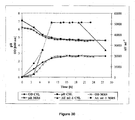
- a growth curve with optimal media is shown in Figure 30 .
- CSL-based media and MRS yielded similar growth kinetics.
- the composition of CSL may vary on a daily basis, as it is a waste product. A difference in composition has the potential of significantly affecting results. This was investigated by performing the same experiments on a second batch of CSL. This time ANOVA analysis identified YE, CSL, Tween80, MnSO 4 , and sodium acetate as the components having the most significant effect on bacteriocin production (P ⁇ 0.1). Continued optimization showed that MnSO 4 was insignificant while sodium acetate caused a decrease in activity.
- the final media consisted of the following three components: YE (C), CSL (D) and Tween80 (F). It was not surprising to find that yeast extract was once again one of the significant components. Tween80 has emulsifying properties.
- the sugar content of the CSL medium was measured before and after fermentation.
- CSL was made up to a concentration of 7.5 g TS.l -1 .
- the main monomer sugars present were glucose and fructose at a Total concentration of 3.883 g.l -1 . Only about 51.8% of the total sugar was therefore in a fermentable form and not all sugars were metabolized during fermentation.
- the pH was 4.6 and the residual sugars left were 8.8%. Growth limitations were due to low pH and not due to a lack of nitrogen, minerals, vitamins or any other nutrients, and Table 27 shows the carbon uptake during fermentation.
- CSL supplemented with YE could match high peptide ST4SA levels obtained in commercial MRS broth.
- this has the potential of significantly reducing costs associated with cultivation media.
- CSL was selected as growth medium for industrial production of peptide ST4SA.
- probiotic bacteria may also compete with pathogenic bacteria for adhesion sites.
- Caco-2 cells which originate from human colon adenocarcinoma, were used as an in vitro model to investigate the adhesion and competitive exclusion abilities of E. mundtii ST4SA to epithelial cells.
- E. mundtii ST4SA and L. monocytogenes Scott A were able to adhere and both showed 5% adhesion to the Caco-2 cells.
- the adhesion of E. mundtii ST4SA was lowered to 1% when the incubation time was only 1h. Food material stays in the small intestine for 2h and therefore would allow sufficient time for E. mundtii ST4 to adhere to the epithelial cells.
- E. mundtii ST4SA did not have an effect on the adhesion of L . monocytogenes Scott A regardless of whether the strain was added before, during or after the incubation with the pathogen. In the exclusion and displacement tests, L.
- E. mundtii ST4SA showed resistance against two antibiotics (Cefasyn and Utin) and the inflammatory medicaments Rheugesic, Coxflam and Pynmed. The results are shown in Table 28. Antibiotics with the greatest growth inhibition on E . mundtii ST4SA are Promoxil, Cipadur, Roxibidd and Doximal.
- Promoxil, Doximal, Cefasyn and Utin had no effect on the adhesion of ST4SA cells to Caco-2 cells compared to the control.
- Adhesion decreased with 10% in the presence of Cipadur, Roxibudd and Ibugestic syrup and 14% with a higher concentration of Cefasyn, as may also be seen in Table 29.
- E. mundtii strain ST4SA was cultured in MRS Broth at 30°C for 18 hours; the optical density was adjusted to 1.8 at 600 nm. Cells were harvested by centrifugation and washed in 20 mM phosphate buffer (pH 7.5). Washed cells were resuspended in 100 mM sucrose, frozen at -80°C and lyophilized overnight. The cfu/vial values were determined by suspending a given mass of cells in 1 ml of phosphate buffer and spread plating dilutions on MRS solid media. Lyophilized cells were resuspended in sterile skim milk (10%) and 2 x 10 8 cfu strain ST4SA was administered via intragastric gavage.
- Lactovita capsules were emptied into a vial and resuspended in sterile skim milk (10%) and 2 x 10 8 cfu was administered via intragastric gavage.
- Listeria monocytogenes Scott A was cultured in BHI Broth at 37°C for 18 hours. Cells were harvested by centrifugation and washed in 20 mM phosphate buffer (pH 7.5). Washed cells were resuspended in 100 mM sucrose, frozen at -80°C and lyophilized overnight. The number of cfu/vial was determined as described above. Lyophilised cells were resuspended in sterile skim milk (10%) and 10 4 cfu were administered via intragastric gavage.
- Sections were stained with hemolysin and eosin for histological analysis.
- the hemolysin and eosin analysis indicated that oral administration of strain ST4SA does not result in any structural damage to the liver, spleen or GIT (see Figure 31 ). No differences were observed between animals that had been administered strain ST4SA and those receiving only unsupplemented water.
- the Enterococcus mundtii strain, ST4SA isolated from soy bean extract
- ST4SA isolated from soy bean extract
- peptide ST4SA is active against a number of pathogenic organisms such as those isolated from human middle-ear infections and the human intestine.
- peptide ST4SA is not cytotoxic.
- the Enterococcus mundtii ST4SA strain has been distinguished by the Applicant from other strains of E .
- Peptide ST4SA has been purified and sequenced, and contains two large hydrophobic regions.
- the Applicant has isolated and sequenced the nucleic acid sequence encoding peptide ST4SA, as well as the nucleic acid sequence encoding the transport of peptide ST4SA across the cell membrane, which serves to render immunity to the producer cell against its own peptide.
- strain ST4SA survives low pH conditions (pH 2.5), grows in medium adjusted from pH 4.0 to 9.6 in the presence of 6.5% NaCl, and is resistant to 1.0% (w/v) bile salts and pancreatic juice. Growth of strain ST4SA occurs at 10°C (although slowly) and at 5°C, with optimal growth at 37°C. Only L(+)-lactic acid is produced from glucose.
- the peptide also has use as an antimicrobial agent in a liquid formulation, as a topical treatment for, for example, middle-ear infections.
- This liquid formulation may be applied to the ear using an ear drop applicator.
- the liquid formulation is also included in a liquid form of the probiotic of Enterococcus mundtii for use as a liquid supplement to meals.
- the peptide further finds use as an antimicrobial agent in either a liquid or aspirated form in a nasal spray for treatment in, for example, sinus infections or sinusitis.
- the peptide is also used as an antimicrobial agent encapsulated in a polymer.
- This polymer is then used in a formulation for topical treatment of infections such as, for example, skin infections, or it may be used for incorporation in implants such as, for example, ear grommets, or for incorporation in wound dressings.
- infections such as, for example, skin infections
- implants such as, for example, ear grommets, or for incorporation in wound dressings.
- the encapsulation of the antimicrobial peptide in the polymer leads to a slow release of the antimicrobial peptide and an extended period of treatment of a microbial infection.
- the peptide also finds use as an antimicrobial agent by being incorporated into ointment, lotion, or cream formulations and used to treat infections.
- the peptide may also further be used as an antimicrobial agent by being incorporated into liquid formulations such as, for example, contact lens rinsing fluid, or it may be incorporated into the contact lenses themselves.
- the peptide may also be used as an antimicrobial agent by being incorporated into packaging material such as plastic, for use in the manufacture of aseptic packaging.
- packaging material such as plastic
- the peptide may be used as part of a broad-spectrum probiotic of Enterococcus mundtii in a tablet form or in a capsule form or it may be in an edible form such as, for example, a sweet or chewing gum.
- Enterococcus mundtii strain ST4SA ATCC PTA-7278
- Enterococcus mundtii strain ST4SA (ATCC PTA-7278) structural gene primers
- Enterococcus mundtii strain ST4SA (ATCC PTA-7278) ABC transporter gene primers
Landscapes
- Health & Medical Sciences (AREA)
- Life Sciences & Earth Sciences (AREA)
- Chemical & Material Sciences (AREA)
- Engineering & Computer Science (AREA)
- Organic Chemistry (AREA)
- General Health & Medical Sciences (AREA)
- Medicinal Chemistry (AREA)
- Zoology (AREA)
- Genetics & Genomics (AREA)
- Microbiology (AREA)
- Wood Science & Technology (AREA)
- Biotechnology (AREA)
- Bioinformatics & Cheminformatics (AREA)
- Virology (AREA)
- Biochemistry (AREA)
- Animal Behavior & Ethology (AREA)
- Public Health (AREA)
- Pharmacology & Pharmacy (AREA)
- Veterinary Medicine (AREA)
- Molecular Biology (AREA)
- Proteomics, Peptides & Aminoacids (AREA)
- Tropical Medicine & Parasitology (AREA)
- Biomedical Technology (AREA)
- Mycology (AREA)
- General Engineering & Computer Science (AREA)
- Gastroenterology & Hepatology (AREA)
- Epidemiology (AREA)
- Chemical Kinetics & Catalysis (AREA)
- Biophysics (AREA)
- Oncology (AREA)
- General Chemical & Material Sciences (AREA)
- Communicable Diseases (AREA)
- Nuclear Medicine, Radiotherapy & Molecular Imaging (AREA)
- Plant Pathology (AREA)
- Agronomy & Crop Science (AREA)
- Pest Control & Pesticides (AREA)
- Dentistry (AREA)
- Environmental Sciences (AREA)
- Immunology (AREA)
- Peptides Or Proteins (AREA)
Description
- THIS INVENTION relates to a peptide obtained from a strain of Enterococcus mundtii and to a probiotic composition of a strain of Enterococcus mundtii. More particularly, the invention relates to a peptide obtained from a strain of Enterococcus mundtii, the gene coding for the peptide and various applications of the strain which produces the peptide and the peptide itself.
- Lactic acid bacteria play an important role in maintaining the balance of normal gastro-intestinal microflora. Diet, stress, microbial infection and intestinal diseases disturb the microbial balance, which often leads to a decrease in the number of viable lactic acid bacteria (especially lactobacilli and bifidobacteria) in the intestinal tract. The subsequent uncontrolled proliferation of pathogenic bacteria then leads to diarrhoea and other clinical disorders such as cancer, inflammatory disease and ulcerative colitis.
- One of the key properties of probiotic lactic acid bacteria is the adhesion of cells to epithelial cells or intestinal mucus. This requires strong interaction between receptor molecules on epithelial cells and bacterial surfaces. A hesion of probiotic cells prevent the adhesion of pathogens and stimulate the immune system. The latter is achieved by interacting with mucosal membranes, which in turn sensitises the lymphoids. Another important characteristic of probiotics is survival at low pH and high bile salts.
- Certain strains of bifidobacteria, lactobacilli and enterococci associated with the intestines of humans and animals are known to produce bacteriocins (antimicrobial peptides). The role of these peptides, and their significance in controlling the proliferation of pathogenic bacteria in the intestinal tract, is uncertain. However, as concluded from recent reports on bacteriocins active against Gram-negative bacteria, there may be renewed interest in these peptides and their interaction with intestinal pathogens. Many of the latter bacteriocins are produced by lactic acid bacteria normally present in the intestinal tract, viz. the Lactobacillus acidophilus-group, Lactobacillus reuteri, Lactobacillus easel, Lactobacillus fermentum, Lactobacillus plantarum, Lactobacillus pentosus, Lactobacillus paracasei subsp. paracasei and Enterococcus faecalis.
-
JP 2003 339377 - KAWATO SHINICHI ET AL 2004 Biochemical and genetic characterization of Mundticin KS, an antilisterial peptide produced by Enterococcus mundtii NFRI 7393 Applied and Environmental Microbiology 68:3830-3840 describes the Biochemical and Genetic Characterization of Mundticin KS, and Antilisterial peptide produced by Enterococcus mundtii NFRI 7393.
- SAAVEDRA LUCILA ET AL 2004 Enhancement of the Enterocin CRL35 activity by a synthetic peptide derived from the NH2-terminal sequence Antimicrobial agents and chemotherapy 48:2778-2781 describes enhancement of the Enterocin CRL35 activity by a synthetic Peptide derived from the NH2-Terminal Sequence. The enterocin CRL35 biosynthetic gene cluster was cloned and sequenced.
- The invention describes a strain of Enterococcus mundtii that resists intestinal stress conditions (e.g. low pH, bile salts, salts, pancreatic enzymes) and produces a broad-spectrum antibacterial peptide (peptide ST4SA).
- According to the present disclosure, there is disclosed an isolated peptide from the bacterium Enterococcus mundtii, said peptide having the following amino acid sequence: MSQWGGKYYGNGVSCNKKGCSVDWGKAIGIIGNNSAANLATGGAAGWKS (SEQ. ID. NO. 12);
a fragment thereof having antimicrobial activity;
muteins and derivatives thereof having antimicrobial activity;
covalently bound bridge constructs thereof having antimicrobial activity; or sequences having more than about 95% homology, preferably more than 85% homology, most preferably more than about 75% homology to said amino acid sequence, having antimicrobial activity. - According to the present disclosure, there is disclosed an isolated nucleotide sequence which codes for peptide ST4SA of the bacterium Enterococcus mundtii.
- The isolated nucleotide sequence may comprise the following nucleotide sequence:the complement thereof;

a fragment thereof capable of producing, following expression thereof, a peptide having antimicrobial activity; or
nucleotide sequences which hybridize under strict hybridization conditions thereto.
Strict hybridization conditions correspond to a wash of 2 x SSC, 0.1 % SDS, at 50°C. - The nucleotide sequence may be included in a vector, such as an expression vector or transfer vector in the form of a plasmid. The vector may include nucleic acid sequences encoding selection attributes, such as antibiotic resistance selection attributes, or other marker genes. Accordingly, the disclosure extends to a recombinant plasmid adapted for transformation of a microbial host cell, said plasmid comprising a plasmid vector into which a nucleotide sequence which codes for the antimicrobial peptide of the disclosure has been inserted.
- The cell may be a prokaryotic or a eukaryotic cell, such as a bacterial cell or yeast cell. The nucleotide sequence may be incorporated transiently or constitutively into the genome of the cell. Accordingly, the disclosure extends to a transformed microbial cell which includes a recombinant plasmid, said plasmid comprising a plasmid vector into which a nucleotide sequence which codes for the antimicrobial peptide of the invention has been inserted.
- The present disclosure also relates to an isolated peptide from the bacterium Enterococcus mundtii, the peptide having antimicrobial activity.
- The bacterium Enterococcus mundtii which produces the isolated peptide identified above has been deposited with the ATCC under the assigned number PTA-7278. The specific strain of the bacterium Enterococcus mundtii that produces the isolated peptide identified above has been designated as strain ST4SA. Accordingly, the invention extends to a substantially pure culture of Enterococcus mundtii strain ST4SA deposited with the ATCC under the assigned number PTA-7278, said culture capable of producing peptide ST4SA in a recoverable quantity upon fermentation in a nutrient medium containing assimilable sources of carbon, nitrogen, and inorganic substances.
- The present disclosure also relates to a process for the production of a peptide of the disclosure which comprises cultivating Enterococcus mundtii strain ST4SA in a nutrient medium under micro-aerophilic conditions at a temperature of between 10 °C and 45 °C, until a recoverable quantity of said peptide is produced, and recovering said peptide. Preferably the cultivation occurs at a temperature of about 37 °C.
- The nutrient medium may be selected from any one or more of the group including: corn steep liquor; cheese whey powder; MRS broth; yeast extract; and molasses. Preferably, the nutrient medium is MRS broth at
pH 6 to 6.5. - The isolated peptide of the disclosure may be used as an antimicrobial agent in a liquid formulation or a gel formulation as a topical treatment for, for example, ear infections, such as mid-ear infections, and also throat, eye, or skin infections. The liquid formulation may also be for use as a liquid supplement to meals. The peptide may also further be used as an antimicrobial agent in a spray for treatment of, for example, sinus infections, sinusitis, tonsillitis, throat infections or rhinitis. The peptide may also be in the form of a lyophilized powder.
- The isolated peptide may also be used as an antimicrobial agent following encapsulation in a polymer. The disclosure extends to a polymer having incorporated therein an antimicrobial amount of peptide ST4SA. This polymer may then be used in a formulation for topical treatment of infections such as, for example, skin infections, or may be used for incorporation in implants or medical devices such as, for example, ear grommets, catheters, ostomy tubes and pouches, stents, suture material, hygiene products such as feminine hygiene products, contact lenses, contact lens solution, or for incorporation in wound dressings. The encapsulation of the antimicrobial peptide in the polymer leads to a slow release of the antimicrobial peptide and an extended period of treatment of a microbial infection.
- The isolated peptide may be included in a concentration of 100 000 AU/ml (Arbitrary Units) to 300 000 AU/ml of polymer, preferably about 200 000 AU/ml of polymer.
- The peptide further may be used as an antimicrobial agent by being incorporated into ointment, lotion, or cream formulations. These ointment, lotion, or cream formulations may be used to treat infections. The peptide may also further be used as an antimicrobial agent by being incorporated into liquid formulations such as, for example, contact lens rinsing fluid, or it may be incorporated into the contact lenses themselves. Accordingly, the disclosure relates to an antimicrobial ointment, lotion, or cream containing an antimicrobial peptide of the invention.
- The disclosure also relates to using the peptide as an antimicrobial agent by being incorporated into packaging material such as, for example, plastic, for use in the manufacture of aseptic packaging.
- In an even further form of the disclosure the peptide may be used as part of a broad-spectrum probiotic of the bacterium Enterococcus mundtii in a tablet form or in a capsule form or it may be in an edible form such as, for example, a sweet or chewing gum.
- According to a further aspect of the invention there is provided a probiotic composition according to
claim 8. - In one form of the disclosure the probiotic composition may be used to reduce pathogenic bacteria in an animal or a human.
- In another form of the disclosure the probiotic composition may be used to reduce pathogenic viruses in an animal or a human.
- The probiotic composition may be in the form of a powder, a liquid, a gel, a tablet, or may be incorporated into a foodstuff. The probiotic composition in a liquid form may be used as a liquid supplement to meals. The strain may be included in a concentration of about 106 to 109, preferably about 108 viable cells (cfu) per ml of liquid supplement.
- The probiotic composition may be administered to an animal or human at a final concentration of between 103 and 106 cfu/ml, preferably between 105 and 106 cfu/ml, most preferably about
3x 10⁵ cfu/ml. - According to the present disclosure, there is disclosed a method of treating a bacterial infection condition in an animal or human, the method including the step of exposing an infected area of the animal or human to a substance or composition selected from the group comprising any one or more of:
- a pharmaceutically effective amount of the Enterococcus mundtii strain of the invention; and
- a pharmaceutically effective amount of the antimicrobial peptide of the invention.
- Accordingly, the invention extends also to use of a therapeutically effective amount of the Enterococcus mundtii strain of the invention in the manufacture of a medicament for use in a method of treating a bacterial infection in an animal or human.
- The method may include the step of exposing bacterial species to the antimicrobial peptide of the invention at a concentration of 100 000 to 300 000 AU/ml, preferably about 200 000 AU/ml.
- The disclosure extends also to use of a therapeutically effective amount of the antimicrobial peptide of the disclosure in the manufacture of a medicament for use in a method of treating a bacterial infection in an animal or human.
- The invention further provides a substance or composition for use in a method of treating a bacterial infection in an animal or human, said substance or composition comprising the Enterococcus mundtii strain of the invention, and said method comprising administering a therapeutically effective amount of the substance or composition to the animal or human.
- The disclosure further provides a substance or composition for use in a method of treating a bacterial infection in an animal or human, said substance or composition comprising the antimicrobial peptide of the disclosure, and said method comprising administering a therapeutically effective amount of the substance or composition to the animal or human.
- The bacterial infection may be an infection caused by any one or more of: Acinetobacter baumanii; Bacillus cereus; Clostridium tyrobutyricum; Enterobacter cloacae; Escherichia coli; Klebsiella pneumoniae; Listeria innocua; Pseudomonas aruginosa; Staphylococcus aureus; Staphylococcus camosus; Streptococcus cap[eta]nus; Streptococcus (Enterococcus) faecalis; or Streptococcus pneumoniae.
- The present disclosure also relates to a method of inhibiting growth of bacterial species, the method including the step of exposing bacterial species to an effective amount of the antimicrobial peptide of the invention. The bacterial species may be selected from the group including:
- Acinetobacter baumanii; Bacillus cereus; Clostridium tyrobutyricum; Enterobacter cloacae; Escherichia coli; Klebsiella pneumoniae; Listeria innocua; Pseudomonas aruginosa; Staphylococcus aureus; Staphylococcus carnosus; Streptococcus caprinus; Streptococcus (Enterococcus) faecalis; and Streptococcus pneumoniae.
- The method may include the step of exposing bacterial species to the antimicrobial peptide of the invention at a concentration of 100 000 to 300 000 AU/ml, preferably about 200 000 AU/ml.
- The present disclosure also relates to an isolated transporter peptide from the bacterium Enterococcus mundtii, said peptide having the amino acid sequence of SEQ. ID. NO. 14:
- a fragment thereof;
- muteins and derivatives thereof; or
- sequences having more than about 90% homology, preferably more than 80% homology, most preferably more than about 70% homology to said amino acid sequence, having antimicrobial activity.
- The present disclosure also relates to an isolated nucleotide sequence which codes for ST4SA transporter peptide of the bacterium Enterococcus mundtii. The isolated nucleotide sequence may comprise the nucleotide sequence of SEQ. ID. NO. 13;
the complement thereof;
a fragment thereof; or
nucleotide sequences which hybridize under strict hybridization conditions thereto. - The present disclosure also relates to an isolated immunity peptide from the bacterium Enterococcus mundtii, said peptide having the amino acid sequence of SEQ. ID. NO. 16:
- a fragment thereof;
- muteins and derivatives thereof; or
- sequences having more than about 90% homology, preferably more than 80% homology, most preferably more than about 70% homology to said amino acid sequence, having antimicrobial activity.
- The present disclosure also relates to an isolated nucleotide sequence which codes for ST4SA immunity/adhesion peptide of the bacterium Enterococcus mundtii. The isolated nucleotide sequence may comprise the nucleotide sequence of SEQ. ID. NO. 15;
the complement thereof;
a fragment thereof; or
nucleotide sequences which hybridize under strict hybridization conditions thereto. - The disclosure extends to a primer selected from the group consisting of SEQ. ID. NO. 1 to SEQ. ID. NO. 10. Accordingly, the disclosure extends also to a primer pair selected from the following group:
- primer pair comprising SEQ. ID. NO. 1 and SEQ. ID. NO. 2;
- primer pair comprising SEQ. ID. NO. 3 and SEQ. ID. NO. 4;
- primer pair comprising SEQ. ID. NO. 5 and SEQ. ID. NO. 6;
- primer pair comprising SEQ. ID. NO. 7 and SEQ. ID. NO. 8; and
- primer pair comprising SEQ. ID. NO. 9 and SEQ. ID. NO. 10.
- The disclosure extends also to the use of the primer pair of SEQ. ID. NO. 1 and SEQ. ID. NO. 2 in the identification of Enterococcus mundtii.
- The present invention also provides use of a probiotic composition according to
claim 12. - The present invention also provides use of the cultured strain of the invention as defined in
claim 16. - For a better understanding of the present invention, and to show how the same may be carried into effect, reference will now be made, by way of example only, to the accompanying drawings and tables in which:
-
Figure 1 is an image of cell morphology of Enterococcus mundtii strain ST4SA as observed by SEM (scanning electron microscopy); -
Figure 2 is a photograph of an agarose gel showing a PCR product (DNA fragment) obtained by using genus-specific primers. A genus-specific DNA band of 112 kb, specific for Enterococcus, was obtained; -
Figure 3 is a photograph of an agarose gel showing a PCR product (DNA fragment) obtained by using species-specific primers. A species-specific DNA band of 306 bp, specific for Enterococcus mundtii, was obtained; -
Figure 4 is a graphic representation of peptide ST4SA separated by gel filtration (AKTA-purifier); -
Figure 5 is a photograph of a SDS-polyacrylamide gel showing the position of peptide ST4SA; -
Figure 6A is a photograph of an agarose gel showing the plasmid profile of E. mundtii ST4SA; -
Figure 6B is a Southern blot showing the location of the structural gene on the chromosome (genome) of strain ST4SA; -
Figure 7 is a diagrammatic representation of the amino acid sequence of E. mundtii peptide ST4SA; -
Figure 8 is a DNA sequence of the peptide ST4SA structural gene (A), transporter gene (B) and immunity gene (C); -
Figures 9A and9B show the influence of growth medium components on peptide ST4 production; -
Figure 10 is a graphic presentation of the production of peptide ST4SA in MRS broth; -
Figure 11 is a photograph of an agarose gel showing a DNA fragment which may contain the putative adhesion gene; -
Figure 12 is a graph showing the stability of peptide ST4SA (crude extract suspended in sterile distilled water) at different temperatures; -
Figure 13 is a photograph of inhibition zones recorded against Pseudomonas sp. on an agar plate; -
Figure 14 is a photograph of Streptococcus pneumoniae treated with peptide ST4SA (409 600 AU/ml) and leakage of the cytoplasm is indicated by the arrows; -
Figure 15 is a graph showing the growth inhibition of Streptococcus pneumoniae (pathogen 27); -
Figure 16 is a graph showing the growth inhibition of Streptococcus pneumoniae (pathogen 29); -
Figure 17 is a graph showing the growth inhibition of Klebsiella pneumoniae (pathogen 30); -
Figure 18 is a graph showing the growth inhibition of middle ear isolate (pathogen 40); -
Figure 19 is a graph showing the growth inhibition of middle ear isolate (pathogen BW); -
Figure 20 is a graph showing the growth inhibition of middle ear isolate (pathogen E); -
Figure 22 is a graph showing the growth inhibition of middle ear isolate (pathogen GW); -
Figure 23 is a graph showing growth inhibition of middle ear isolate (pathogen HW); -
Figure 24 is a graph showing growth of strain ST4SA in the presence of Listeria innocua LMG 13568 and production of peptide ST4SA. Symbols: -◆- = growth of strain ST4SA in the presence of L. innocua LMG 13568, -■- = growth inhibition of L. innocua LMG 13568; -●- = changes in pH, ■ = production of peptide ST4SA; -
Figure 25 is a schematic presentation of a gastro-intestinal model (GIM) developed for evaluation of probiotic strain ST4SA; -
Figure 26 is a schematic presentation showing blocking of the Lipid II target site with vancomycin and its affect on the mode of action (antimicrobial activity) of peptide ST4SA. % Leakage refers to cytoplasmic leakage, as recorded by increased DNA and β-galactosidase activity levels. -
Figure 27 is a schematic representation of a disulfide bridge that was introduced into the peptide that covalently linked amino acids 9 (cysteine) and 14 (cysteine); -
Figure 28 shows a hydrophobicity plot of ST4SA; -
Figure 29 shows the results of L. monocytogenes challenge with ST4SA and survival in an in vitro GIT model; -
Figure 30 shows growth curves of E. mundtii ST4SA in MRS broth and CSL media; -
Figure 31 shows hemolysin and eosin stained sections of (A) Control Colon (B) Strain ST4SA fed colon (C) Control Ileum (D) Strain ST4SA fed Ileum (E) Control Liver (F) Strain ST4SA fed liver (G) Control Spleen (H) Strain ST4SA Spleen at 60X magnification; - Figure 32 shows a graph representing the daily weight measurements of each experimental group of rats. The arrow indicates the time of Listeria infection;
- Figure 33 shows a graph representing daily measurements of feed intake of rats;
- Figure 34 shows a graph representing the daily measurement of water consumed by each experimental group of rats;
- Figure 35 shows a graph representing the faecal moisture content of each experimental groups of rats to which strain ST4, strain 423 and water controls had been administered; and
- Figure 36 shows Listeria counts in faecal samples collected 1 day pre-infection and 2 days post-infection from each experimental group of rats.
- Table 1 shows phenotypic characteristics of strain ST4SA (sugar fermentation reactions);
- Table 2 shows differential characteristics of strain ST4SA;
- Table 3 shows the effect of enzymes, temperature, pH and detergents on peptide ST4SA
- Table 4 shows an activity spectrum of peptide ST4SA;
- Table 5 shows activity of peptide ST4SA on paper disks;
- Table 6 shows the comparison of the activity of peptide ST4SA to commonly used antibiotics;
- Table 7 shows adhesion of peptide ST4SA to pathogens;
- Table 8 shows extracellular DNA recorded after treatment of pathogens with peptide ST4SA;
- Table 9 shows β-galactosidase activity recorded after the treatment of pathogens with peptide ST4SA;
- Table 10 shows operation of the GIM (computerized);
- Table 11 shows survival of strain ST4SA and production of peptide ST4SA in the GIM - Listeria monocytogenes was used as target organism (pathogen). The values are an average of three trials. The nutrients used were NAN Pelargon (Nestlé) and MRS (De Man Rogosa medium, Biolab), respectively.;
- Table 12 shows antibiotic resistance of strain ST4SA;
- Table 13 shows growth of strain ST4SA in the presence of different concentrations of Trimethoprim-sulfamethoxazole (TMP-SMX) and Metronidazole;
- Table 14 shows virulence factors that were assayed;
- Table 15 shows the adhesion of strain ST4SA to Caco-2 cell lines by plate counting (control);
- Table 16 shows competitive exclusion of strain ST4SA and L. monocytogenes;
- Table 17 shows weight figures for rats administered strain ST4SA, Lactovita or unsupplemented water;
- Table 18 shows β-glucuronidase activity in faecal samples of male Wistar rats during a (A) 107 day Lactovita study and (B) a 50 day strain ST4SA study. Values are mM p-nitrophenol released per 2 hours. Standard error values are shown in parenthesis;
- Table 19 shows the purification of peptide ST4SA in MRSf (MRS filtrate) medium;
- Table 20 shows results for pure CSL, molasses and CWp tested as growth media for peptide ST4SA production;
- Table 21 shows a full factorial design (FFD) with CSL and CWp as components to determine which media had the most significant effect on peptide ST4SA production;
- Table 22 shows the results of CSL supplemented with MRS components for ST4SA activity optimization;
- Table 23 shows high and low concentrations of MRS components and CSL;
- Table 24 shows the 210-5 FrFD design;
- Table 25 shows an analysis of Variance Table for a 210-5 FrFD design;
- Table 26 shows a 22 FFD with 3 centre points for determination of CSL and YE concentrations;
- Table 27 shows the uptake of carbon during fermentation;
- Table 28 shows the results of resistance testing of E. mundtii ST4 against antibiotics and anti-inflammatory drugs;
- Table 29 shows the effect of antibiotics and anti-inflammatory medicaments on adhesion of ST4SA to Caco-2 cells;
- The invention describes a strain of the bacterium Enterococcus mundtii that resists intestinal stress conditions (e.g. low pH, bile salts, salts, pancreatic enzymes) and produces a broad-spectrum antibacterial peptide, namely peptide ST4SA. The strain of Enterococcus mundtii which produces the peptide ST4SA has been deposited with the ATCC (American Type Culture Collection) and the assigned number is PTA-7278. Activity has been observed against a large number of Gram-positive and Gram-negative bacteria, most of these isolated from middle-ear infections and the intestine. Examples of bacteria inhibited are as follows: Acinetobacter baumanii, Bacillus cereus, Clostridium tyrobutyricum, Enterobacter cloacae, Escherichia coli, Klebsiella pneumoniae, Listeria innocua, Pseudomonas aruginosa, Staphylococcus aureus, Staphylococcus camosus, Streptococcus caprinus, Streptococcus (Enterococcus) faecalis, Streptococcus pneumoniae, and a number of clinical strains of unidentified Gram-positive and Gram-negative bacteria isolated from infected middle-ear fluid samples. This is a large spectrum of activity, specifically against such a variety of human pathogens.
- A number of broad-spectrum antibacterial peptides with activity against Gram-negative bacteria have been described, e.g. pentocin 35d produced by Lactobacillus pentosus, bacteriocin ST151BR produced by Lactobacillus pentosus ST151BR, a bacteriocin produced by Lactobacillus paracasei subsp. paracasei, thermophylin produced by Streptococcus termophylus, peptide AS-48 produced by Enterococcus faecalis, a bacteriocin produced by Lactococcus lactis KCA2386 and enterocin CRL35 produced by Enterococcus faecium. However, the activity spectrum of these peptides are much narrower than that recorded for peptide ST4SA, as may be seen from the species sensitive to peptide ST4SA listed above. The broad spectrum of activity, especially against pathogenic bacteria, renders peptide ST4SA ideal for the control of bacterial infections, especially middle-ear infections (since the peptide is active against a large variety of middle-ear pathogens), as well as pathogens involved in secondary wound infections (the peptide inhibits the growth of a number of these pathogens). Pathogens isolated from infected middle-ear fluid were Acinetobacter baumanii, Escherichia coli, Klebsiella pneumoniae, Pseudomonas aruginosa, Staphylococcus aureus, Staphylococcus camosus, Streptococcus pneumoniae, and a number of unidentified Gram-positive and Gram-negative bacteria.
- Soy bean extract, obtained from soy beans that have been immersed in sterile distilled water for 4h, was serially diluted and plated onto MRS Agar'(Biolab), Biolab Diagnostics, Midrand, SA), supplemented with 50 mg/l Natamycin (Delvocid®, Gist-brocades, B.V., Delft, The Netherlands) to prevent fungal growth. The plates were incubated at 30°C and 37°C for two days.
- Colonies were at random selected from plates with between 50 and 300 cfu (colony forming units) and screened for antimicrobial activity by overlaying them with a second layer of MRS Agar, supplemented with Delvocid® (50 mg/l). The plates were incubated at 30°C and 37°C for 48 h, in an anaerobic flask (Oxoid, New Hampshire, England) in the presence of a Gas Generation Kit (Oxoid). The colonies were covered with a third layer (ca. 10 ml) semi-solid (1.0 % agar, w/v) BHI medium (Merck; Darmstadt, Germany), supplemented with 1 ml active growing cells (ca. 106 cfu/ml) of Lactobacillus casei, Enterococcus faecalis, Staphylococcus aureus, Pseudomonas aeruginosa, Klebsiella pneumoniae, Streptococcus pneumoniae and Staphylococcus aureus, respectively. The plates were incubated at 37°C for 24 h.
- One of the colonies inhibited the largest variety of pathogens included in the test panel (Table 4) and was re-inoculated into MRS broth (Biolab), followed by re-streaking to obtain pure cultures. The isolate was designated strain ST4SA. Antimicrobial activity was confirmed by using the agar-spot test method.
- The cell morphology of strain ST4SA was studied by scanning electron microscopy (SEM) (see
Figure 1 ). Ten ml of an early-exponential phase (OD600nm = 0.2) culture of strain ST4SA was harvested by centrifugation and washed five times with sterile distilled water (3 000 x g, 10 min, 4°C). The pellet was resuspended in 500 µl sterile MilliQ water (Waters, Millipore) and then subjected to microscopy. - Further identification was accomplished by physiological (Table 2) and biochemical characteristics. Pigment formation was tested on Tryptic Soy Broth (Merck). Test for motility was also done. Sugar fermentation reactions (Table 1) were recorded by using the
API 50 CHL andAPI 20 Strep test strips (Biomérieux, Marcy-l'Etiole, France) and compared with reactions listed for enterococci.Table 1 Compound/Derivative E. mundtii ST4SA fermentation Control Glycerol + Erythritol D-arabinose L-arabinose ++ Ribose +++ D-xylose ++ L-xylose Adonitol Methyl-xyloside Galactose ++ D-glucose +++ D-tructose +++ D-mannose ++ L-sorbose Rhamnose ++ Dulcitol Inositol Mannitol ++ Sorbitol ++ Methyl-D-mannoside ++ Methyl-D-glucoside Acetyl glucosamine ++ Amygdaline +++ Adjutine +++ Esculine +++ Salicine +++ Cellobiose +++ Maltose +++ Lactose +++ Melibiose ++ Saccharose +++ Trehalose ++ Inuline Melezitose D-raffinose Amidon + Glycogen Xylitol B Gentiobiose +++ D-turanose D-lyxose D-tagatose D-fucose L-tucose D-arabitol L- arabitol Gluconate 2 ceto- gluconate 5 ceto-gluconate Table 2 Characteristic Strain ST4SA CO2 from glucose - Growth at 10°C + Growth at 45°C + Growth in 6.5% NaCl + Growth in 18% NaCl - Growth at pH 4.4 + Growth at pH 9.6 + Lactic acid configuration L - Further identification was by DNA banding patterns generated with primers specific for Enterococcus (
Figure 2 ) and Enterococcus mundtii (Figure 3 ). A 50 bp DNA fragment (Amersham Bioscience, UK Limited, UK) was used as marker. Primers used to generate the 306 bp fragment (shown inFigure 3 ) were designed from suitably conserved regions on 16S rDNA.
SEQ. ID. NO. 1: Forward primer: AACGAGCGCAACCC;
SEQ. ID. NO. 2: Reverse primer: GACGGGCGGTGTGTAC - Sequencing of the DNA fragment revealed 98% homology with conserved 16S rDNA fragments in GenBank.
- Antimicrobial activity was expressed as arbitrary units (AU) per ml cell-free supernatant. One AU is defined as the reciprocal of the highest dilution showing a clear zone of growth inhibition and is calculated as follows:
- ab
x 100, where "a" represents the dilution factor and "b" the last dilution that produces an inhibition zone of at least 2 mm in diameter. Activity is expressed per ml by multiplication with 100. Lactobacillus casei LHS was used as indicator strain. - Strain ST4SA was cultured in MRS broth (Biolab) for 24 and 48 h at 30°C. The cells were harvested (8 000 x g, 4°C, 15 min) and the cell-free supernatants adjusted to pH 6.0 with 6M NaOH. One ml of each supernatant was treated with catalase (Boehringer Mannheim) at 0.1 mg/ml (final concentration), Proteinase K (Roche, Indianopolis, IN, USA), pronase, papain, pepsin and trypsin (Boehringer Mannheim GmbH, Germany), at 1 mg/ml and 0.1 mg/ml (final concentration), respectively. After incubation the enzymes were heat-inactivated (3 min at 100°C) and tested for antimicrobial activity, as described before. The results are listed in Table 3.
- Aliquots of peptide ST4SA were exposed to heat treatments of 30°C, 60°C and 100°C for 10, 30 and 90 min, respectively, and 121°C for 20 min (Table 3). The samples were then tested for antimicrobial activity, as described before.
Table 3 Treatment Peptide ST4SA Enzymes: α-amylase + Proteinase K - pepsin - pronase - pH: 2.0-12.0 + Heat: 30, 60, 100 °C for 10 min + 30, 60, 100 °C for 30 min + 30, 60, 100 °C for 90 min + 121 °C for 20 min - Detergents (1%): SDS + Tween 20,Tween 80+ urea + Triton X-100 + Triton X-114 - EDTA: 0.1 mM, 1.0 mM, 2.0 mM + Key: - = no activity; + = activity zones of at least 5mm in diameter - In a separate experiment, samples of peptide ST4SA were adjusted to pH values ranging from 2-12, incubated at 37°C for 30 min, neutralised to
pH 7, and then tested for antimicrobial activity (Table 3). - A 24h-old culture of strain ST4SA was inoculated (2%, v/v, OD600nm = 8.0) into MRS broth (Biolab). Incubation was at 37°C, without agitation, for 20h. The cells were harvested (8 000 x g, 10 min, 4°C) and the peptide precipitated from the cell-free supernatant with 80% saturated ammonium sulphate. The precipitate was resuspended in one
tenth volume 25 mM ammonium acetate (pH 6.5), desalted against distilled water by using a 1000 Da cut-off dialysis membrane (Spectrum Inc., CA, USA) and loaded on a SepPak C18 column (Water Millipore, MA, USA). The column was washed with 20% (v/v) iso-propanol in 25 mM ammonium acetate (pH 6.5) and the bacteriocin eluted with 40% iso-propanol in 25 mM ammonium acetate (pH 6.5). After drying under vacuum (Speed-Vac; Savant), the fractions were pooled and dissolved in 50 mM phosphate buffer, pH 6.5. The active fractions were further separated by gel filtration chromatography in aSuperdex tm 75 column (Amersham Pharmacia Biotech) linked to an ÄKTApurifier (Amersham) (Figure 4 ). Elution of the peptide from the column was with 50 mM phosphate buffer and 400 mM NaCl, pH 6.5. Peptides were detected at 254 nm and 280 nm, respectively. Fractions containing the active peptide were collected, dried under vacuum and stored at -20°C. Activity tests were performed by using the agar spot method. - Strain ST4SA was grown in MRS broth (Biolab) for 20h at 30°C. The cells were harvested by centrifugation (8 000 x g, 10 min, 4°C) and peptide ST4SA precipitated from the cell-free supernatants with 80% saturated ammonium sulphate. The precipitate was resuspended in one
tenth volume 25 mM ammonium acetate (pH 6.5), desalted against distilled water by using a 1000 Da cut-off dialysis membrane (Spectrum Inc., CA, USA) and separated by tricine-SDS-PAGE (Figure 5A ). A low molecular weight marker with sizes ranging from 2.35 to 46 kDa (Amersham International, UK) was used. The gels were fixed and one half overlaid with L. casei LHS (106 cfu/mL), embedded in Brain Heart Infusion (BHI) agar (Biolab), to determine the position of the active bacteriocin (Figure 5B ). - To determine if peptide ST4SA has cytotoxic properties, triplicate wells of confluent monolayers of monkey kidney Vero cells were grown in tissue culture plates for 48 h and then exposed to various concentrations of the antimicrobial peptide. After 48 h of incubation, cell viability was tested by treating the cells with tetrazolium salt MTT [3-(4,5-dimethylthiazol-2-gamma-2,5-diphenyl tetrazolium bromide] (Sigma). Production of a blue product (formazan), which forms after cleaning of MTT by succinate dehydrogenase was recorded.
- The 50% cytotoxicity level (CC50) was defined as the peptide concentration (µg/ml) required to reduce cell viability by 50%. According to the CC50 results (cytotoxicity level), no cytotoxicity was recorded, that is, the peptide has zero (0) CC50.
- Total DNA was isolated. Plasmid DNA was isolated, after which the DNA was further purified by CsCl density gradient centrifugation. The DNA was separated on an agarose gel (
Figure 6 ). Lambda DNA digested with EcoRI and HindIII (Promega, Madison, USA) was used as molecular weight marker. - Curing experiments were conducted. Cells of Ent. mundtii ST4SA were incubated in the presence of novobiocin (1 - 25 µg ml-1) for 72 h at 37°C. The culture which grew at the highest concentration of novobiocin was serially diluted with sterile saline and plated out onto MRS agar plates. After overnight incubation at 37°C, the colonies were replica-plated and the original plates overlaid with cells of Enterococcus faecalis LMG 13566. After a further 16 h of incubation at 37°C, the colonies were checked for loss of antimicrobial activity.
- Filter mating experiments were done. An overnight grown culture (0.25 ml) of Ent. mundtii ST4SA and Ent. faecalis FA2-2 were added to 4.5 ml MRS, mixed and filtered through a 0.45 µm pore-size sterile membrane filter (HAWP, Millipore). The membrane was placed onto a MRS agar plate and incubated overnight at 37°C. The cells were washed from the filter into 1 ml MRS, serially diluted and plated onto MRS agar plates containing 25 µg ml-1 fusidic acid, 25 µg ml-1 rifampicin and 2000 AU ml-1 crude peptide ST4SA. The experiment was repeated with Ent. faecalis OGX1 as recipient. In this case the selection was done on plates containing 1 mg ml-1 streptomycin and 2000 AU ml-1 crude peptide ST4SA. Colonies were selected at random and checked for production of peptide ST4SA and screened for plasmid content, as described before. A colony of conjugated cells of Ent. faecalis OGX1 which contained pST4SA was cultured and the cell-free supernatant was subjected to activity tests, as described before.
- Detection of the genetic elements encoding peptide ST4SA and DNA sequencing.
- Total DNA was isolated. The DNA primers used to amplify the structural gene, transporter gene and immunity gene (listed below) by PCR, were designed based on partial sequences published for other antimicrobial peptides. Sequencing was performed with an ABI Prism™ BigDye™ Terminator Cycle Sequencing Ready Reaction kit on a ABI Prism™ 377 DNA Sequencer (PE Applied Biosystem, Foster City, USA). A database search was performed by using the BLASTN and BLASTX programs of the National Center for Biotechnology Information (NCBI), Bethesda, MD 20894, USA.
- Structural gene Primers:
- SEQ. ID. NO. 3: SG-a: TGAGAGAAGGTTTAAGTTTTGAAGAA (forward)
- SEQ. ID. NO. 4: SG-b: TCCACTGAAATCCATGAATGA (reverse)
- ABC transporter primers:
- SEQ. ID. NO. 5: ABC1-a: TGATGGATTTCAGTGGAAGT (forward)
- SEQ. ID. NO. 6: ABC1-b: ATCTCTTCTCCGTTTAATCG (reverse)
- SEQ. ID. NO. 7: ABC2-a: GTCATTGTTGTGGGGATTAT (forward)
- SEQ. ID. NO. 8: ABC2-b: TCTAGATACGTATCAAGTCC (reverse)
- Immunity primers:
- SEQ. ID. NO. 9: Immun-a: TTCCTGATGAACAAGAACTC (forward)
- SEQ. ID. NO. 10: Immun-b: GTCCCCACAACCAATAACTA (reverse)
- An 18 h-old culture of strain ST4SA was inoculated (2 %, v/v) into MRS broth, BHI broth and M17 broth (Merck, Darmstadt, Germany), respectively. Incubation was at 30 °C and 37 °C, respectively, without agitation, for 28 h. Samples were taken every hour and examined for bacterial growth (OD at 600nm), changes in culture pH, and antimicrobial activity (AU/ml) against L. casei LHS. The agar-spottest method was used as described before.
- In a separate experiment, the effect of initial medium pH on the production of peptide ST4SA was determined. Volumes of 300 ml MRS broth were adjusted to pH 4.5, 5.0, 5.5, 6.0 and 6.5, respectively, with 6 M HCl or 6 M NaOH and then autoclaved (
Figure 9A ). Each flask was inoculated with 2 % (v/v) of an 18 h-old culture of strain ST4SA and incubated at 30 °C for 20 h without agitation. Changes in culture pH and production of peptide ST4SA, expressed as AU/ml, were determined every hour as described hereinbefore. All experiments were done in triplicate. - Strain ST4SA was grown in 10 ml MRS broth for 18
hat 30 °C, the cells harvested by centrifugation (8000 x g, 10 min, 4 °C), and the pellet resuspended in 10 ml sterile peptone water. Four ml of this cell suspension was used to inoculate 200 ml of the following media: (a) MRS broth (De Man, Rogosa and Sharpe), without organic nutrients, supplemented with tryptone (20.0 g/l), meat extract (20.0 g/l), yeast extract (20.0 g/l), tryptone (12.5 g/l) plus meat extract (7.5 g/l), tryptone (12.5 g/l) plus yeast extract (7.5 g/l), meat extract (10.0 g/l) plus yeast extract (10.0 g/l), or a combination of tryptone (10.0 g/l), meat extract (5.0 g/l) and yeast extract (5.0 g/l), respectively; (b) MRS broth (Biolab), i.e. with 20.0 g/l glucose; (c) MRS broth (De Man, Rogosa and Sharpe) without glucose, supplemented with 20.0 g/l fructose, sucrose, lactose, mannose, and maltose, respectively; (d) MRS broth with 0.1-40.0 g/l fructose as sole carbon source; (e) MRS broth (De Man, Rogosa and Sharpe) with 2.0 - 50.0 g/l K2HPO4 or 2.0 - 50.0 g/l KH2PO4; and (f) MRS broth (De Man, Rogosa and Sharpe) supplemented with 0 - 50.0 g/l glycerol. In a separate experiment, the vitamins cyanocobalamin (Sigma, St. Louis, Mo.), L-ascorbic acid (BDH Chemicals Ltd, Poole, UK), thiamine (Sigma), DL-6,8-thiocticacid (Sigma) and Vitamin K1 (Fluka Chemie AG, CH-9471 Buchs, Switzerland) were filter-sterilised and added to MRS broth at 1.0 mg/ml (final concentration). Incubation for all tests was at 30°C for 20 h. Activity levels of peptide ST4SA were determined as described before. All experiments were done in triplicate. - Strain ST4SA was identified as a strain of the genus Enterococcus, based on morphology, as shown in
Figure 1 , non-motility, absence of pigment formation, and PCR with genus-specific primers (Figure 2 ) and species-specific primers (Figure 3 ). Further identification to species level was by sugar fermentation patterns as shown in Table 1 and physiological characteristics as shown in Table 2 above. - Peptide ST4SA was inactivated by treatment with proteolytic enzymes (Proteinase K, pepsin, pronase, papain and trypsin), Triton X-114 and after 20 min at 121°C, as can be seen in Table 3. The peptide remained active after treatment for 90 min at 100°C and when treated with
Tween 20,Tween 80, urea, EDTA and Triton X-100 (Table 3). No activity was lost after incubation at pH values ranging from 2.0 to 12.0 (Table 3). - Peptide ST4SA inhibited a large number of Gram-positive and Gram-negative bacteria as shown in Table 4.
Table 4 Organism Temp.(°C) Medium, incubation Peptide activity Acinetobacter baumanii AB16 37 BHI, aerobic + Bacillus cereus LMG 13569 37 BHI, aerobic + Clostridium tyrobutyricum LMG 13571 30 RCM, anaerobic + Enterobacter cloacae26 37 BHI + Enterococcus faecalis LMG 13566, E77, E80, E9 FA2, 20, 21 37 MRS, aerobic + Escherichia coli EC1 37 BHI + Klebsiela pneumoniae KP31 37 BHI + Lactobacillus acidophilus LMG 13550 37 MRS, anaerobic - Lactobacillus bulgaricus LMG 13551 37 MRS, anaerobic - Lactobacillus casei LMG 13552 37 MRS, anaerobic - Lactobacillus curvatus LMG 13553 30 MRS, anaerobic - Lactobacillus fermentum LMG 13554 37 MRS, anaerobic - Lactobacillus helveticus LMG 13555 42 MRS, anaerobic - Lactobacillus plantarum LMG 13556 37 MRS, anaerobic - Lactobacillus reuteri LMG 13557 37 MRS, anaerobic - Lactobacillus sakei LMG 13558 30 MRS, anaerobic + Leuconostoc mesenteroides subsp. cremoris LM 30 MRS, anaerobic - Listeria innocua LMG 13568 30 BHI, aerobic + Pediococcus pentosaceus LMG 13560 30 MRS, anaerobic - Prop. acidipropionici LMG 13572 32 GYP, anaerobic - Propionibacterium sp. LMG 13574 32 GYP, anaerobic + Pseudomonas aeruginosa 37 BHI, aerobic + Staphylococcus aureus 37 BHI + Staphylococcus carnosus LMG 13567 37 BHI, aerobic + Streptococcus caprinus TS1, TS2 37 BHI, aerobic + Streptococcus pneumoniae 37 BHI, aerobic + Streptococcus thermophilus LMG 13565 42 MRS, anaerobic - - Peptide ST4SA was purified by gel filtration shown in
Figure 4 and is in the range of 3400 Da, as seen fromFigures 4 and5 . The peptide had no cytotoxicity when tested on Vero cells as described hereinbefore. - Strain ST4SA has two plasmids as shown in
Figure 6A . Curing the strain of these plasmids did not result in loss of antimicrobial activity. Probing of the chromosome and plasmid DNA with a DNA fragment encoding the structural gene showed clear hybridization with the chromosome (genome) (Figure 6B ). This proved that the structural gene encoding peptide ST4SA is located on the genome. Furthermore, conjugation of these plasmids to E. faecalis (not shown) did not convert the strain to a peptide ST4SA producer, confirming that the genes encoding peptide ST4 production are located on the genome of strain ST4SA. - The sequence of peptide ST4SA is indicated in
Figure 7 and the sequence listing and is indexed as SEQ. ID NO. 12 for the purposes of this invention. The sequence of the transporter and immunity peptides are indexed as SEQ. ID.NOs - The DNA sequences of the structural, transporter and immunity genes are indicated in
Figure 8 and the sequence listing, and are indexed as SEQ. ID.NOs - Production of peptide ST4SA in different growth media is indicated in
Figures 9A and9B . The influence of initial growth pH on peptide ST4SA production is indicated inFigure 9A . From these results, it is evident that peptide ST4SA is optimally produced in MRS broth at an initial pH of 6.0 and 6.5, and is stimulated by the presence of 10 - 20 g/l K2HPO4, 15.0-20.0 g/l fructose, or in the presence of vitamins C, B1 and DL-6,8-thioctic acid. - Production of peptide ST4SA is indicated in
Figure 10 . Maximal production was recorded after 14 h of growth. - A DNA fragment containing an adhesion/immunity gene is indicated in
Figure 11 , and is indexed as SEQ. ID. NO. 15 for the purposes of this specification. - Enterococcus mundtii ST4SA produces a broad-spectrum antimicrobial peptide (peptide ST4SA) with activity against a number of pathogens. The structural gene encoding the leader peptide and propeptide (collectively known as the prepeptide) is located on the genome of strain ST4SA (see
Figure 6B ). Only one such gene structure was detected, suggesting that only one peptide is responsible for the broad spectrum of antimicrobial activity. Efforts were made to cure strain ST4SA from its 50 kb and 100 kb plasmids (Figure 1 ), but they failed. This suggests that the plasmid may play a major role in rendering immunity to peptide ST4SA, or harbours genes important in key metabolic reactions. - Further evidence that ST4SA is a strain of Enterococcus mundtii was obtained by species-specific PCR (polymerase chain reaction) with primers designed from conserved regions on 16S rDNA using:
- SEQ. ID. NO. 16: Forward primer: AACGAGCGCAACCC;
- SEQ. ID. NO. 17 Reverse primer: GACGGGCGGTGTGTAC.
- A 306 base-pair fragment was amplified (shown in
Figure 3 ). Sequencing of the DNA fragment yielded 98% homology with conserved 16S rDNA fragments in GenBank. - The structural gene (encoding the propeptide ST4SA), the transporter genes and the immunity gene have been sequenced and their respective amino acid sequences translated from the DNA sequences (
Figure 8 ). - The stability of peptide ST4SA, suspended in sterile distilled water, was tested at temperatures ranging from -20°C to 60°C over 42 days (
Figure 12 ). The peptide remained stable at -20°C for 42 days and for three weeks at 4°C. Stability decreased after one week at 37°C. Peptide ST4SA in powder form did, however, remain stable for 6 months at room temperature (25°C). Peptide ST4SA will be produced in powder form and marketed as such. Once dissolved in sterile distilled water, peptide ST4SA may be kept for three weeks at 4°C (seeFigure 12 ). - The activity of peptide ST4SA on paper disks is listed in Table 5. Comparison of activity with antibiotics is listed in Table 6. Activity was tested against a Pseudomonas sp. isolated from infected middle-ear fluid. Images of the inhibition zones are shown in
Figure 13 .Table 5. Activity of peptide ST4SA on paper disks. Peptide ST4SA (AU/ml) Freeze dried (A U/ml) 409600 Paper disk (2 cm x 2 cm; 700 µl) 286720 Paper disk (0.6 cm diameter) 20263 Table 6. Comparison of the activity of peptide ST4SA to commonly used antibiotics. Antibiotic Diameter of inhibition zones (mm) Ampicillin (10µg) 24 Bacitracin (10 units) 10 Chloramphenicol (30µg) 28 Erythromycin (15µg) No zone Tetracycline (30µg) 35 Peptide ST4SA 25 - Binding of peptide ST4SA to target cells is important to ensure penetration of the peptide. The ability of peptide ST4SA to adhere to pathogens was studied and the results were expressed as a percentage binding to the pathogens (Table 7). Concluded from these results, at least 75% of peptide ST4SA binds to the pathogens tested. Adhesion of peptide ST4SA to the target cell leads to penetration and disruption of the cell membrane (
Figure 14 ).Table 7. Adhesion of peptide ST4SA to pathogens. % Binding of peptide ST4SA to the target call (pathogen) Peptide ST4SA at 6 400 AU/ml Peptide ST4SA at 204 800 AU/ ml Pathogen 0 50 75 88 94 100 0 50 75 88 94 100 Streptococcus pneumoniae 27 + + 29 + + D + + Streptococcus pyogenes 20 + + 21 + + Pseudomonas auringinosa E + + Klebsiella pneumoniae 30 + + Middle ear isolates (unknown) 13 + + 17 + + 25 + + 40 + + BW + + CW + + DW F + + HW + + I + + J + + GW + + K + + L + + M + + - Further evidence of cell membrane damage and leakage of cellular constituents was obtained by testing for extracellular DNA and extracellular β-galactosidase activity. The results are shown in Tables 8 and 9, respectively. The results indicate that DNA and β-galactosidase leaked from cells damaged by peptide ST4SA. β-galactosidase leakage was not recorded for all pathogens, due to the fact that not all species have high intracellular levels of this enzyme.
Table 8. Extracellular DNA recorded after treatment of pathogens with peptide ST4SA. Pathogen DNA-leakage (O.D. readings at 260 nm) Streptococcus pneumoniae 27 1.670 29 1.182 D 1.160 Streptococcus pyogenes 20 0.930 Pseudomonas auringinosa E 0.187 Staphylococcus aureus 36 0.892 Klebsiella pneumoniae 30 1.01 Middle ear isolates (unknown) 40 0.801 BW 1.186 DW 1.153 F 1.428 HW 1.559 GW 0.751 K 0.455 L 0.592 M 0.326 Control Enterococcus spp. HKLHS 1.395 Table 9 Pathogen β-galactosidase recorded at OD420 Streptococcus pneumoniae 27 No leakage 29 No leakage D No leakage Streptococcus pyogenes 20 No leakage Staphylococcus aureus 36 No leakage Klebsiella pneumoniae 30 No leakage Middle ear isolates (unknown) 40 BW 0.370 DW 0.293 F 0.318 HW 0.235 GW 0.373 K No leakage L No leakage M No leakage Control Enterococcus spp. HKLHS No leakage - Cell lysis of different pathogens after treatment with peptide ST4SA are shown in
Figures 15 to 23 . A 0.2% (v/v) inoculum of an overnight pathogen was inoculated into BHI broth. Peptide ST4SA was added to each pathogen at mid-exponential phase. From the results presented herein (Figures 15 to 23 ), it is clear that peptide ST4SA acted in a bactericidal manner against most pathogens. - Production of peptide ST4SA was studied in the presence of Listeria innocua (
Figure 24 ). Based on these results, L. innocua stimulated strain ST4SA to produce peptide ST4SA, during which L. innocua was inhibited. - The survival of Enterococcus mundtii ST4SA was evaluated in a computerized gastro-intestinal model (GIM, shown in
Fig 25 ). - The first vessel in the GIM simulates the stomach, the second vessel the duodenum, vessel number three the jejunum and ileum, and vessel four the colon. Flow of the nutrients was regulated by dedicated software. The pH in the different sections of the GIM was regulated by the peristaltic addition of sterile 1 N HCl or 1 N NaOH. Each section was fitted with a highly sensitive pH probe, linked to a control unit and computer. The flow rate of nutrients through the GIM was adjusted according to an infant's intestinal tract. Conditions simulating a short digestive tract were chosen to allow greater fluctuation and thus increased stress onto the probiotic. Four infant formulas (Lactogen2, NAN Pelargon, ALL110 and Alfare) were evaluated. Dosage with the probiotic bacterium (ST4SA) was according to prescription, i.e. 108 viable cells (cfu) per ml. The probiotic cells were suspended in saliva. The pancreatic-bile solution contained NaHCO3, pancreatin and oxgall, dissolved in distilled water. The conditions used in the GIM were as summarized in Tables 10 and 11.
Table 10 Time (min.) pH Growth medium Pancreatic-bile solution 0-4 Nutrients pumped into stomach vessel. Dosage with strain ST4SA (108 cfu/ml) 4 - 44 5.2 Incubation in stomach 44 - 64 4.9 64 - 108 4.5 108 - 128 4.1 128 - 154 3.7 154 - 156 Pancreatic-bile solution pumped into the duodenum 154 -158 Stomach contents pumped to duodenum 158 - 274 6.5 Incubation in duodenum 274 - 280 Duodenum contents pumped to jejunum 280 - 394 6.5 Incubation in jejunum 394 - 401 Jejunum contents pumped to ileum 401 - 520 6.0 Incubation in ileum Table 11 GIM section Cfua/ml in NAN Pelargon Bacteriocin activity (> 25 600 AUb/ml) Cfu/ml in MRS broth Bacteriocin activity (> 25 600 AU/ml) Inoculum 1.6 x 10⁸ + 6.0 x 10⁷ + Stomach 1.2 x 10⁷ + 3.7 x 10⁷ + Duodenu m 2.5 x 10⁶ + 1.0 x 10⁸ + Jejenum 1.0 x 10⁷ + 1.3 x 10⁸ + Ileum 5.0 x 10⁷ + 1.0 x 10⁸ + aCfu = colony froming units (i.e. number of viable cells)
bAU = arbitrary units (thus reflecting antimicrobial activity) - Survival of strain ST4SA against a pathogen was tested by infecting the GIM with Listeria monocytogenes. The survival of strain ST4SA and its ability to produce the antimicrobial peptide ST4SA in the GIM was monitored (results shown in Table 12).
Table 12 Antibiotics ST4 Ampicillin +++ Bacitracin ++ Cephazolin + Chloramphenicol +++ Ciprofloxzcin +++ Cd. Sulphonamides - Cloxacillin - Erythromycin +++ Metronidazole - Methicillin - Neomycin - Novobiocin +++ Nystatin - Oflaxacin ++ Oxacillin - Rifampicin +++ Tetracyclin +++ Streptomycin - Vancomycin ++ Penicillin +++ Key: - = no zones (resistance to antibiotic); + = inhibition zone, diameter 1 to 11 mm; ++ = inhibition zone,diameter 12 to 16mm; +++ = inhibition zone, diameter larger than 17mm. - As may be concluded from the results presented in Table 12, strain ST4SA survived in all sections of the intestinal tract. Antimicrobial peptide production was in excess of 25 600 AU (arbitrary units) per ml in all sections of the intestinal tract. Growth in NAN Palargon was slightly less optimal than in MRS. However, in both experiments the cell numbers did not decrease by more than one logarithmic cycle (see Table 13).
Table 13 Antibiotic (mg) Number of viable cells of strain ST4SA Control 1 x 10⁸ TMP- SMX 20/1007 x 104 TMP- SMX 40/2008 x 104 TMP- SMX 60/3008 x 104 TMP- SMX 80/4001.8 x 104 Metronidazole 501.3 x 10⁴ Metronidazole 1006 x 104 Metronidazole 2003 x 104 - Resistance of strain ST4SA to various antibiotics has been tested according to standard procedures (antibiotic discs, Oxoid). Concluded from these results, strain ST4SA is resistant to sulphonamides, cloxacillin, metronidazole, methicillin, neomycin, nystatin, oxacillin and streptomycin (Table 13).
- Children with HIVIAIDS are treated with Trimethoprim-sulfamethoxazole (TMP-SMX) and/or Metronidazole to prevent diarrhea. NAN Palargon was supplemented with different concentrations of the latter antibiotics and the effect on strain ST4SA determined after 18h at optimal growth temperature (37°C).
- As may be concluded from the results presented in Table 4, TMP-SMX and Metronidazole decreased the cell numbers of strain ST4SA with four log cycles. However, increased concentrations had no drastic effect on viability.
- To develop strain ST4SA as a probiotic, it is important to know if there are any virulence factors associated therewith. Primers have been designed for the genes encoding the following virulence factors: Vancomycin resistance (VanA/VanB); production of gelatinase (Gel); aggregation substance (AS); adhesin of collagen from enterococci (Ace), enterococcus surface protein (Esp); haemolysin/bacteriocin (Cyl) and non-cytolysin beta hemolysin genes. The DNA of strain ST4SA amplified with the latter primers indicated that the strain does not have the genes encoding vancomycin resistance, gelatinase activity, an aggregation substance, and collagen adhesion. Based on present results, strain ST4SA is not pathogenic and should not cause allergic reactions when ingested.
- As peptide ST4SA has a broad spectrum of antmicrobial activity, acting against a number of Gram-positive and Gram negative bacteria, the mode of action of peptide ST4SA appears to be different from other antimicrobial peptides thus far described for lactic acid bacteria. In addition, the site of recognition on the cell walls of sensitive cells may differ from the usual Lipid II anchor site used by other peptides of which the Applicant is aware (
Figure 26 ). - To test this hypothesis, the Lipid II target site of Lactobacillus sakei DSM 20017 (sensitive to peptide ST4SA) was blocked with vancomycin (see schematic presentation,
Figure 26 ). Vancomycin adheres to the amino acid side chain of the Lipid II molecule, which would, theoretically, prevent peptide ST4SA from binding to the same site (that is if Lipid II acts as receptor). Treatment of target cells (L. sakei DSM 20017) with a combination of vancomycin and peptide ST4SA, however, resulted in growth inhibition (leakage of cytoplasm; seeFigure 26 ), suggesting that target sites otherthan Lipid II are acting as receptors for peptide ST4SA. The fact that peptide ST4SA binds to more than one anchoring site on the sensitive cell may explain why it has such a broad spectrum of antimicrobial activity (inhibitory to Gram-positive and Gram-negative bacteria). The Applicant is aware of the fact that Nisin (a lantibiotic) bindsto Lipid II, as shown inFigure 26 in which treatment of L. sakei DSM 20017 with vancomycin prevented the binding of Nisin to the Lipid II target site. - Peptide ST4SA has two hydrophobic regions (
Figure 27 ) which can intercalate with phospholipid-rich cell membranes after it has formed a reaction with the receptor site on the cell wall. The area between the two hydrophobic regions, more specifically between amino acid 29 (serine) and amino acid 30 (alanine) (Figure 27 ) is more flexible than the rest of the structure and may act as a hinge area, which would allow the C-terminal half of the peptide to bend and incorporate itself into the phospholipid-rich cell membrane. To test this hypothesis, the two sections of peptide ST4SA (Figure 27 ) were synthesized (listed hereinafter asFragment 1 and Fragment 2), based on the amino acid sequence deduced from the DNA sequence of the structural gene. - As shown below,
Fragment 1 consisted of the first 29 amino acids (from lysine to serine), just before the hinge area (viz. between the serine atposition 29 and alanine at position 30). A disulfide bridge was introduced (connecting line, shown below) that covalently linked amino acids 9 (cysteine) and 14 (cysteine), also shown below in the full length peptide sequence:
- The disulfide bridge served to stabilize the structure of the peptide.
Fragment 1 contained the first hydrophobic region, indicated by the encircled region (six amino acids fromposition 21 to 26, viz. AIGIIG). This part of the molecule recognizes the receptor on the cell wall of the target (sensitive) organism. -
Fragment 2 comprised the last 13 C-terminal amino acids in the second hydrophobic loop downstream of the hinge area, plus the preceding 11 amino acids just before the hinge area (between serine and alanine): - Fragment 2: KAIGIIGNNS AANLATGGAAGWKS
- Treatment of sensitive cells with these two fragments of peptide ST4SA indicated that both fragments (sections) of the molecule are needed for antimicrobial activity. It would thus seem that disruption of the cellular membrane is only possible once the N-terminal is anchored to the receptor on the cell surface.
- Binding of peptide ST4SA to polyethylene (PE) was tested. PE film was cut into sections of 5 x 5 cm and soaked for 1h in a solution of 60% isopropanol and peptide ST4SA (activity level: 102 400 AU/ml). The PE sections were air-dried (20 min at 60°C) and assayed for antimicrobial activity by using the standard agar diffusion method. The plates, seeded with L. sakei DSM 20017, were incubated for 24 h at 30°C and examined for zones of growth inhibition.
- Peptide ST4SA adsorbed to PE within 60 seconds to produce a film with high antimicrobial activity (large inhibition zones surrounding the PE section). The strength of binding was determined by soaking the peptide-coated PE film in SDS-buffer, followed by electro-eluting peptide ST4SA from the film with a current of 30 mA for 2h (room temperature, i.e. ca. 25°C). Samples were taken at regular time intervals and tested for antimicrobial activity. Protein concentrations were determined by using the Bradford method. Electro-eluted film was tested for antimicrobial activity by using the agar diffusion method as before.
- Peptide ST4SA adhered strongly, and it would seem irreversibly, to the PE film. Release of peptide ST4SA from the surface of PE was only possible after 1 h with a current of 30mA. In a challenge study with red meat as model, surface (PE)-bound peptide ST4SA prevented the growth of pathogenic bacteria (Listeria, Bacillus and Staphylococcus). This suggests that peptide ST4SA is usable in wound dressings to prevent or reduce microbial infections and also finds uses in other medical or aseptic applications such as, for example, implants, ear grommets, catheters, ostomy tubes and pouches, stents, suture material, hygiene products such as feminine hygiene products, contact lenses, contact lens rinsing solutions. The encapsulation of the antimicrobial peptide in the polymer leads to a slow release of the antimicrobial peptide and an extended period of treatment of a microbial infection. Furthermore, strong adherence of peptide ST4SA to PE shows that it acts as a slow-release antimicrobial agent.
- Peptide ST4SA binds to more than one receptor site on a microbial cell and is typical of what one would expect from a broad-spectrum antimicrobial agent. The first section of peptide ST4SA (in front of the hinge area) binds to the receptor. The second part (downstream of the hinge area) has a bigger hydrophobic region and intercalates into the cell membrane and distorts the permeability, leading to cell death (visualized by DNA and enzyme leakage). Peptide ST4SA binds to PE in a stable and slow-release fashion and is suited for incorporation into wound dressings.
- The survival of Enterococcus mundtii ST4SA was evaluated in a computerized gastro-intestinal model as shown. This phase comprised further in vitro and in vivo evaluation of strain ST4SA as a probiotic. Adhesion to mucus and epithelial cells were studied in vitro with human cell lines. In vivo studies were performed in rats.
- The human intestinal cell lines used in the study were from the human colon adenocarcinoma and included Caco-2 cell lines, HT-29 and HT29-MTX (mucus-secreting cells). The cell-lines express morphological and functional differentiation when grown under standard culture conditions and show characteristics of mature enterocytes, which include polarization, a functional brush order and apical intestinal hydrolyses.
- Adherence of strain ST4SA to host cells is influenced by cell surface carbohydrates, the Efa A protein, the Ace (adhesin of collagen from enterococci) protein and aggregation substance (AS), related to pathogenicity. AS is an adhesin which mediates the formation of cell clumps that allows the highly efficient transfer of the sex pheromone plasmid on which AS is encoded.
- In this study, strain ST4SA was screened for virulence traits, bile salt hydrolase (BSH) activity, and the ability to adhere to the human enterocyte-like cell line Caco-2, competitive exclusion while adhering to the Caco-2 cell line, and in the in vitro gastrointestinal (GIT) model. In addition, cell surface hydrophobicity of ST4SA was determined.
- The presence of virulence factors, viz. vancomycin resistance (VanA/VVanB/VanC1-VanC2/VanC3), production of gelatinase (Gel), aggregation substance (AS), adhesin of collagen from enterococci (Ace), enterococcus surface protein (Esp), haemolysin/bacteriocin (Cyl) and non-cytolysin beta hemolysin genes were studied by in vitro tests and/or PCR screening. DNA was extracted from E. mundfii ST4 according to standard methods. The primers designed for amplification of the latter genes were as described. The results are shown in Table 14.
Table 14 Van A Van B Van C1/2/3 Get Efa-Afm Efa-Afs AS Ace Cyl Esp Non-cyt ST4 SA - - - - - - - - + - + Key:
VanA/VanB: Vancomycin resistance
Gel: Gelatinase production
EfaAfm: E. faecium endocarditis antigen
EfaAfs: E. faecalis endocarditis antigen
As: Aggregation substance
Ace: Adhesin to collagen from E. faecalis
Cyl: Cytolysin (β-hemolysin activity)
Esp: Enterococcus surface protein
Non-Cyt: non-cytolysin beta hemolysin III - Production of AS was studied in a clumping assay in the presence of a sex pheromone. Sex pheromone was obtained by growing the pheromone producer, Enterococcus faecalis JH2-2, in MRS broth at 37°C for 18 h. The supernatant of a pheromone producer, E. faecalis OG1X, was used in clumping assays in a microtiter plate. Two-hundred microliters were inoculated (0.5%, v/v) with strain ST4SA and microscopically examined for cell clumping after 2, 4, 8 and 24h. No cell clumping was observed
- Production of gelatinase was tested on MRS agar containing 30 g gelatin/liter. A clear zone surrounding the colonies after 18 h at 37 °C was considered a positive reaction. No production of gelatinase was detected.
- Production of β-hemolysin was indicated by the formation of clear zones surrounding the colonies on blood agar plates. Blood agar plates were prepared using Columbia Blood Agar Base with 5% sheep blood. No production of β-hemolysin was observed.
- It is evident that the Applicant has shown that strain ST4SA does not have the genes encoding vancomycin resistance, gelatinase production, production of the endocarditis antigen, forming of cell aggregates, adherence to collagen, and/or production of a surface protein. Genes encoding β-hemolysin activity and non-cytolysin beta hemolysin III were detected. However, the latter two genes are not expressed (no haemolytic activity was observed on blood agar plates - see below)
- Strain ST4SA was tested for BSH activity by spotting 10µl of an overnight culture on MRS agar plates supplemented with 0.5% (w/v) sodium salt of taurodeoxycholic acid (TCDA) and 0.37 g/L CaCl2. Plates were incubated in anaerobic jars for 72h at 37 °C. The formation of precipitation zones were regarded BSH positive.
- No bile salt hydrolytic (BSH) activity was observed for strain ST4SA. BSH activity may contribute to resistance of lactic acid bacteria to the toxicity of conjugated bile salts in the duodenum. However, bile salt hydrolase activity and resistance to bile salts are generally accepted as being unrelated.
- An overnight culture of E. mundtii ST4SA was washed twice with quarter-strength Ringer's solution (QSRS) and the OD580nm determined. Equal volumes of suspension and n-hexadecane was added together and mixed for 2 min. The phases were allowed to separate at room temperature for 30 min., after which 1ml of the water-phase was removed and the OD580nm determined. The OD580nm of duplicate assessments was averaged and used to calculate hydrophobicity: % Hydrophobicity = [(OD580nm reading1 - OD580nm reading 2)/ OD580nm reading 1] x 100.
- From the results shown in
Figure 28 figure it is evident that strain ST4SA did not show signs of hydrophobicity. Accordingly, the cells do not stick permanently to surfaces in the GIT. The cells move freely (as planctonic cells) in the gut, which enhances the usefulness thereof as a good probiotic. - Caco-2 cells (Highveld Biological Sciences) were seeded at a concentration of 5 x 10⁵ cells per well to obtain confluence. Adherence was examined by adding 100 µl of bacterial suspension (1 x 10⁵ cfu/ml of strain ST4SA and 1x10³ cfu/ml of L. monocytogenes) to the wells. After incubation at 37°C for 2h, the cell lines were washed twice with PBS. The bacterial cells were lysed with Trition-
X 100 and plated onto MRS and BHI agar, respectively. Adhesion was calculated from the initial viable counts and the cell lysates. - Competitive exclusion of strain ST4SA and Listeria monocytogenes was determined by inoculating 100 µl of each strain to the cell monolayer. After a 2h incubation period the cells were lysed and plated out on Enterococcus and Listeria specific medium, respectively.
- Caco-2 cell monolayers were prepared on glass coverslips in 12-well tissue culture plates. A suspension of ST4SA cells was added to the wells. After a 2h adhesion period, the cell lines were washed twice with PBS, fixed with 10% formalin and gram-stained. Adherent bacteria were examined microscopically. The results are shown in Table 15 and Table 16.
Table 15 Cfu/ml Inoculum of ST4 Adhesion of ST4 Inoculum of L. Monocytogenes Adhesion of L. monocytogenes Experiment 11 x 10b 2 x 10⁴ 1 x 10⁵ 3 x 10² Experiment 21 x 106 1 x 10⁴ 3 x 10⁴ 1 x 10³ Table 16 Cfu/ml Inoculum of ST4 Adhesion of ST4 Inoculum of L. Monocytogenes Adhesion of L. monocytogenes Experiment 11 x 106 8 x 10³ 1 x 10⁵ 4 x 10⁷ Experiment 21 x 10b 1 x 10⁴ 3 x 10⁴ 3 x 10³ - From the results presented in Tables 15 and 16 it is clear that E. mundtii ST4SA cells prevented the adhesion of Listeria to Caco-2 cells and that the cells successfully competed against Listeria for regognition sites on the human cell line. Strain ST4SA is thus able to out-compete Listeria.
- The antimicrobial activity of ST4SA against L. monocytogenes in an in vitro gastro-intestinal model was determined. ST4SA was inoculated in the stomach vessel as described hereinbefore. L. monocytogenes (1 x 10⁴) was inoculated in the duodenum vessel of the GIT. Samples were taken from each vessel and plated out on Enterococcus and Listeria specific medium, respectively. As control, only L. monocytogenes was inoculated in the GIT model.
- The L. monocytogenes challenge with ST4SA in the in vitro GIT model revealed that ST4 had an antimicrobial effect on L. monocytogenes (see graphs on next page). Growth was reduced from 8 x 10⁴ to 2 x 10⁴ in the jejunum vessel and L. monocytogenes was 1x101 cfu/ml lower in the ileum vessel when compared with the control, as shown in
Figure 29 . - In vivo assessment of the safety, bacterial translocation, survival and immune modulation capacities of orally administered E. mundtii ST4SA: comparison to Lactovita.
- Ten male Wistar rats weighing between 318 g and 335 g were housed in groups of five in plastic cages with 12-hour light/dark cycle, in a controlled atmosphere (
temperature 20°C ± 3°C). The animals were fed a standard diet, as well as autoclaved, reverse osmosis water either supplemented with probiotic or unsupplemented ad lib. - Strain ST4SA was cultured in MRS Broth at 30°C for 18 hours; the optical density was adjusted to 1.8 at 600 nm. Cells were harvested by centrifugation and washed in 20 mM phosphate buffer (pH 7.5). Washed cells were re-suspended in 100 mM sucrose, frozen in liquid nitrogen and lyophilized overnight. The cfu/ml value was determined by suspending a given mass of cells in 1 ml of phosphate buffer and spread plating dilutions on MRS solid media. Strain ST4SA was added to drinking water at a concentration of approximately 2 x 10⁸ cfu/ml.
- Three capsules containing a probiotic commercially available under the trade name Lactovita were opened and added to each bottle of drinking water. This resulted in approximately 3 x 10⁵ cfu/ml being administered.
- Two separate studies were conducted. In each
study 10 rats were randomly divided into two groups of five each. One group acted as a control and received unsupplemented water; the second group received water supplemented with either Lactovita capsules or lyophilized strain ST4SA. Each rat received a total of either 9.89 x 10¹¹ cfu of strain ST4 or 3.1 x 10⁹ cfu of Lactovita over the study period. The rats were monitored daily for any abnormal activities, behaviours and general health status including ruffled coat, hunched posture, unstable movement, tremors or shaking, coughing or breathing difficulties, colour of extremities. Activity was monitored using a three-scale method: 1 = lazy, moving slowly; 2 = intermediate; 3 = active moving or searching. Live weights and volume of water consumed were measured daily. The strain ST4SA study was conducted over 50 days and the Lactovita study over 108 days and the results are shown in Table 17.Table 17 Control ST4 Control Lactovita Increase (g) 144 (7.22) 150.60 (9.34) 255.2 (21.88) 246 (44.42) increase (%) 69.46 (1.10) 69.19 (1.05) 56.04 (2.59) 57.21 (5.60) - Rats were placed in single cages overnight at specified sampling points and the 24 h faecal samples were collected to determine bacterial counts and [3-glucuronidase activity. Faecal samples were homogenized in 20 mM phosphate buffer at a concentration of 100 mg faeces/ml buffer. Samples were stored at -20°C until analysis. The faecal samples were pelleted by centrifugation and resuspended in 1 ml GUS extraction buffer (50 mM NaHPO4, 5 mM DTT, 1 mM EDTA, 0.1% Triton X-100), mixed and incubated at 22°C for 10 minutes. Samples were frozen overnight at -20°C and thawed before determining β-glucuronidase activity. β-Glucuronidase activity was assayed by incubating 100 µl of treated faecal suspension with 900 µl of reaction buffer (extraction buffer containing 1mM ρ-nitrophenyl glucuronide) and incubating at 37°C for 2 hours. The reaction was stopped by adding 2.5 ml 1M Tris, pH 10.4. The absorbance was determined at 415 nm and a standard curve was constructed using concentrations of 0.1, 0.2, 0.5, 1 and 10 mM p-nitrophenol.
- After feeding with test strains for the specified time periods, animals were euthanized by pentobarbitone sodium overdose. Blood samples were obtained by cardiac puncture of the right ventricle. The gross anatomy of the visceral organs of each rat was checked and recorded. A sample of the liver, spleen, ileum, caecum and colon tissues was excised. The tissue samples were collected in cassettes and placed in a 4% formaldehyde (PBS) solution and then embedded in paraffin wax for histological analysis and FISH studies. A section of the ileum and colon were frozen in liquid nitrogen. Blood samples were spread plated on BHI solid media and incubated at 37°C overnight.
- Total RNA was extracted from the frozen ileum and colon samples using Trizol reagent. The concentration of RNA was determined by measuring the absorbance at 260 nm using a Nanodrop spectrophotometer, after DNase treatment had been completed. Each RNA sample was diluted to a concentration of 42 ng/µl. A total of 5 µg of each sample was transferred in triplicate onto a nylon membrane using a slot blot apparatus. The membrane was then probed with either a tumour necrosis factor (TNF), interferon γ (IFN) or β-acting DNA probe amplified from rat genomic DNA and labeled with DIG. The membrane was exposed to X-ray film overnight and developed.
- Throughout the study period there were no noticeable behavioural or activity changes observed in the rats and there were no observable differences between experimental and control groups. No treatment-related illness or death occurred.
- Bacterial enzymes, including β-glucuronidase, are known to be involved in generating mutagens, carcinogens and tumour promoters from precursors found in the GIT and there presence may indicate toxicity of bacterial strains and can therefore be used as an indication of the safety of potential probiotics. Both strain ST4SA and a Lactovita suspension exhibited no β-glucuronidase activity in vitro (data not shown). However, rats given a Lactovita suspension showed an increase in β-glucuronidase activity in faecal samples compared to control rats (Table 18A). Control animals also showed a decrease in activity at day 107 of the study compared to activity at day 56, experimental animals showed slightly increase values at day 107 compared to day 56. Rats given a ST4 supplement showed higher β-glucuronidase activity compared to control groups (Table 18B), however, this activity was still lower at the end of the study compared to the values on
day 0 of the study. The control group also showed lower activity at the end of the study compared today 0. - Table 18
Table 18A Day 56 Day 77 Day 107 Lactovita 6.58 (0.34) 7.49 (0.23) 7.88 (0.36) Control 7.52 0.26 8.17 0.08 6.70 (0.32) Table 18B Day 0 Day 14Day 30Day 50ST4 6.43 (0.52) 1.78 (0.45) 5.25 (0.57) 5.14 (0.83) Control 5.78 (0.50) 2.40 (0.76) 4.02 (0.62) 2068 (0.15) - No bacteraemia was detected in any of the groups of animals. Macroscopic examination of the visceral organs indicated that the rats given strain ST4SA had significantly more pronounced MLN compared to control rats. The MLN were extremely difficult to identify in control rats. The spleen in the control group was narrower and both muscle mass and abdominal fat were less in the control group compared to the experimental group. In animals given Lactovita the MLN were less pronounced and the spleen smaller compared to the control group.
- Lymphocytes enter the spleen and facilitate immune responses against blood antigens. An enlarged spleen may indicate increase immune system activity. This also correlates with pronounced MLN. MLN are also involved in immune function and may enlarge.as a result of inflammation or infection. This enlargement is an indication that they are performing their function as expected. Therefore strain ST4SA may act as an immune stimulant. Rats receiving Lactovita supplements showed a smaller spleen and less pronounced MLN compared to the control rats. This indicates that Lactovita does not induce an immune reaction. However, the MLN and spleen of the control rats were enlarged and no symptoms of disease were observed in the absence of any immune stimulant.
- Northern hybridization studies did not indicate any cytokine (TNF or IFN) expression in either the experimental ST4SA group or control group. Positive signals were detected of relatively the same intensity when RNA was probed with a β-actin DNA probe indicating the presence of RNA.
- Cytokines are secreted proteins that mediate cell growth, inflammation, immunity, differentiation and repair. They often only require femtomolar concentrations to produce their required effects. Often they act in combination with cell surface receptors to produce changes in the pattern of RNA and protein synthesis. Because they are usually present in such low concentrations it may be more beneficial to determine the expression of additional genes that are under the influence of these proteins.
- The results presented herein indicate that neither of the probiotics tested have any negative effects on the general health status of male Wistar rats.
- In summary, strain ST4SA does not possess genes encoding vancomycin resistance. Genes encoding β-hemolysin activity and non-cytolysin beta hemolysin III were detected, but they remained silent (not expressed). Strain ST4SA has no bile salt hydrolytic (BSH) activity. This indicates that the strain would perform better in the lower sections of the GIT (ileum and colon). As shown above, the date indicate that E. mundtii strain ST4SA moves freely through the GIT and prevents the adhesion of Listeria to Caco-2 cells, while also successfully competing against Listeria from binding to receptors on human cells. Strain ST4SA had an antimicrobial effect on L. monocytogenes in gastro-intestinal model (GIM) studies. Strain ST4SA is not toxic, as shown with rat studies. No treatment-related illness or death occurred. Strain ST4SA also performed better than Lactovita as such, with rats being given Lactovita showing an increase in β-glucuronidase activity; strain ST4SA therefore stimulates the immune response in rats. Rats given Lactovita supplements showed a smaller spleen and less pronounced MLN compared to the control rats, which suggest that Lactovita does not induce an immune reaction.
- As indicated above, peptide ST4SA inhibits the growth of a variety of bacteria and maximal production of peptide ST4SA (51 200 AU/ml) was recorded after 20 h of growth in MRS broth (Biolab), which was maintained throughout fermentation.
- An 18-h-old culture of strain ST4SA was inoculated (2%, v/v, OD600nm = 2.0) into MRS broth (Biolab) and filtered MRS broth, respectively. MRS broth (Biolab) was filtered through a Minitan™ system (Miliipore, BioSciences International), equipped with nitrocellulose membranes of 6000 - 8000 Da in pore size. The MRS filtrate (MRSf, containing proteins smaller than 8 000 Da was then autoclaved and inoculated as described before. Incubation in MRS broth and MRSf was at 30 °C and 37 °C, without agitation, for 29 h. Peptide ST4SA activity was determined two-hourly.
- One liter of MRSf was inoculated with Enterococcus mundtii ST4SA (OD600nm = 1.8) and incubated at 30° C for 24 h. The cells were harvested by centrifugation (8 000 x g, 4°C, 15 min) and the cell-free supernatant incubated at 80° C for 10 min. Ammonium sulfate was gently added to the cell-free supernatant at 4° C to a saturation level of 60%. After 4 h of slow stirring, the precipitate was collected by centrifugation (20 000 x g, 1 h, 4° C). The pellet was resuspended in one-
tenth volume 25 mM ammonium acetate (pH 6.5) and desalted against sterile MilliQ water using a 1.0 kDa cut-off Spectra/Por dialysis membrane (Spectrum Inc., CA, USA). Further separation was by cation exchange chromatography in a 1 ml Resource S column (Amersham Biosciences) with an ÄKTApurifier (Amersham), as described hereinbefore. - Peptide ST4SA activity levels obtained after each purification step are indicated in Table 19.
Table 19 Sample Activity (AU/ml) Total protein (µg/ml) Specific activity (AU/µg protein) Yield (%) Purification Factor Cell-free supernatant (450ml) 12 800 10.77 1 188.49 100 1 Ammonium sulphate precipitate (45ml) 102 400 82.31 1 244.08 80 1.1 Dialysate (45ml) 102 400 35.77 2 862.73 80 2.4 - Active fractions collected from the ÄKTApurifier corresponded to the ST4SA peak and produced a 42-amino acid peptide, the expected size of peptide ST4SA.
- Iso-electric focusing of peptide ST4SA was done by using the Rotofor® electro-focusing cell (Bio-Rad, Hercules, California, USA). One liter of cell-free supernatant, obtained from strain ST4SA cultured in MRSf, and prepared as described before, was lyophilized and resuspended in 50 ml sterile distilled water with ampholytes (pH-
range 3 to 10, Bio-Rad), according to instructions of the manufacturer. A constant current of 12 W was applied for 5 h at 8°C. After separation, a small volume from each of the collected fractions was adjusted to pH 7.0 with 3 N NaOH or 3 N HCl and tested for antimicrobial activity against Lactobacillus casei LHS. The fractions that tested positive were pooled, resuspended in de-ionized water to a total volume of 50 ml, again subjected to electro-focusing, the fractions collected and tested for antimicrobial activity. Samples were stored at -20°C. - Cost reduction of cultivation media forms an important part of media optimization. Media costs can be lowered by using industrial media as a carbon and/or nitrogen source. Corn steep liquor (CSL), cheese whey powder (CWp) and molasses are regularly used as part of growth media. CSL is a by-product formed during the milling of corn. It is manly a nitrogen source, but also contains sugars (mainly sucrose), vitamins and minerals. Cheese whey, a by-product in the diary industry, is the most common fermentation medium for lactic acid (LA) production, and contains mainly lactose, proteins and salts. Molasses is a by-product containing mainly sucrose with traces of other minerals.
- Strain ST4SA was cultured in MRS broth (Biolab) and inoculated (2% v/v) into CSL, CWp and molasses, respectively.
- Fermentations were conducted in test tubes containing 10 ml of media. The pH was adjusted with NaOH before sterilization (121°C for 15 min). The concentration of NaOH depended on the buffer capacity of the media. A 24-hour-old culture was used for inoculation (2% v/v). Batch fermentations were conducted in test tubes at 30 °C for 16 hours, pH 6.5 - 7.0. The pH was not controlled. Optical density (OD) was measured at 600 nm.
- Molasses and CSL at 10, 20 and 50 g.l-1 were evaluated as possible media for peptide ST4SA production (Table 20). Although the pH in molasses dropped during fermentation (thus indicating cell growth), no peptide ST4SA activity was recorded in the supernatant. CSL, on the other hand, produced a supernatant with activity of up to 3200 AU.ml-1 at a minimum concentration of 20 g.l-1. As may be concluded from these results, a nitrogen source (CSL) is required to sustain peptide ST4SA production.
Table 20 pH No. Media g I -1 Initial End AU ml -1 1 MRS (Control) 6.50 4.65 12800 2 CSL 10 6.50 4.38 1600 3 20 6.50 4.41 3200 4 50 6.50 4.56 3200 5 Molasses 10 6.50 4.82 0 6 20 6.50 5.01 0 7 50 6.50 4.97 0 g TS l -18 CWp 10 6.27 4.14 800 9 20 6.55 4.44 800 10 50 6.47 4.82 1600 - In follow-up experiments, CWp was added to the list of industrial media and fermented at 10, 20 and 50 g TS.1-1 (Table 20). Peptide ST4SA activity of up to 1600 AU.ml-1 was recorded in CWp (Table 20).
- A full factorial design (FFD) with CSL and CWp as components was used to determine which media had the most significant effect on peptide ST4SA production (Table 21). The FFD would also give an indication as to whether there was any interaction between the nutrients.
Table 21 22 FFD with CSL and CWp PH No. CSL CWp Initial End AU ml -1 1 1 1 6.490 5.510 12800 2 -1 1 6.490 5.100 12800 3 1 -1 6.450 5.430 12800 4 -1 -1 6.480 5.090 12800 MRS 6.86 4.53 51200 CSL 5 g TS 1-16.51 5.04 12800 CSL 10 g TS 1-16.47 5.12 12800 - The utilization of sugars was determined by using the following methods:
- Phenol (500 µl of a 5%, v/v) and concentrated sulphuric acid (2.5 ml) were added to 500 µl of diluted sample in a test tube. The solutions were thoroughly vortexed and absorbancy readings taken at 490 nm (room temperature). Sugar concentration (g glucose.l-1 was calculated using a standard graph.
- A Dionex DX500 analyser with a CarboPac PA100 column was used to analyse the samples for monomer sugars. The eluent used was 250 mM NaOH, H2O and 1M NaOAc at a flow rate of 1 ml.min-1. The Dionex was equipped with an auto sampler and the injection volume was 10 µl.
- Total sugar concentrations varied between 5 and 10 g TS.l-1 (represented by "-1" and "1" respectively). The results (experiment performed in duplicate) suggested that the concentration of CSL and CWp had no effect on peptide ST4SA production (Table 21). CSL at 5 and 10 g TS.l-1 yielded peptide ST4SA activity similar to that recorded in the CSL and CWp combination (Table 21) and four-fold higher than recorded with 50 g.l-1 CSL (Table 20). As is evident from these results, CSL had the most significant effect on peptide ST4SA production.
- Peptide ST4SA activity of up to 12800 AU ml-1 was recorded in pure CSL at a concentration of 10 g TS.l-1. This was, however, low compared to peptide ST4SA activity recorded in MRS (51200 AU.ml-1). In a preliminary experiment, MRS components (except glucose) were added to 10 and 40 g TS.l-1 CSL and CWp, respectively (Table 22). A two-fold increase in activity was observed for 10 g TS.l-1 CSL with supplements compared to pure CSL. In contrast, CSL at 40 g TS.l-1 with supplements yielded low activity. A high concentration of CSL inhibited growth (small decrease in pH) and, subsequently, also peptide ST4SA production. This may be due to inhibiting components in CSL. The same experiment was done with CWp (Table 22). With an increase in CWp concentration (from 10 to 40 g TS.l-1), no effect on peptide ST4SA production was recorded.
Table 22 CSL supplemented with MRS components pH No. Carbon source g TS l-1 Initial End AU ml -1 1 10 6.52 5.47 25600 2 CSL 40 6.55 6.26 800 3 10 6.51 4.92 12800 4 CW p40 6.50 5.07 12800 - At 10 g TS.l-1 CSL produced peptide ST4SA at twice the activity compared to CWp (25600 AU.ml-1). CSL was therefore chosen as medium for future experiments.
- As not all of the MRS components played a role in improving peptide ST4SA production, a screening experiment was done to identify the significant components. This screening experiment was done via a 210-5 fractional factorial design (FrFD). The design made it possible to test 10 factors in only 32 runs, instead of the normal 1024 runs (Tables 23 and 24). It was also possible to determine if there were any interactions between components. Results were analyzed with ANOVA (Table 25).
Table 23 High and low concentrations of MRS components and CSL MRS broth g l-1 Component g l-1 1 -1 A Special peptone 10 10 0 B Beef extract 5 5 0 C Yeast extract 5 5 0 D CSL --- 6 3 E Potassium phosphate 2 2 0 F Tween80 2 1 0 G tri-Ammonium citrate 2 2 0 H MgSO4 0.1 0.1 0 J MnSO4 0.05 0.05 0 K Sodium acetate 5 5 0 
R2 = 0.73 - Peptide ST4SA production was described using a linear model. Although the linear model could not accurately predict the activity (R2 = 0.73), it could still be used to evaluate the effect (positive or negative) of the components. Beef extract (B), potassium phosphate (E), tri-ammonium citrate (G) and sodium acetate (K) had negative coefficients in the linear model (equation 2) causing a decrease in the response variable. This reflected their negative effect on peptide ST4SA production. This meant that only yeast extract (YE) (C) and CSL (D) increased peptide ST4SA production.
Table 24. 210-5 FrFD design No. A B C D E F=ABCD G=ABCE H=ABDE J=ACDE K=BCDE 1 -1 -1 -1 -1 -1 1 1 1 1 1 2 1 -1 -1 -1 -1 -1 -1 -1 -1 1 3 -1 1 -1 -1 -1 -1 -1 -1 1 -1 4 1 1 -1 -1 -1 1 1 1 -1 -1 5 -1 -1 1 -1 -1 -1 -1 1 -1 -1 6 1 -1 1 -1 -1 1 1 -1 1 -1 7 -1 1 1 -1 -1 1 1 -1 -1 1 8 1 1 1 -1 -1 -1 -1 1 1 1 9 -1 -1 -1 1 -1 -1 1 -1 -1 -1 10 1 -1 -1 1 -1 1 -1 1 1 -1 11 -1 1 -1 1 -1 1 -1 1 -1 1 12 1 1 -1 1 -1 -1 1 -1 1 1 13 -1 -1 1 1 -1 1 -1 -1 1 1 14 1 -1 1 1 -1 -1 1 1 -1 1 15 -1 1 1 1 -1 -1 1 1 1 -1 16 1 1 1 1 -1 1 -1 -1 -1 -1 17 -1 -1 -1 -1 1 1 -1 -1 -1 -1 18 1 -1 -1 -1 1 -1 1 1 1 -1 19 -1 1 -1 -1 1 -1 1 1 -1 1 20 1 1 -1 -1 1 1 -1 -1 1 1 21 -1 -1 1 -1 1 -1 1 -1 1 1 22 1 -1 1 -1 1 1 -1 1 -1 1 23 -1 1 1 -1 1 1 -1 1 1 -1 24 1 1 1 -1 1 -1 1 -1 -1 -1 25 -1 -1 -1 1 1 -1 -1 1 1 1 26 1 -1 -1 1 1 1 1 -1 -1 1 27 -1 1 -1 1 1 1 1 -1 1 -1 28 1 1 -1 1 1 -1 -1 1 -1 -1 29 -1 -1 1 1 1 1 1 1 -1 -1 30 1 -1 1 1 1 -1 -1 -1 1 -1 31 -1 1 1 1 1 -1 -1 -1 -1 1 32 1 1 1 1 1 1 1 1 1 1 Table 25. Analysis of Variance Table for a 210-5 FrFD design Response: Activity (AU ml -1) Component Df F value Pr (>F) A 1 0.950 0.334 B 1 8.858 0.004** C 1 3.954 0.052. D 1 63.474 1.435e-10 *** E 1 33.450 4.221e-07 *** F 1 0.162 0.689 G 1 21.770 2.191e-05 *** H 1 0.207 0.651 J 1 0.008 0.928 K 1 17.405 0.000 *** Reproducibility 1 1.338 0.253 Residuals 52 Signif. codes: 0'***' 0.001 '**' 0.01 '*' 0.05 '.' 0.1' '1 - The concentrations of CSL and YE were set with a 22 FFD (Table 26). The critical dilution method used for determination of peptide ST4SA activity did not yield accurate results. This made it impossible to fit a model relating the concentrations of CSL and YE to activity. Experimental results were used to fix the component concentrations. From Table 26 it can be seen that there was no clear effect when using low or high concentrations of CSL and YE. The average value was selected as the best, with a composition of CSL 7.5 g TS.l-1 and YE 6.5 g.l-1.
Table 26 22 FFD with 3 centre points for determination of CSL and YE concentrations AU ml-1 gl-1 No. C D Repl.1 Repl.2 Component 1 0 -1 1 -1 -1 25600 25600 C CSL 10 6.5 3 2 -1 1 25600 25600 D YE 10 7.5 5 3 1 -1 36204 12800 4 1 1 25600 36204 5 0 0 25600 25600 6 0 0 25600 36204 7 0 0 51200 25600 - A growth curve with optimal media is shown in
Figure 30 . CSL-based media and MRS yielded similar growth kinetics. - The composition of CSL may vary on a daily basis, as it is a waste product. A difference in composition has the potential of significantly affecting results. This was investigated by performing the same experiments on a second batch of CSL. This time ANOVA analysis identified YE, CSL, Tween80, MnSO4, and sodium acetate as the components having the most significant effect on bacteriocin production (P < 0.1). Continued optimization showed that MnSO4 was insignificant while sodium acetate caused a decrease in activity.
- The final media consisted of the following three components: YE (C), CSL (D) and Tween80 (F). It was not surprising to find that yeast extract was once again one of the significant components. Tween80 has emulsifying properties. The final concentrations, as set in a 23 FFD design, was: YE 7.5 g.l-1,
CSL 10 g.l-1 andTween80 2 g.l-1. - The sugar content of the CSL medium was measured before and after fermentation. At the start of fermentation, CSL was made up to a concentration of 7.5 g TS.l-1. The main monomer sugars present were glucose and fructose at a Total concentration of 3.883 g.l-1. Only about 51.8% of the total sugar was therefore in a fermentable form and not all sugars were metabolized during fermentation. At the end of fermentation (constant OD), the pH was 4.6 and the residual sugars left were 8.8%. Growth limitations were due to low pH and not due to a lack of nitrogen, minerals, vitamins or any other nutrients, and Table 27 shows the carbon uptake during fermentation.
Table 27 Carbon uptake during fermentation Time [h] Glucose [g/l] Fructose [g/l] Total sugar [g/l] % Sugar fermented 0 1.747 2.136 3.883 0.0 10 0.391 0.899 1.290 66.8 19 0.041 0.301 0.342 91.2 - Accordingly, it is evident that CSL supplemented with YE could match high peptide ST4SA levels obtained in commercial MRS broth. Advantageously, this has the potential of significantly reducing costs associated with cultivation media. CSL was selected as growth medium for industrial production of peptide ST4SA.
- An important criterion for the selection of probiotic strains is adhesion to epithelial cells. Probiotic bacteria may also compete with pathogenic bacteria for adhesion sites. Caco-2 cells, which originate from human colon adenocarcinoma, were used as an in vitro model to investigate the adhesion and competitive exclusion abilities of E. mundtii ST4SA to epithelial cells.
- The results are expressed as percentage of adherence compared to the inoculum. E. mundtii ST4SA and L. monocytogenes Scott A were able to adhere and both showed 5% adhesion to the Caco-2 cells. The adhesion of E. mundtii ST4SA was lowered to 1% when the incubation time was only 1h. Food material stays in the small intestine for 2h and therefore would allow sufficient time for E. mundtii ST4 to adhere to the epithelial cells. However, E. mundtii ST4SA did not have an effect on the adhesion of L. monocytogenes Scott A regardless of whether the strain was added before, during or after the incubation with the pathogen. In the exclusion and displacement tests, L. monocytogenes Scott A showed 5% adhesion. The competition test showed no competition for adhesion as the percentage adhesion stayed the same as in the control. This can be explained by the fact that E. mundtii ST4SA and L. monocytogenes Scott A might bind to different receptors on the epithelial cell. E. mundtii ST4SA and L. monocytogenes Scott A would, therefore, not compete for similar receptors.
- E. mundtii ST4SA showed resistance against two antibiotics (Cefasyn and Utin) and the inflammatory medicaments Rheugesic, Coxflam and Pynmed. The results are shown in Table 28. Antibiotics with the greatest growth inhibition on E. mundtii ST4SA are Promoxil, Cipadur, Roxibidd and Doximal.
- Promoxil, Doximal, Cefasyn and Utin had no effect on the adhesion of ST4SA cells to Caco-2 cells compared to the control. Adhesion decreased with 10% in the presence of Cipadur, Roxibudd and Ibugestic syrup and 14% with a higher concentration of Cefasyn, as may also be seen in Table 29.
Table 28 Medicament Strain ST4SA Ibuprofen, 5mg/ml ++ Aspirin, 5mg/ml + Promoxil, 100mg/ml ++++ Cipadur, 50mg/ml +++ Cefasyn, 100mg/ml - Roxibidd, 30mg/ml +++ Doximal, 20mg/ml +++ Ciploxx, 100mg/ml + Utin, 80mg/ml - Rheugesic, 4mg/ml - Coxflam, 1.5mg/ml - K-fenak, 5mg/ml ++ Preflam, 3mg/ml + Ibugesic ++ Pynmed - - = no zones; + = diameters between 1 mm and 11 mm; ++ = diameters between 12 mm and 16 mm;
+++= diameters of 17 mm and more.Table 29 Medicament Strain ST4SA adhesion Inoculum 1 x 10⁷ Control 5 x 10⁴ Cipadur (5 mg/ml) 6 x 10³ Roxibidd (10 mg/ml) 3 x 10³ Promoxil (8 mg/ml) 1.25 x 10⁴ Doximal (2 mg/ml) 1 x 10⁴ Cefasyn (10 mg/ml) 1.2 x 10⁴ Cefasyn (50 mg/ml) 7 x 10² Utin (8 mg/ml) 4 x 10⁴ Utin (40 mg/ml) 3 x 10⁴ Ibugestic syrup (100 µl) 6 x 10³ K-fenak (0.5 mg/l) 3 x 10⁴ - In vivo assessment of the safety, toxicity, bacterial translocation and survival, immune modulation capacities and efficacy of orally administered E. mundtii ST4SA cells - comparisons with Lactovita.
- Thirty six male Wistar rats weighing between 150 g and 180 g were housed in groups of six in plastic cages with 12-hour light/dark cycle, in a controlled atmosphere (
temperature 20 ± 3°C). The animals were fed a standard diet and ad lib. - E. mundtii strain ST4SA was cultured in MRS Broth at 30°C for 18 hours; the optical density was adjusted to 1.8 at 600 nm. Cells were harvested by centrifugation and washed in 20 mM phosphate buffer (pH 7.5). Washed cells were resuspended in 100 mM sucrose, frozen at -80°C and lyophilized overnight. The cfu/vial values were determined by suspending a given mass of cells in 1 ml of phosphate buffer and spread plating dilutions on MRS solid media. Lyophilized cells were resuspended in sterile skim milk (10%) and 2 x 10⁸ cfu strain ST4SA was administered via intragastric gavage.
- Lactovita capsules were emptied into a vial and resuspended in sterile skim milk (10%) and 2 x 10⁸ cfu was administered via intragastric gavage.
- Listeria monocytogenes Scott A was cultured in BHI Broth at 37°C for 18 hours. Cells were harvested by centrifugation and washed in 20 mM phosphate buffer (pH 7.5). Washed cells were resuspended in 100 mM sucrose, frozen at -80°C and lyophilized overnight. The number of cfu/vial was determined as described above. Lyophilised cells were resuspended in sterile skim milk (10%) and 104 cfu were administered via intragastric gavage.
- Two groups of animals received strain ST4 via intragastric gavage, two groups received Lactovita and the remaining two control groups received water for 7 consecutive days. On
day 8, both control groups were infected with Listeria monocytogenes and one group from each of the strain ST4SA and Lactovita groups was also infected with L. monocytogenes via intragastric gavage. At this time the animals also received E. mundtii strain ST4SA, Lactovita or water. Probiotic or water was administered again onday - Animals were monitored twice daily for symptoms of listeriosis. Animals were sacrificed on day 11 (except the control group now receiving E. mundtii strain ST4SA). Blood was sampled from the right ventricle. Total blood counts were determined by a pathologist laboratory, a sample of blood was inoculated onto BHI solid media and Listeria selective agar base and the cfu/ml was determined. Plasma was collected and endotoxin levels as well as cytokine (IL-6 and IFN-α) levels were determined. The liver, spleen and sections of the gastrointestinal tract were excised and fixed in formaldehyde prior to paraffin embedding.
- Sections were stained with hemolysin and eosin for histological analysis. The hemolysin and eosin analysis indicated that oral administration of strain ST4SA does not result in any structural damage to the liver, spleen or GIT (see
Figure 31 ). No differences were observed between animals that had been administered strain ST4SA and those receiving only unsupplemented water. - As described herein, the Enterococcus mundtii strain, ST4SA, isolated from soy bean extract, has been found by the Applicant to produce a useful antibacterial peptide, peptide ST4SA, which is active against a number of pathogenic organisms such as those isolated from human middle-ear infections and the human intestine. Advantageously, peptide ST4SA is not cytotoxic. The Enterococcus mundtii ST4SA strain has been distinguished by the Applicant from other strains of E. mundtii by sugar fermentation reactions, a number of biochemical tests, the presence of two plasmids (pST4SA1 and pST4SA2), and a unique gene (AdhST4SA), encoding adhesion to intestinal epithelial cells and mucus. Peptide ST4SA has been purified and sequenced, and contains two large hydrophobic regions. The Applicant has isolated and sequenced the nucleic acid sequence encoding peptide ST4SA, as well as the nucleic acid sequence encoding the transport of peptide ST4SA across the cell membrane, which serves to render immunity to the producer cell against its own peptide. All latter genes are located on the genome, since curing of the strain of its plasmids did not lead to loss in antimicrobial activity. Furthermore, transformation of the plasmids to a strain of Enterococcus faecalis did not convert the recipient into a peptide ST4SA producer, which is further evidence that the genes are not located on the plasmids. Loss in antimicrobial activity after treating the peptide with proteolytic enzymes confirmed that the activity is due to the peptide structure and not lipids or carbohydrates linked to the molecule. Surprisingly, the peptide remained active after 30 min of incubation in buffers between pH 2.0 and 12.0, and after 90 min at 100°C. Even more surprisingly, treatment with EDTA, SDS,
Tween 20,Tween 80 and Triton X-100 did not lead to loss in antimicrobial activity. Strain ST4SA survives low pH conditions (pH 2.5), grows in medium adjusted from pH 4.0 to 9.6 in the presence of 6.5% NaCl, and is resistant to 1.0% (w/v) bile salts and pancreatic juice. Growth of strain ST4SA occurs at 10°C (although slowly) and at 5°C, with optimal growth at 37°C. Only L(+)-lactic acid is produced from glucose. These strain characteristics, the rapid and stable production of peptide ST4SA, even when the strain is exposed to environmental stress, the fact that the peptide is non-cytotoxic, and that it is produced by an organism with GRAS (generally regarded as safe) status, renders the strain a useful probiotic. - The peptide also has use as an antimicrobial agent in a liquid formulation, as a topical treatment for, for example, middle-ear infections. This liquid formulation may be applied to the ear using an ear drop applicator. The liquid formulation is also included in a liquid form of the probiotic of Enterococcus mundtii for use as a liquid supplement to meals. The peptide further finds use as an antimicrobial agent in either a liquid or aspirated form in a nasal spray for treatment in, for example, sinus infections or sinusitis. The peptide is also used as an antimicrobial agent encapsulated in a polymer. This polymer is then used in a formulation for topical treatment of infections such as, for example, skin infections, or it may be used for incorporation in implants such as, for example, ear grommets, or for incorporation in wound dressings. The encapsulation of the antimicrobial peptide in the polymer leads to a slow release of the antimicrobial peptide and an extended period of treatment of a microbial infection. The peptide also finds use as an antimicrobial agent by being incorporated into ointment, lotion, or cream formulations and used to treat infections. The peptide may also further be used as an antimicrobial agent by being incorporated into liquid formulations such as, for example, contact lens rinsing fluid, or it may be incorporated into the contact lenses themselves. The peptide may also be used as an antimicrobial agent by being incorporated into packaging material such as plastic, for use in the manufacture of aseptic packaging. In an even further form of the invention the peptide may be used as part of a broad-spectrum probiotic of Enterococcus mundtii in a tablet form or in a capsule form or it may be in an edible form such as, for example, a sweet or chewing gum.
- Enterococcus mundtii strain ST4SA (ATCC PTA-7278) ribosome subunit 16S gene primers
- SEQ. ID. NO. 1: Forward primer
AACGAGCGCAACCC - SEQ. ID. NO. 2: Reverse primer
GACGGGCGGTGTGTAC - Enterococcus mundtii strain ST4SA (ATCC PTA-7278) structural gene primers
- SEQ. ID. NO. 3: Forward primer
SG-a: TGAGAGAAGGTTTAAGTTTTGAAGAA - SEQ. ID. NO. 4: Reverse primer
SG-b: TCCACTGAAATCCATGAATGA - Enterococcus mundtii strain ST4SA (ATCC PTA-7278) ABC transporter gene primers
- SEQ.ID. NO. 5: Forward primer
ABC1-a: TGATGGATTTCAGTGGAAGT - SEQ. ID. NO. 6: Reverse primer
ABC1-b: ATCTCTTCTCCGTTTAATCG - SEQ. ID. NO. 7: Forward primer
ABC2-a: GTCATTGTTGTGGGGATTAT - SEQ. ID. NO. 8: Reverse primer
ABC2-b: TCTAGATACGTATCAAGTCC - Enterococcus mundtii strain ST4SA (ATCC PTA-7278) immunity gene primers
- SEQ. ID. NO. 9: Forward primer
Immun-a: TTCCTGATGAACAAGAACTC - SEQ. ID. NO. 10: Reverse primer
Immun-b: GTCCCCACAACCAATAAGTA -
SEQ. ID. NO.11
Polynucleotide encoding Enterococcus mundtii (ATCC,PTA-7278) antimicrobial peptide ST4SA
- SEQ. ID. NO.12
Polypeptide encoded by Enterococcus mundtii (ATCC PTA-7278) antimicrobial peptide ST4SA
MSQVVGGKYYGNGVSCNKKGCSVDWGKAIGIIGNNSAANLATGGAAGWKS -
SEQ. ID. NO. 13
Polynucleotide encoding Enterococcus mundtii ST4SA (ATCC PTA-7278) ABC transporter gene

-
SEQ.ID.NO.14
Polypeptide encoded by Enterococcus mundtii ST4SA (ATCC PTA-7278) ABC transporter gene
-
SEQ.ID.NO.95.
Polynucleotide encoding Enterococcus mundtii ST4SA (ATCC PTA-7278) immunity gene
-
SEQ. ID. NO.16
Polypeptide encoded by Enterococcus mundtii ST4SA immunity gene
-
- <110> Cipla Medpro Research and Development (Proprietary) Limited
- <120> PROBIOTIC STRAIN AND ANTIMICROBIAL PEPTIDE DERIVED
THEREFROM - <130> 10511
- <160> 16
- <170> PatentIn version 3.4
- <210> 1
<211> 14
<212> DNA
<213> ENTEROCOCCUS MUNDTII ST4SA - <400> 1
aacgagcgca accc 14 - <210> 2
<211> 16
<212> DNA
<213> ENTEROCOCCUS MUNDTII ST4SA - <400> 2
gacgggcggt gtgtac 16 - <210> 3
<211> 26
<212> DNA
<213> ENTEROCOCCUS MUNDTII ST4SA - <400> 3
tgagagaagg tttaagtttt gaagaa 26 - <210> 4
<211> 21
<212> DNA
<213> ENTEROCOCCUS MUNDTII ST4SA - <400> 4
tccactgaaa tccatgaatg a 21 - <210> 5
<211> 20
<212> DNA
<213> ENTEROCOCCUS MUNDTII ST4SA - <400> 5
tgatggattt cagtggaagt 20 - <210> 6
<211> 20
<212> DNA
<213> ENTEROCOCCUS MUNDTII ST4SA - <400> 6
atctcttctc cgtttaatcg 20 - <210> 7
<211> 20
<212> DNA
<213> ENTEROCOCCUS MUNDTII ST4SA - <400> 7
gtcattgttg tggggattat 20 - <210> 8
<211> 20
<212> DNA
<213> ENTEROCOCCUS MUNDTII ST4SA - <400> 8
tctagatacg tatcaagtcc 20 - <210> 9
<211> 20
<212> DNA
<213> ENTEROCOCCUS MUNDTII ST4SA - <400> 9
ttcctgatga acaagaactc 20 - <210> 10
<211> 20
<212> DNA
<213> ENTEROCOCCUS MUNDTII ST4SA - <400> 10
gtccccacaa ccaataacta 20 - <210> 11
<211> 153
<212> DNA
<213> ENTEROCOCCUS MUNDTII ST4SA - <400> 11

- <210> 12
<211> 50
<212> PRT
<213> ENTEROCOCCUS MUNDTII ST4SA - <400> 12


- <210> 13
<211> 2025
<212> DNA
<213> ENTEROCOCCUS MUNDTII ST4SA - <400> 13


- <210> 14
<211> 674
<212> PRT
<213> ENTEROCOCCUS MUNDTII ST4SA - <400> 14


- <210> 15
<211> 297
<212> DNA
<213> ENTEROCOCCUS MUNDTTI ST4SA - <400> 15

- <210> 16
<211> 98
<212> PRT
<213> ENTEROCOCCUS MUNDTII ST4SA - <400> 16

Claims (18)
- A substantially pure culture of Enterococcus mundtii strain ST4SA deposited with the ATCC under the assigned number PTA-7278, said culture capable of producing peptide ST4SA in a recoverable quantity upon fermentation in a nutrient medium containing assimilable sources of carbon, nitrogen, and inorganic substances.
- Use of a therapeutically effective amount of the cultured strain as claimed in claim 1, in the manufacture of a medicament for treating a bacterial infection in an animal or human.
- Use as claimed in claim 2, wherein the cultured strain is for administration in a concentration of 106 to 109 cfu/ml.
- Use as claimed in claim 3, wherein the cultured strain is for administration in a concentration of 108 cfu/ml.
- A substance or composition for use in a method of treating a bacterial infection in an animal or human, said substance or composition comprising the cultured strain as claimed in claim 1, and said method comprising administering a therapeutically effective amount of the substance or composition to the animal or human.
- The substance or composition as claimed in claim 5, wherein the cultured strain is administered in a concentration of 106 to 109 cfu/ml.
- The substance or composition as claimed in claim 6, wherein the cultured strain is administered in a concentration of 108 cfu/ml.
- A probiotic composition including a therapeutically effective concentration of the cultured strain as claimed in claim 1.
- A probiotic composition as claimed in claim 8 wherein the bacterial strain is included in a concentration of about 105 to 109 viable cells (cfu) per ml of probiotic composition.
- A probiotic composition as claimed in claim 9, wherein the bacterial strain is included in a concentration of about 2 x 10⁸ viable cells (cfu) per ml of probiotic composition.
- The probiotic composition as claimed in any one of claims 8 to 10 wherein the composition is in the form of a liquid, tablet, capsule, sweet, chewing gum, or other edible foodstuff.
- Use of a probiotic composition as claimed in any one of claims 8 to 11, in the manufacture of a medicament for reducing the levels of pathogenic bacteria or viruses in an animal or human.
- Use as claimed in claim 12, wherein the probiotic composition is for administration in a final concentration of between 103 and 106 cfu/ml to an animal or human.
- Use as claimed in claim 13, wherein the probiotic composition is for administration in a final concentration of between 105 and 106 cfu/ml to an animal or human.
- Use as claimed in claim 14, wherein the probiotic composition is for administration in a final concentration of about 3 x 10⁵ cfu/ml to an animal or human.
- Use of the cultured strain as claimed in claim 1, in the manufacture of a probiotic for reducing the levels of pathogenic bacteria or viruses in an animal or human.
- Use as claimed in claim 16, wherein the cultured strain is for administration in a concentration of 106 to 109 cfu/ml.
- Use as claimed in claim 17, wherein the cultured strain is for administration in a concentration of 108 cfu/ml.
Applications Claiming Priority (2)
| Application Number | Priority Date | Filing Date | Title |
|---|---|---|---|
| ZA200604035A ZA200604035B (en) | 2005-05-31 | 2006-05-28 | Improved grenade launcher |
| PCT/IB2007/051982 WO2007138538A2 (en) | 2006-05-28 | 2007-05-25 | Probiotic strain and antimicrobial peptide derived therefrom |
Publications (2)
| Publication Number | Publication Date |
|---|---|
| EP2021457A2 EP2021457A2 (en) | 2009-02-11 |
| EP2021457B1 true EP2021457B1 (en) | 2015-02-11 |
Family
ID=38779065
Family Applications (1)
| Application Number | Title | Priority Date | Filing Date |
|---|---|---|---|
| EP07736018.8A Active EP2021457B1 (en) | 2006-05-28 | 2007-05-25 | Probiotic strain and antimicrobial peptide derived therefrom |
Country Status (13)
| Country | Link |
|---|---|
| US (2) | US7951385B2 (en) |
| EP (1) | EP2021457B1 (en) |
| JP (1) | JP2009538614A (en) |
| KR (1) | KR101521123B1 (en) |
| CN (1) | CN101454440B (en) |
| AP (1) | AP2841A (en) |
| AU (1) | AU2007266675B2 (en) |
| CA (1) | CA2647161A1 (en) |
| EA (1) | EA017558B1 (en) |
| IL (2) | IL195520A0 (en) |
| NO (1) | NO20084577L (en) |
| NZ (1) | NZ571619A (en) |
| WO (1) | WO2007138538A2 (en) |
Families Citing this family (20)
| Publication number | Priority date | Publication date | Assignee | Title |
|---|---|---|---|---|
| NZ571619A (en) * | 2006-05-28 | 2011-10-28 | Cipla Medpro Res And Dev Pty Ltd | Probiotic strain of Enterococcus mundtii and the broad-spectrum bacteriocin ST4SA |
| US8357519B2 (en) * | 2008-11-19 | 2013-01-22 | The Ohio State University | Methods and processes for producing esters |
| WO2011045764A1 (en) * | 2009-10-15 | 2011-04-21 | Cipla Medpro Research And Development (Pty) Ltd | A product for delivering antimicrobially active substances to an infected site |
| JP5881017B2 (en) * | 2010-11-05 | 2016-03-09 | 国立大学法人広島大学 | Plant lactic acid bacteria isolated from rice husk or brown rice and use thereof |
| WO2012148891A1 (en) * | 2011-04-29 | 2012-11-01 | Evonik Degussa Corporation | Peptide-lipid conjugates and uses thereof |
| RU2532227C1 (en) * | 2013-10-23 | 2014-10-27 | Федеральное бюджетное учреждение науки Государственный научный центр прикладной микробиологии и биотехнологии (ФБУН ГНЦ ПМБ) | Strain enterococcus mundtii producing peptide substance with antilisterial ativity |
| RU2599430C1 (en) * | 2015-07-23 | 2016-10-10 | Федеральное государственное бюджетное образовательное учреждение высшего профессионального образования "Горский государственный аграрный университет" | STRAIN OF LACTIC BACTERIA Enterococcus mundtii - PRODUCER OF LACTIC ACID AND ANTIBIOTIC SUBSTANCES |
| US9944960B2 (en) * | 2015-11-17 | 2018-04-17 | Premier Research Labs, Lp | Process for microbial production of dihydrolipoic acid and extraction of dihydrolipoic acid with edible oils |
| CN105385636A (en) * | 2015-12-07 | 2016-03-09 | 江南大学 | Leuconostoc mesenteroides producing bacteriocin and application thereof |
| US10806769B2 (en) | 2016-03-31 | 2020-10-20 | Gojo Industries, Inc. | Antimicrobial peptide stimulating cleansing composition |
| EP3435765A1 (en) | 2016-03-31 | 2019-02-06 | Gojo Industries, Inc. | Antimicrobial peptide stimulating sanitizing composition |
| JP2019510036A (en) | 2016-03-31 | 2019-04-11 | ゴジョ・インダストリーズ・インコーポレイテッド | A detergent composition comprising probiotic / prebiotic active ingredients |
| KR101722255B1 (en) * | 2016-04-22 | 2017-04-03 | 주식회사 폴인브레드 | The method of manufacturing natural sourdough starter using rice and yeast rice |
| US11564879B2 (en) | 2016-11-23 | 2023-01-31 | Gojo Industries, Inc. | Sanitizer composition with probiotic/prebiotic active ingredient |
| CN111356760A (en) * | 2017-09-19 | 2020-06-30 | 阿德瓦希斯公司 | Lyophilized compositions and methods of bacteria or Listeria strains |
| JP7289798B2 (en) * | 2018-01-31 | 2023-06-12 | ニュートリー株式会社 | Prophylactic and/or therapeutic agent for pneumococcal infection |
| KR102076089B1 (en) | 2018-10-02 | 2020-02-11 | 서울대학교 산학협력단 | A new Lactococcus lactis subsp. lactis LDTM 6804 having advanced nisin Z production(KCTC 13564BP) |
| CN109456911B (en) * | 2018-10-10 | 2019-10-18 | 南京林业大学 | A strain of Enterococcus monsonii HcM7 and its application |
| CN110846260B (en) * | 2019-12-18 | 2021-03-02 | 江南大学 | A strain of Staphylococcus meatus with reduced biogenic amines and its application |
| KR102951826B1 (en) * | 2023-01-18 | 2026-04-13 | 조선대학교산학협력단 | Novel antimicrobial peptide designed from duck-derived antimicrobial peptide and its use |
Citations (2)
| Publication number | Priority date | Publication date | Assignee | Title |
|---|---|---|---|---|
| WO2004009103A1 (en) * | 2002-07-23 | 2004-01-29 | Nestec S.A. | Probiotics for gut neuromuscular functions |
| US20060018879A1 (en) * | 1997-09-05 | 2006-01-26 | Stiles Michael E | Expression vectors for treating bacterial infections |
Family Cites Families (10)
| Publication number | Priority date | Publication date | Assignee | Title |
|---|---|---|---|---|
| JPH1084969A (en) | 1996-09-19 | 1998-04-07 | Chemo Sero Therapeut Res Inst | Novel polypeptide derived from Haemophilus paragalinum and method for producing the same |
| US6919427B1 (en) | 1999-10-22 | 2005-07-19 | Shanghai Bio Road Gene Development, Ltd. | Polypeptide-rna binding protein 33 and polynucleotide encoding said polypeptide |
| GB0027761D0 (en) | 2000-11-14 | 2000-12-27 | Nestle Sa | Nutritional composition for an immune condition |
| DE10105347A1 (en) * | 2001-02-05 | 2002-08-22 | Nutrinova Gmbh | Sorbic acid preparation containing probiotics as a feed additive in livestock rearing |
| GB0125535D0 (en) | 2001-10-24 | 2001-12-12 | Microbiological Res Authority | Mycobacterial genes down-regulated during latency |
| US6878373B2 (en) | 2001-12-03 | 2005-04-12 | Micropure Technologies, Inc. | Probiotic composition containing Bacillus cereus RRRL B-30535 |
| JP4111489B2 (en) | 2002-05-23 | 2008-07-02 | プリマハム株式会社 | New bacteriocin |
| AU2003211648A1 (en) * | 2002-07-03 | 2004-01-23 | Galina Gennadievna Alekhina | Probiotic compound on the basis of enterococcus faecium strain l-3 for medical-prophylactic means and method of production thereof |
| ITBO20020564A1 (en) | 2002-09-06 | 2004-03-07 | Alfa Wassermann Spa | BIFIDOBACTERIA AND PREPARATIONS THAT CONTAIN THEM. |
| NZ571619A (en) * | 2006-05-28 | 2011-10-28 | Cipla Medpro Res And Dev Pty Ltd | Probiotic strain of Enterococcus mundtii and the broad-spectrum bacteriocin ST4SA |
-
2007
- 2007-05-25 NZ NZ571619A patent/NZ571619A/en not_active IP Right Cessation
- 2007-05-25 CA CA002647161A patent/CA2647161A1/en not_active Abandoned
- 2007-05-25 WO PCT/IB2007/051982 patent/WO2007138538A2/en not_active Ceased
- 2007-05-25 EP EP07736018.8A patent/EP2021457B1/en active Active
- 2007-05-25 CN CN2007800198580A patent/CN101454440B/en not_active Expired - Fee Related
- 2007-05-25 US US12/302,067 patent/US7951385B2/en active Active
- 2007-05-25 EA EA200802409A patent/EA017558B1/en not_active IP Right Cessation
- 2007-05-25 AU AU2007266675A patent/AU2007266675B2/en not_active Ceased
- 2007-05-25 KR KR1020087031307A patent/KR101521123B1/en not_active Expired - Fee Related
- 2007-05-25 JP JP2009512739A patent/JP2009538614A/en active Pending
- 2007-05-25 AP AP2008004626A patent/AP2841A/en active
-
2008
- 2008-11-03 NO NO20084577A patent/NO20084577L/en not_active Application Discontinuation
- 2008-11-26 IL IL195520A patent/IL195520A0/en unknown
-
2011
- 2011-04-26 US US13/094,155 patent/US8444998B2/en not_active Expired - Fee Related
-
2017
- 2017-02-16 IL IL250634A patent/IL250634A0/en unknown
Patent Citations (2)
| Publication number | Priority date | Publication date | Assignee | Title |
|---|---|---|---|---|
| US20060018879A1 (en) * | 1997-09-05 | 2006-01-26 | Stiles Michael E | Expression vectors for treating bacterial infections |
| WO2004009103A1 (en) * | 2002-07-23 | 2004-01-29 | Nestec S.A. | Probiotics for gut neuromuscular functions |
Non-Patent Citations (1)
| Title |
|---|
| INGHAM AARON ET AL: "The bacteriocin piscicolin 126 retains antilisterial activity in vivo.", THE JOURNAL OF ANTIMICROBIAL CHEMOTHERAPY JUN 2003 LNKD- PUBMED:12716771, vol. 51, no. 6, June 2003 (2003-06-01), pages 1365 - 1371, XP055004002, ISSN: 0305-7453 * |
Also Published As
| Publication number | Publication date |
|---|---|
| NO20084577L (en) | 2008-12-19 |
| IL250634A0 (en) | 2017-03-30 |
| CN101454440B (en) | 2013-05-29 |
| JP2009538614A (en) | 2009-11-12 |
| US20090297482A1 (en) | 2009-12-03 |
| AU2007266675B2 (en) | 2012-09-06 |
| EA200802409A1 (en) | 2009-10-30 |
| KR20090023626A (en) | 2009-03-05 |
| KR101521123B1 (en) | 2015-05-19 |
| US7951385B2 (en) | 2011-05-31 |
| AU2007266675A1 (en) | 2007-12-06 |
| WO2007138538A3 (en) | 2008-04-17 |
| EP2021457A2 (en) | 2009-02-11 |
| AP2008004626A0 (en) | 2008-10-31 |
| CA2647161A1 (en) | 2007-12-06 |
| WO2007138538A2 (en) | 2007-12-06 |
| NZ571619A (en) | 2011-10-28 |
| US20110268703A1 (en) | 2011-11-03 |
| AP2841A (en) | 2014-02-28 |
| IL195520A0 (en) | 2011-08-01 |
| US8444998B2 (en) | 2013-05-21 |
| EA017558B1 (en) | 2013-01-30 |
| CN101454440A (en) | 2009-06-10 |
Similar Documents
| Publication | Publication Date | Title |
|---|---|---|
| US7951385B2 (en) | Probiotic strain and antimicrobial peptide derived therefrom | |
| Jeronymo-Ceneviva et al. | Probiotic properties of lactic acid bacteria isolated from water-buffalo mozzarella cheese | |
| US20080299098A1 (en) | Broad-Spectrum Antibacterial and Antifungal Activity of Lactobacillus Johnsonii D115 | |
| US20220127628A1 (en) | A genetically modified lactobacillus and uses thereof | |
| JP6594911B2 (en) | Lactic acid bacteria, innate immune activators derived from the lactic acid bacteria, infectious disease preventive and therapeutic agents, and food and drink | |
| WO2001000045A1 (en) | Drinks and foods capable of eliminating helicobacter pylori | |
| EP2229432A1 (en) | Antimicrobial activity of bacteriocin-producing lactic acid bacteria | |
| WO2022016266A1 (en) | Probiotic for oral health | |
| Franz et al. | The genus Enterococcus: biotechnological and safety issues | |
| Strompfová et al. | Lactobacilli and enterococci—potential probiotics for dogs | |
| US20150125503A1 (en) | Variants of the Lantibiotic MU1140 and Other Lantibiotics with Improved Pharmacological Properties and Structural Features | |
| EP1608737A1 (en) | Lactobacillus fermentum strain and uses thereof | |
| CN114574405A (en) | Lactobacillus plantarum WKA86, application thereof in preparation of halitosis preventing and treating product and halitosis preventing and treating product | |
| EP3484442A1 (en) | Lantibiotic variants and uses thereof | |
| JP2004519236A (en) | Novel plasmid derived from Bifidobacterium, recombinant expression vector and transformation method using the same | |
| KR100646938B1 (en) | Lactobacillus rhamnosus ID seed inhibits the settlement and growth activity of Helicobacter pylori 3201 | |
| WO2001079278A1 (en) | Lactobacillus johnsonii bacteriocin, active against helicobacter pylori | |
| Knoetze | Characterization of a broad-spectrum antimicrobial peptide from Enterococcus mundtii active against bacteria associated with middle ear infections | |
| Al-Aabideen | Effect of Probiotic on Motility Factors and Swarming Phenomenon of Proteus mirabilis | |
| NAGAMANI | THESIS SUBMITTED TO THE | |
| Hossen | Isolation of Probiotics, their Metabolites and Investigation of their Antibacterial Activities | |
| Asmara | Human Origin Lactobacillus casei Isolated from Indonesian Infants Demonstrating Potential Characteristics as Probiotics in vitro | |
| Yu | Antagonism of Clostridium botulinum by Clostridium species | |
| Class et al. | Patent application title: Strain of L. Bulgaricus Capable of Inhibiting the Adhesion of H. Pylori Strains to Epithelial Cells Inventors: Peggy Garault (Montlhery, FR) Peggy Garault (Montlhery, FR) Gaëlle Quere (Villebon Sur Yvette, FR) Raphaëlle Bourdet-Sicard (Palaiseau, FR) Raphaëlle Bourdet-Sicard (Palaiseau, FR) Raphaëlle Bourdet-Sicard (Palaiseau, FR) Francis Megraud (Bordeaux, FR) Assignees: COMPAGNIE GERVAIS DANONE | |
| Neal-McKinney | Elucidation of Campylobacter pathogenesis in humans and commensal colonization in chickens |
Legal Events
| Date | Code | Title | Description |
|---|---|---|---|
| PUAI | Public reference made under article 153(3) epc to a published international application that has entered the european phase |
Free format text: ORIGINAL CODE: 0009012 |
|
| 17P | Request for examination filed |
Effective date: 20081023 |
|
| AK | Designated contracting states |
Kind code of ref document: A2 Designated state(s): AT BE BG CH CY CZ DE DK EE ES FI FR GB GR HU IE IS IT LI LT LU LV MC MT NL PL PT RO SE SI SK TR |
|
| AX | Request for extension of the european patent |
Extension state: AL BA HR MK RS |
|
| 17Q | First examination report despatched |
Effective date: 20090414 |
|
| RIN1 | Information on inventor provided before grant (corrected) |
Inventor name: TODOROV, SVETOSLAV DIMITROV Inventor name: KNOETZE, HENDRIETTE Inventor name: DICKS, LEON MILNER THEODORE Inventor name: BRINK, MARELIZE |
|
| RIN1 | Information on inventor provided before grant (corrected) |
Inventor name: TODOROV, SVETOSLAV DIMITROV Inventor name: BRINK, MARELIZE Inventor name: DICKS, LEON MILNER THEODORE Inventor name: KNOETZE, HENDRIETTE |
|
| GRAP | Despatch of communication of intention to grant a patent |
Free format text: ORIGINAL CODE: EPIDOSNIGR1 |
|
| INTG | Intention to grant announced |
Effective date: 20140821 |
|
| RIC1 | Information provided on ipc code assigned before grant |
Ipc: C12N 1/20 20060101AFI20140812BHEP Ipc: A61K 35/74 20060101ALI20140812BHEP Ipc: C12R 1/46 20060101ALN20140812BHEP Ipc: C07K 14/315 20060101ALI20140812BHEP Ipc: A61K 38/16 20060101ALI20140812BHEP |
|
| GRAS | Grant fee paid |
Free format text: ORIGINAL CODE: EPIDOSNIGR3 |
|
| GRAA | (expected) grant |
Free format text: ORIGINAL CODE: 0009210 |
|
| AK | Designated contracting states |
Kind code of ref document: B1 Designated state(s): AT BE BG CH CY CZ DE DK EE ES FI FR GB GR HU IE IS IT LI LT LU LV MC MT NL PL PT RO SE SI SK TR |
|
| AX | Request for extension of the european patent |
Extension state: AL BA HR MK RS |
|
| REG | Reference to a national code |
Ref country code: GB Ref legal event code: FG4D |
|
| REG | Reference to a national code |
Ref country code: CH Ref legal event code: EP |
|
| REG | Reference to a national code |
Ref country code: IE Ref legal event code: FG4D |
|
| REG | Reference to a national code |
Ref country code: AT Ref legal event code: REF Ref document number: 709927 Country of ref document: AT Kind code of ref document: T Effective date: 20150315 |
|
| REG | Reference to a national code |
Ref country code: DE Ref legal event code: R096 Ref document number: 602007040229 Country of ref document: DE Effective date: 20150326 |
|
| REG | Reference to a national code |
Ref country code: FR Ref legal event code: PLFP Year of fee payment: 9 |
|
| REG | Reference to a national code |
Ref country code: NL Ref legal event code: VDEP Effective date: 20150211 |
|
| REG | Reference to a national code |
Ref country code: AT Ref legal event code: MK05 Ref document number: 709927 Country of ref document: AT Kind code of ref document: T Effective date: 20150211 |
|
| REG | Reference to a national code |
Ref country code: LT Ref legal event code: MG4D |
|
| PG25 | Lapsed in a contracting state [announced via postgrant information from national office to epo] |
Ref country code: ES Free format text: LAPSE BECAUSE OF FAILURE TO SUBMIT A TRANSLATION OF THE DESCRIPTION OR TO PAY THE FEE WITHIN THE PRESCRIBED TIME-LIMIT Effective date: 20150211 Ref country code: SE Free format text: LAPSE BECAUSE OF FAILURE TO SUBMIT A TRANSLATION OF THE DESCRIPTION OR TO PAY THE FEE WITHIN THE PRESCRIBED TIME-LIMIT Effective date: 20150211 Ref country code: FI Free format text: LAPSE BECAUSE OF FAILURE TO SUBMIT A TRANSLATION OF THE DESCRIPTION OR TO PAY THE FEE WITHIN THE PRESCRIBED TIME-LIMIT Effective date: 20150211 Ref country code: LT Free format text: LAPSE BECAUSE OF FAILURE TO SUBMIT A TRANSLATION OF THE DESCRIPTION OR TO PAY THE FEE WITHIN THE PRESCRIBED TIME-LIMIT Effective date: 20150211 |
|
| PG25 | Lapsed in a contracting state [announced via postgrant information from national office to epo] |
Ref country code: IS Free format text: LAPSE BECAUSE OF FAILURE TO SUBMIT A TRANSLATION OF THE DESCRIPTION OR TO PAY THE FEE WITHIN THE PRESCRIBED TIME-LIMIT Effective date: 20150611 Ref country code: NL Free format text: LAPSE BECAUSE OF FAILURE TO SUBMIT A TRANSLATION OF THE DESCRIPTION OR TO PAY THE FEE WITHIN THE PRESCRIBED TIME-LIMIT Effective date: 20150211 Ref country code: GR Free format text: LAPSE BECAUSE OF FAILURE TO SUBMIT A TRANSLATION OF THE DESCRIPTION OR TO PAY THE FEE WITHIN THE PRESCRIBED TIME-LIMIT Effective date: 20150512 Ref country code: AT Free format text: LAPSE BECAUSE OF FAILURE TO SUBMIT A TRANSLATION OF THE DESCRIPTION OR TO PAY THE FEE WITHIN THE PRESCRIBED TIME-LIMIT Effective date: 20150211 Ref country code: LV Free format text: LAPSE BECAUSE OF FAILURE TO SUBMIT A TRANSLATION OF THE DESCRIPTION OR TO PAY THE FEE WITHIN THE PRESCRIBED TIME-LIMIT Effective date: 20150211 |
|
| RAP2 | Party data changed (patent owner data changed or rights of a patent transferred) |
Owner name: CIPLA-MEDPRO (PTY) LTD. |
|
| REG | Reference to a national code |
Ref country code: DE Ref legal event code: R082 Ref document number: 602007040229 Country of ref document: DE Representative=s name: LIPPERT STACHOW PATENTANWAELTE RECHTSANWAELTE , DE Ref country code: DE Ref legal event code: R082 Ref document number: 602007040229 Country of ref document: DE Representative=s name: PATENTANWAELTE LIPPERT, STACHOW & PARTNER, DE Ref country code: DE Ref legal event code: R081 Ref document number: 602007040229 Country of ref document: DE Owner name: CIPLA-MEDPRO (PTY) LTD., ZA Free format text: FORMER OWNER: CIPLA MEDPRO RESEARCH AND DEVELOPMENT (PTY) LTD, BELLVILE, ZA |
|
| PG25 | Lapsed in a contracting state [announced via postgrant information from national office to epo] |
Ref country code: RO Free format text: LAPSE BECAUSE OF FAILURE TO SUBMIT A TRANSLATION OF THE DESCRIPTION OR TO PAY THE FEE WITHIN THE PRESCRIBED TIME-LIMIT Effective date: 20150211 Ref country code: EE Free format text: LAPSE BECAUSE OF FAILURE TO SUBMIT A TRANSLATION OF THE DESCRIPTION OR TO PAY THE FEE WITHIN THE PRESCRIBED TIME-LIMIT Effective date: 20150211 Ref country code: CZ Free format text: LAPSE BECAUSE OF FAILURE TO SUBMIT A TRANSLATION OF THE DESCRIPTION OR TO PAY THE FEE WITHIN THE PRESCRIBED TIME-LIMIT Effective date: 20150211 Ref country code: DK Free format text: LAPSE BECAUSE OF FAILURE TO SUBMIT A TRANSLATION OF THE DESCRIPTION OR TO PAY THE FEE WITHIN THE PRESCRIBED TIME-LIMIT Effective date: 20150211 Ref country code: SK Free format text: LAPSE BECAUSE OF FAILURE TO SUBMIT A TRANSLATION OF THE DESCRIPTION OR TO PAY THE FEE WITHIN THE PRESCRIBED TIME-LIMIT Effective date: 20150211 |
|
| REG | Reference to a national code |
Ref country code: DE Ref legal event code: R097 Ref document number: 602007040229 Country of ref document: DE |
|
| PG25 | Lapsed in a contracting state [announced via postgrant information from national office to epo] |
Ref country code: PL Free format text: LAPSE BECAUSE OF FAILURE TO SUBMIT A TRANSLATION OF THE DESCRIPTION OR TO PAY THE FEE WITHIN THE PRESCRIBED TIME-LIMIT Effective date: 20150211 |
|
| PLBE | No opposition filed within time limit |
Free format text: ORIGINAL CODE: 0009261 |
|
| STAA | Information on the status of an ep patent application or granted ep patent |
Free format text: STATUS: NO OPPOSITION FILED WITHIN TIME LIMIT |
|
| PG25 | Lapsed in a contracting state [announced via postgrant information from national office to epo] |
Ref country code: IT Free format text: LAPSE BECAUSE OF FAILURE TO SUBMIT A TRANSLATION OF THE DESCRIPTION OR TO PAY THE FEE WITHIN THE PRESCRIBED TIME-LIMIT Effective date: 20150211 |
|
| REG | Reference to a national code |
Ref country code: CH Ref legal event code: PL |
|
| REG | Reference to a national code |
Ref country code: FR Ref legal event code: TP Owner name: CIPLA-MEDPRO (PTY) LTD., ZA Effective date: 20151208 |
|
| 26N | No opposition filed |
Effective date: 20151112 |
|
| PG25 | Lapsed in a contracting state [announced via postgrant information from national office to epo] |
Ref country code: CH Free format text: LAPSE BECAUSE OF NON-PAYMENT OF DUE FEES Effective date: 20150531 Ref country code: LU Free format text: LAPSE BECAUSE OF FAILURE TO SUBMIT A TRANSLATION OF THE DESCRIPTION OR TO PAY THE FEE WITHIN THE PRESCRIBED TIME-LIMIT Effective date: 20150525 Ref country code: LI Free format text: LAPSE BECAUSE OF NON-PAYMENT OF DUE FEES Effective date: 20150531 Ref country code: MC Free format text: LAPSE BECAUSE OF FAILURE TO SUBMIT A TRANSLATION OF THE DESCRIPTION OR TO PAY THE FEE WITHIN THE PRESCRIBED TIME-LIMIT Effective date: 20150211 |
|
| REG | Reference to a national code |
Ref country code: IE Ref legal event code: MM4A |
|
| PG25 | Lapsed in a contracting state [announced via postgrant information from national office to epo] |
Ref country code: SI Free format text: LAPSE BECAUSE OF FAILURE TO SUBMIT A TRANSLATION OF THE DESCRIPTION OR TO PAY THE FEE WITHIN THE PRESCRIBED TIME-LIMIT Effective date: 20150211 |
|
| PG25 | Lapsed in a contracting state [announced via postgrant information from national office to epo] |
Ref country code: IE Free format text: LAPSE BECAUSE OF NON-PAYMENT OF DUE FEES Effective date: 20150525 |
|
| REG | Reference to a national code |
Ref country code: FR Ref legal event code: PLFP Year of fee payment: 10 |
|
| PG25 | Lapsed in a contracting state [announced via postgrant information from national office to epo] |
Ref country code: BE Free format text: LAPSE BECAUSE OF FAILURE TO SUBMIT A TRANSLATION OF THE DESCRIPTION OR TO PAY THE FEE WITHIN THE PRESCRIBED TIME-LIMIT Effective date: 20150211 |
|
| PG25 | Lapsed in a contracting state [announced via postgrant information from national office to epo] |
Ref country code: MT Free format text: LAPSE BECAUSE OF FAILURE TO SUBMIT A TRANSLATION OF THE DESCRIPTION OR TO PAY THE FEE WITHIN THE PRESCRIBED TIME-LIMIT Effective date: 20150211 |
|
| PG25 | Lapsed in a contracting state [announced via postgrant information from national office to epo] |
Ref country code: HU Free format text: LAPSE BECAUSE OF FAILURE TO SUBMIT A TRANSLATION OF THE DESCRIPTION OR TO PAY THE FEE WITHIN THE PRESCRIBED TIME-LIMIT; INVALID AB INITIO Effective date: 20070525 Ref country code: BG Free format text: LAPSE BECAUSE OF FAILURE TO SUBMIT A TRANSLATION OF THE DESCRIPTION OR TO PAY THE FEE WITHIN THE PRESCRIBED TIME-LIMIT Effective date: 20150211 |
|
| PG25 | Lapsed in a contracting state [announced via postgrant information from national office to epo] |
Ref country code: CY Free format text: LAPSE BECAUSE OF FAILURE TO SUBMIT A TRANSLATION OF THE DESCRIPTION OR TO PAY THE FEE WITHIN THE PRESCRIBED TIME-LIMIT Effective date: 20150211 |
|
| PG25 | Lapsed in a contracting state [announced via postgrant information from national office to epo] |
Ref country code: TR Free format text: LAPSE BECAUSE OF FAILURE TO SUBMIT A TRANSLATION OF THE DESCRIPTION OR TO PAY THE FEE WITHIN THE PRESCRIBED TIME-LIMIT Effective date: 20150211 |
|
| REG | Reference to a national code |
Ref country code: FR Ref legal event code: PLFP Year of fee payment: 11 |
|
| PG25 | Lapsed in a contracting state [announced via postgrant information from national office to epo] |
Ref country code: PT Free format text: LAPSE BECAUSE OF FAILURE TO SUBMIT A TRANSLATION OF THE DESCRIPTION OR TO PAY THE FEE WITHIN THE PRESCRIBED TIME-LIMIT Effective date: 20150211 |
|
| REG | Reference to a national code |
Ref country code: FR Ref legal event code: PLFP Year of fee payment: 12 |
|
| PGFP | Annual fee paid to national office [announced via postgrant information from national office to epo] |
Ref country code: DE Payment date: 20180717 Year of fee payment: 12 Ref country code: FR Payment date: 20180726 Year of fee payment: 12 |
|
| PGFP | Annual fee paid to national office [announced via postgrant information from national office to epo] |
Ref country code: GB Payment date: 20180711 Year of fee payment: 12 |
|
| REG | Reference to a national code |
Ref country code: DE Ref legal event code: R119 Ref document number: 602007040229 Country of ref document: DE |
|
| GBPC | Gb: european patent ceased through non-payment of renewal fee |
Effective date: 20190525 |
|
| PG25 | Lapsed in a contracting state [announced via postgrant information from national office to epo] |
Ref country code: DE Free format text: LAPSE BECAUSE OF NON-PAYMENT OF DUE FEES Effective date: 20191203 Ref country code: GB Free format text: LAPSE BECAUSE OF NON-PAYMENT OF DUE FEES Effective date: 20190525 |
|
| PG25 | Lapsed in a contracting state [announced via postgrant information from national office to epo] |
Ref country code: FR Free format text: LAPSE BECAUSE OF NON-PAYMENT OF DUE FEES Effective date: 20190531 |