EP2002007B1 - Isoliertes luciferase-gen aus l. italica - Google Patents
Isoliertes luciferase-gen aus l. italica Download PDFInfo
- Publication number
- EP2002007B1 EP2002007B1 EP07750387A EP07750387A EP2002007B1 EP 2002007 B1 EP2002007 B1 EP 2002007B1 EP 07750387 A EP07750387 A EP 07750387A EP 07750387 A EP07750387 A EP 07750387A EP 2002007 B1 EP2002007 B1 EP 2002007B1
- Authority
- EP
- European Patent Office
- Prior art keywords
- changed
- luciferase
- lit
- bioluminescence
- italica
- Prior art date
- Legal status (The legal status is an assumption and is not a legal conclusion. Google has not performed a legal analysis and makes no representation as to the accuracy of the status listed.)
- Active
Links
Images




Classifications
-
- C—CHEMISTRY; METALLURGY
- C12—BIOCHEMISTRY; BEER; SPIRITS; WINE; VINEGAR; MICROBIOLOGY; ENZYMOLOGY; MUTATION OR GENETIC ENGINEERING
- C12Q—MEASURING OR TESTING PROCESSES INVOLVING ENZYMES, NUCLEIC ACIDS OR MICROORGANISMS; COMPOSITIONS OR TEST PAPERS THEREFOR; PROCESSES OF PREPARING SUCH COMPOSITIONS; CONDITION-RESPONSIVE CONTROL IN MICROBIOLOGICAL OR ENZYMOLOGICAL PROCESSES
- C12Q1/00—Measuring or testing processes involving enzymes, nucleic acids or microorganisms; Compositions therefor; Processes of preparing such compositions
- C12Q1/66—Measuring or testing processes involving enzymes, nucleic acids or microorganisms; Compositions therefor; Processes of preparing such compositions involving luciferase
-
- C—CHEMISTRY; METALLURGY
- C12—BIOCHEMISTRY; BEER; SPIRITS; WINE; VINEGAR; MICROBIOLOGY; ENZYMOLOGY; MUTATION OR GENETIC ENGINEERING
- C12N—MICROORGANISMS OR ENZYMES; COMPOSITIONS THEREOF; PROPAGATING, PRESERVING, OR MAINTAINING MICROORGANISMS; MUTATION OR GENETIC ENGINEERING; CULTURE MEDIA
- C12N9/00—Enzymes; Proenzymes; Compositions thereof; Processes for preparing, activating, inhibiting, separating or purifying enzymes
- C12N9/0004—Oxidoreductases (1.)
- C12N9/0069—Oxidoreductases (1.) acting on single donors with incorporation of molecular oxygen, i.e. oxygenases (1.13)
-
- C—CHEMISTRY; METALLURGY
- C12—BIOCHEMISTRY; BEER; SPIRITS; WINE; VINEGAR; MICROBIOLOGY; ENZYMOLOGY; MUTATION OR GENETIC ENGINEERING
- C12Q—MEASURING OR TESTING PROCESSES INVOLVING ENZYMES, NUCLEIC ACIDS OR MICROORGANISMS; COMPOSITIONS OR TEST PAPERS THEREFOR; PROCESSES OF PREPARING SUCH COMPOSITIONS; CONDITION-RESPONSIVE CONTROL IN MICROBIOLOGICAL OR ENZYMOLOGICAL PROCESSES
- C12Q1/00—Measuring or testing processes involving enzymes, nucleic acids or microorganisms; Compositions therefor; Processes of preparing such compositions
- C12Q1/008—Measuring or testing processes involving enzymes, nucleic acids or microorganisms; Compositions therefor; Processes of preparing such compositions for determining co-enzymes or co-factors, e.g. NAD, ATP
-
- C—CHEMISTRY; METALLURGY
- C12—BIOCHEMISTRY; BEER; SPIRITS; WINE; VINEGAR; MICROBIOLOGY; ENZYMOLOGY; MUTATION OR GENETIC ENGINEERING
- C12Y—ENZYMES
- C12Y113/00—Oxidoreductases acting on single donors with incorporation of molecular oxygen (oxygenases) (1.13)
- C12Y113/12—Oxidoreductases acting on single donors with incorporation of molecular oxygen (oxygenases) (1.13) with incorporation of one atom of oxygen (internal monooxygenases or internal mixed function oxidases)(1.13.12)
- C12Y113/12007—Photinus-luciferin 4-monooxygenase (ATP-hydrolysing) (1.13.12.7), i.e. firefly-luciferase
Definitions
- the present invention relates to a luciferase gene, polypeptide, and mutants thereof. More particularly, the present invention relates to a luciferase gene, polypeptide, and mutants thereof from the firefly Luciola italica.
- Bioluminescence is the emission of light from an organic molecule, such as luciferin, which has been oxidized by oxygen or one of its metabolites.
- the reaction is catalyzed by the luciferase protein (Luc), a naturally occurring protein that is found in beetles, fireflies and other living organisms, to form luciferyl-adenylate (LH 2 -AMP) from substrates luciferin (LH 2 ) and ATP (eq. 1).
- LH 2 -AMP luciferyl-adenylate
- LH 2 -AMP luciferyl-adenylate
- LH 2 -AMP luciferyl-adenylate
- LH 2 -AMP is converted to excited state oxyluciferin, the light-emitting product (eq. 2-3) ( H. H. Seliger et al., Arch. Biochem. Biophys.
- luciferase gene is extremely suitable for reporter gene applications ( S. J. Gould et al., Anal. Biochem. 175 (1988) 5-13 ) and in vivo bioluminescence imaging ( C. H. Contag et al., Annu. Rev. Biomed. Eng. 4 (2002) 235-260 ). Luciferases have been used to study gene delivery ( Y. Taniyama et al., Gene Ther. 9 (2002) 372-380 ), gene silencing ( P. J.
- luciferase genes from various species, including Photinus pyralis (common North American firefly), Pyrophorus plagiophathalamus (Jamaican click beetle), Luciola mingrelica (European beetle), and Lampyris noctiluca (glow worm), are used to generate luminescent reporter moieties.
- these reporter moieties emit light in the blue to yellow-green range (400-560 nm) or the green to orange range (510-590 nm).
- emission of light at other wavelengths is useful in many applications. For example, light emitted at a wavelength closer to the red range (“red shifted”) is known to be transmitted through live tissue more efficiently than other wavelengths of visible light.
- red shifted light emitted at a wavelength closer to the blue range
- blue shifted provides increased sensitivity to standard photomultiplier tubes and is important for dual color assays where it is important to maximize the wavelength separation of the signals.
- Luciferase there are many uses of luciferase known in the art. Luciferase, from various sources, has been used in various assays and reporting capacities. For example, U.S. Patent No. 6,387,675 discloses the use of the luciferase gene of the elaterid beetle, P. plagiophthalamus, in eukaryotic cells for biosensing. U.S. Patent No. 6,812,012 discloses a method of using luciferase to assay intracellular ATP, while a method of using a luciferase gene as a reporter gene is disclosed in U.S. Patent No. 6,495,355 .
- U.S. Patent No. 6,132,983 discloses the expression of luciferase genes in cells of various host organisms
- U.S. Patent No. 4,968,613 discloses production of luciferase by incorporating a luciferase gene into a vector inserted into E.coli
- U.S. Patent No. 5,229,285 discloses the expression of a thermostable luciferase of a firefly.
- U.S. Patent No 5,219,737 discloses a mutant of the Luciola cruciata luciferase wherein the substitution of Glycine to Serine at position 326 leads to an increase in the wavelength light emission from 560 nm to 609 nm.
- luciferases Although a number of such luciferases are available commercially, additional luciferase derivatives with altered spectral properties would be desirable.
- the present invention is directed to an isolated polypeptide comprising the sequence of SEQ ID NO:2 wherein Gly 216 is changed to Ala, Thr 217 is changed to Leu, Ser 234 is changed to Ala, Ser 286 is changed to Thr, Glu 556 is changed to Lys, Lys 547 is changed to Gly and Met 548 is change to Gly, wherein said polypeptide produces a bioluminescence emission maximum of 609 nm.
- the nucleic acid sequences that correspond to the polypeptides are included in the invention.
- the present invention is directed to a cell transformed with a vector containing one of the aforementioned nucleic acid sequences.
- the present invention is directed to a method for detecting the presence of a L. italica luciferase in a cell, the method comprising: introducing one of the aforementioned vectors into the cell; contacting said cell with a luciferase substrate; and detecting a bioluminescence emission at a wavelength between 563 to 612 nm.
- the present invention is directed to a method for assaying the presence of ATP in a sample, the method comprising the steps of: combining a sample with one of the aforementioned polypeptides; measuring a bioluminescence emission of said sample at a selected wavelength that corresponds to a bioluminescence emission max of said isolated polypeptide; and correlating said bioluminescence emission max with the presence of ATP.
- Isolated nucleic acid and polypeptide compositions encoding a L. italica firefly luciferase are disclosed herein, as well as mutants of these isolated nucleic acid and polypeptide sequences. It has been found that the wild type L. italica (Lit WT) luciferase has a bioluminescence emission maximum that is red-shifted and 566nm with a shoulder at 607nm. Further, various substitution mutants of Lit WT exhibit distinct emission spectra that are red- or blue-shifted depending on the specific mutation(s). As defined herein, the term “red-shifted” means that the bioluminescence emission has been shifted toward the red wavelength range as compared to other luciferases known in the art. Similarly, “blue-shifted” means that the bioluminescence emission has been shifted toward the blue wavelength range as compared to other luciferases known in the art.
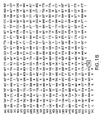
- Lit WT is encoded by a nucleic acid having a sequence of SEQ. ID. NO.: 1 as shown in FIG. 1 .
- the nucleic acid of SEQ ID NO: 1 was isolated from the Italian firefly, L. italica and is available in GenBank at Accession No. DQ138966. After isolation of SEQ ID NO: 1, the nucleic acid was amplified by amplification techniques known in the art, such as PCR. The nucleic acid was then inserted into an appropriate vector, such as a pGEX-6p-2 plasmid, and transformed into competent cells and subsequently plated.
- DNA sequencing revealed a 1647 bp open reading frame corresponding to a polypeptide containing 548 amino acids, having a sequence of SEQ ID NO: 2, also shown in FIG. 1 .
- the Lit WT protein was found to have a molecular mass of 60,908 ⁇ 6 Da, as determined by electrospray ionization mass spectrometry. This value corresponds to the calculated mass of 60,907 ⁇ 6 Da of Lit WT, which contains the additional N-terminal peptide GlyProLeuGlySer-.
- SEQ ID NO:2 is highly homologous to other luciferase amino acid sequences, including H. unmunsana (95.8%), H. parvula (95.6%) and L. mingrelica (95.3%).
- the luciferases least homologous to L. italica were the orange and yellow emitting isozymes of the click beetle P. plagiophthalamis (45.5%). Generally higher homology to the L. italica luciferase was found with true fireflies.
- the homologies were determined by sequence pair distances using the Clustal V method ( Higgins et al., Computer Applications in the Biosciences, vol. 5, p. 151-153(1989 )).
- Lit WT demonstrates bioluminescence emission similar in intensity to P. pyralis (Ppy WT). Specifically, it was determined that the relative flash height specific activity of Lit WT, which relates to the maximum achievable overall reaction rate, was found to be approximately 95% of that of Ppy WT. However, compared to Ppy WT, Lit WT has an extended light emission decay and is red-shifted by 9 nm. As shown in FIG. 4 , Ppy WT and Lit WT decay to approximately 20% of their maximum flash height in about 0.2 minutes. Ppy WT continues to rapidly decay and reaches 10% of its initial activity in about 0.35 minute. In contrast, Lit WT reaches 10% of its flash height at about 7 minutes, illustrating its extended light emission decay.
- mutants of Lit WT produce bioluminescence emissions that are red-shifted or blue-shifted, and have extended bioluminescence emission decay.
- substitutions of various amino acids in Lit WT result in bioluminescence emissions of different wavelengths.
- several of the disclosed mutants display excellent thermostability at 37°C, a property of great importance for many applications, including but not limited to in vivo imaging of tumors, biosensor applications, reporter gene applications in mammalian cell lines, and the like.
- the half-lives of LitWT, LitS-S-2 and LitGF-G-11 were measured.
- the bioluminescence emission of the Lit GF-G-11 and Lit S-S-11 mutants was compared to the emission of Lit WT. As shown in FIG. 7A , at 25°C, the emission maximum of the LitGF-G-11 mutant was approximately 554, while the LitS-S-11 mutant was approximately 609 nm, thus demonstrating the blue- and red-shifts shown with these mutants relative to Lit WT. As shown in FIG. 7B , at 37°C, all the spectra are red-shifted. It is noted that the red-shifting of red emitting luciferases is favorable for in vivo imaging.
- nucleic acid sequence or polypeptide sequence of the L. italica luciferase may be made to obtain a molecule having the desired bioluminescence emission and extended light decay.
- certain amino acids may be substituted for other amino acids without any loss of function. So long as the mutation or change maintains a red-shifted luciferase, the resulting protein will be considered a biologically functional equivalent for the purposes of the present invention.
- the nucleic acid sequence of Lit WT may be modified chemically or by genetic engineering to enable the luciferase to be targeted into a specific subcellular compartment.
- L. italica luciferase contains the peptide Ala-Lys-Met at the C-terminus, which likely directs the luciferase to the peroxisomes.
- a suitable sequence at the N-terminus will locate the luciferase in the mitochondria while other peptide sequences will direct the luciferase to the endoplasmic reticulum.
- Direction of the luciferase to certain subcellular compartments may have applicability in different assays and tests known in the art.
- Transformation, transduction or transfection of a cell with nucleic acid segments encoding Lit WT or any mutants thereof, can be used to express the luciferase protein in various eukaryotic and prokaryotic cells.
- the nucleic acid can be inserted into vectors such as bacteriophages, cosmids, or plasmids which can then be used for transformation of prokaryotic or eukaryotic cells according to methods known in the art.
- the presence of the L. italica luciferase in a host cell can be determined by contacting the host cell with a luciferase substrate.
- Luciferase substrates include luciferin and ATP.
- the luciferase is converted to an excited state oxyluciferin, which is the bioluminescent product.
- the bioluminescence emission of the L. italica luciferase is between about 563 nm to about 612 nm. The bioluminescence emission is detected and calculated by processes known to those with ordinary skill in the art.
- the luciferase of the present invention may be used to determine the presence and quantify the amount of ATP present in a sample.
- a sample that contains, or is thought to contain, ATP is combined with Lit WT or a mutant thereof.
- the Lit WT or mutant thereof may be in combination with other materials, such as a carrier.
- bioluminescence emission is measured to determine whether ATP is present in the sample, and if so, how much ATP is present. Examples of such assays are known in the art ( Lundin, A. et al., Meth. Enzymol., Vol. 305, pp. 346-370 (2000), Academic Press, NY ; Stanley, P. Journal of Bioluminescence and Chemiluminescence, vol. 4(1), pp. 375-80, (1989 ); Leach, F., J. Appl. Biochem., vol. 3(6), pp. 473-517 (1989 )).
- the isolated polypeptides of the present invention may be manufactured and place into kits, testing products, or other articles of manufacture.
- the isolated polypeptides are placed in a container with or without a carrier, such as a buffer.
- the article of manufacture contains an instruction booklet.
- the wild type and mutant species of the luciferases derived from L. italica as disclosed herein are useful in many applications.
- the present invention is useful in biotechnological applications, including reporter genes, dual-reporter systems, bioluminescence resonance energy transfer (BRET), microarrays, in vivo and ex vivo bioluminescence imaging, tumor research, whole animal imaging, infectious disease monitoring, biosensors for pollutants and biological disease markers, immunoassays, drug development and bioprocessing.
- BRET bioluminescence resonance energy transfer
- the present invention is also useful in any application based on the monitoring of ATP levels either directly or through coupled enzyme reactions, such as microbiological tests; assays of enzymes, substrates and cofactors; monitoring of bacterial contamination of food; DNA probes assays; protein blotting and photographic assays (see, for example, L. J. Kricka, Anal. Biochem., vol. 175, pp. 14-21 (1988 )).
- the present invention is also useful in any application based on the emission of light for devices which provide illumination without heat, spark or flame (for example, Cyalume technology).
- the present invention is also useful in any application in which light emission is used to create a novelty item, e. g. a toy or device that can be worn as jewelry.
- the present invention is also useful in any materials that could be used in tagging applications or anti-tampering applications.
- thermostable mutant luciferase enzyme of the present invention can also be used as a label for biospecific assays including immunoassays, nucleic acid hybridization both in vitro or microplate plate formats or for imaging purposes (immunohystochemistry or in situ hybridization).
- the luciferase enzyme of the present invention may possess a histidine tail that may be used for specific coupling with biomolecules, proteins, peptides, nucleic acids and in general organic molecules with suitable reactive groups.
- thermostable luciferase mutant will enhance the performance of assays thanks to its relative high stability up to 42°C associated with an high turnover of the enzyme and to the possibility to orient the coupling of this enzyme with histidine tail, leaving the acitive site free for substrate access.
- thermostable mutants with different colours can be simultaneously used for multiplexed formats assays in which the reaction is triggered by only one substrate and the signal is selectively recorded at different wavelength.
- Example 1 Isolation of L. italica luciferase gene
- L. italica fireflies were collected from the Bologna-Paderno region of Italy and flash-frozen alive in liquid nitrogen and stored at -80°C.
- Sixteen lanterns were removed from the fireflies, and were refrozen in liquid nitrogen. The lanterns were ground to a powder using a mortar and pestle cooled with liquid nitrogen. A total of 18 ⁇ g of RNA was extracted from the ground lanterns using an RNeasy mini kit (Quiagen) and following the manufacturer's enclosed instructions.
- First strand cDNA synthesis was carried out by utilizing approximately 5 ⁇ g of RNA and Oligo (dT)20 primers and the Superscript TM III First-Strand Synthesis System for RT-PCR (Invitrogen). The following primers based on the luciferase coding sequence of L. Mingrelica, were used to amplify the cDNA:
- PCR polymerase chain reaction
- the PCR products were then analyzed on a 1.0% agarose gel containing ethidium bromide.
- the samples corresponding to the expected size were purified using a QIA quick PCR purification kit (Qiagen) and following the manufacturer's instructions.
- the amplified cDNA was sequenced using a capillary array sequencer CEQ2000XL.
- a primer set was used to introduce Sma I and Xho I restriction endonuclease sites at the 5' and 3' ends, respectively, of the PCR-amplified cDNA.
- the following primer set was used:
- the PCR product was then digested with Sma I and Xho I restriction endonucleases and ligated into the corresponding cloning sites on a pGEX-6P-2 plasmid.
- the ligation reaction was transformed into Escherichia coli XL-10 Gold ultra competent cells and plated on Luria-Bertani (LB) plates containing 100 ⁇ g/mL ampicillin.
- the pGEX expression plasmid is designed to produce proteins as N-terminal glutathione-S-transferase (GST)-fusion products
- the reading frame of the luciferase gene was realigned so the corresponding protein would contain the same N-terminal polypeptide as Ppy WT.
- a Quik Change® Site-Directed Mutagenesis kit (Stratagene), was used to realign the reading frame of the L. italica cDNA in the pGEX-6P-2 plasmid.
- the primer, 5' - GA TTC TCA CAC GCT AAG GAC CCA ATT TAC GGA AAC CAA GTT TC - 3' (SEQ ID NO:7) and its reverse complement, were used to remove the Bam H I restriction endonuclease site within the L. italica luciferase gene.
- the primer 5' - CG GTA GAG GAA AAG TTT GGA TCC ATG GAA ACG GAA AGG GAG G - 3' (SEQ ID NO:8) and its respective reverse complement were used to introduce a Bam H I site immediately preceding the start codon of the L. italica luciferase gene.
- the product was digested with Bam H I and Xho I restriction endonucleases and ligated into corresponding cloning sites on the pGEX-6P-2 plasmid.
- the ligated plasmid DNA was transformed into E. coli, which were plated on nitrocellulose filters placed on LB plates containing 100 ⁇ g/mL ampicillin. The transformation was done by adding the plasmid DNA to the bacteria at ice temperature, heat shocking the mixture at 42 °C, cooling on ice for 2 minutes and recovering for 1 hour at 37 °C in SOC media.
- the E. coli were screened for bioluminescence emission as described in Branchini et al., "Rational and random mutagenesis of firefly luciferase to identify an efficient emitter of red bioluminescence," Proceedings of SPIE, Genetically Engineered and Optical Probes for Biomedical Applications Il 5329 (2004), 170-177 (Alexander P. Savitsky et al., eds .).
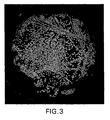
- Colonies having bioluminescence emission were identified by visual screening in a darkroom. Plasmid DNA was isolated and purified therefrom by using a GenEluteTM Plasmid Miniprep kit (Sigma), and following the manufacturer's instructions. A single plasmid was selected and the entire L. italica luciferase gene was sequenced. The sequence of the L. italica luciferase gene in the pGEX plasmid was compared to the sequence obtained from the original cDNA. The comparison showed no differences in the sequence, thereby insuring no additional mutations had been introduced.
- the Lit-S286T and Lit-G248A and F252S mutants were created by using a QuikChange® Site-Directed Mutagenesis kit (Stratagene). Site-directed mutagenesis was carried out according to the manufacturer's instructions using the L. italica wild-type DNA sequence in the pGEX-6P-2 vector as a template. The following primers and their respective reverse complements were used:
- the LitS-S-11 mutant was created by using the QuikChange ® Site-Directed Mutagenesis kit (Stratagene). Site-directed mutagenesis was carried out according to the manufacture's instructions using the LitS-S-2 mutant as the template.
- the 546AlaLysMet548 signal sequence was changed to 546AlaGlyGly548. The following primer and its respective reverse compliment was used to accomplish this:
- the LitGF-G-11 mutant was created by using the QuikChange ® Site-Directed Mutagenesis kit (Stratagene). Site-directed mutagenesis was carried out according to the manufacture's instructions using the LitGF-G-10 mutant as the template. First, Glu356Lys was introduced into the template. Once this mutation was confirmed, the 546AlaLysMet548 signal sequence was changed to 546AlaGlyGly548. The following primers and their respective reverse compliments were used to accomplish this:
- Underlining represents silent changes creating a unique screening endonuclease site.
- Bolded codons represent the mutated codons.
- Brackets indicate the screening endonuclease.
- the QuikChange® MultiSite-Directed Mutagenesis kit (Stratagene) was used to create the remaining mutants identified as entries 2 through 8 in FIG. 6 . Mutagenesis was carried out according to the manufacturer's instructions for using 1 to 4 primers simultaneously.
- the Lit-S286T and the Lit-G248A and F252L mutants in the pGEX-6P-2 vector were used as templates with the following primers:
- the primer for V2431 also includes the G248A mutation (bold and italics) for correct annealing. This primer was only used with the Lit-G248A and F252L template.
- the above-described mutants were transformed into E. coli XL-10 Gold ultracompetent cells. Duplicate sets of transformed cells were plated on nitrocellulose filters on LB plates that contained 100 ⁇ g/ml ampicillin. The plates were incubated at 37°C for 18 hrs. Isopropyl B-D-1-thiogalactopyranoside (IPTG) was used to induce transcription.
- IPTG Isopropyl B-D-1-thiogalactopyranoside
- one plate was incubated at room temperature and the other at 37°C for at least 2 hours.
- the plates grown at 37°C were then placed on a plate warmer set to 37°C (Barnstead Lab Line) and those at room temperature were kept at 22°C.
- nitrocellulose filters were soaked in 1mM of luciferin in 100 mM NaCitrate buffer (pH 5.5) to induce bioluminescence. Colonies for sequencing were selected on the intensity and color of the emitted light. Plasmid DNA of selected clones was isolated by a standard mini-prep procedure. The DNA was sequenced at Yale University.
- Glutathione-S-transferase (GST) fusion constructs of L. italica wild-type and mutants thereof selected for sequencing were expressed in XL10-Gold ultracompetent cells. 7 mL cultures pf the cells were grown in 10 mL culture tubes at 37°C in LB medium supplemented with 100 ⁇ g/mL ampicillin.
- the lysated cells were treated with Rnase (10 ⁇ g/mL) and Dnase 1 (5 ⁇ g/mL). Triton X-100 (2% final volume) was added to the lysate and the whole-cell extract was isolated by centrifugation at 20,000 x g for 45 min at 4°C. The supernatant was collected and aliquots were used to determine molecular mass, bioluminescence activity, bioluminescence emission spectra, protein content and GST-activity.
- Lit WT, LitGF-G-11, LitS-S-2 and LitS-S-11 enzymes were purified to homogeneity as described in Branchini, B.R., et al., "Rational and random mutagenesis of firefly luciferase to identify an efficient emitter of red bioluminescence," Proceedings of SPIE, Genetically Engineered and Optical Probes for Biomedical Applications II, 5329 (2004), 170-177 (Alexander P. Savitsky et al., eds .).
- the Lit WT protein was found to have a molecular mass of 60 908 ⁇ 6 Da. This value corresponds to the calculated mass of 60 907 ⁇ 6 Da of Lit WT, which contains the additional N-terminal peptide GlyProLeuGlySer-. The mass was determined by Electrospray Ionization Mass Spectrometry.
- GST Glutathione-S-Transferase
- GST-fusion proteins were quantitated by enzymatic assay of glutathione-S-transferase (GST) activity using the GST substrate 1-chloro-2,4-dinitrobenzene (CDNB).
- GST glutathione-S-transferase
- CDNB 1-chloro-2,4-dinitrobenzene
- Bioluminescence emission spectra were obtained using a PerkinElmer LS55 luminescence spectrometer operated in the "bioluminescence" mode. Data was collected over the wavelength range 480-680 nm in a 1 mL optical glass cuvette. Gate and delay times, detector voltage, scan rate, and slit width were adjusted to optimize instrument response. Reaction mixtures containing partially purified L. italica wild type and its mutants (0.005 mL) in luciferin and Mg-ATP were brought to a final volume of 0.5 mL with 25 mM glycylglycine, pH 7.8. The spectral data reported in Fig. 6 were measured with purified proteins from Lit WT, LitGF-G-11, LitS-S-2 and LitS-S-11 enzymes.
- solutions of 0.1 mg luciferase in 10 ⁇ L CBA 50mM Tris, pH 7.0, 150 mM NaCl, 1 mM EDTA, 1 mM DTT, 0.8M (NH 4 ) 2 SO 4 , 2.0% glycerol) and 200 ⁇ L 25 mM glycyl-glycine buffer, pH 7.8, were prepared. An aliquot (50 ⁇ L) of the solution was reserved on ice. Initial activity values were obtained by flash height activity assays performed on 2-10 ⁇ L samples of enzyme. The sample was placed in a thermocycler set at 37°C.
Landscapes
- Chemical & Material Sciences (AREA)
- Organic Chemistry (AREA)
- Life Sciences & Earth Sciences (AREA)
- Health & Medical Sciences (AREA)
- Engineering & Computer Science (AREA)
- Zoology (AREA)
- Wood Science & Technology (AREA)
- Genetics & Genomics (AREA)
- Bioinformatics & Cheminformatics (AREA)
- General Health & Medical Sciences (AREA)
- General Engineering & Computer Science (AREA)
- Proteomics, Peptides & Aminoacids (AREA)
- Biochemistry (AREA)
- Microbiology (AREA)
- Molecular Biology (AREA)
- Biotechnology (AREA)
- Analytical Chemistry (AREA)
- Physics & Mathematics (AREA)
- Immunology (AREA)
- Biophysics (AREA)
- Medicinal Chemistry (AREA)
- Biomedical Technology (AREA)
- Measuring Or Testing Involving Enzymes Or Micro-Organisms (AREA)
- Enzymes And Modification Thereof (AREA)
- Micro-Organisms Or Cultivation Processes Thereof (AREA)
- Peptides Or Proteins (AREA)
- Investigating Or Analysing Materials By The Use Of Chemical Reactions (AREA)
Claims (6)
- Ein isoliertes Polypeptid, aufweisend die Sequenz der SEQ.-ID NR. 2, wobei Gly 216 zu Ala geändert ist, Thr 217 zu Leu geändert ist, Ser 234 zu Ala geändert ist, Ser 286 zu Thr geändert ist, Glu 356 zu Lys geändert ist, Lys 547 zu Gly geändert ist und Met 548 zu Gly geändert ist, und wobei das Polypeptid ein Biolumineszenz-Emissionsmaximum von 609 nm erzeugt.
- Eine isolierte Nukleinsäure, die ein isoliertes Polypeptid aus Anspruch 1 codiert.
- Ein Vektor, der eine Nukleinsäure aus Anspruch 2 aufweist.
- Eine Zelle, die mit einem Vektor aus Anspruch 3 transformiert wird.
- Ein Verfahren zum Detektieren der Anwesenheit einer L. italica Luziferase in einer Zelle, wobei das Verfahren aufweist:Einführen eines Vektors aus Anspruch 3 in die Zelle,In-Kontakt-bringen der Zelle mit einem Luziferase-Substrat undDetektieren einer Biolumineszenz-Emission mit einer Wellenlänge zwischen 563 und 612 nm.
- Ein Verfahren zum Prüfen der Anwesenheit von ATP in einer Probe, wobei das Verfahren die folgenden Schritte aufweist:Kombinieren einer Probe mit einem isolierten Polypeptid aus Anspruch 1,Messen einer Biolumineszenz-Emission der Probe mit einer ausgewählten Wellenlänge, die einem Biolumineszenz-Emissionsmaximum des isolierten Polypeptids entspricht, undKorrelieren des Biolumineszenz-Emissionsmaximums mit der Anwesenheit von ATP.
Applications Claiming Priority (3)
| Application Number | Priority Date | Filing Date | Title |
|---|---|---|---|
| US77280406P | 2006-02-13 | 2006-02-13 | |
| US11/702,819 US7807429B2 (en) | 2006-02-13 | 2007-02-06 | Isolated luciferase gene of L. italica |
| PCT/US2007/003546 WO2007095108A2 (en) | 2006-02-13 | 2007-02-08 | Isolated luciferase gene of l. italica |
Publications (3)
| Publication Number | Publication Date |
|---|---|
| EP2002007A2 EP2002007A2 (de) | 2008-12-17 |
| EP2002007A4 EP2002007A4 (de) | 2009-04-22 |
| EP2002007B1 true EP2002007B1 (de) | 2010-09-29 |
Family
ID=38369062
Family Applications (1)
| Application Number | Title | Priority Date | Filing Date |
|---|---|---|---|
| EP07750387A Active EP2002007B1 (de) | 2006-02-13 | 2007-02-08 | Isoliertes luciferase-gen aus l. italica |
Country Status (5)
| Country | Link |
|---|---|
| US (2) | US7807429B2 (de) |
| EP (1) | EP2002007B1 (de) |
| AT (1) | ATE483024T1 (de) |
| DE (1) | DE602007009505D1 (de) |
| WO (1) | WO2007095108A2 (de) |
Families Citing this family (2)
| Publication number | Priority date | Publication date | Assignee | Title |
|---|---|---|---|---|
| IT1392838B1 (it) | 2009-02-13 | 2012-03-23 | Univ Bologna Alma Mater | Dispositivo portatile per la rivelazione di sostanze comprendente cellule immobilizzate |
| WO2013177255A2 (en) * | 2012-05-24 | 2013-11-28 | Connecticut College | Chimeric luciferases |
Family Cites Families (12)
| Publication number | Priority date | Publication date | Assignee | Title |
|---|---|---|---|---|
| US4968613A (en) * | 1987-07-29 | 1990-11-06 | Kikkoman Corporation | Luciferase gene and novel recombinant DNA as well as a method of producing luciferase |
| US5219737A (en) * | 1990-03-27 | 1993-06-15 | Kikkoman Corporation | Mutant luciferase of a firefly, mutant luciferase genes, recombinant dnas containing the genes and a method of producing mutant luciferase |
| US5229285A (en) * | 1991-06-27 | 1993-07-20 | Kikkoman Corporation | Thermostable luciferase of firefly, thermostable luciferase gene of firefly, novel recombinant dna, and process for the preparation of thermostable luciferase of firefly |
| US6387675B1 (en) * | 1994-01-03 | 2002-05-14 | Promega Corporation | Mutant luciferases |
| GB9501170D0 (en) * | 1994-03-23 | 1995-03-08 | Secr Defence | Luciferases |
| US6228604B1 (en) | 1996-04-10 | 2001-05-08 | Loma Linda University | Secreted renilla luciferase |
| JP3749628B2 (ja) * | 1997-12-26 | 2006-03-01 | キッコーマン株式会社 | ルシフェラーゼおよびそれを用いる細胞内atpの測定法 |
| GB9823468D0 (en) * | 1998-10-28 | 1998-12-23 | Secr Defence | Novel enzyme |
| ATE341637T1 (de) | 1998-12-17 | 2006-10-15 | Xenogen Corp | Unblutige bestimmung einer physiologischen reaktion in einem säugetier |
| US6495355B1 (en) * | 1999-06-22 | 2002-12-17 | The Board Of Trustees Of The Leland Stanford Junior University | Red-shifted luciferase |
| AU2004210982B2 (en) | 2003-02-12 | 2008-12-18 | Promega Corporation | Methods and kits for dual enzymatic assays whereby light is quenched from luminescent reactions |
| US8060539B2 (en) * | 2005-02-24 | 2011-11-15 | Research In Motion Limited | Method of notifying an invitee to an event of changes to the event in an electronic calendar system |
-
2007
- 2007-02-06 US US11/702,819 patent/US7807429B2/en active Active
- 2007-02-08 EP EP07750387A patent/EP2002007B1/de active Active
- 2007-02-08 DE DE602007009505T patent/DE602007009505D1/de active Active
- 2007-02-08 WO PCT/US2007/003546 patent/WO2007095108A2/en not_active Ceased
- 2007-02-08 AT AT07750387T patent/ATE483024T1/de not_active IP Right Cessation
-
2010
- 2010-10-01 US US12/924,684 patent/US8642272B2/en active Active
Also Published As
| Publication number | Publication date |
|---|---|
| US7807429B2 (en) | 2010-10-05 |
| US20070190587A1 (en) | 2007-08-16 |
| WO2007095108A3 (en) | 2008-04-17 |
| WO2007095108A2 (en) | 2007-08-23 |
| ATE483024T1 (de) | 2010-10-15 |
| EP2002007A2 (de) | 2008-12-17 |
| DE602007009505D1 (de) | 2010-11-11 |
| EP2002007A4 (de) | 2009-04-22 |
| US8642272B2 (en) | 2014-02-04 |
| US20110171669A1 (en) | 2011-07-14 |
Similar Documents
| Publication | Publication Date | Title |
|---|---|---|
| JP5090304B2 (ja) | 突然変異体ルシフェラーゼ | |
| Markova et al. | Shining light on the secreted luciferases of marine copepods: Current knowledge and applications | |
| RU2251571C2 (ru) | РЕКОМБИНАНТНАЯ ТЕРМОСТАБИЛЬНАЯ ЛЮЦИФЕРАЗА, СПОСОБ ЕЕ ПОЛУЧЕНИЯ, ИЗОЛИРОВАННАЯ НУКЛЕИНОВАЯ КИСЛОТА, ЭКСПРЕССИРУЮЩИЙ ВЕКТОР, НАБОР ДЛЯ ИСПОЛЬЗОВАНИЯ В БИОЛЮМИНЕСЦЕНТНОМ АНАЛИЗЕ, АНАЛИТИЧЕСКИЙ ТЕСТ ДЛЯ ОПРЕДЕЛЕНИЯ ПРИСУТСТВИЯ В ОБРАЗЦЕ СоА | |
| Ugarova et al. | Protein structure and bioluminescent spectra for firefly bioluminescence | |
| CN100387720C (zh) | 虫荧光素酶 | |
| Koksharov et al. | Thermostabilization of firefly luciferase by in vivo directed evolution | |
| US20090286299A1 (en) | Engineered luciferases | |
| US6387675B1 (en) | Mutant luciferases | |
| Branchini et al. | Luciferase from the Italian firefly Luciola italica: molecular cloning and expression | |
| JP2011083289A (ja) | 変異型ルシフェラーゼ | |
| Tafreshi et al. | Site-directed mutagenesis of firefly luciferase: implication of conserved residue (s) in bioluminescence emission spectra among firefly luciferases | |
| Alipour et al. | The effective role of positive charge saturation in bioluminescence color and thermostability of firefly luciferase | |
| Oba et al. | Functional conversion of fatty acyl-CoA synthetase to firefly luciferase by site-directed mutagenesis: a key substitution responsible for luminescence activity | |
| US8642272B2 (en) | Isolated luciferase gene of L. italica | |
| JP4179877B2 (ja) | 単離されたルシフェラーゼおよびその使用 | |
| Viviani et al. | A route from darkness to light: emergence and evolution of luciferase activity in AMP-CoA-ligases inferred from a mealworm luciferase-like enzyme | |
| JP6006070B2 (ja) | ホタル由来ルシフェラーゼ | |
| Branchini et al. | Rational and random mutagenesis of firefly luciferase to identify an efficient emitter of red bioluminescence | |
| US20150152395A1 (en) | Chimeric luciferases | |
| Ugarova et al. | Thermostabilization of firefly luciferases using genetic engineering | |
| JP5980608B2 (ja) | ホタル由来ルシフェラーゼ | |
| DeAngelis | Cloning, Sequencing, and Characterization of Luciola italica Luciferase | |
| MXPA96004194A (en) | Lucifera |
Legal Events
| Date | Code | Title | Description |
|---|---|---|---|
| PUAI | Public reference made under article 153(3) epc to a published international application that has entered the european phase |
Free format text: ORIGINAL CODE: 0009012 |
|
| 17P | Request for examination filed |
Effective date: 20081008 |
|
| AK | Designated contracting states |
Kind code of ref document: A2 Designated state(s): AT BE BG CH CY CZ DE DK EE ES FI FR GB GR HU IE IS IT LI LT LU LV MC NL PL PT RO SE SI SK TR |
|
| RIN1 | Information on inventor provided before grant (corrected) |
Inventor name: SOUTHWORTH, TARA L. Inventor name: BRANCHINI, BRUCE R. Inventor name: MICHELINI, ELISA Inventor name: RODA, ALDO Inventor name: DEANGELIS, JENNIFER P. |
|
| A4 | Supplementary search report drawn up and despatched |
Effective date: 20090324 |
|
| 17Q | First examination report despatched |
Effective date: 20090710 |
|
| GRAP | Despatch of communication of intention to grant a patent |
Free format text: ORIGINAL CODE: EPIDOSNIGR1 |
|
| DAX | Request for extension of the european patent (deleted) | ||
| GRAS | Grant fee paid |
Free format text: ORIGINAL CODE: EPIDOSNIGR3 |
|
| GRAA | (expected) grant |
Free format text: ORIGINAL CODE: 0009210 |
|
| AK | Designated contracting states |
Kind code of ref document: B1 Designated state(s): AT BE BG CH CY CZ DE DK EE ES FI FR GB GR HU IE IS IT LI LT LU LV MC NL PL PT RO SE SI SK TR |
|
| REG | Reference to a national code |
Ref country code: GB Ref legal event code: FG4D |
|
| REG | Reference to a national code |
Ref country code: CH Ref legal event code: EP |
|
| REG | Reference to a national code |
Ref country code: IE Ref legal event code: FG4D |
|
| REF | Corresponds to: |
Ref document number: 602007009505 Country of ref document: DE Date of ref document: 20101111 Kind code of ref document: P |
|
| PG25 | Lapsed in a contracting state [announced via postgrant information from national office to epo] |
Ref country code: AT Free format text: LAPSE BECAUSE OF FAILURE TO SUBMIT A TRANSLATION OF THE DESCRIPTION OR TO PAY THE FEE WITHIN THE PRESCRIBED TIME-LIMIT Effective date: 20100929 Ref country code: LT Free format text: LAPSE BECAUSE OF FAILURE TO SUBMIT A TRANSLATION OF THE DESCRIPTION OR TO PAY THE FEE WITHIN THE PRESCRIBED TIME-LIMIT Effective date: 20100929 Ref country code: FI Free format text: LAPSE BECAUSE OF FAILURE TO SUBMIT A TRANSLATION OF THE DESCRIPTION OR TO PAY THE FEE WITHIN THE PRESCRIBED TIME-LIMIT Effective date: 20100929 |
|
| REG | Reference to a national code |
Ref country code: NL Ref legal event code: VDEP Effective date: 20100929 |
|
| LTIE | Lt: invalidation of european patent or patent extension |
Effective date: 20100929 |
|
| PG25 | Lapsed in a contracting state [announced via postgrant information from national office to epo] |
Ref country code: SI Free format text: LAPSE BECAUSE OF FAILURE TO SUBMIT A TRANSLATION OF THE DESCRIPTION OR TO PAY THE FEE WITHIN THE PRESCRIBED TIME-LIMIT Effective date: 20100929 |
|
| PG25 | Lapsed in a contracting state [announced via postgrant information from national office to epo] |
Ref country code: SE Free format text: LAPSE BECAUSE OF FAILURE TO SUBMIT A TRANSLATION OF THE DESCRIPTION OR TO PAY THE FEE WITHIN THE PRESCRIBED TIME-LIMIT Effective date: 20100929 Ref country code: LV Free format text: LAPSE BECAUSE OF FAILURE TO SUBMIT A TRANSLATION OF THE DESCRIPTION OR TO PAY THE FEE WITHIN THE PRESCRIBED TIME-LIMIT Effective date: 20100929 Ref country code: GR Free format text: LAPSE BECAUSE OF FAILURE TO SUBMIT A TRANSLATION OF THE DESCRIPTION OR TO PAY THE FEE WITHIN THE PRESCRIBED TIME-LIMIT Effective date: 20101230 |
|
| PG25 | Lapsed in a contracting state [announced via postgrant information from national office to epo] |
Ref country code: NL Free format text: LAPSE BECAUSE OF FAILURE TO SUBMIT A TRANSLATION OF THE DESCRIPTION OR TO PAY THE FEE WITHIN THE PRESCRIBED TIME-LIMIT Effective date: 20100929 Ref country code: EE Free format text: LAPSE BECAUSE OF FAILURE TO SUBMIT A TRANSLATION OF THE DESCRIPTION OR TO PAY THE FEE WITHIN THE PRESCRIBED TIME-LIMIT Effective date: 20100929 Ref country code: IS Free format text: LAPSE BECAUSE OF FAILURE TO SUBMIT A TRANSLATION OF THE DESCRIPTION OR TO PAY THE FEE WITHIN THE PRESCRIBED TIME-LIMIT Effective date: 20110129 Ref country code: CZ Free format text: LAPSE BECAUSE OF FAILURE TO SUBMIT A TRANSLATION OF THE DESCRIPTION OR TO PAY THE FEE WITHIN THE PRESCRIBED TIME-LIMIT Effective date: 20100929 Ref country code: PT Free format text: LAPSE BECAUSE OF FAILURE TO SUBMIT A TRANSLATION OF THE DESCRIPTION OR TO PAY THE FEE WITHIN THE PRESCRIBED TIME-LIMIT Effective date: 20110131 Ref country code: SK Free format text: LAPSE BECAUSE OF FAILURE TO SUBMIT A TRANSLATION OF THE DESCRIPTION OR TO PAY THE FEE WITHIN THE PRESCRIBED TIME-LIMIT Effective date: 20100929 Ref country code: IT Free format text: LAPSE BECAUSE OF FAILURE TO SUBMIT A TRANSLATION OF THE DESCRIPTION OR TO PAY THE FEE WITHIN THE PRESCRIBED TIME-LIMIT Effective date: 20100929 Ref country code: RO Free format text: LAPSE BECAUSE OF FAILURE TO SUBMIT A TRANSLATION OF THE DESCRIPTION OR TO PAY THE FEE WITHIN THE PRESCRIBED TIME-LIMIT Effective date: 20100929 |
|
| PG25 | Lapsed in a contracting state [announced via postgrant information from national office to epo] |
Ref country code: BE Free format text: LAPSE BECAUSE OF FAILURE TO SUBMIT A TRANSLATION OF THE DESCRIPTION OR TO PAY THE FEE WITHIN THE PRESCRIBED TIME-LIMIT Effective date: 20100929 |
|
| PG25 | Lapsed in a contracting state [announced via postgrant information from national office to epo] |
Ref country code: ES Free format text: LAPSE BECAUSE OF FAILURE TO SUBMIT A TRANSLATION OF THE DESCRIPTION OR TO PAY THE FEE WITHIN THE PRESCRIBED TIME-LIMIT Effective date: 20110109 |
|
| PLBE | No opposition filed within time limit |
Free format text: ORIGINAL CODE: 0009261 |
|
| STAA | Information on the status of an ep patent application or granted ep patent |
Free format text: STATUS: NO OPPOSITION FILED WITHIN TIME LIMIT |
|
| PG25 | Lapsed in a contracting state [announced via postgrant information from national office to epo] |
Ref country code: DK Free format text: LAPSE BECAUSE OF FAILURE TO SUBMIT A TRANSLATION OF THE DESCRIPTION OR TO PAY THE FEE WITHIN THE PRESCRIBED TIME-LIMIT Effective date: 20100929 Ref country code: PL Free format text: LAPSE BECAUSE OF FAILURE TO SUBMIT A TRANSLATION OF THE DESCRIPTION OR TO PAY THE FEE WITHIN THE PRESCRIBED TIME-LIMIT Effective date: 20100929 |
|
| PG25 | Lapsed in a contracting state [announced via postgrant information from national office to epo] |
Ref country code: MC Free format text: LAPSE BECAUSE OF NON-PAYMENT OF DUE FEES Effective date: 20110228 |
|
| REG | Reference to a national code |
Ref country code: CH Ref legal event code: PL |
|
| REG | Reference to a national code |
Ref country code: DE Ref legal event code: R097 Ref document number: 602007009505 Country of ref document: DE Effective date: 20110630 |
|
| PG25 | Lapsed in a contracting state [announced via postgrant information from national office to epo] |
Ref country code: LI Free format text: LAPSE BECAUSE OF NON-PAYMENT OF DUE FEES Effective date: 20110228 Ref country code: CH Free format text: LAPSE BECAUSE OF NON-PAYMENT OF DUE FEES Effective date: 20110228 |
|
| REG | Reference to a national code |
Ref country code: FR Ref legal event code: ST Effective date: 20111102 |
|
| REG | Reference to a national code |
Ref country code: IE Ref legal event code: MM4A |
|
| PG25 | Lapsed in a contracting state [announced via postgrant information from national office to epo] |
Ref country code: FR Free format text: LAPSE BECAUSE OF NON-PAYMENT OF DUE FEES Effective date: 20110228 Ref country code: IE Free format text: LAPSE BECAUSE OF NON-PAYMENT OF DUE FEES Effective date: 20110208 |
|
| PG25 | Lapsed in a contracting state [announced via postgrant information from national office to epo] |
Ref country code: LU Free format text: LAPSE BECAUSE OF NON-PAYMENT OF DUE FEES Effective date: 20110208 Ref country code: CY Free format text: LAPSE BECAUSE OF FAILURE TO SUBMIT A TRANSLATION OF THE DESCRIPTION OR TO PAY THE FEE WITHIN THE PRESCRIBED TIME-LIMIT Effective date: 20100929 |
|
| PG25 | Lapsed in a contracting state [announced via postgrant information from national office to epo] |
Ref country code: BG Free format text: LAPSE BECAUSE OF FAILURE TO SUBMIT A TRANSLATION OF THE DESCRIPTION OR TO PAY THE FEE WITHIN THE PRESCRIBED TIME-LIMIT Effective date: 20101229 Ref country code: TR Free format text: LAPSE BECAUSE OF FAILURE TO SUBMIT A TRANSLATION OF THE DESCRIPTION OR TO PAY THE FEE WITHIN THE PRESCRIBED TIME-LIMIT Effective date: 20100929 |
|
| PG25 | Lapsed in a contracting state [announced via postgrant information from national office to epo] |
Ref country code: HU Free format text: LAPSE BECAUSE OF FAILURE TO SUBMIT A TRANSLATION OF THE DESCRIPTION OR TO PAY THE FEE WITHIN THE PRESCRIBED TIME-LIMIT Effective date: 20100929 |
|
| PGFP | Annual fee paid to national office [announced via postgrant information from national office to epo] |
Ref country code: GB Payment date: 20260227 Year of fee payment: 20 |
|
| PGFP | Annual fee paid to national office [announced via postgrant information from national office to epo] |
Ref country code: DE Payment date: 20260227 Year of fee payment: 20 |