EP1998495B1 - Kommunikationssystem, einrichtung und gebührenberechnungssystem - Google Patents
Kommunikationssystem, einrichtung und gebührenberechnungssystem Download PDFInfo
- Publication number
- EP1998495B1 EP1998495B1 EP07720399A EP07720399A EP1998495B1 EP 1998495 B1 EP1998495 B1 EP 1998495B1 EP 07720399 A EP07720399 A EP 07720399A EP 07720399 A EP07720399 A EP 07720399A EP 1998495 B1 EP1998495 B1 EP 1998495B1
- Authority
- EP
- European Patent Office
- Prior art keywords
- service
- charging
- switching point
- message
- intelligent peripheral
- Prior art date
- Legal status (The legal status is an assumption and is not a legal conclusion. Google has not performed a legal analysis and makes no representation as to the accuracy of the status listed.)
- Not-in-force
Links
Images



Classifications
-
- H—ELECTRICITY
- H04—ELECTRIC COMMUNICATION TECHNIQUE
- H04L—TRANSMISSION OF DIGITAL INFORMATION, e.g. TELEGRAPHIC COMMUNICATION
- H04L12/00—Data switching networks
- H04L12/02—Details
- H04L12/14—Charging, metering or billing arrangements specially adapted for data communications, e.g. authentication, authorisation and accounting [AAA] framework
-
- H—ELECTRICITY
- H04—ELECTRIC COMMUNICATION TECHNIQUE
- H04L—TRANSMISSION OF DIGITAL INFORMATION, e.g. TELEGRAPHIC COMMUNICATION
- H04L41/00—Arrangements for maintenance, administration or management of data switching networks, e.g. of packet switching networks
- H04L41/50—Network service management, e.g. ensuring proper service fulfilment according to agreements
- H04L41/5029—Service quality level-based billing, e.g. dependent on measured service level customer is charged more or less
-
- H—ELECTRICITY
- H04—ELECTRIC COMMUNICATION TECHNIQUE
- H04M—TELEPHONIC COMMUNICATION
- H04M15/00—Arrangements for metering, time-control or time indication ; Metering, charging or billing arrangements for voice wireline or wireless communications, e.g. VoIP
-
- H—ELECTRICITY
- H04—ELECTRIC COMMUNICATION TECHNIQUE
- H04M—TELEPHONIC COMMUNICATION
- H04M15/00—Arrangements for metering, time-control or time indication ; Metering, charging or billing arrangements for voice wireline or wireless communications, e.g. VoIP
- H04M15/39—Arrangements for preventing metering, charging or billing
-
- H—ELECTRICITY
- H04—ELECTRIC COMMUNICATION TECHNIQUE
- H04M—TELEPHONIC COMMUNICATION
- H04M15/00—Arrangements for metering, time-control or time indication ; Metering, charging or billing arrangements for voice wireline or wireless communications, e.g. VoIP
- H04M15/43—Billing software details
-
- H—ELECTRICITY
- H04—ELECTRIC COMMUNICATION TECHNIQUE
- H04M—TELEPHONIC COMMUNICATION
- H04M15/00—Arrangements for metering, time-control or time indication ; Metering, charging or billing arrangements for voice wireline or wireless communications, e.g. VoIP
- H04M15/52—Arrangements for metering, time-control or time indication ; Metering, charging or billing arrangements for voice wireline or wireless communications, e.g. VoIP for operator independent billing system
-
- H—ELECTRICITY
- H04—ELECTRIC COMMUNICATION TECHNIQUE
- H04M—TELEPHONIC COMMUNICATION
- H04M15/00—Arrangements for metering, time-control or time indication ; Metering, charging or billing arrangements for voice wireline or wireless communications, e.g. VoIP
- H04M15/62—Arrangements for metering, time-control or time indication ; Metering, charging or billing arrangements for voice wireline or wireless communications, e.g. VoIP based on trigger specification
Definitions
- the invention relates to the field of communications, and in particular, to a communication system, device and a charging method.
- An intelligent peripheral is an intelligent network peripheral device for providing specialized resources.
- the intelligent peripheral In the specifications for wireless intelligent network (WIN) and fixed intelligent network (FIN), when an intelligent service utilizes a specialized resource of an intelligent peripheral, the intelligent peripheral is required to send an answer charging message (e.g. ANC/ANM) to a Mobile Switching Centre/Service Switching Point so as to charge, regardless of the type of the intelligent service.
- an answer charging message e.g. ANC/ANM
- the charging method can not be a simple charging or not-charging throughout a call process.
- intelligent services such as a Prepaid Service (PPS) and Virtual Private Mobile Network (VPMN)
- PPS Prepaid Service
- VPMN Virtual Private Mobile Network
- PPS Prepaid Service
- VPMN Virtual Private Mobile Network
- it is unnecessary to charge a user for this service.
- some Mobile Switching Centres/Service Switching Points may transparently transmit the answer charging message to a forward exchange which will charge the user. This may result in an error charging to the user.
- FIG. 1 is a flow chart illustrating the charging method, which is as follows.
- a service switching point receives a call request from a central office, and determines that this is an intelligent network call. Then the service switching point sends an Initial Detect Point (IDP) operation to a service control point.
- IDP Initial Detect Point
- the parameters IPAvailable and IPSSPCapability are filled by the service switching point according to whether the service switching point owns a Specialized Resource Function (SRF) and according to the type of the SRF. Other parameters are filled in a way similar to those of other intelligent network calls.
- SRF Specialized Resource Function
- the service control point When receiving the initial detect point operation, invokes related service logic, to analyze the parameters IPAvailable and IPSSPCapability sent from the service switching point, and determines that the service needs an external intelligent peripheral.
- the service control point determines a route address of the external intelligent peripheral to be used according to the requirements of the service and the information of the external intelligent peripheral stored in the service control point.
- the service control point generates a "related ID" value, and sets the route address of the external intelligent peripheral, the related ID value and SCFID into corresponding parameters in a specified format.
- the service control point sends a Request Report BCSM (Service Control Function, BasicCall State Model) Event (RRBE) (Configuration O- discard, O- disconnect) and an Establish Temporary Connection (ETC) operation.
- BCSM Service Control Function, BasicCall State Model
- RRBE Configuration O- discard, O- disconnect
- ETC Establish Temporary Connection
- the service switching point When receiving the ETC operation, the service switching point establishes a connection to the external intelligent peripheral. Particularly, the service switching point sends an Initial Address Message / Initial Address with Additional Information (IAM/IAI) operation to the external intelligent peripheral.
- IAM/IAI Initial Address Message / Initial Address with Additional Information
- the external intelligent peripheral When receiving the IAM/IAI message, the external intelligent peripheral establishes a path to a specialized resource, and sends an Assist Request Instruction (ARI) operation to the corresponding service control point. In addition, the external intelligent peripheral sends an Address Complete Message (ACM) to the service switching point.
- ARI Assist Request Instruction
- ACM Address Complete Message
- the service switching point When receiving the ACM sent from the external intelligent peripheral, the service switching point forwards the ACM to the central office, to connect a bearer path between a user and the external intelligent peripheral.
- the service control point determines that the external intelligent peripheral is available, and interacts with the external intelligent peripheral.
- the external intelligent peripheral When receiving a first Play Announcement (PA) or a Prompt And Collect User Information (PC) message, the external intelligent peripheral sends an answer charging message to the service switching point. In addition, the external intelligent peripheral provides the required specialized resource to the user.
- PA Play Announcement
- PC Prompt And Collect User Information
- the service switching point When receiving the answer charging message, the service switching point forwards the answer charging message to the central office.
- EP 134990 A2 discloses a system including an SCP.
- the SCP uses a prefix associated with the type of service rendered by the Destination Number, and combines the prefix with part or all of the calling party number to form the pseudo CLI, or even a totally new CLI number string, and sends it to the SSP within the calling party number parameter of a "connect" operation.
- a component of the system such as a special service platform attempting to bill for the call will in the example will not be able to charge to any customer, since the pseudo CLI will not be associated with any customer.
- the special service platform can identify the service from the purposefully provisioned pseudo CLI, and purposefully avoid double billing.
- Embodiments of the invention are to provide a communication system, device and a charging method, by which the charging may be accurate, so as to prevent error charging at present charging method.
- An embodiment of the invention provides a communication system.
- the communication system includes a service switching point, a service control point and an intelligent peripheral, the service control point is adapted to send an operation characteristic parameter identifying whether to charge for a service to the intelligent peripheral; the intelligent peripheral is adapted to judge whether to request the service switching point to charge for the service according to the operation characteristic parameter identifying whether to charge for the service, and instruct the intelligent peripheral to send an answer no-charging message to the service switching point if a result of the judging is negative.
- An embodiment of the invention provides an intelligent peripheral.
- the intelligent peripheral includes a charging judgment unit adapted to judge whether to request a service switching point to charge for a service according to an operation characteristic parameter identifying whether to charge for the service when receiving the operation characteristic parameter; and a charging forbidden unit adapted to instruct the intelligent peripheral to send an answer no-charging message to the service switching point when a result of the judging is negative.
- An embodiment of the invention provides a service control point.
- the service control point includes a parameter sending unit adapted to send an operation characteristic parameter identifying whether to charge for a service to an intelligent peripheral; and a charging control unit adapted to decide, before sending the operation characteristic parameter identifying whether to charge for the service to the intelligent peripheral or when initiating a call to a called user, whether to send control information indicating to begin or terminate charging to a service switching point according to the operation characteristic parameter identifying whether to charge for the service.
- An embodiment of the invention provides a service switching point.
- the service switching point includes a message processing unit adapted to instruct the service switching point not to forward an answer no-charging message when the service switching point has sent an answer message to a forward central office and has received the answer no-charging message from an intelligent peripheral; and a report unit adapted to instruct the service switching point to report a call duration by using a connection access control instruction and not to charge, when the message processing unit is in work and when the service switching point receives a Disconnect Forward Connection operation.
- An embodiment of the invention provides a charging method.
- the method includes: sending, by a service control point, an operation characteristic parameter identifying whether to charge for a service to an intelligent peripheral; judging, by the intelligent peripheral, whether to request a service switching point to charge for the service according to the operation characteristic parameter identifying whether to charge for the service, wherein the intelligent peripheral sends an answer no-charging message to the service switching point if a result of the judging is negative.
- the messages related to charging sent to a service switching point is controlled flexibly by an intelligent peripheral, without any modification to the framework of an existing intelligent network.
- An answer charging message is not sent to service switching point if it is unnecessary to charge for a service, so as to avoid an error charging at present in which an intelligent peripheral sends an answer charging message to a service switching point whenever the intelligent peripheral receives an operation characteristic parameter from a service control point.
- An accurate charging in an intelligent network is enabled, thereby a variety of intelligent services (such as AD service) may be implemented.
- Figure 1 is a signaling flow chart illustrating charging by use of resources of an intelligent peripheral in an existing intelligent network
- Figure 2 is a schematic diagram illustrating the structure of a communication system using specialized resources of an intelligent peripheral according to a second embodiment of the invention
- Figure 3 is a flow chart illustrating a charging method according to a second method embodiment of the invention.
- Figure 4 is a flow chart illustrating a charging method according to a third method embodiment of the invention.
- Figure 5 is a flow chart illustrating a charging method according to a fourth method embodiment of the invention.
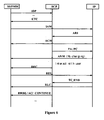
- Figure 6 is a flow chart illustrating a charging method according to a fifth method embodiment of the invention.
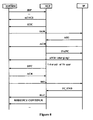
- Figure 7 is a flow chart illustrating a charging method according to a sixth method embodiment of the invention.
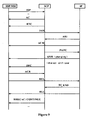
- Figure 8 is a flow chart illustrating a charging method according to a seventh method embodiment of the invention.
- Figure 9 is a flow chart illustrating a charging method according to an eighth method embodiment of the invention.
- a service switching point serves as the operation unit for charging.
- An intelligent peripheral controls the service switching point to charge or not to charge.
- PA Play Announcement
- PC Prompt And Collect User Information
- the intelligent peripheral Upon receipt of a PA (Play Announcement) / PC (Prompt And Collect User Information) message, the intelligent peripheral sends an answer charging message, to the service switching point requesting the service switching point to charge.
- PA Play Announcement
- PC Prompt And Collect User Information
- Embodiments of the invention provide a charging system and method which enable an accurate and flexible charging, and provide components for implementing the charging system and method, so as to solve the above problems.
- an intelligent peripheral judges whether to send an answer charging message to an information switching centre or a service switching point according to the operation characteristic parameter.
- the operation characteristic parameter may be PA or PC signaling.
- An embodiment is described below illustrating two ways for enabling a PA/PC to identify whether to charge or not.
- the logic meaning of an existing PA/PC itself is utilized.
- the existing PA signaling may have three meanings, including charging, no-charging and indefinite, and the PC signaling may have meanings, including charging and no-charging.
- an intelligent peripheral may judge based on the received PA/PC, determine whether to charge for a service, and decide whether to send an answer charging message to an information switching centre or a service switching point.
- the existing PA/PC signaling may be extended to include a field or code indicating charging or no-charging.
- a corresponding parsing software/hardware may be applied to the intelligent peripheral, to judge based on a received PA/PC, determine whether to charge for a service, and decide whether to send an answer charging message to an information switching centre or a service switching point.
- the operation characteristic parameter may be at least one of service type, service voice code or operation order.
- the operation characteristic parameter is not limited to the above definitions. Any definition of the operation characteristic parameter made by a user may be adopted as long as the intelligent peripheral has the extended parsing capability corresponding to the definition.
- the embodiments described below use the first way for enabling a PA/PC to identify whether to charge.
- the PA/PC message indicates that it is unnecessary for an intelligent peripheral to send an answer charging message to an information switching centre
- the intelligent peripheral does not send an answer charging message or an answer no-charging message to the information switching centre, so as to avoid an error charging of the user and a waste of system resources.
- the communication system includes a service switching point, a service control point and an intelligent peripheral.
- the service control point is adapted to send an operation characteristic parameter identifying whether to charge for a service to the intelligent peripheral.
- the intelligent peripheral is adapted to judge whether to request the service switching point to charge for the service according to the operation characteristic parameter identifying whether to charge for the service, and if a result of the judgment is negative, the intelligent peripheral does not send an answer charging message to the service switching point.
- the intelligent peripheral includes a charging judgment unit adapted to judge whether to request a service switching point to charge for a service according to an operation characteristic parameter identifying whether to charge for the service when receiving the operation characteristic parameter; and a charging forbidden unit adapted to instruct the intelligent peripheral not to send an answer charging message to the service switching point when a result of the judgment performed by the charging judgment unit is negative.
- the intelligent peripheral is adapted for judging whether to request a service switching point to charge for a service according to an instruction indicating whether to charge for the service sent from a service control point, and not sending an answer charging message to the service switching point when a result of the judgment is negative.
- the service control point includes a parameter sending unit adapted to send an operation characteristic parameter identifying whether to charge for a service to an intelligent peripheral; a charging control unit adapted to decide, before sending the operation characteristic parameter identifying whether to charge for the service to the intelligent peripheral or initiating a call to a called user, whether to send control information indicating to start or terminate charging to a service switching point according to the operation characteristic parameter identifying whether to charge for the service.
- the service control point transmits the operation characteristic parameter identifying whether to charge for a service to the intelligent peripheral so that the intelligent peripheral may judge whether to request the service switching point to charge. Further, the service control point decides whether to send control information indicating to start or terminate charging to the service switching point so that a flexible charging may be achieved. In this way, the problem that an intelligent peripheral will send an answer charging message no matter what operation parameter is received at present may be solved, therefore, an accurate charging function as well as a flexible charging function may be achieved in an intelligent network.
- the service switching point includes a message processing unit adapted to instruct the service switching point not to forward an answer no-charging message when the service switching point has sent an answer message to a forward central office and has received the answer no-charging message from an intelligent peripheral; a report unit adapted to instruct the service switching point to report a call duration by using a connection access control instruction and not to charge, when the message processing unit is in work and when the service switching point receives a Disconnect Forward Connection operation.
- the service switching point does not forward an answer no-charging message sent from the intelligent peripheral if an answer message has been sent to the forward central office, so as to avoid confusion in the charging-related operation of the forward central office.
- the service switching point responds to a no-charging operation initiated by the intelligent peripheral, reports a call duration by using a connection access control instruction and not to charge, so as to achieve an accurate charging in the intelligent network.
- the charging method includes the following process.
- a service control point sends an operation characteristic parameter identifying whether to charge for a service to an intelligent peripheral.
- the intelligent peripheral judges whether to charge for the service according to the operation characteristic parameter identifying whether to charge for the service. If the judging result is negative, the intelligent peripheral does not send an answer charging message to a service switching point.
- the intelligent peripheral is able to judge according to a charging-related instruction from the service control point whether to request the service switching point to charge for a service, and will not send an answer charging message to the service switching point if the judging result is negative. Accordingly, the technical problem that an intelligent peripheral sends an answer charging message to a service switching point no matter what operation parameters are received may be solved, so that an accurate charging may be achieved in the intelligent network.
- Embodiments of a communication system, an intelligent peripheral, a charging method, a service control point and a service switching point according to the invention will be further described as follows in conjunction with Figures 2-9 .
- the communication system includes a service switching point 230, a service control point 210 and an intelligent peripheral 220.
- the service switching point 230 includes an information switching centre 232, a charging unit 231, a message processing unit 233 and a report unit 234.
- the service control point 210 includes a parameter sending unit 212 and a charging control unit 211.
- the intelligent peripheral 220 includes a charging judgment unit 221 and a charging forbidden unit 222.
- the parameter sending unit 212 of the service control point 210 is adapted to send an operation characteristic parameter identifying whether to charge for a service to the intelligent peripheral 220.
- the charging control unit 211 is adapted to decide whether to send control information to the service switching point 230 requesting the service switching point 230 to start or terminate charging, according to the operation characteristic parameter identifying whether to charge for the service, before sending the operation characteristic parameter to the intelligent peripheral 210 or when initiating a call to a called user. Particularly, the charging control unit 211 sends an information instruction requesting to start or terminate charging to the information switching centre 232 of the service switching point 230.
- the charging control unit 211 is adapted to instruct the parameter sending unit 212 to send the operation characteristic parameter identifying charging for the service to the intelligent peripheral 220, thereby the intelligent peripheral 220 sends an answer charging message to the service switching point 230.
- the operation characteristic parameter may be at least one of a service type, a service and voice coding or an operation order. If the service coding indicates charging, and the voice coding is not the speech before answer, the charging control unit 211 sends charging control information to the service switching point 230.
- the charging control information is Applying Charge (AC) or Furnish Charging Information (FCI).
- the intelligent peripheral 220 may be an intelligent peripheral, or a physical entity having the functions of an intelligent peripheral, in a fixed or mobile intelligent network.
- the charging judgment unit 221 is adapted to judge whether to request the service switching point 230 to charge for a service or not, according to an operation characteristic parameter identifying whether to charge for the service, so as to decide whether to send an answer charging message (ANM/ANC) or an answer no-charging message to the information switching centre 232 of the service switching point 230. If the judging result is negative, the charging forbidden unit 222 instructs the intelligent peripheral 220 not to send an answer charging message to the service switching point 230.
- NAM/ANC answer charging message
- the charging forbidden unit 222 may instruct the intelligent peripheral 220 to directly send to the service switching point 230 a Play Announcement (PA), instead of an answer charging message.
- the charging forbidden unit 222 may instruct the intelligent peripheral 220 to send an answer no-charging message to the service switching point 230.
- the operation characteristic parameter may be a service and voice coding including a service coding which identifies whether to charge, and a voice coding identifying whether it is the speech before answer. If the service coding indicates no charging, and the voice coding is the speech before answer, the charging judgment unit 221 reaches a negative judging result.
- the charging unit 231 in the service switching unit 230 is adapted to charge when receiving an answer charging message from the intelligent peripheral 220, stop charging and report a charging report when receiving a service termination instruction sent from the service control point 210.
- the service termination instruction may be a Disconnect Forward Connection (DFC) message.
- the message processing unit 233 is adapted to instruct the service switching point 230 not to forward an answer no-charging message when receiving the answer no-charging message from the intelligent peripheral 220 while the service switching point 230 has send an answer message to the forward central office.
- DFC Disconnect Forward Connection
- the report unit 234 is adapted to instruct the service switching point 230 reports a call duration by using a connection access control instruction to be reported to the service control point 210 and not to charge when the service switching point 230 receives a DFC message from the service control point 210.
- operation characteristics are identified on the intelligent peripheral 220. In this way, an accurate charging by using the intelligent peripheral 220 may be enabled without any modification to the operation flows of the central office.
- not only an accurate charging may be achieved by using the charging judgment unit 221 in the intelligent peripheral 220, but also a flexible charging may be enabled by using the charging control unit 211 in the service control unit 210, the charging unit 231/the report unit 234 in the service switching point 230, and the charging judgment unit 221 in the intelligent peripheral 220, i.e. by signaling cooperation of a service flow control of the charging control unit 211 in the service control point 210 with the service switching point 230 and the intelligent peripheral 220.
- the charging method embodiments of the invention include, but not limited to, the following:
- This method embodiment supports the speech before answer, i.e. playing before answering, and no charging for the playing.
- the intelligent peripheral 220 supports the speech before answer, i.e. a function of playing voice before the intelligent peripheral 220 sends an answer charging message to the service switching point 230
- Figure 3 illustrates a signaling flow between function entities of the communication system.
- the signaling flow is as follows.
- the information switching centre 232 in the service switching point 230 reports an Initial Detect Point (IDP) operation, to trigger an intelligent service on the service control point 210.
- IDP Initial Detect Point
- the service control point 210 under the control of the signaling flow, delivers an Establish Temporary Connection (ETC) request to the information switching centre 232 in the service switching point 230, to establish a forward connection with the intelligent peripheral 220.
- ETC Establish Temporary Connection
- the service switching point 230 establishes a timeslot connection between user side and source side according to the value of bothwaythroughconnectionind.
- the service switching point 230 sends to the intelligent peripheral 220 a call establishing message, e.g. an Initial Address Message (IAM).
- IAM Initial Address Message
- the intelligent peripheral 220 When receiving the call establishing message sent from the information switching centre 232 in the service switching point 230, the intelligent peripheral 220 sends an Assist Request Instruction (ARI) message to the service control point 210, and waits for an instruction of the service control point 210.
- ARI Assist Request Instruction
- the parameter sending unit 212 sends an operation characteristic parameter identifying whether to charge for the service to the intelligent peripheral 220, for example, a Play Announcement (PA) in the embodiment instructing the intelligent peripheral 220 to play for the user.
- PA Play Announcement
- the charging judgment unit 221 in the intelligent peripheral 220 judges whether to request the service switching point 230 to charge for the service according to the operation characteristic parameter identifying whether to charge for the service, to further judges whether to send an answer charging message, or which answer message to be sent, to the information switching centre 232 in the service switching point 230 of the forward central office.
- the operation characteristic parameter is a PA which pertains to the service of speech before answer and has a meaning of indefinite or no charging. If the judging result is negative, the service is not charged, the charging forbidden unit 222 instructs the intelligent peripheral 220 to directly send a PA, instead of an answer message (i.e. ANM/ANC/ANN), to the charging unit 231 in the service switching point 230. Alternatively, the charging forbidden unit 222 instructs the intelligent peripheral 220 to directly send an answer no-charging message to the charging unit 231.
- the service control point 210 may optionally transmit the PA a plurality of times according to the requirements of the service.
- the service control point 210 delivers a Disconnect Forward Connection (DFC) message to the information switching centre 232 in the service switching point 230 according to the service, to disconnect the connection to the resource of the intelligent peripheral 220.
- DFC Disconnect Forward Connection
- the intelligent peripheral 220 sends a resource report message to the service control point 210.
- the service control point 210 delivers a DFC message to the information switching centre 232 in the service switching point 230 according to the service, requesting to disconnect the connection to the resource of the intelligent peripheral 220.
- the service switching point 230 initiates a Release (REL) message to the intelligent peripheral 220, to disconnect the connection to the resource of the intelligent peripheral 220.
- REL Release
- the intelligent peripheral 220 sends a message, e.g. a TC-END message, to the service control point 210, so as to terminate the current session with the service control point 210.
- a message e.g. a TC-END message
- the intelligent peripheral 220 sends a Release Complete (RLC) message to the service switching point 230, notifying the service switching point 230 that the current temporal connection has been released.
- RLC Release Complete
- a specialized resource of an intelligent peripheral is utilized without charging, i.e. a situation of utilization of the specialized resource of the intelligent peripheral, without a call connection phase.
- the charging control unit 211 in the service control point 210 controls the intelligent peripheral 220, and sends an answer no-charging message to the intelligent peripheral 220 when the specialized resource is utilized.
- the charging judgment unit 221 in the intelligent peripheral 220 judges whether to send an answer no-charging message to the charging unit 231 in the service switching point 230, according to the type of a service delivered by the service control point 210.
- Figure 4 illustrates a signaling flow between function entities of the communication system.
- the signaling flow is as follows.
- the information switching centre 232 in the service switching point 230 reports an Initial Detect Point (IDP) operation, to trigger an intelligent service on the service control point 210.
- IDP Initial Detect Point
- the service control point 210 under the control of the signaling flow, delivers an Establish Temporary Connection (ETC) message to the information switching centre 232 in the service switching point 230, to establish a forward connection with the intelligent peripheral 220.
- ETC Establish Temporary Connection
- the service switching point 230 establishes a timeslot connection between user side and source side according to the value of a parameter bothwaythroughconnectionind.
- the service switching point 230 sends to the intelligent peripheral 220 a call establishing message, e.g. an Initial Address Message (IAM).
- IAM Initial Address Message
- the intelligent peripheral 220 When receiving the call establishing message sent from the information switching centre 232 in the service switching point 230, the intelligent peripheral 220 sends an Assist Request Instruction (ARI) message to the service control point 210, and waits for an instruction of the service control point 210.
- ARI Assist Request Instruction
- the charging control unit 211 in the service control point 210 sends to the intelligent peripheral 220 a Play Announcement / Prompt And Collect User Information (PA/PC), instructing the intelligent peripheral 220 to play for the user, or to play for the user and collect user information.
- PA/PC Play Announcement / Prompt And Collect User Information
- the charging judgment unit 221 in the intelligent peripheral 220 judges whether to request the service switching point 230 to charge for the service according to an operation characteristic parameter identifying whether to charge for the service, to further judges whether to send an answer charging message, or which answer message to be sent, to the information switching centre 232 in the service switching point 230 of the forward central office.
- the operation characteristic parameter is a PA/PC which has a meaning of no charging. Accordingly, the judging result is no charging for the service, the charging forbidden unit 222 instructs the intelligent peripheral 220 to send an answer no-charging message to the charging unit 231 in the service switching point 230.
- the charging judgment unit 221 may judges according to the service coding in the operation characteristic parameter, to send an answer no-charging message to the charging unit 231 in the service switching point 230 of the forward central office.
- the charging judgment unit 221 in the intelligent peripheral 220 sends the answer no-charging message (i.e. ANN) to the information switching centre 232 in the service switching point 230 of the forward central office.
- the answer no-charging message i.e. ANN
- the charging unit 231 in the service switching point 230 forwards the answer no-charging message to the forward central office. However, if an answer message has been sent by the charging unit 231 in the service switching point 230 to the forward central office, the answer no-charging message will not be forwarded.
- the charging unit 231 in the service switching point 230 does not generate a charging list for utilizing the resource of the intelligent peripheral 220. If the charging control unit 211 in the service control point 210 has sent an applying charge (AC) instruction before the Establish Temporal Connection (ETC) operation, the information switching centre 232 in the service switching point 230 reports the call duration, by using a connection access control (AC) instruction, to the service control point 210 through the report unit 234 without charging, when the information switching centre 232 receives a Disconnect Forward Connection (DFC) operation from the service control point 210.
- AC applying charge
- ETC Establish Temporal Connection
- DFC Disconnect Forward Connection
- the service control point 210 delivers a Disconnect Forward Connection (DFC) operation to the information switching centre 232 in the service switching point 230 according to the service, to disconnect the connection to the resource of the intelligent peripheral 220.
- DFC Disconnect Forward Connection
- the intelligent peripheral 220 sends a resource report message to the service control point 210.
- the service control point 210 delivers a DFC message to the information switching centre 232 in the service switching point 230 according to the service, to disconnect the connection to the resource of the intelligent peripheral 220.
- the service switching point 230 sends a Release (REL) message to the intelligent peripheral 220, to disconnect the connection to the resource of the intelligent peripheral 220.
- REL Release
- the intelligent peripheral 220 sends a session ending message, e.g. a TC-END message, to the service control point 210, so as to terminate the current session with the service control point 210.
- a session ending message e.g. a TC-END message
- the intelligent peripheral 220 sends a Release Complete (RLC) message to the service switching point 230, notifying the service switching point 230 that the current temporal connection has been released.
- RLC Release Complete
- a user is charged for utilizing a specialized resource of an intelligent peripheral, i.e. a situation of utilization of the specialized resource of the intelligent peripheral, without a call connection phase.
- the charging control unit 211 in the service control point 210 controls the intelligent peripheral 220 to send an answer charging message to the service switching point 230 when a specialized resource is utilized.
- Figure 5 illustrates a signaling flow between function entities of the communication system.
- the signaling flow is as follows.
- the information switching centre 232 in the service switching point 230 reports an Initial Detect Point (IDP) operation, to trigger an intelligent service on the service control point 210.
- IDP Initial Detect Point
- the service control point 210 sends a charging request Access Control (AC) instruction to the information switching centre 232 in the service switching point 230, requesting the information switching centre 232 in the service switching point 230 to charge.
- AC charging request Access Control
- the service control point 210 under the control of the signaling flow, delivers an Establish Temporary Connection (ETC) message to the information switching centre 232 in the service switching point 230, to establish a forward connection with the intelligent peripheral 220.
- ETC Establish Temporary Connection
- the service switching point 230 establishes a timeslot connection between user side and source side according to the value of a parameter bothwaythroughconnectionind.
- the service switching point 230 sends to the intelligent peripheral 220 a call establishing message, e.g. an Initial Address Message (IAM).
- IAM Initial Address Message
- the intelligent peripheral 220 When receiving the call establishing message sent from the information switching centre 232 in the service switching point 230, the intelligent peripheral 220 sends an Assist Request Instruction (ARI) message to the service control point 210, and waits for an instruction of the service control point 210.
- ARI Assist Request Instruction
- the charging control unit 211 in the service control point 210 sends to the intelligent peripheral 220 a Play Announcement / Prompt And Collect User Information (PA/PC), instructing the intelligent peripheral 220 to play for the user, or to play for the user and collect user information.
- PA/PC Play Announcement / Prompt And Collect User Information
- the charging judgment unit 221 in the intelligent peripheral 220 judges whether to request the service switching point 230 to charge for the service according to an operation characteristic parameter identifying whether to charge for the service, to further judges whether to send an answer charging message, or which answer message to be sent, to the information switching centre 232 in the service switching point 230 of the forward central office.
- the operation characteristic parameter is a PA/PC which has a meaning of charging. Accordingly, the judging result is "yes"(the service is to be charged), an answer charging message, e.g. ANM/ANC, is sent to the information switching centre 232 in the service switching point 230.
- the charging unit 231 of the service switching point 230 begins charging when receiving the answer charging message from the intelligent peripheral 220.
- the charging unit 231 in the service switching point 230 forwards the answer charging message to the forward central office. However, if an answer message has been sent to the forward central office by the information switching centre 232 in the service switching point 230, the answer charging message will not be forwarded.
- the service control point 210 delivers a Disconnect Forward Connection (DFC) message to the information switching centre 232 in the service switching point 230 according to the service, to disconnect the connection to the resource of the intelligent peripheral 220.
- DFC Disconnect Forward Connection
- the intelligent peripheral 220 sends a resource report message to the service control point 210.
- the service control point 210 delivers a DFC message to the information switching centre 232 in the service switching point 230 according to the service, to disconnect the connection to the resource of the intelligent peripheral 220.
- the service switching point 230 sends a Release (REL) message to the intelligent peripheral 220, to disconnect the connection to the resource of the intelligent peripheral 220.
- REL Release
- the intelligent peripheral 220 sends a session ending message, e.g. a TC-END message, to the service control point 210, so as to terminate the current session with the service control point 210.
- a session ending message e.g. a TC-END message
- the intelligent peripheral 220 sends a Release Complete (RLC) message to the service switching point 230, notifying the service switching point 230 that the current temporal connection has been released.
- RLC Release Complete
- the information switching centre 232 in the service switching point 230 sends a charging request report to the service control point, so as to charge.
- the charging unit 231 of the service switching point 230 stops charging and reports a charging report. Or when receiving a DFC message from the intelligent peripheral 220, the charging unit 231 stops charging and reports charging information to the service control point 210.
- the service control point 210 delivers a charging request Access Control (AC) instruction to the service switching point 230 in the process of C2, and an answer charging message is sent to the service switching point 230 in the process of C7. In this way, the charging function is achieved.
- AC charging request Access Control
- a specialized resource of an intelligent peripheral is utilized without charging, the call connection phase is not charged either.
- a user is required, during a call, not only to use a specialized resource of an intelligent peripheral for interaction, but also to connect to a called user. Both the call and the utilization of the specialized resource are not charged. No matter whether the specialized resource is utilized first or the call is connected first during the call, the charging judgment unit 221 in the intelligent peripheral 220 sends an answer message ANM (no charging) or an answer signal no charging (ANN) to the charging unit 231 in the service switching point 230, and the information switching centre 232 in the service switching point 230 forwards the ANM or the ANN to the forward central office.
- ANM no charging
- ANN answer signal no charging
- Figure 6 illustrates a signaling flow between function entities of the communication system.
- the signaling flow is as follows.
- the information switching centre 232 in the service switching point 230 reports an Initial Detect Point (IDP) operation, to trigger an intelligent service on the service control point 210.
- IDP Initial Detect Point
- the service control point 210 under the control of the signaling flow, delivers an Establish Temporary Connection (ETC) message to the information switching centre 232 in the service switching point 230, to establish a forward connection with the intelligent peripheral 220.
- ETC Establish Temporary Connection
- the service switching point 230 establishes a timeslot connection between user side and source side according to the value of a parameter bothwaythroughconnectionind.
- the service switching point 230 sends to the intelligent peripheral 220 a call establishing message, e.g. an Initial Address Message (IAM).
- IAM Initial Address Message
- the intelligent peripheral 220 When receiving the call establishing message sent from the information switching centre 232 in the service switching point 230, the intelligent peripheral 220 sends an Assist Request Instruction (ARI) message to the service control point 210, and waits for an instruction of the service control point 210.
- ARI Assist Request Instruction
- the parameter sending unit 212 sends an operation characteristic parameter identifying whether to charge for the service to the intelligent peripheral 220, for example, a Play Announcement / Prompt And Collect User Information (PA/PC) in this embodiment, instructing the intelligent peripheral 220 to play for the user, or to play for the user and collect user information.
- PA/PC Play Announcement / Prompt And Collect User Information
- the charging judgment unit 221 in the intelligent peripheral 220 judges whether to request the service switching point 230 to charge for the service according to the operation characteristic parameter identifying whether to charge for the service, to further judges whether to send an answer charging message, or which answer message to be sent, to the information switching centre 232 in the service switching point 230 of the forward central office.
- the operation characteristic parameter is a PA/PC which has a meaning of no charging. Accordingly, the judging result is that the service is not to be charged for utilization of the specialized resource, the charging forbidden unit 222 instructs the intelligent peripheral 220 to send an answer no-charging message to the information switching centre 232 in the service switching point 230.
- the charging unit 231 in the service switching point 230 forwards the answer no-charging message to the forward central office. However, if an answer message has been sent to the forward central office by the information switching centre 232 in the service switching point 230, the answer no-charging message will not be forwarded.
- the service control point 210 delivers a Disconnect Forward Connection (DFC) message to the information switching centre 232 in the service switching point 230 according to the service, to disconnect the connection to the resource of the intelligent peripheral 220.
- DFC Disconnect Forward Connection
- the intelligent peripheral 220 sends a resource report message to the service control point 210.
- the service control point 210 delivers a DFC message to the information switching centre 232 in the service switching point 230 according to the service, to disconnect the connection to the resource of the intelligent peripheral 220.
- the service switching point 230 sends a Release (REL) message to the intelligent peripheral 220, to disconnect the connection to the resource of the intelligent peripheral 220.
- REL Release
- the intelligent peripheral 220 sends a session ending message, e.g. a TC-END message, to the service control point 210, so as to terminate the current session with the service control point 210.
- a session ending message e.g. a TC-END message
- the intelligent peripheral 220 sends a Release Complete (RLC) message to the service switching point 230, notifying the service switching point 230 that the current temporal connection has been released.
- RLC Release Complete
- the service control point 210 under the control of the signaling flow, sends a Request report BCSM event/Access Control/Continue (RRBE/AC/CONTINUE) to the information switching centre 232 in the service switching point 230, to initiate a call to the called user.
- RRBE/AC/CONTINUE BCSM event/Access Control/Continue
- the service switching point 230 does not forward the answer message to the forward central office.
- a user is not charged for utilizing a specialized resource of an intelligent peripheral, while being charged in a call connection phase.
- the user is required, during a call, not only to use a specialized resource of an intelligent peripheral for interaction, but also to connect to a called user.
- the user is not charged for utilizing the specialized resource of the intelligent peripheral, but is charged in the call connection phase
- Figure 7 illustrates a signaling flow between function entities of the communication system.
- the signaling flow is as follows.
- the information switching centre 232 in the service switching point 230 reports an Initial Detect Point (IDP) operation, to trigger an intelligent service on the service control point 210.
- IDP Initial Detect Point
- a charging call centre in the service control point 210 under the control of the signaling flow, sends a Furnish Charging Information (FCI) instruction to the information switching centre 232 in the service switching point 230, requesting the information switching centre 231 in the service switching point 230 to charge.
- FCI Furnish Charging Information
- the service control point 210 is required to deliver a FCI instruction before delivering an Establish Temporary Connection (ETC) message.
- the service switching point 230 of a mobile switching centre inserts information specified by the FCI instruction into a caller call list.
- the charging unit 231 in the service switching point 230 utilizes the information as the basis for deleting items from the caller call list.
- the intelligent peripheral 220 is required to send an answer charging message, e.g. ANM/ANC, to the information switching centre 232 in the service switching point 230 when the intelligent peripheral 220 receives a first operation, e.g. a PA/PC, from the service control point 210.
- the call lists need to be sorted: the call lists for utilizing resources are chosen because the user is not be charged for utilizing the resources during this type of call.
- the information specified by the FCI instruction is inserted into the caller call list of the call, which is used by the charging unit 231 as the basis for deleting items from the call list. A caller outside the mobile network is charged for the call connection and the utilization of resources.
- the FCI parameters are as follows:
- the service control point 210 under the control of the signaling flow, delivers an Establish Temporary Connection (ETC) message to the information switching centre 232 in the service switching point 230, to establish a forward connection with the intelligent peripheral 220.
- ETC Establish Temporary Connection
- the service switching point 230 establishes a timeslot connection between user side and source side according to the value of a parameter bothwaythroughconnectionind.
- the service switching point 230 sends to the intelligent peripheral 220 a call establishing message, e.g. an Initial Address Message (IAM).
- IAM Initial Address Message
- the intelligent peripheral 220 When receiving the call establishing message sent from the information switching centre 232 in the service switching point 230, the intelligent peripheral 220 sends an Assist Request Instruction (ARI) message to the service control point 210, and waits for an instruction of the service control point 210.
- ARI Assist Request Instruction
- the charging control unit 211 in the service control point 210 sends to the intelligent peripheral 220 a Play Announcement / Prompt And Collect User Information (PA/PC), instructing the intelligent peripheral 220 to play for the user, or to play for the user and collect user information.
- PA/PC Play Announcement / Prompt And Collect User Information
- the charging judgment unit 221 in the intelligent peripheral 220 judges whether to request the service switching point 230 to charge for the service according to an operation characteristic parameter identifying whether to charge for the service, to further judges whether to send an answer charging message, or which answer message to be sent, to the information switching centre 232 in the service switching point 230 of the forward central office.
- the operation characteristic parameter is a PA/PC which has a meaning of charging. Accordingly, the judging result is "yes"(the service is to be charged), an answer charging message, e.g. ANM/ANC, is sent to the information switching centre 232 in the service switching point 230.
- the charging unit 231 in the service switching point 230 When receiving the answer charging message from the charging judgment unit 221 in the intelligent peripheral 220, the charging unit 231 in the service switching point 230 begins charging, and forwards the answer charging message to the forward central office. However, if an answer message has been sent to the forward central office by the service switching point of Mobile Switching Centre (SSP/MSC), the answer charging message will not be forwarded.
- SSP/MSC Mobile Switching Centre
- the service control point 210 delivers a Disconnect Forward Connection (DFC) message to the information switching centre 232 in the service switching point 230 according to the service, to disconnect the connection to the resource of the intelligent peripheral 220.
- DFC Disconnect Forward Connection
- the intelligent peripheral 220 sends a resource report message to the service control point 210.
- the service control point 210 delivers a DFC message to the information switching centre 232 in the service switching point 230, to disconnect the connection to the resource of the intelligent peripheral 220.
- the service switching point 230 sends a Release (REL) message to the intelligent peripheral 220, to disconnect the connection to the resource of the intelligent peripheral 220.
- REL Release
- the intelligent peripheral 220 sends a session ending message, e.g. a TC-END message, to the service control point 210, so as to terminate the current session with the service control point 210.
- a session ending message e.g. a TC-END message
- the intelligent peripheral 220 sends a Release Complete (RLC) message to the service switching point 230, notifying the service switching point 230 that the current temporal connection has been released.
- RLC Release Complete
- the charging unit 231 in the service switching point 230 stops charging, and a charging record is generated at the information switching centre 232 in the service switching point 230.
- the information switching centre 232 in the service switching point 230 stops charging, and generates a charging record.
- the service control point 210 under the control of the signaling flow, sends a Request report BCSM event/Access Control/Continue (RRBE/AC/CONTINUE) to the information switching centre 232 in the service switching point 230, to initiate a call to the called user.
- RRBE/AC/CONTINUE BCSM event/Access Control/Continue
- the service switching point 230 does not forward the answer message to the forward central office.
- the service control point 210 delivers a FCI instruction to the service switching point 230 in the process of E2, and an answer charging message is sent to the service switching point 230 in the process of E7. In this way, the charging function for the call connection phase is achieved.
- a user is charged for utilizing a specialized resource of an intelligent peripheral, while not being charged in a call connection phase.
- the user is required, during a call, not only to use a specialized resource of an intelligent peripheral for interaction, but also to connect to a called user.
- the user is charged for utilizing the specialized resource of the intelligent peripheral, but is not charged in the call connection phase
- Figure 8 illustrates a signaling flow between function entities of the communication system.
- the signaling flow is as follows.
- the information switching centre 232 in the service switching point 230 reports an Initial Detect Point (IDP) operation, to trigger an intelligent service on the service control point 210.
- IDP Initial Detect Point
- the charging control unti 211 in the service control point 210 sends a charging request or a Furnish Charging Information (FCI) instruction to the information switching centre 232 in the service switching point 230, requesting the charging unit 231 in the service switching point 230 to charge.
- FCI Furnish Charging Information
- the service control point 210 is required to deliver a FCI instruction before delivering an Establish Temporary Connection (ETC) message.
- ETC Establish Temporary Connection
- the service switching point 230 of a mobile switching centre inserts information specified by the FCI instruction into a caller call list.
- the charging unit 231 utilizes the information as the basis for deleting items from the caller call list.
- the call lists need to be sorted: the call lists for call connection are chosen because the user is not charged for call connection while being charged for utilizing the resources during this type of call (e.g. a service in which a user listens to advertisement and is offered call fees). A caller outside the mobile network is charged for the call connection and the utilization of resources.
- the FCI parameters are as follows:
- the service control point 210 under the control of the signaling flow, delivers an Establish Temporary Connection (ETC) message to the information switching centre 232 in the service switching point 230, to establish a forward connection with the intelligent peripheral 220.
- ETC Establish Temporary Connection
- the service switching point 230 establishes a timeslot connection between user side and source side according to the value of a parameter bothwaythroughconnectionind.
- the service switching point 230 sends to the intelligent peripheral 220 a call establishing message, e.g. an Initial Address Message (IAM).
- IAM Initial Address Message
- the intelligent peripheral 220 When receiving the call establishing message sent from the information switching centre 232 in the service switching point 230, the intelligent peripheral 220 sends an Assist Request Instruction (ARI) message to the service control point 210, and waits for an instruction of the service control point 210.
- ARI Assist Request Instruction
- the charging control unit 211 in the service control point 210 sends to the intelligent peripheral 220 a Play Announcement / Prompt And Collect User Information (PA/PC), instructing the intelligent peripheral 220 to play for the user, or to play for the user and collect user information.
- PA/PC Play Announcement / Prompt And Collect User Information
- the charging judgment unit 221 in the intelligent peripheral 220 judges whether to request the service switching point 230 to charge for the service according to an operation characteristic parameter identifying whether to charge for the service, to further judges whether to send an answer charging message, or which answer message to be sent, to the information switching centre 232 in the service switching point 230 of the forward central office.
- the operation characteristic parameter is a PA/PC which has a meaning of charging. Accordingly, the judging result is "yes"(the service is to be charged for utilization of resources), an answer charging message, e.g. ANM/ANC, is sent to the information switching centre 232 in the service switching point 230.
- the charging unit 231 in the service switching point 230 When receiving the answer charging message from the charging judgment unit 221 in the intelligent peripheral 220, the charging unit 231 in the service switching point 230 begins charging, and forwards the answer charging message to the forward central office. However, if an answer message has been sent to the forward central office by the information switching centre 232 in the service switching point 230, the answer charging message will not be forwarded.
- the service control point 210 delivers a Disconnect Forward Connection (DFC) message to the information switching centre 232 in the service switching point 230 according to the service, to disconnect the connection to the resource of the intelligent peripheral 220.
- DFC Disconnect Forward Connection
- the intelligent peripheral 220 sends a resource report message to the service control point 210.
- the service control point 210 delivers a DFC message to the information switching centre 232 in the service switching point 230 according to the service, to disconnect the connection to the resource of the intelligent peripheral 220.
- the service switching point 230 sends a Release (REL) message to the intelligent peripheral 220, to disconnect the connection to the resource of the intelligent peripheral 220.
- REL Release
- the intelligent peripheral 220 sends a session ending message, e.g. a TC-END message, to the service control point 210, so as to terminate the current session with the service control point 210.
- a session ending message e.g. a TC-END message
- the intelligent peripheral 220 sends a Release Complete (RLC) message to the service switching point 230, notifying the service switching point 230 that the current temporal connection has been released.
- RLC Release Complete
- the information switching centre 232 in the service switching point 230 reports a charging report to the service control unit 210, or generates a charging record in the case of the FCI instruction.
- the information switching centre 232 in the service switching point 230 When receiving a disconnection message from the calling or called user, the information switching centre 232 in the service switching point 230 generates a charging record.
- the service control point 210 under the control of the signaling flow, sends a Request report BCSM event/Access Control/Continue (RRBE/AC/CONTINUE) to the information switching centre 232 in the service switching point 230, to initiate a call to the called user.
- RRBE/AC/CONTINUE BCSM event/Access Control/Continue
- the service switching point 230 does not forward the answer message to the forward central office.
- the service control point 210 delivers a FCI instruction to the service switching point 230 in the process of F2, and an answer charging message is sent to the service switching point 230 in the process of F7.
- the charging function for utilizing the specialized resource of the intelligent peripheral is achieved.
- a user is charged not only for utilization of a specialized resource of an intelligent peripheral but also in a call connection phase.
- the user is required, during a call, not only to use a specialized resource of an intelligent peripheral for interaction, but also to connect to a called user.
- the user is charged for utilizing the specialized resource of the intelligent peripheral, as well as in the call connection phase
- Figure 9 illustrates a signaling flow between function entities of the communication system.
- the signaling flow is as follows.
- the information switching centre 232 in the service switching point 230 reports an Initial Detect Point (IDP) operation, to trigger an intelligent service on the service control point 210.
- IDP Initial Detect Point
- the charging control unit 211 in the service control point 210 sends a charging request Access Control (AC) operation to the information switching centre 232 in the service switching point 230 according to service flow, requesting the information switching centre 232 in the service switching point 230 to charge.
- AC charging request Access Control
- the service control point 210 under the control of the signaling flow, delivers an Establish Temporary Connection (ETC) message to the information switching centre 232 in the service switching point 230, to establish a forward connection with the intelligent peripheral 220.
- ETC Establish Temporary Connection
- the service switching point 230 establishes a timeslot connection between user side and source side according to the value of a parameter both way through connectionind.
- the service switching point 230 sends to the intelligent peripheral 220 a call establishing message, e.g. an Initial Address Message (IAM).
- IAM Initial Address Message
- the intelligent peripheral 220 When receiving the call establishing message sent from the information switching centre 232 in the service switching point 230, the intelligent peripheral 220 sends an Assist Request Instruction (ARI) message to the service control point 210, and waits for an instruction of the service control point 210.
- ARI Assist Request Instruction
- the parameter sending unit 212 in the service control point 210 sends to the intelligent peripheral 220 an operation characteristic parameter identifying whether ot charge for the service, e.g. a Play Announcement / Prompt And Collect User Information (PA/PC) in this embodiment, instructing the intelligent peripheral 220 to play for the user, or to play for the user and collect user information.
- an operation characteristic parameter identifying whether ot charge for the service, e.g. a Play Announcement / Prompt And Collect User Information (PA/PC) in this embodiment, instructing the intelligent peripheral 220 to play for the user, or to play for the user and collect user information.
- PA/PC Play Announcement / Prompt And Collect User Information
- the charging judgment unit 221 in the intelligent peripheral 220 judges whether to request the service switching point 230 to charge for the service according to the operation characteristic parameter, to further judges whether to send an answer charging message, or which answer message to be sent, to the information switching centre 232 in the service switching point 230 of the forward central office.
- the operation characteristic parameter is a PA/PC which has a meaning of charging. Accordingly, the judging result is that the service is to be charged for utilization of resources, an answer charging message, e.g. ANM/ANC, is sent to the information switching centre 232 in the service switching point 230.
- the charging unit 231 in the service switching point 230 When receiving the answer charging message from the intelligent peripheral 220, the charging unit 231 in the service switching point 230 begins charging, and forwards the answer charging message to the forward central office. However, if an answer message has been sent to the forward central office by the information switching centre 232 in the service switching point 230, the answer charging message will not be forwarded.
- the service control point 210 delivers a Disconnect Forward Connection (DFC) message to the information switching centre 232 in the service switching point 230 according to the service, to disconnect the connection to the resource of the intelligent peripheral 220.
- DFC Disconnect Forward Connection
- the intelligent peripheral 220 sends a resource report message to the service control point 210.
- the service control point 210 delivers a DFC message to the information switching centre 232 in the service switching point 230 according to the service, to disconnect the connection to the resource of the intelligent peripheral 220.
- the service switching point 230 sends a Release (REL) message to the intelligent peripheral 220, to disconnect the connection to the resource of the intelligent peripheral 220.
- REL Release
- the intelligent peripheral 220 sends a session ending message, e.g. a TC-END message, to the service control point 210, so as to terminate the current session with the service control point 210.
- a session ending message e.g. a TC-END message
- the intelligent peripheral 220 sends a Release Complete (RLC) message to the service switching point 230, notifying the service switching point 230 that the current temporal connection has been released.
- RLC Release Complete
- the information switching centre 232 in the service switching point 230 stops charging, generates a resource charging call list, and reports a charging report to the service control unit 210.
- the charging for call connection is similar to the typical charging for an intelligent call.
- the service control point 210 under the control of the signaling flow, sends a Request report BCSM event/Access Control/Continue (RRBE/AC/CONTINUE) to the information switching centre 232 in the service switching point 230, to initiate a call to the called user.
- RRBE/AC/CONTINUE BCSM event/Access Control/Continue
- the service switching point 230 does not forward the answer message to the forward central office.
- the service control point 210 sends an AC operation to the service switching point 230 in the process of H2, and an answer charging message is sent to the service switching point 230 in the process of H7.
- the charging function for utilizing the specialized resource of the intelligent peripheral and for call connection is achieved.
- whether to send an answer message related to charging or which answer message is to be sent is judged by the charging judgment unit 221 in the intelligent peripheral 220, without any modification to the framework of an existing intelligent network.
- An accurate charging, as well as a flexible charging, is achieved, so as to facilitate a variety of intelligent services (such as AD service).
- an intelligent peripheral 220 in the intelligent network determines whether to charge, when to send a charging or no-charging message.
Landscapes
- Engineering & Computer Science (AREA)
- Computer Networks & Wireless Communication (AREA)
- Signal Processing (AREA)
- Quality & Reliability (AREA)
- Mobile Radio Communication Systems (AREA)
- Telephonic Communication Services (AREA)
- Meter Arrangements (AREA)
- Data Exchanges In Wide-Area Networks (AREA)
- Devices For Checking Fares Or Tickets At Control Points (AREA)
- Photoreceptors In Electrophotography (AREA)
- Eye Examination Apparatus (AREA)
Claims (18)
- Kommunikationssystem, dadurch gekennzeichnet, dass es einen Dienstvermittlungspunkt (230), einen Dienststeuerpunkt (210) und ein intelligentes Peripheriegerät (220) umfasst, wobei
der Dienststeuerpunkt (210) dafür ausgelegt ist, einen Operationseigenschaftsparameter, der identifiziert, ob für einen Dienst Gebühren zu berechnen sind, zu dem intelligenten Peripheriegerät zu senden;
das intelligente Peripheriegerät (220) dafür ausgelegt ist, gemäß dem Operationseigenschaftsparameter, der identifiziert, ob für den Dienst Gebühren zu berechnen sind, zu beurteilen, ob von dem Dienstvermittlungspunkt angefordert wird, für den Dienst Gebühren zu berechnen, und das intelligente Peripheriegerät eine Antwort-Keine-Gebührenberechnung-Nachricht zu dem Dienstvermittlungspunkt sendet, wenn ein Ergebnis der Beurteilung negativ ist. - Kommunikationssystem nach Anspruch 1, dadurch gekennzeichnet, dass es sich bei dem Operationseigenschaftsparameter um Dienst- und Sprachcodierung handelt, wobei die Dienst- und Sprachcodierung eine Dienstcodierung, die identifiziert, ob Gebühren zu berechnen sind, und eine Sprachcodierung, die identifiziert, ob die Sprachcodierung Sprache vor Antwort ist, umfasst.
- Kommunikationssystem nach Anspruch 2, dadurch gekennzeichnet, dass der Dienststeuerpunkt eine Gebührenberechnungs-Steuerinformation zu dem Dienstvermittlungspunkt sendet, wenn die Dienstcodierung Gebührenberechnung ist und die Sprachcodierung nicht Sprache vor Antwort ist; und das intelligente Peripheriegerät anweist, eine Antwort-Gebührenberechnung-Nachricht zu dem Dienstvermittlungspunkt zu senden, wenn von dem Dienstvermittlungspunkt angefordert wird, für den Dienst Gebühren zu berechnen.
- Kommunikationssystem nach Anspruch 3, dadurch gekennzeichnet, dass die Gebührenberechnungs-Steuerinformationen Zugangskontroll- oder Gebührenberechnungs-Hinterlegungs-Informationen sind.
- Intelligentes Peripheriegerät (220), dadurch gekennzeichnet, dass es Folgendes umfasst:eine Gebührenberechnungs-Beurteilungseinheit (221), die dafür ausgelegt ist, gemäß einem Operationseigenschaftsparameter, der identifiziert, ob für einen Dienst Gebühren zu berechnen sind, zu beurteilen, ob von einem Dienstvermittlungspunkt (230) angefordert wird, für einen Dienst Gebühren zu berechnen, wenn sie den Operationseigenschaftsparameter empfängt; undeine Gebührenberechnung-Verboten-Einheit (222), die dafür ausgelegt ist, das intelligente Peripheriegerät (220) anzuweisen, eine Antwort-Keine-Gebührenberechnung-Nachricht zu dem Dienstvermittlungspunkt (230) zu senden, wenn ein Ergebnis der Beurteilung negativ ist.
- Intelligentes Peripheriegerät nach Anspruch 5, dadurch gekennzeichnet, dass das intelligente Peripheriegerät ein intelligentes Peripheriegerät oder eine physische Entität mit Funktionen eines intelligenten Peripheriegeräts in einem intelligenten Festnetz oder einem intelligenten Mobilnetz ist.
- Dienststeuerpunkt (210), dadurch gekennzeichnet, dass er Folgendes umfasst:eine Parametersendeeinheit (212), die dafür ausgelegt ist, einen Operationseigenschaftsparameter, der identifiziert, ob für einen Dienst Gebühren zu berechnen sind, zu einem intelligenten Peripheriegerät (220) zu senden; undeine Gebührenberechnungs-Steuereinheit (211), die dafür ausgelegt ist, vor dem Senden des Operationseigenschaftsparameters, der identifiziert, ob für den Dienst Gebühren zu berechnen sind, zu dem intelligenten Peripheriegerät oder beim Einleiten einer Verbindung zu einem angerufenen Benutzer, gemäß dem Operationseigenschaftsparameter, der identifiziert, ob für den Dienst Gebühren zu berechnen sind, zu entscheiden, ob Steuerinformationen, die angeben, Gebührenberechnung zu beginnen oder zu beenden, zu einem Dienstvermittlungspunkt (230) gesendet werden.
- Dienststeuerpunkt nach Anspruch 7, dadurch gekennzeichnet, dass der Dienststeuerpunkt ferner die Gebührenberechnungs-Steuereinheit umfasst, die ferner dafür ausgelegt ist, eine Gebührenberechnungs-Steuerinformation zu dem Dienstvermittlungspunkt zu senden, wenn die Dienstcodierung Gebührenberechnung ist und die Sprachcodierung nicht Sprache vor Antwort ist; und das intelligente Peripheriegerät anzuweisen, eine Antwort-Gebührenberechnung-Nachricht zu dem Dienstvermittlungspunkt zu senden, wenn von dem Dienstvermittlungspunkt angefordert wird, für den Dienst Gebühren zu berechnen.
- Dienstvermittlungspunkt (230), dadurch gekennzeichnet, dass er Folgendes umfasst:eine Nachrichtenverarbeitungseinheit (233), die dafür ausgelegt ist, den Dienstvermittlungspunkt (230) anzuweisen, keine Antwort-Keine-Gebührenberechnung-Nachricht weiterzuleiten, wenn der Dienstvermittlungspunkt eine Antwortnachricht zu einer Weiterleitungs-Vermittlungsstelle gesendet und die Antwort-Keine-Gebührenberechnung-Nachricht von einem intelligenten Peripheriegerät (220) empfangen hat; undeine Meldeeinheit (234), die dafür ausgelegt ist, den Dienstvermittlungspunkt (230) anzuweisen, durch Verwendung einer Verbindungs-Zugangskontrollanweisung eine Verbindungsdauer zu melden und keine Gebühren zu berechnen, wenn sich die Nachrichtenverarbeitungseinheit in Arbeit befindet und wenn der Dienstvermittlungspunkt (230) eine Weiterleitungs-Verbindungs-Trennungs-Operation empfängt.
- Dienstvermittlungspunkt nach Anspruch 9, dadurch gekennzeichnet, dass er ferner eine Gebührenberechnungseinheit umfasst, die dafür ausgelegt ist, Gebühren zu berechnen, wenn sie eine Antwort-Gebührenberechnung-Nachricht von dem intelligenten Peripheriegerät empfängt, und die Gebührenberechnung zu stoppen, wenn sie eine Dienstbeendigungsanweisung von einem Dienststeuerpunkt empfängt.
- Gebührenberechnungsverfahren, gekennzeichnet durch die folgenden Schritte:Senden eines Operationseigenschaftsparameters, der identifiziert, ob für einen Dienst Gebühren zu berechnen sind, durch einen Dienststeuerpunkt zu einem intelligenten Peripheriegerät;Beurteilen, ob von einem Dienstvermittlungspunkt angefordert wird, für den Dienst Gebühren zu berechnen, durch das intelligente Peripheriegerät gemäß dem Operationseigenschaftsparameter, der identifiziert, ob für den Dienst Gebühren zu berechnen sind, wobei das intelligente Peripheriegerät eine Antwort-Keine-Gebührenberechnung-Nachricht zu dem Dienstvermittlungspunkt sendet, wenn ein Ergebnis der Beurteilung negativ ist.
- Gebührenberechnungsverfahren nach Anspruch 11, dadurch gekennzeichnet, dass das Beurteilen, ob von einem Dienstvermittlungspunkt angefordert wird, für den Dienst Gebühren zu berechnen, durch das intelligente Peripheriegerät Folgendes umfasst:Beurteilen, dass keine Gebührenberechnung für den Dienst stattfindet, wenn die Dienstcodierung in dem Operationseigenschaftsparameter Keine-Gebührenberechnung ist oder wenn die Dienstcodierung Gebührenberechnung ist, während Sprachcodierung Sprache vor Antwort ist.
- Gebührenberechnungsverfahren nach Anspruch 11, dadurch gekennzeichnet, dass, wenn das Ergebnis der Beurteilung negativ ist, wenn der Dienstvermittlungspunkt die Antwort-Keine-Gebührenberechnung-Nachricht empfängt, die Antwort-Keine-Gebührenberechnung-Nachricht nicht zu einer Weiterleitungs-Vermittlungsstelle weitergeleitet wird, wenn eine Antwortnachricht zu der Weiterleitungs-Vermittlungsstelle gesendet wurde.
- Gebührenberechnungsverfahren nach Anspruch 13, dadurch gekennzeichnet, dass es ferner Folgendes umfasst:Senden eines Request Report BCSM Event/Access Control/Continue durch den Dienststeuerpunkt zu dem Dienstvermittlungspunkt nach dem Abliefern einer Weiterleitungs-Verbindungs-Trennungs-Anweisung an den Dienstvermittlungspunkt, um eine Verbindung zu dem angerufenen Benutzer einzuleiten;wobei, wenn eine Antwortnachricht von einer angerufenen Vermittlungsstelle empfangen wird, der Dienstvermittlungspunkt die Antwortnachricht nicht zu der Weiterleitungs-Vermittlungsstelle weiterleitet;Melden einer Verbindungs-Zugangskontrollanweisung durch den Dienstvermittlungspunkt, wobei der Dienstvermittlungspunkt durch Verwendung der Verbindungs-Zugangskontrollanweisung eine Verbindungsdauer meldet und keine Gebühren berechnet, wenn der Dienstvermittlungspunkt beim Herstellen einer temporären Verbindung eine Zugangskontrollanweisung empfangen hat.
- Gebührenberechnungsverfahren nach Anspruch 11, dadurch gekennzeichnet, dass, wenn das Ergebnis der Beurteilung ja ist, das Verfahren ferner Folgendes umfasst:Senden einer Antwort-Gebührenberechnung-Nachricht durch das intelligente Peripheriegerät zu dem Dienstvermittlungspunkt.
- Gebührenberechnungsverfahren nach Anspruch 15, dadurch gekennzeichnet, dass das Verfahren vor dem Senden der Antwort-Gebührenberechnung-Nachricht zu dem Dienstvermittlungspunkt durch das intelligente Peripheriegerät ferner Folgendes umfasst: Senden einer Gebührenberechnungs-Anforderungs-Zugangskontrollanweisung zu dem Dienstvermittlungspunkt durch den Dienststeuerpunkt, die von dem Dienstvermittlungspunkt anfordert, Gebühren zu berechnen; und das Verfahren nach dem Senden der Antwort-Gebührenberechnung-Nachricht zu dem Dienstvermittlungspunkt durch das intelligente Peripheriegerät ferner Folgendes umfasst: Berechnen von Gebühren für den Dienst durch den Dienstvermittlungspunkt, Stoppen der Gebührenberechnung und Melden eines Gebührenberechnungsergebnisses, wenn der Dienstvermittlungspunkt eine Verbindungs-Trennungs-Nachricht empfängt.
- Gebührenberechnungsverfahren nach Anspruch 16, dadurch gekennzeichnet, dass das Verfahren nach dem Melden des Gebührenberechnungsergebnisses ferner Folgendes umfasst:Senden einer Operationsfortsetzungsanforderung, die Verbindungs-Gebührenberechnungs-Anforderungsinformationen führt, durch den Dienststeuerpunkt zu dem Dienstvermittlungspunkt, um eine Verbindung zu einem angerufenen Benutzer einzuleiten; oderSenden einer Operationsfortsetzungsanforderung, die Verbindungs-Gebührenberechnungs-Stoppinformationen führt, durch den Dienststeuerpunkt zu dem Dienstvermittlungspunkt, um eine Verbindung zu einem angerufenen Benutzer einzuleiten.
- Gebührenberechnungsverfahren nach Anspruch 15, dadurch gekennzeichnet, dass das Verfahren vor dem Senden der Antwort-Gebührenberechnung-Nachricht durch das intelligente Peripheriegerät zu dem Dienstvermittlungspunkt ferner Folgendes umfasst: Senden von Gebührenberechnungs-Hinterlegungs-Informationen zu dem Dienstvermittlungspunkt durch den Dienststeuerpunkt, die von dem Dienstvermittlungspunkt anfordern, die Gebührenberechnung zu stoppen;
und das Verfahren nach dem Senden der Antwort-Gebührenberechnung-Nachricht durch das intelligente Peripheriegerät zu dem Dienstvermittlungspunkt ferner Folgendes umfasst: Berechnen von Gebühren für den Dienst von einem Gebührenberechnungs-Stopp-Punkt aus durch den Dienstvermittlungspunkt, Stoppen der Gebührenberechnung und Melden eines Gebührenberechnungsergebnisses, wenn der Dienstvermittlungspunkt eine Verbindungs-Trennungs-Nachricht empfängt.
Applications Claiming Priority (2)
| Application Number | Priority Date | Filing Date | Title |
|---|---|---|---|
| CN2006100655475A CN1863261B (zh) | 2006-03-20 | 2006-03-20 | 一种智能外设计费系统和方法 |
| PCT/CN2007/000812 WO2007107083A1 (en) | 2006-03-20 | 2007-03-14 | Communication system, device and charge method |
Publications (3)
| Publication Number | Publication Date |
|---|---|
| EP1998495A1 EP1998495A1 (de) | 2008-12-03 |
| EP1998495A4 EP1998495A4 (de) | 2009-12-16 |
| EP1998495B1 true EP1998495B1 (de) | 2011-02-23 |
Family
ID=37390581
Family Applications (1)
| Application Number | Title | Priority Date | Filing Date |
|---|---|---|---|
| EP07720399A Not-in-force EP1998495B1 (de) | 2006-03-20 | 2007-03-14 | Kommunikationssystem, einrichtung und gebührenberechnungssystem |
Country Status (6)
| Country | Link |
|---|---|
| US (1) | US20090017786A1 (de) |
| EP (1) | EP1998495B1 (de) |
| CN (2) | CN1863261B (de) |
| AT (1) | ATE499773T1 (de) |
| DE (1) | DE602007012670D1 (de) |
| WO (1) | WO2007107083A1 (de) |
Families Citing this family (4)
| Publication number | Priority date | Publication date | Assignee | Title |
|---|---|---|---|---|
| CN100455058C (zh) * | 2006-11-16 | 2009-01-21 | 华为技术有限公司 | 一种电信增值业务计费方法及系统 |
| CN101001288B (zh) * | 2007-01-25 | 2010-07-28 | 华为技术有限公司 | 一种实现转接业务的方法、系统及装置 |
| CN101547266B (zh) * | 2008-03-29 | 2011-08-03 | 华为技术有限公司 | 一种提供智能业务的方法、系统及网关 |
| CN102932768B (zh) * | 2012-10-09 | 2016-06-29 | 华为软件技术有限公司 | 一种呼叫接续过程中的处理方法和装置 |
Family Cites Families (6)
| Publication number | Priority date | Publication date | Assignee | Title |
|---|---|---|---|---|
| US5502759A (en) * | 1993-05-13 | 1996-03-26 | Nynex Science & Technology, Inc. | Apparatus and accompanying methods for preventing toll fraud through use of centralized caller voice verification |
| US5729592A (en) * | 1996-07-25 | 1998-03-17 | Lucent Technologies Inc. | Calling party identification announcement service |
| CA2305174C (en) * | 1997-10-06 | 2005-01-25 | Sonera Oyj | Method for arranging transaction based billing for telephone services |
| AU2005699A (en) * | 1997-12-18 | 1999-07-05 | Alcatel Usa Sourcing, L.P. | Account calling card service for an advanced intelligent network |
| KR20010054036A (ko) * | 1999-12-03 | 2001-07-02 | 김진찬 | 지능망 교환기의 과금 신호 제어 방법 |
| US6359975B1 (en) * | 2000-03-17 | 2002-03-19 | Lucent Technologies, Inc. | Intelligent-networked telecommunication system which strategically creates and employs service-dependent pseudo calling line identities to eliminate redundant billing errors |
-
2006
- 2006-03-20 CN CN2006100655475A patent/CN1863261B/zh not_active Expired - Fee Related
-
2007
- 2007-03-14 AT AT07720399T patent/ATE499773T1/de not_active IP Right Cessation
- 2007-03-14 WO PCT/CN2007/000812 patent/WO2007107083A1/zh not_active Ceased
- 2007-03-14 CN CNA2007800002109A patent/CN101313514A/zh active Pending
- 2007-03-14 DE DE602007012670T patent/DE602007012670D1/de active Active
- 2007-03-14 EP EP07720399A patent/EP1998495B1/de not_active Not-in-force
-
2008
- 2008-09-19 US US12/234,556 patent/US20090017786A1/en not_active Abandoned
Also Published As
| Publication number | Publication date |
|---|---|
| CN1863261B (zh) | 2010-12-08 |
| EP1998495A1 (de) | 2008-12-03 |
| CN1863261A (zh) | 2006-11-15 |
| WO2007107083A1 (en) | 2007-09-27 |
| EP1998495A4 (de) | 2009-12-16 |
| DE602007012670D1 (de) | 2011-04-07 |
| ATE499773T1 (de) | 2011-03-15 |
| CN101313514A (zh) | 2008-11-26 |
| US20090017786A1 (en) | 2009-01-15 |
Similar Documents
| Publication | Publication Date | Title |
|---|---|---|
| JP5611037B2 (ja) | 異なるネットワーク間における相互接続を通じた接続の設定 | |
| CN1301465A (zh) | 智能网与分组数据网的互操作性 | |
| EP2111030B1 (de) | Verfahren für einen dienst zur gebührenerhebung für gruppen in fernsprechvermittlungsanlagen und gerät zur steuerung des dienstes | |
| CN101111071A (zh) | Cdma智能网业务实现非结构化用户数据功能的方法 | |
| CN101600184A (zh) | 一种被叫付费系统及被叫付费业务的实现方法 | |
| EP1998495B1 (de) | Kommunikationssystem, einrichtung und gebührenberechnungssystem | |
| EP2046008A1 (de) | Verfahren, system, schaltvorrichtung und dienststeuerungspunkt zur implementierung von rufweiterleitung | |
| CN101106823A (zh) | 实现一号多机的呼叫处理方法及智能网业务控制设备 | |
| WO2010088819A1 (zh) | 回呼实现方法和系统 | |
| CN1874390B (zh) | 实现一号通号码到同时振铃号码间计费的方法 | |
| CN101026877A (zh) | 一种呼叫业务实现方法、系统和装置 | |
| WO2008071115A1 (fr) | Procédé de facturation pour un utilisateur de prépaiement pendant une itinérance inter-réseaux et système de facturation | |
| CN101018136A (zh) | 用于电信系统的分区计费方法和装置、及移动终端分区卡 | |
| CN100531263C (zh) | 用户同时加入多个移动虚拟专用网集团的业务实现方法 | |
| CN101106619B (zh) | 在无线本地环网中计费的方法、系统、设备和无线终端 | |
| CN101056471B (zh) | 专网卡实现装置及方法 | |
| CN101635906B (zh) | 灵活振铃群组智能业务的触发方法与装置 | |
| CN101547420B (zh) | 采用智能网方式实现改号通知的系统和方法 | |
| CN100382643C (zh) | 一种对移动用户业务前转计费的方法 | |
| CN101656940B (zh) | 一种无线公话系统的计费方法 | |
| CN102118876B (zh) | 一种非智能用户进行二次接续的方法或装置 | |
| CN100396115C (zh) | 一种对短消息计费的方法 | |
| CN101282501B (zh) | 网络发起智能呼叫的方法和系统 | |
| CN1889594B (zh) | 实现主叫用户名显示的方法及系统 | |
| CN100571301C (zh) | 一种实现智能业务的方法 |
Legal Events
| Date | Code | Title | Description |
|---|---|---|---|
| PUAI | Public reference made under article 153(3) epc to a published international application that has entered the european phase |
Free format text: ORIGINAL CODE: 0009012 |
|
| 17P | Request for examination filed |
Effective date: 20080919 |
|
| AK | Designated contracting states |
Kind code of ref document: A1 Designated state(s): AT BE BG CH CY CZ DE DK EE ES FI FR GB GR HU IE IS IT LI LT LU LV MC MT NL PL PT RO SE SI SK TR |
|
| RIN1 | Information on inventor provided before grant (corrected) |
Inventor name: LIAN, SHAOXIONGH Inventor name: MO, XIAOJUN Inventor name: LIU, BIN Inventor name: WANG, KEFENG |
|
| A4 | Supplementary search report drawn up and despatched |
Effective date: 20091118 |
|
| GRAP | Despatch of communication of intention to grant a patent |
Free format text: ORIGINAL CODE: EPIDOSNIGR1 |
|
| GRAJ | Information related to disapproval of communication of intention to grant by the applicant or resumption of examination proceedings by the epo deleted |
Free format text: ORIGINAL CODE: EPIDOSDIGR1 |
|
| GRAP | Despatch of communication of intention to grant a patent |
Free format text: ORIGINAL CODE: EPIDOSNIGR1 |
|
| GRAS | Grant fee paid |
Free format text: ORIGINAL CODE: EPIDOSNIGR3 |
|
| GRAA | (expected) grant |
Free format text: ORIGINAL CODE: 0009210 |
|
| AK | Designated contracting states |
Kind code of ref document: B1 Designated state(s): AT BE BG CH CY CZ DE DK EE ES FI FR GB GR HU IE IS IT LI LT LU LV MC MT NL PL PT RO SE SI SK TR |
|
| REG | Reference to a national code |
Ref country code: GB Ref legal event code: FG4D |
|
| REG | Reference to a national code |
Ref country code: CH Ref legal event code: EP |
|
| REG | Reference to a national code |
Ref country code: IE Ref legal event code: FG4D |
|
| REF | Corresponds to: |
Ref document number: 602007012670 Country of ref document: DE Date of ref document: 20110407 Kind code of ref document: P |
|
| REG | Reference to a national code |
Ref country code: DE Ref legal event code: R096 Ref document number: 602007012670 Country of ref document: DE Effective date: 20110407 |
|
| REG | Reference to a national code |
Ref country code: NL Ref legal event code: VDEP Effective date: 20110223 |
|
| LTIE | Lt: invalidation of european patent or patent extension |
Effective date: 20110223 |
|
| PG25 | Lapsed in a contracting state [announced via postgrant information from national office to epo] |
Ref country code: PT Free format text: LAPSE BECAUSE OF FAILURE TO SUBMIT A TRANSLATION OF THE DESCRIPTION OR TO PAY THE FEE WITHIN THE PRESCRIBED TIME-LIMIT Effective date: 20110623 Ref country code: LT Free format text: LAPSE BECAUSE OF FAILURE TO SUBMIT A TRANSLATION OF THE DESCRIPTION OR TO PAY THE FEE WITHIN THE PRESCRIBED TIME-LIMIT Effective date: 20110223 Ref country code: SE Free format text: LAPSE BECAUSE OF FAILURE TO SUBMIT A TRANSLATION OF THE DESCRIPTION OR TO PAY THE FEE WITHIN THE PRESCRIBED TIME-LIMIT Effective date: 20110223 Ref country code: LV Free format text: LAPSE BECAUSE OF FAILURE TO SUBMIT A TRANSLATION OF THE DESCRIPTION OR TO PAY THE FEE WITHIN THE PRESCRIBED TIME-LIMIT Effective date: 20110223 Ref country code: GR Free format text: LAPSE BECAUSE OF FAILURE TO SUBMIT A TRANSLATION OF THE DESCRIPTION OR TO PAY THE FEE WITHIN THE PRESCRIBED TIME-LIMIT Effective date: 20110524 Ref country code: ES Free format text: LAPSE BECAUSE OF FAILURE TO SUBMIT A TRANSLATION OF THE DESCRIPTION OR TO PAY THE FEE WITHIN THE PRESCRIBED TIME-LIMIT Effective date: 20110603 |
|
| PG25 | Lapsed in a contracting state [announced via postgrant information from national office to epo] |
Ref country code: BE Free format text: LAPSE BECAUSE OF FAILURE TO SUBMIT A TRANSLATION OF THE DESCRIPTION OR TO PAY THE FEE WITHIN THE PRESCRIBED TIME-LIMIT Effective date: 20110223 Ref country code: NL Free format text: LAPSE BECAUSE OF FAILURE TO SUBMIT A TRANSLATION OF THE DESCRIPTION OR TO PAY THE FEE WITHIN THE PRESCRIBED TIME-LIMIT Effective date: 20110223 Ref country code: SI Free format text: LAPSE BECAUSE OF FAILURE TO SUBMIT A TRANSLATION OF THE DESCRIPTION OR TO PAY THE FEE WITHIN THE PRESCRIBED TIME-LIMIT Effective date: 20110223 Ref country code: BG Free format text: LAPSE BECAUSE OF FAILURE TO SUBMIT A TRANSLATION OF THE DESCRIPTION OR TO PAY THE FEE WITHIN THE PRESCRIBED TIME-LIMIT Effective date: 20110523 Ref country code: CY Free format text: LAPSE BECAUSE OF FAILURE TO SUBMIT A TRANSLATION OF THE DESCRIPTION OR TO PAY THE FEE WITHIN THE PRESCRIBED TIME-LIMIT Effective date: 20110223 Ref country code: AT Free format text: LAPSE BECAUSE OF FAILURE TO SUBMIT A TRANSLATION OF THE DESCRIPTION OR TO PAY THE FEE WITHIN THE PRESCRIBED TIME-LIMIT Effective date: 20110223 Ref country code: FI Free format text: LAPSE BECAUSE OF FAILURE TO SUBMIT A TRANSLATION OF THE DESCRIPTION OR TO PAY THE FEE WITHIN THE PRESCRIBED TIME-LIMIT Effective date: 20110223 |
|
| PG25 | Lapsed in a contracting state [announced via postgrant information from national office to epo] |
Ref country code: EE Free format text: LAPSE BECAUSE OF FAILURE TO SUBMIT A TRANSLATION OF THE DESCRIPTION OR TO PAY THE FEE WITHIN THE PRESCRIBED TIME-LIMIT Effective date: 20110223 Ref country code: DK Free format text: LAPSE BECAUSE OF FAILURE TO SUBMIT A TRANSLATION OF THE DESCRIPTION OR TO PAY THE FEE WITHIN THE PRESCRIBED TIME-LIMIT Effective date: 20110223 Ref country code: MC Free format text: LAPSE BECAUSE OF NON-PAYMENT OF DUE FEES Effective date: 20110331 |
|
| REG | Reference to a national code |
Ref country code: CH Ref legal event code: PL |
|
| PG25 | Lapsed in a contracting state [announced via postgrant information from national office to epo] |
Ref country code: SK Free format text: LAPSE BECAUSE OF FAILURE TO SUBMIT A TRANSLATION OF THE DESCRIPTION OR TO PAY THE FEE WITHIN THE PRESCRIBED TIME-LIMIT Effective date: 20110223 Ref country code: RO Free format text: LAPSE BECAUSE OF FAILURE TO SUBMIT A TRANSLATION OF THE DESCRIPTION OR TO PAY THE FEE WITHIN THE PRESCRIBED TIME-LIMIT Effective date: 20110223 Ref country code: CZ Free format text: LAPSE BECAUSE OF FAILURE TO SUBMIT A TRANSLATION OF THE DESCRIPTION OR TO PAY THE FEE WITHIN THE PRESCRIBED TIME-LIMIT Effective date: 20110223 |
|
| PG25 | Lapsed in a contracting state [announced via postgrant information from national office to epo] |
Ref country code: MT Free format text: LAPSE BECAUSE OF FAILURE TO SUBMIT A TRANSLATION OF THE DESCRIPTION OR TO PAY THE FEE WITHIN THE PRESCRIBED TIME-LIMIT Effective date: 20110223 |
|
| PLBE | No opposition filed within time limit |
Free format text: ORIGINAL CODE: 0009261 |
|
| STAA | Information on the status of an ep patent application or granted ep patent |
Free format text: STATUS: NO OPPOSITION FILED WITHIN TIME LIMIT |
|
| REG | Reference to a national code |
Ref country code: IE Ref legal event code: MM4A |
|
| PG25 | Lapsed in a contracting state [announced via postgrant information from national office to epo] |
Ref country code: CH Free format text: LAPSE BECAUSE OF NON-PAYMENT OF DUE FEES Effective date: 20110331 Ref country code: LI Free format text: LAPSE BECAUSE OF NON-PAYMENT OF DUE FEES Effective date: 20110331 Ref country code: IE Free format text: LAPSE BECAUSE OF NON-PAYMENT OF DUE FEES Effective date: 20110314 Ref country code: DE Free format text: LAPSE BECAUSE OF NON-PAYMENT OF DUE FEES Effective date: 20111001 |
|
| 26N | No opposition filed |
Effective date: 20111124 |
|
| REG | Reference to a national code |
Ref country code: DE Ref legal event code: R119 Ref document number: 602007012670 Country of ref document: DE Effective date: 20111001 |
|
| PG25 | Lapsed in a contracting state [announced via postgrant information from national office to epo] |
Ref country code: PL Free format text: LAPSE BECAUSE OF FAILURE TO SUBMIT A TRANSLATION OF THE DESCRIPTION OR TO PAY THE FEE WITHIN THE PRESCRIBED TIME-LIMIT Effective date: 20110223 |
|
| REG | Reference to a national code |
Ref country code: FR Ref legal event code: ST Effective date: 20120210 |
|
| PG25 | Lapsed in a contracting state [announced via postgrant information from national office to epo] |
Ref country code: FR Free format text: LAPSE BECAUSE OF NON-PAYMENT OF DUE FEES Effective date: 20110426 |
|
| PG25 | Lapsed in a contracting state [announced via postgrant information from national office to epo] |
Ref country code: IT Free format text: LAPSE BECAUSE OF FAILURE TO SUBMIT A TRANSLATION OF THE DESCRIPTION OR TO PAY THE FEE WITHIN THE PRESCRIBED TIME-LIMIT Effective date: 20110223 |
|
| PG25 | Lapsed in a contracting state [announced via postgrant information from national office to epo] |
Ref country code: LU Free format text: LAPSE BECAUSE OF NON-PAYMENT OF DUE FEES Effective date: 20110314 |
|
| PG25 | Lapsed in a contracting state [announced via postgrant information from national office to epo] |
Ref country code: IS Free format text: LAPSE BECAUSE OF FAILURE TO SUBMIT A TRANSLATION OF THE DESCRIPTION OR TO PAY THE FEE WITHIN THE PRESCRIBED TIME-LIMIT Effective date: 20110223 |
|
| PG25 | Lapsed in a contracting state [announced via postgrant information from national office to epo] |
Ref country code: TR Free format text: LAPSE BECAUSE OF FAILURE TO SUBMIT A TRANSLATION OF THE DESCRIPTION OR TO PAY THE FEE WITHIN THE PRESCRIBED TIME-LIMIT Effective date: 20110223 |
|
| PG25 | Lapsed in a contracting state [announced via postgrant information from national office to epo] |
Ref country code: HU Free format text: LAPSE BECAUSE OF FAILURE TO SUBMIT A TRANSLATION OF THE DESCRIPTION OR TO PAY THE FEE WITHIN THE PRESCRIBED TIME-LIMIT Effective date: 20110223 |
|
| PGFP | Annual fee paid to national office [announced via postgrant information from national office to epo] |
Ref country code: GB Payment date: 20240201 Year of fee payment: 18 |
|
| GBPC | Gb: european patent ceased through non-payment of renewal fee |
Effective date: 20250314 |
|
| PG25 | Lapsed in a contracting state [announced via postgrant information from national office to epo] |
Ref country code: GB Free format text: LAPSE BECAUSE OF NON-PAYMENT OF DUE FEES Effective date: 20250314 |