EP1975621A1 - Method for determination of oxidative stress - Google Patents
Method for determination of oxidative stress Download PDFInfo
- Publication number
- EP1975621A1 EP1975621A1 EP07706844A EP07706844A EP1975621A1 EP 1975621 A1 EP1975621 A1 EP 1975621A1 EP 07706844 A EP07706844 A EP 07706844A EP 07706844 A EP07706844 A EP 07706844A EP 1975621 A1 EP1975621 A1 EP 1975621A1
- Authority
- EP
- European Patent Office
- Prior art keywords
- oxidative stress
- concentration
- ophthalmic acid
- gsh
- agent
- Prior art date
- Legal status (The legal status is an assumption and is not a legal conclusion. Google has not performed a legal analysis and makes no representation as to the accuracy of the status listed.)
- Granted
Links
Images


Classifications
-
- G—PHYSICS
- G01—MEASURING; TESTING
- G01N—INVESTIGATING OR ANALYSING MATERIALS BY DETERMINING THEIR CHEMICAL OR PHYSICAL PROPERTIES
- G01N33/00—Investigating or analysing materials by specific methods not covered by groups G01N1/00 - G01N31/00
- G01N33/48—Biological material, e.g. blood, urine; Haemocytometers
- G01N33/50—Chemical analysis of biological material, e.g. blood, urine; Testing involving biospecific ligand binding methods; Immunological testing
- G01N33/68—Chemical analysis of biological material, e.g. blood, urine; Testing involving biospecific ligand binding methods; Immunological testing involving proteins, peptides or amino acids
- G01N33/6893—Chemical analysis of biological material, e.g. blood, urine; Testing involving biospecific ligand binding methods; Immunological testing involving proteins, peptides or amino acids related to diseases not provided for elsewhere
-
- G—PHYSICS
- G01—MEASURING; TESTING
- G01N—INVESTIGATING OR ANALYSING MATERIALS BY DETERMINING THEIR CHEMICAL OR PHYSICAL PROPERTIES
- G01N2430/00—Assays, e.g. immunoassays or enzyme assays, involving synthetic organic compounds as analytes
-
- G—PHYSICS
- G01—MEASURING; TESTING
- G01N—INVESTIGATING OR ANALYSING MATERIALS BY DETERMINING THEIR CHEMICAL OR PHYSICAL PROPERTIES
- G01N2500/00—Screening for compounds of potential therapeutic value
-
- G—PHYSICS
- G01—MEASURING; TESTING
- G01N—INVESTIGATING OR ANALYSING MATERIALS BY DETERMINING THEIR CHEMICAL OR PHYSICAL PROPERTIES
- G01N2800/00—Detection or diagnosis of diseases
Definitions
- the present invention relates to a method for determination of oxidative stress comprising measuring a substance whose blood concentration varies depending on oxidation-caused variation of reduced glutathione (GSH) concentration in abiological sample, and to a method for screening for an anti-oxidative stress agent.
- GSH reduced glutathione
- Living organisms are continuously subjected to various stresses from outer environment. To resist such stresses, they maintain their homeostasis by various regulatory systems. Among stresses, representative is an oxidative stress caused when a living organism fails to sufficiently cope with active oxygen produced by its endogenous and exogenous causes. Against this stress, living organisms have a system called redox regulation to cope with the stress to maintain their homeostasis by regulating the redox state.
- This system functions to adapt to many extrinsic factors, i.e., agents, radiation, ultraviolet ray, environmental pollutants, high fever, low temperature, hypoxic condition, and infectious diseases as well as to oxidative stress from lifestyle-related diseases such as cancer, diabetes, arteriosclerosis, hypertension and obesity. However, if this regulation mechanism is broken for some reasons or become unable to provide sufficient adaptation, oxidative stress occurs.
- some molecular markers enabling easy examination of whether or not the intracellular redox regulation is functioning and enabling early detection of occurrence are proposed.
- a method for detecting oxidative stress on a living organism comprising specifically measuring oxidized apolipoprotein AI present in a sample by sandwich method using two antibodies as antibodies, one of which is an antibody specifically reacts with an oxidized site of oxidized apolipoprotein AI and the other is an antibody against apolipoprotein AI, wherein the method is available for mechanism analysis and clinical diagnosis of oxidative stress-related diseases such as arteriosclerosis and diabetes complications, e.g., nephropathy and neuropathy (for example, see Patent Document 1).
- a method utilizing, for example, a diagnostic plot of an oxidative stress profile, which is a two-dimensional coordinate system with its ordinate representing oxidative damage index calculated from oxidative damage items which shows a magnitude of oxidative damage caused by active oxygen and free radicals occurred in a living organism (generation rate of 8-hydroxy 2'-deoxyguanosine in urine per body weight, generation rate of 8-epi-prostaglandin F2 ⁇ in urine per body weight, oxidation ratio of coenzyme Q10 in serum, and lipid peroxide content in serum) and with its abscissa representing a protective capacity against oxidation calculated from anti-oxidation items which shows antioxidant capacity to suppress and prevent oxidation of constituents of a living organism caused by active oxygen and free radicals occurred in a living organism, wherein values of a test subject can be filled in the plot (e.g., see Patent Document 2 - 4).
- a method for comprehensively measuring intracellular metabolites by a measuring method of metabolites in a sample with a capillary electrophoresis-mass spectrometer (e.g., see Non-Patent Document 1) is a method to qualitatively and/or quantitatively determine low molecular weight compounds (metabolites) pattern and/or peptides pattern in a liquid sample from a human or animal body in order to monitor the human or animal body conditions.
- the metabolites and peptides in the liquid sample are separated by capillary electrophoresis, then directly ionized, and detected by an online-interfacedmass spectrometer.
- sample values and reference values representing said conditions are automatically stored in a database.
- sample values and reference values representing said conditions are automatically stored in a database.
- GSH reduced glutathione
- biomarkers found in search can be an indicator for drug action of an anti-oxidative stress agent, they can be used not only for diagnosis but also for drug development, toxicity and efficacy evaluation of active oxygen removers etc. Furthermore, since intracellular glutathione is decreased by production and secretion of conjugates in drug metabolism, such biomarkers would be a powerful marker for the study of toxicity and pharmacokinetics of various agents. It is an object of the present invention to provide a biomarker that enables easy and rapid detection of oxidative stress on a living organism and enables prevention of tissue damage or cell necrosis by drug administration, and which may be a powerful marker for the study of toxicities and pharmacokinetics of various agents.
- An agent to cause oxidative stress is administered to mice.
- the liver and blood of the mice is measured with an analyzer such as a capillary electrophoresis-mass spectrometer (CE-MS), high performance liquid chromatography-mass spectrometer(LC-MS), gas chromatography-mass spectrometer (GC-MS), single CE, LC, GC, mass spectrometer (MS), or nuclear magnetic resonance apparatus (NMR) to search a biomarker candidate substance in blood which varies in association with perturbation of reduced glutathione (GSH) concentration in liver which plays a key role in redox regulation.
- CE-MS capillary electrophoresis-mass spectrometer
- LC-MS high performance liquid chromatography-mass spectrometer
- GC-MS gas chromatography-mass spectrometer
- MS mass spectrometer
- NMR nuclear magnetic resonance apparatus
- the present inventors administered acetaminophen, an oxidative stress causing agent, to mice and have found ophthalmic acid as a substance (biomarker) that varies in blood depending on the variation of GSH concentration in liver by using a method such as a capillary electrophoresis-mass spectrometer (CE-MS) which can comprehensively measure intracellular metabolites.
- acetaminophen an oxidative stress causing agent
- the present invention relates to (1) a method for determination of oxidative stress comprising measuring blood concentration of ophthalmic acid, which is a substance that varies in blood depending on the variation of reduced glutathione (GSH) concentration in a biological sample; (2) the method for determination of oxidative stress according to the above (1), wherein the blood concentration of ophthalmic acid is measured with a capillary electrophoresis-mass spectrometer; (3) the method for determination of oxidative stress according to claim 1 or 2, wherein the oxidative stress is an oxidative stress originated from cancer, diabetes, arteriosclerosis, obesity, hepatitis, AIDS, Alzheimer's disease or the like.
- GSH reduced glutathione
- the present invention relates to (4) a method for screening for an anti-oxidative stress agent, comprising administering an anti-oxidative stress candidate agent to a non-human animal under oxidative stress conditions; measuring, before and after the administration, blood concentration of ophthalmic acid, which is a substance that varies in blood depending on the variation of reduced glutathione (GSH) concentration in a biological sample; and evaluating the degree of decrease in ophthalmic acid concentration; (5) the method for screening for an anti-oxidative stress agent according to the above (4), wherein the blood concentration of ophthalmic acid is measured with a capillary electrophoresis-mass spectrometer; and (6) the method for screening an anti-oxidative stress agent according to the above (4) or (5), wherein the anti-oxidative stress agent is a preventive or therapeutic agent for an oxidative stress-related disease originated from cancer, diabetes, arteriosclerosis, obesity, hepatitis, AIDS, Alzheimer's disease or the like.
- the anti-oxidative stress agent is
- a method for determination of oxidative stress of the present invention is not particularly limited as long as it is a method of measuring blood concentration of ophthalmic acid, which is a substance that varies in blood depending on the variation of reduced glutathione (GSH) concentration in a biological sample.
- a screening method for an anti-oxidative stress agent of the present invention is not particularly limited as long as it is a method comprising administering an anti-oxidative stress candidate agent to a non-human animal under oxidative stress conditions, measuring, before and after the administration, blood concentration of ophthalmic acid, which is a substance that varies in blood depending on the variation of reduced glutathione (GSH) concentration in a biological sample, and evaluating the degree of decrease in ophthalmic acid concentration.
- Examples of the above non-human animal include a mouse, rat, rabbit, canine and feline.
- ophthalmic acid ⁇ -Glu-2-aminobutyric acid, oxidized glutathione (GSSG) and the like which are substances that varies in blood depending on the variation of reduced glutathione (GSH) concentration in a biological sample
- measurement of blood concentration of ophthalmic acid e.g., concentration in serum
- ophthalmic acid e.g., concentration in serum
- a method for measuring the blood concentration of ophthalmic acid is not particularly limited as long as it is a measuring method using an analyzer such as a capillary electrophoresis-mass spectrometer (CE-MS), high performance liquid chromatography-mass spectrometer (LC-MS), gas chromatography-mass spectrometer (GC-MS), single CE, LC, GC, mass spectrometer (MS), or nuclear magnetic resonance apparatus (NMR).
- a measuring method using a capillary electrophoresis-time-of-flight mass spectrometer CE-TOFMS
- Measurement of ophthalmic acid in blood using capillary electrophoresis-time-of-flight mass spectrometer can be performed according to a method described in aforementioned Non-Patent Document 1 or the method described in an Example below.
- a method for determination of oxidative stress of the present invention is specifically explained as follows. Blood is collected from a test subject. The separated serum is used as a sample and ophthalmic acid concentration in the sample is measured by using, for example, CE-TOFMS. If the obtained value is significantly higher as compared to the value of the test subject in its normal state (when being free of oxidative stress) or the value of a normal individual not under oxidative stress, then the test subject is determined to be under oxidative stress.
- an oxidative stress-related disease is suspected.
- diseases include cancer, diabetes, arteriosclerosis, obesity, hepatitis, AIDS, Alzheimer's disease, Parkinson's disease, apoptosis, inflammatory response, asthma, eczema, high bone mass syndrome, osteopetrosis, osteoporosis-pseudoglioma syndrome, digestive diseases such as gastric ulcer, irritable bowel syndrome and ulcerative colitis, hypertension, angina pectoris, myocardial infarction, cardiomyopathy, chronic rheumatoid arthritis, musculoskeletal diseases such as migraine and tension headache, respiratory diseases such as bronchial asthma and hyperventilation syndrome, various diabetes complications, and cranial nerve disease.
- a method for screening for an anti-oxidative stress agent of the present invention is specifically explained as follows.
- An anti-oxidative stress candidate agent is administered to a non-human animal such as a mouse under oxidative stress conditions.
- Ophthalmic acid concentration in serum is measured before and after the administration by using, for example, CE-TOFMS. If the ophthalmic acid concentration in serum after administration is significantly decreased as compared to the ophthalmic acid concentration before the administration, said anti-oxidative stress candidate agent may be possibly used as an anti-oxidative stress agent.
- this screened anti-oxidative stress candidate agent is administered to a non-human animal such as a mouse in its normal state and one that does not change the ophthalmic acid concentration in serum before and after the administration is selected.
- an administration route of the above anti-oxidative stress candidate agent to a non-human animal examples include injections (e.g., intravenous, intramuscular, subcutaneous, intradermal, and intraperitoneal), oral, transdermal, and inhalation administrations. Formulations may be done appropriately according to these administration routes.
- selectable form of an agent can be selected widely from, but not limited to, injectable forms (e.g., solutions, suspensions, emulsions, and solids which will be dissolved in use), tablets, capsules, granules, powders, liquids, liposomals, ointments, gels, powders for external use, sprays, and powders for inhalation.
- components generally used in pharmaceuticals such as commonly used excipients, stabilizers, binders, lubricants, emulsifying agents, osmotic pressure conditioners, pH conditioners, other coloring agents, and disintegrants can be also used. Further, dosage may be selected appropriately.
- Examples of a method to place a non-human mammal such as amouse under oxidative stress conditions include administration of an oxidative stress causing agent such as acetaminophen, exposure to radiation or ultraviolet ray, affection to an infectious disease caused by an environmental pollutant, and exposure to a physically adverse environment such as high fever, low temperature, hypoxic condition, and water immersion restraint.
- an oxidative stress causing agent such as acetaminophen
- exposure to radiation or ultraviolet ray affection to an infectious disease caused by an environmental pollutant
- a physically adverse environment such as high fever, low temperature, hypoxic condition, and water immersion restraint.
- an anti-oxidative stress agent effective to an oxidative stress-related disease can be obtained.
- an oxidative stress-related disease include cancer, diabetes, arteriosclerosis, obesity, hepatitis, AIDS, Alzheimer's disease, Parkinson's disease, apoptosis , inflammatory response, asthma, eczema, high bone mass syndrome, osteopetrosis, osteoporosis-pseudoglioma syndrome, digestive diseases such as gastric ulcer, irritable bowel syndrome, and ulcerative colitis, hypertension, angina pectoris, myocardial infarction, cardiomyopathy, chronic rheumatoid arthritis, musculoskeletal diseases such as migraine and tension headache, respiratory diseases such as bronchial asthma and hyperventilation syndrome, various diabetes complications, and cranial nerve disease.
- Acetaminophen (AAP) which is an oxidative stress causing agent, or physiological saline as control was injected (150 mg per Kg body weight).
- liver about 300 mg
- serum 200 ⁇ l
- the liver (about 300 mg) harvested from mice was immediately plunged into 1 ml of methanol containing internal standards and homogenized to inactivate enzymes and stop increase in metabolism. Then, 500 ⁇ l of pure water was added and 300 ⁇ l of the solution was collected. 200 ⁇ l of chloroform was added to the solution, which was then thoroughly mixed. The solution was centrifuged at 15000 rpm at 4° C for 15 minutes. After left standing, the separated 300 ⁇ l-water-methanol phase was centrifugally filtered through an ultrafiltration filter (5 kDa cutoff) to remove proteins. The filtrate was lyophilized and 50 ⁇ l of Milli-Q water was added thereto prior to CE-MS (CE-TOFMS) analysis.
- CE-TOFMS CE-TOFMS
- Serum (200 ⁇ l) was plunged into 1.8 ml of methanol containing internal standards and mixed. Then 800 ⁇ l of pure water and 2 ml of chloroform were added, and the solution was centrifuged at 5000 rpm at 4° C for 5 minutes. After left standing, the separated 800 ⁇ l-water-methanol phase was centrifugally filtered through an ultrafiltration filter (5 kDa cutoff) to remove proteins. The filtrate was lyophilized and 50 ⁇ l of Milli-Q water was added thereto prior to CE-MS (CE-TOFMS) analysis.
- CE-TOFMS CE-TOFMS
- Metabolites having a mass of 1000 or less were comprehensively measured using CE-TOFMS under measuring conditions for cationic metabolites and anionic metabolites.
- a fused silica capillary having an inner diameter of 50 ⁇ m, an outer diameter of 350 ⁇ m, and a total length of 100 cm was used.
- As a buffer 1 M formic acid (pH is about 1.8) was used. Measurement was performed with an applied voltage of + 30 kV and a capillary temperature of 20° C. A sample was injected at 50 mbar for 3 seconds using the pressure method.
- the positive ion mode was employed and the ionization, fragmentor, skimmer, and Oct RFV voltages were set at 4 kV, 75 V, 50 V, and 125 V, respectively.
- Nitrogen was used as a drying gas, which was set at a temperature of 300°C and a pressure of 10 psig.
- Methanol solution (50%) was used as a sheath liquid.
- reserpine (m/z 609.2807) was added at 0.5 ⁇ M for mass calibration and the solution was delivered at 10 ⁇ /min. All the obtained data were automatically calibrated using the mass of reserpine (m/z 609.2807) and methanol adduct ion (m/z 83.0703).
- SMILE(+) capillary having an inner diameter of 50 ⁇ m, an outer diameter of 350 ⁇ m, and a total length of 100 cm was used.
- As a buffer 50 mM ammonium acetate (pH 8.5) was used. Measurement was performed with an applied voltage of - 30 kV and a capillary temperature of 20° C. A sample was injected at 50 mbar for 30 seconds using the pressure method.
- the negative ion mode was employed and the ionization, fragmentor, skimmer, and Oct RFV voltage were set at 3.5 kV, 100 V, 50 V, and 200 V, respectively.
- Nitrogen was used as a drying gas, which was set at a temperature of 300°C and a pressure of 10 psig.
- Ammonium acetate (5 mM) in 50% methanol solution was used as a sheath liquid.
- 20 ⁇ M PIPES and 1 ⁇ M reserpine was added for mass calibration and was delivered at 10 ⁇ /min. All the obtained data were automatically calibrated using the mass of reserpine (m/z 609.2807), monovalent PIPES (m/z 301.0534), and divalent PIPES (m/z 150.0230).
- Metabolites were extracted over time from liver and blood of control mice and mice which had received an excessive administration of AAP, which is an oxidative stress causing agent, to induce hepatocyte necrosis.
- the extracts were comprehensively and quantitatively analyzed with a capillary electrophoresis-mass spectrometer (CE-MS) or the like.
- CE-MS capillary electrophoresis-mass spectrometer
- Fig. 1 shows the components increased or decreased in the liver when the control mice and the mice 2 hours after AAP administration were compared. Red points show increased substances and blues show decreased substances in the mice 2 hours after AAP administration. Dramatically decreased substances are GSH and oxidized glutathione (GSSG).
- an unknown substance having a mass of 290 which was detected at the same time point as GSH was increased by AAP administration.
- the accurate mass obtained from CE-TOFMS and the structural information obtained from CE-MS/MS leads to speculation that this substance is ophthalmic acid ( ⁇ -Glu-2ABs-Gly), in which Cys in the middle of GSH ( ⁇ -Glu-Cys-Gly) is substituted with 2-aminobutyric acid (2-aminobutyrate (2AB)).
- Ophthalmic acid preparation was obtained and compared with the unknown substance. As estimated, the unknown substance was ophthalmic acid.
- hepatocyte necrosis by AAP administration is because some of AAP are metabolized by cytochrome P450 to produce the toxic substance NAPQI, which binds to an SH group of various proteins (oxidation).
- NAPQI is bound by GSH and is excreted into urine. If GSH is depleted, however, NAPQI binds to proteins and causes cell necrosis.
- Comparison of concentration variations of each metabolite measured by CE-TOFMS shows decrease in all the substances in the glutathione biosynthesis pathway in the liver of mice 2 hours after AAP administration compared to the control.
- ⁇ -Glu-2-aminobutyric acid which is produced by glutathione synthesis pathway enzymes of glutamyl cysteine synthetase (GCS) and glutathione synthetase (GS), and increase in ophthalmic acid were observed.
- BSO buthionine sulfoximine
- GCS GCS
- DEM diethylmaleate
- ⁇ -Glu-Cys GSH
- GSH Fig. 2A
- ⁇ -Glu-2AB ⁇ -Glu-2AB
- ophthalmic acid Fig. 2B
- GSSG, ⁇ -Glu-2AB, and ophthalmic acid in liver largely varies responding to the GSH decrease by AAP- or DEM-caused oxidative stress. If these substances in blood also respond to the GSH decrease, these can be used as a biomarker. Accordingly, AAP was administered to mice and concentrations of these substances in liver and serum at 1, 2, 4, 6, 12, and 24 hours after the administration were measured and compared ( Fig. 4 ).
- Ophthalmic acid (ophthalmate) in blood found in the present invention rapidly increases by promptly sensing oxidative stress caused by an agent, radiation, ultraviolet ray, environmental pollutant, high fever, low temperature, hypoxic condition, infectious disease, etc. Therefore it is not only useful for determination and diagnosis of oxidative stress, but also may be used as a marker of drug toxicity and efficacy for oxidative stress. Further, ophthalmic acid in blood may be able to sense oxidative stress seen in cancer, diabetes, arteriosclerosis, obesity, hepatitis, AIDS, Alzheimer's disease and the like and may be used for early detection of these diseases.
Landscapes
- Life Sciences & Earth Sciences (AREA)
- Health & Medical Sciences (AREA)
- Engineering & Computer Science (AREA)
- Molecular Biology (AREA)
- Chemical & Material Sciences (AREA)
- Biomedical Technology (AREA)
- Urology & Nephrology (AREA)
- Hematology (AREA)
- Immunology (AREA)
- Cell Biology (AREA)
- General Health & Medical Sciences (AREA)
- Biotechnology (AREA)
- Proteomics, Peptides & Aminoacids (AREA)
- Food Science & Technology (AREA)
- Medicinal Chemistry (AREA)
- Physics & Mathematics (AREA)
- Analytical Chemistry (AREA)
- Biochemistry (AREA)
- Microbiology (AREA)
- General Physics & Mathematics (AREA)
- Pathology (AREA)
- Other Investigation Or Analysis Of Materials By Electrical Means (AREA)
- Investigating Or Analysing Biological Materials (AREA)
- Investigating Or Analyzing Materials By The Use Of Fluid Adsorption Or Reactions (AREA)
- Saccharide Compounds (AREA)
- Diaphragms For Electromechanical Transducers (AREA)
Abstract
Description
- The present invention relates to a method for determination of oxidative stress comprising measuring a substance whose blood concentration varies depending on oxidation-caused variation of reduced glutathione (GSH) concentration in abiological sample, and to a method for screening for an anti-oxidative stress agent.
- Living organisms are continuously subjected to various stresses from outer environment. To resist such stresses, they maintain their homeostasis by various regulatory systems. Among stresses, representative is an oxidative stress caused when a living organism fails to sufficiently cope with active oxygen produced by its endogenous and exogenous causes. Against this stress, living organisms have a system called redox regulation to cope with the stress to maintain their homeostasis by regulating the redox state. This system functions to adapt to many extrinsic factors, i.e., agents, radiation, ultraviolet ray, environmental pollutants, high fever, low temperature, hypoxic condition, and infectious diseases as well as to oxidative stress from lifestyle-related diseases such as cancer, diabetes, arteriosclerosis, hypertension and obesity. However, if this regulation mechanism is broken for some reasons or become unable to provide sufficient adaptation, oxidative stress occurs. Currently, some molecular markers enabling easy examination of whether or not the intracellular redox regulation is functioning and enabling early detection of occurrence are proposed.
- For example, proposed is a method for detecting oxidative stress on a living organism comprising specifically measuring oxidized apolipoprotein AI present in a sample by sandwich method using two antibodies as antibodies, one of which is an antibody specifically reacts with an oxidized site of oxidized apolipoprotein AI and the other is an antibody against apolipoprotein AI, wherein the method is available for mechanism analysis and clinical diagnosis of oxidative stress-related diseases such as arteriosclerosis and diabetes complications, e.g., nephropathy and neuropathy (for example, see Patent Document 1). Also proposed is a method utilizing, for example, a diagnostic plot of an oxidative stress profile, which is a two-dimensional coordinate system with its ordinate representing oxidative damage index calculated from oxidative damage items which shows a magnitude of oxidative damage caused by active oxygen and free radicals occurred in a living organism (generation rate of 8-hydroxy 2'-deoxyguanosine in urine per body weight, generation rate of 8-epi-prostaglandin F2α in urine per body weight, oxidation ratio of coenzyme Q10 in serum, and lipid peroxide content in serum) and with its abscissa representing a protective capacity against oxidation calculated from anti-oxidation items which shows antioxidant capacity to suppress and prevent oxidation of constituents of a living organism caused by active oxygen and free radicals occurred in a living organism, wherein values of a test subject can be filled in the plot (e.g., see Patent Document 2 - 4). Also proposed is a monoclonal antibody that recognizes a substance correlated with oxidative stress in a living organism and that specifically recognizes dihydropyridine structure (e.g., see Patent Document 5). However, since little is established about an indicator that can be measured from blood or urine, it was difficult to provide a living organism with prevention against oxidative stress.
- On the other hand, a method for comprehensively measuring intracellular metabolites by a measuring method of metabolites in a sample with a capillary electrophoresis-mass spectrometer (CE-MS) (e.g., see Non-Patent Document 1) is a method to qualitatively and/or quantitatively determine low molecular weight compounds (metabolites) pattern and/or peptides pattern in a liquid sample from a human or animal body in order to monitor the human or animal body conditions. In this method, the metabolites and peptides in the liquid sample are separated by capillary electrophoresis, then directly ionized, and detected by an online-interfacedmass spectrometer. To monitor the human or animal body conditions for a long time, sample values and reference values representing said conditions , and the deviation obtained from such values and the correspondence between them are automatically stored in a database. For separation and analysis of anionic compounds using a combination of capillary electrophoresis and mass spectroscopy, known is a method for separation and analysis of anionic compounds wherein electro-osmotic flow is reversed by a coated capillary which has a cationic ion pre-coating in its inner surface (e.g., see Patent Document 7).
-
- [Patent Document 1] Japanese Laid-Open Patent Application No.
2004-69672 - [Patent Document 2] Japanese Laid-Open Patent Application No.
2003-310621 - [Patent Document 3] Japanese Laid-Open Patent Application No.
2003-302396 - [Patent Document 4] Published Japanese translation of
PCT international publication No. 2002-517724 - [Patent Document 5] Japanese Laid-Open Patent Application No.
11-80198 - [Patent Document 6] Published Japanese translation of
PCT international publication No. 2003-532115 - [Patent Document 7] Japanese Patent Publication No.
3341765 - [Non-Patent Document 1] Soga, T., Ohashi, Y., Ueno, Y., Naraoka, H., Tomita, M., and Nishioka, T., "Quantitative Metabolome Analysis Using Capillary Electrophoresis Mass Spectrometry", J. Proteome Res. 2. 488-494, 2003.
- If concentration of reduced glutathione (GSH), which plays a key role in redox regulation in living organisms , can be measured at the blood level, the state of intracellular redox regulation can be easily and quickly grasped. The GSH concentration in blood, however, is infinitesimal and GSH is readily oxidized, making stable data acquisition or detection difficult. Thus, by finding a substance in blood that varies depending on the variation of GSH concentration in a tissue (in a cell) and measuring this biomarker substance, it can be determined whether or not redox regulation is functioning. If use of this predictive biomarker enables rapid detection of oxidative stress on a living organism, it is possible to administer an agent to prevent tissue damage or cell necrosis. Further, since biomarkers found in search can be an indicator for drug action of an anti-oxidative stress agent, they can be used not only for diagnosis but also for drug development, toxicity and efficacy evaluation of active oxygen removers etc. Furthermore, since intracellular glutathione is decreased by production and secretion of conjugates in drug metabolism, such biomarkers would be a powerful marker for the study of toxicity and pharmacokinetics of various agents. It is an object of the present invention to provide a biomarker that enables easy and rapid detection of oxidative stress on a living organism and enables prevention of tissue damage or cell necrosis by drug administration, and which may be a powerful marker for the study of toxicities and pharmacokinetics of various agents.
- An agent to cause oxidative stress is administered to mice. The liver and blood of the mice is measured with an analyzer such as a capillary electrophoresis-mass spectrometer (CE-MS), high performance liquid chromatography-mass spectrometer(LC-MS), gas chromatography-mass spectrometer (GC-MS), single CE, LC, GC, mass spectrometer (MS), or nuclear magnetic resonance apparatus (NMR) to search a biomarker candidate substance in blood which varies in association with perturbation of reduced glutathione (GSH) concentration in liver which plays a key role in redox regulation. Next, if the biomarker candidate substance is identified by name and the mechanism how the substance varies in association with GSH by oxidative stress is elucidated, and support for the theoretical mechanism is obtained, then the substance would be a biomarker for oxidative stress. Accordingly, the present inventors administered acetaminophen, an oxidative stress causing agent, to mice and have found ophthalmic acid as a substance (biomarker) that varies in blood depending on the variation of GSH concentration in liver by using a method such as a capillary electrophoresis-mass spectrometer (CE-MS) which can comprehensively measure intracellular metabolites. With the above findings , the present inventors have completed the present invention.
- In other words, the present invention relates to (1) a method for determination of oxidative stress comprising measuring blood concentration of ophthalmic acid, which is a substance that varies in blood depending on the variation of reduced glutathione (GSH) concentration in a biological sample; (2) the method for determination of oxidative stress according to the above (1), wherein the blood concentration of ophthalmic acid is measured with a capillary electrophoresis-mass spectrometer; (3) the method for determination of oxidative stress according to
claim 1 or 2, wherein the oxidative stress is an oxidative stress originated from cancer, diabetes, arteriosclerosis, obesity, hepatitis, AIDS, Alzheimer's disease or the like. - Further, the present invention relates to (4) a method for screening for an anti-oxidative stress agent, comprising administering an anti-oxidative stress candidate agent to a non-human animal under oxidative stress conditions; measuring, before and after the administration, blood concentration of ophthalmic acid, which is a substance that varies in blood depending on the variation of reduced glutathione (GSH) concentration in a biological sample; and evaluating the degree of decrease in ophthalmic acid concentration; (5) the method for screening for an anti-oxidative stress agent according to the above (4), wherein the blood concentration of ophthalmic acid is measured with a capillary electrophoresis-mass spectrometer; and (6) the method for screening an anti-oxidative stress agent according to the above (4) or (5), wherein the anti-oxidative stress agent is a preventive or therapeutic agent for an oxidative stress-related disease originated from cancer, diabetes, arteriosclerosis, obesity, hepatitis, AIDS, Alzheimer's disease or the like.
-
-
Fig. 1 shows metabolites that varies in liver between control mice and mice at 2 hours after AAP administration. Components increased in mice at 2 hours after AAP administration are shown in red, those decreased in blue. -
Fig. 2 shows quantitative values of metabolites in liver of control mice and mice at 2 hours after AAP administration. The quantitative values of metabolites in control mice are shown in blue, those in mice at 2 hours after AAP administration are shown in red. Results of t test for quantitative values of control mice and AAP-administered mice (*** p < 0.001, ** p < 0.01, * p < 0.05). A) Substances in AAP metabolism pathway. B) Substances in ophthalmic acid biosynthesis pathway. -
Fig. 3 shows quantitative values of metabolites in liver of control mice and mice at 2 hours after BSO or DEM administration. Results of analyzing quantitative values of control mice and agent-administered mice for statistically significant difference (t test) (*** p < 0.001, **p < 0.01, * p < 0.05). -
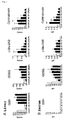
Fig. 4 shows change of quantitative values of metabolites of mice after AAP administration over time in A) liver and B) serum. Results of t test against control quantitative values (*** p < 0.001, ** p < 0.01, * p < 0.05). - A method for determination of oxidative stress of the present invention is not particularly limited as long as it is a method of measuring blood concentration of ophthalmic acid, which is a substance that varies in blood depending on the variation of reduced glutathione (GSH) concentration in a biological sample. Further, a screening method for an anti-oxidative stress agent of the present invention is not particularly limited as long as it is a method comprising administering an anti-oxidative stress candidate agent to a non-human animal under oxidative stress conditions, measuring, before and after the administration, blood concentration of ophthalmic acid, which is a substance that varies in blood depending on the variation of reduced glutathione (GSH) concentration in a biological sample, and evaluating the degree of decrease in ophthalmic acid concentration. Examples of the above non-human animal include a mouse, rat, rabbit, canine and feline.
- Among ophthalmic acid, γ-Glu-2-aminobutyric acid, oxidized glutathione (GSSG) and the like which are substances that varies in blood depending on the variation of reduced glutathione (GSH) concentration in a biological sample, measurement of blood concentration of ophthalmic acid (e.g., concentration in serum) enables sensitive determination of an oxidative stress or sensitive screening of an anti-oxidative stress agent.
- A method for measuring the blood concentration of ophthalmic acid is not particularly limited as long as it is a measuring method using an analyzer such as a capillary electrophoresis-mass spectrometer (CE-MS), high performance liquid chromatography-mass spectrometer (LC-MS), gas chromatography-mass spectrometer (GC-MS), single CE, LC, GC, mass spectrometer (MS), or nuclear magnetic resonance apparatus (NMR). Among these, a measuring method using a capillary electrophoresis-time-of-flight mass spectrometer (CE-TOFMS) is preferred. Measurement of ophthalmic acid in blood using capillary electrophoresis-time-of-flight mass spectrometer can be performed according to a method described in aforementioned Non-Patent Document 1 or the method described in an Example below.
- A method for determination of oxidative stress of the present invention is specifically explained as follows. Blood is collected from a test subject. The separated serum is used as a sample and ophthalmic acid concentration in the sample is measured by using, for example, CE-TOFMS. If the obtained value is significantly higher as compared to the value of the test subject in its normal state (when being free of oxidative stress) or the value of a normal individual not under oxidative stress, then the test subject is determined to be under oxidative stress.
- When a test subject is determined to be under oxidative stress, an oxidative stress-related disease is suspected. Examples of such disease include cancer, diabetes, arteriosclerosis, obesity, hepatitis, AIDS, Alzheimer's disease, Parkinson's disease, apoptosis, inflammatory response, asthma, eczema, high bone mass syndrome, osteopetrosis, osteoporosis-pseudoglioma syndrome, digestive diseases such as gastric ulcer, irritable bowel syndrome and ulcerative colitis, hypertension, angina pectoris, myocardial infarction, cardiomyopathy, chronic rheumatoid arthritis, musculoskeletal diseases such as migraine and tension headache, respiratory diseases such as bronchial asthma and hyperventilation syndrome, various diabetes complications, and cranial nerve disease.
- A method for screening for an anti-oxidative stress agent of the present invention is specifically explained as follows. An anti-oxidative stress candidate agent is administered to a non-human animal such as a mouse under oxidative stress conditions. Ophthalmic acid concentration in serum is measured before and after the administration by using, for example, CE-TOFMS. If the ophthalmic acid concentration in serum after administration is significantly decreased as compared to the ophthalmic acid concentration before the administration, said anti-oxidative stress candidate agent may be possibly used as an anti-oxidative stress agent. Preferably, this screened anti-oxidative stress candidate agent is administered to a non-human animal such as a mouse in its normal state and one that does not change the ophthalmic acid concentration in serum before and after the administration is selected.
- Examples of an administration route of the above anti-oxidative stress candidate agent to a non-human animal include injections (e.g., intravenous, intramuscular, subcutaneous, intradermal, and intraperitoneal), oral, transdermal, and inhalation administrations. Formulations may be done appropriately according to these administration routes. In addition, selectable form of an agent can be selected widely from, but not limited to, injectable forms (e.g., solutions, suspensions, emulsions, and solids which will be dissolved in use), tablets, capsules, granules, powders, liquids, liposomals, ointments, gels, powders for external use, sprays, and powders for inhalation. Further, in the preparation of these formulations, components generally used in pharmaceuticals such as commonly used excipients, stabilizers, binders, lubricants, emulsifying agents, osmotic pressure conditioners, pH conditioners, other coloring agents, and disintegrants can be also used. Further, dosage may be selected appropriately.
- Examples of a method to place a non-human mammal such as amouse under oxidative stress conditions include administration of an oxidative stress causing agent such as acetaminophen, exposure to radiation or ultraviolet ray, affection to an infectious disease caused by an environmental pollutant, and exposure to a physically adverse environment such as high fever, low temperature, hypoxic condition, and water immersion restraint.
- According to the method for screening of the present invention, an anti-oxidative stress agent effective to an oxidative stress-related disease can be obtained. Examples of such an oxidative stress-related disease include cancer, diabetes, arteriosclerosis, obesity, hepatitis, AIDS, Alzheimer's disease, Parkinson's disease, apoptosis , inflammatory response, asthma, eczema, high bone mass syndrome, osteopetrosis, osteoporosis-pseudoglioma syndrome, digestive diseases such as gastric ulcer, irritable bowel syndrome, and ulcerative colitis, hypertension, angina pectoris, myocardial infarction, cardiomyopathy, chronic rheumatoid arthritis, musculoskeletal diseases such as migraine and tension headache, respiratory diseases such as bronchial asthma and hyperventilation syndrome, various diabetes complications, and cranial nerve disease.
- Although the present invention will be illustrated in more detail below with reference to Examples, the technical scope of the present invention is not limited by these exemplifications.
- Male mice fasted overnight were anesthetized by intraperitoneal injection of pentobarbital sodium (60 mg per Kg body weight). Acetaminophen (AAP), which is an oxidative stress causing agent, or physiological saline as control was injected (150 mg per Kg body weight). At 1, 2, 4, 6, 12 and 24 hours after the AAP administration, liver (about 300 mg) and serum (200 µl) were collected from the mice.
- The liver (about 300 mg) harvested from mice was immediately plunged into 1 ml of methanol containing internal standards and homogenized to inactivate enzymes and stop increase in metabolism. Then, 500 µl of pure water was added and 300 µl of the solution was collected. 200 µl of chloroform was added to the solution, which was then thoroughly mixed. The solution was centrifuged at 15000 rpm at 4° C for 15 minutes. After left standing, the separated 300 µl-water-methanol phase was centrifugally filtered through an ultrafiltration filter (5 kDa cutoff) to remove proteins. The filtrate was lyophilized and 50 µl of Milli-Q water was added thereto prior to CE-MS (CE-TOFMS) analysis.
- Serum (200 µl) was plunged into 1.8 ml of methanol containing internal standards and mixed. Then 800 µl of pure water and 2 ml of chloroform were added, and the solution was centrifuged at 5000 rpm at 4° C for 5 minutes. After left standing, the separated 800 µl-water-methanol phase was centrifugally filtered through an ultrafiltration filter (5 kDa cutoff) to remove proteins. The filtrate was lyophilized and 50 µl of Milli-Q water was added thereto prior to CE-MS (CE-TOFMS) analysis.
- Metabolites having a mass of 1000 or less were comprehensively measured using CE-TOFMS under measuring conditions for cationic metabolites and anionic metabolites.
- As a capillary, a fused silica capillary having an inner diameter of 50 µm, an outer diameter of 350 µm, and a total length of 100 cm was used. As a buffer, 1 M formic acid (pH is about 1.8) was used. Measurement was performed with an applied voltage of + 30 kV and a capillary temperature of 20° C. A sample was injected at 50 mbar for 3 seconds using the pressure method.
- In TOFMS, the positive ion mode was employed and the ionization, fragmentor, skimmer, and Oct RFV voltages were set at 4 kV, 75 V, 50 V, and 125 V, respectively. Nitrogen was used as a drying gas, which was set at a temperature of 300°C and a pressure of 10 psig. Methanol solution (50%) was used as a sheath liquid. To this solution, reserpine (m/z 609.2807) was added at 0.5 µM for mass calibration and the solution was delivered at 10 µ/min. All the obtained data were automatically calibrated using the mass of reserpine (m/z 609.2807) and methanol adduct ion (m/z 83.0703).
- As a capillary, SMILE(+) capillary having an inner diameter of 50µm, an outer diameter of 350 µm, and a total length of 100 cm was used. As a buffer, 50 mM ammonium acetate (pH 8.5) was used. Measurement was performed with an applied voltage of - 30 kV and a capillary temperature of 20° C. A sample was injected at 50 mbar for 30 seconds using the pressure method.
- In TOFMS, the negative ion mode was employed and the ionization, fragmentor, skimmer, and Oct RFV voltage were set at 3.5 kV, 100 V, 50 V, and 200 V, respectively. Nitrogen was used as a drying gas, which was set at a temperature of 300°C and a pressure of 10 psig. Ammonium acetate (5 mM) in 50% methanol solution was used as a sheath liquid. To this solution, 20 µM PIPES and 1 µM reserpine (m/z 609.2807) was added for mass calibration and was delivered at 10 µ/min. All the obtained data were automatically calibrated using the mass of reserpine (m/z 609.2807), monovalent PIPES (m/z 301.0534), and divalent PIPES (m/z 150.0230).
- Metabolites were extracted over time from liver and blood of control mice and mice which had received an excessive administration of AAP, which is an oxidative stress causing agent, to induce hepatocyte necrosis. The extracts were comprehensively and quantitatively analyzed with a capillary electrophoresis-mass spectrometer (CE-MS) or the like. At 2 hours after AAP administration, hepatocyte necrosis was observed.
Fig. 1 shows the components increased or decreased in the liver when the control mice and themice 2 hours after AAP administration were compared. Red points show increased substances and blues show decreased substances in themice 2 hours after AAP administration. Dramatically decreased substances are GSH and oxidized glutathione (GSSG). Furthermore, an unknown substance having a mass of 290 which was detected at the same time point as GSH was increased by AAP administration. The accurate mass obtained from CE-TOFMS and the structural information obtained from CE-MS/MS leads to speculation that this substance is ophthalmic acid (γ-Glu-2ABs-Gly), in which Cys in the middle of GSH (γ-Glu-Cys-Gly) is substituted with 2-aminobutyric acid (2-aminobutyrate (2AB)). Ophthalmic acid preparation was obtained and compared with the unknown substance. As estimated, the unknown substance was ophthalmic acid. - As shown in
Fig. 2A , hepatocyte necrosis by AAP administration is because some of AAP are metabolized by cytochrome P450 to produce the toxic substance NAPQI, which binds to an SH group of various proteins (oxidation). Typically, NAPQI is bound by GSH and is excreted into urine. If GSH is depleted, however, NAPQI binds to proteins and causes cell necrosis. Comparison of concentration variations of each metabolite measured by CE-TOFMS (Fig. 2A ) shows decrease in all the substances in the glutathione biosynthesis pathway in the liver ofmice 2 hours after AAP administration compared to the control. On the other hand, increase in γ-Glu-2-aminobutyric acid (γ-Glu-2AB), which is produced by glutathione synthesis pathway enzymes of glutamyl cysteine synthetase (GCS) and glutathione synthetase (GS), and increase in ophthalmic acid were observed. - Further, the present inventors have elucidated this metabolism mechanism by administering BSO (buthionine sulfoximine), which inhibits GCS, or DEM (diethylmaleate), an agent that causes oxidative stress as AAP does, to mice. BSO is feedback-inhibited by GSH and inhibits the activity of GCS, the rate-limiting enzyme of glutathione synthesis pathway. Therefore, γ-Glu-Cys, GSH (
Fig. 2A ), γ-Glu-2AB, and ophthalmic acid (Fig. 2B ), which are downstream metabolites of GCS, were remarkably decreased. Further, as seen with AAP administration, the depletion of GSH and increase in γ-Glu-2AB and ophthalmic acid were observed in DEM administration (Fig. 3 ). These results confirmed that GSH depletion by AAP administration activates GCS, which led to biosynthesis of ophthalmic acid from a substrate 2AB through γ-Glu-2AB (Fig. 2B ). GCS activation also leads to GSH synthesis using Cys as a substrate. However, GSH level is not recovered because either 1) GSH is consumed in reaction with NAQPI, or 2) Cys does not exist sufficiently for GSH synthesis. However, ophthalmic acid was accumulated in cells because it does not react with NAPQI unlike GSH. Further, GSSH showed almost the same variation pattern as that of GSH. - These results revealed that GSSG, γ-Glu-2AB, and ophthalmic acid in liver largely varies responding to the GSH decrease by AAP- or DEM-caused oxidative stress. If these substances in blood also respond to the GSH decrease, these can be used as a biomarker. Accordingly, AAP was administered to mice and concentrations of these substances in liver and serum at 1, 2, 4, 6, 12, and 24 hours after the administration were measured and compared (
Fig. 4 ). - At 1 and 2 hours after AAP administration, when hepatic necrosis occurs, GSH in liver was rapidly decreased. In serum, however, GSH was not detected. GSSH in liver and serum showed a behavior similar to that of GSH in liver. Ophthalmic acid in liver and serum showed a behavior opposite from that of GSH in liver. In addition, at 1 and 2 hours after the administration, when GSH rapidly decreased in liver, ophthalmic acid was dramatically increased and statistically significant difference from the control mice was also large. From the above, since ophthalmic acid has a high blood concentration and rapidly increases by sensing the GSH decrease in liver, ophthalmic acid was proved to be an effective biomarker reflecting redox regulation state in liver.
- Ophthalmic acid (ophthalmate) in blood found in the present invention rapidly increases by promptly sensing oxidative stress caused by an agent, radiation, ultraviolet ray, environmental pollutant, high fever, low temperature, hypoxic condition, infectious disease, etc. Therefore it is not only useful for determination and diagnosis of oxidative stress, but also may be used as a marker of drug toxicity and efficacy for oxidative stress. Further, ophthalmic acid in blood may be able to sense oxidative stress seen in cancer, diabetes, arteriosclerosis, obesity, hepatitis, AIDS, Alzheimer's disease and the like and may be used for early detection of these diseases.
Claims (6)
- A method for determination of oxidative stress comprising measuring blood concentration of ophthalmic acid, which is a substance that varies in blood depending on the variation of reduced glutathione (GSH) concentration in a biological sample.
- The method for determination of oxidative stress according to claim 1, wherein the blood concentration of ophthalmic acid is measured with a capillary electrophoresis-mass spectrometer.
- The method for determination of oxidative stress according to claim 1 or 2, wherein the oxidative stress is an oxidative stress originated from cancer, diabetes, arteriosclerosis, obesity, hepatitis, AIDS, Alzheimer's disease or the like.
- A method for screening for an anti-oxidative stress agent, comprising:administering an anti-oxidative stress candidate agent to a non-human animal under oxidative stress conditions;measuring, before and after the administration, blood concentration of ophthalmic acid, which is a substance that varies in blood depending on the variation of reduced glutathione (GSH) concentration in a biological sample; andevaluating the degree of decrease in ophthalmic acid concentration.
- The method for screening for an anti-oxidative stress agent according to claim 4, wherein the blood concentration of ophthalmic acid is measured with a capillary electrophoresis-mass spectrometer.
- The method for screening for an anti-oxidative stress agent according to claim 4 or 5, wherein the anti-oxidative stress agent is a preventive or therapeutic agent for an oxidative stress-related disease originated from cancer, diabetes, arteriosclerosis, obesity, hepatitis, AIDS, Alzheimer's disease or the like.
Applications Claiming Priority (2)
| Application Number | Priority Date | Filing Date | Title |
|---|---|---|---|
| JP2006012955A JP4840804B2 (en) | 2006-01-20 | 2006-01-20 | Determination method of oxidative stress |
| PCT/JP2007/050517 WO2007083632A1 (en) | 2006-01-20 | 2007-01-16 | Method for determination of oxidative stress |
Publications (3)
| Publication Number | Publication Date |
|---|---|
| EP1975621A1 true EP1975621A1 (en) | 2008-10-01 |
| EP1975621A4 EP1975621A4 (en) | 2009-02-11 |
| EP1975621B1 EP1975621B1 (en) | 2010-09-01 |
Family
ID=38287585
Family Applications (1)
| Application Number | Title | Priority Date | Filing Date |
|---|---|---|---|
| EP07706844A Active EP1975621B1 (en) | 2006-01-20 | 2007-01-16 | Method for determination of oxidative stress |
Country Status (6)
| Country | Link |
|---|---|
| US (2) | US7964177B2 (en) |
| EP (1) | EP1975621B1 (en) |
| JP (1) | JP4840804B2 (en) |
| AT (1) | ATE479900T1 (en) |
| DE (1) | DE602007008826D1 (en) |
| WO (1) | WO2007083632A1 (en) |
Cited By (13)
| Publication number | Priority date | Publication date | Assignee | Title |
|---|---|---|---|---|
| CN102971632A (en) * | 2010-06-18 | 2013-03-13 | 学校法人庆应义塾 | Liver disease marker, method and apparatus for measuring same, and test method for pharmaceutical preparation |
| EP2381259B1 (en) * | 2008-12-24 | 2016-09-21 | Keio University | Method for measuring liver disease markers and test method for pharmaceutical preparation |
| EP3218481A4 (en) * | 2014-11-11 | 2018-05-30 | The Johns Hopkins University | Biomarkers useful in the treatment of subjects having diseases of the eye |
| US10590073B2 (en) | 2017-09-20 | 2020-03-17 | Nacuity Pharmaceuticals, Inc. | Method for preparation of N-acetyl cysteine amide and derivatives thereof |
| US11091433B2 (en) | 2017-09-20 | 2021-08-17 | Nacuity Pharmaceutials, Inc. | Method for preparation of N-acetyl cysteine amide and derivatives thereof |
| US11548851B2 (en) | 2017-09-20 | 2023-01-10 | Nacuity Pharmaceuticals, Inc. | Method for preparation of n-acetyl cysteine amide and derivatives thereof |
| US11753370B2 (en) | 2017-11-09 | 2023-09-12 | Nacuity Pharmaceuticals, Inc. | Methods of making deuterium-enriched N-acetylcysteine amide (d-NACA) and (2R, 2R′)-3,3′-disulfanediyl bis(2-acetamidopropanamide) (diNACA) and using d-NACA and diNACA to treat diseases involving oxidative stress |
| US11766413B2 (en) | 2019-01-11 | 2023-09-26 | Nacuity Pharmaceuticals, Inc. | Treatment of age-related macular degeneration, glaucoma, and diabetic retinopathy with n-acetylcysteine amide (NACA) or (2R,2R′)-3,3′-disulfanediyl BIS(2-acetamidopropanamide)(DiNACA) |
| RU2824712C1 (en) * | 2023-11-17 | 2024-08-13 | Федеральное государственное бюджетное образовательное учреждение высшего образования "Национальный исследовательский Мордовский государственный университет им. Н.П. Огарёва" | Method for simulating oxidative stress in laying hens |
| US12458608B2 (en) | 2019-01-11 | 2025-11-04 | Nacuity Pharmaceuticals, Inc. | N-Acetylcysteine Amide (NACA) and (2R,2R′)-3,3′ disulfanediyl BIS(2-acetamidopropanamide) (DINACA) for the prevention and treatment of radiation dermatitis and skin lightening, skin whitening and skin improvement |
| US12472157B2 (en) | 2014-11-07 | 2025-11-18 | Nacuity Pharmaceuticals, Inc. | Treatment of retinitis pigmentosa with n-acetylcysteine amide |
| US12662449B2 (en) | 2017-09-20 | 2026-06-23 | Nacuity Pharmaceuticals, Inc. | Method for preparation of N-acetyl cysteine amide and derivatives thereof |
| US12667548B2 (en) | 2014-11-07 | 2026-06-30 | Nacuity Pharmaceuticals, Inc. | Treatment of retinitis pigmentosa and retinitis pigmentosa associated with Usher Syndrome with N-acetylcysteine amide |
Families Citing this family (12)
| Publication number | Priority date | Publication date | Assignee | Title |
|---|---|---|---|---|
| JPWO2009048081A1 (en) * | 2007-10-12 | 2011-02-24 | 公立大学法人横浜市立大学 | Method for diagnosing fatty liver disease, diagnostic device, diagnostic program, and screening method for therapeutic agent for fatty liver disease |
| US20120129187A1 (en) * | 2009-06-16 | 2012-05-24 | B.R.A.H.M.S. Gmbh | Diagnostical use of peroxiredoxin 4 |
| JP2012171911A (en) | 2011-02-22 | 2012-09-10 | Kao Corp | Ppar-activating agent |
| WO2012162260A2 (en) | 2011-05-21 | 2012-11-29 | Kdt, Llc. | Transgenic biosensors |
| WO2012178030A2 (en) * | 2011-06-24 | 2012-12-27 | Applied Isotope Technologies, Inc. | Accurate measurement of glutathione for disease diagnosis and drug metabolite screening |
| WO2013005790A1 (en) * | 2011-07-07 | 2013-01-10 | 味の素株式会社 | Method for evaluating bio-oxidation, device therefor, procedure therefor, program therefor, system therefor, data communication terminal device therefor, and method of searching for a substance to prevent or ameliorate bio-oxidation |
| JP6173667B2 (en) * | 2012-09-20 | 2017-08-02 | ヒューマン・メタボローム・テクノロジーズ株式会社 | Metabolite extraction method |
| JP6889439B2 (en) * | 2017-02-21 | 2021-06-18 | 学校法人産業医科大学 | Radiation exposure determination method |
| KR102177291B1 (en) * | 2018-12-21 | 2020-11-10 | 이화여자대학교 산학협력단 | Method for measuring oxidative stress level |
| KR102383788B1 (en) * | 2020-06-12 | 2022-04-05 | 이화여자대학교 산학협력단 | Method for evaluating physical stress level |
| KR102450159B1 (en) * | 2021-01-07 | 2022-09-30 | 계명대학교 산학협력단 | Biomarkers related to iron-dependent apoptosis or prenylation in bile and uses thereof |
| US11692996B2 (en) * | 2021-06-14 | 2023-07-04 | Trustees Of Boston University | Device for detection of cellular stress |
Family Cites Families (9)
| Publication number | Priority date | Publication date | Assignee | Title |
|---|---|---|---|---|
| JPH1180198A (en) | 1997-09-04 | 1999-03-26 | Nof Corp | Monoclonal antibody, hybrid cell, and method for producing monoclonal antibody that specifically recognizes dihydropyridine structure |
| US6569683B1 (en) | 1998-05-29 | 2003-05-27 | Nikken Foods Co., Ltd. | Use of oxidative stress diagnostic plot as a health indicator for assessing oxidative stress and its control in humans |
| JP3856961B2 (en) * | 1998-08-27 | 2006-12-13 | 利充 丹羽 | Method for measuring oxidative stress |
| DE10021737C2 (en) | 2000-05-04 | 2002-10-17 | Hermann Haller | Method and device for the qualitative and / or quantitative determination of a protein and / or peptide pattern of a liquid sample which is taken from the human or animal body |
| JP3341765B1 (en) | 2001-07-25 | 2002-11-05 | 学校法人慶應義塾 | Method and apparatus for separating and analyzing anionic compounds |
| JP3998245B2 (en) | 2002-03-19 | 2007-10-24 | ヤマサ醤油株式会社 | Method and kit for measuring oxidized apolipoprotein AI and oxidized lipoprotein containing the same |
| JP2003310621A (en) | 2002-04-19 | 2003-11-05 | Nikken Foods Co Ltd | Diagnosis analysis diagram of oxidative stress characteristics, diagnostic method of oxidative stress characteristics using the same, evaluation and development method of functional food, and functional food used for improvement of oxidative stress characteristics |
| JP3735816B2 (en) | 2002-12-09 | 2006-01-18 | 日研フード株式会社 | Methods for assessing oxidative stress using oxidative stress diagnostic analysis charts as health indicators for oxidative stress assessment |
| WO2005052575A1 (en) * | 2003-11-28 | 2005-06-09 | Pfizer Limited | Molecular markers of oxidative stress |
-
2006
- 2006-01-20 JP JP2006012955A patent/JP4840804B2/en not_active Expired - Fee Related
-
2007
- 2007-01-16 US US12/161,203 patent/US7964177B2/en active Active
- 2007-01-16 EP EP07706844A patent/EP1975621B1/en active Active
- 2007-01-16 WO PCT/JP2007/050517 patent/WO2007083632A1/en not_active Ceased
- 2007-01-16 DE DE602007008826T patent/DE602007008826D1/en active Active
- 2007-01-16 AT AT07706844T patent/ATE479900T1/en not_active IP Right Cessation
-
2011
- 2011-04-22 US US13/092,420 patent/US8309056B2/en not_active Expired - Fee Related
Cited By (17)
| Publication number | Priority date | Publication date | Assignee | Title |
|---|---|---|---|---|
| EP2381259B1 (en) * | 2008-12-24 | 2016-09-21 | Keio University | Method for measuring liver disease markers and test method for pharmaceutical preparation |
| CN102971632A (en) * | 2010-06-18 | 2013-03-13 | 学校法人庆应义塾 | Liver disease marker, method and apparatus for measuring same, and test method for pharmaceutical preparation |
| KR20130084239A (en) * | 2010-06-18 | 2013-07-24 | 각고호우징 게이오기주크 | Liver disease marker, method and apparatus for measuring same, and test method for pharmaceutical preparation |
| KR101867808B1 (en) * | 2010-06-18 | 2018-06-18 | 각고호우징 게이오기주크 | Liver disease marker, method and apparatus for measuring same, and test method for pharmaceutical preparation |
| US12667548B2 (en) | 2014-11-07 | 2026-06-30 | Nacuity Pharmaceuticals, Inc. | Treatment of retinitis pigmentosa and retinitis pigmentosa associated with Usher Syndrome with N-acetylcysteine amide |
| US12472157B2 (en) | 2014-11-07 | 2025-11-18 | Nacuity Pharmaceuticals, Inc. | Treatment of retinitis pigmentosa with n-acetylcysteine amide |
| US12078641B2 (en) | 2014-11-11 | 2024-09-03 | The Johns Hopkins University | Biomarkers useful in the treatment of subjects having diseases of the eye |
| US11268964B2 (en) | 2014-11-11 | 2022-03-08 | The Johns Hopkins University | Biomarkers useful in the treatment of subjects having diseases of the eye |
| EP3218481A4 (en) * | 2014-11-11 | 2018-05-30 | The Johns Hopkins University | Biomarkers useful in the treatment of subjects having diseases of the eye |
| US11548851B2 (en) | 2017-09-20 | 2023-01-10 | Nacuity Pharmaceuticals, Inc. | Method for preparation of n-acetyl cysteine amide and derivatives thereof |
| US11091433B2 (en) | 2017-09-20 | 2021-08-17 | Nacuity Pharmaceutials, Inc. | Method for preparation of N-acetyl cysteine amide and derivatives thereof |
| US10590073B2 (en) | 2017-09-20 | 2020-03-17 | Nacuity Pharmaceuticals, Inc. | Method for preparation of N-acetyl cysteine amide and derivatives thereof |
| US12662449B2 (en) | 2017-09-20 | 2026-06-23 | Nacuity Pharmaceuticals, Inc. | Method for preparation of N-acetyl cysteine amide and derivatives thereof |
| US11753370B2 (en) | 2017-11-09 | 2023-09-12 | Nacuity Pharmaceuticals, Inc. | Methods of making deuterium-enriched N-acetylcysteine amide (d-NACA) and (2R, 2R′)-3,3′-disulfanediyl bis(2-acetamidopropanamide) (diNACA) and using d-NACA and diNACA to treat diseases involving oxidative stress |
| US11766413B2 (en) | 2019-01-11 | 2023-09-26 | Nacuity Pharmaceuticals, Inc. | Treatment of age-related macular degeneration, glaucoma, and diabetic retinopathy with n-acetylcysteine amide (NACA) or (2R,2R′)-3,3′-disulfanediyl BIS(2-acetamidopropanamide)(DiNACA) |
| US12458608B2 (en) | 2019-01-11 | 2025-11-04 | Nacuity Pharmaceuticals, Inc. | N-Acetylcysteine Amide (NACA) and (2R,2R′)-3,3′ disulfanediyl BIS(2-acetamidopropanamide) (DINACA) for the prevention and treatment of radiation dermatitis and skin lightening, skin whitening and skin improvement |
| RU2824712C1 (en) * | 2023-11-17 | 2024-08-13 | Федеральное государственное бюджетное образовательное учреждение высшего образования "Национальный исследовательский Мордовский государственный университет им. Н.П. Огарёва" | Method for simulating oxidative stress in laying hens |
Also Published As
| Publication number | Publication date |
|---|---|
| JP2007192746A (en) | 2007-08-02 |
| US8309056B2 (en) | 2012-11-13 |
| EP1975621A4 (en) | 2009-02-11 |
| US20110259743A1 (en) | 2011-10-27 |
| DE602007008826D1 (en) | 2010-10-14 |
| EP1975621B1 (en) | 2010-09-01 |
| WO2007083632A1 (en) | 2007-07-26 |
| US7964177B2 (en) | 2011-06-21 |
| JP4840804B2 (en) | 2011-12-21 |
| ATE479900T1 (en) | 2010-09-15 |
| US20090029409A1 (en) | 2009-01-29 |
Similar Documents
| Publication | Publication Date | Title |
|---|---|---|
| EP1975621B1 (en) | Method for determination of oxidative stress | |
| Nolin et al. | Simultaneous determination of total homocysteine, cysteine, cysteinylglycine, and glutathione in human plasma by high-performance liquid chromatography: application to studies of oxidative stress | |
| Amacher | The discovery and development of proteomic safety biomarkers for the detection of drug-induced liver toxicity | |
| CN104198718B (en) | Hepatopathy label, its assay method, the method for inspection of device and pharmaceuticals | |
| Miller et al. | Stability of synthetic cathinones in oral fluid samples | |
| Moorthy et al. | Development and validation of a volumetric absorptive microsampling assay for analysis of voriconazole and voriconazole N-oxide in human whole blood | |
| CN102971632B (en) | The method of inspection of hepatopathy label, its assay method, device and pharmaceuticals | |
| Kozlik et al. | Rapid and reliable HILIC-MS/MS method for monitoring allantoin as a biomarker of oxidative stress | |
| Jeong et al. | Toxicokinetics of diisobutyl phthalate and its major metabolite, monoisobutyl phthalate, in rats: UPLC-ESI-MS/MS method development for the simultaneous determination of diisobutyl phthalate and its major metabolite, monoisobutyl phthalate, in rat plasma, urine, feces, and 11 various tissues collected from a toxicokinetic study | |
| Ferreirós et al. | Validated quantitation of angiotensin II receptor antagonists (ARA-II) in human plasma by liquid-chromatography-tandem mass spectrometry using minimum sample clean-up and investigation of ion suppression | |
| Lee et al. | Sensitive and specific liquid chromatography–tandem mass spectrometric method for the quantitation of dexmedetomidine in pediatric plasma | |
| van Zelst et al. | A stable isotope dilution LC–ESI-MS/MS method for the quantification of pyridoxal-5′-phosphate in whole blood | |
| Jeong et al. | Simultaneous determination of diethyl phthalate and its major metabolite, monoethyl phthalate, in rat plasma, urine, and various tissues collected from a toxicokinetic study by ultrahigh performance liquid chromatography-tandem mass spectrometry | |
| Zhang et al. | Quantification of the oxidative damage biomarker 2, 3-dinor-8-isoprostaglandin-F2α in human urine using liquid chromatography–tandem mass spectrometry | |
| Yasui-Furukori et al. | Sensitive determination of midazolam and 1′-hydroxymidazolam in plasma by liquid–liquid extraction and column-switching liquid chromatography with ultraviolet absorbance detection and its application for measuring CYP3A activity | |
| Lee et al. | Determination of iohexol clearance by high-performance liquid chromatography-tandem mass spectrometry (HPLC-MS/MS) | |
| Xu et al. | Automated 96-well liquid–liquid back extraction liquid chromatography–tandem mass spectrometry method for the determination of ABT-202 in human plasma | |
| Bhavesh et al. | Determination of fenofibric acid in human plasma by ultra performance liquid chromatography–electrospray ionization mass spectrometry: application to a bioequivalence study | |
| Anant et al. | An analytical review for the estimation of montelukast sodium | |
| Xu et al. | A rapid and validated HPLC method to quantify racecadotril metabolite, thiorphan, in human plasma using solid-phase extraction | |
| Kumar et al. | Quantification of sacubitril and valsartan in tablet formulation by RP-HPLC method | |
| Magiera et al. | A rapid method for determination of 22 selected drugs in human urine by UHPLC/MS/MS for clinical application | |
| Tzanavaras et al. | Derivatization of thiols under flow conditions using two commercially available propiolate esters | |
| Hung et al. | Development and validation of a GC-MS method for determination of amphetamine-type stimulants and ketamine in human hair. | |
| Wang et al. | Determination of tiopronin in human plasma and pharmacokinetics by LC-ESI-MS |
Legal Events
| Date | Code | Title | Description |
|---|---|---|---|
| PUAI | Public reference made under article 153(3) epc to a published international application that has entered the european phase |
Free format text: ORIGINAL CODE: 0009012 |
|
| 17P | Request for examination filed |
Effective date: 20080717 |
|
| AK | Designated contracting states |
Kind code of ref document: A1 Designated state(s): AT BE BG CH CY CZ DE DK EE ES FI FR GB GR HU IE IS IT LI LT LU LV MC NL PL PT RO SE SI SK TR |
|
| A4 | Supplementary search report drawn up and despatched |
Effective date: 20090112 |
|
| 17Q | First examination report despatched |
Effective date: 20090415 |
|
| GRAP | Despatch of communication of intention to grant a patent |
Free format text: ORIGINAL CODE: EPIDOSNIGR1 |
|
| DAX | Request for extension of the european patent (deleted) | ||
| GRAS | Grant fee paid |
Free format text: ORIGINAL CODE: EPIDOSNIGR3 |
|
| GRAA | (expected) grant |
Free format text: ORIGINAL CODE: 0009210 |
|
| AK | Designated contracting states |
Kind code of ref document: B1 Designated state(s): AT BE BG CH CY CZ DE DK EE ES FI FR GB GR HU IE IS IT LI LT LU LV MC NL PL PT RO SE SI SK TR |
|
| REG | Reference to a national code |
Ref country code: GB Ref legal event code: FG4D |
|
| REG | Reference to a national code |
Ref country code: CH Ref legal event code: NV Representative=s name: MICHELI & CIE SA Ref country code: CH Ref legal event code: EP |
|
| REG | Reference to a national code |
Ref country code: IE Ref legal event code: FG4D |
|
| REF | Corresponds to: |
Ref document number: 602007008826 Country of ref document: DE Date of ref document: 20101014 Kind code of ref document: P |
|
| REG | Reference to a national code |
Ref country code: NL Ref legal event code: VDEP Effective date: 20100901 |
|
| PG25 | Lapsed in a contracting state [announced via postgrant information from national office to epo] |
Ref country code: LT Free format text: LAPSE BECAUSE OF FAILURE TO SUBMIT A TRANSLATION OF THE DESCRIPTION OR TO PAY THE FEE WITHIN THE PRESCRIBED TIME-LIMIT Effective date: 20100901 Ref country code: AT Free format text: LAPSE BECAUSE OF FAILURE TO SUBMIT A TRANSLATION OF THE DESCRIPTION OR TO PAY THE FEE WITHIN THE PRESCRIBED TIME-LIMIT Effective date: 20100901 Ref country code: FI Free format text: LAPSE BECAUSE OF FAILURE TO SUBMIT A TRANSLATION OF THE DESCRIPTION OR TO PAY THE FEE WITHIN THE PRESCRIBED TIME-LIMIT Effective date: 20100901 |
|
| LTIE | Lt: invalidation of european patent or patent extension |
Effective date: 20100901 |
|
| PG25 | Lapsed in a contracting state [announced via postgrant information from national office to epo] |
Ref country code: PL Free format text: LAPSE BECAUSE OF FAILURE TO SUBMIT A TRANSLATION OF THE DESCRIPTION OR TO PAY THE FEE WITHIN THE PRESCRIBED TIME-LIMIT Effective date: 20100901 Ref country code: SI Free format text: LAPSE BECAUSE OF FAILURE TO SUBMIT A TRANSLATION OF THE DESCRIPTION OR TO PAY THE FEE WITHIN THE PRESCRIBED TIME-LIMIT Effective date: 20100901 Ref country code: CY Free format text: LAPSE BECAUSE OF FAILURE TO SUBMIT A TRANSLATION OF THE DESCRIPTION OR TO PAY THE FEE WITHIN THE PRESCRIBED TIME-LIMIT Effective date: 20100901 |
|
| PG25 | Lapsed in a contracting state [announced via postgrant information from national office to epo] |
Ref country code: SE Free format text: LAPSE BECAUSE OF FAILURE TO SUBMIT A TRANSLATION OF THE DESCRIPTION OR TO PAY THE FEE WITHIN THE PRESCRIBED TIME-LIMIT Effective date: 20100901 Ref country code: LV Free format text: LAPSE BECAUSE OF FAILURE TO SUBMIT A TRANSLATION OF THE DESCRIPTION OR TO PAY THE FEE WITHIN THE PRESCRIBED TIME-LIMIT Effective date: 20100901 Ref country code: NL Free format text: LAPSE BECAUSE OF FAILURE TO SUBMIT A TRANSLATION OF THE DESCRIPTION OR TO PAY THE FEE WITHIN THE PRESCRIBED TIME-LIMIT Effective date: 20100901 Ref country code: GR Free format text: LAPSE BECAUSE OF FAILURE TO SUBMIT A TRANSLATION OF THE DESCRIPTION OR TO PAY THE FEE WITHIN THE PRESCRIBED TIME-LIMIT Effective date: 20101202 |
|
| PG25 | Lapsed in a contracting state [announced via postgrant information from national office to epo] |
Ref country code: IT Free format text: LAPSE BECAUSE OF FAILURE TO SUBMIT A TRANSLATION OF THE DESCRIPTION OR TO PAY THE FEE WITHIN THE PRESCRIBED TIME-LIMIT Effective date: 20100901 Ref country code: SK Free format text: LAPSE BECAUSE OF FAILURE TO SUBMIT A TRANSLATION OF THE DESCRIPTION OR TO PAY THE FEE WITHIN THE PRESCRIBED TIME-LIMIT Effective date: 20100901 Ref country code: CZ Free format text: LAPSE BECAUSE OF FAILURE TO SUBMIT A TRANSLATION OF THE DESCRIPTION OR TO PAY THE FEE WITHIN THE PRESCRIBED TIME-LIMIT Effective date: 20100901 Ref country code: PT Free format text: LAPSE BECAUSE OF FAILURE TO SUBMIT A TRANSLATION OF THE DESCRIPTION OR TO PAY THE FEE WITHIN THE PRESCRIBED TIME-LIMIT Effective date: 20110103 Ref country code: EE Free format text: LAPSE BECAUSE OF FAILURE TO SUBMIT A TRANSLATION OF THE DESCRIPTION OR TO PAY THE FEE WITHIN THE PRESCRIBED TIME-LIMIT Effective date: 20100901 Ref country code: IS Free format text: LAPSE BECAUSE OF FAILURE TO SUBMIT A TRANSLATION OF THE DESCRIPTION OR TO PAY THE FEE WITHIN THE PRESCRIBED TIME-LIMIT Effective date: 20110101 Ref country code: RO Free format text: LAPSE BECAUSE OF FAILURE TO SUBMIT A TRANSLATION OF THE DESCRIPTION OR TO PAY THE FEE WITHIN THE PRESCRIBED TIME-LIMIT Effective date: 20100901 |
|
| PG25 | Lapsed in a contracting state [announced via postgrant information from national office to epo] |
Ref country code: BE Free format text: LAPSE BECAUSE OF FAILURE TO SUBMIT A TRANSLATION OF THE DESCRIPTION OR TO PAY THE FEE WITHIN THE PRESCRIBED TIME-LIMIT Effective date: 20100901 Ref country code: ES Free format text: LAPSE BECAUSE OF FAILURE TO SUBMIT A TRANSLATION OF THE DESCRIPTION OR TO PAY THE FEE WITHIN THE PRESCRIBED TIME-LIMIT Effective date: 20101212 |
|
| PLBE | No opposition filed within time limit |
Free format text: ORIGINAL CODE: 0009261 |
|
| STAA | Information on the status of an ep patent application or granted ep patent |
Free format text: STATUS: NO OPPOSITION FILED WITHIN TIME LIMIT |
|
| 26N | No opposition filed |
Effective date: 20110606 |
|
| PG25 | Lapsed in a contracting state [announced via postgrant information from national office to epo] |
Ref country code: DK Free format text: LAPSE BECAUSE OF FAILURE TO SUBMIT A TRANSLATION OF THE DESCRIPTION OR TO PAY THE FEE WITHIN THE PRESCRIBED TIME-LIMIT Effective date: 20100901 Ref country code: MC Free format text: LAPSE BECAUSE OF NON-PAYMENT OF DUE FEES Effective date: 20110131 |
|
| REG | Reference to a national code |
Ref country code: DE Ref legal event code: R097 Ref document number: 602007008826 Country of ref document: DE Effective date: 20110606 |
|
| REG | Reference to a national code |
Ref country code: FR Ref legal event code: ST Effective date: 20110930 |
|
| REG | Reference to a national code |
Ref country code: IE Ref legal event code: MM4A |
|
| PG25 | Lapsed in a contracting state [announced via postgrant information from national office to epo] |
Ref country code: FR Free format text: LAPSE BECAUSE OF NON-PAYMENT OF DUE FEES Effective date: 20110131 |
|
| PG25 | Lapsed in a contracting state [announced via postgrant information from national office to epo] |
Ref country code: IE Free format text: LAPSE BECAUSE OF NON-PAYMENT OF DUE FEES Effective date: 20110116 |
|
| PG25 | Lapsed in a contracting state [announced via postgrant information from national office to epo] |
Ref country code: LU Free format text: LAPSE BECAUSE OF NON-PAYMENT OF DUE FEES Effective date: 20110116 |
|
| PG25 | Lapsed in a contracting state [announced via postgrant information from national office to epo] |
Ref country code: TR Free format text: LAPSE BECAUSE OF FAILURE TO SUBMIT A TRANSLATION OF THE DESCRIPTION OR TO PAY THE FEE WITHIN THE PRESCRIBED TIME-LIMIT Effective date: 20100901 Ref country code: BG Free format text: LAPSE BECAUSE OF FAILURE TO SUBMIT A TRANSLATION OF THE DESCRIPTION OR TO PAY THE FEE WITHIN THE PRESCRIBED TIME-LIMIT Effective date: 20101201 |
|
| PG25 | Lapsed in a contracting state [announced via postgrant information from national office to epo] |
Ref country code: HU Free format text: LAPSE BECAUSE OF FAILURE TO SUBMIT A TRANSLATION OF THE DESCRIPTION OR TO PAY THE FEE WITHIN THE PRESCRIBED TIME-LIMIT Effective date: 20100901 |
|
| PGFP | Annual fee paid to national office [announced via postgrant information from national office to epo] |
Ref country code: GB Payment date: 20221201 Year of fee payment: 17 |
|
| PGFP | Annual fee paid to national office [announced via postgrant information from national office to epo] |
Ref country code: CH Payment date: 20230106 Year of fee payment: 17 |
|
| PGFP | Annual fee paid to national office [announced via postgrant information from national office to epo] |
Ref country code: DE Payment date: 20221130 Year of fee payment: 17 |
|
| REG | Reference to a national code |
Ref country code: DE Ref legal event code: R119 Ref document number: 602007008826 Country of ref document: DE |
|
| REG | Reference to a national code |
Ref country code: CH Ref legal event code: PL |
|
| GBPC | Gb: european patent ceased through non-payment of renewal fee |
Effective date: 20240116 |
|
| PG25 | Lapsed in a contracting state [announced via postgrant information from national office to epo] |
Ref country code: DE Free format text: LAPSE BECAUSE OF NON-PAYMENT OF DUE FEES Effective date: 20240801 |
|
| PG25 | Lapsed in a contracting state [announced via postgrant information from national office to epo] |
Ref country code: GB Free format text: LAPSE BECAUSE OF NON-PAYMENT OF DUE FEES Effective date: 20240116 |
|
| PG25 | Lapsed in a contracting state [announced via postgrant information from national office to epo] |
Ref country code: CH Free format text: LAPSE BECAUSE OF NON-PAYMENT OF DUE FEES Effective date: 20240131 |
|
| PG25 | Lapsed in a contracting state [announced via postgrant information from national office to epo] |
Ref country code: GB Free format text: LAPSE BECAUSE OF NON-PAYMENT OF DUE FEES Effective date: 20240116 Ref country code: DE Free format text: LAPSE BECAUSE OF NON-PAYMENT OF DUE FEES Effective date: 20240801 Ref country code: CH Free format text: LAPSE BECAUSE OF NON-PAYMENT OF DUE FEES Effective date: 20240131 |