EP1974728A1 - Lipid metabolism improving composition - Google Patents
Lipid metabolism improving composition Download PDFInfo
- Publication number
- EP1974728A1 EP1974728A1 EP06730812A EP06730812A EP1974728A1 EP 1974728 A1 EP1974728 A1 EP 1974728A1 EP 06730812 A EP06730812 A EP 06730812A EP 06730812 A EP06730812 A EP 06730812A EP 1974728 A1 EP1974728 A1 EP 1974728A1
- Authority
- EP
- European Patent Office
- Prior art keywords
- acid
- lipid metabolism
- composition
- improving lipid
- apolipoprotein
- Prior art date
- Legal status (The legal status is an assumption and is not a legal conclusion. Google has not performed a legal analysis and makes no representation as to the accuracy of the status listed.)
- Withdrawn
Links
- 230000037356 lipid metabolism Effects 0.000 title claims abstract description 59
- 239000000203 mixture Substances 0.000 title claims abstract description 42
- 235000014113 dietary fatty acids Nutrition 0.000 claims abstract description 73
- 239000000194 fatty acid Substances 0.000 claims abstract description 73
- 229930195729 fatty acid Natural products 0.000 claims abstract description 73
- -1 fatty acid menthol ester Chemical class 0.000 claims abstract description 65
- NOOLISFMXDJSKH-UHFFFAOYSA-N DL-menthol Natural products CC(C)C1CCC(C)CC1O NOOLISFMXDJSKH-UHFFFAOYSA-N 0.000 claims abstract description 45
- 229940041616 menthol Drugs 0.000 claims abstract description 45
- 239000004480 active ingredient Substances 0.000 claims abstract description 9
- 235000013305 food Nutrition 0.000 claims description 33
- 230000028327 secretion Effects 0.000 claims description 27
- 210000001519 tissue Anatomy 0.000 claims description 25
- 102100040202 Apolipoprotein B-100 Human genes 0.000 claims description 22
- 108010071619 Apolipoproteins Proteins 0.000 claims description 22
- 102000007592 Apolipoproteins Human genes 0.000 claims description 22
- 210000004369 blood Anatomy 0.000 claims description 22
- 239000008280 blood Substances 0.000 claims description 22
- 150000004665 fatty acids Chemical class 0.000 claims description 22
- 101710095342 Apolipoprotein B Proteins 0.000 claims description 21
- 239000008194 pharmaceutical composition Substances 0.000 claims description 18
- 210000004185 liver Anatomy 0.000 claims description 15
- 239000002253 acid Substances 0.000 claims description 14
- HVYWMOMLDIMFJA-DPAQBDIFSA-N cholesterol Chemical compound C1C=C2C[C@@H](O)CC[C@]2(C)[C@@H]2[C@@H]1[C@@H]1CC[C@H]([C@H](C)CCCC(C)C)[C@@]1(C)CC2 HVYWMOMLDIMFJA-DPAQBDIFSA-N 0.000 claims description 14
- 210000002751 lymph Anatomy 0.000 claims description 13
- DTOSIQBPPRVQHS-PDBXOOCHSA-N alpha-linolenic acid Chemical compound CC\C=C/C\C=C/C\C=C/CCCCCCCC(O)=O DTOSIQBPPRVQHS-PDBXOOCHSA-N 0.000 claims description 9
- 235000012000 cholesterol Nutrition 0.000 claims description 7
- 108010010234 HDL Lipoproteins Proteins 0.000 claims description 6
- 102000015779 HDL Lipoproteins Human genes 0.000 claims description 6
- 108010007622 LDL Lipoproteins Proteins 0.000 claims description 6
- 102000007330 LDL Lipoproteins Human genes 0.000 claims description 6
- 235000020661 alpha-linolenic acid Nutrition 0.000 claims description 6
- 230000015556 catabolic process Effects 0.000 claims description 6
- 238000006731 degradation reaction Methods 0.000 claims description 6
- 229960004488 linolenic acid Drugs 0.000 claims description 6
- 230000002265 prevention Effects 0.000 claims description 6
- DCXXMTOCNZCJGO-UHFFFAOYSA-N tristearoylglycerol Chemical compound CCCCCCCCCCCCCCCCCC(=O)OCC(OC(=O)CCCCCCCCCCCCCCCCC)COC(=O)CCCCCCCCCCCCCCCCC DCXXMTOCNZCJGO-UHFFFAOYSA-N 0.000 claims description 6
- 201000001320 Atherosclerosis Diseases 0.000 claims description 5
- 208000035150 Hypercholesterolemia Diseases 0.000 claims description 5
- 206010020772 Hypertension Diseases 0.000 claims description 5
- 208000008589 Obesity Diseases 0.000 claims description 5
- 150000001840 cholesterol esters Chemical class 0.000 claims description 5
- 206010012601 diabetes mellitus Diseases 0.000 claims description 5
- 150000001261 hydroxy acids Chemical group 0.000 claims description 5
- 235000020824 obesity Nutrition 0.000 claims description 5
- 208000024891 symptom Diseases 0.000 claims description 5
- IIZPXYDJLKNOIY-JXPKJXOSSA-N 1-palmitoyl-2-arachidonoyl-sn-glycero-3-phosphocholine Chemical compound CCCCCCCCCCCCCCCC(=O)OC[C@H](COP([O-])(=O)OCC[N+](C)(C)C)OC(=O)CCC\C=C/C\C=C/C\C=C/C\C=C/CCCCC IIZPXYDJLKNOIY-JXPKJXOSSA-N 0.000 claims description 4
- 208000004930 Fatty Liver Diseases 0.000 claims description 4
- 206010019708 Hepatic steatosis Diseases 0.000 claims description 4
- ZQPPMHVWECSIRJ-UHFFFAOYSA-N Oleic acid Natural products CCCCCCCCC=CCCCCCCCC(O)=O ZQPPMHVWECSIRJ-UHFFFAOYSA-N 0.000 claims description 4
- MBMBGCFOFBJSGT-KUBAVDMBSA-N all-cis-docosa-4,7,10,13,16,19-hexaenoic acid Chemical compound CC\C=C/C\C=C/C\C=C/C\C=C/C\C=C/C\C=C/CCC(O)=O MBMBGCFOFBJSGT-KUBAVDMBSA-N 0.000 claims description 4
- YZXBAPSDXZZRGB-DOFZRALJSA-N arachidonic acid Chemical compound CCCCC\C=C/C\C=C/C\C=C/C\C=C/CCCC(O)=O YZXBAPSDXZZRGB-DOFZRALJSA-N 0.000 claims description 4
- 125000004432 carbon atom Chemical group C* 0.000 claims description 4
- UKMSUNONTOPOIO-UHFFFAOYSA-N docosanoic acid Chemical compound CCCCCCCCCCCCCCCCCCCCCC(O)=O UKMSUNONTOPOIO-UHFFFAOYSA-N 0.000 claims description 4
- ZQPPMHVWECSIRJ-MDZDMXLPSA-N elaidic acid Chemical compound CCCCCCCC\C=C\CCCCCCCC(O)=O ZQPPMHVWECSIRJ-MDZDMXLPSA-N 0.000 claims description 4
- 208000010706 fatty liver disease Diseases 0.000 claims description 4
- IPCSVZSSVZVIGE-UHFFFAOYSA-N hexadecanoic acid Chemical compound CCCCCCCCCCCCCCCC(O)=O IPCSVZSSVZVIGE-UHFFFAOYSA-N 0.000 claims description 4
- VKOBVWXKNCXXDE-UHFFFAOYSA-N icosanoic acid Chemical compound CCCCCCCCCCCCCCCCCCCC(O)=O VKOBVWXKNCXXDE-UHFFFAOYSA-N 0.000 claims description 4
- QXJSBBXBKPUZAA-UHFFFAOYSA-N isooleic acid Natural products CCCCCCCC=CCCCCCCCCC(O)=O QXJSBBXBKPUZAA-UHFFFAOYSA-N 0.000 claims description 4
- 239000000787 lecithin Substances 0.000 claims description 4
- 235000010445 lecithin Nutrition 0.000 claims description 4
- 229940067606 lecithin Drugs 0.000 claims description 4
- SECPZKHBENQXJG-FPLPWBNLSA-N palmitoleic acid Chemical compound CCCCCC\C=C/CCCCCCCC(O)=O SECPZKHBENQXJG-FPLPWBNLSA-N 0.000 claims description 4
- 150000004671 saturated fatty acids Chemical group 0.000 claims description 4
- 231100000240 steatosis hepatitis Toxicity 0.000 claims description 4
- 102000001494 Sterol O-Acyltransferase Human genes 0.000 claims description 3
- 108010054082 Sterol O-acyltransferase Proteins 0.000 claims description 3
- 210000001035 gastrointestinal tract Anatomy 0.000 claims description 3
- KQQKGWQCNNTQJW-UHFFFAOYSA-N linolenic acid Natural products CC=CCCC=CCC=CCCCCCCCC(O)=O KQQKGWQCNNTQJW-UHFFFAOYSA-N 0.000 claims description 3
- WWZKQHOCKIZLMA-UHFFFAOYSA-N octanoic acid Chemical compound CCCCCCCC(O)=O WWZKQHOCKIZLMA-UHFFFAOYSA-N 0.000 claims description 3
- OYHQOLUKZRVURQ-NTGFUMLPSA-N (9Z,12Z)-9,10,12,13-tetratritiooctadeca-9,12-dienoic acid Chemical compound C(CCCCCCC\C(=C(/C\C(=C(/CCCCC)\[3H])\[3H])\[3H])\[3H])(=O)O OYHQOLUKZRVURQ-NTGFUMLPSA-N 0.000 claims description 2
- WRIDQFICGBMAFQ-UHFFFAOYSA-N (E)-8-Octadecenoic acid Natural products CCCCCCCCCC=CCCCCCCC(O)=O WRIDQFICGBMAFQ-UHFFFAOYSA-N 0.000 claims description 2
- UFOOFOUFKSIFCD-KTKRTIGZSA-N 2-hydroxynervonic acid Chemical compound CCCCCCCC\C=C/CCCCCCCCCCCCC(O)C(O)=O UFOOFOUFKSIFCD-KTKRTIGZSA-N 0.000 claims description 2
- LQJBNNIYVWPHFW-UHFFFAOYSA-N 20:1omega9c fatty acid Natural products CCCCCCCCCCC=CCCCCCCCC(O)=O LQJBNNIYVWPHFW-UHFFFAOYSA-N 0.000 claims description 2
- QSBYPNXLFMSGKH-UHFFFAOYSA-N 9-Heptadecensaeure Natural products CCCCCCCC=CCCCCCCCC(O)=O QSBYPNXLFMSGKH-UHFFFAOYSA-N 0.000 claims description 2
- JBYXPOFIGCOSSB-GOJKSUSPSA-N 9-cis,11-trans-octadecadienoic acid Chemical compound CCCCCC\C=C\C=C/CCCCCCCC(O)=O JBYXPOFIGCOSSB-GOJKSUSPSA-N 0.000 claims description 2
- 235000021357 Behenic acid Nutrition 0.000 claims description 2
- 239000005642 Oleic acid Substances 0.000 claims description 2
- 235000021314 Palmitic acid Nutrition 0.000 claims description 2
- 235000021319 Palmitoleic acid Nutrition 0.000 claims description 2
- 235000021355 Stearic acid Nutrition 0.000 claims description 2
- JAZBEHYOTPTENJ-JLNKQSITSA-N all-cis-5,8,11,14,17-icosapentaenoic acid Chemical compound CC\C=C/C\C=C/C\C=C/C\C=C/C\C=C/CCCC(O)=O JAZBEHYOTPTENJ-JLNKQSITSA-N 0.000 claims description 2
- 235000021342 arachidonic acid Nutrition 0.000 claims description 2
- 229940114079 arachidonic acid Drugs 0.000 claims description 2
- 229940116226 behenic acid Drugs 0.000 claims description 2
- MSUOLNSQHLHDAS-UHFFFAOYSA-N cerebronic acid Chemical compound CCCCCCCCCCCCCCCCCCCCCCC(O)C(O)=O MSUOLNSQHLHDAS-UHFFFAOYSA-N 0.000 claims description 2
- SECPZKHBENQXJG-UHFFFAOYSA-N cis-palmitoleic acid Natural products CCCCCCC=CCCCCCCCC(O)=O SECPZKHBENQXJG-UHFFFAOYSA-N 0.000 claims description 2
- 229940108924 conjugated linoleic acid Drugs 0.000 claims description 2
- 235000020669 docosahexaenoic acid Nutrition 0.000 claims description 2
- 229940090949 docosahexaenoic acid Drugs 0.000 claims description 2
- 235000020673 eicosapentaenoic acid Nutrition 0.000 claims description 2
- 229960005135 eicosapentaenoic acid Drugs 0.000 claims description 2
- JAZBEHYOTPTENJ-UHFFFAOYSA-N eicosapentaenoic acid Natural products CCC=CCC=CCC=CCC=CCC=CCCCC(O)=O JAZBEHYOTPTENJ-UHFFFAOYSA-N 0.000 claims description 2
- VZCCETWTMQHEPK-UHFFFAOYSA-N gamma-Linolensaeure Natural products CCCCCC=CCC=CCC=CCCCCC(O)=O VZCCETWTMQHEPK-UHFFFAOYSA-N 0.000 claims description 2
- VZCCETWTMQHEPK-QNEBEIHSSA-N gamma-linolenic acid Chemical compound CCCCC\C=C/C\C=C/C\C=C/CCCCC(O)=O VZCCETWTMQHEPK-QNEBEIHSSA-N 0.000 claims description 2
- 235000020664 gamma-linolenic acid Nutrition 0.000 claims description 2
- 229960002733 gamolenic acid Drugs 0.000 claims description 2
- 230000002401 inhibitory effect Effects 0.000 claims description 2
- OYHQOLUKZRVURQ-IXWMQOLASA-N linoleic acid Natural products CCCCC\C=C/C\C=C\CCCCCCCC(O)=O OYHQOLUKZRVURQ-IXWMQOLASA-N 0.000 claims description 2
- WQEPLUUGTLDZJY-UHFFFAOYSA-N n-Pentadecanoic acid Natural products CCCCCCCCCCCCCCC(O)=O WQEPLUUGTLDZJY-UHFFFAOYSA-N 0.000 claims description 2
- QIQXTHQIDYTFRH-UHFFFAOYSA-N octadecanoic acid Chemical compound CCCCCCCCCCCCCCCCCC(O)=O QIQXTHQIDYTFRH-UHFFFAOYSA-N 0.000 claims description 2
- OQCDKBAXFALNLD-UHFFFAOYSA-N octadecanoic acid Natural products CCCCCCCC(C)CCCCCCCCC(O)=O OQCDKBAXFALNLD-UHFFFAOYSA-N 0.000 claims description 2
- 239000008117 stearic acid Substances 0.000 claims description 2
- POULHZVOKOAJMA-UHFFFAOYSA-N dodecanoic acid Chemical compound CCCCCCCCCCCC(O)=O POULHZVOKOAJMA-UHFFFAOYSA-N 0.000 claims 2
- 201000005577 familial hyperlipidemia Diseases 0.000 claims 2
- GYSCBCSGKXNZRH-UHFFFAOYSA-N 1-benzothiophene-2-carboxamide Chemical compound C1=CC=C2SC(C(=O)N)=CC2=C1 GYSCBCSGKXNZRH-UHFFFAOYSA-N 0.000 claims 1
- GHVNFZFCNZKVNT-UHFFFAOYSA-N Decanoic acid Natural products CCCCCCCCCC(O)=O GHVNFZFCNZKVNT-UHFFFAOYSA-N 0.000 claims 1
- TUNFSRHWOTWDNC-UHFFFAOYSA-N Myristic acid Natural products CCCCCCCCCCCCCC(O)=O TUNFSRHWOTWDNC-UHFFFAOYSA-N 0.000 claims 1
- OBETXYAYXDNJHR-UHFFFAOYSA-N alpha-ethylcaproic acid Natural products CCCCC(CC)C(O)=O OBETXYAYXDNJHR-UHFFFAOYSA-N 0.000 claims 1
- 235000013402 health food Nutrition 0.000 claims 1
- 230000001737 promoting effect Effects 0.000 claims 1
- 150000002632 lipids Chemical class 0.000 description 14
- 230000036541 health Effects 0.000 description 13
- 239000003921 oil Substances 0.000 description 12
- 238000002360 preparation method Methods 0.000 description 10
- 210000004027 cell Anatomy 0.000 description 9
- 230000006872 improvement Effects 0.000 description 9
- 238000012360 testing method Methods 0.000 description 9
- 239000004615 ingredient Substances 0.000 description 8
- 210000003563 lymphoid tissue Anatomy 0.000 description 8
- 239000002609 medium Substances 0.000 description 8
- 239000007787 solid Substances 0.000 description 8
- 229960004232 linoleic acid Drugs 0.000 description 7
- 235000019198 oils Nutrition 0.000 description 7
- 239000003925 fat Substances 0.000 description 6
- 235000019197 fats Nutrition 0.000 description 6
- 241001465754 Metazoa Species 0.000 description 5
- 238000011156 evaluation Methods 0.000 description 5
- LFQSCWFLJHTTHZ-UHFFFAOYSA-N Ethanol Chemical compound CCO LFQSCWFLJHTTHZ-UHFFFAOYSA-N 0.000 description 4
- 241000124008 Mammalia Species 0.000 description 4
- 229920003171 Poly (ethylene oxide) Polymers 0.000 description 4
- 229930006000 Sucrose Natural products 0.000 description 4
- 238000009825 accumulation Methods 0.000 description 4
- 150000007513 acids Chemical class 0.000 description 4
- 239000011230 binding agent Substances 0.000 description 4
- 235000009508 confectionery Nutrition 0.000 description 4
- 239000000470 constituent Substances 0.000 description 4
- 239000007788 liquid Substances 0.000 description 4
- 238000000034 method Methods 0.000 description 4
- 238000004806 packaging method and process Methods 0.000 description 4
- 230000009467 reduction Effects 0.000 description 4
- 239000000126 substance Substances 0.000 description 4
- 229960004793 sucrose Drugs 0.000 description 4
- 230000001225 therapeutic effect Effects 0.000 description 4
- 239000002562 thickening agent Substances 0.000 description 4
- 239000003981 vehicle Substances 0.000 description 4
- 241000251468 Actinopterygii Species 0.000 description 3
- 102000004190 Enzymes Human genes 0.000 description 3
- 108090000790 Enzymes Proteins 0.000 description 3
- 239000004606 Fillers/Extenders Substances 0.000 description 3
- OYHQOLUKZRVURQ-HZJYTTRNSA-N Linoleic acid Chemical compound CCCCC\C=C/C\C=C/CCCCCCCC(O)=O OYHQOLUKZRVURQ-HZJYTTRNSA-N 0.000 description 3
- 229920002472 Starch Polymers 0.000 description 3
- CZMRCDWAGMRECN-UGDNZRGBSA-N Sucrose Chemical compound O[C@H]1[C@H](O)[C@@H](CO)O[C@@]1(CO)O[C@@H]1[C@H](O)[C@@H](O)[C@H](O)[C@@H](CO)O1 CZMRCDWAGMRECN-UGDNZRGBSA-N 0.000 description 3
- 210000000577 adipose tissue Anatomy 0.000 description 3
- 235000013361 beverage Nutrition 0.000 description 3
- 229910052799 carbon Inorganic materials 0.000 description 3
- 239000001768 carboxy methyl cellulose Substances 0.000 description 3
- 239000003086 colorant Substances 0.000 description 3
- 230000000052 comparative effect Effects 0.000 description 3
- 238000010411 cooking Methods 0.000 description 3
- 150000002148 esters Chemical class 0.000 description 3
- 239000003112 inhibitor Substances 0.000 description 3
- 239000000463 material Substances 0.000 description 3
- 239000000843 powder Substances 0.000 description 3
- 239000002904 solvent Substances 0.000 description 3
- 239000008107 starch Substances 0.000 description 3
- 235000019698 starch Nutrition 0.000 description 3
- 230000001629 suppression Effects 0.000 description 3
- 239000004094 surface-active agent Substances 0.000 description 3
- XOAAWQZATWQOTB-UHFFFAOYSA-N taurine Chemical compound NCCS(O)(=O)=O XOAAWQZATWQOTB-UHFFFAOYSA-N 0.000 description 3
- IXPNQXFRVYWDDI-UHFFFAOYSA-N 1-methyl-2,4-dioxo-1,3-diazinane-5-carboximidamide Chemical compound CN1CC(C(N)=N)C(=O)NC1=O IXPNQXFRVYWDDI-UHFFFAOYSA-N 0.000 description 2
- IQOMYCGTGFGDFN-UHFFFAOYSA-N 2-[4-(trifluoromethyl)phenyl]benzoic acid Chemical compound OC(=O)C1=CC=CC=C1C1=CC=C(C(F)(F)F)C=C1 IQOMYCGTGFGDFN-UHFFFAOYSA-N 0.000 description 2
- 101710095339 Apolipoprotein E Proteins 0.000 description 2
- 102100029470 Apolipoprotein E Human genes 0.000 description 2
- 229920002134 Carboxymethyl cellulose Polymers 0.000 description 2
- 208000021910 Cerebral Arterial disease Diseases 0.000 description 2
- 108010004103 Chylomicrons Proteins 0.000 description 2
- WQZGKKKJIJFFOK-GASJEMHNSA-N Glucose Natural products OC[C@H]1OC(O)[C@H](O)[C@@H](O)[C@@H]1O WQZGKKKJIJFFOK-GASJEMHNSA-N 0.000 description 2
- 101001130226 Homo sapiens Phosphatidylcholine-sterol acyltransferase Proteins 0.000 description 2
- 208000031226 Hyperlipidaemia Diseases 0.000 description 2
- 102100031538 Phosphatidylcholine-sterol acyltransferase Human genes 0.000 description 2
- UIIMBOGNXHQVGW-UHFFFAOYSA-M Sodium bicarbonate Chemical compound [Na+].OC([O-])=O UIIMBOGNXHQVGW-UHFFFAOYSA-M 0.000 description 2
- 239000000654 additive Substances 0.000 description 2
- 235000013334 alcoholic beverage Nutrition 0.000 description 2
- 239000003963 antioxidant agent Substances 0.000 description 2
- WQZGKKKJIJFFOK-VFUOTHLCSA-N beta-D-glucose Chemical compound OC[C@H]1O[C@@H](O)[C@H](O)[C@@H](O)[C@@H]1O WQZGKKKJIJFFOK-VFUOTHLCSA-N 0.000 description 2
- 235000012970 cakes Nutrition 0.000 description 2
- OSGAYBCDTDRGGQ-UHFFFAOYSA-L calcium sulfate Chemical compound [Ca+2].[O-]S([O-])(=O)=O OSGAYBCDTDRGGQ-UHFFFAOYSA-L 0.000 description 2
- 235000010948 carboxy methyl cellulose Nutrition 0.000 description 2
- 239000008112 carboxymethyl-cellulose Substances 0.000 description 2
- 229920002678 cellulose Polymers 0.000 description 2
- 239000001913 cellulose Substances 0.000 description 2
- 235000010980 cellulose Nutrition 0.000 description 2
- 239000003795 chemical substances by application Substances 0.000 description 2
- OSASVXMJTNOKOY-UHFFFAOYSA-N chlorobutanol Chemical compound CC(C)(O)C(Cl)(Cl)Cl OSASVXMJTNOKOY-UHFFFAOYSA-N 0.000 description 2
- 238000007796 conventional method Methods 0.000 description 2
- 208000029078 coronary artery disease Diseases 0.000 description 2
- 239000006071 cream Substances 0.000 description 2
- 238000010586 diagram Methods 0.000 description 2
- 235000013681 dietary sucrose Nutrition 0.000 description 2
- 201000010099 disease Diseases 0.000 description 2
- 208000037265 diseases, disorders, signs and symptoms Diseases 0.000 description 2
- 239000003995 emulsifying agent Substances 0.000 description 2
- LYCAIKOWRPUZTN-UHFFFAOYSA-N ethylene glycol Natural products OCCO LYCAIKOWRPUZTN-UHFFFAOYSA-N 0.000 description 2
- 239000000796 flavoring agent Substances 0.000 description 2
- 235000013355 food flavoring agent Nutrition 0.000 description 2
- 238000009472 formulation Methods 0.000 description 2
- 239000008103 glucose Substances 0.000 description 2
- 235000001727 glucose Nutrition 0.000 description 2
- 239000008187 granular material Substances 0.000 description 2
- 239000007902 hard capsule Substances 0.000 description 2
- 239000003446 ligand Substances 0.000 description 2
- 239000002304 perfume Substances 0.000 description 2
- 230000002093 peripheral effect Effects 0.000 description 2
- 150000003904 phospholipids Chemical class 0.000 description 2
- 239000006187 pill Substances 0.000 description 2
- 239000003755 preservative agent Substances 0.000 description 2
- 235000018102 proteins Nutrition 0.000 description 2
- 102000004169 proteins and genes Human genes 0.000 description 2
- 108090000623 proteins and genes Proteins 0.000 description 2
- 235000021067 refined food Nutrition 0.000 description 2
- 235000003441 saturated fatty acids Nutrition 0.000 description 2
- 235000013580 sausages Nutrition 0.000 description 2
- 210000000813 small intestine Anatomy 0.000 description 2
- 235000010413 sodium alginate Nutrition 0.000 description 2
- 239000000661 sodium alginate Substances 0.000 description 2
- 229940005550 sodium alginate Drugs 0.000 description 2
- 239000007901 soft capsule Substances 0.000 description 2
- 239000005720 sucrose Substances 0.000 description 2
- 239000003826 tablet Substances 0.000 description 2
- 231100000419 toxicity Toxicity 0.000 description 2
- 230000001988 toxicity Effects 0.000 description 2
- 238000012546 transfer Methods 0.000 description 2
- NOOLISFMXDJSKH-UTLUCORTSA-N (+)-Neomenthol Chemical compound CC(C)[C@@H]1CC[C@@H](C)C[C@@H]1O NOOLISFMXDJSKH-UTLUCORTSA-N 0.000 description 1
- HSINOMROUCMIEA-FGVHQWLLSA-N (2s,4r)-4-[(3r,5s,6r,7r,8s,9s,10s,13r,14s,17r)-6-ethyl-3,7-dihydroxy-10,13-dimethyl-2,3,4,5,6,7,8,9,11,12,14,15,16,17-tetradecahydro-1h-cyclopenta[a]phenanthren-17-yl]-2-methylpentanoic acid Chemical class C([C@@]12C)C[C@@H](O)C[C@H]1[C@@H](CC)[C@@H](O)[C@@H]1[C@@H]2CC[C@]2(C)[C@@H]([C@H](C)C[C@H](C)C(O)=O)CC[C@H]21 HSINOMROUCMIEA-FGVHQWLLSA-N 0.000 description 1
- 244000215068 Acacia senegal Species 0.000 description 1
- 244000291564 Allium cepa Species 0.000 description 1
- 235000002732 Allium cepa var. cepa Nutrition 0.000 description 1
- GUBGYTABKSRVRQ-XLOQQCSPSA-N Alpha-Lactose Chemical compound O[C@@H]1[C@@H](O)[C@@H](O)[C@@H](CO)O[C@H]1O[C@@H]1[C@@H](CO)O[C@H](O)[C@H](O)[C@H]1O GUBGYTABKSRVRQ-XLOQQCSPSA-N 0.000 description 1
- 108010008150 Apolipoprotein B-100 Proteins 0.000 description 1
- 102000018619 Apolipoproteins A Human genes 0.000 description 1
- 108010027004 Apolipoproteins A Proteins 0.000 description 1
- 102000018616 Apolipoproteins B Human genes 0.000 description 1
- 108010027006 Apolipoproteins B Proteins 0.000 description 1
- 241000416162 Astragalus gummifer Species 0.000 description 1
- 102000004506 Blood Proteins Human genes 0.000 description 1
- 108010017384 Blood Proteins Proteins 0.000 description 1
- 229920001661 Chitosan Polymers 0.000 description 1
- FBPFZTCFMRRESA-FSIIMWSLSA-N D-Glucitol Natural products OC[C@H](O)[C@H](O)[C@@H](O)[C@H](O)CO FBPFZTCFMRRESA-FSIIMWSLSA-N 0.000 description 1
- FBPFZTCFMRRESA-KVTDHHQDSA-N D-Mannitol Chemical compound OC[C@@H](O)[C@@H](O)[C@H](O)[C@H](O)CO FBPFZTCFMRRESA-KVTDHHQDSA-N 0.000 description 1
- 239000006144 Dulbecco’s modified Eagle's medium Substances 0.000 description 1
- 238000002965 ELISA Methods 0.000 description 1
- 239000001856 Ethyl cellulose Substances 0.000 description 1
- ZZSNKZQZMQGXPY-UHFFFAOYSA-N Ethyl cellulose Chemical compound CCOCC1OC(OC)C(OCC)C(OCC)C1OC1C(O)C(O)C(OC)C(CO)O1 ZZSNKZQZMQGXPY-UHFFFAOYSA-N 0.000 description 1
- 108010010803 Gelatin Proteins 0.000 description 1
- 229920000084 Gum arabic Polymers 0.000 description 1
- VEXZGXHMUGYJMC-UHFFFAOYSA-N Hydrochloric acid Chemical compound Cl VEXZGXHMUGYJMC-UHFFFAOYSA-N 0.000 description 1
- 229920002153 Hydroxypropyl cellulose Polymers 0.000 description 1
- 102000000853 LDL receptors Human genes 0.000 description 1
- 108010001831 LDL receptors Proteins 0.000 description 1
- GUBGYTABKSRVRQ-QKKXKWKRSA-N Lactose Natural products OC[C@H]1O[C@@H](O[C@H]2[C@H](O)[C@@H](O)C(O)O[C@@H]2CO)[C@H](O)[C@@H](O)[C@H]1O GUBGYTABKSRVRQ-QKKXKWKRSA-N 0.000 description 1
- 108010013563 Lipoprotein Lipase Proteins 0.000 description 1
- 102000011965 Lipoprotein Receptors Human genes 0.000 description 1
- 108010061306 Lipoprotein Receptors Proteins 0.000 description 1
- 102100022119 Lipoprotein lipase Human genes 0.000 description 1
- 102000004895 Lipoproteins Human genes 0.000 description 1
- 108090001030 Lipoproteins Proteins 0.000 description 1
- 229930195725 Mannitol Natural products 0.000 description 1
- WHNWPMSKXPGLAX-UHFFFAOYSA-N N-Vinyl-2-pyrrolidone Chemical compound C=CN1CCCC1=O WHNWPMSKXPGLAX-UHFFFAOYSA-N 0.000 description 1
- 240000007594 Oryza sativa Species 0.000 description 1
- 235000007164 Oryza sativa Nutrition 0.000 description 1
- 235000010627 Phaseolus vulgaris Nutrition 0.000 description 1
- 244000046052 Phaseolus vulgaris Species 0.000 description 1
- 239000002202 Polyethylene glycol Substances 0.000 description 1
- 229920001214 Polysorbate 60 Polymers 0.000 description 1
- 229940123934 Reductase inhibitor Drugs 0.000 description 1
- 229920001615 Tragacanth Polymers 0.000 description 1
- RGJOEKWQDUBAIZ-HDCXRZRFSA-N [[(2r,3s,4r,5r)-5-(6-aminopurin-9-yl)-4-hydroxy-3-phosphonooxyoxolan-2-yl]methoxy-hydroxyphosphoryl] [(3s)-3-hydroxy-2,2-dimethyl-4-oxo-4-[[3-oxo-3-(2-sulfanylethylamino)propyl]amino]butyl] hydrogen phosphate Chemical compound O[C@@H]1[C@H](OP(O)(O)=O)[C@@H](COP(O)(=O)OP(O)(=O)OCC(C)(C)[C@H](O)C(=O)NCCC(=O)NCCS)O[C@H]1N1C2=NC=NC(N)=C2N=C1 RGJOEKWQDUBAIZ-HDCXRZRFSA-N 0.000 description 1
- 235000010489 acacia gum Nutrition 0.000 description 1
- 239000000205 acacia gum Substances 0.000 description 1
- DPXJVFZANSGRMM-UHFFFAOYSA-N acetic acid;2,3,4,5,6-pentahydroxyhexanal;sodium Chemical compound [Na].CC(O)=O.OCC(O)C(O)C(O)C(O)C=O DPXJVFZANSGRMM-UHFFFAOYSA-N 0.000 description 1
- 230000009471 action Effects 0.000 description 1
- 230000000996 additive effect Effects 0.000 description 1
- 210000001789 adipocyte Anatomy 0.000 description 1
- 150000005215 alkyl ethers Chemical class 0.000 description 1
- 150000001408 amides Chemical class 0.000 description 1
- 229940024606 amino acid Drugs 0.000 description 1
- 235000001014 amino acid Nutrition 0.000 description 1
- 150000001413 amino acids Chemical class 0.000 description 1
- 239000003674 animal food additive Substances 0.000 description 1
- 230000002421 anti-septic effect Effects 0.000 description 1
- 229940064004 antiseptic throat preparations Drugs 0.000 description 1
- 235000015241 bacon Nutrition 0.000 description 1
- 235000013527 bean curd Nutrition 0.000 description 1
- 235000015895 biscuits Nutrition 0.000 description 1
- 229920001400 block copolymer Polymers 0.000 description 1
- 235000008429 bread Nutrition 0.000 description 1
- 239000000872 buffer Substances 0.000 description 1
- 235000014121 butter Nutrition 0.000 description 1
- 239000001506 calcium phosphate Substances 0.000 description 1
- 229910000389 calcium phosphate Inorganic materials 0.000 description 1
- 235000011010 calcium phosphates Nutrition 0.000 description 1
- 235000011132 calcium sulphate Nutrition 0.000 description 1
- 239000002775 capsule Substances 0.000 description 1
- 150000001720 carbohydrates Chemical class 0.000 description 1
- 235000014633 carbohydrates Nutrition 0.000 description 1
- 125000002843 carboxylic acid group Chemical group 0.000 description 1
- 229940105329 carboxymethylcellulose Drugs 0.000 description 1
- 229960004926 chlorobutanol Drugs 0.000 description 1
- 235000019219 chocolate Nutrition 0.000 description 1
- 235000020965 cold beverage Nutrition 0.000 description 1
- 229920001577 copolymer Polymers 0.000 description 1
- 229960000913 crospovidone Drugs 0.000 description 1
- 230000037029 cross reaction Effects 0.000 description 1
- 235000010947 crosslinked sodium carboxy methyl cellulose Nutrition 0.000 description 1
- HABLENUWIZGESP-UHFFFAOYSA-N decanoic acid Chemical compound CCCCCCCCCC(O)=O.CCCCCCCCCC(O)=O HABLENUWIZGESP-UHFFFAOYSA-N 0.000 description 1
- 238000000354 decomposition reaction Methods 0.000 description 1
- 238000011161 development Methods 0.000 description 1
- 235000021186 dishes Nutrition 0.000 description 1
- 239000002270 dispersing agent Substances 0.000 description 1
- WLGSIWNFEGRXDF-UHFFFAOYSA-N dodecanoic acid Chemical compound CCCCCCCCCCCC(O)=O.CCCCCCCCCCCC(O)=O WLGSIWNFEGRXDF-UHFFFAOYSA-N 0.000 description 1
- 239000003814 drug Substances 0.000 description 1
- 239000003937 drug carrier Substances 0.000 description 1
- 230000000694 effects Effects 0.000 description 1
- 230000002708 enhancing effect Effects 0.000 description 1
- 238000005886 esterification reaction Methods 0.000 description 1
- 235000019325 ethyl cellulose Nutrition 0.000 description 1
- 229920001249 ethyl cellulose Polymers 0.000 description 1
- 235000021107 fermented food Nutrition 0.000 description 1
- 235000013373 food additive Nutrition 0.000 description 1
- 239000002778 food additive Substances 0.000 description 1
- 235000021588 free fatty acids Nutrition 0.000 description 1
- 235000011389 fruit/vegetable juice Nutrition 0.000 description 1
- FODTZLFLDFKIQH-FSVGXZBPSA-N gamma-Oryzanol (TN) Chemical compound C1=C(O)C(OC)=CC(\C=C\C(=O)O[C@@H]2C([C@@H]3CC[C@H]4[C@]5(C)CC[C@@H]([C@@]5(C)CC[C@@]54C[C@@]53CC2)[C@H](C)CCC=C(C)C)(C)C)=C1 FODTZLFLDFKIQH-FSVGXZBPSA-N 0.000 description 1
- 239000000499 gel Substances 0.000 description 1
- 239000008273 gelatin Substances 0.000 description 1
- 229920000159 gelatin Polymers 0.000 description 1
- 229940014259 gelatin Drugs 0.000 description 1
- 235000019322 gelatine Nutrition 0.000 description 1
- 235000011852 gelatine desserts Nutrition 0.000 description 1
- 229960001031 glucose Drugs 0.000 description 1
- 125000005456 glyceride group Chemical group 0.000 description 1
- 125000003976 glyceryl group Chemical group [H]C([*])([H])C(O[H])([H])C(O[H])([H])[H] 0.000 description 1
- 230000007062 hydrolysis Effects 0.000 description 1
- 238000006460 hydrolysis reaction Methods 0.000 description 1
- 239000001863 hydroxypropyl cellulose Substances 0.000 description 1
- 235000010977 hydroxypropyl cellulose Nutrition 0.000 description 1
- 239000001866 hydroxypropyl methyl cellulose Substances 0.000 description 1
- 235000010979 hydroxypropyl methyl cellulose Nutrition 0.000 description 1
- 229920003088 hydroxypropyl methyl cellulose Polymers 0.000 description 1
- UFVKGYZPFZQRLF-UHFFFAOYSA-N hydroxypropyl methyl cellulose Chemical compound OC1C(O)C(OC)OC(CO)C1OC1C(O)C(O)C(OC2C(C(O)C(OC3C(C(O)C(O)C(CO)O3)O)C(CO)O2)O)C(CO)O1 UFVKGYZPFZQRLF-UHFFFAOYSA-N 0.000 description 1
- 230000005764 inhibitory process Effects 0.000 description 1
- 239000007924 injection Substances 0.000 description 1
- 238000002347 injection Methods 0.000 description 1
- 235000015110 jellies Nutrition 0.000 description 1
- 239000008101 lactose Substances 0.000 description 1
- 235000020094 liqueur Nutrition 0.000 description 1
- 229940031703 low substituted hydroxypropyl cellulose Drugs 0.000 description 1
- 239000000314 lubricant Substances 0.000 description 1
- 210000002540 macrophage Anatomy 0.000 description 1
- 239000000594 mannitol Substances 0.000 description 1
- 235000010355 mannitol Nutrition 0.000 description 1
- 235000013310 margarine Nutrition 0.000 description 1
- 239000003264 margarine Substances 0.000 description 1
- 235000010746 mayonnaise Nutrition 0.000 description 1
- 239000008268 mayonnaise Substances 0.000 description 1
- 230000000813 microbial effect Effects 0.000 description 1
- 125000000896 monocarboxylic acid group Chemical group 0.000 description 1
- 208000031225 myocardial ischemia Diseases 0.000 description 1
- 231100001083 no cytotoxicity Toxicity 0.000 description 1
- 235000012149 noodles Nutrition 0.000 description 1
- 235000016709 nutrition Nutrition 0.000 description 1
- 239000002674 ointment Substances 0.000 description 1
- 235000021157 packed lunch Nutrition 0.000 description 1
- 238000007911 parenteral administration Methods 0.000 description 1
- 229920001223 polyethylene glycol Polymers 0.000 description 1
- 229920002503 polyoxyethylene-polyoxypropylene Polymers 0.000 description 1
- 235000013809 polyvinylpolypyrrolidone Nutrition 0.000 description 1
- 229920000523 polyvinylpolypyrrolidone Polymers 0.000 description 1
- 239000001267 polyvinylpyrrolidone Substances 0.000 description 1
- 229920000036 polyvinylpyrrolidone Polymers 0.000 description 1
- 235000013855 polyvinylpyrrolidone Nutrition 0.000 description 1
- 238000011160 research Methods 0.000 description 1
- 235000009566 rice Nutrition 0.000 description 1
- 229940109850 royal jelly Drugs 0.000 description 1
- 235000019992 sake Nutrition 0.000 description 1
- 229920006395 saturated elastomer Polymers 0.000 description 1
- 238000004904 shortening Methods 0.000 description 1
- 239000011734 sodium Substances 0.000 description 1
- 229910052708 sodium Inorganic materials 0.000 description 1
- 229910000030 sodium bicarbonate Inorganic materials 0.000 description 1
- 235000017557 sodium bicarbonate Nutrition 0.000 description 1
- 235000019812 sodium carboxymethyl cellulose Nutrition 0.000 description 1
- 229920001027 sodium carboxymethylcellulose Polymers 0.000 description 1
- 239000000243 solution Substances 0.000 description 1
- 239000000600 sorbitol Substances 0.000 description 1
- 235000013555 soy sauce Nutrition 0.000 description 1
- 235000015096 spirit Nutrition 0.000 description 1
- 239000003381 stabilizer Substances 0.000 description 1
- 125000005472 straight-chain saturated fatty acid group Chemical group 0.000 description 1
- 150000005846 sugar alcohols Polymers 0.000 description 1
- OAZNQIFJNDGADD-UHFFFAOYSA-N sulfosulfinamoylsulfamic acid Chemical compound OS(=O)(=O)NS(=O)NS(O)(=O)=O OAZNQIFJNDGADD-UHFFFAOYSA-N 0.000 description 1
- 230000000153 supplemental effect Effects 0.000 description 1
- 210000004243 sweat Anatomy 0.000 description 1
- 229960003080 taurine Drugs 0.000 description 1
- 235000013616 tea Nutrition 0.000 description 1
- ZTUXEFFFLOVXQE-UHFFFAOYSA-N tetradecanoic acid Chemical compound CCCCCCCCCCCCCC(O)=O.CCCCCCCCCCCCCC(O)=O ZTUXEFFFLOVXQE-UHFFFAOYSA-N 0.000 description 1
- 235000010487 tragacanth Nutrition 0.000 description 1
- 239000000196 tragacanth Substances 0.000 description 1
- 229940116362 tragacanth Drugs 0.000 description 1
- 238000013519 translation Methods 0.000 description 1
- QORWJWZARLRLPR-UHFFFAOYSA-H tricalcium bis(phosphate) Chemical compound [Ca+2].[Ca+2].[Ca+2].[O-]P([O-])([O-])=O.[O-]P([O-])([O-])=O QORWJWZARLRLPR-UHFFFAOYSA-H 0.000 description 1
- 235000015112 vegetable and seed oil Nutrition 0.000 description 1
- 235000019871 vegetable fat Nutrition 0.000 description 1
- 239000000052 vinegar Substances 0.000 description 1
- 235000021419 vinegar Nutrition 0.000 description 1
- 239000011782 vitamin Substances 0.000 description 1
- 229940088594 vitamin Drugs 0.000 description 1
- 229930003231 vitamin Natural products 0.000 description 1
- 235000013343 vitamin Nutrition 0.000 description 1
- 239000001993 wax Substances 0.000 description 1
- 239000000080 wetting agent Substances 0.000 description 1
- 235000013618 yogurt Nutrition 0.000 description 1
Images
Classifications
-
- C—CHEMISTRY; METALLURGY
- C11—ANIMAL OR VEGETABLE OILS, FATS, FATTY SUBSTANCES OR WAXES; FATTY ACIDS THEREFROM; DETERGENTS; CANDLES
- C11C—FATTY ACIDS FROM FATS, OILS OR WAXES; CANDLES; FATS, OILS OR FATTY ACIDS BY CHEMICAL MODIFICATION OF FATS, OILS, OR FATTY ACIDS OBTAINED THEREFROM
- C11C3/00—Fats, oils, or fatty acids by chemical modification of fats, oils, or fatty acids obtained therefrom
- C11C3/003—Fats, oils, or fatty acids by chemical modification of fats, oils, or fatty acids obtained therefrom by esterification of fatty acids with alcohols
-
- A—HUMAN NECESSITIES
- A23—FOODS OR FOODSTUFFS; TREATMENT THEREOF, NOT COVERED BY OTHER CLASSES
- A23K—FODDER
- A23K20/00—Accessory food factors for animal feeding-stuffs
- A23K20/10—Organic substances
- A23K20/158—Fatty acids; Fats; Products containing oils or fats
-
- A—HUMAN NECESSITIES
- A23—FOODS OR FOODSTUFFS; TREATMENT THEREOF, NOT COVERED BY OTHER CLASSES
- A23L—FOODS, FOODSTUFFS OR NON-ALCOHOLIC BEVERAGES, NOT OTHERWISE PROVIDED FOR; PREPARATION OR TREATMENT THEREOF
- A23L33/00—Modifying nutritive qualities of foods; Dietetic products; Preparation or treatment thereof
- A23L33/10—Modifying nutritive qualities of foods; Dietetic products; Preparation or treatment thereof using additives
- A23L33/115—Fatty acids or derivatives thereof; Fats or oils
- A23L33/12—Fatty acids or derivatives thereof
-
- A—HUMAN NECESSITIES
- A61—MEDICAL OR VETERINARY SCIENCE; HYGIENE
- A61K—PREPARATIONS FOR MEDICAL, DENTAL OR TOILETRY PURPOSES
- A61K31/00—Medicinal preparations containing organic active ingredients
- A61K31/21—Esters, e.g. nitroglycerine, selenocyanates
- A61K31/215—Esters, e.g. nitroglycerine, selenocyanates of carboxylic acids
- A61K31/22—Esters, e.g. nitroglycerine, selenocyanates of carboxylic acids of acyclic acids, e.g. pravastatin
- A61K31/23—Esters, e.g. nitroglycerine, selenocyanates of carboxylic acids of acyclic acids, e.g. pravastatin of acids having a carboxyl group bound to a chain of seven or more carbon atoms
-
- A—HUMAN NECESSITIES
- A61—MEDICAL OR VETERINARY SCIENCE; HYGIENE
- A61K—PREPARATIONS FOR MEDICAL, DENTAL OR TOILETRY PURPOSES
- A61K31/00—Medicinal preparations containing organic active ingredients
- A61K31/21—Esters, e.g. nitroglycerine, selenocyanates
- A61K31/215—Esters, e.g. nitroglycerine, selenocyanates of carboxylic acids
- A61K31/22—Esters, e.g. nitroglycerine, selenocyanates of carboxylic acids of acyclic acids, e.g. pravastatin
- A61K31/23—Esters, e.g. nitroglycerine, selenocyanates of carboxylic acids of acyclic acids, e.g. pravastatin of acids having a carboxyl group bound to a chain of seven or more carbon atoms
- A61K31/231—Esters, e.g. nitroglycerine, selenocyanates of carboxylic acids of acyclic acids, e.g. pravastatin of acids having a carboxyl group bound to a chain of seven or more carbon atoms having one or two double bonds
-
- A—HUMAN NECESSITIES
- A61—MEDICAL OR VETERINARY SCIENCE; HYGIENE
- A61K—PREPARATIONS FOR MEDICAL, DENTAL OR TOILETRY PURPOSES
- A61K31/00—Medicinal preparations containing organic active ingredients
- A61K31/21—Esters, e.g. nitroglycerine, selenocyanates
- A61K31/215—Esters, e.g. nitroglycerine, selenocyanates of carboxylic acids
- A61K31/22—Esters, e.g. nitroglycerine, selenocyanates of carboxylic acids of acyclic acids, e.g. pravastatin
- A61K31/23—Esters, e.g. nitroglycerine, selenocyanates of carboxylic acids of acyclic acids, e.g. pravastatin of acids having a carboxyl group bound to a chain of seven or more carbon atoms
- A61K31/232—Esters, e.g. nitroglycerine, selenocyanates of carboxylic acids of acyclic acids, e.g. pravastatin of acids having a carboxyl group bound to a chain of seven or more carbon atoms having three or more double bonds, e.g. etretinate
-
- A—HUMAN NECESSITIES
- A61—MEDICAL OR VETERINARY SCIENCE; HYGIENE
- A61P—SPECIFIC THERAPEUTIC ACTIVITY OF CHEMICAL COMPOUNDS OR MEDICINAL PREPARATIONS
- A61P3/00—Drugs for disorders of the metabolism
- A61P3/04—Anorexiants; Antiobesity agents
-
- A—HUMAN NECESSITIES
- A61—MEDICAL OR VETERINARY SCIENCE; HYGIENE
- A61P—SPECIFIC THERAPEUTIC ACTIVITY OF CHEMICAL COMPOUNDS OR MEDICINAL PREPARATIONS
- A61P3/00—Drugs for disorders of the metabolism
- A61P3/06—Antihyperlipidemics
-
- A—HUMAN NECESSITIES
- A61—MEDICAL OR VETERINARY SCIENCE; HYGIENE
- A61P—SPECIFIC THERAPEUTIC ACTIVITY OF CHEMICAL COMPOUNDS OR MEDICINAL PREPARATIONS
- A61P3/00—Drugs for disorders of the metabolism
- A61P3/08—Drugs for disorders of the metabolism for glucose homeostasis
- A61P3/10—Drugs for disorders of the metabolism for glucose homeostasis for hyperglycaemia, e.g. antidiabetics
-
- A—HUMAN NECESSITIES
- A61—MEDICAL OR VETERINARY SCIENCE; HYGIENE
- A61P—SPECIFIC THERAPEUTIC ACTIVITY OF CHEMICAL COMPOUNDS OR MEDICINAL PREPARATIONS
- A61P9/00—Drugs for disorders of the cardiovascular system
- A61P9/10—Drugs for disorders of the cardiovascular system for treating ischaemic or atherosclerotic diseases, e.g. antianginal drugs, coronary vasodilators, drugs for myocardial infarction, retinopathy, cerebrovascula insufficiency, renal arteriosclerosis
-
- A—HUMAN NECESSITIES
- A61—MEDICAL OR VETERINARY SCIENCE; HYGIENE
- A61P—SPECIFIC THERAPEUTIC ACTIVITY OF CHEMICAL COMPOUNDS OR MEDICINAL PREPARATIONS
- A61P9/00—Drugs for disorders of the cardiovascular system
- A61P9/12—Antihypertensives
Definitions
- the present invention provides a composition for lipid metabolism improvement, food and drink, a health (supplementary) food, a feed, or a pharmaceutical composition, comprising a fatty acid menthol ester.
- lipids obtained from food and drink are absorbed through small intestine, are passed through a lymphoid lineage, and are utilized as chylomicrons in body tissues located outside the liver.
- Lipids from the liver are brought to a part of ultra-low-density lipoproteins (hereinafter abbreviated to "VLDL”), are passed through blood, are transported to body tissues, undergo the action of lipoprotein lipase on the body tissue surface to be degraded to free fatty acids which are then consumed as energy.
- VLDL ultra-low-density lipoproteins
- adipose tissues adipose cells
- the hydrolysis and (re)esterization of triacylglycerol irreversibly proceed, whereby accumulation and decomposition of lipids take place.
- Apolipoproteins may be mentioned as an important factor in lipid metabolism.
- Apolipoproteins are special plasma proteins constituting lipoproteins and function to solubilize lipids in blood and to carry the solibilized lipids into the body tissue. Further, the apolipoproteins function, for example, to activate and inhibit enzymes involved in lipid metabolism and further function as a ligand for a cross-reaction with a lipoprotein receptor in the tissue and thus have been regarded as a plsama component important in the lipid metabolism.
- Apolipoprotein B (particularly B-100) as one of major components of apolipoproteins is synthesized in the liver and functions to associate, for example, with apolipoprotein E, apolipoprotein C, and triacylglycerol (hereinafter abbreviated to "TG"), phospholipids, cholesterol (hereinafter abbreviated to “C”), and cholesterol esters (hereinafter abbreviated to “CE”) to form VLDL and to carry TG and C synthesized in the liver and CE to peripheral tissues.
- apolipoprotein B-100 is regarded as acting as a ligand for LDL receptors.
- enhanced secretion of apolipoprotein B causes an increase in the level of VLDL in blood, an increase in the level of low-density lipoprotein (hereinafter abbreviated to "LDL”), an increase in TG level of blood, and an increase in levels of C and CE in blood. Further, oil droplets are said to be accumulated in small intestine and liver. Consequently, the enhanced secretion of apolipoprotein B is causative of various diseases such as the so-called hypertriacylglycerolemia and hypercholesterolemia.
- LDL low-density lipoprotein
- the apolipoprotein B (particularly B-100) can be inhibited, it is expected that the level of TG, C and CE in blood are lowered and, at the same time, the level of LDL in blood is lowered contributing to the prevention, amelioration or treatment of lifestyle-related illness typified, for example, by atherosclerosis, obesity, diabetes, and hypertension, coronary artery diseases and cerebral artery diseases.
- apolipoprotein A is synthesized in the liver and intestinal tract and associates, for example, with apolipoprotein E and apolipoprotein C to form high-density lipoproteins (hereinafter abbreviated to as "HDL”) and to reversely transfer excess TG, C and CE from peripheral tissues or macrophages to the liver.
- HDL high-density lipoproteins
- apolipoprotein A particularly A-1 activates lecithin:cholesterol acyltransferase (hereinafter abbreviated to "LCAT”), which are enzymes capable of converting C released on HDL to CE, and play an important role relative to a reverse transfer system of C.
- LCAT lecithin:cholesterol acyltransferase
- a lowering in apolipoprotein A is said to increase the risk of ischemic heart diseases. Further, it is considered that the proportion of LDL to HDL increases correlatively with increasing the proportion of apolipoprotein B (particularly B-100) to apolipoprotein A. This results in the development of symptoms of diseases such as lifestyle-related illness, coronary artery diseases, and cerebral artery diseases.
- ⁇ -linolenic acid and 10trans,12-conjugated linolenic acid Yanagida et al., Food Res.
- any substance useful as the apolipoprotein B secretion inhibitor has not hitherto been found. Further, any substance, which inhibits the secretion of apolipoprotein B and, at the same time, accelerates the secretion of apolipoprotein A, has not hitherto been proposed.
- the present inventors have found that fatty acid menthol esters can inhibit apolipoprotein B secretion and that fatty acid menthol esters can inhibit apolipoprotein B secretion and, at the same time, can accelerate the section of apolipoprotein A.
- the present inventors based on the above finding, the present inventors have found that a composition for improving lipid metabolism, food and drink, a health (supplementary) food, a feed, and a pharmaceutical composition, comprising an effective amount of a fatty acid menthol ester can be provided. The present invention has been made based on such finding.
- a composition for improving lipid metabolism comprising an effective amount of a fatty acid menthol ester.
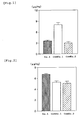
- Fig. 1 is a diagram showing the amount of apolipoprotein B (B100) secreted from human liver-derived HepG2 cells.
- composition for improving lipid metabolism/lipid metabolism improving agent Composition for improving lipid metabolism/lipid metabolism improving agent
- lipid metabolism improvement refers to, in lipid metabolism, for example, degradation (promotion of degradation) of lipid and its components (fatty acids) present in body tissues or blood and lymph (lymphoid tissues), prevention or suppression of accumulation of lipid and its components in body tissues (particularly fatty tissues), and a reduction in lipid and its components accumulated in body tissues (particularly fatty tissues).
- lipid metabolism improvement includes prevention or suppression of the presence, in high concentration, of lipid and its components ingested by eating in blood and lymph (lymphoid tissues), a reduction of lipid present in high concentration in blood and lymph (lymphoid tissues), prevention and suppression of accumulation of lipid and its components ingested by eating in body tissues, degradation or a reduction of lipid and its components accumulated in body tissues, or degradation of or a reduction in concentration of lipid and its components present in blood upon release, into blood, of lipid and its components accumulated in body tissues.
- fatty acid menthol esters according to the present invention have the following various functions (applications) for lipid metabolism improvement.
- the fatty acid menthol ester as an active ingredient of the composition for lipid metabolism improvement is represented by general formula (I): wherein
- the fatty acid constituting the fatty acid menthol ester may be of a straight chain or branched chain type regardless of whether the fatty acid is saturated or unsaturated. Specific examples thereof include saturated fatty acids, monoenoic acids, polyenoic acids, or hydroxy acids [CH 3 (CH 2 ) n CH(OH)COOH], wherein n is an odd number of 5 or more and 21 or less.
- the constituent fatty acid is preferably one or at least two fatty acids selected from the group consisting of fatty acids having 8 or more and 24 or less carbon atoms, preferably fatty acids having 16 or more, more preferably 18 or more, and 22 or less carbon atoms.
- the constituent fatty acid is one or at least two fatty acids selected from the group consisting of saturated fatty acids such as caprylic acid (octanoic acid), capric acid (decanoic acid), lauric acid (dodecanoic acid), myristic acid (tetradecanoic acid), palmitic acid, stearic acid, arachidic acid, behenic acid, and ligseric acid; monoenoic acids such as palmitoleic acid, oleic acid, elaidic acid, eicosapentaenoic acid, and docosahexaenoic acid; polyenoic acids such as linoleic acid, conjugated linoleic acid, ⁇ -linolenic acid, ⁇ -linolenic acid, conjugated linolenic acid, and arachidonic acid; and hydroxy acids such as 2-hydroxylignoceric acid and hydroxynervonic acid.
- saturated fatty acids such as caprylic acid (
- the fatty acid menthol ester can be utilized as a substance for improving lipid metabolism.
- the functions and properties of the fatty acid menthol ester are specifically as follows.
- the fatty acid menthol ester inhibits the secretion of apolipoprotein B and/or promotes the secretion of apolipoprotein A. More specifically, the secretion of the apolipoprotein B is inhibited in the liver and/or the secretion of the apolipoprotein A is promoted in the liver and/or intestinal tract.
- the secretion of apolipoprotein B is inhibited, the concentration of triacylglycerol, cholesterol and/or cholesterol ester in blood, lymph (lymphoid tissues) and/or body tissues is lowered, and/or the secretion of apolipoprotein A is promoted, and lecithin:cholesterol acyltransferase (“LCAT”) is activated to promote the degradation of cholesterol in blood, lymph (lymphoid tissues) and/or body tissues.
- LCAT lecithin:cholesterol acyltransferase
- the fatty acid menthol ester lowers the concentration of triacylglycerol, cholesterol and/or cholesterol ester in blood, lymph (lymphoid tissues) and/or body tissues, reduces the ingredients accumulated in the body tissues, and further effectively prevent the accumulation of these ingredients in body tissues. Further, the fatty acid menthol ester lowers the concentration of low-density lipoprotein in blood, lymph (lymphoid tissues) and/or body tissues, and/or increases the concentration of high-density lipoprotein in blood, lymph (lymphoid tissues) and/or body tissues.
- the fatty acid menthol ester according to the present invention is utilized as a composition for lipid metabolism improvement and is preferably used for preventing, improving, or treating at least one symptom selected from the group consisting of atherosclerosis, obesity, hypercholesterolemia, hypertriacylglycerolemia, hyperlipidemia, fatty liver, diabetes, and hypertension.
- the content of the fatty acid menthol ester may be properly determined depending upon applications used. Specifically, the content of the fatty acid menthol ester is approximately more than 0% by weight and not more than 100% by weight based on the total weight of the composition for lipid metabolism improvement. Preferably, the lower limit of the content is about 5% by weight, and the upper limit of the content is about 90% by weight.
- the lower limit of the content is about 50% by weight, and the upper limit of the content is about 80% by weight.
- the intake of the fatty acid menthol ester may vary depending, for example, upon the type of mammals, sex, growth, and weight. For example, the intake may be not less than 1 mg per day per adult (60 kg).
- the upper limit of the intake is not particularly limited but may be 20 g.
- the lower limit of the intake is 0.1 g
- the upper limit of the intake is about 10 g.
- the composition for improving lipid metabolism according to the present invention may be in any shape and may be, for example, liquid, solid, semi-solid, or gel.
- the composition for improving lipid metabolism according to the present invention comprises a fatty acid menthol ester as an active ingredient.
- the composition for improving lipid metabolism may comprise any other optional ingredient. Any optional ingredient may be used so far as the ingredient can be safely ingested by mammals. Specifically, the optional ingredient may be the same as those described below in connection with the food and drink, health (supplementary) food, feed, or pharmaceutical composition which will be described later.
- food and drink comprising the composition for improving lipid metabolism according to the present invention.
- the food and drink comprising the composition for improving lipid metabolism according to the present invention may be in any form and may be, for example, in the form of liquids, solids, semi-solids, gummy candies, or jellies.
- beverage foods for example, liquid beverages, juice beverages, cold beverages, sport drinks, alcoholic beverages, teas, and nutritional supplemental beverages; bread, noodle, rice, confectionary (biscuit, cake, candy, chocolate, and Japanese confectionery), bean curd, and other processed foods; sake, distilled spirits, liqueur, alcoholic beverages for medicinal use, sweat sake, vinegar, soy sauce, bean paste and other fermented foods; fat-and-oil foods, for example, edible fats and oils; farm processed foods, for example, yogurt, ham, bacon, and sausage; fish-paste products, for example, fish sausage, deep-fried ball of fish paste, and pounded fish cake, and dried marine products or other fishery processed products.
- beverage foods for example, liquid beverages, juice beverages, cold beverages, sport drinks, alcoholic beverages, teas, and nutritional supplemental beverages
- bread noodle, rice, confectionary (biscuit, cake, candy, chocolate, and Japanese confectionery), bean curd, and other processed foods
- sake distilled spirits, liqueur, alcoholic beverages for medicinal use,
- fat-and-oil products are proposed as the food and drink comprising the composition for improving lipid metabolism according to the present invention.
- the fat-and-oil food according to the present invention may be utilized not only as the above edible fats and oils but also as edible fat-and-oil compositions (for example, vegetable fats and oils, animal fats and oils, and processed fats and oils), and edible emulsified fat and oil compositions (for example, butter, lard, mayonnaise, cream, shortening, and margarine), and cooking additives (for examples, packed lunch and daily dishes).
- edible fat-and-oil compositions for example, vegetable fats and oils, animal fats and oils, and processed fats and oils
- edible emulsified fat and oil compositions for example, butter, lard, mayonnaise, cream, shortening, and margarine
- cooking additives for examples, packed lunch and daily dishes.
- the content of the fatty acid menthol ester is approximately more than 0% by weight and not more than 100% by weight, based on the total weight of the food and drink.
- the lower limit of the content is about 5% by weight
- the upper limit of the content is about 90% by weight. More preferably, the lower limit of the content is about 50% by weight, and the upper limit of the content is about 80% by weight.
- a health (supplementary) food comprising the composition for improving lipid metabolism according to the present invention.
- the health (supplementary) food according to the present invention may be a cooking ingredient comprising the composition for improving lipid metabolism according to the present invention. Specific examples of cooking ingredients may be the same as those described above in connection with the food and drink.
- the health (supplementary) food according to the present invention may be a mixture of the composition for improving lipid metabolism according to the present invention with materials, which has food safety, for example, vehicles, extenders, binders, thickeners, emulsifiers, perfumes, acidulants, antiseptics, antioxidants, thickeners, colorants, food additives, and flavoring materials.
- royal jelly vitamins, amino acids, protein, chitosan, and lecithin may be incorporated as auxiliary substances, and carbohydrate solutions may be further added.
- the health (supplementary) food according to the present invention may be formulated by a conventional method, for example, into tablets, soft capsules, hard capsules, granules, solid formulations, powder preparations, powders, pills, solvents, chewable preparations, drinkable preparations, dressings, and confectioneries.
- a health (supplementary) food for improving lipid metabolism comprising a fatty acid menthol ester as an active ingredient.
- the health (supplementary) food according to the present invention is provided in such a form that involves an indication about an improvement in lipid metabolism, for example, in packaging containers or packaging papers.
- the content of the fatty acid menthol ester is approximately more than 0% by weight and not more than 100% by weight based on the total weight of the health (supplementary) food.
- the lower limit of the content of the fatty acid menthol ester is about 5% by weight
- the upper limit of the fatty acid menthol ester is about 90% by weight. More preferably, the lower limit of the fatty acid menthol ester is about 50% by weight, and the upper limit of the fatty acid menthol ester is about 80% by weight.
- a feed comprising the composition for improving lipid metabolism according to the present invention.
- the feed according to the present invention may be a mixture of the composition for improving lipid metabolism according to the present invention with materials, which have feed safety, for example, vehicles, extenders, binders, thickeners, emulsifiers, perfumes, enzymes, microbial preparations, antioxidants, thickeners, colorants, feed additives, and flavoring agents.
- the feed according to the present invention may be formulated by a conventional method, for example, into solids, semi-solids, and liquids.
- the feed according to the present invention may be used for animals, particularly for domestic animals and pet animals.
- a feed for improving lipid metabolism comprising a fatty acid menthol ester as an active ingredient.
- the feed according to the present invention is provided in such a form that involves an indication about an improvement in lipid metabolism, for example, in packaging containers or packaging papers.
- the content of the fatty acid menthol ester is approximately more than 0% by weight and not more than 100% by weight, based on the total weight of the feed.
- the lower limit of the content is about 1% by weight, and the upper limit of the content is about 50% by weight. More preferably, the lower limit of the content is about 5% by weight, and the upper limit of the content is about 20% by weight.
- a pharmaceutical composition for improving lipid metabolism comprising a fatty acid menthol ester as an active ingredient.
- the details of the fatty acid menthol ester may be the same as those described above in connection with the composition for improving lipid metabolism.
- the pharmaceutical composition according to the present invention is preferably used for preventing, improving or treating one or at least two symptoms selected from the group consisting of atherosclerosis, obesity, hypercholesterolemia, hypertriacylglycerolemia, hyperlipidemia, fatty liver, diabetes, and hypertension.
- the pharmaceutical composition for improving lipid metabolism is produced by mixing the fatty acid menthol ester as an active ingredient with a properly selected pharmaceutically acceptable carrier or additive, for example, vehicles, extenders, binders, wetting agents, disintegrators, surfactants, lubricants, dispersants, buffers, preservatives, solubilizers, flavoring agents, soothing agents, corrigents, and stabilizers.
- a properly selected pharmaceutically acceptable carrier or additive for example, vehicles, extenders, binders, wetting agents, disintegrators, surfactants, lubricants, dispersants, buffers, preservatives, solubilizers, flavoring agents, soothing agents, corrigents, and stabilizers.
- vehicles include lactose, saccharose, glucose, sodium hydrogencarbonate, sucrose, mannitol, starch, crystalline cellulose, calcium sulfate, calcium phosphate, ethyl cellulose, and methacrylate copolymer.
- binders include gum arabic, polyvinyl pyrrolidone, hydroxypropylcellulose, hydroxypropylmethylcellulose, carboxymethylcellulose, gelatin, glucose, saccharose, tragacanth, and sodium alginate.
- disintegrators include starch, crystalline cellulose, carboxymethylcellulose, sodium carboxymethyl starch, sodium carboxymethylcellulose, sodium croscarmellose, crospovidone, and low substituted hydroxypropylcellulose.
- surfactants include polyoxyethylene alkyl ethers, polyoxyethylene sorbitan fatty acid esters, polyoxyethylene glyceryl monofatty acid esters, polyoxyethylene propylene glycol monofatty acid esters, polyoxyethylene sorbitol fatty acid esters, polyoxyethylene derivatives of naturally occurring fats and oils and waxes, polyethylene glycol fatty acid esters, sorbitan fatty acid esters, sucrose fatty acid esters, polyoxyethylene-polyoxypropylene copolymer and block copolymer surfactants, alkyl sulfate ester salts, phospholipid, bile acid salts, fatty acids, monohydric alcohol fatty acid esters, ethylene glycol fatty acid esters, and polyhydric alcohol fatty acid esters.
- preservatives include p-oxybenzoic esters, chlorobutanol, and banzyl alcohol.
- colorants include those commonly used in the field of pharmaceuticals and foods.
- corrigents include aminoethyl sulfonic acids, sodium alginate, and ethanol.
- the pharmaceutical composition for improving lipid metabolism according to the present invention can be administered to animals including human through any of oral and parenteral administration (for example, rectal or percutaneous) routes. Accordingly, the pharmaceutical composition for improving lipid metabolism according to the present invention is preferably provided as a proper dosage depending upon the administration route.
- the pharmaceutical composition for improving lipid metabolism according to the present invention can be formulated into various preparations, for example, injections, capsules, tablets, soft capsules, hard capsules, chewable preparations, solid formulations, granules, powder preparations, solvents, pills, fine subtilaes, drinkable preparations, ointments, creams, troches or other oral preparations, and preparations for rectal administration.
- the content of the fatty acid menthol ester is approximately more than 0% by weight and not more than 100% by weight based on the total weight of the pharmaceutical composition.
- the lower limit of the content is about 5% by weight
- the upper limit of the content is about 90% by weight. More preferably, the lower limit of the content is about 50% by weight, and the upper limit of the content is about 80% by weight.
- the dose of the pharmaceutical composition for improving lipid metabolism according to the present invention may vary depending, for example, upon therapeutic purposes and therapeutic objectives and thus cannot be determined unconditionally. From the viewpoint of therapeutic effectiveness, for example, for an adult having a weight of 60 kg, the dose per day is not less than about 10 mg and not more than about 5 g in terms of the dose of the fatty acid menthol ester. Preferably, the lower limit of the dose is about 20 mg, and the upper limit of the dose is about 3 g.
- test medium containing 150 ⁇ M of linolic acid menthol ester (1% BSA-DMEM) was provided.
- human liver-derived HepG2 cells were cultured for 24 hr, and the cells and the medium were collected.
- Example 1 The procedure of Example 1. was repeated to collect the cells and medium, except that linolic acid was used instead of the linolic acid menthol ester.
- Example 1 The procedure of Example 1 was repeated to collect the cells and medium, except that conjugated linolic acid was used instead of the linolic acid menthol ester.
- Evaluation 1 Evaluation test on toxicity of test medium
- the toxicity of the test medium was determined by examining the mass of cell proteins measured by the MTT and BCA methods. As a result, it was found that there was no cytotoxicity at a concentration of 150 ⁇ M.
- apolipoprotein A (A1) and apolipoprotein B (B100) secreted from the human liver-derived HepG2 cells into the test medium was measured by the ELISA method. The results are shown in Figs. 1 and 2 . As shown in Figs. 1 and 2 , the linolic acid menthol ester was found to inhibit the secretion of apolipoprotein B (B100) ( Fig. 1 ) and was further found to significantly enhance the secretion of apolipoprotein A (A1) ( Fig. 2 ).
- fatty acid (linolic acid) menthol ester has the function of inhibiting the secretion of apolipoprotein B (B100), enhancing the secretion of apolipoprotein A (A1), and improving lipid metabolism.
Landscapes
- Health & Medical Sciences (AREA)
- Chemical & Material Sciences (AREA)
- Life Sciences & Earth Sciences (AREA)
- Engineering & Computer Science (AREA)
- Medicinal Chemistry (AREA)
- Veterinary Medicine (AREA)
- Public Health (AREA)
- General Health & Medical Sciences (AREA)
- Animal Behavior & Ethology (AREA)
- Pharmacology & Pharmacy (AREA)
- General Chemical & Material Sciences (AREA)
- Organic Chemistry (AREA)
- Chemical Kinetics & Catalysis (AREA)
- Emergency Medicine (AREA)
- Epidemiology (AREA)
- Bioinformatics & Cheminformatics (AREA)
- Polymers & Plastics (AREA)
- Diabetes (AREA)
- Nuclear Medicine, Radiotherapy & Molecular Imaging (AREA)
- Food Science & Technology (AREA)
- Oil, Petroleum & Natural Gas (AREA)
- Obesity (AREA)
- Hematology (AREA)
- Nutrition Science (AREA)
- Cardiology (AREA)
- Zoology (AREA)
- Animal Husbandry (AREA)
- Wood Science & Technology (AREA)
- Mycology (AREA)
- Heart & Thoracic Surgery (AREA)
- Vascular Medicine (AREA)
- Child & Adolescent Psychology (AREA)
- Endocrinology (AREA)
- Urology & Nephrology (AREA)
- Acyclic And Carbocyclic Compounds In Medicinal Compositions (AREA)
- Coloring Foods And Improving Nutritive Qualities (AREA)
- Fodder In General (AREA)
Abstract
Disclosed is a composition for improving lipid metabolism. The composition for improving lipid metabolism comprises a fatty acid menthol ester as an active ingredient.
Description
- The present application is a patent application claiming priority based on Japanese Patent Application No.
288401/2005 - The present invention provides a composition for lipid metabolism improvement, food and drink, a health (supplementary) food, a feed, or a pharmaceutical composition, comprising a fatty acid menthol ester.
- In omnivorous mammals, lipids obtained from food and drink are absorbed through small intestine, are passed through a lymphoid lineage, and are utilized as chylomicrons in body tissues located outside the liver. Lipids from the liver are brought to a part of ultra-low-density lipoproteins (hereinafter abbreviated to "VLDL"), are passed through blood, are transported to body tissues, undergo the action of lipoprotein lipase on the body tissue surface to be degraded to free fatty acids which are then consumed as energy. In adipose tissues (adipose cells), the hydrolysis and (re)esterization of triacylglycerol irreversibly proceed, whereby accumulation and decomposition of lipids take place.
- Apolipoproteins may be mentioned as an important factor in lipid metabolism. Apolipoproteins are special plasma proteins constituting lipoproteins and function to solubilize lipids in blood and to carry the solibilized lipids into the body tissue. Further, the apolipoproteins function, for example, to activate and inhibit enzymes involved in lipid metabolism and further function as a ligand for a cross-reaction with a lipoprotein receptor in the tissue and thus have been regarded as a plsama component important in the lipid metabolism.
- Apolipoprotein B (particularly B-100) as one of major components of apolipoproteins is synthesized in the liver and functions to associate, for example, with apolipoprotein E, apolipoprotein C, and triacylglycerol (hereinafter abbreviated to "TG"), phospholipids, cholesterol (hereinafter abbreviated to "C"), and cholesterol esters (hereinafter abbreviated to "CE") to form VLDL and to carry TG and C synthesized in the liver and CE to peripheral tissues. In particular, apolipoprotein B-100 is regarded as acting as a ligand for LDL receptors. It is said that enhanced secretion of apolipoprotein B causes an increase in the level of VLDL in blood, an increase in the level of low-density lipoprotein (hereinafter abbreviated to "LDL"), an increase in TG level of blood, and an increase in levels of C and CE in blood. Further, oil droplets are said to be accumulated in small intestine and liver. Consequently, the enhanced secretion of apolipoprotein B is causative of various diseases such as the so-called hypertriacylglycerolemia and hypercholesterolemia. Accordingly, when the apolipoprotein B (particularly B-100) can be inhibited, it is expected that the level of TG, C and CE in blood are lowered and, at the same time, the level of LDL in blood is lowered contributing to the prevention, amelioration or treatment of lifestyle-related illness typified, for example, by atherosclerosis, obesity, diabetes, and hypertension, coronary artery diseases and cerebral artery diseases.
- On the other hand, apolipoprotein A is synthesized in the liver and intestinal tract and associates, for example, with apolipoprotein E and apolipoprotein C to form high-density lipoproteins (hereinafter abbreviated to as "HDL") and to reversely transfer excess TG, C and CE from peripheral tissues or macrophages to the liver. The enhanced secretion of apolipoprotein A (particularly A-1) activates lecithin:cholesterol acyltransferase (hereinafter abbreviated to "LCAT"), which are enzymes capable of converting C released on HDL to CE, and play an important role relative to a reverse transfer system of C. On the other hand, a lowering in apolipoprotein A is said to increase the risk of ischemic heart diseases. Further, it is considered that the proportion of LDL to HDL increases correlatively with increasing the proportion of apolipoprotein B (particularly B-100) to apolipoprotein A. This results in the development of symptoms of diseases such as lifestyle-related illness, coronary artery diseases, and cerebral artery diseases.
- Several apolipoprotein B secretion inhibitors have recently been exemplified, and pharmaceutical compositions or foods and drinks using them have been proposed. For example, α-linolenic acid and 10trans,12-conjugated linolenic acid (Yanagida et al., Food Res. Intern., 31, 403, 1999), taurine and γ-oryzanol (Yanagida et al., Proceedings of Anuual Meeting of Japan Society for Bioscience, Biotechnology, and Agrochemistry 1998, 3E2a10), onion-derived sulfoamino sulfoxide (Yanagida et al., Proceedings of Anuual Meeting of Japan Society for Bioscience, Biotechnology, and Agrochemistry 2000, 2G020α), NK-104 "3-Hydroxy-3-Methlyglutaryl CoenzymeA Reductase Inhibitor" (Yanagida et al., Current Therapeutic Research, 60, 423, 1999), anhydrous hydrogen chloride of 4'-trifluoromethylbiphenyl-2-carboxylic acid-[2-(2-acetylaminoethyl-1,2,3,4-tetrahydroisoquinolin-6-yl) amide (Japanese Patent Laid-Open No.
60557/1999 PCT Publication No. 510483/2000 - According to studies conducted by the present inventors, at the present time, any substance useful as the apolipoprotein B secretion inhibitor has not hitherto been found. Further, any substance, which inhibits the secretion of apolipoprotein B and, at the same time, accelerates the secretion of apolipoprotein A, has not hitherto been proposed.
- At the time of the present invention, the present inventors have found that fatty acid menthol esters can inhibit apolipoprotein B secretion and that fatty acid menthol esters can inhibit apolipoprotein B secretion and, at the same time, can accelerate the section of apolipoprotein A. At the time of the present invention, based on the above finding, the present inventors have found that a composition for improving lipid metabolism, food and drink, a health (supplementary) food, a feed, and a pharmaceutical composition, comprising an effective amount of a fatty acid menthol ester can be provided. The present invention has been made based on such finding.
Thus, according to the present invention, there is provided a composition for improving lipid metabolism, comprising an effective amount of a fatty acid menthol ester. - [
Fig. 1] Fig. 1 is a diagram showing the amount of apolipoprotein B (B100) secreted from human liver-derived HepG2 cells. - [
Fig. 2] Fig. 2 is a diagram showing the amount of apolipoprotein A (A1) secreted from human liver-derived HepG2 cells. - The term "lipid metabolism improvement" as used herein refers to, in lipid metabolism, for example, degradation (promotion of degradation) of lipid and its components (fatty acids) present in body tissues or blood and lymph (lymphoid tissues), prevention or suppression of accumulation of lipid and its components in body tissues (particularly fatty tissues), and a reduction in lipid and its components accumulated in body tissues (particularly fatty tissues). Specifically, the term "lipid metabolism improvement" includes prevention or suppression of the presence, in high concentration, of lipid and its components ingested by eating in blood and lymph (lymphoid tissues), a reduction of lipid present in high concentration in blood and lymph (lymphoid tissues), prevention and suppression of accumulation of lipid and its components ingested by eating in body tissues, degradation or a reduction of lipid and its components accumulated in body tissues, or degradation of or a reduction in concentration of lipid and its components present in blood upon release, into blood, of lipid and its components accumulated in body tissues. Accordingly, fatty acid menthol esters according to the present invention have the following various functions (applications) for lipid metabolism improvement.
- The fatty acid menthol ester as an active ingredient of the composition for lipid metabolism improvement is represented by general formula (I):

- R represents a saturated fatty acid residue, a straight-chain monoenoic acid residue, a polyenoic acid residue, or a hydroxy acid residue. Here the term "residue" in the straight-chain saturated fatty acid residue, straight-chain monoenoic acid residue, polyenoic acid residue, and hydroxy acid residue refers to such a state that these fatty acids lack for the carboxylic acid group.
- In the present invention, the fatty acid constituting the fatty acid menthol ester (hereinafter referred to as "constituent fatty acid") may be of a straight chain or branched chain type regardless of whether the fatty acid is saturated or unsaturated. Specific examples thereof include saturated fatty acids, monoenoic acids, polyenoic acids, or hydroxy acids [CH3(CH2)nCH(OH)COOH], wherein n is an odd number of 5 or more and 21 or less. The constituent fatty acid is preferably one or at least two fatty acids selected from the group consisting of fatty acids having 8 or more and 24 or less carbon atoms, preferably fatty acids having 16 or more, more preferably 18 or more, and 22 or less carbon atoms.
In a preferred embodiment of the present invention, the constituent fatty acid is one or at least two fatty acids selected from the group consisting of saturated fatty acids such as caprylic acid (octanoic acid), capric acid (decanoic acid), lauric acid (dodecanoic acid), myristic acid (tetradecanoic acid), palmitic acid, stearic acid, arachidic acid, behenic acid, and ligseric acid; monoenoic acids such as palmitoleic acid, oleic acid, elaidic acid, eicosapentaenoic acid, and docosahexaenoic acid; polyenoic acids such as linoleic acid, conjugated linoleic acid, γ-linolenic acid, α-linolenic acid, conjugated linolenic acid, and arachidonic acid; and hydroxy acids such as 2-hydroxylignoceric acid and hydroxynervonic acid. Among them, more preferred constituent fatty acids are fatty acids having 18 or more carbon atoms. The fatty acid menthol ester can be produced by subjecting one or at least two fatty acids and menthol to an esterification reaction. - The fatty acid menthol ester can be utilized as a substance for improving lipid metabolism. The functions and properties of the fatty acid menthol ester are specifically as follows. The fatty acid menthol ester inhibits the secretion of apolipoprotein B and/or promotes the secretion of apolipoprotein A. More specifically, the secretion of the apolipoprotein B is inhibited in the liver and/or the secretion of the apolipoprotein A is promoted in the liver and/or intestinal tract.
- Accordingly, upon the administration of the fatty acid menthol ester to mammals, the secretion of apolipoprotein B is inhibited, the concentration of triacylglycerol, cholesterol and/or cholesterol ester in blood, lymph (lymphoid tissues) and/or body tissues is lowered, and/or the secretion of apolipoprotein A is promoted, and lecithin:cholesterol acyltransferase ("LCAT") is activated to promote the degradation of cholesterol in blood, lymph (lymphoid tissues) and/or body tissues. That is, the fatty acid menthol ester lowers the concentration of triacylglycerol, cholesterol and/or cholesterol ester in blood, lymph (lymphoid tissues) and/or body tissues, reduces the ingredients accumulated in the body tissues, and further effectively prevent the accumulation of these ingredients in body tissues. Further, the fatty acid menthol ester lowers the concentration of low-density lipoprotein in blood, lymph (lymphoid tissues) and/or body tissues, and/or increases the concentration of high-density lipoprotein in blood, lymph (lymphoid tissues) and/or body tissues.
- The fatty acid menthol ester according to the present invention is utilized as a composition for lipid metabolism improvement and is preferably used for preventing, improving, or treating at least one symptom selected from the group consisting of atherosclerosis, obesity, hypercholesterolemia, hypertriacylglycerolemia, hyperlipidemia, fatty liver, diabetes, and hypertension. The content of the fatty acid menthol ester may be properly determined depending upon applications used. Specifically, the content of the fatty acid menthol ester is approximately more than 0% by weight and not more than 100% by weight based on the total weight of the composition for lipid metabolism improvement. Preferably, the lower limit of the content is about 5% by weight, and the upper limit of the content is about 90% by weight. More preferably, the lower limit of the content is about 50% by weight, and the upper limit of the content is about 80% by weight. The intake of the fatty acid menthol ester may vary depending, for example, upon the type of mammals, sex, growth, and weight. For example, the intake may be not less than 1 mg per day per adult (60 kg). The upper limit of the intake is not particularly limited but may be 20 g. Preferably, the lower limit of the intake is 0.1 g, and the upper limit of the intake is about 10 g.
- The composition for improving lipid metabolism according to the present invention may be in any shape and may be, for example, liquid, solid, semi-solid, or gel. The composition for improving lipid metabolism according to the present invention comprises a fatty acid menthol ester as an active ingredient. The composition for improving lipid metabolism, however, may comprise any other optional ingredient. Any optional ingredient may be used so far as the ingredient can be safely ingested by mammals. Specifically, the optional ingredient may be the same as those described below in connection with the food and drink, health (supplementary) food, feed, or pharmaceutical composition which will be described later.
- In a preferred embodiment of the present invention, there is provided food and drink comprising the composition for improving lipid metabolism according to the present invention. The food and drink comprising the composition for improving lipid metabolism according to the present invention may be in any form and may be, for example, in the form of liquids, solids, semi-solids, gummy candies, or jellies. Specific examples of food and drink comprising the composition for improving lipid metabolism according to the present invention include: beverage foods, for example, liquid beverages, juice beverages, cold beverages, sport drinks, alcoholic beverages, teas, and nutritional supplemental beverages; bread, noodle, rice, confectionary (biscuit, cake, candy, chocolate, and Japanese confectionery), bean curd, and other processed foods; sake, distilled spirits, liqueur, alcoholic beverages for medicinal use, sweat sake, vinegar, soy sauce, bean paste and other fermented foods; fat-and-oil foods, for example, edible fats and oils; farm processed foods, for example, yogurt, ham, bacon, and sausage; fish-paste products, for example, fish sausage, deep-fried ball of fish paste, and pounded fish cake, and dried marine products or other fishery processed products.
- In a preferred embodiment of the present invention, fat-and-oil products (fatty acids and glycerides) are proposed as the food and drink comprising the composition for improving lipid metabolism according to the present invention. The fat-and-oil food according to the present invention may be utilized not only as the above edible fats and oils but also as edible fat-and-oil compositions (for example, vegetable fats and oils, animal fats and oils, and processed fats and oils), and edible emulsified fat and oil compositions (for example, butter, lard, mayonnaise, cream, shortening, and margarine), and cooking additives (for examples, packed lunch and daily dishes).
- In the food and drink according to the present invention, the content of the fatty acid menthol ester is approximately more than 0% by weight and not more than 100% by weight, based on the total weight of the food and drink. Preferably, the lower limit of the content is about 5% by weight, and the upper limit of the content is about 90% by weight. More preferably, the lower limit of the content is about 50% by weight, and the upper limit of the content is about 80% by weight.
- In a preferred embodiment of the present invention, there is provided a health (supplementary) food comprising the composition for improving lipid metabolism according to the present invention. The health (supplementary) food according to the present invention may be a cooking ingredient comprising the composition for improving lipid metabolism according to the present invention. Specific examples of cooking ingredients may be the same as those described above in connection with the food and drink. The health (supplementary) food according to the present invention may be a mixture of the composition for improving lipid metabolism according to the present invention with materials, which has food safety, for example, vehicles, extenders, binders, thickeners, emulsifiers, perfumes, acidulants, antiseptics, antioxidants, thickeners, colorants, food additives, and flavoring materials. In the case of the health supplementary food, for example, royal jelly, vitamins, amino acids, protein, chitosan, and lecithin may be incorporated as auxiliary substances, and carbohydrate solutions may be further added.
- The health (supplementary) food according to the present invention may be formulated by a conventional method, for example, into tablets, soft capsules, hard capsules, granules, solid formulations, powder preparations, powders, pills, solvents, chewable preparations, drinkable preparations, dressings, and confectioneries.
- In another embodiment of the present invention, there is provided a health (supplementary) food for improving lipid metabolism, comprising a fatty acid menthol ester as an active ingredient. The health (supplementary) food according to the present invention is provided in such a form that involves an indication about an improvement in lipid metabolism, for example, in packaging containers or packaging papers.
- In the health (supplementary) food according to the present invention, the content of the fatty acid menthol ester is approximately more than 0% by weight and not more than 100% by weight based on the total weight of the health (supplementary) food. Preferably, the lower limit of the content of the fatty acid menthol ester is about 5% by weight, and the upper limit of the fatty acid menthol ester is about 90% by weight. More preferably, the lower limit of the fatty acid menthol ester is about 50% by weight, and the upper limit of the fatty acid menthol ester is about 80% by weight.
- In a preferred embodiment of the present invention, there is provided a feed comprising the composition for improving lipid metabolism according to the present invention. The feed according to the present invention may be a mixture of the composition for improving lipid metabolism according to the present invention with materials, which have feed safety, for example, vehicles, extenders, binders, thickeners, emulsifiers, perfumes, enzymes, microbial preparations, antioxidants, thickeners, colorants, feed additives, and flavoring agents. The feed according to the present invention may be formulated by a conventional method, for example, into solids, semi-solids, and liquids. The feed according to the present invention may be used for animals, particularly for domestic animals and pet animals.
- In another embodiment of the present invention, there is provided a feed for improving lipid metabolism, comprising a fatty acid menthol ester as an active ingredient. The feed according to the present invention is provided in such a form that involves an indication about an improvement in lipid metabolism, for example, in packaging containers or packaging papers.
- In the feed according to the present invention, the content of the fatty acid menthol ester is approximately more than 0% by weight and not more than 100% by weight, based on the total weight of the feed. Preferably, the lower limit of the content is about 1% by weight, and the upper limit of the content is about 50% by weight. More preferably, the lower limit of the content is about 5% by weight, and the upper limit of the content is about 20% by weight.
- In a further embodiment of the present invention, there is provided a pharmaceutical composition for improving lipid metabolism, comprising a fatty acid menthol ester as an active ingredient.
The details of the fatty acid menthol ester may be the same as those described above in connection with the composition for improving lipid metabolism. The pharmaceutical composition according to the present invention is preferably used for preventing, improving or treating one or at least two symptoms selected from the group consisting of atherosclerosis, obesity, hypercholesterolemia, hypertriacylglycerolemia, hyperlipidemia, fatty liver, diabetes, and hypertension. - From the viewpoint of more reliably attaining the effect of the pharmaceutical composition for improving lipid metabolism, preferably the pharmaceutical composition for improving lipid metabolism is produced by mixing the fatty acid menthol ester as an active ingredient with a properly selected pharmaceutically acceptable carrier or additive, for example, vehicles, extenders, binders, wetting agents, disintegrators, surfactants, lubricants, dispersants, buffers, preservatives, solubilizers, flavoring agents, soothing agents, corrigents, and stabilizers.
- Specific examples of vehicles include lactose, saccharose, glucose, sodium hydrogencarbonate, sucrose, mannitol, starch, crystalline cellulose, calcium sulfate, calcium phosphate, ethyl cellulose, and methacrylate copolymer. Specific examples of binders include gum arabic, polyvinyl pyrrolidone, hydroxypropylcellulose, hydroxypropylmethylcellulose, carboxymethylcellulose, gelatin, glucose, saccharose, tragacanth, and sodium alginate. Specific examples of disintegrators include starch, crystalline cellulose, carboxymethylcellulose, sodium carboxymethyl starch, sodium carboxymethylcellulose, sodium croscarmellose, crospovidone, and low substituted hydroxypropylcellulose. Specific examples of surfactants include polyoxyethylene alkyl ethers, polyoxyethylene sorbitan fatty acid esters, polyoxyethylene glyceryl monofatty acid esters, polyoxyethylene propylene glycol monofatty acid esters, polyoxyethylene sorbitol fatty acid esters, polyoxyethylene derivatives of naturally occurring fats and oils and waxes, polyethylene glycol fatty acid esters, sorbitan fatty acid esters, sucrose fatty acid esters, polyoxyethylene-polyoxypropylene copolymer and block copolymer surfactants, alkyl sulfate ester salts, phospholipid, bile acid salts, fatty acids, monohydric alcohol fatty acid esters, ethylene glycol fatty acid esters, and polyhydric alcohol fatty acid esters. Specific examples of preservatives include p-oxybenzoic esters, chlorobutanol, and banzyl alcohol. Specific examples of colorants include those commonly used in the field of pharmaceuticals and foods. Examples of corrigents include aminoethyl sulfonic acids, sodium alginate, and ethanol.
- The pharmaceutical composition for improving lipid metabolism according to the present invention can be administered to animals including human through any of oral and parenteral administration (for example, rectal or percutaneous) routes. Accordingly, the pharmaceutical composition for improving lipid metabolism according to the present invention is preferably provided as a proper dosage depending upon the administration route. For example, the pharmaceutical composition for improving lipid metabolism according to the present invention can be formulated into various preparations, for example, injections, capsules, tablets, soft capsules, hard capsules, chewable preparations, solid formulations, granules, powder preparations, solvents, pills, fine subtilaes, drinkable preparations, ointments, creams, troches or other oral preparations, and preparations for rectal administration.
- In the pharmaceutical composition for improving lipid metabolism according to the present invention, the content of the fatty acid menthol ester is approximately more than 0% by weight and not more than 100% by weight based on the total weight of the pharmaceutical composition. Preferably, the lower limit of the content is about 5% by weight, and the upper limit of the content is about 90% by weight. More preferably, the lower limit of the content is about 50% by weight, and the upper limit of the content is about 80% by weight.
- The dose of the pharmaceutical composition for improving lipid metabolism according to the present invention may vary depending, for example, upon therapeutic purposes and therapeutic objectives and thus cannot be determined unconditionally. From the viewpoint of therapeutic effectiveness, for example, for an adult having a weight of 60 kg, the dose per day is not less than about 10 mg and not more than about 5 g in terms of the dose of the fatty acid menthol ester. Preferably, the lower limit of the dose is about 20 mg, and the upper limit of the dose is about 3 g.
- The present invention is further illustrated by the following Examples that are not intended as a limitation of the invention.
- A test medium containing 150 µM of linolic acid menthol ester (1% BSA-DMEM) was provided. In this test medium, human liver-derived HepG2 cells were cultured for 24 hr, and the cells and the medium were collected.
- The procedure of Example 1. was repeated to collect the cells and medium, except that linolic acid was used instead of the linolic acid menthol ester.
- The procedure of Example 1 was repeated to collect the cells and medium, except that conjugated linolic acid was used instead of the linolic acid menthol ester.
- The cells and media obtained in the Examples and Comparative Examples were evaluated by the following tests.
- The toxicity of the test medium was determined by examining the mass of cell proteins measured by the MTT and BCA methods. As a result, it was found that there was no cytotoxicity at a concentration of 150 µM.
- The amount of apolipoprotein A (A1) and apolipoprotein B (B100) secreted from the human liver-derived HepG2 cells into the test medium was measured by the ELISA method. The results are shown in
Figs. 1 and 2 . As shown inFigs. 1 and 2 , the linolic acid menthol ester was found to inhibit the secretion of apolipoprotein B (B100) (Fig. 1 ) and was further found to significantly enhance the secretion of apolipoprotein A (A1) (Fig. 2 ). - The above results show that the fatty acid (linolic acid) menthol ester has the function of inhibiting the secretion of apolipoprotein B (B100), enhancing the secretion of apolipoprotein A (A1), and improving lipid metabolism.
Claims (16)
- A composition for improving lipid metabolism, comprising a fatty acid menthol ester as an active ingredient.
- The composition for improving lipid metabolism according to claim 1, wherein the fatty acid menthol ester is represented by general formula (I):
 R represents a saturated fatty acid residue, a monoenoic acid residue, a polyenoic acid residue, or a hydroxy acid residue.
 - The composition for improving lipid metabolism according to claim 1, wherein the fatty acid constituting the fatty acid menthol ester is one or at least two fatty acids selected from the group consisting of fatty acids having not less than 8 and not more than 24 carbon atoms.
- The composition for improving lipid metabolism according to claim 3, wherein the fatty acid is one or at least two fatty acids selected from the group consisting of octanoic acid, decanoic acid, dodecanoic acid, tetradecanoic acid, palmitic acid, stearic acid, arachidic acid, behenic acid, ligceric acid, palmitoleic acid, oleic acid, elaidic acid, eicosapentaenoic acid, docosahexaenoic acid, linoleic acid, conjugated linoleic acid, γ-linolenic acid, α-linolenic acid, conjugated linolenic acid, arachidonic acid, 2-hydroxylignoceric acid, and hydroxynervonic acid.
- The composition for improving lipid metabolism according to any one of claims 1 to 4, wherein the fatty acid menthol ester inhibits the secretion of apolipoprotein B and/or promotes the secretion of apolipoprotein A.
- The composition for improving lipid metabolism according to claim 5, wherein the secretion of the apolipoprotein B is inhibited in the liver and/or the secretion of the apolipoprotein A is promoted in the liver and/or intestinal tract.
- The composition for improving lipid metabolism according to claim 5, wherein the concentration of triacyl glycerol, cholesterol and/or cholesterol esters in blood, lymphs and/or body tissues is lowered by inhibiting the secretion of the apolipoprotein B, and/or
lecithin:cholesterolacyl transferase is activated by promoting the secretion of the apolipoprotein A to promote the degradation of cholesterol in blood, lymphs and/or body tissues. - The composition for improving lipid metabolism according to claim 5, wherein the concentration of triacyl glycerol, cholesterol and/or cholesterol esters in blood, lymphs and/or body tissues is lowered.
- The composition for improving lipid metabolism according to claim 5, which lowers the concentration of low-density lipoprotein in blood, lymphs and/or body tissues, and/or
increases the concentration of high-density lipoprotein in blood, lymphs and/or body tissues. - The composition for improving lipid metabolism according to any one of claims 1 to 4, for use in the prevention or treatment of one or at least two symptoms selected from the group consisting of atherosclerosis, obesity, hypercholesterolemia, hypertriacylglycerolemia, hyperlipemia, fatty liver, diabetes mellitus, and hypertension.
- Food and drink comprising a composition for improving lipid metabolism according to any one of claims 1 to 4.
- A health food comprising a composition for improving lipid metabolism according to any one of claims 1 to 4.
- A feed comprising a composition for improving lipid metabolism according to any one of claims 1 to 4.
- A pharmaceutical composition for improving lipid metabolism, comprising a fatty acid menthol ester as an active ingredient.
- The pharmaceutical composition according to claim 14, wherein the fatty acid menthol ester is as defined in any one of claims 2 to 4.
- The pharmaceutical composition according to claim 14, for use in the prevention or treatment of one or at least two symptoms selected from the group consisting of atherosclerosis, obesity, hypercholesterolemia, hypertriacylglycerolemia, hyperlipemia, fatty liver, diabetes mellitus, and hypertension.
Applications Claiming Priority (2)
| Application Number | Priority Date | Filing Date | Title |
|---|---|---|---|
| JP2005288401A JP4854253B2 (en) | 2005-09-30 | 2005-09-30 | Composition for improving lipid metabolism |
| PCT/JP2006/306864 WO2007039945A1 (en) | 2005-09-30 | 2006-03-31 | Lipid metabolism improving composition |
Publications (2)
| Publication Number | Publication Date |
|---|---|
| EP1974728A1 true EP1974728A1 (en) | 2008-10-01 |
| EP1974728A4 EP1974728A4 (en) | 2010-04-21 |
Family
ID=37905992
Family Applications (1)
| Application Number | Title | Priority Date | Filing Date |
|---|---|---|---|
| EP06730812A Withdrawn EP1974728A4 (en) | 2005-09-30 | 2006-03-31 | Lipid metabolism improving composition |
Country Status (4)
| Country | Link |
|---|---|
| US (1) | US20090131520A1 (en) |
| EP (1) | EP1974728A4 (en) |
| JP (1) | JP4854253B2 (en) |
| WO (1) | WO2007039945A1 (en) |
Cited By (2)
| Publication number | Priority date | Publication date | Assignee | Title |
|---|---|---|---|---|
| CN109096133A (en) * | 2018-07-19 | 2018-12-28 | 宁波职业技术学院 | (S) -2- amino -3-(2,4,5- trifluorophenyl) menthyl propionate hydrochloride and its preparation method and application |
| CN109112105A (en) * | 2018-07-23 | 2019-01-01 | 天津科技大学 | A kind of method for building up and verification method of human hepatoma cell line HepG2's oxidative stress model of oleic acid induction |
Families Citing this family (6)
| Publication number | Priority date | Publication date | Assignee | Title |
|---|---|---|---|---|
| WO2007137864A1 (en) * | 2006-06-01 | 2007-12-06 | Eucro European Contract Research Gmbh & Co. Kg | Use of inhibitors of pp2c for treating or preventing arteriosclerosis |
| US8632792B2 (en) * | 2008-04-01 | 2014-01-21 | Takasago International Corporation | Cooling sensation agent composition and sensory stimulation agent composition |
| KR101304017B1 (en) * | 2011-12-27 | 2013-09-04 | 영남대학교 산학협력단 | Composition for preventing or treating diabetes or diabetic complications |
| US10358409B2 (en) * | 2014-09-15 | 2019-07-23 | Elevance Renewable Sciences, Inc. | Low-toxicity olefinic ester compositions and methods of using the same |
| JP6544857B2 (en) * | 2015-09-29 | 2019-07-17 | カーリットホールディングス株式会社 | Menthol derivative, method for producing the same and use thereof |
| CN112998127B (en) * | 2021-04-26 | 2024-06-25 | 长沙博海生物科技有限公司 | Feed additive for improving content of nervonic acid and arginine in animal body |
Family Cites Families (11)
| Publication number | Priority date | Publication date | Assignee | Title |
|---|---|---|---|---|
| US5837733A (en) * | 1997-02-26 | 1998-11-17 | Wisconsin Alumni Research Foundation | Method for reducing secetion of apolipoprotein B in animals by administering conjugated linoleic acid |
| WO1998047875A1 (en) | 1997-04-18 | 1998-10-29 | Pfizer Inc. | Process and intermediates for the preparation of 4'-trifluoromethyl-biphenyl-2-carboxylic acid (1,2,3,4-tetrahydro-isoquinolin-6-yl)-amide |
| US5968950A (en) | 1997-06-23 | 1999-10-19 | Pfizer Inc | Apo B-secretion/MTP inhibitor hydrochloride salt |
| JPH11263750A (en) * | 1998-03-16 | 1999-09-28 | Osaka City | Long-chain unsaturated fatty acid menthol ester and its production by enzymatic method |
| DE60101509T2 (en) * | 2000-06-19 | 2004-10-14 | Loders Croklaan B.V. | Cla-ester |
| JP2002265985A (en) * | 2001-03-06 | 2002-09-18 | Kanegafuchi Chem Ind Co Ltd | Apolipoprotein B secretion inhibiting lipid composition |
| US7378428B2 (en) * | 2002-01-31 | 2008-05-27 | Ono Pharmaceutical Co., Ltd. | Nitrogen-containing bicyclic compounds and drugs containing the same as the active ingredient |
| JP3853767B2 (en) * | 2002-08-13 | 2006-12-06 | 日清オイリオグループ株式会社 | Conjugated fatty acid menthol ester and method for producing the same |
| JP2004248671A (en) * | 2003-01-31 | 2004-09-09 | Rinoru Oil Mills Co Ltd | Method for purification of conjugated linoleic acid isomer and application of the same |
| AR045047A1 (en) * | 2003-07-11 | 2005-10-12 | Arena Pharm Inc | ARILO AND HETEROARILO DERIVATIVES TRISUSTITUIDOS AS MODULATORS OF METABOLISM AND PROFILAXIS AND TREATMENT OF DISORDERS RELATED TO THEMSELVES |
| JP2005288401A (en) | 2004-04-05 | 2005-10-20 | Hitachi Ltd | Organic halogen compound dehalogenation apparatus, method and system thereof |
-
2005
- 2005-09-30 JP JP2005288401A patent/JP4854253B2/en not_active Expired - Fee Related
-
2006
- 2006-03-31 WO PCT/JP2006/306864 patent/WO2007039945A1/en not_active Ceased
- 2006-03-31 EP EP06730812A patent/EP1974728A4/en not_active Withdrawn
- 2006-03-31 US US11/992,749 patent/US20090131520A1/en not_active Abandoned
Non-Patent Citations (4)
| Title |
|---|
| ARAO K ET AL: "The 9cis, 11trans, 13cis Isomer of Conjugated Linolenic Acid Reduces Apolipoprotein B100 Secretion and Triacylglycerol Synthesis in HepG2 Cells" BIOSCIENCE BIOTECHNOLOGY BIOCHEMISTRY, JAPAN SOCIETY FOR BIOSCIENCE, BIOTECHNOLOGY, AND AGROCHEMISTRY, TOKYO, JAPAN, vol. 68, no. 12, 1 January 2004 (2004-01-01), pages 2643-2645, XP003023065 ISSN: 0916-8451 * |
| PAL SEBELY ET AL: "Conjugated linoleic acid suppresses the secretion of atherogenic lipoproteins from human HepG2 liver cells" CLINICAL CHEMISTRY AND LABORATORY MEDICINE, WALTER DE GRUYTER & CO, BERLIN, NEW YORK, vol. 43, no. 3, 1 January 2005 (2005-01-01), pages 269-274, XP009130532 ISSN: 1434-6621 * |
| See also references of WO2007039945A1 * |
| YOTSUMOTO H ET AL: "10trans, 12cis-Linoleic acid reduces apolipoprotein B secretion in HepG2 cells" FOOD RESEARCH INTERNATIONAL, vol. 31, no. 5, 1998, pages 403-409, XP002571707 ISSN: 0963-9969 * |
Cited By (3)
| Publication number | Priority date | Publication date | Assignee | Title |
|---|---|---|---|---|
| CN109096133A (en) * | 2018-07-19 | 2018-12-28 | 宁波职业技术学院 | (S) -2- amino -3-(2,4,5- trifluorophenyl) menthyl propionate hydrochloride and its preparation method and application |
| CN109096133B (en) * | 2018-07-19 | 2022-06-07 | 宁波职业技术学院 | 3-amino-4- (2,4, 5-trifluorophenyl) menthyl butyrate hydrochloride and preparation method and application thereof |
| CN109112105A (en) * | 2018-07-23 | 2019-01-01 | 天津科技大学 | A kind of method for building up and verification method of human hepatoma cell line HepG2's oxidative stress model of oleic acid induction |
Also Published As
| Publication number | Publication date |
|---|---|
| EP1974728A4 (en) | 2010-04-21 |
| WO2007039945A1 (en) | 2007-04-12 |
| JP4854253B2 (en) | 2012-01-18 |
| US20090131520A1 (en) | 2009-05-21 |
| JP2007099633A (en) | 2007-04-19 |
Similar Documents
| Publication | Publication Date | Title |
|---|---|---|
| EP2027864B1 (en) | Composition for improvement of lipid metabolism | |
| US20090192223A1 (en) | Gip secretion inhibitor | |
| CN112399799A (en) | Composition for inhibiting fat accumulation | |
| JP2002180082A (en) | Intake material | |
| US20100210723A1 (en) | Lipase inhibitor | |
| AU4891699A (en) | Compositions comprising phytosterol, phytostanol or mixtures of both and omega-3fatty acids or derivatives thereof and use of the composition in treating or preventing cardiovascular disease and other disorders | |
| US20090131520A1 (en) | Lipid metabolism Improving Composition | |
| US20020012690A1 (en) | Drugs for prevention and treatment of diseases caused by abnormalities in cartilage tissues | |
| JP4205432B2 (en) | Bone metabolism improver | |
| JP4234888B2 (en) | Antihypertensive agent | |
| JPH1017475A (en) | Improver for lipid in blood and food additive | |
| JP5479696B2 (en) | In vivo plasmalogen increasing agent | |
| JP6824506B2 (en) | Lipid composition | |
| JP3914519B2 (en) | Lipase activity inhibitor comprising a glyceroglycolipid compound | |
| AU2011202171A1 (en) | Compositions comprising phytosterol, phytostanol or mixtures of both and omega-3 fatty acids or derivatives thereof and use of the composition | |
| JP2011184347A (en) | Srebp1 inhibitor | |
| JP2022190205A (en) | Mitochondrion activator, fat burning promoting composition, and anti-obesity composition | |
| JP2005225863A (en) | Lipase inhibitor | |
| JP2004292421A (en) | Hypertension preventing agent containing conjugated fatty acid as active component and use thereof | |
| JP2008024648A (en) | Liver lipid reducing agent | |
| JP2006104152A (en) | Calcium calcification inhibitor | |
| CN1679534A (en) | Endurance improver | |
| JP2005336205A (en) | Agent for preventing and improving medical symptom through delayed type allergic reaction | |
| WO2008153220A1 (en) | Prophylactic or therapeutic agent for vascular disease |
Legal Events
| Date | Code | Title | Description |
|---|---|---|---|
| PUAI | Public reference made under article 153(3) epc to a published international application that has entered the european phase |
Free format text: ORIGINAL CODE: 0009012 |
|
| 17P | Request for examination filed |
Effective date: 20080424 |
|
| AK | Designated contracting states |
Kind code of ref document: A1 Designated state(s): AT BE BG CH CY CZ DE DK EE ES FI FR GB GR HU IE IS IT LI LT LU LV MC NL PL PT RO SE SI SK TR |
|
| A4 | Supplementary search report drawn up and despatched |
Effective date: 20100324 |
|
| STAA | Information on the status of an ep patent application or granted ep patent |
Free format text: STATUS: THE APPLICATION HAS BEEN WITHDRAWN |
|
| 18W | Application withdrawn |
Effective date: 20100609 |