EP1972206B2 - Farbstoff-Emulsion und Emulgatorzusammensetzung sowie deren Verwendung - Google Patents
Farbstoff-Emulsion und Emulgatorzusammensetzung sowie deren Verwendung Download PDFInfo
- Publication number
- EP1972206B2 EP1972206B2 EP08004244.3A EP08004244A EP1972206B2 EP 1972206 B2 EP1972206 B2 EP 1972206B2 EP 08004244 A EP08004244 A EP 08004244A EP 1972206 B2 EP1972206 B2 EP 1972206B2
- Authority
- EP
- European Patent Office
- Prior art keywords
- emulsion
- acid
- oil
- lecithin
- dispersed
- Prior art date
- Legal status (The legal status is an assumption and is not a legal conclusion. Google has not performed a legal analysis and makes no representation as to the accuracy of the status listed.)
- Active
Links
Images

Classifications
-
- A—HUMAN NECESSITIES
- A23—FOODS OR FOODSTUFFS; TREATMENT THEREOF, NOT COVERED BY OTHER CLASSES
- A23L—FOODS, FOODSTUFFS OR NON-ALCOHOLIC BEVERAGES, NOT OTHERWISE PROVIDED FOR; PREPARATION OR TREATMENT THEREOF
- A23L2/00—Non-alcoholic beverages; Dry compositions or concentrates therefor; Preparation or treatment thereof
- A23L2/52—Adding ingredients
- A23L2/58—Colouring agents
-
- A—HUMAN NECESSITIES
- A23—FOODS OR FOODSTUFFS; TREATMENT THEREOF, NOT COVERED BY OTHER CLASSES
- A23C—DAIRY PRODUCTS, e.g. MILK, BUTTER OR CHEESE; MILK OR CHEESE SUBSTITUTES; PREPARATION THEREOF
- A23C9/00—Milk preparations; Milk powder or milk powder preparations
- A23C9/12—Fermented milk preparations; Treatment using microorganisms or enzymes
- A23C9/13—Fermented milk preparations; Treatment using microorganisms or enzymes using additives
- A23C9/1307—Milk products or derivatives; Fruit or vegetable juices; Sugars, sugar alcohols, sweeteners; Oligosaccharides; Organic acids or salts thereof or acidifying agents; Flavours, dyes or pigments; Inert or aerosol gases; Carbonation methods
-
- A—HUMAN NECESSITIES
- A23—FOODS OR FOODSTUFFS; TREATMENT THEREOF, NOT COVERED BY OTHER CLASSES
- A23D—EDIBLE OILS OR FATS, e.g. MARGARINES, SHORTENINGS OR COOKING OILS
- A23D7/00—Edible oil or fat compositions containing an aqueous phase, e.g. margarines
- A23D7/005—Edible oil or fat compositions containing an aqueous phase, e.g. margarines characterised by ingredients other than fatty acid triglycerides
- A23D7/0053—Compositions other than spreads
-
- A—HUMAN NECESSITIES
- A23—FOODS OR FOODSTUFFS; TREATMENT THEREOF, NOT COVERED BY OTHER CLASSES
- A23L—FOODS, FOODSTUFFS OR NON-ALCOHOLIC BEVERAGES, NOT OTHERWISE PROVIDED FOR; PREPARATION OR TREATMENT THEREOF
- A23L5/00—Preparation or treatment of foods or foodstuffs, in general; Food or foodstuffs obtained thereby; Materials therefor
- A23L5/40—Colouring or decolouring of foods
- A23L5/42—Addition of dyes or pigments, e.g. in combination with optical brighteners
- A23L5/43—Addition of dyes or pigments, e.g. in combination with optical brighteners using naturally occurring organic dyes or pigments, their artificial duplicates or their derivatives
- A23L5/44—Addition of dyes or pigments, e.g. in combination with optical brighteners using naturally occurring organic dyes or pigments, their artificial duplicates or their derivatives using carotenoids or xanthophylls
-
- A—HUMAN NECESSITIES
- A23—FOODS OR FOODSTUFFS; TREATMENT THEREOF, NOT COVERED BY OTHER CLASSES
- A23V—INDEXING SCHEME RELATING TO FOODS, FOODSTUFFS OR NON-ALCOHOLIC BEVERAGES AND LACTIC OR PROPIONIC ACID BACTERIA USED IN FOODSTUFFS OR FOOD PREPARATION
- A23V2002/00—Food compositions, function of food ingredients or processes for food or foodstuffs
Definitions
- the invention relates to a use of a dye emulsion.
- fat-soluble dyes can be emulsified in water-containing foods in the form of oil-in-water emulsions.
- the oil phase forms the dispersed, while the aqueous phase forms the coherent phase.
- the optical properties of the food dye emulsions are significantly determined by the size of the oil droplets dispersed in the aqueous phase.
- Emulsions of fat-soluble dyes in aqueous foods known in the art have an average particle size of 1 to 50 microns.
- the emulsions thus obtained have unsatisfactory optical properties. This concerns in particular the transparency and luminosity of the emulsions.
- the amount of fat-soluble dye needed to color the aqueous food is comparatively high, since its yield is low.
- Lecithin (E 322) or sugar esters of fatty acids (E 473) are used as emulsifiers in foods, for example.
- emulsifier depends on the properties of the food and the fat-soluble dye.
- the WO 2007/026271 A discloses a stable microemulsion containing as emulsifiers lecithin and sugar esters of fatty acids.
- a mixture of emulsifiers is known for a beverage containing lecithin and sugar esters as well as coffee whiteners. Furthermore, the mixture does not relate to the emulsification of carotenoids. Coffee whitener can not be considered as a coloring agent for a food; he is a staple, not a dye.
- a food grade ink containing lecithin and sorbitan ester as an emulsifier is known.
- This food grade ink is for printing of edible substances and is not a food, but is used to modify (print) food.
- An emulsifier system which contains lecithin and sugar glycerides and forms stable emulsions with oil bodies is characterized by GB-A-1049335 known. It is about the production of pastes or dairy products containing eggs.
- the EP-A-1 270 679 discloses a dye mixture which may contain carotene and an emulsifier.
- This emulsifier is selected from a group of emulsifiers selected from lecithin, polysorbate 80, lactenes and / or citruses. A combination of two emulsifiers is not disclosed.
- GB 918 399 A is a water-dispersible composition which contains lecithin as an emulsifier and is suitable for example as a beverage base.
- the carotene is not destroyed by the ascorbic acid present in fruit juices.
- Carotenoid-containing beverages containing sugar esters with fatty acids as emulsifier discloses the JP 09084566 A ,
- the dyes used here have excellent heat and light stability without being influenced by the pH.
- the US-B2-6 635 293 discloses carotenoids used, for example, in beverages and containing emulsifiers selected from sugar esters and lecithin.
- the DE 10 2005 031 467 A1 discloses an emulsion containing a disperse phase comprising a fat-soluble substance, water as a continuous phase and an emulsifier system.
- the fat-soluble substance may be a dye such as ⁇ -carotene.
- the carotenoids may be dissolved in oil, for example in sunflower oil.
- the preparation of the emulsion is carried out by means of a high-pressure homogenizer.
- the emulsion can be used to color beverages.
- EP 0 956 b779 discloses an emulsion with an emulsifier composition which may include lecithin and a sucrose fatty acid ester.
- the weight ratio of the two emulsifiers is 1: 2.
- the object of the invention is to eliminate the disadvantages of the prior art. It is intended to propose a dye emulsion for use in a yoghurt which has a higher luminosity and causes a higher yield of the dye.
- Dispersions with a dispersed oil phase whose average oil droplet size is less than or equal to 100 nm can be prepared by means of high-pressure homogenizers known per se.
- a crude emulsion or suspension is conveyed through a nozzle system, for example by means of a three-piston pump at a pressure of up to 1500 bar.
- Extreme shearing and stretching forces ensure efficient shredding and a narrow droplet size distribution.
- a highly turbulent mixing chamber ensures droplet stabilization and minimizes disruptive coalescence effects.
- the food colorant is a carotenoid.
- a particularly preferred food colorant is ⁇ -carotene.
- the emulsion comprises emulsifiers for stabilizing the dispersed oil phase in the aqueous phase.
- Food grade emulsifiers include lecithin (E 322) or sugar esters of fatty acids (E 473).
- a crude emulsion of an oil phase containing the fat-soluble dye and a coherent water phase in which the oil phase is distributed is conveyed at a pressure of 300 to 1500 bar by means of a pump through the nozzle system of a high-pressure homogenizer.
- the crude emulsion undergoes strong shear and strain forces, thereby achieving efficient comminution of the oil phase into oil droplets and a narrow droplet size distribution.
- the oil droplets are stabilized and disturbing Kozenzenzenz bine minimized, so that the emulsion is obtained.
- the fatty acid is a fatty acid selected from the group comprising palmitic acid, stearic acid, oleic acid, lauric acid and erucic acid.
- the esterified fatty acids may be the same or different from each other.
- lecithin here is a substance according to EC number E 322 (see Office for Official Publications of the European Communities, CONSLEG: 1996L0077 - 20/11/2003). Thereafter, lecithin is defined as mixtures or fractions of phosphatides obtained by physical processes from animal or vegetable foods. Lecithins also include hydrolyzed substances obtained with safe and suitable enzymes. The final product must not show any residual enzymatic activity.
- phosphatides and "phospholipids” are used as synonyms for lecithins.
- the lecithin is selected from the group comprising phosphatidylcholine, phosphatidylethanolamine and phosphatidylinositol. More preferably, the lecithin is phosphatidylcholine.
- the fat-soluble dye is a carotenoid.
- the carotenoid may be selected from the group comprising bixin, capsanthin, capsorubin, lutein, rhodoxanthin and combinations thereof.
- the emulsifier composition contains no further constituents, but merely consists of the at least one lecithin and the at least one sugar ester of fatty acids.
- the emulsifier composition comprises lecithin according to E 322 and sugar esters of fatty acids according to E 473.
- the emulsion used according to the invention is also referred to below as a microemulsion.
- the components are mixed and heated to a temperature of 140 ° C until all carotenoids are dissolved in the oil phase.
- Fig. 1a shows a micrograph of the comparative emulsion with a particle size of about 1 pm.
- the microemulsion was prepared as in the Comparative Example, except that a high pressure homogenizer with a highly turbulent mixing chamber and pressure stages up to 1000 bar were used for homogeneous emulsification of the oil phase in the water phase. A particle size of the oil phase of 90% below 100 nm was achieved.
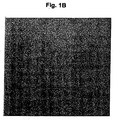
- Fig. 1b shows a micrograph of the microemulsion according to the invention with a particle size of about 100 to 80 nm.
- Example 2 Blending in a yogurt base
- the comparative emulsion comparative yoghurt
- the microemulsion example yogurt
- the yoghurt base used was a natural yoghurt with 3.5% fat.
- the comparative yoghurt was blended with 2 g / kg of the control emulsion, and the yogurt added was 2 g / kg of the microemulsion each for 30 minutes at room temperature.
- the comparative yoghurt had a color intensity of the yellow carotene of b: 29, while the example yoghurt gave a color intensity of b: 32.
- the luminosity and yield was increased by about 10% by the application of the microemulsion.
Landscapes
- Life Sciences & Earth Sciences (AREA)
- Chemical & Material Sciences (AREA)
- Polymers & Plastics (AREA)
- Engineering & Computer Science (AREA)
- Food Science & Technology (AREA)
- Health & Medical Sciences (AREA)
- Nutrition Science (AREA)
- Microbiology (AREA)
- Oil, Petroleum & Natural Gas (AREA)
- Edible Oils And Fats (AREA)
- Coloring Foods And Improving Nutritive Qualities (AREA)
- Non-Alcoholic Beverages (AREA)
- Dairy Products (AREA)
- General Preparation And Processing Of Foods (AREA)
- Agricultural Chemicals And Associated Chemicals (AREA)
Description
- Die Erfindung betrifft eine Verwendung einer Farbstoff-Emulsion.
- In der Lebensmittelindustrie werden zur Färbung von Nahrungsmitteln seit langem Farbstoffe eingesetzt. Diese, nach ihrem Verwendungszweck als Lebensmittelfarbstoffe bezeichneten Substanzen sind in vielen Fällen jedoch nicht wasserlöslich, sondern fettlöslich. Eine Verwendung fettlöslicher Substanzen in wasserhaltigen Lebensmitteln wie Säften oder Limonaden ist somit nicht ohne weiteres möglich.
- Fettlösliche Farbstoffe können jedoch in wasserhaltigen Lebensmitteln in Form von Öl-in-Wasser-Emulsionen emulgiert werden. Dabei bildet die Öl-Phase die dispergierte, während die wässerige Phase die kohärente Phase bildet.
- Die optischen Eigenschaften der Lebensmittelfarbstoff-Emulsionen wird wesentlich durch die Größe der Öltröpfchen bestimmt, die in der wässerigen Phase verteilt sind. Aus dem Stand der Technik bekannte Emulsionen von fettlöslichen Farbstoffen in wässerigen Lebensmitteln weisen eine durchschnittliche Partikelgröße von 1 bis 50 Mikrometer auf. Die so erhaltenen Emulsionen besitzen jedoch unbefriedigende optische Eigenschaften. Dies betrifft insbesondere die Transparenz und Leuchtkraft der Emulsionen. Überdies ist die Menge des fettlöslichen Farbstoffes, die benötigt wird, um das wässerige Lebensmittel zu färben, vergleichsweise hoch, da seine Ergiebigkeit gering ist.
- Es ist bekannt, fettlösliche Farbstoffe in wasserhaltigen Lebensmitteln in Form von Öl-in-Wasser-Emulsionen zu emulgieren. Dabei bildet die Öl-Phase die dispergierte Phase, während die wässerige Phase die kohärente Phase bildet. Zur Stabilisierung dieser Emulsionen werden Emulgatoren eingesetzt, die eine Phasentrennung verhindern. Mittels der Emulgatoren werden die fettlöslichen Lebensmittelfarbstoffe somit in eine wasserlösliche Form überführt.
- Als Emulgatoren werden in Lebensmitteln beispielsweise Lecithin (E 322) oder Zuckerester von Speisefettsäuren (E 473) verwendet.
- Die Wahl des Emulgators hängt von den Eigenschaften des Lebensmittels und des fettlöslichen Farbstoffes ab.
- Die
WO 2007/026271 A offenbart eine stabile Mikroemulsion, die als Emulgatoren Lecithin und Zuckerester von Fettsäuren enthält. - Nach der
WO 01/08507 A - Aus der
WO 2005/122784 A ist eine lebensmitteltaugliche Tinte bekannt, die Lecithin und Sorbitanester als Emulgator enthält. diese lebensmitteltaugliche Tinte ist zum Bedrucken von essbaren Substanzen und ist kein Lebensmittel, sondern die zur Modifizierung (Bedrucken) von Lebensmitteln dient. - Ein Emulgatorsystem, das Lecithin und Zuckerglyceride enthält und mit Ölkörpern stabile Emulsionen bildet ist durch die
GB-A-1049335 - Die
EP-A-1 270 679 offenbart ein Farbstoffgemisch, das Karotin und einen Emulgator enthalten kann. - Dieser Emulgator ist aus einer Gruppe von Emulgatoren ausgewählt, die aus Lecithin, Polysorbat 80, Lactene und/oder Citrem ausgewählt ist. Eine Kombination aus zwei Emulgatoren ist nicht offenbart.
- Nach der
GB 918 399 A - Karotinoidhaltige Getränke, die Zuckerester mit Fettsäuren als Emulgator enthalten, offenbart die
JP 09084566 A - Die
US-B2-6 635 293 offenbart Karotinoide, die z.B. in Getränken eingesetzt werden und die Emulgatoren, ausgewählt aus Zuckerestern und Lecithin, enthalten. - Die
DE 10 2005 031 467 A1 offenbart eine Emulsion, die eine disperse Phase enthält, die eine fettlösliche Substanz, Wasser als kontinuierliche Phase und ein Emulgatorsystem umfasst. Die fettlösliche Substanz kann ein Farbstoff wie β-Carotin sein. Die Carotinoide können gelöst in Öl, bspw. in Sonnenblumenöl vorliegen. Die Herstellung der Emulsion erfolgt mittels eines Hochdruck-Homogenisators. Wobei die Emulsion zum Färben von Getränken verwendet werden kann. -
EP 0 956 b779 - Aufgabe der Erfindung ist es, die Nachteile nach dem Stand der Technik zu beseitigen. Es soll eine Farbstoff-Emulsion zur Verwendung in einem Joghurt vorgeschlagen werden, die eine stärkere Leuchtkraft aufweist und eine höhere Ergiebigkeit des Farbstoffes bewirkt.
- Diese Aufgabe wird durch die Merkmale des Anspruchs 1 gelöst.
- Nach Maßgabe der Erfindung ist eine Verwendung einer Emulsionvorgesehen, die eine in einer wässrigen Phase dispergierte Ölphase aufweist, wobei
- die Ölphase aus einem fettlöslichen Farbstoff gebildet ist und die durchschnittliche Größe der Öltröpfchen aus dem dispergierten Lebensmittelfarbstoff, die die dispergierte Ölphase bilden, 100 nm oder weniger beträgt;
- die Emulsion eine Emulgatorzusammensetzung zur Emulgierung des fettlöslichen Farbstoffes in einem Lebensmittel umfasst, die jeweils bezogen auf das Gewicht der Emulgatorzusammensetzung,
- (a) zwischen 10 und 90 Gew.-% oder zwischen 45 und 55 Gew.-% zumindest eines Lecithins; und
- (b) zwischen 90 und 10 Gew.-% oder zwischen 55 und 45 Gew.-% zumindest eines Saccharoseesters von Fettsäuren,
- die Fettsäure aus der Gruppe ausgewählt ist, die Palmitinsäure, Stearinsäure, Ölsäure, Laurinsäure und Erucasäure umfasst;
- das Lecithin aus der Gruppe ausgewählt ist, die Phosphatidylcholin, Phosphatidylethanolamin und Phosphatidylinosit umfasst;
- der fettlösliche Farbstoff ein Carotinoid ist; und
- das Lebensmittel ein Fruchtgetränk oder eine Fruchtzusammensetzung, ein fruchtiges Erfrischungsgetränk, ein fruchtig aromatisiertes Milchprodukt (ohne Ei) oder eine fruchtige Zubereitung an Süßwaren ist, wobei die Emulsion in Joghurt verwendet wird, der 0,5g bis 3g der Emulsion, bevorzugterweise 2,0g der Emulsion, pro kg Joghurt enthält.
- Aufgrund der geringeren Größe der Öltröpfchen wird eine bessere Ergiebigkeit des Lebensmittelfarbstoffes erreicht.
- Emulsionen mit einer dispergierten Ölphase, deren durchschnittliche Öltröpfchengröße kleiner oder gleich 100nm ist, können mittels an sich bekannter Hochdruck-Homogenisatoren hergestellt werden. Dabei wird eine Rohemulsion oder - suspension beispielsweise mittels einer Drei-KolbenPumpe bei einem Druck von bis zu 1500 bar durch ein Düsensystem gefördert. Extreme Scher- und Dehnungskräfte sorgen für eine effiziente Zerkleinerung und eine enge Tröpfchengrößenverteilung. Eine hochturbulente Mischkammer sorgt für eine Stabilisierung der Tropfen und minimierte störende Koaleszenzeffekte.
- Bei dem Lebensmittelfarbstoff handelt es sich um ein Carotinoid. Ein besonders bevorzugter Lebensmittelfarbstoff ist β-Carotin.
- Die Emulsion umfasst Emulgatoren zur Stabilisierung der dispersen Ölphase in der wässerigen Phase. Für Nahrungsmittel geeignete Emulgatoren umfassen Lecithin (E 322) oder Zuckerester von Speisefettsäuren (E 473).
- Zur Herstellung der Emulsion wird eine Rohemulsion aus einer Ölphase, die den fettlöslichen Farbstoff enthält, und einer kohärenten Wasserphase, in der die Ölphase verteilt ist, bei einem Druck von 300 bis 1500 bar mittels einer Pumpe durch das Düsensystem eines Hochdruck-Homogenisators gefördert. Dabei wird die Rohemulsion unter starken Scher- und Dehnungskräften, wodurch eine effiziente Zerkleinerung der Ölphase in Öltröpfchen und eine enge Tröpfchengrößenverteilung erreicht wird. In der hochturbulenten Mischerkammer des Hochdruck-Homogenisators werden die Öltröpfchen stabilisiert und störende Koalenszenzeffekte minimiert, so dass die Emulsion erhalten wird.
- Die Fettsäure ist eine Fettsäure, die aus der Gruppe ausgewählt ist, die Palmitinsäure, Stearinsäure, Ölsäure, Laurinsäure und Erucasäure umfasst. Im Falle eines Zuckerdi- oder - triesters können die veresterten Fettsäuren gleich oder unterschiedlich voneinander sein.
- Unter dem Begriff "Lecithin" wird hier eine Substanz gemäß EG-Nummer E 322 (siehe Amt für amtliche Veröffentlichungen der Europäischen Gemeinschaften, CONSLEG: 1996L0077 - 20/11/2003). Danach ist Lecithin als Mischungen oder Fraktionen aus Phosphatiden, die mittels physikalischer Verfahren aus tierischen oder pflanzlichen Nahrungsmitteln gewonnen werden, definiert. Lecithine umfassen auch die hydrolisierten Stoffe, die mit ungefährlichen und geeigneten Enzymen gewonnen werden. Das Enderzeugnis darf keinerlei enzymatische Restaktivität aufweisen. Als Synonyme für Lecithine werden die Begriffe "Phosphatide" und "Phospholipide" verwendet.
- Das Lecithin ist aus der Gruppe ausgewählt, die Phosphatidylcholin, Phosphatidylethanolamin und Phosphatidylinosit umfasst. Stärker bevorzugt ist das Lecithin Phosphatidylcholin.
- Der fettlösliche Farbstoff ist ein Carotinoid. Das Carotinoid kann aus der Gruppe gewählt sein, die Bixin, Capsanthin, Capsorubin, Lutein, Rhodoxanthin und Kombinationen dieser umfasst.
- Vorzugsweise enthält die Emulgatorzusammensetzung keine weiteren Bestandteile, sondern besteht lediglich aus dem zumindest einen Lecithin und dem zumindest einen Zuckerester von Fettsäuren.
- Nach einer bevorzugten Ausführungsform umfasst die Emulgatorzusammensetzung Lecithin gemäß E 322 und Zuckerestem von Speisefettsäuren gemäß E 473.
- Die Erfindung wird nachfolgend anhand von Beispielen unter Bezugnahme auf die Zeichnungen näher erläutert.
Dabei zeigt: -
Fig. 1A eine Carotin-Emulsion nach dem Stand der Technik mit einer Partikelgröße von etwa 1 mµ; und -
Fig. 1B eine Carotin-Mikroemulsion. - Die gemäß der Erfindung verwendete Emulsion wird nachfolgend auch als Mikroemulsion bezeichnet.
- Zur Herstellung einer Vergleichsemulsion mit einer dispersen Beta-Carotin-haltigen Ölphase und einer kohärenten Wasserphase wurden die nachstehenden angegebenen Ausgangsstoffe bereitgestellt. Die prozentualen Angaben beziehen sich auf die Gesamtrezeptur der Vergleichsemulsion:
-
Lecithin E-322 2 Gew.-% Beta-Carotin (kristallin) E-160a 1 Gew.-% Sonnenblumenöl 10 Gew.-% Ascorbylpalmitat E-304 1 Gew.-% Tocopherol E-307 1 Gew.-% - Die Komponenten werden vermischt und bis zu einer Temperatur von 140 °C erhitzt, bis sämtliche Carotinkristalle in der Ölphase gelöst sind.
-
Zuckerester E-473 2 Gew.-% Sorbitolsirup 70% E-420 77 Gew.-% Demineralisiertes Wasser 6 Gew.-% - Die Komponenten wurden unter Rühren vermischt und auf 80 °C erwärmt
- Anschließend wurde die Ölphase auf ca. 80 °C abgekühlt und unter Rühren der Wasserphase bei 80 °C zugesetzt. Nach der Zugabe der Ölphase in die Wasserphase wurde das Gemisch über ein Disperierungssystem und ein herkömmliches Hochdruck-Homogenisiersystem bei ca. 300 bar bis zu einer Partikelgröße der Öltröpfchen von 90 % ca. 1 mm dispergiert.
Fig. 1a zeigt eine mikroskopische Aufnahme der Vergleichsemulsion mit einer Partikelgröße von ca. 1 Pm. - Die Mikroemulsion wurde wie im Vergleichsbeispiel hergestellt, außer dass ein Hochdruck-Homogenisator mit einer hochturbulenten Mischkammer und Druckstufen bis 1000 bar zur homogenen Emulgierung der Ölphase in der Wasserphase verwendet wurden. Es wurde eine Teilchengröße der Ölphase von 90 % unter 100 nm erreicht.
Fig. 1b zeigt eine mikroskopische Aufnahme der erfindungsgemäßen Mikroemulsion mit einer Partikelgröße von ca. 100 bis 80 nm. - Die Emulsion und die Vergleichsemulsion wurden in folgender Anwendung bewertet:
- In einer Joghurtbasis wurden die Vergleichsemulsion (Vergleichsjoghurt) oder die Mikroemulsion (Beispieljoghurt) ausgemischt und hinsichtlich Farbkraft beurteilt.
- Als Joghurtbasis wurde ein Naturjoghurt mit 3,5 % Fett verwendet. Bei dem Vergleichsjoghurt wurden 2 g/kg der Vergleichsemulsion, bei dem Beispieljoghurt 2 g/kg der Mikroemulsion jeweils über 30 Minuten bei Raumtemperatur zugemischt.
- Der Vergleichsjoghurt wies eine Farbintensität des gelben Carotins von b: 29 auf, während der Beispieljoghurt eine Farbintensität von b: 32 ergab. Damit wurde die Leuchtkraft und Ergiebigkeit um ca. 10 % durch die Anwendung der Mikroemulsion gesteigert.
Claims (1)
- Verwendung einer Emulsion, die eine in einer wässerigen Phase dispergierte Ölphase aufweist, wobei- die Ölphase aus einem fettlöslichen Farbstoff gebildet ist und die durchschnittliche Größe der Öltröpfchen aus dem dispergierten Lebensmittelfarbstoff, die die dispergierte Ölphase bilden, 100 nm oder weniger beträgt;- die Emulsion eine Emulgatorzusammensetzung zur Emulgierung des fettlöslichen Farbstoffes in einem Lebensmittel umfasst, die jeweils bezogen auf das Gewicht der Emulgatorzusammensetzung,umfasst, wobei(a) zwischen 45 und 55 Gew.-% zumindest eines Lecithins; und(b) zwischen 55 und 45 Gew.-% zumindest eines Saccharoseesters von Fettsäuren,- die Fettsäure aus der Gruppe ausgewählt ist, die Palmitinsäure, Stearinsäure, Ölsäure, Laurinsäure und Erucasäure umfasst;- das Lecithin aus der Gruppe ausgewählt ist, die Phosphatidylcholin, Phosphatidylethanolamin und Phosphatidylinosit umfasst;- der fettlösliche Farbstoff ein Carotinoid ist; und- das Lebensmittel ein Fruchtgetränk oder eine Fruchtzusammensetzung, ein fruchtiges Erfrischungsgetränk, ein fruchtig aromatisiertes Milchprodukt ohne Ei oder eine fruchtige Zubereitung an Süßwaren ist,wobei die Emulsion in Joghurt verwendet wird, der 0,5 bis 3 g der Emulsion, bevorzugterweise 2,0 g der Emulsion, pro kg Joghurt enthält.
Applications Claiming Priority (1)
| Application Number | Priority Date | Filing Date | Title |
|---|---|---|---|
| DE202007003800U DE202007003800U1 (de) | 2007-03-14 | 2007-03-14 | Farbstoff-Emulsion |
Publications (3)
| Publication Number | Publication Date |
|---|---|
| EP1972206A1 EP1972206A1 (de) | 2008-09-24 |
| EP1972206B1 EP1972206B1 (de) | 2009-07-01 |
| EP1972206B2 true EP1972206B2 (de) | 2018-05-02 |
Family
ID=39628471
Family Applications (1)
| Application Number | Title | Priority Date | Filing Date |
|---|---|---|---|
| EP08004244.3A Active EP1972206B2 (de) | 2007-03-14 | 2008-03-07 | Farbstoff-Emulsion und Emulgatorzusammensetzung sowie deren Verwendung |
Country Status (4)
| Country | Link |
|---|---|
| US (1) | US20080260919A1 (de) |
| EP (1) | EP1972206B2 (de) |
| AT (1) | ATE434944T1 (de) |
| DE (2) | DE202007003800U1 (de) |
Families Citing this family (13)
| Publication number | Priority date | Publication date | Assignee | Title |
|---|---|---|---|---|
| DK2192160T3 (en) * | 2008-12-01 | 2016-12-12 | Aquanova Ag | INTEGRATED oxidation of micelles FOR NATURAL DYES |
| US8318233B2 (en) * | 2010-03-26 | 2012-11-27 | Corn Products Development Inc | Emulsions useful in beverages |
| DE102010023421A1 (de) | 2010-06-11 | 2011-12-15 | Sensient Food Colors Germany Gmbh | Farbstoff-Emulsion |
| GB201016895D0 (en) * | 2010-10-07 | 2010-11-17 | Bakkavor Ltd | Edible emusion |
| DE102011056111B4 (de) | 2011-12-06 | 2013-08-14 | Sensient Colors Europe Gmbh | Emulsion |
| JP6465388B2 (ja) * | 2012-03-28 | 2019-02-06 | 味の素株式会社 | 乳化分散剤及び乳化組成物 |
| ES2742221T5 (en) * | 2012-07-20 | 2025-01-27 | Basf Se | Process for manufacturing an aqueous transparent oil-in-water emulsion comprising a carotenoid and emulsion produced |
| CN104883906B (zh) | 2012-08-26 | 2018-03-13 | 利库德有限公司 | 色彩受控制的β‑胡萝卜素制剂 |
| EP2989900A1 (de) | 2014-08-08 | 2016-03-02 | Deutsches Institut für Lebensmitteltechnik e.V. | Temperaturstabile formulierung mit natürlichem farbstoff für lebensmittel |
| US20160089320A1 (en) * | 2014-09-29 | 2016-03-31 | Barrie Tan | Non-Synthetic Emulsion-Based Lipid Formulations and Methods of Use |
| CN112155146B (zh) * | 2020-09-16 | 2022-11-22 | 上海交通大学 | 一种能使胭脂树素在水相中稳定存在的方法 |
| CN114403224A (zh) * | 2021-12-20 | 2022-04-29 | 蚌埠市和平乳业有限责任公司 | 一种高稳定性调制乳及其制备方法 |
| CN117617438B (zh) * | 2023-12-25 | 2026-01-30 | 晨光生物科技集团股份有限公司 | 一种辣椒红色素乳液及其制备方法和应用 |
Family Cites Families (8)
| Publication number | Priority date | Publication date | Assignee | Title |
|---|---|---|---|---|
| DE19609538A1 (de) * | 1996-03-11 | 1997-09-18 | Basf Ag | Feinverteilte Carotinoid- und Retinoidsuspensionen und Verfahren zu ihrer Herstellung |
| DE19653410A1 (de) * | 1996-12-20 | 1998-06-25 | Basf Ag | Verwendung von Carotinoid-Solubilisaten zum Färben von Lebensmitteln und pharmazeutischen Zubereitungen |
| EP0956779A1 (de) | 1998-05-11 | 1999-11-17 | Vesifact Ag | Nahrungsmittel, welche wasserunlösliche Komponenten enthalten |
| US6635293B2 (en) * | 2001-10-23 | 2003-10-21 | Kemin Foods, L.C. | Finely dispersed carotenoid suspensions for use in foods and a process for their preparation |
| DE102005031467A1 (de) * | 2005-07-04 | 2007-01-25 | Basf Ag | Emulgatorsystem, Emulsion und deren Verwendung |
| WO2007026271A1 (en) * | 2005-09-02 | 2007-03-08 | Firmenich Sa | Clear flavor microemulsions comprising sugar esters of fatty acids |
| US9743680B2 (en) * | 2005-10-14 | 2017-08-29 | Wild Flavors, Inc. | Microemulsions for use in food and beverage products |
| JP5459939B2 (ja) * | 2006-06-09 | 2014-04-02 | 富士フイルム株式会社 | カロチノイド含有エマルジョン組成物、その製造方法、それを含む食品及び化粧品 |
-
2007
- 2007-03-14 DE DE202007003800U patent/DE202007003800U1/de not_active Expired - Lifetime
-
2008
- 2008-03-07 DE DE502008000043T patent/DE502008000043D1/de active Active
- 2008-03-07 EP EP08004244.3A patent/EP1972206B2/de active Active
- 2008-03-07 AT AT08004244T patent/ATE434944T1/de active
- 2008-03-14 US US12/077,056 patent/US20080260919A1/en not_active Abandoned
Also Published As
| Publication number | Publication date |
|---|---|
| EP1972206A1 (de) | 2008-09-24 |
| ATE434944T1 (de) | 2009-07-15 |
| DE502008000043D1 (de) | 2009-08-13 |
| US20080260919A1 (en) | 2008-10-23 |
| EP1972206B1 (de) | 2009-07-01 |
| DE202007003800U1 (de) | 2008-07-17 |
Similar Documents
| Publication | Publication Date | Title |
|---|---|---|
| EP1972206B1 (de) | Farbstoff-Emulsion und Emulgatorzusammensetzung sowie deren Verwendung | |
| EP2601848B1 (de) | Emulsion zur Verwendung in Lebensmitteln, insbesondere Getränke | |
| EP0551638B1 (de) | Stabile, flüssige Präparate fettlöslicher Substanzen | |
| DE69232376T2 (de) | Carotinoide zusammensetzung | |
| EP2579732B1 (de) | Farbstoff-emulsion | |
| EP0981969B1 (de) | Carotinoid-Formulierungen, enthaltend ein Gemisch aus Beta-Carotin, Lycopin und Lutein | |
| EP2343986B1 (de) | Gebrauchfertige, stabile emulsion | |
| EP0848913A2 (de) | Verwendung von Carotinoid-Solubilisaten zum Färben von Lebensmitteln und pharmazeutischen Zubereitungen | |
| DE3610191A1 (de) | Verfahren zur herstellung von feinteiligen, wasserdispergierbaren carotinoid-praeparationen | |
| EP2413710A1 (de) | Gebrauchsfertige, stabile suspension teilamorpher carotinoidpartikel | |
| WO2008007195A1 (de) | Zubereitung für lebensmittel | |
| EP1901836A1 (de) | Emulgatorsystem, emulsion und deren verwendung | |
| EP3052571B1 (de) | Temperaturstabile formulierung mit natürlichem farbstoff für lebensmittel | |
| DE102005031467A1 (de) | Emulgatorsystem, Emulsion und deren Verwendung | |
| WO1999057995A1 (de) | Verwendung von nanofood in nahrungs-endprodukten für mensch und tier | |
| EP1825764B1 (de) | Emulgatorzusammensetzung und deren Verwendung | |
| DE202008012951U1 (de) | Emulgatorzusammensetzung und deren Verwendung | |
| EP1095986A1 (de) | Verfahren zur Stabilisierung von flüssigen, wässrigen Präparaten fettlöslicher Substanzen | |
| DE10323474A1 (de) | Geschmacklich einwandfreie Solubilisate lipophiler Nährstoffe auf Phospholipid-Basis für funktionelle Lebensmittel |
Legal Events
| Date | Code | Title | Description |
|---|---|---|---|
| PUAI | Public reference made under article 153(3) epc to a published international application that has entered the european phase |
Free format text: ORIGINAL CODE: 0009012 |
|
| AK | Designated contracting states |
Kind code of ref document: A1 Designated state(s): AT BE BG CH CY CZ DE DK EE ES FI FR GB GR HR HU IE IS IT LI LT LU LV MC MT NL NO PL PT RO SE SI SK TR |
|
| AX | Request for extension of the european patent |
Extension state: AL BA MK RS |
|
| 17P | Request for examination filed |
Effective date: 20081015 |
|
| 17Q | First examination report despatched |
Effective date: 20081201 |
|
| GRAP | Despatch of communication of intention to grant a patent |
Free format text: ORIGINAL CODE: EPIDOSNIGR1 |
|
| GRAS | Grant fee paid |
Free format text: ORIGINAL CODE: EPIDOSNIGR3 |
|
| AKX | Designation fees paid |
Designated state(s): AT BE BG CH CY CZ DE DK EE ES FI FR GB GR HR HU IE IS IT LI LT LU LV MC MT NL NO PL PT RO SE SI SK TR |
|
| GRAA | (expected) grant |
Free format text: ORIGINAL CODE: 0009210 |
|
| AK | Designated contracting states |
Kind code of ref document: B1 Designated state(s): AT BE BG CH CY CZ DE DK EE ES FI FR GB GR HR HU IE IS IT LI LT LU LV MC MT NL NO PL PT RO SE SI SK TR |
|
| REG | Reference to a national code |
Ref country code: GB Ref legal event code: FG4D Free format text: NOT ENGLISH |
|
| REG | Reference to a national code |
Ref country code: CH Ref legal event code: EP |
|
| REG | Reference to a national code |
Ref country code: IE Ref legal event code: FG4D |
|
| REF | Corresponds to: |
Ref document number: 502008000043 Country of ref document: DE Date of ref document: 20090813 Kind code of ref document: P |
|
| PG25 | Lapsed in a contracting state [announced via postgrant information from national office to epo] |
Ref country code: SI Free format text: LAPSE BECAUSE OF FAILURE TO SUBMIT A TRANSLATION OF THE DESCRIPTION OR TO PAY THE FEE WITHIN THE PRESCRIBED TIME-LIMIT Effective date: 20090701 |
|
| NLV1 | Nl: lapsed or annulled due to failure to fulfill the requirements of art. 29p and 29m of the patents act | ||
| PG25 | Lapsed in a contracting state [announced via postgrant information from national office to epo] |
Ref country code: SE Free format text: LAPSE BECAUSE OF FAILURE TO SUBMIT A TRANSLATION OF THE DESCRIPTION OR TO PAY THE FEE WITHIN THE PRESCRIBED TIME-LIMIT Effective date: 20090701 Ref country code: NO Free format text: LAPSE BECAUSE OF FAILURE TO SUBMIT A TRANSLATION OF THE DESCRIPTION OR TO PAY THE FEE WITHIN THE PRESCRIBED TIME-LIMIT Effective date: 20091001 Ref country code: IS Free format text: LAPSE BECAUSE OF FAILURE TO SUBMIT A TRANSLATION OF THE DESCRIPTION OR TO PAY THE FEE WITHIN THE PRESCRIBED TIME-LIMIT Effective date: 20091101 Ref country code: FI Free format text: LAPSE BECAUSE OF FAILURE TO SUBMIT A TRANSLATION OF THE DESCRIPTION OR TO PAY THE FEE WITHIN THE PRESCRIBED TIME-LIMIT Effective date: 20090701 Ref country code: ES Free format text: LAPSE BECAUSE OF FAILURE TO SUBMIT A TRANSLATION OF THE DESCRIPTION OR TO PAY THE FEE WITHIN THE PRESCRIBED TIME-LIMIT Effective date: 20091012 Ref country code: EE Free format text: LAPSE BECAUSE OF FAILURE TO SUBMIT A TRANSLATION OF THE DESCRIPTION OR TO PAY THE FEE WITHIN THE PRESCRIBED TIME-LIMIT Effective date: 20090701 Ref country code: LT Free format text: LAPSE BECAUSE OF FAILURE TO SUBMIT A TRANSLATION OF THE DESCRIPTION OR TO PAY THE FEE WITHIN THE PRESCRIBED TIME-LIMIT Effective date: 20090701 |
|
| REG | Reference to a national code |
Ref country code: IE Ref legal event code: FD4D |
|
| PG25 | Lapsed in a contracting state [announced via postgrant information from national office to epo] |
Ref country code: HR Free format text: LAPSE BECAUSE OF FAILURE TO SUBMIT A TRANSLATION OF THE DESCRIPTION OR TO PAY THE FEE WITHIN THE PRESCRIBED TIME-LIMIT Effective date: 20090701 Ref country code: LV Free format text: LAPSE BECAUSE OF FAILURE TO SUBMIT A TRANSLATION OF THE DESCRIPTION OR TO PAY THE FEE WITHIN THE PRESCRIBED TIME-LIMIT Effective date: 20090701 Ref country code: NL Free format text: LAPSE BECAUSE OF FAILURE TO SUBMIT A TRANSLATION OF THE DESCRIPTION OR TO PAY THE FEE WITHIN THE PRESCRIBED TIME-LIMIT Effective date: 20090701 Ref country code: PL Free format text: LAPSE BECAUSE OF FAILURE TO SUBMIT A TRANSLATION OF THE DESCRIPTION OR TO PAY THE FEE WITHIN THE PRESCRIBED TIME-LIMIT Effective date: 20090701 |
|
| PG25 | Lapsed in a contracting state [announced via postgrant information from national office to epo] |
Ref country code: BG Free format text: LAPSE BECAUSE OF FAILURE TO SUBMIT A TRANSLATION OF THE DESCRIPTION OR TO PAY THE FEE WITHIN THE PRESCRIBED TIME-LIMIT Effective date: 20091001 |
|
| PLBI | Opposition filed |
Free format text: ORIGINAL CODE: 0009260 |
|
| PG25 | Lapsed in a contracting state [announced via postgrant information from national office to epo] |
Ref country code: IE Free format text: LAPSE BECAUSE OF FAILURE TO SUBMIT A TRANSLATION OF THE DESCRIPTION OR TO PAY THE FEE WITHIN THE PRESCRIBED TIME-LIMIT Effective date: 20090701 Ref country code: RO Free format text: LAPSE BECAUSE OF FAILURE TO SUBMIT A TRANSLATION OF THE DESCRIPTION OR TO PAY THE FEE WITHIN THE PRESCRIBED TIME-LIMIT Effective date: 20090701 Ref country code: CZ Free format text: LAPSE BECAUSE OF FAILURE TO SUBMIT A TRANSLATION OF THE DESCRIPTION OR TO PAY THE FEE WITHIN THE PRESCRIBED TIME-LIMIT Effective date: 20090701 Ref country code: DK Free format text: LAPSE BECAUSE OF FAILURE TO SUBMIT A TRANSLATION OF THE DESCRIPTION OR TO PAY THE FEE WITHIN THE PRESCRIBED TIME-LIMIT Effective date: 20090701 |
|
| PLAX | Notice of opposition and request to file observation + time limit sent |
Free format text: ORIGINAL CODE: EPIDOSNOBS2 |
|
| 26 | Opposition filed |
Opponent name: RUDOLF WILD GMBH & CO. KG Effective date: 20100331 Opponent name: CHR. HANSEN A/S Effective date: 20100331 |
|
| PG25 | Lapsed in a contracting state [announced via postgrant information from national office to epo] |
Ref country code: SK Free format text: LAPSE BECAUSE OF FAILURE TO SUBMIT A TRANSLATION OF THE DESCRIPTION OR TO PAY THE FEE WITHIN THE PRESCRIBED TIME-LIMIT Effective date: 20090701 |
|
| PLAF | Information modified related to communication of a notice of opposition and request to file observations + time limit |
Free format text: ORIGINAL CODE: EPIDOSCOBS2 |
|
| BERE | Be: lapsed |
Owner name: SENSIENT FOOD COLORS GERMANY G.M.B.H. & CO. KG Effective date: 20100331 |
|
| PG25 | Lapsed in a contracting state [announced via postgrant information from national office to epo] |
Ref country code: MC Free format text: LAPSE BECAUSE OF NON-PAYMENT OF DUE FEES Effective date: 20100331 Ref country code: GR Free format text: LAPSE BECAUSE OF FAILURE TO SUBMIT A TRANSLATION OF THE DESCRIPTION OR TO PAY THE FEE WITHIN THE PRESCRIBED TIME-LIMIT Effective date: 20091002 |
|
| PLBB | Reply of patent proprietor to notice(s) of opposition received |
Free format text: ORIGINAL CODE: EPIDOSNOBS3 |
|
| REG | Reference to a national code |
Ref country code: FR Ref legal event code: ST Effective date: 20101130 |
|
| PG25 | Lapsed in a contracting state [announced via postgrant information from national office to epo] |
Ref country code: FR Free format text: LAPSE BECAUSE OF NON-PAYMENT OF DUE FEES Effective date: 20100331 |
|
| PG25 | Lapsed in a contracting state [announced via postgrant information from national office to epo] |
Ref country code: BE Free format text: LAPSE BECAUSE OF NON-PAYMENT OF DUE FEES Effective date: 20100331 |
|
| PG25 | Lapsed in a contracting state [announced via postgrant information from national office to epo] |
Ref country code: IT Free format text: LAPSE BECAUSE OF FAILURE TO SUBMIT A TRANSLATION OF THE DESCRIPTION OR TO PAY THE FEE WITHIN THE PRESCRIBED TIME-LIMIT Effective date: 20090701 |
|
| PG25 | Lapsed in a contracting state [announced via postgrant information from national office to epo] |
Ref country code: MT Free format text: LAPSE BECAUSE OF FAILURE TO SUBMIT A TRANSLATION OF THE DESCRIPTION OR TO PAY THE FEE WITHIN THE PRESCRIBED TIME-LIMIT Effective date: 20090701 |
|
| PG25 | Lapsed in a contracting state [announced via postgrant information from national office to epo] |
Ref country code: CY Free format text: LAPSE BECAUSE OF FAILURE TO SUBMIT A TRANSLATION OF THE DESCRIPTION OR TO PAY THE FEE WITHIN THE PRESCRIBED TIME-LIMIT Effective date: 20090701 |
|
| PG25 | Lapsed in a contracting state [announced via postgrant information from national office to epo] |
Ref country code: PT Free format text: LAPSE BECAUSE OF FAILURE TO SUBMIT A TRANSLATION OF THE DESCRIPTION OR TO PAY THE FEE WITHIN THE PRESCRIBED TIME-LIMIT Effective date: 20091201 Ref country code: LU Free format text: LAPSE BECAUSE OF NON-PAYMENT OF DUE FEES Effective date: 20100307 Ref country code: HU Free format text: LAPSE BECAUSE OF FAILURE TO SUBMIT A TRANSLATION OF THE DESCRIPTION OR TO PAY THE FEE WITHIN THE PRESCRIBED TIME-LIMIT Effective date: 20100102 |
|
| PG25 | Lapsed in a contracting state [announced via postgrant information from national office to epo] |
Ref country code: TR Free format text: LAPSE BECAUSE OF FAILURE TO SUBMIT A TRANSLATION OF THE DESCRIPTION OR TO PAY THE FEE WITHIN THE PRESCRIBED TIME-LIMIT Effective date: 20090701 |
|
| REG | Reference to a national code |
Ref country code: CH Ref legal event code: PL |
|
| GBPC | Gb: european patent ceased through non-payment of renewal fee |
Effective date: 20120307 |
|
| PLCK | Communication despatched that opposition was rejected |
Free format text: ORIGINAL CODE: EPIDOSNREJ1 |
|
| REG | Reference to a national code |
Ref country code: DE Ref legal event code: R082 Ref document number: 502008000043 Country of ref document: DE Representative=s name: RICHTER WERDERMANN GERBAULET HOFMANN, DE |
|
| PG25 | Lapsed in a contracting state [announced via postgrant information from national office to epo] |
Ref country code: CH Free format text: LAPSE BECAUSE OF NON-PAYMENT OF DUE FEES Effective date: 20120331 Ref country code: GB Free format text: LAPSE BECAUSE OF NON-PAYMENT OF DUE FEES Effective date: 20120307 Ref country code: LI Free format text: LAPSE BECAUSE OF NON-PAYMENT OF DUE FEES Effective date: 20120331 |
|
| REG | Reference to a national code |
Ref country code: DE Ref legal event code: R081 Ref document number: 502008000043 Country of ref document: DE Owner name: SENSIENT COLORS EUROPE GMBH, DE Free format text: FORMER OWNER: SENSIENT FOOD COLORS GERMANY GMBH & CO. KG, 21502 GEESTHACHT, DE Effective date: 20130121 Ref country code: DE Ref legal event code: R082 Ref document number: 502008000043 Country of ref document: DE Representative=s name: RICHTER WERDERMANN GERBAULET HOFMANN, DE Effective date: 20130121 Ref country code: DE Ref legal event code: R082 Ref document number: 502008000043 Country of ref document: DE Representative=s name: RGTH RICHTER GERBAULET THIELEMANN HOFMANN PATE, DE Effective date: 20130121 |
|
| APBM | Appeal reference recorded |
Free format text: ORIGINAL CODE: EPIDOSNREFNO |
|
| APBP | Date of receipt of notice of appeal recorded |
Free format text: ORIGINAL CODE: EPIDOSNNOA2O |
|
| APAH | Appeal reference modified |
Free format text: ORIGINAL CODE: EPIDOSCREFNO |
|
| RAP2 | Party data changed (patent owner data changed or rights of a patent transferred) |
Owner name: SENSIENT COLORS EUROPE GMBH |
|
| APAW | Appeal reference deleted |
Free format text: ORIGINAL CODE: EPIDOSDREFNO |
|
| APAY | Date of receipt of notice of appeal deleted |
Free format text: ORIGINAL CODE: EPIDOSDNOA2O |
|
| APBM | Appeal reference recorded |
Free format text: ORIGINAL CODE: EPIDOSNREFNO |
|
| APBP | Date of receipt of notice of appeal recorded |
Free format text: ORIGINAL CODE: EPIDOSNNOA2O |
|
| APBQ | Date of receipt of statement of grounds of appeal recorded |
Free format text: ORIGINAL CODE: EPIDOSNNOA3O |
|
| REG | Reference to a national code |
Ref country code: AT Ref legal event code: MM01 Ref document number: 434944 Country of ref document: AT Kind code of ref document: T Effective date: 20130307 |
|
| PG25 | Lapsed in a contracting state [announced via postgrant information from national office to epo] |
Ref country code: AT Free format text: LAPSE BECAUSE OF NON-PAYMENT OF DUE FEES Effective date: 20130307 |
|
| PLAB | Opposition data, opponent's data or that of the opponent's representative modified |
Free format text: ORIGINAL CODE: 0009299OPPO |
|
| R26 | Opposition filed (corrected) |
Opponent name: CHR. HANSEN NATURAL COLORS A/S Effective date: 20100331 |
|
| APBU | Appeal procedure closed |
Free format text: ORIGINAL CODE: EPIDOSNNOA9O |
|
| RIC2 | Information provided on ipc code assigned after grant |
Ipc: A23L 5/44 20160101AFI20171221BHEP Ipc: A23L 29/10 20160101ALI20171221BHEP |
|
| PUAH | Patent maintained in amended form |
Free format text: ORIGINAL CODE: 0009272 |
|
| STAA | Information on the status of an ep patent application or granted ep patent |
Free format text: STATUS: PATENT MAINTAINED AS AMENDED |
|
| 27A | Patent maintained in amended form |
Effective date: 20180502 |
|
| AK | Designated contracting states |
Kind code of ref document: B2 Designated state(s): AT BE BG CH CY CZ DE DK EE ES FI FR GB GR HR HU IE IS IT LI LT LU LV MC MT NL NO PL PT RO SE SI SK TR |
|
| REG | Reference to a national code |
Ref country code: DE Ref legal event code: R102 Ref document number: 502008000043 Country of ref document: DE |
|
| P01 | Opt-out of the competence of the unified patent court (upc) registered |
Effective date: 20230529 |
|
| PGFP | Annual fee paid to national office [announced via postgrant information from national office to epo] |
Ref country code: DE Payment date: 20260327 Year of fee payment: 19 |