EP1966200B1 - Heterocyclic janus kinase 3 inhibitors - Google Patents
Heterocyclic janus kinase 3 inhibitors Download PDFInfo
- Publication number
- EP1966200B1 EP1966200B1 EP06835198.0A EP06835198A EP1966200B1 EP 1966200 B1 EP1966200 B1 EP 1966200B1 EP 06835198 A EP06835198 A EP 06835198A EP 1966200 B1 EP1966200 B1 EP 1966200B1
- Authority
- EP
- European Patent Office
- Prior art keywords
- dmso
- 400mhz
- nmr
- brs
- acid
- Prior art date
- Legal status (The legal status is an assumption and is not a legal conclusion. Google has not performed a legal analysis and makes no representation as to the accuracy of the status listed.)
- Active
Links
- 0 CC(C(*/C(/C(C=CC(C1)=*)=C1CC/*=C1)=C1\C(OCc1ccccc1)=O)CCCC1)/C=C1/OCCC#CC=C Chemical compound CC(C(*/C(/C(C=CC(C1)=*)=C1CC/*=C1)=C1\C(OCc1ccccc1)=O)CCCC1)/C=C1/OCCC#CC=C 0.000 description 53
- UMRZSTCPUPJPOJ-KNVOCYPGSA-N C(C1)[C@H]2C[C@@H]1CC2 Chemical compound C(C1)[C@H]2C[C@@H]1CC2 UMRZSTCPUPJPOJ-KNVOCYPGSA-N 0.000 description 1
- YBOFSHRLFLQLJZ-UHFFFAOYSA-N CC(C1C=C2)C1(C)C(CC=C1)=C2C(N)=C1C([N](C)(C)CCOC)=[O]=C Chemical compound CC(C1C=C2)C1(C)C(CC=C1)=C2C(N)=C1C([N](C)(C)CCOC)=[O]=C YBOFSHRLFLQLJZ-UHFFFAOYSA-N 0.000 description 1
- RVWFONOTIABEFI-UHFFFAOYSA-N CC(CC(CCC(c(cccc1)c1C=CC=C1)=C1C(N)=O)C1)[N]1(C)S(O)#[O] Chemical compound CC(CC(CCC(c(cccc1)c1C=CC=C1)=C1C(N)=O)C1)[N]1(C)S(O)#[O] RVWFONOTIABEFI-UHFFFAOYSA-N 0.000 description 1
- VICQAMAVXLTIEC-LNZOMYPESA-N CC(CC1=C2C=CCCC1)=CC(c1nnc[o]1)=C2N[C@@H]([C@H](CC(C1)C2)C3)[C@@H]1C[C@@]23O Chemical compound CC(CC1=C2C=CCCC1)=CC(c1nnc[o]1)=C2N[C@@H]([C@H](CC(C1)C2)C3)[C@@H]1C[C@@]23O VICQAMAVXLTIEC-LNZOMYPESA-N 0.000 description 1
- VLPLIOKMQXEKIF-OUSXGEKUSA-N CC(CC1=C2C=C[C@@H]3C1CC3)=CC(C(N)=O)=C2N[C@H]1[C@@H]2C[C@@H](C3)CC1C[C@H]3C2 Chemical compound CC(CC1=C2C=C[C@@H]3C1CC3)=CC(C(N)=O)=C2N[C@H]1[C@@H]2C[C@@H](C3)CC1C[C@H]3C2 VLPLIOKMQXEKIF-OUSXGEKUSA-N 0.000 description 1
- ACXXLLHGRDNCGK-HTEYAMCKSA-N CC1CC(C2)(C3)[C@H]2CC3C1 Chemical compound CC1CC(C2)(C3)[C@H]2CC3C1 ACXXLLHGRDNCGK-HTEYAMCKSA-N 0.000 description 1
- VWPIDNZLOHQXKN-UHFFFAOYSA-N CC[O-]/C(/c1cnc2[nH]ccc2c1NC(CC(C1)C2)(CC1C1)CC21O)=[O]/C Chemical compound CC[O-]/C(/c1cnc2[nH]ccc2c1NC(CC(C1)C2)(CC1C1)CC21O)=[O]/C VWPIDNZLOHQXKN-UHFFFAOYSA-N 0.000 description 1
- YNQLUTRBYVCPMQ-UHFFFAOYSA-N CCc1ccccc1 Chemical compound CCc1ccccc1 YNQLUTRBYVCPMQ-UHFFFAOYSA-N 0.000 description 1
- FNOLPNSNWLHSIZ-ILIIFINPSA-N COC([C@@H](C[C@@H](C1)C2)C[C@H]1CC2N)=O Chemical compound COC([C@@H](C[C@@H](C1)C2)C[C@H]1CC2N)=O FNOLPNSNWLHSIZ-ILIIFINPSA-N 0.000 description 1
- SPICSTSWYFEOBZ-KTKRTIGZSA-N Cc([nH]cc1)c1/C(/N)=C(\C=C=C)/C(N)=O Chemical compound Cc([nH]cc1)c1/C(/N)=C(\C=C=C)/C(N)=O SPICSTSWYFEOBZ-KTKRTIGZSA-N 0.000 description 1
- PNAFRZGWUVQUKH-UHFFFAOYSA-N N#Cc1c[s]cn1 Chemical compound N#Cc1c[s]cn1 PNAFRZGWUVQUKH-UHFFFAOYSA-N 0.000 description 1
- IUAKUMMTXQIQMI-UHFFFAOYSA-N NC1(CC(C2)C3)CS3CC2C1 Chemical compound NC1(CC(C2)C3)CS3CC2C1 IUAKUMMTXQIQMI-UHFFFAOYSA-N 0.000 description 1
- ICTCIJKYUGROPZ-WLZOGXMVSA-N N[C@@](C1C2)(C1C(C1)C3)C1CC23F Chemical compound N[C@@](C1C2)(C1C(C1)C3)C1CC23F ICTCIJKYUGROPZ-WLZOGXMVSA-N 0.000 description 1
- VLLNJDMHDJRNFK-UHFFFAOYSA-N OC1(CC(C2)C3)CC3CC2C1 Chemical compound OC1(CC(C2)C3)CC3CC2C1 VLLNJDMHDJRNFK-UHFFFAOYSA-N 0.000 description 1
- HPXRVTGHNJAIIH-UHFFFAOYSA-N OC1CCCCC1 Chemical compound OC1CCCCC1 HPXRVTGHNJAIIH-UHFFFAOYSA-N 0.000 description 1
- SHBDAAXVDCRIQK-SRKTWWLUSA-N O[C@]1(C2)CCC(C3)C2[C@H]3C1 Chemical compound O[C@]1(C2)CCC(C3)C2[C@H]3C1 SHBDAAXVDCRIQK-SRKTWWLUSA-N 0.000 description 1
Classifications
-
- C—CHEMISTRY; METALLURGY
- C07—ORGANIC CHEMISTRY
- C07D—HETEROCYCLIC COMPOUNDS
- C07D451/00—Heterocyclic compounds containing 8-azabicyclo [3.2.1] octane, 9-azabicyclo [3.3.1] nonane, or 3-oxa-9-azatricyclo [3.3.1.0<2,4>] nonane ring systems, e.g. tropane or granatane alkaloids, scopolamine; Cyclic acetals thereof
- C07D451/02—Heterocyclic compounds containing 8-azabicyclo [3.2.1] octane, 9-azabicyclo [3.3.1] nonane, or 3-oxa-9-azatricyclo [3.3.1.0<2,4>] nonane ring systems, e.g. tropane or granatane alkaloids, scopolamine; Cyclic acetals thereof containing not further condensed 8-azabicyclo [3.2.1] octane or 3-oxa-9-azatricyclo [3.3.1.0<2,4>] nonane ring systems, e.g. tropane; Cyclic acetals thereof
- C07D451/04—Heterocyclic compounds containing 8-azabicyclo [3.2.1] octane, 9-azabicyclo [3.3.1] nonane, or 3-oxa-9-azatricyclo [3.3.1.0<2,4>] nonane ring systems, e.g. tropane or granatane alkaloids, scopolamine; Cyclic acetals thereof containing not further condensed 8-azabicyclo [3.2.1] octane or 3-oxa-9-azatricyclo [3.3.1.0<2,4>] nonane ring systems, e.g. tropane; Cyclic acetals thereof with hetero atoms directly attached in position 3 of the 8-azabicyclo [3.2.1] octane or in position 7 of the 3-oxa-9-azatricyclo [3.3.1.0<2,4>] nonane ring system
-
- A—HUMAN NECESSITIES
- A61—MEDICAL OR VETERINARY SCIENCE; HYGIENE
- A61K—PREPARATIONS FOR MEDICAL, DENTAL OR TOILETRY PURPOSES
- A61K31/00—Medicinal preparations containing organic active ingredients
- A61K31/33—Heterocyclic compounds
- A61K31/395—Heterocyclic compounds having nitrogen as a ring hetero atom, e.g. guanethidine or rifamycins
- A61K31/435—Heterocyclic compounds having nitrogen as a ring hetero atom, e.g. guanethidine or rifamycins having six-membered rings with one nitrogen as the only ring hetero atom
- A61K31/4353—Heterocyclic compounds having nitrogen as a ring hetero atom, e.g. guanethidine or rifamycins having six-membered rings with one nitrogen as the only ring hetero atom ortho- or peri-condensed with heterocyclic ring systems
- A61K31/437—Heterocyclic compounds having nitrogen as a ring hetero atom, e.g. guanethidine or rifamycins having six-membered rings with one nitrogen as the only ring hetero atom ortho- or peri-condensed with heterocyclic ring systems the heterocyclic ring system containing a five-membered ring having nitrogen as a ring hetero atom, e.g. indolizine, beta-carboline
-
- A—HUMAN NECESSITIES
- A61—MEDICAL OR VETERINARY SCIENCE; HYGIENE
- A61P—SPECIFIC THERAPEUTIC ACTIVITY OF CHEMICAL COMPOUNDS OR MEDICINAL PREPARATIONS
- A61P11/00—Drugs for disorders of the respiratory system
-
- A—HUMAN NECESSITIES
- A61—MEDICAL OR VETERINARY SCIENCE; HYGIENE
- A61P—SPECIFIC THERAPEUTIC ACTIVITY OF CHEMICAL COMPOUNDS OR MEDICINAL PREPARATIONS
- A61P11/00—Drugs for disorders of the respiratory system
- A61P11/06—Antiasthmatics
-
- A—HUMAN NECESSITIES
- A61—MEDICAL OR VETERINARY SCIENCE; HYGIENE
- A61P—SPECIFIC THERAPEUTIC ACTIVITY OF CHEMICAL COMPOUNDS OR MEDICINAL PREPARATIONS
- A61P17/00—Drugs for dermatological disorders
-
- A—HUMAN NECESSITIES
- A61—MEDICAL OR VETERINARY SCIENCE; HYGIENE
- A61P—SPECIFIC THERAPEUTIC ACTIVITY OF CHEMICAL COMPOUNDS OR MEDICINAL PREPARATIONS
- A61P17/00—Drugs for dermatological disorders
- A61P17/06—Antipsoriatics
-
- A—HUMAN NECESSITIES
- A61—MEDICAL OR VETERINARY SCIENCE; HYGIENE
- A61P—SPECIFIC THERAPEUTIC ACTIVITY OF CHEMICAL COMPOUNDS OR MEDICINAL PREPARATIONS
- A61P19/00—Drugs for skeletal disorders
- A61P19/02—Drugs for skeletal disorders for joint disorders, e.g. arthritis, arthrosis
-
- A—HUMAN NECESSITIES
- A61—MEDICAL OR VETERINARY SCIENCE; HYGIENE
- A61P—SPECIFIC THERAPEUTIC ACTIVITY OF CHEMICAL COMPOUNDS OR MEDICINAL PREPARATIONS
- A61P25/00—Drugs for disorders of the nervous system
-
- A—HUMAN NECESSITIES
- A61—MEDICAL OR VETERINARY SCIENCE; HYGIENE
- A61P—SPECIFIC THERAPEUTIC ACTIVITY OF CHEMICAL COMPOUNDS OR MEDICINAL PREPARATIONS
- A61P25/00—Drugs for disorders of the nervous system
- A61P25/28—Drugs for disorders of the nervous system for treating neurodegenerative disorders of the central nervous system, e.g. nootropic agents, cognition enhancers, drugs for treating Alzheimer's disease or other forms of dementia
-
- A—HUMAN NECESSITIES
- A61—MEDICAL OR VETERINARY SCIENCE; HYGIENE
- A61P—SPECIFIC THERAPEUTIC ACTIVITY OF CHEMICAL COMPOUNDS OR MEDICINAL PREPARATIONS
- A61P29/00—Non-central analgesic, antipyretic or antiinflammatory agents, e.g. antirheumatic agents; Non-steroidal antiinflammatory drugs [NSAID]
-
- A—HUMAN NECESSITIES
- A61—MEDICAL OR VETERINARY SCIENCE; HYGIENE
- A61P—SPECIFIC THERAPEUTIC ACTIVITY OF CHEMICAL COMPOUNDS OR MEDICINAL PREPARATIONS
- A61P35/00—Antineoplastic agents
-
- A—HUMAN NECESSITIES
- A61—MEDICAL OR VETERINARY SCIENCE; HYGIENE
- A61P—SPECIFIC THERAPEUTIC ACTIVITY OF CHEMICAL COMPOUNDS OR MEDICINAL PREPARATIONS
- A61P35/00—Antineoplastic agents
- A61P35/02—Antineoplastic agents specific for leukemia
-
- A—HUMAN NECESSITIES
- A61—MEDICAL OR VETERINARY SCIENCE; HYGIENE
- A61P—SPECIFIC THERAPEUTIC ACTIVITY OF CHEMICAL COMPOUNDS OR MEDICINAL PREPARATIONS
- A61P37/00—Drugs for immunological or allergic disorders
-
- A—HUMAN NECESSITIES
- A61—MEDICAL OR VETERINARY SCIENCE; HYGIENE
- A61P—SPECIFIC THERAPEUTIC ACTIVITY OF CHEMICAL COMPOUNDS OR MEDICINAL PREPARATIONS
- A61P37/00—Drugs for immunological or allergic disorders
- A61P37/02—Immunomodulators
- A61P37/06—Immunosuppressants, e.g. drugs for graft rejection
-
- A—HUMAN NECESSITIES
- A61—MEDICAL OR VETERINARY SCIENCE; HYGIENE
- A61P—SPECIFIC THERAPEUTIC ACTIVITY OF CHEMICAL COMPOUNDS OR MEDICINAL PREPARATIONS
- A61P37/00—Drugs for immunological or allergic disorders
- A61P37/08—Antiallergic agents
-
- A—HUMAN NECESSITIES
- A61—MEDICAL OR VETERINARY SCIENCE; HYGIENE
- A61P—SPECIFIC THERAPEUTIC ACTIVITY OF CHEMICAL COMPOUNDS OR MEDICINAL PREPARATIONS
- A61P43/00—Drugs for specific purposes, not provided for in groups A61P1/00-A61P41/00
-
- C—CHEMISTRY; METALLURGY
- C07—ORGANIC CHEMISTRY
- C07D—HETEROCYCLIC COMPOUNDS
- C07D471/00—Heterocyclic compounds containing nitrogen atoms as the only ring hetero atoms in the condensed system, at least one ring being a six-membered ring with one nitrogen atom, not provided for by groups C07D451/00 - C07D463/00
- C07D471/02—Heterocyclic compounds containing nitrogen atoms as the only ring hetero atoms in the condensed system, at least one ring being a six-membered ring with one nitrogen atom, not provided for by groups C07D451/00 - C07D463/00 in which the condensed system contains two hetero rings
- C07D471/04—Ortho-condensed systems
-
- C—CHEMISTRY; METALLURGY
- C07—ORGANIC CHEMISTRY
- C07D—HETEROCYCLIC COMPOUNDS
- C07D471/00—Heterocyclic compounds containing nitrogen atoms as the only ring hetero atoms in the condensed system, at least one ring being a six-membered ring with one nitrogen atom, not provided for by groups C07D451/00 - C07D463/00
- C07D471/12—Heterocyclic compounds containing nitrogen atoms as the only ring hetero atoms in the condensed system, at least one ring being a six-membered ring with one nitrogen atom, not provided for by groups C07D451/00 - C07D463/00 in which the condensed system contains three hetero rings
- C07D471/14—Ortho-condensed systems
-
- C—CHEMISTRY; METALLURGY
- C07—ORGANIC CHEMISTRY
- C07D—HETEROCYCLIC COMPOUNDS
- C07D519/00—Heterocyclic compounds containing more than one system of two or more relevant hetero rings condensed among themselves or condensed with a common carbocyclic ring system not provided for in groups C07D453/00 or C07D455/00
Definitions
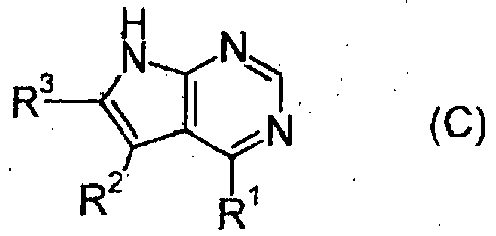
- a pyrrolopyrimidine derivative (refer to patient literature 3, patent literature 4, patent literature 5, and patent literature 6) represented by formula (C) is also known as a compound having JAK3 inhibition activity. (For the symbols in the formula, refer to the corresponding patent publications.)
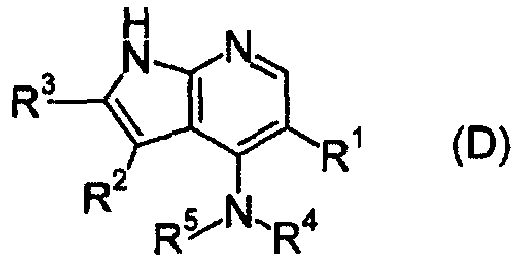
- a pyrrolopyridine derivative (refer to patent literature 7) represented by formula (D) is also known as a compound having JAK3 inhibition activity. (For the symbols in the formula, refer to the corresponding patent publication.)
- lower alkenyl in the specification is C 2 -C 6 straight or branched alkenyl having a double bond at each possible site, and may include, such as ethenyl (vinyl), 1-propenyl, 2-propenyl(allyl), -methylethen-1-yl, 1-buten-1-yl, 2-buten-1-yl, 3-buten-l-yl, 1-methyl-1-propen-1-yl, 2-methyl-1-propen-1-yl, 1-methyl-2-propen-1-yl, and 2-methyl-2-propen-1-yl, preferably 1-methyl-2-propen-1-yl.
- the method to be used in the case that the compound represented by the formula (1-2) wherein -R 2 is not -H is synthesized may include, for example, the method in which the amino group of the compound represented by the formula (2-c) is acylated in advance, the method in which tetraalkylorthocarbonate or alkylisothiocyanate is used instead of the orthoformate, and the method in which carboxylic acid or carboxylic anhydride is reacted with a strong acid, such as sulfonic acid.
- a strong acid such as sulfonic acid.
Landscapes
- Chemical & Material Sciences (AREA)
- Organic Chemistry (AREA)
- Health & Medical Sciences (AREA)
- Veterinary Medicine (AREA)
- Pharmacology & Pharmacy (AREA)
- Public Health (AREA)
- General Health & Medical Sciences (AREA)
- Medicinal Chemistry (AREA)
- Animal Behavior & Ethology (AREA)
- Life Sciences & Earth Sciences (AREA)
- Nuclear Medicine, Radiotherapy & Molecular Imaging (AREA)
- General Chemical & Material Sciences (AREA)
- Chemical Kinetics & Catalysis (AREA)
- Bioinformatics & Cheminformatics (AREA)
- Engineering & Computer Science (AREA)
- Immunology (AREA)
- Pulmonology (AREA)
- Neurosurgery (AREA)
- Biomedical Technology (AREA)
- Neurology (AREA)
- Epidemiology (AREA)
- Dermatology (AREA)
- Rheumatology (AREA)
- Hematology (AREA)
- Psychiatry (AREA)
- Pain & Pain Management (AREA)
- Hospice & Palliative Care (AREA)
- Orthopedic Medicine & Surgery (AREA)
- Physical Education & Sports Medicine (AREA)
- Transplantation (AREA)
- Oncology (AREA)
- Pharmaceuticals Containing Other Organic And Inorganic Compounds (AREA)
- Nitrogen Condensed Heterocyclic Rings (AREA)
- Nitrogen And Oxygen Or Sulfur-Condensed Heterocyclic Ring Systems (AREA)
Description
- The present invention relates to a novel condensed heterocyclic compound and to a medicament containing the compound as an active ingredient, and more particularly, tc an immune disease treating agent.
- Janus kinase 3 (hereafter referred to as JAK3) is a family of protein kinases. Although kinases in this family, other than JAK3, are expressed in a wide range of tissues, JAK3 is expressed locally in hematopoietic cells. This does not contradict the fact that JAK3 plays an important role in signal transmission via various receptors, such as interleukin (hereafter referred to as IL) -2, IL-4, IL-7, IL-9, IL-15, and IL-21 by noncovalent association with the common γ chain (refer to nonpatent literature 1 and nonpatent literature 2).
- In XSCID (X-linked severe combined immunodeficiency) patient populations, JAK3 protein level lowers or a genetic defect is found in the common γ chain. It is indicated that this problem occurs because immunosuppression blocks JAK3-dependent signaling pathways (refer to nonpatent literature 3 and nonpatent literature 4). Animal experiments have shown that JAK3 not only plays an important role in maturation of B-lymphocytes and T-lymphocytes but also in maintaining the function of T-cells. Hence, it is expected that diseases involving proliferative abnormality of T-cells, such as rejection during organ/tissue transplantation and autoimmune diseases, can be treated by controlling immune response through this mechanism.
- On the other hand, a pyrrolopyridine derivative (patent literature 1) represented by formula (A) or (B) or an imidazopyridine derivative (refer to patent literature 2) is known as a compound having JAK3 inhibition activity.

- Furthermore, a pyrrolopyrimidine derivative (refer to patient literature 3, patent literature 4, patent literature 5, and patent literature 6) represented by formula (C) is also known as a compound having JAK3 inhibition activity.
- Still further, a pyrrolopyridine derivative (refer to patent literature 7) represented by formula (D) is also known as a compound having JAK3 inhibition activity.
- Patent literature 8 is relevant prior art under Article 54 (3) EPC. The document describes pyrrolopyridines which are inhibitors of protein kinase.
- However, in any literature, the compound according to the present invention is not disclosed specifically.
- [Nonpatent literature 1] J. J. O'shea et al, Cell, Vol. 109 (suppl.), S121, 2002
- [Nonpatent literature 2] K. Ozaki et al, Science, Vol. 298, p. 1630, 2002
- [Nonpatent literature 3] P. Macchi et al, Nature, Vol. 377, p. 65, 1995
- [Nonpatent literature 4] S. M. Russell et al, Science, Vol. 270, p. 797, 1995
- [Patent literature 1]
WO 2004/099205 - [Patent literature 2]
WO 2004/099204 - [Patent literature 3]
WO 99/065908 - [Patent literature 4]
WO 99/065909 - [Patent literature 5]
WO 01/042246 - [Patent literature 6]
WO 02/000661 - [Patent literature 7]
WO 2006/069080 - [Patent literature 8]
WO 2006/127587 A - As a result of intensive studies with an object of providing a useful pharmaceutical composition having JAK3 inhibition activity, the inventors have found that novel condensed heterocyclic compounds have an excellent JAK3 inhibition activity, and have completed the present invention.
- More specifically, the present invention provides novel condensed heterocyclic compounds represented by the following formulae or pharmaceutically acceptable salts thereof, and a pharmaceutical composition containing the compound, more particularly, a pharmaceutical composition serving as an agent for treating and/or preventing autoimmune diseases, inflammatory diseases, and allergic diseases.


- The compounds according to the present invention have JAK3 inhibition activity and are thus useful as an active ingredient of an agent for treating and/or preventing diseases caused by undesirable cytokine signal transmission (e.g. , rejection during organ/tissue transplantation, autoimmune diseases, asthma, atopic dermatitis, Alzheimer's disease, and atherosclerotic disease), or diseases caused by abnormal cytokine signal transmission (e.g., cancer and leukemia).
- The compounds according to the present invention are characterized in their chemical structure that the compounds have a cross-linked amine and also have a skeleton in which 5- and 6-membered heterocycles are condensed, just as in 1H-pyrrolo[2,3-b]pyridine, 1H-imidazo[4,5-b]pyridine, or pyrazolo[1,5-a]pyrimidine, and are further characterized in pharmacology that the compounds have a JAK3 inhibition activity.
- The compounds of the present invention belong to the general class of condensed pyridine compounds represented by the following formula (I) :

- X is N or CR3,
- M is (CH2)m; m is 0 or 1,
- R1 is -H or lower alkyl which may be substituted,
- R2 is -H or lower alkyl which may be substituted,
- R3 is -H, halogen, or lower alkyl which may be substituted,
- R41 is -H or heteroaryl which may be substituted,
- R42 is a bridged ring group which may be substituted,
- R5 is a group selected from the group consisting of halogen, cyano, acyl, acylamino, lower alkyl, lower alkenyl, -O-lower alkyl, 5- or 6-membered heterocycloalkyl, 5- or 6-membered heterocycloalkenyl, and 5-membered heteroaryl, each of which may be substituted, provided that when R5 is 5-membered heteroaryl, X is -CR3,
- or R41 and R5 may be linked via a specific functional group to form bivalent groups shown below:

- wherein RA is -H or acyl which may be substituted,
- The compound of the formula (I) is described below in detail.
- The term "alkyl" in this specification is a straight or branched monovalent group.
- The term "lower alkyl" in the specification is a C1-C6 straight or branched alkyl and may include, such as methyl, ethyl, n-propyl, isopropyl, n-butyl, isobutyl, t-butyl, n-pentyl, neopentyl, and n-hexyl, preferably methyl, ethyl, n-propyl, isopropyl, and isobutyl, and particularly preferably methyl and ethyl.
- The term "lower alkenyl" in the specification is C2-C6 straight or branched alkenyl having a double bond at each possible site, and may include, such as ethenyl (vinyl), 1-propenyl, 2-propenyl(allyl), -methylethen-1-yl, 1-buten-1-yl, 2-buten-1-yl, 3-buten-l-yl, 1-methyl-1-propen-1-yl, 2-methyl-1-propen-1-yl, 1-methyl-2-propen-1-yl, and 2-methyl-2-propen-1-yl, preferably 1-methyl-2-propen-1-yl.
- The term "halogen" means fluoro, chloro, bromo, and iodo, preferably fluoro.
- The term "cycloalkyl" is a C3-C8 monovalent nonaromatic carbocyclic group, and may partially have unsaturated bonds or may be condensed with a benzene ring. However, bridged cycloc hydrocarbons are excluded. Cycloalkyl may include, such as cyclopropyl, cyclobutyl, cyclohekyl, cycloheptyl, cyclooctyl, cyclobutenyl, cyclohexenyl, cyclooctadienyl, indanyl, and tetrahydronaphthyl, preferably cyclohexyl.
- The term "heterocycloalkyl" is a 5- to 6-membered nonaromatic saturated heterocycle which may have one or more identical or different hetero atoms selected from the group consisting of nitrogen atoms, oxygen atoms, and sulfur atoms which may be oxidized. Heterocycloalkyl may be partially unsaturated or may be condensed with a benzene ring. However, aza-bridged cyclic hydrocarbons are excluded. Heterocycloalkyl may include, such as aziridinyl, azetidinyl, pyrrolizinyl, piperidinyl, homopiperidinyl, morpholinyl, thiomorpholinyl, piperazinyl, tetrahydrofuranyl, tetrahydrothiophenyl, dihydrooxazolyl, tetrahydropyranyl, tetrahyorothiopyranyl, indolynyl, tetrahydroquinolyl, tetrahydroisoquinolyl, and benzoxazinyl, preferably dihydrooxazolyl, oxadiazolyl, oxadiazolanyl, and furanyl.
- The term "heterocycloalkenyl" is partially substituted "heterocycloalkyl".
- The term "cyclic amino" is, among groups defined in "heterocycloalkyl" a monovalent 3- to 8-membered nonaromatic cyclic amine which has at least one nitrogen atom, and may have one or more identical or different hetero atoms selected from the group consisting of nitrogen atoms, oxygen atoms, and sulfur atoms which may be oxidized, wherein at least one nitrogen atom has a bond. However, aza-bridged cyclic hydrocarbons are excluded. The "Cyclic amino" may include, such as aziridino, azetidino, pyrrolidino, piperidino, homopiperidino, morpholino, thiomorpholino, and piperazino.
- The term "aryl" is an aromatic hydrocarbon group and may include, phenyl, naphthyl, and indenyl, preferably C6-C10 aryl, and more preferably phenyl.
- The term "heteroaryl" is a monovalent 5- or 6-membered aromatic heterocyclic group having one or more identical or different hetero atoms selected from the group consisting of nitrogen, oxygen and sulfur atoms, and may be condensed with a benzene ring. "Heteroaryl" may include, such as pyridyl, pyrazinyl, pyrimidinyl, pyridazinyl, pyrrolyl, pyrazolyl, imidazolyl, oxazolyl, thiaxolyl, thienyl, furyl, oxadiazolyl, thiadiazolyl, quinolyl, isocuinolyl, benzothiazolyl, benzoxazolyl, indolyl, indazolyl, quinoxalyl, and quinazolyl, preferably pyridazinyl, pyridyl, pyrazinyl, thiazolyl, pyzazolyl, and thioxazolyl.
- The term "bridged ring group" means "abridged cyclic hydrocarbon" and "aza-bridged cyclic hydrocarbon".
- The term "bridged cyclic hydrocarbon" is a saturated or unsaturated, bicyclic or polycyclic bridged hydrocarbon group having two or three C3-C10 cycloalkyl rings. Non bridged cycloalkyls are excluded. Bicyclic or polycyclic C4-C16 bridged hydrocarbon groups are particularly preferable. Bridged cyclic hydrocarbon may include, such as bicyclo[2.1.1]hexyl, bicyclo[2.2.1]heptyl, bicyclo[2.2.2]octyl, bicyclo[4.3.1]decyl, bicyclo[3.3.1]nonyl, bornyl, bornenyl, norbornyl, norbcrnenyl, 6,6-dimethylbicyclo[3.1.1]heptyl, tricyclobutyl, and adamantyl, preferably adamantyl or bicyclo[2.2.1.]heptyl.
- The term "aza-bridged cyclic hydrocarbon" is a saturated or unsaturated, bicyclic or polycyclic bridged hydrocarbon group in which at least one of atoms constituting a ring is a nitrogen atom. Non bridged heterocycloalkyls are excluded. Bicyclic or polycyclic C4-C16 aza-bridged hydrocarbon groups are particularly preferable. The term "aza-bridged cyclic hydrocarbon" may include, such as azanorbornyl, quinuclidinyl, isoquinuclidinyl, tropanyl, azabicyclo[3.2.1]octanyl, azabicyclo[2.2.1]heptanyl, 2-azabicyclo[3.2.1]octanyl, azabicyclc[3.2.1]octanyl, azabicyclo[3.2.2]nonanyl, azabicyclo[3.3.0]nonanyl, and azabicyclo[3.3.1]nonanyl, preferably tropanyl, 2-oxa-5-azabicyclo[2.2.1]hept-5-yl. The term "acyl" means -C (=0) -lower alkyl, -C (=0) -cycloalkyl, -C (=0) -heterocycloalkyl, -C (=0) -aryl, -C (=0) -heteroaryl, carbamoyl, lower alkylcarbamoyl, -C (=0) -C (=0)-NH-lower alkyl, cycloalkylcarbamoyl, heterocycloalkylcarbamoyl, arylcarbamoyl, and heteroarylcarbamoyl. The term "lower alkyl," "cycloalkyl," "heterocycloalkyl," "aryl" and "heteroaryl" have the above-mentioned meanings.
- X in the formula (I) is preferably CH.
- R1 in the formula (I) is preferably -H. R2 in the formula (I) is preferably -H or CH3, and more preferably -H.
- R41 in the formula (I) is preferably -H.
- Furthermore, R42 in the formula (I) is preferably adamantyl or tropanyl, each of which may be substituted with OH.
- Still further, R5 in the formula (I) is preferably carbanoyl which may be substituted or -C(=O)-lower alkyl which may have OH more preferably -CONH2 or hydroxyacetyl. As another embodiment, R41 and R5 are bonded via a specific functional group to form a cyclic structure described above, preferably formula (I-C).
- As substituents which are allowed to be used for" which may be substituted" of R1, R2, R3, R41, R42 and/or R5, the following groups described in items (a) to (g) are include:
- (a) Halogen
- (b) -OH, -O-RZ, -O-phenyl , -OCO-RZ, -OCONH-RZ, oxo (=O);
- (c) -SH, -S-RZ, -S-phenyl, -S-heteroaryl, -SO-RZ, -SO-phenyl, -SO-heteroaryl, -SO3H, -SO2-RZ, -SO2-phenyl, -SO2-heteroaryl, sulfamoyl which may be substituted with one or two RZ groups.
- (d) Amino which may be substituted with one or two RZ groups, -NHCO-RZ, -NHCO-phenyl, -NHCO2-RZ -NHCONH2, -NHCONH-RZ, -NHSO2-R0, -NHSO2-phenyl, -NHSO2NH2, -NO2, =N-O-RZ;
- (e) -CHO, -CO-RZ, -CO2H, -CO2-RZ, carbamoyl which may be substituted with one or two RZ groups, -CO-cyclic amino, -COCO-RZ, cyano;
- (f) RZ
- (g) Phenyl which may be substituted with one or more groups selected from the substituents described in the above items (a) to (f), 5- or 6-membered heterocycloalkyl, 5- or 6-membered heteroaryl, 5- or 6-membered heterocycloaryl.
- RZ in the above items (a) to (g) may include "cyano; -OH; and lower alkyl which may be substituted with one to three groups selected from the group consisting of -O-lower alkyl, -NH-lower alkyl, -CONH-lower alkyl, 5- or 6-membered heterocycloalkyl, and 5- or 6-membered heteroaryl."
- The compounds according to the present invention may include geometric isomers and tautomeric isomers depending on the type of constituent. In addition, the compounds according to the present invention may have asymmetric carbon atoms. All of the isomers, including separated isomers and mixtures thereof, are included within the scope of the present invention. Furthermore, labeled compounds, that is, compounds obtained by substituting one or more atoms of the compound according to the present invention with radioactive or nonradioactive isotopes are also included in the scope of the present invention.
- The compounds according to the present invention may form acid or base addition salts. These salts should only be pharmaceutically acceptable salts. More specifically, the salts may include an acid addition salt with an inorganic acid (e.g., hydrochloric acid, hydrobromic acid, hydriodic acid, sulfuric acid, nitric acid, and phosphoric acid), and an acid addition salt with an organic acid (e.g., formic acid, acetic acid, propionic acid, oxalic acid, malonic acid, succinic acid, fumaric acid, maleic acid, lactic acid, malic acid, tartaric acid, citric acid, methanesulfonic acid, ethanesulfonic acid, aspartic acid, and glutamic acid); a salt with an inorganic base (e.g., sodium, potassium, magnesium, calcium, and aluminum), and a salt with an organic base (e.g., methylamine, ethylamine, ethanolamine, lysine, and ornithine); an ammonium salt; and the like.
- Still further, various hydrates, solvates, and crystalline polymorphic forms of the compound represented by the formula (I) and salts thereof are also included in the scope of the present invention.
- The compound of formula (I) according to the present application can be produced using the characteristics based on the basic skeleton or the type of substituent thereof and by applying various known synthesis methods. During the production, protecting the relevant functional group with a suitable protective group or replacing the relevant functional group with a group that can be easily converted into the functional group at the stage of a starting substance or an intermediate may occasionally be effective depending on the type of the functional group in production technology. This kind of functional group may include, for example, amino group, hydroxyl group, and carboxyl group. The protective group for such a functional group may include, for example, the protective groups described in "Protective Groups in Organic Synthesis (3rd. Ed, 1999) " written by T. W. Greene and P. G. Wuts, and one of these should only be selected and used as necessary depending on reaction conditions. In this kind of method, the desired component can be obtained by introducing the protective group, by carrying out reaction and by eliminating the protective group as necessary, or by converting the group into a desired group.
- The abbreviations used in the specification are as follows:
- Pr: Preparation number; Ex: Example number; Structure: chemical structure; Rf-Syn: the number of an Example to which reference was made (the number indicates that the relevant compound was produced according to a production method similar to that for producing the compound described in the Example designated by the number.) ; HPLC: high performance liquid chromatography; TLC:thin layer chromatography; Rf: rate of flow value; Data: NMR data and/or MS data; 1H-NMR: 1H-nuclear magnetic resonance; MS: mass spectrometry; (M+H) +: (M+H)+; (M+Na) +: (M+Na)+; (M-H) -: (M-H)-.
-

In this process, the compound represented by the formula (I-a) and having a leaving group is reacted with the amine represented by the formula (I-b) to produce the compound according to the present application represented by the formula (I). The leaving group Lv may include halogen (e.g., chloro and bromo); sulfonyloxy (e.g., methanesulfonyloxy, ethanesulfonyloxy, benzenesulfonyloxy, p-toluenesulfonyloxy, p-nitrobenzenesulfonyloxy, and triflucrometanesulfonyloxy); etc. - In Step 1, the leaving group Lv of the compound represented by the formula (I-a) is substituted with amine. This reaction is carried out under atmospheric pressure or under pressure in the absence of a solvent or in the presence of a suitable solvent.
- The solvent may include, for example, aromatic hydrocarbons (e.g., toluene and xylene); ketcnes (e.g., acetone and methyl ethyl ketone); ethers (e.g., diethylether, tetrahydrofuran (THF), dioxane, and diethoxyethane); alcohols (e.g. , methanol (MeOH), ethanol (EtOH), 2-propanol (i-PrOH), and 1-butanol (n-BuOH)); halogenated hydrocarbons (e.g., dichloromethane, 1,2-dichloroethane, chloroform, and carbon tetrachloride); acetonitrile; aprotic solvents (e.g., dimethylformamide (DMF), 1,3-dimethyl-2-imidazolidinone, N-methylpyrrolidone (NMP), and dimethylsulfoxide (DMSO)); water; or a mixture of these. It is preferable that the reaction is carried out in the presence of a base, and the base may include, for example, alkaline carbonates (e.g., sodium carbonate and potassium carbonate); alkaline hydrogencarbonates (e.g., sodium hydrogencarbonate and potassium hydrogencarbonate); alkoxides (e.g., sodium methoxide, sodium ethoxide, and potassium t-butoxide); tertiary amines (e.g., triethylamine, tributylemine, and diisopropylethylamine); organic bases (e.g., 1,8-diazabicyclo[5.4.0]undeca-7-ene, pyridine, and lutidine). However, an excess amount of the compound (I-b) can also be used. Although the reaction temperature differs depending on the type of a starting compound and reaction conditions, the reaction can usually be carried out at a temperature approximately ranging from ambient temperature to the refluxing temperature of a solvent. The reaction can also usually be carried out in the presence of a base, such as sodium hydroxide and sodium carbonate, in an organic solvent inert to the reaction, such as N,N-dimethylformamide and N,N-dimethylacetamide, under ambient temperature to heating. In addition, the amine represented by the formula (I-b) can also be used as a salt thereof for the reaction.
- Furthermore, microwave irradiation can also be carried out under heating. Still further, the reaction can also be carried out by a coupling reaction using a phosphorus reagent, such as 2-(di-t-butylphosphino)biphenyl, and a palladium catalyst, such as palladium acetate, in the presence of a base, such as cesium carbonate.
- For the reaction, it is possible to use the methods described in the Preparation(s) or the Example(s) of the present specification or methods similar to those. The compound represented by the formula (I-a) can thus be produced using known methods, methods obvious to those skilled in the art, or the methods described in the reference examples or the Examples of the present specification or methods similar to those.
-

- In this process, the nitropyridine compound represented by the formula (2-a) is reacted with the amine represented by the formula (2-b), and the leaving group at the second position is substituted with the amine to derive the aminonitropyridine compound represented by the formula (2-c). The deprived compound is used to produce the compound according to the present invention represented by the formula (I-2).
- The method used in Step 1 of the first process can be incorporated in Step 2-1. The amine represented by the formula (2-b) can also be used as a salt thereof for the reaction.
- In Step 2-2 in the case that -R2 is -H, an imidazole ring can be constructed by reacting an orthoformate, such as ethyl orthoformate, in the presence of an acid catalyst. It is desirable that the nitro group should be reduced before the orthoformate is used for the reaction. Furthermore, the method to be used in the case that the compound represented by the formula (1-2) wherein -R2 is not -H is synthesized may include, for example, the method in which the amino group of the compound represented by the formula (2-c) is acylated in advance, the method in which tetraalkylorthocarbonate or alkylisothiocyanate is used instead of the orthoformate, and the method in which carboxylic acid or carboxylic anhydride is reacted with a strong acid, such as sulfonic acid. These actions can be carried out in a solvent inert to the reactions or in the absence of a solvent, under ambient temperature to heating or under heating and refluxing.
-

- In this process, the compound according to the present application represented by the formula (3-a) and having a carboxyl group is used as a starting compound to produce the compound according to the present application represented by the formula (I-3).
- In Step 3, the carboxyl group of the compound represented by the formula (3-a) is reacted with an azidation agent, such as diphenylphosphoryl azide (DPPA) and sodium azide, to construct an imidazolone ring according to the so-called Curtius rearrangement reaction. It is advantageous that the reaction is carried out in the presence of a base. Usually, triethylamine, pyridine, etc. can be used as a base, and the reaction can be carried out under ambient temperature to heating or under heating and refluxing.
-

- In this process, the carboxylic compound represented by the formula (4-a) is reacted with the hydrazine derivative represented by the formula (4-b) to obtain the hydrazide represented by the formula (4-c). From the hydrazide, the compound according to the present application represented by the formula (1-4) is produced.
- Step 4-1 can be carried out similarly to the reaction in which the compound represented by the formula (4-a) and the compound represented by the formula (4-b) are condensed by amidation. The compound (4-a) can be used as a free acid for the reaction, and the reactive derivative thereof can also be used for the reaction. The reactive derivative of the compound (4-a) may include an acid halide (e.g., acid chloride and acid bromide); an ordinary ester (e.g., methyl ester, ethyl ester, and benzyl ester); acid azide; an activated ester with N-hydroxybenzotriazcle (HOBt), p-nitrophenyl, or N-hydroxysuccinimide); a symmetric acid anhydride; a mixed acid anhydride with a halocarboxylic acid alkyl ester (e.g., alkyl halide carbonate), pivaloyl halide, p-toluenesulfonic acid chloride, etc.; and a mixed acid anhydride, such as a phosphoric acid-type mixed acid anhydride obtained by reaction with diphenylphosphoryl chloride or N-methylmorpholine; etc.
- When the compound (4-a) is reacted in the form of a free acid or reacted without isolating the activated ester, it is preferable to use a condensing agent, such as dicyclohexyl-carbodiimide (DCC), 1,1'-carbonylbis-1H-imidazole (CDI), diphenylphosphoryl azide (DPPA), diethyphosphqryl cyanide(DEPC), and 1-ethyl-3-(3- dimethylaminopropyl) carbcdiimide hydrochloride (EDCI HCl).
- The reaction is carried out in an organic solvent inert to the reaction, such as halogenated hydrocarbons, aromatic hydrocarbons, ethers, esters (e.g., ethyl acetate), acetonitrile, DMF, and DMSO, under cooling, under cooling to ambient temperature, or under ambient temperature to heating, although the conditions differ depending on the reactive derivative or the condensing agent to be used.
- In order to smoothly advance the reaction, it is occasionally advantageous that an excess amount of the compound (4-b) is used for the reaction or the reaction is carried out in the presence of a base, such as N-methylmorpholine, trimethylamine, triethylamine, diisopropylethylamine, N,N-dimethylaniline, pyridine, 4-(N,N-dimethylamino)pyridine, picoline, and lutidine. Pyridine can also be used as a solvent.
- The method used in Step 1 of the first process can be incorporated in Step 4-2.
-

- In step 5-2, step 5-4 and step 5-6, a reaction for constructing an oxadiazole ring at R5 is carried out.
- In Step 5-1, a reaction for synthesizing an acid hydrazide from the carboxylic acid represented by the formula (5-a) is carried out. Furthermore, the intermediate represented by the formula (5-c) can also be synthesized from the carboxylic acid represented by the formula (5-a). The reaction in Step 4-1 can be incorporated in each of these reactions.
- In Step 5-2, Step 5-4, and step 5-6, a reaction for constructing an oxadiazole ring is carried out under ambient temperature to heating. An organic base may be added to advance the reaction.
- In Step 5-5, the aromatic nitride compound represented by the formula (5-d) is reacted with hydroxylamine to obtain hydroxyamidine represented by the formula (5-e). The obtained hydroxyamidine is reacted with the carboxylic acid represented by the formula (5-f) to produce the compound according to the present invention represented by the formula (I-53).
- In Step 5-5, the reaction with free hydroxylamine or hydroxylamine hydrochloride is carried out in the presence of a base, whereby the hydroxyamidine represented by the formula (5-e) can be produced.
- The reaction can be carried out in a solvent inert to the reaction. The solvent may include, for example, alcohols (e.g., methanol (MeOH), ethanol (EtOH), and 2-propanol (iPrOH)); aromatic hydrocarbons (e.g., toluene and xylene); ethers (e.g., diethylether, tetrahydrofuran (THF), dioxane, and diethoxyethane); halogenated hydrocarbons (e.g., dichloromethane, 1,2-dichloroethane, chloroform, and carbon tetrachloride); aprotic solvents (e.g., DMF, 1,3-dimethyl-2-imidazolidinone, and DMSO); water; or a mixture of those. Usually, alcohols are used for the reaction. In the case that hydroxylamine hydrochloride is used for the reaction as described above, it is preferable that the reaction is carried out in the presence of a base, and the base may include, for example, alkaline carbonates (e.g., sodium carbonate and potassium carbonate); alkaline hydrogencarbonates (e.g., sodium hydrogencarbonate and potassium hydrogencarbonate); alkoxides (e.g., sodium methoxide, sodium ethoxide, and potassium t-butoxide); tertiary amines (e.g., triethylamine and diisopropylethylamine); and organic bases (e.g., 1,8-diazabicyclo[5.4.0]undeca-7-ene, pyridine, and lutidine). Although the reaction temperature differs depending on the type of a starting compound and reaction conditions, the reaction can usually be carried out at a temperature approximately ranging from ambient temperature to the refluxing temperature of a solvent. The reaction can usually be carried out in the presence of a base, such as sodium carbonate, in an organic solvent inert to the reaction, such as methanol, under ambient temperature to heating.
- Step 5-6 consists of two stages: acylation of hydroxyamidine and subsequent cyclization. The intermediate producing method in Step 4-1 can be incorporated in the acylation in the first stage. However, the reaction is usually carried out under ambient temperature to heating, or under heating and refluxing. The cyclization in the second stage can be carried out by isolating and purifying an acyl and by heating the acyl in an organic solvent inert to the reaction, such as ethanol and dioxane, in the presence or absence of a base. The base may include an inorganic base, such as sodium acetate, or an organic base, such as diisopropylethylamine. The reaction consisting of the two stages can be carried out by one operation by performing ordinary acylation and then by directly heating the reaction mixture or by carrying out reaction under microwave irradiation.
- The solvent may include, for example, aromatics (e.g., toluene, xylene, and pyridine); ethers (e.g., diethylether, tetrahydrofuran, dioxane, and diethoxyethane); halogenated hydrocarbons (e.g., dichloromethane, 1,2-dichloroethane, chloroform, and carbon tetrachloride); acetonitrile; aprotic solvents (e.g., DMF, N,N-dimethylacetamide (DMA), 1,3-dimethyl-2-imidazolidinone, N-methylpyrrolidone (NMP), and DMSO)); water; or a mixture of these. Although the reaction temperature differs depending on the type of a starting compound and reaction conditions, the reaction can be carried out under ambient temperature to heating.
-

- In Step 6, in the case that the compound represented by the formula (6-a) is reacted with the primary amine represented by the formula (6-b), after ipso substitution, the oxadiazole ring is opened to construct an aminopyrazolone ring. The reaction conditions described in Step 1 can be incorporated herein as the reaction conditions. The reaction can be carried out under ambient temperature to refluxing temperature.
- In addition, some of the compounds represented by the formula (I) can also be produced from the compound according to the present application produced as described above by appropriately combining processes usually used by those skilled in the art, such as known alkylation, acylation, substitution, oxidation, reduction, hydrolysis, deprotection, halogenation, and Mannich reaction. For example, when the compound according to the present application wherein -R5 is -CO2H is produced from the compound according to the present application wherein R5 is lower alkyloxycarbonyl, hydrolysis can be used referring to the method described in "Jikken Kagaku Koza (Courses in Experimental Chemistry) (5th Ed., 2003)." Moreover, when the compound according to the present application wherein R5 is halogen is produced from the compound according to the present application wherein both R3 and R5 are -H, halogenation can be used referring to the method described in "Jikken Kagaku Koza (Courses in Experimental Chemistry) (5th Ed., 2003)." Still further, when the compound according to the present application wherein R3 is a lower alkyl substituted with a group selected from the group consisting of mono (lower alkyl) amino, di (lower alkyl) amino, and cyclic amino is produced from the compound according to the present application wherein R3 is -H, the Mannich reaction can be used referring to the methods described in "Jikken Kagaku Koza (Courses in Experimental Chemistry) (5th Ed., 2003)"; C. Mannich et al., Arch. Pharm., 1912, Vol. 250, p. 647; J. H. Brewster et al., Org. React., 1953, Vol. 7, p. 99; F. F. Blicke, Org. React., 1942, Vol. 1, p. 303; K. W. Merz et al., Pharmazie, 1956, Vol. 11, p. 505; etc.
- The processes capable of being usually used by those skilled in the art are not only used for the compound according to the present application but can also be used for intermediates formed during production. The processes can also advance to subsequent processes.
- The compound produced as described above is in a free form or subjected to salt-forming processing using a conventional method and isolated and purified as a salt thereof. The isolation and purification are carried out by performing ordinary chemical operations, such as extraction, ccncentration, evaporation, crystallization, filtration, recrystallization, and various types of chromatography.
- Various types of isomers can be isolated by utilizing the difference in physicochemical properties between the isomers using a conventional method. For example, a racemic mixture can be converted into an optically pure isomer using a general racemic resolution method, such as the method in which the racemic mixture is converted into a diastereomer salt with a general optically-active acid, such as tartaric acid, and subjected to optical resolution. Furthermore, the diastereo mixture can be separated by fractional crystallization or various types of chromatography, for example. Still further, the optically-active compound can also be produced using a saitable optically-active material.
- The pharmacological activity of the compound according to the present invention was verified by carrying out the following test.
- The JAK3 inhibition test was performed as described below according to the method of Okimoto et al.
- Purified human JAK3 kinase domain was purchased from Carna Biosciences, Inc. (Kobe, Japan). This is obtained as described below. His-tag (41 kDa) was attached to the N-terminal of the 796-1124 (C-terminal) fragment of the human JAK3 protein (accession number #NM_000215), expressed using baculovi rus expression system, and then purified using Ni-NTA affinity column chromatography.
- As substrates, Biotin-Lyn-Substrate-2 (Biotin-XEQED EPEGF YFEWL EPE, X = ε -Acp' (PEPTIDE INSTITUTE, INC., Osaka, Japan) and ATP were used. As an assay buffer, 15mM Tris-HCl pH 7.5 containing 0.01% Tween 20 and 2mM DTT was used. Normally, 20 µL of a substrate solution (an assay buffer containing 627nM Biotin-Lyn-Substrate-2, 20µM ATP, and 25mM MgCl2), an assay buffer containing 10 µL of a substance to be tested, and 20 µL of an enzyme solution were added to a microplate, and stirred sufficiently.
- After incubation at ambient temperature for one hour, the plate was washed with a cleaning buffer (50mM Tris-HCl pH 7.5, 150mM NaCl, 0.02% Tween 20), and a blocking buffer (a cleaning buffer containing 0.1% bovine serum albumin) was added to the plate. After incubation at ambient temperature for 30 minutes, the blocking buffer was removed, and an HRP-PY-20 solution (obtained by diluting HRP-PY-20 solution with the blocking buffer 500 times) was added. After incubation at ambient temperature for 30 minutes, the plate was washed four times, and a TMB substrate solution (Sigma) was added to the plate. After incubation at ambient temperature for four minutes, 1M sulfuric acid was added to stop the reaction. Enzyme activity was measured as absorbance at 450 nm. The efficacy of the test compound as a JAK3 inhibitor was expressed as an IC50 value.
- The IC50 values described below are results obtained in the test.
- The results of those tests are shown in the Table 1.
Table 1: JAK3 inhibitory activity of the compound of the present invention.Table 1 Ex IC50 (nM) Ex IC50 (nM) 29* 2.3 379* 1.2 32* 1.9 384* 0.28 33* 2.1 405* 0.65 34* 0.17 426* 2.3 121 1.1 434* 0.86 122 0.43 484* 0.31 133* 4.4 498* 1.3 143 0.69 543* 0.33 *: not part of the invention - It is verified that the compounds according to the present invention have inhibition activity against JAK3 and are useful as an active ingredient of an agent for treating or preventing diseases caused by undesirable cytokine signal transmission (e.g., rejection during organ/tissue transplantation, autoimmune diseases, asthma, atopic dermatitis, Alzheimer's disease, and atherosclerotic disease), or diseases caused by abnormal cytokine signal transmission (e.g., cancer and leukemia).
- In addition, on the basis of the JAK3 inhibition activity, the compounds according to the present invention are useful for treating and/or preventing the following diseases.
- The pharmaceutical composition of the present invention comprising the JAK3 inhibitor of the invention is useful as a therapeutic or prophylactic agent for diseases or conditions caused by undesirable cytokine signal transduction, such as rejection reaction in organ/tissue transplantation, autoimmune diseases, asthma, atopic dermatitis, Alzheimer's disease, atherosclerosis, tumors, myelomas, and leukemia as exemplified below:
- rejection reactions by transplantation of organs or tissues such as the heart, kidney, liver, bone marrow, skin, cornea, lung, pancreas, islet, small intestine, limb, muscle, nerve, intervertebral disc, trachea, myoblast, cartilage, etc.; and graft-versus-host reactions following bone marrow transplantation;
- autoimmune diseases such as rheumatoid arthritis, systemic lupus, erythematosus, Hashimoto's thyroiditis, multiple sclerosis, myasthenia gravis, type I diabetes and complications from diabetes, etc.
- Furthermore, pharmaceutical preparations of the JAK3 inhibitor of the invention are useful for the therapy or prophylaxis of the following diseases.
- Inflammatory or hyperproliferative skin diseases or cutaneous manifestations of immunologically-mediated diseases (e.g., psoriasis, atopic dermatitis, contact dermatitis, eczematoid dermatitis, seborrheic dermatitis, lichen planus, pemphigus, bullous penphigoid, epidermolysis bullosa, urticaria, angioedema, vasculitides, erythema, dermal eosinophilia, lupus erythematosus, acne, alopecia areata, etc.);
autoimmune diseases of the eye (e.g., keratoconjunctivitis, vernal conjunctivitis, uveitis associated with Behcet's disease, keratitis, herpetic keratitis, conical keratitis, corneal epithelial dystrophy, keratoleukoma, ocular premphigus, Mooren's ulcer, scleritis, Grave's ophthalmopathy, Vogt-Koyanagi-Harada syndrome, keratoconjunctivitis sicca (dry eye), phlyctenule, iridocyclitis, sarcoidosis, endocrine ophthalmopathy, etc.);
reversible obstructive airways diseases [asthma (e.g., bronchial asthma, allergic asthma, intrinsic asthma, extrinsic asthma, dust asthma, etc.), particularly chronic or inveterate asthma (e.g., late asthma, airway hyper-responsiveness, etc.), bronchitis, etc.]; mucosal or vascular inflammations (e.g., gastric ulcer, ischemic or thrombotic vascular injury, ischemic bowel diseases, enteritis, necrotizing enterocolitis, intestinal damages associated with thermal burns, leukotriene B4-mediated diseases, etc.);
intestinal inflammations/allergies (e.g., coeliac diseases, proctitis, eosinophilic gastroenteritis, mastocytcsis, Crohn's disease, ulcerative colitis, etc.);
food-related allergic diseases with symptomatic manifestation remote from the gastrointestinal tract (e.g., migrain, rhinitis, eczema, etc.);
autoimmune diseases and inflammatory conditions (e.g., primary mucosal edema, autoimmune atrophic gastritis, premature menopause, male sterility, juvenile diabetes mellitus, pemphigus vulgaris, pemphigoid, sympathetic ophthalmitis, lens-induced uveitis, idiopathic leukopenia, active chronic hepatitis, idiopathic ci rrhosis, discoid lupus erythematosus, autoimmune orchitis, arthritis (e.g., arthritis deformans, etc.), polychondritis, etc.);
allergic conjunctivitis. - Therefore, the pharmaceutical composition of the present invention is useful for the therapy and prophylaxis of liver diseases [e.g., immunogenic diseases (e.g., chronic autoimmune liver diseases such as autoimmune hepatic diseases, primary biliary cirrhosis, sclerosing cholangitis, etc.), partial liver resection, acute liver necrosis (e.g., necrosis caused by toxins, viral hepatitis, shock, anoxia, etc.), hepatitis B, non-A/non-B hepatitis, hepatocirrhosis, hepatic failure (e.g., fulminant hepatitis, late-onset hepatitis, "acute-on-chronic" liver failure (acute liver failure on chronic liver diseases, etc.), etc.), etc.].
Pharmaceutical preparations of the JAK3 inhibitor of the invention, either from alone or in combination with one or more additional agents which may include but are not limited to cyclosporin A, tacrolimus, sirolimus, everolimus, micophenolate (e.g. Cellcept(R), Myfortic(R), etc.), azathioprine, brequinar, leflunomide, sphingosine-1-phosphate receptor agonist (e.g. fingolimod, KRP-203, etc.), LEA-29Y, anti-IL-2 receptor antibody (e.g. daclizumab, etc.), anti-CD3 antibody (e.g. OKT3, etc.), Anti-T cell immunogloblin (e.g. AtGam, etc.) aspirin, CD28-B7 blocking molecules (e.g. Belatacept, Abatacept, etc.), CD40-CD154 blocking molecules (e.g. Anti-CD40 antibody, etc.), protein kinase C inhibitor(e.g. AEB-071, etc.), acetaminophen, ibuprofen, naproxen, piroxicam, and anti inflammatory steroid (e.g. prednisolone or dexamethasone) may be administrated as part of the same or separate dosage forms, via the same or different routes of administration, and on the same or different administration schedules according to standard pharmaceutical practice. - The pharmaceutical composition containing one or two or more kinds of the compounds of the invention or pharmaceutically acceptable salts thereof as an active ingredient can be prepared using carriers, excipients, and other additives usually used for pharmaceutical preparation.
- Therapeutic administration can be accomplished either by oral administration via tablets, pills, capsules, granules, powders, solutions, etc., or parenteral administration via intravenous or intramuscular injections, suppositories, transdermal agents, transnasal agents, inhalers, etc. The dose of the compound is determined appropriately in consideration of the symptoms, age, sex, and the like of each patient to be treated. Usually, in the case of oral administration, a daily dose of approximately 0.001 to 100 mg/kg of the compound can be administered one or two to four times per day for an adult patient. When intravenous administration is required depending on symptoms, a dose of 0.0001 to 10 mg/kg of the compound can usually be administered one to multiple times per day for an adult patient. In the case of inhalation, a dose of 0.0001 to 1 mg/kg of the compound can usually be administered one to multiple times per day for an adult patient.
- The solid composition for use in the oral administration according to the present invention is used in the form of tablets, powders, granules, etc. In such a solid composition, one or more active ingredients are mixed with at least one inactive excipient, such as lactose, mannitol, glucose, hydroxypropyl cellulose, microcrystalline cellulose, starch, polyvinyl pyrrolidone, and magnesium aluminometasilicate. According to a usual method, the composition may contain inactive additives, such as a lubricant (e.g., magnesium stearate), a disintegrating agent (e.g., carboxymethyl starch sodium), and a solubilization assisting agent. If necessary, tablets or pills may be coated with sugar or a film of a gastric or enteric coating substance.
- The liquid composition for oral administration contains pharmaceutically acceptable emulsions, solutions, suspensions, syrups, or elixirs, and also contains a generally used inert diluent, such as purified water or ethanol. In addition to the inert diluent, the composition may also contain auxiliary agents, such as a solubilization assisting agent, a moistening agent, and a suspending agent, as well as sweeteners, flavors, aromatics, and antiseptics.
- The injections for parenteral administration contain aseptic aqueous or non-aqueous solutions, suspensions, or emulsions. The diluent for use in the aqueous solutions may include, for example, distilled water for injection use.and physiological saline. The diluent for use in the non-aqueous solutions may include, for example, propylene glycol, polyethylene glycol, plant oil (e.g., olive oil), alcohol (e.g., ethanol), and polysorbate 80 (official name). Such a composition may further contain additive agents, such as a tonicity agent, an antiseptic, a moistening agent, an emulsifying agent, a dispersing agent, a stabilizing agent, and a solubilization assisting agent. These composition are sterilized by filtration through a bacteria retaining filter, blending of a germicide, or irradiation. Furthermore, they may also be produced in the form of sterile solid compositions and dissolved or suspended in sterile water or a sterile solvent for injection use prior to their use.
- The transmucosal agents, such as inhalers and transnasal agents, are used in the form of solid, liquid or semisolid and can be produced according to conventional known methods. For example, excipients (e.g., lactose and starch), pH adjusters, antiseptics, surface active agents, lubricants, stabilizers, thickners, etc. may also be added as necessary. For administration, suitable devices for inhalation or insufflation can be used. For example, using known devices and sprayers, such as measuring inhalation devices, the compound can be administered independently or in the form of prescribed mixture powders. Furthermore, the compound combined with pharmaceutically acceptable carriers can also be administered in the form of solutions or suspensions. Dry powder inhalers and the like may be devices for single or multiple administrations, and dry powders or capsules containing powders can also be used. Still further, the devices may be in the form of a pressure aerosol spray or the like that uses a suitable ejection agent, such as chlorofluoroalkane or hydrofluoroalkane, or a suitable gas, such as carbon dioxide.
- The drug for external use may include ointments, plasters, creams, jellies, patches, sprays, lotions, eye-drops, eye ointments, etc. The drug contains generally used ointment bases, lotion bases, aqueous or non-aqueous solutions, suspensions, emulsions, etc. The ointment bases or lotion bases may include, for example, polyethylene glycol, carboxyvinal polymer, white vaseline, bleached bee wax, polyoxyethylene hydrogenated castor oil, glyceryl monostearate, stearyl alcohol, cetyl alcohol, lauromacrogol, and sorbitan sesquioleate.
- Starting compounds being used in Examples include novel substances, and the methods for producing such starting compounds from known compounds are described by way of Preparations.
- The compounds in Preparations 1-1 to 1-25 shown in the following table were produced by using the corresponding starting compounds according to the method similar to that described in Example 1.
Table 2 Pr Structure Pr Structure 1-1 
1-2 
1-3 
1-4 
1-5 
1-6 
1-7 
1-8 
1-9 
1-10 
1-11 
1-12 
1-13 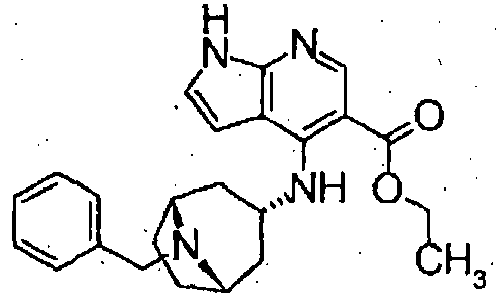
1-14 
1-15 
1-16 
1-17 
1-18 
1-19 
1-20 
1-21 
1-22 
1-23 
1-24 
1-25 
Table 3 Pr Data 1-1 MS:342 (M+H) + 1-2 MS:342 (M+H) + 1-3 MS:460 (M+H) + 1-4 MS:370 (M+H) + 1-5 MS:370 (M+H) + 1-6 MS:358 (M+H) + 1-7 1H-NMR (400MHz,d6-DMSO) δ:1.32 (3H,t,J=7.0Hz), 1.43 (9H, s), 1.73-1.87(2H,m),1.90-2.08 (4H,m),2.16-2.33(2H,m), 4.08-4.18 (2H,m), 4.28 (2H, q, J=7.0Hz), 4.37-4.47 (1H, m), 6.52-6.57 (1H, m), 7.13-7.18 (1H, m), 8.56 (1H, s), 9.39 (1H, d, J=7.6Hz), 11.67 (1H, s) .MS:415 (M+H) + 1-8 1H-NMR (400MHz,d6-DMSO) δ:0.32 (3H, t, J=7.1Hz), 0.45-3.1 3 (14H, m), 4.26 (2H, q, J=7.1Hz), 4.68 (1H, s), 6.71-6.72 (1H , m), 7.23-7.29 (1H, m), 8.60 (1H, s), 9.34 (1H,s), 11.69 (1H, s) .MS:356 (M+H) + 1-9 1H-NMR (400MHz, d6-DMSO) δ:0.32 (3H, t, J=7.1Hz), 0.40-0.4 7 (2H, m), 1.95-2.17 (11H, m), 0.80-0.83 (1H, m), 4.26 (2H, q, J=7.1Hz), 4.73 (1H, d, J=2.9Hz), 6.76 (1H; dd, J=2.4Hz, 3.5H z), 7.22 (1H, dd, J=2.6Hz, 3.3Hz), 8.60 (1H, s), 9.33 (1H, s), 11.68 (1H, s) .MS:356 (M+H) + 1-10 MS:372 (M+H) + 1-11 MS:471 (M+H) + 1-12 MS:481 (M+H) + 1-13 MS:405 (M+H) + 1-14 MS:484 (M+H) + 1-15 MS:484 (M+H) + 1-16 MS:517 (M+H) + 1-17 MS:445 (M+H) + 1-18 MS:445 (M+H) + 1-19 MS:300 (M+H) + 1-20 MS:342 (M+H) + 1-21 MS:354 (M+H) + 1-22 MS:356 (M+H) + 1-23 MS:342 (M+H) + 1-24 1H-NMR (400MHz, d6-DMSO) δ:1.35 (3H, t, J=1.1Hz), 1.68-1.7 7(6H, m), 2.10-2.18 (9H, m), 4.26 (2H, q, J=7.1Hz), 6.75 (1H, d, J=3.6Hz), 7.22 (1H, d, J=3.4Hz), 8.60 (1H, s), 9.34 (1H, s) ,11.67 (1H, s) .MS:340 (M+H) + 1-25 1H-NMR (400MHz, d6-DMSO) δ:1.32 (3H, t, J=7,1Hz), 1.61-2.0 7 (16H, m), 4.29 (2H, q, J=7,1Hz), 4.48 (1H, d, J=3.5Hz), 7.18 (1H, d, J=3.2Hz), 9.36 (1H, d, J=8.0Hz), 11.67 (1H, s) .MS:34 0 (M+H) + - To glycinamicie hydrochloride (34 mg) were added a solution of ethyl 3-(4-chloro-1H-pyrrolo[2,3-b]pyridin-5-yl)-1,2,4-oxadiazole-5-carboxylate (60 mg) in 1-methyl-2-pyrrolidone (0.6 ml) and 1, 8-diazabicyclo [5.4.0] undec-7-ene (0.092 ml), and the mixture was stirred at 70°C for 1 hour. After being left to cool, the reaction solution was directly purified by preparative HPLC (10mM NH4HCO3 + NH3 (pH = 9.2):CH3CN = 90:10 to 20:80). The active fraction was concentrated and dried to hardness to obtain 3-(4-chloro-1H-pyrrolo[2,3-b]pyridin-5-yl)-N-methyl-1,2,4-oxadiazole-5 -carboxylate (23 mg) as a solid.
- The compounds in Preparations 2-1 to 2-26 shown in the following table were produced using the corresponding starting compounds according to the method similar to that described in Preparation 2.
Table 4 Pr Structure Pr Structure 2 
2-1 
2-2 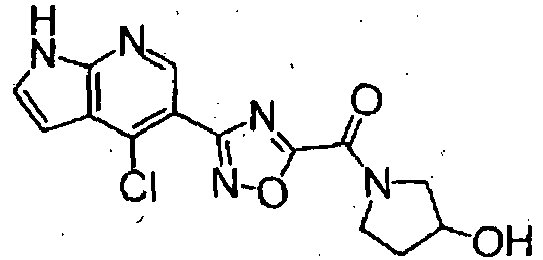
2-3 
2-4 
2-5 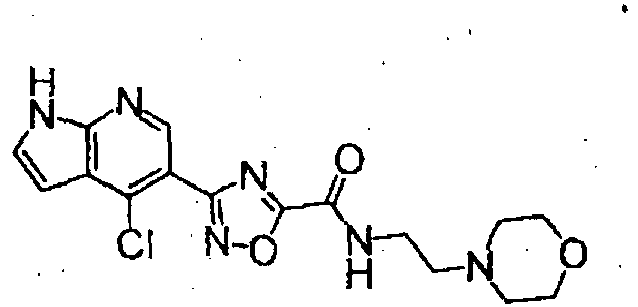
2-6 
2-7 
2-8 
2-9 
2-10 
2-11 
2-12 
2-13 
2-14 
2-15 
2-16 
2-17 
2-18 
2-19 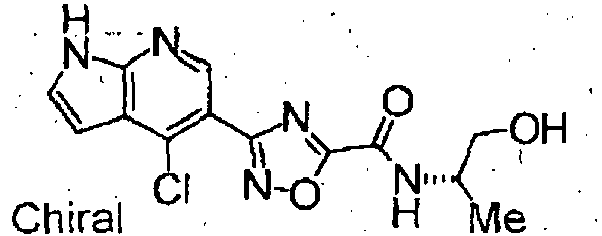
2-20 
2-21 
2-22 
2-23 
2-24 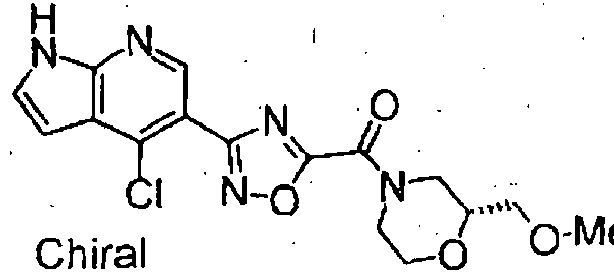
2-25 
2-26 
Table 5 Ex MS data Ex MS data 2 MS: 278 (M+H) + 2-1 MS: 348 (M+H) + 2-2 MS: 334 (M+H) + 2-3 MS: 377 (M+H) + 2-4 MS: 361 (M+H) + 2-5 MS: 377 (M+H) + 2-6 MS: 357 (M+H) + 2-7 MS: 382 (M+H) + 2-8 MS: 348 (M+H) + 2-9 MS: 303 (M+H) + 2-10 MS: 332 (M+H) + 2-11 MS: 410 (M+H) + 2-12 MS: 368 (M+H) + 2-13 MS: 318 (M+H) + 2-14 MS: 346 (M+H) + 2-15 MS: 375 (M+H) + 2-16 MS: 415 (M+H) + 2-17 MS: 373 (M+H) + 2-18 MS: 322 (M+H) + 2-19 MS: 322 (M+H) + 2-20 MS: 375 (M+H) + 2-21 MS: 350 (M+H) + 2-22 MS: 334 (M+H) + 2-23 MS: 788 (M+H) + 2-24 MS: 378 (M+H) + 2-25 MS: 334 (M+H) + 2-26 MS: 347 (M+H) + - Benzyl 4-chloro-1H-pyrrolo[2,3-b]pyridine-5-carboxylate (55 mg), ethyl {[(4-amino-3-adamantyl)carbonyl] amino}acetate (54 mg) and triethylamine (80 µl) were dissolved in N-methyl-2-pyrrolidone (0.55 ml) and stirred at 180°C for 1 hour using a microwave reaction system. To the reaction solution were added ethyl acetate and water, and the mixture was extracted with ethyl acetate. The organic layer was washed with saturated brine, dried over magnesium sulfate, and evaporated under reduced pressure. The residue was purified by silica gel column chromatography (n-hexane:ethyl acetate), the obtained compound was dissolved in dioxane (1.1 ml) and methanol (1.1 ml), 10% palladium on carbon (50% wet) was added, and catalytic reduction was performed for 4 hours at ambient temperature at 1 atm. Methanol, dioxane, and 1M hydrochloric acid were added, and the precipitated solid was dissolved and filtered to remove the catalyst. The filtrate was concentrated under reduced pressure to obtain 4-({5-[(2-ethoxy-2-oxoethyl)carbamoyl]adamantan-2-yl]amino)-1H-pyrrolo[2,3-b]pyriaine-5-carboxylic acid (18 mg).
Table 6 Pr Structure Data 3 
MS: 441 (M+H) + - To a ethanol (3 ml) was added acetyl chloride carefully at 4°C. The reaction solution was stirred at 4°C for 30 minutes. To the reaction solution were added a solution of 4-{[(2r,5s)-5-hydroxyadamantan-2-yl]amino}-1H-pyrrolo[2,3-b]pyridine-5-carbonitrile (50 mg) in chloroform (0.5 ml) and 2M hydrochloric acid/ethanol solution (0.5 ml) dropwise. The reaction solution was stirred under ambient temperature for 18 hours. The reaction solution was concentrated under reduced pressure to obtain ethyl 4-{[(2r,5s)-5-hydroxyadamantan-2-yl]amino}-1H-pyrrolo[2,3-b]pyridine-5-carboxyimidate trihydrochloride (75 mg).
Table 7 Pr Structure Data 4 
MS: 318 (M-3HCl+H) + - The compounds in Preparations 5-1 to 5-32 shown in the following table were produced using the corresponding starting compounds according to the method similar tc that described in Example 3.
Table 8 Pr Structure Pr Structure 5-1 
5-2 
5-3 
5-4 
5-5 
5-6 
5-7 
5-8 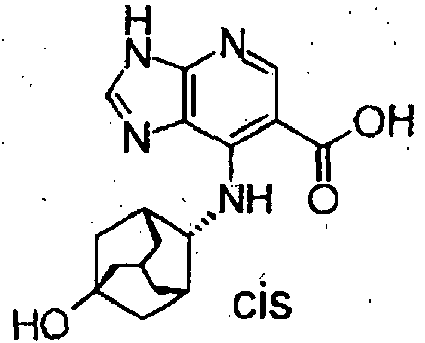
5-9 
5-10 
5-9 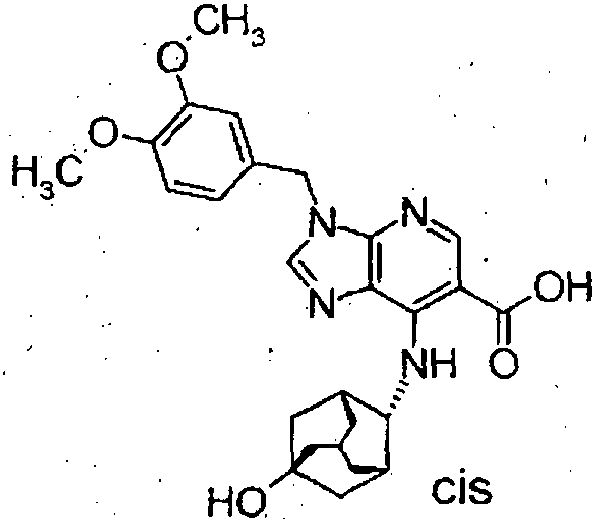
5-10 
5-11 
5-12 
5-13 
5-14 
5-15 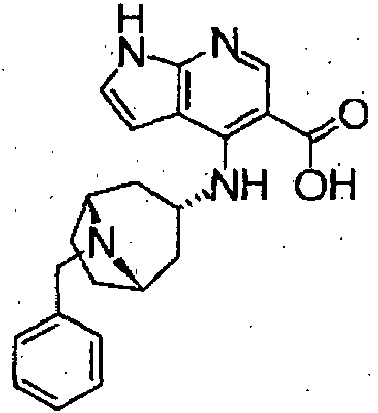
5-16 
5-17 
5-18 
5-19 
5-20 
5-21 
5-22 
5-23 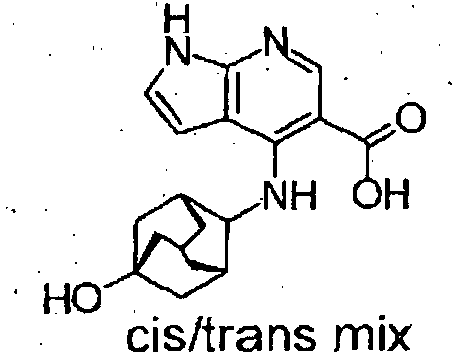
5-24 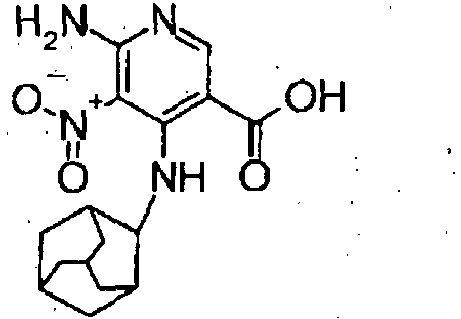
5-25 
5-26 
5-27 
5-28 
5-29 
5-30 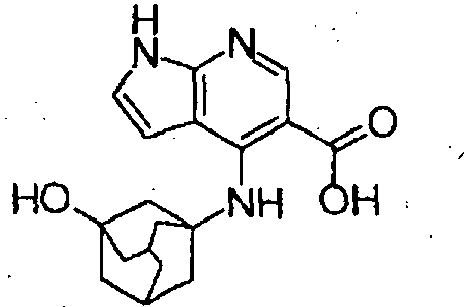
5-31 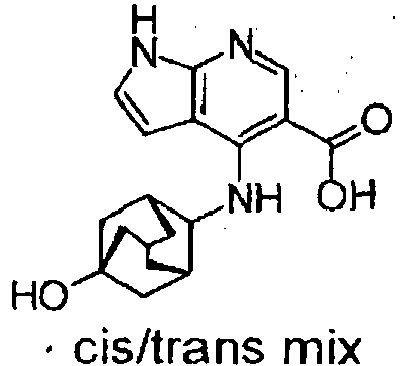
5-32 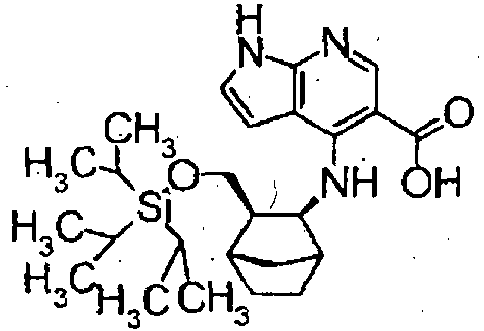
Table 9 Pr Data 5-1 MS:272 (M+H) + 5-2 MS:272 (M+H) + 5-3 1H-NMR (400MHz, d6-DMSO) δ:1.60-2.06 (14H,m), 4.24 (1H, d, J=7.9Hz) , 6.96 (1H, dd, J=1.3Hz, 3.3Hz), 7.16 (1H, dd, J=2.4 Hz, 3.2Hz), 8.52 (1H,s), 9.61 (1H, s), 11.59 (1H, s), 12.33 (1 H, br) MS: 312 (M+H)+ 5-4 MS:314 (M+H) + 5-5 1H-NMR (400MHz, d6-DMSO) δ:1.67-1.75 (6H, m), 2.09-2.16 (9 H, m), 6.71 (1H, s), 7.16 (1H, s), 8.56 (1H, s), 9.76 (1H, br),1 1.49 (1H, s). MS : 312 (M+H)+ 5-6 MS : 326 (M+H)+ 5-7 MS : 410 (M+Na)+ 5-8 MS : 329 (M+H)+ 5-9 MS : 479 (M+H)+ 5-10 5-11 MS : 475 (M+Na)+ 5-12 5-13 MS : 909 (M+Na )+ 5-14 MS : 446 (M-H) - 5-15 MS:377 (M+H) + 5-16 MS:209 (M-H) - 5-17 MS:342 (M+H) + 5-18 MS:330 (M+H)+ 5-19 1H-NMR (400MHz, d6-DMSO) δ : 1.43 (9H, s), 1.70-1.88 (2H, m), 1.88-2.09 (4H, m), 2.14-2.33 (2H, m), 4.05-4.20 (2H, m), 4.3 4-4.46 (1H, m), 6.48-6.58 (1H, m), 7.09-7.17 (H, m), 8.52 (1 H, s), 9.67 (1H, d, J=6.2Hz), 11.62 (1H, s), 12.45 (1H, br). MS : 387 (M+H)+ 5-20 MS:463 (M+Na)+ 5-21 MS:437 (M-H) - 5-22 MS:371 (M+Na)+ 5-23 1H-NMR (400MHz, d6-DMSO) δ : 1.40-1.46 (2H, m), 1.96-2.15 (1 1H, m), 2.44-2.55 (1H, m), 3.82 (1H, s), 4.71 (1H, s), 6.72-6. 75 (1H, m), 7.19 (1H, t, J=2.9Hz), 8.56 (1H, s), 9.71 (1H, br), 11.57 (1H, s). MS:328(M+H)+ 5-24 MS:355(M+Na)+ 5-25 MS:314(M+H) + 5-26 MS:437 (M-H) - 5-27 MS:261 (M+H) + 5-28 MS:342 (M+H) + 5-29 MS:314 (M+H) + 5-30 1H-NMR (400MHz, d6-DMSO) δ:1.48-1.68 (6H,m),1.98 (6H, s), 2.26(2H,s),4.66(1H,s),6.68(1H,dd,J=5.3Hz,11.4Hz), 7. 2(1H,dd,J=2.5Hz,3.0Hz),8.57(1H,s),9.70(1H,br),11.58 (1H,s) .MS:328(M+H)+ 5-31 MS:328(M+H)+ 5-32 MS:458 (M+H) + - To a ethyl 7-[(trans-5-hydroxyadamantan-2-yl) amino]-3H-imidazo[4,5-b]pyridine-6-carboxylate (50mg) was added 47% aqueous-hydrobromic acid (0.75 ml), and the mixture was stirred at 120°C for 1 hour using a microwave reaction system. After the reaction solution was cooled, the pH was adjusted to 5 with aqueous potassium carbonate, and the obtained solid was collected by filtration and washed with water to obtain 7-[(trans-5-bromoadamantan-2-yl)amino]-3H-imidazo[4,5-b]pyridine-6-carboxylic acid (44 mg).
- The compounds in Preparations 6-1 shown in the following table were produced using the corresponding starting compounds according to the method similar to that described in Preparation 6.
Table 10 Pr Structure Data Pr Structure Data 6 
MS: 391, 393 (M+H) + 6-1 
MS: 391, 393 (M+H) + - A mixture of ethyl 7-[(3-exo)-8-azabicyclo[3.2.1]oct-3-ylamino]-3H-imidazo[4,5-b] pyridine-6-carboxylate (400 mg), di-t-butyl dicarbonate (203 mg), tirethylamine (130 µl), dioxane, (4 ml) and water(4 ml) was stirred at ambient temperature for 1 hour. The mixture was diluted with ethyl acetate (5 ml) and water (20 ml). The resulting precipitate was collected by filtration (ethyl 7-{[(3-exo)-8-(tert-butoxycarbonyl)-8-azabicyclo[3.2.1]oct-3-yl]amino}-3H-imidazo[4,5-b]pyridine-6-carboxylate; (200 mg)). The filtrate, was diluted with ethyl acetate (50 ml) and extracted with ethyl acetate. The organic extracts were washed with brine, dried over sodium sulfate and concentrated. Recrystallization from ethyl acetate/n-hexane gave ethyl 7-{[(3-exo)-8-(tert-butoxycarbonyl)-8-azabicyclo[3.2.1]oct-3-yl]amino}-3H-imidazo[4,5-b]pyridine-6-carboxylate (100mg) as a white solid.
- The compounds in Preparations 7-1 shown in the following table were produced using the corresponding starting compounds according to the method similar to that described in Example 64.
Table 11 Pr Structure Data Pr Structure Data 7 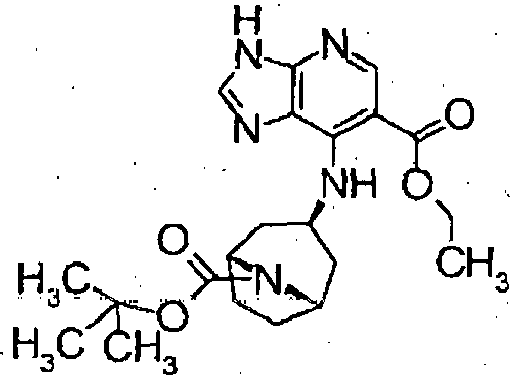
MS: 416 (M+H) + 7-1 
MS: 415 (M+H) + - The compounds in Preparations 8-1 to 8-3 shown in the following table were produced using the corresponding starting compounds according to the method similar to that described in Example 44.
Table 12 Pr Structure Data Pr Structure Data 8-1 
MS: 326 (M+Na) + 8-2 
MS: 326 (M+Na) + 8-3 
MS:326 (M+Na) + - The compounds in Preparations 9-1 to 9-2 shown in the following table were produced using the corresponding starting compounds according to the method similar to that described in Example 10.
Table 13 Pr Structure Data 9-1 
MS:319 (M+Na) + 9-2 
MS: 424 (M-H2O+H) + - The compounds in Preparations 10-1 to 10-18 shown in the following table were produced using the corresponding starting compounds according to the method similar to that described in Example 4.
Table 14 Pr Structure Pr Structure 10-1 
10-2 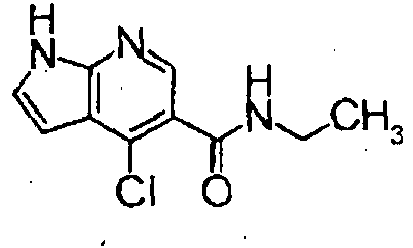
10-3 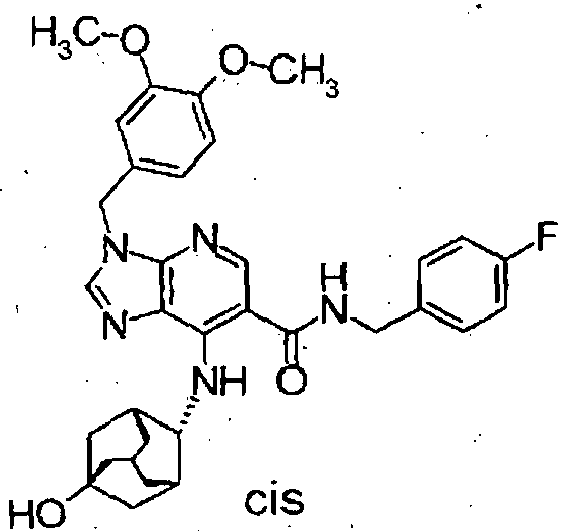
10-4 
10-5 
10-6 
10-7 
10-8 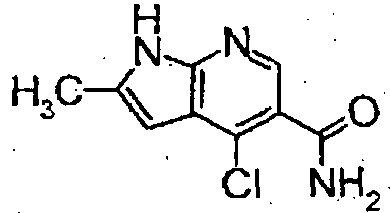
10-9 
10-10 
10-11 
10-12 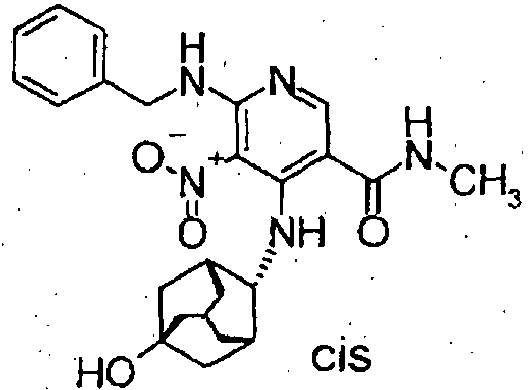
10-13 
10-14 
10-15 
10-16 
10-17 
10-18 
Table 15 Pr Data 10-1 MS: 332 (M+H) + 10-2 MS: 246 (M+Na) + 10-3 MS: 586 (M+H) + 10-4 MS: 452 (M+H) + 10-5 MS: 370 (M+Na) + 10-6 MS: 368 (M+H) + 10-7 1H-NMR (400MHz, d6-DMSO) δ:1.39-1.45 (2H, m), 1.65-1.86 (8 H, m), 1.94-1.97 (2H, m), 2.15-2.20 (2H,m), 3.08-3.11 (1H, m ), 5.05-5.08 (1H, m), 6.55-6.57 (1H, m), 7.66-7.68 (1H, m), 8 .19 (1H, s), 9.85 (1H, d, J=6.8Hz), 12.20 (1H, brs) .MS:367 (M +Na) + 10-8 MS: 232 (M+Na) + 10-9 MS: 427 (M+H) + 10-10 MS: 415 (M+H) + 10-11 MS: 233 (M+Na) + 10-12 MS: 474 (M+Na) + 10-13 MS: 462 (M+Na) + 10-14 MS: 262 (M+Na) + 10-15 MS: 477 (M+H) + 10-16 10-17 MS: 232 (M+Na) + 10-18 MS: 452 (M+H) + - To a solution of 4-chloro-1H-pyrrolo[2,3-b]pyridine-5-carboxylic acid (350 mg) in N,N-dimethylformamide (4 ml) were added N,N-carbonyl diimidazole (289 mg) and glycinemethylester hydrochloride (447 mg) successively under ambient temperature. The mixture was stirred at ambient temperature for 2 hours. To the reaction solution was added water. The precipitated solid was filtered, washed with water, and dried to obtain 4-chloro-5-(1H-imidazol-1-ylcarbonyl)-1H-pyrrolo[2,3-b]pyridine (325 mg) as a white solid.
Table 16 Pr Structure Data 11 
MS: 247(M+H) +, 245(M-H)- - To a solution of 4-chloro-5-(1H-imidazol-1-ylcarbonyl)-1H-pyrrolo[2,3-b]pyridine(300 mg) in N,N-dimethylformamide (3 ml) were added N-ethyl-N-isopropylpropane-2-amine (0.64 ml) and glycine methylester hydrochloride (305 mg) at ambient temperature. The mixture was warmed immediately to 60°C and stirred at 60°C for 2 hours. After to the reaction solution was added water, the mixture was stirred for 1 hour. The precipitated solid was filtered, washed with water, and dried to obtain methyl N-[(4-chloro-1H-pyrrolo[2,3-b]pyridin-5-yl)carbonyl]glycinate (267 mg) as a white solid.
Table 17 Pr Structure Data 12 
MS: 290 (M+Na) + - To a solution of benzyl rel-[(1R,2S,3S,5s)-5-hydroxyadamantan-2-yl]carbamate (1.3g) in dichloroethane (13 ml) were added trimethyloxonium tetrafluoroborate (1.28 g), 2,6-di-t-butyl-4-methylpyridine (2.21 g). The reaction solution was refluxed for 3 hours. The reaction solution was concentrated under reduced pressure, ethyl acetate was added, and the insoluble matter was filtered. To the filtrate was added water, and the mixture was extracted with ethyl acetate. The organic layer was washed with saturated brine, dried over anhydrous magnesium sulfate, and filtered. The filtrate was concentrated under reduced pressure. The residue was purified by silica gel column chromatography (n-hexane: ethyl acetate = 19:1 to 7:3) to obtain benzyl rel-[(1R,2S,3S,5s)-5-methoxyadaiiiantan-2-yl]carbamaLe (540 mg) as a colorless oily matter.
- The compounds in Preparations 13-1 to 13-2 shown in the following table were produced using the corresponding starting compounds according to the method similar to that described in Preparation 13.
Table 18 Pr Structure Data 13 
MS:338 (M+Na) + 13-1 
MS:338(M+Na)+ 13-2 
MS:352 (M+Na)+ - The compounds in Preparations 14-1 to 14-6 shown in the following table were produced using the corresponding starting compounds according to the method similar to that described in Examples 12 to Examples 14.
Table 19 Pr Structure Pr Structure 14-1 
14-2 
14-3 
14-4 
14-5 
14-6 
Table 20 Pr Data 14-1 MS:267 (M+H) + 14-2 MS:414 (M+H) + 14-3 MS:443 (M+H) + 14-4 MS: 467 (M+H) + 14-5 MS: 333 (M+Na) + 14-6 MS: 481 (M+H) + - To a solution of (3-exo,7-endo)-7-hydroxybicyclo [3.3.1]nonan-3-carboxylic acid (700 mg) in methanol (14 ml) was added concentrated sulfuric acid (2 ml) dropwise, and the reaction solution was refluxed tor 1 hour. To the reaction solution was added water, the mixture was extracted with ethyl acetate. The organic layer was washed with water, saturated aqueous sodium hydrogencarbonate, and brine, dried ever magnesium sulfate, and filtered. The filtrate was concentrated under reduced pressure to obtain methyl-(3-exo,7-endo)-7-hydroxybicyclo[3.3.1]nonan-3- carboxylate (730 mg).
Table 21 Pr Structure Data 15 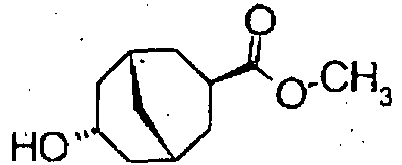
MS:221 (M+Na) + - The compounds in Preparations 16-1 to 16-3 shown in the following table were produced using the corresponding starting compounds according to the method similar to that described in Example 28.
Table 22 Pr Structure Pr Structure 16-1 
16-2 
16-3 
Table 23 Pr Data 16-1 1H-NMR (400MHz, d6-DMSO) δ:1.44 (9E,s),1.17-2.39 (8H,m), 2.42 (3H,s), 4.09-4.20 (2H,m), 4.48-4.57(1H,m), 6.61-6.6 6(1H,m), 7.21-7.26(1H,m), 8.57(1H,s), 9.16 (1H, d, J=7.5H z), 11.81 (1H, s), MS:425 (M+H) + 16-2 MS:315 (M+Na) + 16-3 MS:425 (M+H) + - The compound in Preparation 17 shown in the following table was produced using the corresponding starting compound according to the method similar to that described in Example 29.
Table 24 Pr Structure Data 17 
MS:301 (M+Na) + - The compounds in Preparations 18-1 to 18-5 shown in the following table were produced using the corresponding starting compound according to the method similar to that described in Example 30.
Table 25 Pr Struclure Pr Structure 18-1 
18-2 
18-3 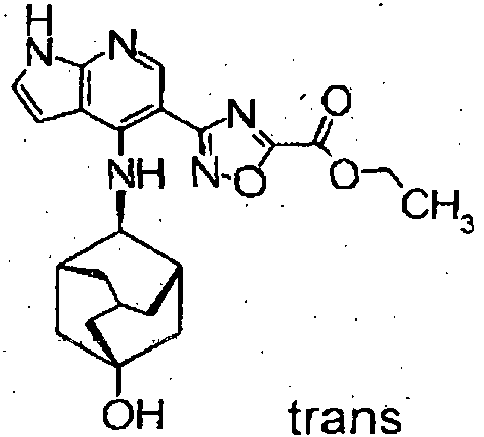
18-4 
18-5 
Table 26 Pr Data 18-1 MS:315 (M+Na) + 18-2 MS:287 (M+Na) + 18-3 MS:424 (M+H) + 18-4 MS:291 (M+Na) + 18-5 MS:468 (M+H) + - To a solution of 4-chloro-N'-hydroxy-1H-pyrrolo[2,3-b] pyridine-5-carboxyimidamide (100 mg) in N,N-dimethylformamide (1 ml) were added pyridine (58 µl) and 2-ethylhexyl chlorocarbonate (92 pi) at 4°C. The reaction solution was stirred at ambient temperature for 2 hours. To the reaction solution was added water. The precipitate was collected by filtration and dissolved in xylene (2 ml). The reaction solution was stirred at 160°C for 3 hours. To the reaction solution was added water, and the precipitate was collected by filtration to obtain 3-(9-chioro-1H-pyrrolo [2,3-b]pyridin-5-yl)-1,2,4-oxadiazol-5(4H)-one (63 mg) as a white solid.
Table 27 Pr Structure Data 19 
MS:235 (M-H) - - To a solution of methyl N-[(4-chloro-1H-pyrrolo[2,3-b] pyridin-5-yl)carbonyl]glycinate (167 mg) in chloroform (5 ml) was added diphosphorus pentoxide (886 mg) under ambient temperature, and the mixture was refluxed for 18 hours. The reaction solution was cocled and added to saturated aqueous sodium hydrogencarbonate. The reaction solution was extracted with ethyl acetate. The organic layer was washed with water. The organic layer was dried over magnesium sulfate and filtered. The filtrate was concentrated under reduced pressure. The residue was purified by thin-layer silica gel column chromatography (chloroform:methanol = 15:1) to obtain 4-chloro-5-(5-methoxy-1,3-oxazol-2-yl)-1H-pyrrolo[2,3-b] pyridine (45 mg) as a yellowish white solid.
Table 28 Pr Structure Data 20 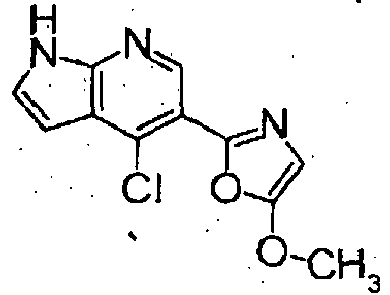
MS:250 (M+H) + - To a solution of 4-[(5-hydroxyadamantan-2-yl)amino]-1H-pyrrolo[2,3-b]pyridine-5-carbonitrile (150 mg) in tetrahydrofuran (3 ml) was added 1.01M diisobutylaluminum hydride/toluene solution (1.93 ml) at -78°C. The reaction solution was stirred for 18 hours under ambient temperature. To the reaction solution was added 1M hydrochloric acid under ice cooling, and the mixture was stirred for 30 minutes. The mixture was extracted with chloroform and washed with water. The organic layer was dried over magnesium sulfate and filtered. The filtrate was concentrated under reduced pressure to obtain 4-[(5-hydroxyadamantan-2-yl)amino]-1H-pyrrolo[2,3-b] pyridine-5-carbaldehyde (100 mg) as a pale yellow amorphous substance.
- The compound in Preparation 21-1 shown in the following table was produced using the corresponding starting compound according to the method similar to that described in Preparation 21.
Table 29 Pr Structure Data Pr Structure Data 21 
MS: 312 (M+H)+ 21-1 
MS: 312 (M+H) + - To a mixture of 6-(benzylamino)-1-(5-hydroxyadamantan-2-yl)-7-nitro-1,3-dihydro-2H-imidazo[4,5-c]pyridine-2-one (68mg) and methanol (1 ml) were added ammonium formate (197 mg) and 50% wet 10% palladium on carbon (33 mg) at ambient temperature. The mixture was refluxed for 5 hours. After the mixture was cooled, the catalyst was removed by filtration. The mothr liquid was concentrated to obtain 6,7-diamino-1-(5-hydroxyadamantan-2-yl)-1,3-dihydro-2H-imidazo[4,5-c]pyridine-2-one (54 mg).
- The compounds in Preparations 22-1 to 22-3 shown in the following table were produced using the corresponding starting compounds according to the method similar to that described in Preparation 22.
Table 30 Pr Structure Pr Structure 22 
22-1 
22-2 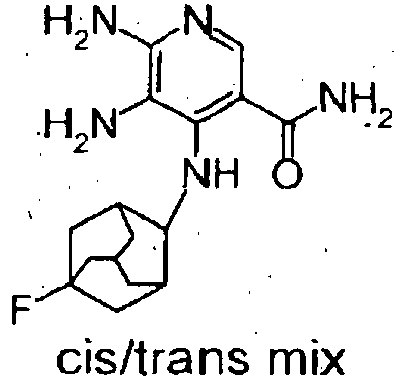
22-3 
Table 31 Pr Data 22 MS:316 (M+H) + 22-1 MS:332 (M+H) + 22-2 MS:320 (M+H) + 22-3 MS:332 (M+H) + - To a suspension of ethyl 6-[(3,4-dimethoxybenzyl) amino]-4-[(cis-5-hydroxy adamantan-2-yl)amino]-5-nitronicotinate (2.73 g) in ethanol (40 ml) was added 10% palladium on carbon (50% wet) (550 mg). In hydrogen atmosphere, catalytic reduction was carried out at 80°C for 5 hours. After the reaction solution was cooled to ambient temperature, the catalyst was filtered and washed with dioxane, and the solvent was evaporated under reduced pressure. To the residue were added ethyl orthoformate (17 ml) and concentrated hydrochloric acid (864 µl), and the mixture was stirred at ambient temperature for overnight. The reaction solution was neutralized with saturated aqueous sodium hydrogencarbonate and extracted with ethyl acetate and tetrahydrofuran. The organic layer was washed with saturated brine, dried over nagnesium sulfate, and filtered. The filtrate was evaporated under reduced pressure. The residue was purified by silica gel column chromatography (chloroform:methanol) to obtain ethyl 3-(3,4- dimethoxybenzyl)-7-[(cis-5-hydroxyadamantan-2-yl)amino]-3H-imidazo[4,5-b]pyridine-6-carboxylate (2.17 g).
- The compound in Preparation 23-1 shown in the following table were produced using the corresponding starting compound according to the method similar to that described in Preparation 23.
Table 32 Pr Structure Data Pr Structure Data 23 
MS: 507 (M+H) + 23-1 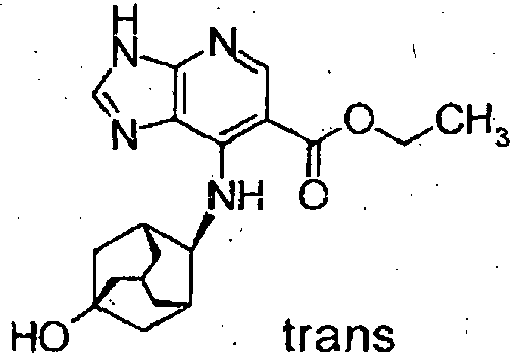
MS: 357 (M+H) + - The compound in Preparations 24-1 to 24-3 shown in the following table were produced using the corresponding starting compounds according to the method similar to that described in Example 35.
Table 33 Pr Structure Data Pr Structure Data 24-1 
MS: 182 (M+H) 24-2 
MS: 299 (M+Na) + 24-3 
MS: 273 (M+Na) + - To a reaction solution of N-Boc-nortropinone (1.38 g), benzylamine (0.803 ml) and acetic acid (0.35 ml) in dichloromethane (10 ml) and 1,2-dichloroethane (32 ml) was added sodium triacetoxyborohydride (1.95 g). And the mixture was stirred at ambient temperature for 2 hours. To the reaction mixture was added benzylamine (0.201 ml) and sodium triacetoxyborohydride (649 mg), and the mixture was stirred at 50°C for 3.5 hours. Furthermore, to the reaction mixture was added sodium triacetoxyborohydride (649 mg) and the mixture was stirred at 50°C for 3 hours. The reaction solvent was evaporated under reduced pressure. To the residue were added saturated aqueous sodium hydrogencarbonate and 1M aqueous sodium hydroxide to alkalify the residue. The residue was extracted with ethyl acetate. The organic layer was washed with saturated aqueous sodium hydrogencarbonate, water, and saturated brine, dried over anhydrous sodium sulfate, and filtered. The filtrate was evaporated under reduced pressure. The residue was purified by silica gel column chromatography (chloroform:methanol) to obtain 3-(benzylamino)-8-azabicyclo[3.2.1]octane-B-carbamic acid t-butyl ester(1.78 g) as a white solid.
- The compounds in Preparations 25-1 to 25-8 shown in the following table were produced using the corresponding starting compounds according to the method similar to that described in Preparation 25.
Table 34 Pr Structure Pr Structure 25 
25-1 
25-2 
25-3 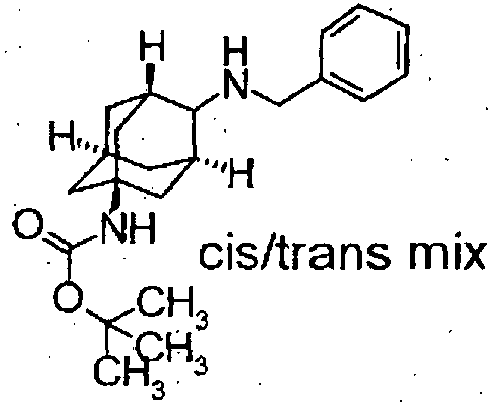
25-4 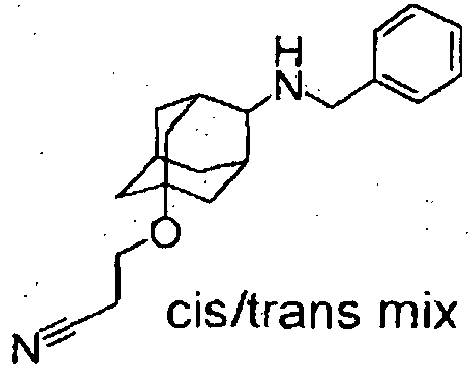
25-5 
25-6 
25-7 
25-8 
Table 35 per Data 25 1H-NMR(400MHz, CDCl3) δ:1.35-1.66(3H,m), 1.45(9H,s), 1 .86-2-22(6H,m), 3.00(1H,dd, J=6.0, 6.0Hz), 3.78(2H, s), 4.04-4.28(2H,m), 7.20-7.38(5H,m) 25-1 MS:423, 425 (M+H) + 25-2 MS:383 (M+Na) + 25-3 MS:357 (M+H) + 25-4 MS:311 (M+H) + 25-5 MS:320, 322 (M+H) + 25-6 MS:327 (M+Na) + 25-7 MS:258 (M+H) + 25-6 MS:423, 425 (M+H) + - The compounds in Preparations 26-1 to 26-2 shown in the following table were produced using the corresponding starting compounds according to the method similar to that described in Example 50.
Table 36 Pr Structure Data Pr Structure Data 26-1 
MS: 301 (M+Na) + 26-2 
MS: 317 (M+Na) + - To a solution of rel-(1'R,3'S,5'S,7's)-5'H-spiro[1,3-dioxolane-2,2'-tricyclo[3.3.1.1~3,7-]decane]-5'-carboxylic acid (100 mg) in toluene (1 ml) was added diphenylphosphate azide (99 µl) and triethylamine (64 µl). The mixture was stirred at 10°C for 2 hours. After the reaction solution was cooled to ambient temperature, water was added, and the mixture was extracted with ethyl acetate. The organic layer was washed with brine, dried over magnesium sulfate, and filtered. The filtrate was evaporated under reduced pressure. The residue was dissolved in N,N-dimethylacetamide (1 ml), and potassium t-butoxide (49 mg) was added. The mixture was stirred at ambient temperature tor overnight. To the reaction solution was added water, and the mixture was extracted with ethyl acetate. The organic layer was washed with saturated brine, dried over magnesium sulfate, and filtered. The filtrate was evaporated under reduced pressure. The residue was purified by silica gel column chromatography (n-hexane:ethyl acetate) to obtain t-butyl rel-(1'R,3'S,5'S,7's)-5'H-spiro[1,3-dioxolane-2,2'-tricyclc[3.3.1.1~3,7~]decane]-5'-yl carbamate (40 mg).
- The compounds in Preparations 27-1 to 27-3 shown in the following table were produced using the corresponding starting compounds according to the method similar to that described in Preparation 27.
Table 37 Pr Structure Data Pr Structure Data 27 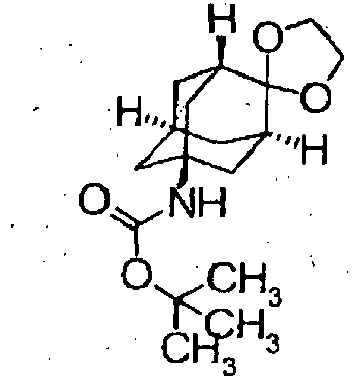
MS: 332 (M+Na) + 27-1 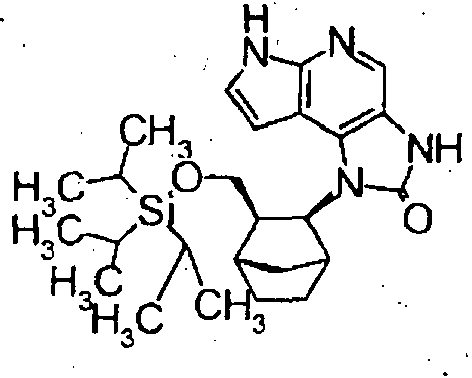
MS: 455 (M+H) + 27-2 
MS: 436 (M+H) + 27-3 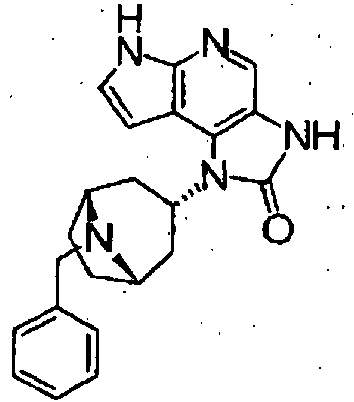
MS: 374 (M+H) + - To a concentrated sulfuric acid (175 ml) was added 70% nitric acid (20 ml) dropwise under ice cooling, and 2-adamantamine hydrochloride (25 g) was added slowly at 10°C or less. The mixture was warmed to ambient temperature and stirred for 2 hours. The reaction solution was poured into ice water, and the mixture was neutralized with 6M aqueous sodium hydroxide and extracted with dichloromethane four times. The organic layers were combined, dried over anhydrous magnesium sulfate, and concentrated under reduced pressure to obtain 4-aminoadamantan-1-ol (17.7 g).
Table 38 Pr Structure Data 28 
MS:168 (M+H) + - A mixture of ethyl 4-{[3-exo(hydroxymehyl)bicyclo [2.2.1]heptyl-2-exo]amino}-1H-pyrrolo[2,3-b]pyridine-5-carboxylate (54 mg), triisopropylsilyl chloride (52 µl), imidazole (17 mg), and N,N-dimethylformamide (0.3 ml) was stirred at ambient temperature for 2 hours. The reaction solution was diluted with ethyl acetate (20 ml) and poured into saturated aqueous sodium hydrogencarbonate (15 ml). The mixture was extracted with ethyl acetate (15 mi) two times, and the extract was washed with brine (20 ml), dried over anhydrous magnesium sulfate, and filtered. The filtrate was concentrated. The residue was purified by silica gel column chromatography (n-hexane:ethyl acetate) to obtain ethyl 4-{[3-exo(triisopropylsilyl)oxy]methyl} bicyclo[2.2.1] heptyl-2-exo]amino}-1H-pyrrolo[2,3-b]pyridine-5-carboxylate (76 mg) as a pale brown solid.
Table 39 Pr Structure Data 29 
MS:486(M+H) + - To a solution of 4-chloro-2-methyl-1H-pyrrolo[2,3-b] pyridine (0.85 g) jn N,N-dimethylformamide (8.5 ml) was added 60% oil-suspended NaH (245 mg) under nitrogen atmosphere while being cooled in an ice water bath. The reaction solution was stirred at ambient temperature for 1 hour and cooled again in the ice water bath. To the reaction solution was added triisopropylsilyl chloride (1.3 ml) slowly dropwise for 10 or more minutes. The reaction solution was stirred for 3 hours at ambient temperature and diluted with ethyl acetate (30 ml). The solution was washed with saturated aqueous sodium hydrogencarbonate (30 ml) and brine (20 ml). The solution was dehydrated with anhydrous magnesium sulfate and evaporated under reduced pressure. The residue was purified by silica gel column chromatography (n-hexane) to obtain 4-chloro-2-methyl-1-(triisopropylsilyl)-pyrrolo[2,3-b]pyridine (1.45 g) as a colorless transparent liquid.
Table 40 Pr Structure Data 30 
MS:323(M+H) + - The compounds in Preparations 31-1 to 31-2 shown in the following table were produced using the corresponding starting compounds according to the method similar to that described in Example 19.
Table 41 Pr Structure Data Pr Structure Data 31-1 
MS: 272 (M+H) + 31-2 
MS: 287 (M+H) + - A mixture of 4-chloro-2-methyl-1-(phenylsulfonyl)-1H-pyrrolo[2,3-b]pyridine (4. 73 g), potassium carbonate (6.4 g), methanol (45 ml), and water (15 ml) was stirred at 90°C for 2 hours. After the mixture was cooled, the obtained needle crystals were filtered and washed with water to obtain 4-chloro-2-methyl-1H-pyrrolo[2,3-b] pyridine (1.85 g).
Table 42 Pr Structure Data 32 
MS:167(M+H) + - To a solution of benzyl rel-[(1R,2S,3S,5s)-5-hydroxyadamantan-2-yl]carbamate (5.5 g) in methanol (55 ml) was added 10% palladium on carbon (50% wet) (1.1 g), and the mixture was stirred under hydrogen atmosphere at ambient temperature for 3 hours. After 10% palladium on carbon was removed with Celite, the filtrate was concentrated under reduced pressure tc obtain rel-(1s,3R,4S,5S)-4-adamantamine-1-ol (3.8 g).
- The compounds in Preparations 33-1 to 33-11 shown in the following table were produced using the corresponding starting compounds according to the method similar to that described in Preparation 33.
Table 43 Pr Structure Pr Structure 33 
33-1 
33-2 
33-3 
33-4 
33-5 
33-6 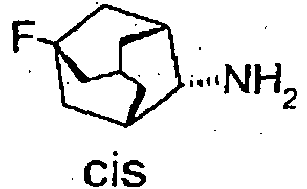
33-7 
33-8 
33-9 
33-10 
33-11 
Table 44 Pr Data Pr Data 33 MS: 168 (M+H) + 33-1 MS: 281 (M+H) + 33-2 MS: 168 (M+H) + 33-3 MS: 234 (M+H) + 33-4 MS: 182 (M+E) + 33-5 MS: 182 (M+H) + 33-6 MS: 170 (M+H) + 33-7 MS: 70 (M+H) + 33-8 MS: 196 (M+H) + 33-9 MS: 281 (M+H) + 33-10 MS: 170 (M+H) + 33-11 MS: 234 (M+H) + - The compounds in Preparations 34-1 to 34-3 shown in the following table were produced using the corresponding starting compounds according to the method similar to that described in Example 21.
Table 45 Pr Structure Data Pr Structure Data 34-1 
MS: 261 (M+Na) + 34-2 
MS: 171 (M+H) + 34-3 
MS: 323 (M+H) + - To a solution of ethyl 5-(4-chloro-1H-pyrrolo[2,3-b] pyridine-5-yl)-1,2,4-oxadiazole-3-carboxylate (350 mg) in ethanol (3.5 ml) was added 1M aqueous sodium hydroxide (1.79 ml), and the reaction solution was stirred at 50°C for 3 hours. The reaction solution was cooled to 4°C, and 1M hydrochloric acid was added to acidify the solution. The mixture was extracted with a mixture of chloroform and methanol (4:1) and washed with water. The organic layer was dried over magnesium sulfate and then filtered. The filtrate was concentrated under reduced pressure to obtain 4-chloro-5-(1,2,4-oxadiazole-5-yl)-1H-pyrrolo[2,3-b]pyridine (215 mg) as a white solid.
Table 46 Pr Structure Data 35 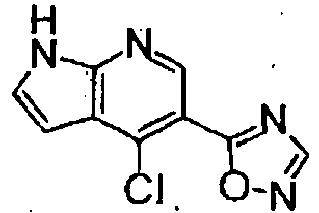
MS:219 (M-H) + - t-Butyl rel-(1'R,3'S.5'S,7's)-5'H-spiro[1,3-dioxolane- 2,2'-tricyclo[3.3.1.1~3,7~]decane]-5'-yl carbamate (420 mg) was dissolved in tetrahydrofuran (4.2 ml) and water (4.2 ml), para-tosylic acid monohydrate (516 mg) was added, and the mixture was stirred at 60°C for 4 hours. The reaction solution was evaporated under reduced pressure, and saturated aqueous sodium hydrogencarbonate was added. The mixture was extracted with ethyl acetate. The organic layer was washed with saturated brine, dried over magnesium sulfate, and evaporated under reduced pressure. The residue was purified by silica gel column chromatography (n-hexane:ethyl acetate) to obtain t-butyl (cis-4-oxoadamantan-1-yl)carbamate (120 mg).
- The compound in Preparation 36-1 shown in the following table was produced using the corresponding starting compound according to the method similar to that described in Preparation 36.
Table 47 Pr Stricture Data Pr Structure Data 36 
MS: 288 (M+H) + 36-1 
MS: 220 (M+H) + - To a reaction solution of 2-[(1R,2R,4S)-bicyclo [2.2.1]hept-2-yl]-1H-isoindole-1,3(2H)-d-dione (1.4 g) in tetrahydrofuran (28 ml) and ethanol (28 ml) was added 80% aqueous hydrazine monohydrate (1.1 ml), and the mixture was refluxed for 3 hours. After the reaction solution was cooled to ambient temperature, insoluble matter was removed by filtration. The filtrate was concentrated under reduced pressure to reduce the amount of the solvent. To the residue was added dichloromethane, and the mixture was washed with 1M aqueous sodium hydroxide, dried over anhydrous magnesium sulfate, and evaporated under reduced pressure. To the residue was added methanol, the mixture was converted into hydrochloride by adding 4M hydrochloric acid/dioxane solution, concentrated under reduced pressure and dried to hardness to obtain (1R,2R,4S)-bicyclo[2.2.1] heptane-2-amine hydrochloride (0.6 g).
- The compound in Preparation 37-1 shown in the following table was produced using the corresponding starting compound according to the method similar to that described in Preparation 37.
Table 48 Pr Structure Data Pr Structure Data 37 
MS: 112 (M+H) + 37-1 
MS: 198 (M+H)+ - To a suspension of methyl (2-{[4-chloro-6-(methylamino)-5-vinylpyridine-3-yl]carbonyl}hydrazino) (oxo)acetate (450 mg) in tetrahydrofuran (7 ml) and dioxane (7 ml) was added diphosphorus pentasulfide (383 mg) under cooling in an ice bath. After the mixture was stirred at ambient temperature for 5 hours. To the reaction mixture was added tetrahydrofuran (10 ml) and diphosphorus pentasulfide (190 mg). After the mixture was stirred at ambient temperature for 2 hours, water was added to the reaction solution, and the pH was adjusted to approximately 10 with aqueous sodium hydroxide, and the solution was extracted with ethyl acetate. The organic layer was dried over magnesium sulfate and filtered. The filtrate was concentrated under reduced pressure. The residue was purified by silica gel chramatography (chloroform:methanol) to obtain methyl-5-(4-chloro-1H-pyrrolo[2,3,b]pyridine-5-yl)-1,3,4-thiadiazole-2-carboxylate (90 mg).
Table 49 Pr Structure Data 38 
MS:317 (M+H) + - The compounds in Preparations 39-1 to 39-4 shown in the following table were produced using the corresponding starting compounds according to the method similar to that described in Example 45.
Table 50 Pr Structure Data 39 
MS: 304 (M+H) +, 326 (M+Na) + 39-1 
MS:316 (M+Na) + 39-2 
MS:330 (M+Na) + 39-3 
MS:356 (M+Na) + 39-4 
MS:356 (M+Na) + - To a reaction solution of 4-Chloro-1-(triisopropylsilyl)-1H-pyrrolo[2,3-b]pyridine (2.26 g) in tetrahydrofuran (16 ml) was added sec-butyllithium (14.6 ml) dropwise in nitrogen atmosphere at -78°C. After the mixture was stirred at the same temperature for 30 minutes, a solution of benzyl chloroformate (2.1 ml) in tetrahydrofuran (16 ml) was added dropwise to the reaction mixture at -78°C. Furthermore, the reaction solution was stirred at -78°C for 15 minutes, neutralized with saturated aqueous ammonium chloride (12 ml), and extracted with ethyl acetate. The organic layer was washed with saturated brine, dried over magnesium sulfate, and evaporated under reduced pressure. The residue was dissolved in tetrahydrofuran (17 ml), 1M tetrabutylammonium fluoride/tetrahydrofuran solution (16.9 ml) was added, and the mixture was stirred at ambient temperature for 3 hours. To the reaction solution were added ethyl acetate and water, the mixture was extracted with ethyl acetate. The organic layer was washed with saturated brine, dried over magnesium sulfate, and evaporated under reduced pressure. The residue was purified by silica gel column chromatography (n-hexane:ethyl acetate) to obtain benzyl 4-chloro-1H-pyrrolo[2,3-b]pyridine-5-carboxylate (690 mg).
- The compounds in Preparations 40-1 to 40-3 shown in the following table were produced using the corresponding starting compounds according to the method similar to that described in Preparation 40.
Table 51 Pr Structure Pr Structure 40 
40-1 
40-2 
40-3 
Table 52 Pr Data 40 1H-NMR (d6-DMSO) δ:5.40(2,4,s),6.6(1H,d,J=1.8Hz), 7.35-7.39 (3H,m), 7.41-7.45 (2H,m), 7.71 (1H, d, J=3.5Hz), 8.75 ( 1H, s), 12.42 (1H,br). MS: (+):297 40-1 MS:279 (M+Na) + 40-2 MS:247 (M+H) + 40-3 MS:285 (M-H) - - Into a 100 ml metal sealed tube were put a stirring rod, ethyl 4-{[(3-exo)8-benzyl-8-azabicyclo[3.2.1]oct-3-yl] amino}-6-chloro-5-nicotinic acid ester (1.5 g), 28% aqueous ammonia (4.6 ml), and ethanol (7.5 ml). The tube was closed and stirred at 90°C for 2 hours. After being cooled, the reaction solution was diluted with methanol (20 ml) and evaporated under reduced pressure. The residue was recrystallied from ethyl acetate-methanol to obtain ethyl 6-amino-4-{[(3-exo)8-benzyl-8-azabicyclo[3.2.1]oct-3-yl] amino}-5-nicotinic acid ester (1.3 g) as a yellow solid. The compound in Preparation 41-1 shown in the following table was produced using the corresponding starting compound according to the method similar to that described in Preparation 41.
Table 53 Pr Structure Data Pr Structure Data 41 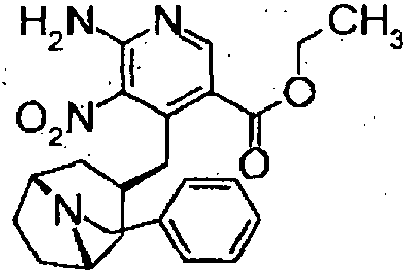
MS: 426 (M+H) + 41-1 
MS: 361 (M+H) + 41-1 
MS:361 (M+H) + - The compounds in Preparations 42-1 to 42-26 shown in the following table were produced using the corresponding starting compounds according to the method similar to that described in Example 7.
Table 54 Pr Structure Pr Structure 42-1 
42-2 
42-3 
42-4 
42-5 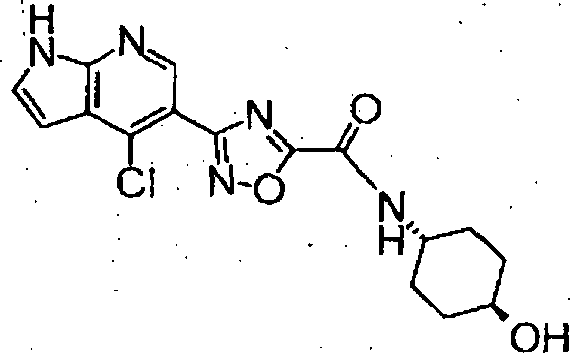
42-6 
42-7 
42-8 
42-9 
42-10 
42-11 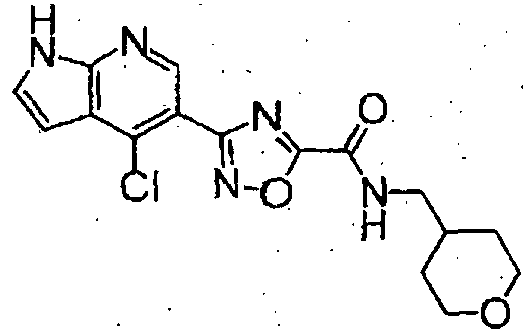
42-12 
42-13 
42-14 
42-15 
42-16 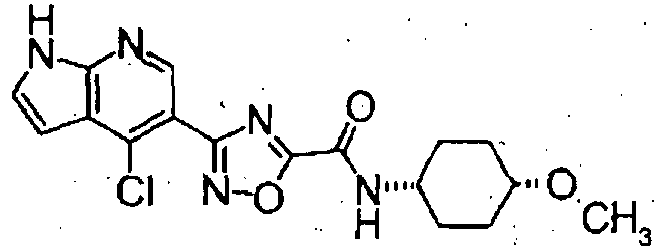
42-17 
42-18 
42-19 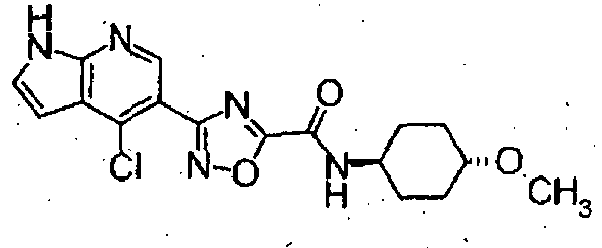
42-20 
42-21 
42-22 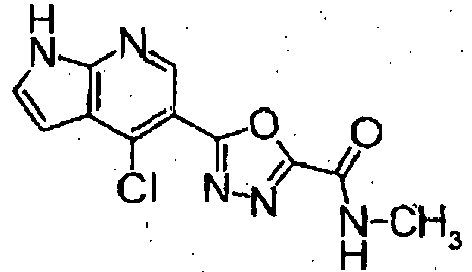
42-23 
42-24 
42-25 
42-26 
Table 55 Pr Data 42-1 MS:348 (M+H) + 42-2 MS:377 (M+H) + 42-3 MS:316 (M+Na) + 42-4 MS:370 (M+H) + 42-5 MS:384 (M+Na) + 42-6 MS:335 (M+H) + 42-7 MS:375 (M+H) + 42-8 MS:322 (M+H) + 42-9 MS:308 (M+H) + 42-10 MS:314 (M+Na) + 42-11 MS:384 (M+Na) + 42-12 MS:286 (M+Na) + 42-13 MS:384 (M+Na) + 42-14 MS: 358 (M+Na) + 42-15 MS: 358 (M+Na) + 42-16 MS : 398 (M+Na) + 42-17 MS: 404 (M+Na) + 42-18 MS:412 (M+Na) + 42-19 MS:398 (M+Na) + 42-20 MS: 286 (M+Na) + 42-21 MS: 418 (M+Na) +, 394 (M-H 42-22 MS:300 (M+Na) + 42-23 MS:369 (M+Na) + 42-24 MS:286 (M+Na) + 42-25 MS:346 (M+Na) + 42-26 MS:322 (M+Na) + - The compound in Preparation 43 shown in the following table was produced using the corresponding starting compound according to the method similar to that described in Example 41.
Table 56 Pr Structure Data 43 
MS:264(M+H) + - To a solution of 4-aminoadamantan-1-ol (8.9 g) in tetrahydrofuran (89 ml) were added benzyloxycarbonyl chloride (7.6 ml) and 1M aqueous sodium hydroxide (53.4 ml) dropwise successively under ice cooling, and the mixture was stirred for 3 hours under ice cooling. The reaction solution was poured into aqueous potassium hydrogensulfate, and the mixture was extracted with ethyl acetate. The organic layer was washed with saturated brine, dried over anhydrous magnesium sulfate, and evaporated under reduced pressure. The residue was purified by silica gel column chromatography (n-hexane:ethyl acetate = 1:1 to 1:3) to obtain benzyl rel-[(1R,2S,3S,5s)-5-hydroxyadamantan- 2-yl]carbamate (6.2 g) and benzyl rel-[(1R,2R,3S,5s)-5-hydroxyadamantan-2-yl]carbamate (5.3 g).
Table 57 Pr Structure Data 44 

MS: 324 (M+Na) + 324 (M+Na) + - To a solution of (1R,2S,4S)-bicyclo[2.2.1]heptane-2-ol (1.0 g) in tetrahydrofuran (10 ml) were added phthalimide (1.4 g) and triphenylphosphine (2.6 g), and diethylazodicarboxylate (1.5 ml) dropwise under ice cooling. The mixture was warmed to ambient temperature and stirred for 24 hours. The reaction solution was concentrated under reduced pressure, and the residue was purified by silica gel column chromatography (n-hexane:ethyl acetate) = 100:0 to 95:5) to obtain 2-[(1R,2R,4S)-bicyclo[2.1]hept-2-yl]-1H-isoindole-1,3(2H)-dione (1.4 g) as a colorless solid.
- The compound in Preparation 45-1 shown in the following table was produced using the corresponding starting compound according to the method similar to that described in Preparation 45.
Table 58 Pr Structure Data Pr Structure Data 45 
MS: 264 (M+Na) + 45-1 
MS: 350 (M+Na) + - A mixture of ethyl 6-chloro-4-{[5-methoxyadamantan-2-yl]amino}-5-nicotinic acid ester (635 mg), benzylamine (253 µl), diisopropylethylamine (270 µl), and 2-propanol (3 ml) was subjected to microwave irradiation under nitrogen atmosphere and heated at 90°C for 30 minutes. After being cooled, the redaction solution was diluted with ethyl acetate (20 ml) and poured into 1/2 saturated aqueous ammonia chloride (20 ml). The mixture was extracted with ethyl acetate (20 ml) two times, washed with brine (30 ml), dehydrated with anhydrous magnesium sulfate, and concentrated under reduced pressure. The residue was purified by silica gel column chromatography (n-hexane:ethyl acetate) to obtain ethyl 6-benzylamino-4-{[5-methoxyadamantan-2-yl]amino}-5-nicotinic acid ester (550 mg) as an orange solid.
- The compounds in Preparations 46-1 to 46-2 shown in the following table were produced using the corresponding starting compounds according to the method similar to that described in Preparation 46.
Table 59 Pr Structure Data 46 
MS:481 (M+H) + 46-1 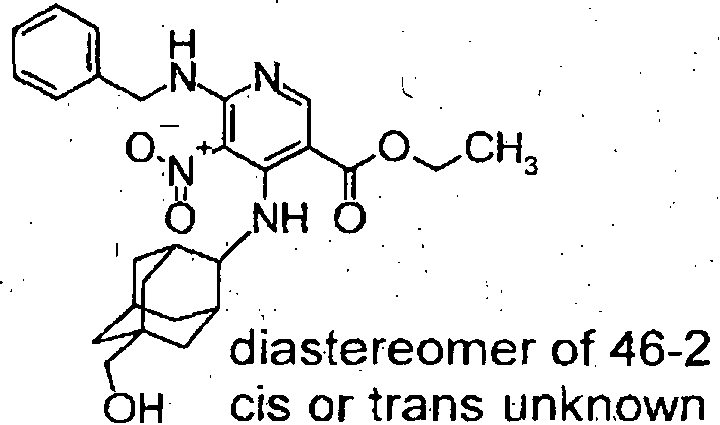
MS:487 (M+H) + 46-2 
MS:481 (M+H) + - A solution of 4-chloro-2-methyl-1-(triisopropylsilyl)-7H-pyrrolo[2,3-b]pyridine (525 mg) in tetrahydrofuran (10 ml) was cooled to -78°C under nitrogen atmosphere, and to the reaction mixture was added 0. 99M sec-butyllithium/cyclohexane solution (4.1 ml) dropwise. After the mixture was stirred at -78°C, ethyl chlorocarbonate (389 µl) was added dropwise. The reaction solution was stirred at -78°C for 30 minutes, saturated aqueous ammonium chloride (20 ml) was added, and the temperature was returned to ambient temperature. The reaction solution was transferred into a separating funnel and extracted with ethyl acetate. The organic layer was washed with brine, dried over anhydrous magnesium sulfate, filtered, and evaporated under reduced pressure. The residue was purified by silica gel column chromatography (n-hexane) to obtain ethyl 4-chloro-2-methyll-1-(triisopropylsilyl) - 1H-pyrrolo[2,3-b]pyridine-5-carboxylate (645 mg) as a colorless viscous liquid.
- The compound in Preparation 47-1 shown in the following table was produced using the corresponding starting compound according to the method similar to that described in Preparation 47.
Table 60 Pr Structure Data 47 
MS:417 (M+Na) + 47-1 
- A mixture of ethyl 4, 6-dichloro-5-nitronicotinic acid ester (1 g), 2-adamantamine hydrochloride (708 mg), diisopropylethylamine (1.3 ml), and 2-propanol (4 ml) was subjected to microwave irradiation under nitrogen atmosphere, and heated at 90°C for 10 minutes. After being cooled, the reaction solution was diluted with ethyl acetate (20 ml), and poured into 1/2 saturated aqueous ammonium chloride (20 ml). The mixture was extracted with ethyl acetate (20 ml) two times, washed with brine (30 ml), dehydrated with anhydrous magnesium sulfate, and evaporated under reduced pressure. The residue was purified by silica gel column chromatography (n-hexane: ethyl acetate) to obtain ethyl 4-(2-adamantylamino)-6-chloro-5-nicotinic acid ester (1.23 g) as an orange solid.
- The compounds in Preparations 48-1 to 48-5 shown in the following table were produced using the corresponding starting compounds according to the method similar to that described in Preparation 48.
Table 61 Pr Structure Pr Structure 48 
48-1 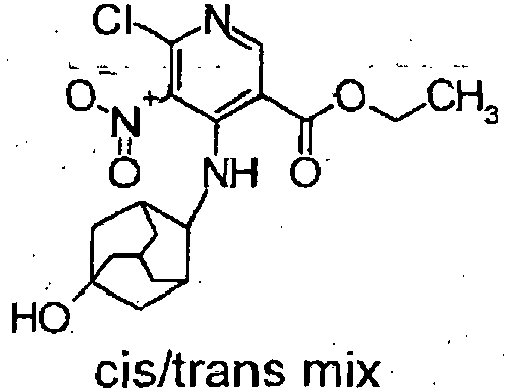
48-2 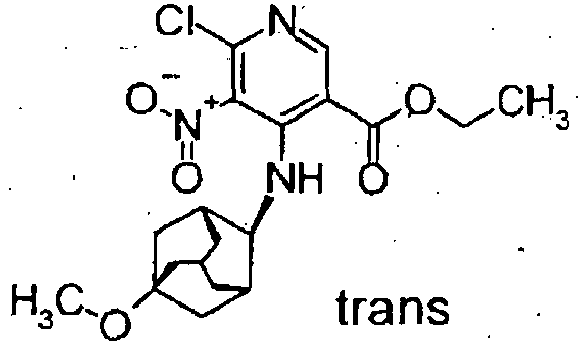
48-3 
48-4 
48-5 
Table 62 Pr Data 48 MS:380 (M+H) + 48-1 MS:396 (M+H) + 48-2 MS:410 (M+H) + 48-3 MS:445 (M+H) + 48-4 MS:377 (M+H) + 48-5 MS:410 (M+H) + - A mixture of ethyl 4,6-dichloro-5-nitronicotinic acid ester (333 mg), 4-amino-1-adamantanol (200 mg), diisopropylethylamine (219 µl), and isopropylalcohol (1 ml) was subjected to microwave irradiation under nitrogen atmosphere and heated at 90°C for 10 minutes. After the mixture was cooled, benzylamine (157 µl) was added to the reaction solution, the mixture was subjected to microwave irradiation again and heated at 90°C for 10 minutes. After being cooled, the reaction solution was diluted with ethyl acetate (20 ml), poured into 1/2 saturated aqueous ammonium chloride (20 ml), extracted with ethyl acetate (20 ml) two times, washed with brine (30 ml), dried over anhydrous magnesium sulfate, and filtered. The filtrate was evaporated under reduced pressure. The residue was purified by silica gel column chromatography (chloroform:methanol) to obtain ethyl 6-(benzylamino)-4-[(5-hydroxy-2-adamantyl)amino]-nicotinic acid easter (515 mg) as an orange solid.
- The compounds in Preparations 49-1 to 49-5 shown in the following table were produced using the corresponding starting compounds according to the method similar to that described in Preparation 49.
Table 63 Pr Structure Pr Structure 49 
49-1 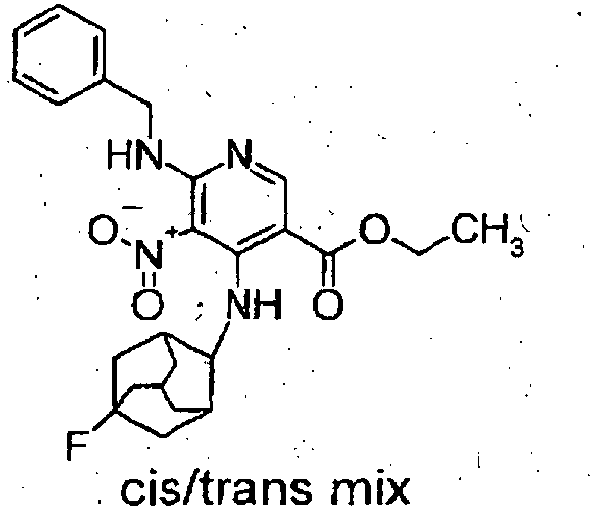
49-2 
49-3 
49-4 
49-5 
Table 64 Pr Data 49 MS:467 (M+H) + 49-1 MS:469 (M+H) + 49-2 MS:476 (M+H) + 49-3 MS:467 (M+H) + 49-4 49-5 MS:527 (M+H) + - The compound in Preparation 50 shown in the following table was produced using the corresponding starting compound according to the method similar to that described in Example 10.
Table 65 Pr Structure 50 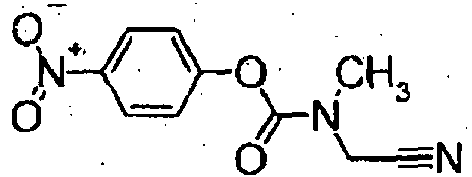
- The compound in Preparation 51 shown in the following table was produced using the corresponding starting compound according to the method similar to that described in Example 28.
Table 66 Pr Structure Data 51 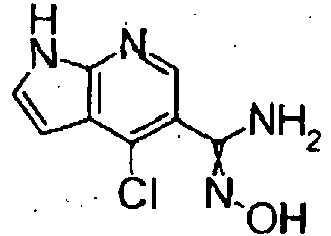
MS:211 (M+H) + - 10% Palladium on carbon (50% wet) (40 mg) was added to a solution of benzyl 4-[(5-carbamoyladamantan-2-yl)amino]-1H-pyrrolo-[2,3-b]pyridine-5-carboxylate (183 mg) in methanol (5 ml) and 1,4-dioxane (5 ml), and hydrogenated under hydrogen atmosphere for 5 hours. Resulting precipitates were dissolved by tetrahydrofuran and filtered out the catalysts. The filtrate were evaporated in vacuo to give 4-[(5-carbamoyladamantan-2-yl)amino]-1H-pyrrolo[2,3-b] pyridine-5-carboxylic acid (117 mg).
- The compounds in Preparations 52-1 to 52-17 shown in the following table were produced using the corresponding starting compounds according to the method similar to that described in Preparation 52.
Table 67 Pr Structure Pr Structure 52-1 
52-2 
52-3 
52-4 
52-5 
52-6 
52-7 
52-8 
52-9 
52-10 
52-11 
52-12 
52-13 
52-14 
52-15 
52-16 
52-17 
Table 68 Pr Data 52-1 MS:355 (M+H) + 52-2 MS:370 (M+H) + 52-3 MS:168 (M+H) + 52-4 MS:267 (M+H) + 52-5 MS:316 (M+H) + 52-6 MS:313 (M-H) - 52-7 MS:390, 392 (M+H) + 52-8 MS:230, 232 (M+N) + 52-9 MS:381 (M+H) + 52-10 MS:221 (M+H) + 52-11 MS:284 (M+H) + 52-12 MS:394 (M+H) + 52-13 MS:427 (M+H) + 52-14 MS:355 (M+H)+ 52-15 MS:168 (M+H)+ 52-16 1H-NMR (400MHz, CDCl3) δ :1.46 (9H, s), 1.61-2.29 (10H, m), 3.33 (1H, dd, J=6.2, 6.2Hz), 4.06-4.29 (2H,m) MS: 227 (M+H ) + 52-17 MS:394 (M+H)+ - The compound in Preparation 53-1 to 53-4 shown in the following table was produced using the corresponding starting compound according to the method similar to that described in Example 16.
Table 69 Pr Structure Pr Structure 53-1 
53-2 
53-3 
53-4 
Table 70 Pr Structure 53-1 MS:143 (M-H) - 53-2 MS:430 (M+Na) + 53-3 MS:176 (M-H) - 53-4 MS:372, 374 (M+H) + - To a solution of 5-(4-chloro-1H-pyrrolo[2,3-b] pyridine-5-yl)-N-methyl-1,3,4-oxadiazole-2-carboxamide (18 mg) in 1-methyl-2-pyrrolidone (0.18 ml) were added N,N-dibutyl-1-butaneamine (0.046 ml) and cis-(1S,3R,4R,5S)-4-aminoadamantan-1-ol (32.5 mg) under ambient temperature. The mixture was heated immediately to 150°C and stirred for 2 hours. After the disappearance of the starting compound was ascertained, the residue was purified by silica gel column chromatography (chloroform:methanol = 97:3 to 85:15) to obtain cis-5-(4-{[(1R,2R,3S,5s)-5-hydroxyadamantan-2-yl]amino}-1H -pyrrolo[2,3-b]pyridine-5-yl)-N-methyl-1,3,4-oxadiazole-2-carboxamide (19.8 mg) as a white solid.
- To 1-[(1S,2R,5S)-6,6-dimethylbicyclo[3.1.1]hept-2-yl]methaneamine (61 mg) were added a solution of 4-chloro-1H-pyrrolo[2,3-b]pyridine-5-carboxamide (39 mg) in 1-methyl-2-pyrrolidone (0.6 ml), triethylamine (0.056 ml), and sodium iodide (3 mg), and the mixture was stirred at 130°C for 17 hours. After the reaction mixture was left to cool, to the reaction mixture were added N,N-dimethylformamide (0.3 ml) and water (0.1 ml), and the reaction mixture was dissolved. The reaction mixture was directly purified by preparative HPLC (10mM-NH4HCO3 + NH3 (pH = 9.2): CH3CN = 98:2 to 30:70). The active fraction was concentrated and dried to hardness to obtain 4-({[(1S,2R,5S)-6,6-dimethylbicyclo[3.1.1]hept-2-yl]methyl}a mino)-1H-pyrrolo[2,3-b]pyridine-5-carboxamide (33.5mg) as a solid.
- To a suspension methyl 4-(2-oxo-3,6-dihydropyrazolo [4,5-d]pyrrolo[2,3-b]pyridine-1(2H)-yl)adamantan-1-carboxy late (40 mg) in methanol (0.4 ml) and dioxane (0.4 ml) was added 1M aqueous sodium hydroxide (0.22ml), and the suspension was refluxed for 2 hours . The reaction solution was cooled to ambient temperature, the pH was adjusted to 5 with 1M aqueous hydrochloric acid and pH 4 buffer solution, and the reaction solution was evaporated under reduced pressure. The obtained solid was collected by filtration and washed with water to obtain 4-(2-oxo-3,6-dihydroimidazo[4,5-d]pyrrolo[2,3-b] pyridine-1(2H)-yl)adamantan-1-carboxylic acid (32 mg).
- 4-(2-Oxo-3,6-dihydroimidazo[4,5-d]pyrrolo[2,3-b] pyridine-1(2H)-yl)adamantan-1-carboxylic acid (50 mg) was suspended in N,N-dimethyl formamide (1 ml). To the suspension were added aminoacetonitrile hydrochloride (17 mg), 1-hydroxybenzotriazole (28 mg), diisopropylethylamine (62 µl), and 1-ethyl-3-(3-dimethylaminopropyl)-carbodiimide hydrochloride (41 mg) successively, and the mixture was stirred overnight at ambient temperature. To the reaction solution were added ethyl acetate and water, and the organic layer was extracted. The organic layer was washed with saturated brine, dried over magnesium sulfate, and evaporated under reduced pressure. The residue was purified by silica gel column chromatography (chloroform:methanol) to obtain N-(cyanomethyl)-4-(2-oxo-3,6-dihydroimidazo[4,5-d]pyrrolo [2,3-b]pyridine-1(2H)-yl)adamantan-1-carboxamide (23 mg).
- To a solution of 3-methylbenzoic acid (22.4 mg) in 1-methyl-2-pyrrolidone (0.6ml) were added 4-[(3-exo-8-azabicyclo[3.2.1]oct-3-yl)amino]-1H-pyrrolo[2,3-b]pyridine -5-carboxamide (42.8 mg) and 1-hydroxybenzotriazole (22.3 mg). Furthermore, 1M 1-ethyl-3-(3-dimethylaminopropyl)-carbodiimide/1-methyl-2-pyrrolidone solution (0.225 ml) was added, and the mixture was stirred for 4 hours at 50°C. After being cooled, the reaction solution was directly purified by preparative HPLC system (10mM-NH4HCO3 + NH3 (pH = 9.2) : CH3CN = 98:2 to 30:70). The active fraction was concentrated and dried to hardness to obtain 4-{[(3-exo)-8-(3-methylbenzoyl)-8-azabicyclo[3.2.1]oct-3-yl)amino]}-1H-pyrrolo[2,3-b] pyridine-5-carboxamide (34.8 mg) as a solid.
- To a solution of 2-aminoethanol (18.6 mg) in 1-methyl-2-pyrrolidone (0.6 ml) were added cis-4-{[(1R,2R,3S,5s)-5-hydroxyadamantan-2-yl]amino}-1H-pyrrolo [2,3-b]pyridine-5-carboxylic acid (41 mg) and 1-hydroxybenzotriazole (18.6 mg). Furthermore, 1-ethyl-3-(3-dimethylaminopropyl)-carbodiimide/1-methyl-2-pyrrolidon e solution (0.188 ml) was added, and the mixture was stirred for 6 hours at 60°C. After being cooled, the reaction solution was directly purified by preparative HPLC (10mM-NH4HCO3 + NH3 (pH = 9.2):CH3CN = 98:2 to 30:70). The active fraction was concentrated and dried to hardness to obtain 4-{[(2r,5s)-5-hydroxyadamantan-2-yl]amino}-N-(2-hydroxyethyl)-1H-pyrro lo[2,3-b]pyridine-5-carboxamide (22.9 mg) as a solid.
- To a solution of ethyl 3-(4-{[(2r,5s)-5-hydroxyadamantan-2-yl]amino}-1H-pyrrolo[2,3-b]pyridine-5-yl)-1,2,4-oxadiazole-5-carboxylate (25 mg) in 1-methyl-2-pyrrolidone (0.25 ml) was added 2-piperazin-1-ylethanol (8.5 mg) under ambient temperature. The mixture was immediately warmed to 50°C and stirred for 0.5 hour. After the disappearance of the starting compound was ascertained, the residue was purified by silica gel column chromatography (chloroform:methanol = 96:4 to 87:13) to obtain cis-(1s,3R,4R,5S)-4-{[5-(5-{[4-(2-hydroxyethyl)piperazin-1-yl] carbonyl}-1,2,4-oxadiazole-3-yl)-1H-pyrrolo[2,3-b]pyridine -4-yl]amino}adamantan-1-ol (22.6 mg) as a yellowish white solid.
- To a solution of methylamine hydrochloride (4.7 mg) in 1-methyl-2-pyrrolidone (0.3 ml) were added ethyl cis-5-(4-{[(1R,2R,3S,5s)-5-hydroxyadamantan-2-yl]amino}-1H-pyrrolo[ 2,3-b]pyridine-5-yl)-1,2,4-oxadiazole-5-carboxylate (14.8 mg) and diisopropylamine (0.0183 ml), and the mixture was stirred for 6 hours at 90°C. After being cooled, the reaction solution was directly purified by preparative HPLC system (10 mM-NH4HCO3 + NH3 (pH = 9.2) : CH3CN = 90:10 to 20:80). The active fraction was concentrated and dried to hardness to obtain 5-(4-{[(2r,5s)-5-hydroxyadamantan-2-yl]amino}-1H-pyrrolo [2,3-b]pyridine-5-yl)-N-methyl-1,2,4-oxadiazole-3-carboxamide (6.74 mg) as a solid.
- To a solution of cis-5-(4-{[(1R,2R,3S,5S)-5-hydroxyadamantan-2-yl]amino}-1H-pyrrolo[2,3-b]pyridine-5-yl)-N-piperidine-4-yl-1,2,4-oxadiazole-3-carboxamide dihydrochloride (20 mg) in 1-methyl-2-pyrrolidone (0.25 ml) were added N-ethyl-N-isopropylpropan-2-amine (0.025 ml) and acetic anhydride (0.043 ml) under ambient temperature, and the mixture was stirred for 1 hour. The residue was purified by silica gel column chromatography (chloroform:methanol = 99:1 to 89:11) to obtain cis-N-(1-acetylpiperidine-4-yl)-5-(4-{[(1R,2R,3S,5s)-5-hydroxyadamantan-2-yl]amino}-1H-pyrrolo [2,3-b]pyridine-5-yl)-1,2,4-oxadiazole-3- carboxamide (7.8 mg) as a yellowish white solid.
- To 1-(5-aminoadamantan-2-yl)-3,6-dihydroimidazo [4,5-d]pyrrolo[2,3-b]pyridine-2(1H) -one dihydrochloride (15 mg) were added dichloromethane-methanol and saturated aqueous sodium hydrogencarbonate, and the organic layer was extracted. The organic layer was dried over magnesium sulfate and filtered. The filtrate was evaporated under reduced pressure. The residue was suspended in dichloromethane (7.5 ml), and triethylamine (13 µl) and propanoyl chloride (4 µl) were added. The mixture was stirred overnight at ambient temperature. The reaction solution was purified by NH silica gel column chromatography (chloroform:methanol) to obtain N-[4-(2-oxo-3,6-dihydroimidazo[4,5-d]pyrrolo[2,3-b]pyridine-1(2H)-yl) adamantan-1-yl]propanamide (2 mg).
- To a solution of cis-4-{[(1R,2R,3S,5s)-5-hydroxyadamantan-2-yl]amino}-1H-pyrrolo[2,3-b]pyridine-5-carboxylic acid (30 mg) in N,N-dimethylformamide (0.21 ml) were added N,N'-carbonyl diimidazole (22.3 mg) and 2M dimethylamine/methanol solution (0.183 ml) successively under ambient temperature. The mixture was stirred at ambient temperature for 18 hours. Water was added to the reaction solution, and the reaction solution was filtered. The solid residue was washed with water and dried. The residue was purified by thin-layer silica gel column chromatography (chloroform: methanol = 10:1) to obtain methyl cis-4-{[(1R,2R,3S,5s)-5-hydroxyadamantan-2-yl]amino}-1H-pyrrolo [2,3-b]pyridine-5-carboxylate (18 mg) as a yellowish white solid.
- To a suspension of rel-4-{[(1R,2R,3S,5s)-5-hydroxyadamantan-2-yl]amino}-1H-pyrrolo[2,3-b]pyridine-5-carboxylic acid (25 mg) inN,N-dimethylformamide (0.4 ml) were added potassium carbonate (15.8 mg) and 1-chloroacetone (0.0073 ml), and the mixture was stirred at ambient temperature for 5 hours. The reaction solution was diluted with ethyl acetate, washed with water and saturated brine, dried over anhydrous sodium sulfate, and filtered. The filtrate was evaporated under reduced pressure. The residue was purified by silica gel column chromatography (chloroform:methanol) to obtain rel-4-{[(1R,2R,3S,5s)-5-hydroxyadamantan-2-yl]amino}-1H-pyrrolo[2,3-b]pyridine-5-carboxylic acid 2-oxopropyl ester (20.8 mg) as a white solid.
- To a suspension of rel-4-{[(1R,2R,3S,5s)-5-hydroxyadamantan-2-yl]amino}-1H-pyrrolo[2,3-b]pyridine-5-carboxylic acid (45 mg), acetamide oxime (25.5 mg), and 1-hydroxybenzotriazole (27.9 mg) in N,N-dimethylformamide (1.08 ml) were added triethylamine (0.077 ml) and N-[3-(dimethylamino)propyl]-N'-ethylcarbodiimide hydrochloride (39.5 mg). The mixture was stirred for 2 hours at 60°C. The reaction solution was diluted with chloroform and ethanol, washed with saturated brine, dried over anhydrous sodium sulfate, and filtered. The filtrate was evaporated under reduced pressure. The residue was purified by silica gel column chromatography (chloroform:methanol) to obtain rel-(1Z)-N'-{[(4-{[(1R,2R,3S,5s)-5-hydroxyadamantan-2-yl] amino}-1H-pyrrolo[2,3-b]pyridine-5-yl)carbonyl]oxy} ethanimidamide (38.9 mg) as white powder.
- To a solution of cis-4-{[(1R,2R,3S,5s)-5-hydroxyadamantan-2-yl]amino}-1H-pyrrolo[2,3-b]pyridine-5-carboxylic acid (30 mg) in N,N-dimethylformamide (0.9 ml) were added N,N'- carbonyldiimidazole (83 mg), N-ethyl-N-isopropylpropane-2- amine (0.018 ml), and carbonic acid-guanidine (1:2) (82.5 mg) successively under ambient temperature. Furthermore, after 1-methyl-2-pyrrolidone (0.3 ml) was added, the mixture was immediately warmed to 60°C and stirred for 5 hours. The mixture was evaporated under reduced pressure and dried. The residue was purified by basic thin-layer silica gel column chromatography (chloroform: methanol = 6:1) to obtain cis-N-(diaminomethylene)-4-{[(1R,2R,3S,5s)-5-hydroxyadamantan-2-yl]amino}-1H-pyrrolo[2,3-b]pyridine-5-carboxamide (18.1 mg) as a yellowish white solid.
- To a solution of cis-4-{[(1R,2R,3S,5s)-5-hydroxyadamantan-2-yl]amino}-1H-pyrrolo[2,3-b]pyridine-5-carboxylic acid (80 mg) in 1-methyl-2-pyrrolidone (0.8 ml) were added (O-(7-azabenzotriazol-1-yl)-1,1,3,3-tetramethyluronium hexaf luorophosphate) (HATU) (139 mg), N-ethyl-N-isopropylpropane-2-amine (0.17 ml), and hydrazine carboxamide hydrochloride (32.7 mg) successively under ambient temperature. The mixture was stirred for 3 hours at ambient temperature. To the reaction solution were added ethyl acetate and diisopropyl ether, and the mixture was filtered. The solid residue was washed with ethyl acetate-diisopropyl ether and dried to obtain cis-2-[(4-{[(1R,2R,3S,5s)-5-hydroxyadamantan-2-yl]amino}-1H-pyrrolo[2,3-b]pyridine-5-yl )carbonyl]hydrazinecarboxamide (90 mg) as a yellowish white solid.
- 4-(2-Oxo-3,6-dihydroimidazo[4,5-d]pyrrolo[2,3-b] pyridine-1(2H)-yl)adamantan-1-carboxamide (70 mg) was suspended in N,N-dimethylformamide (1 ml), and 2,4,6-trichloro- 1,3,5-triazine (37 mg) was added under ice cooling. The mixture was stirred at ambient temperature for 4 hours. To the reaction solution was added saturated aqueous sodium hydrogencarbonate, and the obtained solid was collected by filtration, washed with water and ethyl acetate to obtain 4-(2-oxo-3,6-dihydroimidazo[4,5-d]pyrrolo[2,3-b]pyridine-1(2H)-yl)adamantan-1-carbonitrile (30 mg).
- To a solution of 5-(4-{[(2r,5s) -5-hydroxyadamantan-2-yl]amino}-1H-pyrrolo[2,3-b]pyridine-5-yl)-1,2,4-oxadiazole -3-carboxamide (30 mg) in tetrahydrofuran (1 ml) were added pyridine (37 µl) and trifluoroacetic anhydride (64 µl) under ice cooling, and the reaction solution was stirred under ambient temperature for 30 minutes. Water was added to the reaction solution, and the precipitate was collected by filtration and dissolved in tetrahydrofuran (1 ml). To the reaction solution was added 1M aqueous sodium hydroxide (0.114 ml) under ice cooling, and the reaction solution was stirred for 1 hour under ambient temperature. The reaction solution was extracted with chloroform and washed with water. The organic layer was dried over magnesium sulfate and filtered. The filtrate was concentrated under reduced pressure. The residue was purified by silica gel column chromatography (chloroform:methanol = 100:0 to 90: 10) to obtain 5-(4-{[(2r,5s)-5-hydroxyadamantan-2-yl]amino}-1H-pyrrolo [2,3-b]pyridine-5-yl)-1,2,4-oxadiazole-3-carbonitrile (5 mg) as a white solid.
- t-Butyl [4-(2-oxo-3,6-dihydroimidazo[4,5-d]pyrrolo [2,3-b]pyridine-1(2H)-yl)adamantan-1-yl]carbamate (118 mg) was suspended in dioxane (1.2 ml). 4M hydrochloric acid/dioxane (0.7 ml) was added, and the mixture was stirred overnight at ambient temperature. To the reaction solution was added ethyl acetate, and the obtained solid was collected by filtration and washed with ethyl acetate to obtain 1-(5-adamantan-2-yl)-3,6-dihydroimidazo[4,5-d]pyrrolo [2,3-b]pyridine-2(1H)-one dihydrochloride (108 mg).
- To 3-(3,4-dimethoxybenzyl)-N-(4-fluorobenzyl)-7-{(5-hydroxyadamantan-2-yl)amino}-3H-imidazo[4,5-b] pyridine-6-carboxamide (170 mg) was added trifluoroacetic acid (1.7 ml), and the mixture was stirred at ambient temperature for overnight. The reaction solution was neutralized with saturated aqueous sodium hydrogencarbonate and extracted with ethyl acetate and tetrahydrofuran. The organic layer was washed with saturated brine, dried over magnesium sulfate, and filtered. The filtrate was evaporated under reduced pressure. The residue was purified by silica gel column chromatography (chloroform:methanol) to obtain N-(4-fluorobenzyl)-7-{(5-hydroxyadamantan-2-yl)amino}-3H-imidazo[4,5-b]pyridine-6-carboxamide (31 mg).
- To a solution of 4-{[(2r,5s)-5-hydroxyadamantan-2-yl] amino}-N-(tetrahydro-2H-pyran-2-yloxy)-1H-pyrrolo[2,3-b] pyridine-5-carboxamide (35 mg) in ethanol (0.525 ml) was added 2M hydrochloric acid/ethanol solution (0.205 ml) under ambient temperature. The reaction solution was stirred under ambient temperature for 2 hours. To the reaction solution was added ethyl acetate, and the precipitate was collected by filtration to obtain N-hydroxy-4-{[(2r,5s)-5-hydroxyadamantan-2-yl]amino}-1H-pyrrolo[2,3-b]pyridine-5-carboxamide hydrochloride (18 mg) as a white solid.
- To a solution of 3-{[(triisopropylsilyl)oxy]methyl} bicyclo[2.2.1]hept-2-yl]-3,6-dihydroimidazo[4,5-d]pyrrolo [2,3-b]pyridine-2(1H)-one (45 mg) in tetrahydrofuran (0.15 ml) was added 1M tetrabutylammoniumfluoride/tetrahydrofuran solution (297 µl), and the mixture was stirred overnight at ambient temperature. The reaction solution was evaporated under reduced pressure. The residue was purified by silica gel column chromatography (ethyl acetate:methanol) to obtain 1-[3-(hydroxymethyl)bicyclo[2.2.1]hept-2-yl]-3,6-dihydroimidazo[4,5-d]pyrrolo[2,3-b]pyridine-2(1H)-one (14.8 mg) as a white solid. To a solution of rel-4-{[(1R,2R,3S,5s)-5-hydroxyadamantan-2-yl]amino}-1H-pyrrolo[2,3-b]pyridine-5-carbohydrazide in 1-methyl-2-pyrrolidone (1 ml) were added triethyl orthoformate (340 µl) and p-toluene sulfonic acid monohydrate (5.6 mg). After stirring at 120°C for 30minutes, triethyl orthoformate (340 µl) and p-toluene sulfonic acid monohydrate (5.6 mg) were added. After the mixture was stirred at 120°C for 40 minutes, the reaction solution was extracted with 20% chloroform/methanol solution, and washed with saturated aqueous sodium bicarbonate. The organic layer was dried over magnesium sulfate and filtered. The filtrate was evaporated under reduced pressure. The residue was purified by silica gel chramatography (chloroform:methanol) to obtain rel-(ls,3R,4R,5S)-4-{[1-(diethoxymethyl)-5-(1,3,4-oxazole-2-yl)-1H-pyrrolo [2,3-b]pyridine-4-yl]amino}adamantan-1-ol (28 mg) and rel-(1s,3R,4R,5S)-4-{[5-(1,3,4-oxazole-2-yl)-1H-pyrrolo [2,3-b]pyridine-4-yl]amino}adamantan-1-ol (70 mg).
- The cis-trans mixture of N-(cyanomethyl)-4-(2-oxo-3,6-dihydropyrazolo[4,5-d]pyrrolo[2,3-b]pyridine-1(2H)-yl)adamantan-1-carboxylate was separated by HPLC (aqueous (NH4)HCO3-aqueous ammonia (pH = 9.2) :acetonitrile) to obtain a fraction (8 mg) having a peak with a short retention time and another fraction (15 mg) having a peak with a long retention time.
- 4-(Adamantan-1-ylamino)-1H-pyrrolo[2,3-b]pyridine-5-carboxylic acid (17 mg) and triethylamine (15 µl) were dissolved in dioxane (0.5 ml). To the mixture was added diphenylphosphoryl azide (DPPA) (18 µl) at 120°C under stirring. The mixture was stirred at the same temperature for 2 hours and cooled to ambient temperature. The obtained solid was collected by filtration and washed with acetonitrile to obtain (adamantan-1-yl)-3,6-dihydroimidazo[4,5-d]pyrrolo [2,3-b]pyridine-2(1H)-one (11 mg).
- To a mixture of 5,6-diamino-4-{cis-5-hydroxyl-2-adamantyl]amino}-N-methylnicotinamide (9 mg) and triethyl orthoformate (0.15 ml) was added concentrated hydrochloric acid (5 µl), and the mixture was heated at 90°C for 3 hours. After being cooled, the reaction solution was diluted with ethyl acetate (10 ml), and saturated aqueous sodium hydrogencarbonate (10 ml) was added. The organic layer was extracted, dried over magnesium sulfate, and concentrated. The residue was purified by silica gel column chromatography (chloroform:methanol) to obtain 7-{[cis-5-hydroxyadamantan-2-yl]amino}-N-methyl-3H-imidazo[4,5-b]pyridine-6-carboxyamide (0.5 mg) as a pale yellow solid.
- A mixture of acetic anhydride (897 µl) and formic acid (342 µl) was stirred at 60°C for 2 hours. After the mixture was cooled, a solution of 4-(2-adamantylamino)-6-amino-5-nicotinamide (200 mg) in dichloromethane (1 ml) was added dropwise. The reaction mixture was stirred at ambient temperature for 1 hour and at 50°C for 2 hours. After being cooled, the reaction mixture was evaporated under reduced pressure. To the residue were added ethanol (2 ml), tetrahydrofuran (1 ml), and water (1 ml). Then, iron powder (169 mg) and ammonium chloride (16 mg) were added to the mixture. The mixture was stirred at 120°C for 6 hours. After being cooled, the mixture was evaporated under reduced pressure. To the residue was added saturated aqueous sodium hydroxide (10 ml), and the mixture was extracted with ethyl acetate. The organic layer was dried over magnesium sulfate and filtered. The filtrate was concentrated under reduced pressure. The residue was purified by silica gel column chromatography (chloroform:methanol) to obtain 7-(2-adamantylamino)-3H-imidazo[4,5-b]pyridine-6-carboxyamide (110 mg) as a white solid.
- To a mixture of isopropyl 6-(benzylamino)-4-{[cis-5-hydroxyadamantan-2-yl]amino}-5-nicotinate (90 mg), ammonium formate (236 mg), and methanol was added 10% palladium on carbon (50% wet) (40 mg), and the mixture was stirred for 5 hours under refluxing. After being cooled, the reaction mixture was filtered to remove catalyst. The filtrate was concentrated under reduced pressure. To the residue were added triethyl orthoformate (0.6 ml) and concentrated hydrochloric acid (31 µl), and the mixture was stirred at ambient temperature for 3 hours. After the reaction mixture was diluted with ethyl acetate (20 ml), saturated aqueous sodium hydrogencarbonate (20 ml) was added. The organic layer was extracted, dried over magnesium sulfate, and filtered. The filtrate was concentrated under reduced pressure. The residue was purified by silica gel column chromatography (chloroform:methanol) to obtain isopropyl-rel-7-{[(1R,2R,3S,5S)-5-hydroxyadamantan-2-yl]amino}-3H-imidazo[4,5-b]pyridine-6-carboxylate (45 mg) as a white solid.
- To a solution of 4-[(5-hydroxyadamantan-2-yl) amino]-1H-pyrrolo[2,3-b]pyridine-5-carbonitrile (100 mg) in methanol (3 ml) were added hydroxylamine hydrochloride (34 mg) and sodium hydrogencarbonate (82 mg), and the reaction solution was stirred at 90°C for 18 hours. The reaction solution was concentrated under reduced pressure, and the residue was purified by silica gel column chromatography (chloroform:methanol = 100:0 to 90:10) to obtain N'-hydroxy-4-{[(2r,5s)-hydroxyadamantan-2-yl]amino}-1H-pyrrolo[2,3-b]pyridine-5-carboxyimidamide (32 mg) as a white solid and to obtain N'-hydroxy-4-{[(2s,5r)-hydroxyadamantan-2-yl]amino}-1H-pyrrolo[2,3-b]pyridine-5-carboxyimidamide (35 mg) as a white solid.
- A solution of rel-(1Z)-N'-{[(4-{[(1R,2R,3S,5s)-5-hydroxyadamantan-2-yl]amino}-1H-pyrrolo[2,3-b]pyridin-5-yl)carbonyl]oxy}ethanimidamide (16.2 mg) in N,N-dimethylformamide (0.4 mL) was stirred at 160 °C for 3 hours, then stirred at 165 °C for 1 hour. The reaction mixture was diluted with ethyl acetate, washed with 10% sodium chrolide aqueous solution, water (three times), and brine, dried over magnesium sulfate, filtered and evaporated in vacuo. The residue was purified by silica gel column chromatography (chloroform:methanol, 15:1) to give rel-(1s,3R,4R,5S)-4-{[5-(3-methyl-1,2,4-oxadiazol-5-yl)-1H-pyrrolo[2,3-b]pyrid in-4-yl]amino}adamantan-1-ol (6.0 mg) as a orange crystals.
- To a solution of rel-4-{[(1R,2R,3S,5s)-5-hydroxyadamantan-2-yl]amino}-1H-pyrrolo[2,3-b]pyridine-5-carbohydrazide in 1-methyl-2-pyrrolidone (1 ml) were added triethyl orthoformate (340 µl) and p-toluene sulfonic acid monohydrate (5.6 mg). After the mixture was stirred at 120°C for 30 minutes, triethyl orthoformate (340 µl) and p-toluene sulfonic acid monohydrate (5.6 mg) were added. After the mixture was stirred at 120°C for 40 minutes, the reaction solution was extracted with 20% chloroform/ methanol solution and washed with saturated aqueous sodium bicarbonate. The organic layer was dried over magnesium sulfate and filtered. The filtrate was concentrated under reduced pressure. The residue was purified by silica gel chramatography (chloroform:methanol) to obtain rel-(1s,3R,4R,5S)-4-{[1-(diethoxymethyl)-5-(1,3,4-oxazole-2-yl)-1H-pyrrolo [2,3-b]pyridine-4-yl]amino}adamantan-1-ol (28mg) and to obtain rel-(1s,3R,4R,5S)-4-{[5-(1,3,4-oxazole-2-yl)-1H-pyrrolo[2,3-b]pyridine-4-yl]amino}adamantan-1-ol (70 mg).
- To a solution of N'-hydroxy-4-{[(2r,5s)-5-hydroxyadamantan-2-yl]amino}-1H-pyrrolo[2,3-b]pyridine-5-carboximidamide (45 mg) in dichloromethane (0.45 ml) were added pyridine (32 µl) and acetic anhydride (19 µl). The reaction solution was stirred under ambient temperature for 2 hours. To the reaction solution were further added pyridine (32 µl) and acetic anhydride (19 µl), and the reaction solution was stirred at 60°C for 2 hours. To the reaction solution was further added pyridine (0.5 ml), and the mixture was stirred at 90°C for 16 hours. The reaction solution was extracted with chloroform and washed with water. The organic layer was dried over magnesium sulfate and filtered. The filtrate was concentrated under reduced pressure. The residue was purified by silica gel column chromatography (chloroform:methanol = 100:0 to 90:10) to obtain (1s,4r)-4-{[5-(5-methyl-1,2,4-oxadiazole-3-yl)-1H-pyrrolo[2,3-b]pyridine-4-yl]amino} adamantan-1-ol (10 mg) as a white solid.
- To a solution of N'-hydroxy-4-{[(2r,5s)-5-hydroxyadamantan-2-yl]amino}-1H-pyrrolo[2, 3-b]pyridine-5-carboxyimidamide (25 mg) in N,N-dimethylformamide (0.5 ml) were added pyridine (9 µl) and 2-ethylhexyl chlorocarbonate (14 µl) under ice cooling. The reaction solution was stirred at ambient temperature for 2 hours. To the reaction solution was added water. The mixture was extracted with chloroform and washed with water. The organic layer was dried over magnesium sulfate and filtered. The filtrate was concentrated under reduced pressure. The residue was dissolved in N,N-dimethylformamide (0.5 ml) and xylene (0.5 ml), and the reaction solution was stirred at 150°C for 2 hours. After the reaction solution was cooled to ambient temperature, the precipitate was collected by filtration and washed with a small amount of ethyl acetate to obtain (1s,4r)-4-(3-aminopyrazolo [3,4-d]pyrrolo[2,3-b]pyridine-1(6H)-yl)adamantan-1-ol (8 mg) as a white solid.
- To a solution of 3-(4-chloro-1H-pyrrolo[2,3-b] pyridine-5-yl)-N-(2-methoxyethyl)-1,2,4-oxadiazole-5-carboxamide (35 mg) in 1-methyl-2-pyrrolidone (0.35 ml) were added N,N-dibutyl-1-butanamine (0.078 ml) and cis-(1S,3R,4R,5S)-4-aminoadamantan-1-ol (36 mg) under ambient temperature. The mixture was immediately heated to 190 °C and stirred for 1 hour. After the disappearance of the starting compound was ascertained, water was added to the reaction solution, and the solution was filtered. The solid residue was washed with water and dried. The solid residue was purified by thin-layer silica gel column chromatography (chloroform:methanol = 12:1) to obtain cis-N-{1-[(1R,2R,3S,5s)-5-hydroxyadamantan-2-yl]-1,6-dihydropyrazolo[3,4-d]pyrrolo[2,3-b]pyridine-3-yl}-N'-(2-methoxyethyl)ethanediamide (18.1 mg) as a yellowish white solid.
- To a solution of 3-(4-chloro-1H-pyrrolo[2,3-b] pyridine-5-yl)-N-methyl-1,2,4-oxadiazole-5-carboxamide (14.2 mg) in 1-methyl-2-pyrrolidone (0.142 ml) were added N,N-dibutyl-1-butanamine (0.0487 ml) and cis-(1S,3R,4R,5S)-4-aminoadamantan-1-ol (25.7 mg). The mixture was stirred for 100 minutes using a microwave reaction system at 200°C. After being cooled, the reaction solution was directly purified by preparative HPLC system (10mM NH4HCO3 + NH3 (pH = 9.2) : CH3CN = 95:5 to 20 : 80) . The active fraction was concentrated to obtain cis-N-{1-[(1R,2R,3S,5s)-5-hydroxyadamantan-2-yl]-1,6-dihydropyrazolo[3,4-d]pyrrolo[2,3-b]pyridine-3-yl}-N'-methylethanediamide (11.1 mg) as a solid.
- To a suspension of 4-{[(2r,5s)-5-hydroxyadamantan-2-yl] amino}-1H-pyrrolo[2,3-b]pyridine-5-carbonitrile (60 mg) in toluene (0.6 ml) were added thiosemicarbazide (35.5 mg) and trifluoroacetic acid (0.15 ml), and the mixture was stirred at 70°C for 6 hours. To the mixture were further added thiosemicarbazide (35.5 mg) and trifluoroacetic acid (0.15 ml), and the mixture was stirred at 90°C for 51 hours. Furthermore, thiosemicarbazide (17.8 mg) was added, and the mixture was stirred at 90°C for 48 hours. The reaction solution was alkalified with saturated aqueous sodium hydrogencarbonate and extracted with ethyl acetate. The organic layer was washed with water and saturated brine, dried over anhydrous sodium sulfate, and evaporated under reduced pressure. The residue was purified by silica gel column chromatography (chloroform:methanol) to obtain (1s,4r)-4-{[5-(5-amino-1,3,4-thiadiazole-2-yl)-1H-pyrrolo[2,3-b]pyridine-4-yl]amino}adamantan-1-ol (8.3 mg) as a white solid.
- To a solution of ethyl 5-[4-(2-oxo-3,6-dihydroimidazo [2,3-b]pyridine-1(2H)-yl)adamantan-1-yl]-1,2,4-oxadiazole-3-carboxylate (30 mg) in tetrahydrofuran (1 ml) was added lithium aluminum hydride (10 mg) under ice cooling, and the mixture was stirred for 1 hour at ambient temperature. To the reaction solution was added 1M aqueous sodium hydroxide. The mixture was stirred for 30 minutes at ambient temperature and extracted with chloroform. The organic layer was dried over magnesium sulfate and filtered, and the filtrate was concentrated under reduced pressure. The residue was purified by silica gel column chromatography (chloroform:methanol) to obtain 1-{5-[3-(hydroxymethyl)-1,2,4-oxadiazole-5-yl] adamantan-2-yl}-3,6-dihydroimiazo[4,5-d]pyrrolo[2,3-b]pyridine-2(1H)-one (3 mg).
- To a solution of 4-{[(2r,5s)-hydroxyadamantan-2-yl] amino}-1H-pyrrolo[2,3-b]pyridine-5-carbonitrile (27 mg) in ethanol (0.5 ml) were added 10% palladium on carbon (30 mg) and 2M hydrochloric acid/ethanol solution (0.5 ml). The reaction solution was stirred for 3 hours under hydrogen atmosphere at 60°C. The catalyst was filtered with Celite, and the filtrate was concentrated under reduced pressure to obtain (1s,4r)-4-{[5-(aminomethyl)-1H-pyrrolo[2,3-b] pyridine- 4-yl]amino}adamantan-1-ol trihydrochloride (37 mg) as a white solid.
- To a solution of 1-(4-{[(2r,5s)-5-hydroxyadamantan-2-yl]amino}-1H-pyrrolo[2,3-b]pyridine-5-yl)ethanone (20 mg) in tetrahydrofuran (2.5 ml) was added lithium aluminum hydride (19.4 mg) under ambient temperature. Furthermore, the mixture was stirred at ambient temperature for 2 hours. After the disappearance of the starting compound was ascertained, to the reaction solution were added water (19 µl), 2M aqueous sodium hydroxide (19 µl), and water (57µl) successively. The precipitated solid was removed by Celite filtration and washed with tetrahydrofuran. The filtrate was concentrated under reduced pressure and purified by thin-layer silica gel column chromatography (chloroform:methanol = 4:1) to obtain (1s,4r)-4-{[5- (1-hydroxyethyl) -1H-pyrrolo[2,3-b]pyridine-4-yl]amino}adamantan-1-ol (9.1mg).
- To a solution of 4-{[(3-exo)-8-(5-nitropyridine-2-yl)-8-azabicyclo[3.2.1]oct-3-yl]amino}-1H-pyrrolo [2,3-b]pyridine-5-carboxamide (25 mg) in methanol (0.5 ml) were added ammonium formate (38.6 mg) and palladium on carbon (50% wet) (1.3 mg), and the mixture was heated for 5 hours under refluxing. After the mixture was cooled to ambient temperature, the insoluble matter was removed by Celite filtration and washed with methanol. The filtrate was evaporated under reduced pressure and purified by thin-layer silica gel column chromatography (chloroform:methanol = 4:1) to obtain 4-{[(3-exo)-8-(5-aminopyridine-2-yl)-8-azabicyclo[3.2.1]oct-3-yl]amino}-1H-pyrrolo[2,3-b]pyridine -5-carboxamide (12 mg).
- To a solution of N'-(5-bromoadamantan-2-yl)-4-chloro-1H-pyrrolo[2,3-b]pyridine-5-carbohydrazide (200 mg) in 1-methyl-2-pyrrolidone (1.5 ml) was added triethylamine (0.2 ml), and the mixture was stirred at 200°C using a microwave reaction system for 2 hours. After the reaction solution was cooled, water was added to the reaction solution, and the mixture was extracted with chloroform. The organic layer was dried over magnesium sulfate and filtered. The filtrate was concentrated under reduced pressure. The residue was purified by silica gel column chromatography (chloroform:methanol) to obtain 1-(5-bromoadamantan-2-yl)-1,6-dihydropyrazolo [3,4-d]pyrrolo[2,3-b]pyridine-3(2H)-one (91 mg).
- To a suspension of 4-{[(2R,5S)-5-hydroxyadamantan-2-yl]amino}-1H-pyrrolo[2,3-b]pyridine-5-carbonitrile (50 mg) in a mixture of toluene (1.5 ml) and N,N'-dimethylformamide (1.5 ml) were added sodium azide (105 mg) and triethylamine hydrochloride (223 mg), and the mixture was stirred for at 100°C for 3 hours. To the reaction mixture was added sodium azide (210 mg) and triethylamine hydrochloride (446 mg), and the mixture was stirred at 100°C for 3.5 hours. The reaction solution was diluted with a mixture solvent of dichloromethane:methanol (= 10:1), and the organic layer was separated. Furthermore, the water layer was extracted with a mixture solvent of dichloromethane: methanol (= 10:1) three times. The obtained organic layers were combined, dried over anhydrous sodium sulfate, and filtered. The filtrate was concentrated under reduced pressure. The residue was purified by preparative TLC (dichloromethane: methanol = 10:1) to obtain rel-(1s,3R,4R,5S)-4-{[5-(2H-tetrazole-5-yl)-1H-pyrrolo [2,3-b]pyridine-4-yl]amino}adamantan-1-ol (35 mg) as a solid.
- To 4-[(5-bromoadamantan-2-yl)amino]-1H-pyrrolo [2,3-b]pyridine-5-carboxamide (52 mg) were added ethylene cyanhydrin (250 µl) and triethylamine (56 µl), and the mixture was stirred for 20 minutes using a microwave reaction system at 150°C. The reaction solution was cooled and purified by silica gel column chromatography (chloroform:methanol). The obtained fraction was concentrated under reduced pressure, and water was added. The obtained solid was collected by filtration to obtain 4-{[5-(2-cyanoethoxy)adamantan-2-yl]amino}-1H-pyrrolo[2,3-b]pyridine-5-carboxamide (16 mg).
- To a solution of 4-({5-[5-(trichloromethyl)-1,2,4-oxadiazole-3-yl]-1H-pyrrolo[2,3-b]pyridine-4-yl}amino) adamantan-1-ol (80 mg) in 1-methyl-2-pyrrolidinone (1.6 ml) was added ethylamine/methanol solution (2.0M) (1.7 ml) under ice cooling. The reaction solution was stirred for 5 hours under ambient temperature. To the reaction solution were added ethyl acetate, tetrahydrofuran, and water. The mixture was extracted with a mixture solvent of tetrahydrofuran and ethyl acetate, and washed with saturated brine. The organic layer was dried over magnesium sulfate and filtered. The filtrate was concentrated under reduced pressure. The residue was purified by silica gel (NH silica gel) column chromatography (chloroform:methanol = 100:0 to 91: 9) to obtain 4-((5-[5-(ethylamino)-1,2,4-oxadiazole-3-yl]-1H-pyrrolo [2,3-b]pyridine-4-yl}amino)adamantan-1-ol (50 mg) as a yellow solid.
- 4-[(5-Hydroxyadamantan-2-yl)amino]-1H-pyrrolo[2,3-b] pyridine-5-carboxamide (100 mg) was dissolved in 45% aqueous HBr (0.5 ml), and the mixture was refluxed f or 1. 5 hours. The reaction solution was cooled, and the obtained solid was collected by filtration and washed with water. The obtained solid was dissolved in dichloromethane and methanol, and purified by silica gel column chromatography (chloroform: methanol) to obtain 4-[5-bromoadamantan-2-yl]amino}-1H-pyrrolo[2,3-b]pyridine-5-carboxamide (85 mg).
- (5-Hydroxyadamantan-2-yl)-3,6-dihydroimidazo[4,5-d] pyrrolo[2,3-b]pyridine-2(1H)-one (92 mg) was suspended in dichloromethane, and diethyl aminosulfur trifluoride (DAST) was added. The mixture was stirred at ambient temperature for 1 hour. The saturated aqueous sodium hydrogencarbonate and ethyl acetate were added. The obtained solid was collected by filtration and washed with diisoproyl ethylether to obtain (5-fluoroadamantan-2-yl)-3,6-dihydroimidazo[4,5-d]pyrrolo [2,3-b]pyridine-2(1H)-one (34 mg).
- To a solution of cis-(1s,3R,4R,5S)-4-{[5-(2H-tetrazole-5-yl)-1H-pyrrolo[2,3-b]pyridine-4-yl]amino} adamantan-1-ol (55 mg) in 1-methyl-2-pyrrolidone (0.65 ml) were added N-ethyl-N-isopropylpropane-2-amine (0.11 ml) and iodomethane (0.015 ml) under ambient temperature, and the mixture was stirred at ambient temperature for 4 hours. The residue was purified by silica gel column chromatography (chloroform:methanol = 99:1 to 90:10) to obtain cis-(1s,3R,4R,5S)-4-{[5-(2-methyl-2H-tetrazol-5-yl)-1H-pyrrolo[2,3-b]pyridine-4-yl]amino}adamantan-1-ol (19.5 mg) as a major product (having a larger Rf value obtained by TLC (chloroform-methanol = 10:1)) and to obtain cis-(1s,3R,4R,5S)-4-{[5-(1-methyl-1H-tetrazole-5-yl)-1H-pyrrolo [2,3-b]pyridine-4-yl]amino}adamantan-1-ol (4.5 mg) as a minor product (having a smaller Rf value obtained by TLC (chloroform-methanol = 10:1)), the major and minor products each being obtained as a yellowish white solid.
- To a solution of 2-chloronicotinonitrile (56.7 mg) and 4-[(3-exo)-8-azabicyclo[3.2.1]oct-3-ylamino]-1H-pyrrolo [2,3-b]pyridine-5-carboxamide (58.4 mg) in 1-methyl-2-pyrrolidone (0.6 ml) were added triethylamine (0.057 ml) and sodium iodide (3 mg), and the mixture was stirred for 10 hours at 130°C. After the reaction mixture was left to cool, 1-methyl-2-pyrrolidone (0.3 ml) was added to the reaction mixture, and the reaction mixture was dissolved. The mixture was directly purified by preparative HPLC system (10mM NH4HCO3 + NH3 (pH = 9.2):CH3CN = 98:2 to 60:40). The active fraction was concentrated and dried to hardness to obtain 4-{[(3-exo)-8-(3-cyanopyridine-2-yl)-8-azabicyclo[3.2.1]oc t-3-yl]amino)-1H-pyrrolo[2,3-b]pyridine-5-carboxamide (10.1 mg) as a solid.
- To a solution of 4-{[(3-exo)-8-(5-aminopyridine-2-yl)-8-azabicyclo[3.2.1]oct-3-yl]amino}-1H-pyrrolo[2,3-b] pyridine-5-carboxamide (11 mg) in methanol/dichloromethane was added aqueous formalin (0.022 ml), and the mixture was stirred at ambient temperature for 0.5 hours. Sodium triacetoxyborohydride (30.9 mg) was further added, and the mixture was stirred for 16 hours at ambient temperature. To the reaction solution was added saturated aqueous sodium hydrogencarbonate, and the mixture was stirred for 30 minutes at ambient temperature and extracted with chloroform- methanol. The extract was concentrated, and the obtained yellow oily matter was purified by thin-layer silica gel column chromatography (chloroform:methanol = 7:1) to obtain 4-{[(3-exo)-8-(5-(dimethylamino)pyridine-2-yl)-8-azabicyclo [3.2.1]oct-3-yl]amino)-1h-pyrrolo[2,3-b] pyridine-5-carboxamide (5.2mg) as a yellowish white solid.
- To a suspension of 4-[(3-endo)-8-azabicyclo[3.2.1] oct-3-ylamino]-1H-pyrrolo[2,3-b]pyridine-5-carboxamide dihydrochloride (25 mg) in 1,3-dimethyl-2-imidazolidinone (0.5 ml) was added triethylamine (0.029 ml). Furthermore, mesyl chloride (0.0059 ml) was added under ice cooling. After the mixture was stirred for 1 hour at ambient temperature, diluted aqueous sodium hydrogencarbonate was added, and the mixture was stirred. The precipitated white solid was collected by filtration, washed with water, and dried to obtain 4-{[(3-endo)-8-(methylsulfonyl)-8-azabicyclo[3.2.1]oct-3-yl]amino}-1H-pyrrolo[2,3-b]pyridine-5-carboxamide (14.1 mg) as a white solid.
- To a solution of 1-[(3-exo)-8-azabicyclo[3.2.1]oct-3-yl]-3,6-dihydroimidazo[4,5-d]pyrrolo[2,3-b]pyridine-2(1H)-one (12 mg) in N,N-dimethylacetamide (0.48 ml) and N,N-dimethylformamide (0.24 ml) were added N-ethyl-N-isopropylpropane-2-amine (0.015 ml) and 6-chloronicotinonitrile (11.7 mg). The mixture was immediately heated to 90°C and stirred for 12 hours. After the disappearance of the starting compound was ascertained, the reaction solution was evaporated under reduced pressure and dried. The solid residue was purified by thin-layer silica gel column chromatography (chloroform:methanol = 8:1) to obtain 6-[(3-exo)-3-(2-oxo-3,6-dihydroimidazo[4,5-d] pyrrolo[2,3-bJpyridine-1(2H)-yl)-8-azabicyclo[3.2.1]oct-8-yl]nicotinonitrile (5.2 mg) as a yellowish white solid.
- To a solution of ethyl 3- (4-{[(2r,5s)-hydroxyadamantan-2-yl]amino}-1H-pyrrolo[2,3-blpyridine-5-yl)-1,2,4-oxadiazole-5-carboxylate (80 mg) in tetrahydrofuran (3.2 ml) was added 3M iodo(methyl)magnesium/diethy ether solution (0.315 ml) under ice cooling, and the reaction solution was stirred for 16 hours under ambient temperature. To the reaction solution was further added 3M iodo (methyl) magnesium/ diethy ether solution (0.189 ml) under ice cooling. The reaction solution was stirred under ambient temperature for 16 hours. To the reaction solution was added water under ice cooling, and the mixture was stirred at the same temperature for 15 minutes. To the reaction solution were added chloroform and saturated aqueous ammonium chloride. The mixture was extracted with chloroform and washed with saturated brine. The organic layer was dried over magnesium sulfate and filtered. The filtrate was concentrated under reduced pressure. The residue was purified by silica gel column chromatography (chloroform:methanol = 100:0 to 90:10) to obtain rel-(1s,3R,4R,5S)-4-({5-[5-(1-hydroxy-1-methylethyl)-1,2,4-oxadiazole-3-yl]-1H-pyrrolo[2,3-b]pyridine-4-yl}amino) adamantan-1-ol (15 mg) as a white solid.
- To a solution of 4-{[(3-exo)-8-(5-bromopyrimidine-2-yl)-8-azabicyclo[3.2.1]oct-3-yl]amino}-1H-pyrrolo[2,3-b] pyridine-5-carboxamide (22.2 mg) in N,N-dimethylformamide (0.67 ml) and 1,3-dimethyl-2-imidazolidinone (0.67 ml) were added tetrakis(triphenylphosphine)palladium (O) (5.8 mg) and dicyanozinc (17.7 mg). Reaction was carried out at 160°C using a microwave reaction system for 1 hour. To the reaction solution was added dichloromethane, and the mixture was filtered. The solid residue was washed with dichloromethane and dried. The solid residue was purified by thin-layer silica gel column chromatography (chloroform:methanol = 8:1) to obtain 4-{[(3-exo)-8-(5-cyanopyrimidine-2-yl)-8-azabicyclo[3.2.1]oct-3-yl]amino}-1H-pyrrolo[2,3-b]pyridine -5-carboxamide (15 mg) as a yellowish white solid.
- To a solution of 4-{[(2r,5s)-5-hydroxyadamantan-2-yl]amino}-1H-pyrrolo[2,3-b]pyridine-5-carbonitrile (30 mg) in tetrahydrofuran (0.6 ml) was added diisobutylaluminum hydride (0.99M toluene solution) (0.49 ml) at 5°C. The mixture was stirred for 2 hours at 5°C and further stirred for 3 hours at ambient temperature. To the reaction solution was added 6M aqueous hydrochloric acid (0.09 ml) at 5°C. The mixture was stirred for 0.5 hour at ambient temperature. Solid sodium hydroxide (23.3 mg) and magnesium sulfate were added, and the mixture was stirred for 0.5 hour at ambient temperature. The insoluble matter was removed by Celite filtration and washed with tetrahydrofuran. The filtrate was evaporated under reduced pressure and purified by thin-layer silica gel column chromatography (chloroform:methanol = 9:1) to obtain 4-{[(2r,5s)-5-hydroxyadamantan-2-yl)amino}-1H-pyrrolo [2,3-b]pyridine-5-carboaldehyde (18 mg) as a yellowish white solid.
- To a solution of 4-{[(2r,5s)-5-hydroxyadamantan-2-yl]amino}-1H-pyrrolo[2,3-b]pyridine-5-carboaldehyde (20 mg) in ethanol (0.6 ml) were added pyridine (0.052 ml) and O-methylhydroxyamine hydrochloride (32.1 mg), and the mixture was heated for 6 hours under refluxing. After being cooled to ambient temperature, the reaction solution was evaporated under reduced pressure, dried, and purified by thin-layer silica gel column chromatography (chloroform:methanol = 10:1) to obtain 4-{[(2r,5s)-5-hydroxyadamantan-2-yl]amino}-1H-pyrrolo[2,3-b]pyridine-5-carboaldehyde O-methyloxime (11 mg) as a yellowish white solid.
- To acetic acid (0.8 ml) were added pyrrolidine (0.013 ml) and para-formaldehyde (5.72 mg), and the mixture was stirred for 5 minutes at 60°C. To the reaction solution was added cis-4-{[(1R,2R,3S,5s)-5-hydroxyadamantan-2-yl] amino}-1H-pyrrolo[2,3-b]pyridine-5-carboxamide (40.0 mg) at 60°C, and the mixture was stirred at 60°C for 2 hours. The reaction solution was evaporated under reduced pressure, and toluene and N-ethyl-N-isopropylpropane-2-amine were added, and the mixture was subjected to azeotropy. The solid residue was purified by NH thin-layer silica gel column chromatography (chloroform:methanol = 10:1) to obtain cis-4-{[(1R,2R,3S,5s)-5-hydroxyadamantan-2-yl]amino}-3-(pyrrolidine-1-ylmethyl)-1H-pyrrolo[2,3-b]pyridine-5-carboxamide (10.8 mg) as a yellowish white solid.
- To a solution of 4-{[(2r,5s)-5-hydroxyadamantan-2-yl] amino}-1H-pyrrolo[2,3-b]pyridine-5-carboaldehyde (40 mg) in tetrahydrofuran (1 ml) was added methyl (triphenylphosphoranylidene)acetate (56 mg), and the reaction solution was stirred at 80°C for 16 hours. To the reaction solution was further added methyl (triphenylphosphoranylidene) acetate (43 mg), and the reaction solution was stirred at 90°C for 3 hours. To the reaction solution was further added methyl (triphenylphosphoranylidene)acetate (129 mg), and the reaction solution was stirred at 90°C for 16 hours. The reaction solution was concentrated under reduced pressure, and the residue was purified by silica gel column chromatography (chloroform:methanol = 100:0 to 90:10) to obtain methyl (2E)-3-(4-{[(2r,5s)-5-hydroxyadamantan-2-yl]amino}-1H-pyrrolo[2,3-b]pyridine-5-yl)acrylate (7 mg) as a yellow solid.
- To a solution of cis-4-{[(1R,2R,3S,5s)-5-hydroxyadamantan-2-yl]amino}-1H-pyrrolo[2,3-b]pyridine-5-carboxamide (50 mg) in N,N-dimethylformamide (0.6 ml) was added 1-chloro-2,5-pyrrolidinedione (18.4 mg) at ambient temperature. After the mixture was stirred at ambient temperature for 2 hours, water was added to the reaction solution, and the solution was filtered. The solid residue was washed with water and dried. The solid residue was purified by thin-layer silica gel column chromatography (chloroform: methanol = 4:1) to obtain cis-3-chloro-4-{[(1R,2R,3S,5s)-hydroxyadamantan-2-yl]amino}-1H-pyrrolo [2,3-b]pyridine-5-carboxamide (5 mg) as a yellowish white solid.
- To a solution of N'-hydroxy-4-{[(2r,5s)-5-hydroxyadamantan-2-yl] amino}-1H-pyrrolo [2,3-b] pyridine-5-carboxyimidamide (30 mg) in acetic acid (0.5 ml) was added acetic anhydride (11 µl), and the reaction solution was stirred for 30 minutes under ambient temperature. To the reaction solution was added 10% palladium on carbon (10 mg), and the mixture was stirred under hydrogen atmosphere at 50°C for 3 hours. After the reaction solution was cooled to ambient temperature, the catalyst was filtered off with Celite. The filtrate was concentrated under reduced pressure, and the residue was washed with acetonitrile under stirring. The precipitate was collected by filtration to obtain 4-{[(2r,5s)-5-hydroxyadamantan-2-yl]amino}-1H-pyrrolo [2,3-b]pyridine-5-carboxyimidamide acetate (20 mg) as a yellow solid.
- To a solution of cis-4-{[(1R,2R,3S,5s)-5-hydroxyadamantan-2-yl]amino}-1H-pyrrolo[2,3-b]pyridine-5-carboxylic acid (30 mg) in 1-methyl-2-pyrrolidone (0.18 ml) was added pyridine hydrochloride (10.6 mg) at ambient temperature. Reaction was carried out at 200°C for 1 hour using a microwave reaction system. To the reaction solution was added saturated aqueous sodium hydrogencarbonate, and the mixture was extracted with ethyl acetate and washed with water. The extract was dried over magnesium sulfate and filtered. The filtrate was concentrated under reduced pressure. The residue was purified by thin-layer silica gel column chromatography (chloroform:methanol = 10:1) to obtain cis-(1s,3R,4R,5S)-4-(1H-pyrrolo[2,3-b]pyridine-4-ylamino)adamantan-1-ol (14.1 mg) as a yellowish white solid.
- To a solution of cis-4-{[(1R,2R,3S,5s)-5-hydroxyadamantan-2-yl]amino}-1H-pyrrolo[2,3-b]pyridine-5-carboxylic acid (30 mg) in N,N-dimethylformamide (0.1 ml) was added N,N'-carbonyldiimidazole (29.7 mg), and the mixture was stirred for 0.5 hours at 60°C. To the reaction mixture was added methanesulfonamide (17.4 mg) and 1,8-diazabicyclo[5.4.0] undec-7-ene (DBU) (0.027 ml). After being further stirred at 60°C for 3 hours, the reaction solution was concentrated under reduced pressure. The residue was purified by thin-layer silica gel column chromatography (chloroform:methanol = 4:1) to obtain cis-4-{[(1R,2R,3S,5s)-5-hydroxyadamantan-2-yl] amino}-N-(methylsulfonyl)-1H-pyrrolo[2,3-b]pyridine-5-carboxamide (7.8 mg) as a yellowish white solid.
- To a solution of cis-4-{[(1R,2R,3S,5s)-5-hydroxyadamantan-2-yl]amino}-1H-pyrrolo[2,3-b]pyridine-5-carboxamide (75 mg) in tetrahydrofuran (0.5 ml) and methanol (0.375 ml) was added 1,1-dimethoxy-N,N-dimethylmethaneamine (1.54 ml) at ambient temperature. After being stirred for 1 hour under heating and refluxing, the mixture was cooled to ambient temperature and stirred for 1 hour. The precipitated solid was collected by filtration, washed and dried to obtain cis-N-[(dimethylamino)methylene]-4-{[(1R,2R,3S,5s)-5-hydroxyadamantan-2-yl]amino}-1H-pyrrolo[2,3-b]pyridine-5-carboxamide (70 mg) as a white solid.
- A solution of cis-2-[(4-{[(1R,2R,3S,5s)-5-hydroxyadamantan-2-yl]amino}-1H-pyrrolo[2,3-b]pyridine-5-yl)carbonyl]hydrazine carboxamide (30 mg) in a mixture of xylene (0.45 ml) and acetic acid (0.45 ml) was stirred at 120°C for 3 hours. Furthermore, 1-methyl-2-pyrrolidone (0.45 ml) was added, and the mixture was stirred at 150°C for 4 hours. The reaction solution was concentrated under reduced pressure and dried. The residue was purified by thin-layer silica gel column chromatography (chloroform:methanol = 10:1) to obtain cis-5-(4-{[(1R,2R,3S,5s)-5-hydroxyadamantan-2-yl]amino}-1H -pyrrolo[2,3-b]pyridine-5-yl)-2,4-dihydro-3H-1,2,4-triazol-3-one (5.6 mg) as a product (having a higher Rf value obtained by TLC (chloroform-methanol = 10:1)) and to obtain cis-5-(4-{[(1R,2R,3S,5s)-5-hydroxyadamantan-2-yl]amino}-1H -pyrrolo[2,3-b]pyridine-5-yl)-1,3,4-oxadiazole-2(3H)-one (8.9 mg) as another product (having a lower Rf value obtained by TLC (chloroform-methanol = 10:1)), these products each being obtained as a yellowish white solid.
- To a solution of ethyl 4-{[(2r,5s)-5-hydroxyadamantan-2-yl]amino}-1H-pyrrolo[2,3-b]pyridine-5-carboxyimidate trihydrochloride (75 mg) in ethanol (1 ml) was added 1,2-ethanediamine (0.11 ml), the reaction solution was stirred at 120 °C for 2 hours. The reaction solution was concentrated under reduced pressure, and the residue was purified by NH-silica gel column chromatography (chloroform:methanol = 100:0 to 95:5) to obtain (1s,4r)-4-{[5-(4,5-dihydro-1H-imidazole-2-yl)-1H-pyrrolo[2,3-b]pyridine-4-yl]amino} adamantan-1-ol (17 mg) as a white solid.
- To a solution of ethyl 4-{[(2r,5s)-5-hydroxyadamantan-2-yl]amino}-1H-pyrrolo[2,3-b]pyridine-5-carboxyimidate trihydrochloride (150 mg) in ethanol (1.5 ml) were added 2-aminoethanol (78 µl) and triethylamine (0.225 ml), and the reaction solution was stirred at 110°C for 2 hours. The reaction solution was cooled to ambient temperature and filtered, and the filtrate was concentrated under reduced pressure. The residue was purified by silica gel column chromatography (chloroform:methanol = 100:0 to 90:10). The obtained solid was washed with ethyl acetate under stirring and collected by filtration to obtain (1s,4r)-4-{[5-(4,5-dihydro-1,3-oxazole-2-yl)-1H-pyrrolo[2,3-b]pyridine-4-yl] amino}adamantan-1-ol (5 mg) as a white solid.
- 4-[(5-Hydroxyadamantan-2-yl)amino]-1H-pyrrolo[2,3-b] pyridine-5-carbonitrile (200 mg) and Raney nickel were added to ethanol (5 ml), and the reaction solution was stirred under hydrogen atmosphere at 60°C for 8 hours. The catalyst was filtered off with Celite. The filtrate was concentrated under reduced pressure. The residue was dissolved in dioxane (3 ml), and 1M aqueous sodium hydroxide (0.65 ml) was added. To the reaction solution was added di-t-butyl dicarbonate (0.22 ml) under ambient temperature, and the mixture was stirred for 16 hours. The reaction solution was extracted with chloroform and washed with water. The organic layer was dried over magnesium sulfate and filtered. The filtrate was concentrated under reduced pressure. The residue was purified by silica gel column chromatography (chloroform:methanol = 100:0 to 90:10) to obtain t-butyl ({4-[(5-hydroxyadamantan-2-yl) amino]-1H-pyrrolo[2,3-b]pyridine-5-yl}methyl)carbamate (40 mg) as a pale yellow solid.
- The compounds shown in the following Table 71 were produced according to the above-mentioned production methods, the methods obvious to those skilled in the art, or modified methods of these. The tables 71 and 72 show the structures and physicochemical data of the compounds described in these Examples and also show the methods for producing the compounds. Examples which are not part of the invention are marked with an asterisk (*).
Table 71 Ex Structure Ex Structure 1* 
2* 
3* 
4* 
5* 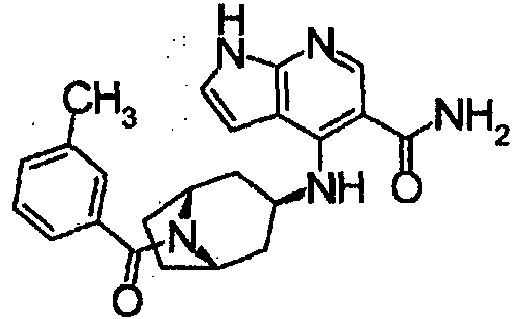
6* 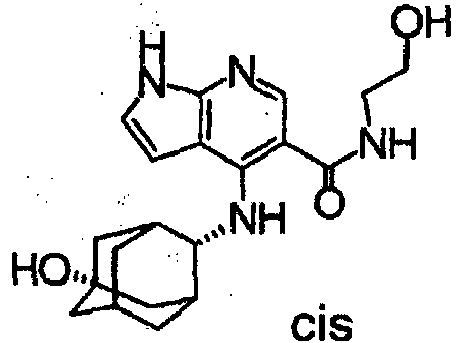
7* 
8* 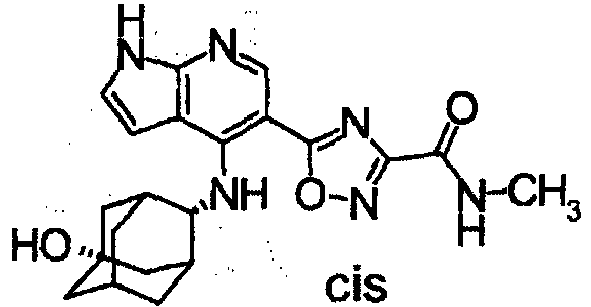
9* 
10* 
11* 
12* 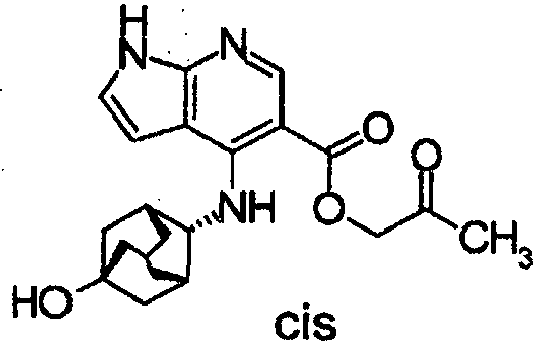
13* 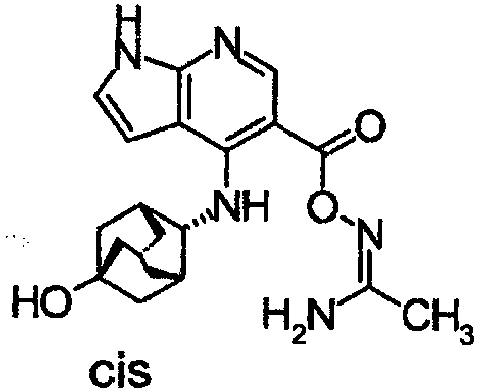
14* 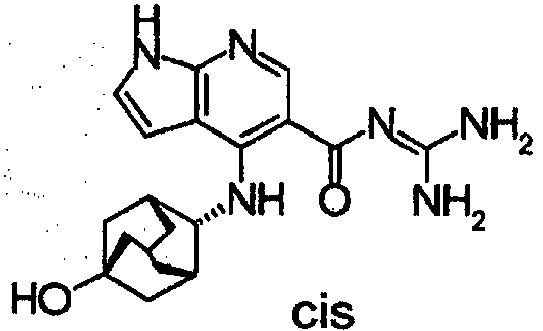
15* 
16* 
17* 
18* 
19* 
20* 
21* 
22* 
23 
24* 
25 
26* 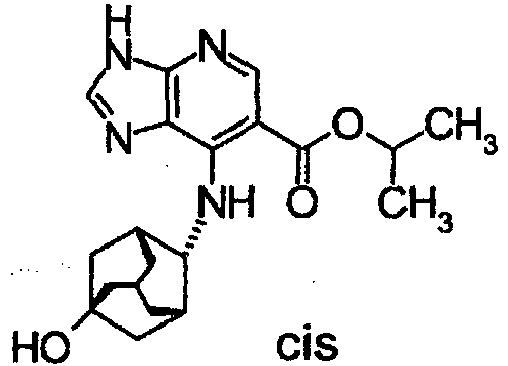
27* 
28* 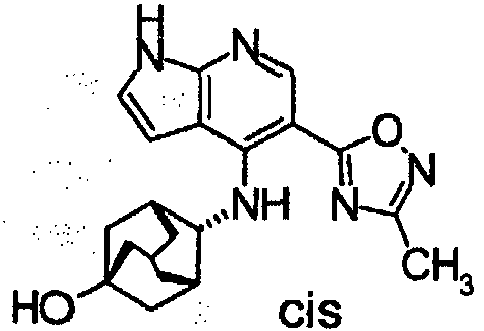
29* 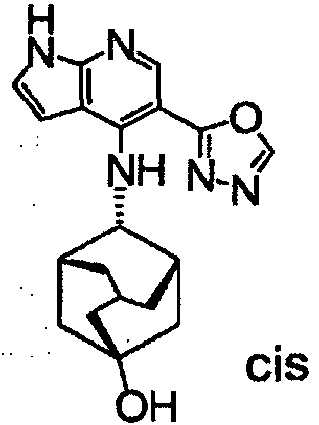
30* 
31* 
32* 
33* 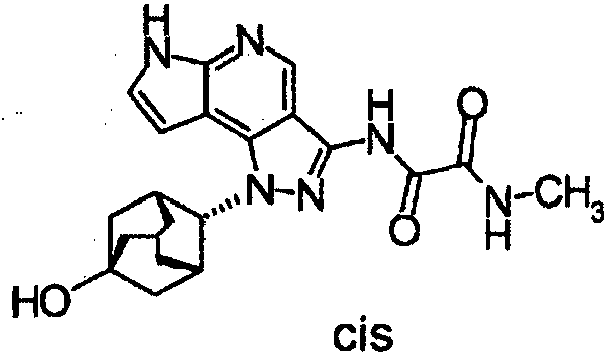
34* 
35* 
36 
37* 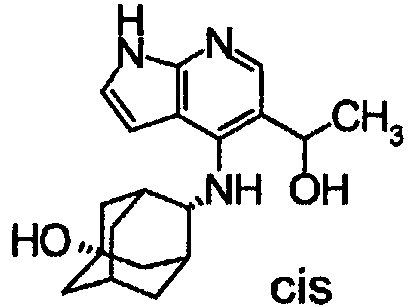
38* 
39* 
40* 
41* 
42* 
43* 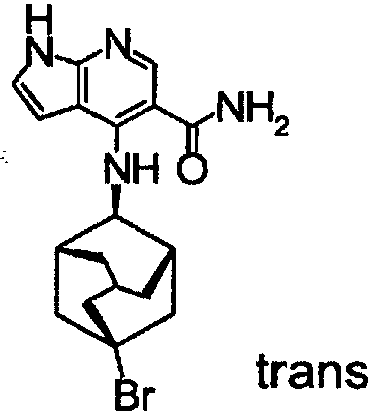
44* 
45* 
46* 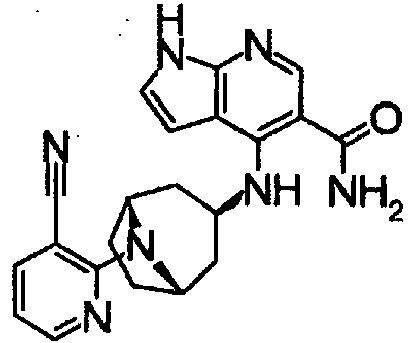
47* 
48* 
49* 
50* 
51* 
52* 
53* 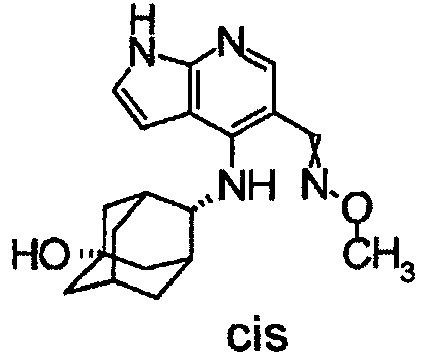
54* 
55* 
56* 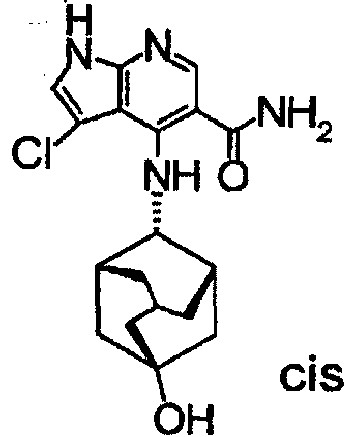
57* 
58* 
59* 
60* 
61* 
62* 
63* 
64* 
65* 
66* 
67* 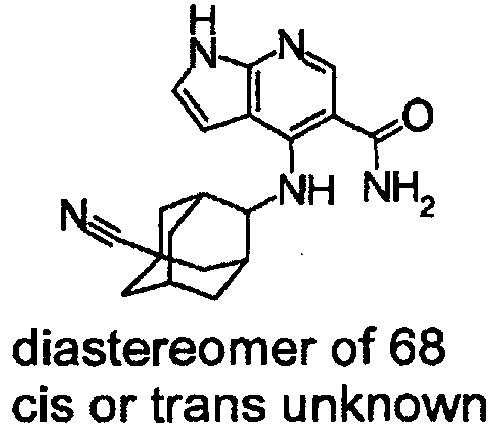
68* 
69* 
70* 
71* 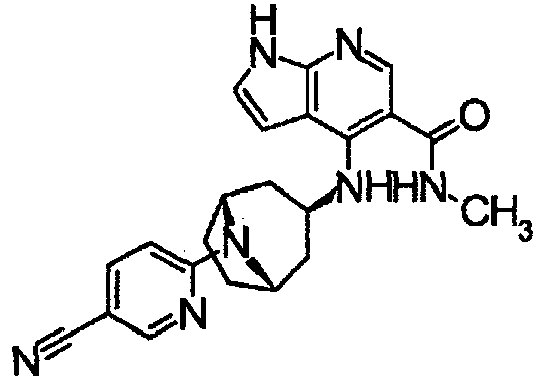
72 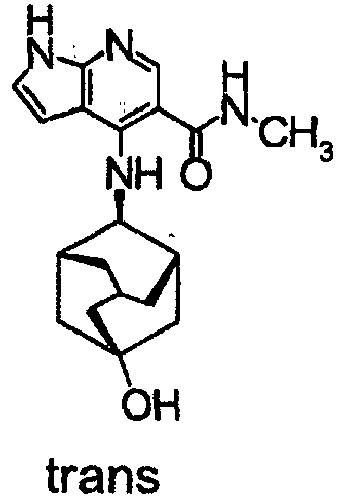
73 
74* 
75* 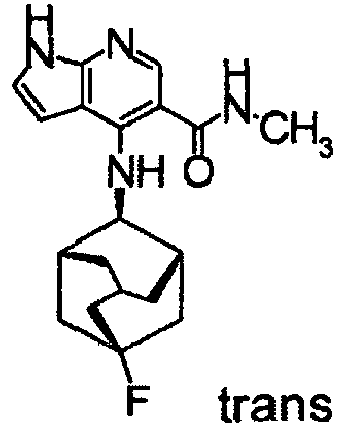
76* 
77* 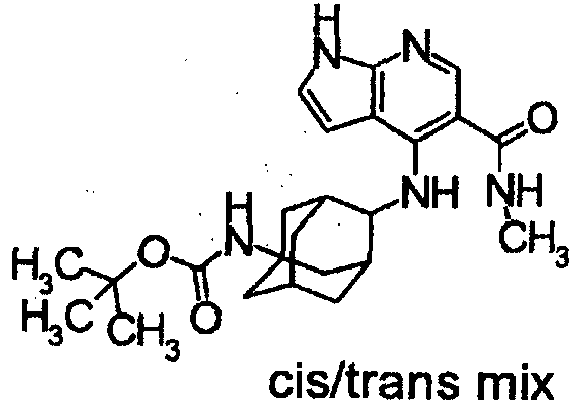
78* 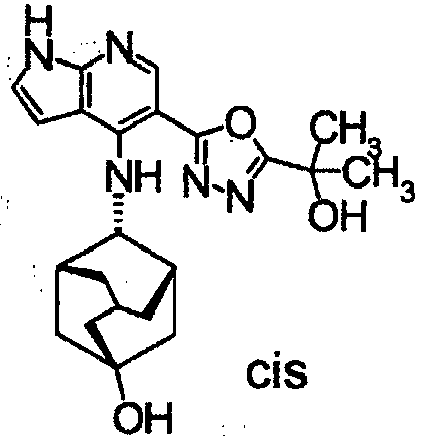
79* 
80* 
81 
82 
83* 
84* 
85* 
86* 
87* 
88* 
89* 
90* 
91* 
92* 
93* 
94* 
95* 
96* 
97* 
98* 
99* 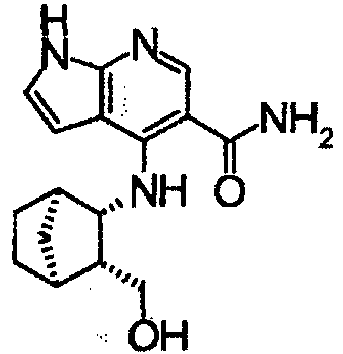
100 * 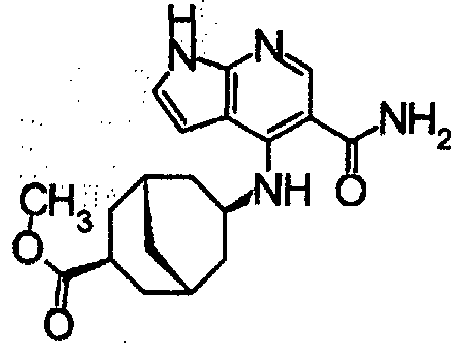
101 * 
102 * 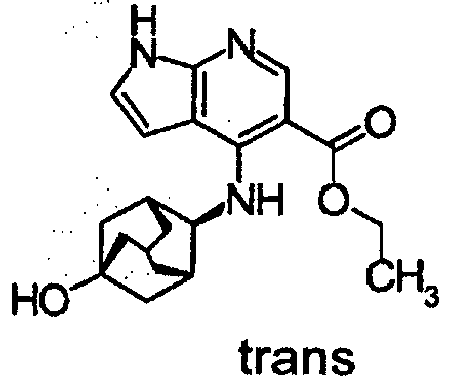
103 * 
104 * 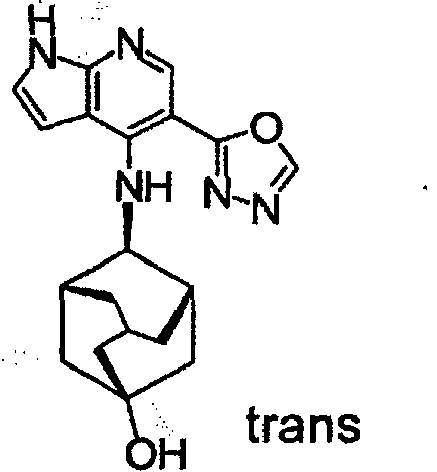
105 * 
106 * 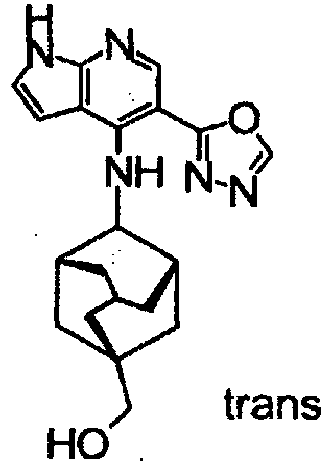
107* 
108* 
109* 
110* 
111* 
112* 
113* 
114* 
115* 
116* 
117 
118 
119 
120 
121 
122 
123 
124 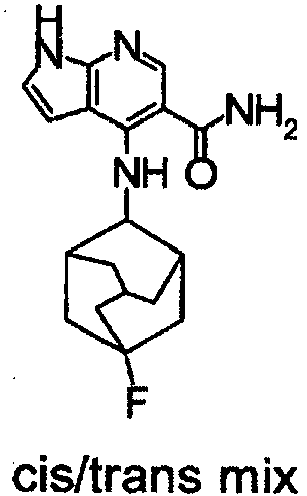
125 
126* 
127* 
128* 
129* 
130* 
131* 
132* 
133* 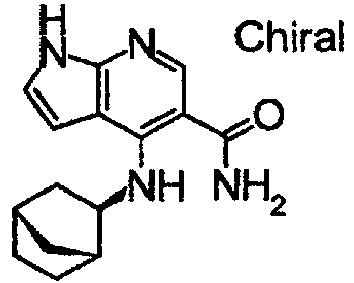
134* 
135* 
136* 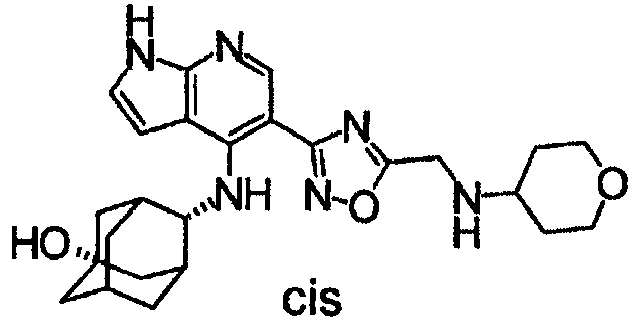
137* 
138* 
139* 
140* 
141* 
142* 
143 
144* 
145* 
146* 
147* 
148* 
149* 
150* 
151* 
152* 
153* 
154* 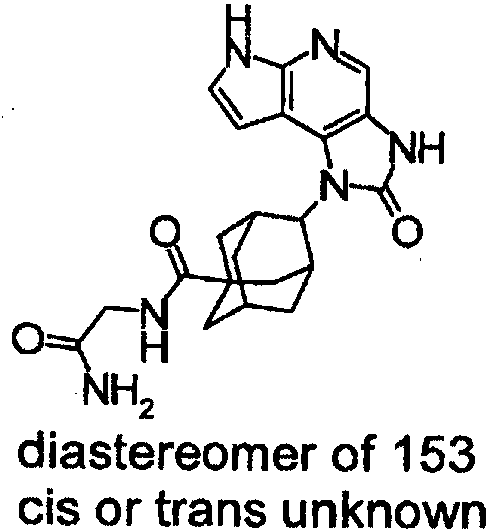
155* 
156* 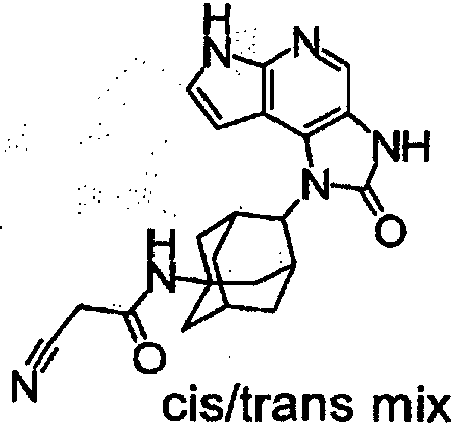
157* 
158* 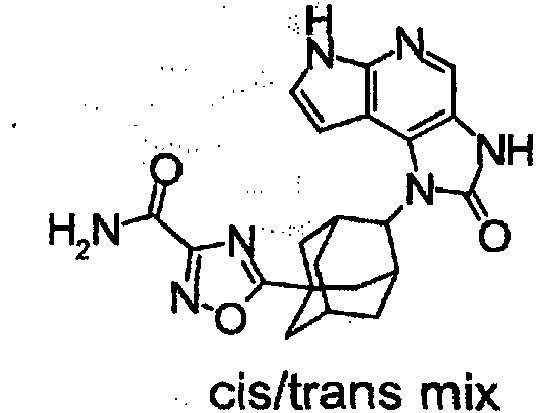
159* 
160* 
161* 
162* 
163* 
164* 
165* 
166* 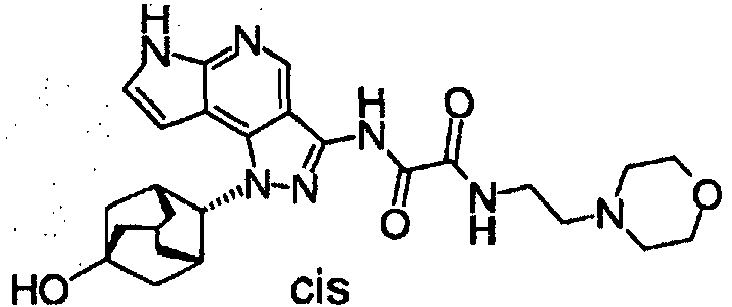
167* 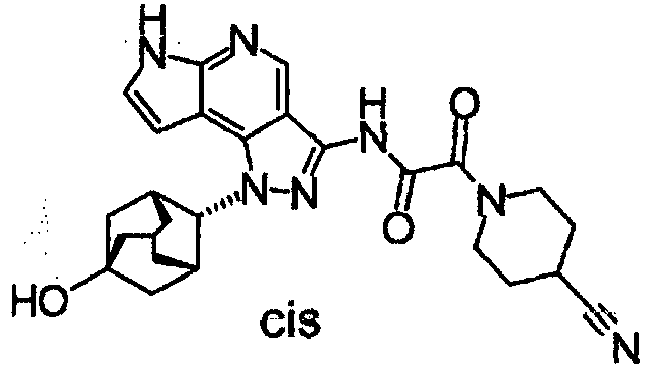
168* 
169* 
170* 
171* 
172* 
173 
174 
175 
176 
177 * 
178 * 
179 * 
180 * 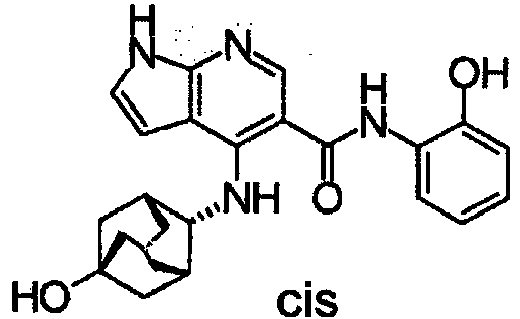
181 * 
182 * 
183 * 
184 * 
185 * 
186 * 
187 * 
188 * 
189 * 
190 * 
191 * 
192 * 
193 * 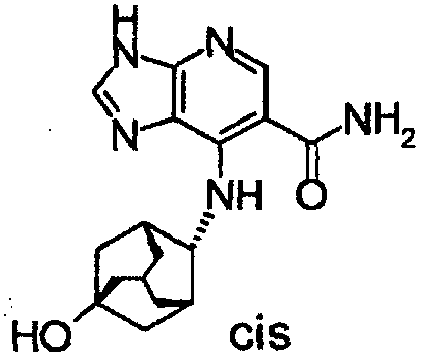
194 * 
195 * 
196 * 
197 * 
198 * 
199 * 
200 * 
201* 
202* 
203* 
204* 
205* 
206* 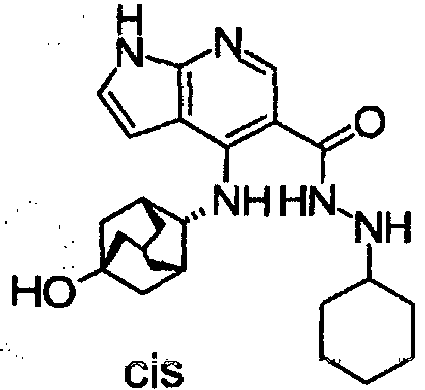
207* 
208* 
209* 
210* 
211 * 
212 * 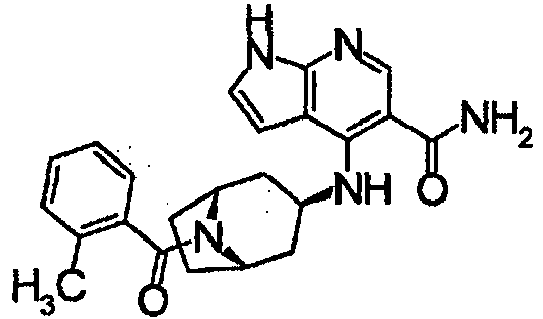
213 * 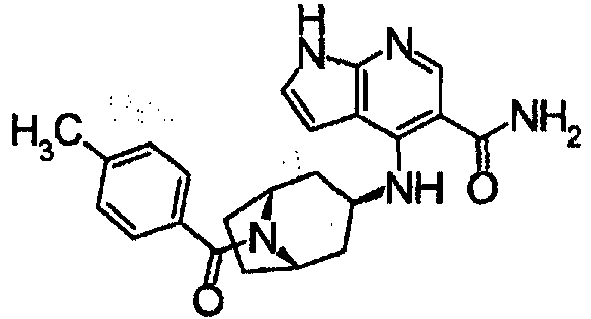
214 * 
215 * 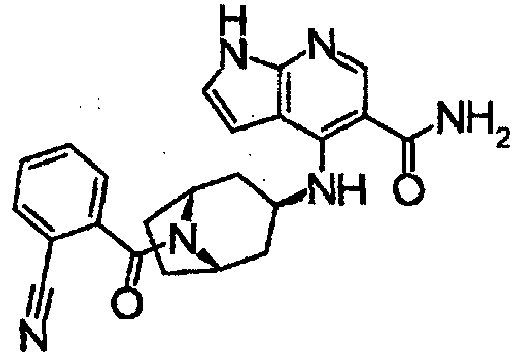
216 * 
217 * 
218 * 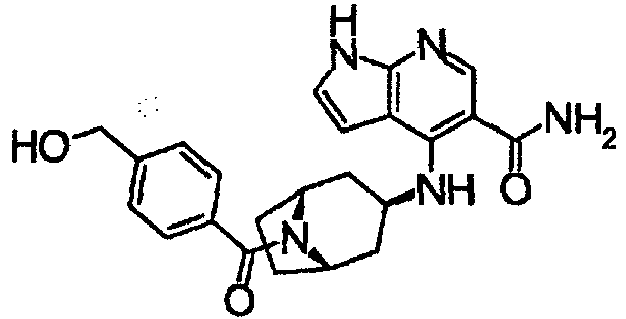
219 * 
220 * 
221 * 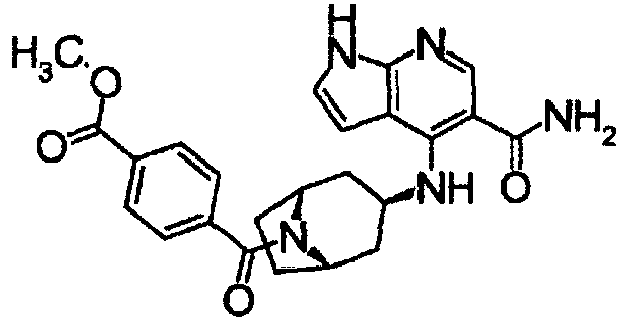
222 
223 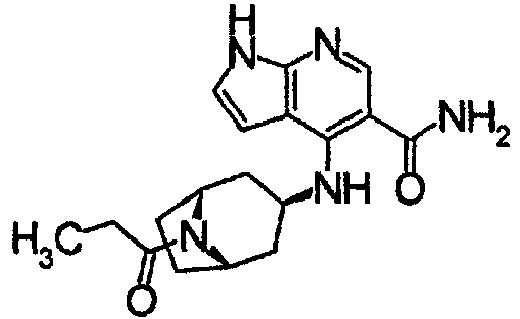
224 
225 
226 * 
227 * 
228 * 
229 * 
230 * 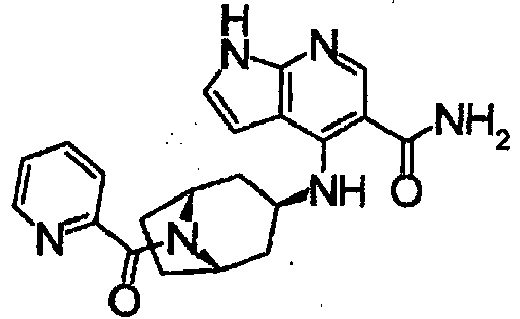
231 * 
232 * 
233 * 
234 * 
235 * 
236 * 
237 * 
238 * 
239 * 
240 * 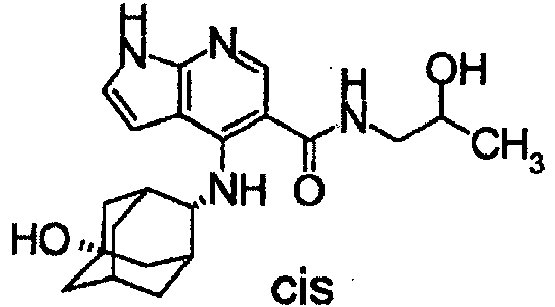
241 * 
242 * 
243 * 
244 * 
245 * 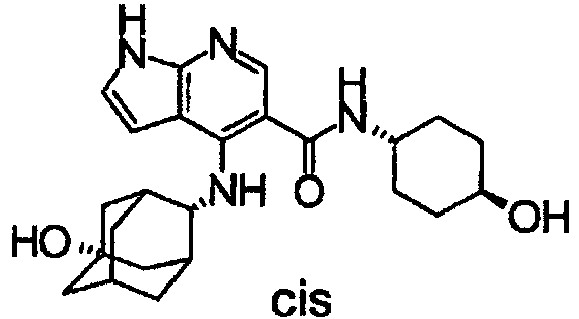
246 * 
247 * 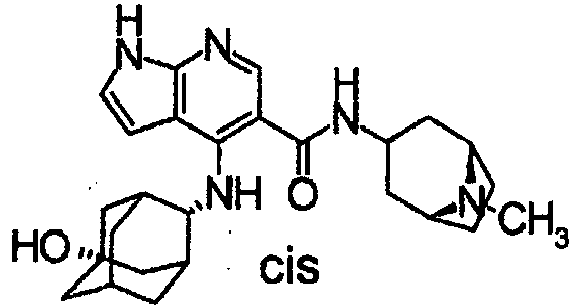
248 * 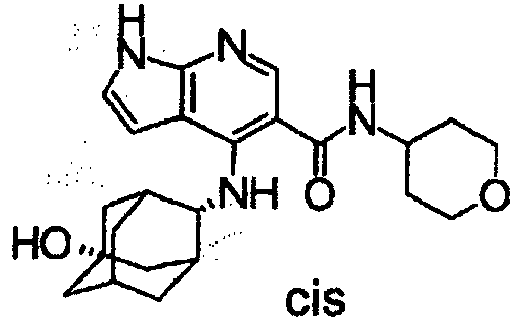
249 * 
250 * 
251 * 
252 * 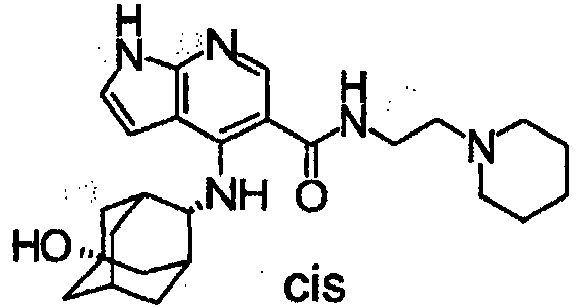
253 * 
254 * 
255 * 
256 * 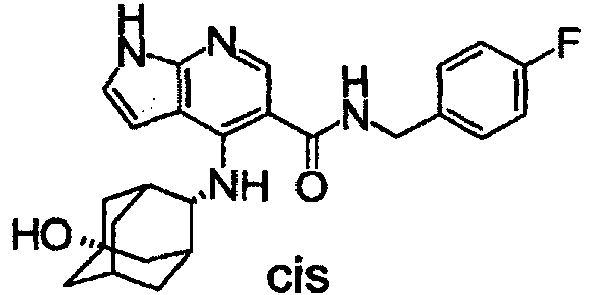
257 * 
258 * 
259 * 
260 * 
261 * 
262 * 
263 * 
264 * 
265 * 
266 * 
267 * 
268 * 
269* 
270* 
271* 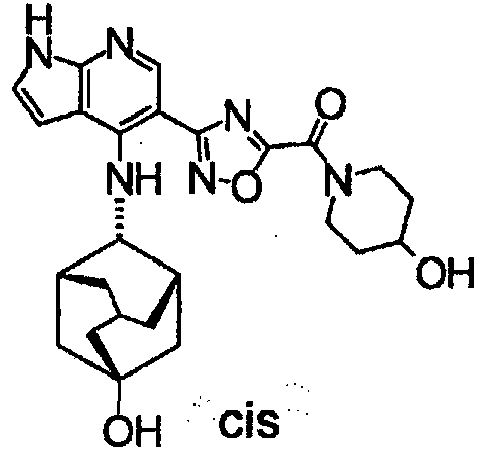
272* 
273* 
274* 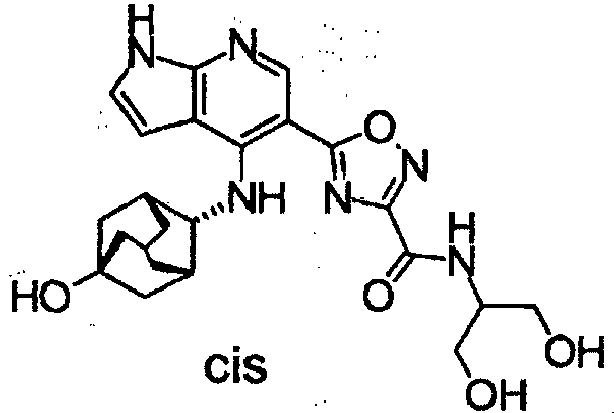
275* 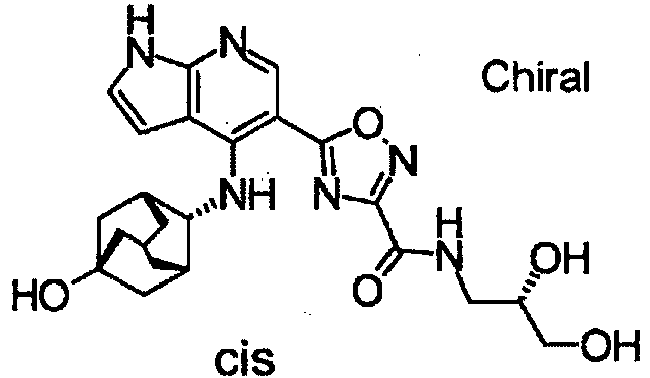
276* 
277* 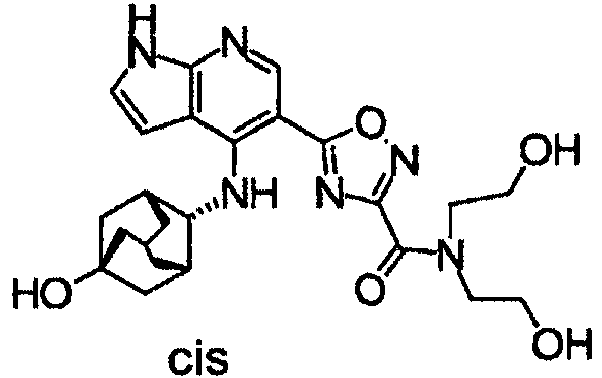
278* 
279 * 
280 * 
281 * 
282 * 
283 * 
284 * 
285 * 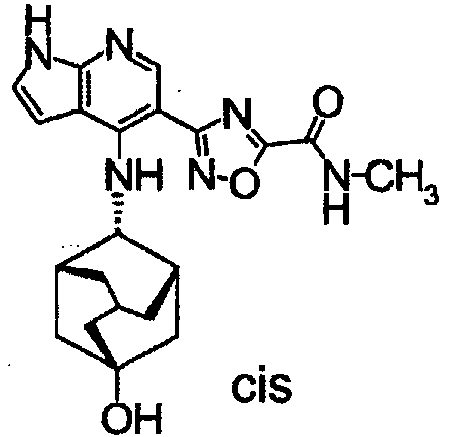
286 * 
287 * 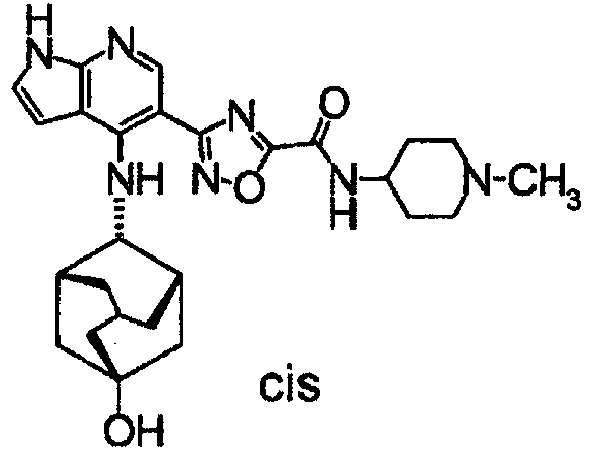
288 * 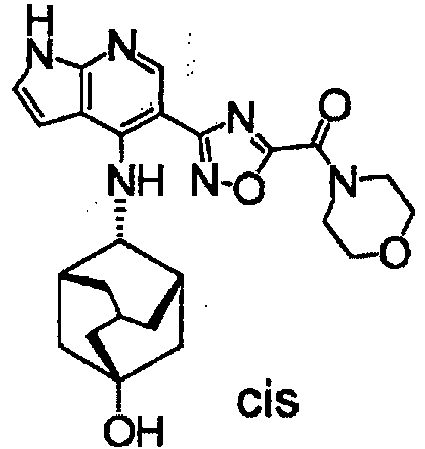
289* 
290* 
291* 
292* 
293* 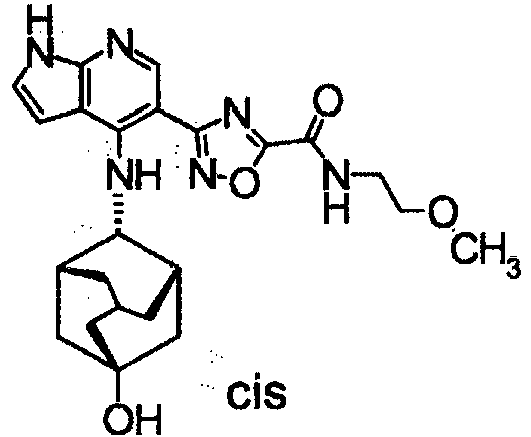
294* 
295* 
296* 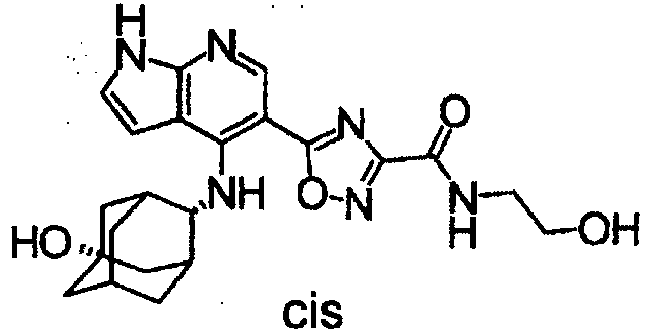
297* 
298* 
299* 
300* 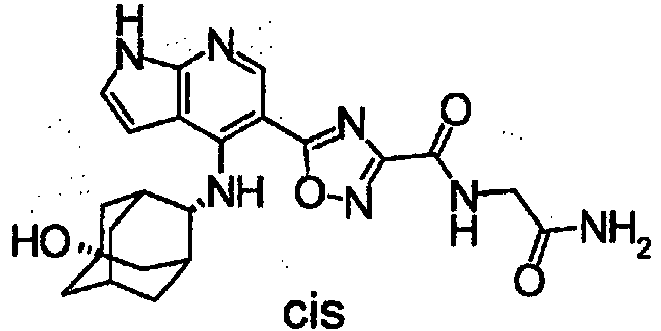
301* 
302* 
303* 
304* 
305* 
306* 
307* 
308* 
309 * 
310 * 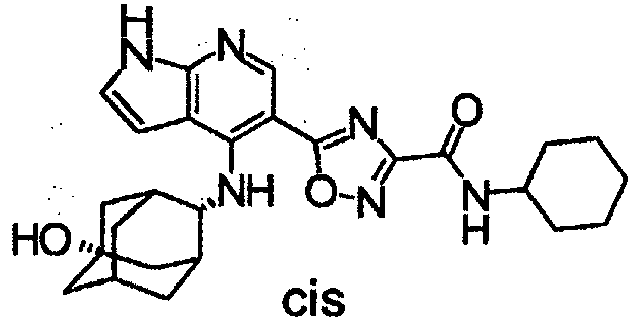
311 * 
312 * 
313 * 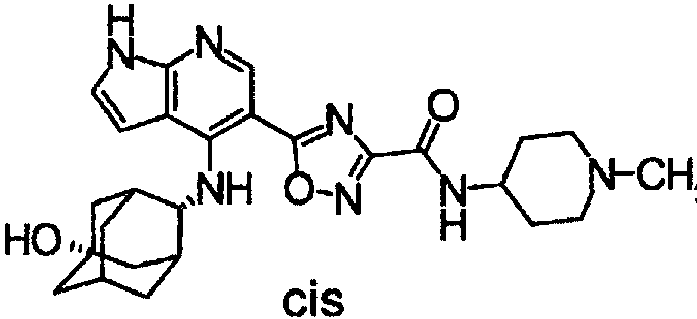
314 * 
315 * 
316 * 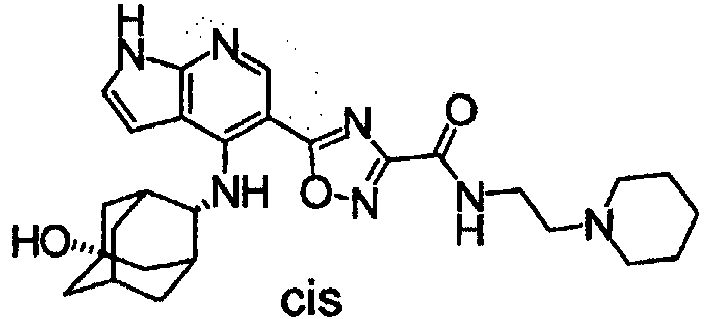
317 * 
318 * 
319* 
320* 
321* 
322* 
323* 
324* 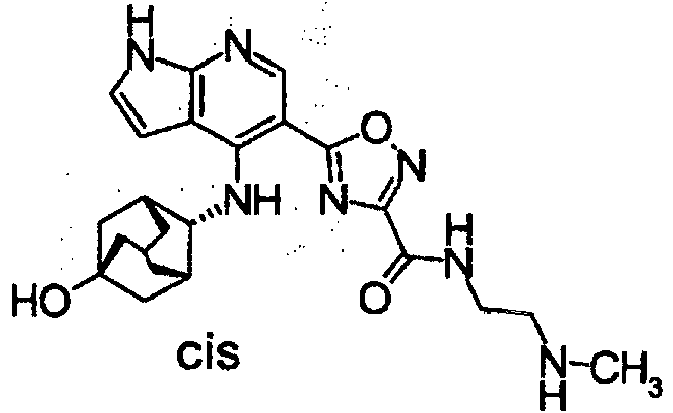
325* 
326* 
327* 
328* 
329 * 
330 * 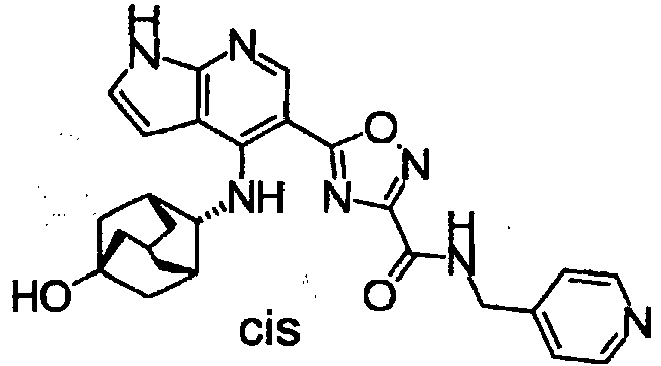
331 * 
332 * 
333 * 
334 * 
335 * 
336 * 
337 * 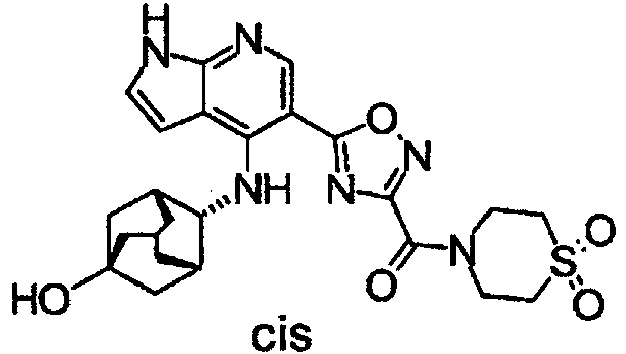
338 * 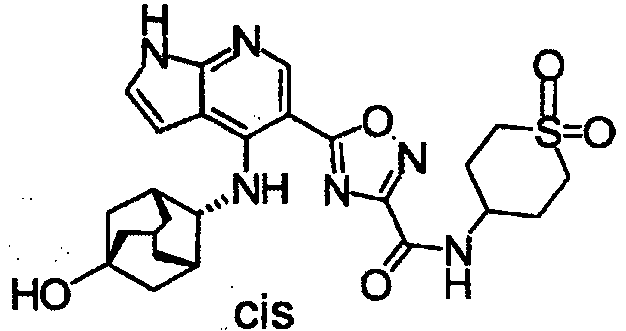
339* 
340* 
341* 
342* 
343* 
344* 
345* 
346* 
347* 
348* 
349* 
350* 
351* 
352* 
353* 
354* 
355* 
356* 
357* 
358* 
359* 
360* 
361* 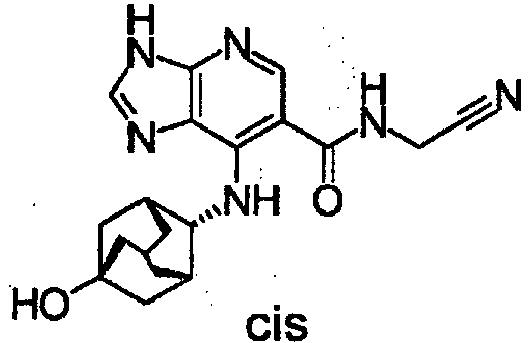
362* 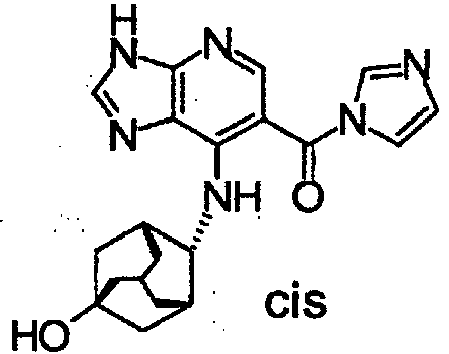
363* 
364* 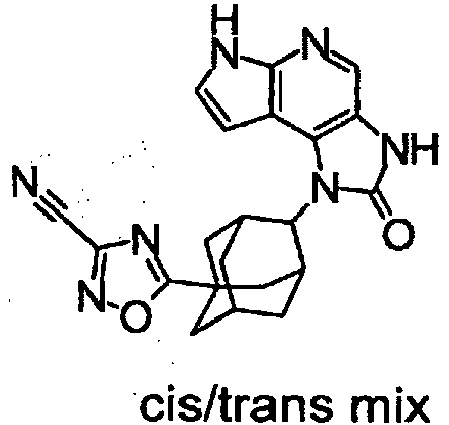
365* 
366* 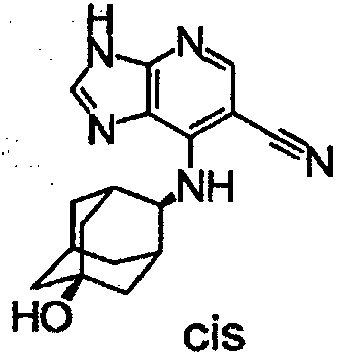
367* 
368* 
369* 
370* 
371 * 
372 * 
373 * 
374 * 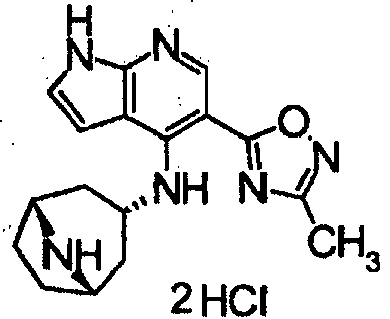
375 * 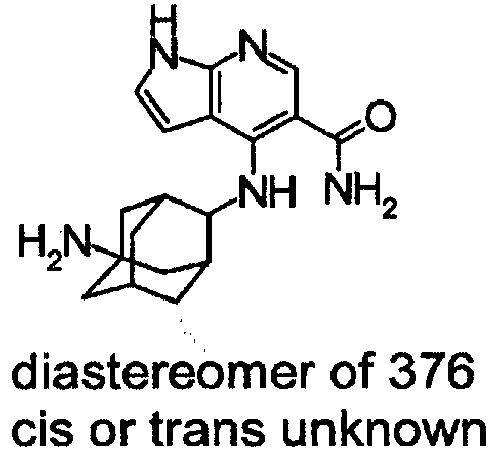
376 * 
377 * 
378 * 
379 * 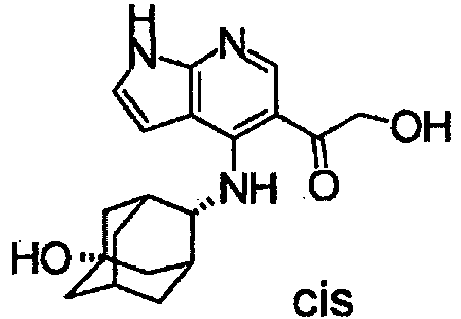
380 * 
381 * 
382 * 
383 * 
384 * 
385 * 
386 * 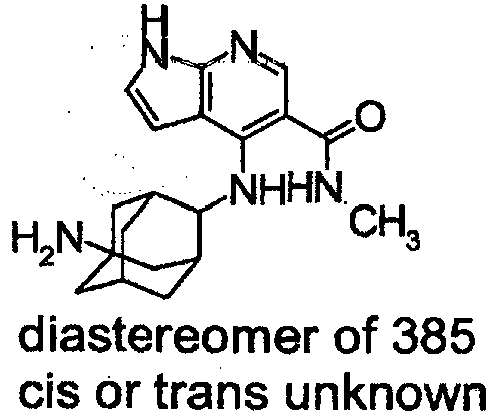
387 * 
388 * 
389 * 
390 * 
391 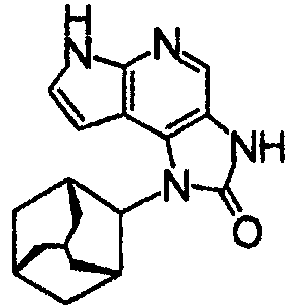
392 * 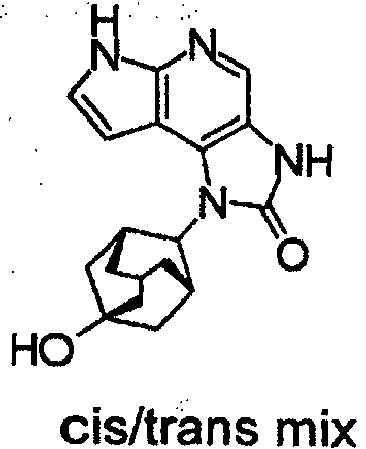
393 * 
394 * 
395 * 
396 * 
397 * 
398 * 
399 * 
400 * 
401 * 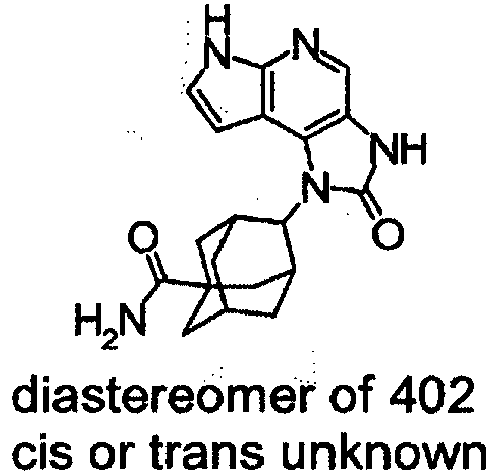
402 * 
403 * 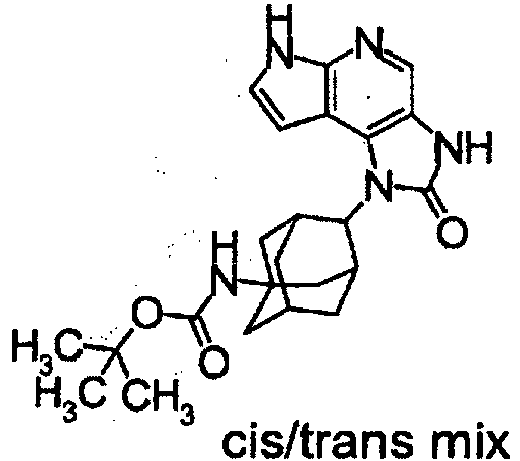
404 * 
405 * 
406 * 
407 * 
408* 
409 * 
410* 
411 * 
412* 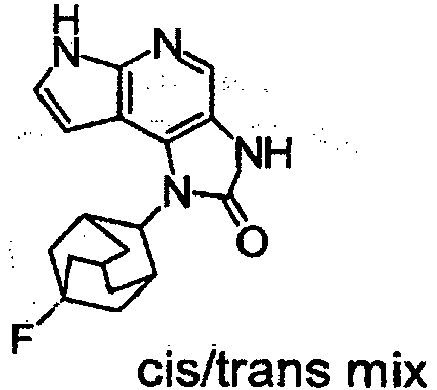
413 * 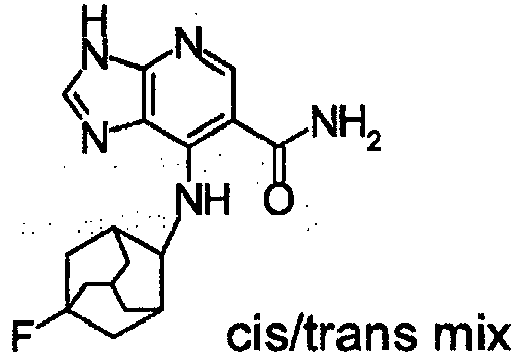
414* 
415 * 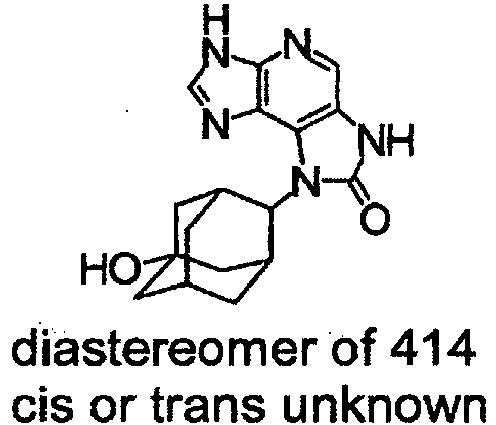
416* 
417 * 
418 * 
419 * 
420 * 
421 * 
422 * 
423 * 
424 * 
425 * 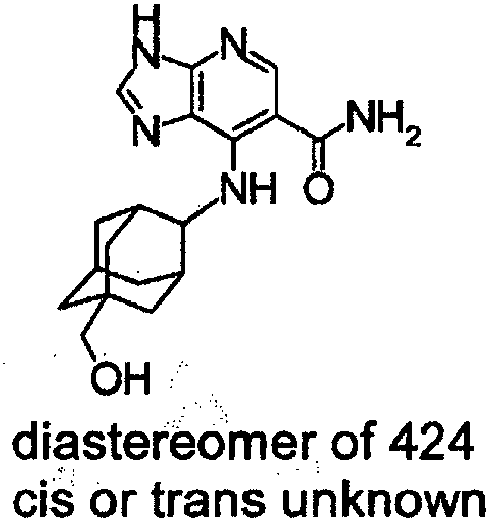
426 * 
427 * 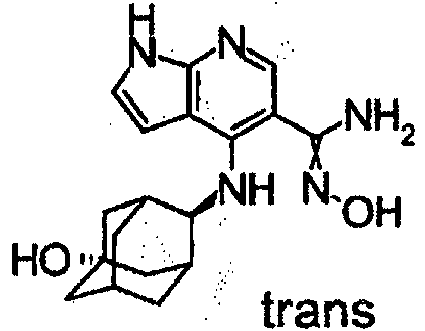
428 * 
429 * 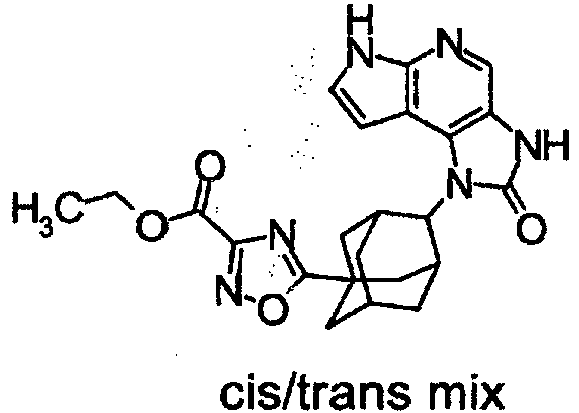
430 * 
431 * 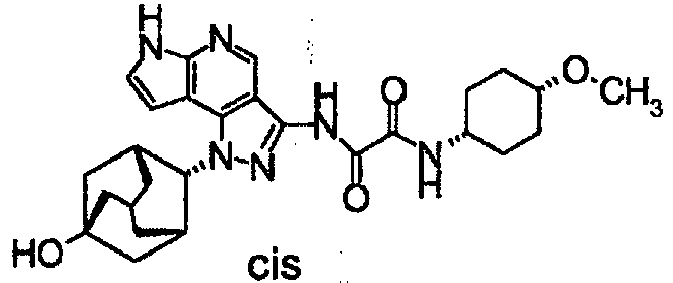
432 * 
433 * 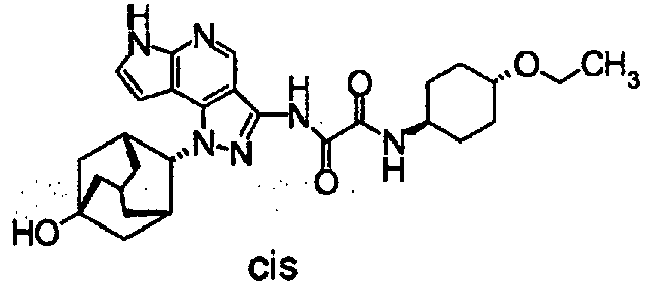
434 * 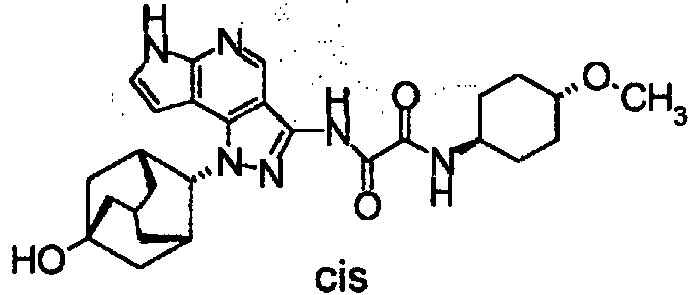
435 * 
436 * 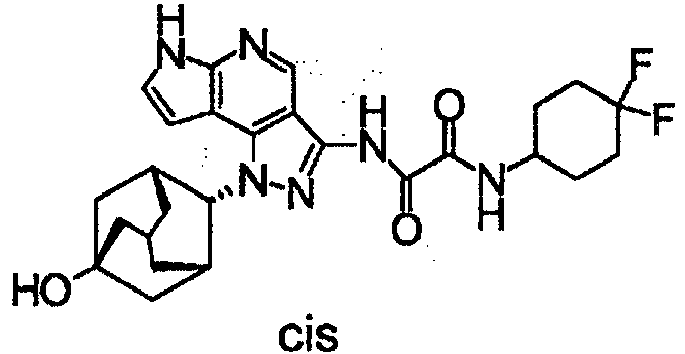
437 * 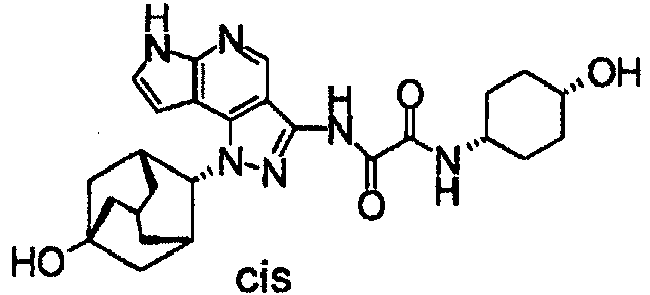
438 * 
439 * 
440 * 
441 * 
442 * 
443 * 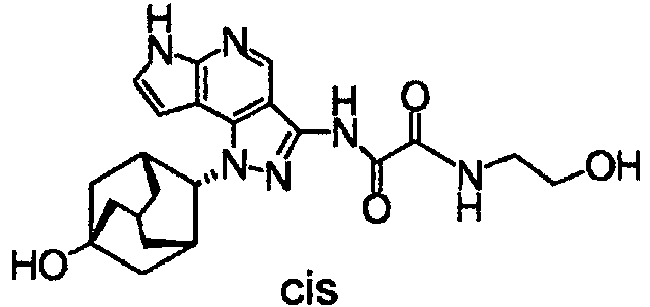
444 * 
445 * 
446 * 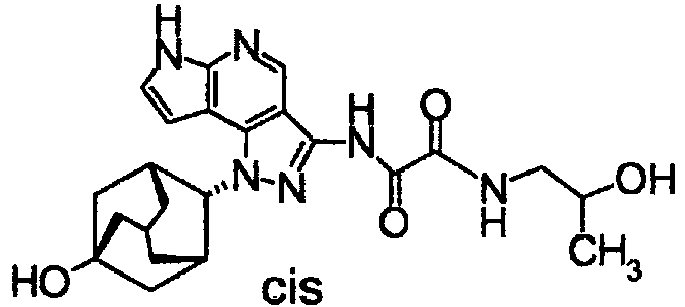
447 * 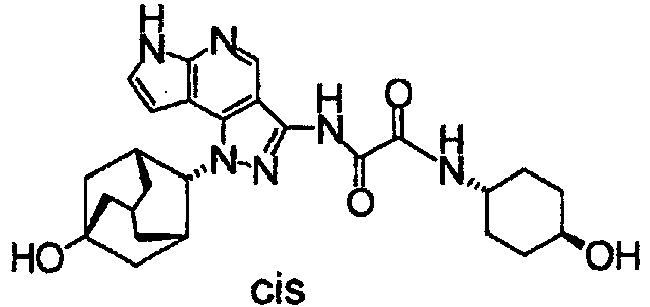
448 * 
449 * 
450 * 
451 * 
452 * 
453 * 
454 * 
455 * 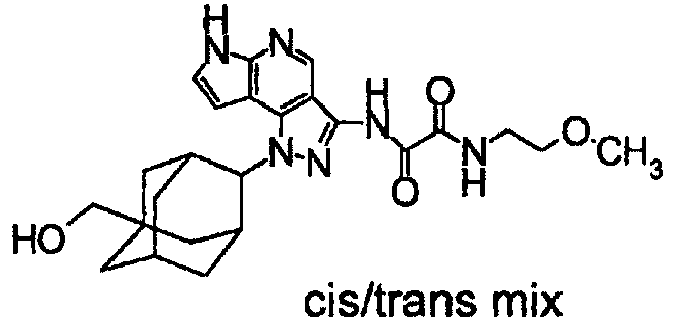
456 * 
457 * 
458 * 
459 * 
460 * 
461 * 
462 * 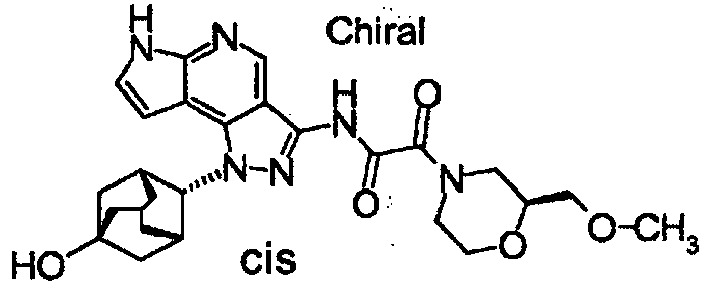
463 * 
464 * 
465 * 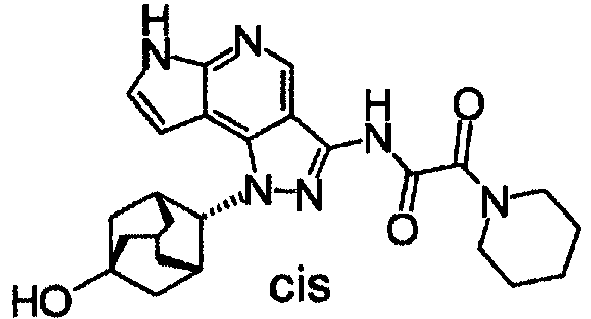
466 * 
467 * 
468 * 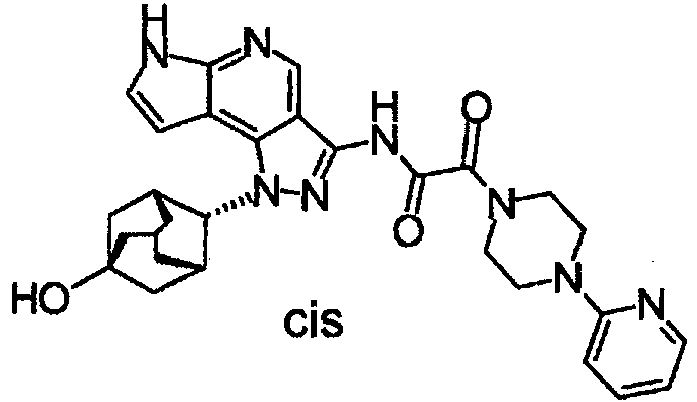
469 * 
470 * 
471 * 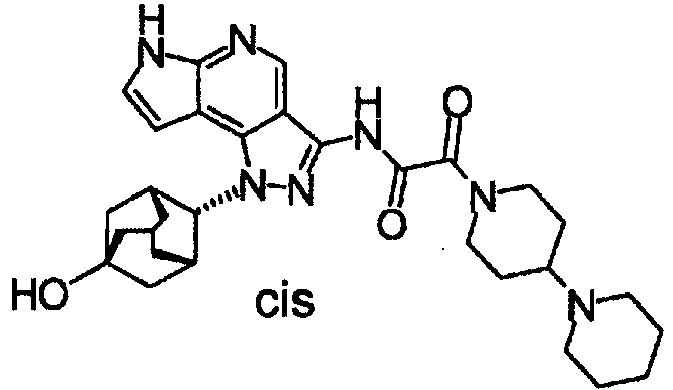
472 * 
473 * 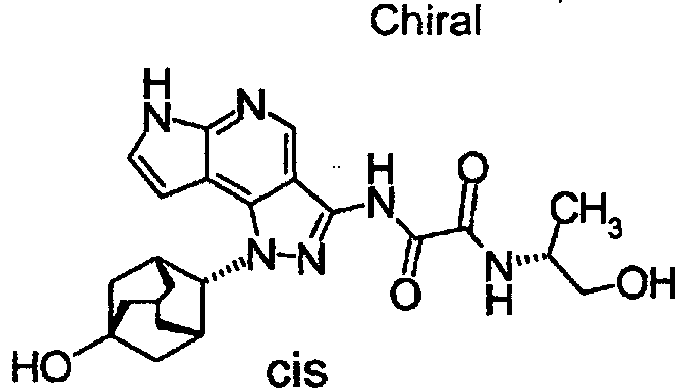
474 * 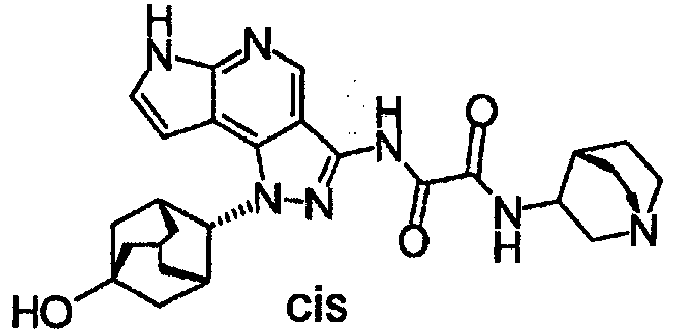
475 * 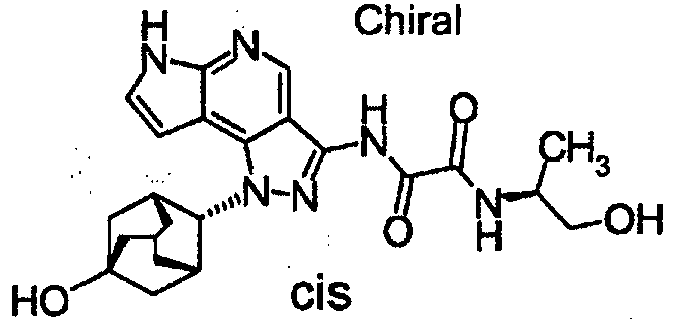
476 * 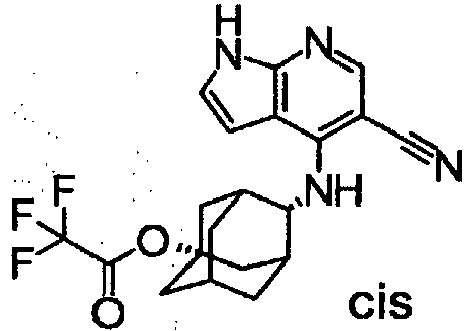
477 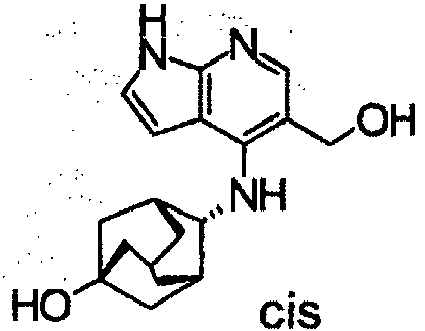
478 * 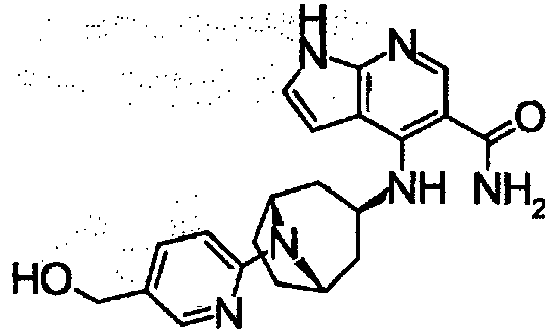
479 * 
480 
481 * 
482 * 
483 * 
484 * 
485 * 
486 * 
487 * 
488 * 
489 * 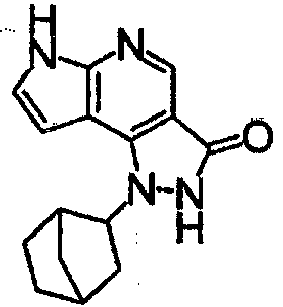
490 * 
491 * 
492 * 
493 * 
494 * 
495 * 
496 * 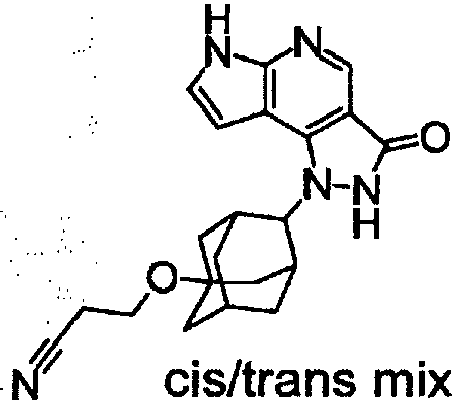
497 * 
498 * 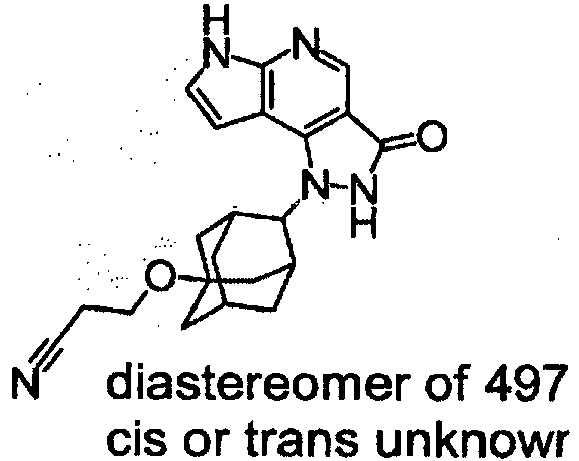
499 * 
500 * 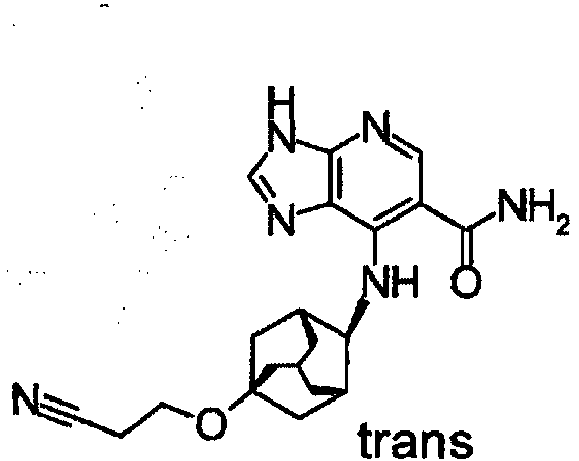
501 * 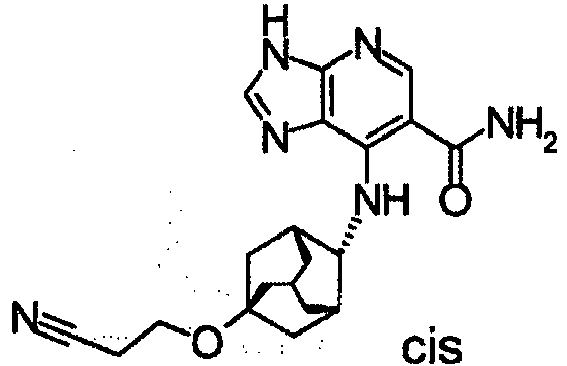
502 * 
503 * 
504 * 
505 * 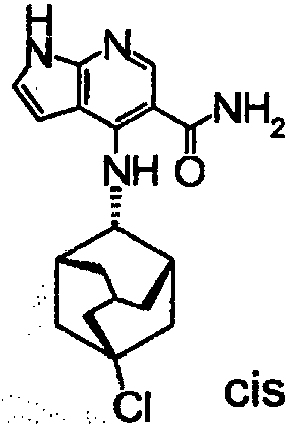
506 * 
507 * 
508 * 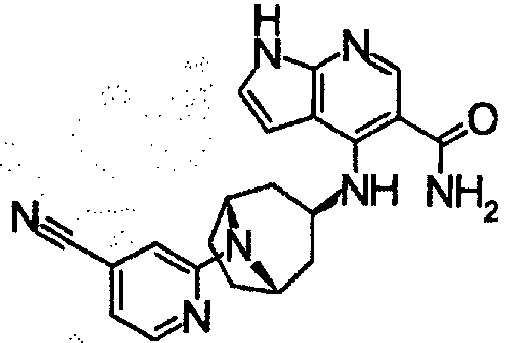
509 * 
510 * 
511 * 
512 * 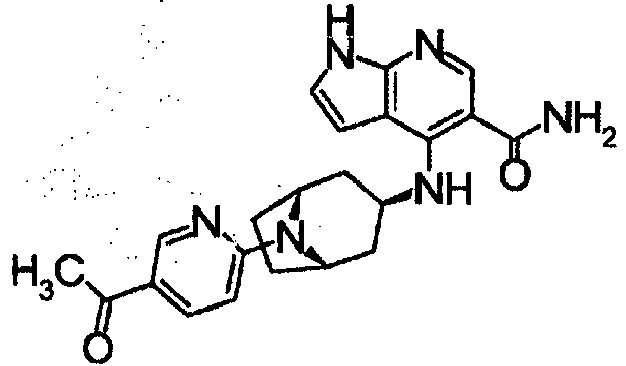
513 * 
514 * 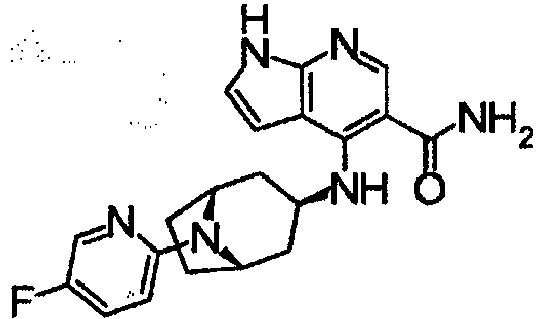
515 * 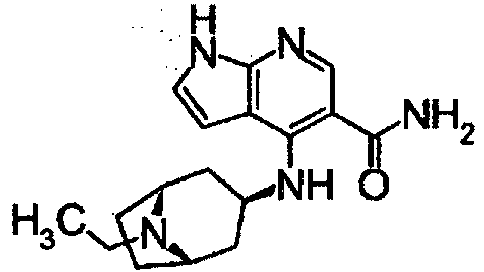
516 * 
517 * 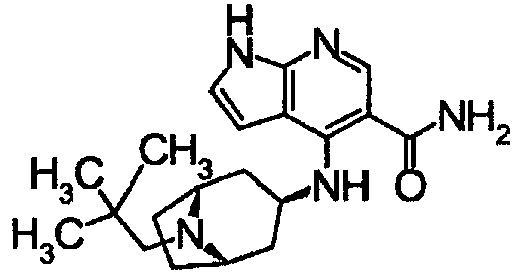
518 * 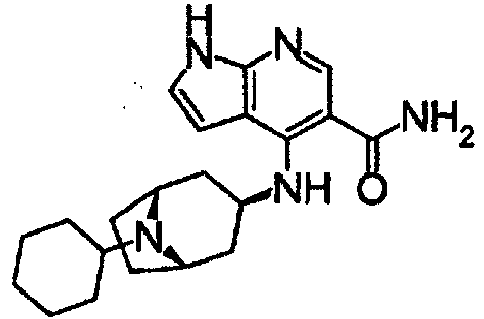
519 * 
520 * 
521 * 
522 * 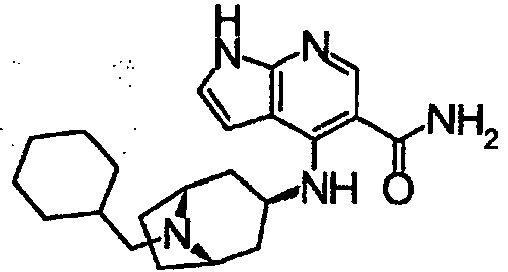
523 * 
524 * 
525 * 
526 * 
527 * 
528 * 
529 * 
530 * 
531 * 
532 * 
533 * 
534 * 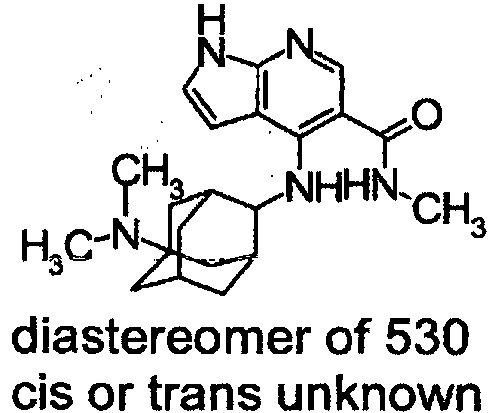
535 * 
536 * 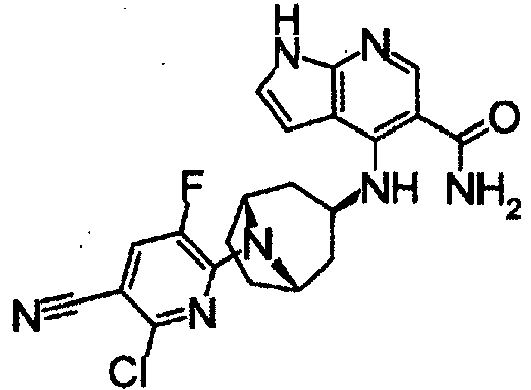
537 * 
538 * 
539 * 
540 * 
541 * 
542 * 
543 * 
544 * 
545 * 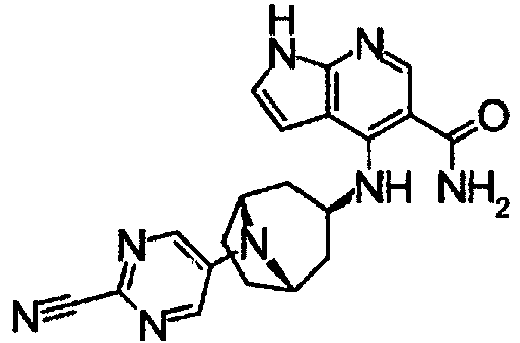
546 * 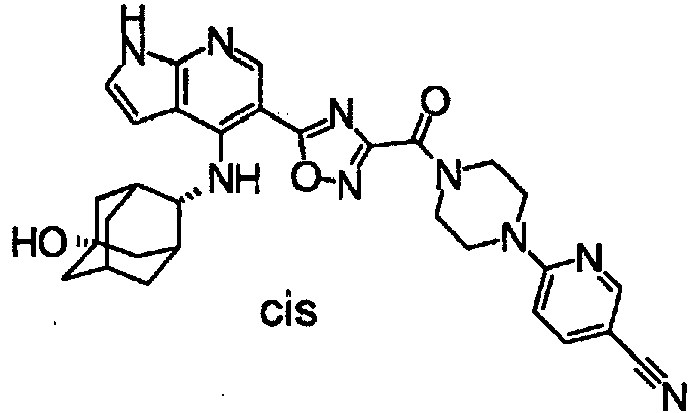
547 * 
548 * 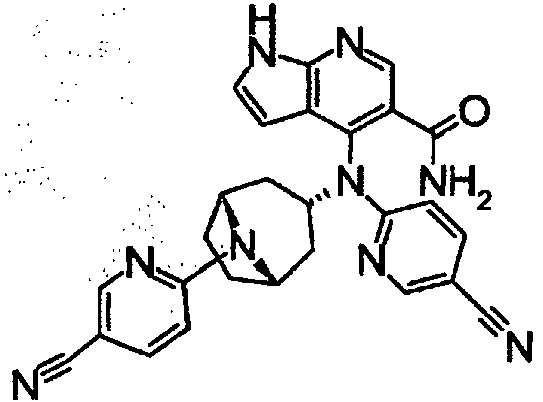
549 * 
550 * 
551 * 
552 * 
553 * 
554 * 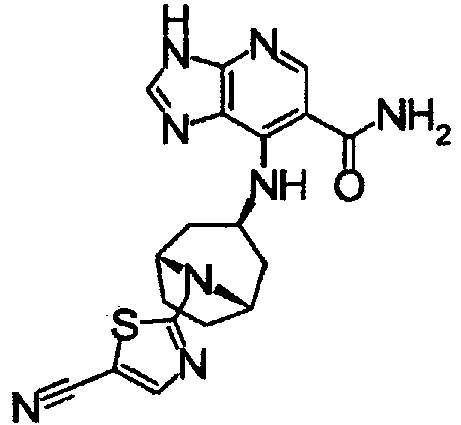
555 * 
556 * 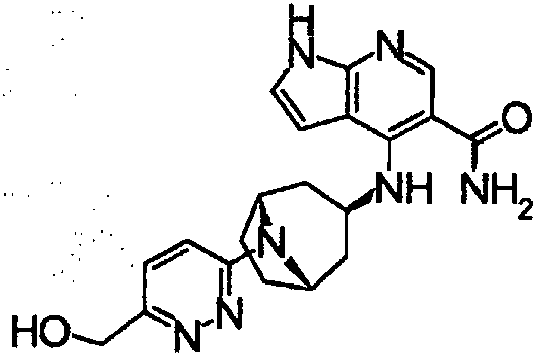
557 * 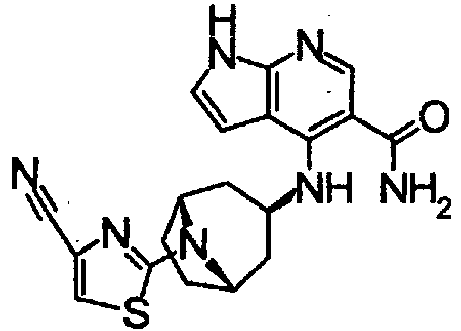
558 * 
559 * 
560 * 
561 * 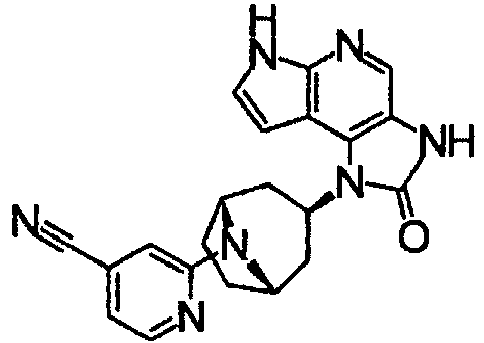
562 * 
563 * 
564 * 
565 * 
566 * 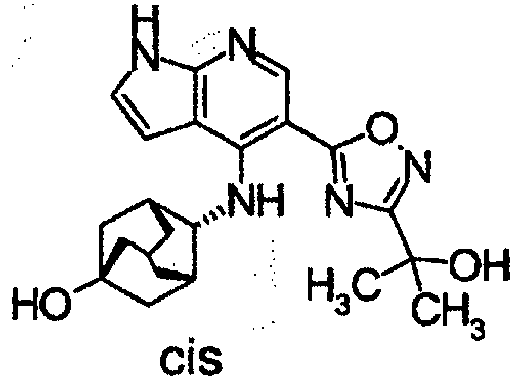
567 * 
568 * 
569 * 
570 * 
571 * 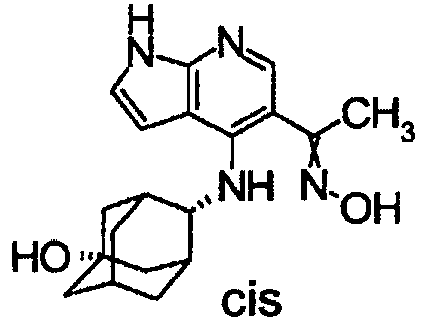
572 * 
573 * 
574 * 
575 * 
576 * 
577 * 
578 * 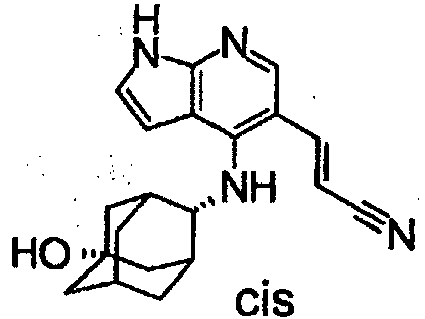
579 * 
Table 72 Ex Ref -Ex Data 1* - 1H-NMR (400MHz, d6-DMSO) δ:1.44-2.38 (10H, m), 2.85 (3 H, d, J=4.8Hz), 4.23(1H,m), 4.53(1H,s), 6.58 (1H, m), 7 .27 (1H, m), 8.58 (1H, s), 8.78 (1H, m), 9.25 (1H, m), 11.7 9 (1H, s) .MS:409 (M+H) + 2* - MS: 313 (M+H) + 3* - 1H-NMR (400MHz, d6-DMSO) δ:1.52-2.46 (11H ,m), 2.63-2 .72 (2H,m), 4.49-4.53(1H,m), 6.31-6.35 (1H,m),7.42-7.45 (1H, m), 7.89-7.90 (1H, m), 10.75-10.77 (1H, m),11 .55-11.58(1H,m),12.10(1H,br).MS:353(M+H)+ 4* - 1H-NMR (40MHz, d6-DMSO) δ:1.51-2.13 (8H, m), 2.18-2. 47 (3H, m), 2.65-2.76 (2H, m), 4.02-4.13 (2H, m), 4.50-4 .55 (1H, m), 6.34-6.39 (1H, m), 7.44-7.46 (1H, m), 7.90 ( 1H, s), 8.14-8.39 (1H, m), 10.77-10.78 (1H, m), 11.58 (1 H, s) .MS:391 (M+H) + 5* - MS:404 (M+H) + 6* - MS:371 (M+H) + 7* - MS:508 (M+H) + 8* - MS:409 (M+H) + 9* - MS:542 (M+Na) + 10* - 1H-NMR (400MHz ,d6-DMSO) δ:1.38-2.77 (18H, m), 4.38-4 .54 (1H,m), 6.29-6.35 (1H, m), 7.25-7.37 (1H, m), 7.42-7.45 (1H, m), 7.89-7.90 (1H, m), 10.75 (1H, br), 11.57 (1 H, s) .MS:380 (M+H) + 11* - 1H-NMR (400MHz, d6-DMSO) δ:1.46-2.2 9(9H, m), 3.83 (3H , s), 4.10 (1H, m), 4.56 (1H, s), 6.50 (1H, m), 7.18 (1H, m) ,8.55 (1H, s), 9.27 (1H, m), 11.68 (1H, e) .MS:342 (M+H) + 12* - 1H-NMR (400MHz, d6-DMSO) δ:1.43-1.54 (2H, m), 1.58-1. 73 (4H, m), 1.73-1.86 (4H,m), 2.05-2.12 (1H, m), 2.17 (3 H, s), 2.21-2.29 (2H, m), 4.08-4.16 (1H, m), 4.56 (1H, s) , 4.99 (2H, s), 6.48-6.55 (1H, m), 7.18-7.24 (1H, m), 8.6 3 (1H, s), 9.12 (1H, d, J=7.8Hz), 11.74 (1H, s) .MS:384 (M +H) + 13* - 1H-NMR (400MHz, d6-DMSO) δ:1.43-1.53 (2H, m), 1.57-1. 74 (4H, m), 1.74-1.90 (4H, m), 1.80 (3H, s), 2.04-2.12 (1 H, m), 2.20-2.29 (2H, m), 4.06-4.14 (1H, m), 4.56 (1H, s) ,6.45 (2H,brs), 6.47-6.52 (1H, m), 7.14-7.19 (1H, m), 8 .76 (1H, s), 9.41 (1H, d, J=8.0Hz), 11.64 (1H, s) .MS:384 (M+H) + 14* - MS:369 (M+H) + 15* - MS:383 (M-H) - 16* - 1H-NMR (400MHz,d6-DMSO) δ:1.57-1.63 (2H, m), 1.95-2. 09 (3H,m), 2.17-2.24 (2H,m), 3.31-3.71 (6H,m), 4.62 (1 H, s), 6.38-6.40 (1H, m), 7.44 (1H, t, J=3.0Hz), 7.90(1H ,s), 10.80 (1H, s), 11.58 (1H, s) .MS:334 (M+H) + 17* - 1H-NMR (400MHz, d6-DMSO) δ:1.51-1.56 (2H, m), 1.63-1. 74 (4H, m), 1.83-1.91 (4H, m), 2.09-2.13 (1H, m), 2.30-2 .34 (2H, m), 4.22-4.25 (1H, m), 4.58 (1H, s), 6.62 (1H, d, J=3.6Hz), 7.31 (1H, d, J=3.6Hz), 8.50 (1H, d, J=7.6Hz), 8.66 (1H, s), 12.00 (1H, brs) .MS:399 (M+Na) + 18* - 1H-NMR (400MHz, d6-DMSO) δ:1.49-2.48 (10H, m), 2.72-2 .85 (2H, m), 4.61 (1H, s), 6.44-6.61 (1H, m), 7.64-7.71 ( 1H, m), 8.02-8.35 (4H, m), 11.59-11.64 (1H, m), 12.51-1 2.53 (1H, m) .MS:324 (M+H) + 19* - 1H-NMR (400MHz, d6-DMSO) δ:1.39-1.48 (2H, m), 1.59-1. 74 (6H, m), 1.79-1.85 (2H, m), 2.02-2.07 (1H, m), 2.16-2 .20 (2H, m), 4.45-4.48 (3H, m), 4.97 (1H, d, J=7.4Hz), 7. 13-7.19 (2H, m), 7.36-7.40 (2H, m), 8.06 (1H, s), 8.48 (1 H, s), 8.89 (1H, t, J=5.9Hz), 9.62.MS:436 (M+H) + 20* - 1H-NMR (400MHz, d6-DMSO) δ:1.50-1.56 (2H, m), 1.62-1. 72 (4H, m), 1.77-1.88 (4H, m), 2.08-2.11 (1H, m), 2.24-2 .28 (2H, m), 3.56 (1H, m), 4.15-4.20 (1H, m), 6.67-6.69 ( 1H, m), 7.36-7.38 (1H, m), 8.28 (1H, s), 9.40 (1H, br), 10 .36-10.41 (1H, m), 11.55 (1H, s), 12.53 (1H, brs), 14.29 (1H, br) .MS:343 (M-HCl+H) + 21* - 1H-NMR (460MHz, d6-DMSO) δ:0.86-1.37 (3H, m), 1.58-1. 69 (2H, m), 2.20-2.24 (1H, m), 2.41-2.51 (2H, m), 2.77-2 .80 (1H, m), 2.90 (1H,s), 3.03-3.05 (1H, m), 4.29-4.35 ( 2H, m), 6.63 (1H, s), 7.43 (1H,s), 7.87(1H, s), 10.7 (1H, s), 11.6 (1H, s) .MS:299 (M+H) + 22* - 1H-NMR (400MHz, d6-DMSO) δ:1.68-1.93 (6H, m), 2.02-2. 13 (3H, m), 2.40-2.47 (2H, m), 2.71-2.75 (2H, m), 4.04 (2 H, d, J=5.5Hz), 4.50 (1H, s), 6.34-6.36 (1H, m), 7.45 (1H , t, J=3.0Hz), 7.90 (1H, s), 8.16 (1H, t, J=5.6Hz), 10.77 (1H, s), 11.59 (1H, s) .MS:391 (M+H) + 23 - 1H-NMR (400MHz, d6-DMSO) δ:1.71-1.89 (6H, m), 2.21-2. 25 (3H, m), 2.53-2.56 (6H, m), 6.63 (1H, s), 7.46 (1H, t, J =3.2Hz), 7.90 (1H, s), 10.77 (1H, s), 11.61 (1H, s) .MS:3 09 (M+H) + 24* - MS : 342 (M+H) + 25 - MS : 312 (M+H) + 26* - 1H-NMR (400MHz, d6-DMSO) δ:1.33 (6H, d, J=6.2Hz), 1.46 -1.86 (10H, m), 2.06 (1H, brs), 2.22 (2H, brs), 4.54 (1H, s), 5.05 (1H, d, J=8.8Hz), 5.18-5.15 (1H, m), 8.12 (1H, s ), 8.63 (1H, s), 9.16 (1H, d, J=8.8Hz), 13.0 (1H, brs) .MS :371 (M+H) + 27* - 1H-NMR (400MHz, d6-DMSO) δ:1.41-1.45 (2H, m), 1.59-1. 62 (2H, m), 1.65-1.70 (2H, m), 1.74-1.79 (2H, m), 1.88-1 .92 (2H, m), 2.05-2.09 (1H, m), 2.18-2.21 (2H, m), 4.02-4.05 (1H, m), 4.32 (1H, s), 5.82 (2H, brs), 6.41-6.42 (1H , m), 7.09-7.11 (1H, m), 8.13 (1H, s), 8.96 (1H, d, J=8.1H z), 9.50 (1H, s), 11.23 (1H, brs) .MS:342 (M+H) + 28* - 1H-NMR (400MHz, d6-DMSO) δ:1.45-1.57 (2H, m), 1.57-1. 78(4H, m), 1.78-1.97 (4H, m), 2.05-2.14 (1H, m), 2.26-2 .34 (2H, m), 2.44 (3H, s), 4.17-4.24 (1H, m), 4.53 (1H, s) , 6.56-6.61 (1H, m), 7.24-7.28 (1H, m), 8.58 (1H, s), 9.1 0 (1H, d, J=7.8Hz), 11.82 (1H, brs) .MS:366 (M+H) + 29* - 1H-NMR (400MHz, d6-DMSO) δ:1.49-2.32 (13H, m), 4.20-4 .22 (1H, m), 4.55 (1H, s), 6.55-6.57 (1H, m), 7.25-7.27 ( 1H, m), 8.49 (1H, s), 8.79 (1H, d, J=8.0Hz), 9.27 (1H, s), 11.73 (1H, brs) .MS:374 (M+Na) + 30* - 1H-NMR (400MHz, d6-DMSO) δ:1.47-1.52 (2H, m), 1.62-1. 64 (2H, m), 1.68-1.73 (2H, m), 1.81-1.91 (4H,m), 2.09-2 .11 (1H, m), 2.28-2.31 (2H, m), 2.67 (3H, s), 4.19-4.22 ( 1H, m), 4.53 (1H, s), 6.53-6.54 (1H, m), 7.22-7.24 (1H, m ), 7.88 (1H, d, J=7.8Hz), 8.69 (1H, s), 11.61 (1H, brs) .M S:366 (M+H) + 31* - 1H-NMR (400MHz, d6-DMSO) δ:1.44-1.49 (2H, m), 1.62-1. 64 (2H, m), 1.74-1.79 (2H, m), 1.98-2.03 (4H, m), 2.15-2 .18 (1H, m), 3.00-3.03 (2H, m), 4.45 (1H,b rs), 4.61 (1H, brs), 5.77 (2H, s), 6.35-6.37 (1H, m), 7.33-7.35 (1H, m) ,8.14 (1H, s), 11.44 (1H, brs) .MS:324 (M+H) + 32* - 1H-NMR (400MHz,d6-DMSO) δ:1.45-2.60 (13H,m) 3.27 (3 H,s),3.37-3.49 (4H, m), 4.44(1H, m), 4.77 (1H, s), 6.66 (1H, m), 7.46 (1H, m), 8.71 (1H, s), 8.98 (1H, m), 10.92 (1 H, s), 12.08 (1H, s) .MS:453 (M+H) + 33* - MS:409 (M+H) + 34* - 1H-NMR (400MHz, d6-DMSO) δ:1.42-1.51 (2H, m), 1.58-1. 75 (4H, m), 1.76-1.95 (4H, m), 2.05-2.13 (1H, m), 2.25-2 .32 (2H, m), 4.11-4.19 (1H, m), 4.50 (1H, brs), 6.49-6.5 4 (1H, m), 7.17-7.22 (1H, m), 7.24 (2H, s), 8.06 (1H, s), 9 .70 (1H, d, J=7.6Hz), 11.57 (1H, s) .MS:383 (M+H) + 35* - 1H-NMR (400MHz,d6-DMSO) δ:1.46-2.49 (10H, m), 2.72-2 .80 (2H, m), 4.49-4.56 (2H, m), 4.60-4.67 (1H, m), 5.64-.5.71 (1H, m), 6.34-6.39 (1H, m), 7.42-7.47 (1H, m), 7.89 -7.92 (1H, m), 8.62 (1H, s), 10.77-10.83 (1H, m), 11.55-11.61 (1H, m) .MS:407 (M+H) + 36 - 1H-NNR (400MHz, d6-DMSO) δ:1.32-1.87 (12H, m), 2.09 (1 H, m), 2.08 (2H, m), 4.18-4.22 (1H, m), 4.68 (1H, m), 6.70 -6.71 (1H, m), 7.09 (1H, s), 7.25 (1H, s), 7.37-7.39 (1H, m), 8.32 (1H, s), 10.32 (1H, m), 12.68 (1H, brs) .MS:313 ( M-3HCl+H) + 37* - MS : 328 (M+H) + 38* - MS : 378 (M+H) + 39* - 1H-NMR (400MHz,d6-DMSO) δ:1.54-1.63 (2H, m), 1.86-2. 56 (10H, m), 2.77-2.85 (1H, m), 4.91 (1H, s), 6.64-6.66 ( 1H, m), 7.36-7.38 (1H, m), 8.50 (1H, s), 10.82 (1H, s), 11 .93-11.95 (1H, m) .MS:387, 389 (M+H) + 40* - 1H-NMR (400MHz,d6-DMSO) δ:1.50-1.53 (2H, m), 1.64-2. 01 (8H, m), 2.11 (1H,s), 2.32 (2H, s), 4.21 (1H, d, J=7.5H z), 4.56 (2H, s), 6.58 (1H, s), 7.26 (1H, s), 8.61 (1H, s), 9.86 (1H, brs), 11.77 (1H, s) .MS:350 (M-H) - 41* - 1H-NMR (400MHz, d6-DMSO) δ:1.54-1.60 (2H, m), 1.68-1. 77 (4H, m), 1.78-1.86 (2H, m), 1.90-1.98 (2H, m), 2.12-2 .16 (1H, m), 2.25-2.30 (2H, m), 2.68 (2H, t, J=6.0Hz), 3. 57 (2H, t, J=6.0Hz), 4.08 (1H, d, J=7.8Hz), 6.46 (1H, dd, J=2.0,3.6Hz), 7.04 (1H, br), 7.13 (1H, dd, J=2.6,3.6Hz ), 7.80 (1H, br), 8.38 (1H, s), 10.17 (1H, d, J=8.2Hz), 11 .47 (1H, s) .MS:380 (M+H) + 42* - 1H-NMR (400MHz, d6-DMSO) δ:1.21 (3H, t, J=7.2Hz), 1.41 -2.34 (13H, m), 3.33-3.42 (2H, m), 4.12-4.18 (1H, m), 4. 50 (1H, s), 6.48-6.51 (1H, m), 7.17-7.21 (1H, m), 8.02 (1 H, brd, J=7.6Hz), 8.42 (1H, brt, J=5.6Hz), 8.58 (1H, s), 11.51 (1H, brs) .MS:395 (M+H) + 43* - 1H-NMR (400MHz, d6-DMSO) δ:1.58-1.69 (2H, m), 1.86-1. 96 (2H, m), 2.04-2.11 (1H, m), 2.14-2.23 (2H, m), 2.34-2 .44 (4H, m), 2.61-2.71 (2H, m), 4.38-4.42 (1H, m), 6.63-6.67 (1H, m), 7.25 (1H, s), 7.35 (1H, br), 8.05 (1H, br), 1 0.58 (1H, s), 10.58 (1H, s), 11.94 (1H, s) .MS:389, 391 (M +H) + 44* - 1H-NMR (400MHz,d6-DMSO) δ:1.72-2.04 (9H, m), 2.29-2. 91 (4H, m), 4.42-4.45 (1H, m), 6.37 (1H, d, J=3.5Hz), 7.4 4 (1H, d, J=3.5Hz), 7.90 (1H, s), 10.80 (1H, br, s), 11.58 (1H, s) .MS:327 (M+H) + 45* - MS:366 (M+H) + 46* - MS:388 (M+H) + 47* - MS : 406 (M+H) + 48* - 1H-NMR (400MHz, d6-DMSO) δ:1.84-1.97 (2H, m), 1.97-2. 17 (4H, m), 2.19-2.34 (2H, m), 2.96 (3H, s), 4.12-4.24 (2 H, m), 4.30-4.40 (1H, m), 6.44-6.51 (1H, m), 7.04 (1H, br ), 7.08-7.15 (1H, m), 7.81 (1H, br), 8.38 (1H, s), 10.22 ( 1H, d, J=7.6Hz), 11.47 (1H, s) .MS:364 (M+H) + 49* - MS:386 (M+H) + 50* - 1H-NMR (400MHz, d6-DMSO) δ:1.48-1.53 (2H, m), 1.62-1. 65 (2H, m), 1.64 (6H, s), 1.69-1.74 (2H, m), 1.81-1.93 (4 H, m), 2.08-2.12 (1H, m), 2.29-2.32 (2H, m), 4.19-4.23 ( 1H, m), 4.53 (1H, s), 6.07 (1H, s), 6.53-6.55 (1H, m), 7.2 2-7.24 (1H, m), 7.87-7.90 (1H, m), 8.72 (1H, s), 11.62 (1 H, brs) .MS:410 (M+H) + 51* - MS: 389 (M+H) + 52* - 1H-NMR (400MHz, d6-DMSO) δ:1.45-2.47 (9H, m), 3.17 (1H , m), 4.10 (1H, m), 4.58 (1H, s), 6.51 (1H, m), 7.21 (1H, m) , 8.22 (1H, s), 9.79 (1H, s), 9.90 (1H, m), 11.84 (1H, s) .MS:312 (M+H) + 53* - 1H-NMR (400MHz, d6-DMSO) δ:1.48-2.33 (8H, m), 3.90 (3H , s), 4.15 (1H, m), 4.51 (1H, s), 6.48 (1H, m), 7.17 (1H, m) , 7.90 (1H, s), 8.43 (1H, s), 8.46 (1H, m), 11.50 (1H, s) .MS: 341 (M+H) + 54* - MS:410 (M+H) + 55* - 1H-NMR (400MHz, d6-DMSO) δ:1.37-1.48 (2H, m), 1.57-1. 91 (8H, m), 2.04-2.08 (1H, m), 2.24-2.33 (2H, m), 3.71 (3 H, s), 3.99-4.02 (1H, m), 4.50 (1H, s), 5.85-5.87 (1H, m) ,6.34-6.38 (1H, m), 6.43-6.46 (1H, m), 7.14-7.17 (1H, m ), 7.93-7.98 (1H, m), 8.20 (1H, s), 11.49 (1H, brs) .MS:368 (M+H) + 56* - MS : 361 (M+H) + 57* - 1H-NMR (400MHz, d6-DMSO) δ:1.39-1.45 (2H, m), 1.59-1. 61 (2H, m), 1.64-1.70 (2H, m), 1.73-1.79 (2H, m), 1.85-1 .91 (5H, m), 2.05-2.08 (1H, m), 2.20-2.23 (2H, m), 4.01-4.04 (1H, m), 4.42-4.52 (1H, m), 6.44 (1H, d, J=3.6Hz), 7 .12 (1H, d, J=3.6Hz), 8.15 (1H, s), 10.05 (1H, br), 11.38 (1H, brs) .MS:326 (M-AcOH+H) + 58* - MS:284 (M+H) + 59* - M8:427 (M+Na) +,403(M-H) - 60* - 1H-NMR (400MHz, d6-DMSO) δ:1.45-2.27 (7H, m), 3.12 (3H , s), 3.18 (3H, s), 4.07 (1H, m), 4.46 (1H, s), 6.44 (1H, m) , 7.09 (1H, m), 8.58 (1H, s), 9.08 (1H, s), 10.56 (1H, m), 1 1.45 (1H, s) .MS:382.3 (M+H) + 61* - 1H-NMR (400MHz, d6-DMSO) δ:1.45-2.69 (13H, m), 4.19 (1 H, m), 4.53 (1H, s), 6.54 (1H, m), 7.25 (1H, m), 8.43 (1H, s ), 8.75 (1H, m), 11.68 (1H,s) .MS:367.3 (M+H), 365.0 (M-H) - 62* - 1H-NMR (400MHz, d6-DMSO) δ:1.39-1.45 (2H, m), 1.59-1. 70 (4H, m), 1.75-1.81 (2H, m), 1.90-1.95 (2H, m), 2.06-2 .09 (1H, m), 2.20-2.23 (2H, m), 3.35 (2H, m), 3.89 (2H, t, J=9.6Hz), 4.04-4.08 (1H, m), 4.43 (1H, br), 6.44 (1H, d, J=3.6Hz), 6.87 (1H, brs), 7.10 (1H, d, J=3.5Hz), 8.21 (1 H, s), 10.97 (1H, d, J=7.8Hz), 11.34 (1H, brs) .MS:352 (M +H) + 63* - 1H-NMR (400MHz, d6-DMSO) δ:1.43-1.48 (2H, m), 1.60-1. 63 (2H, m), 1.66-1.72 (2H, m), 1.77-1.83 (2H, m), 1.87-1 .92 (2H, m), 2.06-2.10 (1H, m), 2.22-2.26 (2H, m), 4.05 ( 2H, t, J=9.0Hz), 4.09-4.13 (1H, m), 4.32 (2H, t, J=9.0Hz ), 4.47 (1H, s), 6.47-6.49 (1H, m), 7.15-7.17 (1H, m), 8. 34 (1H, s), 9.98 (1H, d, J=7.8Hz), 11.49 (1H, brs) .MS:35 3 (M+H) + 64* - 1H-NMR (400MHz, d6-DMSO) δ:1.02-1.05 (4H, m), 1.37-1. 41 (9H, m), 1.53-1.67 (5H, m), 1.74-1.85 (2H, m), 2.01-2 .23 (5H, m), 4.11-4.18 (2H, m), 6.29-6.36 (1H, m), 7.09-7.13 (1H, m), 7.28-7.32 (H, m), 7.64-7.65 (1H, m), 11.1 1 (1H, brs) .MS:413 (M+H) + 65* 1 MS : 431 (M+H) + 66* 1 MS:341 (M+H) + 67* 1 1H-NMR (400MHz, d6-DMSO) δ:1.81-2.02 (8H, m), 2.09-2. 62 (5H, m), 4.15-4.20 (1H, m), 6.43-6.46 (1H, m), 7.09 (1 H, br), 7.14-7.16 (1H, m), 7.86 (1H, br), 8.40 (1H, s), 10 .25 (1H, d, J=8.2Hz), 11.50 (1H, s) .MS:336 (M+H) + 68* 1 1H-NMR (400MHz, d6-DMSO) δ:1.54-1.60 (2H, m), 1.86-1. 97 (3H, m), 1.99-2.03 (2H, m), 2.08-2.15 (4H, m), 2.27-2 .35 (2H, m), 4.27 (1H, d, J=7.6Hz), 6.50-6.52 (1H, m), 6. 99 (1H, br), 7.14 (1H, t), 7.81 (1H, s), 8.38 (1H, s), 10.1 7 (1H, d, J=8.3Hz), 11.48 (1H, s) .MS:336 (M+H) + 69* 1 MS:534 (M+H) +, 532 (M-H) - 70* 1 MS:376 (M+H) + 71* 1 MS:402 (M+H) + 72 1 1H-NMR (400MHz, d6-DMSO) δ:1.39-1.43 (2H, m), 1.62-1. 72 (4H, m), 1.79-1.89 (4H, m), 2.02-2.09 (1H, m), 2.11-2 .17 (2H, m), 2.75 (3H, d, J=4.3Hz), 4.09-4.16 (1H, m), 4. 49 (1H, brs), 6.39-6.41 (1H, m), 7.11-7.15 (1H, m), 8.18 -8.25 (1H, m), 8.30 (1H, s), 9.87 (1H, d, J=8.3Hz), 11.42 (1H, brs) .MS:341 (M+H) + 73 1 MS:341 (M+H) + 74* 1 MS:355 (M+H) + 75* 1 1H-NMR (400MHz, d6-DMSO) δ:1.44-2.27 (9H, m), 2.76 (3H , d, J=4.4Hz), 4.23 (1H, m), 6.48 (1H, m), 7.14 (1H, m), 8. 25 (1H, m), 8.32 (1H, s), 9.87 (1H, m) 11.45(1H, s) MS:3 43 (M+H) + 76* 1 MS:355 (M+H) + 77* 1 MS:440 (M+H) + 78* 1 1H-NMR (400MHz, d6-DMSO) δ:1.43-2.36 (8H, m), 1.63 (6H , s), 4.22 (1H, m), 4.54 (1H, s), 5.90 (1H, s) ,6.55 (1H, m) ,7.25 (1H, m), 8.50 (1H, s), 8.80 (1H, m), 11.72 (1H, s) .M S:410 (M+H) + 79* 1 MS:382 (M+H) +, 380 (M-H) - 80* 1 MS:417 (M+Na) +,395 (M+H) + 81 1 1H-NMR (400MHz, d6-DMSO) δ:1.99-1.48 (2H,m), 1.60-1. 68 (4H, m), 1.76-1.85 (4H, m), 2.06-2.08 (1H, m), 2.29-2 .31 (2H, m), 4.13-4.15 (1H, m), 4.53-4.54 (1H, m), 5.99 ( 1H, d, J=7.0Hz), 6.68 (1H, d, J=3.6Hz), 7.28 (1H, d, J=3. 6Hz), 8.11 (1H, s), 11.86 (1H, brs) .MS:331 (M+Na) + 82 1 1H-NMR (400MHz, d6-DMSO) δ:1.40-1.43 (2H, m), 1.64-1. 69 (4H, m), 1.83-1.88 (4H, m), 2.05-2.07 (1H, m), 2.21-2 .23 (2H, m), 4.25-4.27 (1H, m), 4.52 (1H, brs), 6.04 (1H, d, J=7.2Hz), 6.68 (1H, d, J=3.5Hz), 7.28 (1H, d, J=3.4Hz ), 8.10 (1H, s), 11.85 (1H, brs) .MS:309 (M+H) + 83* 1 1H-NMR (400MHz, d6-DMSO) δ:1.50-1.55 (2H, m), 1.62-1. 73 (4H, m), 1.79-1.89 (4H, m), 2.08-2.12 (1H, m), 2.28-2 .32 (2H, m), 4.24-4.28 (1H, m), 6.68-6.71 (1H, m), 7.39-7.41 (1H, m), 8.42 (1H, s), 8.44-8.48 (1H, m), 12.48 (1H, brs).MS:368(M+H)+ 84* 1 1H-NMR (400MHz, d6-DMSO) δ:1.50-1.57 (2H,m), 1.81-1. 87 (2H, m), 1.92-2.00 (5H, m), 2.04-2.09 (2H, m), 2.18-2 .24 (2H, m), 3.62 (3H, s), 4.30-4.33 (1H, m), 6.16 (1H, d, J=7.1Hz), 6.72 (1H, d,J=3.4Hz), 7.28 (1H, d, J=3.3Hz), 8.11 (1H, s), 11.85 (1H, brs) .MS:373 (M+Na) + 85* 1 1H-NMR (400MHz, d6-DMSO) δ:1.70-1.75 (2H, m), 1.78-1. 91 (5H, m), 1.94-2.02 (2H, m), 2.04-2.12 (2H, m), 2.19-2 .26 (2H, m), 3.60 (3H, s), 4.25-4.28 (1H, m), 6.19 (1H, d, J=7.1Hz), 6.70-6.72 (1H, m), 7.27-7.29 (1H, m), 8.10 (1 H, s), 11.85 (1H, brs) .MS:373 (M+Na) + 86* 1 1H-NMR (400MHz, d6-DMSO) δ:1.48-1.53 (2H, m), 1.63-1. 74 (4H, m), 1.81-1.91 (4H, m), 2.08-2.11 (1H, m), 2.21 (3 H, s), 2.29-2.36 (4H, m), 2.39-2.42 (2H, m), 3.49-3.53 ( 2H, m), 3.66-3.70 (2H, m), 4.19-4.23 (1H, m), 4.49 (1H, s ), 6.57-6.59 (1H, m), 7.27-7.29 (1H, m), 8.64 (1H, s), 8. 83-8.86 (1H, m), 11.86 (1H, brs) .MS:478 (M+H) + 87* 1 1H-NMR (400MHz, d6-DMSO) δ:1.46-1.52 (2H, m), 1.61-1. 81 (8H, m), 2.05-2.08 (1H, m), 2.20-2.24 (2H, m), 4.09-4 .12 (1H, m), 4.53 (1H, s), 6.63-6.65 (1H, m), 6.82-6.86 ( 1H, m), 7.30-7.32 (1H, m), 8.65 (1H, s), 10.52-10.56 (1H , m), 11.80 (1H, brs) .MS:352 (M+H) + 88* 1 1H-NMR (400MHz, d6-DMSO) δ:0.85-0.93 (1H, m), 1.34,1. 40 (9H, s), 1.47-1.53 (1H, m), 1.67-1.79 (1H, m), 1.85-1 .92 (3H, m), 1.99-2.06 (3H, m), 2.13-2.34 (4H, m), 4.21-4.25, 4.30-4.34 (1H, m), 6.37-6.41, 6.54-6.56 (1H, m), 6.51-6.63,6.57-6.59 (1H, m), 7.28-7.29 (1H, m), 8.06-8.32 (2H, m), 8.63, 8.64 (1H, s), 8.87-8.89, 8.99-9.01 ( 1H, m), 11.88 (1H, brs) .MS:516 (M+Na) + 89* 1 1H-NMR (400MHz, d6-DMSO) δ:1.31-1.36 (1H, m), 1.47-1. 53 (3H, m), 1.59-1.64 (1H, m), 1.67-1.80 (2H, m), 1.89-2 .00 (3H, m), 2.06-2.11 (1H, m), 2.16-2.20 (2H, m), 3.02-3.09 (2H, m), 4.27-4.44 (2H, m), 6.52-6.54, 6.61-6.63 ( 1H, m), 7.26-7.29 (1H, m), 8.10-8.31 (2H, m), 8.63 (1H, s ), 8.92-8.95, 9.04-9.07 (1H, m), 11.86 (1H, brs) .MS:43 1 (M+Na) + 90* 1 1H-NMR (400MHz, d6-DMSO) δ:1.48-1.53 (2H, m), 1.62-1. 73 (4H, m), 1.81-1.92 (4H, m), 2.09-2.12 (1H, m), 2.29-2 .32 (2H, m), 3.46 (3H, s), 4.20-4.24 (1H, m), 4.54 (1H, s) , 4.86 (2H, s), 6.54-6.56 (1H, m), 7.24-7.25 (1H, m), 7.8 4-7.86 (1H, m), 8.72 (1H, s), 11.65 (1H, s) .MS:396 (M+H) + 91* 1 1H-NMR (400MHz, d6-DMSO) δ:0.74-0.88 (1H, m), 1.13-1. 75 (7H, m), 2.10-2.30 (2H, m), 4.27-4.44 (1H, m), 6.55 (1 H, brs), 6.56 (1H, d,J=3.4Hz), 7.11 (1H, m), 7.65 (1H, d, J=3.4Hz), 8.35 (1H, s), 9.86 (1H, d, J=7.9Hz), 11.43 (1H , brs) .MS:271 (M+H) + 92* 1 1H-NMR (400MHz, d6-DMSO) δ:1.75-2.33 (5H, m), 2.97-3. 36 (5H, m), 3.73-3.88 (1H, m), 4.38-4.64 (1H, m), 6.63 (1 H, d, J=3.4Hz), 7.17 (1H, brs), 7.23 (1H, d, J=3.4Hz), 7. 92 (1H, brs), 8.44 (1H, s), 10.25 (1H, d, J=7.8Hz), 11.68 (1H, s) .MS:286 (M+H) + 93* 1 1H-NMR(400MHz,d6-DMSO)δ:1.29-2.02(5H,m),2.41(1H ,dd,J=3.8,13.8Hz),2.65-2.83(4H,m),4.05-4.20(1H, m),4.36(1H,t,J=5.1Hz),6.51-6.58(1H,m),6.88-7.94 (3H,m),8.37(1H,s),9.99(1H,d,J=7.9Hz),11.46(1H,b rs).MS:286(M+H)+ 94* 1 1H-NMR(400MHz,d6-DMSO) δ:1.12-1.65(7H,m),1.82-1. 97(1H,m),2.25-2.34(2H,m),3.85-3.96(1H,m),6.57(1 H,d,J=3.3Hz),7.12(1H,d,J=2.4Hz),6.78-7.92(2H,br s),8.35(1H,s),9.57(1H,d,J=7.1Hz),11.5(1H,brs).M S:271(M+H)+ 95* 1 1H-NMR(400MHz,d6-DMSO)δ:1.17-1.64(10H,m)2.0-2.0 7(1H,m),2.18-2.22(1H,m),2.38-2.40(1H,m),3.18-3. 23(1H,m),4.14(1H,t,J=7.8Hz),4.25(2H,q,J=7.0Hz), 4.46(1H,t,J=4.8Hz),7.17(1H,s),6.70(1H,s),8.51(1 H,s),8.78(1H,d,J=8.0Hz),11.7(1H,s).MS:330(M+H)+ 96* 1 1HNMR(400MHz,d6-DMSO)δ:1.38-1.86(10H,m),2.07(1H ,brs),2.19(2H,brs),2.29(3H,s),3.97(1H,d,J=8.0Hz ),4.49(1H,s),6.14(1H,s),6.98(1H,brs),7.78(1H,br s),8.28(1H,s),9.99(1H,d,J=8.0Hz),11.3(1H,s).MS: 341(M+H)+ 97* 1 1HNMR(400MHz,CDCl3)δ:1.35-2.67(13H,m),3.75(1H,b rs),4.05-4.20(1H,m),5.00-5.12(1H,brs),6.45-6.48 (1H,m),7.15-7.16(1H,m),7.95(1H,d,J=4.7Hz),10.0( 1H,brs)..MS:302(M+H)+ 98* 1 1HNMR(400MHz,d6-DMSO)δ:1.40-2.30(13H,m),3.92-3. 96(1H,m),4.44(1H,s),5.27-5.29(1H,m),6.51(1H,dd, J=2.0,3.2Hz),7.21(1H,dd,J=2.8,3.2Hz),7.88(1H,d, J=4.8Hz),11.3(1H,s).MS:302(M+H)+ 99* 1 1H-NMR (400MHz, d6-DMSO) δ:1.13-1.40 (3H, m), 1.48-1. 63 (3H, m), 1.93-2.00 (1H, m), 2.14-2.18 (1H, m), 2.35-2 .38 (1H, m), 3.12-3.20 (1H, m), 3.41-3.47 (1H, m), 4.04-4.10 (1H, m), 4.38-4.41 (1H, m), 6.61-6.65 (1H, m), 6.81 -7.03 (1H, br), 7.09-7.13 (1H, m), 7.61-7.86 (1H, br), 8 .33 (1H, s), 9.64 (1H, d, J=8.0Hz), 11.45 (1H, brs) .MS:3 01 (M+H) +. 100 * 1 1H-NMR (400MHz, d6-DMSO) δ:1.38-2.28 (12H, m), 2.87-2 .98 (1H, m), 3.63 (3H, s), 4.45-4.57 (1H, m), 6.42-6.45 ( 1H, m), 6.80-7.13 (1H, br), 7.18-7.22 (1H, m), 7.51-7.9 3 (1H, br), 8.34 (1H, s), 9.44 (1H, d, J=8.0Hz), 11.49 (1H , brs) .MS:357 (M+H) +. 101 * 1 1H-NMR (400MHz, d6-DMSO) δ:1.33 (3H, t, J=8.0Hz), 1.47 -1.51 (2H, m), 1.61-1.72 (4H, m), 1.78-1.85 (4H, m), 2.0 7-2.10 (1H, m), 2.23-2.27 (2H, m), 4.09-4.12 (1H, m), 4. 30 (2H, q, J=8.0Hz), 4.56 (1H, brs), 6.48-6.50 (1H, m), 7 .17-7.19 (1H, m), 8.56 (1H, s), 9.28 (1H, d, J=7.6Hz), 11 .69 (1H, brs) .MS:356 (M+H) +. 102 * 1 1H-NMR (400MHz, d6-DMSO) δ:1.32 (3H, t, J=6.8Hz), 1.43 -1.50 (2H, m), 1.65-1.73 (4H, m), 1.78-1.90 (4H, m), 2.0 6-2.10 (1H, m), 2.16-2.21 (2H, m), 4.19-4.23 (1H, m), 4. 29 (2H, q, J=6.8Hz), 4.54 (1H, brs), 6.45-6.46 (1H, m), 7 .18-7.20 (1H, m), 8.56 (1H, s), 9.26 (1H, d, J=8.0Hz), 11 .68 (1H, brs) .MS:356 (M+H) +. 103 * 1 1H-NMR (400MHz, d6-DMSO) δ:1.38-1.48 (2H, m), 1.59-1. 70 (4H, m), 1.73-1.86 (4H, m), 2.03-2.09 (1H, m), 2.11-2 .16 (1H, m), 2.18-2.23 (1H, m), 3.258 (1.5H, s), 3.263 (1 .5H, s), 3.53 (1.5H, s), 3.54 (1.5H, s), 4.00-4.05 (0.5H , m), 4.10-4.15 (0.5H, m), 4.50 (0.5H, brs), 4.52 (0.5H, brs), 6.42-6.45 (0.5H, m), 6.46-6.48 (0.5H, m), 7.16-7 .19 (1H, m), 7.89 (0.5H, d, J=8.4Hz), 7.94 (0.5H, d, J=8. .4Hz), 8.15-8.16 (1H, m), 11.52 (1H, brs) .MS:371 (M+H) + 104 * 1 1H-NMR (400MHz, d6-DMSO) δ:1.46-2.24 (13H, m), 4.31-4 .33 (1H, m), 4.52 (1H, s), 6.52-6.53 (1H, m), 7.25-7.27 ( 1H, m), 8.49 (1H, s), 8.76 (1H, d, J=8.0Hz), 9.25 (1H, s), 11.72 (1H, s) .MS:352 (M+H) + 105 * 1 1H-NMR (400MHz, d6-DMSO) δ:1.51-2.17 (13H, m), 3.07-3 .08 (2H, m), 4.31-4.32 (1H, m), 4.40-4.42 (1H, m), 6.50-6.51 (1H, m), 7.24-7.25 (1H, m), 8.49 (1H, s), 8.84 (1H, d ,J=8.0Hz), 9.25 (1H, s), 11.71 (1H, s) .MS:366.3 (M+H) + 106 * 1 1H-NMR (400MHz, d6-DMSO) δ:1.13-2.19 (13H, m), 2.97-3 .00 (2H, m), 3.82-3.83 (1H, m), 4.31-4.40 (1H, m), 6.57-6.58 (1H, m), 7.26-7.27 (1H, m), 8.48 (1H, s), 8.78 (1H, d ,J=8.0Hz), 9.24-9.25 (1H, m), 11.70 (1H, s) .MS:366 (M+ H) + 107 * 1 1H-NMR (400MHz, d6-DMSO) δ:1.51-2.31 (13H, m), 4.17-4 .18 (1H, m), 4.58 (1H, brs), 6.56 (1H, d, J=3.4Hz), 7.22 ( , 1H, d, J=2.7Hz, 7.50-7.57 (5H, m), 8.06 (1H, s), 10.58 (1 H, d, J=7.9Hz), 11.82 (1H, brs) .MS:388 (M+H) +. 108 * 1 1H-NMR (400MHz, d6-DMSO) δ:0.88-2.26 (13H, m), 4.10-4 .11 (1H, m), 4.58 (1H, brs), 4.60 (2H, s), 4.82 (2H, s), 6. 51-6.52 (1H, s), 7.17-7.18 (1H, s), 7.30-7.38 (5H, m), 1 0.52 (1H, d, J=7.9Hz), 11.76 (1H, brs) .MS:432 (M+H) + 109 * 1 1H-NMR (400MHz, d6-DMSO) δ:1.48-2.25 (13H, m), 3.36 (3 H, s), 4.10-4.12 (1H, m), 4.57 (1H, s), 4.69 (2H, s), 6.51 -6.52 (1H, m), 7.16-7.18 (1H, m), 8.49 (1H, s), 10.51 (1H , d, J=8.0Hz), 11.76 (1H, brs) .MS:356 (M+H) + 110 * 1 1H-NMR (400MHz, d6-DMSO) δ:1.46-2.25 (14H, m), 4.10 (1 H, d, J=7.9Hz), 5.48 (2H, s), 6.51-6.53 (1H, m), 6.92-6. 99 (3H, m), 7.18 (1H,brs),7,28-7.30(2H,m),8.65(1H,s ),10.44(1H,d,J=7.9Hz), 11.8 (1H, s) .MS:418 (M+H) + 111 * 1 1H-NMR (400MHz, d6-DMSO) δ:1.45-2.19 (13H, m), 4.21-4 .23 (1H, m), 4.51 (1H, s), 4.59 (2H, s), 4.80 (2H, s), 6.46 -6.48 (1H, m), 7.17-7.18 (1H, m), 7.29-7.37 (6H, m), 10. 45 (1H, d, J=8.0Hz), 11.73 (1H, s) .MS:432 (M+H) + 112 * 1 1H-NMR (400MHz, d6-DMSO) δ:1.23-2.33 (13H, m), 2.99-3 .11 (2H, m), 4.21 (1H, brs), 4.40-4.41 (1H, m), 4.59 (2H, s), 4.79 (2H, s), 6.51 (1H, brs), 7.16-7.37 (6H, m), 8.51 (1H, s), 10.50 (1H, d, J=8.0Hz), 11.72 (1H, s) .MS:446 (M +H) + 113 * 1 1H-NMR (400MHz, d6-DMSO) δ:1.47-2.33 (13H, m), 3.53-3 .75 (2H, m), 4.16-4.17 (1H, m), 4.40 (1H, s), 4.87 (1H, s) , 6.19-6.20 (1H, m), 6.82 (1H, s), 7.21-7.22 (1H, m), 9.8 0 (1H, d, J=8.0Hz), 11.64 (1H, s) .MS:398 (M+H) + 114 * 1 1H-NMR (400MHz, d6-DMSO) δ:1.49-1.52 (2H, m), 1.62 (6H , s), 1.64-2.31 (11H, m), 4.19-4.20 (1H, m), 4.54 (1H, s) , 6.27 (1H, s), 6.53 (1H, brs), 7.20-7.22 (1H, m), 8.30 (1 H, s), 9.80 (1H, d, J=8.0Hz), 11.64 (1H, brs). MS:426 (M+ H) + 115 * 1 1H-NMR (400MHz, d6-DMSO) δ:1.49-2.32 (13H, m), 2.82 (3 H, d, J=4.8Hz), 4.27-4.28 (1H, m), 4.52 (1H, s), 6.55-6. 57 (1H, m), 7.22-7.23 (1H, m), 8.83 (1H, m), 9.31-9.32 (1 H, m), 9.82-9.83 (1H, m), 11.76 (1H, s) .MS:424.9 (M-H) - 116 * 1 1H-NMR (400MHz, d6-DMSO) δ:1.27-2.77 (24H, m), 3.75-3 .77 (1H, m), 4.24-4.25 (1H, m), 4.53 (1H, s), 6.55-6.56 ( 1H, m), 7.23-7.24 (1H, m), 8.38 (1H, s), 9.24 (1H, d, J=8. 0Hz), 9.80 (1H, d, J=7.6Hz), 11.77 (1H, brs) .MS:508 (M+ H) + 117 1 1H-NMR (400MHz, d6-DMSO) δ:1.55-1.61 (2H, m), 1.71-1. 75 (2H, m), 1.81-2.05 (10H, m), 4.16-4.21 (1H, m), 6.40-6.43 (1H, m), 6.81-7.06 (1H, br), 7.10-7.13 (1H, m), 7.5 3-7.91 (1H, br), 8.37 (1H, s), 10.17 (1H, d, J=8.0Hz), 11 .44 (1H, brs) .MS:311 (M+H) +. 118 1 1H-NMR (400MHz, d6-DMSO) δ:1.64-1.74 (6H, m), 2.02-2. 15 (9H, m), 6.66-6.69 (1H, m), 6.96-7.13 (1H, br), 7.15-7.18 (1H, m), 7.66-7.93 (1H, br), 8.33 (1H, s), 9.70 (1H, brs), 11.45 (H, brs) .MS:311 (M+H) +. 119 1 1H-NMR (400MHz, d6-DMSO) δ:1.37-1.43 (2H, m), 1.91-2. 10 (11H, m), 3.77-3.81 (1H, m), 4.68-4.70 (1H, m), 6.67-6.70 (1H, m), 6.92-7.14 (1H, br), 7.16-7.19 (1H, m), 7.6 6-7.91 (1H, br), 8.33 (1H, s), 9.68 (1H,brs), 11.45 (1H, brs) .MS:349(M+Na) +. 120 1 1H-NMR (400MHz, d6-DMSO) δ:1.45-1.66 (6H, m), 1.88-1. 95 (6H, m), 2.21-2.26 (2H, m), 4.63 (1H, brs), 6.63-6.66 (1H, m), 6.93-7.15 (1H, br), 7.17-7.20 (1H, m), 7.70-7. 91 (1H, br), 8.34 (1H, s), 9.70 (1H, brs), 11.46 (1H, brs) .MS:349 (M+Na) +. 121 1 1H-NMR (400MHz,d6-DMSO) δ:1.38-1.44 (2H,m), 1.63-1. 71 (4H,m), 1.80-1.87 (4H, m), 2.02-2.07 (1H, m), 2.12-2 .16 (2H, m), 4.11-4.15 (1H, m), 4.50 (1H, brs), 6.39-6.4 1 (1H, m), 6.90-7.05 (1H, br), 7.11-7.14 (1H, m), 7.70-7 .83 (1H, br), 8.37 (1H, s), 10.09 (1H, d, J=8.0Hz), 11.45 (1H, brs) .MS:327 (M+H) + 122 1 1H-NMR (400MHz, d6-DMSO) δ:1.44-1.50 (2H, m), 1.58-1. 71 (4H, m), 1.76-1.86 (4H, m), 2.06-2.10 (1H, m), 2.21-2 .25 (2H, m), 4.05-4.10 (1H, m), 4.54 (1H, brs), 6.51-6.5 3 (1H, m), 7.08-7.26 (2H, m), 7.88-8.03 (1H, br), 8.42 (1 H, s), 10.43-10.51 (1H, m), 11.80 (1H, s) .MS:327 (M+H) + 123 1 1H-NMR (400MHz, d6-DMSO) δ:1.41-1.48 (0.8H, m), 1.49-1.56 (1.2H, m), 1.65-1.97 (8H, m), 2.08-2.16 (1H, m), 2. 17-2.23 (0.8H, m), 2.23-2.28 (1.2H, m), 4.05-4.11 (0.6 H, m), 4.15-4.20 (0.4H, m), 6.44-6.48 (1H, m), 6.87-7.1 1 (1H, br), 7.11-7.15 (1H, m), 7.66-7.91 (1H, br), 8.37 ( 0.4H, s), 8.38 (0.6H, s), 10.12 (0.4H, d, J=8.4Hz), 10.1 4 (0.6H, d, J=8.4Hz), 11.45 (1H, brs) .MS:341 (M+H) +. 124 1 1H-NMR (400MHz, d6-DMSO) δ:1.43-1.51 (1H, m), 1.68-1. 96 (8H, m), 2.01-2.31 (3H, m), 2.33-2.40 (1H, m), 4.06-4 .12 (0.5H, m), 4.21-4.28 (0.5H, m), 6.45-6.53 (1H, m), 6 .88-7.20 (2H, m), 7.65-7.95 (1H, br), 8.38 (0.5H, s), 8. 39 (0.5H, s), 10.10 (0.5H, d, J=8.4Hz), 10.18 (0.5H, d, J =8.4Hz), 11.48 (1H, brs) .MS:329 (M+H) +. 125 1 1H-NMR (400MHz, d6-DMSO) δ:1.41-1.48 (2H, m), 1.69-1. 78 (4H, m), 1.82-1.98 (4H, m), 2.08-2.13 (1H, m), 2.17-2 .23 (2H, m), 3.15(3H, s), 4.15-4.20 (1H, m), 6.44-6.47 ( 1H, m), 6.86-7.10 (1H, br), 7.11-7.15 (1H, m), 7.62-7.9 1 (1H, br), 8.37 (1H, s), 10.12 (1H, d, J=8.4Hz), 11.45 (1 H, brs) .MS:341 (M+H) +. 126 * 1 1H-NMR (400MHz, d6-DMSO) δ:1.49-1.56 (2H, m), 1.64-1. 75 (4H, m), 1.77-1.95 (4H, m), 2.10-2.15 (1H, m), 2.23-2 .28 (2H, m), 3.12 (3H, s), 4.05-4.11 (1H, m), 6.44-6.48 ( 1H, m), 6.89-7.10 (1H,br), 7.11-7.15 (1H, m), 7.61-7.9 3 (1H, br), 8.38 (1H, s), 10.14 (1H, d), 11.45 (1H, brs) .M S:341 (M+H) +. 127 * 1 1H-NMR (400MHz, d6-DMSO) δ:1.68-1.76 (4H, m), 1.79-1. 89 (4H, m), 2.01-2.09 (2H, m), 2.19-2.25 (1H, m), 2.32-2 .38 (2H, m), 4.06-4.12 (1H, m), 6.45-.6.49 (1H, m), 6.91 -7.18 (2H, m), 7.65-7.92 (1H, br), 8.39 (1H, s), 10.18 (1 H, d, J=8.4Hz), 11.48 (1H, brs) .MS:351 (M+Na) +. 128 * 1 1H-NMR (400MHz, d6-DMSO) δ:1.06 (3H, t, J=8.0Hz), 1.53 -1.59 (2H, m), 1.68-1.75 (4H, m), 1.80-1.94 (4H, m), 2.1 0-2.14 (1H, m), 2.24-2.28 (2H, m), 3.42 (2H, q, J=8.0Hz) , 4.08-4.13 (1H, m), 6.51-6.53 (1H, m), 7.12-7.31 (2H, m ), 7.83-8.03 (1H, br), 8.42 (1H, s), 10.43 (1H, d, J=8.0H z), 11.74 (1H,brs) .MS:355 (M+H) +. 129 * 1 1H-NMR (400MHz, d6-DMSO) δ:1.53-2.20 (13H, m), 3.58-3 .64 (3H, m), 4.19-4.29 (1H, m), 6.54-6.58 (1H, m), 7.19-7.47 (2H, m), 7.96-8.16 (1H, br), 8.46 (1H, s), 10.65-10 .72 (1H, m), 11.98 (1H, brs) .MS:369 (M+H) +. 130 * 1 1H-NMR (400MHz, d6-DMSO) δ:1.49-1.49 (2H, m), 1.82-1. 94 (6H, m), 2.12-2.29 (5H, m), 4.22-4.26 (1H, m), 6.47-. 6.50 (1H, m), 6.86-7.17 (2H, m), 7.66-7.93 (1H, br), 8.3 8 (1H, s), 10.10 (1H, d, J=8.0Hz), 11.47 (1H, brs) .MS:32 9 (M+H) +. 131 * 1 1H-NMR (400MHz, d6-DMSO) δ:1.32-1.39 (1H, m), 1.63-1. 90 (8H, m), 1.98-2.14 (2H, m), 2.30-2.37 (1H, m), 3.76-3 .80 (1H, m), 4.18-4.23 (1H, m), 4.96-5.00 (1H, m), 6.34-.6.38 (1H, m), 6.61-7.09 (2H, m), 7.21-7.72 (1H, br), 8. 23 (1H, s), 10.03 (1H, d, J=8.0Hz), 11.33 (1H, brs) .MS:3 27 (M+H) +. 132 * 1 1H-NMR (400MHz, d6-DMSO) δ:1.45-1.83 (7H, m), 1.87-2. 09 (4H, m), 2.19-2.25 (1H, m), 3.88-3.92 (1H, m), 4.53-4 .58 (1H, m), 4.97-5.00 (1H, m), 6.75-6.78 (1H, m), 6.80-7.14 (2H, m), 7.59-7.89 (1H, br), 8.35 (1H, s), 10.17 (1H , d, J=8.0Hz), 11.39 (1H, brs) .MS:327 (M+H) +. 133 * 1 1H-NMR (400MHz, d6-DMSO) δ:1.17-1.57 (7H, m), 1.87-1. 91 (1H, m), 2.27-2.30 (2H, m), 3.90 (1H, m), 6.57-6.58 (1 H, m), 6.88-7.15 (1H, brs), 7.11-7.13 (1H, m), 7.60-7.9 0 (1H, brs), 8.35 (1H, s), 9.57 (1H, d, J=3.6Hz), 11.45 (1 H, s) .MS:271 (M+H) + 134 * 1 1H-NMR (400MHz, d6-DMSO) δ:0.12-0.15 (2H, m), 0.40-0. 44 (2H, m), 0.89-0.92 (2H, m), 1.49-1.72 (8H, m), 1.81-1 .91 (4H, m), 2.10 (1H, s), 2.30 (1H, s), 4.12 (1H, s), 4.21 (1H, d, J=7.5Hz), 4.54 (1H, s), 6.53-6.57 (2H, brs), 6.5 5 (1H, s), 7.24 (1H, m), 7.89 (1H, d, J=7.7Hz), 8.72 (1H, s ), 11.63 (1H, s) .MS:435 (M+H) + 135 * 1 1H-NMR (400MHz, d6-DMSO) δ:1.44-1.91 (15H, m), 2.10 (1 H, s), 2.30 (2H, s), 2.70 (2H, d, J=5.7Hz), 3.58-3.63 (1H , m), 3.72-3.77 (1H, m), 3.88-3.91 (1H, m), 4.12 (2H, s), 4.21 (1H, d, J=7.6Hz), 4.54 (1H, s), 6.54 (1H, d, J=1.7Hz ), 7.23-7.24 (1H, m), 7.89 (1H, d, J=7.6Hz), 8.72 (1H, s) , 11.62 (1H, s) .MS:465 (M+H) +, 487 (M+Na) + 136 * 1 1H-NMR (400MHz, d6-DMSO) δ:1.24-1.33 (2H, m), 1.48-1. 51 (2H, m), 1.64-1.72 (4H, m), 1.79-1.91 (6H, m), 2.10 (1 H, s), 2.30 (2H, s), 2.66 (1H, brs), 2.72-2.77 (1H, m), 3. 26-3.33 (2H, m), 3.81-3.85 (2H, m), 4.13 (2H, s), 4.21 (1 H, d, J=7.5Hz) ,4.54 (1H, s) ,6.54-6.55 (1H, m), 7.23-7. 24 (1H, m), 7.90 (1H, d, J=7.8Hz), 8.71 (1H, s), 11.63 (1H ,s) .MS:465 (M+H) + 137 * 1 1H-NMR (400MHz, d6-DMSO) δ:0.90 (1H, m), 1.48-1.51 (2H , m), 1.63 (2R, s), 1.69-1.72 (2H, m), 1.82-1.91 (4H, m), 2.10 (1H, s), 2.30 (2H, s), 2.79-2.82 (2H, m), 3.25 (3H, s ), 3.41-3.44 (2H, m), 4.11 (2H, s), 4.20 (1H, d, J=7.5Hz) , 4.54 (1H, s), 6.54 (1H, m), 7.23-7.24 (1H, m), 7.89 (1H, d, J=7.8Hz), 8.71 (1H, s), 11.63 (1H, s) .MS:439 (M+H) +, 461 (M+Na) + 138 * 1 1H-NMR (400MHz, d6-DMSO) δ:1.48-1.52 (2H, m), 1.63 (2H , s), 1.69-1.72 (2H, m), 1.82-1.92 (4H, m), 2.10 (1H, s), 2.30 (2H, s), 2.70-2.73 (2H, m), 3.49-3.50 (2H, m), 4.12 (2H, s), 4.22 (1H, d, J=7.5Hz), 4.55 (2H, s), 6.55 (1H, s) , 7.24 (1H, s), 7.89 (2H, d, J=7.8Hz), 8.72 (1H, s), 11.63 (1H, s) .MS:425 (M+H) +, 447 (M+Na) + 139 * 2 MS:343 (M+H) + 140 * 2 MS:343 (M+H) + 141 * 2 MS:364 (M+H) + 142 * 2 MS:300 (M+H) + 143 2 MS:388 (M+H) + 144 * 3 1H-NMR (400MHz, d6-DMSO) δ:1.47-2.46 (11H, m), 2.64-2 .82 (2H, m), 4.47-4.69 (1H, m), 6.33-6.39 (1H, m), 7.41-7.50 (1H, m), 7.89-7.94 (1H, m), 10.77-10.83 (1H, m), 11 .59 (1H,s) .MS:421 (M+H) + 145 * 3 1H-NMR (400MHz, d6-DMSO) δ:1.40-1.46 (2H, m), 1.58-1. 68 (4H, m), 1.72-1.78 (2H, m), 1.83-1.89 (2H, m), 2.04-2 .09 (1H, m), 2.29-2.33 (2H, m), 3.99-4.03 (1H, m), 4.52 ( 1H, brs), 5.74-5.77 (1H, m), 6.26 (1H, d, J=15.7Hz), 6.4 3-6.45 (1H, m), 7.16-7.18 (1H, m), 7.87 (1H, d, J=15.7Hz ), 8.16 (1H, s), 11.47 (1H, brs), 12.12 (1H, br) .MS:354 ( M+H) + 146 * 3 1H-NMR (400MHz, d6-DMSO) δ:1.45-1.62 (4H, m), 1.69-1. 78 (2H, m), 1.90-1.99 (2H, m), 2.09-2.14 (2H, m), 2.19-2 .26 (2H, m), 2.77-2.88 (1H, m), 4.47-4.59 (1H, m), 6.43-6.47 (1H, m), 6.85-7.10 (1H, br), 7.20-7.23 (1H, m), 7.5 7-7.90 (1H, br), 8.34 (1H, s), 9.45 (1H, d, J=8.0Hz), 11. 49 (1H, brs), 12.12 (1H, brs) .MS:343 (M+H) +. 147 * 3 MS:328 (M+H) + 148 * 3 1H-NMR (400MHz, d6-DMSO) δ:1.45-1.55 (2H, m), 1.58-1. 75 (4H, m), 1.77-1.93 (4H, m), 2.05-2.13 (1H, m), 2.22-2 .29 (2H, m), 4.09-4.16 (1H, m), 4.60 (1H, s), 6.61 (1H, d, J=3.5Hz), 7.27 (1H, d, J=3.5Hz), 8.63 (1H, s), 11.83-12 .00 (1H, m), 12.08 (1H, brs), 13.43 (1H, br) .MS:396 (M+H ) + 149 * 3 1H-NMR (400MHz, d6-DMSO) δ:1.45-1.50 (2H, m), 1.61-1. 71 (4H, m), 1.77-1.86 (4H, m), 2.06-2.10 (1H, m), 2.23-2 .27 (2H, m), 4.06-4.11 (1H, m), 4.54 (1H, brs), 6.46-6.5 0 (1H, m), 7.15-7.18 (1H, m), 8.52 (1H, s), 9.50 (1H, brs) , 11.61 (1H, brs), 12.36 (1H, brs) .MS:350 (M+Na) +. 150 * 3 1H-NMR (400MHz, d6-DMSO) δ:1.43-1.49 (2H, m), 1.65-1. 73 (4H, m), 1.78-1.91 (4H, m), 2.05-2.10 (1H, m), 2.16-2 .21 (2H, m), 4.18-4.24 (1H, m), 4.54 (1H, brs), 6.47-6.5 0 (1H, m), 7.20-7.22 (1H, m), 8.54 (1H, s), 9.65 (1H, d, J= 8.0Hz), 11.76 (1H, brs), 12.69 (1H, brs) .MS:328 (M+H) + 151 * 3 1H-NMR (400MHz, d6-DMSO) δ:1.49-2.15 (13H, m), 4.12-4 .20 (1H, m), 6.42-6.46 (1H, m), 6.87-7.15 (2H, m), 7.63-7.91 (1H, br), 8.37 (1H, s), 10.14-10.23 (1H, m), 11.45 ( 1H, brs), 12.13 (1H, brs) .MS:355 (M+H) +. 152 * 4 1H-NMR (400MHz, d6-DMSO) δ:1.50-2.75 (15H, m), 3.21-3 .72 (2H, m), 4.48-4.54 (1H, m), 6.33-6.39 (1H, m), 7.43-7.46 (1H, m), 7.75-8.01 (2H, m), 10.76-10.78 (1H, m), 11 .58 (1H, s) .MS:405 (M+H) + 153 * 4 1H-NMR (400MHz, d6-DMSO) δ:1.69-1.77 (2H, m), 1.83-1. 92 (4H, m), 2.03-2.12 (3H, m).2.39-2.48 (2H,m), 2.70-2 .75 (2H, m), 3.59 (2H, d, J=5.6Hz), 4.49 (1H, s), 6.34-6. 36 (1H, m), 6.99 (1H, s), 7.12 (1H, s), 7.42-7.4 (2H, m), 7.90 (1H, s), 10.76 (1H, s), 11.57 (1H, s) .MS:409 (M+H) + 154 * 4 1H-NMR (400MHz, d6-DMSO) δ:1.50-1.57 (2H, m), 1.83-1. 89 (2H, m), 1.95-2.03 (3H, m), 2.20-2.28 (2H, m), 2.38-2 .46 (2H, m), 2.63-2.70 (2H, m), 3.63 (2H, d, J=5.8Hz), 4. 54 (1H, s), 6.39-6.40 (1H, m), 6.95-7.25 (3H, m), 7.45 (1 H, t, J=3.0Hz), 7.90 (1H, s), 10.77 (1H, br), 11.57 (1H, s ) .MS:409(M+H) + 155 * 4 1H-NMR (400MHz, d6-DMSO) δ:1.57-2.73 (13H, m), 3.20-3 .28 (3H, m), 4.36-4.39 (2H, m), 4.51-4.59 (1H, m), 6.30-6.38 (1H, m), 7.41-7.46 (1H, m), 7.89-7.90 (1H, m), 10.7 2-10.87 (1H, m), 11.53-11.61 (1H, m) .MS:405 (M+H) + 156 * 4 1H-NMR (400MHz, d6-DMSO) δ:1.20-1.56 (2H, m), 1.80-2. 16 (7H, m), 2.31-2.45 (2H, m), 2.65-2.78 (2H, m), 3.54-3 .60 (2H, m), 4.45-4.54 (1H, m), 6.27-6.37 (1H, m), 7.43-7.46 (1H, m), 7.83-7.94 (2H, m), 10.78 (1H, s), 11.58 (1H :, s) .MS:391 (M+H) + 157* 4 1H-NMR (400MHz, d6-DMSO) δ:1.51-2.70 (17H, m), 3.71-3.84 (1H, m), 4.46-4.56 (1H, m), 6.29-6.39 (1H, m), 7.4 2-7.44 (1H, m), 7.89-7.91 (1H, m), 10.77-10.81 (1H, m) , 11.55-11.59 (1H, m) .MS:417 (M+H) + 158* 4 1H-NMR (400MHz, d6-DMSO) δ:1.40-2.87 (13H, m), 4.41-4.72 (1H, m), 6.28-6.42 (1H, m), 7.40-7.48 (1H, m), 7.8 6-7.93 (1H, m), 8.01-8.11 (1H, m), 8.20-8.32 (1H, m), 1 0.71-10.82 (1H, m), 11.54-11.63 (1H, m) .MS:420 (M+H) + 159* 4 1H-NMR (400MHz, d6-DMSO) δ:1.49-2.22 (9H, m), 2.36-2 .44 (2H, m), 2.63-2.74 (2H, m), 3.06-3.18 (2H, m), 3.36 -3.44 (2H, m), 4.46-4.54 (1H, m), 4.61-4.68 (1H, m), 6. 35-6.38 (1H, m), 7.24-7.55 (2H, m), 7.90 (1H, s), 10.74 -10.76 (1H, m), 11.57 (1H, s) .MS:396 (M+H) + 160* 4 1H-NMR (400MHz, d6-DMSO) δ:1.35-1.99 (9H, m), 1.50-2 .45 (11H, m), 2.63-2.74 (2H, m), 2.92-3.14 (4H, m), 4.4 6-4.53 (1H, m). 6.32-6.39 (1H, m), 6.78-9.86 (1H, m), 7 .32-7.60 (2H, m), 7.90 (1H, s), 10.73-10.79 (1H, m), 11 .57 (1H, s) .MS:495 (M+H) + 161* 4 1H-NMR (40OMHz, d6-DMSO) δ:1.59-1.65 (2H, m), 1.85-1 .95 (2H, m), 2.05-2.11 (1H, m), 2.13-2.21 (2H, m), 2.35 -2.47 (6H, m), 5.16 (1H, d, J=8.7Hz), 7.13 (1H,br), 7.9 1 (1H, br), 8.08 (1H, s), 8.47 (1H, s), 9.98 (1H, d, J=8.7 Hz), 12.81 (1H, br) .MS:390 ,392 (M+H) + 162* 4 MS:479 (M+H) + 163* 4 MS:465 (M+H) + 164* 4 MS:508 (M+H) + 165* 4 MS:492 (M+H) + 166* 4 MS:508 (M+H) + 167* 4 MS:488 (M+H) + 168* 4 MS:513 (M+H) + 169* 4 1H-NMR (400MHz, d6-DMSO) δ:1.78-1.89 (4H, m), 2.04-2 .11 (1H, m), 2.22-2.25 (4H, m), 2.30-2.35 (2H, m), 2.51 -2.56 (2H, m), 5.05 (1H, d, J=8.7Hz), 7.20 (1H, br), 7.9 5 (1H,br),8.07(1H,s),8.49(1H,s),10.17(1H,d,J=8. 7Hz), 12.81 (1H, br) .MS:390, 392 (M+H) + 170* 4 MS:353 (M+H) + 171* 4 MS:390 (M+H) + 172* 4 MS:434 (M+H) + 173 4 MS:417 (M+H) + 174 4 MS:369 (M+H) + 175 4 MS:369 (M+H) + 176 4 MS:355 (M+H) + 177* 4 MS:433 (M+H) + 178* 4 MS:423 (M+H) + 179* 4 MS:433 (M+H) + 180* 4 MS:419 (M+H) + 181* 4 MS:558 (M+Na) + 182* 4 1H-NMR (400MHz, d6-DMSO) δ:1.39-2.34 (12H, m), 3.09 ( 3H, s), 4.08 (2H, s), 4.44 (1H, s), 4.50 (1H, m), 5.00 (1H , m), 8.04 (1H, s), 9.11 (1H, s), 10.18 (1H, m), 11.11 (1H , m), 12.80 (1H, s) .MS:424 (M+H) + 183* 4 MS:434 (M+H) + .MS:43 (M-H) - 184* 4 1H-NMR (400MHz, d6-DMSO) δ:1.43 (9H, s), 1.68-1.84 (2 H, m), 1.84-2.13 (4H, m), 2.13-2.31 (2H, m), 4.04-4.17 (2H, m), 4.30-4.39 (1H, m), 6.44-6.49 (1H, m), 7.01 (1H , br), 7.06-7.12 (1H, s), 7.77 (1H, br), 8.37 (1H, s), 10 .24 (H, d, J=9.6Hz), 11.43 (1H, s) .MS:386 (M+H) + 185* 4 1H-NMR (400MHz, d6-DMSO) δ:1.76-2.40 (8H, m), 3.95 (1 H, d, J=18.8Hz), 4.05 (1H, d, J=18.8Hz), 4.13-4.24 (1H , m), 4.29-4.41 (1H, m), 4.44-4.55 (1H, m), 6.39-6.47 ( 1H, m), 7.04 (1H, br), 7.08-7.15 (1H, m), 7.80 (1H, br), 8.38 (1H, s), 10.28 (1H, d, J=7.6Hz), 11.46 (1H, s) .MS: 353 (M+H) + 186* 4 1H-NMR (400MHz, d6-DMSO) δ:1.72-2.52 (8H, m), 3.94-4 .09 (1H, m), 4.37-4.48 (1H, m), 4.58-4.73 (1H, m), 6.45 -6.51 (1H, m), 7.02 (1H, br), 7.07-7.14 (1H, m), 7.42-7 .56 (5H, m), 7.79 (1H, br), 8.37 (1H, s), 10.29 (1H, d, J= 7.7Hz), 11.45 (1H, s) .MS:390 (M+H) + 187* 4 1H-NMR (400MHz, d6-DMSO) δ:1.30-1.50 (11H, m), 1.67-2.22 (6H, m), 4.12 (2H, brs), 5.40-5.55 (1H, m), 7.10 (1 H, brs), 7.82 (1H, brs), 8.10 (1H, s), 8.43 (1H, s), 9.28 (1H, d, J=8.6Hz), 12.8 (1H, brs) .MS:387 (M+H) + 188* 4 1H-NMR (400MHz, d6-DMSO) δ:0.96-2.19 (13H, m), 4.09-4.19 (1H, m), 6.42-6.43 (1H, m), 6.55-6.57 (1H, m), 7.1 1-7.14 (1H, m), 7.63-7.65 (1H, m), 7.86-7.89 (1H, m), 7 .86-7.89 (1H, m), 8.20 (1H, s), 8.37 (1H, d, J=2.8Hz), 1 0.11-10.23 (1H, m), 11.47 (1H, s), 12.16 (1H, s) ..MS:3 93 (M+H) + 189* 4 1H-NMR (400MHz, d6-DMSO) δ:1.42-1.60 (4H, m), 1.70-1 .83 (4H, m), 2.05-2.11 (2H, m), 2.19-2.26 (2H, m), 2.76 -2.87 (1H, m), 4.54-4.66 (1H, m), 6.53-6.56 (1H, m), 6. 71 (1H, brs), 6.88-7.10 (1H, br), 7.19-7.22 (1H, m), 7. 35 (1H, brs), 7.60-7.85 (1H, br), 8.34 (1H, s), 9.45 (1H , d, J=8.0Hz), 11.46 (1H, brs) .MS:364 (M+Na) +. 190* 4 1H-NMR (400MHz, d6-DMSO) δ:1.49-2.13 (13H, m), 4.10-4.21 (1H, m), 6.43-6.46 (1H, m), 6.73-6.78 (1H, m), 6.9 2-7.14 (3H, m), 7.61-7.95 (1H, br), 8.37-8.39 (1H, m), 10.11-10.18 (1H, m), 11.46 (1H, brs) .MS:354 (M+H) + 191* 4 1H-NMR (400MHz, d6-DMSO) δ:1.47-1.53 (2H, m), 1.78-1 .96 (7H, m), 2.00-2.10 (4H, m), 4.16-4.21 (1H, m), 6.44 -6.46 (1H, m), 6.76 (1H, brs), 6.88-7.13 (3H, m), 7.62-7.90 (1H, br), 8.37 (1H,s), 10.17 (1H, d, J=8.0Hz), 11. 45 (1H, brs) .MS:376 (M+Na) +. 192* 4 1H-NMR (400MHz, d6-DMSO) δ:1.69-1.98 (11H, m), 2.10-2.15 (2H, m), 4.10-4.15 (1H, m), 6.43-6.46 (1H, m), 6.7 5 (1H, brs), 6.90-7.09 (2H, m), 7.11-7.15 (1H, m), 7.66 -7.93 (1H, br), 8.37 (1H, s), 10.13 (1H, d, J=8.0Hz), 11 .46 (1H,brs) .MS:354.2 (M+H) +. 193* 4 1H-NMR (400MHz, d6-DMSO) δ:1.40-1.86 (10H, m), 2.05 ( 1H, brs), 2.19 (2H, brs), 4.48 (1H, s), 4.94 (1H, d, J=8. 7Hz), 7.09 (1H, brs), 7.83 (1H, brs), 8.04 (1H, s), 8.45 (1H, s), 9.97(1H, d, J=8.7Hz), 12.8 (1H, brs) .MS:328 ( M+H) + 194* 4 1H-NMR (400MHz, d6-DMSO) δ:1.40-1.89 (10H, m), 2.11 ( 1H, brs), 2.18 (2H, brs), 3.15 (3H, s), 5.04 (1H, d, J=8. 8Hz), 7.10 (1H, brs), 7.82 (1H, brs), 8.06 (1H, s), 8.46 (1H, s), 9.98 (1H, d, J=8.8Hz), 12.7 (1H, brs) .MS:342 ( M+H) + 195* 4 1HNMR (400MHz, d6-DMSO) δ:1.40-1.65 (2H, m), 1.80-2. 15 (6H, m), 3.90-4.10 (2H, m), 4.20 (1H, brs), 4.55 (1H, brs), 5.45-5.55 (1H, m), 7.18 (1H, brs), 7.81 (1H, brs) , 8.11 (1H, s), 8.25 (1H, s), 9.25 (1H, d, J=9.1Hz) ,12.8 (1H, brs, MS:376 (M+Na) + 196 * 4 1H-NMR (400MHz, d6-DMSO) δ:1.2-2.1 (14H, m), 2.73 (1H, s), 2.89 (1H, s), 3.7-4.6 (4H, m), 6.4-6.5 (1H, m), 7.1-7 .5 (1H, m), 7.9-8.0 (1H, m), 8.3-8.4 (1H, m), 10.1-10.2 ( 1H, m), 11.46 (1H, s) .MS:497.2 (M+H) +. 197 * 4 MS:385 (M+H) + 198 * 4 1H-NMR (400MHz, d6-DMSO) δ:1.52-2.23 (13H, m), 3.23-3 .34 (3H, m), 4.12-4.47 (3H, m), 6.47-6.58 (1H, m), 6.94-7.14 (2H, m), 7.81 (1H, brs), 8.34-8.47 (1H, m), 10.12-1 0.27 (1H, m, J=11.44Hz), 11.44 (1H, s) .MS:393 (M+H) +. 199 * 4 1H-NMR (400MHz, d6-DMSO) δ:1.56-2.31 (14H, m), 2.77 (3 H, d, J=4.4Hz), 4.16-4.18 (1H, m), 6.43 (1H, s), 7.14-7. 16 (1H, s), 8.31-8.40 (1H, s), 9.96-9.98 (1H, s), 11.48 ( 1H, s) .MS:350 (M+H) + 200 * 4 1H-NMR (400MHz, d6-DMSO) δ:1.51-2.34 (14H, m), 2.74 (3 H, d, J=4.0Hz), 4.2-4.3 (1H, m), 6.50-6.52 (1H, m), 7.13 -7.15 (1H, m), 8.25-8.26 (1H, m), 9.92-9.95 (1H, m), 11. 46 (1H, s) .MS:350 (M+H) + 201 * 4 1H-NMR (400MHz, d6-DMSO) δ:1.47-1.54 (2H, m), 1.62-1. 74 (4H, m), 1.81-1.92 (4H, m), 2.08-2.11 (1H, m), 2.28-2 .31 (2H, m), 3.36-3.44 (2H, m), 3.48-3.76 (6H, m), 4.04, 4.12 (2H, s), 4.20-4.24 (1H, m), 4.40, 4.50 (1H, s), 6.58 -6.61 (1H, m), 7.27-7.30 (1H, m), 8.65 (1H, s), 8.83-8.8 6 (1H, m), 11.90 (1H, brs) .MS:531 (M+H) + 202 * 4 1H-NMR (400MHz, d6-DMSO) δ:1.57-2.20 (8H, m), 2.42 (3H , s), 4.05-4.06 (2H, m), 4.26-4.27 (1H, m), 4.58 (2H, s), 6.66-6.67 (1H, m), 7.31-7.32 (1H, m), 8.43 (1H, d, J=8.0 Hz), 8.57 (1H, s), 11.88 (1H, brs) .MS:392.2 (M+H) + 203 * 4 1H-NMR (400MHz, d6-DMSO) δ:1.31-1.50 (4H, m), 1.54-1. 72 (8H, m), 1.72-1.89 (4H, m), 2.03-2.11 (1H, m), 2.16-2 .25 (2H, m), 2.75-2.87 (4H, m), 3.98-4.06 (1H, m), 4.53 ( 1H, s), 6.41-6.47 (1H, m), 7.10-7.15 (1H, m), 8.27 (1H, s ), 9.09 (1H, brs), 9.52 (1H, d, J=6.8Hz), 11.46 (1H, brs) .MS:410 (M+H) + 204 * 4 1H-NMR (400MHz, d6-DMSO) δ:1.38-1.81 (16H, m), 2.02-2 .10 (1H, m), 2.14-2.22 (2H, m), 3.45-3.56 (4H, m), 3.93-4.01 (1H, m), 4.50 (1H, d), 6.44-6.48 (1H, m), 6.97 (1H, d , J=8.4Hz), 7.16-7.21 (1H, m), 7.80 (1H, s), 11.46 (1H, b rs) .MS:395 (M+H) + 205* 4 1H-NMR (400MHz, d6-DMSO) δ:0.93-1.88 (20H, m), 2.01-. 2.09 (1H, m), 2.12-2.22 (2H, m), 3.85-4.03 (2H, m), 4.4 8 (1H, s), 4.59 (2H, s), 6.42-6.47 (1H, m), 7.11 (1H, d, J =8.0Hz), 7.13-7.18 (1H, m), 7.94 (1H, s), 11.40 (1H, br s) .MS:424 (M+H) + 206* 4 1H-NMR (400MHz, d6-DMSO) δ:1.04-1.92 (20H, m), 2.03-2.12 (1H, m), 2.15-2.27 (2H, m), 2.65-2.77 (1H, m), 3.9 8-4.08 (1H, m), 4.51 (1H, s), 4.90-5.01 (1H, m), 6.40-6 47 (1H, m), 7.10-7.16 (1H, m), 8.27 (1H, s), 9.47 (1H, d J=8.1Hz), 9.66-9.74 (1H, m), 11.47 (1H, s) .MS:424 (M +H) + 207* 4 1H-NMR (400MHz, d6-DMSO) δ:1.42-1.49 (2H, m), 1.58-1 .72 (4H, m), 1.75-1.88 (4H, m), 1.92 (3H, s), 2.04-2.10 (1H, m), 2.18-2.25 (2H, m), 4.03-4.08 (1H, m), 4.52 (1H , s), 6.44-6.48 (1H, m), 7.14-7.17 (1H, m), 8.42 (1H, s) , 9.65 (1H, d, J=8.0Hz), 9.76 (1H, s), 9.99 (1H, brs), 11 .52 (1H, brs) .MS:384 (M+H) + 208* 4 1H-NMR (400MHz, d6-DMSO) δ:1.88-2.47 (8H, m), 2.42 (3 H, s), 3.98 (1H, d, J=18.9Hz), 4.08 (1H, d, J=18.9Hz), 4 .20-4.26 (1H, m), 4.48-4.57 (2H, m), 6.56-6.61 (1H, m) , 7.23-7.28 (1H, m), 8.58 (1H, s), 9.17 (1H, d, J=7.6Hz) , 11.83 (1H, s) .MS:392 (M+H) + 209* 4 1H-NMR (400MHz, d6-DMSO) δ:1.81-1.94 (4H, m), 2.11 (1 H, m), 2.46-2.51 (3H, m), 4.13 (2H, s), 4.39 (1H, s), 4.7 1 (1H, s), 4.97 (1H, m), 6.26 (1H, s), 7.36-7.44 (1H, m), 7.94 (1H, s), 11.02 (1H, brs), 11.65 (1H, s) .MS:373 (M+ Na) + 210* 4 MS:439 (M+H) + 211* 4 MS:493 (M+H) + 212* 4 MS:404 (M+H) + 213* 4 MS:404 (M+H) + 214* 4 MS:415 (M+H) + 215* 4 MS:415 (M+H) + 216* 4 MS:415 (M+H) + 217* 4 MS:408 (M+H) + 218* 4 MS:420 (M+H) + 219* 4 MS:420 (M+H) + 220* 4 MS:432 (M+H) + 221* 4 MS:448 (M+H) + 222 4 MS:328 (M+H) + 223 4 MS:342 (M+H + 224 4 MS:344 (M+H) + 225 4 MS:354 (M+H) + 226* 4 MS:356 (M+H) + 227* 4 MS:358 (M+H) + 228* 4 MS:370 (M+H) + 229* 4 MS:371 (M+H) + 230* 4 MS:391 (M+H) + 231* 4 MS:391 (M+H) + 232* 4 MS:391 (M+H) + 233* 4 MS:396 (M+H) + 234* 4 MS:397 (M+H) + 235* 4 MS:405 (M+H) + 236* 4 MS:422 (M+H) + 237* 4 MS:434 (M+H) + 238* 4 MS:468 (M+H) + 239* 4 MS:483 (M+H) + 240* 4 MS:385 (M+H) + 241* 4 MS:398 (M+H) + 242* 4 MS:413 (M+H) + 243* 4 MS:384 (M+H) + 244* 4 MS:399 (M+H) + 245* 4 MS:425 (M+H) + 246* 4 MS:424 (M+H) + 247* 4 MS:450 (M+H) + 248* 4 MS:411 (M+H) + 249* 4 MS:415 (M+H) + 250* 4 MS:425 (M+H) + 251* 4 MS:411 (M+H) + 252* 4 MS:438 (M+H) + 253* 4 1H-NMR (400MHz,d6-DMSO) δ:0.81 (3H, s), 0.91 (3H, s), 0.99 (3H, s), 0.87-1.31 (3H, m), 1.34-1.52 (3H, m), 2.3 3-2.49 (1H, m), 4.13-4.28 (1H, m), 6.42 (1H, d, J=2.6Hz 1), 6.72-7.94 (3H, m), 8.36 (1H, s), 10.09 (1H, d, J=8.4H z), 11.46 (1H, brs) .MS:313 (M+H) + 254* 4 MS: 440 (M+H) + 255* 4 MS:398 (M+H) + 256* 4 MS:435 (M+H) + 257* 4 MS:435 (M+H) + 258* 4 MS:435 (M+H) + 259* 4 MS:442 (M+H) + 260* 4 MS:407 (M+H) + 261* 4 MS:403 (M+H) + 262* 4 MS:410 (M+H) + 263* 4 MS:411 (M+H) + 264* 4 MS:447 (M+H) + 265* 4 MS:432 (M+H) + 266* 4 MS:447 (M+H) + 267* 4 MS:432 (M+H) + 268* 7 MS:469 (M+H) + 269* 7 1H-NMR (400MHz,d6-DMSO) δ:1.45-2.35 (10H, m), 3.39 ( 2H, m), 3.76-4.13 (5H, m), 4.23 (1H, m), 4.54 (1H, s), 6. 56 (1H, m), 7.26 (1H, m), 7.74 (1H, m), 8.80 (1H, s), 9.41 (1H, m), 11.69 (1H, s) .MS:479 (M+H) + 270* 7 1H-NMR (400MHz, d6-DMSO) δ:1.46-2.48 (14H, m), 3.41 ( , 2H, m), 4.23 (1H, m), 4.55 (1H, s), 6.57 (1H, m), 7.26 (1H , m), 7.72 (1H, m), 8.78 (1H, s), 9.30 (1H, m), 11.69 (1H, s) .MS:466 (M+H) + 271* 7 1H-NMR (400MHz, d6-DMSO) δ:1.39-2.32 (12H, m), 3.45 ( 2H, m), 3.85 (2H, m), 4.01 (1H, m), 4.23 (1H, m), 4.56 (1H , s), 4.87 (1H, m), 6.56 (1H, m), 7.26 (1H, m), 7.72 (1H, m ), 8.71 (1H, s), 11.71 (1H, s) .MS:479 (M+H) + 272* 7 1H-NMR (400MHz, d6-DMSO) δ:1.49-2.47 (14H, m), 3.67-3.78 (4H, m), 4.24 (1H, m), 4.56 (1H, s), 6.56 (1H, m), 7. 25 (1H, m), 7.71 (1H, m), 8.71 (1H, s), 11.71 (1H, s) .MS: 478 (M+H) + 273* 7 MS:550 (M+H) + 274* 7 1H-NMR (400MHz,d6-DMSO) δ:1.45-2.38 (13H, m), 3.55 ( 4H, m), 3.99 (1H, m), 4.23 (1H, m), 4.51 (1H, s), 4.82 (2H , m), 6.60 (1H, m), 7.27 (1H, m), 8.17 (1H, m), 8.65 (1H, m ), 8.84 (1H, m), 11.88 (1H, s) .MS:469 (M+H) + 275* 7 MS:469 (M+H) + 276* 7 MS:556 (M+H) + 277* 7 MS:505 (M+Na) + 278* 7 MS:491 (M+Na) + 279* 7 1H-NMR (400MHz, d6-DMSO) δ:1.42 (9H, s), 1.44-2.38 (7 H, m), 2.85 (2H, m), 3.89-4.05 (4H, m), 4.22 (1H, m), 4.3 8 (1H, s), 6.60 (1H, m), 7.27 (1H, m), 8.31 (1H, m), 8.73 ( 1H, m), 8.89 (1H, m), 11.87 (1H, s) .MS:600 (M+Na) + 280 * 7 1H-NMR (400MHz, d6-DMSO) δ:1.45-1.51 (2H, m), 1.61-1. 64 (2H, m), 1.67-1.73 (2H, m), 1.81-1.87 (2H, m), 1.93-1 .99 (2H, m), 2.08-2.12 (1H, m), 2.32-2.36 (2H, m), 4.19-4.23 (1H, m), 4.46 (1H, s), 6.60 (1H, d, J=3.6Hz), 7.28 (1 H, d, J=3.6Hz), 8.17-8.21 (2H, m), 8.64 (1H, s), 8.88 (1H , d, J=7.5Hz), 11.88 (1H, brs) .MS:395 (M+H) + 281 * 7 1H-NMR (400MHz, d6-DMSO) δ:1.47-1.53 (2H, m), 1.62-1. 65 (2H, m), 1.67-1.74 (2H, m),1.81-1.92 (4H, m), 2.08-2 .12 (1H, m), 2.28-2.32 (2H, m), 3.06 (3H, s), 3.11 (3H, s) , 4.19-4.23 (1H, m), 4.50 (1H, s), 6.59 (1H, d, J=3.6Hz), 7.28 (1H, d, J=3.6Hz), 8.65 (1H, s), 8.88 (1H, d, J=7.6Hz ), 11.89 (1H, brs) .MS:423 (M+H) + 282 * 7 1H-NMR (400MHz, d6-DMSO) δ:1.5-2.2 (14H, m), 2.98 (3H, s), 3.00 (3H, s), 4.11-4.18 (1H, m), 6.44-6.48 (1H, m), 7 .11-7.12 (1H, m), 7.39-7.56 (1H, m), 7.70-7.73 (1H, m), 8.31 (1H, s), 8.37-8.38 (1H, m), 10.16-10.18 (1H, m), 11 .46 (1H, brs) .MS:382.3 (M+H) +. 283 * 7 1H-NMR (400MHz, d6-DMSO) δ:1.48-1.54 (2H, m), 1.61-1. 65 (2H, m), 1.68-1.74 (2H, m), 1.82-1.93 (4H, m), 2.08-2 .12 (1H, m), 2.29-2.33 (2H, m), 3.56-3.63 (4H, m), 3.68-3.70 (4H, m), 4.20-4.24 (1H, m), 4.52 (1H, s), 6.59 (1H, d , J=3.6Hz), 7.29 (1H, d, J=3.6Hz), 8.64 (1H, s), 8.84 (1H , d, J=7.8Hz), 11.89 (1H, brs) .MS:487 (M+Na) + 284 * 7 1H-NMR (400MHz, d6-DMSO) δ:1.47-1.53 (2H, m), 1.62-1. 65 (2H, m), 1.68-1.73 (2H, m), 1.81-1.92 (4H, m), 2.08-2 .12 (1H, m), 2.28-2.33 (2H, m), 2.68-2.72 (2H, m), 2.75-2.79 (2H, m), 3.40-3.43 (2H, m), 3.59-3.62 (2H .m), 4.19 -4.22 (1H, m), 4.51 (1H, brs), 6.57-6.60 (1H, m), 7.27-7 .29 (1H, m), 8.64 (1H, s), 8.83-8.86 (1H, m), 11.89 (1H, b rs) .MS:464 (M+H) + 285 * 7 1H-NMR (400MHz, d6-DMSO) δ:1.48-1.54 (2H, m), 1.63-1. 65 (2H, m), 1.69-1.74 (2H, m), 1.82-1.92 (4H, m), 2.09-2 .12 (1H, m), 2.30-2.33 (2H, m), 2.86 (3H, s), 4.22-4.25 ( 1H, m), 4.55 (1H, brs), 6.57 (1H, d, J=3.6Hz), 7.27 (1H, d , J=3.6Hz), 7.71-7.74 (1H, m), 8.78 (1H, s), 9.38 (1H, br s), 11.68 (1H, brs) .MS:409 (M+H) + 286 * 7 1H-NMR (400MHz, d6-DMSO) δ:1.45-1.51 (2H, m), 1.61-1. 64 (2H, m), 1.67-1.73 (2H, m), 1.81-1.87 (2H, m), 1.93-1 .99 (2H, m), 2.08-2.12 (1H, m), 2.32-2.36 (2H, m), 4.19-4.23 (1H, m), 4.46 (1H, s), 6.60 (1H, d, J=3.6Hz), 7.28 (1 H, d, J=3.6Hz), 8.17-8.21 (2H, m), 8.64 (1H, s), 8.88 (1H , d, J=7.5Hz), 11.88 (1H, brs) .MS:395 (M+H) + 287 * 7 1H-NMR (400MHz, d6-DMSO) δ:1.48-1.53 (2H, m), 1.63-1. 80 (8H, m), 1.82-1.99 (6H, m), 2.09-2.12 (1H, m), 2.17 (3 H, s), 2.30-2.33 (2H, m), 2.76-2.81 (2H, m), 3.73-3.79 ( 1H, m), 4.22-4.25 (1H, m), 4.53 (1H, s), 6.56-6.57 (1H, m ), 7.25-7.27 (1H, m), 7.74-7.76 (1H, m), 8.80 (1H, s), 9. 33-9.36 (1H, m), 11.68 (1H, brs) .MS:492 (M+H) + 288 * 7 1H-NMR (400MHz, d6-DMSO) δ:1.49-1.55 (2H, m), 1.63-1. 66 (2H, m), 1.69-1.75 (2H, m), 1.82-1.93 (4H, m), 2.09-2 .12 (1H, m), 2.30-2.33 (2H, m), 3.67-3.73 (6H, m), 3.83-3.86 (2H, m), 4.22-4.26 (1H, m), 4.52 (1H, s), 6.55-6.57 (1H, m), 7.24-7.26 (1H, m), 7.70-7.73 (1H, m), 8.72 (1H, s), 11.68 (1H, brs) .MS:465 (M+H) + 289 * 7 1H-NMR (400MHz, d6-DMSO) δ:1.49-1.54 (2H, m), 1.63-1. 65 (2H, m), 1.69-1.75 (2H, m), 1.82-1.93 (4H, m), 2.09-2 .12 (1H, m), 2.30-2.33 (2H, m), 3.10 (3H, s), 3.25 (3H, s) , 4.22-4.26 (1H, m), 4.52 (1H, s), 6.55-6.57 (1H, m), 7.2 4-7.26 (1H, m), 7.71-7.73 (1H, m), 8.72 (1H, s), 11.67 (1 H, brs) .MS:423 (M+H) + 290 * 7 1H-NMR (400MHz, d6-DMSO) δ:1.41-1.42 (9H, m), 1.48-1. 57 (4H, m), 1.63-1.74 (4H, m), 1.78-1.92 (6H, m), 2.09-2 .12 (1H, m), 2.30-2.32 (2H, m), 2.79-2.90 (1H, m), 3.33-3.39 (2H, m), 3.93-4.02 (2H, m), 4.22-4.26 (1H, m), 4.53 (1H, s), 6.56-6.58 (1H, m), 7.25-7.27 (1H, m), 7.73-7.7 6 (1H, m), 8.79 (1H, s), 9.37-9.40 (1H, m), 11.68 (1H, brs ) .MS:578 (M+H) + 291 * 7 1H-NMR (400MHz, d6-DMSO) δ:1.48-1.54 (2H, m), 1.63-1. 65 (2H, m), 1.69-1.74 (2H, m), 1.82-2.00 (6H, m), 2.09-2 .12 (1H, m), 2.30-2.33 (2H, m), 3.33-3.62 (2H, m), 3.79-4.01 (2H, m), 4.22-4.25 (1H, m), 4.54,4.55 (1H, m), 4.72 -4.73 (1H, m), 5.00-5.01, 5.55-5.56 (1H, m), 6.55-6.57 (1H, m), 7.25-7.26 (1H, m), 7.71-7.74 (1H, m), 8.73,8.7 4 (1H, s), 11.72 (1H, m) .MS:477 (M+H) + 292* 7 1H-NMR (400MHz, d6-DMSO) δ:1.45-1.52 (2H, m), 1.67-1.7 5 (4H, m), 1.87-1.93 (4H, m), 2.08-2.12 (1H, m), 2.23-2.2 6 (2H, m), 2.85 (3H, d, J=4.7Hz), 3.17 (1H, s), 4.33-4.37 ( 1H, m), 6.53-6.55 (1H, m), 7.27-7.29 (1H, m), 7.74-7.77 ( 1H, m), 8.78(1H, s), 9.37-9.41 (1H, m), 11.72 (1H, brs) .M S:409 (M+H) + 293* 7 1H-NMR (400MHz, d6-DMSO) δ:1.49-2.31 (13H, m), 3.28(3H , s), 3.47-3.52 (4H, m), 4.22-4.23 (1H, m), 4.52 (1H, brs) , 6.55-6.57 (1H, m), 7.25-7.26 (1H, m), 7.71-7.73 (1H, m) , 8.78 (1H, s), 9.42 (1H, brs), 11.66 (1H, brs) .MS:453 (M+ H) + 294* 7 1H-NMR (400MHz, d6-DMSO) δ:1.08 (3H, d, J=6.0Hz), 1.49-2.32 (13H, m), 3.16-3.27 (2H, m), 3.84-3.86 (1H, m), 4.23 -4.24 (1H, m), 4.52 (1H, s), 4.82 (1H, d,J=4.8Hz), 6.55-6 .57 (1H, m), 7.25-7.27(1H, m), 7.72-7.74 (1H, m), 8.78 (1 H, s), 9.26-9.27 (1H, m), 11.66 (1H, brs) ..MS:453 (M+H) + 295* 7 1H-NMR (400MHz, d6-DMSO) δ:1.02-2.31 (18H, m), 3.20-3. 24 (4H, m), 3.83-3.84 (2H, m), 4.23-4.24 (1H, m), 4.52 (1H , brs), 6.56-6.57 (1H, m), 7.24-7.26 (1H, m), 7.72-7.74 ( 1H, m), 8.78 (1H, s), 9.45-9.46 (1H, m), 11.66 (1H, brs) .M S:493 (M+H) + 296* 8 MS:439 (M+H) + 297* 8 MS:453 (M+H) + 298* 8 MS:453 (M+H) + 299* 8 MS:466 (M+H) + 300* 8 MS:452 (M+H) + 301* 8 MS:463 (M+H) + 302* 8 MS:479 (M+H) + 303* 8 MS:488 (M+H) + 304* 8 MS:460 (M+H) + 305* 8 MS:465 (M+H) + 306* 8 MS:479 (M+H) + 307* 8 MS:506 (M+H) + 308* 8 MS:50 6(M+H) + 309* 8 MS:478 (M+H) + 310* 8 MS:477 (M+H) + 311* 8 MS:493 (M+H) + 312* 8 MS:479 (M+H) + 313* 8 MS:492 (M+H) + 314* 8 MS:479 (M+H) + 315* 8 MS:493 (M+H) + 316* 8 MS:506 (M+H) + 317* 8 MS:508 (M+H) + 318* 8 MS:541 (M+H) + 319* 8 MS:546 (M+H) + 320* 8 MS:434 (M+H) + 321* 8 MS:499 (M+H) + 322* 8 MS:423 (M+H) + 323* 8 MS:352 (M+H) + 324* 8 MS:452 (M+H) + 325* 8 MS:467 (M+H) + 326* 8 MS:483 (M+H) + 327* 8 MS:475 (M+H) + 328* 8 MS:486 (M+H) + 329* 8 MS:486 (M+H) + 330* 8 MS:486 (M+H) + 331* 8 MS:492 (M+H) + 332* 8 MS:493 (M+H) + 333* 8 MS:506 (M+H) + 334* 8 MS:509 (M+H) + 335* 8 MS:477 (M+H) + 336* 8 MS:556 (M+H) + 337* 8 MS:513 (M+H) + 338* 8 MS:527 (M+H) + 339* 8 MS:508 (M+H) + 340* 8 MS:479 (M+H) + 341* 8 MS:504 (M+H) + 342* 8 MS:449 (M+H) + 343* 8 1H-NMR (400MHz, d6-DMSO) δ:1.92-2.32 (8H, m), 2.49 (3H, s), 3.58-4.57 (5H, m), 6.76-6.77 (1H, m), 7.39-7.40 (1H, m), 8.69 (1H, s), 8.79-9.05 (3H, m), 12.20 (1H, brs) .MS:3 25 (M+H) + 344* 10 MS: 542 (M+H) + 345* 10 1H-NMR (400MHz, d6-DMSO) δ:1.43-2.39 (9H, m), 2.79 (6H, s), 2.81 (2H, m), 3.57 (2H, m), 3.99 (1H, m), 4.21 (1H, m), 4 .40 (1H, s), 6.59 (1H, m), 7.27 (1H, m), 8.64 (1H, s), 8.76 ( 1H, m), 8.90 (1H, m), 11.89 (1H, s) .MS:571 (M+Na) + 346* 10 MS:585 (M+H) + 347* 10 MS:535 (M+H) + 348* 13 1H-NMR (400MHz,d6-DMSO) &δ:1.30 (3H, t, J=7.1Hz), 1.4 5-1.54 (2H, m), 1.58-1.75(4H, m), 1.77-1.89 (4H, m), 2 .06-2.12 (1H, m), 2.23-2.29 (2H, m), 4.09-4.15 (1H, m) , 4.30 (2H, q, J=7.1Hz), 4.58 (1H, s), 6.49-9.53 (1H, m) , 7.10 (2H, brs), 7.17-7.21 (1H, m), 8.90 (1H, s), 9.33 ( 1H, d, J=7.8Hz), 11.72 (1H, brs) .MS:442 (M+H) + 349* 13 1H-NMR (400MHz, d6-DMSO) δ:1.43 (9H, s), 1.71-1.85 (2 H, m), 1.80 (3H, s), 1.90-2.09 (4H, m), 2.17-2.32 (2H, m ), 4.08-4.17 (2H, m), 4.38-4.46 (1H, m), 6.45 (2H, brs) , 6.50-6.56 (1H, m), 7.12-7.17 (1H, m), 8.77 (1H, s), 9. 51 (1H, d, J=7.6Hz), 11.64 (1H, s) MS:443 (M+H) + 350* 14 1H-NMR (400MHz, d6-DMSO) δ:1.47-1.55 (2H, m), 1.79-1 .82 (2H, m), 1.86-1.99 (5H, m), 2.02-3.15 (4H, m), 4.09 (2H, d, J=5.5Hz), 4.17-4.23 (1H, m), 6.44-6.47 (1H, m) , 7.00 (1H, br), 7.11-7.14 (1H, m), 7.78 (1H, br), 8.28 ( 1H, t, J=5.4Hz), 8.38 (1H, s), 10.18 (1H, d, J=8.2Hz), 1 1.46 (1H, s) .MS:393 (M+H) + 351* 14 1H-NMR (400MHz, d6-DMSO) δ:1,71-2.03 (11H, m), 2.13-2.17 (2H, m), 4.06 (2H, d, J=5.5Hz), 4.12-4.16 (1H, m), 6.43-6.46 (1H, m), 6.99 (1H, br), 7.11-7.15 (1H, m), 7. 77 (1H, br), 8.21 (1H, d, J=5.5Hz), 8.37 (1H, s), 10.18 ( 1H, d), 11.46 (1H, s) .MS:393 (M+H) + 352* 14 1H-NMR (400MHz, d6-DMSO) δ:1.37-1.39 (9H ,m) ,1.43-1 .48 (2H, m) ,1.68-2.03 (8H, m), 2.05-2.19 (3H, m), 4.04 -4.17 (1H, m), 6.36-6.56 (2H, m), 6.87-7.16 (2H, m), 7. 76 (1H, br), 8.36-8.38 (1H, m), 10.11-10.15 (1H, m), 11 .44 (1H, m) .MS:426 (M+H) + 353* 14 1H-NMR (400MHz, d6-DMSO) δ:1.14-2.21 (13H, m), 4.02-4.04 (1H, m), 4.36 (2H, brs), 4.48 (1H, s), 6.43-6.33 (1 H, m), 7.12-7.13 (1H, m) .8.28 (1H, s), 9.48 (1H, s), 9.6 7 (1H, d, J=8.0Hz), 11.42 (1H, brs) .MS:342 (M+H) + 354* 14 MS:366 (M+H) + 355* 14 MS:418 (M+H) + 356* 14 MS:418 (M+H) + 357* 14 MS:418 (M+H) + 358* 14 1H-NMR (400MHz, d6-DMSO) δ:1.45-2.22 (8H, m), 3.70 (3H, s), 4.04 (1H, m), 4.53 (1H, s), 6.45 (1H, m), 7.15 (1H, m), 8 .16 (1H, s), 9.41 (1H, s), 11.41 (1H, s), 11.51 (1H, s) .MS: 357 (M+H) + 359* 14 MS:355 (M+H) +, 353 (M-H) - 360* 14 1H-NMR (400MHz, d6-DMSO) δ:1.09-2.23 (16H, m), 3.28 (2H , m),4.48 (1H, s), 4.96 (1H, m), 8.05 (1H, s), 8.31 (1H, m), 8.40 (1H, s), 9.73 (1H, m), 12.73 (1H, s) .MS:356 (M+H) + 361* 14 1H-NMR (400MHz, d6-DMSO) δ:1.22-2.34 (13H, m), 4.29 (2H , m), 4.51 (1H, s), 5.01 (1H, m), 8.08 (1H, s) .8.43 (1H, s), 8.99 (1H, m), 9.65 (1H, m), 12.86 (1H, s) .MS:367 (M+H) + 362* 14 MS:377 (M-H) - 363* 15 MS:408 (M+Na) +, 384 (M-H) - 364* 16 1H-NMR (400MHz, d6-DMSO) δ:0.80-2.84 (13H, m), 4.60-4. 69 (1H, m), 7.43-7.47 (1H, m), 7.90-7.92 (1H, m), 8.91-8. 94 (1H, m), 10.78-10.85 (1H, m), 11.55-11.65 (1H, m) .MS: 402 (M+H) + 365* 16 1H-NMR (400MHz, d6-DMSO) 6:1.90-1.97 (4H, m), 2.03-2.1 2 (5H,m), 2.62-2.67 (2H, m), 2.74-2.79 (2H, m), 4.54 (1H, s), 6.34-6.35 (1H, m), 7.45 (1H, t, J=3.1Hz), 7.91 (1H, s) ,10.86 (1H, s), 11.61 (1H, s) .MS:334 (M+H) + 366* 17 1H-NMR (400MHz, d6-DMSO) δ:1.46-1.83 (10H, m), 2.07 (1H , brs), 2.29 (2H, brs), 4.57 (1H, s), 4.67-4.77 (1H, m), 5. 95-6.02 (1H, m), 8.245 (1H, s), 8.249 (1H, s), 13.1 (1H, br s) .MS:332 (M+Na) + 367* 18 1H-NMR (400MHz, d6-DMSO) δ:1.52-1.61 (2H, m), 1.72-1.9 2 (3H, m), 1.99-2.13 (4H, m), 2.22-2.41 (3H, m), 2.64-2.7 4 (2H, m), 2.80-2.93 (2H, m), 3.26-3.38 (2H, m), 4.57-4.6 4 (1H, m), 6.52-6.59 (1H, m), 7.58-7.63 (1H, m), 7.82-7.9 1 (2H, m), 7.96.MS:395 (M+H) + 368* 18 1H-NMR (400MHz, d6-DMSO) δ:1.50-1.59 (2H, m), 1.72-1.9 9 (6H, m), 2.05-2.17 (2H, m), 2.24-2.36 (2H, m), 4.21-4.3 0 (1H, m), 6.52-6.66 (1H, m), 7.31-7.39 (1H, m), 7.62 (1H, br), 7.70-7.71 (1H, m), 8.00-8.39 (4H, m), 8.53-8.56 (1H , m), 9.10 (1H, s), 11.08 (1H, br), 12.44 (1H, br), 14.38(1 H, br) .MS:326 (M+H) + 369* 18 MS:340 (M+H) + 370* 18 MS:478 (M+H) + 371* 18 1H-NMR (400MHz, d6-DMSO) δ:1.51-1.57 (1H, m), 1.71-1. 79 (2H, m), 1.83-1.90 (2H, m), 1.96-2.02 (2H, m), 2.06-2 .20 (4H, m), 2.33-2.46 (2H, m), 4.38-4.42 (1H, m), 6.60-6.62, 6.73-6.75 (1H, m), 7.41-7.45 (1H, m), 8.11-8.29 ( 3H, m), 8.44,8.56 (1H, brs), 8.80 (1H, s), 9.31-9.34,9. 45-9.50 (1H, m), 12.45 (1H, brs) .MS:394 (M-3HCl+H) + 372* 18 1H-NMR (400MHz, d6-DMSO) δ:1.52-1.57 (2H, m), 1.65-1. 75 (4H, m), 1.84-1.92 (6H, m), 1.97-2.02 (2H, m), 2.10-2 .14 (1H, m), 2.32-2.36 (2H, m), 2.99-3.09 (2H, m), 3.30-3.36 (2H, m), 4.09-4.16 (1H, m), 4.32-4.35 (1H, m), 6.72 -6.75 (1H, m), 7.40-7.42 (1H, m), 8.29-8.41 (1H, m), 8.5 6-8.65 (1H, m), 8.74-8.79 (1H, m), 8.82 (1H, s), 9.66-9. 68 (1H, m), 12.37 (1H, brs) .MS:478 (M-2HCl+H) + 373* 18 1H-NMR (400MHz, d6-DMSO) δ:1.93-2.24 (6H, m), 2.46-2. 61 (2H, m), 3.95-4.09 (2H, m), 4.42-4.54 (1H, m), 6.68-6 .76 (1H, m), 7.34-7.41 (1H, m), 7.78 (1H, brs), 8.51 (1H, brs), 8.63 (1H, s), 9.11-9.51 (2H, m), 11.25 (1H, d, J=7. 3Hz), 12.69 (1H, s), 14.76 (1H, br) .MS:286 (M+H-2HCl) + 374* 18 1H-NMR (400MHz, d6-DMSO) δ:2.02-2.20 (4H, m), 2.24-2. 36 (2H, m), 2.43-2.61 (2H, m), 2.47 (3H, s), 4.01-4.11 (2 H, m), 4.53-4.62 (1H, m), 6.67-6.73 (1H, m), 7.37-7.42 ( 1H, m), 8.74 (1H, s), 9.00-9.10 (1H, m), 9.18-9.29 (1H, m ), 9.45 (1H, d, J=7.6Hz), 12.34 (1H, brs) .MS:325 (M+H-2 HCl) + 375* 18 1H-NMR (400MHz, d6-DMSO) δ:1.34-2, 15 (15H, m), 4.02-4 .11 (1H, m), 6.43 (1H, d, J=2.9Hz), 6.56 (1H, d, J=2.9Hz) , 7.11-7.12 (1H, m), 7.63-7.65 (1H, m), 8.37 (1H, s), 10. 11 (1H, d, J=8.0Hz), 11.43 (1H, brs) .MS:326 (M+H) +. 376* 18 1H-NMR (400MHz, d6-DMSO) δ:1.38-2.08 (15H, m), 4.09-4 .11 (1H, m), 6.39 (1H, d, J=3.5Hz), 6.56 (1H, d, J=3.5Hz) , 7.11-7.12 (1H, m), 7.64-7.65 (1H, m), 8.35 (1H, s), 10. 09 (1H, d, J=8.2Hz), 11.44 (1H, brs) .MS:326 (M+H) +. 377* 18 1H-NMR (400MHz, d6-DMSO) δ:1.15-2.51 (15H, m), 4.28-4 :.33 (1H, m), 6.53-6.59 (1H, m), 6.75-6.79 (1H, m), 7.32-7.34 (1H, m), 8.06-8.12 (3H, m), 8.24-8.25 (1H, m), 12.0 9-12.14 (1H, m) .MS:308 (M+H) + 378* 19 MS:286 (M+H) + 379* 19 1H-NMR (400MHz, d6-DMSO) δ:1.48-1.51 (2H, m), 1.63 (1H, brs), 1.68-1.71 (2H, m), 1.80-1.89 (4H, m), 2.09 (1H, brs ), 2.25 (1H, brs), 4.10-4.13 (1H, m), 4.56 (1H, m), 4.75 (2 H, d, J=5.6Hz), 4.87 (1H, t, J=5.6Hz), 6.50-6.52 (1H, m), 7.11-7.18 (1H, m), 8.47 (1H, s), 10.50 (1H, d, J=8.0Hz), 1 1.77 (1H, brs). MS:342 (M+H) + 380* 19 1H-NMR (400MHz, d6-DMSO) δ:1.46-2.19 (13H, m), 4.21-4. 23 (1H, m), 4.51 (1H, s), 4.74-4.76 (2H, d, J=6.0Hz), 4.83 (1H, t, J=6.9Hz), 6.46-6.48 (1H, m), 7.17-7.19 (1H, m), 8 .47 (1H, s), 10.46 (1H, d, J=8.0Hz), 11.74 (1H, s) .MS:342 (M+H) + 381* 19 1H-NMR (400MHz, d6-DMSO) δ:1.23-2.32 (13H, m), 3.00-3. 07 (2H, m), 4.21 (1H, brs), 4.43 (1H, brs), 4.75 (2H, brs), 6.46-6.49 (1H, m), 6.55 (1H, s), 7.16-7.17 (1H, m), 8.46 ( 1H, s), 10.54 (1H, d, J=8.0Hz), 11.75 (1H, brs) .MS:356 (M +H) + 382* 22 MS:391 (M+H) + 383* 22 1H-NMR (400MHz, d6-DMSO) δ:1.77-1.87 (2H, m), 1.92-2.0 8 (6H, m), 2.10-2.15 (1H, m), 2.65-2.73 (4H, m), 3.21 (3H, s), 4.36 (2H, s), 4.51 (1H, s), 6.35-6.38 (1H, m), 7.45 (1H , t, J=2.9Hz), 7.91 (1H, s), 10.84 (1H, s), 11.60 (1H, s) .M S:405 (M+H) + 384* 22 1H-NMR (400MHz, d6-DMSO) δ:1.59-1.67 (2H, m), 1.82-2.0 7 (3H, m), 2.6-2.30 (4H, m), 2.35-2.43 (2H, m), 2.69-2.7 3 (2H, m), 3.28 (3H, s), 4.39 (2H, s), 4.59 (1H, s), 6.31-6. 35 (1H, m), 7.43 (1H, t, J=3.0Hz), 7.90 (1H, s), 10.77 (1H, br), 11.56 (1H, s) .MS:406 (M+H) + 385* 22 MS:340 (M+H) + 386* 22 MS:340 (M+H) + 387* 22 1H-NMR (400MHz, d6-DMSO) δ:1.48-1.53 (4H, m), 1.58-1.6 4 (2H, m), 1.70-1.75 (2H, m), 1.93-1.96 (1H, m), 2.05-2.1 1 (2H, m), 2.16-2.20 (2H, m), 3.06-3.08 (2H, m) ,4.27-4.3 0 (1H, m), 4.41-4.45 (1H, m), 6.52-6.54 (1H, m), 7.26-7.2 8 (1H, m), 8.11-8.12 (1H, m), 8.29-8.31 (1H, m), 8.63 (1H, s), 9.03-9.06 (1H, m), 11.86 (1H, brs) .MS:409 (M+H) + 388* 22 1H-NMR (400MHz, d6-DMSO) δ:1.31-1.35 (2H, m), 1.47-1.4 9 (2H, m), 1.75-1.80 (2H, m), 1.85-2.00 (5H, m), 2.16-2.1 9 (2H, m), 3.01-3.03 (2H, m), 4.33-4.41 (2H, m), 6.61-6.6 3 (1H, m), 7.27-7.28 (1H, m), 8.14-8.16 (1H, m), 8.19-8.2 0 (1H, m), 8.63 (1H, s), 8.92-8.95 (1H, m), 11.87 (1H, brs) .MS:409 (M+H) + 389 * 22 1H-NMR (400MHz, d6-DMSO) δ:1.41-1.46 (2H, m), 1.69-1. 79 (4H, m), 1.96-2.08 (3H, m), 2.31-2.37 (2H, m), 2.67-2 .70 (2H, m), 4.48 (1H, s), 4.57 (1H, s), 6.3 (1H, d, J=3.4H z), 7.45-7.45 (1H, m), 7.89 (1H, s), 10.75 (1H, s), 11.57 (1H, s) .MS:325 (M+H) + 390 * 22 1H-NMR (400MHz, d6-DMSO) δ:1.44-1.49 (2H, m) 1.63-1. 79 (4H, m), 1.92-1.98 (2H, m), 2.14-2.34 (3H, m), 2.78-2 .81 (1H, m), 4.37 (1H, s), 4.39 (1H, s), 6.33-6.35 (1H, m) , 6.55 (1H, s), 7.43 (1H, t, J=2.9Hz), 7.89 (1H, s), 10.75 (1H, s), 11.56 (1H, s) .MS:325 (M+H) + 391 23 1H-NMR (400MHz, d6-DMSO) δ:1.57-1.63 (2H, m), 1.75-2. 11 (8H, m), 2.44-2.59 (4H, m), 4.55 (1H, s), 6.34 (1H, dd, J=1.4Hz, 3.3Hz), 7.43 (1H, t, J=2.9Hz), 7.89 (1H, s), 10 .74 (1H, s), 11.56 (1H, s) .MS:309 (M+H) + 392 * 23 1H-NMR (400MHz, d6-DMSO) δ:1.42-3.57 (13H, m), 4.37-4 .61 (2H, m), 3.29-3.36 (1H, m), 7.42-7.46 (1H, m), 7.90 ( 1H, s), 10.75-10.77 (1H, m), 11.56 (1H, s) .MS:325 (M+H) + 393 * 23 1H-NMR (400MHz, d6-DMSO) δ:1.54-1.68 (12H, m), 1.86-1 .91 (3H, m), 3.71 (2H, s), 6.65 (1H, dd, J=1.8Hz, 3.5Hz), 7.39 (1H, t, J=3.1Hz), 7.91 (1H, s), 10.86 (1H, s), 11.52 (1H, s) .MS:323 (M+H) + 394 * 23 1H-NMR (400MHz, d6-DMSO) 6:1.51-1.59 (2H, m), 2.03-2. 14 (5H, m), 2.33-2.52 (4H, m), 2.63-2.68 (2H, m), 3.90 (1 H, s), 4.76 (1H, d, J=3.1Hz), 6.64-6.65 (1H, m), 7.47 (1H ,t , J=3.1Hz), 7.90 (1H, s), 10.78 (1H, s), 11.61 (1H, s.M S:325 (M+H) + 395 * 23 1H-NMR (400MHz, d6-DMSO) δ:1.56-1.79 (5H, m), 2.31-2. 55 (9H, m), 4.75 (1H, s), 6.61 (1H, s), 7.48 (1H, t, J=3.1H z), 7.91 (1H, s), 10.78 (1H, s), 11.61 (1H, s) .MS:325 (M+ H) + 396 * 23 1H-NMR (400MHz, d6-DMSO) δ:1.51-1.60 (2H, m), 1.71-1. 84 (4H, m), 1.95-2.02 (2H, m), 2.20-2.25 (1H, m), 2.39-2 .45 (2H, m), 2.79-2.84 (2H, m), 3.11 (3H, s), 4.42 (1H, s) ,6.35-6.38 (1H, m), 7.44 (1H, t, J=3.1HZ), 7.90 (1H, s), 10.76 (1H, s), 11.57 (1H, s) .MS:338 (M+H) + 397 * 23 1H-NMR (400MHz, d6-DMSO) δ:1.43-1.50 (2H, m), 1.74-1. .77 (2H, m), 1.83-1.88 (2H, m), 2.02-2.15 (3H, m), 2.72-2 .37 (2H, m), 2.75-2.79 (2H, m), 3.19 (3H, s), 4.50 (1H, s) , 6.34 (1H, dd, J=1.7Hz, 3.6Hz), 7.44 (1H, t, J=3.0Hz), 7 .90 (1H, s), 10.77 (1H, s), 11.56 (1H, s) .MS:339 (M+H)+ 398 * 23 1H-NMR (400MHz, d6-DMSO) δ:1.53-1.60 (2H, m), 1.85-1. 92 (2H, m), 1.97-2.09 (3H, m), 2.18-2.26 (2H, m), 2.38-2 .45 (2H, m), 2.65-2.71 (2H, m), 3.64 (3H, s), 4.54 (1H, s) , 6.30-6.31 (1H, m), 7.43 (1H, t, J=3.0Hz), 7.90 (1H, s), 10.78 (1H, s), 11.57 (1H, s) .MS:367 (M+H) + 399 * 23 1H-NMR (400MHz ,d6-DMSO) δ:1.17 (3H ,t, J=7.1Hz), 1.69 -1.93 (6H, m), 2.03-2.11 (2H, m), 2.37-2.47 (2H, m), 2.7 1-2.75 (2H, m), 3.73 (2H, d, J=5.8Hz), 4.06 (2H, q, J=7.1 Hz), 4.49 (1H, s), 6.34-6.36 (1H, m), 7.44 (1H, t, J=3.0H z), 7.81 (1H, t, J=5.8Hz), 7.90 (1H, s), 10.75 (1H, s), 11 .57 (1H, s) .MS:438 (M+H) + 400 * 23 1H-NMR (400MHz, d6-DMSO) δ:1.2 (3H, t, J=7.1Hz), 1.50-1.58 (2H, m), 1.84-1.88 (2H, m), 1.95-2.03 (3H, m), 2.18 -2.26 (2H, m), 2.38-2.46 (2H, m), 2.63-2.70 (2H, m), 3.8 (2H, d, J=5.8Hz), 4.09 (2H, q, J=7.1Hz), 4.55 (1H, s) ,6. 36-6.38 (1H, m), 7.45 (1H, t, J=3.0Hz), 7.90 (1H, s), 8.0 7 (1H, t, J=6.1Hz), 10.78 (1H, s), 11.58 (1H, s) .MS:438 ( M+H) + 401 * 23 1H-NMR (400MHz, d6-DMSO) δ:1.67-1.73 (2H, m), 1.78-1. 82 (2H, m), 1.84-1.91 (2H, m), 2.00-2.10 (3H, m), 2.37-2 .44 (2H, m), 2.68-2.72 (2H, m), 4.48 (1H, s), 6.34-6.35 ( 1H, m), 6.70 (1H, s), 6.91 (1H, s), 7.44 (1H, t, J=3.0Hz), 7.90 (1H, s), 10.75 (1H, s), 11.56 (1H, s) .MS:352 (M+H) + 402 * 23 1H-NMR (400MHz, d6-DMSO) δ:1.45-1.55 (2H, m), 1.81-1. 85 (2H, m), 1.93-2.00 (3H, m), 2.16-2.21 (2H, m), 2.38-2 .45 (2H, m), 2.61-2.66 (2H, m), 4.53 (1H, s), 6.38-6.39 ( 1H, m), 6.80 (1H, s), 7.15 (1H, s), 7.44 (1H, t, J=3.0Hz), 7.90 (1H, s), 10.76 (1H, s), 11.56 (1H, s). MS:352 (M+H) + 403 * 23 1H-NMR (400MHz, d6-DMSO) δ:1.35-1.40 (9H, m), 1.45-2. 13 (7H, m), 2.25-2.40 (4H, m), 2.64-2.77 (2H, m), 4.41-4 .49 (1H, m), 6.27-6..34 (1H, m), 6.39-6.58 (1H, m), 7.42 -7.47 (1H, m), 7.89 (1H, s), 10.75-10.76 (1H, m), 11.54-11.59 (1H, m) .MS:424 (M+H) + 404 * 23 1H-NMR (400MHz,d6-DMSO) δ:1.57-1.63 (2H, m), 1.74-1. 85 (4H, m), 1.95-2.02 (2H, m), 2.21-2.26 (1H, m), 2.42-2 .48 (2H, m), 2.65 (2H, t, J=6.0Hz), 2.79-2.83 (2H, m), 3. 55 (2H, t, J=6.0Hz), 4.44 (1H, s), 6.38-6.40 (1H, m), 7.4 6 (1H, t, J=3.0Hz) 7.92 (1H, s) 10.83 (1H, s) 11.65 (1H , s) .MS:378 (M+H) + 405 * 23 1H-NMR (400MHz, d6-DMSO) δ:1.44-1.52 (2H, m), 1.75-1. 81 (2H, m), 1.86-1.92 (2H, m), 2.08-2.17 (3H, m), 2.31-2 .37 (2H, m), 2.71 (2H, t, J=6.0Hz), 2.75-2.79 (2H, m), 3. 65 (2H, t, J=6.0Hz), 4.53 (1H, s), 6.38 (1H, s), 7.45 (1H, t, J=3.0Hz), 7.91 (1H, s), 10.82 (1H, s), 11.62 (1H, s) .M S:378 (M+H) + 406 * 23 1H-NMR (400MHz, d6-DMSO) δ:1.58-1.67 (2H, m), 2.06-2. 11 (1H, m), 2.30-2.59 (6H, m), 2.66-2.78 (4H, m), 4.68 (1 H, s), 6.34-6.36 (1H, m), 7.44 (1H, t, J=3.1Hz), 7.90 (1H , s), 10.79 (1H, s), 11.58 (1H, s) .MS:387, 389 (M+H) + 407 * 23 1H-NMR (400MHz, d6-DMSO) δ:1.59-1.69 (2H, m), 2.07-2. 14 (1H, m), 2.36-2.47 (6H, m), 2.65-2.72 (2H, m), 2.86-2 .92 (2H, m), 4.98 (1H, s), 7.99 (1H, s), 8.35 (1H, s), 10.9 8 (1H, s), 13.00 (1H, s) .MS:388, 390 (M+H) + 408 * 23 1H-NMR (400MHz, d6-DMSO) δ:1.17-2.47 (9H, m), 2.93-3. 00 (1H, m), 4.36-4.42 (1H, m), 6.54-6.57 (1H, m), 7.42-7 .44 (1H, m), 7.88 (1H, s), 10.77 (1H, brs), 11.58 (1H, brs ) .MS:269 (M+H) + 409 * 23 1H-NMR (400MHz, d6-DMSO) δ:1.20-1.86 (7H, m), 2.32-2. 42 (1H, m), 3.05-3.17 (1H, m), 4.71-4.84 (1H, m), 6.49-6 .55 (1H, m), 6.91 (1H, s), 7.40-7.46 (1H, m), 7.90 (1H, s) ,10.77 (1H, brs), 11.56 (1H, brs) .MS:269 (M+H) + 410 * 23 1H-NMR (400MHz, d6-DMSO) δ:1.01 (3H, d, J=7.2Hz), 1.24 (3H, s), 1.30 (3H, s), 1.88-2.09 (3H, m), 2.29-2.52 (4H, m), 4.81-4.92 (1H, m), 6.44-6.49 (1H, m), 7.43-7.47 (1H ,m), 7.92 (1H, s), 10.92 (1H, brs), 11.64 (1H, brs) .MS:3 11 (M+H) + 411 * 23 1H-NMR (400MHz, d6-DMSO) δ:0.78 (3H, s), 0.91 (3H, s), 1 .14 (3H, s), 1.21-1.31 (1H, m), 1.63-1.73 (1H, m), 1.80-1.88 (2H, m), 1.97-2.11 (2H, m), 2.75 (1H, dd, J=5.3, 12. 5Hz), 4.80 (1H, ddd, J=2.4,5.3, 12.0Hz), 6.45 (1H, dd, J =1.7, 3.6Hz), 7.40-7.43 (1H, m), 7.91 (1H, s), 10.89 (1H , brs), 11.58 (1H, brs) .MS:311 (M+H) + 412 * 23 1H-NMR (400MHz, d6-DMSO) δ:1, 15-3.14 (13H, m), 4.41-4 .60 (1H, m), 6.35-6.40 (1H, m), 7.43-7.47 (1H, m), 7.90-7.92 (1H, m), 10.80-10.87 (1H, m), 11.62 (1H, brs) .MS:3 27 (M+H) + 413 * 24 MS:330 (M+H) + 414 * 24 1H-NMR (400MHz, d6-DMSO) δ:1.46 (2H, d, J=12.3Hz), 1.6 3 (2H, s), 1.72 (2H, d, J=12.1Hz), 1.92 (2H, d, J=12.1Hz) , 1.99 (1H, s), 2.39 (2H, d, J=12.3Hz), 2.96 (2H, s), 4.34 (1H, s), 4.67 (1H, s), 7.97 (1H, s), 8.31 (1H, s), 10.9 (1H , s), 13.0 (1H, s) .MS:348 (M+Na) + 415 * 24 1H-NMR (400MHz, d6-DMSO) δ:1.42 (2H, d, J=12.5Hz), 1.6 8 (2H, s), 1.72 (2H, d, J=12.0Hz), 2.00 (2H, d, J=12.0Hz) , 2.08 (1H, s), 2.39 (2H, d, J=12.5Hz), 2.79 (2H, s), 4.49 (1H, s), 4.88 (1H, s), 7.97 (1H, s), 8.32 (1H,s), 10.9 (1H , brs), 13.0 (1H, brs) .MS:348 (M+Na) + 416 * 25 1HNMR (400MHz, d6-DMSO) δ:1.38-2.18 (11H, m), 3.33-3. 40 (1H, m), 4.47 (1H, s), 4.92-5.05 (1H, m), 7.05 (1H, br) , 7.82 (1H, br), 8.05 (1H, s), 8.45 (1H, s), 9.97 (1H, d, J= 9.2Hz), 11.5 (1H, s), 12.8(1H, br) .MS:328 (M+H) + 417 * 25 1HNMR (400MHz, d6-DMSO) δ:1.32 (3H, t, J=7.1Hz), 1.56 ( 2H, t, J=10.7Hz), 1.80-1.83 (2H, m), 1.92-2.08 (4H, m), 3.20 (2H, brs), 3.57 (2H, s), 4.28 (2H, q, J=7.1Hz), 5.30 -5.45 (1H, brs), 7.20-7.24 (1H, m), 7.32 (2H, dd, J=7.2, 7.8Hz), 7.39 (2H, d, J=7.2Hz), 8.14 (1H, s), 8.48 (1H, d, J=8.8Hz), 8.60 (1H, s), 13.0 (1H, brs) .MS:406 (M+H) + 418 * 25 1HNMR (400MHz, d6-DMSO) δ:1.11 (6H, t, J=6.8Hz), 1.50-2.31 (13H, m), 3.46-3.68 (4H, m), 4.11-4.12 (1H, m), 4.5 7 (1H, s), 6.65-6.66 (1H, m), 6.74 (1H, s), 7.38-7.39 (1H , m), 8.54 (1H, s), 8.88 (1H, d, J=8.0Hz), 9.30 (1H, s) .MS :454 (M+H) + 419 * 26 1H-NMR (400MHz, d6-DMSO) δ:1.46-1.52 (2H, m), 1.64-1. 66 (2H, m), 1.78-1.84 (2H, m), 2.01-2.06 (2H, m), 2.18-2 .27 (3H, m), 3.0-3.12 (2H, m), 4.40 (1H, s), 4.76 (1H, br ), 6.53-6.55 (1H, m), 7.61-7.63 (1H, m), 8.56-8.59 (1H, s), 12.09 (1H, brs), 13, 14 (1H, brs). MS:442 (M+Na) + 420 * 26 1H-NMR (400MHz, d6-DMSO) δ:1.39 (3H, t, J=7.1Hz), 1.48 -1.53 (2H, m), 1.62-1.65 (2H, m), 1.69-1.74 (2H, m), 1.8 1-1.93 (4H, m), 2.09-2.12 (1H, m), 2.29-2.33 (2H, m), 4. 22-4.26 (1H, m), 4.47 (2H, q, J=7.1Hz), 4.54 (1H, brs), 6 .56-6.58 (1H, m), 7.26-7.27 (1H, m), 7.80-7.83 (1H, m), 8.71 (1H, s), 11.71 (1H, brs) .MS:424 (M+H) + 421 * 26 1H-NMR (400MHz, d6-DMSO) δ:1.48-2.31 (13H, m), 4.24 (1 H, m), 4.52 (1H, s), 6.55 (1H, m), 7.23 (1H, m), 7.86 (1H, m ), 8.75 (1H,s ), 9.67 (1H, s), 11.63 (1H, s) .MS:352 (M+H) + 422 * 26 1HNMR (400MHz, d6-DMSO) δ:1.34 (3H, t, J=7.1Hz), 1.45-1.84 (10H, m), 2.06 (1H, brs), 2.22 (2H, brs), 4.31 (2H, q , J=7.1Hz), 4.53 (1H, s), 5.04 (1H, d, J=8.7Hz), 8.12 (1H , s), 8.64 (1H, s), 9.16 (1H, d, J=8.7Hz), 12.8 (1H, brs). MS:357 (M+H) + 423 * 26 1HNMR (400MHz, d6-DMSO) δ:1.32 (3H, t, J=7.1Hz), 1.42-1.90 (10H, m), 2.15 (1H, brs), 2.22 (2H, brs), 3.15 (3H, s ), 4.31 (2H, q, J=7.1Hz), 5.12 (1H, d, J=8.7Hz), 8.14 (1H , s), 8.64 (1H, s), 9.14 (1H, d, J=8.7Hz), 13.0 (1H, brs). MS:371 (M+H) + 424 * 26 1H-NMR (400MHz, d6-DMSO) δ:1.40-1.67 (10H, M), 1.88-1 .94 (1H, m), 2.02 (2H, brs), 3..03 (2H, d,J=5.5Hz), 4.37 (1H, t, J=5.5Hz), 5.05 (1H, d, J=8.9Hz), 7.04 (1H, brs), 7.82 (1H, brs), 8.03 (1H, s), 8.45 (1H, s), 10.0 (1H, d, J= 8..9Hz), 12.7 (1H, brs) .MS:342 (M+H) + 425 * 26 1H-NMR (400MHz, d6-DMSO) δ:1.22-1.84 (10H, m), 1.94 (1 H, brs), 2.06 (2H, brs), 2.98 (2H, d, J=5.7Hz), 4.36 (1H, t, J=5.7Hz), 5.06 (1H, d, J=8.7Hz), 7.10 (1H, brs), 7.82 (1H, brs), 8.04 (1H, s), 8.45 (1H, s), 10.0 (1H, d, J=8.7H z), 12.7 (1H, brs) .MS:342 (M+H) + 426 * 26 MS:337 (M+H) + 427* 27 1H-NMR (400MHz, d6-DMSO) δ:1.36-1.41 (2H, m), 1.64-1.70 (4H, m), 1.80-1.93 (4H, m), 2.04-2.07 (1H, m), 2.11-2.14 ( 2H, m), 4.13-4.16 (1H, m), 4.44 (1H, s), 5.82 (2H, brs), 6.3 7-6.38 (1H, m), 7.09-7.11 (1H, m), 8.13 (1H, s), 8.97 (1H, d , J=8.2Hz), 9.54 (1H, s), 11.23 (1H, brs) .MS:342 (M+H) + 428* 28 1H-NMR (400MHz, d6-DMSO) δ:1.39 (3H, t, J=7.2Hz), 1.46-1 .54 (2H, m), 1.58-1.77 (4H, m), 1.80-1.90 (2H, m), 1.97-2. 14 (3H, m), 2.28-2.35 (2H, m), 4.18-4.25 (1H, m), 4.42 (1H, s), 4.43 (2H, q, J=7.2Hz), 6.60 (1H, d, J=3.5Hz), 7.29 (1H, d, J=3.5Hz), 8.65 (1H, s), 9.04 (1H, d, J=7.7Hz), 11.91 (1H ,brs) .MS:424 (M+H) + 429* 28 1H-NMR (400MHz, d6-DMSO) δ:1.30-1.36 (3H, m), 1.63-1.72 (2H, m), 1.93-2.04 (2H, m), 2.07-2.49 (6H, m), 2.75-2.84 ( 3H, m), 4.37-4.45 (2H, m), 4.61-4.68 (1H, m), 6.36-6.41 (1 H, m), 7.43-7.47 (1H, m), 7.91 (1H, s), 10.82 (1H, s), 11.58 -11.61 (1H, m) .MS:449 (M+H) + 430* 28 1H-NMR (400MHz, d6-DMSO) δ:1.45-2.29 (13H, m), 3.42 (3H, s), 4.21-4.22 (1H, m), 4.46 (1H, s), 4.65 (2H, s), 6.58-6.5 9 (1H, m), 7.26-7.27 (1H, m), 8.60 (1H, s), 9.04 (1H, d, J=8. 0Hz), 11.84 (1H, s) .MS:396.3 (M+H) + 431* 32 1H-NMR (400MHz, d6-DMSO) δ:1.45-2.39 (20H, m), 2.60 (1H, s), 2.69 (1H, m), 3.22 (3H, s), 3.69 (1H, m), 4.44 (1H, m), 4. 77 (1H, s), 6.64 (1H, m), 7.45 (1H, m), 8.74 (1H, m), 8.78 (1H , m), 10.83 (1H, s), 12.05 (1H, s) .MS:507 (M+H) + 432* 32 1H-NMR (400MHz, d6-DMSO) δ:1.45-2.67 (18H, m), 3.12 (2H, m), 4.02 (2H, m), 4.44 (1H, m), 4.77 (1H, s), 6.66 (1H, m), 7. 46 (1H, m), 8.73 (1H, s), 9.21 (1H, m), 10.94 (1H, m), 12.07 ( 1H, m) .MS:549 (M+Na)+ 433* 32 MS:543 (M+Na) + 434* 32 MS:505 (M-H) - 435* 32 MS:467( M+H) + 436* 32 1H-NMR (400MHz, d6-DMSO) δ:1.45-2.69 (21H, m), 3.89 (1H, m), 4.42(1H, m), 4.76 (1H, s), 6.65 (1H, m), 7.45 (1H, m), 8. 74 (1H, s), 9.02 (1H, m), 10.88 (1H, s), 12.05 (1H, s) .MS:51 3 (M+H) + 437* 32 1H-NMR (400MHz, d6-DMSO) δ:0.85-2.61 (21H, m), 3.63-3.7 9 (2H, m), 4.35 (1H, m), 4.44 (1H, m), 4.76 (1H, s), 6.65 (1H, m), 7.46 (1H, m), 8.72 (1H, s), 8.74 (1H, s), 10.86 (1H, s), 1 2.07 (1H, s) .MS:493 (M+H) + 438* 32 MS:464 (M+H) + 439 * 32 1H-NMR (400MHz, d6-DMSO) δ:1.45-1.50 (2H, m), 1.65-1. 68 (2H, m) 1.77-2.04 (6H, m) 2.17-2.21 (1H, m) 2.33-2 .40 (2H, m), 2.59-2.64 (2H, m), 3.35-3.48 (1H, m), 3.77-3.88 (3H, m), 4.46-4.48 (1H, m), 4.67-4.69 (1H, m), 4.75 -4.77 (1H, m), 4.89, 5.18 (1H, m), 6.64-6.65 (1H, m), 7.4 4-7.46 (1H, m), 8.74,8.78 (1H, m), 11.03-11.19 (1H, m), 12.10 (1H, brs) .MS:499 (M+N) + 440 * 32 1H-NMR (400MHz, d6-DMSO) δ:1.44-1.49 (2H, m), 1.65-1. 68 (2H, m), 1.77-1.83 (2H, m), 1.99-2.05 (2H, m), 2.17-2 .21 (1H, m), 2.35-2.40 (2H, m), 2.58-2.62 (2H, m), 4.45 ( 1H, s), 4.75-4.77 (1H, m), 6.65-6.67 (1H, m), 7.45-7.47 (1H, m), 8.03 (1H, brs), 8.39 (1H, brs), 8.74 (1H, s), 10. 82 (1H, brs), 12.08 (1H, brs) .MS:417 (M+Na) + 441 * 32 1H-NMR (400MHz, d6-DMSO) δ:0.77-3.54 (22H, m), 4.84 (1 H, brs), 6.82-6.86 (1H, m), 7.49-7.53 (1H, m), 8.64 (1H, s), 8.87-8.93 (1H, m), 12.12 (1H, brs) .MS:453 (M+H) + 442 * 32 1H-NMR (400MHz, d6-DMSO) δ:1.39-1.44 (2H, m), 1.71-1. 73 (2H, m), 1.78-1.83 (2H, m), 2.04-2.09 (2H, m), 2.11-2 .15 (1H, m), 2.38-2.44 (2H, m), 2.49-2.51 (2H, m), 4.56 ( 1H, s), 4.88-4.89 (1H, m), 6.60-6..62 (1H, m), 7.45-7.4 7 (1H, m), 8.01 (1H, brs), 8.36 (1H, brs), 8.74 (1H, s), 10 .85-10.90 (1H, m), 12.07 (1H, brs) .MS:417 (M+Na) + 443 * 32 1H-NMR (400MHz, d6-DMSO) δ:l.45-2.39 (13H, m), 3.16 (2 H, d.J=5.2Hz), 3.50 (2H, q, J=5.6Hz), 4.07 (1H, q, J=5.6 Hz), 4.76 (1H, brs), 4.78 (1H, t, J=5.2Hz), 6.65-6.66 (1 H, m), 7.45-7.47 (1H, m), 8.71 (1H, s), 8.88-8.90 (1H, m) ,10.89 (1H, s), 12.07 (1H, brs) .MS:439 (M+H) + 444 * 32 1H-NMR (400MHz, d6-DMSO) δ:1.46-2.37 (13H, m), 2.94 (3 H, s), 3.12 (3H, s), 4.46-4.47 (1H, m), 4.75 (1H, brs), 6. 63-6.64 (1H, m), 7.45-7.46 (1H, m), 8.78 (1H, s), 11.36 ( 1H, s), 12.16 (1H, s) .MS:423.3 (M+H) + 445 * 32 1H-NMR (400MHz, d6-DMSO) δ:1.15-2.45 (13H, m), 2.49-2 .51 (6H, m), 4.21 (4H, brs), 4.76 (1H, brs), 6.55-6.55 (1 H, m), 7.45-7.46 (1H, m), 8.56 (1H, s), 8.72 (1H, s), 8.83 -8.87 (1H, m), 11.44 (1H, s), 12.07 (1H, brs) .MS:466.3 ( M+H) + 446 * 32 1H-NMR (400MHz, d6-DMSO) δ:1.45-2.39 (11H, m), 2.49-2 .45 (m,3H), 2.60 (2H, brs), 3.16-3.20 (2H, m), 3.81-3.8 2 (1H, m), 4.45 (1H, s), 4.76 (1H, brs), 4.85 (1H, d, J=4.8 Hz), 6.65-6.67 (1H, m), 7.45-7.46 (1H, m), 8.72 (1H, s), 8.82-8.82 (1H, m), 10.90 (1H, s), 12.07 (1H, brs) .MS:45 3 (M+Na)+ 447 * 32 1H-NMR (400MHz, d6-DMSO) δ:1.04-2.38 (17H, m), 3.46-3 .70 (5H, m), 4.35-4.36 (1H, m), 4.45 (1H, q), 4.57-4.59 ( 1H, m), 4.76 (1H, brs), 6.65-6.66 (1H, m), 7.45-7.46 (1H , m) ,8.72 (1H, s), 8.82 (1H, d, J=8.0Hz), 10.88 (1H, s), 1 2.06 (1H, brs) .MS:515 (M+H) + 448 * 32 1H-NMR (400MHz, d6-DMSO) δ:1.45-2.60 (17H, m), 3.45-4 .00 (6H, m), 4.47 (1H, s), 4.76 (1H, brs), 6.56-6.577 (1H, m), 7.45-7.46 (1H, m), 8.71 (1H, s), 10.93 (1H, brs), 12. 07 (1H,brs) .MS477 (M-H)- 449 * 32 1H-NMR (400MHz, d6-DMSO) δ:1.45-2.39 (17H, m), 3.43-3 .99 (5H, m), 4.34-4.54 (1H, m), 4.76 (1H, brs), 6.65-6.6 6 (1H, m), 7.45-7.46 (1H, m), 8.73 (1H, s), 9.02 (1H, d, J= 8.0Hz),10.91(1H,brs),12.07(1H,brs).MS:477(M-H)- 450 * 32 1H-NMR (400MHz, d6-DMSO) δ:1.56-1.59 (2H, m), 2.03-2. 08 (3H, m), 2.22-2.25 (2H, m), 2.46-2.57 (6H, m), 3.28(3 H, s), 3.39-3.40 (2H, m), 3.48-3.49 (2H, m), 5.04 (1H, s) ,6.78 (1H, s), 7.46 (1H, s), 8.73 (1H, s), 8.95 (1H, m), 10 .99 (1H, s), 12.05 (1H, s) .MS:462 (M+H) +, 48 (M+Na) + 451 * 32 1H-NMR (400MHz, d6-DMSO) δ:1.36-2.37 (17H, m), 3.43-3 .60 (7H, m), 4.48 (1H, brs), 4.75 (1H, brs), 6.64 (1H, brs ), 7.45 (1h, brs), 8.81-8.83 (1H, m), 11.45 (1H, brs), 12 .11 (1H, brs) .MS:506 (M+H) + 452 * 32 1H-NMR (400MHz, d6-DMSO) δ:1.45-2.39 (18H, m), 3.42-4 .01 (6H, m), 4.47 (1H, s), 4.76 (1H, brs), 6.56-6.57 (1H, m), 7.45-7.46 (1H, m), 8.71 (1H, s), 8.95-8.96 (1H, m),1 0.93 (1H, brs), 12.07 (1H, brs) .MS:515 (M+Na) + 453* 32 1H-NMR (400MHz, d6-DMSO) δ:1.56 (2H,m), 1.75-1.77 (1 H, m), 1.88-1.95 (4H, m), 2.04-2.12 (4H, m), 2.29-2.33 (2H, m), 3.28 (3H, s), 3.38-3.42 (2H, m), 3.47-3.49 (2H , m), 3.59 and 3.65 (total 3H, eachs), 4.90 and 4.96 (tot al 1H, eachs), 6.66-6.77 (1H, m), 7.44-7.47 (1H, m), 8. 71 and 8.72 (total 1H, eachs), 8.97 (1H, m), 11.00 (1H, s ), 12.07 (1H, s) .MS:517 (M+Na) + 454* 32 1H-NMR (400MHz, d6-DMSO) δ:52-1.55 (3H, m), 1.74-1. 84 (5H, m), 2.04-2.07 (2H, m), 2.25 (1H, s), 2.64 (2H, s ), 3.13 (3H, s), 3.28 (3H, s), 3.39-3.42 (2H, m), 3.47-3.50 (2H, m), 4.81 (1H, s), 6.68 (1H, dd, J=1.9,3.3Hz) , 7.40 (1H, t, J=3.0Hz), 8.71 (1H, s), 8.94 (1H, t, J=5. 8Hz), 11.02 (1H, s), 12.06 (1H, s) .MS:467 (M+H) +, 489 (M+Na) + 455* 32 1H-NMR (400MHz, d6-DMSO) δ:1.27-1.32 (2H,m), 1.45-1 .55 (4H, m), 1.68-1.71 (2H, m), 1.84-1.91 (2H, m), 2.00 (1H,s),2.09-2.17(2H,m),3.03and3.13(total2H,eac hd, J=5.5 and 5.5Hz), 3.28 (3H, s), 3.39-3.42 (2H, m), 3 .47-3.50(2H,m),4.30and4.47(total1H,eacht,J=5.5 and 5.5Hz), 4.85 and 4.87 (total1H, eachs), 6.60 and 6. 65(total1H,eachm),7.46(1H,t,J=3.0Hz),8.71and8. 72 (total1H, s), 8.97 (1H, m), 10.96 and 10.97 (total 1H ,s), 12.07 (1H, s) .MS:467 (M+H) +, 489 (M+Na) + 456* 33 MS: 646 (M+H) + 457* 33 MS: 506 (M+H) + 458* 33 1H-NMR (400MHz, d6-DMSO) δ:1.01 (3H,d,J=7.6Hz), 1.2 4 (3H, s), 1.30 (3H, s), 1.88-2.83 (7H, m), 4.80-4.90 (1 H, m), 6.45-6.48 (1H, m), 7.43-7.46 (1H, m), 7.92 (1H, s ), 10.91 (1H, brs), 11.63 (1H, brs) .MS:311 (M+H) + 459* 33 MS:465 (M+H) + 460* 33 MS:497 (M+H) + 461* 33 MS:509 (M+H) + 462* 33 MS:509 (M+H) + 463* 33 MS:478 (M+H) + 464* 33 MS:465 (M+H) + 465* 33 MS:463 (M+H) + 466* 33 MS:434 (M+H) + 467* 33 MS:499 (M+H) + 468* 33 MS:541 (M+H) + 469* 33 MS:477 (M+H) + 470* 33 MS:449 (M+H) + 471* 33 MS:546 (M+H) + 472* 33 MS:506 (M+H) + 473* 33 MS:453 (M+H) + 474* 33 MS:504 (M+H) + 475* 33 MS:453 (M+H) + 476* 34 1H-NMR (400MHz, d6-DMSO) δ:1.75-1.90 (4H, m), 2.00-2 .10 (2H ,m), 2.14-2.28 (3H, m), 2.37-2.54 (4H, m), 4.21 -4.27 (1H, m), 6.36 (1H, d, J=6.8Hz), 6.73-6.78 (1H ,m) , 7.27-7.31 (1H,m), 8.11 (1H, s), 11.86 (1H, brs) .MS:4 27 (M+Na)+ 477 35 MS:314 (M+H) + 478* 35 MS:393 (M+H) + 479* 35 MS:382 (M+H) + 480 35 1H-NMR (400MHz, d6-DMSO) δ:1.39-1.46 (2H, m), 1.56-1 .87 (8H, m), 2.07 (1H, m), 2.18 (3H, s), 2.25( 2H, m), 4.0 3 (1H, m), 4.47 (1H, s), 4.77 (1H, d, J=7.2Hz), 6.38 (1H, d, J=3.6Hz), 7.13 (1H, d, J=3.6Hz), 7.71 (1H, s), 8.32 ( 1H, s), 11.156 (1H, s) .MS:298 (M+H) + 481* 35 MS:378 (M+Na) + 482* 35 MS:420 (M+Na) + 483* 35 1H-NMR (400MHz, d6-DMSO) δ:1.22-2.24 (13H, m), 3.20-3.40 (2H, m), 4.42-4.65 (2H, m), 6.44-6.48 (1H, m), 6.8 2-7.09 (1H, br), 7.16-7.19 (1H, m), 7.56-7.84 (1H, br) , 8.34 (1H, s), 9.45 (1H, d, J=8.0Hz), 11.48 (1H, brs) .M S:329 (M+H) +. 484* 35 1H-NMR (400MHz, d6-DMSO) δ:1.47-1.51 (2H, m), 1.61-1 .63 (2H, m), 1.68-1.73 (2H, m), 1.81-1.87 (2H, m), 1.91 -1.96 (2H, m), 2.08-2.12 (1H, m), 2.28-2.31 (2H, m), 4. 19-4.23 (1H, m), 4.46 (1H, brs), 4.66-4.68 (2H, m), 5.6 8-5.71 (1H, m), 6.58-6.60 (1H, m), 7.25-7.26 (1H, m), 8 .60 (1H, s), 9.07 (1H,d, J=7.8Hz), 11.83 (1H, brs) .MS: 382 (M+H) + 485* 35 1H-NMR (400MHz, d6-DMSO) δ:1.31-1.35 (2H, m), 1.47-1 .50 (2H, m), 1.61-1.98 (7H, m), 2.07-2.12 (2H, m) ,2.96 -2.99 (2H, m), 4.11-4.16 (1H, m), 4.35-4.39 (1H, m) ,6. 42-6.46 (1H, m), 6.80-7.09 (1H, br), 7.10-7.13 (1H, m) , 7.52-7.88 (1H, br) ,8.36 (1H, s), 10.13 (1H, d, J=8.0H z), 11.43 (1H, brs) .MS: (M+H) +. 486* 35 1H-NMR (400MHz, d6-DMSO) δ:1.43-1.70 (8H, m), 1.89-1. 96 (3H, m), 2.05-2.10 (2H, m), 3.03-3.08 (2H, m), 4.08-4 .15 (1H, m), 4.39-4.44 (1H, m), 6.4 0-6.44 (1H, m), 6.95-7.19 (2H, m), 7.68-7.96 (1H, br), 8.38 (1H, s), 10.27 (1H , d, J=8.0Hz), 11.55 (1H, brs) .MS:341 (M+H) +. 487* 35 1H-NMR (400MHz, d6-DMSO) δ:1.34-:1.44 (2H, m) 1.58-1. 72 (4H, m), 1.80-1.90 (2H, m), 2.00-2.11 (3H, m), 2.33-2 .44 (2H, m), 4.18-4.28 (3H, m), 6.59-6.60, (1H, m), 6.90 -6.98 (1H, m), 7.20 (1H, brs), 7.33 (1H, brs), 7.38-7.39 (1H, m), 7.46 (1H, brs), 8.19 (1H, s), 8.61 (3H, br), 12.6 3 (1H, brs) .MS:313 (M-3HCl+H) + 488* 39 1H-NMR (400MHz, d6-DMSO) δ:1.85-2.25 (8H, m), 2.37-2. 41 (1H, m), 2.53-2.57 (2H, m), 2.91-2.96 (1H, m), 3.11-3 .18 (1H, m), 4.74 (1H, s), 6.55-6.59 (1H, m), 7.37 (1H, t, J=2.7Hz), 8.51-8.52 (1H, m), 10.89 (1H, s), 11.94 (1H, s ) .MS:387,389 (M+H) + 489* 39 1H-NMR (400MHz, d6-DMSO) δ:1.10-1.28 (2H, m), 1.36-2. 38 (7H, m), 2.54 (1H, brs),5 .02-5.08 (1H, m), 6.72-6.74 (1H, m), 7.35-7.37 (1H, m), 8.47 (1H, s), 10.9 (1H, brs), 12.0 (1H, s) .MS:269 (M+H) + 490* 39 1H-NMR (400MHz, d6-DMSO) δ:1.54-1.64 (2H, m), 2.10-2. 63 (9H, m), 2.75-2.83 (2H, m), 4.91 (1H, s), 6.64-6.66 (1 H, m), 7.37 (1H, t, J=3.0Hz), 8.50 (1H, s), 10.81 (1H, s), 11.93 (1H, s). MS:387,389 (M+H) + 491* 39 1H-NMR (400MHz, d6-DMSO) δ:1.55-1.60 (2H, m), 1.77-1. 80 (2H, m), 1.90-2.02 (4H, m), 2.06-2.13 (2H, m) .2.32-2 .36 (2H, m), 2.52-2.57 (2H, m), 4.75-4.77 (1H, m), 6.53-6.56 (1H, m), 7.35-7.38 (1H, m), 8.50 (1H, s), 10.78 (1H, brs), 11.92 (1H, brs) .MS:309 (M+H) +. 492* 40 1H-NMR (400MHz, d6-DMSO) δ:1.38-1.48 (2H, m), 1.64-1. 81 (4H, m), 1.93-2.05 (2H, m), 2.11-2.19 (1H, m), 2.37-2 .57 (4H, m), 4.44 (0.34H, brs), 4.56-4.59 (1H, m), 4.70 ( 0.66H, brs), 6.50-6.52 (0.66H, m), 6.54-6.56 (0.34H, m ), 7.36-7.38 (1H, m), 8.50 (0.66H, s), 8.51 (0.34H, s), 1 0.78 (1H, brs), 11.92 (1H, brs) .MS:325 (M+H) +. 493* 40 MS:325 (M+H) +. 494 * 40 1HMMR (400MHz, d6-DMSO) δ:0.88 (3H, d, J=6.9Hz), 1.72-1.92 (2H, m), 2.15-2.26 (1H, m), 3.55-3.70 (4H, m), 5.30 -5.40 (1H, m), 7.01 (1H, d, J=9.2Hz), 7.15 (1H, brs), 7.7 6 (1H, d, J=9.2Hz), 7.90 (1H, brs) ,8.09 (1H, s), 8.39 (1H , s), 8.48 (1H, s), 9.89 (1H, d, J=9.0Hz), 12.9 (1H, brs). MS:420 (M+H) + 495 * 41 1H-NMR (400MHz, d6-DMSO) δ:1.43-1.52 (2H, m), 1.76-1. 91 (6H, m), 2.10-2.16 (1H, m), 2.27-2.33 (3H, m), 2.68 (2 H, t, J=6Hz), 3.59 (2H, t, J=6Hz), 4.76-4.85 (1H, m), 6.0 9 (1H, d, J=7.3Hz), 8.25-8.27 (3H, m), 13.21 (1H, br) .MS :363 (M+H) + 496 * 41 1H-NMR (400MHz, d6-DMSO) δ:1.00-1.59 (13H, m) ,2.64-2 .75 (2H, m), 3.54-3.69 (2H, m), 4.63-4.76 (1H, m), 6.55-6.64 (1H, m), 7.35-7.39 (1H, m), 8.50 (1H, s), 10.79-10. 83 (1H, m), 11.91 (1H, s) .MS:378(M+H) + 497 * 41 1H-NMR (400MHz, d6-DMSO) δ:1.54-1.62 (2H, m), 1.73-1. 86 (4H, m), 1.96-2.27 (4H, m), 2.54-2.61 (3H, m), 2.67(2 H, t, J=6.0Hz), 3.57 (2H, t, J=6.0Hz), 4.63 (1H, s), 6.56 -6.59 (1H, m), 7.36-7.39 (1H, m), 8.49-8.51 (1H, m), 10. 83 (1H, s), 11.93 (1H, s) .MS:378 (M+H) + 498 * 41 1H-NMR (400MHz, d6-DMSO) δ:1.41-1.49 (2H, m), 1.77-1. 82 (2H, m), 1.84-1.89 (2H, m), 2.15-2.22 (4H, m), 2.41-2 .48 (3H, m), 2.71 (2H, t, J=6.0Hz), 3.66 (2H, t, J=6.0Hz) , 4.76 (1H, s), 6.61-6.63 (1H, m), 7.36-7.37 (1H, m), 8.5 0 (1H, s), 10.79 (1H, s), 11.92 (1H, s) .MS:378 (M+H) + 499 * 41 1H-NMR (400MHz, d6-DMSO) δ:1.42-1.49 (2H,m), 1.73-1. 80 (4H, m), 1.83-1.89 (2H, m), 1.97-2.03 (2H, m), 2.09-2 .13 (1H, m), 2.18-2.23 (2H, m), 2.68 (2H, t, J=6.0Hz), 3. 61 (2H, t, J=6.0Hz), 4.17-4.21 (1H, m), 6.48 (1H, dd, J=1 .9, 3.5Hz), 6.99 (1H, br), 7.12 (1H, dd, J=2.5, 3.5Hz), 7 .79 (1H, br), 8.37 (1H, s), 10.11 (1H, d, J=8.3Hz), 11.46 (1H, s) .MS:390 (M+H) + 500* 41 1H-NMR (400MHz, d6-DMSO) δ:1.42-1.48 (2H, m), 1.71-1. 90 (7H, m), 2.10-2.20 (4H, m) .2.68 (2H, t, J=5.9Hz), 3.5 9 (2H, t, J=5.9Hz), 5.07 (1H, d, J=8.7Hz), 7.12 (1H, br), 7.86 (1H, br), 8.05 (1H, s), 8.45 (1H, s), 9.97 (1H, d, J=8 .7Hz), 12.78 (1H, br) .MS:381 (M+H) + 501* 41 1H-NMR (400MHz, d6-DMSO) δ:1.53-1.60 (2H, m) 1.70-1. 79 (6H, m), 1.87-1.95 (2H, m), 2.08-2.15 (1H, m), 2.21-2 .27 (2H, m), 2.69 (2H, t, J=6Hz), 3.58 (2H, t, J=6Hz), 4.9 9 (1H, d, J=8.6Hz), 7.18 (1H, br), 7.89 (1H, br), 8.06 (1H , s), 8.46 (1H, s), 10.05 (1H, d, J=8.6Hz), 12.79 (1H, br) .MS:381 (M+H) + 502* 41 1H-NMR (400MHz, d6-DMSO) δ:1.43-1.51 (2H, m), 1.77-1. 80 (2H, m), 1.83-1.90 (2H, m), 2.03-2.09 (2H, m), 2.12-2 .17 (1H, m), 2.33-2.40 (3H, m), 2.70 (2H, t, J=6.0Hz), 2. 89-2.93 (2H, m), 3.61 (2H, t, J=6.0Hz), 4.87 (1H, s), 7.9 8 (1H, s), 10.94 (1H, s), 12.95 (1H, br) .MS:379 (M+H) + 503* 41 1H-NMR (400MHz, d6-DMSO) δ:1.45-1.52 (2H, m), 1.79-1. 84 (2H, m), 1.87-1.95 (2H, m), 2.06-2.10 (2H,m), 2.14-2 .19 (1H, m), 2.28-2.38 (2H, m), 2.95-3.02 (2H, m), 4.48 ( 2H, s), 4.82 (1H, s), 7.98 (1H, s), 8.33 (1H, s), 10.95 (1H , s), 12.99 (1H, br) .MS:356 (M+H) + 504* 43 1H-NMR (400MHz, d6-DMSO) δ:1.83-1.90 (2H, m), 1.93-1. 99 (2H, m), 2.08-2.13 (1H, m), 2.23-2.29 (5H, m), 2.32-2 .36 (3H, m), 4.27 (1H, d, J=7.8Hz), 6.6 (1H, d, J =1.9Hz), 7.3 (1H, t, J=2.3Hz), 7.53 (1H, br), 8.16 (1H, br), 8.47 ( 1H, s), 10.94 (1H, s), 12.11 (1H, s) .MS:389, 391 (M+H )+ 505* 43 1H-NMR (400MHz, d6-DMSO) δ:1.22-2.33 (10H, m), 4.12 (1 H, m), 6.44 (1H, m), 7.03 (1H, m), 7.14 (1H, m), 7.64 (1H, m ), 8.39 (1H, s), 10.25 (1H, m), 11.48 (1H, s) .MS:345 (M+H ) + 506* 43 1H-NMR (400MHz, d6-DMSO) δ:1.68-2.38 (13H, m), 4.98-5 .02 (1H, m), 7.08 (1H, brs), 7.90 (1H, brs), 8.06 (1H, s), 8.47 (1H, s), 10.4 (1H, d, J=8.6Hz), 12.7 (1H, brs) .MS:3 30 (M+H) + 507* 45 MS:366 (M+H) + 508* 46 MS:388 (M+H) + 509* 46 MS:387 (M+H) + 510* 46 MS:397 (M+H) + 511* 46 MS:363 (M+H) + 512* 46 MS:405 (M+H) + 513* 46 MS:749 (M+H) + 514* 46 MS:381 (M+H) + 515* 46 MS:314 (M+H) + 516* 46 MS:328 (M+H) + 517* 46 MS:356 (M+H) + 518* 46 MS:368 (M+H) + 519* 46 MS:370 (M+H) + 520* 46 MS:377 (M+H) + 521* 46 MS:379 (M+H) + 522* 46 MS:382 (M+H) + 523* 46 MS:394 (M+H) + 524* 46 MS:378 (M+H) + 525* 46 MS:378 (M+H) + 526* 46 MS:393 (M+H) + 527* 46 MS:426 (M+H) + 528* 46 MS:342 (M+H) + 529* 46 MS:384 (M+H) + 530* 47 MS:368 (M+H) + 531* 47 MS354 (M+H) + 532* 47 MS:354 (M+H) + 533* 47 MS:354 (M+H) + 534* 47 MS:368 (M+H) + 535* 47 1H-NMR (400MHz, d6-DMSO) δ:1.13-1.27 (1H, m), 1.43-1.5 2 (2H, m), 1.62-1.73 (4H, m), 1.78-1.91 (5H, m), 2.07-2.4 2 (6H, m), 3.54-3.67 (5H, m), 4.00-4.13 (1H, m), 4.53 (1H, brs), 6.35-6.43 (1H, m), 7.18-7.20 (1H, m), 7.70 (1H, s), 7.82 (1H, m), 11.64 (1H, brs) .MS:383 (M+H) + 536* 49 MS:440 (M+H) + 537* 47 1H-NMR (400MHz, d6-DMSO) δ:1.58-2.42 (8H, m), 3.04-3.6 6 (4H, m), 4.19-4.38 (1H, m), 6.37-6.54 (1H, m), 6.87-7.9 6 (8H, m), 8.36 (1H, s), 10.08-10.26 (1H, m), 11.42 (1H, br s) .MS:376 (M+H) + 538* 49 MS:421 (M+H) + 539* 49 MS:408 (M+H) + 540 * 49 1H-NMR (400MHz, d6-DMSO) δ:1.47-2.22 (9H, m), 4.59 (1H , m), 4.83 (2H, m), 6.59 (1H, m), 6.98 (1H, m), 7.20 (1H, m) , 7.73 (1H, m), 8.33 (1H, m), 8.37 (1H, m), 9.34 (1H, m), 11 .53 (1H, s) .MS:389 (M+H) + 541 * 49 1H-NMR (400MHz, d6-DMSO) δ:1.49-2.36 (7H, m), 4.63 (1H , m), 4.91 (2H, m), 6.61 (1H, m), 6.98 (1H, m), 7.21 (1H, m) , 7.77 (1H, m), 8.32 (1H, m), 9.15 (2H, m), 9.39 (1H, m), 11 .54 (1H, s) .MS:409 (M+H) + 542 * 49 MS:442, 444 543 * 49 1H-NMR (400MHz, d6-DMSO) δ:1.41-2.33 (8H, m), 4.61 (1H , m), 4.86 (2H, m), 6.60 (1H, m), 6.95 (1H, m), 7.21 (1H, m) , 7.32 (1H, m), 7.74 (1H, m), 7.88 (1H, m), 8.32 (1H, m), 9. 34 (1H, m), 11.53 (1H, s) .MS:389 (M+H) + 544 * 49 MS:394 (M+H) + 545 * 49 MS:389 (M+H) + 546 * 49 1H-NMR (400MHz, d6-DMSO) δ:1.45-1.51 (2H, m), 1.59-1. 62 (2H, m), 1.66-1.71 (2H, m), 1.81-1.92 (4H, m), 2.07-2 .10 (1H, m), 2.28-2.31 (2H, m), 3.69-3.87 (8H, m), 4.20-4.24 (1H, m), 4.47 (1H, s), 6.59-6.61 (1H, m), 6.96 (1H, d , J=9.0Hz), 7.28-7.29 (1H, m), 7.91 (1H, dd, J=2.4,9.1H z), 8.52-8.53 (1H, m), 8.66 (1H, s), 8.86-8.89 (1H, m), 1 1.90 (1H, brs) .MS:566 (M+H) + 547 * 49 MS:405 (M+H) + 548 * 49 1H-NMR (400MHz, d6-DMSO) δ:1.75-1.87 (2H, m), 1.98-2. 14 (2H, m), 2.14-2.33 (4H, m), 4.25-4.35 (1H, m), 4.50-4 .83 (2H, m), 6.38-6.45 (1H, m), 6.85 (1H, d, J=9.0Hz), 7. 03-7.10 (1H, m), 7.05 (1H, br), 7.83 (1H, br), 7.85 (1H, d d, J=9.0, 2.2Hz), 8.38 (1H, s), 8.51 (1H, d, J=2.2Hz), 10 .36 (1H, d, J=7.7Hz), 11.43 (1H, s) MS:388 (M+H) + 549 * 49 1H-NMR (400MHz, d6-DMSO) δ:1.75-1.87 (2H, m), 1.98-2. 14 (2H, m), 2.14-2.33 (4H, m), 4.25-4.35 (1H, m), 4.50-4 .83 (2H, m), 6.38-6.45 (1H, m), 6.85 (1H, d, J=9.0Hz), 7. 03-7.10 (1H, m), 7.05 (1H, br), 7.83 (1H, br), 7.85 (1H, d d, J=9.0, 2.2Hz), 8.38 (1H, s), 8.51 (1H, d, J=2.2Hz), 10 .36 (1H, d, J=7.7Hz), 11.43 (1H, s) .MS:388 (M+H) + 550 * 49 1H-NMR (400MHz, d6-DMSO) δ:1.83-1.94 (2H, m), 2.01-2. 18 (2H, m), 2.18-2.36 (4H, m), 4.27-4.38 (1H, m), 4.46-5 .09 (2H, m), 6.38-6.45 (1H, m), 6.87 (1H,d, J=9.5Hz), 7. 04-7.11 (1H, m), 7.05 (1H, br), 7.83 (1H, br), 8.24 (1H, d d, J=9.5, 2.8Hz), 8.39 (1H, s), 9.01 (1H, d, J=2.8Hz), 10 .38 (1H, d, J=7.7Hz), 11.45 (1H, s) .MS:408 (M+H) + 551 * 49 1H-NMR (400MHz, d6-DMSO) δ:1.69-1.84 (2H, m), 1.99-2. 14 (2H, m), 2.14-2.36 (4H, m), 4.24-4.34 (1H, m), 4.54-4 .75 (2H, m), 6.38-6.44 (1H, m), 6.88 (1H, d, J=8.9Hz), 7. 02-7.07 (1H, m), 7.06 (1H,b r), 7.79 (1H, dd, J=8.9, 2.5H z), 7.80 (1H, br), 8.38 (1H, s), 8.42-8.45 (1H, m), 10.35 (1H, d, J=7.7Hz), 11.42 (1H, s) .MS:431 (M+H) + 552 * 49 1H-NMR (400MHz, d6-DMSO) δ:1.83-1.95 (2H, m), 2.05-2. 21 (2H, m), 2.21-2.41 (4H, m), 2.45 (3H, s), 4.42-4.52 (1 H, m), 4.58-4.85 (2H, m), 6.54-6.60 (1H, m), 6.89 (1H, d, J=8.9Hz), 7.17-7.22 (1H, m), 7.87 (1H, dd, J=8.9,2.4Hz ), 8.53 (1H, dd, J=2.4,0.4Hz), 8.59 (1H, s), 9.26 (1H, d, J=7.6Hz), 11.79 (1H, s) .MS:427 (M+H) + 553 * 49 1H-NMR (400MHz, d6-DMSO) δ:1.80-2.00 (4H, m), 2.11-2. 22 (2H, m), 2.29-2.42 (2H, m), 4.28-4.40 (3H, m), 6.42-6 .48 (1H, m), 6.89 (1H, dd, J=8.0,4.6Hz), 7.04 (1H, br), 7 .05-7.10 (1H, m), 7.74 (1H, br), 8.21 (1H, dd, J=8.0,1.7 Hz), 8.37 (1H, s), 8.42 (1H, dd, J=4.6, 1.7Hz), 10.27 (1H , d, J=7.7Hz), 11.41 (1H, s) .MS:408 (M+H) + 554 * 49 1H-NMR (400MHz, d6-DMSO) δ:1.55-1.65 (2H, m), 2.02-2. 25 (6H, m), 4.38-4.44 (2H, m), 5.55-5.65 (1H, m), 7.10 (1 H, brs), 7.82 (1H,brs), 8.05 (1H, s), 8.11 (1H, s), 8.42 ( 1H, s), 9.18 (1H, d, J=8.5Hz), 12.9 (1H, brs) .MS:395 (M+ H) + 555 * 49 1H-NMR (400MHz, d6-DMSO) δ:1.60-1.67 (2H, m), 1.96-2. 06 (4H, m), 2.16-2.21 (2H, m), 4.50-4.60 (2H, m), 4.99 (1 H, brs), 6.59 (1H, s), 7.00 (1H, brs), 7.20 (1H, s), 7.80 ( 1H, brs), 8.22 (1H, d, J=1.9Hz), 8.34 (1H, s), 8.55 (1H, d , J=1.9Hz), 9.43 (1H, d, J=8.5Hz), 11.5 (1H, s) .MS:422 ( M+H) + 556 * 49 1H-NMR (400MHz, d6-DMSO) δ:1.22-2.03 (8H, m), 4.58-4. 67 (5H, m), 5.38 (1H, brs), 6.58-6.59 (1H, m), 6.97 (1H, b rs), 7.19-7.25 (2H, m), 7.44-7.46 (1H, m), 7.75 (1H, brs ), 8.31 (1H, s), 9.30 (1H, d, J=8.0Hz), 11.54 (1H, s) .MS: 394 (M+H) + 557 * 49 1H-NMR (400MHz, d6-DMSO) δ:1.30-2.15 (8H, m), 4.34 (2H , brs), 4.55-4.56 (1H, m), 6.57-6.58 (1H, m), 6.95 (1H, b rs), 7.18-7.20 (1H, m), 7.86 (1H, brs), 8.00 (1H, s), 8.3 4 (1H, s), 9.39 (1H, d, J=8.0Hz), 11.55 (1H, brs) .MS:394 (M+H) + 558 * 49 1H-NMR (400MHz, d6-DMSO) δ:1.56-2.56 (8H, m), 3.69 (3H , s), 4.66-4.85 (3H, m), 6.66 (1H, s), 7.25-7.35 (2H, m), 7.85-7.94 (1H, m), 8.35-8.43 (1H, m), 9.33-9.45 (1H, m) , 11.53 (1H, m) .MS:422(M+H) + 559 * 49 1H-NMR (400MHz, d6-DMSO) δ:1.23-2.32 (8H, m), 4.60-4. 80 (3H, m), 6.61 (1H,s), 7.24-7.36 (2H, m), 7.85-8.40 (6 H, m), 9.27-9.37 (1H, m), 11.53 (1H, brs) .MS:405 (M-H)- 560 * 49 1H-NMR (400MHz, d6-DMSO) δ:1.96-1.98 (2H, m), 2.15-2. 20 (2H, m), 2.31-2.37 (2H, m), 2.51-2.5 8(2H, m), 4.33 (1 H, m), 5.00 (2H, s), 5.96 (1H, s), 6.94-6.97 (1H, m) ,7.37 (1H, t, J=3.0Hz), 7.90 (1H, s), 8.14 (1H, dd, J=1.8, 7.7 H z), 8.47 (1H, dd, J=2.0, 4.8Hz), 10.95 (1H, s), 11.60 (1H , s) .MS:386 (M+H) + 561 * 49 1H-NMR (400MHz, d6-DMSO) δ:1.71-1.73 (2H, m), 1.98-1. 99 (2H, m), 2.13 (2H, m), 2.43-2.54 (4H, m), 4.81 (2H, s), 5.10 (1H, brs), 7.07 (1H, d, J=4.9Hz), 7.44 (1H, s), 7.90 (1H, s), 8.41 (1H, d, J=5.1Hz), 10.97 (1H, s), 11.52 (1H, s) .MS:386 (M+H) +, 408 (M+Na) + 562 * 49 1H-NMR (400MHz, d6-DMSO) δ:1.94-1.96 (2H, m), 2.15 (2H , m), 2.26-2.32 (2H, m), 2.47-2.54 (2H, m), 4.04 (1H, m), 4.77 (1H, s), 5.59 (1H, brs), 7.06 (1H, d, J=5.2Hz), 7.32 (1H, brs), 7.48 (1H, s), 7.88 (1H, s), 8.39 (1H, d, J=5.0 H z), 10.92 (1H, s), 11.58 (1H, s) .MS:386 (M+H) + 563* 49 1H-NMR (400MHz, d6-DMSO) δ:1.97-1.99 (2H, m), 2.16 (2H , brs), 2.28-2.35 (2H, m), 2.46-2.54 (2H, m), 4.03 (1H, m ), 4.83 (2H, s), 5.70 (1H, s), 7.70 (1H, d, J=9.0Hz), 7.33 (1H, s), 7.88 (1H, s), 7.98 (1H, dd, J=2.4, 9.0Hz), 8.60 ( 1H, d, J=2.4Hz), 10.94 (1H, s), 11.60 (1H, s) .MS:386 (M+ H) + 564* 50 MS:394 (M+H) - 565* 50 1H-NMR (400MHz, d6-DMSO) δ:1.46-2.22 (13H, m), 2.59 (3 H, s), 4.09 (1H, m), 4.55 (1H, s), 6.49 (1H, m), 7.16 (1H, m ), 8.58 (1H, s), 10.67 (1H, m), 11.71 (1H, s) .MS:326.2 (M +H) + 566* 50 MS:410 (M+H) + 567* 50 1H-NMR (400MHz, d6-DMSO) δ:1.43-1.50 (4H, m), 1.63 (6H , s), 1.65-1.74 (3H, m), 1.87-1.94 (3H, m), 2.03-2.11 (1 H, m), 2.21-2.24 (2H, m), 4.30-4.34 (1H, m), 4.53 (1H, s) , 6.06 (1H, s), 6.49-6.51 (1H, m), 7.23-7.25 (1H, m), 7.8 4-7.87 (1H, m), 8.71 (1H, s), 11.63 (1H, brs) .MS:410 (M+ H) + 568* 53 1H-NMR (400MHz, d6-DMSO) δ:1.45-2.33 (7H, m), 3.80 (3H , s), 4.07 (1H, m), 4.46 (1H, m), 6.07 (2H, s), 6.43 (1H, m) , 7.11 (1H, m), 8.13 (1H, s), 8.84 (1H, m), 11.31 (1H, s) .M S:356 (M+H) + 569* 53 1H-NMR (400MHz, d6-DMSO) δ:1.40-2.45 (13H, m), 4.11 (1 H, m), 4.44 (1H, s), 6.45 (1H, m), 7.14 (1H, m), 7.86 (1H, s ), 8.32 (1H, s), 8.60 (1H, m), 10.77 (1H, s), 11.41 (1H, s) .MS:327 (M+H) + 570* 53 1H-NMR (400MHz, d6-DMSO) δ:1.47-2.25 (7H, m), 2.31 (3H , s), 3.96 (3H, s), 4.10 (1H, m), 4.50 (1H, s), 6.46 (1H, m) , 7.13 (1H, m), 8.16 (1H, s), 9.12 (1H, m), 11.39 (1H, s) .M S:328 (M+H) + 571* 53 1H-NMR (400MHz, d6-DMSO) δ:1.29-2.27 (12H, m), 2.31 (3 H, s), 4.09 (1H, m), 4.32-4.37 (2H, m), 6.44 (1H, m), 7.12 (1H, m), 8.11 (1H, s), 9.33 (1H, m), 10.88 (1H, s), 11.32 ( 1H, s) .MS:341 (M+H) + 572* 54 MS:398 (M+H) + 573* 54 MS:366 (M+H) + 574* 54 MS:439 (M-H) + 575* 54 MS:384 (M+H) + 576 * 54 MS:440 (M-H) - 577 * 54 MS:384 (M+H) + 578 * 55 1H-NMR (400MHz, d6-DMSO) δ:1.36-1.42 (2H,m), 1.57-1. 69 (4H,m), 1.73-1.79 (2H,m), 1.93-1.99 (2H,m), 2.05-2 .09 (1H,m), 2.27-2.31 (2H,m), 4.00-4.04 (1H,m), 4.48( 1H,s), 6.11 (1H,d,J=16.1Hz), 6.10-6.13 (1H,m), 6.42-6.44 (1H,m), 7.16-7.18 (1H,m), 7.91(1H,d,J=16.1Hz), 8.21 (1H,s),11.53 (1H,brs) .MS:335 (M+H)+ 579 * 61 1H-NMR (400MHz,d6-DMSO) δ:1.45-2.69 (13H,m), 4.19(1 H,m), 4.53 (1H,s), 6.54 (1H,m), 7.25 (1H,m), 8.43(1H,s ), 8.75 (1H,m), 11.68 (1H,s), MS:367 (M+H)+, 365 (M-H)-
Claims (21)
- A compound selected from the following group of compounds, or a stereoisomer or a mixture of stereoisomers thereof, or a pharmaceutically acceptable salt thereof,


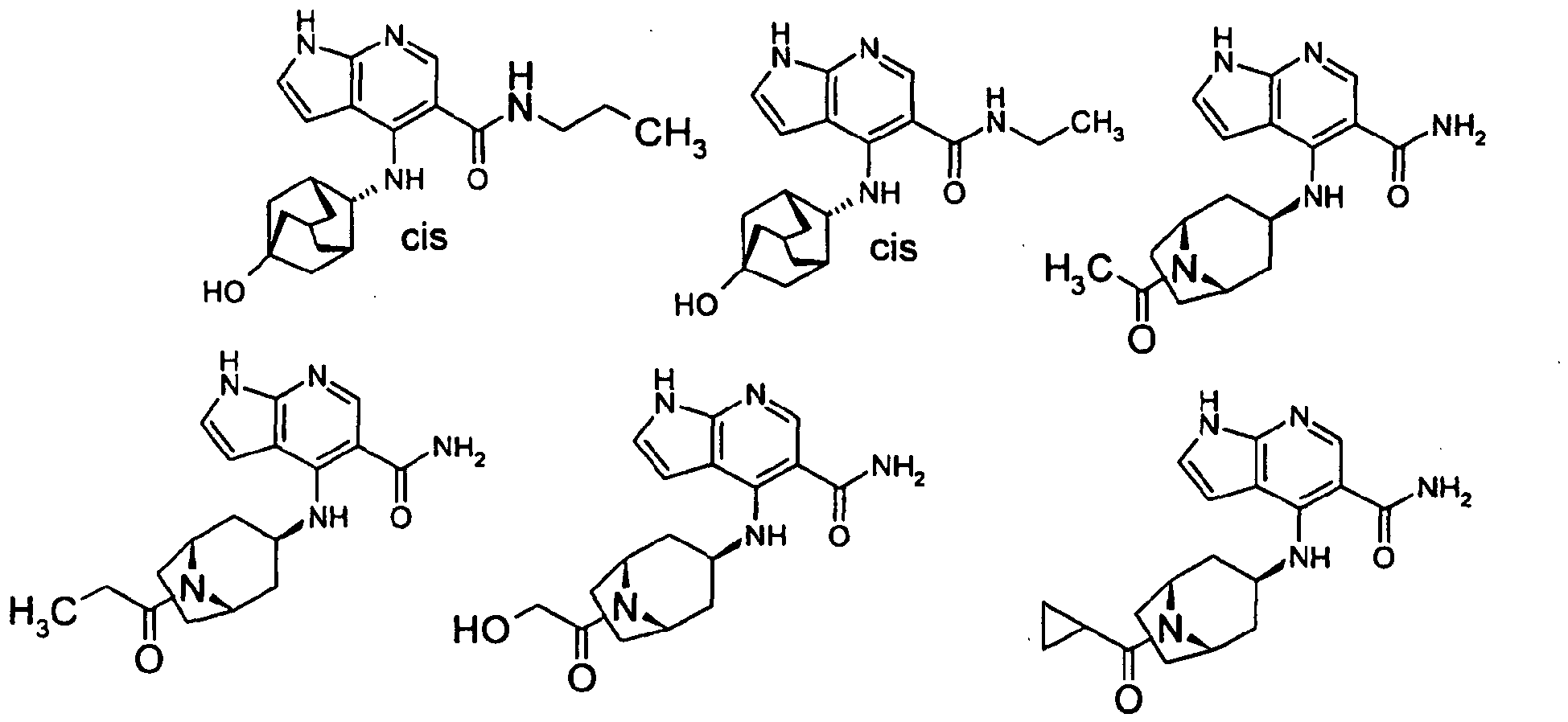

- The compound according to claim 1 shown in the following formula, or a pharmaceutically acceptable salt thereof:

- The compound according to claim 1 shown in the following formula, or a pharmaceutically acceptable salt thereof:

- The compound according to claim 1 shown in the following formula, or a pharmaceutically acceptable salt thereof:

- The compound according to claim 1 shown in the following formula, or a pharmaceutically acceptable salt thereof:

- The compound according to claim 1 shown in the following formula, or a pharmaceutically acceptable salt thereof:
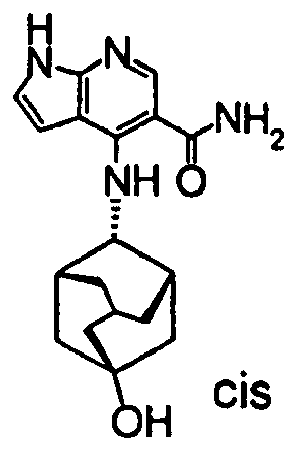
- The compound according to claim 1 shown in the following formula, or a pharmaceutically acceptable salt thereof:
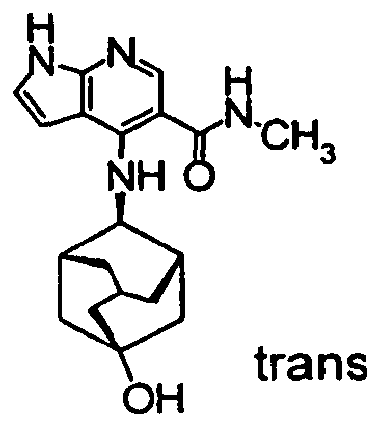
- The compound according to claim 1 shown in the following formula, or a pharmaceutically acceptable salt thereof:

- The compound according to claim 1 shown in the following formula, or a pharmaceutically acceptable salt thereof:

- The compound according to claim 1 shown in the following formula, or a pharmaceutically acceptable salt thereof:

- The compound according to any one of claims 1 to 10, wherein the pharmaceutically acceptable salt is an acid addition salt formed with hydrochloric acid, hydrobromic acid, hydroiodic acid, sulfuric acid, nitric acid, phosphoric acid, formic acid, acetic acid, propionic acid, oxalic acid, malonic acid, succinic acid, fumaric acid, maleic acid, lactic acid, malic acid, tartaric acid, citric acid, methanesulfonic acid, ethanesulfonic acid, aspartic acid or glutamic acid.
- The compound according to any one of claim 1 to 10, wherein the pharmaceutically acceptable salt is an acid addition salt with hydrochloric acid.
- The compound according to any one of claims 1 to 10, wherein the pharmaceutically acceptable salt is an acid addition salt with hydrobromic acid.
- The compound according to any one of claims 1 to 10, wherein the pharmaceutically acceptable salt is an acid addition salt with succinic acid.
- The compound or the salt thereof according to any one of claims 1 to 14, said compound for use as a medicament.
- The compound or the salt thereof according to any one of claims 1 to 14, said compound for use in treating and/or preventing diseases including rejection during organ/tissue transplantation, autoimmune diseases, multiple sclerosis, rheumatoid arthritis, psoriasis, asthma, atopy, Alzheimer's disease, tumors, plasmacytic myeloma and leukemia in human beings or animals.
- A medicament containing the compound according to any one of claims 1 to 14 or the salt thereof as an active ingredient.
- A medicament containing the compound according to any one of claims 1 to 14 or the salt thereof as an active ingredient, with a pharmaceutically acceptable carrier or excipient.
- A janus kinase 3 (JAK3) inhibitor comprising the compound according to any one of claims 1 to 14 or the salt thereof.
- Use of the compound according to any one of claims 1 to 14 or the salt thereof for the manufacture of a medicament for treating and/or preventing diseases selected from rejection during organ/tissue transplantation, autoimmune diseases, rheumatoid arthritis and psoriasis, asthma, atopy, Alzheimer's disease, tumors, plasmacytic myeloma and leukemia in human beings.
- A product comprising a pharmaceutical composition containing the compound according to any one of claims 1 to 14 or the salt thereof and a written notice regarding the pharmaceutical composition, said written notice stating that the compound can be or should be used to treat and/or prevent diseases including rejection during organ/tissue transplantation, autoimmune diseases, rheumatoid arthritis and psoriasis in human beings.
Priority Applications (3)
| Application Number | Priority Date | Filing Date | Title |
|---|---|---|---|
| PL06835198T PL1966200T3 (en) | 2005-12-28 | 2006-12-25 | Heterocyclic janus kinase 3 inhibitors |
| SI200631879T SI1966200T1 (en) | 2005-12-28 | 2006-12-25 | Heterocyclic janus kinase 3 inhibitors |
| CY20151100074T CY1116393T1 (en) | 2005-12-28 | 2015-01-23 | Heterocyclic Suspensions of Motion Jan. 3 |
Applications Claiming Priority (2)
| Application Number | Priority Date | Filing Date | Title |
|---|---|---|---|
| JP2005378858 | 2005-12-28 | ||
| PCT/JP2006/326327 WO2007077949A1 (en) | 2005-12-28 | 2006-12-25 | Heterocyclic janus kinase 3 inhibitors |
Publications (2)
| Publication Number | Publication Date |
|---|---|
| EP1966200A1 EP1966200A1 (en) | 2008-09-10 |
| EP1966200B1 true EP1966200B1 (en) | 2014-10-29 |
Family
ID=37944023
Family Applications (2)
| Application Number | Title | Priority Date | Filing Date |
|---|---|---|---|
| EP10174035A Withdrawn EP2251341A1 (en) | 2005-07-14 | 2006-07-13 | Heterocyclic Janus kinase 3 inhibitors |
| EP06835198.0A Active EP1966200B1 (en) | 2005-12-28 | 2006-12-25 | Heterocyclic janus kinase 3 inhibitors |
Family Applications Before (1)
| Application Number | Title | Priority Date | Filing Date |
|---|---|---|---|
| EP10174035A Withdrawn EP2251341A1 (en) | 2005-07-14 | 2006-07-13 | Heterocyclic Janus kinase 3 inhibitors |
Country Status (25)
| Country | Link |
|---|---|
| US (2) | US7879844B2 (en) |
| EP (2) | EP2251341A1 (en) |
| JP (1) | JP5169829B2 (en) |
| KR (1) | KR101381092B1 (en) |
| CN (2) | CN102127078A (en) |
| AR (1) | AR058776A1 (en) |
| AU (1) | AU2006334044B2 (en) |
| BR (1) | BRPI0621873B8 (en) |
| CA (1) | CA2635850C (en) |
| CY (1) | CY1116393T1 (en) |
| DK (1) | DK1966200T3 (en) |
| ES (1) | ES2526202T3 (en) |
| IL (1) | IL192298A (en) |
| JO (1) | JO2996B1 (en) |
| MY (1) | MY148986A (en) |
| NO (1) | NO341555B1 (en) |
| NZ (1) | NZ569162A (en) |
| PL (1) | PL1966200T3 (en) |
| PT (1) | PT1966200E (en) |
| RU (1) | RU2434013C2 (en) |
| SI (1) | SI1966200T1 (en) |
| TW (1) | TWI389687B (en) |
| UA (1) | UA94437C2 (en) |
| WO (1) | WO2007077949A1 (en) |
| ZA (1) | ZA200805605B (en) |
Families Citing this family (109)
| Publication number | Priority date | Publication date | Assignee | Title |
|---|---|---|---|---|
| KR20080026654A (en) | 2005-07-14 | 2008-03-25 | 아스텔라스세이야쿠 가부시키가이샤 | Heterocyclic Janus Kinase 3 Inhibitor |
| CN102127078A (en) * | 2005-07-14 | 2011-07-20 | 安斯泰来制药株式会社 | Heterocyclic janus kinase 3 inhibitors |
| CN103214484B (en) | 2005-12-13 | 2016-07-06 | 因塞特控股公司 | Pyrrolo-[2,3-b] pyridine replaced as the heteroaryl of Janus inhibitors of kinases and pyrrolo-[2,3-b] pyrimidine |
| JPWO2008053652A1 (en) | 2006-11-02 | 2010-02-25 | 塩野義製薬株式会社 | Method for producing hydroxyadamantanamine |
| TW200900061A (en) * | 2007-01-12 | 2009-01-01 | Astellas Pharma Inc | Condensed pyridine compound |
| HUE029236T2 (en) | 2007-06-13 | 2017-02-28 | Incyte Holdings Corp | Crystalline salts of the janus kinase inhibitor (r)-3-(4-(7h-pyrrolo[2,3-d]pyrimidin-4-yl)-1h-pyrazol-1-yl)-3-cyclopentylpropanenitrile |
| CA2691914C (en) | 2007-07-11 | 2012-06-26 | Pfizer Inc. | Pharmaceutical compositions and methods of treating dry eye disorders |
| RS51346B (en) * | 2007-10-25 | 2011-02-28 | Exelixis, Inc. | TROPAN UNITS |
| RU2015105591A (en) * | 2008-06-10 | 2015-08-10 | Эббви Инк. | NEW TRICYCLIC COMPOUNDS |
| CL2009001884A1 (en) * | 2008-10-02 | 2010-05-14 | Incyte Holdings Corp | Use of 3-cyclopentyl-3- [4- (7h-pyrrolo [2,3-d] pyrimidin-4-yl) -1h-pyrazol-1-yl) propanonitrile, janus kinase inhibitor, and use of a composition that understands it for the treatment of dry eye. |
| DE102008052943A1 (en) | 2008-10-23 | 2010-04-29 | Merck Patent Gmbh | azaindole derivatives |
| JPWO2010058846A1 (en) * | 2008-11-21 | 2012-04-19 | アステラス製薬株式会社 | 4,6-diaminonicotinamide compound |
| AU2009320683B2 (en) * | 2008-11-28 | 2012-07-19 | Kowa Company, Ltd. | Pyridine-3-carboxyamide derivative |
| MY156727A (en) | 2009-05-22 | 2016-03-15 | Incyte Corp | N-(hetero)aryl-pyrrolidine derivatives of pyrazol-4-yl-pyrrolo[2,3-d]pyrimidines and pyrrol-3-yl-pyrrolo[2,3-d]pyrimidines as janus kinase inhibitors |
| EP2432472B1 (en) | 2009-05-22 | 2019-10-02 | Incyte Holdings Corporation | 3-[4-(7h-pyrrolo[2,3-d]pyrimidin-4-yl)-1h-pyrazol-1-yl]octane- or heptane-nitrile as jak inhibitors |
| JP5719840B2 (en) | 2009-06-08 | 2015-05-20 | 武田薬品工業株式会社 | Dihydropyrrolonaphthylidinone compounds as inhibitors of JAK |
| BR112012000422A2 (en) | 2009-07-08 | 2017-05-09 | Leo Pharma As | compound, pharmaceutical composition, use of a compound, and method for preventing it from treating or ameliorating immune system disorders |
| FR2948369B1 (en) | 2009-07-27 | 2013-04-12 | Sanofi Aventis | TETRAHYDROQUINOXALINE UREA DERIVATIVES, THEIR PREPARATION AND THERAPEUTIC USE THEREOF |
| FR2948370B1 (en) | 2009-07-27 | 2013-04-05 | Sanofi Aventis | TETRAHYDROQUINOXALINE UREA DERIVATIVES, THEIR PREPARATION AND THERAPEUTIC USE THEREOF |
| TW201113285A (en) | 2009-09-01 | 2011-04-16 | Incyte Corp | Heterocyclic derivatives of pyrazol-4-yl-pyrrolo[2,3-d]pyrimidines as janus kinase inhibitors |
| IN2012DN02577A (en) | 2009-10-15 | 2015-08-28 | Pfizer | |
| AU2010326030A1 (en) * | 2009-12-01 | 2012-06-07 | Abbvie Inc. | Novel tricyclic compounds |
| JP5607174B2 (en) * | 2009-12-01 | 2014-10-15 | アッヴィ・インコーポレイテッド | New tricyclic compounds |
| ES2461967T3 (en) | 2009-12-18 | 2014-05-21 | Pfizer Inc. | Pyrrolo [2,3-d] pyrimidine compounds |
| WO2011086053A1 (en) * | 2010-01-12 | 2011-07-21 | F. Hoffmann-La Roche Ag | Tricyclic heterocyclic compounds, compositions and methods of use thereof |
| EP3354652B1 (en) | 2010-03-10 | 2020-05-06 | Incyte Holdings Corporation | Piperidin-4-yl azetidine derivatives as jak1 inhibitors |
| US8518945B2 (en) | 2010-03-22 | 2013-08-27 | Hoffmann-La Roche Inc. | Pyrrolopyrazine kinase inhibitors |
| US8481541B2 (en) | 2010-03-22 | 2013-07-09 | Hoffmann-La Roche Inc. | Pyrrolopyrazine kinase inhibitors |
| RU2012152354A (en) | 2010-05-20 | 2014-06-27 | Ф. Хоффманн-Ля Рош Аг | Pyrrolopyrazine derivatives as syk and jak inhibitors |
| AR084691A1 (en) | 2010-05-21 | 2013-06-05 | Incyte Corp | TOPICAL USE FORMULATION FOR A JAK INHIBITOR AND METHOD TO TREAT SKIN DISORDER |
| WO2011162300A1 (en) * | 2010-06-23 | 2011-12-29 | アステラス製薬株式会社 | Crystal of fused pyridine compound salt |
| US9198911B2 (en) | 2010-11-02 | 2015-12-01 | The Trustees Of Columbia University In The City Of New York | Methods for treating hair loss disorders |
| WO2012068440A1 (en) | 2010-11-19 | 2012-05-24 | Incyte Corporation | Heterocyclic-substituted pyrrolopyridines and pyrrolopyrimidines as jak inhibitors |
| CA2818542A1 (en) | 2010-11-19 | 2012-05-24 | Incyte Corporation | Cyclobutyl substituted pyrrolopyridine and pyrrolopyrimidine derivatives as jak inhibitors |
| KR20140058402A (en) | 2011-01-07 | 2014-05-14 | 레오 파마 에이/에스 | Novel sulfamide piperazine derivatives as protein tyrosine kinase inhibitors and pharmaceutical use thereof |
| WO2012112847A1 (en) | 2011-02-18 | 2012-08-23 | Novartis Pharma Ag | mTOR/JAK INHIBITOR COMBINATION THERAPY |
| CN103547580B (en) | 2011-03-22 | 2016-12-07 | 阿迪维纳斯疗法有限公司 | Substituted fused tricyclic compounds, their composition and medical use |
| MY165963A (en) | 2011-06-20 | 2018-05-18 | Incyte Holdings Corp | Azetidinyl phenyl, pyridyl or pyrazinyl carboxamide derivatives as jak inhibitors |
| CA2844507A1 (en) | 2011-08-10 | 2013-02-14 | Novartis Pharma Ag | Jak pi3k/mtor combination therapy |
| BR112014002472A2 (en) | 2011-08-12 | 2017-04-11 | Nissan Chemical Ind Ltd | "tricyclic heterocyclic compounds, their use, therapeutic agent for joint rheumatism and drug" |
| TW201313721A (en) | 2011-08-18 | 2013-04-01 | Incyte Corp | Cyclohexyl azetidine derivatives as JAK inhibitors |
| UA111854C2 (en) | 2011-09-07 | 2016-06-24 | Інсайт Холдінгс Корпорейшн | METHODS AND INTERMEDIATE COMPOUNDS FOR JAK INHIBITORS |
| PL2796460T3 (en) * | 2011-12-21 | 2018-12-31 | Jiangsu Hengrui Medicine Co. Ltd. | Pyrrole six-membered heteroaryl ring derivative, preparation method therefor, and medicinal uses thereof |
| WO2013116291A1 (en) * | 2012-01-30 | 2013-08-08 | Cephalon, Inc. | Imidazo [4, 5 - b] pyridine derivatives as alk and jak modulators for the treatment of proliferative disorders |
| WO2013117649A1 (en) * | 2012-02-10 | 2013-08-15 | Galapagos Nv | Imidazo [4, 5 -c] pyridine derivatives useful for the treatment of degenerative and inflammatory diseases |
| UY34615A (en) * | 2012-02-10 | 2013-09-30 | Galapagos Nv | NEW USEFUL COMPOUNDS FOR THE TREATMENT OF DEGENERATIVE AND INFLAMMATORY DISEASES. |
| JP6123795B2 (en) * | 2012-03-30 | 2017-05-10 | アステラス製薬株式会社 | Controlled release pharmaceutical composition |
| TW201406761A (en) | 2012-05-18 | 2014-02-16 | Incyte Corp | Piperidinylcyclobutyl substituted pyrrolopyridine and pyrrolopyrimidine derivatives as JAK inhibitors |
| GB201211021D0 (en) * | 2012-06-21 | 2012-08-01 | Cancer Rec Tech Ltd | Pharmaceutically active compounds |
| JP2015528501A (en) * | 2012-09-12 | 2015-09-28 | ライジェル ファーマシューティカルズ, インコーポレイテッド | Treatment of vitiligo |
| IN2015DN02008A (en) | 2012-09-21 | 2015-08-14 | Advinus Therapeutics Ltd | |
| TWI761825B (en) | 2012-11-15 | 2022-04-21 | 美商英塞特控股公司 | Sustained-release dosage forms of ruxolitinib |
| TW201513861A (en) * | 2013-01-17 | 2015-04-16 | Galapagos Nv | Novel compound useful for the treatment of degenerative and inflammatory diseases |
| EP2955181B1 (en) | 2013-02-08 | 2019-10-30 | Nissan Chemical Corporation | Tricyclic pyrrolopyridine compound, and jak inhibitor |
| MX384910B (en) | 2013-03-06 | 2025-03-14 | Incyte Holdings Corp | PROCESSES AND INTERMEDIATE FOR MAKING A JAK INHIBITOR. |
| WO2014146246A1 (en) * | 2013-03-19 | 2014-09-25 | Merck Sharp & Dohme Corp. | Cycloalkyl nitrile pyrazolo pyridones as janus kinase inhibitors |
| US9408835B2 (en) | 2013-03-29 | 2016-08-09 | Astellas Pharma Inc. | Pharmaceutical composition for oral administration |
| SG11201600815WA (en) | 2013-08-07 | 2016-03-30 | Incyte Corp | Sustained release dosage forms for a jak1 inhibitor |
| KR101548492B1 (en) | 2013-09-23 | 2015-09-01 | 건국대학교 산학협력단 | 4-Amino-7-azaindole-5-carboxamide derivatives selectively inhibiting the activity of Janus kinase 1 |
| ES2654051T3 (en) | 2013-12-05 | 2018-02-12 | Pfizer Inc. | Pyrrolo [2,3-d] pyrimidinyl, pyrrolo [2,3-b] pyrazinyl and pyrrolo [2,3-d] pyridinyl acrylamides |
| SG11201608722QA (en) * | 2014-04-22 | 2016-11-29 | Arqule Inc | Salts and polymorphs of a substituted imidazopyridinyl-aminopyridine compound |
| WO2015174376A1 (en) | 2014-05-14 | 2015-11-19 | 日産化学工業株式会社 | Tricyclic compound and jak inhibitor |
| WO2015184305A1 (en) | 2014-05-30 | 2015-12-03 | Incyte Corporation | TREATMENT OF CHRONIC NEUTROPHILIC LEUKEMIA (CNL) AND ATYPICAL CHRONIC MYELOID LEUKEMIA (aCML) BY INHIBITORS OF JAK1 |
| WO2016047678A1 (en) * | 2014-09-25 | 2016-03-31 | 武田薬品工業株式会社 | Heterocyclic compound |
| CN107922396B (en) | 2015-07-20 | 2022-08-05 | 建新公司 | Colony stimulating factor-1 receptor (CSF-1R) inhibitors |
| US11512092B2 (en) | 2015-10-16 | 2022-11-29 | Abbvie Inc. | Processes for the preparation of (3S,4R)-3-ethyl-4-(3H-imidazo[1,2-a]pyrrolo[2,3-e]-pyrazin-8-yl)-n-(2,2,2-trifluoroethyl)pyrrolidine-1-carboxamide and solid state forms thereof |
| US11524964B2 (en) | 2015-10-16 | 2022-12-13 | Abbvie Inc. | Processes for the preparation of (3S,4R)-3-ethyl-4-(3H-imidazo[1,2-a]pyrrolo[2,3-e]-pyrazin-8-yl)-n-(2,2,2-trifluoroethyl)pyrrolidine-1-carboxamide and solid state forms thereof |
| US12365689B2 (en) | 2015-10-16 | 2025-07-22 | Abbvie Inc. | Processes for the preparation of (3S,4R)-3-ethyl-4-(3H-imidazo[1,2-a]pyrrolo[2,3-e]-pyrazin-8-yl)-n-(2,2,2-trifluoroethyl)pyrrolidine-1-carboxamide and solid state forms thereof |
| US10550126B2 (en) | 2015-10-16 | 2020-02-04 | Abbvie Inc. | Processes for the preparation of (3S,4R)-3-ethyl-4-(3H-imidazo[1,2-A]pyrrolo[2,3-e]-pyrazin-8-yl)-N-(2,2,2-trifluoroethyl)pyrrolidine-1-carboxamide and solid state forms thereof |
| US11780848B2 (en) | 2015-10-16 | 2023-10-10 | Abbvie Inc. | Processes for the preparation of (3S,4R)-3-ethyl-4-(3H-imidazo[1,2-a]pyrrolo[2,3-e]-pyrazin-8-yl)-n-(2,2,2-trifluoroethyl)pyrrolidine-1- carboxamide and solid state forms thereof |
| SG10201913999PA (en) | 2015-10-16 | 2020-03-30 | Abbvie Inc | PROCESSES FOR THE PREPARATION OF (3S,4R)-3-ETHYL-4-(3H-IMIDAZO[1,2-a]PYRROLO[2,3-e]-PYRAZIN-8-YL)-N-(2,2,2-TRIFLUOROETHYL)PYRROLIDINE-1-CARBOXAMIDE AND SOLID STATE FORMS THEREOF |
| US11365198B2 (en) | 2015-10-16 | 2022-06-21 | Abbvie Inc. | Processes for the preparation of (3S,4R)-3-ethyl-4-(3H-imidazo[1,2-a]pyrrolo[2,3-e]-pyrazin-8-yl)-N-(2,2,2-trifluoroethyl)pyrrolidine-1-carboxamide and solid state forms thereof |
| US10730871B2 (en) * | 2016-01-28 | 2020-08-04 | Regents Of The University Of Minnesota | Immunomodulators and immunomodulator conjugates |
| EP3481826B1 (en) | 2016-07-08 | 2021-11-03 | Rigel Pharmaceuticals, Inc. | Tyrosine kinase inhibitors |
| JOP20190144A1 (en) | 2016-12-16 | 2019-06-16 | Janssen Pharmaceutica Nv | Imidazopyrrolopyridine as inhibitors of the jak family of kinases |
| JP7291077B2 (en) | 2016-12-16 | 2023-06-14 | ヤンセン ファーマシューティカ エヌ.ベー. | Small molecule inhibitors of the JAK family of kinases |
| WO2018117211A1 (en) * | 2016-12-22 | 2018-06-28 | 参天製薬株式会社 | Agent for treatment and/or prevention of eye disease |
| AU2017385543A1 (en) | 2016-12-29 | 2019-05-23 | F. Hoffmann-La Roche Ag | Pyrazolopyrimidine compounds and methods of use thereof |
| AU2018239798B2 (en) | 2017-03-23 | 2020-08-27 | Daegu Gyeongbuk Institute Of Science And Technology | Pyrrolo-pyridine derivative compound, method for preparing same, and pharmaceutical composition containing same as active ingredient for prevention or treatment of protein kinase-related diseases |
| WO2019057103A1 (en) * | 2017-09-21 | 2019-03-28 | 上海华汇拓医药科技有限公司 | Jak inhibitor, preparation method therefor, and application in the field of medicine |
| GB201717260D0 (en) * | 2017-10-20 | 2017-12-06 | Galapagos Nv | Novel compounds and pharma ceutical compositions thereof for the treatment of inflammatory disorders |
| KR102821964B1 (en) * | 2017-11-03 | 2025-06-19 | 어클라리스 쎄라퓨틱스, 인코포레이티드 | Substituted pyrrolopyrimidine JAK inhibitors and methods for their manufacture and use |
| US10800775B2 (en) | 2017-11-03 | 2020-10-13 | Aclaris Therapeutics, Inc. | Pyrazolyl pyrrolo[2,3-b]pyrmidine-5-carboxylate analogs and methods of making the same |
| US10596161B2 (en) | 2017-12-08 | 2020-03-24 | Incyte Corporation | Low dose combination therapy for treatment of myeloproliferative neoplasms |
| JP7393348B2 (en) | 2018-01-30 | 2023-12-06 | インサイト・コーポレイション | Process and intermediates for producing (1-(3-fluoro-2(trifluoromethyl)isonicotinyl)piperidin-4-one) |
| CN113768934A (en) | 2018-03-30 | 2021-12-10 | 因赛特公司 | Treatment of hidradenitis suppurativa with JAK inhibitors |
| TW202016110A (en) | 2018-06-15 | 2020-05-01 | 比利時商健生藥品公司 | Small molecule inhibitors of the JAK kinase family |
| US12060350B2 (en) | 2018-07-02 | 2024-08-13 | Regents Of The University Of Minnesota | Therapeutic compounds and methods of use thereof |
| EP3833350A4 (en) | 2018-08-10 | 2022-05-18 | Aclaris Therapeutics, Inc. | PYRROLOPYRIMIDINE ITC INHIBITORS |
| AU2019362849B2 (en) * | 2018-10-16 | 2025-06-05 | Dana-Farber Cancer Institute, Inc. | Azaindole inhibitors of wild-type and mutant forms of LRRK2 |
| CA3168211A1 (en) | 2019-01-18 | 2020-07-23 | Voronoi Co., Ltd. | Pyrrolopyridine derivative and use thereof for preventing or treating protein kinase related disease |
| KR102737181B1 (en) * | 2019-03-14 | 2024-12-02 | 상하이 시너지 파마슈티컬 사이언시스 코., 엘티디. | JAK inhibitors and their preparation methods and applications in the medical field |
| US11420966B2 (en) | 2019-05-02 | 2022-08-23 | Aclaris Therapeutics, Inc. | Substituted pyrrolopyridines as JAK inhibitors |
| KR102286372B1 (en) * | 2019-05-27 | 2021-08-05 | 주식회사한국파마 | Jak inhibitor compounds, and pharmaceutical composition comprising the same |
| CN112174951A (en) * | 2019-07-02 | 2021-01-05 | 深圳美莹基因科技有限公司 | Pyrrolo [2, 3-b ] pyridine derivatives as selective inhibitors of janus kinase 1 |
| US11833155B2 (en) | 2020-06-03 | 2023-12-05 | Incyte Corporation | Combination therapy for treatment of myeloproliferative neoplasms |
| WO2021257863A1 (en) | 2020-06-19 | 2021-12-23 | Incyte Corporation | Pyrrolotriazine compounds as jak2 v617f inhibitors |
| US11691971B2 (en) | 2020-06-19 | 2023-07-04 | Incyte Corporation | Naphthyridinone compounds as JAK2 V617F inhibitors |
| WO2022006456A1 (en) | 2020-07-02 | 2022-01-06 | Incyte Corporation | Tricyclic pyridone compounds as jak2 v617f inhibitors |
| BR112023000047A2 (en) | 2020-07-02 | 2023-03-14 | Incyte Corp | TRICYCLIC UREA COMPOUNDS AS JAK2 V617F INHIBITORS |
| US11661422B2 (en) | 2020-08-27 | 2023-05-30 | Incyte Corporation | Tricyclic urea compounds as JAK2 V617F inhibitors |
| KR102551758B1 (en) * | 2020-11-30 | 2023-07-05 | 주식회사한국파마 | Novel jak specific inhibitor compounds, and method for the preparation thereof |
| KR20220081631A (en) | 2020-12-09 | 2022-06-16 | 보로노이 주식회사 | Novel use of pyrolo-pyridine derivatives for preventing or treating inflammatory diseases |
| WO2022140231A1 (en) | 2020-12-21 | 2022-06-30 | Incyte Corporation | Deazaguaine compounds as jak2 v617f inhibitors |
| AR125273A1 (en) | 2021-02-25 | 2023-07-05 | Incyte Corp | SPIROCYCLIC LACTAMS AS JAK2 INHIBITORS V617F |
| AU2022233254A1 (en) | 2021-03-11 | 2023-10-26 | Janssen Pharmaceutica Nv | Lorpucitinib for use in the treatment of jak mediated disorders |
| KR20240163688A (en) | 2022-03-17 | 2024-11-19 | 인사이트 코포레이션 | Tricyclic urea compounds as JAK2 V617F inhibitors |
| US20250289829A1 (en) * | 2022-04-28 | 2025-09-18 | Chaser Therapeutics, Inc. | Deubiquitinase inhibitor and use thereof |
| CN116283963A (en) * | 2022-12-05 | 2023-06-23 | 西安美莹基因科技有限公司 | A highly potent Janus kinase 1 selective inhibitor |
Family Cites Families (31)
| Publication number | Priority date | Publication date | Assignee | Title |
|---|---|---|---|---|
| ATE194977T1 (en) * | 1991-09-06 | 2000-08-15 | Yoshitomi Pharmaceutical | 4-AMINO(ALKYL)CYCLOHEXANE-1-CARBOXAMIDE COMPOUND N AND USE THEREOF |
| US6232320B1 (en) | 1998-06-04 | 2001-05-15 | Abbott Laboratories | Cell adhesion-inhibiting antiinflammatory compounds |
| KR20010052570A (en) | 1998-06-04 | 2001-06-25 | 스티븐 에프. 웨인스톡 | Cell adhesion-inhibiting antiinflammatory compounds |
| PL198640B1 (en) | 1998-06-19 | 2008-07-31 | Pfizer Prod Inc | PYRROLO[2,3-d]PYRIMIDINE COMPOUNDS |
| PA8474101A1 (en) | 1998-06-19 | 2000-09-29 | Pfizer Prod Inc | PYROLEUM [2,3-D] PIRIMIDINE COMPOUNDS |
| US6946473B2 (en) * | 1999-01-27 | 2005-09-20 | Wyeth Holdings Corporation | Preparation and use of acetylenic ortho-sulfonamido and phosphinic acid amido bicyclic heteroaryl hydroxamic acids as TACE inhibitors |
| EA006227B1 (en) | 1999-12-10 | 2005-10-27 | Пфайзер Продактс Инк. | PIRROLO(2,3-d)PYRIMIDINE COMPOUNDS |
| EP1990343B1 (en) | 1999-12-24 | 2012-04-04 | Aventis Pharma Limited | Azaindoles |
| US6335342B1 (en) | 2000-06-19 | 2002-01-01 | Pharmacia & Upjohn S.P.A. | Azaindole derivatives, process for their preparation, and their use as antitumor agents |
| CA2413313C (en) | 2000-06-23 | 2011-06-14 | Mitsubishi Pharma Corporation | Antitumor effect potentiators |
| EA006153B1 (en) | 2000-06-26 | 2005-10-27 | Пфайзер Продактс Инк. | PYRROLO[2,3-d]PYRIMIDINE COMPOUNDS AS IMMUNOSUPPRESSIVE AGENTS |
| US7301023B2 (en) | 2001-05-31 | 2007-11-27 | Pfizer Inc. | Chiral salt resolution |
| GB0115109D0 (en) * | 2001-06-21 | 2001-08-15 | Aventis Pharma Ltd | Chemical compounds |
| PY0228255A (en) | 2001-12-06 | 2004-06-01 | Pfizer Prod Inc | NOVEL CRYSTALLINE COMPOUNDS |
| AU2003276591A1 (en) | 2002-11-26 | 2004-06-18 | Pfizer Products Inc. | Method of treatment of transplant rejection |
| EP1614207B1 (en) * | 2003-04-15 | 2010-02-10 | Honeywell International Inc. | Electric motor cartridge for an electrically assisted turbocharger |
| SE0301372D0 (en) | 2003-05-09 | 2003-05-09 | Astrazeneca Ab | Novel compounds |
| SE0301373D0 (en) * | 2003-05-09 | 2003-05-09 | Astrazeneca Ab | Novel compounds |
| TWI339206B (en) * | 2003-09-04 | 2011-03-21 | Vertex Pharma | Compositions useful as inhibitors of protein kinases |
| CA2545192A1 (en) | 2003-11-25 | 2005-06-09 | Pfizer Products Inc. | Method of treatment of atherosclerosis |
| CA2549485A1 (en) | 2003-12-17 | 2005-07-07 | Pfizer Products Inc. | Pyrrolo [2,3-d] pyrimidine compounds for treating transplant rejection |
| MXPA06012663A (en) | 2004-05-03 | 2007-01-16 | Novartis Ag | Combinations comprising a s1p receptor agonist and a jak3 kinase inhibitor. |
| UY29177A1 (en) * | 2004-10-25 | 2006-05-31 | Astex Therapeutics Ltd | SUBSTITUTED DERIVATIVES OF PURINA, PURINONA AND DEAZAPURINA, COMPOSITIONS THAT CONTAIN METHODS FOR THEIR PREPARATION AND ITS USES |
| MY179032A (en) * | 2004-10-25 | 2020-10-26 | Cancer Research Tech Ltd | Ortho-condensed pyridine and pyrimidine derivatives (e.g.purines) as protein kinase inhibitors |
| KR20070085433A (en) | 2004-11-24 | 2007-08-27 | 노파르티스 아게 | Combination of BAA inhibitors with one or more of BC-ALL, FLT-3, FA or RAF kinase inhibitors |
| AR054416A1 (en) | 2004-12-22 | 2007-06-27 | Incyte Corp | PIRROLO [2,3-B] PIRIDIN-4-IL-AMINAS AND PIRROLO [2,3-B] PIRIMIDIN-4-IL-AMINAS AS INHIBITORS OF THE JANUS KINASES. PHARMACEUTICAL COMPOSITIONS. |
| KR20080016659A (en) * | 2005-05-20 | 2008-02-21 | 버텍스 파마슈티칼스 인코포레이티드 | Pyrrolopyridines useful as inhibitors of protein kinase |
| DK2395004T3 (en) | 2005-06-22 | 2016-03-21 | Plexxikon Inc | Pyrrolo [2,3-b] pyridine derivatives as protein kinase inhibitors |
| CN102127078A (en) | 2005-07-14 | 2011-07-20 | 安斯泰来制药株式会社 | Heterocyclic janus kinase 3 inhibitors |
| KR20080026654A (en) | 2005-07-14 | 2008-03-25 | 아스텔라스세이야쿠 가부시키가이샤 | Heterocyclic Janus Kinase 3 Inhibitor |
| TW200900061A (en) | 2007-01-12 | 2009-01-01 | Astellas Pharma Inc | Condensed pyridine compound |
-
2006
- 2006-07-13 CN CN2010106153197A patent/CN102127078A/en active Pending
- 2006-07-13 EP EP10174035A patent/EP2251341A1/en not_active Withdrawn
- 2006-12-25 KR KR1020087018306A patent/KR101381092B1/en active Active
- 2006-12-25 RU RU2008130884/04A patent/RU2434013C2/en active
- 2006-12-25 DK DK06835198.0T patent/DK1966200T3/en active
- 2006-12-25 PT PT68351980T patent/PT1966200E/en unknown
- 2006-12-25 MY MYPI20082297A patent/MY148986A/en unknown
- 2006-12-25 CA CA2635850A patent/CA2635850C/en active Active
- 2006-12-25 ES ES06835198.0T patent/ES2526202T3/en active Active
- 2006-12-25 BR BRPI0621873A patent/BRPI0621873B8/en active IP Right Grant
- 2006-12-25 AU AU2006334044A patent/AU2006334044B2/en active Active
- 2006-12-25 UA UAA200809739A patent/UA94437C2/en unknown
- 2006-12-25 PL PL06835198T patent/PL1966200T3/en unknown
- 2006-12-25 US US12/065,234 patent/US7879844B2/en active Active
- 2006-12-25 SI SI200631879T patent/SI1966200T1/en unknown
- 2006-12-25 NZ NZ569162A patent/NZ569162A/en unknown
- 2006-12-25 ZA ZA200805605A patent/ZA200805605B/en unknown
- 2006-12-25 EP EP06835198.0A patent/EP1966200B1/en active Active
- 2006-12-25 WO PCT/JP2006/326327 patent/WO2007077949A1/en not_active Ceased
- 2006-12-25 CN CN2006800499278A patent/CN101351466B/en active Active
- 2006-12-25 JP JP2008531051A patent/JP5169829B2/en active Active
- 2006-12-27 JO JOP/2006/0503A patent/JO2996B1/en active
- 2006-12-27 AR ARP060105828A patent/AR058776A1/en active IP Right Grant
- 2006-12-28 TW TW095149615A patent/TWI389687B/en active
-
2008
- 2008-06-19 IL IL192298A patent/IL192298A/en active IP Right Grant
- 2008-07-25 NO NO20083308A patent/NO341555B1/en unknown
-
2010
- 2010-10-28 US US12/914,475 patent/US20110039822A1/en not_active Abandoned
-
2015
- 2015-01-23 CY CY20151100074T patent/CY1116393T1/en unknown
Also Published As
Similar Documents
| Publication | Publication Date | Title |
|---|---|---|
| US7879844B2 (en) | Heterocyclic janus kinase 3 inhibitors | |
| JP5287253B2 (en) | Condensed pyridine compound | |
| US8163767B2 (en) | Heterocyclic Janus Kinase 3 inhibitors | |
| AU2009257712B2 (en) | Pyrrolo [2, 3-c] pyridine derivatives as p38 kinase inhibiting agents | |
| US8993756B2 (en) | Pyrrolopyrimidines as janus kinase inhibitors | |
| US20120034250A1 (en) | Condensed pyrrolopyridine derivative | |
| EP2629777A2 (en) | Bicyclic diamines as janus kinase inhibitors | |
| HK1123303B (en) | Heterocyclic janus kinase 3 inhibitors | |
| MX2008008533A (en) | Heterocyclic janus kinase 3 inhibitors. | |
| EP4731207A2 (en) | Inhibitors of human respiratory syncytial virus and metapneumovirus | |
| MX2008000621A (en) | Heterocyclic janus kinase 3 inhibitors. |
Legal Events
| Date | Code | Title | Description |
|---|---|---|---|
| PUAI | Public reference made under article 153(3) epc to a published international application that has entered the european phase |
Free format text: ORIGINAL CODE: 0009012 |
|
| 17P | Request for examination filed |
Effective date: 20080624 |
|
| AK | Designated contracting states |
Kind code of ref document: A1 Designated state(s): AT BE BG CH CY CZ DE DK EE ES FI FR GB GR HU IE IS IT LI LT LU LV MC NL PL PT RO SE SI SK TR |
|
| DAX | Request for extension of the european patent (deleted) | ||
| 17Q | First examination report despatched |
Effective date: 20081006 |
|
| RIN1 | Information on inventor provided before grant (corrected) |
Inventor name: KUNIKAWA, SHIGEKI Inventor name: INOUE, TAKAYUKI Inventor name: MUKOYOSHI, KOICHIRO Inventor name: HAMAGUCHI, HISAO Inventor name: NAKAI, KAZUO Inventor name: TAKAHASHI, FUMIE Inventor name: SASAKI, HIROSHI Inventor name: SHIRAKAMI, SHOHEI Inventor name: HIGASHI, YASUYUKI Inventor name: TANAKA, AKIRA Inventor name: HATANAKA, KEIKO Inventor name: NAKAJIMA, YUTAKA |
|
| GRAP | Despatch of communication of intention to grant a patent |
Free format text: ORIGINAL CODE: EPIDOSNIGR1 |
|
| INTG | Intention to grant announced |
Effective date: 20140514 |
|
| GRAS | Grant fee paid |
Free format text: ORIGINAL CODE: EPIDOSNIGR3 |
|
| GRAA | (expected) grant |
Free format text: ORIGINAL CODE: 0009210 |
|
| AK | Designated contracting states |
Kind code of ref document: B1 Designated state(s): AT BE BG CH CY CZ DE DK EE ES FI FR GB GR HU IE IS IT LI LT LU LV MC NL PL PT RO SE SI SK TR |
|
| REG | Reference to a national code |
Ref country code: GB Ref legal event code: FG4D |
|
| REG | Reference to a national code |
Ref country code: CH Ref legal event code: EP |
|
| REG | Reference to a national code |
Ref country code: AT Ref legal event code: REF Ref document number: 693530 Country of ref document: AT Kind code of ref document: T Effective date: 20141115 |
|
| REG | Reference to a national code |
Ref country code: IE Ref legal event code: FG4D |
|
| REG | Reference to a national code |
Ref country code: DE Ref legal event code: R096 Ref document number: 602006043533 Country of ref document: DE Effective date: 20141211 |
|
| REG | Reference to a national code |
Ref country code: CH Ref legal event code: NV Representative=s name: BOVARD AG, CH |
|
| REG | Reference to a national code |
Ref country code: SE Ref legal event code: TRGR |
|
| REG | Reference to a national code |
Ref country code: DK Ref legal event code: T3 Effective date: 20141218 |
|
| REG | Reference to a national code |
Ref country code: ES Ref legal event code: FG2A Ref document number: 2526202 Country of ref document: ES Kind code of ref document: T3 Effective date: 20150108 |
|
| REG | Reference to a national code |
Ref country code: RO Ref legal event code: EPE |
|
| REG | Reference to a national code |
Ref country code: NL Ref legal event code: T3 |
|
| REG | Reference to a national code |
Ref country code: PT Ref legal event code: SC4A Free format text: AVAILABILITY OF NATIONAL TRANSLATION Effective date: 20150114 |
|
| REG | Reference to a national code |
Ref country code: EE Ref legal event code: FG4A Ref document number: E010168 Country of ref document: EE Effective date: 20150128 |
|
| REG | Reference to a national code |
Ref country code: SK Ref legal event code: T3 Ref document number: E 17848 Country of ref document: SK |
|
| REG | Reference to a national code |
Ref country code: GR Ref legal event code: EP Ref document number: 20150400097 Country of ref document: GR Effective date: 20150220 |
|
| REG | Reference to a national code |
Ref country code: PL Ref legal event code: T3 |
|
| REG | Reference to a national code |
Ref country code: DE Ref legal event code: R097 Ref document number: 602006043533 Country of ref document: DE |
|
| PLBE | No opposition filed within time limit |
Free format text: ORIGINAL CODE: 0009261 |
|
| STAA | Information on the status of an ep patent application or granted ep patent |
Free format text: STATUS: NO OPPOSITION FILED WITHIN TIME LIMIT |
|
| 26N | No opposition filed |
Effective date: 20150730 |
|
| REG | Reference to a national code |
Ref country code: FR Ref legal event code: PLFP Year of fee payment: 10 |
|
| REG | Reference to a national code |
Ref country code: HU Ref legal event code: AG4A Ref document number: E024208 Country of ref document: HU |
|
| REG | Reference to a national code |
Ref country code: AT Ref legal event code: UEP Ref document number: 693530 Country of ref document: AT Kind code of ref document: T Effective date: 20141029 |
|
| REG | Reference to a national code |
Ref country code: FR Ref legal event code: PLFP Year of fee payment: 11 |
|
| REG | Reference to a national code |
Ref country code: FR Ref legal event code: PLFP Year of fee payment: 12 |
|
| REG | Reference to a national code |
Ref country code: EE Ref legal event code: HC1A Ref document number: E010168 Country of ref document: EE |
|
| PGFP | Annual fee paid to national office [announced via postgrant information from national office to epo] |
Ref country code: SK Payment date: 20221115 Year of fee payment: 17 Ref country code: SE Payment date: 20221110 Year of fee payment: 17 Ref country code: RO Payment date: 20221115 Year of fee payment: 17 Ref country code: NL Payment date: 20221114 Year of fee payment: 17 Ref country code: MC Payment date: 20221128 Year of fee payment: 17 Ref country code: LV Payment date: 20221103 Year of fee payment: 17 Ref country code: LU Payment date: 20221216 Year of fee payment: 17 Ref country code: LT Payment date: 20221216 Year of fee payment: 17 Ref country code: IT Payment date: 20221111 Year of fee payment: 17 Ref country code: IE Payment date: 20221109 Year of fee payment: 17 Ref country code: GB Payment date: 20221103 Year of fee payment: 17 Ref country code: FR Payment date: 20221110 Year of fee payment: 17 Ref country code: FI Payment date: 20221209 Year of fee payment: 17 Ref country code: EE Payment date: 20221103 Year of fee payment: 17 Ref country code: DK Payment date: 20221213 Year of fee payment: 17 Ref country code: DE Payment date: 20220622 Year of fee payment: 17 Ref country code: CZ Payment date: 20221206 Year of fee payment: 17 Ref country code: BG Payment date: 20221116 Year of fee payment: 17 Ref country code: AT Payment date: 20221125 Year of fee payment: 17 |
|
| PGFP | Annual fee paid to national office [announced via postgrant information from national office to epo] |
Ref country code: SI Payment date: 20221123 Year of fee payment: 17 Ref country code: PT Payment date: 20221223 Year of fee payment: 17 Ref country code: PL Payment date: 20221116 Year of fee payment: 17 Ref country code: IS Payment date: 20221111 Year of fee payment: 17 Ref country code: HU Payment date: 20221126 Year of fee payment: 17 Ref country code: GR Payment date: 20221114 Year of fee payment: 17 Ref country code: BE Payment date: 20221118 Year of fee payment: 17 |
|
| PGFP | Annual fee paid to national office [announced via postgrant information from national office to epo] |
Ref country code: TR Payment date: 20221223 Year of fee payment: 17 Ref country code: ES Payment date: 20230109 Year of fee payment: 17 Ref country code: CH Payment date: 20230101 Year of fee payment: 17 |
|
| PGFP | Annual fee paid to national office [announced via postgrant information from national office to epo] |
Ref country code: CY Payment date: 20221103 Year of fee payment: 17 |
|
| REG | Reference to a national code |
Ref country code: DE Ref legal event code: R119 Ref document number: 602006043533 Country of ref document: DE |
|
| REG | Reference to a national code |
Ref country code: DK Ref legal event code: EBP Effective date: 20231231 |
|
| PG25 | Lapsed in a contracting state [announced via postgrant information from national office to epo] |
Ref country code: CZ Free format text: LAPSE BECAUSE OF NON-PAYMENT OF DUE FEES Effective date: 20231225 |
|
| REG | Reference to a national code |
Ref country code: LT Ref legal event code: MM4D Effective date: 20231225 |
|
| REG | Reference to a national code |
Ref country code: SE Ref legal event code: EUG |
|
| PG25 | Lapsed in a contracting state [announced via postgrant information from national office to epo] |
Ref country code: RO Free format text: LAPSE BECAUSE OF NON-PAYMENT OF DUE FEES Effective date: 20231225 Ref country code: FI Free format text: LAPSE BECAUSE OF NON-PAYMENT OF DUE FEES Effective date: 20231225 Ref country code: CZ Free format text: LAPSE BECAUSE OF NON-PAYMENT OF DUE FEES Effective date: 20231225 Ref country code: CY Free format text: LAPSE BECAUSE OF NON-PAYMENT OF DUE FEES Effective date: 20231225 Ref country code: BG Free format text: LAPSE BECAUSE OF NON-PAYMENT OF DUE FEES Effective date: 20231225 |
|
| REG | Reference to a national code |
Ref country code: CH Ref legal event code: PL |
|
| PG25 | Lapsed in a contracting state [announced via postgrant information from national office to epo] |
Ref country code: PT Free format text: LAPSE BECAUSE OF NON-PAYMENT OF DUE FEES Effective date: 20240625 |
|
| REG | Reference to a national code |
Ref country code: NL Ref legal event code: MM Effective date: 20240101 |
|
| REG | Reference to a national code |
Ref country code: SK Ref legal event code: MM4A Ref document number: E 17848 Country of ref document: SK Effective date: 20231225 |
|
| REG | Reference to a national code |
Ref country code: EE Ref legal event code: MM4A Ref document number: E010168 Country of ref document: EE Effective date: 20231231 Ref country code: AT Ref legal event code: MM01 Ref document number: 693530 Country of ref document: AT Kind code of ref document: T Effective date: 20231225 |
|
| PG25 | Lapsed in a contracting state [announced via postgrant information from national office to epo] |
Ref country code: LU Free format text: LAPSE BECAUSE OF NON-PAYMENT OF DUE FEES Effective date: 20231225 |
|
| PG25 | Lapsed in a contracting state [announced via postgrant information from national office to epo] |
Ref country code: MC Free format text: LAPSE BECAUSE OF NON-PAYMENT OF DUE FEES Effective date: 20240102 |
|
| GBPC | Gb: european patent ceased through non-payment of renewal fee |
Effective date: 20231225 |
|
| REG | Reference to a national code |
Ref country code: BE Ref legal event code: MM Effective date: 20231231 |
|
| PG25 | Lapsed in a contracting state [announced via postgrant information from national office to epo] |
Ref country code: PT Free format text: LAPSE BECAUSE OF NON-PAYMENT OF DUE FEES Effective date: 20240625 Ref country code: MC Free format text: LAPSE BECAUSE OF NON-PAYMENT OF DUE FEES Effective date: 20240102 Ref country code: LV Free format text: LAPSE BECAUSE OF NON-PAYMENT OF DUE FEES Effective date: 20231225 Ref country code: LU Free format text: LAPSE BECAUSE OF NON-PAYMENT OF DUE FEES Effective date: 20231225 |
|
| PG25 | Lapsed in a contracting state [announced via postgrant information from national office to epo] |
Ref country code: NL Free format text: LAPSE BECAUSE OF NON-PAYMENT OF DUE FEES Effective date: 20240101 |
|
| PG25 | Lapsed in a contracting state [announced via postgrant information from national office to epo] |
Ref country code: NL Free format text: LAPSE BECAUSE OF NON-PAYMENT OF DUE FEES Effective date: 20240101 |
|
| REG | Reference to a national code |
Ref country code: SI Ref legal event code: KO00 Effective date: 20240814 |
|
| REG | Reference to a national code |
Ref country code: IE Ref legal event code: MM4A |
|
| PG25 | Lapsed in a contracting state [announced via postgrant information from national office to epo] |
Ref country code: DE Free format text: LAPSE BECAUSE OF NON-PAYMENT OF DUE FEES Effective date: 20240702 Ref country code: LT Free format text: LAPSE BECAUSE OF NON-PAYMENT OF DUE FEES Effective date: 20231225 Ref country code: IE Free format text: LAPSE BECAUSE OF NON-PAYMENT OF DUE FEES Effective date: 20231225 |
|
| PG25 | Lapsed in a contracting state [announced via postgrant information from national office to epo] |
Ref country code: GR Free format text: LAPSE BECAUSE OF NON-PAYMENT OF DUE FEES Effective date: 20240712 |
|
| PG25 | Lapsed in a contracting state [announced via postgrant information from national office to epo] |
Ref country code: GB Free format text: LAPSE BECAUSE OF NON-PAYMENT OF DUE FEES Effective date: 20231225 |
|
| PG25 | Lapsed in a contracting state [announced via postgrant information from national office to epo] |
Ref country code: BE Free format text: LAPSE BECAUSE OF NON-PAYMENT OF DUE FEES Effective date: 20231231 |
|
| PG25 | Lapsed in a contracting state [announced via postgrant information from national office to epo] |
Ref country code: FR Free format text: LAPSE BECAUSE OF NON-PAYMENT OF DUE FEES Effective date: 20231231 |
|
| PG25 | Lapsed in a contracting state [announced via postgrant information from national office to epo] |
Ref country code: CH Free format text: LAPSE BECAUSE OF NON-PAYMENT OF DUE FEES Effective date: 20231231 |
|
| PG25 | Lapsed in a contracting state [announced via postgrant information from national office to epo] |
Ref country code: EE Free format text: LAPSE BECAUSE OF NON-PAYMENT OF DUE FEES Effective date: 20231231 |
|
| PG25 | Lapsed in a contracting state [announced via postgrant information from national office to epo] |
Ref country code: AT Free format text: LAPSE BECAUSE OF NON-PAYMENT OF DUE FEES Effective date: 20231225 |
|
| PG25 | Lapsed in a contracting state [announced via postgrant information from national office to epo] |
Ref country code: SI Free format text: LAPSE BECAUSE OF NON-PAYMENT OF DUE FEES Effective date: 20231226 Ref country code: SK Free format text: LAPSE BECAUSE OF NON-PAYMENT OF DUE FEES Effective date: 20231225 Ref country code: HU Free format text: LAPSE BECAUSE OF NON-PAYMENT OF DUE FEES Effective date: 20231226 |
|
| PG25 | Lapsed in a contracting state [announced via postgrant information from national office to epo] |
Ref country code: SK Free format text: LAPSE BECAUSE OF NON-PAYMENT OF DUE FEES Effective date: 20231225 Ref country code: SI Free format text: LAPSE BECAUSE OF NON-PAYMENT OF DUE FEES Effective date: 20231226 Ref country code: LT Free format text: LAPSE BECAUSE OF NON-PAYMENT OF DUE FEES Effective date: 20231225 Ref country code: IE Free format text: LAPSE BECAUSE OF NON-PAYMENT OF DUE FEES Effective date: 20231225 Ref country code: HU Free format text: LAPSE BECAUSE OF NON-PAYMENT OF DUE FEES Effective date: 20231226 Ref country code: GR Free format text: LAPSE BECAUSE OF NON-PAYMENT OF DUE FEES Effective date: 20240712 Ref country code: GB Free format text: LAPSE BECAUSE OF NON-PAYMENT OF DUE FEES Effective date: 20231225 Ref country code: FR Free format text: LAPSE BECAUSE OF NON-PAYMENT OF DUE FEES Effective date: 20231231 Ref country code: EE Free format text: LAPSE BECAUSE OF NON-PAYMENT OF DUE FEES Effective date: 20231231 Ref country code: DE Free format text: LAPSE BECAUSE OF NON-PAYMENT OF DUE FEES Effective date: 20240702 Ref country code: CH Free format text: LAPSE BECAUSE OF NON-PAYMENT OF DUE FEES Effective date: 20231231 Ref country code: BE Free format text: LAPSE BECAUSE OF NON-PAYMENT OF DUE FEES Effective date: 20231231 Ref country code: AT Free format text: LAPSE BECAUSE OF NON-PAYMENT OF DUE FEES Effective date: 20231225 |
|
| PG25 | Lapsed in a contracting state [announced via postgrant information from national office to epo] |
Ref country code: DK Free format text: LAPSE BECAUSE OF NON-PAYMENT OF DUE FEES Effective date: 20231231 |
|
| PG25 | Lapsed in a contracting state [announced via postgrant information from national office to epo] |
Ref country code: DK Free format text: LAPSE BECAUSE OF NON-PAYMENT OF DUE FEES Effective date: 20231231 |
|
| REG | Reference to a national code |
Ref country code: ES Ref legal event code: FD2A Effective date: 20250131 |
|
| PG25 | Lapsed in a contracting state [announced via postgrant information from national office to epo] |
Ref country code: ES Free format text: LAPSE BECAUSE OF NON-PAYMENT OF DUE FEES Effective date: 20231226 |
|
| PG25 | Lapsed in a contracting state [announced via postgrant information from national office to epo] |
Ref country code: PL Free format text: LAPSE BECAUSE OF NON-PAYMENT OF DUE FEES Effective date: 20231225 |
|
| PG25 | Lapsed in a contracting state [announced via postgrant information from national office to epo] |
Ref country code: IT Free format text: LAPSE BECAUSE OF NON-PAYMENT OF DUE FEES Effective date: 20231225 |
|
| PG25 | Lapsed in a contracting state [announced via postgrant information from national office to epo] |
Ref country code: SE Free format text: LAPSE BECAUSE OF NON-PAYMENT OF DUE FEES Effective date: 20231226 |
|
| PG25 | Lapsed in a contracting state [announced via postgrant information from national office to epo] |
Ref country code: IS Free format text: LAPSE BECAUSE OF NON-PAYMENT OF DUE FEES Effective date: 20240701 |