EP1955697A1 - 2-aminobenzamide derivative - Google Patents
2-aminobenzamide derivative Download PDFInfo
- Publication number
- EP1955697A1 EP1955697A1 EP06833666A EP06833666A EP1955697A1 EP 1955697 A1 EP1955697 A1 EP 1955697A1 EP 06833666 A EP06833666 A EP 06833666A EP 06833666 A EP06833666 A EP 06833666A EP 1955697 A1 EP1955697 A1 EP 1955697A1
- Authority
- EP
- European Patent Office
- Prior art keywords
- lower alkyl
- group
- ring
- amino
- oxo
- Prior art date
- Legal status (The legal status is an assumption and is not a legal conclusion. Google has not performed a legal analysis and makes no representation as to the accuracy of the status listed.)
- Granted
Links
- 0 CC[n]1*(C)*c(C=CC=C2)c1C2(C)I Chemical compound CC[n]1*(C)*c(C=CC=C2)c1C2(C)I 0.000 description 34
- XHANCLXYCNTZMM-UHFFFAOYSA-N Cc1nc2cc(C)ccc2[s]1 Chemical compound Cc1nc2cc(C)ccc2[s]1 XHANCLXYCNTZMM-UHFFFAOYSA-N 0.000 description 4
- JYAKYUXJICYFKK-UHFFFAOYSA-N CC(C)(c(ccc(C)c1)c1N1)C1=O Chemical compound CC(C)(c(ccc(C)c1)c1N1)C1=O JYAKYUXJICYFKK-UHFFFAOYSA-N 0.000 description 3
- QLVPBCMPYVAWEW-UHFFFAOYSA-N Cc1ccc(C=CC(N2)=O)c2c1 Chemical compound Cc1ccc(C=CC(N2)=O)c2c1 QLVPBCMPYVAWEW-UHFFFAOYSA-N 0.000 description 3
- UAEPNZWRGJTJPN-UHFFFAOYSA-N CC1CCCCC1 Chemical compound CC1CCCCC1 UAEPNZWRGJTJPN-UHFFFAOYSA-N 0.000 description 2
- AUNQUXZPFSCXMN-UHFFFAOYSA-N CC1Oc2ccc(C)cc2NC1=O Chemical compound CC1Oc2ccc(C)cc2NC1=O AUNQUXZPFSCXMN-UHFFFAOYSA-N 0.000 description 2
- CMWMUSYWBQEHEJ-BDAKNGLRSA-N C[C@H](CCCC1)[C@H]1N(C)C Chemical compound C[C@H](CCCC1)[C@H]1N(C)C CMWMUSYWBQEHEJ-BDAKNGLRSA-N 0.000 description 2
- HFGCJPYHLUDMJX-UHFFFAOYSA-N Cc1cc(NC(C2)=O)c2c(C(F)(F)F)c1 Chemical compound Cc1cc(NC(C2)=O)c2c(C(F)(F)F)c1 HFGCJPYHLUDMJX-UHFFFAOYSA-N 0.000 description 2
- IHVQLIWZGXUWFD-UHFFFAOYSA-N Cc1ccc(CCC(N2)=O)c2c1 Chemical compound Cc1ccc(CCC(N2)=O)c2c1 IHVQLIWZGXUWFD-UHFFFAOYSA-N 0.000 description 2
- PTIXXLYJDLFKEG-UHFFFAOYSA-N Cc1ccc(CCC(N2C)=O)c2c1 Chemical compound Cc1ccc(CCC(N2C)=O)c2c1 PTIXXLYJDLFKEG-UHFFFAOYSA-N 0.000 description 2
- IGCABXIFWGCNDH-UHFFFAOYSA-N CC(C)N1CCC(C)CC1 Chemical compound CC(C)N1CCC(C)CC1 IGCABXIFWGCNDH-UHFFFAOYSA-N 0.000 description 1
- RLSMFEDHKNQYJA-UHFFFAOYSA-N CC(C=CC1CC2)=CC1N(C)C2=O Chemical compound CC(C=CC1CC2)=CC1N(C)C2=O RLSMFEDHKNQYJA-UHFFFAOYSA-N 0.000 description 1
- RDZDOEFWWZSYQC-UHFFFAOYSA-N CC(CC1(C)C)C[N]1(C)(C)(C)=C Chemical compound CC(CC1(C)C)C[N]1(C)(C)(C)=C RDZDOEFWWZSYQC-UHFFFAOYSA-N 0.000 description 1
- FEUISMYEFPANSS-COBSHVIPSA-N CC(CCCC1)[C@@H]1N Chemical compound CC(CCCC1)[C@@H]1N FEUISMYEFPANSS-COBSHVIPSA-N 0.000 description 1
- WILWXEJINMTYNS-UHFFFAOYSA-N CC1(CN(C)C)CCCCC1 Chemical compound CC1(CN(C)C)CCCCC1 WILWXEJINMTYNS-UHFFFAOYSA-N 0.000 description 1
- BRZJVISGQVQOAF-UHFFFAOYSA-N CC1CC(C)(C)N(C)C(C)(C)C1 Chemical compound CC1CC(C)(C)N(C)C(C)(C)C1 BRZJVISGQVQOAF-UHFFFAOYSA-N 0.000 description 1
- BIZSJKULZKHUPS-UHFFFAOYSA-N CC1CC(C)(C)NC(C)(C)C1 Chemical compound CC1CC(C)(C)NC(C)(C)C1 BIZSJKULZKHUPS-UHFFFAOYSA-N 0.000 description 1
- PWZKIZAHIAGUMK-UHFFFAOYSA-N CC1CCN(Cc2ccccc2)CC1 Chemical compound CC1CCN(Cc2ccccc2)CC1 PWZKIZAHIAGUMK-UHFFFAOYSA-N 0.000 description 1
- NARJQFLOTPQGAE-UHFFFAOYSA-N CCC1O[IH]CO1 Chemical compound CCC1O[IH]CO1 NARJQFLOTPQGAE-UHFFFAOYSA-N 0.000 description 1
- QOXQMYWIODKZRE-UHFFFAOYSA-N CCCN1CC(C)OC(C)C1 Chemical compound CCCN1CC(C)OC(C)C1 QOXQMYWIODKZRE-UHFFFAOYSA-N 0.000 description 1
- NRJZSMXQBQJWER-GHMZBOCLSA-N CCN(CC)[C@H]1[C@H](C)CCCC1 Chemical compound CCN(CC)[C@H]1[C@H](C)CCCC1 NRJZSMXQBQJWER-GHMZBOCLSA-N 0.000 description 1
- HVCNXQOWACZAFN-UHFFFAOYSA-N CCN1CCOCC1 Chemical compound CCN1CCOCC1 HVCNXQOWACZAFN-UHFFFAOYSA-N 0.000 description 1
- IHZTULNFOZPGHH-QWRGUYRKSA-N CCOC(c(c(N[C@@H](CCCC1)[C@H]1N)n1)ccc1Cl)=O Chemical compound CCOC(c(c(N[C@@H](CCCC1)[C@H]1N)n1)ccc1Cl)=O IHZTULNFOZPGHH-QWRGUYRKSA-N 0.000 description 1
- QSFFMMKLXRCAIH-UHFFFAOYSA-N CN1c2cc(NC(c3ncccc3NC3CCCCC3)=O)ccc2CCC1=O Chemical compound CN1c2cc(NC(c3ncccc3NC3CCCCC3)=O)ccc2CCC1=O QSFFMMKLXRCAIH-UHFFFAOYSA-N 0.000 description 1
- ZDZYSCMIBMJDMK-VIFPVBQESA-N C[C@@H](CC1)CN1C1CCOCC1 Chemical compound C[C@@H](CC1)CN1C1CCOCC1 ZDZYSCMIBMJDMK-VIFPVBQESA-N 0.000 description 1
- JSBZPNRRLJLZBE-UHFFFAOYSA-N Cc(cc1N2)ccc1OCC2=O Chemical compound Cc(cc1N2)ccc1OCC2=O JSBZPNRRLJLZBE-UHFFFAOYSA-N 0.000 description 1
- GRDBADCLUZAZKI-UHFFFAOYSA-N Cc1cc(NC(C2)=O)c2c(C)c1 Chemical compound Cc1cc(NC(C2)=O)c2c(C)c1 GRDBADCLUZAZKI-UHFFFAOYSA-N 0.000 description 1
- AFIIAPMZADUIKQ-UHFFFAOYSA-N Cc1nc(C=C(C)C2C3=C2)c3[s]1 Chemical compound Cc1nc(C=C(C)C2C3=C2)c3[s]1 AFIIAPMZADUIKQ-UHFFFAOYSA-N 0.000 description 1
- PKHBRQZVNSQJJK-UHFFFAOYSA-N NC1(CCCCC1)C(N1CCCC1)=O Chemical compound NC1(CCCCC1)C(N1CCCC1)=O PKHBRQZVNSQJJK-UHFFFAOYSA-N 0.000 description 1
Classifications
-
- C—CHEMISTRY; METALLURGY
- C07—ORGANIC CHEMISTRY
- C07D—HETEROCYCLIC COMPOUNDS
- C07D295/00—Heterocyclic compounds containing polymethylene-imine rings with at least five ring members, 3-azabicyclo [3.2.2] nonane, piperazine, morpholine or thiomorpholine rings, having only hydrogen atoms directly attached to the ring carbon atoms
- C07D295/04—Heterocyclic compounds containing polymethylene-imine rings with at least five ring members, 3-azabicyclo [3.2.2] nonane, piperazine, morpholine or thiomorpholine rings, having only hydrogen atoms directly attached to the ring carbon atoms with substituted hydrocarbon radicals attached to ring nitrogen atoms
- C07D295/12—Heterocyclic compounds containing polymethylene-imine rings with at least five ring members, 3-azabicyclo [3.2.2] nonane, piperazine, morpholine or thiomorpholine rings, having only hydrogen atoms directly attached to the ring carbon atoms with substituted hydrocarbon radicals attached to ring nitrogen atoms substituted by singly or doubly bound nitrogen atoms
- C07D295/135—Heterocyclic compounds containing polymethylene-imine rings with at least five ring members, 3-azabicyclo [3.2.2] nonane, piperazine, morpholine or thiomorpholine rings, having only hydrogen atoms directly attached to the ring carbon atoms with substituted hydrocarbon radicals attached to ring nitrogen atoms substituted by singly or doubly bound nitrogen atoms with the ring nitrogen atoms and the substituent nitrogen atoms separated by carbocyclic rings or by carbon chains interrupted by carbocyclic rings
-
- A—HUMAN NECESSITIES
- A61—MEDICAL OR VETERINARY SCIENCE; HYGIENE
- A61K—PREPARATIONS FOR MEDICAL, DENTAL OR TOILETRY PURPOSES
- A61K31/00—Medicinal preparations containing organic active ingredients
- A61K31/16—Amides, e.g. hydroxamic acids
- A61K31/165—Amides, e.g. hydroxamic acids having aromatic rings, e.g. colchicine, atenolol, progabide
- A61K31/167—Amides, e.g. hydroxamic acids having aromatic rings, e.g. colchicine, atenolol, progabide having the nitrogen of a carboxamide group directly attached to the aromatic ring, e.g. lidocaine, paracetamol
-
- A—HUMAN NECESSITIES
- A61—MEDICAL OR VETERINARY SCIENCE; HYGIENE
- A61K—PREPARATIONS FOR MEDICAL, DENTAL OR TOILETRY PURPOSES
- A61K31/00—Medicinal preparations containing organic active ingredients
- A61K31/33—Heterocyclic compounds
- A61K31/395—Heterocyclic compounds having nitrogen as a ring hetero atom, e.g. guanethidine or rifamycins
- A61K31/40—Heterocyclic compounds having nitrogen as a ring hetero atom, e.g. guanethidine or rifamycins having five-membered rings with one nitrogen as the only ring hetero atom, e.g. sulpiride, succinimide, tolmetin, buflomedil
- A61K31/403—Heterocyclic compounds having nitrogen as a ring hetero atom, e.g. guanethidine or rifamycins having five-membered rings with one nitrogen as the only ring hetero atom, e.g. sulpiride, succinimide, tolmetin, buflomedil condensed with carbocyclic rings, e.g. carbazole
- A61K31/404—Indoles, e.g. pindolol
-
- A—HUMAN NECESSITIES
- A61—MEDICAL OR VETERINARY SCIENCE; HYGIENE
- A61K—PREPARATIONS FOR MEDICAL, DENTAL OR TOILETRY PURPOSES
- A61K31/00—Medicinal preparations containing organic active ingredients
- A61K31/33—Heterocyclic compounds
- A61K31/395—Heterocyclic compounds having nitrogen as a ring hetero atom, e.g. guanethidine or rifamycins
- A61K31/41—Heterocyclic compounds having nitrogen as a ring hetero atom, e.g. guanethidine or rifamycins having five-membered rings with two or more ring hetero atoms, at least one of which being nitrogen, e.g. tetrazole
- A61K31/425—Thiazoles
- A61K31/428—Thiazoles condensed with carbocyclic rings
-
- A—HUMAN NECESSITIES
- A61—MEDICAL OR VETERINARY SCIENCE; HYGIENE
- A61P—SPECIFIC THERAPEUTIC ACTIVITY OF CHEMICAL COMPOUNDS OR MEDICINAL PREPARATIONS
- A61P13/00—Drugs for disorders of the urinary system
- A61P13/10—Drugs for disorders of the urinary system of the bladder
-
- A—HUMAN NECESSITIES
- A61—MEDICAL OR VETERINARY SCIENCE; HYGIENE
- A61P—SPECIFIC THERAPEUTIC ACTIVITY OF CHEMICAL COMPOUNDS OR MEDICINAL PREPARATIONS
- A61P25/00—Drugs for disorders of the nervous system
- A61P25/02—Drugs for disorders of the nervous system for peripheral neuropathies
-
- A—HUMAN NECESSITIES
- A61—MEDICAL OR VETERINARY SCIENCE; HYGIENE
- A61P—SPECIFIC THERAPEUTIC ACTIVITY OF CHEMICAL COMPOUNDS OR MEDICINAL PREPARATIONS
- A61P25/00—Drugs for disorders of the nervous system
- A61P25/04—Centrally acting analgesics, e.g. opioids
-
- A—HUMAN NECESSITIES
- A61—MEDICAL OR VETERINARY SCIENCE; HYGIENE
- A61P—SPECIFIC THERAPEUTIC ACTIVITY OF CHEMICAL COMPOUNDS OR MEDICINAL PREPARATIONS
- A61P25/00—Drugs for disorders of the nervous system
- A61P25/06—Antimigraine agents
-
- A—HUMAN NECESSITIES
- A61—MEDICAL OR VETERINARY SCIENCE; HYGIENE
- A61P—SPECIFIC THERAPEUTIC ACTIVITY OF CHEMICAL COMPOUNDS OR MEDICINAL PREPARATIONS
- A61P29/00—Non-central analgesic, antipyretic or antiinflammatory agents, e.g. antirheumatic agents; Non-steroidal antiinflammatory drugs [NSAID]
-
- A—HUMAN NECESSITIES
- A61—MEDICAL OR VETERINARY SCIENCE; HYGIENE
- A61P—SPECIFIC THERAPEUTIC ACTIVITY OF CHEMICAL COMPOUNDS OR MEDICINAL PREPARATIONS
- A61P43/00—Drugs for specific purposes, not provided for in groups A61P1/00-A61P41/00
-
- C—CHEMISTRY; METALLURGY
- C07—ORGANIC CHEMISTRY
- C07C—ACYCLIC OR CARBOCYCLIC COMPOUNDS
- C07C237/00—Carboxylic acid amides, the carbon skeleton of the acid part being further substituted by amino groups
- C07C237/28—Carboxylic acid amides, the carbon skeleton of the acid part being further substituted by amino groups having the carbon atom of at least one of the carboxamide groups bound to a carbon atom of a non-condensed six-membered aromatic ring of the carbon skeleton
- C07C237/40—Carboxylic acid amides, the carbon skeleton of the acid part being further substituted by amino groups having the carbon atom of at least one of the carboxamide groups bound to a carbon atom of a non-condensed six-membered aromatic ring of the carbon skeleton having the nitrogen atom of the carboxamide group bound to a carbon atom of a six-membered aromatic ring
-
- C—CHEMISTRY; METALLURGY
- C07—ORGANIC CHEMISTRY
- C07C—ACYCLIC OR CARBOCYCLIC COMPOUNDS
- C07C37/00—Preparation of compounds having hydroxy or O-metal groups bound to a carbon atom of a six-membered aromatic ring
- C07C37/11—Preparation of compounds having hydroxy or O-metal groups bound to a carbon atom of a six-membered aromatic ring by reactions increasing the number of carbon atoms
- C07C37/18—Preparation of compounds having hydroxy or O-metal groups bound to a carbon atom of a six-membered aromatic ring by reactions increasing the number of carbon atoms by condensation involving halogen atoms of halogenated compounds
-
- C—CHEMISTRY; METALLURGY
- C07—ORGANIC CHEMISTRY
- C07D—HETEROCYCLIC COMPOUNDS
- C07D207/00—Heterocyclic compounds containing five-membered rings not condensed with other rings, with one nitrogen atom as the only ring hetero atom
- C07D207/02—Heterocyclic compounds containing five-membered rings not condensed with other rings, with one nitrogen atom as the only ring hetero atom with only hydrogen or carbon atoms directly attached to the ring nitrogen atom
- C07D207/04—Heterocyclic compounds containing five-membered rings not condensed with other rings, with one nitrogen atom as the only ring hetero atom with only hydrogen or carbon atoms directly attached to the ring nitrogen atom having no double bonds between ring members or between ring members and non-ring members
- C07D207/08—Heterocyclic compounds containing five-membered rings not condensed with other rings, with one nitrogen atom as the only ring hetero atom with only hydrogen or carbon atoms directly attached to the ring nitrogen atom having no double bonds between ring members or between ring members and non-ring members with hydrocarbon radicals, substituted by hetero atoms, attached to ring carbon atoms
- C07D207/09—Radicals substituted by nitrogen atoms, not forming part of a nitro radical
-
- C—CHEMISTRY; METALLURGY
- C07—ORGANIC CHEMISTRY
- C07D—HETEROCYCLIC COMPOUNDS
- C07D207/00—Heterocyclic compounds containing five-membered rings not condensed with other rings, with one nitrogen atom as the only ring hetero atom
- C07D207/02—Heterocyclic compounds containing five-membered rings not condensed with other rings, with one nitrogen atom as the only ring hetero atom with only hydrogen or carbon atoms directly attached to the ring nitrogen atom
- C07D207/04—Heterocyclic compounds containing five-membered rings not condensed with other rings, with one nitrogen atom as the only ring hetero atom with only hydrogen or carbon atoms directly attached to the ring nitrogen atom having no double bonds between ring members or between ring members and non-ring members
- C07D207/10—Heterocyclic compounds containing five-membered rings not condensed with other rings, with one nitrogen atom as the only ring hetero atom with only hydrogen or carbon atoms directly attached to the ring nitrogen atom having no double bonds between ring members or between ring members and non-ring members with hetero atoms or with carbon atoms having three bonds to hetero atoms with at the most one bond to halogen, e.g. ester or nitrile radicals, directly attached to ring carbon atoms
- C07D207/14—Nitrogen atoms not forming part of a nitro radical
-
- C—CHEMISTRY; METALLURGY
- C07—ORGANIC CHEMISTRY
- C07D—HETEROCYCLIC COMPOUNDS
- C07D209/00—Heterocyclic compounds containing five-membered rings, condensed with other rings, with one nitrogen atom as the only ring hetero atom
- C07D209/02—Heterocyclic compounds containing five-membered rings, condensed with other rings, with one nitrogen atom as the only ring hetero atom condensed with one carbocyclic ring
- C07D209/04—Indoles; Hydrogenated indoles
- C07D209/30—Indoles; Hydrogenated indoles with hetero atoms or with carbon atoms having three bonds to hetero atoms with at the most one bond to halogen, directly attached to carbon atoms of the hetero ring
- C07D209/32—Oxygen atoms
- C07D209/34—Oxygen atoms in position 2
-
- C—CHEMISTRY; METALLURGY
- C07—ORGANIC CHEMISTRY
- C07D—HETEROCYCLIC COMPOUNDS
- C07D209/00—Heterocyclic compounds containing five-membered rings, condensed with other rings, with one nitrogen atom as the only ring hetero atom
- C07D209/02—Heterocyclic compounds containing five-membered rings, condensed with other rings, with one nitrogen atom as the only ring hetero atom condensed with one carbocyclic ring
- C07D209/44—Iso-indoles; Hydrogenated iso-indoles
- C07D209/48—Iso-indoles; Hydrogenated iso-indoles with oxygen atoms in positions 1 and 3, e.g. phthalimide
-
- C—CHEMISTRY; METALLURGY
- C07—ORGANIC CHEMISTRY
- C07D—HETEROCYCLIC COMPOUNDS
- C07D209/00—Heterocyclic compounds containing five-membered rings, condensed with other rings, with one nitrogen atom as the only ring hetero atom
- C07D209/56—Ring systems containing three or more rings
- C07D209/96—Spiro-condensed ring systems
-
- C—CHEMISTRY; METALLURGY
- C07—ORGANIC CHEMISTRY
- C07D—HETEROCYCLIC COMPOUNDS
- C07D211/00—Heterocyclic compounds containing hydrogenated pyridine rings, not condensed with other rings
- C07D211/04—Heterocyclic compounds containing hydrogenated pyridine rings, not condensed with other rings with only hydrogen or carbon atoms directly attached to the ring nitrogen atom
- C07D211/06—Heterocyclic compounds containing hydrogenated pyridine rings, not condensed with other rings with only hydrogen or carbon atoms directly attached to the ring nitrogen atom having no double bonds between ring members or between ring members and non-ring members
- C07D211/36—Heterocyclic compounds containing hydrogenated pyridine rings, not condensed with other rings with only hydrogen or carbon atoms directly attached to the ring nitrogen atom having no double bonds between ring members or between ring members and non-ring members with hetero atoms or with carbon atoms having three bonds to hetero atoms with at the most one bond to halogen, e.g. ester or nitrile radicals, directly attached to ring carbon atoms
- C07D211/56—Nitrogen atoms
- C07D211/58—Nitrogen atoms attached in position 4
-
- C—CHEMISTRY; METALLURGY
- C07—ORGANIC CHEMISTRY
- C07D—HETEROCYCLIC COMPOUNDS
- C07D213/00—Heterocyclic compounds containing six-membered rings, not condensed with other rings, with one nitrogen atom as the only ring hetero atom and three or more double bonds between ring members or between ring members and non-ring members
- C07D213/02—Heterocyclic compounds containing six-membered rings, not condensed with other rings, with one nitrogen atom as the only ring hetero atom and three or more double bonds between ring members or between ring members and non-ring members having three double bonds between ring members or between ring members and non-ring members
- C07D213/04—Heterocyclic compounds containing six-membered rings, not condensed with other rings, with one nitrogen atom as the only ring hetero atom and three or more double bonds between ring members or between ring members and non-ring members having three double bonds between ring members or between ring members and non-ring members having no bond between the ring nitrogen atom and a non-ring member or having only hydrogen or carbon atoms directly attached to the ring nitrogen atom
- C07D213/24—Heterocyclic compounds containing six-membered rings, not condensed with other rings, with one nitrogen atom as the only ring hetero atom and three or more double bonds between ring members or between ring members and non-ring members having three double bonds between ring members or between ring members and non-ring members having no bond between the ring nitrogen atom and a non-ring member or having only hydrogen or carbon atoms directly attached to the ring nitrogen atom with substituted hydrocarbon radicals attached to ring carbon atoms
- C07D213/36—Radicals substituted by singly-bound nitrogen atoms
- C07D213/38—Radicals substituted by singly-bound nitrogen atoms having only hydrogen or hydrocarbon radicals attached to the substituent nitrogen atom
-
- C—CHEMISTRY; METALLURGY
- C07—ORGANIC CHEMISTRY
- C07D—HETEROCYCLIC COMPOUNDS
- C07D213/00—Heterocyclic compounds containing six-membered rings, not condensed with other rings, with one nitrogen atom as the only ring hetero atom and three or more double bonds between ring members or between ring members and non-ring members
- C07D213/02—Heterocyclic compounds containing six-membered rings, not condensed with other rings, with one nitrogen atom as the only ring hetero atom and three or more double bonds between ring members or between ring members and non-ring members having three double bonds between ring members or between ring members and non-ring members
- C07D213/04—Heterocyclic compounds containing six-membered rings, not condensed with other rings, with one nitrogen atom as the only ring hetero atom and three or more double bonds between ring members or between ring members and non-ring members having three double bonds between ring members or between ring members and non-ring members having no bond between the ring nitrogen atom and a non-ring member or having only hydrogen or carbon atoms directly attached to the ring nitrogen atom
- C07D213/60—Heterocyclic compounds containing six-membered rings, not condensed with other rings, with one nitrogen atom as the only ring hetero atom and three or more double bonds between ring members or between ring members and non-ring members having three double bonds between ring members or between ring members and non-ring members having no bond between the ring nitrogen atom and a non-ring member or having only hydrogen or carbon atoms directly attached to the ring nitrogen atom with hetero atoms or with carbon atoms having three bonds to hetero atoms with at the most one bond to halogen, e.g. ester or nitrile radicals, directly attached to ring carbon atoms
- C07D213/72—Nitrogen atoms
- C07D213/74—Amino or imino radicals substituted by hydrocarbon or substituted hydrocarbon radicals
-
- C—CHEMISTRY; METALLURGY
- C07—ORGANIC CHEMISTRY
- C07D—HETEROCYCLIC COMPOUNDS
- C07D213/00—Heterocyclic compounds containing six-membered rings, not condensed with other rings, with one nitrogen atom as the only ring hetero atom and three or more double bonds between ring members or between ring members and non-ring members
- C07D213/02—Heterocyclic compounds containing six-membered rings, not condensed with other rings, with one nitrogen atom as the only ring hetero atom and three or more double bonds between ring members or between ring members and non-ring members having three double bonds between ring members or between ring members and non-ring members
- C07D213/04—Heterocyclic compounds containing six-membered rings, not condensed with other rings, with one nitrogen atom as the only ring hetero atom and three or more double bonds between ring members or between ring members and non-ring members having three double bonds between ring members or between ring members and non-ring members having no bond between the ring nitrogen atom and a non-ring member or having only hydrogen or carbon atoms directly attached to the ring nitrogen atom
- C07D213/60—Heterocyclic compounds containing six-membered rings, not condensed with other rings, with one nitrogen atom as the only ring hetero atom and three or more double bonds between ring members or between ring members and non-ring members having three double bonds between ring members or between ring members and non-ring members having no bond between the ring nitrogen atom and a non-ring member or having only hydrogen or carbon atoms directly attached to the ring nitrogen atom with hetero atoms or with carbon atoms having three bonds to hetero atoms with at the most one bond to halogen, e.g. ester or nitrile radicals, directly attached to ring carbon atoms
- C07D213/78—Carbon atoms having three bonds to hetero atoms, with at the most one bond to halogen, e.g. ester or nitrile radicals
- C07D213/79—Acids; Esters
- C07D213/80—Acids; Esters in position 3
-
- C—CHEMISTRY; METALLURGY
- C07—ORGANIC CHEMISTRY
- C07D—HETEROCYCLIC COMPOUNDS
- C07D215/00—Heterocyclic compounds containing quinoline or hydrogenated quinoline ring systems
- C07D215/02—Heterocyclic compounds containing quinoline or hydrogenated quinoline ring systems having no bond between the ring nitrogen atom and a non-ring member or having only hydrogen atoms or carbon atoms directly attached to the ring nitrogen atom
- C07D215/16—Heterocyclic compounds containing quinoline or hydrogenated quinoline ring systems having no bond between the ring nitrogen atom and a non-ring member or having only hydrogen atoms or carbon atoms directly attached to the ring nitrogen atom with hetero atoms or with carbon atoms having three bonds to hetero atoms with at the most one bond to halogen, e.g. ester or nitrile radicals, directly attached to ring carbon atoms
- C07D215/20—Oxygen atoms
- C07D215/22—Oxygen atoms attached in position 2 or 4
- C07D215/227—Oxygen atoms attached in position 2 or 4 only one oxygen atom which is attached in position 2
-
- C—CHEMISTRY; METALLURGY
- C07—ORGANIC CHEMISTRY
- C07D—HETEROCYCLIC COMPOUNDS
- C07D215/00—Heterocyclic compounds containing quinoline or hydrogenated quinoline ring systems
- C07D215/02—Heterocyclic compounds containing quinoline or hydrogenated quinoline ring systems having no bond between the ring nitrogen atom and a non-ring member or having only hydrogen atoms or carbon atoms directly attached to the ring nitrogen atom
- C07D215/16—Heterocyclic compounds containing quinoline or hydrogenated quinoline ring systems having no bond between the ring nitrogen atom and a non-ring member or having only hydrogen atoms or carbon atoms directly attached to the ring nitrogen atom with hetero atoms or with carbon atoms having three bonds to hetero atoms with at the most one bond to halogen, e.g. ester or nitrile radicals, directly attached to ring carbon atoms
- C07D215/38—Nitrogen atoms
-
- C—CHEMISTRY; METALLURGY
- C07—ORGANIC CHEMISTRY
- C07D—HETEROCYCLIC COMPOUNDS
- C07D217/00—Heterocyclic compounds containing isoquinoline or hydrogenated isoquinoline ring systems
- C07D217/02—Heterocyclic compounds containing isoquinoline or hydrogenated isoquinoline ring systems with only hydrogen atoms or radicals containing only carbon and hydrogen atoms, directly attached to carbon atoms of the nitrogen-containing ring; Alkylene-bis-isoquinolines
-
- C—CHEMISTRY; METALLURGY
- C07—ORGANIC CHEMISTRY
- C07D—HETEROCYCLIC COMPOUNDS
- C07D265/00—Heterocyclic compounds containing six-membered rings having one nitrogen atom and one oxygen atom as the only ring hetero atoms
- C07D265/28—1,4-Oxazines; Hydrogenated 1,4-oxazines
- C07D265/34—1,4-Oxazines; Hydrogenated 1,4-oxazines condensed with carbocyclic rings
- C07D265/36—1,4-Oxazines; Hydrogenated 1,4-oxazines condensed with carbocyclic rings condensed with one six-membered ring
-
- C—CHEMISTRY; METALLURGY
- C07—ORGANIC CHEMISTRY
- C07D—HETEROCYCLIC COMPOUNDS
- C07D277/00—Heterocyclic compounds containing 1,3-thiazole or hydrogenated 1,3-thiazole rings
- C07D277/60—Heterocyclic compounds containing 1,3-thiazole or hydrogenated 1,3-thiazole rings condensed with carbocyclic rings or ring systems
- C07D277/62—Benzothiazoles
- C07D277/64—Benzothiazoles with only hydrocarbon or substituted hydrocarbon radicals attached in position 2
-
- C—CHEMISTRY; METALLURGY
- C07—ORGANIC CHEMISTRY
- C07D—HETEROCYCLIC COMPOUNDS
- C07D279/00—Heterocyclic compounds containing six-membered rings having one nitrogen atom and one sulfur atom as the only ring hetero atoms
- C07D279/10—1,4-Thiazines; Hydrogenated 1,4-thiazines
- C07D279/14—1,4-Thiazines; Hydrogenated 1,4-thiazines condensed with carbocyclic rings or ring systems
- C07D279/16—1,4-Thiazines; Hydrogenated 1,4-thiazines condensed with carbocyclic rings or ring systems condensed with one six-membered ring
-
- C—CHEMISTRY; METALLURGY
- C07—ORGANIC CHEMISTRY
- C07D—HETEROCYCLIC COMPOUNDS
- C07D295/00—Heterocyclic compounds containing polymethylene-imine rings with at least five ring members, 3-azabicyclo [3.2.2] nonane, piperazine, morpholine or thiomorpholine rings, having only hydrogen atoms directly attached to the ring carbon atoms
- C07D295/04—Heterocyclic compounds containing polymethylene-imine rings with at least five ring members, 3-azabicyclo [3.2.2] nonane, piperazine, morpholine or thiomorpholine rings, having only hydrogen atoms directly attached to the ring carbon atoms with substituted hydrocarbon radicals attached to ring nitrogen atoms
- C07D295/12—Heterocyclic compounds containing polymethylene-imine rings with at least five ring members, 3-azabicyclo [3.2.2] nonane, piperazine, morpholine or thiomorpholine rings, having only hydrogen atoms directly attached to the ring carbon atoms with substituted hydrocarbon radicals attached to ring nitrogen atoms substituted by singly or doubly bound nitrogen atoms
- C07D295/125—Heterocyclic compounds containing polymethylene-imine rings with at least five ring members, 3-azabicyclo [3.2.2] nonane, piperazine, morpholine or thiomorpholine rings, having only hydrogen atoms directly attached to the ring carbon atoms with substituted hydrocarbon radicals attached to ring nitrogen atoms substituted by singly or doubly bound nitrogen atoms with the ring nitrogen atoms and the substituent nitrogen atoms attached to the same carbon chain, which is not interrupted by carbocyclic rings
- C07D295/13—Heterocyclic compounds containing polymethylene-imine rings with at least five ring members, 3-azabicyclo [3.2.2] nonane, piperazine, morpholine or thiomorpholine rings, having only hydrogen atoms directly attached to the ring carbon atoms with substituted hydrocarbon radicals attached to ring nitrogen atoms substituted by singly or doubly bound nitrogen atoms with the ring nitrogen atoms and the substituent nitrogen atoms attached to the same carbon chain, which is not interrupted by carbocyclic rings to an acyclic saturated chain
-
- C—CHEMISTRY; METALLURGY
- C07—ORGANIC CHEMISTRY
- C07D—HETEROCYCLIC COMPOUNDS
- C07D295/00—Heterocyclic compounds containing polymethylene-imine rings with at least five ring members, 3-azabicyclo [3.2.2] nonane, piperazine, morpholine or thiomorpholine rings, having only hydrogen atoms directly attached to the ring carbon atoms
- C07D295/16—Heterocyclic compounds containing polymethylene-imine rings with at least five ring members, 3-azabicyclo [3.2.2] nonane, piperazine, morpholine or thiomorpholine rings, having only hydrogen atoms directly attached to the ring carbon atoms acylated on ring nitrogen atoms
- C07D295/18—Heterocyclic compounds containing polymethylene-imine rings with at least five ring members, 3-azabicyclo [3.2.2] nonane, piperazine, morpholine or thiomorpholine rings, having only hydrogen atoms directly attached to the ring carbon atoms acylated on ring nitrogen atoms by radicals derived from carboxylic acids, or sulfur or nitrogen analogues thereof
- C07D295/182—Radicals derived from carboxylic acids
- C07D295/185—Radicals derived from carboxylic acids from aliphatic carboxylic acids
-
- C—CHEMISTRY; METALLURGY
- C07—ORGANIC CHEMISTRY
- C07D—HETEROCYCLIC COMPOUNDS
- C07D307/00—Heterocyclic compounds containing five-membered rings having one oxygen atom as the only ring hetero atom
- C07D307/02—Heterocyclic compounds containing five-membered rings having one oxygen atom as the only ring hetero atom not condensed with other rings
- C07D307/04—Heterocyclic compounds containing five-membered rings having one oxygen atom as the only ring hetero atom not condensed with other rings having no double bonds between ring members or between ring members and non-ring members
- C07D307/10—Heterocyclic compounds containing five-membered rings having one oxygen atom as the only ring hetero atom not condensed with other rings having no double bonds between ring members or between ring members and non-ring members with substituted hydrocarbon radicals attached to ring carbon atoms
- C07D307/14—Radicals substituted by nitrogen atoms not forming part of a nitro radical
-
- C—CHEMISTRY; METALLURGY
- C07—ORGANIC CHEMISTRY
- C07D—HETEROCYCLIC COMPOUNDS
- C07D307/00—Heterocyclic compounds containing five-membered rings having one oxygen atom as the only ring hetero atom
- C07D307/02—Heterocyclic compounds containing five-membered rings having one oxygen atom as the only ring hetero atom not condensed with other rings
- C07D307/04—Heterocyclic compounds containing five-membered rings having one oxygen atom as the only ring hetero atom not condensed with other rings having no double bonds between ring members or between ring members and non-ring members
- C07D307/18—Heterocyclic compounds containing five-membered rings having one oxygen atom as the only ring hetero atom not condensed with other rings having no double bonds between ring members or between ring members and non-ring members with hetero atoms or with carbon atoms having three bonds to hetero atoms with at the most one bond to halogen, e.g. ester or nitrile radicals, directly attached to ring carbon atoms
- C07D307/22—Nitrogen atoms not forming part of a nitro radical
-
- C—CHEMISTRY; METALLURGY
- C07—ORGANIC CHEMISTRY
- C07D—HETEROCYCLIC COMPOUNDS
- C07D309/00—Heterocyclic compounds containing six-membered rings having one oxygen atom as the only ring hetero atom, not condensed with other rings
- C07D309/02—Heterocyclic compounds containing six-membered rings having one oxygen atom as the only ring hetero atom, not condensed with other rings having no double bonds between ring members or between ring members and non-ring members
- C07D309/08—Heterocyclic compounds containing six-membered rings having one oxygen atom as the only ring hetero atom, not condensed with other rings having no double bonds between ring members or between ring members and non-ring members with hetero atoms or with carbon atoms having three bonds to hetero atoms with at the most one bond to halogen, e.g. ester or nitrile radicals, directly attached to ring carbon atoms
- C07D309/14—Nitrogen atoms not forming part of a nitro radical
-
- C—CHEMISTRY; METALLURGY
- C07—ORGANIC CHEMISTRY
- C07D—HETEROCYCLIC COMPOUNDS
- C07D319/00—Heterocyclic compounds containing six-membered rings having two oxygen atoms as the only ring hetero atoms
- C07D319/10—1,4-Dioxanes; Hydrogenated 1,4-dioxanes
- C07D319/12—1,4-Dioxanes; Hydrogenated 1,4-dioxanes not condensed with other rings
-
- C—CHEMISTRY; METALLURGY
- C07—ORGANIC CHEMISTRY
- C07D—HETEROCYCLIC COMPOUNDS
- C07D319/00—Heterocyclic compounds containing six-membered rings having two oxygen atoms as the only ring hetero atoms
- C07D319/10—1,4-Dioxanes; Hydrogenated 1,4-dioxanes
- C07D319/14—1,4-Dioxanes; Hydrogenated 1,4-dioxanes condensed with carbocyclic rings or ring systems
- C07D319/16—1,4-Dioxanes; Hydrogenated 1,4-dioxanes condensed with carbocyclic rings or ring systems condensed with one six-membered ring
- C07D319/18—Ethylenedioxybenzenes, not substituted on the hetero ring
-
- C—CHEMISTRY; METALLURGY
- C07—ORGANIC CHEMISTRY
- C07D—HETEROCYCLIC COMPOUNDS
- C07D321/00—Heterocyclic compounds containing rings having two oxygen atoms as the only ring hetero atoms, not provided for by groups C07D317/00 - C07D319/00
- C07D321/02—Seven-membered rings
- C07D321/10—Seven-membered rings condensed with carbocyclic rings or ring systems
-
- C—CHEMISTRY; METALLURGY
- C07—ORGANIC CHEMISTRY
- C07D—HETEROCYCLIC COMPOUNDS
- C07D401/00—Heterocyclic compounds containing two or more hetero rings, having nitrogen atoms as the only ring hetero atoms, at least one ring being a six-membered ring with only one nitrogen atom
- C07D401/02—Heterocyclic compounds containing two or more hetero rings, having nitrogen atoms as the only ring hetero atoms, at least one ring being a six-membered ring with only one nitrogen atom containing two hetero rings
- C07D401/12—Heterocyclic compounds containing two or more hetero rings, having nitrogen atoms as the only ring hetero atoms, at least one ring being a six-membered ring with only one nitrogen atom containing two hetero rings linked by a chain containing hetero atoms as chain links
-
- C—CHEMISTRY; METALLURGY
- C07—ORGANIC CHEMISTRY
- C07D—HETEROCYCLIC COMPOUNDS
- C07D401/00—Heterocyclic compounds containing two or more hetero rings, having nitrogen atoms as the only ring hetero atoms, at least one ring being a six-membered ring with only one nitrogen atom
- C07D401/14—Heterocyclic compounds containing two or more hetero rings, having nitrogen atoms as the only ring hetero atoms, at least one ring being a six-membered ring with only one nitrogen atom containing three or more hetero rings
-
- C—CHEMISTRY; METALLURGY
- C07—ORGANIC CHEMISTRY
- C07D—HETEROCYCLIC COMPOUNDS
- C07D403/00—Heterocyclic compounds containing two or more hetero rings, having nitrogen atoms as the only ring hetero atoms, not provided for by group C07D401/00
- C07D403/02—Heterocyclic compounds containing two or more hetero rings, having nitrogen atoms as the only ring hetero atoms, not provided for by group C07D401/00 containing two hetero rings
- C07D403/12—Heterocyclic compounds containing two or more hetero rings, having nitrogen atoms as the only ring hetero atoms, not provided for by group C07D401/00 containing two hetero rings linked by a chain containing hetero atoms as chain links
-
- C—CHEMISTRY; METALLURGY
- C07—ORGANIC CHEMISTRY
- C07D—HETEROCYCLIC COMPOUNDS
- C07D405/00—Heterocyclic compounds containing both one or more hetero rings having oxygen atoms as the only ring hetero atoms, and one or more rings having nitrogen as the only ring hetero atom
- C07D405/02—Heterocyclic compounds containing both one or more hetero rings having oxygen atoms as the only ring hetero atoms, and one or more rings having nitrogen as the only ring hetero atom containing two hetero rings
- C07D405/12—Heterocyclic compounds containing both one or more hetero rings having oxygen atoms as the only ring hetero atoms, and one or more rings having nitrogen as the only ring hetero atom containing two hetero rings linked by a chain containing hetero atoms as chain links
-
- C—CHEMISTRY; METALLURGY
- C07—ORGANIC CHEMISTRY
- C07D—HETEROCYCLIC COMPOUNDS
- C07D405/00—Heterocyclic compounds containing both one or more hetero rings having oxygen atoms as the only ring hetero atoms, and one or more rings having nitrogen as the only ring hetero atom
- C07D405/14—Heterocyclic compounds containing both one or more hetero rings having oxygen atoms as the only ring hetero atoms, and one or more rings having nitrogen as the only ring hetero atom containing three or more hetero rings
-
- C—CHEMISTRY; METALLURGY
- C07—ORGANIC CHEMISTRY
- C07D—HETEROCYCLIC COMPOUNDS
- C07D413/00—Heterocyclic compounds containing two or more hetero rings, at least one ring having nitrogen and oxygen atoms as the only ring hetero atoms
- C07D413/02—Heterocyclic compounds containing two or more hetero rings, at least one ring having nitrogen and oxygen atoms as the only ring hetero atoms containing two hetero rings
- C07D413/04—Heterocyclic compounds containing two or more hetero rings, at least one ring having nitrogen and oxygen atoms as the only ring hetero atoms containing two hetero rings directly linked by a ring-member-to-ring-member bond
-
- C—CHEMISTRY; METALLURGY
- C07—ORGANIC CHEMISTRY
- C07D—HETEROCYCLIC COMPOUNDS
- C07D413/00—Heterocyclic compounds containing two or more hetero rings, at least one ring having nitrogen and oxygen atoms as the only ring hetero atoms
- C07D413/02—Heterocyclic compounds containing two or more hetero rings, at least one ring having nitrogen and oxygen atoms as the only ring hetero atoms containing two hetero rings
- C07D413/12—Heterocyclic compounds containing two or more hetero rings, at least one ring having nitrogen and oxygen atoms as the only ring hetero atoms containing two hetero rings linked by a chain containing hetero atoms as chain links
-
- C—CHEMISTRY; METALLURGY
- C07—ORGANIC CHEMISTRY
- C07D—HETEROCYCLIC COMPOUNDS
- C07D417/00—Heterocyclic compounds containing two or more hetero rings, at least one ring having nitrogen and sulfur atoms as the only ring hetero atoms, not provided for by group C07D415/00
- C07D417/02—Heterocyclic compounds containing two or more hetero rings, at least one ring having nitrogen and sulfur atoms as the only ring hetero atoms, not provided for by group C07D415/00 containing two hetero rings
- C07D417/12—Heterocyclic compounds containing two or more hetero rings, at least one ring having nitrogen and sulfur atoms as the only ring hetero atoms, not provided for by group C07D415/00 containing two hetero rings linked by a chain containing hetero atoms as chain links
-
- C—CHEMISTRY; METALLURGY
- C07—ORGANIC CHEMISTRY
- C07D—HETEROCYCLIC COMPOUNDS
- C07D453/00—Heterocyclic compounds containing quinuclidine or iso-quinuclidine ring systems, e.g. quinine alkaloids
- C07D453/02—Heterocyclic compounds containing quinuclidine or iso-quinuclidine ring systems, e.g. quinine alkaloids containing not further condensed quinuclidine ring systems
-
- C—CHEMISTRY; METALLURGY
- C07—ORGANIC CHEMISTRY
- C07C—ACYCLIC OR CARBOCYCLIC COMPOUNDS
- C07C2601/00—Systems containing only non-condensed rings
- C07C2601/12—Systems containing only non-condensed rings with a six-membered ring
- C07C2601/14—The ring being saturated
-
- C—CHEMISTRY; METALLURGY
- C07—ORGANIC CHEMISTRY
- C07C—ACYCLIC OR CARBOCYCLIC COMPOUNDS
- C07C2602/00—Systems containing two condensed rings
- C07C2602/02—Systems containing two condensed rings the rings having only two atoms in common
- C07C2602/04—One of the condensed rings being a six-membered aromatic ring
- C07C2602/10—One of the condensed rings being a six-membered aromatic ring the other ring being six-membered, e.g. tetraline
Definitions
- the present invention relates to a pharmaceutical, particularly a novel 2-aminobenzamide derivative or a salt thereof useful as an inhibitor for the capsaicin receptor VR1 (Vanilloid Receptor 1) activation, and a pharmaceutical thereof.
- VR1 is a receptor which exists in the primary afferent sensory nerve (mainly C fiber) and involved in the pain at various pathological condition.
- the said receptor is activated by capsaicin which is the main component of red pepper, and pain is induced thereby. It is known that not only the pain by capsaicin disappears in a VR1 deletion mouse but also hyperalgesia at the time of inflammation is attenuated [ Nature, 405: 183 - 187 (2000 )].
- Capsaicin induces a pain by activating VR1 as described in the above, but it is known that it shows, on the contrary, an analgesic action by desensitizing an afferent nerve through the persistent activation and inhibition of the activation thereafter [ Pharmacol.
- a capsaicin cream is used for the treatment of neuropathic pains such as postherpetic neuralgia and diabetic neuropathic pain and nociceptive pains such as rheumatic joint pain which is classified into inflammatory pains.
- neuropathic pains such as postherpetic neuralgia and diabetic neuropathic pain and nociceptive pains such as rheumatic joint pain which is classified into inflammatory pains.
- the VR1 antagonist also shows analgesic action by inhibiting activation of the VR1 receptor.
- a conventionally known VR1 antagonist, capsazepin shows efficacy for neuropathic pain and inflammatory pain in animal models [ J. Pharmacol Exp.
- neuropathic pains such as postherpetic neuralgia [ Clin. Ter., 15: 510 - 526 (1993 )], diabetic neuropathy [ Arch. Intern. Med., 151: 2225 - 2229 (1991 )] and the like, nociceptive pains such as joint pain [ Clin. Ther., 13: 383 - 395 (1991 )], postoperative pain [ J. Pharmacol. Exp.
- bladder function disorders are alleviated by injecting capsaicin or its analogous substance resiniferatoxin (RTX) into the bladder of a spinal cord injury patient and the like [ J. Urol., 162: 3 - 11 (1999 )].
- RTX resiniferatoxin
- This is considered to be based on desensitization of afferent nerve similar to the case of analgesic action.
- an inhibitor for VR1 receptor activation is also useful for a bladder dysfunction which accompanies prostate hypertrophy [ Drugs Aging, 18: 561 - 573 (2001 )].
- a therapeutic effect for painful bladder syndrome [ J.
- quinoline derivative represented by the following general formula (V), as a regulatory agent of VR1 receptor is useful for the treatment of pain and the like (Patent Reference 5).
- R 1 is hydrogen, hydroxy, halogen or the like
- m is 0, 1 or 2
- R 2 is hydrogen or C 1-8 alkanyl
- L is a direct bond or the like
- R 3 is pyrrolyl, pyridyl, phenyl or the like
- R 4 is C 1-12 alkanyl, -N(R 5 )(R 6 )
- R 5 is hydrogen or the like and R 6 is C 4-16 alkyl, alkanylcarbonyl, or C 1-3 alkyl substituted with a group selected from the class consisting of pyrrolyl, pyridyl, furyl, thienyl and phenyl, or arylcarbonyl or the like] or the like
- n is 1, 2 or 3
- Z is O or S, respectively.
- R 1 and R 2 may be the same or different from each other and each represents hydrogen atom, (lower alkyl group which may be substituted by hydroxyl group), amino group, lower alkylamino group or di(lower alkyl)amino group
- R 3 and R 4 may be the same or different from each other and each represents hydrogen atom, halogen atom or lower alkyl group
- ring A is aryl group or heterocyclic ring group
- ring B is phenyl group or the like
- E is single bond, -NR 7 - or the like [R 7 is hydrogen atom or the like]
- ring G is aryl, heterocyclic ring group, cycloalkyl group or the like
- R 5 is halogen atom, hydroxyl group, di(lower alkyl)amino group or the like
- t is 0 or an integer of
- Patent Reference 1 International Publication No. 2004/108133 Patent Reference 2: International Publication No. 2004/072069 Patent Reference 3: International Publication No. 2005/072681 Patent Reference 4: US Patent Application Publication No. 2005/0165028 Patent Reference 5: International Publication No. 2004/069792 Patent Reference 6: International Publication No. 2006/038871 Patent Reference 7: International Publication No. 2004/110986 Patent Reference 8: Japanese Patent No. 3013989 Patent Reference 9: International Publication No. 2004/005279 Patent Reference 10: International Publication No. 2004/007457 Patent Reference 11: International Publication No. 2004/007458 Patent Reference 12: International Publication No. 2001/085671
- the problems for the present invention is to provide a novel and excellent agent for treating or preventing nociceptive pain, neuropathic pain, cancer pain, headache, bladder function disorder and the like, based on inhibitory action on the capsaicin receptor VR1 activation.
- a benzamide derivative having a benzene ring in which a monocyclic ring is condensed on the nitrogen atom of amido group and having a lower alkylamino or an amino group substituted with a ring group at the neighboring position of said amido group is possessed of a potent inhibitory action on VR1 activation and excellent pharmacological action based on this and can become an excellent agent for treating or preventing VR1-involved diseases such as nociceptive pain, neuropathic pain, cancer pain, headache, bladder function disorder and the like, thereby accomplishing the present invention.
- the pharmacological action of the compound represented by a general formula (I) as the active ingredient of the present invention is analgesic action by regulating the function of the VR1 receptor. Accordingly, its action is different from that of the aforementioned compound of Patent Reference 8 which is a nociceptin antagonist. Also, the compound as the active ingredient of the present invention is also different from that of the illustrative compounds described in the aforementioned Patent Reference 8 in terms of structural characteristics. That is, there is no illustrative disclosure in the aforementioned Patent Reference 8 on a benzamide derivative having a lower alkylamino or an amino group substituted with a ring group at its neighboring position, and the characteristic of the substituent group substituted on the ring A is also different.
- the present invention relates to a VR1 activation inhibitor which comprises a 2-aminobenzamide derivative represented by the following general formula (I) or a salt thereof as an active ingredient
- symbols in the formula have the following meanings: benzene ring or pyridine ring, R 3 : the same or different from each other and each represents H, halogen, halogeno-lower alkyl, cyano, nitro, lower alkyl, -NR 4 R 5 , -lower alkylene-NR 4 R 5 , -lower alkylene-NR 6 -CO 2 -lower alkyl, -O-lower alkyl, -O-halogeno-lower alkyl, phenyl or thienyl, m: 1, 2 or 3, R 4 and R 5 : the same or different from each other and each represents H or lower alkyl, wherein R 4 and R 5 may be combined with the adjacent nitrogen atom to form a monocyclic nitrogen-containing saturated hetero ring which may be substituted with lower alkyl or lower alkylene-OH, R 6 : H or lower alkyl, monocyclic hetero ring, cycloalkene or
- the present invention also relates to a novel 2-aminobenzamide derivative represented by the following general formula (I') or a salt thereof, which has inhibitory action on VR1 activation and is useful as an agent for treating or preventing diseases in which VR1 receptor is involved, such as nociceptive pain, neuropathic pain, cancer pain, headache, bladder function disorder and the like.
- a compound having lower alkylamino group at the 2-position of benzamide is disclosed in the aforementioned Patent Reference 6 which was laid open to public inspection after an application as the basis of the priority of the instant application, but said compound is different from the compound of the present invention in terms of the condensed ring structure on the amido nitrogen atom.
- structure of the compound of the aforementioned Patent Reference 7 is different from the compound of the present invention in terms of the possession of a ring structure at the 4-position of benzamide. That is, the present invention relates to a novel 2-aminobenzamide derivative represented by the following general formula (I').
- the present invention relates to a pharmaceutical composition, which comprises a 2-aminobenzamide derivative represented by the aforementioned general formula (I') or a salt thereof and a pharmaceutically acceptable carrier.
- a pharmaceutical composition which is a VR1 activation inhibitor, more preferably the aforementioned pharmaceutical composition which is an agent for treating or preventing nociceptive pain, neuropathic pain, cancer pain, headache and bladder function disorder.
- embodiments of the present invention are use of a 2-aminobenzamide derivative represented by the aforementioned general formula (I') or a salt thereof, and a method for preventing or treating nociceptive pain, neuropathic pain, cancer pain, headache and bladder function disorder, which comprises administering an effective amount of the 2-aminobenzamide derivative or a salt thereof to a mammal.
- the compound as the active ingredient of the pharmaceutical preparations of the present invention has the advantage of having strong inhibitory action on the capsaicin receptor VR1 activation and good pharmacological action based thereon.
- the pharmaceutical composition of the present invention is useful for the treatment or prevention of diseases in which VR1 is involved, particularly for the treatment or prevention of nociceptive pain, neuropathic pain, cancer pain, headache and bladder function disorder.
- the "VR1 activation inhibitor” is a compound which binds to the VR1 receptor, and is a general term for a compound which inhibits activation of VR1 by competing with an intrinsic ligand (VR1 antagonist) and a compound which desensitizes the nerve where said receptor is present by the persistent activation of the VR1 receptor and inhibits the activation thereafter (VR1 agonist).
- VR1 activation inhibitor is a VR1 antagonist.
- the term “lower” means a straight or branched carbon chain having from 1 to 6 carbon atoms (to be referred to as C 1-6 hereinafter) unless otherwise noted.
- the "lower alkyl” is a C 1-6 alkyl, preferably straight chain alkyl such as methyl, ethyl, n-propyl, n-butyl group or the like or branched alkyl such as isopropyl, isobutyl, tert-butyl, neopentyl group or the like.
- a C 1-4 alkyl is more preferable, and methyl, ethyl, n-propyl, isopropyl and tert-butyl group are particularly preferable.
- the "lower alkylene” is a C 1-6 alkylene, preferably straight chain alkylene such as methylene, ethylene, trimethylene, tetramethylene group or the like or branched alkylene such as propylene, ethylethylene, 1,2-dimethylethylene, 1,1,2,2-tetramethylethylene group or the like.
- a C 1-4 alkylene is more preferable.
- the "halogen” means F, Cl, Br and I. Particularly, F and Cl are preferable.
- the "halogeno-lower alkyl” means a C 1-6 alkyl substituted with 1 or more halogen, which is preferably a C 1-6 alkyl substituted with 1 or more F, and more preferably trifluoromethyl group.
- cycloalkyl is a C 3-10 saturated hydrocarbon ring group which may have a bridge.
- Preferred is a C 3-8 cycloalkyl, more preferred are cyclopropyl, cyclobutyl, cyclopentyl, cyclohexyl, cycloheptyl, cyclooctyl and adamantyl groups, particularly preferred are cyclopentyl, cyclohexyl and cycloheptyl groups.
- cycloalkenyl is a ring group having a double bond in a part of the ring of the aforementioned "cycloalkyl", preferably a C 3-8 cycloalkenyl, more preferably cyclopentenyl and cyclohexenyl.
- the "monocyclic nitrogen-containing saturated hetero ring” means a 5- to 8- membered saturated or partially unsaturated monocyclic hetero ring group which contains one N atom and may further contain one of hetero atoms consisting ofN, S and O.
- pyrrolidinyl is a bridged ring group in which optional two carbon atoms at un-adjacent positions in the aforementioned "monocyclic nitrogen-containing saturated hetero ring" are bonded via an alkylene chain, which may contain a double bond in the ring.
- the ring atom S may be oxidized to form oxide or dioxide or N may be oxidized to form oxide.
- the "monocyclic oxygen-containing saturated hetero ring” is a 5- to 7-membered saturated monocyclic hetero ring group containing 1 or 2 O atoms, preferably tetrahydrofuranyl, tetrahydropyranyl and 1,4-dioxanyl.
- the "monocyclic hetero ring" of ring A is a 5- or 6-membered unsaturated or partially unsaturated monocyclic hetero ring group containing 1 or 2 hetero atoms consisting of N, S and O, which is a ring having a double bond at a position where said ring is condensed with benzene ring.
- the "monocyclic nitrogen-containing hetero ring" of ring A is a ring group containing at least one nitrogen atom as the ring atom among the aforementioned "monocyclic hetero ring", and preferred of which are 2,3-dihydro-1H-pyrrole, 1,2,3,4-tetrahydropyridine, 3,4-dihydro-2H-1,4-oxazine and 1,2-dihydropyridine ring, and particularly preferred are 2,3-dihydro-1H-pyrrole, 1,2,3,4-tetrahydropyridine and 3,4-dihydro-2H-1,4-oxazine ring.
- cycloalkene of ring A is a C 5-8 hydrocarbon ring, which is a ring that has a double bond at a position where said ring is condensed with benzene ring. It may have another double bond in the other ring.
- Preferred are cyclopentene, cyclopentadiene, cyclohexene and cycloheptene rings, and more preferred is cyclohexene ring.
- Preferred as the group represented by R 3 are H, halogen, halogeno-lower alkyl and nitro, and more preferred are halogen and halogeno-lower alkyl.
- the substitution position is preferably the 4-position or 5-position, more preferably the 4-position.
- said substituent groups may be the same or different from one another.
- Preferred as the group represented by R 1 are -L-cycloalkyl, -L-monocyclic oxygen-containing saturated hetero ring and -L-monocyclic nitrogen-containing saturated hetero ring, and more preferred are -L-cycloalkyl and -L-monocyclic oxygen-containing saturated hetero ring.
- a bond is desirable as L.
- Said ring group may be substituted with 1 to 5 groups selected from lower alkyl, the groups shown by group G and lower alkyl substituted with the groups shown by group G.
- Preferred as the substituent group shown by group G is -NR 4 R 5 or cycloalkyl, more preferred is -NR 4 R 5 and further preferred is a group which is a monocyclic nitrogen-containing saturated hetero ring in which R 4 and R 5 is combined together with the adjacent nitrogen atom.
- the R 4 , R 5 and R 6 contained in the groups shown in the group G and the R 4 , R 5 and R 6 contained in the group represented by R 3 are each independent and may be different from one another.
- R 1 When the group represented by R 1 is -L-cycloalkyl, wherein said ring group is substituted with lower alkyl and -NR 4 R 5 on the same carbon atom, said lower alkyl and R 4 may be bonded to form a ring.
- a preferred embodiment of the 2-aminobenzamide derivative represented by the general formula (I) as the active ingredient of the present invention is the derivatives of the following (A1) to (A3) and the derivatives represented by the aforementioned general formula (I').
- a preferred embodiments of the 2-aminobenzamide derivative as the compound of the present invention represented by the general formula (I') is the following derivatives.
- Another preferred embodiment of the 2-aminobenzamide derivative represented by the compound of the present invention (I') is the following derivatives.
- salts of the compound (I) they are pharmaceutically acceptable salts, and illustratively, acid addition salts with inorganic acids (e.g., hydrochloric acid, hydrobromic acid, hydroiodic acid, sulfuric acid, nitric acid, phosphoric acid and the like), with organic acids (e.g., formic acid, acetic acid, propionic acid, oxalic acid, malonic acid, succinic acid, fumaric acid, maleic acid, lactic acid, malic acid, tartaric acid, citric acid, methanesulfonic acid, ethanesulfonic acid, aspartic acid, glutamic acid and the like), and the like may be exemplified.
- inorganic acids e.g., hydrochloric acid, hydrobromic acid, hydroiodic acid, sulfuric acid, nitric acid, phosphoric acid and the like
- organic acids e.g., formic acid, acetic acid, propionic acid, ox
- salts with bases depending on the kind of substituent groups
- salts with inorganic bases including metals (e.g., sodium, potassium, magnesium, calcium, aluminum, lithium and the like), with organic bases (e.g., methylamine, ethylamine, ethanolamine, lysine, ornithine and the like), ammonium salts and the like may be cited.
- organic bases e.g., methylamine, ethylamine, ethanolamine, lysine, ornithine and the like
- ammonium salts and the like may be cited.
- various hydrates and solvates and polymorphic crystals are included in the compound (I) and salts thereof.
- the compound (I) as the active ingredient of the present invention can be produced by applying various conventionally known synthetic methods making use of its basal backbone or the characteristics based on the kind of substituent groups.
- a functional group depending on the kind of a functional group, there is a case in which protection of said functional group by an appropriate protecting group or replacement of a group which can be easily converted into said functional group, at a stage of the materials to intermediates, is effective in view of the production techniques.
- a functional group it includes amino group, hydroxyl group, carboxyl group and the like, as their protecting groups, the protecting groups described for example in "Protective Groups in Organic Synthesis", edited by T.W. Greene and P.G.M.
- a desired compound can be obtained by carrying out the reaction by introducing said protecting group and then removing the protecting group as occasion demands or converting it into a desired group.
- a prodrug of the compound (I) or a salt thereof can be produced by introducing a specific group at a stage of the materials to intermediates similar to the case of the aforementioned protecting group or by carrying out the reaction using the obtained compound (I).
- the reaction can be carried out by employing the general methods which are known by those skilled in the art, such as esterification, amidation, acylation and the like.
- the first production method is a method in which the compound (I) of the present invention is produced by an amido condensation reaction using a compound (1) and a compound (2).
- This reaction is carried out by using the compound (1) and compound (2) in equivalent amounts, or one of them in an excess amount, and allowing them to undergo the reaction under ice-cooling to under heating for generally from 0.1 hour to 5 days in a reaction inert solvent in the presence of a condensing agent.
- a condensing agent condensing agents described in " Jikken Kakagu Koza (Experimentation Chemistry Course)", edited by The Chemical Society of Japan, 4th edition, Maruzen, 1992, vol. 22 , ibid., 5th edition, Maruzen, 2005, vol.
- the solvent is not particularly limited and, for example, aromatic hydrocarbons (e.g., benzene, toluene, xylene and the like), ethers (e.g., diethyl ether, tetrahydrofuran (THF), 1,4-dioxane, 1,2-dimethoxyethane, 1,2-diethoxyethane and the like), halogenated hydrocarbons (e.g., dichloromethane, 1,2-dichloroethane, chloroform and the like), alcohols (e.g., methanol, ethanol, 2-propanol, butanol and the like), N,N-dimethylformamide (DMF), N-methylpyrrolidone (NMP), dimethyl sulfoxide (DMSO), water or mixed solvents thereof, and the like, may be cited.
- aromatic hydrocarbons e.g., benzene, toluene, xylene and the like
- ethers e
- the reaction smoothly progresses in some cases when the reaction is carried out in the presence of a base such as N-methylmorpholine, triethylamine, trimethylamine, pyridine, 4-dimethylaminopyridine or the like, or using these bases in a solvent volume.
- a base such as N-methylmorpholine, triethylamine, trimethylamine, pyridine, 4-dimethylaminopyridine or the like, or using these bases in a solvent volume.
- the compound (I) can also be produced by a method in which the carboxylic acid compound (1) is converted into an active derivative and then condensed with the amine compound (2).
- the reaction can be carried out under the same conditions of the aforementioned reaction in which the compound (1) is allowed to undergo the reaction directly using equivalent amounts of the compound (1) and compound (2), or using one of them in an excess amount.
- a phenol system compound p-nitrophenol or the like
- an N-hydroxyamine system compound (1-hydroxysuccinimide, 1-hydroxybenzotriazole or the like
- a mixed acid anhydride obtained by reacting with an organic acid e.g., a phosphoric acid system acid anhydride
- the second production method is a method in which the compound (I) of the present invention is produced by substituting a compound (4) with a compound (3).
- This reaction is carried out by using the compound (3) and compound (4) in equivalent amounts, or one of them in an excess amount, and allowing them to undergo the reaction under ice-cooling to under heating for generally from 0.1 hour to 5 days in a reaction inert solvent in the presence of a base.
- a base organic bases such as pyridine, diisopropylethylamine, triethylamine, 2,6-lutidine and the like may be used, as well as the other bases such as potassium carbonate, sodium bicarbonate, cesium carbonate, sodium hydride, potassium tert-butoxide and the like.
- the reaction can be carried out for example by optionally selecting the reaction conditions and the like described in J. Am. Chem. Soc., 1949, 71, 740 - 741 , J. Org. Chem., 1994, 59(21), 6194 - 6199 , J. Med. Chem., 2004, 47(19), 4642 - 4644 and Chem. Pharm. Bull., 1996, 47(1), 28 - 36 .
- R 1A represents a divalent group formed by removing hydrogen atom from a group selected from lower alkyl, -L-cycloalkyl, -L-cycloalkenyl, -L-monocyclic oxygen-containing saturated hetero ring, -L-monocyclic nitrogen-containing saturated hetero ring and -L-phenyl.
- R 4a and R 5a may be the same or different from each other and each represents lower alkyl, or together lower alkylene, group. The same shall apply hereinafter.
- the third production method is a method in which the compound (I) or (Ia) of the present invention is produced by a reductive alkylation reaction of a compound (5) with a compound (6) or a compound (7) with a compound (8a).
- This reaction is carried out by using the compound (5) and compound (6) or the compound (7) and compound (8a) in equivalent amounts, or one of them in an excess amount, and allowing them to undergo the reaction under ice-cooling to under heating for generally from 0.1 hour to 5 days in a reaction inert solvent in the presence of a reducing agent and a Lewis acid.
- a catalytic reduction condition may be used, as well as the stoichiometry-type reducing agents such as sodium triacetoxyborohydride, sodium borohydride, diborane, lithium aluminum hydride (LAH), and the like.
- the compound (Ib) of the present invention can be produced by further allowing the compound (Ia) produced by this method to react with a compound (8b).
- the reaction conditions described in " Jikken Kakagu Koza (Experimentation Chemistry Course)", edited by The Chemical Society of Japan, 4th edition, Maruzen, 1992, vol. 22 , ibid., 5th edition, Maruzen, 2005, vol. 16 may be optionally selected and used.
- the compounds as the active ingredients of the pharmaceutical preparations of the present invention having various functional groups can also be produced by employing the methods obvious to those skilled in the art, conventionally known production methods or modified methods thereof.
- desired compounds can be produced by further subjecting the compounds obtained by the aforementioned production methods to substituent group modification reactions. Typical reactions are shown in the following.
- a compound having amido group or a compound having ester group can be produced by using a compound having amino group or hydroxyl group as the material and allowing it to react with a carboxylic acid or reactive derivative thereof.
- the reaction can be carried out by making reference to the methods described for example in " Jikken Kakagu Koza (Experimentation Chemistry Course)", edited by The Chemical Society of Japan, 4th edition, Maruzen, 1992, vol. 22 , ibid., 5th edition, Maruzen, 2005, vol. 16 , or the aforementioned “ Compendium of Organic Synthetic Methods", vol. 1 to vol. 3 or the like.
- a compound having sulfonyl group or sulfenyl group can be produced by an oxidation reaction of a compound having sulfide group.
- the reaction can be carried out by making reference to the methods described for example in " Jikken Kakagu Koza (Experimentation Chemistry Course)", edited by The Chemical Society of Japan, 4th edition, Maruzen, 1992, vol. 23 , ibid., 5th edition, Maruzen, 2005, vol. 17 , or the aforementioned " Compendium of Organic Synthetic Methods", vol. 1 to vol. 3 or the like.
- a compound having a lower alkoxy group or a lower alkylamino group can be produced by subjecting a compound having hydroxyl group or amino group to an alkylation reaction.
- the reaction can be carried out by making reference to the methods described for example in " Jikken Kakagu Koza (Experimentation Chemistry Course)", edited by The Chemical Society of Japan, 4th edition, Maruzen, 1992, vol. 20 , ibid., 5th edition, Maruzen, 2005, vol. 14 , or the aforementioned “ Compendium of Organic Synthetic Methods", vol. 1 to vol. 3 or the like.
- a compound having a lower alkoxy group or a lower alkylamino group can also be produced by substituting an alcohol or amine compound corresponding to a compound having halogen under a basic condition.
- the reaction can be carried out by optionally selecting and using the reaction conditions described for example in " Jikken Kakagu Koza (Experimentation Chemistry Course)", edited by The Chemical Society of Japan, 4th edition, Maruzen, 1992, vol. 20 , and ibid., 5th edition, Maruzen, 2005, vol. 14 .
- Q represents F or Cl
- R 7 a carboxyl group-protecting group of lower alkyl, benzyl or the like, respectively. The same shall apply hereinafter.
- the material compound (1) in the aforementioned first production method can be produced by the reaction pathway described in the above.
- the substitution reaction can be carried out by making reference to the method described in " Jikken Kakagu Koza (Experimentation Chemistry Course)", edited by The Chemical Society of Japan, 4th edition, Maruzen, 1992, vol. 23 and the like, and the hydrolysis to the method described in " Jikken Kakagu Koza (Experimentation Chemistry Course)", edited by The Chemical Society of Japan, 4th edition, Maruzen, 1992, vol. 22 and the like, and the deprotection to the method described in " Protective Groups in Organic Synthesis", 3rd edition, 1999 .
- a compound in which R 3 is halogen can be produced by allowing a halogenation agent such as N-chlorosuccinimide, N-bromosuccinimide, chlorine, iodine or the like to react with each intermediate in the reaction pathway described in the above wherein R 3 is hydrogen atom.
- a halogenation agent such as N-chlorosuccinimide, N-bromosuccinimide, chlorine, iodine or the like
- the reaction pathway described in the above shows production methods of the material compounds (1), particularly those which have certain alkylamino group as R 1 on the terminus, namely a compound (1a) which has a group represented by -R 1A -NHR 4a , a compound (1b) which has a group represented by -R 1A -NR 4a R 5a and a compound (1c) which has a group represented by -R 1A -NH 2 .
- the substitution reaction can be carried out by making reference to the method described in " Jikken Kakagu Koza (Experimentation Chemistry Course)", edited by The Chemical Society of Japan, 4th edition, Maruzen, 1992, vol. 23 and the like.
- the alkylation can be carried out by making reference to the method described in " Jikken Kakagu Koza (Experimentation Chemistry Course)", edited by The Chemical Society of Japan, 4th edition, Maruzen, 1992, vol. 20 and the like.
- the hydrolysis can be carried out by making reference to the method described in the aforementioned " Protective Groups in Organic Synthesis (3rd edition, 1999 )”.
- the step for converting the compound (11) into compound (14) by alkylation in the reaction pathway described in the above it is desirable to allow the compound (11) to react with the alkylating agents (12a) and (12b) through two steps, and in that case, it is desirable to allow the compound (11) to react with the alkylating agent (9) after once protecting its amino group with a protecting group and then to obtain the first step intermediate (13) by removing the protecting group.
- R 4a and R 5a in the compound (14) form a monocyclic nitrogen-containing saturated hetero ring, as a pair together with the adjacent nitrogen atom, it is desirable to obtain the compound (14) by one step through the treatment of the compound (11) using an alkylating agent in which the alkylating agents (12a) and (12b) are formed into one body.
- an alkylating agent in which the alkylating agents (12a) and (12b) are formed into one body.
- the (1a) and (1c) produced by the production method described in the above are used as the materials of the first production method, it is desirable to protect the terminal amino group. It is desirable in some cases to carry out said protection at the stage of an intermediate in the production process described in the above.
- the compound (I) produced in this manner is isolated and purified directly as its free form or as its salt by applying a salt formation treatment by a usual method.
- the isolation and purification are carried out by employing general chemical operations such as extraction, concentration, evaporation, crystallization, filtration, recrystallization, various types of chromatography, and the like.
- Various types of isomers can be isolated by a general method making use of the difference in the physicochemical properties between isomers.
- optical isomers can be respectively separated and purified by a general method in which a racemic compound is converted into diastereomer salts with an optically active organic acid (tartaric acid or the like) and then subjected to fractional crystallization, or a chiral filler-aided chromatography or the like.
- an optically active compound can also be produced using an appropriate optically active compound as the material.
- a diastereomer mixture can also be separated by the fractional crystallization, chromatography or the like.
- Methyl 5-(bromomethyl)-2-nitrobenzoate was added to a DMF suspension of potassium carbonate and piperidine, followed by stirring at room temperature to obtain methyl 2-nitro-5-(piperidin-1-ylmethyl)benzoate (Dat, ES: 279).
- This compound was dissolved in acetic acid, iron powder was added thereto, followed by stirring at 60°C to obtain methyl 2-amino-5-(piperidin-1-ylmethyl)benzoate (Dat, F: 249).
- Cyclohexanone and sodium triacetoxyborohydride were added to an acetic acid solution of this compound, followed by stirring at room temperature. By post-treating the reaction liquid, methyl 2-(cyclohexylamino)-5-(piperidin-1-ylmethyl)benzoate was obtained.
- Ethylene glycol and sodium hydroxide were added to 4-chloro-2- ⁇ [(1S*,2S*)-2-pyrrolidin-1-ylcyclohexyl]amino ⁇ benzonitrile, followed by stirring at 190°C for 5 hours. After neutralizing the reaction liquid by adding hydrochloric acid, the organic layer was extracted with chloroform and the solvent was evaporated to obtain 4-chloro-2- ⁇ [(1S*,2S*)-2-pyrrolidin-1-ylcyclohexyl]amino ⁇ benzoic acid.
- N-Bromosuccinimide and AIBN were added to a carbon tetrachloride solution of 2-fluoro-4-methylbenzonitrile, followed by heating under reflux to obtain 4-(bromomethyl)-2-fluorobenzonitrile.
- 2-fluoro-4-(morpholin-4-ylmethyl)benzonitrile was obtained.
- this was allowed to react with cyclohexanamine at 160°C for 30 minutes while carrying out microwave irradiation.
- 2-(cyclohexylamino)-4-(morpholin-4-ylmethyl)benzonitrile was obtained.
- Di-tert-butyl dicarbonate was added to a THF solution of 2- ⁇ [(1S,2S)-2-aminocyclohexyl]amino ⁇ -4-chlorobenzonitrile and triethylamine, followed by stirring at room temperature for 12 hours.
- tert-butyl ⁇ (1S,2S)-2-[(5-chloro-2-cyanophenyl)amino]cyclohexyl ⁇ carbamate was obtained.
- N-Bromosuccinimide N-Bromosuccinimide (NBS) was added to a dichloromethane solution of ⁇ (1S,2S)-2-[(5-chloro-2-cyanophenyl)amino]cyclohexyl ⁇ carbamate, followed by stirring at room temperature for 7 hours.
- tert-butyl ⁇ (1S,2S)-2-[(4-bromo-5-chloro-2-cyanophenyl)amino]cyclohexyl ⁇ carbamate was obtained.
- tert-Butyl ⁇ (1S,2S)-2-[(4-bromo-5-chloro-2-cyanophenyl)amino]cyclohexyl ⁇ carbamate, trimethyl boroxine and potassium carbonate were suspended in a mixed solvent of 1,4-dioxane (16 ml) and water (4 ml), tetrakis(triphenylphosphine)palladium was added thereto, followed by stirring at 110°C for 1 day.
- tert-butyl ⁇ (1S,2S)-2-[(5-chloro-2-cyano-4-methylphenyl)amino]cyclohexyl ⁇ carbamate was obtained.
- tert-Butoxy potassium was added to a mixture of 2-fluoro-4-(trifluoromethyl)benzonitrile, 3-pyridine amine and THF, followed by stirring at room temperature for 7 hours. After neutralizing the reaction liquid by adding 1 M hydrochloric acid thereto and subsequent extraction with chloroform, the solvent was evaporated under a reduced pressure. The residue was purified by column chromatography to obtain 2-(pyridine-3-ylamino)-4-(trifluoromethyl)benzonitrile.
- 1-(Dimethylamin-1-ylcarbonyl)cyclohexanamine hydrochloride was added to a THF suspension of lithium aluminum hydride (LAH) under ice-cooling, followed by heating under reflux for 3 hours.
- LAH lithium aluminum hydride
- Sodium hydroxide aqueous solution and sodium sulfate were added to the reaction liquid and filtered.
- the filtrate was concentrated under a reduced pressure, 4-chloro-2-fluorobenzonitrile and potassium carbonate were added to the resulting residue, and this was stirred at 180°C for 1 hour to effect the reaction while irradiating microwave.
- 4-chloro-2-( ⁇ 1-[(dimethylamino)methyl]cyclohexyl ⁇ amino)benzonitrile was post-treating the reaction liquid.
- Ethyl 4-amino-2- ⁇ [(1S,2S)-2-pyrrolidin-1-ylcyclohexyl]amino ⁇ benzoate was allowed to react with sodium nitrite (NaNO 2 ) and trifluoroborane-hydrogen fluoride complex (BF 3 ⁇ HF) in water at 10°C for 10 minutes.
- NaNO 2 sodium nitrite
- BF 3 ⁇ HF trifluoroborane-hydrogen fluoride complex
- Potassium hydroxide aqueous solution was added to an ethanol-water mixed solution of 2- ⁇ [(1S,2S)-2-(benzyloxy)cyclohexyl]amino ⁇ -4-(trifluoromethyl)benzonitrile. This was stirred at 100°C for 5 hours and then spontaneously cooled. After neutralizing with 1 M hydrochloric acid, the organic layer was extracted with chloroform. By concentrating the organic layer under a reduced pressure, 2- ⁇ [(1S,2S)-2-(benzyloxy)cyclohexyl]amino ⁇ -4-(trifluoromethyl)benzoic acid was obtained.
- Diisopropylethylamine and (1S,2S)-1,2-cyclohexandiamine were added to 2-chloro-6-(trifluoromethyl)nicotinic acid, followed by stirring at 100°C for 30 minutes and at 140°C for 10 minutes using a microwave reaction device.
- the reaction liquid was dissolved in acetonitrile, potassium carbonate and 1,4-dibromobutane were added, followed by stirring at 50°C for 8 hours.
- 2-Fluoro-4-(trifluoromethyl)benzoyl chloride was added to a pyridine solution of 7-amino-1-methyl-3,4-dihydroquinolin-2(1H)-one, followed by stirring at room temperature for 12 hours. Water was added to the reaction liquid, followed by stirring for 30 minutes and then the precipitated crystals were collected by filtration to obtain 2-fluoro-N-(1-methyl-2-oxo-1,2,3,4-tetrahydroquinolin-7-yl)-4-(trifluoromethyl)benzamide.
- HATU was added to a dichloroethane solution of 2-(cyclohexylamino)-6-fluoronicotinic acid and triethylamine. After 30 minutes of stirring at room temperature, 7-amino-1-methyl-3,4-dihydroquinolin-2(1H)-one was added thereto. The reaction liquid was stirred overnight at room temperature and then hearted under reflux for 3 hours. By post-treating the reaction liquid, 2-(cyclohexylamino)-6-fluoro-N-(1-methyl-2-oxo-1,2,3,4-tetrahydroquinolin-7-yl)nicotinamide was obtained.
- Oxalyl chloride was added to a THF solution of 4-tert-butyl-2-fluorobenzoic acid and stirred for 1 hour, and aqueous ammonia was added to this. By post-treating the reaction liquid, 4-tert-butyl-2-fluorobenzamide was obtained.
- m-Chloroperbenzoic acid (mCPBA; 235 mg) was added under ice-cooling to a methylene chloride solution of 4-chloro-N-(1-methyl-2-oxo-1,2,3,4-tetrahydroquniolin-7-yl)-2- ⁇ [(methyl sulfanil)ethyl]amino ⁇ benzamide (250 mg), followed by stirring at room temperature for 2 hours.
- a saturated sodium bicarbonate aqueous solution was added to the reaction liquid, followed by extraction with chloroform. The organic layer was dried with sodium sulfate, and then the solution was concentrated under a reduced pressure.
- 3-Fluoropyridine hydrochloride (240 mg) and sodium carbonate (250 mg) were added to a dimethylformamide solution of 2-( ⁇ 5-chloro-2-[(1-methyl-2-oxo-1,2,3,4-tetrahydroquinolin-7-yl)carbamoyl]phenyl ⁇ amino)ethyl methanesulfonate (595 mg), followed by stirring at 40°C for 15 hours. Water was added to the reaction liquid, followed by extraction with chloroform. The organic layer was dried with magnesium sulfate and then the solution was concentrated under a reduced pressure.
- HATU (220 mg) and triethylamine (0.08 mL) were added to a dichloroethane (10 mL) solution of 4-tert-butyl-2- ⁇ [(1S,2S)-2-pyrrolidin-1-ylcyclohexyl]amino ⁇ benzoic acid (200 mg) and 7-amino-1-methyl-3,4-dihydroquinolin-2(1H)-one (102 mg), followed by stirring at room temperature for 12 hours.
- a 1 M sodium hydroxide aqueous solution was added to the reaction liquid, followed by extraction with chloroform.
- HATU (406 mg) was added to a DMF solution of 4-chloro-2- ⁇ [(1R,2R)-2-piperidin-1-ylcyclohexyl]amino ⁇ benzoic acid (300 mg) and 7-amino-1-methyl-3,4-dihydroquinolin-2(1H)-one (173 mg), followed by stirring at room temperature for 24 hours. After adding water to the reaction liquid and extracting with ethyl acetate, the organic layer was dried with sodium sulfate, and then the solution was concentrated under a reduced pressure and the resulting residue was purified by silica gel column chromatography (hexane:ethyl acetate, 2:1).
- Triethylamine (0.16 mL) and ethyl iodide (0.068 mL) were added to a DMF solution of N-(1-methyl-2-oxo-1,2,3,4-tetrahydroquinolin-7-yl)-2-(piperidin-1-ylamino)-4-(trifluoromethyl)benzamide (250 mg).
- a DMF solution of N-(1-methyl-2-oxo-1,2,3,4-tetrahydroquinolin-7-yl)-2-(piperidin-1-ylamino)-4-(trifluoromethyl)benzamide 250 mg.
- the resulting residue was purified by silica gel column chromatography (chloroform:methanol:aqueous ammonia, 1:0:0 to 90:9:1).
- HATU (176 mg) was added to a dichloroethane (5 mL) solution of 4-chloro-2- ⁇ [(1R,2S)-2-pyrrolidin-1-ylcyclohexyl]amino ⁇ benzoic acid (150 mg) and triethylamine (94 mg). After 30 minutes of stirring at room temperature, (2R)-6-amino-2-methyl-2H-1,4-benzoxazin-3(4H)-one (91 mg) was added thereto. After overnight stirring at room temperature, this was stirred for 3 hours under heating reflux. The reaction liquid was concentrated under a reduced pressure, a 1 M sodium hydroxide aqueous solution was added, followed by extraction with chloroform.
- HATU (343 mg) was added to a DMF (5 mL) solution of 2- ⁇ [(1S,2S)-2-pyrrolidin-1-ylcyclohexyl]amino ⁇ -4-(trifluoromethyl)benzoic acid (322 mg). After stirring at room temperature for 30 minutes, 6-amino-4-(trifluoromethyl)-1,3-dihydro-2H-indol-2-one (150 mg) was added thereto.
- reaction liquid was concentrated under a reduced pressure, and the residue was purified by silica gel column chromatography (chloroform:methanol:aqueous ammonia, 1:0:0 to 90:9:1) and then again purified by silica gel column chromatography (basic silica gel, hexane:ethyl acetate, 1:0 to 7:3).
- Cyclohexanone (65 mg) was added to an ethanol(20 mL) solution of 2- ⁇ [(1S,2S)-2-aminocyclohexyl]amino ⁇ -N-(3,3-dimethyl-2-oxo-2,3-dihydro-1H-indol-6-yl)-4-(trifluoromethyl)benzamide (255 mg), followed by stirring at room temperature for 7 hours.
- 6-amino-3,3-dimethyl-1,3-dihydro-2H-indol-2-one was produced by the method described in Eur. Pat. Appl., 161632, 21 Nov., 1985 .
- structures of other compounds of the present invention are shown in Tables 52 to 54. These can be easily synthesized by the aforementioned production methods and the methods described in the Examples and the methods which are obvious to those skilled in the art, or modified methods thereof.
- those in which a symbol * was attached to the asymmetric carbon atom in the structures of the compounds of the Tables mean that said carbon atom has a single absolute configuration.
- a complete length cDNA coding for human VR1 was obtained by the following method. Firstly, a first strand cDNA was synthesized by carrying out reverse transcription of human brain mRNA using a reverse transcriptase. Next, PCR by Hot Start method was carried out using this first strand cDNA as the template and using Taq DNA polymerase.
- an oligonucleotide consisting of the 424 th to 443 rd nucleotide sequence of a conventionally known human VR1 cDNA sequence (Genbank AJ277028.1) was used as the sense primer, and an oligonucleotide consisting of a complementary chain sequence of the 3082 nd to 3100 th nucleotide sequence as the antisense primer, and thermal denaturation was firstly carried out at 98°C (1 minute) and then a cycle consisting of 98°C (15 seconds)/63°C (30 seconds)/72°C (3 minutes) was repeated 35 times.
- a receptor stably expressing cell strain was prepared.
- the receptor stably expressing cell was sub-cultured in the medium described in the above.
- the VR1/HEK 293 cell described in the above was mass-produced in a dish and then, after discarding the medium, scraped out after adding ice-cooled PBS. Centrifugation was carried out at 1000 rpm and at 4°C for 10 minutes, and the resulting residue was homogenized by adding a homogenization buffer (25 mM Tris-HCl, 220 mM sucrose, pH 7.4) and centrifuged at 2,200 rpm and at 4°C for 10 minutes.
- a homogenization buffer 25 mM Tris-HCl, 220 mM sucrose, pH 7.4
- the resulting supernatant was centrifuged at 30,000 x g and at 4°C for 20 minutes and the resulting residue was mixed with 25 mM Tris-HCl, pH 7.4, and centrifuged at 30,000 x g and at 4°C for 20 minutes, and this operation was repeated twice.
- the resulting residue was suspended in 25 mM Tris-HCl, pH 7.4, and the protein concentration was determined using a protein assay staining solution (Bio-Rad, USA). The thus prepared membrane sample was stored at -80°C.
- the compounds of Examples 2, 5 to 12, 15 to 21, 23 and 24, 26 to 34, 36 to 50, 52 to 58, 60 and 61, 63 to 66, 68 to 71 and 73 to 94 showed IC 50 values of 5 ⁇ M or less. It was confirmed by this assay that the compounds as the active ingredients of the pharmaceutical preparations of the present invention have the VR1 receptor affinity.
- the VR1 receptor-expressed HEK 293 cells prepared in the aforementioned Test Example 1 were inoculated onto a poly-D-lysine-coated cover glass to a density of from 1 to 1.5 x 10 4 cells/cm 2 . This was allowed to stand still in a CO 2 incubator (37°C, 5% CO 2 ) and used in this test after a lapse of from 3 to 15 hours.
- a CO 2 incubator 37°C, 5% CO 2
- the current response induced by topically applying capsaicin (1 ⁇ M) to the vicinity of the cells was measured.
- Test compounds were dissolved in an extracellular liquid and applied to a chamber by multi-barrel.
- the compounds as the active ingredients of the pharmaceutical preparations of the present invention showed good inhibitory action.
- IC 50 value of the compound of Example 107 was 8.8 nM.
- the compounds as the active ingredients of the pharmaceutical preparations of the present invention has the action to inhibit activation of VR1 receptor.
- Inhibitory action on pain behavior of the compounds as the active ingredients of the pharmaceutical preparations of the present invention was carried out in accordance with the method described in a reference [ Neuropharmacol., 31: 1279 - 1285 (1992 )]. That is, when 1.6 ⁇ g of capsaicin is administered to a planta of a mouse (ddY, male, 4 to 5 weeks of age), it induces paw-licking behavior. The pain behavior suppressing action was evaluated by measuring the paw-licking behavior expressing time during 5 minutes after the administration. Each test compound was orally administered 45 minutes before the administration of capsaicin. Evaluation of the test compounds was carried out by calculating each inhibition rate of the test compound administration group when the paw-licking behavior expressing time of the vehicle administration group was regarded as 100%.
- the compounds as the active ingredients of the pharmaceutical preparations of the present invention showed a strong inhibitory action on pain behavior at the time of their oral administration.
- the inhibition rate after the oral administration of the compounds as the active ingredients of the pharmaceutical preparations of the present invention is exemplified in the following parentheses.
- Hair's minimum strength (unit: gram) which shows avoidance reaction when a planta is stimulated was logarithm-converted and used as the pain threshold for mechanical stimulus. Individuals having lowered pain threshold were selected in advance by the VFH test on the day before the drug effect evaluation and divided into groups in such a manner that difference in the average threshold value between respective groups becomes small. The test compounds were orally administered 60 minutes before the drug effect evaluation. Evaluation of the test compounds was carried out by calculating each improving rate of test compound administration group when threshold value of the operation side leg in the vehicle administration group was regarded as 0%, and threshold value of the non-operation side leg in this group as 100%.
- the compounds as the active ingredients of the pharmaceutical preparations of the present invention shows a strong suppressing action on pain behavior also in this test.
- the compound of Example 107 and the compound of Example 347 completely restored the threshold value of the operation side leg to the threshold value range of the non-operation side leg after the oral administration.
- the compounds as the active ingredients of the pharmaceutical preparations of the present invention are useful as agents for treating or preventing diseases in which VR1 receptor is involved, namely neuropathic pains (e.g., postherpetic neuralgia, diabetic neuropathy and the like), nociceptive pains (e.g., articular pain, postoperative pain, back pain and the like), headaches (e.g., migraine, cluster headache and the like), cancer pain, fibromyalgia, or bladder function disorders (e.g., overactive bladder, urinary incontinence, neurogenic bladder, nocturia, painful bladder syndrome, interstitial cystitis, chronic non-bacterial prostatitis and the like), or bladder dysfunction accompanied by prostatic hypertrophy.
- these are also useful as agents for treating or preventing itch, toothache, asthma, chronic obstructive pulmonary disease, cough, inflammatory bowel disease and irritable bowel syndrome.
- the pharmaceutical preparation which comprises the compound (I) or a salt thereof as the active ingredient is prepared using carriers, fillers and other additive agents generally used in preparing pharmaceutical preparations.
- the administration may be either oral administration by tablets, pills, capsules, granules, powders, solutions and the like or parenteral administration by injections for intravenous injection, intramuscular injection and the like, suppositories, transdermal preparations, transnasal preparations, inhalations and the like.
- the dose is optionally decided in response to the individual cases by taking symptoms, age, sex and the like of the objects to be administered into consideration, but in the case of oral administration, it is approximately from 0.001 mg/kg to 100 mg/kg per day per adult, and this is administered once or by dividing into 2 to 4 times. Also, when intravenously administered depending on the symptoms, it is administered from once to twice or more a day within the range of generally from 0.0001 mg/kg to 10 mg/kg per once per adult. In addition, in the case of inhalation, it is administered from once to twice or more a day within the range of generally from 0.0001 mg/kg to 1 mg/kg per once per adult.
- the solid composition for oral administration by the present invention tablets, powders, granules and the like are used.
- one or more active substances are mixed with at least one inert filler such as lactose, mannitol, glucose, hydroxypropylcellulose, microcrystalline cellulose, starch, polyvinyl pyrrolidone, aluminum magnesium silicate or the like.
- the composition may contain inert additives such as lubricants (e.g., magnesium stearate and the like), disintegrators (e.g., carboxymethylstarch sodium and the like) and solubilizing agents.
- the tablets or pills may be coated with a sugar coating or a gastric or enteric coating agent.
- liquid composition for oral administration pharmaceutically acceptable emulsions, solutions, suspensions, syrups, elixirs and the like are included, and generally used inert diluents such as purified water, ethanol and the like can be used.
- this composition may contain auxiliary agents such as solubilizing agents, moistening agents, suspending agents and the like, sweeteners, correctives, aromatics and antiseptics.
- auxiliary agents such as solubilizing agents, moistening agents, suspending agents and the like, sweeteners, correctives, aromatics and antiseptics.
- sterile aqueous or non-aqueous solutions, suspensions and emulsions are included.
- aqueous solvent for example, distilled water for injection and physiological saline are included.
- non-aqueous solvent examples include propylene glycol, polyethylene glycol, plant oil (e.g., olive oil or the like), ethanol or the like alcohols, polysorbate 80 (name in Pharmacopeia) and the like.
- a composition may further contain tonicity agents, antiseptics, moistening agents, emulsifying agents, dispersing agents, stabilizing agents and solubilizing agents. These are sterilized by, for example, filtration through a bacteria retaining filter, formulation of bactericides or irradiation. In addition, these can also be used by producing sterile solid compositions and dissolving or suspending them in sterile water or a sterile solvent for injection prior to use.
- Transmucosal preparations such as inhalations, transnasal preparations and the like are used in the form of solid, liquid or semisolid, and can be produced in accordance with the conventionally known methods.
- excipients such as lactose, starch and the like and also pH adjusting agents, antiseptics, surfactants, lubricants, stabilizers, thickeners and the like may be optionally added.
- An appropriate device for inhalation or blowing can be used for the administration.
- a compound can be administered as such or as a powder of formulated mixture, or as a solution or suspension in combination with a medically acceptable carrier, by using a conventionally known device such as a measured administration inhalation device or the like or a sprayer.
- the dry powder inhaler or the like may be for single or multiple administration use, and a dry powder or powder-containing capsule can be used. Alternatively, it may be in the form of a pressurized aerosol spray or the like which uses an appropriate propellant such as chlorofluoroalkane, hydrofluoroalkane, carbon dioxide or the like suitable gas.
- a low melting point wax such as a fatty acid glyceride mixture or cocoa butter is melted, and the active ingredient is added thereto and uniformly dispersed by stirring. Thereafter, this is injected into an appropriate a mold and cooled to effect solidification.
- the preparations in the form of liquid include a solution, a suspension, a storage enema and an emulsion such as water or propylene glycol aqueous solution.
- the pharmaceutical compositions of the present invention are useful as agents for treating or preventing diseases in which VR1 is involved, such as diseases in which VR1 is involved, particularly nociceptive pain, neuropathic pain, cancer pain, headache, bladder function disorder, and the like.
Landscapes
- Chemical & Material Sciences (AREA)
- Organic Chemistry (AREA)
- Health & Medical Sciences (AREA)
- Animal Behavior & Ethology (AREA)
- Veterinary Medicine (AREA)
- Public Health (AREA)
- Medicinal Chemistry (AREA)
- General Health & Medical Sciences (AREA)
- Pharmacology & Pharmacy (AREA)
- Life Sciences & Earth Sciences (AREA)
- Chemical Kinetics & Catalysis (AREA)
- Nuclear Medicine, Radiotherapy & Molecular Imaging (AREA)
- General Chemical & Material Sciences (AREA)
- Pain & Pain Management (AREA)
- Epidemiology (AREA)
- Bioinformatics & Cheminformatics (AREA)
- Engineering & Computer Science (AREA)
- Biomedical Technology (AREA)
- Neurology (AREA)
- Neurosurgery (AREA)
- Rheumatology (AREA)
- Urology & Nephrology (AREA)
- Pharmaceuticals Containing Other Organic And Inorganic Compounds (AREA)
- Plural Heterocyclic Compounds (AREA)
- Heterocyclic Compounds That Contain Two Or More Ring Oxygen Atoms (AREA)
- Quinoline Compounds (AREA)
- Other In-Based Heterocyclic Compounds (AREA)
- Nitrogen- Or Sulfur-Containing Heterocyclic Ring Compounds With Rings Of Six Or More Members (AREA)
- Heterocyclic Carbon Compounds Containing A Hetero Ring Having Nitrogen And Oxygen As The Only Ring Hetero Atoms (AREA)
- Indole Compounds (AREA)
Abstract
Description
- The present invention relates to a pharmaceutical, particularly a novel 2-aminobenzamide derivative or a salt thereof useful as an inhibitor for the capsaicin receptor VR1 (Vanilloid Receptor 1) activation, and a pharmaceutical thereof.
- VR1 is a receptor which exists in the primary afferent sensory nerve (mainly C fiber) and involved in the pain at various pathological condition. The said receptor is activated by capsaicin which is the main component of red pepper, and pain is induced thereby. It is known that not only the pain by capsaicin disappears in a VR1 deletion mouse but also hyperalgesia at the time of inflammation is attenuated [Nature, 405: 183 - 187 (2000)].
Capsaicin induces a pain by activating VR1 as described in the above, but it is known that it shows, on the contrary, an analgesic action by desensitizing an afferent nerve through the persistent activation and inhibition of the activation thereafter [Pharmacol. Rev., 51: 159 - 211 (1999); Drugs Aging, 18: 561 - 573 (2001)]. In fact, a capsaicin cream is used for the treatment of neuropathic pains such as postherpetic neuralgia and diabetic neuropathic pain and nociceptive pains such as rheumatic joint pain which is classified into inflammatory pains. On the other hand, it is known that not only the VR1 agonist but also the VR1 antagonist also shows analgesic action by inhibiting activation of the VR1 receptor. For example, it has been reported that a conventionally known VR1 antagonist, capsazepin, shows efficacy for neuropathic pain and inflammatory pain in animal models [J. Pharmacol Exp. Ther., 304: 56 - 62 (2003)].
As the diseases for which an agonist or antagonist for VR1 receptor could show efficacy, for example, neuropathic pains such as postherpetic neuralgia [Clin. Ter., 15: 510 - 526 (1993)], diabetic neuropathy [Arch. Intern. Med., 151: 2225 - 2229 (1991)] and the like, nociceptive pains such as joint pain [Clin. Ther., 13: 383 - 395 (1991)], postoperative pain [J. Pharmacol. Exp. Ther., 314: 410 - 421 (2005)], back pain [Pain, 106: 59 - 64 (2003)] and the like, headaches such as migraine [Cephalalgia, 20: 597 - 602 (2000)], cluster headache [Clin. J. Pain, 5: 49 - 53 (1989)] and the like, or cancer pain [J. Neurosci., 25: 3126 - 3131 (2005)] and fibromyalgia [Semin. Arthritis Rheum., 3: 41 - 47 (1994)] can be cited. Inhibitors for VR1 receptor activation are useful for the treatment of the diseases described above.
In addition, it is known that bladder function disorders are alleviated by injecting capsaicin or its analogous substance resiniferatoxin (RTX) into the bladder of a spinal cord injury patient and the like [J. Urol., 162: 3 - 11 (1999)]. This is considered to be based on desensitization of afferent nerve similar to the case of analgesic action. Accordingly, in addition to the bladder function disorders such as overactive bladder, urinary incontinence, neurogenic bladder, nocturia and the like, an inhibitor for VR1 receptor activation is also useful for a bladder dysfunction which accompanies prostate hypertrophy [Drugs Aging, 18: 561 - 573 (2001)]. In addition, a therapeutic effect for painful bladder syndrome [J. Urol., 176: 797 - 801 (2006)], interstitial cystitis [Can. J. Urol., 6: 737 - 744 (1999)] and chronic non-bacterial prostatitis [Eur. Urol., 48: 162 - 167 (2005)] by inhibiting activation of VR1 receptor has been suggested. - In recent years, studies have been making progress on the compounds having inhibitory action on VR1 activation. For example, it has been reported that the derivative represented by the following general formula, as a VR1 regulating agent, is useful for the treatment of pain and the like (Patent Reference 1).

- Also, it has been reported that the carboxamide derivative represented by the following general formula (III), as a VR1 regulating agent, is useful for the treatment of pain and the like (Patent Reference 2).
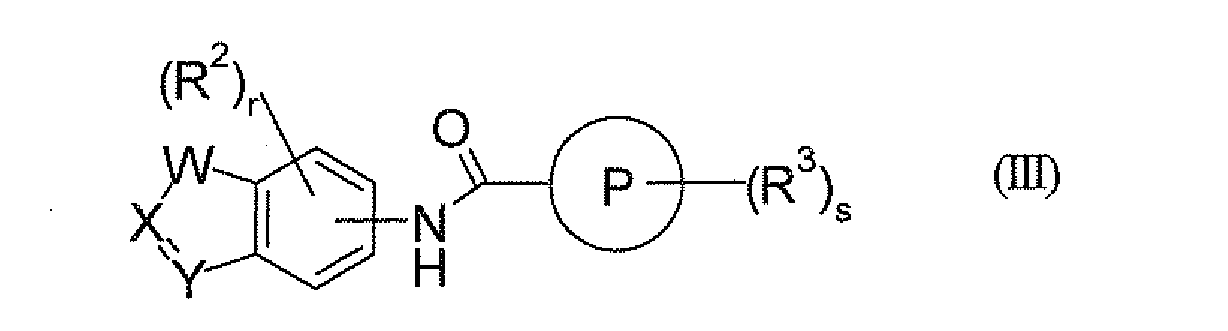
- Also, it has been reported that the derivative represented by the following general formula (IV), as a ligand for the VR1 receptor, is useful for the treatment of pain and the like (Patent References 3 and 4).

Though compounds having arylamide structure are disclosed in all of the Patent References 1 to 4 described in the above, there is no illustrative disclosure on a compound having a monoalkylamino group at the adjusting position of amido group on the aryl. - In addition, it has been reported that the quinoline derivative represented by the following general formula (V), as a regulatory agent of VR1 receptor, is useful for the treatment of pain and the like (Patent Reference 5).

Also, a benzothiazole derivative characterized by its possession of VR1 receptor regulatory action and possession of hydroxymethyl group at the 2-position is disclosed in an international publication (Patent Reference 6) which was published after the application as the basis of the priority of the instant application.
In addition, a benzamide derivative characterized by its possession of VR1 receptor regulatory action and by substitution of a ring structure at the 4-position is disclosed in an international publication which was published by the applicant of the instant application, etc. (Patent Reference 7). - the nociceptin antagonist which comprises an amide derivative represented by the following general formula (VI) as the active ingredient has been reported (Patent Reference 8).

Though use of the nociceptin antagonist of said official gazette is for pain, there is no disclosure or suggestion therein on VR1 receptor. Though compounds having arylamide structure are disclosed in said official gazette, there is no illustrative disclosure on a compound having a monoalkylamino group at the adjusting position of amido group on the aryl. - In addition, 2-aminobenzamide derivatives having a bicyclic hetero ring on the nitrogen atom of amide group have been reported (Patent References 9 to 12). However, though angiogenesis inhibitory action and the like based on VEGF inhibition are disclosed in all of the references, there is no description on VR1 receptor and description on the application to pain. In addition, there is no disclosure in any of the official gazettes on a compound in which a monocyclic ring is directly bonded to the 2-position amino group without mediating an alkylene chain.
- Patent Reference 1: International Publication No.
2004/108133
Patent Reference 2: International Publication No.2004/072069
Patent Reference 3: International Publication No.2005/072681
Patent Reference 4:US Patent Application Publication No. 2005/0165028
Patent Reference 5: International Publication No.2004/069792
Patent Reference 6: International Publication No.2006/038871
Patent Reference 7: International Publication No.2004/110986
Patent Reference 8: Japanese Patent No.3013989
Patent Reference 9: International Publication No.2004/005279
Patent Reference 10: International Publication No.2004/007457
Patent Reference 11: International Publication No.2004/007458
Patent Reference 12: International Publication No.2001/085671 - The problems for the present invention is to provide a novel and excellent agent for treating or preventing nociceptive pain, neuropathic pain, cancer pain, headache, bladder function disorder and the like, based on inhibitory action on the capsaicin receptor VR1 activation.
- As a result of intensive studies on compounds having inhibitory action on VR1 activation, the present inventors have found that a benzamide derivative having a benzene ring in which a monocyclic ring is condensed on the nitrogen atom of amido group and having a lower alkylamino or an amino group substituted with a ring group at the neighboring position of said amido group is possessed of a potent inhibitory action on VR1 activation and excellent pharmacological action based on this and can become an excellent agent for treating or preventing VR1-involved diseases such as nociceptive pain, neuropathic pain, cancer pain, headache, bladder function disorder and the like, thereby accomplishing the present invention.
The pharmacological action of the compound represented by a general formula (I) as the active ingredient of the present invention is analgesic action by regulating the function of the VR1 receptor. Accordingly, its action is different from that of the aforementioned compound of Patent Reference 8 which is a nociceptin antagonist. Also, the compound as the active ingredient of the present invention is also different from that of the illustrative compounds described in the aforementioned Patent Reference 8 in terms of structural characteristics. That is, there is no illustrative disclosure in the aforementioned Patent Reference 8 on a benzamide derivative having a lower alkylamino or an amino group substituted with a ring group at its neighboring position, and the characteristic of the substituent group substituted on the ring A is also different. In addition, pharmacological action of the compound as the active ingredient of the present invention is also different from the compounds of the aforementioned Patent References 9 to 12 having VEGF inhibitory action.
That is, the present invention relates to a VR1 activation inhibitor which comprises a 2-aminobenzamide derivative represented by the following general formula (I) or a salt thereof as an active ingredient -


R3: the same or different from each other and each represents H, halogen, halogeno-lower alkyl, cyano, nitro, lower alkyl, -NR4R5, -lower alkylene-NR4R5, -lower alkylene-NR6-CO2-lower alkyl, -O-lower alkyl, -O-halogeno-lower alkyl, phenyl or thienyl,
m: 1, 2 or 3,
R4 and R5: the same or different from each other and each represents H or lower alkyl,
wherein R4 and R5 may be combined with the adjacent nitrogen atom to form a monocyclic nitrogen-containing saturated hetero ring which may be substituted with lower alkyl or lower alkylene-OH,
R6: H or lower alkyl,
wherein the ring represented by A may be substituted with 1 to 4 groups selected from -OH, -lower alkylene-OH, -lower alkylene-NR4R5, -lower alkylene-CO-NR4R5, halogen, halogeno-lower alkyl, lower alkyl and oxo,
R1: lower alkyl, -L-cycloalkyl, -L-cycloalkenyl, -L-monocyclic oxygen-containing saturated hetero ring, -L-monocyclic nitrogen-containing saturated hetero ring, -L-bridged-type nitrogen-containing saturated hetero ring, -L-phenyl or -L-pyridyl, with the proviso that, as the type of the ring A when R1 is lower alkyl, it means a ring which forms indoline, tetrahydroquinoline or 3,4-dihydro-2H-1,4-benzoxazine together with the benzene ring to which it condenses,
wherein the lower alkyl of R1 may be substituted with 1 to 3 groups selected from the groups shown in the following group G, and the cycloalkyl, cycloalkenyl, monocyclic oxygen-containing saturated hetero ring, monocyclic nitrogen-containing saturated hetero ring, phenyl and pyridyl of R1 may be substituted with 1 to 5 groups selected from the groups shown in the following group G and lower alkyl which may be substituted with a group shown in group G, Group G: -O-lower alkyl, -OH, oxo, -S(O)p-lower alkyl, -NR4R5, -NR6-CO2-lower alkyl, -NR6-SO2-lower alkyl, -N+(lower alkyl)3, -CO2-lower alkyl, -CO-NR4R5, halogen, phenyl, cycloalkyl, -O-lower alkylene-phenyl, -NR6-cycloalkyl and monocyclic oxygen-containing saturated hetero ring,
p: 0, 1 or 2,
L: bond or lower alkylene,
R2: the same or different from each other and each represents H, lower alkyl, halogen, halogeno-lower alkyl or-OH, and
n: 1 or 2. The symbols to be used in the description of Production Examples which are described later represent the same meanings). - In addition, the present invention also relates to a novel 2-aminobenzamide derivative represented by the following general formula (I') or a salt thereof, which has inhibitory action on VR1 activation and is useful as an agent for treating or preventing diseases in which VR1 receptor is involved, such as nociceptive pain, neuropathic pain, cancer pain, headache, bladder function disorder and the like.
Though some of said compounds are generally included in the present inventions of the aforementioned Patent References 1 to 4, there are no illustrative disclosure in said Patent References on the a benzamide derivative having a lower alkylamino or an amino group substituted with a ring group at the neighboring position of the amido group, which is a characteristic of the compound of the present invention, and also there is no description showing that the substituent group at the neighboring position of the amido group is important. In addition, structure of the compound of the present invention is different from that of the compound of the aforementioned Patent Reference 5 in which a hetero ring is directly bonded on the nitrogen atom, in terms that a monocyclic ring-condensed benzene ring is substituted on said amido nitrogen atom. A compound having lower alkylamino group at the 2-position of benzamide is disclosed in the aforementioned Patent Reference 6 which was laid open to public inspection after an application as the basis of the priority of the instant application, but said compound is different from the compound of the present invention in terms of the condensed ring structure on the amido nitrogen atom. In addition, structure of the compound of the aforementioned Patent Reference 7 is different from the compound of the present invention in terms of the possession of a ring structure at the 4-position of benzamide.
That is, the present invention relates to a novel 2-aminobenzamide derivative represented by the following general formula (I'). -

X and W: one is N and the other is CH, or both are CH,
R3a and R3b: the same or different from each other and each represents H, halogen, halogeno-lower alkyl, cyano, nitro, lower alkyl, -NR4R5, -lower alkylene-NR4R5, -lower alkylene-NR6-CO2-lower alkyl, -O-lower alkyl, -O-halogeno-lower alkyl, phenyl or thienyl,
R4 and R5: the same or different from each other and each represents H or lower alkyl,
wherein R4 and R5 may be combined with the adjacent nitrogen atom to form a monocyclic nitrogen-containing saturated hetero ring which may be substituted with lower alkyl or lower alkylene-OH,
R6: H or lower alkyl,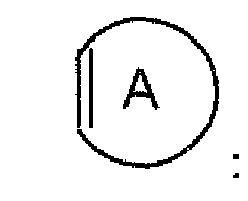
wherein the ring represented by A may be substituted with 1 to 4 groups selected from -OH, -lower alkylene-OH, -lower alkylene-NR4R5, -lower alkylene-CO-NR4R5, halogen, halogeno-lower alkyl, lower alkyl and oxo,
R1: lower alkyl, cycloalkyl, cycloalkenyl, monocyclic oxygen-containing saturated hetero ring, monocyclic nitrogen-containing saturated hetero ring, phenyl or pyridyl, with the proviso that, as the type of the ring A when R1 is lower alkyl, it means a ring which forms indoline, tetrahydroquinoline or 3,4-dihydro-2H-1,4-benzoxazine together with the benzene ring to which it condenses,
wherein the lower alkyl of R1 may be substituted with 1 to 3 groups selected from the groups shown in the following group G, and the cycloalkyl, cycloalkenyl, monocyclic oxygen-containing saturated hetero ring, monocyclic nitrogen-containing saturated hetero ring, phenyl and pyridyl of R1 may be substituted with 1 to 5 groups selected from the groups shown in the following group G and lower alkyl which may be substituted with a group shown in group G, Group G: -O-lower alkyl, -OH, oxo, -S(O)p-lower alkyl, -NR4R5, -NR6-CO2-lower alkyl,
-NR6-SO2-lower alkyl, -N+(lower alkyl)3, -CO2-lower alkyl, -CO-NR4R5, halogen, phenyl, cycloalkyl, -O-lower alkylene-phenyl, -NR6-cycloalkyl and monocyclic oxygen-containing saturated hetero ring,
p: 0, 1 or 2,
R2: the same or different from each other and each represents H, lower alkyl, halogen, halogeno-lower alkyl or-OH, and n: 1 or 2).
Also, the present invention relates to a pharmaceutical composition, which comprises a 2-aminobenzamide derivative represented by the aforementioned general formula (I') or a salt thereof and a pharmaceutically acceptable carrier. Preferably, the aforementioned pharmaceutical composition which is a VR1 activation inhibitor, more preferably the aforementioned pharmaceutical composition which is an agent for treating or preventing nociceptive pain, neuropathic pain, cancer pain, headache and bladder function disorder.
In addition, other embodiments of the present invention are use of a 2-aminobenzamide derivative represented by the aforementioned general formula (I') or a salt thereof, and a method for preventing or treating nociceptive pain, neuropathic pain, cancer pain, headache and bladder function disorder, which comprises administering an effective amount of the 2-aminobenzamide derivative or a salt thereof to a mammal. - The compound as the active ingredient of the pharmaceutical preparations of the present invention has the advantage of having strong inhibitory action on the capsaicin receptor VR1 activation and good pharmacological action based thereon. The pharmaceutical composition of the present invention is useful for the treatment or prevention of diseases in which VR1 is involved, particularly for the treatment or prevention of nociceptive pain, neuropathic pain, cancer pain, headache and bladder function disorder.
- The following describes the present invention in detail.
In this description, the "VR1 activation inhibitor" is a compound which binds to the VR1 receptor, and is a general term for a compound which inhibits activation of VR1 by competing with an intrinsic ligand (VR1 antagonist) and a compound which desensitizes the nerve where said receptor is present by the persistent activation of the VR1 receptor and inhibits the activation thereafter (VR1 agonist). Preferred as the "VR1 activation inhibitor" is a VR1 antagonist.
Regarding the definition of the formulae in the description, the term "lower" means a straight or branched carbon chain having from 1 to 6 carbon atoms (to be referred to as C1-6 hereinafter) unless otherwise noted. Thus, the "lower alkyl" is a C1-6 alkyl, preferably straight chain alkyl such as methyl, ethyl, n-propyl, n-butyl group or the like or branched alkyl such as isopropyl, isobutyl, tert-butyl, neopentyl group or the like. A C1-4alkyl is more preferable, and methyl, ethyl, n-propyl, isopropyl and tert-butyl group are particularly preferable. The "lower alkylene" is a C1-6 alkylene, preferably straight chain alkylene such as methylene, ethylene, trimethylene, tetramethylene group or the like or branched alkylene such as propylene, ethylethylene, 1,2-dimethylethylene, 1,1,2,2-tetramethylethylene group or the like. A C1-4 alkylene is more preferable.
The "halogen" means F, Cl, Br and I. Particularly, F and Cl are preferable. The "halogeno-lower alkyl" means a C1-6 alkyl substituted with 1 or more halogen, which is preferably a C1-6 alkyl substituted with 1 or more F, and more preferably trifluoromethyl group. - The "cycloalkyl" is a C3-10 saturated hydrocarbon ring group which may have a bridge. Preferred is a C3-8 cycloalkyl, more preferred are cyclopropyl, cyclobutyl, cyclopentyl, cyclohexyl, cycloheptyl, cyclooctyl and adamantyl groups, particularly preferred are cyclopentyl, cyclohexyl and cycloheptyl groups.
The "cycloalkenyl" is a ring group having a double bond in a part of the ring of the aforementioned "cycloalkyl", preferably a C3-8 cycloalkenyl, more preferably cyclopentenyl and cyclohexenyl.
The "monocyclic nitrogen-containing saturated hetero ring" means a 5- to 8- membered saturated or partially unsaturated monocyclic hetero ring group which contains one N atom and may further contain one of hetero atoms consisting ofN, S and O. Preferred are pyrrolidinyl, piperidinyl, piperazinyl, azepanyl, diazepanyl, azocanyl, morpholinyl, thiomorpholinyl and tetrahydropyridinyl groups. Particularly preferred are pyrrolidinyl, piperidinyl and morpholinyl groups.
The "bridged-type nitrogen-containing hetero ring" is a bridged ring group in which optional two carbon atoms at un-adjacent positions in the aforementioned "monocyclic nitrogen-containing saturated hetero ring" are bonded via an alkylene chain, which may contain a double bond in the ring. Preferred are quinuclidinyl, 8-azabicyclo[3.2.1]octenyl and 7-azabicyclo[2.2.1]heptanyl.
In the aforementioned "monocyclic nitrogen-containing saturated hetero ring", the ring atom S may be oxidized to form oxide or dioxide or N may be oxidized to form oxide.
The "monocyclic oxygen-containing saturated hetero ring" is a 5- to 7-membered saturated monocyclic hetero ring group containing 1 or 2 O atoms, preferably tetrahydrofuranyl, tetrahydropyranyl and 1,4-dioxanyl. - The "monocyclic hetero ring" of ring A is a 5- or 6-membered unsaturated or partially unsaturated monocyclic hetero ring group containing 1 or 2 hetero atoms consisting of N, S and O, which is a ring having a double bond at a position where said ring is condensed with benzene ring. Preferred are 2,3-dihydro-1H-pyrrole, 2,5-dihydro-1H-pyrrole, 1,2,3,4-tetrahydropyridine, 1,2,3,6-tetrahydropyridine, 2,3-dihydro-1,4-dioxine, 3,4-dihydro-2H-1,4-oxazine, 3,4-dihydro-2H-1,4-thiazine, 1,2-dihydropyridine, pyrrole, pyran, pyrazole, thiophene, oxazole, thiazole, pyridine, 1,3-dioxole and 6,7-dihydro-5H-1,4-dioxepine ring, and are ring groups wherein said ring groups are condensed with benzene ring to form indoline, isoindoline, tetrahydroquinoline, tetrahydroisoquinoline, 2,3-dihydro-1,4-benzodioxine, 3,4-dihydro-2H-1,4-benzoxazine, 3,4-dihydro-2H-1,4-benzothiazine, 1,2-dihydroquinoline, 2,3-dihydroisoquinoline, indole, benzopyran, indazole, benzothiophene, benzoxazole, benzothiazole, quinoline, isoquinoline, 1,3-benzodioxole and 3,4-dihydro-2H-1,5-benzodioxepine ring.
- The "monocyclic nitrogen-containing hetero ring" of ring A is a ring group containing at least one nitrogen atom as the ring atom among the aforementioned "monocyclic hetero ring", and preferred of which are 2,3-dihydro-1H-pyrrole, 1,2,3,4-tetrahydropyridine, 3,4-dihydro-2H-1,4-oxazine and 1,2-dihydropyridine ring, and particularly preferred are 2,3-dihydro-1H-pyrrole, 1,2,3,4-tetrahydropyridine and 3,4-dihydro-2H-1,4-oxazine ring.
The "cycloalkene" of ring A is a C5-8 hydrocarbon ring, which is a ring that has a double bond at a position where said ring is condensed with benzene ring. It may have another double bond in the other ring. Preferred are cyclopentene, cyclopentadiene, cyclohexene and cycloheptene rings, and more preferred is cyclohexene ring. - Preferred as the group represented by R3 are H, halogen, halogeno-lower alkyl and nitro, and more preferred are halogen and halogeno-lower alkyl. The substitution position is preferably the 4-position or 5-position, more preferably the 4-position.
When a compound have two or more groups of other than H as the group represented by R3, said substituent groups may be the same or different from one another.
Preferred as the group represented by R1 are -L-cycloalkyl, -L-monocyclic oxygen-containing saturated hetero ring and -L-monocyclic nitrogen-containing saturated hetero ring, and more preferred are -L-cycloalkyl and -L-monocyclic oxygen-containing saturated hetero ring. A bond is desirable as L. Said ring group may be substituted with 1 to 5 groups selected from lower alkyl, the groups shown by group G and lower alkyl substituted with the groups shown by group G.
Preferred as the substituent group shown by group G is -NR4R5 or cycloalkyl, more preferred is -NR4R5 and further preferred is a group which is a monocyclic nitrogen-containing saturated hetero ring in which R4 and R5 is combined together with the adjacent nitrogen atom.
The R4, R5 and R6 contained in the groups shown in the group G and the R4, R5 and R6 contained in the group represented by R3 are each independent and may be different from one another.
When the group represented by R1 is -L-cycloalkyl, wherein said ring group is substituted with lower alkyl and -NR4R5 on the same carbon atom, said lower alkyl and R4 may be bonded to form a ring. - A preferred embodiment of the 2-aminobenzamide derivative represented by the general formula (I) as the active ingredient of the present invention is the derivatives of the following (A1) to (A3) and the derivatives represented by the aforementioned general formula (I').
- (A1) A derivative in which A is a monocyclic nitrogen-containing hetero ring wherein said ring group has oxo group or hydroxyl group as the substituent group and may be further substituted with 1 or 2 groups selected from -lower alkylene-OH, -lower alkylone-NR4R5, -lower alkylene-CO-NR4R5, halogen, halogeno-lower alkyl and lower alkyl.
- (A2) More preferred is a derivative described in the aforementioned (A1), wherein type of the ring A is one which forms indoline, tetrahydroquinoline, 3,4-dihydro-2H-1,4-benzoxazine or 1,2-dihydroquinoline together with the benzene ring to which it is condensed.
- (A3) More preferred is a derivative described in the aforementioned (A1), wherein type of the ring A is one which forms indoline, tetrahydroquinoline or 3,4-dihydro-2H-1,4-benzoxazine together with the benzene ring to which it is condensed.
- A preferred embodiments of the 2-aminobenzamide derivative as the compound of the present invention represented by the general formula (I') is the following derivatives.
- (B1) A derivative in which X is N or CH, W is CH and A is a monocyclic nitrogen-containing hetero ring, wherein said ring group has oxo group or hydroxyl group as the substituent group and may be further substituted with 1 or 2 groups selected from -lower alkylene-OH, -lower alkylene-NR4R5, -lower alkylene-CO-NR4R5, halogen, halogeno-lower alkyl and lower alkyl.
- (B2) More preferred is a derivative described in the aforementioned (B1), wherein type of the ring A is one which forms indoline, tetrahydroquinoline, 3,4-dihydro-2H-1,4-benzoxazine or 1,2-dihydroquinoline together with the benzene ring to which it is condensed.
- (B3) More preferred is a derivative described in the aforementioned (B2), wherein type of the ring A is one which forms indoline, tetrahydroquinoline or 3,4-dihydro-2H-1,4-benzoxazine together with the benzene ring to which it is condensed.
- (B4) More preferred is a derivative described in the aforementioned (B3), which is a ring group wherein R1 is selected from cycloalkyl, cycloalkenyl, monocyclic oxygen-containing saturated hetero ring and monocyclic nitrogen-containing saturated hetero ring, that may be substituted with 1 to 5 groups selected from the groups shown by group G and lower alkyl which may be substituted with the groups shown by group G.
- (B5) More preferred is a derivative described in the aforementioned (B4), which is a ring group wherein R1 is selected from cycloalkyl, dioxolanyl and piperidyl, that may be substituted with lower alkyl, -NR4R5 or cycloalkyl.
- Another preferred embodiment of the 2-aminobenzamide derivative represented by the compound of the present invention (I') is the following derivatives.
- (C1) More preferred is a derivative described in the aforementioned (B1), which is a ring group wherein R1 is selected from cycloalkyl, cycloalkenyl, monocyclic oxygen-containing saturated hetero ring, monocyclic nitrogen-containing saturated hetero ring, phenyl and pyridyl, that may be substituted with 1 to 5 groups selected from the groups shown by group G and lower alkyl which may be substituted with the groups shown by group G.
- (C2) More preferred is a derivative described in the aforementioned (C1), which is a ring group wherein R1 is selected from cycloalkyl and piperidyl, that may be substituted with lower alkyl, -NR4R5 or cycloalkyl.
- Also, depending on the kind of substituent groups, stereoisomers, tautomers, optical isomers and the like are sometimes present in the compound represented by the general formula (I) which is the active ingredient of the present invention (to be referred to as compound (I) hereinafter), and mixtures and isolated forms of these isomers are included in the present invention.
In addition, "pharmaceutically acceptable prodrugs" regarding the compound (I) are also included in the present invention. The "pharmaceutically acceptable prodrug" is a compound which can produce the compound (I) by being converted into the group such as CO2H, NH2, OH or the like by solvolysis or under a physiological condition. As the groups which form prodrugs, the groups described in Prog. Med., 5, 2157 - 2161 (1985) and "Iyakuhin no Kaihatsu (Development of Medicines)" (Hirokawa Shoten, 1990) Vol. 7 Bunshi Sekkei (Molecular Design) 163 - 198 can be cited. - As salts of the compound (I), they are pharmaceutically acceptable salts, and illustratively, acid addition salts with inorganic acids (e.g., hydrochloric acid, hydrobromic acid, hydroiodic acid, sulfuric acid, nitric acid, phosphoric acid and the like), with organic acids (e.g., formic acid, acetic acid, propionic acid, oxalic acid, malonic acid, succinic acid, fumaric acid, maleic acid, lactic acid, malic acid, tartaric acid, citric acid, methanesulfonic acid, ethanesulfonic acid, aspartic acid, glutamic acid and the like), and the like may be exemplified. In addition, there are cases of forming salts with bases depending on the kind of substituent groups, and for example, salts with inorganic bases including metals (e.g., sodium, potassium, magnesium, calcium, aluminum, lithium and the like), with organic bases (e.g., methylamine, ethylamine, ethanolamine, lysine, ornithine and the like), ammonium salts and the like may be cited.
Further, various hydrates and solvates and polymorphic crystals are included in the compound (I) and salts thereof. - The compound (I) as the active ingredient of the present invention can be produced by applying various conventionally known synthetic methods making use of its basal backbone or the characteristics based on the kind of substituent groups. In that case, depending on the kind of a functional group, there is a case in which protection of said functional group by an appropriate protecting group or replacement of a group which can be easily converted into said functional group, at a stage of the materials to intermediates, is effective in view of the production techniques. As such a functional group, it includes amino group, hydroxyl group, carboxyl group and the like, as their protecting groups, the protecting groups described for example in "Protective Groups in Organic Synthesis", edited by T.W. Greene and P.G.M. Wuts, 3rd edition, 1999, can be cited, and these may be optionally selected and used in response to the reaction conditions. By such a method, a desired compound can be obtained by carrying out the reaction by introducing said protecting group and then removing the protecting group as occasion demands or converting it into a desired group.
In addition, a prodrug of the compound (I) or a salt thereof can be produced by introducing a specific group at a stage of the materials to intermediates similar to the case of the aforementioned protecting group or by carrying out the reaction using the obtained compound (I). The reaction can be carried out by employing the general methods which are known by those skilled in the art, such as esterification, amidation, acylation and the like. -

- The first production method is a method in which the compound (I) of the present invention is produced by an amido condensation reaction using a compound (1) and a compound (2).
This reaction is carried out by using the compound (1) and compound (2) in equivalent amounts, or one of them in an excess amount, and allowing them to undergo the reaction under ice-cooling to under heating for generally from 0.1 hour to 5 days in a reaction inert solvent in the presence of a condensing agent. As the condensing agent, condensing agents described in "Jikken Kakagu Koza (Experimentation Chemistry Course)", edited by The Chemical Society of Japan, 4th edition, Maruzen, 1992, vol. 22, ibid., 5th edition, Maruzen, 2005, vol. 16, and "Comprehensive Organic Synthesis", (England), edited by B.M. Trost and I. Fleming, Pergamon Press, 1991, vol. 6, N,N-dicyclohexylcarbodiimide (DCC), 1-ethyl-3-[3-(N,N-dimethylamino)propyl]carbodiimide, O-benzotriazol-1-yl-N,N,N',N'-tetramethyluronium hexafluorophosphate (HBTU), N-[(dimethylamino)(3H-1,2,3)triazolo[4,5-b]pyridin-3-yloxy]methylene]-N-methylmethanammonium hexafluorophosphate (HATU), carbonyldiimidazole, diphenylphosphoryl azide (DPPA) and the like, may be suitably used. These condensing agents are used in an equivalent amount or excess amount based on the carboxylic acid. The solvent is not particularly limited and, for example, aromatic hydrocarbons (e.g., benzene, toluene, xylene and the like), ethers (e.g., diethyl ether, tetrahydrofuran (THF), 1,4-dioxane, 1,2-dimethoxyethane, 1,2-diethoxyethane and the like), halogenated hydrocarbons (e.g., dichloromethane, 1,2-dichloroethane, chloroform and the like), alcohols (e.g., methanol, ethanol, 2-propanol, butanol and the like), N,N-dimethylformamide (DMF), N-methylpyrrolidone (NMP), dimethyl sulfoxide (DMSO), water or mixed solvents thereof, and the like, may be cited. In this connection, the reaction smoothly progresses in some cases when the reaction is carried out in the presence of a base such as N-methylmorpholine, triethylamine, trimethylamine, pyridine, 4-dimethylaminopyridine or the like, or using these bases in a solvent volume.
In addition, the compound (I) can also be produced by a method in which the carboxylic acid compound (1) is converted into an active derivative and then condensed with the amine compound (2). Also in this case, the reaction can be carried out under the same conditions of the aforementioned reaction in which the compound (1) is allowed to undergo the reaction directly using equivalent amounts of the compound (1) and compound (2), or using one of them in an excess amount. In this case, as the active derivative of carboxylic acid, an active ester obtained by allowing to react with a phenol system compound (p-nitrophenol or the like) or an N-hydroxyamine system compound (1-hydroxysuccinimide, 1-hydroxybenzotriazole or the like), a mixed acid anhydride obtained by reacting with an organic acid, a phosphoric acid system acid anhydride obtained by allowing to react with diphenylphosphoryl chloride and N-methylmorpholine, an acid azide obtained by allowing the ester to react with hydrazine and an alkyl nitrite in succession, an acid halide (e.g., acid chloride, acid bromide or the like), a symmetric acid anhydride and the like may be exemplified. The activation reagents and reaction conditions for converting the aforementioned active derivatives from the carboxylic acid compound (1) are described for example in "Jikken Kakagu Koza (Experimentation Chemistry Course)", edited by The Chemical Society of Japan, 4th edition, Maruzen, 1992, vol. 22, ibid., 5th edition, Maruzen, 2005, vol. 16, "Compendium of Organic Synthetic Methods", (USA), edited by I.T. Harrison and S. Harrison, Wily Interscience, 1971, vol. 1, and ibid., 1974, vol. 2, "Compendium of Organic Synthetic Methods", (USA), edited by L.S. Hegedus and L.G. Wade, Wily Interscience, 1977, vol. and the like, and it can be carried out with reference to said methods. -

- The second production method is a method in which the compound (I) of the present invention is produced by substituting a compound (4) with a compound (3). This reaction is carried out by using the compound (3) and compound (4) in equivalent amounts, or one of them in an excess amount, and allowing them to undergo the reaction under ice-cooling to under heating for generally from 0.1 hour to 5 days in a reaction inert solvent in the presence of a base. As the base, organic bases such as pyridine, diisopropylethylamine, triethylamine, 2,6-lutidine and the like may be used, as well as the other bases such as potassium carbonate, sodium bicarbonate, cesium carbonate, sodium hydride, potassium tert-butoxide and the like. The reaction can be carried out for example by optionally selecting the reaction conditions and the like described in J. Am. Chem. Soc., 1949, 71, 740 - 741, J. Org. Chem., 1994, 59(21), 6194 - 6199, J. Med. Chem., 2004, 47(19), 4642 - 4644 and Chem. Pharm. Bull., 1996, 47(1), 28 - 36.
-


- The third production method is a method in which the compound (I) or (Ia) of the present invention is produced by a reductive alkylation reaction of a compound (5) with a compound (6) or a compound (7) with a compound (8a). This reaction is carried out by using the compound (5) and compound (6) or the compound (7) and compound (8a) in equivalent amounts, or one of them in an excess amount, and allowing them to undergo the reaction under ice-cooling to under heating for generally from 0.1 hour to 5 days in a reaction inert solvent in the presence of a reducing agent and a Lewis acid. As the reducing agent, a catalytic reduction condition may be used, as well as the stoichiometry-type reducing agents such as sodium triacetoxyborohydride, sodium borohydride, diborane, lithium aluminum hydride (LAH), and the like.
The compound (Ib) of the present invention can be produced by further allowing the compound (Ia) produced by this method to react with a compound (8b).
For the reductive alkylation reaction, for example, the reaction conditions described in "Jikken Kakagu Koza (Experimentation Chemistry Course)", edited by The Chemical Society of Japan, 4th edition, Maruzen, 1992, vol. 22, ibid., 5th edition, Maruzen, 2005, vol. 16, may be optionally selected and used. - The compounds as the active ingredients of the pharmaceutical preparations of the present invention having various functional groups can also be produced by employing the methods obvious to those skilled in the art, conventionally known production methods or modified methods thereof. For example, desired compounds can be produced by further subjecting the compounds obtained by the aforementioned production methods to substituent group modification reactions. Typical reactions are shown in the following.
- Among the compounds (1), a compound having amido group or a compound having ester group can be produced by using a compound having amino group or hydroxyl group as the material and allowing it to react with a carboxylic acid or reactive derivative thereof. The reaction can be carried out by making reference to the methods described for example in "Jikken Kakagu Koza (Experimentation Chemistry Course)", edited by The Chemical Society of Japan, 4th edition, Maruzen, 1992, vol. 22, ibid., 5th edition, Maruzen, 2005, vol. 16, or the aforementioned "Compendium of Organic Synthetic Methods", vol. 1 to vol. 3 or the like.
- Among the compounds (I), a compound having sulfonyl group or sulfenyl group can be produced by an oxidation reaction of a compound having sulfide group. The reaction can be carried out by making reference to the methods described for example in "Jikken Kakagu Koza (Experimentation Chemistry Course)", edited by The Chemical Society of Japan, 4th edition, Maruzen, 1992, vol. 23, ibid., 5th edition, Maruzen, 2005, vol. 17, or the aforementioned "Compendium of Organic Synthetic Methods", vol. 1 to vol. 3 or the like.
- Among the compounds (I), a compound having a lower alkoxy group or a lower alkylamino group can be produced by subjecting a compound having hydroxyl group or amino group to an alkylation reaction. The reaction can be carried out by making reference to the methods described for example in "Jikken Kakagu Koza (Experimentation Chemistry Course)", edited by The Chemical Society of Japan, 4th edition, Maruzen, 1992, vol. 20, ibid., 5th edition, Maruzen, 2005, vol. 14, or the aforementioned "Compendium of Organic Synthetic Methods", vol. 1 to vol. 3 or the like.
- Among the compounds (I), a compound having a lower alkoxy group or a lower alkylamino group can also be produced by substituting an alcohol or amine compound corresponding to a compound having halogen under a basic condition. The reaction can be carried out by optionally selecting and using the reaction conditions described for example in "Jikken Kakagu Koza (Experimentation Chemistry Course)", edited by The Chemical Society of Japan, 4th edition, Maruzen, 1992, vol. 20, and ibid., 5th edition, Maruzen, 2005, vol. 14.
-

- The material compound (1) in the aforementioned first production method can be produced by the reaction pathway described in the above.
In the reaction pathway described in the above, the substitution reaction can be carried out by making reference to the method described in "Jikken Kakagu Koza (Experimentation Chemistry Course)", edited by The Chemical Society of Japan, 4th edition, Maruzen, 1992, vol. 23 and the like, and the hydrolysis to the method described in "Jikken Kakagu Koza (Experimentation Chemistry Course)", edited by The Chemical Society of Japan, 4th edition, Maruzen, 1992, vol. 22 and the like, and the deprotection to the method described in "Protective Groups in Organic Synthesis", 3rd edition, 1999.
Regarding the material compound (1), a compound in which R3 is halogen can be produced by allowing a halogenation agent such as N-chlorosuccinimide, N-bromosuccinimide, chlorine, iodine or the like to react with each intermediate in the reaction pathway described in the above wherein R3 is hydrogen atom. -

- The reaction pathway described in the above shows production methods of the material compounds (1), particularly those which have certain alkylamino group as R1 on the terminus, namely a compound (1a) which has a group represented by -R1A-NHR4a, a compound (1b) which has a group represented by -R1A-NR4aR5a and a compound (1c) which has a group represented by -R1A-NH2.
In the reaction pathway described in the above, the substitution reaction can be carried out by making reference to the method described in "Jikken Kakagu Koza (Experimentation Chemistry Course)", edited by The Chemical Society of Japan, 4th edition, Maruzen, 1992, vol. 23 and the like. Also, the alkylation can be carried out by making reference to the method described in "Jikken Kakagu Koza (Experimentation Chemistry Course)", edited by The Chemical Society of Japan, 4th edition, Maruzen, 1992, vol. 20 and the like. The hydrolysis can be carried out by making reference to the method described in the aforementioned "Protective Groups in Organic Synthesis (3rd edition, 1999)".
Regarding the step for converting the compound (11) into compound (14) by alkylation in the reaction pathway described in the above, it is desirable to allow the compound (11) to react with the alkylating agents (12a) and (12b) through two steps, and in that case, it is desirable to allow the compound (11) to react with the alkylating agent (9) after once protecting its amino group with a protecting group and then to obtain the first step intermediate (13) by removing the protecting group. In addition, when R4a and R5a in the compound (14) form a monocyclic nitrogen-containing saturated hetero ring, as a pair together with the adjacent nitrogen atom, it is desirable to obtain the compound (14) by one step through the treatment of the compound (11) using an alkylating agent in which the alkylating agents (12a) and (12b) are formed into one body.
When the (1a) and (1c) produced by the production method described in the above are used as the materials of the first production method, it is desirable to protect the terminal amino group. It is desirable in some cases to carry out said protection at the stage of an intermediate in the production process described in the above. - The compound (I) produced in this manner is isolated and purified directly as its free form or as its salt by applying a salt formation treatment by a usual method. The isolation and purification are carried out by employing general chemical operations such as extraction, concentration, evaporation, crystallization, filtration, recrystallization, various types of chromatography, and the like.
Various types of isomers can be isolated by a general method making use of the difference in the physicochemical properties between isomers. For example, optical isomers can be respectively separated and purified by a general method in which a racemic compound is converted into diastereomer salts with an optically active organic acid (tartaric acid or the like) and then subjected to fractional crystallization, or a chiral filler-aided chromatography or the like. In addition, an optically active compound can also be produced using an appropriate optically active compound as the material. In this connection, a diastereomer mixture can also be separated by the fractional crystallization, chromatography or the like. - The following describes production methods of novel compounds which are included in the compound (I) as the active ingredient of the present invention, as examples. Also, production methods of novel compounds among the compounds used as materials are described as reference examples. In this connection, the production method of the compound (I) is not limited to the production methods of illustrative examples shown in the following, and thy can be also be produced by a combination of these production method or conventionally production methods.
In addition, the following abbreviations are used in the reference examples and Examples and the tables which are described later.
Ex: Example number, REx: reference example number, No: compound number, Dat: physicochemical data (F: FAB-MS (M+H)+, FN: FAB-MS (M-H)-, ES: ESI-MS (M+H)+, ESN; ESI-MS (M-H)-, AP: API-MS (M+H)+, EI: EI-MS (M)+, APCI: APCI-MS (M+H)+, AN: APCI-MS (M-H)-, NMR: δ (ppm) of characteristic peaks by 1H NMR in DMSO-d6, NMRC: δ (ppm) of characteristic peaks by 1H NMR in CDCl3), EA: elemental analysis (Calcd: calculated value, Found: measured value), Str: structural formula, RSn: reference example production method (the numeral indicates reference example number in which respective production method was used as reference), Syn: Example production method (the numeral indicates Example number in which respective production method was used as reference), Sal: salt (compound with no description indicates its free form), Fum: fumaric acid, Me: methyl, Et: ethyl, iPr: isopropyl, cPr: cyclopropyl, iBu: isobutyl, tBu: tert-butyl, cPen: cyclopentyl, cHex: cyclohexyl, cHep: cycloheptyl, Ph: phenyl, Boc: tert-butoxycarbonyl, Bn: benzyl, and TBS: tert-butyldimethylsilyl.
In the following reference examples, there is a case in which a treating operation after completion of a reaction until purification is described by abridging as "the reaction liquid was post-treated". Said treatment is a generally used method in organic synthetic chemistry and means a series of steps in which separation of layers is carried out after adding water to a reaction liquid, extraction is carried out with an appropriate solvent, the organic layers are combined and dried and then the solvent is evaporated and, as occasion demands, purification is carried out by a usual method such as silica gel column chromatography or the like. - Cyclopentylamine and potassium carbonate were added to a DMF solution of 4-chloro-2-fluorobenzonitrile, followed by stirring at 100°C for 12 hours. By post-treating the reaction liquid, 4-chloro-2-(cyclopentylamino)benzonitrile was obtained.
- Cyclopentylamine and potassium carbonate were added to a DMF solution of 4-bromo-2-fluorobenzonitrile, followed by stirring at 60°C. By post-treating the reaction liquid, 4-bromo-2-(cyclohexylamino)benzonitrile was obtained. By making reference to the method described in J. Am. Chem. Soc.; 1996; 118; 7215 - 7216, this was allowed to react with piperidine to obtain 2-(cyclohexylamino)-4-piperidin-1-ylbenzonitrile.
- Sodium carbonate and 1,4-dibromobutane were added to an acetonitrile solution of 2-{[(1S*,2S*)-2-aminocyclohexyl]amino}-4-chlorobenzonitrile, followed by heating under reflux for 2 days. By post-treating the reaction liquid, 4-chloro-2-{[(1S*,2S*)-2-pyrrolidin-1-ylcyclohexyl]amino}benzonitrile was obtained.
- 4-Chloro-2-[(2,2,6,6-tetramethylpiperidin-4-yl)amino]benzonitrile was dissolved in N-methyl-2-pyrrolidinone, potassium carbonate and iodoethane were added, followed by stirring at 90°C. By post-treating the reaction liquid, 4-chloro-2-[(1-ethyl-2,2,6,6-tetramethylpiperidin-4-yl)amino]benzonitrile was obtained.
- Cyclohexanone and sodium triacetoxyborohydride were added to a 1,2-dichloroethane-acetic acid solution of methyl 2-amino-5-chlorobenzoate, followed by stirring at room temperature. By post-treating the reaction liquid, methyl 5-chloro-2-(cyclohexylamino)benzoate was obtained.
- Methyl 5-(bromomethyl)-2-nitrobenzoate was added to a DMF suspension of potassium carbonate and piperidine, followed by stirring at room temperature to obtain methyl 2-nitro-5-(piperidin-1-ylmethyl)benzoate (Dat, ES: 279). This compound was dissolved in acetic acid, iron powder was added thereto, followed by stirring at 60°C to obtain methyl 2-amino-5-(piperidin-1-ylmethyl)benzoate (Dat, F: 249). Cyclohexanone and sodium triacetoxyborohydride were added to an acetic acid solution of this compound, followed by stirring at room temperature. By post-treating the reaction liquid, methyl 2-(cyclohexylamino)-5-(piperidin-1-ylmethyl)benzoate was obtained.
- 4-Chloro-2-(cyclopentylamino)benzonitrile and concentrated sulfuric acid were added to water, followed by stirring while heating under reflux. The reaction liquid was neutralized by adding sodium hydroxide to the reaction liquid, and the organic layer was extracted with chloroform to obtain 4-chloro-2-(cyclopentylamino)benzoic acid.
- Ethylene glycol and sodium hydroxide were added to 4-chloro-2-{[(1S*,2S*)-2-pyrrolidin-1-ylcyclohexyl]amino}benzonitrile, followed by stirring at 190°C for 5 hours. After neutralizing the reaction liquid by adding hydrochloric acid, the organic layer was extracted with chloroform and the solvent was evaporated to obtain 4-chloro-2-{[(1S*,2S*)-2-pyrrolidin-1-ylcyclohexyl]amino}benzoic acid.
- Methyl 5-chloro-2-(cyclohexylamino)benzoate was dissolved in ethanol, a 1 M sodium hydroxide aqueous solution was added, followed by stirring at 70°C. By post-treating the reaction liquid, 5-chioro-2-(cyclohexylamino)benzoic acid was obtained.
- In the same manner as the methods of Reference Examples 1 to 9, compounds of Reference Examples 10 to 132 shown in Tables 1 to 7 which are described later were produced using respectively corresponding materials.
Structures and physicochemical data of the compounds of Reference Examples 10 to 132 are shown in the Tables 1 to 7. - N-Bromosuccinimide and AIBN were added to a carbon tetrachloride solution of 2-fluoro-4-methylbenzonitrile, followed by heating under reflux to obtain 4-(bromomethyl)-2-fluorobenzonitrile. By allowing this to react with morpholine in DMF in the presence of potassium carbonate, 2-fluoro-4-(morpholin-4-ylmethyl)benzonitrile was obtained. In DMF and in the presence of potassium carbonate, this was allowed to react with cyclohexanamine at 160°C for 30 minutes while carrying out microwave irradiation. By post-treating the reaction liquid, 2-(cyclohexylamino)-4-(morpholin-4-ylmethyl)benzonitrile was obtained. Reference Example 134
1-Chloro-2,5-pyrrolidinedione (NCS) was added at room temperature to a DMF solution of tert-butyl{(1R,2R)-2-[(5-chloro-2-cyanophenyl)amino]cyclohexyl}carbamate, followed by stirring at 80°C for 5 hours. By post-treating the reaction liquid, tert-butyl{(1R,2R)-2-(4,5-dichloro-2-cyanophenyl)amino]cyclohexyl}carbamate was obtained. Reference Example 135
Potassium carbonate and 2,2,6,6-tetramethylpiperidine-4-amine were added to a DMF solution of 2-fluoro-4-(trifluoromethyl)benzonitrile. After stirring at 60°C for 12 hours, methyl iodide and potassium carbonate were added thereto, followed by stirring at room temperature for 1 day. By post-treating the reaction liquid, 2-[(1,2,2,6,6-pentamethylpiperidin-4-yl)amino]-4-(trifluoromethyl)benzonitrile was obtained. - Di-tert-butyl dicarbonate was added to a THF solution of 2-{[(1S,2S)-2-aminocyclohexyl]amino}-4-chlorobenzonitrile and triethylamine, followed by stirring at room temperature for 12 hours. By pot-treating the reaction liquid, tert-butyl {(1S,2S)-2-[(5-chloro-2-cyanophenyl)amino]cyclohexyl}carbamate was obtained.
- N-Bromosuccinimide (NBS) was added to a dichloromethane solution of {(1S,2S)-2-[(5-chloro-2-cyanophenyl)amino]cyclohexyl}carbamate, followed by stirring at room temperature for 7 hours. By post-treating the reaction liquid, tert-butyl {(1S,2S)-2-[(4-bromo-5-chloro-2-cyanophenyl)amino]cyclohexyl}carbamate was obtained.
- tert-Butyl {(1S,2S)-2-[(4-bromo-5-chloro-2-cyanophenyl)amino]cyclohexyl}carbamate, trimethyl boroxine and potassium carbonate were suspended in a mixed solvent of 1,4-dioxane (16 ml) and water (4 ml), tetrakis(triphenylphosphine)palladium was added thereto, followed by stirring at 110°C for 1 day. By post-treating the reaction liquid, tert-butyl {(1S,2S)-2-[(5-chloro-2-cyano-4-methylphenyl)amino]cyclohexyl}carbamate was obtained.
- 4 M Hydrogen chloride/ethyl acetate (20 ml) was added to an ethanol solution of {(1S,2S)-2-[(5-chloro-2-cyano-4-methylphenyl)amino]cyclohexyl}carbamate, followed by stirring at room temperature for 12 hours. By concentrating the reaction liquid under a reduced pressure, 2-{[(1S,2S)-2-aminocyclohexyl]amino}-4-chloro-5-methylbenzonitrile was obtained.
- By the methods described in
US Patent No. 4801604 and HETEROCYCLES, vol. 31, no. 10, 1990, 1837 - 1846, (1R,2S)-2-pyrrolidin-1-yl cyclohexanamine was produced. This and 4-chloro-2-fluorobenzonitrile and potassium carbonate were stirred at 100°C for 1 hour in acetonitrile under microwave irradiation and then stirred at 120°C for 100 minutes. By post-treating the reaction liquid, 4-chloro-2-{[(1R,2S)-2-pyrrolidin-1-ylcyclohexyl]amino}benzonitrile was obtained. - tert-Butoxy potassium was added to a mixture of 2-fluoro-4-(trifluoromethyl)benzonitrile, 3-pyridine amine and THF, followed by stirring at room temperature for 7 hours. After neutralizing the reaction liquid by adding 1 M hydrochloric acid thereto and subsequent extraction with chloroform, the solvent was evaporated under a reduced pressure. The residue was purified by column chromatography to obtain 2-(pyridine-3-ylamino)-4-(trifluoromethyl)benzonitrile.
- 1-(Dimethylamin-1-ylcarbonyl)cyclohexanamine hydrochloride was added to a THF suspension of lithium aluminum hydride (LAH) under ice-cooling, followed by heating under reflux for 3 hours. Sodium hydroxide aqueous solution and sodium sulfate were added to the reaction liquid and filtered. The filtrate was concentrated under a reduced pressure, 4-chloro-2-fluorobenzonitrile and potassium carbonate were added to the resulting residue, and this was stirred at 180°C for 1 hour to effect the reaction while irradiating microwave. By post-treating the reaction liquid, 4-chloro-2-({1-[(dimethylamino)methyl]cyclohexyl}amino)benzonitrile.
- Under ice-cooling, sodium borohydride was slowly added in small portions to an acetic acid solution of 2-{[(1R,2R)-2-aminocyclohexyl]amino}-4-(trifluoromethyl)benzonitrile, followed by stirring with heating at 60°C for 6 hours. By post-treating the reaction liquid, 2-{[(1R,2R)-2-(diethylamino)cyclohexyl]amino}-4-(trifluoromethyl)benzonitrile was obtained.
- Under ice-cooling, sodium borohydride was slowly added in small portions to an acetic acid solution of 2-{[(1R,2R)-2-aminocyclohexyl]amino}-4-(trifluoromethyl)benzonitrile, followed by heating at 60°C for 6 hours. By post-treating the reaction liquid, 2-{[(1R,2R)-2-(ethylamino)cyclohexyl]amino}-4-(trifluoromethyl)benzonitrile was obtained. A formalin aqueous solution and sodium triacetoxyborohydride were added to a THF solution of this, followed by stirring. By post-treating the reaction liquid, 2-({(1R,2R)-2-[ethyl(methyl)amino]cyclohexyl}amino)-4-(trifluoromethyl)benzonitrile was obtained.
- Methanol and thionyl chloride were added to 2-{[(1S,2S)-2-aminocyclohexyl]amino}-4-(trifluoromethyl)benzonitrile, followed by stirring with heating at 60°C. After neutralizing the reaction liquid by adding sodium bicarbonate aqueous solution thereto, the reaction liquid was post-treated to obtain methyl 2-{[(1S,2S)-2-aminocyclohexyl]amino}-4-(trifluoromethyl)benzoate.
- In DMF and in the presence of sodium hydride, methyl 2-({(1S,2S)-2-[(tert-butoxycarbonyl)amino]cyclohexyl}amino)-4-(trifluoromethyl)benzoate was allowed to react with methyl iodide at 70°C for 1 hour. By post-treating the reaction liquid, methyl 2-({(1S,2S)-2-[(tert-butoxycarbonyl)(methyl)amino]cyclohexyl} amino)-4-(trifluoromethyl)benzoate was obtained.
- Under an atmosphere of hydrogen (1 atm) and in ethanol, catalytic hydrogenation of ethyl 4-nitro-2-{[(1S,2S)-2-pyrrolidin-1-ylcyclohexyl]amino}benzoate was carried out at room temperature in the presence of 10% palladium-carbon to obtain ethyl 4-amino-2-{[(1S,2S)-2-pyrrolidin-1-ylcyclohexyl]amino}benzoate.
- Ethyl 4-amino-2-{[(1S,2S)-2-pyrrolidin-1-ylcyclohexyl]amino}benzoate was allowed to react with sodium nitrite (NaNO2) and trifluoroborane-hydrogen fluoride complex (BF3·HF) in water at 10°C for 10 minutes. By post-treating the reaction liquid, ethyl 4-fluoro-2-{[(1S,2S)-2-pyrrolidin-1-ylcyclohexyl]amino}benzoate was obtained.
- Under ice-cooling, formaldehyde aqueous solution (36%) and sodium triacetoxyborohydride were added to a THF solution of 2-{[(1R,2R)-2-aminocyclohexyl]amino}-4-(trifluoromethyl)benzonitrile, followed by stirring at room temperature for 30 minutes. By post-treating the reaction liquid, 2-{[(1R,2R)-2-(dimethylamino)cyclohexyl]amino}-4-(trifluoromethyl)benzonitrile was obtained. Ethylene glycol and sodium hydroxide were added to this. This was stirred at 170°C for 6 hours and then spontaneously cooled. This was neutralized with 1 M hydrochloric acid and then stirred while spontaneously cooling it. By collecting the thus precipitated solid by filtration, 2- {[(1R,2R)-2-(dimethylamino)cyclohexyl]amino}-4-(trifluoromethyl)benzoic acid.
- Potassium hydroxide aqueous solution was added to an ethanol-water mixed solution of 2-{[(1S,2S)-2-(benzyloxy)cyclohexyl]amino}-4-(trifluoromethyl)benzonitrile. This was stirred at 100°C for 5 hours and then spontaneously cooled. After neutralizing with 1 M hydrochloric acid, the organic layer was extracted with chloroform. By concentrating the organic layer under a reduced pressure, 2-{[(1S,2S)-2-(benzyloxy)cyclohexyl]amino}-4-(trifluoromethyl)benzoic acid was obtained.
- 1-Chloro-2,5-pyrrolidinedione was added at room temperature to a 1,2-dichloroethane and DMF solution of 2-[(cyclopropylmethyl)amino]nicotinic acid, followed by stirring for 1 day. By post-treating the reaction liquid, 5-chloro-2-2-[(cyclopropylmethyl)amino]nicotinic acid was obtained.
- A mixture of 2-fluoronicotinic acid and 2,2,2-trifluoroethenamine was stirred at 180°C for 30 minutes with microwave irradiation and then spontaneously cooled. Water and 6 ml of 1 N sodium hydroxide aqueous solution and chloroform were added to the mixture, and the water layer was extracted with chloroform. By concentrating the organic layer under a reduced pressure, 2-[(2,2,2-trifluoroethyl)amino]nicotinic acid was obtained.
- Diisopropylethylamine and (1S,2S)-1,2-cyclohexandiamine were added to 2-chloro-6-(trifluoromethyl)nicotinic acid, followed by stirring at 100°C for 30 minutes and at 140°C for 10 minutes using a microwave reaction device. The reaction liquid was dissolved in acetonitrile, potassium carbonate and 1,4-dibromobutane were added, followed by stirring at 50°C for 8 hours. By dissolving the residue extracted with chloroform in methanol and THF, adding 1 M sodium hydroxide aqueous solution thereto and carrying out the reaction at 50°C, 2-{[(1S,2S)-2-pyrrolidin-1-ylcyclohexyl]amino}-6-(trifluoromethyl)nicotinic acid was obtained.
- A mixture of exo-2-aminonorbornane and 2-chloronicotinic acid was stirred at 160°C for 1 day and then spontaneously cooled. The reaction liquid was diluted with 1M sodium hydroxide aqueous solution and then washed with diethyl ether. The water layer was neutralized with 1 M hydrochloric acid and then the precipitated crystals were collected by filtration to obtain rel-2-[(1R,2R,4S)-bicyclo[2.2.1]hept-2-ylamino]nicotinic acid.
- By allowing ethyl 2,6-dichloronicotinate and cyclohexanamine to undergo the reaction at 50°C for 1 hour in DMF in the presence of potassium carbonate, ethyl 6-chloro-2-(cyclohexylamino)nicotinate was obtained. By carrying out hydrolysis of an ethanol solution of this at 70°C for 18 hours in the presence of 1 M sodium hydroxide, 6-chloro-2-(cyclohexylamino)nicotinic acid was obtained.
- In methylene chloride, ethyl 2,6-difluoronicotinate and cyclohexanamine were stirred at 0°C for 0.5 hour to obtain ethyl 2-(cyclohexylamino)-6-fluoronicotinate (ES: 267). This was stirred in ethanol by adding sodium hydroxide. By concentrating the reaction liquid under a reduced pressure and purifying the resulting residue by silica gel column chromatography, 2-(cyclohexylamino)-6-fluoronicotinic acid was obtained.
- By treating ethyl 2-(cyclohexylamino)-6-fluoronicotinate with sodium methoxide at room temperature in methanol, methyl 2-(cyclohexylamino)-6-methoxy nicotinate was obtained (F: 265). Ethanol and 1 M sodium hydroxide were added to this, followed by stirring at 75°C. The reaction liquid was neutralized with 1 M hydrochloric acid and concentrated under a reduced pressure to obtain 2-(cyclohexylamino)-6-methoxynicotinic acid.
- 2-Fluoro-4-(trifluoromethyl)benzoyl chloride was added to a pyridine solution of 7-amino-1-methyl-3,4-dihydroquinolin-2(1H)-one, followed by stirring at room temperature for 12 hours. Water was added to the reaction liquid, followed by stirring for 30 minutes and then the precipitated crystals were collected by filtration to obtain 2-fluoro-N-(1-methyl-2-oxo-1,2,3,4-tetrahydroquinolin-7-yl)-4-(trifluoromethyl)benzamide.
- In DMF, 6-amino-4-(trifluoromethyl)-1,3-dihydro-2H-indol-2-one and ethyl 1,3-dioxo-1,3-dihydro-2H-isoindol-2-carboxylate were allowed to undergo the reaction at 60°C for 18 hours in the presence of triethylamine. Water was added to the reaction liquid and the resulting precipitate was collected by filtration to obtain 2-[2-oxo-4-(trifluoromethyl)-2,3-dihydro-1H-indol-6-yl]-1H-isoindol-1,3-(2H)-dione.
- In DMF, 2-[2-oxo-4-(trifluoromethyl)-2,3-dihydro-1H-indol-6-yl]-1H-isoindol-1,3-(2H)-dione was allowed to react with methyl iodide at room temperature for 3 hours in the presence of sodium hydride. By post-treating the reaction liquid, 2-[3,3-dimethyl-2-oxo-4-(trifluoromethyl)-2,3-dihydro-1H-indol-6-yl]-1H-isoindol-1,3-(2H)-dione was obtained. Reference Example 161
- By adding a hydrazine aqueous solution to a methanol-chloroform solution of 2-[3,3-dimethyl-2-oxo-4-(trifluoromethyl)-2,3-dihydro-1H-indol-6-yl]-1H-isoindol-1,3-(2H)-dione and carrying out the reaction at room temperature for 10 hours, 6-amino-3,3-dimethyl-4-(trifluoromethyl)-1,3-dihydro-2H-indol-2-one was obtained.
- HATU was added to a dichloroethane solution of 2-(cyclohexylamino)-6-fluoronicotinic acid and triethylamine. After 30 minutes of stirring at room temperature, 7-amino-1-methyl-3,4-dihydroquinolin-2(1H)-one was added thereto. The reaction liquid was stirred overnight at room temperature and then hearted under reflux for 3 hours. By post-treating the reaction liquid, 2-(cyclohexylamino)-6-fluoro-N-(1-methyl-2-oxo-1,2,3,4-tetrahydroquinolin-7-yl)nicotinamide was obtained.
- Sulfuric acid was added to an ethanol solution of 2,6-dichloronicotinic acid and heated under reflux for 24 hours. After adding saturated sodium bicarbonate aqueous solution thereto, ethanol was evaporated under a reduced pressure. The residue was extracted with ethyl acetate and the organic layer was concentrated under a reduced pressure. Potassium carbonate was added to a DMF solution of the obtained ethyl 2,6-dichloronicotinate, and cyclopentylamine was added thereto, followed by stirring at 0°C for 1 hour and at room temperature for 6 hours. By post-treating the reaction liquid, ethyl 6-chloro-2-[(cyclopropylmethyl)amino]nicotinate was obtained.
- Sodium hydride was added at room temperature to a DMF solution of ethyl 6-chloro-2-[(cyclopropylmethyl)amino]nicotinate and 2,2,2-trifluoroethanol, followed by stirring at 80°C for 20 hours. By post-treating the reaction liquid, ethyl 2-[(cyclopropylmethyl)amino]-6-(2,2,2-trifluoroethoxy)nicotinate was obtained.
- 1-[(tert-Butoxycarbonyl)amino]cyclohexancarboxylate, pyrrolidine, 1-ethyl-3-[3-(N,N-dimethylamino)propyl]carbodiimide hydrochloride and 1-hydroxybenzotriazole were allowed to undergo the reaction at room temperature in methylene chloride. By post-treating the reaction liquid, tert-butyl [1-(pyrrolidin-1-ylcarbonyl)cyclohexyl]carbamate was obtained. Reference Example 166
1-(Pyrrolidin-1-ylcarbonyl)cyclohexanamine hydrochloride was added under ice-cooling to a THF solution of LAH, followed by heating under reflux for 3 hours. Sodium hydroxide aqueous solution and sodium sulfate were added to the reaction liquid, followed by filtering. By concentrating the filtrate under a reduced pressure, 1-(pyrrolidin-1-ylmethyl)cyclohexanamine was obtained. - In dichloromethane, a mixture of 4-chloro-2-[(2-hydroxyethyl)amino]benzoic acid and 7-amino-1-methyl-3,4-dihydroquinolin-2(1H)-one was treated with 1-ethyl-3-[3-(N,N-dimethylamino)propyl]carbodiimide hydrochloride at room temperature to obtain 4-chloro-2-[(2-hydroxyethyl)amino]-N-(1-methyl-2-oxo-1,2,3,4-tetrahydroquinolin-7-yl)benzamide.
- 4-Chloro-2-[(2-hydroxyethyl)amino]-N-(1-methyl-2-oxo-1,2,3,4-tetrahydroquinolin-7-yl)benzamide was dissolved in tetrahydrofuran, diisopropylethylamine and methanesulfonyl chloride were added, followed by stirring at room temperature for 3 hours. By post-treating the reaction liquid, 2-({5-chloro-2-[(1-methyl-2-oxo-1,2,3,4-tetrahydroquinolin-7-yl)carbamoyl]phenyl}amino)ethyl methanesulfonate was obtained.
- Palladium-carbon and ammonium formate were added to a methanol solution of 2-[(1-benzylpiperidin-4-yl)amino]-N-(1-methyl-2-oxo-1,2,3,4-tetrahydroquinolin-7-yl)-4-(trifluoromethyl)benzamide, followed by heating under reflux for 2 hours. After spontaneous cooling, Celite filtration was carried out and then the filtrate was concentrated under a reduced pressure. By purifying the residue by silica gel column chromatography, N-(1-methyl-2-oxo-1,2,3,4-tetrahydroquinolin-7-yl)-2-(piperidin-4-ylamino)-4-(trifluoromethyl)benzamide was obtained.
- Under ice-cooling, 1-chloroethyl chloroformate was added to a 1,2-dichloroethane solution of 2-[(1-benzylpiperidin-4-yl)amino]-4-chloro-N-(1-methyl-2-oxo-1,2,3,4-tetrahydroquinolin-7-yl)benzamide. This was stirred for 1 hour under heat reflux and then concentrated under a reduced pressure. After dissolving in methanol, this was stirred for 2 hours under heat reflux. After concentration of the reaction liquid under a reduced pressure, the residue was purified by silica gel column chromatography to obtain 4-chloro-N-(1-methyl-2-oxo-1,2,3,4-tetrahydroquinolin-7-yl)-2-(piperidin-4-ylamino)benzamide.
- 2-Chloro-6-(trifluoromethyl)nicotinic acid, (1S,2S)-1,2-cyclohexandiamine and diisopropylethylamine were mixed, followed by stirring at 150°C for 30 minutes under microwave irradiation. After spontaneous cooling, the reaction liquid was concentrated under a reduced pressure, the residue was dissolved in methanol and sulfuric acid was added thereto. After 6 days of stirring under heat reflux, this was spontaneously cooled and concentrated under a reduced pressure. This was neutralized with saturated sodium bicarbonate aqueous solution and then extracted with chloroform. After concentration of the organic layer under a reduced pressure, the resulting residue was dissolved in THF, and sodium triacetoxyborohydride and a formaldehyde aqueous solution (36%) were added thereto in that order. By post-treating the reaction liquid, methyl 2-{[(1S,2S)-2-(dimethylamino)cyclohexyl]amino}-6-(trifluoromethyl)nicotinate was obtained.
- An ethanol solution of 1-(2-{[tert-butyl(dimethyl)silyl]oxy}ethyl)-7-nitro-3,4-dihydroquinoline-2(1H)-one and 10% palladium-carbon was stirred at room temperature for 3 hours under an atmosphere of hydrogen (1 atm), the reaction liquid was filtered, and then the filtrate was concentrated under a reduced pressure. By purifying the residue by silica gel column chromatography, 7-amino-1-(2-{[tert-butyl(dimethyl)silyl]oxy}ethyl)-3,4-dihydroquinolin-2(1H)-one was obtained.
- 7-Nitro-3,4-dihydroquinolin-2(1H)-one, (2-bromoethoxy)(tert-butyl)dimethylsilane, potassium carbonate, potassium iodide and water were added to DMF, followed by stirring at room temperature for 2 days and then stirred at 40°C for 3 days. By post-treating the reaction liquid, 1-(2-{[tert-butyl(dimethyl)silyl]oxy}ethyl)-7-nitro-3,4-dihydroquinolin-2(1H)-one was obtained.
- A methylene chloride solution of 7-amino-1-(2-{[tert-butyl(dimethyl)silyl]oxy}ethyl)-3,4-dihydroquinolin-2(1H)-one, 2-(cyclohexylamino)-4-(trifluoromethyl)benzoic acid, 1-ethyl-3-[3-(N,N-dimethylamino)propyl]carbodiimide hydrochloride, dimethylaminopyridine and triethylamine was allowed to undergo the reaction at room temperature. By post-treating the reaction liquid, N-[1-(2-{[tert-butyl(dimethyl)silyl]oxy}ethyl)-2-oxo-1,2,3,4-tetrahydroquinolin-7-yl]-2-(cyclohexylamino)-4-(trifluoromethyl)benzamide was obtained.
- Aluminum chloride and tert-butyl chloride were added under ice-cooling to 2-fluorophenol and stirred at room temperature. By adding water to the reaction liquid, concentrating the organic layer under a reduced pressure and crystallizing from hexane, 4-tert-butyl-2-fluorophenol was obtained.
- A chloroform solution of 4-tert-butyl-2-fluorophenol, 2-dimethylaminopyridine and 2,6-lutidine, cooled to -78°C, was treated with trifluoromethanesulfonic acid anhydride to obtain 4-tert-butyl-2-fluorophenyl trifluoromethanesulfonate. Under an atmosphere of carbon monoxide, a DMSO solution of the resulting sulfonate, methanol, triethylamine, palladium acetate and diphenylphosphinopropane was allowed to undergo the reaction at 60°C. By post-treating the reaction liquid, methyl 4-tert-butyl-2-fluorobenzoate was obtained.
- Oxalyl chloride was added to a THF solution of 4-tert-butyl-2-fluorobenzoic acid and stirred for 1 hour, and aqueous ammonia was added to this. By post-treating the reaction liquid, 4-tert-butyl-2-fluorobenzamide was obtained.
- Pyridine and trifluoroacetic anhydride were added to a dioxane solution of 4-tert-butyl-2-fluorobenzamide and stirred at room temperature for 3 hours. By post-treating the reaction liquid, 4-tert-butyl-2-fluorobenzonitrile was obtained.
- Under an atmosphere of hydrogen and in ethanol, catalytic hydrogenation reaction of 2-(cyclohexylamino)-3-(trifluoromethyl)benzonitrile was carried out in the presence of Raney nickel to obtain 2-(aminomethyl)-N-cyclohexyl-6-(trifluoromethyl)aniline.
- In the same manner as the methods of Reference Examples 1 to 9 and Reference Examples 133 to 179, the compounds of Reference Examples 180 to 358 shown in Tables 8 to 18 which are described later were produced using respectively corresponding materials.
- Sodium hydride was added under ice-cooling to a DMF solution of malonic acid dimethyl ester, and then 1,2-dichloro-3,5-dinitrobenzene was added thereto and allowed to undergo the reaction at room temperature overnight. By post-treating the reaction liquid, dimethyl (2-chloro-4,6-dinitrophenyl)malonate (Dat, FN: 332) was obtained. This was dissolved in DMSO, lithium chloride and water were added, followed by stirring at 100°C for 2 hours. By post-treating the reaction liquid, methyl (2-chloro-4,6-dinitrophenyl)acetate was obtained.
- A mixture of methyl (2-chloro-4,6-dinitrophenyl)acetate, ammonium chloride, iron powder, ethanol and water was stirred at 120°C for 3 hours. The reaction liquid was filtered, trifluoroacetic acid was added to the filtrate, followed by stirring overnight at room temperature. The reaction liquid was concentrated under a reduced pressure, 1 M sodium hydroxide was added to the residue, and this was post-treated to obtain 6-amino-4-chloro-1,3-dihydro-2H-indol-2-one.
In this connection, the amine compounds used as the materials in the amidation reaction described in the aforementioned Reference Examples 158 and 167 can be produced by the method described inWO 2004/110986 .
Structures and physicochemical data of the compounds of Reference Examples 133 to 360 are shown in Tables 8 to 18. - Hydrochloride of 1-ethyl-3-[3-(N,N-dimethylamino)propyl]carbodiimide (250 mg) was added to a chloroform (15 mL) solution of 4-chloro-2-(cyclopentylamino)benzoic acid (250 mg) and 7-amino-1-methyl-3,4-dihydroquinolin-2(1H)-one (184 mg), followed by stirring at room temperature for 26 hours. The reaction liquid was concentrated under a reduced pressure. By purifying the residue by silica gel column chromatography (chloroform:methanol, 1:0 to 9:1), 4-chloro-2-(cyclopentylamino)-N-(1-methyl-2-oxo-1,2,3,4-tetrahydroquinolin-7-yl)benzamide was obtained. By treating this with 4 M hydrogen chloride/ethyl acetate solution, 4-chloro-2-(cyclopentylamino)-N-(1-methyl-2-oxo-1,2,3,4-tetrahydroquinolin-7-yl)benzamide hydrochloride (97 mg) was obtained as a solid.
- Hydrochloride of 1-ethyl-3-[3-(N,N-dimethylamino)propyl]carbodiimide (174 mg) and dimethylaminopyridine (21 mg) were added to a methylene chloride (5 mL) solution of 4-chloro-2-{[(1S*,2S*)-2-pyrrolidin-1-ylcyclohexyl]amino}benzoic acid (220 mg) and 7-amino-1-methyl-3,4-dihydroquinolin-2(1H)-one (100 mg). After stirring the reaction liquid overnight at room temperature, the reaction liquid was concentrated under a reduced pressure. By purifying the residue by silica gel column chromatography (hexane:ethyl acetate, 1:0 to 1:1), 4-chloro-N-(1-methyl-2-oxo-1,2,3,4-tetrahydroquinolin-7-yl)-2-{[(1S*,2S*)-2-pyrrolidin-1-ylcyclohexyl]amino}benzamide was obtained as a pale yellow amorphous. By treating this with 4 M hydrogen chloride/ethyl acetate solution, 4-chloro-N-(1-methyl-2-oxo-1,2,3,4-tetrahydroquinolin-7-yl)-2-{[(1S*,2S*)-2-pyrrolidin-1-ylcyclohexyl]amino}bezamide hydrochloride (212 mg) was obtained as an amorphous.
- m-Chloroperbenzoic acid (mCPBA; 235 mg) was added under ice-cooling to a methylene chloride solution of 4-chloro-N-(1-methyl-2-oxo-1,2,3,4-tetrahydroquniolin-7-yl)-2-{[(methyl sulfanil)ethyl]amino}benzamide (250 mg), followed by stirring at room temperature for 2 hours. A saturated sodium bicarbonate aqueous solution was added to the reaction liquid, followed by extraction with chloroform. The organic layer was dried with sodium sulfate, and then the solution was concentrated under a reduced pressure. By purifying the resulting residue by silica gel column chromatography (hexane:ethyl acetate, 1:0 to 1:1), 4-chloro-N-(1-methyl-2-oxo-1,2,3,4-tetrahydroquinolin-7-yl)-2-{[(methyl sulfonyl)ethyl]amino}benzamide (150 mg) was obtained as a solid.
- 4 M hydrogen chloride/ethyl acetate solution (5 mL) was added to an ethanol (5 mL) solution of tert-butyl2-{[(5-chloro-2-{[(1-methyl-2-oxo-1,2,3,4-tetrahydroquinolin-7-yl)amino]carbonyl}phenyl)amino]methyl}piperidin-1-carboxylate (540 mg), followed by stirring at room temperature for 2 hours. By collecting the resulting precipitate by filtration, 4-chloro-N-(1-methyl-2-oxo-1,2,3,4-tetrahydroquinolin-7-yl)-2-[(piperidin-2-ylmethyl)amino]benzamide hydrochloride (470 mg) was obtained as a solid.
- 4-Chloro-N-(1-methyl-2-oxo-1,2,3,4-tetrahydroquinolin-7-yl)-2-[(piperidin-2-ylmethyl)amino]benzamide hydrochloride (100 mg) was dissolved in a mixed solution of acetic acid (3 mL) and methanol (2 mL), and 1 ml of formaldehyde aqueous solution (36%) was added thereto. Sodium triacetoxyborohydride (252 mg) was added to this solution at 0°C, followed by stirring at room temperature for 30 minutes. After concentration under a reduced pressure, this was made basic by adding a saturated sodium bicarbonate aqueous solution, followed by extraction with chloroform. After drying the organic layer with magnesium sulfate, the solvent was evaporated under a reduced pressure. By purifying the residue by silica gel column chromatography (chloroform:methanol, 10:1) and treating the resulting free base with 4 M hydrogen chloride/ethyl acetate solution, 4-chloro-N-(1-methyl-2-oxo-1,2,3,4-tetrahydroquinolin-7-yl)-2-{[(1-methylpiperidin-2-yl)methyl]amino}benzamide hydrochloride (45 mg) was obtained as a solid.
- In the same manner as the methods of Examples 1 to 5, the compounds of Examples 6 to 94 shown in Tables 19 to 25 which are described later were produced using respectively corresponding materials.
Structures and physicochemical data of the compounds of Examples 1 to 94 are shown in Tables 19 to 25. - 3-Fluoropyridine hydrochloride (240 mg) and sodium carbonate (250 mg) were added to a dimethylformamide solution of 2-({5-chloro-2-[(1-methyl-2-oxo-1,2,3,4-tetrahydroquinolin-7-yl)carbamoyl]phenyl}amino)ethyl methanesulfonate (595 mg), followed by stirring at 40°C for 15 hours. Water was added to the reaction liquid, followed by extraction with chloroform. The organic layer was dried with magnesium sulfate and then the solution was concentrated under a reduced pressure. The resulting residue was purified by silica gel column chromatography (basic silica gel, chloroform:methanol, 1:0 to 95:5). By treating the resulting free base with 4 M hydrogen chloride/ethyl acetate solution, 4-chloro-2-{[2-(3-fluoropyrrolidin-1-yl)ethyl]amino}-N-(1-methyl-2-oxo-1,2,3,4-tetrahydroquinolin-7-yl)benzamide hydrochloride (156 mg) was obtained as a solid.
- At room temperature, 1 M hydrochloric acid (0.38 mL) was added to an ethanol (20 mL) solution of 2-{[(1S,2S)-2-(benzyloxy)cyclohexyl]amino}-N-(1-methyl-2-oxo-1,2,3,4-tetrahydroquinolin-7-yl)-4-(trifluoromethyl)benzamide (140 mg), 10% palladium-carbon (240 mg) was added, followed by stirring for 1 day under an atmosphere of hydrogen. After neutralizing with a saturated sodium bicarbonate aqueous solution extracting with chloroform, the organic layer was concentrated under a reduced pressure. By purifying the residue by silica gel column chromatography (hexane:ethyl acetate, 1:0 to 1:1), 2-{[(1S,2S)-2-hydroxycyclohexyl]amino}-N-(1-methyl-2-oxo-1,2,3,4-tetrahydroquinolin-7-yl)-4-(trifluoromethyl)benzamide (66 mg) was obtained as an amorphous.
- 2-Fluoro-N-(1-methyl-2-oxo-1,2,3,4-tetrahydroquinolin-7-yl)-4-(trifluoromethyl)benzamide (250 mg), N-methylpiperidone (0.5 mL) and (2S)-2-aminopropan-1-ol (800 mg) were mixed, followed by stirring at 180°C for 40 minutes under microwave irradiation. After spontaneous cooling and subsequent purification by silica gel column chromatography (chloroform:methanol, 99:1 to 95:5), 2-{[(1S)-2-hydroxy-1-methylethyl]amino}-N-(1-methyl-2-oxo-1,2,3,4-tetrahydroquinolin-7-yl)-4-(trifluoromethyl)benzamide (188 mg) was obtained as a solid.
- HATU (220 mg) and triethylamine (0.08 mL) were added to a dichloroethane (10 mL) solution of 4-tert-butyl-2-{[(1S,2S)-2-pyrrolidin-1-ylcyclohexyl]amino}benzoic acid (200 mg) and 7-amino-1-methyl-3,4-dihydroquinolin-2(1H)-one (102 mg), followed by stirring at room temperature for 12 hours. A 1 M sodium hydroxide aqueous solution was added to the reaction liquid, followed by extraction with chloroform. After drying of the organic layer, the solution was concentrated under a reduced pressure and the resulting residue was purified by silica gel column chromatography (chloroform:methanol, 95:5). By adding fumaric acid (22 mg) to an ethyl acetate solution of the resulting free base, 4-tert-butyl-N-(1-methyl-2-oxo-1,2,3,4-tetrahydroquinolin-7-yl)-2-{[(1S,2S)-2-pyrrolidin-1-ylcyclohexyl]amino}benzamide fumarate (190 mg) was obtained as a solid.
- HATU (406 mg) was added to a DMF solution of 4-chloro-2-{[(1R,2R)-2-piperidin-1-ylcyclohexyl]amino}benzoic acid (300 mg) and 7-amino-1-methyl-3,4-dihydroquinolin-2(1H)-one (173 mg), followed by stirring at room temperature for 24 hours. After adding water to the reaction liquid and extracting with ethyl acetate, the organic layer was dried with sodium sulfate, and then the solution was concentrated under a reduced pressure and the resulting residue was purified by silica gel column chromatography (hexane:ethyl acetate, 2:1). By treating the resulting free base with 4 M hydrogen chloride/ethyl acetate, 4-chloro-N-(1-methyl-2-oxo-1,2,3,4-tetrahydroquinolin-7-yl)-2-{[(1R,2R)-2-piperidan-1-ylcyclohexyl]amino}benzamide hydrochloride (270 mg) was obtained as an amorphous.
- After dissolving N-(1-methyl-2-oxo-1,2,3,4-tetrahydroquinolin-7-yl)-2-(piperidin-4-ylamino)-4-(trifluoromethyl)benzamide (200 mg), cyclopropanecarbaldehyde (0.10 mL) and acetic acid (0.026 ml) in 1,2-dichloroethane (4 ml), sodium triacetoxyborohydride (285 mg) was added thereto. After stirring at room temperature for 2 hours, 1 M sodium hydroxide aqueous solution was added thereto, followed by extraction with chloroform. After drying the organic layer with sodium sulfate, the solution was concentrated under a reduced pressure and the resulting residue was purified by silica gel column chromatography (chloroform:methanol:aqueous ammonia, 1:0:0 to 90:9:1). By treating the resulting free base with 4 M hydrogen chloride/ethyl acetate, 2-{[1-(cyclopropylmethyl)piperidin-4-yl]amino}-N-(1-methyl-2-oxo-1,2,3,4-tetrahydroquinolin-7-yl)-4-(trifluoromethyl)benzamide hydrochloride (199 mg) was obtained as an amorphous.
- Triethylamine (0.16 mL) and ethyl iodide (0.068 mL) were added to a DMF solution of N-(1-methyl-2-oxo-1,2,3,4-tetrahydroquinolin-7-yl)-2-(piperidin-1-ylamino)-4-(trifluoromethyl)benzamide (250 mg). After 12 hours of stirring at room temperature and subsequent concentration under a reduced pressure, the resulting residue was purified by silica gel column chromatography (chloroform:methanol:aqueous ammonia, 1:0:0 to 90:9:1). By treating the resulting free base with 4 M hydrogen chloride/ethyl acetate, 2-[(1-ethylpiperidin-4-yl)amino]-N-(1-methyl-2-oxo-1,2,3,4-tetrahydroquinolin-7-yl)-4-(trifluoromethyl)benzamide hydrochloride (266 mg) was obtained as an amorphous.
- 4-Cyano-2-(cyclohexylamino)-N-(1-methyl-2-oxo-1,2,3,4-tetrahydroquinolin-7-yl)benzamide (500 mg), di-tert-butyl dicarbonate (Boc2O, 406 mg) and 10% palladium-carbon (200 mg) were added to a mixed solution of tert-butanol (40 mL) and DMF (20 mL) and stirred at room temperature for 15 hours under an atmosphere of hydrogen (1 atm). The reaction liquid was filtered and the filtrate was concentrated under a reduced pressure. By purifying the residue by silica gel column chromatography (hexane:ethyl acetate, 8:1 to 4:6), tert-butyl {3-(cyclohexylamino)-4-[(1-methyl-2-oxo-1,2,3,4-tetrahydroquinolin-7-yl)carbamoyl]benzyl}carbamate (453 mg) was obtained as a solid.
- 10% Palladium-carbon (50 mg) was added to an ethanol (20 mL) solution of 4-chloro-N-(1-methyl-2-oxo-1,2,3,4-tetrahydroquinolin-7-yl)-2-{[1-(pyrrolidin-1-ylmethyl)cyclohexyl]amino}benzamide (500 mg), followed by stirring at room temperature for 21 days under an atmosphere of hydrogen. The reaction liquid was filtered and the filtrate was concentrated under a reduced pressure. The residue was purified by silica gel column chromatography (basic silica gel, hexane:ethyl acetate, 7:3 to 1: 1). By treating the resulting free base with hydrobromic acid aqueous solution, N-(1-methyl-2-oxo-1,2,3,4-tetrahydroquinolin-7-yl)-2-{[1-(pyrrolidin-1-ylmethyl)cyclohexyl]amino}benzamide dihydrobromide (452 mg) was obtained as a solid.
- 4 M Hydrogen chloride/ethyl acetate solution (3 mL) was added to tert-butyl methyl[(1S,2S)-2-({2-[(1-methyl-2-oxo-1,2,3,4-tetrahydroquinolin-7-yl)carbamoyl]-5-(trifluoromethyl)phenyl}ammo)cyclohexyl]carbamate (1.17 g), followed by stirring at room temperature for 24 hours to obtain 2-{[(1S,2S)-2-(methylamino)cyclohexyl]amino}-N-(1-methyl-2-oxo-1,2,3,4-tetrahydroquinolin-7-yl)-4-(trifluoromethyl)phenyl}benzamide hydrochloride (1.04 g) as an amorphous.
- 1 M Hydrochloric acid (0.37 mL) was added to an ethanol solution (1.5 mL) of N-[1-(2-{[tert-butyl(dimethyl)silyl]oxy}ethyl)-2-oxo-1,2,3,4-tetrahydroquinolin-7-yl]-2-(cyclohexylamino)-4-(trifluoromethyl)benzamide (220 mg), followed by stirring at room temperature for 5 hours. The reaction liquid was concentrated under a reduced pressure, and a sodium bicarbonate aqueous solution was added to the residue, followed by extraction with ethyl acetate. After drying the organic layer with sodium sulfate, the solution was concentrated under a reduced pressure. By purifying the residue by silica gel column chromatography (hexane:ethyl acetate, 2:1 to 2:3), 2-(cyclohexylamino)-N-[1-(2-hydroxyethyl)-2-oxo-1,2,3,4-tetrahydroquinolin-7-yl]-4-(trifluoromethyl)benzamide (148 mg) was obtained as a solid.
- HATU (176 mg) was added to a dichloroethane (5 mL) solution of 4-chloro-2-{[(1R,2S)-2-pyrrolidin-1-ylcyclohexyl]amino}benzoic acid (150 mg) and triethylamine (94 mg). After 30 minutes of stirring at room temperature, (2R)-6-amino-2-methyl-2H-1,4-benzoxazin-3(4H)-one (91 mg) was added thereto. After overnight stirring at room temperature, this was stirred for 3 hours under heating reflux. The reaction liquid was concentrated under a reduced pressure, a 1 M sodium hydroxide aqueous solution was added, followed by extraction with chloroform. The organic layer was concentrated under a reduced pressure and the residue was purified by silica gel column chromatography (chloroform:methanol, 1:0 to 85:15). By treating the resulting free base with 4 M hydrogen chloride/ethyl acetate, 4-chloro-N-[(2R)-2-methyl-3-oxo-3,4-dihydro-2H-benzoxazin-6-yl]-2-{[(1R,2S)-2-pyrrolidin-1-ylcyclohexyl]amino}benzamide hydrochloride (100 mg) was obtained as an amorphous.
- HATU (343 mg) was added to a DMF (5 mL) solution of 2-{[(1S,2S)-2-pyrrolidin-1-ylcyclohexyl]amino}-4-(trifluoromethyl)benzoic acid (322 mg). After stirring at room temperature for 30 minutes, 6-amino-4-(trifluoromethyl)-1,3-dihydro-2H-indol-2-one (150 mg) was added thereto. After further stirring at 60°C for 12 hours, the reaction liquid was concentrated under a reduced pressure, and the residue was purified by silica gel column chromatography (chloroform:methanol:aqueous ammonia, 1:0:0 to 90:9:1) and then again purified by silica gel column chromatography (basic silica gel, hexane:ethyl acetate, 1:0 to 7:3). By treating the resulting free base with 4 M hydrogen chloride/ethyl acetate solution, N-[2-oxo-4-(trifluoromethyl)-2,3-dihydro-1H-indol-6-yl]-2-{[(1S,2S)-2-pyrrolidin-1-ylcyclohexyl]amino}-4-(trifluoromethyl)benzamide hydrochloride (179 mg) was obtained as an amorphous.
- Formaldehyde aqueous solution (36%, 0.12 mL) and sodium triacetoxyborohydride (236 mg) were added to a THF solution (4 ml) of 2-{[(1S,2S)-2-aminocyclohexyl]amino}-N-(2-methyl-1,3-benzothiazol-5-yl)-4-(trifluoromethyl)benzamide (200 mg). After stirring at room temperature for 30 minutes, the reaction liquid was concentrated under a reduced pressure. The residue was purified by silica gel column chromatography (chloroform:methanol:aqueous ammonia, 1:0:0 to 90:9:1). By treating the resulting free base with 4 M hydrogen chloride/ethyl acetate solution, 2-{[(1S,2S)-2-(dimethylamino)cyclohexyl]amino}-N-(2-methyl-1,3-benzothiazol-5-yl)-4-(trifluoromethyl)benzamide hydrochloride (214 mg) was obtained as an amorphous.
- Sodium triacetoxyborohydride (138 mg) was added to a dichloroethane (20 mL) solution of 2-{[(1S,2S)-2-aminocyclohexyl]amino}-N-(3,3-dimethyl-2-oxo-2,3-dihydro-1H-indol-6-yl)-4-(trifluoromethyl)benzamide (200 mg), cyclopentanone (40 mg) and acetic acid (29 mg), followed by stirring at room temperature for 1 day. Acetic acid (260 mg), cyclopentanone (140 mg) and sodium triacetoxyborohydride (140 mg) were added to the reaction liquid, followed by stirring for 1 day. A 1 M sodium hydroxide aqueous solution was added to the reaction liquid, followed by extraction with chloroform. The organic layer was concentrated under a reduced pressure. The residue was purified by silica gel column chromatography (chloroform:methanol, 1:0 to 85:15). By treating the resulting free base with 4 M hydrogen chloride/ethyl acetate, 2-{[(1S,2S)-2-(cyclopentylamino)cyclohexyl]amino}-N-(3,3-dimethyl-2-oxo-2,3-dihydro-1H-indol-6-yl)-4-(trifluoromethyl)benzamide hydrochloride (53 mg) was obtained as a white solid.
- Cyclohexanone (65 mg) was added to an ethanol(20 mL) solution of 2-{[(1S,2S)-2-aminocyclohexyl]amino}-N-(3,3-dimethyl-2-oxo-2,3-dihydro-1H-indol-6-yl)-4-(trifluoromethyl)benzamide (255 mg), followed by stirring at room temperature for 7 hours. The reaction liquid, sodium borohydride (25 mg) was added, followed by stirring for 1 day, and then sodium borohydride (41 mg) was added, followed by stirring for 2 hours. Water was added to the reaction liquid, followed by extraction with chloroform. The organic layer was concentrated under a reduced pressure. The resulting residue was purified by silica gel column chromatography (chloroform:methanol, 1:0 to 85:15). By treating the resulting free base with 4 M hydrogen chloride/ethyl acetate (1.0 ml), 2-{[(1S,2S)-2-(cyclohexylamino)cyclohexyl]amino}-N-(3,3-dimethyl-2-oxo-2,3-dihydro-1H-indol-6-yl)-4-(trifluoromethyl)benzamide hydrochloride (51 mg) was obtained as a white solid.
- A mixture of 2-{[(1S,2S)-2-aminocyclohexyl]amino}-N-(3,3-dimethyl-2-oxo-2,3-dihydro-1H-indol-6-yl)-4-(trifluoromethyl)benzamide (207 mg), 2-iodopropane (114 mg), sodium carbonate (71 mg) and acetonitrile (2 mL) was, under microwave irradiation, stirred at 120°C for 30 minutes and further stirred at 150°C for 30 minutes. Water was added to the reaction liquid, followed by extraction with chloroform. The organic layer was concentrated under a reduced pressure. The residue was purified by silica gel column chromatography (chloroform:methanol, 1:0 to 85:15). By treating the resulting free base with 4 M hydrogen chloride/ethyl acetate (1.0 ml), N-(3,3-dimethyl-2-oxo-2,3-dihydro-1H-indol-6-yl)-2-{[(1S,2S)-2-(isopropyl)cyclohexyl]amino}-4-(trifluoromethyl)benzamide hydrochloride (140 mg) was obtained as a white solid.
- 2-{[(1R,2S)-2-Pyrrolidin-1-ylcyclohexyl]amino}-4-(trifluoromethyl)benzoic acid (150 mg), quinolin-7-amine (67 mg), hydrochloride of 1-ethyl-3-[3-(N,N-dimethylamino)propyl]carbodiimide (121 mg) and 1-hydroxybenzotriazole (57 mg) were stirred at 110°C for 15 minutes in N-methylpyrrolidone under microwave irradiation. A potassium carbonate aqueous solution was added to the reaction liquid, followed by extraction with ethyl acetate. The organic layer was concentrated under a reduced pressure, and the residue was purified by silica gel column chromatography (basic silica gel, hexane:ethyl acetate, 7:3 to 1: 1). By treating the resulting free base with 4 M hydrogen chloride/ethyl acetate, 2-{[(1R,2S)-2-pyrrolidin-1-ylcyclohexyl]amino}-N-quinolin-7-yl-4-(trifluoromethyl)benzamide dihydrochloride (66 mg) was obtained as an amorphous.
- A mixture of 2-(cyclohexylamino)-6-fluoro-N-(1-methyl-2-oxo-1,2,3,4-tetrahydroquinolin-7-yl)nicotinamide (150 mg), piperidine (64 mg), potassium carbonate (63 mg) and DMF was stirred at 60°C for 18 hours. Then, water was added, followed by extraction with ethyl acetate. After drying the organic layer with magnesium sulfate, the solution was concentrated under a reduced pressure, and the residue was purified by silica gel column chromatography (basic silica gel, hexane:ethyl acetate, 2:1 to 1:1) to obtain 2-(cyclohexylamino)-N-(1-methyl-2-oxo-1,2,3,4-tetrahydroquinolin-7-yl)-6-piperidin-1-ylnicotinamide (138 mg) as a solid.
- A mixture of [7-{[2-(cyclohexylamino)-4-(trifluoromethyl)benzoyl]amino}-2-oxo-3,4-dihydroquinolin-1(2H)-yl]acetic acid (70 mg), N,N'-carbonyldiimidazole (70 mg), methylamine aqueous solution (1 mL) and THF was stirred at room temperature for 3 hours, mixed with methanol and stirred for 20 minutes. A 0.5 M hydrochloric acid was added ot the reaction liquid, followed by extraction with ethyl acetate. The organic layer was concentrated under a reduced pressure, and the residue was purified by silica gel column chromatography (chloroform:methanol, 20:1 to 10:1) to obtain 2-(cyclohexylamino)-N-{1-[2-(methylamino)-2-oxoethyl]-2-oxo-1,2,3,4-tetrahydroquinolin-7-yl}-4-(trifluoromethyl)benzamide (12 mg) as a solid.
- In the same manner as the methods of Examples 1 to 5 and 95 to 114, the compounds of Examples 115 to 430 shown in Tables 26 to 51 which are described later were produced using respectively corresponding materials.
Structures and physicochemical data of the compounds of Examples 95 to 430 are shown in Tables 26 to 51.
In this connection, among the material amine compounds used in the amidation reaction described in the aforementioned Examples 1, 2, 98, 99, 106, 107 and 112 and in the production methods of the Example compounds in the following tables carried out by referring to their production methods, particularly those which are not described in the aforementioned Reference Examples are commercially available or can be easily produced by the method described inWO 2004/110986 and the like. In addition, 6-amino-3,3-dimethyl-1,3-dihydro-2H-indol-2-one was produced by the method described in Eur. Pat. Appl.,161632, 21 Nov., 1985
Also, structures of other compounds of the present invention are shown in Tables 52 to 54. These can be easily synthesized by the aforementioned production methods and the methods described in the Examples and the methods which are obvious to those skilled in the art, or modified methods thereof.
In the following, those in which a symbol * was attached to the asymmetric carbon atom in the structures of the compounds of the Tables mean that said carbon atom has a single absolute configuration.
In the column "Syn" regarding the production methods in the following tables, compounds having different salt forming steps, namely salt forms, but produced by the same kind of reactions were named the same Example number. Interconversion between a free compound and its salt is a technical common sense of those skilled in the art. -
[Table 1] 
REx RSn R3 R1 Dat REx RSn R3 R1 Dat 1 1 4-Cl cPen ES:221 22 1 4-Cl 
F:266 2 2 
cHex F:284 23 1 4-Cl 
F:238 3 3 4-Cl 
F:304 24 1 4-Cl 
F:247 4 4 4-Cl 
F:320 25 1 4-Cl 
F:250 10 1 4-Cl cHex ES:235 26 1 4-Ph cHex F:277 11 1 4-CF3 cPen EI:254 27 1 4-Cl 
F:239 12 1 4-CF3 cHex FN:267 28 1 4-Cl EtO-C2H4- EI:224 13 1 5-CF3 cHex EI:268 29 1 4-Cl MeO-C3H6- F:225 14 1 H cHex F:201 30 1 4-Cl 
EI:224 15 1 4-Cl 
F:264 31 1 4-Cl 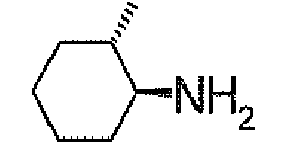
F:250 16 1 4-Cl 
F:250 32 1 4-Cl 
F:250 17 1 4-Cl 
F:264 33 1 4-Cl cPr EI:192 18 1 4-Cl MeO-C2H4- EI:210 34 1 4-Cl 
F: 312 19 1 4-Cl 
F:237 35 1 4-Cl 
F: 326 20 1 4-Cl Et2CH- EI:222 36 1 4-Cl iPr2N-C2H4- F:280 21 1 4-Cl Me2CH-CH2- EI:208 37 1 4-CF3 MeO-C2H4- EI:244 -
[Table 2] 38 1 4-Cl 
F:292 54 1 4-Cl 
F: 253 39 1 4-Cl 
F:264 55 1 4-Cl 
ES:308 40 1 4-Cl Et2N-C2H4- F: 252 56 1 4-Cl Et2-C3H6- F:266 41 1 4-Cl MeS-C2H4- EI:226 57 1 4-Cl 
EI:293 42 1 4-CF3 
F:298 58 1 4-Cl 
EI:279 43 1 4-CF3 
F:272 59 1 4-CF3 
F:298 44 1 4-Cl 
F: 290 60 1 4-CF3 Et2N-C2H4- F:286 45 1 4-Cl 
F:304 61 1 4-Cl Et2N-C4H8- ES:280 46 1 4-Cl 
F:306 62 1 4-Cl 
F: 319 47 1 4-Cl 
F:306 63 1 4-Cl 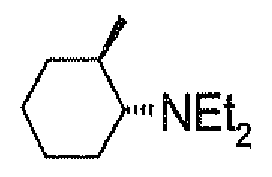
F:306 48 1 4-Cl 
F:321 64 1 4-Cl cHep F:249 49 1 4-Cl 
F:266 65 1 4-Cl 
F : 318 50 1 4-Cl 
F:250 66 3 4-Cl 
F:304 51 1 4-Cl 
F:250 67 3 4-Cl 
F:304 52 1 4-Cl 
F:292 68 3 4-Cl 
F:304 53 1 4-Cl 
ES:237 69 3 4-Cl 
F:304 -
[Table 3] 
REx RSn R3 R1 R7 Dat 5 5 5-Cl cHex Me F:234 6 6 
cHex Me F:317 70 5 5-Me cHex H F:234 71 5 6-Cl cHex H F:254 72 5 4-Cl 
H F:369 -
[Table 4] 
REx RSn R3 R1 Dat REx RSn R3 R1 Dat 7 7 4-Cl cPen ES:240 79 7 4-Cl 
F: 283 8 8 4-Cl 
F:323 80 7 4-Cl 
F: 269 9 9 5-Cl cHex F: 254 81 7 4-Cl 
F:283 73 7 4-Cl cHex ES:254 82 8 4-Cl 
F:256 74 7 4-CF3 cPen F:274 83 8 4-Cl Et2CH- F:242 75 7 4-CF3 cHex F:288 84 8 4-Cl M2CH-CH2- F:228 76 7 5-CF3 cHex F: 288 85 8 4-Cl 
F:285 77 7 
cHex ES:303 86 8 4-Cl 
F:257 78 7 H cHex F:220 87 8 4-Cl 
F:266 -
[Table 5] 88 8 4-Cl 
F:269 104 8 4-Cl Et2N-C2H4- F: 271 89 8 4-Ph cHex F:296 105 8 4-Cl MeS-C2H4- FN:244 90 8 4-Cl 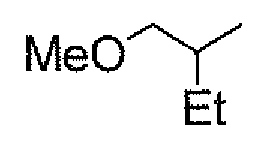
F:258 106 8 4-CF3 
F:317 91 8 4-Cl EtO-C2H4- F:244 107 8 4-CF3 
F:291 92 8 4-Cl MeO-C3H6- F:244 108 8 4-Cl 
F:309 93 8 4-Cl 
F: 244 109 8 4-C1 
F:323 94 8 4-Cl MeO-C2H4- F:230 110 8 4-Cl 
F:325 95 8 4-Cl 
F: 323 111 8 4-Cl 
F:325 96 8 4-Cl cPr F: 212 112 8 4-Cl 
F:340 97 8 4-Cl 
F:331 113 8 4-Cl 
F:285 98 8 4-Cl 
F: 345 114 8 4-Cl 
F:323 99 8 4-Cl iPr2N-C2H4- F: 299 115 8 4-Cl 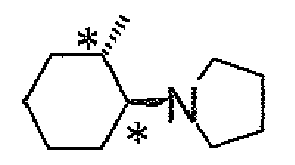
F:323 100 8 4-CF3 MeO-C2H4- F:264 116 8 4-Cl 
ES: 311 101 8 4-Cl 
ES:323 117 8 4-Cl 
F:256 102 8 4-Cl 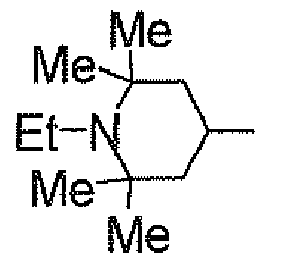
F: 339 118 8 4-Cl 
F:272 103 8 4-Cl 
F: 283 119 8 4-Cl 
ES: 327 -
[Table 6] 120 8 4-Cl Et2N-C3H6- F: 285 126 8 4-Cl 
F:338 121 8 4-Cl 
F:313 127 8 4-Cl 
F:325 122 8 4-Cl 
F:299 128 8 4-Cl cHep F:268 123 8 4-CF3 
F: 317 129 8 4-Cl 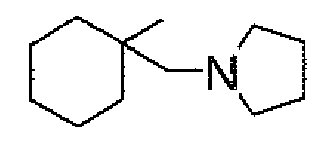
F : 337 124 8 4-CF3 Et2N-C2H4- F: 305 130 9 
cHex F:317 125 8 4-Cl Et2-C4H8- F:299 -
[Table 7] 
REx RSn R3 R1 Dat 131 1 H cHex F:221 132 1 6-CF3 cHex F:289 -
[Table 8] 
REx RSn R3 R1 Dat REx RSn R3 R1 Dat 133 133 
cHex ES:300 180 1 4-CF3 
F: 360 134 134 4-Cl, 5-Cl 
F: 384 181 1 4-Cl 
ES:304 135 135 4-Cl 
F: 306 182 1 4-CF3 
F:346 136 136 4-Cl, 
F:350 183 1 4-Cl 
F:312 137 137 4-Cl, 5-Br 
F: 429 184 1 4-CF3 
F:352 138 138 4-Cl, 5-Me 
F:364 185 1 4-Cl 
F:304 139 139 4-Cl, 5-Me 
ES:264 186 1 4-CF3 
ESN: 373 140 140 4-Cl 
F:304 187 1 4-Cl 
F:237 141 141 4-CF3 
APCI: 264 188 1 4-Cl 
F:237 142 142 4-Cl 
F: 292 189 1 4-Cl 
EI:196 143 143 4-CF3 
ES:340 190 1 4-CF3 
APCI: 278 144 144 4-CF3 
ES:326 191 1 4-Cl 
F:312 -
[Table 9] 192 1 4-CF3 
F:346 207 3 4-CF3 
F:338 193 1 4-CF3 
F:284 208 3 4-tBu 
F:326 194 1 4-CF3 
F:284 209 3 4-Br 
F: 348 195 1 4-CF3 
APCI: 375 210 3 4-Cl, 5- Br 
APCI: 382 196 1 4-Cl 
EI:210 211 3 4-CF3 
F:338 197 1 4-OMe 
F: 284 212 3 4-Cl, 5- Me 
F:318 198 1 4-Br 
ES:294 213 3 4-Cl, 5- Me 
F:318 199 1 4-Me 
F:230 214 3 4-Cl, 5- Cl 
F:338 200 1 4-tBu 
F: 272 215 3 4-CF3 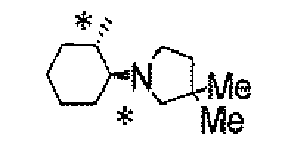
F: 336 201 1 4-CF3 cHex F:268 216 3 4-Me 
F:338 202 1 4-Cl 
ES:294 217 3 4-Cl 
F:318 203 1 4-CF3 
APCI: 278 218 3 4-Cl, 5- Cl 
ES:286 204 1 4-Cl 
F:332 219 3 4-OMe 
ES:300 205 1 4-Br 
ES:294 220 3 4-Cl 
F:318 206 1 3-CF3 cHex F:269 221 3 4-CF3 
F:352 -
[Table 10] 222 3 4-Br 
F:348 230 140 4-Cl tBu EI:208 223 3 5-Cl 
F:304 231 140 4-CF3 
F:338 224 134 4-Cl, 5-Cl 
F:384 232 140 4-Cl 
F:304 225 135 4-CF3 
F:340 233 140 4-Cl 
F:292 226 139 4-Cl, 5-Br 
ES:330 234 140 4-Cl 
EI:235 227 139 4-Cl, 5-Cl 
F:284 235 141 4-CF3 
APCI: 264 228 139 4-Cl, 5-Me 
APCI: 264 236 143 4-CF3 
ES:340 229 140 4-CF3 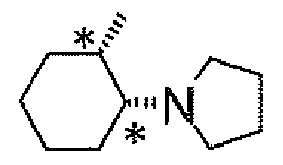
ES:338 237 143 4-Cl 
APCI:306 -
[Table 11] 
REx RSn R3 R1 R7 Dat REx RSn R3 R1 R7 Dat 145 145 4-CF3 
Me F:317 243 1 4-NO2 
Et F:308 146 146 4-CF3 
Me F:431 244 3 4-NO2 
Et F: 362 147 147 4-NH2 
Et F:332 245 3 4-CN 
Me F:328 148 148 4-F 
Et F:335 246 3 5-Br 
Et F:395 238 1 4-CN 
Me F:274 247 3 4-Cl, 5-F 
Et ES:369 239 1 5-Br 
Et F:341 248 3 4-Cl, 5-F 
Et ES:369 240 1 4-NO2 
Et F:308 249 3 4-NO2 
Et F:362 241 1 4-Cl, 5-F 
Et F:315 250 136 4-CF3 
Me F:417 242 1 4-Cl, 5-F 
Et F: 315 -
[Table 12] 
REx RSn R3 R1 Dat REx RSn R3 R1 Dat 149 149 4-CF3 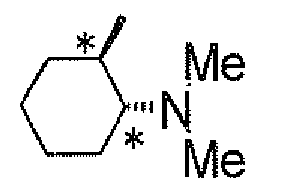
F:331 262 8 4-Cl 
F:323 150 150 4-CF3 
ES:394 263 8 4-Cl 
F:256 251 5 4-Cl cHex F: 254 264 8 4-Me 
F:317 252 5 5-F cHex F:238 265 8 4-CF3 
F:371 253 5 4-F cHex F:238 266 8 4-Cl tBu F:228 254 8 4-Cl 
F:311 267 8 4-CF3 
F:303 255 8 4-CF3 
F: 379 268 8 4-CF3 cHex F:288 256 8 4-CF3 
F:365 269 8 4-Cl 
ES:331 257 8 4-Cl 
ES:331 270 8 4-CF3 
F: 365 258 8 4-Cl 
ES:323 271 8 4-Cl, 5- Cl 
F:357 259 8 4-Cl 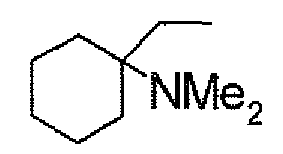
ES:311 272 8 4-Cl, 5- Cl 
F:357 260 8 4-Cl 
F:351 273 8 4-Br 
F:367 261 8 4-Cl 
ES:313 274 8 4-CF3 
F:385 -
[Table 13] 275 8 4-Cl, 5-Me 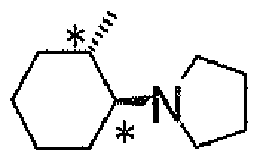
F: 337 288 8 4-CF3 
F:357 276 8 4-Cl, 5-Me 
F: 337 289 8 4-Cl 
F:256 277 8 4-Cl 
ES: 325 290 8 4-CF3 
F:359 278 8 5-Cl, cHex F:303 291 8 
cHex ES:317 279 8 

F: 323 292 8 4-tBu 
F:345 280 8 4-Cl 
F: 337 293 8 4-Br 
ES:367 281 8 4-Cl, 
ES:337 294 8 9-Cl, 5-Br 
APCI: 403 282 8 4-Cl 
F: 255 295 8 4-Cl 
F:230 283 8 4-CF3 
ES:297 296 8 4-CF3 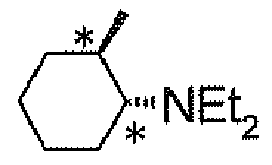
ES: 359 284 8 4-CF3 
APCI: 297 297 8 4-CF3 
ESN:343 285 8 4-CF3 
F:357 298 8 4-CF3 
ES: 359 286 8 4-Cl 
F: 323 299 8 4-Cl 
ES:359 287 8 4-Cl 
F: 323 300 8 4-Cl 
F:216 -
[Table 14] 301 8 4-CF3 
F:264 311 149 4-Cl 
ES:297 302 9 4-Cl, 5-F 
F:341 312 149 4-CF3 
F:331 303 9 4-Cl, 5-F 
F:341 313 150 4-CF3 
ES:283 304 9 4-NO2 
ES:334 314 150 4-CF3 
ES:283 305 9 4-NO2 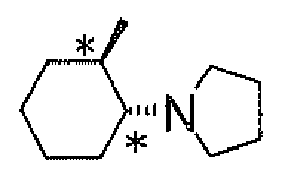
ES:334 315 150 4-CF3 
ES:372 306 9 4-F 
ES: 307 316 150 4-OMe 
ES:319 307 9 5-Br 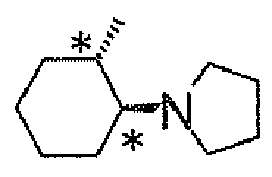
ES:367 317 150 4-CF3 
ES:394 308 9 4-CF3 
F:417 318 150 4-CF3 
ES:357 309 9 4-CN 
ES:314 319 150 4-CF3 
APCI: 357 310 140 4-CN cHex ES: 243 -
[Table 15] 
REx RSn R3 R1 Dat REx RSn R3 R1 Dat 151 151 5-Cl 
ES:227 324 9 4-OCH2- CF3 
ES: 291 152 152 H 
ES:221 325 153 4-CF3 
ES:358 153 153 4-CF3 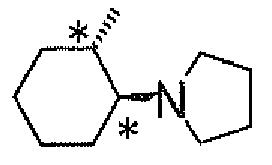
F:358 326 153 4-CF3 
ES:358 154 154 H 
F:233 327 153 4-CF3 
F:358 155 155 4-Cl cHex ES:255 328 154 4-Me cHex ES:235 156 156 4-F cHex ES:267 329 154 H 
F:209 157 157 4-MeO cHex F:251 330 154 H cPen F:207 320 1 4-CF3 
F:251 331 154 H 
ES:235 321 1 4-CF3 
F:265 332 154 H 
ES:193 322 9 4-Cl 
F:324 333 154 H 
F:209 323 9 4-CF3 
F:332 -
[Table 16] 
REx RSn R3 X 
Dat 158 158 4-CF3 CH 
F:367 334 158 4-CF3 CH 
F:355 335 158 4-CF3 CH 
ES:367 -
[Table 17] REx RSn Str Dat REx RSn Str Dat 159 159 
ES: 347 171 171 
F: 346 160 160 
F: 375 172 172 
F:321 161 161 
F: 245 173 173 
F:351 162 162 
F: 397 174 174 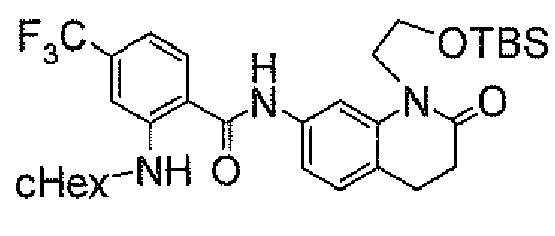
F: 590 163 163 
ES: 255 175 175 
F:168 164 164 
ES: 319 176 176 
EI:210 165 165 
F: 297 177 177 
EI: 195 166 166 
F: 183 178 178 
EI:177 167 167 
ESN: 372 179 179 
F: 273 168 168 
F: 452 336 1 
F:221 169 169 
F: 447 337 1 
ES:221 170 170 
ES: 413 338 1 
ES:298 -
[Table 18] 339 3 
F: 352 350 172 
ES: 249 340 3 
F: 341 351 174 
F: 518 341 139 
F: 197 352 9 
ES: 490 342 140 
AP: 461 353 159 
FN: 308 343 169 
F: 447 354 160 
F: 323 344 169 
F: 487 355 161 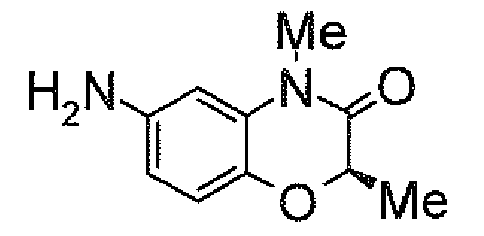
ES: 193 345 169 
F: 433 356 159 
FN: 308 346 169 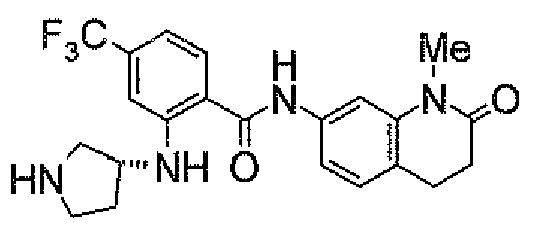
F: 433 357 160 
F: 323 347 169 
F: 433 358 161 
F: 193 348 169 
F: 433 359 359 
AN: 259 349 160 
F: 279 360 360 
FN: 181 -
[Table 19] 
Ex Syn R3 R1 Sal Dat 1 1 4-Cl cPen HCl ES: 398, NMR: 10.13 (1H, s), 7.40 (1H, s), 3.23 (3H, s), 2.02-1.98 (2H, m) 2 2 4-Cl 
HCl F: 481, NMR: 10.33 (1H, s), 6.75 (1H, dd), 2.85-2.81 (2H,m), 2.11-2.09 (1H, m). 3 3 4-Cl MeS(O)2-C2H4- ESN: 434, NMR: 10.15 (1H, s), 6.74 (1H, dd), 3.43 (2H, t), 2.84-2.81 (2H,m). 4 4 4-Cl 
HCl ES: 427, NMR: 10.23 (1H, s), 3.23 (3H, s), 2.93-2.78 (3H, m). 5 5 4-Cl 
HCl ES: 441, NMR: 10.23 (1H, s), 3.81-3.71 (1H, m), 3.23 (3H,s). 6 1 4-Cl cHex F: 412, NMR: 10.09 (1H, s), 6.77 (1H, s), 3.24 (3H, s), 3.47-3.37 (1H, m), 2.87-2.78 (2H, m),1.95-1.15 (10H, m). 7 1 4-CF3 cPen F: 432, NMR: 10.29 (1H, s), 3.95-3.86 (1H, m), 3.24 (3H, s), 2.88-2.79 (2H, m), 2.07-1.37 (8H, m). 8 1 4-CF3 cHex F: 446, NMR: 10.28 (1H, s), 3.56-3.45 (1H, m), 3.24 (3H, s), 1.97-1.18 (10H, m). 9 1 5-CF3 cHex F: 446, NMR: 10.28 (1H, s), 6.92 (1H, d), 2.86-2.82 (2H, m), 1.97-1.20 (10H, m). 10 1 
cHex HCl F: 461, NMR: 10.19 (1H, s), 3.55-3.38 (5H, m), 3.24 (3H, s), 2.86-2.80 (2H, m), 2.03-1.19 (16H, m). 11 1 H cHex F: 378, EA: C23H27N3O2, Calcd C, 73.18; H, 7.21; N, 11.13. Found C, 73.16; H, 7.26; N, 11.12. 12 1 4-C1 
HCl F: 441, NMR: 10.24 (1H, s), 6.76 (1H, dd), 2.85-2.81 (2H, m), 1.18 (3H, t). 13 1 4-Cl 
2HCl ES: 427, NMR: 10.24 (1H, s), 6.74 (1H, dd), 2.84-2.81 (2H, m), 2.04-1.81 (4H,m). 14 1 4-Cl 
2HCl F: 441, NMR: 10.20 (1H, s), 6.69 (1H, dd), 2.84-2.81 (2H,m), 2.33-1.66 (6H,m). -
[Table 20] 15 1 4-Cl MeO-C2H4- F: 388, EA: C20H22ClN3O3, Calcd C, 61.93; H, 5.72; N, 10.83; Cl, 9.14. Found C, 61.75; H, 5.76; N, 10.80; Cl, 9.06. 16 1 4-Cl 
F: 414, EA: C22H24ClN3O3, Calcd C, 63.84; H, 5.84; N, 10.15; Cl, 8.57. Found C, 63.78; H, 5.82; N, 10.08; Cl, 8.46. 17 1 4-Cl Et2CH- F: 400, EA: C22H26ClN3O2, Calcd C, 66.07; H, 6.55; N, 10.51; Cl, 8.87. Found C, 66.05; H, 6.57; N, 10.55; Cl, 8.60. 18 1 4-Cl Me2CH-CH2- F: 386, NMR, 10.11 (1H, s), 3.23 (3H, s), 1.92-1.80 (1H, m). 19 1 4-Cl 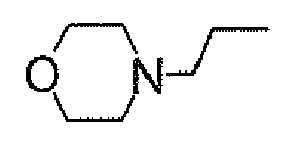
2HCl F: 443, NMR: 10.26 (1H, s), 2.87-2.78 (2H, m). 20 1 4-C1 
HCl F: 415, NMR: 10.28 (1H, s), 3.23 (3H, s), 1.19 (3H, d). 21 1 4-Cl 
F: 424, EA: C24H26ClN3O2, Calcd C, 68.00; H, 6.18; N, 9.91; Cl, 8.36. Found C, 67.92; H, 6.24; N, 9.93; Cl, 8.40. 22 1 4-Cl 
2HCl F: 427, NMR: 10.25-10.18 (1H, m), 3.73-3.62 (1H, m), 3.24 (3H,s). 23 1 4-Cl 
F: 402, NMR: 10.10 (1H, s), 7.16 (1H, d), 3.37 (2H, d). 24 1 4-Cl 
F: 416, EA: C22H26ClN3O3, Calcd C, 63.53; H, 6.30; N, 10.1; Cl, 8.52. Found C, 63.53; H, 6.31; N,10.11; Cl, 8.55. 25 2 H Me F: 310, EA: C18H19N3O2, Called C, 69.88; H, 6.19; N, 13.58. Found C, 69.83; H, 6.24; N, 13.56. 26 2 4-Ph cHex F: 454, NMR: 10.08 (1H, s), 7.80 (1H, d), 7.72-7.68 (3H, m), 2.85-2.81 (2H, m). 27 2 4-Cl EtO-C2H4- F: 402, EA: C21H24ClN3O3, Calcd C, 62.76; H, 6.02; N, 10.46; Cl, 8.82. Found C, 62.69; H, 6.04; N, 10.44; Cl, 8.87. 28 2 4-Cl MeO-C3H6- F: 402, EA: C21H24ClN3O3, Calcd C, 62.76; H, 6.02; N, 10.46; Cl, 8.82. Found C, 62.60; H, 6.03; N, 10.46; Cl, 8.82. 29 2 4-Cl 
HCl F: 481:, NMR; 10.33 (1H, s), 6.78 (1H, dd), 2.85-2.82 (2H, m), 2.09-2.07 (1H, m). 30 2 4-Cl cPr F: 370, EA: C20H20ClN3O2, Calcd C, 64.95; H, 5.45; N, 11.36; Cl, 9.59. Found C, 65.05; H, 5.52; N, 11.22; Cl, 9.43. 31 2 4-Cl 
2HCl F: 489, NMR: 10.27-10.23 (1H, m), 6.80-6.75 (2H, m), 2.85-2.80 (2H, m), 2.03-1.80 (1H, m). -
[Table 21] 32 2 4-Cl 
2HCl F: 503, NMR: 10.20-10.17 (1H, m), 6.71-6.67 (1H, m), 3.08-3.00 (2H, m), 2.86-2.80 (2H,m). 33 2 4-Cl iPr2N-C2H4- 2HCl F: 457, NMR: 10.23 (1H, s), 6.74 (1H, dd), 2.85-2.81 (2H, m), 1.32 (6H, d),1.28 (6H, d). 34 2 4-CF3 MeO-C2H4- F: 422, EA: C21H22F3N3O3, Calcd C, 59.85, H, 5.26; N, 9.97; F,13.52. Found C, 59.82; H, 5.36; N,10.03; F, 13.68. 35 2 4-Cl 
2HCl F: 481, NMR: 10.17 (1H, s), 6.65 (1H, dd), 2.84-2.81 (2H, m), 1.76-1.67 (2H, m). 36 2 H Ph F: 372, EA: C23H21N3O2, Calcd C, 74.37; H, 5.70; N, 11.31. Found C, 74.39; H, 5.69; N, 11.33. 37 2 4-Cl 
2HCl F: 497, NMR: 10.22 (1H, s), 6.72 (1H, dd), 2.85-2.81 (2H, m), 2.09-1.92 (4H, m). 38 2 4-Cl 
HCl F: 441, NMR: 10.24 (1H, s), 6.74 (1H, dd), 2.85-2.81 (2H, m), 1.81-1.68 (5H,m), 1.44-1.32 (1H, m). 39 2 4-Cl Et2N-C2H4- HCl F: 429, NMR: 10.23 (1H, s), 6.74 (1H, dd), 2.84-2.81 (2H, m),1.21 (6H, t). 40 2 4-Cl MeS-C2H4 F: 404, EA: C20H22ClN3O2S, Calcd C, 59.47; H, 5.49; N, 10.40; S, 7.94; Cl, 8.78. Found C, 59.34; H, 5.53; N, 10.39; S, 7.94; Cl, 8.80. 41 2 5-Cl cHex F: 412, EA: C23H26ClN3O2, Calcd C, 67.06; H, 6.36; N, 10.20; Cl, 8.61. Found C, 67.02; H, 6.42; N,10.23; Cl, 8.64. 42 2 4-CF3 
HCl F: 475, EA: C25H29F3N4O2.HCl, Calcd C, 58.76; H, 5.92; N, 10.96; Cl, 6.94; F, 11.15. Found C, 58.58; H, 5.94; N, 10.89; Cl, 7.00; F,11.27. 43 2 4-CF3 
HCl F: 449, NMR: 10.46 (1H, s), 7.04-7.02 (1H, m), 2.56-2.52 (2H, m), 1.19 (3H, d). 44 2 5-Me cHex F: 392, EA: C24H29N3O2, Calcd C, 73.63; H, 7.47; N, 10.73. Found C, 73.41; H, 7.50; N,10.39. 45 2 6-Cl cHex F: 412, EA: C23H26ClN3O2, Calcd C, 67.06; H, 6.36; N, 10.20; Cl, 8.61. Found C, 67.01; H, 6.35; N,10.04; Cl, 8.60. 46 2 H Bn F: 386, NMR: 10.11 (1H, s), 6.68-6.62 (2H, m), 4.42 (2H, d), 2.84-2.81 (2H, m). 47 2 4-Cl 
HCl F: 467, NMR: 10.22 (1H, s), 6.75 (1H, dd), 2.84-2.81 (2H, m), 2.27-1.41 (10H, m). -
[Table 22] 48 2 4-Cl 
HCl F: 481, NMR: 10.22 (1H, s), 6.76 (1H, dd), 2.85-2.81 (2H, m), 2.19-1.34 (12H, m). 49 2 4-Cl 
HCl F: 483, NMR: 10.22 (1H, s), 6.76 (1H, dd), 2.85-2.81 (2H, m), 2.22-1.43 (6H, m). 50 2 4-Cl 
HCl ES: 483, NMR: 10.26 (1H, s), 6.79 (1H, dd), 2.85-2.81 (2H, m),1.87-1.34 (6H,m). 51 2 4-Cl 
2HCl ES: 498, NMR: 10.24 (1H, s), 6.77 (1H, dd), 2.85-2.81 (2H, m), 2.79 (3H, s). 52 2 4-Cl 
HCl F: 443, NMR:10.21 (1H, s), 6.69 (1H, dd), 2.56-2.52 (2H, m), 1.13 (6H, s). 53 2 4-Cl 
HCl F: 481, NMR:10.34 (1H, s), 6.75 (1H, dd), 2.85-2.81 (2H, m), 2.15-1.23 (12H, m). 54 2 4-Cl 
HCl F: 481, NMR:10.31 (1H, s), 6.76 (1H, dd), 2.85-2.81 (2H, m), 2.13-1.23 (12H,m). 55 2 4-Cl 
2HCl F: 469, NMR: 10.26 (1H, s), 7.74-7.72 (1H, m), 2.84-2.81 (2H, m), 1.84-1.44 (6H, m). 56 2 4-Cl 
F: 414, NMR: 10.12 (1H, s), 6.66 (1H, dd), 3.86-3.80 (2H, m), 3.52-3.45 (2H, m), 2.84-2.81 (2H, m). 57 2 4-Cl 
ES: 430, EA: C22H24ClN3O4, Calcd C, 61.46, H, 5.63; N, 9.77; Cl, 8.25. Found C, 61.34; H, 5.62; N, 9.76; Cl, 8.23. 58 2 4-Cl 
HCl F: 485, NMR: 10.26 (1H, s), 6.79 (1H, dd), 4.28-4.24 (1H, m), 2.85-2.81 (2H, m). 59 2 4-Cl Et2N-C3H6- HCl ES: 443, NMR: 10.18 (1H, s), 6.69 (1H, dd), 2.84-2.81 (2H, m),1.20 (6H, t). 60 2 4-Cl 
HCl F: 471, NMR: 10.23 (1H, s), 6.75 (1H, dd), 2.85-2.81 (2H, m), 1.12 (6H, d). 61 2 4-Cl 
HCl ES 457, NMR: 10.25 (1H, s), 6.77 (1H, m), 2.85-2.81 (2H, m), 1.20 (3H, d). 62 2 
cHex 2HCl F: 475, EA: C29H38N4O2·2HCl, Calcd C, 63.61; H, 7.36; N, 10.23; Cl, 12.95. Found C, 63.45; H, 7.38; N, 10.13; Cl, 13.05. -
[Table 23] 63 2 4-Cl 
F: 527, EA: C28H35ClN4O4, Calcd C, 63.81; H, 6.69; N, 10.63; Cl, 6.73. Found C, 63.77; H, 6.59; N, 10.58; Cl, 6.70. 64 2 H 
F: 404, NMR: 10.04 (1H, s), 7.16 (1H, d), 5.50 (1H, m), 2.84-2.80 (2H, m). 65 2 4-CF3 
HCl F: 475, NMR: 10.41 (1H, s), 3.24 (3H, s), 2.99-2.80 (4H, m). 66 2 4-CF3 Et2N-C2H4- HCl F: 463, EA, C24H29F3N4O2·HCl, Calcd C, 57.77; H, 6.06; N, 11.23; Cl, 7.11; F, 11.42. Found C, 57.53; H, 5.98; N, 11.16; Cl, 7.08; F,11.58. 67 2 4-Cl Et2N-C4H8- HCl F: 457, NMR: 10.19 (1H, s), 3.24 (3H, s), 1.20 (6H, t). 68 2 4-Cl 
2HCl F: 496, NMR: 10.24 (1H, s), 4.40-4.24 (1H, m), 3.24 (3H, s), 2.86-2.76 (5H, m), 2.57-2.52 (2H, m). 69 2 4-Cl 
HCl F: 483, NMR: 10.37 (1H, s), 4.11-3.98 (1H, m), 3.58-3.48 (1H, m), 3.23 (3H, s). 70 2 4-Cl cHep F: 426, EA: C24H28ClN3O2, Calcd C, 67.67; H, 6.63; N, 9.87; Cl, 8.32. Found C, 67.61; H, 6.68; N, 9.91; Cl, 8.26. 71 2 4-Cl 
HBr F: 495, EA: C28H35ClN4O2·HBr, Calcd C, 58.39; H, 6.30; N, 9.73; Cl, 6.16. Found C, 58.24; H, 6.30; N, 9.68; Cl, 6.24. 72 3 4-Cl MeS(O)-C2H4- F: 420, NMR: 10.15 (1H, s), 6.72 (1H, dd), 3.14-3.07 (1H, m), 2.93-2.89 (1H, m), 2.84-2.81 (2H, m). -
[Table 24] 
Ex Syn R3 X R1 
Sal Dat 73 1 4-CF3 CH cHex 
F: 448, EA: C23H24F3N3O3, Calcd C, 61.74; H, 5.41; N, 9.39; Cl, 12.74. Found C, 61.59; H, 5.49; N, 9.35; Cl, 12.95. 74 1 4-Cl CH iBu 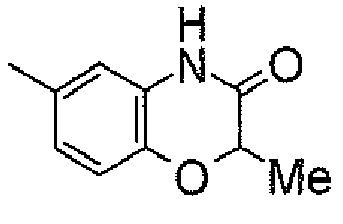
F: 388, EA: C20H22ClN3O3, Calcd C, 61.93; H, 5.72; N, 10.83; Cl, 9.14. Found C, 61.80; H, 5.76; N, 10.75; Cl, 9.06. 75 1 4-Cl CH 

F: 455, NMR: 10.74 (1H, s), 10.29 (1H, s), 3.72-3.63 (1H, m), 1.13 (3H, d). 76 1 4-Cl CH 

F: 481, EA: C23H24ClF3N4O2, Calcd C, 57.44; H, 5.03; N, 11.65; Cl, 7.37; F, 11.85. Found C, 57.29; H, 5.00; N, 11.55; Cl, 7.32; F, 11.89. 77 1 4-Cl CH Et2N-C2H4- 
F: 469, EA: C22H24ClF3N4O2, Calcd C, 56.35; H, 5.16; N, 11.95; Cl, 7.56; F, 12.16. Found C, 56.34; H, 5.10; N, 11.92; Cl, 7.50; F, 12.25. 78 2 4-Cl CH 

F: 404, EA: C20H22ClN3O4, Calcd C, 59.48; H, 5.49; N, 10.40; Cl, 8.78. Found C, 59.20; H, 5.58; N, 10.36; Cl, 8.72. 79 2 4-CF3 CH MeO-C2H4- 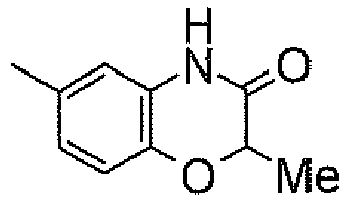
F: 424, EA: C20H20F3N3O4, Calcd C, 57.74; H, 4.76; N, 9.92; Cl, 13.46. Found C, 56.51; H, 4.80; N, 9.85; Cl, 13.57. 80 2 4-Cl CH MeO-C3H6- 
F: 404, EA: C20H22ClN3O4, Calcd C, 59.48; H, 5.49; N, 10.40; Cl, 8.78. Found C, 59.38; H, 5.41; N, 10.39; Cl, 8.78. 81 2 4-Cl CH cHex 
F: 386, EA: C20H20ClN3OS, Calcd C, 62.25; H, 5.22; N, 10.89; S, 8.31; Cl, 9.19. Found C, 62.10; H, 5.27; N, 10.82; S, 8.27; Cl, 9.18. -
[Table 25] 82 2 H N iPr 
F: 339, NMR: 10.16 (1H, s), 4.28-4.18 (1H, m), 3.24 (3H, s). 83 2 H N cHex 
F: 379, NMR: 10.15 (1H, s), 4.03-3.92 (1H, m), 3.24(3H, s). 84 2 4-Cl CH cHep 
F: 424, EA: C24H26ClN3O2, Calcd C, 68.00; H, 6.18; N, 9.91; Cl, 8.36. Found C, 68.05; H, 6.17; N, 9.96; Cl, 8.27. 85 2 4-Cl CH cHex 
F: 426, EA: C24H28ClN3O2, Calcd C, 67.67; H, 6.63; N, 9.87; Cl, 8.32. Found C, 67.49; H, 6.70; N, 9.85; Cl, 8.22. 86 2 4-Cl CH cHex 
F: 410, NMR: 10.39 (1H, s), 6.65 (1H, dd), 6.51 (1H, d), 3.59 (3H, s), 3.50-3.39 (1H, m). 87 2 4-Cl CH cHex 
F: 398, EA: C22H24ClN3O2, Calcd C, 66.41; H, 6.08; N, 10.56; Cl, 8.91. Found C, 66.06; H, 6.08; N, 10.49; Cl, 8.96. 88 2 4-Cl CH cHex 
ES: 428, EA: C23H26ClN3O3, Calcd C, 64.55; H, 6.12; N, 9.82; Cl, 8.28. Found C, 64.44; H, 6.13; N, 9.79; Cl, 8.29. 89 2 4-Cl CH cHex 
ES: 430, EA: C22H24ClN3O2S, Calcd C, 61.46; H, 5.63; N, 9.77; S, 7.46; Cl, 8.25. Found C, 61.27; H, 5.65; N, 9.70; S, 7.43; Cl, 8.21. 90 2 4-Cl CH cHex 
F: 428, NMR: 10.62 (1H, s), 10.06 (1H, s), 3.48-3.36 (1H, m), 1.39 (6H, s). 91 2 4-CF3 N cHex 
F: 447, EA: C23H25F3N4O2, Calcd C, 61.87; H, 5.64; N, 12.55, Cl, 12.77. Found C, 61.76; H, 5.63; N, 12.53; Cl, 12.91. 92 2 4-Cl CH 

HCl F: 467, NMR: 10.26 (1H, s), 10.15 (1H, s), 4.04-3.91 (1H, m), 2.85-2.81 (2H, m), 2.45-2.41 (2H, m). 93 2 4-Cl CH 

2HCl F: 469, NMR: 10.46 (1H, s), 4.03-3.91 (1H, m), 2.79(3H, s), 2.14-1.97 (2H, m). 94 2 4-Cl CH 
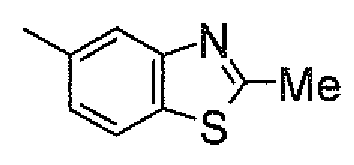
2HCl F: 469, NMR: 10.54 (1H, s), 4.05-3.94 (1H, m), 2.80 (3H, s), 2.17-1.98 (2H, m). -
[Table 26] 
Ex Syn R3 R1 Sal Dat 95 95 4-Cl 
HCl F: 445, NMR: 10.26 (1H, s), 7.41 (1H, dd), 6.94 (1H, d), 6.73 (1H, dd), 5.56-5.36 (1H, m), 3.23 (3H, s), 2.83 (2H, t). 96 96 4-CF3 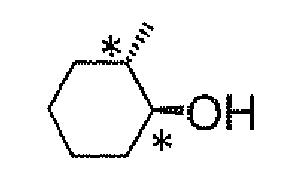
F: 462, NMR: 7.82 (1H, d), 7.66 (1H, d),4.85 (1H, d), 2.84 (2H, t) 97 97 4-CF3 
F: 422, NMR: 10.38 (1H, s), 7.40 (1H, dd), 4.90 (1H, t), 2.85-2.82 (2H, m) 98 98 4-tBu 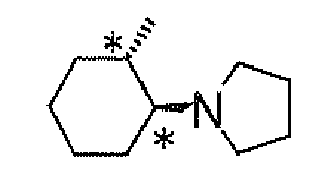
Fum F: 503, NMR: 10.00 (1H, s), 7.80-7.56 (2H, m), 7.45-7.38 (1H, m), 3.23 (3H, s), 2.11-2.01 (1H, m), 1.28 (9H, s). 99 99 4-Cl 
HCl F: 495, NMR: 10.38 (1H, s), 7.69 (1H, d), 7.39 (1H, dd), 6.80 (1H, dd), 4.03-3.92 (1H, m), 3.23 (3H, s), 3.03-2.90 (1H, m). 100 100 4-CF3 
HCl F: 501, NMR: 10.64 (1H, s), 7.41 (1H, dd), 0.67- 0.59 (2H, m), 0.43-0.38 (2H, m) 101 101 4-CF3 
HCl F: 475, NMR: 10.28 (1H, s), 7.40 (1H, dd), 2.86- 2.82 (2H, m), 1.26 (3H, t) 102 102 
cHex F: 507, NMR: 9.96 (1H, s), 7.15 (1H, d), 6.46 (1H, d), 4.07 (2H, d), 3.23 (3H, s), 1.99-1.89 (2H, m). 103 103 H 
2HBr F: 461, NMR: 10.27 (1H, s), 7.72 (1H, d), 7.19 (1H, d), 3.68-3.54 (4H, m), 3.23 (3H, s), 2.84 (2H, t). 104 104 4-CF3 
HCl F: 475, NMR: 10.44 (1H, s), 7.86 (1H, d), 7.28-7.17 (3H, m), 3.85-3.73 (1H, m), 3.23 (3H, s), 2.18-2.08 (1H, m). 115 1 4-Cl 
HCl F: 469, NMR: 10.25 (1H, s), 9.42 (1H, s), 7.93 (1H, br), 7.79 (1H, d), 7.42-7.35 (2H, m), 6.78 (1H, d), 1.98-1.86 (2H, m), 1.80-1.68 (3H, m). 116 1 4-Cl tBu F: 386, NMR: 10.15 (1H, s), 7.85 (1H, s), 7.69 (1H, d), 7.16 (1H, d), 6.85 (1H, d), 3.23 (3H, s), 2.83 (2H, t), 1.36 (9H, s). -
[Table 27] 117 1 4-Cl 
HCl ES: 471, NMR: 10.26(1H, s), 7.77 (1H, d), 7.17(1H, d), 6.75 (1H, dd), 4.00-3.93 (4H, m), 2.83 (2H, t), 1.40 (6H, s). 118 1 4-Cl 
HCl ES: 509, NMR:10.26 (1H, s), 9.31 (1H, s), 7.82 (1H, d), 7.18 (1H d), 6.78 (1H, dd), 3.23 (3H, s), 1.95-1.56 (10H, m). 119 1 4-Cl 
HCl F: 413, NMR: 10.21 (1H, s), 7.72 (1H, d), 7.16 (1H, d), 3.24 (3H, s), 1.64 (4H, t). 120 1 4-Cl 
F: 481, NMR: 10.07 (1H, s), 7.95 (1H, d), 7.68 (1H, d), 7.17 (1H, d), 6.61 (1H, d), 3.23 (3H, s), 1.93-1.80 (2H, m). 121 1 4-Cl 
ES: 481, NMR: 10.07 (1H, s), 7.95 (1H, d), 7.68 (1H, d), 7.17 (1H, d), 6.61 (1H, d), 3.23 (3H, s), 1.93-1.80 (2H, m). 122 2 
cHex 2HCl F: 475, NMR: 10.57 (1H, s), 7.84 (1H, d), 4.33 (2H, s), 3.23 (3H, s), 2.89-2.77 (3H, m). 123 2 4-Br 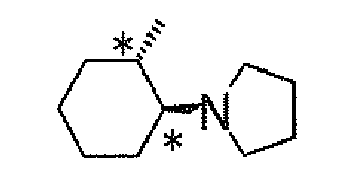
HCl ES: 525, NMR: 10.32 (1H, s), 7.65 (1H, d), 7.17 (1H, d), 6.89 (1H, dd), 4.03-3.90 (1H, m), 3.23 (3H, s), 2.83 (2H, t). 124 2 4-CN cHex F: 403, EA: C24H26N4O2, Calcd C, 71.62; H, 6.51; N, 13.92. Found C, 71.50; H, 6.52; N, 13.81. 125 2 4-Cl 
HCl F: 495, NMR: 10.39 (1H, s), 7.69 (1H, d), 7.39 (1H, dd), 6.80 (1H, dd), 4.03-3.92 (1H, m), 3.23 (3H, s), 3.03-2.89 (1H, m). 126 2 4-CF3 
HCl F: 515, NMR: 10.55 (1H, s), 7.47 (1H, dd), 2.85-2.82 (2H, m), 2.56-2.52 (2H, m) 127 2 4-NO2 
HCl ES: 492, NMR: 10.60 (1H, s), 7.89 (1H, d), 7.73 (1H, d), 4.11-3.99 (1H, m), 3.24 (3H, s), 2.84 (2H, t). 128 2 4-Cl 
F: 414, NMR: 10.12 (1H, s), 6.66 (1H, dd), 2.84-2.81 (2H, m), 2.55-2.52 (2H, m) 129 2 4-Cl 
F: 414, NMR: 10.12 (1H, s), 6.66 (1H, dd), 2.84-2.81 (2H, m), 2.55-2.52 (2H, m) 130 2 4-CF3 
HCl ES: 537, NMR: 10.36 (1H, s), 7.39 (1H, dd), 4.28 (2H, d), 2.87-2.81 (2H, m), 2.57-2.52 (2H, m) -
[Table 28] 131 2 4-CN 
HCl F: 472, NMR: 10.51 (1H, s), 7.81 (1H, d), 7.23-7.12 (3H, m) 4.07-3.95 (1H, m), 2.84 (2H, t). 132 2 4-CF3 
HCl F: 489, NMR: 10.59 (1H, s), 7.48 (1H, dd), 2.85-2.82 (2H, m), 2.74 (3H, d) 133 2 4-Cl 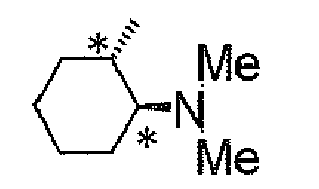
HCl F: 455, NMR: 10.38 (1H, s), 7.45 (1H, dd), 2.84-2.81 (2H, m), 2.73 (3H, d) 134 2 4-Cl 
HCl ESN: 481, NMR: 10.20 (1H, s), 7.40 (1H, dd), 2.85-2.81 (2H, m), 2.69 (3H, d) 135 2 4-CF3 
HCl F: 517, NMR: 10.38 (1H, s), 7.41 (1H, dd), 2.86-2.82 (2H, m), 2.70 (3H, d) 136 2 4-CF3 
HCl F: 489, NMR: 10.60 (1H, s), 7.48 (1H, dd), 2.85-2.82 (2H, m), 2.74 (3H, d) 137 2 4-CF3 
F: 523, NMR: 10.32 (1H, s), 7.42 (1H, dd), 3.65-3.57 (2H, m), 2.86-2.82 (2H, m) 138 2 4-Cl 
ES: 489, NMR: 10.13 (1H, s), 7.18 (1H, d), 3.65-3.57 (2H, m), 2.85-2.82 (3H, m) 139 2 4-Cl 
ES: 489, NMR: 10.13 (1H, s), 7.18 (1H, d), 3.64-3.56 (2H, m), 2.85-2.81 (3H, m) 140 2 4-Cl 
F: 483, NMR: 10.04 (1H, s), 7.80 (1H, d), 7.60 (1H, d), 7.15 (1H, s), 3.22 (3H, s), 2.82 (2H, t). 141 2 4-CF3 
F: 517, NMR: 10.24 (1H, s), 7.74 (1H, d), 3.23 (3H, s), 2.83 (2H, t), 1.86-1.59 (2H, m). 142 2 4-CF3 
F: 517, NMR: 10.24 (1H, s), 7.74 (1H, d), 3.23 (3H, s), 2.83 (2H, t), 1.86-1.59 (2H, m). 143 2 4-CF3 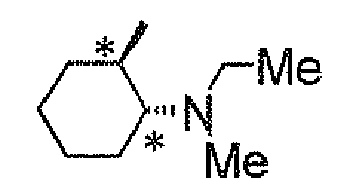
F: 503, NMR: 10.25 (1H, s), 7.75 (1H, d), 3.23 (3H, s), 2.83 (2H, t), 1.82-1.58 (3H, m). -
[Table 29] 144 2 5-Cl 
HCl ES: 481, NMR: 10.34 (1H, s), 7.76 (1H, d), 7.48-7.37 (2H, m), 3.97-3.85 (1H, m), 2.84 (2H, t), 1.67-1.51 (2H, m). 145 2 
cHex 2HCl F: 477, NMR: 10.13 (1H, s), 7.76 (1H, d), 7.47-7.39 (2H, m), 4.27 (2H, d), 4.00-3.82 (4H, m), 3.55-3.44 (1H, m). 146 2 4-CF3 
F: 523, NMR: 10.20 (1H, s), 7.20 (1H, d), 3.65-3.57 (2H, m), 2.86-2.81 (2H, m) 147 2 5-F cHex ES: 396, NMR: 10.08 (1H, s), 7.57 (1H, dd), 7.25-7.13 (2H, m), 3.24 (3H, s), 2.83 (2H, t), 1.98-1.86 (2H, m). 148 2 4-F cHex F: 396, NMR: 10.02 (1H, s), 7.77 (1H, dd), 7.42-7.35 (2H, m), 6.54 (1H, dd), 3.23 (3H, s), 2.82 (2H, t), 1.96-1.86 (2H, m). 149 2 4-CF3 
HCl F: 515, NMR: 10.51 (1H, s), 7.19 (1H, d), 2.86-2.82 (2H, m), 2.12-1.26 (12H, m) 150 96 4-CF3 
F: 462, NMR: 7.82 (1H, d), 6.87 (1H, d), 2.84 (2H, t), 1.99-1.97 (1H, m) 151 97 4-CF3 
F: 422, NMR: 10.27 (1H, s), 7.40 (1H, dd), 4.90 (1H, t), 2.85-2.81 (2H, m) 152 97 4-CF3 
F: 436, NMR: 10.27 (1H, s), 7.18 (1H, d), 4.83 (1H, t), 2.85-2.82 (2H, m) 153 97 4-CF3 
F: 436, NMR: 10.27 (1H, s), 7.18 (1H, d), 4.83 (1H, t), 2.85-2.82 (2H, m) 154 97 4-CF3 
F: 450, NMR: 10.32 (1H, s), 7.40 (1H, dd), 5.04 (1H, t), 2.85-2.82 (2H, m) 155 97 4-CF3 
ES: 464, NMR: 10.32 (1H, s), 7.19 (1H, d), 3.80-3.57 (5H, m), 2.85-2.82 (2H, m) 156 98 4-Cl, 5-Me 
HCl F:495, NMR: 7.69 (1H, s), 3.89-3.87 (1H, m), 2.83 (2H, t), 2.27 (3H, s) 157 98 4-Cl, 5-Me 
HCl F:495, NMR: 7.69 (1H, s), 3.88-3.87(1H, m), 2.83 (2H, t), 2.27 (3H, s) 158 98 4-Cl, 5-Br 
HCl F:561, NMR: 8.03 (1H, s), 7.19 (1H, d), 3.96-3.94 (1H, m), 2.84 (2H, t) -
[Table 30] 159 98 4-Cl, 5-Cl 
HCl F:515, NMR: 7.94 (1H, s), 7.19 (1H, d), 3.97-3.96 (1H, m), 2.83 (2H, t) 160 98 4-Cl, 5-F 
HCl F: 499, NMR: 10.41 (1H, s), 7.82 (1H, d), 7.52-7.38 (2H, m), 4.01-3.88 (1H, m), 2.83 (2H, t), 1.67-1.48 (2H, m). 161 98 4-Cl, 5-F 
HCl F: 499, NMR: 10.39 (1H, s), 7.82 (1H, d), 7.50-7.40 (2H, m), 4.00-3.87 (1H, m), 2.83 (2H, t), 1.67-1.48 (2H, m). 162 98 4-Cl, 5-Cl 
HCl F:515, NMR: 7.94 (1H, s), 7.19 (1H, d), 3.98-3.97 (1H, m), 2.84 (2H, t) 163 98 4-NO2 
HCl ES: 492, NMR: 10.65 (1H, s), 7.89 (1H, d), 7.56-7.42 (2H, m), 4.13-4.00 (1H, m), 3.24 (3H, s), 2.84 (2H, t), 2.16-1.99 (2H, m). 164 98 4-CF3 
HCl F:455, NMR: 8.21 (1H, t), 7.88 (1H, d), 4.81 (2H, s), 2.84 (2H, t) 165 98 4-CF3 
HCl F:455, NMR: 8.87 (1H, s), 7.86 (1H, d), 4.73 (2H, s), 2.84 (2H, t) 166 98 4-Cl 
HCl ES: 481, NMR: 10.23 (1H, s), 7.82-7.72 (2H, m), 7.17 (1H, d), 6.82-6.74 (2H, m), 2.83 (2H, t), 1.65-1.54 (1H, m). 167 98 4-CF3 
HCl ES: 515, NMR: 10.49 (1H, s), 8.02-7.93 (2H, m), 7.07 (1H, d), 4.64-4.51 (1H, m), 2.85 (2H, t), 2.16-1.74 (7H, m). 168 98 4-Cl 
ES: 469, EA: C26H33ClN4O2, Calcd C, 66.58; H, 7.09; N, 11.95; Cl, 7.56. Found C, 66.36; H, 7.10; N, 11.88; Cl, 7.47. 169 98 4-Cl 
ES: 481, EA: C27H33ClN4O2, Calcd C, 66.42; H, 6.98; N, 11.48; Cl, 7.26. Found C, 66.75; H, 6.78; N, 11,37; Cl, 7.55, 170 98 4-CF3 
F: 543, EA: C30H37F3N4O2, Calcd C, 66.40; H, 6.87; N, 10.32; F, 10.50. Found C, 66.31; H, 6.83; N, 10.55; F, 10.58. 171 98 4-CF3 
F: 575, NMR: 10.25 (0.5H, s), 10.16 (0.5H, s), 7.85-7.75 (1H, m), 6.90-6.84 (1H, m), 3.23 (3H, s), 1.32 (4.5H, s), 1.25 (4.5H, s). 172 98 4-CF3 
0.5 Fum F: 529, NMR: 10.30 (1H, s), 7.72 (1H, d), 6.95-6.90 (2H, m), 3.23 (3H, s), 2.86-2.80 (2H, m), 1.87-1.72 (2H, m), 1.68-1.60 (1H, m). -
[Table 31] 173 98 4-CF3 
HCl F:529, NMR: 7.93 (1H, d), 7.05 (1H, s), 3.06 (2H, bs), 2.84 (2H, t) 174 98 4-OMe 
HCl F:477, NMR: 7.43-7.40 (2H, m), 3.95-3.94 (1H, m), 3.81 (3H, s), 2.82 (2H, t) 175 98 4-CF3 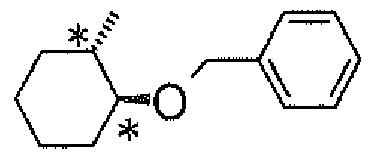
F:552, NMR: 7.65 (1H, d), 6.98 (1H, d), 4.53 (2H, dd), 2.89 (2H, t) 176 98 4-CF3 
F:552, EA: C31H32F3N3O3, Calcd C, 67.50; H, 5.85; N, 7.62; F, 10.33. Found C, 67.22; H, 5.94; N, 7.40; F, 10.19. 177 98 4-CF3 
HCl F:515, NMR: 7.49 (1H, dd), 7.06 (1H, d), 4.59-4.56 (1H, m), 2.85 (2H, t) 178 98 4-CF3 
HCl F:441, NMR: 8.04 (1H, d), 7.79-7.74 (2H, m), 3.21 (3H, s), 2.82 (2H, t) 179 98 4-CF3 
HCl F:441, NMR: 8.29 (2H, d), 7.98 (1H, d), 3.19 (3H, s), 2.82 (2H, t) 180 98 4-Me 
Fum F: 475, NMR: 9.95 (1H, s), 7.42-7.38 (1H, m), 3.23 (3H, s), 2.82 (2H, t), 2.30-2.22 (4H, m), 1.90-1.72 (2H, m). 181 99 4-F 
HCl F: 465, NMR: 10.23 (1H, s), 7.81 (1H, dd), 7.48-7.39 (2H, m), 3.99-3.86 (1H, m), 2.83 (2H, t), 1.67-1.50 (2H, m). 182 99 5-Br 
HCl F: 525, NMR: 10.34 (1H, s), 7.85 (1H, d), 7.03 (1H, d), 3.96-3.85 (1H, m), 2.84 (2H, t), 1.66-1.50 (2H, m). 183 99 4-Br 
HCl F: 525, NMR: 10.33 (1H, s), 7.66 (1H, d), 6.89 (1H, dd), 4.02-3.90 (1H, m), 2.83 (2H, t), 1.67-1.51 (2H, m). 184 100 4-CF3 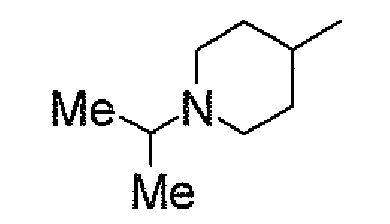
HCl F: 489, NMR: 10.39 (1H, s), 7.41 (1H, dd), 2.85-2.81 (2H, m), 1.29 (6H, d) 185 100 4-CF3 
HCl F: 489, NMR: 10.70 (1H, s), 7.41 (1H, dd), 2.85-2.82 (2H, m), 0.92 (3H, t) 186 100 4-CF3 
HCl F: 515, NMR: 10.39 (1H, s), 7.41 (1H, dd), 2.85-2.82 (2H, m), 2.16-1.50 (12H, m) 187 100 4-CF3 
HCl F: 503, NMR: 10.41 (1H, s), 7.41 (1H, dd), 2.86-2.82 (2H, m), 1.00 (6H, d) -
[Table 32] 188 100 4-CF3 
HCl F: 487, NMR: 10.38 (1H, s), 7.40 (1H, dd), 2.85-2.82 (2H, m), 0.82-0.77 (2H, m) 189 100 4-CF3 
HCl F: 529, NMR: 10.39 (1H, s), 7.40 (1H, dd), 2.85-2.82 (2H, m), 2.16-1.07 (14H, m) 190 100 4-CF3 
HCl F: 531, NMR: 10.38 (1H, s), 7.40 (1H, dd), 2.85-2.82 (2H, m), 2.18-1.67 (8H, m) 191 100 4-CF3 
HCl F: 487, NMR: 10.45 (1H, s), 7.52 (1H, dd), 2.86-2.82 (2H, m), 0.63-0.37 (4H, m) 192 100 4-CF3 
HCl F: 501, NMR: 10.43 (1H, s), 7.43-7.40 (1H, m), 2.85-2.82 (2H, m), 2.35-1.50 (9H, m) 193 100 4-CF3 
HCl F: 475, NMR: 10.44 (1H, s), 7.19 (1H, d), 2.86-2.82 (2H, m), 1.29 (6H, d) 194 100 4-CF3 
HCl F: 475, NMR: 10.43 (1H, s), 7.41 (1H, dd), 2.86-2.82 (2H, m), 0.93-0.89 (3H, m) 195 100 4-CF3 
HCl F: 489, NMR: 10.45 (1H, s), 7.41 (1H, dd), 2.85-2.82 (2H, m), 0.98-0.97 (6H, m) 196 100 4-CF3 
HCl F: 515, NMR: 10.43 (1H, s), 7.41 (1H, dd), 2.86-2.82 (2H, m), 2.10-1.05 (11H, m) 197 100 4-CF3 
F: 517, NMR: 10.31 (1H, s), 7.39 (1H, dd), 2.85-2.82 (2H, m), 1.78-1.30 (5H, m) 198 100 4-CF3 
HCl F: 487, NMR: 10.44 (1H, s), 7.19 (1H, d), 2.86-2.82 (2H, m), 0.61-0.38 (4H, m) 199 100 4-CF3 
HCl F: 501, NMR: 10.43 (1H, s), 7.05 (1H, d), 2.86-2.82 (2H, m), 2.03-1.49 (3H, m) 200 100 4-CF3 
HCl F: 475, NMR: 10.43 (1R, s), 7.05 (1H, d), 2.86-2.82 (2H, m), 1.29 (6H, d) 201 100 4-CF3 
HCl F: 475, NMR: 10.45 (1H, s), 7.05 (1H, d), 2.85-2.82 (2H, m), 0.93-0.88 (3H, m) 202 100 4-CF3 
HCl F: 489, NMR: 10.45 (1H, s), 7.41 (1H, dd), 2.85-2.82 (2H, m), 0.99-0.97 (6H, m) 203 100 4-CF3 
HCl F: 515, NMR: 10.43 (1H, s), 7.41 (1H, dd), 2.85-2.82 (2H, m), 2.10-1.05 (11H, m) 204 100 4-CF3 
F: 517, NMR: 10.32 (1H, s), 7.39 (1H, dd), 2.85-2.82 (2H, m), 1.80-129 (5H, m) -
[Table 33] 205 100 4-CF3 
HCl F: 489, NMR:10.32 (1H, s), 7.19 (1H, d), 2.86-2.82 (2H, m), 0.92-0.87 (3H, m) 206 100 4-CF3 
HCl F: 515, NMR: 10.32 (1H, s), 7.41 (1H, dd), 2.86-2.82 (2H, m), 2.24-1.20 (10H,m) 207 100 4-CF3 
HCl F: 487, NMR: 10.43 (1H, s), 7.19 (1H, d), 2.86-2.82 (2H, m), 2.42-1.63 (7H, m) 208 100 4-CF3 
HCl F: 487, NMR: 10.43 (1H, s), 7.19 (1H, d), 2.86-2.82 (2H, m), 2.43-1.62 (7H, m) 209 100 4-CF3 
HCl F: 503, NMR: 10.43 (1H, s), 7.19 (1H, d), 2.86-2.82 (2H, m), 0.89 (6H, t) 210 100 4-CF3 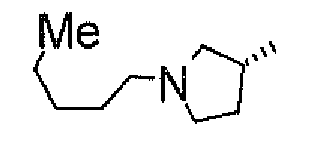
HCl F: 503, NMR: 10.43 (1H, s), 7.19 (1H, d), 2.86-2.82 (2H, m), 0.90-0.85 (3H, m) 211 100 4-CF3 
HCl F: 489, NMR: 10.44 (1H, s), 7.19 (1H, d), 2.85-2.82 (2H, m), 0.92-0.87 (3H, m) 212 100 4-CF3 
HCl F: 44.7, NMR: 10.45 (1H, s), 7.19 (1H, d), 2.85-2.82 (5H, m), 2.56-2.52 (2H, m) 213 100 4-Cl 
HCl F: 467, NMR: 10.20 (1H, s), 7.17 (1H, d), 2.85-2.82 (3H, m), 0.67-0.3 (4H, m) 214 100 4-Cl 
HCl ES: 455, NMR: 10.21 (1H, s), 7.16 (1H, d), 2.84-2.81 (3H, m), 0.92 (3H, t) 215 100 4-Cl 
HCl F: 469, NMR: 10.20 (1H, s), 7.16 (1H, d), 2.85-2.81 (3H, m), 0.92 (3H, t) 216 100 4-Cl 
HCl F: 469, NMR: 10.23 (1H, s), 7.17 (1H, d), 2.85-2.81 (3H,m), 1.00(6H,d) 217 100 4-Cl 
HCl F: 495, NMR: 10.19 (1H, s), 7.16 (1H, d), 2.85-2.81 (3H, m), 2.16-1.06 (14H,m) 218 11 4-Cl 
HCl ES: 481, NMR: 10.23 (1H, s), 7.16 (1H, d), 2.85-2.81 (3H, m), 2.16-1.52 (12, m) 219 100 4-Cl 
HCl ES: 467, NMR: 10.20 (1H, s), 7.16 (1H, d), 2.85-2.81 (3H, m), 2.45-1.61 (10H,m) 220 100 4-Cl 
HCl ES: 483, NMR: 10.20 (1H, s), 7.17 (1H, d), 2.85-2.81 (3H,m), 0.92 (6H,d) 221 100 4-CF3 
HCl F: 447, NMR: 10.44 (1H, s), 7.19 (1H, d), 2.86-2.82 (5H, m), 2.56-2.52 (2H, m) -
[Table 34] 222 100 4-CF3 
HCl F: 503, NMR: 10.44 (1H, s), 7.19 (1H, d), 2.86-2.82 (2H, m), 0.90 (6H, d) 223 100 4-CF3 
HCl F: 517, NMR: 10.43 (1H, s), 7.19 (1H, d), 2.86-2.82 (2H, m), 0.90 (9H, s) 224 100 4-CF3 
HCl F: 503, NMR: 10.38 (1H, s), 7.19 (1H, d), 2.86-2.82 (2H, m), 0.92 (3H, t) 225 100 4-GF3 
HCl F: 517, NMR: 10.38 (1H, s), 7.18 (1H, d), 2.86-2.82 (2H, m), 0.90 (3H, t) 226 100 4-CF3 
HCl F: 517, NMR: 10.39 (1H, s), 7.18 (1H, d), 2.85-2.82 (2H, m), 0.91 (6H, d) 227 100 4-CF3 
HCl F: 531, NMR: 10.40 (1H, s), 7.19 (1H, d), 2.85-2.82 (2H, m), 0.86 (6H, t) 228 100 4-CF3 
HCl F: 531, NMR: 10.38 (1H, s), 7.19 (1H, d), 2.85-2.82 (2H, m), 0.92 (9H, s) 229 100 4-CF3 
HCl F: 551, NMR: 10.38 (1H, s), 7.19 (1H, d), 2.86-2.82 (2H, m), 2.21-1.76 (4H, m) 230 100 4-CF3 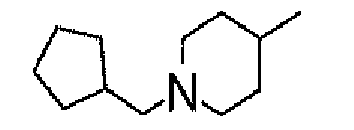
HCl F: 529, NMR: 10.39 (1H, s), 7.19 (1H, d), 2.86-2.82 (2H, m), 2.33-1.21 (13H, m) 231 100 4-CF3 
HCl F: 543, NMR: 10.39 (1H, s), 7.19 (1H, d), 2.86-2.82 (2H, m), 2.14-0.90 (15H, m) 232 100 4-CF3 
HCl F: 531, NMR: 10.37 (1H, s), 7.18 (1H, d), 2.86-2.82 (2H, m), 0.90-0.87 (3H, m) 233 100 4-CF3 
HCl F: 501, NMR: 10.38 (1H, s), 7.18 (1H, d), 2.85-2.82 (2H,m), 2.45-1.61 (10H,m) 234 100 4-Cl 
HCl F: 497, NMR: 10.20 (1H, s), 7.17 (1H, d), 2.85-2.81 (2H, m), 0.87 (6H, t) 235 101 4-CF3 
HCl ES: 461, NMR: 10.44 (1H, s), 7.19 (1H, d), 2.85-2.82 (2H, m), 125-122 (3H, m) 236 101 4-CF3 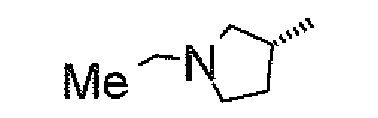
HCl F: 461, NMR: 10.44 (1H, s), 7.19 (1H, d), 2.86-2.82 (2H, m), 1.26-1.22 (3H, m) -
[Table 35] 
Ex Syn R3 X R1 
Sal Dat 105 105 4-CF3 CH cHex 
F: 476, NMR: 10.29 (1H, s), 7.85 (1H, d), 7.17 (1H, d), 3.90 (1H, t), 2.82 (2H, t), 1.96-1.85 (2H,m). 106 106 4-Cl CH 

HCl F: 483, NMR: 10.74 (1H, s), 10.26 (1H, s), 7.77 (1H, d), 6.78 (1H, d), 4.62 (1H, q), 3.60-3.47 (1H, m), 2.14-1.73 (7H,m). 107 107 4-CF3 CH 

HCl F: 555, NMR: 10.86 (1H, s), 10.78 (1H, s), 7.29 (1H, s), 7.13 (1H, d), 3.61 (2H, s), 2.12-1.23 (12H, m) 108 108 4-CF3 CH 

HCl F: 477, NMR: 10.79 (1H, s), 7.89 (1H, d), 2.80 (3H, s), 2.74 (3H, d), 2.71 (3H, d) 109 109 4-CF3 CH 

HCl F: 529, NMR: 7.79 (1H, d), 7.04 (1H, d), 3.20 (1H, bs), 1.24 (6H, s) 110 110 4-CF3 CH 

HCl F: 543, NMR: 7.77 (1H, d), 7.00 (1H, d) 3.15 (1H, bs), 1.24 (6H, d) 111 111 4-CF3 CH 

HCl F: 503, NMR: 7.82 (1H, d), 7.04 (1H, d), 3.50 (1H, bs), 1.24 (6H, s) 112 112 4-CF3 CH 

2HCl ES: 483, NMR: 11.30 (1H, s), 9.14 (1H, d), 7.91-7.76 (2H, m), 7.32 (1H, s), 7.08 (1H, d), 4.62 (1H, d), 2.16-2.06 (1H, m). 113 113 
N cHex 
F: 462, NMR: 9.55 (1H, s), 7.93 (1H, d), 6.05 (1H, d), 3.92-3.82 (1H, m), 3.24 (3H, s), 2.81 (2H, t), 1.99-1.89 (2H,m). -
[Table 36] 114 114 4-CF3 CH cHex 
ES: 503, NMR: 10.29 (1H, s), 7.82 (1H, d), 4.37 (2H, s), 3.56-3.46 (1H, m), 2.87 (2H,t), 1.95-1.85 (2H,m). 237 1 4-Cl CH cHex 
F: 399, NMR: 9.94 (1H, s), 7.78 (1H, d), 7.68 (1H, d), 7.00 (1H, d), 6.59 (1H, q), 3.90 (1H, m). 238 1 4-CF3 N 

F: 409, NMR: 10.43 (1H s), 7.47 (1H, d), 7.20 (1H, d), 7.08 (1H, d), 3.58 (2H, q), 3.24( 3H, s), 2.84 (2H, t). 239 1 4-CF3 N 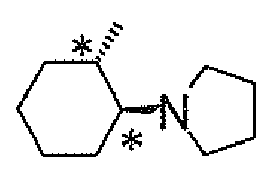
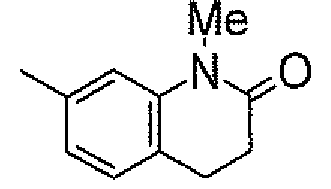
F: 516, NMR: 10.41 (1H, s), 8.22 (1H, d), 7.20 (1H, d), 7.05 (1H, d), 3.24 (3H, s), 2.84 (2H, m), 1.80-1.20 (12H, m). 240 1 4-CF3 N 

F: 516, NMR: 10.41 (1H, s), 8.22 (1H, d), 7.20 (1H, d), 7.02 (1H, d), 3.24 (3H, s), 2.84 (2H,m) 1.80-1.20 (12H,m). 241 1 4-CF3 N 

F: 423, NMR: 10.44 (1H, s), 8.24 (1H, d), 7.09 (1H, d), 328 (3H, s), 3.24 (3H, s). 242 1 4-CF3 N 

F: 411, NMR: 10.61 (1H, s), 7.99 (1H, d), 7.11(1H,d), 3.62-3.51 (4H, m), 2.80 (3H, s). 243 2 4-CF3 CH 

HCl F: 517, NMR: 10.43 (1H, s), 6.94 (1H, d), 4.62 (1H, q), 1.41 (3H,d) 244 2 4-CF3 CH 

HCl ES: 501, NMR: 10.45 (1H, s), 7.13 (1H, d), 2.86-2.81 (2H, m), 2.11-1.23 (12H,m) 245 2 4-Cl CH 
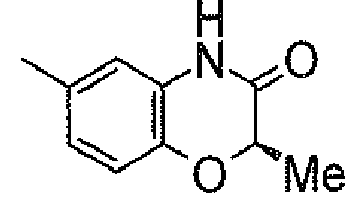
HCl F: 483, NMR: 10.26 (1H, s), 6.93 (1H, d), 4.62 (1H, q), 1.41 (3H, d) 246 2 4-Cl CH cHex 
F: 418, NMR: 10.62 (1H, s), 10.16 (1H, s), 7.74 (1H, d), 7.70 (1H, d), 6.78 (1H, d), 1.95-1.85 (2H, m), 1.72-1.52 (3H, m). 247 2 4-CF3 CH 

HCl F: 503, NMR: 10.72 (1H, s), 7.03 (1H, d), 2.80 (3H, s), 2.13-1.29 (12H,m) 248 2 4-CF3 CH 

HCl F: 515, NMR: 10.46 (1H, s), 10.42 (1H, s), 7.02 (1H, dd), 4.12-4.01 (1H, m), 2.12-1.21 (12H,m), 1.24(6H, s) -
[Table 37] 249 2 4-CF3 CH 

HCl F: 531, NMR: 10.54 (1H, s), 7.24 (1H, d), 4.70 (1H, q), 1.44 (3H, d) 240 2 4-CF3 CH 

HCl F: 531, NMR: 10.55 (1H, s), 7.23 (1H, d), 4.70 (1H, q), 1.44 (3H, d) 251 2 4-Cl CH 

HCl F: 478, NMR: 10.50 (1H, s), 7.73 (1H, d), 3.96 (1H, m), 2.12-1.23 (12H, m) 252 2 4-Cl CH cHex 
F: 398, NMR: 10.34 (1H, s), 9.98 (1H, s), 7.77 (1H, d), 7.69 (1H, d), 7.04 (1H, d), 6.75 (1H, d), 1.94-1.83 (2H,m), 1.71-1.51 (3H, m). 253 2 4-Cl CH 

HCl F: 481, NMR: 10.27 (1H, s), 6.75 (1H, dd), 2.11-1.20 (12H, m), 124 (6H, s) 254 2 4-Cl CH 

HCl F: 454, NMR: 10.65 (1H, s), 10.57 (1H, s), 10.18 (1H, s), 7.34 (1H, d), 2.11-125 (12H,m) 255 2 4-Cl CH 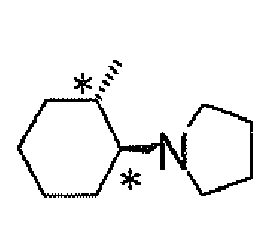

HCl ES: 464, NMR: 8.14 (1H, d), 7.73 (1H, d), 4.14 (1H, m), 2.10-1.24 (12H,m) 256 2 4-Cl CH 

HCl F: 497, NMR: 10.32 (1H, s), 6.99 (1H,d), 4.69 (1H,q), 1.43 (3H, d) 257 2 4-Cl CH 
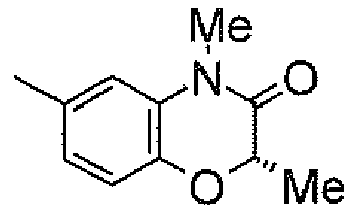
HCl F: 497, NMR: 10.31 (1H, s), 6.99 (1H, d), 4.69 (1H, q), 1.43 (3H, d) 258 2 4-Cl CH 
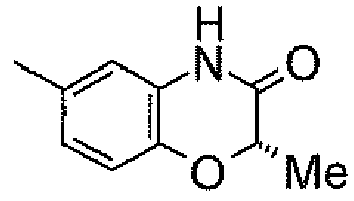
HCl F: 483, NMR: 10.24 (1H, s), 6.93 (1H, d), 4.62 (1H, q), 1.41 (3H, d) 259 2 4-CF3 CH 

HCl F: 517, NMR: 10.42 (1H, s), 7.02 (1H, d), 4.62 (1H, q), 1.42 (3H, d) 260 2 4-CF3 CH 

HCl F: 517, NMR: 10.45 (1H, s), 7.01 (1H, d), 4.62 (1H,q), 1.41 (3H,d) -
[Table 38] 261 2 4-CF3 CH 

HCl F: 515, NMR: 10.47 (1H, s), 10.42 (1H, s), 7.02 (1H, dd), 4.14-4.01 (1H, m), 2.12-1.22 (12H, m), 1.24 (6H, s). 262 2 4-CF3 CH 

HCl F: 501, NMR: 10.45 (1H, s), 7.13 (1H, d), 2.86-2.82 (2H, m), 2.11-1.26 (12H,m) 263 2 4-CF3 CH 

HCl F: 531, NMR: 10.50 (1H, s), 7.23 (1H, d), 4.69 (1H, q), 1.44 (3H, d) 264 2 4-CF3 CH 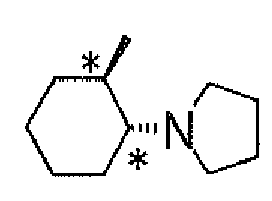

HCl F: 531, NMR: 10.55 (1H, s), 7.24 (1H, d), 4.70 (1H, q), 1.44 (3H, d) 265 2 4-CF3 CH 

HCl F: 503, NMR: 10.74 (1H, s), 7.03 (1H, d), 2.80 (3H, s), 2.14-1.29 (12H, m) 266 2 4-CF3 CH 

HCl F: 477, NMR: 10.76 (1H, s), 7.81 (1H, d), 7.08 (1H, s), 4.62 (1H, q), 1.85-1.65 (5H, m) 267 2 4-Cl CH 

F: 402, NMR: 10.30 (1H, s), 7.75 (1H, d) , 4.06-3.64 (3H, m), 2.79 (3H, s) 268 2 4-Cl CH 

F: 388, NMR: 10.34 (1H, s), 6.67 (1H, dd), 3.54 (2H, t), 1.24 (6H, s) 269 2 4-Cl CH 

HCl F: 467, NMR: 10.42 (1H, s), 7.50 (1H, d), 2.17 (3H, s), 2.12-124 (12H, m) 270 2 4-CF3 CH 

HCl F: 501, NMR: 10.43 (1H, s), 7.00 (1H, d), 2.18 (3H, s), 2.12-126 (12H, m) 271 2 4-Cl CH 

HCl F: 455, NMR: 10.54 (1H, s), 9.40 (1H, s), 3.98 (1H, m), 2.11-1.26 (12H, m) 272 2 4-CF3 CH 

HCl F: 489, NMR: 10.75 (1H, s), 9.41 (1H, s), 4.09 (1H, m), 2.13-1.25 (12H, m) 273 2 4-Cl CH 

HCl F: 456, NMR: 10.12 (1H, s), 7.69 (1H, d), 4,24-4.20 (4H, m), 2.11-1.23 (12H, m) 274 2 4-Cl CH 

HCl F: 470, NMR: 10.19 (1H, s), 7.69 (1H, d), 4.12-4.06 (4H, m), 2.12-1.23 (14H, m) -
[Table 39] 275 2 H N cPen 
F: 365, NMR: 10.16 (1H, s), 7.17 (1H, d), 2.85-2.81 (2H, m), 2.03-1.37 (8H, m) 276 2 4-Me N cHex 
F: 393, NMR: 10.03 (1H, s), 7.16 (1H, d), 2.84-2.81 (2H, m), 1.95-1.20 (8H, m) 277 2 4-Cl CH 

F: 376, NMR: 10.31 (1H, s), 6.69 (1H, dd), 3.55 (2H, t), 2.79 (3H, s) 278 2 4-CF3 CH 

HCl F: 501, NMR: 10.44 (1H, s), 7.00 (1H, d), 2.18 (3H, s), 2.14-1.27 (12H, m) 279 2 H N 

F: 367, NMR: 10.16 (1H, s), 7.18 (1H, d), 2.85-2.81 (2H, m), 0.87 (6H, t) 280 2 4-CF3 CH 

HCl F: 477, NMR: 10.78 (1H, s), 7.89 (1H, d), 2.80 (3H, s), 2.75 (3H, d), 2.71 (3H, d) 281 2 4-CF3 CH 

HCl F: 489, NMR: 10.52 (1H, s), 7.81 (1H, d), 2.80 (3H, s), 2.74 (3H, d), 2.70 (3H, d) 282 2 4-CF3 CH 

HCl F: 491, NMR: 10.77 (1H, s), 7.80 (1H, d), 4.62 (1H, q), 2.74 (3H, d), 2.70 (3H, d) 283 2 4-Cl CH 

HCl F: 443, NMR: 10.53 (1H, s), 7.97 (1H, d), 2.79 (3H, s), 2.74 (3H, d), 2.69 (3H, d) 284 2 4-Cl CH 

HCl F: 455, NMR: 10.43 (1H, s), 7.70 (1H, d), 2.73 (3H, d), 2.69 (3H, d), 1.24 (6H, s) 285 2 4-Cl CH 

HCl F: 485, NMR: 10.64 (1H, s), 6.92 (1H, d), 4.62 (1H, q), 1.50 (6H, s), 1.45 (6H, s) 286 2 4-Cl CH 

HCl F: 483, NMR: 10.32 (1H, s), 7.78 (1H, d), 1.51 (6H, s), 1.45 (6H, s), 1.24 (6H, s) 287 2 4-CF3 CH 

HCl F: 491, NMR: 10.78 (1H, s), 7.80 (1H, d), 4.62 (1H, q), 2.74 (3H, d), 2.70 (3H, d) -
[Table 40] 288 2 4-CF3 CH 

HCl F: 489, NMR: 10.57 (1H, s), 7.81 (1H, d), 2.74 (3H, d), 2.71 (3H, d), 1.24 (6H, s) 289 2 4-Cl CH 

HCl F: 457, NMR: 10.76 (1H, s), 7.69 (1H, d), 4.61 (1H, q), 2.73 (3H, d), 2.69 (3H, d) 290 2 4-CF3 CH 

F: 537, NMR: 10.36 (1H, s), 6.91 (1H, d), 1.96-1.40 (4H, m), 1.25 (6H, s) 291 2 4-Cl CH 

HCl ES: 441, NMR: 10.43 (1H, s), 7.71 (1H, d), 2.74 (3H, d), 2.69 (3H, d) , 2.17 (3H, s) 292 2 4-CF3 CH 

HCl F: 475, NMR: 10.46 (1H, s), 7.82 (1H, d), 2.74 (3H, d), 2.70 (3H, d) , 2.17 (3H, s) 293 2 4-CF3 CH 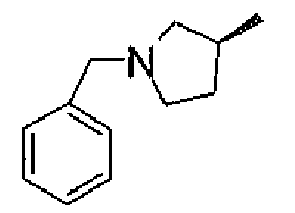

HCl F: 523, NMR: 10.38 (1H, s), 6.94 (1H, d), 3.64-3.57 (2H, m), 1.25 (6H, s) 294 2 4-CF3 CH cHex 
F: 501, NMR: 10.70 (1H, s), 7.93 (1H, d), 6.57 (1H, d), 4.58 (2H, t), 1.97-1.87 (2H, m). 295 2 4-Cl CH 

F: 483, NMR: 10.35 (1H, s), 7.56 (1H, d), 7.25-7.15 (2H, m), 1.28-1.18 (7H, m), 0.90 (6H, t) 296 2 4-CF3 CH cHex 
F: 417, NMR: 10.64 (1H, s), 7.95 (1H, d), 3.58-3.49 (1H, m), 2.80 (3H, s), 197-1.86 (2H, m). 297 2 4-CF3 N 

F: 490, NMR: 10.69 (1H, s), 7.95 (1H, d), 2.75 (3H, d), 2.71 (3H, d), 1.24 (6H, s) 298 2 4-CF3 N 

F: 516, NMR: 10.36 (2H, s), 8.20 (1H, d), 7.04 (1H, d), 4,10-4.00 (1H, m), 2.27-2.16 (1H, m). 299 2 4-CF3 N 

HCl F: 518, NMR: 10.76 (1H, s), 8.29 (1H, d), 6.95 (1H, d), 4.63 (1H, q), 4.46-4.34 (1H, m). -
[Table 41] 300 2 4-CF3 N 

F: 492, NMR: 10.78 (1H, s), 7.98 (1H, d), 4.63 (1H, q), 2.75 (3H,d), 2.71 (3H, d) 301 2 4-CF3 N 

F: 516, NMR: 10.36 (2H, s), 8.20 (1H, d), 7.04 (1H, d), 4.10-4.00 (1H, m), 2.27-2.16 (1H, m). 302 2 4-CF3 N 

HCl F: 490, NMR: 10.75 (1H, s), 7.47 (1H, dd), 2.86-2.82 (2H, m), 2.74 (3H, d), 2.71 (3H, d) 303 2 H N 

F: 391, NMR: 10.16 (1H, s), 7.18 (1H, d), 2.85-2.81 (2H, m), 2.28-1.11 (10H, m) 304 2 H N 

F: 393, NMR: 10.16 (1H, s), 7.18 (1H, d), 2.85-2.81 (2H, m), 1.74-0.92 (11H, m) 305 2 H N 

F: 367, NMR: 10.18 (1H, s), 7.18 (1H, d), 2.85-2.81 (2H, m), 0.93 (9H,s) 306 2 
CH cHex 
2HCl F: 477, NMR; 10.34 (1H, s), 7.74 (1H d), 3.53-3.44 (1H, m), 2.00-1.90 (2H, m). 307 97 4-CF3 CH 

F: 410, NMR: 10.49 (1H, s), 6.96 (1H, d), 3.56 (2H, t), 2.80 (3H, s) 308 97 4-CF3 CH 

HCl F: 491, NMR: 10.56 (1H, s), 7.01 (1H, d), 2.80 (3H, s), 1.53 (6H, s), 1.44 (6H,s) 309 97 4-CF3 CH 

HCl F: 449, NMR: 10.59 (1H, s), 6.99 (1H, d), 2.81 (3H, s), 2.73 (3H, d) 310 97 4-CF3 CH 

F: 438, NMR: 10.49 (1H, s), 7.89 (1H d), 5.06 (1H, t), 2.80 (3H, s) 311 97 4-CF3 CH 

F: 424, NMR: 10.46 (1H, s), 7.87 (1H, d), 4.89 (1H, d), 2.80 (3H,s) 312 97 4-CF3 CH 

F: 477, NMR: 10.48 (1H, s), 7.87 (1H, d), 3.36-3.18 (6H, m), 2.80 (3H, s) 313 97 4-CF3 CH 

HCl F: 463, NMR: 10.63 (1H, s), 7.02 (1H, d), 2.81 (3H, s), 1.26 (3H, t) -
[Table 42] 314 97 4-CF3 CH 

HCl F: 505, NMR: 10.83 (1H, s), 7.91 (1H, d), 2.80 (3H, s), 1.30 (3H, t), 1.23 (3H, t) 315 97 4-CF3 CH 

HCl F: 449, NMR: 10.60 (1H, s), 7.90 (1H, d), 2.80 (3H, s), 2.09-1.25 (8H, m) 316 97 4-CF3 CH 

F: 452, NMR: 10.50 (1H, s), 7.89 (1H, d), 3.81-3.12 (9H, m), 2.80 (3H,s) 317 97 4-CF3 CH 

F: 424, NMR: 10.45 (1H, s), 7.87 (1H, d), 4.85 (1H, t), 2.80 (3H, s) 318 97 4-CF3 CH 

HCl F: 505, NMR: 10.57 (1H, s), 7.01 (1H, d), 2.80 (3H, s), 1.50 (6H, s), 1.45 (6H, s) 319 97 4-CF3 CH 

HCl F: 525, NMR: 10.55 (1H, s), 6.98 (1H, d), 2.80 (3H, s), 2.20-1.77 (4H, m) 320 97 4-CF3 CH 

HCl F: 461, NMR: 10.66 (1H, s), 7.05 (1H, d), 2.80 (3H,s), 2.23-1.77 (5H, m) 321 97 4-CF3 CH 

HCl F: 443, NMR: 10.72 (1H, s), 8.88 (2H, d), 7.78 (1H, dd), 4.91 (2H, s), 2.81 (3H,s). 322 97 4-CF3 CH 

F: 396, NMR: 10.47 (1H, s), 7.87 (1H, d), 4.88 (1H, t), 2.80 (3H, s) 323 97 4-CF3 CH 

F: 410, NMR: 10.45 (1H, s), 7.88 (1H, d), 4.92 (1H, t), 2.80 (3H, s) 324 100 4-CF3 CH 

HCl F: 501, NMR: 10.35 (2H, s), 6.97 (1H, d), 1.25 (6H, s), 0.67-0.37 (4H, m) 325 100 4-CF3 CH 

HCl F: 515, NMR: 10.35 (1H, s), 6.97 (1H, d), 2.17-1.52 (12H, m), 1.24 (6H,s) 326 100 4-CF3 CH 

HCl F: 489, NMR: 10.35 (2H, s), 6.97 (1H, d), 1.24 (6H, s), 0.92 (3H, t) 327 100 4-CF3 CH 

HCl F: 503, NMR: 10.37 (2H, s), 6.97 (1H, d), 1.24 (6H, s), 1.01 (6H, d) -
[Table 43] 328 100 4-CF3 CH 

HCl F: 541, NMR: 10.76 (1H, s), 6.98 (1H, d), 2.20-1.80 (4H, m), 0.68-0.38 (4H, m) 329 100 4-CF3 CH 
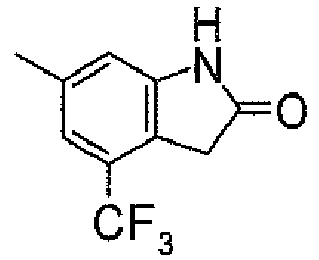
HCl F: 529, NMR: 10.76 (1H, s), 6.98 (1H, d), 3,61 (2H, s), 0.92 (3H, t) 330 100 4-CF3 CH 

HCl F: 501, NMR: 10.38 (1H, s), 7.44 (1H, d), 2.02-1.49 (9H, m), 1.24 (6H,s) 331 100 4-CF3 CH 

HCl F: 475, NMR: 10.39 (1H, s), 7.44 (1H, d), 1.29 (6H, s), 1.24 (6H, s) 332 100 4-CF3 CH 

HCl F: 503, NMR: 10.39 (1H, s), 7.87 (1H, dd), 1.24 (6H, s), 0.89 (3H, t) 333 100 4-CF3 CH 

HCl F: 503, NMR: 10.40 (1H, s), 7.87 (1H, dd),1.24 (6H, s), 0.89 (3H, t) 334 100 4-CF3 CH 

HCl F: 503, NMR: 10.38 (1H, s), 7.87 (1H dd), 1.24 (6H, s), 0.90-0.85 (3H, m) 335 100 4CF3 CH 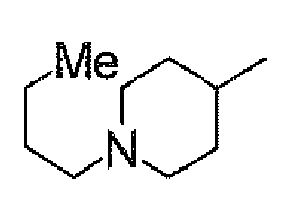

HCl F: 503, NMR: 10.35 (2H, s), 6.97 (1H, d), 1.24 (6H, s), 0.92 (3H, t) 336 101 4-CF3 CH 

HCl F: 461, NMR: 10.40 (1H, s), 7.44 (1H, d), 2.00-1.80 (1H, m), 1.26-1.22 (9H, m) 337 101 4-CF3 CH 

HCl F: 475, NMR: 10.35 (2H, s), 6.97 (1H, d), 1.27 (3H, t), 1.24 (6H, s) 338 106 4-CF3 CH 

HCl F: 499, NMR: 11.80 (1H, s), 10.80 (1H, s), 7.10 (1H, d), 2.13-1.25 (12H, m) -
[Table 44] 339 106 4-CF3 CH 

HCl F: 555, NMR: 10.77 (1H, s), 7.14 (1H d), 3.61 (2H, s), 2.12-1.25 (12H, m) 340 106 4-Cl CH 

HCl F: 465, NMR: 11.76 (1H, s), 10.58 (1H, s), 7.36 (1H, d), 2.12-1.23 (12H, m) 341 106 4-Cl CH 

2HCl ES: 449, NMR: 11.21 (1H, s), 9.14 (1H, m), 7.34 (1H, d), 2.12-1.27 (12H, m) 342 106 4-CF3 CH 

HCl F: 499, NMR: 11.78 (1H, s), 10.78 (1H, s), 7.11 (1H, d), 2.13-1.23 (12H, m) 343 106 4-Cl CH 

HCl F: 521, NMR: 10.55 (1H, s), 7.38 (1H, d), 3.60 (2H, s), 2.11-1.21 (12H, m) 344 106 4-Cl CH 

2HCl ES: 449, NMR: 10.94 (1H, s), 9.89 (1H, s), 7.75 (1H, d), 2.08-1.22 (12H, m) 345 106 4-Cl CH 

2HCl ES: 449, NMR: 10.98 (1H, s), 7.73 (1H, d), 4.03 (1H, m), 2.09-1.22 (12H, m) 346 106 4-Cl CH 

2HCl ES: 449, NMR: 10.97 (1H, s), 7.43 (1H, d), 4.03 (1H, m), 2.12-1.27 (12H, m) 347 106 4-CF3 CH 

2HCl ES: 483, NMR: 11.43 (1H, s), 10.22 (1H, s), 8.96 (1H, s), 8.35-8.24 (2H, m), 4.18-4.07 (1H, m), 2.13-1.29 (12H, m) 348 106 4-F N cHex 
F: 397, NMR: 10.11 (1H, s), 8.30 (1H, t), 3.89-3.78 (1H, m), 2.83 (2H, t), 1.95-1.85 (2H, m). 349 106 4-Cl N cHex 
F: 413, NMR: 10.20 (1H, s), 8.12 (1H, d), 3.95-3.83 (1H, m), 2.83 (2H, t), 1.96-1.86 (2H,m). 350 106 4-MeO N cHex 
F: 409, NMR: 9.83 (1H, s), 6.01 (1H, d), 3.84 (3H, s), 3.24 (3H, s), 2.03-1.91 (2H, m). 351 106 4-Cl CH 

HCl F: 521, NMR: 10.53 (1H, s), 7.38 (1H, d), 3.60 (2H,s), 2.11-1.23 (12H, m) -
[Table 45] 352 106 4-Cl CH 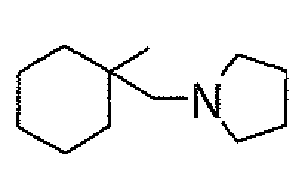

HCl F: 535, NMR: 6.94 (1H, s), 6.83 (1H, d), 3.05 (2H, bs), 2.08 (2H, s) 353 106 4-HCl CH 

HCl F: 495, NMR: 7.75 (1H, d), 6.79 (1H, d), 3.04 (2H, bs), 1.24 (6H, s) 354 106 4-CF3 CH 

2HCl ES: 483, NMR: 11.31 (1H, s), 7.19 (1H, d), 4.15 (1H, m), 2.15-1.28 (12H,m) 355 106 4-HCl CH 

2HCl F: 483, NMR: 7.98 (1H, d), 6.94 (1H, d), 3.05 (2H, bs), 2.80 (3H, s) 356 106 4-Cl CH 

2HCl ES: 449, NMR: 10.98 (1H, s), 7.43 (1H, d), 4.03 (1H, m), 2.13-1.27 (12H, m) 357 106 4-Cl CH 

2HCl ES: 449, NMR: 11.25 (1H, s), 9.1.5 (1H, m), 7.34 (1H, d), 2.14-1.27 (12H, m) 358 106 4-Cl, 5- Cl CH 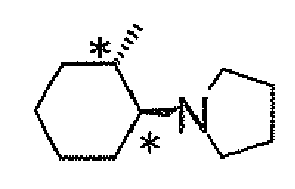

HCl F: 515, NMR: 7.92 (1H, s), 7.31 (1H, s), 3.98-3.96 (1H, m), 1.24 (6H, s) 359 106 4-Cl, 5- Cl CH 

HCl F: 503, NMR: 7.99 (2H, s), 7.33 (1H, s), 4.00-3.98 (1H, m), 2.80 (3H, s) 360 106 4-CF3 CH 
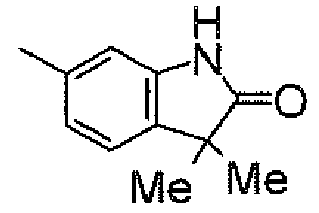
HCl F: 529, NMR: 7.90 (1H, d), 7.04 (1H, s), 3.05 (2H, bs), 124 (6H, s) 361 106 4-CF3 CH 
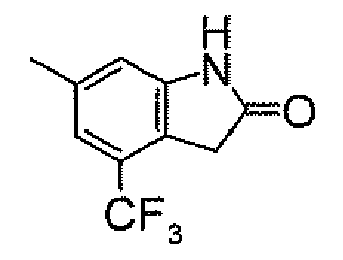
HCl F: 569, NMR: 7.96 (1H, d), 7.05 (1H, s), 3.06 (2H, bs), 2.20-2.17 (2H,m) 362 106 4-CF3 CH 

2HCl F: 517, NMR: 8.37 (1H, d), 7.12 (1H, d), 3.07 (2H, bs), 2.80 (3H, s) 363 106 4-CF3 CH 
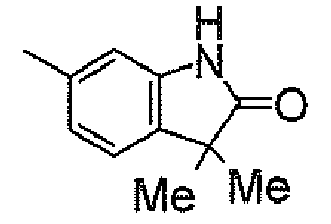
HCl F: 515, NMR: 7.45 (1H, s), 7.06 (1H, d), 3.53 (1H, bs), 1.25 (6H, s) 364 106 4-CF3 CH 

HCl F: 515, NMR: 7.89 (1H, d), 7.09 (1H, d), 3.05 (2H, bs), 2.84 (2H, t) 365 106 4-Cl, 5- Me CH 

2HCl F: 483, NMR: 8.34 (1H, d), 7.97 (1H, d), 3.91-3.90 (1H, m) 2.80 (3H, s) -
[Table 46] 366 106 4-CF3 CH 

2HCl F: 503, NMR: 8.03-8.00 (3H, m), 7.08 (1H, d), 2.80 (3H, s), 2.26-2.24 (2H,m) 367 106 4-CF3 CH 

2HCl F: 483, NMR: 8.27(1H, d), 7.32 (1H, s), 7.08 (1H, d), 3.13-3.09 (1H, m) 368 106 4-CF3 CH 

2HCl F: 497, NMR: 8.23(1H, d), 7.45 (1H, s), 7.14 (1H, d), 3.05 (2H,bs) 369 106 4-CF3 CH 
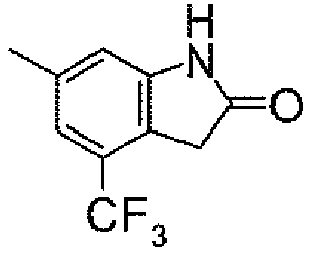
HCl F: 555, NMR: 7.97(1H, d), 7.30 (1H, s), 3.13-3.09 (1H, m), 2.13-2.10 (1H, m) 370 106 H N 

HCl F: 351, NMR: 8.52(1H, d), 7.21 (1H, d), 2.85 (2H, t), 0.35-0.31 (2H, m) 371 106 4-Cl CH 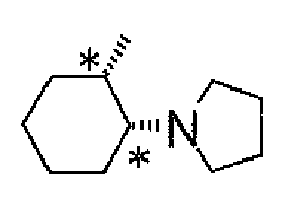
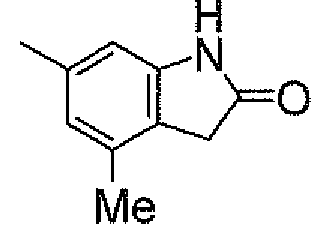
HCl F: 467, NMR: 7.24(1H, s), 6.78 (1H, dd), 3.54 (1H, bs), 2.18 (2H, s) 372 106 4-Cl CH 
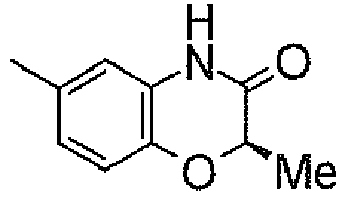
HCl F: 483, NMR: 7.77(1H, d), 6.95 (1H d), 4.62 (1H, q), 3.53 (1H, bs) 373 106 4-CF3 CH 

HCl F: 501, NMR: 7.33(1H, d), 7.04 (1H, d), 3.52 (1H, bs), 2.84 (2H, t) 374 106 4-Cl, 5- Cl CH 

HCl F: 501, NMR: 7.31 (1H, s), 7.12 (1H, d), 3.97-3.96 (1H, m), 2.84 (2H, t) 375 106 4-HCl CH 

HCl F: 481, NMR: 7.32(1H, d), 6.79 (1H, dd), 3.04 (2H, bs), 2.83 (2H, t) 376 106 4-CF3 CH 

2HCl F: 483, NMR: 8.05(1H, d), 7.31 (1H, s), 7.08 (1H, d), 3.54 (1H, bs) 377 106 4-Cl CH 

HCl F: 481, NMR: 7.74(1H, d), 6.80 (1H, dd), 3.05 (2H, bs), 1.34-1.31(1H, m) 378 106 4-CF3 CH 

HCl F: 515, NMR: 7.89(1H, d), 7.26 (1H, s), 3.05 (2H, bs), 1.94-1.89(4H, m) -
[Table 47] 379 106 4-Cl CH 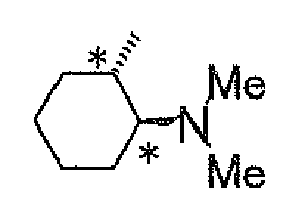

HCl F: 495, NMR: 10.89 (1H, s), 6.76 (1H, dd), 3.60 (2H, s), 2.74 (3H, d), 2.68 (3H, d) 380 106 4-CF3 CH 
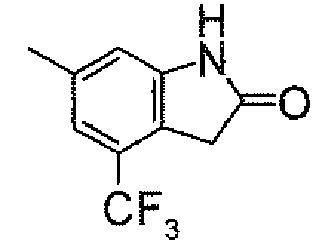
HCl F: 529, NMR: 10.89 (1H, s), 6.94 (1H, d), 3.60 (2H, s), 2.74 (3H, d), 2.69 (3H, d) 381 106 4-CF3 CH 

F: 529, NMR: 10.89 (1H, s), 6.94 (1H, d), 3.61 (2H, s), 2.74 (3H, d), 2.69 (3H,d) 382 106 4-CF3 CH 

HCl F: 517, NMR: 10.76 (1H, s), 7.96-7.87 (2H, m), 6.96 (1H, d), 4.63 (1H, q), 2.14-1.72 (7H, m). 383 106 4-CF3 CH 

HCl F: 501, NMR: 7.32 (1H, d), 7.05 (1H, d), 3.53 (1H, bs), 2.84 (2H, t) 384 106 4-CF3 CH 

HCl F: 501, NMR: 7.29 (1H, s), 7.27 (1H d), 3.54 (1H, bs), 2.19 (3H, s) 385 106 4-CF3 N 

HCl F: 504, NMR: 8.02 (1H, d), 7.22 (1H, d), 3.26-3.21 (1H, m), 2.87 (3H, s) 386 106 4-CF3 CH 
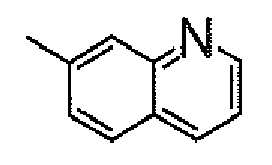
2HCl F: 483, NMR: 11.46 (1H, s), 8.97 (1H, s), 4.13 (1H, m), 2.14-1.29 (12H, m) 387 106 4-CF3 CH 

2HCl F: 483, NMR: 11.26 (1H, s), 9.02 (1H, s), 4.14 (1H, m), 2.14-1.28 (12H,m) 388 106 4-CF3 N 

HCl F: 504, NMR: 8.36 (1H, d), 7.76 (1H, dd), 3.26-3.21 (1H, m), 2.81(3H, s) 389 106 4-CF3 CH 

Fum F: 583, NMR: 10.85 (1H, s), 7.84 (1H, d), 7.05 (1H, s), 2.82-2.61 (4H, m), 1.34 (6H, s). 390 106 4-Cl CH 

2HCl F: 463, NMR: 8.69 (1H, s), 7.73 (1H, s), 6.85 (1H, dd), 3.04(2H, bs) 391 106 4-Cl CH 

2HCl ES: 469, NMR: 8.19 (1H, d), 7.15 (1H, d), 3.53 (1H, bs), 2.80(3H, s) -
[Table 48] 392 106 4-CF3 CH 

2HCl F: 483, NMR: 8.66 (1H, s), 8.05 (1H, d), 7.32 (1H, s), 2.11-2.09(1H, m) 393 106 4-Cl CH 

HCl ES: 467, NMR: 7.78 (1H, d), 6.78 (1H, dd), 3.52 (1H, bs), 2.84(2H, t) 394 106 4-Cl CH 

HCl F: 467, NMR: 8.08 (1H, d), 7.02 (1H, s), 3.54 (1H, bs), 2.18(3H, s) 395 106 4-Cl CH 

2HCl F: 469, NMR: 7.99(1H, d), 6.80 (1H, dd), 3.53 (1H, bs), 2.80(3H, s) 396 106 4-Cl CH 
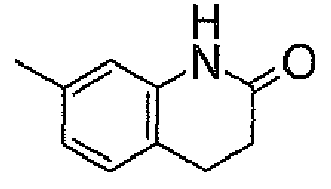
HCl F: 467, NMR: 8.10(1H d), 6.78 (1H, dd), 3.52 (1H, bs), 2.84(2H, t) 397 106 4-Cl CH 

HCl F: 481, NMR: 10.38 (1H, s), 7.78 (1H, d), 4.47 (1H, d), 2.14-1.72 (7H, m), 1.24 (6H, s). 398 106 4-CF3 CH 

F: 577, NMR: 10.76 (1H, s), 7.89 (1H, d), 3.61 (2H, s), 1.95-1.41 (4H, m) 399 106 4-CF3 CH 

F: 563, NMR: 10.76 (1H, s), 7.89 (1H, d), 3.66-3.58 (4H, m), 1.58 (1H, m) 400 106 5-Cl N 

HCl F: 385, NMR: 823-8.21 (2H, m), 7.19 (1H, d), 2.84 (2H,t), 0.48-0.43 (2H,m) 401 106 4-Cl CH 

HCl F: 521, NMR: 8.01 (1H, d), 7.14 (1H, d), 3.55 (1H, bs), 2.12-2.09 (1H, m) 402 107 4-CF3 CH 

HCl F: 499, NMR: 7.97 (1H, d), 7.63 (1H, d), 7.30 (1H, s), 3.54 (1H, bs) 403 107 4-CF3 N 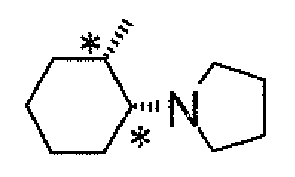
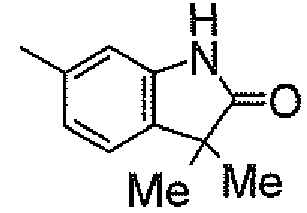
HCl F: 516, NMR: 8.82 (1H, d), 7.42 (1H, d), 3.65 (1H, bs), 1.25 (6H, s) 404 107 4-Cl CH 

HCl ES: 465, NMR: 8.03 (1H, d), 7.15 (1H, s), 6.39 (1H, d), 3.55 (1H, bs) -
[Table 49] 405 107 4-CF3 N 
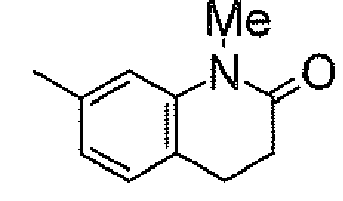
HCl F: 516, NMR: 8.84 (1H, d), 7.48 (1H, dd), 3.10-3.05 (1H, m), 2.85 (2H,t) 406 107 4-Cl CH 

HCl F: 465, NMR: 8.02 (1H, d), 7.14 (1H, d), 6.81 (1H, dd), 3.54 (1H, bs) 407 107 4-CF3 N 

HCl F: 502, NMR: 8.82 (1H, d), 7.06 (1H, s), 3.52 (1H, bs), 2.18 (3H, s) 408 107 4-CF3 N 

HCl F: 518, NMR: 8.83 (1H, d), 6.97 (1H, d), 4.64 (1H, q), 3.52 (1H, bs) 409 107 4-CF3 N 

HCl F: 502, NMR: 8.43 (1H, d), 7.31 (1H, d), 3.10-3.05 (1H, m), 2.85 (2H,t) 410 107 4-CF3 N 

HCl F: 556, NMR: 8.69 (1H, d), 7.61 (1H, s), 3.25-3.21 (1H, m), 3.10-3.06 (1H, m) 411 107 4-CF3 N 

HCl F: 500, NMR: 8.48 (1H, d), 7.65 (1H d), 6.41 (1H, dd), 3.26-3.21 (1H, m) 412 107 4-CF3 N 

HCl F:516, NMR: 8.81 (1H, d), 7.43 (1H, s), 3.25-3.21 (1H, m), 1.25 (3H, s) 413 107 4-CF3 N 

HCl F:502, NMR: 8.43 (1H, d), 7.31 (1H, d), 3.52 (1H, bs), 2.85 (2H, t) 414 107 4-Cl CH 

HCl F:479, NMR: 7.89 (1H, d), 6.94 (1H, d), 6.39 (1H, dd), 3.05 (2H,bs) 415 107 4-CF3 CH 

HCl F:513, NMR: 7.84(1H, d), 7.06 (1H, s), 6.40(1H, dd), 3.06 (2H, bs) 416 107 4-OCH2- CF3 N 

F:449, NMR:8.70(1H, t), 6.16(1H, d), 5.01(2H, q). 0.27-0.23(2H, m) 417 107 4-Cl N 

HCl F: 482, NMR: 10.38 (1H, s), 7.78 (1H, d), 4.47 (1H, d), 2.14-1.72 (7H, m), 1.24 (6H, s). -
[Table 50] 418 107 4-CF3 N 

HCl F:516, NMR: 8.84(1H, d), 7.41 (1H, s), 3.53(1H, bs), 2.85(2H, t) 419 107 5-Cl N 

HCl F:385, NMR: 8.22(2H, s), 7.42 (1H, s), 1.24(6H, s), 0.49-0.45 (2H,m) 420 107 4-CF3 N 

HCl F:500, NMR: 8.74(1H, d), 7.65 (1H, d), 6.41(1H dd), 3.26-3.21 (1H,m) 421 107 H N 

HCl F:379, NMR: 8.39(1H, t), 7.19 (1H, d), 4.43-4.34(2H, m), 2.84 (2H, t) 422 112 4-Cl CH 

HCl F: 521, NMR: 10.77 (1H, s), 7.82 (1H, d), 4.53-4.44 (1H, m), 1.57-1.27 (5H,m). 423 112 4-Cl CH 

HCl F: 481, NMR: 10.38 (1H, s), 7.78 (1H, d), 4.53-4.41 (1H, m), 1.24 (6H, s). 424 112 4-CF3 CH 

HCl F: 515, NMR: 10.49 (1H, s), 7.46 (1H, s), 7.05 (1H, d), 4.65-4.52 (1H, m), 1.25 (6H, s). 425 112 4-CF3 CH 

HCl F: 503, NMR: 10.72 (1H, s), 8.37 (1H, d), 4.59 (1H, d), 3.59-3.48 (1H, m), 3.30-3.18 (1H, m). 426 112 4-CF3 CH 

HCl F: 555, NMR: 10.79 (1H, s), 7.97 (1H, d), 7.07 (1H, d), 4.65-4.53 (1H, m), 3.62 (2H, s). 427 113 
N cHex 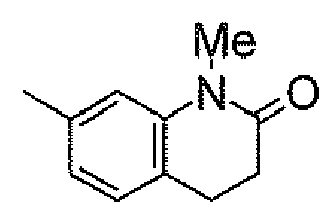
HCl F: 477, NMR: 9.71 (1H, s), 8.07 (1H, d), 6.17 (1H, d), 3.95-3.84 (1H, m), 2.85-2.76 (5H, m). 428 113 
N cHex 
F: 478, NMR: 9.54 (1H, s), 7.92 (1H, d), 5.76 (1H, d), 2.81 (2H, t), 1.74-1.62 (2H, m). -
[Table 51] Ex Syn Str Dat 429 2 
F: 379, NMR: 10.30 (1H, s), 8.25 (1H, s), 3.24 (3H, s), 2.86-2.52(4H, m), 1.98-1.19 (10H, m) 430 2 
F: 379, NMR: 10.54 (1H, s), 8.34 (1H,d), 7.62-7.54 (2H, m), 3.53-3.42 (1H, m), 3.26 (3H, s). -
[Table 52] 
No R3 R1 
No R3 R1 
1 4-Cl 

6 4-Cl 
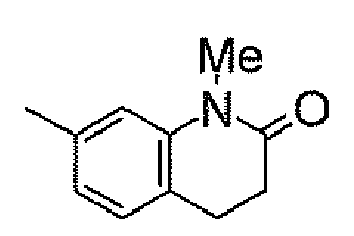
2 4-Cl 
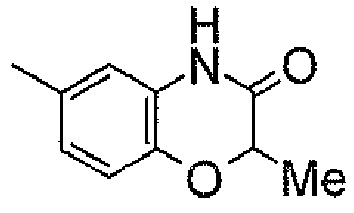
7 4-Cl 

3 4-Cl 

8 4-Cl 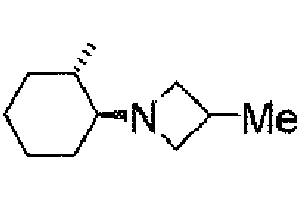

4 4-Cl 

9 4-Cl 

5 4-Cl 

10 4-Cl 

-
[Table 53] 11 4-CF3 

22 4-Cl 
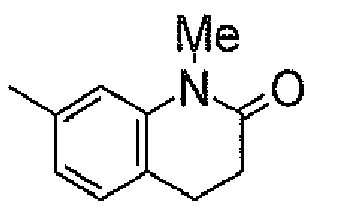
12 4-CF3 

23 4-Cl 

13 4-CF3 

24 4-CF3 

14 4-CF3 

25 4-CF3 

15 4-CF3 

26 4-Cl 

16 H 

27 4-Cl 

17 4-Me 

28 4-CF3 

18 4-Cl 

29 4-CF3 

19 4-Cl 

30 4-Cl 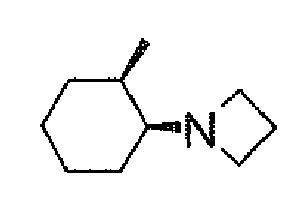

20 4-CF3 

31 4-Cl 

21 4-CF3 

32 4-CF3 

-
[Table 54] 33 4-CF3 

44 4-CF3 

34 4-Cl 

45 4-CF3 

35 4-Cl 

46 4-Cl 

36 4-CF3 

47 4-Cl 

37 4-CF3 

48 4-CF3 

38 4-Cl 

49 4-CF3 

39 4-Cl 

50 4-Cl 

40 4-CF3 

51 4-Cl 

41 4-CF3 

52 4-Cl 
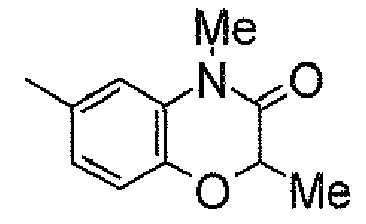
42 4-Cl 

53 4-Et 

43 4-Cl 

54 4-Me 

- Pharmacological activities of the compounds as the active ingredients of the pharmaceutical preparations of the present invention are confirmed by the following tests.
- A complete length cDNA coding for human VR1 was obtained by the following method. Firstly, a first strand cDNA was synthesized by carrying out reverse transcription of human brain mRNA using a reverse transcriptase. Next, PCR by Hot Start method was carried out using this first strand cDNA as the template and using Taq DNA polymerase. In the aforementioned PCR, an oligonucleotide consisting of the 424th to 443rd nucleotide sequence of a conventionally known human VR1 cDNA sequence (Genbank AJ277028.1) was used as the sense primer, and an oligonucleotide consisting of a complementary chain sequence of the 3082nd to 3100th nucleotide sequence as the antisense primer, and thermal denaturation was firstly carried out at 98°C (1 minute) and then a cycle consisting of 98°C (15 seconds)/63°C (30 seconds)/72°C (3 minutes) was repeated 35 times.
Cloning of the thus amplified DNA fragment was carried out using pCR-XL-TOPO vector (TOPO XL PCR Cloning Kit; Invitrogen, USA). The human VR1-cDNA alone was isolated by digesting the resulting plasmid DNA with a restriction enzyme EcoRI and then integrated into pcDNA3.1(+) plasmid (Invitrogen, USA). In this case, the above genetic engineering operations were carried out by conventionally known methods (Sambrook, J. et al., "Molecular Cloning - A Laboratory Manual", Cold Spring Harbor Laboratory Press, NY, 2001) and in accordance with the instructions attached to respective reagents.
Next, the resulting pcDNA3.1-VR1 was transferred into HEK 293 cell. By selecting VR1/HEK 293 cells using DMEM medium (Invitrogen, USA) containing 10% FBS, 100 µg/ml streptomycin, 100 U/ml penicillin and 400 µg/ml G 418, a receptor stably expressing cell strain was prepared. The receptor stably expressing cell was sub-cultured in the medium described in the above. - The VR1/HEK 293 cell described in the above was mass-produced in a dish and then, after discarding the medium, scraped out after adding ice-cooled PBS. Centrifugation was carried out at 1000 rpm and at 4°C for 10 minutes, and the resulting residue was homogenized by adding a homogenization buffer (25 mM Tris-HCl, 220 mM sucrose, pH 7.4) and centrifuged at 2,200 rpm and at 4°C for 10 minutes. The resulting supernatant was centrifuged at 30,000 x g and at 4°C for 20 minutes and the resulting residue was mixed with 25 mM Tris-HCl, pH 7.4, and centrifuged at 30,000 x g and at 4°C for 20 minutes, and this operation was repeated twice. The resulting residue was suspended in 25 mM Tris-HCl, pH 7.4, and the protein concentration was determined using a protein assay staining solution (Bio-Rad, USA). The thus prepared membrane sample was stored at -80°C.
- This was carried out by modifying the method of [Neurosci., 57: 747 - 757 (1993)]. As the assay buffer, 25 mM Tris-HCl, 0.025% BSA, pH 7.4 was used. Each test compound, [3H]RTX 50 µl (about 50,000 dpm; Perkin Elmer Life Science, USA) and the aforementioned membrane sample (protein quantity about 25 µg) were suspended in a microplate to a total volume of 300 µl, incubated at 37°C for 60 minutes and then incubated on ice for 10 minutes. A 200 µg/50 µl portion of an ice-cooled α1 acid glycoprotein (AGP; Sigma) was added thereto and further incubated for 5 minutes. Completion of the incubation was carried out by rapid filtration of the reaction liquid using a GF/B filter (Perkin Elmer Life Science, USA). After 7 times of washing with ice-cooled 25 mM Tris-HCl buffer (pH 7.4), radioactivity of the filter was measured by a liquid scintillation counter. Regarding the specific binding, a part substituted by 1 µM of RTX among the total binding of [3H]RTX with the VR1 receptor stably expressing cell membrane fraction was regarded as the specific binding originated from the VR1 receptor. Evaluation of test compounds was carried out in the following manner. That is, reduced quantity of the binding at the time of the addition of each compound was calculated as a relative value when reduced quantity of the binding at the time of the addition of RTX was regarded as 100%. Subsequently, the IC50 value was calculated by a Logistic regression method.
The compounds of the present invention were proved to have good activity. The VR1 receptor binding inhibitory activity of the compounds as the active ingredients of the pharmaceutical preparations of the present invention is exemplified in the following parentheses. The value is an IC50 value shown by µM.
Example number (IC50 value, µM): 1 (0.012), 17 (0.0058), 105 (0.0042), 106 (0.052), 107 (0.013), 108 (0.019), 119 (0.045), 170 (0.0026), 173 (0.0056), 176 (0.0089), 178 (0.062), 248 (0.031), 307 (0.0098), 321 (0.025), 327 (0.0037), 334 (0.023), 335 (0.087), 367 (0.015), 386 (0.018), 400 (0.06)
In addition, the compounds of Examples 2, 5 to 12, 15 to 21, 23 and 24, 26 to 34, 36 to 50, 52 to 58, 60 and 61, 63 to 66, 68 to 71 and 73 to 94 showed IC50 values of 5 µM or less. It was confirmed by this assay that the compounds as the active ingredients of the pharmaceutical preparations of the present invention have the VR1 receptor affinity. - The VR1 receptor-expressed HEK 293 cells prepared in the aforementioned Test Example 1 were inoculated onto a poly-D-lysine-coated cover glass to a density of from 1 to 1.5 x 10⁴ cells/cm2. This was allowed to stand still in a CO2 incubator (37°C, 5% CO2) and used in this test after a lapse of from 3 to 15 hours.
By recording whole cell patch clamp for the VR1 receptor-expressed HEK 293 cells under a voltage-clamped condition, the current response induced by topically applying capsaicin (1 µM) to the vicinity of the cells was measured. Test compounds were dissolved in an extracellular liquid and applied to a chamber by multi-barrel. Composition (mM) of the extracellular solution was set to NaCl 145, CsCl 5, CaCl2 1, MgCl2 1, HEPES 10 and glucose 10 [pH = 7.3]. Composition (mM) of the intracellular solution was set to CsCl 120, MgCl2 2, HEPES 10, BAPTA 10, Na2 GTP 0.2, Mg ATP 4 and phosphorcreatine Na2 4 [pH = 7.2]. By defining the current response of capsaicin in the absence of test compound as 100% and continuously applying each test compound starting from a lower concentration, inhibition rate at each concentration was measured. The IC50 value was calculated by nonlinear recursion from respective inhibition rate.
As a result, the compounds as the active ingredients of the pharmaceutical preparations of the present invention showed good inhibitory action. For example, IC50 value of the compound of Example 107 was 8.8 nM. By this test, it was confirmed that the compounds as the active ingredients of the pharmaceutical preparations of the present invention has the action to inhibit activation of VR1 receptor. - Inhibitory action on pain behavior of the compounds as the active ingredients of the pharmaceutical preparations of the present invention was carried out in accordance with the method described in a reference [Neuropharmacol., 31: 1279 - 1285 (1992)]. That is, when 1.6 µg of capsaicin is administered to a planta of a mouse (ddY, male, 4 to 5 weeks of age), it induces paw-licking behavior. The pain behavior suppressing action was evaluated by measuring the paw-licking behavior expressing time during 5 minutes after the administration. Each test compound was orally administered 45 minutes before the administration of capsaicin. Evaluation of the test compounds was carried out by calculating each inhibition rate of the test compound administration group when the paw-licking behavior expressing time of the vehicle administration group was regarded as 100%.
As a result, the compounds as the active ingredients of the pharmaceutical preparations of the present invention showed a strong inhibitory action on pain behavior at the time of their oral administration. The inhibition rate after the oral administration of the compounds as the active ingredients of the pharmaceutical preparations of the present invention is exemplified in the following parentheses.
Example number (inhibition rate): 1 (45%), 17 (54%), 54 (34%), 73 (95%), 107 (53%), 179 (58%), 238 (51%), 261 (56%), 282 (64%), 288 (44%), 321 (67%), 334 (58%), 335 (49%), 347 (57%)
Based on the above results, it was shown that the compounds as the active ingredients of the pharmaceutical preparations of the present invention has a good inhibitory action on pain behavior based on the action to inhibit activation of VR1 receptor. - Inhibitory action on pain behavior of the compounds as the active ingredients of the pharmaceutical preparations of the present invention was carried out in accordance with the method described in a reference [Pain, 50: 355 - 363 (1992)]. Under pentobarbital anesthesia, the lumbar skin and muscle of a rat (SD, male, 5 to 6 weeks of age) were incised and the lumber nerve was exposed by removing the transverse process of lumbar vertebra L 6. The L 5 and L 6 spinal nerves were ligated with a silk thread and then the wound was sutured. The treatment was applied to the left side.
The drug effect evaluation was carried out after 7 to 15 days of the operation. Pain threshold for mechanical stimulus was examined by the von Frey hair (VFH) test. Hair's minimum strength (unit: gram) which shows avoidance reaction when a planta is stimulated was logarithm-converted and used as the pain threshold for mechanical stimulus.
Individuals having lowered pain threshold were selected in advance by the VFH test on the day before the drug effect evaluation and divided into groups in such a manner that difference in the average threshold value between respective groups becomes small.
The test compounds were orally administered 60 minutes before the drug effect evaluation. Evaluation of the test compounds was carried out by calculating each improving rate of test compound administration group when threshold value of the operation side leg in the vehicle administration group was regarded as 0%, and threshold value of the non-operation side leg in this group as 100%.
As a result, it was confirmed that the compounds as the active ingredients of the pharmaceutical preparations of the present invention shows a strong suppressing action on pain behavior also in this test. For example, the compound of Example 107 and the compound of Example 347 completely restored the threshold value of the operation side leg to the threshold value range of the non-operation side leg after the oral administration. - As the result of Test Examples 1 and 2, it was revealed that the compounds as the active ingredients of the pharmaceutical preparations of the present invention have good inhibitory action on VR1 receptor activation. In addition, based on the result of Test Examples 3 and 4, it was revealed that the compounds as the active ingredients of the pharmaceutical preparations of the present invention have a notable pain suppressing action. Accordingly, the compounds as the active ingredients of the pharmaceutical preparations of the present invention are useful as agents for treating or preventing diseases in which VR1 receptor is involved, namely neuropathic pains (e.g., postherpetic neuralgia, diabetic neuropathy and the like), nociceptive pains (e.g., articular pain, postoperative pain, back pain and the like), headaches (e.g., migraine, cluster headache and the like), cancer pain, fibromyalgia, or bladder function disorders (e.g., overactive bladder, urinary incontinence, neurogenic bladder, nocturia, painful bladder syndrome, interstitial cystitis, chronic non-bacterial prostatitis and the like), or bladder dysfunction accompanied by prostatic hypertrophy. In addition, these are also useful as agents for treating or preventing itch, toothache, asthma, chronic obstructive pulmonary disease, cough, inflammatory bowel disease and irritable bowel syndrome.
- The pharmaceutical preparation which comprises the compound (I) or a salt thereof as the active ingredient is prepared using carriers, fillers and other additive agents generally used in preparing pharmaceutical preparations.
The administration may be either oral administration by tablets, pills, capsules, granules, powders, solutions and the like or parenteral administration by injections for intravenous injection, intramuscular injection and the like, suppositories, transdermal preparations, transnasal preparations, inhalations and the like. The dose is optionally decided in response to the individual cases by taking symptoms, age, sex and the like of the objects to be administered into consideration, but in the case of oral administration, it is approximately from 0.001 mg/kg to 100 mg/kg per day per adult, and this is administered once or by dividing into 2 to 4 times. Also, when intravenously administered depending on the symptoms, it is administered from once to twice or more a day within the range of generally from 0.0001 mg/kg to 10 mg/kg per once per adult. In addition, in the case of inhalation, it is administered from once to twice or more a day within the range of generally from 0.0001 mg/kg to 1 mg/kg per once per adult. - As the solid composition for oral administration by the present invention, tablets, powders, granules and the like are used. In such a solid composition, one or more active substances are mixed with at least one inert filler such as lactose, mannitol, glucose, hydroxypropylcellulose, microcrystalline cellulose, starch, polyvinyl pyrrolidone, aluminum magnesium silicate or the like. In accordance with the usual way, the composition may contain inert additives such as lubricants (e.g., magnesium stearate and the like), disintegrators (e.g., carboxymethylstarch sodium and the like) and solubilizing agents. As occasion demands, the tablets or pills may be coated with a sugar coating or a gastric or enteric coating agent.
- As the liquid composition for oral administration, pharmaceutically acceptable emulsions, solutions, suspensions, syrups, elixirs and the like are included, and generally used inert diluents such as purified water, ethanol and the like can be used. In addition to the inert diluents, this composition may contain auxiliary agents such as solubilizing agents, moistening agents, suspending agents and the like, sweeteners, correctives, aromatics and antiseptics.
As the injections for parenteral administration, sterile aqueous or non-aqueous solutions, suspensions and emulsions are included. As the aqueous solvent, for example, distilled water for injection and physiological saline are included. Examples of the non-aqueous solvent include propylene glycol, polyethylene glycol, plant oil (e.g., olive oil or the like), ethanol or the like alcohols, polysorbate 80 (name in Pharmacopeia) and the like. Such a composition may further contain tonicity agents, antiseptics, moistening agents, emulsifying agents, dispersing agents, stabilizing agents and solubilizing agents. These are sterilized by, for example, filtration through a bacteria retaining filter, formulation of bactericides or irradiation. In addition, these can also be used by producing sterile solid compositions and dissolving or suspending them in sterile water or a sterile solvent for injection prior to use. - Transmucosal preparations such as inhalations, transnasal preparations and the like are used in the form of solid, liquid or semisolid, and can be produced in accordance with the conventionally known methods. For example, excipients such as lactose, starch and the like and also pH adjusting agents, antiseptics, surfactants, lubricants, stabilizers, thickeners and the like may be optionally added. An appropriate device for inhalation or blowing can be used for the administration. For example, a compound can be administered as such or as a powder of formulated mixture, or as a solution or suspension in combination with a medically acceptable carrier, by using a conventionally known device such as a measured administration inhalation device or the like or a sprayer. The dry powder inhaler or the like may be for single or multiple administration use, and a dry powder or powder-containing capsule can be used. Alternatively, it may be in the form of a pressurized aerosol spray or the like which uses an appropriate propellant such as chlorofluoroalkane, hydrofluoroalkane, carbon dioxide or the like suitable gas.
In preparing suppositories, a low melting point wax such as a fatty acid glyceride mixture or cocoa butter is melted, and the active ingredient is added thereto and uniformly dispersed by stirring. Thereafter, this is injected into an appropriate a mold and cooled to effect solidification. The preparations in the form of liquid include a solution, a suspension, a storage enema and an emulsion such as water or propylene glycol aqueous solution. - Since the compounds as the active ingredients of the pharmaceutical preparations of the present invention have a strong action to inhibit activation of capsaicin receptor VR1 and good pharmacological actions based on this, the pharmaceutical compositions of the present invention are useful as agents for treating or preventing diseases in which VR1 is involved, such as diseases in which VR1 is involved, particularly nociceptive pain, neuropathic pain, cancer pain, headache, bladder function disorder, and the like.
4-chloro-N-(1-methyl-2-oxo-1,2,3,4-tetrahydroquinolin-7-yl)-2-{[(1S,2S)-2-pyrrolidin-1-ylcyclohexyl]amino}benzamide, 2-(cyclohexylamino)-N-(2-methyl-3-oxo-3,4-dihydro-2H-1,4-benzoxazin-6-yl)-4-(trifluoromethyl)benzamide, 4-chloro-N-[(2R)-2-methyl-3-oxo-3,4-dihydro-2H-1,4-benzoxazin-6-yl]-2-{[(1R,2S)-2-pyrrolidin-1-ylcyclohexyl]amino}benzamide, N-[2-oxo-4-(trifluoromethyl)2,3-dihydro-1H-indol-6-yl]-2-{[(1S,2S)-2-pyrrolidin-l-y1cyclohexyl]amino}-4-(trifluoromethyl)benzamide, N-(1-methyl-2-oxo-1,2,3,4-tetrahydroquinolin-7-yl)-2-(pyridin-4-ylamino)-4-(trifluoromethyl)benzamide, N-(3,3-dimethyl-2-oxo-2,3-dihydro-1H-indol-6-yl)-2-{[(1S,2S)-2-pyrrolidin-1-ylcyclohexyl]amino}-4-(trifluoromethyl)benzamide, N-(3,3-dimethyl-2-oxo-2,3-dihydro-1H-indol-6-yl)-2-{[(1R,2R)-2-pyrrolidin-1-ylcyclolohexyl]amino}-4-(trifluoromethyl)benzamide, 2-{[(1R,2R)-2-(dimethylamino)cyclohexyl]amino}-N-[(2R)-2-methyl-3-oxo-3,4-dihydro-2H-1,4-benzoxazin-6-yl]-4-(trifluoromethyl)benzamide, 2-{[(1S,2S)-2-(dimethylamino)cyclohexyl]amino}-N-(3,3-dimethyl-2-oxo-2,3-dihydro-1H-indol-6-yl)-4-(trifluoromethyl)benzamide, N-(3,3-dimethyl-2-oxo-2,3-dihydro-1H-indol-6-yl)-2-[(1-isobutylpiperidin-4-yl)amino]-4-(trifluoromethyl)benzamide, N-(3,3-dimethyl-2-oxo-2,3-dihydro-1H-indol-6-yl)-2-{[(3S)-1-pentylpyrrolidin-3-yl]amino}-4-(trifluoromethyl)benzamide, N-(2-oxo-1,2-dihydroquinolin-7-yl)-2-{[(1R,2R)-2-pyrrolidin-1-ylcyclohexyl]amino}-4-(trifluoromethyl)benzamide, N-(3,3-dimethyl-2-oxo-2,3-dihydro-1H-indol-6--yl)-2-{[(3S)-1-pentylpyrrolidin-3-yl]amino}-4-(trifluoromethyl)benzamide, 2-[(1-butylpiperidin-4-yl)amino]-N-(3,3-dimethyl-2-oxo-2,3-dihydro-1-H-indol-6-yl)-4-(trifluoromethyl)benzamide, N-(3,3-dimethyl-2-oxo-2,3-dihydro-1H-indol-6-yl)-2-{[(1S,2R)-2-pyrrolidin-1-ylcyclohexyl]amino}-4-(trifluoromethyl)benzamide, 2- {[(1S,2R)-2-pyrrolidin-1-ylcyclohexyl]amino}-N-quinolin-7-yl-4-(trifluoromethyl)benzamide, 2-{[(1S,2S)-2-pyrrolidin-1-ylcyclohexyl]amino}-N-quinolin-7-yl-4-(trifluoromethyl)benzamide, and N-[2-oxo-4-(trifluoromethyl)-2,3-dihydro-1H-indol-6-yl]-2-{[(1S,2R)-2-pyrrolidin-1-ylcyclohexyl]amino}-6-(trifluoromethyl)nicotinamide.
Claims (15)
- A VR1 activation inhibitor which comprises a 2-aminobenzamide derivative represented by the following general formula (I) or a salt thereof as an active ingredient


R3: the same or different from each other and each represents H, halogen, halogeno-lower alkyl, cyano, nitro, lower alkyl, -NR4R5, -lower alkylene-NR4R5, -lower alkylene-NR6-CO2-lower alkyl, -O-lower alkyl, -O-halogeno-lower alkyl, phenyl or thienyl,
m: 1, 2 or 3,
R4 and R5: the same or different from each other and each represents H or lower alkyl,
wherein R4 and R5 may be combined with the adjacent nitrogen atom to form a monocyclic nitrogen-containing saturated hetero ring which may be substituted with lower alkyl or lower alkylene-OH,
R6: H or lower alkyl,
wherein the ring represented by A may be substituted with 1 to 4 groups selected from -OH, -lower alkylene-OH, -lower alkylene-NR4R5, -lower alkylene-CO-NR4R5, halogen, halogeno-lower alkyl, lower alkyl and oxo,
R1: lower alkyl, -L-cycloalkyl, -L-cycloalkenyl, -L-monocyclic oxygen-containing saturated hetero ring, -L-monocyclic nitrogen-containing saturated hetero ring, -L-bridged-type nitrogen-containing saturated hetero ring, -L-phenyl or -L-pyridyl, with the proviso that, as the type of the ring A when R1 is lower alkyl, it means a ring which forms indoline, tetrahydroquinoline or 3,4-dihydro-2H-1,4-benzoxazine together with the benzene ring to which it condenses,
wherein the lower alkyl of R1 may be substituted with 1 to 3 groups selected from the groups shown in the following group G, and the cycloalkyl, cycloalkenyl, monocyclic oxygen-containing saturated hetero ring, monocyclic nitrogen-containing saturated hetero ring, phenyl and pyridyl of R1 may be substituted with 1 to 5 groups selected from the groups shown in the following group G and lower alkyl which may be substituted with a group shown in group G, Group G: -O-lower alkyl, -OH, oxo, -S(O)p-lower alkyl, -NR4R5, -NR6-CO2-lower alkyl, - NR6-SO2-lower alkyl, -N+(lower alkyl)3, -CO2-lower alkyl, -CO-NR4R5, halogen, phenyl, cycloalkyl, -O-lower alkylene-phenyl, -NR6-cycloalkyl and monocyclic oxygen-containing saturated hetero ring,
p: 0, 1 or 2,
L: bond or lower alkylene,
R2: the same or different from each other and each represents H, lower alkyl, halogen, halogeno-lower alkyl or-OH, and
n: 1 or 2). - The VR1 activation inhibitor which comprises a 2-aminobenzamide derivative or a salt thereof as the active ingredient described in claim 1, wherein A is a monocyclic nitrogen-containing hetero ring wherein said ring group has oxo group or hydroxyl group as the substituent group and may be further substituted with 1 or 2 groups selected from -lower alkylene-OH, -lower alkylene-NR4R5, -lower alkylene-CO-NR4R5, halogen, halogeno-lower alkyl and lower alkyl.
- A 2-aminobenzamide derivative represented by the following general formula (I') or a salt thereof

X and W: one is N and the other is CH, or both are CH,
R3a and R3b: the same or different from each other and each represents H, halogen, halogeno-lower alkyl, cyano, nitro, lower alkyl, -NR4R5, -lower alkylene-NR4R5, -lower alkylene-NR6-CO2-lower alkyl, -O-lower alkyl, -O-halogeno-lower alkyl, phenyl or thienyl,
R4 and R5: the same or different from each other and each represents H or lower alkyl,
wherein R4 and R5 may be combined with the adjacent nitrogen atom to form a monocyclic nitrogen-containing saturated hetero ring which may be substituted with lower alkyl or lower alkylene-OH,
R6: H or lower alkyl,
wherein the ring represented by A may be substituted with 1 to 4 groups selected from -OH, -lower alkylene-OH, -lower alkylene-NR4R5, -lower alkylene-CO-NR4R5, halogen, halogeno-lower alkyl, lower alkyl and oxo,
R1: lower alkyl, cycloalkyl, cycloalkenyl, monocyclic oxygen-containing saturated hetero ring, monocyclic nitrogen-containing saturated hetero ring, phenyl or pyridyl, with the proviso that, as the type of the ring A when R1 is lower alkyl, it means a ring which forms indoline, tetrahydroquinoline or 3,4-dihydro-2H-1,4-benzoxazine together with the benzene ring to which it condenses,
wherein the lower alkyl of R1 may be substituted with 1 to 3 groups selected from the groups shown in the following group G, and the cycloalkyl, cycloalkenyl, monocyclic oxygen-containing saturated hetero ring, monocyclic nitrogen-containing saturated hetero ring, phenyl and pyridyl of R1 may be substituted with 1 to 5 groups selected from the groups shown in the following group G and lower alkyl which may be substituted with a group shown in group G, Group G: -O-lower alkyl, -OH, oxo, -S(O)p-lower alkyl, -NR4R5, -NR6-CO2-lower alkyl, -NR6-SO2-lower alkyl, -N+(lower alkyl)3, -CO2-lower alkyl, -CO-NR4R5, halogen, phenyl, cycloalkyl, -O-lower alkylene-phenyl, -NR6-cycloalkyl and monocyclic oxygen-containing saturated hetero ring,
p: 0, 1 or 2,
R2: the same or different from each other and each represents H, lower alkyl, halogen, halogeno-lower alkyl or-OH, and
n: 1 or 2). - The derivative and a salt thereof described in claim 3, wherein X is N or CH, W is CH, and A is a monocyclic nitrogen-containing hetero ring, wherein said ring group has oxo group or hydroxyl group as the substituent group and may be further substituted with 1 or 2 groups selected from -lower alkylene-OH, -lower alkylene-NR4R5, -lower alkylene-CO-NR4R5, halogen, halogeno-lower alkyl and lower alkyl.
- The derivative and a salt thereof described in claim 4, wherein the type of the ring A is a ring which forms indoline, tetrahydroquinoline or 3,4-dihydro-2H-1,4-benzoxazine together with the benzene ring to which it condenses.
- The derivative and a salt thereof described in claim 5, wherein R1 is a ring group selected from cycloalkyl, cycloalkenyl, monocyclic oxygen-containing saturated hetero ring and monocyclic nitrogen-containing saturated hetero ring, which may be substituted with 1 to 5 groups selected from the groups shown by group G and lower alkyl that may be substituted with the groups shown by group G.
- The derivative and a salt thereof described in claim 6, wherein R1 is a ring group selected from cycloalkyl, dioxolanyl and piperidyl, which may be substituted with lower alkyl, -NR4R5 or cycloalkyl.
- The derivative and a salt thereof described in claim 4, wherein R1 is a ring group selected from cycloalkyl, cycloalkenyl, monocyclic oxygen-containing saturated hetero ring, monocyclic nitrogen-containing saturated hetero ring, phenyl and pyridyl, which may be substituted with 1 to 5 groups selected from the groups shown by group G and lower alkyl that may be substituted with the groups shown by group G.
- The derivative and a salt thereof described in claim 8, wherein R1 is a ring group selected from cycloalkyl, dioxolanyl and piperidyl, which may be substituted with lower alkyl, -NR4R5 or cycloalkyl.
- The derivative described in claim 3 or a pharmaceutically acceptable salt thereof selected from the group consisting of 4-chloro-N-(1-methyl-2-oxo-1,2,3,4-tetrahydroquinolin-7-yl)-2-{[(1S,2S)-2-pyrrolidin-1-ylcyclohexyl]amino}benzamide, 2-(cyclohexylamino)-N-(2-methyl-3-oxo-3,4-dihydro-2H-1,4-benzoxazin-6-yl)-4-(trifluoromethyl)benzamide, 4-chloro-N-[(2R)-2-methyl-3-oxo-3,4-dihydro-2H-1,4-benzoxazin-6-yl]-2-{[(1R,2S)-2-pyrrolidin-1-ylcyclohexyl]amino}benzamide, N-[2-oxo-4-(trifluoromethyl)-2,3-dihydro-1H-indol-6-yl]-2-{[(1S,2S)-2-pyrrolidin-1-ylcyclohexyl]amino}-4-(trifluoromethyl)benzamide, N-(1-methyl-2-oxo-1,2,3,4-tetrahydroquinolin-7-yl)-2-(pyridin-4-ylamino)-4-(trifluoromethyl)benzamide, N-(3,3-dimethyl-2-oxo-2,3-dihydro-1H-indol-6-yl)-2-{[(1S,2S)-2-pyrrolidin-1-ylcyclohexyl]amino}-4-(trifluoromethyl)benzamide, N-(3,3-dimethyl-2-oxo-2,3-dihydro-1H-indol-6-yl)-2-{[(1R,2R)-2-pyrrolidin-1-ylcyclohexyl]amino}-4-(trifluoromethyl)benzamide, 2-{[(1R,2R)-2-(dimethylamino)cyclohexyl]amino}-N-[(2R)-2-methyl-3-oxo-3,4-dihydro-2H-1,4-benzoxazin-6-yl]-4-(trifluoromethyl)benzamide, 2-{[(1S,2S)-2-(dimethylamino)cyclohexyl]amino}-N-(3,3-dimethyl-2-oxo-2,3-dihydro-1H-indol-6-yl)-4-(trifluoromethyl)benzamide, N-(3,3-dimethyl-2-oxo-2,3-dihydro-1H-indol-6-yl)-2-[(1-isobutylpiperidin-4-yl)amino]-4-(trifluoromethyl)benzamide, N-(3,3-dimethyl-2-oxo-2,3-dihydro-1H-indol-6-yl)-2-{[(3S)-1-pentylpyrrolidin-3-yl]amino}-4-(trifluoromethyl)benzamide, N-(2-oxo-1,2-dihydroquinolin-7-yl)-2-{[(1R,2R)-2-pyrrolidin-1-ylcyclohexyl]amino}-4-(trifluoromethyl)benzamide, N-(3,3-dimethyl-2-oxo-2,3-dihydro-1H-indol-6-yl)-2-{[(3S)-1-pentylpyrrolidin-3-yl]amino}-4-(trifluoromethyl)benzamide, 2-[(1-butylpiperidin-4-yl)amino]-N-(3,3-dimethyl-2-oxo-2,3-dihydro-1-H-indol-6-yl)-4-(trifluoromethyl)benzamide, N-(3,3-dimethyl-2-oxo-2,3-dihydro-1H-indol-6-yl)-2-{[(1S,2R)-2-pyrrolidin-1-ylcyclohexyl]amino}-4-(trifluoromethyl)benzamide, 2-{[(1S,2R)-2-pyrrolidin-1-ylcyclohexyl]amino}-N-quinolin-7-yl-4-(trifluoromethyl)benzamide, 2-{[(1S,2S)-2-pyrrolidin-1-ylcyclohexyl]amino}-N-quinolin-7-yl-4-(trifluoromethyl)benzamide, and N-[2-oxo-4-(trifluoromethyl)-2,3-dihydro-1H-indol-6-yl]-2-{[(1S,2R)-2-pyrrolidin-1-ylcyclohexyl]amino}-6-(trifluoromethyl)nicotinamide.
- A pharmaceutical composition which comprises the derivative described in claim 3 or a pharmaceutically acceptable salt thereof and a pharmaceutically acceptable carrier.
- The pharmaceutical composition described in claim 11, which is a VR1 activation inhibitor.
- The pharmaceutical composition described in claim 11, which is an agent for treating or preventing nociceptive pain, neuropathic pain, cancer pain, headache and bladder function disorder.
- Use of the derivative described in claim 3 or a pharmaceutically acceptable salt thereof for the manufacture of an agent for treating or preventing nociceptive pain, neuropathic pain, cancer pain, headache and bladder function disorder.
- A method for treating or preventing nociceptive pain, neuropathic pain, cancer pain, headache and bladder function disorder, which comprises administering a therapeutically effective amount of the derivative described in claim 2 or a pharmaceutically acceptable salt thereof to a patient.
Applications Claiming Priority (2)
| Application Number | Priority Date | Filing Date | Title |
|---|---|---|---|
| JP2005345502 | 2005-11-30 | ||
| PCT/JP2006/323863 WO2007063925A1 (en) | 2005-11-30 | 2006-11-29 | 2-aminobenzamide derivative |
Publications (3)
| Publication Number | Publication Date |
|---|---|
| EP1955697A1 true EP1955697A1 (en) | 2008-08-13 |
| EP1955697A4 EP1955697A4 (en) | 2011-01-26 |
| EP1955697B1 EP1955697B1 (en) | 2012-05-02 |
Family
ID=38092260
Family Applications (1)
| Application Number | Title | Priority Date | Filing Date |
|---|---|---|---|
| EP06833666A Not-in-force EP1955697B1 (en) | 2005-11-30 | 2006-11-29 | 2-aminobenzamide derivatives as vanilloid receptor 1 (vr1) inhibitors useful for the treatment of pain or bladder function disorder |
Country Status (11)
| Country | Link |
|---|---|
| US (1) | US8106190B2 (en) |
| EP (1) | EP1955697B1 (en) |
| JP (1) | JP5169220B2 (en) |
| KR (1) | KR20080071562A (en) |
| CN (1) | CN101312720A (en) |
| AU (1) | AU2006319916A1 (en) |
| BR (1) | BRPI0619208A2 (en) |
| CA (1) | CA2629964A1 (en) |
| ES (1) | ES2384643T3 (en) |
| RU (1) | RU2008126228A (en) |
| WO (1) | WO2007063925A1 (en) |
Cited By (1)
| Publication number | Priority date | Publication date | Assignee | Title |
|---|---|---|---|---|
| US7691851B2 (en) | 2007-03-07 | 2010-04-06 | Alantos Pharmaceuticals Holding, Inc. | Metalloprotease inhibitors containing a heterocyclic moiety |
Families Citing this family (26)
| Publication number | Priority date | Publication date | Assignee | Title |
|---|---|---|---|---|
| ES2320955B1 (en) | 2007-03-02 | 2010-03-16 | Laboratorios Almirall S.A. | NEW DERIVATIVES OF 3 - ((1,2,4) TRIAZOLO (4,3-A) PIRIDIN-7-IL) BENZAMIDA. |
| ES2329639B1 (en) | 2007-04-26 | 2010-09-23 | Laboratorios Almirall S.A. | NEW DERIVATIVES OF 4,8-DIFENILPOLIAZANAFTALENO. |
| EA015952B1 (en) | 2007-05-03 | 2011-12-30 | Пфайзер Лимитед | 2-pyridinecarboxamide derivatives as sodium channel modulators |
| EP2231666B1 (en) * | 2007-12-12 | 2015-07-29 | Rigel Pharmaceuticals, Inc. | Carboxamide, sulfonamide and amine compounds for metabolic disorders |
| WO2009096701A2 (en) | 2008-01-28 | 2009-08-06 | Amorepacific Corporation | Novel compounds, isomer thereof, or pharmaceutically acceptable salts thereof as vanilloid receptor antagonist; and pharmaceutical compositions containing the same |
| EP2108641A1 (en) | 2008-04-11 | 2009-10-14 | Laboratorios Almirall, S.A. | New substituted spiro[cycloalkyl-1,3'-indo]-2'(1'H)-one derivatives and their use as p38 mitogen-activated kinase inhibitors |
| EP2113503A1 (en) | 2008-04-28 | 2009-11-04 | Laboratorios Almirall, S.A. | New substituted indolin-2-one derivatives and their use as p39 mitogen-activated kinase inhibitors |
| JP5438103B2 (en) | 2008-07-02 | 2014-03-12 | アモーレパシフィック コーポレイション | Novel compounds as vanilloid receptor antagonists, isomers or pharmaceutically acceptable salts thereof, and pharmaceutical compositions containing the same |
| CN102458402B (en) | 2009-06-12 | 2013-10-02 | 百时美施贵宝公司 | Nicotinamide compounds useful as kinase modulators |
| AR088082A1 (en) * | 2011-10-13 | 2014-05-07 | Lilly Co Eli | ANDROGEN RECEIVER SELECTIVE MODULATORS |
| ES2590531T3 (en) | 2012-09-13 | 2016-11-22 | F. Hoffmann-La Roche Ag | 2-oxo-2,3-dihydro-indoles for the treatment of CNS disorders |
| US10280164B2 (en) | 2016-09-09 | 2019-05-07 | Incyte Corporation | Pyrazolopyridone compounds and uses thereof |
| US20180072718A1 (en) | 2016-09-09 | 2018-03-15 | Incyte Corporation | Pyrazolopyridine compounds and uses thereof |
| AR109596A1 (en) | 2016-09-09 | 2018-12-26 | Incyte Corp | PIRAZOLOPIRIDINE COMPOUNDS AND THEIR USES |
| US20180072741A1 (en) | 2016-09-09 | 2018-03-15 | Incyte Corporation | Pyrazolopyrimidine compounds and uses thereof |
| WO2018085348A1 (en) * | 2016-11-03 | 2018-05-11 | Actavalon, Inc. | Substituted quinolines and methods for treating cancer |
| WO2018152220A1 (en) | 2017-02-15 | 2018-08-23 | Incyte Corporation | Pyrazolopyridine compounds and uses thereof |
| US10722495B2 (en) | 2017-09-08 | 2020-07-28 | Incyte Corporation | Cyanoindazole compounds and uses thereof |
| US10745388B2 (en) | 2018-02-20 | 2020-08-18 | Incyte Corporation | Indazole compounds and uses thereof |
| US10752635B2 (en) | 2018-02-20 | 2020-08-25 | Incyte Corporation | Indazole compounds and uses thereof |
| DK3755703T3 (en) | 2018-02-20 | 2022-06-27 | Incyte Corp | N- (PHENYL) -2- (PHENYL) PYRIMIDINE-4-CARBOXAMIDE DERIVATIVES AND RELATED COMPOUNDS AS HPK1 CANCER TREATMENTS |
| US11299473B2 (en) | 2018-04-13 | 2022-04-12 | Incyte Corporation | Benzimidazole and indole compounds and uses thereof |
| US10899755B2 (en) | 2018-08-08 | 2021-01-26 | Incyte Corporation | Benzothiazole compounds and uses thereof |
| WO2020068729A1 (en) | 2018-09-25 | 2020-04-02 | Incyte Corporation | Pyrazolo[4,3-d]pyrimidine compounds as alk2 abd/or fgfr modulators |
| KR20220059480A (en) | 2019-08-06 | 2022-05-10 | 인사이트 코포레이션 | HPK1 inhibitor in solid form |
| CN120398870A (en) * | 2024-01-31 | 2025-08-01 | 深圳晶蛋生物医药科技有限公司 | A benzomorpholine compound and its application |
Family Cites Families (35)
| Publication number | Priority date | Publication date | Assignee | Title |
|---|---|---|---|---|
| JPS60115480A (en) | 1983-11-29 | 1985-06-21 | Usac Electronics Ind Co Ltd | Zip code number printing system |
| US4801604A (en) | 1985-10-25 | 1989-01-31 | The Upjohn Company | Cis-N-(2-aminocycloaliphatic)benzamide anti-convulsants |
| JPH1113989A (en) | 1997-06-24 | 1999-01-22 | Fuji Oozx Inc | Lubricating oil supply container |
| JPH11171848A (en) | 1997-09-26 | 1999-06-29 | Fujirebio Inc | Aromatic amide derivative |
| JP3013989B2 (en) | 1998-03-26 | 2000-02-28 | 日本たばこ産業株式会社 | Amide derivatives and nociceptin antagonists |
| GB9824579D0 (en) * | 1998-11-10 | 1999-01-06 | Novartis Ag | Organic compounds |
| UA71587C2 (en) * | 1998-11-10 | 2004-12-15 | Шерінг Акцієнгезелльшафт | Anthranilic acid amides and use thereof as medicaments |
| JP3707765B2 (en) | 1999-09-09 | 2005-10-19 | 株式会社村田製作所 | Field effect semiconductor device |
| DE10023486C1 (en) | 2000-05-09 | 2002-03-14 | Schering Ag | Ortho substituted anthranilic acid amides and their use as medicines |
| DE10023484A1 (en) | 2000-05-09 | 2001-11-22 | Schering Ag | New 2-((cycloalkyl- or heterocyclyl-alkyl)-amino)-benzamide derivatives, are VEGF receptor, KDR kinase and FLT kinase inhibitors useful e.g. for treating tumors, psoriasis, arthritis or renal or ophthalmological diseases |
| JP4131734B2 (en) | 2000-11-17 | 2008-08-13 | 三菱重工業株式会社 | Washing wastewater treatment equipment |
| US6878714B2 (en) | 2001-01-12 | 2005-04-12 | Amgen Inc. | Substituted alkylamine derivatives and methods of use |
| US20030134836A1 (en) * | 2001-01-12 | 2003-07-17 | Amgen Inc. | Substituted arylamine derivatives and methods of use |
| DE50213703D1 (en) * | 2001-05-08 | 2009-09-03 | Bayer Schering Pharma Ag | SELECTIVE ANTHRANYLAMID PYRIDINAMIDES AS VEGFR-2 AND VEGFR-3 INHIBITORS |
| US20050072681A1 (en) | 2001-12-03 | 2005-04-07 | Microfabrica Inc. | Multi-step release method for electrochemically fabricated structures |
| JP4031720B2 (en) | 2002-03-22 | 2008-01-09 | 富士フイルム株式会社 | Sharpness correction method and apparatus in image reading apparatus |
| JP2004007457A (en) | 2002-04-25 | 2004-01-08 | Sony Corp | Communication system, communication control device and communication control method, communication device and communication method, and computer program |
| JP2004005279A (en) | 2002-05-31 | 2004-01-08 | Ricoh Co Ltd | Display device with touch panel, electronic blackboard device, control method for display device with touch panel, and program for causing computer to execute the method |
| US20040039019A1 (en) * | 2002-06-19 | 2004-02-26 | Schering Ag | Selected anthranilaminde pyridinamides and their use as pharmaceutical agents |
| US7307088B2 (en) | 2002-07-09 | 2007-12-11 | Amgen Inc. | Substituted anthranilic amide derivatives and methods of use |
| DE10231519A1 (en) | 2002-07-12 | 2004-01-22 | Fischer Automotive Systems Gmbh | Holder for a beverage container |
| JP2004051755A (en) | 2002-07-18 | 2004-02-19 | Ricoh Co Ltd | Elastic conductive resin and elastic conductive bonding structure |
| DE20213065U1 (en) * | 2002-08-21 | 2003-01-23 | Mc Menemy, James, 10825 Berlin | Overlapping, closable slot opening especially for nursing clothing |
| JP4040405B2 (en) | 2002-09-20 | 2008-01-30 | 富士通株式会社 | Nonvolatile semiconductor memory cell control method and nonvolatile semiconductor memory device |
| KR100449073B1 (en) | 2002-10-15 | 2004-09-18 | 한국전자통신연구원 | Cathode material for lithium secondary batteries and method for manufacturing the Same |
| WO2004039795A2 (en) * | 2002-10-29 | 2004-05-13 | Fujisawa Pharmaceutical Co., Ltd. | Amide compounds for the treatment of hyperlipidemia |
| TWI306855B (en) | 2002-12-20 | 2009-03-01 | Organon Nv | Tetrahydroquinoline derivatives |
| TW200505450A (en) | 2003-02-03 | 2005-02-16 | Janssen Pharmaceutica Nv | Quinoline-derived amide modulators of vanilloid VR1 receptor |
| US7531558B2 (en) * | 2003-02-14 | 2009-05-12 | Glaxo Group Limited | Carboxamide derivatives |
| US20050004133A1 (en) | 2003-06-05 | 2005-01-06 | Makings Lewis R. | Modulators of VR1 receptor |
| AU2004247559B2 (en) | 2003-06-12 | 2009-08-27 | Astellas Pharma Inc. | Benzamide derivative or salt thereof |
| JP2007518816A (en) | 2004-01-23 | 2007-07-12 | アムジエン・インコーポレーテツド | Vanilloid receptor ligands and their use in the treatment of inflammatory and neuropathic pain |
| DE102004039876A1 (en) | 2004-06-23 | 2006-01-26 | Lanxess Deutschland Gmbh | Preparation of fluorinated 1,3-benzodioxanes |
| WO2006038871A1 (en) * | 2004-10-08 | 2006-04-13 | Astrazeneca Ab | New hydroxymethylbenzothiazoles amides |
| EP1655295A1 (en) * | 2004-11-03 | 2006-05-10 | Schering Aktiengesellschaft | Anthranilamide pyridinureas as VEGF receptor kinase inhibitors |
-
2006
- 2006-11-29 BR BRPI0619208-4A patent/BRPI0619208A2/en not_active Application Discontinuation
- 2006-11-29 KR KR1020087011466A patent/KR20080071562A/en not_active Withdrawn
- 2006-11-29 RU RU2008126228/04A patent/RU2008126228A/en not_active Application Discontinuation
- 2006-11-29 ES ES06833666T patent/ES2384643T3/en active Active
- 2006-11-29 JP JP2007547985A patent/JP5169220B2/en not_active Expired - Fee Related
- 2006-11-29 US US12/094,298 patent/US8106190B2/en not_active Expired - Fee Related
- 2006-11-29 CN CNA2006800438575A patent/CN101312720A/en active Pending
- 2006-11-29 EP EP06833666A patent/EP1955697B1/en not_active Not-in-force
- 2006-11-29 WO PCT/JP2006/323863 patent/WO2007063925A1/en not_active Ceased
- 2006-11-29 AU AU2006319916A patent/AU2006319916A1/en not_active Abandoned
- 2006-11-29 CA CA002629964A patent/CA2629964A1/en not_active Abandoned
Cited By (1)
| Publication number | Priority date | Publication date | Assignee | Title |
|---|---|---|---|---|
| US7691851B2 (en) | 2007-03-07 | 2010-04-06 | Alantos Pharmaceuticals Holding, Inc. | Metalloprotease inhibitors containing a heterocyclic moiety |
Also Published As
| Publication number | Publication date |
|---|---|
| CN101312720A (en) | 2008-11-26 |
| US8106190B2 (en) | 2012-01-31 |
| JPWO2007063925A1 (en) | 2009-05-07 |
| EP1955697A4 (en) | 2011-01-26 |
| JP5169220B2 (en) | 2013-03-27 |
| BRPI0619208A2 (en) | 2011-09-20 |
| US20090233900A1 (en) | 2009-09-17 |
| WO2007063925A1 (en) | 2007-06-07 |
| RU2008126228A (en) | 2010-01-10 |
| EP1955697B1 (en) | 2012-05-02 |
| KR20080071562A (en) | 2008-08-04 |
| AU2006319916A1 (en) | 2007-06-07 |
| CA2629964A1 (en) | 2007-06-07 |
| ES2384643T3 (en) | 2012-07-10 |
Similar Documents
| Publication | Publication Date | Title |
|---|---|---|
| EP1955697B1 (en) | 2-aminobenzamide derivatives as vanilloid receptor 1 (vr1) inhibitors useful for the treatment of pain or bladder function disorder | |
| RU2333198C2 (en) | Benzamide derivatives or pharmaceutically acceptable salts of said derivatives, pharmaceutical composition based there on and application thereof | |
| US8153658B2 (en) | Piperidine derivative or salt thereof | |
| MX2007001540A (en) | Amido compounds and their use as pharmaceuticals. | |
| WO1995006635A1 (en) | Carbamate derivative and medicine containing the same | |
| KR101830566B1 (en) | Tetrahydroisoquinolin-1-one derivative or salt thereof | |
| EP2096109A1 (en) | Carboxylic acid derivative | |
| JP2007509846A (en) | Tetrahydro-naphthalene and urea derivatives | |
| JP5287257B2 (en) | Acylguanidine derivatives | |
| JP2013513615A (en) | Azo cyclic inhibitors of fatty acid amide hydrolase | |
| TW201434817A (en) | Novel compounds | |
| US9765040B2 (en) | Therapeutic agent for pain | |
| US20100179118A1 (en) | Cyclic aminoalkylcarboxamide derivative | |
| JP2017516803A (en) | Benzenesulfonamides useful as sodium channel inhibitors | |
| CN106459031A (en) | Carbamate derivatives which are both phosphodiesterase 4 (pde4) enzyme inhibitors and muscarinic M3 receptor antagonists | |
| MX2008007010A (en) | 2-aminobenzamide derivative | |
| JP2004083511A (en) | Acrylamide derivative | |
| JPH0741481A (en) | Amphoteric tricyclic compound | |
| FR2717174A1 (en) | Use of 4-amino-5-chloro-2-methoxy-benzoic acid piperidino-ethyl ester(s) | |
| JPWO2002006237A1 (en) | Medicines consisting of dicyanopyridine derivatives | |
| JP2006076884A (en) | Acrylamide derivatives | |
| HK1214248B (en) | Heterocyclic acetic acid amide compound | |
| HK1214248A1 (en) | Heterocyclic acetic acid amide compound |
Legal Events
| Date | Code | Title | Description |
|---|---|---|---|
| PUAI | Public reference made under article 153(3) epc to a published international application that has entered the european phase |
Free format text: ORIGINAL CODE: 0009012 |
|
| 17P | Request for examination filed |
Effective date: 20080528 |
|
| AK | Designated contracting states |
Kind code of ref document: A1 Designated state(s): AT BE BG CH CY CZ DE DK EE ES FI FR GB GR HU IE IS IT LI LT LU LV MC NL PL PT RO SE SI SK TR |
|
| A4 | Supplementary search report drawn up and despatched |
Effective date: 20101230 |
|
| RIC1 | Information provided on ipc code assigned before grant |
Ipc: C07D 403/12 20060101ALI20101222BHEP Ipc: C07D 209/34 20060101ALI20101222BHEP Ipc: C07D 217/02 20060101ALI20101222BHEP Ipc: C07D 277/64 20060101ALI20101222BHEP Ipc: C07D 265/36 20060101ALI20101222BHEP Ipc: C07C 237/40 20060101ALI20101222BHEP Ipc: C07D 277/62 20060101ALI20101222BHEP Ipc: A61K 31/4704 20060101ALI20101222BHEP Ipc: C07D 405/14 20060101ALI20101222BHEP Ipc: C07D 417/12 20060101ALI20101222BHEP Ipc: C07D 279/16 20060101ALI20101222BHEP Ipc: C07D 319/18 20060101ALI20101222BHEP Ipc: C07D 413/12 20060101ALI20101222BHEP Ipc: C07D 401/12 20060101ALI20101222BHEP Ipc: C07D 235/26 20060101ALI20101222BHEP Ipc: C07D 215/38 20060101AFI20101222BHEP Ipc: A61P 29/00 20060101ALI20101222BHEP Ipc: C07D 401/14 20060101ALI20101222BHEP Ipc: C07D 453/02 20060101ALI20101222BHEP Ipc: C07D 321/10 20060101ALI20101222BHEP Ipc: C07D 405/12 20060101ALI20101222BHEP |
|
| REG | Reference to a national code |
Ref country code: DE Ref legal event code: R079 Ref document number: 602006029318 Country of ref document: DE Free format text: PREVIOUS MAIN CLASS: A61K0031167000 Ipc: C07D0215380000 |
|
| GRAP | Despatch of communication of intention to grant a patent |
Free format text: ORIGINAL CODE: EPIDOSNIGR1 |
|
| RIC1 | Information provided on ipc code assigned before grant |
Ipc: C07D 209/34 20060101ALI20110930BHEP Ipc: C07D 403/12 20060101ALI20110930BHEP Ipc: C07D 319/18 20060101ALI20110930BHEP Ipc: C07D 277/64 20060101ALI20110930BHEP Ipc: C07D 279/16 20060101ALI20110930BHEP Ipc: C07D 413/12 20060101ALI20110930BHEP Ipc: C07D 405/14 20060101ALI20110930BHEP Ipc: C07D 401/14 20060101ALI20110930BHEP Ipc: C07D 417/12 20060101ALI20110930BHEP Ipc: C07D 265/36 20060101ALI20110930BHEP Ipc: C07D 401/12 20060101ALI20110930BHEP Ipc: C07C 237/40 20060101ALI20110930BHEP Ipc: A61P 29/00 20060101ALI20110930BHEP Ipc: C07D 453/02 20060101ALI20110930BHEP Ipc: A61K 31/4704 20060101ALI20110930BHEP Ipc: C07D 215/38 20060101AFI20110930BHEP Ipc: C07D 277/62 20060101ALI20110930BHEP Ipc: C07D 405/12 20060101ALI20110930BHEP Ipc: C07D 217/02 20060101ALI20110930BHEP Ipc: C07D 235/26 20060101ALI20110930BHEP Ipc: C07D 321/10 20060101ALI20110930BHEP |
|
| RTI1 | Title (correction) |
Free format text: 2-AMINOBENZAMIDE DERIVATIVES AS VANILLOID RECEPTOR 1 (VR1) INHIBITORS USEFUL FOR THE TREATMENT OF PAIN OR BLADDER FUNCTION DISORDER |
|
| DAX | Request for extension of the european patent (deleted) | ||
| GRAS | Grant fee paid |
Free format text: ORIGINAL CODE: EPIDOSNIGR3 |
|
| GRAA | (expected) grant |
Free format text: ORIGINAL CODE: 0009210 |
|
| AK | Designated contracting states |
Kind code of ref document: B1 Designated state(s): AT BE BG CH CY CZ DE DK EE ES FI FR GB GR HU IE IS IT LI LT LU LV MC NL PL PT RO SE SI SK TR |
|
| REG | Reference to a national code |
Ref country code: GB Ref legal event code: FG4D |
|
| REG | Reference to a national code |
Ref country code: AT Ref legal event code: REF Ref document number: 556057 Country of ref document: AT Kind code of ref document: T Effective date: 20120515 Ref country code: CH Ref legal event code: EP |
|
| REG | Reference to a national code |
Ref country code: IE Ref legal event code: FG4D |
|
| REG | Reference to a national code |
Ref country code: NL Ref legal event code: T3 |
|
| REG | Reference to a national code |
Ref country code: DE Ref legal event code: R096 Ref document number: 602006029318 Country of ref document: DE Effective date: 20120628 |
|
| REG | Reference to a national code |
Ref country code: ES Ref legal event code: FG2A Ref document number: 2384643 Country of ref document: ES Kind code of ref document: T3 Effective date: 20120710 |
|
| REG | Reference to a national code |
Ref country code: LT Ref legal event code: MG4D Effective date: 20120502 |
|
| PG25 | Lapsed in a contracting state [announced via postgrant information from national office to epo] |
Ref country code: IS Free format text: LAPSE BECAUSE OF FAILURE TO SUBMIT A TRANSLATION OF THE DESCRIPTION OR TO PAY THE FEE WITHIN THE PRESCRIBED TIME-LIMIT Effective date: 20120902 Ref country code: PL Free format text: LAPSE BECAUSE OF FAILURE TO SUBMIT A TRANSLATION OF THE DESCRIPTION OR TO PAY THE FEE WITHIN THE PRESCRIBED TIME-LIMIT Effective date: 20120502 Ref country code: LT Free format text: LAPSE BECAUSE OF FAILURE TO SUBMIT A TRANSLATION OF THE DESCRIPTION OR TO PAY THE FEE WITHIN THE PRESCRIBED TIME-LIMIT Effective date: 20120502 Ref country code: SE Free format text: LAPSE BECAUSE OF FAILURE TO SUBMIT A TRANSLATION OF THE DESCRIPTION OR TO PAY THE FEE WITHIN THE PRESCRIBED TIME-LIMIT Effective date: 20120502 Ref country code: CY Free format text: LAPSE BECAUSE OF FAILURE TO SUBMIT A TRANSLATION OF THE DESCRIPTION OR TO PAY THE FEE WITHIN THE PRESCRIBED TIME-LIMIT Effective date: 20120502 Ref country code: FI Free format text: LAPSE BECAUSE OF FAILURE TO SUBMIT A TRANSLATION OF THE DESCRIPTION OR TO PAY THE FEE WITHIN THE PRESCRIBED TIME-LIMIT Effective date: 20120502 |
|
| REG | Reference to a national code |
Ref country code: AT Ref legal event code: MK05 Ref document number: 556057 Country of ref document: AT Kind code of ref document: T Effective date: 20120502 |
|
| PG25 | Lapsed in a contracting state [announced via postgrant information from national office to epo] |
Ref country code: GR Free format text: LAPSE BECAUSE OF FAILURE TO SUBMIT A TRANSLATION OF THE DESCRIPTION OR TO PAY THE FEE WITHIN THE PRESCRIBED TIME-LIMIT Effective date: 20120803 Ref country code: SI Free format text: LAPSE BECAUSE OF FAILURE TO SUBMIT A TRANSLATION OF THE DESCRIPTION OR TO PAY THE FEE WITHIN THE PRESCRIBED TIME-LIMIT Effective date: 20120502 Ref country code: LV Free format text: LAPSE BECAUSE OF FAILURE TO SUBMIT A TRANSLATION OF THE DESCRIPTION OR TO PAY THE FEE WITHIN THE PRESCRIBED TIME-LIMIT Effective date: 20120502 Ref country code: PT Free format text: LAPSE BECAUSE OF FAILURE TO SUBMIT A TRANSLATION OF THE DESCRIPTION OR TO PAY THE FEE WITHIN THE PRESCRIBED TIME-LIMIT Effective date: 20120903 |
|
| PG25 | Lapsed in a contracting state [announced via postgrant information from national office to epo] |
Ref country code: BE Free format text: LAPSE BECAUSE OF FAILURE TO SUBMIT A TRANSLATION OF THE DESCRIPTION OR TO PAY THE FEE WITHIN THE PRESCRIBED TIME-LIMIT Effective date: 20120502 |
|
| PG25 | Lapsed in a contracting state [announced via postgrant information from national office to epo] |
Ref country code: AT Free format text: LAPSE BECAUSE OF FAILURE TO SUBMIT A TRANSLATION OF THE DESCRIPTION OR TO PAY THE FEE WITHIN THE PRESCRIBED TIME-LIMIT Effective date: 20120502 Ref country code: CZ Free format text: LAPSE BECAUSE OF FAILURE TO SUBMIT A TRANSLATION OF THE DESCRIPTION OR TO PAY THE FEE WITHIN THE PRESCRIBED TIME-LIMIT Effective date: 20120502 Ref country code: RO Free format text: LAPSE BECAUSE OF FAILURE TO SUBMIT A TRANSLATION OF THE DESCRIPTION OR TO PAY THE FEE WITHIN THE PRESCRIBED TIME-LIMIT Effective date: 20120502 Ref country code: SK Free format text: LAPSE BECAUSE OF FAILURE TO SUBMIT A TRANSLATION OF THE DESCRIPTION OR TO PAY THE FEE WITHIN THE PRESCRIBED TIME-LIMIT Effective date: 20120502 Ref country code: DK Free format text: LAPSE BECAUSE OF FAILURE TO SUBMIT A TRANSLATION OF THE DESCRIPTION OR TO PAY THE FEE WITHIN THE PRESCRIBED TIME-LIMIT Effective date: 20120502 Ref country code: EE Free format text: LAPSE BECAUSE OF FAILURE TO SUBMIT A TRANSLATION OF THE DESCRIPTION OR TO PAY THE FEE WITHIN THE PRESCRIBED TIME-LIMIT Effective date: 20120502 |
|
| PLBE | No opposition filed within time limit |
Free format text: ORIGINAL CODE: 0009261 |
|
| STAA | Information on the status of an ep patent application or granted ep patent |
Free format text: STATUS: NO OPPOSITION FILED WITHIN TIME LIMIT |
|
| 26N | No opposition filed |
Effective date: 20130205 |
|
| REG | Reference to a national code |
Ref country code: DE Ref legal event code: R097 Ref document number: 602006029318 Country of ref document: DE Effective date: 20130205 |
|
| REG | Reference to a national code |
Ref country code: CH Ref legal event code: PL |
|
| PG25 | Lapsed in a contracting state [announced via postgrant information from national office to epo] |
Ref country code: CH Free format text: LAPSE BECAUSE OF NON-PAYMENT OF DUE FEES Effective date: 20121130 Ref country code: BG Free format text: LAPSE BECAUSE OF FAILURE TO SUBMIT A TRANSLATION OF THE DESCRIPTION OR TO PAY THE FEE WITHIN THE PRESCRIBED TIME-LIMIT Effective date: 20120802 Ref country code: LI Free format text: LAPSE BECAUSE OF NON-PAYMENT OF DUE FEES Effective date: 20121130 |
|
| PG25 | Lapsed in a contracting state [announced via postgrant information from national office to epo] |
Ref country code: IE Free format text: LAPSE BECAUSE OF NON-PAYMENT OF DUE FEES Effective date: 20121129 |
|
| PG25 | Lapsed in a contracting state [announced via postgrant information from national office to epo] |
Ref country code: TR Free format text: LAPSE BECAUSE OF FAILURE TO SUBMIT A TRANSLATION OF THE DESCRIPTION OR TO PAY THE FEE WITHIN THE PRESCRIBED TIME-LIMIT Effective date: 20120502 Ref country code: MC Free format text: LAPSE BECAUSE OF NON-PAYMENT OF DUE FEES Effective date: 20121130 |
|
| PG25 | Lapsed in a contracting state [announced via postgrant information from national office to epo] |
Ref country code: LU Free format text: LAPSE BECAUSE OF NON-PAYMENT OF DUE FEES Effective date: 20121129 |
|
| PG25 | Lapsed in a contracting state [announced via postgrant information from national office to epo] |
Ref country code: HU Free format text: LAPSE BECAUSE OF FAILURE TO SUBMIT A TRANSLATION OF THE DESCRIPTION OR TO PAY THE FEE WITHIN THE PRESCRIBED TIME-LIMIT Effective date: 20061129 |
|
| REG | Reference to a national code |
Ref country code: FR Ref legal event code: PLFP Year of fee payment: 10 |
|
| REG | Reference to a national code |
Ref country code: FR Ref legal event code: PLFP Year of fee payment: 11 |
|
| REG | Reference to a national code |
Ref country code: FR Ref legal event code: PLFP Year of fee payment: 12 |
|
| REG | Reference to a national code |
Ref country code: FR Ref legal event code: PLFP Year of fee payment: 13 |
|
| PGFP | Annual fee paid to national office [announced via postgrant information from national office to epo] |
Ref country code: NL Payment date: 20201015 Year of fee payment: 15 |
|
| PGFP | Annual fee paid to national office [announced via postgrant information from national office to epo] |
Ref country code: DE Payment date: 20201118 Year of fee payment: 15 Ref country code: ES Payment date: 20201210 Year of fee payment: 15 Ref country code: FR Payment date: 20201013 Year of fee payment: 15 Ref country code: GB Payment date: 20201118 Year of fee payment: 15 Ref country code: IT Payment date: 20201013 Year of fee payment: 15 |
|
| REG | Reference to a national code |
Ref country code: DE Ref legal event code: R119 Ref document number: 602006029318 Country of ref document: DE |
|
| REG | Reference to a national code |
Ref country code: NL Ref legal event code: MM Effective date: 20211201 |
|
| GBPC | Gb: european patent ceased through non-payment of renewal fee |
Effective date: 20211129 |
|
| PG25 | Lapsed in a contracting state [announced via postgrant information from national office to epo] |
Ref country code: NL Free format text: LAPSE BECAUSE OF NON-PAYMENT OF DUE FEES Effective date: 20211201 |
|
| PG25 | Lapsed in a contracting state [announced via postgrant information from national office to epo] |
Ref country code: GB Free format text: LAPSE BECAUSE OF NON-PAYMENT OF DUE FEES Effective date: 20211129 Ref country code: DE Free format text: LAPSE BECAUSE OF NON-PAYMENT OF DUE FEES Effective date: 20220601 |
|
| PG25 | Lapsed in a contracting state [announced via postgrant information from national office to epo] |
Ref country code: FR Free format text: LAPSE BECAUSE OF NON-PAYMENT OF DUE FEES Effective date: 20211130 |
|
| PG25 | Lapsed in a contracting state [announced via postgrant information from national office to epo] |
Ref country code: IT Free format text: LAPSE BECAUSE OF NON-PAYMENT OF DUE FEES Effective date: 20211129 |
|
| REG | Reference to a national code |
Ref country code: ES Ref legal event code: FD2A Effective date: 20230210 |
|
| PG25 | Lapsed in a contracting state [announced via postgrant information from national office to epo] |
Ref country code: ES Free format text: LAPSE BECAUSE OF NON-PAYMENT OF DUE FEES Effective date: 20211130 |