EP1944373A2 - Method for purifying interleukin 1 receptor antagonist (IL-1ra) proteins - Google Patents
Method for purifying interleukin 1 receptor antagonist (IL-1ra) proteins Download PDFInfo
- Publication number
- EP1944373A2 EP1944373A2 EP08004919A EP08004919A EP1944373A2 EP 1944373 A2 EP1944373 A2 EP 1944373A2 EP 08004919 A EP08004919 A EP 08004919A EP 08004919 A EP08004919 A EP 08004919A EP 1944373 A2 EP1944373 A2 EP 1944373A2
- Authority
- EP
- European Patent Office
- Prior art keywords
- ctab
- hox
- cell
- poi
- cells
- Prior art date
- Legal status (The legal status is an assumption and is not a legal conclusion. Google has not performed a legal analysis and makes no representation as to the accuracy of the status listed.)
- Granted
Links
Images








Classifications
-
- C—CHEMISTRY; METALLURGY
- C12—BIOCHEMISTRY; BEER; SPIRITS; WINE; VINEGAR; MICROBIOLOGY; ENZYMOLOGY; MUTATION OR GENETIC ENGINEERING
- C12P—FERMENTATION OR ENZYME-USING PROCESSES TO SYNTHESISE A DESIRED CHEMICAL COMPOUND OR COMPOSITION OR TO SEPARATE OPTICAL ISOMERS FROM A RACEMIC MIXTURE
- C12P21/00—Preparation of peptides or proteins
- C12P21/02—Preparation of peptides or proteins having a known sequence of two or more amino acids, e.g. glutathione
-
- C—CHEMISTRY; METALLURGY
- C07—ORGANIC CHEMISTRY
- C07K—PEPTIDES
- C07K14/00—Peptides having more than 20 amino acids; Gastrins; Somatostatins; Melanotropins; Derivatives thereof
- C07K14/37—Peptides having more than 20 amino acids; Gastrins; Somatostatins; Melanotropins; Derivatives thereof from fungi
- C07K14/39—Peptides having more than 20 amino acids; Gastrins; Somatostatins; Melanotropins; Derivatives thereof from fungi from yeasts
-
- C—CHEMISTRY; METALLURGY
- C12—BIOCHEMISTRY; BEER; SPIRITS; WINE; VINEGAR; MICROBIOLOGY; ENZYMOLOGY; MUTATION OR GENETIC ENGINEERING
- C12N—MICROORGANISMS OR ENZYMES; COMPOSITIONS THEREOF; PROPAGATING, PRESERVING, OR MAINTAINING MICROORGANISMS; MUTATION OR GENETIC ENGINEERING; CULTURE MEDIA
- C12N15/00—Mutation or genetic engineering; DNA or RNA concerning genetic engineering, vectors, e.g. plasmids, or their isolation, preparation or purification; Use of hosts therefor
- C12N15/09—Recombinant DNA-technology
- C12N15/63—Introduction of foreign genetic material using vectors; Vectors; Use of hosts therefor; Regulation of expression
- C12N15/79—Vectors or expression systems specially adapted for eukaryotic hosts
- C12N15/80—Vectors or expression systems specially adapted for eukaryotic hosts for fungi
- C12N15/81—Vectors or expression systems specially adapted for eukaryotic hosts for fungi for yeasts
Definitions
- the present invention relates to a method for releasing an intracellular protein of interest (POI).
- POI intracellular protein of interest
- the present invention relates to a method for releasing a soluble or membrane associated intracellular protein of interest (POI) using a membrane extracting composition which assists in the release of the POI.
- POI soluble or membrane associated intracellular protein of interest
- the cell homogenate may also contain cell wall fragments and DNA, which results in a high viscosity. This means that the separation of cell debris from the POI can prove to be a difficult operation.
- the resulting cell free homogenate may contain not only the intracellular POI but also a large number (sometimes several thousand) of different intracellular proteins and enzymes associated with the general cell metabolism. This means that the resultant cell free homogenate may be not only difficult to concentrate by ultrafiltration but may also provide problems with respect to obtaining the right commercial concentration of a given POI.
- US Patent No 5124256 Crahay et al 1992 discloses a method whereby proteins were extracted from Saccharomyces yeast by means of treating the yeasts in an aqueous medium with a neutral water-soluble mineral salt and a non-ionic water-soluble polyethoxylated alkylphenol surfactant having a Hydrophilic Lipophilic Balance (HLB) of between 8 and 15.
- HLB Hydrophilic Lipophilic Balance
- non-ionic water-soluble polyethoxylated alkylphenol surfactants which include polyethoxylated octylphenols, nonylphenols and tributylphenols, (particularly those commercially available under the trade marks TritonX-100, Nonidet P-40 and Sapogenat T-080) suffer from the drawbacks that (i) they may not have a significant extracting effect when used alone and (ii) these surfactants can interfere with subsequent measurements of the enzymatic activity of the POI.
- organic solvents have also been used to both permeabilize yeast cells in in situ enzymatic assays and for removing proteins from yeast cells.
- examples of such solvents include but are not limited to toluene, ethyl acetate, dimethyl sulfoxide, and benzene combined with glycerol (Naglak et al 1990).
- these solvents are unattractive to use in industrial scale production when fermentor volumes of up to 200 m 3 are required.
- Digitonin and other naturally occuring saponins have also been shown to permeabilize a number of eukaryotic cells (see Joshi et al 1989). Although the exact mechanism of digitonin permeabilization is not known, it is believed that digitonin forms a complex with the cholesterol present in the cell membrane and renders the membrane leaky. Digitonin permeabilization of yeast cells may also be due to the complexing of ergosterols of the yeast membrane. Joshi et al (1989) used digitonin (0.1%) to permeabilize the yeast Kluyveromyces which facilitated the intracellular catalysis of lactose to glucose and galactose.
- the non-ionic detergent saponin from Quillaja Bark, is another cholesterol complexing agent, which is known to permeabilise at least mammalian cells (Naglak et al 1990). Again, like the non-ionic detergents as outlined above, the use of digitonin and other naturally occuring saponins may suffer from the drawback that when used alone, they may not have a significant extracting effect.
- Chaotropic agents have also been used to faciliate the extraction of intracellular enzymes.
- US Patent No 3801461 (Miyake and Shiosaka 1974 ) discloses a process for extracting intracellular enzymes produced in the mycelia or cells of fungi or bacteria using a chaotrophic solution such as a urea solution.
- US Patent No 4683293 (Craig 1987 ) also discloses a method for selective extraction of lipophilic proteins from transformed cells of the genus Pichia by cell lysis in the presence of chaotrophic salts such as sodium thiocyanate, sodium iodide, sodium hypochlorite, lithium bromide, guanidium hydrochloride and urea.
- chaotrophic agents suffer from the disadvantage that exposure of the POI to a chaotrophic agent, such as urea can result in an actual loss of enzyme activity through denaturation of the POI.
- the above cited prior art only relates to the permeabilisation of host cells to low molecular weight molecules while the POI remains unchanged within the cell.
- none of the above cited prior art relates to the extraction of a membrane associated intracellular POI under conditions which do not affect the nature and/or activity of the POI.
- none of the above cited prior art relates to a method for assisting in the release of a membrane associated intracellular POI which is trapped and is incapable of being secreted from a host cell.
- the present invention thus seeks to overcome the problems associated with the extraction methods of the prior art.
- the present invention thus provides a method for releasing a soluble or membrane associated intracellular protein of interest (POI) from a host organism.
- POI protein of interest
- the present invention relates to a method for assisting in the release of a soluble or membrane associated intracellular POI which is trapped and/or is incapable of being secreted from a host cell.
- the extraction of an intracellular POI using the method of the present invention was compared with a traditional cell disruption method and with extraction procedures using other ionic/non ionic detergents and emulsifiers. Combinations of detergents with protease and salts were also investigated.
- the results of the present invention indicate that the extraction of a soluble or membrane associated intracellular POI using the method of the present invention is advantageous because:
- the present invention relates to a method for releasing a protein of interest (POI) from a cell.
- the method comprises the steps of: providing a cell comprising a soluble or membrane associated intracellular POI; contacting the cell with a membrane extracting composition; and causing the POI to be released from the cell under conditions sufficient for the release of the POI and in a soluble form.
- the POI may be an intracellular protein of interest and/or the POI may be an hexose oxidase (D-hexose: O 2 -oxidoreductase, EC 1.1.3.5).
- a method for releasing a soluble or membrane associated intracellular protein of interest (POI) from a transformed cell comprising the steps of: providing a transformed cell comprising an soluble or membrane associated intracellular POI; contacting the transformed cell with a membrane extracting composition; and causing the POI to be released from the transformed cell under conditions sufficient for the specific release of the POI and in a soluble form.
- POI protein of interest
- a method for releasing a HOX enzyme from a transformed cell comprising the steps of: providing a transformed cell comprising a HOX enzyme; contacting the transformed cell with a membrane extracting composition; and causing the HOX enzyme to be released from the transformed cell under conditions sufficient for the specific release of the a HOX enzyme and in a soluble form.
- a method for releasing an interleukin 1 receptor antagonist (IL-1ra) from a transformed cell comprising the steps of: providing a transformed cell comprising a IL-1ra; contacting the transformed cell with a membrane extracting composition; and causing the IL-1ra to be released from the transformed cell under conditions sufficient for the specific release of the IL-1ra and in a soluble form.
- IL-1ra interleukin 1 receptor antagonist
- a method for screening for mutants producing elevated levels of a soluble or membrane associated intracellular POI comprising the steps of: growing the mutated cells at 30°C; incubating the mutated cells with the membrane extracting composition; recovering the cell free medium; screening the cell free medium for elevated levels of the intracellular POI; such that the presence of the intracellular POI cell free medium is indicative that the intracellular POI has been released.
- a membrane extracting composition suitable for releasing a soluble or membrane associated intracellular POI wherein the composition is contacted with the cell under the following conditions of: a percentage by weight of quarternary ammonium compound from about 0.05% to about 0.6% (more especially from about 0.1% to about 0.5%, more especially from about 0.2% to about 0.45%, more especially about 0.4%); and a pH optima of from about 2.0 to about 11.0 (more especially from about 5.0 to about 7.0, more especially about 6.3); a temperature optima of from about 4°C to about 40°C, (more especially from about 20°C to about 30°C, more especially about 25°C).
- a membrane extracting composition comprising a quarternary ammonium compound suitable for releasing a soluble or membrane associated intracellular POI.
- a substantially non-glycosylated POI released from a eukaryotic host organism is provided.
- the present invention demonstrates the highly surprising finding that a membrane extraction composition comprising quaternary ammonium compounds may be used to obtain a fast, specific and economically efficient extraction of a soluble or membrane associated intracellular POI, without resorting to the use of traditional cell disruption techniques.
- the resulting cell extract contains very little contaminating intracellular DNA and is relatively free of cell wall fragments thereby simplifying any further purification steps to which the POI may be subjected. This is in contradistinction to the prior art mechanical extraction methods.
- intracellular POI means a POI which is found within or inside a cell or cells.
- the intracellular POI may be localised within a cell (such as in the cytoplasm of the cell) even though it has a signal secretory mechanism.
- the intracellular POI may be a POI which is not actively secreted from a cell or is incapable of being secreted by the cell even though it has a signal sequence secretory mechanism.
- the intracellular POI may be a naturally secreted POI which has been engineered to prevent its secretion from a cell.
- the POI may be a chimeric protein comprising a membrane binding domain.
- the method of the present invention is in contrast to the method described in Ahlstrom and Edebo ((1994) FEMS Microbiology Letters 119 7-12 ) who report on the release of the periplasmic ⁇ -lactamase from E . coli with tetradecyl betainate.
- the periplasm is the region in a bacterial cell between the cell membrane and the cell wall.
- the periplasmic ⁇ -lactamase from E . Coli is localised outside the cell membrane and is not a cytoplasmic enzyme.
- the POI of the present invention is an intracellular POI which is found within or inside a cell or cells.
- membrane associated POI means a POI which may be localised in the proximity of, but may not be substantially associated with a cell or plasma membrane.
- the membrane associated enzyme is not a substantially membrane bound protein or the membrane associated enzyme is not substantially bound to a cell membrane.
- the membrane associated POI may be solubilised by a mechanical treatment with a cell homogeniser.
- membrane bound POI means a protein which is not rendered soluble by mechanical treatment with a cell homogeniser.
- specific release means that the specific activity of the POI is higher than when it has been extracted by mechanical means - such as by use of a bead mill or a cell homogenizer operating with a french press principle.
- transformed cell includes cells that have been transformed by use of recombinant DNA techniques.
- the transformation typically occurs by insertion of one or more nucleotide sequences into a cell that is to be transformed.
- the inserted nucleotide sequence may be a heterologous nucleotide sequence (i.e. is a sequence that is not natural to the cell that is to be transformed.
- the inserted nucleotide sequence may be an homologous nucleotide sequence (i.e. is a sequence that is natural to the cell that is to be transformed) - so that the cell receives one or more extra copies of a nucleotide sequence already present in it.
- membrane extracting composition means a composition capable of affecting components in a cellular membrane such that a membrane bound and/or membrane associated intracellular POI is sufficiently dissociated and/or released from the membrane component and the POI is easily recovered and/or harvested from the membrane extracting composition.
- the POI may also be a soluble POI.
- the membrane extracting composition of the present invention comprises one or more quarternary ammonium compounds or combinations thereof.
- quartemary ammonium compound means a compound derivable from ammonium hydroxide or an ammonium salt by replacement of all four hydrogen atoms of the NH 4 + ion by organic groups which may be the same or different. Typically one of the organic groups is a long chain (C 8 -C 18 ) alkyl group and the other three are shorter chain alkyl or other groups.
- these compounds have the structure: CH 3 -(CH 2 ) n -N(CH 3 ) + 3 where n is the number of methylene groups in the chain and where the counter ion may be a halogen such as a chloride or bromide ion.
- These compounds have the properties of cationic detergents and are powerful antimicrobial agents.
- these quarternary ammonium compound include but is not limited to Lauroyl Trimethyl Ammonium Bromide (LTAB), Myristyl Trimethyl Ammonium Chloride (MTAC), Cetyl Trimethyl Ammonium Chloride (CTAC), Cetyl Trimethyl Ammonium Bromide (CTAB), Cetrimide (or Cetrimidum which comprises a mixture of alkylammonium bromides, principally CTAB), Stearoyl Trimethyl Ammonium Chloride (STAC), Stearoyl Trimethyl Ammonium Bromide (STAB), Benzalkonium Chloride (alkyldimethylbenzylammonium chloride), N-Cetylpyridinium Bromide (N-Hexadecylpyridinium bromide), N-Cetylpyridinium Chloride (N-Hexadecylpyridinium chloride), Benzyl Dimethyl Tetradecyl Ammonium Chloride, and Benzyl Dimethyl Hexa
- the quaternary ammonium compound is cetylpyridinium chloride (CPC, C 21 H 38 NCl).
- CPC cetylpyridinium chloride
- the quaternary ammonium compound is cetylpyridinium bromide (CPB, C 21 H 38 NBr).
- CPB cetylpyridinium bromide
- the quaternary ammonium compound is Benzyl Dimethyl Tetradecyl Ammonium Chloride (BDTAC: C 23 H 42 NCl).
- BDTAC Benzyl Dimethyl Tetradecyl Ammonium Chloride
- the quaternary ammonium compound is Benzyl Dimethyl Hexadecyl Ammonium Chloride (BDHAC: C 25 H 46 NCl).
- BDHAC Benzyl Dimethyl Hexadecyl Ammonium Chloride
- the quaternary ammonium compound is benzalkonium chloride (alkyldimethylbenzylammonium chloride).
- the quaternary ammonium compound is Lauroyl Trimethyl Ammonium Bromide (LTAB).
- the quaternary ammonium compound is Cetyl Trimethyl Ammonium Chloride (CTAC).
- the quaternary ammonium compound is Cetyl Trimethyl Ammonium Bromide (CTAB).
- the cationic detergent CTAB has been shown to be capable of altering yeast permeability, probably by causing the formation of transmembrane pores, similar to the suggested mechanism for two other non-ionic detergents such as Pluronic F-68 and Triton X-100 (King et al 1991).
- the alteration of cellular permeability using detergents such as CTAB has facilitated the measurement of intracellular enzyme activities in whole cells (Sekhar et al 1999).
- the development of CTAB permeabilised cells has proved useful for intracellular enzyme catalysis in, for example, cells from yeast strains such as Saccharomyces cerevisiae (Gowda et al 1991) and Kluyveromyces fragilis (Joshi et al 1987).
- the detergent CTAB made yeast cells permeable to low molecular weight molecules (such as substrates, products, cofactors), while intracellular enzymes and other POIs remained unchanged within the cell.
- the detergent CTAB or related quarternary ammonium compounds such as LTAB or CTAC
- the cationic detergent CTAB has also been commonly used in methods for isolating DNA/RNA molecules.
- DNA molecules may be isolated by treating cells with CTAB at high temperatures (about 65°C) and a low salt concentrations (less than 0.6M NaCI) such that a DNA-CTAB precipitate is formed and easily recovered.
- the CTAB detergent is also frequently used to extract nucleic acids from plants where coprecipitation of neutral polysaccharides, by either ethanol or isopropanol, may pose a major problem.
- CTAB has also been used in the direct lysis and precipitation of the DNA from the supernatant of E.
- CTAB based methods for the isolation of DNA molecules rely on the exploitation of the properties of CTAB to precipitate nucleic acids and acid polysaccharides while maintaining the remaining proteins and neutral polysaccharides in solution.
- the method of the present invention facilitates not only the precipitation but also the retention of intracellular DNA. Consequently, the method of the present invention facilitates the selective release of an intracellular POI.
- the soluble or membrane associated intracellular POI is released from a host cell or cells by contacting the cells with a membrane extracting composition under conditions sufficient for the release of the intracellular POI.
- the membrane extracting composition comprises from about 0.05% to about 0.6% by weight of a quaternary ammonium compound, preferably from about 0.1 % to about 0.5% by weight of a quaternary ammonium compound, preferably from about 0.2% to about 0.45 % by weight of a quaternary ammonium compound, more preferably about 0.4% by weight of a quaternary ammonium compound.
- the quaternary ammonium compound is LTAB.
- the quaternary ammonium compound is CTAC.
- the quaternary ammonium compound is CTAB.
- the quaternary ammonium compound is Benzalkonium Chloride (C 12 H 25 N (CH 3 ) 2 C 7 H 7 Cl).
- the quaternary ammonium compound is Cetylpyridinium Chloride (CPC, C 21 H 38 NCl).
- the quaternary ammonium compound is Cetylpyridinium Bromide (CPB, C 21 H 38 NBr).
- the quaternary ammonium compound is Benzyl Dimethyl Tetradecyl Ammonium Chloride (BDTAC: C 23 H 42 NCl).
- the quaternary ammonium compound is Benzyl Dimethyl Hexadecyl Ammonium Chloride (BDTAC: C 25 R 46 NCl).
- the host cell is contacted with the membrane extracting composition at temperatures from about 4°C to about 40°C.
- the host cell is contacted with the membrane extracting composition at temperatures from about 20°C to about 30°C.
- the host cell is contacted with the membrane extracting composition at temperatures of about 25°C.
- the above temperature ranges are higher if the POI is a thermostable POI.
- the host cell is contacted with the membrane extracting composition at a pH of from about 2.0 to about 11.0.
- the host cell is contacted with the membrane extracting composition at a pH of from about 5.0 to about 7.0.
- the host cell is contacted with the membrane extracting composition at a pH of about 6.3.
- the fermentation procedure that precedes the method of the present invention can be carried out at any pH that is suitable for the host cell.
- a secreted POI may be affected by the pH of its extracellular growth medium.
- it was often necessary to maintain the pH of a host organism growth medium at an approximately neutral pH because fermentations at such a pH were deemed necessary to maintain the stability of a secreted POI even though they usually increased the risk of bacterial contamination.
- the POI is not secreted.
- the pH of the host organism growth medium is irrelevant as the intracellular pH remains constant irrespective of the media pH.
- the present invention permits the growth of a host organism (such as yeast) at a lower pH (such as pH 4.0) which reduces the risk of bacterial contamination without affecting either biomass or POI production.
- a further advantage of the method of the present invention is that it can be used to prevent contact of the intracellular POI with the extracellular growth medium. This is advantageous if the POI is unstable in the extracellular media, because of, for example, protease sensitivity. By expressing the protein intracellularly and then extracting with the method of the present invention contact with the extracellular media is avoided.
- the intracellular POI which has been extracted in accordance with the method of the present invention may be further treated by employing techniques known by those of skill in the art to further concentrate and purify the POI.
- the extracted intracellular POI may be concentrated by for example, ultrafiltration, passage through a reverse phase resin followed by elution with a minimum volume of solvent, precipitation, ultrafiltration and lyophilization.
- Techniques available for further purification of the POI include but are not limited to size fractionation employing size exclusion resins, high performance liquid chromatography, ion exchange and hydrophobic chromatography.
- POI includes but is not limited to, a protein, polypeptide or peptide including, but not limited to, a structural protein, an enzyme, a cytokine (such as an interferon and/or an interleukin), an interleukin receptor antagonist (such as IL-Ira), an antibiotic, a polyclonal or monoclonal antibody, or an effective part thereof, such as an Fv fragment, which antibody or part thereof may be natural, synthetic or humanized, a peptide hormone, an antigen (such as a bacterial/viral/protozoal/parasitic antigen), a tumour antigen, a receptor, a ligand, a regulatory factor, a signalling molecule, a neurotransmitter, a clotting factor, or any other protein including but not limited to a membrane bound protein and/or a membrane associated protein.
- a cytokine such as an interferon and/or an interleukin
- an interleukin receptor antagonist such as IL-Ira
- the POI is expressed intracellularly, that is, it is an intracellular POI.
- the POI may be produced by recombinant DNA techniques using a nucleotide sequence of interest (NOI).
- NOI nucleotide sequence of interest
- the term "NOI" is defined to encompass DNA and RNA of both synthetic and natural origin which DNA or RNA may contain modified or unmodified deoxy- or dideoxy- nucleotides or ribonucleotides or analogs thereof.
- the nucleic acid may exist as single- or double-stranded DNA or RNA, an RNA/DNA heteroduplex or an RNA/DNA copolymer, wherein the term “copolymer” refers to a single nucleic acid strand that comprises both ribonucleotides and deoxyribonucleotides.
- the NOI may even be codon optimised to further increase expression.
- synthetic is defined as that which is produced by in vitro chemical or enzymatic synthesis. It includes but is not limited to NOIs made with optimal codon usage for host organisms such as the the methylotrophic yeasts Pichia and Hansenula.
- the NOI may be operatively linked to transcriptional and translational regulatory elements active in a host cell of interest.
- the NOI may also encode a fusion protein comprising signal sequences such as, for example, those derived from the glucoamylase gene from Schwanniomyces occidentalis, ⁇ -factor mating type gene from Saccharomyces cerevisiae and the TAKA-amylase from Aspergillus oryzae.
- the NOI may encode a fusion protein comprising a membrane binding domain.
- the NOI may be expressed at the desired levels in a host organism using an expression vector.
- An expression vector comprising the NOI according to the present invention can be any vector which is capable of expressing the gene encoding the NOI in the selected host organism, and the choice of vector will depend on the host cell into which it is to be introduced.
- the vector can be an autonomously replicating vector, i.e. a vector that exists as an episomal entity, the replication of which is independent of chromosomal replication, such as, for example, a plasmid, a bacteriophage or an episomal element, a minichromosome or an artificial chromosome.
- the vector according to the invention is one which, when introduced into a host cell, is integrated into the host cell genome and replicated together with the chromosome.
- the expression vector typically includes the components of a cloning vector, such as, for example, an element that permits autonomous replication of the vector in the selected host organism and one or more phenotypically detectable markers for selection purposes.
- the expression vector normally comprises control nucleotide sequences encoding a promoter, operator, ribosome binding site, translation initiation signal and optionally, a repressor gene or one or more activator genes.
- the expression vector may comprise a sequence coding for an amino acid sequence capable of targeting the POI to a host cell organelle such as a peroxisome or to a particular host cell compartment.
- a targeting sequence includes but is not limited to the sequence SKL.
- the term 'expression signal includes any of the above control sequences, repressor or activator sequences.
- the NOI encoding the POI is operably linked to the control sequences in proper manner with respect to expression.
- the NOI encoding for the POI is operably combined with a suitable promoter sequence.
- the promoter can be any DNA sequence having transcription activity in the host organism of choice and can be derived from genes that are homologous or heterologous to the host organism.
- suitable promoters for directing the transcription of the modified nucleotide sequence of the invention in a bacterial host include the promoter of the lac operon of E. coli, the Streptomyces coelicolor agarase gene dagA promoters, the promoters of the Bacillus licheniformis ⁇ -amylase gene (amyL), the promoters of the Bacillus stearothermophilus maltogenic amylase gene (amyM), the promoters of the Bacillus amyloliquefaciens ⁇ -amylase gene (amy@, the promoters of the Bacillus subtilis xylA and xylB genes and a promoter derived from a Lactococcus sp.-derived promoter including the P170 promoter.
- a suitable promoter can be selected, for example, from a bacteriophage promoter including a T7 promoter and a phage lambda promoter.
- examples of useful promoters are those derived from the genes encoding the, Aspergillus oryzae TAKA amylase, Rhizomucor miehei aspartic proteinase, Aspergillus niger neutral ⁇ -amylase, A. niger acid stable ⁇ -amylase, A. niger glucoamylase, Rhizomucor miehei lipase, Aspergillus oryzae alkaline protease, Aspergillus oryzae triose phosphate isomerase or Aspergillus nidulans acetamidase.
- Suitable promoters for the expression in a yeast species include but are not limited to the Gal 1 and Gal 10 promoters of Saccharomyces cerevisiae and the Pichia pastoris AOXI or AOX2 promoters.
- suitable bacterial host organisms are gram positive bacterial species such as Bacillaceae including Bacillus subtilis, Bacillus licheniformis, Bacillus lentus, Bacillus brevis, Bacillus stearothermophilus, Bacillus alkalophilus, Bacillus amyloliquefaciens, Bacillus coagulans, Bacillus lautus, Bacillus megaterium and Bacillus thuringiensis, Streptomyces species such as Streptomyces murinus, lactic acid bacterial species including Lactococcus spp. such as Lactococcus lactis, Lactobacillus spp.
- Bacillaceae including Bacillus subtilis, Bacillus licheniformis, Bacillus lentus, Bacillus brevis, Bacillus stearothermophilus, Bacillus alkalophilus, Bacillus amyloliquefaciens, Bacillus coagulans, Bacillus lautus, Bacillus megaterium and Bac
- strains of a gram-negative bacterial species belonging to Enterobacteriaceae including E. coli, or to Pseudomonadaceae can be selected as the host organism.
- a suitable yeast host organism can be selected from the biotechnologically relevant yeasts species such as but not limited to yeast species such as Pichia sp., Hansenula sp or Kluyveromyces, Yarrowinia species or a species of Saccharomyces including Saccharomyces cerevisiae or a species belonging to Schizosaccharomyce such as, for example, S. Pombe species.
- yeast species such as Pichia sp., Hansenula sp or Kluyveromyces, Yarrowinia species or a species of Saccharomyces including Saccharomyces cerevisiae or a species belonging to Schizosaccharomyce such as, for example, S. Pombe species.
- a strain of the methylotrophic yeast species Pichia pastoris is used as the host organism.
- the host organism is a Hansenula species.
- Suitable host organisms among filamentous fungi include species of Aspergillus, e.g. Aspergillus niger, Aspergillus oryzae, Aspergillus tubigensis, Aspergillus awamori or Aspergillus nidulans.
- strains of a Fusarium species e.g. Fusarium oxysporum or of a Rhizomucor species such as Rhizomucor miehei can be used as the host organism.
- Other suitable strains include Thermomyces and Mucor species.
- the POI is used for large scale applications.
- the POI is produced in a quantity of from 1g per litre to about 2g per litre of the total cell culture volume after cultivation of the host organism.
- the POI is produced in a quantity of from 100mg per litre to about 900mg per litre of the total cell culture volume after cultivation of the host organism.
- the POI is produced in a quantity of from 250mg per litre to about 500mg per litre of the total cell culture volume after cultivation of the host organism.
- the method of the present invention is used to release a POI for use in the manufacture of food products, such as beverages.
- the method of the present invention is used to release a POI for use in the preparation of detergents.
- the method of the present invention is used to release a POI suitable for use in baking.
- the method of the present invention is used to release a POI suitable for use as a dough improving agent.
- the method of the present invention is used to release a POI suitable for improving the properties of a flour dough, a flour dough improving composition and improved food products (see WO 96/39851 and EP-B-0 833 563 ).
- the released POI is a hexose oxidase (D-hexose: O 2 -oxidoreductase, EC 1.1.3.5).
- Hexose oxidase (D-hexose: O 2 -oxidoreductase, EC 1.1.3.5) (also referred to as HOX) is an enzyme that in the presence of oxygen is capable of oxidising D-glucose and several other reducing sugars including maltose, lactose and cellobiose to their corresponding lactones with subsequent hydrolysis to the respective aldobionic acids. Accordingly, HOX differs from another oxidoreductase, glucose oxidase, which can only convert D-glucose, in that the enzyme can utilise a broader range of sugar substrates.
- the oxidation catalysed by HOX can be illustrated as follows: D-glucose+O 2 ⁇ -D-gluconolactone+H 2 O 2 , or D-galactose+O 2 ⁇ -D-galactonolactone+H 2 O 2
- HOX is produced naturally by several marine algal species. Such species are found inter alia in the family Gigartinaceae.
- HOX denotes an enzyme which is capable of oxidising the substrates selected from the group consisting of D-glucose, D-galactose, D-mannose, maltose, lactose and cellobiose.
- the gene encoding the HOX enzyme has been cloned from the seaweed Chondrus crispus (Stougaard and Hansen 1996, Hansen and Stougaard, 1997).
- the methylotrophic yeast Hansenula polymorpha (developed at Rhein Biotech, Dusseldorf/Germany as an expression system for heterologous proteins) has also been used to produce the HOX enzyme (the native protein was purified from seaweed (Poulsen and H ⁇ strup, 1998)).
- WO 96/40935 and WO 98/13478 also disclose the cloning and expression in recombinant host organisms of a gene encoding a protein with HOX activity.
- the HOX enzyme comprises the sequence set out in SEQ ID No 22.
- the HOX enzyme comprises the sequence set out in SEQ ID No 22 or variants, homologues, derivatives or fragments thereof.
- Preferred amino acid sequences of the present invention are set out in SEQ ID No 22 or are sequences obtainable from the HOX enzyme of the present invention but also include homologous sequences obtained from any source, for example related viral/bacterial proteins, cellular homologues and synthetic peptides, as well as variants or derivatives thereof.
- the present invention covers variants, homologues or derivatives of the amino acid sequences presented herein, as well as variants, homologues or derivatives of the nucleotide sequence coding for those amino acid sequences.
- a homologous sequence is taken to include an amino acid sequence which is at least 75, 85 or 90% identical, preferably at least 95 or 98% identical at the amino acid level over at least, for example, the amino acid sequence as set out in SEQ ID No 22 of the sequence listing herein.
- homology should typically be considered with respect to those regions of the sequence known to be essential for enzyme activity rather than non-essential neighbouring sequences. These regions include but are not limited to the putative FAD binding domains in HOX such as SGGH 79 C, LGGH 146 I and LGGH 320 A.
- homology can also be considered in terms of similarity (i.e. amino acid residues having similar chemical properties/functions), in the context of the present invention it is preferred to express homology in terms of sequence identity.
- Homology comparisons can be conducted by eye, or more usually, with the aid of readily available sequence comparison programs. These commercially available computer programs can calculate % homology between two or more sequences.
- % homology may be calculated over contiguous sequences, i.e. one sequence is aligned with the other sequence and each amino acid in one sequence is directly compared with the corresponding amino acid in the other sequence, one residue at a time. This is called an "ungapped" alignment. Typically, such ungapped alignments are performed only over a relatively short number of residues.
- Calculation of maximum % homology therefore firstly requires the production of an optimal alignment, taking into consideration gap penalties.
- a suitable computer program for carrying out such an alignment is the GCG Wisconsin Bestfit package (University of Wisconsin, U.S.A.; Devereux et al., 1984, Nucleic Acids Research 12:387 ).
- Examples of other software than can perform sequence comparisons include, but are not limited to, the BLAST package (see Ausubel et al., 1999 ibid - Chapter 18), FASTA ( Atschul et al., 1990, J. Mol. Biol., 403-410 ) and the GENEWORKS suite of comparison tools. Both BLAST and FASTA are available for offline and online searching (see Ausubel et al., 1999 ibid, pages 7-58 to 7-60). However it is preferred to use the GCG Bestfit program.
- a scaled similarity score matrix is generally used that assigns scores to each pairwise comparison based on chemical similarity or evolutionary distance.
- An example of such a matrix commonly used is the BLOSUM62 matrix - the default matrix for the BLAST suite of programs.
- GCG Wisconsin programs generally use either the public default values or a custom symbol comparison table if supplied (see user manual for further details). It is preferred to use the public default values for the GCG package, or in the case of other software, the default matrix, such as BLOSUM62.
- % homology preferably % sequence identity.
- the software typically does this as part of the sequence comparison and generates a numerical result.
- variant or derivative in relation to the amino acid sequences of the present invention includes any substitution of, variation of, modification of, replacement of, deletion of or addition of one (or more) amino acids from or to the sequence providing the resultant amino acid sequence has an enzyme activity, preferably having at least the same enzyme activity as the amino acid sequence set out in SEQ ID No 22.
- SEQ ID No 22 may be modified for use in the present invention. Typically, modifications are made that maintain the enzyme activity of the sequence. Amino acid substitutions may be made, for example from 1, 2 or 3 to 10 or 20 substitutions provided that the modified sequence retains the required enzyme activity. Amino acid substitutions may include the use of non-naturally occurring analogues.
- SEQ ID No 22 of the present invention may also have deletions, insertions or substitutions of amino acid residues which produce a silent change and result in a functionally equivalent enzyme.
- Deliberate amino acid substitutions may be made on the basis of similarity in polarity, charge, solubility, hydrophobicity, hydrophilicity, and/or the amphipathic nature of the residues as long as the enzyme activity of the HOX enzyme is retained.
- negatively charged amino acids include aspartic acid and glutamic acid; positively charged amino acids include lysine and arginine; and amino acids with uncharged polar head groups having similar hydrophilicity values include leucine, isoleucine, valine, glycine, alanine, asparagine, glutamine, serine, threonine, phenylalanine, and tyrosine.
- nucleotide sequences can encode the same HOX enzyme as a result of the degeneracy of the genetic code.
- skilled persons may, using routine techniques, make nucleotide substitutions that do not affect the HOX enzyme encoded by the nucleotide sequence of the invention to reflect the codon usage of any particular host organism in which the HOX enzyme of the present invention is to be expressed.
- variant in relation to the nucleotide sequence set out in SEQ ID No 22 of the present invention includes any substitution of, variation of, modification of, replacement of, deletion of or addition of one (or more) nucleic acid from or to the sequence providing the resultant nucleotide sequence codes for a HOX enzyme having an enzyme activity, preferably having at least the same activity as the nucleotide sequence set out in SEQ ID No 22 of the sequence listings.
- sequence homology preferably there is at least 75%, more preferably at least 85%, more preferably at least 90% homology to the sequences shown in the sequence listing herein. More preferably there is at least 95%, more preferably at least 98%, homology. Nucleotide homology comparisons may be conducted as described above. A preferred sequence comparison program is the GCG Wisconsin Bestfit program described above. The default scoring matrix has a match value of 10 for each identical nucleotide and -9 for each mismatch. The default gap creation penalty is -50 and the default gap extension penalty is -3 for each nucleotide.
- the present invention also encompasses nucleotide sequences that are capable of hybridising selectively to the sequences presented herein, or any variant, fragment or derivative thereof, or to the complement of any of the above.
- Nucleotide sequences are preferably at least 15 nucleotides in length, more preferably at least 20, 30, 40 or 50 nucleotides in length.
- hybridization shall include “the process by which a strand of nucleic acid joins with a complementary strand through base pairing” as well as the process of amplification as carried out in polymerase chain reaction (PCR) technologies.
- Nucleotide sequences of the invention capable of selectively hybridising to the nucleotide sequences presented herein, or to their complement will be generally at least 75%, preferably at least 85 or 90% and more preferably at least 95% or 98% homologous to the corresponding nucleotide sequences presented herein over a region of at least 20, preferably at least 25 or 30, for instance at least 40, 60 or 100 or more contiguous nucleotides.
- Preferred nucleotide sequences of the invention will comprise regions homologous to the nucleotide sequence set out in SEQ ID No 22 preferably at least 80 or 90% and more preferably at least 95% homologous to the nucleotide sequence set out in SEQ ID No 22.
- the term "selectively hybridizable" means that the nucleotide sequence used as a probe is used under conditions where a target nucleotide sequence of the invention is found to hybridize to the probe at a level significantly above background.
- the background hybridization may occur because of other nucleotide sequences present, for example, in the cDNA or genomic DNA library being screened.
- background implies a level of signal generated by interaction between the probe and a non-specific DNA member of the library which is less than 10 fold, preferably less than 100 fold as intense as the specific interaction observed with the target DNA.
- the intensity of interaction may be measured, for example, by radiolabelling the probe, e.g. with 32 P.
- Hybridization conditions are based on the melting temperature (Tm) of the nucleic acid binding complex, as taught in Berger and Kimmel (1987, Guide to Molecular Cloning Techniques, Methods in Enzymology, Vol 152, Academic Press, San Diego CA ), and confer a defined "stringency” as explained below.
- Maximum stringency typically occurs at about Tm-5°C (5°C below the Tm of the probe); high stringency at about 5°C to 10°C below Tm; intermediate stringency at about 10°C to 20°C below Tm; and low stringency at about 20°C to 25°C below Tm.
- a maximum stringency hybridization can be used to identify or detect identical nucleotide sequences while an intermediate (or low) stringency hybridization can be used to identify or detect similar or related polynucleotide sequences.
- both strands of the duplex either individually or in combination, are encompassed by the present invention.
- the nucleotide sequence is single-stranded, it is to be understood that the complementary sequence of that nucleotide sequence is also included within the scope of the present invention.
- Nucleotide sequences which are not 100% homologous to the sequences of the present invention but fall within the scope of the invention can be obtained in a number of ways. Other variants of the sequences described herein may be obtained for example by probing DNA libraries made from a range of sources. In addition, other viral/bacterial, or cellular homologues particularly cellular homologues found in mammalian cells (e.g. rat, mouse, bovine and primate cells), may be obtained and such homologues and fragments thereof in general will be capable of selectively hybridising to the sequences shown in the sequence listing herein.
- mammalian cells e.g. rat, mouse, bovine and primate cells
- Such sequences may be obtained by probing cDNA libraries made from or genomic DNA libraries from other animal species, and probing such libraries with probes comprising all or part of the nucleotide sequence set out in SEQ I.D. No 22 under conditions of medium to high stringency. Similar considerations apply to obtaining species homologues and allelic variants of the amino acid and/or nucleotide sequences of the present invention.
- Variants and strain/species homologues may also be obtained using degenerate PCR which will use primers designed to target sequences within the variants and homologues encoding conserved amino acid sequences within the sequences of the present invention.
- conserved sequences can be predicted, for example, by aligning the amino acid sequences from several variants/homologues. Sequence alignments can be performed using computer software known in the art. For example the GCG Wisconsin PileUp program is widely used.
- the primers used in degenerate PCR will contain one or more degenerate positions and will be used at stringency conditions lower than those used for cloning sequences with single sequence primers against known sequences.
- nucleotide sequences may be obtained by site directed mutagenesis of characterised sequences, such as the nucleotide sequence set out in SEQ ID. No 22. This may be useful where for example silent codon changes are required to sequences to optimise codon preferences for a particular host cell in which the nucleotide sequences are being expressed. Other sequence changes may be desired in order to introduce restriction enzyme recognition sites, or to alter the enzyme activity of the HOX enzyme encoded by the nucleotide sequences.
- the nucleotide sequences of the present invention may be used to produce a primer, e.g. a PCR primer, a primer for an alternative amplification reaction, a probe e.g. labelled with a revealing label by conventional means using radioactive or non-radioactive labels, or the nucleotide sequences may be cloned into vectors.
- a primer e.g. a PCR primer, a primer for an alternative amplification reaction, a probe e.g. labelled with a revealing label by conventional means using radioactive or non-radioactive labels, or the nucleotide sequences may be cloned into vectors.
- Such primers, probes and other fragments will be at least 15, preferably at least 20, for example at least 25, 30 or 40 nucleotides in length, and are also encompassed by the term nucleotide sequence of the invention as used herein.
- nucleotide sequences such as a DNA polynucleotides and probes according to the invention may be produced recombinantly, synthetically, or by any means available to those of skill in the art. They may also be cloned by standard techniques.
- primers will be produced by synthetic means, involving a step wise manufacture of the desired nucleic acid sequence one nucleotide at a time. Techniques for accomplishing this using automated techniques are readily available in the art.
- PCR polymerase chain reaction
- This will involve making a pair of primers (e.g. of about 15 to 30 nucleotides) flanking a region of the targeting sequence which it is desired to clone, bringing the primers into contact with mRNA or cDNA, performing a polymerase chain reaction (PCR) under conditions which bring about amplification of the desired region, isolating the amplified fragment (e.g. by purifying the reaction mixture on an agarose gel) and recovering the amplified DNA.
- the primers may be designed to contain suitable restriction enzyme recognition sites so that the amplified DNA can be cloned into a suitable cloning vector.
- the method of the present invention may be used for screening for elevated levels of the intracellular POI in mutated host cell organisms.
- the cells employed in such a screen may be affixed to a solid support or on a solid substrate, such as plastic pins or some other surface.
- the cells may be contacted with the membrane extracting composition of the present invention and the level of the released POI may be measured using methods known in the art.
- the method of the present invention may be used in high through-put screening (HTS) systems, where target cells are grown and screened in microtiter plates (10000 mutants per day) by robot systems.
- HTS high through-put screening
- the method of the present invention is highly advantageous because it allows for high through put screening (HTS) for increased levels of intracellular POIs. Up until now, these systems were only able to screen for higher levels of secreted POIs.
- HTS high through put screening
- Lecithin 3-sn- phosphatidylcholine
- Stempur PM from Stem (Germany)
- Pronase E a proprietary name for a mixture of various exo- and endopeptidases, obtained from Streptomyces griseus, that is able to hydrolyse virtually any protein almost completely to free amino acids.
- Lysolecithin lysophatidylcholine
- D-glucose D-glucose
- o-dianisidine peroxidase
- capric acid decanoic acid
- saponin any member of a large group of glycosides, widely distributed in plants, that are powerful surfactants
- CTAB cetyltrimethylammonium bromide also known as hexadecyltrimethylammonium bromide
- H-5882 cetyltrimethylammonium bromide also known as hexadecyltrimethylammonium bromide
- Methanol HPLC
- Hydrogen peroxide and Triton X-100 (a proprietary name for polyethoxylated octylphenol) were from Merck, Germany.
- Emulsifier YN also commercially known as Palsgaard 4445 was from Palsgaard, Denmark.
- the quaternary ammonium compounds such as LTAB (lauroyltrimethylammonium bromide), Cetrimide-40 (also known as cetrimidum which is a detergent disinfectant consisting of a mixture of alkylammonium bromides, principally CTAB), CTAB (cetyltrimethylammonium bromide), STAB (stearoyl trimethyl ammonium bromide), MTAC (myristyl trimethyl ammonium chloride), CTAC (Cetyl Trimethyl Ammonium Chloride), STAC (stearoyl trimethyl ammonium chloride) were all from FeF, Denmark.
- LTAB laauroyltrimethylammonium bromide
- Cetrimide-40 also known as cetrimidum which is a detergent disinfectant consisting of a mixture of alkylammonium bromides, principally CTAB
- CTAB cetyltri
- Rodalon comprises about 9.5% (95 g/1) alkyldimethylbenzylammonium chloride (C 12 H 25 N(CH 3 ) 2 C 7 H 7 CI) was obtained from Superfos Biosector, 2950 Vedbaek, Denmark. Alkyldimethylbenzylammonium chloride is also known as benzalkoniumchloride.
- the emulsifier Sodium Lauroyl Lactylate (SLL) was from Danisco Cultor, Grindsted, Denmark.
- the cultivation of yeast was performed in a 6 L or a 100 L fermentor according to Rhein Biotech fermentation manual for 10 L scale.
- the nucleotide sequence of the native HOX gene was altered resulting in a synthetic gene.
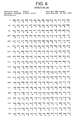
- the synthetic HOX gene ( Figure 6 ) was designed so that the codon usage was precisely matched to the known codon preferences of biotechnologically relevant yeasts such as Pichia sp., Hansenula sp., Kluyveromyces, Yarrowinia, S. Pombe in order to facilitate high level production in these organisms.
- the gene was divided into three separately assembled and/or cloned fragments.
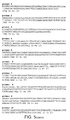
- the sub-assemblies, designated as 5' proximal half were comprised of the following oligonucleotides as set out in Figure 5 as complementary pairs: HOX1a/HOX2b, HOX3a/HOX4b, HOX5a/HOX6b, HOX7a/HOX8b, HOX9a/HOX10b); 3'distal half A using primers 1-6 and 3'distal half B using primers 6-10.
- the 5'proximal half of the synthetic HOX gene was synthesized using ten oligonucleotides HOX1A to HOX10B.
- the first PCR was reamplified using 2ul from the above reaction as template and the flanking primers (1 ⁇ M each) HOX1A and HOX 10B.
- the reaction contained 200 ⁇ M dNTP, 2.5 mM MgCl 2 and 2 units of AmpliTaq® (Perkin-Elmer Cetus).
- the PCR conditions were: 94°C for 2 minutes, then 30 cycles of PCR with the profile 94°C for 30 seconds, 60°C for 1 minute and 72°C for 45 seconds. A 10 minutes elongation step at 72°C was included at the end of the above reaction.
- Analysis of the second PCR product by agarose gel electrophoresis showed the presence of a 850 bp DNA band which was subsequently purified from the gel and cloned into the vector pCR ® (Invitrogen).
- the primers contained overlapping (complementary) regions of 16-21 base pairs with a calculated melting temperature of approximately 60°C.
- the distal part of the HOX gene was synthesized as two fragments (A & B), each with a size of 530 base pairs.
- Two PCR reactions were performed using 6 primers at a time.
- the PCR reaction 1 contained primers 1-6 and PCR reaction 2 contained primers 5-10.
- the PCR amplification reactions were performed using 0.1 ⁇ M of each of the primers, 250 ⁇ M each dNTP, 2mM MgSO 4 and 2.5 units of Pfu DNA polymerase from Pyrococcus furiosus (Strategene) in a reaction volume of 100 ⁇ l.
- the cycling parameters for the 2 PCR reactions using Pfu DNA polymerase included a 1 minute denaturation at 95°C followed by 30 cycles of PCR: 94°C for 1 minute, 55°C for 1 minute and 72°C for 1 minute. This was followed by an elongation step at 72 °C for 3 minutes.
- PCR products were cloned in pCR ® -Blunt vector (Invitrogen).
- the cloned partial synthetic HOX genes were sequenced using primers flanking the multiple cloning sites (M13 reverse primer and T7 promoter primer). The sequencing results verified that the synthesized partial genes contained the correct sequence.
- the three parts of the synthetic HOX gene were combined by ligation of the gel purified DNA fragments comprising of the Nco1/PvuII 5' proximal HOX, the 3' distal PvuII/SpeI HOX fragment A and fragment B cut with SpeI/NotI.
- the complete, codon optimized synthetic HOX gene ( Figure 6 ) was assembled into the Hansenula expression vector, which was developed to mediate the expression and secretion of foreign proteins from Hansenula.
- the expression vector is based upon the formate dehydrogenase promoter (FMD), the MOX terminator, with and without a yeast secretion signal.
- Table 1 shows the various HOX/secretion fusion constructs which were inserted as Eco RI/Not I blunt fragments into the multiple cloning site of the H. polymorpha expression/integration vector.
- the different signal sequences were derived from the glucoamylase gene from Schwanniomyces occidentalis, ⁇ -factor mating type gene from Saccharomyces cerevisiae and the TAKA-amylase from Aspergillus oryzae.
- a NcoI/NotI HOX construct without a signal sequence was also cloned into the vector. Name of Clone signal sequence HOX Fusion junction 1.
- mutant synthetic relates to a putative KEX 2 protease cleavage site R 331 -K 332 to R 331 -P 332.
- the different HOX expression plasmids were used to transform the uracil auxotrophic H. polymorpha strain RB11 to uridine prototrophy.
- the HOX transformants harbouring the different expression plasmids were cultivated under selective conditions for 30 generations to amplify the plasmid DNA and allow integration into the genome.
- the transformants were grown on complete non-selective medium for 20 generations. In addition to the selection, PCR and southern analysis were used to characterize the transformants.
- the genomic DNA of the untransformed host strain and the various recombinant isolates of a particular HOX construct were digested with the restriction enzymes, Asp718/NcoI.
- the restricted DNA was separated on 0.8% agarose gels, transferred to membrane (nitrocellulose) and hybridized to a 32 P-labelled fragment of the cloned FMD promoter.
- the hybridization pattern reveals two signals, one for the genuine single copy 1.4kb FMD gene and one originating from the slightly smaller heterologous fusion.
- a series of dilutions enabled the estimation of the signal intensity of the integrated DNA compared to the intrinsic single copy control.
- Transformants were grown in 3 mL tube cultures and cultivated under derepressing conditions by supplementing the medium with 1% glycerol.
- HOX expression was analysed by SDS-PAGE analysis of cultures from glycerol fermentation.
- Western blot analysis using a polyclonal HOX antibody was used to detect the presence of HOX protein. Table 2. Characteristics of selected transformants expressing HOX.
- YNB Yeast Nitrogen Base
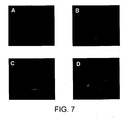
- 3 x 10 8 cells were shifted to 100 mL shake flask cultures supplemented with YNB + 1% glycerol. After 1, 2 or 3 days of growth under derepressing condition 5x10 8 cells were fixed by a combined para-formaldehyde (4%) and glutaraldehyde (0.2%) treatment (Hagen and Hyam, 1988).
- PEMBAL PEM + 1% BSA (globulin free), 1 mM lysine hydrochloride, 0.1% NaN 3 ), and incubated on a rotating wheel for 30 minutes. 25% of the cell suspension, equalling 10 8 cells, was supplemented with 10 ⁇ g/ml of affinity purified polyclonal anti-HOX antibodies and incubated overnight at room temperature. After three washes in 0.5 mL PEMBAL, cells were suspended in PEMBAL, and incubated 5-20 hours in the dark with 0.5% FITC-conjugated goat anti-rabbit antibodies (Sigma).
- the cells were washed once in PBS, once in PBS + 0.2 ⁇ g/mL diamidinophenylindole (DAPI) and finally resuspended in PBS + 0.1% NaN 3 .
- DAPI diamidinophenylindole
- small samples of cell suspensions were dried onto poly-L-lysine coated coverslips and inverted into drops of 100% glycerol containing 1 mg/mL para-phenylene diamine.
- Cells were examined with a Zeiss microscope equipped for indirect immunofluorescence at 1.000 X and images were captured by a CCD camera (MicroMAX Kodak) and processed using MetaMorph software.
- the experiment was carried out by using 5.0 mL cell suspension (cells + supernatant) in a 15 mL centrifuge tube (HOX9926-7, 317 g cells/L wet weight, 0.3 U/mL extracellular HOX activity). Cells were separated by centrifugation at 4000 g for 10 min.
- the supernatant was then supplemented with either, CTAB, CTAB+Pronase E, Pronase E, Tween 20 (a proprietary name for polyoxyethylene sorbitan monolaurate) and Tween 80 (a proprietary name for sorbitan monooleate).
- the cells were then resuspended in 4.0 mL supernatant and incubated for 23 hours at 25°C (500 rpm).
- the cells in one of the tubes were only incubated for 7 min at 25°C in 4 mL 0.4% CTAB.
- the cells were then separated by centrifugation.
- the cells were then re-suspended again in the original supernatant without CTAB added and then incubated for 23 hours as above. After incubation, the extracellular HOX in the cell-free extracts was measured by the HOX assay.
- HOX activity was estimated by the assay of Sullivan and Ikawa (1973). The assay was scaled down to be run in microtiter plates.
- the HOX assay is based on the measurement of hydrogen peroxide generated in the oxidation of glucose.
- the hydrogen peroxide oxidizes o-dianisidine in presence of peroxidase (POD) to form a dye.
- POD peroxidase
- the assay is performed in a microtiter plate.
- the reaction is initiated by the addition of enzyme solution.
- the mixture is incubated at 25°C for 10 min with shaking.
- the blank run contains all the components with water instead of enzyme solution.
- the formation of the dye is measured in a microtiter plate reader at 405 nm.
- the linearity of the reaction is checked by using a kinetics programme on the microplate reader.
- a hydrogen peroxide standard curve is constructed by using varying concentrations of fresh H 2 O 2 .
- One unit of enzyme activity is defined as the amount of enzyme which produces 1 ⁇ mol of H 2 O 2 per min at 25°C.
- CTAB is very efficient in extracting HOX.
- CTAB is also much more efficient than Tween 20 and Tween 80.
- CTAB exerts its positive effect even when used only for a 7 min preincubation, this indicates that CTAB very quickly binds to and permeabilizes the Hansenula cell wall. This is supported by analysis of the cell free supernatant for CTAB (see below) which shows that only 50-100 ppm out of 4000 ppm CTAB added is present in the cell free supernatant.
- a comparison of the sediment in the centrifuge tubes for each test agent also indicates that the packed cell volume of the CTAB treated cells is smaller than the volume of the control cells or cells treated with detergents other than CTAB. This shrinkage of the cells indicates that the cells have indeed been permeabilized and emptied for some of their soluble content.
- Table 3 Effect of detergent, detergent in combination with protease and pre-incubation on the extraction of intracellular HOX Test HOX activity % Control 100 0.4% CTAB 4600 0.4% CTAB + Pronase E (400 PU) 5000 0.4% CTAB + Pronase E (800 PU) 4800 Pronase E (400 PU) 120 0.4%Tween 20 140 0.4%Tween 80 140 Pre-incubation in 0.4% CTAB for 7 min 5100
- the experiment was carried out by using a 5.0 mL cell suspension (cells + supernatant) in a 15 mL centrifuge tube (HOX9959, Mut 45).
- the cell suspension was then supplemented either with CTAB (from a 10% CTAB stock solution) or benzalkonium chloride (Rodalon, 9.5% benzalkonium chloride) and incubated for 22 hours at 25°C (200 rpm). After incubation, extracellular HOX (cells were removed by 10 min centrifugation at 4000 g) was measured by HOX assay.
- BAC benzalkonium chloride
- CTAB was combined with chaotrophic and nonchaotrophic salts.Five mL cell suspension (cells + supernatant) was added to a 15 mL centrifuge tube (HOX9926-7, 317 g cells/litre wet weight, 0.3 U/mL extracellular HOX activity). Cells were separated by centrifugation at 4000 g for 10 min. The supernatant was then supplemented with either CTAB, CTAB+NaCl, CTAB+urea, CTAB+ammonium sulphate, or the non-ionic detergent, octyl-glucoside.
- the cells were then re-suspended in 4.0 mL supernatant and incubated for 26 hours at 25°C (500 rpm). In this experiment, the effect of shaking and temperature was also investigated. After incubation, the cell-free extract was used to estimate HOX activity using the HOX assay as outlined in Example 4.
- the non-ionic detergent octyl glucoside has no significant extracting effect.
- Table 5 Effect of detergent, detergent in combination with salt, shaking, and temperature on the extraction of intracellular HOX.
- the chromatographic conditions were a mobile phase consisting of two solvents.
- Solvent A 1 mM NH 4 OAc/Water
- solvent B 1 mM NH 4 OAc/Methanol.
- the column was run with isocratic conditions (that is, using conditions where the composition of the eluant is maintained constantly during the chromatographic period): 5% A + 95% B, with a solvent flow rate of 0.80 mL/min and an injection volume of 10 ⁇ L.
- the samples were injected directly.
- the detector settings were the following: SIM parameters: m/z 284.1 (hexadecyltrimethylammonium cation).
- a stock solution containing 500 ⁇ g CTAB/mL water (concentration index 1000) was diluted with water to obtain standard solutions with the following concentration indices: 300 - 100 - 30 - 10.
- concentration index 1000 concentration index 1000
- the analysis method for the quaternary ammonium compounds was optimised by using a different column, and by using different mobile phase.
- Two 90 L scale fermentations (Vest0002b with a biomass concentration of 314 g/L wet cells and Vest0003b with a biomass concentration of 332 g/L wet cells) were added LTAB to a concentration of 0.20 % (w/v), and HOX was extracted for 24 h.
- a sample from each fermentation was centrifuged at 10000 g for 10 minutes, and the resulting supernatants were withdrawn for LTAB analysis.
- the following method was used to quantify the LTAB content in the supernatants by means of LC-ESI-MS on a Hewlett-Packard 1100 HPLC-MS system consisting of the following units:
- the chromatographic conditions were a mobile phase consisting of 0.1% heptafluorobutyric acid in methanol.
- the column was run with a solvent flow rate of 1.00 mL/min and an injection volume of 5 ⁇ L.
- the samples were diluted 25 fold with methanol and filtered through Gelman GHP Acrodisc 13 mM Minispike 0.45 ⁇ M before injection.
- the detector settings were the following: SIM parameters: m/z 228.1 (lauroyltrimethylammonium cation).
- a stock solution containing 250 ⁇ g LTAB/mL methanol (concentration index 1000) was diluted with methanol to obtain standard solutions with the following concentration indices: 400 - 200 - 120 - 80 - 36 - 10.8 - 5.4 - 2.16 - 0.864.
- CTAB extraction is dependent on the temperature and that a faster extraction can be achieved by using a higher temperature. This is, however a parameter which has to be balanced with the stability of the extracted protein. In this experiment no significant difference seems to exist between using 0.2% or 0.4% CTAB. However, this depends on the cell concentration in the specific experiment.
- the time course of HOX extraction was studied with CTAB, LTAB and CTAC.
- a fermentation sample containing 280 g wet weight of Hansenula polymorpha per L was withdrawn from the fermentor.
- a 4% (w/v) solution of CTAB, LTAB and CTAC was added to a final concentration of 0.2 or 0.4% (w/v) to plastic tubes containing 9 mL of fermentation broth.
- the tubes were centrifuged 10 min. at 12000 xg.
- the supernatants were analysed for HOX activity using the HOX assay as previously described.
- the extracting effect of LTAB was tested on the Pichia pastoris strain #349 that produces HOX intracellularly.
- a sample of fermentation broth was withdrawn from a 6 L scale fermentation where the biomass concentration was approximately 232 g wet weight per L.
- Nine mL of fermentation broth was added to plastic tubes together with 0 (control) or 180 ⁇ L of a 10% (w/v) solution of LTAB. After 24 h of incubation at 30°C at 20 RPM the tubes were centrifuged 5 min. at 9000 g. The supernatants were analysed for HOX activity using the HOX assay as previously described.
- HOX could be extracted with all the tested quaternary ammonium compounds (see Table 8) when added to a fermentation sample in a final concentration of 0.4% (w/v). After 24 h of incubation at 25°C, LTAB was superior to the other tested compounds with respect to extraction of HOX. The amount of HOX extracted seemed to decrease with increasing chain length of the quaternary ammonium compound.
- Table 8 Extraction of HOX from Hansenula polymorpha with various quaternary ammoniumcompounds Trade name a Methylene groups in chain Counter ion Extracted HOX activity normalised with extracted amount with LTAB b Standard deviation LTAB 11 bromide 100 7 Cetrimide-40 13 bromide 62 6 Cetrimide-40 13 bromide 65 1 dissolved in butanol CTAB 15 bromide 53 10 STAB 17 bromide 38 11 MTAC 13 chloride 71 2 CTAC 15 chloride 67 7 STAC 17 chloride 54 10 Pichia pastoris 11 bromide 3000 c not LTAB determined Pichia pastoris - bromide 100 c not Control determined The extracellular HOX levels in the fermentation broth before addition of extraction reagents was about 9% of the HOX activity extracted with LTAB after 24 h.
- the extracellular HOX level in the fermentation broth before addition of extraction reagents was about 4% of the HOX activity extracted with 0.4% (w/v) LTAB after 48 h. Values are given ⁇ 1 standard deviation. n: the number of experiments.
- lysolecithin lysophosphatidylcholine
- CTAB CTAB
- HOX9910B Five mL of cell suspension (cells + supernatant) was added to a 15 mL centrifuge tube (HOX9910B, 305 g cells/litre wet weight, 1.6 U/ml extracellular HOX activity). Cells were separated by centrifugation at 4000 g for 10 min. Cells were then re-suspended in 4.0 mL 25 mM citric acid, pH 6.3 supplemented with either CTAB, emulsifiers SLL, YN, capric acid, lysolecithin, or lecithin. The cells were then incubated for 20 hours at 25°C (500 rpm).
- the level of HOX activity in the cell free extract was measured by the HOX assay.
- Table 10 The data presented in Table 10 indicate that the tested emulsifiers other than CTAB are only capable of releasing very low levels of active enzyme. The results also indicate that CTAB is capable of activating latent enzyme in the supernatant, possibly by releasing the enzyme from membrane bound fragments.
- the experiment was carried out with 5.0 mL cell suspension (cells + supernatant) in a 15 mL centrifuge tube (HOX190799, 340 g cells/litre wet weight, 0.5 U/mL extracellular HOX activity). Cells were separated by centrifugation at 4000 g for 10 min. The cells were then re-suspended in 4.0 mL of supernatant which was supplemented with either CTAB, or saponin, or re-suspended in 25 mM citric acid, pH 6.3 supplemented with either CTAB, or saponin.
- the cell-free supernatant (after treatment with CTAB) was also incubated and analysed for HOX activity. The tubes were incubated for 19 hours at 25°C (500 rpm). After incubation, the extracellular HOX in the cell-free extract was measured by the HOX assay.
- Table 11 Comparative HOX extraction/activation by using different permeabilising agents Test HOX activity, % Control 0 (cells + supernatant) 100 0.2% CTAB (cells + supernatant) 1200 0.4% CTAB (cells + supernatant) 3100 0.2% Saponin (cells + supernatant) 150 0.4% Saponin (cells + supernatant) 140 0.8% Saponin (cells + supernatant) 140 Control 1 (cells + buffer) 100 0.2% CTAB (cells + buffer) 3100 0.4% CTAB (cells + buffer) 7700 0.2% Saponin (cells + buffer) 230 0.4% Saponin (cells + buffer) 230 0.8% Saponin (cells + buffer) 230 Supernatant + 0.2% CTAB 80 Supernatant + 0.4% CTAB 80
- CTAB solution 360 g CTAB dissolved in 3.6 L water at 40°C was added directly to the broth through an inlet port in the 100 L fermentor.
- the final concentration of CTAB in the fermentation broth was approximately 4 g/L, since the active fermentor volume was approximately 90 L.
- the cells from two different fermentation trials were disrupted by using a cell disruption equipment "Z Plus" 2.2 kW (Constant Systems Ltd, UK).
- the cells (5 mL) were disrupted using a one shot pump head at various pressures. After opening, the cell debris was separated from the supernatant by centrifugation (5 min at 10,000 g) and the intracellular HOX level in the cell-free supernatant was measured using the HOX assay as previously described.
- the same cells have also been treated with 0.2% CTAB (25°C, 500 rpm, 20h) and cell-free extract was used as a comparable matter.
- Table 12 The data presented in Table 12 indicate that the total amount of intracellular HOX is extracted by treatment with 0.2% CTAB.
- Table 13 Mechanical extraction of HOX from Hansenula polymorpha Cycle # HOX activity [U/mL] 0 0.86 1 5.6 2 6.4 3 6.6 4 6.6 5 6.7 6 6.9 7 6.7
- CTAB or Triton X-100 was added to 5 mL of ferment, (sample HOX9954, Mut 45, 18.10.99, HVP) in a centrifuge tube.
- Water was added to the control.
- the samples were incubated at 25°C for 22h at 200 rpm. After incubation the samples were centrifuged and the supernatant was analyzed for HOX activity as previously described.
- Triton X-100 has been used to permeabilize yeast cells (see Naglak et al 1990 and US Patent No 5124256 ) but it is clear from this experiment that Triton X-100 has no extracting effect, contrary to CTAB which has not been described in the prior art to be capable of extracting an intracellular enzyme such as a HOX enzyme, although it has been described to give permeabilisation of cells.
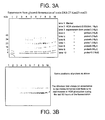
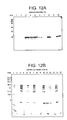
- the pellet extracts were also applied to an SDS-PAGE (see lanes 2-5 in Figure 10A ), using precast Novex gels according to manufacturer's instructions (Novex, San Diego, US).
- the SDS-Page gel was blotted to a nitrocellulose membrane according to manufacturer's instructions (Novex, San Diego, US).
- the blot was incubated with antibodies (rabbit antiserum # 4364 BI/OCH 190797) raised against the HOX enzyme, the preparation of which is described below.
- a recombinant HOX enzyme was produced in Escherichia coli from the expression plasmid PUP0181 as described in WO 96/40935 .
- the crude extract of E. coli cells expressing recombinant HOX was analysed by SDS-PAGE.
- a prominent protein band at the relative molecular weight (Mr) of 62 kD corresponding to HOX was transferred to a polyvinylidene difluoride (PVDF) membrane and subjected to N-terminal amino acid sequence analysis as described in WO 96/40935 .
- the amino acid sequence identified was: Ala-Thr-Leu-Pro-Gln-Lys-Asp-Pro-Gly-Tyr- (SEQ ID NO: 1).
- the 62 kD HOX band observed in SDS-PAGE was purified by preparative SDS-PAGE and electroelution from the gel as described by Hunkapiller et al (1983). The purity of the electroeluted 62 kD HOX band was analysed by SDS-PAGE and by amino acid sequence analysis as described above. The purified HOX was used for antibody production in rabbits. Portions of approximately 50 ⁇ g were mixed with an equal volume of incomplete Freund's adjuvant and used for immunization.
- the HOX specific polyclonal antibodies produced in the rabbits were used throughout this study in Western blot analyses. Proteins to be analysed by Western blot analysis were electrophoresed as described above and transferred to a nitrocellulose filter according to standard procedures. The nitrocellulose membrane was blocked 1 hour in a TBS-T solution (50 mM Tris, pH 7.5; 150 mM NaCl; O.1 % Tween-20) containing 3% skimmed milk powder. HOX specific antibodies diluted 1:10,000 in TBS-T containing 1.5% skimmed milk powder were added and the blot was incubated overnight.
- TBS-T solution 50 mM Tris, pH 7.5; 150 mM NaCl; O.1 % Tween-20
- the blot was washed three times in TBS-T before incubation (1 to 2 hours) with the secondary antibody (alkaline phosphatase-conjugated goat anti-rabbit immunoglobulins, DAKO, cat. no. D0487), diluted 1: 1000 in TBS-T containing 1.5% skimmed milk powder.
- the blot was subsequently washed in TBS-T (2 x 20 min) and in TBS (50 mM Tris, pH 7.5; 150 mM NaCl; 1 x 5 min) before development in Nitroblue tetrazolium/5-Bromo-4-chloro-3-indolylphosphate (NBT/BCIP) buffer according to standard procedures.
- NBT/BCIP Nitroblue tetrazolium/5-Bromo-4-chloro-3-indolylphosphate
- the specificity of the antibodies was investigated in a series of Western blots with HOX containing extracts from Chondrus crispus, E. coli and Pichia pastoris, respectively.
- Western blot analysis of HOX containing extracts of P. pastoris showed a strong HOX specific band at Mr 62 kD in addition to two or three weaker bands at lower molecular weight.
- a Hansenula polymorpha strain expressing the intracellular HOX enzyme was mutated with UV light at a wavelength of 254 nm.
- the mutated strain was plated on agar plates (1.4 g/L Yeast Nitrogen Base (YNB) from Gibco, 5 g/L (NH 4 ) 2 SO 4 , 1 g/L glycerol and 2% (w/v) agar) and incubated at 30°C until colonies were formed.
- the colonies were inoculated with a robotic colony picker (Q-Pix, Genetix, Wales Dorsett, UK) into 96 well microtiter plates.
- Each microtiter well contained 200 ⁇ L YNB medium (100 mM MES pH 6.1, 1.4 g/L YNB from Gibco, 5 g/L (NH 4 ) 2 SO 4 and 10 g/L glycerol).
- the microtiter plates were incubated at 25°C with shaking for 7 days in an IOC400.XX2.C shaking incubator (SANYO Gallenkamp BV, Breda, The Netherlands).
- HOX activities were measured on 10 ⁇ L fermentation broth with the HOX assay modified to contain only 105 ⁇ L reagent 1 and 15 ⁇ L 0.4% (w/v) CTAB was added to the assay. The reaction time was 60 minutes at 30°C.
- the HOX assay was carried out with a Plato 7 pipetting robot (Rosys, Hombrechtikon, Switzerland) and the absorbencies were measured in a Spectramax plus microtiter plate reader (Molecular Devices, UK). The growth in each individual microtiter well was measured by transferring 10 ⁇ L of fermentation broth to a new microtiter plate, adding 100 ⁇ L of 100 mM phosphate buffer, pH 6.3 and measuring the absorbency at 600 nm. The HOX measurements were normalized with respect to the absorbency at 600 nm to take poor growth into account.
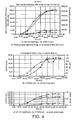
- Ion Exchange Chromatography was carried out by using a Biologic Duo Flow ( Bio-Rad, CA, USA) system. 500 ⁇ l of desalted sample was applied to a Source Q 15 column (HR5/5, Pharmacia Biotech.) equilibrated in TEA buffer (buffer A, 20 mM, pH 7.3). The HOX was eluted with a 20 mL linear gradient from 0-0.5 M NaCI in buffer A with a flow rate of 1.5 mL/min during which 1.5 mL fractions were collected and assayed for HOX activity.
- CTAB extracted HOX is much more pure compared to mechanically extracted HOX (Table 15). Also the nucleic acid content is much lower in the CTAB extracted HOX than in the mechanically extracted HOX (Table 15).
- Table 15 HOX- and protein concentration in CTAB- and mechanically extracted HOX Test HOX activity [U/mL] Protein concentration [mg/mL] Specific activity [U/mg protein] Nucleic acid concentration [ ⁇ g/mL] CTAB extracted 30.6 2.33 13.1 102 Mechanically extracted 32.0 12.7 2.5 384
- strains harbouring five different IL-1ra constructions were cultivated.
- the strains 4-17, AL 9/2 and II 3-1 contained three different constructions without a signal sequence, while the strains MF ⁇ 2 and MF ⁇ AL7/1 represented two different constructions with the MF ⁇ pre-pro sequence.
- Strain FPMT 8 was cultivated under the same conditions as the recombinant strains. This strain is an RB11 integrant with nearly 30 copies of the empty Hansenula vector pFPMT121 and served as negative control.
- the OD 600nm was measured to calculate the amount of CTAB which is necessary.
- the codon usage of the Chondrus crispus HOX gene was modified by replacement of the low-usage codons with those of the more frequently used codons of the Hansenula host organism.
- a transformant of the methylotrophic yeast, Hansenula polymorpha, expression system developed at Rhein Biotech, Düsseldorf/Germany, containing a codon optimized HOX DNA fragment for the expression of HOX was prepared.
- the codon optimisation of the gene encoding the HOX enzyme resulted in high levels of expression (in terms of high levels of enzyme activity) of the HOX enzyme in the Hansenula polymorpha yeast host organisms.
- high levels of expression in terms of high levels of enzyme activity
- the HOX enzyme was localized intracellularly.
- little or no HOX activity could be measured in the extracellular medium.
- the extraction of the intracellular enzymatically active HOX enzyme using the method of the present invention was compared with a traditional cell disruption method and with extraction procedures using other ionic/non ionic detergents and emulsifiers. Combinations of detergents with protease and salts were also investigated.
- a method for releasing a soluble or membrane associated intracellular protein of interest comprising the steps of: providing a cell comprising a a soluble or membrane associated intracellular POI; contacting the cell with a membrane extracting composition; and causing the POI to be released from the cell under conditions sufficient for the release of the POI and in a soluble form.
- a method for specifically releasing a soluble or membrane associated intracellular protein of interest comprising the steps of: providing a cell comprising a soluble or membrane associated intracellular POI; contacting the cell with a membrane extracting composition; and causing the POI to be released from the cell under conditions sufficient for the release of the POI but insufficient for the release of other contaminating proteins.
Landscapes
- Life Sciences & Earth Sciences (AREA)
- Chemical & Material Sciences (AREA)
- Health & Medical Sciences (AREA)
- Organic Chemistry (AREA)
- Genetics & Genomics (AREA)
- Engineering & Computer Science (AREA)
- Mycology (AREA)
- Zoology (AREA)
- Wood Science & Technology (AREA)
- Biotechnology (AREA)
- Microbiology (AREA)
- Biochemistry (AREA)
- Bioinformatics & Cheminformatics (AREA)
- General Engineering & Computer Science (AREA)
- General Health & Medical Sciences (AREA)
- Molecular Biology (AREA)
- Proteomics, Peptides & Aminoacids (AREA)
- Biomedical Technology (AREA)
- Biophysics (AREA)
- General Chemical & Material Sciences (AREA)
- Gastroenterology & Hepatology (AREA)
- Medicinal Chemistry (AREA)
- Physics & Mathematics (AREA)
- Chemical Kinetics & Catalysis (AREA)
- Plant Pathology (AREA)
- Preparation Of Compounds By Using Micro-Organisms (AREA)
- Micro-Organisms Or Cultivation Processes Thereof (AREA)
- Peptides Or Proteins (AREA)
- Measuring Or Testing Involving Enzymes Or Micro-Organisms (AREA)
- Enzymes And Modification Thereof (AREA)
- Detergent Compositions (AREA)
- Semiconductor Lasers (AREA)
Abstract
Description
- The present invention relates to a method for releasing an intracellular protein of interest (POI).
- In particular, the present invention relates to a method for releasing a soluble or membrane associated intracellular protein of interest (POI) using a membrane extracting composition which assists in the release of the POI.
- The traditional way for recovering an intracellular POI, such as an enzyme, has been to use a mechanical disruption method (Naglak et al 1990) such as a bead mill or a cell homogenizer operating with a french press principle. However, these mechanical disruption methods suffer from the disadvantage that they are energy consuming methods with a low capacity and the cell homogenizers or similar equipment required for mechanical disruption are expensive to purchase. In addition, mechanical methods expose the cells, and hence the extracted POI to very harsh conditions, especially as most proteins will be denatured by the heat generated unless the mechanical device and/or homogenate is efficiently cooled. Furthermore, some cells, such as yeast cells (such as those from Hansenula) are difficult to disrupt mechanically and more than one passage through a cell homogenizer is needed. The cell homogenate may also contain cell wall fragments and DNA, which results in a high viscosity. This means that the separation of cell debris from the POI can prove to be a difficult operation. In addition, the resulting cell free homogenate may contain not only the intracellular POI but also a large number (sometimes several thousand) of different intracellular proteins and enzymes associated with the general cell metabolism. This means that the resultant cell free homogenate may be not only difficult to concentrate by ultrafiltration but may also provide problems with respect to obtaining the right commercial concentration of a given POI.
- In order to minimise the potential detrimental effect of some mechanical disruption methods, chemical methods using, for example, detergents have been developed to permeabilize yeast cells. By way of example, the non-ionic detergent, polyethoxylated octylphenols, commercially available as Triton X-100, has been used either alone or in combination with freeze thaw cycles (referenced in Naglak et al 1990). In addition,
US Patent No 5124256 Crahay et al 1992 ) discloses a method whereby proteins were extracted from Saccharomyces yeast by means of treating the yeasts in an aqueous medium with a neutral water-soluble mineral salt and a non-ionic water-soluble polyethoxylated alkylphenol surfactant having a Hydrophilic Lipophilic Balance (HLB) of between 8 and 15. However, these non-ionic water-soluble polyethoxylated alkylphenol surfactants which include polyethoxylated octylphenols, nonylphenols and tributylphenols, (particularly those commercially available under the trade marks TritonX-100, Nonidet P-40 and Sapogenat T-080) suffer from the drawbacks that (i) they may not have a significant extracting effect when used alone and (ii) these surfactants can interfere with subsequent measurements of the enzymatic activity of the POI. - Several organic solvents have also been used to both permeabilize yeast cells in in situ enzymatic assays and for removing proteins from yeast cells. Examples of such solvents include but are not limited to toluene, ethyl acetate, dimethyl sulfoxide, and benzene combined with glycerol (Naglak et al 1990). However, these solvents are unattractive to use in industrial scale production when fermentor volumes of up to 200 m3 are required.
- Digitonin and other naturally occuring saponins have also been shown to permeabilize a number of eukaryotic cells (see Joshi et al 1989). Although the exact mechanism of digitonin permeabilization is not known, it is believed that digitonin forms a complex with the cholesterol present in the cell membrane and renders the membrane leaky. Digitonin permeabilization of yeast cells may also be due to the complexing of ergosterols of the yeast membrane. Joshi et al (1989) used digitonin (0.1%) to permeabilize the yeast Kluyveromyces which facilitated the intracellular catalysis of lactose to glucose and galactose. The non-ionic detergent saponin, from Quillaja Bark, is another cholesterol complexing agent, which is known to permeabilise at least mammalian cells (Naglak et al 1990). Again, like the non-ionic detergents as outlined above, the use of digitonin and other naturally occuring saponins may suffer from the drawback that when used alone, they may not have a significant extracting effect.
- Chaotropic agents have also been used to faciliate the extraction of intracellular enzymes. By way of example,
US Patent No 3801461 (Miyake and Shiosaka 1974 ) discloses a process for extracting intracellular enzymes produced in the mycelia or cells of fungi or bacteria using a chaotrophic solution such as a urea solution.US Patent No 4683293 (Craig 1987 ) also discloses a method for selective extraction of lipophilic proteins from transformed cells of the genus Pichia by cell lysis in the presence of chaotrophic salts such as sodium thiocyanate, sodium iodide, sodium hypochlorite, lithium bromide, guanidium hydrochloride and urea. However, chaotrophic agents suffer from the disadvantage that exposure of the POI to a chaotrophic agent, such as urea can result in an actual loss of enzyme activity through denaturation of the POI. - In addition to the drawbacks cited above, the above cited prior art only relates to the permeabilisation of host cells to low molecular weight molecules while the POI remains unchanged within the cell. In particular, none of the above cited prior art relates to the extraction of a membrane associated intracellular POI under conditions which do not affect the nature and/or activity of the POI. More in particular, none of the above cited prior art relates to a method for assisting in the release of a membrane associated intracellular POI which is trapped and is incapable of being secreted from a host cell.
- The present invention thus seeks to overcome the problems associated with the extraction methods of the prior art.
- The present invention thus provides a method for releasing a soluble or membrane associated intracellular protein of interest (POI) from a host organism.
- The present invention relates to a method for assisting in the release of a soluble or membrane associated intracellular POI which is trapped and/or is incapable of being secreted from a host cell. The extraction of an intracellular POI using the method of the present invention was compared with a traditional cell disruption method and with extraction procedures using other ionic/non ionic detergents and emulsifiers. Combinations of detergents with protease and salts were also investigated. The results of the present invention indicate that the extraction of a soluble or membrane associated intracellular POI using the method of the present invention is advantageous because:
- (i) traditional cell disruption techniques can be avoided;
- (ii) the intracellular POI may be recovered free from contaminating DNA and cell wall fragments;
- (iii) the intracellular POI may be recovered from a eukaryotic host organism, such as yeast, before glycosylation takes place. Overglycosylation of secreted proteins is a well known problem especially in eukaryotic host organisms such as yeast. This drawback associated with yeast expression systems has led to a reluctance to use yeast as a production system even though yeast expression vectors are capable of producing proteins at high levels of expression with a large amounts of biomass, and additionally, yeast has approved use in food. By expressing the POI intracellularly and then extracting the POI with the method of the present invention, the POI will be non-glycosylated, because the POI has not passed through the secretion pathway where glycosylation takes place;
- (iv) the fermentation procedure that precedes the method of the present invention can be carried out at any pH that is suitable for the host cell. It is well known in the art that a secreted POI may be affected by the pH of its extracellular growth medium. Up until now, it was often necessary to maintain the pH of a host organism growth medium at an approximately neutral pH because fermentations at such a pH were deemed necessary to maintain the stability of a secreted POI even though they usually increased the risk of bacterial contamination. With the method of the present invention, the POI is not secreted. Thus, the pH of the host organism growth medium is irrelevant as the intracellular pH remains constant irrespective of the media pH. Accordingly, the present invention permits the growth of a host organism (such as yeast) at a lower pH (such as pH 4.0) which reduces the risk of bacterial contamination without affecting either biomass or POI production; and
- (v) the method of the present invention can be used to prevent contact of the intracellular POI with the extracellular growth medium. This is advantageous if the POI is unstable in the extracellular media, because of, for example, protease sensitivity. By expressing the protein intracellularly and then extracting with the method of the present invention contact with the extracellular media is avoided.
- In one broad aspect, the present invention relates to a method for releasing a protein of interest (POI) from a cell. The method comprises the steps of: providing a cell comprising a soluble or membrane associated intracellular POI; contacting the cell with a membrane extracting composition; and causing the POI to be released from the cell under conditions sufficient for the release of the POI and in a soluble form. Here, the POI may be an intracellular protein of interest and/or the POI may be an hexose oxidase (D-hexose: O2-oxidoreductase, EC 1.1.3.5).
- According to one aspect of the present invention, there is provided a method for releasing a soluble or membrane associated intracellular protein of interest (POI) from a transformed cell comprising the steps of: providing a transformed cell comprising an soluble or membrane associated intracellular POI; contacting the transformed cell with a membrane extracting composition; and causing the POI to be released from the transformed cell under conditions sufficient for the specific release of the POI and in a soluble form.
- According to another aspect of the present invention, there is provided a method for releasing a HOX enzyme from a transformed cell comprising the steps of: providing a transformed cell comprising a HOX enzyme; contacting the transformed cell with a membrane extracting composition; and causing the HOX enzyme to be released from the transformed cell under conditions sufficient for the specific release of the a HOX enzyme and in a soluble form.
- According to another aspect of the present invention, there is provided a method for releasing an
interleukin 1 receptor antagonist (IL-1ra) from a transformed cell comprising the steps of: providing a transformed cell comprising a IL-1ra; contacting the transformed cell with a membrane extracting composition; and causing the IL-1ra to be released from the transformed cell under conditions sufficient for the specific release of the IL-1ra and in a soluble form. - According to another aspect of the present invention, there is provided a method for screening for mutants producing elevated levels of a soluble or membrane associated intracellular POI comprising the steps of: growing the mutated cells at 30°C; incubating the mutated cells with the membrane extracting composition; recovering the cell free medium; screening the cell free medium for elevated levels of the intracellular POI; such that the presence of the intracellular POI cell free medium is indicative that the intracellular POI has been released.
- According to another aspect of the present invention, there is provided a membrane extracting composition suitable for releasing a soluble or membrane associated intracellular POI wherein the composition is contacted with the cell under the following conditions of: a percentage by weight of quarternary ammonium compound from about 0.05% to about 0.6% (more especially from about 0.1% to about 0.5%, more especially from about 0.2% to about 0.45%, more especially about 0.4%); and a pH optima of from about 2.0 to about 11.0 (more especially from about 5.0 to about 7.0, more especially about 6.3); a temperature optima of from about 4°C to about 40°C, (more especially from about 20°C to about 30°C, more especially about 25°C).
- According to another aspect of the present invention, there is provided a membrane extracting composition comprising a quarternary ammonium compound suitable for releasing a soluble or membrane associated intracellular POI.
- According to another aspect of the present invention, there is provided a substantially non-glycosylated POI released from a eukaryotic host organism.
- Other aspects and advantages of the present invention are presented in the accompanying claims and in the following description and discussion. These aspects are presented under separate section headings. However, it is to be understood that the teachings under each section heading are not necessarily limited to that particular section heading.
- The present invention demonstrates the highly surprising finding that a membrane extraction composition comprising quaternary ammonium compounds may be used to obtain a fast, specific and economically efficient extraction of a soluble or membrane associated intracellular POI, without resorting to the use of traditional cell disruption techniques. Advantageously and unexpectedly, the resulting cell extract contains very little contaminating intracellular DNA and is relatively free of cell wall fragments thereby simplifying any further purification steps to which the POI may be subjected. This is in contradistinction to the prior art mechanical extraction methods.
- As used herein, the term "intracellular" POI means a POI which is found within or inside a cell or cells. The intracellular POI may be localised within a cell (such as in the cytoplasm of the cell) even though it has a signal secretory mechanism. In this regard, the intracellular POI may be a POI which is not actively secreted from a cell or is incapable of being secreted by the cell even though it has a signal sequence secretory mechanism. In the alternative, the intracellular POI may be a naturally secreted POI which has been engineered to prevent its secretion from a cell. Alternatively, the POI may be a chimeric protein comprising a membrane binding domain.
- The method of the present invention is in contrast to the method described in Ahlstrom and Edebo ((1994) FEMS Microbiology Letters 119 7-12) who report on the release of the periplasmic β-lactamase from E. coli with tetradecyl betainate. The periplasm is the region in a bacterial cell between the cell membrane and the cell wall. Thus, the periplasmic β-lactamase from E. Coli is localised outside the cell membrane and is not a cytoplasmic enzyme. In contradistinction, the POI of the present invention is an intracellular POI which is found within or inside a cell or cells.
- As used herein, the term "membrane associated POI" means a POI which may be localised in the proximity of, but may not be substantially associated with a cell or plasma membrane. Thus, the membrane associated enzyme is not a substantially membrane bound protein or the membrane associated enzyme is not substantially bound to a cell membrane. The membrane associated POI may be solubilised by a mechanical treatment with a cell homogeniser.
- As used herein, the term "membrane bound POI" means a protein which is not rendered soluble by mechanical treatment with a cell homogeniser.
- The term "specific release" means that the specific activity of the POI is higher than when it has been extracted by mechanical means - such as by use of a bead mill or a cell homogenizer operating with a french press principle.
- The term "transformed cell" includes cells that have been transformed by use of recombinant DNA techniques. The transformation typically occurs by insertion of one or more nucleotide sequences into a cell that is to be transformed. The inserted nucleotide sequence may be a heterologous nucleotide sequence (i.e. is a sequence that is not natural to the cell that is to be transformed. In addition, or in the alternative, the inserted nucleotide sequence may be an homologous nucleotide sequence (i.e. is a sequence that is natural to the cell that is to be transformed) - so that the cell receives one or more extra copies of a nucleotide sequence already present in it.
- As used herein, the term "membrane extracting composition" means a composition capable of affecting components in a cellular membrane such that a membrane bound and/or membrane associated intracellular POI is sufficiently dissociated and/or released from the membrane component and the POI is easily recovered and/or harvested from the membrane extracting composition. The POI may also be a soluble POI. In a highly preferred embodiment, the membrane extracting composition of the present invention comprises one or more quarternary ammonium compounds or combinations thereof.
- As used herein, the term "quartemary ammonium compound" means a compound derivable from ammonium hydroxide or an ammonium salt by replacement of all four hydrogen atoms of the NH4 + ion by organic groups which may be the same or different. Typically one of the organic groups is a long chain (C8-C18) alkyl group and the other three are shorter chain alkyl or other groups.
- In a preferred embodiment, these compounds have the structure:
CH3-(CH2)n-N(CH3)+ 3
where n is the number of methylene groups in the chain and where the counter ion may be a halogen such as a chloride or bromide ion. These compounds have the properties of cationic detergents and are powerful antimicrobial agents. - Examples of these quarternary ammonium compound include but is not limited to Lauroyl Trimethyl Ammonium Bromide (LTAB), Myristyl Trimethyl Ammonium Chloride (MTAC), Cetyl Trimethyl Ammonium Chloride (CTAC), Cetyl Trimethyl Ammonium Bromide (CTAB), Cetrimide (or Cetrimidum which comprises a mixture of alkylammonium bromides, principally CTAB), Stearoyl Trimethyl Ammonium Chloride (STAC), Stearoyl Trimethyl Ammonium Bromide (STAB), Benzalkonium Chloride (alkyldimethylbenzylammonium chloride), N-Cetylpyridinium Bromide (N-Hexadecylpyridinium bromide), N-Cetylpyridinium Chloride (N-Hexadecylpyridinium chloride), Benzyl Dimethyl Tetradecyl Ammonium Chloride, and Benzyl Dimethyl Hexadecyl Ammonium Chloride.
- By way of example, the structure of some of these compounds is illustrated as follows. The compounds are listed in the order of increasing methylene groups:
- LTAB is H3C-(CH2)11-N (CH3)3Br
- MTAC is H3C-(CH2)13-N (CH3)3Cl
- CTAC is H3C-(CH2)15-N (CH3)3Cl
- CTAB is H3C-(CH2)15-N (CH3)3Br
- STAC is H3C-(CH2)17-N (CH3)3Cl
- STAB is H3C-(CH2)17-N (CH3)3Br
- Preferably the quaternary ammonium compound is cetylpyridinium chloride (CPC, C21H38NCl). The structure of CPC is illustrated as follows:

- Preferably the quaternary ammonium compound is cetylpyridinium bromide (CPB, C21H38NBr). The structure of CPB is illustrated as follows:

- Preferably the quaternary ammonium compound is Benzyl Dimethyl Tetradecyl Ammonium Chloride (BDTAC: C23H42NCl). The structure of BDTAC is illustrated as follows:

- Preferably the quaternary ammonium compound is Benzyl Dimethyl Hexadecyl Ammonium Chloride (BDHAC: C25H46NCl). The structure of BDHAC is illustrated as follows:


- Preferably the quaternary ammonium compound is benzalkonium chloride (alkyldimethylbenzylammonium chloride).
- The structure of benzalkonium chloride is illustrated as follows:
C12H25N(CH3)2C7H7Cl
- A comparison of the structure of CTAB and benzalkonium chloride (also known as Alkyldimethylbenzylammonium chloride - hereinafter referred to under the proprietary name of Rodalon) is illustrated as follows:


- Preferably the quaternary ammonium compound is Lauroyl Trimethyl Ammonium Bromide (LTAB).
- Preferably the quaternary ammonium compound is Cetyl Trimethyl Ammonium Chloride (CTAC).
- Preferably the quaternary ammonium compound is Cetyl Trimethyl Ammonium Bromide (CTAB).
- The cationic detergent CTAB has been shown to be capable of altering yeast permeability, probably by causing the formation of transmembrane pores, similar to the suggested mechanism for two other non-ionic detergents such as Pluronic F-68 and Triton X-100 (King et al 1991). The alteration of cellular permeability using detergents such as CTAB has facilitated the measurement of intracellular enzyme activities in whole cells (Sekhar et al 1999). Moreover, the development of CTAB permeabilised cells has proved useful for intracellular enzyme catalysis in, for example, cells from yeast strains such as Saccharomyces cerevisiae (Gowda et al 1991) and Kluyveromyces fragilis (Joshi et al 1987). In these studies, it is important to note that the detergent CTAB made yeast cells permeable to low molecular weight molecules (such as substrates, products, cofactors), while intracellular enzymes and other POIs remained unchanged within the cell. In contradistinction to the present invention, none of the above mentioned studies has disclosed or suggested that the detergent CTAB (or related quarternary ammonium compounds such as LTAB or CTAC) may be used to assist in the release of a soluble or membrane associated intracellular POI from a host cell.
- The cationic detergent CTAB has also been commonly used in methods for isolating DNA/RNA molecules. By way of example, DNA molecules may be isolated by treating cells with CTAB at high temperatures (about 65°C) and a low salt concentrations (less than 0.6M NaCI) such that a DNA-CTAB precipitate is formed and easily recovered. The CTAB detergent is also frequently used to extract nucleic acids from plants where coprecipitation of neutral polysaccharides, by either ethanol or isopropanol, may pose a major problem. CTAB has also been used in the direct lysis and precipitation of the DNA from the supernatant of E. coli cultures infected with filamentous phage (see Ishaq et al 1990 Biotechniques 9(1): 19-20, 22, 24; Kambouris et al 1999: FEMS Immunol Med Microbiol 25(3): 255-64; Kuipers et al 1999 Ann Rheum Dis 58(2): 103-8; Velegraki et al 1999 Med Mycol 37(1) 69-73; White et al 1998 Med Mycol 36(5): 299-303; Woodhead et al 1998 Mol Biotechnol 9(3): 243-6; Mito and Detschart 1998 Parasitol Res 84(7) 596-7; Zhang et al 191998) J Virol Methods 71(1) 45-50; Reineke et al (1998) Insect Mol Biol 7(1) 95-9). All of these CTAB based methods for the isolation of DNA molecules rely on the exploitation of the properties of CTAB to precipitate nucleic acids and acid polysaccharides while maintaining the remaining proteins and neutral polysaccharides in solution. Surprisingly and unexpectedly, the method of the present invention facilitates not only the precipitation but also the retention of intracellular DNA. Consequently, the method of the present invention facilitates the selective release of an intracellular POI.
- According to the method of the present invention, the soluble or membrane associated intracellular POI is released from a host cell or cells by contacting the cells with a membrane extracting composition under conditions sufficient for the release of the intracellular POI.
- Preferably the membrane extracting composition comprises from about 0.05% to about 0.6% by weight of a quaternary ammonium compound, preferably from about 0.1 % to about 0.5% by weight of a quaternary ammonium compound, preferably from about 0.2% to about 0.45 % by weight of a quaternary ammonium compound, more preferably about 0.4% by weight of a quaternary ammonium compound.
- Preferably the quaternary ammonium compound is LTAB.
- Preferably the quaternary ammonium compound is CTAC.
- Preferably the quaternary ammonium compound is CTAB.
- Preferably the quaternary ammonium compound is Benzalkonium Chloride (C12H25N (CH3)2C7H7Cl).
- Preferably the quaternary ammonium compound is Cetylpyridinium Chloride (CPC, C21H38NCl).
- Preferably the quaternary ammonium compound is Cetylpyridinium Bromide (CPB, C21H38NBr).
- Preferably the quaternary ammonium compound is Benzyl Dimethyl Tetradecyl Ammonium Chloride (BDTAC: C23H42NCl).
- Preferably the quaternary ammonium compound is Benzyl Dimethyl Hexadecyl Ammonium Chloride (BDTAC: C25R46NCl).
- Preferably the host cell is contacted with the membrane extracting composition at temperatures from about 4°C to about 40°C.
- Preferably the host cell is contacted with the membrane extracting composition at temperatures from about 20°C to about 30°C.
- Preferably the host cell is contacted with the membrane extracting composition at temperatures of about 25°C.
- Preferably the above temperature ranges are higher if the POI is a thermostable POI.
- Preferably the host cell is contacted with the membrane extracting composition at a pH of from about 2.0 to about 11.0.
- Preferably the host cell is contacted with the membrane extracting composition at a pH of from about 5.0 to about 7.0.
- Preferably the host cell is contacted with the membrane extracting composition at a pH of about 6.3.
- It is highly advantageous that the fermentation procedure that precedes the method of the present invention can be carried out at any pH that is suitable for the host cell. It is well known in the art that a secreted POI may be affected by the pH of its extracellular growth medium. Up until now, it was often necessary to maintain the pH of a host organism growth medium at an approximately neutral pH because fermentations at such a pH were deemed necessary to maintain the stability of a secreted POI even though they usually increased the risk of bacterial contamination. With the method of the present invention, the POI is not secreted. Thus, the pH of the host organism growth medium is irrelevant as the intracellular pH remains constant irrespective of the media pH. Accordingly, the present invention permits the growth of a host organism (such as yeast) at a lower pH (such as pH 4.0) which reduces the risk of bacterial contamination without affecting either biomass or POI production.
- A further advantage of the method of the present invention is that it can be used to prevent contact of the intracellular POI with the extracellular growth medium. This is advantageous if the POI is unstable in the extracellular media, because of, for example, protease sensitivity. By expressing the protein intracellularly and then extracting with the method of the present invention contact with the extracellular media is avoided.
- The intracellular POI which has been extracted in accordance with the method of the present invention may be further treated by employing techniques known by those of skill in the art to further concentrate and purify the POI. Thus, the extracted intracellular POI may be concentrated by for example, ultrafiltration, passage through a reverse phase resin followed by elution with a minimum volume of solvent, precipitation, ultrafiltration and lyophilization. Techniques available for further purification of the POI include but are not limited to size fractionation employing size exclusion resins, high performance liquid chromatography, ion exchange and hydrophobic chromatography.
- As used herein, the term "POI" includes but is not limited to, a protein, polypeptide or peptide including, but not limited to, a structural protein, an enzyme, a cytokine (such as an interferon and/or an interleukin), an interleukin receptor antagonist (such as IL-Ira), an antibiotic, a polyclonal or monoclonal antibody, or an effective part thereof, such as an Fv fragment, which antibody or part thereof may be natural, synthetic or humanized, a peptide hormone, an antigen (such as a bacterial/viral/protozoal/parasitic antigen), a tumour antigen, a receptor, a ligand, a regulatory factor, a signalling molecule, a neurotransmitter, a clotting factor, or any other protein including but not limited to a membrane bound protein and/or a membrane associated protein.
- In the method of the present invention, the POI is expressed intracellularly, that is, it is an intracellular POI.
- The POI may be produced by recombinant DNA techniques using a nucleotide sequence of interest (NOI).
- As used herein, the term "NOI" is defined to encompass DNA and RNA of both synthetic and natural origin which DNA or RNA may contain modified or unmodified deoxy- or dideoxy- nucleotides or ribonucleotides or analogs thereof. The nucleic acid may exist as single- or double-stranded DNA or RNA, an RNA/DNA heteroduplex or an RNA/DNA copolymer, wherein the term "copolymer" refers to a single nucleic acid strand that comprises both ribonucleotides and deoxyribonucleotides. The NOI may even be codon optimised to further increase expression.
- The term "synthetic", as used herein, is defined as that which is produced by in vitro chemical or enzymatic synthesis. It includes but is not limited to NOIs made with optimal codon usage for host organisms such as the the methylotrophic yeasts Pichia and Hansenula.
- The NOI may be operatively linked to transcriptional and translational regulatory elements active in a host cell of interest. The NOI may also encode a fusion protein comprising signal sequences such as, for example, those derived from the glucoamylase gene from Schwanniomyces occidentalis, α-factor mating type gene from Saccharomyces cerevisiae and the TAKA-amylase from Aspergillus oryzae. Alternatively, the NOI may encode a fusion protein comprising a membrane binding domain.
- The NOI may be expressed at the desired levels in a host organism using an expression vector.
- An expression vector comprising the NOI according to the present invention can be any vector which is capable of expressing the gene encoding the NOI in the selected host organism, and the choice of vector will depend on the host cell into which it is to be introduced. Thus, the vector can be an autonomously replicating vector, i.e. a vector that exists as an episomal entity, the replication of which is independent of chromosomal replication, such as, for example, a plasmid, a bacteriophage or an episomal element, a minichromosome or an artificial chromosome. Alternatively, the vector according to the invention is one which, when introduced into a host cell, is integrated into the host cell genome and replicated together with the chromosome.
- The expression vector typically includes the components of a cloning vector, such as, for example, an element that permits autonomous replication of the vector in the selected host organism and one or more phenotypically detectable markers for selection purposes. The expression vector normally comprises control nucleotide sequences encoding a promoter, operator, ribosome binding site, translation initiation signal and optionally, a repressor gene or one or more activator genes. Additionally, the expression vector may comprise a sequence coding for an amino acid sequence capable of targeting the POI to a host cell organelle such as a peroxisome or to a particular host cell compartment. Such a targeting sequence includes but is not limited to the sequence SKL. In the present context, the term 'expression signal" includes any of the above control sequences, repressor or activator sequences. For expression under the direction of control sequences, the NOI encoding the POI is operably linked to the control sequences in proper manner with respect to expression.
- In the vector, the NOI encoding for the POI is operably combined with a suitable promoter sequence. The promoter can be any DNA sequence having transcription activity in the host organism of choice and can be derived from genes that are homologous or heterologous to the host organism.
- Examples of suitable promoters for directing the transcription of the modified nucleotide sequence of the invention in a bacterial host include the promoter of the lac operon of E. coli, the Streptomyces coelicolor agarase gene dagA promoters, the promoters of the Bacillus licheniformis α-amylase gene (amyL), the promoters of the Bacillus stearothermophilus maltogenic amylase gene (amyM), the promoters of the Bacillus amyloliquefaciens α-amylase gene (amy@, the promoters of the Bacillus subtilis xylA and xylB genes and a promoter derived from a Lactococcus sp.-derived promoter including the P170 promoter. When the gene encoding the POI of the present invention is expressed in a bacterial species such as E. coli, a suitable promoter can be selected, for example, from a bacteriophage promoter including a T7 promoter and a phage lambda promoter.
- For transcription in a fungal species, examples of useful promoters are those derived from the genes encoding the, Aspergillus oryzae TAKA amylase, Rhizomucor miehei aspartic proteinase, Aspergillus niger neutral α-amylase, A. niger acid stable α-amylase, A. niger glucoamylase, Rhizomucor miehei lipase, Aspergillus oryzae alkaline protease, Aspergillus oryzae triose phosphate isomerase or Aspergillus nidulans acetamidase.
- Examples of suitable promoters for the expression in a yeast species include but are not limited to the
Gal 1 andGal 10 promoters of Saccharomyces cerevisiae and the Pichia pastoris AOXI or AOX2 promoters. - Examples of suitable bacterial host organisms are gram positive bacterial species such as Bacillaceae including Bacillus subtilis, Bacillus licheniformis, Bacillus lentus, Bacillus brevis, Bacillus stearothermophilus, Bacillus alkalophilus, Bacillus amyloliquefaciens, Bacillus coagulans, Bacillus lautus, Bacillus megaterium and Bacillus thuringiensis, Streptomyces species such as Streptomyces murinus, lactic acid bacterial species including Lactococcus spp. such as Lactococcus lactis, Lactobacillus spp. including Lactobacillus reuteri, Leuconostoc spp., Pediococcus spp. and Streptococcus spp. Alternatively, strains of a gram-negative bacterial species belonging to Enterobacteriaceae including E. coli, or to Pseudomonadaceae can be selected as the host organism.
- A suitable yeast host organism can be selected from the biotechnologically relevant yeasts species such as but not limited to yeast species such as Pichia sp., Hansenula sp or Kluyveromyces, Yarrowinia species or a species of Saccharomyces including Saccharomyces cerevisiae or a species belonging to Schizosaccharomyce such as, for example, S. Pombe species.
- Preferably a strain of the methylotrophic yeast species Pichia pastoris is used as the host organism.
- Preferably the host organism is a Hansenula species.
- It is highly advantageous to use the method of the present invention to recover an intracellular POI from a eukaryotic host organism, such as yeast, before glycosylation takes place. Overglycosylation of secreted proteins is a well known problem especially in eukaryotic host organisms such as yeast. This drawback associated with yeast expression systems has led to a reluctance to use yeast as a production system even though yeast expression vectors are capable of producing proteins at high levels of expression with a large amounts of biomass, and additionally, yeast has approved use in food. By expressing the POI intracellularly and then extracting the POI with the method of the present invention, the POI will be non-glycosylated, because the POI has not passed through the secretion pathway where glycosylation takes place.
- Suitable host organisms among filamentous fungi include species of Aspergillus, e.g. Aspergillus niger, Aspergillus oryzae, Aspergillus tubigensis, Aspergillus awamori or Aspergillus nidulans. Alternatively, strains of a Fusarium species, e.g. Fusarium oxysporum or of a Rhizomucor species such as Rhizomucor miehei can be used as the host organism. Other suitable strains include Thermomyces and Mucor species.
- In one preferred embodiment of the present invention, the POI is used for large scale applications.
- Preferably the POI is produced in a quantity of from 1g per litre to about 2g per litre of the total cell culture volume after cultivation of the host organism.
- Preferably the POI is produced in a quantity of from 100mg per litre to about 900mg per litre of the total cell culture volume after cultivation of the host organism.
- Preferably the POI is produced in a quantity of from 250mg per litre to about 500mg per litre of the total cell culture volume after cultivation of the host organism.
- In one preferred embodiment, the method of the present invention is used to release a POI for use in the manufacture of food products, such as beverages.
- In another preferred embodiment, the method of the present invention is used to release a POI for use in the preparation of detergents.
- In another preferred embodiment, the method of the present invention is used to release a POI suitable for use in baking.
- In another preferred embodiment, the method of the present invention is used to release a POI suitable for use as a dough improving agent.
- In another preferred embodiment, the method of the present invention is used to release a POI suitable for improving the properties of a flour dough, a flour dough improving composition and improved food products (see
WO 96/39851 EP-B-0 833 563 ). - In a preferred embodiment, the released POI is a hexose oxidase (D-hexose: O2-oxidoreductase, EC 1.1.3.5).
- Hexose oxidase (D-hexose: O2-oxidoreductase, EC 1.1.3.5) (also referred to as HOX) is an enzyme that in the presence of oxygen is capable of oxidising D-glucose and several other reducing sugars including maltose, lactose and cellobiose to their corresponding lactones with subsequent hydrolysis to the respective aldobionic acids. Accordingly, HOX differs from another oxidoreductase, glucose oxidase, which can only convert D-glucose, in that the enzyme can utilise a broader range of sugar substrates. The oxidation catalysed by HOX can be illustrated as follows:
D-glucose+O2→γ-D-gluconolactone+H2O2,
or
D-galactose+O2→γ-D-galactonolactone+H2O2
- HOX is produced naturally by several marine algal species. Such species are found inter alia in the family Gigartinaceae. As used herein, the term "HOX" denotes an enzyme which is capable of oxidising the substrates selected from the group consisting of D-glucose, D-galactose, D-mannose, maltose, lactose and cellobiose.
- The gene encoding the HOX enzyme has been cloned from the seaweed Chondrus crispus (Stougaard and Hansen 1996, Hansen and Stougaard, 1997). The methylotrophic yeast Hansenula polymorpha (developed at Rhein Biotech, Dusseldorf/Germany as an expression system for heterologous proteins) has also been used to produce the HOX enzyme (the native protein was purified from seaweed (Poulsen and Høstrup, 1998)).
WO 96/40935 WO 98/13478 - In one preferred embodiment the HOX enzyme comprises the sequence set out in SEQ ID No 22.
- In one preferred embodiment the HOX enzyme comprises the sequence set out in SEQ ID No 22 or variants, homologues, derivatives or fragments thereof.
- Preferred amino acid sequences of the present invention are set out in SEQ ID No 22 or are sequences obtainable from the HOX enzyme of the present invention but also include homologous sequences obtained from any source, for example related viral/bacterial proteins, cellular homologues and synthetic peptides, as well as variants or derivatives thereof.
- Thus, the present invention covers variants, homologues or derivatives of the amino acid sequences presented herein, as well as variants, homologues or derivatives of the nucleotide sequence coding for those amino acid sequences.
- In the context of the present invention, a homologous sequence is taken to include an amino acid sequence which is at least 75, 85 or 90% identical, preferably at least 95 or 98% identical at the amino acid level over at least, for example, the amino acid sequence as set out in SEQ ID No 22 of the sequence listing herein. In particular, homology should typically be considered with respect to those regions of the sequence known to be essential for enzyme activity rather than non-essential neighbouring sequences. These regions include but are not limited to the putative FAD binding domains in HOX such as SGGH79C, LGGH146I and LGGH320A. Although homology can also be considered in terms of similarity (i.e. amino acid residues having similar chemical properties/functions), in the context of the present invention it is preferred to express homology in terms of sequence identity.
- Homology comparisons can be conducted by eye, or more usually, with the aid of readily available sequence comparison programs. These commercially available computer programs can calculate % homology between two or more sequences.
- % homology may be calculated over contiguous sequences, i.e. one sequence is aligned with the other sequence and each amino acid in one sequence is directly compared with the corresponding amino acid in the other sequence, one residue at a time. This is called an "ungapped" alignment. Typically, such ungapped alignments are performed only over a relatively short number of residues.
- Although this is a very simple and consistent method, it fails to take into consideration that, for example, in an otherwise identical pair of sequences, one insertion or deletion will cause the following amino acid residues to be put out of alignment, thus potentially resulting in a large reduction in % homology when a global alignment is performed. Consequently, most sequence comparison methods are designed to produce optimal alignments that take into consideration possible insertions and deletions without penalising unduly the overall homology score. This is achieved by inserting "gaps" in the sequence alignment to try to maximise local homology.
- However, these more complex methods assign "gap penalties" to each gap that occurs in the alignment so that, for the same number of identical amino acids, a sequence alignment with as few gaps as possible - reflecting higher relatedness between the two compared sequences - will achieve a higher score than one with many gaps. "Affine gap costs" are typically used that charge a relatively high cost for the existence of a gap and a smaller penalty for each subsequent residue in the gap. This is the most commonly used gap scoring system. High gap penalties will of course produce optimised alignments with fewer gaps. Most alignment programs allow the gap penalties to be modified. However, it is preferred to use the default values when using such software for sequence comparisons. For example when using the GCG Wisconsin Bestfit package (see below) the default gap penalty for amino acid sequences is -12 for a gap and -4 for each extension.
- Calculation of maximum % homology therefore firstly requires the production of an optimal alignment, taking into consideration gap penalties. A suitable computer program for carrying out such an alignment is the GCG Wisconsin Bestfit package (University of Wisconsin, U.S.A.; Devereux et al., 1984, Nucleic Acids Research 12:387). Examples of other software than can perform sequence comparisons include, but are not limited to, the BLAST package (see Ausubel et al., 1999 ibid - Chapter 18), FASTA (Atschul et al., 1990, J. Mol. Biol., 403-410) and the GENEWORKS suite of comparison tools. Both BLAST and FASTA are available for offline and online searching (see Ausubel et al., 1999 ibid, pages 7-58 to 7-60). However it is preferred to use the GCG Bestfit program.
- Although the final % homology can be measured in terms of identity, the alignment process itself is typically not based on an all-or-nothing pair comparison. Instead, a scaled similarity score matrix is generally used that assigns scores to each pairwise comparison based on chemical similarity or evolutionary distance. An example of such a matrix commonly used is the BLOSUM62 matrix - the default matrix for the BLAST suite of programs. GCG Wisconsin programs generally use either the public default values or a custom symbol comparison table if supplied (see user manual for further details). It is preferred to use the public default values for the GCG package, or in the case of other software, the default matrix, such as BLOSUM62.
- Once the software has produced an optimal alignment, it is possible to calculate % homology, preferably % sequence identity. The software typically does this as part of the sequence comparison and generates a numerical result.
- The terms "variant" or "derivative" in relation to the amino acid sequences of the present invention includes any substitution of, variation of, modification of, replacement of, deletion of or addition of one (or more) amino acids from or to the sequence providing the resultant amino acid sequence has an enzyme activity, preferably having at least the same enzyme activity as the amino acid sequence set out in SEQ ID No 22.
- SEQ ID No 22 may be modified for use in the present invention. Typically, modifications are made that maintain the enzyme activity of the sequence. Amino acid substitutions may be made, for example from 1, 2 or 3 to 10 or 20 substitutions provided that the modified sequence retains the required enzyme activity. Amino acid substitutions may include the use of non-naturally occurring analogues.
- SEQ ID No 22 of the present invention may also have deletions, insertions or substitutions of amino acid residues which produce a silent change and result in a functionally equivalent enzyme. Deliberate amino acid substitutions may be made on the basis of similarity in polarity, charge, solubility, hydrophobicity, hydrophilicity, and/or the amphipathic nature of the residues as long as the enzyme activity of the HOX enzyme is retained. For example, negatively charged amino acids include aspartic acid and glutamic acid; positively charged amino acids include lysine and arginine; and amino acids with uncharged polar head groups having similar hydrophilicity values include leucine, isoleucine, valine, glycine, alanine, asparagine, glutamine, serine, threonine, phenylalanine, and tyrosine.
- Conservative substitutions may be made, for example according to the Table below. Amino acids in the same block in the second column and preferably in the same line in the third column may be substituted for each other:
ALIPHATIC Non-polar G A P I L V Polar - uncharged C S T M N Q Polar - charged D E K R AROMATIC H F W Y - It will be understood by a skilled person that numerous different nucleotide sequences can encode the same HOX enzyme as a result of the degeneracy of the genetic code. In addition, it is to be understood that skilled persons may, using routine techniques, make nucleotide substitutions that do not affect the HOX enzyme encoded by the nucleotide sequence of the invention to reflect the codon usage of any particular host organism in which the HOX enzyme of the present invention is to be expressed.
- The terms "variant", "homologue" or "derivative" in relation to the nucleotide sequence set out in SEQ ID No 22 of the present invention includes any substitution of, variation of, modification of, replacement of, deletion of or addition of one (or more) nucleic acid from or to the sequence providing the resultant nucleotide sequence codes for a HOX enzyme having an enzyme activity, preferably having at least the same activity as the nucleotide sequence set out in SEQ ID No 22 of the sequence listings.
- As indicated above, with respect to sequence homology, preferably there is at least 75%, more preferably at least 85%, more preferably at least 90% homology to the sequences shown in the sequence listing herein. More preferably there is at least 95%, more preferably at least 98%, homology. Nucleotide homology comparisons may be conducted as described above. A preferred sequence comparison program is the GCG Wisconsin Bestfit program described above. The default scoring matrix has a match value of 10 for each identical nucleotide and -9 for each mismatch. The default gap creation penalty is -50 and the default gap extension penalty is -3 for each nucleotide.
- The present invention also encompasses nucleotide sequences that are capable of hybridising selectively to the sequences presented herein, or any variant, fragment or derivative thereof, or to the complement of any of the above. Nucleotide sequences are preferably at least 15 nucleotides in length, more preferably at least 20, 30, 40 or 50 nucleotides in length.
- The term "hybridization" as used herein shall include "the process by which a strand of nucleic acid joins with a complementary strand through base pairing" as well as the process of amplification as carried out in polymerase chain reaction (PCR) technologies.
- Nucleotide sequences of the invention capable of selectively hybridising to the nucleotide sequences presented herein, or to their complement, will be generally at least 75%, preferably at least 85 or 90% and more preferably at least 95% or 98% homologous to the corresponding nucleotide sequences presented herein over a region of at least 20, preferably at least 25 or 30, for instance at least 40, 60 or 100 or more contiguous nucleotides. Preferred nucleotide sequences of the invention will comprise regions homologous to the nucleotide sequence set out in SEQ ID No 22 preferably at least 80 or 90% and more preferably at least 95% homologous to the nucleotide sequence set out in SEQ ID No 22.
- The term "selectively hybridizable" means that the nucleotide sequence used as a probe is used under conditions where a target nucleotide sequence of the invention is found to hybridize to the probe at a level significantly above background. The background hybridization may occur because of other nucleotide sequences present, for example, in the cDNA or genomic DNA library being screened. In this event, background implies a level of signal generated by interaction between the probe and a non-specific DNA member of the library which is less than 10 fold, preferably less than 100 fold as intense as the specific interaction observed with the target DNA. The intensity of interaction may be measured, for example, by radiolabelling the probe, e.g. with 32P.
- Hybridization conditions are based on the melting temperature (Tm) of the nucleic acid binding complex, as taught in Berger and Kimmel (1987, Guide to Molecular Cloning Techniques, Methods in Enzymology, Vol 152, Academic Press, San Diego CA), and confer a defined "stringency" as explained below.
- Maximum stringency typically occurs at about Tm-5°C (5°C below the Tm of the probe); high stringency at about 5°C to 10°C below Tm; intermediate stringency at about 10°C to 20°C below Tm; and low stringency at about 20°C to 25°C below Tm. As will be understood by those of skill in the art, a maximum stringency hybridization can be used to identify or detect identical nucleotide sequences while an intermediate (or low) stringency hybridization can be used to identify or detect similar or related polynucleotide sequences.
- In a preferred aspect, the present invention covers nucleotide sequences that can hybridise to the nucleotide sequence of the present invention under stringent conditions (e.g. 65°C and O.1xSSC {1xSSC = 0.15 M NaCl, 0.015 M Na3 Citrate pH 7.0). Where the nucleotide sequence of the invention is double-stranded, both strands of the duplex, either individually or in combination, are encompassed by the present invention. Where the nucleotide sequence is single-stranded, it is to be understood that the complementary sequence of that nucleotide sequence is also included within the scope of the present invention.
- Nucleotide sequences which are not 100% homologous to the sequences of the present invention but fall within the scope of the invention can be obtained in a number of ways. Other variants of the sequences described herein may be obtained for example by probing DNA libraries made from a range of sources. In addition, other viral/bacterial, or cellular homologues particularly cellular homologues found in mammalian cells (e.g. rat, mouse, bovine and primate cells), may be obtained and such homologues and fragments thereof in general will be capable of selectively hybridising to the sequences shown in the sequence listing herein. Such sequences may be obtained by probing cDNA libraries made from or genomic DNA libraries from other animal species, and probing such libraries with probes comprising all or part of the nucleotide sequence set out in SEQ I.D. No 22 under conditions of medium to high stringency. Similar considerations apply to obtaining species homologues and allelic variants of the amino acid and/or nucleotide sequences of the present invention.
- Variants and strain/species homologues may also be obtained using degenerate PCR which will use primers designed to target sequences within the variants and homologues encoding conserved amino acid sequences within the sequences of the present invention. Conserved sequences can be predicted, for example, by aligning the amino acid sequences from several variants/homologues. Sequence alignments can be performed using computer software known in the art. For example the GCG Wisconsin PileUp program is widely used. The primers used in degenerate PCR will contain one or more degenerate positions and will be used at stringency conditions lower than those used for cloning sequences with single sequence primers against known sequences.
- Alternatively, such nucleotide sequences may be obtained by site directed mutagenesis of characterised sequences, such as the nucleotide sequence set out in SEQ ID. No 22. This may be useful where for example silent codon changes are required to sequences to optimise codon preferences for a particular host cell in which the nucleotide sequences are being expressed. Other sequence changes may be desired in order to introduce restriction enzyme recognition sites, or to alter the enzyme activity of the HOX enzyme encoded by the nucleotide sequences.
- The nucleotide sequences of the present invention may be used to produce a primer, e.g. a PCR primer, a primer for an alternative amplification reaction, a probe e.g. labelled with a revealing label by conventional means using radioactive or non-radioactive labels, or the nucleotide sequences may be cloned into vectors. Such primers, probes and other fragments will be at least 15, preferably at least 20, for example at least 25, 30 or 40 nucleotides in length, and are also encompassed by the term nucleotide sequence of the invention as used herein.
- The nucleotide sequences such as a DNA polynucleotides and probes according to the invention may be produced recombinantly, synthetically, or by any means available to those of skill in the art. They may also be cloned by standard techniques.
- In general, primers will be produced by synthetic means, involving a step wise manufacture of the desired nucleic acid sequence one nucleotide at a time. Techniques for accomplishing this using automated techniques are readily available in the art.
- Longer nucleotide sequences will generally be produced using recombinant means, for example using a PCR (polymerase chain reaction) cloning techniques. This will involve making a pair of primers (e.g. of about 15 to 30 nucleotides) flanking a region of the targeting sequence which it is desired to clone, bringing the primers into contact with mRNA or cDNA, performing a polymerase chain reaction (PCR) under conditions which bring about amplification of the desired region, isolating the amplified fragment (e.g. by purifying the reaction mixture on an agarose gel) and recovering the amplified DNA. The primers may be designed to contain suitable restriction enzyme recognition sites so that the amplified DNA can be cloned into a suitable cloning vector.
- Due to the inherent degeneracy of the genetic code, other DNA sequences which encode substantially the same or a functionally equivalent amino acid sequence, may be used to clone and express the HOX enzyme. As will be understood by those of skill in the art, it may be advantageous to produce the HOX enzyme - encoding nucleotide sequences possessing non-naturally occurring codons. Codons preferred by a particular prokaryotic or eukaryotic host (Murray E et al (1989) Nuc Acids Res 17:477-508) can be selected, for example, to increase the rate of the HOX enzyme expression or to produce recombinant RNA transcripts having desirable properties, such as a longer half-life, than transcripts produced from naturally occurring sequence.
- The method of the present invention may be used for screening for elevated levels of the intracellular POI in mutated host cell organisms. The cells employed in such a screen may be affixed to a solid support or on a solid substrate, such as plastic pins or some other surface. The cells may be contacted with the membrane extracting composition of the present invention and the level of the released POI may be measured using methods known in the art.
- The method of the present invention may be used in high through-put screening (HTS) systems, where target cells are grown and screened in microtiter plates (10000 mutants per day) by robot systems. By way of example, when making new recombinant production strains, it is usually necessary to carry out one or several rounds of traditional mutagenesis in order to increase productivity. This is most efficiently done using HTS of the mutated cells.
- The method of the present invention is highly advantageous because it allows for high through put screening (HTS) for increased levels of intracellular POIs. Up until now, these systems were only able to screen for higher levels of secreted POIs.
- The present invention will now be described only by way of example in which reference is made to the following Figures.
-
Figure 1 provides a genetic construct; -
Figure 2A provides genetic constructs; -
Figure 2B provides a photographic representation; -
Figures 3A and 3B provide photographic representations; -
Figure 4 provides a graph; -
Figure 5 provides a sequence listing; -
Figure 6 provides a sequence listing; -
Figures 7A-7D provide a photographic representation; -
Figure 8 provides a graph; -
Figure 9 provides a graph; -
Figures 10A-10B provide a photographic representation; -
Figures 11A-11B provide a graph; -
Figures 12A-12B provide a photographic representation; -
Figures 13A-13B provide a photographic representation; and -
Figures 14A-14B provide a photographic representation. - In slightly more detail:
-
Figure 1 provides a physical map of the expression vector for HOX production in Hansenula polymorpha. EcoRI/NotI blunt fragments harbouring the coding region of the synthetic HOX gene fused to optional signal sequences were cloned into the multiple cloning site of a standard Hansenula expression vector. The expression vectors contain the promoter of formate dehydrogenase (FMD) gene and the terminator (MOX-T) of the methanol oxidase gene separated by the multiple cloning site for fragment insertion, ori and bla (ampR) for propagation and selection in E. coli, the ARS (HARS) sequence for replication in H. polymorpha, the URA3 gene for selection. -
Figure 2A shows a diagram of the 1.4kb genuine FMD gene (upper scheme) and the FMD promoter with the cloned heterologous DNA (lower scheme). The restriction sites are Asp718, Ncol. -
Figure 2B shows the gene copies of the integrated HOX gene. Lanes 1-12 show different recombinant isolates and their corresponding DNA dilution.Lane 13 shows an untransformed host strain andLane 14 shows a size marker (M). -
Figures 3A & 3B provide an SDS-PAGE analysis of HOX expression.Figure 3A provides an SDS-PAGE analysis of culture filtrate from glycerol fermentation of the mutagenized strain DK8-27KanII3-mut25.Lane 1 shows a marker protein,lane 2 shows a HOX standard (0.03U/ml; 18ul),lane 3 shows a supernatant from probe 3 (18ul),lane 4 shows a supernatant from probe 4 (18u1),lane 5 shows a supernatant from probe 5 (18ul),lane 6 shows a supernatant from probe 6 (18ul),lane 7 shows a supernatant from probe 7 (18u1),lane 8 shows a supernatant from probe 8 (18u1),lane 9 shows a supernatant from probe 9 (18ul) andlane 10 shows a supernatant from probe 10 (18ul). -
Figure 3B provides a western blot analysis of recombinant strains expressing HOX. The samples applied in the lanes are the same as forFigure 3A . The membrane was probed with a polyclonal HOX antibody. -
Figure 4 shows the growth and productivity of a 10 liter fermentation culture of a secreting strain DK8-27KanII3-mut25. The fermentation was performed at 25°C and pH 5.0 with glycerol and pO2 control. -
Figure 5 provides the individual oligonucleotides used to synthesize the HOX gene with codon optimization. -
Figure 6 provides a nucleotide squence of the synthetic HOX gene and the corresponding amino acid sequence. -
Figures 7A-7D show the localisation of the HOX enzyme in H. polymorpha as determined by immunofluorescence. The superimposition of the location of the HOX enzyme (green signal) with the nuclear location (blue signal) is shown. See A) RB11 strain without HOX gene. B) DK8-27. C) DK8-27 mut25. D) DK2II-I. -
Figure 8 provides a graph showing HOX activity as a function of number of cycles through a cell homogenizer. -
Figure 9 provides a graph showing Hansenula polymorpha cells extracted with different concentration of CTAB and Triton X-100. -
Figure 10A shows an SDS PAGE analysis of HOX enzyme levels in the cell supernatant (lanes 7-10) and pellet (lanes 2-5) after CTAB treatment. The HOX enzyme was released from the pellets by mechanical extraction. The samples were analysed on 4-12% NuPAGE gels from MES, Novex and 10 µl samples were loaded in each lane in the following order: Lane 2-5: residual HOX. in the cell pellet; Lane 7-10: released HOX in the supernatant;Lane 1 and 6: Novex See Blue standard; Lane 2: control, lane 3: 0.1% CTAB; lane 4: 0.2% CTAB; lane 5: 0.4% CTAB; lane 7: control; lane 8: 0.1% CTAB; lane 9: 0.2% CTAB and lane 10: 0.4% CTAB. -
Figure 10B shows a Western Blot analysis of HOX enzyme levels in the cell supernatant (lanes 7-10) and pellet (lanes 2-5) after CTAB treatment. The HOX enzyme was released from the pellets by mechanical extraction. The samples were analysed on 4-12% NuPAGE gels from MES, Novex and 5 µl samples were loaded in each lane in the following order: Lane 2-5: residual HOX in the cell pellet; Lane 7-10: released HOX in the supernatant;Lane 1 and 6: Novex See Blue standard, Lane 2: control, lane 3: 0.1% CTAB; lane 4: 0.2% CTAB; lane 5: 0.4% CTAB; lane 7: control, lane 8: 0.1% CTAB; lane 9: 0.2% CTAB and lane 10: 0.4% CTAB. -
Figure 11A shows the elution profile for CTAB extracted HOX. -
Figure 11B shows the elution profile for mechanically extracted HOX. - All chemicals used were of analytical reagent grade. Lecithin (3-sn-phosphatidylcholine) was commercially available as Stempur PM from Stem (Germany). Pronase E (a proprietary name for a mixture of various exo- and endopeptidases, obtained from Streptomyces griseus, that is able to hydrolyse virtually any protein almost completely to free amino acids). Lysolecithin (lysophatidylcholine), D-glucose, o-dianisidine, peroxidase (P-8125), capric acid (decanoic acid), saponin (any member of a large group of glycosides, widely distributed in plants, that are powerful surfactants) and CTAB (cetyltrimethylammonium bromide also known as hexadecyltrimethylammonium bromide) (H-5882) were all from Sigma Chemical Co., USA. Methanol (HPLC) was from Lab-Scan Ltd. Hydrogen peroxide and Triton X-100 (a proprietary name for polyethoxylated octylphenol) were from Merck, Germany. Emulsifier YN also commercially known as Palsgaard 4445 was from Palsgaard, Denmark. The quaternary ammonium compounds such as LTAB (lauroyltrimethylammonium bromide), Cetrimide-40 (also known as cetrimidum which is a detergent disinfectant consisting of a mixture of alkylammonium bromides, principally CTAB), CTAB (cetyltrimethylammonium bromide), STAB (stearoyl trimethyl ammonium bromide), MTAC (myristyl trimethyl ammonium chloride), CTAC (Cetyl Trimethyl Ammonium Chloride), STAC (stearoyl trimethyl ammonium chloride) were all from FeF, Denmark. Rodalon comprises about 9.5% (95 g/1) alkyldimethylbenzylammonium chloride (C12H25N(CH3)2C7H7CI) was obtained from Superfos Biosector, 2950 Vedbaek, Denmark. Alkyldimethylbenzylammonium chloride is also known as benzalkoniumchloride. The emulsifier Sodium Lauroyl Lactylate (SLL) was from Danisco Cultor, Grindsted, Denmark.
- The cultivation of yeast was performed in a 6 L or a 100 L fermentor according to Rhein Biotech fermentation manual for 10 L scale.
- The nucleotide sequence of the native HOX gene was altered resulting in a synthetic gene. The synthetic HOX gene (
Figure 6 ) was designed so that the codon usage was precisely matched to the known codon preferences of biotechnologically relevant yeasts such as Pichia sp., Hansenula sp., Kluyveromyces, Yarrowinia, S. Pombe in order to facilitate high level production in these organisms. The gene was divided into three separately assembled and/or cloned fragments. The sub-assemblies, designated as 5' proximal half were comprised of the following oligonucleotides as set out inFigure 5 as complementary pairs: HOX1a/HOX2b, HOX3a/HOX4b, HOX5a/HOX6b, HOX7a/HOX8b, HOX9a/HOX10b); 3'distal half A using primers 1-6 and 3'distal half B using primers 6-10. - The 5'proximal half of the synthetic HOX gene was synthesized using ten oligonucleotides HOX1A to HOX10B. The oligonucleotides having lengths ranging from 100-120 base pairs were used as primers (concentration = 0.1 µM each) in a hot start PCR reaction of 100 µL (using the thermostable DNA polymerase Pwo (Boehringer). Hot start was performed by heating the mixture of oligonucleotides, buffer, MgSO4 to 90°C before dNTP (250µM) and Pwo polymerase (2.5 units) was added. 40 cycles of PCR using the PCR profile: 94°C for 30 seconds, 57°C for 1 minute and 72°C for 1 minute. A 10 minute elongation step at 72°C was included at the end of the 40 cycles. Analysis of the products from this PCR in agarose gel electrophoresis showed a smear of DNA bands ranging in size from 100 to 850 base pairs. The first PCR was reamplified using 2ul from the above reaction as template and the flanking primers (1 µM each) HOX1A and HOX 10B. The reaction contained 200 µM dNTP, 2.5 mM MgCl2 and 2 units of AmpliTaq® (Perkin-Elmer Cetus). The PCR conditions were: 94°C for 2 minutes, then 30 cycles of PCR with the profile 94°C for 30 seconds, 60°C for 1 minute and 72°C for 45 seconds. A 10 minutes elongation step at 72°C was included at the end of the above reaction. Analysis of the second PCR product by agarose gel electrophoresis showed the presence of a 850 bp DNA band which was subsequently purified from the gel and cloned into the vector pCR® (Invitrogen).
- Ten primers of lengths ranging from 90-126 base pairs were designed to synthesize the distal part of the HOX gene. The primers contained overlapping (complementary) regions of 16-21 base pairs with a calculated melting temperature of approximately 60°C. The distal part of the HOX gene was synthesized as two fragments (A & B), each with a size of 530 base pairs. Two PCR reactions were performed using 6 primers at a time. The
PCR reaction 1 contained primers 1-6 andPCR reaction 2 contained primers 5-10. The PCR amplification reactions were performed using 0.1 µM of each of the primers, 250 µM each dNTP, 2mM MgSO4 and 2.5 units of Pfu DNA polymerase from Pyrococcus furiosus (Strategene) in a reaction volume of 100 µl. The cycling parameters for the 2 PCR reactions using Pfu DNA polymerase included a 1 minute denaturation at 95°C followed by 30 cycles of PCR: 94°C for 1 minute, 55°C for 1 minute and 72°C for 1 minute. This was followed by an elongation step at 72 °C for 3 minutes. Analysis of the PCR products from the two PCR reactions by agarose gel electrophoresis showed in both cases, the synthesis of one specific DNA band of the correct size of approximately 530 bps in length. The PCR products were cloned in pCR ® -Blunt vector (Invitrogen). The cloned partial synthetic HOX genes were sequenced using primers flanking the multiple cloning sites (M13 reverse primer and T7 promoter primer). The sequencing results verified that the synthesized partial genes contained the correct sequence. - The three parts of the synthetic HOX gene were combined by ligation of the gel purified DNA fragments comprising of the Nco1/PvuII 5' proximal HOX, the 3' distal PvuII/SpeI HOX fragment A and fragment B cut with SpeI/NotI. The complete, codon optimized synthetic HOX gene (
Figure 6 ) was assembled into the Hansenula expression vector, which was developed to mediate the expression and secretion of foreign proteins from Hansenula. The expression vector is based upon the formate dehydrogenase promoter (FMD), the MOX terminator, with and without a yeast secretion signal. - Table 1 shows the various HOX/secretion fusion constructs which were inserted as Eco RI/Not I blunt fragments into the multiple cloning site of the H. polymorpha expression/integration vector. The different signal sequences were derived from the glucoamylase gene from Schwanniomyces occidentalis, α-factor mating type gene from Saccharomyces cerevisiae and the TAKA-amylase from Aspergillus oryzae. A NcoI/NotI HOX construct without a signal sequence was also cloned into the vector.
Name of Clone signal sequence HOX Fusion junction 1. DK 1glucoamylase wildtype synthetic SAIQA MATLP 2. DK 2glucoamylase wildtype synthetic SAIQA ATLP 3. DK 3α-factor wildtype synthetic KREAEA MATLP 4. DK 4α-factor wildtype synthetic KREAEA ATLP 5. DK 5α-factor mutant synthetic KREAEA MATLP 6. DK 6α-factor mutant synthetic KR MATLP 7. DK 7TAKA amylase mutant synthetic APALA MATLP 8. DK 8No signal sequence wild type synthetic none - MATLP - The term mutant synthetic relates to a
putative KEX 2 protease cleavage site R331-K332 to R331-P332. - The different HOX expression plasmids were used to transform the uracil auxotrophic H. polymorpha strain RB11 to uridine prototrophy. The HOX transformants harbouring the different expression plasmids were cultivated under selective conditions for 30 generations to amplify the plasmid DNA and allow integration into the genome. The transformants were grown on complete non-selective medium for 20 generations. In addition to the selection, PCR and southern analysis were used to characterize the transformants.
- The genomic DNA of the untransformed host strain and the various recombinant isolates of a particular HOX construct were digested with the restriction enzymes, Asp718/NcoI. The restricted DNA was separated on 0.8% agarose gels, transferred to membrane (nitrocellulose) and hybridized to a 32P-labelled fragment of the cloned FMD promoter. The hybridization pattern reveals two signals, one for the genuine single copy 1.4kb FMD gene and one originating from the slightly smaller heterologous fusion. A series of dilutions enabled the estimation of the signal intensity of the integrated DNA compared to the intrinsic single copy control.
- Transformants were grown in 3 mL tube cultures and cultivated under derepressing conditions by supplementing the medium with 1% glycerol. HOX expression was analysed by SDS-PAGE analysis of cultures from glycerol fermentation. Western blot analysis using a polyclonal HOX antibody was used to detect the presence of HOX protein.
Table 2. Characteristics of selected transformants expressing HOX. Transformant Copy Number N-terminus Localization of expression HOX Activity DK1-49 ≈ 10 unprocessed signal peptide soluble & insoluble fractions none DK 2II-1 ≈ 20 unprocessed signal peptide soluble & insoluble fractions none DK3II-4 ≈ 20 unprocessed signal peptide soluble & insoluble fractions none DK4-39 ≈ 10 unprocessed signal peptide soluble & insoluble fractions none DK5-13 ≈ 30 - 40 unprocessed signal peptide soluble & insoluble fractions none DK6-16 ≈ 10 unprocessed signal peptide soluble & insoluble fractions none DK7-1 ≈ 10 unprocessed signal peptide soluble & insoluble fractions none DK8-1 ≈ 2 - 3 same as mature soluble & insoluble fractions active DK8-27 ≈ 20 same as mature soluble & insoluble fractions active DK8-27*
Kan II3-mut25≈ 20 same as mature extracellular
intracellularactive
activeDK8-27Kan*
IV2-mut301≈ 20 same as mature extracellular
intracellularactive
active*The strain DK8-27 was subjected to chemical mutagenesis (NTG-nitrosoguanidine). - For immunofluorescence microscopy of recombinant H. polymorpha, cells were precultured in Yeast Nitrogen Base (YNB) + glucose to a density of 108 cells/ml. To induce expression, 3 x 10⁸ cells were shifted to 100 mL shake flask cultures supplemented with YNB + 1% glycerol. After 1, 2 or 3 days of growth under derepressing condition 5x10⁸ cells were fixed by a combined para-formaldehyde (4%) and glutaraldehyde (0.2%) treatment (Hagen and Hyam, 1988). After three washes with 1 mL of PEM (100 mM Pipes, 1 mM EGTA, 1mM MgSO4, pH 6.9), the cell walls were partially removed in PEMS (PEM + 1 M sorbitol) supplemented with 0.5 mg/mL Zymolyase-100T. After approximately 60 minutes of digestion, cells were shifted to PEMS + 1% Triton X-100, incubated 30 seconds and washed three times with 0.5 mL PEM. To quench unreacted glutaraldehyde cells were resuspended in PEM + 1 mg/mL sodium borohydride. Immediately after this, cells were washed twice in PEM, resuspended in PEMBAL (PEM + 1% BSA (globulin free), 1 mM lysine hydrochloride, 0.1% NaN3), and incubated on a rotating wheel for 30 minutes. 25% of the cell suspension, equalling 108 cells, was supplemented with 10 µg/ml of affinity purified polyclonal anti-HOX antibodies and incubated overnight at room temperature. After three washes in 0.5 mL PEMBAL, cells were suspended in PEMBAL, and incubated 5-20 hours in the dark with 0.5% FITC-conjugated goat anti-rabbit antibodies (Sigma). After wash in PEMBAL, the cells were washed once in PBS, once in PBS + 0.2 µg/mL diamidinophenylindole (DAPI) and finally resuspended in PBS + 0.1% NaN3. For microscopic observation, small samples of cell suspensions were dried onto poly-L-lysine coated coverslips and inverted into drops of 100% glycerol containing 1 mg/mL para-phenylene diamine. Cells were examined with a Zeiss microscope equipped for indirect immunofluorescence at 1.000 X and images were captured by a CCD camera (MicroMAX Kodak) and processed using MetaMorph software.
- Immunofluorescence microscopy of the DK8-27 transformant revealed that the recombinant HOX protein primarily localises to the periphery of the cell as aggregates (
Figure 7b ). Combined with the biochemical data, these results indicate that HOX to some extent may be a membrane associated protein (as opposed to a substantially membrane bound protein). It is most likely that HOX localises to the plasma membrane in H. polymorpha. Also, in the DK8-27 mut25 strain, which is derived from DK8-27, HOX is associated with the plasma membrane (Figure 7c ). The protein, however, does not accumulate in aggregates but is more uniformly distributed. When fused to various leader peptides HOX accumulates in huge intracellular aggregates (Figure 7d ) - The experiment was carried out by using 5.0 mL cell suspension (cells + supernatant) in a 15 mL centrifuge tube (HOX9926-7, 317 g cells/L wet weight, 0.3 U/mL extracellular HOX activity). Cells were separated by centrifugation at 4000 g for 10 min. For permeabilisation experiments, the supernatant was then supplemented with either, CTAB, CTAB+Pronase E, Pronase E, Tween 20 (a proprietary name for polyoxyethylene sorbitan monolaurate) and Tween 80 (a proprietary name for sorbitan monooleate). The cells were then resuspended in 4.0 mL supernatant and incubated for 23 hours at 25°C (500 rpm). In order to examine the effect of time with CTAB, the cells in one of the tubes were only incubated for 7 min at 25°C in 4 mL 0.4% CTAB. The cells were then separated by centrifugation. The cells were then re-suspended again in the original supernatant without CTAB added and then incubated for 23 hours as above. After incubation, the extracellular HOX in the cell-free extracts was measured by the HOX assay.
- HOX activity was estimated by the assay of Sullivan and Ikawa (1973). The assay was scaled down to be run in microtiter plates.
- The HOX assay is based on the measurement of hydrogen peroxide generated in the oxidation of glucose. The hydrogen peroxide oxidizes o-dianisidine in presence of peroxidase (POD) to form a dye.


-
- 1. 100 mM phosphate buffer, pH 6.3
- 2. 100 mM D-glucose in 100 mM phosphate buffer, pH 6.3
- 3. o-Dianisidine, 3.0 mg/mL in distilled water
- 4. Peroxidase, 0.10 mg/mL in 100 mM phosphate buffer, pH 6.3
-
- 120
µl reagent 1 - 150
µl reagent 2 - 10
µl reagent 3 - 10
µl reagent 4
and - 10 µl enzyme solution (in proper dilution)
- The assay is performed in a microtiter plate. The reaction is initiated by the addition of enzyme solution. The mixture is incubated at 25°C for 10 min with shaking. The blank run contains all the components with water instead of enzyme solution. The formation of the dye is measured in a microtiter plate reader at 405 nm. The linearity of the reaction is checked by using a kinetics programme on the microplate reader.
- A hydrogen peroxide standard curve is constructed by using varying concentrations of fresh H2O2.
- One unit of enzyme activity is defined as the amount of enzyme which produces 1 µmol of H2O2 per min at 25°C.
- The data presented in Table 3 shows that CTAB is very efficient in extracting HOX. CTAB is also much more efficient than
Tween 20 andTween 80. There is no significant benefit of adding a protease. Very interestingly CTAB exerts its positive effect even when used only for a 7 min preincubation, this indicates that CTAB very quickly binds to and permeabilizes the Hansenula cell wall. This is supported by analysis of the cell free supernatant for CTAB (see below) which shows that only 50-100 ppm out of 4000 ppm CTAB added is present in the cell free supernatant. - A comparison of the sediment in the centrifuge tubes for each test agent also indicates that the packed cell volume of the CTAB treated cells is smaller than the volume of the control cells or cells treated with detergents other than CTAB. This shrinkage of the cells indicates that the cells have indeed been permeabilized and emptied for some of their soluble content.
Table 3 Effect of detergent, detergent in combination with protease and pre-incubation on the extraction of intracellular HOX Test HOX activity % Control 100 0.4% CTAB 4600 0.4% CTAB + Pronase E (400 PU) 5000 0.4% CTAB + Pronase E (800 PU) 4800 Pronase E (400 PU) 120 0.4 %Tween 20140 0.4 %Tween 80140 Pre-incubation in 0.4% CTAB for 7 min 5100 - The experiment was carried out by using a 5.0 mL cell suspension (cells + supernatant) in a 15 mL centrifuge tube (HOX9959, Mut 45). The cell suspension was then supplemented either with CTAB (from a 10% CTAB stock solution) or benzalkonium chloride (Rodalon, 9.5% benzalkonium chloride) and incubated for 22 hours at 25°C (200 rpm). After incubation, extracellular HOX (cells were removed by 10 min centrifugation at 4000 g) was measured by HOX assay.
- The data presented in Table 4 indicate that benzalkonium chloride (BAC) is very effective in releasing the HOX enzyme from the cells.
- Effect of CTAB and Benzalkonium chloride (BAC) on HOX release from cells
Test HOX activity, % Control 100 0.4% CTAB 1300 0.08% BAC 2500 0.17% BAC 2300 0.50% BAC 2300 0.70% BAC 2100 0.83% BAC 1700 1.00% BAC 1600 - In order to examine the mechanism of the CTAB effect, CTAB was combined with chaotrophic and nonchaotrophic salts.Five mL cell suspension (cells + supernatant) was added to a 15 mL centrifuge tube (HOX9926-7, 317 g cells/litre wet weight, 0.3 U/mL extracellular HOX activity). Cells were separated by centrifugation at 4000 g for 10 min. The supernatant was then supplemented with either CTAB, CTAB+NaCl, CTAB+urea, CTAB+ammonium sulphate, or the non-ionic detergent, octyl-glucoside. The cells were then re-suspended in 4.0 mL supernatant and incubated for 26 hours at 25°C (500 rpm). In this experiment, the effect of shaking and temperature was also investigated. After incubation, the cell-free extract was used to estimate HOX activity using the HOX assay as outlined in Example 4.
- The results are shown in Table 5. It is clear that shaking is not necessary in order to have extraction of HOX in the presence of CTAB. There is a clear temperature effect, meaning that extraction at 4°C results in only half the activity extracted at 25°C. The addition of sodium chloride and ammonium sulphate both decrease the effect of the CTAB treatment, which may indicate that the ionic nature of CTAB is important. The addition of urea had a less drastic effect but still reduced the amount of extracted HOX to approximately half of the amount extracted with 0.4% CTAB. Although urea is non-ionic, it may interfere with hydrophobic interaction. Urea has been reported in the prior art as a means of permeabilizing Pichia cells for extraction of lipophilic proteins (Craig 1987). The non-ionic detergent octyl glucoside has no significant extracting effect.
Table 5 Effect of detergent, detergent in combination with salt, shaking, and temperature on the extraction of intracellular HOX. Test HOX activity, % Control 100 0.4% CTAB 6700 0.4% CTAB, without shaking 7700 0.4% CTAB, without shaking, at 4 °C 2800 0.4% CTAB + 1.0 M NaCI 1900 0.4% CTAB + 1.0 M urea 3600 0.4% CTAB + 1.0 M ammonium sulphate 2300 0.2% octyl-glycoside 130 0.4% octyl-glycoside 190 - The samples of extracted HOX from Example 5 were analyzed for their content of CTAB by means of LC-ESI-MS on a Hewlett-Packard 1100 HPLC-MS system consisting of the following units:
- a) Binary gradient pump, HP 1100
- b) Autosampler, HP 1100,
- c) Thermostated Column Compartment, HP 1100
- d) Mass Selective Detector, HP 1100
- e) Chromatographic data system, HP ChemStation, Version 6.01 1
- The chromatographic conditions were a mobile phase consisting of two solvents. Solvent A: 1 mM NH4OAc/Water, solvent B: 1 mM NH4OAc/Methanol. The column was run with isocratic conditions (that is, using conditions where the composition of the eluant is maintained constantly during the chromatographic period): 5% A + 95% B, with a solvent flow rate of 0.80 mL/min and an injection volume of 10 µL. The samples were injected directly.
- The mass spectrometric conditions were with the following spray chamber settings:
- Ionisation mode: Electrospray in positive mode
- Drying gas (N2) temperature: 350 °C
- Drying gas flow rate: 6.01/min
- Nebuliser pressure: 60 psi
- Capillary voltage: - 4000 Volts
- Fragmentor voltage: 100 Volts
- The detector settings were the following: SIM parameters: m/z 284.1 (hexadecyltrimethylammonium cation). A stock solution containing 500 µg CTAB/mL water (concentration index 1000) was diluted with water to obtain standard solutions with the following concentration indices: 300 - 100 - 30 - 10. To the samples was added 0.4% CTAB which would give 4000 µg/mL if all the CTAB was present in the extract.
- The analysis method for the quaternary ammonium compounds was optimised by using a different column, and by using different mobile phase. Two 90 L scale fermentations (Vest0002b with a biomass concentration of 314 g/L wet cells and Vest0003b with a biomass concentration of 332 g/L wet cells) were added LTAB to a concentration of 0.20 % (w/v), and HOX was extracted for 24 h. A sample from each fermentation was centrifuged at 10000 g for 10 minutes, and the resulting supernatants were withdrawn for LTAB analysis. The following method was used to quantify the LTAB content in the supernatants by means of LC-ESI-MS on a Hewlett-Packard 1100 HPLC-MS system consisting of the following units:
- a) Binary gradient pump, HP 1100
- b) Autosampler, HP 1100,
- c) Thermostated Column Compartment, HP 1100
- d) Mass Selective Detector, HP 1100
- e) Chromatographic data system, HP ChemStation, Version 6.01
- The chromatographic conditions were a mobile phase consisting of 0.1% heptafluorobutyric acid in methanol. The column was run with a solvent flow rate of 1.00 mL/min and an injection volume of 5 µL. The samples were diluted 25 fold with methanol and filtered through
Gelman GHP Acrodisc 13 mM Minispike 0.45 µM before injection. - The mass spectrometric conditions were with the following spray chamber settings:
- Ionisation mode: Electrospray in positive mode
- Drying gas (N2) temperature: 350°C
- Drying gas flow rate: 13.0 L/min
- Nebuliser pressure: 60 psi
- Capillary voltage: - 4000 Volts
- Fragmentor voltage: 150 Volts
- The detector settings were the following: SIM parameters: m/z 228.1 (lauroyltrimethylammonium cation). A stock solution containing 250 µg LTAB/mL methanol (concentration index 1000) was diluted with methanol to obtain standard solutions with the following concentration indices: 400 - 200 - 120 - 80 - 36 - 10.8 - 5.4 - 2.16 - 0.864.
- It is clear from Table 6 that the level of CTAB in cell extracts containing the HOX enzyme is much lower than the amount added to the cells. This is explained by the binding and therefore immobilization of the CTAB to the yeast cell walls. This means that the resulting HOX enzyme only contains a very low level of CTAB.
Table 6 Content of CTAB in the extracted HOX supernatants from Example 6 Test 1CTAB concentration, µg/mL Control no CTAB added 21 0.4% CTAB 115 0.4% CTAB, without shaking 52 0.4% CTAB, without shaking, at 4°C 35 0.4% CTAB + 1.0 M NaCl 212 0.4% CTAB + 1.0 M urea 235 0.4% CTAB + 1.0 M ammonium sulphate 246 1Analysed by the first method - The results obtained on LTAB in the supernatant (see Table 6a) show that only about 27% of the added LTAB is found in the cell free fraction. This result shows the same tendency as the results with CTAB in Table 6.
Table 6a Content of LTAB in the supernatants extracted from fermentation Vest0002b and Vest0003b from Example 6 Fermentation LTAB added [µg/mL] 1LTAB in cell free extract [µg/mL] Vest0002b 2000 538 Vest0003b 2000 550 1Analysed by the optimised method - The effect of temperature on time end efficiency of HOX extraction by CTAB was examined on a Hansenula sample:
Mut 45, HOX9949, 282 g/L, 2.6 U/mL. - To 5 mL of ferment (cells + supernatant) in a centrifuge tube, either 0.2% or 0.4% CTAB (from a 10% CTAB solution) was added. The tubes were incubated at 25, 30, 35 and 40°C, respectively (200 rpm). At the indicated times samples were taken and after centrifugation for 5 min at 10000 g, the supernatant was assayed for HOX activity. The results are shown in Table 7.
Table 7 Time course of HOX extraction from H. polymorpha at different temperatures Extraction conditions Extracted HOX [U/mL] 4 h 8 h 24 h 31 h 48 h 25°C, 0.2% CTAB 5.1 7.5 31 36 44 25°C, 0.4% CTAB 5.9 9.2 25 29 37 30°C, 0.2% CTAB 6.8 15 38 45 44 30°C, 0.4% CTAB 7.4 15 36 40 42 35°C, 0.2% CTAB 6.4 16 36 44 41 35°C, 0.4% CTAB 8.2 15 33 37 23 40°C, 0.2 % CTAB 16 27 44 43 32 40°C, 0.4 % CTAB 17 28 56 59 40 - It is clear that CTAB extraction is dependent on the temperature and that a faster extraction can be achieved by using a higher temperature. This is, however a parameter which has to be balanced with the stability of the extracted protein. In this experiment no significant difference seems to exist between using 0.2% or 0.4% CTAB. However, this depends on the cell concentration in the specific experiment.
- Several quaternary ammonium compounds were tested with respect to extraction of the intracellular HOX enzyme from Hansenula polymorpha. A sample of fermentation broth was withdrawn from a 6 L scale fermentation where the biomass concentration was approximately 340 g wet weight per L. One mL of a 4% (w/v) solution of each of the quaternary ammonium compounds listed in Table 8 was added to 9 mL of fermentation broth in plastic tubes. After 24 h of incubation at 25°C at 200 RPM the tubes were centrifuged 10 min. at 12000 g. The supernatants were analysed for HOX activity using the HOX assay as previously described.
- The time course of HOX extraction was studied with CTAB, LTAB and CTAC. A fermentation sample containing 280 g wet weight of Hansenula polymorpha per L was withdrawn from the fermentor. A 4% (w/v) solution of CTAB, LTAB and CTAC was added to a final concentration of 0.2 or 0.4% (w/v) to plastic tubes containing 9 mL of fermentation broth. After 0, 7, 17, 24, and 48 h of incubation at 25°C at 200 RPM the tubes were centrifuged 10 min. at 12000 xg. The supernatants were analysed for HOX activity using the HOX assay as previously described.
- The extracting effect of LTAB was tested on the Pichia pastoris strain #349 that produces HOX intracellularly. A sample of fermentation broth was withdrawn from a 6 L scale fermentation where the biomass concentration was approximately 232 g wet weight per L. Nine mL of fermentation broth was added to plastic tubes together with 0 (control) or 180 µL of a 10% (w/v) solution of LTAB. After 24 h of incubation at 30°C at 20 RPM the tubes were centrifuged 5 min. at 9000 g. The supernatants were analysed for HOX activity using the HOX assay as previously described.
- HOX could be extracted with all the tested quaternary ammonium compounds (see Table 8) when added to a fermentation sample in a final concentration of 0.4% (w/v). After 24 h of incubation at 25°C, LTAB was superior to the other tested compounds with respect to extraction of HOX. The amount of HOX extracted seemed to decrease with increasing chain length of the quaternary ammonium compound.
- The time course of HOX extraction with CTAB, LTAB or CTAC is shown in Table 9. It is clear that both incubation time and the concentration of the extraction reagent influences the amount of HOX activity extracted. LTAB is found to be the best extraction reagent at all analysed incubation times which is consistent with the results shown in Table 8. The extraction of HOX with LTAB seems to proceed at a slower pace at a concentration of 0.2% (w/v) LTAB, than at a concentration of 0.4% (w/v) LTAB. There seems to be little difference between using 0.2 or 0.4% (w/v) CTAB in terms of extraction of the HOX enzyme.
Table 8 Extraction of HOX from Hansenula polymorpha with various quaternary ammoniumcompounds Trade name aMethylene groups in chain Counter ion Extracted HOX activity normalised with extracted amount with LTAB b Standard deviation LTAB 11 bromide 100 7 Cetrimide-40 13 bromide 62 6 Cetrimide-40 13 bromide 65 1 dissolved in butanol CTAB 15 bromide 53 10 STAB 17 bromide 38 11 MTAC 13 chloride 71 2 CTAC 15 chloride 67 7 STAC 17 chloride 54 10 Pichia pastoris 11 bromide 3000c not LTAB determined Pichia pastoris - bromide 100c not Control determined The extracellular HOX levels in the fermentation broth before addition of extraction reagents was about 9% of the HOX activity extracted with LTAB after 24 h.
aThe compounds are all of the structure: CH3-(CH2)n-N(CH3)+ 3 with chloride or bromide as counter ion.
bAll experiments were performed in duplicate
cThe results from Pichia pastoris were normalised with respect to extracted HOX in the control tube without any LTAB added. The extracellular HOX level in the fermentation before start of the extraction was about 24% of the extracted level in the control, i.e. the plastic tube without any LTAB added.Table 9 Time course of extraction of the HOX enzyme with CTAB, LTAB, and CTAC 0.4% (w/v) 0.2% (w/v) Time [h] CTAB LTAB CTAC CTAB LTAB 0 3±1, n=3 6±1,n=3 4±1, n=3 2 5 7 9 25 8 8 15 17 28 74 27 38 49 24 36±5, n=3 83±8, n=3 38±6, n=3 43 65 48 65±8, n=3 100±25, n=3 64±20, n=3 65 78 - The extracellular HOX level in the fermentation broth before addition of extraction reagents was about 4% of the HOX activity extracted with 0.4% (w/v) LTAB after 48 h. Values are given ±1 standard deviation. n: the number of experiments.
- All values are normalised to the extracted levels with 0.4% (w/v) LTAB after 48h.
- It is known that lysolecithin (lysophosphatidylcholine) can permeabilize at least mammalian cells, with selective release of macromolecules. In order to test the effect of lysolecithin and a number of other emulsifiers and short chain fatty acids, their ability to extract HOX was examined and compared with CTAB.
- Five mL of cell suspension (cells + supernatant) was added to a 15 mL centrifuge tube (HOX9910B, 305 g cells/litre wet weight, 1.6 U/ml extracellular HOX activity). Cells were separated by centrifugation at 4000 g for 10 min. Cells were then re-suspended in 4.0
mL 25 mM citric acid, pH 6.3 supplemented with either CTAB, emulsifiers SLL, YN, capric acid, lysolecithin, or lecithin. The cells were then incubated for 20 hours at 25°C (500 rpm). - After incubation, the level of HOX activity in the cell free extract was measured by the HOX assay. The data presented in Table 10 indicate that the tested emulsifiers other than CTAB are only capable of releasing very low levels of active enzyme. The results also indicate that CTAB is capable of activating latent enzyme in the supernatant, possibly by releasing the enzyme from membrane bound fragments.
Table 10 Effect of detergent, Emulisifier and Phospho-lipids on the extraction of HOX Test HOX activity, % Control (Cells and buffer) 100 0.4% CTAB 1100 0.5% emulsifier SSL 160 1.0 % emulsifier SSL 140 0.5% emulsifier YN 130 1.0% emulsifier YN 130 0.5% capric acid 120 1.0% capric acid 140 0.4% lyso-lecithin 260 0.4 % lecithin 140 Control (Cells + supernatant) 170 Cells +supernatant+ 0.4% CTAB 1900 - In order to establish whether saponin works like digitonin, the effect of saponin on the extraction of the HOX enzyme from Hansenula was examined.
- The experiment was carried out with 5.0 mL cell suspension (cells + supernatant) in a 15 mL centrifuge tube (HOX190799, 340 g cells/litre wet weight, 0.5 U/mL extracellular HOX activity). Cells were separated by centrifugation at 4000 g for 10 min. The cells were then re-suspended in 4.0 mL of supernatant which was supplemented with either CTAB, or saponin, or re-suspended in 25 mM citric acid, pH 6.3 supplemented with either CTAB, or saponin.
- In order to confirm that the measured HOX activity in the cell-free extract (after treatment with CTAB) is actually the result of extraction and not just the result of HOX activation in the supernatant (it could be that HOX already exists in the supernatant but is inactive), the cell-free supernatant (after supplementation with CTAB or saponin) was also incubated and analysed for HOX activity. The tubes were incubated for 19 hours at 25°C (500 rpm). After incubation, the extracellular HOX in the cell-free extract was measured by the HOX assay.
- The results in Table 11 show that saponin has a negligible ability to extract HOX from the cells. In addition, there is no indication of HOX activation neither by saponin nor by CTAB.
Table 11 Comparative HOX extraction/activation by using different permeabilising agents Test HOX activity, % Control 0 (cells + supernatant) 100 0.2% CTAB (cells + supernatant) 1200 0.4% CTAB (cells + supernatant) 3100 0.2% Saponin (cells + supernatant) 150 0.4% Saponin (cells + supernatant) 140 0.8% Saponin (cells + supernatant) 140 Control 1 (cells + buffer) 100 0.2% CTAB (cells + buffer) 3100 0.4% CTAB (cells + buffer) 7700 0.2% Saponin (cells + buffer) 230 0.4% Saponin (cells + buffer) 230 0.8% Saponin (cells + buffer) 230 Supernatant + 0.2 % CTAB 80 Supernatant + 0.4 % CTAB 80 supernatant + 0.2 % Saponin 80 Supernatant + 0.4 % Saponin 80 Supernatant + 0.8 % Saponin 80 - After 120 h of fermentation (FermID Vest9910b) a CTAB solution (360 g CTAB dissolved in 3.6 L water at 40°C) was added directly to the broth through an inlet port in the 100 L fermentor. The final concentration of CTAB in the fermentation broth was approximately 4 g/L, since the active fermentor volume was approximately 90 L.
- Simultaneously, agitation, aeration, pH control and feed addition were stopped. The temperature was controlled to 25°C, and after 22 h of CTAB treatment the broth's HOX content had increased from 1.6 U/mL to 30 U/mL.
- In order to test the efficiency of HOX extraction as a result of the CTAB treatment, the cells from two different fermentation trials were disrupted by using a cell disruption equipment "Z Plus" 2.2 kW (Constant Systems Ltd, UK). The cells (5 mL) were disrupted using a one shot pump head at various pressures. After opening, the cell debris was separated from the supernatant by centrifugation (5 min at 10,000 g) and the intracellular HOX level in the cell-free supernatant was measured using the HOX assay as previously described. The same cells have also been treated with 0.2% CTAB (25°C, 500 rpm, 20h) and cell-free extract was used as a comparable matter.
- The data presented in Table 12 indicate that the total amount of intracellular HOX is extracted by treatment with 0.2% CTAB.
Table 12 Efficiency of CTAB-treatment Test Pressure [bar] HOX activity [U/mL] HOX9931-8 1500 14.1 HOX9931-8 2000 16.3 HOX9931-8 2200 16.4 HOX9931-8 2500 16.2 HOX9931-8 2600 16.7 HOX9931-8 2700 15.7 HOX9931-8+0.2% CTAB* - 18.6 HOX9934-8 2700 8.9 HOX9934-8+0.2% CTAB* - 7.3 *Cells were incubated for 48 hours at 25°C - 10 L of fermentation broth (FermID Vest9907b) was homogenised in an APV Gaulin high
pressure homogenizer model 30 CD. The homogenizer was operated by maximum flow rate (100 L/min) and by a pressure of 1000 bar. During the homogenisation procedure the broth was cooled with ice water, and the product temperature never exceeded 20°C. A rapid increase in HOX activity was observed during the first three cycles, followed by an almost steady level after 5-7 cycles. - The results are shown in Table 13 and in
Figure 8 .Table 13 Mechanical extraction of HOX from Hansenula polymorpha Cycle # HOX activity [U/mL] 0 0.86 1 5.6 2 6.4 3 6.6 4 6.6 5 6.7 6 6.9 7 6.7 - CTAB or Triton X-100 was added to 5 mL of ferment, (sample HOX9954,
Mut 45, 18.10.99, HVP) in a centrifuge tube.. Water was added to the control. The samples were incubated at 25°C for 22h at 200 rpm. After incubation the samples were centrifuged and the supernatant was analyzed for HOX activity as previously described. - The results are shown in Table 14 and
Figure 9 . The non-ionic detergent, Triton X-100 has been used to permeabilize yeast cells (seeNaglak et al 1990 and US Patent No 5124256 ) but it is clear from this experiment that Triton X-100 has no extracting effect, contrary to CTAB which has not been described in the prior art to be capable of extracting an intracellular enzyme such as a HOX enzyme, although it has been described to give permeabilisation of cells.Table 14 HOX extraction with CTAB compared to Triton X-100 Test HOX activity [U/mL] 0.2% CTAB 14.5 0.4% CTAB 20.5 0.1% Triton X-100 1.5 0.2% Triton X-100 1.6 0.4% Triton X-100 1.8 0.6% Triton X-100 1.9 1.0% Triton X-100 1.9 Control, ferment 1.2 - Western blotting was used to test the efficiency of HOX secretion by analysing the amounts of residual (pellet) and released (supernatant) HOX enzyme. Cells were treated with 0, 0.1, 0.2 and 0.4% CTAB, respectively, for 20 hours. After incubation the cells were separated by centrifugation at 4000 g for 10 min. SDS-Page (4-12% Mes NuPage) of the resultant supernatant is shown in lane 7-10 of
Figure 10A . The pellets were washed twice with buffer, and then re-suspended in buffer and disrupted on a FastPrep cell disrupter. The pellet extracts were also applied to an SDS-PAGE (see lanes 2-5 inFigure 10A ), using precast Novex gels according to manufacturer's instructions (Novex, San Diego, US). The SDS-Page gel was blotted to a nitrocellulose membrane according to manufacturer's instructions (Novex, San Diego, US). The blot was incubated with antibodies (rabbit antiserum # 4364 BI/OCH 190797) raised against the HOX enzyme, the preparation of which is described below. - A recombinant HOX enzyme was produced in Escherichia coli from the expression plasmid PUP0181 as described in
WO 96/40935 WO 96/40935 - The 62 kD HOX band observed in SDS-PAGE was purified by preparative SDS-PAGE and electroelution from the gel as described by Hunkapiller et al (1983). The purity of the electroeluted 62 kD HOX band was analysed by SDS-PAGE and by amino acid sequence analysis as described above. The purified HOX was used for antibody production in rabbits. Portions of approximately 50 µg were mixed with an equal volume of incomplete Freund's adjuvant and used for immunization.
- The HOX specific polyclonal antibodies produced in the rabbits were used throughout this study in Western blot analyses. Proteins to be analysed by Western blot analysis were electrophoresed as described above and transferred to a nitrocellulose filter according to standard procedures. The nitrocellulose membrane was blocked 1 hour in a TBS-T solution (50 mM Tris, pH 7.5; 150 mM NaCl; O.1 % Tween-20) containing 3% skimmed milk powder. HOX specific antibodies diluted 1:10,000 in TBS-T containing 1.5% skimmed milk powder were added and the blot was incubated overnight. The blot was washed three times in TBS-T before incubation (1 to 2 hours) with the secondary antibody (alkaline phosphatase-conjugated goat anti-rabbit immunoglobulins, DAKO, cat. no. D0487), diluted 1: 1000 in TBS-T containing 1.5% skimmed milk powder. The blot was subsequently washed in TBS-T (2 x 20 min) and in TBS (50 mM Tris, pH 7.5; 150 mM NaCl; 1 x 5 min) before development in Nitroblue tetrazolium/5-Bromo-4-chloro-3-indolylphosphate (NBT/BCIP) buffer according to standard procedures.
- The specificity of the antibodies was investigated in a series of Western blots with HOX containing extracts from Chondrus crispus, E. coli and Pichia pastoris, respectively. Western blot analysis of HOX containing extracts of P. pastoris showed a strong HOX specific band at
Mr 62 kD in addition to two or three weaker bands at lower molecular weight. - The results of the Western blot are shown in
Figure 10B . This Western blot confirms that practically no HOX is left in the cells after treatment with 0.4% CTAB. - A Hansenula polymorpha strain expressing the intracellular HOX enzyme was mutated with UV light at a wavelength of 254 nm. The mutated strain was plated on agar plates (1.4 g/L Yeast Nitrogen Base (YNB) from Gibco, 5 g/L (NH4)2SO4, 1 g/L glycerol and 2% (w/v) agar) and incubated at 30°C until colonies were formed. The colonies were inoculated with a robotic colony picker (Q-Pix, Genetix, Christchurch Dorsett, UK) into 96 well microtiter plates. Each microtiter well contained 200 µL YNB medium (100 mM MES pH 6.1, 1.4 g/L YNB from Gibco, 5 g/L (NH4)2SO4 and 10 g/L glycerol). The microtiter plates were incubated at 25°C with shaking for 7 days in an IOC400.XX2.C shaking incubator (SANYO Gallenkamp BV, Breda, The Netherlands). HOX activities were measured on 10 µL fermentation broth with the HOX assay modified to contain only 105
µL reagent Plato 7 pipetting robot (Rosys, Hombrechtikon, Switzerland) and the absorbencies were measured in a Spectramax plus microtiter plate reader (Molecular Devices, UK). The growth in each individual microtiter well was measured by transferring 10 µL of fermentation broth to a new microtiter plate, adding 100 µL of 100 mM phosphate buffer, pH 6.3 and measuring the absorbency at 600 nm. The HOX measurements were normalized with respect to the absorbency at 600 nm to take poor growth into account. - The results demonstrate that it is possible to screen for mutants of Hansenula polymorpha producing elevated levels of intracellular HOX enzyme.
- Comparison of specific activity from CTAB extracted HOX (see for example Table 12) and "mechanically extracted" HOX enzymes (see for example Table 13 and
Figure 8 ). - The results demonstrate that the specific activity of CTAB extracted HOX is higher than the specific activity of "mechanically extracted" HOX. These results indicate that the CTAB does not extract all of the intracellular proteins localised in the organelle, but mainly the cytosolic proteins.
- In order to analyse the purity of the CTAB extracted HOX, it was compared to HOX extracted by using cell disruption. The specific activity was determined and compared, and the nucleic acid contents of the extracts were compared. Furthermore the purity was examined by anion exchange chromatography.
- Seven mL cell suspension (cell + supernatant) was added to a 15 mL centrifuge tube (HOX9957, Mut 45). Upon addition of 0.4% CTAB the cell suspension was incubated for 23 hours at 30°C (200 rpm). The cells were removed by centrifugation (10000 g and 10 min) and cell-free supernatant was used as a source of CTAB extracted HOX. Another 7 mL of the same cell suspension (without adding CTAB) was disrupted by using a one shot pump head at 2 X 2400 bar (Z Plus, 2.2 kW, Constant Systems Ltd, UK). The cell debris was then separated by centrifugation (10000 g and 10 min) and the supernatant was used as a source of mechanically extracted HOX.
- Both samples were desalted on a PD10 column (Pharmacia Biotech.) in 20 mM TEA (triethanolamin, Merck) buffer, pH 7.3. The samples were analysed for HOX activity and protein-concentration (protein assay is based on the assay method described by Schleif and Wensink, 1981. The nucleic acid content was determined by measurement of the absorption at 260 and 280 nm (Bollag and Edelstein, 1991.
- Ion Exchange Chromatography was carried out by using a Biologic Duo Flow ( Bio-Rad, CA, USA) system. 500 µl of desalted sample was applied to a
Source Q 15 column (HR5/5, Pharmacia Biotech.) equilibrated in TEA buffer (buffer A, 20 mM, pH 7.3). The HOX was eluted with a 20 mL linear gradient from 0-0.5 M NaCI in buffer A with a flow rate of 1.5 mL/min during which 1.5 mL fractions were collected and assayed for HOX activity. - Determination of specific activity shows that CTAB extracted HOX is much more pure compared to mechanically extracted HOX (Table 15). Also the nucleic acid content is much lower in the CTAB extracted HOX than in the mechanically extracted HOX (Table 15).
Table 15 HOX- and protein concentration in CTAB- and mechanically extracted HOX Test HOX activity [U/mL] Protein concentration [mg/mL] Specific activity [U/mg protein] Nucleic acid concentration [µg/mL] CTAB extracted 30.6 2.33 13.1 102 Mechanically extracted 32.0 12.7 2.5 384 - The anion exchange chromatography analyses in
Figures 11A and 11B which show chromatograms of the Source Q analyses for the CTAB- and mechanically extracted HOX also strongly confirm this result. - Two different media were chosen for experiments with CTAB:
- ● YP/1 % glycerol
- ● YNB/1 % glycerol + 0.1 M NaPi pH 6.0
- 50 mL medium was inoculated with 2.5 mL of a YPD preculture and cultivated at 37°C, 160 rpm.
After 28 h cultivation, 1 % (v/v) methanol was added and further incubated for 18 h at 37°C, 160 rpm.
The OD600nm was measured to calculate the amount of CTAB which is necassary.
Aliquots of the supernatant (SN) and the cell pellet of 1.5 mL culture were taken.
After mechanical disruption of the cells the soluble fraction (CX) was isolated.
=> - SN
- of these conditions was designated A
- CX
- of these conditions was designated D
- Same volumes of the culture (20 mL) were aliquoted into two shake flasks. 20 mL of the culture was supplemented with 0.005 g CTAB.
(CTAB - stock solution: 0.02 g/mL; DANISCO: 0.4 % in fermentor culture (OD600nm~ 300)
⇒ shake flask experiments OD600nm ~ 20 => 0.027 g CTAB / 100 mL culture) incubation of the culture: 24 h, 4°C without shaking
=> - SN
- of these conditions was designated C
- CX
- of these conditions was designated F
- The second shake flask without CTAB was incubated under the same conditions as the CTAB - flask and served as reference culture.
=> - SN
- of these conditions was designated B
- CX
- of these conditions was designated E
- Strains, harbouring five different IL-1ra constructions were cultivated. The strains 4-17,
AL 9/2 and II 3-1 contained three different constructions without a signal sequence, while the strains MFα 2 and MFα AL7/1 represented two different constructions with the MFα pre-pro sequence.
Strain FPMT 8 was cultivated under the same conditions as the recombinant strains. This strain is an RB11 integrant with nearly 30 copies of the empty Hansenula vector pFPMT121 and served as negative control. - After treatment with CTAB, a 40fold (20fold) to 110fold increase of the IL-1ra concentration was detected in the supernatant of strains, harbouring constructions without signal sequences.
For the MFα- strains treated with CTAB, a lower increase (2 to 5fold) of the IL- Ira concentration was measured. - The results are summarized in table 16
Table 16: strain sequence OD600nm SN sample ELISA IL-1ra [µg/mL] factor 4-17 20,5 A 0,345 C/A = 113 2 B 0,346 C/B = 113 C 39,0 AL 9/222,6 A 0,166 * C/A = 20 3 B 0,179 C/B = 19 C 3,39 18,7 A 1,67 C/A = 49 II 3/1 4 B 1,94 C/B = 42 C 81,2 20,4 A 4,85 C/A = 6 MF α2 6 B 5,69 CB = 5 C 27,7 22,6 A 2,28 C/A = 2,3 MF αAL 7/18 B 2,02 C/B=2,6 C 5,23 experiments with CTAB in YP/ glycerol/methanol
A: supernatant after cultivation for 46 h in YP/glycerol/methanol
B: supernatant after cultivation for 46 h in YP/glycerol/methanol, than incubated for 24 h without CTAB
C: sterile filtrated supernatant after cultivation for 46 h in YP/glyceroUmethanol, than incubated for 24 h with CTAB
*remarks:
The IL-1ra concentration in supernatant ofstrain AL 9/2 was unusually low. In furth experiments concentrations between 0.6 and 0.7 µg/mL were detected.
The reason for the low yield is not known. - For further experiments with CTAB, three strains harbouring three different constructs without signal sequences were selected (strain 4-17;
AL 9/2; II 3-1). - 45 mL medium was inoculated with 5 mL of a YPD preculture and cultivated at 37°C, 160 rpm.
After 28h cultivation 1 % (v/v) methanol was added and further incubated for 18 h at 37°C, 160 rpm. - The OD600nm was measured to calculate the amount of CTAB which is necessary.
- Aliquots of the supernatant (SN) and the cell pellet of 3 mL culture were taken.
- After mechanical disruption of the cells the soluble fraction (CX) was isolated.
=> - SN
- of these conditions was designated A
- CX
- of these conditions was designated D
- Same volumes of the culture (20 mL) were aliquoted into two shake flasks.
- 20 mL of the culture was supplemented with 0.003 g CTAB.
incubation of the culture: 24 h, 4°C without shaking
=> - SN
- of these conditions was designated C
- CX
- of these conditions was designated F
- The second shake flask without CTAB was incubated under the same conditions as the CTAB - flask and served as reference culture.
=> - SN
- of these conditions was designated B
- CX
- of these conditions was designated E
- In all cases, incubation with CTAB led to an significant increase of the IL-1ra concentration in the supernatant (100 to 130fold).
- The ELISA results of the CTAB experiments after cultivation in two different media are compared in the following table 17.
Table 17: comparison of CTAB experiments in YP/glyc/methanol und YNB/glyc/methanol strain SN sample YP/glyc/methanol YNB/glyc/methanol ( pH 6,0)OD600nm ELISA IL-1ra [µg/mL] factor OD600nm ELISA IL-1ra [µg/mL] factor A 20,5 0,345 C/A = 10,2 0,205 C/A = 108 113 4-17 B 0,346 C/B = 10,8 0,069 ? (CB = 113 322) C 39,0 9,8 22,2 A 22,6 0,166 C/A = 20 10,1 0,045 C/A = 137 AL 9/2B 0,179 C/B = 19 11,6 0,025 ? (C/B . = 246) C 3,39 11,0 6,16 A 18,7 1,67 C/A = 49 10,0 0,276 C/A = 105 II 3/1B 1,94 C/B = 42 11,4 0,279 C/B = 104 C 81,2 10,6 29,1 A: supernatant after cultivation for 46 h in YP/glycerol/methanol (or YNB/glycerol/methanol)
B: supernatant after cultivation for 46 h in YP/glycerol/methanol (or YNB/glycerol/methanol), than incubated for 24 h without CTAB
C: steril filtrated supernatant after cultivation for 46 h in YP/glycerol/methanol (or YNB/glycerol/methanol), than incubated for 24 h with CTAB - For strain II 3/1, cultivated in YP/glycerol/methanol (see 1.a) different incubation conditions after addition of CTAB were tested.
conditions: - 24 h CTAB, 4°C without shaking ("standard" condition)

- 24 h CTAB; 4°C gently shaking

- 24 h CTAB, 37°C without shaking

- 24 h CTAB; 37°C gently shaking

- The concentration of IL-1ra in the supernatant was measured by ELISA. The results are summarized in table 18.


- The highest increase of IL-1ra in the supernatant was measured after CTAB incubation at 37°C without shaking (76fold) and after CTAB incubation at 4°C without shaking (49fold).
- The highest IL-1ra concentration was detected at 37°C, but the concentration in the reference sample incubated without CTAB was also increased (16 fold).
The high concentration in the reference sample could be caused by cell lysis.
=> best conditions: 4°C (to avoid cell lysis) without shaking - The supernatant and the soluble fraction of the crude extract isolated from the shake flask experiments were analyzed by SDS-PAGE under reducing conditions.
- gel:
- 16 % Novex-gel TG 1mm; reducing conditions
colloidal coomassie staining (BIO-SAFE Coomassie, Biorad) - samples:
- A: supernatant after cultivation for 46 h in YP/glycerol/methanol
B: reference supernatant without CTAB
D: soluble fraction (CX) of crude extract 1:3 diluted
E: soluble fraction (CX) of crude extract reference culture -
- F:
- soluble fraction (CX) of crude extract after CTAB treatment
-
- strains:
- 4-17 pFPMT icIL 1raI
Al 9/2pFPMT icIL 1raI + Al - CTAB:
- incubation for 24 h; 4°C without shaking
- The western blot (WB 33) results are presented in
Figure 12A - The test samples and quantities addded are presented in the following legend to
Figure 12A .1. MW marker See Blue 10 µL (total) 2. 4.17 A SN 11,3 µL 3. 4-17 D CX 1:3 dil. 11,3 µL 4. 4-17 C SN CTAB 11,3 µL 5. 4-17 F CX CTAB 1:3 dil. 11,3 µL 6. rhI1-1ra-standard (BSA-free) 30 ng 7. AL 9/2A SN 11,3 µL 8. AL 9/2D CX 1:3 dil. 11,3 µL 9. AL 9/2C SN CTAB 11,3 µL 10. AL 9/2F CX CTAB 1:3 dil. 11,3 µL - The results demonstrate that for both strains an increase of IL-1ra in the SN (
lane 4, lane 9) and a decrease in the CX (lane 5, lane 10) was detected after treatment with CTAB. - The colloidal coomassie (Coo 2) blue staining is shown in
Figure 12B
The test samples and quantities addded are presented in the following legend toFigure 12B .1. MW marker Mark 1210 µL (total) 2. 4-17 A SN 11,3 µL 3. 4-17 D CX 1:3 dil. 11,3 µL 4. 4-17 C SN CTAB 11,3 µL 5.4 -17 F CX CTAB 1:3 dil. 11,3 µL 6. 4-17 B SN w/ o CTAB 11,3 µL 7. 4-17 E CX w/o CTAB 1:3 dil. 11,3 µL 8.rh11-1ra-Standard (BSA-free) 100 ng 9. AL 9/2A SN 11,3 µL 10. AL 9/2D CX 1:3 dil. 11,3 µL 11. AL 9/2C SN CTAB 11,3 µL 12. AL 9/2F CX CTAB 1:3 dil. 11,3 µL 13. AL 9/2B SN w/ o CTAB 11,3 µL 14. AL 9/2E CX w/o CTAB 1:3 dil. 11,3 µL 15. FPMT 8 A SN 11,3 µL -
- strains:
- MF α2 pFPMT MFα IL-lraI
MFαAL 7/1pFPMT MFα IL-1raI + Al - CTAB:
- incubation for 24 h; 4°C without shaking
- The western blot (WB 34) results are presented in
Figure 13A - The test samples and quantities addded are presented in the following legend to
Figure 13A .1. MW marker See Blue 10 µL (total) 2. MFα 2 A SN 11,3 µL 3. MFα 2 D CX 1:3 dil. 11,3 µL 4. MFα 2 C SN CTAB 11,3 µL 5. MFα 2 F CX CTAB 1:3 dil. 11,3 µL 6. rhII-1ra-standard (BSA-free) 30 ng 7. MFα AL7/1 A SN 11,3 µL 8. MFα AL7/1 D CX 1:3 dil. 11,3 µL 9. MFα AL7/1 C SN CTAB 11,3 µL 10. MFα AL7/1 F CX CTAB 1:3 dil. 11,3 µL - The results indicate that after treatment with CTAB a mixture of intracellular and secreted IL-Ira was detected in the supernatants C in
lane
MFα 2: additional band of~ 20 kDa and 34 kDa derived from intracellular IL-Ira
MFα 7/1: additional band of < 17 kDa derived from intracellular IL-1ra intensity of 18 kDa signal increased - The colloidal coomassie (Coo 3) results are presented in
Figure 13B
The test samples and quantities addded are presented in the following legend toFigure 13B .1. MW marker Mark 1210 µL (total) 2. MFα 2 A SN 11,3 µL 3. MFα 2 D CX 1:3 dil. 11,3 µL 4. MFα 2 C SN CTAB 11,3 µL 5. MFα 2 F CX CTAB 1:3 dil. 11,3 µL 6. MFα 2 B SN w/ o CTAB 11,3 µL 7. MFα 2 E CX w/o CTAB 1:3 dil. 11,3 µL 8. rhII-1ra-Standard (BSA-free) 100 ng 9. MFα AL7/1 A SN 11,3 µL 10. MFα AL7/1 D CX 1:3 dil. 11,3 µL 11. MFα AL7/1 C SN CTAB 11,3 µL 12.. MFα AL7/1 F CX CTAB 1:3 dil. 11,3 µL 13. MFα AL7/1 B SN w/ o CTAB 11,3 µL 14. MFα AL7/1 E CX w/o CTAB 1:3 dil. 11,3 µL 15. FPMT 8 C SN CTAB 11,3 µL -
- strain:
II 3/1 pFPMT icIL- Ira type II - different incubation conditions after addition of CTAB:
- 24 h CTAB, 4°C without shaking ("standard" condition)

- 24 h CTAB, 37°C without shaking

-
- The western blot (WB 35) results are presented in
Figure 14A
The test samples and quantities addded are presented in the following legend toFigure 14A .1. MW marker See Blue 10 µL (total) 2. II 3/1 SN 11,3 µL 3. II 3/1 CX 1:3 dil. 11,3 µL 4. II 3/1 SN CTAB 4° C 11,3 µL 5. II 3/1 CX CTAB 4°C 1:3 dil. 11,3 µL 6. rhII-1ra-Standard (BSA-free) 30 ng 7. II 3/1 SN CTAB 37° C 11,3 µL 8. II 3/1 CX CTAB 37°C 1:3 dil. 11,3 µL 9. II 3/1 SN w/o CTAB 37° C 11,3 µL 10. II 3/1CX w/o CTAB 37°C 1:3 dil. 11,3 µL - The colloidal coomassie (Coo 4) results are presented in
Figure 14B
The test samples and quantities addded are presented in the following legend toFigure 14B .1. MW marker Mark 1210 µL (total) 2. II 3/1 SN 11,3 µL 3. II 3/1 CX 1:3 dil. 11,3 µL 4. II 3/1 SN CTAB 4°C 11,3 µL 5. II 3/1 CX CTAB 4°C 1:3 dil.11,3 µL 6. II 3/1 SN w/ o CTAB 4°C 11,3 µL 7. II 3/1 CX w/ o CTAB 4°C 1:3 dil.11,3 µL 8. II 3/1 SN CTAB 37° C 11,3 µL 9. II 3/1 CX CTAB 37°C 1:3 dil. 11,3 µL 10. II 3/1SN w/o CTAB 37° C 11,3 µL 11. II 3/1CX w/o CTAB 37°C 1:3 dil. 11,3 µL 12. rhIl-1ra-Standard (BSA-free) 100 ng 13. FPMT 8CX CTAB 4°C 1:3 dil.11,3 µL 14. FPMT 8SN CTAB 4°C 11,3 µL 15. FPMT 8SN 11,3 µL - The results demonstrate that after CTAB incubation at 4°C as well as at 37°C an increase of IL-1ra in the SN (WB 35:
lane 4, lane 8) and a decrease in the CX (WB 35:lane 5, lane 9) was detected. - In SN CTAB 37°C (lane 8) the highest amount of IL-1raII was obtained. This result is in agreement with the ELISA results (see table 3).
- In this supernatant not only more IL-lraII but more other proteins (> 35 kDa) were stained (Coo 4: lane 8). This observation confirmed the assumption that a significant cell lysis took place at 37°C as compared to 4°C.
- The codon usage of the Chondrus crispus HOX gene (Stougaard and Hansen 1996, Hansen and Stougaard, 1997) was modified by replacement of the low-usage codons with those of the more frequently used codons of the Hansenula host organism. A transformant of the methylotrophic yeast, Hansenula polymorpha, expression system (developed at Rhein Biotech, Düsseldorf/Germany), containing a codon optimized HOX DNA fragment for the expression of HOX was prepared.
- The codon optimisation of the gene encoding the HOX enzyme resulted in high levels of expression (in terms of high levels of enzyme activity) of the HOX enzyme in the Hansenula polymorpha yeast host organisms. When a signal sequence was not present the HOX enzyme was localized intracellularly. However, even when a number of different signal sequences were used in different constructs, little or no HOX activity could be measured in the extracellular medium. These results indicated that the HOX enzyme is incapable of being secreted even from host strains expressing a HOX enzyme comprising a signal sequence. Western blots also confirmed that the HOX enzyme may be localized in a membrane associated fraction even when a signal sequence was present, indicating that although there is transcription and translation of the HOX gene, the HOX enzyme was not secreted and seemed to get lodged in the secretion pathway.
- The extraction of the intracellular enzymatically active HOX enzyme using the method of the present invention was compared with a traditional cell disruption method and with extraction procedures using other ionic/non ionic detergents and emulsifiers. Combinations of detergents with protease and salts were also investigated.
- In one broad aspect of the present invention a method is provided for releasing a soluble or membrane associated intracellular protein of interest (POI) comprising the steps of: providing a cell comprising a a soluble or membrane associated intracellular POI; contacting the cell with a membrane extracting composition; and causing the POI to be released from the cell under conditions sufficient for the release of the POI and in a soluble form.
- In another broad aspect of the present invention a method is provided for specifically releasing a soluble or membrane associated intracellular protein of interest (POI) comprising the steps of: providing a cell comprising a soluble or membrane associated intracellular POI; contacting the cell with a membrane extracting composition; and causing the POI to be released from the cell under conditions sufficient for the release of the POI but insufficient for the release of other contaminating proteins.
- All publications mentioned in the above specification are herein incorporated by reference. Various modifications and variations of the described methods and systems of the invention will be apparent to those skilled in the art without departing from the scope and spirit of the invention. Although the invention has been described in connection with specific preferred embodiments, it should be understood that the invention as claimed should not be unduly limited to such specific embodiments. Indeed, various modifications of the described modes for carrying out the invention which are obvious to those skilled in molecular biology or related fields are intended to be within the scope of the following claims.
- Bollag, D.M. and Edelstein, S.J. (1991) Protein Methods. New York, Wiley-Liss.
- Crahay, J., Delcour, J.M.A.G. and Hanotier, J.D.V. (1992) Process for recovering polypeptides localized in the periplasmic space of yeast without breaking the cell wall by using an non-ionic detergent and a neutral salt.
US5124256 . - Craig, W.S. (1987) Purification of pichia produced lipophilic proteins.
US4683293 . - Gowda, L.R., Bachhawat, N. & Bhat, S.G. (1991) Permeabilization of baker's yeast by cetyltrimethylammonium bromide for intracellular enzyme catalysis. Enzyme Microb. Technol. 13, 154-157.
- Hansen, O.C. and Stougaard, P. (1997) Hexose oxidase from the red alga Chondrus crispus: purification, molecular cloning, and expression in Pichia pastoris. J. Biol. Chem. 272, 11581-11587.
- Joshi, M.S., Gowda, L.R. and Bhat, S.G. (1987) Permeabilization of yeast cells (Kluyveromyces fragilis) to lactose by cetyltrimethylammonium bromide. Biotechnol. Lett. 9, 549-554.
- Joshi, M.S., Gowda, L.R., Katwa, L.C. and Bhat, S.G. (1989) Permeabilization of yeast cells (Kluyveromyces fragilis) to lactose by digitonin. Enzyme Microb. Technol. 11, 439-443.
- Hagen, I.M. and Hyam, J.S. (1988) J. Cell Sci.89, 343-357.
- Hunkapiller, M.W., Lujan, U., Ostrander, F., and Hood, L.E. (1983). Isolation of proteins from polyacrylamide gels for amino acid sequence analysis. Methods in Enzymology, 91: 227-236.
- King, A.T., Davey, M.R., Mellor, I.R, Mulligan, B.J. and Lowe, K.C. (1991) Surfactant effects on yeast cells. Enzyme Microb. Technol. 13, 148-153.
- Miyake, T. and Shiosaka, M. (1974) Process for the extraction of enzymes from microorganisms.
US3801461 . - Naglak, T.J., Hettwer, D.J. and Wang, H.Y. (1990) Chemical permeabilization of cells for intracellular product release. In Separation processes in biotechnology (Asenjo, J.A. ed) .
- Poulsen, C.H. and Høstrup, P.B. (1998) Purification and characterization of a hexose oxidase with excellent strengthening effects in bread. Cereal Chem. 75, 51-57.
- Schleif, R.F. and Wensink, P.C. (1981) Practical Methods in Molecular Biology. New York, Springer-Verlag.
- Sekhar, S., Bhat, N. and Bhat, S.G. (1999) Preparation of detergent permeabilized Bakers' yeast whole cell catalase. Process Biochem. 34, 349-354.
- Stougaard, P. and Hansen, O.C. (1996) Recombinant hexose oxidase, a method of producing same and use of such enzyme.
WO 96/40935 - Sullivan, J. D., and Ikawa, M. (1973) Purification and characterization of hexose oxidase from the red alga chondrus crispus. Biochem. Biophys. Acta 309,11-22.
- The present invention is defined in the claims and the accompanying description.
- For convenience other aspects of the present invention are presented herein by way of numbered paragraphs (para.s).
- 1. A method for releasing a soluble or membrane associated intracellular protein of interest (POI) from a cell comprising the steps of:
- providing a cell comprising a soluble or membrane associated intracellular POI;
- contacting the cell with a membrane extracting composition; and
- causing the POI to be released from the cell under conditions sufficient for the specific release of the POI and in a soluble form.
- 2. A method according to Para. 1 wherein the cell is a transformed cell.
- 3. A method according to para- 1 or para. 2 for releasing a POI from a transformed cell; wherein said POI is a HOX enzyme; said method comprising the steps of:
- providing a transformed cell comprising a HOX enzyme;
- contacting the transformed cell with a membrane extracting composition; and
- causing the HOX enzyme to be released from the transformed cell under conditions sufficient for the specific release of the a HOX enzyme and in a soluble form.
- 4. A method for releasing a POI from a transformed cell; wherein said POI is an
interleukin 1 receptor antagonist (IL-1ra) said method comprising the steps of:- providing a transformed cell comprising an IL-1ra; contacting the transformed cell with a membrane extracting composition; and
- causing the IL-1ra to be released from the transformed cell under conditions sufficient for the specific release of the IL-1ra and in a soluble form.
- 5. A method according to any one of the preceding para.s wherein the cell is selected from the group consisting of yeast cells, fungal cells and bacterial cells, preferably from yeast and fungal cells.
- 6. A method according to any one of the preceding para.s wherein the intracellular POI is produced by recombinant DNA techniques.
- 7. A method according to any one of the preceding para.s wherein the membrane extracting composition comprises a quarternary ammonium compound.
- 8. A method according to any one of the preceding para.s wherein the quarternary ammonium compound is selected from the group consisting of Lauroyl Trimethyl Ammonium Bromide (LTAB), Myristyl Trimethyl Ammonium Chloride (MTAC), Cetyl Trimethyl Ammonium Chloride (CTAC), Cetrimide, Cetyl Trimethyl Ammonium Bromide (CTAB), Stearoyl Trimethyl Ammonium Chloride (STAC), Stearoyl Trimethyl Ammonium Bromide (STAB), Benzalkonium Chloride (alkyldimethylbenzylammonium chloride), N-Cetylpyridinium Bromide (N-exadecylpyridinium bromide), N-Cetylpyridinium Chloride (N-Hexadecylpyridinium chloride), Benzyl Dimethyl Tetradecyl Ammonium Chloride, Benzyl Dimethyl Hexadecyl Ammonium Chloride and a combination of any two or more thereof.
- 9. A method according to any one of the preceding para.s wherein the membrane extracting composition comprises from about 0.05% to about 0.6% by weight of the quarternary ammonium compound, preferably from about 0.1 % to about 0.5% by weight of the quarternary ammonium compound, preferably from about 0.2% to about 0.45% by weight of the quarternary ammonium compound, more preferably about 0.4% by weight of the quarternary ammonium compound.
- 10. A method according to any one of preceding para.s wherein the cell is contacted with the membrane extracting composition at temperatures from about 4°C to 40°C, preferably from about 20°C to about 30°C, more preferably about 25°C.
- 11. A method according to any one of preceding para.s wherein the cell is contacted with the membrane extracting composition at a pH optima of from about 2.0 to about 11.0 (more especially from about to 5.0 to about 7.0, more especially about 6.3).
- 12. A method for screening for mutated cells or transformed cells producing elevated levels of a soluble or membrane associated intracellular POI comprising the steps of:
- (a) growing the mutated cells at 30°C;
- (b) incubating the mutated cells or transformed cells with the membrane extracting composition as defined in para. 7 or para. 8;
- (c) recovering the cell free medium;
- (c) screening the cell free medium for elevated levels of the intracellular POI;
- 13. A membrane extracting composition suitable for specifically releasing a soluble or membrane associated intracellular POI wherein the composition is contacted with the cell under the following conditions:
- (a) a percentage by weight of quarternary ammonium compound from about 0.05% to about 0.6% (more especially from about 0.1% to about 0.5%, more especially from about 0.2% to about 0.45%, more especially about 0.4%);
- (b) a pH optima of from about 2.0 to about 11.0 (more especially from about to 5.0 to about 7.0, more especially about 6.3);
- (c) a temperature optima of from about 4°C to about 40°C, (more especially from about 20°C to about 30°C, more especially about 25°C);
- 14. Use of a membrane extracting composition comprising a quarternary ammonium compound to selectively release a soluble or membrane associated intracellular POI.
- 15. A method according to any one of the preceding para.s wherein the POI is a HOX enzyme.
- 16. A method according to para.15 wherein the HOX enzyme comprises the amino acid sequence set out in SEQ ID No 22 or a variant, homologue, derivative or fragment thereof.
- 17. A method according to para.15 or para. 16 wherein the HOX enzyme is encoded by a nucleotide sequence set out in SEQ ID No 22 or a variant, homologue, derivative or fragment thereof.
- 18. A method according to para. 15 or para. 16 or para. 17 wherein the HOX enzyme is encoded by a nucleotide sequence capable of hybridising to the nucleotide sequence set out in SEQ ID No 22 or a variant, homologue, derivative or fragment thereof or a sequence complementary to the hybridisable sequence.
- 19. A HOX enzyme producible by the method according to any one of the preceding claims wherein the HOX enzyme is encoded by a nucleotide sequence as defined in any one of para.s 16-18 and wherein the nucleotide sequence is synthesised by the oligonucleotides as set out in SEQ ID Nos 2-22.
- 20. A POI as defined in para. 1 or any dependent para. thereon wherein the POI is released in a substantially non-glycoslyated form from a eukaryotic host organism
- 21. A substantially non-glycosylated POI released from a eukaryotic host organism.
- 22. A substantially non-glycosylated POI according to para. 21 wherein the POI is released by the method of any one of the preceding claims.
- 23. A method and a composition substantially as described herein and with reference to the accompanying Figures.


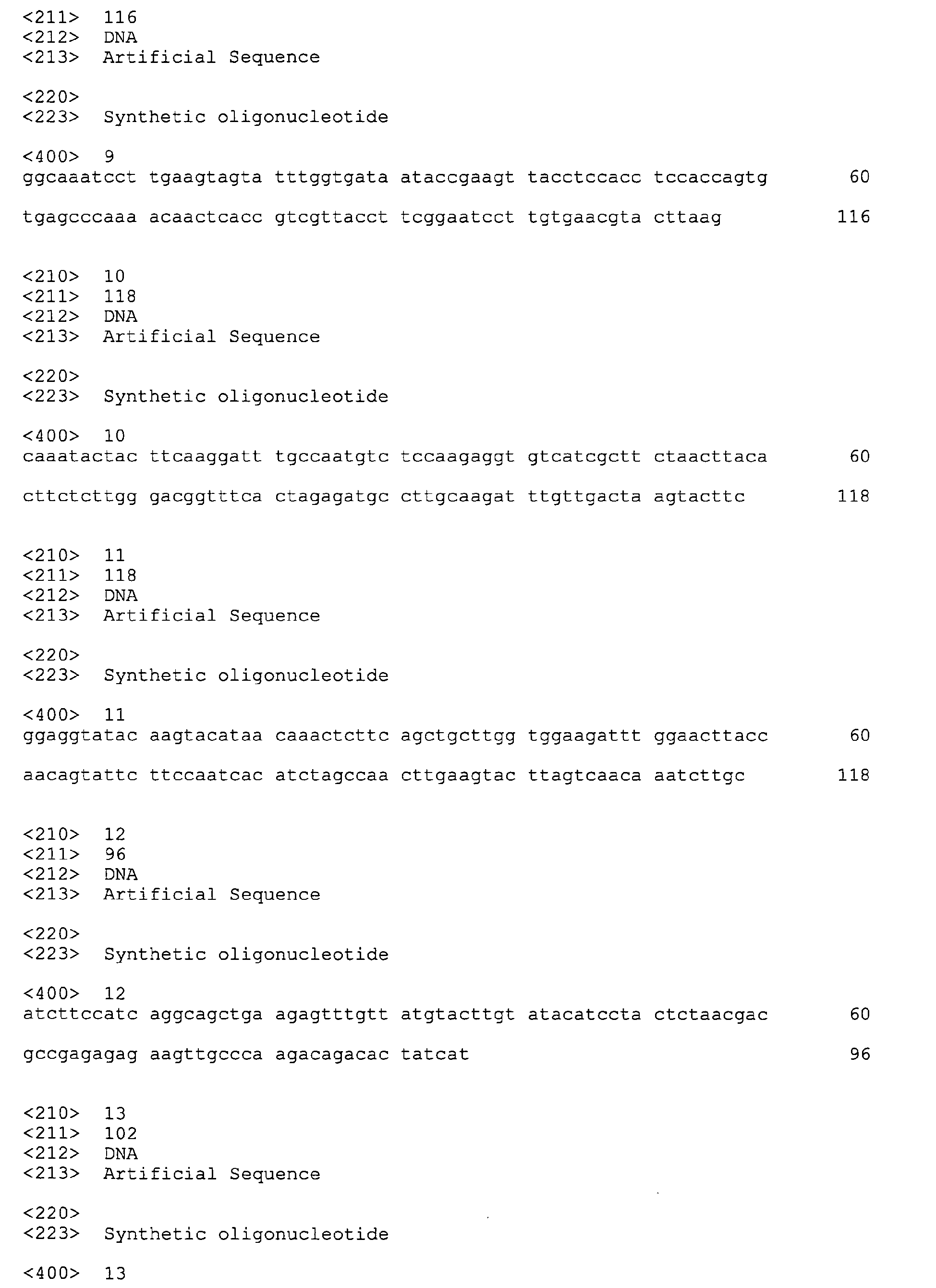


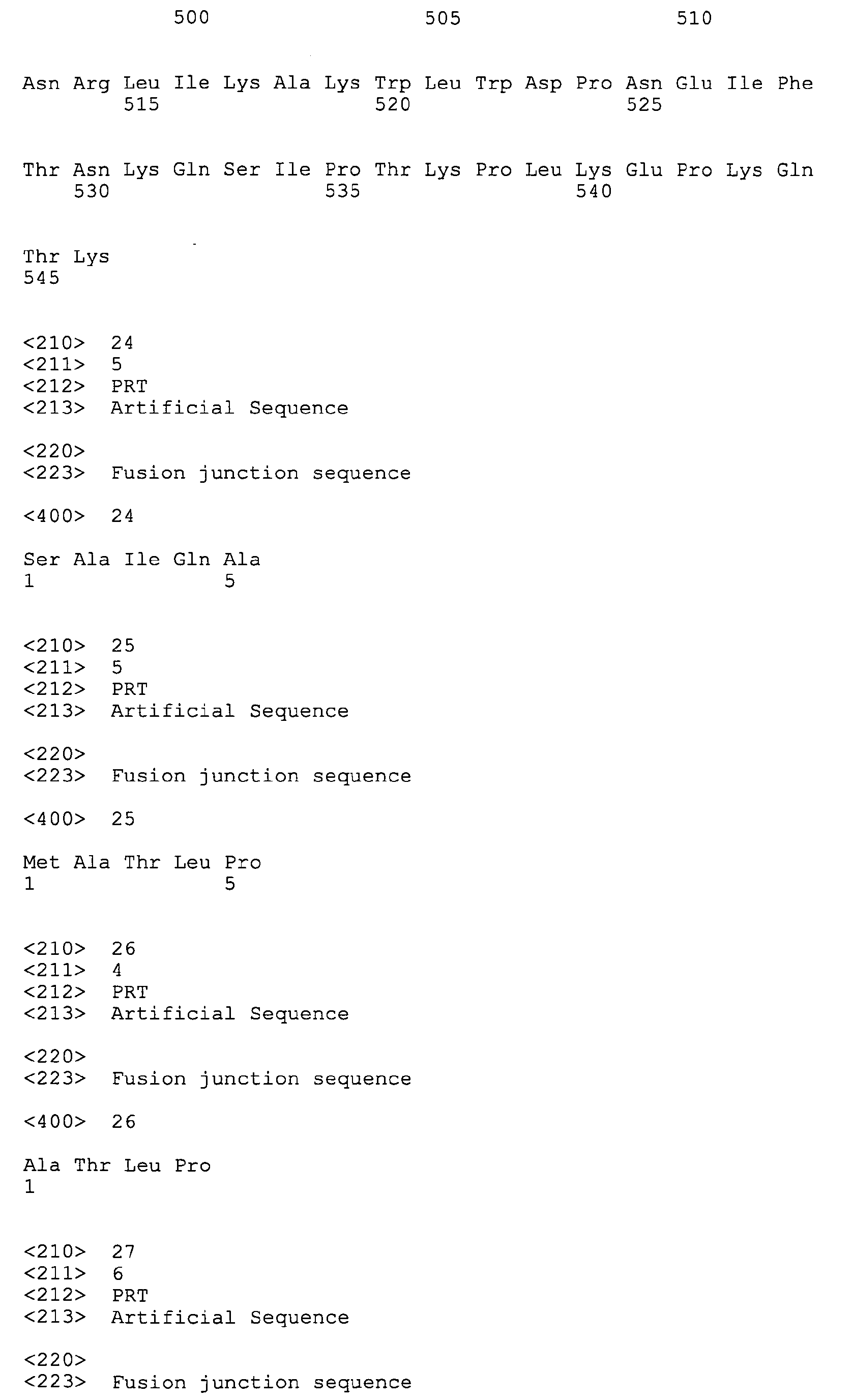

Claims (9)
- A method for extracting a soluble or membrane associated intracellular recombinant protein of interest (POI) from a bacterial, yeast or fungal cell comprising the steps of:(a) providing a bacterial, yeast or fungal cell comprising a soluble or membrane associated intracellular recombinant POI;(b) releasing the recombinant POI from the cell by contacting the cell with a membrane extracting composition comprising a quaternary ammonium compound at a concentration of between 0.05% to 0.6% by weight, under conditions sufficient for the release of the recombinant POI and in a soluble form; and(c) recovering the recombinant POI from the membrane extracting composition;in which the recombinant POI is an interleukin 1 receptor antagonist (IL-1ra).
- A method according to Claim 1 in which the bacterial, yeast or fungal cell is a transformed cell.
- A method according to any preceding claim in which the intracellular recombinant POI is produced by recombinant DNA techniques.
- A method according to any preceding claim, in which the cell is a yeast cell.
- A method according to any preceding claim, in which the quarternary ammonium compound is selected from the group consisting of Lauroyl Trimethyl Ammonium Bromide (LTAB), Myristyl Trimethyl Ammonium Chloride (MTAC), Cetyl Trimethyl Ammonium Chloride (CTAC), Cetrimide, Cetyl Trimethyl Ammonium Bromide (CTAB), Stearoyl Trimethyl Ammonium Chloride (STAC), Stearoyl Trimethyl Ammonium Bromide (STAB), Benzalkonium Chloride (alkyldimethylbenzylammonium chloride), N-Cetylpyridinium Bromide (N-Hexadecylpyridinium bromide), N-Cetylpyridinium Chloride (N-Hexadecylpyridinium chloride), Benzyl Dimethyl Tetradecyl Ammonium Chloride, Benzyl Dimethyl Hexadecyl Ammonium Chloride and a combination of any two or more thereof.
- A method according to any one of preceding claims in which the bacterial, yeast or fungal cell is contacted with the membrane extracting composition at temperatures from 4°C to 40°C.
- A method according to any one of preceding claims in which the bacterial, yeast or fungal cell is contacted with the membrane extracting composition at a pH of from 2.0 to 11.0.
- A method for screening for mutated cells or transformed cells producing elevated levels of a soluble or membrane associated intracellular recombinant POI comprising the steps of:(a) growing the mutated cells at 30°C;(b) incubating the mutated cells or transformed cells with the membrane extracting composition in a method as defined in any preceding claim;(c) recovering the cell free medium;(d) screening the cell free medium for elevated levels of the intracellular recombinant POI;such that the presence of the intracellular recombinant POI in the cell free medium is indicative that the intracellular recombinant POI has been released, in which the mutated or transformed cell is a bacterial, yeast or fungal cell and in which the recombinant POI is an interleukin 1 receptor antagonist (IL-1ra).
- Use of a membrane extracting composition comprising a quaternary ammonium compound to extract a soluble or membrane associated intracellular recombinant POI from a bacterial, yeast or fungal cell, in which the membrane extracting composition comprises a quaternary ammonium compound at a concentration of between 0.05% to 0.6% by weight and is contacted with the bacterial, yeast or fungal cell, in which the released recombinant POI is recovered from the membrane extracting composition and in which the recombinant POI is an interleukin 1 receptor antagonist (IL-1ra).
Applications Claiming Priority (2)
| Application Number | Priority Date | Filing Date | Title |
|---|---|---|---|
| GBGB9927801.2A GB9927801D0 (en) | 1999-11-24 | 1999-11-24 | Method |
| EP00981537A EP1232269B1 (en) | 1999-11-24 | 2000-11-24 | Method for purifying recombinant hexose oxidase |
Related Parent Applications (2)
| Application Number | Title | Priority Date | Filing Date |
|---|---|---|---|
| EP00981537.4 Division | 2000-11-24 | ||
| EP00981537A Division EP1232269B1 (en) | 1999-11-24 | 2000-11-24 | Method for purifying recombinant hexose oxidase |
Publications (3)
| Publication Number | Publication Date |
|---|---|
| EP1944373A2 true EP1944373A2 (en) | 2008-07-16 |
| EP1944373A3 EP1944373A3 (en) | 2008-07-23 |
| EP1944373B1 EP1944373B1 (en) | 2011-01-05 |
Family
ID=10865075
Family Applications (2)
| Application Number | Title | Priority Date | Filing Date |
|---|---|---|---|
| EP00981537A Expired - Lifetime EP1232269B1 (en) | 1999-11-24 | 2000-11-24 | Method for purifying recombinant hexose oxidase |
| EP08004919A Expired - Lifetime EP1944373B1 (en) | 1999-11-24 | 2000-11-24 | Method for purifying interleukin 1 receptor antagonist (IL-1ra) proteins |
Family Applications Before (1)
| Application Number | Title | Priority Date | Filing Date |
|---|---|---|---|
| EP00981537A Expired - Lifetime EP1232269B1 (en) | 1999-11-24 | 2000-11-24 | Method for purifying recombinant hexose oxidase |
Country Status (14)
| Country | Link |
|---|---|
| EP (2) | EP1232269B1 (en) |
| JP (2) | JP4781588B2 (en) |
| CN (1) | CN1425069B (en) |
| AT (2) | ATE422212T1 (en) |
| AU (1) | AU783526B2 (en) |
| BR (1) | BRPI0015823B1 (en) |
| CA (1) | CA2391522C (en) |
| DE (2) | DE60045495D1 (en) |
| DK (2) | DK1232269T3 (en) |
| GB (1) | GB9927801D0 (en) |
| MX (1) | MXPA02005235A (en) |
| NZ (1) | NZ518660A (en) |
| PL (1) | PL206561B1 (en) |
| WO (1) | WO2001038544A1 (en) |
Families Citing this family (12)
| Publication number | Priority date | Publication date | Assignee | Title |
|---|---|---|---|---|
| EP3323887A3 (en) | 2003-01-17 | 2018-09-12 | DuPont Nutrition Biosciences ApS | Method for the in situ production of an emulsifier in a foodstuff |
| NL1025149C2 (en) * | 2003-12-30 | 2005-07-04 | Univ Delft Tech | Method for producing a fermentation product from an organism. |
| JP4808725B2 (en) * | 2005-09-26 | 2011-11-02 | 花王株式会社 | Enzyme production method |
| EP1956929A2 (en) | 2005-10-21 | 2008-08-20 | Danisco A/S | An edible composition |
| EP2076591A2 (en) | 2006-10-20 | 2009-07-08 | Danisco US, INC., Genencor Division | Polyol oxidases |
| WO2012052425A1 (en) | 2010-10-18 | 2012-04-26 | Danisco A/S | Chewable product |
| RU2449809C1 (en) * | 2010-12-27 | 2012-05-10 | Государственное образовательное учреждение высшего профессионального образования "Уфимский государственный нефтяной технический университет" | Disinfectant |
| JP6136236B2 (en) * | 2012-12-19 | 2017-05-31 | 東ソー株式会社 | Purification method of recombinant protein |
| JP6778867B2 (en) * | 2015-08-07 | 2020-11-04 | 国立大学法人山口大学 | Polypeptide extraction method |
| EP3801036A1 (en) * | 2018-05-24 | 2021-04-14 | Chr. Hansen A/S | Use of hexose oxidase and/or cellobiose oxidase for reduction of maillard reaction |
| JP7603025B2 (en) | 2019-06-20 | 2024-12-19 | ユーシービー バイオファルマ エスアールエル | HPLC-Based Detection of Aggregants in Protein Samples |
| CN115380915A (en) * | 2022-06-09 | 2022-11-25 | 广东轻工职业技术学院 | Disinfecting composition and method and use thereof |
Citations (3)
| Publication number | Priority date | Publication date | Assignee | Title |
|---|---|---|---|---|
| US3801461A (en) | 1970-09-02 | 1974-04-02 | Hayashibara Co | Process for the extraction of enzymes from microorganisms |
| US4683293A (en) | 1986-10-20 | 1987-07-28 | Phillips Petroleum Company | Purification of pichia produced lipophilic proteins |
| WO1996039851A1 (en) | 1995-06-07 | 1996-12-19 | Danisco A/S | A method of improving the properties of a flour dough, a flour dough improving composition and improved food products |
Family Cites Families (10)
| Publication number | Priority date | Publication date | Assignee | Title |
|---|---|---|---|---|
| US4346018A (en) * | 1980-06-16 | 1982-08-24 | Coulter Electronics, Inc. | Multi-purpose blood diluent and lysing agent for differential determination of lymphoid-myeloid population of leukocytes |
| US5132205A (en) * | 1988-10-07 | 1992-07-21 | Eastman Kodak Company | High ph extraction composition and its use to determine a chlamydial, gonococcal or herpes antigen |
| AU7683391A (en) * | 1990-04-27 | 1991-11-27 | Upjohn Company, The | Modified interleukin-1 inhibitors |
| US5240834A (en) * | 1991-01-22 | 1993-08-31 | Albert Einstein College Of Medicine Of Yeshiva University | Solubilization of protein after bacterial expression using sarkosyl |
| US5977306A (en) * | 1991-02-12 | 1999-11-02 | Heska Corporation | Parasitic helminth P39 proteins, and uses thereof |
| IT1269989B (en) * | 1994-09-21 | 1997-04-16 | Dompe Spa | IL-1 RECEPTOR ANTAGONISTS WITH INCREASED INHIBITORY ACTIVITY |
| WO1996026280A1 (en) * | 1995-02-21 | 1996-08-29 | Basf Aktiengesellschaft | NOVEL CYSTEINE PROTEASE RELATED TO INTERLEUKIN-1β CONVERTING ENZYME |
| WO1996040935A1 (en) * | 1995-06-07 | 1996-12-19 | Bioteknologisk Institut | Recombinant hexose oxidase, a method of producing same and use of such enzyme |
| IL127155A (en) * | 1996-06-07 | 2007-05-15 | Lepetit Spa | Process for the purification of human interleukin-1 receptor antagonist from recombinant e. coli |
| GB9614700D0 (en) * | 1996-07-12 | 1996-09-04 | Medical Res Council | Over-expression of proteins in E.Coli |
-
1999
- 1999-11-24 GB GBGB9927801.2A patent/GB9927801D0/en not_active Ceased
-
2000
- 2000-11-24 DK DK00981537T patent/DK1232269T3/en active
- 2000-11-24 CN CN00818523.9A patent/CN1425069B/en not_active Expired - Fee Related
- 2000-11-24 AU AU18770/01A patent/AU783526B2/en not_active Ceased
- 2000-11-24 DK DK08004919.0T patent/DK1944373T3/en active
- 2000-11-24 AT AT00981537T patent/ATE422212T1/en not_active IP Right Cessation
- 2000-11-24 AT AT08004919T patent/ATE494379T1/en active
- 2000-11-24 JP JP2001539886A patent/JP4781588B2/en not_active Expired - Fee Related
- 2000-11-24 DE DE60045495T patent/DE60045495D1/en not_active Expired - Lifetime
- 2000-11-24 WO PCT/IB2000/001886 patent/WO2001038544A1/en not_active Ceased
- 2000-11-24 NZ NZ518660A patent/NZ518660A/en not_active IP Right Cessation
- 2000-11-24 PL PL356129A patent/PL206561B1/en unknown
- 2000-11-24 BR BRPI0015823-2A patent/BRPI0015823B1/en not_active IP Right Cessation
- 2000-11-24 CA CA2391522A patent/CA2391522C/en not_active Expired - Fee Related
- 2000-11-24 EP EP00981537A patent/EP1232269B1/en not_active Expired - Lifetime
- 2000-11-24 EP EP08004919A patent/EP1944373B1/en not_active Expired - Lifetime
- 2000-11-24 MX MXPA02005235A patent/MXPA02005235A/en active IP Right Grant
- 2000-11-24 DE DE60041517T patent/DE60041517D1/en not_active Expired - Lifetime
-
2011
- 2011-03-30 JP JP2011076689A patent/JP2011153152A/en not_active Withdrawn
Patent Citations (4)
| Publication number | Priority date | Publication date | Assignee | Title |
|---|---|---|---|---|
| US3801461A (en) | 1970-09-02 | 1974-04-02 | Hayashibara Co | Process for the extraction of enzymes from microorganisms |
| US4683293A (en) | 1986-10-20 | 1987-07-28 | Phillips Petroleum Company | Purification of pichia produced lipophilic proteins |
| WO1996039851A1 (en) | 1995-06-07 | 1996-12-19 | Danisco A/S | A method of improving the properties of a flour dough, a flour dough improving composition and improved food products |
| EP0833563B1 (en) | 1995-06-07 | 1999-09-29 | Danisco A/S | A method of improving the properties of a flour dough, a flour dough improving composition and improved food products |
Non-Patent Citations (13)
| Title |
|---|
| ATSCHUL ET AL., J. MOL. BIOL., 1990, pages 403 - 410 |
| BERGER; KIMMEL: "Methods in Enzymology", vol. 152, 1987, ACADEMIC PRESS, article "Guide to Molecular Cloning Techniques" |
| DEVEREUX ET AL., NUCLEIC ACIDS RESEARCH, vol. 12, 1984, pages 387 |
| ISHAQ ET AL., BIOTECHNIQUES, vol. 9, no. 1, 1990, pages 19 - 20 |
| KAMBOURIS ET AL., FEMS IMMUNOL MED MICROBIOL, vol. 25, no. 3, 1999, pages 255 - 64 |
| KUIPERS ET AL., ANN RHEUM DIS, vol. 58, no. 2, 1999, pages 103 - 8 |
| MITO; DETSCHART, PARASITOL RES, vol. 84, no. 7, 1998, pages 596 - 7 |
| MURRAY E ET AL., NUC ACIDS RES, vol. 17, 1989, pages 477 - 508 |
| REINEKE ET AL., INSECT MOL BIOL, vol. 7, no. 1, 1998, pages 95 - 9 |
| VELEGRAKI ET AL., MED MYCOL, vol. 37, no. 1, 1999, pages 69 - 73 |
| WHITE ET AL., MED MYCOL, vol. 36, no. 5, 1998, pages 299 - 303 |
| WOODHEAD, MOL BIOTECHNOL, vol. 9, no. 3, 1998, pages 243 - 6 |
| ZHANG ET AL., J VIROL METHODS, vol. 71, no. 1, 1998, pages 45 - 50 |
Also Published As
| Publication number | Publication date |
|---|---|
| ATE422212T1 (en) | 2009-02-15 |
| DK1944373T3 (en) | 2011-04-26 |
| EP1944373A3 (en) | 2008-07-23 |
| EP1944373B1 (en) | 2011-01-05 |
| DK1232269T3 (en) | 2009-05-25 |
| CN1425069A (en) | 2003-06-18 |
| NZ518660A (en) | 2003-10-31 |
| DE60045495D1 (en) | 2011-02-17 |
| CA2391522C (en) | 2012-09-25 |
| AU1877001A (en) | 2001-06-04 |
| WO2001038544A1 (en) | 2001-05-31 |
| PL356129A1 (en) | 2004-06-14 |
| JP2011153152A (en) | 2011-08-11 |
| DE60041517D1 (en) | 2009-03-19 |
| EP1232269B1 (en) | 2009-02-04 |
| ATE494379T1 (en) | 2011-01-15 |
| JP2003514563A (en) | 2003-04-22 |
| AU783526B2 (en) | 2005-11-03 |
| JP4781588B2 (en) | 2011-09-28 |
| EP1232269A1 (en) | 2002-08-21 |
| BR0015823A (en) | 2002-07-23 |
| BRPI0015823B1 (en) | 2015-08-04 |
| MXPA02005235A (en) | 2002-11-07 |
| PL206561B1 (en) | 2010-08-31 |
| GB9927801D0 (en) | 2000-01-26 |
| CN1425069B (en) | 2010-05-12 |
| CA2391522A1 (en) | 2001-05-31 |
Similar Documents
| Publication | Publication Date | Title |
|---|---|---|
| US20120083426A1 (en) | Method | |
| JP2011153152A (en) | Method for purifying protein | |
| US7968312B2 (en) | Production of polypeptides by improved secretion | |
| DK2687598T3 (en) | Method for assaying arylsulfatase activity | |
| ITPD20120107A1 (en) | METHOD OF PREPARATION AND PURIFICATION OF A VEGETABLE PROTEIN THAT CAN BE USED AS A SWEETENER | |
| US8609386B2 (en) | Polypeptides having tyrosinase activity and polynucleotides encoding same | |
| EP0565172A1 (en) | Cloning and expression of DNA encoding a ripening form of a polypeptide having sulfhydryl oxidase activity | |
| US10323247B2 (en) | Methods for improving expression levels of foreign proteins by means of phospholipase fusion expression | |
| US7189835B2 (en) | Pichia methanolica secretory signal | |
| KR100915670B1 (en) | A novel YlMPO1 gene derived from Yarrowia lipolytica and a process for preparing a glycoprotein not being mannosylphosphorylated by using a mutated Yarrowia lipolytica in which YlMPO1 gene is disrupted | |
| KR20240169648A (en) | Compositions and methods for industrial scale production and recovery of lectins | |
| EP3830258A1 (en) | Proline specific endopeptidases | |
| Tang et al. | Multi-strategy engineering of Aspergillus niger for high-level production of recombinant human lactoferrin | |
| US20260049323A1 (en) | Expression systems for phosphatases | |
| CN116731144B (en) | Recombinant rice antioxidant peptide and preparation method and application thereof | |
| Gwynne | Foreign proteins | |
| KR100977446B1 (en) | A novel gene of Hansenula polymorpha that regulates secretory stress response and a method of increasing the secretory expression efficiency of recombinant protein using the gene | |
| Van Lill | Engineering antimicrobial strains of saccharomyces cerevisiae as industrial platform for non-sterile bioprocesses | |
| CN121736922A (en) | Kluyveromyces marxianus engineering strain for efficiently expressing secretory soy hemoglobin and application thereof | |
| Gorgens | Quantitative yeast physiology and nitrogen metabolism during heterologous protein production |
Legal Events
| Date | Code | Title | Description |
|---|---|---|---|
| PUAI | Public reference made under article 153(3) epc to a published international application that has entered the european phase |
Free format text: ORIGINAL CODE: 0009012 |
|
| PUAL | Search report despatched |
Free format text: ORIGINAL CODE: 0009013 |
|
| 17P | Request for examination filed |
Effective date: 20080317 |
|
| AC | Divisional application: reference to earlier application |
Ref document number: 1232269 Country of ref document: EP Kind code of ref document: P |
|
| AK | Designated contracting states |
Kind code of ref document: A2 Designated state(s): AT BE CH CY DE DK ES FI FR GB GR IE IT LI LU MC NL PT SE TR |
|
| AX | Request for extension of the european patent |
Extension state: AL LT LV MK RO SI |
|
| AK | Designated contracting states |
Kind code of ref document: A3 Designated state(s): AT BE CH CY DE DK ES FI FR GB GR IE IT LI LU MC NL PT SE TR |
|
| AX | Request for extension of the european patent |
Extension state: AL LT LV MK RO SI |
|
| RIN1 | Information on inventor provided before grant (corrected) |
Inventor name: MADRID, SUSAN MAMPUSTI Inventor name: ZARGAHI, MASOUD RAJABI Inventor name: POULSEN, CHARLOTTE HORSMANS Inventor name: KJAERULFF, SOREN Inventor name: PEDERSEN, HENRIK Inventor name: JOHANSEN, CLAUS LINDVALD |
|
| RAP1 | Party data changed (applicant data changed or rights of an application transferred) |
Owner name: DANISCO A/S |
|
| 17Q | First examination report despatched |
Effective date: 20090206 |
|
| AKX | Designation fees paid |
Designated state(s): AT BE CH CY DE DK ES FI FR GB GR IE IT LI LU MC NL PT SE TR |
|
| AXX | Extension fees paid |
Extension state: SI Payment date: 20080317 Extension state: AL Payment date: 20080317 Extension state: LV Payment date: 20080317 Extension state: MK Payment date: 20080317 Extension state: RO Payment date: 20080317 Extension state: LT Payment date: 20080317 |
|
| GRAP | Despatch of communication of intention to grant a patent |
Free format text: ORIGINAL CODE: EPIDOSNIGR1 |
|
| GRAC | Information related to communication of intention to grant a patent modified |
Free format text: ORIGINAL CODE: EPIDOSCIGR1 |
|
| GRAS | Grant fee paid |
Free format text: ORIGINAL CODE: EPIDOSNIGR3 |
|
| GRAA | (expected) grant |
Free format text: ORIGINAL CODE: 0009210 |
|
| AC | Divisional application: reference to earlier application |
Ref document number: 1232269 Country of ref document: EP Kind code of ref document: P |
|
| AK | Designated contracting states |
Kind code of ref document: B1 Designated state(s): AT BE CH CY DE DK ES FI FR GB GR IE IT LI LU MC NL PT SE TR |
|
| AX | Request for extension of the european patent |
Extension state: AL LT LV MK RO SI |
|
| REG | Reference to a national code |
Ref country code: GB Ref legal event code: FG4D |
|
| REG | Reference to a national code |
Ref country code: CH Ref legal event code: EP |
|
| REG | Reference to a national code |
Ref country code: IE Ref legal event code: FG4D |
|
| REG | Reference to a national code |
Ref country code: CH Ref legal event code: NV Representative=s name: MICHELI & CIE SA |
|
| REF | Corresponds to: |
Ref document number: 60045495 Country of ref document: DE Date of ref document: 20110217 Kind code of ref document: P |
|
| REG | Reference to a national code |
Ref country code: DE Ref legal event code: R096 Ref document number: 60045495 Country of ref document: DE Effective date: 20110217 |
|
| REG | Reference to a national code |
Ref country code: NL Ref legal event code: T3 |
|
| REG | Reference to a national code |
Ref country code: DK Ref legal event code: T3 |
|
| LTIE | Lt: invalidation of european patent or patent extension |
Effective date: 20110105 |
|
| PG25 | Lapsed in a contracting state [announced via postgrant information from national office to epo] |
Ref country code: PT Free format text: LAPSE BECAUSE OF FAILURE TO SUBMIT A TRANSLATION OF THE DESCRIPTION OR TO PAY THE FEE WITHIN THE PRESCRIBED TIME-LIMIT Effective date: 20110505 Ref country code: SE Free format text: LAPSE BECAUSE OF FAILURE TO SUBMIT A TRANSLATION OF THE DESCRIPTION OR TO PAY THE FEE WITHIN THE PRESCRIBED TIME-LIMIT Effective date: 20110105 Ref country code: GR Free format text: LAPSE BECAUSE OF FAILURE TO SUBMIT A TRANSLATION OF THE DESCRIPTION OR TO PAY THE FEE WITHIN THE PRESCRIBED TIME-LIMIT Effective date: 20110406 Ref country code: ES Free format text: LAPSE BECAUSE OF FAILURE TO SUBMIT A TRANSLATION OF THE DESCRIPTION OR TO PAY THE FEE WITHIN THE PRESCRIBED TIME-LIMIT Effective date: 20110416 |
|
| PG25 | Lapsed in a contracting state [announced via postgrant information from national office to epo] |
Ref country code: CY Free format text: LAPSE BECAUSE OF FAILURE TO SUBMIT A TRANSLATION OF THE DESCRIPTION OR TO PAY THE FEE WITHIN THE PRESCRIBED TIME-LIMIT Effective date: 20110105 |
|
| PLBE | No opposition filed within time limit |
Free format text: ORIGINAL CODE: 0009261 |
|
| STAA | Information on the status of an ep patent application or granted ep patent |
Free format text: STATUS: NO OPPOSITION FILED WITHIN TIME LIMIT |
|
| 26N | No opposition filed |
Effective date: 20111006 |
|
| PG25 | Lapsed in a contracting state [announced via postgrant information from national office to epo] |
Ref country code: IT Free format text: LAPSE BECAUSE OF FAILURE TO SUBMIT A TRANSLATION OF THE DESCRIPTION OR TO PAY THE FEE WITHIN THE PRESCRIBED TIME-LIMIT Effective date: 20110105 |
|
| REG | Reference to a national code |
Ref country code: DE Ref legal event code: R097 Ref document number: 60045495 Country of ref document: DE Effective date: 20111006 |
|
| PG25 | Lapsed in a contracting state [announced via postgrant information from national office to epo] |
Ref country code: MC Free format text: LAPSE BECAUSE OF NON-PAYMENT OF DUE FEES Effective date: 20111130 |
|
| REG | Reference to a national code |
Ref country code: CH Ref legal event code: PFA Owner name: DUPONT NUTRITION BIOSCIENCES APS Free format text: DANISCO A/S#LANGEBROGADE 1 PO BOX 17#1001 COPENHAGEN K (DK) -TRANSFER TO- DUPONT NUTRITION BIOSCIENCES APS#LANGEBROGADE 1 P.O. BOX 17#1001 COPENHAGEN K (DK) |
|
| REG | Reference to a national code |
Ref country code: FR Ref legal event code: CD Owner name: DUPONT NUTRITION BIOSCIENCES APS Effective date: 20120716 |
|
| REG | Reference to a national code |
Ref country code: DE Ref legal event code: R082 Ref document number: 60045495 Country of ref document: DE Representative=s name: WSL PATENTANWAELTE PARTNERSCHAFTSGESELLSCHAFT, DE |
|
| REG | Reference to a national code |
Ref country code: IE Ref legal event code: MM4A |
|
| REG | Reference to a national code |
Ref country code: DE Ref legal event code: R082 Ref document number: 60045495 Country of ref document: DE Representative=s name: WSL PATENTANWAELTE PARTNERSCHAFTSGESELLSCHAFT, DE Effective date: 20120821 Ref country code: DE Ref legal event code: R081 Ref document number: 60045495 Country of ref document: DE Owner name: DUPONT NUTRITION BIOSCIENCES APS, DK Free format text: FORMER OWNER: DANISCO A/S, KOPENHAGEN/COPENHAGEN, DK Effective date: 20120821 Ref country code: DE Ref legal event code: R082 Ref document number: 60045495 Country of ref document: DE Representative=s name: WSL PATENTANWAELTE PARTNERSCHAFT MBB, DE Effective date: 20120821 |
|
| PG25 | Lapsed in a contracting state [announced via postgrant information from national office to epo] |
Ref country code: IE Free format text: LAPSE BECAUSE OF NON-PAYMENT OF DUE FEES Effective date: 20111124 |
|
| PGFP | Annual fee paid to national office [announced via postgrant information from national office to epo] |
Ref country code: DK Payment date: 20121126 Year of fee payment: 13 |
|
| PGFP | Annual fee paid to national office [announced via postgrant information from national office to epo] |
Ref country code: DE Payment date: 20121128 Year of fee payment: 13 Ref country code: FI Payment date: 20121128 Year of fee payment: 13 Ref country code: CH Payment date: 20121126 Year of fee payment: 13 Ref country code: FR Payment date: 20121206 Year of fee payment: 13 |
|
| PGFP | Annual fee paid to national office [announced via postgrant information from national office to epo] |
Ref country code: GB Payment date: 20121126 Year of fee payment: 13 Ref country code: BE Payment date: 20121129 Year of fee payment: 13 |
|
| PGFP | Annual fee paid to national office [announced via postgrant information from national office to epo] |
Ref country code: AT Payment date: 20121102 Year of fee payment: 13 Ref country code: NL Payment date: 20121124 Year of fee payment: 13 |
|
| PG25 | Lapsed in a contracting state [announced via postgrant information from national office to epo] |
Ref country code: LU Free format text: LAPSE BECAUSE OF NON-PAYMENT OF DUE FEES Effective date: 20111124 |
|
| REG | Reference to a national code |
Ref country code: AT Ref legal event code: HC Ref document number: 494379 Country of ref document: AT Kind code of ref document: T Owner name: DUPONT NUTRITION BIOSCIENCES APS, DK Effective date: 20130507 |
|
| PG25 | Lapsed in a contracting state [announced via postgrant information from national office to epo] |
Ref country code: TR Free format text: LAPSE BECAUSE OF FAILURE TO SUBMIT A TRANSLATION OF THE DESCRIPTION OR TO PAY THE FEE WITHIN THE PRESCRIBED TIME-LIMIT Effective date: 20110105 |
|
| BERE | Be: lapsed |
Owner name: DUPONT NUTRITION BIOSCIENCES APS Effective date: 20131130 |
|
| REG | Reference to a national code |
Ref country code: NL Ref legal event code: V1 Effective date: 20140601 |
|
| REG | Reference to a national code |
Ref country code: DK Ref legal event code: EBP Effective date: 20131130 |
|
| REG | Reference to a national code |
Ref country code: CH Ref legal event code: PL |
|
| REG | Reference to a national code |
Ref country code: AT Ref legal event code: MM01 Ref document number: 494379 Country of ref document: AT Kind code of ref document: T Effective date: 20131124 |
|
| GBPC | Gb: european patent ceased through non-payment of renewal fee |
Effective date: 20131124 |
|
| PG25 | Lapsed in a contracting state [announced via postgrant information from national office to epo] |
Ref country code: CH Free format text: LAPSE BECAUSE OF NON-PAYMENT OF DUE FEES Effective date: 20131130 Ref country code: LI Free format text: LAPSE BECAUSE OF NON-PAYMENT OF DUE FEES Effective date: 20131130 |
|
| REG | Reference to a national code |
Ref country code: FR Ref legal event code: ST Effective date: 20140731 |
|
| PG25 | Lapsed in a contracting state [announced via postgrant information from national office to epo] |
Ref country code: DE Free format text: LAPSE BECAUSE OF NON-PAYMENT OF DUE FEES Effective date: 20140603 Ref country code: AT Free format text: LAPSE BECAUSE OF NON-PAYMENT OF DUE FEES Effective date: 20131124 Ref country code: NL Free format text: LAPSE BECAUSE OF NON-PAYMENT OF DUE FEES Effective date: 20140601 Ref country code: FI Free format text: LAPSE BECAUSE OF NON-PAYMENT OF DUE FEES Effective date: 20131124 |
|
| REG | Reference to a national code |
Ref country code: DE Ref legal event code: R119 Ref document number: 60045495 Country of ref document: DE Effective date: 20140603 |
|
| PG25 | Lapsed in a contracting state [announced via postgrant information from national office to epo] |
Ref country code: BE Free format text: LAPSE BECAUSE OF NON-PAYMENT OF DUE FEES Effective date: 20131130 |
|
| PG25 | Lapsed in a contracting state [announced via postgrant information from national office to epo] |
Ref country code: DK Free format text: LAPSE BECAUSE OF NON-PAYMENT OF DUE FEES Effective date: 20131130 |
|
| PG25 | Lapsed in a contracting state [announced via postgrant information from national office to epo] |
Ref country code: GB Free format text: LAPSE BECAUSE OF NON-PAYMENT OF DUE FEES Effective date: 20131124 Ref country code: FR Free format text: LAPSE BECAUSE OF NON-PAYMENT OF DUE FEES Effective date: 20131202 |