EP1927849A1 - Conductivity measurement device, its manufacture and use - Google Patents
Conductivity measurement device, its manufacture and use Download PDFInfo
- Publication number
- EP1927849A1 EP1927849A1 EP07291411A EP07291411A EP1927849A1 EP 1927849 A1 EP1927849 A1 EP 1927849A1 EP 07291411 A EP07291411 A EP 07291411A EP 07291411 A EP07291411 A EP 07291411A EP 1927849 A1 EP1927849 A1 EP 1927849A1
- Authority
- EP
- European Patent Office
- Prior art keywords
- conductivity
- substrate
- forming
- conductivity measurement
- cell
- Prior art date
- Legal status (The legal status is an assumption and is not a legal conclusion. Google has not performed a legal analysis and makes no representation as to the accuracy of the status listed.)
- Granted
Links
Images

Classifications
-
- G—PHYSICS
- G01—MEASURING; TESTING
- G01N—INVESTIGATING OR ANALYSING MATERIALS BY DETERMINING THEIR CHEMICAL OR PHYSICAL PROPERTIES
- G01N27/00—Investigating or analysing materials by the use of electric, electrochemical, or magnetic means
- G01N27/02—Investigating or analysing materials by the use of electric, electrochemical, or magnetic means by investigating impedance
- G01N27/04—Investigating or analysing materials by the use of electric, electrochemical, or magnetic means by investigating impedance by investigating resistance
- G01N27/06—Investigating or analysing materials by the use of electric, electrochemical, or magnetic means by investigating impedance by investigating resistance of a liquid
-
- G—PHYSICS
- G01—MEASURING; TESTING
- G01N—INVESTIGATING OR ANALYSING MATERIALS BY DETERMINING THEIR CHEMICAL OR PHYSICAL PROPERTIES
- G01N33/00—Investigating or analysing materials by specific methods not covered by groups G01N1/00 - G01N31/00
- G01N33/18—Water
- G01N33/1826—Organic contamination in water
-
- G—PHYSICS
- G01—MEASURING; TESTING
- G01N—INVESTIGATING OR ANALYSING MATERIALS BY DETERMINING THEIR CHEMICAL OR PHYSICAL PROPERTIES
- G01N33/00—Investigating or analysing materials by specific methods not covered by groups G01N1/00 - G01N31/00
- G01N33/18—Water
- G01N33/1826—Organic contamination in water
- G01N33/1846—Total carbon analysis
Definitions
- the present invention concerns the manufacturing of devices for measuring the conductivity of an ultrapure liquid, such as ultrapure water, in particular for devices for measuring organic substances or Total Organic Carbon (TOC) in a sample of liquid.
- an ultrapure liquid such as ultrapure water
- TOC Total Organic Carbon
- the conductivity measurement cells used for example in water purification systems are composed of at least two parts of electrode-forming conductive material mounted head to foot on the same element body of insulating material with axial overlap. At least one of the electrodes is hollow so as to receive within its hollow the other electrode coaxially with the first part. The space between the two electrodes defines a sample volume on which the measurement is performed.
- Such an arrangement is adapted to enable a sufficiently low cell constant to be obtained to enable the measurement of the conductivity of an ultrapure liquid.
- conductivity is the measurement of the flow of electrons which pass through a substance. It is directly proportional to the concentration of ions, to the charge carried by each of those ions (valency) and to their mobility. This mobility depends on the temperature, and consequently, the measurement of the conductivity also depends on the temperature.
- the theoretical conductivity of a water sample free from ionic contaminant is equal to 0.055 ⁇ S/cm, i.e. a resistivity (inverse of the conductivity) of 18.2 M ⁇ .cm.
- This conductivity is measured by applying an electric potential between the two electrodes immersed in the water sample. It is determined from the voltage and the strength of the current produced within the conductivity measurement cell.
- This conductivity measurement is affected by the geometry of the cell, the total surface area of the electrode (s) and the distance separating them (L).
- cell constant Us.
- TOC Total Organic Carbon
- UV ultraviolet rays
- the elements constituting those cells are generally assembled by hand, which results in particular in variations in the geometry of the cells with respect to the specifications or from one item thereof to another, such as a variation in the relative position of the two electrodes. In practice, this results in variations in the cell constant which affect the precision of the conductivity measurement.
- the present invention is directed to arrangements making it possible to manufacture devices for measuring conductivity of an ultrapure liquid with very high precision and furthermore leading to other advantages.
- the present invention not only makes it possible to ensure manufacture with very high precision, in particular from the point of view of the thickness of the electrodes, and thus minimum tolerances, but also to eliminate the manual assembly of cell components during their manufacture by using an automated manufacturing technique, in particular considerably increasing the reproducibility of the cell constant from one cell to another.
- conductivity measurement cells in accordance with the invention are manufactured using manufacturing technologies arising from electronics, such as microlithography or screen printing. They are advantageously manufactured by photoetching of electrode patterns on a given substrate material, such as a polymer, for example Mylar® (polyester), or a ceramic, such as quartz glass, it also being possible for the electrode-forming material which is deposited to vary. This is preferably carbon, boron-doped diamond, platinum, silver, gold or titanium.
- a temperature sensor in practice taking the form of a thermistor, is advantageously provided to be placed either upstream or downstream of the conductivity measurement cell or, better still, positioned under one of the electrodes with, possibly, a fine glass interface between the temperature sensor and the space receiving the sample to measure.
- conductivity measurement cells are generally equipped with sample temperature sensors.
- the temperature sensor is formed using the same manufacturing techniques as those mentioned above for manufacturing the electrodes. Its pattern may thus be formed on the substrate, which makes it possible to precisely position the sensor with respect to the conductivity measurement electrodes and to avoid the damage which may result from the assembly methods of the state of the art. It may be made from polysilicon or boron-doped diamond , for example. In both cases, the substrate is then chosen of quartz glass due to the high temperatures which are required for the deposit. By virtue of these arrangements, it is possible to produce an integrated sensor making it possible to determine the temperature of the sample of the liquid analyzed at the same time as its conductivity, thus eliminating the measurement errors of the conductivity due to the temperature measurement errors.
- a cell window placed on the substrate can be manufactured with the same precision as the substrate, and consequently the sample volume will be reproducible and much smaller than the sample volume necessary with the current technical solutions. This leads to a shorter conductivity measurement time (direct measurement) for the ultrapure water or for any other ultrapure liquid to measure.
- the two parts may be assembled using a seal.
- the two parts i.e. the substrate and the cell window, may be manufactured with planar surfaces and only a small amount of pressure is then sufficient to retain the two parts against each other in order to maintain fluid-tightness.
- the present invention makes it possible to optimize the TOC measurement chamber in terms of volume and thickness of the liquid layer in order for them to be sufficiently small to ensure effective photo-oxidation by UV. Furthermore, the arrangement according to the invention advantageously lends itself to a further development in which the photo-oxidation process is improved, by using a catalytic layer.
- the TOC measurement devices use a mercury vapor UV lamp operating at two wavelengths, 185 nm and 254 nm.
- a mercury vapor UV lamp operating at two wavelengths, 185 nm and 254 nm.
- Such a lamp has a certain number of drawbacks: high cost, interference with the signals, increase in the temperature, limited life, lack of reproducibility, loss in effectiveness, etc.
- a UV lamp emitting a wavelength greater than or equal to 360 nm and less than or equal to 400 nm, and preferably equal to 365 nm is used in association with a photocatalyst based on a semiconductor material with a wide energy band, preferably based on titanium oxide according to the teachings described in the following documents:
- Titanium dioxide more particularly in its anatase form, is the preferred catalyst, since it is the most effective in photo-catalytic reactions.
- transition metals or doping ions are preferably introduced, such as iron, silver or platinum on particles of titanium oxide.
- transition metals or doping ions are preferably introduced, such as iron, silver or platinum on particles of titanium oxide.
- the efficiency of TiO 2 suspension modified by the silver ion has thus been studied in the context of the mineralization of saccharose ( V. Vamathevan, R. Amal, D. Beydoun, G. Low, S. McEvoy, J. Photochem. Photobiol.A : Chemistry., 148, 233, 2002 ).
- the authors have shown the improvement in the reduction of the oxygen by virtue of a better electrons-holes separation with Ag/TiO 2 modified particles compared with particles of pure TiO 2 .
- titanium dioxide this may be implemented in the form of particles, a deposit on the electrodes (in whole or in part) and/or the substrate, but also in the form of a film of titanium dioxide which may cover the interior portion of the container in contact with the sample.
- the wide energy band of the semiconductor material of the photocatalyst has a value less than or equal to that of the titanium dioxide, i.e. of the order of 3.2 eV.
- the UV lamp is replaced by a xenon flash type UV lamp emitting a wavelength in the spectrum ranging from UV at 160 nm to the visible spectrum at 400 nm.
- Such a lamp which may also be used in association with a photocatalyst of the aforementioned type, has the particular characteristic of providing intense power pulses of short duration.
- a small volume for the sample of ultrapure liquid (less than 300 ⁇ l in practice) is provided in a conductivity measurement cell manufactured with the techniques arising from microelectronics and comprising an integrated temperature sensor, titanium oxide deposited on the substrate as a photocatalyst and a UV lamp taking the form of a light-emitting diode of which the wavelength is 365 nm.
- the photocatalyst may totally or partially cover one or each conductivity measurement electrode pattern or else not be in contact with such a pattern.
- a miniature TOC analyzer may be produced capable of being connected to an item of equipment as a complete sub-assembly.
- an optical sensor is arranged on the same side as the back of the substrate to detect the signal of the UV light emitting diode for the purpose of quantifying and adjusting the real quantity of energy passing through the ultrapure liquid sample present in the TOC analyzer.
- Such an arrangement enables real-time detection of the completion of the photo-oxidation step on the basis of the intensity of the signal and also makes it possible to detect possible irregularities within the conductivity measurement cell, such as air bubbles or particles liable to absorb and/or deviate the signal.
- the completion of the photo-oxidation step may thus be detected in a simpler and more certain manner than by the methods currently used, i.e., either the determination of the slope of the first and/or second derivative of the curve of conductivity against time, or stopping the photo-oxidation at a given time.
- the measurements thus made may also be used to differentiate and quantify the different types of organic material present in the ultrapure liquid sample analyzed, the case arising using a filter to quantify the full spectrum or a specific wavelength (for example 365 nm).
- the invention also concerns a device for measuring conductivity of an ultrapure liquid capable of being manufactured according to the method defined above as well as a TOC measuring device using that conductivity measuring device.
- the device for measuring Total Organic Carbon of a sample of liquid comprises a device for measuring conductivity as defined above, which has at least one window transparent to ultraviolet rays to perform photo-oxidation of the sample of liquid located in the measurement chamber.
- the device 1 for measuring conductivity of an ultrapure liquid, here ultrapure water comprises a casing 10 in two parts, 10, 11 of plastics material, here machined, by virtue of which there are housed a window 12 transparent to UV, here of quartz glass, and a substrate 13, also of quartz glass and having several motifs.
- This window 12 is provided with a recess 14 forming a conductivity measurement chamber adapted to receive the liquid sample to analyze.
- the substrate 13 comprises, to that end, two deposits of electrically conductive material forming patterns of electrodes 15, 16 for conductivity measurement and another deposit of semiconductor material forming a thermistor 17 which serves to determine the temperature of the liquid sample present in the chamber 14. These deposits are made on the face of the substrate 13 that faces the conductivity measurement chamber 14 and they terminate with soldering surfaces 18 situated at one of the ends of the substrate 13, for the connection of electrical connection wires 19 of an electrical connector 20 making it possible to electrically connect the conductivity measurement cell 12, 13 to one or more exterior circuits for determining the temperature and the temperature-compensated conductivity of the sample of ultrapure water present in the chamber 14.
- the electrode patterns 15, 16 are of course made so as to obtain a low cell constant, in practice less than 0.2 cm -1 , enabling the measurement of the conductivity of ultrapure water.
- the strips of electrically conductive material forming electrodes are of such dimensions and arrangement as to obtain that cell constant.
- the substrate 13 comprises two water supply holes 21, 22 which respectively correspond to two holes 23, 24 made in the lower part 11 of the casing, for the purpose of allowing the inlet and outlet of the water analyzed in the chamber 14, in a direction orthogonal to that of the circulation of water therein.
- Two 'O' ring seals 25, 26 each received in a hollow 27, 28 formed in the bottom of the lower part 11 serve to provide fluid-tightness with the substrate 13 posed on top.
- the upper part 10 of the casing is provided with a central opening 31 enabling optical access to the chamber 14, while the lower part 11 has a cavity 32 opening between the two holes 23, 24 formed in the lower part 11 of the casing and arranged so as to be situated under the conductivity measurement chamber 14 and, thereby, the opening 31 formed in the upper part 10 of the casing.
- the two conductivity measurement electrodes 15, 16 take the form of an interdigitated structure formed by two interleaved combs, whereas the thermistor 17 is formed by two strips of semiconductor material connected to each other at the opposite end to that which terminates with the soldering surfaces 18.
- LPCVD Low Pressure Chemical Vapor Deposition
- Si 3 N 4 and polysilicon may be used, in particular for the deposit of Si 3 N 4 and polysilicon.
- the patterns are formed by dry attack or attack in a liquid medium.
- TOC Total Organic Carbon
- the device described with the aide of Figures 1 to 3 is completed, as can be seen in Figure 4 , with an ultraviolet (UV) lamp 35, here by virtue of a light-emitting diode, mounted on the upper surface of the upper part 10 of the casing so as to be able to irradiate the conductivity measurement chamber 14 through the opening 31 formed in that upper part.
- UV lamp 35 here by virtue of a light-emitting diode
- the cavity 32 formed in the lower part 11 is advantageously exploited for the installation of an optical sensor 36 making it possible to detect the signal of the UV lamp 35 for the purpose of quantifying and adjusting the real quantity of energy passing through the sample of ultrapure liquid present in the measurement chamber 14.
- the part of the rear face of the substrate overhanging that cavity may be utilized for the installation of other electronic components related to the TOC measuring device, as indicated above.
- the devices for measuring conductivity of an ultrapure liquid and the TOC measurement/verification devices implementing them have, by virtue of the present invention, the following advantages:
- the xenon UV flash lamp advantageously coupled to the optical sensor, makes it possible to dissipate the photo-thermal heat supplied by the lamp between the flashes. This has the advantage of not heating the sample. Chemical interference is thus limited. It is known in this connection that in the presence of silica heating of the sample of ultra pure water will lead to disturbance of the conductivity (in particular a reduction).
- the TOC measuring device is implemented with continuous recording of the conductivity, which makes it possible to view the end of the oxidation and to have a dynamic response from oxidation.
- this TOC measuring device makes it possible to take conductivity measurements in real time (in practice, 1 point /s) by accessing the characteristic conductivity profiles of the organic compounds, with possibilities for organic detection at the scale of the ppb, or even smaller.
- This detection limit of this device to the ppb is, as a matter of fact, in particular enabled by virtue of recording data approximately every second.
- Recording by the second is advantageously enabled by the use of a xenon UV flash lamp, since, between two flashes, a measurement may be coupled and thus no photonic interference perturbs the measurement. No filtering is thus necessary to obtain access to a precise measurement of the temperature and of the conductivity.
- this device may furthermore be adapted to differentiate the behavior of ions, for example from carbon dioxide (CO 2 ), and of contaminants, for example dichloromethane (CH 2 Cl 2 ).
- CO 2 carbon dioxide
- CH 2 Cl 2 dichloromethane
- Electrodes patters may in particular be envisaged, such as two straight parallel electrodes or two interleaved electrodes, one C-shaped and the other straight.
Landscapes
- Chemical & Material Sciences (AREA)
- Health & Medical Sciences (AREA)
- Life Sciences & Earth Sciences (AREA)
- Pathology (AREA)
- General Physics & Mathematics (AREA)
- Immunology (AREA)
- Physics & Mathematics (AREA)
- Analytical Chemistry (AREA)
- Biochemistry (AREA)
- General Health & Medical Sciences (AREA)
- Food Science & Technology (AREA)
- Medicinal Chemistry (AREA)
- Engineering & Computer Science (AREA)
- Chemical Kinetics & Catalysis (AREA)
- Electrochemistry (AREA)
- Investigating Or Analyzing Materials By The Use Of Electric Means (AREA)
- Investigating Or Analyzing Non-Biological Materials By The Use Of Chemical Means (AREA)
- Measurement Of Resistance Or Impedance (AREA)
Abstract
Description
- The present invention concerns the manufacturing of devices for measuring the conductivity of an ultrapure liquid, such as ultrapure water, in particular for devices for measuring organic substances or Total Organic Carbon (TOC) in a sample of liquid.
- Numerous modern technological applications require ultrapure water for their operation, in particular in the chemical, pharmaceutical, medical and electronic industries.
- Currently, as is described for example in the patent
US 4 767 995 , the conductivity measurement cells used for example in water purification systems, are composed of at least two parts of electrode-forming conductive material mounted head to foot on the same element body of insulating material with axial overlap. At least one of the electrodes is hollow so as to receive within its hollow the other electrode coaxially with the first part. The space between the two electrodes defines a sample volume on which the measurement is performed. - Such an arrangement is adapted to enable a sufficiently low cell constant to be obtained to enable the measurement of the conductivity of an ultrapure liquid.
- It is to be recalled, in this respect, that conductivity is the measurement of the flow of electrons which pass through a substance. It is directly proportional to the concentration of ions, to the charge carried by each of those ions (valency) and to their mobility. This mobility depends on the temperature, and consequently, the measurement of the conductivity also depends on the temperature.
- In theoretically pure water, the only two ionic species present arise from the dissociation of water molecules into H+ and OH-.
- Thus, at 25°, the theoretical conductivity of a water sample free from ionic contaminant is equal to 0.055 µS/cm, i.e. a resistivity (inverse of the conductivity) of 18.2 MΩ.cm.
- This conductivity is measured by applying an electric potential between the two electrodes immersed in the water sample. It is determined from the voltage and the strength of the current produced within the conductivity measurement cell.
- This conductivity measurement is affected by the geometry of the cell, the total surface area of the electrode (s) and the distance separating them (L).
- These last two parameters define the cell constant: cell constant = Us.
- In practice, the greater the surface area of the electrode, the higher the strength of the current generated for a given voltage and thus the more precise the current measurement. This means that the lower the cell constant, the more precise the measurement.
- This is particularly important in the case of ultrapure water. This is because low cell constants (< 0.2 cm-1 in practice) are necessary to obtain a high signal that will be less subject to interference.
- One of the favored applications for this type of conductivity measurement cell is the measurement of the Total Organic Carbon (TOC), as described for example in the patent application
EP 0 498 888 or the patentUS 6 741 084 . In practice, a sample of theoretically ultrapure water is subjected to photo-oxidation by means of ultraviolet rays (UV) of which the wavelength is approximately 185 nm, which makes it possible to measure the quantity of organic carbon in the water on the basis of the drop in resistivity resulting from the oxidation by ultraviolet of the organic substances present in the sample of water subjected to the measurement. - Currently, in the mass production method, the elements constituting those cells are generally assembled by hand, which results in particular in variations in the geometry of the cells with respect to the specifications or from one item thereof to another, such as a variation in the relative position of the two electrodes. In practice, this results in variations in the cell constant which affect the precision of the conductivity measurement.
- In general terms, the present invention is directed to arrangements making it possible to manufacture devices for measuring conductivity of an ultrapure liquid with very high precision and furthermore leading to other advantages.
- It provides, more particularly, a method of manufacturing a device for measuring conductivity of a liquid, in particular ultrapure water, of the kind comprising two conductivity measurement electrodes suitable for defining a cell constant enabling the measurement of the conductivity of an ultrapure liquid, characterized in that it consists of producing each of the electrodes by forming an electrode pattern from electrically conductive material on a substrate of insulating material.
- Thus, the present invention not only makes it possible to ensure manufacture with very high precision, in particular from the point of view of the thickness of the electrodes, and thus minimum tolerances, but also to eliminate the manual assembly of cell components during their manufacture by using an automated manufacturing technique, in particular considerably increasing the reproducibility of the cell constant from one cell to another.
- This type of manufacturing technology has been proposed for manufacturing sensors for different applications to those for the measurement of the conductivity of an ultrapure liquid (see for example the patent applications
US 2005/0247114 andUS 2003/0153094 ), but the person skilled in the art has not until now perceived of the desirability of this kind of technology in the production of devices for measuring conductivity of ultrapure liquids, that is to say devices in which the electrodes must be suitable for obtaining a cell constant enabling the measurement of such a conductivity, and thus, in which that cell constant is a critical parameter. - In practice, conductivity measurement cells in accordance with the invention are manufactured using manufacturing technologies arising from electronics, such as microlithography or screen printing. They are advantageously manufactured by photoetching of electrode patterns on a given substrate material, such as a polymer, for example Mylar® (polyester), or a ceramic, such as quartz glass, it also being possible for the electrode-forming material which is deposited to vary. This is preferably carbon, boron-doped diamond, platinum, silver, gold or titanium.
- A temperature sensor, in practice taking the form of a thermistor, is advantageously provided to be placed either upstream or downstream of the conductivity measurement cell or, better still, positioned under one of the electrodes with, possibly, a fine glass interface between the temperature sensor and the space receiving the sample to measure.
- This is because one of the major problems in the field of conductivity measurement is that this is greatly affected by variations in temperature. More particularly, the higher the temperature of a sample, the lower the resistivity (due to the mobility of the ions). Thus, to ensure a precise measurement, it is necessary to temperature-compensate the conductivity measurement. To that end, conductivity measurement cells are generally equipped with sample temperature sensors.
- Preferably, the temperature sensor is formed using the same manufacturing techniques as those mentioned above for manufacturing the electrodes. Its pattern may thus be formed on the substrate, which makes it possible to precisely position the sensor with respect to the conductivity measurement electrodes and to avoid the damage which may result from the assembly methods of the state of the art. It may be made from polysilicon or boron-doped diamond , for example. In both cases, the substrate is then chosen of quartz glass due to the high temperatures which are required for the deposit. By virtue of these arrangements, it is possible to produce an integrated sensor making it possible to determine the temperature of the sample of the liquid analyzed at the same time as its conductivity, thus eliminating the measurement errors of the conductivity due to the temperature measurement errors.
- Furthermore, by virtue of the present invention, a cell window placed on the substrate can be manufactured with the same precision as the substrate, and consequently the sample volume will be reproducible and much smaller than the sample volume necessary with the current technical solutions. This leads to a shorter conductivity measurement time (direct measurement) for the ultrapure water or for any other ultrapure liquid to measure.
- The two parts may be assembled using a seal. However, by virtue of the present invention, the two parts, i.e. the substrate and the cell window, may be manufactured with planar surfaces and only a small amount of pressure is then sufficient to retain the two parts against each other in order to maintain fluid-tightness. Thus, there will be no need to bond the two parts together, nor to use a fluid-tight seal.
- The absence of adhesive makes it possible in particular to eliminate the organic contaminants coming therefrom and leading to errors in measurement in the case of measuring TOC.
- Moreover, in the case of this favored application, the present invention makes it possible to optimize the TOC measurement chamber in terms of volume and thickness of the liquid layer in order for them to be sufficiently small to ensure effective photo-oxidation by UV. Furthermore, the arrangement according to the invention advantageously lends itself to a further development in which the photo-oxidation process is improved, by using a catalytic layer.
- The arrangement according to the invention also lends itself to another development combined with the preceding one.
- Currently, the TOC measurement devices use a mercury vapor UV lamp operating at two wavelengths, 185 nm and 254 nm. Such a lamp has a certain number of drawbacks: high cost, interference with the signals, increase in the temperature, limited life, lack of reproducibility, loss in effectiveness, etc.
- According to the development, a UV lamp emitting a wavelength greater than or equal to 360 nm and less than or equal to 400 nm, and preferably equal to 365 nm, is used in association with a photocatalyst based on a semiconductor material with a wide energy band, preferably based on titanium oxide according to the teachings described in the following documents:
- 1-Advanced Photochemical Processes, EPA/625/R-98/004, December 1998
- 2-Photocatalytic oxidation of Gas-Phase BTEX-contaminated Waste Streams, NREL/TP-473-7575, March 1995
- 3-Photocatalytic thin film cascade for treatment of organic compounds in wastewater, A.H.C. Cha" J.P. Barford, C.K. Cha" Water Science and Technology, vol. 44, 5, 187-195
- Titanium dioxide, more particularly in its anatase form, is the preferred catalyst, since it is the most effective in photo-catalytic reactions.
- However, other semiconductors such as ZnO, Fe2O3, CdS, ZnS, SrTiO3, CaTiO3, KTaO3, Ta2O5, and ZrO2 may be use (M.R. Hoffmann, S.T. Martin, W. Choi., D.W. Bahnemann, Chem. Rev. 95, 69, 1995 ; A. Fujishima, T.N. Rao, D.A. Tryk, J. Photochem. Photobiol. C ; Photochemistry., 1, 1, 2000).
- It may also be envisaged to produce mixtures of different forms of photo-catalyst, for example the rutile and anatase forms for titanium dioxide. Furthermore, M. Penpolchaoren, R. Amal, M. Brungs, Journal of Nanoparticle Research, 3, 289, 2001 describe the photo-degradation of saccharose and nitrates by virtue of titanium dioxide particles covered with nano-hematites (TiO2/Fe2O3).
- To improve the kinetics of the reaction, transition metals or doping ions are preferably introduced, such as iron, silver or platinum on particles of titanium oxide. The efficiency of TiO2 suspension modified by the silver ion has thus been studied in the context of the mineralization of saccharose (V. Vamathevan, R. Amal, D. Beydoun, G. Low, S. McEvoy, J. Photochem. Photobiol.A : Chemistry., 148, 233, 2002). The authors have shown the improvement in the reduction of the oxygen by virtue of a better electrons-holes separation with Ag/TiO2 modified particles compared with particles of pure TiO2. Thus it has been possible to improve the mineralization speed of certain selective organic compounds (H. Tran, K. Chiang, J. Scott, R. Amal, Photochem. Photobiol. Sci., 4, 565, 2005). It will also be noted that the photo-decomposition of phenol has been studied with a photocatalyst based on TiO2/SiO2, which may also be implemented in the context of the present invention.
- In practice, as regards for example titanium dioxide, this may be implemented in the form of particles, a deposit on the electrodes (in whole or in part) and/or the substrate, but also in the form of a film of titanium dioxide which may cover the interior portion of the container in contact with the sample.
- Also in practice, the wide energy band of the semiconductor material of the photocatalyst has a value less than or equal to that of the titanium dioxide, i.e. of the order of 3.2 eV.
- As a variant, the UV lamp is replaced by a xenon flash type UV lamp emitting a wavelength in the spectrum ranging from UV at 160 nm to the visible spectrum at 400 nm.
- Such a lamp, which may also be used in association with a photocatalyst of the aforementioned type, has the particular characteristic of providing intense power pulses of short duration.
- Thus, according to one embodiment, a small volume for the sample of ultrapure liquid (less than 300 µl in practice) is provided in a conductivity measurement cell manufactured with the techniques arising from microelectronics and comprising an integrated temperature sensor, titanium oxide deposited on the substrate as a photocatalyst and a UV lamp taking the form of a light-emitting diode of which the wavelength is 365 nm.
- The photocatalyst may totally or partially cover one or each conductivity measurement electrode pattern or else not be in contact with such a pattern.
- Other electronic components relative to the measurement device, such as an analog to digital converter, microcontrollers, a power supply for the UV light emitting diode lamp, etc. are furthermore advantageously integrated into the device, by printing them for example on the back of the substrate, so as to miniaturize the entire device. Thus, a miniature TOC analyzer may be produced capable of being connected to an item of equipment as a complete sub-assembly.
- Advantageously, an optical sensor is arranged on the same side as the back of the substrate to detect the signal of the UV light emitting diode for the purpose of quantifying and adjusting the real quantity of energy passing through the ultrapure liquid sample present in the TOC analyzer. Such an arrangement enables real-time detection of the completion of the photo-oxidation step on the basis of the intensity of the signal and also makes it possible to detect possible irregularities within the conductivity measurement cell, such as air bubbles or particles liable to absorb and/or deviate the signal.
- The completion of the photo-oxidation step may thus be detected in a simpler and more certain manner than by the methods currently used, i.e., either the determination of the slope of the first and/or second derivative of the curve of conductivity against time, or stopping the photo-oxidation at a given time.
- The measurements thus made may also be used to differentiate and quantify the different types of organic material present in the ultrapure liquid sample analyzed, the case arising using a filter to quantify the full spectrum or a specific wavelength (for example 365 nm).
- More generally, according to preferred arrangements, which may possibly be combined:
- the electrode patterns are formed by etching a layer of material deposited beforehand on the substrate or on an underlying layer itself deposited on that substrate,
- the electrically insulating material of the substrate is chosen from the group comprising quartz glass, Mylar® and silicon,
- the conductivity measurement electrode-forming electrically conductive material is chosen from the group comprising carbon, platinum, silver, gold, titanium and boron-doped diamond,
- conductivity measurement electrode patterns are produced taking the form of two interleaved combs forming an interdigitated structure,
- the method further consists of producing a thermistor on the substrate by forming a pattern thereon with semiconductor or conductor material,
- the material of the thermistor is chosen from the group comprising polysilicon, platinum and boron-doped diamond,
- the or each conductivity measurement electrode-forming pattern, when produced on the underlying layer of thermistor-forming material, is separated therefrom by a deposit of electrically insulating material, preferably silicon dioxide SiO2 or silicon nitride S13N4.
- The invention also concerns a device for measuring conductivity of an ultrapure liquid capable of being manufactured according to the method defined above as well as a TOC measuring device using that conductivity measuring device.
- According to preferred arrangements relative to that measuring device, which may possibly be combined:
- the device comprises a cell having a conductivity measurement chamber communicating with the outside of the cell by a liquid inlet and outlet provided in the cell, and at least partially covering the patterns of the conductivity measurement electrodes,
- the cell comprises two complementary members, one comprising a recess forming the conductivity measurement chamber and the other forming the substrate, the liquid inlet and outlet of the cell being formed in the substrate-forming member,
- the device comprises a casing in two parts by virtue of which the cell is housed and means for assembly by clamping the two parts suitable for ensuring the fluid-tightness of the conductivity measurement cell,
- the electrically insulating material of the substrate is chosen from the group comprising quartz glass, Mylar® and silicon,
- the conductivity measurement electrode-forming electrically conductive material is chosen from the group comprising carbon, platinum, silver, gold, titanium and boron-doped diamond,
- the conductivity measurement electrode patterns take the form of two interleaved combs forming an interdigitated structure,
- the device further consists of producing a thermistor on the substrate by forming a pattern thereon with conductor or semiconductor material,
- the material of the thermistor is chosen from the group comprising polysilicon, platinum and boron-doped diamond,
- the or each conductivity measurement electrode-forming pattern, when produced on the underlying layer of thermistor-forming material, is separated therefrom by a deposit of electrically insulating material, preferably silicon dioxide SiO2 or silicon nitride Si3N4,
- the device comprises electronic components specific to the device, on the rear face of the substrate.
- The device for measuring Total Organic Carbon of a sample of liquid, comprises a device for measuring conductivity as defined above, which has at least one window transparent to ultraviolet rays to perform photo-oxidation of the sample of liquid located in the measurement chamber.
- According to preferred arrangements relative to that TOC measuring device, which may possibly be combined:
- the device comprises, for the photo-oxidation, UV lamp emitting a wavelength greater than or equal to 360 nm and less than or equal to 400 nm, and preferably equal to 365 nm, and a photo-catalyst deposit based on semiconductor material with a wide energy band on the substrate,
- the device comprises, for the photo-oxidation, a xenon flash lamp emitting ultraviolet rays of a wavelength greater than or equal to 160 nm and less than or equal to 400 nm, and, possibly, a photo-catalyst deposit based on semiconductor material with a wide energy band on the substrate,
- the wide energy band semiconductor material comprises at least one of a single oxide of a transition metal, a mixed oxide of a transition metal and of an alkali or alkaline-earth metal and of a transition metal sulfide, preferably doped,
- the semiconductor material is chosen from the group comprising TiO2, ZnO, Fe2O3, ZrO2, Ta2O5, SrTiO3, CaTiO3, KTaO3, CdS and ZnS,
- it comprises an optical sensor arranged at the rear face of the substrate to detect the ultraviolet rays emitted by the ultraviolet lamp,
- the ultraviolet lamp is in the form of a light-emitting diode.
- Other advantages of the present invention will appear from the reading of the following description, made with respect to the drawings in which:
-
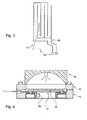
Figure 1 is an exploded perspective view of a device for measuring conductivity of an ultrapure liquid, in accordance with a preferred embodiment of the present invention; -
Figure 2 is a longitudinal median cross-section, at a larger scale, of the device ofFigure 1 ; -
Figure 3 is a very diagrammatic plan view, representing the patterns for the conductivity measurement electrodes and the thermistor-forming pattern of the measuring device ofFigures 1 and 2 ; and -
Figure 4 is a longitudinal median cross-section view of a TOC measuring device. - It should be noted in this connection that the description which follows is that of a preferred embodiment, given by way of non-limiting example.
- The
device 1 for measuring conductivity of an ultrapure liquid, here ultrapure water, comprises acasing 10 in two parts, 10, 11 of plastics material, here machined, by virtue of which there are housed awindow 12 transparent to UV, here of quartz glass, and asubstrate 13, also of quartz glass and having several motifs. Thiswindow 12 is provided with arecess 14 forming a conductivity measurement chamber adapted to receive the liquid sample to analyze. - With the
substrate 13 it forms the actual conductivity measurement cell. - The
substrate 13 comprises, to that end, two deposits of electrically conductive material forming patterns ofelectrodes thermistor 17 which serves to determine the temperature of the liquid sample present in thechamber 14. These deposits are made on the face of thesubstrate 13 that faces theconductivity measurement chamber 14 and they terminate withsoldering surfaces 18 situated at one of the ends of thesubstrate 13, for the connection ofelectrical connection wires 19 of anelectrical connector 20 making it possible to electrically connect theconductivity measurement cell chamber 14. Theelectrode patterns substrate 13 comprises two water supply holes 21, 22 which respectively correspond to twoholes lower part 11 of the casing, for the purpose of allowing the inlet and outlet of the water analyzed in thechamber 14, in a direction orthogonal to that of the circulation of water therein. Two 'O' ring seals 25, 26 each received in a hollow 27, 28 formed in the bottom of thelower part 11 serve to provide fluid-tightness with thesubstrate 13 posed on top. On the other hand, there is no seal between thesubstrate 13 and thewindow 14, fluid-tightness being achieved solely by the clamping of theupper part 10 of the casing onto thelower part 11 using fourscrews 29a-29d cooperating withinternal screw threads 30a-30d formed in thelower part 11 of the casing. - It will moreover be noted that the
upper part 10 of the casing is provided with acentral opening 31 enabling optical access to thechamber 14, while thelower part 11 has acavity 32 opening between the twoholes lower part 11 of the casing and arranged so as to be situated under theconductivity measurement chamber 14 and, thereby, theopening 31 formed in theupper part 10 of the casing. - It will also be noted that those lower 11 and upper 10 parts are machined so as to form
projections conductivity measurement cell screws 29a-29d have been tightened. - As can be best seen in
Figure 3 , the twoconductivity measurement electrodes thermistor 17 is formed by two strips of semiconductor material connected to each other at the opposite end to that which terminates with the soldering surfaces 18. - In practice, these deposits are, for example, carried out by the implementation of a microelectronics method comprising in particular the following steps:
- depositing polysilicon on the
substrate 13 of quartz glass; - forming the pattern of the
temperature sensor 17 in the layer of polysilicon, preferably after P-type doping and activation; - depositing electrically insulating material, here silicon nitride Si3N4, on at least a portion of the polysilicon pattern;
- depositing titanium oxide;
- forming the patterns of the
conductivity measurement electrodes - depositing titanium oxide as a photo-catalyst;
- metallization or on chromium (Cr/Au) and forming the
connection areas 18. - In practice, LPCVD (Low Pressure Chemical Vapor Deposition) methods may be used, in particular for the deposit of Si3N4 and polysilicon. The patterns are formed by dry attack or attack in a liquid medium.
- One of the favored applications of such a conductivity measuring device is its use for the measurement of the Total Organic Carbon (TOC) in a sample of liquid.
- For this, the device described with the aide of
Figures 1 to 3 is completed, as can be seen inFigure 4 , with an ultraviolet (UV)lamp 35, here by virtue of a light-emitting diode, mounted on the upper surface of theupper part 10 of the casing so as to be able to irradiate theconductivity measurement chamber 14 through theopening 31 formed in that upper part. - Moreover, the
cavity 32 formed in thelower part 11 is advantageously exploited for the installation of anoptical sensor 36 making it possible to detect the signal of theUV lamp 35 for the purpose of quantifying and adjusting the real quantity of energy passing through the sample of ultrapure liquid present in themeasurement chamber 14. - Advantageously too, the part of the rear face of the substrate overhanging that cavity may be utilized for the installation of other electronic components related to the TOC measuring device, as indicated above.
- The devices for measuring conductivity of an ultrapure liquid and the TOC measurement/verification devices implementing them have, by virtue of the present invention, the following advantages:
- 1. complete and miniaturized TOC measurement device that is capable of being connected to an item of equipment as a complete sub-assembly
- 2. elimination of manual assembly on manufacture of these devices
- 3. effective photo-oxidation
- 4. increased life of the ultraviolet generating devices
- 5. UV light emitting diode not requiring any pre-heating
- 6. sample to analyze not undergoing any pre-heating
- 7. maximum and instantaneous effectiveness of the UV light emitting diode
- 8. possibility of adding a stage for control of the UV
- 9. better control and adjustment of the emission of the UV by electronics
- 10. high reproducibility of the UV emission from one TOC measuring device to another
- 11. possibility of detecting air bubbles, particles, etc. within the conductivity measurement cell
- 12. reduction of the noise linked to electrical interference, which makes it possible to measure the conductivity at the same time as the photo-oxidation process occurs, and, therefore, possibility of controlling the photo-oxidation process until its completion
- 13. high reproducibility of the cell constant, and, therefore, necessity to calibrate only a small percentage of a given batch of cells
- 14. high reproducibility of the temperature sensors in a given batch.
- 15. obtainment of better temperature detection precision during the conductivity measurements
- 16. reduction in the manufacturing costs
- 17. reduction in the photo-oxidation time due to the fact that it is possible to implement a smaller sample volume than those of the state of the art
- 18. direct measurement due to that small sample volume to measure
- 19. flexibility in the design of the cells
- 20. flexibility of incorporation of the conductivity measurement cell in a given device (system for water purification, reservoir, etc.) while respecting the detection limit provided (values in ppt in practice for TOC measuring devices)
- 21. single use of the conductivity cell may be envisaged
- 22. elimination of organic contaminants in the absence of the use of adhesive
- 23. possibility of miniaturizing the TOC measuring device with the possibility of integrating therein various additional electronic components and devices for measurement or detection
- 24. possibility of obtaining a low cell constant suitable for measuring the conductivity of an ultrapure liquid while reducing the volume of the conductivity measurement chamber to a minimum
- It is also to be noted that the xenon UV flash lamp, advantageously coupled to the optical sensor, makes it possible to dissipate the photo-thermal heat supplied by the lamp between the flashes. This has the advantage of not heating the sample. Chemical interference is thus limited. It is known in this connection that in the presence of silica heating of the sample of ultra pure water will lead to disturbance of the conductivity (in particular a reduction).
- This absence of heating also limits the contribution of error and uncertainty linked to a high compensation for temperature by an algorithm.
- According to one operating mode, the TOC measuring device is implemented with continuous recording of the conductivity, which makes it possible to view the end of the oxidation and to have a dynamic response from oxidation.
- In terms of performance, this TOC measuring device makes it possible to take conductivity measurements in real time (in practice, 1 point /s) by accessing the characteristic conductivity profiles of the organic compounds, with possibilities for organic detection at the scale of the ppb, or even smaller.
- This detection limit of this device to the ppb is, as a matter of fact, in particular enabled by virtue of recording data approximately every second.
- Recording by the second is advantageously enabled by the use of a xenon UV flash lamp, since, between two flashes, a measurement may be coupled and thus no photonic interference perturbs the measurement. No filtering is thus necessary to obtain access to a precise measurement of the temperature and of the conductivity.
- The fact of performing a measurement every second also makes it possible to limit chemical interferences due to possible dissolving of CO2 in the sample of water, due, for example, to defective fluid-tightness.
- By virtue of these recorded conductivity profiles, this device may furthermore be adapted to differentiate the behavior of ions, for example from carbon dioxide (CO2), and of contaminants, for example dichloromethane (CH2 Cl2).
- More generally, the present invention is not limited to the embodiments described or represented, but covers any variant form.
- Other electrode patters may in particular be envisaged, such as two straight parallel electrodes or two interleaved electrodes, one C-shaped and the other straight.
Claims (26)
- A method of manufacturing a device for measuring conductivity of a liquid, in particular ultrapure water, of the kind comprising two conductivity measurement electrodes suitable for defining a cell constant enabling the measurement of the conductivity of the ultrapure liquid, characterized in that it consists of producing each of the electrodes by forming an electrode pattern from electrically conductive material on a substrate of insulating material.
- A method according to claim 1, characterized in that the electrode patterns are formed by etching a layer of material deposited beforehand on the substrate or on an underlying layer itself deposited on that substrate.
- A method according to claim 1 or 2, characterized in that the electrically insulating material of the substrate is chosen from the group comprising quartz glass, Mylar® and silicon.
- A method according to any one of claims 1 to 3, characterized in that the conductivity measurement electrode-forming electrically conductive material is chosen from the group comprising carbon, platinum, silver, gold, titanium and boron-doped diamond.
- A method according to any one of claims 1 to 4, characterized in that conductivity measurement electrode patterns are produced taking the form of two interleaved combs forming an interdigitated structure.
- A method according to any one of claims 1 to 5, characterized in that it further consists of producing a thermistor on the substrate by forming a pattern thereon with conductor or semiconductor material.
- A method according to claim 6, characterized in that the material of the thermistor is chosen from the group comprising polysilicon, platinum and boron-doped diamond.
- A method according to claim 6 or 7, characterized in that the or each conductivity measurement electrode-forming pattern, when produced on the underlying layer of thermistor-forming material, is separated therefrom by a deposit of electrically insulating material, preferably silicon dioxide (SiO2) or silicon nitride (Si3N4).
- A device for measuring conductivity of a liquid, in particular ultrapure water, of the kind comprising two conductivity measurement electrodes (15, 16) suitable for defining a cell constant enabling the measurement of the conductivity of an ultrapure liquid, characterized in that each electrode takes the form of a pattern of electrically conductive material on a substrate (13) of electrically insulating material.
- A device according to claim 9, characterized in that it comprises a cell having a conductivity measurement chamber (14) communicating with the outside of the cell by a liquid inlet and outlet (21, 22) provided in the cell, and at least partially covering the patterns of the conductivity measurement electrodes.
- A device according to claim 10, characterized in that the cell comprises two complementary members (12, 13), one comprising a recess forming the conductivity measurement chamber (14) and the other forming the substrate (13), the liquid inlet and outlet of the cell being formed in the substrate-forming member (13).
- A device according to one of claims 10 to 11, characterized in that it comprises a casing in two parts (10, 11) by virtue of which the cell is housed and means for assembly by clamping (29a-29d) the two parts suitable for ensuring the fluid-tightness of the conductivity measurement cell.
- A device according to any one of claims 9 to 12, characterized in that the electrically insulating material of the substrate is chosen from the group comprising quartz glass, Mylar® and silicon.
- A device according to any one of claims 9 to 13, characterized in that the conductivity measurement electrode-forming electrically conductive material is chosen from the group comprising carbon, platinum, silver, gold, titanium and boron-doped diamond.
- A device according to any one of claims 9 to 14, characterized in that the conductivity measurement electrode patterns take the form of two interleaved combs forming an interdigitated structure.
- A device according to any one of claims 9 to 15, characterized in that it further consists of producing a thermistor (17) on the substrate by forming a pattern thereon with conductor or semiconductor material.
- A device according to claim 16, characterized in that the material of the thermistor is chosen from the group comprising polysilicon, platinum and boron-doped diamond.
- A device according to claim 16 or 17, characterized in that the or each conductivity measurement electrode-forming pattern, when produced on the underlying layer of thermistor-forming material, is separated therefrom by a deposit of electrically insulating material, preferably silicon dioxide (SiO2) or silicon nitride (SbN4).
- A device according to any one of claims 9 to 18, characterized in that it comprises electronic components specific to the device, on the rear face of the substrate.
- A device for measuring the Total Organic Carbon content of a sample of liquid comprising:- a device for measuring conductivity according to any one of claims 10 to 19, which has at least one window (12) transparent to ultraviolet rays to perform photo-oxidation of the sample of liquid located in the measurement chamber (14).
- A device according to claim 20, characterized in that it comprises, for the photo-oxidation, UV lamp emitting a wavelength greater than or equal to 360 nm and less than or equal to 400 nm, and preferably equal to 365 nm, and a photo-catalyst deposit based on semiconductor material with a wide energy band on the substrate.
- A device according to claim 20, characterized in that it comprises for the photo-oxidation, a xenon flash lamp emitting ultraviolet rays of a wavelength greater than or equal to 160 nm and less than or equal to 400 nm, and, possibly, a photo-catalyst deposit based on semiconductor material with a wide energy band on the substrate.
- A device according to claim 21 or 22, characterized in that the wide energy band semiconductor material comprises at least one of a single oxide of a transition metal, a mixed oxide of a transition metal and of an alkali or alkaline-earth metal and of a transition metal sulfide, preferably doped.
- A device according to claim 23, characterized in that the semiconductor material is chosen from the group comprising TiO2, ZnO, Fe2O3, ZrO2, Ta2O5, SrTiO3, CaTiO3, KTaO3, CdS and ZnS.
- A device according to one of claims 21 to 24, characterized in that it comprises an optical sensor (36) arranged at the rear face of the substrate to detect the ultraviolet rays emitted by the ultraviolet lamp.
- A device according to one of claims 21 to 25, characterized in that the ultraviolet lamp is in the form of a light-emitting diode.
Applications Claiming Priority (1)
| Application Number | Priority Date | Filing Date | Title |
|---|---|---|---|
| FR0655276A FR2909447B1 (en) | 2006-12-01 | 2006-12-01 | CONDUCTIVITY MEASURING DEVICE, MANUFACTURE AND USE THEREOF |
Publications (2)
| Publication Number | Publication Date |
|---|---|
| EP1927849A1 true EP1927849A1 (en) | 2008-06-04 |
| EP1927849B1 EP1927849B1 (en) | 2018-04-25 |
Family
ID=38180191
Family Applications (1)
| Application Number | Title | Priority Date | Filing Date |
|---|---|---|---|
| EP07291411.2A Active EP1927849B1 (en) | 2006-12-01 | 2007-11-27 | Conductivity measurement device |
Country Status (7)
| Country | Link |
|---|---|
| US (3) | US20080258742A1 (en) |
| EP (1) | EP1927849B1 (en) |
| JP (2) | JP2008139312A (en) |
| CN (1) | CN101221141B (en) |
| ES (1) | ES2680498T3 (en) |
| FR (1) | FR2909447B1 (en) |
| SG (2) | SG2014013106A (en) |
Cited By (3)
| Publication number | Priority date | Publication date | Assignee | Title |
|---|---|---|---|---|
| WO2011100253A3 (en) * | 2010-02-11 | 2011-12-29 | Hach Company | Carbon quantifying apparatus and method |
| EP2803996A1 (en) | 2013-05-15 | 2014-11-19 | Merck Patent GmbH | Device for measuring the conductivity of a liquid in order to determine very low levels of total organic carbon (TOC) in pure and ultrapure water |
| US10180248B2 (en) | 2015-09-02 | 2019-01-15 | ProPhotonix Limited | LED lamp with sensing capabilities |
Families Citing this family (14)
| Publication number | Priority date | Publication date | Assignee | Title |
|---|---|---|---|---|
| FR2909447B1 (en) * | 2006-12-01 | 2009-07-31 | Millipore Corp | CONDUCTIVITY MEASURING DEVICE, MANUFACTURE AND USE THEREOF |
| DE102007053910A1 (en) * | 2007-11-09 | 2009-05-14 | Claas Selbstfahrende Erntemaschinen Gmbh | Agricultural working machine |
| FR2960971A1 (en) * | 2010-06-04 | 2011-12-09 | Otv Sa | DEVICE FOR MEASURING THE VALUE OF AT LEAST ONE PARAMETER REPRESENTATIVE OF THE QUALITY OF WATER |
| CN103149439B (en) * | 2013-02-22 | 2015-06-17 | 北京科技大学 | Device and method for testing electric conductivity of powder material and impedance of membrane electrode |
| CN103592341A (en) * | 2013-11-12 | 2014-02-19 | 广州中国科学院先进技术研究所 | Contact type four-electrode salinity sensor based on MEMS (micro electro mechanical systems) technology and detection method of salinity sensor |
| US9324747B2 (en) | 2014-03-13 | 2016-04-26 | Semiconductor Energy Laboratory Co., Ltd. | Imaging device |
| US10900921B2 (en) | 2015-01-20 | 2021-01-26 | Masco Corporation | Multi-functional water quality sensor |
| EP3586126B1 (en) * | 2017-02-23 | 2022-06-29 | Merck Patent GmbH | Device and method for measuring the total organic carbon content of a sample fluid |
| US12163944B2 (en) | 2017-07-20 | 2024-12-10 | The Regents Of The University Of Michigan | Multi-functional water quality sensor |
| CN111024295B (en) * | 2019-12-30 | 2021-06-25 | 中国科学院理化技术研究所 | Resistance type microfluid pressure sensor |
| JP7371788B2 (en) * | 2020-08-20 | 2023-10-31 | 株式会社島津製作所 | Inspection equipment and conductivity meter |
| CN112748158A (en) * | 2020-12-24 | 2021-05-04 | 无锡市科虹标牌有限公司 | Tool for rapidly detecting conductivity of plastic part and detection method thereof |
| CN114107943A (en) * | 2021-09-30 | 2022-03-01 | 宁波铭瑞中兴电子科技有限公司 | Conductivity sensor based on boron-doped diamond film and preparation method thereof |
| CN118329124B (en) * | 2024-06-07 | 2024-08-13 | 中国科学院海洋研究所 | A method for preparing a temperature and conductivity simultaneous measuring sensor and a sensor |
Citations (10)
| Publication number | Priority date | Publication date | Assignee | Title |
|---|---|---|---|---|
| US4626413A (en) * | 1984-01-10 | 1986-12-02 | Anatel Instrument Corporation | Instrument for measurement of the organic carbon content of water |
| US4767995A (en) | 1986-12-11 | 1988-08-30 | Berry Jr William J | Conductivity cell with adjustable concentric electrodes |
| EP0498888A1 (en) | 1989-11-04 | 1992-08-19 | Nihon Millipore Kogyo Kabushiki Kaisha | Method of measuring total quantity of organic substances in ultrapure water and ultrapure water treating system utilizing said method in preparation of ultrapure water |
| JPH05322832A (en) * | 1992-05-22 | 1993-12-07 | Nippon Telegr & Teleph Corp <Ntt> | Thin-layer electrochemical detector |
| US5275957A (en) * | 1984-01-10 | 1994-01-04 | Anatel Corporation | Instrument and method for measurement of the organic carbon content of water |
| US6444474B1 (en) * | 1998-04-22 | 2002-09-03 | Eltron Research, Inc. | Microfluidic system for measurement of total organic carbon |
| US20030153094A1 (en) | 2002-02-13 | 2003-08-14 | Board Of Trustees Of Michigan State University | Conductimetric biosensor device, method and system |
| US6741084B2 (en) | 2000-10-26 | 2004-05-25 | Millipore Corporation | Device for measuring the oxidizable carbon of a liquid and a method for the use thereof |
| US20050247114A1 (en) | 2004-05-07 | 2005-11-10 | Sensicore, Inc. | Multi-sensor system for fluid monitoring with selective exposure of sensors |
| EP1598664A1 (en) * | 2004-05-17 | 2005-11-23 | Millipore Corporation | Fluid conductivity measuring cell |
Family Cites Families (17)
| Publication number | Priority date | Publication date | Assignee | Title |
|---|---|---|---|---|
| US4775794A (en) * | 1987-11-02 | 1988-10-04 | Zenon Environmental Inc. | Process and apparatus for measurement of light-absorbable components dissolved in liquids |
| JP3353987B2 (en) * | 1994-01-10 | 2002-12-09 | 株式会社半導体エネルギー研究所 | Device fabrication method |
| JP2882516B2 (en) * | 1995-11-06 | 1999-04-12 | 昭 藤嶋 | Analysis of compounds in water |
| JPH11101877A (en) * | 1997-09-26 | 1999-04-13 | Mitsui Mining & Smelting Co Ltd | Liquid presence / absence detection sensor, liquid presence / absence detection device, liquid presence / absence / temperature detection sensor, liquid presence / absence / temperature detection device |
| FR2784674B1 (en) * | 1998-10-20 | 2001-07-20 | Stephane Marty | DEVICE FOR PURIFYING FLUID BY PHOTON PULSES |
| JP2001056332A (en) * | 1999-08-20 | 2001-02-27 | Shimadzu Corp | Water quality analyzer |
| JP2001149930A (en) * | 1999-11-26 | 2001-06-05 | Dkk Toa Corp | UV oxidation equipment |
| JP3320050B2 (en) * | 1999-11-26 | 2002-09-03 | 東亜ディーケーケー株式会社 | Method and apparatus for measuring organic carbon content |
| JP2001281187A (en) * | 2000-03-30 | 2001-10-10 | Japan Organo Co Ltd | Concentration measuring method for polycarboxylic acids and instrument therefor |
| US6404204B1 (en) * | 2000-05-01 | 2002-06-11 | ARETé ASSOCIATES | Sensor and sensor system for liquid conductivity, temperature and depth |
| JP3511596B2 (en) * | 2001-01-25 | 2004-03-29 | 栄一 民谷 | Gene detection method and detection chip |
| JP2005227161A (en) * | 2004-02-13 | 2005-08-25 | Shimadzu Corp | Equipment for measuring carbon components in water |
| JP2006090732A (en) * | 2004-09-21 | 2006-04-06 | Dkk Toa Corp | Method and apparatus for measuring total organic carbon content |
| US7541004B2 (en) * | 2004-11-12 | 2009-06-02 | Predict, Inc. | MEMS-based sensor for lubricant analysis |
| JP4462099B2 (en) * | 2005-04-19 | 2010-05-12 | 株式会社島津製作所 | Total organic carbon measuring device |
| JP2007285742A (en) * | 2006-04-13 | 2007-11-01 | Technos:Kk | Device for measuring photocatalyst performance |
| FR2909447B1 (en) * | 2006-12-01 | 2009-07-31 | Millipore Corp | CONDUCTIVITY MEASURING DEVICE, MANUFACTURE AND USE THEREOF |
-
2006
- 2006-12-01 FR FR0655276A patent/FR2909447B1/en active Active
-
2007
- 2007-11-27 ES ES07291411.2T patent/ES2680498T3/en active Active
- 2007-11-27 EP EP07291411.2A patent/EP1927849B1/en active Active
- 2007-11-28 US US11/998,003 patent/US20080258742A1/en not_active Abandoned
- 2007-11-29 JP JP2007308330A patent/JP2008139312A/en active Pending
- 2007-11-30 SG SG2014013106A patent/SG2014013106A/en unknown
- 2007-11-30 SG SG200718201-7A patent/SG143218A1/en unknown
- 2007-11-30 CN CN2007101441745A patent/CN101221141B/en active Active
-
2011
- 2011-08-11 JP JP2011176077A patent/JP5394453B2/en active Active
- 2011-11-18 US US13/299,585 patent/US20120061346A1/en not_active Abandoned
- 2011-11-18 US US13/299,593 patent/US20120062243A1/en not_active Abandoned
Patent Citations (10)
| Publication number | Priority date | Publication date | Assignee | Title |
|---|---|---|---|---|
| US4626413A (en) * | 1984-01-10 | 1986-12-02 | Anatel Instrument Corporation | Instrument for measurement of the organic carbon content of water |
| US5275957A (en) * | 1984-01-10 | 1994-01-04 | Anatel Corporation | Instrument and method for measurement of the organic carbon content of water |
| US4767995A (en) | 1986-12-11 | 1988-08-30 | Berry Jr William J | Conductivity cell with adjustable concentric electrodes |
| EP0498888A1 (en) | 1989-11-04 | 1992-08-19 | Nihon Millipore Kogyo Kabushiki Kaisha | Method of measuring total quantity of organic substances in ultrapure water and ultrapure water treating system utilizing said method in preparation of ultrapure water |
| JPH05322832A (en) * | 1992-05-22 | 1993-12-07 | Nippon Telegr & Teleph Corp <Ntt> | Thin-layer electrochemical detector |
| US6444474B1 (en) * | 1998-04-22 | 2002-09-03 | Eltron Research, Inc. | Microfluidic system for measurement of total organic carbon |
| US6741084B2 (en) | 2000-10-26 | 2004-05-25 | Millipore Corporation | Device for measuring the oxidizable carbon of a liquid and a method for the use thereof |
| US20030153094A1 (en) | 2002-02-13 | 2003-08-14 | Board Of Trustees Of Michigan State University | Conductimetric biosensor device, method and system |
| US20050247114A1 (en) | 2004-05-07 | 2005-11-10 | Sensicore, Inc. | Multi-sensor system for fluid monitoring with selective exposure of sensors |
| EP1598664A1 (en) * | 2004-05-17 | 2005-11-23 | Millipore Corporation | Fluid conductivity measuring cell |
Non-Patent Citations (9)
| Title |
|---|
| A. FUJISHIMA; T.N. RAO; D.A. TRYK, J. PHOTOCHEM. PHOTOBIOL. C : PHOTOCHEMISTRY, vol. 1, 2000, pages 1 |
| A.H.C. CHA; J.P. BARFORD; C.K. CHA: "Photocatalytic thin film cascade for treatment of organic compounds in wastewater", WATER SCIENCE AND TECHNOLOGY, vol. 44, no. 5, pages 187 - 195 |
| ADVANCED PHOTOCHEMICAL PROCESSES, December 1998 (1998-12-01) |
| DANIEL D., GUTZ, I.G.R.: "Microfluidic cells with interdigitated array gold electrodes: Fabrication and electrochemical characterization", TALANTA, vol. 68, 2005, pages 429 - 436, XP002440361 * |
| FURTHERMORE, M.; PENPOLCHAOREN, R.; AMAL, M. BRUNGS, JOURNAL OF NANOPARTICLE RESEARCH, vol. 3, 2001, pages 289 |
| H. TRAN ET AL., PHOTOCHEM. PHOTOBIOL. SCI., vol. 4, 2005, pages 565 |
| M.R. HOFFMANN ET AL., CHEM. REV., vol. 95, 1995, pages 69 |
| PHOTOCATALYTIC OXIDATION OF GAS-PHASE BTEX-CONTAMINATED WASTE STREAMS, March 1995 (1995-03-01) |
| V. VAMATHEVAN ET AL., J. PHOTOCHEM. PHOTOBIOL.A : CHEMISTRY, vol. 148, 2002, pages 233 |
Cited By (6)
| Publication number | Priority date | Publication date | Assignee | Title |
|---|---|---|---|---|
| WO2011100253A3 (en) * | 2010-02-11 | 2011-12-29 | Hach Company | Carbon quantifying apparatus and method |
| US9618495B2 (en) | 2010-02-11 | 2017-04-11 | Hach Company | Carbon quantifying apparatus and method |
| US10309948B2 (en) | 2010-02-11 | 2019-06-04 | Hach Company | Carbon quantifying apparatus and method |
| EP2803996A1 (en) | 2013-05-15 | 2014-11-19 | Merck Patent GmbH | Device for measuring the conductivity of a liquid in order to determine very low levels of total organic carbon (TOC) in pure and ultrapure water |
| US10768132B2 (en) | 2013-05-15 | 2020-09-08 | Merck Patent Gmbh | Device for measuring the conductivity of a liquid in order to determine very low levels of total organic carbon (TOC) in pure and ultra-pure water |
| US10180248B2 (en) | 2015-09-02 | 2019-01-15 | ProPhotonix Limited | LED lamp with sensing capabilities |
Also Published As
| Publication number | Publication date |
|---|---|
| CN101221141A (en) | 2008-07-16 |
| FR2909447B1 (en) | 2009-07-31 |
| JP5394453B2 (en) | 2014-01-22 |
| JP2008139312A (en) | 2008-06-19 |
| US20120061346A1 (en) | 2012-03-15 |
| EP1927849B1 (en) | 2018-04-25 |
| CN101221141B (en) | 2012-05-30 |
| ES2680498T3 (en) | 2018-09-07 |
| SG143218A1 (en) | 2008-06-27 |
| US20080258742A1 (en) | 2008-10-23 |
| JP2011227099A (en) | 2011-11-10 |
| FR2909447A1 (en) | 2008-06-06 |
| SG2014013106A (en) | 2014-05-29 |
| US20120062243A1 (en) | 2012-03-15 |
Similar Documents
| Publication | Publication Date | Title |
|---|---|---|
| EP1927849B1 (en) | Conductivity measurement device | |
| US6444474B1 (en) | Microfluidic system for measurement of total organic carbon | |
| US7598086B2 (en) | Photoelectrochemical determination of chemical oxygen demand | |
| Jung et al. | Highly selective and low-power carbon monoxide gas sensor based on the chain reaction of oxygen and carbon monoxide to WO3 | |
| Giancaterini et al. | Au and Pt nanoparticles effects on the optical and electrical gas sensing properties of sol–gel-based ZnO thin-film sensors | |
| US20100307238A1 (en) | Humidity sensor and method of manufacturing the same | |
| EP2136205B1 (en) | Total organic carbon measuring method | |
| JP2011075545A (en) | Gas sensor | |
| EP0745219B1 (en) | Improved cell for monitoring photochemical reactions | |
| US10768132B2 (en) | Device for measuring the conductivity of a liquid in order to determine very low levels of total organic carbon (TOC) in pure and ultra-pure water | |
| CN101021503A (en) | Silk screen printing electrode and producing process, and sensor and detecting method | |
| CN108139349A (en) | A kind of device and method for being used to detect trace metal with conductive diamond electrode | |
| US11680934B2 (en) | System and method for sensing volatile organic compounds | |
| CN114878642A (en) | Pure water TOC quantitative detection method | |
| JP2012037303A (en) | Novel general-purpose concentration analyzer utilizing photocurrent | |
| KR20010110722A (en) | Electric conductometer, electrode for measuring electric conductivity, and method for producing the same | |
| AU2005220276B2 (en) | Oxygen Demand Assay | |
| RU2775201C1 (en) | Gas analysis multi-sensor chip based on graphene and method of its manufacturing | |
| RU2818998C1 (en) | Gas analytical multisensor chip based on macromolecular composites of functionalised graphenes, modified with dyes, and method of its production | |
| JPH04351948A (en) | Detection of reducing substance and oxidizing substance and device thereof | |
| US20230118150A1 (en) | Sensor for measuring a ph value | |
| WO2013089652A1 (en) | Method of plasma charge treatment of the gas sensitive layer of a gas sensor | |
| Arshak et al. | Ozone sensing properties of NbO 2 thin films for health and safety applications | |
| JPH03502488A (en) | Thin film moisture detection element and its manufacturing method | |
| CN114878499A (en) | Pure water TOC on-line detection method based on single detector |
Legal Events
| Date | Code | Title | Description |
|---|---|---|---|
| PUAI | Public reference made under article 153(3) epc to a published international application that has entered the european phase |
Free format text: ORIGINAL CODE: 0009012 |
|
| AK | Designated contracting states |
Kind code of ref document: A1 Designated state(s): AT BE BG CH CY CZ DE DK EE ES FI FR GB GR HU IE IS IT LI LT LU LV MC MT NL PL PT RO SE SI SK TR |
|
| AX | Request for extension of the european patent |
Extension state: AL BA HR MK RS |
|
| 17P | Request for examination filed |
Effective date: 20080624 |
|
| 17Q | First examination report despatched |
Effective date: 20080730 |
|
| AKX | Designation fees paid |
Designated state(s): AT BE BG CH CY CZ DE DK EE ES FI FR GB GR HU IE IS IT LI LT LU LV MC MT NL PL PT RO SE SI SK TR |
|
| RAP1 | Party data changed (applicant data changed or rights of an application transferred) |
Owner name: EMD MILLIPORE CORPORATION |
|
| GRAP | Despatch of communication of intention to grant a patent |
Free format text: ORIGINAL CODE: EPIDOSNIGR1 |
|
| STAA | Information on the status of an ep patent application or granted ep patent |
Free format text: STATUS: GRANT OF PATENT IS INTENDED |
|
| RIN1 | Information on inventor provided before grant (corrected) |
Inventor name: DIMITRAKOPOULOS ARISTOTELIS Inventor name: BEJTLICH III CHESTER L. Inventor name: LE NINIVIN CELINE Inventor name: RAJAGOPALAN PASCAL Inventor name: GAIGNET YVES |
|
| RAP1 | Party data changed (applicant data changed or rights of an application transferred) |
Owner name: EMD MILLIPORE CORPORATION |
|
| INTG | Intention to grant announced |
Effective date: 20171114 |
|
| RIN1 | Information on inventor provided before grant (corrected) |
Inventor name: BEJTLICH III, CHESTER L. Inventor name: DIMITRAKOPOULOS, ARISTOTELIS Inventor name: RAJAGOPALAN, PASCAL Inventor name: GAIGNET, YVES Inventor name: LE NINIVIN, CELINE |
|
| GRAA | (expected) grant |
Free format text: ORIGINAL CODE: 0009210 |
|
| GRAS | Grant fee paid |
Free format text: ORIGINAL CODE: EPIDOSNIGR3 |
|
| STAA | Information on the status of an ep patent application or granted ep patent |
Free format text: STATUS: THE PATENT HAS BEEN GRANTED |
|
| AK | Designated contracting states |
Kind code of ref document: B1 Designated state(s): AT BE BG CH CY CZ DE DK EE ES FI FR GB GR HU IE IS IT LI LT LU LV MC MT NL PL PT RO SE SI SK TR |
|
| REG | Reference to a national code |
Ref country code: GB Ref legal event code: FG4D |
|
| REG | Reference to a national code |
Ref country code: CH Ref legal event code: EP |
|
| REG | Reference to a national code |
Ref country code: AT Ref legal event code: REF Ref document number: 993451 Country of ref document: AT Kind code of ref document: T Effective date: 20180515 |
|
| REG | Reference to a national code |
Ref country code: IE Ref legal event code: FG4D |
|
| REG | Reference to a national code |
Ref country code: DE Ref legal event code: R096 Ref document number: 602007054659 Country of ref document: DE |
|
| REG | Reference to a national code |
Ref country code: CH Ref legal event code: NV Representative=s name: KIRKER AND CIE S.A., CH |
|
| REG | Reference to a national code |
Ref country code: NL Ref legal event code: FP |
|
| REG | Reference to a national code |
Ref country code: ES Ref legal event code: FG2A Ref document number: 2680498 Country of ref document: ES Kind code of ref document: T3 Effective date: 20180907 |
|
| REG | Reference to a national code |
Ref country code: LT Ref legal event code: MG4D |
|
| REG | Reference to a national code |
Ref country code: FR Ref legal event code: PLFP Year of fee payment: 12 |
|
| PG25 | Lapsed in a contracting state [announced via postgrant information from national office to epo] |
Ref country code: SE Free format text: LAPSE BECAUSE OF FAILURE TO SUBMIT A TRANSLATION OF THE DESCRIPTION OR TO PAY THE FEE WITHIN THE PRESCRIBED TIME-LIMIT Effective date: 20180425 Ref country code: PL Free format text: LAPSE BECAUSE OF FAILURE TO SUBMIT A TRANSLATION OF THE DESCRIPTION OR TO PAY THE FEE WITHIN THE PRESCRIBED TIME-LIMIT Effective date: 20180425 Ref country code: FI Free format text: LAPSE BECAUSE OF FAILURE TO SUBMIT A TRANSLATION OF THE DESCRIPTION OR TO PAY THE FEE WITHIN THE PRESCRIBED TIME-LIMIT Effective date: 20180425 Ref country code: BG Free format text: LAPSE BECAUSE OF FAILURE TO SUBMIT A TRANSLATION OF THE DESCRIPTION OR TO PAY THE FEE WITHIN THE PRESCRIBED TIME-LIMIT Effective date: 20180725 Ref country code: LT Free format text: LAPSE BECAUSE OF FAILURE TO SUBMIT A TRANSLATION OF THE DESCRIPTION OR TO PAY THE FEE WITHIN THE PRESCRIBED TIME-LIMIT Effective date: 20180425 |
|
| PG25 | Lapsed in a contracting state [announced via postgrant information from national office to epo] |
Ref country code: GR Free format text: LAPSE BECAUSE OF FAILURE TO SUBMIT A TRANSLATION OF THE DESCRIPTION OR TO PAY THE FEE WITHIN THE PRESCRIBED TIME-LIMIT Effective date: 20180726 Ref country code: LV Free format text: LAPSE BECAUSE OF FAILURE TO SUBMIT A TRANSLATION OF THE DESCRIPTION OR TO PAY THE FEE WITHIN THE PRESCRIBED TIME-LIMIT Effective date: 20180425 |
|
| REG | Reference to a national code |
Ref country code: AT Ref legal event code: MK05 Ref document number: 993451 Country of ref document: AT Kind code of ref document: T Effective date: 20180425 |
|
| PG25 | Lapsed in a contracting state [announced via postgrant information from national office to epo] |
Ref country code: PT Free format text: LAPSE BECAUSE OF FAILURE TO SUBMIT A TRANSLATION OF THE DESCRIPTION OR TO PAY THE FEE WITHIN THE PRESCRIBED TIME-LIMIT Effective date: 20180827 |
|
| REG | Reference to a national code |
Ref country code: DE Ref legal event code: R097 Ref document number: 602007054659 Country of ref document: DE |
|
| PG25 | Lapsed in a contracting state [announced via postgrant information from national office to epo] |
Ref country code: CZ Free format text: LAPSE BECAUSE OF FAILURE TO SUBMIT A TRANSLATION OF THE DESCRIPTION OR TO PAY THE FEE WITHIN THE PRESCRIBED TIME-LIMIT Effective date: 20180425 Ref country code: SK Free format text: LAPSE BECAUSE OF FAILURE TO SUBMIT A TRANSLATION OF THE DESCRIPTION OR TO PAY THE FEE WITHIN THE PRESCRIBED TIME-LIMIT Effective date: 20180425 Ref country code: RO Free format text: LAPSE BECAUSE OF FAILURE TO SUBMIT A TRANSLATION OF THE DESCRIPTION OR TO PAY THE FEE WITHIN THE PRESCRIBED TIME-LIMIT Effective date: 20180425 Ref country code: EE Free format text: LAPSE BECAUSE OF FAILURE TO SUBMIT A TRANSLATION OF THE DESCRIPTION OR TO PAY THE FEE WITHIN THE PRESCRIBED TIME-LIMIT Effective date: 20180425 Ref country code: AT Free format text: LAPSE BECAUSE OF FAILURE TO SUBMIT A TRANSLATION OF THE DESCRIPTION OR TO PAY THE FEE WITHIN THE PRESCRIBED TIME-LIMIT Effective date: 20180425 Ref country code: DK Free format text: LAPSE BECAUSE OF FAILURE TO SUBMIT A TRANSLATION OF THE DESCRIPTION OR TO PAY THE FEE WITHIN THE PRESCRIBED TIME-LIMIT Effective date: 20180425 |
|
| PLBE | No opposition filed within time limit |
Free format text: ORIGINAL CODE: 0009261 |
|
| STAA | Information on the status of an ep patent application or granted ep patent |
Free format text: STATUS: NO OPPOSITION FILED WITHIN TIME LIMIT |
|
| 26N | No opposition filed |
Effective date: 20190128 |
|
| PG25 | Lapsed in a contracting state [announced via postgrant information from national office to epo] |
Ref country code: SI Free format text: LAPSE BECAUSE OF FAILURE TO SUBMIT A TRANSLATION OF THE DESCRIPTION OR TO PAY THE FEE WITHIN THE PRESCRIBED TIME-LIMIT Effective date: 20180425 |
|
| PG25 | Lapsed in a contracting state [announced via postgrant information from national office to epo] |
Ref country code: LU Free format text: LAPSE BECAUSE OF NON-PAYMENT OF DUE FEES Effective date: 20181127 Ref country code: MC Free format text: LAPSE BECAUSE OF FAILURE TO SUBMIT A TRANSLATION OF THE DESCRIPTION OR TO PAY THE FEE WITHIN THE PRESCRIBED TIME-LIMIT Effective date: 20180425 |
|
| REG | Reference to a national code |
Ref country code: IE Ref legal event code: MM4A |
|
| PG25 | Lapsed in a contracting state [announced via postgrant information from national office to epo] |
Ref country code: IE Free format text: LAPSE BECAUSE OF NON-PAYMENT OF DUE FEES Effective date: 20181127 |
|
| PG25 | Lapsed in a contracting state [announced via postgrant information from national office to epo] |
Ref country code: MT Free format text: LAPSE BECAUSE OF NON-PAYMENT OF DUE FEES Effective date: 20181127 |
|
| PG25 | Lapsed in a contracting state [announced via postgrant information from national office to epo] |
Ref country code: TR Free format text: LAPSE BECAUSE OF FAILURE TO SUBMIT A TRANSLATION OF THE DESCRIPTION OR TO PAY THE FEE WITHIN THE PRESCRIBED TIME-LIMIT Effective date: 20180425 |
|
| PG25 | Lapsed in a contracting state [announced via postgrant information from national office to epo] |
Ref country code: CY Free format text: LAPSE BECAUSE OF FAILURE TO SUBMIT A TRANSLATION OF THE DESCRIPTION OR TO PAY THE FEE WITHIN THE PRESCRIBED TIME-LIMIT Effective date: 20180425 Ref country code: HU Free format text: LAPSE BECAUSE OF FAILURE TO SUBMIT A TRANSLATION OF THE DESCRIPTION OR TO PAY THE FEE WITHIN THE PRESCRIBED TIME-LIMIT; INVALID AB INITIO Effective date: 20071127 |
|
| PG25 | Lapsed in a contracting state [announced via postgrant information from national office to epo] |
Ref country code: IS Free format text: LAPSE BECAUSE OF FAILURE TO SUBMIT A TRANSLATION OF THE DESCRIPTION OR TO PAY THE FEE WITHIN THE PRESCRIBED TIME-LIMIT Effective date: 20180825 |
|
| P01 | Opt-out of the competence of the unified patent court (upc) registered |
Effective date: 20230602 |
|
| PGFP | Annual fee paid to national office [announced via postgrant information from national office to epo] |
Ref country code: NL Payment date: 20251022 Year of fee payment: 19 |
|
| REG | Reference to a national code |
Ref country code: CH Ref legal event code: U11 Free format text: ST27 STATUS EVENT CODE: U-0-0-U10-U11 (AS PROVIDED BY THE NATIONAL OFFICE) Effective date: 20251201 |
|
| PGFP | Annual fee paid to national office [announced via postgrant information from national office to epo] |
Ref country code: DE Payment date: 20251022 Year of fee payment: 19 |
|
| PGFP | Annual fee paid to national office [announced via postgrant information from national office to epo] |
Ref country code: GB Payment date: 20251023 Year of fee payment: 19 |
|
| PGFP | Annual fee paid to national office [announced via postgrant information from national office to epo] |
Ref country code: IT Payment date: 20251022 Year of fee payment: 19 |
|
| PGFP | Annual fee paid to national office [announced via postgrant information from national office to epo] |
Ref country code: FR Payment date: 20251023 Year of fee payment: 19 |
|
| PGFP | Annual fee paid to national office [announced via postgrant information from national office to epo] |
Ref country code: BE Payment date: 20251022 Year of fee payment: 19 |
|
| PGFP | Annual fee paid to national office [announced via postgrant information from national office to epo] |
Ref country code: CH Payment date: 20251201 Year of fee payment: 19 |
|
| PGFP | Annual fee paid to national office [announced via postgrant information from national office to epo] |
Ref country code: ES Payment date: 20251201 Year of fee payment: 19 |