EP1905847A2 - Assay-Vorrichtung für XPD-/ERCC2-Gen-Polymorphismen zur korrekten Verabreichung einer Chemotherapie gegen Lungenkrebs - Google Patents
Assay-Vorrichtung für XPD-/ERCC2-Gen-Polymorphismen zur korrekten Verabreichung einer Chemotherapie gegen Lungenkrebs Download PDFInfo
- Publication number
- EP1905847A2 EP1905847A2 EP08100335A EP08100335A EP1905847A2 EP 1905847 A2 EP1905847 A2 EP 1905847A2 EP 08100335 A EP08100335 A EP 08100335A EP 08100335 A EP08100335 A EP 08100335A EP 1905847 A2 EP1905847 A2 EP 1905847A2
- Authority
- EP
- European Patent Office
- Prior art keywords
- seq
- xpd
- patient
- cisplatin
- ercc2
- Prior art date
- Legal status (The legal status is an assumption and is not a legal conclusion. Google has not performed a legal analysis and makes no representation as to the accuracy of the status listed.)
- Withdrawn
Links
Images






Classifications
-
- C—CHEMISTRY; METALLURGY
- C12—BIOCHEMISTRY; BEER; SPIRITS; WINE; VINEGAR; MICROBIOLOGY; ENZYMOLOGY; MUTATION OR GENETIC ENGINEERING
- C12Q—MEASURING OR TESTING PROCESSES INVOLVING ENZYMES, NUCLEIC ACIDS OR MICROORGANISMS; COMPOSITIONS OR TEST PAPERS THEREFOR; PROCESSES OF PREPARING SUCH COMPOSITIONS; CONDITION-RESPONSIVE CONTROL IN MICROBIOLOGICAL OR ENZYMOLOGICAL PROCESSES
- C12Q1/00—Measuring or testing processes involving enzymes, nucleic acids or microorganisms; Compositions therefor; Processes of preparing such compositions
- C12Q1/68—Measuring or testing processes involving enzymes, nucleic acids or microorganisms; Compositions therefor; Processes of preparing such compositions involving nucleic acids
- C12Q1/6876—Nucleic acid products used in the analysis of nucleic acids, e.g. primers or probes
- C12Q1/6883—Nucleic acid products used in the analysis of nucleic acids, e.g. primers or probes for diseases caused by alterations of genetic material
- C12Q1/6886—Nucleic acid products used in the analysis of nucleic acids, e.g. primers or probes for diseases caused by alterations of genetic material for cancer
-
- C—CHEMISTRY; METALLURGY
- C12—BIOCHEMISTRY; BEER; SPIRITS; WINE; VINEGAR; MICROBIOLOGY; ENZYMOLOGY; MUTATION OR GENETIC ENGINEERING
- C12Q—MEASURING OR TESTING PROCESSES INVOLVING ENZYMES, NUCLEIC ACIDS OR MICROORGANISMS; COMPOSITIONS OR TEST PAPERS THEREFOR; PROCESSES OF PREPARING SUCH COMPOSITIONS; CONDITION-RESPONSIVE CONTROL IN MICROBIOLOGICAL OR ENZYMOLOGICAL PROCESSES
- C12Q2600/00—Oligonucleotides characterized by their use
- C12Q2600/106—Pharmacogenomics, i.e. genetic variability in individual responses to drugs and drug metabolism
-
- C—CHEMISTRY; METALLURGY
- C12—BIOCHEMISTRY; BEER; SPIRITS; WINE; VINEGAR; MICROBIOLOGY; ENZYMOLOGY; MUTATION OR GENETIC ENGINEERING
- C12Q—MEASURING OR TESTING PROCESSES INVOLVING ENZYMES, NUCLEIC ACIDS OR MICROORGANISMS; COMPOSITIONS OR TEST PAPERS THEREFOR; PROCESSES OF PREPARING SUCH COMPOSITIONS; CONDITION-RESPONSIVE CONTROL IN MICROBIOLOGICAL OR ENZYMOLOGICAL PROCESSES
- C12Q2600/00—Oligonucleotides characterized by their use
- C12Q2600/118—Prognosis of disease development
Definitions
- the invention is encompassed within the technical field of lung cancer treatment with antitumor drugs and, specifically, develops a diagnostic device which allows for treating each patient with the most effective drug according to the polymorphism they show for the XPD gene.
- NER Nucleotide Excision Repair
- TCR (or TC-NER) significantly repairs the lesions blocking transcription in the strand transcribing the DNA of active genes
- GGR or GG-NER
- NER is a fundamental defense mechanism against the carcinogenic effects of sunlight, and certain genetic defects in the repair pathways produce severe consequences on autosomal recessive hereditary disorders, such as xeroderma pigmentosum (XP).
- XP xeroderma pigmentosum
- XP there are seven complementary groups which can be deficient in the NER pathways. These genes are enumerated from XPA to XPG. In XP disease, these genes are defective in both NER pathways (Conforti et al., 2000).
- the left portion of Diagram 1 shows the TCR pathway which is the essential pathway for detecting the damage caused by cisplatin (Cullinane et al., 1999).
- the specific CSA and CSB transcription factors are activated in the molecular NER pathway (Furuta et al., 2002; McKay et al., 2001).
- the XP genes are also involved in the TCR pathway, as shown in the box in Diagram 1.
- XPD polymorphisms have been linked to a decrease in DNA repair capacity in different studies (Spitz et al., 2001). In fact, about half the population has the Lys751Lys genotype, and they also have the normal, homozygote Asp312Asp genotype. Such patients or persons with normal homozygote genotype have a very good repair capacity and, therefore, can be resistant to cisplatin (Bosken et al., 2002). The increase of the repair capacity, which can be measured by means of functional assays, has been associated with the resistance to cisplatin in non small cell lung cancer (NSCLC) (Zeng-Rong et al., 1995).
- NSCLC non small cell lung cancer
- lymphocyte messenger RNA levels of the XPA, XPB, XPC, XPD, XPF, XPG, ERCC1 and CSB genes showed a very significant correlation in the messenger RNA levels between ERCC1 and XPD, in turn, the expression of both genes is correlated to DNA repair capacity (Vogel et al., 2000).
- XPD gene polymorphic variants have been discovered.
- the XPD gene polymorphisms at exon 23 (A-C, Lys751Gln) and at exon 10 (G-A, Asp312Ans) have been studied.
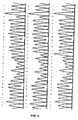
- Figures 1 and 2 show two examples of identification of the XPD polymorphisms at condons 312 and 751, respectively, carried out by automatic sequencing.
- Diagram 2 shows the different DNA repair metabolic pathways and the position occupied by the XPD gene in said pathways.
- the DNA used for the classification of the two Lys751Gln and Asp312Asn polymorphisms has been obtained from nucleated cells from peripheral blood.
- any other nucleated cell type of the human organism can be used.
- K 3 /EDTA Becton Dickinson Systems
- the sample is centrifuged for 10 minutes at 3,000 rpm at room temperature, the supernatant is discarded and the cellular precipitate obtained is re-suspended in 1 ml of erythrocyte lysing solution.
- the 10-minute, 3,000 rpm centrifugation at room temperature is repeated and the supernatant is discarded.
- the obtained precipitate corresponds to the erythrocyte-free cell fraction.
- the DNA is extracted from the peripheral blood nucleated cells and purified by means of the commercial kit QIAmp® DNA blood Mini-kit (Qiagen; reference 51104 or 51106) following the manufacturer instructions.
- the following PCR conditions were used to classify the Asp312Asn polymorphism of exon 10 (final reaction volume of 25 ⁇ l): 900 nM of primer SEQ ID NO. 1: ACGCCCACCTGGCCA, 900 nM of primer SEQ ID NO 2: GGCGGGAAAGGGACTGG, 300 nM of TaqMan MGBTM VIC probe SEQ ID NO 3: CCGTGCTGCCCGACGAAGT TAMRA, 300 nM of TaqMan MGBTM 6-FAM probe SEQ ID NO 4: CCCGTGCTGCCCAACGAAG TAMRA, 12.5 ⁇ l of TaqMan Universal PCR Master Mix (Applied Biosystems; reference 4304437) and 200 ng of DNA.
- PCR cycles 50°C for 2 minutes, 95°C for 10 minutes, [92°C for 15 seconds, 60°C for 1 minute] for 40 cycles
- polymorphism analysis were carried out in an ABI Prism 7000 Sequence Detection System equipment (Applied Biosystems) using the Allelic Discrimination program (Applied Biosystems).
- the following PCR conditions were used to classify the Lys751Gln polymorphism of exon 23 (final reaction volume of 25 ⁇ l): 900 nM of primer SEQ ID NO. 5: GCCTGGAGCAGCTAGAATCAGA, 900 nM of primer SEQ ID NO 6: CACTCAGAGCTGCTGAGCAATC, 300 nM of TaqMan MGB TM VIC probe SEQ ID NO 7: TATCCTCTGCAGCGTC TAMRA, 300 nM of TaqMan MGB TM 6-FAM probe SEQ ID NO 8: CTATCCTCTTCAGCGTC TAMRA, 12.5 ⁇ l of TaqMan Universal PCR Master Mix (Applied Biosystems; reference 4304437) and 200 ng of DNA.
- PCR cycles 50°C for 2 minutes, 95°C for 10 minutes, [92°C for 15 seconds, 60°C for 1 minute] for 40 cycles
- polymorphism analysis were carried out in an ABI Prism 7000 Sequence Detection System equipment (Applied Biosystems) using the Allelic Discrimination program (Applied Biosystems).
- both the design of the primers and probes was carried out by means of the PrimerExpress TM computer program (Applied Biosystems), following the supplier instructions and using the previously described reference DNA sequence.
- the specificity of the primers and of the probes was previously tested by means of the BLAST computer program ( www.ncbi.nlm.nih.gov/blast ).
- both the primers and the probes showed unique specificity on each one of the two regions to be studied of the ERCC2/XPD gene.
- the exon 10 fragment of the XPD/ERCC2 gene where the Asp312Asn polymorphism is mapped was amplified by means of the PCR technique.
- the PCR reaction conditions were the following (final volume of 50 ⁇ l): 0.25 ⁇ M of primer SEQ ID NO: 1, 0.25 ⁇ M of primer SEQ ID NO: 2, 5 ⁇ l of PCR buffer (67 mM Tris-HCl, 16.6 mM (NH 4 ) 2 SO 4 , 0.1% Tween 20) (Ecogen; reference ETAQ-500), 1 mM MgCl 2 (Ecogen; reference ETAQ-500), 0.12 mM of PCR Nucleotide Mix (Roche; reference 1581295), 1 unit of EcoTaq DNA Polymerase (Ecogen; reference ETAQ-500) and 200 ng of DNA.
- the PCR cycles used were: 95°C for 5 minutes, [94°C for 30 seconds, 60°C for 45 seconds, 72°C for 1 minute] for 35
- the exon 23 fragment of the XPD/ERCC2 gene where the Lys751Gln polymorphism is mapped was amplified by means of the PCR technique.
- the PCR reaction conditions were the following (final volume of 50 ⁇ l): 0.25 ⁇ M of primer SEQ ID NO: 6, 0.25 ⁇ M of primer SEQ ID NO: 7, 5 ⁇ l of PCR buffer (67 mM Tris-HCl, 16.6 mM (NH 4 ) 2 SO 4 , 0.1% Tween 20) (Ecogen; reference ETAQ-500), 1 mM MgCl 2 (Ecogen; reference ETAQ-500), 0.12 mM PCR Nucleotide Mix (Roche; reference 1581295), 1 unit of EcoTaq DNA Polymerase (Ecogen; reference ETAQ-500) and 200 ng of DNA.
- the PCR cycles used were: 95°C for 5 minutes, [94°C for 30 seconds, 64°C for 45 seconds, 72°C for 1 minute] for 35 cycles
- the integrity of the PCR products was analyzed after electrophoresis in a 1.5%-TBE agarose gel and subsequent staining with 1% ethidium bromide in a UV transilluminator.
- the obtained PCR products were used for the sequencing reaction as detailed as follows: in the first place, the products were purified by means of adding 4 ⁇ l of ExoSap-IT (USB; reference 7820) to 10 ⁇ l of the corresponding PCR product and was sequentially incubated at 37°C for 45 minutes and at 80°C for 15 minutes.
- Four ⁇ l of BigDye Terminator solution, version 3.0 (Applied Biosystems; reference 439024801024) and 3.2 pmoles of the corresponding primer (in this case, the same primers as those used in the PCR amplification, both forward and reverse, were used in separate reactions) were added to 500-600 ng of purified PCR product.
- the PCR cycles for this sequencing reaction were: 94°C for 5 minutes, [96°C for 10 seconds, 50°C for 5 seconds, 60°C for 4 minutes] for 32 cycles.
- Table 1 describes the clinical characteristics of these patients which are the normal characteristics in relation to age, general condition, histology, metastases.
- Table II shows the frequencies of the different polymorphisms.
- the polymorphism of the ERCC1 gene at position 118 was also analyzed. It can be seen that the frequencies of the XPD polymorphisms at exons 23 and 10 show that the normal homozygote genotypes constitute 50%, whereas the heterozygote variants are 40% (Table II).
- ERCC1 and XPD Genotypes and Response Response Complete response 5(5.3) Partial response 29(30.9) Complete response + Partial response 34(36.2) Stable disease 14(14.9) Progressive disease 46(48.9) Cannot be evaluated 15 ERCC1 T/T 14(12.8) C/T 52(47.7) C/C 43(39.4) XPD23 Lys/Lys 59(54.1) Lys/Gln 40(36.7) Gln/Gln 10(9.2) XPD10 Asp/Asp 51(46.8) Asp/Asn 48(44) Asn/Asn 10(9.2)
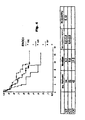
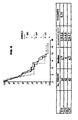
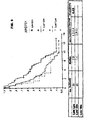
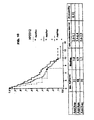
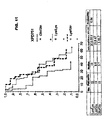
- Lys751Gln XPD genotype predicts an effect and a survival time substantially greater than normal when treated with gemcitabine and cisplatin.
- said combination is clearly contraindicated in the other Lys751Lys and Gln751Gln genotypes.
- Clinical results also show that Lys751Lys patients respond very favorably to the combination of vinorelbine and cisplatin or docetaxel and cisplatin.
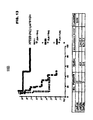
- a minority patient group with the Gln751Gln genotype have a very poor survival time with any combination of chemotherapy with cisplatin, and therefore they should be treated with combinations without cisplatin.
- the XPD polymorphism genetic test is absolutely necessary for the appropriate selection of drugs prior to administering chemotherapy in cancer patients, and very particularly in lung cancer patients.
Landscapes
- Chemical & Material Sciences (AREA)
- Life Sciences & Earth Sciences (AREA)
- Health & Medical Sciences (AREA)
- Organic Chemistry (AREA)
- Proteomics, Peptides & Aminoacids (AREA)
- Engineering & Computer Science (AREA)
- Immunology (AREA)
- Pathology (AREA)
- Analytical Chemistry (AREA)
- Zoology (AREA)
- Genetics & Genomics (AREA)
- Wood Science & Technology (AREA)
- Physics & Mathematics (AREA)
- Biotechnology (AREA)
- Microbiology (AREA)
- Molecular Biology (AREA)
- Hospice & Palliative Care (AREA)
- Biophysics (AREA)
- Oncology (AREA)
- Biochemistry (AREA)
- Bioinformatics & Cheminformatics (AREA)
- General Engineering & Computer Science (AREA)
- General Health & Medical Sciences (AREA)
- Measuring Or Testing Involving Enzymes Or Micro-Organisms (AREA)
- Apparatus Associated With Microorganisms And Enzymes (AREA)
Applications Claiming Priority (2)
| Application Number | Priority Date | Filing Date | Title |
|---|---|---|---|
| ES200300054 | 2003-01-10 | ||
| EP03785985A EP1584691A1 (de) | 2003-01-10 | 2003-12-29 | Vorrichtung zum testen von polymorphismen des gens xpd/errcc2 zur korrekten applikation einer chemotherapie gegen lungenkrebs |
Related Parent Applications (1)
| Application Number | Title | Priority Date | Filing Date |
|---|---|---|---|
| EP03785985A Division EP1584691A1 (de) | 2003-01-10 | 2003-12-29 | Vorrichtung zum testen von polymorphismen des gens xpd/errcc2 zur korrekten applikation einer chemotherapie gegen lungenkrebs |
Publications (2)
| Publication Number | Publication Date |
|---|---|
| EP1905847A2 true EP1905847A2 (de) | 2008-04-02 |
| EP1905847A3 EP1905847A3 (de) | 2008-07-02 |
Family
ID=32695829
Family Applications (2)
| Application Number | Title | Priority Date | Filing Date |
|---|---|---|---|
| EP03785985A Withdrawn EP1584691A1 (de) | 2003-01-10 | 2003-12-29 | Vorrichtung zum testen von polymorphismen des gens xpd/errcc2 zur korrekten applikation einer chemotherapie gegen lungenkrebs |
| EP08100335A Withdrawn EP1905847A3 (de) | 2003-01-10 | 2003-12-29 | Assay-Vorrichtung für XPD-/ERCC2-Gen-Polymorphismen zur korrekten Verabreichung einer Chemotherapie gegen Lungenkrebs |
Family Applications Before (1)
| Application Number | Title | Priority Date | Filing Date |
|---|---|---|---|
| EP03785985A Withdrawn EP1584691A1 (de) | 2003-01-10 | 2003-12-29 | Vorrichtung zum testen von polymorphismen des gens xpd/errcc2 zur korrekten applikation einer chemotherapie gegen lungenkrebs |
Country Status (5)
| Country | Link |
|---|---|
| US (2) | US20060148736A1 (de) |
| EP (2) | EP1584691A1 (de) |
| JP (1) | JP2006514825A (de) |
| AU (1) | AU2003294995A1 (de) |
| WO (1) | WO2004063395A1 (de) |
Families Citing this family (5)
| Publication number | Priority date | Publication date | Assignee | Title |
|---|---|---|---|---|
| EP2385137A1 (de) * | 2002-07-31 | 2011-11-09 | University of Southern California | Polymorphismen zur Vorhersage des Krankheits- und Behandlungsausgangs |
| EP1781809A1 (de) * | 2004-04-08 | 2007-05-09 | BRAUCH, Hiltrud | Ercc2-polymorphismen |
| US20100099720A1 (en) * | 2007-01-18 | 2010-04-22 | Heinz-Josef Lenz | Gene Polymorphisms as Sex-Specific Predictors in Cancer Therapy |
| KR100896710B1 (ko) | 2007-11-13 | 2009-05-11 | 재단법인서울대학교산학협력재단 | 골 밀도 유전자 마커 |
| CA2724346A1 (en) * | 2008-05-15 | 2009-11-19 | University Of Southern California | Ercc-1 expression predicts chemotherapy outcome |
Family Cites Families (1)
| Publication number | Priority date | Publication date | Assignee | Title |
|---|---|---|---|---|
| EP0784096A1 (de) * | 1996-01-10 | 1997-07-16 | Boehringer Mannheim Gmbh | Verfahren zum Nachweis von Polymorphismus und Heterozygotieverlust in einem Lungentumor-Suppressor-Gen |
-
2003
- 2003-12-29 EP EP03785985A patent/EP1584691A1/de not_active Withdrawn
- 2003-12-29 JP JP2004566061A patent/JP2006514825A/ja active Pending
- 2003-12-29 WO PCT/ES2003/000666 patent/WO2004063395A1/es not_active Ceased
- 2003-12-29 AU AU2003294995A patent/AU2003294995A1/en not_active Abandoned
- 2003-12-29 EP EP08100335A patent/EP1905847A3/de not_active Withdrawn
- 2003-12-29 US US10/540,047 patent/US20060148736A1/en not_active Abandoned
-
2007
- 2007-04-05 US US11/784,074 patent/US20080085518A1/en not_active Abandoned
Also Published As
| Publication number | Publication date |
|---|---|
| WO2004063395A1 (es) | 2004-07-29 |
| JP2006514825A (ja) | 2006-05-18 |
| AU2003294995A1 (en) | 2004-08-10 |
| EP1905847A3 (de) | 2008-07-02 |
| EP1584691A1 (de) | 2005-10-12 |
| US20060148736A1 (en) | 2006-07-06 |
| US20080085518A1 (en) | 2008-04-10 |
Similar Documents
| Publication | Publication Date | Title |
|---|---|---|
| Guarini et al. | ATM gene alterations in chronic lymphocytic leukemia patients induce a distinct gene expression profile and predict disease progression | |
| Pressey et al. | Hedgehog pathway activity in pediatric embryonal rhabdomyosarcoma and undifferentiated sarcoma: a report from the Children's Oncology Group | |
| US20070218487A1 (en) | Genetic markers for predicting disease and treatment outcome | |
| Rosell et al. | Targeted therapy in combination with gemcitabine in non-small cell lung cancer | |
| Camps et al. | Assessment of nucleotide excision repair XPD polymorphisms in the peripheral blood of gemcitabine/cisplatin–treated advanced non–small-cell lung cancer patients | |
| WO2006061216A2 (en) | Genetic alteration useful for the response prediction of malignant neoplasia to taxane-based medical treatment | |
| EP3954784A1 (de) | Zusammensetzung zur diagnose oder prognose der vorhersage von gliomen sowie verfahren zur bereitstellung von informationen in zusammenhang damit | |
| US8216783B2 (en) | Over-expression and mutation of a tyrosine kinase receptor FGFR4 in tumors | |
| Lejeune et al. | Low frequency of AXIN2 mutations and high frequency of MUTYH mutations in patients with multiple polyposis | |
| Ivy et al. | Association of RAD51 and XRCC2 gene polymorphisms with cervical cancer risk in the Bangladeshi women | |
| US20080085518A1 (en) | Assay device of XPD/ERCC2 gene polymorphisms for the correct administration of chemotherapy in lung cancer | |
| US9534256B2 (en) | Methods and compositions for correlating genetic markers with risk of aggressive prostate cancer | |
| WO2009103061A2 (en) | Methods and compositions for identifying, diagnosing, and treating neuroblastoma | |
| Mesic et al. | Single nucleotide polymorphisms rs911160 in AURKA and rs2289590 in AURKB mitotic checkpoint genes contribute to gastric cancer susceptibility | |
| EP2417268A2 (de) | Diagnostisches verfahren mit palb2 | |
| Hoyal et al. | Genetic polymorphisms in DPF3 associated with risk of breast cancer and lymph node metastases | |
| WO2006066240A2 (en) | Methods for assessing patients with acute myeloid leukemia | |
| Zhang et al. | Genetic variations in DNA excision repair pathway contribute to the chemosensitivity and prognosis of acute myeloid leukemia | |
| KR101774747B1 (ko) | Pcaf의 다형성을 이용한 비소세포폐암의 예후 진단 방법 | |
| Levin et al. | Sequence variation in α‐methylacyl‐CoA racemase and risk of early‐onset and familial prostate cancer | |
| Almashagbah et al. | Pharmacogenetic study of the dihydropyridine dehydrogenase gene in jordanian patients with colorectal cancer | |
| HK1117879A (en) | Assay device of xpd/ercc2 gene polymorphisms for the correct administration of chemotherapy in lung cancer | |
| US20030022191A1 (en) | Method of identifying and managing increased risk of breast carcinoma associated with polymorphisms in MHC genes | |
| KR101979990B1 (ko) | Eno1의 다형성을 이용한 비소세포폐암의 예후 진단 방법 | |
| KR101895677B1 (ko) | Dtx1의 다형성을 이용한 비소세포폐암의 예후 진단 방법 |
Legal Events
| Date | Code | Title | Description |
|---|---|---|---|
| PUAI | Public reference made under article 153(3) epc to a published international application that has entered the european phase |
Free format text: ORIGINAL CODE: 0009012 |
|
| AC | Divisional application: reference to earlier application |
Ref document number: 1584691 Country of ref document: EP Kind code of ref document: P |
|
| AK | Designated contracting states |
Kind code of ref document: A2 Designated state(s): AT BE BG CH CY CZ DE DK EE ES FI FR GB GR HU IE IT LI LU MC NL PT RO SE SI SK TR |
|
| PUAL | Search report despatched |
Free format text: ORIGINAL CODE: 0009013 |
|
| AK | Designated contracting states |
Kind code of ref document: A3 Designated state(s): AT BE BG CH CY CZ DE DK EE ES FI FR GB GR HU IE IT LI LU MC NL PT RO SE SI SK TR |
|
| 17P | Request for examination filed |
Effective date: 20081008 |
|
| 17Q | First examination report despatched |
Effective date: 20081110 |
|
| REG | Reference to a national code |
Ref country code: HK Ref legal event code: DE Ref document number: 1117879 Country of ref document: HK |
|
| AKX | Designation fees paid |
Designated state(s): AT BE BG CH CY CZ DE DK EE ES FI FR GB GR HU IE IT LI LU MC NL PT RO SE SI SK TR |
|
| AXX | Extension fees paid |
Extension state: LT Payment date: 20081008 Extension state: AL Payment date: 20081008 Extension state: MK Payment date: 20081008 Extension state: LV Payment date: 20081008 |
|
| GRAP | Despatch of communication of intention to grant a patent |
Free format text: ORIGINAL CODE: EPIDOSNIGR1 |
|
| STAA | Information on the status of an ep patent application or granted ep patent |
Free format text: STATUS: THE APPLICATION IS DEEMED TO BE WITHDRAWN |
|
| 18D | Application deemed to be withdrawn |
Effective date: 20110224 |
|
| REG | Reference to a national code |
Ref country code: HK Ref legal event code: WD Ref document number: 1117879 Country of ref document: HK |