EP1882741A1 - Recombinant Mycobacterium strain expressing a mycobacterial FAP protein under the control of a promoter active under hypoxia and its application for cancer therapy - Google Patents
Recombinant Mycobacterium strain expressing a mycobacterial FAP protein under the control of a promoter active under hypoxia and its application for cancer therapy Download PDFInfo
- Publication number
- EP1882741A1 EP1882741A1 EP06291205A EP06291205A EP1882741A1 EP 1882741 A1 EP1882741 A1 EP 1882741A1 EP 06291205 A EP06291205 A EP 06291205A EP 06291205 A EP06291205 A EP 06291205A EP 1882741 A1 EP1882741 A1 EP 1882741A1
- Authority
- EP
- European Patent Office
- Prior art keywords
- recombinant
- anyone
- bcg
- host cell
- recombinant vector
- Prior art date
- Legal status (The legal status is an assumption and is not a legal conclusion. Google has not performed a legal analysis and makes no representation as to the accuracy of the status listed.)
- Granted
Links
- 206010021143 Hypoxia Diseases 0.000 title claims abstract description 14
- 230000007954 hypoxia Effects 0.000 title claims abstract description 11
- 241000186359 Mycobacterium Species 0.000 title description 2
- 238000011275 oncology therapy Methods 0.000 title 1
- 239000013598 vector Substances 0.000 claims abstract description 44
- 206010028980 Neoplasm Diseases 0.000 claims abstract description 18
- 108091033319 polynucleotide Proteins 0.000 claims abstract description 17
- 102000040430 polynucleotide Human genes 0.000 claims abstract description 17
- 239000002157 polynucleotide Substances 0.000 claims abstract description 17
- 239000012634 fragment Substances 0.000 claims abstract description 14
- 238000011282 treatment Methods 0.000 claims abstract description 13
- 230000022532 regulation of transcription, DNA-dependent Effects 0.000 claims abstract description 10
- 230000002265 prevention Effects 0.000 claims abstract description 4
- 241001467552 Mycobacterium bovis BCG Species 0.000 claims description 57
- 101150080488 apa gene Proteins 0.000 claims description 21
- 239000013612 plasmid Substances 0.000 claims description 18
- 230000000259 anti-tumor effect Effects 0.000 claims description 17
- 239000000203 mixture Substances 0.000 claims description 17
- 230000014509 gene expression Effects 0.000 claims description 12
- 238000002360 preparation method Methods 0.000 claims description 5
- 238000002560 therapeutic procedure Methods 0.000 claims description 5
- 206010044412 transitional cell carcinoma Diseases 0.000 claims description 5
- 241000187480 Mycobacterium smegmatis Species 0.000 claims description 4
- 239000003795 chemical substances by application Substances 0.000 claims description 4
- 230000003308 immunostimulating effect Effects 0.000 claims description 4
- 238000004519 manufacturing process Methods 0.000 claims description 4
- 241000187479 Mycobacterium tuberculosis Species 0.000 claims description 3
- 239000003814 drug Substances 0.000 claims description 3
- 206010008342 Cervix carcinoma Diseases 0.000 claims description 2
- 206010009944 Colon cancer Diseases 0.000 claims description 2
- 206010058467 Lung neoplasm malignant Diseases 0.000 claims description 2
- 241000186365 Mycobacterium fortuitum Species 0.000 claims description 2
- 241000187919 Mycobacterium microti Species 0.000 claims description 2
- 208000019065 cervical carcinoma Diseases 0.000 claims description 2
- 201000005296 lung carcinoma Diseases 0.000 claims description 2
- 244000005700 microbiome Species 0.000 claims description 2
- 229960000190 bacillus calmette–guérin vaccine Drugs 0.000 description 61
- 210000004027 cell Anatomy 0.000 description 35
- 101710102499 Alanine and proline-rich secreted protein Apa Proteins 0.000 description 26
- 108090000623 proteins and genes Proteins 0.000 description 19
- 210000003932 urinary bladder Anatomy 0.000 description 13
- 201000009030 Carcinoma Diseases 0.000 description 10
- 102000004169 proteins and genes Human genes 0.000 description 10
- 201000008827 tuberculosis Diseases 0.000 description 10
- 235000018102 proteins Nutrition 0.000 description 9
- 241000894006 Bacteria Species 0.000 description 8
- 108700026244 Open Reading Frames Proteins 0.000 description 8
- 241000700159 Rattus Species 0.000 description 8
- 239000001301 oxygen Substances 0.000 description 7
- 229910052760 oxygen Inorganic materials 0.000 description 7
- 108091026890 Coding region Proteins 0.000 description 6
- 108091008794 FGF receptors Proteins 0.000 description 6
- 102000044168 Fibroblast Growth Factor Receptor Human genes 0.000 description 6
- 230000000694 effects Effects 0.000 description 6
- 238000000338 in vitro Methods 0.000 description 6
- 150000007523 nucleic acids Chemical class 0.000 description 6
- 206010005003 Bladder cancer Diseases 0.000 description 5
- 102000043136 MAP kinase family Human genes 0.000 description 5
- 108091054455 MAP kinase family Proteins 0.000 description 5
- DIKPQFXYECAYPC-UHFFFAOYSA-N N-butyl-N-(4-hydroxybutyl)nitrosamine Chemical compound CCCCN(N=O)CCCCO DIKPQFXYECAYPC-UHFFFAOYSA-N 0.000 description 5
- 208000007097 Urinary Bladder Neoplasms Diseases 0.000 description 5
- 102000007362 alpha-Crystallins Human genes 0.000 description 5
- 108010007908 alpha-Crystallins Proteins 0.000 description 5
- 101150007644 hspX gene Proteins 0.000 description 5
- 238000001727 in vivo Methods 0.000 description 5
- 238000000034 method Methods 0.000 description 5
- 102000039446 nucleic acids Human genes 0.000 description 5
- 108020004707 nucleic acids Proteins 0.000 description 5
- 230000037361 pathway Effects 0.000 description 5
- 108020004414 DNA Proteins 0.000 description 4
- 102000016359 Fibronectins Human genes 0.000 description 4
- 101000928686 Mycobacterium avium Alanine and proline-rich secreted protein Apa Proteins 0.000 description 4
- QVGXLLKOCUKJST-UHFFFAOYSA-N atomic oxygen Chemical compound [O] QVGXLLKOCUKJST-UHFFFAOYSA-N 0.000 description 4
- 238000010367 cloning Methods 0.000 description 4
- 239000000539 dimer Substances 0.000 description 4
- 239000013604 expression vector Substances 0.000 description 4
- 229930027917 kanamycin Natural products 0.000 description 4
- 229960000318 kanamycin Drugs 0.000 description 4
- SBUJHOSQTJFQJX-NOAMYHISSA-N kanamycin Chemical compound O[C@@H]1[C@@H](O)[C@H](O)[C@@H](CN)O[C@@H]1O[C@H]1[C@H](O)[C@@H](O[C@@H]2[C@@H]([C@@H](N)[C@H](O)[C@@H](CO)O2)O)[C@H](N)C[C@@H]1N SBUJHOSQTJFQJX-NOAMYHISSA-N 0.000 description 4
- 229930182823 kanamycin A Natural products 0.000 description 4
- 230000010076 replication Effects 0.000 description 4
- 230000000638 stimulation Effects 0.000 description 4
- 208000024891 symptom Diseases 0.000 description 4
- 210000001519 tissue Anatomy 0.000 description 4
- 238000013518 transcription Methods 0.000 description 4
- 230000035897 transcription Effects 0.000 description 4
- 201000005112 urinary bladder cancer Diseases 0.000 description 4
- 101150109930 ACR gene Proteins 0.000 description 3
- 101710095306 Alpha-crystallin Proteins 0.000 description 3
- 102000004127 Cytokines Human genes 0.000 description 3
- 108090000695 Cytokines Proteins 0.000 description 3
- 238000002965 ELISA Methods 0.000 description 3
- 102000003971 Fibroblast Growth Factor 1 Human genes 0.000 description 3
- 108090000386 Fibroblast Growth Factor 1 Proteins 0.000 description 3
- 108010067306 Fibronectins Proteins 0.000 description 3
- 241000124008 Mammalia Species 0.000 description 3
- 241001465754 Metazoa Species 0.000 description 3
- 230000004913 activation Effects 0.000 description 3
- 238000004458 analytical method Methods 0.000 description 3
- 230000010261 cell growth Effects 0.000 description 3
- 230000001146 hypoxic effect Effects 0.000 description 3
- 238000003119 immunoblot Methods 0.000 description 3
- 238000009169 immunotherapy Methods 0.000 description 3
- 230000005764 inhibitory process Effects 0.000 description 3
- 238000003780 insertion Methods 0.000 description 3
- 230000037431 insertion Effects 0.000 description 3
- 230000007246 mechanism Effects 0.000 description 3
- 230000009467 reduction Effects 0.000 description 3
- 210000002700 urine Anatomy 0.000 description 3
- 230000003442 weekly effect Effects 0.000 description 3
- 108020004638 Circular DNA Proteins 0.000 description 2
- 102000004163 DNA-directed RNA polymerases Human genes 0.000 description 2
- 108090000626 DNA-directed RNA polymerases Proteins 0.000 description 2
- 102000004190 Enzymes Human genes 0.000 description 2
- 108090000790 Enzymes Proteins 0.000 description 2
- 108700039691 Genetic Promoter Regions Proteins 0.000 description 2
- 101710146055 Heat shock protein homolog Proteins 0.000 description 2
- 102000000588 Interleukin-2 Human genes 0.000 description 2
- 108010002350 Interleukin-2 Proteins 0.000 description 2
- 108020004511 Recombinant DNA Proteins 0.000 description 2
- 239000004098 Tetracycline Substances 0.000 description 2
- 150000001413 amino acids Chemical class 0.000 description 2
- 239000003242 anti bacterial agent Substances 0.000 description 2
- 230000001028 anti-proliverative effect Effects 0.000 description 2
- 238000013459 approach Methods 0.000 description 2
- 210000001106 artificial yeast chromosome Anatomy 0.000 description 2
- 230000001580 bacterial effect Effects 0.000 description 2
- 230000003115 biocidal effect Effects 0.000 description 2
- VYLDEYYOISNGST-UHFFFAOYSA-N bissulfosuccinimidyl suberate Chemical compound O=C1C(S(=O)(=O)O)CC(=O)N1OC(=O)CCCCCCC(=O)ON1C(=O)C(S(O)(=O)=O)CC1=O VYLDEYYOISNGST-UHFFFAOYSA-N 0.000 description 2
- 210000004899 c-terminal region Anatomy 0.000 description 2
- 230000004663 cell proliferation Effects 0.000 description 2
- 230000002759 chromosomal effect Effects 0.000 description 2
- 210000000349 chromosome Anatomy 0.000 description 2
- 230000001332 colony forming effect Effects 0.000 description 2
- 238000010276 construction Methods 0.000 description 2
- 238000007796 conventional method Methods 0.000 description 2
- 238000004132 cross linking Methods 0.000 description 2
- 230000001086 cytosolic effect Effects 0.000 description 2
- 201000010099 disease Diseases 0.000 description 2
- 208000037265 diseases, disorders, signs and symptoms Diseases 0.000 description 2
- ZWIBGKZDAWNIFC-UHFFFAOYSA-N disuccinimidyl suberate Chemical compound O=C1CCC(=O)N1OC(=O)CCCCCCC(=O)ON1C(=O)CCC1=O ZWIBGKZDAWNIFC-UHFFFAOYSA-N 0.000 description 2
- 239000000284 extract Substances 0.000 description 2
- 238000009472 formulation Methods 0.000 description 2
- 238000004108 freeze drying Methods 0.000 description 2
- 239000007789 gas Substances 0.000 description 2
- 230000012010 growth Effects 0.000 description 2
- 102000006495 integrins Human genes 0.000 description 2
- 108010044426 integrins Proteins 0.000 description 2
- 231100001231 less toxic Toxicity 0.000 description 2
- 230000007774 longterm Effects 0.000 description 2
- 238000012423 maintenance Methods 0.000 description 2
- 239000003550 marker Substances 0.000 description 2
- 229910052753 mercury Inorganic materials 0.000 description 2
- 239000000178 monomer Substances 0.000 description 2
- 210000000822 natural killer cell Anatomy 0.000 description 2
- 210000004940 nucleus Anatomy 0.000 description 2
- 230000002018 overexpression Effects 0.000 description 2
- 230000001717 pathogenic effect Effects 0.000 description 2
- 239000008194 pharmaceutical composition Substances 0.000 description 2
- 230000004044 response Effects 0.000 description 2
- 241000894007 species Species 0.000 description 2
- 230000009885 systemic effect Effects 0.000 description 2
- 229960002180 tetracycline Drugs 0.000 description 2
- 229930101283 tetracycline Natural products 0.000 description 2
- 235000019364 tetracycline Nutrition 0.000 description 2
- 150000003522 tetracyclines Chemical class 0.000 description 2
- 208000023747 urothelial carcinoma Diseases 0.000 description 2
- 108091032973 (ribonucleotides)n+m Proteins 0.000 description 1
- FWMNVWWHGCHHJJ-SKKKGAJSSA-N 4-amino-1-[(2r)-6-amino-2-[[(2r)-2-[[(2r)-2-[[(2r)-2-amino-3-phenylpropanoyl]amino]-3-phenylpropanoyl]amino]-4-methylpentanoyl]amino]hexanoyl]piperidine-4-carboxylic acid Chemical compound C([C@H](C(=O)N[C@H](CC(C)C)C(=O)N[C@H](CCCCN)C(=O)N1CCC(N)(CC1)C(O)=O)NC(=O)[C@H](N)CC=1C=CC=CC=1)C1=CC=CC=C1 FWMNVWWHGCHHJJ-SKKKGAJSSA-N 0.000 description 1
- 206010006049 Bovine Tuberculosis Diseases 0.000 description 1
- 108091028075 Circular RNA Proteins 0.000 description 1
- 108020004705 Codon Proteins 0.000 description 1
- 102000053602 DNA Human genes 0.000 description 1
- 239000006144 Dulbecco’s modified Eagle's medium Substances 0.000 description 1
- 238000008157 ELISA kit Methods 0.000 description 1
- 102000005593 Endopeptidases Human genes 0.000 description 1
- 108010059378 Endopeptidases Proteins 0.000 description 1
- 241000588724 Escherichia coli Species 0.000 description 1
- 101150027576 FAP gene Proteins 0.000 description 1
- 102100027842 Fibroblast growth factor receptor 3 Human genes 0.000 description 1
- 101710182396 Fibroblast growth factor receptor 3 Proteins 0.000 description 1
- 230000005526 G1 to G0 transition Effects 0.000 description 1
- 206010018691 Granuloma Diseases 0.000 description 1
- 241000282412 Homo Species 0.000 description 1
- 206010022004 Influenza like illness Diseases 0.000 description 1
- 108010061833 Integrases Proteins 0.000 description 1
- 102000008070 Interferon-gamma Human genes 0.000 description 1
- 108010074328 Interferon-gamma Proteins 0.000 description 1
- 102000014150 Interferons Human genes 0.000 description 1
- 108010050904 Interferons Proteins 0.000 description 1
- 102000013462 Interleukin-12 Human genes 0.000 description 1
- 108010065805 Interleukin-12 Proteins 0.000 description 1
- 102000003810 Interleukin-18 Human genes 0.000 description 1
- 108090000171 Interleukin-18 Proteins 0.000 description 1
- 241000186367 Mycobacterium avium Species 0.000 description 1
- 241000186366 Mycobacterium bovis Species 0.000 description 1
- 241000186362 Mycobacterium leprae Species 0.000 description 1
- 101100054729 Mycobacterium tuberculosis (strain ATCC 25618 / H37Rv) hspX gene Proteins 0.000 description 1
- 241001646725 Mycobacterium tuberculosis H37Rv Species 0.000 description 1
- 241001302239 Mycobacterium tuberculosis complex Species 0.000 description 1
- 241001429274 Mycobacterium virus L5 Species 0.000 description 1
- 102000003945 NF-kappa B Human genes 0.000 description 1
- 108010057466 NF-kappa B Proteins 0.000 description 1
- 102000007999 Nuclear Proteins Human genes 0.000 description 1
- 108010089610 Nuclear Proteins Proteins 0.000 description 1
- 108091028043 Nucleic acid sequence Proteins 0.000 description 1
- 108700022034 Opsonin Proteins Proteins 0.000 description 1
- 241000283973 Oryctolagus cuniculus Species 0.000 description 1
- 101150096038 PTH1R gene Proteins 0.000 description 1
- 108091005804 Peptidases Proteins 0.000 description 1
- 239000004365 Protease Substances 0.000 description 1
- 108010076504 Protein Sorting Signals Proteins 0.000 description 1
- 241000700157 Rattus norvegicus Species 0.000 description 1
- 208000007660 Residual Neoplasm Diseases 0.000 description 1
- 102100037486 Reverse transcriptase/ribonuclease H Human genes 0.000 description 1
- 101150023973 Rv2623 gene Proteins 0.000 description 1
- 206010040047 Sepsis Diseases 0.000 description 1
- 108091081024 Start codon Proteins 0.000 description 1
- 108060008682 Tumor Necrosis Factor Proteins 0.000 description 1
- 102000000852 Tumor Necrosis Factor-alpha Human genes 0.000 description 1
- 102000015098 Tumor Suppressor Protein p53 Human genes 0.000 description 1
- 108010078814 Tumor Suppressor Protein p53 Proteins 0.000 description 1
- 101150045355 akt1 gene Proteins 0.000 description 1
- 239000012080 ambient air Substances 0.000 description 1
- 235000001014 amino acid Nutrition 0.000 description 1
- AVKUERGKIZMTKX-NJBDSQKTSA-N ampicillin Chemical compound C1([C@@H](N)C(=O)N[C@H]2[C@H]3SC([C@@H](N3C2=O)C(O)=O)(C)C)=CC=CC=C1 AVKUERGKIZMTKX-NJBDSQKTSA-N 0.000 description 1
- 229960000723 ampicillin Drugs 0.000 description 1
- 230000003321 amplification Effects 0.000 description 1
- 239000004599 antimicrobial Substances 0.000 description 1
- 101150057950 aph gene Proteins 0.000 description 1
- 230000006907 apoptotic process Effects 0.000 description 1
- 238000003556 assay Methods 0.000 description 1
- 230000015572 biosynthetic process Effects 0.000 description 1
- 201000001531 bladder carcinoma Diseases 0.000 description 1
- 206010005084 bladder transitional cell carcinoma Diseases 0.000 description 1
- 201000011510 cancer Diseases 0.000 description 1
- 238000002619 cancer immunotherapy Methods 0.000 description 1
- 230000025084 cell cycle arrest Effects 0.000 description 1
- 239000013043 chemical agent Substances 0.000 description 1
- 238000003776 cleavage reaction Methods 0.000 description 1
- 210000001072 colon Anatomy 0.000 description 1
- 229940124301 concurrent medication Drugs 0.000 description 1
- 201000003146 cystitis Diseases 0.000 description 1
- 230000003247 decreasing effect Effects 0.000 description 1
- 238000001514 detection method Methods 0.000 description 1
- 238000006471 dimerization reaction Methods 0.000 description 1
- 239000003651 drinking water Substances 0.000 description 1
- 235000020188 drinking water Nutrition 0.000 description 1
- 229940072185 drug for treatment of tuberculosis Drugs 0.000 description 1
- 206010013990 dysuria Diseases 0.000 description 1
- 238000005516 engineering process Methods 0.000 description 1
- 239000003623 enhancer Substances 0.000 description 1
- 210000002919 epithelial cell Anatomy 0.000 description 1
- 210000000981 epithelium Anatomy 0.000 description 1
- 238000002474 experimental method Methods 0.000 description 1
- 102000034287 fluorescent proteins Human genes 0.000 description 1
- 108091006047 fluorescent proteins Proteins 0.000 description 1
- 102000037865 fusion proteins Human genes 0.000 description 1
- 108020001507 fusion proteins Proteins 0.000 description 1
- 238000010353 genetic engineering Methods 0.000 description 1
- 208000006750 hematuria Diseases 0.000 description 1
- 230000028993 immune response Effects 0.000 description 1
- 230000036039 immunity Effects 0.000 description 1
- 230000007233 immunological mechanism Effects 0.000 description 1
- 238000013198 immunometric assay Methods 0.000 description 1
- 238000005462 in vivo assay Methods 0.000 description 1
- 238000011534 incubation Methods 0.000 description 1
- 230000001939 inductive effect Effects 0.000 description 1
- 208000015181 infectious disease Diseases 0.000 description 1
- 230000028709 inflammatory response Effects 0.000 description 1
- 238000002347 injection Methods 0.000 description 1
- 239000007924 injection Substances 0.000 description 1
- 230000010354 integration Effects 0.000 description 1
- 229960003130 interferon gamma Drugs 0.000 description 1
- 229940047124 interferons Drugs 0.000 description 1
- 230000021633 leukocyte mediated immunity Effects 0.000 description 1
- 238000009630 liquid culture Methods 0.000 description 1
- 210000004072 lung Anatomy 0.000 description 1
- 210000004698 lymphocyte Anatomy 0.000 description 1
- 206010025482 malaise Diseases 0.000 description 1
- 230000001404 mediated effect Effects 0.000 description 1
- 239000002609 medium Substances 0.000 description 1
- QSHDDOUJBYECFT-UHFFFAOYSA-N mercury Chemical compound [Hg] QSHDDOUJBYECFT-UHFFFAOYSA-N 0.000 description 1
- 238000010369 molecular cloning Methods 0.000 description 1
- 238000003199 nucleic acid amplification method Methods 0.000 description 1
- DCWXELXMIBXGTH-QMMMGPOBSA-N phosphonotyrosine Chemical compound OC(=O)[C@@H](N)CC1=CC=C(OP(O)(O)=O)C=C1 DCWXELXMIBXGTH-QMMMGPOBSA-N 0.000 description 1
- 230000026731 phosphorylation Effects 0.000 description 1
- 238000006366 phosphorylation reaction Methods 0.000 description 1
- 238000007747 plating Methods 0.000 description 1
- 229920002704 polyhistidine Polymers 0.000 description 1
- 230000023603 positive regulation of transcription initiation, DNA-dependent Effects 0.000 description 1
- 230000003389 potentiating effect Effects 0.000 description 1
- 108090000765 processed proteins & peptides Proteins 0.000 description 1
- 230000035755 proliferation Effects 0.000 description 1
- 230000001737 promoting effect Effects 0.000 description 1
- 238000011321 prophylaxis Methods 0.000 description 1
- 230000004853 protein function Effects 0.000 description 1
- 238000000746 purification Methods 0.000 description 1
- 102000005962 receptors Human genes 0.000 description 1
- 108020003175 receptors Proteins 0.000 description 1
- 238000003259 recombinant expression Methods 0.000 description 1
- 230000001105 regulatory effect Effects 0.000 description 1
- 238000002271 resection Methods 0.000 description 1
- 230000002441 reversible effect Effects 0.000 description 1
- JQXXHWHPUNPDRT-WLSIYKJHSA-N rifampicin Chemical compound O([C@](C1=O)(C)O/C=C/[C@@H]([C@H]([C@@H](OC(C)=O)[C@H](C)[C@H](O)[C@H](C)[C@@H](O)[C@@H](C)\C=C\C=C(C)/C(=O)NC=2C(O)=C3C([O-])=C4C)C)OC)C4=C1C3=C(O)C=2\C=N\N1CC[NH+](C)CC1 JQXXHWHPUNPDRT-WLSIYKJHSA-N 0.000 description 1
- 229960001225 rifampicin Drugs 0.000 description 1
- 230000007017 scission Effects 0.000 description 1
- 230000035945 sensitivity Effects 0.000 description 1
- 230000011664 signaling Effects 0.000 description 1
- 239000003381 stabilizer Substances 0.000 description 1
- 238000010561 standard procedure Methods 0.000 description 1
- 239000002512 suppressor factor Substances 0.000 description 1
- 230000004083 survival effect Effects 0.000 description 1
- 238000003786 synthesis reaction Methods 0.000 description 1
- 238000011200 topical administration Methods 0.000 description 1
- 230000000699 topical effect Effects 0.000 description 1
- 231100000419 toxicity Toxicity 0.000 description 1
- 230000001988 toxicity Effects 0.000 description 1
- 230000005030 transcription termination Effects 0.000 description 1
- 230000002103 transcriptional effect Effects 0.000 description 1
- 230000001052 transient effect Effects 0.000 description 1
- 238000013519 translation Methods 0.000 description 1
- 210000004881 tumor cell Anatomy 0.000 description 1
- 208000010570 urinary bladder carcinoma Diseases 0.000 description 1
- 239000013603 viral vector Substances 0.000 description 1
- 238000001262 western blot Methods 0.000 description 1
Images




Classifications
-
- C—CHEMISTRY; METALLURGY
- C12—BIOCHEMISTRY; BEER; SPIRITS; WINE; VINEGAR; MICROBIOLOGY; ENZYMOLOGY; MUTATION OR GENETIC ENGINEERING
- C12N—MICROORGANISMS OR ENZYMES; COMPOSITIONS THEREOF; PROPAGATING, PRESERVING, OR MAINTAINING MICROORGANISMS; MUTATION OR GENETIC ENGINEERING; CULTURE MEDIA
- C12N15/00—Mutation or genetic engineering; DNA or RNA concerning genetic engineering, vectors, e.g. plasmids, or their isolation, preparation or purification; Use of hosts therefor
- C12N15/09—Recombinant DNA-technology
- C12N15/63—Introduction of foreign genetic material using vectors; Vectors; Use of hosts therefor; Regulation of expression
- C12N15/74—Vectors or expression systems specially adapted for prokaryotic hosts other than E. coli, e.g. Lactobacillus, Micromonospora
-
- A—HUMAN NECESSITIES
- A61—MEDICAL OR VETERINARY SCIENCE; HYGIENE
- A61K—PREPARATIONS FOR MEDICAL, DENTAL OR TOILETRY PURPOSES
- A61K39/00—Medicinal preparations containing antigens or antibodies
- A61K39/02—Bacterial antigens
- A61K39/04—Mycobacterium, e.g. Mycobacterium tuberculosis
-
- A—HUMAN NECESSITIES
- A61—MEDICAL OR VETERINARY SCIENCE; HYGIENE
- A61P—SPECIFIC THERAPEUTIC ACTIVITY OF CHEMICAL COMPOUNDS OR MEDICINAL PREPARATIONS
- A61P35/00—Antineoplastic agents
-
- A—HUMAN NECESSITIES
- A61—MEDICAL OR VETERINARY SCIENCE; HYGIENE
- A61P—SPECIFIC THERAPEUTIC ACTIVITY OF CHEMICAL COMPOUNDS OR MEDICINAL PREPARATIONS
- A61P37/00—Drugs for immunological or allergic disorders
- A61P37/02—Immunomodulators
- A61P37/04—Immunostimulants
-
- A—HUMAN NECESSITIES
- A61—MEDICAL OR VETERINARY SCIENCE; HYGIENE
- A61K—PREPARATIONS FOR MEDICAL, DENTAL OR TOILETRY PURPOSES
- A61K35/00—Medicinal preparations containing materials or reaction products thereof with undetermined constitution
- A61K2035/11—Medicinal preparations comprising living procariotic cells
-
- A—HUMAN NECESSITIES
- A61—MEDICAL OR VETERINARY SCIENCE; HYGIENE
- A61K—PREPARATIONS FOR MEDICAL, DENTAL OR TOILETRY PURPOSES
- A61K39/00—Medicinal preparations containing antigens or antibodies
- A61K2039/51—Medicinal preparations containing antigens or antibodies comprising whole cells, viruses or DNA/RNA
- A61K2039/52—Bacterial cells; Fungal cells; Protozoal cells
- A61K2039/521—Bacterial cells; Fungal cells; Protozoal cells inactivated (killed)
-
- A—HUMAN NECESSITIES
- A61—MEDICAL OR VETERINARY SCIENCE; HYGIENE
- A61K—PREPARATIONS FOR MEDICAL, DENTAL OR TOILETRY PURPOSES
- A61K39/00—Medicinal preparations containing antigens or antibodies
- A61K2039/51—Medicinal preparations containing antigens or antibodies comprising whole cells, viruses or DNA/RNA
- A61K2039/52—Bacterial cells; Fungal cells; Protozoal cells
- A61K2039/523—Bacterial cells; Fungal cells; Protozoal cells expressing foreign proteins
-
- A—HUMAN NECESSITIES
- A61—MEDICAL OR VETERINARY SCIENCE; HYGIENE
- A61K—PREPARATIONS FOR MEDICAL, DENTAL OR TOILETRY PURPOSES
- A61K38/00—Medicinal preparations containing peptides
Definitions
- the invention relates to a recombinant Mycobacterium strain expressing a polynucleotide fragment encoding a mycobacterial FAP protein under the transcriptional control of a promoter active under hypoxia conditions and its use for the prevention and the treatment of epithelial tumors.
- Bladder cancer is among the top five cancers in men and is three to four time less frequent in women. Over 80 % of these cancers are superficial transitional cell carcinomas.
- Intravesical immunotherapy with bacillus Calmette-Guerin (BCG) is, today, the reference for treatment and prophylaxis of superficial transitional cell carcinoma of the urinary bladder; it is the most effective therapy for preventing superficial tumor recurrences and treating residual tumors of the bladder after transurethral tumor resection ( Lamm et al., N. Engl. J. Med., 1991, 325, 1205 -).
- the alanine and proline rich secreted protein APA also named FAP-B, antigen MPT-32, 45-kDa glycoprotein, or 45/47-kDa antigen
- FAP mycobacterial fibronectin attachment protein
- Mycobacterial FAP proteins constitute a family of highly homologous proteins that bind fibronectin in a unique manner.
- FAP proteins from at least five mycobacterial species including M. leprae (FAP-L), M. avium (FAP-A), M. bovis BCG (FAP-B; GenBank accession number AF013569), M. smegmatis (FAP-S) and M. tuberculosis (APA, antigen MPT-32, 45-kDa glycoprotein, or 45/47-kDa antigen; EMBL accession number X80268) have been cloned and characterized.
- the fibronectin binding region (positions 269-292 of FAP-A) contains a conserved RWFV tetrapeptide (positions 273 to 276 of FAP-A) that is necessary for fibronectin binding function.
- the minimal binding sequence is the 12 amino acid peptide, 269-280 (positions 269 to 280 of FAP-A; Zhao et al., The Journal of Biological Chemistry, 1999, 274, 4521-4526 ).
- the APA protein functions as an opsonin, linking BCG to cell surface integrins, via a fibronectin bridge.
- FAP-mediated BCG adherence to the urothelial carcinoma surface ⁇ 5 ⁇ 1 integrin which is the predominant FAP receptor on urothelial cells, induces signaling and gene transactivation pathways involving NF- ⁇ B and AP-1.
- Cell-cycle arrest at the G1/S interface, rather than apoptosis, is the mechanism contributing to BCG's anti-proliferative effect ( Chen et al., BMC Urology, 2005, 5:8 ).
- BCG for bladder cancer
- the use of BCG for bladder cancer does not come without drawbacks, both in terms of efficacy and toxicity.
- the response to BCG is unpredictable and not linear.
- thirty percent of patients are BCG refractory and there are currently no reliable prognostic factors that accurately predict treatment success or failure.
- the long-term durability of response to BCG is limited and the use of maintenance (three weekly treatments every three to six months) or booster therapy (once a month) for up to 36 months is necessary to reduce recurrence of bladder cancer.
- BCG has side effects. Most patients experience local symptoms of cystitis including frequency, urgency, dysuria and occasional haematuria. Mild systemic symptoms of high temperature, malaise, and a transient influenza-like illness are also common. Severe side-effects occur in 5 % of patients, roughly 10 % of which involve frank BCG sepsis (Alexandroff et al., precited).
- the inventors have engineered a recombinant BCG (BCG Apa ++ ) overexpressing the APA protein under hypoxic conditions.
- BCG Apa ++ a recombinant BCG
- expression of the APA open reading frame is driven by the mycobacterial ⁇ -crystallin promoter.
- the ⁇ -crystallin is a protein which is specifically synthesized during M.
- BCG Apa ++ In vivo administration of BCG Apa ++ , leads to overexpression of the APA protein in tissues were the partial pressure of oxygen is low, such as the bladder ( Leonhardt et al., N. England J. Medecine, 1963, 269, 115-121 ).
- BCG Apa ++ is more active than wild-type BCG to control human bladder carcinoma cells proliferation, both in vitro and in vivo. This recombinant BCG should lower the doses of BCG used and minimize the side-effects associated with BCG immunotherapy.
- the invention relates to a recombinant vector comprising a polynucleotide fragment encoding a mycobacterial FAP protein under the transcriptional control of a promoter sequence which is active under hypoxia conditions.
- the FAP coding sequence may be the FAP gene, the FAP protein coding sequence (CDS), corresponding to the full-length FAP open reading frame (ORF), or a truncated coding sequence, wherein the N-terminal signal sequence has been deleted.
- CDS FAP protein coding sequence
- ORF full-length FAP open reading frame
- truncated coding sequence wherein the N-terminal signal sequence has been deleted.
- the invention features a recombinant vector, wherein said polynucleotide fragment encodes a Mycobacterium tuberculosis FAP protein ( M. tuberculosis APA protein).
- the invention features a recombinant vector, wherein the promoter is a mycobacterial promoter which is active in hypoxic conditions.
- the promoter is a mycobacterial promoter which is active in hypoxic conditions. Examples of such promoters are described in Florczyk et al., Infect. Immun., 2001, 69, 5777-5785 and Florczyk et al., Infect. Immun., 2003, 71, 5332-5343 .
- the one specified here above may advantageously be used (see chapter definitions, hspX gene); another promoter may also be advantageously used: it corresponds to the promoter of the Rv2623 gene (accession number of the corresponding protein of M.
- tuberculosis tuberculosis: gi2104288
- primers used to amplify said promoter are those described in Table 1 in Florczyk et al., (Infect. Immun., 2003, precited ), modified in view to add the restriction sites BamHI or NcoI at the 5'end
- the mycobacterial promoter is the promoter of the acr gene (HSPX promoter); expression of the alpha-crystallin heat shock protein homolog HSPX (14 kDa antigen; HSP16.3) encoded by the mycobacterial acr gene, is specifically induced to very high level under hypoxic conditions.
- HSPX promoter the promoter of the acr gene
- expression of the alpha-crystallin heat shock protein homolog HSPX (14 kDa antigen; HSP16.3) encoded by the mycobacterial acr gene is specifically induced to very high level under hypoxic conditions.
- the vector comprises a polynucleotide fragment encoding the M. tuberculosis APA protein under the transcriptional control of the HSPX promoter.
- a vector according to the present invention comprises, but is not limited to, a YAC (yeast artificial chromosome), a BAC (bacterial artificial), a phage, a phagemid, a cosmid, a viral vector, a plasmid, a RNA vector or a linear or circular DNA or RNA molecule which may consist of chromosomal, non chromosomal, semisynthetic or synthetic nucleic acids.
- Preferred vectors are those capable of autonomous replication and/or expression of nucleic acids to which they are linked.
- One type of preferred vector is an episome, i.e., a nucleic acid capable of extra-chromosomal replication.
- expression vectors of utility in recombinant DNA techniques are often in the form of "plasmids" which refer generally to circular double-stranded DNA loops which, in their vector form are not bound to the chromosome. Large numbers of suitable vectors are known to those of skill in the art.
- the vector according to the present invention comprises an expression cassette, wherein the sequence encoding the FAP protein is placed under control of appropriate transcriptional and translational control elements to permit production or synthesis of said protein. More particularly, the vector may comprise additional features which are well-known in the art, including:
- the invention features a vector which is a plasmid (double-stranded circular DNA).
- said plasmid contains a bacterial origin of replication and an antibiotic resistance gene.
- the invention features a plasmid, identified as pYAPA2031 , wherein a polynucleotide fragment encoding the M. tuberculosis APA protein under the transcriptional control of the HSPX promoter is inserted in the EcoR V site of the pYUB295 plasmid ( Dussurget et al., Infect. Immun., 2001, 69, 529-533 ; Gomez et al., Mol. Microbiol., 1998, 29, 617-628 ).
- the invention concerns also an expression cassette derived from the recombinant vector according to the present invention, consisting of a polynucleotide fragment comprising the promoter sequence which is active under hypoxia conditions operatively linked to the polynucleotide fragment encoding a mycobacterial FAP protein, as defined above.
- Said expression cassette may further comprise additional features as defined above (cloning site, tag, downstream termination signal).
- the invention relates also to a host cell which is genetically modified by a recombinant vector as defined above (recombinant cell).
- the invention relates to bacteria, preferably mycobacteria transformed by a recombinant vector as defined above.
- Preferred mycobacteria include those of M. tuberculosis complex, such as M bovis BCG strains, for example the Pasteur BCG strain.
- Other preferred mycobacteria are those which are fast growing and non pathogenic for humans such are for example, Mycobacterium smegmatis, Mycobacterium fortuitum and Mycobacterium microti.
- the invention features a recombinant Mycobacterium bovis BCG strain, stably transformed with the plasmid pYAPA2031, deposited at the Collection Nationale de Cultures de Microorganismes, 25 rue du Dondel Roux, 75724 Paris Cedex 15, on July 21 2006, under accession number 1-3659, identified as BCG Apa ++ .
- the invention relates also to an antitumoral composition
- an antitumoral composition comprising a suitable amount of a recombinant vector or host cell as defined above, in an acceptable carrier, such as a stabilizer, a buffer and the like.
- composition according to the present invention may comprise living or killed vector/cell.
- the killed vector/cell compositions are prepared by any means, known to those of ordinary skill in the art.
- a pharmaceutical composition or formulation refers to a form suitable for administration (oral, topical, by injection or inhalation) into a subject, for example a mammal, and in particular a human. Suitable forms, in part, depend upon the use or the route of entry.
- a preferred formulation is for topical administration, more preferably for intravesical, intravaginal, rectal administration, or for inhalation.
- a pharmaceutically effective dose is that dose required to prevent, inhibit the occurrence or treat (alleviate a symptom to some extent, preferably all the symptoms) of a disease or state.
- the pharmaceutically effective dose of the vector/host cell depends upon the composition used, the route of administration, the type of mammal being treated, the physical characteristics of the specific mammal under consideration, concurrent medication, and other factors, that those skilled in the medical arts will recognize.
- the effective dose of recombinant mycobacteria for human is between 10 6 and 10 10 CFU (Colony Forming Unit) or CFU equivalent.
- the tumor is an epithelial tumor. More preferably, the tumor is a superficial tumor. In particular, the tumor is a transitional cell carcinoma of the bladder or a lung, colon or cervix carcinoma.
- the antitumoral composition according to the present invention comprises a recombinant mycobacteria strain as defined above, in particular the BCG Apa ++ strain.
- the recombinant mycobacteria strain is killed, more preferably by extended freeze-drying.
- the method of preparation of extended-freeze-drying mycobacteria strains is described in the PCT International Application WO 03049752 .
- the antitumoral composition according to the present invention further comprises an immunostimulatory agent.
- the invention relates also to the use of a recombinant vector or host cell as defined above for the manufacture of a medicament intended for the prevention or the treatment of a tumor in a subject.
- the invention relates also to a product containing a recombinant vector or a host cell as defined above, and an immunostimulatory agent, as combined preparation for simultaneous, separate or sequential use in antitumoral therapy.
- the invention relates also to a method for preventing or treating a tumor in a subject, comprising: administering to the subject, an effective amount of a composition, as defined above, by any appropriate means.
- the composition is administered intravesically, intravaginally, rectally, or by inhalation and comprises between 10 6 and 10 10 CFU (Colony Forming Unit) or CFU equivalent of recombinant mycobacteria.
- the invention relates also to the use of the expression cassette or recombinant vector, as defined above for the preparation of a modified host cell, preferably a recombinant mycobacteria strain wherein the expression cassette is integrated in the genome of the recombinant mycobacteria.
- the recombinant vector according to the invention is constructed and introduced in a host cell by the well-known recombinant DNA and genetic engineering techniques using classical methods, according to standard procedures as those described in: Current Protocols in Molecular Biology (Frederick M. A USUBEL, 2000, Wiley and son Inc, Library of Congress, USA ) and Molecular Cloning: A Laboratory Manual, Third Edition, (Sambrook et al, 2001, Cold Spring Harbor, New York: Cold Spring Harbor Laboratory Press ).
- Example 1 Construction of a recombinant BCG (BCG Apa ++ ) overexpressing the APA protein under the control of the alpha-crystallin promoter.
- a plasmid containing the appropriate sequences was tailored.
- This plasmid contains the apa gene of M. tuberculosis (EMBL accession number X80268 and Laqueyrie et al., Infection and Immunity, 1995, 63, 4003-4010 ) coding for the APA protein, cloned under the transcriptional control of the HSPX (GenBank accession number S79751; Yuan et al., J. Bacteriol., 1996, 178, 4484-4492 ; Florczyk et al., Infect.
- the apa DNA from M. tuberculosis was amplified by PCR from pLA34-2 ( Laqueyrerie et al., Infect. Immun. 1995, 63, 4003-4010 ).
- the apa sequence was modified to create an Nco I site via the forward primer (5'-catg ccatgg tacaggtggaccccaacttgaca-3': SEQ ID NO: 1) and a Bam HI site in the reverse sequence (5'-tta ggatcc ggcggtaaggtccgctgcggtgt 3': SEQ ID NO: 2) in order to subclone the Nco I- Bam HI PCR product into the pQE60 expression vector (Qiagen; ( Horn et al., J. Biol. Chem., 1999, 274, 32023-32030 ).
- T24 cells derived from a human transitionnal cell carcinoma (ATCC number HTB-4), were incubated for 48 h without bacteria or with 10 6 CFU/ml BCG vaccine or BCG Apa ++ .
- the cells were cooled at 4°C during 15 min and treated for 2 h at 4°C in the absence or presence of 50 ng/ml of FGF-1 (PROMEGA).
- the FGF receptor (FGFR-3) of the T24 carcinoma cells is activated by FGF. This activation is decreased in BCG vaccine treated cells and is totally abolished in BCG Apa ++ treated cells (figure 1). The inhibition of FGFR-3 dimerisation observed on cells stimulated with FGF-1 but incubated with BCG Apa ++ , indicated that cells were inhibited in their growth.
- T24 cells were cultured in six-well plates. After 48 h incubation with 10 6 CFU/ml BCG vaccine or BCG Apa ++ in serum-free DMEM, the cells were incubated for 15 minutes either without or with 100 ng/ml of EGF, and lysed.
- the presence of phosphorylated mitogen-activated protein kinase p42/p44 (pMAPK) and phosphorylated Akt 1-2 were determined by total protein ELISA by PhosphoDetect ERK 1/2 (pThr 185 /pTyr 187 ) (CALBIOCHEM) and PhosphoDetect Akt (pSer 473 ) (CALBIOCHEM) ELISA Kits respectively.
- N-butyl-N-(4-hydroxybutyl)nitrosamine BBN (KASEI INDUSTRY COMPANY) was given at 0.05 % in the drinking water of 24 rats for 19 weeks. 6 rats were maintained without any treatment up to 30 weeks. One week after BBN exposure treatment (20th week) the rats received 6 weekly intravesical instillations of 0.5 ml of PBS alone, or PBS containing 10 8 CFU/ml of BCG vaccine or BCG Apa ++ . Rats were euthanized at the 30th week (one month after the last BCG treatment).
- BCG Apa ++ overexpressing APA molecules under mild hypoxia conditions observed in bladder was found to be more active than wild BCG to control carcinoma cell proliferation in bladder of rats receiving a chemical agent promoting carcinoma.
Landscapes
- Health & Medical Sciences (AREA)
- Life Sciences & Earth Sciences (AREA)
- Chemical & Material Sciences (AREA)
- Genetics & Genomics (AREA)
- Engineering & Computer Science (AREA)
- General Health & Medical Sciences (AREA)
- Organic Chemistry (AREA)
- Bioinformatics & Cheminformatics (AREA)
- Immunology (AREA)
- Biomedical Technology (AREA)
- Biotechnology (AREA)
- Animal Behavior & Ethology (AREA)
- Pharmacology & Pharmacy (AREA)
- Public Health (AREA)
- Veterinary Medicine (AREA)
- Zoology (AREA)
- Wood Science & Technology (AREA)
- Microbiology (AREA)
- Medicinal Chemistry (AREA)
- General Engineering & Computer Science (AREA)
- Molecular Biology (AREA)
- Chemical Kinetics & Catalysis (AREA)
- Epidemiology (AREA)
- Plant Pathology (AREA)
- Pulmonology (AREA)
- Physics & Mathematics (AREA)
- Mycology (AREA)
- Biochemistry (AREA)
- Communicable Diseases (AREA)
- Biophysics (AREA)
- General Chemical & Material Sciences (AREA)
- Nuclear Medicine, Radiotherapy & Molecular Imaging (AREA)
- Micro-Organisms Or Cultivation Processes Thereof (AREA)
- Medicines Containing Material From Animals Or Micro-Organisms (AREA)
- Medicines That Contain Protein Lipid Enzymes And Other Medicines (AREA)
- Medicines Containing Antibodies Or Antigens For Use As Internal Diagnostic Agents (AREA)
- Peptides Or Proteins (AREA)
Abstract
Description
- The invention relates to a recombinant Mycobacterium strain expressing a polynucleotide fragment encoding a mycobacterial FAP protein under the transcriptional control of a promoter active under hypoxia conditions and its use for the prevention and the treatment of epithelial tumors.
- Bladder cancer is among the top five cancers in men and is three to four time less frequent in women. Over 80 % of these cancers are superficial transitional cell carcinomas. Intravesical immunotherapy with bacillus Calmette-Guerin (BCG) is, today, the reference for treatment and prophylaxis of superficial transitional cell carcinoma of the urinary bladder; it is the most effective therapy for preventing superficial tumor recurrences and treating residual tumors of the bladder after transurethral tumor resection (Lamm et al., N. Engl. J. Med., 1991, 325, 1205-).
- While the anti-tumor effect of BCG is well-established, the mechanism through which it occurs is less clear. Some studies suggest that the cell mediated immune response to BCG plays a critical role in the BCG anti-tumor effect. At the same time, other studies identify a direct anti-tumor effect of BCG. The relative contribution of these two possible mechanisms to BCG's clinical anti-tumor activity remains unknown.
- The instillation of BCG into the bladder provokes a complex inflammatory response during which lymphocytes and various cytokines are released into the urine. Local granulomas formed in the suburothelial stroma are proposed to play a key role in the control of carcinoma cells (Alexandroff et al., The Lancet, 1999, 353, 1689-1694). NK cells have been hypothesized to mediate a part of this control. The production of different cytokines (IL-2, IL-12, IL-18 and interferons α) is over-expressed after BCG therapy and may activate NK cells (Suttmann et al., The Journal of Urology, 2004, 172, 1490-1495). However, the intense immune responses observed in some patients did not correlate with a better disease control and the immunological mechanisms allowing the proliferation control of carcinoma cells are still unclear.
- A number of studies demonstrate that BCG exerts a direct anti-proliferative effect on human urothelial carcinoma cells. The alanine and proline rich secreted protein APA (also named FAP-B, antigen MPT-32, 45-kDa glycoprotein, or 45/47-kDa antigen) of the mycobacterial fibronectin attachment protein (FAP) family is a necessary protein for in vivo BCG attachment to the bladder epithelial cells and mediation of BCG-induced anti-tumor activity (Zhao et al., Int. J. Cancer, 2000, 86, 83-88). Mycobacterial FAP proteins constitute a family of highly homologous proteins that bind fibronectin in a unique manner. FAP proteins from at least five mycobacterial species including M. leprae (FAP-L), M. avium (FAP-A), M. bovis BCG (FAP-B; GenBank accession number AF013569), M. smegmatis (FAP-S) and M. tuberculosis (APA, antigen MPT-32, 45-kDa glycoprotein, or 45/47-kDa antigen; EMBL accession number X80268) have been cloned and characterized. The fibronectin binding region (positions 269-292 of FAP-A) contains a conserved RWFV tetrapeptide (positions 273 to 276 of FAP-A) that is necessary for fibronectin binding function. The minimal binding sequence is the 12 amino acid peptide, 269-280 (positions 269 to 280 of FAP-A; Zhao et al., The Journal of Biological Chemistry, 1999, 274, 4521-4526). The APA protein functions as an opsonin, linking BCG to cell surface integrins, via a fibronectin bridge. FAP-mediated BCG adherence to the urothelial carcinoma surface α5β1 integrin, which is the predominant FAP receptor on urothelial cells, induces signaling and gene transactivation pathways involving NF-κB and AP-1. Cell-cycle arrest at the G1/S interface, rather than apoptosis, is the mechanism contributing to BCG's anti-proliferative effect (Chen et al., BMC Urology, 2005, 5:8).
- However, the use of BCG for bladder cancer does not come without drawbacks, both in terms of efficacy and toxicity. First, the response to BCG is unpredictable and not linear. As a result, thirty percent of patients are BCG refractory and there are currently no reliable prognostic factors that accurately predict treatment success or failure. In addition, the long-term durability of response to BCG is limited and the use of maintenance (three weekly treatments every three to six months) or booster therapy (once a month) for up to 36 months is necessary to reduce recurrence of bladder cancer.
- Second, BCG has side effects. Most patients experience local symptoms of cystitis including frequency, urgency, dysuria and occasional haematuria. Mild systemic symptoms of high temperature, malaise, and a transient influenza-like illness are also common. Severe side-effects occur in 5 % of patients, roughly 10 % of which involve frank BCG sepsis (Alexandroff et al., precited).
- Recent advances in recombinant mycobacteria technology, have open new horizons for bladder cancer immunotherapy. Several approaches have been suggested to produce a recombinant alternative to BCG which is less toxic and/or more effective than the existing BCG (Alexandroff et al., precited):
- a recombinant BCG expressing human cytokines of interest such as
interleukin 2, interferon gamma, tumor necrosis factor alpha; it is expected that this recombinant BCG should be more immunopotent and thus could lead to the use of lower doses of BCG and minimize the chance of systemic BCG infection, - a recombinant strain of BCG which is less virulent or which incorporates a suicide gene or antimicrobial drug susceptibilies that are less toxic and more effectice than conventional antituberculosis drugs; it is expected that these recombinant BCG should produce less side effects.
- In addition, it has been suggested to use a non-pathogenic strain of mycobacteria, such as M. smegmatis.
- However, to date, none of these approaches have provided an alternative to BCG immunotherapy. It is in this context that the invention was made.
- Knowing that the PO2 in urine is low (Leonhardt et al., New Engl. J. Med., 1963, 269, 115-121), i.e. the local PO2 of the surface of the bladder epithelium where carcinoma cells are growing, the inventors have engineered a recombinant BCG (BCG Apa++) overexpressing the APA protein under hypoxic conditions. In this construct, expression of the APA open reading frame is driven by the mycobacterial α-crystallin promoter. The α-crystallin is a protein which is specifically synthesized during M. tuberculosis late exponential and stationary phase growth in vitro, following a shift to oxygen-limiting conditions, and may play a role in long-term survival of M. tuberculosis, in vivo (Yuan et al., J. Bacteriol., 1996, 178, 4484-4492). In vivo administration of BCG Apa++, leads to overexpression of the APA protein in tissues were the partial pressure of oxygen is low, such as the bladder (Leonhardt et al., N. England J. Medecine, 1963, 269, 115-121). As a result, BCG Apa++ is more active than wild-type BCG to control human bladder carcinoma cells proliferation, both in vitro and in vivo. This recombinant BCG should lower the doses of BCG used and minimize the side-effects associated with BCG immunotherapy.
- Therefore, the invention relates to a recombinant vector comprising a polynucleotide fragment encoding a mycobacterial FAP protein under the transcriptional control of a promoter sequence which is active under hypoxia conditions.
-
- by "vector" is intended a nucleic acid molecule capable of transporting another nucleic acid to which it has been linked, into a host cell.
- by "expression vector" is intended a vector capable of directing the expression of a cloned polynucleotide.
- by "promoter sequence" is intended a nucleic acid sequence that is necessary to permit an RNA polymerase to initiate transcription of a polynucleotide. Said promoter may also include regulatory sequences (enhancer, repressor), that serve to enhance or repress transcription.
- by "transcriptional control" is intended that the polynucleotide encoding the mycobacterial FAP protein is operatively linked to the promoter (i.e. at a position allowing transcription of said polynucleotide and translation of the corresponding protein to occur in the host cells modified by the recombinant expression vector.
- by "hypoxia" is intended a partial pressure of oxygen which is inferior to 30 mm Hg, as determined by conventional techniques, for example by using a polarographic electrode.
- by "mycobacterial FAP protein" is intended a protein encoded by the apa gene of M. tuberculosis (EMBL accession number X80268), or its homolog from other mycobacteria species, including for example the FAP-B gene of M bovis (GenBank AF013569). The APA protein amino acid sequence corresponds to the SwissProt accession number Q50906.
- by " acr gene" or "hspX gene" is intended the gene encoding the alpha-crystallin heat shock protein homolog HSPX (14 kDa antigen; HSP16.3). By reference to M. tuberculosis H37Rv sequence (accession number NC_000962.2), the hspX gene (Gene ID: 887579; locus tag Rv2031c) corresponds to positions 2278498 to 2278932 on the minus strand. The hspX gene corresponds also to GenBank accession number 579751. By reference to M. bovis sequence (accession number AF2122/97), the hspX gene (Gene ID: 1094114; locus tag MB2057C) corresponds to positions 2262845 and 2262411 (5' to 3'); said gene is on the DNA minus strand and the amplified promoter region is included between positions 2263059 and 2262846(5' to 3')
- According to the present invention the FAP coding sequence may be the FAP gene, the FAP protein coding sequence (CDS), corresponding to the full-length FAP open reading frame (ORF), or a truncated coding sequence, wherein the N-terminal signal sequence has been deleted.
- In a first embodiment, the invention features a recombinant vector, wherein said polynucleotide fragment encodes a Mycobacterium tuberculosis FAP protein (M. tuberculosis APA protein).
- In a second embodiment, the invention features a recombinant vector, wherein the promoter is a mycobacterial promoter which is active in hypoxic conditions. Examples of such promoters are described in Florczyk et al., Infect. Immun., 2001, 69, 5777-5785 and Florczyk et al., Infect. Immun., 2003, 71, 5332-5343. Among said promoters, the one specified here above may advantageously be used (see chapter definitions, hspX gene); another promoter may also be advantageously used: it corresponds to the promoter of the Rv2623 gene (accession number of the corresponding protein of M. tuberculosis: gi2104288); the primers used to amplify said promoter are those described in Table 1 in Florczyk et al., (Infect. Immun., 2003, precited), modified in view to add the restriction sites BamHI or NcoI at the 5'end
- Preferably, the mycobacterial promoter is the promoter of the acr gene (HSPX promoter); expression of the alpha-crystallin heat shock protein homolog HSPX (14 kDa antigen; HSP16.3) encoded by the mycobacterial acr gene, is specifically induced to very high level under hypoxic conditions.
- More preferably, the vector comprises a polynucleotide fragment encoding the M. tuberculosis APA protein under the transcriptional control of the HSPX promoter.
- A vector according to the present invention comprises, but is not limited to, a YAC (yeast artificial chromosome), a BAC (bacterial artificial), a phage, a phagemid, a cosmid, a viral vector, a plasmid, a RNA vector or a linear or circular DNA or RNA molecule which may consist of chromosomal, non chromosomal, semisynthetic or synthetic nucleic acids. Preferred vectors are those capable of autonomous replication and/or expression of nucleic acids to which they are linked. One type of preferred vector is an episome, i.e., a nucleic acid capable of extra-chromosomal replication. In general, expression vectors of utility in recombinant DNA techniques are often in the form of "plasmids" which refer generally to circular double-stranded DNA loops which, in their vector form are not bound to the chromosome. Large numbers of suitable vectors are known to those of skill in the art.
- The vector according to the present invention comprises an expression cassette, wherein the sequence encoding the FAP protein is placed under control of appropriate transcriptional and translational control elements to permit production or synthesis of said protein. More particularly, the vector may comprise additional features which are well-known in the art, including:
- a cloning site located downstream of the promoter region, for insertion of the ORF. The ATG initiation codon and/or the stop codon of the ORF may be included in a restriction site for allowing insertion of the protein coding sequence in frame with the vector. Optionally, the vector may comprise a multiple cloning site, comprising multiple adjacent cloning sites allowing any insert to be cloned in the vector in frame with any reading frame in the vector (fusion proteins). For example, the 5' or 3' end of the ORF can be fused to a sequence encoding a tag. The tag may be used for the purification (polyhistidine sequence) or the detection (B epitope, fluorescent protein) of the expressed protein. Optionally, the 5' or 3' end of the ORF and the sequence encoding the tag are separated with a cleavage site for a protease/endopeptidase sequence to allow removal of the tag.
- at least one selectable marker, for example an auxotrophy marker, an antibiotic resistance gene (tetracycline, rifampicin, ampicillin, kanamycin resistance) or a mercury resistance gene, for the selection of recombinant bacteria.
- a transcription termination signal (terminator), donwnstream of the ORF; to cause RNA polymerase from the host to terminate transcription of the transcript generated by the promoter.
- at least one origin of replication for the maintenance of the vector in the host.
- In a fourth embodiment, the invention features a vector which is a plasmid (double-stranded circular DNA). Preferably, said plasmid contains a bacterial origin of replication and an antibiotic resistance gene. In particular, the invention features a plasmid, identified as pYAPA2031 , wherein a polynucleotide fragment encoding the M. tuberculosis APA protein under the transcriptional control of the HSPX promoter is inserted in the EcoRV site of the pYUB295 plasmid (Dussurget et al., Infect. Immun., 2001, 69, 529-533; Gomez et al., Mol. Microbiol., 1998, 29, 617-628).
- The invention concerns also an expression cassette derived from the recombinant vector according to the present invention, consisting of a polynucleotide fragment comprising the promoter sequence which is active under hypoxia conditions operatively linked to the polynucleotide fragment encoding a mycobacterial FAP protein, as defined above. Said expression cassette may further comprise additional features as defined above (cloning site, tag, downstream termination signal).
- The invention relates also to a host cell which is genetically modified by a recombinant vector as defined above (recombinant cell).
- Particularly, the invention relates to bacteria, preferably mycobacteria transformed by a recombinant vector as defined above.
- Preferred mycobacteria include those of M. tuberculosis complex, such as M bovis BCG strains, for example the Pasteur BCG strain. Other preferred mycobacteria are those which are fast growing and non pathogenic for humans such are for example, Mycobacterium smegmatis, Mycobacterium fortuitum and Mycobacterium microti.
- In particular, the invention features a recombinant Mycobacterium bovis BCG strain, stably transformed with the plasmid pYAPA2031, deposited at the Collection Nationale de Cultures de Microorganismes, 25 rue du Docteur Roux, 75724 Paris Cedex 15, on July 21 2006, under accession number 1-3659, identified as BCG Apa++.
- The invention relates also to an antitumoral composition comprising a suitable amount of a recombinant vector or host cell as defined above, in an acceptable carrier, such as a stabilizer, a buffer and the like.
- The composition according to the present invention may comprise living or killed vector/cell. The killed vector/cell compositions are prepared by any means, known to those of ordinary skill in the art.
- A pharmaceutical composition or formulation refers to a form suitable for administration (oral, topical, by injection or inhalation) into a subject, for example a mammal, and in particular a human. Suitable forms, in part, depend upon the use or the route of entry. A preferred formulation is for topical administration, more preferably for intravesical, intravaginal, rectal administration, or for inhalation.
- A pharmaceutically effective dose is that dose required to prevent, inhibit the occurrence or treat (alleviate a symptom to some extent, preferably all the symptoms) of a disease or state. The pharmaceutically effective dose of the vector/host cell depends upon the composition used, the route of administration, the type of mammal being treated, the physical characteristics of the specific mammal under consideration, concurrent medication, and other factors, that those skilled in the medical arts will recognize. Generally, the effective dose of recombinant mycobacteria for human, is between 106 and 1010 CFU (Colony Forming Unit) or CFU equivalent.
- Preferably, the tumor is an epithelial tumor. More preferably, the tumor is a superficial tumor. In particular, the tumor is a transitional cell carcinoma of the bladder or a lung, colon or cervix carcinoma.
- In a first embodiment, the antitumoral composition according to the present invention, comprises a recombinant mycobacteria strain as defined above, in particular the BCG Apa++ strain.
- Preferably, the recombinant mycobacteria strain is killed, more preferably by extended freeze-drying. The method of preparation of extended-freeze-drying mycobacteria strains is described in the PCT International Application
WO 03049752 - In a second embodiment, the antitumoral composition according to the present invention, further comprises an immunostimulatory agent.
- The invention relates also to the use of a recombinant vector or host cell as defined above for the manufacture of a medicament intended for the prevention or the treatment of a tumor in a subject.
- The invention relates also to a product containing a recombinant vector or a host cell as defined above, and an immunostimulatory agent, as combined preparation for simultaneous, separate or sequential use in antitumoral therapy.
- The invention relates also to a method for preventing or treating a tumor in a subject, comprising: administering to the subject, an effective amount of a composition, as defined above, by any appropriate means. Particularly, the composition is administered intravesically, intravaginally, rectally, or by inhalation and comprises between 106 and 1010 CFU (Colony Forming Unit) or CFU equivalent of recombinant mycobacteria.
- The invention relates also to the use of the expression cassette or recombinant vector, as defined above for the preparation of a modified host cell, preferably a recombinant mycobacteria strain wherein the expression cassette is integrated in the genome of the recombinant mycobacteria.
- The practice of the present invention will employ, unless otherwise indicated, conventional methods of microbiology, molecular biology and immunobiology within the skill of the art. Such techniques are explained fully in the literature.
- The recombinant vector according to the invention is constructed and introduced in a host cell by the well-known recombinant DNA and genetic engineering techniques using classical methods, according to standard procedures as those described in: Current Protocols in Molecular Biology (Frederick M. A USUBEL, 2000, Wiley and son Inc, Library of Congress, USA ) and Molecular Cloning: A Laboratory Manual, Third Edition, (Sambrook et al, 2001, Cold Spring Harbor, New York: Cold Spring Harbor Laboratory Press).
- In addition to the preceding features, the invention further comprises other features which will emerge from the description which follows, which refers to examples illustrating the BCG recombinant strain and its use according to the invention, as well as to the appended drawings in which:
- Figure 1 illustrates the inhibition of FGFR-3 activation by BCG strains, analyzed by immunoblotting. T24 cells were incubated 48 h without bacteria or with 106 CFU/ml BCG vaccine (A) or BCG Apa++ (B), cooled at 4 °C during 15 min, and treated for 2 h at 4 °C in the absence (-) or presence (+) of 50 ng/ml of FGF-1. After covalent cross-linking with bis-(sulfosuccinimidyl)-suberate and disuccinimidyl-suberate, the cells were lysed, immunoprecipitated with anti-FGFR-3 C-terminal antibody and probed on an immunoblot with a polyclonal antibody to the cytoplasmic domain of FGFR-3. The values represent the density obtained for the dimers (~ 250 kDa) relative to the sum of the density of monomers (~120 kDa) and dimers.
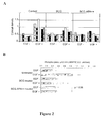
- Figure 2 illustrates the stimulation of MAPK pathway by BCG strains. T24 cells were incubated 48 h without bacteria or with 106 CFU/ml BCG vaccine or BCG Apa++, incubated for 15 minutes in the absence (-) or presence (+) of 100 ng/ml of EGF and lysed. The presence of phosphorylated mitogen-activated protein kinase p42/p44 (pMAPK) was determined by ELISA.A. Data reported well by well. B. Data reported as mean ± s.e.m.
- Figure 3 illustrates the stimulation of Aktl-2 pathway by BCG strains. T24 cells were incubated 48 h without bacteria or with 106 CFU/ml BCG vaccine or BCG Apa++, incubated for 15 minutes in the absence (-) or presence (+) of 100 ng/ml of EGF and lysed. The presence of phosphorylated Akt 1-2 was determined by ELISA. A. Data reported well by well. B. Data reported as mean ± s.e.m.
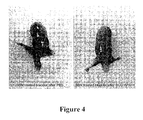
- Figure 4 is a view of bladders collected from rat receiving BBN and treated with PBS (left panel) or BCG Apa++ (right panel).
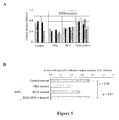
- Figure 5 illustrates the activation of wild type p53 in nucleus of cells of BBN-induced bladder tumors from rats which received 6 weekly intravesical instillations of 0.5 ml of PBS alone, or PBS containing 108 CFU/ml of BCG vaccine or BCG Apa++. Rats were euthanized at the 30th week (one month after the last BCG treatment) and activated wild type p53 were measured by an Enzyme lmmunometric Assay. A. Data reported well by well. B. Data reported as mean ± s.e.m.
- Figure 6 is the map of the plasmid pYUB295
- Figure 7 illustrates the construction of the recombinant strain BCG Apa++ containing the APA coding sequence under the transcriptional control of the HSPX promoter (derived from the pYAPA2031 plasmid), integrated into the BCG genome.
- To construct a recombinant BCG able to produce APA molecules when the bacteria are under hypoxia, a plasmid containing the appropriate sequences was tailored. This plasmid contains the apa gene of M. tuberculosis (EMBL accession number X80268 and Laqueyrie et al., Infection and Immunity, 1995, 63, 4003-4010) coding for the APA protein, cloned under the transcriptional control of the HSPX (GenBank accession number S79751; Yuan et al., J. Bacteriol., 1996, 178, 4484-4492; Florczyk et al., Infect. Immun., 2001, 69, 5777-5785 and Florczyk et al., Infect. Immun., 2003, 71, 5332-5343), and the aph gene (kanamycin resistance). Bacteria of the wild BCG 1173P2 Pasteur strain, were then electroporated with the plasmid, and recombinant BCG overexpressing APA (BCG Apa++) was isolated in Sauton medium containing kanamycin (Figure 7).
- The apa DNA from M. tuberculosis was amplified by PCR from pLA34-2 (Laqueyrerie et al., Infect. Immun. 1995, 63, 4003-4010). The apa sequence was modified to create an NcoI site via the forward primer (5'-catgccatggtacaggtggaccccaacttgaca-3': SEQ ID NO: 1) and a BamHI site in the reverse sequence (5'-ttaggatccggccggtaaggtccgctgcggtgt 3': SEQ ID NO: 2) in order to subclone the NcoI-BamHI PCR product into the pQE60 expression vector (Qiagen; (Horn et al., J. Biol. Chem., 1999, 274, 32023-32030).
- Two inducible BCG promoters with BamHI and NcoI cohesive ends were generated by PCR performed on Pasteur M. bovis BCG DNA, using primers BamhspX F (5'-ttaggatccgtccggcatgatcaacctcc-3': SEQ ID NO: 3) and NcohspX R (5'-catgccatggggtggccatttgatgcctcc-3': SEQ ID NO: 4) for alpha-crystalline (acr) promoter and the primers BamRv2623 F (5'-ttaggatccgggccatggactggtcgtcg3': SEQ ID NO: 5) and NcoRV2623 R (5'-catgccatggacatcgcggtcctcctgtcg-3': SEQ ID NO: 6) for Rv2623 promoter (Florczyk et al., 2001 and 2003, precited).
- These fragments were T4 ligated and after two Klenow treatments, arc-apa or Rv2623-apa cassettes were inserted into EcoRV restricted plasmid pYUB295 (Dussurget et al.,.Infect Immun., 2001, 69, 529-533; Gomez et al.,.Mol. Microbiol. 1998, 29, 617-628; Figure 6). This insertion created approximately 5.5 kbp plasmids of pYAPA2031 and pYAPA2623. After amplification in E. coli (XL-1 Blue) and tetracycline sensitivity replica plating, sensitive clones were selected. The plasmids were purified and electroporated into BCG. They do not replicate in BCG but contains the attachment site (attP) and the integrase gene (int) of the mycobacteriophage L5 that direct the integration of the plasmid at the attB site of the mycobacterial chromosome with high efficiency (Lee et al., Proc Natl Acad Sci USA, 1991, 29, 3111-3115). Low-oxygen liquid cultures were grown in vented-cap tissue culture flasks (25 cm2 Coming) in an incubator which allowed to control the oxygen tension. Vented-cap tissue culture flasks allowed for the exchange of gases between the flasks and the controlled environment of the incubator. Oxygen levels were maintained by injecting prepared gas mixture (Carboxique) into the incubators. Low-oxygen cultures were grown under atmospheres of 1.3% total O2. High-oxygen cultures were grown in ambient air in 25 cm2 tissue culture flasks with the caps tightly sealed. When necessary, kanamycin was used at 25 µg/ml.
- Overexpression was confirmed by Western blotting using a rabbit polyclonal antibody raised against the M. bovis BCG Apa (Laqueyrerie et al., Horn et al., precited).
- The T24 cells derived from a human transitionnal cell carcinoma (ATCC number HTB-4), were incubated for 48 h without bacteria or with 106 CFU/ml BCG vaccine or BCG Apa++. The cells were cooled at 4°C during 15 min and treated for 2 h at 4°C in the absence or presence of 50 ng/ml of FGF-1 (PROMEGA). After covalent cross-linking with 1mM bis-(sulfosuccinimidyl)-suberate and 15 mM disuccinimidyl-suberate (PIERCE) for 30 min at room temperature, the cells were lysed, immunoprecipitated with anti-FGFR-3 C-terminal antibody (C-15), (SANTA CRUZ BIOTECHNOLOGY INC, sc-123), and probed on an immunoblot with a polyclonal antibody to the cytoplasmic domain of FGFR-3 (P-18) (SANTA CRUZ BIOTECHNOLOGY INC., sc-31162). The density obtained for the dimers (~250 kDa) relative to the sum of the density of monomers (~120 kDa) and dimers were determined.
- The FGF receptor (FGFR-3) of the T24 carcinoma cells is activated by FGF. This activation is decreased in BCG vaccine treated cells and is totally abolished in BCG Apa++ treated cells (figure 1). The inhibition of FGFR-3 dimerisation observed on cells stimulated with FGF-1 but incubated with BCG Apa++, indicated that cells were inhibited in their growth.
- Analysis of subsequent stimulation pathways was performed. Therefore, T24 cells were cultured in six-well plates. After 48 h incubation with 106 CFU/ml BCG vaccine or BCG Apa++ in serum-free DMEM, the cells were incubated for 15 minutes either without or with 100 ng/ml of EGF, and lysed. The presence of phosphorylated mitogen-activated protein kinase p42/p44 (pMAPK) and phosphorylated Akt 1-2 were determined by total protein ELISA by
PhosphoDetect ERK 1/2 (pThr185/pTyr187) (CALBIOCHEM) and PhosphoDetect Akt (pSer473) (CALBIOCHEM) ELISA Kits respectively. - The results reporting phosphorylation of MAPK (figure 2) and Akt1/2 (figure 3) indicate that the presence of BCG Apa++ on the T24 cell surface inhibits the first steps of FGF stimulation and confirm the tendency of BCG Apa++ to be more potent than BCG to control in vitro the carcinoma cell growth.
- Thirty female Wistar rats (JANVIER), 7 weeks of age at the beginning of the experiment, were used in this study. N-butyl-N-(4-hydroxybutyl)nitrosamine BBN (KASEI INDUSTRY COMPANY) was given at 0.05 % in the drinking water of 24 rats for 19 weeks. 6 rats were maintained without any treatment up to 30 weeks. One week after BBN exposure treatment (20th week) the rats received 6 weekly intravesical instillations of 0.5 ml of PBS alone, or PBS containing 108 CFU/ml of BCG vaccine or BCG Apa++. Rats were euthanized at the 30th week (one month after the last BCG treatment). Bladders were removed, homogenized and nuclear protein extracts were prepared by Activemotif nuclear extract kit (Active motif, Carlsbad). Activated wild type p53 were measured by an Enzyme Immunometric Assay Kit (TiterZyme®, EIA900-117, Ann Arbor, MI).
- BCG Apa++ overexpressing APA molecules under mild hypoxia conditions observed in bladder was found to be more active than wild BCG to control carcinoma cell proliferation in bladder of rats receiving a chemical agent promoting carcinoma.
- Clinical observation of the bladders indicated the presence of tumors in all the animals of the PBS-treated group and half of the animals of the BCG vaccine treated group. By contrast, the bladder was normal in all the animals of the BCG Apa++-treated group (figure 4).
- Analysis of wild-type p53 tumor suppressor factor concentration in the tumor cells nucleus, demonstrates no reduction in the BCG Apa++-treated group, compared to a 50% reduction in the PBS-treated group and a 25% to 30% reduction in the BCG vaccine treated group (figure 5).
- In these in vivo assays the results were more impressive than in vitro, perhaps due to a deeper hypoxia level in urine and bladder than in in vitro culture.

Claims (27)
- A recombinant vector, characterized in that it comprises a polynucleotide fragment encoding a mycobacterial FAP protein under the transcriptional control of a promoter sequence which is active under hypoxia conditions.
- The recombinant vector according to claim 1, characterized in that said polynucleotide fragment encodes the Mycobacterium tuberculosis APA protein.
- The recombinant vector according to claim 1 or claim 2, characterized in that said promoter is a mycobacterial promoter.
- The recombinant vector according to claim 3, characterized in that said promoter is the HSPX promoter.
- The recombinant vector according to anyone of claims 1 to 4, characterized in that it comprises a polynucleotide fragment encoding the Mycobacterium tuberculosis APA protein under the transcriptional control of the HSPX promoter.
- The recombinant vector according to anyone of claims 1 to 5, which is a plasmid.
- An expression cassette derived from the recombinant vector according to anyone of claims 1 to 6, characterized in that it is a polynucleotide fragment comprising the promoter sequence which is active under hypoxia conditions, as defined in any one of claims 1, 3 and 4, operatively linked to the polynucleotide fragment encoding a mycobacterial FAP protein, as defined in claim 1 or claim 2.
- A host cell which is genetically modified by a recombinant vector according to anyone of claims 1 to 6.
- The host cell according to claim 8, characterized in that it is a recombinant mycobacteria strain.
- The host cell according to claim 9, characterized in that it is a recombinant Mycobacterium bovis BCG strain.
- The host cell according to claim 9, characterized in that it is derived from a mycobacteria selected from the group consisting of: Mycobacterium smegmatis, Mycobacterium fortuitum and Mycobacterium microti.
- The host cell according to claim 10, characterized in that it is a recombinant Mycobacterium bovis BCG strain, stably transformed with the plasmid pYAPA2031, deposited at the Collection Nationale de Cultures de Microorganismes, 25 rue du Docteur Roux, 75724 Paris Cedex 15, on July 21 2006, under accession number 1-3659, identified as BCG Apa++.
- An antitumoral composition, characterized in that it comprises a suitable amount of a recombinant vector according to anyone of claims 1 to 6 or a host cell according to anyone of claims 8 to 12, in an acceptable carrier.
- The antitumoral composition according to claim 13, characterized in that it comprises a suitable amount of a recombinant mycobacteria as defined in anyone of claims 10 to 12.
- The antitumoral composition according to claim 14, characterized in that it comprises living recombinant mycobacteria.
- The antitumoral composition according to claim 14, characterized in that it comprises killed recombinant mycobacteria.
- The antitumoral composition according to claim 16, characterized in that said killed recombinant mycobacteria is extended freeze-dried recombinant mycobacteria.
- The antitumoral composition according to anyone of claims 13 to 17, characterized in that it comprises between 106 and 1010 CFU or CFU equivalent of recombinant mycobacteria.
- The antitumoral composition according to anyone of claims 13 to 18, characterized in that it comprises an immunostimulatory agent.
- A product containing a recombinant vector according to anyone of claims 1 to 6 or a host cell according to anyone of claims 8 to 12, and an immunostimulatory agent, as combined preparation for simultaneous, separate or sequential use in antitumoral therapy.
- Use of a recombinant vector according to anyone of claims 1 to 6 or a host cell according to anyone of claims 8 to 12 for the manufacture of a medicament intended for the prevention or the treatment of a tumor in a subject.
- The use according to claim 21, characterized in that said medicament is intended for the treatment of epithelial tumors.
- The use according to claim 21 or claim 22, characterized in that said tumors are selected from the group consisting of: transitional cell carcinoma of the bladder, lung carcinoma, cervix carcinoma and colon carcinoma.
- The use according to anyone of claims 20 to 22, characterized in that said host cell is the BCG Apa++ strain.
- Use of an expression cassette according to claim 7 or a recombinant vector according to anyone of claims 1 to 6, for the preparation of a modified host cell.
- The use according to claim 25, characterized in that said modified host cell is a recombinant mycobacteria.
- The use according to claim 26, characterized in that the expression cassette is integrated in the genome of said recombinant mycobacteria.
Priority Applications (14)
| Application Number | Priority Date | Filing Date | Title |
|---|---|---|---|
| DE602006015180T DE602006015180D1 (en) | 2006-07-25 | 2006-07-25 | Recombinant mycobacterium strain expressing a Mycobacterium FAP protein under the control of a promoter active under hypoxic conditions, and its use in tumor therapy |
| DK06291205.0T DK1882741T3 (en) | 2006-07-25 | 2006-07-25 | Recombinant Mycobacterium strain expressing a mycobacterial FAP protein under the control of a promoter active during hypoxia and its use in cancer therapy |
| EP06291205A EP1882741B1 (en) | 2006-07-25 | 2006-07-25 | Recombinant Mycobacterium strain expressing a mycobacterial FAP protein under the control of a promoter active under hypoxia and its application for cancer therapy |
| AT06291205T ATE472602T1 (en) | 2006-07-25 | 2006-07-25 | RECOMBINANT MYCOBACTERIA STRAIN EXPRESSING A FAP PROTEIN FROM MYCOBACTERIA UNDER THE CONTROL OF A PROMOTER ACTIVE UNDER HYPOXIC CONDITIONS AND THE USE THEREOF FOR TUMOR THERAPY |
| ES06291205T ES2347812T3 (en) | 2006-07-25 | 2006-07-25 | RECOMBINANT STRAIN OF MYCOBACTERIUM THAT EXPRESSES A MICOBACTERIAL FAP PROTEIN UNDER THE CONTROL OF AN ACTIVE PROMOTER IN HYPOXIA AND ITS APPLICATION FOR CANCER THERAPY. |
| JP2009521379A JP2009544305A (en) | 2006-07-25 | 2007-07-25 | Recombinant mycobacterial strain expressing mycobacterial FAP protein under the control of a promoter active under hypoxia and its application for cancer therapy |
| DE602007013248T DE602007013248D1 (en) | 2006-07-25 | 2007-07-25 | RECOMBINANT MYCOBACTERIA STRAIN TO THE EXPRESSION OF A MYCOBACTERIANT FAP PROTEIN AND ITS APPLICATION TO CANCER THERAPY THROUGH A HYPOXIA-ACTIVE PROMOTOR-CONTROLLED EXPRESSION |
| PCT/IB2007/003300 WO2008012693A2 (en) | 2006-07-25 | 2007-07-25 | Recombinant mycobacterium strain expressing a mycobacterial fap protein under the control of a promoter active under hypoxia and its application for cancer therapy |
| CA002658713A CA2658713A1 (en) | 2006-07-25 | 2007-07-25 | Recombinant mycobacterium strain expressing a mycobacterial fap protein under the control of a promoter active under hypoxia and its application for cancer therapy |
| EP07825556A EP2049667B1 (en) | 2006-07-25 | 2007-07-25 | Recombinant mycobacterium strain expressing a mycobacterial fap protein under the control of a promoter active under hypoxia and its application for cancer therapy |
| US12/375,027 US20090304637A1 (en) | 2006-07-25 | 2007-07-25 | Recombinant mycobacterium strain expressing a mycobacterial fap protein under the control of a promoter active under hypoxia and its application for cancer therapy |
| AT07825556T ATE502110T1 (en) | 2006-07-25 | 2007-07-25 | RECOMBINANT MYCOBACTERIAL STRAIN FOR EXPRESSION OF A MYCOBACTERIAL FAP PROTEIN CONTROLLED BY A PROMOTER ACTIVE IN HYPOXIA AND ITS APPLICATION TO CANCER THERAPY |
| HK08107845.4A HK1112753B (en) | 2008-07-16 | Recombinant mycobacterium strain expressing a mycobacterial fap protein under the control of a promoter active under hypoxia and its application for cancer therapy | |
| US13/324,545 US20120156169A1 (en) | 2006-07-25 | 2011-12-13 | Recombinant mycobacterium strain expressing a mycobacterial fap protein under the control of a promoter active under hypoxia and its application for cancer therapy |
Applications Claiming Priority (1)
| Application Number | Priority Date | Filing Date | Title |
|---|---|---|---|
| EP06291205A EP1882741B1 (en) | 2006-07-25 | 2006-07-25 | Recombinant Mycobacterium strain expressing a mycobacterial FAP protein under the control of a promoter active under hypoxia and its application for cancer therapy |
Publications (2)
| Publication Number | Publication Date |
|---|---|
| EP1882741A1 true EP1882741A1 (en) | 2008-01-30 |
| EP1882741B1 EP1882741B1 (en) | 2010-06-30 |
Family
ID=37026080
Family Applications (2)
| Application Number | Title | Priority Date | Filing Date |
|---|---|---|---|
| EP06291205A Not-in-force EP1882741B1 (en) | 2006-07-25 | 2006-07-25 | Recombinant Mycobacterium strain expressing a mycobacterial FAP protein under the control of a promoter active under hypoxia and its application for cancer therapy |
| EP07825556A Not-in-force EP2049667B1 (en) | 2006-07-25 | 2007-07-25 | Recombinant mycobacterium strain expressing a mycobacterial fap protein under the control of a promoter active under hypoxia and its application for cancer therapy |
Family Applications After (1)
| Application Number | Title | Priority Date | Filing Date |
|---|---|---|---|
| EP07825556A Not-in-force EP2049667B1 (en) | 2006-07-25 | 2007-07-25 | Recombinant mycobacterium strain expressing a mycobacterial fap protein under the control of a promoter active under hypoxia and its application for cancer therapy |
Country Status (9)
| Country | Link |
|---|---|
| US (2) | US20090304637A1 (en) |
| EP (2) | EP1882741B1 (en) |
| JP (1) | JP2009544305A (en) |
| AT (2) | ATE472602T1 (en) |
| CA (1) | CA2658713A1 (en) |
| DE (2) | DE602006015180D1 (en) |
| DK (1) | DK1882741T3 (en) |
| ES (1) | ES2347812T3 (en) |
| WO (1) | WO2008012693A2 (en) |
Cited By (1)
| Publication number | Priority date | Publication date | Assignee | Title |
|---|---|---|---|---|
| WO2008140598A3 (en) * | 2006-12-04 | 2016-06-09 | Bacilligen, Inc. | Novel immunotherapeutic mycobacteria, pharmaceutic formulations and uses thereof |
Families Citing this family (5)
| Publication number | Priority date | Publication date | Assignee | Title |
|---|---|---|---|---|
| EP2620159A1 (en) | 2012-01-24 | 2013-07-31 | Institut Pasteur | Improved cancer treatment by immunotherapy with bcg or antigenically related non-pathogenic mycobacteria |
| AU2013299643A1 (en) * | 2012-08-10 | 2015-03-26 | Memorial Sloan-Kettering Cancer Center | Predicting bladder cancer responsiveness to BCG |
| US10494665B2 (en) * | 2014-08-20 | 2019-12-03 | Huawei Yang | Test kit and method for testing target nucleic acid in sample |
| US20200237936A1 (en) | 2016-12-14 | 2020-07-30 | Purdue Research Foundation | Fibroblast activation protein (fap)-targeted imaging and therapy |
| WO2020115161A1 (en) | 2018-12-04 | 2020-06-11 | Sabiotec Spin-Off Sl | Immunostimulant for use against pathogens |
Citations (1)
| Publication number | Priority date | Publication date | Assignee | Title |
|---|---|---|---|---|
| WO1996020276A1 (en) * | 1994-12-23 | 1996-07-04 | Sri International | Tissue specific hypoxia regulated therapeutic constructs |
Family Cites Families (5)
| Publication number | Priority date | Publication date | Assignee | Title |
|---|---|---|---|---|
| US6599510B1 (en) * | 1993-11-23 | 2003-07-29 | The Regents Of The University Of California | Abundant extracellular products and methods for their production and use |
| WO2000047227A2 (en) * | 1999-02-09 | 2000-08-17 | Powderject Vaccines, Inc. | Mycobacterium tuberculosis, immunization |
| EP1523331B1 (en) * | 2002-07-13 | 2013-02-27 | Statens Serum Institut | Therapeutic tb vaccine |
| EP2206514B1 (en) * | 2003-10-16 | 2014-01-08 | The Regents of The University of California | Recombinant intracellular pathogen immunogenic compositions and methods for use |
| JP5090741B2 (en) * | 2003-12-02 | 2012-12-05 | インスティティ・パスツール | Use of proteins and peptides encoded by the genome of novel SARS-related coronavirus strains |
-
2006
- 2006-07-25 EP EP06291205A patent/EP1882741B1/en not_active Not-in-force
- 2006-07-25 ES ES06291205T patent/ES2347812T3/en active Active
- 2006-07-25 AT AT06291205T patent/ATE472602T1/en active
- 2006-07-25 DE DE602006015180T patent/DE602006015180D1/en active Active
- 2006-07-25 DK DK06291205.0T patent/DK1882741T3/en active
-
2007
- 2007-07-25 DE DE602007013248T patent/DE602007013248D1/en active Active
- 2007-07-25 JP JP2009521379A patent/JP2009544305A/en not_active Withdrawn
- 2007-07-25 CA CA002658713A patent/CA2658713A1/en not_active Abandoned
- 2007-07-25 AT AT07825556T patent/ATE502110T1/en not_active IP Right Cessation
- 2007-07-25 WO PCT/IB2007/003300 patent/WO2008012693A2/en not_active Ceased
- 2007-07-25 EP EP07825556A patent/EP2049667B1/en not_active Not-in-force
- 2007-07-25 US US12/375,027 patent/US20090304637A1/en not_active Abandoned
-
2011
- 2011-12-13 US US13/324,545 patent/US20120156169A1/en not_active Abandoned
Patent Citations (1)
| Publication number | Priority date | Publication date | Assignee | Title |
|---|---|---|---|---|
| WO1996020276A1 (en) * | 1994-12-23 | 1996-07-04 | Sri International | Tissue specific hypoxia regulated therapeutic constructs |
Non-Patent Citations (6)
| Title |
|---|
| FLORCZYK MATTHEW A ET AL: "A family of acr-coregulated Mycobacterium tuberculosis genes shares a common DNA motif and requires Rv3133c (dosR or devR) for expression.", INFECTION AND IMMUNITY, vol. 71, no. 9, September 2003 (2003-09-01), pages 5332 - 5343, XP002401486, ISSN: 0019-9567 * |
| LAQUEYRERIE A ET AL: "CLONING, SEQUENCING AND EXPRESSION OF THE APA GENE CODING FOR THE MYCOBACTERIUM TUBERCULOSIS 45/47-KILODALTON SECRETED ANTIGEN COMPLEX", INFECTION AND IMMUNITY, AMERICAN SOCIETY FOR MICROBIOLOGY. WASHINGTON, US, vol. 63, no. 10, 1 October 1995 (1995-10-01), pages 4003 - 4010, XP002001489, ISSN: 0019-9567 * |
| LEE CHI-FENG ET AL: "Treatment of bladder carcinomas using recombinant BCG DNA vaccines and electroporative gene immunotherapy.", CANCER GENE THERAPY, vol. 11, no. 3, March 2004 (2004-03-01), pages 194 - 207, XP002401488, ISSN: 0929-1903 * |
| LOSA ET AL: "LOW DOSE BACILLUS CALMETTE-GUERIN FOR CARCINOMA IN SITU OF THE BLADDER: LONG-TERM RESULTS", JOURNAL OF UROLOGY, BALTIMORE, MD, US, vol. 163, no. 1, January 2000 (2000-01-01), pages 68 - 72, XP005556180, ISSN: 0022-5347 * |
| YUAN ET AL: "Stationary phase-associated protein expression in Mycobacterium tuberculosis: function of the mycobacterial alpha-crystallin homolog", JOURNAL OF BACTERIOLOGY, WASHINGTON, DC, US, vol. 178, no. 15, August 1996 (1996-08-01), pages 4484 - 4492, XP002086106, ISSN: 0021-9193 * |
| ZHAO WEICHENG ET AL: "Role of a bacillus Calmette-Guerin fibronectin attachment protein in BCG-induced antitumor activity", INTERNATIONAL JOURNAL OF CANCER, vol. 86, no. 1, 1 April 2000 (2000-04-01), pages 83 - 88, XP002401487, ISSN: 0020-7136 * |
Cited By (1)
| Publication number | Priority date | Publication date | Assignee | Title |
|---|---|---|---|---|
| WO2008140598A3 (en) * | 2006-12-04 | 2016-06-09 | Bacilligen, Inc. | Novel immunotherapeutic mycobacteria, pharmaceutic formulations and uses thereof |
Also Published As
| Publication number | Publication date |
|---|---|
| JP2009544305A (en) | 2009-12-17 |
| CA2658713A1 (en) | 2008-01-31 |
| US20090304637A1 (en) | 2009-12-10 |
| ATE502110T1 (en) | 2011-04-15 |
| DK1882741T3 (en) | 2010-10-11 |
| EP2049667A2 (en) | 2009-04-22 |
| ES2347812T3 (en) | 2010-11-04 |
| US20120156169A1 (en) | 2012-06-21 |
| DE602006015180D1 (en) | 2010-08-12 |
| WO2008012693A2 (en) | 2008-01-31 |
| EP2049667B1 (en) | 2011-03-16 |
| WO2008012693A3 (en) | 2008-04-24 |
| ATE472602T1 (en) | 2010-07-15 |
| EP1882741B1 (en) | 2010-06-30 |
| DE602007013248D1 (en) | 2011-04-28 |
| HK1112753A1 (en) | 2008-09-12 |
Similar Documents
| Publication | Publication Date | Title |
|---|---|---|
| EP2571518B1 (en) | Mycobacterial antigen composition | |
| US20180280489A1 (en) | Engineered listeria and methods of use thereof | |
| JP2004500042A (en) | Compositions and methods for tumor-targeted delivery of effector molecules | |
| TW200944228A (en) | Non-pathogenic and/or attenuated bacteria capable of inducing apoptosis in macrophages, process of manufacturing and uses thereof | |
| EP3281638A1 (en) | Mycobacterial antigen composition | |
| US20210024940A1 (en) | Recombinant therapeutic interventions for cancer | |
| EP2049667B1 (en) | Recombinant mycobacterium strain expressing a mycobacterial fap protein under the control of a promoter active under hypoxia and its application for cancer therapy | |
| CN116948931A (en) | Bacteria for targeting tumors and treating cancers | |
| JP5994127B2 (en) | New recombinant BCG vaccine | |
| HK1112753B (en) | Recombinant mycobacterium strain expressing a mycobacterial fap protein under the control of a promoter active under hypoxia and its application for cancer therapy | |
| AU2021304144B2 (en) | Genetically engineered live bacteria and methods of constructing the same | |
| US20240374701A1 (en) | Vaccine compositions comprising brucella strains and methods thereof | |
| CN107073106A (en) | Attenuation or inactivation pathogenic Escherichia coli for treating genitourinary cancers | |
| KR20200058320A (en) | Chemotherapeutic and Pharmaceutical Compositions of Recombinant Bacillus Calmette-Guerin (BCG) including biosynthetic genes to avoid antimicrobial peptides for the Bladder Cancer therapy | |
| KR102327091B1 (en) | Salmonella strain for treating cancer and use thereof | |
| Park et al. | Optimized bacterial delivery approaches for precision immunotherapy in breast cancer models | |
| KR20200058319A (en) | Chemotherapeutic and Pharmaceutical Compositions of Recombinant Bacillus Calmette-Guerin (BCG) including biosynthetic genes to avoid antimicrobial peptides for the Bladder Cancer therapy | |
| AU2022313491A1 (en) | Recombinant mycobacterium as an immunotherapeutic agent for the second-line therapy of bladder carcinoma | |
| HK1247552A1 (en) | Mycobacterial antigen composition | |
| HK1203557A1 (en) | Engineered listeria and methods of use thereof |
Legal Events
| Date | Code | Title | Description |
|---|---|---|---|
| PUAI | Public reference made under article 153(3) epc to a published international application that has entered the european phase |
Free format text: ORIGINAL CODE: 0009012 |
|
| AK | Designated contracting states |
Kind code of ref document: A1 Designated state(s): AT BE BG CH CY CZ DE DK EE ES FI FR GB GR HU IE IS IT LI LT LU LV MC NL PL PT RO SE SI SK TR |
|
| AX | Request for extension of the european patent |
Extension state: AL BA HR MK YU |
|
| 17P | Request for examination filed |
Effective date: 20080530 |
|
| 17Q | First examination report despatched |
Effective date: 20080714 |
|
| REG | Reference to a national code |
Ref country code: HK Ref legal event code: DE Ref document number: 1112753 Country of ref document: HK |
|
| AKX | Designation fees paid |
Designated state(s): AT BE BG CH CY CZ DE DK EE ES FI FR GB GR HU IE IS IT LI LT LU LV MC NL PL PT RO SE SI SK TR |
|
| GRAP | Despatch of communication of intention to grant a patent |
Free format text: ORIGINAL CODE: EPIDOSNIGR1 |
|
| GRAS | Grant fee paid |
Free format text: ORIGINAL CODE: EPIDOSNIGR3 |
|
| GRAA | (expected) grant |
Free format text: ORIGINAL CODE: 0009210 |
|
| AK | Designated contracting states |
Kind code of ref document: B1 Designated state(s): AT BE BG CH CY CZ DE DK EE ES FI FR GB GR HU IE IS IT LI LT LU LV MC NL PL PT RO SE SI SK TR |
|
| REG | Reference to a national code |
Ref country code: GB Ref legal event code: FG4D Ref country code: CH Ref legal event code: EP |
|
| REG | Reference to a national code |
Ref country code: IE Ref legal event code: FG4D |
|
| REG | Reference to a national code |
Ref country code: CH Ref legal event code: NV Representative=s name: ISLER & PEDRAZZINI AG |
|
| REF | Corresponds to: |
Ref document number: 602006015180 Country of ref document: DE Date of ref document: 20100812 Kind code of ref document: P |
|
| REG | Reference to a national code |
Ref country code: NL Ref legal event code: T3 |
|
| REG | Reference to a national code |
Ref country code: SE Ref legal event code: TRGR |
|
| REG | Reference to a national code |
Ref country code: DK Ref legal event code: T3 |
|
| REG | Reference to a national code |
Ref country code: HK Ref legal event code: GR Ref document number: 1112753 Country of ref document: HK |
|
| PG25 | Lapsed in a contracting state [announced via postgrant information from national office to epo] |
Ref country code: LT Free format text: LAPSE BECAUSE OF FAILURE TO SUBMIT A TRANSLATION OF THE DESCRIPTION OR TO PAY THE FEE WITHIN THE PRESCRIBED TIME-LIMIT Effective date: 20100630 |
|
| PGFP | Annual fee paid to national office [announced via postgrant information from national office to epo] |
Ref country code: CH Payment date: 20100812 Year of fee payment: 5 Ref country code: ES Payment date: 20100813 Year of fee payment: 5 Ref country code: IE Payment date: 20100820 Year of fee payment: 5 Ref country code: NL Payment date: 20100827 Year of fee payment: 5 |
|
| REG | Reference to a national code |
Ref country code: ES Ref legal event code: FG2A Ref document number: 2347812 Country of ref document: ES Kind code of ref document: T3 |
|
| LTIE | Lt: invalidation of european patent or patent extension |
Effective date: 20100630 |
|
| PG25 | Lapsed in a contracting state [announced via postgrant information from national office to epo] |
Ref country code: SI Free format text: LAPSE BECAUSE OF FAILURE TO SUBMIT A TRANSLATION OF THE DESCRIPTION OR TO PAY THE FEE WITHIN THE PRESCRIBED TIME-LIMIT Effective date: 20100630 Ref country code: FI Free format text: LAPSE BECAUSE OF FAILURE TO SUBMIT A TRANSLATION OF THE DESCRIPTION OR TO PAY THE FEE WITHIN THE PRESCRIBED TIME-LIMIT Effective date: 20100630 Ref country code: LV Free format text: LAPSE BECAUSE OF FAILURE TO SUBMIT A TRANSLATION OF THE DESCRIPTION OR TO PAY THE FEE WITHIN THE PRESCRIBED TIME-LIMIT Effective date: 20100630 |
|
| PGFP | Annual fee paid to national office [announced via postgrant information from national office to epo] |
Ref country code: LU Payment date: 20100812 Year of fee payment: 5 Ref country code: SE Payment date: 20100727 Year of fee payment: 5 |
|
| PG25 | Lapsed in a contracting state [announced via postgrant information from national office to epo] |
Ref country code: PL Free format text: LAPSE BECAUSE OF FAILURE TO SUBMIT A TRANSLATION OF THE DESCRIPTION OR TO PAY THE FEE WITHIN THE PRESCRIBED TIME-LIMIT Effective date: 20100630 Ref country code: GR Free format text: LAPSE BECAUSE OF FAILURE TO SUBMIT A TRANSLATION OF THE DESCRIPTION OR TO PAY THE FEE WITHIN THE PRESCRIBED TIME-LIMIT Effective date: 20101001 |
|
| REG | Reference to a national code |
Ref country code: SK Ref legal event code: T3 Ref document number: E 7988 Country of ref document: SK |
|
| PG25 | Lapsed in a contracting state [announced via postgrant information from national office to epo] |
Ref country code: EE Free format text: LAPSE BECAUSE OF FAILURE TO SUBMIT A TRANSLATION OF THE DESCRIPTION OR TO PAY THE FEE WITHIN THE PRESCRIBED TIME-LIMIT Effective date: 20100630 |
|
| PGFP | Annual fee paid to national office [announced via postgrant information from national office to epo] |
Ref country code: DK Payment date: 20100908 Year of fee payment: 5 |
|
| PG25 | Lapsed in a contracting state [announced via postgrant information from national office to epo] |
Ref country code: RO Free format text: LAPSE BECAUSE OF FAILURE TO SUBMIT A TRANSLATION OF THE DESCRIPTION OR TO PAY THE FEE WITHIN THE PRESCRIBED TIME-LIMIT Effective date: 20100630 Ref country code: PT Free format text: LAPSE BECAUSE OF FAILURE TO SUBMIT A TRANSLATION OF THE DESCRIPTION OR TO PAY THE FEE WITHIN THE PRESCRIBED TIME-LIMIT Effective date: 20101102 Ref country code: MC Free format text: LAPSE BECAUSE OF NON-PAYMENT OF DUE FEES Effective date: 20100731 Ref country code: IS Free format text: LAPSE BECAUSE OF FAILURE TO SUBMIT A TRANSLATION OF THE DESCRIPTION OR TO PAY THE FEE WITHIN THE PRESCRIBED TIME-LIMIT Effective date: 20101030 Ref country code: CY Free format text: LAPSE BECAUSE OF FAILURE TO SUBMIT A TRANSLATION OF THE DESCRIPTION OR TO PAY THE FEE WITHIN THE PRESCRIBED TIME-LIMIT Effective date: 20100630 |
|
| PGFP | Annual fee paid to national office [announced via postgrant information from national office to epo] |
Ref country code: BE Payment date: 20100810 Year of fee payment: 5 Ref country code: CZ Payment date: 20100830 Year of fee payment: 5 Ref country code: SK Payment date: 20100827 Year of fee payment: 5 |
|
| PGFP | Annual fee paid to national office [announced via postgrant information from national office to epo] |
Ref country code: TR Payment date: 20101015 Year of fee payment: 5 Ref country code: IT Payment date: 20100823 Year of fee payment: 5 |
|
| PLBE | No opposition filed within time limit |
Free format text: ORIGINAL CODE: 0009261 |
|
| STAA | Information on the status of an ep patent application or granted ep patent |
Free format text: STATUS: NO OPPOSITION FILED WITHIN TIME LIMIT |
|
| 26N | No opposition filed |
Effective date: 20110331 |
|
| REG | Reference to a national code |
Ref country code: DE Ref legal event code: R097 Ref document number: 602006015180 Country of ref document: DE Effective date: 20110330 |
|
| BERE | Be: lapsed |
Owner name: INSTITUT PASTEUR Effective date: 20110731 |
|
| REG | Reference to a national code |
Ref country code: NL Ref legal event code: V1 Effective date: 20120201 |
|
| REG | Reference to a national code |
Ref country code: CH Ref legal event code: PL |
|
| REG | Reference to a national code |
Ref country code: SE Ref legal event code: EUG |
|
| REG | Reference to a national code |
Ref country code: DK Ref legal event code: EBP |
|
| REG | Reference to a national code |
Ref country code: SK Ref legal event code: MM4A Ref document number: E 7988 Country of ref document: SK Effective date: 20110725 |
|
| REG | Reference to a national code |
Ref country code: IE Ref legal event code: MM4A |
|
| PG25 | Lapsed in a contracting state [announced via postgrant information from national office to epo] |
Ref country code: SK Free format text: LAPSE BECAUSE OF NON-PAYMENT OF DUE FEES Effective date: 20110725 Ref country code: BE Free format text: LAPSE BECAUSE OF NON-PAYMENT OF DUE FEES Effective date: 20110731 Ref country code: CZ Free format text: LAPSE BECAUSE OF NON-PAYMENT OF DUE FEES Effective date: 20110725 Ref country code: CH Free format text: LAPSE BECAUSE OF NON-PAYMENT OF DUE FEES Effective date: 20110731 Ref country code: LI Free format text: LAPSE BECAUSE OF NON-PAYMENT OF DUE FEES Effective date: 20110731 |
|
| PG25 | Lapsed in a contracting state [announced via postgrant information from national office to epo] |
Ref country code: IT Free format text: LAPSE BECAUSE OF NON-PAYMENT OF DUE FEES Effective date: 20110725 Ref country code: NL Free format text: LAPSE BECAUSE OF NON-PAYMENT OF DUE FEES Effective date: 20120201 |
|
| PG25 | Lapsed in a contracting state [announced via postgrant information from national office to epo] |
Ref country code: DK Free format text: LAPSE BECAUSE OF NON-PAYMENT OF DUE FEES Effective date: 20110731 Ref country code: IE Free format text: LAPSE BECAUSE OF NON-PAYMENT OF DUE FEES Effective date: 20110725 |
|
| PG25 | Lapsed in a contracting state [announced via postgrant information from national office to epo] |
Ref country code: HU Free format text: LAPSE BECAUSE OF FAILURE TO SUBMIT A TRANSLATION OF THE DESCRIPTION OR TO PAY THE FEE WITHIN THE PRESCRIBED TIME-LIMIT Effective date: 20110101 Ref country code: BG Free format text: LAPSE BECAUSE OF FAILURE TO SUBMIT A TRANSLATION OF THE DESCRIPTION OR TO PAY THE FEE WITHIN THE PRESCRIBED TIME-LIMIT Effective date: 20100630 |
|
| REG | Reference to a national code |
Ref country code: ES Ref legal event code: FD2A Effective date: 20121122 |
|
| REG | Reference to a national code |
Ref country code: AT Ref legal event code: MM01 Ref document number: 472602 Country of ref document: AT Kind code of ref document: T Effective date: 20110725 |
|
| PG25 | Lapsed in a contracting state [announced via postgrant information from national office to epo] |
Ref country code: AT Free format text: LAPSE BECAUSE OF NON-PAYMENT OF DUE FEES Effective date: 20110725 |
|
| PG25 | Lapsed in a contracting state [announced via postgrant information from national office to epo] |
Ref country code: ES Free format text: LAPSE BECAUSE OF NON-PAYMENT OF DUE FEES Effective date: 20110726 |
|
| PG25 | Lapsed in a contracting state [announced via postgrant information from national office to epo] |
Ref country code: SE Free format text: LAPSE BECAUSE OF NON-PAYMENT OF DUE FEES Effective date: 20110726 |
|
| PG25 | Lapsed in a contracting state [announced via postgrant information from national office to epo] |
Ref country code: LU Free format text: LAPSE BECAUSE OF NON-PAYMENT OF DUE FEES Effective date: 20110725 |
|
| PGFP | Annual fee paid to national office [announced via postgrant information from national office to epo] |
Ref country code: FR Payment date: 20130620 Year of fee payment: 8 |
|
| PG25 | Lapsed in a contracting state [announced via postgrant information from national office to epo] |
Ref country code: BG Free format text: LAPSE BECAUSE OF FAILURE TO SUBMIT A TRANSLATION OF THE DESCRIPTION OR TO PAY THE FEE WITHIN THE PRESCRIBED TIME-LIMIT Effective date: 20100930 |
|
| PG25 | Lapsed in a contracting state [announced via postgrant information from national office to epo] |
Ref country code: TR Free format text: LAPSE BECAUSE OF NON-PAYMENT OF DUE FEES Effective date: 20110725 |
|
| PGFP | Annual fee paid to national office [announced via postgrant information from national office to epo] |
Ref country code: DE Payment date: 20130722 Year of fee payment: 8 |
|
| PGFP | Annual fee paid to national office [announced via postgrant information from national office to epo] |
Ref country code: GB Payment date: 20130711 Year of fee payment: 8 |
|
| REG | Reference to a national code |
Ref country code: DE Ref legal event code: R119 Ref document number: 602006015180 Country of ref document: DE |
|
| GBPC | Gb: european patent ceased through non-payment of renewal fee |
Effective date: 20140725 |
|
| REG | Reference to a national code |
Ref country code: FR Ref legal event code: ST Effective date: 20150331 |
|
| PG25 | Lapsed in a contracting state [announced via postgrant information from national office to epo] |
Ref country code: DE Free format text: LAPSE BECAUSE OF NON-PAYMENT OF DUE FEES Effective date: 20150203 |
|
| REG | Reference to a national code |
Ref country code: DE Ref legal event code: R119 Ref document number: 602006015180 Country of ref document: DE Effective date: 20150203 |
|
| PG25 | Lapsed in a contracting state [announced via postgrant information from national office to epo] |
Ref country code: FR Free format text: LAPSE BECAUSE OF NON-PAYMENT OF DUE FEES Effective date: 20140731 Ref country code: GB Free format text: LAPSE BECAUSE OF NON-PAYMENT OF DUE FEES Effective date: 20140725 |