EP1873164B1 - High molecular weight poly-gamma-glutamic acid (> 2000 kDa) - Google Patents
High molecular weight poly-gamma-glutamic acid (> 2000 kDa) Download PDFInfo
- Publication number
- EP1873164B1 EP1873164B1 EP07019804.9A EP07019804A EP1873164B1 EP 1873164 B1 EP1873164 B1 EP 1873164B1 EP 07019804 A EP07019804 A EP 07019804A EP 1873164 B1 EP1873164 B1 EP 1873164B1
- Authority
- EP
- European Patent Office
- Prior art keywords
- pga
- strain
- bacillus subtilis
- chungkookjang
- glutamate
- Prior art date
- Legal status (The legal status is an assumption and is not a legal conclusion. Google has not performed a legal analysis and makes no representation as to the accuracy of the status listed.)
- Expired - Lifetime
Links
Images


Classifications
-
- C—CHEMISTRY; METALLURGY
- C12—BIOCHEMISTRY; BEER; SPIRITS; WINE; VINEGAR; MICROBIOLOGY; ENZYMOLOGY; MUTATION OR GENETIC ENGINEERING
- C12N—MICROORGANISMS OR ENZYMES; COMPOSITIONS THEREOF; PROPAGATING, PRESERVING, OR MAINTAINING MICROORGANISMS; MUTATION OR GENETIC ENGINEERING; CULTURE MEDIA
- C12N1/00—Microorganisms; Compositions thereof; Processes of propagating, maintaining or preserving microorganisms or compositions thereof; Processes of preparing or isolating a composition containing a microorganism; Culture media therefor
- C12N1/20—Bacteria; Culture media therefor
-
- A—HUMAN NECESSITIES
- A61—MEDICAL OR VETERINARY SCIENCE; HYGIENE
- A61P—SPECIFIC THERAPEUTIC ACTIVITY OF CHEMICAL COMPOUNDS OR MEDICINAL PREPARATIONS
- A61P3/00—Drugs for disorders of the metabolism
- A61P3/02—Nutrients, e.g. vitamins, minerals
-
- C—CHEMISTRY; METALLURGY
- C07—ORGANIC CHEMISTRY
- C07K—PEPTIDES
- C07K14/00—Peptides having more than 20 amino acids; Gastrins; Somatostatins; Melanotropins; Derivatives thereof
- C07K14/195—Peptides having more than 20 amino acids; Gastrins; Somatostatins; Melanotropins; Derivatives thereof from bacteria
- C07K14/32—Peptides having more than 20 amino acids; Gastrins; Somatostatins; Melanotropins; Derivatives thereof from bacteria from Bacillus (G)
-
- C—CHEMISTRY; METALLURGY
- C12—BIOCHEMISTRY; BEER; SPIRITS; WINE; VINEGAR; MICROBIOLOGY; ENZYMOLOGY; MUTATION OR GENETIC ENGINEERING
- C12N—MICROORGANISMS OR ENZYMES; COMPOSITIONS THEREOF; PROPAGATING, PRESERVING, OR MAINTAINING MICROORGANISMS; MUTATION OR GENETIC ENGINEERING; CULTURE MEDIA
- C12N1/00—Microorganisms; Compositions thereof; Processes of propagating, maintaining or preserving microorganisms or compositions thereof; Processes of preparing or isolating a composition containing a microorganism; Culture media therefor
- C12N1/20—Bacteria; Culture media therefor
- C12N1/205—Bacterial isolates
-
- C—CHEMISTRY; METALLURGY
- C12—BIOCHEMISTRY; BEER; SPIRITS; WINE; VINEGAR; MICROBIOLOGY; ENZYMOLOGY; MUTATION OR GENETIC ENGINEERING
- C12R—INDEXING SCHEME ASSOCIATED WITH SUBCLASSES C12C - C12Q, RELATING TO MICROORGANISMS
- C12R2001/00—Microorganisms ; Processes using microorganisms
- C12R2001/01—Bacteria or Actinomycetales ; using bacteria or Actinomycetales
- C12R2001/07—Bacillus
- C12R2001/125—Bacillus subtilis ; Hay bacillus; Grass bacillus
Definitions
- the present invention concerns the salt-resistant Bacillus subtilis var. chungkookjang, accession number KCTC 0697 BP, derived from "chungkookjang", a traditional Korean fermented soybean food, and, in particular, it relates to the poly-gamma-glutamic acid (or poly-gamma-glutamate, hereinafter referred to as ⁇ -PGA) produced from said strain, which is an edible, soluble, anionic, and biodegradable polymer.
- ⁇ -PGA poly-gamma-glutamic acid
- This Bacillus subtilis strain produces an extracellular ⁇ -PGA from an enzyme complex comprised of (1) D-amino acid aminotransferase EC 2.6.1.21, hereinafter referred to as "D-AAT”, which transfers the amino group of D-amino acids into keto acid, (2) glutamate racemase EC 5.1.1.3, hereinafter referred to as “GluRA”, and alanine recemase, hereinafter referred to as "AlaRA”, which catalyze the creation of isomers from alanine and glutamate, and (3) ⁇ -PGA synthetase and ⁇ -PGA produced from said Bacillus sp. strain.
- D-AAT D-amino acid aminotransferase EC 2.6.1.21
- GluRA glutamate racemase
- AlRA alanine recemase
- ⁇ -PGA is a mucous polymer substance consisting of ⁇ -glutamyl conjugated D, L-glutamate and is produced from Bacillus sp. strains separated from traditional fermented soybean foods, such as “chungkookjang” from Korea, “natto” from Japan, and “kinema” from Nepal.
- the ⁇ -PGA produced from such Bacillus sp. strain is an edible, soluble, anionic, and biodegradable polymer (molecular weight: 100 ⁇ 2,000 kDa), which can be applied as an absorption agent, hygroscopic agent, raw material for cosmetics, and in the manufacture naturally degradable plastic through the synthesis of ester derivatives.
- Japanese Laid-open Patent No. Hei. 7-300522 Japanese Laid-open Patent No. Hei. 6-322358
- Japanese Laid-open Patent No. Hei. 6-322358 uses of ⁇ -PGA as a solidified biodegradable fiber or film and film-forming agent through dissolution, precipitation, and drying
- polymers for a drug carrier Japanese Laid-open Patent No. Hei. 6-92870 , Japanese Laid-open Patent No. Hei. 6-256220 ) have been reported.
- Korean studies including the efficient production of ⁇ -PGA (Korean Patent Application No. 1997-3404 ; Korean Patent Application No. 1997-67605 ) and the improvement of its physical properties have also been performed.
- a Pacific corporation produced ⁇ -PGA from a Bacillus subtilis natto strain and used it as a raw material for cosmetics and other practical uses.
- the present inventors have separated a salt-resistant strain, Bacillus subtilis var. chungkookjang from "chungkookjang", a traditional Korean fermented soybean paste, and confirmed that a high level of ⁇ -PGA, an edible, soluble, anionic, and biodegradable polymer can be produced from said Bacillus subtilis strain, thereby successfully completing the present invention.
- Another objective of the present invention is to provide cosmetic, food additive, beverage, and pharmaceutical compositions containing said high molecular-weight ⁇ -PGA prepared from said Bacillus subtilis strain.
- the present invention concerns salt resistant Bacillus subtilis var. chungkookjang, accession number of KCTC 0697 BP separated from chungkookjang traditional fermented soybean food in Korea, and claims the ⁇ -PGA produced from the said Bacillus subtilis strain and secreted as an extracellular polymer.
- the present invention relates to ⁇ -PGA having a molecular weight of more than 2,000 kDa and having a D/L-glutamate ratio of about 40 to 60, which is produced from Bacillus subtilis var. chungkookjang being deposited under the accession number KCTC 0697 BP.
- a Bacillus subtilis var. chungkookjang strain producing ⁇ -PGA on a large scale is separated, the composition of the D- and L-glutamate comprising the ⁇ -PGA produced from the Bacillus subtilis strain is examined, and the productivity of the ⁇ -PGA in a culture medium containing L-glutamate is investigated, thereby preparing the fundamentals required for industrial uses.
- the inventors collected chungkookjang, which is produced and sold in various regions of Korea, then screened and separated those bacterial strains that had an excellent productive yield of ⁇ -PGA.
- Bacillus strain "Bacillus subtilis chungkookjang" was identified, which exhibited a higher productivity of ⁇ -PGA than Bacillus subtilis natto IFO 3336a and Bacillus licheniformis 9945a purified from natto, a traditional Japanese fermented soybean food.
- the Bacillus sp. strain is obtained from Korean soybean paste called chungkookjang, which has been eaten for a long time and thus is verified as safe.
- the ⁇ -PGA with a high molecular weight produced from this Bacillus strain can be safely added to food, beverages, health foods, cosmetics, and drugs etc., if
- the bacterial strain "Bacillus subtilis chungkookjang", producing an edible, soluble, anionic, and biodegradable ⁇ -PGA with a high yield and resistant to salts, was separated and identified using the following procedure.
- the resulting high ⁇ -PGA-producing strain was identified based on the formation of a milk white colony on an LB agar plate containing a 2% agar and then cultivated through a continuous dilution method at 37°C for 20 hours so as to purify the prolific strain.
- Bacillus subtilis chungkookjang strain separated through the above procedure was found to have the following morphological and biological characteristics.
- the Bacillus sp. strain forms a bacterial colony with a milk white color when it is cultivated on an LB agar plate.
- the strain is a Gram positive bacterium that grows well at a temperature higher than 37°C under aerobic conditions, yet is retarded at a temperature higher than 55°C.
- the strain is resistant to salts and can even grow in a 9.0% NaCl concentration, which is higher than the general salt-resistant concentration of Bacillus subtilis strains.
- the 16S rDNA nucleotide sequence of the strain was also compared with those of conventional Bacillus sp. strains. As a result, the Bacillus sp. strain was confirmed to exhibit a very high homology (99.0%) with Bacillus subtilis in its 16S rDNA nucleotide sequence.
- the strain does not contain any plasmids, which is different from other conventional Bacillus sp. strains exploited to produce ⁇ -PGA. Therefore, the present strain can be efficiently utilized as a suitable host for a high expression system of recombinant proteins through gene manipulation. Since the strain separated is also an edible and safe microorganism, it can be used as a host cell for expressing vaccines (for example, the antigen of the pig diarrhea virus) and as a fodder additive for treating and preventing diarrhea. As such, the present strain can be applied to the development of oral vaccines.
- vaccines for example, the antigen of the pig diarrhea virus
- the strain separated has a negative value in the reduction potential of nitrate salt, is not apt to form spores, and is not easily induced even by Mn ions. Accordingly, based on experimental data, the present strain was classified as Bacillus subtillus and named Bacillus subtilis var. chungkookjang. For the sake of convenience, it was also denoted as Bacillus sp. BS-4 and deposited in the Korean Collection for Type Cultures (KCTC; 52, Oun-dong, Yusong-Gu, Taejon) at the Korean Research Institute of Bioscience and Biotechnology (KRIBB), International Deposit Organization, on November 18, 1999 and assigned accession number KCTC 0697 BP.
- KCTC Korean Collection for Type Cultures
- KRIBB Korean Research Institute of Bioscience and Biotechnology
- the ⁇ -PGA produced from the above strain was quantitated and the composition of D,L-glutamate in the polymer identified as follows.
- the strain was inoculated into 5 ml of an LB broth, cultivated at 37°C for 10 hours, collected, and lysed in an ultrasonicator. Crude extracts of the enzymes were then collected using a centrifuge. The D-AAT activity was measured by reacting D-alanine and ⁇ -keto-glutamate with the crude enzyme extract obtained above in a 0.1 M Tris buffer (Tris-HCl, pH 8.5). Next, the amount of pyruvate generated from the enzymatic reaction in the resulting product was estimated so as to quantitate the activities.
- Tris buffer Tris-HCl, pH 8.5
- the GluRA activity was calculated by reacting the crude enzyme extract with D-glutamate, ⁇ -ketoglutamate, and PLP in 50 mM of a Tris buffer (Tris-HCl, pH 8.5), then the L-glutamate generated from the enzymatic reaction was quantitated using an HPLC column. Thereafter, the AlaRA activity was measured by reacting D-alanine as the substrate and alanine dehydrogenase and quantitating the resulting pyruvate by detecting the absorbance at 340 nm.
- Tris buffer Tris-HCl, pH 8.5
- the suspended solution was smeared onto a GS medium plate containing a 2% agar (1.5% L-glutamate, 5.0% sucrose, 0.27% KH 2 PO 4 , 0.42% Na 2 HPO 4 , 0.05% NaCl, 0.05% MgSO 4 , and 0.05% biotin) and cultivated in an incubator at 37°C for 3 days. After culturing, those bacterial strains forming mucous bacterial colonies due to the production of ⁇ -PGA were separated.
- the separated bacteria were smeared onto general media that do not produce polymers, such as LB, using the continuous dilution method based on the consideration that the culture broths may have been mixed mucous polymers including ⁇ -PGA. Thereafter, the bacterial strain that exhibited the most active cell growth was selectively purified as a ⁇ -PGA-producing strain. The bacterial strain was examined to elucidate its morphological and biochemical properties in a general medium not producing mucous polymers.
- the separated bacterium was inoculated, into 5 ml of an LB broth and cultivated for 10 hours. Next, the cultured medium was centrifuged to recover the bacterial body and sonicated using an ultrasonicator to obtain a crude extract. Thereafter, the resulting extract was used to measure the enzyme activities of D-AAT, GluRA, and AlaRA related to the production of ⁇ -PGA.
- the active bacterial strain separated through the above procedure produced an edible, soluble, biodegradable, and anionic ⁇ -PGA in a high yield and produced a highly mucous colony on a GS agar plate as a ⁇ -PGA-producing medium, yet formed a bacterial colony with a milk-white color on an LB agar plate that does not produce mucous polymers.
- the colonies of the bacterial strain were also found to have saw-toothed boundaries. As to the temperatures affecting bacterial growth, the bacterial strain grew well within a range of 30°C ⁇ 55°C, yet it did not proliferate at temperatures higher than 60°C.
- the bacterial growth was observed with a microscope using an LB culture broth.
- the outer appearance was identified to be Gram positive, short rod-shaped, and similar to that of the comparative Bacillus subtilis strains (not depicted).
- the bacterial strain was Gram positive and sized within a range of about 0.7 - 0.8 x 2.0 ⁇ 3.0 ⁇ m.
- Bacillus licheniformis has a thin snail and thread shape in the exponential phase, as distinct from the strain separated in the present invention.
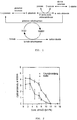
- the present strain and the Bacillus subtilis natto strain were cultivated in an LB broth containing various concentrations of NaCl for 24 hours, then the bacterial growth was measured by detecting the absorbance at 660 nm (See FIG. 2 ). As illustrated in FIG. 2 , the survival ratio of the present bacterial strain was about 2-fold that of Bacillus subtilis natto as regards the range of concentrations (12%). That is to say, the present bacterial strain was confirmed to be resistant to NaCl.
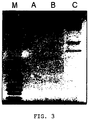
- lane M denotes a 1 kb ladder
- lane A Bacillus subtilis 168
- lane B the present strain
- lane C Bacillus subtilis natto IFO 3336.
- the present strain was found not to contain any plasmids even though it can produce ⁇ -PGA, which was different from the Bacillus subtilis natto IFO 3336 strain. Interestingly, this result also exhibited the same characteristic as Bacillus subtilis 168, which does not produce ⁇ -PGA.
- the present strain since the present strain does not contain any plasmids, it can be efficiently utilized as a suitable host for a high expression system (secretion or production) of recombinant proteins through gene manipulation.
- the present strain was inoculated into an LB broth containing 2 mM of CoSO 4 , cultivated at 37°C for 4 days, and then observed by staining spores (not depicted). As a result, the bacterial strain separated was confirmed to have a much lower activity as regards spore formation, when compared with Bacillus subtilis natto, which produces ⁇ -PGA in a similar manner.
- the present strain was investigated to reveal its biochemical properties using API50CHB and API20E kits.
- Bacillus subtilis var. chungkookjang was identified as Gram positive, based on reducing activity of nitrate salts and no production of indoles. Also, it degraded gelatin and starch and produced ⁇ -glucosidase, ⁇ -galactosidase, and oxidase. In addition, it could produce urease and grow under both aerobic and anaerobic conditions. Furthermore, it was found to use glycerol, galactose, glucose, sucrose, maltose, and starch.
- N-terminal primer of SEQ NO. 1 (5'-AGAGTTTGATCCTGGCTCAG-3') and C-terminal primer of SEQ NO. 2 (5'-AGAAAGGAGGTGATCCAGCC-3') were used to amplify the 16S rDNA gene using a PCR, then the resulting genes were cloned into the plasmid vector pT7Blue to obtain the total nucleotide sequence.
- the 16S rDNA nucleotide sequence of the selected microbe was then compared with the 16S rDNA nucleotide sequences of various microbes reported previously to observe their homologies. As a result, the present strain was confirmed to have a 99.0% homology with Bacillus subtilis and be situated in the same lineage, as illustrated in FIG. 4 .
- the Bacillus sp. strain separated was not found to contain any plasmids in spite of its high homology, as described above, which is quite different from conventional Bacillus sp. strains producing ⁇ -PGA. This feature means that the separated strain can be efficiently utilized as a suitable host for a high expression system in which recombinant proteins are manufactured through gene manipulation.
- the separated strain was found to be negative as regards the reduction power of nitrate salts, not apt to form spores, and not easily induced by Mn ions.
- the Bacillus sp. strain was named Bacillus subtilis var. chungkookjang and, for the sake of convenience, was denoted as Bacillus sp. BS-4 when it was deposited in the Korean Collection for Type Cultures (KCTC; 52, oun-dong, Yusong-Gu, Taejon) at the Korean Research Institute of Bioscience and Biotechnology (KRIBB), International Deposit Organization, on November 18, 1999 and assigned accession number KCTC 0697 BP.
- the present strain was inoculated into a culture broth for the production of ⁇ -PGA and cultivated at 37° for 72 hours. Next, 2 N of a sulfuric acid solution was added, the pH adjusted to 3.0, then experimental samples containing ⁇ -PGA collected. The above samples were left at 4°C for 10 hours and the polysaccharides within the fermented solution removed. At this point, ethanol was added to create a 2-fold volume and then mixed. The mixed solution was left at 4°C for 10 hours and centrifuged to obtain the ⁇ -PGA precipitate.
- the precipitate was then mixed with distilled water, dissolved, reacted again with protease reaching 100 ⁇ g/ml and left at 37°C in an incubator for 6 hours so as to decompose the extracellular proteins in the ⁇ -PGA sample.
- the resulting solution was dialysed using a sufficient amount of distilled water and the separated glutamate removed. Thereafter, the remaining mixture was concentrated to collect pure ⁇ -PGA, which was then hydrolyzed with acids. Finally, the composition and productive yield of D, L-glutamate were estimated.
- the productive yield of ⁇ -PGA with the present strain and comparative strains is demonstrated in Table 2.
- the present strain yielded 16 g/L
- a culture medium containing a 2% agar was used to prepare the culture plate, then the bacteria were inoculated, cultivated at 37°C for 3 days, the ⁇ -PGA purified using the same procedure as above, and the difference in the productive yields compared between the present strain and comparative strains.
- the present strain produced 12 mg per culture plate, Bacillus subtilis natto IFO 3336a produced 8 mg per culture plate, and Bacillus licheniformis ATCC 9945a produced 6 mg per culture plate. Therefore, the productivity of the present strain was confirmed to be 2-fold that of the comparative strains.
- the amount of ⁇ -PGA produced per 0.3 mg of bacterial weight was also compared.
- the productive yield of ⁇ -PGA produced by the present strain was calculated and the composition of D-, L-glutamate in the ⁇ -PGA investigated.
- the separated strain was cultivated at 150 rpm and 37°C in an incubator for 72 hours using a 500ml triangle flask containing a GS culture medium. Then, the ⁇ -PGA sample, purified through the same procedure as described above, was added with 6 N of HCl, deaerated, and hydrolyzed at 105°C for 10 hours.
- a concentration gradient of organic solvents such as a 50 mM phosphate buffer containing 5% methanol (pH 7.0) and methanol, was utilized to perform an HPLC column (RexchromeS5-100-ODS, Regis Chem. Inc., 4.6 mm x 25 cm x 5 m, U.S.A.).
- OPA o-pthaldialdehyde
- the results of the D, L-glutamate content, the monomer composition of the ⁇ -PGA produced above, are illustrated in Table 2.
- the D/L-glutamate ratio in the ⁇ -PGA produced from the present strain was about 40/60, while in the comparative strains the D/L-glutamate ratio was 50/50 for both Bacillus subtilis natto IFO 3336a and Bacillus licheniformis ATCC 9945a.
- the present strain was found to have a distinct monomer composition.
- the strain was cultivated at 37°C in an incubator using an LB broth, which does not produce mucous polymers, and centrifuged. Then, a crude enzyme extract was prepared to calculate the enzymatic activity through the procedure described above.
- the D-AAT activity was measured by reacting D-alanine, ⁇ -keto-glutamate, and the crude enzyme extract in a 0.1 M Tris buffer (Tris-HCl, pH 8.5) ( Berntsson S, Anal. Chem., 27: 1659-1660, 1955 ). Then, the GluRA activity was calculated by reacting the crude enzyme extract, D-glutamate, ⁇ -ketoglutamate, and PLP in a 50 mM Tris buffer (Tris-HCl, pH 8.5), then the L-glutamate generated from the enzymatic reaction was quantitated using an HPLC column.
- Tris buffer Tris-HCl, pH 8.5
- alanine racemase activity was measured by reacting L-alanine generated from D-alanine as the substrate and alanine dehydrogenase and quantitating the resulting pyruvate by detecting the absorbance ( Biochemistry, 25: 3261-3267, 1986 ).
- the protein content was calculated using the Bradford method ( Bradford, M., Anal. Biochem., 72: 248-254, 1976 ).
- lane 1 denotes glutamine: 2-oxoglutarate aminotransferase; lane 2, glutamate synthase; lane 3, L-glutamate: pyruvate aminotransferase; lane 4, alanine racemase; lane 5, D-amino acid aminotransferase; lane 6, ⁇ -PGA synthase; lane TCA, tricarboxylate circuit.
- a concentration gradient SDS-polyacrylamide gel electrophoresis was performed to compare the molecular weights of the ⁇ -PGA produced from Bacillus subtilis var. chungkookjang, Bacillus subtilis 168 a standard Bacillus sp. strain, and the comparative strain Bacillus subtilis natto IFO 3336.
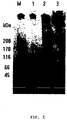
- ⁇ -PGA produced from each strain was purified according to the procedure described in section 2 above, and made into a solution of about 200 ⁇ g/ml. Then, 80 ⁇ l of the ⁇ -PGA solution was mixed with 20 ⁇ l of a 5x buffer and analyzed by SDS-PAGE using a 5 - 20% concentration gradient. After completing the electrophoresis, a Comassie reagent and methylene blue were utilized to stain the standard proteins and ⁇ -PGA (See FIG. 5 ) .
- lane M denotes the standard protein
- lane 1 Bacillus subtilis 168
- lane 2 Bacillus subtilis natto IFO 3336
- lane 3 the present strain.
- Bacillus subtilis chungkookjang was found to produce ⁇ -PGA (the present invention) with a much higher molecular weight than Bacillus subtilis natto, which produced a molecular weight of about 1,000 - 2,000 kDa.
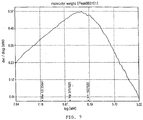
- the present strain was cultivated on a GS solid medium for 5 days and the ⁇ -PGA purified using the above procedure. Then, the molecular weight was analyzed by performing gel permeation chromatography (Asahipak GS-620H positive Tosoh TSK gel).
- the gel permeation chromatography was accomplished in a column oven at 25°C using a 50 mM solvent of saline and acetonitrile in a ratio of 4 : 1 at a flowing velocity of 0.7 ml per minute.
- Polyethylene oxide was used as the standard substance, and the molecular weight of the ⁇ -PGA was measured using a refraction index detector.
- the ⁇ -PGA produced from the present strain was confirmed to have a much higher molecular weight than that produced from other strains, thereby enabling it to be effectively utilized in the preparation of hydrogels.
- the present strain was cultivated on a GS solid medium. After 1, 3, and 5 days, the ⁇ -PGA was purified according to the above procedure. Thereafter, the molecular weight and its distribution were investigated by applying GPC (See FIG. 4 ).
- GPC See FIG. 4 .
- Bacillus subtilis var. chungkookjang accession number KCTC 0697 BP, which is derived from a traditional Korean fermented soybean food "chungkookjang", resistant to salt, and produces an ⁇ -PGA (the present invention) that is an edible, soluble, anionic, and biodegradable polymer.
- Bacillus subtilis var. chungkookjang was confirmed as producing a higher molecular-weight ⁇ -PGA as well as an outstanding productive yield compared with other extracellular ⁇ -PGAs derived from general Bacillus sp. strains. Accordingly, the ⁇ -PGA from the present Bacillus subtilis strain can be effectively utilized to develop commercial products, such as cosmetic substances, adsorption agents, and biodegradable plastic substances etc., by synthesizing and chemically treating derivatives of the ⁇ -PGA.
Landscapes
- Health & Medical Sciences (AREA)
- Chemical & Material Sciences (AREA)
- Life Sciences & Earth Sciences (AREA)
- Organic Chemistry (AREA)
- Engineering & Computer Science (AREA)
- Genetics & Genomics (AREA)
- Bioinformatics & Cheminformatics (AREA)
- Wood Science & Technology (AREA)
- Zoology (AREA)
- Biotechnology (AREA)
- Medicinal Chemistry (AREA)
- General Health & Medical Sciences (AREA)
- Biochemistry (AREA)
- Microbiology (AREA)
- Biomedical Technology (AREA)
- General Engineering & Computer Science (AREA)
- Tropical Medicine & Parasitology (AREA)
- Virology (AREA)
- Molecular Biology (AREA)
- Biophysics (AREA)
- Proteomics, Peptides & Aminoacids (AREA)
- Gastroenterology & Hepatology (AREA)
- General Chemical & Material Sciences (AREA)
- Veterinary Medicine (AREA)
- Public Health (AREA)
- Animal Behavior & Ethology (AREA)
- Pharmacology & Pharmacy (AREA)
- Nuclear Medicine, Radiotherapy & Molecular Imaging (AREA)
- Chemical Kinetics & Catalysis (AREA)
- Obesity (AREA)
- Hematology (AREA)
- Diabetes (AREA)
- Nutrition Science (AREA)
- Preparation Of Compounds By Using Micro-Organisms (AREA)
- Micro-Organisms Or Cultivation Processes Thereof (AREA)
- Cosmetics (AREA)
- Medicines That Contain Protein Lipid Enzymes And Other Medicines (AREA)
- Coloring Foods And Improving Nutritive Qualities (AREA)
Abstract
Description
- The present invention concerns the salt-resistant Bacillus subtilis var. chungkookjang, accession number KCTC 0697 BP, derived from "chungkookjang", a traditional Korean fermented soybean food, and, in particular, it relates to the poly-gamma-glutamic acid (or poly-gamma-glutamate, hereinafter referred to as γ-PGA) produced from said strain, which is an edible, soluble, anionic, and biodegradable polymer. This Bacillus subtilis strain produces an extracellular γ-PGA from an enzyme complex comprised of (1) D-amino acid aminotransferase EC 2.6.1.21, hereinafter referred to as "D-AAT", which transfers the amino group of D-amino acids into keto acid, (2) glutamate racemase EC 5.1.1.3, hereinafter referred to as "GluRA", and alanine recemase, hereinafter referred to as "AlaRA", which catalyze the creation of isomers from alanine and glutamate, and (3) γ-PGA synthetase and γ-PGA produced from said Bacillus sp. strain.
- As illustrated in
FIG. 1 , many enzymes participate in the synthesis of the γ-PGA. - γ-PGA is a mucous polymer substance consisting of χ-glutamyl conjugated D, L-glutamate and is produced from Bacillus sp. strains separated from traditional fermented soybean foods, such as "chungkookjang" from Korea, "natto" from Japan, and "kinema" from Nepal. The γ-PGA produced from such Bacillus sp. strain is an edible, soluble, anionic, and biodegradable polymer (molecular weight: 100 ∼ 2,000 kDa), which can be applied as an absorption agent, hygroscopic agent, raw material for cosmetics, and in the manufacture naturally degradable plastic through the synthesis of ester derivatives.
- Recently, many studies have been focused on the production and application of γ-PGA, especially in advanced countries. Thus far, researchers have actively attempted to develop materials to replace non-degradable polymers and produce heat-resistant plastic through ester reactions, soluble fibers, and membranes etc. In addition, the physical changes of γ-PGA caused by γ-irradiation have also been studied, along with the development and industrialization of hydrogels using bridge adhesives. For example, the composition of γ-PGA, the effects of Mn ions affecting the production of γ-PGA, uses for soluble polymers degraded by ultrasonication and low soluble plastic through the synthesis of ester derivatives (Biosci. Biotechnol. Biochem., 60(8): 1239-1242, 1996), and the production of γ-PGA in Bacillus subtilis and calcium dissolving agents as healthy food for treating osteoporosis (Japanese Laid-open Patent No.
Hei. 6-32742 838160 Hei. 10-251402 Hei. 7-300522 Hei. 6-322358 Hei. 7-138364 Hei. 5-117388 Hei. 6-92870 Hei. 6-256220 - Meanwhile, Korean studies, including the efficient production of γ-PGA (Korean Patent Application No.
1997-3404 1997-67605 - Journal of General and Applied Microbiology, Vol 43, pp. 139-143 (1997) discloses γ-PGA with a molecular weight of about 5,000 kDa from Bacillus subtilis (natto). Korean J. Food Sci. Technol. Vol. 23, No. 5, pp. 599-604 (1991) discloses physico-chemical properties of viscous substances extracted from chungkook-jang and discloses parameters such as the crude protein content, the contents of glutamic acid in amino acids and potassium in minerals of viscous substances and the fibrinolytic activity of the viscous substances.
- The present inventors have separated a salt-resistant strain, Bacillus subtilis var. chungkookjang from "chungkookjang", a traditional Korean fermented soybean paste, and confirmed that a high level of γ-PGA, an edible, soluble, anionic, and biodegradable polymer can be produced from said Bacillus subtilis strain, thereby successfully completing the present invention.
- It is an objective of the present invention to provide a high molecular weight γ-PGA produced from said Bacillus subtilis strain KCTC 0697, whereby the polymer has a molecular weight of more than 2,000 kDa and has a D/L-glutamate ratio of about 40 to 60. Further disclosed is the provision of a Bacillus subtilis var. chungkookjang strain that produces a salt-resistant high molecular-weight γ-PGA.
- Further disclosed is the provision of a process for preparing a useful recombinant protein at a high ratio in which said Bacillus subtilis strain is utilized as the host cell.
- Still further disclosed is a method for preparing a high molecular-weight γ-PGA in which said Bacillus subtilis strain is utilized as the host cell.
- Another objective of the present invention is to provide cosmetic, food additive, beverage, and pharmaceutical compositions containing said high molecular-weight γ-PGA prepared from said Bacillus subtilis strain.
- The present invention concerns salt resistant Bacillus subtilis var. chungkookjang, accession number of KCTC 0697 BP separated from chungkookjang traditional fermented soybean food in Korea, and claims the γ-PGA produced from the said Bacillus subtilis strain and secreted as an extracellular polymer.
- Precisely, the present invention relates to γ-PGA having a molecular weight of more than 2,000 kDa and having a D/L-glutamate ratio of about 40 to 60, which is produced from Bacillus subtilis var. chungkookjang being deposited under the accession number KCTC 0697 BP.
- To support its industrial use, a Bacillus subtilis var. chungkookjang strain producing γ-PGA on a large scale is separated, the composition of the D- and L-glutamate comprising the γ-PGA produced from the Bacillus subtilis strain is examined, and the productivity of the γ-PGA in a culture medium containing L-glutamate is investigated, thereby preparing the fundamentals required for industrial uses.
- To obtain microbes producing a biodegradable polymer that can provide the various functions and applications described above, the inventors collected chungkookjang, which is produced and sold in various regions of Korea, then screened and separated those bacterial strains that had an excellent productive yield of γ-PGA. As a result, the Bacillus strain "Bacillus subtilis chungkookjang" was identified, which exhibited a higher productivity of γ-PGA than Bacillus subtilis natto IFO 3336a and Bacillus licheniformis 9945a purified from natto, a traditional Japanese fermented soybean food.
- The Bacillus sp. strain is obtained from Korean soybean paste called chungkookjang, which has been eaten for a long time and thus is verified as safe. As such, the γ-PGA with a high molecular weight produced from this Bacillus strain can be safely added to food, beverages, health foods, cosmetics, and drugs etc., if
- properly utilized in the proper quantities.
- The bacterial strain, "Bacillus subtilis chungkookjang", producing an edible, soluble, anionic, and biodegradable γ-PGA with a high yield and resistant to salts, was separated and identified using the following procedure.
- To separate high γ-PGA-producing strains, 20 samples of "chungkookjang" fermented using rice straw were obtained from various regions in Korea. Each sample was individually suspended in distilled water and heated in a water bath at 60°C for 20 minutes. Next, small amounts of the heated suspended solutions were smeared onto agar plates (GS) to produce γ-PGA containing 1.5% L-glutamate and cultivated at 37°C in an incubator for 3 days so as to purify highly mucous bacterial colonies. The separated strains were cultivated through several generations using the same culture medium twice and then the most actively proliferating strain was selected from among the mucous colonies producing γ-PGA. The resulting high γ-PGA-producing strain was identified based on the formation of a milk white colony on an LB agar plate containing a 2% agar and then cultivated through a continuous dilution method at 37°C for 20 hours so as to purify the prolific strain.
- The Bacillus subtilis chungkookjang strain separated through the above procedure was found to have the following morphological and biological characteristics.
- The Bacillus sp. strain forms a bacterial colony with a milk white color when it is cultivated on an LB agar plate. The strain is a Gram positive bacterium that grows well at a temperature higher than 37°C under aerobic conditions, yet is retarded at a temperature higher than 55°C. In addition, the strain is resistant to salts and can even grow in a 9.0% NaCl concentration, which is higher than the general salt-resistant concentration of Bacillus subtilis strains. In addition, the 16S rDNA nucleotide sequence of the strain was also compared with those of conventional Bacillus sp. strains. As a result, the Bacillus sp. strain was confirmed to exhibit a very high homology (99.0%) with Bacillus subtilis in its 16S rDNA nucleotide sequence.
- The strain does not contain any plasmids, which is different from other conventional Bacillus sp. strains exploited to produce γ-PGA. Therefore, the present strain can be efficiently utilized as a suitable host for a high expression system of recombinant proteins through gene manipulation. Since the strain separated is also an edible and safe microorganism, it can be used as a host cell for expressing vaccines (for example, the antigen of the pig diarrhea virus) and as a fodder additive for treating and preventing diarrhea. As such, the present strain can be applied to the development of oral vaccines.
- In addition, the strain separated has a negative value in the reduction potential of nitrate salt, is not apt to form spores, and is not easily induced even by Mn ions. Accordingly, based on experimental data, the present strain was classified as Bacillus subtillus and named Bacillus subtilis var. chungkookjang. For the sake of convenience, it was also denoted as Bacillus sp. BS-4 and deposited in the Korean Collection for Type Cultures (KCTC; 52, Oun-dong, Yusong-Gu, Taejon) at the Korean Research Institute of Bioscience and Biotechnology (KRIBB), International Deposit Organization, on November 18, 1999 and assigned accession number KCTC 0697 BP.
- The γ-PGA produced from the above strain was quantitated and the composition of D,L-glutamate in the polymer identified as follows.
- "Bacillus subtilis chungkookjang" was cultivated and centrifuged. The supernatant containing the γ-PGA was separated, highly concentrated HCl was then added to the supernatant, and the mixture was hydrolyzed at a high temperature. The D,L-glutamate was separated using a stereo-specific HPLC column. To obtain a standard curve, the purified sample of γ-PGA was examined using the same procedure. The substance passing through the column was assayed and quantitated relative to the standard curve of D,L-glutamate, then the corrected value for L-glutamate was added to the initial medium and the separated amount calculated. Finally, the content of the purified γ-PGA was estimated.
- To measure the activities of the intracellular enzymes, such as D-AAT, GluRA, and AlaRA, participating directly in the production of the biodegradable γ-PGA, the strain was inoculated into 5 ml of an LB broth, cultivated at 37°C for 10 hours, collected, and lysed in an ultrasonicator. Crude extracts of the enzymes were then collected using a centrifuge. The D-AAT activity was measured by reacting D-alanine and α-keto-glutamate with the crude enzyme extract obtained above in a 0.1 M Tris buffer (Tris-HCl, pH 8.5). Next, the amount of pyruvate generated from the enzymatic reaction in the resulting product was estimated so as to quantitate the activities. In addition, the GluRA activity was calculated by reacting the crude enzyme extract with D-glutamate, α-ketoglutamate, and PLP in 50 mM of a Tris buffer (Tris-HCl, pH 8.5), then the L-glutamate generated from the enzymatic reaction was quantitated using an HPLC column. Thereafter, the AlaRA activity was measured by reacting D-alanine as the substrate and alanine dehydrogenase and quantitating the resulting pyruvate by detecting the absorbance at 340 nm.
-
-
FIG. 1 depicts the biosynthetic pathway of the cell wall and γ-PGA components, which involves various enzymes. -
FIG. 2 presents a comparison of the sodium chloride resistance exhibited by Bacillus subtilis chungkookjang and Bacillus subtilis natto. -
FIG. 3 is a gel electrophoresis depiction of the existence of plasmids in Bacillus subtilis chungkookjang and other comparative strains. -
FIG. 4 shows the genealogy of Bacillus subtilis chungkookjang. -
FIG. 5 shows the concentration gradient of SDS-polyacrylamide gel electrophoresis, depicting a comparison of the concentration of γ-PGA (the present invention) produced from Bacillus subtilis chungkookjang with that produced by other comparative strains. -
FIG. 6 depicts the hypothetical biosynthetic pathway of the γ-PGA (the present invention) produced from Bacillus subtilis chungkookjang. -
FIG. 7 shows the γ-PGA (the present invention) produced from Bacillus subtilis chungkookjang based on gel permeation chromatography. - Practical and preferred embodiments of the present invention are illustrated in the following:
- The traditional fermented soybean paste "chungkookjang", fermented using rice straw as the mediator, was collected from various regions in Korea and utilized as the experimental sample. A small amount of each sample was added to sterilized distilled water, suspended, and heated in a water bath at 60°C for 20 minutes to allow for the formation of endospores. Next, the suspended solution was smeared onto a GS medium plate containing a 2% agar (1.5% L-glutamate, 5.0% sucrose, 0.27% KH2PO4, 0.42% Na2HPO4, 0.05% NaCl, 0.05% MgSO4, and 0.05% biotin) and cultivated in an incubator at 37°C for 3 days. After culturing, those bacterial strains forming mucous bacterial colonies due to the production of γ-PGA were separated.
- The separated bacteria were smeared onto general media that do not produce polymers, such as LB, using the continuous dilution method based on the consideration that the culture broths may have been mixed mucous polymers including γ-PGA. Thereafter, the bacterial strain that exhibited the most active cell growth was selectively purified as a γ-PGA-producing strain. The bacterial strain was examined to elucidate its morphological and biochemical properties in a general medium not producing mucous polymers.
- To investigate the activity of the enzyme complex composed of various enzymes that participated in the production of polymers from the bacterial strain producing γ-PGA, as obtained above, the separated bacterium was inoculated, into 5 ml of an LB broth and cultivated for 10 hours. Next, the cultured medium was centrifuged to recover the bacterial body and sonicated using an ultrasonicator to obtain a crude extract. Thereafter, the resulting extract was used to measure the enzyme activities of D-AAT, GluRA, and AlaRA related to the production of γ-PGA.
- The active bacterial strain separated through the above procedure produced an edible, soluble, biodegradable, and anionic γ-PGA in a high yield and produced a highly mucous colony on a GS agar plate as a γ-PGA-producing medium, yet formed a bacterial colony with a milk-white color on an LB agar plate that does not produce mucous polymers. The colonies of the bacterial strain were also found to have saw-toothed boundaries. As to the temperatures affecting bacterial growth, the bacterial strain grew well within a range of 30°C ∼ 55°C, yet it did not proliferate at temperatures higher than 60°C.
- The bacterial growth was observed with a microscope using an LB culture broth. As a result, the outer appearance was identified to be Gram positive, short rod-shaped, and similar to that of the comparative Bacillus subtilis strains (not depicted). Precisely, the bacterial strain was Gram positive and sized within a range of about 0.7 - 0.8 x 2.0 ∼ 3.0 µm. In contrast, another comparative strain, Bacillus licheniformis, has a thin snail and thread shape in the exponential phase, as distinct from the strain separated in the present invention.
- The present strain and the Bacillus subtilis natto strain were cultivated in an LB broth containing various concentrations of NaCl for 24 hours, then the bacterial growth was measured by detecting the absorbance at 660 nm (See
FIG. 2 ). As illustrated inFIG. 2 , the survival ratio of the present bacterial strain was about 2-fold that of Bacillus subtilis natto as regards the range of concentrations (12%). That is to say, the present bacterial strain was confirmed to be resistant to NaCl. - The present bacterial strain, Bacillus subtilis 168, and Bacillus subtilis natto IFO 3336 were all used to elucidate whether or not they included any plasmids (See
FIG. 3 ). InFIG. 3 , lane M denotes a 1 kb ladder; lane A, Bacillus subtilis 168; lane B, the present strain; and lane C, Bacillus subtilis natto IFO 3336. - As illustrated in
FIG. 3 , the present strain was found not to contain any plasmids even though it can produce γ-PGA, which was different from the Bacillus subtilis natto IFO 3336 strain. Interestingly, this result also exhibited the same characteristic as Bacillus subtilis 168, which does not produce γ-PGA. - Accordingly, as demonstrated, since the present strain does not contain any plasmids, it can be efficiently utilized as a suitable host for a high expression system (secretion or production) of recombinant proteins through gene manipulation.
- The present strain was inoculated into an LB broth containing 2 mM of CoSO4, cultivated at 37°C for 4 days, and then observed by staining spores (not depicted). As a result, the bacterial strain separated was confirmed to have a much lower activity as regards spore formation, when compared with Bacillus subtilis natto, which produces γ-PGA in a similar manner.
- The present strain was investigated to reveal its biochemical properties using API50CHB and API20E kits.
- Consequently, Bacillus subtilis var. chungkookjang was identified as Gram positive, based on reducing activity of nitrate salts and no production of indoles. Also, it degraded gelatin and starch and produced β-glucosidase, β-galactosidase, and oxidase. In addition, it could produce urease and grow under both aerobic and anaerobic conditions. Furthermore, it was found to use glycerol, galactose, glucose, sucrose, maltose, and starch.
- The morphological and biochemical properties of the microbes selected were described precisely in Table 1.
- To more accurately identify the present strain, its 16S rDNA gene was analyzed to determine its nucleotide sequence.
- In addition, the N-terminal primer of SEQ NO. 1 (5'-AGAGTTTGATCCTGGCTCAG-3') and C-terminal primer of SEQ NO. 2 (5'-AGAAAGGAGGTGATCCAGCC-3') were used to amplify the 16S rDNA gene using a PCR, then the resulting genes were cloned into the plasmid vector pT7Blue to obtain the total nucleotide sequence. The 16S rDNA nucleotide sequence of the selected microbe was then compared with the 16S rDNA nucleotide sequences of various microbes reported previously to observe their homologies. As a result, the present strain was confirmed to have a 99.0% homology with Bacillus subtilis and be situated in the same lineage, as illustrated in
FIG. 4 . - The Bacillus sp. strain separated was not found to contain any plasmids in spite of its high homology, as described above, which is quite different from conventional Bacillus sp. strains producing γ-PGA. This feature means that the separated strain can be efficiently utilized as a suitable host for a high expression system in which recombinant proteins are manufactured through gene manipulation. In addition, as distinct from typical Bacillus sp. strains, the separated strain was found to be negative as regards the reduction power of nitrate salts, not apt to form spores, and not easily induced by Mn ions.
- The characteristics of the bacterial strain itself and the γ-PGA produced by this strain, helped the strain to be classified as a new Bacillus subtilis species. The Bacillus sp. strain was named Bacillus subtilis var. chungkookjang and, for the sake of convenience, was denoted as Bacillus sp. BS-4 when it was deposited in the Korean Collection for Type Cultures (KCTC; 52, oun-dong, Yusong-Gu, Taejon) at the Korean Research Institute of Bioscience and Biotechnology (KRIBB), International Deposit Organization, on November 18, 1999 and assigned accession number KCTC 0697 BP.
<Table 1> characteristics Bacillus subtilis strain of present invention Gram staining positive shape and size Rod 0.7∼0.8 x 2.0∼3.0 µm spore formation weak (not well formed) resistant spore formation column shape, situated at center of cell growth temperature 30 ∼ 55°C growth at pH 5.7 Positive growth in 10% NaCl Positive growth under aerobic conditions Positive Growth under anaerobic conditions Positive Movement positive Voges-Proskauser experiment positive nitrate salt reduction negative indole formation negative oxidase production positive catalase production positive urease production positive β-galactosidase production positive gelatinase production positive β-glucosidase production positive tryptophanase production negative starch degradation positive casein degradation positive citric acid application positive acid generation from glucose positive acid generation from glycerol positive acid generation from galactose positive acid generation from glucose positive acid generation from sucrose positive acid generation from maltose positive - The present strain was inoculated into a culture broth for the production of γ-PGA and cultivated at 37° for 72 hours. Next, 2 N of a sulfuric acid solution was added, the pH adjusted to 3.0, then experimental samples containing γ-PGA collected. The above samples were left at 4°C for 10 hours and the polysaccharides within the fermented solution removed. At this point, ethanol was added to create a 2-fold volume and then mixed. The mixed solution was left at 4°C for 10 hours and centrifuged to obtain the γ-PGA precipitate. The precipitate was then mixed with distilled water, dissolved, reacted again with protease reaching 100 µg/ml and left at 37°C in an incubator for 6 hours so as to decompose the extracellular proteins in the γ-PGA sample. Next, the resulting solution was dialysed using a sufficient amount of distilled water and the separated glutamate removed. Thereafter, the remaining mixture was concentrated to collect pure γ-PGA, which was then hydrolyzed with acids. Finally, the composition and productive yield of D, L-glutamate were estimated.
- The productive yield of γ-PGA with the present strain and comparative strains is demonstrated in Table 2. In a culture broth, the present strain yielded 16 g/L, while Bacillus subtilis natto IFO 3336a and Bacillus licheniformis ATCC 9945a separated from natto only yielded 10 g/L and 9 g/L respectively. To compare the productive yields of γ-PGA in solid culture media, a culture medium containing a 2% agar was used to prepare the culture plate, then the bacteria were inoculated, cultivated at 37°C for 3 days, the γ-PGA purified using the same procedure as above, and the difference in the productive yields compared between the present strain and comparative strains. As a result, the present strain produced 12 mg per culture plate, Bacillus subtilis natto IFO 3336a produced 8 mg per culture plate, and Bacillus licheniformis ATCC 9945a produced 6 mg per culture plate. Therefore, the productivity of the present strain was confirmed to be 2-fold that of the comparative strains. In addition, as depicted in the gel pattern in
FIG. 5 , the amount of γ-PGA produced per 0.3 mg of bacterial weight was also compared. - Consequently, the present strain was verified to produce a much larger amount of γ-PGA than the conventional γ-PGA-producing strain, Bacillus subtilis natto IFO 3336a.
- The productive yield of γ-PGA produced by the present strain was calculated and the composition of D-, L-glutamate in the γ-PGA investigated.
- To measure the ratio of D-, L-glutamate, that is the monomer composition in the high molecular-weight γ-PGA, the separated strain was cultivated at 150 rpm and 37°C in an incubator for 72 hours using a 500ml triangle flask containing a GS culture medium. Then, the γ-PGA sample, purified through the same procedure as described above, was added with 6 N of HCl, deaerated, and hydrolyzed at 105°C for 10 hours.
- To analyze the composition of amino acids in the above hydrolyzed product, a concentration gradient of organic solvents, such as a 50 mM phosphate buffer containing 5% methanol (pH 7.0) and methanol, was utilized to perform an HPLC column (RexchromeS5-100-ODS, Regis Chem. Inc., 4.6 mm x 25 cm x 5 m, U.S.A.). Next, to separate the stereoisomer, o-pthaldialdehyde (OPA) was used to turn the amino terminus of D, L-glutamate into derivatives, then the D, L-glutamate in the γ-PGA was quantitated based on a standard curve for D, L-glutamate using a fluorescence detector at 452 nm (quenching) and 342 nm (luminescence).
- The results of the D, L-glutamate content, the monomer composition of the γ-PGA produced above, are illustrated in Table 2. In detail, the D/L-glutamate ratio in the γ-PGA produced from the present strain was about 40/60, while in the comparative strains the D/L-glutamate ratio was 50/50 for both Bacillus subtilis natto IFO 3336a and Bacillus licheniformis ATCC 9945a. As such, the present strain was found to have a distinct monomer composition.
- To measure the activity of the enzymes participating in the production of γ-PGA in the present stain, the strain was cultivated at 37°C in an incubator using an LB broth, which does not produce mucous polymers, and centrifuged. Then, a crude enzyme extract was prepared to calculate the enzymatic activity through the procedure described above.
- The D-AAT activity was measured by reacting D-alanine, α-keto-glutamate, and the crude enzyme extract in a 0.1 M Tris buffer (Tris-HCl, pH 8.5) (Berntsson S, Anal. Chem., 27: 1659-1660, 1955). Then, the GluRA activity was calculated by reacting the crude enzyme extract, D-glutamate, α-ketoglutamate, and PLP in a 50 mM Tris buffer (Tris-HCl, pH 8.5), then the L-glutamate generated from the enzymatic reaction was quantitated using an HPLC column. Thereafter, the alanine racemase activity was measured by reacting L-alanine generated from D-alanine as the substrate and alanine dehydrogenase and quantitating the resulting pyruvate by detecting the absorbance (Biochemistry, 25: 3261-3267, 1986). The protein content was calculated using the Bradford method (Bradford, M., Anal. Biochem., 72: 248-254, 1976).
- After the present strain was cultivated in a triangular flask, the volume and molecular weight of the γ-PGA, D,L-glutamate ratio, and enzymatic activities of D-AAT, GluRA, and AlaRA are all presented in Tables 2 and 3. To compare the γ-PGA properties, Bacillus subtilis and Bacillus licheniformis separated from Japanese natto and known to produce γ-PGA were utilized to analyze the yield of γ-PGA and the enzymatic activities.
- As a result, the strain separated was confirmed to synthesize D-Ala and D-Glu, which are essential for cell proliferation, and produce γ-PGA based on AlaRA and GluRA activities. In addition, it is proposed that, since the D-AAT activity in the present strain was found to be 3 times higher than that in Bacillus subtilis natto and Bacillus licheniformis, this could be exploited for the high production of D-Glu from D-Ala as a direct pathway for the production of γ-PGA. As illustrated in Tables 2 and 3 and
FIG. 1 , Bacillus subtilis natto and Bacillus licheniformis would appear to have a synthetic pathway essential for cell proliferation and the synthesis of γ-PGA by high GluRA activity, whereas the present strain indicated a different pathway for the synthesis of amino acids (SeeFIG. 6 ). InFIG. 6 ,lane 1 denotes glutamine: 2-oxoglutarate aminotransferase;lane 2, glutamate synthase;lane 3, L-glutamate: pyruvate aminotransferase;lane 4, alanine racemase;lane 5, D-amino acid aminotransferase;lane 6, γ-PGA synthase; lane TCA, tricarboxylate circuit. - This means that in the case of the Bacillus subtilis natto strain, the D-glutamate exploited in the synthesis of γ-PGA was produced from L-glutamate by intracellular glutamate racemase. In contrast, in the case of the present Bacillus subtilis strain, the D-glutamate was produced from L-glutamate based on the activity of alanine racemase and D-amino acid aminotransferase.
<Table 2> Comparison of productivity by the present strain and comparative strains Strain γ-PGA (g/L) D,L-glutamate (D/L ratio) Bacillus subtilis var. chungkookjang of the present invention 16 40/60 Bacillus subtilis natto (IFO 3336a) 10 50/50 Bacillus licheniformis (ATCC 9945a) 9 50/50 <Table 3> Comparison of enzyme activities related to production of γ-PGA by the present strain and comparative strains Strain enzyme activity (units / mg protein) D-AAT GluRA AlaRA Bacillus subtilis var. Chungkookjang of the present invention 0.503 0.0109 0.153 Bacillus subtilis natto (IFO 3336a) 0.165 0.0540 0.108 Bacillus licheniformis (ATCC 9945a) 0.187 0.0521 0.099 - A concentration gradient SDS-polyacrylamide gel electrophoresis was performed to compare the molecular weights of the γ-PGA produced from Bacillus subtilis var. chungkookjang, Bacillus subtilis 168 a standard Bacillus sp. strain, and the comparative strain Bacillus subtilis natto IFO 3336.
- The γ-PGA produced from each strain was purified according to the procedure described in
section 2 above, and made into a solution of about 200 µg/ml. Then, 80 µl of the γ-PGA solution was mixed with 20 µl of a 5x buffer and analyzed by SDS-PAGE using a 5 - 20% concentration gradient. After completing the electrophoresis, a Comassie reagent and methylene blue were utilized to stain the standard proteins and γ-PGA (SeeFIG. 5 ) . InFIG. 5 , lane M denotes the standard protein;lane 1, Bacillus subtilis 168;lane 2, Bacillus subtilis natto IFO 3336,; andlane 3, the present strain. - As illustrated in
FIG. 5 , Bacillus subtilis chungkookjang was found to produce γ-PGA (the present invention) with a much higher molecular weight than Bacillus subtilis natto, which produced a molecular weight of about 1,000 - 2,000 kDa. - The present strain was cultivated on a GS solid medium for 5 days and the γ-PGA purified using the above procedure. Then, the molecular weight was analyzed by performing gel permeation chromatography (Asahipak GS-620H positive Tosoh TSK gel).
- The gel permeation chromatography was accomplished in a column oven at 25°C using a 50 mM solvent of saline and acetonitrile in a ratio of 4 : 1 at a flowing velocity of 0.7 ml per minute. Polyethylene oxide was used as the standard substance, and the molecular weight of the γ-PGA was measured using a refraction index detector.
- The experimental results of the chromatography are depicted in
FIG. 7 . Consequently, the present strain was identified to produce γ-PGA with an average molecular weight of about 13,000,000 and distribution of about 8.0. - Therefore, the γ-PGA produced from the present strain was confirmed to have a much higher molecular weight than that produced from other strains, thereby enabling it to be effectively utilized in the preparation of hydrogels.
- In the present strain, variations in the molecular weight of the γ-PGA were traced during the culture period by applying GPC.
- As such, the present strain was cultivated on a GS solid medium. After 1, 3, and 5 days, the γ-PGA was purified according to the above procedure. Thereafter, the molecular weight and its distribution were investigated by applying GPC (See
FIG. 4 ).<Table 4> culture period (days) average Mw Mw distribution 1 1.204 x 10⁴ 7.9 3 1.197 x 10⁴ 7.8 5 1.311 x 10⁴ 8.0 - As demonstrated in Table 4, there was no change in the average molecular weight of the synthesized γ-PGA (the present invention) or its distribution over time. Therefore, the γ-PGA of Bacillus subtilis chungkookjang was determined to undergo no or minimal degradation activity.
- As demonstrated and confirmed above, the present disclosure is related to Bacillus subtilis var. chungkookjang, accession number KCTC 0697 BP, which is derived from a traditional Korean fermented soybean food "chungkookjang", resistant to salt, and produces an γ-PGA (the present invention) that is an edible, soluble, anionic, and biodegradable polymer.
- Bacillus subtilis var. chungkookjang was confirmed as producing a higher molecular-weight γ-PGA as well as an outstanding productive yield compared with other extracellular γ-PGAs derived from general Bacillus sp. strains. Accordingly, the γ-PGA from the present Bacillus subtilis strain can be effectively utilized to develop commercial products, such as cosmetic substances, adsorption agents, and biodegradable plastic substances etc., by synthesizing and chemically treating derivatives of the γ-PGA.
- <110> Bioloeaders Corporation
- <120> Bacillus subtilis var. chungkookjang producing high molecular weight poly-gamma-glutamic acid
- <130> 17106EP1
- <150>
KR2001-1481
<151> 2001-01-11 - <160> 2
- <170> PatentIn version 3.3
- <210> 1
<211> 20
<212> DNA
<213> Artificial Sequence - <220>
<223> Single stranded oligonucleotide primer - <400> 1 agagtttgat cctggctcag 20
- <210> 2
<211> 20
<212> DNA
<213> Artificial Sequence - <220>
<223> Single stranded oligonucleotide primer - <400> 2 agaaaggagg tgatccagcc 20
Claims (8)
- γ-PGA having a molecular weight of more than 2,000 kDa and having a D/L-glutamate ratio of about 40 to 60, which is produced from Bacillus subtilis var. chungkookjang being deposited under the accession number KCTC 0697 BP.
- The γ-PGA according to claim 1, characterized in that it has an average molecular weight of 13,110 kDa and a molecular weight distribution of 8.0.
- The γ-PGA according to claim 1, characterized in that it has an average molecular weight in a range of from 11,970 to 13,110 kDa.
- A cosmetic containing the γ-PGA of claim 1.
- A food additive containing the γ-PGA of claim 1.
- A beverage containing the γ-PGA of claim 1.
- A pharmaceutical composition containing the γ-PGA of claim 1.
- A health food containing the γ-PGA of claim 1.
Applications Claiming Priority (3)
| Application Number | Priority Date | Filing Date | Title |
|---|---|---|---|
| KR1020010001481A KR20010078440A (en) | 2001-01-11 | 2001-01-11 | Bacillus subtilis var. chungkookjang Producing High Molecular Weight Poly-gamma-glutamic Acid |
| PCT/KR2001/001372 WO2002055671A1 (en) | 2001-01-11 | 2001-08-11 | Bacillus subtilis var. chungkookjang producing high molecular weight poly-gamma-glutamic acid |
| EP01958587A EP1305399B1 (en) | 2001-01-11 | 2001-08-11 | Bacillus subtilis var. chungkookjang producing high molecular weight poly-gamma-glutamic acid |
Related Parent Applications (1)
| Application Number | Title | Priority Date | Filing Date |
|---|---|---|---|
| EP01958587A Division EP1305399B1 (en) | 2001-01-11 | 2001-08-11 | Bacillus subtilis var. chungkookjang producing high molecular weight poly-gamma-glutamic acid |
Publications (2)
| Publication Number | Publication Date |
|---|---|
| EP1873164A1 EP1873164A1 (en) | 2008-01-02 |
| EP1873164B1 true EP1873164B1 (en) | 2019-01-23 |
Family
ID=36386860
Family Applications (2)
| Application Number | Title | Priority Date | Filing Date |
|---|---|---|---|
| EP07019804.9A Expired - Lifetime EP1873164B1 (en) | 2001-01-11 | 2001-08-11 | High molecular weight poly-gamma-glutamic acid (> 2000 kDa) |
| EP01958587A Expired - Lifetime EP1305399B1 (en) | 2001-01-11 | 2001-08-11 | Bacillus subtilis var. chungkookjang producing high molecular weight poly-gamma-glutamic acid |
Family Applications After (1)
| Application Number | Title | Priority Date | Filing Date |
|---|---|---|---|
| EP01958587A Expired - Lifetime EP1305399B1 (en) | 2001-01-11 | 2001-08-11 | Bacillus subtilis var. chungkookjang producing high molecular weight poly-gamma-glutamic acid |
Country Status (8)
| Country | Link |
|---|---|
| US (2) | US7091010B2 (en) |
| EP (2) | EP1873164B1 (en) |
| JP (1) | JP3999514B2 (en) |
| KR (2) | KR20010078440A (en) |
| CN (1) | CN1179037C (en) |
| AT (1) | ATE380250T1 (en) |
| DE (1) | DE60131752T2 (en) |
| WO (1) | WO2002055671A1 (en) |
Families Citing this family (44)
| Publication number | Priority date | Publication date | Assignee | Title |
|---|---|---|---|---|
| KR100466480B1 (en) * | 2001-11-07 | 2005-01-15 | 제주대학교 산학협력단 | Biodegradable interpolymer of gamma-poly(glutamic acid) and chitosan and manufactured film using the same |
| KR100399091B1 (en) * | 2002-07-10 | 2003-09-22 | Bioleaders Corp | Macromolecular weight poly(gamma-glutamic acid) and its use |
| KR100485727B1 (en) * | 2004-06-24 | 2005-04-27 | 주식회사 바이오리더스 | Poly-gamma-glutamic acid-vitamin complex and use thereof |
| DE102004030938A1 (en) | 2004-06-26 | 2006-01-12 | Henkel Kgaa | New, polyamino acid-forming or degrading gene products of Bacillus licheniformis and improved biotechnological production processes based thereon |
| JP4845359B2 (en) * | 2004-09-16 | 2011-12-28 | 弘 竹田 | Oral care composition |
| US7449200B2 (en) * | 2006-04-17 | 2008-11-11 | Gp Medical, Inc. | Nanoparticles for protein/peptide delivery and delivery means |
| KR100517114B1 (en) * | 2005-02-25 | 2005-09-27 | 주식회사 바이오리더스 | Composition for adjuvant containing poly-gamma-glutamic acid |
| CN100410363C (en) * | 2005-10-09 | 2008-08-13 | 江南大学 | Fibrinolytic enzyme producing bacteria and method for producing fibrinolytic enzyme |
| KR100582120B1 (en) | 2005-10-20 | 2006-05-22 | 주식회사 바이오리더스 | Hyaluronidase inhibitors containing polygamma glutamic acid as an active ingredient |
| KR100656560B1 (en) | 2005-12-29 | 2006-12-11 | 주식회사 바이오리더스 | Anticoagulant and Antithrombotic Composition Containing Polygammaglutamic Acid |
| US8703443B2 (en) * | 2006-05-23 | 2014-04-22 | Toyo Boseki Kabushiki Kaisha | γ-L-PGA producing microorganism, method of producing γ-L-PGA using the microorganism, crosslinked substance produced using the microorganism, and external dermal agent produced using the microorganism |
| JP2008231063A (en) * | 2007-03-22 | 2008-10-02 | Takano Foods Kk | Bacillus natto vaccine |
| KR100849617B1 (en) * | 2007-03-30 | 2008-07-31 | 주식회사 창성테크 | Cheonggukjang Vitamin Beverage and Method for Making the Same |
| JP4659781B2 (en) * | 2007-04-25 | 2011-03-30 | 株式会社ミツカングループ本社 | New natto bacteria and soft natto produced using the natto bacteria |
| CN101109010B (en) * | 2007-07-17 | 2010-06-16 | 秦皇岛领先科技发展有限公司 | Mycopremna generating gamma- polyglutamic acid and culturing method thereof |
| US20100256050A1 (en) | 2007-09-13 | 2010-10-07 | Bioleaders Corporation | Composition for preventing virus infection comprising poly-gamma-glutamic acid |
| CN101503716B (en) * | 2008-10-13 | 2012-04-25 | 哈尔滨商业大学 | Method for preparing poly-gamma-glutamic acid by fermenting maize raw material Bacillus subtilis |
| EP2446899B1 (en) * | 2009-06-25 | 2020-09-30 | Bioleaders Corporation | Adjuvant composition comprising (poly-gamma-glutamate)-chitosan nanoparticles |
| JP2011041547A (en) * | 2009-08-24 | 2011-03-03 | Tokyoto Natto Kogyo Kyodo Kumiai | New bacillus subtilis strain and method for using the same |
| JP2011241188A (en) * | 2010-05-19 | 2011-12-01 | Pias Arise Kk | Epidermal keratinization-normalizing agent, external preparation for skin containing the epidermal keratinization-normalizing agent, external preparation for normalizing epidermis, cosmetic, cosmetic for normalizing epidermis, unregulated drug and unregulated drug for normalizing epidermis |
| KR101269594B1 (en) | 2010-12-07 | 2013-06-05 | 주식회사 바이오리더스 | Novel Microorganism Bacillus megaterium Toha Producing L Type Poly Gamma Glutamic Acid and L Type Poly Gamma Glutamic Acid Produced by Therof |
| KR101241288B1 (en) * | 2010-12-29 | 2013-03-14 | (주)에스.앤.디 | Method for preparing composite microorganism producing glutamic acid and flavoring material |
| CN102676492B (en) * | 2012-05-30 | 2014-03-05 | 上海交通大学 | A kind of high-efficiency straw degrading compound bacterial agent and its organic fertilizer preparation method |
| US10485823B2 (en) | 2016-04-18 | 2019-11-26 | Bioleaders Corporation | Method for treating cervical intraepithelial neoplasia using poly-gamma- glutamic acid |
| CN105925893B (en) * | 2016-06-23 | 2017-11-03 | 江阴兴澄特种钢铁有限公司 | S355NL low carbon and high ductilities low alloy steel plate thick a kind of 250mm and its manufacture method |
| JP6371810B2 (en) * | 2016-08-25 | 2018-08-08 | 花王株式会社 | Method for producing poly-gamma-glutamic acid |
| JP6427638B1 (en) * | 2017-06-14 | 2018-11-21 | 国民大学校産学協力団 | Composition for prevention, amelioration or treatment of sleep disorder, comprising a fermentation broth of Bacillus subtilis as an active ingredient |
| WO2020004809A1 (en) * | 2018-06-26 | 2020-01-02 | 국민대학교산학협력단 | Novel salt-loving bacillus polyfermenticus strain for producing salt-tolerant gamma-glutamyl transpeptidase |
| KR102176920B1 (en) | 2018-06-26 | 2020-11-10 | 국민바이오 주식회사 | Novel halophile Bacillus polyfermenticus producing halostable gamma-glutamyl transpeptidase |
| CN110734938A (en) * | 2019-11-11 | 2020-01-31 | 四川轻化工大学 | Bacillus subtilis YB18 and its application in fermentation production of high molecular weight poly-γ-glutamic acid |
| CN110846250B (en) * | 2019-11-20 | 2022-04-26 | 中国科学院成都生物研究所 | A high-yielding γ-PGA Bacillus subtilis and its application |
| CN111718871B (en) * | 2020-06-17 | 2022-04-15 | 江南大学 | Bacillus licheniformis for producing acid protease |
| CN111690697A (en) * | 2020-07-30 | 2020-09-22 | 同济大学 | Regulation and control method for preparing gamma-polyglutamic acid by sludge matrix fermentation |
| CN114276181B (en) * | 2020-09-17 | 2023-06-30 | 沈阳中科新型肥料有限公司 | Multifunctional fertilizer synergist composed of polyglutamic acid with different molecular weights |
| KR102483189B1 (en) * | 2020-11-17 | 2022-12-30 | 동국제약 주식회사 | The manufacturing Method of cross-linked poly-γ-glutamic acid hydrogel |
| CN113583895B (en) * | 2021-06-28 | 2023-02-17 | 杨凌未来中科环保科技有限公司 | Bacillus subtilis, organic fertilizer, production method and application |
| KR102403670B1 (en) | 2021-11-04 | 2022-05-30 | 주식회사 현대바이오랜드 | Method for purifying poly-gamma-glutamic acid |
| CN114634894B (en) * | 2022-03-31 | 2024-04-16 | 安徽粤智徽源生物科技有限公司 | A Bacillus subtilis strain capable of producing γ-polyglutamic acid by salt-tolerant fermentation and its application |
| CN115287212B (en) * | 2022-04-14 | 2024-06-14 | 国家林业和草原局竹子研究开发中心 | Salt-tolerant growth-promoting bacterium ACP81 and application thereof |
| CN116083278B (en) * | 2022-09-19 | 2025-12-12 | 中国科学院成都生物研究所 | A strain of ultra-high molecular weight γ-polyglutamic acid synthesizer and its application |
| JP2024052354A (en) * | 2022-09-30 | 2024-04-11 | 国立大学法人神戸大学 | Ultra-high molecular weight gamma-polyglutamic acid, mutant strain of Bacillus bacteria producing said polyglutamic acid, and method for screening said mutant strain of Bacillus bacteria |
| CN115747267B (en) * | 2022-11-04 | 2026-03-20 | 广东肇庆星湖生物科技股份有限公司 | A fermentation method for high molecular weight γ-polyglutamic acid |
| CN116199550A (en) * | 2022-12-20 | 2023-06-02 | 福建师范大学 | Water-retaining microbial fertilizer and preparation process thereof |
| CN119753045A (en) * | 2024-12-18 | 2025-04-04 | 宁波诺丁汉大学 | Method for producing gamma-polyglutamic acid embedded in biomembrane extracellular polymer by electrofermentation |
Family Cites Families (5)
| Publication number | Priority date | Publication date | Assignee | Title |
|---|---|---|---|---|
| US4888193A (en) * | 1987-03-24 | 1989-12-19 | Takeda Chemical Industries, Ltd. | Bakery products and noodles containing polyglutamic acid |
| US5447732A (en) * | 1992-11-25 | 1995-09-05 | Ajinomoto Co., Inc. | High-absorption mineral-containing composition and foods |
| JP3669390B2 (en) * | 1995-02-09 | 2005-07-06 | 味の素株式会社 | Transglutaminase from Bacillus bacteria |
| JP3712530B2 (en) * | 1998-05-28 | 2005-11-02 | キッコーマン株式会社 | A novel Cryptococcus nodaensis, a method for producing a salt-tolerant and heat-resistant glutaminase using the same, and a method for producing a protein hydrolyzate having a high glutamic acid content |
| JP2000333690A (en) * | 1999-05-28 | 2000-12-05 | Kikkoman Corp | Method for producing gamma-polyglutamic acid |
-
2001
- 2001-01-11 KR KR1020010001481A patent/KR20010078440A/en active Pending
- 2001-08-11 US US10/204,696 patent/US7091010B2/en not_active Expired - Lifetime
- 2001-08-11 WO PCT/KR2001/001372 patent/WO2002055671A1/en not_active Ceased
- 2001-08-11 DE DE60131752T patent/DE60131752T2/en not_active Expired - Fee Related
- 2001-08-11 EP EP07019804.9A patent/EP1873164B1/en not_active Expired - Lifetime
- 2001-08-11 EP EP01958587A patent/EP1305399B1/en not_active Expired - Lifetime
- 2001-08-11 KR KR10-2002-7010976A patent/KR100500796B1/en not_active Expired - Lifetime
- 2001-08-11 CN CNB018063934A patent/CN1179037C/en not_active Expired - Lifetime
- 2001-08-11 AT AT01958587T patent/ATE380250T1/en not_active IP Right Cessation
- 2001-12-28 JP JP2001401411A patent/JP3999514B2/en not_active Expired - Fee Related
-
2005
- 2005-12-31 US US11/324,675 patent/US7582466B2/en not_active Expired - Lifetime
Non-Patent Citations (4)
| Title |
|---|
| BOO-YONG LEE ET AL: "Physico-chemical properties of viscous substance extracted from chungkook-jang", KOREAN JOURNAL OF FOOD SCIENCE AND TECHNOLOGY, vol. 23, 1991, pages 599 - 604 * |
| N.N.: "Production of y-poly-glutamic acid by microorganism isolated from soy sauce", DA-YEH UNIVERSITY, 2001, Retrieved from the Internet <URL:http://people.dyu.edu.tw/paper/9314397_e.pdf> [retrieved on 2017] * |
| NAGAI ET AL: "Chemical analysis of poly-gamma-glutamic acid produced by plasmid-free Bacillus subtilis (natto): Evidence that plasmids are not involved in poly-gamma-glutamic acid production", THE JOURNAL OF GENERAL AND APPLIED MICROBIOLOGY, vol. 43, 1997, pages 139 - 143 * |
| YONG-LIM LEE ET AL: "A study on the production of viscous substance during the chungkookjang fermentation", JOURNAL OF THE KOREAN AGRICULTURAL CHEMICAL SOCIETY, 1992, pages 202 - 209 * |
Also Published As
| Publication number | Publication date |
|---|---|
| ATE380250T1 (en) | 2007-12-15 |
| KR100500796B1 (en) | 2005-07-12 |
| EP1305399A1 (en) | 2003-05-02 |
| CN1179037C (en) | 2004-12-08 |
| EP1873164A1 (en) | 2008-01-02 |
| KR20020079889A (en) | 2002-10-19 |
| KR20010078440A (en) | 2001-08-21 |
| US7582466B2 (en) | 2009-09-01 |
| DE60131752T2 (en) | 2008-10-30 |
| JP2002233391A (en) | 2002-08-20 |
| EP1305399A4 (en) | 2005-10-05 |
| WO2002055671A1 (en) | 2002-07-18 |
| DE60131752D1 (en) | 2008-01-17 |
| EP1305399B1 (en) | 2007-12-05 |
| JP3999514B2 (en) | 2007-10-31 |
| CN1416461A (en) | 2003-05-07 |
| US7091010B2 (en) | 2006-08-15 |
| US20060105446A1 (en) | 2006-05-18 |
| US20030104064A1 (en) | 2003-06-05 |
Similar Documents
| Publication | Publication Date | Title |
|---|---|---|
| EP1305399B1 (en) | Bacillus subtilis var. chungkookjang producing high molecular weight poly-gamma-glutamic acid | |
| Peng et al. | High-level production of poly (γ-glutamic acid) by a newly isolated glutamate-independent strain, Bacillus methylotrophicus | |
| US20090226977A1 (en) | Mutant Strains of Pseudomonas Fluorescens And Variants Thereof, Methods For Their Production, And Uses Thereof In Alginate Production | |
| Chen et al. | Thermoactive extracellular proteases of Geobacillus caldoproteolyticus, sp. nov., from sewage sludge | |
| Cao et al. | Synthesis of poly (γ-glutamic acid) and heterologous expression of pgsBCA genes | |
| US20120230965A1 (en) | Novel Microorganism Bacillus megaterium Toha Producing L-Type Poly-Gamma-Glutamic Acid and L-Type Poly-Gamma-Glutamic Acid Produced Thereby | |
| Shi et al. | Efficient production of poly-γ-glutamic acid by Bacillus subtilis ZJU-7 | |
| JP2000106869A (en) | L-glutamic acid producing bacteria and method for producing L-glutamic acid | |
| US11952596B2 (en) | Application of glutamate dehydrogenase GDHA of Peptostreptococcus asaccharolyticus in increasing yield of poly-r-glutamic acid from Bacillus licheniformis | |
| EP1980621A1 (en) | Process for producing poly- -glutamic acid having high optical purity | |
| Kang et al. | Distribution of poly-γ-glutamate (γ-PGA) producers in Korean fermented foods, Cheongkukjang, Doenjang, and Kochujang | |
| EP1543142A1 (en) | Production method for iturin a and its homologues | |
| KR20160017797A (en) | Polyglutamic Acid production method use Bacillus subtillis MJ80 strain | |
| KR101043938B1 (en) | Preparation of IturinA and its analogs | |
| Bajaj et al. | Sequential optimization Approach for Enhanced production of poly (γ-glutamic acid) from Newly Isolated Bacillus subtilis | |
| KR100670166B1 (en) | Novel Bacillus subtilis CH-10 strain producing polygamma glutamic acid and preparation method of polygamma glutamic acid using the same | |
| KR100618035B1 (en) | Poly (gamma (glutamic acid) production method derived from Bacillus subtilis UBS62 and poly (gammaglutamic acid) produced therefrom | |
| KR100449456B1 (en) | Novel D-stereo specific amino acid amidase, gene thereof, preparation method thereof and production method of D-amino acid by using the same | |
| CN105555946A (en) | Method for producing poly(gamma-glutamic acid) | |
| JP2000333690A (en) | Method for producing gamma-polyglutamic acid | |
| KR20170090878A (en) | Novel Bacillus sp. FBL-2 Strain or Method for Preparing of Poly(γ-glutamic acid) | |
| CN114790436B (en) | Gene afsR_4 mutation and application thereof | |
| KR100494808B1 (en) | Bacillus sp. A8 that is produced the polysaccharide, its application or polysaccharide produced from the same strain | |
| KR100561888B1 (en) | New Bacillus sp. Manufacturing method of polyglutamic acid using AlKY3KCTC10412 BP | |
| CN116694658A (en) | Method for improving gamma-polyglutamic acid yield |
Legal Events
| Date | Code | Title | Description |
|---|---|---|---|
| PUAI | Public reference made under article 153(3) epc to a published international application that has entered the european phase |
Free format text: ORIGINAL CODE: 0009012 |
|
| AC | Divisional application: reference to earlier application |
Ref document number: 1305399 Country of ref document: EP Kind code of ref document: P |
|
| AK | Designated contracting states |
Kind code of ref document: A1 Designated state(s): AT BE CH CY DE DK ES FI FR GB GR IE IT LI LU MC NL PT SE TR |
|
| RIN1 | Information on inventor provided before grant (corrected) |
Inventor name: LEE, SEUNGGOO Inventor name: SHIN, SUNGYOUNG Inventor name: SONG, JAEJUN Inventor name: ASHIUCHI, MAKATO Inventor name: BAEK, DAEHEOUN Inventor name: CHOI, YOONHO Inventor name: SUNG, MOON HEE Inventor name: HAN, JAESUK Inventor name: HONG, SEUNGPYO Inventor name: SODA, KENJI |
|
| 17P | Request for examination filed |
Effective date: 20080701 |
|
| 17Q | First examination report despatched |
Effective date: 20080804 |
|
| AKX | Designation fees paid |
Designated state(s): DE FR GB |
|
| GRAP | Despatch of communication of intention to grant a patent |
Free format text: ORIGINAL CODE: EPIDOSNIGR1 |
|
| INTG | Intention to grant announced |
Effective date: 20180820 |
|
| RIN1 | Information on inventor provided before grant (corrected) |
Inventor name: SONG, JAEJUN Inventor name: HONG, SEUNGPYO Inventor name: SHIN, SUNGYOUNG Inventor name: LEE, SEUNGGOO Inventor name: SODA, KENJI Inventor name: ASHIUCHI, MAKATO Inventor name: BAEK, DAEHEOUN Inventor name: SUNG, MOONHEE Inventor name: HAN, JAESUK Inventor name: CHOI, YOONHO |
|
| GRAS | Grant fee paid |
Free format text: ORIGINAL CODE: EPIDOSNIGR3 |
|
| GRAA | (expected) grant |
Free format text: ORIGINAL CODE: 0009210 |
|
| AC | Divisional application: reference to earlier application |
Ref document number: 1305399 Country of ref document: EP Kind code of ref document: P |
|
| AK | Designated contracting states |
Kind code of ref document: B1 Designated state(s): DE FR GB |
|
| REG | Reference to a national code |
Ref country code: GB Ref legal event code: FG4D |
|
| REG | Reference to a national code |
Ref country code: DE Ref legal event code: R096 Ref document number: 60151054 Country of ref document: DE |
|
| REG | Reference to a national code |
Ref country code: DE Ref legal event code: R097 Ref document number: 60151054 Country of ref document: DE |
|
| PLBE | No opposition filed within time limit |
Free format text: ORIGINAL CODE: 0009261 |
|
| STAA | Information on the status of an ep patent application or granted ep patent |
Free format text: STATUS: NO OPPOSITION FILED WITHIN TIME LIMIT |
|
| 26N | No opposition filed |
Effective date: 20191024 |
|
| PGFP | Annual fee paid to national office [announced via postgrant information from national office to epo] |
Ref country code: FR Payment date: 20200624 Year of fee payment: 20 |
|
| PGFP | Annual fee paid to national office [announced via postgrant information from national office to epo] |
Ref country code: GB Payment date: 20200624 Year of fee payment: 20 |
|
| PGFP | Annual fee paid to national office [announced via postgrant information from national office to epo] |
Ref country code: DE Payment date: 20200622 Year of fee payment: 20 |
|
| REG | Reference to a national code |
Ref country code: DE Ref legal event code: R071 Ref document number: 60151054 Country of ref document: DE |
|
| REG | Reference to a national code |
Ref country code: GB Ref legal event code: PE20 Expiry date: 20210810 |
|
| PG25 | Lapsed in a contracting state [announced via postgrant information from national office to epo] |
Ref country code: GB Free format text: LAPSE BECAUSE OF EXPIRATION OF PROTECTION Effective date: 20210810 |