EP1871900B1 - Verwendung neuer hnf4alpha-zielgene und ihrer genprodukte - Google Patents
Verwendung neuer hnf4alpha-zielgene und ihrer genprodukte Download PDFInfo
- Publication number
- EP1871900B1 EP1871900B1 EP06724120A EP06724120A EP1871900B1 EP 1871900 B1 EP1871900 B1 EP 1871900B1 EP 06724120 A EP06724120 A EP 06724120A EP 06724120 A EP06724120 A EP 06724120A EP 1871900 B1 EP1871900 B1 EP 1871900B1
- Authority
- EP
- European Patent Office
- Prior art keywords
- hnf4α
- genes
- gene
- binding
- lane
- Prior art date
- Legal status (The legal status is an assumption and is not a legal conclusion. Google has not performed a legal analysis and makes no representation as to the accuracy of the status listed.)
- Expired - Lifetime
Links
Images




Classifications
-
- C—CHEMISTRY; METALLURGY
- C12—BIOCHEMISTRY; BEER; SPIRITS; WINE; VINEGAR; MICROBIOLOGY; ENZYMOLOGY; MUTATION OR GENETIC ENGINEERING
- C12Q—MEASURING OR TESTING PROCESSES INVOLVING ENZYMES, NUCLEIC ACIDS OR MICROORGANISMS; COMPOSITIONS OR TEST PAPERS THEREFOR; PROCESSES OF PREPARING SUCH COMPOSITIONS; CONDITION-RESPONSIVE CONTROL IN MICROBIOLOGICAL OR ENZYMOLOGICAL PROCESSES
- C12Q1/00—Measuring or testing processes involving enzymes, nucleic acids or microorganisms; Compositions therefor; Processes of preparing such compositions
- C12Q1/68—Measuring or testing processes involving enzymes, nucleic acids or microorganisms; Compositions therefor; Processes of preparing such compositions involving nucleic acids
- C12Q1/6876—Nucleic acid products used in the analysis of nucleic acids, e.g. primers or probes
- C12Q1/6883—Nucleic acid products used in the analysis of nucleic acids, e.g. primers or probes for diseases caused by alterations of genetic material
-
- C—CHEMISTRY; METALLURGY
- C12—BIOCHEMISTRY; BEER; SPIRITS; WINE; VINEGAR; MICROBIOLOGY; ENZYMOLOGY; MUTATION OR GENETIC ENGINEERING
- C12Q—MEASURING OR TESTING PROCESSES INVOLVING ENZYMES, NUCLEIC ACIDS OR MICROORGANISMS; COMPOSITIONS OR TEST PAPERS THEREFOR; PROCESSES OF PREPARING SUCH COMPOSITIONS; CONDITION-RESPONSIVE CONTROL IN MICROBIOLOGICAL OR ENZYMOLOGICAL PROCESSES
- C12Q2600/00—Oligonucleotides characterized by their use
- C12Q2600/136—Screening for pharmacological compounds
-
- C—CHEMISTRY; METALLURGY
- C12—BIOCHEMISTRY; BEER; SPIRITS; WINE; VINEGAR; MICROBIOLOGY; ENZYMOLOGY; MUTATION OR GENETIC ENGINEERING
- C12Q—MEASURING OR TESTING PROCESSES INVOLVING ENZYMES, NUCLEIC ACIDS OR MICROORGANISMS; COMPOSITIONS OR TEST PAPERS THEREFOR; PROCESSES OF PREPARING SUCH COMPOSITIONS; CONDITION-RESPONSIVE CONTROL IN MICROBIOLOGICAL OR ENZYMOLOGICAL PROCESSES
- C12Q2600/00—Oligonucleotides characterized by their use
- C12Q2600/158—Expression markers
Definitions
- the invention relates to the use of novel target genes of the transcription factor HNF4 ⁇ and their gene products or their functions to screen for and to identify drugs directed against metabolic diseases, including type 1 and/or type 2 diabetes mellitus, and/or diabetes-caused diseases, including diabetic nephropathy, hearing dysfunction, diabetic neuropathy, cardiovascular diseases or diseases of the retina, and/or tumor growth. Furthermore the invention concerns methods to use thereof and substances which regulate said gene products.
- Certain metabolic diseases like for example diabetes type II, are widespread diseases. Prognoses predict an amount of 366 million of diabetic patients worldwide (4.4 % of the population) in 2030. This is twice as much patients as in 2000. Additionally to a defective regulation of the glucose metabolism diabetic patients suffer from diabetic nephropathy, diabetic neuropathy, diseases of the retina, cardiovascular diseases and an impairment of hearing. Worldwide great efforts are made to understand the molecular basis of diabetes. There is evidence that a non-functional HNF4 ⁇ gene plays a critical role for the development of diabetes. The zinc-finger transcription factor HNF4 ⁇ is of pivotal importance for liver development and hepatocellular differentiation and plays an essential role in a regulatory circuity to control a wide range of metabolic processes.
- HNF4 ⁇ is a zinc-finger transcription factor and a member of the hepatic transcription factor network. It is a key player in liver biology and drives hepatocyte differentiation (7;28;44;54). Specifically, HNF4 ⁇ contacts regulatory elements of several genes of various metabolic pathways including carbohydrate, lipid, steroid, xenobiotic and amino acid metabolism, respectively (63;66). This factor also participates in the glucose-dependent insulin secretory pathways (63;66). The role of HNF4 ⁇ in glucose metabolism is particularly obvious through its functional link to diabetes. Indeed, one form of a monogenetic disorder termed maturity onset diabetes of the young (MODY) was mapped to mutations within the HNF4 ⁇ gene (MODY-1).
- MODY maturity onset diabetes of the young
- HNF4 ⁇ pancreatic ⁇ -cell function
- HNF4 ⁇ dysfunction is strongly associated with multifactorial Type 2 diabetes (45;65).
- metabolic disposalof endogenous compounds including cholesterol and/or fatty acids relies on the proper function of cytochrome P450 (CYP) monooxygenases and the expression of a broad range of CYP-isozymes is regulated by HNF4 ⁇ as well (33).
- CYP cytochrome P450
- treatment of rat hepatocyte cultures with Aroclor 1254 i.e.
- HNF4 ⁇ a complex mixture of polychlorinated biphenyls, resulted in the simultaneous induction of HNF4 ⁇ and of several CYP isoforms and this points to a coordinate response in the regulation of HNF4 ⁇ and of genes targeted by this factor (4).
- HNF4 ⁇ also targets genes in other tissues and organs, such as kidney, intestine and colon (66).
- HNF4 ⁇ is a dominant regulator for an epithelial phenotype, triggers de novo formation of functional tight junctions and contributes to epithelial cell polarity (8). Because of its role in the differentiation of epithelium, it is probable that HNF4 ⁇ plays an additional role in the control of cell proliferation.
- the ChIP-chip assay enabled a comprehensive search for novel HNF4 ⁇ candidate genes (53) and this approach yielded an unexpected high number of putative candidate genes, i.e. 1575.
- the invention is related on the successful search and surprising identification of novel HNF4 ⁇ gene targets by the use of the chromatin immunoprecipitation (ChIP) assay and cloning of targeted DNA.
- the aim of the present invention is therefore to make available the fast and efficient screening and identifying of drugs directed against metabolic diseases, including type 1 and/or type 2 diabetes mellitus, and/or late stage complications of diabetes-caused diseases, including diabetic nephropathy, hearing dysfunction, diabetic neuropathy, cardiovascular diseases or diseases of the retina, and/or tumor growth as well as beneficial methods to use thereof and substances for treating said diseases.
- metabolic diseases including type 1 and/or type 2 diabetes mellitus, and/or late stage complications of diabetes-caused diseases, including diabetic nephropathy, hearing dysfunction, diabetic neuropathy, cardiovascular diseases or diseases of the retina, and/or tumor growth as well as beneficial methods to use thereof and substances for treating said diseases.
- the implementation of the actions as described in the claims provides appropriate means to fulfill these demands in a satisfying manner.
- HNF4 ⁇ target genes C20orf13, KIAA0774, EPS15R, PLCB1, UGTREL1, RSK4, PAK5, FMR2, NEB, NFYC, KCNQ4, PRPF3, TRPC1). These genes were identified by means of molecular biological and molecular genetic methods. The genes code for various biological functions (metabolism, regulation of cell cycle and signal transduction, differentiation, ion channels, mRNA processing, see table A) and are thus important for the therapy of metabolic disorders, diabetic diseases and tumor growth.
- the HNF4 ⁇ target genes RSK4 and PAK5 are already reported.
- the kinases RSK4 and PAK5 are of fundamental importance for the therapy of diabetic nephropathy and neuroropathy ( Niehof, M. and Borlak, J. 2005, RSK4 and PAK5 are novel candidate genes in diabetic rat kidney and brain. Mol. Pharmacol. 67 604-611 .; European Patent application 04016948.4 ).
- the gene TPRC1 encodes a non-selective cation channel, which is activated via a receptor or after emptying of intracellular stores. The TPRC1-channel controls the influx of calcium into the cell.
- TPRC1 proteins are expressed in most cells and are the most important channels for the uptake of calcium into the cell.
- TPRC1 is for example expressed in the pancreas and the kidney. In the pancreas TPRC1 can support the calciumhomeostasis. A defective regulation of TPRC1 can effect the secretion of insulin. It was shown that HNF4 ⁇ and TPRC1 are regulated in animal models of diabetes. Thus, TPRC1 is a candidate gene for the treatment of diabetic nephropathy.
- KCNQ4 encodes a voltage-dependent potassium channel. This channel is expressed in sensory haircells of the cochlea. The dysfuction of this channel can cause loss of hearing. Impairments in hearing are one of the symptoms caused by diabetes.
- the HNF4 ⁇ transcription factor targets the genes EPS15R and PLCB1, which are involved in the regulation of signal cascades. Via these genes HNF4 ⁇ controls the cell cycle. It was found that the EPS15R protein binds to the EGF-receptor. This knowledge can be used to develop strategies to treat tumors.
- HNF4 ⁇ target genes C20orf13, KIAA0774, EPS15R, PLCB1, UGTREL1, RSK4, PAK5, FMR2, NEB, NFYC, KCNQ4, PRPF3, TRPC1
- These 13 genes encode for gene products, herewith identified as being important for cell cycle regulation, signal transduction, metabolism, nutrient transport, ion channels, development and mRNA splicing.
- Table A Data base entries and biological relevance of the new HNF4 ⁇ target genes and their gene products.
- the term gene in this invention comprises single or double stranded DNA, possibly combined with regulatory elements for their transcription, including sequences as being reffered by the data base codes (s. Table A), but also the use of accordant single stranded (sense or anti-sense) DNA is possible.
- the term mutant in this context is related to nucleic acid sequences including at least one genetic mutation, for example sequence or chromosomal mutations, compared to the native sequence.
- variation is directed towards all possible parts and/or their combinations of the referred sequences, as well as variations leading to processing or splicing variants or to combinations of the referred mRNA or to respective mutants, as well as sequences including naturally or unnaturally labelled nucleotides, for example methylation patterns.
- the term part thereof concerns shorter sequences related from the referred sequences, for example coding for a protein domain, but also can include for example parts of introns and/or exons or their combinations, as well as primers for the use in a polymerase chain reaction, and also the use of sequences interacting with mRNA or siRNA is practical, but also interaction with non natural molecules, for example PNA sequences, is appropriate.
- All of the mentioned elements in the invention or their combinations can also be used appropriately in a non natural environment, for example as being part of a plasmid / transcription vector and/or being expressed in cell culture and/or in an in vitro translation system.
- said sequences can also be used in combinatorial screening systems, for example in yeast-two-hybrid, phage display, enzyme-function-reassembly, random mutagenesis or different systems, as well as being used by array techniques, for example in micro arrays or spot syntheses systems.
- the gene products being phosphorylated or glycosylated, or parts thereof is approriate to derive means, and in particular molecules, for example peptides or peptides including non natural building blocks or D-amino acids and/or peptidomimetics having the desired properties. Therefore, the inventive use of said gene products enables an easy and effective screening and identification of agents for the treatment of metabolic diseases. Furthermore, as their dysregulation can lead to metabolic diseases, the invention is also related to mutants, variations and parts of these gene products.
- the inventive use of the identified HNF4 ⁇ target genes and/or their gene products as well as their related/derived molecules furthermore allows for the first time easy and straightforward strategies for identifying means for ameliorating metabolic disorders / dysfunctions, particularly said diseases, if combinations of several genes or gene products or their derived molecules / sequences are used.
- gene products comprises all possible translational products being coded by the above specified nucleotide sequences their mutants.
- it relates to all possible unfolded and folded proteins, protein complexes or protein derived structures, comprising glycoproteins or lipoproteins, including amino acid sequences which are coded by said nucleotide sequences.
- the term variations concerns all possible posttranslational modifications, for example phosphorylations or the formation of disulfide bridges.
- mutant in this context relates to all sequences differing from the native sequence by at least one amino acid residue, or any other modifications leading to a misfolded or dysfunctional structure.
- parts thereof also includes fragments or enzymatic cleavage products.
- TRPC1, KCNQ4, EPS15R, PLCB1, C20orf13 or UGTREL, and/or mutants and/or variations and/or parts thereof for the search and identification of drugs being directed against the specified diseases is described.
- one gene and/or gene products being coded by the gene and/or its mutations and/or variations and or parts thereof are selected and used for the screening and identifying of drugs concerning a certain application area, according to the claims 3-8.
- This aspect has the advantageous characteristic that it enables a simple straightforward screening and identification procedure.
- one gene and/or gene products being coded by the gene and/or its mutations and/or variations and or parts thereof are selected and used for the screening and identifying of drugs by termining the function of said gene and/or gene products in certain fields, according to the claims 9-20.
- This aspect has the preferable characteristic that it eases the identification procedure by reducing the parameters for the screening procedure.
- drugs regulating the expression of one or more genes and/or the function of one or more gene products or molecules derived thereof are used for the treatment or for the production of means for the treatment of metabolic diseases, according to the claims 21-23.
- This aspect has the favourable aspect that it allows a fast and easy way to realise the drugs identified towards a product that can be sold.
- a further aspect of the invention concerns the use of said genes and/or related molecules and/or gene products or related molecules for preparing a medication for the treatment of metabolic diseases, according to claim 24.
- This aspect has the preferable characteristic that it allows an easy application of said identified drugs, for example in a beneficial dose.
- Yet a further aspect of the invention relates to a method for the identification of compounds directed against metabolic diseases wherein genes and/or their related molecules and/or their gene products and/or derived structures are used as targets and changes in the expression and/or function are determined, according to claim 25.
- This aspect has the favourable characteristic that it enables a fast and efficient identification procedure and further reduces the screening expense.
- Another aspect of the invention is related to methods for the treatment of metabolic diseases, according to the claims 26 and 27.
- This aspect has the advantageous aspect that it allows the treatment of said diseases by the use of compounds directly directed against the chosen targets, for example antibodies or derived structures.
- Yet another aspect of the invention concerns an method for the treatment of metabolic diseases by the use of agonistic compounds according to the claims 28-32.
- This aspect has the preferable characteristic that it allows the simple treatment of said diseases, for example by the use of shortened sequences or derived molecules, which can compensate or enhance a natural function.
- a further aspect of the invention relates to a method for the treatment of metabolic diseases by the use of blocking / antagonistic substances according to the claims 33-36.
- This aspect of the invention has the favourable characteristic that an upregulated dysfunction can be easily reduced.
- Yet another aspect of the invention features a method for the treatment of metabolic diseases by reducing the overexpression of a normal gene, according to the claims 35 and 36.
- This aspect has the advantageous characteristic that the natural function of a dysregulated gene can be easily downregulated or restored.
- Another aspect of the invention provides substances regulating said genes or gene products, according to the claims 37 and 38.
- This aspect has the preferable characteristic that it enables the easy storage, preparation or use of compounds being able to ameliorate metabolic diseases
- the invention relates on 13 novel genes targeted by HNF4 ⁇ and was requested in three independent ChIP experiments by repetitive identification of novel gene targets. Additionally, and whenever possible, in vitro binding of HNF4 ⁇ to recognition sites of candidate genes was confirmed by EMSA and mRNA expression of gene targets was verified by quantitative RT-PCR. Notably, the cDNA of C20orf13 (12) was sequenced from colon mucosa and HepG2 cells and codes for a protein with predicted asparaginase activity, which might participate in glycoprotein metabolism.
- UGTREL1 codes for an isoform of the UDP-galactose transporters and carries nucleotide sugars into the Golgi apparatus to enable glycoconjugate synthesis.
- identification of C20orf13 and UGTREL1 provide further evidence for HNF4 ⁇ to function as a master regulator in metabolism (63;66).
- a further gene targeted by HNF4 ⁇ is an isoform of phospholipase C (PLCB1). This protein is involved in cell communication and signal transduction and belongs to one of several phospholipase C-beta isoforms (5).
- PLCBs catalyze the hydrolysis of phosphatidylinositol-bisphosphate (PIP 2 ) to generate the second messengers diacylglycerol (DAG) and inositol-triphosphate (IP 3 ) with subsequent Ca 2+ mobilization and proteinkinase C (PKC) activation. It therefore facilitates cell proliferation and differentiation (5).
- PLCB1 Within the plasma membrane PLCB1 is activated by members of the alpha-q family of G-proteins (5).
- phospoinositide-metabolism also occurs in the nucleus and nuclear PLCB1 is a physiological target of ERK1 and ERK2 (18).
- PLCB1 is basically expressed in all human tissues tested so far and nuclear PLCB1-signaling based on increased expression and activity was recently linked to myogenic differentiation (18). It is of considerable importance that the gene coding for an EPS15R (38), epidermal growth factor receptor substrate, was targeted by HNF4 ⁇ . This protein plays a pivotal role in receptor down-regulation and in clathrin-mediated endocytosis as well as degradation of activated EGF-receptors (18). Thus, HNF4 ⁇ targets partners of cell cycle regulation presumably with to aim cellular differentiation, rather than cell proliferation. HNF4 ⁇ also targets KIAA0774.
- the cDNA of this gene (48) was sequenced from brain and encodes for a hypothetical protein with as yet uncertain function, when assessed on the basis of homology. Furthermore, two kinases were identified, i.e. RSK4 and PAK5, which regulate, in part, cell cycle and signal transduction (51). Because of their importance in diabetic neuro- and nephropathy these kinases were studied in detail in an streptozotocin disease model and reported comprehensively elsewhere (51). Taken collectively, this reports evidence for HNF4 ⁇ to target genes with novel functions, which are beyond its master functions in metabolism and nutrient transport.
- HNF4 ⁇ As discussed above, in vitro binding of HNF4 ⁇ to candidate genes (Table 6) was confirmed by EMSA, but for some targets (FMR2, NEB, NFYC, KCNQ4, PRPF3, TRPC1, see Table 7) in vitro binding to the ChIP confirmed fragments could not be demonstrated. Nonetheless, these genes are faithful HNF4 ⁇ targets, because they have been verified in separate immunoprecipitation experiments ( Fig. 7A ). Indeed, during initiation of transcription, a specific transcription factor interacts with several coactivators and basal factors. Binding of different transcription factors as part of a multiprotein complex leads to combinatorial control of gene expression.
- ChIP-assays allow for the study of a three-dimensional, higher order structure.
- immunoprecipitated HNF4 ⁇ might not necessarily contact DNA directly, but a cooperating partner, which was in contact through multimeric protein interactions with chromatin.
- Hatzis and Talianidis (27) used the ChIP-assay to investigate the order of recruitment of transcription factors to HNF4 ⁇ enhancer and promoter and found the promoter to contact long distance (6 kb) immunoprecipitated enhancer associated transcription factors.
- the CHIP assay allowed for protein-protein interactions of factors contacting enhancer and promoter regulatory regions.
- FMR2 Fragile X mental retardation protein 2
- HNF4 ⁇ Fragile X mental retardation protein 2
- this protein is a member of a new family of putative transcription activators.
- Defects in FMR2 are the molecular cause of FRAXE mental retardation (25) and expression of lacZ-constructs in knock-out animals provide evidence for FMR2 to be expressed in several tissues with as yet unknown functions (25).
- Nebulin (14) is also regulated by HNF4 ⁇ and codes for a giant muscle protein with functions in actin cytoskeleton. Its expression in tissues other than muscle is, however, unknown.
- HNF4 ⁇ targets PRPF3, which codes for a component of the spliceosome and participates in pre-mRNA splicing (6). It is highly expressed in liver, kidney, blood and retina and mutations in PRPF3 are implicated in autosomal retinitis pigmentosa (6).
- TRPC1 transient receptor potential cation channel, subfamily C, member 1 , codes for a nonselective cation channel, is widely expressed and allows plasma membrane calcium influx to occur in response to intracellular depletion or to activation by G(q)-coupled receptors (10).
- nonselective cation channels play a role in insulin secretion and regulate pancreatic beta-cell plasma membrane potential, Ca(2+) homeostasis and thus glucose signaling (58).
- Qian et al (58) proposed TRPCs as good candidates for, as yet, not well-characterized nonselective cation channels in beta-cells.
- HNF4 ⁇ regulates several genes involved in glucose metabolism (63) and participates in the glucose-dependent insulin secretory pathways (63;66). HNF4 ⁇ dysfunction does, however, lead to multifactorial Type 2 diabetes (45;65) and TRPC1 might be an important disease associated HNF4 ⁇ candidate gene target during diabetes.
- KCNQ4 belongs to the potassium channel family and regulates the excitability of sensory cells of the cochlea. Defects in KCNQ4 are a cause of nonsyndromic sensorineural deafness type 2, an autosomal dominant form of progressive hearing loss (73). It is expressed in the outer sensory hair cells of the cochlea and also slightly in heart, brain and skeletal muscle with as yet unknown functions. Hearing impairment has been reported to be one of the late complications of diabetes.
- KCNQ4 might represent a further novel HNF4 ⁇ gene target deregulated during diabetes, but requires further studies.
- NFYC is one subunit of the highly conserved transcription factor NFY, which binds as trimeric complex with high specificity to CCAAT boxes in the promoter regions of a variety of genes (61).
- hypoxia HNF4 ⁇ physically interacts with HIF-1 ⁇ , which results in increased erythropoietin gene expression (72), and furthermore, HNF4 ⁇ regulates redox-mediated iNOS (inducible NO synthase) expression (26).
- HNF4 ⁇ contacts DNA exclusively as a homodimer and physically interacts with members of the basal transcription machinery, cofactors and several transcription factors (63;66). Protein-protein interaction of HNF4 ⁇ homodimers with other transcription factors is well documented for HNF1 ⁇ (41) and COUP-TF (40). Because of these interactions it was analyzed in vitro binding of COUP-TF and HNF1 ⁇ to the newly identified HNF4 ⁇ binding sites. Besides HNF4 ⁇ , COUP-TF has the potential to contact HNF4 ⁇ recognition sites and may compete with HNF4 ⁇ for the same sites (63;66). Neither COUP-TF nor HNF1 ⁇ was bound to the novel HNF4 ⁇ target sites as determined by EMSA and super shift assays.
- HNF4 ⁇ acts in concert with other, mainly liver specific transcription factors (63) and the described analysis for binding sites of other transcription factors in proximal promoters with Transfac matrixes setting of minFP cut off resulted in promising, but experimentally unproven binding sites. Based on this computation, binding sites for HNF1, HNF3, C/EBP ⁇ , C/EBP ⁇ and GATA-4 surrounding the HNF4 ⁇ sites in proximal promoters (-1 to -3500bp) of the newly identified gene targets are predicted.
- ChIP cloning in combination with carefully performed target confirmation is a time consuming process, but allows for thorough validation of novel gene targets.
- NFkB binding sites were investigated by the "ChIP on a chip" assay. Specifically, the authors revealed binding of NFkB proximal to 5' ends, but observed binding with high frequency at many other sites, including introns (in total 40% of the sites) as well as sites distal to 5' prime end. Therefore, the distribution of binding sites for NFkB for human chromosome 20 is strikingly similar to the results with HNF4 ⁇ . Indeed, approximately 90% of the well-known HNF4 ⁇ binding sites are located within 3000bp upstream of the predicted start site of transcription (TSS) and 60% are located within 500bp upstream of the TSS. However, binding of specific transcription factors is not restricted to proximal promoter regions alone.
- a typical animal gene may contain several enhancers located in 5' and 3' regulatory regions over distances of 100kb, in addition to binding sites within introns (43).
- Intronic enhancers have become well known in recent years and are located predominantly in intron 1 and intron 2 (42).
- searches for transcription factor binding sites were focused on proximal promoter region even though binding-sites for HNF4 ⁇ were also described for the 5' enhancer regions of OTC (52), ApoB (1), and CYP3A4 (71) and the 3' enhancer regions of EPO (21) and ApoAl (3).
- HNF4 ⁇ contacts intronic enhancers in the case of aldolase B (24), apolipoprotein B (1) and adenosine deaminase (16).
- proximal promoters (-1 to -3500bp) of HNF4 ⁇ ChIP-clones with Swiss Prot entry for putative binding sites and designed primer pairs for cloned fragments and studied predicted promoter binding sites in independent ChIP experiments were analyzed.
- regulatory modules are composite elements consisting of pairs of functional transcription factor binding sites that act synergistically (35). These composite modules were successfully used for database searches that were independent of direct sequence similarity (39). Additionally, experimentally verified motifs enable the development of improved computer algorithms.
- HNF4 ⁇ affects predominantly targets involved in metabolic processes, but targets involved in cell communication, cell cycle and development were also reported.
- bioinformatic analyses or EMSA assays were applied to confirm findings.
- the newly identified genes may not necessarily function as direct targets, because changes in gene expression might be due to indirect effects resulting from altered signal-transduction cascades.
- HNF4 ⁇ could influence gene expression by controlling HNF1 ⁇ (44), PXR (pregnane X receptor) (34;44), PPAR ⁇ (peroxisome proliferator-activated receptor ⁇ ) (57), HNF6 (59) or other as yet unknown cooperating transcription factors. Therefore, regulated genes could, in part, be indirect targets, unless its binding was validated in vivo.
- Odom et al (53) reported gene target identification for HNF1 ⁇ , HNF4 ⁇ , and HNF6 based on chromatin immunoprecipitation combined with DNA-DNA hybridization on a 13000 human promoter sequences containing microarray. In the case of HNF4 ⁇ the number of contacted promoters was unexpected high, i.e.
- Caco-2 cells were obtained from and cultivated as recommended by DSMZ. Essentially, cells were cultured in DMEM supplemented with 10% FCS and 200 ⁇ g/ml penicillin, 200 ⁇ g/ml streptomycin and 615 ⁇ g/ml L-glutamic acid. Cells were used between the 5. and the 20. passage and were checked for purity and morphological abnormalities by phase contrast microscopy. Caco-2 cells were seeded with a density of 4 x 10 6 cells per 75 cm 2 flask and harvested after 11 days.
- hypotonic buffer (10 mM Tris pH 7.4, 2 mM MgCl 2 , 140 mM NaCl, 1 mM DTT, 4 mM Pefabloc, 1 % Aprotiniri, 40 mM ⁇ -glycerophosphate, 1 mM sodiumorthovanadate and 0.5% TX100) at 4°C for 10 min (300 ⁇ l for 1 x 10 7 cells), transferred onto one volume of 50% sucrose in hypotonic buffer and centrifuged at 14000 x g and 4°C for 10 min.
- hypotonic buffer 10 mM Tris pH 7.4, 2 mM MgCl 2 , 140 mM NaCl, 1 mM DTT, 4 mM Pefabloc, 1 % Aprotiniri, 40 mM ⁇ -glycerophosphate, 1 mM sodiumorthovanadate and 0.5% TX100
- Nuclear extracts were separated on a 12% SDS-polyacrylamide gel and blotted onto a PVDF membrane in 25 mM Tris and 190 mM Glycin at 4°C for 3 h at 350 mA.
- the antibody directed against HNF4 ⁇ was purchased from Santa Cruz Biotechnology (sc-8987x).
- the antigen-antibody complexes were visualized using the ECL detection system as recommended by the manufacturer NEN Life Science Products and chemiluminescence was recorded with Kodak IS 440 CF.
- Binding buffer consisted of 25 mM HEPES, pH 7.6, 5 mM MgCl 2 , 34 mM KCI, 2 mM DTT, 2 mM Pefabloc, 2% Aprotinin, 40 ng of poly (dl-dC)/ ⁇ l and 100 ng of bovine serum albumin/ ⁇ l. Oligonucleotides and nuclear proteins were incubated for 20 minutes on ice. Free DNA and DNA-protein complexes were resolved on a 6% polyacrylamide gel. The oligonucleotides were purchased from MWG Biotech and used as 32 P-labeled probes, for sequence information see Table 1 . Super shift experiments were done with antibodies (Santa Cruz Biotechnology) against HNF4 ⁇ (sc-6556x), HNF1 ⁇ (sc-6547x) or COUP-TF (sc-6578x).
- nuclei were collected by microcentrifugation and then resuspended in nuclei lysis buffer (1% SDS, 10 mM EDTA pH 8.0, 50 mM Tris-HCl pH 8.1 and 1x complete) and incubated on ice for 10 min. The samples were sonicated on ice until crosslinked chromatin was fragmented to approximately 0.2-1.6 kbp. Protein A-Sepharose CLB4 (Pharmacia) was blocked with 1 mg ml -1 BSA and 1 mg ml -1 herring sperm DNA (Promega) and washed extensively before use.
- nuclei lysis buffer 1% SDS, 10 mM EDTA pH 8.0, 50 mM Tris-HCl pH 8.1 and 1x complete
- Chromatin preparations were precleared by incubation with 'blocked' Protein A-Sepharose for 1 h at 4°C.
- the Protein A-Sepharose was removed by centrifugation and the precleared chromatin was diluted 1:3 with immunoprecipitation (IP) dilution buffer (0.01 % SDS, 1.2 mM EDTA pH 8.0, 1.1% Triton X100 and 1x complete).
- IP immunoprecipitation
- Precleared chromatin from 2.5x10 7 cells was incubated with 1 ⁇ g goat polyclonal HNF4 ⁇ antibody (sc-6556, Santa Cruz) or no antibody and rotated at 4°C overnight.
- Immunoprecipitates were recovered by incubation with a secondary antibody (rabbit anti-goat) and 'blocked' Protein A-Sepharose, washed twice with dialysis buffer (50 mM Tris-HCl pH 8.0, 2 mM EDTA, 0.2% sarkosyl) and four times with IP wash buffer (100 mM Tris-HCl pH 9.0, 500 mM LiCl, 1% NP40, 1% deoxycholic acid). Prior to the first wash, the supernatant from the reaction with no antibody was saved as total input chromatin and was processed with the eluted immunoprecipitates at the beginning of the cross-link reversal step.
- dialysis buffer 50 mM Tris-HCl pH 8.0, 2 mM EDTA, 0.2% sarkosyl
- IP wash buffer 100 mM Tris-HCl pH 9.0, 500 mM LiCl, 1% NP40, 1% deoxycholic acid.
- Elution was done with 30 ⁇ l elution buffer (1% SDS, 50 mM NaHCO 3 ) and samples were diluted 1:10 with IP dilution buffer. Two samples were pooled for a second immunoprecipitation step with the HNF4 ⁇ antibody. After further recovering and washing steps, elution was done two times with 150 ⁇ l elution buffer each. Crosslinks were then reversed by the addition of NaCl to a final concentration of 300mM, and RNA was removed by the addition of 10 ⁇ g of RNase A per sample followed by incubation at 65°C for 4-5 h. The samples were then precipitated at -20°C overnight by addition of 2.5 volumes of ethanol and then pelleted by microcentrifugation.
- the samples were resuspended in 100 ⁇ l Tris-EDTA (pH 7.6), 25 ⁇ l 5x proteinase K buffer (1.25% SDS, 50 mM Tris-HCl pH 7.5, 25 mM EDTA pH 8.0) and 125 ⁇ g proteinase K (Roth) and incubated at 55°C for 2h.
- DNA purification was done by extraction with phenol-chloroform-isoamyl alcohol (25:24:1) and subsequent ethanol precipitation.
- the pellets were resuspended in 30 ⁇ l H 2 O and analyzed by PCR.
- PCR was done in a mixture containing 2 ⁇ l of purified DNA or 2 ⁇ l of a 1:200 dilution of the total input sample, 1 ⁇ M of each primer, 0.25 mM dNTP mixture, 0.625 U Thermostart-Taq (Abgene) and 1 x PCR-buffer (Abgene, with 1.5 mM MgCl 2 ) in a total volume of 20 ⁇ l.
- PCRs were carried out with a T3 Thermocycler (Biometra, Göttingen, Germany) with the following conditions: initial denaturation at 95°C for 15 min (Thermostart activation), denaturation at 94°C for 30 sec, annealing at different temperatures for 45 sec ( Table 2 ), extension at 72°C for 45 sec, final extension at 74°C for 10 min, 45 cycles.
- initial denaturation at 95°C for 15 min Thermostart activation
- denaturation at 94°C for 30 sec
- annealing at different temperatures for 45 sec Table 2
- extension 72°C for 45 sec
- final extension at 74°C for 10 min, 45 cycles.
- a detailed account of PCR primers to analyze immunoprecipitated target genes is given in Table 2 .
- the PCR-amplification products were run on a 2.0% agarose gel and analyzed by ethidium bromide staining.
- the immunoprecipitated DNA was treated with T4 DNA polymerase (New England Biolabs) to create blunt ends, purified, and cloned into the zero-blunt vector (Invitrogen) using the zero-blunt PCR cloning kit (Invitrogen) according to the manufacturers recommendations. Colonies having inserts were identified by restriction enzyme digestion using enzymes in the polylinker.
- Plasmid-DNA was purified with QIAquick PCR Purification Kit (Qiagen), subjected to cycle sequencing with vector-specific primers using BiaDyeTerminator v3.1 Kit and injected into ABI 3100 Genetic Analyzer (Applied Biosystems). Sequences were identified by database searches (GenBank version Build 35.1, maintained by NCBI) for human genomic matches. Detailed sequence information is given in Table 3.
- the transcription start site (TSS, +1) of the NCBI mRNA reference sequence (RefSeq) was aligned using the UCSC Genome Browser (http://genome.ucsc.edu/) for promoter annotation of the respective clones.
- Cloned fragments and respective proximal promoters of gene targets (-1 to -3000 bp) were checked for putative HNF4 ⁇ binding-sites with two different weight matrix-based tools, i.e.
- V$HNF4_01 with cut-off core similarity 0.75 and matrix similarity 0.78 Transfac matrix (Biobase, www.biobase.de) and V$HNF4_01 with cut-off core similarity 0.75 and matrix similarity 0.82 or V$HNF4_02 with cut-off core similarity 0.75 and matrix similarity 0.76, Genomatix matrix (Genomatix, www.genomatox.de).
- thermocycler T3, Biometra
- initial denaturation at 95°C for 15 min Thermostart activation
- denaturation at 94°C for 30 sec annealing at different temperatures for 45 sec
- extension at 72°C for 45 sec annealing at different temperatures for 45 sec
- final extension at 74°C for 10 min Various cycle numbers were used to demonstrate linearity and amplification products were separated using a 1.5 % agarose gel and stained with ethidium bromide.
- Table 4 A detailed oligonucleotide sequence information is given in Table 4 .
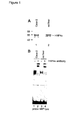
- HNF4 ⁇ protein expression is comparable to its expression in rat liver ( Fig. 1A ).
- EMSA-studies provided additional evidence for abundant HNF4 ⁇ DNA-binding to the A-site of the HNF1 ⁇ -promoter (HNF1pro) ( Fig. 1B ), which is an established recognition site for HNF4 ⁇ (63;66).
- the invention therefore discloses the ChIP-cloning ( Fig.
- HNF4 ⁇ gene targets from total input DNA of highly differentiated Caco-2 cell cultures. After brief formaldehyde crosslinking nuclei were isolated and subsequently extracted as described in the Material and Methods section. Soluble chromatin was fragmented by mechanical shearing. The sonication of DNA was optimized to obtain DNA fragments between 200bp and 1600bp ( Fig. 2B ). The HNF4 ⁇ immunoprecipitated DNA was screened for enrichment of promoter regions of well-known HNF4 ⁇ target-genes and HNF4 ⁇ recognition sites herein (63;66).
- PCR-assays of immunoprecipitated DNA enabled identification of apolipoprotein-CII (ApoCII), aldehyde-dehydrogenase-2 (ALDH2), ornithine-transcarbamylase (OTC) and phosphoenolpyruvate-carboxykinase (PEPCK), all of which are well known targets for HNF4 ⁇ ( Fig. 2C ).
- ApoCII apolipoprotein-CII
- ADH2 aldehyde-dehydrogenase-2
- OTC ornithine-transcarbamylase
- PEPCK phosphoenolpyruvate-carboxykinase
- ChIP-assays of immunoprecipitated DNA yielded clones with inserts up to 1800bp.
- the inserts were sequenced by capillary electrophoresis and amplification with vector-specific primers and the genomic sequences were identified by database searches (GenBank, maintained by NCBI) for human genomic matches (Table 5).
- Approximately 50% of sequenced clones represented clearly annotated human sequences. Thereof, one half could be annotated within genes with established or predicted functions or were mapped to EST's, whereas the other half of clones could be traced back to known chromosomal localization but are of uncertain gene ID's. Nonetheless, these clones did harbor regulatory regions for HNF4 ⁇ .
- HNF4 ⁇ predicted binding-sites in the promoter of clone 18, clone 264 and clone 385 were bound specifically by HNF4 ⁇ in vivo ( Fig. 3A ).
- HNF4 ⁇ displays different in vitro binding affinities for novel gene targets.
- competition experiments were carried out ( Fig. 3C ).
- the HNF1pro-site served as labeled probe to capture HNF4 ⁇ nuclear protein and competition was first analyzed with a specifically designed probe based on a weighted bioinformatic matrix. This probe (GSmatrix) competed successfully for HNF4 ⁇ binding (100x, reduction to 3,2%).
- the invention further confirmed transcript expression of the new HNF4 ⁇ gene targets (clone18, clone114, clone178, clone264 and clone385) in cultures of Caco-2 cells ( Fig. 3D ). This provided additional evidence for a role for HNF4 ⁇ in the transcriptional regulation of these genes. Further, the newly identified HNF4 ⁇ binding sites were studied for interaction with COUP-TF or HNF1 ⁇ . Initially it was assayed for COUP-TF ( Fig. 4A , lane 1 and 2) and HNF1 ⁇ ( Fig. 5A , lane 1 and 2) and binding of these proteins was confirmed. Neither COUP-TF ( Fig. 4A , lane 5) nor HNF1 ⁇ ( Fig.
- HNF4 ⁇ HNF1 ⁇ promoter
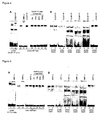
- HNF4 ⁇ Binding of HNF4 ⁇ to an optimized binding sites (GSmatrix) as well as to the newly identified binding sites (GS01, GS33, GS10, GS05 and GS43) was increased after Aroclor treatment ( Fig. 6 ), thus providing additional evidence for the newly identified gene targets to be striktly regulated by HNF4 ⁇ .
- a summary of the cloned HNF4 ⁇ targets is given in Table 6.
- Clone18 contained a ChIP-verified HNF4 ⁇ binding site in the promoter region (around -2539) and was identified as C20orf13, a gene coding for a protein with predicted asparaginase activity.
- Clone114 was ChIP-verified from the first intron and identified as KIAA0774.
- Clone178 was ChIP-verified from the first intron and identified as epidermal growth factor receptor substrate (EPS15R).
- Clone264 contained a ChIP-verified HNF4 ⁇ binding site in the promoter region (around -928) and was identified as phospholipase C, beta 1 (PLCB1).
- Clone385 contained a ChIP-verified HNF4 ⁇ binding site in the promoter region (around -3578) and was identified as UDP-galactose transporter related protein (UGTREL1).
- HNF4 ⁇ gene targets were cloned and confirmed as novel HNF4 ⁇ gene targets (data reported in detail elsewhere (51 )).
- Table 7 gives an account of HNF4 ⁇ gene targets with confirmed in vivo binding ( Fig. 7A ) but lack HNF4 ⁇ in vitro binding to the ChIP confirmed fragments as studied by EMSA ( Fig. 7B ). Further, transcript expression of these clones in Caco-2 cells was confirmed ( Fig. 7C ).
- Clone84 contained a ChIP-verified HNF4 ⁇ binding site in the promoter region (around -575) and was identified as fragile X mental retardation protein 2 (FMR2).
- Clone177 contained a ChIP-verified HNF4 ⁇ binding sites in the promoter region (around -355) and was identified as nebulin, i.e. a giant muscle protein.
- Clone261 was ChIP-verified from a region located around 7.5 kb upstream of potassium voltage-gated channel, KQT-like subfamily, member 4 (KCNQ4) and around 4.7 kb downstream of the C-subunit of nuclear factor Y (NFYC).
- Clone310 contained a ChIP-verified HNF4 ⁇ binding site in the promoter region (around -5) and was identified as pre-mRNA processing factor 3 (PRPF3).
- PRPF3 pre-mRNA processing factor 3
- Clone460 was ChIP-verified from the first intron and identified as transient receptor potential cation channel, subfamily C, member 1 (TRPC1).
- TRPC1 transient receptor potential cation channel, subfamily C, member 1
- in vitro binding of HNF4 ⁇ to further putative promoter binding sites was analyzed and HNF4 ⁇ binding to FMR2, NFYC, KCNQ4 and PRPF3 was observed ( Fig. 7D ).
- HNF4 ⁇ chromatin immunoprecipitation assay with HNF4 ⁇ target genes HNF4 ⁇ chromatin immunoprecipitation assay with HNF4 ⁇ target genes.
- Electrophoretic mobility shift assay with 2,5 ⁇ g rat liver nuclear extract of control (lane 1, 2, 5, 6, 9, 10, 13, 14, 17, 18, 21, 22, 25, 26) or Aroclor treated animals (lane 3, 4, 7, 8, 11, 12, 15, 16, 19, 20, 23, 24, 27, 28) and oligonucleotides corresponding to putative HNF4 ⁇ binding-sites (GSmatrix, lane 1-4; GS01, lane 5-8; GS33, lane 9-12; GS10, lane 13-16; GS05, lane 17-20; GS25, lane 21-24; GS43, lane 25-28) as 32 P labeled probe.
- GSmatrix lane 1-4; GS01, lane 5-8; GS33, lane 9-12; GS10, lane 13-16; GS05, lane 17-20; GS25, lane 21-24; GS43, lane 25-28
- For supershift analysis an antibody directed against HNF4 ⁇ was added (lane 2, 4, 6, 8, 10, 12, 14, 16, 18, 20, 22, 24, 26, 28
- HNF4 ⁇ gene targets are assigned to functions in percent.
- the 13 novel HNF4 ⁇ gene targets described in this study are assigned to functions with their gene names.
Landscapes
- Chemical & Material Sciences (AREA)
- Life Sciences & Earth Sciences (AREA)
- Health & Medical Sciences (AREA)
- Proteomics, Peptides & Aminoacids (AREA)
- Organic Chemistry (AREA)
- Genetics & Genomics (AREA)
- Zoology (AREA)
- Analytical Chemistry (AREA)
- Wood Science & Technology (AREA)
- Engineering & Computer Science (AREA)
- Microbiology (AREA)
- Biochemistry (AREA)
- Biotechnology (AREA)
- Molecular Biology (AREA)
- Biophysics (AREA)
- Physics & Mathematics (AREA)
- Pathology (AREA)
- Immunology (AREA)
- Bioinformatics & Cheminformatics (AREA)
- General Engineering & Computer Science (AREA)
- General Health & Medical Sciences (AREA)
- Medicines That Contain Protein Lipid Enzymes And Other Medicines (AREA)
- Measuring Or Testing Involving Enzymes Or Micro-Organisms (AREA)
- Saccharide Compounds (AREA)
Claims (4)
- Verwendung eines oder mehrerer Gene mit einer HNF4α Bindungsstelle zum Durchmustern und Identifizieren von Arzneimitteln gegen Tumorwachstum, wobei das oder die Gene ausgewählt sind aus der Gruppe C20orf13, KIAA0774, EPS15R, PLCB1, UGTREL1.
- Verfahren zur Identifizierung gegen Tumorwachstum einsetzbarer Verbindungen,
wobei eines oder mehrere Gene mit einer HNF4α Bindungsstelle zusammen mit einer zu testenden Verbindung inkubiert werden und Veränderungen in der Expression oder der Transkriptionsaktivität besagter Gene bestimmt werden, und
wobei das oder die Gene ausgewählt sind aus der Gruppe C20orf13, KlAA0774, EPS15R, PLCB1, UGTREL1. - Verwendung einer HNF4α Chromatin-Immunopräzipitation (ChIP-Assay) zum Durchmustern und Identifizieren von Arzneimitteln gegen Tumorwachstum, gekennzeichnet durch die Schritte:Formaldehyd-Vernetzung der ZellenIsolierung der Zellkerne und Behandlung mit SchallenergieErste ImmunopräzipitationZweite Immunopräzipitation,Reversion der Vernetzung / DNA AufreinigungProteinverdau / DNA AufreinigungErzeugung von Blunt-End FragmentenKlonen unbekannter ZielsequenzenSequenzierungAnnotation undBestätigung in vivo,wobei ein oder mehrere Zielgene von HNF4α, ausgewählt aus der Gruppe C20orf13, KIAA0774, EPS15R, PLCB1, UGTREL1, identifiziert werden.
- Verwendung gemäß Anspruch 3, wobei ein gegen HNF4α gerichteter Antikörper eingesetzt wird.
Priority Applications (1)
| Application Number | Priority Date | Filing Date | Title |
|---|---|---|---|
| EP06724120A EP1871900B1 (de) | 2005-04-14 | 2006-04-07 | Verwendung neuer hnf4alpha-zielgene und ihrer genprodukte |
Applications Claiming Priority (3)
| Application Number | Priority Date | Filing Date | Title |
|---|---|---|---|
| EP05090108A EP1712641A1 (de) | 2005-04-14 | 2005-04-14 | Verwendung von neuen HNF4a Zielgenen und ihren Produkten |
| PCT/EP2006/003179 WO2006125493A2 (en) | 2005-04-14 | 2006-04-07 | USE OF NOVEL HNF4α TARGET GENES AND THEIR GENE PRODUCTS |
| EP06724120A EP1871900B1 (de) | 2005-04-14 | 2006-04-07 | Verwendung neuer hnf4alpha-zielgene und ihrer genprodukte |
Publications (2)
| Publication Number | Publication Date |
|---|---|
| EP1871900A2 EP1871900A2 (de) | 2008-01-02 |
| EP1871900B1 true EP1871900B1 (de) | 2010-02-10 |
Family
ID=35887847
Family Applications (2)
| Application Number | Title | Priority Date | Filing Date |
|---|---|---|---|
| EP05090108A Withdrawn EP1712641A1 (de) | 2005-04-14 | 2005-04-14 | Verwendung von neuen HNF4a Zielgenen und ihren Produkten |
| EP06724120A Expired - Lifetime EP1871900B1 (de) | 2005-04-14 | 2006-04-07 | Verwendung neuer hnf4alpha-zielgene und ihrer genprodukte |
Family Applications Before (1)
| Application Number | Title | Priority Date | Filing Date |
|---|---|---|---|
| EP05090108A Withdrawn EP1712641A1 (de) | 2005-04-14 | 2005-04-14 | Verwendung von neuen HNF4a Zielgenen und ihren Produkten |
Country Status (5)
| Country | Link |
|---|---|
| US (1) | US20090036348A1 (de) |
| EP (2) | EP1712641A1 (de) |
| AT (1) | ATE457364T1 (de) |
| DE (1) | DE602006012173D1 (de) |
| WO (1) | WO2006125493A2 (de) |
Families Citing this family (3)
| Publication number | Priority date | Publication date | Assignee | Title |
|---|---|---|---|---|
| EP4165194A2 (de) * | 2020-05-13 | 2023-04-19 | Akouos, Inc. | Zusammensetzungen und verfahren zur behandlung von kcnq4-assoziiertem gehörverlust |
| CN114425090B (zh) * | 2022-01-26 | 2024-01-26 | 四川大学华西医院 | Xrcc6基因及其编码的蛋白的应用 |
| CN115028705A (zh) * | 2022-05-09 | 2022-09-09 | 常熟理工学院 | Hnf6多肽片段及其表达与纯化方法 |
Family Cites Families (2)
| Publication number | Priority date | Publication date | Assignee | Title |
|---|---|---|---|---|
| WO1998023780A1 (en) * | 1996-11-26 | 1998-06-04 | Joslin Diabetes Center, Inc. | Methods for diagnosing and treating diabetes |
| WO2003016559A2 (en) * | 2001-08-17 | 2003-02-27 | Novo Nordisk A/S | Method for treating diabetes based on the modulation of nh4alpha gene expression |
-
2005
- 2005-04-14 EP EP05090108A patent/EP1712641A1/de not_active Withdrawn
-
2006
- 2006-04-07 AT AT06724120T patent/ATE457364T1/de not_active IP Right Cessation
- 2006-04-07 US US11/918,156 patent/US20090036348A1/en not_active Abandoned
- 2006-04-07 WO PCT/EP2006/003179 patent/WO2006125493A2/en not_active Ceased
- 2006-04-07 DE DE602006012173T patent/DE602006012173D1/de not_active Expired - Lifetime
- 2006-04-07 EP EP06724120A patent/EP1871900B1/de not_active Expired - Lifetime
Non-Patent Citations (1)
| Title |
|---|
| ISAACSON KERKVLIET N.; KIMELDORF DONALD J.: "Inhibition of Tumor Growth in Rats by Feeding a Polychlorinated Biphenyl, Aroclor 1254", BULLETIN OF ENVIRONMENTAL CONTAMINATION AND TOXICOLOGY, vol. 18, no. 2, August 1977 (1977-08-01), NEW YORK, pages 243 - 246 * |
Also Published As
| Publication number | Publication date |
|---|---|
| WO2006125493A2 (en) | 2006-11-30 |
| US20090036348A1 (en) | 2009-02-05 |
| ATE457364T1 (de) | 2010-02-15 |
| EP1871900A2 (de) | 2008-01-02 |
| EP1712641A1 (de) | 2006-10-18 |
| WO2006125493A3 (en) | 2007-06-28 |
| DE602006012173D1 (de) | 2010-03-25 |
Similar Documents
| Publication | Publication Date | Title |
|---|---|---|
| Srivastava et al. | MicroRNA-146a suppresses IL-17–mediated skin inflammation and is genetically associated with psoriasis | |
| Chen et al. | Global gene expression profiling reveals genes expressed differentially in cattle with high and low residual feed intake | |
| US20230383353A1 (en) | Inhibition Of HSD17B13 In The Treatment Of Liver Disease In Patients Expressing The PNPLA3 I148M Variation | |
| Chen et al. | A genome-wide mRNA screen and functional analysis reveal FOXO3 as a candidate gene for chicken growth | |
| Ambrosio et al. | The structure of human STAT5A and B genes reveals two regions of nearly identical sequence and an alternative tissue specific STAT5B promoter | |
| Guo et al. | Genetic variants in the promoter region of the KLF3 gene associated with fat deposition in Qinchuan cattle | |
| Chistiakov et al. | The rs11705701 G> A polymorphism of IGF2BP2 is associated with IGF2BP2 mRNA and protein levels in the visceral adipose tissue-a link to type 2 diabetes susceptibility | |
| Assaf et al. | Cloning of cDNA encoding the nuclear form of chicken sterol response element binding protein-2 (SREBP-2), chromosomal localization, and tissue expression of chicken SREBP-1 and-2 genes | |
| Forti et al. | Temporal expression pattern of Bardet-Biedl syndrome genes in adipogenesis | |
| O'Connor et al. | AGO HITS-CLIP reveals distinct miRNA regulation of white and brown adipose tissue identity | |
| Kwon et al. | Global analysis of gene expression profiles in the submandibular salivary gland of klotho knockout mice | |
| Feng et al. | Molecular characterization of the BTG2 and BTG3 genes in fetal muscle development of pigs | |
| EP1712641A1 (de) | Verwendung von neuen HNF4a Zielgenen und ihren Produkten | |
| Yang et al. | The role of BAMBI in regulating adipogenesis and myogenesis and the association between its polymorphisms and growth traits in cattle | |
| Bjerre et al. | Porcine parkin: molecular cloning of PARK2 cDNA, expression analysis, and identification of a splicing variant | |
| WO2009089102A2 (en) | Identification and characterization of pregnancy- associated genetic signatures and use thereof for diagnosis and treatment of breast cancer | |
| Park et al. | NANOG gene expression is regulated by the ETS transcription factor ETV4 in human embryonic carcinoma NCCIT cells | |
| Mehler-Wex et al. | Microarray analysis reveals distinct gene expression patterns in the mouse cortex following chronic neuroleptic and stimulant treatment: implications for body weight changes | |
| CN101287846A (zh) | 诊断血栓栓塞病和冠心病的方法 | |
| WO2016201438A1 (en) | New targets modulated by a casual variant of type 2 diabetes (t2d) embedded within the tcf7l2 gene and methods of use thereof for identifying agents having efficacy for the treatment of type 2 diabetes and other metabolic disorders | |
| EP2129801B1 (de) | Tbc1d1 als diagnostischer marker für fettleibigkeit oder diabetes | |
| Razia et al. | Unveiling human DNase II: molecular characterizations, gene insights and functional implications | |
| JP4444576B2 (ja) | 2型糖尿病関連遺伝子 | |
| JP2005525810A (ja) | 膵管細胞を利用した膵管癌特異的遺伝子の同定方法、同方法により同定される膵管癌特異的遺伝子を利用した膵管癌の検査方法、および膵管癌の治療または予防のための医薬候補化合物のスクリーニング方法。 | |
| WO2012046006A2 (en) | Cancer targets |
Legal Events
| Date | Code | Title | Description |
|---|---|---|---|
| PUAI | Public reference made under article 153(3) epc to a published international application that has entered the european phase |
Free format text: ORIGINAL CODE: 0009012 |
|
| 17P | Request for examination filed |
Effective date: 20071112 |
|
| AK | Designated contracting states |
Kind code of ref document: A2 Designated state(s): AT BE BG CH CY CZ DE DK EE ES FI FR GB GR HU IE IS IT LI LT LU LV MC NL PL PT RO SE SI SK TR |
|
| AX | Request for extension of the european patent |
Extension state: AL BA HR MK YU |
|
| RIN1 | Information on inventor provided before grant (corrected) |
Inventor name: BORLAK, JUERGEN Inventor name: NIEHOF, MONIKA |
|
| 17Q | First examination report despatched |
Effective date: 20080618 |
|
| DAX | Request for extension of the european patent (deleted) | ||
| GRAP | Despatch of communication of intention to grant a patent |
Free format text: ORIGINAL CODE: EPIDOSNIGR1 |
|
| RTI1 | Title (correction) |
Free format text: USE OF NOVEL HNF4ALPHA TARGET GENES AND THEIR GENE PRODUCTS |
|
| GRAS | Grant fee paid |
Free format text: ORIGINAL CODE: EPIDOSNIGR3 |
|
| GRAA | (expected) grant |
Free format text: ORIGINAL CODE: 0009210 |
|
| AK | Designated contracting states |
Kind code of ref document: B1 Designated state(s): AT BE BG CH CY CZ DE DK EE ES FI FR GB GR HU IE IS IT LI LT LU LV MC NL PL PT RO SE SI SK TR |
|
| REG | Reference to a national code |
Ref country code: GB Ref legal event code: FG4D |
|
| REG | Reference to a national code |
Ref country code: CH Ref legal event code: EP |
|
| REG | Reference to a national code |
Ref country code: IE Ref legal event code: FG4D |
|
| REF | Corresponds to: |
Ref document number: 602006012173 Country of ref document: DE Date of ref document: 20100325 Kind code of ref document: P |
|
| REG | Reference to a national code |
Ref country code: NL Ref legal event code: T3 |
|
| LTIE | Lt: invalidation of european patent or patent extension |
Effective date: 20100210 |
|
| PG25 | Lapsed in a contracting state [announced via postgrant information from national office to epo] |
Ref country code: ES Free format text: LAPSE BECAUSE OF FAILURE TO SUBMIT A TRANSLATION OF THE DESCRIPTION OR TO PAY THE FEE WITHIN THE PRESCRIBED TIME-LIMIT Effective date: 20100521 Ref country code: IS Free format text: LAPSE BECAUSE OF FAILURE TO SUBMIT A TRANSLATION OF THE DESCRIPTION OR TO PAY THE FEE WITHIN THE PRESCRIBED TIME-LIMIT Effective date: 20100610 Ref country code: LT Free format text: LAPSE BECAUSE OF FAILURE TO SUBMIT A TRANSLATION OF THE DESCRIPTION OR TO PAY THE FEE WITHIN THE PRESCRIBED TIME-LIMIT Effective date: 20100210 Ref country code: PT Free format text: LAPSE BECAUSE OF FAILURE TO SUBMIT A TRANSLATION OF THE DESCRIPTION OR TO PAY THE FEE WITHIN THE PRESCRIBED TIME-LIMIT Effective date: 20100611 |
|
| PGFP | Annual fee paid to national office [announced via postgrant information from national office to epo] |
Ref country code: FR Payment date: 20100507 Year of fee payment: 5 |
|
| PG25 | Lapsed in a contracting state [announced via postgrant information from national office to epo] |
Ref country code: AT Free format text: LAPSE BECAUSE OF FAILURE TO SUBMIT A TRANSLATION OF THE DESCRIPTION OR TO PAY THE FEE WITHIN THE PRESCRIBED TIME-LIMIT Effective date: 20100210 Ref country code: FI Free format text: LAPSE BECAUSE OF FAILURE TO SUBMIT A TRANSLATION OF THE DESCRIPTION OR TO PAY THE FEE WITHIN THE PRESCRIBED TIME-LIMIT Effective date: 20100210 Ref country code: SI Free format text: LAPSE BECAUSE OF FAILURE TO SUBMIT A TRANSLATION OF THE DESCRIPTION OR TO PAY THE FEE WITHIN THE PRESCRIBED TIME-LIMIT Effective date: 20100210 Ref country code: PL Free format text: LAPSE BECAUSE OF FAILURE TO SUBMIT A TRANSLATION OF THE DESCRIPTION OR TO PAY THE FEE WITHIN THE PRESCRIBED TIME-LIMIT Effective date: 20100210 Ref country code: LV Free format text: LAPSE BECAUSE OF FAILURE TO SUBMIT A TRANSLATION OF THE DESCRIPTION OR TO PAY THE FEE WITHIN THE PRESCRIBED TIME-LIMIT Effective date: 20100210 |
|
| PGFP | Annual fee paid to national office [announced via postgrant information from national office to epo] |
Ref country code: IT Payment date: 20100527 Year of fee payment: 5 Ref country code: NL Payment date: 20100510 Year of fee payment: 5 |
|
| PG25 | Lapsed in a contracting state [announced via postgrant information from national office to epo] |
Ref country code: SE Free format text: LAPSE BECAUSE OF FAILURE TO SUBMIT A TRANSLATION OF THE DESCRIPTION OR TO PAY THE FEE WITHIN THE PRESCRIBED TIME-LIMIT Effective date: 20100210 Ref country code: RO Free format text: LAPSE BECAUSE OF FAILURE TO SUBMIT A TRANSLATION OF THE DESCRIPTION OR TO PAY THE FEE WITHIN THE PRESCRIBED TIME-LIMIT Effective date: 20100210 Ref country code: GR Free format text: LAPSE BECAUSE OF FAILURE TO SUBMIT A TRANSLATION OF THE DESCRIPTION OR TO PAY THE FEE WITHIN THE PRESCRIBED TIME-LIMIT Effective date: 20100511 Ref country code: EE Free format text: LAPSE BECAUSE OF FAILURE TO SUBMIT A TRANSLATION OF THE DESCRIPTION OR TO PAY THE FEE WITHIN THE PRESCRIBED TIME-LIMIT Effective date: 20100210 Ref country code: CY Free format text: LAPSE BECAUSE OF FAILURE TO SUBMIT A TRANSLATION OF THE DESCRIPTION OR TO PAY THE FEE WITHIN THE PRESCRIBED TIME-LIMIT Effective date: 20100210 Ref country code: BE Free format text: LAPSE BECAUSE OF FAILURE TO SUBMIT A TRANSLATION OF THE DESCRIPTION OR TO PAY THE FEE WITHIN THE PRESCRIBED TIME-LIMIT Effective date: 20100210 |
|
| PGFP | Annual fee paid to national office [announced via postgrant information from national office to epo] |
Ref country code: CH Payment date: 20100428 Year of fee payment: 5 |
|
| PG25 | Lapsed in a contracting state [announced via postgrant information from national office to epo] |
Ref country code: MC Free format text: LAPSE BECAUSE OF NON-PAYMENT OF DUE FEES Effective date: 20100430 Ref country code: CZ Free format text: LAPSE BECAUSE OF FAILURE TO SUBMIT A TRANSLATION OF THE DESCRIPTION OR TO PAY THE FEE WITHIN THE PRESCRIBED TIME-LIMIT Effective date: 20100210 Ref country code: BG Free format text: LAPSE BECAUSE OF FAILURE TO SUBMIT A TRANSLATION OF THE DESCRIPTION OR TO PAY THE FEE WITHIN THE PRESCRIBED TIME-LIMIT Effective date: 20100510 Ref country code: SK Free format text: LAPSE BECAUSE OF FAILURE TO SUBMIT A TRANSLATION OF THE DESCRIPTION OR TO PAY THE FEE WITHIN THE PRESCRIBED TIME-LIMIT Effective date: 20100210 |
|
| PGFP | Annual fee paid to national office [announced via postgrant information from national office to epo] |
Ref country code: DE Payment date: 20100630 Year of fee payment: 5 Ref country code: GB Payment date: 20100428 Year of fee payment: 5 |
|
| PLBE | No opposition filed within time limit |
Free format text: ORIGINAL CODE: 0009261 |
|
| STAA | Information on the status of an ep patent application or granted ep patent |
Free format text: STATUS: NO OPPOSITION FILED WITHIN TIME LIMIT |
|
| 26N | No opposition filed |
Effective date: 20101111 |
|
| PG25 | Lapsed in a contracting state [announced via postgrant information from national office to epo] |
Ref country code: DK Free format text: LAPSE BECAUSE OF FAILURE TO SUBMIT A TRANSLATION OF THE DESCRIPTION OR TO PAY THE FEE WITHIN THE PRESCRIBED TIME-LIMIT Effective date: 20100210 Ref country code: IE Free format text: LAPSE BECAUSE OF NON-PAYMENT OF DUE FEES Effective date: 20100407 |
|
| REG | Reference to a national code |
Ref country code: NL Ref legal event code: V1 Effective date: 20111101 |
|
| REG | Reference to a national code |
Ref country code: CH Ref legal event code: PL |
|
| GBPC | Gb: european patent ceased through non-payment of renewal fee |
Effective date: 20110407 |
|
| REG | Reference to a national code |
Ref country code: FR Ref legal event code: ST Effective date: 20111230 |
|
| PG25 | Lapsed in a contracting state [announced via postgrant information from national office to epo] |
Ref country code: DE Free format text: LAPSE BECAUSE OF NON-PAYMENT OF DUE FEES Effective date: 20111101 Ref country code: CH Free format text: LAPSE BECAUSE OF NON-PAYMENT OF DUE FEES Effective date: 20110430 Ref country code: NL Free format text: LAPSE BECAUSE OF NON-PAYMENT OF DUE FEES Effective date: 20111101 Ref country code: LI Free format text: LAPSE BECAUSE OF NON-PAYMENT OF DUE FEES Effective date: 20110430 Ref country code: FR Free format text: LAPSE BECAUSE OF NON-PAYMENT OF DUE FEES Effective date: 20110502 |
|
| REG | Reference to a national code |
Ref country code: DE Ref legal event code: R119 Ref document number: 602006012173 Country of ref document: DE Effective date: 20111101 |
|
| PG25 | Lapsed in a contracting state [announced via postgrant information from national office to epo] |
Ref country code: IT Free format text: LAPSE BECAUSE OF NON-PAYMENT OF DUE FEES Effective date: 20110407 Ref country code: GB Free format text: LAPSE BECAUSE OF NON-PAYMENT OF DUE FEES Effective date: 20110407 |
|
| PG25 | Lapsed in a contracting state [announced via postgrant information from national office to epo] |
Ref country code: HU Free format text: LAPSE BECAUSE OF FAILURE TO SUBMIT A TRANSLATION OF THE DESCRIPTION OR TO PAY THE FEE WITHIN THE PRESCRIBED TIME-LIMIT Effective date: 20100811 Ref country code: LU Free format text: LAPSE BECAUSE OF NON-PAYMENT OF DUE FEES Effective date: 20100407 |
|
| PG25 | Lapsed in a contracting state [announced via postgrant information from national office to epo] |
Ref country code: TR Free format text: LAPSE BECAUSE OF FAILURE TO SUBMIT A TRANSLATION OF THE DESCRIPTION OR TO PAY THE FEE WITHIN THE PRESCRIBED TIME-LIMIT Effective date: 20100210 |