EP1820504A1 - Imine compound - Google Patents
Imine compound Download PDFInfo
- Publication number
- EP1820504A1 EP1820504A1 EP05800461A EP05800461A EP1820504A1 EP 1820504 A1 EP1820504 A1 EP 1820504A1 EP 05800461 A EP05800461 A EP 05800461A EP 05800461 A EP05800461 A EP 05800461A EP 1820504 A1 EP1820504 A1 EP 1820504A1
- Authority
- EP
- European Patent Office
- Prior art keywords
- group
- substituted
- alkyl
- halogen atom
- alkoxy
- Prior art date
- Legal status (The legal status is an assumption and is not a legal conclusion. Google has not performed a legal analysis and makes no representation as to the accuracy of the status listed.)
- Withdrawn
Links
- 0 CC(C)(C)C(S1)=C(C)N(CCN)C1=C(C)*C(c1cccc(C(*=C)(F)F)c1)=O Chemical compound CC(C)(C)C(S1)=C(C)N(CCN)C1=C(C)*C(c1cccc(C(*=C)(F)F)c1)=O 0.000 description 94
- DCXZSECLLOWWDC-XFXZXTDPSA-N CC(C)(C)C(S1)=NN(CC2CC2)/C1=N/C(S)=O Chemical compound CC(C)(C)C(S1)=NN(CC2CC2)/C1=N/C(S)=O DCXZSECLLOWWDC-XFXZXTDPSA-N 0.000 description 1
- FRZHCEVIHMEPSO-UHFFFAOYSA-N CC(CCC(F)=C1)=C1F Chemical compound CC(CCC(F)=C1)=C1F FRZHCEVIHMEPSO-UHFFFAOYSA-N 0.000 description 1
- XTCBVTMLCIHNEF-UHFFFAOYSA-N CC1C=CC(C(F)(F)F)=CC1F Chemical compound CC1C=CC(C(F)(F)F)=CC1F XTCBVTMLCIHNEF-UHFFFAOYSA-N 0.000 description 1
- VSVJEWAFWZASAO-UHFFFAOYSA-N CCCCC1SC=C(C)N1C Chemical compound CCCCC1SC=C(C)N1C VSVJEWAFWZASAO-UHFFFAOYSA-N 0.000 description 1
Images

Classifications
-
- C—CHEMISTRY; METALLURGY
- C07—ORGANIC CHEMISTRY
- C07D—HETEROCYCLIC COMPOUNDS
- C07D417/00—Heterocyclic compounds containing two or more hetero rings, at least one ring having nitrogen and sulfur atoms as the only ring hetero atoms, not provided for by group C07D415/00
- C07D417/02—Heterocyclic compounds containing two or more hetero rings, at least one ring having nitrogen and sulfur atoms as the only ring hetero atoms, not provided for by group C07D415/00 containing two hetero rings
- C07D417/12—Heterocyclic compounds containing two or more hetero rings, at least one ring having nitrogen and sulfur atoms as the only ring hetero atoms, not provided for by group C07D415/00 containing two hetero rings linked by a chain containing hetero atoms as chain links
-
- A—HUMAN NECESSITIES
- A61—MEDICAL OR VETERINARY SCIENCE; HYGIENE
- A61P—SPECIFIC THERAPEUTIC ACTIVITY OF CHEMICAL COMPOUNDS OR MEDICINAL PREPARATIONS
- A61P25/00—Drugs for disorders of the nervous system
- A61P25/04—Centrally acting analgesics, e.g. opioids
-
- A—HUMAN NECESSITIES
- A61—MEDICAL OR VETERINARY SCIENCE; HYGIENE
- A61P—SPECIFIC THERAPEUTIC ACTIVITY OF CHEMICAL COMPOUNDS OR MEDICINAL PREPARATIONS
- A61P25/00—Drugs for disorders of the nervous system
- A61P25/20—Hypnotics; Sedatives
-
- A—HUMAN NECESSITIES
- A61—MEDICAL OR VETERINARY SCIENCE; HYGIENE
- A61P—SPECIFIC THERAPEUTIC ACTIVITY OF CHEMICAL COMPOUNDS OR MEDICINAL PREPARATIONS
- A61P25/00—Drugs for disorders of the nervous system
- A61P25/22—Anxiolytics
-
- A—HUMAN NECESSITIES
- A61—MEDICAL OR VETERINARY SCIENCE; HYGIENE
- A61P—SPECIFIC THERAPEUTIC ACTIVITY OF CHEMICAL COMPOUNDS OR MEDICINAL PREPARATIONS
- A61P29/00—Non-central analgesic, antipyretic or antiinflammatory agents, e.g. antirheumatic agents; Non-steroidal antiinflammatory drugs [NSAID]
-
- A—HUMAN NECESSITIES
- A61—MEDICAL OR VETERINARY SCIENCE; HYGIENE
- A61P—SPECIFIC THERAPEUTIC ACTIVITY OF CHEMICAL COMPOUNDS OR MEDICINAL PREPARATIONS
- A61P37/00—Drugs for immunological or allergic disorders
- A61P37/02—Immunomodulators
-
- A—HUMAN NECESSITIES
- A61—MEDICAL OR VETERINARY SCIENCE; HYGIENE
- A61P—SPECIFIC THERAPEUTIC ACTIVITY OF CHEMICAL COMPOUNDS OR MEDICINAL PREPARATIONS
- A61P37/00—Drugs for immunological or allergic disorders
- A61P37/02—Immunomodulators
- A61P37/06—Immunosuppressants, e.g. drugs for graft rejection
-
- A—HUMAN NECESSITIES
- A61—MEDICAL OR VETERINARY SCIENCE; HYGIENE
- A61P—SPECIFIC THERAPEUTIC ACTIVITY OF CHEMICAL COMPOUNDS OR MEDICINAL PREPARATIONS
- A61P37/00—Drugs for immunological or allergic disorders
- A61P37/08—Antiallergic agents
-
- A—HUMAN NECESSITIES
- A61—MEDICAL OR VETERINARY SCIENCE; HYGIENE
- A61P—SPECIFIC THERAPEUTIC ACTIVITY OF CHEMICAL COMPOUNDS OR MEDICINAL PREPARATIONS
- A61P43/00—Drugs for specific purposes, not provided for in groups A61P1/00-A61P41/00
-
- A—HUMAN NECESSITIES
- A61—MEDICAL OR VETERINARY SCIENCE; HYGIENE
- A61P—SPECIFIC THERAPEUTIC ACTIVITY OF CHEMICAL COMPOUNDS OR MEDICINAL PREPARATIONS
- A61P7/00—Drugs for disorders of the blood or the extracellular fluid
- A61P7/04—Antihaemorrhagics; Procoagulants; Haemostatic agents; Antifibrinolytic agents
-
- C—CHEMISTRY; METALLURGY
- C07—ORGANIC CHEMISTRY
- C07D—HETEROCYCLIC COMPOUNDS
- C07D213/00—Heterocyclic compounds containing six-membered rings, not condensed with other rings, with one nitrogen atom as the only ring hetero atom and three or more double bonds between ring members or between ring members and non-ring members
- C07D213/02—Heterocyclic compounds containing six-membered rings, not condensed with other rings, with one nitrogen atom as the only ring hetero atom and three or more double bonds between ring members or between ring members and non-ring members having three double bonds between ring members or between ring members and non-ring members
- C07D213/04—Heterocyclic compounds containing six-membered rings, not condensed with other rings, with one nitrogen atom as the only ring hetero atom and three or more double bonds between ring members or between ring members and non-ring members having three double bonds between ring members or between ring members and non-ring members having no bond between the ring nitrogen atom and a non-ring member or having only hydrogen or carbon atoms directly attached to the ring nitrogen atom
- C07D213/60—Heterocyclic compounds containing six-membered rings, not condensed with other rings, with one nitrogen atom as the only ring hetero atom and three or more double bonds between ring members or between ring members and non-ring members having three double bonds between ring members or between ring members and non-ring members having no bond between the ring nitrogen atom and a non-ring member or having only hydrogen or carbon atoms directly attached to the ring nitrogen atom with hetero atoms or with carbon atoms having three bonds to hetero atoms with at the most one bond to halogen, e.g. ester or nitrile radicals, directly attached to ring carbon atoms
- C07D213/72—Nitrogen atoms
- C07D213/75—Amino or imino radicals, acylated by carboxylic or carbonic acids, or by sulfur or nitrogen analogues thereof, e.g. carbamates
-
- C—CHEMISTRY; METALLURGY
- C07—ORGANIC CHEMISTRY
- C07D—HETEROCYCLIC COMPOUNDS
- C07D231/00—Heterocyclic compounds containing 1,2-diazole or hydrogenated 1,2-diazole rings
- C07D231/02—Heterocyclic compounds containing 1,2-diazole or hydrogenated 1,2-diazole rings not condensed with other rings
- C07D231/10—Heterocyclic compounds containing 1,2-diazole or hydrogenated 1,2-diazole rings not condensed with other rings having two or three double bonds between ring members or between ring members and non-ring members
- C07D231/14—Heterocyclic compounds containing 1,2-diazole or hydrogenated 1,2-diazole rings not condensed with other rings having two or three double bonds between ring members or between ring members and non-ring members with hetero atoms or with carbon atoms having three bonds to hetero atoms with at the most one bond to halogen, e.g. ester or nitrile radicals, directly attached to ring carbon atoms
- C07D231/38—Nitrogen atoms
- C07D231/40—Acylated on said nitrogen atom
-
- C—CHEMISTRY; METALLURGY
- C07—ORGANIC CHEMISTRY
- C07D—HETEROCYCLIC COMPOUNDS
- C07D401/00—Heterocyclic compounds containing two or more hetero rings, having nitrogen atoms as the only ring hetero atoms, at least one ring being a six-membered ring with only one nitrogen atom
- C07D401/02—Heterocyclic compounds containing two or more hetero rings, having nitrogen atoms as the only ring hetero atoms, at least one ring being a six-membered ring with only one nitrogen atom containing two hetero rings
- C07D401/12—Heterocyclic compounds containing two or more hetero rings, having nitrogen atoms as the only ring hetero atoms, at least one ring being a six-membered ring with only one nitrogen atom containing two hetero rings linked by a chain containing hetero atoms as chain links
-
- C—CHEMISTRY; METALLURGY
- C07—ORGANIC CHEMISTRY
- C07D—HETEROCYCLIC COMPOUNDS
- C07D409/00—Heterocyclic compounds containing two or more hetero rings, at least one ring having sulfur atoms as the only ring hetero atoms
- C07D409/02—Heterocyclic compounds containing two or more hetero rings, at least one ring having sulfur atoms as the only ring hetero atoms containing two hetero rings
- C07D409/12—Heterocyclic compounds containing two or more hetero rings, at least one ring having sulfur atoms as the only ring hetero atoms containing two hetero rings linked by a chain containing hetero atoms as chain links
-
- C—CHEMISTRY; METALLURGY
- C07—ORGANIC CHEMISTRY
- C07D—HETEROCYCLIC COMPOUNDS
- C07D413/00—Heterocyclic compounds containing two or more hetero rings, at least one ring having nitrogen and oxygen atoms as the only ring hetero atoms
- C07D413/02—Heterocyclic compounds containing two or more hetero rings, at least one ring having nitrogen and oxygen atoms as the only ring hetero atoms containing two hetero rings
- C07D413/12—Heterocyclic compounds containing two or more hetero rings, at least one ring having nitrogen and oxygen atoms as the only ring hetero atoms containing two hetero rings linked by a chain containing hetero atoms as chain links
Definitions
- the present invention relates to an imine compound having a cannabinoid-receptor agonist effect.
- Cannabinoids are substances isolated as a physiologically active component of marihuana in 1960, and having effects such as an analgesic, anti-anxiety, sedation or euphoriant effect. Then, its receptor was found. By virtue of this, endogenous ligands having a cannabinoid-like physiological activity, such as anandamide was discovered. As the cannabinoid receptor, a cannabinoid type 1 (CB1) receptor was discovered in 1990. It was found that CB1 is distributed over a central nervous system such as brain, and its agonist has an analgesic effect. In 1993, a cannabinoid type 2 (CB2) receptor was discovered.
- CB1 cannabinoid type 1
- CB2 cannabinoid type 2
- CB2 is distributed over the tissue and cells of an immune system including blood-system cells such as spleen, lymph node and leucocytes, B cells, T cells, macrophages, and mast cells, and that its agonist has effects such as an immune suppressive effect, an anti-inflammatory effect, and an analgesic effect.
- blood-system cells such as spleen, lymph node and leucocytes, B cells, T cells, macrophages, and mast cells
- its agonist has effects such as an immune suppressive effect, an anti-inflammatory effect, and an analgesic effect.
- Non-Patent Documents 1 and 2 Compounds having a CB1 receptor agonist effect and those having a CB2 receptor agonist effect are disclosed, for example, in Non-Patent Documents 1 and 2, etc. Imine compounds having analogous structures to those of the compounds according to the present invention are described, for example, in Non-Patent Documents 3 to 8 and Patent Documents 1 to 20, etc. It has been reported that the imine compounds are applied to various usages such as agricultural germicides, herbicides, platelet aggregation inhibitors, therapeutic drugs having a leukocyte infiltration inhibitory effect for various types of inflammations, anti-allergic drugs/anti-inflammatory agents/immunomodulators, and analgesics. However, no reports have been made on a cannabinoid receptor agonist effect caused by an imine compound as an active ingredient.
- An object of the present invention is to provide a novel imine compound having a cannabinoid receptor agonist effect.
- the present inventors conducted intensive studies on imine compounds, and found a novel imine compound having a cannabinoid receptor agonist effect. Based on the finding, the present invention was accomplished. The present invention will be explained below.
- a cannabinoid-receptor agonist comprising an imine compound represented by Formula (I)
- R 1 represents a hydrogen atom; a halogen atom; a C 1-10 alkyl group that may be substituted with an aryl group(s) substituted with a halogen atom(s); a C 3-10 cycloalkyl group; a C 2-6 alkenyl group; a C 1-6 haloalkyl group; a C 1-10 alkoxy group; a carboxyl group; a C 2-6 alkoxycarbonyl group; a hydroxy-C 1-6 alkyl group; a group represented by Formula -N(R 6 )R 7 (where R 6 and R 7 each represent a hydrogen atom or a C 1-6 alkyl group, or R 6 and R 7 , in combination with the adjacent nitrogen atom, form a cyclic amino group); a group represented by Formula -CON(R 61 )R 71 (where R 61 and R 71 each represent a hydrogen atom, or a C 1-6 alkyl group that may be substituted with a
- B represents a C 3-10 cycloalkyl group; an aryl group; a heterocyclic group; a C 2-6 cyclic amino group; a fluorenyl group; a phthalimide group; a 2-oxopyrrolidinyl group; a group represented by Formula (III)
- R 55 represents a hydrogen atom; a halogen atom; a C 1-10 alkyl group that may be substituted with: an aryl group(s), a heterocyclic group(s) or an aryloxy group(s), each of which may be substituted with a halogen atom(s) ; or with a group(s) represented by Formula -N(R 62 )R 72 (where R 62 and R 72 each represent a hydrogen atom or a C 1-6 alkyl group, or R 62 and R 72 , in combination with the adjacent nitrogen atom,
- a cannabinoid-receptor agonist comprising an imine compound represented by the following Formula (I-1)
- a 1 represents any one of the rings represented by the following formulas (where X represents an oxygen atom or a sulfur atom):
- R 11 represents a hydrogen atom; a halogen atom; a C 1-6 alkyl group a C 2-6 alkenyl group; a C 1-6 haloalkyl group; a C 1-6 alkoxy group; or a group represented by Formula -N(R 6 )R 7 (where R 6 and R 7 each represent a hydrogen atom or a C 1-6 alkyl group, or R 6 and R 7 , in combination with the adjacent nitrogen atom, form a cyclic amino group), R 21 and R 31 each represent a hydrogen atom; a halogen atom; or a C 1-6 alkyl group, R 41 represents a C 1-10 alkyl group or C 2-6 alkenyl group that may be substituted with: a halogen atom(s), a C 3-10 cycloalkyl group(s), an aryl group (s) or a C 1-6 alkoxy group, R 51 represents a C 1-6 alkoxy group; a C 1-6 haloal
- B represents a C 3-10 cycloalkyl group; an aryl group; a heterocyclic group; a fluorenyl group; or a group represented by Formula (IV-1)
- R 551 and R 561 each represent a hydrogen atom; a halogen atom; a C 1-10 alkyl group that may be substituted with: an aryl group(s), a heterocyclic group(s) or an aryloxy group(s), each of which may be substituted with a halogen atom(s); or with a group represented by Formula -N(R 62 )R 72 (where R 62 and R 72 each represent a hydrogen atom or a C 1-6 alkyl group, or R 62 and R 72 , in combination with the adjacent nitrogen atom, form a cyclic amino group); a C 1-6 haloalkyl group; a C 1-10 alkoxy group; a C 1-6 alkylthio group; a C 1-6 haloalkoxy
- a 1 represents any one of the rings represented by the following formulas (where X represents an oxygen atom or a sulfur atom):
- R 11 represents a hydrogen atom; a halogen atom; a C 1-6 alkyl group a C 2-6 alkenyl group; a C 1-6 haloalkyl group; a C 1-6 alkoxy group; or a group represented by Formula -N(R 6 )R 7 (where R 6 and R 7 each represent a hydrogen atom or a C 1-6 alkyl group, or R 6 and R 7 , in combination with the adjacent nitrogen atom, form a cyclic amino group), R 21 and R 31 each represent a hydrogen atom; a halogen atom; or a C 1-6 alkyl group, R 41 represents a C 1-10 alkyl group or C 2-6 alkenyl group that may be substituted with: a halogen atom(s), a C 3-10 cycloalkyl group(s), an aryl group(s) or a C 1-6 alkoxy group(s), R 51 represents a C 1-6 alkoxy group; a C 1-6 hal
- B represents a C 3-10 cycloalkyl group; an aryl group; a heterocyclic group; a fluorenyl group; or a group represented by Formula (IV-1)
- R 551 and R 561 each represent a hydrogen atom; a halogen atom; a C 1-10 alkyl group that may be substituted with: an aryl group(s), a heterocyclic group(s) or an aryloxy group(s), each of which may be substituted with a halogen atom(s); or with a group(s) represented by Formula -N(R 62 )R 72 (where R 62 and R 72 each represent a hydrogen atom or a C 1-6 alkyl group, or R 62 and R 72 , in combination with the adjacent nitrogen atom, form a cyclic amino group); a C 1-6 haloalkyl group; a C 1-10 alkoxy group; a C 1-6 alkylthio group; a C 1-6 halo
- a cannabinoid-receptor agonist comprising an imine compound represented by the Formula (I-2)
- R 12 and R 22 each represent a hydrogen atom; a halogen atom; a C 1-10 alkyl group; a C 1-6 haloalkyl group; a C 1-6 alkoxy group; a carboxyl group; a C 2-6 alkoxycarbonyl group; a hydroxy-C 1-6 alkyl group; an aryl group that may be substituted with 1 to 3 halogen atoms; or a group represented by Formula -CON(R 61 )R 71 (where R 61 and R 71 each represent a hydrogen atom or a C 1-6 alkyl group that may be substituted with a cyclic amino group(s), or R 61 and R 71 , in combination with the adjacent nitrogen atom, form a cyclic amino group), or, R 11 and R 22 , in combination with the adjacent carbon atom, form a benzene ring, a pyridine ring or a cyclohexenyl ring, each of which may be substituted
- B represents a C 3-10 cycloalkyl group; an aryl group; a heterocyclic group; a C 2-6 cyclic amino group; a fluorenyl group; a 2-oxopyrrolidinyl group a group represented by Formula (III)
- R 552 represents a hydrogen atom; a halogen atom; a C 1-10 alkyl group that may be substituted with: an aryl group(s) that may be substituted with a halogen atom(s); with an aryloxy group(s); or with a group(s) represented by Formula -N(R 62 )R 72 (where R 62 and R 72 each represent a hydrogen atom or a C 1-6 alkyl group, or R 62 and R 72 , in combination with the adjacent nitrogen atom, form a cyclic amino group); a C 1-6 haloalkyl group; a C 1-10 alkoxy group; a C 1-6 alkylthio group
- R 12 represents a halogen atom; a C 1-6 alkyl group; a C 1-6 haloalkyl group; a C 1-6 alkoxy group; a carboxyl group; a C 2-6 alkoxycarbonyl group; a hydroxy-C 1-6 alkyl group; or an aryl group that may be substituted with 1 to 3 halogen atoms; or a group represented by Formula -CON(R 61 )R 71 (where R 61 and R 71 each represent a hydrogen atom(s) or a C 1-6 alkyl group that may be substituted with a cyclic amino group(s), or R 61 and R 71 , in combination with the adjacent nitrogen atom, form a cyclic amino group), R 22 represents a hydrogen atom: a halogen atom; a C 1-10 alkyl group; a C 1-6 haloalkyl group; or an aryl group; or R 12 and R 22 , in combination with the
- a cannabinoid-receptor agonist comprising an imine compound represented by the Formula (I-3)
- R 13 , R 23 and R 33 each represent a hydrogen atom; a C 1-10 alkyl group that may be substituted with an aryl group(s) substituted with a halogen atom(s); a C 1-6 haloalkyl group; a C 3-10 cycloalkyl group; or an aryl group or aralkyl group that may be substituted with 1 to 3 halogen atoms, or in the case where X 3 is C(R 13 ), R 13 and R 23 together represent a group represented by -CH 2 -S-CH 2 - (with the proviso that, R 33 is not substituted in the case where X 3 is S or O), R 43 represents a 1,1-dioxothiolanyl group; or a C 1-10 alkyl group or C 2-6 alkenyl group that may be substituted with a group(s)
- B represents a C 3-10 cycloalkyl group; an aryl group; a heterocyclic group; a C 2-6 cyclic amino group; a group represented by Formula (III)
- R 553 represents a hydrogen atom; a halogen atom; an aryl group; a C 1-10 alkyl group; a C 1-6 alkanoyloxy-C 1-6 alkyl group; a C 1-6 haloalkyl group; a C 1-10 alkoxy group; a C 1-6 alkylthio group; a C 2-6 alkenyloxy group; a C 2-6 alkenylthio group; a C 1-6 haloalkoxy group; a C 1-6 haloalkylthio group; an aryl group that may be substituted with 1 to 3 halogen atoms or cyano groups; a heterocyclic group; an aryloxy group or arylthio group that may be substituted with a halogen atom(s) or a C
- X 3 represents C(R 13 ) , S or O
- R 13 , R 23 and R 33 each represent a hydrogen atom; a C 1-10 alkyl group that may be substituted with an aryl group(s) substituted with a halogen atom(s); a C 1-6 haloalkyl group; a C 3-10 cycloalkyl group; or an aryl group or aralkyl group that may be substituted with 1 to 3 halogen atoms, or in the case where X 3 is C(R 13 ), R 13 and R 23 together represent a group represented by -CH 2 -S-CH 2 - (with the proviso that, R 33 is not substituted in the case where X 3 is S or O), R 43 represents a 1,1-dioxothiolanyl group; a C 1-10 alkyl group or C 2-6 alkenyl group that may be substituted with a group(s)
- B represents a C 3-10 cycloalkyl group; an aryl group; a heterocyclic group; a C 2-6 cyclic amino group; a group represented by Formula (III)
- R 553 represents a hydrogen atom; a halogen atom; an aryl group; a C 1-10 alkyl group; a C 1-6 alkanoyloxy-C 1-6 alkyl group; a C 1-6 haloalkyl group; a C 1-10 alkoxy group; a C 1-6 alkylthio group; a C 2-6 alkenyloxy group; a C 2-6 alkenylthio group; a C 1-6 haloalkoxy group; a C 1-6 haloalkylthio group, an aryl group that may be substituted with 1 to 3 halogen atoms or cyano groups; a heterocyclic group; an aryloxy group or arylthio group that may be substituted with a halogen atom(s) or a C 1-6 al
- R 4 , R 41 R 42 or R 43 is preferably a C 2-6 alkenyl group, or a C 1-10 alkyl group substituted with a C 3-10 cycloalkyl group(s) or a C 1-10 alkoxy group(s), and further preferably, a C 1-10 alkyl group substituted with a C 3-10 cycloalkyl group(s).
- a preferred compound is one where R 5 , R 51 R 52 or R 53 is a C 1-10 alkyl group or C 2-6 alkenyl group that may be substituted with 1 to 3 groups selected from the group consisting of: a C 3-10 cycloalkyl group, an aryl group that may be substituted with a C 1-6 haloalkoxy group(s) or a halogen atom (s), a thienyl group, a halogen atom and an aryloxy group; or is a group represented by Formula (II), (II-1), (II-2) or (II-3); R 55 , R 551 , R 552 or R 553 is a hydrogen atom; a halogen atom; a C 1-10 alkyl group; a C 1-6 haloalkyl group; a C 1-10 alkoxy group; a C 1-6 haloalkoxy group; a C 3-10 cycloalkyl group; an ary
- a preferable compound is one where each of R 5 , R 51 , R 52 or R 53 is a group represented by Formula (II), (II-1) (II-2) or (II-3), B is a phenyl group, R 55 , R 551 R 552 or R 553 is a halogen atom; a C 1-10 alkyl group; a C 1-6 haloalkyl group; a C 1-6 alkoxy group; a C 1-6 haloalkoxy group; a C 3-8 cycloalkyl group; an aryl group; an aryloxy group; a morpholino group; an arylamino group; a cyano group; a C 1-6 alkanoyl group; a C 2-6 haloalkanoyl group; or a C 1-6 alkylsulfonyl group, R 56 , R 561 , R 562 or R 563 is a hydrogen atom; a halogen atom;
- the most preferable compound is one where R 5 , R 51 , R 52 or R 53 is a phenyl group substituted with 1 to 3 groups selected from the group consisting of a halogen atom, a C 1-6 alkyl group, a C 1-6 haloalkyl group, a C 1-6 alkoxy group, a cyano group and a C 1-6 haloalkoxy group.
- the imine compounds of the present invention include their prodrugs, hydrates and solvates.
- C X-Y means that the group following the term has X to Y carbon atoms.
- halogen atom refers to fluorine, chlorine, bromine or iodine.
- C 1-6 alkyl group refers to a straight or branched alkyl group having 1 to 6 carbon atoms, and includes, for example, methyl group, ethyl group, n-propyl group, isopropyl group, n-butyl group, 2-butyl group, t-butyl group, 1,1-dimethylethyl group, n-pentyl group, isopentyl group, 1,1-dimethylpropyl group and n-hexyl group.
- C 1-10 alkyl group refers to a straight or branched alkyl group having 1 to 10 carbon atoms, and includes, in addition to the specific examples mentioned above regarding the "C 1-6 alkyl group", 1,1,3,3-tetramethylbutyl group, n-nonanyl group and n-decyl group.
- C 1-6 haloalkyl group refers to an alkyl group wherein the "C 1-6 alkyl group” as defined above is substituted with one or more halogen atoms, and includes, for example, fluoromethyl group, difluoromethyl group, trifluoromethyl group, 2,2,2-trifluoroethyl group, 2,2,2-trichloroethyl group, pentafluoroethyl group, 3,3,3-trifluoropropyl group, perfluoropropyl group, 4-fluorobutyl group, 4-chlorobutyl group, 4-bromobutyl group and perfluorohexyl group.
- C 1-6 alkoxy group refers to a straight or branched alkoxy group having 1 to 6 carbon atoms, and includes, for example, methoxy group, ethoxy group, 1-propoxy group, isopropoxy group 1-butoxy group, 1-methyl-1-propoxy group, t-butoxy group and 1-pentyloxy group.
- C 1-10 alkoxy group refers to a straight or branched alkoxy group having 1 to 10 carbon atoms, and includes, in addition to the specific examples mentioned above regarding the "C 1-6 alkoxy group", 1,1,3,3-tetramethylbutoxy group and n-decyloxy group.
- aryl group refers to a mono- to tetracyclic aromatic carbocyclic group having 6 to 18 carbon atoms, and includes, for example, phenyl group, naphthyl group, anthoryl group, phenanthrenyl group, tetracenyl group and pyrenyl group. A phenyl group is preferred.
- C 3-10 cycloalkyl group refers to a cycloalkyl group having 3 to 10 carbon atoms, and includes, for example, cyclopropyl group, cyclobutyl group, cyclopentyl group, cyclohexyl group, cycloheptyl group and adamantyl group.
- C 2-6 alkenyl group refers to a straight or branched alkyl group having 2 to 6 carbon atoms and one or more double bonds at an arbitrary position of the "alkyl group” as defined above, and includes, for example, vinyl group, 1-propenyl group, 2-propenyl group, 2-butenyl group, 1,3-butadienyl group, 2-pentenyl group, 3-pentel group and 2-hexenyl group.
- C 2-6 alkynyl group refers to a straight or branched alkynyl group having 2 to 6 carbon atoms, and includes, for example, ethynyl group. 1-propynyl group and 2-propynyl group.
- C 2-6 alkoxycarbonyl group refers to a group wherein the alkoxyl group as defined above is attached to a carbonyl group, and includes, for example, methoxycarbonyl group, ethoxycarbonyl group and t-butoxycarbonyl group.
- hydroxy-C 1-6 alkyl group refers to a group wherein the C 1-6 alkyl group as defined above is substituted with 1 to 2 hydroxyl groups and includes, for example, hydroxymethyl group, 2-hydroxyethyl group and 4-hydroxybutyl group.
- cyclic amino group refers to a cyclic amino group having 2 to 6 carbon atoms, and includes, for example, pyrrolidino group, piperidino group, piperazino group, morpholino group and thiomorpholino group.
- the term thiomorpholino group includes its sulfur-dioxide form.
- C 1-6 haloalkoxy group refers to an alkoxy group wherein the "C 1-6 alkoxyl group” as defined above is substituted with one or more halogen atoms, and includes, for example, fluoromethoxy group difluoromethoxy group, trifluoromethoxy group, 2,2,2-trifluoroethoxy group, 2,2,2-trichloroethoxy group, pentafluoroethoxy group, perfluoropropoxy group, 4-fluorobutoxy group, 4-chlorobutoxy group, 4-bromobutoxy group and perfluorohexyloxy group.
- C 1-6 alkylthio group refers to a straight or branched alkylthio group having 1 to 6 carbon atoms, and includes, for example, methylthio group, ethylthio group, n-propylthio group, isopropylthio group, n-butylthio group, 2-butylthio group, t-butylthio group, 1,1-dimethylethylthio group, n-pentylthio group, isopentylthio group 1,1-dimethylpropylthio group and n-hexylthio group.
- C 1-6 haloalkylthio group refers to an alkylthio group wherein the C 1-6 alkylthio group as defined above is substituted with one or more halogen atoms, and includes, for example, fluoromethylthio group, difluoromethylthio group, trifluoromethylthio group, 2,2,2-trifluoroethylthio group, 2,2,2-trichloroethylthio group, pentafluoroethylthio group, 4-fluorobutylthio group, 4-chlorobutylthio group, 4-bromobutylthio group and perfluorohexylthio group.
- arylthio group may include phenylthio group and naphthylthio group.
- C 1-6 alkenylthio group refers to a straight or branched alkenylthio group having 2 to 6 carbon atoms, and includes, for example, vinylthio group, 1-propenylthio group, 2-propenylthio group, 2-butenylthio group, 1,3- butadienylthio group, 2-pentenylthio group, 3-pentenylthio group and 2-hexenylthio group.
- C 1-6 alkanoyl group refers to a straight or branched alkanoyl group having 1 to 6 carbon atoms, and includes, for example, formyl group, acetyl group, propionyl group, isopropionyl group, butyryl group and pivaloyl group.
- C 1-6 alkanoyloxy group refers to a group wherein the C 1-6 alkanoyl group as defined above is attached to an oxy group, and includes, for example, acetyloxy group, propionyloxy group and pivaloyloxy group.
- C 1-6 alkanoyloxy-C 1-6 alkyl group refers to a group wherein the C 1-6 alkanoyloxy as defined above is attached to a C 1-6 alkyl group, and includes, for example, acetyloxyethyl group, propionyloxymethyl group and pivaloyloxymethyl group.
- C 2-6 haloalkanoyl group refers to an alkanoyl group wherein the "C 2-6 alkanoyl group” is substituted with a halogen atom(s), and includes, for example, fluoroacetyl group, trifluoroacetyl group, 2,2,2-trifluoropropionyl group, 2,2,2-trichloropropionyl group, 4-fluorobutyryl group, 4-chlorobutyryl group and 4-bromobutyryl group.
- C 1-6 alkoxy-C 1-6 alkoxy group refers to a group formed by binding two C 1-6 alkoxy groups, and includes, for example, methoxymethoxy group, methoxypropoxy group, ethoxypropoxy group and heptyloxyethoxy group.
- C 1-6 alkoxy-C 1-6 alkyl group refers to a group formed by binding a C 1-6 alkoxy group and a C 1-6 alkyl group, and includes, for example, methoxymethyl group, methoxypropyl group, ethoxypropyl group and heptyloxyethyl group.
- aryloxy group refers to a group having an oxygen atom and the aryl group as defined above to be attached via said oxygen atom to another group, and includes, for example, phenoxy group and naphthoxy group.
- aralkyl group refers to a group formed by binding an aryl group and an alkyl group, and includes, for example, a benzyl group, phenethyl group and naphthylmethyl group.
- aralkyloxy group refers to a group formed by binding an aralkyl group and an oxy group, and includes, for example, benzyloxy group, phenethyloxy group and naphthylmethoxy group.
- saturated heterocyclic group may include aziridinyl group, azetidinyl group, pyrrolidinyl group, imidazolidyl group, pyrazolidinyl group, oxolanyl group, thiolanyl group, piperidinyl group, piperazinyl group and morpholinyl group
- aromatic heterocyclic group may include pyridyl group, pyridazinyl group, pyrimidinyl group, pyrazinyl group, quinolyl group, isoquinolyl group, thienyl group (for example, 2-thienyl group, 3-thienyl group), pyrrolyl group (for example, 1-pyrrolyl group, 2-pyrrolyl group, 3-pyrrolyl group), thiazolyl group (for example, 2-thiazolyl group, 4-thiazolyl group, 5-thiazolyl group), isothiazolyl group (for example, 3-isothiazolyl group, 4-isothiazolyl group, 5-isothiazolyl group), pyrazolyl group (for example, 1-pyrazolyl group, 3-pyrazolyl group, 4-pyrazolyl group), imidazolyl group (for example, 1-imidazolyl group, 2-imidazolyl group, 3-imidazolyl group), furyl group (for example, 2-fur),
- Examples of the fused heterocyclic group having a partially saturated aromatic heteromonocyclic group may include tetrahydrobenzofuranyl group, tetrahydrobenzothienyl group, tetrahydrobenzopyrrolyl group, 2,3-dihydro-1H-benzofuranyl group, 2,3-dihydro-1H-benzothienyl group, 2,3-dihydro-1H-indolyl group, 2,3-dihydro-1H-indazolyl group, 2,3-dihydro-1H-benzotriazolyl group, 2,3-dihydro-1H-benzoxazolyl group, 2,3-dihydro-1H-benzothiazolyl group, benzo[1,3]oxathiolyl group, benzo[1,3]dioxolyl group, 2H-chromenyl group, chromanyl group, indolynyl group and isoindolynyl group.
- heterocyclic ring of B ring may include pyridyl group, pyridazinyl group, pyrimidinyl group, pyrazinyl group, quinolyl group and isoquinolyl group.
- C 1-6 alkylsulfenyl group refers to a group having SO and the "C 1-6 alkyl group(s)" as defined above to be attached via said SO to another group, and includes, for example, methylsulfenyl group, ethylsulfenyl group, n-propylsulfenyl group, n-butylsulfenyl group, t-butylsulfenyl group and n-pentylsulfenyl group.
- C 1-6 alkylsulfonyl group that may be substituted with a halogen atom(s) refers to a group having a sulfonyl group and the "C 1-6 alkyl group(s)” as defined above or the "C 1-6 haloalkyl group(s)” as defined above to be attached via said sulfonyl group to another group.
- Examples thereof may include methylsulfonyl group, ethylsulfonyl group, n-propylsulfonyl group, n-butylsulfonyl group, t-butylsulfonyl group, n-pentylsulfonyl group, fluoromethylsulfonyl group, difluoromethylsulfonyl group, trifluoromethylsulfonyl group, 2,2,2-trifluoroethylsulfonyl group, 2,2,2-trichloroethylsulfonyl group, pentafluoroethylsulfonyl group, 4-fluorobutylsulfonyl group, 4-chlorobutylsulfonyl group and 4-bromobutylsulfonyl group.
- arylsulfonyl group that may be substituted with a halogen atom(s) refers to an arylsulfonyl group wherein the aryl may be substituted with a halogen atom(s). Examples thereof may include phenylsulfonyl group, 4-chlorophenylsulfonyl group, 4-fluorophenylsulfonyl group, 2,4-dibromophenylsulfonyl group, 2,4-difluorophenylsulfonyl group, naphthylsulfonyl group and 6-bromonaphthylsulfonyl group.
- prodrug refers to a compound that is hydrolyzed in vivo to regenerate an imine compound having a cannabinoid receptor agonist effect.
- pharmaceutically acceptable salt refers to an acid addition salt or a base addition salt.
- the acid addition salt may include inorganic salts such as hydrochloride, hydrobromate and sulfate, and organic salts such as citrate, oxalate, malate, tartrate, fumarate, maleate, methanesulfonate, ethanesulfonate, benzenesulfonate, para-toluenesulfonate, benzoate, aspartate and glutamate.
- Examples of the base addition salt may include inorganic base salts such as a sodium salt, calcium salt, magnesium salt, calcium salt and aluminum salt, and organic salts such as an ethanolamine salt, lysine salt, ornithine salt, meglumine salt and trishydroxymethylaminomethane salt, and ammonium salts.
- inorganic base salts such as a sodium salt, calcium salt, magnesium salt, calcium salt and aluminum salt
- organic salts such as an ethanolamine salt, lysine salt, ornithine salt, meglumine salt and trishydroxymethylaminomethane salt, and ammonium salts.
- a compound according to the present invention can be produced by the following (1) to (4) steps.
- the reaction is preferably performed in the presence of a base.
- the base to be used may include alkali metal hydroxides (such as lithium hydroxide, sodium hydroxide, potassium hydroxide), alkali metal carbonates (such as lithium carbonate, sodium carbonate, potassium carbonate), alkali metal bicarbonates (such as sodium hydrogencarbonate, potassium hydrogencarbonate), and organic bases (such as triethylamine, diisopropylethylamine, tri-n-butylamine, 1,5-diazabicyclo[4.3.0]-5-nonene, 1,8-diazabicyclo[5.4.0]-7-undecene, pyridine, N,N-dimethylaminopyridine)
- reaction temperature a cooling temperature to the boiling point of the solvent or reagent to be used, in particular, a temperature from -20°C to room temperature is preferable.
- the reaction can be performed in the presence or absence of a solvent.
- the solvent to be used may include dioxane, tetrahydrofuran, diethyl ether, petroleum ether, n-hexane, cyclohexane, benzene, toluene, xylene, chlorobenzene, pyridine, acetonitrile, ethyl acetate, ethylmethylketone, N,N-dimethylformamide, dimethylsulfoxide, dichloromethane, chloroform, carbon tetrachloride and water.
- the type of solvent and reagent to be used and amounts thereof may be appropriately selected, depending on the substrate to be used in the reaction and reaction conditions.
- a condensing agent is preferably used.
- the condensing agent may include acid halogenating agents such as thionyl chloride and oxalyl chloride, alkyl chlorocarbonates such as ethyl chlorocarbonate, carbodiimide compounds such as dicyclohexylcarbodiimide, 1-ethyl-3-(3-dimethylamino)propylcarbodiimide, sulfonyl chloride compounds such as methanesulfonyl chloride, phosphorus compounds such as diphenyl phosphite, diphenylphosphoryl chloride, triphenylphosphine-diethylazodicarboxylate, and N,N'-carbodiimidazole.
- acid halogenating agents such as thionyl chloride and oxalyl chloride
- alkyl chlorocarbonates such as ethyl chlorocarbonate
- carbodiimide compounds such as di
- the reaction can be performed in the presence or absence of a solvent.
- the solvent to be used include methanol, ethanol, n-propanol, isopropanol, n-butanol, t-butanol, dioxane, tetrahydrofuran, diethyl ether, petroleum ether, n-hexane, cyclohexane, benzene, toluene, xylene, chlorobenzene, pyridine, ethyl acetate, N,N-dimethylformamide, dimethylsulfoxide, dichloromethane, chloroform, carbon tetrachloride and water.
- the type of solvent and reagent to be used and amounts thereof may be appropriately selected depending on the substrate to be used in the reaction and reaction conditions.
- the amide compound (VII) can be produced by using an acid anhydride of the compound (VI) or mixed acid anhydride in place of the compound (VI).
- the reaction is preferably performed in the presence of a base.
- the base to be used may include alkali metal hydroxides (such as lithium hydroxide, sodium hydroxide, potassium hydroxide), alkali metal carbonates (such as lithium carbonate, sodium carbonate, potassium carbonate), alkali metal bicarbonates (such as sodium hydrogencarbonate, potassium hydrogencarbonate), and organic bases (such as triethylamine, diisopropylethylamine, tri-n-butylamine, 1,5-diazabicyclo[4.3.0]-5-nonene, 1,8-diazabicyclo[5.4.0]-7-undecene, pyridine, N,N-dimethylaminopyridine).
- alkali metal hydroxides such as lithium hydroxide, sodium hydroxide, potassium hydroxide
- alkali metal carbonates such as lithium carbonate, sodium carbonate, potassium carbonate
- alkali metal bicarbonates such as sodium hydrogencarbonate, potassium hydrogencarbonate
- organic bases such as trie
- reaction temperature a cooling temperature to the boiling point of the solvent or reagent to be used is preferable.
- the reaction can be performed in the presence or absence of a solvent.
- the solvent to be used may include methanol, ethanol, n-propanol, isopropanol, n-butanol, t-butanol, dioxane, tetrahydrofuran, diethyl ether, petroleum ether, n-hexane, cyclohexane, benzene, toluene, xylene, chlorobenzene, pyridine, acetonitrile, ethyl acetate, ethylmethylketone, N,N-dimethylformamide, dimethylsulfoxide, dichloromethane, chloroform, carbon tetrachloride, and water.
- the type of solvent and reagent to be used and amounts thereof may be appropriately selected depending on the substrate to be used in the reaction and reaction conditions.
- Step 2 Production of the compound (Ia) of the present invention
- the compound (Ia) of the present invention can be produced by reacting an amide compound (VII) and a compound (VIII).
- the reaction is preferably performed in the presence of a base.
- the base to be used may include alkali metal hydroxides (such as lithium hydroxide, sodium hydroxide, potassium hydroxide), alkali metal carbonates (such as lithium carbonate, sodium carbonate, potassium carbonate), alkali metal bicarbonates (such as sodium hydrogencarbonate, potassium hydrogencarbonate), alkali metal hydrides (such as sodium hydride, potassium hydride), alkali metals (such as metallic sodium, metallic potassium), organic bases (such as triethylamine, diisopropylethylamine, tri-n-butylamine, 1,5-diazabicyclo[4.3.0]-5-nonene, 1,8-diazabicyclo[5.4.0]-7-undecene, pyridine, N,N-dimethylaminopyridine), alkali metal amides (such as sodium amide), alkali metal alkoxides (such as sodium methoxide, sodium ethoxide, t
- reaction temperature a cooling temperature to the boiling point of the solvent or reagent to be used is preferable.
- the reaction can be performed in the presence or absence of a solvent.
- the solvent to be used may include methanol, ethanol, n-propanol, isopropanol, n-butanol, t-butanol, dioxane, tetrahydrofuran, diethyl ether, petroleum ether, n-hexane, cyclohexane, benzene, toluene, xylene, chlorobenzene, pyridine, ethyl acetate, N,N-dimethylformamide, dimethylsulfoxide, dichloromethane, chloroform, and carbon tetrachloride.
- the type of solvent and reagent to be used and amounts thereof may be appropriately selected depending on the substrate to be used in the reaction and reaction conditions.
- a compound according to the present invention where W is -CO-NH- or -CS-NH- can be produced by use of an amide compound (VII) where W 1 is -CO-NH- or -CS-NH- in a similar manner to the process shown in Step 2 of Section (1).
- a compound where W 1 of an amide compound (VII) is -CO-NH-or -CS-NH- can be produced by use of an amine compound (V) and a compound: R 5 -NCO and a compound: R 5 -NCS.
- the reaction can be performed in the presence or absence of a solvent.
- a cooling temperature to the boiling point of the solvent or reagent to be used is preferable.
- the solvent to be used may include dioxane, tetrahydrofuran, diethyl ether, petroleum ether, n-hexane, cyclohexane, benzene, toluene, xylene, chlorobenzene, pyridine, acetonitrile, ethyl acetate, ethylmethylketone, N,N-dimethylformamide, dimethylsulfoxide, dichloromethane, chloroform, and carbon tetrachloride.
- the type of solvent and reagent to be used and amounts thereof may be appropriately selected depending on the substrate to be used in the reaction and reaction conditions.
- a compound (I) according to the present invention can be produced by using an imine compound represented by the following formula (IX)
- An imine compound (IX) can be produced by hydrolyzing a compound (I) according to the present invention.
- R 5 is preferably a hydrogen atom, a C 1-10 alkyl group, or a C 1-6 haloalkyl group.
- the hydrolysis reaction may include acid hydrolysis using hydrochloric acid, sulfuric acid, acetic acid, trifluoroacetic acid, methanesulfonic acid, phosphoric acid, and polyphosphoric acid, etc., singly or in any combination; and alkali hydrolysis using lithium hydroxide, sodium hydroxide, potassium hydroxide, lithium carbonate, sodium carbonate, potassium carbonate, sodium hydrogencarbonate, potassium hydrogencarbonate and ammonia, etc.
- the reaction can be performed in the presence or absence of a solvent.
- the solvent to be used may include methanol, ethanol, n-propanol, isopropanol, n-butanol, t-butanol, dioxane, tetrahydrofuran, diethyl ether, petroleum ether, n-hexane, cyclohexane, benzene, toluene, xylene, chlorobenzene, pyridine, N,N-dimethylformamide, dimethylsulfoxide, dichloromethane, chloroform, carbon tetrachloride and water.
- reaction temperature a cooling temperature to the boiling point of the solvent or reagent to be used, particularly 0°C to 100°C is preferable.
- the type of solvent and reagent to be used and amounts thereof may be appropriately selected depending on the substrate to be used in the reaction and reaction conditions.
- R 1 , R 4 , RS , R 13 and W are the same as defined above
- R 2 - Q 3 where R 2 is the same as defined above, Q 3 is a leaving group such as a chlorine atom, bromine atom, iodine atom, methanesulfonyloxy group, trifluoromethanesulfonyloxy group or para-toluenesulfonyloxy group
- a compound (Ib) according to the present invention.
- Examples of the base to be used may include alkali metal hydroxides (such as lithium hydroxide, sodium hydroxide, potassium hydroxide), alkali metal carbonates (such as lithium carbonate, sodium carbonate, potassium carbonate), alkali metal bicarbonates (such as sodium hydrogencarbonate, potassium hydrogencarbonate), alkali metal hydrides (such as sodium hydride, potassium hydride), alkali metals (such as metallic sodium, metallic potassium), organic bases (such as triethylamine, diisopropylethylamine, tri-n-butylamine, 1,5-diazabicyclo[4.3.0]-5-nonene, 1,8-diazabicyclo[5.4.0]-7-undecene, pyridine, N,N-dimethylaminopyridine), alkali metal amides (such as sodium amide), alkali metal alkoxides (such as sodium methoxide, sodium ethoxide, t-butoxy potassium), organometallic compounds (such as
- reaction temperature a cooling temperature to the boiling point of the solvent or reagent to be used is preferable.
- the reaction can be performed in the presence or absence of a solvent.
- the solvent to be used may include dioxane, tetrahydrofuran, diethyl ether, petroleum ether, n-hexane, cyclohexane, benzene, toluene, xylene, chlorobenzene, pyridine, ethyl acetate, N,N-dimethylformamide, dimethylsulfoxide, dichloromethane, chloroform, and carbon tetrachloride.
- the type of solvent and reagent to be used and amounts thereof may be appropriately selected depending on the substrate to be used in the reaction and reaction conditions.
- a compound according to the present invention when a compound according to the present invention is produced, depending upon the type of functional group, it is sometimes effective to protect the functional group of a raw material or an intermediate in a production process, or to convert it into a group that can be easily converted into the functional group.
- a functional group include amino group, hydroxyl group and carboxyl group.
- the protecting group include a general protecting group for an amino group, a hydroxyl group, and a carboxyl group. It is preferable that the reaction temperature of protecting and de-protecting procedures, the types of solvent and reagent to be used and amounts thereof are appropriately selected depending upon a substrate to be used in the reaction and reaction conditions thereof.
- a compound according to the present invention can be administered orally or parenterally.
- dosage form may include tablet, encapsulation, granular, pulvis, powdery, troche, ointment, cream, emulsion, suspension, suppository, and injection forms. These dosage forms can be prepared by a customary preparation technique (for example, a method defined in the 14th revision of the Japanese Pharmacopeia). The dosage form can be appropriately selected depending on the symptom and age of a patient and the therapeutic purpose.
- ком ⁇ онентs for example, crystalline cellulose, starch, lactose, mannitol
- binders for example, hydroxypropylcellulose, polyvinylpyrrolidone
- lubricants for example, magnesium stearate, talc
- disintegrators for example, calcium carboxymethylcellulose
- the dose of a compound according to the present invention is 1 to 2000 mg per day per adult. This is administered once per day or by dividing it several portions. The dosage may be appropriately increased or decreased depending on the age, weight and symptom of a patient.
- the obtained 2-(trifluoroacetylamino)pyridine (1.3 g) was dissolved in N,N-dimethylformamide (13 ml). To the solution, sodium iodide (0.01 g), 60% sodium hydride (0.27 g) and cyclopropylmethyl bromide (1.1 g) were added at room temperature. The reaction solution was stirred at 50°C for 5 hours and returned to room temperature. After water was added, the reaction solution was extracted with ethyl acetate, washed with saturated brine, dried over anhydrous sodium sulfate, and filtrated. Thereafter the filtrate was concentrated under vacuum.
- 1-cyclopropylmethyl-2-(trifluoroacetylimino)-1,2-dihydropyridine (1.1 g) produced by the process shown in Example 1 was dissolved in methanol (25 ml). To this, an aqueous solution having anhydrous potassium carbonate (1.2 g) dissolved in water (12.5 ml) was added at room temperature and stirred for 2 hours. The reaction solution was extracted with ethyl acetate, dried over anhydrous sodium sulfate, and filtrated. Thereafter, the filtrate was concentrated under vacuum.
- Example 2 A process in line with the process shown in Example 2 was performed using 3-(trifluoromethyl)phenylsulfonyl chloride in place of 3-(trifluoromethyl)benzoyl chloride to obtain a colorless solid substance of l-cyclopropylmethyl-2- ⁇ 3-(trifluoromethyl)phenylsulfonylimino ⁇ -1,2-dihydropyridine.
- 1 H-NMR, Mass and the melting point are shown in Table 8.
- a colorless powdery substance of 3-cyclopropylmethyl-5-isopropylaminocarbonyl-4-methyl-2-(3-trifluoromethylbenzoyl)imino-2,3-dihydrothiazole was obtained in line with the process shown in Example 3 (1) by using 5-carboxy-3-cyclopropylmethyl-4-methyl-2-(3-trifluoromethylbenzoyl)imino-2,3-dihydrothiazole (Compound No. 357) produced in line with the process shown in Example 7.
- 1 H-NMR, Mass and the melting point are shown in Table 9.
- Compound No. 432 was produced similarly, by using compound No. 431.
- a colorless solid substance of N- ⁇ 2-(1,1-dioxotetrahydrothiophen-3-yl)-5-methylpyrazol-3-yl ⁇ -2-fluoro-3-(trifluoromethyl)benzamide was obtained in line with the process shown in Example 8(1) by using 3-amino-2-(1,1-dioxotetrahydrothiophen-3-yl)-5-methylpyrazole.
- 1 H-NMR, Mass and the melting point are shown in Table 11.
- N-(5-t-butyl-2-cyclopropylmethylpyrazol-3-yl) trifluoroacetamide was obtained in line with the process shown in Example 1 by using 3-amino-5-t-butyl-2-(cyclopropylmethyl)pyrazole produced in the process shown in Example 12 (1).
- N-(5-t-butyl-2-cyclopropylmethyl-l-methylpyrazol-3-yl)trifluoroacetamide was obtained from N-(5-t-butyl-2-cyclopropylmethylpyrazol-3-yl)trifluoroacetamide in line with the process shown in Example 12 (3).
- 1 H-NMR, Mass and the melting point are shown in Table 11.
- the chloroform solution was added to a solution of 5-t-butyl-2-cyclopropylmethyl-1-methyl-1,2-dihydropyrazol-3-ylideneamine (0.10 g) and triethylamine (0.10 ml) in chloroform (2 ml) at room temperature and stirred for 17 hours.
- the reaction solution was washed sequentially with a saturated aqueous sodium hydrogencarbonate solution and a saturated aqueous sodium chloride solution, dried over anhydrous magnesium sulfate, and filtrated. Thereafter, the filtrate was concentrated under vacuum.
- the obtained solid substance (4.4 g) was dissolved in toluene (90 ml).
- dimethyl sulfate (3.2 ml) was added and stirred with heating at 80°C for 17 hours.
- the reaction solution was returned at room temperature.
- An aqueous saturated sodium hydrogencarbonate solution was added to this, the reaction solution was extracted with ethyl acetate, washed' sequentially with water and saturated brine, dried over anhydrous sodium sulfate and filtrated. Thereafter, the filtrate was concentrated under vacuum.
- N-(5-t-butyl-2-cyclobutylmethyl-1,2-dihydro-1-methylpyrazol-3-ylidene)-2-fluoro-3-(trifluoromethyl)benzamide was obtained in line with the process shown in Example 15 by using 3-amino-5-t-butyl-2-(cyclobutylmethyl)pyrazole produced in accordance with the process shown in Example 12 (1).
- 1 H-NMR, Mass and the melting point are shown in Table 11.
- cDNA sequence ( Munro et al., Nature, 1993, 365, 61-65 ) encoding a human CB2 receptor was inserted in the forward direction in an animal-cell expression vector, pTARGET Vector (manufactured by Promega) at a region downstream of a CMV promoter.
- Host cells CHO-DHFR(-) were transfected with the obtained expression vector with the aid of Lipofectamine (manufactured by Invitrogen) to obtain cells capable of stably expressing the CB2 receptor.
- the membrane fractions prepared from CHO cells capable of stably expressing the CB2 receptor were incubated together with a test compound and [ 3 H]CP-55,940 (final concentration: 0.57 nM, manufactured by Perkin Elmer) in an assay buffer (50 mM Tris-HCl buffer (pH 7.4), 2.5 mM EDTA, 5 mM MgCl 2 ) containing 0.2% bovine serum albumin at 25°C for 2 hours, and thereafter, filtrated by a glass filter GF/C treated with 0.1% poly-L-lysine (manufactured by SIGMA).
- an assay buffer 50 mM Tris-HCl buffer (pH 7.4), 2.5 mM EDTA, 5 mM MgCl 2
- bovine serum albumin 50 mM bovine serum albumin
- the CHO-DHFR(-) cells capable of stably expressing a CB1 receptor were prepared in the same manner as in Experimental Example 1.
- the binding test to the human CB1 receptor was performed to obtain 50% inhibitory concentration (IC 50 value) of a test compound.
- the test results are shown in Table 17. As shown in the table, the tested compounds exhibited affinity for the CB1 receptor.
- CHO cells capable of stably expressing the human CB1 receptor were prepared in the same manner as in Experimental Example 2.
- the membrane fractions thereof were incubated together with a test compound in an assay buffer [50 mM Tris-HCl (pH 7.4), 2.5 mM EDTA, 5 mM MgCl 2 , 3 ⁇ M GDP (manufactured by SIGMA), 30 ⁇ g/ml Saponin (manufactured by SIGMA)] containing 0.2% bovine serum albumin at 30°C for 30 minutes.
- an assay buffer [50 mM Tris-HCl (pH 7.4), 2.5 mM EDTA, 5 mM MgCl 2 , 3 ⁇ M GDP (manufactured by SIGMA), 30 ⁇ g/ml Saponin (manufactured by SIGMA)] containing 0.2% bovine serum albumin at 30°C for 30 minutes.
- 0.1 nM [ 35 S]GTP ⁇ S manufactured by Perkin
- the resultant solution was filtrated by a glass filter GF/C and washed. Thereafter, radioactivity on the glass filter was measured by a liquid scintillation counter. The nonspecific binding was measured in the absence of the test compound. On the condition that the maximum activity value for each of the tested compounds was regarded as 100%, an effective concentration exhibiting 50% activity (EC 50 value) was calculated.
- test compounds Nos. 247 and 249 were 33 nM and 19 nM, respectively. In this way, the compounds according to the present invention showed an agonist effect on the CB1 receptor.
- the CHO cells capable of stably expressing the human CB2 receptor were prepared in the same manner as in Experimental Example 1.
- the GTP ⁇ S binding test was performed in the same manner as in Experimental Example 3 to obtain an effective concentration of the test compound exhibiting 50% activity (EC 50 value), on the condition that the maximum activity value for each of the test compounds was regarded as 50%.
- test compounds Nos. 9, 184, 267 and 474 were 23.7 nM, 9.8 nM, 0.4 nM and 2.3 nM, respectively. In this way, the compounds according to the present invention exhibited an agonist effect on the CB2 receptor.
- Pain ⁇ related behavior inhibition % The number of pain ⁇ related behaviors counted for control group - The number of pain ⁇ related behaviors counted for test compound group The number of pain ⁇ related behaviors counted for control group
- test compounds Nos. 59, 247, 267, 411, 474 and 510 when they were orally administered in a dose of 30 mg/kg were 44.8%, 93.0%, 59.9%, 49.0%, 61.9% and 19.6%, respectively.
- the compounds according to the present invention exhibited an analgesic effect.
- neuropathic pain model were prepared by partially clipping the sciatic nerve of the femoral region in accordance with the method of Seltzer et al. ( SeltzerZ; Pain. 43(2):205-218(1990) ).
- the pain threshold load (g) applied to the filament when an animal responds to touch stimulation
- the test compound was suspended in a 5% gum Arabic solution and administered in a dose of 0 mg/kg, 3 mg/kg, 10 mg/kg and 30 mg/kg.
- pain threshold (g) was measured.
- test compound No. 184 increased pain threshold in a dose depending manner and demonstrated improvement of pain sensitivity ( Figure 1).
- a test compound dissolved in acetone was applied in an amount of 20 ⁇ L to the inside the ear.
- an acetone solution (20 ⁇ L) containing 0.8 ⁇ g of PMA (phorbol 12-myristate 13-acetate) was applied.
- the thickness (hyperplasia) of the ear was measured by a dial sickness gauge.
- Acetone alone was applied to the control group.
- the inhibition rate (%) of edema on the ear was calculated based on the following equation.
- Ear edema inhibition % Ear thickness of PMA ⁇ treated control group - Ear thickness of PMA ⁇ treated test compound group Ear thickness of PMA ⁇ treated control group - Ear thickness of PMA ⁇ untreated control group ⁇ 100
- test compounds No. 184, 267 and 474 at a dose of 1 mg per murine ear were 65%, 84% and 37%, respectively.
- the compounds according to the present invention exhibited an anti-edema effect.
- an imine compound having a cannabinoid receptor agonist effect there is provided an imine compound having a cannabinoid receptor agonist effect.
- the imine compound of the present invention has a cannabinoid receptor agonist effect, and is useful as a therapeutic drug or prophylactic drug for pain and autoimmune disease.
- Figure 1 shows the results of the neuropathic pain test in rat of Experimental Example 6.
Landscapes
- Chemical & Material Sciences (AREA)
- Organic Chemistry (AREA)
- Health & Medical Sciences (AREA)
- Veterinary Medicine (AREA)
- Life Sciences & Earth Sciences (AREA)
- Engineering & Computer Science (AREA)
- Chemical Kinetics & Catalysis (AREA)
- General Chemical & Material Sciences (AREA)
- Medicinal Chemistry (AREA)
- Nuclear Medicine, Radiotherapy & Molecular Imaging (AREA)
- Bioinformatics & Cheminformatics (AREA)
- Pharmacology & Pharmacy (AREA)
- Public Health (AREA)
- Animal Behavior & Ethology (AREA)
- General Health & Medical Sciences (AREA)
- Immunology (AREA)
- Biomedical Technology (AREA)
- Neurosurgery (AREA)
- Neurology (AREA)
- Pain & Pain Management (AREA)
- Transplantation (AREA)
- Pulmonology (AREA)
- Hematology (AREA)
- Anesthesiology (AREA)
- Diabetes (AREA)
- Rheumatology (AREA)
- Pharmaceuticals Containing Other Organic And Inorganic Compounds (AREA)
- Quinoline Compounds (AREA)
- Thiazole And Isothizaole Compounds (AREA)
- Nitrogen- Or Sulfur-Containing Heterocyclic Ring Compounds With Rings Of Six Or More Members (AREA)
- Pyridine Compounds (AREA)
- Heterocyclic Carbon Compounds Containing A Hetero Ring Having Nitrogen And Oxygen As The Only Ring Hetero Atoms (AREA)
- Plural Heterocyclic Compounds (AREA)
- Heterocyclic Carbon Compounds Containing A Hetero Ring Having Oxygen Or Sulfur (AREA)
Abstract
An imine compound represented by the formula:

wherein A represents a heterocyclic group; R1, R2, an R3 each represent a hydrogen atom, a halogen atom, a C1-10 alkyl group optionally substituted with an aryl group(s) substituted with a halogen atom (s), a C3-10 cycloalkyl group, a C1-6 haloalkyl group, a C1-10 alkoxy group, etc.; R4 represents an optionally substituted C1-10 alkyl, C2-6 alkenyl, or aryl group; R5 represents a hydrogen atom, a C1-10 alkoxy group, a C1-6 haloalkyl group, an optionally substituted C1-10 alkyl or C2-6 alkenyl group, an optionally substituted aryl or heterocyclic group, etc.; W represents -CO-, -CO-CO-, -CO-NH-, -CS-NH-, or -SO2-,
or a cannabinoid-receptor agonist comprising said imine compound as an active ingredient.
or a cannabinoid-receptor agonist comprising said imine compound as an active ingredient.
The imine compound of the present invention has a cannabinoid-receptor agonist effect, and is useful as a therapeutic or prophylactic drug for pains and autoimmune diseases.
Description
- The present invention relates to an imine compound having a cannabinoid-receptor agonist effect.
- Cannabinoids are substances isolated as a physiologically active component of marihuana in 1960, and having effects such as an analgesic, anti-anxiety, sedation or euphoriant effect. Then, its receptor was found. By virtue of this, endogenous ligands having a cannabinoid-like physiological activity, such as anandamide was discovered.
As the cannabinoid receptor, a cannabinoid type 1 (CB1) receptor was discovered in 1990. It was found that CB1 is distributed over a central nervous system such as brain, and its agonist has an analgesic effect. In 1993, a cannabinoid type 2 (CB2) receptor was discovered. It was found that CB2 is distributed over the tissue and cells of an immune system including blood-system cells such as spleen, lymph node and leucocytes, B cells, T cells, macrophages, and mast cells, and that its agonist has effects such as an immune suppressive effect, an anti-inflammatory effect, and an analgesic effect. - Compounds having a CB1 receptor agonist effect and those having a CB2 receptor agonist effect are disclosed, for example, in
Non-Patent Documents 1 and 2, etc.
Imine compounds having analogous structures to those of the compounds according to the present invention are described, for example, inNon-Patent Documents 3 to 8 andPatent Documents 1 to 20, etc. It has been reported that the imine compounds are applied to various usages such as agricultural germicides, herbicides, platelet aggregation inhibitors, therapeutic drugs having a leukocyte infiltration inhibitory effect for various types of inflammations, anti-allergic drugs/anti-inflammatory agents/immunomodulators, and analgesics. However, no reports have been made on a cannabinoid receptor agonist effect caused by an imine compound as an active ingredient. -
- Non-Patent Document 1:
- Exp. Opin. Ther. Patent (2002) 12 (10): 1475-1489
- Non-Patent Document 2:
- Exp. Opin. Ther. Patent (2004) 14 (10): 1435-1452
- Non-Patent Document 3:
- European Journal of Medicinal Chmistry (1994) 29 (11): 841-854
- Non-Patent Document 4:
- Journal of Medicinal Chmistry (1966)9(1):151-153
- Non-Patent Document 5:
- IzVestiya Akademii Nauk SSSR, Seriya Kimicheskaya (1953): 154-162
- Non-Patent Document 6:
- Farmaco, Edizione Scientifica (1985) 40 (3): 178-189
- Non-Patent Document 7:
- Journal of Heterocyclic Chemistry (1983) 20 (5): 1153-1154
- Non-Patent Document 8:
- Journal of Heterocyclic Chemistry (1981) 18 (4): 745-750
- Patent Document 1:
-
WO9215564 - Patent Document 2:
-
EP432600 - Patent Document 3:
-
DE1036326 - Patent Document 4:
-
WO2001055139 - Patent Document 5:
-
WO2000063207 - Patent Document 6:
-
JP2003292485 - Patent Document 7:
-
WO2002002542 - Patent Document 8:
-
WO2003097605 - Patent Document 9:
-
JP2003192591 - Patent Document 10:
-
WO2000017196 - Patent Document 11:
-
WO9842703 - Patent Document 12:
-
WO2002002542 - Patent Document 13:
-
JP02250874 - Patent Document 14:
-
JP62004277 - Patent Document 15:
-
EP40573 - Patent Document 16:
-
JP63203672 - Patent Document 17:
-
JP08081449 - Patent Document 18:
-
WO9703058 - Patent Document 19:
-
WO9404516 - Patent Document 20:
-
JP02229164 - An object of the present invention is to provide a novel imine compound having a cannabinoid receptor agonist effect.
- The present inventors conducted intensive studies on imine compounds, and found a novel imine compound having a cannabinoid receptor agonist effect. Based on the finding, the present invention was accomplished.
The present invention will be explained below. - According to the present invention, there is provided a cannabinoid-receptor agonist comprising an imine compound represented by Formula (I)
-

-


- R1 represents
a hydrogen atom;
a halogen atom;
a C1-10 alkyl group that may be substituted with an aryl group(s) substituted with a halogen atom(s);
a C3-10 cycloalkyl group;
a C2-6 alkenyl group;
a C1-6 haloalkyl group;
a C1-10 alkoxy group;
a carboxyl group;
a C2-6 alkoxycarbonyl group;
a hydroxy-C1-6 alkyl group;
a group represented by Formula -N(R6)R7 (where R6 and R7 each represent a hydrogen atom or a C1-6 alkyl group, or R6 and R7, in combination with the adjacent nitrogen atom, form a cyclic amino group);
a group represented by Formula -CON(R61)R71 (where R61 and R71 each represent a hydrogen atom, or a C1-6 alkyl group that may be substituted with a cyclic amino group(s), or R61 and R71, in combination with the adjacent nitrogen atom, form a cyclic amino group); or
an aryl group that may be substituted with 1 to 3 groups selected from the group consisting of: a C1-6 alkyl group, a
C1-6 haloalkyl group and a halogen atom,
R2 and R3 each represent
a hydrogen atom;
a halogen atom;
a C1-6 alkyl group;
a C1-6 haloalkyl group; or
an aryl group that may be substituted with 1 to 3 groups selected from the group consisting of: a C1-6 alkyl group, a
C1-6 haloalkyl group and a halogen atom,
R4 represents
a C1-10 alkyl group;
a C1-6 haloalkyl group;
a C1-10 alkyl group or C2-6 alkenyl group substituted with: a C3-10 cycloalkyl group (s), a C1-6 alkoxy group (s), a hydroxyl group(s), an amino group(s), a phthalimide group(s), a cyano group(s), an arylthio group(s), a C2-6 alkoxycarbonyl group(s), a carboxyl group(s), a group(s) represented by Formula -CON(R62)R72 (where R62 and R72 each represent a hydrogen atom or a C1-6 alkyl group, or R62 and R72, in combination with the adjacent nitrogen atom, form a cyclic amino group), or an aryl group(s) that may be substituted with a C1-6 haloalkyl group(s), a C2-6 alkoxycarbonyl group(s), a carboxyl group(s), or an N-piperidinocarbamoyl group(s);
a C2-6 haloalkenyl group;
a C2-6 alkynyl group;
a 1,1-dioxothiolanyl group; or
an aryl group,
R5 represents
a hydrogen atom;
a C1-10 alkoxy group;
a C1-6 alkoxy-C1-6 alkoxy group;
a C1-6 haloalkyl group;
a C1-10 alkyl group or C2-6 alkenyl group that may be substituted with 1 to 3 groups selected from the group consisting of: a halogen atom, a C3-10 cycloalkyl group, a C2-6 alkoxycarbonyl group, a C1-6 haloalkyl group, a C1-6 alkoxy group that may be substituted with a C1-6 alkoxy group(s) or an aryl group(s), a C3-10 cycloalkoxy group that may be substituted with 1 to 2 C1-6 alkyl groups, an aryl group or aryloxy group that may be substituted with 1 to 5 groups selected from the group consisting of a C1-6 alkyl group, a C1-6 alkoxy group, a C1-6 haloalkyl group, a C1-6 haloalkoxy group, an aralkyloxy group, a nitro group and a halogen atom, a heterocyclic group, a phthalimide group, a C1-6 alkanoyloxy group, an aralkyloxy group, a C1-6 alkylthio group, an arylthio group and a group represented by Formula -N(R62)R72 (where R62 and R72 each represent a hydrogen atom or a C1-6 alkyl group, or R62 and R72, in combination with the adjacent nitrogen atom, form a cyclic amino group);
an aryloxy group that may be substituted with: a C1-6 alkyl group(s), a C1-6 alkoxy group(s), a C2-6 alkoxycarbonyl group(s), a C1-6 haloalkyl group(s) or a C1-6 haloalkoxy group(s);
an aralkyloxy group; or
a group represented by Formula (II) -

B represents
a C3-10 cycloalkyl group;
an aryl group;
a heterocyclic group;
a C2-6 cyclic amino group;
a fluorenyl group;
a phthalimide group;
a 2-oxopyrrolidinyl group;
a group represented by Formula (III) -

a group represented by Formula (IV) -

R55 represents
a hydrogen atom;
a halogen atom;
a C1-10 alkyl group that may be substituted with: an aryl group(s), a heterocyclic group(s) or an aryloxy group(s), each of which may be substituted with a halogen atom(s)
; or with a group(s) represented by Formula -N(R62)R72 (where
R62 and R72 each represent a hydrogen atom or a C1-6 alkyl group, or R62 and R72, in combination with the adjacent nitrogen atom, form a cyclic amino group);
a C1-6 haloalkyl group;
a C1-10 alkoxy group;
a C1-6 alkylthio group;
a C1-6 alkylsulfonyl group;
an arylsulfonyl group that may be substituted with a C1-6 alkyl group(s) or a halogen atom(s);
a C1-6 haloalkoxy group;
a C1-6 haloalkylthio group;
a C3-10 cycloalkyl group;
a C2-6 alkenyl group;
a C2-6 alkenyloxy group;
a C2-6 alkenylthio group;
a C1-6 alkoxy-C1-6 alkoxy group;
an aryl group that may be substituted with 1 to 3 groups selected from the group consisting of: a C1-6 alkyl group, a
C1-6 haloalkyl group, a halogen atom, a C1-6 alkoxy group, a cyano group and a nitro group;
a heterocyclic group that may be substituted with a C1-6 alkyl group(s) or a C1-6 haloalkyl group(s);
an aryloxy group or arylthio group that may be substituted with a halogen atom(s) or a C1-6 alkyl group(s);
a group represented by Formula -N(R63)R73 (where R63 and R73 each represent a hydrogen atom, a C1-6 alkyl group, a C1-6 hydroxyalkyl group, a C1-6 alkoxy-C1-6 alkyl group, an aryl group, a C1-6 alkanoyl group, a di-C1-6 alkylamino-C2-6 alkanoyl group, a benzoyl group, or a heterocyclic group that may be substituted with a C1-6 alkyl group (s), or R63 and R73, in combination with the adjacent nitrogen atom, form a cyclic amino group);
a hydroxyl group;
a cyano group;
a nitro group;
a C1-6 alkanoyl group;
a C1-6 alkanoyloxy group;
a C1-6 alkanoyloxy-C1-6 alkyl group;
a C2-6 haloalkanoyl group;
a carboxyl group;
a C2-6 alkoxycarbonyl group;
a C2-6 cyclic amino group that may be substituted with an aryl group(s);
a group represented by Formula -CON(R64)R74 (where R64 and R74 each represent a hydrogen atom, a C1-6 alkyl group, a C1-6
alkoxy-C1-6 alkyl group, or a heterocyclic group that may be substituted with a C1-6 alkyl group(s), or R64 and R74, in combination with the adjacent nitrogen atom, form a cyclic amino group);
a group represented by Formula -SO2N(R62)R72 (where R62 and R72 each represent a hydrogen atom, a C1-6 alkyl group, or R62 and R72, in combination with the adjacent nitrogen atom, form a cyclic amino group);
a C1-6 alkylsulfenyl group;
a C1-6 alkylsulfonyl group that may be substituted with a halogen atom(s); or
an arylsulfonyl group that may be substituted with a halogen atom(s),
R56 represents
a hydrogen atom;
a halogen atom;
a C1-10 alkyl group that may be substituted with an aryl group(s), a pyridyl group(s), a thienyl group(s) or a heterocyclic group(s), each of which may be substituted with a C1-6 alkyl group(s) or a halogen atom(s);
a C1-6 haloalkyl group;
a C3-10 cycloalkyl group;
a C1-10 alkoxy group;
a C2-6 alkenyl group;
an aryl group that may be substituted with 1 to 3 groups selected from the group consisting of: a C1-6 alkyl group, a halogen atom, a C1-6 alkoxy group and a nitro group;
a heterocyclic group that may be substituted with a C1-6 alkyl group(s);
a C1-6 alkanoyl group;
a C1-6 alkylsulfenyl group;
a C1-6 alkylsulfonyl group;
an arylsulfonyl group that may be substituted with a halogen atom(s);
a hydroxyl group;
a cyano group; or
a nitro group,
R57 represents
a hydrogen atom;
a C1-10 alkyl group that may be substituted with a pyridyl group(s) or a thienyl group(s);
a C1-6 haloalkyl group;
a C1-10 cycloalkyl group;
a halogen atom;
a C2-6 alkenyl group;
an aryl group that may be substituted with a halogen atom(s); a C1-10 alkoxy group;
a C1-6 alkanoyl group; or
a C1-6 alkylsulfenyl group, and
m represents an integer of 1 to 3},
a and b each represent 0 or 1, and
W represents -CO-, -CO-CO-, -CO-NH-, -CS-NH-, or -SO2-], or a pharmaceutically acceptable salt thereof, as an active ingredient. - According to another aspect of the present invention, there is provided a cannabinoid-receptor agonist comprising an imine compound represented by the following Formula (I-1)
-

-


- R11 represents
a hydrogen atom;
a halogen atom;
a C1-6 alkyl group
a C2-6 alkenyl group;
a C1-6 haloalkyl group;
a C1-6 alkoxy group; or
a group represented by Formula -N(R6)R7 (where R6 and R7 each represent a hydrogen atom or a C1-6 alkyl group, or R6 and R7, in combination with the adjacent nitrogen atom, form a cyclic amino group),
R21 and R31 each represent
a hydrogen atom;
a halogen atom; or
a C1-6 alkyl group,
R41 represents
a C1-10 alkyl group or C2-6 alkenyl group that may be substituted with: a halogen atom(s), a C3-10 cycloalkyl group(s), an aryl group (s) or a C1-6 alkoxy group,
R51 represents
a C1-6 alkoxy group;
a C1-6 haloalkyl group;
a C1-10 alkyl group or C2-6 alkenyl group that may be substituted with 1 to 3 groups selected from the group consisting of: a halogen atom, a C3-10 cycloalkyl group, an aryl group or aryloxy group that may be substituted with 1 to 5 groups selected from the group consisting of a C1-6 alkyl group, a C1-6 alkoxy group, a C1-6 haloalkyl group and a halogen atom, and a heterocyclic group;
a group represented by Formula (II-1) -

B represents
a C3-10 cycloalkyl group;
an aryl group;
a heterocyclic group;
a fluorenyl group; or
a group represented by Formula (IV-1) -

R551 and R561 each represent
a hydrogen atom;
a halogen atom;
a C1-10 alkyl group that may be substituted with: an aryl group(s), a heterocyclic group(s) or an aryloxy group(s), each of which may be substituted with a halogen atom(s); or with a group represented by Formula -N(R62)R72 (where R62 and R72 each represent a hydrogen atom or a C1-6 alkyl group, or R62 and R72, in combination with the adjacent nitrogen atom, form a cyclic amino group);
a C1-6 haloalkyl group;
a C1-10 alkoxy group;
a C1-6 alkylthio group;
a C1-6 haloalkoxy group;
a C3-10 cycloalkyl group;
a C2-6 alkenyl group;
an aryl group that may be substituted with 1 to 3 groups selected from the group consisting of: a C1-6 alkyl group, a
C1-6 haloalkyl group, a halogen atom, a C1-6 alkoxy group, and a nitro group;
a heterocyclic group that may be substituted with a C1-6 alkyl group(s);
an aryloxy group that may be substituted with a halogen atom(s);
a group represented by Formula -N(R634) R734 (where R634 and R734 each represent a hydrogen atom, a C1-6 alkyl group, an aryl group, or a C1-6 alkanoyl group, or R634 and R734, in combination with the adjacent nitrogen atom, form a cyclic amino group);
a hydroxyl group;
a cyano group;
a nitro group;
a C1-6 alkanoyl group;
a C2-6 haloalkanoyl group;
a C1-6 alkylsulfonyl group; or
an arylsulfonyl group that may be substituted with a halogen
atom (s),
R571 represents
a hydrogen atom;
alkyl group;
a C1-10 alkoxy group; or
a halogen atom, and
m represents an integer of 1 to 3}
a and b each represent 0 or 1, and
W represents CO or SO2],
or a pharmaceutically acceptable salt thereof, as an active ingredient. - According to another aspect of the present invention, there is provided an imine compound represented by the following Formula (I-1)
-

-


- R11 represents
a hydrogen atom;
a halogen atom;
a C1-6 alkyl group
a C2-6 alkenyl group;
a C1-6 haloalkyl group;
a C1-6 alkoxy group; or
a group represented by Formula -N(R6)R7 (where R6 and R7 each represent a hydrogen atom or a C1-6 alkyl group, or R6 and R7, in combination with the adjacent nitrogen atom, form a cyclic amino group),
R21 and R31 each represent
a hydrogen atom;
a halogen atom; or
a C1-6 alkyl group,
R41 represents
a C1-10 alkyl group or C2-6 alkenyl group that may be substituted with: a halogen atom(s), a C3-10 cycloalkyl group(s), an aryl group(s) or a C1-6 alkoxy group(s),
R51 represents
a C1-6 alkoxy group;
a C1-6 haloalkyl group;
a C1-10 alkyl group or C2-6 alkenyl group that may be substituted with 1 to 3 groups selected from the group consisting of: a halogen atom, a C3-10 cycloalkyl group, an aryl group or aryloxy group that may be substituted with 1 to 5 groups selected from the group consisting of a C1-6 alkyl group, a C1-6 alkoxy group, a C1-6 haloalkyl group and a halogen atom, and a heterocyclic group;
a group represented by Formula (II-1) -

B represents
a C3-10 cycloalkyl group;
an aryl group;
a heterocyclic group;
a fluorenyl group; or
a group represented by Formula (IV-1) -

R551 and R561 each represent
a hydrogen atom;
a halogen atom;
a C1-10 alkyl group that may be substituted with: an aryl group(s), a heterocyclic group(s) or an aryloxy group(s), each of which may be substituted with a halogen atom(s); or with a group(s) represented by Formula -N(R62)R72 (where R62 and R72 each represent a hydrogen atom or a C1-6 alkyl group, or R62 and
R72, in combination with the adjacent nitrogen atom, form a cyclic amino group);
a C1-6 haloalkyl group;
a C1-10 alkoxy group;
a C1-6 alkylthio group;
a C1-6 haloalkoxy group
a C3-10 cycloalkyl group;
a C2-6 alkenyl group;
an aryl group that may be substituted with 1 to 3 groups selected from the group consisting of: a C1-6 alkyl group, a
C1-6 haloalkyl group, a halogen atom, a C1-6 alkoxy group and a nitro group;
a heterocyclic group that may be substituted with a C1-6 alkyl group(s);
an aryloxy group that may be substituted with a halogen atom(s);
a group represented by Formula -N(R634) R734 (where R634 and R734 each represent a hydrogen atom, a C1-6 alkyl group, an aryl group, or a C1-6 alkanoyl group, or R634 and R734, in combination with the adjacent nitrogen atom, form a cyclic amino group);
a hydroxyl group;
a cyano group;
a nitro group;
a C1-6 alkanoyl group;
a C2-6 haloalkanoyl group;
a C1-6 alkylsulfonyl group; or
an arylsulfonyl group that may be substituted with a halogen atom(s),
R571 represents
a hydrogen atom;
a halogen atom;
a C1-10 alkyl group; or
a C1-10 alkoxy group, and
m represents an integer of 1 to 3}
a and b each represent 0 or 1, and
W represents CO or SO2],
or a pharmaceutically acceptable salt thereof. - According to another aspect of the present invention, there is provided a cannabinoid-receptor agonist comprising an imine compound represented by the Formula (I-2)
-


R12 and R22 each represent
a hydrogen atom;
a halogen atom;
a C1-10 alkyl group;
a C1-6 haloalkyl group;
a C1-6 alkoxy group;
a carboxyl group;
a C2-6 alkoxycarbonyl group;
a hydroxy-C1-6 alkyl group;
an aryl group that may be substituted with 1 to 3 halogen atoms; or
a group represented by Formula -CON(R61)R71 (where R61 and R71 each represent a hydrogen atom or a C1-6 alkyl group that may be substituted with a cyclic amino group(s), or R61 and R71, in combination with the adjacent nitrogen atom, form a cyclic amino group), or,
R11 and R22, in combination with the adjacent carbon atom, form a benzene ring, a pyridine ring or a cyclohexenyl ring, each of which may be substituted with a C1-6 alkyl group(s) or a halogen atom(s);
R42 represents
a C1-10 alkyl group or C2-6 alkenyl group that may be substituted with: a halogen atom (s), a cyano group(s), a carboxyl group(s), a C2-6 alkoxycarbonyl group(s), a C3-10 cycloalkyl group (s), an aryl group(s) that may be substituted with a C1-6 haloalkyl group(s), a C1-6 haloalkoxy group(s), a
C1-6 haloalkylthio group(s), a carboxyl group(s), a C2-6 alkoxycarbonyl group(s) or a piperidinocarbamoyl group(s), an arylthio group(s), a C1-6 alkoxy group(s), or a group(s) represented by Formula -CON(R62)R72 (where R62 and R72 each represent a hydrogen atom or a C1-6 alkyl group, or R62 and R72 in combination with the adjacent nitrogen atom, form a cyclic amino group); or
a C2-6 alkynyl group,
R52 represents
a hydrogen atom;
a C1-6 alkoxy group;
a C1-6 haloalkyl group;
a C1-10 alkyl group or C2-6 alkenyl group that may be substituted with 1 to 3 groups selected from the group consisting of: a halogen atom, a C3-10 cycloalkyl group, a C2-6 alkoxycarbonyl group, a C1-6 alkoxy group that may be substituted with a C1-6 alkoxy group or an aryl group, a C3-10 cycloalkoxy group that may be substituted with a C1-6 alkyl group(s), an aryl group or aryloxy group that may be substituted with 1 to 5 groups selected from the group consisting of a C1-6 alkyl group, a C1-6 haloalkyl group, a C1-6 alkoxy group, an aralkyloxy group, a nitro group and a halogen atom, a heterocyclic group, a phthalimide group, a C1-6 alkanoyloxy group, an aralkyloxy group, a C1-6 alkylthio group, an arylthio group and a group represented by Formula -N(R62)R72 (where R62 and R72 each represent a hydrogen atom or a C1-6 alkyl group, or R62 and R72, in combination with the adjacent nitrogen atom, form a cyclic amino group);
an aryloxy group that may be substituted with: a C1-6 alkyl group(s), a C1-6 alkoxy group(s), C2-6 alkoxycarbonyl group(s), or a C1-6 haloalkyl group(s);
an aralkyloxy group;
a group represented by Formula (II-2) -

B represents
a C3-10 cycloalkyl group;
an aryl group;
a heterocyclic group;
a C2-6 cyclic amino group;
a fluorenyl group;
a 2-oxopyrrolidinyl group
a group represented by Formula (III) -

a group represented by Formula (IV-2) -

-O-(CH2)q-O-, in which p represents an integer of 2 to 4, and q represents an integer of 1 to 3),
R552 represents
a hydrogen atom;
a halogen atom;
a C1-10 alkyl group that may be substituted with: an aryl group(s) that may be substituted with a halogen atom(s); with an aryloxy group(s); or with a group(s) represented by Formula
-N(R62)R72 (where R62 and R72 each represent a hydrogen atom or a C1-6 alkyl group, or R62 and R72, in combination with the adjacent nitrogen atom, form a cyclic amino group);
a C1-6 haloalkyl group;
a C1-10 alkoxy group;
a C1-6 alkylthio group;
a C1-6 alkylsulfonyl group
an arylthio group that may be substituted with a C1-6 alkyl group(s) or a halogen atom(s);
an arylsulfonyl group that may be substituted with a C1-6 alkyl group(s) or a halogen atom(s);
a C1-6 haloalkoxy group;
a C1-6 haloalkylthio group;
a C3-10 cycloalkyl group;
a C2-6 alkenyl group;
a C1-6 alkoxy-C1-6 alkoxy group;
an aryl group that may be substituted with 1 to 3 groups selected from the group consisting of: a C1-6 alkyl group, a
C1-6 haloalkyl group, a halogen atom, a C1-6 alkoxy group and a nitro group;
a heterocyclic group that may be substituted with a C1-6 alkyl group (s) or a C1-6 haloalkyl group(s);
an aryloxy group that may be substituted with a halogen atom(s);
a group represented by Formula -N(R63)R73 (where R63 and R73 each represent a hydrogen atom, a C1-6 alkyl group, a C1-6 hydroxyalkyl group, a C1-6 alkoxy-C1-6 alkyl group, an aryl group, a C1-6 alkanoyl group, or a benzoyl group, or R63 and R73, in combination with the adjacent nitrogen atom, form a cyclic amino group);
a hydroxyl group;
a cyano group;
a nitro group;
a carboxyl group;
a C2-6 alkoxycarbonyl group;
a C2-6 cyclic amino group that may be substituted with an aralkyl group(s) or an aryl group(s);
a group represented by Formula -CON (R64) R74 (where R64 and R74 each represent a hydrogen atom, a C1-6 alkyl group, a C1-6 alkoxy-C1-6 alkyl group, or a heterocyclic group that may be substituted with a C1-6 alkyl group(s), or R64 and R74, in combination with the adjacent nitrogen atom, form a cyclic amino group);
a group represented by Formula -SO2N(R62)R72 (where R62 and R72 each represent a hydrogen atom or a C1-6 alkyl group, or R62 and R72, in combination with the adjacent nitrogen atom, form a cyclic amino group);
a C1-6 alkylsulfonyl group that may be substituted with a halogen atom(s);
an arylsulfonyl group that may be substituted with a halogen atom(s); or
a 2-oxa-3-oxobicyclo[2.2.1]heptyl group,
R562 represents
a hydrogen atom;
a halogen atom;
a C1-10 alkyl group;
a C1-6 haloalkyl group; or
a C1-6 alkoxy group,
R572 represents
a hydrogen atom;
a C1-10 alkyl group
a C1-6 haloalkyl group;
a halogen atom; or
a C1-6 alkoxy group;
m represents an integer of 1 to 3}
X represents an oxygen atom or a sulfur atom;
W represents CO or SO2],
or a pharmaceutically acceptable salt thereof, as an active ingredient. - According to another aspect of the present invention, there is provided an imine compound represented by the following Formula (I-2)
-

W is CO,
R12 represents
a halogen atom;
a C1-6 alkyl group;
a C1-6 haloalkyl group;
a C1-6 alkoxy group;
a carboxyl group;
a C2-6 alkoxycarbonyl group;
a hydroxy-C1-6 alkyl group; or
an aryl group that may be substituted with 1 to 3 halogen atoms; or
a group represented by Formula -CON(R61)R71 (where R61 and R71 each represent a hydrogen atom(s) or a C1-6 alkyl group that may be substituted with a cyclic amino group(s), or R61 and R71, in combination with the adjacent nitrogen atom, form a cyclic amino group),
R22 represents
a hydrogen atom:
a halogen atom;
a C1-10 alkyl group;
a C1-6 haloalkyl group; or
an aryl group; or
R12 and R22, in combination with the adjacent carbon atom, form a benzene ring, a pyridine ring or a cyclohexenyl ring, each of which may be substituted with a C1-6 alkyl group(s) or a halogen atom(s);
R42 represents
a C1-10 alkyl group or C2-6 alkenyl group substituted with a C3-10 cycloalkyl group(s) or a C1-6 alkoxy group(s), and
X and R52 are as defined above,
or a pharmaceutically acceptable salt thereof. - According to another aspect of the present invention, there is provided a cannabinoid-receptor agonist comprising an imine compound represented by the Formula (I-3)
-

X3 represents C(R13), S or O,
R13, R23 and R33 each represent
a hydrogen atom;
a C1-10 alkyl group that may be substituted with an aryl group(s) substituted with a halogen atom(s);
a C1-6 haloalkyl group;
a C3-10 cycloalkyl group; or
an aryl group or aralkyl group that may be substituted with 1 to 3 halogen atoms, or
in the case where X3 is C(R13), R13 and R23 together represent a group represented by -CH2-S-CH2- (with the proviso that, R33 is not substituted in the case where X3 is S or O),
R43 represents
a 1,1-dioxothiolanyl group; or
a C1-10 alkyl group or C2-6 alkenyl group that may be substituted with a group(s) selected from the group consisting of: a C3-10 cycloalkyl group, a C1-6 haloalkyl group and a C1-6 alkoxy group; or
an aryl group,
R53 represents
a hydrogen atom;
a C1-10 alkoxy group;
a C1-6 alkoxy-C1-6 alkoxy group;
a C1-6 haloalkyl group;
a C1-10 alkyl group or C2-6 alkenyl group that may be substituted with 1 to 3 groups selected from the group consisting of: a C1-6 alkoxy group, a C3-10 cycloalkyl group, a C2-6 alkoxycarbonyl group, an aryl group or aryloxy group that may be substituted with 1 to 5 groups selected from the group consisting of a C1-6 alkoxy group and a halogen atom, a heterocyclic group, a C1-6 alkanoyloxy group, an aralkyloxy group, and a C1-6 alkylthio group;
a group represented by Formula (II-3) -

a C3-10 cycloalkyl group;
an aryl group;
a heterocyclic group;
a C2-6 cyclic amino group;
a group represented by Formula (III) -

a group represented by Formula (IV-3) -

R553 represents
a hydrogen atom;
a halogen atom;
an aryl group;
a C1-10 alkyl group;
a C1-6 alkanoyloxy-C1-6 alkyl group;
a C1-6 haloalkyl group;
a C1-10 alkoxy group;
a C1-6 alkylthio group;
a C2-6 alkenyloxy group;
a C2-6 alkenylthio group;
a C1-6 haloalkoxy group;
a C1-6 haloalkylthio group;
an aryl group that may be substituted with 1 to 3 halogen atoms or cyano groups;
a heterocyclic group;
an aryloxy group or arylthio group that may be substituted with a halogen atom(s) or a C1-6 alkyl group(s);
a group represented by Formula -N(R633) R733 (where R633 and R733 each represent a hydrogen atom, a C1-6 alkyl group, a C1-6 alkanoyl group, a di-C1-6 alkylamino-C2-6 alkanoyl group, or a heterocyclic group that may be substituted with a C1-6 alkyl group(s), or R633 and R733, in combination with the adjacent nitrogen atom, form a cyclic amino group);
a cyano group;
a nitro group; or
a C2-6 alkoxycarbonyl group,
R563 represents
a hydrogen atom;
a halogen atom;
a C1-10 alkyl group; or
a C1-6 haloalkyl group,
R573 represents
a hydrogen atom;
a C1-10 alkyl group;
a halogen atom; or
a C1-10 alkoxy group,
m represents an integer of 1 to 3},
and
W represents -CO-, -CO-CO-, -CO-NH-, -CS-NH- or -SO2-], or a pharmaceutically acceptable salt thereof, as an active ingredient. - According to another aspect of the present invention, there is provided an imine compound represented by Formula (I-3)
-

X3 represents C(R13) , S or O,
R13, R23 and R33 each represent
a hydrogen atom;
a C1-10 alkyl group that may be substituted with an aryl group(s) substituted with a halogen atom(s);
a C1-6 haloalkyl group;
a C3-10 cycloalkyl group; or
an aryl group or aralkyl group that may be substituted with 1 to 3 halogen atoms, or
in the case where X3 is C(R13), R13 and R23 together represent a group represented by -CH2-S-CH2- (with the proviso that, R33 is not substituted in the case where X3 is S or O),
R43 represents
a 1,1-dioxothiolanyl group;
a C1-10 alkyl group or C2-6 alkenyl group that may be substituted with a group(s) selected from the group consisting of: a C3-10 cycloalkyl group, a C1-6 haloalkyl group and a C1-6 alkoxy group; or
an aryl group,
R 53 represents
a hydrogen atom;
a C1-10 alkoxy group;
a C1-6 alkoxy-C1-6 alkoxy group;
a C1-6 haloalkyl group;
a C1-10 alkyl group or C2-6 alkenyl group that may be substituted with 1 to 3 groups selected from the group consisting of: a C1-6 alkoxy group, a C3-10 cycloalkyl group, a C2-6 alkoxycarbonyl group, an aryl group or aryloxy group that may be substituted with 1 to 5 groups selected from the group consisting of a C1-6 alkoxy group and a halogen atom, a heterocyclic group, a C1-6 alkanoyloxy group, an aralkyloxy group, and a C1-6 alkylthio group;
a group represented by Formula (II-3) -

a C3-10 cycloalkyl group;
an aryl group;
a heterocyclic group;
a C2-6 cyclic amino group;
a group represented by Formula (III) -

a group represented by Formula (IV-3) -

R553 represents
a hydrogen atom;
a halogen atom;
an aryl group;
a C1-10 alkyl group;
a C1-6 alkanoyloxy-C1-6 alkyl group;
a C1-6 haloalkyl group;
a C1-10 alkoxy group;
a C1-6 alkylthio group;
a C2-6 alkenyloxy group;
a C2-6 alkenylthio group;
a C1-6 haloalkoxy group;
a C1-6 haloalkylthio group,
an aryl group that may be substituted with 1 to 3 halogen atoms or cyano groups;
a heterocyclic group;
an aryloxy group or arylthio group that may be substituted with a halogen atom(s) or a C1-6 alkyl group(s);
a group represented by Formula -N(R633) R733 (where R633 and R733 each represent a hydrogen atom, a C1-6 alkyl group, a C1-6 alkanoyl group, a di-C1-6 alkylamino-C2-6 alkanoyl group, or a heterocyclic group that may be substituted with a C1-6 alkyl group(s), or R633 and R733, in combination with the adjacent nitrogen atom, form a cyclic amino group);
a cyano group;
a nitro group; or a C2-6 alkoxycarbonyl group;
R563 represents
a hydrogen atom;
a halogen atom;
a C1-10 alkyl group; or
a C1-6 haloalkyl group,
R573 represents
a hydrogen atom;
a C1-10 alkyl group;
a halogen atom; or
a C1-10 alkoxy group, and
m represents an integer of 1 to 3},
and
W represents -CO-, -CO-CO-, -CO-NH-, -CS-NH- or -SO2-], or a pharmaceutically acceptable salt thereof. - In the present invention, R4, R41 R42 or R43 is preferably a C2-6 alkenyl group, or a C1-10 alkyl group substituted with a C3-10 cycloalkyl group(s) or a C1-10 alkoxy group(s), and further preferably, a C1-10 alkyl group substituted with a C3-10 cycloalkyl group(s).
- In the present invention, a preferred compound is one where R5, R51 R52 or R53 is a C1-10 alkyl group or C2-6 alkenyl group that may be substituted with 1 to 3 groups selected from the group consisting of: a C3-10 cycloalkyl group, an aryl group that may be substituted with a C1-6 haloalkoxy group(s) or a halogen atom (s), a thienyl group, a halogen atom and an aryloxy group; or is a group represented by Formula (II), (II-1), (II-2) or (II-3);
R55, R551, R552 or R553 is a hydrogen atom; a halogen atom; a C1-10 alkyl group; a C1-6 haloalkyl group; a C1-10 alkoxy group; a C1-6 haloalkoxy group; a C3-10 cycloalkyl group; an aryl group; a heterocyclic group that may be substituted with a C1-6 alkyl group(s); an aryloxy group; a morpholino group; an arylamino group; a cyano group; a C1-6 alkanoyl group; a C2-6 haloalkanoyl group; or a C1-6 alkylsulfonyl group, R56, R561 R562 or R563 is a hydrogen atom; a halogen atom; a C1-6 haloalkyl group; or C1-6 alkoxy group, and R57, R571 R572 or R573 is a hydrogen atom; a halogen atom; a C1-10 alkyl group; or a C1-10 alkoxy group. - Furthermore, a preferable compound is one where each of R5, R51, R52 or R53 is a group represented by Formula (II), (II-1) (II-2) or (II-3), B is a phenyl group, R55, R551 R552 or R553 is a halogen atom; a C1-10 alkyl group; a C1-6 haloalkyl group; a C1-6 alkoxy group; a C1-6 haloalkoxy group; a C3-8 cycloalkyl group; an aryl group; an aryloxy group; a morpholino group; an arylamino group; a cyano group; a C1-6 alkanoyl group; a C2-6 haloalkanoyl group; or a C1-6 alkylsulfonyl group, R56, R561, R562 or R563 is a hydrogen atom; a halogen atom; a C1-6 haloalkyl group; or C1-6 alkoxy group, and R57, R571, R572 or R573 is a hydrogen atom; a halogen atom; a C1-6 alkyl group; or C1-6 alkoxy group; and m is 1. Moreover, the most preferable compound is one where R5, R51, R52 or R53 is a phenyl group substituted with 1 to 3 groups selected from the group consisting of a halogen atom, a C1-6 alkyl group, a C1-6 haloalkyl group, a C1-6 alkoxy group, a cyano group and a C1-6 haloalkoxy group.
- In formulas (I), (I-1), (I-2) and (I-3), the double bond made of the carbon atom and the nitrogen atom contained in the group represented by >C=N-CO- is preferably in (Z) configuration.
- The imine compounds of the present invention include their prodrugs, hydrates and solvates.
- The meaning of the terms used in the present specification will be explained below.
In the present invention, the term "CX-Y" means that the group following the term has X to Y carbon atoms.
The term "halogen atom" refers to fluorine, chlorine, bromine or iodine.
The term "C1-6 alkyl group" refers to a straight or branched alkyl group having 1 to 6 carbon atoms, and includes, for example, methyl group, ethyl group, n-propyl group, isopropyl group, n-butyl group, 2-butyl group, t-butyl group, 1,1-dimethylethyl group, n-pentyl group, isopentyl group, 1,1-dimethylpropyl group and n-hexyl group. - The term "C1-10 alkyl group" refers to a straight or branched alkyl group having 1 to 10 carbon atoms, and includes, in addition to the specific examples mentioned above regarding the "C1-6 alkyl group", 1,1,3,3-tetramethylbutyl group, n-nonanyl group and n-decyl group.
- The term "C1-6 haloalkyl group" refers to an alkyl group wherein the "C1-6 alkyl group" as defined above is substituted with one or more halogen atoms, and includes, for example, fluoromethyl group, difluoromethyl group, trifluoromethyl group, 2,2,2-trifluoroethyl group, 2,2,2-trichloroethyl group, pentafluoroethyl group, 3,3,3-trifluoropropyl group, perfluoropropyl group, 4-fluorobutyl group, 4-chlorobutyl group, 4-bromobutyl group and perfluorohexyl group.
- The term "C1-6 alkoxy group" refers to a straight or branched alkoxy group having 1 to 6 carbon atoms, and includes, for example, methoxy group, ethoxy group, 1-propoxy group, isopropoxy group 1-butoxy group, 1-methyl-1-propoxy group, t-butoxy group and 1-pentyloxy group.
- The term "C1-10 alkoxy group" refers to a straight or branched alkoxy group having 1 to 10 carbon atoms, and includes, in addition to the specific examples mentioned above regarding the "C1-6 alkoxy group", 1,1,3,3-tetramethylbutoxy group and n-decyloxy group.
- The term "aryl group" refers to a mono- to tetracyclic aromatic carbocyclic group having 6 to 18 carbon atoms, and includes, for example, phenyl group, naphthyl group, anthoryl group, phenanthrenyl group, tetracenyl group and pyrenyl group. A phenyl group is preferred.
- The term "C3-10 cycloalkyl group" refers to a cycloalkyl group having 3 to 10 carbon atoms, and includes, for example, cyclopropyl group, cyclobutyl group, cyclopentyl group, cyclohexyl group, cycloheptyl group and adamantyl group.
- The term "C2-6 alkenyl group" refers to a straight or branched alkyl group having 2 to 6 carbon atoms and one or more double bonds at an arbitrary position of the "alkyl group" as defined above, and includes, for example, vinyl group, 1-propenyl group, 2-propenyl group, 2-butenyl group, 1,3-butadienyl group, 2-pentenyl group, 3-pentel group and 2-hexenyl group.
- The term "C2-6 alkynyl group" refers to a straight or branched alkynyl group having 2 to 6 carbon atoms, and includes, for example, ethynyl group. 1-propynyl group and 2-propynyl group.
- The term "C2-6 alkoxycarbonyl group" refers to a group wherein the alkoxyl group as defined above is attached to a carbonyl group, and includes, for example, methoxycarbonyl group, ethoxycarbonyl group and t-butoxycarbonyl group.
- The term "hydroxy-C1-6 alkyl group" refers to a group
wherein the C1-6 alkyl group as defined above is substituted with 1 to 2 hydroxyl groups and includes, for example, hydroxymethyl group, 2-hydroxyethyl group and 4-hydroxybutyl group.
The term "cyclic amino group" refers to a cyclic amino group having 2 to 6 carbon atoms, and includes, for example, pyrrolidino group, piperidino group, piperazino group, morpholino group and thiomorpholino group. In the present invention, the term thiomorpholino group includes its sulfur-dioxide form. - The term "C1-6 haloalkoxy group" refers to an alkoxy group
wherein the "C1-6 alkoxyl group" as defined above is substituted with one or more halogen atoms, and includes, for example, fluoromethoxy group difluoromethoxy group, trifluoromethoxy group, 2,2,2-trifluoroethoxy group, 2,2,2-trichloroethoxy group, pentafluoroethoxy group, perfluoropropoxy group, 4-fluorobutoxy group, 4-chlorobutoxy group, 4-bromobutoxy group and perfluorohexyloxy group. - The term "C1-6 alkylthio group" refers to a straight or branched alkylthio group having 1 to 6 carbon atoms, and includes, for example, methylthio group, ethylthio group, n-propylthio group, isopropylthio group, n-butylthio group, 2-butylthio group, t-butylthio group, 1,1-dimethylethylthio group, n-pentylthio group,
isopentylthio group 1,1-dimethylpropylthio group and n-hexylthio group. - The term "C1-6 haloalkylthio group" refers to an alkylthio group wherein the C1-6 alkylthio group as defined above is substituted with one or more halogen atoms, and includes, for example, fluoromethylthio group, difluoromethylthio group, trifluoromethylthio group, 2,2,2-trifluoroethylthio group, 2,2,2-trichloroethylthio group, pentafluoroethylthio group, 4-fluorobutylthio group, 4-chlorobutylthio group, 4-bromobutylthio group and perfluorohexylthio group.
- Example of "arylthio group" may include phenylthio group and naphthylthio group.
- The term "C1-6 alkenylthio group" refers to a straight or branched alkenylthio group having 2 to 6 carbon atoms, and includes, for example, vinylthio group, 1-propenylthio group, 2-propenylthio group, 2-butenylthio group, 1,3- butadienylthio group, 2-pentenylthio group, 3-pentenylthio group and 2-hexenylthio group.
- The term "C1-6 alkanoyl group" refers to a straight or branched alkanoyl group having 1 to 6 carbon atoms, and includes, for example, formyl group, acetyl group, propionyl group, isopropionyl group, butyryl group and pivaloyl group.
- The term "C1-6 alkanoyloxy group" refers to a group
wherein the C1-6 alkanoyl group as defined above is attached to an oxy group, and includes, for example, acetyloxy group, propionyloxy group and pivaloyloxy group. - The term "C1-6 alkanoyloxy-C1-6 alkyl group" refers to a group wherein the C1-6 alkanoyloxy as defined above is attached to a C1-6 alkyl group, and includes, for example, acetyloxyethyl group, propionyloxymethyl group and pivaloyloxymethyl group.
The term "C2-6 haloalkanoyl group" refers to an alkanoyl group wherein the "C2-6 alkanoyl group" is substituted with a halogen atom(s), and includes, for example, fluoroacetyl group, trifluoroacetyl group, 2,2,2-trifluoropropionyl group, 2,2,2-trichloropropionyl group, 4-fluorobutyryl group, 4-chlorobutyryl group and 4-bromobutyryl group. - The term "C1-6 alkoxy-C1-6 alkoxy group" refers to a group formed by binding two C1-6 alkoxy groups, and includes, for example, methoxymethoxy group, methoxypropoxy group, ethoxypropoxy group and heptyloxyethoxy group.
- The term "C1-6 alkoxy-C1-6 alkyl group" refers to a group formed by binding a C1-6 alkoxy group and a C1-6 alkyl group, and includes, for example, methoxymethyl group, methoxypropyl group, ethoxypropyl group and heptyloxyethyl group.
- The term "aryloxy group" refers to a group having an oxygen atom and the aryl group as defined above to be attached via said oxygen atom to another group, and includes, for example, phenoxy group and naphthoxy group.
- The term "aralkyl group" refers to a group formed by binding an aryl group and an alkyl group, and includes, for example, a benzyl group, phenethyl group and naphthylmethyl group.
- The term "aralkyloxy group" refers to a group formed by binding an aralkyl group and an oxy group, and includes, for example, benzyloxy group, phenethyloxy group and naphthylmethoxy group.
- The term "heterocyclic group" refers to a heteromonocyclic group or a fused heterocyclic group containing 1 to 3 atoms selected from the group consisting of a nitrogen atom, oxygen atom and sulfur atom as a ring constituent atom, and includes a saturated heterocyclic group, an aromatic heterocyclic group, and a fused heterocyclic group having a partially saturated aromatic heteromonocyclic group. Furthermore, the fused heterocyclic group having a partially saturated aromatic heteromonocyclic group can be substituted with =O. As the heterocyclic group, a heterocyclic group having 5 to 10 atoms in the cycle is preferred.
- Examples of the saturated heterocyclic group may include aziridinyl group, azetidinyl group, pyrrolidinyl group, imidazolidyl group, pyrazolidinyl group, oxolanyl group, thiolanyl group, piperidinyl group, piperazinyl group and morpholinyl group
- Examples of the aromatic heterocyclic group may include pyridyl group, pyridazinyl group, pyrimidinyl group, pyrazinyl group, quinolyl group, isoquinolyl group, thienyl group (for example, 2-thienyl group, 3-thienyl group), pyrrolyl group (for example, 1-pyrrolyl group, 2-pyrrolyl group, 3-pyrrolyl group), thiazolyl group (for example, 2-thiazolyl group, 4-thiazolyl group, 5-thiazolyl group), isothiazolyl group (for example, 3-isothiazolyl group, 4-isothiazolyl group, 5-isothiazolyl group), pyrazolyl group (for example, 1-pyrazolyl group, 3-pyrazolyl group, 4-pyrazolyl group), imidazolyl group (for example, 1-imidazolyl group, 2-imidazolyl group, 3-imidazolyl group), furyl group (for example, 2-furyl group, 3-furyl group), oxazolyl group (for example, 2-oxazolyl group, 4-oxazolyl group, 5-oxazolyl group), isoxazolyl group (for example, 3-isoxazolyl group, 4-isoxazolyl group, 5-isoxazolyl group), oxadiazolyl group (for example, 1,2,3-oxadiazolyl group, 1,3,4-oxadiazolyl group), thiadiazolyl group (for example, 1,2,3-thiadiazolyl bases, 1,3,4-thiadiazolyl group), triazolyl group (for example, 1,2,4-triazolyl group), benzofuranyl group (for example, 2-benzofuranyl group, 3-benzofuranyl group, 4-benzofuranyl group, 5-benzofuranyl group), benzothienyl group (for example, 2-benzothienyl group, 3-benzothienyl group, 4-benzothienyl group, 5-benzothienyl group), indolyl group (for example, 2-indolyl group, 3-indolyl group, 4-indolyl group, 5-indolyl group), benzoxazolyl group (for example, 2-benzoxazolyl group, 4-benzoxazolyl group, 5-benzoxazolyl group, 6-benzoxazolyl group), benzisoxazolyl group (for example, 3-benzo[c]isoxazolyl group, 4-benzo[c]isoxazolyl group, 5-benzo[c]isoxazolyl group, 6-benzo[c]isoxazolyl group, 3-benzo[d]isoxazolyl group, 4-benzo[d]isoxazolyl group, 5-benzo[d]isoxazolyl group, 6-benzo[d] isoxazolyl group), indazolyl group (for example, 3-indazolyl group, 4-indazolyl group, 5-indazolyl group, 6-indazolyl group), benzimidazolyl group (for example, 2-benzimidazolyl group, 4-benzimidazolyl group, 5-benzimidazolyl group, 6-benzimidazolyl group), benzoxadiazolyl group (for example, 4- benzo[1,2,5]oxadiazolyl group, 5-benzo[1,2,5]oxadiazolyl group, 4-benzo[1,2,3]oxadiazolyl group, 5-benzo[1,2,3]oxadiazolyl group), benzothiadiazolyl group (for example, 4- benzo[1,2,5]thiadiazolyl group, 5-benzo[1,2,5]thiadiazolyl group, 4-benzo[1,2,3]thiadiazolyl group, 5-benzo[1,2,3] thiadiazolyl group), indolidinyl group (for example, 1-indolidinyl group, 2-indolidinyl group, 3-indolidinyl group, 5-indolidinyl group), thienopyridyl group (for example, 2-thieno[2,3-b]pyridyl group, 3-thieno[2,3-b]pyridyl group, 5-thieno[2,3-b]pyridyl group, 6-thieno[2,3-b]pyridyl group, 2-thieno[3,2-b]pyridyl group, 3-thieno[3,2-b]pyridyl group, 5-thieno[3,2-b]pyridyl group, 6-thieno[3,2-b]pyridyl group), pyrazolopyridyl group (for example, 2-pyrazolopyridyl group, 3-pyrazolopyridyl group, 5-pyrazolopyridyl group, 6-pyrazolo pyridyl group), imidazopyridyl group (for example, 1-imidazo[1,5-alpyridyl group, 3-imidazo[1,5-a]pyridyl group, 5-imidazo[1,5-a]pyridyl group, 7-imidazo[1,5-a]pyridyl group, 2-imidazo[1,2-a]pyridyl group, 3-imidazo[1,2-a]pyridyl group, 5-imidazo[1,2-a]pyridyl group, 7-imidazo[1,2-a]pyridyl group), imidazopyrazyl group (for example, 1-imidazo[1,5-a]pyrazyl group, 3-imidazo[1,5-a]pyrazyl group, 5-imidazo[1,5-a]pyrazyl group, 8-imidazo[1,5-a]pyrazyl group, 2-imidazo[1,2-a]pyrazyl group, 3-imidazo[1,2-a]pyrazyl group, 5-imidazo[1,2-a]pyrazyl group, 8-imidazo[1,2-a]pyrazyl group), pyrazolopyrimidyl group (for example, 2-pyrazolo[1,5-a]pyrimidyl, 3-pyrazolo[1,5-a]pyrimidyl group, 5-pyrazolo[1,5-a]pyrimidyl group, 6-pyrazolo[1,5-a]pyrimidyl group, 2-pyrazolo[1,5-c]pyrimidyl group, 3-pyrazolo[1,5-c]pyrimidyl group, 4-pyrazolo[1,5-c]pyrimidyl group, 5-pyrazolo[1,5-c]pyrimidyl group), triazolopyrimidyl group (for example, 3-[1,2,3]triazolo[1,5-a]pyrimidyl group, 5-[1,2,3]triazolo[1,5-a]pyrimidyl group, 6-[1,2,3]triazolo[1,5-a]pyrimidyl group, 3-[1,2,3]triazolo[1,5-c]pyrimidyl group, 4-[1,2,3]triazolo[1,5-c]pyrimidyl group, 5-[1,2,3]triazolo[1,5-c]pyrimidyl group, 2-[1,2,4]triazolo[1,5-a]pyrimidyl group, 5-[1,2,4]triazolo [1,5-a]pyrimidyl group, 6-[1,2,4] triazolo[1,5-a]pyrimidyl group, 7-[1,2,4]triazolo[1,5-a]pyrimidyl group, 2-[1,2,4]triazolo[1,5-c]pyrimidyl group, 5-[1,2,4]triazolo[1,5-c]pyrimidyl group, 7-[1,2,4]triazolo[1,5-c]pyrimidyl group, 8-[1,2,4]triazolo[1,5-c]pyrimidyl group), thienothienyl group (for example, 2-thieno[2,3-b]thienyl group, 3-thieno[2,3-b]thienyl group, 2-thieno[3,2-b]thienyl group, 3-thieno[3,2-b]thienyl group), imidazothiazolyl group (for example, 2-imidazo[2,1-b]thiazolyl group, 3-imidazo[2,1-b]thiazolyl group, 5-imidazo[2,1-b]thiazolyl group, 2-imidazo[5,1-b]thiazolyl group, 3-imidazo[5,1-b]thiazolyl group, and 5-imidazo[5,1-b]thiazolyl group).
- Examples of the fused heterocyclic group having a partially saturated aromatic heteromonocyclic group may include tetrahydrobenzofuranyl group, tetrahydrobenzothienyl group, tetrahydrobenzopyrrolyl group, 2,3-dihydro-1H-benzofuranyl group, 2,3-dihydro-1H-benzothienyl group, 2,3-dihydro-1H-indolyl group, 2,3-dihydro-1H-indazolyl group, 2,3-dihydro-1H-benzotriazolyl group, 2,3-dihydro-1H-benzoxazolyl group, 2,3-dihydro-1H-benzothiazolyl group, benzo[1,3]oxathiolyl group, benzo[1,3]dioxolyl group, 2H-chromenyl group, chromanyl group, indolynyl group and isoindolynyl group.
- Examples of the fused heterocyclic group having the partially saturated monocycle and substituted with =O may include 2-oxo-1,3-dihydro-1H-indolyl ring, 3-oxo-1,2-dihydro-1H-indazolyl ring, 2-oxo-3H-benzoxazolyl ring, 2-oxo-3H-benzothiazolyl ring, 2-oxo-benz[1,3]oxathiolyl ring, 2-oxo-benz[1,3]dioxolyl ring and 2-oxo-chlomenyl ring.
- Preferable examples of the heterocyclic ring of B ring may include pyridyl group, pyridazinyl group, pyrimidinyl group, pyrazinyl group, quinolyl group and isoquinolyl group.
- The term "C1-6 alkylsulfenyl group" refers to a group having SO and the "C1-6 alkyl group(s)" as defined above to be attached via said SO to another group, and includes, for example, methylsulfenyl group, ethylsulfenyl group, n-propylsulfenyl group, n-butylsulfenyl group, t-butylsulfenyl group and n-pentylsulfenyl group.
- The term "C1-6 alkylsulfonyl group that may be substituted with a halogen atom(s)" refers to a group having a sulfonyl group and the "C1-6 alkyl group(s)" as defined above or the "C1-6 haloalkyl group(s)" as defined above to be attached via said sulfonyl group to another group. Examples thereof may include methylsulfonyl group, ethylsulfonyl group, n-propylsulfonyl group, n-butylsulfonyl group, t-butylsulfonyl group, n-pentylsulfonyl group, fluoromethylsulfonyl group, difluoromethylsulfonyl group, trifluoromethylsulfonyl group, 2,2,2-trifluoroethylsulfonyl group, 2,2,2-trichloroethylsulfonyl group, pentafluoroethylsulfonyl group, 4-fluorobutylsulfonyl group, 4-chlorobutylsulfonyl group and 4-bromobutylsulfonyl group.
- The term "arylsulfonyl group that may be substituted with a halogen atom(s)" refers to an arylsulfonyl group wherein the aryl may be substituted with a halogen atom(s). Examples thereof may include phenylsulfonyl group, 4-chlorophenylsulfonyl group, 4-fluorophenylsulfonyl group, 2,4-dibromophenylsulfonyl group, 2,4-difluorophenylsulfonyl group, naphthylsulfonyl group and 6-bromonaphthylsulfonyl group.
- The term "prodrug" refers to a compound that is hydrolyzed in vivo to regenerate an imine compound having a cannabinoid receptor agonist effect.
- The term "pharmaceutically acceptable salt" refers to an acid addition salt or a base addition salt. Examples of the acid addition salt may include inorganic salts such as hydrochloride, hydrobromate and sulfate, and organic salts such as citrate, oxalate, malate, tartrate, fumarate, maleate, methanesulfonate, ethanesulfonate, benzenesulfonate, para-toluenesulfonate, benzoate, aspartate and glutamate. Examples of the base addition salt may include inorganic base salts such as a sodium salt, calcium salt, magnesium salt, calcium salt and aluminum salt, and organic salts such as an ethanolamine salt, lysine salt, ornithine salt, meglumine salt and trishydroxymethylaminomethane salt, and ammonium salts.
- A compound according to the present invention can be produced by the following (1) to (4) steps.
- (1) A compound (Ia) according to the present invention can be produced from an amine compound (V) by a process represented by the following reaction scheme.
-

- [where A, R1, R2, R3, R4, R5, a and b are the same as defined above; Q1 represents a hydroxyl group or a halogen atom such as chlorine atom and bromine atom; Q2 represents a leaving group such as a chlorine atom, bromine atom, iodine atom, methanesulfonyloxy group, trifluoromethanesulfonyloxy group or para-toluenesulfonyloxy group; and W1 represents -CO-, -CO-CO-or -SO2-].
Step 1: Production of amido compound (VII) - (i) An amino compound (VII) can be produced by an amidation reaction using an amine compound (V) and a compound (VI).
- When Q1 of a compound (VI) is a halogen atom, the reaction is preferably performed in the presence of a base. Examples of the base to be used may include alkali metal hydroxides (such as lithium hydroxide, sodium hydroxide, potassium hydroxide), alkali metal carbonates (such as lithium carbonate, sodium carbonate, potassium carbonate), alkali metal bicarbonates (such as sodium hydrogencarbonate, potassium hydrogencarbonate), and organic bases (such as triethylamine, diisopropylethylamine, tri-n-butylamine, 1,5-diazabicyclo[4.3.0]-5-nonene, 1,8-diazabicyclo[5.4.0]-7-undecene, pyridine, N,N-dimethylaminopyridine)
- As the reaction temperature, a cooling temperature to the boiling point of the solvent or reagent to be used, in particular, a temperature from -20°C to room temperature is preferable.
- The reaction can be performed in the presence or absence of a solvent. Examples of the solvent to be used may include dioxane, tetrahydrofuran, diethyl ether, petroleum ether, n-hexane, cyclohexane, benzene, toluene, xylene, chlorobenzene, pyridine, acetonitrile, ethyl acetate, ethylmethylketone, N,N-dimethylformamide, dimethylsulfoxide, dichloromethane, chloroform, carbon tetrachloride and water.
- In the reaction, it is preferable that the type of solvent and reagent to be used and amounts thereof may be appropriately selected, depending on the substrate to be used in the reaction and reaction conditions.
- When Q1 of the compound (VI) is a hydroxyl group, a condensing agent is preferably used. Examples of the condensing agent may include acid halogenating agents such as thionyl chloride and oxalyl chloride, alkyl chlorocarbonates such as ethyl chlorocarbonate, carbodiimide compounds such as dicyclohexylcarbodiimide, 1-ethyl-3-(3-dimethylamino)propylcarbodiimide, sulfonyl chloride compounds such as methanesulfonyl chloride, phosphorus compounds such as diphenyl phosphite, diphenylphosphoryl chloride, triphenylphosphine-diethylazodicarboxylate, and N,N'-carbodiimidazole.
- The reaction can be performed in the presence or absence of a solvent. Examples of the solvent to be used include methanol, ethanol, n-propanol, isopropanol, n-butanol, t-butanol, dioxane, tetrahydrofuran, diethyl ether, petroleum ether, n-hexane, cyclohexane, benzene, toluene, xylene, chlorobenzene, pyridine, ethyl acetate, N,N-dimethylformamide, dimethylsulfoxide, dichloromethane, chloroform, carbon tetrachloride and water.
In the reaction, it is preferable that the type of solvent and reagent to be used and amounts thereof may be appropriately selected depending on the substrate to be used in the reaction and reaction conditions. - (ii) When W1 of the compound (VI) is -CO- or -CO-CO-, the amide compound (VII) can be produced by using an acid anhydride of the compound (VI) or mixed acid anhydride in place of the compound (VI).
- The reaction is preferably performed in the presence of a base. Examples of the base to be used may include alkali metal hydroxides (such as lithium hydroxide, sodium hydroxide, potassium hydroxide), alkali metal carbonates (such as lithium carbonate, sodium carbonate, potassium carbonate), alkali metal bicarbonates (such as sodium hydrogencarbonate, potassium hydrogencarbonate), and organic bases (such as triethylamine, diisopropylethylamine, tri-n-butylamine, 1,5-diazabicyclo[4.3.0]-5-nonene, 1,8-diazabicyclo[5.4.0]-7-undecene, pyridine, N,N-dimethylaminopyridine).
- As the reaction temperature, a cooling temperature to the boiling point of the solvent or reagent to be used is preferable.
- The reaction can be performed in the presence or absence of a solvent. Examples of the solvent to be used may include methanol, ethanol, n-propanol, isopropanol, n-butanol, t-butanol, dioxane, tetrahydrofuran, diethyl ether, petroleum ether, n-hexane, cyclohexane, benzene, toluene, xylene, chlorobenzene, pyridine, acetonitrile, ethyl acetate, ethylmethylketone, N,N-dimethylformamide, dimethylsulfoxide, dichloromethane, chloroform, carbon tetrachloride, and water.
In the reaction, it is preferable that the type of solvent and reagent to be used and amounts thereof may be appropriately selected depending on the substrate to be used in the reaction and reaction conditions. - Step 2: Production of the compound (Ia) of the present invention
The compound (Ia) of the present invention can be produced by reacting an amide compound (VII) and a compound (VIII). - The reaction is preferably performed in the presence of a base. Examples of the base to be used may include alkali metal hydroxides (such as lithium hydroxide, sodium hydroxide, potassium hydroxide), alkali metal carbonates (such as lithium carbonate, sodium carbonate, potassium carbonate), alkali metal bicarbonates (such as sodium hydrogencarbonate, potassium hydrogencarbonate), alkali metal hydrides (such as sodium hydride, potassium hydride), alkali metals (such as metallic sodium, metallic potassium), organic bases (such as triethylamine, diisopropylethylamine, tri-n-butylamine, 1,5-diazabicyclo[4.3.0]-5-nonene, 1,8-diazabicyclo[5.4.0]-7-undecene, pyridine, N,N-dimethylaminopyridine), alkali metal amides (such as sodium amide), alkali metal alkoxides (such as sodium methoxide, sodium ethoxide, t-butoxy potassium), organometallic compounds (such as n-butyllithium, s-butyllithium, t-butyllithium, lithium diisopropylamide, sodium bis(trimethylsilyl)amide).
- As the reaction temperature, a cooling temperature to the boiling point of the solvent or reagent to be used is preferable.
The reaction can be performed in the presence or absence of a solvent. Examples of the solvent to be used may include methanol, ethanol, n-propanol, isopropanol, n-butanol, t-butanol, dioxane, tetrahydrofuran, diethyl ether, petroleum ether, n-hexane, cyclohexane, benzene, toluene, xylene, chlorobenzene, pyridine, ethyl acetate, N,N-dimethylformamide, dimethylsulfoxide, dichloromethane, chloroform, and carbon tetrachloride. - In the reaction, it is preferable that the type of solvent and reagent to be used and amounts thereof may be appropriately selected depending on the substrate to be used in the reaction and reaction conditions.
- (2) A compound according to the present invention where W is -CO-NH- or -CS-NH- can be produced by use of an amide compound (VII) where W1 is -CO-NH- or -CS-NH- in a similar manner to the process shown in Step 2 of Section (1).
- A compound where W1 of an amide compound (VII) is -CO-NH-or -CS-NH- can be produced by use of an amine compound (V) and a compound: R5-NCO and a compound: R5-NCS.
- The reaction can be performed in the presence or absence of a solvent.
- As the reaction temperature, a cooling temperature to the boiling point of the solvent or reagent to be used is preferable. Examples of the solvent to be used may include dioxane, tetrahydrofuran, diethyl ether, petroleum ether, n-hexane, cyclohexane, benzene, toluene, xylene, chlorobenzene, pyridine, acetonitrile, ethyl acetate, ethylmethylketone, N,N-dimethylformamide, dimethylsulfoxide, dichloromethane, chloroform, and carbon tetrachloride.
- In the reaction, it is preferable that the type of solvent and reagent to be used and amounts thereof may be appropriately selected depending on the substrate to be used in the reaction and reaction conditions.
- (3) A compound (I) according to the present invention can be produced by using an imine compound represented by the following formula (IX)
-

Step 1 of Section (1) or the process shown in Section (2). - An imine compound (IX) can be produced by hydrolyzing a compound (I) according to the present invention. In particular, R5 is preferably a hydrogen atom, a C1-10 alkyl group, or a C1-6 haloalkyl group. Examples of the hydrolysis reaction may include acid hydrolysis using hydrochloric acid, sulfuric acid, acetic acid, trifluoroacetic acid, methanesulfonic acid, phosphoric acid, and polyphosphoric acid, etc., singly or in any combination; and alkali hydrolysis using lithium hydroxide, sodium hydroxide, potassium hydroxide, lithium carbonate, sodium carbonate, potassium carbonate, sodium hydrogencarbonate, potassium hydrogencarbonate and ammonia, etc.
- The reaction can be performed in the presence or absence of a solvent. Examples of the solvent to be used may include methanol, ethanol, n-propanol, isopropanol, n-butanol, t-butanol, dioxane, tetrahydrofuran, diethyl ether, petroleum ether, n-hexane, cyclohexane, benzene, toluene, xylene, chlorobenzene, pyridine, N,N-dimethylformamide, dimethylsulfoxide, dichloromethane, chloroform, carbon tetrachloride and water.
As the reaction temperature, a cooling temperature to the boiling point of the solvent or reagent to be used, particularly 0°C to 100°C is preferable.
In the hydrolytic reaction, it is preferable that the type of solvent and reagent to be used and amounts thereof may be appropriately selected depending on the substrate to be used in the reaction and reaction conditions. - (4) A compound according to the present invention represented by the following formula (Ib)
-
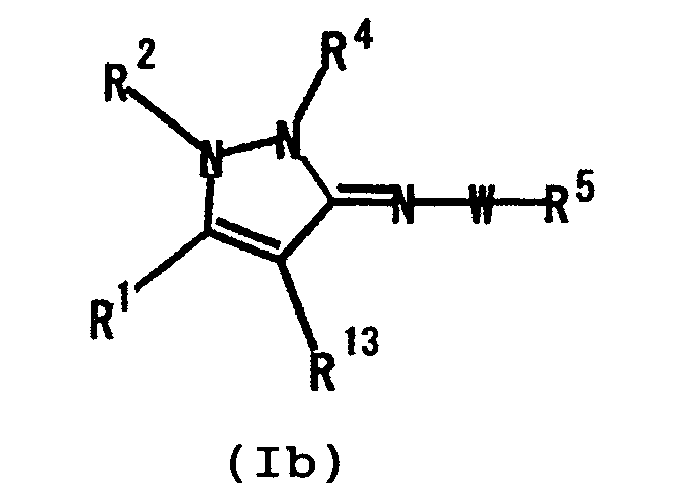
can be produced by the processes shown in the following reaction schemes (i) and (ii). -
- (i) Pyrazole compound (X)
A compound represented by -

- Examples of the base to be used may include alkali metal hydroxides (such as lithium hydroxide, sodium hydroxide, potassium hydroxide), alkali metal carbonates (such as lithium carbonate, sodium carbonate, potassium carbonate), alkali metal bicarbonates (such as sodium hydrogencarbonate, potassium hydrogencarbonate), alkali metal hydrides (such as sodium hydride, potassium hydride), alkali metals (such as metallic sodium, metallic potassium), organic bases (such as triethylamine, diisopropylethylamine, tri-n-butylamine, 1,5-diazabicyclo[4.3.0]-5-nonene, 1,8-diazabicyclo[5.4.0]-7-undecene, pyridine, N,N-dimethylaminopyridine), alkali metal amides (such as sodium amide), alkali metal alkoxides (such as sodium methoxide, sodium ethoxide, t-butoxy potassium), organometallic compounds (such as n-butyllithium, s-butyllithium, t-butyllithium, lithium diisopropylamide, sodium bis(trimethylsilyl)amide).
- As the reaction temperature, a cooling temperature to the boiling point of the solvent or reagent to be used is preferable.
- The reaction can be performed in the presence or absence of a solvent. Examples of the solvent to be used may include dioxane, tetrahydrofuran, diethyl ether, petroleum ether, n-hexane, cyclohexane, benzene, toluene, xylene, chlorobenzene, pyridine, ethyl acetate, N,N-dimethylformamide, dimethylsulfoxide, dichloromethane, chloroform, and carbon tetrachloride.
In the reaction, it is preferable that the type of solvent and reagent to be used and amounts thereof may be appropriately selected depending on the substrate to be used in the reaction and reaction conditions. - (ii) The compound: R2- Q3 used in the process shown in reaction scheme (i) of the Step (4) is replaced by a compound: (R2O)2SO2 (where R2 is the same as defined above) and the same reaction is performed to obtain a compound (Ib) according to the present invention.
- Furthermore, when a compound according to the present invention is produced, depending upon the type of functional group, it is sometimes effective to protect the functional group of a raw material or an intermediate in a production process, or to convert it into a group that can be easily converted into the functional group. Examples of such a functional group include amino group, hydroxyl group and carboxyl group. Examples of the protecting group include a general protecting group for an amino group, a hydroxyl group, and a carboxyl group. It is preferable that the reaction temperature of protecting and de-protecting procedures, the types of solvent and reagent to be used and amounts thereof are appropriately selected depending upon a substrate to be used in the reaction and reaction conditions thereof.
- A compound according to the present invention can be administered orally or parenterally. Examples of dosage form may include tablet, encapsulation, granular, pulvis, powdery, troche, ointment, cream, emulsion, suspension, suppository, and injection forms. These dosage forms can be prepared by a customary preparation technique (for example, a method defined in the 14th revision of the Japanese Pharmacopeia). The dosage form can be appropriately selected depending on the symptom and age of a patient and the therapeutic purpose. When such various types of dosage forms are prepared, conventional excipients (for example, crystalline cellulose, starch, lactose, mannitol), binders (for example, hydroxypropylcellulose, polyvinylpyrrolidone), lubricants (for example, magnesium stearate, talc), and disintegrators (for example, calcium carboxymethylcellulose) can be used.
The dose of a compound according to the present invention is 1 to 2000 mg per day per adult. This is administered once per day or by dividing it several portions. The dosage may be appropriately increased or decreased depending on the age, weight and symptom of a patient. - The present invention will be more specifically described by way of Examples and Experimental examples below, which should not be construed as limiting the invention.
-

- To a solution of 2-aminopyridine (2.0 g) and pyridine (1.9 ml) in chloroform (20 ml), trifluoroacetic anhydride (3.3 ml) was added under ice cooling. The mixture was stirred at room temperature for three days. The reaction solution was washed sequentially with water and saturated brine and dried over anhydrous sodium sulfate. After filtration, the filtrate was concentrated under vacuum. The residue obtained was purified by silica gel column chromatography (developing solvent: n-hexane:ethyl acetate=3:1) to obtain colorless liquid of 2-(trifluoroacetylamino)pyridine (2.3 g).
- The obtained 2-(trifluoroacetylamino)pyridine (1.3 g) was dissolved in N,N-dimethylformamide (13 ml). To the solution, sodium iodide (0.01 g), 60% sodium hydride (0.27 g) and cyclopropylmethyl bromide (1.1 g) were added at room temperature. The reaction solution was stirred at 50°C for 5 hours and returned to room temperature. After water was added, the reaction solution was extracted with ethyl acetate, washed with saturated brine, dried over anhydrous sodium sulfate, and filtrated. Thereafter the filtrate was concentrated under vacuum. The residue obtained was purified by silica gel column chromatography (developing solvent: chloroform:methanol=18:1) to obtain colorless crystals of 1-cyclopropylmethyl-2-(trifluoroacetylimino)-1,2-dihydropyridine (1.4 g).
1H-NMR, MS (ESI) and the melting point are shown in Table 8. -

- 1-cyclopropylmethyl-2-(trifluoroacetylimino)-1,2-dihydropyridine (1.1 g) produced by the process shown in Example 1 was dissolved in methanol (25 ml). To this, an aqueous solution having anhydrous potassium carbonate (1.2 g) dissolved in water (12.5 ml) was added at room temperature and stirred for 2 hours. The reaction solution was extracted with ethyl acetate, dried over anhydrous sodium sulfate, and filtrated. Thereafter, the filtrate was concentrated under vacuum. The residue obtained was purified by silica gel column chromatography (developing solvent: chloroform:methanol=18:1) to obtain a yellow solution of 1-cyclopropylmethyl-2-imino-1,2-dihydropyridine (0.5 g).
1H-NMR (200 MHz, CHLOROFORM-d) d ppm; 0.31-0.37 (m, 2H), 0.58-0.67 (m, 2H), 1.23-1.43 (m, 1H), 3.69 (d, J=6.0 Hz, 2H), 5.70 (m, 1H), 6.29 (d, J=8.0, 1H), 6.76(m, 1H), 7.04 (m, 1H)
MS(ESI)(Positive)m/z; 149 (M+H)+ -

- To a solution of 1-cyclopropylmethyl-2-imino-1,2-dihydropyridine (0.20 g) and triethylamine (0.19 ml) in chloroform (2 ml), 3-(trifluoromethyl)benzoyl chloride (0.24 ml) was added under ice cooling. The reaction solution was stirred at room temperature for 17 hours and water was added thereto. The reaction solution was extracted with chloroform, dried over anhydrous sodium sulfate, and filtrated. Thereafter, the filtrate was concentrated under vacuum and the residue obtained was purified by silica gel column chromatography (developing solvent: n-hexane:ethyl acetate=3:1) to obtain a colorless solid substance of 1-cyclopropylmethyl-2-{3-(trifluoromethyl)benzoylimino}-1,2-dihydropyridine (0.44 g).
1H-NMR, MS(ESI) and the melting point are shown in Table 8. -

- A process in line with the process shown in Example 2 was performed using 3-(trifluoromethyl)phenylsulfonyl chloride in place of 3-(trifluoromethyl)benzoyl chloride to obtain a colorless solid substance of l-cyclopropylmethyl-2-{3-(trifluoromethyl)phenylsulfonylimino}-1,2-dihydropyridine.
1H-NMR, Mass and the melting point are shown in Table 8. - Compounds Nos. 3-49 and 51 to 59 shown in Table 1; compounds Nos. 60, 71 to 107, 116 to 174, 178 to 213, 215 to 342, 343 to 351, and 369 to 372; and compounds Nos. 504 to 515 shown in Table 3 were obtained in line with the methods shown in Examples 1 and 2.
- 1H-NMR, Mass and the melting points of these compounds are shown in Tables 8, 9 and 11.
- Production of 5-t-butyl-3-(2-ethoxyethyl)-4-methyl-2-(3-trifluoromethylbenzoyl)imino-2,3-dihydrothiazole (Compound No. 352)
-
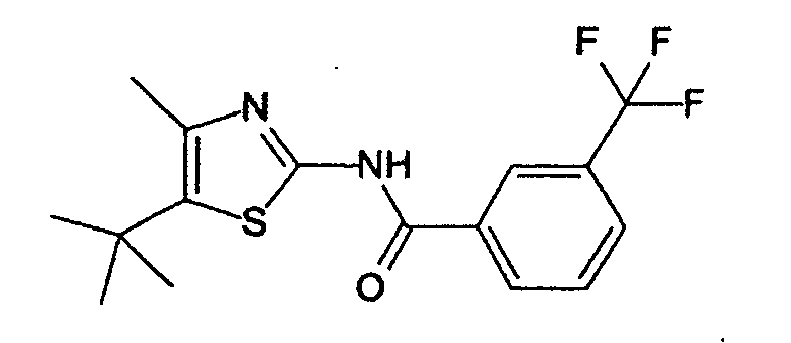
- A solution of 2-amino-5-t-butyl-4-methylthiazole (1.0 g), 3-(trifluoromethyl)benzoic acid (1.2 g), 1-ethyl-3-(3-dimethylaminopropyl)carbodiimide monohydrochloride (1.2 g) and 1-hydroxybenzotriazole monohydrate (1.0 g) in N,N,-dimethyl formamide (10 ml) was stirred at room temperature for 48 hours. To the reaction solution, ethyl acetate was added and the reaction solution was washed sequentially with 2M hydrochloric acid, an aqueous 2M sodium hydroxide solution, and saturated brine, dried over anhydrous sodium sulfate and filtrated. Thereafter, the filtrate was concentrated under vacuum to obtain a yellow amorphous substance of 5-t-butyl-4-methyl-2-(3-trifluoromethylbenzoyl)aminothiazole (1.7 g).
1H-NMR (200 MHz, CHLOROFORM-D) d ppm; 1.42(s, 9H), 2.20(s, 3H), 7.55 (t, J=7.5 Hz, 1H), 7.78 (d, J=7.5 Hz, 1H), 8.05 (d, J=7.5 Hz, 1H), 8.16 (s, 1H),
MS(ESI) (Positive)m/z, 343(M+H) -

- A solution of 5-t-butyl-4-methyl-2-(3-trifluoromethylbenzoyl)aminothiazole (0.15 g), sodium iodide (0.005 g), 60% sodium hydride (0.02 g) and 2-ethoxyethylbromide (0.11g) in N,N-dimethylformamide (1.5 ml) was stirred with heating at 50°C for 5 hours. The reaction solution was returned to room temperature. To the reaction solution, water was added and the reaction solution was extracted with ethyl acetate, washed with saturated brine, dried over anhydrous sodium sulfate, and filtrated. Thereafter, the filtrate was concentrated under vacuum. The residue obtained was purified by silica gel column chromatography (developing solvent: n-hexane:ethyl acetate=5:1) to obtain colorless crystals of 5-t-butyl-3-(2-ethoxyethyl)-4-methyl-2-(3-trifluoromethylbenzoyl)imino-2,3-dihydrothiazole (0.03 g).
1H-NMR, Mass and the melting point are shown in Table 9. - Compounds Nos. 384 to 430, 433, 434 and 438-447, shown in Table 2, were produced in line with the process shown in Example 3.
1H-NMR, Mass and the melting point are shown in Table 10. -

- To a solution of 2-amino-5-t-butyl-4-methylthiazole (0.12 g) and N, N-dimethylaminopyridine (catalyst quantity) in pyridine (1.5 ml), 1-naphtylsulfonyl chloride (0.19 g) was added under ice cooling and stirred at room temperature overnight. To the reaction solution, water was added, and a precipitate was obtained by filtration and dried. The crude crystals obtained were recrystallized from chloroform/n-hexane to obtain colorless crystals of N-(5-t-butyl-4-methylthiazol-2-yl)-1-naphthylsulfonamide (0.22 g).
1H-NMR (200 MHz, CHLOROFORM-D) d ppm; 1.43 (s, 9H), 2.36 (s, 3H)
MS (ESI) (Negative)m/z;265(M-H)- -

- A solution of N-(5-t-butyl-4-methyl-thiazol-2-yl)-1-naphthylsulfonamide (0.20 g), 55% sodium hydride (0.03 g), sodium iodide (catalyst quantity) and (bromomethyl)cyclopropane (0.11 g) in N,N-dimethylformamide (0.5 ml) was stirred at room temperature overnight. To the reaction solution, water was added and the reaction solution was extracted with ethyl acetate, washed sequentially with water and saturated brine, dried over anhydrous magnesium sulfate and filtrated. Thereafter the filtrate was concentrated under vacuum. The residue obtained was purified by silica gel column chromatography (developing solvent: n-hexane:ethyl acetate=4:1) and recrystallized from chloroform/n-hexane to obtain colorless crystals of N-(5-t-butyl-3-cyclopropylmethyl-4-methyl-3H-thiazol-2-ylidene)-1-naphthylsulfonamide (0.12 g).
1H-NMR, Mass and the melting point are shown in Table 10. -

- A solution of 3-(2-phthaliminoethyl)-5-t-butyl-4-methyl-2-(3-trifluoromethylbenzoyl)imino-2,3-dihydrothiazole (Compound No. 355) produced line the process shown in Example 4 and hydrazine monohydrate (0.2 ml) in ethanol (6.3 ml) was refluxed under heating for one hour. The reaction solution was returned to room temperature and a precipitate was removed by filtration. To the filtrate, chloroform was added and the resultant solution was washed sequentially with an aqueous 2M sodium hydroxide solution and saturated brine, dried over anhydrous magnesium sulfate, and filtrated. Thereafter, the filtrate was concentrated under vacuum to obtain light yellow crystals of 3-(2-aminoethyl)-5-t-butyl-4-methyl-2-(3-trifluoromethylbenzoyl)imino-2,3-dihydrothiazole (0.12 g).
1H-NMR, Mass and the melting point are shown in Table 9. -

- A solution (8 ml) of tetrahydrofuran/ethanol (1:1) containing 5-ethoxycarbonyl-3-cyclopropylmethyl-4-methyl-2-(3- , trifluoromethylbenzoyl)imino-2,3-dihydrothiazole (Compound No. 356)(0.23 g) produced in line with the process shown in Example 4 and a 20% aqueous sodium hydroxide solution (1.25 ml) was stirred at room temperature for one hour. To the reaction solution, 3M hydrochloric acid was added to make the solution acidic and a precipitate was obtained by filtration. The solid substance thus obtained was dissolved in tetrahydrofuran/chloroform, dried over anhydrous magnesium sulfate and filtrated. Thereafter, the filtrate was concentrated under vacuum to obtain a colorless amorphous substance of 5-carboxy-3-cyclopropylmethyl-4-methyl-2-(3-trifluoromethylbenzoyl)imino-2,3-dihydrothiazole (0.20 g).
1H-NMR, Mass and the melting point are shown in Table 9. - Compound No. 214 shown in Table 2 and compounds Nos. 431 and 435 shown in Table 3 were produced in line with the process shown in Example 7.
1H-NMR, Mass and the melting points of these compounds are shown in Tables 9, 10 and 11. -

- A colorless powdery substance of 3-cyclopropylmethyl-5-isopropylaminocarbonyl-4-methyl-2-(3-trifluoromethylbenzoyl)imino-2,3-dihydrothiazole was obtained in line with the process shown in Example 3 (1) by using 5-carboxy-3-cyclopropylmethyl-4-methyl-2-(3-trifluoromethylbenzoyl)imino-2,3-dihydrothiazole (Compound No. 357) produced in line with the process shown in Example 7.
1H-NMR, Mass and the melting point are shown in Table 9. - Compounds Nos. 359 to 361 were produced in line with the production example shown in Example 8 by using Compound No. 356.
- Compound No. 432 was produced similarly, by using compound No. 431.
- Compounds Nos. 436 and 437 were produced similarly, by using compound No. 435.
- 1H-NMR, Mass and the melting points of these compounds are shown in Tables 9 and 10.
-

- A solution of benzoylisothiocyanate (1.4 g) and allylamine (0.7 ml) in benzene (9 ml) was stirred at room temperature overnight. The reaction solution was concentrated under vacuum and the residue obtained was purified by silica gel column chromatography (developing solvent: n-hexane:ethyl acetate=10:1 to 5:1) to obtain colorless solid substance of 1-allyl-3-benzoylthiourea (1.9 g).
- 1H-NMR (200 MHz, CHLOROFORM-D) d ppm; 4.30-4.43 (m, 2H), 5.21-5.42(m, 2H), 5.87-6.09 (m, 1H), 7.45-7.69 (m, 3H),7.78-7.90 (m, 2H), 9.00 (s, 1H), 10.80 (s, 1H),
MS(ESI)(Negative)m/z; 219(M-H)-
The melting point was 68 to 69°C -

- A solution of 1-allyl-3-benzoylthiourea (0.20 g) and 2-bromo-1,2-diphenylethane (0.24 g) in toluene (4.5 ml) was refluxed under heating for 4.5 hours. The solvent was concentrated under vacuum and the residue obtained was purified by silica gel column chromatography (developing solvent: n-hexane:ethyl acetate=30:1 to 20:1) and recrystallized from n-hexane/ethyl acetate to obtain colorless crystals of N-(3-allyl-4,5-diphenyl-3H-thiazol-2-ylidene)benzamide (0.13 g).
1H-NMR, Mass and the melting point are shown in Table 9. -

- To a solution of 3-amino-1,5-dimethylpyrazole (0.50 g) and triethylamine (0.63 ml) in chloroform (5 ml), 2-fluoro-3-(trifluoromethyl)benzoyl chloride (0.65 ml) was added under ice cooling. The reaction solution was stirred at room temperature for 0.5 hours, washed with an aqueous 2M sodium hydroxide solution, dried over anhydrous sodium sulfate and filtrated. Thereafter, the filtrate was concentrated under vacuum. The residue obtained was washed with n-hexane to obtain a colorless solid substance of N-(1,5-dimethylpyrazol-3-yl)-2-fluoro-3-(trifluoromethyl)benzamide (1.25 g).
- 1H-NMR(200 MHz, CHLOROFORM-D) d ppm; 2.30 (s, 39H), 3.72 (s, 3H), 6.59 (s, 1H), 7.40 (t, J =7.5 Hz, 1H), 7.78 (t, J = 7.5 Hz, 1H), 8.34 (td, J = 7.5 Hz, 1H), 8.60-8.89. (br. s, 1H)
MS (ESI)(Positive)m/z; 302 (M+H)+ -

- A suspension solution of N-(1,5-dimethylpyrazol-3-yl)-2-fluoro-3-(trifluoromethyl)benzamide (0.50 g), 55% sodium hydride (0.07 g) in N,N-dimethylformamide (5 ml) was stirred at room temperature for 5 minutes. To this mixture, 2-ethoxyethyl bromide (0.38 g) and sodium iodide (catalytic quantity) were added and stirred for 17 hours. To the reaction solution, water was added and the reaction solution was extracted with ethyl acetate and then concentrated under vacuum. The residue obtained was purified by silica gel column chromatography (developing solvent: chloroform:methanol=18:1) to obtain a colorless solid substance of N-[1,2-dihydro-1,5-dimethyl-2-(2-ethoxyethyl)pyrazol-3-ylidene]-2-fluoro-3-(trifluoromethyl)benzamide (0.01 g).
1H-NMR, Mass and the melting points of these compounds are shown in Table 11. - Compounds Nos. 448 to 451,453, 454 and 456 shown in Table 3 were produced in line with the process shown in Example 10.
1H-NMR, Mass and the melting points of these compounds are shown in Table 11. -

- A colorless solid substance of N-{2-(1,1-dioxotetrahydrothiophen-3-yl)-5-methylpyrazol-3-yl}-2-fluoro-3-(trifluoromethyl)benzamide was obtained in line with the process shown in Example 8(1) by using 3-amino-2-(1,1-dioxotetrahydrothiophen-3-yl)-5-methylpyrazole.
- 1H-NMR (600 MHz, CHLOROFORM-D) d ppm; 2.63-2.69 (m, 1H), 2.75-2.81 (m, 1H), 3.12 (m, 1H), 3.50-3.63 (m, 3H), 4.89 (m, 1H), 6.00 (s, 1H), 7.46(m, 1H), 7.87 (m, 1H), 8.13 (d, J = 13.3 Hz, 1H), 8.33 (m, 1H)
MS(ESI)(Positive)m/z; 406 (M+H)+ -

- A solution of N-{2-(1,1-dioxotetrahydrothiophen-3-yl)-5-methylpyrazol-3-yl}-2-fluoro-3-(trifluoromethyl)benzamide (0.40 g) and dimethyl sulfate (0.11 ml) in toluene (1.2 ml) was stirred at 80°C while heating for 47 hours. The reaction solution was returned to room temperature and purified by silica gel column chromatography (developing solvent: chloroform:methanol=20:1) to obtain a colorless amorphous substance of N-{1,2-dihydro-1,5-dimethyl-2-(1,1-dioxotetrahydrothiophen-3-yl)pyrazol-3-ylidene}-2-fluoro-3-(trifluoromethyl)benzamide (0.11g).
1H-NMR, Mass and the melting point are shown in Table 11. - Compounds No. 497 to 499 shown in Table 3 were obtained in accordance with the process shown in Example 11.
1H-NMR, Mass and the melting points thereof are shown in Table 11. -

- To a solution of cyclopropylmethanol (125 g) and triethylamine (315 ml) in chloroform (500 ml), methanesulfonyl chloride (175 ml) was added under ice cool for 1.5 hours. The mixture was stirred at room temperature for 2 hours. To the reaction solution, water was added and the reaction solution was extracted with chloroform, washed sequentially with water and saturated brine, dried over anhydrous magnesium sulfate, and filtrated. Thereafter, the filtrate was concentrated under vacuum. The residue obtained (232 g) was dissolved in ethanol (500 ml). To this, hydrazine monohydrate (500 g) was added at room temperature and stirred for 17 hours. After the solvent was distilled off under vacuum, the residue was extracted with chloroform, dried over anhydrous magnesium sulfate, and filtrated. The filtrate was concentrated under vacuum. The residue of a yellow oily substance (68 g) obtained was dissolved in ethanol (610 ml). To this, 4,4-dimethyl-3-oxopentanenitrile (99 g) was added at room temperature and then refluxed for 4 hours. After the solvent was removed under vacuum, the residue was purified by silica gel column chromatography (developing solvent: n-hexane:ethyl acetate=5:1) and recrystallized from ethyl acetate/n-hexane to obtain a colorless solid substance of 3-amino-5-t-butyl-2-cyclopropylmethyl)pyrazole (80 g).
- 1H-NMR (200 MHz, CHLOROFORM-d) d ppm; 0.26-0.41 (m, 2H), 0.49-0.62 (m, 2H), 1.11-1.27 (m, 1H), 1.26 (s, 9H) 3.42 (br. s, 2H), 3.86 (d, J = 6.2 Hz, 2H), 5.42 (s, 1H)
MS(ESI)(Positive) m/z; 194 (M+H)+
Melting point: 69.5-70.5°C -

- Formic acid (3.9 ml) and acetic anhydride (7.4 ml) were stirred at room temperature for one hour. To this, 3-amino-5-t-butyl-2-(cyclopropylmethyl)pyrazole (5.0 g) was added under ice cooling and stirred at room temperature for one hour. To the reaction solution, an aqueous 2M sodium hydroxide solution was added and the reaction solution was extracted with sodium acetate, washed with water, dried over anhydrous sodium sulfate, and filtrated. Thereafter, the filtrate was concentrated under vacuum to obtain a colorless oily substance of N-(5-t-butyl-2-cyclopropylmethylpyrazol-3-yl)formamide (4.4 g)·
- 1H-NMR (200 MHz, CHLOROFORM-d) d ppm; 0.27-0.40 (m, 2H), 0.50-0.66 (m, 2H), 1.13-1.27 (m, 1H), 1.29 (s, 9H), 3.91 (d, J = 6.6 Hz, 2H), 5.98 (s, 3H), 6.26 (s, 3H), 8.26-8.31 (m, 3H), 8.31-8.39 (m, 3H)
MS(ESI)(Positive)m/z;222(M+H)+ -

- To a solution of N-(5-t-butyl-2-cyclopropylmethylpyrazol-3-yl)formamide (2.0 g) in toluene (6 ml), dimethyl sulfate (0.9 ml) was added and stirred with heating at 50°C for 48 hours. The reaction solution was returned to room temperature. To this, an aqueous saturated sodium hydrogencarbonate solution was added and the reaction solution was extracted with ethyl acetate, washed sequentially with water and saturated brine, dried over anhydrous magnesium sulfate, and filtrated. Thereafter, the filtrate was concentrated under vacuum. The residue obtained was purified by silica gel column chromatography (developing solvent: chloroform:methanol=18:1) to obtain a colorless solid substance of N-(5-t-butyl-2-cyclopropylmethyl-1,2-dihydro-1-methylpyrazol-3-ylidene)formamide (0.35 g).
1H-NMR, Mass and the melting point are shown in Table 11. -

- N-(5-t-butyl-2-cyclopropylmethylpyrazol-3-yl) trifluoroacetamide was obtained in line with the process shown in Example 1 by using 3-amino-5-t-butyl-2-(cyclopropylmethyl)pyrazole produced in the process shown in Example 12 (1).
- 1H-NMR (200 MHz, CHLOROFORM-d) d ppm; 0.32-0.42 (m, 2H), 0.65-0.74 (m, 2H), 1.10-1.36 (m, 1H), 1.30(s, 9H), 3.99 (d, J = 6.0 Hz, 2H), 6.31 (s, 1H), 8.11-8.23 (brs, 1H)
MS(ESI)(Negative)m/z; 290(M+H)+ -

- N-(5-t-butyl-2-cyclopropylmethyl-l-methylpyrazol-3-yl)trifluoroacetamide was obtained from N-(5-t-butyl-2-cyclopropylmethylpyrazol-3-yl)trifluoroacetamide in line with the process shown in Example 12 (3).
1H-NMR, Mass and the melting point are shown in Table 11. -

- A solution of N-(5-t-butyl-2-cyclopropylmethyl-1,2-dihydro-1-methylpyrazol-3-ylidene)formamide (0.20 g) produced by the process of Example 12 and 12 M hydrochloric acid (0.3 ml) in methanol (3 ml) was stirred at room temperature for 2 hours. To the reaction solution, a 2M aqueous sodium hydroxide solution was added. After the reaction solution was made basic, it was extracted with chloroform, dried over anhydrous sodium sulfate, and filtrated. Thereafter, the filtrate was concentrated under vacuum to obtain a yellow amorphous solid substance of 5-t-butyl-2-cyclopropylmethyl-1,2-dihydro-1-methylpyrazol-3-ylideneamine (0.17 g)
- 1H-NMR (200 MHz, CHLOROFORM-d) d ppm; 0.28-0.41 (m, 2H), 0.43-0.55 (m, 2H), 0.95-1.17 (m, 1H), 1.29 (s, 9H), 3.16 (s, 3H), 3.62 (d, J= 6.6 Hz, 2H), 5.31 (s, 1H)
MS(ESI)(Negative)m/z; 208(M+H)+ -

- A solution of 2-chloro-3-trifluoromethyl benzoic acid (0.13 g) and thionyl chloride (0.07 ml) and N,N-dimethylformamide (0.01 ml) in tetrahydrofuran (2 ml) was refluxed under heating for 0.5 hours. The solvent was distilled off under vacuum. To the residue, chloroform (1 ml) was added to form a chloroform solution. The chloroform solution was added to a solution of 5-t-butyl-2-cyclopropylmethyl-1-methyl-1,2-dihydropyrazol-3-ylideneamine (0.10 g) and triethylamine (0.10 ml) in chloroform (2 ml) at room temperature and stirred for 17 hours. The reaction solution was washed sequentially with a saturated aqueous sodium hydrogencarbonate solution and a saturated aqueous sodium chloride solution, dried over anhydrous magnesium sulfate, and filtrated. Thereafter, the filtrate was concentrated under vacuum. The residue obtained was purified by silica gel column chromatography (developing solvent: ethyl acetate:methanol=5:1) to obtain a colorless solid substance of N-(5-t-butyl-2-cyclopropylmethyl-1,2-dihydro-1-methylpyrazol-3-ylidene)-2-chloro-3-(trifluoromethyl)benzamide (0.05 g).
1H-NMR, Mass and the melting point are shown in Table 11. - Compounds Nos. 459 to 473, 475, 477 to 496 and 503 shown in Table 3 were produced in line with the process shown in Table 14.
1H-NMR, Mass and the melting points of these compounds are shown in Table 11. -

- To a solution of 3-amino-5-t-butyl-2-(cyclopropylmethyl)pyrazole (12.8 g) and triethylamine (9.2 ml) in chloroform (120 ml), 2-fluoro-3-(trifluoromethyl)benzoyl chloride (15.0 g) was added under ice cooling and stirred at room temperature for one hour. The reaction solution was washed with an aqueous 2M sodium hydroxide solution, dried over anhydrous sodium sulfate, and filtrated. Thereafter, the filtrate was concentrated under vacuum. The residue obtained was purified by silica gel column chromatography (developing solvent: n-hexane:ethyl acetate=3:1) to obtain a colorless solid substance (18.3 g). The obtained solid substance (4.4 g) was dissolved in toluene (90 ml). To this, dimethyl sulfate (3.2 ml) was added and stirred with heating at 80°C for 17 hours. The reaction solution was returned at room temperature. An aqueous saturated sodium hydrogencarbonate solution was added to this, the reaction solution was extracted with ethyl acetate, washed' sequentially with water and saturated brine, dried over anhydrous sodium sulfate and filtrated. Thereafter, the filtrate was concentrated under vacuum. The residue obtained was purified by silica gel column chromatography (developing solvent: chloroform:methanol=18:1) to obtain a colorless solid substance of N-(5-t-butyl-2-cyclopropylmethyl-1,2-dihydro-1-methylpyrazol-3-ylidene)-2-fluoro-3-(trifluoromethyl)benzamide (0.3 g).
1H-NMR, Mass and the melting point are shown in Table 11. -

- N-(5-t-butyl-2-cyclobutylmethyl-1,2-dihydro-1-methylpyrazol-3-ylidene)-2-fluoro-3-(trifluoromethyl)benzamide was obtained in line with the process shown in Example 15 by using 3-amino-5-t-butyl-2-(cyclobutylmethyl)pyrazole produced in accordance with the process shown in Example 12 (1).
1H-NMR, Mass and the melting point are shown in Table 11. - The compounds Nos. 481 and 483 to 496 shown in Table 3 were produced in line with the process shown in Example 16.
1H-NMR, Mass and the melting points of these compounds are shown in Table 11. -

- A mixture of 5-t-butyl-2-cyclopropylmethyl-1,2-dihydro-1-methylpyrazol-3-ylideneamine (0.080 g) produced by the process shown in Example 14(1) and
ethyl 3,5-difluorophenyloxoacetate (0.2 ml) was stirred with heating at 110°C for 7 hours. The mixture was returned to room temperature and separated and purified by silica gel column chromatography (developing solvent: chloroform: methanol=30:1) and sequentially by thin-layer chromatography (developing solvent: n-hexane: ethyl acetate=1:10) to obtain a light brown amorphous substance of N-(5-t-butyl-2-cyclopropylmethyl-1,2-dihydro-1-methylpyrazol-3-ylidene)-3,5-difluorophenyloxoacetamide (0.5 mg).
1H-NMR, Mass and the melting point are shown in Table 11. -

- A solution of 5-t-butyl-2-cyclopropylmethyl-1,2-dihydro-1-methylpyrazol-3-ylideneamine (0.050 g) produced by the process shown in Example 14(1) and 4-chloro-2-(trifluoromethyl)phenylisocyanate (0.064 g) in tetrahydrofuran (2 ml) was stirred at room temperature for 20 hours. To the reaction solution, water was added and the reaction solution was extracted with ethyl acetate, washed sequentially with water and saturated brine, dried over anhydrous magnesium sulfate, and filtrated. Thereafter, the filtrate was concentrated under vacuum. The residue obtained was separated and purified by thin-layer column chromatography (developing solvent: chloroform:methanol=25:1) to obtain a light yellow powdery substance of 1-(5-t-butyl-2-cyclopropylmethyl-1,2-dihydro-1-methylpyrazol-3-ylidene)-3-{4-chloro-2-(trifluoromethyl)phenyl}urea (0.001 g).
1H-NMR, Mass and the melting point are shown in Table 11. -

- 1-(5-t-butyl-2-cyclopropylmethyl-1,2-dihydro-1-methylpyrazol-3-ylidene)-3-(4-fluorophenyl)thiourea was obtained in accordance with the process shown in Example 18.
1H-NMR, Mass and the melting point are shown in Table 11. - Compounds Nos. 1001 to 1431, 2001 to 2678, 3001 to 3158 and 3159 to 3327 shown in Tables 4 to 7 were produced in accordance with the process shown in Example 2 (2) or Example 14(2) by using imine compounds (1-cyclopropylmethyl-2-imino-1,2-dihydropyridine, 3-cyclopropylmethyl-2,3-dihydro-4,5-dimethylthiazol-2-ylideneamine, 5-t-butyl-2,3-dihydro-3,4-dimethylthiazol-2-ylideneamine, 5-t-butyl-2,3-dihydro-3-ethyl-4-methylthiazol-2-ylideneamine, 5-t-butyl-2,3-dihydro-3-(2-methoxyethyl)-4-methylthiazol-2-ylideneamine, 5-t-butyl-3-cyclopropylmethyl-2,3-dihydro-4-methylthiazol-2-ylideneamine, 5-t-butyl-2-cyclopropylmethyl-1,2-dihydro-1-methylpyrazol-3-ylideneamine, and 5-t-butyl-3-cyclopropylmethyl-2,3-dihydro-1,3,4-thiadiazol-2-ylideneamine).
- The Mass of the compounds obtained is shown in Tables 12-15.
-
Table 1 Compound No. chemical structure Compound No. chemical structure 1 
6 
2 
7 
3 
8 
4 
9 
5 
10 
11 
16 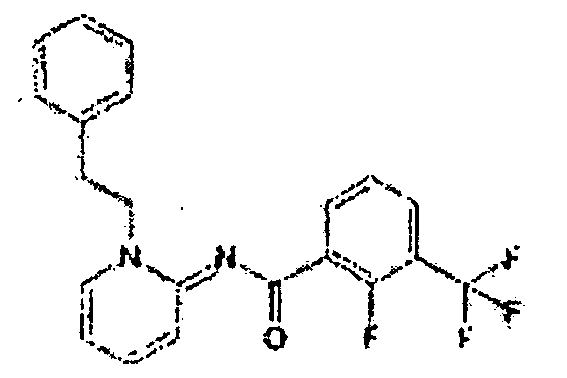
12 
17 
13 
18 
14 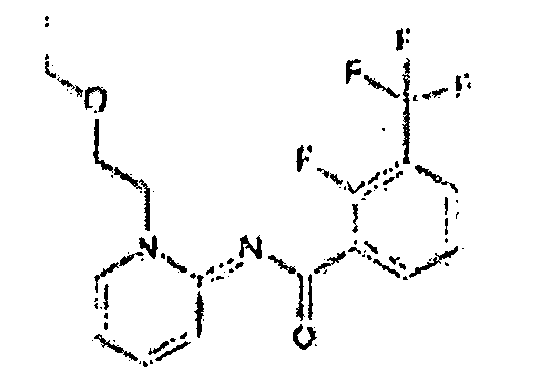
19 
15 
20 
21 
26 
22 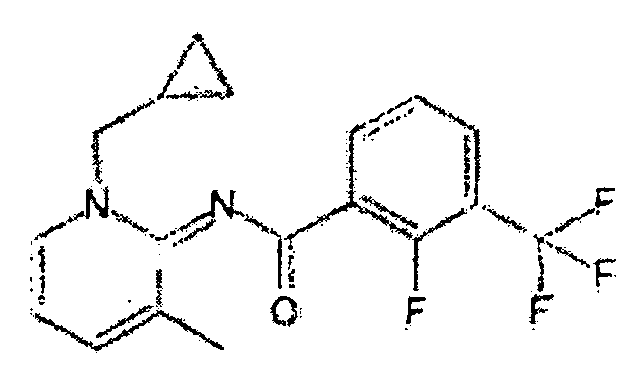
27 
23 
28 
24 
29 
25 
30 
31 
36 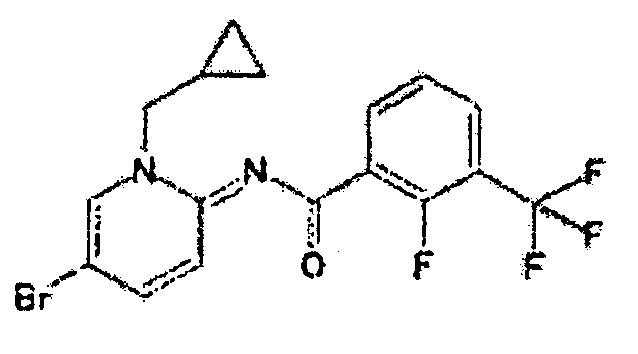
32 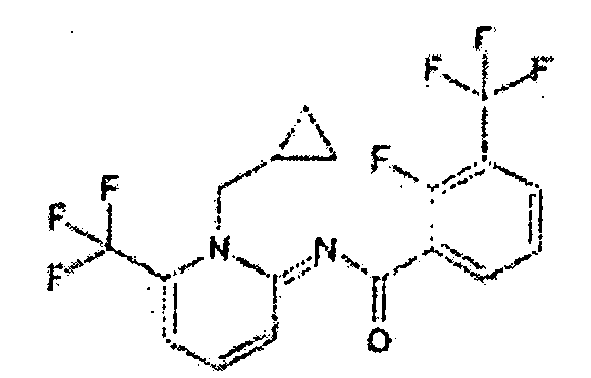
37 
33 
38 
34 
39 
35 
40 
41 
46 
42 
47 
43 
48 
44 
49 
45 
50 
51 
56 
52 
57 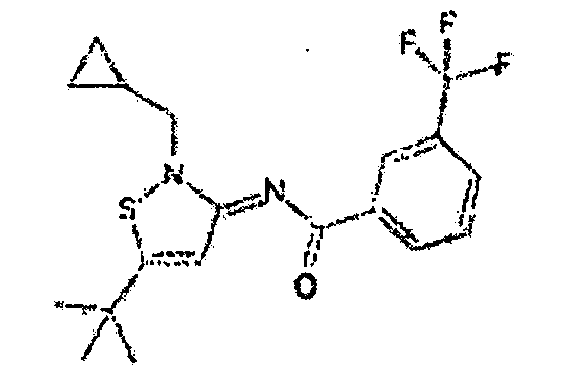
53 
58 
54 
59 
55 
-
Table 2 Example No. chemical structure Example No. chemical structure 60 
66 
61 
67 
62 
68 
63 
69 
64 
70 
65 
71 
72 
78 
73 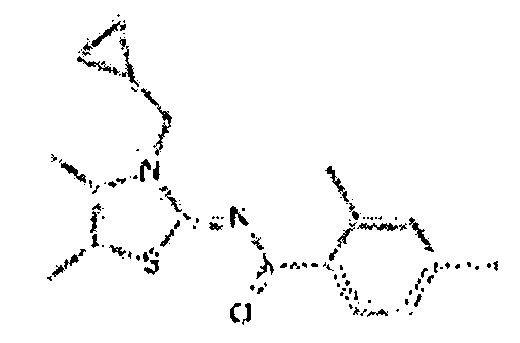
79 
74 
80 
75 
81 
76 
82 
77 
83 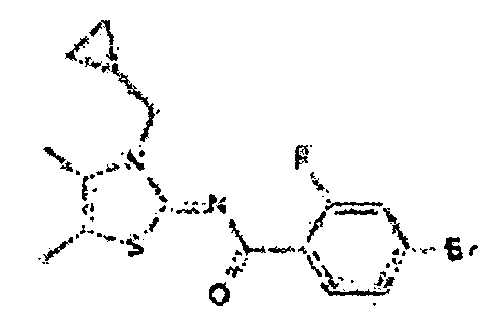
84 
90 
85 
91 
86 
92 
87 
93 
88 
94 
89 
95 
96 
102 
97 
103 
98 
104 
99 
105 
100 
106 
101 
107 
108 
114 
109 
115 
110 
116 
111 
117 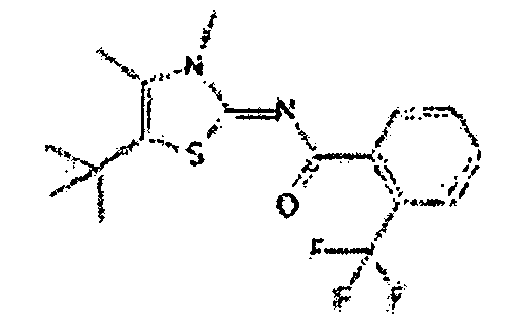
112 
118 
113 
119 
120 
126 
121 
127 
122 
128 
123 
129 
124 
130 
125 
131 
132 
138 
133 
139 
134 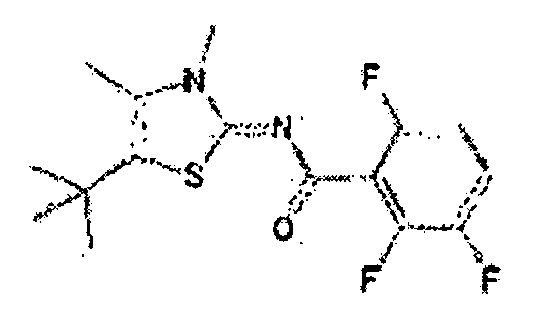
140 
135 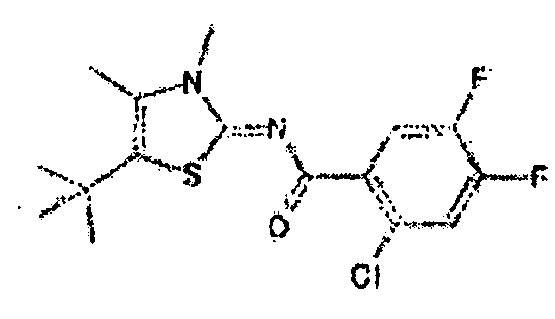
141 
136 
142 
137 
143 
144 
150 
145 
151 
146 
152 
147 
153 
148 
154 
149 
155 
156 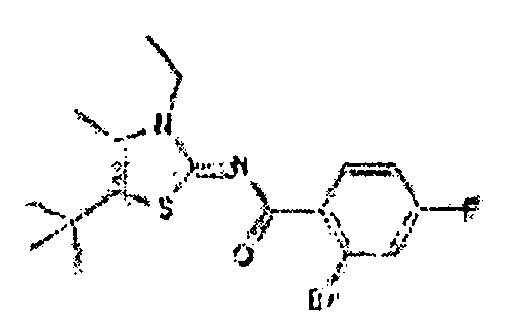
162 
157 
163 
158 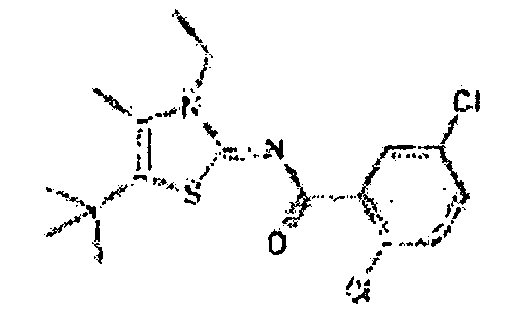
164 
159 
165 
160 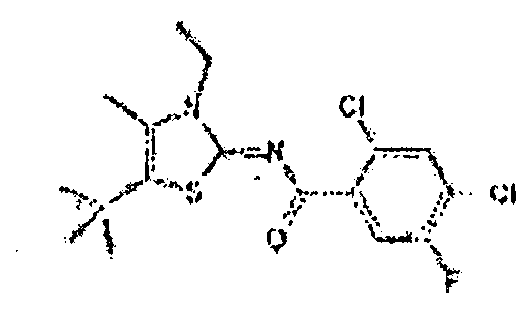
166 
161 
167 
168 
174 
169 
175 
170 
176 
171 
177 
172 
178 
173 
179 
180 
186 
181 
187 
182 
188 
183 
189 
184 
190 
185 
191 
192 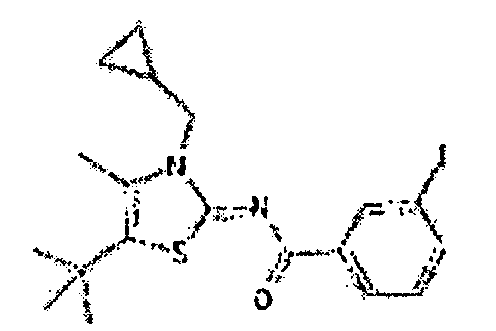
198 
193 
199 
194 
200 
195 
201 
196 
202 
197 
203 
204 
210 
205 
211 
206 
212 
207 
213 
208 
214 
209 
215 
216 
222 
217 
223 
218 
224 
219 
225 
220 
226 
221 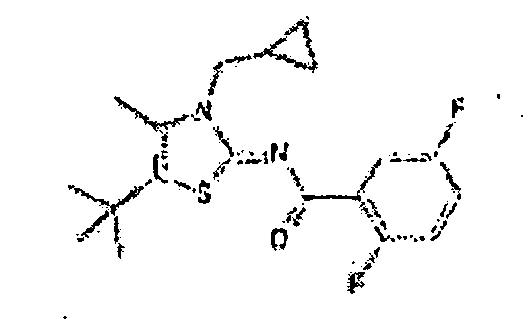
227 
228 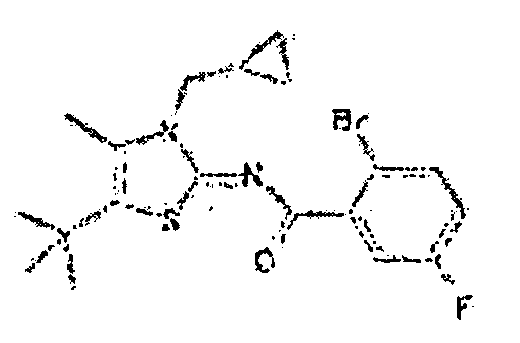
234 
229 
235 
230 
236 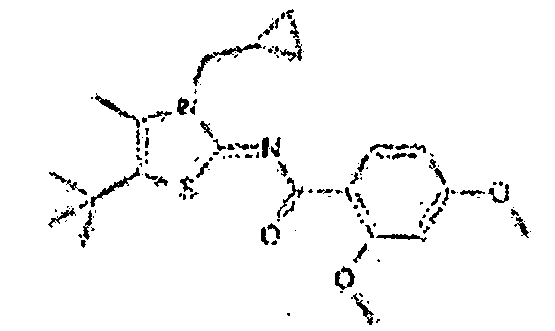
231 
237 
232 
238 
233 
239 
240 
246 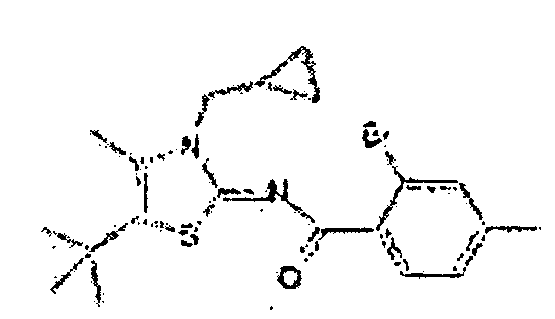
241 
247 
242 
248 
243 
249 
244 
250 
245 
251 
252 
258 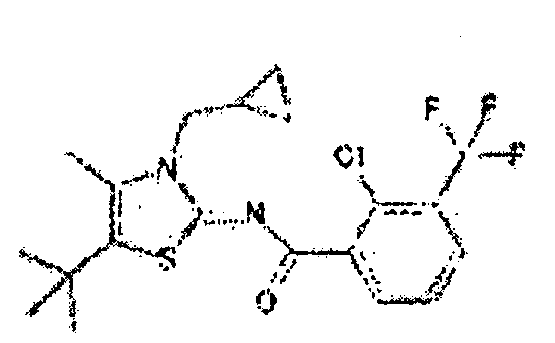
253 
259 
254 
260 
255 
261 
256 
262 
257 
263 
264 
270 
265 
271 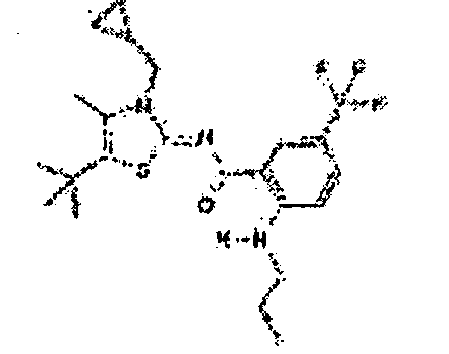
266 
272 
267 
273 
268 
274 
269 
275 
276 
282 
277 
283 
278 
284 
279 
285 
280 
286 
281 
287 
288 
294 
289 
295 
290 
296 
291 
297 
292 
298 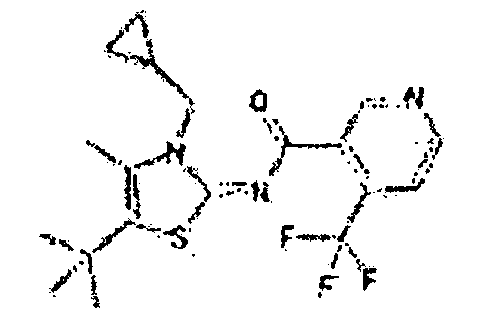
293 
299 
300 
306 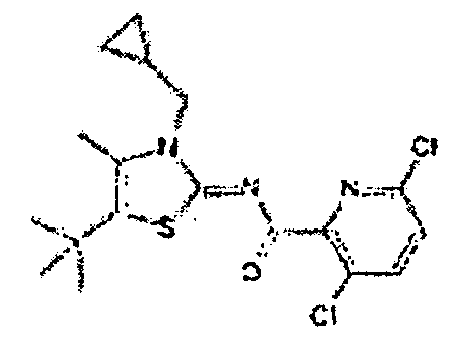
301 
307 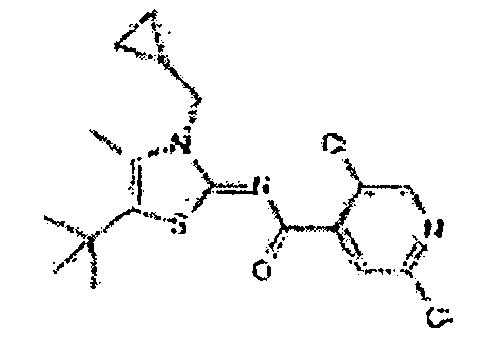
302 
308 
303 
309 
304 
310 
305 
311 
312 
318 
313 
319 
314 
320 
315 
321 
316 
322 
317 
323 
324 
330 
325 
331 
326 
332 
327 
333 
328 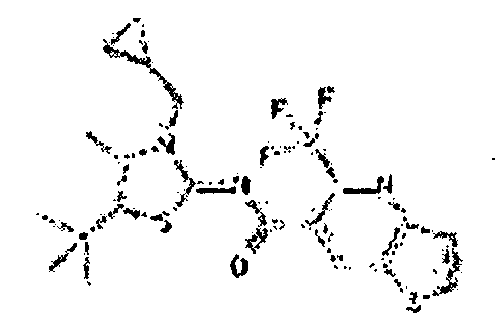
334 
329 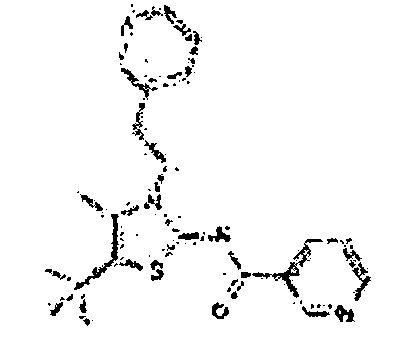
335 
336 
342 
337 
343 
338 
344 
339 
345 
340 
346 
341 
347 
348 
354 
349 
355 
350 
356 
351 
357 
352 
358 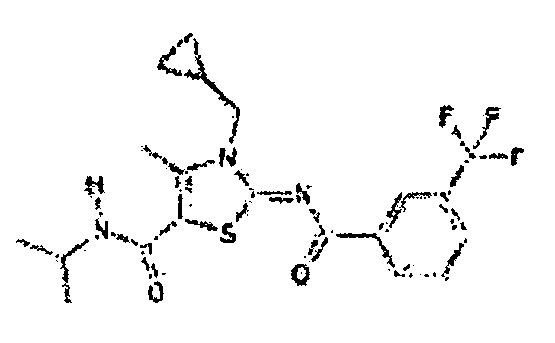
353 
359 
360 
366 
361 
367 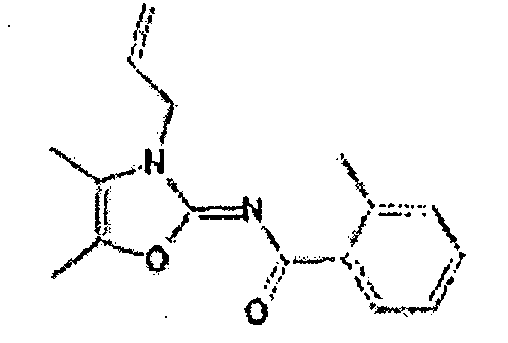
362 
368 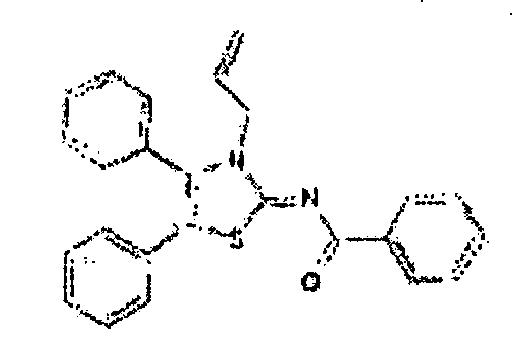
363 
369 
364 
370 
365 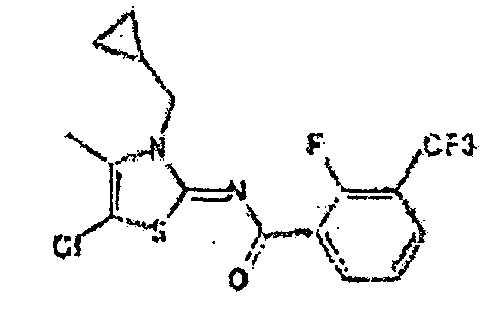
371 
372 
378 
373 
379 
374 
380 
375 
381 
376 
382 
377 
383 
384 
390 
385 
391 
386 
392 
387 
393 
388 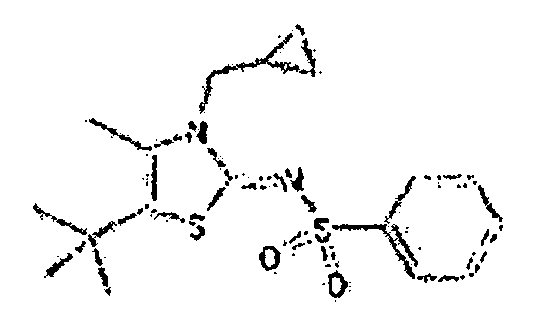
394 
389 
395 
396 
402 
397 
403 
398 
404 
399 
405 
400 
406 
401 
407 
408 
414 
409 
415 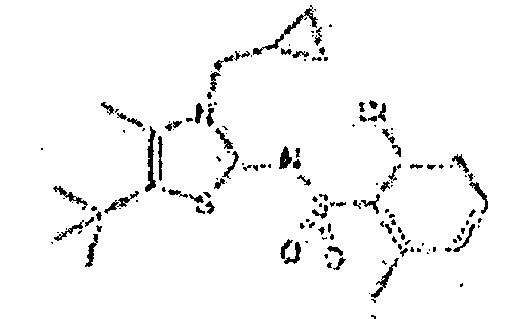
410 
416 
411 
417 
412 
418 
413 
419 
420 
426 
421 
427 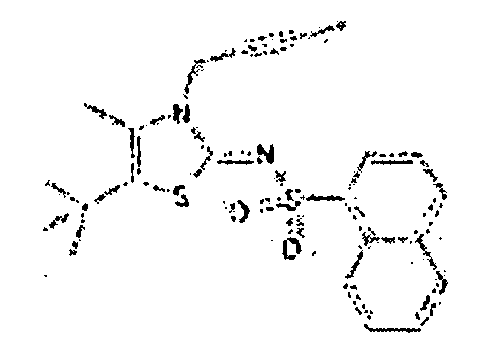
422 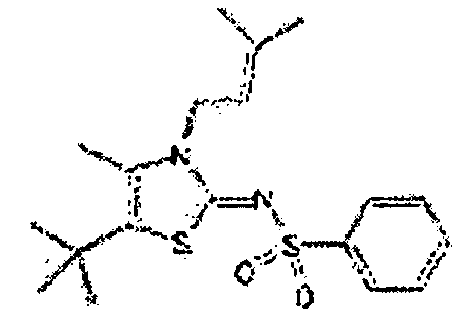
428 
423 
429 
424 
430 
425 
431 
432 
438 
433 
439 
434 
440 
435 
441 
436 
442 
437 
443 
444 
445 
446 
447 
-
Table 3 Example No. chemical structure Example No. chemical structure 448 
453 
449 
454 
450 
455 
451 
456 
452 
457 
458 
463 
459 
464 
460 
465 
461 
466 
462 
467 
468 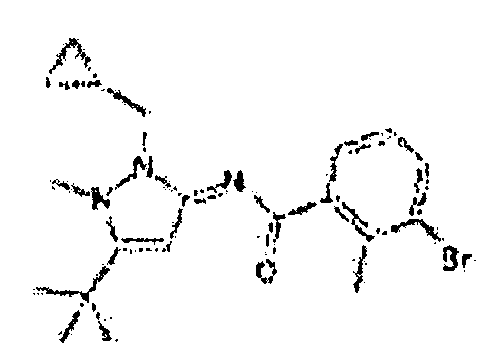
473 
469 
474 
470 
475 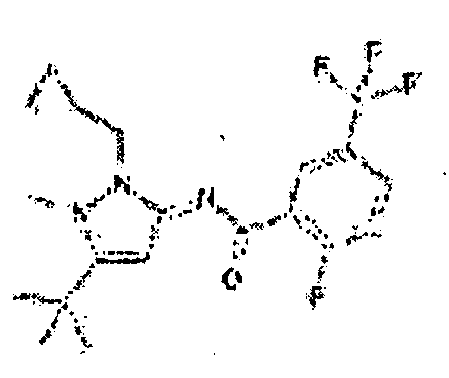
471 
476 
472 
477 
478 
483 
479 
484 
480 
485 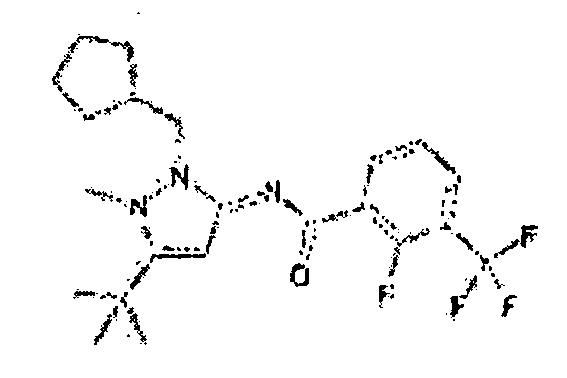
481 
486 
482 
487 
488 
493 
489 
494 
490 
495 
491 
496 
492 
497 
498 
503 
499 
504 
500 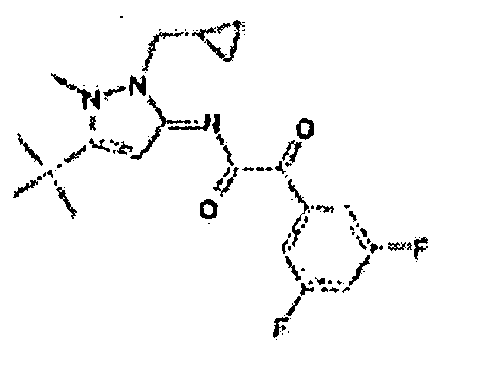
505 
501 
506 
502 
507 
508 
513 
509 
514 
510 
515 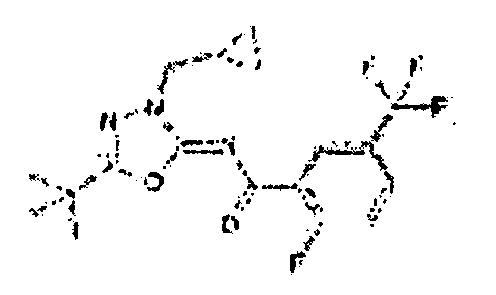
511 
512 
-
Table 4 
Compound No. R Compound No. R 1001 
1008 
1002 
1009 
1003 
1010 
1004 
1011 
1005 
1012 
1006 
1013 
1007 
1014 
1015 
1023 
1016 
1024 
1017 
1025 
1018 
1026 
1019 
1027 
1020 
1028 
1021 
1029 
1022 
1030 
1031 
1039 
1032 
1040 
1033 
1041 
1034 
1042 
1035 
1043 
1036 
1044 
1037 
1045 
1038 
1046 
1047 
1055 
1048 
1056 
1049 
1057 
1050 
1050 
1051 
1059 
1052 
1060 
1053 
1061 
1054 
1062 
1063 
1071 
1064 
1072 
1065 
1073 
1066 
1074 
1067 
1075 
1068 
1076 
1069 
1077 
1070 
1078 
1079 
1087 
1080 
1088 
1081 
1089 
1082 
1090 
1083 
1091 
1084 
1092 
1085 
1093 
1086 
1094 
1095 
1103 
1096 
1104 
1097 
1105 
1098 
1106 
1099 
1107 
1100 
1108 
1101 
1109 
1102 
1110 
1111 
1119 
1112 
1120 
1113 
1121 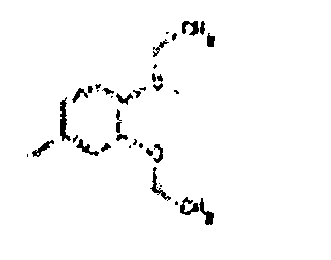
1114 
1122 
1115 
1123 
1116 
1124 
1117 
1125 
1118 
1126 
1127 
1135 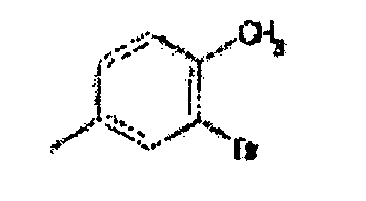
1128 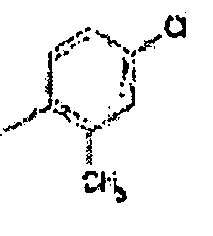
1136 
1129 
1137 
1130 
1138 
1131 
1139 
1132 
1140 
1133 
1141 
1134 
1142 
1143 
1151 
1144 
1152 
1145 
1153 
1146 
1154 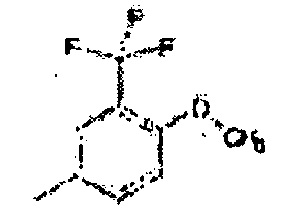
1147 
1155 
1148 
1156 
1149 
1157 
1150 
1158 
1150 
1167 
1160 
1168 
1101 
1169 
1162 
1170 
1163 
1171 
1164 
1172 
1165 
1173 
1166 
1174 
1175 
1183 
1176 
1184 
1177 
1185 
1178 
1186 
1179 
1187 
1180 
1188 
1181 
1189 
1182 
1190 
1191 
1199 
1192 
1200 
1193 
1201 
1194 
1202 
1195 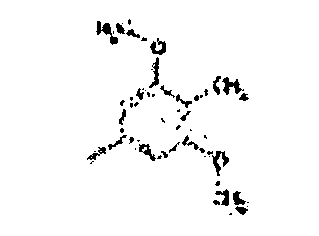
1203 
1196 
1204 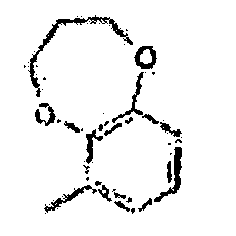
1197 
1205 
1108 
1206 
1207 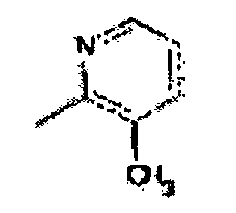
1215 
1208 
1216 
1209 
1217 
1210 
1218 
1211 
1219 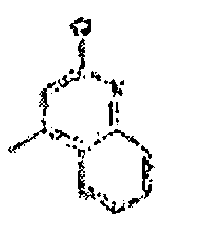
1212 
1220 
1213 
1221 
1214 
1222 
1223 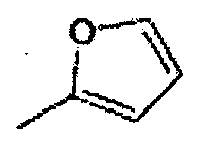
1231 
1224 
1232 
1225 
1233 
1226 
1234 
1227 
1235 
1228 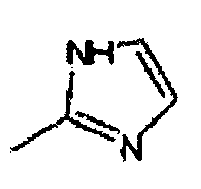
1236 
1229 
1237 
1230 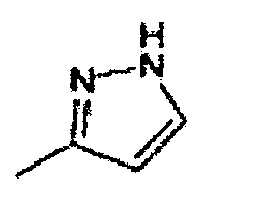
1238 
1239 
1247 
1240 
1248 
1241 
1249 
1242 
1250 
1243 
1251 
1244 
1252 
1245 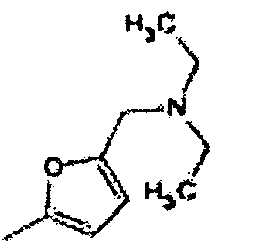
1253 
1246 
1254 
1255 
1263 
1256 
1264 
1257 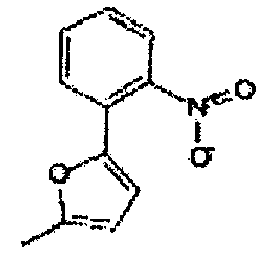
1265 
1259 
1266 
1259 
1267 
1260 
1268 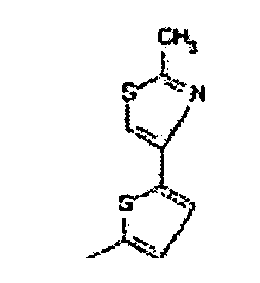
1261 
1269 
1262 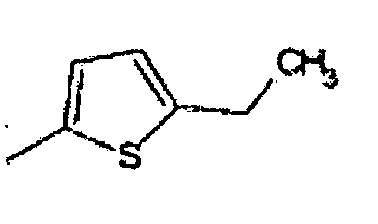
1270 
1271 
1279 
1272 
1280 
1273 
1281 
1274 
1282 
1275 
1283 
1276 
1284 
1277 
1285 
1278 
1286 
1287 
1295 
1288 
1296 
1289 
1207 
1290 
1298 
1291 
1299 
1292 
1300 
1293 
1301 
1294 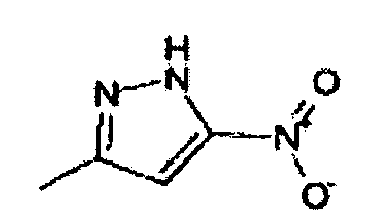
1302 
1303 
1311 
1304 
1312 
1305 
1313 
1308 
1314 
1307 
1315 
1308 
1316 
1369 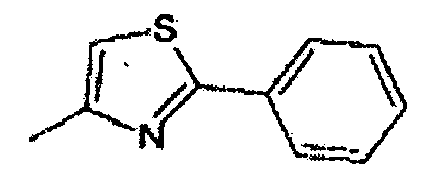
1317 
1310 
1318 
1319 
1327 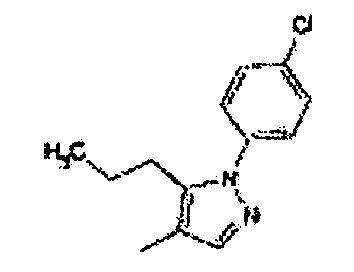
1320 
1328 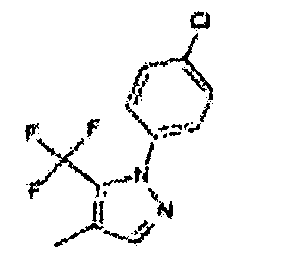
1321 
1329 
1322 
1310 
1323 
1311 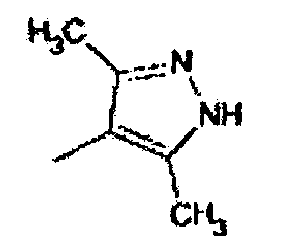
1324 
1332 
1325 
1333 
1326 
1334 
1335 
1343 
1336 
1344 
1337 
1345 
1338 
1346 
1339 
1347 
1340 
1348 
1341 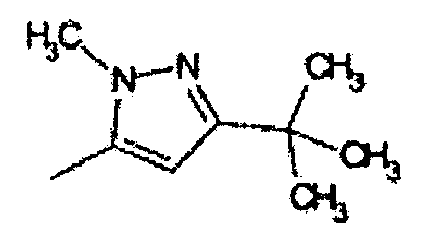
1349 
1342 
1350 
1351 
1359 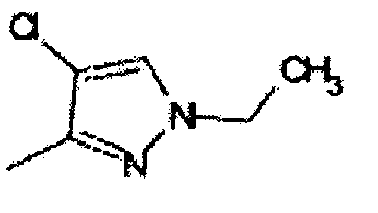
1352 
1360 
1353 
1361 
1354 
1362 
1355 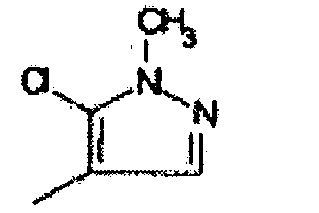
1363 
1356 
1364 
1357 
1365 
1358 
1366 
1387 
1375 
1368 
1376 
1369 
1377 
1370 
1378 
1371 
1378 
1372 
1380 
1373 
1381 
1374 
1382 
1383 
1391 
1384 
1392 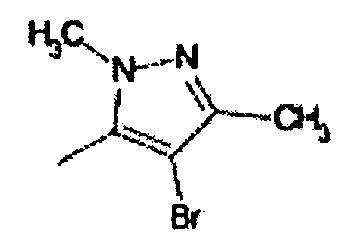
1385 
1393 
1388 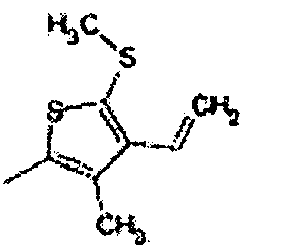
1394 
1387 
1395 
1388 
1396 
1389 
1397 
1390 
1398 
1399 
1407 
1400 
1408 
1401 
1409 
1402 
1410 
1403 
1411 
1404 
1412 
1405 
1413 
1406 
1414 
1415 
1424 
1416 
1425 
1417 
1426 
1418 
1427 
1419 
1428 
1420 
1429 
1421 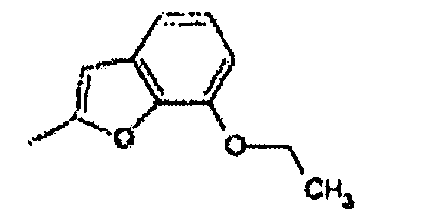
1430 
1422 
1431 
1423 
-
Table 5-1) 
Compound No. R Compound No. R Compound No. R 2001 
2010 
2019 
2002 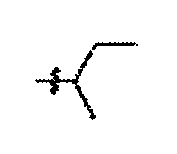
2011 
2020 
2003 
2012 
2021 
2004 
2013 
2022 
2005 
2014 
2023 
2006 
2015 
2024 
2007 
2016 
2025 
2008 
2017 
2026 
2009 
2018 
2027 
2028 
2038 
2048 
2029 
2039 
2049 
2030 
2040 
2050 
2031 
2041 
2051 
2032 
2042 
2052 
2033 
2043 
2053 
2034 
2044 
2054 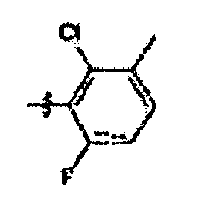
2035 
2045 
2055 
2036 
2048 
2056 
2037 
2047 
2057 
2058 
2068 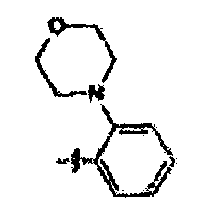
2078 
2059 
2069 
2079 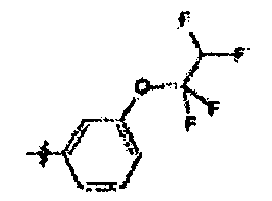
2060 
2070 
2080 
2061 
2071 
2081 
2062 
2072 
2082 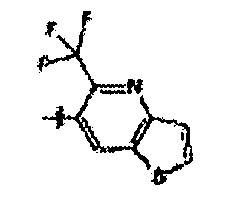
2063 
2073 
2083 
2064 
2074 
2084 
2065 
2075 
2085 
2066 
2076 
2067 
2077 
-
Table 5-2) Compound No. R compound No. R Compound No. R 2088 
2094 
2102 
2087 
2095 
2103 
2088 
2096 
2104 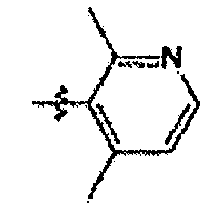
2089 
2097 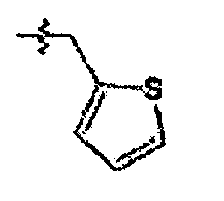
2105 
2090 
2098 
2106 
2091 
2099 
2107 
2092 
2100 
2108 
2093 
2101 
2109 
2110 
2118 
2126 
2111 
2119 
2127 
2112 
2120 
2128 
2113 
2121 
2129 
2114 
2122 
2130 
2115 
2123 
2131 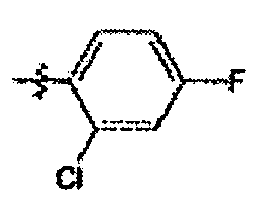
2116 
2124 
2132 
2117 
2125 
2133 
2134 
2142 
2150 
2135 
2143 
2151 
2138 
2144 
2152 
2137 
2145 
2153 
2138 
2146 
2154 
2139 
2147 
2155 
2140 
2148 
2156 
2141 
2149 
2157 
2158 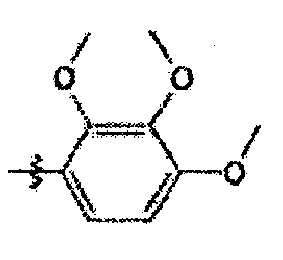
2163 
2168 
2159 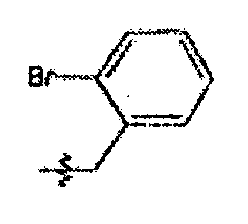
2164 
2169 
2160 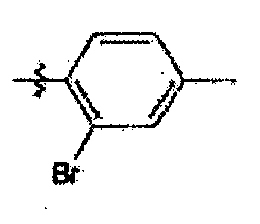
2165 
2170 
2161 
2166 
2171 
2162 
2167 
-
Table 5-3) 
Compound No. R Compound No. R Compound No. R 2172 
2180 
2188 
2173 
2181 
2189 
2174 
2182 
2190 
2175 
2183 
2191 
2176 
2184 
2192 
2177 
2185 
2193 
2178 
2186 
2194 
2179 
2187 
2195 
2196 
2204 
2212 
2197 
2205 
2213 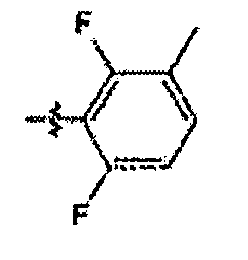
2198 
2206 
2214 
2199 
2207 
2215 
2200 
2208 
2216 
2201 
2209 
2217 
2202 
2210 
2218 
2203 
2211 
2219 
2220 
2228 
2236 
2221 
2229 
2237 
2222 
2230 
2238 
2223 
2231 
2239 
2224 
2232 
2240 
2225 
2233 
2241 
2226 
2234 
2242 
2227 
2235 
2243 
2244 
2252 
2260 
2245 
2253 
2261 
2246 
2254 
2262 
2247 
2255 
2263 
2248 
2256 
2264 
2249 
2257 
2265 
2250 
2258 
2266 
2251 
2259 
-
Table 5-4) 
Compound No. R Compound No. R Compound No. R 2267 
2275 
2283 
2268 
2276 
2284 
2269 
2277 
2285 
2270 
2278 
2286 
2271 
2279 
2287 
2272 
2280 
2288 
2273 
2281 
2289 
2274 
2282 
2290 
2291 
2299 
2307 
2292 
2300 
2308 
2293 
2301 
2309 
2294 
2302 
2310 
2295 
2303 
2311 
2296 
2304 
2312 
2297 
2305 
2313 
2298 
2306 
2314 
2315 
2323 
2331 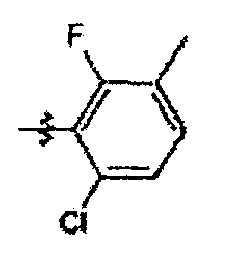
2316 
2324 
2332 
2317 
2325 
2333 
2318 
2326 
2334 
2319 
2327 
2335 
2320 
2328 
2336 
2321 
2329 
2337 
2322 
2330 
2338 
2339 
2347 
2355 
2340 
2348 
2356 
2341 
2349 
2357 
2342 
2350 
2358 
2343 
2351 
2359 
2344 
2352 
2360 
2345 
2353 
2361 
2346 
2354 
2382 
2363 
2367 
2371 
2364 
2368 
2372 
2365 
2369 
2373 
2366 
2370 
2374 
-
Table 5-5) 
Compound No. R Compound No. R 2375 
2383 
2376 
2384 
2377 
2385 
2378 
2386 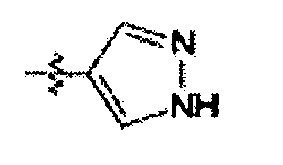
2379 
2387 
2380 
2388 
2381 
2389 
2382 
2390 
2391 
2399 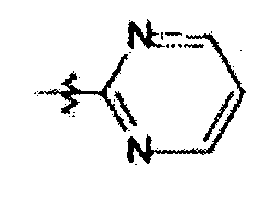
2392 
2400 
2393 
2401 
2394 
2402 
2395 
2403 
2396 
2404 
2397 
2405 
2398 
2406 
2407 
2415 
2408 
2416 
2409 
2417 
2410 
2418 
2411 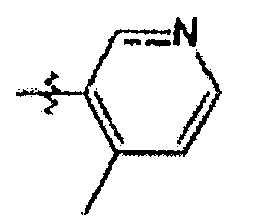
2419 
2412 
2420 
2413 
2421 
2414 
2422 
2423 
2431 
2424 
2432 
2425 
2433 
2426 
2434 
2427 
2435 
2428 
2436 
2429 
2437 
2430 
2438 
2439 
2447 
2440 
2448 
2441 
2449 
2442 
2450 
2443 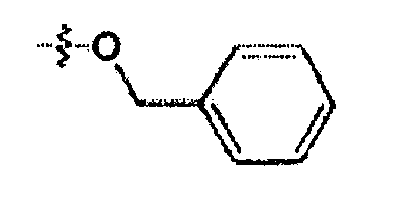
2451 
2444 
2452 
2445 
2453 
2446 
2454 
2455 
2463 
2456 
2464 
2457 
2465 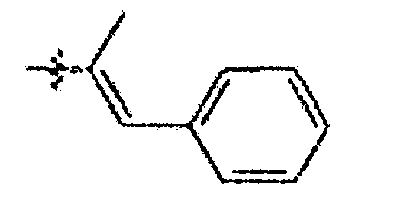
2458 
2466 
2459 
2467 
2460 
2468 
2461 
2469 
2462 
2470 
2471 
2479 
2472 
2480 
2473 
2481 
2474 
2482 
2475 
2483 
2476 
2484 
2477 
2485 
2478 
2486 
2487 
2495 
2488 
2496 
2489 
2497 
2490 
2498 
2491 
2499 
2492 
2500 
2493 
2501 
2494 
2502 
2503 
2511 
2504 
2512 
2505 
2513 
2506 
2514 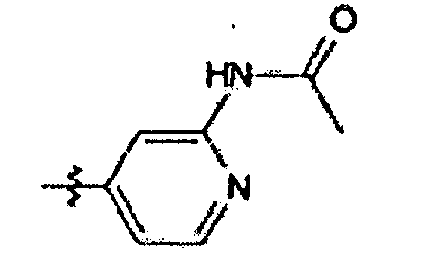
2507 
2515 
2508 
2516 
2509 
2517 
2510 
2518 
2519 
2527 
2520 
2528 
2521 
2529 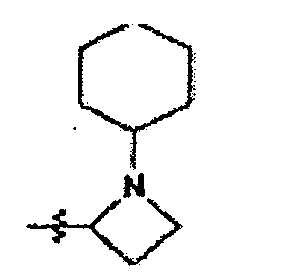
2522 
2530 
2523 
2531 
2524 
2532 
2525 
2533 
2526 
2534 
2535 
2543 
2536 
2544 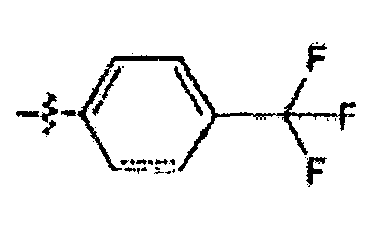
2537 
2545 
2538 
2546 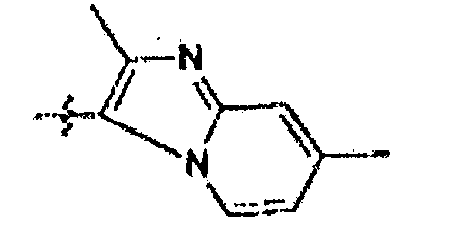
2539 
2547 
2540 
2548 
2541 
2549 
2542 
2550 
2551 
2559 
2552 
2560 
2553 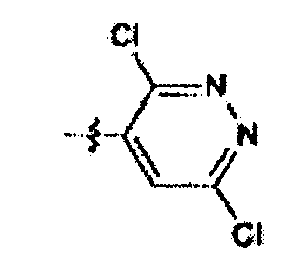
2561 
2554 
2562 
2555 
2563 
2556 
2564 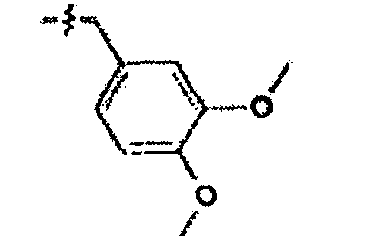
2557 
2565 
2558 
2566 
2567 
2575 
2568 
2576 
2569 
2577 
2570 
2578 
2571 
2579 
2572 
2580 
2573 
2581 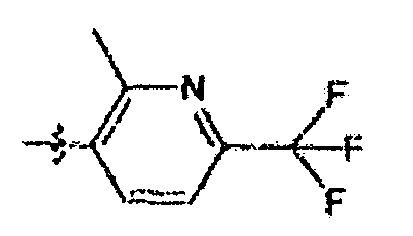
2574 
2582 
2583 
2591 
2584 
2592 
2585 
2593 
2586 
2594 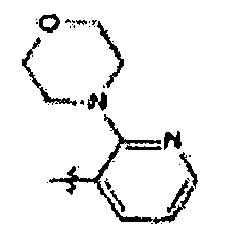
2587 
2595 
2588 
2596 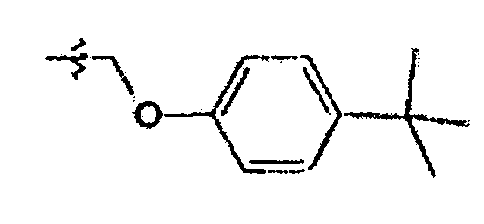
2589 
2597 
2590 
2598 
2599 
2607 
2600 
2608 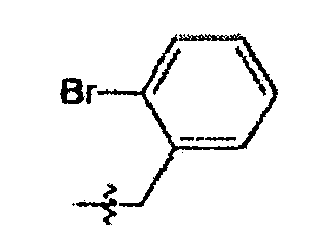
2601 
2609 
2602 
2610 
2603 
2611 
2604 
2612 
2605 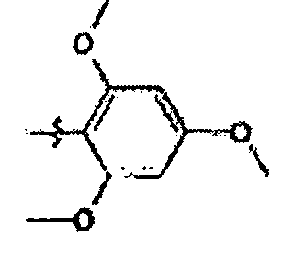
2613 
2606 
2614 
2615 
2623 
2616 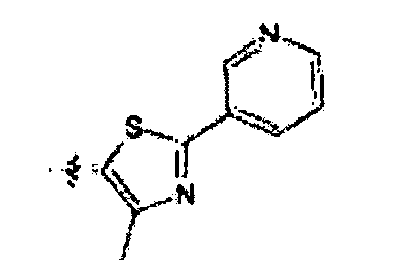
2624 
2617 
2625 
2618 
2626 
2619 
2627 
2620 
2628 
2621 
2629 
2622 
2630 
2631 
2639 
2632 
2640 
2633 
2641 
2634 
2642 
2635 
2643 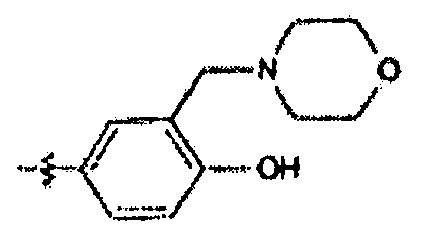
2636 
2644 
2637 
2645 
2638 
2646 
2647 
2655 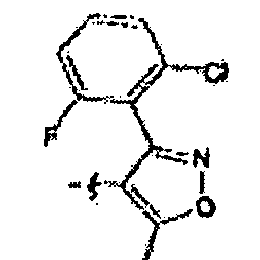
2648 
2656 
2649 
2657 
2650 
2658 
2651 
2659 
2652 
2660 
2653 
2661 
2654 
2662 
2663 
2671 
2664 
2672 
2665 
2673 
2666 
2674 
2667 
2675 
2668 
2676 
2669 
2677 
2670 
2678 
-
Table 6 
Compound No. R Compound No. R 3001 
3009 
3002 
3010 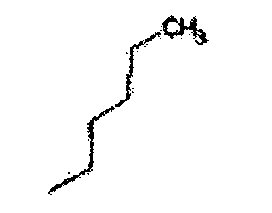
3003 
3011 
3004 
3012 
3005 
3013 
3006 
3014 
3007 
3015 
3008 
3016 
3017 
3025 
3018 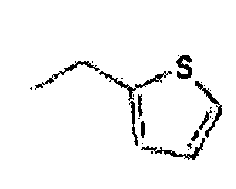
3026 
3019 
3027 
3020 
3028 
3021 
3029 
3022 
3030 
3023 
3031 
3024 
3032 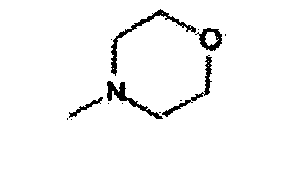
3033 
3041 
3034 
3042 
3035 
3043 
3036 
3044 
3037 
3045 
3038 
3046 
3039 
3047 
3040 
3048 
3049 
3057 
3050 
3058 
3051 
3059 
3052 
3060 
3053 
3061 
3054 
3062 
3055 
3063 
3056 
3064 
3065 
3073 
3066 
3074 
3067 
3075 
3068 
3076 
3069 
3077 
3070 
3078 
3071 
3079 
3072 
3080 
3081 
3089 
3082 
3090 
3083 
3091 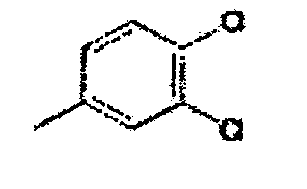
3084 
3092 
3085 
3093 
3086 
3094 
3087 
3095 
3088 
3096 
3097 
3105 
3098 
3106 
3099 
3107 
3100 
3108 
3101 
3109 
3102 
3110 
3103 
3111 
3104 
3112 
3113 
3121 
3114 
3122 
3115 
3123 
3116 
3124 
3117 
3125 
3118 
3126 
3119 
3127 
3120 
3128 
3129 
3137 
3130 
3138 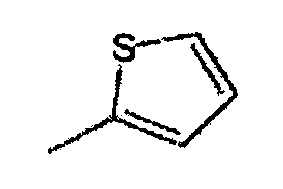
3131 
3139 
3132 
3140 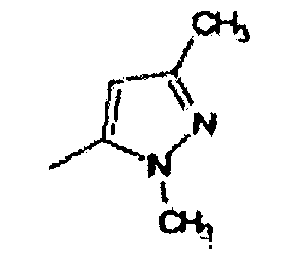
3133 
3141 
3134 
3142 
3135 
3143 
3136 
3144 
3145 
3152 
3146 
3153 
3147 
3154 
3148 
3155 
3149 
3156 
3150 
3157 
3151 
3158 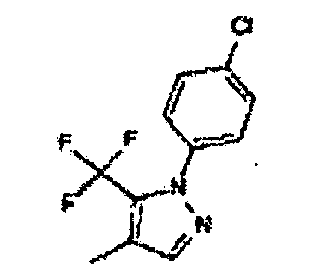
-
Table 7 
Compound No. R Compound No. R 3159 
3165 
3160 
3166 
3161 
3167 
3162 
3188 
3163 
3169 
3164 
3170 
3171 
3179 
3172 
3180 
3173 
3181 
3174 
3182 
3175 
3183 
3176 
3184 
3177 
3185 
3178 
3186 
3187 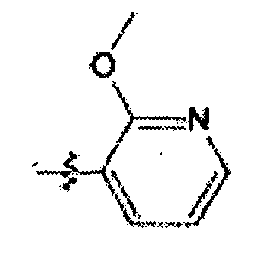
3195 
3188 
3196 
3189 
3197 
3190 
3198 
3191 
3199 
3192 
3200 
3193 
3201 
3194 
3202 
3203 
3211 
3204 
3212 
3205 
3213 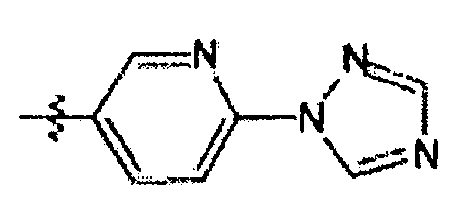
3206 
3214 
3207 
3215 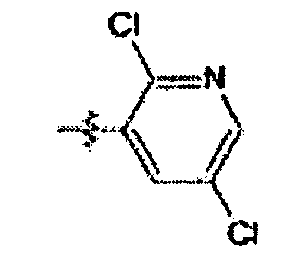
3208 
3216 
3209 
3211 
3210 
3218 
3219 
3227 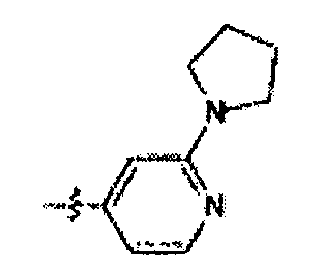
3220 
3228 
3221 
3229 
3222 
3230 
3223 
3231 
3224 
3232 
3225 
3233 
3226 
3234 
3235 
3243 
3236 
3244 
3237 
3245 
3238 
3246 
3239 
3247 
3240 
3248 
3241 
3249 
3242 
3250 
3251 
3259 
3252 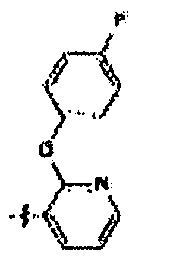
3260 
3253 
3261 
3254 
3262 
3255 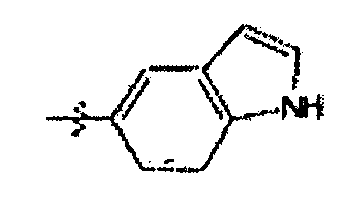
3263 
3256 
3264 
3257 
3265 
3258 
3266 
3267 
3275 
3268 
3276 
3269 
3277 
3270 
3278 
3271 
3279 
3272 
3280 
3273 
3281 
3274 
3282 
3283 
3291 
3284 
3292 
3285 
3293 
3286 
3294 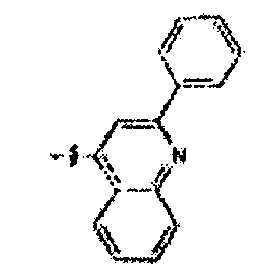
3287 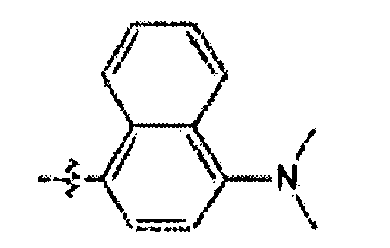
3295 
3288 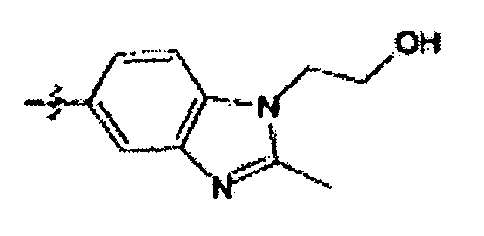
3296 
3289 
3297 
3290 
3298 
3299 
3307 
3300 
3308 
3301 
3309 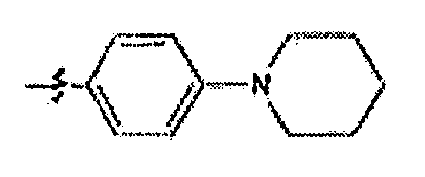
3302 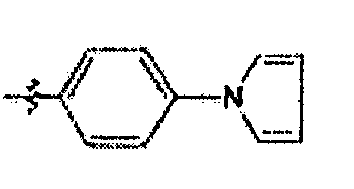
3310 
3303 
3311 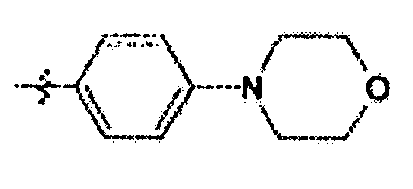
3304 
3312 
3305 
3313 
3306 
3314 
3315 
3323 
3316 
3324 
3317 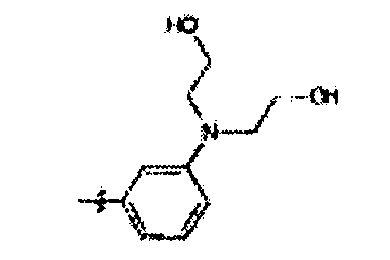
3325 
3318 
3326 
3319 
3327 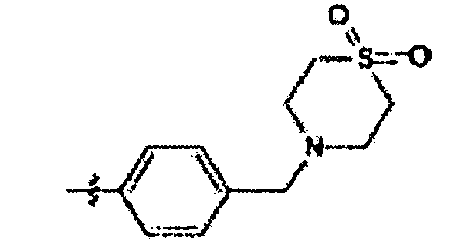
3320 
3321 
3322 
Table 8 Compound No. 1H-NMR Mass m.p. (°C) 1 1HNMR(200MHz,CHLOROFORM-d)dppm0.44-0.53(m,2H)0.61-0.71(m, 2H)1.30-1.47(m,1H)4.25(d,J=7.31Hz,2H)6.82-6.92(m,1H)7.73-7.895 (m,2H)8.44-8.51(m,1H) ESI(Pos)245 (M+H)+ 90-91 2 1HNMR(200MHz,CHLOROFORM-d)dppm0.42-0.55(m,2H)0.62-0.78(m, 2H)1.40-1.60(m,1H)4.24(d,J=7.47Hz,2H)6.56-6.69(m,1H)7.45-7.75 (m,4H)8.38-8.59(m,3H) ESI(Pos)321 (M+H)+ 105.5-106.5 3 1HNMR(200MHz,CHLOROFORM-d)dppm0.42-0.76(m,4H)1.39-1.56(m, 1H)4.22(d,J=7.0Hz,2H)6.53-6.65(m,1H)7.06-7.22(m,1H)7.52-7.81 (m,3H)8.17-8.27(m.1H)8.32-8.43(m.1H)8.58-8.65(m,1H) ESI(Pos)379-(M+H)+ - 4 1HNMR(200MHz,CHLOROFORM-D)dppm0.53-0.73(m,2H)1.23-1.53(m, 1H)4.14(d.J=7.47Hz,2H)6.53-6.68(m,1H)7.20-7.46(m,3H)7.49-7.64 (m,1H)7.64-7.77(m,1H)7.85-8.03(m,1H)8.22-8.37(m,1H) ESI(Pos)337 (M+H)+ - 5 1HNMR(200MHz,CHLOROFORM-d)dppm3.90(s,3H)6.56-6.70(m,1H) 7.18-7.31(m,1H)7.58-7.71(m,3H)8.17-8.29(m,1H)8.37-8.48(m,1H) ESI(Pos)299 (M+H)+ 146-147 6 1HNMR(200MHz,CHLOROFORM-d)dppm1.49(t,J=7.3Hz,3H)4.40(q,J=7.3 Hz,2H)6.60-6.71(m,1H)7.18-7.31(m,1H)7.56-7.69(m,3H)8.16-8.27 (m,1H)8.39-8.48(m,1H) ESI(Pos)313 (M+H)+ 93-95 7 1HNMR(200MHz,CHLOROFORM-d)dppm0.97(t,J=7.3Hz,3H)1.41(dt, J=14.8,7.3Hz,2H)1.77-1.97(m,2H)4.34(t,J=7.5Hz,2H)6.55-6.70(m,1 H)7.17-7.31(m,1H)7.55-7.70(m,3H)8.15-8.28(m,1H)8,41-8.50(m,1 H) ESI(Pos)341 (M+H)+ 51-52 8 1HNMR(200MHz,CHLOROFORM-d)dppm1.47(d,J=6.6Hz,6H)5.84-6.06 (m,1H)6.64-6.77(m,1H)7.18-7.32(m,1H)7.53-7.78(m,2H)8.14-8.45 (m,2H) ESI(Pos)327 (M+H)+ 86-88 9 1H NMR (200 MHz, CHLOROFORM-d) d ppm 0.38 - 0.74 (m, 4 H) 1.32 - 1.53 (m, 1 H) 4.22 (d, J=7.03 Hz, 2 H) 6.61 - 6.72 (m, 1 H) 7.18 - 7.31 (m, 1 H) 7.54 - 7.76 (m, 3 H) 8.13 - 8.27 (m, 1 H) 8.37 - 8.48 (m, 1 H) ESI(Pos) 339 (M+H)+ 58.5-59 10 1H NMR (200 MHz, CHLOROFORM-d) d ppm 0.36 - 0.51 (m, 2 H) 0.60 - 0.74 (m, 2 H) 1.29 - 1.53 (m, 1 H) 4.17 (d, J=7.47 Hz, 2 H) 6.58 - 6.74 (m, 1 H) 7.16 - 7.41 (m, 2 H) 7.55 - 7.82 (m, 3 H) 8.33 - 8.45 (m, 1 H) ESI(Pos) 322 (M+H)+ 53.5-54.5 11 1H NMR (300 MHz, CHLOROFORM-d) d ppm 0.35 - 0.75 (m, 4 H) 1.18 - 1.42 (m, 1 H) 4.12 (d, J=7.31 Hz, 2 H) 6.61 - 6.71 (m, 1 H) 7.19 - 7.42 (m, 2 H) 7.58 - 7.85 (m. 3 H) 8.30 - 8.39 (m. 1 H) ESI(Pos)339 (M+H)+ 88-89 12 1H NMR (600 MHz, CHLOROFORM-d) d ppm 0.44 - 0.72 (m, 4 H) 0.74 - 0.90 (m, 2 H) 1.84 - 2.05 (m, 1 H) 3.57 - 3.85 (m, 2 H) 6.43 - 6.57 (m, 1 H) 7.22 - 7.38 (m, 1 H) 7.64 - 7.85 (m, 3 H) 8.42 - 8.55 (m, 1 H) 8.70 - 8.83 (m, 10 H) ESI(Pos) 353 (M+H)+ 93-94 13 1H NMR (200 MHz, CHLOROFORM-d) d ppm -0.00 - 0.53 (m, 4 H) 0.54 - 0.77 (m, 1 H) 1.81 (q, J=7.0 Hz. 2 H) 4.43 (t, J=7.0 Hz, 2 H) 6.58 - 6.69 (m, 1 H) 7.18 - 7.31 (m, 1 H) 7.55 - 7.71 (m, 3 H) 8.14 - 8.27 (m, 1 H) 8.40 - 8.51 (m, 1 H) ESI(Pos) 353 (M+H)+ 56-58 14 1H NMR (200 MHz, CHLOROFORM-d) d ppm 1.12 (t. 3=7.03 Hz, 3 H) 3.44 (q, J=7.03 Hz, 2 H) 3.84 (t, J=4.83 Hz, 2 H) 4.54 (t, J=4.83 Hz, 2 H) 6.56 - 6.69 (m, 1 H) 7.18 - 7.31 (m, 1 H) 7.57 - 7.77 (m, 3 H) 8.13 - 8.26 (m, 1 H) 8.41 - 8.50 (m, 1 H) ESI(Pos) 357 (M+H)+ 104.5-105.5 15 1H NMR (200 MHz, CHLOROFORM-d) d ppm 0.41 - 0.77 (m, 4 H) 1.32 - 1.51 (m, 1 H) 4.19 (d, J=7.5 Hz, 2 H) 7.20- 7.31 (m, 1 H) 7.57 - 7.71 (m, 2 H) 7.81 - 7.87 (m, 1 H) 8.14 - 8.26 (m, 1 H) 8.35 - 8.43 (m, 1 H) ESI(Pos) 439 (M+Na)+ 124-126 16 1H NMR (200 MHz, CHLOROFORM-d) d ppm 321 (t, J=7.3 Hz, 2 H) 4.54 (t, J=7.3 Hz, 2 H) 6.43 - 6.55 (m, 1 H) 7.10 - 7.36 (m, 7 H) 7.54 - 7.73 (m, 2 H) 8.19 - 8.32 (m, 1 H) 8.45 - 8.57 (m, 1 H) ESI(Pos) 389 (M+H)+ 117-118 17 1HNMR(200MHz,CHLOROFORM-d)dppm0.59-0.73(m,2H)1.26-1.46(m, 1H)4.13(d.J=7.47Hz,2H)6.62-6.74(m,1H)7.02-7.17(m,1H)7.39-7.50 (m,1H)7.58-7.77(m,3H)8.30-8.41(m,1H) ESI(Pos)339 (M+H)+ 88.5-89 18 1HNMR(200MHz,CHLOROFORM-d)dppm0.40-0.56(m,2H)0.56-0.75(m, 2H)1.34-1.56(m,1H)4.22(d,J=7.03Hz.2H)6.59-6.74(m,1H)7,10-7.28 (m,1H)7.53-7.79(m,3H)8.29-8.53(m,2H) ESI(Pos)339 (M+H)+ 127-127.5 19 1HNMR(200MHz,CHLOROFORM-d)dppm0.39-0.51(m,2H)0.60-0.72(m, 2H)1.33-1.55(m,1H)3.94(s,3H)4.16(d.J=7.03Hz,2H)6.55-6.66(m.1H) 6.95-7.05(m,1H)7.52-7.72(m.3H)8.09-8.14(m,1H)8.36-8.46(m,1H) ESI(Pos)351 (M+H)+ - 20 1HNMR(200MHz,CHLOROFORM-d)dppm0.36-0.72(m,4H)1.34-1.58(m, 1H)3.80(s,3H)3.85(s,3H)4.15(d,J=7.5Hz.2H)6.48-6.61(m,1H)6.84-6.93(m,2H)7.40-7.46(m,1H)7.48-7.59(m,1H)7.60-7.69(m,1H)8.27-8.38(m,1H) ESI(Pos)313 (M+H)+ - 21 1HNMR(200MHz,CHLOROFORM-d)dppm0.38-0.74(m,4H)1.34-1.54(m, 1H)4.20(d,J=7.0Hz,2H)6.65-6.77(m,1H)7.51-7.62(m,11H)7.63-7.80 (m,3H)7.84-7.91(m,1H)8.09-8.17(m,1H)8.49-8.59(m,1H)-8.81-8.90 (m,1H)8.94-9.01(m,1H) ESt(Pos)304 (M+H)+ - 22 1HNMR(200MHz,CHLOROFORM-d)dppm0.40-0.77(m,4H)1.30-1.48(m, 1H)2.38(s,3H)4.23(d,J=7.0Hz,2H)6.79-6.91(m,1H)7.19-7.31(m,1H) 7.55-7.69(m,2H)7.75-7.84(m,1H)8.05-8.18(m,1H) ESI(Pos)353 (M+H)+ - 23 1HNMR(200MHz,CHLOROFORM-D)dppm0.36-0.51(m,2H)0.56-0.71(m, 2H)1.32-1.52(m,1H)2.36(s,3H)4.18(d,J=7.0Hz,2H)6.48-6.56(m,1H) 7.18-7.30(m,1H)7.56-7.67(m,2H)8.14-8.31(m.2H) ESI(Pos)353 (M+H)+ 81-83 24 1HNMR(200MHz,CHLOROFORM-d)dppm0.37-0.73(m,4H)1.30-1.55(m, 1H)2.25(s,3H)4.21(d,J=7.5Hz,2H)7.17-7.31(m,1H)7.44-7.69(m,2H) 8.10-8.27(m,1H)8.35-8.48(m,1H) ESI(Pos)353 (M+H)+ 118-120 25 1HNMR(200MHz,CHLOROFORM-d)dppm0.49-0.62(m,4H)1.20-1.40(m, 1H)2.61(s,3H)4.50(d,J=7.0Hz,2H)6.54(d,J=7.0Hz,1H)7.19-7.30(m,1 H)7.45-7.67(m,2H)8.11-8.31(m,2H) ESI(Pos)353 (M+H)+ 96-98 26 1HNMR(600MHz,CHLOROFORM-d)dppm0.39-0.45(m,2H)0.67-0.73(m, 2H)1.31-1.39(m,1H)4.10(d,J=7.34Hz,2H)7.47(t,J=7.79Hz,1H)7.57(t, J=7.57Hz,1H)7.65(dd,J=9.40,2.06Hz,1H)7.68(d,J=7.79Hz.1H)7.76(d. J=7.79Hz,1H)8.02(s,1H)8.27(d,J=9.17Hz,1H) APCI(Pos)389 (M+H)+ 93-93.5 27 1HNMR(600MHz,CHLOROFORM-d)dppm0.46-0.54(m,2H)0.72-0.80(m, 2H)1.44-1.51(m.1H)4.22(d,J=7.34Hz,2H)7.56(t,J=7.79Hz.1H)7.64 (dd,J=9.63,2.29Hz.1H)7.73(d,J=7.79Hz.1H)8.02(s,1H)8.33(d,J=9.63Hz. 1H)8.41(d.J=7.79Hz,1H)8.51(s.1H) APCI(Pos)389 (M+H)+ 84-85 28 1HNMR(600MHz,CHLOROFORM-d)dppm-1.19--1.12(m,2H)-0.78--0.72 (m,2H)-0.14--0.04(m,1H)3.46(d,J=9.2Hz,2H)6.92-6.97(m,1H)7.29-7.34(m,1H)7.75-7.82(m,1H)8.35-8.43(m.2H)8.60-8.64(m,1H) ESI(Pos)407 (M+H)+ - 29 1HNMR(200MHz.CHLOROFORM-d)dppm0.40-0.77(m,4H)1.37-1.52(m, 1H)4.22(d,J=7.5Hz,2H)6.68-6.77(m,1H)7.21-7.33(m,1H)7.61-7.74 (m,1H)7.78-7.88(m,1H)8.16-8.30(m,1H)8.65-8.73(m,1H) ESI(Pos)407 (M+H)+ 85-86 30 1HNMR(200MHz,CHLOROFORM-d)dppm0.40-0.77(m,4H)1.30-1.48(m, 1H)2.38(s,3H)4.23(d,J=7.0Hz,2H)6.79-6.91(m,1H)7.19-7.31(m,1H) 7.55-7.69(m,2H)7.75-7.84(m,1H)8.05-8.18(m,1H) ESI(Pos)353 (M+H)+ - 31 1H NMR (600 MHz, CHLOROFORM-d) d ppm.0.42 - 0.53 (m, 2 H) 0.66 - 0.79 (m, 2 H) 1.37 - 1.48 (m, 1 H) 4.20 (d, J=7.34 Hz, 2 H) 7.18 - 7.23 (m, 1 H) 7.65 - 7.70 (m, 2 H) 8.03 (s, 1 H) 8.36 (dd, J=6.65, 2.52 Hz, 1 H) 8.39 (d, J=9.63 Hz, 1 H) APCI(Pos) 407 (M+H)+ 109-110 32 1H NMR (500 MHz, CHLOROFORM-d) d ppm 0-36 - 0.70 (m, 4 H) 1.26 - 1.37 (m, 1 H) 4.30 (d, J=6.9 Hz, 2 H) 6.97 - 7.03 (m, 1 H) 7.17 - 7.22 (m, 1 H) 7.22 - 7.26 (m, 1 H) 7.54 - 7.59 (m, 1 H) 7.59 - 7.64 (m. 1 H) 7.66 - 7.72 (m. 1 H) ESI(Pos) 407 (M+H)+ - 33 1H NMR (200 MHz, CHLOROFORM-d) d ppm 0.38 - 0.74 (m, 4 H) 1.30 - 1.49 (m, 1 H) 4.17 (d, J=7.0 Hz, 2 H) 6.61 - 6.68 (m, 1 H) 7.22 - 7.32 (m, 1 H) 7.59 - 7.72 (m. 2 H) 8.15 - 8.26 (m, 1 H) 8.51 - 8.56 (m, 1 H) ESI(Pos) 395 (M+Na)+ 91-93 34 1H NMR (200 MHz, CHLOROFORM-d) d ppm 0.40 - 0.79 (m, 4 H) 1.33 - 1.52 (m, 1H) 4.20 (d, J=7.5 Hz, 2 H) 7.18 - 7.30 (m, 1 H) 7.51 - 7.71 (m, 2 H) 7.72 - 7.79 (m, 1 H) 8.13 - 8.26 (m, 1 H) 8.39 - 8.51 (m, 1 H) ESI(Pos) 373 (M+H)+ 117-119 35 1H NMR (200 MHz, CHLOROFORM-d) d ppm 0.48 - 0.67 (m, 4 H) 1.35 - 1.55 (m, 1 H) 4.67 (d, J=7.5 Hz, 2 H) 6.70 - 6.76 (m, 1 H) 7.20 - 7.31 (m, 1 H) 7.42 - 7.54 (m, 1H) 7.59 - 7.70 (m, 1 H) 8.12 - 8.23 (m, 1 H) 8.25 - 8.35 (m, 1 H) ESI(Pos) 373 (M+H)+ 81-83 36 1H NMR (200 MHz, CHLOROFORM-d) d ppm 0.38 - 0.83 (m, 4 H) 1.32 - 1.51 (m, 1 H) 4.19 (d, J=7.5 Hz, 2 H) 7.21 - 7.33 (m, 1 H) 7.59 - 7.74 (m, 2 H) 7.99 - 8.07 (m, 1 H) 8.15 - 8.28 (m, 1 H) 8.30 - 8.40 (m, 1 H) ESI(Pos) 407 (M+H)+ 93-94 37 1H NMR (200 MHz, CHLOROFORM-d) d ppm 0.41 - 0.54 (m, 2H) 0.64 - 0.80 (m, 2 H) 1.31 - 1.51 (m, 1 H) 4.23 (d, J=7.5 Hz, 2 H) 7.48 - 7.78 (m, 3 H) 8.13 - 8.27 (m, 1 H) 8.49 - 8.63 (m, 1 H) ESI(Pos) 357 (M+H)+ 89-91 38 1H NMR (200 MHz, CHLOROFORM-D) d ppm 0.43 - 0.57 (m, 2 H) 0.60 - 0.77 (m, 2 H) 1.39 - 1.58 (m, 1 H) 4.31 (d, J=7.0 Hz. 2 H) 7.19 - 7.32 (m, 1 H) 7.35 - 7.55 (m, 5 H) 7.57 - 7.71 (m, 1 H) 7.83 - 7.98 (m, 2 H) 8.15 - 8.30 (m, 1 H) 8.46 - 8.61 (m. 1 H) ESI(Pos) 415 (M+H)+ 115-116 39 1HNMR(200MHz,CHLOROFORM-d)dppm0.44-0.54(m,4H)1.28-1.51(m, 1H)4.02(s,3H)4.46(d,J=7.5Hz,2H)6.03-6.09(m,1H)7.17-7.29(m,1H) 7.52-7.66(m,2H)7.99-8.09(m,1H)8.12-8.25(m,1H) ESI(Pos)369 (M+H)+ 126-128 40 1HNMR(200MHz,CHLOROFORM-d)dppm0.32-0.54(m,4H)1.41-1.58(m, 1H)2.73(s,6H)4.49(d,J=6.6Hz,2H)6.33-6.42(m,1H)7.18-7.29(m,1H) 7.49-7.67(m,2H)8.06-825(m,2H) ESI(Pos)382 (M+H)+ - 41 1HNMR(200MHz,CHLOROFORM-d)dppm0.53-0.63(m,4H)1.12-1.37(m, 1H)2.78(s,3H)4.61(d,J=7.0Hz,2H)7.25(d.1H)7.56-7.73(m,2H)8.05-8.26(m.2H) ESI(Pos)431 (M+H)+ 135-137 42 1HNMR(200MHz,CHLOROFORM-D)dppm0.44-0.83(m,4H)1.27-1.45(m, 1H)4.16(d,J=7.0Hz,2H)7.19-7.42(m.2H)7.61-7.71(m,2H)8.13-8:24 (m,1H) ESI(Pos)397 (M+Na)+ 69-71 43 1HNMR(200MHz,CHLOROFORM-d)dppm2.23(s.3H)2.43(s,3H)3.81(s,3 H)3.83(s,3H)3.89(s.3H)622-6.27(m,1H)6.40-6.53(m,2H)7.93-8.01 (m.2H) ESI(Pos)301 (M+H)+ 117.5-118 44 1HNMR(200MHz,CHLOROFORM-d)dppm2.27(s,3H)2.46(s,3H)2.63(s,3 H)4.97-5.30(m,4H)5.89-6.12(m,1H)6.27(s,1H)7.11-7.32(m,3H)7.86 -7.95(m,1H)8.02(s,1H) ESI(Pos)281 (M+H)+ - 45 1HNMR(200MHz.CHLOROFORM-d)dppm0.50-0.60(m,4H)1.15-1.37(m, 1H)2.30(s,3H)2.56(s,3H)4.46(d,J=7.0Hz,2H)6.34-6.44(m,1H)7.16-7.28(m,1H)7.54-7.67(m,1H)8.09-8.24(m,2H) ESI(Pos)367 (M+H)+ 114-115 46 1HNMR(200MHz,CHLOROFORM-d)dppm0.52-0.62(m,4H)1.14-1.30(m, 1H)2.43(s,3H)2.83(s,3H)4.63(d,J=6.6Hz,2H)7.18-1.29(m,1H)7.56-7.68(m,1H)8.09-8.22(m.1H)8.28(s,1H) ESI(Pos)445 (M+H)+ 121-122 47 1HNMR(200MHz,CHLOROFORM-d)dppm0.48-0.73(m,4H)1.23-1.49(m, 1H)4.71(d,J=7.0Hz,2H)7.20-7.45(m,2H)7.62-7.90(m,5H)8.03-8.26 (m,2H) ESI(Pos)411 (M+Na)+ 125-126 48 1HNMR(200MHz,CHLOROFORM-d)dppm0.42-0.76(m,4H)1.33-1.52(m, 1H)4.23(d,J=7.0Hz,2H)7.06-7.13(m,1H)7.26-7.37(m,1H)7.55-7.82 (m,5H)8.21-8.39(m,2H) ESI(Pos)389 (M+H)+ - 49 1HNMR(200MHz,CHLOROFORM-d)dppm0.27-0.55(m,4H)1.22-1.44(m, 1H)4.19(d,J=7.0Hz,2H)6.91-6.99(m,1H)7.18-7.32(m,1H)7.51-7.82 (m,2H)8.34-8.43(m,2H) ESI(Pos)340 (M+H)+ - 50 1HNMR(200MHz,CHLOROFORM-d)dppm0.28-0.40(2H,m).0.57-0.69(2 H,m),1.21-1.39(1H,m),3.98(2H,d,J=7.47Hz),6.54-6.64(2H,m),7.45-7.73(4H,m),7.76-7.84(1H,m),8.38-8.46(1H,m) ESI(Pos)356 (M+H)+ - 51 1HNMR(200MHz,CHLOROFORM-d)dppm0.42-0.69(m,4H)1.19-1.33(m,1 H)1.37(s,9H)4.12(d,J=1.0Hz,2H)7.17(s,1H)7.18-7.28(m,1H)7.57-7.68(m,1H)8.12-8.23(m,1H) ESI(Pos)342 (M+H)+ - 52 1HNMR(200MHz,CHLOROFORM-d)dppm0.56-0.69(m,4H)1.20-1.37(m, 1H)1.42(d,J=6.6Hz.6H)3.13-3.31(m,1H)4.24(d.J=7.0Hz.2H)7.26-7.39(m,1H)7.67-7.80(m,1H)8.27-8.40(m,1H) ESI(Pos)388 (M+H)+ - 53 1HNMR(200MHz,CHLOROFORM-d)dppm0.41-0.73(m,4H)1.17-1.41(m, 1H)1.36(s,9H)4.17(d.J=7.0Hz,2H)7.17(s,1H)7.46-7.57(m,1H)7.65-7.73(m,1H)8.38-8.46(m,1H)8.48-8.57(m,1H) ESI(Pos)367 (M+H)+ - 54 1HNMR(200MHz,CHLOROFORM-d)dppm0.42-0.70(m,4H)1.21-1.32(m, 1H)1.36(s,9H)4.13(d.J=7.0Hz,2H)7.11-7.23(m,1H)7.19(s,1H)7.56-7.67(m,1H)8.29-8.37(m,1H) ESI(Pos)385 (M+H)+ - 55 1H NMR (200 MHz, CHLOROFORM-d) d ppm 0.38 - 0.69 (m, 4 H) 1.20 - 1.34 (m, 1 H) 1.35 (s, 9 H) 3.93 (s, 3 H) 4.09 (d, J=7.5 Hz, 2 H) 6.95 - 7.03 (m, 1 H) 7.23 (s, 1 H) 7.54 - 7.62 (m, 1 H) 8.05 - 8.12 (m, 1 H) ESI(Pos) 397 (M+H)+ 64-65 56 1H NMR (200 MHz, CHLOROFORM-d) d ppm 0.41 - 0.55 (m, 2 H) 0.67 - 0.81 (m, 2 H) 1.20 - 1.35 (m, 1 H) 1.43 (s, 9 H) 4.01 (d, J=7.0 Hz, 2 H) 7.16 - 7.32 (m, 1 H) 7.56 - 7.70 (m, 1 H) 7.85 (s, 1 H) 8.16 - 8.29 (m, 1 H) ESI(Pos) 401 (M+H)+ 85-87 57 1H NMR (200 MHz, CHLOROFORM-d) d ppm 0.44 - 0.58 (m, 2 H) 0.68 - 0.83 (m, 2 H) 1.21 - 1.38 (m, 1 H) 1.43 (s, 9 H) 4.05 (d, J=7.5 Hz. 2 H) 7.52 (t, J=7.5 Hz, 1 H) 7.69 (d, J=7.5 Hz, 1 H) 7.86 (s, 1 H) 8.46 (d, J=7.5 Hz, 1 H) 8.57 (s, 1 H) ESI(Pos) 383 (M+H)+ 54-55 58 1H NMR (200 MHz, CHLOROFORM-d) d ppm 0.67 - 0.80 (m, 2 H) 1.19 - 1.38 (m, 1 H) 1.43 (s, 9 H) 4.02 (d, J=7.0 Hz, 2 H) 7.09 - 7.28 (m, 1 H) 7.55 - 7.68 (m, 1 H) 7.88 (s, 1 H) 8.33 - 8.43 (m, 1 H) ESI(Pos) 401 (M+H)+ 63-65 59 1H NMR (200 MHz, CHLOROFORM-d) d ppm 0.40 - 0.53 (m, 52 H) 0.64 - 0.80 (m, 2 H) 1.18 - 1.36 (m, 1 H) 1.42 (s, 9 H) 3.94 (s, 3 H) 3.97 (d, J=7.5 Hz, 2 H) 6.95 -7.05 (m, 1 H) 7.52 - 7.63 (m, 1 H) 7.91 (s, 1 H) 8.11 - 8.17 (m, 1 H) ESI(Pos) 413 (M+H)+ 95-97 Table 9 Compound No. H-NMR m.p. (°C) 60 1H NMR (200 MHz, CHLOROFORM-D) d ppm 0.33 - 0.84 (m, 4 H) 1.14 - 1.50 (m, 1 H) 4.15 (d, J=7.5 Hz, 2 H) 6.76 (d, J=4.8 Hz. 1 H) 7.12 - 7.39 (m. 2 H) 7.63 -7.75 (m, 1 H) 8. 26 - 8. 39 (m. 1 H) 96-97 61 1H NMR (200 MHz, CHLOROFORM-D) d ppm 1.16 (t, J=7. 0 Hz, 3 H), 3. 49 (q. J=7.0 Hz, 2 H), 3. 81 (t, J=4. 8 Hz, 2 H), 4.47 (t, J=4. 8 Hz, 2 H). 6. 70 (d, J=4.4 Hz, 1 H), 7.17 - 7.36 (m, 2 H). 7.62 - 7.76 (m, 1 H). 8.25 - 8.37 (m, 1 H) 199-201 62 1H NMR (200 MHz, CHLOROFORM-D) d ppm 1.41 (t, J=7.0 Hz, 3 H). 2. 38 (s, 3 H). 4.32 (q, J=7.0 Hz, 2 H), 6.36 (s, 1 H). 7.27 (t, J=7. 7 Hz, 1 H), 7.68 (t, J=7.7 Hz, 1 H), 8.33 (t, J=7.7 Hz. 1 H) 48-50 63 1H NMR (200 MHz. CHLOROFORM-D) d ppm 0.38 - 0. 73 (m. 4 H) 1.13 - 1.42 (m, 1 H) 2. 41 (s, 3 H) 4. 20 (d. J=7.0 Hz, 2 H) 6. 38 (s, 1 H) 7. 21 - 7.33 (m. 1 H) 7. 63 - 7.74 (m. 1 H) 8. 26 - 8. 36 (m. 1 H) 109-111 64 1 H NMR (200 MHz. CHLOROFORM-D) d ppm 2.33 (s, 3 H) . 3.81 (s, 3 H) , 6. 71 (s, 1 H) , 7. 32 - 7. 45 (m, 1 H), 8. 51 - 8. 59 (m, 1 H), 8. 65 - 8. 74 (m. 1 H). 9.51 -9. 59 (m. 4 H) 173-174 65 1H NMR (200 MHz, CHLOROFORM-D) d ppm 1.47 (t, J=7.0 Hz. 3 H), 2. 35 (s, 3 H). 4. 35 (q, J=7.0 Hz, 2 H) , 6.78 (s, 1 H) , 7.29 (t, J=7. 7 Hz. 1 H) , 7.69 (t, J=7.7 Hz, 1 H), 8. 30 (t, J=7.7 Hz, 1 H) 90-92 66 1H NMR (200 MHz, CHLOROFORM-D) d ppm 0.38 - 0. 77 (m, 4 H) . 1.18 - 1.43 (m, 1 H), 2. 35 (s, 3 H), 4.11 (d, J=7.5 Hz, 2 H). 6. 84 (s, 1 H), 7.31 - 7.42 (m, 1 H), 8.47 - 8.56 (m, 1 H), 8.62 - 8. 74 (m, 1 H), 9.48 - 9.54 (m, 1 H) 115-117 67 1H NMR (200 MHz, CHLOROFORM-D) d ppm 0.39 - 0.76 (m, 4 H) 1.18 - 1. 42 (m, 1 H) 2.32 - 2. 39 (m, 3 H) 4, 08 (d, J=7. 0 Hz, 2 H) 6. 83 - 6. 89 (m. 1 H) 7.19 - 7. 34 (m, 1 H) 7.60 - 7. 75 (m, 1 H) 8.22 - 8.37 (m, 1 H) 129-130 68 3. 82 (s, 3 H) 7. 55 (t, 1H NMR (200 MHz, CHLOROFORM-D) d ppm 2. 26 (m, 6 H) 3.82 (s, 3 H) 7.55 (t, J=7.9 Hz, 1 H) 7.71 (d, J=7. 9 Hz, 1 H) 8.50 (d, J=7.9 Hz, 1 H) 8.61 (s, 1 H) 110-111 69 1H NMR (200 MHz, CHLOROFORM-D) d ppm 2.26 (s, 6 H) 3.78 (s, 3 H) 7.21 - 7.33 (m, 1 H) 7.62 - 7. 72 (m, 1 H) 8.28 - 8. 39 (m, 1 H) 182-183 70 1H NMR (200 MHz, CHLOROFORM-D) d ppm 1.39 (t, J=7.0 Hz, 3 H) 2.26 (s, 3 H) 2.26 (s, 3 H) 4. 30 (q, J=7.0 Hz. 2 H) 7. 16 - 7. 35 (m, 1 H) 7.55 - 7. 76 (m, 1 H) 8.14 - 8.47 (m, 1 H) 1H 198-200 71 1H NMR (300 MHz, CHLOROFORM-D) d ppm 0.47 - 0.61 (m. 4 H) 1.22 - 1. 33 (m, 1 H) 1.26 (t. J=7.5 Hz. 3 H) 2.24 (s, 3 H) 2. 27 (s, 3 H) 3.11 (q, J=7.5 Hz, 2 H) 4.14 (d. J=6.8 Hz. 2 H) 7.19 - 7.27 (m, 2 H) 7.30 - 1. 37 (m, 1 H) 7. 97 - 8.02 150-152 72 1H NMR (200 MHz, CHLOROFORM-D) d ppm 0.53 - 0.65 (m. 4 H), 1.18 - 1. 41 (m, 1 H), 2.26 (s, 3H). 2.29 (s, 3 H), 4.21 (d, J=7. 0 Hz, 2 H), 7. 54 (t, J=7.9 Hz, 1H). 7. 70 (d. J=7.9 Hz, 1 H) 8.44 (d, J=7.9 Hz. 1 H) . 8. 56 (s, 1 H) 197-199 73 1H NMR (300 MHz, CHLOROFORM-D) d ppm 0.46 - 0. 60 (m. 4 H) 1. 21 - 1.37 (m, 1H) 2.23 (s, 3H) 2.26 (s, 3 H) 2.34 (s, 3 H) 2.69 (s, 3 H) 4.15 (d, J=7.0 Hz, 2 H) 7.02 - 7.08 (m. 2 H) 8.03 - 8.08 (m, 1 H) 146-148 74 1H NMR (300 MHz, CHLOROFORM-D) d ppm 0.48 - 0.60 (m, 4 H). 1.22 - 1. 33 (m, 1 H), 2.26 (s. 3 H), 2.28 (s, 3 H), 4.16 (d, J=7.0 Hz, 2 H), 7.18 - 7.25 (m, 1 H), 7.29 - 7.38 (m, 1 H). 7.59 - 7.66 (m, 1H), 7.87 - 7.94 (m, 1 H) 125-127 75 1H NMR (300 MHz, CHLOROFORM-D) d ppm 0.46 - 0.62 (m, 4 H). 1.20 - 1.35 (m, 1 H). 2.25 (s, 3 H). 2.28 (s, 3 H), 4. 15 (d, J=6.8 Hz, 2 H), 7.23 - 7.34 (m, 2 H). 7.37 - 7.44 (m, 1 H). 7.90 - 8. 00 (m.1H) 125-127 76 1H NMR (300 MHz, CHLOROFORM-D) d ppm 0.43 - 0. 58 (m, 4 H). 1.18-1.29 (m, 1 H),2.25(s,3H).2.28(s,3H),4.12(d,J=7.0Hz,2H),7.43-7.52(m, 1 H),7.52-7.61(m,1H),7.67-7.74(m,1H).7.81-7.87(m,1H) 114-116 77 1H NMR (300 MHz, CHLOROFORM-D) d ppm 0.52 - 0.64 (m, 4 H), 1.21 - 1.36 (m, 1 H) . 2.26 (s, 3 H), 2. 29 (s, 3 H), 4.20 (d, J=7.0 Hz, 2 H), 7.26 - 7.35 (m, 1 H), 7.55 - 7. 61 (m, 1 H). 8.17 - 8.22 (m, 1 H). 8.40 - 8.43 (m, 1 H) 159-160 78 1H NMR (300 MHz, CHLOROFORM-D) d ppm 0.47 - 0.62 (m, 4 H). 1.21 - 1.35 (m, 1 H) , 2.25 (s, 3 H), 2.28 (s, 3 H), 4.18 (d, J=6.8 Hz, 2 H) , 7.69 - 7.06 (m, 1 H), 7.33 - 7. 40 (m, 1H). 7.88 - 7. 99 (m, 2 H) 130-132 79 1H NMR (300 MHz, CHLOROFORM-D) d ppm 0.53 - 0. 61 (m, 4 H), 1. 22 - 1. 32 (m, 1 H),2.26(s,3H),2.29(s,3H),4.18(d,J=7.1Hz,2H),7.06-7.16(m,1 H).7.41-7.50(m,1H),7.94-8.03(m,1H) 109-111 80 1H NMR(300MHz,CHLOROFORM-D)dppm0.46-0.62(m,4H),1.21-1.32(m,1 H),2.26(s,3H),2.28(s,3H),4.16(d,J=7.0Hz,2H),6.97-7.07(m,1 H).7.32-7.41(m.1H),7.63-7.72(m,1H) 139-140 81 1H MMR(300MHz,CHLOROFORM-D)dppm0.46-0.61(m,4H),1.21-1.31(m,1 H),2.26(s,3H),2.29(s,3H),4.15(d,J=7.0Hz,2H),7.24-7.31(m,1 H),7.41-7.46(m,1H),7.90-7.97(m,1H) 57-58 82 1H NMR(200MHz,CHLOROFORM-D)dppm0.47-0.61(m,4H)1.14-1.38(m.1H) 2.26(s,3H)2.29(s,3H)4.15(d,J=7.0Hz,2H)7.22-7.37(m.2H)7.90 -7.94(m.1H) 113-115 83 1H NMR(300MHz,CHLOROFORM-D)dppm0.52-0.59(m,4H),1.18-1.32(m,1 H),2.26(s,3H),2.29(s,3H),4.17(d,J=6.8Hz,2H),7.26-7.35(m,2 H),7,96-8.06(m,1H) 154-155 84 1H NMR(200MHz.CHLOROFORM-D)dppm0.48-0.60(m,4H),1.19-1.34(m,1 H),2.25(s,3H),2.28(s,3H),4.16(d.J=7.0Hz,2H).6.98-7.11(m,1 H)7.32-7.41(m,1H)7.94-8.05(m,1H) 144-146 85 1H NMR(300MHz,CHLOROFORM-D)dppm0.46-0.63(m,4H)1.19-1.33(m,1H) 2.26(s,3H)2.29(s,3H)4.16(d.J=7.0Hz.2H)7.21-7.29(m,1H)7.85 -7.94(m,1H) 161-163 86 1HNMR(300MHz,CHLOROFORM-D)dppm0.46-0.62(m,4H),1.26(s,1H), 2.26(s,3H),2.29(s,3H),4.15(d,J=7.0Hz,2H),7.44-7.51(m,1H), 7.78-7.85(m,1H) 59-60 87 1H NMR(200MHz,CHLOROFORM-D)dppm0.44-0.58(m,4H).1.14-1.33(m,1H).2.25(s,3H),2.28(s,3H),4.15(d.J=7.0Hz.2H),7.28-7.48(m,3 H),8.06(dd,J=7.5.1.8Hz.1H) 88 1H NMR(300MHz,CHLOROFORM-D)dppm0.52-0.60(m,4H).1.20-1.35(m,1 H),2.24(s,3H),2.27(s,3H),3.81(s,3H),3.87(s,3H),4.14(d,J=7.0 Hz, 2 H), 6.88- 6.97 (m, 2 H). 7.56- 7.61 (m, 1 H) 124-126 89 1H NMR(300MHz,CHLOROFORM-D)dppm0.47-0.62(m,4H),1.20-1.36(m,1 H),2.25(s,3H),2.28(s,3H),2.64-2.67(m,3H),4.16(d,J=6.9Hz,2 H),6.95-7.05(m,1H),7.11-7.20(m,1H),7.77-7.86(m,1H) 82-84 90 1H NMR(300MHz,CHLOROFORM-D)dppm0.46-0.61(m,4H),1.20-1.34(m,I H),2.24(s,3H),2.28(s,3H),2.69(s,3H),4.14(d,J=6.8Hz,2H),7.18 -7.23(m.2H).8.03-8.10(m,1H) 124-125 91 1H NMR(300MHz,CHLOROFORM-D)dppm0.47-0.64(m,4H)1.20-1.34(m,1H) 2.24(s,3H)2.27(s,3H)2.35(s,3H)4.16(d,J=7.0Hz,2H)7.11-7.17 (m,1H)7.45-7.47(m,1H)7.85-7.90(m,1H) 90-92 92 1H NMR(300MHz,CHLOROFORM-D)dppm0.54-0.61(m,4H),1.20-1.32(m,1 H),2.27(s,3H),2.30(s,3H),4.19(d,J=7.1Hz,2H),7.16-7.25(m,1 H),7.62-7.69(m,1H),8.41-8.48(m,1H) 122-123 93 1H NMR(300MHz,CHLOROFORM-D)dppm0.42-0.59(m,4H),1.17-1.28(m,1 H),2.26(s,3H),2.29(s,3H),4.12(d,J=7.0Hz,2H).7.10-7.19(m,1 H),7.51-7.59(m,1H),7.66-7.74(m,1H) 131-133 94 1H NMR(300MHz,CHLOROFORM-D)dppm0.40-0.55(m,4H),1.13-1.24(m,1 H),2.26(s,3H),2.28(s,3H),4.07(d,J=7.0Hz,2H),7.23-7.31(m,1 H),7.35-7.48(m,2H) 111-113 95 1H NMR(300MHz,CHLOROFORM-D)dppm0.43-0.59(m,4H),1.15-1.30(m, H),2.26(s,3H),2.28(s,3H),4.12(d,J=7.1Hz,2H),7.20-7.30(m,1 H),7.37-7.45(m,1H),7.88-7.97(m,1H) 143-144 96 1H NMR(300MHz,CHLOROFORM-D)dppm0.51-0.61(m,4H),1.20-1.34(m,1 H),2.24(s,3H),2.27(s,3H).3.89(s,3H),4.14(d,J=7.0Hz,2H),6.86 -6.94(m,1H),7.02-7.11(m,1H),7.66-7.74(m,1H) 107-109 97 1H NMR(300MHz,CHLOROFORM-D)dppm0.52-0.59(m,4H),1.19-1.34(m,1 H),2.24(s,3H),2.27(s,3H),3.89(s,3H),4.14(d,J=7.0Hz,2H),6.86 -6.93(m,1H),7.27-7.35(m,1H),7.9,1-7.96(m,1H) 121-123 98 1H NMR(300MHz,CHLOROFORM-D)dppm0.46-0.54(m,4H),0.87(t,J=7.5Hz, 6H),1.11-1.22(m,1H),1.46-1.78(m,4H),2.19(s,3H),2.23(s,3 H),2.25-2.35(m,1H),4.06(d,J=7.0Hz,2H) 67-69 99 1H NMR(300MHz,CHLOROFORM-D)dppm0.48-0.56(m.4H)0.91(s,9H)0.97 (d.J=6.4Hz,3H)1.07-1.37(m.4H)2.19(s,3H)2.21-2.55(m,2H) 2.23(s.3H)4.05(d,J=7.2Hz.2H) 42-43 100 1H NMR(300MHz,CHLOROFORM-D)dppm0.45-0.57(m,4H)1.09-1.29(m,4H) 1.44-1.68(m,3H)1.74-1.89(m,2H)2.19(s,3H)2.23(s.3H)2.27-2.44(m,1H)2.45-2.52(m,2H)4.04(d.J=7.0Hz.2H) 108-109 101 1H NMR(300MHz,CHLOROFORM-D)dppm0.51-0.58(m,4H),1.11-1.22(m,1 H),2.29(s,3H).2.32(s.3H).4.13(d,J=7.0Hz.2H) 92-94 102 1H NMR(300MHz,CHLOROFORM-D)dppm0.35-0.51(m,4H)0.90(t.J=7.3Hz,3 H)1.01-1.16(m,1H)1.79-2.31(m,2H)2.17(s.3H)2.20(s,3H)3.59 (t,J=7.7Hz,1H)4.00(d,J=7.2Hz,2H)7.13-7.20(m,1H)7.22-7.30 (m,2H)7.33-7.44(m,2H) 108-110 103 1H NMR(200MHz,CHLOROFORM-D)dppm2.25(s,3H)2.28(s,3H)3.33(s,3H) 3.81(t,J=5.3Hz,2H)4.42(t,J=5.3Hz,2H)7.54(t,J=7.5Hz,1H)7.71 (d.J=7.5Hz,1H)8.46(d,J=7.5Hz,1H)8.56(s,1H) 64-66 104 1H NMR(200 MHz,CHLOROFORM-D)dppm2.25(s,3H)2.28(s,3H)3.31(s,3H) 3.79(t,J=5.3Hz,2H)4.37(t,J=5.3Hz,2H)7.09-7.38(m,1H)7.53-7.82(m,1H)8.16-8.39(m,1H) 182-183 105 1H NMR(200MHz,CHLOROFORM-D)dppm2.01-2.19(m,2H),2.26(s,6H), 3.33(s,3H),3.43(t,J=5.7Hz,2H),4.31(t,J=5.7Hz,2H),7.20-7.33 (m,1H).7.60-7.75(m.1H),8.25-8.40(m.1H) 104-106 106 1H NMR(200MHz,CHLOROFORM-D)dppm1.15(t,J=7;0Hz,3H)2.26(s,3H) 2.29(s,3H)3.48(q.J=7.0Hz,2H)3.84(t,J=5.5Hz,2H)4.42(t,J=5.5 Hz,2H)7.54(t.J=7.5Hz,1H)7.71(d,J=7.5Hz,1H)8.46(d.J=7.5Hz,1 138-140 107 1H NMR(200MHz,CHLOROFORM-D)dppm1.13(t,J=6.7Hz,3H)2.26(s,3H) 2.29(s,3H)3.45(q,J=6.7Hz,2H)3.82(t,J=5.3Hz,2H)4.37(t,J=5.3 Hz,2H)7.10-7.31(m,1H)7.51-7.81(m,1H)8.06-8.42(m,1H) 147-148 108 1H NMR(300MHz,CHLOROFORM-D)dppm1.25(t,J=7.6Hz,3H).1.40(t,J=7.1 Hz,3H).2.27(s,3H).2.67(q,J=7.6,0.5Hz,211):4.30(q,J=7.1Hz,2 H).7.22-7,30(m,1H),7.63-7.70(m,1H).8.27-8.35(m,1H) 115-117 109 1H NMR(300MHz,CHLOROFORM-D)dppm0.50-0.60(m,4H),1.18-1.36(m,1 H),1.27(t,J=7.5Hz,3H),2.30(s,3H).2.68(q,J=7.5Hz,2H).4.19(d. J=7.1Hz,2H).7.27(t,J=7.0Hz,1H),7.67(t,J=7.0Hz,1H),8.29(t 164-166 110 1H NMR(200MHz,CHLOROFORM-D)dppm1.29(d,J=6.6Hz,6H)2.27(s,3H) 3.08-3.28(m,1H)3.78(s,3H)7.21-7.33(m,1H)7.62-7.72(m.1H) 7.21-7.33(m.1H) 89-91 111 1H NMR(200MHz,CHLOROFORM-D)dppm1.29(d.J=7.0Hz,6H)1.40(t,J=7.0 Hz,3H)2.28(s,3H)3.02-3.31(m,1H)4.30(q,J=7.0Hz,2H)7.20-7.32(m,1H)7.61-7.71(m.1H)8.26-8.36(m,1H) 64-66 112 1H NMR(200MHz,CHLOROFORM-D)dppm0.52-0.69(m,4H)1.09-1.42(m,1H) 1.30(d,J=7.0Hz,6H)2.32(s,3H)3.06-3.31(m,1H)4.22(d,J=7.0Hz, 2H)7.55(t.J=7.5Hz,1H)7.70(d.J=7.5Hz,1H)8.44(d.J=7.5Hz,1H) 89-91 113 1H NMR(200MHz,CHLOROFORM-D)dppm0.52-0.63(m,4H)1.15-1.38(m,1H) 1.30(d,J=7.0Hz,6H)2.32(s,3H)3.09-3.27(m,1H)4.19(d,J=7.0Hz, 2H)7.19-7.34(m,1H)7.58-7.73(m.1H)8.20-8.36(m,1H) 64-66 114 1H NMR(200MHz,CHLOROFORM-D)dppm1.29(d,J=7.0Hz.6H)2.30(s,3H) 3.07-3.26(m,1H)3.32(s,3H)3.79(t,J=5.3Hz,2H)4.37(t,J=5.3Hz, 2H)7.20-7.32(m.1H)7.61-7.72(m.1H)8.23-8.34(m,1H) 132-134 115 1H NMR(200MHz,CHLOROFORM-D)dppm1.12(dd,J=7.0Hz,3H)1.29(d,J=6.6 Hz.6H)2.31(s,3H)3.09-3.26(m.1H)3.45(q.J=7.0Hz.2H)382(t, J=5.3Hz,2H)4.38(t,J=5.3Hz.2H)7.20-7.32(m,1H)7.62-7.72(m,1 H)8.23-8.34(m.1H) 96-97 116 1H NMR(200MHz,CHLOROFORM-D)dppm1.42(s,9H),2.38(s,3H),2.71(s,3 H),3.75(s,3H),7.17-7.35(m,3H),8.08-8.19(m,1H) 173-175 117 1HNMR(200MHz,CHLOROFORM-D)dppm1.43(s,9H)2.39(s,3H)3.71(s,3H) 7.40-7.62(m,2H)7.67-7.75(m,1H)7.84-7.92(m,1H) 74-76 118 1H NMR(200MHz,CHLOROFORM-D)dppm1.43(s,9H),2.40(s,3H),3.81(s,3 H),7.43-7.80(m.2H).8.38-8.68(m,2H) 140-142 119 1H NMR(200MHz,CHLOROFORM-D)dppm1.43(s,9H)2.39(s,3H)3.76(s,3H) 7.20-7.36(m,2H)7.37-7.48(m,1H)7.91-8.04(m,1H) 119-121 120 1HNMR(200MHz,CHLOROFORM-D)dppm1.43(s.9H)2.39(s,3H)3.76(s,3H) 7.15-7.39(m,1H)7.58-7.67(m.1H)7.90-7.99(m,1H) 182-184 121 1H NMR(200MHz,CHLOROFORM-D)dppm1.42(s,9H),2.39(s,3H),3.79(s,3 H),7.20-7.43(m,1H).7.54-7.63(m,1H),8.17-8.29(m,1H),8.42-8,52(m,1H) 173-175 122 1H NMR(200MHz,CHLOROFORM-D)dppm1.43(s,9H)2.39(s,3H)3.79(s,3H) 6.98-7.10(m,1H)7.31-7.43(m,1H)7.91-7.99(m,2H) 83-85 123 1H NMR(200MHz,CHLOROFORM-D)dppm1.43(s,9H),2.39(s,3H).3.74(s,3 H),7.22-7.51(m.3H).8.06-8.17(m,1H) 124 1H NMR(200MHz,CHLOROFORM-D)dppm1.42(s,9H),2.38(s,3H),3.00(s,6 H).3.79(s.3H),6.81-6.91(m,1H),7.24-7.35(m,1H),7.70-7.80(m, 189-190 125 1H NMR(200MHz,CHLOROFORM-D)dppm1.44(s,9H),2.42(s,3H),3.82(s,3 H),7.47-7.59(m,1H),7.67-7.78(m,1H),8.46-8.55(m,1H).8.62-8.68(m.1H) 131-133 126 1H68NMR(200MHz.CHLOROFORM-D)dppm1.43(s,9H)2.40(s,3H)3.83(s,3H) 3.94(s,3H)7.50(t,J=7.9Hz,1H)8.07-8.21(m,1H)8.44-8.58(m,1 H)8.99(t,J=1,5Hz,1H) 192-193 127 1H NMR(200MHz,CHLOROFORM-D)dppm1.44(s,9H)2.41(s,3H)3.84(s,3H) 7.55(t,J=7.9Hz,1H)8.20(d,J=7.9Hz,1H)8.55(d,J=7.9Hz,1H)9.07 250-252 128 1HNMR(200MHz,CHLOROFORM-D)dppm1.42(s,9H),2.40(s.3H),3.77(s,3 H).7.04-7.28(m.2H),7.88(t.J=6.8Hz,1H) 176-178 129 1H NMR(200MHz,CHLOROFORM-D)dppm1.43(s,9H)2.40(s,3H)3.78(s,3H) 7.05-7.17(m,1H)7.39-7.52(m,1H)7.95-8.07(m.1H) 203-205 130 1H NMR(200MHz,CHLOROFORM-D)dppm1.43(s,9H)2.40(s,3H)3.76(s,3H) 6.95-7.09.(m,1H)7.31-7.43(m,1H)7.68-7.78(m,1H) 125-126 131 1H NMR(200MHz,CHLOROFORM-D)dppm1.43(s,9H)2.40(s,3H)3.76(s,3H) 6.88-7.02(m,1H)7.52-7.63(m.1H)7.65-7.75(m,1H) 161-162 132 1H NMR(200MHz,CHLOROFORM-D)dppm1.42(s,9H)2.40(s,3H)3.77(s,3H) 6.93-7.06(m,1H)7.43-7.54(m.1H)8.23-8.32(m,1H) 144-145 133 1H NMR(200MHz.CHLOROFORM-D)dppm1.43(s,9H)2.40(s,3H)3.76(s,3H) 7.21-7.39(m.2H)7.96-8.01(m.1H) 171-173 134 1H NMR(200MHz,CHLOROFORM-D)dppm1.43(s,9H)2.39(s,3H)3.72(s,3H) 6.72-6.94(m.1H)6.98-7.21(m,1H) 143-145 135 1H NMR(200MHz,CHLOROFORM-D)dppm1.43(s,9H)2.40(s,3H)3.76(s,3H) 7.19-7.31(m,1H)7.88-8.02(m,1H) 145-146 136 1H NMR(200MHz,CHLOROFORM-D)dppm1.43(s,9H)2.40(s,3H)3.76(s,3H) 7.44-7.51(m,1H),7.83-7.92(m,1H) 205-207 137 1H NMR(200MHz.CHLOROFORM-D)dppm1.44(s,9H).2.45(s,3H),3.46(s,3 H) 3.80(s.3H),3.85(s,3H).6.46-6.60(m,2H).7.30(s,1H) 138-140 138 1H NMR(200MHz,CHLOROFORMS)dppm1.43(s,9H)2.40(s.3H)2.G6(s, 3 H) 3.76(s.3H)6.92-7.06(m,1H)7.10-7.21(m.1H)7.81-7.92(m.1H) 145--146 139 1H NMR(200MHz,CHLOROFORM-D)dppm1.43(s,9H)2.39(s,3H)2.66(s,3H) 3.73(s,3H)7.09-7.20(m,1H)7.35-7.44(m,1H)7.77-7.85(m,1H) 161-162 140 1H NMR(200MHz,CHLOROFORM-D)dppm1.43(s,9H)2.39(s,3H)2.68(s,3H) 3.73(s.3H)7.01-7.12(m,1H7.54-7.62(m,1H)7.79-7.87(m,1H) 143-144 141 1HNMR(200MHz,CHLOROFORM-Ddppm1.43(s,9H).2.40(s,3H),3.78(s,3 H).7.21-7.32(m,1H).7.66(t,J=6.4Hz,1H),8.31(t.J=6.6Hz.1H) 176-178 142 1HNMR(200MHz,CHLOROFORM-D)dppm1.43(s,9H),2.41(s,3H),3.78(s,3 H).7.15-7.29(m,1H).7.60-7.70(m,1H).8.46(dd,J=6.6,1.8Hz.1H) 140-142 143 1HNMR(200MHz.CHLOROFORM-D)dppm1.43(s,9H)2.40(s,3H)3.72(s,3H) 7.05-7.23(m.1H)7.55-7.65(m.1H)7.65-7.76(m,1H) 83-85 144 1HNMR(200MHz.CHLOROFORM-D)dppm1.43(s,9H)2.24(s,3H)2.38(s,3H) 3.71(s.3H)6.73-6.86(m.1H)6.98-7.20(m1H) 140-142 145 1H NMR(200MHz,CHLOROFORM-D)dppn1.44(s,9H)2.39(s,3H)3.67(s,3H) 7.31-7.64(m.2H) 129-130 146 1H NMR(200MHz,CHLOROFORM-D)dppm1.41(s.9H)2.38(s,3H)3.74(s,3H) 3.90(s,3H)6.85-6.94(m,1H)7.26-7,36(m,1H)7.96-8.02m,1H) 177-179 147 1H NMR(200MHz.CHLOROFORM-D)dppm1.41(s,9H)2.38(s,3H)3.74(s,3H) 3.91(s,3H)6.89-7.02(m,2H)7.96-8.05(m,1H) 117-119 148 1H NMR(200MHz,CHLOROFORM-D)dppm1.46(s,9H),2.46(s,3H),3.85(s,3 H),7.92-8.03(m,1H),8.75(d,J=5.7Hz,1H),9.18(d,J=7.9Hz,1H), 202-203 149 1H NMR(200MHz,CHLOROFORM-D)dppm1.42(s,9H)2.41(s,3H)3.74(s,3H) 180-182 150 1H NMR(200MHz,CHLOROFORM-D)dppm1.28(t,J=7.7Hz,3H),1.37(t,J=7.3 Hz,3H),1.43(s,9H),2.40(s,3H),3.14(q.J=7.7Hz,2H),4.28(q. J=7.3Hz,2H),7.17-7.38(m,3H).7.98-8.08(m.1H) 151 1H NMR(200MHz,CHLOROFORM-D)dppm1.34(t,J=7.0Hz,3H)1.43(s,9H) 2.40(s,3H)4.26(q,J=7.0Hz,2H)7.40-7.62(m,2H)7.67-7.75(m,1H) 7.84-7.92(m,1H) 74-76 152 1H NMR(200MHz,CHLOROFORM-D)dppm1.36-1.52(m.12H),2.42(s.3H). 4.35(q,J=7.0Hz.2H).7.38-7.85(m,2H).8.32-8.70(m,2H) 158-160 153 1H NMR(200MHz,CHLOROFORM-D)dppm1.35(t,J=7.3Hz.3H)1.42(s,9H) 2.40(s.3H)4.30(q,J=7.3Hz,2H)7.23-7.48(m,3H)8.06-8.15(m,1 104-105 154 1H NMR(200MHz,CHLOROFORM-D)dppm1.39(t,J=7.0Hz,3H)1.42(s,9H) 2.41(s,3H)4.31(q,J=7.0Hz,2H)6.92-7.06(m,1H)7.42-7.54(m,1 H)8.20-8.29(m,1H) 105-106 155 1H NMR(200MHz,CHLOROFORM-D)dppm1.38(t,J=7.2Hz,3H)1.43(s,9H) 2.41(s,3H)4.30(q.J=7.2Hz,2H)6.92-7.02(m,1H)7.52-7.63(m,1 H)7.63-7,74(m,1H) 115-116 156 1H NMR(200MHz,CHLOROFORM-D)dppm1.38(t,J=7.0Hz.3H)1.43(s,9H) 2.41(s,3H)4.30(q,J=7.0Hz,2H)6.98-7.11(m.1H)7.32-7.42(m,1 H)7.97-8.09(m,1H) 99-100 157 1H MR(200MHz,CHLOROFORM-D)dppm1.39(t,J=7.2Hz,3H)1.42(s.9H) 2.41(s,3H)4.30(q,J=7.2Hz,2H)6.80-6.94(m,1H)7.60-7.72(m,1 H)8.38-8.47(m,1H) 87-89 158 1H NMR(300MHz,CHLOROFORM-D)dppm1.38(t,J=7.2Hz,3H)1.43(s,9H) 2.42 (s,3H)4.30(q,J=7.2Hz,2H)7.23-7.31(m,1H)7.31-7.38(m,1 H)7.94-7.99(m,1H) 127-128 159 1H NMR(200MHz,CHLOROFORM-D)dppm1.38(t,J=7.2Hz,3H)1.43(s,9H) 2.42(s,3H)4.29(q,J=7.2Hz.2H)7.16-7.33(m.1H)7.86-8.00(m,1 107-108 160 1H NMR(300MHz.CHLOROFORM-D)dppm1.38(t,J=7.1Hz,3H).1.43(s,9H); 2.42(s,3H).4.29(q,J=7.1Hz.2H).7.45-7.50(m.1H).7.83-7.89(m 112-114 161 1H NMR(200MHz.CHLOROFORM-D)dppm1.39(t,J=7.0Hz,3H)1.43(s.9H) 2.41(s.3H)2.67(s,3H)4.30(q,1=7.0Hz.2H)6.92-7.06(m.1H)7.10-7.21(m.1H)7.80-7.91(m,1H) 108-109 162 1H NMR(200MHz,CHLOROFORM-D)dppm1.38(t,J=7.0Hz,3H),1.42(s,9H). 2.40(s.3H).2.70(s.3H),4.29(q,J=7.0Hz,2H),7.15-7.24(m.2H), 8.06-8.13(m,1H) 125-126 163 1H NMR(200MHz,CHLOROFORM-D)dppm1.37(t,J=7.3Hz,3H).1.42(s,9H), 2.34(s,3H),2.40(s,3H),4.30(q,J=7.3Hz,2H),7.09-7.17(m,1H), 7.44-7.49(m,1H),7.86-7.93(m,1H) 100-102 164 1H MR(200MHz,CHLOROFORM-D)dppm1.34(t,J=7.2Hz,3H)1.43(s,9H) 2.41(s,3H)4.27(q,J=7.2Hz,2H)7.07-7.21(m,1H)7.54-7.64(m,1 H)7.65-7.76(m,1H) 103-104 165 1H NMR(200MHz,CHLOROFORM-D)dppm1.39(t,J=7.0Hz,3H)1.43(s,9H) 2.42(s,3H)4.32(q,J=7.0Hz,2H)7.20-7.32(m,1H)7.61-7.72(m,1 H)8.25-8.36(m,1H) 97-99 166 1H NMR(200MHz,CHLOROFORM-D)dppm1.39(t,J=7.2Hz,3H)1.42(s,9H) 2.41(s,3H)4.30(q,J=7.2Hz,2H)6.80-6.94(m,1H)7.60-7.72(m,1 H)8.38-8.47(m,1H) 113-115 167 1H NMR(200MHz,CHLOROFORM-D)dppm1.37(t,J=7.3Hz.3H)1.41(s.9H) 2.40(s,3H)3.90(s,3H)4.28(q,J=7.3Hz,2H)6.85-6.94(m,1H)7.26 -7.36(m,1H)7.94-7.99(m,1H) 108-109 168 1H NMR(200MHz,CHLOROFORM-D)dppm1.37(t,J=7.0Hz,3H),1.41(s,9H), 2.39(s,3H),3.91(s,3H),4.27(q,J=7.0Hz,2H),6.91-6.99(m,2H), 7.96-8.03(m,1H) 169 1H NMR(200MHz,CHLOROFORM-D)dppm1.42(t,J=7.2Hz,3H)1.43(s,9H) 2.42(s, 3H)4.35(q,J=7.2Hz,2H)7.37(dd,J=7.9.5.3Hz,1H)8.52(d, J=7.9Hz,1H)8.67(d.J=5.3Hz,1H)9.53(s,1H) 170 1H NMR(300MHz,CHLOROFORM-D)dppm1.36(t,J=7.2Hz,3H)1.44(s,9H) 2.42(s,3H)4.28(q,J=7.2Hz,2H)7.59(d,J=5.3Hz,1H)8.78(d,J=5.3 Hz,1H)9.25(s,1H) 110-112 171 1H NMR(300MHz,CHLOROFORM-D)dppm1.14-1.35(m,2H)1.30(t,J=7.1Hz,3 H)1.38(s,9H)1.47-1.69(m,4H)1.77-1.90(m,2H)2.31-2.45(m.1 H)2.35(s,3H)2.48-2.53(m,2H)4.18(q,J=7.1Hz,2H) 149-150 172 1H NMR(300MHz,CHLOROFORM-D)dppm1.34(t,J=7,1Hz,3H),1.42(s,9H), 2.42(s,3H),4.27(q,J=7,1Hz,2H) 113-115 173 1H NMR(200MHz.CHLOROFORM-d)dppm1.32-1.46(m,2H)2.42(s,3H)2.76 (s,3H)4.30(q,J=7.3Hz,2H)7.26-7.35(m,1H)7.47-7.57(m,1H) 8.37-8.43(m,1H) 63-65 174 1H NMR(200MHz,CHLOROFORM-d)dppm1.37(t.J=7.3Hz,3H)1.43(s,9H) 2.41(s,3H)4.29(q,J=7.3Hz,2H)6.33-7.16(m,2H)7.46-7.56(m,1 H)8.17-8.21(m,1H) 95-97 175 1H NNR(200MHz,CHLOROFORM-0)dppm1,06(t,J=7,5Hz,3H),1.43(s,9H), 1.73-1.96(m,2H),2.41(s,3H),4.24(t.J=7.9Hz,2H).7.54(t,J=7.7 Hz,1H),7.65-7.77(d.J=7,7Hz,1H),8.46(d,J=7.7Hz,1H),8.60(s.1 172-174 176 1H NMR(200MHz,CHLOROFORM-D)dppm1.43(s,9H),1.78(d,J=6.6Hz,6H), 2.41(s,3H),4.48-4.87(m,1H),7.55(t,J=7.7Hz,1H),7.71(d,J=7.7 Hz,1H),8.46(d,J=1.7Hz,1H),8.57(s,1H) 135-137 177 1HN MR(200MHz,CHLOROFORM-D)dppm1.00(d,J=7.0Hz,6H)1.44(s,9H) 2.23-2.50(m,1H)2.39(s,3H)4.11(d,J=7.5Hz,2H)7.37(dd,J=7.9. 5.3Hz,1H)8.51(d,J=7.9Hz,1H)8.67(d,J=5.3Hz,1H)9.51(s,1H) 178 1H NMR(200MHz,CHLOROFORM-D)dppm0.52-0.67(m,4H),1.17-1.36(m,1 H),1.44(s,9H),2.44(s,3H),4.24(d,J=7.0Hz,2H),7.35-7.49(m,3 H),8.23-8.35(m,2H) 106-107 179 1H NMR(300MHz,CHLOROFORM-D)dppm0.56-0.63(m,4H),1.22-1.29(m,1 H),1.43(s,9H),2.42(s,3H),2.44(s,3H),4.24(d,J=6.8Hz,2H),7.27 -7.35(m.2H),8.06-8.13(m.2H) 132-134 180 1H NMR(300MHz,CHLOROFORM-D)dppm0.48-0.62(m,4H),1.19-1.31(m,1 H),1.44(s,9H),2.43(s,3H),2.71(s,3H),4.19(d,J=6.8Hz,2H),7.18 -7.34(m,3H),8.05-8.13(m,1H) 181 1H NMR(200MHz,CHLOROFORM-D)dppm0.46-0.62(m,4H)1.10-1.36(m,1H) 1.27(t,J=7,5Hz.3H)1.44(s,9H)2.43(s,3H)3.12(q,J=7.5Hz,2H) 4.17(d,J=6.6Hz,2H)7.14-7.39(m,3H)7.93-8.01(m,1H) 120-122 182 1H NMR(200MHz,CHLOROFORM-D)dppm0.25-0.69(m,4H)1.06-1.34(m,1H) 1.27(d,J=7.0Hz.6H)1.43(s,9H)2.42(s,3H)3.86-4.09(m,1H)4.15 (d,J=7.0Hz.2H)7.08-7.49(m,3H)7.69-7.90(m,1H) 168-169 183 1H NMR(200MHz.CHLOROFORM-D)dppm0.39-0.62(m,4H)1.07-1.31(m,1H) 1.43(s,9H)2.42(s,3H)4.13(d,J=7.0Hz.2H)7.39-7.62(m,2H)7.68 (d,J=7.0Hz,1H)7.82(d,J=7.0Hz,1H) 90-91 184 1H NMR(200MHz.CHLOROFORM-D)dppm0.54-0.64(m,4H)1.16-1.35(m,1H) 1.45(s,9H)2.46(s,3H)4.25(d,J=7.0Hz.2H)7.54(t.J=7.7Hz,1H) 7.70(d,J=7.7Hz,1H)8.44(d,J=7.7Hz.1H)8.56(s.1H) 93-94 185 1H NMR(300MHz,CHLOROFORM-D)dppm0.53-0.62(m,4H),1.18-1.29(m,1 H),1.43(s,9H),2.44(s,3H),4.21(d,J=7.0Hz,2H),7.04-7.22(m,2 H).7.35-7.43(m,1H),8.06-8.16(m,J=7.8.1H) 182-183 186 1H NMR(300MHz,CHLOROFORM-D)dppm0.51-0,59(m,4H),1.17-1.30(m,1 H),1.44(s,9H),2.44(s,3H),4.19(d,J=6.8Hz.2H).7.26-7.31(m,2 H),7.38-7.45(m.1H)7.92-7.96(m,1H) 187 1H NMR(200MHz,CHLOROFORM-D)dppm0.55-0.63(m,4H).1.18-1.34(m,1 H),1.44(s,9H),2.45(s,3H),4.23(d,J=7.0Hz,2H),7.30-7.46(m,2 H),8.10-8.27(m,2H) 188 1H NMR(300MHz,CHLOROFORM-0)dppm0.50-0.63(m,4H)1.16-1.35(m,1H) 1.44(s,9H)2.44(s,3H)4.22(d,J=7.0Hz,2H)7.39(d,J=8.9Hz,2H) 8.21(d,J=8.9Hz,2H) 94-95 189 1H NMR(300MHz,CHLOROFORM-D)dppm0.51-0.58(m,4H),1.16-1.28(m,1 H.),1.44(s,9H),2.44(s,3H),4.19(d,J=7.0Hz.2H).7.21(t,J=7.3Hz, 1H).7.33(t,J=7.3Hz,1H).7.62(d,J=7.3Hz.1H).7.89(d,J=7.3Hz,1 190 1H NMR(200MHz,CHLOROFORM-D)dppm0.50-0.63(m.4H),1.17-1.34(m,1 H),1.44(s,9H).2.44(s.3H),4.19(d,J=7.0Hz,2H),7.14-7.38(m,2 H),7.58-7.66(m.1H),7.85-7.93(m.1H) 191 1H NMR(300MHz,CHLOROFORM-D)dppm0.48-0.61(m,4H),1.15-1.33(m,1 H),1.44(s,9H),2.44(s,3H).4.21(d,J=7.0Hz,2H),7.01-7.08(m,1 H)7.24-7.42(m.1H),7.87-7.99(m.2H) 192 1H NMR(200MHz,CHLOROFORM-D)dppm0.53-0.65(m,4H)1.15-1.36(m,1H) 1.44(s,9H)2.45(s,3H)4.23(d,J=7.0Hz,2H)7.16(t,J=7.9Hz,1H) 7.73-7.81(m,1H)8.18-8.26(m,1H)8.62(t.J=1.5Hz,1H) 114-115 193 1H NMR(300MHz,CHLOROFORM-D)dppm0.54-0.62(m,4H),1.20-1.32(m,1 H),1.43(s,9H),2.43(s,3H),3.86(s,3H),4.21(d,J=6.8Hz,2H),6.93 (d,J=9.0Hz,2H).8.24(d.J=9.0Hz,2H) 194 1H NMR(300MHz,CHLOROFORM-D)dppm0.53-0.67(m,4H),1.17-1.34(m,1 H),1.44(s,9H),2.44(s,3H),3.88(s,3H),4.23(d,J=7.0Hz,2H).6.99 -7.05(m,1H),7.30-7.37(m.1H),7.84-7.92(m,2H) 108-109 195 1H NMR(300MHz,CHLOROFORM-D)dppm0.53-0.61(m,4H),1.17-1.30(m,1 H),1.42(s,9H),2.42(s,3H),3.91(s,3H),4.17(d,J=7.0Hz,2H),6.93 -7.01(m,2H),7.33-7.42(m,1H),7.96(dd,J=7,8,1.8Hz,1H) 196 1H NMR(300MHz,CHLOROFORM-D)dppm0.55-0.63(m,4H),1.17-1.31(m,1 H),1.44(s,9H),2.45(is,3H),4.23(d,J=7.0Hz,2H),7.24-7.32(m,1 H),7.45(t,J=7.9Hz,1H),8.12-8.22(m.2H) 106-108 197 1H NMR(200MHz,CHLOROFORM-D)dppm0.48-0.59(m,4H),1.11-1.33(m,1 H),1.44(s,9H),2.44(s,3H),4.18(d,J=6.6Hz,2H),7.28-7.49(m,3 H).8.01-8.10(m,1H) 198 1H NMR(300MHz,CHLOROFORM-D)dppm0.56-0.63(m,4H),1.20-1.30(m,1 H),1.44(s,9H),2.43-2.48(m,3H),4.24(d.J=7.0Hz,2H),5.94(tt, J=53.2,3,0Hz,1H),7.26-7.32(m,1H),7.39-7.48(m,1H),8.13-8.21 109-111 199 1H NMR(200MHz,CHLOROFORM-D)dppm0.36-0.74(m,4H)1.18-1.38(m,1H) 1991(s,9H)2.45(s,3H)4.14(d,J=6.6Hz,2H)6.66-7.05(m,2H)7.24 -7.51(m,1H)8.10-8.19(m,1H)13.16(s,1H) 178-180 200 1H NMR(300MHz,CHLOROFORM-D)dppm0.52-0.63(m,4H)1.20-1.35(m,1H) 1.43(s,9H)2.42(s,3H)2.93(s,3H)4.18(d,J=6.8Hz,2H)6.57-6.69 (m.2H)7.28-7.36(m,1H)8.34(dd,J=7.9,1.7Hz.1H)8,53-8.70(m,1 158-159 201 1H NMR(200MHz,CHLOROFORM-D)dppm0.55-0.70(m,4H),1.17-1.35(m,1 H),1.46(s,9H),2.48(s,3H),3.22(s,6H),4.36(d,J=7.0Hz,2H),7.57 (t,J=7.9Hz,1H),8.13(d,J=7.9Hz,1H),8.35(d,J=7.9Hz,1H),8.54(s, 128-130 202 1H NMR(300MHz,CHLOROFORM-D)dppm0.51-0.67(m,4H)1.14-1.31(m,1H) 1.19(t,J=7.1Hz,6H)1.43(s,9H)2.43(s,3H)3.41(q,J=7.1Nz,4H) 4.22(d,J=7.0Hz,2H)6.79(dd.J=8.2,2.8Hz,)1H)7.26(t,J=7.6Hz,1H) 7.59(d,J=7.6Hz,1H)7.67-7.73(m,1H) 89-90 203 1H NMR(200MHz,CHLOROFORM-D)dppm0.51-0.64(m,4H),1.20(t,J=7.0Hz, 6H),1.14-1.34(m,1H),1.42(s,9H),2.41(s,3H),3.41(q,J=7.0Hz,4 H),4.19(d,J=7.0Hz,2H),6.66(d,J=9.2Hz,2H),8.15(d,J=9.2Hz,2H) 134-136 204 1H NMR(200MHz,CHLOROFORM-D)dppm0.51-0.67(m,4H)1.19-1.36(m,1H) 1.43(s,9H)1.96-2.09(m,4H)2.43(s,3H)3.29-3.41(m,4H)4.23(d, J=7.0Hz,2H)6.67(dd,J=8,1.2.4Hz,1H)7.27(t,J=8.1Hz,1H)7.52-7.57(m,1H)7.61(d,J=7.5Hz,1H) 118-120 205 1H NMR(300MHz,CHLOROFORM-D)dppm0.53-0.67(m,4H)1.19-1.36(m,1H) 1.44(s,9H)1.50-1.80(m,5H)2.45(s,3H)3.20-3.29(m,4H)4.24(d, J=7.0Hz,2H)7.07(dd,J=8.2,2.4Hz,1H)7.31(t,J=8.2Hz,1H)7.77(d, J=8.2Hz,1H)7.90-7.96(m,1H) 89-90 206 1H NMR(300MHz,CHLOROFORM-D)dppm0.48-0.60(m,4H)1.15-1.33(m.1H) 1,44(s,9H)2.43(s,3H)2.99-3.12(m,4H)3.76-3.86(m,4H)4.15(d, J=6.8Hz,2H)6.92-7.03(m,2H)7.27-7.35(m,1H)7.72(d.J=7.6Hz,1 207 1H NMR(200MHz.CHLOROFORM-D)dppm0.52-0.68(m,4H)1.17-1.36(m.1H) 1.44(s,9H)2.44(s,3H)3.17-3.30(m,4H),3.83-3.95(m,4H)4.23(d, J=7.0Hz,2H)7.03(dd,J=7.9,2.2Hz,1H)7.33(t,J=7.9Hz,1H)7.82(d. J-='1,5Hz.1.H)7.86-7.94(m,1H) 114-115 208 1H NMR(300MHz.CHLOROFORM-D)dppm0.50-0.69-(m,4H)1.15-1.36(m,1H) 1.43(s,9H)2.38(s.3H)2.44(s.3H)2.55-2.71(m.4H)3,21-3.39(m, 4H)4.23(d.J=6.8Hz,2H)7.06(d.J=7.3Hz.1H)7.32(t.J=7.3Hz,1H) 7.79(d.J=7.3Hz.1H)7.91(s.1H) 126-128 209 1H NMR(200MHz,CHLOROFORM-D)dppm0.56-0.69(m,4H)1.14-1.38(m,1H) 1.45(s,9H)2.47(s.3H)4.28(d.J=7.0Hz,2H)7.60(t,J=7.5Hz.1H) 8.29(d,J=75Hz,1H)8.57(d,J=7.5Hz,1H)9.10(s,1H) 87-89 210 1H NMR(200MHz,CHLOROFORM-D)dppm0.55-0.66(m.4H)1.09-1.37(m,1H) 1.45(s,9H)2.46(s,3H)4.24(d,J=7.0Hz,2H)7.71(d,J=8.8Hz,2H) 8.35(d,J=8.8Hz,2H) 125-126 211 1H NMR(200MHz,CHLOROFORM-D)dppm0.39-0.83(m,4H)1.09-1.38(m,1H) 1.45(s,9H)2.46(s,3H)4.25(d,J=7.0Hz.2H)7.54(t,J=7.7Hz,1H) 7,65-7.86(m,1H)8.43-8.59(m,2H) 212 1H NMR(200MHz,CHLOROFORM-D)dppm0.47-0.80(m,4H)1.13-1.39(m,1H) 1.45(s,9H)2.46(s,3H)4.26(d,J=6.6Hz,2H)7.53(t,J=7.7Hz,1H) 8.03(d,J=7.7Hz,1H)8.44(d,J=7.7Hz,1H)8.63(s,1H) 76-78 213 1H NMR(200MHz,CHLOROFORM-Ddppm0.55-0.64(m,4H),1.16-1.34(m,1 H),1.44(s,9H),2.46(s,3H),3.94(s,3H),4.25(d,J=7.0Hz,2H),8.09 (d,J=8,8Hz,2H).8.32(d,J=8.8Hz.2H) 122-123, 214 1H NMR(200MHz,CHLOROFORM-D)dppm0.57-0.65(m,4H),1.19-1.33(m.1 H),1.45(s,9H),2.46(s,3H).4.26(d,J=7.0Hz,2H),8.16(d,J=8.8Hz, 2H),8.36(d,J=8.8Hz,2H) 196-197 215 1H NMR(300MHz,CHLOROFORM-D)dppm0.51-0.60(m,4H).1.18-1.28(m, H),1.44(s,9H).2.32(s,3H).2.43(s,3H),2.51(s,3H),4.16(d,J=7.0 Hz,2H),7.07-7.15(m,1H),7.16-7.21(m,1H).7.67-7.74(m,1H) 97-98 216 1H NMR(300MHz,CHLOROFORM-D)dppm0.54(s,4H),119-1.30(m,1H), 1,43(s,9H),2.34(s,3H),2.42(s,3H),2.69(s,1H),4.18(d,J=6.8Hz, 2H),7.00-7.08(m,2H),8.02-8.06(m,1H) 100-101 217 1H NMR(300MHz,CHLOROFORM-D)dppm0.51-0.60(m,4H),1.17-1.32(m,1 H),1.43(s,9H),2.35(s,3H),2.43(s,3H),2.65(s,3H),4.19(d,J=6.8 Hz,2H),7.07-7.14(m,2H),7.89(s,1H) 106-107 218 1H NMR(200MHz,CHLOROFORM-D)dppm0.38-0.57(m,4H)1.07-1.32(m,1H) 1.45(s,9H)2.29(s.6H)2.43(s,3H)4.11(d,J=6.6Hz,2H)6.95-7.18 98-100 219 1H NMR(200MHz,CHLOROFORM-D)dppm0.35-0.75(m,4H)1.02-1.37(m,1H) 1.44(s,9H)2.45(s,3H)2.16(s,3H)4.20(d,J=7.0Hz,2H)7.31(d, J=7.9Hz,1H)7.52(d.J=7.9Hz,1H)8.41(s,1H) 91-92 220 1H NMR(200MHz,CHLOROFORM-D)dppm0.30-0.73(m.4H)0.99-1.35(m,1H) 1.45(s,9H)2.46(s.3H)4.16(d.J=7.0Hz.2H)7.72(d,J=8.4Hz,1H) 7.84(dJ=8.4Hz.1H)8.15(s,1H) 159-161 221 1H NMR(200MHz,CHLOROFORM-Ddppm0.50-0.67(m,4H)1.08-1.34(m,1H) 1.44(s.9H)2.45(s.3H)4.20(d.J=7.0Hz,2H)6.98-7.12(m,2H)7.71 -7.87(m,1H) 170-172 222 1H NMR(200MHz,CHLOROFORM-D)dppm0.47-0.69(m,4H)1.08-1.36(m,1H) 1.44(s,9H)2.45(s,3H)4.21(d,J=7.0Hz,2H)6.98-7.36(m,2H)7.76 -7.93(m,1H) 223 1H NMR(300MHz,CHLOROFORM-D)dppm0.44-0.62(m,4H),1.13-1.29(m,1 H),1.44(s,9H),2.44(s,3H),4.13(d,J=6.8Hz,2H),6.90(t,J=7.8Hz, 2H),7.20-7.32(m,1H) 123-124 224 1HN MR(300MHz,CHLOROFORM-D)dppm0.53-0.61(m,4H),1.18-1.27(m,1 H),1.43(s,9H),2.44(s,3H),4.20(d,J=7.1Hz,2H),6.19-6,93(m,2 H),8.09-8.21(m,1H) 111-112 225 1H NMR(300MHz,CHLOROFORM-D)dppm0.53-0.63(m,4H),1.19-1.30(m,1 H),1.44(s,9H),2.45(s,3H),4.21(d,J=7.1Hz,2H),7.06-7.16(m,1 H),7.40-7.50(m,1H),7.93-8.02(m.1H) 226 1H NMR(300MHz.CHLOROFORM-D)dppm0.53-0.61(m,4H),1.16-1.29(m,1 H),1.43(s,9H),2.45(s,3H),4.20(d,J=7.0Hz,2H),7.09-7.21(m,2 H),8.02-8.12(m,1H) 108-110 227 1H NMR(300MHz,CHLOROFORM-D)dppm0.52-0.62(m,4H),1.15-1.30(m,1 H),1.43(s,9H),2.45(s,3H),4.20(d,J=7.1Hz,2H).7.24-7.35(m,2 H).8.00(t,J=8.0Hz,1H) 121-131 228 1H NMR(300MHz,CHLOROFORM-D)dppm0.48-0.62(m,4H),1.17-1.29(m.1 H),1.44(s,9H),2.45(s,3H),4.19(d.J=6.8Hz,2H),6.89-7.00(m,1 H),7.53-7.67(m,2H) 92-94 229 1H NMR(300MHz,CHLOROFORM-D)dppm0.49-0.61(m,4H),1.18-1.29(m,1 H).1.44(s.9H).2.44(s,3H),4.19(d,J=7.0Hz,2H),6.09-7.10(m.1 H)7.33-7.40(m.1H)7.94-8.03(m,1H) 126-128 230 1H NMR(300MHz.CHLOROFORM-D)dppm0.54-0.61(m.4H).1.17-1.28(m,1 H),1.44(s.9H).2.45(s,3H).4.20(d,J=7.0Hz,2H),6.93-7.04(m.1 H),7.43-7.52(m,1H).8.19-8.26(m1H) 113-114 231 1H NMR(200MHz,CHLOROFORM-D)dppm0.52-0.65(m,4H)1.06-1.35(m.1H) 1.44(s,9H)2.45(,s.3H)4.20(d.J=7.0Hz,2H)6.79-6.93(m.1H)7.59 -7.74(m,1H)8,36-8.45(m,1H) 95-96 232 1H NMR(300MHz,CHLOROFORM-D)dppm0.48-0.63(m,4H),1.16-1.29(m,1 H),1.44(s,9H),2.45(s.3H).4.19(d.J=7.0Hz,2H),7.23-7.28(m,1 H).7.30-7.37(m,1H).7.90-7.95(m,1H) 129-131 233 1H NMR(300MHz,CHLOROFORM-D)dppm0.55-0.63(m,4H),1.30(s,1H), 1.44(s,9H),2.46(s,3H),4.23(d,J=7.0Hz,2H),7.43(t,J=1.9Hz,1 H).8.12(d.J=1.9Hz,2H) 234 1H NMR(200MHz,CHLOROFORM-D)dppm0.52-0.64(m,4H)1.14-1.34(m,1H) 1.43(s,9H)2.43(s,3H)3.80(s,3H)3.87(s,3H)4.19(d,J=6.6Hz,2 H)6.86-6.98(m,2H)7.52-7.59(m,1H) 83-85 235 1H NMR(200MHz,CHLOROFORM-D)dppm0.49-0.59(m,4H)1.15-1.32(m,1H) 1.43(s,9H)2.43(s,3H)3.88(s,3H)3.95(s,1H)4.17(d,J=6.6Hz,2 H)6.96(d,J=7.5Hz,1H)7.07(t,J=7.5Hz.1H)7.46(d,J=7.5Hz,1H) 93-94 236 1H NMR(200MHz,CHLOROFORM-D)dppm0.49-0.62(m,4H),1.19.-1.32Cm,1 H),1.41(s.9H).2.41(s,3H),3.85(s,3H),3.90(s,3H),4.16(d,J=7.9 Hz.2H),6.46-6.56(m.2H).8.06-8.14(m.1H) 237 1HNMR(300MHz,CHLOROFORM-D)dppm0.51-0.59(m,4H)1.17-1.33(m,1H) 1.42(s,9H)1.42(t,J=7.0Hz,3H)1.46(t,J=7.0Hz,3H)2.40(s,3H) 4.07(q,J=7.0Hz,2H)4.11-4.20(m,4H)6.46-6.51(m,2H)8.02-8.07 116-118 238 1HNMR(300MHz,CHLOROFORM-D)dppm0.51-0.57(m,4H)1.17-1.31(m,1H) 1.39(t,J=7.0Hz,6H)1.43(s,9H)2.42(s,3H)4.03(q,J=7.0Hz,2H) 4.11(q,J=7.0Hz,2H)4.17(d,J=6.8Hz,2H)6.88-6.91(m,2H)7.47- 97-99 239 1HNMR(300MHz,CHLOROFORM-D)dppm0.50-0.65(m,4H),1.17-1.29(m,1 H),1.43(s,9H),2.35(s,3H),2.44(s,3H),4.21(d,J=7.0Hz,2H),6.92 -7.02(m,1H).7.13-7.22(m,1H),7.85-7.92(m,1H) 117-119 240 1HNMR(200MHz,CHLOROFORM-D)dppm0.48-0.62(m,4H)1.16-1.35(m,1H) 1.44(s,9H)2.44(s,3H)2.57(d.J=2.2Hz,3H)4.17(d.J=7.0Hz,2H) 6.98-7.13(m,1H)7.09-7.24(m.1H)7.79(d.J=7,5Nz,1H) 94-96 241 1HNMR(200MHz,CHLOROFORM-D)dppm0.48-0.64(m,4H)1.18-1.37(m,1H) 1.44(s.9H)2.44(s.3H)2.66(s,3H)4.19(d.J=6.6Hz,2H)6.92-7.06 (m.1H)7.09-7.21(m,1H)7.75-7.85(m,H) 91-93 242 1HNMR(300MHz,CHLOROFORM-D)dppm0.47-0.62(m,4H).1.19-1.30(m,1 H).1.44(s,9H),2.43(s,3H).2.69(s,3H),4.18(d.J=6.8Hz,2H),7.17 -7.23(m.2H).8.06(d,J=8.9Hz.1H) 108-109 243 1HNMR(200MHz,CHLOROFORM-D)dppm0.47-0.62(m,4H)1.11-1.34(m.1H) 1.44(s,9H)2.44(s.3N)2.65(s.3H)4.16(d,J=6.6Hz.2H)7.14(t, J=7.5Hz,1H)7.39(d,J=7.5Hz,1H)7.76(d,J=7.5Hz,1H) 88-90 244 1HNMR(300MHz,CHLOROFORM-D)dppm0.46-0.54(m,4H),1.08-1.22(m.1 H).1.45(s,9H).2.31(s.3H),2.44(s,3H).4.11(d.J=6.8Hz,2H).7.04 -7.24(m,3H) 159-160 245 1HNMR(300MHz,CHLOROFORM-D)dppm0.47-0.62(m,4H).1.16-1.28(m,1 H).1.44(s,9H),2.44(s.3H),2.67(s,3H),4.15(d,J=6.8Hz,2H).7.02 -7.11(m,1H),7.54-7.61(m,1H).7.74-7.81(m,1H) 89-90 246 1HNMR(300MHz,CHLOROFORM-D)dppm0.51-0.58(m,4H),1.18-1.29(m,1 H),1.43(s.9H).2.34(s,3H),2.43(s,3H).4.19(d,J=7.0Hz.2H),7.10 7.16(m,1H).7.44-7.48(m,1H),7.83-7.90(m,1H) 82-84 247 1H NMR(300MHz,CHLOROFORM-D)dppm0.50-0.59(m,4H),1.17-1.27(m,1 H),1.44(s,9H),2.43(s.3H),2.46(s,3H),4.15(d,J=6.8Hz,2H),7.17 -7.27(m.2H),7.46-7.53(m,1H) 142-144 248 1HNMR(300MHz,CHLOROFORM-D)dppm0.46-0,54(m,4H),1.10-1.23(m,1 H),1.45(s.9H),2.31(s,3H),2.44(s,3H),4.12(d,J=6.8Hz,2H),7.00 -7.15(m,2H),7.34-7.41(m,1H) 89-90 249 1H NMR(300MHz,CHLOROFORM-D)dppm0.48-0.59(m.4H),1.15-1.29(m,1 H),1.44(s,9H),2.43(s,3H),2.51(s,3H),4.15(d,J=6.8Hz,2H),7.20 -7.29(m.2H).7.35-7.42(m,1H) 149-151 250 1H NMR(200MHz,CHLOROFORM-D)dppm0.51-0.64(m,4H)1.11-1.33(m,1H) 1.44(s,9H)2.46(s,3H)4.21(d,J=7.0Hz,2H)7.26(t,J=7.0Hz,1H) 7.58-7.72(m,1H)8.20-8.34(m.1H) 251 1H NMR(200MHz,CHLOROFORM-D)dppm0.47-0.67(m,4H)1.08-1.39(m,1H) 1.44(s,9H)2.46(s.3H)4.22(d,J=7.0Hz,2H)7.20(t,J=8.8Hz,1H) 7.56-7.72(m.1H)8.43(dd,J=6.8,2.4Hz,1H) 113-115 252 1H NMR(300MHz,CHLOROFORM-D)dppm0.55-0.63(m,4H).1.17-1.31(m,1 H),1.44(s,9H),2.46(s,3H),4.23(d,J=7.0Hz.2H),7.18-7.28(m,1 H),8.40-8.47(m,1H),8.57(dd,J=7.3,1.9Hz.1H) 123-124 253 1H NMR(300MHz,CHLOROFORM-D)dppm0.49-0.69(m,4H),1.17-1.34(m,1 H),1.45(s,9H),2.47(s,3H),4.24(d,J=7.0Hz,2H),7.36-7.43(m,1 H),8.08-8.15(m,1H),8.35(s,1H) 100-102 254 1H MMR(200MHz,CHLOROFORM-D)dppm0.37-0.70(m,4H)0.99-1.33(m,1H) 1.44(s,9H)2.44(s,3H)4.15(d,J=6.6Hz,2H)7.07-7.20(m,1H)7.48 -7.58(m,1H)7.64-7.75(m,1H) 110-112 255 1H NMR(200MHz,CHLOROFORM-D)dppm0.33-0.78(m,4H)0.99-1.35(m,1H) 1.42(s,9H)2.42(s,3H)4.13(d,J=7.0Hz,2H)7.08-7.57(m,2H)7.76 -8.02(m,1H) 256 1H NMR (200MHz,CHLOROFORM-D)dppm0.42-0.55(m,4H)1.03-1.30(m,1H) 1.44(s.9H)2.43(s,3H)4.10(d.J=7.0Hz,2H)7.19-7.51(m,3H) 128-130 257 1H NMR(300MHz,CHLOROFORM-D)dppm0.50-0.64(m,4H),1.16-1.30(m,1 H),1.45(s,9H),2.46(s,3H),4.19(d,J=7.0Hz,2H),7.49-7.57(m,2 H),8.24-8.27(m,1H) 100-102 258 1H NMR(200MHz,CHLOROFORM-D)dppm0.24-0.80(m,4H)1.04-1.34(m, 1H) 1.45(s,9H)2.45(s,3H)4.15(d,J=1.0Hz,2H)7.37(t,J=7.9Hz,1H) 7.70(d,J=7.9Hz,1H)7.88(d,J=7.9Hz,1H) 93-94 259 1H NMR(200MHz,CHLOROFORM-D)dppm0.51-0.68(m,4H)1.14-1.37(m,1H) 1.45(s,9H)2.46(s,3H)4.23(d,J=7.0Hz,2H)7.51-7.59(m,1H)8.29-8.38(m,1H)8.60-8.65(m,1H) 122-124 260 1H NMR(200MHz,CHLOROFORM-D)dppm0.47-0.63(m,4H),0.88(s,9H), 1.14-1.45(m,1H),1.49(s,6H).1.78(s,2H),2.45(s,3H).4.23(d, J=7.0Hz,2H).7.20(t,J=9.2Hz,1H).7.60-7.71(m,1H).8.39-8.51(m. 88-89 261 1H MR(200NHz,CHLOROFORM-D)dppm0.49-0.62(m,4H)1.14-1.38(m,1H) 1.43(s,9H)2.42(s,3H)2.74(s,3H)3.84(s,3H)4.18(d,J=7.0Hz,2 H)6.70-6.82(m.2H)8.16-8.24(m,1H) 95-96 262 1H NMR(300MHz,CHLOROFORM-D)dppm0.53-0.60(m,4H),1.18-1.29(m,1 H),1.43(s,9H),2.43(s,3H).3.89(s,3H),4.17(d,J=6.8Hz,2H),6.85 -6,94(m,1H)7.00-7.11(m,1H)7.63-7.71(m.1H) 87-89 263 1H NMR(300MHz,CHLOROFORM-D)dppm0.46-0,61(m,4H),1.11-1.24(m,1 H),1.43(s.9H).2.42(s,3H),3.82(s,3H),4.11(d,J=7.11Hz,2H).6.66 -6.74(m,2H).7.16-7.28(m.1H) 119-121 264 1H NMR(200MHz,CHLOROFORM-D)dppm0.51-0.62(m,4H)1.13-1.33(m,1H) 1.42(s,9H)2.42(s,3H)3.90(s,3H)4.16(d,J=7.0Hz,2H)6.89-7.01 (m.2H)7.88-7.97(m,1H) 163-165 265 1H NMR(200MHz,CHLOROFORM-D)dppm0.52-0.63(m,4H)1.09-1.34(m,1H) 1.43(s,9H)2.43(s,3H)3.89(s,3H)4.17(d,J=6.6Hz,2H)6.84-8.93 (m,1H)7.25-7.37(m,1H)7.88-7,94(m,1H) 98-100 266 1H NMR(200MHz,CHLOROFORM-D)dppm0.28-0.71(m,4H)1.07-1.34(m,1H) 1.44(s.9H)2.44(s,3H)4.17(d,J=6.6Hz,2H)6.74(t,J=76.0Hz,1H) 7.06-7.14(m,1H)7.46-7.55(m,1H)8.14-8.19(m,1H) 169-170 267 1H NMR(200MHz,CHLOROFORM-D)dppm0.48-0.66(m,4H)1.07-1.34(m,1H) 1.43(s.9H)2.44(s,3H)3.95(s,3H)4.18(d,J=7.0Hz,2H)7.02(d, J=9.2Hz,1H)7.60(d,J=9.2Hz,1H)8.27(s,1H) 175-177 268 1H NMR(200MHz,CHLOROFORM-D)dppm0.50-0.65(m,4H)1.10-1.35(m,1H) 1.40-1.53(m,3H)1.44(s,9H)2.44(s,3H)4.11-4.30(m,2H)4.21(d, J=7.0Hz,2H)7.00(d.J=8.8Hz,1H)7.56(d.J=8.8Hz,1H)8.20(s,1H) 140-142 269 1H NMR(200MHz,CHLOROFORM-D)dppm0.48-0.64(m,4H)1.12-1.34(m,1H) 1.39(d,J=6.2Hz,6H)1.43(s.9H)2.43(s,3H)4.15(d,J=6.6Hz.2H) 4.55-4.77(m,1H)7.04(d,J=8..8Hz,1H)7.55(d,J=8.8Hz.1H)8.12(s, 106-108 270 1H NMR(200MHz.CHLOROFORM-D)dppm0.46-0.66(m,4H)1.06-1.34(m,1H) 1.44(s,9H)2.44(s,3H)3.42(s.3H3.76-3.86(m,2H)4.18(d.J=6.6 Hz.2H)4.22-4.35(m,2H)7.08(d,J=8.8Hz.1H)7.58(d.J=8.8Hz,1H) 108-110 271 1H NMR(200MHz,CHLOROFORM-D)dppm0.50-0.66(m,4H)1.13-1.34(m,1H) 1.44(s.9H)2.44(s.3H)3.41(s.3H)3.49(t,J=5.5Hz.2H)3.65(t. J=5.5Hz,2H)4.20(d.J=7.0Hz.2H)6.73(d.J=8.8Hz.1H)7.47(d,J=8.8 Hz,1H)8.61(s.1H)9.09-9.27(m.1H) 131-132 272 1H NMR(200MHz.CHLOROFORM-D)dppm0.52-0.65(m,4H)1.16-1.36(m,1H) 1.44(s,9H)2.44(s,3H)3.49(t,J=5.5Hz,2H)3.88(t,J=5.5Hz,2H) 4.21(d,J=6.6Hz,2H)6.77(d,J=8.8Hz,1H)7.42-7.53(m,1H)8.64(s, 131-133 273 1H NMR(200MHz,CHLOROFORM-D)dppm0.50-0.66(m,4H)1.13-1.34(m,1H) 1.44(s,9H)2.44(s,3H)3,41(s,3H)3.49(t,J=5.5Hz,2H)3.65(t, J=5,5Hz,2H)4.24(d,J=7.0Hz,2H)6.73(d,J=8.8Hz,1H)7.47(d,J=8.8 Hz.1H)8.61(s.1H)9.09-9.27(m.1H) 131-132 274 1H NMR(200MHz,CHLOROFORM-D)dppm0,49-0.64(m,4H)1.12(t,J=7.2Hz,3 H)1.18-1.37(m,1H)1.43(s,9H)2.44(s,3H)2.87(s,3H)3.29(q, J=7.2Hz,2H)4.15(d,J=7.0Hz,2H)6.90(d,J=8.4Hz,1H)7.43(d,J=8.4 Hz,1H)7.92(s.1H) 101-103 275 1H NMR(200MHz,CHLORFORM-D)dppm0.52-0.66(m,4H)1.08-1.33(m,1H) 1.43(s,9H)2.29(qn,J=7.5Hz,2H)2.43(s,3H)3.96(t,J=7.5Hz,4H) 4.16(d,J=6.6Hz,2H)6.48(d,J=9.2Hz.1H)7.43(d.J=9.2Hz,1H)7.98 100-102 276 1HNMK(200MHz,CHLOROFORM-D)dppm0.48-0.62(m,4H)1,09(t,J=7.0Hz,6 H)1.15-1.33(m,1H)1.44(s,9H)2.43(s,3H)3.27(q,J=7.0Hz,4H) 4.14(d,J=7.0Hz,2H)6.94(d.J=8.4Hz,1H)7.43(d,J=8.4Hz,1H)7.89 131-133 277 1HNMR(200MHz,CHLOROFORM-D)dppm0.51-0.64(m,4H)1.11-1.31(m,1H) 1.44(s,9H)2.44(s,3H)2.91(s,6H)4.16(d,J=7.0Hz.2H)6.90(d, J=8.8Hz.1H)7.45(dd.J=8.8.2.0Hz,1H)8.00(d,J=2.0Hz,1H) 126-128 278 1HNMR(200MHz,CHLOROFORM-D)dppm0.51-0.64(m,4H),1.10-1,32(m.1 H),1.43(s,9H),1.83-1.97(m,4H),2.43(s,3H),3.22-3.38(m,4H). 4.15(d,J=6.6Hz,2H),6.75(d,J=8.8Hz,1H),1.41(dd,J=8.8.2.6Hz,1 H),7.91(d.J=2.6Hz.1H) 279 1HNMR(200MHz,CHLOROFORM-D)dppm0.48-0.62(m,4H),1.15-1.34(m,1 H),1.44(s,9H),1.49-1.73(m,6H),2.43(s,3H),3.07-3.19(m,4H), 4.15(d,J=7.0Hz,2H),6.97(d,J=8.8Hz,1H),7.45(dd,J=8.8,2.2Hz,1 H),7.96(d,J=2.2Hz,1H) 138-140 280 1HNMR(200MHz,CHLOROFORM-D)dppm0.48-0.65(m,4H)1.09-1.35(m,1H) 1.45(s,9H)2.44(s,3H)3.05-3.22(m,4H)3.75-3.91(m,4H)4.16(d, J=6.6Hz,2H)6.98(d.J=8.8Hz,1H)7.51(dd,J=8.8,1.8Hz,1H)8.03(d, 86-87 281 1HNMR(200MHz,CHLOROFORM-D)dppm0.43-0.88(m,4H)1.08-1.39(m,1H) 1.45(s,9H)2.46(s,3H)4.23(d,J=7.0Hz,2H)7.03-7.55(m,1H)8.27 195-197 282 1HNMR(300MHz,CHLOROFORM-D)dppm0.51-0.64(m,4H),1.16-1.31(m,1 H),1.44(s,9H),2.45(s,3H).4.21(d,J=7.0Hz,2H),6.93-7.03(m,1 H),7.83-7.93(m,1H) 82-84 283 1HNMR(300MHz,CHLOROFORM-D)dppm0.54-0.60(m,4H),1.17-1.29(m, H),1,43(s,9H),2.46(s,3H),4.20(d,J=7.0Hz,2H),6.88-7.01(m,1 H)7.94-8.03(m,1H) 78-79 284 1HNMR(300MHz,CHLOROFORM-D)dppm0.47-0.63(m,4H),1.16-1.30(m, H),1.44(s,9H),2.45(s,3H),4.18(d,J=7.0Hz.2H),7.20-7.29(m,1 H),7.83-7.94(m,2H) 1112-114 285 1HNMR(200MHz,CHLOROFORM-D)dppm0.49-0.67(m,4H)1.08.-1.35(m,1H) 1.44(s,9H)2.45(s,3H)4.21(d,J=7.0Hz,2H)6.93-7.07(m,1H)7.94 -8.12(m,1H) 76-77 286 1HNMR(300MHz.CHLOROFORM-D)dppm0.52-0.60(m,4H),1.18-1.34(m,1 H),1.43(s,9H),2.42(s,3H),3.89(s,3H).3.90(s,3H),3.99(s,3H), 4.18(d,J=6.8Hz,2H),6.71(d,J=8,9Hz,1H),7.78(d,J=8.9Hz,1H) 88-89 287 1HNMR(300MHz,CHLOROFORM-D)dppm0.50-0.63(m,4H),1.17-1.28(m,1 H),1.43(s,9H),2.33(d,J=2.0Hz,3H),2.44(s,3H),4.21(d,J=7.0Hz, 2H),6.91-6.99(m,1H),7.11-7.81(m,1H) 122-124 288 1HNMR(200MHz,CHLOROFORM-D)dppm0.42-0.69(m,4H)0.94-1.34(m,1H) 1.45(s,9H)2.45(s,3H)4.12(d.J=7.0Hz,2H)6.92-7.05(m,1H)7.40 -7.68(m,1H) 109-111 289 1HNMR(200MHz,CHLOROFORM-D)dppm0.37-0.58(m,4H)1.06-1.26(m,1H) 1.45(s,9H)2.44(s,3H)4.09(d,J=7.0Hz,2H)7.347.52(m,2H) 182-183 290 1HMMR(200MHz,CHLOROFORM-D)dppm0.51-0.67(m,4H),1.15-1.32(m,1 H),1.45(s,9H),2.45(s,3H),4.28(d,J=7.0Hz,2H).7.28-7.39(m,1 H).7.72-7.84(m.1H),8.30(d.J=7.7Hz,1H),8.75(d.J=7.7Hz,1H) 291 1HNMR(200MHz,CHLOROFORM-D)dppm0.59(d,J=6.6Hz,4H),1.17-1.38(m, 1H),1.45(s,9H).2.46(s,3H),4.24(d,J=7.0Hz.2H),7.30-7.43(m,1 H).8.43-8.55(m,1H),8.63-8.71(m,1H),9.46-9.52(m,1H) 292 1HNMR(200MHz,CHLOROFORM-D)dppm0.53-0.64(m,4H),1.18-1.31(m,1 H),1.46(s,9H).2.47(s,3H),4.26(d.J=7.0Hz.2H),8.58-8.64(m,1 H),8.68-8.74(m.1H),9.49-9.54(m,1H) 293 1HNMR(300MHz,CHLOROFORM-D)dppm0.48-0.56(m,4H),1.10-1.28(m,1 H),1.44(s,9H),2.43(s,3H),2.54(s,3H),4.19(d,J=6.8Hz,2H),7.16 -7.22(m,1H),7.51-7.55(m,1H),8.46-8.51(m,1H) 88-89 294 1HNMR(200MHz,CHLOROFORM-D)dppm0.52-0.64(d,4H),1.08-1.38(m,1 H),1.44(s,9H),2.42(s,3H),2.46(s,3H),4.24(d,J=7.0Hz.2H),7.31 -7.47(m.1H)7.67-7.94(m,1H),8.35-8.50(m,1H) 295 1HNMR(200MHz,CHLOROFORM-D)dppm0.42-0.66(m,4H),1.14-1.34(m,1 H),1.44(s,9H),2.45(s,3H),2.97(s,3H),4.18(d,J=6.8Hz,2H),7.24 -7.46(m,1H),7.64-7.93(m,1H),8.41-8.55(m,1H) 296 1HNMR(300MHz,CHLOROFORM-D)dppm0.52-0.62(m,4H)1.16-1.31(m,1H) 1.44(s,9H)2.45(s,3H)2.62(s,3H)4.22(d,J=7.0Hz,2H)7.22(d, J=7.9Hz,1H)8.38(dd,J=7.9,2.2Hz,1H)9.38(d,J=2.2Hz,1H) 228-230 297 1HNMR(300MHz,CHLOROFORM-D)dppm0.49-0.67(m,4H),1.15-1.33(m,1 H),1.29(t,J=7.6Hz,3H),1.44(s,9H),2.45(s,3H),2.73(q,J=7.6Hz, 2H),4.29(d,J=7.0Hz,2H),7.18(d,J=5.0Hz,1H),8.15(s,1H),8.62 104-106 298 1HNMR(200MHz,CHLOROFORM-D)dppm0.43-0.62(m,4H)1.05-1.35(m,1H) 1.45(s,9H)2.45(s,3H)4.16(d,J=7.0Hz,2H)7.58(d.J=4.8Hz,1H) 8.77(d.J=4.8Hz.1H)9.20(s,1H) 74-76 299 1HHMR(300MHz,CHLOROFORM-D)dppm0.40-0.58(m,4H),1.07-1.29(m,1 H).1.46(s,9H),2.29(s,3H),2.45(s,3H),2.52(s,3H),4.11(d,J=6.8 Hz,2H),6.96(d,J=5.1Hz,1H).8.31(d,J=5.1Hz.1H) 156-157 300 1HNMR(200MHz,CHLOROFORM-D)dppm0.50-0,66(m,4H),1.09-1.38(m,1 H),1.44(s,9H),2.46(s,3H),4.24(d,J=22.0Hz,2H).7.24-7.34(m,1 H).8.21-8.32(m,1H).8.45-8.59(m,1H) 83-84 301 1HNMR(200MHz,CHLOROFORM-D)dppm0.49-0.63(m,4H)1.10-1.34(m,1H) 1.45(s,9H)2.45(s,3H)4.20(d,J=7.0Hz,2H)7.28(dd,J=7.5,4.8Hz,1 H)8.25(dd,J=7.5.2.2Hz,1H)8.41(dd,J=4.8,2.2Hz,1H) 124-125 302 1HNMR(200MHz,CHLOROFORM-D)dppm0.46-0.65(m,4H)1.14-1.35(m,1H) 1.44 (s,9H)2.45(s,3H)4.20(d,J=7.0Hz,2H)7.36(d,J=5.3Hz,1H) 8.47(d.J=5.3Hz,1H)9.21(s.1H) 303 1HNMR(200MHz,CHLOROFORM-D)dppm0.52-0.67(m,4H)1.13-1.37(m,1H) 1.45(s,9H)2.46(s,3H)4.23(d,J=6.6Hz,2H)8.60(dd.J=2.6,1.3Hz,1 H)8.73(d,J=2.6Hz,1H)9.36(d,J=1.3Hz,1H) 152-154 304 1HNMR(200MHz,CHLOROFORM-D)dppm0.46-0.58(m,4H)1.08-1.34(m,1H) 1.45(s,9H)2,44(s,3H)4.19(d,J=7.0Hz,2H)7.17(dd,J=7.9.4.8Hz,1 H)7.93(d.J=7.9Hz.1H)8.58(d.J=4.8Hz.1H) 141-142 305 1HNMR(200MHz.CHLOROFORM-D)dppm0.47-0.61(m,4H)1.09-1.34(m,1H) 1.45(s,9H)2.46(s,3H)4.17(d,J=7.0Hz,2H)8.37(d,J=2.6Hz,1H) 8.52(d.J=2.6Hz,1H) 115-116 306 1HNMR(200MHz,CHLOROFORM-D)dppm0.48-0.61(m.4H)1.06-1.31(m,1H) 1.44(s,9H)2.44(s,3H)4.15(d,J=7.0Hz,2H)7.26(d,J=8.4Hz,1H) 7.67(d.J=8.4Hz,1H) 143-145 307 1H NMR(200MHz,CHLOROFORM-D)dppm0.44-0.66(m,H)1.07-1.37(m,1H) 1.45(s,9H)2.47(s,3H)4.19(d,J=7.0Hz,2H)7.77(s,1H)8.41(s,1 308 1HNMR(200MHz,CHLOROFORM-D)dppm0.40-0.64(m,4H)0.98-1.32(m,1H) 1.46(s,9H)2.46(s.3H)4.1(d.J=7.0Hz,2H)8.48(s,2H) 260-261 309 1HNMR(300MHz,CHLOROFORM-D)dppm0.48-0.64(m,4H),1.17-1.29(m,1 H),1.45(s,9H),2.47(s,3H),4.20(d,J=6.8Hz,2H),8.23(d,J=2.6Hz, 1H),8.36(d,J=2.6Hz,1H) 113-134 310 1HNMR(200MHz,CHLOROFORM-D)dppm0.49-0.63(m,4H)1.15-1.34(m,1H) 1.43(s,9H)1.44(t,J=7.0Hz,3H)2.43(s,3H)4.18(d,J=7.0Hz,2H) 4.53(q,J=7.0Hz,2H)6.90(dd,J=7.5,4.8Hz,1H)8.19(dd,J=4.8,2.2Hz, 1H)8.28(dd,J=7.5,2.2Hz,1H) 102-104 311 1HNMR(200MHz,CHLOROFORM-D)dppm0.49-0.60(m,4H),1.22-1.35(m,1 H),1.40(d,J=6.2Hz,6H),1.43(s,9H),2.42(s,3H).4.17(d,J=7.0Hz, 2H),5.35-5.55(m,1H),6.80-6.92(m.1H).8.13-8.26(m,2H) 151-153 312 1HNMR(300MHz,CHLOROFORM-D)dppm0.53-0.61(m,4H),1.20-1.31(m,1 H).1.43(s,9H),2.45(s,3H),2.52(s,3H),4.29(d.J=6.8Hz.2H),7.01 -7.10(m,1H).8.46-8.53(m.2H) 138-139 313 1HNMR(200MHz,CHLOROFORM-D)dppm5.11-5.22(m,4H)5,82-6.07(m,1H) 6.16(s,9H)7.15(s,3H)8.85(d,J=7.0Hz,2H)11.79(dd,J=7.5,4.8Hz, 1H)11.83-11.96(m,3H)12.04-12.19(m,2H)12.92(dd,J=4.8,2.2Hz,1 H)13.14(dd.J=7.5,2.2Hz,1H) 111-114 314 1HNMR(200MHz.CHLOROFORM-D)dppm0,48-0.66(m,4H)1.07-1.33(m,1H) 1.43(s,9H)2.45(s,3H)4.08(s,3H)4.14(s,3H)4.16(d,J=6.6Hz,2 H)7.39(s,1H) 124-126 315 1HNMR(200MHz,CHLOROFORM-D)dppm0.49-0.63(m,4H),1.14-1.31(m,1 H),1.43(s,9H),1.82-1.94(m,4H),2.43(s,3H),3.38-3.51(m,4H), 4.13(d.J=6.6Hz,2H),6.58(dd,J=7.5,4.8Hz,1H).7.89(dd.J=7,5.2.2 Hz.1H),8.17(dd,J=4.82.2Hz,2H) 97-98 316 1HNMR(200MHz,CHLOROFORM-D)dppm0.34-0.78(m,4H)1.03-1.38(m.1H) 1.44(s.9H)2.45(s,3H)2.89(s,3H)4.18(d,J=7.0Hz,2H)6.73-6.81 (m.1H)8.45-8.57(m,1H) 67-69 317 1HNMR(200MHz,CHLOROFORM-D)dppm0.52-0.66(m,4H),1.12-1.34(m,1 H).1.44(s,9H),2.46(s,3H).3.98(s,3H).4.22(d,J=7.0Hz,2H).7.43 (d,J=0.9Hz,1H).7.65(d,J=0,9Hz,1H) 127-128 318 1HNMR(300MHz,CHLOROFORM-D)dppm.0.53-4.60(m,4H),0.85(t,J=7.3Hz, 3H),1.20-1.31(m,1H),1.43(s.9H),1.52-1,70(m,2H).2.42(s,3 H),3.07-3.16(m.2H),4.17(d,J=6.8Hz,2H),7.39-7.54(m,5H),8.18 104-105 319 1HNMR(200MHz,CHLOROFOFM-D)dppm0.54-0.70(m,4H)1.07-1.31(m,1H) 1.44(s,9H)2.47(s,3H)4.21(d,J=7.0Hz,2H)7.19(d,J=4.0Hz,1H) 7.33(d,J=4.0Hz,1H) 129-130 320 1HNMR(200MHz,CHLOROFORM-D)dppm0.55-0.68(m,4H)1.16-1.39(m,1H) 1.46(s,9H)2.48(s,3H)4.27(d,J=7.0Hz,2H)7.84(d,J=9.7Hz.1H) 8.33(d.J=9.7Hz,1H)8.77(s,1H) 139-141 321 1HNMR(200MHz,CHLOROFORM-D)dppm0.49-0.71(m.4H)1.17-1.40(m,1H) 1.47(s,9H)2.47(s,3H)4.25(d,J=7.0Hz,2H)7.65(dd.J=8.1,7.3Hz,1 H)8.05(d,J=8.1Hz,1H)8.56(d,J=6.2Hz,1H)8.62(dd,J=7.3.1.5Hz,1 H)9.14(d.J=6.2Hz.1H)9.26(s,1H) 109-110 322 1HNMR(200MHz,CHLOROFORM-D)dppm046-0.67(m,4H)1.03-1.38(m,1H) 1.45(s.9H)2.44(s,3H)4.15(d,J=7.0Hz,2H)7.38(dd,J=8.1,4.2Hz,1 H)7.56(dd.J=8.1,7.0Hz,1H)7.84(dd,J=8.1,1.8Hz,1H)8.06(dd, J=7.0.1.8Hz.1H)8.15(dd,J=8.1,2.0Hz,1H)9.04(dd,J=4.2,2.0Hz,1 193-195 323 1HNMR(200MHz,CHLOROFORM-D)dppm0.47-0.68(m,4H)1.12-1.39(m,1H) 1.47(s,9H)2.48(s,3H)4.23(d,J=7.0Hz,2H)7.57(ddd,J=8.4,6.8,1.5 Hz,1H)7.71(ddd.J=8.4,6.8,1.5Hz.1,H)8.01(d.J=4.4Hz,1H)8.13(d. J=7.5Hz,1H)9.00(d,J=4.4Hz.1H)905(dd.J=7.5.1.1Hz.1H) 124-126 324 1HNMR(300MHz.CHLOROFORM-D)dppm0.47-0.54(m.4H),1.12-1.24(m.1 H),1.48(s.9H).2.46(s,3H).4.22(d,J=7.9Hz,2H),7.52-7.87(m.4 H).8.56-8.72(m,2H) 325 1HNMR(200MHz,CHLOROFORM-D)dppm0,43-0.75(m,4H),1.15-1.41(m.1 H),1.50(s,9H),2.54(s,3H).4.13-4.50(m,2H),8.02-8.27(m,2H), 8.72-8.92(m,1H).9.54-9.75(m,1H).9.90-10.21.(m,.1H) 140-141 326 1HNMR(200MHz.CHLOROFORM-D)dppm0.46-0.72(m.4H)1.12-1.38(m.1H) 1.48(s,9H)2.49(s.3H)4.23(d.J=7..0Hz,2H)7.57(t.J=8.4Hz.1H) 7.72(t,J=8.4.Hz.1H)7.98(s,1H)8.04(d.J=8.4Hz,1H)9.00(d,J=8.4 201-203 327 1HNMR(200MHz.CHLOROFORM-D)dppm0.38-0.59(m,4H)1.01-1.28(m,1H) 1.46 (s,9H)2.44(s,3H)4.10(d,J=7.0Hz,2H)7.56(d,J=9.2Hz,1H) 7.65(d,J=9.2Hz,1H)8.09(d,J=2.6Hz,1H)8.80(d,J=2.6Hz.1H) 172-174 328 1HNMR(200MHz.CHLOROFORM-D)dppm0.36-0.65(m,4H)1.06-1.36(m.1H) 1.46(s,9H)2.46(s,3H)4,18(d,J=1.0Hz,2H)7.69(d.J=5.3Hz,1H) 7.92(d.J=5.3Hz,1H)8.69(s,1H) 147-149 329 1HNMR(200MHz,CHLOROFORM-D)dppm1.38(s,9H)2.07(s,3H)3.15(t, J=7.0Hz,2H)4.46(t,J=7.0Hz.2H)7.10-7.19(m,2H)7.22-7.36(m,3 H)7.40(dd,J=7.9.4.8Hz.1H)8.56(d.J=7,9Hz,1H)8.69(d,J=4.8Hz.1 330 1HNMR(200MHz,CHLOROFORM-D)dppm0.45-0.61(m,4H)1.02-1.22(m,1H) 1,24(s.9H)1.39(s,9H)2.39(s,3H)4.10(d,J=7.0Hz,2H) 102-104 331 1HNMR(300MHz,CHLOROFORM-D)dppm0.49-0.60(m,4H),1.09-1.20(m,1 H)1.39(s,9H).1.83-2.02(m,2H),2.12-2.42(m,4H),2.39(s,1H). 3.22-3.35(m,1H),4,08(d,J=6.8Hz,2H) 189-191 332 1HMMR(200MHz,CHLOROFORM-D)dppm0.39-0.65(m,4H)1.02-2.07(m,12 H)1.39(s,9H)2.38(s,3H)4.08(d,J=7.0Hz,2H) 141-142 333 1HNMR(200MHz,CHLOROFORM-D)dppm0.52-0.64(m,4H)1.07-1.36(m,1 H),1.44(s,9H),2.47(s,3H),4.15(d,J=7.0Hz,2H) 334 1HNMR(200MHz,CHLOROFORM-D)dppm0.49-0.63(m,4H)1.05-1.29(m,1H) 1.43(s,9H)2.46(s,3H)4.14(d,J=7.0Hz,2H)6.21(tt,J=53.2.5.7Hz, 93-94 335 1HNMR(300MHz,CHLOROFORM-D)dppm0.46-0.60(m,4H).1.08-1.22(m,1 H),1.41(s,9H),2.41(s,3H).2.47-2.64(m,2H).2.68-2.76(m,2H), 4.08(m,J=6.8Hz.2H) 102-103 336 1HNMR(300MHz,CHLOROFORM-D)dppm0.53-0.59(m,4H),1.08-1.20(m,1 H),1.43(s,9H).2.47(s.3H),4.15(d.J=1.0Hz;2H) 147-148 337 1HNMR(200MHz,CHLOROFORM-D)dppm0.46-0.59(m.4H)1.05-1.36(m,2H) 1.37(s.9H)1.60-1.74(m,1H).2.07-2.20(m,1H)2.38(s,3H)2.49-2.65(m.1H)4.07(d.J=6.6Hz.2H)7.08-7.32(m.5H) 110-112 338 1HMMR(300MHz.CHLOROFORM-D)dppm1.42(s,9H).2.44(s.3H),3.29(s,3 H).3.70(t.J=5,2Hz,2H),4.34.(t,J=5.1Hz.2H) 69-71 339 1HNMR(300MHz.CHLOROFORM-D)dppm0.35-0.51(m,4H),1.01-1.16(m.1 H).1.37(s.9H).2.36(s,3H).3.76(s.2H).4.01(d.J=7.0Hz.2H),7.14 -7.22(m.1H).7.22-7.38(m.4H) 92-94 340 1HNMR(300MHz,CHLOROFORM-0)dppm0.43-0.54(m,4H).1.04-1.18(m,1 H),1.38(s,9H).2.38(s,3H),3.97(s,2H),4.07(d,J=7.0Hz.2H).6.91 -6.94(m,2H),7.13-7.17(m.1H) 157-159 341 1HNMR(300MHz,CHLOROFORM-D)dppm0.21-0.54(m.4H),0.97-1.08(m,1 H).1.36(s.9H),2.22(s,3H),2.35(s.3H),3.92(dd,J=14.2.6.5Hz,1 H).4.08(dd,J=14.2,7.5Hz,1H),6.14(s.1H),7.23-7.36(m,3H),7.50 147-148 342 1HNMR(300MHz,CHLOROFORM-D)dppm0.32-0.47(m,4H),0.99-1.10(m,1 H),1.37(s,9H),2.36(s,3H),3.75(s,6H),3.78(s.2H),3.96(d,J=7.0 Hz,2H),6.69-6,88(m,3H) 89-91 343 1HNMR(200MHz,CHLOROFORM-D)dppm1.42(s,9H),2.37(s,3H),4.92-5.00(m,2H),5.02-5.30(m,2H),5.89-6.11(m,1H),7.35-7.47(m,3 H).8.26-8.35(m,2H) 344 1HNMR(200MHz,CHLOROFORM-D)dppm1.44(s,9H)2.44(s,3H)3.34(s,3H) 3,81(t,J=5.5Hz,2H)4.44(t,J=5.5Hz,2H)7.54(t.J=7.5Hz,3H)7.71 (d.J=7.5Hz,1H)8.45(d.J=7.5Hz.1H)8.56(s,1H) 172-173 345 1HNMR(300MHz,CHLOROFORM-D)dppm1.43(s,9H),2.44(s,3H),3.34(s,3 H),3.81(t,J=5.4Hz,2H),4.42(t,J=5.4Hz.2H),7.26-7.33(m,1H). 7.55-7.61(m,1H).8.18-8.23(m,1H),8.40-8.44(m,1H) 89-91 346 1HNMR(200MHz.CHLOROFORM-D)dppm1.43(s.9H)2.43(s,3H)3.34(s.3H) 3.80(t,J=5.5Hz.2H)4.41(t,J=5.5Hz,2H)7.16(t,J=7.9Hz,1H)7.78 (d,J=7,9Hz,1H)8.23(d,J=7.9Hz,1H)8.62(s,1H) 119-121 347 1HNMR(200MHz,CHLOROFORM-D)dppm1.42(s,9H).2.42(s,3H),3.31(s,3 H),3,77(t,J=5.5Hz,2H),4.37(t,J=5.5Hz,2H),7.07-7.21(m,2H). 8.02-8.14(m,1H) 68-69 348 1HNMR(200MHz.CHLOROFORM-D)dppm1.43(s,9H).2.43(s,3H),3.32(s,3 H),3.78(t,J=5.3Hz,2H).4.38(t,J=5.3Hz,2H),6.92-7.04(m,1H). 7.43-7.53(m,1H),8.18-8.26(m,1H) 95-97 349 1HNMR(200MHz,CHLOROFORM-D)dppm1.43(s,9H)2.44(s,3H)3.31(s,3H) 3.75(t,J=5.3Hz,2H)4.37(t.J=5.3Hz,2H)7.43-7.51(m,1H)7.78- 161-163 350 1HNMR(200MHz,CHLOROFORM-D)dppm1.43(s,9H)2.43(s,3H)3.34(s,3H) 3.80(t,J=5.5Hz,2H)4.42(t,J=5.5Hz,2H)5.39-6.34(m,1H)7.18-7.36(m,1H)7.38-7.50(m,1H)8.01-8.32(m,2H) 114-116 351 1HNMR(200MHz,CHLOROFORM-D)dppm1.43(s.9H)2.43(s,3H)2.66(s,3H) 3.32(s,3H)3.77(t,J=5.5Hz,2H)4.37(t,J=5.5Hz.2H)6.91-7,07(m, 1H)7.08-7.23.(m,1H)7.72-7.90(m,1H) 106-107 352 1H NMR(200MHz,CHLOROFORM-D)dppm1.14(t,J=7.0Hz.3H)1.43(s,9H) 2.46(s,3H)3.47(q,J=7.4Hz,2H)3,84(t,J=5.5Hz,2H)4.44(t,J=5.5 Hz.2H)7.54(t.J=7.7Hz,1H)1.71(d,J=7.7Hz,1H)8.46(d.J=7.7Hz,1 91-92 353 1H NMR(200MHz,CHOROFORM-D)dppm1.43(s,9H)2.42(s,3H)3.93(s.1H) 4.08(t,J=5.3Hz,2H)4.48(t,J=5.3Hz,2H)T.55(t,J=7.9Hz,1H)7.72 (d,J=7.9Hz,1H)8.42(d.J=7.9Hz.1H)8.51(s,1H) 147-149 354 1H NMR(200MHz,CHLOROFORM-D)dppm1.44(s,9H)2.45(s,3H)3.19(t.76-78 J=6.4Hz,2H)4.37(t,J=6.4Hz,2H)7.55(t,J=7.7Hz,1H)7.71(d,J=7.7 Hz,1H)8.46(d,J=7.7Hz.1H)8.56(s,1H) 355 1H NMR(200MHz,CHLOROFORM-d)dppm1.42(s,9H)2.16-2.33(m,2H)3.82-129-130 3.93(m,2H)4.32-4.44(m,2H)7.37-7.50(m,1H)7.63-7.77(m,3H) 7.79-7.88(m,2H)8.35-8.44(m,1H)8.51-8.55(m,1H) 356 1H NMR(200MHz,CHLOROFORM-D)dppm0.53-0.71(m,4H)1.16-1.45(m,1H) 1.37(t,J=7.0Hz,3H)2.79(s,3H)4.34(q,J=7.0Hz,2H)4.30(d,J=7.9 Hz,2H)7.58(t,J=7.7Hz,1H)7.75(d,J=7.7Hz,1H)8.45(d,J=7.7Hz,1 (m, 115-116 357 1H NMR(200MHz,CHLOROFORM-D)dppm0.63-1.01(m,4H)1.16-1.411H) 2.34-2.73(m,3H)3.53-3.87(m,2H)7.01-7.24(m.1H)7.30-7.59(m, 1H)7.91-8.29(m,2H) 291-293 358 1H NMR(200MHz,CHLOROFORM-D)dppm0.52-0.71(m,4H)1.17-1.43(m,1H) 1.25(d,J=6.6Hz,6H)2.78(s,3H)4.10-4.35(m,1H)4.29(d,J=7.0Hz, 2H)5.47-5.65(m,1H)7.58(t,J=7.7Hz.1H)7.16(d,J=7.7Hz,1H)8.44 (d,J=7.7Hz,1H)8.55(s.1H) 212-214 359 1H NMR(200MHz,CHLOROFORM-D)dppm0.54-0.70(m,4H)1.17-1.45(m,1H) 2.49(s,3H)3.13(s,6H)4.25(d,J=7.0Hz,2H)7.57(t,J=7.7Hz,1H) 7.74(d,J=7.7Hz,1H)8.44(d.J=7.7Hz,1H)8.56(s,1H) 138-140 360 1HNMR(200MHz,CHLOROFORM-D)dppm0.54-0.71(m,4H)1.19-1.45(m,1H) 1.89-2.06(m,4H)2.59(s,3H)3.53-3.74(m,4H)4.27(d,J=7.0Hz,2 H)7.57(t,J=7.7Hz,1H)7.74(d,J=7.7Hz,1H)8.44(d,J=7.7Hz,1H) 125-127 361 1HNMR(200MHz,CHLOROFORM-D)dppm0.54-0.71(m,4H)1.14-1.46(m, 1H) 2.43-2.57(m,4H)2.58(t,J=6.2HZ,2H)2.78(s,3H)3.51(q,J=6.2Hz, 2H)3.67-3.83(m,4H)4.30(d,J=7.0Hz.2H)6.31-6.49(m,H)7.59 (t,J=7.7Hz.1H)7.76(d,J=7.7Hz,1H)8.45(d,J=7.7Hz,1H) 8.55 (s, 1 156-158 362 1HNMR(20dMHz,CHLOROFORM-d)dppm1.35(6H,d.J=5.27Hz).3.47-3.72(1 H,m),3.67(3H,s),7.84-7.95(1H,m),8.52-8.61(1H,m),8.79-8.86 (1H,m),9.49-9.58(1H,m) 363 1HNMR(200MHz,CHLOROFORMS)dppm0.52-0.63(m,2H).0.81-0.96(m.2 H).1.21-1.51(m,1H),1.36(d.J=7.0Hz,6H),3.45-3.67(m,1H),4.41 (d.J=7.5Hz,2H).8.25(s1H,9.18(s,1H).9.43(s.1H) 139-141 364 1HNMR(300MHz,CHlOROFORM-D)dppm1.42(t.J=7.1Hz.3H),2.36(s,3H), 4.33(q,J=7.0Hz.2H).7.24-7.33(m,1H),7.66-7.74(m,1H),8.27- 158-160 365 1HNMR(300MHz,CHLOROFORM-D)dppm0.49-0.67(m,4H)1.20-1.38(m,1 H)2.39(s,3H)4.21(d,J=7.0Hz,2H)7.29(t,J=7.7Hz,1H)7.70(t, J=7.7Hz.1H)8.29(t.J=7-7Hz.1H) 130-132 366 1HNMR(200MHz,CHLOROFORM-D)dppm0.13-0.48(m.4H).0.98-1.18(m.1 H),2.15(s,3H).4.07(d,J=7.0Hz,2H).7.27-7.41(m.2H).7.47-7.63 (m,4H)7,72(d,J=7.5Hz.1H),8.48(d.J=7.5Hz.,1H).8.59(s,1H) 161-162 367 1HNMR(200MHz.CHLOROFORM-D)dppm2.04(s.3H).2.22(s,3H),2.65(s3 H),4.39-4.47(m,2H),5.10-5.30(m,2H),5.79-6.01(m,1H),7.11-7.33(m,3H),7.96-8.05(m,1H) 368 1HNMR(200MHz,CHLOROFORM-D)dppm4.66-4.83(m,2H),4.89-5.26(m,2-H),5.86-6.07(m,1H),7.10-7.56(m,13H),8.31-8.42(m,2H) 141-143 369 1MNMR(600MHz,CHLOROFORM-d)dppm0.43-0.48(m,2H)0.56-0.61(m,2 H)1.13-1.20(m,1H)1.26(d,J=7.3Hz,6H)2.13(s,3H)2.90-2.96(m, 1H)3.70(d,J=7.3Hz,2H)7.21-7.25(m,1H)7.61-7.65(m,1H)8.17- 370 1HNMR(200MHz.CHLOROFORM-d)dppm0.42-0.68(m,4H)1.14-1.36(m,1H) 1.31(d,J=7.0Hz,6H)2.14(s,3H)2.86-3.05(m,1H)3.74(d,J=7.0Hz. 2H)7.44-7.57(m,1H)7.64-7.73(m.1H)8.37-8.44(m,1H)8.47- 65-67 371 1HNMR(300MHz,CHLOROFORM-d)dppm0.43-0.64(m,4H)1.08-1.24(m,1H) 1.29(d,J=7.0Hz,6H)2.14(s,3H)2.86-3.00(m,1H)3.71(d,J=7.1Hz, 2H)7.10-7.22(m,1H)7.57-7.68(m,1H)8.30-8.39(m,1H) 76-78 372 1HNMR(200MHz,CHLOROFORM-d)dppm0.41-0.65(m,4H)1.09-1.31(m,1 H)1.20(d,J=7.0Hz,6H)2.11(s,3H)2.80-2.97(m,1H)3.68(d,J=7.0 Hz,2H)3.90(s,3H)6.93-7.01(m,1H)7.53-7.61(m,1H)8.03-8.07 118-120 373 1HNMR(200MHz,CHLOROFORM-D)dppm0.50-0.65(m,4H)1.35-1.54(m,1H) 2.75(s,3H)4.42(d,J=7.0Hz,2H)7.20-7.54(m,6H)7.70(d,J=7.0Hz, 1H)8.21(d,J=7.9Hz,1H) 115-117 374 1HNMR(200MHz,CHLOROFORM-D)dppm0.52-0.74(m,4H),1.33-1.55(m,1 H),3.03(s,6H),4.45(d,J=7.0Hz,2H),6.86-6.97(m,1H).7.25-7.51 (m.4H),7.67-7.80(m,3H) 156-158 375 1HNMR(200MHz,CHLOROFORM-D)dppm0.52-0.66,(m,4H),1.34-1.53(m,1 H),2.98(s,3H),4.43(d,J=7.5Hz,2H),7.18-7.57(m,4H),7.73(d. J=7.0Hz,1H).8.42-8.51(m,1H),8.54-8.62(m,1H) 181-183 376 1HNMR(200MHz,CHLOROFORM-D)dppm0.53-0.65(m,4H)1.34-1.52(m,1H) 2.36(s,3H)2.41(s,3H)2.74(s,3H)4.38(d,J=7.0Hz,2H)7.17-7.42 (m,3H)7.19(s,1H)7.45(s,1H)8.19(d.J=7.9Hz,1H) 160-161 377 1HNMR(200MHz,CHLOROFORM-D)dppm0.55-0.65(m,4H),1.32-1.50(m,1 H),2.74(s,3H),4.39(d,J=7.0Hz,2H),7.12-7.46(m,6H),8.17-8.25 143-145 378 1HNMR(300MHz,CHLOROFORM-D)dppm0.50-059(m,2H),0.62-0.72(m,2 H),1.45-1.61(m,1H),2.75(s,3H),4.98(d,J=7.1Hz,2H),7.17-7.48 (m,5H),7.60d,J=7.6Hz,1H),8.22(d,J=7.8Hz,1H) 146-148 379 HNMR(300MHz,CHLOROFORM-D)dppm0.49-0.69(m,4H),1.19-1.35(m,1 H),2.74(s,3H),2.86(s,3H),4.78(d,J=6.5Hz,2H),7.15-7.40(m,5 H),7.51-7.59(m.1H).8.19(d,J=6.2Hz,1H) 133-134 380 1HNMR(300MHz,CHLOROFORM-D)dppm0.50-0.65(m,4H),1.40-1.52(m,1H), 2.74(s,3H),4.57(d,J=8.5Hz,2H),6.92-7.03(m,1H),7.19-70.43 (m,4H),8.22(d,J=7.5Hz.1H) 146-148 381 1H NMR(200MHz,CHLOROFORM-D)dppm0.52-0.65(m,4H)1.18-1.42(m,1H) 1.79-2.04(m,4H)2.56-2.70(m,4H)4.15(d,J=7.0Hz,2H)7.55(t, J=7.7Hz.1H)7.71(d,J=7.7Hz.1H)8.46(d,J=7.7Hz.1H)8.57(s,1H) 159-160 382 1H NMR(200MHz,CHLOROFORM-d)dppm0.56-0.69(m,4H)1.28-1.50(m,1H) 4.42(d,J=7.5Hz.2H)7.24-7.47(m,2H)7.62-7.82(m,2H)8.29-8.42 (m,1H)8.49-8.57(m,1H) 156-158 Table 10 Compound No. m.p. (°C) or NMR 383 178.5-180.5 384 141.5-142.5 385 1HNMR(200MHz,CHLOROFORM-D)dppm1.35(s,9H),2.25(s,3H),3.43(s,3H),7.38-7.52(m,3H),7.94-8.02(m,2H) 386 173-174.5 387 190-192 388 1H NMR(200MHz,CHLOROFORM-D)dppm0.29-0.51(m,4H),0.89-1.12(m,1H),1.36(s. 9H).2.29(s,3H),3.84(d,J=7.0Hz,2H).7.37-7.54(m,3H),7.91-8.01(m,2H) 389 198-199.5 390 121-124 391 122-123 392 125-127 393 1H NMR(200MHz,CHLOROPORM-D)dppm0.29-0.54(m,4H),0.99-1.19(m,1H),1.36(s, 9H),2.31(s,3H).3.85(d,J=6.6Hz,2H),7.29-7.50(m.3H),8.15-8.26(m,1H) 394 126-128 395 159-160 396 140.5-141.5 397 132-134 398 100-102 399 104-105 400 130-131 401 149-151 402 132-135 403 110-112 404 150-152 405 69-72 406 127-129 407 124-126 408 126.5-128. 409 136-138 410 136-138 411 129-131 412 1HNMR(200MHz,CHLOROFORM-D)dppm0.31-0.53(m,4H),0.94-1.11(m.1H).,1.36(s, 9H).2.30(s.3H).3.84(d,J=7.0Hz,2H).7.11-7.23(m,1H).7.31-7.44(m,2H), 7.87-7.95(m.2H) 413 132.5-134 414 1HNMR(200MHz,CHLOROFORM-D)dppm0.29-0.58(m,4H),0.96-1.13(m,1H).1.36(s, 9H).2.30(s.3H).2.67(s.3H),7.00-7.12(m.1H),7.16-7.27(m.1H),7.74-7.84 415 416 417 124-125.5 418 1H NMR (200 MHz, CHLOROFORM-D) d ppm 0.30 - 0.44 (m, 4 H), 0.90 - 1.11 (m, 1 H), 1.38 (s, 9 H), 2.37 (s, 3 H), 3.80 (s, 3 H), 3.84 (d. J=7.0 Hz. 2 H), 6.70 - 6.84 (m, 2 H), 7.87 - 419 158-160 420 97-99 421 86-88 422 145.5-147 423 146-147.5 424 85-87 425 145-146 426 156-158.5 427 207.5-208.5 428 1H NMR (200 MHz, CHLOROFORM-D) d ppm 1.35 (s, 9 H), 2.15 (s, 3H), 5. 21 (s, 2 H), 7. 10 -7.18 (m, 1H), 7. 23 - 7. 57 (m, 6H), 7.84 - 7. 92 (m, 2 H) 429 94-95 430 186.5-188 431 273-274.5 432 139-142 433 171-173 434 1H NMR (200 MHz, CHLOROFORM-D) d ppm 1.20 (t. J=7.3 Hz, 3 H), 1.36 (s. 9H). 2.18 (s, 3 H), 4.13 (g, J=7.0 Hz, 2 H), 4. 68 (s, 2 H), 7. 36 - 7. 53 (m, 3 H), 7. 88 - 7. 95 (m, 2 H) 435 163.5-165 436 103-104 437 75-79 438 194-195 439 68-69 440 111-112 441 74-78 442 1H NMR (200 MHz, CHLOROFORM-D) d ppm 0. 19 - 0. 43 (m, 4 H), 0. 91 1. 12 (m, 1 H), 2. 14 (s, 3 H), 2.74 (t, J=6.2 Hz, 4 H), 3.77 (t, J=6. 2 Hz, 2 H), 3. 80 (d, J=7.0 Hz, 2 H), 7. 45 -7. 66 (m, 3 H), 7. 82 - 8.01 (m, 2 H), 8.28 - 8.38 (m, 2 H), 8.85 - 8.93 (m, 1 H)443 135-136.5 444 144-146 445 170-172 446 1H NMR (200 MHz, CHLOROFORM-D) d ppm 4.63 - 4.75 (m, 2 H), 5.05 - 5.27 (m, 2 H).5.65 -5.96 (m. 1 H). 7.10 - 7.64 (m. 8 H), 7.88 - 8.06 (m. 2 H) 447 174-175.5 Table 11 Compound No. 1H-NMR MASS m.p. (°C) 448 1H NMR (200 MHz. CHLOROFORM-d) δ ppm 1.75 - 2.17 (m, 8 H) 2.31 448 (s, 3 H) 3.59 (s, 3 H) 4.38 (d, =7.0 Hz, 2 H) 6.99 (s, 1H) 7.13 - 7.29 (m, 17.29 (m, 1 H) 7.51 - 7.63 (m, 1H) 8.11 - 8.24 (m, 1H) ESI(Pos) 370 (M+H)+ 137-133 449 1H NMR (200 MHz, CHLOROFORM-d) δ ppm -0.03 - 0.12 (m, 2 H) 0.38 - 0.55 (m, 2 H) 0.56 - 0.75 (m, 1 H) 1.63 (q, J=7.0 Hz. 2 H) 2.32 (s, 3 H) 3.64 (s, 3 H) 4.37 (t, J=7.0 Hz, 2 H) 6.98 (s, 1 H) 7.12 -7.25 (m. 1H) 8.09 -8.26 (m, 1H) ESI(Pos) 370 (M+H))+ 97-98 450 1H NMR (200 MHz. CLOROFORM-d) δ ppm 1.88 - 2.31 (m, 4 H). 2.35 (s, 3 H), 3.63 (s, 3 H), 4.39 (t, J=7.0 Hz, 2 H), 7.00 (s, 1 H) 7.13 - 7.29 (m, 1 H), 7.52 - 7.64 (m, 5 H), 8.09 - 8.23 (m, 1 H) ESI(Pos) 412 (M+H)+ amorphous 451 1H NMR (200 MHz, CHLOROFORM-d) δ ppm 2.33 (s, 3 H) 3.30 (s, 3 H) 3.63 -3.74 (m, 5 H) 4.45 (t, J=4.6 Hz, 2 H) 6.95 (s, 1 H) 7.15 - 7.25 (m, 1 H) 7.51 - 7.62 (m, 1 H) 8.11 - 8.22 (m, 1 H) FAB(Pos) 360 (M+H)+ 144-145 452 1H NMR (200 MHz, CHLOROFORM-d) δ ppm 1.05 - 1.22 (m, 3 H) 2.33 (s, 3 H) 3.33 - 3.53 (m, 2 H) 3.72 (s, 3 H) 3.63 - 3.81 (m, 2 H) 4.35 - 4.53 (m, 2 H) 6.96 (s, 1 H) 7.10 - 7.25 (m, 1 H) 7.49 - 7.62 (m, 1 H) 8.07 - 8.25 (m, 1 H) FAB(Pos) 374 (M+H)+ 136-137 453 1H NMR (200 MHz, CHLOROFORM-d) δ ppm 1.89-2.17 (m, 2 H) 2.33 (s, 3 H) 3.32 (s, 3 H) 3.38 (t, J=5.7 Hz, 2 H) 3.65 (s, 3 H) 4.38 (t. J=6.8 Hz 2 H) 6.98 (s, 1 H) 7.13 - 7.25 (m, 1 H) 7.51 - 7.62 (m, 1 H) 8.12 - 8.23 (m, 1H) ESI(Pos) 374 (M+H)+ 88-90 454 1H NMR (200 MHz, CHLOROFORM-d) δ ppm 1.08 (d, J=6.2 Hz, 6 H) 2.33 (s, 3H) 3.43-3.59 (m, 1 H) 3.73 (t, J=4.4 Hz, 2H) 3.73 (s, 3H 4.45 (t, J=4.4 Hz. 2 H) 6.96 (s, 1 H) 7.14 - 7.25 (m, 1 H) 7.50 - 7.61 (m, 1 H) 8.11 - 8.22 (m, 1 H) ESI(Pos) 388 (M+H)+ 88-90 455 1H NMR (200 MHz, CHLOROFORM-d) δ ppm 2.34 (s, 3H) 2.51 2.71 (m, 1 H) 3.02 - 3.32 (m, 3 H) 3.62 (m, 1 H) 3.65 (s, 3H) 4.39-4.54 (m, 1 H) 5.04 5.27 (m, 1 H) 7.04 (s, 1 H) 7.25 (m, 1H) 7.55-7.67 (m, 1 H) 8.04 -8.16 (m, H) ESI(Pos) 420 (M+H)+ amorphous 456 1 H NMR (600 MHz, CHLOROFORM-d) δ ppm 2.58-2.81 (m, 3 H). 5.15 (d, 1 H, J=10.55 Hz), 5.53 - 5.55 (m, 2 H), 5.65 - 5.74 (m, 1H), 5.74-5.78 (m, 2 H), 7.07-7.10 (m, 1 H). 7.16-7.18 (m, 1 H), 7.32-7.36 (m, 2 H), 7.38-7.43 (m, 1 H), 7.71-7.76 (m, 1 H), 8.15-8.19 (m, 1 H) ESI(Pos) 470 (M+H)+ amorphous 457 1H NMR (200 MHz CHLOROFORM-d) δ ppm 0.64 (m, 4H), 0.96-1.17 (m, 1H), 1.42 (s, 9 H), 3.31 (s, 3 H), 4.12 (d, J=7.0 Hz, 2 H), 6.60 (s, 1H), 8.78 (s, 7H) ESI(Pos) 236 (M+H)+ 122-124 458 1H NMR (200 MHz, CHLOROFORM-d) δ ppm 0.51 - 0.63 (m, 4 H) 0.93 -1.14 (m, 1 H) 1.43 (s, 9 H) 3.90 (s. 3 H) 4.21 (d, J=7.0 Hz. 2 H) 6.94 (s. 1 ESI(Pos) 304 (M+H)+ 122-124 459 1 H NMR (200 MHz, CHLOROFORM-d) δ ppm 0.41 - 0.83 (m, 4H) 1.00 - 1.18 (m, 1 H) 1.26 (d, J=7.0 Hz, 6 H) 1.44 (s, 9 H) 3.79-3.96 (m, 1 H) 4.20 (d, J=6.6 Hz, 2 H) 7.06 (s, 1 H) 7.08 - 7.35 (m, 4 H) 7.57 - 7.65 (m, 1 H) ESI(Pos) 354 (M+H)+ 113-114 460 1H MMR (200 MHz, CHLOROFORM-d) δ ppm 0.39 - 0.62 (m, 4 H) 0.97 459 - 1.18 (m, 1 H) 1.43 (s, 3H) 3.81 (s, 3H) 4.18 (d, J=7.0 Hz, 2 H) 7.02 (s, 1 H) 7.24 - 7.79 (m, 4 H) ESI(Pos) 380 (M+H)+ 83-85 461 1 H NMR (200 MHz, CHLOROFORM-d) δ ppm 0.51 - 0.68 (m, 4 H) 1.00 1.29 (m, 1H) 1.45 (s, 9H) 3.85 (s. 3H) 4.30 (d, J=7.0 Hz, 2H) 7.10 (s,1) H) 740-7.55 7.55 (m, 1H) 7.58-7.68 (m, 1H) 8.35 - 8.47 (m, 1H) 8.48 -8.58 (m, 1H) ESI(Pos) 380 (M+H)+ 97-99 462 1H NMR (200 MHz, CHLOROFORM-d) δ ppm 0.52 - 0.65 (m, 4 H) 1.02 -1.23 (m, 1H) 1.44 (s, 9H) 3.64H (s, 3H) 4.29 (d, J=6.6 Hz, 2H) 5.81 -6.22 (m, H) 7.10 (s, 1 H) 7.16- 7.29 (m, 1H) 7.32 - 7.44 (m, 1 H) 8.07 -8.20 (m, 2 H) ESI(Pos) 428 (M+H)+ 110-111 463 1H NMR (200 MHz, CHLOROFORM-d) δ ppm 0.49 - 0.61 (m, 4H) 1.01 - 1.17 (m, 1 H) 1.45 (s, 9 H) 3.85 (s, 3 H) 4.22 (d, J=6.6 Hz, 2 H) 7.08 (s, H) 7.10 - 7.22 (m, 1H) 7.33-7.41 (m, 1H) 7.47-7.55 (m, 1 H) ESI(Pos) 380 (M+H)+ 158-159 464 1H NMR (200 MHz, CHLOROFORM-d) δ ppm 0.54 - 0.61 (m, 4H) 1.02-1.18 (m, 1H) 1.44 (s, 3H) 4.26 (d, J=7.0 Hz. 2H) 6.94 7.05 (m, 1 H) 7.07 (s, 1H) 7.46 - 7.56 (m, 1H) 7.83 - 7.93 (m, 1 H) ESI(Pos) 408 (M+H)+ 127-128 465 1H NMR (200 MHz, CHLOROFORM-d) δ ppm 0.47 - 0.62 (m, 4 H) 1.00 -1.19 (m, 1 H) 1.44 (s, 9 H) 2.43 (s, 3 H) 3.82 (s, 3 H) 4.20 (d, J=7.0 Hz. 2 7.08 (s, 3 H) 7.11 - 7.19 (m, 2 H) 7.29 - 7.40 (m, 1 H) ESI(Pos) 404 (M+H)+ 153-155 466 1H NMR (200 MHz. CHLOROFORM-d) δ ppm 0.49-0.60 (m, 4 H) 1,01 - 1.17 (m, 1H) 1.45 (s, 9 H) 2.48 (s, 3 H) 3.82 (s, 3 H) 4.22 (d, J=7.0 Hz, 2 H) 7.06 (s, 1H) 7.08 - 7,30 (m, 3H) ESI(Pos) 452 (M+H)+ 147-148 467 1H NMR (200 MHz, CHLOROFORM-d) δ ppm 0.43-0.65 (m, 4 H) 0.98 - 467 1.21 (m, 1 H) 1.45 (s, 9 H) 3.82 (s, 3 H) 4.19 (d, J=6.6 Hz, 2 H) 7.03-7.15 (m, 2 H) 7.24-7.33 (m, 1 H) 7.49-7.57 (m, 1 H) ESI(Pos) 380 (M+H)+ 127-128 468 1H NMR (200 MHz CHLOROFORM-d) δ ppm 0.46 - 0.65 (m, 4H) 1.00 1.17(m,1H)1.45(6.9H)2.60(s.3H)3.83(s.3H)4.21(d,J=6.2Hz,2H) 6.96-7.09(m,1H)7.06(s,1H)7.45-7.60(m,2H) ESI(Pos) 404 (M+H)+ 138-138 469 1H NMR (200 MHz, CHLOROFORM-d) δ ppm 0.43-0.64 (m, 4 H) 0.98-1,17 (m, 1 H) 1,45 (s, 9 H) 2.63 (s, 3 H) 3.82 (s, 3 H) 4.20 (d, J=7.0 Hz, 2 H) 6.78 - 6.90 (m, 1H) 7.05 (s, 1H) 7.53-761 (m, 1H) 7.73 - 7.80 (m, 1H) ESI(Pos) 452 (M+H)+ 139-140 470 1H NMR (200 MHz, CHLOROFORM-d) δ ppm 0.43-0.65 (m, 4H) 0.98 -1.16 (m, 1H) 1,45 (s, 9H) 2.59-2.66 (m, 3H) 3.83 (s, 3H) 4.20 3H) 4.20 (d, J=7.0 Hz. 2 H) 7.06 (s, 1H) 7.17 - 7.28 (m, 1H) 7.51 - 7.58 (m, 1H) 1.68 - 7.77 (m, 1 H) ESI(Pos) 394 (M+H)+ 90-91 471 1H MMR (200 MHz, CHLOROFORM-d) δ ppm 0.50 - 0.60 (m, 4 H) 1.02 1.19 (m, 1H) 1.43 (s, 9H) 2.31 (s. 3H) 3.81 (s. 3H) 4.24 (d, J= 7.0 Hz, 2 H) 7.03 - 7.11 (m,1 H) 7.09 (s, 1H) 7.36-7.40 (m, 1H) 7.59 - 7.67 (m, 1 ESI(Pos) 404 (M+H)+ 153-154 472 1H NMR(200MHz,CHLOROFORM-d) δ pm 0.50-0.62(m,4H)0.97 -1.20 (m, 1 H) 1.43 (s, 8 H) 3.80 (s, 3 H) 3.85 (s, 3 H) 4.19 (d, J=6.6 Hz, 2 H) 6.84 - 6.93(m, 2 H) 7.13 (s,1 H) 7.60 - 7.69 (m, 1 H) ESI(Pos)376 (M+H)+ 128-129 473 1H NMR (200 MHz, CHLOROFORM-d) δ ppm 0.51 - 0.63 (m, 4 H) 1.02. - 1.18 (m, 1 H) 1.45 (s, 9 H)3.85 (s, 3H) 4.24 (d, J=7.03 Hz,2 2H) 7.08 (s, 1 H) 7.13 - 7.21 (m, 1H) 7.24 - 7.32 (m, 1H) 7.66 - 7.75 (m, J=2.64 Hz, 1H) ESI(Pos) 380 (M+H)+ 164-165 474 1H NMR (200 MHz, CHLOROFORM-d) d ppm 0.51-0.65 (m, 4 H) 1.01 - 1.19 (m, 1 H) 1.45 (s, 9 H) 3.88 (s, 3 H) 4.26 (d, J=7.0 Hz, 2 H) 7.07 (s, 1 H) 7.13-7.25 (m, 1 H) 7.49 - 7.83 (m, 1 H) 8.07 - 8.22 (m, 1 H) ESI(Pos) 398 (M+H)+ 104-106 475 1H NMR (200 MHz, CHLOROFORM-d) δ ppm 0.53 - 0.65 (m, 4 H) 1.03 - 1.18 (m, 1 H) 1.45 (s, 9 H) 3.86 (s, 3 H) 4.27 (d, J=7.0 Hz, 2 H) 7.06-7.19 (m, 1 H) 7.10 (s, 1 H) 7.50 - 7.60 (m, 1 H) 8.27 - 8.35 (m, 1 H) ESI(Pos) 388 (M+H)+ 124-126 476 1H NMR (200 MHz, CHLOROFORM-d) d ppm 0.47 - 0.62 (m, 4H) 1.00 - 1.16 (m, 1H) 1.45 (s, 8, H) 3,85 (s, 3 H) 4.21 (d, J=7.0 Hz, 2 H) 7.07 (s, 1 H) 7.27 -7.37 (m, 1H) 7.57 - 7.64 (m, 1 H) 7.69-7.77 (m, 1H) ESI(Pos) 414 (M+H)+ 145-146 477 1H NMR (200 MHz, CHLOROFORM-d) δ ppm 0.50-0.66 (m, 4 H) 1.02 -1.17 (m, 1H) 1.45 (s, 8H)2.68 (s, 3H) 3.84 (s,3H) 4.24 (d, J=66 Hz, 2 H) 7.06 (s, 1 H) 7.21 -7.29 (m, 1H) 7.40 - 7.47 (m, 1 H) 8.13 8.17 (m, 1 H) ESI(Pos) 393 (M+H)+ 156-157 478 1H NMR (200 MHz, CHLOROFORM-d) δ ppm 0.51 - 0.65 (m, 1H) 0.98 -119 (m, 1 H), 1.43 (s, 9 H) 3.82 (s, 3 H) 3.60 (s, 3 H) 4.20 (d, J=7.0 Hz, 2 H) 8.91 - 701 (m, 1 H) 7.12 (s, 1 H) 7.46 - 7.55 (m, 1 H) 7.94 - 8.01 (m, 1 H) ESI(Pos) 410 (M+H)+ 99-101 479 1H NMR (200 MHz, CHLOROFORM-d) δ ppm 0.45-0.66 (m. 4H) 1.00- 1.20 (m, 1H) 1.44 (s, 8H) 2.58 (s, 3 H) 3.82 (s, 3 H) 4.22 (d, J=7.0 Hz, 2H) 6.82 6.96 (m, H) 7.03-7.15 (m, 2H) 7.50-7.61 (m, 1H) ESI(Pos) 344 (M+H)+ 161-162 480 1H NMR (200 MHz, CHLOFORM-d) δ ppm 0.53-0.63 (m, 4 H) 1.03 -1.25 (m, 1 H) 1.43 (s, 9 H) 2.40 (s, 3 H) 3.82 (s, 3 H) 4.28 (d, J=7.0 Hz, 2 H) 7.17 - 7.29 (m, 1 H) 7.97-8.06 (m, 1 H) 8.19-8.24 (m, 1 H) ESI(Pos) 360 (M+H)+ 135-136 481 1H NMR (200 MHz, CHLOROFORM-d) δ ppm 1.43 (s, 9 H) 1.82 - 2.08 (m, 6 H) 2.56-2.75 (m, 1 H) 3.73 (s, 3 H) 4.34 (d, J=7.03 Hz, 2 H) 7.08 (s, 1H) 7.17 (t, J= 7.91) Hz, 1H) 7.38 (dd, J=7.91, 1.76 Hz, 1H) 7.55 (dd. J=7.47, 1.76 Hz. 1 H) ESI(Pos) 394 (M+H)+ 152.5-154 482 1H NMR (200 MHz, CHLOROFORM-d) δ ppm 1.42 (s. 9 H) 1.83-2.11 (m, 6 H) 2.55-2.77 (m, 1 H) 3.74 (s, 3 H) 4.38 (d, J=7.0 Hz, 2 H) 7.07 (s, 1) H) 7.15-7.26 (m, 1 H) 7.52-7.62 (m, 1 H) 8.12-8.25 (m, 1 H), ESI(Pos) 412 (M+H)+ amorphous 483 1H NMR (600 MHz, CHLOROFORM-d) δ ppm 1.39 - 1.46 (m, 9 H) 1.82 - 1.92 (m, 4 H) 1.97 - 206 (m, 2 H) 2.59 - 2.68 (m, 1 H) 2.64 (s, 3 H) 3.72 (s, 3 H) 4.31 (s, 2 H) 7.04 (s, 1H) 7.20 - 7.24 (m, J=8.25 Hz, 1 H) 7.52 -7.59 (m, 1H) 7.72 - 180 (m, 1H) ESI(Pos) 408 (M+H)+ 133-134 484 1H HMR (200 MHz, CHLOROFORM-d) δ ppm 1.44 (s, 8 H) 1.48 - 1.80 (m, J=11.43 Hz, 8 H) 2.13 - 2.43 (m, 1 H) 3.76 (s, 3H) 4.23 (d, J=7.91 Hz, 2 H) 7.09 (s, 1 H) 7.16 (t, J=7.91 Hz, 1 H) 7.34 - 7.41 (m, 1 H) 7.53 (dd. J=7.69 1.54 Hz, 1 H) ESI(Pos) 408 (M+H)+ 168-169 485 1H NMR (200 MHz, CHLOROFORM-d) δ ppm 1.37 - 1.80 (m, 8 H) 1.39 -149 (m, 9H) 2.18 - 2.40 (m, 1H) 3.77 (s, 3 H) 4.27 (d, J=7.47 Hz, 2 H) 7.08 (s, 1 H) 7.20 (t J=7.69 Hz, 1H) 7.50 - 7.63 (m, 1 H) 8.06 - 8.24 (m, 1 H) ESI(Pos) 426 (M+H)+ 140.5-141.5 486 1H NMR (200 MHz, CHLOFOFORM-d) δ ppm 1,11 (t, J=7.0 Hz, 3H) 1.44 (s, 9 H) 3.41 (, J=7.0 Hz, 2 H) 3.69 (t, J=4.7 Hz; 2 H) 3.88 (s, 3 H) 4.43 (t, J=4.7 Hz. 2 H) 7.03 (s, 1 H) 7.11 - 7.21 (m, 1H) 7.33 - 7.41 (m, 1 H) 7.51 - 7.58 (m, 1 H)ESI(Pos) 398 (M+H)+ 145-146 487 1H NMR (600 Hz, CHOROFORM-d) δ ppm 1.10 (t, J=8.9 Hz, 3 H) 1.42 (s, 9 H) 2.42 (s, 3 H) 3.99 (q, J=6.9 Hz, 2 H) 3.69 (t, J=4.6 Hz, 2 H) 3.85 (s, 3 H) 4.42 (br. s, 2 H) 7.02 (s, 1 H) 7.11 - 7.17 (m, 2 H) 7.35 - 739 (m, 1H) ESI(Pos) 422 (M+H)+ 168-167 488 1H NMR (200 MHz, CHLOROFORM-d) δ ppm 1.12 (t, J=7.0 Hz, 3H) ESI(Pos) 416 (M+H)+ 1.43 (s,9 H) 3.43 (q, J=7.0 Hz.2 H) 3.73 (t, J=4.8 Hz. 2H) 3.89 (s, 3 H) 4.47 (t J=4.8 Hz, 2 H)7.02 (s, H) 7.14 - 7.25 (m, 1H) 7.51 - 7.61 - 7.61 (m,1 H) 8.10 - 8.23 (m, 1 H) ESI(Pos) 416 (M+H)+ 95-96 489 1H NMR(600MHz,CHLOROFORM-d) δ ppm 1.11 (t,J=6.88 Hz,3H) 1.43 (s,9H)2.63(s,3H)3.41(q,J=6.88Hz,2H)3.87(t,J=4.81Hz,2H) 3.87 (s,3H)4.40-4.47(m.2H)7.01(s,1H)7.22(dd,J=7.79Hz,1H) 7.54(d,J=7.79Hz,1H)7.75(d,J=7.79Hz,1H) ESI(Pos)412(M+H)+ 132-133 490 1HNMR(200MHz,CHLOROFORM-d)δppm1.12(t,J=7.0Hz,3H) 143(s,9H)2.59(s,3H)3.42(q,J=7.0Hz,2H)3.68(t,J=4.6Hz,2H) 3.86(s,3H)4.42(t,J=4.6Hz,2H)7.02(s,1H)7.04-7.14(m,1H)7.25 -7.33(m,1H)7.54-7.60(m,1H) ESI(Pos)378(M+H)+ 127-128 491 1HNMR(200MHz,CHLOROFORM-d)δppm1,12(t,J=6.8Hz,3H)1.43(s,9H)2.57-2.68(m,3H)3,41(q,J=6.8Hz.2H)3.68(t,J=4.8Hz, 2H)4.42(t,J=4.8Hz.2H)6.95-7.06(m,1H)7.02(s,1H)7.43-7.53 (m,1H)7.55-764(m,1H) ESI(Pos)422 (M+H)+ 125-126 492 1HNMR(600MHz,CHLOROFORM-d)δppm1.05(d,J=8.0Hz.6H), 1.42(s,9H).3.41-3.50(m,1H).3.64-3.71(m,2H),388(s,3H),437 -4.45(m,2H),7.02(s,1H),7.13-7.18(m.1H),7.34-7.38(m.1H), 7.51-7.56(m,1H) ESI(Pos)412(M+H)+ amorphous 493 1HNMR(200MHz,CHLOROFORM-d)δppm1,06(d,J=6.2Hz,6H) 1.43(s,9H)3.42-3.57(m,1H)3.73(t,J=4.8Hz.2H)3.90(s,3H,4.46 (t,J=4.8Hz,2H)7.03(s,1H)7.13-7.25(m,1H)7.51-7.82(m,1H) 812-8.24(m,1H) ESI(Pos)430(M+H)+ amorphous 494 1HNMR(600MHz.CHLOROFORM-d)δppm1.06(d,J=6.4Hz,6H), 1.43(s,9H),2.63(s,3H),3.44-3.50(m,1H).3.66(t,J=4.8Hz,2H) 3.88(s,3H),4.40(br,s,2H),7.02(s.H).7.19-7.25(m,1H)7.53-7.56(m,1H),7.74-7.79(m,1H) ESI(Pos)426(M+H)+ amorphous 495 1HNMR(200MHz,CHLOROFORM-d)δppm0.48-0.62(m,4H)1.03 -1.22(m,1H)1.29(tJ=6.8Hz,3H)1.48(s,9H)4.28(q,J=6.8Hz,H) 4.25(d,J=7.0Hz,2H)7.14(s,1H)7.17-7.29(m,1H)7.54-7.67(m,1 H)8.12-8.24(m,1H) ESI(Pos)412(M+H)+ amorphous 496 1HNMR(200MH2CHLOROFORM-d)δppm0.43-0.69(m,4H)0.99 -1,21(m,1H)1.52(s.9H)2.15(s,3H)3.85(s,3H)4.14(d.J=7.0Hz.2 H)7.14-7.25(m,1H)7.49-7.60(m,1H)7.96-8.09(m,1H) ESI(Pos)412(M+H)+ 149-150 497 1HHMR(200MHz,CHLOROFORM-d)dppm0.96-1.07(m,2H)1.12-1.24(m,2H)1.70-1.86(m,1H)3.52(s,3H)6.92(s,1H)7.02-7.13(m. 1H)7.40-7.63(m,6H)7.91-8.05(m,1H) ESI(Pos)404(M+H)+ 168.5-169.6 498 1HNMR(600MHz,CHLOROFORM-d)dppm3.93(3H,s),7.06-7.10(1 H,m)7.30-7.37(5H,m).7.48-7.50(1H,m),7.71-7.75(1H,m) ESI(Pos)446(M+H)+ 16.9.5-170 499 1HNMR(600MHz,CHLOROFORM-d)dppm3.39(3H,s),3.78(2H,s). 4.47(2H,s),7.32-7.35(1H,m).7.48-7.51(2H, m),7.79-7.83(1H,m),8.13-8.17(1H,m),8.18-8.22(1H,m) ESI(Pos)361(M+H)+ 128.5-130 500 1HNMR(600MHz,CHLOROFORM-d)dppm0.52-0.56(2H,m)0.83-0.87(2H,m),0.98-1.06(1H,m),1.43(9H,s),3.87(3H,s),4.18(2H,d, J=6.88Hz),6.92-6.96(1H,m),6.99(1H,s),7.59-7.64(2H,m) ESI(Pos)375(M+H)+ amorphous 501 1HNMR(600MHz.CHLOROFORM-d)dppm1.42(9H,s),3.89(3H,s), 4.22(2H,d,J=6.88Hz).6.77(1H.s),6.93(1H,s).754(1H,dd,J=8.94. ESI(Pos)428(M+H)+ amorphous 502 1HNMR(600MHz.CHLOROFORM-d)dppm0.28-D.37(2H.m),0.51-0.58(2H,m)1.01-1.09(1H,m),1.43(9H,s).3.83(3H,s),4.04(2H,s), 6.916.95(2H,m),7.36(2H,s),7.36-7.40(2H,m),10.47(1H,s) ESI(Pos)361(M+H)+ 147.5-149.5 503 1HNMR(200MHz,CHLOROFORM-d)δppm0.34-0.57(m,4H)0.89 -1.07(m,1H)1.37s,8H)3.74(s,3H)4.03(d,J=7.0Hz,2H)6.18(s,1 H)7.48-7.60(m,1H)7.62-7.72(m,1H)8.10-8.19(m,1H)8.19-8.26(m,1H) ESI(Pos)416(M+H)+ 121-122 504 1HNMR(200MHz,CHLOROFORM-d)dppm0.47-0.68(m,4H)1.35-1.44(m;1H)1.43(s,9H)4.28(d,J=7.0Hz.2H)7.24-7.35(m.1H)7.65 -7.77,(m,1H)8.25-8.37(m,1H) ESI(Pos)402(M+H)+ amorphous 505 1HNMR(200MHz,CHLOROFORM-d)dppm0.50-0.68(m,4H)1.36-1.52(m,1H)1.44,(s,9H)4.32(d.J=7.5+Hz.2H)7.57(t,J=7.7Hz,1H) 7.75(d,J=7.7Hz,1H)8.47(d,J=7.7Hz,1H)8.57(s,1H) ESI(pos)384(M+H)+ amorphous 506 1HNMR(200MHzCHLOROFORM-d)dppm0.430.68(m,4H)1.30-1.52(m,10H)2.35(s,3H)4.28(d,J=7.5Hz,2H)7.29-7.41(m,1H) 7.49-1.65(m,1H)8.37-8.47(m,1H) ESI(Pos)398(M+H)+ 63-65 507 1HNMR(200MHz,CHLOROFORM-d)dppm0.41-0.65(m,4H)1.29-1.50(m,1H)1.43(s,9H)4.23(d,J=7.5Hz.2H)7.20-7.33(m,1H)7.40 -7,50(m,1H)7.94-8.05(m,1H) ESI(Pos)402(M+H)+ 76-78 508 1HNMR(200MHz,CHLOROFORM-d)ppm0.47-0.67(m,4H)1.33-1.56(m,1H)1.44(s,9H)4.29(d,J=1.0Hz.2H)7.167.31(m,1H)7.64 -7.78(m,1H)8.39-8.49(m,1H) ESI(Pos)402(M+H)+ 47-49 509 1H NMR(200MHz,CHLOROFORM-d)dppm0.44-0.66(m,4H)1.30-1.52(m,1H)1.42(s,9H)3.97(s,3H)4.28(d,J=7.5Hz,2H)7.01-7.10 (m,1H)7.61-7.70(m,1H)8.27-8.33(m,1H) ESI(Pos)414(M+H)+ 82-83 510 1HNMR(200MHz,CHLOROFORMS-d)dppm0.41-0.62(m,4H)1.29-1.5(m,1H)1.47(s,9H)4.30(d,J-7.5Hz.2H)7.52-7.89(m,4H)8.59 -8.88(m,2H) ESI(Pos)367(M+H)+ 89-90 511 1HNMR(200MHz,CHLOROFORM-d)dppm0.43-0.67(m,4H)1.28-1.51(m,4H)1.44(s,9H)4.27(d,J=7.5Hz,2H)7.33-7.43(m,1H)8.46 -8.57(m,1H)9.20-9.33(m,1H) ESI(Pos)351(M+H)+ 62-63 512 1HNMR,(200MHz,CHLOROFORM-d)dppm0.44-0.65(m,4H)1.31-1.50(m,1H)1.42(s,9H)3.98(s,3H)4.26(d,J=7.0Hz,2H)6.90(d. J=5.7Hz,1H)8.54(d,J=5.7Hz,1H)9.22(s,1H) ESI(Pos)347(M+H)+ 94-95 513 1HNMR(200MHz,CHLOROFORM-d)dppm0.40-0.66(m,4H)1.29-1.50(m,1H)1.42(s,9H)1.50(t,J=7.0Hz,3H)4.24(q,J=7.0Hz,2H) 4.25(d,J=7.0Hz,2H)6.87(d,J=6.2Hz,H)8.49(d,J=6.2Hz,1H)9.17 (s,1H) ESI(Pos)361(M+H)+ amorphous 514 1HNMR(200MHz,CHLOROFORM-d)dppm0.41-0.67(m,4H)1.23-1.35(m,1H)1.41(s,9H)3.82(d,J=7.5Hz,2H)7.20-7.31(m,1H)7.63 -7.74(m,1H)8.16-8.27(m,1H) ESI(Pos)386(M+H)+ 108-110 515 1HNMR(200MHz,CHLOROFORM-d)dppm0.38-0.70(m,4H)1.18- 1.38(m,1H)1.41(s.9H)3.83(d,J=7.5Hz,2H)7.13-7.30(m,1H)7.59 -7.75(m,1H)8.29-8.43(m,1H) ESI(Pos) 386(M+H)+ 61-63 Table 12 Compound No. MASS Compound No. MASS Compound No. MASS 1001 APCI(Pos) 247 (M+H) 1026 APCI(Pos) 303 (M+H) 1051 APCI(Pos) 283 (M+H) 1002 APCI(Pos) 233 (M+H) 1027 APCI(Pos) 303 (M+H) 1052 APCI(Pos) 297 (M+H) 1003 APCI(Pos) 247 (M+H) 1028 APCI(Pos) 341 (M+H) 1053 APCI(Pos) 287 (M+H) 1004 APCI(Pos) 288 (M+H) 1029 APCI(Pos) 267 (M+H) 1054 APCI(Pos) 337 (M+H) 1005 APCI(Pos) 259 (M+H) 1030 APCI(Pos) 267 (M+H) 1056 APCI(Pos) 337 (M+H) 1006 APCI(Pos) 273 (M+H) 1031 APCI(Pos) 267 (M+H) 1056 APCI(Pos) 345 (M+H) 1007 APCI(Pos) 287 (M+H) 1032 APCI(Pos) 281 (M+H) 1057 APCI(Pos) 345 (M+H) 1008 APCI(Pos) 281 (M+H) 1033 APCI(Pos) 281 (M+H) 1058 APCI(Pos) 345 (M+H) 1009 APCI(Pos) 281 (M+H) 1034 APCI(Pos) 295 (M+H) 1059 APCI(Pos) 369 (M+H) 1010 APCI(Pos) 295 (M+H) 1035 APCI(Pos) 295 (M+H) 1060 APCI(Pos) 365 (M+H) 1011 APCI(Pos) 343 (M+H) 1036 APCI(Pos) 321 (M+H) 1061 APCI(Pos) 368 (M+H) 1012 APCI(Pos) 353 (M+H) 1037 APCI(Pos) 335 (M+H) 1062 APCI(Pos) 343 (M+H) 1013 APCI(Pos) 273 (M+M) 1038 APCI(Pos) 271 (M+H) 1063 APCI(Pos) 328 (M+H) 1014 APCI(Pos) 285 (M+H) 1039 APCI(Pos) 271 (M+H) 1064 APCI(Pos) 329 (M+H) 1016 APCI(Pos) 285 (M+H) 1040 APCI(Pos) 271 (M+H) 1065 APCI(Pos) 359 (M+H) 1016 APCI(Pos) 273 (M+H) 1041 APCI(Pos) 287 (M+H) 1065 APCI(Pos) 352 (M+H) 1017 APCI(Pos) 279 (M+H) 1042 APCI(Pos) 287 (M+H) 1067 APCI(Pos) 344 (M+H) 1018 APCI(Pos) 245 (M+H) 1043 APCI(Pos) 287 (M+H) 1068 APCI(Pos) 338 (M+H) 1019 APCI(Pos) 259 (M+H) 1044 APCI(Pos) 33 (M+H) 1069 APCI(Pos) 278 (M+H) 1020 APCI(Pos) 307 (M+H) 1045 APCO(Pos) 331 (M+H) 1070 APCI(Pos) 278 (M+H) 1021 APCI(Pos) 293 (M+H) 1046 APCI(Pos) 331 (M+H) 1071 APCI(Pos) 278 (M+H) 1022 APCI(Pos) 293 (M+H) 1047 APCI(Pos) 373 (M+H) 1072 APCI(Pos) 349 (M+H) 1023 APCI(Pos) 289 (M+H) 1048 APCI(Pos) 379 (M+H) 1073 APCI(Pos) 331 (M+H) 1024 APCI(Pos) 289 (M+H) 1049 APCI(Pos) 283 (M+H) 1074 APCI(Pos) 331 (M+H) 1025 APCI(Pos) 253 (M+H) 1050 APCI(Pos) 283 (M+H) 1075 APCI(Pos) 281 (M+H) 1076 APCI:(Pos) 281 (M+H) 1101 APCI(Pos) 349 (M+H) 1126 APCI(Pos) 285 (M+H) 1077 APCI(Pos) 281 (M+H) 1102 APCI(Pos) 349 (M+H) 1127 APCI(Pos) 301 (M+H) 1078 APCI(Pos) 281 (M+H) 1103 APCI(Pos) 349 (M+H) 1128 APCI(Pos) 301 (M+H) 1079 APCI(Pos) 335 (M+H) 1104 APCI(Pos) 349 (M+H) 1128 APCI(Pos) 301 (M+H) 1080 APCI(Pos) 335 (M+H) 1146 APCI(Pos) 349 (M+H) 1130 APCI(Pos) 301 (M+H) 1081 APCI(Pos) 365 (M+H) 1106 APCI(Pos) 349 (M+H) 1151 APCI(Pos) 345 (M+H) 1082 APCI(Pos) 399 (M+H) 1107 APCI(Pos) 349 (M+H) 1132 APCI(Pos) 345 (M+H) 1083 APCI(Pos) 398 (M+H) 1108 APCI(Pos) 365 (M+H) 1133 APCI(Pos) 345 (M+H) 1084 APCI(Pos) 399 (M+H) 1109 APCI(Pos) 365 (M+H) 1134 APCI(Pos) 345 (M+H) 1085 APCI(Pos) 289 (M+H) 1110 APCI(Pos) 365 (M+H) 1135 APCI(Pos) 345 (M+H) 1086 APCI(Pos) 289 (M+H) 1111 APCI(Pos) 385 (M+H) 1136 APCI(Pos) 345 (M+H) 1087 APCI(Pos) 289 (M+H) 1112 APCI(Pos) 397 (M+H) 1137 APCI(Pos) 393 (M+H) 1088 APCI(Pos) 288 (M+H) 1113 APCI(Pos) 397 (M+H) 1138 APCI(Pos) 393 (M+H) 1089 APCI(Pos) 289 (M+H) 1114 APCI(Pos) 313 (M+H) 1139 APCI(Pos) 393 (M+H) 1090 APCI(Pos) 289 (M+H) 1115 APCI(Pos) 313 (M+H) 1140 APCI(Pos) 339 (M+H) 1091 APCI(Pos) 305 (M+H) 1116 APCI(Pos) 313 (M+H) 1141 APCI(Pos) 339 (M+H) 1092 APCI(Pos) 305 (M+H) 1117 APCI(Pos) 313 (M+H) 1142 APCI(Pos) 339 (M+H) 1093 APCI(Pos) 305 (M+H) 1118 APCI(Pos) 313 (M+H) 1143 APCI(Pos) 407 (M+H) 1094 APCI(Pos) 305 (M+H) 1119 APCI(Pos) 341 (M+H) 1144 APCI(Pos) 339 (M+H) 1095 APCI(Pos) 285 (M+H) 1120 APCI(Pos) 341 (M+H) 1145 APCI(Pos) 339 (M+H) 1096 APCI(Pos) 305 (M+H) 1121 APCI(Pos) 341 (M+H) 1146 APCI(Pos) 355 (M+H) 1097 APCI(Pos) 321 (M+H) 1122 APCI(Pos) 341 (M+H) 1147 APCI(Pos) 355 (M+H) 1098 APCI(Pos) 321 (M+H) 1123 APCI(Pos) 285 (M+H) 1148 APCI(Pos) 355 (M+H) 1099 APCI(Pos) 321 (M+H) 1124 APCI(Pos) 285 (M+H) 1149 APCI(Pos) 339 (M+H) 1100 APCI(Pos) 321 (M+H) 1125 APCI(Pos) 285 (M+H) 1150 APCI(Pos) 297 (M+H) 1151 APCI(Pos) 297 (M+H) 1178 APCI(Pos) 323 (M+H) 1201 APCI(Pos) 333 (M+H) 1152 APCI(Pos) 297 (M+H) 1177 APCI(Pos) 323 (M+H) 1202 APCI(Pos) 311 (M+H) 1153 APCI(Pos) 339 (M+H) 1178 APCI(Pos) 323 (M+H) 1203 APCI(Pos) 311 (M+H) 1154 APCI(Pos) 351 (M+H) 1179 APCI(Pos) 339 (M+H) 1204 APCI(Pos) 325 (M+H) 1155 APCI(Pos) 301 (M+H) 1180 APCI(Pos) 355 (M+H) 1205 APCI(Pos) 295 (M+H) 1156 APCI(Pos) 301 (M+H) 1181 APCI(Pos) 355 (M+H) 1208 APCI(Pos) 311 (M+H) 1157 APCI(Pos) 301 (M+H) 1182 APCI(Pos) 387 (M+H) 1207 APCI(Pos) 268 (M+H) 1158 APCI(Pos) 317 (M+H) 1183 APCR (Pos) 343 (M+H) 1208 APCI(Pos) 264 (M+H) 1159 APCI(Pos) 317 (M+H) 1184 APCI(Pos) 343 (M+H) 1209 APCI(Pos) 279 (M+H) 1160 APCI(Pos) 317 (M+H) 1185 ESI(Pos) 343 (M+H) 1210 APCI(Pos) 322 (M+H) 1161 APCI(Pos) 361 (MH) 1186 APCR (Pos) 311 (M+H) 1211 APCI(Pos) 322 (M+H) 1162 APCI(Pos) 387 (M+H) 1187 APCI(Pos) 303 (M+H) 1212 APCI(Pos) 322 (M+H) 1163 APCI(Pos) 468 (M+H) 1188 APCI(Pos) 303 (M+H) 1213 APCI(Pos) 289 (M+H) 1164 APCI(Pos) 286 (M+H) 1189 APCI(Pos) 319 (M+H) 1214 APCI(Pos) 304 (M+H) 1165 APCI(Pos) 286 (M+H) 1190 APCI(Pos319 (M+H) 1215 APCI(Pos) 304 (M+H) 1165 APCI(Pos) 308 (M+H) 1191 APCI(Pos) 3(M+H) 1216 APCI(Pos) 304 (M+H) 1167 APCI(Pos) 285 (M+H) 1192 APCI(Pos) 367 (M+H) 1217 APCI(Pos) 304 (M+H) 1168 APCI(Pos) 285 (M+H) 1193 APCI(Pos) 373 (M+H) 1218 APCI(Pos) 304 (M+H) 1168 APCI(Pos) 307 (M+H) 1194 APCI(Pos) 373 (M+H) 1218 APCI(Pos) 338 (M+H) 1170 APCI(Pos) 307 (M+H) 1196 APCI(Pos) 327 (M+H) 1220 APCI(Pos) 378 (M+H) 1171 APCI(Pos) 307 (M+H) 1196 APCI(Pos) 337 (M+H) 1172 APCI(Pos) 307 (M+H) 1197 APCI(Pos) 339 (M+H) 1173 APCI(Pos) 307 (M+H) 1198 APCI(Pos) 247 (M+H) 1174 APCI(Pos) 323 (M+H) 1199 APCI(Pos) 311 (M+H) 1175 APCI(Pos) 323 (M+H) 1200 APCI(Pos) 323 (M+H) 1221 APCI (Pos) 310 (M+H) 1245 APCI(Pos)396(M+H) 1269 APCI (Pos) 389 (M+H) 1222 APCI(Pos) 310 (M+H) 1246 APCI(Pos) 408 (M+H) 1270 APCI:(Pos) 405 (M+H) 1223 APCI(Pos) 311 (M+H) 1247 APCI(Pos) 408 (M+H) 1271 APCI(Pos) 360 (M+H) 1224 APCI(Pos) 311 (M+H) 1248 APCI(Po) 410 (M+H) 1272 APCI(Pos) 361 (M+H) 1225 APCI(Pos) 327 (M+H) 1249 APCI(Pos)410(M+H) 1273 APCI(Pos) 405 (M+H) 1226 APCI(Pos) 327 (M+H) 1250 APCI (Pos) 368 (M+H) 1274 APCI(Pos) 405 (M+H) 1227 APCI(Pos) 211(M+H) 1251 APIC(Pos) 387 (M+H) 1275 APCI(Pos) 405 (M+H) 1228 APCI(Pos) 311 (M+H) 1252 APCI(Pos) 401 (M+H) 1276 APCI(Pos) 372 (M+H) 1229 APCI(Pos) 311 (M+H) 1253 APCI(Pos) 417 (M+H) 1277 APCI(Pos) 384 (M+H) 1230 APCI(Pos) 311 (M+H) 1254 APCI(Pos) 417 (M+H) 1276 AFCI(Pos) 371 (M+H) 1231 APCI(Pos) 312 (M+H) 1255 APCI(Pos) 421 (M+H) 1279 APCI(Pos) 357 (M+H) 1232 APCI(Pos) 328 (M+H) 1256 APCI(Pos) 432 (M+H) 1280 APCI(Pos) 405 (M+H) 1233 APCI(Pos) 329 (M+H) 1257 APCI(Pos) 432 (M+H) 1281 APCI(Pos) 325 (M+H) 1234 ESI(Neg) 322 (M-H) 1258 APCI(Pos) 446 (M+H) 1282 APCI(Pos) 325 (M+H) 1235 APCI(Pos) 355 (M+H) 1259 APCI(Pos) 341 (M+H) 1283 ACPI(Pos) 325 (M+H) 1236 APCI(Pos) 389 (M+H) 1260 APCI(Pos) 341 (M+H) 1284 APCI(Pos) 325 (M+H) 1237 ACPI(Pos) 437 (M+H) 1261 APCI(Pos) 341 (M+H) 1285 APCI(Pos) 325 (M+H) 1238 APCI(Pos) 356 (M+H) 1262 APCI(Pos) 355 (M+H) 1286 APCI(Pos) 339 (M+H) 1239 APCI(Pos) 471 (M+H) 1263 APCI(Pos) 333 (M+H) 1287 APCI(Pos) 339 (M+H) 1240 APCI(Pos) 325 (M+H) 1264 APCI(Pos) 392 (M+H) 1288 APCI(Pos) 339 (M+H) 1241 APCI(Pos) 325 (M+H) 1265 APCI(Pos) 403 (M+H) 1289 APCI(Pos) 387 (M+H) 1242 APCI(Pos) 325 (M+H) 1266 APCI(Pos) 404 (M+H) 1290 APCI(Pos) 387 (M+H) 1243 APCI(Pos) 388 (M+H) 1267 APCI(Pos) 409 (M+H) 1291 APCI(Pos) 405 (M+H) 1244 APCI(Pos) 394 (M+H) 1268 APCI(Pos) 424 (M+H) 1292 APCI(Pos) 417 (M+H) 1293 APCI(Pos) 345 (M+H) 1317 APCI(Pos)339 (M+H) 1341 APCI(Pos) 381 (M+H) 1294 APCI(Pos) 356 (M+H) 1318 APCI(Pos) 381 (M+H) 1342 APCI(Pos) 393 (M+H) 1295 APCI(Pos)356 (M+H) 1319 APCI(Pos) 393 (M+H) 1343 APCI(Pos) 393 (M+H) 1296 APCI(Pos) 388 (M+H) 1320 APCI(Pos) 424(M+H) 1344 APCI(Pos) 393 (M+H) 1297 APCI(Pos) 388 (M+H) 1321 APCI(Pos) 419 (M+H) 1345 APCI(Pos) 457 (M+H) 1298 APCI(Pos) 388 (M+H) 1322 APCI(Pos) 515 (M+H) 1346 APCI(Pos) 525 (M+H) 1299 APCI(Pos) 326 (M+H) 1323 APCI(Pos) 391 (M+H) 1347 APCI(Pos) 415 (M+H) 1300 APCI(Pos) 326 (M+H) 1324 APCI(Pos) 435 (M+H) 1348 APCI(Pos) 401 (M+H) 1301 APCI(Poz) 326 (M+H) 1325 APCI(Pos) 439 (M+H) 1349 APCI(Pos) 401 (M+H) 1302 APCI(Pos) 342 (M+H) 1326 APCI(Pos) 448 (M+H) 1350 APCI(Pos) 415 (M+H) 1303 APCI(Pos) 342 (M+H) 1327 APCI(Pos) 463 (M+H) 1351 APCI(Pos) 419 (M+H) 1304 APCI(Pos) 405 (M+H) 1328 APCI(Pos) 489 (M+H) 1352 APCI(Pos) 429 (M+H) 1305 APCI(Pos) 405 (M+H) 1329 APCI(Pos) 500 (M+H) 1353 APCI(Pos) 455 (M+H) 1306 APCI(Pos) 410 (M+H) 1330 APCI(Pos) 339 (M+H) 1354 APCI(Pos) 339 (M+H) 1307 APCI(Pas) 418 (M+H) 133 APCI(Pos) 339 (M+H) 1355 APCI(Pos) 359 (M+H) 1308 APCI(Pos) 438 (M+H) 1332 APCI(Pos) 339 (M+H) 1356 APCI(Pos) 359 (M+H) 1309 APCI(Pos) 404 (M+H) 1333 APCI(Pos) 353 (M+H) 1357 APCI(Pos) 359 (M+H) 1310 APCI(Pos) 343 (M+H) 1334 APCI(Pos) 353 (M+H) 1358 APCI(Pos) 373 (M+H) 1311 APCI(Pos) 405 (M+H) 1335 APCI(Pos) 353 (M+H) 1359 APCI(Pos) 373 (M+H) 1312 APC(Pos) 419 (M+H) 1336 APCI(Pos) 353 (M+H) 1360 APCI(Pos) 403 (M+H) 1313 APCI(Pos) 415 (M+H) 1337 APCI(Pos) 353 (M+H) 1361 APCI(Pos) 403 (M+H) 1314 APCI(Pos) 431 (M+H) 1338 APCI(Pos) 367 (M+H) 1362 APCI(Pos) 417 (M+H) 1315 APCI(Pos) 489 (M+H) 1339 APCI(Pos) 367 (M+H) 1363 APCI(Pos) 340 (M+H) 1316 APCI(Pos)339 (M+H) 1340 APCI(Pos) 367 (M+H) 1364 APCI(Pos) 340 (M+H) 1365 APCI(Pos)384 (M+H) 1389 APCI(Pos) 353 (M+H) 1413 APCI(Pos) 396 (M+H) 1366 APCI(Pos) 402 (M+H) 1390 APCI(Pos) 333 (M+H) 1414 APCI(Pos) 390 (M+H) 1367 APCI(Pos) 402 (M+H) 1391 APCI(Pos) 387 (M+H) 1415 APCI(Pos) 444 (M+H) 1268 APCI(Pos) 420 (M+H) 1392 APCI(Pos) 417 (M+H) 1418 APCI(Pos) 427 (M+H) 1369 APCI(Pos) 436 (M+H) 1393 APCI(Pos) 417 (M+H) 1417 APCI(Pos) 38 (M+H) 1370 APCI(Pos) 454 (M+H) 1394 APCI(Pos) 427 (M+H) 1418 APCI(Pos) 361 (M+H) 1371 APCI(Pos) 470 (M+H) 1395 APCI(Pos) 431 (M+H) 1419 APCI(Pos) 375 (M+H) 1372 APCI(Pos) 419 (M+H) 1396 APCI(Pos) 373 (M+H) 1420 APCI(Pos) 391 (M+H) 1373 APCI(Pos) 419 (M+H) 1397 APCI(Pos) 374 (M+H) 1421 APCI(Pos) 405 (M+H) 1374 APCI(Pos) 420 (M+H) 1398 APCI(Pos) 374 (M+H) 1422 APCI(Pos) 379 (M+H) 1375 APCI(Pos) 460 (M+H) 1399 APCI(Pos) 374 (M+H) 1423 APCI(Pos) 367 (M+H) 1376 APCI (Pos) 356 (M+H) 1400 APCI(Pos) 388 (M+H) 1424 APCI(Pos) 361 (M+H) 1377 APCI(Pos) 410 (M+H) 1401 APCI(Pos) 390 (M+H) 1425 APCI(Pos) 377 (M+H) 1378 APCI(Pos) 396 (M+H) 1402 APCI(Pos) 376 (M+H) 1426 APCI(Pos) 377 (M+H) 1378 AFCI(Pos) 402 (M+H) 1403 APCI(Pos) 378 (M+H) 1427 APCI(Pos) 391 (M+H) 1380 APCI(Pos) 340 (M+H) 1404 APCI (Pos) 390 (M+H) 1428 APCI(Pos) 411 (M+H) 1381 APCI(Pos) 429 (M+H) 1405 APCI(Pos) 444 (M+H) 1429 APCI(Pos) 425 (M+H) 1382 APCI(Pos) 378 (M+H) 1406 APCI(Pos) 405 (M+H) 1430 APCI(Pos) 383 (M+H) 1383 APCI(Pos) 434 (M+H) 1407 APCI(Pos) 420 (M+H) 1431 APCI(Pos) 362 (M+H) 1384 APCI(Pos) 443 (M+H) 1408 APCI(Pos) 361 (M+H) 1385 APCI(Pos) 380 (M+H) 1409 APCI(Pos) 361 (M+H) 1386 APCI(Pos) 413 (M+H) 1410 APCI(Pos) 361 (M+H) 1387 APCI(Pos) 467 (M+H) 1411 APCI(Pos) 375 (M+H) 1388 APCI(Pos) 429 (M+H) 1412 APCI(Pos) 395 (M+H) -
Table 13 Compound MASS Compound No. MASS 2001 APCI: 267 (M+H)+ 2041 APCI: 338 (M+H)+ 2002 APCI: 207 (M+H)+ 2042 APCI: 338 (M+H)+ 2003 APCI: 293 (M+H)+ 2043 APCI: 339 (M+H)+ 2004 APCI: 297 (M+H)+ 2044 APCI: 339 (M+H)+ 2005 APCI: 301 (M+H)+ 2045 APCI: 339 (M+H)+ 2006 APCI: 301 (M+H)+ 2046 APCI: 339 (M+H)+ 2007 APCI: 302 (M+H)+ 2047 APCI: 341 (M+H)+ 2008 APCI: 302 (M+H)+ 2048 APCI: 341 (M+H)+ 2009 APCI: 305 (M+H)+ 2049 APCI: 341 (M+H)+ 2010 APCI: 300 (M+H)+ 2050 APCI: 347 (M+H)+ 2011 APCI: 307 (M+H)+ 2051 APCI: 341 (M+H)+ 2012 APCI: 307 (M+H)+ 2052 APCI: 351 (M+H)+ 2013 APCI: 312 (M+H)+ 2053 APCI: 351 (M+H)+ 2014 APCI: 315 (M+H)+ 2054 APCI: 353 (M+H)+ 2015 APCI: 315 (M+H)+ 2055 APCI: 355 (M+H)+ 2016 APCI: 315 (M+H)+ 2056 APCI: 365 (M+H)+ 2017 APCI: 316 (M+H)+ 2057 APCI: 356(M+H)+ 2018 APCI: 317 (M+H)+ 2058 APCI: 358 (M+H)+ 2019 APCI: 319 (M+H)+ 2059 APCI: 358 (M+H)+ 2020 APCI: 319 (M+H)+ 2060 APCI: 356 (M+H)+ 2021 APCI: 321 (M+H)+ 2081 APCI: 356 (M+H)+ 2022 APCI: 322 (M+H)+ 2062 APCI: 357 (M+H)+ 2023 APCI: 323 (M+H)+ 2063 APCI: 366 (M+H)+ 2024 APCI: 323 (M+H)+ 2064 APCI: 366 (M+H)+ 2025 APCI: 323 (M+H)+ 2065 APCI: 369 (M+H)+ 2026 APCI: 323 (M+H)+ 2066 APCI: 371 (M+H)+ 2027 APCI: 323 (M+H)+ 2087 APCI: 372 (M+H)+ 2028 APCI: 327 (M+H)+ 2068 APCI: 372 (M+H)+ 2029 APCI: 330 (M+H)+ 2069 APCI: 373 (M+H)+ 2030 APCI: 331 (M+H)+ 2010 APCI: 375 (M+H)+ 2031 APCI: 331 (M+H)+ 2071 APCI: 375 (M+H)+ 2032 APCI: 332 (M+H)+ 2072 APCI: 379 (M+H)+ 2033 APCI: 333 (M+H)+ 2073 APCI: 379 (M+H)+ 2034 APCI: 335 (M+H)+ 2074 APCI: 379 (M+H)+ 2035 APCI: 335 (M+H)+ 2075 APCI: 383 (M+H)+ 2036 APCI: 337 (M+H)+ 2076 APCI: 383 (M+H)+ 2037 APCI: 337 (M+H)+ 2077 APCI: 389 (M+H)+ 2038 APCI: 337 (M+H)+ 2078 APCI: 395 (M+H)+ 2039 APCI: 338 (M+H)+ 2079 APCI: 403 (M+H)+ 2040 APCI: 338 (M+H)+ 2080 APCI: 406 (M+H)+ 2081 APCI: 407 (M+H)+ 2121 APCI: 337 (M+H)+ 2082 APCI: 412 (M+H)+ 2122 APCI: 337 (M+H)+ 2083 APCI: 413 (M+H)+ 2123 APCI: 337 (M+H)+ 2084 APCI: 427 (M+H)+ 2124 APCI: 339 (M+H)+ 2085 APCI: 431 (M+H)+ 2125 APCI: 339 (M+H)+ 2086 APCI: 269 (M+H)+ 2126 APCI: 340 (M+H)+ 2087 APCI: 269 (M+H)+ 2127 APCI: 340 (M+H)+ 2088 APCI: 283 (M+H)+ 2128 APCI: 340 (M+H)+ 2089 APCI: 295 (M+H)+ 2129 APCI: 340 (M+H)+ 2090 APCI: 295 (M+H)+ 2130 APCI: 341 (M+H)+ 2091 APCI: 299 (M+H)+ 2131 APCI: 341 (M+H)+ 2092 APCI: 304 (M+H)+ 2132 APCI: 341 (M +H)+ 2093 APCI: 304 (M+H)+ 2133 APCI: 341 (M+H)+ 2094 APCI: 304 (M+H)+ 2134 APCI: 343 (M+H)+ 2095 APCI: 307 (M+H)+ 2135 APCI: 343 (M+H)+ 2096 APCI 308 (M+H)+ 2136 APCI: 349 (M+H)+ 2097 APCI: 309 (M+H)+ 2137 APCI: 349 (M+H)+ 2098 APCI: 309 (M+H)+ 2138 APCI: 355 (M+H)+ 2099 APCI: 317 (M+H)+ 2139 APCI: 355 (M+H)+ 2100 APCI: 317 (M+H)+ 2140 APCI: 357 (M+H)+ 2101 APCI: 313 (M+H). 2141 APCI: 357 (M+H)+ 2102 APCI: 317 (M+H)+ 2142 APCI: 357 (M+H)+ 2103 APCI: 317 (M+H)+ 2143 APCI: 358 (M+H)+ 2104 APCI: 319 (M+H)+ 2144 APCI: 358 (M+H)+ 2105 APCI: 319 (M+H)+ 2145 APCI: 358 (M+H)+ 2106 APCI:321 (M+H)+ 2146 APCI: 358 (M+H)+ 2107 APCI: 321 (M+H)+ 2147 APCI: 358 (M+H)+ 2108 APCI: 323 (M+H)+ 2148 APCI: 359 (M+H) 2109 APCI: 324 (M+H)+ 2148 APCI: 368 (M+H)+ 2110 APCI: 325 (M+H)+ 2150 APCI: 368 (M+H)+ 2111 APCI: 325 (M+H)+ 2151 APCI: 371 (M+H)+ 2112 APCI: 325 (M+H)+ 2152 APCI: 373 (M+H)+ 2113 APCI: 325(M+H)+ 2153 APCI: 374 (M+H)+ 2114 APCI: 325 (M+H)+ 2154 APCI: 375 (M+H)+ 2115 APCI: 329 (M+H)+ 2155 APCI:375 (M+H)+ 2116 APCI 331 (M+H)+ 2156 APCI: 377 (M+H)+ 2117 APCI: 333 (M+H)+ 2157 APCI: 377 (M+H)+ 2118 APCI: 333 (M+H)+ 2158 APCI: 379 (M+H)+ 2119 APCI: 334 (M+H)+ 2159 APCI: 381 (M+H)+ 2120 APCI: 335 (M+H)+ 2160 APCI: 381 (M+H)+ 2161 APCI: 381 (M+H)+ 2201 APCI: 339 (M+H)+ 2182 APCI: 385 (M+H)+ 2202 APCI: 338 (M+H)+ 2163 APCI: 385 (M+H)+ 2203 APCI: 343 (M+H)+ 2154 APCI: 391 (M+H)+ 2204 APCI: 345 (M+H)+ 2185 APCI: 397 (M+H)+ 2205 APCI: 348 (M+H)+ 2166 APCI: 405 (M+H)+ 2206 APCI: 347 (M+H)+ 2157 APCI: 408 (M+H)+ 2207 APCI: 347 (M+H)+ 2168 APCI: 414 (M+H)+ 2208 APCI: 348 (M+H)+ 2169 APCI: 415 (M+H)+ 2209 APCI: 349 (M+H)+ 2170 APCI: 429 (M+H)+ 2210 APCI: 351 (M+H)+ 2171 APCI: 433 (M+H)+ 2211 APCI: 351 (M+H)+ 2172 APCI: 283 (M+H)+ 2212 APCI: 353 (M+H)+ 2173 APCI: 283 (M+H)+ 2213 APCI: 353 (M+H)+ 2174 APCI: 297 (M+H)+ 2214 APCI: 353 (M+H)+ 2175 APCI: 309 (M+H)+ 2215 APCI: 354 (M+H)+ 2176 APCI: 313 (M+H)+ 2216 APCI: 354 (M+H)+ 2177 APCI: 317 (M+H)+ 2217 APCI: 354 (M+H)+ 2178 APCI: 317 (M+H)+ 2218 APCI: 354 (M+H)+ 2179 APCI: 318 (M+H)+ 2219 APCI: 355 (M+H)+ 2180 APCI: 318 (M+H)+ 2220 APCI 355 (M+H)+ 2181 APCI: 321 (M+H)+ 2221 APCI: 355 (M+H)+ 2182 APCI: 322 (M+H)+ 2222 APCI: 355 (M+H)+ 2183 APCI: 323 (M+H)+ 2223 APCI: 355 (M+H)+ 2184 APCI: 323 (M+H)+ 2224 APCI: 355 (M+H)+ 2185 APCI: 328 (M+H)+ 2225 APCI: 357 (M+H)+ 2188 APCI: 331 (M+H)+ 2226 APCI: 357 (M+H)+ 2187 APCI: 331 (M+H)+ 2227 APCI: 357 (M+H)+ 2188 APCI: 331 (M+H)+ 2228 APCI: 363 (M+H)+ 2199 APCI: 331 (M+H)+ 2229 APCI: 363 (M+H)+ 2190 APCI: 332 (M+H)+ 2230 APCI: 363 (M+H)+ 2191 APCI: 333 (M+H)+ 2231 APCI: 369 (M+H)+ 2192 APCI: 335 (M+H)+ 2232 APCI: 369 (M+H)+ 2193 APCI: 335 (M+H)+ 2233 APCI: 371 (M+H)+ 2194 APCI: 337(M+H)+ 2234 APCI: 371 (M+H)+ 2195 APCI: 337 (M+H)+ 2235 APCI: 371 (M+H)+ 2196 APCI: 338 (M+H)+ 2236 APCI: 372(M+H)+ 2197 APCI: 339 (M+H)+ 2237 APCI: 372 (M+H)+ 2198 APCI: 339 (M+H)+ 2238 APCI: 372 (M+H)+ 2199 APCI: 339 (M+H)+ 2239 APCI: 372 (M+H)+ 2200 APCI: 339 (M+H)+ 2240 APCI: 373 (M+H)+ 2241 APCI: 381 (M+H)+ 2281 APCI: 358 (M+H)+ 2242 APCI: 381 (M+H)+ 2282 APCI: 361 (M+H)+ 2243 APCI: 382 (M+H)+ 2283 APCI: 361 (M+H)+ 2244 APCI: 382 (M+H)+ 2284 APCI: 361 (M+H)+ 2245 APCI: 385 (M+H)+ 2285 APCI: 361 (M+H)+ 2246 APCI: 387 (M+H)+ 2286 APCI 361 (M+H)+ 2247 APCI: 388 (M+H)+ 2287 APCI: 362 (M+H)+ 2248 APCI: 388 (M+H)+ 2288 APCI: 363 (M+H)+ 2249 APCI: 389 (M+H)+ 2289 APCI: 365 (M+H)+ 2250 APCI: 389 (M+H)+ 2287 APCI: 365 (M+H)+ 2251 APCI: 389 (M+H)+ 2291 APCI: 367 (M+H)+ 2252 APCI: 391 (M+H)+ 2292 APCI:367 (M+H)+ 2253 APCI: 391 (M+H) 2293 APCI: 368 (M+H)+ 2254 APCI: 393 (M+H)+ 2294 APCI: 369 (M+H)+ 2255 APCI: 395 (M+H)+ 2295 APCI: 369 (M+H)+ 2256 APCI: 395 (M+H)+ 2296 APCI: 369 (M+H)+ 2257 APCI: 395 (M+H)+ 2297 APCI: 369 (M+H)+ 2258 APCI: 399(M+H)+ 2298 APCI: 369 (M+H)+ 2259 APCI: 405 (M+H)+ 2299 APCI: 369 (M+H)+ 2260 APCI: 411 (M+H)+ 2300 APCI: 373 (M+H)+ 2261 APCI: 419 (M+H)+ 2301 APCI: 375 (M+H)+ 2262 APCI: 423 (M+H)+ 2302 APCI: 376 (M+H)+ 2263 APCI: 428 (M+H)+ 2303 APCI: 377 (M+H)+ 2264 APCI: 429 (M+H)+ 2304 APCI: 377 (M+H)+ 2265 APCI: 429 (M+H)+ 2305 APCI: 378 (M+H)+ 2266 APCI: 443 (M+H)+ 2306 APCI: 379 (M+H)+ 2267 APCI: 313 (M+H)+ 2307 APCI: 381 (M+H)+ 2268 APCI: 313 (M+H)+ 2308 APCI: 381 (M+H)+ 2269 APCI: 327 (M+H)+ 2309 APCI: 381 (M+H)+ 2270 APCI: 339 (M+H)+ 2310 APCI: 381 (M+H)+ 2271 APGI: 339 (M+H)+ 2311 APCI: 383 (M+H)+ 2272 APCI: 343 (M+H)+ 2312 APCI: 383 (M+H)+ 2273 APCI: 347 (M+H)+ 2313 APCI: 383 (M+H)+ 2274 APCI: 347 (M+H)+ 2314 APCI: 384 (M+H)+ 2275 APCI: 348 (M+H)+ 2315 APCI: 384 (M+H)+ 2276 APCI: 348 (M+H)+ 2316 APCI: 384 (M+H)+ 2277 APCI: 351 (M+H)+ 2317 APCI: 384 (M+H)+ 2278 APCI: 352 (M+H)+ 2318 APCI: 385 (M+H)+ 2279 APCI: 353 (M+H)+ 2319 APCI: 385 (M+H)+ 2280 APCI: 353 (M+H)+ 2320 APCI: 385 (M+H)+ 2321 APCI: 385 (M+H)+ 2361 APCI: 425 (M+H)+ 2322 APCI: 385 (M+H)+ 2362 APCI: 425 (M+H)+ 2323 APCI: 387 (M+H)+ 2363 APCI: 425 (M+H)+ 2324 APCI: 387 (M+H)+ 2364 ESI: 429 (M+H)+ 2325 APCI: 387 (M+H)+ 2365 APCI: 429 (M+H)+ 2326 APCI: 393 (M+H)+ 2366 APCI: 429 (M+H)+ 2327 APCI: 393 (M+H)+ 2367 APCI: 435 (M+H)+ 2328 APCI: 393 (M+H)+ 2368 APCI: 441 (M+H)+ 2329 APCI: 397 (M+H)+ 2369 APCI: 452 (M+H)+ 2330 APCI: 397 (M+H)+ 2370 APCI: 453 (M+H)+ 2331 APCI: 399 (M+H)+ 2371 APCI: 458 (M+H)+ 2332 APCI: 399 (M+H)+ 2372 APCI: 459 (M+H)+ 2333 APCI: 401 (M+H)+ 2373 APCI: 473 (M+H)+ 2334 APCI: 401 (M+H)+ 2374 APCI: 477 (M+H)+ 2335 APCI: 401 (M+H)+ 2375 APCI: 267 (M+H)+ 2336 APCI: 401 (M+H)+ 2376 APCI: 281 (M+H)+ 2337 APCI: 401 (M+H)+ 2377 APCI: 293 (M+H)+ 2338 APCI: 402 (M+H)+ 2378 APCI: 295 (M+H)+ 2339 APCI: 402 (M+H)+ 2379 APCI: 295 (M+H)+ 2340 APCI: 402 (M+H)+ 2380 APCI: 297 (M+H)+ 2341 APCI: 402 (M+H)+ 2381 APCI: 307 (M+H)+ 2342 APCI: 402 (M+H)+ 2382 APCI: 309 (M+H)+ 2343 APCI: 401 (M+H)+ 2383 APCI: 309 (M+H)+ 2344 APCI: 403 (M+H)+ 2384 APCI: 309 (M+H)+ 2345 APCI: 411 (M+H)+ 2385 APCI: 310 (M+H)+ 2346 APCI: 412 (M+M)+ 2386 APCI: 319 (M+H)+ 2347 APCI: 412 (M+H)+ 2387 APCI: 319 (M+H)+ 2348 APCI: 417 (M+H)+ 2388 APCI: 320 (M+H)+ 2349 APCI: 417 (M+H)+ 2389 APCI: 321 (M+H)+ 2350 APCI: 418 (M+H)+ 2390 APCI: 323 (M+H)+ 2351 APCI: 418-(M+H)+ 2391 APCI: 323 (M+H)+ 2352 APCI: 419 (M+H)+ 2392 APCI: 323 (M+H)+ 2353 APCI: 419 (M+H)+ 2393 APCI: 323 (M+H)+ 2354 APCI: 419 (M+H)+ 2304 APCI: 325 (M+H)+ 2355 APCI: 419 (M+H)+ 2395 APCI: 327 (M+H)+ 2356 APCI: 419 (M+H)+ 2396 APCI: 330 (M+H)+ 2357 APCI: 421 (M+H)+ 2397 APCI: 331 (M+H)+ 2358 APCI: 421 (M+H)+ 2398 APCI: 331 (M+H)+ 2359 APCI: 423 (M+H)+ 2399 APCI: 331 (M+H)+ 2360 APCI: 425 (M+H)+ 2400 APCI: 332 (M+H)+ 2401 APCI: 333 (M+H)+ 2441 APCI: 358 (M+H)+ 2402 APCI: 333 (M+H)+ 2442 APCI: 359 (M+H)+ 2403 APCI: 334 (M+H)+ 2443 APCI: 359 (M+H)+ 2404 APCI: 335 (M+H)+ 2444 APCI: 359 (M+H)+ 2405 APCI: 335 (M+H)+ 2445 APCI: 360 (M+H)+ 2400 APCI: 336 (M+H)+ 2446 ESI: 360 (M+H)+ 2407 APCI: 337 (M+H)+ 2447 APCI: 361 (M+H)+ 2408 APCI: 338 (M+H)+ 2448 APCI: 361 (M+H)+ 2409 APCI: 339 (M+H)+ 2449 APCI: 361 (M+H)+ 4210 APCI: 339 (M+H)+ 2450 APCI: 361(M+H)+ 2411 APCI: 344 (M+H)+ 2451 APCI: 361 (M+H)+ 2412 APCI: 344 (M+H)+ 2452 APCI: 364 (M+H)+ 2413 APCI: 344 (M+H)+ 2453 APCI: 364 (M+H)+ 2414 APCI: 345 (M+H)+ 2454 APCI: 364 (M+H)+ 2415 APCI: 345. (M+H)+ 2455 APCI: 364 (M+H)+ 2416 APCI: 346 (M+H)+ 2456 APCI: 365 (M+H)+ 2411 APCI: 346 (M+H)+ 2457 APCI: 367 (M+H)+ 2418 APCI: 346 (M+H)+ 2458 APCI: 368 (M+H)+ 2419 APCI: 346 (M+H)+ 2459 APCI: 369 (M+H)+ 2420 APCI: 347 (M+H)+ 2460 APCI: 369 (M+H)+ 2421 APCI: 347 (M+H)+ 2461 APCI: 369 (M+H)+ 2422 APCI: 347 (M+H)+ 2462 APCI: 369 (M+H)+ 2423 APCI: 347 (M+H)+ 2463 APCI: 369 (M+H)+ 2424 APCI: 347 (M+H)+ 2464 APCI: 369 (M+H)+ 2425 APCI: 347 (M+H)+ 2465 APCI: 369 (M+H)+ 2426 APCI: 348 (M+H)+ 2466 APCI: 371 (M+H)+ 2427 APCI: 348 (M+H)+ 2467 APCI: 371 (M+H)+ 2428 APCI: 349 (M+H)+ 2468 APCI: 371 (M+H)+ 2429 APCI: 350 (M+H)+ 2469 APCI: 371 (M+H)+ 2430 APCI: 351 (M+H)+ 2470 APCI: 372 (M+H)+ 2431 APCI: 351 (M+H)+ 2471 APCI: 373 (M+H)+ 2432 APCI: 351 (M+H)+ 2472 APCI: 373 (M+H)+ 2433 APCI: 353(M+H)+ 2473 APCI:373 (M+H)+ 2434 APCI: 354 (M+H)+ 2474 APCI: 373 (M+H)+ 2435 APCI: 355:(M+H)+ 2475 APCI: 373 (M+H)+ 2438 APCI: 355 (M+H)+ 2476 APCI: 373 (M+H)+ 2437 APCI: 355 (M+H)+ 2477 APCI: 374 (M+H)+ 2438 APCI: 357 (M+H)+ 2478 APCI: 374 (M+H)+ 2439 APCI: 357 (M+H)+ 2479 AFCI: 374 (M+H)+ 2440 APCI: 357 (M+H)+ 2480 APCI: 375 (M+H)+ 2481 APCI: 375 (M+H)+ 2521 APCI: 389 (M+H)+ 2482 APCI: 376 (M+H)+ 2522 APCI: 389 (M+H)+ 2483 APCI: 376 (M+H)+ 2523 APCI: 389 (M+H)+ 2484 APCI: 377 (M+H)+ 2524 APCI: 389 (M+H)+ 2485 APCI: 378 (M+H)+ 2525 APCI: 389 (M+H)+ 2486 APCI: 378 (M+H)+ 2528 APCI: 389 (M+H)+ 2487 APCI: 379 (M+H)+ 2527 APCI: 390 (M+H)+ 2488 APCI: 379 (M+H)+ 2528 APCI: 390 (M+H)+ 2489 APCI:379 (M+H)+ 2529 APCI: 390 (M+H)+ 2490 APCI: 380 (M+H)+ 2530 APCI: 393 (M+H)+ 2491 APCI: 381 (M+H)+ 2531 APCI: 393 (M+H)+ 2492 APCI: 381 (M+H)+ 2532 APCI: 395 (M+H)+ 2493 APCI: 381 (M+H)+ 2533 APCI: 395 (M+H)+ 2494 APCI: 361 (M+H)+ 2534 APCI: 395 (M+H)+ 2495 APCI: 381 (M+H)+ 2535 APCI: 395 (M+H)+ 2496 APCI: 381 (M+H)+ 2536 APCI: 395 (M+H)+ 2497 APCI: 381 (M+H)+ 2537 APCI: 395 (M+H)+ 2498 APCI: 382 (M+H)+ 2538 APCI: 398 (M+H)+ 2499 APCI: 382 (M+H)+ 2539 APCI: 396 (M+H)+ 2500 APCI: 382 (M+H)+ 2540 APCI: 397 (M+H)+ 2501 APCI: 383 (M+H)+ 2541 APCI: 397 (M+H)+ 2502 APCI: 383 (M+H)+ 2542 APCI: 397 (M+H)+ 2503 APCI: 383 (M+H)+ 2543 APCI: 397 (M+H)+ 2504 APCI: 383 (M+H)+ 2544 APCI: 397 (M+H)+ 2505 APCI: 384 (M+H)+ 2545 APCI: 397 (M+H)+ 2506 APCI: 385 (M+H)+ 2546 APCI: 397 (M+H)+ 2507 APCI: 385 (M+H)+ 2547 APCI: 398 (M+H)+ 2508 APCI: 385 (M+H)+ 2548 APCI: 398 (M+H)+ 2509 APCI: 385 (M+H)+ 2549 APCI: 398 (M+H)+ 2510 APCI: 386 (M+H)+ 2550 APCI: 398 (M+H)+ 2511 APCI: 387 (M+H)+ 2551 APCI: 398 (M+H)+ 2512 APCI: 387 (M+H)+ 2552 APCI: 398 (M+H)+ 2513 APCI: 387 (M+H)+ 2553 ESI: 399 (M+H)+ 2514 APCI: 387 (M+H)+ 2554 APCI: 399 (M+H)+ 2515 APCI: 387 (M+H)+ 2555 APCI: 399 (M+H)+ 2516 APCI: 387 (M+H)+ 2556 APCI: 399 (M+H)+ 2517 APCI: 387 (M+H)+ 2557 APCI: 400 (M+H)+ 2518 APCI: 388 (M+H)+ 2558 APCI: 401(M+H)+ 2519 APCI: 389 (M+H)+ 2559 APCI: 401 (M+H)+ 2520 APCI: 389 (M+H)+ 2560 APCI: 401 (M+H)+ 2561 APCI: 401 (M+H)+ 2601 APCI: 418 (M+H)+ 2582 APCl: 403 (M+H)+ 2602 APCI: 419 (M+H)+ 2563 APCl: 403 (M+H)+ 2603 APCI: 419 (M+H)+ 2564 APCI: 403 (M+H)+ 2604 APCI: 419 (M+H)+ 2565 APCI: 404 (M+H)+ 2605 APCI: 419 (M+H)+ 2566 APCI: 404 (M+H)+ 2606 APCI: 419 (M+H)+ 2587 APCI: 404 (M+H)+ 2607 APCI: 421 (M+H)+ 2568 APCI: 404 (M+H)+ 2608 APCI: 421 (M+H)+ 2569 APCI: 405 (M+H)+ 2609 APCI: 421 (M+H)+ 2570 APCI: 405 (M+H)+ 2610 APCI: 421 (M+H)+ 2571 APCI: 406 (M+H)+ 2611 APCI: 422 (M+H)+ 2572 APCI: 408 (M+H)+ 2612 APCI: 422 (M+H)+ 2573 APCI: 408 (M+H)+ 2613 APCI: 423 (M+H)+ 2574 ESI: 409 (M+H)+ 2614 APCI: 425 (M+H)+ 2575 APCI: 410 (M+H)+ 2615 APCI: 427 (M+H)+ 2576 APCI: 410 (M+H)+ 2616 APCI: 427 (M+H)+ 2577 APCI: 410 (M+H)+ 2617 APCI: 427 (M+H)+ 2578 APCI: 411 (M+H)+ 2618 APCI: 427 (M+H)+ 2570 APCI: 412 (M+H)+ 2619 APCI: 427 (M+H)+ 2580 APCI: 412 (M+H)+ 2620 APCI: 427 (M+H)+ 2581 APCI: 412 (M+H)+ 2621 AFCI: 428 (M+H)+ 2582 APCI: 412 (M+H)+ 2622 APCI: 428 (M+H)+ 2583 APCI: 412 (M+H)+ 2623 APCI: 428 (M+H)+ 2584 APCI: 413 (M+H)+ 2624 APCI: 429 (M+H)+ 2585 APCI: 413 (M+H)+ 2625 APCI: 429 (M+H)+ 2586 APCI: 413(M+H)+ 2626 APCI: 429 (M+H)+ 2587 APCI: 413 (M+H)+ 2627 APCI: 431 (M+H)+ 2588 APCI: 413(M+H)+ 2628 APCI 431(M+H)+ 2589 APCI: 414 (M+H)+ 2629 APCI: 431 (M+H)+ 2590 APCI: 415 (M+H)+ 2630 APCI: 432 (M+H)+ 2591 APCI: 415 (M+H)+ 2631 APCI: 432 (M+H)+ 2592 APCI: 415 (M+H)+ 2632 APCI: 435 (M+H)+ 2593 APCI: 415 (M+H)+ 2633 APCI: 437 (M+H)+ 2594 APCI: 415 (M+H) 2634 APCI: 437 (M+H)+ 2595 APCI: 415 (M+H)+ 2635 APCI: 438 (M+H)+ 2596 APCI: 415 (M+H)+ 2636 APCI: 439 (M+H)+ 2597 APCI: 416 (M+H)+ 2637 APCI: 439 (M+H)+ 2598 APCI: 417 (M+H)+ 2638 APCI: 439 (M+H)+ 2599 APCI: 417 (M+H)+ 2639 APCI: 440 (M+H)+ 2600 APCI: 418 (M+H)+ 2640 APCI: 441 (M+H)+ 2641 APCI: 443 (M+H)+ 2642 APCI: 444 (M+H)+ 2643 APCI: 444 (M+H)+ 2644 APCI: 448 (M+H)+ 2645 APCI: 449 (M+H)+ 2646 APCI: 449 (M+H)+ 2647 APCI: 449 (M+H)+ 2648 APCI: 453 (M+H)+ 2649 APCI: 454 (M+H)+ 2650 APCI: 455 (M+H)+ 2651 APCI: 455 (M+H)+ 2652 APCI: 456 (M+H)+ 2653 APCI: 457 (M+H)+ 2654 APCI: 459 (M+H)+ 2655 APCI: 462 (M+H)+ 2656 APCI: 462 (M+H)+ 2657 APCI: 462 (M+H)+ 2658 APCI: 463 (M+H)+ 2659 APCI: 465 (M+H)+ 2660 APCI: 465 (M+H)+ 2661 APCI: 465 (M+H)+ 2862 APCI: 471 (M+H)+ 2663 APCI: 475 (M+H)+ 2664 APCI: 476 (M+H)+ 2665 APCI: 477 (M+H)+ 2866 APCI: 478 (M+H)+ 2667 APCI: 482 (M+H)+ 2668 APCI: 483 (M+H)+ 2669 APCI: 492 (M+H)+ 2670 APCI: 484 (M+H)+ 2671 APCI: 495 (M+H)+ 2672 APCI: 497 (M+H)+ 2673 APCI: 497 (M+H)+ 2674 APCI: 498 (M+H)+ 2675 APCI: 508 (M+H)+ 2676 APCI: 523 (M+H)+ 2677 APCI: 531 (M+H)+ 2678 APCI: 533 (M+H)+ -
Table 14 No. MASS No. MASS 3001 ESI(Pos) 250 (M+H) 3041 ESI(Pos) 312 (M+H) 3002 ESI(Pos) 264 (M+H) 3042 ESI(Pos) 326 (M+H) 3003 ESI(Pos) 278 (M+H) 3043 ESI(Pos) 326 (M+H) 3004 ESI(Pos) 278 (M+H) 3044 ESI(Pos) 326 (M+H) 3005 ESI(Pos) 292 (M+H) 3045 ESI(Pos) 330 (M+H) 3006 ESI(Pos) 292 (M+H) 3046 ESI(Pos) 330 (M+H) 3007 ESI(Pos) 292 (M+H) 3047 ESI(Pos) 330 (M+H) 3003 ESI(Pos) 306 (M+H) 3048 ESI(Pos) 337 (M+H) 3009 ESI(Pos) 306 (M+H) 3049 ESI(Pos) 337 (M+H) 3010 ESI(Pos) 306 (M+H) 3050 ESI(Pos) 340 (M+H) 3011 ESI(Pos) 290 (M+H) 3051 ESI(Pos) 340 (M+H) 3012 ESI(Pos) 318 (M+H) 3052 ESI(Pos) 340 (M+H) 3013 ESI(Pos) 332 (M+H) 3053 ESI(Pos) 342 (M+H) 3014 ESI(Pos) 326 (M+H) 3054 ESI(Pos) 342 (M+H) 3015 ESI(Pos) 340 (M+H) 3055 ESI(Pos) 344 (M+H) 3016 ESI(Pos) 354 (M+H) 3056 ESI(Pos) 344 (M+H) 3017 ESI(Pos) 402 (M+H). 3057 ESI(Pos) 346 (M+H) 3018 ESI(Neg) 330 (M-H) 3058 ESI(Pos) 346 (M+H) 3019 ESI(Pos) 342 (M+H) 3059 ESI(Pos) 346 (M+H) 3020 ESI(Pos) 356 (M+H) 3060 ESI(Pos) 348 (M+H) 3021 ESI (Pos) 280 (M+H) 3061 ESI(Pos) 348 (M+H) 3022 ESI(Pos) 340 (M+H) 3062 ESI(Pos) 348 (M+H) 3023 ESI(Pos) 356 (M+H) 3063 ESI(Pos) 348 (M+H) 3024 ESI(Pos) 356 (M+H) 3064 ESI(Pos) 348 (M+H) 3025 ESI(Pos) 310 (M+H) 3065 ESI(Pos) 348 (M+H) 3026 ESI(Pos) 308 (M+H) 3066 ESI(Pos) 354 (M+H) 3027 ESI(Pos) 384 (M+H) 3067 ESI(Pos) 354 (M+H) 3028 ESI(Pos) 404 (M+H) 3068 ESI(Pos) 355 (M+H) 3029 ESI(Pos) 336 (M+H) 3069 ESI(Pos) 357 (M+H) 3030 ESI(Pos) 280 (M+H) 3070 ESI(Pos) 362(M+H) 3031 ESI(Pos) 310 (M+H) 3071 ESI(Pos) 362 (M+H) 3032 ESI(Pos) 321 (M+H) 3072 ESI(Pos) 362 (M+H) 3033 ESI(Pos) 322 (M+H) 3073 ESI(Pos) 382 (M+H) 3034 ESI(Pos) 276 (M+H) 3074 ESI(Pos) 364 (M+H) 3035 ESI(Pos) 290 (M+H) 3075 ESI(Pos) 364 (M+H) 3036 ESI(Pos) 304 (M+H) 3076 ESI(Pos) 364 (M+H) 3037 ESI(Pos) 318 (M+H) 3077 ESI(Pos) 364 (M+H) 3038 ESI(Pos) 370 (M+H) 3078 ESI(Pos) 364 (M+H) 3039 ESI(Pos) 352 (M+H) 3079 ESI(Pos) 366 (M+H) 3040 ESI(Pos) 414 (M+H) 3080 ESI(Pos) 366(M+H) 3081 ESI(Pos) 366 (M+H) 3121 ESI(Pos) 438 (M+H) 3082 ESI(Pos) 366 (M+H) 3122 ESI(Pos) 438 (M+H) 3083 ESI(Pos) 368 (M+H) 3123 ESI(Pos) 442 (M+H) 3084 ESI(Pos) 392 (M+H) 3124 ESI(Pos) 448 (M+H) 3085 ESI(Pos) 372 (M+H) 3125 ESI(Pos) 448 (M+H) 3086 ESI(Pos) 378 (M+H) 3126 ESI(Pos) 355 (M+H) 3087 ESI(Pos) 378 (M+H) 3127 ESI(Pos) 396 (M+H) 3088 ESI(Pos) 380 (M+H) 3128 ESI(Pos) 313 (M+H) 3089 ESI(Pos) 380 (M+H) 3129 ESI(Pos) 313 (M+H) 3090 ESI(Neg) 378 (M+H) 3130 ESI(Pos) 384 (M+H) 3091 ESI(Pos) 380 (M+H) 3131 ESI(Pos) 377 (M+H) 3092 ESI(Pos) 380 (M+H) 3132 ESI(Pos) 395 (M+H) 3093 ESI(Pos) 382 (M+H) 3133 ESI(Pos) 421 (M+H) 3094 ESI(Pos) 382 (M+H) 3134 ESI(Pos) 439 (M+H) 3095 ESI(Pos) 382 (M+H) 3135 ESI(Pos) 302 (M+H) 3096 ESI(Pos) 384 (M+H) 3136 ESI(Pos) 303 (M+H) 3097 ESI(Pos) 388 (M+H) 3137 ESI(Pos) 317 (M+H) 3098 ESI(Pos) 390 (M+H) 3138 ESI(Pos) 318 (M+H) 3099 ESI(Pos) 390 (M+H) 3139 ESI(Pos) 347 (M+H) 3100 ESI(Pos) 390 (M+H) 3140 ESI(Pos) 330(M+H) 3101 ESI(Pos) 396 (M+H) 3141 ESI(Pos) 331 (M+H) 3102 ESI(Pos) 396 (M+H) 3142 ESI(Pos) 344 (M+H) 3103 ESI(Pos) 396 (M+H) 3143 ESI(Pos) 372 (M+H) 3104 ESI(Pos) 398 (M+H) 3144 ESI(Pos) 372 (M+H) 3105 ESI(Pos) 398 (M+H) 3145 ESI(Pos) 384 (M+H) 3106 ESI(Pos) 398 (M+H) 3146 ESI(Pos) 368 (M+H) 3107 ESI(Pos) 398 (M+H) 3147 ESI(Pos) 368 (M+H) 3108 ESI(Pos) 398 (M+H) 3148 ESI(Pos) 368 (M+H) 3109 ESI(Pos) 398 (M+H) 3149 ESI(Pos) 398 (M+H) 3110 ESI(Pos) 398 (M+H) 3150 ESI(Pos) 400 (M+H) 3111 ESI(Pos) 400 (M+H) 3151 ESI(Pos) 403 (M+H) 3112 ESI(Pos) 402 (M+H) 3152 ESI(Pos) 420 (M+H) 3113 ESI(Pos) 402 (M+H) 3153 ESI(Pos) 427 (M+H) 3114 ESI(Pos) 404 (M+H) 3154 ESI(Pos) 446 (M+H) 3115 ESI(Pos) 412 (M+H) 3155 ESI(Pos) 448 (M+H) 3116 ESI(Pos) 414 (M+H) 3156 ESI(Pos) 454 (M+H) 3117 ESI(Pos) 414 (M+H) 3157 ESI(Pos) 462 (M+H) 3118 ESI(Neg) 418 (M-H) 3158 ESI(Pos) 480 (M+H) 3119 ESI(Pos) 432 (M+H) 3120 ESI(Pos) 438 (M+H) 3159 APCI: 317 (M+H)+ 3199 APCI: 361 (M+H)+ 3160 APCI: 317 (M+H)+ 3200 APCI: 361 (M+H)+ 3161 APCI: 317 (M+H)+ 3201 APCI: 383 (M+H)+ 3162 APCI: 318 (M+H)+ 3202 APCI: 365 (M+H)+ 3163 APCI: 318 (M+H)+ 3203 APCI: 365 (M+H)+ 3164 APCI: 318 (M+H)+ 3204 APCI: 369 (M+H)+ 3165 APCI: 318 (M+H)+ 3205 APCI: 371 (M+H)+ 3166 APCI: 331 (M+H)+ 3206 APCI: 374 (M+H)+ 3167 APCI: 331 (M+H)+ 3207 APCI: 377 (M+H)+ 3168 APCI: 331 (M+H)+ 3208 APCI: 378 (M+H)+ 3169 APCI 331 (M+H)+ 3209 APCI: 378 (M+H)+ 3170 APCI: 331 (M+H)+ 3210 APCI 381 (M+H)+ 3171 APCI: 331 (M+H)+ 3211 APCI: 383 (M+H)+ 3172 APCI: 331 (M+H)+ 3212 APCI: 383 (M+H)+ 3173 APCI: 332 (M+H)+ 3213 APCI: 384 (M+H)+ 3174 APCI: 333 (M+H)+ 3214 APCI: 385 (M+H)+ 3175 APCI: 333 (M+H)+ 3215 APCI: 385 (M+H)+ 3176 APCI: 333 (M+H)+ 3216 APCI: 385 (M+H)+ 3177 APCI: 333 (M+H)+ 3217 APCI: 385 (M+H)+ 3178 APCI: 335 (M+H)+ 3218 APCI: 385 (M+H)+ 3179 APCI: 335 (M+H)+ 3219 APCI: 385 (M+H)+ 3180 APCI: 335 (M+H)+ 3220 APCI: 385 (M+H)+ 3181 APCI: 335 (M+H)+ 3221 APCI: 385 (M+H)+ 3182 APCI: 342 (M+H)+ 3222 APCI: 385 (M+H)+ 3183 APCI: 345 (M+H)+ 3223 APCI: 385 (M+H)+ 3184 APCI: 345 (M+H)+ 3224 APCI: 386 (M+H)+ 3185 APCI: 345 (M+H)+ 3225 APCI: 386 (M+H )+ 3186 APCI: 345 (M+H)+ 3226 APCI: 386 (M+H)+ 3187 APCI: 347 (M+H)+ 3227 APCI: 386 (M+H)+ 3188 APCI: 347 (M+H)+ 3228 APCI: 389 (M+H)+ 3189 APCI:348 (M+H)+ 3229 APCI: 391 (M+H)+ 3190 APCI: 349 (M+H)+ 3230 APCI: 393 (M+H)+ 3191 APCI: 351 (M+H)+ 3231 APCI: 395 (M+H)+ 3192 APCI: 351 (M+H)+ 3232 APCI: 395 (M+H)+ 3193 APCI: 351 (M+H)+ 3233 APCI: 395 (M+H)+ 3194 APCI: 351 (M+H)+ 3234 APCI: 395 (M+H)+ 3195 APCI: 351 (M+H)+ 3235 APCI: 395 (M+H)+ 3196 APCI: 352 (M+H)+ 3236 APCI: 399 (M+H)+ 3197 APCI: 353 (M+H)+ 3237 APCI: 399 (M+H)+ 3198 APCI: 360 (M+H)+ 3233 APCI: 399 (M+H)+ 3239 APCI: 400 (M+H)+ 3279 APCI: 382 (M+H)+ 3240 APCI: 403 (M+H)+ 3280 APCI: 382 (M+H)+ 3241 APCI: 405 (M+H)+ 3281 APCI: 383 (M+H)+ 3242 APCI: 409 (M+H)+ 3282 APCI: 383 (M+H)+ 3243 APCI: 410 (M+H)+ 3283 APCI: 387(M+H)+ 3244 APCI: 415 (M+H)+ 3284 APCI: 387 (M+H)+ 3245 APCI: 414 (M+H)+ 3285 APCI: 399 (M+H)+ 3246 APCI: 415 (M+H)+ 3286 APCI: 401 (M+H)+ 3247 APCI: 418 (M+H)+ 3287 APCI: 409 (M+H)+ 3248 APCI: 418 (M+H)+ 3288 APCI: 414 (M+H)+ 3249 APCI: 419 (M+H)+ 3289 APCI: 419 (M+H)+ 3250 ESI: 423 (M+H)+ 3290 APCI: 419 (M+H)+ 3251 APCI: 425 (M+H)+ 3291 APCI: 421 (M+H)+ 3252 APCI: 427(M+H)+ 3292 ACPI: 435 (M+H)+ 3253 APCI: 440 (M+H)+ 3293 APCI: 441 (M+H)+ 3254 APCI: 443 (M+H)+ 3294 APCI: 443 (M+H)+ 3255 APCI: 355 (M+H)+ 3295 APCI: 444 (M+H)+ 3256 APCI: 355 (M+H)+ 3296 APCI: 456 (M+H)+ 3257 APCI: 355 (M+H)+ 3297 APCI: 477 M+H)+ 3258 APCI: 355 (M+H)+ 3298 APCI: 359(M+H)+ 3259 APCI: 356 (M+H)+ 3299 APCI: 359 (M+H)+ 3260 APCI: 356 (M+H)+ 3300 APCI: 381 (M+H)+ 3261 APCI: 367 (M+H)+ 3301 APCI: 381 (M+H)+ 3262 APCI: 367 (M+H)+ 3302 APCI: 381 (M+H)+ 3263 APCI: 367 (M+H)+ 3303 APCI: 382 (M+H)+ 3264 APCI: 387 (M+H)+ 3304 APCI: 382 (M+H)+ 3265 APCI: 367 (M-H)+ 3305 APCI: 385 (M+H)+ 3266 APCI: 368 (M+H)+ 3306 APCI: 387 (M+H)+ 3267 APCI: 368 (M+H)+ 3307 APCI: 398 (M+H)+ 3268 APCI: 368 (M+H)+ 3308 APCI: 398 (M+H)+ 3269 APCI: 368 (M+H)+ 3309 APCI: 399 (M+H)+ 3270 APCI: 368 (M+H)+ 3310 APCI: 400 (M+H)+ 3271 APCI: 369 (M+H)+ 3311 APCI: 401 (M+H)+ 3272 APCI: 370 (M+H)+ 3312 APCI: 402 (M+H)+ 3273 APCI: 371 (M+H)+ 3313 APCI: 410 (M+H)+ 3274 APCI: 372 (M+H)+ 3314 APCI: 413 (M+H)+ 3275 APCI: 373 (M+H)+ 3315 APCI: 414 (M+H)+ 3276 APCI: 374 (M+H)+ 3316 APCI: 415 (M+H)+ 3277 APCI 381 (M+H)+ 3317 APCI: 419 (M+H)+ 3278 APCI: 381 (M+H)+ 3318 APCI: 427 (M+H)+ 3319 APCI: 431 (M+H)+ 3320 APCI: 435 (M+H)+ 3321 APCI: 444 (M+H)+ 3322 APCI: 449 (M+H)+ 3323 APCI: 449 (M+H)+ 3324 APCI: 451 (M+H)+ 3325 APCI: 451 (M+H)+ 3326 APCI 459 (M+H)+ 3327 APCI: 463 (M+H)+ - First, cDNA sequence (Munro et al., Nature, 1993, 365, 61-65) encoding a human CB2 receptor was inserted in the forward direction in an animal-cell expression vector, pTARGET Vector (manufactured by Promega) at a region downstream of a CMV promoter. Host cells CHO-DHFR(-) were transfected with the obtained expression vector with the aid of Lipofectamine (manufactured by Invitrogen) to obtain cells capable of stably expressing the CB2 receptor.
- The membrane fractions prepared from CHO cells capable of stably expressing the CB2 receptor were incubated together with a test compound and [3H]CP-55,940 (final concentration: 0.57 nM, manufactured by Perkin Elmer) in an assay buffer (50 mM Tris-HCl buffer (pH 7.4), 2.5 mM EDTA, 5 mM MgCl2) containing 0.2% bovine serum albumin at 25°C for 2 hours, and thereafter, filtrated by a glass filter GF/C treated with 0.1% poly-L-lysine (manufactured by SIGMA). After the filtrate was washed with an assay buffer containing 0.1% bovine serum albumin, the radioactivity on the glass filter was measured by a liquid scintillation counter. Nonspecific binding was measured in the presence of 2.0 µM CP-55,940 (manufactured by Tocris). 50% inhibitory concentration (IC50 value) of the test compound for the specific binding was obtained. The test results are shown in Table 16. As shown in the table, the tested compounds exhibited affinity for the CB2 receptor.
-
Table 16 Inhibition of binding to human C82 receptor Compound No. CB2 IC50 (nM) Compound No. CB2 IC50 (nM) Compound No. CB2 IC50 (nM) Compound No. CB2 IC50 (nM) 9 11.3 67 3.0 99 6.5 138 12.0 12 13.3 70 14.9 100 7.0 139 7.4 23 8.9 71 5.9 104 1.7 140 6.1 24 7.5 73 10.2 105 1.7 141 13.9 25 17.4 74 4.6 106 6.5 143 74 29 8.6 76 14.4 107 0.5 144 4.3 30 6.6 77 19.3 109 1.3 145 3.9 33 8.2 78 9.8 113 1.1 146 6.6 34 6.6 79 8.4 114 1.6 147 9.6 35 3.4 80 17.9 115 0.5 149 12.2 36 2.2 81 12.3 117 5.6 150 15.0 37 11.3 85 18.9 119 18.5 151 3.2 41 1.4 86 6.5 120 74 153 17.8 45 16.5 88 17.8 122 8.9 154 5.9 46 1.2 89 9.8 129 7.1 155 4.3 51 2.6 90 6.5 130 8.5 156 11.4 54 187 91 7.9 131 5.6 157 12.1 56 0.8 92 3.9 132 157 158 7.1 57 3.8 93 17.6 133 7.3 159 8.4 58 1.8 94 2.9 134 6.5 160 8.5 59 7.2 96 7.7 135 11.9 161 9.7 63 4.9 97 33 136 11.6 162 12.0 163 14.9 195 3.2 227 82 250 1.1 164 4.1 196 7.6 228 0.5 251 3.4 165 4.3 197 20 229 1.0 254 1.4 166 7.2 198 2.7 230 1.5 255 0.6 167 4.6 200 15.1 231 3.0 256 1.1 168 5.4 201 19.1 232 0.5 257 1.3 170 138 206 5.7 234 0.7 258 0.6 174 11.7 209 1.4 235 3.4 261 1.0 179 178 210 15.7 236 2.0 262 0.6 180 1.0 211 12.0 237 13.1 263 0.6 181 0.8 215 1.1 238 4.4 264 1.0 182 0.3 216 1.7 239 2.4 265 1.0 183 0.5 217 2.6 240 3.4 266 0.8 184 12.0 218 5.7 241 1.0 267 1.1 185 11.0 219 2.1 242 4.0 268 1.1 186 1.7 220 3.9 243 0.4 269 3.6 187 17.0 221 156 244 3.2 270 0.7 189 15 222 11.3 245 0.8 272 5.0 190 1.0 223 2.0 246 0.8 274 13.2 191 0.7 224 13.0 247 0.3 277 9.0 192 13.2 225 3.9 248 5.6 282 14.5 194 19.1 226 7.7 249 0.4 283 5.9 284 1.2 320 6.2 351 2.2 488 4.0 285 14.2 321 2.3 352 2.3 489 6.0 286 12.7 322 5.6 365 3.4 490 10.0 287 13.5 323 6.2 369 1.4 491 9.3 288 0.2 324 2.0 382 17.0 492 5.0 289 0.5 325 13.0 387 13.7 493 1.9 293 7.0 326 2.9 399 6.8 4.94 2.1 295 12.3 327 3.6 402 15.4 495 6.3 298 1.5 328 11.8 410 7.1 504 15.4 299 2.8 330 13.8 411 8.7 509 5.9 300 15.0 332 3.3 427 5.9 510 13.2 301 2.0 335 5.5 470 10.6 513 16.9 304 2.3 336 2.9 470 10.6 514 2.6 305 3.7 337 2.8 474 4.9 306 0.5 338 9.1 476 3.9 307 1.0 341 5.3 481 3.4 308 3.6 344 12.2 482 1.2 309 2.1 345 12.7 483 8.3 310 17.3 348 13.5 484 2.7 312 14.0 348 3.8 485 1.1 316 5.3 349 1.9 486 5.1 319 18.6 350 5.2 487 9.9 - The CHO-DHFR(-) cells capable of stably expressing a CB1 receptor were prepared in the same manner as in Experimental Example 1. The binding test to the human CB1 receptor was performed to obtain 50% inhibitory concentration (IC50 value) of a test compound. The test results are shown in Table 17. As shown in the table, the tested compounds exhibited affinity for the CB1 receptor.
-
Table 17 Inhibition of binding to human CB1 receptor Compound No. CB1 IC50 (nM) Compound No. CB1 IC50 (nM) Compound No. CB1 IC50 (nM) 56 294 236 215 299 28 104 327 237 200 301 191 107 18 240 168 304 372 115 25 243 73 306 68 180 395 245 32 308 336 181 115 246 319 309 405 182 22 247 3 323 362 183 138 249 2 324 353 186 271 256 102 327 55 189 212 258 19 332 98 190 53 261 375 486 211 191 193 262 435 487 248 206 460 263 56 490 291 215 61 264 181 491 172 223 168 265 100 492 265 228 228 286 435 494 279 229 263 288 49 232 211 289 136 235 315 295 497 - CHO cells capable of stably expressing the human CB1 receptor were prepared in the same manner as in Experimental Example 2. The membrane fractions thereof were incubated together with a test compound in an assay buffer [50 mM Tris-HCl (pH 7.4), 2.5 mM EDTA, 5 mM MgCl2, 3 µM GDP (manufactured by SIGMA), 30 µg/ml Saponin (manufactured by SIGMA)] containing 0.2% bovine serum albumin at 30°C for 30 minutes. Thereafter, 0.1 nM [35S]GTPγS (manufactured by Perkin Elmer) was added to the buffer, incubation was performed at 30°C for 30 minutes. The resultant solution was filtrated by a glass filter GF/C and washed. Thereafter, radioactivity on the glass filter was measured by a liquid scintillation counter. The nonspecific binding was measured in the absence of the test compound. On the condition that the maximum activity value for each of the tested compounds was regarded as 100%, an effective concentration exhibiting 50% activity (EC50 value) was calculated.
- The EC50 values for test compounds Nos. 247 and 249 were 33 nM and 19 nM, respectively. In this way, the compounds according to the present invention showed an agonist effect on the CB1 receptor.
- The CHO cells capable of stably expressing the human CB2 receptor were prepared in the same manner as in Experimental Example 1. The GTPγS binding test was performed in the same manner as in Experimental Example 3 to obtain an effective concentration of the test compound exhibiting 50% activity (EC50 value), on the condition that the maximum activity value for each of the test compounds was regarded as 50%.
- The EC50 values of test compounds Nos. 9, 184, 267 and 474 were 23.7 nM, 9.8 nM, 0.4 nM and 2.3 nM, respectively. In this way, the compounds according to the present invention exhibited an agonist effect on the CB2 receptor.
- This test was performed in accordance with the method of Futaki N et al. (Gen Pharmacol. 24(1):105-110(1993). A test compound suspended in a 5% gum Arabic solution was orally administered to Jcl: ICR-series male mice (5 weeks old). One hour after the administration of the test compound, a 0.9% aqueous acetic acid solution was intraperitoneally administered. Five minutes after the administration, the number of abdomen stretch movements (pain-related behavior) were counted for 10 minutes. Only the 5% gum Arabic solution was orally administered to the control group. A pain-related behavior inhibition rate (%) was obtained based on the following equation.
-

- The inhibitory rates of test compounds Nos. 59, 247, 267, 411, 474 and 510 when they were orally administered in a dose of 30 mg/kg were 44.8%, 93.0%, 59.9%, 49.0%, 61.9% and 19.6%, respectively. The compounds according to the present invention exhibited an analgesic effect.
- Using SD:IGS-series male rats (5 weeks old), neuropathic pain model were prepared by partially clipping the sciatic nerve of the femoral region in accordance with the method of Seltzer et al. (SeltzerZ; Pain. 43(2):205-218(1990)). When the plantar surface of the paw on the affected side was stimulated by touching with a von Frey filament(s) (nylon fiber for use in a touch test: North Coast Medical, Inc.), the pain threshold (load (g) applied to the filament when an animal responds to touch stimulation) was measured. The test compound was suspended in a 5% gum Arabic solution and administered in a dose of 0 mg/kg, 3 mg/kg, 10 mg/kg and 30 mg/kg. One hour after the administration, pain threshold (g) was measured.
- The oral administration of test compound No. 184 increased pain threshold in a dose depending manner and demonstrated improvement of pain sensitivity (Figure 1).
- Using Balb/c male mice (5 weeks old), a test compound dissolved in acetone was applied in an amount of 20 µL to the inside the ear. Ten minutes after the application of the test compound, an acetone solution (20 µL) containing 0.8 µg of PMA (phorbol 12-myristate 13-acetate) was applied. Five hours later, the thickness (hyperplasia) of the ear was measured by a dial sickness gauge. Acetone alone was applied to the control group. The inhibition rate (%) of edema on the ear was calculated based on the following equation.
-

- The inhibition rates of test compounds No. 184, 267 and 474 at a dose of 1 mg per murine ear, were 65%, 84% and 37%, respectively. The compounds according to the present invention exhibited an anti-edema effect.
- In the present invention, there is provided an imine compound having a cannabinoid receptor agonist effect. The imine compound of the present invention has a cannabinoid receptor agonist effect, and is useful as a therapeutic drug or prophylactic drug for pain and autoimmune disease.
- Figure 1 shows the results of the neuropathic pain test in rat of Experimental Example 6.
Claims (56)
- A cannabinoid-receptor agonist comprising an imine compound represented by Formula (I)


a hydrogen atom;
a halogen atom;
a C1-10 alkyl group that may be substituted with an aryl group(s) substituted with a halogen atom(s);
a C3-10 cycloalkyl group;
a C2-6 alkenyl group;
a C1-6 haloalkyl group ;
a C1-10 alkoxy group;
a carboxyl group;
a C2-6 alkoxycarbonyl group;
a hydroxy-C1-6 alkyl group;
a group represented by Formula -N(R6)R7 (where R6 and R7 each represent a hydrogen atom or a C1-6 alkyl group, or R6 and R7, in combination with the adjacent nitrogen atom, form a cyclic amino group);
a group represented by Formula -CON (R61)R71 (where R61 and R71 each represent a hydrogen atom or a C1-6 alkyl group that may be substituted with a cyclic amino group(s), or R61 and R71, in combination with the adjacent nitrogen atom, form a cyclic amino group); or
an aryl group that may be substituted with 1 to 3 groups selected from the group consisting of: a C1-6 alkyl group, a
C1-6 haloalkyl group and a halogen atom,
R2 and R3 each represent
a hydrogen atom;
a halogen atom;
a C1-6 alkyl group;
a C1-6 haloalkyl group; or
an aryl group that may be substituted with 1 to 3 groups selected from the group consisting of: a C1-6 alkyl group, a
C1-6 haloalkyl group and a halogen atom,
R4 represents
a C1-10 alkyl group;
a C1-6 haloalkyl group;
a C1-10 alkyl group or C1-6 alkenyl group substituted with: a C3-10 cycloalkyl group (s) , a C1-6 alkoxy group(s), a hydroxyl group(s), an amino group(s), a phthalimide group(s), a cyano group(s), an arylthio group(s), a C2-6 alkoxycarbonyl group(s), a carboxyl group(s), a group(s) represented by Formula -CON(R62)R72 (where R62 and R72 each represent a hydrogen atom or a C1-6 alkyl group, or R62 and R72, in combination with the adjacent nitrogen atom, form a cyclic amino group), or an aryl group(s) that may be substituted with a C1-6 haloalkyl group(s), a C2-6 alkoxycarbonyl group(s), a carboxyl group(s), or an N-piperidinocarbamoyl group(s);
a C2-6 haloalkenyl group;
a C2-6 alkynyl group;
a 1,1-dioxothiolanyl group; or
an aryl group,
R5 represents
a hydrogen atom;
a C1-10 alkoxy group;
a C1-6 alkoxy-C1-6 alkoxy group;
a C1-6 haloalkyl group;
a C1-10 alkyl group or C2-6 alkenyl group that may be substituted with 1 to 3 groups selected from the group consisting of: a halogen atom, a C3-10 cycloalkyl group, a C2-6 alkoxycarbonyl group, a C1-6 haloalkyl group, a C1-6 alkoxy group that may be substituted with a C1-6 alkoxy group(s) or an aryl group(s), a C3-10 cycloalkoxy group that may be substituted with 1 to 2 C1-6 alkyl groups, an aryl or aryloxy group that may be substituted with 1 to 5 groups selected from the group consisting of a C1-6 alkyl group, a C1-6 alkoxy group, a C1-6 haloalkyl group, a C1-6 haloalkoxy group, an aralkyloxy group, a nitro group and a halogen atom, a heterocyclic group, a phthalimide group, a C1-6 alkanoyloxy group, an aralkyloxy group, a C1-6 alkylthio group, an arylthio group, and a group represented by Formula -N(R62)R72 (where R62 and R72 each represent a hydrogen atom or a C1-6 alkyl group, or R62 and R72, in combination with the adjacent nitrogen atom, form a cyclic amino group);
an aryloxy group that may be substituted with a C1-6 alkyl group(s), a C1-6 alkoxy group (s), a C2-6 alkoxycarbonyl group(s), a C1-6 haloalkyl group (s) or a C1-6 haloalkoxy group (s);
an aralkyloxy group; or
a group represented by Formula (II)
B represents
a C3-10 cycloalkyl group;
an aryl group;
a heterocyclic group;
a C2-6 cyclic amino group;
a fluorenyl group;
a phthalimide group;
a 2-oxopyrrolidinyl group;
a group represented by Formula (III)
a group represented by Formula (IV)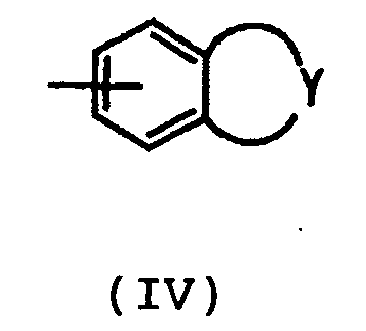
R55 represents
a hydrogen atom;
a halogen atom;
a C1-10 alkyl group that may be substituted with an aryl group(s), a heterocyclic group(s) or an aryloxy group(s), each of which may be substituted with a halogen atom(s); or with a group(s) represented by Formula -N(R62)R72 (where R62 and R72 each represent a hydrogen atom or a C1-6 alkyl group, or R62 and
R72, in combination with the adjacent nitrogen atom, form a cyclic amino group);
a C1-6 haloalkyl group;
a C1-10 alkoxy group;
a C1-6 alkylthio group;
a C1-6 alkylsulfonyl group;
an arylsulfonyl group that may be substituted with a C1-6 alkyl group(s) or a halogen atom(s);
a C1-6 haloalkoxy group;
a C1-6 haloalkylthio group;
a C3-10 cycloalkyl group;
a C2-6 alkenyl group;
a C2-6 alkenyloxy group;
a C2-6 alkenylthio group;
a C1-6 alkoxy-C1-6alkoxy group;
an aryl group that may be substituted with 1 to 3 groups selected from the group consisting of: a C1-6 alkyl group, a
C1-6 haloalkyl group, a halogen atom, a C1-6 alkoxy group, a cyano group and a nitro group;
a heterocyclic group that may be substituted with a C1-6 alkyl group(s) or a C1-6 haloalkyl group(s);
an aryloxy group or arylthio group that may be substituted with a halogen atom(s) or a C1-6 alkyl group(s);
a group represented by Formula -N(R63) R73 (where R63 and R73 each represent a hydrogen atom, a C1-6 alkyl group, a C1-6 hydroxyalkyl group, a C1-6 alkoxy-C1-6 alkyl group, an aryl group, a C1-6 alkanoyl group, a di-C1-6 alkylamino-C2-6 alkanoyl group, a benzoyl group, or a heterocyclic group that may be substituted with a C1-6 alkyl group (s), or R63 and R73, in combination with the adjacent nitrogen atom, form a cyclic amino group);
a hydroxyl group;
a cyano group;
a nitro group;
a C1-6 alkanoyl group;
a C1-6 alkanoyloxy group;
a C1-6 alkanoyloxy-C1-6 alkyl group;
a C2-6 haloalkanoyl group;
a carboxyl group;
a C2-6 alkoxycarbonyl group;
a C2-6 cyclic amino group that may be substituted with an aryl group(s);
a group represented by Formula -CON(R64)R74 (where R64 andR74 each represent a hydrogen atom, a C1-6 alkyl group, a C1-6 alkoxy-C1-6 alkyl group, or a heterocyclic group that may be substituted with a C1-6 alkyl group(s), or R64 and R74, in combination with the adjacent nitrogen atom, form a cyclic amino group);
a group represented by Formula -SO2N(R62)R62 (where R62 and R72 each represent a hydrogen atom, or a C1-6 alkyl group, or R62 and R72, in combination with the adjacent nitrogen atom, form a cyclic amino group);
a C1-6 alkylsulfenyl group;
a C1-6 alkylsulfonyl group that may be substituted with a halogen atom(s); or
an arylsulfonyl group that may be substituted with a halogen atom(s),
R56 represents
a hydrogen atom;
a halogen atom;
a C1-10 alkyl group that may be substituted with: an aryl group(s), a pyridyl group(s), a thienyl group(s) or a heterocyclic group(s), each of which may be substituted with a C1-6 alkyl group(s) or a halogen atom(s);
a C1-6 haloalkyl group;
a C3-10 cycloalkyl group;
a C1-10 alkoxy group;
a C2-6 alkenyl group;
an aryl group that may be substituted with 1 to 3 groups selected from the group consisting of: a C1-6 alkyl group, a halogen atom, a C1-6 alkoxy group and a nitro group;
a heterocyclic group that may be substituted with a C1-6 alkyl group(s);
a C1-6 alkanoyl group;
a C1-6 alkylsulfenyl group;
a C1-6 alkylsulfonyl group;
an arylsulfonyl group that may be substituted with a halogen atom(s);
a hydroxyl group;
a cyano group; or
a nitro group,
R57 represents
a hydrogen atom;
a C1-10 alkyl group that may be substituted with a pyridyl group(s) or a thienyl group(s);
a C1-6 haloalkyl group;
a C3-10 cycloalkyl group;
a halogen atom;
a C2-6 alkenyl group;
an aryl group that may be substituted with a halogen atom(s); a C1-10 alkoxy group;
a C1-6 alkanoyl group; or
a C1-6 alkylsulfenyl group, and
m represents an integer of 1 to 3),
a and b each represent 0 or 1, and
W represents -CO-, -CO-CO-, -CO-NH-, -CS-NH-, or -SO2-] or a pharmaceutically acceptable salt thereof, as an active ingredient. - The cannabinoid-receptor agonist according to claim 1 comprising the imine compound or the pharmaceutically acceptable salt thereof, as an active ingredient,
wherein
R1 represents
a hydrogen atom;
a halogen atom;
a C1-10 alkyl group that may be substituted with an aryl group(s) substituted with a halogen atom(s);
a C3-10 cycloalkyl group;
a C1-6 haloalkyl group;
a C1-10 alkoxy group;
a carboxyl group;
a C2-6 alkoxycarbonyl group;
a hydroxy-C1-6 alkyl group;
a group represented by Formula -N(R6)R7 (where R6 and R7 each represent a hydrogen atom or a C1-6 alkyl group, or R6 and R7,
in combination with the adjacent nitrogen atom, form a cyclic amino group);
a group represented by Formula -CON(R61)R71 (where R61 and R71 each represent a hydrogen atom or a C1-6 alkyl group that may be substituted with a cyclic amino group(s), or R61 and R71, in combination with the adjacent nitrogen atom, form a cyclic amino group); or
an aryl group that may be substituted with 1 to 3 groups selected from the group consisting of: a C1-6 alkyl group, a C1-6 haloalkyl group and a halogen atom,
R4 represents
a C1-10 alkyl group;
a C1-6 haloalkyl group;
a C1-10 alkyl group substituted with a C3-10 cycloalkyl group(s), a C1-6 alkoxy group(s), a hydroxyl group(s), an amino group(s), a phthalimide group(s), a cyano group(s), an arylthio group(s), a C2-6 alkoxycarbonyl group(s), a carboxyl group(s), a group(s) represented by Formula -CON(R62)R72 (where R62 and R72 each represent a hydrogen atom, or a C1-6 alkyl group, or R62 and R72, in combination with the adjacent nitrogen atom, form a cyclic amino group), or an aryl group(s) that may be substituted with a C1-6 haloalkyl group(s), a C2-6 alkoxycarbonyl group(s), a carboxyl group(s) or an N-piperidinocarbamoyl group(s);
a C2-6 alkenyl group that may be substituted with an aryl group(s);
a C2-6 haloalkenyl group;
a C2-6 alkynyl group;
a 1,1-dioxothiolanyl group; or
an aryl group,
R5 represents
a C1-10 alkoxy group;
a C1-6 haloalkyl group;
a C1-10 alkyl group or C2-6 alkenyl group that may be substituted with 1 to 3 groups selected from the group consisting of: a halogen atom, a C3-10 cycloalkyl group, a C2-6 alkoxycarbonyl group, a C1-6 haloalkyl group, a C1-6 alkoxy group that may be substituted with a C1-6 alkoxy group(s) or an aryl group(s), a C3-10 cycloalkoxy group that may be substituted with 1 to 2 C1-6 alkyl groups, an aryl group or aryloxy group that may be substituted with 1 to 5 groups selected from the group consisting of a C1-6 alkyl group, a C1-6 alkoxy group, a C1-6 haloalkyl group, a C1-6 haloalkoxy group,
an aralkyloxy group, a nitro group and a halogen atom, a heterocyclic group, a phthalimide group, a C1-6 alkanoyloxy group, an aralkyloxy group, a C1-6 alkylthio group, an arylthio group, and a group represented by Formula -N(R62)R72 (where R62 and R72 each represent a hydrogen atom or a C1-6 alkyl group, or R62 and R72, in combination with the adjacent nitrogen atom, form a cyclic amino group);
an aryloxy group that may be substituted with a C1-6 alkyl group(s), a C1-6 alkoxy group(s), a C2-6 alkoxycarbonyl group(s), a C1-6 haloalkyl group (s) or a C1-6 haloalkoxy group (s) ; or
a group represented by Formula (II), where
B represents
a C3-10 cycloalkyl group, an aryl group, or a heterocyclic group,
R55 and R56 each represent
a hydrogen atom;
a halogen atom;
a C1-10 alkyl group that may be substituted with: an aryl group(s), a heterocyclic group(s) or an aryloxy group(s), each of which may be substituted with a halogen atom(s); or with a group(s) represented by Formula -N(R62)R72 (R62 and R72 each represent a hydrogen atom or a C1-6 alkyl group, or R62 and R72, in combination with the adjacent nitrogen atom, form a cyclic amino group);
a C1-6 haloalkyl group;
a C1-10 alkoxy group;
a C1-6 alkylthio group;
a C1-6 alkylsulfonyl group;
an arylsulfonyl group that may be substituted with a C1-6 alkyl group(s) or a halogen atom(s);
a C1-6 haloalkoxy group
a C1-6 haloalkylthio group;
a C3-10 cycloalkyl group;
a C2-6 alkenyl group;
a C2-6 alkenyloxy group;
a C2-6 alkenylthio group;
a C1-6 alkoxy-C1-6alkoxy group;
an aryl group that may be substituted with 1 to 3 groups selected from the group consisting of: a C1-6 alkyl group, a C1-6 haloalkyl group, a halogen atom, a C1-6 alkoxy group, a cyano group and a nitro group;
a heterocyclic group that may be substituted with a C1-6 alkyl group(s) or a C1-6 haloalkyl group(s);
an aryloxy group or arylthio group that may be substituted with a halogen atom(s) or a C1-6 alkyl group(s);
a group represented by Formula-N(R63)R73(where R63 and R73 each represent a hydrogen atom, a C1-6 alkyl group, a C1-6 hydroxyalkyl group, a C1-6 alkoxy-C1-6 alkyl group, an aryl group, a C1-6 alkanoyl group, a di-C1-6 alkylamino-C2-6 alkanoyl group, a benzoyl group or a heterocyclic group that may be substituted with a C1-6 alkyl group(s), or R63 and R73, in combination with the adjacent nitrogen atom, form a cyclic amino group);
a hydroxyl group;
a cyano group;
a nitro group;
a C1-6 alkanoyl group;
a C1-6 alkanoyloxy group;
a C1-6 alkanoyloxy-C1-6 alkyl group;
a C2-6 haloalkanoyl group;
a carboxyl group;
a C2-6 alkoxycarbonyl group; or a group represented by Formula -CON(R64)R74(where R64 and R74 each represent a hydrogen atom, a C1-6 alkyl group, a C1-6 alkoxy-C1-6 alkyl group, or a heterocyclic group that may be substituted with a C1-6 alkyl group(s), or R64 and R74, in combination with the adjacent nitrogen atom, form a cyclic amino group),
R57 represents
a hydrogen atom;
a C1-10 alkyl group;
a C1-6 haloalkyl group;
a halogen atom; or
a C1-10 alkoxy group. - A cannabinoid-receptor agonist comprising an imine compound represented by Formula (I-1)


a hydrogen atom;
a halogen atom;
a C1-6 alkyl group
a C2-6 alkenyl group;
a C1-6 haloalkyl group;
a C1-6 alkoxy group; or a group represented by Formula -N(R6)R7 (where R6 and R7 each represent a hydrogen atom or a C1-6 alkyl group, or R6 and R7 in combination with the adjacent nitrogen atom, form a cyclic amino group),
R21 and R31 each represent
a hydrogen atom;
a halogen atom; or
a C1-6 alkyl group,
R41 represents
a C1-10 alkyl group or C2-6 alkenyl group that may be
substituted with a halogen atom(s), a C3-10 cycloalkyl group(s), an aryl group (s) or a C1-6 alkoxy group(s),
R51 represents
a C1-6 alkoxy group;
a C1-6 haloalkyl group;
a C1-10 alkyl group or C2-6 alkenyl group that may be substituted with 1 to 3 groups selected from the group consisting of: a halogen atom, a C3-10 cycloalkyl group, an aryl group or aryloxy group that may be substituted with 1 to 5 groups selected from the group consisting of a C1-6 alkyl group, a C1-6 alkoxy group, a C1-6 haloalkyl group and a halogen atom, and a heterocyclic group;
a group represented by Formula (II-1)
B represents
a C3-10 cycloalkyl group;
an aryl group;
a heterocyclic group;
a fluorenyl group; or
a group represented by Formula (IV-1)
R551 and R561 each represent
a hydrogen atom;
a halogen atom;
a C1-10 alkyl group that may be substituted with: an aryl group(s), a heterocyclic group(s) or an aryloxy group(s), each of which may be substituted with a halogen atom(s);
or with a group(s) represented by Formula -N(R62)R72 (where R62 and R72 each represent a hydrogen atom or a C1-6 alkyl group, or R62 and R72, in combination with the adjacent nitrogen atom, form a cyclic amino group);
a C1-6 haloalkyl group;
a C1-10 alkoxy group;
a C1-6 alkylthio group;
a C1-6 haloalkoxy group;
a C3-10 cycloalkyl group;
a C2-6 alkenyl group;
an aryl group that may be substituted with 1 to 3 groups selected from the group consisting of: a C1-6 alkyl group, a C1-6 haloalkyl group, a halogen atom, a C1-6 alkoxy group, and a nitro group;
a heterocyclic group that may be substituted with a C1-6 alkyl group(s);
an aryloxy group that may be substituted with a halogen atom(s);
a group represented by Formula -N (R634) R734 (where R634 and R734 each represent a hydrogen atom, a C1-6 alkyl group, an aryl group, or a C1-6 alkanoyl group, or R634 and R734, in combination with the adjacent nitrogen atom, form a cyclic amino group);
a hydroxyl group;
a cyano group;
a nitro group;
a C1-6 alkanoyl group;
a C2-6 haloalkanoyl group;
a C1-6 alkylsulfonyl group; or
an arylsulfonyl group that may be substituted with a halogen atom(s),
R571 represents
a hydrogen atom;
C1-10 alkyl group ;
a C1-10 alkoxy group; or
a halogen atom, and
m represents an integer of 1 to 3}
a and b each represent 0 or 1, and
W represents CO or SO2]
or a pharmaceutically acceptable salt thereof, as an active ingredient. - A cannabinoid-receptor agonist comprising the imine compound or the pharmaceutically acceptable salt thereof according to claim 3, as an active ingredient, wherein
R51 represents a C1-10 alkyl group or C2-6 alkenyl group that may be substituted with 1 to 3 groups selected from the group consisting of: a halogen atom, a C3-10 cycloalkyl group, and an aryl group, a thienyl group and an aryloxy group, each of which may be substituted with a C1-6 haloalkyl group(s) or a halogen atom(s); or
represents a group represented by Formula (II-1) where
R551 represents
a hydrogen atom;
a halogen atom;
a C1-10 alkyl group that may be substituted with an aryl group(s) that may be substituted with a halogen atom(s), a heterocyclic group(s) or an aryloxy group(s);
a C1-6 haloalkyl group;
a C1-10 alkoxy group;
a C1-6 haloalkoxy group;
a C3-10 cycloalkyl group;
an aryl group that may be substituted with 1 to 3 groups selected from the group consisting of: a C1-6 alkyl group, a halogen atom, a C1-6 alkoxy group and a nitro group;
a heterocyclic group that may be substituted with a C1-6 alkyl group(s); an aryloxy group that may be substituted with a halogen atom(s);
a group represented by Formula -N(R631)R731(where R631 and R731 each represent a hydrogen atom, a C1-6 alkyl group, an aryl group or' a C1-6 alkanoyl group, or R631 and R731, in combination with the adjacent nitrogen atom, form a cyclic amino group); a cyano group;
a C1-6 alkanoyl group;
a C2-6 haloalkanoyl group; or
a C1-6 alkylsulfonyl group,
R561 represents
a hydrogen atom;
a halogen atom;
a C1-10 alkyl group;
a C1-6 haloalkyl group; or
a C1-10 alkoxy group,
R571 represents
a hydrogen atom;
a halogen atom;
C1-10 alkyl group; or
a C1-10 alkoxy group. - A cannabinoid-receptor agonist comprising the imine compound or the pharmaceutically acceptable salt thereof according to claim 3 or 4, as an active ingredient, wherein
A1 is a ring represented by Formula below:
- A cannabinoid-receptor agonist comprising the imine compound or the pharmaceutically acceptable salt thereof according to claim 5, as an active ingredient, wherein
R51 represents
a C1-10 alkyl group that may be substituted with: a C3-10 cycloalkyl group(s), or an aryl group(s), a thienyl group(s) or an aryloxy group(s), each of which may be substituted with a C1-6 haloalkyl group(s) or a halogen atom(s); or
a group(s) represented by Formula (II-1), where
B represents
a C3-10 cycloalkyl group, an aryl group, or a heterocyclic group,
R551 represents
a halogen atom;
a C1-10 alkyl group;
a C1-6 haloalkyl group;
a C1-10 alkoxy group;
a C1-6 haloalkoxy group;
a C3-10 cycloalkyl group;
an aryl group that may be substituted with 1 to 3 groups selected from the group consisting of a C1-6 alkyl group and a halogen atom;
a heterocyclic group that may be substituted with a C1-6 alkyl group(s);
an aryloxy group;
a morpholino group;
an arylamino group;
a cyano group;
a C1-6 alkanoyl group;
a C2-6 haloalkanoyl group; or
a C1-6 alkylsulfonyl group,
R561 represents
a hydrogen atom;
a halogen atom;
a C1-10 alkyl group;
a C1-6 haloalkyl group; or
a C1-10 alkoxy group,
R571 represents
a hydrogen atom;
a halogen atom;
a C1-10 alkyl group; or
a C1-10 alkoxy group. - A cannabinoid-receptor agonist comprising the imine compound or the pharmaceutically acceptable salt thereof according to claim 6, as an active ingredient, wherein
R51 represents a group represented by Formula (II-1),
B represents a phenyl group,
R551 represents
a halogen atom;
a C1-10 alkyl group
a C1-6 haloalkyl group;
a C1-6 alkoxy group;
a C1-6 haloalkoxy group;
a C3-10 cycloalkyl group;
an aryl group
an aryloxy group;
a morpholino group;
an arylamino group
a cyano group
a C1-6 alkanoyl group;
a C2-6 haloalkanoyl group; or
a C1-6 alkylsulfonyl group,
R561 represents
a hydrogen atom;
a halogen atom;
a C1-6 haloalkyl group; or
a C1-6 alkoxy group,
R571 represents
a hydrogen atom;
a halogen atom;
a C1-10 alkyl group; or
a C1-10 alkoxy group (provided that when R551, R571 and R41 each are an alkyl group, the number of carbon atoms of R551 and R571 are 1 to 6, and the number of carbon atoms of R41 is 2 to 10), and
m represents 1. - The cannabinoid-receptor agonist according to any one of claims 1 to 7, being a cannabinoid type-1 receptor agonist or a cannabinoid type-2 receptor agonist.
- The cannabinoid-receptor agonist according to any one of claims 1 to 7, being a therapeutic drug or prophylactic drug for pain.
- The cannabinoid-receptor agonist according to any one of claims 1 to 7, being a therapeutic drug or prophylactic drug for autoimmune disease.
- An imine compound represented by Formula (I-1)



a hydrogen atom;
a halogen atom;
a C1-6 alkyl group
a C2-6 alkenyl group;
a C1-6 haloalkyl group;
a C1-6 alkoxy group; or a group represented by Formula-N(R6)R7 (where R6 and R7 each represent a hydrogen atom or a C1-6 alkyl group, or R6 and R7, in combination with the adjacent nitrogen atom, form a cyclic amino group),
R21 and R31 each represent
a hydrogen atom;
a halogen atom; or
a C1-6 alkyl group,
R41 represents
a C1-10 alkyl group or C2-6 alkenyl group that may be substituted with a halogen atom(s), a C3-10 cycloalkyl group(s), an aryl group(s) or a C1-6 alkoxy group(s),
R51 represents
a C1-6 alkoxy group;
a C1-6 haloalkyl group;
a C1-10 alkyl group or C2-6 alkenyl group that may be substituted with 1 to 3 groups selected from the group consisting of: a halogen atom, a C3-10 cycloalkyl group, an aryl group or aryloxy group that may be substituted with 1 to 5 groups selected from the group consisting of a C1-6 alkyl group, a C1-6 alkoxy group, a C1-6 haloalkyl group and a halogen atom, and a heterocyclic group;
a group represented by Formula (II-1)
B represents
a C3-10 cycloalkyl group;
an aryl group;
a heterocyclic group;
a fluorenyl group; or
a group represented by Formula (IV-1)
R551 and R561 each represent
a hydrogen atom;
a halogen atom;
a C1-10 alkyl group that may be substituted with: an aryl group(s), a heterocyclic group(s) or an aryloxy group(s), each of which may be substituted with a halogen atom(s); or with a group(s) represented by Formula -N(R62)R72 (where R62 and R71 each represent a hydrogen atom or a C1-6 alkyl group, or R62 and R72, in combination with the adjacent nitrogen atom, form a cyclic amino group);
a C1-6 haloalkyl group;
a C1-10 alkoxy group;
a C1-6 alkylthio group;
a C1-6 haloalkoxy group
a C3-10 cycloalkyl group;
a C2-6 alkenyl group;
an aryl group that may be substituted with 1 to 3 groups selected from the group consisting of: a C1-6 alkyl group, a C1-6 haloalkyl group, a halogen atom, a C1-6 alkoxy group and a nitro group;
a heterocyclic group that may be substituted with a C1-6 alkyl group(s);
an aryloxy group that may be substituted with a halogen atom(s);
a group represented by Formula -N(R634)R734(where R634 and R734 each represent a hydrogen atom, a C1-6 alkyl group, an aryl group, or a C1-6 alkanoyl group, or R634 and R734, in combination with the adjacent nitrogen atom, form a cyclic amino group);
a hydroxyl group;
a cyano group;
a nitro group;
a C1-6 alkanoyl group;
a C2-6 haloalkanoyl group;
a C1-6 alkylsulfonyl group; or
an arylsulfonyl group that may be substituted with a halogen atom(s),
R571 represents
a hydrogen atom;
a halogen atom;
a C1-10 alkyl group; or
a C1-10 alkoxy group, and
m represents an integer of 1 to 3}
a and b each represent 0 or 1, and
W represents CO or SO2],
or a pharmaceutically acceptable salt thereof. - The imine compound or the pharmaceutically acceptable salt thereof according to claim 11, wherein
R51 represents
a C1-10 alkyl group or C2-6 alkenyl group that may be substituted with 1 to 3 groups selected from the group consisting of: a halogen atom, a C3-10 cycloalkyl group, and an aryl group, a thienyl group and an aryloxy group, each of which may be substituted with a C1-6 haloalkyl group(s) or a halogen atom(s); or represents a group represented by Formula (II-1) where
R551 represents
a hydrogen atom;
a halogen atom;
a C1-10 alkyl group that may be substituted with an aryl group(s), a heterocyclic group(s) or an aryloxy group(s) that may be substituted with a halogen atom(s);
a C1-6 haloalkyl group;
a C1-10 alkoxy group;
a C1-6 haloalkoxy group;
a C3-10 cycloalkyl group;
an aryl group that may be substituted with 1 to 3 groups selected from the group consisting of: a C1-6 alkyl group, a halogen atom, a C1-6 alkoxy group and a nitro group;
a heterocyclic group that may be substituted with a C1-6 alkyl group(s);
an aryloxy group that may be substituted with a halogen atom(s);
a group represented by Formula -N(R631)R731(where R631 and R731 each represent a hydrogen atom, a C1-6 alkyl group, an aryl group or a C1-6 alkanoyl group, or R631 and R731, in combination with the adjacent nitrogen atom, form a cyclic amino group); a cyano group;
a C1-6 alkanoyl group;
a C2-6 haloalkanoyl group; or
a C1-6 alkylsulfonyl group,
R561 represents
a hydrogen atom;
a halogen atom;
a C1-10 alkyl group;
a C1-6 haloalkyl group; or
a C1-10 alkoxy group,
R571 represents
a hydrogen atom;
a halogen atom;
a C1-10 alkyl group; or
a C1-10 alkoxy group. - The imine compound or the pharmaceutically acceptable salt thereof according to claim 11 or 12, wherein W is -CO-.
- The imine compound or the pharmaceutically acceptable salt thereof according to claim 13, wherein
R41 represents a C1-10 alkyl group substituted with a C1-6 alkoxy group(s), or an aryl group(s); R551 is a C1-6 haloalkyl group; and R564 is a halogen atom. - The imine compound or the pharmaceutically acceptable salt thereof according to claim 13, wherein R41 represents a C1-10 alkyl group substituted with a C3-10 cycloalkyl group(s) or a C1-6 alkoxy group(s).
- The imine compound or the pharmaceutically acceptable salt thereof according to claim 14 or 15, wherein A1 is a 1,2-dihydropyridine ring.
- The imine compound or the pharmaceutically acceptable salt thereof according to claim 16, wherein
R51 represents a C1-10 alkyl group that may be substituted with: a C3-10 cycloalkyl group(s), or an aryl group, a thienyl group(s) or an aryloxy group(s), each of which may be substituted with a C1-6 haloalkyl group(s) or a halogen atom(s); or
a group represented by Formula (II-1),
B represents a C3-10 cycloalkyl group, an aryl group, or a heterocyclic group;
R551 represents
a halogen atom;
a C1-10 alkyl group
a C1-6 haloalkyl group;
a C1-10 alkoxy group;
a C1-6 haloalkoxy group;
a C3-10 cycloalkyl group;
an aryl group that may be substituted with 1 to 3 groups selected from the group consisting of a C1-6 alkyl group and a halogen atom;
a heterocyclic group that may be substituted with a C1-6 alkyl group(s);
an aryloxy group;
a morpholino group;
an arylamino group
a cyano group
a C1-6 alkanoyl group;
a C2-6 haloalkanoyl group; or
a C1-6 alkylsulfonyl group,
R561 represents
a hydrogen atom;
a halogen atom;
a C1-10 alkyl group;
a C1-6 haloalkyl group; or
a C1-10 alkoxy group,
R571 represents
a hydrogen atom;
a halogen atom;
a C1-10 alkyl group; or
a C1-10 alkoxy group. - The imine compound or the pharmaceutically acceptable salt thereof according to claim 17, wherein
R51 represents a group represented by Formula (II-1),
B represents a phenyl group,
R551 represents
a halogen atom;
a C1-10 alkyl group
a C1-6 haloalkyl group;
a C1-6 alkoxy group;
a C1-6 haloalkoxy group;
a C3-10 cycloalkyl group;
an aryl group
an aryloxy group;
a morpholino group;
an arylamino group
a cyano group
a C1-6 alkanoyl group;
a C2-6 haloalkanoyl group; or
a C1-6 alkylsulfonyl group,
R561 represents
a hydrogen atom;
a halogen atom;
a C1-6 haloalkyl group; or
a C1-6 alkoxy group,
R571 represents
a hydrogen atom;
a halogen atom;
C1-10 alkyl group; or
a C1-10 alkoxy group, and
m represents 1. - The imine compound or the pharmaceutically acceptable salt thereof according to claim 18, wherein R41 is a C1-10 alkyl group substituted with a C3-10 cycloalkyl group(s).
- The imine compound or the pharmaceutically acceptable salt thereof according to claim 19, wherein
R51 represents a phenyl group substituted with 1 to 3 groups selected from the group consisting of: a halogen atom, a C1-10 alkyl group, a C1-6 haloalkyl group, a C1-10 alkoxy group, a cyano group, and a C1-6 haloalkoxy group. - The imine compound or the pharmaceutically acceptable salt thereof according to any one of claims 13 to 20, wherein the double bond made of the carbon atom and the nitrogen atom contained in the group represented by >C=N-CO- in Formula (I-1) is in (Z) configuration.
- A cannabinoid-receptor agonist comprising an imine compound represented by Formula (1-2)

a hydrogen atom;
a halogen atom;
a C1-10 alkyl group;
a C1-6 haloalkyl group;
a C1-6 alkoxy group;
a carboxyl group;
a C2-6 alkoxycarbonyl group;
a hydroxy-C1-6 alkyl group;
an aryl group that may be substituted with 1 to 3 halogen atoms; or a group represented by Formula -CON(R61)R71 (where R61 and R71 each represent a hydrogen atom or a C1-6 alkyl group that may be substituted with a cyclic amino group(s), or R61 and R71, in combination with the adjacent nitrogen atom, form a cyclic amino group), or,
R11 and R22, in combination with the adjacent carbon atom, form a benzene ring, a pyridine ring or a cyclohexenyl ring that may be substituted with a C1-6 alkyl group(s) or a halogen atom(s);
R42 represents
a C1-10 alkyl group or C2-6 alkenyl group that may be substituted with: a halogen atom(s), a cyano group(s), a carboxyl group (s), a C2-6 alkoxycarbonyl group (s), a C3-10 cycloalkyl group(s), an aryl group(s) that may be substituted with a C1-6 haloalkyl group(s), a C1-6 haloalkoxy group(s), a C1-6 haloalkylthio group(s), a carboxyl group(s), a C2-6 alkoxycarbonyl group(s) or a piperidinocarbamoyl group(s), an arylthio group(s), a C1-6 alkoxy group(s), or a group(s) represented by Formula -CON(R62)R72 (where R62 and R72 each represent a hydrogen atom or a C1-6 alkyl group, or R62 and R72, in combination with the adjacent nitrogen atom, form a cyclic amino group); or
a C2-6 alkynyl group,
R52 represents
a hydrogen atom;
a C1-6 alkoxy group;
a C1-6 haloalkyl group;
a C1-10 alkyl group or C2-6 alkenyl group that may be substituted with 1 to 3 groups selected from the group consisting of: a halogen atom, a C3-10 cycloalkyl group, a C2-6 alkoxycarbonyl group, a C1-6 alkoxy group that may be substituted with a C1-6 alkoxy group(s) or an aryl group(s), a C3-10 cycloalkoxy group that may be substituted with a C1-6 alkyl group(s), an aryl group or aryloxy group that may be substituted with 1 to 5 groups selected from the group consisting of a C1-6 alkyl group, a C1-6 haloalkyl group, a C1-6 alkoxy group, an aralkyloxy group, a nitro group and a halogen atom, a heterocyclic group, a phthalimide group, a C1-6 alkanoyloxy group, an aralkyloxy group, a C1-6 alkylthio group, an arylthio group, and a group represented by -N(R62)R72 (where R62 and R72 each represent a hydrogen atom or a C1-6 alkyl group, or R62 and R72, in combination with the adjacent nitrogen atom, form a cyclic amino group);
an aryloxy group that may be substituted with a C1-6 alkyl group(s), a C1-6 alkoxy group(s), C2-6 alkoxycarbonyl group(s), or a C1-6 haloalkyl group(s) ;
an aralkyloxy group;
a group represented by Formula (II-2)
B represents
a C3-10 cycloalkyl group;
an aryl group;
a heterocyclic group;
a C2-6 cyclic amino group;
a fluorenyl group;
a 2-oxopyrrolidinyl group
a group represented by Formula (III)
a group represented by Formula (IV-2)
R552 represents
a hydrogen atom;
a halogen atom;
a C1-10 alkyl group that may be substituted with an aryl group(s) that may be substituted with a halogen atom(s); with an aryloxy group(s); or with a group(s) represented by Formula -N(R62)R72 (where R62 and R72 each represent a hydrogen atom or a C1-6 alkyl group, or R62 and R72, in combination with the adjacent nitrogen atom, form a cyclic amino group);
a C1-6 haloalkyl group;
a C1-10 alkoxy group;
a C1-6 alkylthio group;
a C1-6 alkylsulfonyl group
an arylthio group that may be substituted with a C1-6 alkyl group(s) or a halogen atom(s);
an arylsulfonyl group that may be substituted with a C1-6 alkyl group(s) or a halogen atom(s);
a C1-6 haloalkoxy group;
a C1-6 haloalkylthio group;
a C3-10 cycloalkyl group;
a C2-6 alkenyl group;
a C1-6 alkoxy-C1-6 alkoxy group;
an aryl group that may be substituted with 1 to 3 groups selected from the group consisting of : a C1-6 alkyl group, a
C1-6 haloalkyl group, a halogen atom, a C1-6 alkoxy group and a nitro group;
a heterocyclic group that may be substituted with a C1-6 alkyl group(s) or a C1-6 haloalkyl group(s);
an aryloxy group that may be substituted with a halogen atom(s);
a group represented by Formula -N(R63) R73 (where R63 and R73 each represent a hydrogen atom, a C1-6 alkyl group, a C1-6 hydroxyalkyl group, a C1-6 alkoxy-C1-6alkyl group, an aryl group, a C1-6 alkanoyl group, or R63 and R73, in combination with the adjacent nitrogen atom, form a cyclic amino group);
a hydroxyl group;
a cyano group;
a nitro group;
a carboxyl group;
a C2-6 alkoxycarbonyl group;
a C2-6 cyclic amino group that may be substituted with an aralkyl group(s) or an aryl group(s);
a group represented by Formula -CON(R64)R74 (where R64 and R74 each represent a hydrogen atom, a C1-6 alkyl group, a C1-6 alkoxy-C1-6 alkyl group, or a heterocyclic group that may be substituted with a C1-6 alkyl group(s), or R64 and R74, in combination with the adjacent nitrogen atom, form a cyclic amino group);
a group represented by Formula -SO2N(R62)R72 (where R62 and R72 each represent a hydrogen atom or a C1-6 alkyl group, or R62 and R72, in combination with the adjacent nitrogen atom, form a cyclic amino group);
a C1-6 alkylsulfonyl group that may be substituted with a halogen atom(s);
an arylsulfonyl group that may be substituted with a halogen atom(s); or
a 2-oxa-3-oxobicyclo[2.2.1]heptyl group,
R562 represents
a hydrogen atom;
a halogen atom;
a C1-10 alkyl group;
a C1-6 haloalkyl group; or
a C1-6 alkoxy group,
R572 represents
a hydrogen atom;
a C1-10 alkyl group
a C1-6 haloalkyl group;
a halogen atom; or
a C1-6 alkoxy group;
m represents an integer of 1 to 3}
X represents an oxygen atom or a sulfur atom;
W represents CO or SO2],
or a pharmaceutically acceptable salt thereof, as an active ingredient. - A cannabinoid-receptor agonist comprising the imine compound or the pharmaceutically acceptable salt thereof according to claim 22, as an active ingredient, wherein X is a sulfur atom.
- A cannabinoid-receptor agonist comprising the imine compound or the pharmaceutically acceptable salt thereof according to claim 23, as an active ingredient, wherein
R 12 represents
a hydrogen atom, a halogen atom, a C1-10 alkyl group, a carboxyl group, a C2-6 alkoxycarbonyl group, a group represented by Formula -CON(R61)R71 (where R61 and R71 each represent a hydrogen atom, or a C1-6 alkyl group that may be substituted with a cyclic amino group(s), or R61 and R71, in combination with the adjacent nitrogen atom, form a cyclic amino group), or an aryl group,
R22 represents
a hydrogen atom, a C1-10 alkyl group, a C1-6 haloalkyl group, or an aryl group, or
R11 and R22, in combination with the adjacent carbon atom, form a benzene ring, a pyridine ring or a cyclohexenyl ring that may be substituted with a C1-6 alkyl group (s) or a halogen atom(s). - A cannabinoid-receptor agonist comprising the imine compound or the pharmaceutically acceptable salt thereof according to claim 24, as an active ingredient, wherein
R42 represents
a C1-10 alkyl group or C2-6 alkenyl group that may be substituted with: a halogen atom(s), a cyano group(s), a carboxyl group(s), a C2-6 alkoxycarbonyl group(s), a C3-10 cycloalkyl group(s), an aryl group(s) that may be substituted with a C1-6 haloalkylthio group(s), a carboxyl group(s), or a C2-6 alkoxycarbonyl group(s), an arylthio group(s), a C1-6 alkoxy group(s) or a group represented by Formula -CON(R62)R72 (where R62 and R72 each represent a hydrogen atom or a C1-6 alkyl group, or R62 and R72, in combination with the adjacent nitrogen atom, form a cyclic amino group); or
a C2-6 alkynyl group,
R52 represents
a C1-6 alkoxy group;
a C1-6 haloalkyl group;
a C1-10 alkyl group or C2-6 alkenyl group that may be substituted with 1 to 3 groups selected from the group consisting of: a C3-10 cycloalkyl group, a C2-6 alkoxycarbonyl group, a C1-6 alkoxy group, an aryl group or aryloxy group that may be substituted with 1 to 5 groups selected from the group consisting of a C1-6 alkyl group, a C1-6 haloalkyl group, a C1-6 alkoxy group, an aralkyloxy group, a nitro group and a halogen atom, a heterocyclic group, a C1-6 alkylthio group, an arylthio group, and a group represented by Formula -N(R62)R72 (where R62 and R12 each represent a hydrogen atom or a C1-6 alkyl group, or R62 and R72, in combination with the adjacent nitrogen atom, form a cyclic amino group);
an aryloxy group that may be substituted with a C1-6 alkoxy group(s), C2-6 alkoxycarbonyl group(s), or a C1-6 haloalkyl group(s); or
a group represented by Formula (II), where
B represents
a C3-10 cycloalkyl group;
an aryl group; or
a heterocyclic group,
R552 represents
a hydrogen atom;
a halogen atom;
a C1-10 alkyl group that may be substituted with an aryl group (s) , or a group(s) represented by Formula -N(R62)R72 (R62 and R72 each represent a hydrogen atom or a C1-6 alkyl group, or R62 and R72, in combination with the adjacent nitrogen atom, form a cyclic amino group);
a C1-6 haloalkyl group;
a C1-10 alkoxy group;
a C1-6 alkylthio group;
a C1-6 alkylsulfonyl group;
an arylthio group;
an arylsulfonyl group that may be substituted with a halogen atom(s);
a C1-6 haloalkoxy group;
a C1-6 haloalkylthio group;
a C1-6 alkoxy-C1-6alkoxy group;
an aryl group that may be substituted with 1 to 3 groups selected from the group consisting of: a C1-6 haloalkyl group, a halogen atom, and a nitro group;
a heterocyclic group that may be substituted with a C1-6 haloalkyl group(s);
an aryloxy group that may be substituted with a halogen atom(s);
a group represented by Formula -N(R63)R73 (where R63 and R73 each represent a hydrogen atom, a C1-6 alkyl group, a C1-6 hydroxyalkyl group, a C1-6 alkoxy-C1-6 alkyl group, or a benzoyl group, or R63 and R73, in combination with the adjacent nitrogen atom, form a cyclic amino group);
a hydroxyl group;
a cyano group;
a nitro group;
a carboxyl group;
a C2-6 alkoxycarbonyl group; or a group represented by Formula -CON(R64)R74(where R64 and R74 each represent a hydrogen atom, a C1-6 alkyl group, a C1-6 alkoxy-C1-6 alkyl group or a heterocyclic group that may be substituted with a C1-6 alkyl group(s), or R64 and R74, in combination with the adjacent nitrogen atom, form a cyclic amino group),
R562 represents
a hydrogen atom;
a halogen atom;
a C1-10 alkyl group;
a C1-6 haloalkyl group; or
a C1-10 alkoxy group,
R572 represents
a hydrogen atom;
a halogen atom;
C1-10 alkyl group; or
a C1-6 alkoxy group. - A cannabinoid-receptor agonist comprising the imine compound or the pharmaceutically acceptable salt thereof according to claim 25, as an active ingredient, wherein
R52 represents a group represented by Formula (II-2) where
B represents a phenyl group or a pyridyl group;
R552 represents
a hydrogen atom;
a halogen atom;
a C1-10 alkyl group ;
a C1-6 haloalkyl group; or
a C1-10 alkoxy group,
R562 represents
a hydrogen atom;
a halogen atom;
a C1-10 alkyl group; or
a C1-6 alkoxy group,
R572 represents
a hydrogen atom;
a halogen atom; or
a C1-6 alkoxy group. - A cannabinoid-receptor agonist comprising the imine compound or the pharmaceutically acceptable salt thereof according to claim 26, as an active ingredient, wherein
R42 represents
a C1-10 alkyl group that may be substituted with: a halogen atom(s), a cyano group(s), a carboxyl group(s), a C2-6 alkoxycarbonyl group(s), a C3-10 cycloalkyl group(s), an aryl group(s) that may be substituted with a C1-6 haloalkylthio group(s), a carboxyl group(s) or a C2-6 alkoxycarbonyl group(s), an arylthio group(s), a C1-6 alkoxy group(s), or a group(s) represented by Formula -CON(R62)R72 (where R62 and R72 each represent a hydrogen atom or a C1-6 alkyl group, or R62 and R72, in combination with the adjacent nitrogen atom, form a cyclic amino group). - The cannabinoid-receptor agonist according to any one of claims 22 to 27, being a cannabinoid type-1 receptor agonist or a cannabinoid type-2 receptor agonist.
- The cannabinoid-receptor agonist according to any one of claims 22 to 27, being a therapeutic drug or prophylactic drug for pain.
- The cannabinoid-receptor agonist according to any one of claims 22 to 27, being a therapeutic drug or prophylactic drug for autoimmune disease.
- An imine compound represented by Formula (I-2)

W is CO,
R12 represents
a halogen atom;
a C1-6 alkyl group;
a C1-6 haloalkyl group;
a C1-6 alkoxy group;
a carboxyl group;
a C2-6 alkoxycarbonyl group;
a hydroxy-C1-6 alkyl group; or an aryl group that may be substituted with 1 to 3 halogen atoms; or a group represented by Formula -CON(R61)R71 (where R61 and R71 each represent a hydrogen atom or a C1-6 alkyl group that may be substituted with a cyclic amino group(s), or R61 and R71, in combination with the adjacent nitrogen atom, form a cyclic amino group),
R22 represents
a hydrogen atom:
a halogen atom;
a C1-10 alkyl group;
a C1-6 haloalkyl group; or
an aryl group, or
R12 and R22, in combination with the adjacent carbon atom, form a benzene ring, a pyridine ring or a cyclohexenyl ring that may be substituted with a C1-6 alkyl group(s) or a halogen atom(s),
R42 represents
a C1-10 alkyl group or C2-6 alkenyl group substituted with a C3-10 cycloalkyl group(s) or a C1-6 alkoxy group(s), and X is the same as those as defined regarding R52, or a pharmaceutically acceptable salt thereof. - The imine compound or the pharmaceutically acceptable salt thereof according to claim 31, wherein X is a sulfur atom.
- The imine compound or the pharmaceutically acceptable salt thereof according to claim 32, wherein R12 represents a halogen atom or a C1-10 alkyl group; and R22 represents a C1-10 alkyl group or a C1-6 haloalkyl group.
- The imine compound or the pharmaceutically acceptable
salt thereof according to claim 33, wherein
R52 represents
a C1-6 alkoxy group;
a C1-6 haloalkyl group;
a C1-10 alkyl group or C2-6 alkenyl group that may be
substituted with 1 to 3 groups selected from the group consisting of: a C3-10 cycloalkyl group, a C2-6 alkoxycarbonyl group, a C1-6 alkoxy group, an aryl group or aryloxy group that may be substituted with 1 to 5 groups selected from the group consisting of a C1-6 alkyl group, a C1-6 haloalkyl group, a C1-6 alkoxy group, an aralkyloxy group, a nitro group and a halogen atom, a heterocyclic group, a C1-6 alkylthio group, an arylthio group, and a group represented by Formula -N(R62)R72 (where R62 and R72 each represent a hydrogen atom or a C1-6 alkyl group, or R62 and R72, in combination with the adjacent nitrogen atom, form a cyclic amino group);
an aryloxy group that may be substituted with a C1-6 alkoxy group(s), C2-6 alkoxycarbonyl group(s), or a C1-6 haloalkyl group(s); or
a group represented by Formula (II-2) where
B represents
a C3-10 cycloalkyl group;
an aryl group; or
a heterocyclic group,
R552 represents
a hydrogen atom;
a halogen atom;
a C1-10 alkyl group that may be substituted with an aryl group(s), or a group(s) represented by Formula -N(R62)R72 (R62 and R72 each represent a hydrogen atom or a C1-6 alkyl group, or R62 and R72, in combination with the adjacent nitrogen atom, form a cyclic amino group);
a C1-6 haloalkyl group;
a C1-10 alkoxy group;
a C1-6 alkylthio group;
a C1-6 alkylsulfonyl group;
an arylthio group
an arylsulfonyl group that may be substituted with a halogen atom(s);
a C1-6 haloalkoxy group
a C1-6 haloalkylthio group;
a C1-6 alkoxy-C1-6alkoxy group;
an aryl group that may be substituted with 1 to 3 groups selected from the group consisting of: a C1-6 haloalkyl group, a halogen atom, and a nitro group;
a heterocyclic group that may be substituted with a C1-6 haloalkyl group(s);
an aryloxy group that may be substituted with a halogen atom(s);
a hydroxyl group;
a cyano group;
a nitro group;
a carboxyl group; or
a C2-6 alkoxycarbonyl group,
R562 represents
a hydrogen atom;
a halogen atom;
a C1-10 alkyl group; or
a C1-10 alkoxy group,
R572 represents
a hydrogen atom;
a halogen atom;
a C1-10 alkyl group; or a C1-10 alkoxy group. - The imine compound or the pharmaceutically acceptable salt thereof according to claim 34, wherein
R52 represents a group represented by Formula (II-2) where
B represents a phenyl group or a pyridyl group
R552 represents
a hydrogen atom;
a halogen atom;
a C1-10 alkyl group;
a C1-6 haloalkyl group;
a C1-10 alkoxy group; or
a C1-6 haloalkoxy group,
R562 represents
a hydrogen atom;
a halogen atom;
a C1-10 alkyl group; or
a C1-10 alkoxy group,
R572 represents
a hydrogen atom;
a halogen atom;
a C1-10 alkyl group; or a C1-6 alkoxy group. - The imine compound or the pharmaceutically acceptable salt thereof according to any one of claims 31 to 35, wherein the double bond represented by >C=N-CO- in Formula (I-2) is in (Z) configuration.
- A cannabinoid-receptor agonist comprising an imine compound represented by Formula (I-3)

X3 represents C(R13), S or O,
R13, R23 and R33 each represent
a hydrogen atom;
a C1-10 alkyl group that may be substituted with aryl group(s) substituted with a halogen atom(s);
a C1-6 haloalkyl group;
a C3-10 cycloalkyl group; or an aryl group or aralkyl group that may be substituted with 1 to 3 halogen atoms, or in the case where X3 is C(R13), R13 and R23 together represent a group represented by -CH2-S-CH2- (with the proviso that, R33 is not substituted in the case where X3 is S or O),
R43 represents
a 1,1-dioxothiolanyl group; or
a C1-10 alkyl group or C2-6 alkenyl group that may be substituted with a group(s) selected from the group consisting of: a C3-10 cycloalkyl group, a C1-6 haloalkyl group and a C1-6 alkoxy group; or
an aryl group,
R53 represents
a hydrogen atom;
a C1-10 alkoxy group;
a C1-6 alkoxy-C1-6alkoxy group;
a C1-6 haloalkyl group;
a C1-10 alkyl group or C2-6 alkenyl group that may be substituted with 1 to 3 groups selected from the group consisting of: a C1-6 alkoxy group, a C3-10 cycloalkyl group, a C2-6 alkoxycarbonyl group, an aryl group or aryloxy group that may be substituted with 1 to 5 groups selected from the group consisting of a C1-6 alkoxy group and a halogen atom, a heterocyclic group, a C1-6 alkanoyloxy group, an aralkyloxy group, and a C1-6 alkylthio group;
a group represented by Formula
a C3-10 cycloalkyl group;
an aryl group;
a heterocyclic group;
a C2-6 cyclic amino group;
a group represented by Formula (III)
a group represented by Formula (IV-3)
R553 represents
a hydrogen atom;
a halogen atom;
an aryl group;
a C1-10 alkyl group;
a C1-6 alkanoyloxy-C1-6 alkyl group;
a C1-6 haloalkyl group;
a C1-10 alkoxy group;
a C1-6 alkylthio group;
a C2-6 alkenyloxy group;
a C2-6 alkenylthio group;
a C1-6 haloalkoxy group;
a C1-6 haloalkylthio group;
an aryl group that may be substituted with 1 to 3 halogen atoms or cyano groups;
a heterocyclic group;
an aryloxy group or arylthio group that may be substituted with a halogen atom(s) or a C1-6 alkyl group(s);
a group represented by Formula -N(R633)R733 (where R633 and R733 each represent a hydrogen atom, a C1-6 alkyl group, a C1-6 alkanoyl group, a di-C1-6 alkylamino-C2-6 alkanoyl group, or a heterocyclic group that may be substituted with a C1-6 alkyl group (s), or R633 and R733, in combination with the adjacent nitrogen atom, form a cyclic amino group);
a cyano group;
a nitro group; or
a C2-6 alkoxycarbonyl group,
R563 represents
a hydrogen atom;
a halogen atom;
a C1-10 alkyl group; or
a C1-6 haloalkyl group,
R573 represents
a hydrogen atom;
a C1-10 alkyl group;
a halogen atom; or
a C1-10 alkoxy group,
m represents an integer of 1 to 3},
and
W represents -CO-, -CO-CO-, -CO-NH-, -CS-NH- or -SO2-] or a pharmaceutically acceptable salt thereof, as an active ingredient. - A cannabinoid-receptor agonist comprising the imine compound or the pharmaceutically acceptable salt thereof according to claim 37, as an active ingredient, wherein
R13 represents a hydrogen atom or a phenyl group; and R23 and R33 each represent a C1-6 alkyl group, a C1-6 haloalkyl group, or a C3-10 cycloalkyl group,
R43 represents
a C1-10 alkyl group that may be substituted with a group(s) selected from the group consisting of: a C3-10 cycloalkyl group, a C1-6 haloalkyl group and a C1-6 alkoxy group,
R53 represents
a C1-10 alkoxy group;
a C1-6 alkoxy-C1-6alkoxy group;
a C1-6 haloalkyl group;
a C1-10 alkyl group or C2-6 alkenyl group that may be
substituted with 1 to 3 groups selected from the group consisting of: a C1-6 alkoxy group, a C3-10 cycloalkyl group, a
C2-6 alkoxycarbonyl group, an aryl group or aryloxy group that may be substituted with 1 to 5 groups selected from the group consisting of a C1-6 alkoxy group and a halogen atom, a heterocyclic group, a C1-6 alkanoyloxy group, an aralkyloxy group, and a C1-6 alkylthio group;
a group represented by Formula (II-3);
where B represents
an aryl group, a furyl group, a thienyl group, pyrazolyl group, isoxazolyl group, pyridyl group, a group represented by Formula (III), or a group represented by Formula (IV-3). - A cannabinoid-receptor agonist comprising the imine compound or the pharmaceutically acceptable salt thereof according to claim 38, as an active ingredient, wherein W is -CO-.
- A cannabinoid-receptor agonist comprising the imine compound or the pharmaceutically acceptable salt thereof according to claim 39, as an active ingredient, wherein
X3 represents C(R13),
R53 represents
a C1-10 alkoxy group;
a C1-6 haloalkyl group;
a C1-10 alkyl group that may be substituted with 1 to 3 groups selected from the group consisting of: a C1-6 alkoxy group, a C3-10 cycloalkyl group, an aryl group that may be substituted with 1 to 5 groups selected from the group consisting of a C1-6 alkoxy group and a halogen atom; or a group represented by Formula (II-3) where B represents a phenyl group. - A cannabinoid-receptor agonist comprising the imine compound or the pharmaceutically acceptable salt thereof according to claim 40, as an active ingredient, wherein
R553 represents
a halogen atom;
a C1-10 alkyl group;
a C1-6 haloalkyl group;
a C1-10 alkoxy group;
a C1-6 haloalkoxy group;
an aryl group that may be substituted with 1 to 3 halogen atoms;
an aryloxy group that may be substituted with a halogen atom(s);
a group represented by Formula -N(R633)R733(where R633 and R733 each represent a hydrogen atom or a C1-6 alkyl group);
a cyano group;
a nitro group; or
a C2-6 alkoxycarbonyl group,
R563 represents
a hydrogen atom;
a halogen atom;
a C1-10 alkyl group;
a C1-6 alkoxy group; or
a C1-6 haloalkyl group,
R573 represents
a hydrogen atom;
a C1-10 alkyl group;
a halogen atom; or a C1-10 alkoxy group. - A cannabinoid-receptor agonist comprising the imine compound or the pharmaceutically acceptable salt thereof according to claim 39, as an active ingredient, wherein X3 is a sulfur atom; and R53 is a group represented by Formula (II-3)
where B is a phenyl group. - A cannabinoid-receptor agonist comprising the imine compound or the pharmaceutically acceptable salt thereof according to claim 42, as an active ingredient, wherein
R553 represents
a halogen atom;
a C1-10 alkyl group;
a C1-6 haloalkyl group; or
a C1-10 alkoxy group;
R563 represents
a hydrogen atom;
a halogen atom;
a C1-10 alkyl group;
a C1-6 alkoxy group; or
a C1-6 haloalkyl group,
R573 represents a hydrogen atom. - A cannabinoid-receptor agonist comprising the imine compound or the pharmaceutically acceptable salt thereof according to claim 41 or 43, as an active ingredient, where R43 is a C1-10 alkyl group substituted with a C3-10 cycloalkyl group(s).
- The cannabinoid-receptor agonist according to any one of claims 37 to 44, being a cannabinoid type-1 receptor agonist or a cannabinoid type-2 receptor agonist.
- The cannabinoid-receptor agonist according to any one of claims 37 to 44, being a therapeutic drug or prophylactic drug for pain.
- The cannabinoid-receptor agonist according to any one of claims 37 to 44, being a therapeutic drug or prophylactic drug for autoimmune disease.
- An imine compound represented by Formula (1-3)

X3 represents C(R13), S or O,
R13, R23 and R33 each represent
a hydrogen atom;
a C1-10 alkyl group that may be substituted with aryl group(s) substituted with a halogen atom(s);
a C1-6 haloalkyl group;
a C3-10 cycloalkyl group; or
an aryl group or aralkyl group that may be substituted with 1 to 3 halogen atoms, or
in the case where X3 is C(R13), R13 and R23 together represent a group represented by -CH2-S-CH2- (with the proviso that, R33 is not substituted in the case where X3 is S or O),
R43 represents
a 1,1-dioxothiolanyl group;
a C1-10 alkyl group or C2-6 alkenyl group that may be substituted with a group(s) selected from the group consisting of: a C3-10 cycloalkyl group, a C1-6 haloalkyl group and a C1-6 alkoxy group; or
an aryl group,
R53 represents
a hydrogen atom;
a C1-10 alkoxy group;
a C1-6 alkoxy-C1-6alkoxy group;
a C1-6 haloalkyl group;
a C1-10 alkyl group or C2-6 alkenyl group that may be substituted with 1 to 3 groups selected from the group consisting of: a C1-6 alkoxy group, a C3-10 cycloalkyl group, a C2-6 alkoxycarbonyl group, an aryl group or aryloxy group that may be substituted with 1 to 5 groups selected from the group consisting of a C1-6 alkoxy group and a halogen atom, a heterocyclic group, a C1-6 alkanoyloxy group, an aralkyloxy group, and a C1-6 alkylthio group;
a group represented by Formula (II-3)
a C3-10 cycloalkyl group;
an aryl group;
a heterocyclic group;
a C2-6 cyclic amino group;
a group represented by Formula (III)
a group represented by Formula (IV-3)
R553 represents
a hydrogen atom;
a halogen atom;
an aryl group;
a C1-10 alkyl group;
a C1-6 alkanoyloxy-C1-6alkyl group;
a C1-6 haloalkyl group;
a C1-10 alkoxy group;
a C1-6 alkylthio group;
a C2-6 alkenyloxy group;
a C2-6 alkenylthio group;
a C1-6 haloalkoxy group;
a C1-6 haloalkylthio group, an aryl group that may be substituted with 1 to 3 halogen atoms or cyano groups;
a heterocyclic group;
an aryloxy group or arylthio group that may be substituted with a halogen atom(s) or a C1-6 alkyl group(s);
a group represented by Formula -N(R633)R733(where R633 and R733 each represent a hydrogen atom, a C1-6 alkyl group, a C1-6 alkanoyl group, a di-C1-6 alkylamino-C2-6 alkanoyl group, or a heterocyclic group that may be substituted with a C1-6 alkyl group(s), or R633 and R733, in combination with the adjacent nitrogen atom, form a cyclic amino group);
a cyano group;
a nitro group; or
a C2-6 alkoxycarbonyl group,
R563 represents
a hydrogen atom;
a halogen atom;
a C1-10 alkyl group; or
a C1-6 haloalkyl group,
R573 represents
a hydrogen atom;
a C1-10 alkyl group;
a halogen atom; or
a C1-10 alkoxy group, and
m represents an integer of 1 to 3},
and
W represents -CO-, -CO-CO-, -CO-NH-, -CS-NH- or -SO2-]
or a pharmaceutically acceptable salt thereof. - The imine compound or the pharmaceutically acceptable salt thereof according to claim 48, wherein R13 represents a hydrogen atom or a phenyl group; and R23 and R33 each represent a C1-6 alkyl group, a C1-6 haloalkyl group or a C3-10 cycloalkyl group,
R43 represents
a C1-10 alkyl group that may be substituted with a group(s) selected from the group consisting of: a C3-10 cycloalkyl group and a C1-6 alkoxy group; or
a C1-6 haloalkyl group,
R53 represents
a C1-6 alkoxy group;
a C1-6 alkoxy-C1-6alkoxy group;
a C1-6 haloalkyl group;
a C1-10 alkyl group or C2-6 alkenyl group that may be
substituted with 1 to 3 groups selected from the group consisting of: a C1-6 alkoxy group, a C3-10 cycloalkyl group, a C2-6 alkoxycarbonyl group, an aryl group or aryloxy group that may be substituted with 1 to 5 groups selected from the group consisting of a C1-6 alkoxy group and a halogen atom, a heterocyclic group, a C1-6 alkanoyloxy group, an aralkyloxy group, and a C1-6 alkylthio group; or
a group represented by Formula (II-3), where
B represents
an aryl group, a furyl group, a thienyl group, pyrazolyl group, isoxazolyl group, pyridyl group, a group represented by Formula (III), or a group represented by Formula (IV-3). - The imine compound or the pharmaceutically acceptable salt thereof according to claim 49, wherein W is -CO-.
- The imine compound or the pharmaceutically acceptable salt thereof according to claim 50, wherein
X3 represents C(R13) ;
R53 represents
a C1-10 alkoxy group;
a C1-6 haloalkyl group;
a C1-10 alkyl group that may be substituted with 1 to 3 groups selected from the group consisting of: a C1-6 alkoxy group, a C3-10 cycloalkyl group, and an aryl group that may be substituted with 1 to 5 groups selected from the group consisting of a C1-6 alkoxy group and a halogen atom; or a group represented by Formula (II-3), where B represents a phenyl group. - The imine compound or the pharmaceutically acceptable salt thereof according to claim 51, wherein
R553 represents
a halogen atom;
a C1-10 alkyl group;
a C1-6 haloalkyl group;
a C1-10 alkoxy group;
a C1-6 haloalkoxy group;
an aryl group that may be substituted with 1 to 3 halogen atoms;
an aryloxy group that may be substituted with a halogen atom(s);
a group represented by Formula -N (R633) R733 (where R633 and R733 each represent a hydrogen atom or a C1-6 alkyl group;
a cyano group;
a nitro group; or
a C2-6 alkoxycarbonyl group,
R563 represents
a hydrogen atom;
a halogen atom;
a C1-10 alkyl group; or
a C1-6 haloalkyl group,
R573 represents
a hydrogen atom;
a C1-10 alkyl group;
a halogen atom; or
a C1-10 alkoxy group. - The imine compound or the pharmaceutically acceptable salt thereof according to claim 52, wherein R43 represents a C1-10 alkyl group substituted with a C3-10 cycloalkyl group(s).
- The imine compound or the pharmaceutically acceptable salt thereof according to claim 49, wherein X3 is a sulfur atom and W is -CO- or -SO2-.
- The imine compound or the pharmaceutically acceptable salt thereof according to claim 54, wherein
R23 represents a C1-6 alkyl group; R43 represents a C1-10 alkyl group substituted with a C3-10 cycloalkyl group;
R53 represents a group represented by Formula (II-3), where
B represents an aryl group, R553 represents a C1-6 haloalkyl group; and R563 represents a hydrogen atom, a halogen atom, a C1-10 alkyl group or a C1-10 alkoxy group; R573 represents a hydrogen atom. - The imine compound or the pharmaceutically acceptable salt thereof according to any one of claims 50 to 55, wherein the double bond represented by >C=N-CO- in Formula (I-3) is in (Z) configuration.
Applications Claiming Priority (5)
| Application Number | Priority Date | Filing Date | Title |
|---|---|---|---|
| JP2004330079 | 2004-11-15 | ||
| JP2004330080 | 2004-11-15 | ||
| JP2005162163 | 2005-06-02 | ||
| JP2005209774 | 2005-07-20 | ||
| PCT/JP2005/019977 WO2006051704A1 (en) | 2004-11-15 | 2005-10-31 | Imine compound |
Publications (1)
| Publication Number | Publication Date |
|---|---|
| EP1820504A1 true EP1820504A1 (en) | 2007-08-22 |
Family
ID=36336386
Family Applications (1)
| Application Number | Title | Priority Date | Filing Date |
|---|---|---|---|
| EP05800461A Withdrawn EP1820504A1 (en) | 2004-11-15 | 2005-10-31 | Imine compound |
Country Status (7)
| Country | Link |
|---|---|
| US (1) | US20080312435A1 (en) |
| EP (1) | EP1820504A1 (en) |
| JP (1) | JPWO2006051704A1 (en) |
| AU (1) | AU2005303223A1 (en) |
| CA (1) | CA2587667A1 (en) |
| RU (1) | RU2007122351A (en) |
| WO (1) | WO2006051704A1 (en) |
Cited By (26)
| Publication number | Priority date | Publication date | Assignee | Title |
|---|---|---|---|---|
| WO2007140385A3 (en) * | 2006-05-31 | 2008-02-07 | Abbott Lab | Thiazole compounds as cannabinoid receptor ligands and uses thereof |
| WO2008121558A1 (en) * | 2007-03-28 | 2008-10-09 | Abbott Laboratories | 1, 3-thiazol-2 (3h) -ylidene compounds as cannabinoid receptor ligands |
| WO2008130953A3 (en) * | 2007-04-17 | 2008-12-11 | Abbott Lab | 2-imin0is0thiaz0le derivatives as cannabinoid receptor ligands |
| WO2009067613A1 (en) * | 2007-11-21 | 2009-05-28 | Abbott Laboratories | Novel compounds as cannabinoid receptor ligands and uses thereof |
| WO2010019547A1 (en) * | 2008-08-15 | 2010-02-18 | Abbott Laboratories | Imine derivatives as cannabinoid receptor ligands |
| WO2010028338A3 (en) * | 2008-09-08 | 2010-07-22 | Abbott Laboratories | Novel compounds as cannabinoid receptor ligands |
| WO2010111573A1 (en) * | 2009-03-27 | 2010-09-30 | Abbott Laboratories | Compounds as cannabinoid receptor ligands |
| WO2010111574A1 (en) * | 2009-03-27 | 2010-09-30 | Abbott Laboratories | Compounds as cannabinoid receptor ligands |
| WO2010111572A1 (en) * | 2009-03-27 | 2010-09-30 | Abbott Laboratories | Compounds as cannabinoid receptor ligands |
| WO2010033543A3 (en) * | 2008-09-16 | 2010-11-18 | Abbott Laboratories | Substituted benzamides as cannabinoid receptor ligands |
| WO2011075522A1 (en) * | 2009-12-16 | 2011-06-23 | Abbott Laboratories | Prodrug compounds useful as cannabinoid ligands |
| US8044071B2 (en) | 2007-10-18 | 2011-10-25 | Abbott Laboratories | Method for reducing side effects of CB2 receptor agonist therapy using a combination of a selective CB2 receptor agonist and a selective CB1 receptor antagonist |
| US8058293B2 (en) | 2008-03-11 | 2011-11-15 | Abbott Laboratories | Compounds as cannabinoid receptor ligands |
| EP2219629A4 (en) * | 2007-10-12 | 2012-02-29 | Abbott Lab | Novel compounds as cannabinoid receptor ligands |
| US8501794B2 (en) | 2007-04-17 | 2013-08-06 | Abbvie Inc. | Compounds as cannabinoid receptor ligands |
| EP2634174A3 (en) * | 2012-02-29 | 2013-09-11 | Meiji Seika Pharma Co., Ltd. | Nitrogen-containing hetercyclic derivate having 2-imino group and pest control agent including the same |
| US8586596B2 (en) | 2010-06-15 | 2013-11-19 | Abbvie Inc. | Compounds as cannabinoid receptor ligands |
| US8735434B2 (en) | 2007-05-18 | 2014-05-27 | Abbvie Inc. | Compounds as cannabinoid receptor ligands |
| US8841334B2 (en) | 2006-05-31 | 2014-09-23 | Abbvie Inc. | Compounds as cannabinoid receptor ligands and uses thereof |
| US8895592B2 (en) | 2008-12-16 | 2014-11-25 | Abbvie Inc. | Compounds as cannabinoid receptor ligands |
| US9006275B2 (en) | 2006-05-31 | 2015-04-14 | Abbvie Inc. | Compounds as cannabinoid receptor ligands and uses thereof |
| EP2749555A4 (en) * | 2011-08-26 | 2015-05-06 | Meiji Seika Pharma Co Ltd | PROCESS FOR PRODUCING PEST CONTROL AGENT |
| WO2015177063A1 (en) * | 2014-05-19 | 2015-11-26 | Syngenta Participations Ag | Insecticidally active amide derivatives with sulfur-substituted phenyl or pyridine groups |
| WO2016005276A1 (en) * | 2014-07-07 | 2016-01-14 | Bayer Cropscience Aktiengesellschaft | Process for preparing fluorinated iminopyridine compounds |
| WO2016115013A1 (en) * | 2015-01-12 | 2016-07-21 | Janssen Pharmaceutica Nv | Cinnoline derivatives useful as cb-1 receptor inverse agonists |
| EP3118199A1 (en) * | 2015-07-13 | 2017-01-18 | Bayer CropScience AG | Herbicidal n-(tetrazol-5-yl)-, n-(triazol-5-yl)- and n-(1,3,4-oxadiazol-2-yl)arylcarboxamide derivatives |
Families Citing this family (21)
| Publication number | Priority date | Publication date | Assignee | Title |
|---|---|---|---|---|
| US7910613B2 (en) | 2004-09-22 | 2011-03-22 | H. Lundbeck A/S | 2-acylaminothiazole derivatives |
| TW200720264A (en) * | 2005-04-25 | 2007-06-01 | Lundbeck & Co As H | Pro-drugs of n-thiazol-2-yl-benzamide derivatives |
| US7674912B2 (en) | 2005-04-25 | 2010-03-09 | H. Lundbeck A/S | Pro-drugs of N-thiazol-2-yl-benzamide derivatives |
| RU2009110254A (en) * | 2006-08-24 | 2010-09-27 | Новартис АГ (CH) | 2- (PYRAZIN-2-IL) THIAZOLE DERIVATIVES AND 2- (1H-PYRAZOL-3-IL) THYRAZOL AND COMPOUNDS CONNECTED WITH IT AS STEAROIL-SOA INHIBERATOUS AND SMOKE |
| US7868038B2 (en) | 2006-08-31 | 2011-01-11 | Abbott Laboratories | Compounds as cannabinoid receptor ligands |
| WO2008028094A1 (en) | 2006-08-31 | 2008-03-06 | Abbott Laboratories | Compounds as cb2 cannabinoid receptor ligands |
| PL2090570T3 (en) | 2006-09-05 | 2012-03-30 | Kyowa Hakko Kirin Co Ltd | Imidazole derivative |
| JP5159630B2 (en) | 2006-09-13 | 2013-03-06 | 協和発酵キリン株式会社 | Fused heterocyclic derivatives |
| CN101516877B (en) * | 2006-09-22 | 2013-09-11 | 诺瓦提斯公司 | Heterocyclic organic compounds |
| US8481574B2 (en) | 2006-10-12 | 2013-07-09 | Abbott Laboratories | Compounds as cannabinoid receptor ligands |
| EP2121671A1 (en) * | 2006-12-20 | 2009-11-25 | Novartis AG | 2-substituted 5-membered heterocycles as scd inhibitors |
| US8158663B2 (en) | 2006-12-22 | 2012-04-17 | Abbott Laboratories | Compounds as cannabinoid receptor ligands and uses thereof |
| JP2011511782A (en) | 2008-02-12 | 2011-04-14 | アボット・ラボラトリーズ | Extended release hydrocodone acetaminophen and related methods and uses |
| US8466290B2 (en) * | 2008-07-10 | 2013-06-18 | Pharma Ip General Incorporated Association | STAT3 inhibitor containing quinolinecarboxamide derivative as active ingredient |
| US9650369B2 (en) * | 2012-09-28 | 2017-05-16 | Xavier University Of Louisiana | Anti-migration and anti-invasion thiazole analogs for treatment of cellular proliferative disease |
| US10206397B2 (en) * | 2013-09-19 | 2019-02-19 | Basf Se | N-acylimino heterocyclic compounds |
| JP6665196B2 (en) * | 2014-12-01 | 2020-03-13 | シンジェンタ パーティシペーションズ アーゲー | Pesticidally active amide heterocyclic derivatives with sulfur-containing substituents |
| KR20230062680A (en) * | 2016-06-23 | 2023-05-09 | 에프. 호프만-라 로슈 아게 | [1,2,3]triazolo[4,5-d]pyrimidine derivatives with affinity for the type-2 cannabinoid receptor |
| MD3762368T2 (en) | 2018-03-08 | 2022-07-31 | Incyte Corp | Aminopyrazine diol compounds as pi3k-y inhibitors |
| US11046658B2 (en) | 2018-07-02 | 2021-06-29 | Incyte Corporation | Aminopyrazine derivatives as PI3K-γ inhibitors |
| TW202412787A (en) | 2022-07-29 | 2024-04-01 | 日商住友製藥股份有限公司 | 2(1h)-pyridinimine derivative |
Family Cites Families (24)
| Publication number | Priority date | Publication date | Assignee | Title |
|---|---|---|---|---|
| US3253913A (en) * | 1960-10-13 | 1966-05-31 | Eastman Kodak Co | Process for color electrophotography |
| US3149990A (en) * | 1962-01-19 | 1964-09-22 | Minnesota Mining & Mfg | Heat-sensitive copy-sheet |
| US3455932A (en) * | 1967-08-23 | 1969-07-15 | Smithkline Corp | 2-arylsulfonyliminoquinoline compounds |
| US3655895A (en) * | 1969-07-07 | 1972-04-11 | Ciba Geigy Corp | Methods of treatment using 2-acylimino-1 3-diazacycloalkanes |
| US4342764A (en) * | 1979-05-29 | 1982-08-03 | Ciba-Geigy Corporation | Guanidine compounds, pharmaceutical compositions and use |
| JPS55162765A (en) * | 1979-05-29 | 1980-12-18 | Ciba Geigy Ag | Guanidine* its manufacture* drug blend containing same and its use |
| FR2482596A1 (en) * | 1980-05-19 | 1981-11-20 | Roussel Uclaf | NOVEL 2-SUBSTITUTED 4-HYDROXY 3-QUINOLINE CARBOXYLIC ACID DERIVATIVES, PROCESS FOR THEIR PREPARATION AND THEIR USE AS A MEDICINAL PRODUCT |
| JPS57171986A (en) * | 1981-04-14 | 1982-10-22 | Taiho Yakuhin Kogyo Kk | Heterocylic ring compound containing sulfur |
| JPS5880634A (en) * | 1981-11-09 | 1983-05-14 | Konishiroku Photo Ind Co Ltd | Photographic silver halide emulsion |
| JPS60233067A (en) * | 1984-05-07 | 1985-11-19 | Mitsui Toatsu Chem Inc | 2-imino-1,3,4-thiadiazoline derivative, its preparation and agricultural and horticultural fungicide composed of said compound |
| WO1989003682A1 (en) * | 1987-10-26 | 1989-05-05 | Pfizer Inc. | Benzothiazine dioxide derivatives |
| DE4021439A1 (en) * | 1989-12-14 | 1991-06-20 | Bayer Ag | 2-iminopyridine DERIVATIVES |
| FR2713225B1 (en) * | 1993-12-02 | 1996-03-01 | Sanofi Sa | Substituted N-piperidino-3-pyrazolecarboxamide. |
| EP0966436B1 (en) * | 1997-02-21 | 2002-12-11 | Bayer Aktiengesellschaft | Aryl sulfonamides and analogues thereof and their use in the treatment of neurodegenerative diseases |
| CA2283925A1 (en) * | 1997-03-24 | 1998-10-01 | Basf Aktiengesellschaft | Thiazolimine derivatives |
| DE19843766A1 (en) * | 1998-09-24 | 2000-03-30 | Bayer Ag | Substituted thiazole (in) ylidene aminosulfonylamino (thio) carbonyl triazolinones |
| CN100369903C (en) * | 2000-06-30 | 2008-02-20 | 大日本住友制药株式会社 | five-membered ring compound |
| JP2003192591A (en) * | 2001-12-27 | 2003-07-09 | Sumitomo Pharmaceut Co Ltd | Pharmaceuticals consisting of 5-membered ring compounds |
| EP2130820A1 (en) * | 2002-02-19 | 2009-12-09 | Shionogi & Co., Ltd. | Antipruritics |
| JP2003292485A (en) * | 2002-04-01 | 2003-10-15 | Yamanouchi Pharmaceut Co Ltd | Sulfonamide derivative |
| JP4522850B2 (en) * | 2002-05-16 | 2010-08-11 | メリアル リミテッド | Pesticide pyridinecarboxamide derivatives |
| EP1546115A4 (en) * | 2002-09-27 | 2010-08-04 | Merck Sharp & Dohme | SUBSTITUTED PYRIMIDINES |
| US20070105908A1 (en) * | 2003-06-27 | 2007-05-10 | Dainippon Sumitomo Pharma Co., Ltd. | Thiazolimine compound and oxazolimine compound |
| WO2005075435A1 (en) * | 2004-01-30 | 2005-08-18 | Vertex Pharmaceuticals Incorporated | Modulators of atp-binding cassette transporters |
-
2005
- 2005-10-31 WO PCT/JP2005/019977 patent/WO2006051704A1/en not_active Ceased
- 2005-10-31 EP EP05800461A patent/EP1820504A1/en not_active Withdrawn
- 2005-10-31 RU RU2007122351/04A patent/RU2007122351A/en not_active Application Discontinuation
- 2005-10-31 AU AU2005303223A patent/AU2005303223A1/en not_active Abandoned
- 2005-10-31 JP JP2006544838A patent/JPWO2006051704A1/en active Pending
- 2005-10-31 CA CA002587667A patent/CA2587667A1/en not_active Abandoned
- 2005-10-31 US US11/667,728 patent/US20080312435A1/en not_active Abandoned
Non-Patent Citations (1)
| Title |
|---|
| See references of WO2006051704A1 * |
Cited By (54)
| Publication number | Priority date | Publication date | Assignee | Title |
|---|---|---|---|---|
| WO2007140385A3 (en) * | 2006-05-31 | 2008-02-07 | Abbott Lab | Thiazole compounds as cannabinoid receptor ligands and uses thereof |
| US8546583B2 (en) | 2006-05-31 | 2013-10-01 | Abbvie Inc. | Compounds as cannabinoid receptor ligands and uses thereof |
| US9006275B2 (en) | 2006-05-31 | 2015-04-14 | Abbvie Inc. | Compounds as cannabinoid receptor ligands and uses thereof |
| US8841334B2 (en) | 2006-05-31 | 2014-09-23 | Abbvie Inc. | Compounds as cannabinoid receptor ligands and uses thereof |
| WO2008121558A1 (en) * | 2007-03-28 | 2008-10-09 | Abbott Laboratories | 1, 3-thiazol-2 (3h) -ylidene compounds as cannabinoid receptor ligands |
| US8865753B2 (en) | 2007-03-28 | 2014-10-21 | Abbvie Inc. | Compounds as cannabinoid receptor ligands |
| US7875640B2 (en) | 2007-03-28 | 2011-01-25 | Abbott Laboratories | Compounds as cannabinoid receptor ligands |
| WO2008130953A3 (en) * | 2007-04-17 | 2008-12-11 | Abbott Lab | 2-imin0is0thiaz0le derivatives as cannabinoid receptor ligands |
| US8501794B2 (en) | 2007-04-17 | 2013-08-06 | Abbvie Inc. | Compounds as cannabinoid receptor ligands |
| US8835475B2 (en) | 2007-04-17 | 2014-09-16 | Abbvie Inc. | Compounds as cannabinoid receptor ligands |
| US7872033B2 (en) | 2007-04-17 | 2011-01-18 | Abbott Laboratories | Compounds as cannabinoid receptor ligands |
| US8735434B2 (en) | 2007-05-18 | 2014-05-27 | Abbvie Inc. | Compounds as cannabinoid receptor ligands |
| US9193713B2 (en) | 2007-10-12 | 2015-11-24 | Abbvie Inc. | Compounds as cannabinoid receptor ligands |
| EP2219629A4 (en) * | 2007-10-12 | 2012-02-29 | Abbott Lab | Novel compounds as cannabinoid receptor ligands |
| US8044071B2 (en) | 2007-10-18 | 2011-10-25 | Abbott Laboratories | Method for reducing side effects of CB2 receptor agonist therapy using a combination of a selective CB2 receptor agonist and a selective CB1 receptor antagonist |
| WO2009067613A1 (en) * | 2007-11-21 | 2009-05-28 | Abbott Laboratories | Novel compounds as cannabinoid receptor ligands and uses thereof |
| US8058293B2 (en) | 2008-03-11 | 2011-11-15 | Abbott Laboratories | Compounds as cannabinoid receptor ligands |
| US8338467B2 (en) | 2008-03-11 | 2012-12-25 | Abbvie Inc. | Compounds as cannabinoid receptor ligands |
| JP2012500198A (en) * | 2008-08-15 | 2012-01-05 | アボット・ラボラトリーズ | Imine derivatives as cannabinoid receptor ligands |
| WO2010019547A1 (en) * | 2008-08-15 | 2010-02-18 | Abbott Laboratories | Imine derivatives as cannabinoid receptor ligands |
| US8173687B2 (en) | 2008-08-15 | 2012-05-08 | Abbott Laboratories | Compounds as cannabinoid receptor ligands |
| EP2546241A1 (en) * | 2008-09-08 | 2013-01-16 | Abbott Laboratories | Cannabinoid receptor ligands |
| WO2010028338A3 (en) * | 2008-09-08 | 2010-07-22 | Abbott Laboratories | Novel compounds as cannabinoid receptor ligands |
| JP2012502062A (en) * | 2008-09-08 | 2012-01-26 | アボット・ラボラトリーズ | Novel compounds as cannabinoid receptor ligands |
| US8846730B2 (en) | 2008-09-08 | 2014-09-30 | Abbvie Inc. | Compounds as cannabinoid receptor ligands |
| WO2010033543A3 (en) * | 2008-09-16 | 2010-11-18 | Abbott Laboratories | Substituted benzamides as cannabinoid receptor ligands |
| EP2428507A3 (en) * | 2008-09-16 | 2012-06-13 | Abbott Laboratories | Cannabinoid receptor ligands |
| US8188135B2 (en) | 2008-09-16 | 2012-05-29 | Abbott Laboratories | Compounds as cannabinoid receptor ligands |
| EP2896615A1 (en) * | 2008-09-16 | 2015-07-22 | AbbVie Bahamas Limited | Cannabinoid receptor ligands |
| JP2012502917A (en) * | 2008-09-16 | 2012-02-02 | アボット・ラボラトリーズ | Substituted benzamides as cannabinoid receptor ligands |
| US8859596B2 (en) | 2008-09-16 | 2014-10-14 | Abbvie Inc. | Compounds as cannabinoid receptor ligands |
| US8895592B2 (en) | 2008-12-16 | 2014-11-25 | Abbvie Inc. | Compounds as cannabinoid receptor ligands |
| WO2010111574A1 (en) * | 2009-03-27 | 2010-09-30 | Abbott Laboratories | Compounds as cannabinoid receptor ligands |
| US8492371B2 (en) | 2009-03-27 | 2013-07-23 | Abbvie Inc. | Compounds as cannabinoid receptor ligands |
| US8288428B2 (en) | 2009-03-27 | 2012-10-16 | Abbott Laboratories | Compounds as cannabinoid receptor ligands |
| WO2010111572A1 (en) * | 2009-03-27 | 2010-09-30 | Abbott Laboratories | Compounds as cannabinoid receptor ligands |
| WO2010111573A1 (en) * | 2009-03-27 | 2010-09-30 | Abbott Laboratories | Compounds as cannabinoid receptor ligands |
| EP2851366A1 (en) * | 2009-03-27 | 2015-03-25 | Abbvie Inc. | Compounds as cannabinoid receptor ligands |
| US8236822B2 (en) | 2009-03-27 | 2012-08-07 | Abbott Laboratories | Compounds as cannabinoid receptor ligands |
| US8536336B2 (en) | 2009-12-16 | 2013-09-17 | Abbvie Inc. | Prodrug compounds useful as cannabinoid ligands |
| WO2011075522A1 (en) * | 2009-12-16 | 2011-06-23 | Abbott Laboratories | Prodrug compounds useful as cannabinoid ligands |
| US8586596B2 (en) | 2010-06-15 | 2013-11-19 | Abbvie Inc. | Compounds as cannabinoid receptor ligands |
| EP3318554A1 (en) * | 2011-08-26 | 2018-05-09 | Meiji Seika Pharma Co., Ltd. | Method for producing pest control agent |
| EP2749555A4 (en) * | 2011-08-26 | 2015-05-06 | Meiji Seika Pharma Co Ltd | PROCESS FOR PRODUCING PEST CONTROL AGENT |
| WO2013129692A3 (en) * | 2012-02-29 | 2013-12-05 | Meiji Seika Pharma Co., Ltd. | Nitrogen-containing heterocyclic derivative having 2-imino group and pest control agent including the same |
| EP2634174A3 (en) * | 2012-02-29 | 2013-09-11 | Meiji Seika Pharma Co., Ltd. | Nitrogen-containing hetercyclic derivate having 2-imino group and pest control agent including the same |
| WO2015177063A1 (en) * | 2014-05-19 | 2015-11-26 | Syngenta Participations Ag | Insecticidally active amide derivatives with sulfur-substituted phenyl or pyridine groups |
| CN106458909A (en) * | 2014-05-19 | 2017-02-22 | 先正达参股股份有限公司 | Insecticidally active amide derivatives with sulfur-substituted phenyl or pyridine groups |
| US9701659B2 (en) | 2014-05-19 | 2017-07-11 | Syngenta Participations Ag | Insecticidally active amide derivatives with sulfur-substituted phenyl or pyridine groups |
| CN106458909B (en) * | 2014-05-19 | 2020-03-17 | 先正达参股股份有限公司 | Insecticidal amide derivatives with sulfur-substituted phenyl or pyridine groups |
| WO2016005276A1 (en) * | 2014-07-07 | 2016-01-14 | Bayer Cropscience Aktiengesellschaft | Process for preparing fluorinated iminopyridine compounds |
| WO2016115013A1 (en) * | 2015-01-12 | 2016-07-21 | Janssen Pharmaceutica Nv | Cinnoline derivatives useful as cb-1 receptor inverse agonists |
| US9732061B2 (en) | 2015-01-12 | 2017-08-15 | Janssen Pharmaceutica Nv | Cinnoline derivatives useful as CB-1 receptor inverse agonists |
| EP3118199A1 (en) * | 2015-07-13 | 2017-01-18 | Bayer CropScience AG | Herbicidal n-(tetrazol-5-yl)-, n-(triazol-5-yl)- and n-(1,3,4-oxadiazol-2-yl)arylcarboxamide derivatives |
Also Published As
| Publication number | Publication date |
|---|---|
| JPWO2006051704A1 (en) | 2008-05-29 |
| WO2006051704A1 (en) | 2006-05-18 |
| CA2587667A1 (en) | 2006-05-18 |
| AU2005303223A1 (en) | 2006-05-18 |
| RU2007122351A (en) | 2008-12-20 |
| US20080312435A1 (en) | 2008-12-18 |
Similar Documents
| Publication | Publication Date | Title |
|---|---|---|
| US20080312435A1 (en) | Imine Compound | |
| EP1252156B1 (en) | Blockade of voltage dependent sodium channels | |
| ES2551085T3 (en) | Process for preparing condensed pyrimidine-dione derivatives, useful as TRPA1 modulators | |
| CA2751141C (en) | Inhibitors of jun n-terminal kinase | |
| US8163756B2 (en) | Enzyme modulators and treatments | |
| KR101715190B1 (en) | Pharmaceutical compounds | |
| EP1940792B1 (en) | Aminopyrimidine, aminopyridine and aniline derivatives as inhibitors of pim-1 and/or pim-3 | |
| JP6552061B2 (en) | Negative allosteric modulators (NAMS) of metabotropic glutamate receptors and their use | |
| WO2010007756A1 (en) | Pyridine derivative having ttk inhibition activity | |
| WO2015158204A1 (en) | Amide derivatives and pharmaceutically acceptable salts thereof, preparation method therefor and medicinal application thereof | |
| JP2009523748A (en) | Modulators of α7 nicotinic acetylcholine receptors and their use in therapy | |
| CA3191172A1 (en) | Quinoline cgas antagonist compounds | |
| IL280719B2 (en) | Transglutaminase 2 (tg2) inhibitors | |
| TW201016702A (en) | Novel pyrrolinone derivative and pharmaceutical composition comprising the same | |
| WO2008121861A2 (en) | Pyrazole and pyrrole compounds useful in treating iron disorders | |
| AU2013255437A1 (en) | Substituted pyridine compounds as CRAC modulators | |
| WO2019101086A1 (en) | Halo-allylamine ssao/vap-1 inhibitor and use thereof | |
| Sánchez et al. | Synthesis and evaluation of quinazoline derivatives as phosphodiesterase 7 inhibitors | |
| AU2018300123A1 (en) | New heteroaryl amide derivatives as selective inhibitors of histone deacetylases 1 and 2 (HDAC1-2) | |
| AU2019293727B2 (en) | Novel LXR modulators with bicyclic core moiety | |
| EP2099789A1 (en) | Inhibitors of hiv replication | |
| JP2007522142A (en) | Benzimidazole-substituted thiophene derivatives having activity against IKK3 | |
| US7595332B2 (en) | Amides that inhibit vanilloid receptor subtype 1 (VR1) | |
| TWI683808B (en) | Amine or (thio)amide containing lxr modulators | |
| WO2022127199A1 (en) | Polycyclic compounds for inhibiting rna helicase dhx33 and use thereof |
Legal Events
| Date | Code | Title | Description |
|---|---|---|---|
| PUAI | Public reference made under article 153(3) epc to a published international application that has entered the european phase |
Free format text: ORIGINAL CODE: 0009012 |
|
| 17P | Request for examination filed |
Effective date: 20070604 |
|
| AK | Designated contracting states |
Kind code of ref document: A1 Designated state(s): AT BE BG CH CY CZ DE DK EE ES FI FR GB GR HU IE IS IT LI LT LU LV MC NL PL PT RO SE SI SK TR |
|
| AX | Request for extension of the european patent |
Extension state: AL BA HR MK YU |
|
| STAA | Information on the status of an ep patent application or granted ep patent |
Free format text: STATUS: THE APPLICATION IS DEEMED TO BE WITHDRAWN |
|
| 18D | Application deemed to be withdrawn |
Effective date: 20100503 |