EP1800674A1 - Agent for preventing metabolic syndrome - Google Patents
Agent for preventing metabolic syndrome Download PDFInfo
- Publication number
- EP1800674A1 EP1800674A1 EP06256219A EP06256219A EP1800674A1 EP 1800674 A1 EP1800674 A1 EP 1800674A1 EP 06256219 A EP06256219 A EP 06256219A EP 06256219 A EP06256219 A EP 06256219A EP 1800674 A1 EP1800674 A1 EP 1800674A1
- Authority
- EP
- European Patent Office
- Prior art keywords
- astaxanthin
- agent
- preventing
- insulin resistance
- fat
- Prior art date
- Legal status (The legal status is an assumption and is not a legal conclusion. Google has not performed a legal analysis and makes no representation as to the accuracy of the status listed.)
- Withdrawn
Links
- 208000001145 Metabolic Syndrome Diseases 0.000 title claims abstract description 32
- 201000000690 abdominal obesity-metabolic syndrome Diseases 0.000 title claims abstract description 32
- 235000013793 astaxanthin Nutrition 0.000 claims abstract description 86
- JEBFVOLFMLUKLF-IFPLVEIFSA-N Astaxanthin Natural products CC(=C/C=C/C(=C/C=C/C1=C(C)C(=O)C(O)CC1(C)C)/C)C=CC=C(/C)C=CC=C(/C)C=CC2=C(C)C(=O)C(O)CC2(C)C JEBFVOLFMLUKLF-IFPLVEIFSA-N 0.000 claims abstract description 85
- 239000001168 astaxanthin Substances 0.000 claims abstract description 85
- MQZIGYBFDRPAKN-ZWAPEEGVSA-N astaxanthin Chemical compound C([C@H](O)C(=O)C=1C)C(C)(C)C=1/C=C/C(/C)=C/C=C/C(/C)=C/C=C/C=C(C)C=CC=C(C)C=CC1=C(C)C(=O)[C@@H](O)CC1(C)C MQZIGYBFDRPAKN-ZWAPEEGVSA-N 0.000 claims abstract description 85
- 229940022405 astaxanthin Drugs 0.000 claims abstract description 85
- 239000003795 chemical substances by application Substances 0.000 claims abstract description 67
- 206010022489 Insulin Resistance Diseases 0.000 claims abstract description 56
- 208000001072 type 2 diabetes mellitus Diseases 0.000 claims abstract description 54
- 150000002148 esters Chemical class 0.000 claims abstract description 34
- 208000037265 diseases, disorders, signs and symptoms Diseases 0.000 claims abstract description 26
- 201000010099 disease Diseases 0.000 claims abstract description 25
- 208000008589 Obesity Diseases 0.000 claims description 18
- 235000020824 obesity Nutrition 0.000 claims description 18
- 206010012601 diabetes mellitus Diseases 0.000 claims description 14
- 238000004519 manufacturing process Methods 0.000 claims description 13
- 206010020772 Hypertension Diseases 0.000 claims description 11
- 201000005577 familial hyperlipidemia Diseases 0.000 claims description 10
- 206010003210 Arteriosclerosis Diseases 0.000 claims description 7
- 208000011775 arteriosclerosis disease Diseases 0.000 claims description 7
- 241000168525 Haematococcus Species 0.000 claims description 6
- 208000026106 cerebrovascular disease Diseases 0.000 claims description 5
- 235000013402 health food Nutrition 0.000 claims description 3
- 208000030159 metabolic disease Diseases 0.000 claims description 3
- 208000010125 myocardial infarction Diseases 0.000 claims description 3
- 206010002383 Angina Pectoris Diseases 0.000 claims description 2
- 208000004930 Fatty Liver Diseases 0.000 claims description 2
- 206010019708 Hepatic steatosis Diseases 0.000 claims description 2
- 206010033645 Pancreatitis Diseases 0.000 claims description 2
- 206010008118 cerebral infarction Diseases 0.000 claims description 2
- 208000010706 fatty liver disease Diseases 0.000 claims description 2
- 239000008194 pharmaceutical composition Substances 0.000 claims description 2
- 231100000240 steatosis hepatitis Toxicity 0.000 claims description 2
- 239000013589 supplement Substances 0.000 claims description 2
- 235000009200 high fat diet Nutrition 0.000 abstract description 28
- 210000000577 adipose tissue Anatomy 0.000 abstract description 22
- 210000001789 adipocyte Anatomy 0.000 abstract description 18
- 238000009825 accumulation Methods 0.000 abstract description 13
- 206010060378 Hyperinsulinaemia Diseases 0.000 abstract description 11
- 230000003451 hyperinsulinaemic effect Effects 0.000 abstract description 11
- 201000008980 hyperinsulinism Diseases 0.000 abstract description 11
- 230000015556 catabolic process Effects 0.000 abstract description 8
- 230000015572 biosynthetic process Effects 0.000 abstract description 7
- 238000003786 synthesis reaction Methods 0.000 abstract description 7
- 238000006731 degradation reaction Methods 0.000 abstract description 6
- 230000004190 glucose uptake Effects 0.000 abstract description 6
- 230000001629 suppression Effects 0.000 abstract description 4
- 208000024891 symptom Diseases 0.000 abstract 1
- 235000019197 fats Nutrition 0.000 description 58
- NOESYZHRGYRDHS-UHFFFAOYSA-N insulin Chemical compound N1C(=O)C(NC(=O)C(CCC(N)=O)NC(=O)C(CCC(O)=O)NC(=O)C(C(C)C)NC(=O)C(NC(=O)CN)C(C)CC)CSSCC(C(NC(CO)C(=O)NC(CC(C)C)C(=O)NC(CC=2C=CC(O)=CC=2)C(=O)NC(CCC(N)=O)C(=O)NC(CC(C)C)C(=O)NC(CCC(O)=O)C(=O)NC(CC(N)=O)C(=O)NC(CC=2C=CC(O)=CC=2)C(=O)NC(CSSCC(NC(=O)C(C(C)C)NC(=O)C(CC(C)C)NC(=O)C(CC=2C=CC(O)=CC=2)NC(=O)C(CC(C)C)NC(=O)C(C)NC(=O)C(CCC(O)=O)NC(=O)C(C(C)C)NC(=O)C(CC(C)C)NC(=O)C(CC=2NC=NC=2)NC(=O)C(CO)NC(=O)CNC2=O)C(=O)NCC(=O)NC(CCC(O)=O)C(=O)NC(CCCNC(N)=N)C(=O)NCC(=O)NC(CC=3C=CC=CC=3)C(=O)NC(CC=3C=CC=CC=3)C(=O)NC(CC=3C=CC(O)=CC=3)C(=O)NC(C(C)O)C(=O)N3C(CCC3)C(=O)NC(CCCCN)C(=O)NC(C)C(O)=O)C(=O)NC(CC(N)=O)C(O)=O)=O)NC(=O)C(C(C)CC)NC(=O)C(CO)NC(=O)C(C(C)O)NC(=O)C1CSSCC2NC(=O)C(CC(C)C)NC(=O)C(NC(=O)C(CCC(N)=O)NC(=O)C(CC(N)=O)NC(=O)C(NC(=O)C(N)CC=1C=CC=CC=1)C(C)C)CC1=CN=CN1 NOESYZHRGYRDHS-UHFFFAOYSA-N 0.000 description 54
- 210000004369 blood Anatomy 0.000 description 42
- 239000008280 blood Substances 0.000 description 42
- 230000007935 neutral effect Effects 0.000 description 28
- 102000004877 Insulin Human genes 0.000 description 27
- 108090001061 Insulin Proteins 0.000 description 27
- 229940125396 insulin Drugs 0.000 description 27
- WQZGKKKJIJFFOK-GASJEMHNSA-N Glucose Natural products OC[C@H]1OC(O)[C@H](O)[C@@H](O)[C@@H]1O WQZGKKKJIJFFOK-GASJEMHNSA-N 0.000 description 21
- 239000008103 glucose Substances 0.000 description 21
- 230000036772 blood pressure Effects 0.000 description 18
- 230000037406 food intake Effects 0.000 description 18
- 241000699670 Mus sp. Species 0.000 description 17
- 239000002775 capsule Substances 0.000 description 17
- 230000037396 body weight Effects 0.000 description 15
- 238000012360 testing method Methods 0.000 description 15
- IAZDPXIOMUYVGZ-UHFFFAOYSA-N Dimethylsulphoxide Chemical compound CS(C)=O IAZDPXIOMUYVGZ-UHFFFAOYSA-N 0.000 description 10
- 210000004027 cell Anatomy 0.000 description 10
- 239000000284 extract Substances 0.000 description 10
- 210000001596 intra-abdominal fat Anatomy 0.000 description 10
- 238000002360 preparation method Methods 0.000 description 9
- 239000000047 product Substances 0.000 description 9
- 230000008859 change Effects 0.000 description 8
- 230000000694 effects Effects 0.000 description 8
- PEDCQBHIVMGVHV-UHFFFAOYSA-N Glycerol Natural products OCC(O)CO PEDCQBHIVMGVHV-UHFFFAOYSA-N 0.000 description 7
- 108010010234 HDL Lipoproteins Proteins 0.000 description 7
- 102000015779 HDL Lipoproteins Human genes 0.000 description 7
- 210000004185 liver Anatomy 0.000 description 7
- 235000021590 normal diet Nutrition 0.000 description 7
- 230000028327 secretion Effects 0.000 description 7
- LFQSCWFLJHTTHZ-UHFFFAOYSA-N Ethanol Chemical compound CCO LFQSCWFLJHTTHZ-UHFFFAOYSA-N 0.000 description 6
- 235000021466 carotenoid Nutrition 0.000 description 6
- 150000001747 carotenoids Chemical class 0.000 description 6
- HVYWMOMLDIMFJA-DPAQBDIFSA-N cholesterol Chemical compound C1C=C2C[C@@H](O)CC[C@]2(C)[C@@H]2[C@@H]1[C@@H]1CC[C@H]([C@H](C)CCCC(C)C)[C@@]1(C)CC2 HVYWMOMLDIMFJA-DPAQBDIFSA-N 0.000 description 6
- 235000013305 food Nutrition 0.000 description 6
- -1 inhalants Substances 0.000 description 6
- 230000037356 lipid metabolism Effects 0.000 description 6
- 239000000126 substance Substances 0.000 description 6
- 125000003999 astaxanthin group Chemical group 0.000 description 5
- 239000003814 drug Substances 0.000 description 5
- 239000000203 mixture Substances 0.000 description 5
- IJGRMHOSHXDMSA-UHFFFAOYSA-N Atomic nitrogen Chemical compound N#N IJGRMHOSHXDMSA-UHFFFAOYSA-N 0.000 description 4
- 108010062497 VLDL Lipoproteins Proteins 0.000 description 4
- 230000005856 abnormality Effects 0.000 description 4
- 230000009471 action Effects 0.000 description 4
- 235000021152 breakfast Nutrition 0.000 description 4
- DDRJAANPRJIHGJ-UHFFFAOYSA-N creatinine Chemical compound CN1CC(=O)NC1=N DDRJAANPRJIHGJ-UHFFFAOYSA-N 0.000 description 4
- 230000003247 decreasing effect Effects 0.000 description 4
- 230000035487 diastolic blood pressure Effects 0.000 description 4
- 230000004069 differentiation Effects 0.000 description 4
- 231100000636 lethal dose Toxicity 0.000 description 4
- 239000000843 powder Substances 0.000 description 4
- 239000012264 purified product Substances 0.000 description 4
- 239000000243 solution Substances 0.000 description 4
- 210000004003 subcutaneous fat Anatomy 0.000 description 4
- UFTFJSFQGQCHQW-UHFFFAOYSA-N triformin Chemical compound O=COCC(OC=O)COC=O UFTFJSFQGQCHQW-UHFFFAOYSA-N 0.000 description 4
- XLYOFNOQVPJJNP-UHFFFAOYSA-N water Chemical compound O XLYOFNOQVPJJNP-UHFFFAOYSA-N 0.000 description 4
- 102000011690 Adiponectin Human genes 0.000 description 3
- 108010076365 Adiponectin Proteins 0.000 description 3
- 208000024172 Cardiovascular disease Diseases 0.000 description 3
- 108010013563 Lipoprotein Lipase Proteins 0.000 description 3
- 102000043296 Lipoprotein lipases Human genes 0.000 description 3
- 235000012000 cholesterol Nutrition 0.000 description 3
- 239000002537 cosmetic Substances 0.000 description 3
- 229940079593 drug Drugs 0.000 description 3
- 150000004665 fatty acids Chemical group 0.000 description 3
- 235000011187 glycerol Nutrition 0.000 description 3
- 239000011159 matrix material Substances 0.000 description 3
- 235000015097 nutrients Nutrition 0.000 description 3
- 210000002381 plasma Anatomy 0.000 description 3
- 239000000725 suspension Substances 0.000 description 3
- 108010078606 Adipokines Proteins 0.000 description 2
- 102000014777 Adipokines Human genes 0.000 description 2
- 102000009027 Albumins Human genes 0.000 description 2
- 108010088751 Albumins Proteins 0.000 description 2
- 241000239366 Euphausiacea Species 0.000 description 2
- 241000168517 Haematococcus lacustris Species 0.000 description 2
- 206010020880 Hypertrophy Diseases 0.000 description 2
- 241000699666 Mus <mouse, genus> Species 0.000 description 2
- 230000003187 abdominal effect Effects 0.000 description 2
- 239000000478 adipokine Substances 0.000 description 2
- MBMBGCFOFBJSGT-KUBAVDMBSA-N all-cis-docosa-4,7,10,13,16,19-hexaenoic acid Chemical compound CC\C=C/C\C=C/C\C=C/C\C=C/C\C=C/C\C=C/CCC(O)=O MBMBGCFOFBJSGT-KUBAVDMBSA-N 0.000 description 2
- OENHQHLEOONYIE-UKMVMLAPSA-N all-trans beta-carotene Natural products CC=1CCCC(C)(C)C=1/C=C/C(/C)=C/C=C/C(/C)=C/C=C/C=C(C)C=CC=C(C)C=CC1=C(C)CCCC1(C)C OENHQHLEOONYIE-UKMVMLAPSA-N 0.000 description 2
- 230000002421 anti-septic effect Effects 0.000 description 2
- 239000003963 antioxidant agent Substances 0.000 description 2
- 235000006708 antioxidants Nutrition 0.000 description 2
- 229940064004 antiseptic throat preparations Drugs 0.000 description 2
- YZXBAPSDXZZRGB-DOFZRALJSA-N arachidonic acid Chemical compound CCCCC\C=C/C\C=C/C\C=C/C\C=C/CCCC(O)=O YZXBAPSDXZZRGB-DOFZRALJSA-N 0.000 description 2
- 235000013734 beta-carotene Nutrition 0.000 description 2
- TUPZEYHYWIEDIH-WAIFQNFQSA-N beta-carotene Natural products CC(=C/C=C/C=C(C)/C=C/C=C(C)/C=C/C1=C(C)CCCC1(C)C)C=CC=C(/C)C=CC2=CCCCC2(C)C TUPZEYHYWIEDIH-WAIFQNFQSA-N 0.000 description 2
- 239000011648 beta-carotene Substances 0.000 description 2
- 229960002747 betacarotene Drugs 0.000 description 2
- 230000005587 bubbling Effects 0.000 description 2
- 230000001276 controlling effect Effects 0.000 description 2
- 229940109239 creatinine Drugs 0.000 description 2
- 150000005690 diesters Chemical class 0.000 description 2
- 235000005911 diet Nutrition 0.000 description 2
- 230000037213 diet Effects 0.000 description 2
- 235000015872 dietary supplement Nutrition 0.000 description 2
- 239000012153 distilled water Substances 0.000 description 2
- 239000002552 dosage form Substances 0.000 description 2
- 210000002889 endothelial cell Anatomy 0.000 description 2
- 238000005516 engineering process Methods 0.000 description 2
- 238000006911 enzymatic reaction Methods 0.000 description 2
- 239000007789 gas Substances 0.000 description 2
- 239000008187 granular material Substances 0.000 description 2
- 239000001963 growth medium Substances 0.000 description 2
- IPCSVZSSVZVIGE-UHFFFAOYSA-N hexadecanoic acid Chemical compound CCCCCCCCCCCCCCCC(O)=O IPCSVZSSVZVIGE-UHFFFAOYSA-N 0.000 description 2
- 125000002887 hydroxy group Chemical group [H]O* 0.000 description 2
- 230000001771 impaired effect Effects 0.000 description 2
- 230000006698 induction Effects 0.000 description 2
- 210000003734 kidney Anatomy 0.000 description 2
- 239000007788 liquid Substances 0.000 description 2
- 231100000053 low toxicity Toxicity 0.000 description 2
- 108010082117 matrigel Proteins 0.000 description 2
- 238000005259 measurement Methods 0.000 description 2
- 239000002609 medium Substances 0.000 description 2
- 230000004060 metabolic process Effects 0.000 description 2
- 238000000034 method Methods 0.000 description 2
- 238000010172 mouse model Methods 0.000 description 2
- 229910052757 nitrogen Inorganic materials 0.000 description 2
- 239000004006 olive oil Substances 0.000 description 2
- 235000008390 olive oil Nutrition 0.000 description 2
- 210000000056 organ Anatomy 0.000 description 2
- 210000000229 preadipocyte Anatomy 0.000 description 2
- 230000001737 promoting effect Effects 0.000 description 2
- 230000001850 reproductive effect Effects 0.000 description 2
- 239000007901 soft capsule Substances 0.000 description 2
- 239000006188 syrup Substances 0.000 description 2
- 235000020357 syrup Nutrition 0.000 description 2
- 239000012085 test solution Substances 0.000 description 2
- 150000004670 unsaturated fatty acids Chemical class 0.000 description 2
- 235000021122 unsaturated fatty acids Nutrition 0.000 description 2
- 230000002485 urinary effect Effects 0.000 description 2
- OENHQHLEOONYIE-JLTXGRSLSA-N β-Carotene Chemical compound CC=1CCCC(C)(C)C=1\C=C\C(\C)=C\C=C\C(\C)=C\C=C\C=C(/C)\C=C\C=C(/C)\C=C\C1=C(C)CCCC1(C)C OENHQHLEOONYIE-JLTXGRSLSA-N 0.000 description 2
- OYHQOLUKZRVURQ-NTGFUMLPSA-N (9Z,12Z)-9,10,12,13-tetratritiooctadeca-9,12-dienoic acid Chemical compound C(CCCCCCC\C(=C(/C\C(=C(/CCCCC)\[3H])\[3H])\[3H])\[3H])(=O)O OYHQOLUKZRVURQ-NTGFUMLPSA-N 0.000 description 1
- WRIDQFICGBMAFQ-UHFFFAOYSA-N (E)-8-Octadecenoic acid Natural products CCCCCCCCCC=CCCCCCCC(O)=O WRIDQFICGBMAFQ-UHFFFAOYSA-N 0.000 description 1
- LQJBNNIYVWPHFW-UHFFFAOYSA-N 20:1omega9c fatty acid Natural products CCCCCCCCCCC=CCCCCCCCC(O)=O LQJBNNIYVWPHFW-UHFFFAOYSA-N 0.000 description 1
- QSBYPNXLFMSGKH-UHFFFAOYSA-N 9-Heptadecensaeure Natural products CCCCCCCC=CCCCCCCCC(O)=O QSBYPNXLFMSGKH-UHFFFAOYSA-N 0.000 description 1
- 208000004611 Abdominal Obesity Diseases 0.000 description 1
- HDLNSTQYXPTXMC-UHFFFAOYSA-N Astaxanthin-diacetat Natural products O=C1C(OC(=O)C)CC(C)(C)C(C=CC(C)=CC=CC(C)=CC=CC=C(C)C=CC=C(C)C=CC=2C(CC(C(=O)C=2C)OC(C)=O)(C)C)=C1C HDLNSTQYXPTXMC-UHFFFAOYSA-N 0.000 description 1
- 201000001320 Atherosclerosis Diseases 0.000 description 1
- 210000002237 B-cell of pancreatic islet Anatomy 0.000 description 1
- 241000283690 Bos taurus Species 0.000 description 1
- 206010008132 Cerebral thrombosis Diseases 0.000 description 1
- 241000195628 Chlorophyta Species 0.000 description 1
- 108010004103 Chylomicrons Proteins 0.000 description 1
- 241000238571 Cladocera Species 0.000 description 1
- 229920002261 Corn starch Polymers 0.000 description 1
- 241000238424 Crustacea Species 0.000 description 1
- 239000004278 EU approved seasoning Substances 0.000 description 1
- 206010048554 Endothelial dysfunction Diseases 0.000 description 1
- 102000004190 Enzymes Human genes 0.000 description 1
- 108090000790 Enzymes Proteins 0.000 description 1
- 102000057621 Glycerol kinases Human genes 0.000 description 1
- 108700016170 Glycerol kinases Proteins 0.000 description 1
- HTTJABKRGRZYRN-UHFFFAOYSA-N Heparin Chemical compound OC1C(NC(=O)C)C(O)OC(COS(O)(=O)=O)C1OC1C(OS(O)(=O)=O)C(O)C(OC2C(C(OS(O)(=O)=O)C(OC3C(C(O)C(O)C(O3)C(O)=O)OS(O)(=O)=O)C(CO)O2)NS(O)(=O)=O)C(C(O)=O)O1 HTTJABKRGRZYRN-UHFFFAOYSA-N 0.000 description 1
- UFHFLCQGNIYNRP-UHFFFAOYSA-N Hydrogen Chemical compound [H][H] UFHFLCQGNIYNRP-UHFFFAOYSA-N 0.000 description 1
- 208000035150 Hypercholesterolemia Diseases 0.000 description 1
- 208000001953 Hypotension Diseases 0.000 description 1
- 102000003746 Insulin Receptor Human genes 0.000 description 1
- 108010001127 Insulin Receptor Proteins 0.000 description 1
- 201000001429 Intracranial Thrombosis Diseases 0.000 description 1
- 108010007622 LDL Lipoproteins Proteins 0.000 description 1
- 102000007330 LDL Lipoproteins Human genes 0.000 description 1
- 102000000853 LDL receptors Human genes 0.000 description 1
- 108010001831 LDL receptors Proteins 0.000 description 1
- 206010024604 Lipoatrophy Diseases 0.000 description 1
- 206010027525 Microalbuminuria Diseases 0.000 description 1
- ZQPPMHVWECSIRJ-UHFFFAOYSA-N Oleic acid Natural products CCCCCCCCC=CCCCCCCCC(O)=O ZQPPMHVWECSIRJ-UHFFFAOYSA-N 0.000 description 1
- 239000005642 Oleic acid Substances 0.000 description 1
- 235000021314 Palmitic acid Nutrition 0.000 description 1
- 108090000412 Protein-Tyrosine Kinases Proteins 0.000 description 1
- 102000004022 Protein-Tyrosine Kinases Human genes 0.000 description 1
- PLXBWHJQWKZRKG-UHFFFAOYSA-N Resazurin Chemical compound C1=CC(=O)C=C2OC3=CC(O)=CC=C3[N+]([O-])=C21 PLXBWHJQWKZRKG-UHFFFAOYSA-N 0.000 description 1
- 102000007156 Resistin Human genes 0.000 description 1
- 108010047909 Resistin Proteins 0.000 description 1
- 208000017442 Retinal disease Diseases 0.000 description 1
- 206010038923 Retinopathy Diseases 0.000 description 1
- 235000019485 Safflower oil Nutrition 0.000 description 1
- 235000021355 Stearic acid Nutrition 0.000 description 1
- 241000239252 Tigriopus Species 0.000 description 1
- 108060008682 Tumor Necrosis Factor Proteins 0.000 description 1
- 102000000852 Tumor Necrosis Factor-alpha Human genes 0.000 description 1
- 206010067584 Type 1 diabetes mellitus Diseases 0.000 description 1
- 239000000654 additive Substances 0.000 description 1
- 239000003463 adsorbent Substances 0.000 description 1
- 239000012996 alamarblue reagent Substances 0.000 description 1
- JAZBEHYOTPTENJ-JLNKQSITSA-N all-cis-5,8,11,14,17-icosapentaenoic acid Chemical compound CC\C=C/C\C=C/C\C=C/C\C=C/C\C=C/CCCC(O)=O JAZBEHYOTPTENJ-JLNKQSITSA-N 0.000 description 1
- 238000000540 analysis of variance Methods 0.000 description 1
- 230000003579 anti-obesity Effects 0.000 description 1
- 229940030600 antihypertensive agent Drugs 0.000 description 1
- 239000002220 antihypertensive agent Substances 0.000 description 1
- 239000002543 antimycotic Substances 0.000 description 1
- 230000003078 antioxidant effect Effects 0.000 description 1
- 235000021342 arachidonic acid Nutrition 0.000 description 1
- 229940114079 arachidonic acid Drugs 0.000 description 1
- 150000001514 astaxanthins Chemical class 0.000 description 1
- 210000000227 basophil cell of anterior lobe of hypophysis Anatomy 0.000 description 1
- 235000015278 beef Nutrition 0.000 description 1
- 239000011230 binding agent Substances 0.000 description 1
- 210000001593 brown adipocyte Anatomy 0.000 description 1
- 235000019787 caloric expenditure Nutrition 0.000 description 1
- 235000019577 caloric intake Nutrition 0.000 description 1
- 239000005018 casein Substances 0.000 description 1
- BECPQYXYKAMYBN-UHFFFAOYSA-N casein, tech. Chemical compound NCCCCC(C(O)=O)N=C(O)C(CC(O)=O)N=C(O)C(CCC(O)=N)N=C(O)C(CC(C)C)N=C(O)C(CCC(O)=O)N=C(O)C(CC(O)=O)N=C(O)C(CCC(O)=O)N=C(O)C(C(C)O)N=C(O)C(CCC(O)=N)N=C(O)C(CCC(O)=N)N=C(O)C(CCC(O)=N)N=C(O)C(CCC(O)=O)N=C(O)C(CCC(O)=O)N=C(O)C(COP(O)(O)=O)N=C(O)C(CCC(O)=N)N=C(O)C(N)CC1=CC=CC=C1 BECPQYXYKAMYBN-UHFFFAOYSA-N 0.000 description 1
- 235000021240 caseins Nutrition 0.000 description 1
- 230000010261 cell growth Effects 0.000 description 1
- 238000005119 centrifugation Methods 0.000 description 1
- 238000007398 colorimetric assay Methods 0.000 description 1
- 238000004440 column chromatography Methods 0.000 description 1
- 239000008120 corn starch Substances 0.000 description 1
- 239000006071 cream Substances 0.000 description 1
- 239000000287 crude extract Substances 0.000 description 1
- 230000002354 daily effect Effects 0.000 description 1
- 230000002950 deficient Effects 0.000 description 1
- 230000001419 dependent effect Effects 0.000 description 1
- 235000014113 dietary fatty acids Nutrition 0.000 description 1
- HOBAELRKJCKHQD-QNEBEIHSSA-N dihomo-γ-linolenic acid Chemical compound CCCCC\C=C/C\C=C/C\C=C/CCCCCCC(O)=O HOBAELRKJCKHQD-QNEBEIHSSA-N 0.000 description 1
- 208000035475 disorder Diseases 0.000 description 1
- 235000020669 docosahexaenoic acid Nutrition 0.000 description 1
- 229940090949 docosahexaenoic acid Drugs 0.000 description 1
- 239000003651 drinking water Substances 0.000 description 1
- 235000020188 drinking water Nutrition 0.000 description 1
- 239000006196 drop Substances 0.000 description 1
- 239000003221 ear drop Substances 0.000 description 1
- 229940047652 ear drops Drugs 0.000 description 1
- 235000006694 eating habits Nutrition 0.000 description 1
- 235000013399 edible fruits Nutrition 0.000 description 1
- 230000002526 effect on cardiovascular system Effects 0.000 description 1
- 235000020673 eicosapentaenoic acid Nutrition 0.000 description 1
- 229960005135 eicosapentaenoic acid Drugs 0.000 description 1
- JAZBEHYOTPTENJ-UHFFFAOYSA-N eicosapentaenoic acid Natural products CCC=CCC=CCC=CCC=CCC=CCCCC(O)=O JAZBEHYOTPTENJ-UHFFFAOYSA-N 0.000 description 1
- 239000003995 emulsifying agent Substances 0.000 description 1
- 239000000839 emulsion Substances 0.000 description 1
- 230000008694 endothelial dysfunction Effects 0.000 description 1
- 230000003203 everyday effect Effects 0.000 description 1
- 230000005284 excitation Effects 0.000 description 1
- 230000029142 excretion Effects 0.000 description 1
- 238000002474 experimental method Methods 0.000 description 1
- 239000003889 eye drop Substances 0.000 description 1
- 229940012356 eye drops Drugs 0.000 description 1
- 229930195729 fatty acid Natural products 0.000 description 1
- 239000000194 fatty acid Substances 0.000 description 1
- 230000001605 fetal effect Effects 0.000 description 1
- 239000000796 flavoring agent Substances 0.000 description 1
- 235000013355 food flavoring agent Nutrition 0.000 description 1
- 235000011194 food seasoning agent Nutrition 0.000 description 1
- 235000003599 food sweetener Nutrition 0.000 description 1
- VZCCETWTMQHEPK-UHFFFAOYSA-N gamma-Linolensaeure Natural products CCCCCC=CCC=CCC=CCCCCC(O)=O VZCCETWTMQHEPK-UHFFFAOYSA-N 0.000 description 1
- VZCCETWTMQHEPK-QNEBEIHSSA-N gamma-linolenic acid Chemical compound CCCCC\C=C/C\C=C/C\C=C/CCCCC(O)=O VZCCETWTMQHEPK-QNEBEIHSSA-N 0.000 description 1
- 235000020664 gamma-linolenic acid Nutrition 0.000 description 1
- 229960002733 gamolenic acid Drugs 0.000 description 1
- 230000002070 germicidal effect Effects 0.000 description 1
- 108010054790 glycerol-3-phosphate oxidase Proteins 0.000 description 1
- 230000034659 glycolysis Effects 0.000 description 1
- 229960002897 heparin Drugs 0.000 description 1
- 229920000669 heparin Polymers 0.000 description 1
- 238000004128 high performance liquid chromatography Methods 0.000 description 1
- 239000001257 hydrogen Substances 0.000 description 1
- 229910052739 hydrogen Inorganic materials 0.000 description 1
- 125000004435 hydrogen atom Chemical group [H]* 0.000 description 1
- 201000001421 hyperglycemia Diseases 0.000 description 1
- 208000006575 hypertriglyceridemia Diseases 0.000 description 1
- 238000011534 incubation Methods 0.000 description 1
- 230000001939 inductive effect Effects 0.000 description 1
- 239000003978 infusion fluid Substances 0.000 description 1
- 229910052500 inorganic mineral Inorganic materials 0.000 description 1
- 238000012528 insulin ELISA Methods 0.000 description 1
- 210000004153 islets of langerhan Anatomy 0.000 description 1
- QXJSBBXBKPUZAA-UHFFFAOYSA-N isooleic acid Natural products CCCCCCCC=CCCCCCCCCC(O)=O QXJSBBXBKPUZAA-UHFFFAOYSA-N 0.000 description 1
- 235000015110 jellies Nutrition 0.000 description 1
- 239000008274 jelly Substances 0.000 description 1
- 208000017169 kidney disease Diseases 0.000 description 1
- 150000002632 lipids Chemical class 0.000 description 1
- 239000006210 lotion Substances 0.000 description 1
- 208000012866 low blood pressure Diseases 0.000 description 1
- 239000000314 lubricant Substances 0.000 description 1
- 210000000713 mesentery Anatomy 0.000 description 1
- 239000011707 mineral Substances 0.000 description 1
- 230000009456 molecular mechanism Effects 0.000 description 1
- 229940057059 monascus purpureus Drugs 0.000 description 1
- 210000003205 muscle Anatomy 0.000 description 1
- 210000000663 muscle cell Anatomy 0.000 description 1
- 210000004165 myocardium Anatomy 0.000 description 1
- WQEPLUUGTLDZJY-UHFFFAOYSA-N n-Pentadecanoic acid Natural products CCCCCCCCCCCCCCC(O)=O WQEPLUUGTLDZJY-UHFFFAOYSA-N 0.000 description 1
- 229940100662 nasal drops Drugs 0.000 description 1
- 210000005036 nerve Anatomy 0.000 description 1
- 201000001119 neuropathy Diseases 0.000 description 1
- 230000007823 neuropathy Effects 0.000 description 1
- QIQXTHQIDYTFRH-UHFFFAOYSA-N octadecanoic acid Chemical compound CCCCCCCCCCCCCCCCCC(O)=O QIQXTHQIDYTFRH-UHFFFAOYSA-N 0.000 description 1
- OQCDKBAXFALNLD-UHFFFAOYSA-N octadecanoic acid Natural products CCCCCCCC(C)CCCCCCCCC(O)=O OQCDKBAXFALNLD-UHFFFAOYSA-N 0.000 description 1
- 239000002674 ointment Substances 0.000 description 1
- ZQPPMHVWECSIRJ-KTKRTIGZSA-N oleic acid Chemical compound CCCCCCCC\C=C/CCCCCCCC(O)=O ZQPPMHVWECSIRJ-KTKRTIGZSA-N 0.000 description 1
- 230000001590 oxidative effect Effects 0.000 description 1
- 125000004043 oxo group Chemical group O=* 0.000 description 1
- 210000000496 pancreas Anatomy 0.000 description 1
- 238000007911 parenteral administration Methods 0.000 description 1
- 239000003182 parenteral nutrition solution Substances 0.000 description 1
- 239000006072 paste Substances 0.000 description 1
- 230000001575 pathological effect Effects 0.000 description 1
- 239000000813 peptide hormone Substances 0.000 description 1
- 208000033808 peripheral neuropathy Diseases 0.000 description 1
- 210000003200 peritoneal cavity Anatomy 0.000 description 1
- 239000000546 pharmaceutical excipient Substances 0.000 description 1
- 230000001766 physiological effect Effects 0.000 description 1
- 239000006187 pill Substances 0.000 description 1
- 239000003755 preservative agent Substances 0.000 description 1
- 230000002265 prevention Effects 0.000 description 1
- 230000001105 regulatory effect Effects 0.000 description 1
- 230000036454 renin-angiotensin system Effects 0.000 description 1
- 239000003813 safflower oil Substances 0.000 description 1
- 235000005713 safflower oil Nutrition 0.000 description 1
- 235000003441 saturated fatty acids Nutrition 0.000 description 1
- 150000004671 saturated fatty acids Chemical class 0.000 description 1
- 210000002966 serum Anatomy 0.000 description 1
- 210000002027 skeletal muscle Anatomy 0.000 description 1
- 235000013599 spices Nutrition 0.000 description 1
- 239000008117 stearic acid Substances 0.000 description 1
- 239000000829 suppository Substances 0.000 description 1
- 239000003765 sweetening agent Substances 0.000 description 1
- 230000002889 sympathetic effect Effects 0.000 description 1
- 229920003002 synthetic resin Polymers 0.000 description 1
- 239000000057 synthetic resin Substances 0.000 description 1
- 239000003826 tablet Substances 0.000 description 1
- 239000003760 tallow Substances 0.000 description 1
- 210000001519 tissue Anatomy 0.000 description 1
- 231100000419 toxicity Toxicity 0.000 description 1
- 230000001988 toxicity Effects 0.000 description 1
- 208000035408 type 1 diabetes mellitus 1 Diseases 0.000 description 1
- 210000003606 umbilical vein Anatomy 0.000 description 1
- 230000002792 vascular Effects 0.000 description 1
- 235000013311 vegetables Nutrition 0.000 description 1
- 239000003981 vehicle Substances 0.000 description 1
- 210000001835 viscera Anatomy 0.000 description 1
- 230000009278 visceral effect Effects 0.000 description 1
- 235000013343 vitamin Nutrition 0.000 description 1
- 239000011782 vitamin Substances 0.000 description 1
- 229940088594 vitamin Drugs 0.000 description 1
- 229930003231 vitamin Natural products 0.000 description 1
- 150000003722 vitamin derivatives Chemical class 0.000 description 1
- DTOSIQBPPRVQHS-UHFFFAOYSA-N α-Linolenic acid Chemical compound CCC=CCC=CCC=CCCCCCCCC(O)=O DTOSIQBPPRVQHS-UHFFFAOYSA-N 0.000 description 1
Images




Classifications
-
- A—HUMAN NECESSITIES
- A61—MEDICAL OR VETERINARY SCIENCE; HYGIENE
- A61K—PREPARATIONS FOR MEDICAL, DENTAL OR TOILETRY PURPOSES
- A61K36/00—Medicinal preparations of undetermined constitution containing material from algae, lichens, fungi or plants, or derivatives thereof, e.g. traditional herbal medicines
- A61K36/02—Algae
- A61K36/05—Chlorophycota or chlorophyta (green algae), e.g. Chlorella
-
- A—HUMAN NECESSITIES
- A61—MEDICAL OR VETERINARY SCIENCE; HYGIENE
- A61K—PREPARATIONS FOR MEDICAL, DENTAL OR TOILETRY PURPOSES
- A61K31/00—Medicinal preparations containing organic active ingredients
- A61K31/12—Ketones
- A61K31/122—Ketones having the oxygen directly attached to a ring, e.g. quinones, vitamin K1, anthralin
-
- A—HUMAN NECESSITIES
- A61—MEDICAL OR VETERINARY SCIENCE; HYGIENE
- A61P—SPECIFIC THERAPEUTIC ACTIVITY OF CHEMICAL COMPOUNDS OR MEDICINAL PREPARATIONS
- A61P3/00—Drugs for disorders of the metabolism
- A61P3/04—Anorexiants; Antiobesity agents
-
- A—HUMAN NECESSITIES
- A61—MEDICAL OR VETERINARY SCIENCE; HYGIENE
- A61P—SPECIFIC THERAPEUTIC ACTIVITY OF CHEMICAL COMPOUNDS OR MEDICINAL PREPARATIONS
- A61P3/00—Drugs for disorders of the metabolism
- A61P3/06—Antihyperlipidemics
Definitions
- the present invention relates to an agent for preventing metabolic syndrome. More specifically, the present invention relates to an agent for preventing metabolic syndrome, an agent for preventing insulin resistance, and an agent for preventing a disease having a relation to insulin resistance, the agents containing astaxanthin and/or an ester thereof as an active component.
- the diagnostic criteria for metabolic syndrome in Japan are that accumulation of visceral fat is present (waist circumference is 85 cm or more in men or 90 cm or more in women) and that at least two of the following conditions are present: hypertension including borderline hypertension, hyperlipemia or low HDL (high density lipoprotein), and hyperglycemia.
- metabolic syndrome is diagnosed when three of the following conditions (i) to (v) are present: (i) waist (abdominal circumference) is 102 cm or more in men or 88 cm or more in women; (ii) neutral fat in blood is 150 mg/dl or more; (iii) HDL cholesterol is less than 40 mg/dl in men or less than 50 mg/dl in women; (iv) blood pressure is such that the maximal blood pressure is 130 mmHg or more or the minimal blood pressure is 85 mmHg or more; and (v) fasting blood glucose level is 110 mg/dl or more.
- the diagnostic criteria for metabolic syndrome according to the WHO are that hyperinsulinemia is present or fasting blood glucose level is 110 mg/dl or more, plus that two of the following conditions (a) to (d) are present: (a) visceral obesity (waist/hip ratio > 0.9 (men), > 0.85 (women) or BMI of 30 or more or abdominal circumference of 94 cm or more); (b) lipid metabolism abnormality (neutral fat in blood of 150 mg/dl or more or HDL cholesterol of less than 35 mg/dl in men or less than 39 mg/dl in women); (c) hypertension (140/90 mmHg or more or during treatment with an antihypertensive agent); and (d) microalbuminuria (urinary albumin excretion rate of 20 ⁇ g/min or more or urinary albumin/creatinine ratio of 30 mg/g creatinine or more).
- Obesity is caused when caloric expenditure is lower than caloric intake and the energy source that thus has not been expended accumulates as body fat.
- the causes of body fat accumulation due to excess energy include lack of exercise, improper eating habit, stress, lipid metabolism abnormality (disorder), excessive secretion of insulin, enlargement of adipocytes, and lack of brown adipocytes.
- Visceral fat described above is fat found in the mesentery located within the peritoneal cavity, and visceral adipocytes tend to store fat within the individual cells.
- adipokines e.g., TNF ⁇ , resistin, etc.
- insulin resistance i.e., decreased insulin sensitivity
- blood glucose levels can no longer be sufficiently lowered, so that insulin is over-secreted in order to control blood glucose levels, resulting in hyperinsulinemia.
- metabolic syndrome is caused by the action of excess insulin on lipid metabolism and the like.
- Insulin is a peptide hormone produced and secreted by ⁇ cells in the islets of Langerhans of the pancreas and acts primarily on muscles (the skeletal muscle and the heart muscle), adipose tissues, and the liver. When insulin binds to insulin receptors present on muscle cells and adipocytes, a tyrosine kinase is activated and signals are transmitted into the cells, and thus various activities (physiological effects) are produced.
- adipocytes store additional fat and hypertrophy. As described above, there is a very close relation between insulin and lipid metabolism.
- hyper-VLDL-lipoproteinemia involves an increase in the production of LDL, which is produced by the catabolism of VLDL, and the activity of LDL receptors is decreased, resulting in hyper-LDL-lipoproteinemia (hypercholesterolemia).
- hyper-VLDL-lipoproteinemia involves an increase in the metabolism of high density lipoprotein (HDL) and also a decrease in the production of HDL, resulting in hypo-HDL-lipoproteinemia.
- HDL high density lipoprotein
- hypo-HDL-lipoproteinemia cause arteriosclerosis, which can lead to cerebral thrombosis, myocardial infarction, and other diseases.
- non insulin-dependent diabetes mellitus develops in individuals with a predisposition to diabetes, and as the disease progresses further, pancreatic ⁇ cells become exhausted and insulin-dependent diabetes mellitus develops. Diabetes induces various complications such as retinopathy, neuropathy, nephropathy, and cardiovascular disorders. Moreover, once diabetes develops, it is difficult to recover completely, so that prevention of diabetes is very important.
- hyperinsulinemia occurs, insulin increases the activities of sympathetic nerves and the renin-angiotensin system, resulting in, for example, vascular endothelial dysfunction, and thus, blood pressure is increased, which leads to hypertension and further to arteriosclerosis.
- hypertrophy of visceral fat induces insulin resistance and hyperinsulinemia, and consequently, hyperlipemia, diabetes, and hypertension occur as complications, resulting in an increased risk of developing arteriosclerosis.
- Carotenoids are naturally-occurring substances having an antioxidative effect, and their various bioactivities have attracted interest.
- few studies have been conducted to investigate the action of carotenoids on obesity and adipocytes or insulin resistance. It has been reported only that a carotenoid derived from a vegetable or a fruit suppresses the differentiation induced by insulin of preadipocytes into adipocytes ( Japanese Laid-Open Patent Publication No. 2003-95930 ).
- obesity is caused not only by an increase in the number of adipocytes but also, especially in visceral fat obesity, by accumulation of fat within adipocytes.
- the present invention provides an agent for preventing insulin resistance, the agent comprising astaxanthin and/or an ester thereof as an active component.
- the insulin resistance is caused by obesity.
- the present invention also provides an agent for preventing a disease having a relation to insulin resistance, the agent comprising astaxanthin and/or an ester thereof as an active component.
- the present invention further provides an agent for preventing metabolic syndrome, the agent comprising astaxanthin and/or an ester thereof as an active component.
- the astaxanthin and/or the ester thereof is derived from a microalga belonging to the genus Haematococcus.
- the present invention provides a use of astaxanthin and/or an ester thereof in the manufacture of an agent for preventing insulin resistance.
- the insulin resistance is caused by obesity.
- the agent is for use in obese patients.
- the present invention further provides a use of astaxanthin and/or an ester thereof in the manufacture of an agent for preventing a disease having a relation to insulin resistance.
- the present invention also provides a use of astaxanthin and/or an ester thereof in the manufacture of an agent for preventing metabolic syndrome.
- compositions and health food supplements comprising astaxanthin and/or an ester thereof.
- the present invention also provides a method of manufacturing an agent according to the invention, the method comprising (a) growing in culture a microalga belonging to the genus Haematococcus ; and (b) extracting and purifying astaxanthin and/or an ester thereof from the culture.
- novel and highly effective agents for preventing and/or treating insulin resistance, for preventing and/or treating a disease having a relation to insulin resistance, and for preventing and/or treating metabolic syndrome are provided. Even when a high-fat diet intake is continued, lipid metabolism abnormality is reduced by using the agent for preventing insulin resistance or the agent for preventing metabolic syndrome according to the present invention. More specifically, since, in adipose tissues, suppression of fat degradation is inhibited or promotion of fat synthesis also is inhibited, accumulation of fat is suppressed.
- the agent for preventing insulin resistance, the agent for preventing a disease having a relation to insulin resistance, or the agent for preventing metabolic syndrome according to the present invention has very low toxicity and thus offers a high degree of safety.
- Astaxanthin or an ester thereof used in the present invention is a carotenoid represented by the following formula: wherein R 1 and R 2 are both hydrogen in the case of astaxanthin, and R 1 and R 2 are each independently a hydrogen atom or a fatty acid residue provided that at least one of R 1 and R 2 is a fatty acid residue in the case of an ester of astaxanthin.
- fatty acid residue in the ester of astaxanthin examples include, but are not limited to, saturated fatty acids such as palmitic acid and stearic acid or unsaturated fatty acids such as oleic acid, linoleic acid, a-linolenic acid, ⁇ -linolenic acid, bishomo- ⁇ -linolenic acid, arachidonic acid, eicosapentaenoic acid, and docosahexaenoic acid, or any combination thereof.
- the astaxanthin ester of the present invention can be any mono- or diester, homogeneous or non-homogeneous.
- Astaxanthin has a structure in which an additional oxo group and an additional hydroxy group are present at each end of a ⁇ -carotene molecule, so that unlike for ⁇ -carotene, the stability of the molecule is low.
- an ester form e.g., as obtained in an extract from krill
- the hydroxy groups at both ends are esterified with an unsaturated fatty acid is more stable.
- Astaxanthin or an ester thereof used in the present invention may be chemically synthesized or derived from a naturally-occurring product.
- the naturally-occurring products in the latter case include red yeast; the shell of crustaceans such as Tigriopus (red water flea) and krills; and microalgae such as green algae, which contain astaxanthin and/or an ester thereof.
- any extract containing astaxanthin and/or esters thereof produced by any method can be used.
- extracts from those naturally-occurring products can be used, and the extracts may be crude or purified if necessary.
- a crude extract or a crushed powder of naturally-occurring products, or a purified product or a chemically synthesized product, if necessary, that contains such astaxanthin and/or esters thereof can be used either alone or in combination.
- an ester form of astaxanthin is preferably used.
- the agent for preventing insulin resistance according to the present invention can prevent or suppress insulin resistance. That is to say, the agent can reduce obesity, which is a factor inducing insulin resistance. More specifically, the agent prevents induction of insulin resistance and inhibits suppression of fat degradation or inhibits also promotion of fat synthesis in adipose tissues, thereby suppressing accumulation of fat. Moreover, since an increase in the blood glucose level is suppressed and excessive secretion of insulin is suppressed, glucose uptake into adipose tissues also can be suppressed. Furthermore, the concentration of neutral fat in blood also can be controlled. Therefore, the agent is useful also as an agent for preventing hyperinsulinemia induced by insulin resistance and preventing subsequent metabolic syndrome.
- preventing metabolic syndrome refers to preventing or alleviating a state in which at least one of the conditions listed above as the diagnostic criteria is present.
- the agent for preventing insulin resistance according to the present invention is useful also as an agent for preventing a disease having a relation to insulin resistance.
- the disease having a relation to insulin resistance include various life-style related diseases, such as hyperlipemia, arteriosclerosis, hypertension, myocardial infarction, cerebrovascular disorders, cerebral infarction, angina pectoris, pancreatitis, diabetes, fatty liver, metabolic disorders, and obesity, and other diseases.
- the route of administration of the agent for preventing insulin resistance, the agent for preventing a disease having a relation to insulin resistance, or the agent for preventing metabolic syndrome according to the present invention may be either oral or parenteral.
- the dosage form is selected appropriately according to the route of administration. Examples thereof include parenteral solutions, infusion solutions, powders, granules, tablets, capsules, pills, enteric-coated preparations, troches, liquids for internal use, suspensions, emulsions, syrups, liquids for external use, poultices, nose drops, ear drops, eye drops, inhalants, ointments, lotions, suppositories, and enteral nutrients. These can be used either alone or in combination depending on the condition of a disease.
- auxiliary substances commonly used in the field of pharmaceutical manufacturing technology such as excipients, binders, antiseptics, antioxidants, disintegrators, lubricants, and flavoring agents, can be used as necessary.
- the dose of the agent for preventing insulin resistance, the agent for preventing a disease having a relation to insulin resistance, or the agent for preventing metabolic syndrome according to the present invention varies depending on the purpose of administration, the individual to be administered (sex, age, body weight, etc.), and the severity and nature of the disease, and can be determined by a person skilled in the art.
- the dose for an adult in terms of free or unesterified form of astaxanthin may be 0.1 mg to 2 g, preferably 1 mg to 1 g, more preferably 4 mg to 500 mg (e.g. 4 mg) per day in the case of oral administration, while it may be 0.01 mg to 1 g, preferably 0.015 mg to 750 mg, more preferably 0.1 mg to 500 mg (e.g. 4 mg) per day in the case of parenteral administration.
- the agent for preventing insulin resistance, the agent for preventing a disease having a relation to insulin resistance, or the agent for preventing metabolic syndrome according to the present invention can be used not only as pharmaceuticals as described above, but also as the category of products regulated as "quasi-drugs", cosmetics, food products, nutritional supplements, foods and drinks, and other similar products.
- the agent may be used in conjunction with various auxiliary substances commonly used in the field of quasi-drugs or cosmetics, or other technologies, if necessary.
- the agent when used as food products, nutritional supplements, or foods and drinks, the agent may be used in conjunction with additives commonly used for food products, for example, sweeteners, spices, seasonings, antiseptics, preservatives, germicides, and antioxidants, if necessary.
- the agent may be used in a desired form such as solution, suspension, syrup, granule, cream, paste, or jelly, or may be shaped, if necessary.
- the ratio of the agent contained in these products is not particularly limited, and can be selected appropriately according to the intended purpose, the mode of usage, and the amount of usage.
- An astaxanthin monoester was prepared in the following manner.
- Haematococcus pluvialis K0084 strain was cultivated at 25°C under irradiation with light while bubbling a gas containing 3% CO 2 into the medium and under nutrient stress condition (i.e. nitrogen source deprivation), and then was encysted.
- the encysted cells were disrupted by means commonly used by those skilled in the art, and a lipophilic fraction was extracted with ethanol.
- the extract contained lipids such as triglyceride in addition to astaxanthins.
- the extract was subjected to column chromatography using a synthetic resin adsorbent to give a purified product containing astaxanthin monoesters.
- This purified product was analyzed by HPLC, and it was confirmed that this purified product contained an astaxanthin monoester having a molecular weight of 858 as the main component, did not contain the free form of astaxanthin, the diester form of astaxanthin, and triglyceride, and that it contained a small amount of diglyceride.
- Astaxanthin was prepared in the following manner.
- Haematococcus pluvialis K0084 strain was cultivated at 25°C under irradiation with light while bubbling a gas containing 3% CO 2 into the medium and under nutrient stress condition (i.e. nitrogen source deprivation), and then was encysted.
- the encysted cells were disrupted by means commonly used by those skilled in the art, and a lipophilic fraction containing astaxanthin was extracted with ethanol.
- the extract was concentrated under reduced pressure, and the ethanol was evaporated to give an extract containing astaxanthin in an amount of 9.9% expressed in terms weight of the free form.
- Soft capsules containing the components shown in Table 1 below per capsule were prepared using the extract containing astaxanthin in an amount of 9.9% expressed in terms weight of the free form.
- Table 1 Component Weight Note
- Haematococcus extract 40 mg Astaxanthin 9.9 wt% Glycerin fatty acid ester (Nikko Chemicals Co., Ltd.) 20 mg as emulsifier Safflower oil (The Nisshin OilliO Group. Ltd.) 190 mg Total 250 mg
- the obtained soft capsules contained astaxanthin in an amount of 4 mg per capsule expressed in terms of weight of the free form.
- Astaxanthin was administered to obese model mice fed with a high-fat diet, and the change in body weight, the amount of subcutaneous fat (in the inguinal region and the back), the amount of visceral fat (around the reproductive organs and around the kidney), the liver weight, the blood glucose level, and the insulin concentration in blood were examined in the following manner.
- mice Four week old male C57BL/6J strain mice (SPF) purchased from CHARLES RIVER LABORATORIES JAPAN, INC. were used. The mice were preliminarily fed for 8 days and used for the test after they reached the age of 5 weeks. The mice were divided into three groups of 8 each, that is, a normal diet group, a high-fat diet group, and a high-fat diet + astaxanthin (AX) group, so that the average body weight was equal among the groups.
- SPF normal male C57BL/6J strain mice
- AX astaxanthin
- mice were given an ordinary powder diet (MF, Oriental Yeast Co., Ltd.), and during the test period of 16 weeks, the mice were given the ordinary powder diet or a high-fat diet having the composition shown in Table 2 below.
- Table 2 Component Composition of high-fat diet (part by weight) Beef tallow 400 Corn starch 100 Glucose 90 AIN- 76TM mineral mix 40 AIN- 76TM vitamin mix 10 Casein 360 AIN- 76 compositions from Oriental Yeast Co., Ltd.
- the astaxanthin monoester prepared in Preparation Example 1 was dissolved in an olive oil (Wako Pure Chemical Industries, Ltd.) to prepare a solution containing astaxanthin monoester at a concentration of 60 mg/mL.
- This solution was administered to the high-fat diet + AX group and the olive oil to the other two groups in a volume of 0.05 mL/10 g body weight every day for 16 weeks from the start of the test (at the age of 5 weeks) to the age of 21 weeks, using a sonde for oral administration in the mice.
- the body weight was measured once a week using a scale. At the end of the test, the body weight was measured, and thereafter, the mice were fasted overnight and the blood glucose level was measured in the tail of each mouse using OneTouch Ultra TM (manufactured by Life Scan Inc., a blood glucose level measuring device). Next, blood was collected from the heart using a heparinized syringe with heparin Na. Immediately after the collection of blood, blood plasma was separated by centrifugation, and the obtained blood plasma was cryopreserved at -80°C.
- the liver, the adipose tissue in the inguinal region, the adipose tissue around the reproductive organs, the adipose tissue around the kidney, and the adipose tissue in the back were collected and the weights thereof were measured. Thereafter, the insulin concentration in blood was measured with a commercially available kit (Mouse Insulin ELISA KIT (TMB) (AKRIN-011T): Shibayagi Co., Ltd.), using the blood plasma collected at the end of the test.
- TMB Meatin ELISA KIT
- the different types of data obtained were expressed as average values ⁇ standard errors for each group.
- a multiple comparison test (ANOVA) was performed using an analysis software (Stat View, Abacus Inc., USA), and a comparison between the groups was performed using Fisher's PLSD multiple comparison test. Differences were considered statistically significant when p ⁇ 0.05.
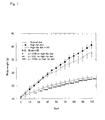
- Fig. 1 shows the change over time in mean body weight of the mice during the period of 16 weeks from the start of the test.
- Body weight in the high-fat diet group significantly increased when compared to the normal diet group.
- Body weight in the high-fat diet + AX group increased more greatly than the normal diet group, but the increase in body weight tended to be suppressed more than in the high-fat diet group.
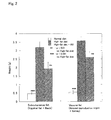
- Fig. 2 shows the mean weights of subcutaneous fat and visceral fat of the mice in each group. It can be seen from Fig. 2 that although the amount of fat accumulation both in subcutaneous fat and in visceral fat was considerably increased by intake of the high-fat diet, the accumulation of fat was significantly suppressed when taking astaxanthin together with the high-fat diet.
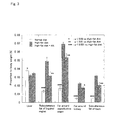
- Fig. 3 shows the proportions of the mean weights of the adipose tissues and the liver to mean body weight.
- the proportions of all of the adipose tissues to body weight were dramatically increased by intake of the high-fat diet, but the increase was significantly suppressed when taking astaxanthin together with the high-fat diet.
- the proportion of the liver weight to body weight was reduced by intake of the high-fat diet, the proportion approached that in the case of the normal diet when taking astaxanthin together with the high-fat diet.
- Fig. 4 shows the insulin concentration in blood of the mice in each group.
- the insulin concentration was considerably increased.
- insulin sensitivity is reduced (insulin resistance develops), so that blood glucose levels can no longer be lowered sufficiently. It can be considered that insulin was therefore secreted excessively in order to control blood glucose levels.
- the insulin concentration was considerably suppressed when compared to the high-fat diet group, and thus, it can be considered that an increase in fat in each adipose tissue was suppressed.
- Fig. 5 shows the blood glucose level of the mice in each group.
- the blood glucose level was increased by intake of the high-fat diet, the blood glucose level was maintained at the same level as that of the normal diet group when taking astaxanthin with the high-fat diet. That is to say, the increase in the blood glucose level due to intake of the high-fat diet was significantly suppressed to the level of the normal diet group. This is in good accordance with the results for the insulin concentration in blood described above.
- the high-fat diet group exhibited insulin resistance in which blood glucose levels are not lowered sufficiently even when insulin is secreted excessively, whereas the astaxanthin administered group showed that blood glucose levels were lowered sufficiently with secretion of a relatively small amount of insulin. This indicates that insulin resistance was prevented.
- glycerol is further subjected to a colorimetric assay in which an oxidative color-developing agent commonly used in the art is employed in the presence of glycerol kinase and glycerol-3-phosphate oxidase.
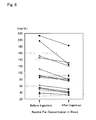
- Figs. 6 and 7. show for each subject the change in the concentration of neutral fat in blood before and after the ingestion of the astaxanthin capsules, and Fig. 7 shows the average values of the neutral fat concentrations in blood of all the subjects. In both of the graphs, the values on the vertical axis are in mg/dL.
- the concentration of neutral fat in blood was decreased in thirteen subjects (shown by solid lines) out of the eighteen subjects.
- the average value of the neutral fat concentrations of all of the subjects was lowered by 14.7% when compared to the average value before the ingestion of the astaxanthin capsules.
- the neutral fat concentrations were lowered (see Fig. 6), and the average drop was 35.2 mg/dL (21.5% when the value before the ingestion was taken as 100%).
- a high neutral fat lowering effect was provided especially in the subjects having high neutral fat concentrations.
- normal values of the neutral fat concentration are 35 to 149 mg/dL.
- the neutral fat concentration was reliably lowered in the subjects having high neutral fat concentrations, whereas the neutral fat concentration was not lowered very much in the subjects having low neutral fat concentrations. From these results, it was found that astaxanthin controls the neutral fat concentration to bring this concentration within a normal value range, without lowering excessively the neutral fat concentration, and thus it is also found that astaxanthin works safely for controlling neutral fat concentration in blood.
- the values for neutral fat concentration of almost all of the subjects were within the normal range after the ingestion. This finding showed that astaxanthin controls the concentration of neutral fat in blood so that it is brought within a normal range.
- Fig. 8 shows for each subject the change in the diastolic blood pressure (mmHg) before and after the ingestion of the astaxanthin capsules.
- solid lines indicate the blood pressures of the subjects whose blood pressure was lowered or not changed, and dotted lines indicate that of the subjects whose blood pressure was increased.
- HAVECs Human umbilical vein endothelial cells (ATCC CRL-1730) were obtained from American Type Culture Collection and precultivated in an Endothelial Cell Growth Medium (CELL APPLICATIONS, USA) containing 10% bovine fetal serum supplemented with 1% Antibiotic-Antimycotic (GIBCO BRL, USA) under a 5% CO 2 atmosphere at 37°C.
- CELL APPLICATIONS Endothelial Cell Growth Medium
- GEBCO BRL Antibiotic-Antimycotic
- a Matrigel matrix (BD Biosciences, USA) was melted and kept at 4°C on ice, and then, 50 ⁇ L of the matrix were transferred to each well of a 96-well tissue culture plate. The plate was incubated at 37°C for at least one hour to solidify the matrix solution.
- the astaxanthin monoester obtained in Preparation Example 1 was dissolved in dimethylsulfoxide (DMSO), and then diluted with distilled water to prepare stock test solutions in which the astaxanthin monoester was contained in 40 (v/v)% DMSO at 25000, 2500, 250, 25, and 2.5 ⁇ M, respectively.
- DMSO dimethylsulfoxide
- a HUVEC suspension (about 2.5 ⁇ 10 3 cells/well) were poured into the 96-well Matrigel plate under a 5% CO 2 atmosphere at 37°C. After 24 hours, 100 ⁇ L of a growth medium and 2 ⁇ L of each of the stock test solutions or the vehicle (40 (v/v)% DMSO) were added to two wells each, and incubated for an additional 72 hours.
- the final concentrations of the astaxanthin monoester were 250, 25, 2.5, 0.25, and 0.025 ⁇ M.
- novel and highly effective agents for preventing insulin resistance, for preventing a disease having a relation to insulin resistance, and for preventing metabolic syndrome are provided. Even when a high-fat diet intake is continued, lipid metabolism abnormality is reduced by using the agent for preventing insulin resistance or the agent for preventing metabolic syndrome according to the present invention. More specifically, since, in adipose tissues, suppression of fat degradation is inhibited or promotion of fat synthesis is also inhibited, accumulation of fat is suppressed. Alternatively, since an increase in the blood glucose level is suppressed and excessive secretion of insulin is suppressed, glucose uptake into adipose tissues is suppressed, so that accumulation of fat within adipocytes is suppressed. Therefore, obesity is suppressed, and furthermore, insulin resistance and hyperinsulinemia caused by obesity, and metabolic syndrome can be prevented or suppressed. Accordingly, life-style related diseases such as hypertension, hyperlipemia, and diabetes can be prevented.
- Astaxanthin and/or an ester thereof which is an active component in the agent for preventing insulin resistance, the agent for preventing a disease having a relation to insulin resistance, or the agent for preventing metabolic syndrome according to the present invention, has been consumed in food for a long time and has very low toxicity, therefore, astaxanthin and/or an ester thereof has a very high degree of safety. Accordingly, these agents are not only used as pharmaceuticals, but can be used also prophylactically on a daily basis as health food products.
Landscapes
- Health & Medical Sciences (AREA)
- Life Sciences & Earth Sciences (AREA)
- Engineering & Computer Science (AREA)
- Chemical & Material Sciences (AREA)
- General Health & Medical Sciences (AREA)
- Natural Medicines & Medicinal Plants (AREA)
- Biotechnology (AREA)
- Veterinary Medicine (AREA)
- Public Health (AREA)
- Animal Behavior & Ethology (AREA)
- Medicinal Chemistry (AREA)
- Pharmacology & Pharmacy (AREA)
- Epidemiology (AREA)
- Obesity (AREA)
- Botany (AREA)
- General Chemical & Material Sciences (AREA)
- Diabetes (AREA)
- Chemical Kinetics & Catalysis (AREA)
- Bioinformatics & Cheminformatics (AREA)
- Mycology (AREA)
- Hematology (AREA)
- Nuclear Medicine, Radiotherapy & Molecular Imaging (AREA)
- Alternative & Traditional Medicine (AREA)
- Organic Chemistry (AREA)
- Medical Informatics (AREA)
- Microbiology (AREA)
- Child & Adolescent Psychology (AREA)
- Acyclic And Carbocyclic Compounds In Medicinal Compositions (AREA)
Abstract
Description
- The present invention relates to an agent for preventing metabolic syndrome. More specifically, the present invention relates to an agent for preventing metabolic syndrome, an agent for preventing insulin resistance, and an agent for preventing a disease having a relation to insulin resistance, the agents containing astaxanthin and/or an ester thereof as an active component.
- Life-style related diseases such as hypertension, hyperlipemia, and diabetes tend to occur concurrently. It has become clear that this is attributable to obesity (visceral fat obesity) in which fat accumulates around the internal organs. A pathological condition induced by visceral fat obesity and characterized by the coincidence of many risk factors causing arteriosclerosis is referred to as metabolic syndrome, and metabolic syndrome is a risk factor for arteriosclerosis as well as cardiovascular and cerebrovascular diseases caused thereby.
- At the present time, the diagnostic criteria for metabolic syndrome in Japan are that accumulation of visceral fat is present (waist circumference is 85 cm or more in men or 90 cm or more in women) and that at least two of the following conditions are present: hypertension including borderline hypertension, hyperlipemia or low HDL (high density lipoprotein), and hyperglycemia.
- Moreover, according to the U.S. guidelines for treatment of hyperlipemia (ATP III: Adult Treatment Panel III, NCEP National Cholesterol Education Program), metabolic syndrome is diagnosed when three of the following conditions (i) to (v) are present: (i) waist (abdominal circumference) is 102 cm or more in men or 88 cm or more in women; (ii) neutral fat in blood is 150 mg/dl or more; (iii) HDL cholesterol is less than 40 mg/dl in men or less than 50 mg/dl in women; (iv) blood pressure is such that the maximal blood pressure is 130 mmHg or more or the minimal blood pressure is 85 mmHg or more; and (v) fasting blood glucose level is 110 mg/dl or more.
- Furthermore, the diagnostic criteria for metabolic syndrome according to the WHO are that hyperinsulinemia is present or fasting blood glucose level is 110 mg/dl or more, plus that two of the following conditions (a) to (d) are present: (a) visceral obesity (waist/hip ratio > 0.9 (men), > 0.85 (women) or BMI of 30 or more or abdominal circumference of 94 cm or more); (b) lipid metabolism abnormality (neutral fat in blood of 150 mg/dl or more or HDL cholesterol of less than 35 mg/dl in men or less than 39 mg/dl in women); (c) hypertension (140/90 mmHg or more or during treatment with an antihypertensive agent); and (d) microalbuminuria (urinary albumin excretion rate of 20 µg/min or more or urinary albumin/creatinine ratio of 30 mg/g creatinine or more).
- Obesity is caused when caloric expenditure is lower than caloric intake and the energy source that thus has not been expended accumulates as body fat. The causes of body fat accumulation due to excess energy include lack of exercise, improper eating habit, stress, lipid metabolism abnormality (disorder), excessive secretion of insulin, enlargement of adipocytes, and lack of brown adipocytes. Visceral fat described above is fat found in the mesentery located within the peritoneal cavity, and visceral adipocytes tend to store fat within the individual cells.
- When fat accumulates in adipocytes, various types of adipokines (e.g., TNFα, resistin, etc.) are secreted by the adipocytes, causing insulin resistance (i.e., decreased insulin sensitivity). As a result, blood glucose levels can no longer be sufficiently lowered, so that insulin is over-secreted in order to control blood glucose levels, resulting in hyperinsulinemia. When hyperinsulinemia occurs, metabolic syndrome is caused by the action of excess insulin on lipid metabolism and the like.
- Insulin is a peptide hormone produced and secreted by β cells in the islets of Langerhans of the pancreas and acts primarily on muscles (the skeletal muscle and the heart muscle), adipose tissues, and the liver. When insulin binds to insulin receptors present on muscle cells and adipocytes, a tyrosine kinase is activated and signals are transmitted into the cells, and thus various activities (physiological effects) are produced.
- In adipose tissues, excess insulin suppresses degradation of fat or promotes synthesis of fat, so that additional fat accumulates. Alternatively, insulin promotes glucose uptake into adipocytes, so that fat accumulates within the adipocytes via the glycolytic pathway. Thus, due to excessive secretion of insulin, adipocytes store additional fat and hypertrophy. As described above, there is a very close relation between insulin and lipid metabolism.
- When insulin resistance occurs and therefore hyperinsulinemia occurs, fat synthesis is promoted, as described above. Moreover, the enzyme activity of lipoprotein lipase (LPL) is decreased, the metabolism (catabolism) of chylomicron and very low density lipoprotein (VLDL) is impaired, and furthermore, triglyceride production (VLDL production) in the liver is increased. Accordingly, neutral fat in blood is increased, resulting in hypertriglyceridemia or hyper-VLDL-lipoproteinemia (type IV hyperlipemia). At this time, hyper-VLDL-lipoproteinemia involves an increase in the production of LDL, which is produced by the catabolism of VLDL, and the activity of LDL receptors is decreased, resulting in hyper-LDL-lipoproteinemia (hypercholesterolemia). Furthermore, hyper-VLDL-lipoproteinemia involves an increase in the metabolism of high density lipoprotein (HDL) and also a decrease in the production of HDL, resulting in hypo-HDL-lipoproteinemia. These various types of hyperlipemia cause arteriosclerosis, which can lead to cerebral thrombosis, myocardial infarction, and other diseases.
- When hyperinsulinemia occurs, non insulin-dependent (type II) diabetes mellitus develops in individuals with a predisposition to diabetes, and as the disease progresses further, pancreatic β cells become exhausted and insulin-dependent diabetes mellitus develops. Diabetes induces various complications such as retinopathy, neuropathy, nephropathy, and cardiovascular disorders. Moreover, once diabetes develops, it is difficult to recover completely, so that prevention of diabetes is very important.
- Furthermore, when hyperinsulinemia occurs, insulin increases the activities of sympathetic nerves and the renin-angiotensin system, resulting in, for example, vascular endothelial dysfunction, and thus, blood pressure is increased, which leads to hypertension and further to arteriosclerosis. In this manner, in metabolic syndrome, hypertrophy of visceral fat induces insulin resistance and hyperinsulinemia, and consequently, hyperlipemia, diabetes, and hypertension occur as complications, resulting in an increased risk of developing arteriosclerosis.
- Carotenoids are naturally-occurring substances having an antioxidative effect, and their various bioactivities have attracted interest. However, few studies have been conducted to investigate the action of carotenoids on obesity and adipocytes or insulin resistance. It has been reported only that a carotenoid derived from a vegetable or a fruit suppresses the differentiation induced by insulin of preadipocytes into adipocytes (
Japanese Laid-Open Patent Publication No. 2003-95930 - It is an object of the present invention to provide safe and highly effective agents for preventing insulin resistance and for preventing metabolic syndrome.
- The present invention provides an agent for preventing insulin resistance, the agent comprising astaxanthin and/or an ester thereof as an active component.
- In one embodiment, the insulin resistance is caused by obesity.
- The present invention also provides an agent for preventing a disease having a relation to insulin resistance, the agent comprising astaxanthin and/or an ester thereof as an active component.
- The present invention further provides an agent for preventing metabolic syndrome, the agent comprising astaxanthin and/or an ester thereof as an active component.
- In an embodiment, the astaxanthin and/or the ester thereof is derived from a microalga belonging to the genus Haematococcus.
- In addition, the present invention provides a use of astaxanthin and/or an ester thereof in the manufacture of an agent for preventing insulin resistance.
- In an embodiment, the insulin resistance is caused by obesity.
- In one embodiment, the agent is for use in obese patients.
- The present invention further provides a use of astaxanthin and/or an ester thereof in the manufacture of an agent for preventing a disease having a relation to insulin resistance.
- The present invention also provides a use of astaxanthin and/or an ester thereof in the manufacture of an agent for preventing metabolic syndrome.
- In addition to the above, the invention provides pharmaceutical compositions and health food supplements comprising astaxanthin and/or an ester thereof.
- The present invention also provides a method of manufacturing an agent according to the invention, the method comprising (a) growing in culture a microalga belonging to the genus Haematococcus; and (b) extracting and purifying astaxanthin and/or an ester thereof from the culture.
- According to the present invention, novel and highly effective agents for preventing and/or treating insulin resistance, for preventing and/or treating a disease having a relation to insulin resistance, and for preventing and/or treating metabolic syndrome are provided. Even when a high-fat diet intake is continued, lipid metabolism abnormality is reduced by using the agent for preventing insulin resistance or the agent for preventing metabolic syndrome according to the present invention. More specifically, since, in adipose tissues, suppression of fat degradation is inhibited or promotion of fat synthesis also is inhibited, accumulation of fat is suppressed. Moreover, an increase in the blood glucose level is suppressed and excessive secretion of insulin is suppressed, so that glucose uptake into adipose tissues is suppressed, and thus accumulation of fat within adipocytes is suppressed. Therefore, obesity is suppressed, and furthermore, insulin resistance caused by obesity and subsequent hyperinsulinemia and metabolic syndrome can be prevented or suppressed. Accordingly, life-style related diseases such as hypertension, hyperlipemia, and diabetes can be prevented. Furthermore, the agent for preventing insulin resistance, the agent for preventing a disease having a relation to insulin resistance, or the agent for preventing metabolic syndrome according to the present invention has very low toxicity and thus offers a high degree of safety.
-
- Fig. 1 is a graph showing the change over time in body weight of mice during a period of 16 weeks from the start of a test.
- Fig. 2 is a graph showing the weights of subcutaneous fat and visceral fat of the mice in each group at the end of the test.
- Fig. 3 is a graph showing the proportions of the weights of various adipose tissues and the liver to body weight of the mice in each group at the end of the test.
- Fig. 4 is a graph showing the insulin concentration in blood of the mice in each group at the end of the test.
- Fig. 5 is a graph showing the blood glucose level of the mice in each group at the end of the test.
- Fig. 6 is a graph showing for each subject the change in the concentration of neutral fat in blood before and after ingestion of astaxanthin capsules.
- Fig. 7 is a graph of the average values of the concentrations of neutral fat in blood of the subjects before and after the ingestion of the astaxanthin capsules.
- Fig. 8 is a graph showing for each subject the change in the diastolic blood pressure before and after the ingestion of the astaxanthin capsules.
- Astaxanthin or an ester thereof used in the present invention is a carotenoid represented by the following formula:

- Astaxanthin or an ester thereof used in the present invention may be chemically synthesized or derived from a naturally-occurring product. Examples of the naturally-occurring products in the latter case include red yeast; the shell of crustaceans such as Tigriopus (red water flea) and krills; and microalgae such as green algae, which contain astaxanthin and/or an ester thereof. In the present invention, any extract containing astaxanthin and/or esters thereof produced by any method can be used. Generally, extracts from those naturally-occurring products can be used, and the extracts may be crude or purified if necessary. In the present invention, a crude extract or a crushed powder of naturally-occurring products, or a purified product or a chemically synthesized product, if necessary, that contains such astaxanthin and/or esters thereof can be used either alone or in combination. In view of the chemical stability, an ester form of astaxanthin is preferably used.
- The agent for preventing insulin resistance according to the present invention can prevent or suppress insulin resistance. That is to say, the agent can reduce obesity, which is a factor inducing insulin resistance. More specifically, the agent prevents induction of insulin resistance and inhibits suppression of fat degradation or inhibits also promotion of fat synthesis in adipose tissues, thereby suppressing accumulation of fat. Moreover, since an increase in the blood glucose level is suppressed and excessive secretion of insulin is suppressed, glucose uptake into adipose tissues also can be suppressed. Furthermore, the concentration of neutral fat in blood also can be controlled. Therefore, the agent is useful also as an agent for preventing hyperinsulinemia induced by insulin resistance and preventing subsequent metabolic syndrome. In this specification, preventing metabolic syndrome refers to preventing or alleviating a state in which at least one of the conditions listed above as the diagnostic criteria is present. Moreover, the agent for preventing insulin resistance according to the present invention is useful also as an agent for preventing a disease having a relation to insulin resistance. Examples of the disease having a relation to insulin resistance include various life-style related diseases, such as hyperlipemia, arteriosclerosis, hypertension, myocardial infarction, cerebrovascular disorders, cerebral infarction, angina pectoris, pancreatitis, diabetes, fatty liver, metabolic disorders, and obesity, and other diseases.
- The route of administration of the agent for preventing insulin resistance, the agent for preventing a disease having a relation to insulin resistance, or the agent for preventing metabolic syndrome according to the present invention may be either oral or parenteral. The dosage form is selected appropriately according to the route of administration. Examples thereof include parenteral solutions, infusion solutions, powders, granules, tablets, capsules, pills, enteric-coated preparations, troches, liquids for internal use, suspensions, emulsions, syrups, liquids for external use, poultices, nose drops, ear drops, eye drops, inhalants, ointments, lotions, suppositories, and enteral nutrients. These can be used either alone or in combination depending on the condition of a disease. To prepare these dosage forms, auxiliary substances commonly used in the field of pharmaceutical manufacturing technology, such as excipients, binders, antiseptics, antioxidants, disintegrators, lubricants, and flavoring agents, can be used as necessary.
- The dose of the agent for preventing insulin resistance, the agent for preventing a disease having a relation to insulin resistance, or the agent for preventing metabolic syndrome according to the present invention varies depending on the purpose of administration, the individual to be administered (sex, age, body weight, etc.), and the severity and nature of the disease, and can be determined by a person skilled in the art. Usually, the dose for an adult in terms of free or unesterified form of astaxanthin may be 0.1 mg to 2 g, preferably 1 mg to 1 g, more preferably 4 mg to 500 mg (e.g. 4 mg) per day in the case of oral administration, while it may be 0.01 mg to 1 g, preferably 0.015 mg to 750 mg, more preferably 0.1 mg to 500 mg (e.g. 4 mg) per day in the case of parenteral administration.
- The agent for preventing insulin resistance, the agent for preventing a disease having a relation to insulin resistance, or the agent for preventing metabolic syndrome according to the present invention can be used not only as pharmaceuticals as described above, but also as the category of products regulated as "quasi-drugs", cosmetics, food products, nutritional supplements, foods and drinks, and other similar products. When used as quasi-drugs or cosmetics, the agent may be used in conjunction with various auxiliary substances commonly used in the field of quasi-drugs or cosmetics, or other technologies, if necessary. Alternatively, when used as food products, nutritional supplements, or foods and drinks, the agent may be used in conjunction with additives commonly used for food products, for example, sweeteners, spices, seasonings, antiseptics, preservatives, germicides, and antioxidants, if necessary. The agent may be used in a desired form such as solution, suspension, syrup, granule, cream, paste, or jelly, or may be shaped, if necessary. The ratio of the agent contained in these products is not particularly limited, and can be selected appropriately according to the intended purpose, the mode of usage, and the amount of usage.
- An astaxanthin monoester was prepared in the following manner. Haematococcus pluvialis K0084 strain was cultivated at 25°C under irradiation with light while bubbling a gas containing 3% CO2 into the medium and under nutrient stress condition (i.e. nitrogen source deprivation), and then was encysted. The encysted cells were disrupted by means commonly used by those skilled in the art, and a lipophilic fraction was extracted with ethanol. The extract contained lipids such as triglyceride in addition to astaxanthins. The extract was subjected to column chromatography using a synthetic resin adsorbent to give a purified product containing astaxanthin monoesters. This purified product was analyzed by HPLC, and it was confirmed that this purified product contained an astaxanthin monoester having a molecular weight of 858 as the main component, did not contain the free form of astaxanthin, the diester form of astaxanthin, and triglyceride, and that it contained a small amount of diglyceride.
- Astaxanthin was prepared in the following manner. Haematococcus pluvialis K0084 strain was cultivated at 25°C under irradiation with light while bubbling a gas containing 3% CO2 into the medium and under nutrient stress condition (i.e. nitrogen source deprivation), and then was encysted. The encysted cells were disrupted by means commonly used by those skilled in the art, and a lipophilic fraction containing astaxanthin was extracted with ethanol. The extract was concentrated under reduced pressure, and the ethanol was evaporated to give an extract containing astaxanthin in an amount of 9.9% expressed in terms weight of the free form.
- Soft capsules containing the components shown in Table 1 below per capsule were prepared using the extract containing astaxanthin in an amount of 9.9% expressed in terms weight of the free form.
Table 1 Component Weight Note Haematococcus extract 40 mg Astaxanthin 9.9 wt% Glycerin fatty acid ester (Nikko Chemicals Co., Ltd.) 20 mg as emulsifier Safflower oil (The Nisshin OilliO Group. Ltd.) 190 mg Total 250 mg - The obtained soft capsules contained astaxanthin in an amount of 4 mg per capsule expressed in terms of weight of the free form.
- Astaxanthin was administered to obese model mice fed with a high-fat diet, and the change in body weight, the amount of subcutaneous fat (in the inguinal region and the back), the amount of visceral fat (around the reproductive organs and around the kidney), the liver weight, the blood glucose level, and the insulin concentration in blood were examined in the following manner.
- Four week old male C57BL/6J strain mice (SPF) purchased from CHARLES RIVER LABORATORIES JAPAN, INC. were used. The mice were preliminarily fed for 8 days and used for the test after they reached the age of 5 weeks. The mice were divided into three groups of 8 each, that is, a normal diet group, a high-fat diet group, and a high-fat diet + astaxanthin (AX) group, so that the average body weight was equal among the groups.
- During the preliminary feeding period, the mice were given an ordinary powder diet (MF, Oriental Yeast Co., Ltd.), and during the test period of 16 weeks, the mice were given the ordinary powder diet or a high-fat diet having the composition shown in Table 2 below. As to drinking water, the mice were allowed to drink freely sterile distilled water from a water supply bottle.
Table 2 Component Composition of high-fat diet (part by weight) Beef tallow 400 Corn starch 100 Glucose 90 AIN- 76TM mineral mix 40 AIN- 76TM vitamin mix 10 Casein 360 AIN- 76 compositions from Oriental Yeast Co., Ltd. - The astaxanthin monoester prepared in Preparation Example 1 was dissolved in an olive oil (Wako Pure Chemical Industries, Ltd.) to prepare a solution containing astaxanthin monoester at a concentration of 60 mg/mL. This solution was administered to the high-fat diet + AX group and the olive oil to the other two groups in a volume of 0.05 mL/10 g body weight every day for 16 weeks from the start of the test (at the age of 5 weeks) to the age of 21 weeks, using a sonde for oral administration in the mice.
- During the test period, the body weight was measured once a week using a scale. At the end of the test, the body weight was measured, and thereafter, the mice were fasted overnight and the blood glucose level was measured in the tail of each mouse using OneTouch Ultra™ (manufactured by Life Scan Inc., a blood glucose level measuring device). Next, blood was collected from the heart using a heparinized syringe with heparin Na. Immediately after the collection of blood, blood plasma was separated by centrifugation, and the obtained blood plasma was cryopreserved at -80°C. Then, the liver, the adipose tissue in the inguinal region, the adipose tissue around the reproductive organs, the adipose tissue around the kidney, and the adipose tissue in the back were collected and the weights thereof were measured. Thereafter, the insulin concentration in blood was measured with a commercially available kit (Mouse Insulin ELISA KIT (TMB) (AKRIN-011T): Shibayagi Co., Ltd.), using the blood plasma collected at the end of the test.
- The different types of data obtained were expressed as average values ± standard errors for each group. In order to test for statistically significant differences between the high-fat diet group and the high-fat diet + AX group or the normal diet group, a multiple comparison test (ANOVA) was performed using an analysis software (Stat View, Abacus Inc., USA), and a comparison between the groups was performed using Fisher's PLSD multiple comparison test. Differences were considered statistically significant when p < 0.05.
- Fig. 1 shows the change over time in mean body weight of the mice during the period of 16 weeks from the start of the test. Body weight in the high-fat diet group significantly increased when compared to the normal diet group. Body weight in the high-fat diet + AX group increased more greatly than the normal diet group, but the increase in body weight tended to be suppressed more than in the high-fat diet group.
- Fig. 2 shows the mean weights of subcutaneous fat and visceral fat of the mice in each group. It can be seen from Fig. 2 that although the amount of fat accumulation both in subcutaneous fat and in visceral fat was considerably increased by intake of the high-fat diet, the accumulation of fat was significantly suppressed when taking astaxanthin together with the high-fat diet.
- Fig. 3 shows the proportions of the mean weights of the adipose tissues and the liver to mean body weight. The proportions of all of the adipose tissues to body weight were dramatically increased by intake of the high-fat diet, but the increase was significantly suppressed when taking astaxanthin together with the high-fat diet. Moreover, it was found that although the proportion of the liver weight to body weight was reduced by intake of the high-fat diet, the proportion approached that in the case of the normal diet when taking astaxanthin together with the high-fat diet.
- Fig. 4 shows the insulin concentration in blood of the mice in each group. In the high-fat diet group, the insulin concentration was considerably increased. When adipokines are secreted by adipocytes that store fat, insulin sensitivity is reduced (insulin resistance develops), so that blood glucose levels can no longer be lowered sufficiently. It can be considered that insulin was therefore secreted excessively in order to control blood glucose levels. Moreover, the results indicated that since insulin has the action of suppressing fat degradation in adipose tissues, of promoting fat synthesis, and of promoting glucose uptake into adipose tissues, accumulation of fat is promoted by excessive secretion of insulin, resulting in additional fat accumulation (see Figs. 3 and 4). On the other hand, in the high-fat diet + AX group, the insulin concentration was considerably suppressed when compared to the high-fat diet group, and thus, it can be considered that an increase in fat in each adipose tissue was suppressed.
- Fig. 5 shows the blood glucose level of the mice in each group. Although the blood glucose level was increased by intake of the high-fat diet, the blood glucose level was maintained at the same level as that of the normal diet group when taking astaxanthin with the high-fat diet. That is to say, the increase in the blood glucose level due to intake of the high-fat diet was significantly suppressed to the level of the normal diet group. This is in good accordance with the results for the insulin concentration in blood described above. Furthermore, the high-fat diet group exhibited insulin resistance in which blood glucose levels are not lowered sufficiently even when insulin is secreted excessively, whereas the astaxanthin administered group showed that blood glucose levels were lowered sufficiently with secretion of a relatively small amount of insulin. This indicates that insulin resistance was prevented. Moreover, it also indicates that diabetes could be prevented, because the increase in the blood glucose level was suppressed.
- Eighteen subjects consisting of men and women in their twenties to seventies ingested one of the astaxanthin capsules obtained in Preparation Example 2 once a day for four weeks. Blood was collected from each subject before breakfast on the day when the ingestion started, and before breakfast on the day following the day when the ingestion ended, to determine the neutral fat concentration in blood by an enzymatic method using L-type TG-M (Wako Pure Chemical Industries, Ltd.). In the enzymatic method used for this determination, triglyceride (neutral fat) is hydrolyzed by lipoprotein lipase to glycerol. Then, the produced glycerol is further subjected to a colorimetric assay in which an oxidative color-developing agent commonly used in the art is employed in the presence of glycerol kinase and glycerol-3-phosphate oxidase. The results are shown in Figs. 6 and 7. Fig. 6 shows for each subject the change in the concentration of neutral fat in blood before and after the ingestion of the astaxanthin capsules, and Fig. 7 shows the average values of the neutral fat concentrations in blood of all the subjects. In both of the graphs, the values on the vertical axis are in mg/dL.
- As can be seen from Fig. 6, the concentration of neutral fat in blood was decreased in thirteen subjects (shown by solid lines) out of the eighteen subjects. Moreover, as shown in Fig. 7, the average value of the neutral fat concentrations of all of the subjects was lowered by 14.7% when compared to the average value before the ingestion of the astaxanthin capsules. In particular, in all of the subjects having neutral fat concentrations of 100 mg/dL or more before the ingestion of the astaxanthin capsules, the neutral fat concentrations were lowered (see Fig. 6), and the average drop was 35.2 mg/dL (21.5% when the value before the ingestion was taken as 100%). Thus, it can be seen that a high neutral fat lowering effect was provided especially in the subjects having high neutral fat concentrations. Generally, normal values of the neutral fat concentration are 35 to 149 mg/dL. After the ingestion of the astaxanthin capsules, the neutral fat concentration was reliably lowered in the subjects having high neutral fat concentrations, whereas the neutral fat concentration was not lowered very much in the subjects having low neutral fat concentrations. From these results, it was found that astaxanthin controls the neutral fat concentration to bring this concentration within a normal value range, without lowering excessively the neutral fat concentration, and thus it is also found that astaxanthin works safely for controlling neutral fat concentration in blood. Moreover, the values for neutral fat concentration of almost all of the subjects were within the normal range after the ingestion. This finding showed that astaxanthin controls the concentration of neutral fat in blood so that it is brought within a normal range.
- Eighteen subjects consisting of men and women in their twenties to seventies ingested one of the astaxanthin capsules obtained in Preparation Example 2 once a day for four weeks. Diastolic blood pressure of each subject was measured before breakfast on the day when the ingestion started, and before breakfast on the day following the day when the ingestion ended. Fig. 8 shows for each subject the change in the diastolic blood pressure (mmHg) before and after the ingestion of the astaxanthin capsules. In Fig. 8, solid lines indicate the blood pressures of the subjects whose blood pressure was lowered or not changed, and dotted lines indicate that of the subjects whose blood pressure was increased.
- As can be seen from Fig. 8, in all of the subjects having diastolic blood pressures of 90 mmHg or more before the ingestion of the astaxanthin capsules, the blood pressure was lowered after the ingestion of the astaxanthin capsules. On the contrary, in the subject having a blood pressure as low as 51 mmHg, the blood pressure was increased to near a normal range (60 to 89 mmHg). Thus, after the ingestion of the astaxanthin capsules, the blood pressure was reliably lowered in the subjects having high blood pressures, whereas the blood pressure was not lowered very much in the subjects having low blood pressures. From these results, it was found that astaxanthin controls the blood pressure to bring it within a normal value range, without lowering excessively the blood pressure, and thus it was also found that astaxanthin works safely for controlling the blood pressure. Moreover, the values for blood pressure of almost all of the subjects were around the normal range after the ingestion. This finding showed that astaxanthin also controls the blood pressure so that it is brought to a normal range, just as is the case with the concentration of neutral fat in blood in Example 2.
- Human umbilical vein endothelial cells (HUVECs) (ATCC CRL-1730) were obtained from American Type Culture Collection and precultivated in an Endothelial Cell Growth Medium (CELL APPLICATIONS, USA) containing 10% bovine fetal serum supplemented with 1% Antibiotic-Antimycotic (GIBCO BRL, USA) under a 5% CO2 atmosphere at 37°C.
- A Matrigel matrix (BD Biosciences, USA) was melted and kept at 4°C on ice, and then, 50 µL of the matrix were transferred to each well of a 96-well tissue culture plate. The plate was incubated at 37°C for at least one hour to solidify the matrix solution.
- On the other hand, the astaxanthin monoester obtained in Preparation Example 1 was dissolved in dimethylsulfoxide (DMSO), and then diluted with distilled water to prepare stock test solutions in which the astaxanthin monoester was contained in 40 (v/v)% DMSO at 25000, 2500, 250, 25, and 2.5 µM, respectively.
- Next, 100 µL of a HUVEC suspension (about 2.5 × 10³ cells/well) were poured into the 96-well Matrigel plate under a 5% CO2 atmosphere at 37°C. After 24 hours, 100 µL of a growth medium and 2 µL of each of the stock test solutions or the vehicle (40 (v/v)% DMSO) were added to two wells each, and incubated for an additional 72 hours. The final concentrations of the astaxanthin monoester were 250, 25, 2.5, 0.25, and 0.025 µM.
- After the incubation, 20 µL of a 90% alamarBlue reagent were added to individual wells, and incubated for an additional 6 hours. Then, the fluorescence intensity of each well was measured at an excitation wavelength of 530 nm and an emission wavelength of 590 nm using a Spectrafluor Plus plate reader to count the number of living cells. This measurement is based on the ability of a living cell to change alamarBlue from the non-fluorescent, oxidized form (blue) to the fluorescent, reduced form (red). The 50% lethal concentration was calculated as the concentration at which the number of living cells was 50% of the number of cells at the start of the experiment.
- The result indicates that the 50% lethal concentration (LC50) of the astaxanthin monoester for the HUVECs was 250 µM (maximum concentration of the astaxanthin monoester dissolved in DMSO) or more, and thus it was found that the toxicity of the astaxanthin monoester is low.
- According to the present invention, novel and highly effective agents for preventing insulin resistance, for preventing a disease having a relation to insulin resistance, and for preventing metabolic syndrome are provided. Even when a high-fat diet intake is continued, lipid metabolism abnormality is reduced by using the agent for preventing insulin resistance or the agent for preventing metabolic syndrome according to the present invention. More specifically, since, in adipose tissues, suppression of fat degradation is inhibited or promotion of fat synthesis is also inhibited, accumulation of fat is suppressed. Alternatively, since an increase in the blood glucose level is suppressed and excessive secretion of insulin is suppressed, glucose uptake into adipose tissues is suppressed, so that accumulation of fat within adipocytes is suppressed. Therefore, obesity is suppressed, and furthermore, insulin resistance and hyperinsulinemia caused by obesity, and metabolic syndrome can be prevented or suppressed. Accordingly, life-style related diseases such as hypertension, hyperlipemia, and diabetes can be prevented.
- Astaxanthin and/or an ester thereof, which is an active component in the agent for preventing insulin resistance, the agent for preventing a disease having a relation to insulin resistance, or the agent for preventing metabolic syndrome according to the present invention, has been consumed in food for a long time and has very low toxicity, therefore, astaxanthin and/or an ester thereof has a very high degree of safety. Accordingly, these agents are not only used as pharmaceuticals, but can be used also prophylactically on a daily basis as health food products.
- The invention may be embodied in other forms without departing from the spirit or essential characteristics thereof. The embodiments disclosed in this application are to be considered in all respects as illustrative and not limiting. The scope of the invention is indicated by the appended claims rather than by the foregoing description, and all changes which come within the meaning and range of equivalency of the claims are intended to be embraced therein.
Claims (16)
Applications Claiming Priority (2)
| Application Number | Priority Date | Filing Date | Title |
|---|---|---|---|
| JP2005361038 | 2005-12-14 | ||
| JP2006041477 | 2006-02-17 |
Publications (1)
| Publication Number | Publication Date |
|---|---|
| EP1800674A1 true EP1800674A1 (en) | 2007-06-27 |
Family
ID=37745899
Family Applications (1)
| Application Number | Title | Priority Date | Filing Date |
|---|---|---|---|
| EP06256219A Withdrawn EP1800674A1 (en) | 2005-12-14 | 2006-12-06 | Agent for preventing metabolic syndrome |
Country Status (2)
| Country | Link |
|---|---|
| US (1) | US20070135521A1 (en) |
| EP (1) | EP1800674A1 (en) |
Cited By (2)
| Publication number | Priority date | Publication date | Assignee | Title |
|---|---|---|---|---|
| EP2090182A1 (en) * | 2008-01-31 | 2009-08-19 | Yamaha Hatsudoki Kabushiki Kaisha | Method for improving flavor of astaxanthin-containing extract |
| CN105106184A (en) * | 2015-09-25 | 2015-12-02 | 宁波大学 | Application of astaxanthin in preparation of medicine curing decreased insulin sensitivity |
Families Citing this family (9)
| Publication number | Priority date | Publication date | Assignee | Title |
|---|---|---|---|---|
| US7759506B2 (en) | 2002-02-25 | 2010-07-20 | Diffusion Pharmaceuticals Llc | Bipolar trans carotenoid salts and their uses |
| KR101315904B1 (en) | 2005-02-24 | 2013-10-08 | 디퓨젼 파마슈티컬즈 엘엘씨 | Trans Carotenoids, Their Synthesis, Formulation and Uses |
| JP2008179609A (en) * | 2006-12-27 | 2008-08-07 | Yamaha Motor Co Ltd | Blood adiponectin increasing agent |
| EP2589588A1 (en) | 2007-04-13 | 2013-05-08 | Diffusion Pharmaceuticals Llc | Use of bipolar trans carotenoids as a pretreatment and in the treatment of peripheral vascular disease |
| JP2009019005A (en) * | 2007-07-11 | 2009-01-29 | Yamaha Motor Co Ltd | Lipolysis accelerator |
| US10130689B2 (en) | 2009-06-22 | 2018-11-20 | Diffusion Pharmaceuticals Llc | Diffusion enhancing compounds and their use alone or with thrombolytics |
| CN103124498A (en) | 2010-06-02 | 2013-05-29 | 扩散药品有限公司 | Oral formulations of bipolar trans carotenoids |
| EP3432929A4 (en) | 2016-03-24 | 2019-11-27 | Diffusion Pharmaceuticals LLC | USE OF BIPOLAR TRANS-CAROTENOIDS WITH CHEMOTHERAPY AND RADIATION THERAPY FOR THE TREATMENT OF CANCER |
| CN118750582B (en) * | 2024-07-18 | 2025-03-25 | 山东中医药大学附属医院 | A reliever for improving diabetes symptoms |
Citations (10)
| Publication number | Priority date | Publication date | Assignee | Title |
|---|---|---|---|---|
| EP0770385A1 (en) * | 1995-10-26 | 1997-05-02 | Suntory Limited | Use of astaxanthin for the treatment of stress |
| US5871766A (en) * | 1990-10-01 | 1999-02-16 | Brigham And Women's Hospital | Beta-carotene vitamin E therapy for inhibition of major vascular events |
| WO2001024787A1 (en) * | 1999-10-07 | 2001-04-12 | Astacarotene Ab | Use of xanthophylls, astaxanthin e.g., for treatment of autoimmune diseases, chronic viral and intracellular bacterial infections |
| WO2002058683A2 (en) * | 2001-01-23 | 2002-08-01 | Lycored Natural Products Industries Ltd. | Carotenoids as anti-hypertension agents |
| JP2003095930A (en) | 2001-09-20 | 2003-04-03 | Kagome Co Ltd | Anti-obesity agent |
| WO2004011423A2 (en) * | 2002-07-29 | 2004-02-05 | Hawaii Biotech, Inc. | Structural carotenoid analogs for the inhibition and amelioration of disease |
| WO2004052351A1 (en) * | 2002-12-06 | 2004-06-24 | Dsm Ip Assets B.V. | Novel use of lycopene |
| US20050171214A1 (en) * | 2001-05-24 | 2005-08-04 | Fuji Chemical Industry Co., Ltd. | Medicament for improving the failure of accommodation |
| EP1733721A2 (en) * | 2005-06-15 | 2006-12-20 | Yamaha Hatsudoki Kabushiki Kaisha | Use of astaxanthin or esters thereof as a phosphodiesterase inhibitor |
| EP1736149A2 (en) * | 2005-06-23 | 2006-12-27 | Yamaha Hatsudoki Kabushiki Kaisha | Astaxanthin-containing agent for lowering neutral fat concentration in blood |
-
2006
- 2006-12-05 US US11/567,038 patent/US20070135521A1/en not_active Abandoned
- 2006-12-06 EP EP06256219A patent/EP1800674A1/en not_active Withdrawn
Patent Citations (10)
| Publication number | Priority date | Publication date | Assignee | Title |
|---|---|---|---|---|
| US5871766A (en) * | 1990-10-01 | 1999-02-16 | Brigham And Women's Hospital | Beta-carotene vitamin E therapy for inhibition of major vascular events |
| EP0770385A1 (en) * | 1995-10-26 | 1997-05-02 | Suntory Limited | Use of astaxanthin for the treatment of stress |
| WO2001024787A1 (en) * | 1999-10-07 | 2001-04-12 | Astacarotene Ab | Use of xanthophylls, astaxanthin e.g., for treatment of autoimmune diseases, chronic viral and intracellular bacterial infections |
| WO2002058683A2 (en) * | 2001-01-23 | 2002-08-01 | Lycored Natural Products Industries Ltd. | Carotenoids as anti-hypertension agents |
| US20050171214A1 (en) * | 2001-05-24 | 2005-08-04 | Fuji Chemical Industry Co., Ltd. | Medicament for improving the failure of accommodation |
| JP2003095930A (en) | 2001-09-20 | 2003-04-03 | Kagome Co Ltd | Anti-obesity agent |
| WO2004011423A2 (en) * | 2002-07-29 | 2004-02-05 | Hawaii Biotech, Inc. | Structural carotenoid analogs for the inhibition and amelioration of disease |
| WO2004052351A1 (en) * | 2002-12-06 | 2004-06-24 | Dsm Ip Assets B.V. | Novel use of lycopene |
| EP1733721A2 (en) * | 2005-06-15 | 2006-12-20 | Yamaha Hatsudoki Kabushiki Kaisha | Use of astaxanthin or esters thereof as a phosphodiesterase inhibitor |
| EP1736149A2 (en) * | 2005-06-23 | 2006-12-27 | Yamaha Hatsudoki Kabushiki Kaisha | Astaxanthin-containing agent for lowering neutral fat concentration in blood |
Non-Patent Citations (2)
| Title |
|---|
| TAKASHI KADOWAKI ET AL.: "The Role of Adiponectin in Molecular Mechanisms of Diabetes and Cardiovascular Diseases", PROCEEDINGS OF THE 128TH JAPANESE ASSOCIATION OF MEDICAL SCIENCES SYMPOSIUM ON "DIABETES MELLITUS AND ATHEROSCLEROSIS, 2 December 2004 (2004-12-02), pages 34 - 45 |
| UCHIYAMA K ET AL: "Astaxanthin protects beta-cells against glucose toxicity in diabetic db/db mice", REDOX REPORT, CHURCHILL LIVINGSTONE, EDINBURGH, GB, vol. 7, no. 5, 2002, pages 290 - 293, XP002989536, ISSN: 1351-0002 * |
Cited By (2)
| Publication number | Priority date | Publication date | Assignee | Title |
|---|---|---|---|---|
| EP2090182A1 (en) * | 2008-01-31 | 2009-08-19 | Yamaha Hatsudoki Kabushiki Kaisha | Method for improving flavor of astaxanthin-containing extract |
| CN105106184A (en) * | 2015-09-25 | 2015-12-02 | 宁波大学 | Application of astaxanthin in preparation of medicine curing decreased insulin sensitivity |
Also Published As
| Publication number | Publication date |
|---|---|
| US20070135521A1 (en) | 2007-06-14 |
Similar Documents
| Publication | Publication Date | Title |
|---|---|---|
| Robles-Rivera et al. | Adjuvant therapies in diabetic retinopathy as an early approach to delay its progression: the importance of oxidative stress and inflammation | |
| US11224629B2 (en) | Fraction of Melissa leaf extract having angiogenesis and MMP inhibitory activities, and composition comprising the same | |
| RU2402326C1 (en) | Method for insulin resistance correction in metabolic syndrome | |
| Hosoe et al. | Study on safety and bioavailability of ubiquinol (Kaneka QH™) after single and 4-week multiple oral administration to healthy volunteers | |
| KR101809172B1 (en) | Composition for preventing, improving or treating metabolic disease comprising Akkermansia muciniphila strain or its culture broth cultivated in medium without mucin as effective component | |
| AU2009200897B2 (en) | Oils enriched with diacylglycerols and phytosterol ester for use in the reduction of cholesterol and triglycerides | |
| US20100048704A1 (en) | Pharmaceutical and nutraceutical products comprising vitamin k2 | |
| JP2017527614A (en) | Deuterated or non-deuterated molecules and pharmaceutical formulations | |
| US20080166420A1 (en) | Krill Oil Compositions | |
| US20070135521A1 (en) | Agent for Preventing Metabolic Syndrome | |
| EP1736149A2 (en) | Astaxanthin-containing agent for lowering neutral fat concentration in blood | |
| US20090018210A1 (en) | A Method for Promoting Fat Degradation | |
| EP1795190A1 (en) | Agent for suppressing body fat accumulation | |
| US10314814B2 (en) | Composition comprising 7-hydroxymatairesinol | |
| JP2006008720A (en) | Kidney function improver | |
| KR20070108291A (en) | Foods having the action of preventing or ameliorating allergic symptoms and methods of preparing the foods | |
| US20080161413A1 (en) | Agent for increasing adiponectin in blood | |
| KR20190024786A (en) | Composition for preventing, improving or treating metabolic disease containing mixture of perilla oil containing omega-3 fatty acid, tomato extract and paprika extract as effective component | |
| WO2007121584A1 (en) | Food product containing policosanols | |
| EP3804705B1 (en) | Pharmaceutical composition for preventing diabetes and use thereof | |
| US20180250309A1 (en) | Methods for treatment of monocyte dysfunction and chronic inflammatory micro and macro-vascular diseases | |
| JP2007246504A (en) | Metabolic syndrome prevention agent | |
| JP2008031154A (en) | Hypoglycemic agent | |
| JP2026080910A (en) | AMPK activator | |
| JP2007186487A (en) | Insulin hypersecretion inhibitor |
Legal Events
| Date | Code | Title | Description |
|---|---|---|---|
| PUAI | Public reference made under article 153(3) epc to a published international application that has entered the european phase |
Free format text: ORIGINAL CODE: 0009012 |
|
| AK | Designated contracting states |
Kind code of ref document: A1 Designated state(s): AT BE BG CH CY CZ DE DK EE ES FI FR GB GR HU IE IS IT LI LT LU LV MC NL PL PT RO SE SI SK TR |
|
| AX | Request for extension of the european patent |
Extension state: AL BA HR MK YU |
|
| 17P | Request for examination filed |
Effective date: 20071110 |
|
| AKX | Designation fees paid |
Designated state(s): AT BE BG CH CY CZ DE DK EE ES FI FR GB GR HU IE IS IT LI LT LU LV MC NL PL PT RO SE SI SK TR |
|
| 17Q | First examination report despatched |
Effective date: 20080222 |
|
| STAA | Information on the status of an ep patent application or granted ep patent |
Free format text: STATUS: THE APPLICATION IS DEEMED TO BE WITHDRAWN |
|
| 18D | Application deemed to be withdrawn |
Effective date: 20100701 |