EP1749854A1 - Polysaccharide/carbon nanotube composite - Google Patents
Polysaccharide/carbon nanotube composite Download PDFInfo
- Publication number
- EP1749854A1 EP1749854A1 EP05736819A EP05736819A EP1749854A1 EP 1749854 A1 EP1749854 A1 EP 1749854A1 EP 05736819 A EP05736819 A EP 05736819A EP 05736819 A EP05736819 A EP 05736819A EP 1749854 A1 EP1749854 A1 EP 1749854A1
- Authority
- EP
- European Patent Office
- Prior art keywords
- carbon nanotube
- complex
- modified
- schizophyllan
- polysaccharide
- Prior art date
- Legal status (The legal status is an assumption and is not a legal conclusion. Google has not performed a legal analysis and makes no representation as to the accuracy of the status listed.)
- Granted
Links
Images








Classifications
-
- C—CHEMISTRY; METALLURGY
- C08—ORGANIC MACROMOLECULAR COMPOUNDS; THEIR PREPARATION OR CHEMICAL WORKING-UP; COMPOSITIONS BASED THEREON
- C08B—POLYSACCHARIDES; DERIVATIVES THEREOF
- C08B37/00—Preparation of polysaccharides not provided for in groups C08B1/00 - C08B35/00; Derivatives thereof
- C08B37/0006—Homoglycans, i.e. polysaccharides having a main chain consisting of one single sugar, e.g. colominic acid
- C08B37/0024—Homoglycans, i.e. polysaccharides having a main chain consisting of one single sugar, e.g. colominic acid beta-D-Glucans; (beta-1,3)-D-Glucans, e.g. paramylon, coriolan, sclerotan, pachyman, callose, scleroglucan, schizophyllan, laminaran, lentinan or curdlan; (beta-1,6)-D-Glucans, e.g. pustulan; (beta-1,4)-D-Glucans; (beta-1,3)(beta-1,4)-D-Glucans, e.g. lichenan; Derivatives thereof
-
- B—PERFORMING OPERATIONS; TRANSPORTING
- B82—NANOTECHNOLOGY
- B82Y—SPECIFIC USES OR APPLICATIONS OF NANOSTRUCTURES; MEASUREMENT OR ANALYSIS OF NANOSTRUCTURES; MANUFACTURE OR TREATMENT OF NANOSTRUCTURES
- B82Y30/00—Nanotechnology for materials or surface science, e.g. nanocomposites
-
- B—PERFORMING OPERATIONS; TRANSPORTING
- B82—NANOTECHNOLOGY
- B82Y—SPECIFIC USES OR APPLICATIONS OF NANOSTRUCTURES; MEASUREMENT OR ANALYSIS OF NANOSTRUCTURES; MANUFACTURE OR TREATMENT OF NANOSTRUCTURES
- B82Y40/00—Manufacture or treatment of nanostructures
-
- C—CHEMISTRY; METALLURGY
- C01—INORGANIC CHEMISTRY
- C01B—NON-METALLIC ELEMENTS; COMPOUNDS THEREOF; METALLOIDS OR COMPOUNDS THEREOF NOT COVERED BY SUBCLASS C01C
- C01B32/00—Carbon; Compounds thereof
- C01B32/15—Nano-sized carbon materials
- C01B32/158—Carbon nanotubes
- C01B32/168—After-treatment
-
- C—CHEMISTRY; METALLURGY
- C08—ORGANIC MACROMOLECULAR COMPOUNDS; THEIR PREPARATION OR CHEMICAL WORKING-UP; COMPOSITIONS BASED THEREON
- C08B—POLYSACCHARIDES; DERIVATIVES THEREOF
- C08B33/00—Preparation of derivatives of amylose
-
- C—CHEMISTRY; METALLURGY
- C08—ORGANIC MACROMOLECULAR COMPOUNDS; THEIR PREPARATION OR CHEMICAL WORKING-UP; COMPOSITIONS BASED THEREON
- C08B—POLYSACCHARIDES; DERIVATIVES THEREOF
- C08B37/00—Preparation of polysaccharides not provided for in groups C08B1/00 - C08B35/00; Derivatives thereof
- C08B37/0006—Homoglycans, i.e. polysaccharides having a main chain consisting of one single sugar, e.g. colominic acid
- C08B37/0057—Homoglycans, i.e. polysaccharides having a main chain consisting of one single sugar, e.g. colominic acid beta-D-Xylans, i.e. xylosaccharide, e.g. arabinoxylan, arabinofuronan, pentosans; (beta-1,3)(beta-1,4)-D-Xylans, e.g. rhodymenans; Hemicellulose; Derivatives thereof
-
- C—CHEMISTRY; METALLURGY
- C01—INORGANIC CHEMISTRY
- C01B—NON-METALLIC ELEMENTS; COMPOUNDS THEREOF; METALLOIDS OR COMPOUNDS THEREOF NOT COVERED BY SUBCLASS C01C
- C01B2202/00—Structure or properties of carbon nanotubes
- C01B2202/02—Single-walled nanotubes
-
- Y—GENERAL TAGGING OF NEW TECHNOLOGICAL DEVELOPMENTS; GENERAL TAGGING OF CROSS-SECTIONAL TECHNOLOGIES SPANNING OVER SEVERAL SECTIONS OF THE IPC; TECHNICAL SUBJECTS COVERED BY FORMER USPC CROSS-REFERENCE ART COLLECTIONS [XRACs] AND DIGESTS
- Y10—TECHNICAL SUBJECTS COVERED BY FORMER USPC
- Y10S—TECHNICAL SUBJECTS COVERED BY FORMER USPC CROSS-REFERENCE ART COLLECTIONS [XRACs] AND DIGESTS
- Y10S977/00—Nanotechnology
- Y10S977/70—Nanostructure
- Y10S977/734—Fullerenes, i.e. graphene-based structures, such as nanohorns, nanococoons, nanoscrolls or fullerene-like structures, e.g. WS2 or MoS2 chalcogenide nanotubes, planar C3N4, etc.
- Y10S977/742—Carbon nanotubes, CNTs
- Y10S977/75—Single-walled
-
- Y—GENERAL TAGGING OF NEW TECHNOLOGICAL DEVELOPMENTS; GENERAL TAGGING OF CROSS-SECTIONAL TECHNOLOGIES SPANNING OVER SEVERAL SECTIONS OF THE IPC; TECHNICAL SUBJECTS COVERED BY FORMER USPC CROSS-REFERENCE ART COLLECTIONS [XRACs] AND DIGESTS
- Y10—TECHNICAL SUBJECTS COVERED BY FORMER USPC
- Y10S—TECHNICAL SUBJECTS COVERED BY FORMER USPC CROSS-REFERENCE ART COLLECTIONS [XRACs] AND DIGESTS
- Y10S977/00—Nanotechnology
- Y10S977/70—Nanostructure
- Y10S977/734—Fullerenes, i.e. graphene-based structures, such as nanohorns, nanococoons, nanoscrolls or fullerene-like structures, e.g. WS2 or MoS2 chalcogenide nanotubes, planar C3N4, etc.
- Y10S977/753—Fullerenes, i.e. graphene-based structures, such as nanohorns, nanococoons, nanoscrolls or fullerene-like structures, e.g. WS2 or MoS2 chalcogenide nanotubes, planar C3N4, etc. with polymeric or organic binder
Definitions
- the present invention relates to a novel polysaccharide-carbon nanotube complex possessing characteristic features such as a biocompatibility.
- microelectronic circuits based on the self-organization ability of low molecular compounds, in place of the convetional lithographic method which is approaching to its limitations. For example, there is made an attempt to fabricate a microelectronic circuit, wherein double-stranded nucleic acids, which were revealed to be electrically concuctive, are counted as molecular-sized electric wires and organized to form a complex of the nucleic acids complementary to each other.
- Carbon nanotube is defined as cylindrically rolled graphen sheet(s) and broadly classified, depending upon the mode of cylindrical rolling, into single-walled and multi-walled carbon nanotubes which have proved to exhibit a number of interesting properties [ P.M.Ajayan, Chem. Rev. 1999, 99, 1787 (Non-patent reference 1); Y. -P. Sun, K. Fu, Y. Lin, W. Huang, Acc. Chem. Res. 2002, 35, 1096 (Non-patent reference 2); S. Niyogi, M. A. Hamon, H. Hu, B. Zhao, P. Bhowmik, R. Sen, M. E. Itkis, R. C. Haddon, Acc. Chem. Res. 2002, 35, 1105 (Non-patent reference 3)].
- single-walled carbon nanotubes mostly have a diameter in the range of 0.8 to 1.4 nm and are therefore considered to be an extremely fine linear molecule of a quantum size, they exhibit a very high tensile strength of approx, several tens of GPa. It is also theoretically predicted that single-walled carbon nanotube will not break even under tension at gradually and continuously increasing strength but finally form are array structure of carbon atoms whose ends are closed. Furthermore it has been proved that single-walled carbon nanotubes are highly resistant even to flexure stress.
- Single-walled carbon nanotubes possess a very low density of 1.33 to 1.40 g/cm 2 owing to the hollow structure and thus remarkably lighter than aluminum which has a density of 2.7 g/cm 3 and is a representative lightweight and high-strength material. Taking the mechanical strength into consideration, single-walled carbon nanotubes can be an ideal material in the fields where there are demanded lightweight and highly-strong materials.
- single-walled carbon nanotubes has turned out to exhibit electrical conductivity due to the continuous ⁇ -electron cloud.
- single-walled carbon nanotubes are classified into three isomers, i.e, sigzag, chiral and armchain ones, and it is known that the respective isomers exhibit metallic or semiconductive conductivity owing to the subtle difference in the structure.
- carbon nanotubes are a promising novel material which may be applicable not only as a conductive substance for the next generation of microelectronic circuits but also as materials in the wide range of fields including biochemistry.
- single-walled carbon nanotubes are expected to be a sensor for detecting a target substance [ S. Santucci, S. Picozzi, F. Di Gregorio, L. Lozzi, C. Cantalini, L. Valentini, J. M. Kenny, B. Delly, J. Chem. Phys. 2003, 119, 10904 (Non-patent reference 5); R. J. Chen, S. Bangsaruntip, K. A. Drouvalakis, N. W. S.
- carbon nanotubes are composed of only carbon atoms, and therefore have a high autocohesion and are insoluble in all types of solvents including water and organic solvents. Carbon nanotubes will not interact selectively with specific types of molecules, because they have no molecular-recognition sites.
- cationic pyrene-containing polyacrylamide adsorbs onto a carbon nanotube due to strong interaction between the pyrene and the carbon nanotube, thereby making the carbon nanotube soluble in water because of the negative electricity present in the polymer chain [ P. Petrov, F. Stassin, C. Pagnoulle, R. Jerome, Chem. Commun. 2003, 2904 (Non-patent reference 12)].
- the complex of a carbon nanotube with schizophyllan, a ⁇ -1,3-glucan is very stable, as compared with that of a carbon nanotube with amylose, a ⁇ -1,4-glucan.
- Amylose is easily hydrolysed with a glucanase present in the human body, whereas the human body have no ⁇ -1,3-glucanase, i.e. enzymes which serves to hydrolyse ⁇ -1,3-glucans including schizophyllan.
- the coating of carbon nanotubes with schizophyllan will provide a solubilization system suitable in in-vivo or biochemical applications.
- the object of the present invention is to provide novel useful materials derived from carbon nanotubes, which serves, for example, to selectively interact with specific proteins cells, without damaging the inherent properties of the carbon nanotube.
- the present invention is based on introducing cell- or protein-recognizing saccharide into the side of a polysaccharide, and coating (clathrating) a carbonanotube with such modified polysaccharide.
- a complex which comprises a carbon nanotube and a modified polysaccharide, having a backbone chain with the side thereof being introduced with monosaccharide or oligosaccharide residues.
- modified polysaccharide for composing a complex of the present invention means a polysaccharide, whose backbone chain has been externally introduced with monosaccharide or oligosaccharide residues into the side thereof
- any saccharide can be basically applied as long as it can be introduced with a monosaccharide or oligosaccharide into the side of the backbone chain thereof, and it can be complexed with carbon nanotube.
- a monosaccharide or oligosaccharide into the side of the backbone chain thereof, and it can be complexed with carbon nanotube.
- polysaccharide as ⁇ -1,3-xylan or ⁇ -1,4-glucan (e.g. amilose) can be used
- the most preferable polysaccharide is ⁇ -1,3-glucan.
- ⁇ -1,3-glucan forms a complex, with carbon nanotube, which is particularly stable and of excellent solubility.
- schizophyllan is ensured for its safety as it has usage track record of an intramuscular injection for more than twenty years.
- ⁇ -1,3-glucan is a polysaccharide in which the backbone chain is composed of ⁇ 1 ⁇ 3 glucoside bonds. While there is known a ⁇ -1,3-glucan which has no side chain glucose (strictly, glucose resideres), such as curdlan, or a small number of side chain glucose residues, such as pachyman, and such polysaccharides can be applied to the present invention, preferred is a ⁇ -1,3-glucan who has a considerable number of side chain glucose residues such as schizophyllan, lentinan and scleroglucan, of which schizophyllan is particularly preferred.
- these polysaccharides are advantageous in that they can be easily introduced with monosaccharide or oligosaccharide residues into the side chains thereof
- the polysaccharide is required to have a reasonable length of molecule and thus a molecular weight of about 2000 or more will suffice for use in the invention.
- carbon nanotube can be classified into single-walled carbon nanotube and multi-walled carbon nanotube. While the principle of the present invention is applicable to any types of the carbon nanotubes including the mixture thereof, the present invention is preferably applied to single-walled carbon nanotubes (which may be herein abbreviated as SWNTs). Thus, the following explanation will be made predominantly with reference to cases where the present invention is applied to SWNTs.
- a monosaccharide ore oligosaccharide to be introduced into the sides of the backbone chain of a polysaccharide typified by ⁇ -1,3-glucan, is referred to a variety of saccharides as described in the aforementioned and other literatures.
- Preferred examples include, but are not limited to, a monosaccharide selected from galactose, N-acetylgalactosamine, N-acetylglucosamine, glucose, fucose, sialic acid and lactose, and an oligosaccharide composed of such monosaccharide.
- saccharides are essential (constituent saccharides present in living things, and it has been shown that they are involved in various molecular recognition phenomena in living things, such as impregnation, differentiation, cell adhesion and intercellular signaling. Most of the constituent saccharides are also known as recognition sites on the surfaces of cells, through which toxins, viruses and the like lock onto the host cells. For example, influenza viruses lock onto human bronchial cells by strongly recognizing sialic acid.
- the complex of the present invention which comprises a carbon nanotube and a modified saccharide introduced with monosaccharide or oligosaccharide residues can be prepared in an easy manner: A solution of the modified saccharide (preferably ⁇ -1,3-glucan) dissolved in an aprotic polar solvent or a strong alkali solution is admixed with an aqueous dispersion of the carbon nanotube, followed by incubation of the resultant mixture (in case where a strong alkali solution is used, the incubation follows neutralization) to obtain the desired complex.
- aprotic polar solvents include, but are not limited to, dimetyl sulfoxide (DMSO).
- Preferred examples of strong alkali solutions include, but are not limited to, an aqueous solution of sodium hydroxide.
- the incubation is preferably carried out at a temperature of 50°C for two days.
- ⁇ -1,3-glucan assumes a triple helix structure as it occurs naturally.
- the present inventors have found that such structure of ⁇ -1,3-glucan is unbound in an aprotic polar solvent (e.g. DMSO) or in a strong alkali solution (e.g, sodium hydroxide solution) to a single-stranded form, and further that transfer of the resultant into an aqueous neutral solution will restore the triple helix structure, and at that time, if a substance coexists, ⁇ -1,3-glucan will wind up or wrap the coexistent substance so that ⁇ -1,3-glucan takes the substance in the hydrophobic space defined by ⁇ -1,3-glucan by coating the substance [ M.
- an aprotic polar solvent e.g. DMSO
- a strong alkali solution e.g, sodium hydroxide solution
- Non-patent reference 21 C. Li, M. Numata, Ah-Hyun Bae, K. Sakurai, S. Shinkai, J. Am. Chem. Soc., 127, 4548-4549 (2005) (Non-patent reference 22); M. Numata, M. Asai, K. Kaneko, T. Hasegawa, K. Sakurai, S. Shinkai, J. Am. Chem. Soc., 127(16), 5875-5884 (2005) (Non-patent reference 23)].
- the modified polysaccharide-carbon nanotube complex of the present invention is constructed in such form that the carbon nanotube is included in the interior space of the modified polysaccharide and bound with the backbone chain of the modified polysaccharide through the hydrophobic interaction, while there are present, on the exterior surface of the polysaccharide, monosaccharide or oligosaccharide residues which are capable of recognizing proteins or cells. No direct chemical modifications are provided to the carbon nanotube in the complex of the present invention.
- Fig.1 (Fig.1A- Fig.1E) and Fig.2 (Fig.2A- Fig.2E) illustrates reaction schemes in which lactose or galactose is introduced, as examples of the monosaccharide or oligosaccharide.
- monosaccharide or oligosaccharide residues are preferably introduced so that there is present a linker between the polysaccharide and the monosaccharide or oligosaccharide residue.
- L's denote the respective atomic groups which serves as a linker.
- Fig.1 illustrates a process for the introduction of monosaccharide or oligosaccharide into schizophyllan, a kind of ⁇ -1,3-glucan, as an example of polysaccharide, in which there is utilized glucose, inherently present in the side chains of the starting polysaccharide, and the glucose moiety is subjected periodate oxidation followed by reductive amination.
- This process is particularly preferable in preparing the modified polysaccharide because monosaccharide or oligosaccharide residae can be introduced in a relatively easy manner without affecting the glucoside bonds of the backbone chain.
- Fig.1A, Ib aldehyde
- Fig.1B, Ic aminoethyl lactoside
- a reducing agent such as sodium borohydride
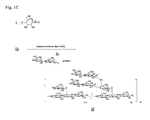
- schizophyllan after the periodate oxidation ( Ib ) is subjected to reductive amination with aqueous ammonia to produce amino group-containing schizophyllan, followed by reaction with a lactone-containing saccharide derivative (Fig.IC, Ie ) thereby producing schizophyllan derivative having amide groups as linkers (Fig.lC, If ).
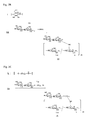
- schizophyllan after the periodate oxidation is rendered to react with an aminooxy group-containign saccharide derivative (Fig.1D, Ig ) or a hydrazone group-containg saccharide derivative (Fig. 1E, Ij ) to produce schizophyllan derivatives having the respective functional groups (Fig. 1D, Ii and Fig.1E, Ik , respectively).
- Fig.2 illustrates another process for obtaining the modified polysaccharide for use in the present invention, in which monosaccharide or oligosaccharide residues are introduced directly into the glucoside bonds of the backbone chain of curdlan, as an example of polysaccharide inherently having no side chains.
- curdlan (Fig.2A, IIa) is subjected bromination and azide formation to prepare azido-curdlan (Fig.2A, IIc ), which undergoes hydrogenation to form aminated curdlan (Fig.2A, IId ).
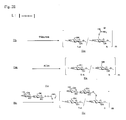
- aminated curdlan is then rendered to react with a lactone-containing saccharide derivative (Fig.2B, IIe) or a brominated saccharide derivative (Fig.2C, IIg ) to form saccharide-modified curdlan (Fig.2B, IIf and Fig.2C, IIh ). It is possible for a brominated curdlan (Fig.2A, IIb ) to render to react with a thiol-containing saccharide derivative (Fig.2D, IIi ) to form a saccharide-modified curdlan (Fig.2D, IIj ).
- a reaction between a thiol-containing curdlan (Fig.2E, IIn ) and an active disulfide-containing saccharide derivative (Fig.2E, IIo ) also produces a saccharide-modified curdlan (Fig.2E, IIp ).
- the rate of monosaccharide or oligosaccharide to be introduced into the side of the backbone chain of the polysaccharide in the above-mentioned manner is preferably in the range of 2 to 10% based on the number (the total number) of the glucose (glucose residues) composing the backbone chain of the polysaccharide.
- Triple helix schizophyllan was prepared in accordance with the conventional method as described in the literature reference: Schizophyllam commune. Fries (ATCC 44200) available from ATCC (American Type Culture Collection) was subjected to a stationary culture in a minimal medium for seven days. After removal of the cellular materials and insoluble residues, the supernatant was subjected to a supersonic treatment to yield schizophyllan with a triple helix structure having a molecular weight of 450000 [ Gregory G Martin, Michael F. Richardson, Gordon C. Cannon and Charles L. McCormick, Am. Chem. Soc. Poly. Prep.
- a saccharide-modified schizophyllan was synthesized in accordance with the reaction scheme as shown in Fig.1. While there is shown, as an example, the synthesis of lactose-modified schizophyllan using aminoethyl lactoside, a similar method for synthesis can be applied to any aminoethyl-containing saccharide (monosaccharide or oligosaccharide). Lactose-modified schizophyllan is synthesized specifically as follows: 234mg of the schizophyllan 234g, as prepared by Example 1 with a molecular weight of 450000, was dissolved in 234ml of distilled water.
- the saccharide-modified schizophyllan had a molecular weight substantially equal to that of the starting schizophyllan, suggesting that the chemical modification caused almost no cleavage of the backbone chain.
- the saccharide introduction rate (n) is calculated from the nitrogen content (x) obtained by elemental analysis, and the saccharide introduction rate (n) for each sample was found to be 0.14 based on the formula as shown below.
- the relation between the sacharide introducntion rate, the rate of substitution of side chain glucose residue (present in a ratio of one per every three backbone chain glucose residues) by the modification saccharide and the nitorogen content can be expressed by the following formula, wherein N, C, H and O denote the atomic weight of nitorogen, carbon, hydrogen one oxygen, respectively. It is also noted that the value of n corresponds to the n as shown in the compound Id in Fig. 1B.
- X 2 ⁇ N ⁇ n / 24 ⁇ C + 40 ⁇ H + 20 ⁇ O ⁇ 1 - n + ( 52 ⁇ C + 92 ⁇ H + 2 ⁇ N + 40 ⁇ O ) n
- SWNTs single-walled carbon nanotubes
- the dispersion was subject to centirifugation (13900 r.p.m.) for hour at 20°C, to remove the supernatant.
- the precipitate was added with 10ml of distilled water, and then subject to a centrifugation.
- the thus obtained nanotubes were dispersed in 10ml of water and subjected to centrifugation of 2780 r.p.m. for ten minutes.
- the undispersed nanotubes were recoved as the precipitate.
- the upper supernatant was used as the dispersion of carbon nanotube in the subsequent experiments. It was checked that the carbon nanotube in the dispersion is of a concentration of about 0.1mg/ml, on UV-vis spectrometry, and has a length of 1-3u, by microscopic observation.
- the thus pretreated aqueous dispersion of the carbon nanotube (0.1mg/ml, 250 ⁇ l) was admixed with a solution of the saccharide-modified schizophyllan in dimethyl sulfoxide (5mg/ml, 5 ⁇ l), followed by an incubation for two days at 50°C. It is noted that the saccharide-modified was in large excess over the single-walled carbon nanotube. After two days, the saccharide-modified schizophyllan-carbon nanotube complex was recovered as a black precipitate by centrifugation (7000 r.p.m., 60min.) to remove the surplus saccharide-modified schizophyllan contained in the supernatant. The treatment was repeated three times to refine the saccharide-modified schizophyllan-carbon nanotube complex.
- the black precipitate obtained by the centrifugation in Example 4 was dissolved in deionized water (350ml) for UV-vis spectrophotometric measurement. There was observed the scattering of light derived from the carbon nanotube over the entire wavelength range (700-200nm) as well as an absorption band at a short wavelength (280nm) assigned to the aromatic ring, proving that the carbon nanotubes were contained in the black precipitate.
- the spectra actually obtained there is shown a spectrum for the lactose-modified schizophyllan-carbon nanotube complex in Fig.3, solid line.
- the black precipitate obtained by the centrifugation in Example 4 was dispersed in deionized water (500 ⁇ l). After adding a 5% aqueous solution of phenol (500 ⁇ l) and then concentrated sulfuric acid (2500 ⁇ l), the mixture was allowed to stand at room temperature over twenty minutes, to develop the color of the sugar chain. As the resulting solution was measured for UV spectrum, there was verified a sharp absorption band at around 490nm.
- the absorption band at 490nm is an absorption band distinctive of the color development in a saccharide due to the phenol-sulfuric acid method, and it is thus evidenced that the black precipitate contained components derived from the saccharide chains.
- Example 5 Taking the results of Example 5 into consideration, it is comprehended that the black precipitate was composed of both the sugar chain and the carbon nanotube.
- a spectrum for the lactose-modified schizophyllan-carbon nanotube complex in Fig.3, broken line [ Hodge, J.E. and Hookter, B.T., Method in Carbohydrate Chemistry, 1, 338 (1962 ) (Non-patent reference 20)].
- Thermogravimetric analysis of the black precipitate obtained by the centrifugation in Example 4 showed a decrease in mass derived from the sugar chain component as well as a decrease in mass derived from the carbon nanotube component verifying that the black precititate is composed of both the sugar chain and the carbon nanotube.
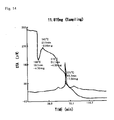
- Fig.14 shows the results of the DTA/TG analysis.
- the rate of temperature rise was 5°C / minute.
- the first decrease (at around 73°C) is derived from the decomposition ofthe modified schizophyllan and the second decrease (the gradual decrease starting from around 371°C) is derived from the decomposition of the carbon nanotube.
- Example 4 An aqueous solution of the black precipitate obtained by the centrifugation in Example 4 was cast on a quartz substrate for direct observation by an atomic force microscope. Firstly, observation was made of free carbon nanotubes and it indicated quite smooth surface without any distinctive structure. By contrast, observation of the lactose-modified schizophyllan-carbon nanotube complex indicated distinctive a striped pattern, on the surface of the carbon nanotube, running transversely with respect to the long axis of the carbon nanotube (Fig.5). For Fig.5, there is concurrently given, for easy understanding, a handwritten drawing made by tracing the micrograph.
- Non-patent reference 1 Such striped pattern is also reported in a system for solvilizing carbon nanotubes in which non-modified schizophyllan is used (Non-patent reference 1), and indicates that the schizophyllan derivative wraps the carbon nanotube in a spiral manner. A similar striped pattern was also observed in a case where the carbon nanotube is coated with the mannose-modified schizophyllan.
- lectins Seven different types are used, i.e. used are RCA 120 ( ⁇ -galactoside selective), WGA ( ⁇ -N-acetylglucosamide selective), ConA ( ⁇ -mannoside and ⁇ -glucoside selective), LCA ( ⁇ -mannoside and ⁇ -glucoside selective), DBA (N-acetylgalactosamide selective), PHA-E4 (N-acetylgalactosamide selective), and UAE-1 ( ⁇ -fucoside selective).
- RCA 120 ⁇ -galactoside selective
- WGA ⁇ -N-acetylglucosamide selective
- ConA ⁇ -mannoside and ⁇ -glucoside selective
- LCA ⁇ -mannoside and ⁇ -glucoside selective
- DBA N-acetylgalactosamide selective
- PHA-E4 N-acetylgalactosamide selective
- UAE-1 ⁇ -fucoside selective
- RCA 120 is a lectin which specifically interacts with a lactose residue, and it was proved that the lactose-modified schizophyllan-single-walled carbon nanotube complex binds to the gold substrate through the specific interaction between the lactose-residue in the complex and RCA 120 .
- the saccharide-modified schizophyllan-single-walled carbon nanotube was recovered by removing the unbound lectin by centrifugation (7000 r.p.m., 2 times).
- lactose-modified schizophyllan-single-walled carbon nanotube complex An embodiment with respect to lactose-modified schizophyllan-single-walled carbon nanotube complex will be explained in the following: Examination of the recovered lactose-modified schizophyllan-single-walled carbon nanotube complex on atomic force microscopy (AFM) revealed that there were observed minute particles assembled on the surface of the lactose-modified schizophyllan-single-walled carbon nanotube complex only when there was used lactose-recognizing lectin such as RCA 120 or PNA (cf. Fig.8 and Fig.9).
- AFM atomic force microscopy
- lactose-recognizing lectin recognizes lactose residues present on the surface of the lactose-modified schizophyllan-single-walled carbon nanotube complex and binds to the surface of the complex in a highly-densed manner, thereby hiding the stripe pattern inherently exhibited by the lactose-modified schizophyllan-single-walled carbon nanotube complex.
- No assembly of the protein was observed with respect to non-lactose-recognizing lactin, ConA or WGA (Fig.10 and Fig.11), supporting that the lectin binding as observed in RCA 120 or PNA is definitely based on the selective sugar chain-lectin interaction.
- Figs.10 and 11 there are concurrently given, for easy understanding, handwritten drawings made by tracing the micrographs.
- Lectin-recognizing specific ability of the saccharide-modified schizophyllan-single-walled carbon nanotube complex was also evidenced by the observation using a confocal laser microscope.
- the samples of the complex were rendered to interact with various types of fluorescein isothiocyanate (FITC)-labeled lectin, followed by centrifugation to recover the saccharide-modified schizophyllan-single-walled carbon nanotube complex.
- FITC fluorescein isothiocyanate
- lactose-modified schizophyllan-single-walled carbon nanotube complex An embodiment with respect to lactose-modified schizophyllan-single-walled carbon nanotube complex will be explained in the following: Observation of the lactose-modified schizophyllan-single-walled carbon nanotube complex revealed that, in the case of using FITC-RCA 120 as lectin, the locations of the lactose-modified schizopyyllan-single-walled carbon nanotube complex shown by the transmitted-light image (Fig. 12, upper-light) completely overlaps with the locations of FITC-RCA 120 shown by the fluorescence image (upper-right) as evidenced by the registered image (Fig.
- lectin-modified agarose gel beads an evaluation experiment was carried out to examine whether the saccharide-modified schizophyllan-single-walled carbon nanotube complex recognize cells through the interaction with a protein present on the cell surface.
- Lectin-modified agarose gel bead is of the same size as cell size and provided, on the surface thereof, a protein which is capable of recognizing a specific saccharide.
- the beads are now widely-used artificial cells as cell mimics in molecular recognition assay.
- the present assay was carried out by using rhodamine-modified schizophyllan-saccharide-modified schizophyllan-single-walled carbon nanotube ternary complex.
- the complex is a carbon nanotube complex having lectin-recognizing ability based on the saccharide-modified schizophyllan as well as fluorescent ability based on the rhodamine-modified schizophyllan.
- RCA 120 lectin-modified agarose gel beads and the ternary complex were rendered to interact with each other in Tris buffer, followed by repeated washing of the RCA 120 lectin-modified agarose gel beads with Tris buffer.
- Confocal microscopic observation indicated fluorescent particles on the surfaces of the RCA 120 lectin-modified agarose gel beads, demonstrating that the ternary complex binds to the surfaces of the RCA 120 lectin-modified agarose gel beads.
- ConA-modified agarose gel beads were used, there are observed no fluorescent substances on the surfaces ofthe gel beads, supporting the fact that the ternary complex binds to the gel surface due to the specific saccharide-lection interaction.
- the present assay using the artificial cells strongly suggests that the saccharide-modified schizophyllan-single walled carbon nanotube complex will recognize specific cells by the specific interaction with a saccharide-recognizing protein present on the cell surface.
- a polysaccharide-carbon nanotube complex without damaging the characteristic features of the carbon nanotube.
- the complex of the present invention possesses biocompatibility based on the polysaccharide and also exhibits selective binding with specific proteins or cells.
- the complex is expected to apply in a sensor element for detecting, for example, proteins such as lectin, toxins (e.g. Vero toxin produced by 0157 or Cholerae toxin produced by Vibrio cholerae), or influenza virus.
Landscapes
- Chemical & Material Sciences (AREA)
- Engineering & Computer Science (AREA)
- Nanotechnology (AREA)
- Materials Engineering (AREA)
- Health & Medical Sciences (AREA)
- Organic Chemistry (AREA)
- Life Sciences & Earth Sciences (AREA)
- Biochemistry (AREA)
- Chemical Kinetics & Catalysis (AREA)
- Medicinal Chemistry (AREA)
- Polymers & Plastics (AREA)
- General Health & Medical Sciences (AREA)
- Molecular Biology (AREA)
- Physics & Mathematics (AREA)
- Condensed Matter Physics & Semiconductors (AREA)
- General Physics & Mathematics (AREA)
- Crystallography & Structural Chemistry (AREA)
- Inorganic Chemistry (AREA)
- Manufacturing & Machinery (AREA)
- Composite Materials (AREA)
- Carbon And Carbon Compounds (AREA)
Abstract
Description
- The present invention relates to a novel polysaccharide-carbon nanotube complex possessing characteristic features such as a biocompatibility.
- Recently new trials have been active to fabricate microelectronic circuits based on the self-organization ability of low molecular compounds, in place of the convetional lithographic method which is approaching to its limitations. For example, there is made an attempt to fabricate a microelectronic circuit, wherein double-stranded nucleic acids, which were revealed to be electrically concuctive, are counted as molecular-sized electric wires and organized to form a complex of the nucleic acids complementary to each other.
- In such trend, attention has been focused on carbon nanotube as the fourth carbon allotrope following diamond, graphite and fullerene. Carbon nanotube is defined as cylindrically rolled graphen sheet(s) and broadly classified, depending upon the mode of cylindrical rolling, into single-walled and multi-walled carbon nanotubes which have proved to exhibit a number of interesting properties [P.M.Ajayan, Chem. Rev. 1999, 99, 1787 (Non-patent reference 1); Y. -P. Sun, K. Fu, Y. Lin, W. Huang, Acc. Chem. Res. 2002, 35, 1096 (Non-patent reference 2); S. Niyogi, M. A. Hamon, H. Hu, B. Zhao, P. Bhowmik, R. Sen, M. E. Itkis, R. C. Haddon, Acc. Chem. Res. 2002, 35, 1105 (Non-patent reference 3)].
- For example, although single-walled carbon nanotubes mostly have a diameter in the range of 0.8 to 1.4 nm and are therefore considered to be an extremely fine linear molecule of a quantum size, they exhibit a very high tensile strength of approx, several tens of GPa. It is also theoretically predicted that single-walled carbon nanotube will not break even under tension at gradually and continuously increasing strength but finally form are array structure of carbon atoms whose ends are closed. Furthermore it has been proved that single-walled carbon nanotubes are highly resistant even to flexure stress. For example, while carbon fibers or metals under flexure stress will break up beyond the elastic limit, it is found through transmission electron microscopic observation and other means that single-walled carbon nanotubes under flexure stress just transform to form a waved structure toward the compression side. The carbon nanotubes also feature restoration from the transformation. It has been thus elucidated single-walled carbon nanotubes are hard to be ruptured and are highly flexible.
- Single-walled carbon nanotubes possess a very low density of 1.33 to 1.40 g/cm2 owing to the hollow structure and thus remarkably lighter than aluminum which has a density of 2.7 g/cm3 and is a representative lightweight and high-strength material. Taking the mechanical strength into consideration, single-walled carbon nanotubes can be an ideal material in the fields where there are demanded lightweight and highly-strong materials.
- In addition to the excellent mechanical properties as mentioned above, single-walled carbon nanotubes has turned out to exhibit electrical conductivity due to the continuous π-electron cloud. Depending upon the type of the structure, single-walled carbon nanotubes are classified into three isomers, i.e, sigzag, chiral and armchain ones, and it is known that the respective isomers exhibit metallic or semiconductive conductivity owing to the subtle difference in the structure.
- Recently it has been elucidated that mass transportation can be carried out through the hollow of a single-walled carbon nanotube and also that carbon nanotubes can be a carrier for delivering a drug into cells [D. Pantarotto, J. -P. Briand, M. Prato, A. Bianco, Chem. Commun. 2004, 16 (Non-patent reference 4)].
- Because of a variety of characteristic properties as mentioned above, carbon nanotubes are a promising novel material which may be applicable not only as a conductive substance for the next generation of microelectronic circuits but also as materials in the wide range of fields including biochemistry.
- For example, it has been shown that the electrical conductivity of a single-walled carbon nanotube drastically changes depending upon the circumstance, such as adsorption with a diatomic molecule or a protein onto the carbon nanotube, and thus, taking advantage of such phenomena, single-walled carbon nanotubes are expected to be a sensor for detecting a target substance [S. Santucci, S. Picozzi, F. Di Gregorio, L. Lozzi, C. Cantalini, L. Valentini, J. M. Kenny, B. Delly, J. Chem. Phys. 2003, 119, 10904 (Non-patent reference 5); R. J. Chen, S. Bangsaruntip, K. A. Drouvalakis, N. W. S. Kam, M. Shim, Y. M. Li, W. Kim, P. J. Utz, H. J.Dai, Proc. Natl. Acad. Sci. U.S.A. 2003, 100, 4984 (Non-patent reference 6); K. Besteman, J. Lee, F. G M. Wiertz, H. A. Heering, C. Dekker, Nano Lett. 2003, 3, 727 (Non-patent reference 7)].
- However, carbon nanotubes are composed of only carbon atoms, and therefore have a high autocohesion and are insoluble in all types of solvents including water and organic solvents. Carbon nanotubes will not interact selectively with specific types of molecules, because they have no molecular-recognition sites.
- Extensive studies are being made on the introduction of molecular-recognition sites into carbon nanotubes through the direct chemical modification thereof, for improving the dispersability of the carbon nanotubes in solvents or for developing a sensor system based on the carbon nanotubes. For example, polyether groups, peptides saccharide chains or the like can be introduced into a carbon nanotube by oxidization of the carbon nanotube through supersonic treatment in the mixed acid, followed by amidationg the resultant carboxyl groups [Matsuura, K. Hayashi, N. Kimizuka, Chem. Lett. 2003, 32, 212 (Non-patent reference 8)].
- Methods are widely used in which a carbon nanotube is directly modified through a cycloaddition reaction, without the above-mentioned treatment in the mixed acid [D. M. Guldi, M. Marcaccio, D. Paolucci, F. Paolucci, N. Tagmatarchis, D. Tasis, E. Vazques, M. Prato, Angew, Chem. Int. Ed. 2003, 42, 4206 (Non-patent reference 9); A. Bianco, M. Prato, Adv. Mater. 2003, 15, 1765 (Non-patent reference 10)].
- Although great advances are thus being made in direct chemical modification of carbon nanotubes, the method suffers from a drawback in that it will inevitably degrade the inherent properties of the carbon nanotubes such as electrical conductivity, stiffness on linearity because the chemical modification will necessarily disturb the π-electron system of the carbon nanotube. Furthermore it is very difficult to introduce a highly densed functional group into carbon nanotubes through a direct chemical modification method, because the higher degree of modification will result in the higher degree of lowering in the electric conductivity. For solving these issues, there are demanded methods of functionalizing carbon nanotubes which methods are convenient, versatile and nondestructive without damaging the electrochemical properties of the carbon nanotubes.
- On the other hand, a variety of covering or coating material have been studied in terms of the solubilization of carbon nanotubes. For example, it is reported that a pyrene-based compound having an amino group adsorbs on the surface of a carbon nanotube due to the interaction between the pyrene and the carbon nanotube, thereby making the carbon nanotube water-soluble because of the cationic property derived from the amino group [A. B. Artyukhin, O. Bakajin, P. Stroeve, A. Noy, Langmuir 2004, 20, 1442 (Non-patent reference 11)].
- Similarly, cationic pyrene-containing polyacrylamide adsorbs onto a carbon nanotube due to strong interaction between the pyrene and the carbon nanotube, thereby making the carbon nanotube soluble in water because of the negative electricity present in the polymer chain [P. Petrov, F. Stassin, C. Pagnoulle, R. Jerome, Chem. Commun. 2003, 2904 (Non-patent reference 12)].
- It has been also elucidated that amilose, a naturally occurring polysaccharide, complexes with a single-walled carbon nanotube, thereby solubilizing the carbon nanotube [A. Star, D. W. Steuerman, J. R. Heath, J. F. Stoddart, Angew. Chem. Int. ed. 2002, 41, 2508 (Non-patent reference 14); C. Lii, L. Stobinski, P. Tomasik, C. Liao. Carbohydr. Polym., 2003, 51, 93 (Non-pantent reference 15)].
- However, in the above-mentioned studies with respect to the interactions between the covering or coating materials and the carbon nanotubes, emphasis are put only on the solubilization of the carbon nanotubes. No attempts have been made, by making use of the covering or coating phenomena, to provide assembled functional groups, such as molecular-recognition or electronically functional groups, with the surface of a carbon nanotube.
- Recently the present inventors and others have found an interesting phenomena that a carbon nanotube is coated with schizophyllan or curdlan, naturally occurring β-1,3-glucan, in a spiral fashion. It has been also found that the use of schizophyllan enables the dispersion of a larger amount of carbon nanotubes in an aqueous solvent for a longer period of time, as compared with the use of another natural polysaccharide such as amylose. Thus, we filed a patent application for a novel process of solubilization of carbon nanotubes by using schizophyllan and other β-1,3-glucans. The coating of carbon nanotubes with the harmless natural polysaccharide will be a promising in vivo application of carbon nanotubes, particularly single-walled carbon nanotubes [ M. Numata, M. Asai, K. Kaneko, T. Hasegawa, N. Fujita, Y. Kitada, K. Sakurai, S. Shinkai, Chem. Lett. 2004, 33, 232 (Non-patent reference 16);
Japanese Patent Application No.2003-339569 - The complex of a carbon nanotube with schizophyllan, a β-1,3-glucan, is very stable, as compared with that of a carbon nanotube with amylose, a α-1,4-glucan. Amylose is easily hydrolysed with a glucanase present in the human body, whereas the human body have no β-1,3-glucanase, i.e. enzymes which serves to hydrolyse β-1,3-glucans including schizophyllan. In view of these facts, the coating of carbon nanotubes with schizophyllan will provide a solubilization system suitable in in-vivo or biochemical applications.
- The object of the present invention is to provide novel useful materials derived from carbon nanotubes, which serves, for example, to selectively interact with specific proteins cells, without damaging the inherent properties of the carbon nanotube.
- The present invention is based on introducing cell- or protein-recognizing saccharide into the side of a polysaccharide, and coating (clathrating) a carbonanotube with such modified polysaccharide.
- Thus, according to the present invention there is provided a complex which comprises a carbon nanotube and a modified polysaccharide, having a backbone chain with the side thereof being introduced with monosaccharide or oligosaccharide residues.
- Fig. 1 illustrates a scheme for synthesizing the modified polysaccharide for use in the present invention.
- Fig. 2 illustrates another scheme for synthesizing the modified polysaccharide for use in the present invention.
- Fig. 3 shows a UV spectrum of lactose-modified schizophyllan (solid line, Example 6) and a UV spectrum of the same polysaccharide after having being treated with the phenol-sulfuric acid method (broken line, Example 6).
- Fig. 4 shows an atomic force micrograph of single-walled carbon nanotubes (Example 8).
- Fig. 5 shows an atomic force micrograph of a complex of schizophyllan and single-walled carbon nanotube.
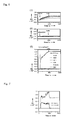
- Fig. 6 shows the binding behavior, based on surface plasmon resonance, of (1) single-walled carbon nanotube, (2) complex of schizophyllan and single-walled carbon nanotube, and (3) a complex of lactose-modified schizophyllan and single-walled carbon nanotube onto a lectin-fixed gold substrate (Example 9).
- Fig. 7 shows the binding behavior, based on surface plasmon resonance, of a complex of mannose-modified schizophyllan and single-walled carbon nanotube onto a lectin-fixed gold substrate (Example 9).
- Fig. 8 shows an atomic force micrograph of a complex of lactose-modified schizophyllan and single-walled carbon nanotube, after the incubation with RCA120 lectin (Example 10).
- Fig. 9 shows an atomic force micrograph of a complex of lactose-modified schizophyllan and single-walled carbon nanotube, after the incubation with PNA lectin (Example 10).
- Fig. 10 shows an atomic force micrograph of a complex of lactose-modified schizophyllan and single-walled carbon nanotube, after the incubation with ConA lectin (Example 10).
- Fig. 11 shows an atomic force micrograph of a complex of lactose-modified schizophyllan and single-walled carbon nanotube, after the incubation with WGA lectin (Example 10).
- Fig. 12 shows confocal laser micrographs of a complex of lactose-modified schizophyllan and single-walled carbon nanotube, after the incubation with FITC-RCA120 lectin (Example 11): fluorescence image (upper-left), transmitted light image (upper-right), and registered image of the two images (lower-left).
- Fig. 13 shows confocal laser micrographs of a complex of lactose-modified schizophyllan and single-walled carbon nanotube, after the incubation with FITC-ConA lectin (Example 11): fluorescence image (upper-left), transmitted light image (upper-right), and registered image of the two images (lower-left).
- Fig. 14 shows the results of thermogravimetric analysis of a complex of the present invention (Example 11).
- The term "modified polysaccharide" for composing a complex of the present invention means a polysaccharide, whose backbone chain has been externally introduced with monosaccharide or oligosaccharide residues into the side thereof
- As the starting polysaccharide, any saccharide can be basically applied as long as it can be introduced with a monosaccharide or oligosaccharide into the side of the backbone chain thereof, and it can be complexed with carbon nanotube. For example, while such polysaccharide as β-1,3-xylan or α-1,4-glucan (e.g. amilose) can be used, the most preferable polysaccharide is β-1,3-glucan.
- β-1,3-glucan forms a complex, with carbon nanotube, which is particularly stable and of excellent solubility. Above all, schizophyllan is ensured for its safety as it has usage track record of an intramuscular injection for more than twenty years.
- As well known, β-1,3-glucan is a polysaccharide in which the backbone chain is composed of β1→3 glucoside bonds. While there is known a β-1,3-glucan which has no side chain glucose (strictly, glucose resideres), such as curdlan, or a small number of side chain glucose residues, such as pachyman, and such polysaccharides can be applied to the present invention, preferred is a β-1,3-glucan who has a considerable number of side chain glucose residues such as schizophyllan, lentinan and scleroglucan, of which schizophyllan is particularly preferred. As described later, these polysaccharides are advantageous in that they can be easily introduced with monosaccharide or oligosaccharide residues into the side chains thereof With respect to the molecular weight of β-1,3-glucan, the polysaccharide is required to have a reasonable length of molecule and thus a molecular weight of about 2000 or more will suffice for use in the invention.
- As well known, carbon nanotube can be classified into single-walled carbon nanotube and multi-walled carbon nanotube. While the principle of the present invention is applicable to any types of the carbon nanotubes including the mixture thereof, the present invention is preferably applied to single-walled carbon nanotubes (which may be herein abbreviated as SWNTs). Thus, the following explanation will be made predominantly with reference to cases where the present invention is applied to SWNTs.
- By the "monosaccharide ore oligosaccharide" to be introduced into the sides of the backbone chain of a polysaccharide typified by β-1,3-glucan, is referred to a variety of saccharides as described in the aforementioned and other literatures. Preferred examples include, but are not limited to, a monosaccharide selected from galactose, N-acetylgalactosamine, N-acetylglucosamine, glucose, fucose, sialic acid and lactose, and an oligosaccharide composed of such monosaccharide.
- The abovementioned saccharides are essential (constituent saccharides present in living things, and it has been shown that they are involved in various molecular recognition phenomena in living things, such as impregnation, differentiation, cell adhesion and intercellular signaling. Most of the constituent saccharides are also known as recognition sites on the surfaces of cells, through which toxins, viruses and the like lock onto the host cells. For example, influenza viruses lock onto human bronchial cells by strongly recognizing sialic acid.
- The complex of the present invention which comprises a carbon nanotube and a modified saccharide introduced with monosaccharide or oligosaccharide residues can be prepared in an easy manner: A solution of the modified saccharide (preferably β-1,3-glucan) dissolved in an aprotic polar solvent or a strong alkali solution is admixed with an aqueous dispersion of the carbon nanotube, followed by incubation of the resultant mixture (in case where a strong alkali solution is used, the incubation follows neutralization) to obtain the desired complex. Preferred examples of aprotic polar solvents include, but are not limited to, dimetyl sulfoxide (DMSO). Preferred examples of strong alkali solutions include, but are not limited to, an aqueous solution of sodium hydroxide. The incubation is preferably carried out at a temperature of 50°C for two days.
- It is known that β-1,3-glucan assumes a triple helix structure as it occurs naturally. The present inventors have found that such structure of β-1,3-glucan is unbound in an aprotic polar solvent (e.g. DMSO) or in a strong alkali solution (e.g, sodium hydroxide solution) to a single-stranded form, and further that transfer of the resultant into an aqueous neutral solution will restore the triple helix structure, and at that time, if a substance coexists, β-1,3-glucan will wind up or wrap the coexistent substance so that β-1,3-glucan takes the substance in the hydrophobic space defined by β-1,3-glucan by coating the substance [M. Numata, T. Hasegawa, T. Fujisawa, K. Sakurai, S. Shinkai, Org. Lett. 6(24), 4447-4450 (2004) (Non-patent reference 21); C. Li, M. Numata, Ah-Hyun Bae, K. Sakurai, S. Shinkai, J. Am. Chem. Soc., 127, 4548-4549 (2005) (Non-patent reference 22); M. Numata, M. Asai, K. Kaneko, T. Hasegawa, K. Sakurai, S. Shinkai, J. Am. Chem. Soc., 127(16), 5875-5884 (2005) (Non-patent reference 23)].
- The aforementioned process for preparing the complex of the present invention is based upon such phenomenon. It is comprehended that the modified polysaccharide-carbon nanotube complex of the present invention is constructed in such form that the carbon nanotube is included in the interior space of the modified polysaccharide and bound with the backbone chain of the modified polysaccharide through the hydrophobic interaction, while there are present, on the exterior surface of the polysaccharide, monosaccharide or oligosaccharide residues which are capable of recognizing proteins or cells. No direct chemical modifications are provided to the carbon nanotube in the complex of the present invention.
- In preparing the modified polysaccharide composing the complex of the present invention, various known reactions can be utilized to introduce the desired monosaccharide or oligosaccharide residues into the side of the backbone chain of the polysaccharide. Fig.1 (Fig.1A- Fig.1E) and Fig.2 (Fig.2A- Fig.2E) illustrates reaction schemes in which lactose or galactose is introduced, as examples of the monosaccharide or oligosaccharide. It is to be noted that, in a case where monosaccharide or oligosaccharide is introduced so that the monosaccharide or oligosaccharide residues are directly bound to the backbone chain of the polysaccharide, the resultant polysaccharide-carbon nanotube is relatively weak in its recognition ability for proteins or cell membranes. Therefore, monosaccharide or oligosaccharide residues are preferably introduced so that there is present a linker between the polysaccharide and the monosaccharide or oligosaccharide residue. In Figs. L's denote the respective atomic groups which serves as a linker.
- Fig.1 illustrates a process for the introduction of monosaccharide or oligosaccharide into schizophyllan, a kind of β-1,3-glucan, as an example of polysaccharide, in which there is utilized glucose, inherently present in the side chains of the starting polysaccharide, and the glucose moiety is subjected periodate oxidation followed by reductive amination. This process is particularly preferable in preparing the modified polysaccharide because monosaccharide or oligosaccharide residae can be introduced in a relatively easy manner without affecting the glucoside bonds of the backbone chain. For example, at least part of the side chain glucose is oxidized with sodium periodate resulting in the opening of the ring to produce an aldehyde (Fig.1A, Ib), which is rendered to react with an amine derivative of saccharide to be introduced (Fig.1B, Ic; aminoethyl lactoside) for reductive amination with a reducing agent such as sodium borohydride to produce saccharide-containing (lactose-containing) side chains (Example 2, Fig.lB, Id). Alternatively, schizophyllan after the periodate oxidation (Ib) is subjected to reductive amination with aqueous ammonia to produce amino group-containing schizophyllan, followed by reaction with a lactone-containing saccharide derivative (Fig.IC, Ie) thereby producing schizophyllan derivative having amide groups as linkers (Fig.lC, If). Furthermore, schizophyllan after the periodate oxidation is rendered to react with an aminooxy group-containign saccharide derivative (Fig.1D, Ig) or a hydrazone group-containg saccharide derivative (Fig. 1E, Ij) to produce schizophyllan derivatives having the respective functional groups (Fig. 1D, Ii and Fig.1E, Ik, respectively).
- Fig.2 illustrates another process for obtaining the modified polysaccharide for use in the present invention, in which monosaccharide or oligosaccharide residues are introduced directly into the glucoside bonds of the backbone chain of curdlan, as an example of polysaccharide inherently having no side chains. In this case curdlan (Fig.2A, IIa) is subjected bromination and azide formation to prepare azido-curdlan (Fig.2A, IIc), which undergoes hydrogenation to form aminated curdlan (Fig.2A, IId). The aminated curdlan is then rendered to react with a lactone-containing saccharide derivative (Fig.2B, IIe) or a brominated saccharide derivative (Fig.2C, IIg) to form saccharide-modified curdlan (Fig.2B, IIf and Fig.2C, IIh). It is possible for a brominated curdlan (Fig.2A, IIb) to render to react with a thiol-containing saccharide derivative (Fig.2D, IIi) to form a saccharide-modified curdlan (Fig.2D, IIj). In addition, a reaction between a thiol-containing curdlan (Fig.2E, IIn) and an active disulfide-containing saccharide derivative (Fig.2E, IIo) also produces a saccharide-modified curdlan (Fig.2E, IIp).
- It is noted that the rate of monosaccharide or oligosaccharide to be introduced into the side of the backbone chain of the polysaccharide in the above-mentioned manner is preferably in the range of 2 to 10% based on the number (the total number) of the glucose (glucose residues) composing the backbone chain of the polysaccharide.
- Triple helix schizophyllan was prepared in accordance with the conventional method as described in the literature reference: Schizophyllam commune. Fries (ATCC 44200) available from ATCC (American Type Culture Collection) was subjected to a stationary culture in a minimal medium for seven days. After removal of the cellular materials and insoluble residues, the supernatant was subjected to a supersonic treatment to yield schizophyllan with a triple helix structure having a molecular weight of 450000 [Gregory G Martin, Michael F. Richardson, Gordon C. Cannon and Charles L. McCormick, Am. Chem. Soc. Poly. Prep. 1997, 38, 253 (Non-patent reference 17); Kengo Tabata, Wataru Ito, Takemasa Kojima, Shozo Kawabata and Akitra Misaki, Carbohydrate Res. 1981, 89, (2) (Non-patent reference 18)].
- A saccharide-modified schizophyllan was synthesized in accordance with the reaction scheme as shown in Fig.1. While there is shown, as an example, the synthesis of lactose-modified schizophyllan using aminoethyl lactoside, a similar method for synthesis can be applied to any aminoethyl-containing saccharide (monosaccharide or oligosaccharide). Lactose-modified schizophyllan is synthesized specifically as follows: 234mg of the schizophyllan 234g, as prepared by Example 1 with a molecular weight of 450000, was dissolved in 234ml of distilled water. To the resultant was added slowly a solution of sodium periodate 23.7mg (0.3 equivalence per the side chain glucose) dissolved in a small amount of distilled water, while keeping the temperature at 4°C with stirring. The reaction solution was subjected to dialysis through a membrane (with an exclusion limit of 8000), followed by addition of 0.64g of aminoethyl lactone. The mixture was stirred for two days at room temperature. The reaction solution was lyophilized and the resultant white solid was dissolved in 35ml of dimethyl sulfoxide. The resultant solution was added with aminoethyl lactoside (cf. the literature reference by Sun et al. for the synthesis thereof) and a small amount of potassium carbonate, followed by stirring for two days. Following the addition of sodium borohydride, the resultant was stirred for two days and then subjected to reprecipitation with 500ml of ethanol. The thus formed precipitate was isolated filtration, followed by repeated washing with methanol and acetone. After the precipitate was suspended in distilled water, the insolubles were filtered off. The resultant solution was subjected to dialysis through a membrane (exclusion limit: 8000) followed by lyophilization to yield lactose-modified schizophyllan [Sun, Xue-Long; Faucher, Keith M.; Houston, Michelle; Grande, Dani el; Chaikof, Elliot L. J. Am. Chem. Soc. 2002, 124, 7258 (Non-patent reference 19)].
- The saccharide-modified schizophyllan prepared in Example 2 was determined for the molecular weight by gel exclusion chromatography (column: TSK gel-α-4000, eluent: [LiBr] = 20mM): The saccharide-modified schizophyllan had a molecular weight substantially equal to that of the starting schizophyllan, suggesting that the chemical modification caused almost no cleavage of the backbone chain.
- With respect to the saccharide-modified schizophyllan, the saccharide introduction rate (n) is calculated from the nitrogen content (x) obtained by elemental analysis, and the saccharide introduction rate (n) for each sample was found to be 0.14 based on the formula as shown below.
- In the case of the modified schizophyllan as prepared in Example 2, the relation between the sacharide introducntion rate, the rate of substitution of side chain glucose residue (present in a ratio of one per every three backbone chain glucose residues) by the modification saccharide and the nitorogen content can be expressed by the following formula, wherein N, C, H and O denote the atomic weight of nitorogen, carbon, hydrogen one oxygen, respectively. It is also noted that the value of n corresponds to the n as shown in the compound Id in Fig. 1B.

- By rearranging this formula for n and substituting the values of nitrogen content (X: rate by weight) obtained by elemental analysis and the atomic weight of the respective atoms, the saccharide introduction rate (n) was calculated to be 0.14 (14mol%) as follows:

- In schizophyllan the side chain glucose residues are present in a ratio of one per every three backbone chain glucose residues. Lactose was introduced in the rate of 13.8% to such side chains. Thus, the introduction rate of lactose per the total number of the glucose (residues) composing the polysaccharide backbone chain is (13.8/3)%, i.e. 4.6%.
- Carbon nanotubes were pretreated as follows: The single-walled carbon nanotubes (SWNTs) 10mg, available from Carbon Nanotechnologies Inc. (Texas, USA), was added with 50ml of mixed acid (nitric acid: suffuric acid = 1:3 (v/v)), followed by a supersonic treatment (50kHz) for 2-3 hours. The solution was subjected to a filtration. The residues were neutralized with 10mM sodium hydroxide, and then sufficiently washed with distilled water until the filtrate became neutral. The residues were recovered prior to complete drying, and dispersed in 100ml of ditilled water. The dispersion was subject to centirifugation (13900 r.p.m.) for hour at 20°C, to remove the supernatant. The precipitate was added with 10ml of distilled water, and then subject to a centrifugation. The thus obtained nanotubes were dispersed in 10ml of water and subjected to centrifugation of 2780 r.p.m. for ten minutes. The undispersed nanotubes were recoved as the precipitate. The upper supernatant was used as the dispersion of carbon nanotube in the subsequent experiments. It was checked that the carbon nanotube in the dispersion is of a concentration of about 0.1mg/ml, on UV-vis spectrometry, and has a length of 1-3u, by microscopic observation.
- The thus pretreated aqueous dispersion of the carbon nanotube (0.1mg/ml, 250µl) was admixed with a solution of the saccharide-modified schizophyllan in dimethyl sulfoxide (5mg/ml, 5µl), followed by an incubation for two days at 50°C. It is noted that the saccharide-modified was in large excess over the single-walled carbon nanotube. After two days, the saccharide-modified schizophyllan-carbon nanotube complex was recovered as a black precipitate by centrifugation (7000 r.p.m., 60min.) to remove the surplus saccharide-modified schizophyllan contained in the supernatant. The treatment was repeated three times to refine the saccharide-modified schizophyllan-carbon nanotube complex.
- The black precipitate obtained by the centrifugation in Example 4 was dissolved in deionized water (350ml) for UV-vis spectrophotometric measurement. There was observed the scattering of light derived from the carbon nanotube over the entire wavelength range (700-200nm) as well as an absorption band at a short wavelength (280nm) assigned to the aromatic ring, proving that the carbon nanotubes were contained in the black precipitate. As an example of the spectra actually obtained, there is shown a spectrum for the lactose-modified schizophyllan-carbon nanotube complex in Fig.3, solid line.
- The black precipitate obtained by the centrifugation in Example 4 was dispersed in deionized water (500µl). After adding a 5% aqueous solution of phenol (500µl) and then concentrated sulfuric acid (2500µl), the mixture was allowed to stand at room temperature over twenty minutes, to develop the color of the sugar chain. As the resulting solution was measured for UV spectrum, there was verified a sharp absorption band at around 490nm. The absorption band at 490nm is an absorption band distinctive of the color development in a saccharide due to the phenol-sulfuric acid method, and it is thus evidenced that the black precipitate contained components derived from the saccharide chains. Taking the results of Example 5 into consideration, it is comprehended that the black precipitate was composed of both the sugar chain and the carbon nanotube. As an example of the spectra actually obtained, there is shown a spectrum for the lactose-modified schizophyllan-carbon nanotube complex in Fig.3, broken line [Hodge, J.E. and Hofreiter, B.T., Method in Carbohydrate Chemistry, 1, 338 (1962) (Non-patent reference 20)].
- Thermogravimetric analysis of the black precipitate obtained by the centrifugation in Example 4 showed a decrease in mass derived from the sugar chain component as well as a decrease in mass derived from the carbon nanotube component verifying that the black precititate is composed of both the sugar chain and the carbon nanotube.
- Fig.14 shows the results of the DTA/TG analysis. The rate of temperature rise was 5°C / minute. The first decrease (at around 73°C) is derived from the decomposition ofthe modified schizophyllan and the second decrease (the gradual decrease starting from around 371°C) is derived from the decomposition of the carbon nanotube.
- An aqueous solution of the black precipitate obtained by the centrifugation in Example 4 was cast on a quartz substrate for direct observation by an atomic force microscope. Firstly, observation was made of free carbon nanotubes and it indicated quite smooth surface without any distinctive structure. By contrast, observation of the lactose-modified schizophyllan-carbon nanotube complex indicated distinctive a striped pattern, on the surface of the carbon nanotube, running transversely with respect to the long axis of the carbon nanotube (Fig.5). For Fig.5, there is concurrently given, for easy understanding, a handwritten drawing made by tracing the micrograph. Such striped pattern is also reported in a system for solvilizing carbon nanotubes in which non-modified schizophyllan is used (Non-patent reference 1), and indicates that the schizophyllan derivative wraps the carbon nanotube in a spiral manner. A similar striped pattern was also observed in a case where the carbon nanotube is coated with the mannose-modified schizophyllan.
- Evaluation was made of the interaction between the saccharide-modified schizophyllan-carbon nanotube complex and lectin, by the surface plasmon resonance method using a lectin-modified gold substrate. A commercially available chip (Sensor Chip SA, BIACORE) was set in BIACORE biosensor, followed by washing with Tris buffer (1mM, pH7.2) for several minutes. On the surface of the chip was fixed avidin through carboxymethyl dextran. A solution of a biotin-labeled lectin was run into a channel to fix the lectin on the surface of the sensor chip through the strong avidin-biotin interaction. Using the lectin-modified gold substrate, the binding experiments were carried out as follows. Seven different types of lectins are used, i.e. used are RCA120 (β-galactoside selective), WGA (β-N-acetylglucosamide selective), ConA (α-mannoside and α-glucoside selective), LCA (α-mannoside and α-glucoside selective), DBA (N-acetylgalactosamide selective), PHA-E4 (N-acetylgalactosamide selective), and UAE-1 (α-fucoside selective).
- Firstly, when free carbon nanotube (SWNT) was suspended in Tris buffer and the suspension was run through the channel (Fig.6 (1)), it was found that the single-carbon nanotube nonspecifically binds to all types of lectin-modified gold substrates. Detachment experiments were carried out of the bound single-walled carbon nanotube from the lectin-fixed gold substrates, but there was observed no removal of the single-walled carbon nanotube when an acidic, basic, or guanidine hydrochloride-containing buffer was run into the channel. Removal of the single-walled carbon nanotube was observed only when a surfactant-containing buffer was used, indicating that the nonspecific binding is due to a hydrophobic interaction. Thus, it can be concluded that the single-walled carbon nanotube is highly hydrophobic, and interacted with the hydrophobic sites of the lectin.
- Next, in the case of the schizophyllan-carbon nanotube complex (SPG/SWNT) (Fig.6 (2)), almost no binding was observed with any type of lectin. It is considered that the hydrophobic surface of the single-walled carbon nanotube is covered by the polymer wrapping of schizophyllan and hence the nonspecific adsorption due to the hydrophobic interaction is completely blocked. Such suppression of nonspecific adsorption of proteins is quite important in the utilization in vivo of the single-walled carbon nanotube.
- Lastly, in the case of the lactose-modified schizophyllan-carbon nanotube complex (SPG-Lac/SWNT) (Fig.6 (3)), while strong binding was ascertained only with the RCA-modified gold substrate, no binding was ascertained with the other types of lectins. RCA120 is a lectin which specifically interacts with a lactose residue, and it was proved that the lactose-modified schizophyllan-single-walled carbon nanotube complex binds to the gold substrate through the specific interaction between the lactose-residue in the complex and RCA120. More specifically, it can be concluded that thanks to the polymer wrapping by the lactose-modifed schizophyllan, the single-walled carbon nanotube, which is inherently no lectin-recognizing, has been provided with the ability of selective binding to the specific lectin. Similarly, in the case of the mannose-modified schizophyllan-single-walled carbon nanotube complex, it interacted only with a specific type of lectin, i.e. ConA, and did not interact with RCA120 (Fig.7).
- It is thus evidenced from the above-mentioned results that the use of a saccharide-modified schizophyllan-single-walled carbon nanotube complex enables selective binding of lectin to the complex, due to the ability of the lectin to recognize the saccharide chain of the complex. Recently trials have been active to utilize carbon nanotubes in sensor elements. For example, it has been reported that a sensor element composed of electrodes bridged by carbon nanotubes exhibits a large change in electrical resistance depending upon a substance (e.g, NO) adsorped on the carbon nanotubes (Non-patent reference 5). Taking advantage of the ability of the carbon nanotube complex of the present invention to recognize a specific type of protein, it is expected to develop a sensor for specifically detecting a saccharide-recognizing protein, virus or toxin.
- Direct observation using atomic force microscope (AFM) was conducted of interaction ofthe saccharide-modified schizophyllan-single-walled carbon nanotube complex with lectin.
- The saccharide-modified schizophyllan-single-walled carbon nanotube complex was incubated together with various types of lectin in Tris-HCl buffer (1mM, pH7.2, [CaCl2] and [MnCl2] = 10µm) at room temperature for 15 minutes. The saccharide-modified schizophyllan-single-walled carbon nanotube was recovered by removing the unbound lectin by centrifugation (7000 r.p.m., 2 times). An embodiment with respect to lactose-modified schizophyllan-single-walled carbon nanotube complex will be explained in the following: Examination of the recovered lactose-modified schizophyllan-single-walled carbon nanotube complex on atomic force microscopy (AFM) revealed that there were observed minute particles assembled on the surface of the lactose-modified schizophyllan-single-walled carbon nanotube complex only when there was used lactose-recognizing lectin such as RCA120 or PNA (cf. Fig.8 and Fig.9). It can be reasonably elucidated that such lactose-recognizing lectin recognizes lactose residues present on the surface of the lactose-modified schizophyllan-single-walled carbon nanotube complex and binds to the surface of the complex in a highly-densed manner, thereby hiding the stripe pattern inherently exhibited by the lactose-modified schizophyllan-single-walled carbon nanotube complex. No assembly of the protein was observed with respect to non-lactose-recognizing lactin, ConA or WGA (Fig.10 and Fig.11), supporting that the lectin binding as observed in RCA120 or PNA is definitely based on the selective sugar chain-lectin interaction. With respect to Figs.10 and 11, there are concurrently given, for easy understanding, handwritten drawings made by tracing the micrographs.
- Lectin-recognizing specific ability of the saccharide-modified schizophyllan-single-walled carbon nanotube complex was also evidenced by the observation using a confocal laser microscope. In a similar manner as in the aforementioned sample preparation for AFM, the samples of the complex were rendered to interact with various types of fluorescein isothiocyanate (FITC)-labeled lectin, followed by centrifugation to recover the saccharide-modified schizophyllan-single-walled carbon nanotube complex. An embodiment with respect to lactose-modified schizophyllan-single-walled carbon nanotube complex will be explained in the following: Observation of the lactose-modified schizophyllan-single-walled carbon nanotube complex revealed that, in the case of using FITC-RCA120 as lectin, the locations of the lactose-modified schizopyyllan-single-walled carbon nanotube complex shown by the transmitted-light image (Fig. 12, upper-light) completely overlaps with the locations of FITC-RCA120 shown by the fluorescence image (upper-right) as evidenced by the registered image (Fig. 12, lower-left), demonstrating the binding between the lactose-modified schizophyllan-single-walled carbon nanotube complex and FITC-RCA120. In the case of using FITC-ConA, there was observed almost no fluorescence image and no registered image with the Lac-modified SPG-SWNT complex image. In the case of the mannose-modified schizophyllan-single-walled carbon nanotube, the locations of the complex shown by the transmitted-light image completely registers with those of FITC-ConA shown by the fluorescence image, demonstrating that the mannose-modified schizophyllan-single-walled carbon nanotube complex interact selectively with FITC-ConA (Fig.13).
- Using lectin-modified agarose gel beads, an evaluation experiment was carried out to examine whether the saccharide-modified schizophyllan-single-walled carbon nanotube complex recognize cells through the interaction with a protein present on the cell surface. Lectin-modified agarose gel bead is of the same size as cell size and provided, on the surface thereof, a protein which is capable of recognizing a specific saccharide. Thus, the beads are now widely-used artificial cells as cell mimics in molecular recognition assay. The present assay was carried out by using rhodamine-modified schizophyllan-saccharide-modified schizophyllan-single-walled carbon nanotube ternary complex. The complex is a carbon nanotube complex having lectin-recognizing ability based on the saccharide-modified schizophyllan as well as fluorescent ability based on the rhodamine-modified schizophyllan.
- RCA120 lectin-modified agarose gel beads and the ternary complex were rendered to interact with each other in Tris buffer, followed by repeated washing of the RCA120 lectin-modified agarose gel beads with Tris buffer. Confocal microscopic observation indicated fluorescent particles on the surfaces of the RCA120 lectin-modified agarose gel beads, demonstrating that the ternary complex binds to the surfaces of the RCA120 lectin-modified agarose gel beads. In the case where ConA-modified agarose gel beads were used, there are observed no fluorescent substances on the surfaces ofthe gel beads, supporting the fact that the ternary complex binds to the gel surface due to the specific saccharide-lection interaction. The present assay using the artificial cells strongly suggests that the saccharide-modified schizophyllan-single walled carbon nanotube complex will recognize specific cells by the specific interaction with a saccharide-recognizing protein present on the cell surface.
- In accordance with the present invention there can be obtained a polysaccharide-carbon nanotube complex without damaging the characteristic features of the carbon nanotube. The complex of the present invention possesses biocompatibility based on the polysaccharide and also exhibits selective binding with specific proteins or cells. Thus, the complex is expected to apply in a sensor element for detecting, for example, proteins such as lectin, toxins (e.g. Vero toxin produced by 0157 or Cholerae toxin produced by Vibrio cholerae), or influenza virus.
Claims (8)
- A complex which comprises a carbon nanotube and a modified polysaccharide having a backbone chain with the side thereof being introduced with monosaccharide or oligosaccharide residues.
- A complex as claimed in claim 1, wherein the polysaccharide is β-1,3-glucan.
- A complex as claimed in claim 2, wherein the β-1,3-glucan is selected from schizophyllan, lentinan or scleroglucan.
- A complex as claimed in any one of claim 1 through 3, wherein the carbon nanotube is single-walled carbon nanotube.
- A complex as claimed in any one of claim 1 through 4, wherein the monosaccharide or oligosaccharide is selected from galactose, N-acetylgalactosamine, N-acetylglucosamine, mannose, fucose, sialic acid, or lactose.
- A complex as claimed in any one of claim 1 through 5, wherein the complex is used as a sensor element for detecting cells or proteins.
- A complex as claimed in claim 6, wherein the protein is lectin.
- A process for producing a complex of a carbon nanotube and a modified polysaccharide having a backbone chain with the side thereof being introduced with monosaccharide or oligosaccharide residues, which process comprises the steps of admixing a solution of the modified polysaccharide dissolved in an aprotic polar solvent or a strong alkali solution with an aqueous dispersion of the carbon nanotube, and incubating the mixture.
Applications Claiming Priority (2)
| Application Number | Priority Date | Filing Date | Title |
|---|---|---|---|
| JP2004138260 | 2004-05-07 | ||
| PCT/JP2005/008352 WO2005108482A1 (en) | 2004-05-07 | 2005-05-06 | Polysaccharide/carbon nanotube composite |
Publications (3)
| Publication Number | Publication Date |
|---|---|
| EP1749854A1 true EP1749854A1 (en) | 2007-02-07 |
| EP1749854A4 EP1749854A4 (en) | 2009-02-11 |
| EP1749854B1 EP1749854B1 (en) | 2011-07-06 |
Family
ID=35320206
Family Applications (1)
| Application Number | Title | Priority Date | Filing Date |
|---|---|---|---|
| EP05736819A Expired - Lifetime EP1749854B1 (en) | 2004-05-07 | 2005-05-06 | Polysaccharide/carbon nanotube composite |
Country Status (4)
| Country | Link |
|---|---|
| US (1) | US7935683B2 (en) |
| EP (1) | EP1749854B1 (en) |
| JP (1) | JP4406007B2 (en) |
| WO (1) | WO2005108482A1 (en) |
Cited By (3)
| Publication number | Priority date | Publication date | Assignee | Title |
|---|---|---|---|---|
| US20090148573A1 (en) * | 2006-01-20 | 2009-06-11 | Shinichi Kitamura | Affinity of hardly soluble or insoluble substance solvent by water-soluble xylan |
| WO2010012813A1 (en) * | 2008-07-31 | 2010-02-04 | Commissariat A L'energie Atomique | Gelled and freeze-dried capsules or agglomerates of nano-objects or nanostructures, nanocomposite materials with a polymer matrix containing same, and methods for preparing same |
| FR2981643A1 (en) * | 2011-10-25 | 2013-04-26 | Commissariat Energie Atomique | PROCESS FOR THE PREPARATION OF A COMPOSITE MATERIAL SILICON / CARBON, MATERIAL THUS PREPARED, AND ELECTRODE, IN PARTICULAR ELECTRODE NEGATIVE, COMPRISING THIS MATERIAL. |
Families Citing this family (16)
| Publication number | Priority date | Publication date | Assignee | Title |
|---|---|---|---|---|
| JP4775800B2 (en) * | 2006-01-20 | 2011-09-21 | 江崎グリコ株式会社 | Water-soluble xylan improves the affinity of poorly soluble or insoluble substances to solvents |
| JP5138954B2 (en) * | 2006-03-09 | 2013-02-06 | 独立行政法人科学技術振興機構 | Amphiphilic polymer composite |
| JP5004482B2 (en) * | 2006-03-10 | 2012-08-22 | 独立行政法人科学技術振興機構 | Water-soluble fullerene / polysaccharide complex |
| FR2901154B1 (en) * | 2006-05-18 | 2008-07-18 | Arkema France | USE OF COMPOSITE MATERIALS BASED ON CARBON NANOTUBES AS VISCOSIFYING AGENTS OF AQUEOUS SOLUTIONS |
| JP4878915B2 (en) * | 2006-05-25 | 2012-02-15 | 独立行政法人科学技術振興機構 | Nucleic acid / polysaccharide / carbon nanotube composite |
| JP5112716B2 (en) * | 2007-02-28 | 2013-01-09 | 独立行政法人科学技術振興機構 | Ionic curdlan derivatives and composites comprising the curdlan derivatives and hydrophobic polymers |
| JP4785883B2 (en) * | 2007-03-09 | 2011-10-05 | 独立行政法人科学技術振興機構 | Hydrophobic polymer nanostructures obtained using boron compounds |
| JP4953860B2 (en) * | 2007-03-09 | 2012-06-13 | 独立行政法人科学技術振興機構 | Nanostructures using ionic curdlan derivatives |
| JP5269353B2 (en) * | 2007-06-14 | 2013-08-21 | 三菱レイヨン株式会社 | Carbon nanotube-containing structures and composites |
| WO2010088276A2 (en) * | 2009-01-28 | 2010-08-05 | Smartcells, Inc. | Polynucleotide aptamer-based cross -linked materials and uses thereof |
| JP2010216895A (en) * | 2009-03-13 | 2010-09-30 | Mitsubishi Materials Corp | Micro mass sensor |
| JP2011001302A (en) * | 2009-06-19 | 2011-01-06 | Seiji Motojima | Carbon fiber-carbohydrate compound shape object and method for producing the same, carbon fiber-carbohydrate compound shape object-containing hydrophilic material, and carbon fiber-carbohydrate compound shape object-containing supplement |
| WO2011133595A1 (en) * | 2010-04-19 | 2011-10-27 | Massachusetts Institute Of Technology | A polymer-nanostructure composition for selective molecular recognition |
| WO2013123308A1 (en) | 2012-02-15 | 2013-08-22 | Arizona Board Of Regents, A Body Corporate Of The State Of Arizona Acting For And On Behalf Of Arizona State University | Multifunctional materials and composites |
| CN110902670B (en) * | 2018-09-14 | 2021-07-20 | 中国科学院苏州纳米技术与纳米仿生研究所 | A kind of carbon nanotube oriented film, its preparation method and application |
| TWI800671B (en) * | 2018-09-19 | 2023-05-01 | 國立大學法人名古屋大學 | Method for separating semiconductor carbon nanotubes, mixed solution, and dispersion |
Family Cites Families (6)
| Publication number | Priority date | Publication date | Assignee | Title |
|---|---|---|---|---|
| JP2003249122A (en) * | 2001-03-23 | 2003-09-05 | Fuji Photo Film Co Ltd | Molecular electric wire, molecular electric wire circuit and manufacturing method thereof |
| JP3822529B2 (en) | 2002-05-24 | 2006-09-20 | 株式会社白興商会 | Folding member folding method and apparatus |
| JP3650819B2 (en) * | 2002-07-15 | 2005-05-25 | 独立行政法人産業技術総合研究所 | Cutting method of carbon nanotube |
| JP4351430B2 (en) * | 2002-10-04 | 2009-10-28 | 財団法人癌研究会 | Peptide having binding ability to nanographite structure |
| JP2004230545A (en) * | 2003-01-10 | 2004-08-19 | Sanyo Electric Co Ltd | Joints containing carbon nanotubes |
| JP4387151B2 (en) * | 2003-09-30 | 2009-12-16 | 独立行政法人科学技術振興機構 | Method for solubilizing carbon nanotubes using β-1,3-glucan |
-
2005
- 2005-05-06 JP JP2006513000A patent/JP4406007B2/en not_active Expired - Fee Related
- 2005-05-06 WO PCT/JP2005/008352 patent/WO2005108482A1/en not_active Ceased
- 2005-05-06 EP EP05736819A patent/EP1749854B1/en not_active Expired - Lifetime
-
2006
- 2006-05-16 US US11/579,403 patent/US7935683B2/en not_active Expired - Fee Related
Non-Patent Citations (6)
| Title |
|---|
| LII C-Y ET AL: "Single-walled carbon nanotube-potato amylose complex" CARBOHYDRATE POLYMERS, APPLIED SCIENCE PUBLISHERS, LTD. BARKING, GB, vol. 51, no. 1, 1 January 2003 (2003-01-01), pages 93-98, XP004386133 ISSN: 0144-8617 * |
| LIU ET AL: "Decoration of carbon nanotubes with chitosan" CARBON, ELSEVIER, OXFORD, GB, vol. 43, no. 15, 1 December 2005 (2005-12-01), pages 3178-3180, XP005084602 ISSN: 0008-6223 * |
| NUMATA MUNENORI ET AL: "Inclusion of cut and as-grown single-walled carbon nanotubes in the helical superstructure of schizophyllan and curdlan (beta-1,3-glucans)." JOURNAL OF THE AMERICAN CHEMICAL SOCIETY 27 APR 2005, vol. 127, no. 16, 27 April 2005 (2005-04-27), pages 5875-5884, XP002508421 ISSN: 0002-7863 * |
| See also references of WO2005108482A1 * |
| STAR A ET AL: "STARCHED CARBON NANOTUBES" ANGEWANDTE CHEMIE. INTERNATIONAL EDITION, WILEY VCH VERLAG, WEINHEIM, vol. 41, no. 14, 15 July 2002 (2002-07-15), pages 2508-2512, XP001117136 ISSN: 1433-7851 * |
| ZHANG M ET AL: "CARBON NANOTUBE-CHITOSAN SYSTEM FOR ELECTROCHEMICAL SENSING BASED ON DEHYDROGENASE ENZYMES" ANALYTICAL CHEMISTRY, AMERICAN CHEMICAL SOCIETY. COLUMBUS, US, vol. 76, no. 17, 1 September 2004 (2004-09-01), pages 5045-5050, XP001209650 ISSN: 0003-2700 * |
Cited By (6)
| Publication number | Priority date | Publication date | Assignee | Title |
|---|---|---|---|---|
| US20090148573A1 (en) * | 2006-01-20 | 2009-06-11 | Shinichi Kitamura | Affinity of hardly soluble or insoluble substance solvent by water-soluble xylan |
| US9315678B2 (en) * | 2006-01-20 | 2016-04-19 | Ezaki Glico Co., Ltd. | Affinity of hardly soluble or insoluble substance solvent by water-soluble xylan |
| WO2010012813A1 (en) * | 2008-07-31 | 2010-02-04 | Commissariat A L'energie Atomique | Gelled and freeze-dried capsules or agglomerates of nano-objects or nanostructures, nanocomposite materials with a polymer matrix containing same, and methods for preparing same |
| FR2934600A1 (en) * | 2008-07-31 | 2010-02-05 | Commissariat Energie Atomique | GELIFIED CAPSULES OR AGGLOMERATES OF NANOBJETS OR NANOSTRUCTURES, NANOCOMPOSITE MATERIALS WITH POLYMERIC MATRIX COMPRISING SAME, AND PROCESSES FOR PREPARING SAME. |
| FR2981643A1 (en) * | 2011-10-25 | 2013-04-26 | Commissariat Energie Atomique | PROCESS FOR THE PREPARATION OF A COMPOSITE MATERIAL SILICON / CARBON, MATERIAL THUS PREPARED, AND ELECTRODE, IN PARTICULAR ELECTRODE NEGATIVE, COMPRISING THIS MATERIAL. |
| WO2013060790A1 (en) * | 2011-10-25 | 2013-05-02 | Commissariat A L'energie Atomique Et Aux Energies Alternatives | Method for preparing a silicon/carbon composite material, resulting material, and electrode, in particular negative electrode, including said material |
Also Published As
| Publication number | Publication date |
|---|---|
| JP4406007B2 (en) | 2010-01-27 |
| EP1749854A4 (en) | 2009-02-11 |
| EP1749854B1 (en) | 2011-07-06 |
| US7935683B2 (en) | 2011-05-03 |
| WO2005108482A1 (en) | 2005-11-17 |
| US20080242854A1 (en) | 2008-10-02 |
| JPWO2005108482A1 (en) | 2008-03-21 |
Similar Documents
| Publication | Publication Date | Title |
|---|---|---|
| EP1749854B1 (en) | Polysaccharide/carbon nanotube composite | |
| Kharisov et al. | Recent advances on the soluble carbon nanotubes | |
| Wu et al. | Preparation and characterization of chitosan-grafted multiwalled carbon nanotubes and their electrochemical properties | |
| Salavagione et al. | Chemical sensors based on polymer composites with carbon nanotubes and graphene: the role of the polymer | |
| Tian et al. | Nanosized carbon particles from natural gas soot | |
| Zhu et al. | Recent advances for cyclodextrin-based materials in electrochemical sensing | |
| Lian et al. | Electrochemical sensor using neomycin-imprinted film as recognition element based on chitosan-silver nanoparticles/graphene-multiwalled carbon nanotubes composites modified electrode | |
| Zhang et al. | Poly-L-lysine functionalization of single-walled carbon nanotubes | |
| Lin et al. | Advances toward bioapplications of carbon nanotubes | |
| Luo et al. | Pentiptycene polymer/single-walled carbon nanotube complexes: applications in benzene, toluene, and o-xylene detection | |
| Wang et al. | Fabrication and application of a rutin electrochemical sensor based on rose-like AuNPs-MoS2-GN composite and molecularly imprinted chitosan | |
| Li et al. | Highly biocompatible multi-walled carbon nanotube–chitosan nanoparticle hybrids as protein carriers | |
| Bae et al. | A succinct review of refined chemical sensor systems based on conducting polymer–cyclodextrin hybrids | |
| Singh et al. | Carbon Nanotube and Gold‐Based Materials: A Symbiosis | |
| Matiyani et al. | Noncovalent functionalization of carbon nanotubes | |
| Li et al. | Non-covalently functionalized carbon nanostructures for synthesizing carbon-based hybrid nanomaterials | |
| Peng et al. | Covalent sidewall functionalization of carbon nanotubes by a “formation− degradation” approach | |
| Hong et al. | A cooperation tale of biomolecules and nanomaterials in nanoscale chiral sensing and separation | |
| Kausar | Molecularly Imprinted Polymers and Nanocomposites—Essentials Features and Applied Versatilities | |
| Gao et al. | Preparation and chromatographic performance of a multifunctional immobilized chiral stationary phase based on dialdehyde microcrystalline cellulose derivatives | |
| Hong et al. | Functionalized carbon nanotubes responsive to environmental stimuli | |
| Campidelli | Click chemistry for carbon nanotubes functionalization | |
| JP4761794B2 (en) | Helical conductive polymer nanowire / polysaccharide complex | |
| Burch et al. | Doping of carbon nanotubes with nitrogen improves protein coverage whilst retaining correct conformation | |
| Hrapovic et al. | Preparation of polymer–carbon nanotube composite materials and their applications for enzyme entrapment |
Legal Events
| Date | Code | Title | Description |
|---|---|---|---|
| PUAI | Public reference made under article 153(3) epc to a published international application that has entered the european phase |
Free format text: ORIGINAL CODE: 0009012 |
|
| 17P | Request for examination filed |
Effective date: 20061204 |
|
| AK | Designated contracting states |
Kind code of ref document: A1 Designated state(s): DE FR GB |
|
| RIN1 | Information on inventor provided before grant (corrected) |
Inventor name: SAKURAI, KAZUO Inventor name: HASEGAWA, TERUAKI Inventor name: NUMATA, MUNENORI Inventor name: FUJISAWA, TOMOHISA Inventor name: MIZU, MASAMI Inventor name: SHINKAI, SEIJI |
|
| DAX | Request for extension of the european patent (deleted) | ||
| RIC1 | Information provided on ipc code assigned before grant |
Ipc: C08L 3/00 20060101AFI20051123BHEP Ipc: B82B 1/00 20060101ALI20081218BHEP Ipc: C08B 37/00 20060101ALI20081218BHEP Ipc: C08K 3/04 20060101ALI20081218BHEP Ipc: G01N 33/53 20060101ALI20081218BHEP Ipc: C01B 31/02 20060101ALI20081218BHEP |
|
| A4 | Supplementary search report drawn up and despatched |
Effective date: 20090112 |
|
| 17Q | First examination report despatched |
Effective date: 20090427 |
|
| GRAP | Despatch of communication of intention to grant a patent |
Free format text: ORIGINAL CODE: EPIDOSNIGR1 |
|
| GRAS | Grant fee paid |
Free format text: ORIGINAL CODE: EPIDOSNIGR3 |
|
| GRAA | (expected) grant |
Free format text: ORIGINAL CODE: 0009210 |
|
| AK | Designated contracting states |
Kind code of ref document: B1 Designated state(s): DE FR GB |
|
| REG | Reference to a national code |
Ref country code: GB Ref legal event code: FG4D |
|
| REG | Reference to a national code |
Ref country code: DE Ref legal event code: R096 Ref document number: 602005028864 Country of ref document: DE Effective date: 20110901 |
|
| PLBE | No opposition filed within time limit |
Free format text: ORIGINAL CODE: 0009261 |
|
| STAA | Information on the status of an ep patent application or granted ep patent |
Free format text: STATUS: NO OPPOSITION FILED WITHIN TIME LIMIT |
|
| 26N | No opposition filed |
Effective date: 20120411 |
|
| REG | Reference to a national code |
Ref country code: DE Ref legal event code: R097 Ref document number: 602005028864 Country of ref document: DE Effective date: 20120411 |
|
| PGFP | Annual fee paid to national office [announced via postgrant information from national office to epo] |
Ref country code: DE Payment date: 20130502 Year of fee payment: 9 Ref country code: GB Payment date: 20130508 Year of fee payment: 9 |
|
| PGFP | Annual fee paid to national office [announced via postgrant information from national office to epo] |
Ref country code: FR Payment date: 20130604 Year of fee payment: 9 |
|
| REG | Reference to a national code |
Ref country code: DE Ref legal event code: R119 Ref document number: 602005028864 Country of ref document: DE |
|
| GBPC | Gb: european patent ceased through non-payment of renewal fee |
Effective date: 20140506 |
|
| REG | Reference to a national code |
Ref country code: DE Ref legal event code: R119 Ref document number: 602005028864 Country of ref document: DE Effective date: 20141202 |
|
| REG | Reference to a national code |
Ref country code: FR Ref legal event code: ST Effective date: 20150130 |
|
| PG25 | Lapsed in a contracting state [announced via postgrant information from national office to epo] |
Ref country code: DE Free format text: LAPSE BECAUSE OF NON-PAYMENT OF DUE FEES Effective date: 20141202 |
|
| PG25 | Lapsed in a contracting state [announced via postgrant information from national office to epo] |
Ref country code: FR Free format text: LAPSE BECAUSE OF NON-PAYMENT OF DUE FEES Effective date: 20140602 Ref country code: GB Free format text: LAPSE BECAUSE OF NON-PAYMENT OF DUE FEES Effective date: 20140506 |