EP1698693A1 - Gelée-royale-peptid sowie dieses enthaltende zusammensetzung - Google Patents
Gelée-royale-peptid sowie dieses enthaltende zusammensetzung Download PDFInfo
- Publication number
- EP1698693A1 EP1698693A1 EP04773573A EP04773573A EP1698693A1 EP 1698693 A1 EP1698693 A1 EP 1698693A1 EP 04773573 A EP04773573 A EP 04773573A EP 04773573 A EP04773573 A EP 04773573A EP 1698693 A1 EP1698693 A1 EP 1698693A1
- Authority
- EP
- European Patent Office
- Prior art keywords
- royal jelly
- jelly peptide
- peptide
- animal
- function
- Prior art date
- Legal status (The legal status is an assumption and is not a legal conclusion. Google has not performed a legal analysis and makes no representation as to the accuracy of the status listed.)
- Withdrawn
Links
Images






Classifications
-
- C—CHEMISTRY; METALLURGY
- C07—ORGANIC CHEMISTRY
- C07K—PEPTIDES
- C07K14/00—Peptides having more than 20 amino acids; Gastrins; Somatostatins; Melanotropins; Derivatives thereof
- C07K14/435—Peptides having more than 20 amino acids; Gastrins; Somatostatins; Melanotropins; Derivatives thereof from animals; from humans
- C07K14/43504—Peptides having more than 20 amino acids; Gastrins; Somatostatins; Melanotropins; Derivatives thereof from animals; from humans from invertebrates
- C07K14/43563—Peptides having more than 20 amino acids; Gastrins; Somatostatins; Melanotropins; Derivatives thereof from animals; from humans from invertebrates from insects
- C07K14/43572—Peptides having more than 20 amino acids; Gastrins; Somatostatins; Melanotropins; Derivatives thereof from animals; from humans from invertebrates from insects from bees
-
- A—HUMAN NECESSITIES
- A61—MEDICAL OR VETERINARY SCIENCE; HYGIENE
- A61P—SPECIFIC THERAPEUTIC ACTIVITY OF CHEMICAL COMPOUNDS OR MEDICINAL PREPARATIONS
- A61P37/00—Drugs for immunological or allergic disorders
-
- A—HUMAN NECESSITIES
- A61—MEDICAL OR VETERINARY SCIENCE; HYGIENE
- A61P—SPECIFIC THERAPEUTIC ACTIVITY OF CHEMICAL COMPOUNDS OR MEDICINAL PREPARATIONS
- A61P37/00—Drugs for immunological or allergic disorders
- A61P37/02—Immunomodulators
- A61P37/04—Immunostimulants
-
- A—HUMAN NECESSITIES
- A61—MEDICAL OR VETERINARY SCIENCE; HYGIENE
- A61P—SPECIFIC THERAPEUTIC ACTIVITY OF CHEMICAL COMPOUNDS OR MEDICINAL PREPARATIONS
- A61P43/00—Drugs for specific purposes, not provided for in groups A61P1/00-A61P41/00
-
- A—HUMAN NECESSITIES
- A61—MEDICAL OR VETERINARY SCIENCE; HYGIENE
- A61K—PREPARATIONS FOR MEDICAL, DENTAL OR TOILETRY PURPOSES
- A61K38/00—Medicinal preparations containing peptides
-
- A—HUMAN NECESSITIES
- A61—MEDICAL OR VETERINARY SCIENCE; HYGIENE
- A61K—PREPARATIONS FOR MEDICAL, DENTAL OR TOILETRY PURPOSES
- A61K39/00—Medicinal preparations containing antigens or antibodies
Definitions
- the invention of this application relates to a royal jelly peptide and a composition containing the same. More particularly, the invention of this application relates to a royal jelly peptide which has a function as a cofactor for induction to queen bees, and can implement the improvement of the animal biological defense system (immunity activating effect), and a composition containing the same.
- honey and royal jelly are well known. Particularly, as distinct from honey mostly made of carbohydrates, royal jelly contains various vitamins, minerals, and the like, including proteins, carbohydrates, and lipids which are three major nutrients, in a balanced amounts, and richly.
- the royal jelly is regarded as having not only the effect of induction to queen bees, but also various effects such as being effective for recovery from fatigue, allergy, infectious disease, cancer, and the like for animals including a human.
- the functional substances contained in royal jelly identified at present are only the MJR 1 to 5, apisin, royalisin, and apisimin. In actuality, the functionalities thereof have not been clarified in details. Particularly, as for the recently found apisimin, what functions such as physiological functions it has, the functionality has not been elucidated at all.
- the invention of this application provides the following inventions (1) to (11) as the means for solving the foregoing problems:
- the expression vector of the invention is constructed to have a gene sequence coding for the royal jelly peptide, thereby resulting in improvements of the storability and the ease of handling.
- transgenic cell of the invention according to the item (3), it is possible to express the royal jelly peptide with stability and simplicity.
- the royal jelly peptide of the invention according to the item (4), it is possible to obtain the same effects as with the invention according to the item (1). Further, the royal jelly peptide can be produced from the transgenic cell having the same origin as that of the animal targeted for administration, and hence it can repress the immunogenicity.
- composition of the invention according to the item (5) in addition to the effects of the invention according to the item (1) or (4), by mixing with various pharmacological components or the like, or performing processing of sugarcoating, encapsulation body, or the like, or other process, it is possible to facilitate ingestion of the composition containing the royal jelly peptide as an effective component.
- transgenic organism of the invention according to the item (8), it is possible to obtain an organism more activated and enhanced in a large number of physiological functions such as high productivity, disease resistance, heat resistance, and cold resistance.
- a silkworm can be obtained as a transgenic organism having the effect of royal jelly peptide more effectively, because abundant findings have been made on the breeding method and the like.
- the royal jelly peptide of this application is one of the royal jelly components produced by honeybees, and reported as "apisimin” (Bilikova, K., et al., FEBS Letters , 528, p125 to 129, 2002).
- the sequence of the gene coding for this is also disclosed (Gen Bank Accession No. AAQ16586 and Gen Bank Accession No. AY340960).
- Gen Bank Accession No. AAQ16586 and Gen Bank Accession No. AY340960 Gen Bank Accession No. AY340960.
- the invention of this application has been made based on the results of the close study of the inventors. Namely, the royal jelly peptide of the invention of this application has been provided based on the elucidation of the following fact.
- the royal jelly peptide has a function as a queen bee differentiation inducing cofactor which is administered to honeybee larvae, and thereby induces the differentiation of the larvae to queen bees. Further, it also has a function as an immunity activating factor which is administered to animals including a human, and thereby improves the immunity of the animals. As a result of this, it is also possible to artificially induce honeybee larvae to develop into queen bees, and it is also possible to improve the immunity of animals with simplicity, resulting in enhancements of resistance against and resilience from infectious diseases and the like.
- the royal jelly peptide of the invention of this application can also be produced from royal jelly with known extraction methods and purification methods such as extraction using an organic solvent and ultrafiltration as in the related art.
- the royal jelly peptide of the invention of this application can be produced by using genetic engineering methods, and hence it is preferred. Specifically, for example, by transferring an expression vector including an expression cassette having a gene sequence coding for the royal jelly peptide (e.g., Gen Bank Accession No. AAQ16586 and Gen Bank Accession No.
- AY340960 into an Escherichia coli, a yeast, a plant cell, an animal cell, or the like according to a known method such as an electroporation method, a calcium phosphate method, or a microinjection method, it is possible to achieve the production on a mass scale and with simplicity. Further, the royal jelly peptide collected from the cell body / cell of the transformed Escherichia coli, yeast, plant cell, animal cell, or the like can be purified with high purity and high yield.
- tag sequence facilitates the purification.
- His histidine-tag
- FLAG ⁇ -galactosidase
- GST glutathione-S-transferase
- MBP maltose binding protein
- the "expression vector” in the invention of this application can be produced by inserting and ligating the expression cassette having a gene sequence coding for the royal jelly peptide into the base vector. Therefore, the expression cassette preferably has a restriction enzyme sequence corresponding to a given cloning site of the base a vector.
- the "base vectors” include, for example, various base vectors such as a vector for an animal cell, a vector for an insect cell, a vector for a yeast, a vector for Escherichia coli, and a shuttle vector for a plurality of species including a yeast / Escherichia coli, and the like. These base vectors may be appropriately selected according to the host cell and the intended purpose.
- an existing vector DNA for expressing a foreign protein in an appropriate host cell can be partially altered to be used.
- a microorganism such as Escherichia coli
- pUC series, pBlue script II series, and pET series systems and the like, having origins, promoters, terminators can be used.
- the bacteria and cells (receptors) for use in transferring the expression vectors have no particular restriction so long as they can express the royal jelly peptide with stability.
- Escherichia coli, yeasts, various plant cells, various animal cells, and the like can be used.
- the type of the cell targeted for transformation can be arbitrarily selected, and used. Therefore, by appropriately selecting the origin and the type of the cell to be transformed in accordance with the origin of animals including a human targeted for administration of the royal jelly peptide, it is possible to repress the immunogenicity.
- the invention of this application provides a composition containing a royal jelly peptide having the foregoing features as an effective component.
- this composition has a function of inducing differentiation of honeybee larvae to queen bees, and has a function of improving the immunity of animals including a human.
- This composition can be mixed with pharmacological components, food components, or the like, and processed, resulting in formulation or functional food which is easy to administer or to ingest. Any substances can be mixed and processed without a particular restriction so long as they are substances useful for a living body such as various vitamins and various minerals which are one types of food components, and capable of keeping the effects of the royal jelly peptide of this application.
- the "pharmacological components” are various carriers to be generally utilized for pharmaceutical drug production.
- the carrier can be appropriately selected according to the type of the pharmaceutical drug, the administration form such as injection or oral administration, or the like.
- pharmaceutical drugs in an oral liquid form such as a suspension and a syrup can be produced by using water, saccharides such as sucrose, glycols such as polyethylene glycol, oils such as sesame oil and soybean oil, and other than these, an antiseptic, various flavors such as peppermint, and the like.
- a powder, a pill, a capsule, and a tablet can be prepared in a formulation by using an excipient such as lactose, glucose, or sucrose, a disintegrator such as starch, a lubricant such as magnesium stearate, various binders, a surfactant, a plasticizer, and the like.
- an excipient such as lactose, glucose, or sucrose
- a disintegrator such as starch
- a lubricant such as magnesium stearate
- various binders such as sodium stearate
- surfactant such as sodium stearate
- plasticizer a plasticizer
- the composition By allowing the composition to be ingested by honeybee larvae as food or the like, it is possible to artificially induce differentiation to queen bees. As a result, the indoor artificial breeding of queen bees which has been difficult in the related art becomes possible. This enables the systematic production of honeybees, which can implement efficient acquisition of royal jelly, honey, and the like.
- the composition by allowing the composition to be administered to, or to be ingested by animals including a human, it is possible to activate or enhance the immunity. As a result, the resistance against or the resilience from various diseases is enhanced, so that health can be expected to be kept.
- the invention of this application provides non-human transgenic organisms in which a gene sequence coding for a royal jelly peptide has been transferred.
- the transgenic organism is a non-human organism obtained by ontogenesis of any of the early embryo, fertilized egg, and embryonic stem cell (ES cell) of an organism, and a progeny organism thereof, and have features of having a gene sequence coding for the royal jelly peptide in the somatic cell chromosome, and expressing the royal jelly peptide.
- the transgenic organism can be produced by, for example, a known transgenic animal production process (e.g., Gordon, JW. et al., Proc. Natl. Acad. Sci. USA, 77, p7380 to 7384, 1980) for an animal.
- an objective transgenic animal can be produced in the following manner.
- a functional gene (the gene coding for the royal jelly peptide in this application) is transferred to totipotent cells such as early embryos, fertilized eggs, or embryonic stem cells, and the cells are developed into individuals.
- the individual in which a foreign functional gene has been incorporated in the genome of the somatic cell is screened.
- the "transfer of a functional gene” is the transfer of a foreign functional gene into the chromosome genome by the transgenic animal production process.
- a target gene recombination process which is known (gene targeting process) (Capecchi, MR., et al., Science , 244, p1288 to 1292, 1989)
- the foreign functional gene is the gene inherently not present in the chromosome genome of the organism, and a gene derived from another organism, a synthetic gene produced by PCR or the like, or other gene.
- the ES cells have been confirmed for a mouse, a rat, a rabbit, a monkey, and the like.
- the EG (embryonic germ) cell has been confirmed, and hence the animals can be taken as the target animal species.
- a process utilizing transfer of t-DNA in Ti plasmid into a plant cell and chromosome incorporation occurring upon infection of Agrobacterium tumefaciens (particularly, preferable for dicotyledon), or a process of direct transfer of DNA into a protoplast with an electroporation process or the like (particularly, preferable for monocotyledon such as rice), or the like it is possible to transfer a functional gene (a gene coding for the royal jelly peptide).
- transgenic animals or plants can provide organisms enhanced in various functions such as disease resistance, weather resistance, cold resistance, and heat resistance. Further, for plants which are crops such as rice, it is possible to expect the improvement of the productivity, which can be put to use for domestic animals and field crops.
- the animal in the transgenic animal is preferably insecta.
- the insecta is preferably a silkworm from the viewpoints of the high efficiency and the ease of handling because abundant findings on the breeding method and the like have been accumulated therefor.
- a crude fraction containing the objective royal jelly peptide was extracted by the extraction means shown in FIG. 1. Namely, a royal jelly in a dry powder form was washed with cooled acetone, and the solution was subjected to a centrifugal treatment at 2500 x g for 30 minutes. The precipitate was collected, and washed with 80 % ethanol, and subjected to a centrifugal treatment at 10000 x g for 20 minutes. Again, the precipitate was collected, and an extraction operation was carried out using 2 % NaCl. Then, a centrifugal treatment was carried out at 10000 x g for 20 minutes, and a crystallization operation (MWCO: 500) was carried out, thereby to obtain a crude fraction containing the objective royal jelly peptide.
- MWCO crystallization operation
- Example 2 The crude fraction of apisimin obtained in Example 1 was subjected to isolation by high performance liquid chromatography with the peak eluting using an acetonitrile concentration of 96 % as a single royal jelly peptide.
- FIG. 2 shows the elution pattern in the high performance liquid chromatography of a royal jelly peptide.
- the arrow site (peak) indicated with reversed phase high performance liquid chromatography by TSK-gel ODS-80Ts was analyzed by Tricine SDS-PAGE. As a result, it could be isolated as a single royal jelly peptide (6.2 kDa).
- the first structure of the royal jelly peptide isolated in Example 2 was analyzed by means of a fully automated protein first structure analyzing system (protein sequencer) (G-1000A, manufactured by Hewlett-Packard).
- protein sequencer protein sequencer
- the amino acid sequence from the N-terminal side was determined with a known technology, Edman degradation method.
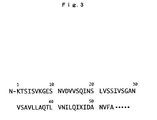
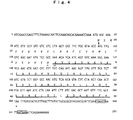
- the amino acid sequence including 54 amino acid residues in which the 47th amino acid from the N-terminal side is unknown could be determined (sequence No. 14 and sequence No. 15).
- the measurement of the molecular mass of the royal jelly peptide was also carried out (not shown).
- MALDI-TOF MS system Voyager RP (trade name) (manufactured by PerSeptic Biosystem Co.) which is a mass spectrometer was used.
- the measurement was carried out in the following manner. ⁇ -cyano-4-hydroxycinnamic acid ( ⁇ -CHCA) saturated in 50 % acetonitrile was used as a cationizing matrix.
- Calibration Mixture 2 (ACTH (7-38 clip), insulin (bovine) which is a molecular weight marker, and a peptide dissolved in 0.1 % TFA were mixed on a plate, and air-dried, followed by laser irradiation, thereby to obtain the molecular mass.
- Poly A+RNA was extracted from the hypopharyngeal glands (organ for producing royal jelly protein) of Western honeybees (Apis mellifela) (provided from Fujiwara beehouse, Morioka city) by a known process (e.g., Sambrook, J., et al., Molecular Cloning, Cold Spring Harbor Laboratory Press, 1989).
- Working bees were cold anesthetized on ice to collect the heads, and the hypopharyngeal glands were excised from the heads in a physiological salt solution for cooling the bees (0.02 % (w/v) KCI, 2.02 % (w/v) CaCl 2 , 0.4 % (w/v) saccharose, and 0.9 % (w/v) NaCl).
- RNA was extracted from 53 mg of the hypopharyngeal glands. After ethanol precipitation, it was dissolved in 200 ⁇ l of sterilized water. Then, a portion thereof was measured for the wavelength A 250 by means of a spectrophotometer, to calculate the concentration.
- poly A + RNA was isolated according to the attached protocol by means of Oligotex-dt30 ⁇ Super> (manufactured by Takara Shuzo Co., Ltd.). The measurement of the concentration of the poly A + RNA was carried out in the same manner as with the item (a).
- reaction solution was allowed to react at 72 °C for 1 hour in 10 ⁇ l of First-strand Buffer containing 10 nmol dNTP, and 100 units of MMLV Reverse Transcriptase (Superscript (trade name) II, manufactured by Gibco BRL CO.), to synthesize a single stranded cDNA.
- reaction solution was allowed to react at 16 °C for 1.5 hours in 80 ⁇ l of Second-strand Buffer (100 mM KCI, 10 mM Ammonium sulfate, 5 mM MgCl2, 0.15 mM ⁇ -NAD, 20 mM Tris (pH 7.5), 0.05 mg/ml BSA) containing 10 nmol dNTP and Second-strand Enzyme Cocktail (24 units of E. coli DNA Polymerase I, 0.8 units of E. coli DNA ligase, 1 unit of E. coli RNaseH). After the reaction, 10 units of T4 DNA Polymerase was added thereto, and the reaction was allowed to proceed at 16 °C for 45 minutes to synthesize a double stranded cDNA.
- Second-strand Buffer 100 mM KCI, 10 mM Ammonium sulfate, 5 mM MgCl2, 0.15 mM ⁇ -NAD, 20 mM Tris (pH 7.5), 0.05 mg
- the double stranded cDNA was extracted with phenol / chloroform / isoamyl alcohol (25 : 24 : 1), and further extracted with chloroform / isoamyl alcohol (24 : 1).
- cDNA was precipitated with 1/2 volume of 4 M sodium acetate and 2.5 volume of ethanol, and washed with 80 % ethanol.
- the precipitate of double stranded cDNA was dissolved in sterilized water, and was allowed to react at 16 °C overnight in 10 ⁇ l of DNA Ligation Buffer (50 mM Tris-HCl (pH 7.8), 10 mM MgCl 2 , 1 mM DTT, 1 mM ATP, 5 % Polyethylene Glycol (MW: 8000)) containing Marathon cDNA and 1 unit of T4 DNA Ligase.
- the adaptor-ligated cDNA was diluted to 50 times with a TE buffer (40 mM Tris-HCl (pH 8.0), 1 mM EDTA (pH 8.0)). By using this as a template, 3' RACE and 5' RACE were carried out.
- primer 1 the degenerate sense primer (37 bases of AARACNWSNATHWSNGTNAARGGNGARWSNAAYGTNG, which is hereinafter referred to as primer 1) for use in 3' RACE, shown in the sequence No. 1 was designed, and synthesized at NIHON GENE RESEARCH LABORATORIES Inc.
- primer 1 the degenerate sense primer (37 bases of AARACNWSNATHWSNGTNAARGGNGARWSNAAYGTNG, which is hereinafter referred to as primer 1) for use in 3' RACE, shown in the sequence No. 1 was designed, and synthesized at NIHON GENE RESEARCH LABORATORIES Inc.
- “A” represents adenine; "C”, cytosine; “G”, guanine; “T”, thymine; and "I”, inosine.
- R represents adenine or guanine
- W adenine or thymine
- S cytosine or guanine
- H adenine, cytosine, or thymine
- Y cytosine or thymine
- the primer 1 was diluted with a TE buffer so as to have a concentration of 100 pmol/ ⁇ l to be used.
- the primer 1, AP1 primer to be specifically ligated with Marathon cDNA Adaptor, and Ampli Tag Gold (trade name) (manufactured by PERKIN ELMER Co.) were used.
- the adaptor-ligated cDNA was added into 50 ⁇ l of a PCR buffer containing 10 nmol dNTP, 10 pmol of AP1 primer, 100 pmol primer 1, and 2.5 units of Ampli Tag Gold (trade name).
- the PCR reaction was carried out under the following conditions. Namely, 3 cycles of (1) 95 °C, 10 minutes (heat treatment), (2) 94 °C, 1 minute (thermal denaturation), (3) 72 °C, 1 minute (annealing), and (4) 72 °C, 1 minute (extension) were carried out. Subsequently, the annealing temperature of the step (3) was reduced to 68 °C, 64 °C, 60 °C, and 56 °C, and thus, 3 cycles were carried out respectively. Then, finally, the annealing temperature was set at 52 °C, and the reaction was conducted for 25 cycles, and an extension reaction at 72 °C for 7 minutes was added thereto.
- a thermal cycler Gene Amp PCR SYSTEM 9700, manufactured by PERKIN ELMER Co.
- the PCR products were subjected to agarose gel electrophoresis which is an existing process. Then, they were visualized at a wavelength of 312 nm on a UV Transilluminator (AE-6991CX, manufactured by ATTO Co.). Thus, the objective band portions of the PCR products were cut out, and the PCR products were collected by means of SUPREC-01 (trade name) (manufactured by Takara Shuzo Co., Ltd.) which is a centrifugal tube including a filter for collecting DNA.
- SUPREC-01 trade name
- a part of the collected PCR products (3.5 ⁇ l) was allowed to react at 14 °C overnight in 10 ⁇ l of a solution containing 6 mM Tris-HCl (pH 7.5), 6 mM MgCl 2 , 5 mM NaCl, 100 ⁇ g/ml BSA, 7 mM ⁇ -mercaptoethanol, 100 ⁇ M ATP, 2 mM DTT, 1 mM spermide, 4.0 weiss units of T4 DNA Ligase, and 50 ng of pCR 2.1 plasmid vectors.
- the PCR products were ligated to pCR 2.1 plasmid vectors.
- the competent cell included in Original TA Cloning Kit was transformed, and then, inoculated / applied to an X-Gal and kanamycin coated LB agar plate. Then, the plate was cultured at 37 °C overnight to perform color selection.
- the colonies which had been confirmed to contain the PCR products with an expected molecular weight from the results were inoculated into a 2xYT Broth (1 % (W/V) NaCl, 1.6 % (W/V) tripton, 1 % (W/V) yeast extract), and cultured with shaking at 37 °C at 205 rpm for 8 hours.
- the reaction was carried out under the conditions: (1) 95 °C, 3 minutes (heat treatment), (2) 95 °C, 1 minute (heat denaturation), (3) 50 °C, 45 seconds (annealing), (4) 72 °C, 1 minute and 30 seconds (extension), and (5) 72 °C, 1 minute (extension reaction).
- a 2x loading dye was added, and the mixture was concentrated by an aspirator.
- the resulting concentrate was loaded in an amount of 3 ⁇ l at one time onto a DNA autosequencer (SQ-5500, manufactured by Hitachi Ltd.) to analyze the base sequence.
- primer 2 sequence No. 2
- primer 3 sequence No. 3
- 5' RACE was carried out with the same process and under the same conditions as the method and conditions for the 3' RACE exemplified in the item (IV) (c). However, the reaction of the 5' RACE was carried out by using the primer 2 or the primer 3 in place of the primer 1. The obtained PCR products were subjected to subcloning and analysis of the base sequence in the same manner as with the items ⁇ 4> (d) to ⁇ 4> (f).
- the Ampli Taq Gold (trade name) of Taq polymerase used in the 3' RACE and the 5' RACE has no 3' ⁇ 5'exonuclease activity, and hence one misreading may occur per 440 bases. For this reason, the PCR reaction using LA-Taq (manufactured by Takara Shuzo Co., Ltd.) having 3' ⁇ 5'exonuclease activity was carried out to minimize the possibility of misreading. Thus, the base sequence of the royal jelly peptide of the invention of this application was confirmed (not shown).
- the reaction was carried out in the following manner.
- a reaction solution containing 20 nmol dNTP, 125 nmol MgCl 2 , 10 pmol AP1 primer, 100 pmol primer 3, and 2.5 units of LA-Taq
- the adaptor-ligated cDNA was added as a template.
- the mixture was subjected to 25 cycles of (1) 94 °C, 30 seconds (heat denaturation), (2) 50 °C, 30 seconds (annealing), (3) 72 °C, 1 minute and 30 seconds (extension), and (5) 72 °C, 1 minute (extension reaction).
- the base sequence was confirmed by means of a DNA sequencer in the same manner as with the item ⁇ 4> (f).
- the gene of the royal jelly peptide shows the feature of the class II gene having two introns, and can be judged as being 1 copy per haploid genome.
- the lane “BamH I” represents a restriction enzyme BamH I-treated sample; the lane “Hind III”, a restriction Hind III-treated sample; "Pst I”, a restriction enzyme Pst I-treated sample; and "Xho I”, a restriction enzyme Xho I-treated sample.
- the lanes 1 to 6 represent 10 ⁇ g of total RNA extraction from working bees (nurse bees) 7 days after eclosion, and represent the heads, the thoraces, the abdomens, the brains, the hypopharyngeal glands, and the mandibular glands, respectively.
- the lane 7 represents 10 ⁇ g of total RNA extracted from the hypopharyngeal glands 0 day after eclosion; the lane 8, from the hypopharyngeal glands 7 days after eclosion; and the lane 9, from the hypopharyngeal glands of working bees (foraging bees) 30 days after eclosion.
- the royal jelly peptide gene used in this example was obtained in the following manner.
- the base sequence is designed with reference to the high usage codons in Escherichia coil.
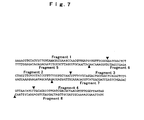
- the oligonucleotides as exemplified in FIG. 7 fragments 1 to 8 were produced, followed by a PCR reaction.
- the produced oligonucleotides include respective 4 types (a total of 8 types) on the sense side and on the antisense side, which are designed so that the portions to be annealed for 10 bases overlap one another.
- the fragment 1 is indicated as sequence No. 4; the fragment 2, sequence No. 5; the fragment 3, sequence No. 6; the fragment 4, sequence No. 7; the fragment 5, sequence No. 8; the fragment 6, sequence No. 9; the fragment 7, sequence No. 10; and the fragment 8, sequence No. 11.
- the fragments 2 to 7 (50 pmol each) and a reaction solution (50 mM Tris-HCl (pH 8.0), 10 mM MgCl 2 , 5 mM DTT, 0.5 mM ATP) containing T4 polynucleotide Kinase (10 U/20 ⁇ l) were allowed to react with each other at 37 °C for 30 minutes, thereby to effect the phosphorylation of the 5' end.
- the sample after the reaction was extracted with phenol / chloroform / isoamyl alcohol (PCI), and collected with ethanol precipitation. Then, the respective fragments were mixed, and an annealing reaction was carried out.
- PCI phenol / chloroform / isoamyl alcohol
- a reaction solution (10 mM Tris-HCl (pH 7.5), 10 mM MgCl 2 , 1 mM DTT, 50 mM NaCl) containing the fragments 1 and 8 (10 pmol each) and the fragments 2 to 7 (10 pmol each) subjected to the phosphorylation was mixed.
- the sample was set in a thermal cycler to effect the reaction.
- the program was set such that heat denaturation was carried out at 95 °C for 5 minutes, and then, the temperature was reduced to 25 °C for 90 minutes.
- the annealing reaction was carried out.
- a double stranded DNA was produced by this reaction, and by using this as a template DNA, the PCR reaction was carried out.
- the PCR reaction was carried out in a reaction solution (10 mM Tris-HCl (pH 8.3), 50 mM KCI, 1.5 mM MgCl 2 , 0.001 % gelatin, 200 ⁇ m dNTP, 1.25 U/50 ⁇ l Ampli Taq Gold) containing the template DNA (1 ⁇ l), and a sense primer and an antisense primer (0.4 ⁇ l each).
- a LIC-forward primer sequence No. 12
- a LIC-reverse primer was used.
- the sequence specific to the expression vector is added.
- the PCR products obtained by the PCR reaction was subjected to subcloning by means of a TA Cloning Kit. It was verified by a DNA sequencer that no missense occurred in the base sequence of the obtained plasmid (not shown).
- the expression vector in this example was produced by using pET32 XA/LIC (manufactured by Novagen Co.) of Ligation-independent cloning (LIC) Vector for expressing the fusion protein of thioredoxin containing S-Tag and His-Tag according to the attached protocol.
- LIC Ligation-independent cloning
- the PCR products obtained in the item (I) were separated by agarose gel electrophoresis, and purified with Suprec-01 (trade name), and collected with ethanol precipitation.
- Suprec-01 trade name
- the region from the 3' end to immediately adjacent to the guanine base (G) of the PCR products was cut using the 3' ⁇ 5'exonuclease activity of T4 DNA Polymerase.
- reaction solution 50 mM Tris-HCl (pH 7.5), 10 mM MgCl 2 , 10 mM ⁇ -ME, 5 mM DTT, 2.5 mM dGTP
- PCR products 0.2 pmol
- T4 DNA Polymerase 1 U/20 ⁇ l
- 1 ⁇ l of the reaction solution was transformed into a competent cell (E. coli BL21 (DE3), manufactured by Novagen Co.) with a known method. Whether the objective gene coding for the royal jelly peptide was present or not in the transformed E. coli strain was verified by the colony PCR.
- the E. coli strain in which the royal jelly peptide gene had been transferred obtained by the item ⁇ 2> was inoculated in 3 ml of an LB Broth, and precultured at 37 °C overnight. After preculturing, 2 ml of the culture solution was added to 200 ml of the same culture solution LB Broth as the culture solution used for preculturing, and culturing was carried out at 37 °C for 2 hours. Then, IPTG with a final concentration of 1 mM was added, and culturing was further carried out at 37 °C for 3 hours. Thus, the gene expression was induced.
- cell bodies were extracted in PBS containing PMSF (final concentration 0.625 ⁇ g/ml) by means of a Polytron type homogenizer (ultra-turrax T8, IKA). Then, centrifugation was carried out at 25000 x g for 20 minutes to collect the supernatant, resulting in extracted fractions. Purification of fusion proteins (i.e., royal jelly peptide included) from the extracted fractions was carried out by using His-Tag attached to the fusion proteins. Specifically, purification was carried out by metal chelate affinity chromatography by a resin in which Ni ions to bind to His-Tag were immobilized.
- PMSF final concentration 0.625 ⁇ g/ml
- IKA Polytron type homogenizer
- Ni-NTA Agarose manufactured by Qiagen Co.
- purification was carried out by a batch process.
- PBS phosphatidylcholine
- the extracted fractions were added, and gently mixed under low temperature conditions to be bound to the resin.
- centrifugation was carried out at 700 x g for 3 minutes to remove the supernatant.
- the resin was washed with PBS.
- PBS containing 0.05 M Imidazole was added to wash the resin.
- PBS containing 0.5 M Imidazole was added thereto, and gently mixed under low temperature conditions to elute the objective fusion proteins.
- the eluted fusion proteins were subjected to centrifugation at 700 x g for 3 minutes to collect the supernatant.
- the supernatant was substituted with a buffer for enzyme treatment (50 mM Tris-HCl (pH 8.0), 100 mM NaCl, 1 mM CaCl 2 ) with ultrafiltration (Ultrafree-4 centrifugal filter unit, MWCO 10000, manufactured by Millipore Co.).
- Factor Xa Protein Engineering Technology Aps
- the reaction solution digested as described above was purified with a high performance liquid chromatography (HPLC) system connected with a column for a reversed phase chromatography (RESOURCR RPC 3 ml, manufactured by Pharmacia Biotech Co.).
- HPLC high performance liquid chromatography
- RESOURCR RPC 3 ml reversed phase chromatography
- the sample was injected into the column equilibrated with 0.1 % TFA, and eluted at the 0.1 % TFA-containing acetonitrile concentration gradient at a flow rate of 1 ml/min.
- the absorbance at a wavelength of 215 nm was measured by means of an uitravioiet spectrophotometer detector, and the changes in absorbance were recorded on a recorder.
- Example 6 Functional analysis was carried out by using the royal jelly peptide obtained in Example 6. Specifically, honeybees were bred according to the existing honeybee artificial breeding method. In this process, 500 ng of the royal jelly peptide was added in the artificial diet to be administered per honeybee. On the other hand, for the control group, bovine serum albumin was used in place of the royal jelly peptide.
- ICR type mice female, Nippon SLC were used.
- an RPMI medium manufactured by Nissui Pharmaceutical Co., Ltd.
- FCS fetal calf serum
- 2-mercaptoethanol 50 ⁇ M 2-mercaptoethanol
- penicillin 100 Units/ml
- streptomycin 100 ⁇ g/ml
- Control of a cell suspension was carried out by the following steps.
- mice anesthetized with diethyl ether were subjected to cervical vertebrae dislocation, and fixed. Then, by using scissors for dissection and tweezers, the spleen was excised, and transferred to a dish containing therein 10 ml of PBS (-) (137 mM NaCl, 2.7 mM KCI, 2 mM Na 2 HPO 4 ⁇ 12H 2 O, 1.5 mM KH 2 PO 4 ). In the dish, the spleen was homogenized. This was filtrated into a 50-ml tube (manufactured by FALCON Co.) by using a metal mesh, and controlled as a cell solution.
- PBS -
- Tris ammonium chloride solution (0.14 M ammonium chloride, 1.7 mM Tris-HCl (pH 7.65) was added thereto, and incubation was carried out for 5 minutes. This operation was repeated twice to remove red blood cells.
- the lymph cell suspension controlled was dyed with a 0.4 % trypan blue solution, and the number of cells was counted by means of a Burker-Turk hemocytomer. The one controlled in the medium so that the number of cells becomes 1 ⁇ 10 6 cells/ml was used for the immunity activation test.
- the lymph cell suspension controlled in the item ⁇ b> was added in an amount of 100 ⁇ l per well into a 96-well microplate (manufactured by IWAKI Co.).
- the cell solution was dissolved in dimethyl sulfoxide (DMSO) so that the final concentration of the lymph cell suspension was 1 %, and added in an amount of 11 ⁇ l in each well.
- DMSO dimethyl sulfoxide
- alamar blue (trade name) (manufactured by WAKO PURE CHEMICAL Industries Ltd.) capable of measuring the reducing power by the metabolic activity of the immunocyte (in the case of this example, lymphocyte cell) was added in an amount of 10 ⁇ l in each well.
- the changes in absorbance were measured by means of a microplate reader (manufactured by Nalge Nunc International Co.) set at a wavelength of 590 to 620 nm every 12 hours for 4 days to analyze the effects of each fraction and isolated compound on the lymphocytes.
- a black rhomboid represents an additive-free control; a black circle, the one containing lipopolysaccharide (LPS) added in an amount of 3 ⁇ g/ml therein of a positive control; a black box, the one containing a recombinant royal jelly peptide added in an amount of 3 ⁇ g/ml therein; and a black delta, the one containing a recombinant royal jelly peptide added in an amount of 6 ⁇ g/ml therein.
- LPS lipopolysaccharide
- Example 8 Repression of induction of differentiation to queen bees using anti royal jelly peptide antibody
- a peptide "CSIVSGANVSAVL" which can be an antigen was synthesized using the 24th to 35th amino acid sequences based on the amino acid sequences (sequence No 14 to sequence No. 17) of the royal jelly peptide shown in FIGS. 3 and 4.
- this was administered in an amount of 1 mg per dose to two rabbits (breed: UW Clean) to carry out an immunosensitization experiment.
- collection of blood of the samples was performed which carrying out booster. While examining the antibody titer with ELISA, the whole blood was finally collected, and the serum was subjected to the subsequent experiment.
- equilibrating buffer (20 mM phosphoric acid, 150 mM NaCl Buffer (pH 7.4)) was flushed, and a sample was applied and circulated with the equilibrating buffer in the column for 2 hours, and then, the equilibrating buffer was flushed until return to the base line.
- the antibody in the blood serum was eluted with an elution buffer (100 mM citric acid-NaOH, (pH 3.0)).
- the elution peak was collected at an absorbance of 280 nm, and dialyzed with PBS(-), and filtrated through a 0.45- ⁇ m filter. Then, 6 ml of a purified product could be obtained.
- the total protein amount was 355 ⁇ g.
- the hypopharyngeal glands were excised from inside working bees, and the protein sample was separated with Trisine SDS-PAGE.
- the gel after separation was transferred to a PVDF film with a semi-dry system plotting process.
- the PVDF film after transfer was immersed in TBS-T containing 5 % skim milk as a blocking agent overnight to carry out a blocking treatment.
- the purified antibody obtained in the item ⁇ 2> was 100 times diluted with an antibody diluent (1 % gelatin / TBS-T).
- the PVDF film was immersed in the antibody solution, and the reaction was allowed to proceed at room temperature for 1 hour. Then, washing was carried out with TBS-T again.
- the reaction with the second antibody Heorseradish peroxidase-labeled anti-rabbit IgG goat IgG diluted to 2000 times with an antibody eluent was allowed to proceed at room temperature for 1 hour.
- chemiluminescence was caused by using ECL (trade name), and signals were exposed to an X-ray film.
- honeybees were bred according to an existing honeybee artificial breeding method.
- the royal jelly extraction fraction group (the one obtained by controlling the extraction fraction with a molecular weight of 100 to 10000 from the royal jelly to 50 mg/7ml) in the artificial diet was taken was a positive control.
- bovine serum albumin 50 ml/7 ml
- the royal jelly peptide antibody group the one obtained by controlling 50 mg of the extraction fraction with a molecular weight of 100 to 10000 from the royal jelly taken as the positive control to 7ml, and adding 20 ⁇ g of antibody thereto was used. The results are shown in Table 2.
- the results indicate the following fact.
- a royal jelly peptide antibody with such a low concentration as 0.04 % (20 ⁇ g ⁇ 50 mg) of the royal jelly extraction fraction into the artificial diet, the effect of repressing the induction to queen bees are produced. Therefore, the results could reconfirm that the royal jelly peptide is a factor having an auxiliary function in inducing differentiation to queen bees.
- the invention of this application provides a royal jelly peptide which has a function as a cofactor for induction to queen bees, and can implement the improvement of the biological defense system of an animal (immunity activating effect), and a composition containing the same.
Landscapes
- Health & Medical Sciences (AREA)
- Life Sciences & Earth Sciences (AREA)
- Chemical & Material Sciences (AREA)
- Organic Chemistry (AREA)
- Medicinal Chemistry (AREA)
- General Health & Medical Sciences (AREA)
- Zoology (AREA)
- Insects & Arthropods (AREA)
- Immunology (AREA)
- Veterinary Medicine (AREA)
- Pharmacology & Pharmacy (AREA)
- Animal Behavior & Ethology (AREA)
- Nuclear Medicine, Radiotherapy & Molecular Imaging (AREA)
- Public Health (AREA)
- Engineering & Computer Science (AREA)
- General Chemical & Material Sciences (AREA)
- Chemical Kinetics & Catalysis (AREA)
- Bioinformatics & Cheminformatics (AREA)
- Gastroenterology & Hepatology (AREA)
- Toxicology (AREA)
- Tropical Medicine & Parasitology (AREA)
- Biochemistry (AREA)
- Biophysics (AREA)
- Genetics & Genomics (AREA)
- Molecular Biology (AREA)
- Proteomics, Peptides & Aminoacids (AREA)
- Peptides Or Proteins (AREA)
- Micro-Organisms Or Cultivation Processes Thereof (AREA)
- Medicines That Contain Protein Lipid Enzymes And Other Medicines (AREA)
- Medicines Containing Material From Animals Or Micro-Organisms (AREA)
- Breeding Of Plants And Reproduction By Means Of Culturing (AREA)
Applications Claiming Priority (2)
| Application Number | Priority Date | Filing Date | Title |
|---|---|---|---|
| JP2003338665 | 2003-09-29 | ||
| PCT/JP2004/014544 WO2005030951A1 (ja) | 2003-09-29 | 2004-09-27 | ローヤルゼリーペプチドおよびこれを含有する組成物 |
Publications (2)
| Publication Number | Publication Date |
|---|---|
| EP1698693A1 true EP1698693A1 (de) | 2006-09-06 |
| EP1698693A4 EP1698693A4 (de) | 2007-10-03 |
Family
ID=34386166
Family Applications (1)
| Application Number | Title | Priority Date | Filing Date |
|---|---|---|---|
| EP04773573A Withdrawn EP1698693A4 (de) | 2003-09-29 | 2004-09-27 | Gelée-royale-peptid sowie dieses enthaltende zusammensetzung |
Country Status (5)
| Country | Link |
|---|---|
| US (1) | US20080305995A1 (de) |
| EP (1) | EP1698693A4 (de) |
| JP (1) | JP4273189B2 (de) |
| CA (1) | CA2540706A1 (de) |
| WO (1) | WO2005030951A1 (de) |
Families Citing this family (3)
| Publication number | Priority date | Publication date | Assignee | Title |
|---|---|---|---|---|
| JP2012202966A (ja) * | 2011-03-28 | 2012-10-22 | Japan Royal Jelly Co Ltd | ローヤルゼリーの品質評価方法およびローヤルゼリーの品質評価キット |
| AU2013249992B2 (en) * | 2012-04-17 | 2015-03-26 | Apimed Medical Honey Limited | Immunostimulatory compositions and methods of manufacture |
| JP6014851B2 (ja) * | 2015-03-09 | 2016-10-26 | 山口 喜久二 | ローヤルゼリーの品質評価方法 |
Family Cites Families (4)
| Publication number | Priority date | Publication date | Assignee | Title |
|---|---|---|---|---|
| JPH0576253A (ja) * | 1991-09-26 | 1993-03-30 | Sumitomo Chem Co Ltd | ミツバチ幼虫成長・女王蜂分化促進因子とその利用方法 |
| CN1162415A (zh) * | 1996-04-15 | 1997-10-22 | 张强 | 一种保健饮品 |
| JP2001240549A (ja) * | 2000-03-01 | 2001-09-04 | Pola Chem Ind Inc | 免疫増強剤及びそれを含有してなる組成物 |
| CN1327819A (zh) * | 2000-06-12 | 2001-12-26 | 王强 | 蜂王浆花粉茶 |
-
2004
- 2004-09-27 JP JP2005514301A patent/JP4273189B2/ja not_active Expired - Fee Related
- 2004-09-27 US US10/573,794 patent/US20080305995A1/en not_active Abandoned
- 2004-09-27 WO PCT/JP2004/014544 patent/WO2005030951A1/ja not_active Ceased
- 2004-09-27 CA CA002540706A patent/CA2540706A1/en not_active Abandoned
- 2004-09-27 EP EP04773573A patent/EP1698693A4/de not_active Withdrawn
Also Published As
| Publication number | Publication date |
|---|---|
| JPWO2005030951A1 (ja) | 2006-12-07 |
| EP1698693A4 (de) | 2007-10-03 |
| JP4273189B2 (ja) | 2009-06-03 |
| US20080305995A1 (en) | 2008-12-11 |
| CA2540706A1 (en) | 2005-04-07 |
| WO2005030951A1 (ja) | 2005-04-07 |
Similar Documents
| Publication | Publication Date | Title |
|---|---|---|
| Xin et al. | Supplementation with major royal-jelly proteins increases lifespan, feeding, and fecundity in Drosophila | |
| EP1114829B1 (de) | Alloferone - immunomodulierende Peptide | |
| Altaye et al. | Molecular insights into the enhanced performance of royal jelly secretion by a stock of honeybee (Apis mellifera ligustica) selected for increasing royal jelly production | |
| Muñoz et al. | Expression of penaeidin antimicrobial peptides in early larval stages of the shrimp Penaeus vannamei | |
| Helm et al. | Heat shock proteins and their mRNAs in dry and early imbibing embryos of wheat | |
| Chen et al. | Enhancement of secondary metabolites from Bacillus Licheniformis XY-52 on immune response and expression of some immune-related genes in common carp, Cyprinus carpio | |
| Liang et al. | Molecular cloning and expression analysis of two β-defensin genes in the blunt snout bream (Megalobrama amblycephala) | |
| US5432270A (en) | DNA encoding tracheal antimicrobial peptides | |
| Alam et al. | Application of biotechnology in sericulture: Progress, scope and prospect | |
| Xu et al. | Characterization and expression analysis of FGF6 (fibroblast growth factor 6) genes of grass carp (Ctenopharyngodon idellus) reveal their regulation on muscle growth | |
| CN101775068A (zh) | 新的天然抗菌肽、其编码序列及用途 | |
| US9260491B2 (en) | Protein having immunogenicity of cedar pollen, polynucleotide encoding the protein, and use thereof | |
| EP1698693A1 (de) | Gelée-royale-peptid sowie dieses enthaltende zusammensetzung | |
| KR20170031843A (ko) | 멜리틴 항생펩타이드를 생산하는 형질전환 누에 | |
| JP6815649B2 (ja) | インターフェロンαの経口投与による慢性難治性外耳炎治療効果 | |
| Kemp et al. | Identification and characterisation of the Mpeg1 homologue in the South African abalone, Haliotis midae | |
| KR20180035011A (ko) | 항균 물질을 생산하는 동애등에 유충의 제조방법 및 상기 유충을 포함하는 항생제 조성물 | |
| Ponnuvel et al. | Immune responses against bacterial infection in Bombyx mori and regulation of host gene expression | |
| Sakla et al. | Evaluation of royal jelly quality and queens production by using natural food supplements in honeybee colonies | |
| Sahoo et al. | Opportunities and challenges in aquaculture biotechnology | |
| Liang et al. | Molecular cloning, characterization and expression analysis of S-adenosyl-L-homocysteine hydrolase (SAHH) during the pathogenic infection of Litopenaeus vannamei by Vibrio alginolyticus | |
| CN104099337B (zh) | 5‑羟色胺受体的转基因昆虫及其制备与应用 | |
| JPWO2018079861A1 (ja) | 放卵又は放精を誘起するペプチド | |
| CN1144597C (zh) | 转基因抗菌肽蝇蛆中制备兽用基因抗菌肽药品的方法及其应用 | |
| US20120054880A1 (en) | Method for enhancing production of pathogen-resistant proteins using bioreactor |
Legal Events
| Date | Code | Title | Description |
|---|---|---|---|
| PUAI | Public reference made under article 153(3) epc to a published international application that has entered the european phase |
Free format text: ORIGINAL CODE: 0009012 |
|
| 17P | Request for examination filed |
Effective date: 20060427 |
|
| AK | Designated contracting states |
Kind code of ref document: A1 Designated state(s): DE FR |
|
| DAX | Request for extension of the european patent (deleted) | ||
| RBV | Designated contracting states (corrected) |
Designated state(s): DE FR |
|
| A4 | Supplementary search report drawn up and despatched |
Effective date: 20070830 |
|
| 17Q | First examination report despatched |
Effective date: 20071213 |
|
| RAP1 | Party data changed (applicant data changed or rights of an application transferred) |
Owner name: YAMADA APICULTURE CENTER, INC. |
|
| STAA | Information on the status of an ep patent application or granted ep patent |
Free format text: STATUS: THE APPLICATION IS DEEMED TO BE WITHDRAWN |
|
| 18D | Application deemed to be withdrawn |
Effective date: 20081128 |