EP1691199B1 - Method of predicting spot formation on the skin with the use of spot site-accelerating genes as indication and method of screening inhibitor for spot formation on the skin - Google Patents
Method of predicting spot formation on the skin with the use of spot site-accelerating genes as indication and method of screening inhibitor for spot formation on the skin Download PDFInfo
- Publication number
- EP1691199B1 EP1691199B1 EP04773660A EP04773660A EP1691199B1 EP 1691199 B1 EP1691199 B1 EP 1691199B1 EP 04773660 A EP04773660 A EP 04773660A EP 04773660 A EP04773660 A EP 04773660A EP 1691199 B1 EP1691199 B1 EP 1691199B1
- Authority
- EP
- European Patent Office
- Prior art keywords
- spot
- epidermis
- formation
- propionate
- ethyl
- Prior art date
- Legal status (The legal status is an assumption and is not a legal conclusion. Google has not performed a legal analysis and makes no representation as to the accuracy of the status listed.)
- Expired - Lifetime
Links
- 108090000623 proteins and genes Proteins 0.000 title claims description 82
- 230000015572 biosynthetic process Effects 0.000 title claims description 62
- 238000000034 method Methods 0.000 title claims description 31
- 239000003112 inhibitor Substances 0.000 title claims description 16
- 238000012216 screening Methods 0.000 title claims description 7
- 210000003491 skin Anatomy 0.000 claims description 60
- 210000002615 epidermis Anatomy 0.000 claims description 58
- 230000014509 gene expression Effects 0.000 claims description 47
- 230000002401 inhibitory effect Effects 0.000 claims description 22
- 230000005855 radiation Effects 0.000 claims description 18
- 102000004169 proteins and genes Human genes 0.000 claims description 15
- 230000000694 effects Effects 0.000 claims description 13
- 241000282414 Homo sapiens Species 0.000 claims description 12
- 241001465754 Metazoa Species 0.000 claims description 8
- 108020004999 messenger RNA Proteins 0.000 claims description 8
- 238000005259 measurement Methods 0.000 claims description 7
- 238000003752 polymerase chain reaction Methods 0.000 claims description 7
- 238000010998 test method Methods 0.000 claims description 7
- 150000001875 compounds Chemical class 0.000 claims description 4
- 238000002965 ELISA Methods 0.000 claims description 3
- 210000001616 monocyte Anatomy 0.000 claims description 3
- 239000000049 pigment Substances 0.000 description 20
- 238000010172 mouse model Methods 0.000 description 15
- 108091032973 (ribonucleotides)n+m Proteins 0.000 description 13
- 101150023943 MCP-2 gene Proteins 0.000 description 13
- 101100166027 Trichoplusia ni ascovirus 2c MCP-2 gene Proteins 0.000 description 13
- 101710091437 Major capsid protein 2 Proteins 0.000 description 12
- 102100034871 C-C motif chemokine 8 Human genes 0.000 description 11
- XBDQKXXYIPTUBI-UHFFFAOYSA-M Propionate Chemical compound CCC([O-])=O XBDQKXXYIPTUBI-UHFFFAOYSA-M 0.000 description 11
- AEUKDPKXTPNBNY-XEYRWQBLSA-N mcp 2 Chemical compound C([C@@H](C(=O)N[C@@H](CS)C(=O)N[C@@H](CCCNC(N)=N)C(=O)N[C@@H]([C@@H](C)CC)C(=O)N[C@@H](CCCNC(N)=N)C(=O)NCC(=O)N[C@@H](CCCNC(N)=N)C(=O)N[C@@H]([C@@H](C)CC)C(=O)N[C@@H](CC=1NC=NC=1)C(=O)N1[C@@H](CCC1)C(=O)N[C@@H](CC(C)C)C(=O)N[C@@H](CS)C(=O)N[C@@H](CS)C(=O)N[C@@H](CCCNC(N)=N)C(=O)N[C@@H](CCCNC(N)=N)C(O)=O)NC(=O)CNC(=O)[C@H](C)NC(=O)[C@H](CCCNC(N)=N)NC(=O)[C@H](CCCNC(N)=N)NC(=O)[C@H](CCC(O)=O)NC(=O)[C@H](CC(C)C)NC(=O)[C@H]1N(CCC1)C(=O)[C@H](CC(C)C)NC(=O)[C@H](CS)NC(=O)[C@H](CC(C)C)NC(=O)[C@H](C)NC(=O)[C@H](CCCNC(N)=N)NC(=O)[C@H](CCCNC(N)=N)NC(=O)[C@H](CS)NC(=O)[C@H](C)NC(=O)[C@H](CS)NC(=O)[C@@H](NC(=O)[C@@H](N)C(C)C)C(C)C)C1=CC=CC=C1 AEUKDPKXTPNBNY-XEYRWQBLSA-N 0.000 description 11
- XUMBMVFBXHLACL-UHFFFAOYSA-N Melanin Chemical compound O=C1C(=O)C(C2=CNC3=C(C(C(=O)C4=C32)=O)C)=C2C4=CNC2=C1C XUMBMVFBXHLACL-UHFFFAOYSA-N 0.000 description 10
- 241000699670 Mus sp. Species 0.000 description 10
- 238000002845 discoloration Methods 0.000 description 8
- 239000000203 mixture Substances 0.000 description 8
- 238000002360 preparation method Methods 0.000 description 8
- 108020004414 DNA Proteins 0.000 description 7
- 108010050904 Interferons Proteins 0.000 description 7
- 102000014150 Interferons Human genes 0.000 description 7
- 241000699666 Mus <mouse, genus> Species 0.000 description 7
- 238000006243 chemical reaction Methods 0.000 description 7
- 239000002537 cosmetic Substances 0.000 description 7
- 102000013446 GTP Phosphohydrolases Human genes 0.000 description 6
- 108091006109 GTPases Proteins 0.000 description 6
- 239000003814 drug Substances 0.000 description 6
- 230000000692 anti-sense effect Effects 0.000 description 5
- 229940079322 interferon Drugs 0.000 description 5
- 239000002674 ointment Substances 0.000 description 5
- 210000001519 tissue Anatomy 0.000 description 5
- WSFSSNUMVMOOMR-UHFFFAOYSA-N Formaldehyde Chemical compound O=C WSFSSNUMVMOOMR-UHFFFAOYSA-N 0.000 description 4
- 241000700159 Rattus Species 0.000 description 4
- 210000004027 cell Anatomy 0.000 description 4
- 239000006071 cream Substances 0.000 description 4
- 210000004207 dermis Anatomy 0.000 description 4
- 238000007901 in situ hybridization Methods 0.000 description 4
- 239000007788 liquid Substances 0.000 description 4
- 239000006210 lotion Substances 0.000 description 4
- 239000002464 receptor antagonist Substances 0.000 description 4
- 229940044551 receptor antagonist Drugs 0.000 description 4
- 238000005406 washing Methods 0.000 description 4
- 102000007356 Cornified Envelope Proline-Rich Proteins Human genes 0.000 description 3
- 108010032748 Cornified Envelope Proline-Rich Proteins Proteins 0.000 description 3
- 102000004127 Cytokines Human genes 0.000 description 3
- 108090000695 Cytokines Proteins 0.000 description 3
- 102000004883 Insulin-like growth factor-binding protein 6 Human genes 0.000 description 3
- 102000055120 MEF2 Transcription Factors Human genes 0.000 description 3
- 108010018650 MEF2 Transcription Factors Proteins 0.000 description 3
- 238000004458 analytical method Methods 0.000 description 3
- 239000002299 complementary DNA Substances 0.000 description 3
- 229940079593 drug Drugs 0.000 description 3
- FIXPSGXJNMJVFF-FQEVSTJZSA-N ethyl (2s)-2-[(2,5-dichlorophenyl)sulfonylamino]-3-[4-(2,5-dichlorophenyl)sulfonyloxyphenyl]propanoate Chemical compound C([C@@H](C(=O)OCC)NS(=O)(=O)C=1C(=CC=C(Cl)C=1)Cl)C(C=C1)=CC=C1OS(=O)(=O)C1=CC(Cl)=CC=C1Cl FIXPSGXJNMJVFF-FQEVSTJZSA-N 0.000 description 3
- PVWSTEBETUITAK-NSHDSACASA-N ethyl (2s)-2-[(2,5-dichlorothiophen-3-yl)sulfonylamino]-3-(4-hydroxyphenyl)propanoate Chemical compound C([C@@H](C(=O)OCC)NS(=O)(=O)C1=C(SC(Cl)=C1)Cl)C1=CC=C(O)C=C1 PVWSTEBETUITAK-NSHDSACASA-N 0.000 description 3
- JCPLZYDRQCIMIO-HNNXBMFYSA-N ethyl (2s)-2-[(2-bromophenyl)sulfonylamino]-3-(4-hydroxyphenyl)propanoate Chemical compound C([C@@H](C(=O)OCC)NS(=O)(=O)C=1C(=CC=CC=1)Br)C1=CC=C(O)C=C1 JCPLZYDRQCIMIO-HNNXBMFYSA-N 0.000 description 3
- BEZXGSZPWXRHIN-INIZCTEOSA-N ethyl (2s)-2-benzamido-3-(4-nitrophenyl)propanoate Chemical compound C([C@@H](C(=O)OCC)NC(=O)C=1C=CC=CC=1)C1=CC=C([N+]([O-])=O)C=C1 BEZXGSZPWXRHIN-INIZCTEOSA-N 0.000 description 3
- 238000011156 evaluation Methods 0.000 description 3
- 238000000605 extraction Methods 0.000 description 3
- 230000001815 facial effect Effects 0.000 description 3
- 230000001939 inductive effect Effects 0.000 description 3
- 238000002493 microarray Methods 0.000 description 3
- 239000000843 powder Substances 0.000 description 3
- 239000011535 reaction buffer Substances 0.000 description 3
- 238000001262 western blot Methods 0.000 description 3
- IJGRMHOSHXDMSA-UHFFFAOYSA-N Atomic nitrogen Chemical compound N#N IJGRMHOSHXDMSA-UHFFFAOYSA-N 0.000 description 2
- 102000004499 CCR3 Receptors Human genes 0.000 description 2
- 108010017316 CCR3 Receptors Proteins 0.000 description 2
- 101150024100 CDK5RAP2 gene Proteins 0.000 description 2
- 102000016928 DNA-directed DNA polymerase Human genes 0.000 description 2
- 108010014303 DNA-directed DNA polymerase Proteins 0.000 description 2
- 241000588724 Escherichia coli Species 0.000 description 2
- 102000010834 Extracellular Matrix Proteins Human genes 0.000 description 2
- 108010037362 Extracellular Matrix Proteins Proteins 0.000 description 2
- 101150031913 GSTA4 gene Proteins 0.000 description 2
- 101150111008 Gbp2 gene Proteins 0.000 description 2
- 101001039364 Homo sapiens Protein GPR15L Proteins 0.000 description 2
- 101150075789 Igfbp6 gene Proteins 0.000 description 2
- 102000008070 Interferon-gamma Human genes 0.000 description 2
- 108010074328 Interferon-gamma Proteins 0.000 description 2
- TWRXJAOTZQYOKJ-UHFFFAOYSA-L Magnesium chloride Chemical compound [Mg+2].[Cl-].[Cl-] TWRXJAOTZQYOKJ-UHFFFAOYSA-L 0.000 description 2
- 101100509526 Mus musculus Krt6b gene Proteins 0.000 description 2
- 101100369238 Mus musculus Tgtp2 gene Proteins 0.000 description 2
- 206010028980 Neoplasm Diseases 0.000 description 2
- 101150086605 Runx2 gene Proteins 0.000 description 2
- 101710134953 Tryptase beta-2 Proteins 0.000 description 2
- 239000000443 aerosol Substances 0.000 description 2
- 239000011543 agarose gel Substances 0.000 description 2
- 150000001413 amino acids Chemical group 0.000 description 2
- 239000007864 aqueous solution Substances 0.000 description 2
- 210000004556 brain Anatomy 0.000 description 2
- 239000000872 buffer Substances 0.000 description 2
- FBTOEJYZNHHCCK-INIZCTEOSA-N ethyl (2s)-2-[(4-bromophenyl)sulfonylamino]-3-(4-hydroxyphenyl)propanoate Chemical compound C([C@@H](C(=O)OCC)NS(=O)(=O)C=1C=CC(Br)=CC=1)C1=CC=C(O)C=C1 FBTOEJYZNHHCCK-INIZCTEOSA-N 0.000 description 2
- FNTNIKAOIOAROB-INIZCTEOSA-N ethyl (2s)-2-[(4-chlorophenyl)sulfonylamino]-3-(4-hydroxyphenyl)propanoate Chemical compound C([C@@H](C(=O)OCC)NS(=O)(=O)C=1C=CC(Cl)=CC=1)C1=CC=C(O)C=C1 FNTNIKAOIOAROB-INIZCTEOSA-N 0.000 description 2
- REFUYOVEBDOZRB-KRWDZBQOSA-N ethyl (2s)-2-benzamido-3-(4-methoxyphenyl)propanoate Chemical compound C([C@@H](C(=O)OCC)NC(=O)C=1C=CC=CC=1)C1=CC=C(OC)C=C1 REFUYOVEBDOZRB-KRWDZBQOSA-N 0.000 description 2
- YAVYHZVZIHXMJD-ZDUSSCGKSA-N ethyl (2s)-3-(4-hydroxyphenyl)-2-(thiophen-2-ylsulfonylamino)propanoate Chemical compound C([C@@H](C(=O)OCC)NS(=O)(=O)C=1SC=CC=1)C1=CC=C(O)C=C1 YAVYHZVZIHXMJD-ZDUSSCGKSA-N 0.000 description 2
- VSTZSCPVACXQLD-SFHVURJKSA-N ethyl (2s)-3-(4-hydroxyphenyl)-2-[(2,4,6-trimethylphenyl)sulfonylamino]propanoate Chemical compound C([C@@H](C(=O)OCC)NS(=O)(=O)C=1C(=CC(C)=CC=1C)C)C1=CC=C(O)C=C1 VSTZSCPVACXQLD-SFHVURJKSA-N 0.000 description 2
- FEEHFEKCOBAOGB-HNNXBMFYSA-N ethyl (2s)-3-(4-hydroxyphenyl)-2-[(4-methoxy-2-nitrophenyl)sulfonylamino]propanoate Chemical compound C([C@@H](C(=O)OCC)NS(=O)(=O)C=1C(=CC(OC)=CC=1)[N+]([O-])=O)C1=CC=C(O)C=C1 FEEHFEKCOBAOGB-HNNXBMFYSA-N 0.000 description 2
- VZHRGRQHMLZMPW-KRWDZBQOSA-N ethyl (2s)-3-(4-hydroxyphenyl)-2-[(4-methoxyphenyl)sulfonylamino]propanoate Chemical compound C([C@@H](C(=O)OCC)NS(=O)(=O)C=1C=CC(OC)=CC=1)C1=CC=C(O)C=C1 VZHRGRQHMLZMPW-KRWDZBQOSA-N 0.000 description 2
- HPGRFRJNMZPZMW-KRWDZBQOSA-N ethyl (2s)-3-(4-hydroxyphenyl)-2-[(5-pyridin-2-ylthiophen-2-yl)sulfonylamino]propanoate Chemical compound C([C@@H](C(=O)OCC)NS(=O)(=O)C=1SC(=CC=1)C=1N=CC=CC=1)C1=CC=C(O)C=C1 HPGRFRJNMZPZMW-KRWDZBQOSA-N 0.000 description 2
- ASNRQMLIKASKLB-INIZCTEOSA-N ethyl (2s)-3-(4-hydroxyphenyl)-2-[[3-(trifluoromethyl)phenyl]sulfonylamino]propanoate Chemical compound C([C@@H](C(=O)OCC)NS(=O)(=O)C=1C=C(C=CC=1)C(F)(F)F)C1=CC=C(O)C=C1 ASNRQMLIKASKLB-INIZCTEOSA-N 0.000 description 2
- QDGTYYWHDWARAS-UHFFFAOYSA-N ethyl 2-benzamido-3-(3-hydroxyphenyl)propanoate Chemical compound C=1C=CC=CC=1C(=O)NC(C(=O)OCC)CC1=CC=CC(O)=C1 QDGTYYWHDWARAS-UHFFFAOYSA-N 0.000 description 2
- SRLROPAFMUDDRC-INIZCTEOSA-N ethyl N-benzoyl-L-tyrosinate Chemical compound C([C@@H](C(=O)OCC)NC(=O)C=1C=CC=CC=1)C1=CC=C(O)C=C1 SRLROPAFMUDDRC-INIZCTEOSA-N 0.000 description 2
- 210000002744 extracellular matrix Anatomy 0.000 description 2
- 230000006870 function Effects 0.000 description 2
- 239000000499 gel Substances 0.000 description 2
- 239000008187 granular material Substances 0.000 description 2
- 238000009396 hybridization Methods 0.000 description 2
- 238000011532 immunohistochemical staining Methods 0.000 description 2
- 230000005764 inhibitory process Effects 0.000 description 2
- 238000002347 injection Methods 0.000 description 2
- 239000007924 injection Substances 0.000 description 2
- 229960003130 interferon gamma Drugs 0.000 description 2
- 238000010208 microarray analysis Methods 0.000 description 2
- 230000007935 neutral effect Effects 0.000 description 2
- 239000003921 oil Substances 0.000 description 2
- 239000012188 paraffin wax Substances 0.000 description 2
- 125000001997 phenyl group Chemical group [H]C1=C([H])C([H])=C(*)C([H])=C1[H] 0.000 description 2
- 230000026731 phosphorylation Effects 0.000 description 2
- 238000006366 phosphorylation reaction Methods 0.000 description 2
- 230000019612 pigmentation Effects 0.000 description 2
- 108091033319 polynucleotide Proteins 0.000 description 2
- 102000040430 polynucleotide Human genes 0.000 description 2
- 239000002157 polynucleotide Substances 0.000 description 2
- -1 poultice Substances 0.000 description 2
- 230000003449 preventive effect Effects 0.000 description 2
- 238000000746 purification Methods 0.000 description 2
- 238000011002 quantification Methods 0.000 description 2
- 238000003753 real-time PCR Methods 0.000 description 2
- 239000000243 solution Substances 0.000 description 2
- 238000013518 transcription Methods 0.000 description 2
- 230000035897 transcription Effects 0.000 description 2
- XLYOFNOQVPJJNP-UHFFFAOYSA-N water Substances O XLYOFNOQVPJJNP-UHFFFAOYSA-N 0.000 description 2
- NXLILQUZOYTXHV-QHCPKHFHSA-N 1-[(2r)-1-[4-[(3,4-dichlorophenyl)methyl]piperazin-1-yl]-3-methylbutan-2-yl]-3-(3-methoxyphenyl)urea Chemical compound COC1=CC=CC(NC(=O)N[C@@H](CN2CCN(CC=3C=C(Cl)C(Cl)=CC=3)CC2)C(C)C)=C1 NXLILQUZOYTXHV-QHCPKHFHSA-N 0.000 description 1
- 101150028074 2 gene Proteins 0.000 description 1
- QRXMUCSWCMTJGU-UHFFFAOYSA-N 5-bromo-4-chloro-3-indolyl phosphate Chemical compound C1=C(Br)C(Cl)=C2C(OP(O)(=O)O)=CNC2=C1 QRXMUCSWCMTJGU-UHFFFAOYSA-N 0.000 description 1
- 102100031172 C-C chemokine receptor type 1 Human genes 0.000 description 1
- 101710149814 C-C chemokine receptor type 1 Proteins 0.000 description 1
- 102100021943 C-C motif chemokine 2 Human genes 0.000 description 1
- 101710155857 C-C motif chemokine 2 Proteins 0.000 description 1
- 102000004500 CCR1 Receptors Human genes 0.000 description 1
- 108010017319 CCR1 Receptors Proteins 0.000 description 1
- 101100504103 Caenorhabditis elegans gpb-2 gene Proteins 0.000 description 1
- 101100180402 Caenorhabditis elegans jun-1 gene Proteins 0.000 description 1
- 102000019034 Chemokines Human genes 0.000 description 1
- 108010012236 Chemokines Proteins 0.000 description 1
- 108010072210 Cyclophilin C Proteins 0.000 description 1
- 102100021999 Cytosolic Fe-S cluster assembly factor NUBP2 Human genes 0.000 description 1
- 101710139686 Cytosolic Fe-S cluster assembly factor NUBP2 Proteins 0.000 description 1
- 102000012410 DNA Ligases Human genes 0.000 description 1
- 108010061982 DNA Ligases Proteins 0.000 description 1
- KCXVZYZYPLLWCC-UHFFFAOYSA-N EDTA Chemical compound OC(=O)CN(CC(O)=O)CCN(CC(O)=O)CC(O)=O KCXVZYZYPLLWCC-UHFFFAOYSA-N 0.000 description 1
- 102000004190 Enzymes Human genes 0.000 description 1
- 108090000790 Enzymes Proteins 0.000 description 1
- 108700039691 Genetic Promoter Regions Proteins 0.000 description 1
- 102000005720 Glutathione transferase Human genes 0.000 description 1
- 108010070675 Glutathione transferase Proteins 0.000 description 1
- 241000282412 Homo Species 0.000 description 1
- 101000946794 Homo sapiens C-C motif chemokine 8 Proteins 0.000 description 1
- 101000644847 Homo sapiens Ubl carboxyl-terminal hydrolase 18 Proteins 0.000 description 1
- 108090001014 Insulin-like growth factor-binding protein 6 Proteins 0.000 description 1
- 102000011782 Keratins Human genes 0.000 description 1
- 108010076876 Keratins Proteins 0.000 description 1
- 206010027476 Metastases Diseases 0.000 description 1
- 239000004909 Moisturizer Substances 0.000 description 1
- 101000946796 Mus musculus C-C motif chemokine 8 Proteins 0.000 description 1
- 101150095199 Oasl2 gene Proteins 0.000 description 1
- 108700020796 Oncogene Proteins 0.000 description 1
- 241000283973 Oryctolagus cuniculus Species 0.000 description 1
- 108091005804 Peptidases Proteins 0.000 description 1
- 102100024968 Peptidyl-prolyl cis-trans isomerase C Human genes 0.000 description 1
- 102000004160 Phosphoric Monoester Hydrolases Human genes 0.000 description 1
- 108090000608 Phosphoric Monoester Hydrolases Proteins 0.000 description 1
- 239000004365 Protease Substances 0.000 description 1
- 102100037486 Reverse transcriptase/ribonuclease H Human genes 0.000 description 1
- 241000219061 Rheum Species 0.000 description 1
- 108010044012 STAT1 Transcription Factor Proteins 0.000 description 1
- 206010070834 Sensitisation Diseases 0.000 description 1
- 102100029904 Signal transducer and activator of transcription 1-alpha/beta Human genes 0.000 description 1
- 206010042496 Sunburn Diseases 0.000 description 1
- 210000001744 T-lymphocyte Anatomy 0.000 description 1
- 102000007000 Tenascin Human genes 0.000 description 1
- 108010008125 Tenascin Proteins 0.000 description 1
- 102100039094 Tyrosinase Human genes 0.000 description 1
- 108060008724 Tyrosinase Proteins 0.000 description 1
- 102000044159 Ubiquitin Human genes 0.000 description 1
- 108090000848 Ubiquitin Proteins 0.000 description 1
- 102100020726 Ubl carboxyl-terminal hydrolase 18 Human genes 0.000 description 1
- SIIZPVYVXNXXQG-KGXOGWRBSA-N [(2r,3r,4r,5r)-5-(6-aminopurin-9-yl)-4-[[(3s,4r)-5-(6-aminopurin-9-yl)-3,4-dihydroxyoxolan-2-yl]methoxy-hydroxyphosphoryl]oxy-3-hydroxyoxolan-2-yl]methyl [(2r,4r,5r)-2-(6-aminopurin-9-yl)-4-hydroxy-5-(phosphonooxymethyl)oxolan-3-yl] hydrogen phosphate Polymers C1=NC2=C(N)N=CN=C2N1[C@@H]1O[C@H](COP(O)(=O)OC2[C@@H](O[C@H](COP(O)(O)=O)[C@H]2O)N2C3=NC=NC(N)=C3N=C2)[C@@H](O)[C@H]1OP(O)(=O)OCC([C@@H](O)[C@H]1O)OC1N1C(N=CN=C2N)=C2N=C1 SIIZPVYVXNXXQG-KGXOGWRBSA-N 0.000 description 1
- 210000001015 abdomen Anatomy 0.000 description 1
- 125000000738 acetamido group Chemical group [H]C([H])([H])C(=O)N([H])[*] 0.000 description 1
- 239000012190 activator Substances 0.000 description 1
- 230000002421 anti-septic effect Effects 0.000 description 1
- 230000002155 anti-virotic effect Effects 0.000 description 1
- 239000003963 antioxidant agent Substances 0.000 description 1
- 229940064004 antiseptic throat preparations Drugs 0.000 description 1
- 206010003246 arthritis Diseases 0.000 description 1
- 230000003796 beauty Effects 0.000 description 1
- 230000000903 blocking effect Effects 0.000 description 1
- 239000001058 brown pigment Substances 0.000 description 1
- 230000009400 cancer invasion Effects 0.000 description 1
- 239000002775 capsule Substances 0.000 description 1
- 239000002738 chelating agent Substances 0.000 description 1
- 239000003795 chemical substances by application Substances 0.000 description 1
- 239000003067 chemokine receptor CCR5 antagonist Substances 0.000 description 1
- 239000002559 chemokine receptor antagonist Substances 0.000 description 1
- 238000004040 coloring Methods 0.000 description 1
- 239000002274 desiccant Substances 0.000 description 1
- 239000012154 double-distilled water Substances 0.000 description 1
- 239000003995 emulsifying agent Substances 0.000 description 1
- 210000001339 epidermal cell Anatomy 0.000 description 1
- 239000000686 essence Substances 0.000 description 1
- ZMMJGEGLRURXTF-UHFFFAOYSA-N ethidium bromide Chemical compound [Br-].C12=CC(N)=CC=C2C2=CC=C(N)C=C2[N+](CC)=C1C1=CC=CC=C1 ZMMJGEGLRURXTF-UHFFFAOYSA-N 0.000 description 1
- 229960005542 ethidium bromide Drugs 0.000 description 1
- RZNIPUOEYXBRHJ-DEOSSOPVSA-N ethyl (2s)-2-(3,3-diphenylpropanoylamino)-3-(4-hydroxyphenyl)propanoate Chemical compound C([C@@H](C(=O)OCC)NC(=O)CC(C=1C=CC=CC=1)C=1C=CC=CC=1)C1=CC=C(O)C=C1 RZNIPUOEYXBRHJ-DEOSSOPVSA-N 0.000 description 1
- KVEDDVRFINSSND-ZDUSSCGKSA-N ethyl (2s)-2-[(2-methylpropan-2-yl)oxycarbonylamino]-3-(4-nitrophenyl)propanoate Chemical compound CC(C)(C)OC(=O)N[C@H](C(=O)OCC)CC1=CC=C([N+]([O-])=O)C=C1 KVEDDVRFINSSND-ZDUSSCGKSA-N 0.000 description 1
- RBJLMKBUIWUCIE-NFOMZHRRSA-N ethyl (2s)-2-[(3-chloro-2,5-dimethyl-3,4-dihydropyrazol-4-yl)sulfonylamino]-3-(4-hydroxyphenyl)propanoate Chemical compound C([C@@H](C(=O)OCC)NS(=O)(=O)C1C(=NN(C)C1Cl)C)C1=CC=C(O)C=C1 RBJLMKBUIWUCIE-NFOMZHRRSA-N 0.000 description 1
- RTJUFLMVJMDECK-AWEZNQCLSA-N ethyl (2s)-2-[(3-hydroxy-4-nitrobenzoyl)amino]-3-(4-hydroxyphenyl)propanoate Chemical compound C([C@@H](C(=O)OCC)NC(=O)C=1C=C(O)C(=CC=1)[N+]([O-])=O)C1=CC=C(O)C=C1 RTJUFLMVJMDECK-AWEZNQCLSA-N 0.000 description 1
- OWAJTTGELISMKP-QFIPXVFZSA-N ethyl (2s)-2-[(4-benzoylbenzoyl)amino]-3-(4-hydroxyphenyl)propanoate Chemical compound C([C@@H](C(=O)OCC)NC(=O)C=1C=CC(=CC=1)C(=O)C=1C=CC=CC=1)C1=CC=C(O)C=C1 OWAJTTGELISMKP-QFIPXVFZSA-N 0.000 description 1
- YDJABSVENFVLTI-HNNXBMFYSA-N ethyl (2s)-2-[(4-chloro-3-nitrobenzoyl)amino]-3-(4-hydroxyphenyl)propanoate Chemical compound C([C@@H](C(=O)OCC)NC(=O)C=1C=C(C(Cl)=CC=1)[N+]([O-])=O)C1=CC=C(O)C=C1 YDJABSVENFVLTI-HNNXBMFYSA-N 0.000 description 1
- JQQIGSJNRNDXAR-FQEVSTJZSA-N ethyl (2s)-2-[[5-(dimethylamino)naphthalen-1-yl]sulfonylamino]-3-(4-hydroxyphenyl)propanoate Chemical compound C([C@@H](C(=O)OCC)NS(=O)(=O)C=1C2=CC=CC(=C2C=CC=1)N(C)C)C1=CC=C(O)C=C1 JQQIGSJNRNDXAR-FQEVSTJZSA-N 0.000 description 1
- LMPGZRBXGQHUBL-HNNXBMFYSA-N ethyl (2s)-2-benzamido-3-(4-hydroxy-3,5-diiodophenyl)propanoate Chemical compound C([C@@H](C(=O)OCC)NC(=O)C=1C=CC=CC=1)C1=CC(I)=C(O)C(I)=C1 LMPGZRBXGQHUBL-HNNXBMFYSA-N 0.000 description 1
- AUCIKCZYTVCUCB-FQEVSTJZSA-N ethyl (2s)-2-benzamido-3-naphthalen-1-ylpropanoate Chemical compound N([C@@H](CC=1C2=CC=CC=C2C=CC=1)C(=O)OCC)C(=O)C1=CC=CC=C1 AUCIKCZYTVCUCB-FQEVSTJZSA-N 0.000 description 1
- WTVXOKSBXDTJEM-INIZCTEOSA-N ethyl (2s)-2-benzamido-3-phenylpropanoate Chemical compound C([C@@H](C(=O)OCC)NC(=O)C=1C=CC=CC=1)C1=CC=CC=C1 WTVXOKSBXDTJEM-INIZCTEOSA-N 0.000 description 1
- YGUWRFUPGXSHNX-ZDUSSCGKSA-N ethyl (2s)-3-(4-aminophenyl)-2-[(2-methylpropan-2-yl)oxycarbonylamino]propanoate Chemical compound CC(C)(C)OC(=O)N[C@H](C(=O)OCC)CC1=CC=C(N)C=C1 YGUWRFUPGXSHNX-ZDUSSCGKSA-N 0.000 description 1
- XMABSIVHKBQVHZ-INIZCTEOSA-N ethyl (2s)-3-(4-aminophenyl)-2-benzamidopropanoate Chemical compound C([C@@H](C(=O)OCC)NC(=O)C=1C=CC=CC=1)C1=CC=C(N)C=C1 XMABSIVHKBQVHZ-INIZCTEOSA-N 0.000 description 1
- LBXUARAOQANAQD-SFHVURJKSA-N ethyl (2s)-3-(4-hydroxyphenyl)-2-(3-phenylpropanoylamino)propanoate Chemical compound C([C@@H](C(=O)OCC)NC(=O)CCC=1C=CC=CC=1)C1=CC=C(O)C=C1 LBXUARAOQANAQD-SFHVURJKSA-N 0.000 description 1
- BQBUFHTYKBZCDM-IBGZPJMESA-N ethyl (2s)-3-(4-hydroxyphenyl)-2-(4-phenylbutanoylamino)propanoate Chemical compound C([C@@H](C(=O)OCC)NC(=O)CCCC=1C=CC=CC=1)C1=CC=C(O)C=C1 BQBUFHTYKBZCDM-IBGZPJMESA-N 0.000 description 1
- GHHALSQGACQEAG-FQEVSTJZSA-N ethyl (2s)-3-(4-hydroxyphenyl)-2-(naphthalen-2-ylsulfonylamino)propanoate Chemical compound C([C@@H](C(=O)OCC)NS(=O)(=O)C=1C=C2C=CC=CC2=CC=1)C1=CC=C(O)C=C1 GHHALSQGACQEAG-FQEVSTJZSA-N 0.000 description 1
- OBXBOEFLUTWNPH-KRWDZBQOSA-N ethyl (2s)-3-(4-hydroxyphenyl)-2-(quinolin-8-ylsulfonylamino)propanoate Chemical compound C([C@@H](C(=O)OCC)NS(=O)(=O)C=1C2=NC=CC=C2C=CC=1)C1=CC=C(O)C=C1 OBXBOEFLUTWNPH-KRWDZBQOSA-N 0.000 description 1
- NNXLIBQGVVEZHL-KRWDZBQOSA-N ethyl (2s)-3-(4-hydroxyphenyl)-2-[(4-methylphenyl)sulfonylamino]propanoate Chemical compound C([C@@H](C(=O)OCC)NS(=O)(=O)C=1C=CC(C)=CC=1)C1=CC=C(O)C=C1 NNXLIBQGVVEZHL-KRWDZBQOSA-N 0.000 description 1
- UHZHQGTUQPNQHE-QFIPXVFZSA-N ethyl (2s)-3-(4-hydroxyphenyl)-2-[(4-phenylphenyl)sulfonylamino]propanoate Chemical compound C([C@@H](C(=O)OCC)NS(=O)(=O)C=1C=CC(=CC=1)C=1C=CC=CC=1)C1=CC=C(O)C=C1 UHZHQGTUQPNQHE-QFIPXVFZSA-N 0.000 description 1
- HQRDTQDUUUEGHZ-UHFFFAOYSA-N ethyl 2-anilino-2-phenylacetate Chemical compound C=1C=CC=CC=1C(C(=O)OCC)NC1=CC=CC=C1 HQRDTQDUUUEGHZ-UHFFFAOYSA-N 0.000 description 1
- GYEKVSOESPZWDI-UHFFFAOYSA-N ethyl 2-benzamido-2-phenylacetate Chemical compound C=1C=CC=CC=1C(C(=O)OCC)NC(=O)C1=CC=CC=C1 GYEKVSOESPZWDI-UHFFFAOYSA-N 0.000 description 1
- BBGVYTQLRUAOLT-UHFFFAOYSA-N ethyl 2-benzamido-4-phenylbutanoate Chemical compound C=1C=CC=CC=1C(=O)NC(C(=O)OCC)CCC1=CC=CC=C1 BBGVYTQLRUAOLT-UHFFFAOYSA-N 0.000 description 1
- 230000003631 expected effect Effects 0.000 description 1
- 210000003414 extremity Anatomy 0.000 description 1
- MHMNJMPURVTYEJ-UHFFFAOYSA-N fluorescein-5-isothiocyanate Chemical compound O1C(=O)C2=CC(N=C=S)=CC=C2C21C1=CC=C(O)C=C1OC1=CC(O)=CC=C21 MHMNJMPURVTYEJ-UHFFFAOYSA-N 0.000 description 1
- 238000013467 fragmentation Methods 0.000 description 1
- 238000006062 fragmentation reaction Methods 0.000 description 1
- 239000003205 fragrance Substances 0.000 description 1
- RQFCJASXJCIDSX-UUOKFMHZSA-N guanosine 5'-monophosphate Chemical class C1=2NC(N)=NC(=O)C=2N=CN1[C@@H]1O[C@H](COP(O)(O)=O)[C@@H](O)[C@H]1O RQFCJASXJCIDSX-UUOKFMHZSA-N 0.000 description 1
- 239000003676 hair preparation Substances 0.000 description 1
- 238000010438 heat treatment Methods 0.000 description 1
- 230000003054 hormonal effect Effects 0.000 description 1
- 102000043805 human CCL8 Human genes 0.000 description 1
- 238000003018 immunoassay Methods 0.000 description 1
- 238000012744 immunostaining Methods 0.000 description 1
- 238000000338 in vitro Methods 0.000 description 1
- 238000010348 incorporation Methods 0.000 description 1
- 239000007937 lozenge Substances 0.000 description 1
- 229910001629 magnesium chloride Inorganic materials 0.000 description 1
- 238000004519 manufacturing process Methods 0.000 description 1
- 239000011159 matrix material Substances 0.000 description 1
- 210000002752 melanocyte Anatomy 0.000 description 1
- 201000001441 melanoma Diseases 0.000 description 1
- 230000004060 metabolic process Effects 0.000 description 1
- 229910021645 metal ion Inorganic materials 0.000 description 1
- 230000009401 metastasis Effects 0.000 description 1
- 239000003094 microcapsule Substances 0.000 description 1
- 230000001333 moisturizer Effects 0.000 description 1
- 239000003068 molecular probe Substances 0.000 description 1
- 210000000214 mouth Anatomy 0.000 description 1
- UBAASNRMTOTYKB-MQWQBNKOSA-N n-[(2s)-1-[4-[(3,4-dichlorophenyl)methyl]piperazin-1-yl]-3,3-dimethylbutan-2-yl]-4-methylbenzamide;dihydrochloride Chemical compound Cl.Cl.C1=CC(C)=CC=C1C(=O)N[C@@H](C(C)(C)C)CN1CCN(CC=2C=C(Cl)C(Cl)=CC=2)CC1 UBAASNRMTOTYKB-MQWQBNKOSA-N 0.000 description 1
- SXGPAVQPSZNFLX-MQWQBNKOSA-N n-[(2s)-1-[4-[(3,4-dichlorophenyl)methyl]piperazin-1-yl]-3-methylbutan-2-yl]-4-methylbenzamide;dihydrochloride Chemical compound Cl.Cl.C([C@H](C(C)C)NC(=O)C=1C=CC(C)=CC=1)N(CC1)CCN1CC1=CC=C(Cl)C(Cl)=C1 SXGPAVQPSZNFLX-MQWQBNKOSA-N 0.000 description 1
- 210000002569 neuron Anatomy 0.000 description 1
- 229910052757 nitrogen Inorganic materials 0.000 description 1
- 210000000963 osteoblast Anatomy 0.000 description 1
- 229940049953 phenylacetate Drugs 0.000 description 1
- 239000006187 pill Substances 0.000 description 1
- 125000002924 primary amino group Chemical group [H]N([H])* 0.000 description 1
- 230000001012 protector Effects 0.000 description 1
- 238000011158 quantitative evaluation Methods 0.000 description 1
- 150000003254 radicals Chemical class 0.000 description 1
- 230000001105 regulatory effect Effects 0.000 description 1
- 238000003757 reverse transcription PCR Methods 0.000 description 1
- 239000000523 sample Substances 0.000 description 1
- 238000005070 sampling Methods 0.000 description 1
- 238000007789 sealing Methods 0.000 description 1
- 230000008313 sensitization Effects 0.000 description 1
- 230000001953 sensory effect Effects 0.000 description 1
- 238000000926 separation method Methods 0.000 description 1
- 239000007787 solid Substances 0.000 description 1
- 239000000126 substance Substances 0.000 description 1
- 239000000758 substrate Substances 0.000 description 1
- 239000000829 suppository Substances 0.000 description 1
- 239000004094 surface-active agent Substances 0.000 description 1
- 239000000725 suspension Substances 0.000 description 1
- 239000006188 syrup Substances 0.000 description 1
- 235000020357 syrup Nutrition 0.000 description 1
- 239000003826 tablet Substances 0.000 description 1
- 239000002562 thickening agent Substances 0.000 description 1
- 238000012546 transfer Methods 0.000 description 1
- 230000007306 turnover Effects 0.000 description 1
- 210000000689 upper leg Anatomy 0.000 description 1
- 239000003981 vehicle Substances 0.000 description 1
- 230000000007 visual effect Effects 0.000 description 1
- 229920003169 water-soluble polymer Polymers 0.000 description 1
Images

Classifications
-
- G—PHYSICS
- G01—MEASURING; TESTING
- G01N—INVESTIGATING OR ANALYSING MATERIALS BY DETERMINING THEIR CHEMICAL OR PHYSICAL PROPERTIES
- G01N33/00—Investigating or analysing materials by specific methods not covered by groups G01N1/00 - G01N31/00
- G01N33/48—Biological material, e.g. blood, urine; Haemocytometers
-
- C—CHEMISTRY; METALLURGY
- C12—BIOCHEMISTRY; BEER; SPIRITS; WINE; VINEGAR; MICROBIOLOGY; ENZYMOLOGY; MUTATION OR GENETIC ENGINEERING
- C12Q—MEASURING OR TESTING PROCESSES INVOLVING ENZYMES, NUCLEIC ACIDS OR MICROORGANISMS; COMPOSITIONS OR TEST PAPERS THEREFOR; PROCESSES OF PREPARING SUCH COMPOSITIONS; CONDITION-RESPONSIVE CONTROL IN MICROBIOLOGICAL OR ENZYMOLOGICAL PROCESSES
- C12Q1/00—Measuring or testing processes involving enzymes, nucleic acids or microorganisms; Compositions therefor; Processes of preparing such compositions
- C12Q1/68—Measuring or testing processes involving enzymes, nucleic acids or microorganisms; Compositions therefor; Processes of preparing such compositions involving nucleic acids
- C12Q1/6876—Nucleic acid products used in the analysis of nucleic acids, e.g. primers or probes
- C12Q1/6883—Nucleic acid products used in the analysis of nucleic acids, e.g. primers or probes for diseases caused by alterations of genetic material
-
- G—PHYSICS
- G01—MEASURING; TESTING
- G01N—INVESTIGATING OR ANALYSING MATERIALS BY DETERMINING THEIR CHEMICAL OR PHYSICAL PROPERTIES
- G01N33/00—Investigating or analysing materials by specific methods not covered by groups G01N1/00 - G01N31/00
- G01N33/15—Medicinal preparations ; Physical properties thereof, e.g. dissolubility
-
- G—PHYSICS
- G01—MEASURING; TESTING
- G01N—INVESTIGATING OR ANALYSING MATERIALS BY DETERMINING THEIR CHEMICAL OR PHYSICAL PROPERTIES
- G01N33/00—Investigating or analysing materials by specific methods not covered by groups G01N1/00 - G01N31/00
- G01N33/48—Biological material, e.g. blood, urine; Haemocytometers
- G01N33/50—Chemical analysis of biological material, e.g. blood, urine; Testing involving biospecific ligand binding methods; Immunological testing
-
- C—CHEMISTRY; METALLURGY
- C12—BIOCHEMISTRY; BEER; SPIRITS; WINE; VINEGAR; MICROBIOLOGY; ENZYMOLOGY; MUTATION OR GENETIC ENGINEERING
- C12Q—MEASURING OR TESTING PROCESSES INVOLVING ENZYMES, NUCLEIC ACIDS OR MICROORGANISMS; COMPOSITIONS OR TEST PAPERS THEREFOR; PROCESSES OF PREPARING SUCH COMPOSITIONS; CONDITION-RESPONSIVE CONTROL IN MICROBIOLOGICAL OR ENZYMOLOGICAL PROCESSES
- C12Q2600/00—Oligonucleotides characterized by their use
- C12Q2600/158—Expression markers
Definitions
- the present invention relates to a skin test method for predicting the formation of spots.
- melanin pigment When the action of the enzyme tyrosinase within melanocytes (pigment-forming cells) is activated abnormally due to ultraviolet rays, hormonal imbalance or psychological stress and so forth, formation of melanin pigment is enhanced and they are successively sent out to surrounding epidermal cells. If the rate at which melanin pigment is produced is excessively fast and turnover is no longer normal due to the effects of ultraviolet rays and so forth, the melanin pigment is unable to be excreted to the outside and remains in the skin, and this is believed to result in the formation of spots in the skin.
- a spot is preferably to treat the spot as quickly as possible, and a visual sensory evaluation of the spot by a beautician, or an early assessment of the presence of a spot by a quantitative evaluation of the spot using equipment such as an apparatus for capturing images of skin condition or a colorimeter, is desired for the purpose of providing treatment (Japanese Unexamined Patent Publication No. 2003-144393 ).
- the inventors of the present invention conducted extensive studies on whether it is possible to provide a means for predicting whether or not the skin is susceptible to spot formation before a spot is formed in the skin.
- a microarray analysis of epidermal RNA from spot sites and non-spot sites in spot model mice in which the skin was irradiated with ultraviolet rays after which irradiation was discontinued so that sunburn-like coloring was discolored followed by waiting briefly before forming pigment spots resembling age spots M.
- MCP-2 Monocyte Chemoattracting Protein 2
- This protein is a type of chemokine (family of small cytokines having molecular weights of about 10,000). Although another member of this family, MCP-1, has been reported to cause non-tumor-forming melanoma cells to form tumors via attraction of monocytes ( Journal Immunol. Jun 1; 166(11): 6483-6490 ), there are no reports on its correlation with skin pigment.
- Gene Group 1 Gene Group for which Expression is Known to be Increased by Interferon
- an interferon reactive element is present in the promoter region of genes for which expression is increased by interferon, and the expression of these genes is increased as a result of binding thereto STAT-1 (signal transducers and activators of transcription) being activated by phosphorylation ( Free Radical Biology & Medicine 2000; 28(9): 1430-1437 ; Exp Dermatol 1999; 8: 96-108 ).
- STAT-1 signal transducers and activators of transcription
- Gene Group 3 Unknown Function Gene Group (hereinafter to be referred to as "Gene Group 3")
- the present invention provides a skin test method for predicting the formation of spots. This method is characterized in that skin is judged to be susceptible to the formation of spots in the case expression of MCP2 in epidermis is increased as compared with normal expression in the epidermis.
- the formation of spots is caused by UVB radiation.
- the increase in the expression of MCP2 in epidermis is determined by measuring the amount of MCP2 in the epidermis.
- the measurement of the mRNA is carried out by a polymerase chain reaction method.
- the present invention provides a method for screening for a spot formation inhibitory factor and/or spot removal factor.
- This method is characterized by evaluating a candidate compound for the ability to inhibit the expression and/or activity in the epidermis of MCP2, and select an MCP2 inhibitor having this inhibitory ability as a spot formation inhibitory factor and/or spot removal factor.
- this method further comprises the application of the MCP2 inhibitor having inhibitory ability to a spot formation model animal, and selecting an inhibitor that has a spot formation inhibitory effect and/or spot removal effect.
- MCP-2 gene increases in the expression of MCP-2 gene were observed in the spot model mice not only during UV radiation, but were also observed during the discoloration period when the brown color of the epidermis began to discolor due to UV radiation following completion of UV radiation, and during the pigment spot formation period when spots subsequently began to appear and be formed. Since the expression of this gene in the epidermis of the spot model mice also increases during the discoloration period, the future formation of spots could be predicted during the discoloration period before spots have formed.
- Spot model mice can be produced as described in the previously listed publication by M. Naganuma et al, op. cit. In short, about 7 week old mice are irradiated with ultraviolet rays about 3 times a week for about 8 weeks at an intensity of about 99 mJ/cm 2 under an ultraviolet light source (Toshiba FL-SE: UVB). Uniform pigmentation of the skin (browning of the skin) is observed during this UV radiation period. This pigmentation nearly completely disappears about 2 weeks after UV radiation has been discontinued (discoloring period). Subsequently, small, light brown pigment spots having a diameter of about 2mm or less (so-called age spot-like spots) began to appear (pigment spot appearance and formation period).
- Toshiba FL-SE ultraviolet light source
- the present invention provides a skin test method for predicting the formation of spots in skin, and preferably human skin.
- This method judges skin to be susceptible to spot formation in the case expression in the epidermis of MCP-2 gene is increased as compared with normal expression in the epidermis.
- the evaluation criterion may be, for example, judging skin to be susceptible to spot formation if the expression in the epidermis of MCP-2 gene is increased by at least 10%, at least 20%, at least 30%, at least 50%, at least 70% or at least 100% in comparison with the expression of those genes in a control epidermis.
- the skin to be tested may be, for example, skin of the face, neck, limbs or any other portion of the skin that is susceptible to the formation of spots or for which there is concern over the formation of spots.
- the normal epidermis that is free of spot formation may be epidermis from the same individual that is, for example, not likely to be exposed to ultraviolet rays or from a site that is relatively resistant to the formation of skin spots such as the abdomen or thigh.
- Increases in gene expression in the epidermis are determined by, for example, measuring the amount of protein encoded by the genes in the epidermis.
- an increase in the expression of MCP-2 in the epidermis is determined by measuring the amount of MCP-2 in the epidermis.
- this measurement uses a specific antibody to the aforementioned protein, and can be carried out by various known methods in the industry, such as immunostaining methods using fluorescent substances, pigments or enzymes, Western blotting or immunoassay methods such as ELISA and RIA.
- increases in expression can also be determined by extracting RNA from the epidermis and measuring the amount of mRNA that encodes the gene. Extraction of mRNA and measurement of the amount thereof are carried out by known methods in the industry, and for example, quantification of RNA is carried out by the quantitative polymerase chain reaction (PCR) method.
- PCR quantitative polymerase chain reaction
- Expression in the epidermis of a polynucleotide capable of hybridizing under highly stringent conditions to the aforementioned genes can be determined by extracting RNA from the epidermis and measuring the amount of mRNA corresponding to the polynucleotide. Extraction of mRNA and measurement of an amount thereof are known in the industry, and for example, quantification of RNA is carried out by a quantitative polymerase chain reaction (PCR) method.
- PCR quantitative polymerase chain reaction
- the present invention is based on the finding that, as a result of conducting a microarray analysis of respective epidermal RNA from spot sites and non-spot sites in spot model mice irradiated with ultraviolet rays, the expression of MCP-2 gene is specifically increased in the epidermis of spot sites as compared with non-spot sites.
- a medicament could be developed that inhibits the formation of spots and/or removes formed spots by using as an indicator inhibition of the expression of the above gene in the epidermis and/or the activity of gene products thereof in the form of the aforementioned protein, for example, inhibition of the expression of MCP-2 gene in the epidermis and/or the activity of MCP-2.
- the present disclosure provides a pharmaceutical or skin external composition
- a pharmaceutical or skin external composition comprising an inhibitor for inhibiting expression of the aforementioned gene as a spot formation inhibitory factor and/or spot removal factor.
- the composition is able to prevent the formation or remove spots in the skin.
- inhibitors for inhibiting the activity of MCP-2 include amino terminal-cleaved MCP-2 having chemokine antagonist activity which lacks the NH 2 -terminal amino acid sequence equivalent to amino acid No. 1, Nos. 1 to 2, Nos. 1 to 3, Nos. 1 to 4 or Nos. 1 to 5 of the naturally-occurring MCP-2 described in Japanese Unexamined Patent Publication (Kohyo) No. 2001-518296 .
- MCP-2 inhibitors include CCR-1, -3 or - 5 receptor antagonists known to be bonded by MCP-2.
- CCR-3 receptor antagonists are described in, for example, Japanese Unexamined Patent Publication (Kokai) No. H11-14782 , Japanese Unexamined Patent Publication (Kohyo) No. 2002-512957 , Japanese Unexamined Patent Publication (Kokyo) No. 2002-512960 , Japanese Unexamined Patent Publication (Kohyo) No. 2002-530374 , Japanese Unexamined Patent Publication (Kohyo) No. 2002-512957 and Japanese Unexamined Patent Publication (Kohyo) No. 2003-510248 .
- CCR-3 receptor antagonists include:
- CCR-1 receptor antagonists include the compounds described in International Publication WO 97/24325 ; WO 98/38167 by Pfizer, Inc., WO 97/44329 by Teijin Co., Ltd.; WO 98/04554 by Banyu Pharmaceutical Co., Ltd.; WO 98/27815 , WO 98/25604 , WO 98/25605 , WO 98/25617 and WO 98/31364 by Merck & Co., Inc.; WO 98/02151 and WO 99/37617 by LeukoSite, Inc.; WO 99/37651 and WO 99/37619 by LeukoSite, Inc.; US Provisional Patent Application No.
- a pharmaceutical or skin external composition is applied in the form of, for example, an aqueous solution, oily liquid, other type of solution, milky liquid, cream, gel, suspension, microcapsules, powder, granules, capsules or solid preparation.
- a pharmaceutical or skin external composition is applied in the form of, for example, an aqueous solution, oily liquid, other type of solution, milky liquid, cream, gel, suspension, microcapsules, powder, granules, capsules or solid preparation.
- they can be applied, attached, sprayed, injection, consumed or inserted into the body in the form of a lotion, milky lotion, cream, ointment, salve, poultice, aerosol, water-oil two-layer system, water-oil-powder three-layer system, injection, oral preparation (e.g., tablets, powders, granules, pills, syrup, lozenges) or suppositories.
- the aforementioned inhibitor can be contained in this composition at, for example, 0.001 mM to 1 M, preferably 0.01 to 100 mM and more preferably 0.1 to 10 mM, based on the total amount of the composition with any particular limitations as a spot formation inhibitory factor and/or spot removal factor.
- lotions, milky lotions, creams, ointments, salves, poultices, aerosols and other skin external preparations are suitable.
- the skin external preparations listed here include prescription pharmaceuticals, over-the-counter pharmaceuticals (such as ointments) and cosmetics (such as facial washes, milky liquids, creams, gels, essences (beauty washes), facial packs, facial masks and other basic cosmetics, foundations, lipstick and other makeup cosmetics, as well as oral cavity cosmetics, fragrant cosmetics, hair cosmetics and body cosmetics).
- a pharmaceutical or skin external preparation is particularly suitably applied as a spot preventive cosmetic.
- the present invention additionally provides a method for screening for a spot formation inhibitory factor and/or spot removal factor.
- This method is characterized by evaluating a candidate compound for the ability to inhibit the expression and/or activity in the epidermis of the MCP2 gene, and select an inhibitor having this inhibitory ability as a spot formation inhibitory factor and/or spot removal factor.
- the aforementioned screening method comprises applying an inhibitor having the inhibitory ability to a non-human spot model animal, and selecting an inhibitor having a spot formation inhibitory effect and/or spot removal effect.
- a process for confirming the spot formation inhibitory effect and/or spot removal effect of the inhibitor can be carried out by using a non-human model animal such as a non-human spot model animal.
- a non-human model animal such as a non-human spot model animal.
- animals that can be used as models other than mice include rats, rabbits and various other non-human animals.
- a solution such as an aqueous solution of the inhibitor is prepared, and then repeatedly applied to the skin of the non-human spot model animal followed by evaluation of spot formation to judge the presence or absence of the above effects.
- Samples during the UV radiation period were collected from about 10 week old mice, and controls for these samples were collected from about 14 week old mice.
- Samples during the discoloring period were collected from about 20 week old mice, and controls for these samples were collected from about 20 week old mice.
- Samples during the pigment spot formation period were collected from about 42 week old mice, and controls for these samples were collected from about 40 week old mice.
- RNA were reacted with 100 pmol of oligo-dT primer (24 mer) (Sigma) for 10 minutes at 70°C.
- 4 ⁇ l of 5x first strand reaction buffer, 2 ⁇ l of 0.1 M DTT, 1 ⁇ l of 10 mM dNTP and 2 ⁇ l of Superscript II (all Invitrogen products) were added and reacted for 1 hour at 42°C.
- 91 ⁇ l of RNase-free water 30 ⁇ l of 5x second strand reaction buffer, 3 ⁇ l of 10 mM dNTP mix, 1 ⁇ l of 10 U/ ⁇ l E.
- Biotin-added cRNA was produced by an in vitro transcription reaction from the resulting cDNA (Enzo, Farmingdale), and then purified using RNeasy (Qiagen). After fragmenting the cRNA for 35 minutes at 94°C in a fragmentation buffer, the resulting fragmented cRNA was used for gene chip hybridization. After washing the chip, the data was read using a scanner manufactured by Affymetrix.
- AK12157 gene, MCP-2 gene and Gene Groups (1) to (3) were found to be remarkably increased in epidermis of the spot model mice as compared with the epidermis of control mice.
- increased expression of AK012157 gene and MCP-2 gene was observed not only during the UV radiation period, but was also continuously observed during the discoloration period, when the brown color of the epidermis began to discolor due to the UV radiation following completion of UV radiation, and during the subsequent pigment spot formation period when spots began to appear and be formed.
- RNA collected from epidermis was reacted for 10 minutes at 70°C with 100 pmol of oligo-dT primer (24 mer) (Sigma) (total volume: 20 ⁇ l).
- oligo-dT primer 24 mer
- total volume 20 ⁇ l.
- 4 ⁇ l of 5x first strand reaction buffer, 2 ⁇ l of 0.1 M DTT, 4 ⁇ l of 2.5 mM dNTP mix, and 1 ⁇ l of Superscript II (all Invitrogen products) were added and reacted for 1 hour at 42°C.
- an elongation reaction was carried out for 10 minutes at 70°C to prepare cDNA templates.
- PCR products were electrophoresed with agarose gel containing 1.5% ethidium bromide to obtain a band of about 300 bp.
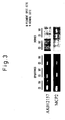
- Fig. 3 AK012157 gene and MCP-2 gene were significantly expressed at a spot site of the epidermis, but were observed to be hardly expressed at all at a non-spot site of the epidermis. In addition, there were no differences in expression for either gene in the dermis.
- ISH In situ Hybridization
- tissue section slides were produced according to ordinary methods. The slides were then subjected to an in situ hybridization reaction using the HX System Automated Slide Processor manufactured by Ventana Japan (Protocol: Japan Open Blue 8.0). The tissue sections were subjected to pretreatment consisting of blocking and protease treatment, followed by hybridizing for 6 hours at 68°C with 500 ng of a Dig-labeled riboprobe produced from the AK012157 sequence using T7 polymerase. The hybridization product was then washed, and after reacting with Anti-Dig-alkaline phosphatase and washing, the product was stained using NBT/BCIP substrate followed by sealing and observing with a light microscope.
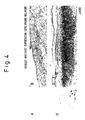
- AK012157 gene was only expressed significantly in a spot site of the epidermis, and was observed to be hardly expressed at all in a non-spot site of the epidermis.
- tissue sections were produced in accordance with ordinary methods. After then treating for 15 minutes with 1% H 2 O 2 , the sections were blocked for 30 minutes and reacted overnight with 1/50-diluted anti-mouse MCP2 antibody (R&D Systems). This was detected by tyramide sensitization (TSA System, Perkin-Elmer). After washing, the sections were reacted with secondary antibody with HRP and then washed, followed by reacting with FITC-labeled tyramide, washing, embedding and observed with a fluorescent microscope.
- TSA System 1/50-diluted anti-mouse MCP2 antibody
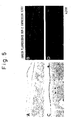
- Fig. 5 results are shown in Fig. 5 .
- MCP-2 gene was observed to be significantly expressed at a spot site in the epidermis, and was observed to hardly be expressed at all at a non-spot site in the epidermis.
- the present invention is able to provide a skin test method for predicting the formation of spots in the skin.
Landscapes
- Life Sciences & Earth Sciences (AREA)
- Chemical & Material Sciences (AREA)
- Health & Medical Sciences (AREA)
- Engineering & Computer Science (AREA)
- Proteomics, Peptides & Aminoacids (AREA)
- Analytical Chemistry (AREA)
- Organic Chemistry (AREA)
- Immunology (AREA)
- Molecular Biology (AREA)
- Pathology (AREA)
- Physics & Mathematics (AREA)
- Zoology (AREA)
- Genetics & Genomics (AREA)
- General Health & Medical Sciences (AREA)
- Biochemistry (AREA)
- Wood Science & Technology (AREA)
- Biophysics (AREA)
- Biotechnology (AREA)
- Bioinformatics & Cheminformatics (AREA)
- Microbiology (AREA)
- Hematology (AREA)
- Biomedical Technology (AREA)
- General Engineering & Computer Science (AREA)
- Urology & Nephrology (AREA)
- Food Science & Technology (AREA)
- Medicinal Chemistry (AREA)
- General Physics & Mathematics (AREA)
- Cell Biology (AREA)
- Pharmacology & Pharmacy (AREA)
- Measuring Or Testing Involving Enzymes Or Micro-Organisms (AREA)
- Medicines That Contain Protein Lipid Enzymes And Other Medicines (AREA)
- Pharmaceuticals Containing Other Organic And Inorganic Compounds (AREA)
Description
- The present invention relates to a skin test method for predicting the formation of spots.
- When the action of the enzyme tyrosinase within melanocytes (pigment-forming cells) is activated abnormally due to ultraviolet rays, hormonal imbalance or psychological stress and so forth, formation of melanin pigment is enhanced and they are successively sent out to surrounding epidermal cells. If the rate at which melanin pigment is produced is excessively fast and turnover is no longer normal due to the effects of ultraviolet rays and so forth, the melanin pigment is unable to be excreted to the outside and remains in the skin, and this is believed to result in the formation of spots in the skin.
- Once a spot has been formed, it is preferably to treat the spot as quickly as possible, and a visual sensory evaluation of the spot by a beautician, or an early assessment of the presence of a spot by a quantitative evaluation of the spot using equipment such as an apparatus for capturing images of skin condition or a colorimeter, is desired for the purpose of providing treatment (Japanese Unexamined Patent Publication No.
2003-144393 - Once a spot being formed, it is not easily removed, and treatment is required that improves skin metabolism to quickly expel the unnecessary melanin and prevent excess melanin from being formed. Thus, it is preferably to care for the skin prior to the formation of a spot. However, since there are individual differences in susceptibility to spot formation and there are various conditions that cause their formation, it is typically difficult to predict the formation of a skin spot. Accordingly, a means for predicting whether or not the skin is susceptible to spot formation prior to formation thereof would be extremely effective as a preventive measure.
- In consideration of the aforementioned problems, the inventors of the present invention conducted extensive studies on whether it is possible to provide a means for predicting whether or not the skin is susceptible to spot formation before a spot is formed in the skin. As a result of conducting a microarray analysis of epidermal RNA from spot sites and non-spot sites in spot model mice in which the skin was irradiated with ultraviolet rays after which irradiation was discontinued so that sunburn-like coloring was discolored followed by waiting briefly before forming pigment spots resembling age spots (M. Naganuma et al., Journal of Dermatological Science 25 (2001) 29-35), the inventors of the present invention found that, in comparison with non-spots sites that were not irradiated with ultraviolet rays and where spot-like pigment spots did not form, expression of the following genes was specifically increased in the epidermis of the spot sites. Thus, it was clearly demonstrated that whether or not skin is susceptible to the formation of spots can be assessed by investigating expression of the MCP-2 gene in human epidermis.
- This protein is a type of chemokine (family of small cytokines having molecular weights of about 10,000). Although another member of this family, MCP-1, has been reported to cause non-tumor-forming melanoma cells to form tumors via attraction of monocytes (Journal Immunol. Jun 1; 166(11): 6483-6490), there are no reports on its correlation with skin pigment.
- Further, it was clearly demonstrated that whether or not skin is susceptible to the formation of spots can be assessed by investigating expression of the following genes in human epidermis.
- Any disclosure concerning these genes is not part of the present invention and is merely provided for information purposes.
- Only the base sequence of this gene is known, and there are no reports describing its function (Meth. Enzymol. 303, 19-44 (1999)). Although a gene having about 80% homology with this gene (S74257: SEQ. ID NO. 3) has been reported to be related to cancer invasion and metastasis in rats (Oncogene, 1994, 9 (12), 3591-3600), there are no reports on the correlation between this gene and skin pigment. Moreover, although a gene having about 70% homology with mouse gene AK012157 is known to exist in humans (human FLJ21763 gene (SEQ. ID.NO. 2)), there are also no reports describing the correlation between this gene and skin pigment.
-
- Mcp9 (small inducible cytokine B subfamily (Cys-X-Cys), member 9) (Arthritis Rheum 2002 Oct; 46(10): 2730-41);
- Mcp10 (small inducible cytokine B subfamily (Cys-x-Cys), member 10 (J Immunol. 2002 Apr 1; 168(7): 3195-204);
-
- Isg15 (Interferon-stimulated protein (15 kDa) isg15 (Ubiquitin-like)) (Genes Dev 2003 Feb 15; 17(4): 455-460);
- Usp18 (ubiquitin specific protease 18) (J. Biol. Chem. 2002 Mar 22; 277(12): 9976-9981);
-
- Oas12 (2'-5'-oligoadenylate synthase-like OASL2 (IFN induced)) (J. Interferon Cytokine Res 2002 Sep; 22(9): 981-993);
- Gbp2 (IFN induced guanylate
nucleotide binding protein 2 gbp2 (antivirus)) (J. Interferon Cytokine Res 1998 Nov; 18(11): 977-985); - Gtpi (GTPase; interferon-g induced GTPase (19440);
- Ifi97 (interferon gamma inducible protein, 47 kDa (GTP-binding motif) (J. Immunol. 1992 May 15; 148(10): 3275-81);
- Igtp (GTPase; interferon gamma induced GTPase igtp) (Infect Immun. 2002 Dec; 70(12): 6933-9);
- Tgtp (GTPase; T-cell specific GTPase (IFN gamma)) (J Leukoc Biol. 1995 Mar; 57(3): 477-83).
- An interferon reactive element is present in the promoter region of genes for which expression is increased by interferon, and the expression of these genes is increased as a result of binding thereto STAT-1 (signal transducers and activators of transcription) being activated by phosphorylation (Free Radical Biology & Medicine 2000; 28(9): 1430-1437; Exp Dermatol 1999; 8: 96-108). Thus, the aforementioned Gene Group (1) can be said to be a gene group for which expression is increased in the presence of phosphorylated STAT-1 that has been activated by phosphorylation. As is actually shown in
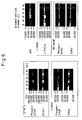
Fig. 6 , phosphorylated STAT-1 has also been shown to be expressed at high levels at spot sites. -
- Sprr2A (small proline-rich protein 2A) (Mamm. Genome 2003; 14(2): 140-148);
- Krt2-6b (
keratin complex 2, basic, gene 6a) (Genomics 1998; 53(2): 170-183); -
- Cdk5rap2 (CKK5 regulatory subunit associated protein 2) (Neuron. 2003 Apr 10; 38(1): 33-46);
- Mef2C (myocyte enhancer factor 2C) (Brain Res Mol Brain Res. 2001 Dec 16; 97(1): 70-82);
-
- Gsta4 (glutathione S-transferase, alpha 4) (J. Biol. Chem. 2002 May 17; 227(20): 17892-17900);
-
- Osf2 (osteoblast specific factor (facilin I-like)) (Protein Expr Purif 1995 Jun; 6(39): 305-311);
-
- Tnc (Tenascin C) (Matrix Biol 2000 Dec; 19(7): 581-596);
-
- Igfbp6 (Insulin-like growth factor binding protein 6) (Mol. Cell. Endocrinol. 1994; 104 (1) : 57-66) ;
-
- Ppicap (peptidylprolyl isomerase C (cyclophylin C)-associated protein) (Proc Natl Acad Sci USA. 1993 Jul 15; 90 (14): 6815-9);
- MCP-6 (Mast cell protease 6) (J. Biol. Chem. 1991 Feb 25; 266(6): 3847-3853).
-
- Mm. 74656 Gene (GenBank Acc: Aa519023)
- There are no reports describing a correlation with skin pigment for any of the gene groups of (3). Thus, it is extremely surprising that the expression of these genes is increased in association with spots.
- In a first perspective of the invention, the present invention provides a skin test method for predicting the formation of spots. This method is characterized in that skin is judged to be susceptible to the formation of spots in the case expression of MCP2 in epidermis is increased as compared with normal expression in the epidermis.
- In a preferable aspect thereof, the formation of spots is caused by UVB radiation.
- In a more preferable aspect thereof, the increase in the expression of MCP2 in epidermis is determined by measuring the amount of MCP2 in the epidermis.
- In a more preferable aspect thereof, the measurement is carried out by ELISA or RIA using antibody specific to MCP2 in the epidermis.
- In a more preferable aspect thereof; the increase in the expression of MCP2 in the epidermis is determined by measuring the amount of mRNA encoding MCP2 extracted from the epidermis.
- In a more preferable aspect thereof, the measurement of the mRNA is carried out by a polymerase chain reaction method.
- In a second perspective thereof, the present invention provides a method for screening for a spot formation inhibitory factor and/or spot removal factor. This method is characterized by evaluating a candidate compound for the ability to inhibit the expression and/or activity in the epidermis of MCP2, and select an MCP2 inhibitor having this inhibitory ability as a spot formation inhibitory factor and/or spot removal factor.
- In a preferable aspect thereof, this method further comprises the application of the MCP2 inhibitor having inhibitory ability to a spot formation model animal, and selecting an inhibitor that has a spot formation inhibitory effect and/or spot removal effect.
- According to the present invention, a skin test method can be provided for predicting the formation of spots.
-
-
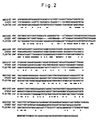
Fig. 1 is a comparison of mouse AK012157 gene, human FLJ21763 gene and rat S74257 gene. -
Fig. 2 is a continuation ofFig. 1 . -
Fig. 3 shows the expression of AK012157 gene and MCP-2 gene in the epidermis and dermis of spot model mice by PCR. -
Fig. 4 shows the expression of AK012157 gene in the epidermis of spot model mice by in situ hybridization. -
Fig. 5 shows the expression of MCP-2 in the epidermis of spot model mice by immunohistostaining. -
Fig. 6 shows differences in the expression of major signal proteins between spot sites and normal sites as determined by Western blotting. - As has been described above, there have been no reports describing a correlation with skin pigment for mouse or human MCP-2. As a result of conducting microarray analyses on RNA originating in the epidermis of spot sites and normal sites of spot model mice subjected to ultraviolet radiation, the inventors of the present invention found that the expressions of MCP-2 gene was specifically increased in the epidermis of spot sites as compared with at non-spot sites. Thus, it was surmised that the formation of spots could be predicted by using this gene as indicator. In particular, increases in the expression of MCP-2 gene were observed in the spot model mice not only during UV radiation, but were also observed during the discoloration period when the brown color of the epidermis began to discolor due to UV radiation following completion of UV radiation, and during the pigment spot formation period when spots subsequently began to appear and be formed. Since the expression of this gene in the epidermis of the spot model mice also increases during the discoloration period, the future formation of spots could be predicted during the discoloration period before spots have formed.
- Spot model mice can be produced as described in the previously listed publication by M. Naganuma et al, op. cit. In short, about 7 week old mice are irradiated with ultraviolet rays about 3 times a week for about 8 weeks at an intensity of about 99 mJ/cm2 under an ultraviolet light source (Toshiba FL-SE: UVB). Uniform pigmentation of the skin (browning of the skin) is observed during this UV radiation period. This pigmentation nearly completely disappears about 2 weeks after UV radiation has been discontinued (discoloring period). Subsequently, small, light brown pigment spots having a diameter of about 2mm or less (so-called age spot-like spots) began to appear (pigment spot appearance and formation period).
- The present invention provides a skin test method for predicting the formation of spots in skin, and preferably human skin. This method judges skin to be susceptible to spot formation in the case expression in the epidermis of MCP-2 gene is increased as compared with normal expression in the epidermis. The evaluation criterion may be, for example, judging skin to be susceptible to spot formation if the expression in the epidermis of MCP-2 gene is increased by at least 10%, at least 20%, at least 30%, at least 50%, at least 70% or at least 100% in comparison with the expression of those genes in a control epidermis. The skin to be tested may be, for example, skin of the face, neck, limbs or any other portion of the skin that is susceptible to the formation of spots or for which there is concern over the formation of spots. The normal epidermis that is free of spot formation, namely the control epidermis, may be epidermis from the same individual that is, for example, not likely to be exposed to ultraviolet rays or from a site that is relatively resistant to the formation of skin spots such as the abdomen or thigh.
- Increases in gene expression in the epidermis are determined by, for example, measuring the amount of protein encoded by the genes in the epidermis. For example, an increase in the expression of MCP-2 in the epidermis is determined by measuring the amount of MCP-2 in the epidermis. Preferably, this measurement uses a specific antibody to the aforementioned protein, and can be carried out by various known methods in the industry, such as immunostaining methods using fluorescent substances, pigments or enzymes, Western blotting or immunoassay methods such as ELISA and RIA. In addition, increases in expression can also be determined by extracting RNA from the epidermis and measuring the amount of mRNA that encodes the gene. Extraction of mRNA and measurement of the amount thereof are carried out by known methods in the industry, and for example, quantification of RNA is carried out by the quantitative polymerase chain reaction (PCR) method.
- Expression in the epidermis of a polynucleotide capable of hybridizing under highly stringent conditions to the aforementioned genes can be determined by extracting RNA from the epidermis and measuring the amount of mRNA corresponding to the polynucleotide. Extraction of mRNA and measurement of an amount thereof are known in the industry, and for example, quantification of RNA is carried out by a quantitative polymerase chain reaction (PCR) method.
- As has been previously described, the present invention is based on the finding that, as a result of conducting a microarray analysis of respective epidermal RNA from spot sites and non-spot sites in spot model mice irradiated with ultraviolet rays, the expression of MCP-2 gene is specifically increased in the epidermis of spot sites as compared with non-spot sites. Thus, it is surmised that a medicament could be developed that inhibits the formation of spots and/or removes formed spots by using as an indicator inhibition of the expression of the above gene in the epidermis and/or the activity of gene products thereof in the form of the aforementioned protein, for example, inhibition of the expression of MCP-2 gene in the epidermis and/or the activity of MCP-2.
- Thus, the present disclosure provides a pharmaceutical or skin external composition comprising an inhibitor for inhibiting expression of the aforementioned gene as a spot formation inhibitory factor and/or spot removal factor. The composition is able to prevent the formation or remove spots in the skin.
- Examples of inhibitors for inhibiting the activity of MCP-2 include amino terminal-cleaved MCP-2 having chemokine antagonist activity which lacks the NH2-terminal amino acid sequence equivalent to amino acid No. 1, Nos. 1 to 2, Nos. 1 to 3, Nos. 1 to 4 or Nos. 1 to 5 of the naturally-occurring MCP-2 described in Japanese Unexamined Patent Publication (Kohyo) No.
2001-518296 - In addition, MCP-2 inhibitors include CCR-1, -3 or - 5 receptor antagonists known to be bonded by MCP-2. CCR-3 receptor antagonists are described in, for example, Japanese Unexamined Patent Publication (Kokai) No.
H11-14782 2002-512957 2002-512960 2002-530374 2002-512957 2003-510248 - Specific examples of these CCR-3 receptor antagonists include:
- N-{1-(S)-[4-(3,4-dichlorobenzyl)piperazin-1-ylmethyl]-2-methylpropyl}-4-methylbenzamide dihydrochloride;
- N-{1-(S)-[4-(3,4-dichlorobenzyl)piperazin-1-ylmethyl]-2,2-dimethylpropyl}-4-methylbenzamide dihydrochloride;
- N-{1-(S)-[4-(3,4-dichlorobenzyl)piperizin-1-ylmethyl]-2-methylpropyl}-4-methylbenzamide dihydrochloride;
- N-{1-(R)-[4-(3,4-dichlorobenzyl)piperizin-1-ylmethyl]-2-methylpropyl}-4-(2-aminoethyl)benzamide dihydrochloride;
- N-{1-(R)-[4-(3,4-dichlorobenzyl)piperizin-1-ylmethyl]-2-methylpropyl}-5-methylthiophene-2-carboxamide hydrochloride;
- 1-{1-(R)-[4-(3,4-dichlorobenzyl)piperazin-1-ylmethyl]-2-methylpropyl}-3-(3-methoxyphenyl) urea;
- 1-{1-(R)-[4-(3,4-dichlorobenzyl)piperizin-1-ylmethyl]-2-methylpropyl}-3-(3-methoxyphenyl) urea;
- (S)-ethyl-2-(4-methylbenzenesulfonylamino)-3-(4-hydroxyphenyl)propionate;
- (S)-ethyl-2-(5-dimethylaminonapthalene-1-sulfonylamino)-3-(4-hydroxyphenyl)propionate;
- (S)-ethyl-2-(naphthalene-2-sulfonylamino)-3-(4-hydroxyphenyl)propionate;
- (S)-ethyl-2-(thiophene-2-sulfonylamino)-3-(4-hydroxyphenyl)propionate;
- (S)-ethyl-2-(quinoline-8-sulfonylamino)-3-(4-hydroxyphenyl)propionate;
- (S)-ethyl-2-(2,4,6-trimethylbenzenesulfonylamino)-3-(4-hydroxyphenyl)propionate;
- (S)-ethyl-2-(4-bromobenzenesulfonylamino)-3-(4-hydroxyphenyl)propionate;
- (S)-ethyl-2-(4-chlorobenzenesulfonylamino)-3-(4-hydroxyphenyl)propionate;
- (S)-ethyl-2-(4-methoxybenzenesulfonylamino)-3-(4-hydroxyphenyl)propionate;
- (S)-ethyl-2-methanesulfonylamino)-3-(4-hydroxyphenyl) propionate;
- (S)-ethyl-2-[2-(E)-styrylsulfonylamino]-3-(4-hydroxyphenyl)propionate;
- (S)-ethyl-2-(3-trifluoromethylbenzenesulfonylamino)-3-(4-hydroxyphenyl)propionate;
- (S)-ethyl-2-(2,5-dichlorothiophene-3-sulfonylamino)-3-(4-hydroxyphenyl)propionate;
- (S)-ethyl-2-(2-bromobenzenesulfonylamino)-3-(4-hydroxyphenyl)propionate;
- (S)-ethyl-2-[5-(2-pyridyl)thiophene-2-sulfonylamino]-3-(4-hydroxyphenyl)propionate;
- (S)-ethyl-2-(1,3-dimethyl-5-chloro-2-pyrazoline-4-sulfonylamino)-3-(4-hydroxyphenyl)propionate;
- (S)-ethyl-2-(4-biphenylsulfonylamino)-3-(4-hydroxyphenyl)propionate;
- (S)-ethyl-2-(2-nitro-4-methoxybenzenesulfonylamino)-3-(4-hydroxyphenyl)propionate;
- (S)-ethyl-2-(2,5-dichlorobenzenesulfonylamino)-3-[4-(2,5-dichlorobenzenesulfonyloxy)phenyl]propionate;
- (S)-ethyl-2-(2,4-difluorobenzenesulfonylamino)-3-[4-(2,4-difluorobenzenesulfonyloxyphenyl)propionate;
- (S)-ethyl-2-(5-dimethylaminonaphthalene-1-sulfonylamino)-3-(4-hydroxyphenyl)propionate;
- (S)-ethyl-2-(thiophene-2-sulfonylamino)-3-(4-hydroxyphenyl)propionate:
- (S)-ethyl-2-(2,4,6-trimethylbenzenesulfonylamino)-3-(4-hydroxyphenyl)propionate;
- (S)-ethyl-2-(4-bromobenzenesulfonylamino)-3-(4-hydroxyphenyl)propionate;
- (S)-ethyl-2-(4-chlorobenzenesulfonylamino)-3-(4-hydroxyphenyl)propionate;
- (S)-ethyl-2-(4-methoxybenzenesulfonylamino)-3-(4-hydroxyphenyl)propionate;
- (S)-ethyl-2-[2-(E)-styrylsulfonylamino]-3-(4-hydroxyphenyl)propionate;
- (S)-ethyl-2-(3-trifluoromethylbenzenesulfonylamino)-3-(4-hydroxyphenyl)propionate;
- (S)-ethyl-2-(2,5-dichlorothiophene-3-sulfonylamino)-3-(4-hydroxyphenyl)propionate;
- (S)-ethyl-2-(2-bromobenzenesulfonylamino)-3-(4-hydroxyphenyl)propionate;
- (S)-ethyl-2-[5-(2-pyridyl)thiophene-2-sulfonylamino]-3-(4-hydroxyphenyl)propionate;
- (S)-ethyl-2-(2-nitro-4-methoxybenzenesulfonylamino)-3-(4-hydroxyphenyl)propionate;
- (S)-ethyl-2-(2,5-dichlorobenzenesulfonylamino)-3-[4-(2,5-dichlorobenzenesulfonyloxy)phenyl]propionate;
- (S)-ethyl-2-(2,5-dichlorothiophene-3-sulfonylamino)-3-(4-hydroxyphenyl)propionate;
- (S)-ethyl-2-(2-bromobenzenesulfonylamino)-3-(4-hydroxyphenyl)propionate;
- (S)-ethyl-2-(2,5-dichlorobenzenesulfonylamino)-3-[4-(2,5-dichlorobenzenesulfonyloxy)phenyl]propionate;
- (S)-ethyl-2-(1-naphthoylamino)-3-(4-nitrophenyl) propionate;
- (S)-isopropyl-2-(1-naphthoylamino)-3-(4-nitrophenyl) propionate;
- (S)-methyl-2-(1-naphthoylamino)-3-(4-nitrophenyl) propionate;
- (S)-benzyl-2-(1-naphthoylamino)-3-(4-nitrophenyl) propionate;
- (S)-ethyl-2-(1-naphthoylamino)-3-(4-chlorophenyl) propionate;
- (S)-ethyl-2-benzoylamino-3-(4-hydroxyphenyl) propionate;
- (S,S)-ethyl-2-(2-benzylxycarbonylamino-3-phenylpropionylamino)-3-(4-hydroxyphenyl)propionate;
- (S,S)-ethyl-2-(N-acetylpyrrolidine-2-benzoylamino)-3-(4-hydroxyphenyl)propionate;
- (S)-ethyl-2-cyclohexanylamino-3-(4-hydroxyphenyl) propionate;
- (S)-ethyl-2-(3,3-diphenylpropionylamino)-3-(4-hydroxyphenyl)propionate;
- (S)-ethyl-2-(3-phenylpropionylamino)-3-(4-hydroxyphenyl)propionate;
- (S)-ethyl-2-[2-(2-napthyl)acetylamino]-3-(4-hydroxyphenyl)propionate;
- (S)-ethyl-2-(4-phenylbutyrylamino)-3-(4-hydroxyphenyl)propionate;
- (S)-ethyl-2-pentanylamino-3-(4-hydroxyphenyl) propionate;
- (S)-ethyl-2-pentanylamino-3-(4-hydroxyphenyl) propionate;
- (S)-ethyl-2-(4-benzoylbenzoylamino)-3-(4-hydroxyphenyl)propionate;
- (S)-ethyl-2-(2-furanyl)amino-3-(4-hydroxyphenyl) propionate;
- (S)-ethyl-2-(1-naphthoylamino)-3-(4-hydroxyphenyl) propionate;
- (S)-ethyl-2-(5-hydroxyindonyl)amino-3-(4-hydroxyphenyl)propionate;
- (S)-ethyl-2-piperonylamino-3-(4-hydroxyphenyl) propionate;
- (S)-ethyl-2-picolinylamino-3-(4-hydroxyphenyl) propionate;
- (S)-ethyl-2-(3-nitro-4-chlorobenzoylamino)-3-(4-hydroxyphenyl)propionate;
- (S)-ethyl-2-(3-hydroxy-4-nitrobenzoylamino)-3-(4-hydroxyphenyl)propionate;
- (S)-ethyl-2-(8-quinolinylamino)-3-(4-hydroxyphenyl) propionate;
- (S)-ethyl-2-benzoylamino-3-phenylpropionate;
- (S)-methyl-2-benzoylamino-3-(4-hydroxyphenyl) propionate;
- (S)-benzyl-2-benzoylamino-3-(4-hydroxyphenyl) propionate;
- (S)-ethyl-2-benzoylamino-3-(4-methoxyphenyl) propionate;
- (S)-ethyl-2-tert-butyloxycarbonylamino-3-(4-nitrophenyl)propionate;
- (S)-ethyl-2-tert-butyloxycarbonylamino-3-(4-aminophenyl)propionate;
- (S)-ethyl-2-benzoylamino-3-(3,5-diiodo-4-hydroxyphenyl)propionate;
- (S)-ethyl-2-carboxybenzoylamino-3-(4-hydroxyphenyl) propionate;
- (S)-ethyl-2-benzoylamino-3-(1-naphthyl)propionate;
- (±)-ethyl-2-benzolylamino-3-[3-(benzoyloxy)phenyl] propionate;
- (±)-ethyl-2-benzoylamino-3-(3-hydroxyphenyl)propionate;
- (R,S)-ethyl-2-benzoylamino-3-(2-hydroxyphenyl) propionate;
- (S)-ethyl-2-benzoylamino-3-(4-aminophenyl)propionate;
- (S)-ethyl-2-benzoylamino-3-(4-nitrophenyl)propionate;
- (S)-ethyl-2-(2-phenylacetylamino)-3-(4-hydroxyphenyl) propionate;
- (S)-ethyl-2-benzoylamino-3-(3-indoyl)propionate;
- (±)-ethyl-2-(benzolylamino)-2-phenylacetate;
- (±)-ethyl-2-(benzoylamino)-4-phenylbutyrate;
- (S)-ethyl-2-(1-naphthoylamino)-3-(4-hydroxyphenyl) propionate;
- (S)-ethyl-2-benzoylamino-3-(4-hydroxyphenyl)propionate;
- (S)-ethyl-2-cyclohexanylamino-3-(4-hydroxyphenyl) propionate;
- (S)-ethyl-2-(1-naphthoylamino)-3-(4-hydroxyphenyl) propionate;
- (S)-benzyl-2-benzoylamino-3-(4-hydroxyphenyl) propionate;
- (S)-ethyl-2-benzoylamino-3-(4-methoxyphenyl)propionate;
- (S)-ethyl-2-benzoylamino-3-(1-napthyl)propionate;
- (±)-ethyl-2-benzolylamino-3-[3-(benzoyloxy)phenyl] propionate;
- (±)-ethyl-2-benzoylamino-3-(3-hydroxyphenyl)propionate;
- (R,S)-ethyl-2-benzoylamino-3-(2-hydroxyphenyl) propionate;
- (S)-ethyl-2-benzoylamino-3-(4-nitrophenyl)propionate;
- (±)-ethyl-2-(benzoylamino)-2-phenylacetate;
- (±)-ethyl-2-(benzoylamino)-4-phenylacetate;
- (S)-ethyl-2-(1-naphthoylamino)-3-(4-nitrophenyl) propionate;
- (S)-ethyl-2-(1-naphthoylamino)-3-(4-hydroxyphenyl) propionate; and,
- (S)-ethyl-2-benzoylamino-3-(4-nitrophenyl)propionate.
- Examples of CCR-1 receptor antagonists include the compounds described in International Publication
WO 97/24325 WO 98/38167 WO 97/44329 WO 98/04554 WO 98/27815 WO 98/25604 WO 98/25605 WO 98/25617 WO 98/31364 WO 98/02151 WO 99/37617 WO 99/37651 WO 99/37619 US Provisional Patent Application No. 60/021,716 (filed on July 12, 1996 US Patent Application No. 09/146,827 09/148,236 (filed on September 4, 1998 - In addition, an example of a CCR-5 receptor antagonist is described in Japanese Unexamined Patent Publication (Kohyo) No.
2002-543186 - A pharmaceutical or skin external composition is applied in the form of, for example, an aqueous solution, oily liquid, other type of solution, milky liquid, cream, gel, suspension, microcapsules, powder, granules, capsules or solid preparation. After preparing in these forms using conventionally known methods, they can be applied, attached, sprayed, injection, consumed or inserted into the body in the form of a lotion, milky lotion, cream, ointment, salve, poultice, aerosol, water-oil two-layer system, water-oil-powder three-layer system, injection, oral preparation (e.g., tablets, powders, granules, pills, syrup, lozenges) or suppositories. The aforementioned inhibitor can be contained in this composition at, for example, 0.001 mM to 1 M, preferably 0.01 to 100 mM and more preferably 0.1 to 10 mM, based on the total amount of the composition with any particular limitations as a spot formation inhibitory factor and/or spot removal factor.
- Among these drug forms, lotions, milky lotions, creams, ointments, salves, poultices, aerosols and other skin external preparations are suitable. Furthermore, the skin external preparations listed here include prescription pharmaceuticals, over-the-counter pharmaceuticals (such as ointments) and cosmetics (such as facial washes, milky liquids, creams, gels, essences (beauty washes), facial packs, facial masks and other basic cosmetics, foundations, lipstick and other makeup cosmetics, as well as oral cavity cosmetics, fragrant cosmetics, hair cosmetics and body cosmetics). A pharmaceutical or skin external preparation is particularly suitably applied as a spot preventive cosmetic.
- Conventionally known vehicles and fragrances as well as oils, surfactants, antiseptics, metal ion chelating agents, water-soluble polymers, thickeners, pigments and other powdered components, ultraviolet protectors, moisturizers, antioxidants, pH regulators, cleansers, desiccants or emulsifiers and so forth are suitably incorporated in a pharmaceutical or skin external preparation corresponding to the desired drug form. Moreover, other pharmacologically active components can be incorporated into a pharmaceutical or skin external preparation within a range that does not impair the expected effects as a result of incorporation.
- The present invention additionally provides a method for screening for a spot formation inhibitory factor and/or spot removal factor. This method is characterized by evaluating a candidate compound for the ability to inhibit the expression and/or activity in the epidermis of the MCP2 gene, and select an inhibitor having this inhibitory ability as a spot formation inhibitory factor and/or spot removal factor.
- In a preferable aspect thereof, the aforementioned screening method comprises applying an inhibitor having the inhibitory ability to a non-human spot model animal, and selecting an inhibitor having a spot formation inhibitory effect and/or spot removal effect.
- A process for confirming the spot formation inhibitory effect and/or spot removal effect of the inhibitor can be carried out by using a non-human model animal such as a non-human spot model animal. Examples of animals that can be used as models other than mice include rats, rabbits and various other non-human animals. In a preferable aspect thereof, a solution such as an aqueous solution of the inhibitor is prepared, and then repeatedly applied to the skin of the non-human spot model animal followed by evaluation of spot formation to judge the presence or absence of the above effects.
- The following provides a more detailed explanation of the present invention using a specific example. It is to be noted that disclosures relating to genes other than MCP2 are not part of the present invention. Furthermore, the present invention is not limited thereto.
- Spot model mice were produced as described in M. Naganuma et al, op cit. In short, 7 week old mice were irradiated with
ultraviolet rays 3 times a week for 8 weeks (UV radiation period) at an intensity of 99 mJ/cm2 under an ultraviolet light source (Toshiba FL-SE: UVB). The animals underwent a discoloring period from age 15 to 23 weeks (until about 8 weeks following completion of UV radiation period), a pigment spot appearance period from age 23 to 35 weeks (about 18 to 30 weeks after completion of UV radiation period), and a pigment spot formation period from age 35 to 52 weeks (about 30 to 47 weeks after completion of UV radiation period). - The entire layer of skin was sampled from the back of each mouse followed by removal of the fatty layer and separation of the epidermis by heating. RNA was extracted from the epidermis using ISOGEN (Nippon Gene, manufacturer's recommended protocol) and purified using RNeasy (Qiagen). The dermis was cut into 1 centimeter squares, frozen in liquid nitrogen and crushed followed by extraction of RNA using ISOGEN (Nippon Gene, manufacturer's recommended protocol) and purification using RNeasy (Qiagen). The resulting RNA was phoresed in TBE agarose gel and stained with SYBR Green (Molecular Probes) to confirm quality and the degree of purification.
- Samples during the UV radiation period were collected from about 10 week old mice, and controls for these samples were collected from about 14 week old mice. Samples during the discoloring period were collected from about 20 week old mice, and controls for these samples were collected from about 20 week old mice. Samples during the pigment spot formation period were collected from about 42 week old mice, and controls for these samples were collected from about 40 week old mice.
- Gene chips manufactured by Affymetrix Japan were used for microarray analyses.
- The reaction was carried out according to the Affymetrix recommended protocol. 10 µg of RNA were reacted with 100 pmol of oligo-dT primer (24 mer) (Sigma) for 10 minutes at 70°C. Subsequently, 4 µl of 5x first strand reaction buffer, 2 µl of 0.1 M DTT, 1 µl of 10 mM dNTP and 2 µl of Superscript II (all Invitrogen products) were added and reacted for 1 hour at 42°C. 91 µl of RNase-free water, 30 µl of 5x second strand reaction buffer, 3 µl of 10 mM dNTP mix, 1 µl of 10 U/µl E. coli DNA ligase, 14 µl of 10 U/µl E. coli DNA polymerase and 1 µl of 2 U/µl RNaseH (all Invitrogen products) were then added and reacted for 2 hours at 16°C. Moreover, 2 µl of T4 DNA polymerase (10 U/µl) (Invitrogen) were added and after reacting for 5 minutes at 16°C, 10 µl of 0.5 M EDTA were added to stop the reaction. Cleanup was carried out using Phase Lock Gels (Qiagen) and eluted into 12 µl of RNase-free water. Biotin-added cRNA was produced by an in vitro transcription reaction from the resulting cDNA (Enzo, Farmingdale), and then purified using RNeasy (Qiagen). After fragmenting the cRNA for 35 minutes at 94°C in a fragmentation buffer, the resulting fragmented cRNA was used for gene chip hybridization. After washing the chip, the data was read using a scanner manufactured by Affymetrix.
- As a result of comprehensively analyzing about 9,000 types of genes, the expression of AK12157 gene, MCP-2 gene and Gene Groups (1) to (3) were found to be remarkably increased in epidermis of the spot model mice as compared with the epidermis of control mice. Particularly interestingly, increased expression of AK012157 gene and MCP-2 gene was observed not only during the UV radiation period, but was also continuously observed during the discoloration period, when the brown color of the epidermis began to discolor due to the UV radiation following completion of UV radiation, and during the subsequent pigment spot formation period when spots began to appear and be formed. Since the expression of these genes was also increased during the discoloration period prior to the formation of spots in the epidermis of the model mice, the use of these genes as indicators would make it possible to predict the future formation of spots even during the discoloration period prior to spot formation. Those results are shown in Tables 1 and 2 below.
Table 1 Fluctuation Rates of Each Gene Based on Control UV radiation period Discoloration period Pigment spot formation period MCP-2 4.7 13.8 3.2 AK012157 5.3 5.5 6.4 Table 2 Gene Name Spot sites/non-spot sites (n=4) Mcp9 3.9 Mcp10 3.6 Isg15 4.1 Usp18 2.2 Oas12 4.1 Gbp2 3.3 Gtpi 3.2 Ifi47 2.8 Igtp 2.7 Tgtp 2.6 Sprr2A 23.3 Krt2-6b 3.4 Cdk5rap2 12.4 Mef2C 4.8 Gsta4 3.0 Osf2 2.9 Tnc 2.9 Igfbp6 2.9 Ppicap 2.6 Mcp-6 1.8 Mm. 74656 2.9 - 1 µg each of the RNA collected from epidermis (epidermis and dermis of a spot site and non-spot site) was reacted for 10 minutes at 70°C with 100 pmol of oligo-dT primer (24 mer) (Sigma) (total volume: 20 µl). Subsequently, 4 µl of 5x first strand reaction buffer, 2 µl of 0.1 M DTT, 4 µl of 2.5 mM dNTP mix, and 1 µl of Superscript II (all Invitrogen products) were added and reacted for 1 hour at 42°C. Finally, an elongation reaction was carried out for 10 minutes at 70°C to prepare cDNA templates. 5 µl of rTaq 10x buffer, 3 µl of 25 mM MgCl2, 5 µl of 2.0 mM dNTP mix, 0.5 µl of rTaq (all Toyobo), 33.5 µl of ddH2O, 1 µl of each cDNA template, and 1 µl of each sense and antisense primer (refer to the sequences shown below) at 20 mM each were all added (total volume: 50 µl) followed by carrying out the PCR reaction (30 cycles consisting of 94°C for 2 minutes (94°C for 30 seconds, 55°C for 30 seconds and 72°C for 1 minute) and finally 72°C for 10 minutes).
MCP-2 Primer Sequences: Sense TTCTTTGCCTGCTGCTCATA (SEQ ID NO. 4) Antisense GACAAGGATGAGAAAACACG (SEQ. ID NO. 5) AK012157 Primer Sequences: Sense ACTCCGGCTCCTTCACTATG (SEQ. ID NO. 6) Antisense CTTTGGAATGAGGACTTGGA (SEQ. ID NO. 7) - Finally, the PCR products were electrophoresed with agarose gel containing 1.5% ethidium bromide to obtain a band of about 300 bp. This result is shown in
Fig. 3 . As is clear fromFig. 3 , AK012157 gene and MCP-2 gene were significantly expressed at a spot site of the epidermis, but were observed to be hardly expressed at all at a non-spot site of the epidermis. In addition, there were no differences in expression for either gene in the dermis. - After fixing mouse epidermal tissue with 10% neutral formalin and embedding in paraffin, tissue section slides were produced according to ordinary methods. The slides were then subjected to an in situ hybridization reaction using the HX System Automated Slide Processor manufactured by Ventana Japan (Protocol: Japan Open Blue 8.0). The tissue sections were subjected to pretreatment consisting of blocking and protease treatment, followed by hybridizing for 6 hours at 68°C with 500 ng of a Dig-labeled riboprobe produced from the AK012157 sequence using T7 polymerase. The hybridization product was then washed, and after reacting with Anti-Dig-alkaline phosphatase and washing, the product was stained using NBT/BCIP substrate followed by sealing and observing with a light microscope.
- Those results are shown in
Fig. 4 . As is clear fromFig. 4 , AK012157 gene was only expressed significantly in a spot site of the epidermis, and was observed to be hardly expressed at all in a non-spot site of the epidermis. - After fixing mouse epidermal tissue with neutral formalin and embedding in paraffin, tissue sections were produced in accordance with ordinary methods. After then treating for 15 minutes with 1% H2O2, the sections were blocked for 30 minutes and reacted overnight with 1/50-diluted anti-mouse MCP2 antibody (R&D Systems). This was detected by tyramide sensitization (TSA System, Perkin-Elmer). After washing, the sections were reacted with secondary antibody with HRP and then washed, followed by reacting with FITC-labeled tyramide, washing, embedding and observed with a fluorescent microscope.
- Those results are shown in
Fig. 5 . As is clear fromFig. 5 , MCP-2 gene was observed to be significantly expressed at a spot site in the epidermis, and was observed to hardly be expressed at all at a non-spot site in the epidermis. - When epidermal proteins were detected at spot sites and normal sites in spot model mice, and the expressed amounts of the major signal protein groups shown in
Fig. 6 were investigated by Western blotting, phosphorylated STAT1 exhibited a particularly large difference in expression between spot sites and normal sites. This result coincide with the finding that an interferon-induced gene group (Gene Group (1)) demonstrates increased expression at spot sites. - The present invention is able to provide a skin test method for predicting the formation of spots in the skin.
-
- <110> Shiseido Co. Ltd.
<120> Methods for Predicting Skin Stain Formation and for Screening Agent Capable of Inhibiting Skin Stain Formation By Means of Promoted Genes in S tained Regions as an Indicator
<130> P871 - <150>
JP 2003-343549
<151> 2003-10-01 - <150>
JP 2003-344786
<151> 2003-10-02 - <160> 7
<210> 1
<211> 758
<212> DNA
<213> Mouse
<400> 1
- <210> 2
<211> 2063
<212> DNA
<213> Homo Sapiens
<400> 2

- <210> 3
<211> 742
<212> DNA
<213> Rat
<400> 3
- <210> 4
<211> 20
<212> DNA
<213> Artificial Sequence
<223> Sense Primer - <400> 4
ttctttgcct gctgctcata 20
<210> 5
<211> 20
<212> DNA
<213> Artificial Sequence
<223> Antisense Primer
<400> 5
gacaaggatg agaaaacacg 20
<210> 6
<211> 20
<212> DNA
<213> Artificial Sequence
<223> Sense Primer
<400> 6
actccggctc cttcactatg 20
<210> 7
<211> 20
<212> DNA
<213> Artificial Sequence
<223> Antisense Primer
<400> 7
ctttggaatg aggacttgga 20
Claims (8)
- A skin test method for predicting the formation of melanin-pigmented skin spots, comprising determining expression of Monocyte Chemoattracting Protein 2 (MCP2) in epidermis, and judging skin to be susceptible to the formation of melanin-pigmented skin spots in the case expression of MCP2 in epidermis is increased as compared with normal expression in the epidermis.
- A method according to claim 1, wherein the formation of melanin-pigmented skin spots is caused by WB radiation.
- A method according to claim 1 or 2, wherein the increase in the expression of MCP2 in epidermis is determined by measuring the amount of MCP2 in the epidermis.
- A method according to claim 3, wherein the measurement is carried out by ELISA or RIA using antibody specific to MCP2.
- A method according to any of claims 1 to 4, wherein the increase in the expression of MCP2 in the epidermis is determined by measuring the amount of mRNA encoding MCP2 extracted from the epidermis.
- A method according to claim 5, wherein the measurement of the mRNA is carried out by a polymerase chain reaction method.
- A method for screening for a melanin-pigmented skin spot formation inhibitory factor and/or melanin-pigmented skin spot removal factor, comprising the steps of evaluating a candidate compound for the ability to inhibit the expression and/or activity in the epidermis of MCP2, and selecting an MCP2 inhibitor having this inhibitory ability as a melanin-pigmented skin spot formation inhibitory factor and/or melanin-pigmented skin spot removal factor.
- A method according to claim 7, wherein the method further comprises application of the MCP2 inhibitor having inhibitory ability to a melanin-pigmented skin spot formation non-human model animal, and selecting an inhibitor that has a melanin-pigmented skin spot formation inhibitory effect and/or melanin-pigmented skin spot removal effect.
Applications Claiming Priority (3)
| Application Number | Priority Date | Filing Date | Title |
|---|---|---|---|
| JP2003343549A JP3898175B2 (en) | 2003-10-01 | 2003-10-01 | Method for predicting skin blemishes formation using blemissite-enhanced gene group as an index |
| JP2003344786A JP2005110505A (en) | 2003-10-02 | 2003-10-02 | Method for predicting pigmented skin spot formation using pigmented spot region-accelerated gene group as index and method for screening pigmented skin spot formation inhibitor |
| PCT/JP2004/014799 WO2005033710A1 (en) | 2003-10-01 | 2004-09-30 | Method of predicting spot formation on the skin with the use of spot site-accelerating genes as indication and method of screening inhibitor for spot formation on the skin |
Publications (3)
| Publication Number | Publication Date |
|---|---|
| EP1691199A1 EP1691199A1 (en) | 2006-08-16 |
| EP1691199A4 EP1691199A4 (en) | 2008-02-13 |
| EP1691199B1 true EP1691199B1 (en) | 2009-04-01 |
Family
ID=34425335
Family Applications (1)
| Application Number | Title | Priority Date | Filing Date |
|---|---|---|---|
| EP04773660A Expired - Lifetime EP1691199B1 (en) | 2003-10-01 | 2004-09-30 | Method of predicting spot formation on the skin with the use of spot site-accelerating genes as indication and method of screening inhibitor for spot formation on the skin |
Country Status (6)
| Country | Link |
|---|---|
| US (1) | US20070249915A1 (en) |
| EP (1) | EP1691199B1 (en) |
| KR (1) | KR101122415B1 (en) |
| DE (1) | DE602004020378D1 (en) |
| TW (1) | TWI332511B (en) |
| WO (1) | WO2005033710A1 (en) |
Families Citing this family (6)
| Publication number | Priority date | Publication date | Assignee | Title |
|---|---|---|---|---|
| FR2893328B1 (en) * | 2005-11-17 | 2014-01-31 | Lvmh Rech | METHOD FOR DETERMINING MARKERS INVOLVED IN THE RESISTANCE OF KERATINOCYTES TO MECHANICAL DEFORMATIONS |
| JP2007289063A (en) * | 2006-04-25 | 2007-11-08 | Shiseido Co Ltd | Method for predicting formation of skin fleck by using fleck site-accelerating gene group as index, and method for screening skin fleck formation inhibitor |
| JP5275613B2 (en) * | 2007-11-07 | 2013-08-28 | 日本メナード化粧品株式会社 | Skin test method for predicting skin spot formation |
| JP4473926B1 (en) * | 2008-12-24 | 2010-06-02 | 株式会社ファンケル | Evaluation method of skin darkening tendency by ultraviolet rays |
| JP2015505242A (en) | 2011-12-20 | 2015-02-19 | ザ プロクター アンド ギャンブルカンパニー | Human skin sampling method and model for evaluating the color-specific effects of drugs |
| JP6824689B2 (en) * | 2016-10-27 | 2021-02-03 | 株式会社ナリス化粧品 | Screening method for dermis stain preventive / ameliorating agent and / or macrophage attractant |
Family Cites Families (10)
| Publication number | Priority date | Publication date | Assignee | Title |
|---|---|---|---|---|
| WO1989012218A1 (en) * | 1988-06-06 | 1989-12-14 | Nippon Carbide Kogyo Kabushiki Kaisha | Simplified method and apparatus for measuring quantity of ultraviolet radiation received |
| JPH08338997A (en) * | 1995-06-13 | 1996-12-24 | Casio Comput Co Ltd | Liquid crystal display element |
| US6645491B1 (en) * | 1999-02-03 | 2003-11-11 | Schering Corporation | Method for treating inflammatory conditions using an antibody to MIP-3α |
| US6433025B1 (en) * | 2000-04-13 | 2002-08-13 | Cyanotech Corporation | Method for retarding and preventing sunburn by UV light |
| AU2001292815A1 (en) * | 2000-09-15 | 2002-03-26 | Genaissance Pharmaceuticals, Inc. | Haplotypes of the scya8 gene |
| JP4115656B2 (en) * | 2000-10-11 | 2008-07-09 | 株式会社坂本バイオ | Melanin production inhibitor and whitening agent comprising ergosterol derivative |
| MXPA03004913A (en) | 2000-12-01 | 2003-09-05 | Schering Corp | Uses of mammalian genes and related reagents. |
| US20030170739A1 (en) * | 2001-11-08 | 2003-09-11 | Unilever Home & Personal Care Usa, Division Of Conopco, Inc. | Gene expression for analyzing photodamage |
| JP2003271728A (en) | 2002-03-19 | 2003-09-26 | Shiseido Co Ltd | Method of selecting cosmetics, hairdressing or caring method according to gene information with respect to personal skin, scalp or hair |
| JP3943490B2 (en) * | 2002-12-24 | 2007-07-11 | 花王株式会社 | Situation analysis method and efficacy evaluation method for stains |
-
2004
- 2004-09-30 EP EP04773660A patent/EP1691199B1/en not_active Expired - Lifetime
- 2004-09-30 US US10/574,469 patent/US20070249915A1/en not_active Abandoned
- 2004-09-30 WO PCT/JP2004/014799 patent/WO2005033710A1/en not_active Ceased
- 2004-09-30 KR KR1020067008348A patent/KR101122415B1/en not_active Expired - Fee Related
- 2004-09-30 DE DE602004020378T patent/DE602004020378D1/en not_active Expired - Lifetime
- 2004-10-01 TW TW093129918A patent/TWI332511B/en not_active IP Right Cessation
Also Published As
| Publication number | Publication date |
|---|---|
| EP1691199A4 (en) | 2008-02-13 |
| KR20060125730A (en) | 2006-12-06 |
| TWI332511B (en) | 2010-11-01 |
| EP1691199A1 (en) | 2006-08-16 |
| WO2005033710A1 (en) | 2005-04-14 |
| US20070249915A1 (en) | 2007-10-25 |
| TW200516084A (en) | 2005-05-16 |
| KR101122415B1 (en) | 2012-03-09 |
| DE602004020378D1 (en) | 2009-05-14 |
Similar Documents
| Publication | Publication Date | Title |
|---|---|---|
| US8142761B2 (en) | Method of predicting spot formation on the skin using spot site-accelerating genes as an indicator thereof and method of screening inhibitors of spot formation on the skin | |
| Zhou et al. | Local injury to the endometrium in controlled ovarian hyperstimulation cycles improves implantation rates | |
| EP1064404B1 (en) | P53-regulated genes | |
| US20090208939A1 (en) | Identification of Molecular Diagnostic Markers for Endometriosis in Blood Lymphocytes | |
| JP3898175B2 (en) | Method for predicting skin blemishes formation using blemissite-enhanced gene group as an index | |
| EP1691199A1 (en) | Method of predicting spot formation on the skin with the use of spot site-accelerating genes as indication and method of screening inhibitor for spot formation on the skin | |
| JP6831112B2 (en) | Biomarkers for predicting the efficacy of PD-1 pathway inhibitors | |
| JP2005110505A (en) | Method for predicting pigmented skin spot formation using pigmented spot region-accelerated gene group as index and method for screening pigmented skin spot formation inhibitor | |
| KR101889529B1 (en) | Skin aging-specific Epigenetic gene markers and detection of skin aging using them | |
| JP2002537775A (en) | Identification of a gene having a role in presenting diabetic nephropathy | |
| JP2003507336A (en) | Use of ginkgo extract | |
| KR100479151B1 (en) | Method of profiling a plant extract | |
| KR20050004076A (en) | Methods for assessing and treating cancer | |
| US10835531B1 (en) | Methods for predicting drug responsiveness in cancer patients | |
| KR102039176B1 (en) | Diagnosis for skin aging caused by increased formation of skin wrinkles | |
| KR102039177B1 (en) | Diagnosis for skin aging caused by increased thickness of skin epithelial cells | |
| AU2001247832A1 (en) | Method of profiling a plant extract | |
| HK40070615A (en) | Methods for predicting drug responsiveness in cancer patients | |
| US20030211456A1 (en) | Method of profiling a plant extract | |
| TW201803573A (en) | Composition comprising ITAC inhibitor | |
| HK1038595B (en) | P53-regulated genes |
Legal Events
| Date | Code | Title | Description |
|---|---|---|---|
| PUAI | Public reference made under article 153(3) epc to a published international application that has entered the european phase |
Free format text: ORIGINAL CODE: 0009012 |
|
| 17P | Request for examination filed |
Effective date: 20060404 |
|
| AK | Designated contracting states |
Kind code of ref document: A1 Designated state(s): DE FR GB |
|
| DAX | Request for extension of the european patent (deleted) | ||
| RBV | Designated contracting states (corrected) |
Designated state(s): DE FR GB |
|
| A4 | Supplementary search report drawn up and despatched |
Effective date: 20080115 |
|
| RIC1 | Information provided on ipc code assigned before grant |
Ipc: G01N 33/68 20060101ALI20080107BHEP Ipc: G01N 33/15 20060101ALI20080107BHEP Ipc: G01N 33/50 20060101ALI20080107BHEP Ipc: C12Q 1/68 20060101AFI20080107BHEP |
|
| 17Q | First examination report despatched |
Effective date: 20080514 |
|
| GRAP | Despatch of communication of intention to grant a patent |
Free format text: ORIGINAL CODE: EPIDOSNIGR1 |
|
| GRAP | Despatch of communication of intention to grant a patent |
Free format text: ORIGINAL CODE: EPIDOSNIGR1 |
|
| GRAS | Grant fee paid |
Free format text: ORIGINAL CODE: EPIDOSNIGR3 |
|
| GRAA | (expected) grant |
Free format text: ORIGINAL CODE: 0009210 |
|
| AK | Designated contracting states |
Kind code of ref document: B1 Designated state(s): DE FR GB |
|
| REG | Reference to a national code |
Ref country code: GB Ref legal event code: FG4D |
|
| REF | Corresponds to: |
Ref document number: 602004020378 Country of ref document: DE Date of ref document: 20090514 Kind code of ref document: P |
|
| PLBE | No opposition filed within time limit |
Free format text: ORIGINAL CODE: 0009261 |
|
| STAA | Information on the status of an ep patent application or granted ep patent |
Free format text: STATUS: NO OPPOSITION FILED WITHIN TIME LIMIT |
|
| 26N | No opposition filed |
Effective date: 20100105 |
|
| PGFP | Annual fee paid to national office [announced via postgrant information from national office to epo] |
Ref country code: GB Payment date: 20140925 Year of fee payment: 11 Ref country code: FR Payment date: 20140730 Year of fee payment: 11 |
|
| PGFP | Annual fee paid to national office [announced via postgrant information from national office to epo] |
Ref country code: DE Payment date: 20140930 Year of fee payment: 11 |
|
| REG | Reference to a national code |
Ref country code: DE Ref legal event code: R119 Ref document number: 602004020378 Country of ref document: DE |
|
| GBPC | Gb: european patent ceased through non-payment of renewal fee |
Effective date: 20150930 |
|
| REG | Reference to a national code |
Ref country code: FR Ref legal event code: ST Effective date: 20160531 |
|
| PG25 | Lapsed in a contracting state [announced via postgrant information from national office to epo] |
Ref country code: GB Free format text: LAPSE BECAUSE OF NON-PAYMENT OF DUE FEES Effective date: 20150930 Ref country code: DE Free format text: LAPSE BECAUSE OF NON-PAYMENT OF DUE FEES Effective date: 20160401 |
|
| PG25 | Lapsed in a contracting state [announced via postgrant information from national office to epo] |
Ref country code: FR Free format text: LAPSE BECAUSE OF NON-PAYMENT OF DUE FEES Effective date: 20150930 |