EP1684207A1 - Content distribution system and method - Google Patents
Content distribution system and method Download PDFInfo
- Publication number
- EP1684207A1 EP1684207A1 EP06250102A EP06250102A EP1684207A1 EP 1684207 A1 EP1684207 A1 EP 1684207A1 EP 06250102 A EP06250102 A EP 06250102A EP 06250102 A EP06250102 A EP 06250102A EP 1684207 A1 EP1684207 A1 EP 1684207A1
- Authority
- EP
- European Patent Office
- Prior art keywords
- content
- access
- information item
- content delivery
- certification
- Prior art date
- Legal status (The legal status is an assumption and is not a legal conclusion. Google has not performed a legal analysis and makes no representation as to the accuracy of the status listed.)
- Withdrawn
Links
Images

Classifications
-
- G—PHYSICS
- G06—COMPUTING OR CALCULATING; COUNTING
- G06Q—INFORMATION AND COMMUNICATION TECHNOLOGY [ICT] SPECIALLY ADAPTED FOR ADMINISTRATIVE, COMMERCIAL, FINANCIAL, MANAGERIAL OR SUPERVISORY PURPOSES; SYSTEMS OR METHODS SPECIALLY ADAPTED FOR ADMINISTRATIVE, COMMERCIAL, FINANCIAL, MANAGERIAL OR SUPERVISORY PURPOSES, NOT OTHERWISE PROVIDED FOR
- G06Q20/00—Payment architectures, schemes or protocols
- G06Q20/08—Payment architectures
- G06Q20/12—Payment architectures specially adapted for electronic shopping systems
- G06Q20/123—Shopping for digital content
-
- G—PHYSICS
- G06—COMPUTING OR CALCULATING; COUNTING
- G06F—ELECTRIC DIGITAL DATA PROCESSING
- G06F21/00—Security arrangements for protecting computers, components thereof, programs or data against unauthorised activity
- G06F21/10—Protecting distributed programs or content, e.g. vending or licensing of copyrighted material ; Digital rights management [DRM]
-
- G—PHYSICS
- G06—COMPUTING OR CALCULATING; COUNTING
- G06F—ELECTRIC DIGITAL DATA PROCESSING
- G06F21/00—Security arrangements for protecting computers, components thereof, programs or data against unauthorised activity
- G06F21/10—Protecting distributed programs or content, e.g. vending or licensing of copyrighted material ; Digital rights management [DRM]
- G06F21/16—Program or content traceability, e.g. by watermarking
-
- G—PHYSICS
- G06—COMPUTING OR CALCULATING; COUNTING
- G06Q—INFORMATION AND COMMUNICATION TECHNOLOGY [ICT] SPECIALLY ADAPTED FOR ADMINISTRATIVE, COMMERCIAL, FINANCIAL, MANAGERIAL OR SUPERVISORY PURPOSES; SYSTEMS OR METHODS SPECIALLY ADAPTED FOR ADMINISTRATIVE, COMMERCIAL, FINANCIAL, MANAGERIAL OR SUPERVISORY PURPOSES, NOT OTHERWISE PROVIDED FOR
- G06Q20/00—Payment architectures, schemes or protocols
- G06Q20/08—Payment architectures
- G06Q20/12—Payment architectures specially adapted for electronic shopping systems
- G06Q20/123—Shopping for digital content
- G06Q20/1235—Shopping for digital content with control of digital rights management [DRM]
-
- H—ELECTRICITY
- H04—ELECTRIC COMMUNICATION TECHNIQUE
- H04L—TRANSMISSION OF DIGITAL INFORMATION, e.g. TELEGRAPHIC COMMUNICATION
- H04L63/00—Network architectures or network communication protocols for network security
- H04L63/10—Network architectures or network communication protocols for network security for controlling access to devices or network resources
-
- H—ELECTRICITY
- H04—ELECTRIC COMMUNICATION TECHNIQUE
- H04N—PICTORIAL COMMUNICATION, e.g. TELEVISION
- H04N21/00—Selective content distribution, e.g. interactive television or video on demand [VOD]
- H04N21/20—Servers specifically adapted for the distribution of content, e.g. VOD servers; Operations thereof
- H04N21/23—Processing of content or additional data; Elementary server operations; Server middleware
- H04N21/234—Processing of video elementary streams, e.g. splicing of video streams or manipulating encoded video stream scene graphs
- H04N21/2347—Processing of video elementary streams, e.g. splicing of video streams or manipulating encoded video stream scene graphs involving video stream encryption
-
- H—ELECTRICITY
- H04—ELECTRIC COMMUNICATION TECHNIQUE
- H04N—PICTORIAL COMMUNICATION, e.g. TELEVISION
- H04N21/00—Selective content distribution, e.g. interactive television or video on demand [VOD]
- H04N21/40—Client devices specifically adapted for the reception of or interaction with content, e.g. set-top-box [STB]; Operations thereof
- H04N21/43—Processing of content or additional data, e.g. demultiplexing additional data from a digital video stream; Elementary client operations, e.g. monitoring of home network or synchronising decoder's clock; Client middleware
- H04N21/44—Processing of video elementary streams, e.g. splicing a video clip retrieved from local storage with an incoming video stream or rendering scenes according to encoded video stream scene graphs
- H04N21/4405—Processing of video elementary streams, e.g. splicing a video clip retrieved from local storage with an incoming video stream or rendering scenes according to encoded video stream scene graphs involving video stream decryption
-
- H—ELECTRICITY
- H04—ELECTRIC COMMUNICATION TECHNIQUE
- H04N—PICTORIAL COMMUNICATION, e.g. TELEVISION
- H04N21/00—Selective content distribution, e.g. interactive television or video on demand [VOD]
- H04N21/60—Network structure or processes for video distribution between server and client or between remote clients; Control signalling between clients, server and network components; Transmission of management data between server and client, e.g. sending from server to client commands for recording incoming content stream; Communication details between server and client
- H04N21/63—Control signaling related to video distribution between client, server and network components; Network processes for video distribution between server and clients or between remote clients, e.g. transmitting basic layer and enhancement layers over different transmission paths, setting up a peer-to-peer communication via Internet between remote STB's; Communication protocols; Addressing
- H04N21/633—Control signals issued by server directed to the network components or client
- H04N21/6332—Control signals issued by server directed to the network components or client directed to client
- H04N21/6334—Control signals issued by server directed to the network components or client directed to client for authorisation, e.g. by transmitting a key
- H04N21/63345—Control signals issued by server directed to the network components or client directed to client for authorisation, e.g. by transmitting a key by transmitting keys
-
- H—ELECTRICITY
- H04—ELECTRIC COMMUNICATION TECHNIQUE
- H04N—PICTORIAL COMMUNICATION, e.g. TELEVISION
- H04N7/00—Television systems
- H04N7/16—Analogue secrecy systems; Analogue subscription systems
- H04N7/167—Systems rendering the television signal unintelligible and subsequently intelligible
- H04N7/1675—Providing digital key or authorisation information for generation or regeneration of the scrambling sequence
-
- H—ELECTRICITY
- H04—ELECTRIC COMMUNICATION TECHNIQUE
- H04N—PICTORIAL COMMUNICATION, e.g. TELEVISION
- H04N7/00—Television systems
- H04N7/16—Analogue secrecy systems; Analogue subscription systems
- H04N7/173—Analogue secrecy systems; Analogue subscription systems with two-way working, e.g. subscriber sending a programme selection signal
- H04N7/17309—Transmission or handling of upstream communications
- H04N7/17318—Direct or substantially direct transmission and handling of requests
-
- G—PHYSICS
- G06—COMPUTING OR CALCULATING; COUNTING
- G06F—ELECTRIC DIGITAL DATA PROCESSING
- G06F2221/00—Indexing scheme relating to security arrangements for protecting computers, components thereof, programs or data against unauthorised activity
- G06F2221/21—Indexing scheme relating to G06F21/00 and subgroups addressing additional information or applications relating to security arrangements for protecting computers, components thereof, programs or data against unauthorised activity
- G06F2221/2137—Time limited access, e.g. to a computer or data
-
- H—ELECTRICITY
- H04—ELECTRIC COMMUNICATION TECHNIQUE
- H04L—TRANSMISSION OF DIGITAL INFORMATION, e.g. TELEGRAPHIC COMMUNICATION
- H04L2463/00—Additional details relating to network architectures or network communication protocols for network security covered by H04L63/00
- H04L2463/101—Additional details relating to network architectures or network communication protocols for network security covered by H04L63/00 applying security measures for digital rights management
-
- H—ELECTRICITY
- H04—ELECTRIC COMMUNICATION TECHNIQUE
- H04L—TRANSMISSION OF DIGITAL INFORMATION, e.g. TELEGRAPHIC COMMUNICATION
- H04L2463/00—Additional details relating to network architectures or network communication protocols for network security covered by H04L63/00
- H04L2463/102—Additional details relating to network architectures or network communication protocols for network security covered by H04L63/00 applying security measure for e-commerce
-
- H—ELECTRICITY
- H04—ELECTRIC COMMUNICATION TECHNIQUE
- H04L—TRANSMISSION OF DIGITAL INFORMATION, e.g. TELEGRAPHIC COMMUNICATION
- H04L63/00—Network architectures or network communication protocols for network security
- H04L63/04—Network architectures or network communication protocols for network security for providing a confidential data exchange among entities communicating through data packet networks
- H04L63/0428—Network architectures or network communication protocols for network security for providing a confidential data exchange among entities communicating through data packet networks wherein the data content is protected, e.g. by encrypting or encapsulating the payload
Definitions
- the present invention relates to a content distribution system that allows a network device or a data reproducing device (such as an audio/video player) to directly access a content server to acquire a content to be played without using a data processing apparatus (such as a personal computer) between them, while allowing easy and secure payment.
- a network device or a data reproducing device such as an audio/video player
- a data processing apparatus such as a personal computer
- a network device such as a digital data player
- an information processing apparatus such as a personal computer
- a network device such as a portable player or a video/audio system, reads an access information item from the tag, and accesses a content delivery server using the access information item to acquire the associated content.
- a content delivery server comprises:
- the content delivery server may further comprise an encrypting unit configured to encrypt the content when delivering the content.
- the storage unit stores the content delivery information items, each of the content delivery information items consisting of a pair of said temporary access ID and a temporary encryption key used to encrypt the content in response to the request.
- a content distribution method includes the steps of:
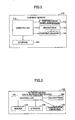
- FIG. 1 is a schematic diagram illustrating a content distribution system 100 according to an embodiment of the invention.
- the content distribution system 100 includes a content server 110 that delivers content data, and a network device (or a data reproducing device) 120 that accesses the content server 110 to acquire the desired content.
- QR codes or any type of physical representation of certification marks 130 are produced as an access information bearing medium by a content provider, such as a publisher, a music label, or a film company, and distributed to users at shops to allow network devices 120 to access the content server 110 to acquire the corresponding content.
- FIG. 2 is a block diagram of the content server 110.
- the content server 110 has a controller 112, a storage unit 114, a certification mark generating unit 116, an encrypting unit 1,18, and a content delivering unit 119, which units are connected to the controller 112.
- the storage unit 114 stores content items representing music pieces, video works, literary works, etc.
- the storage unit 114 also stores content delivery information items in association with each of the content items in order to deliver a specific content item in response to a specific access from a network device 120.
- a number of pairs of temporary access ID and temporary encryption key are stored in association with each of the content items or the content IDs.
- the temporary access ID is, for example, a one-time access ID or a limited access ID with limited downloading (e.g., maximum 3 times).
- content delivery information items, (access ID 11; encryption key 11), (access ID 12: encryption key 12), ..., (access ID 1n; encryption key 1n) are stored in association with a music title or a content ID "AAA".
- content delivery information items that is, access ID/encryption key pairs (access ID 21; encryption key 21), (access ID 22; encryption key 22), ..., (access ID 2n; encryption key 2n) are stored in association with a music title or a content ID "BBB".
- access ID/encryption key pairs access ID 21; encryption key 21
- access ID 22 encryption key 22
- ... access ID 2n; encryption key 2n
- Each of the temporary access ID/encryption key pairs corresponds to one of the QR codes 130 to be distributed to users.
- the certification mark generating unit 116 creates certification marks, each mark containing access information items required for a network device 120 to acquire the content from the content server 110.
- a content server ID or the IP address of the content server
- a temporary access ID or a temporary decryption key are contained in the certification mark.
- the certification mark may be of any suitable type, such as an RF tag, a stamp, or an optically readable graphic, other than the form of the two-dimensional code.
- the certification mark is printed out as a physical mark (QR code 130 in this example).
- the QR code 130 is to be distributed to a user at a shop.
- the encrypting unit 118 Upon receiving a request for a specific content item from the network device 120, the encrypting unit 118 encrypts the content using a encryption key allocated to that access from the network device 120, prior to the delivery of the content.
- the content delivering unit 119 delivers the encrypted content to the user, as described below.
- FIG. 3 is a block diagram of a network device 120.
- the network device 120 includes a controller 122, a reader 124, a storage unit 126, a decrypting unit 128, and a transmission/receiving unit 129, which units are connected to the controller 122.
- the reader 124 reads the access information items from a QR code 130 that is a printout or a physical representation of the certification mark created by the content server 110.
- the reader 124 reads the content server IP address, the temporary access ID, and the temporary decryption key.
- the storage unit 126 stores these information items read from the QR code 130.
- the transmission/receiving unit 129 accesses the content server 110 using the IP address of the content server 110 and the temporary access ID to request the content server 110 to deliver the content specified by the access ID.
- the transmission/receiving unit 129 receives the encrypted content from the content server 110.
- the decrypting unit 128 decrypts the content using the temporary decryption key.
- a record label (company A) manufactures and sells music CDs.
- the company A has a content server 110 with the IP address "200.214.11.11".
- the storage unit 114 of the content server 110 as many access ID/encryption key pairs as the number of certification marks created for a content item by the certification mark generating unit 116 are stored in association with that content. This means that each access ID/encryption key pair is only available for a single access.
- Each pair representing (access ID; encryption key) corresponds to the (access ID; decryption key) pair contained in the corresponding certification mark.
- Company A prints out the certification marks as QR codes 130, and ships them to music shop B (Process (1) in FIG. 1).
- the music shop B sells QR codes 130 as well as music products.
- a user purchases a QR code 130 of a desired content item at the casher desk of shop B in order to acquire the content from the content server 110, instead of or together with an actual music disk (Process (2)).
- the QR code contains information items required to acquire the content from the content server 110, which are the content server IP address, a temporary access ID, and a temporary decryption key, as has been described above.
- the package of an actual product (a music disk in this example) may be displayed for sale to allow the user to check the package and confirm the table of contents of the product.
- the QR codes 130 produced for this music disk are stocked and controlled separately from the products.
- shop B may have an open space which customers freely access to buy products, a controlled space which only authorized store staff members are permitted to access, and a cash desk at which customers pay for products and/or QR codes 130. Actual products are displayed in store shelves in the open space, while printed QR codes 130 or package jackets to which QR codes 130 are attached are kept in the controlled space to prevent the QR codes 130 from being stolen.
- QR code 130 of music content "AAA”, instead of or in addition to a music disk titled “AAA” (Process (2) in FIG. 1).
- the QR code 130 contains the IP address "200.214.11.11” of the content server 110, a temporary access ID "11”, and a temporary decryption key "11".
- QR code 130 purchased by the user into the network device 120, such as a portable music player (Process (3) in FIG. 1).
- the reader 124 of the network device 120 reads the IP address of the content server 110, the temporary access ID, and the temporary decryption key from the QR code 130.
- the controller 122 of the network device 120 access the IP address read from the QR code 130 and transmits the access ID "11" to the content server 110 (Process (4) in FIG. 1).
- the controller 112 of the content server 110 receives the access ID "11", and retrieves the content "AAA” corresponding to the access ID "11” from the storage unit 114.
- the encrypting unit 118 encrypts the content "AAA” using the encryption key "11” that corresponds to the access ID "11".
- the content delivering unit 119 delivers the encrypted content "AAA” to the portable player 120 (Process (5) in.FIG. 1).
- the delivering unit 119 may be configured to limit the number of accesses based on the same QR code 130 to prevent limitless content delivery.
- the decrypting unit 128 of the portable player (network device) 120 Upon receiving the encrypted content "AAA", the decrypting unit 128 of the portable player (network device) 120 decrypts the content using the decryption key "11" read from the QR code 130 (Process (6) in FIG. 1). If the content is downloaded, the portable player 120 stores the decrypted content in the storage 126. If the content is delivered as a stream, the portable player 120 plays back and outputs the content "AAA" upon decryption.
- the user simply purchases a certification mark at a cashier desk and has the network device read the access information from the certification mark to acquire desired content, without using a personal computer.
- the access information in the certification mark to be distributed to users, access from a network device to a specific content server is automated.
- the user does not have to disclose the payment information, such as a credit card number, through the network.
- the content distribution system of the present invention can be applied to distribution of video or film pieces, books, and other content.
- access information of a different level may be contained in the certification mark depending on the price of the certification mark.
- the certification mark may be physically represented as an RF tag, a stamp, or an optically readable graphic.
- the network device may be any type of data reproducing device, other than a portable player, as long as it has a reader and a communication function.
Landscapes
- Engineering & Computer Science (AREA)
- Multimedia (AREA)
- Signal Processing (AREA)
- Business, Economics & Management (AREA)
- Theoretical Computer Science (AREA)
- Computer Security & Cryptography (AREA)
- Accounting & Taxation (AREA)
- Physics & Mathematics (AREA)
- General Physics & Mathematics (AREA)
- Software Systems (AREA)
- General Engineering & Computer Science (AREA)
- Computer Hardware Design (AREA)
- Finance (AREA)
- Strategic Management (AREA)
- General Business, Economics & Management (AREA)
- Computer Networks & Wireless Communication (AREA)
- Technology Law (AREA)
- Computing Systems (AREA)
- Management, Administration, Business Operations System, And Electronic Commerce (AREA)
- Storage Device Security (AREA)
Abstract
Description
- The present invention relates to a content distribution system that allows a network device or a data reproducing device (such as an audio/video player) to directly access a content server to acquire a content to be played without using a data processing apparatus (such as a personal computer) between them, while allowing easy and secure payment.
- Online content delivery for delivering electronic content including books, music pieces, or video works via a network is becoming popular; however, it is difficult in reality for content delivery services to increase the market share, as compared with over-the-counter (OTC) sales.
- One reason is that conventional content delivery systems require users to use information processing apparatuses, such as personal computers, to purchase and receive content data (in the form of either data download or stream delivery). The content data received at the personal computer are sent to a data reproducing apparatus, such as an audio system or a video system, via wired or wireless data transmission, or using a recording medium. Then the content is played back.
- The process of using a computer to access a content delivery server to acquire content data is often bothersome for users. In addition, many users do not like online payment from the viewpoint of security.
- Another reason is that in network sales users cannot take actual products in hand to check the contents. Some people may value the exterior artistry of products.
- Accordingly, it is an object of the invention to provide a content distribution system that allows a network device (such as a digital data player) to acquire desired content data directly from a content delivery server without using an information processing apparatus (such as a personal computer), while allowing easy and secure payment for the content.
- To achieve the object, physical marks or tags are distributed to users at a shop. A network device, such as a portable player or a video/audio system, reads an access information item from the tag, and accesses a content delivery server using the access information item to acquire the associated content.
- In one aspect of the invention, a content delivery server is provided. The content delivery server comprises:
- (a) a storage unit configured to store two or more content delivery information items in association with content to be delivered, each of the content delivery information items including a temporary access ID defining an accessing right to the content;
- (b) a certification mark generating unit configured to produce a certification mark containing an access information item corresponding to the content delivery information item, the access information item including said temporary access ID; and
- (c) a data delivery unit configured to deliver the content upon receiving a request for the content specified by the temporary access ID read from a physical representation of the certification mark.
- As a preferred example, the content delivery server may further comprise an encrypting unit configured to encrypt the content when delivering the content.
In this case, the storage unit stores the content delivery information items, each of the content delivery information items consisting of a pair of said temporary access ID and a temporary encryption key used to encrypt the content in response to the request. - In another aspect of the invention, a content distribution method is provided. The method includes the steps of:
- (a) producing two or more certification marks for the content; each of the certification marks containing a temporary access information item defining an accessing right to the content;
- (b) distributing each of the certification marks to a user at a shop;
- (c) storing in a content delivery server two or more content delivery information items in association with the content, each of the delivery information items containing said temporary access information item;
- (d) allowing a network device to read the temporary access information item from the certification mark purchased by the user; and
- (e) accessing the content delivery server from the network device using the temporary access information item to acquire the content specified by the temporary access information item.
- Other features and advantages of the invention will become more apparent from the following detailed description when read in conjunction with the accompanying drawings, in which
- FIG. 1 is a schematic diagram illustrating a content delivery system according to an embodiment of the invention;
- FIG. 2 is a schematic block diagram of a content delivery server according to an embodiment of the invention; and
- FIG. 3 is a schematic block diagram of a network device according to an embodiment of the invention.
- The preferred embodiment of the present invention is described below in conjunction with the attached drawings.
- FIG. 1 is a schematic diagram illustrating a
content distribution system 100 according to an embodiment of the invention. Thecontent distribution system 100 includes acontent server 110 that delivers content data, and a network device (or a data reproducing device) 120 that accesses thecontent server 110 to acquire the desired content. In this system, QR codes (or any type of physical representation of certification marks) 130 are produced as an access information bearing medium by a content provider, such as a publisher, a music label, or a film company, and distributed to users at shops to allownetwork devices 120 to access thecontent server 110 to acquire the corresponding content. - FIG. 2 is a block diagram of the
content server 110. Thecontent server 110 has acontroller 112, astorage unit 114, a certificationmark generating unit 116, anencrypting unit 1,18, and acontent delivering unit 119, which units are connected to thecontroller 112. - The
storage unit 114 stores content items representing music pieces, video works, literary works, etc. Thestorage unit 114 also stores content delivery information items in association with each of the content items in order to deliver a specific content item in response to a specific access from anetwork device 120. For example, a number of pairs of temporary access ID and temporary encryption key are stored in association with each of the content items or the content IDs. The temporary access ID is, for example, a one-time access ID or a limited access ID with limited downloading (e.g., maximum 3 times). In FIG. 1, content delivery information items, (access ID 11; encryption key 11), (access ID 12: encryption key 12), ..., (access ID 1n; encryption key 1n) are stored in association with a music title or a content ID "AAA". Similarly, content delivery information items, that is, access ID/encryption key pairs (access ID 21; encryption key 21), (access ID 22; encryption key 22), ..., (access ID 2n; encryption key 2n) are stored in association with a music title or a content ID "BBB". Each of the temporary access ID/encryption key pairs corresponds to one of theQR codes 130 to be distributed to users. - Returning to FIG. 2, the certification
mark generating unit 116 creates certification marks, each mark containing access information items required for anetwork device 120 to acquire the content from thecontent server 110. For example, a content server ID (or the IP address of the content server), a temporary access ID, and a temporary decryption key are contained in the certification mark. The certification mark may be of any suitable type, such as an RF tag, a stamp, or an optically readable graphic, other than the form of the two-dimensional code. The certification mark is printed out as a physical mark (QR code 130 in this example). TheQR code 130 is to be distributed to a user at a shop. - Upon receiving a request for a specific content item from the
network device 120, theencrypting unit 118 encrypts the content using a encryption key allocated to that access from thenetwork device 120, prior to the delivery of the content. Thecontent delivering unit 119 delivers the encrypted content to the user, as described below. - FIG. 3 is a block diagram of a
network device 120. Thenetwork device 120 includes acontroller 122, areader 124, astorage unit 126, adecrypting unit 128, and a transmission/receiving unit 129, which units are connected to thecontroller 122. - The
reader 124 reads the access information items from aQR code 130 that is a printout or a physical representation of the certification mark created by thecontent server 110. In this example, thereader 124 reads the content server IP address, the temporary access ID, and the temporary decryption key. Thestorage unit 126 stores these information items read from theQR code 130. The transmission/receiving unit 129 accesses thecontent server 110 using the IP address of thecontent server 110 and the temporary access ID to request thecontent server 110 to deliver the content specified by the access ID. The transmission/receiving unit 129 receives the encrypted content from thecontent server 110. Thedecrypting unit 128 decrypts the content using the temporary decryption key. - Returning to FIG. 1, explanation is made of a content distribution method according to an embodiment of the invention. In this example, music contents are distributed. A record label (company A) manufactures and sells music CDs. The company A has a
content server 110 with the IP address "200.214.11.11". In thestorage unit 114 of thecontent server 110, as many access ID/encryption key pairs as the number of certification marks created for a content item by the certificationmark generating unit 116 are stored in association with that content. This means that each access ID/encryption key pair is only available for a single access. Each pair representing (access ID; encryption key) corresponds to the (access ID; decryption key) pair contained in the corresponding certification mark. - Company A prints out the certification marks as
QR codes 130, and ships them to music shop B (Process (1) in FIG. 1). The music shop B sellsQR codes 130 as well as music products. A user purchases aQR code 130 of a desired content item at the casher desk of shop B in order to acquire the content from thecontent server 110, instead of or together with an actual music disk (Process (2)). The QR code contains information items required to acquire the content from thecontent server 110, which are the content server IP address, a temporary access ID, and a temporary decryption key, as has been described above. - The package of an actual product (a music disk in this example) may be displayed for sale to allow the user to check the package and confirm the table of contents of the product. In this case, the
QR codes 130 produced for this music disk are stocked and controlled separately from the products. - For example, shop B may have an open space which customers freely access to buy products, a controlled space which only authorized store staff members are permitted to access, and a cash desk at which customers pay for products and/or
QR codes 130. Actual products are displayed in store shelves in the open space, while printedQR codes 130 or package jackets to whichQR codes 130 are attached are kept in the controlled space to prevent theQR codes 130 from being stolen. - A user purchases a
QR code 130 of music content "AAA", instead of or in addition to a music disk titled "AAA" (Process (2) in FIG. 1). TheQR code 130 contains the IP address "200.214.11.11" of thecontent server 110, a temporary access ID "11", and a temporary decryption key "11". - These information items are read from the
QR code 130 purchased by the user into thenetwork device 120, such as a portable music player (Process (3) in FIG. 1). To be more precise, thereader 124 of thenetwork device 120 reads the IP address of thecontent server 110, the temporary access ID, and the temporary decryption key from theQR code 130. Thecontroller 122 of thenetwork device 120 access the IP address read from theQR code 130 and transmits the access ID "11" to the content server 110 (Process (4) in FIG. 1). - The
controller 112 of thecontent server 110 receives the access ID "11", and retrieves the content "AAA" corresponding to the access ID "11" from thestorage unit 114. The encryptingunit 118 encrypts the content "AAA" using the encryption key "11" that corresponds to the access ID "11". Thecontent delivering unit 119 delivers the encrypted content "AAA" to the portable player 120 (Process (5) in.FIG. 1). The deliveringunit 119 may be configured to limit the number of accesses based on thesame QR code 130 to prevent limitless content delivery. - Upon receiving the encrypted content "AAA", the decrypting
unit 128 of the portable player (network device) 120 decrypts the content using the decryption key "11" read from the QR code 130 (Process (6) in FIG. 1). If the content is downloaded, theportable player 120 stores the decrypted content in thestorage 126. If the content is delivered as a stream, theportable player 120 plays back and outputs the content "AAA" upon decryption. - In this manner, a system of production, distribution, sales, and consumption of music content is constituted. The user does not have to buy and use an information processing apparatus, such as a personal computer, to obtain a specific content.
- The user simply purchases a certification mark at a cashier desk and has the network device read the access information from the certification mark to acquire desired content, without using a personal computer. By including the access information in the certification mark to be distributed to users, access from a network device to a specific content server is automated. By allowing the user to pay for the certification mark at a cashier desk, the user does not have to disclose the payment information, such as a credit card number, through the network.
- Although the invention has been described using the distribution of music content as an example, the invention is not limited to this example. The content distribution system of the present invention can be applied to distribution of video or film pieces, books, and other content. In addition, access information of a different level may be contained in the certification mark depending on the price of the certification mark. The certification mark may be physically represented as an RF tag, a stamp, or an optically readable graphic. The network device may be any type of data reproducing device, other than a portable player, as long as it has a reader and a communication function. These and other modifications and substitutions are also included in the scope of the present invention that is defined by the appended claims.
Claims (8)
- A content delivery server comprising:a storage unit configured to store two or more content delivery information items in association with content to be delivered, each of the content delivery information items including a temporary access ID defining an accessing right to the content;a certification mark generating unit configured to produce a certification mark containing an access information item corresponding to the content delivery information item, the access information item including said temporary access ID; anda data delivery unit configured to deliver the content upon receiving a request for the content specified by the temporary access ID read from a physical representation of the certification mark.
- The content delivery server of claim 1, further comprising:a encrypting unit configured to encrypt the content when delivering the content;wherein the storage unit stores the content delivery information items, each of the content delivery information items consisting of a pair of said temporary access ID and a temporary encryption key used to encrypt the content in response to the request.
- A content distribution system including a content delivery server and a network device,
wherein the content delivery server comprises:a storage unit configured to store two or more content delivery information items in association with content to be delivered, each of the content delivery information items including a temporary access ID specifying an accessing right to the content;a certification mark generating unit configured to produce a certification mark containing an access information item corresponding to the content delivery information item, the access information item including said temporary access ID; anda data delivery unit configured to deliver the content upon receiving a request for the content specified by the access ID read from a physical representation of the certification mark, andwherein the network device comprises:a reader configured to read the access information item from the physical representation of the certification mark; anda transmitting/receiving unit configured to transmit a request for the content to the content delivery server using the access information item and receive the content from the content delivery server. - A content distribution method comprising the steps of:producing two or more certification marks for a content item; each of the certification marks containing a temporary access information item defining an accessing right to the content;distributing each of the certification marks to a user at a shop;storing in a content delivery server two or more content delivery information items in association with the content, each of the delivery information items containing said temporary access information item;allowing a network device to read the temporary access information item from the certification mark purchased by the user; andaccessing the content delivery server from the network device using the temporary access information item to acquire the content specified by the temporary access information item.
- The content distribution method of claim 4, further comprising the steps of:keeping the certification marks in a first space at the shop which only an authorized shop staff member is permitted to access, while displaying actual products corresponding to the certification marks in a second space at the shop which customers freely access.
- The content distribution method of claim 4, wherein payment for the certification mark is made at a cashier desk of the shop.
- The content distribution method of claim 4, further comprising the step of:limiting a number of accesses from the same certification mark to a prescribed number.
- The content distribution method of claim 4, wherein the content is received at the network device by streaming or downloading.
Applications Claiming Priority (1)
| Application Number | Priority Date | Filing Date | Title |
|---|---|---|---|
| JP2005004410A JP2006195586A (en) | 2005-01-11 | 2005-01-11 | Content distribution node, network equipment and sales system |
Publications (1)
| Publication Number | Publication Date |
|---|---|
| EP1684207A1 true EP1684207A1 (en) | 2006-07-26 |
Family
ID=36218645
Family Applications (1)
| Application Number | Title | Priority Date | Filing Date |
|---|---|---|---|
| EP06250102A Withdrawn EP1684207A1 (en) | 2005-01-11 | 2006-01-10 | Content distribution system and method |
Country Status (4)
| Country | Link |
|---|---|
| US (1) | US7716245B2 (en) |
| EP (1) | EP1684207A1 (en) |
| JP (1) | JP2006195586A (en) |
| CN (1) | CN1805444B (en) |
Cited By (2)
| Publication number | Priority date | Publication date | Assignee | Title |
|---|---|---|---|---|
| WO2012000801A1 (en) * | 2010-06-28 | 2012-01-05 | International Business Machines Corporation | Dynamic, temporary data access token |
| WO2015140409A1 (en) * | 2014-03-20 | 2015-09-24 | Sanoma Media Finland Oy | Automatic subscription management |
Families Citing this family (16)
| Publication number | Priority date | Publication date | Assignee | Title |
|---|---|---|---|---|
| JP4556935B2 (en) | 2006-10-05 | 2010-10-06 | 株式会社デンソー | Starter |
| CN101247504B (en) * | 2007-12-27 | 2010-07-07 | 华为技术有限公司 | Method and device for setting temporary permissions |
| JP2011034529A (en) * | 2009-08-06 | 2011-02-17 | Fuji Xerox Co Ltd | Authentication device and authentication program |
| US8793492B2 (en) * | 2011-01-13 | 2014-07-29 | Adobe Systems Incorporated | Methods and systems for scalable distribution of protected content |
| US9646292B2 (en) * | 2011-08-24 | 2017-05-09 | Follett Corporation | Method and system for distributing digital media content |
| US8825668B2 (en) * | 2011-11-16 | 2014-09-02 | Google Inc. | Method and apparatus for updating song playlists based on received user ratings |
| CN103188068A (en) * | 2011-12-27 | 2013-07-03 | 北大方正集团有限公司 | Digital content sending method, digital content sending device, digital content receiving method and digital content receiving device |
| US9210146B2 (en) * | 2012-02-18 | 2015-12-08 | Daniel S. Shimshoni | Secure content transfer using dynamically generated optical machine readable codes |
| KR102151284B1 (en) * | 2012-07-18 | 2020-09-02 | 크라이프토그라피 리서치, 인코포레이티드 | Protecting media items using a media security controller |
| US9038897B2 (en) * | 2012-09-04 | 2015-05-26 | Honeywell International Inc. | System and approach to convey data with a handheld device via a multi-dimensional code |
| CN104426869B (en) * | 2013-08-29 | 2017-10-03 | 北大方正集团有限公司 | Information is obtained based on Quick Response Code, the method and device of information is sent |
| JP6746336B2 (en) * | 2016-03-24 | 2020-08-26 | キヤノン株式会社 | COMMUNICATION DEVICE, COMMUNICATION DEVICE CONTROL METHOD, AND PROGRAM |
| US12192182B2 (en) * | 2020-01-22 | 2025-01-07 | Telefonaktiebolaget Lm Ericsson (Publ) | Container with encrypted software packages |
| IT202000025771A1 (en) * | 2020-10-29 | 2022-04-29 | Beatcode S R L | METHOD FOR CERTIFYING THE AUTHENTICITY OF DIGITAL FILES GENERATED BY A COMMUNICATION DEVICE |
| US20220321831A1 (en) * | 2021-04-01 | 2022-10-06 | Lenovo (Singapore) Pte. Ltd. | Whiteboard use based video conference camera control |
| JP2024067381A (en) * | 2022-11-04 | 2024-05-17 | キヤノン株式会社 | Content distribution system, content distribution method, and program |
Citations (4)
| Publication number | Priority date | Publication date | Assignee | Title |
|---|---|---|---|---|
| WO2001046782A2 (en) * | 1999-12-16 | 2001-06-28 | Microsoft Corporation | Method of pre-releasing encrypted digital data |
| US6448979B1 (en) * | 1999-01-25 | 2002-09-10 | Airclic, Inc. | Printed medium activated interactive communication of multimedia information, including advertising |
| WO2003067375A2 (en) * | 2002-02-06 | 2003-08-14 | Wina Kabushiki Kaisha | Assembly, system and method for generating a data list |
| EP1365339A2 (en) * | 2002-05-20 | 2003-11-26 | NTT DoCoMo, Inc. | Electronic book distribution method and program |
Family Cites Families (17)
| Publication number | Priority date | Publication date | Assignee | Title |
|---|---|---|---|---|
| JPH0991132A (en) * | 1995-09-20 | 1997-04-04 | Fujitsu Ltd | Error information notification system |
| US6093215A (en) * | 1997-08-12 | 2000-07-25 | International Business Machines Corporation | Method and apparatus for building templates in a component system |
| US6195794B1 (en) * | 1997-08-12 | 2001-02-27 | International Business Machines Corporation | Method and apparatus for distributing templates in a component system |
| FR2789829B1 (en) * | 1999-02-11 | 2001-04-20 | Bull Sa | METHOD FOR VERIFYING THE USE OF PUBLIC KEYS GENERATED BY AN ON-BOARD SYSTEM |
| JP2001352321A (en) | 2000-04-06 | 2001-12-21 | Sony Corp | Information processing system, information processing method, information recording medium, and program providing medium |
| US7725558B2 (en) * | 2000-07-26 | 2010-05-25 | David Dickenson | Distributive access controller |
| JP2002208900A (en) | 2001-01-05 | 2002-07-26 | Purantekku:Kk | On-air information collection and distribution system |
| JP2002342292A (en) | 2001-05-17 | 2002-11-29 | Sony Corp | Content distribution server and detection device |
| US8868467B2 (en) * | 2002-10-23 | 2014-10-21 | Oleg Serebrennikov | Method for performing transactional communication using a universal transaction account identifier assigned to a customer |
| JP4186466B2 (en) | 2002-01-16 | 2008-11-26 | ソニー株式会社 | Content distribution system, content distribution method, information processing apparatus, and computer program |
| US20030161475A1 (en) * | 2002-02-28 | 2003-08-28 | Crumly James D. | Encryption of digitized physical information based on physical tags |
| JP2003324548A (en) * | 2002-05-02 | 2003-11-14 | Takara Co Ltd | Information acquisition system |
| JP2004030357A (en) * | 2002-06-27 | 2004-01-29 | Mebius Corp | Distribution request destination writing method, distribution request inputting method, distribution requesting method, distributing method data processing method and communication network system |
| CN1419213A (en) * | 2002-12-27 | 2003-05-21 | 郎唬猛 | RF electronic label data encryption anti-counterfeit method |
| US7191332B1 (en) * | 2003-05-20 | 2007-03-13 | Sprint Communications Company L.P. | Digital rights management for multicasting content distribution |
| US20080228651A1 (en) * | 2003-09-29 | 2008-09-18 | Zan Tapsell | Public Key Crytography Method and System |
| US20070106892A1 (en) * | 2003-10-08 | 2007-05-10 | Engberg Stephan J | Method and system for establishing a communication using privacy enhancing techniques |
-
2005
- 2005-01-11 JP JP2005004410A patent/JP2006195586A/en active Pending
-
2006
- 2006-01-10 EP EP06250102A patent/EP1684207A1/en not_active Withdrawn
- 2006-01-11 CN CN200610000600.3A patent/CN1805444B/en not_active Expired - Fee Related
- 2006-01-11 US US11/329,099 patent/US7716245B2/en not_active Expired - Fee Related
Patent Citations (4)
| Publication number | Priority date | Publication date | Assignee | Title |
|---|---|---|---|---|
| US6448979B1 (en) * | 1999-01-25 | 2002-09-10 | Airclic, Inc. | Printed medium activated interactive communication of multimedia information, including advertising |
| WO2001046782A2 (en) * | 1999-12-16 | 2001-06-28 | Microsoft Corporation | Method of pre-releasing encrypted digital data |
| WO2003067375A2 (en) * | 2002-02-06 | 2003-08-14 | Wina Kabushiki Kaisha | Assembly, system and method for generating a data list |
| EP1365339A2 (en) * | 2002-05-20 | 2003-11-26 | NTT DoCoMo, Inc. | Electronic book distribution method and program |
Non-Patent Citations (1)
| Title |
|---|
| T. NAKAMURA, A. KATAYAMA, M. YAMAMURO, N.SONEHARA: "Fast Watermark Detection Scheme for Camera-equipped Cellular Phone", MUM2004, 27 October 2004 (2004-10-27), College Park, Maryland, USA, pages 101 - 108, XP002379929 * |
Cited By (4)
| Publication number | Priority date | Publication date | Assignee | Title |
|---|---|---|---|---|
| WO2012000801A1 (en) * | 2010-06-28 | 2012-01-05 | International Business Machines Corporation | Dynamic, temporary data access token |
| GB2494605A (en) * | 2010-06-28 | 2013-03-13 | Ibm | Dynamic,temporary data access token |
| US10068102B2 (en) | 2010-06-28 | 2018-09-04 | International Business Machines Corporation | Dynamic, temporary data access token |
| WO2015140409A1 (en) * | 2014-03-20 | 2015-09-24 | Sanoma Media Finland Oy | Automatic subscription management |
Also Published As
| Publication number | Publication date |
|---|---|
| JP2006195586A (en) | 2006-07-27 |
| CN1805444B (en) | 2011-12-14 |
| US20060171535A1 (en) | 2006-08-03 |
| CN1805444A (en) | 2006-07-19 |
| US7716245B2 (en) | 2010-05-11 |
Similar Documents
| Publication | Publication Date | Title |
|---|---|---|
| US7716245B2 (en) | Content distribution system and method | |
| EP1719039B1 (en) | Rfid protected media system and method | |
| EP1719038B1 (en) | Rfid protected media system and method that provides dynamic downloadable media | |
| US8977234B2 (en) | Using low-cost tags to facilitate mobile transactions | |
| CA2597871C (en) | Rfid protected media system and method using combination of rfid enabled objects | |
| KR100354488B1 (en) | Apparatus for and method of preventing illegal reproduction/distribution of digital goods by use of physical goods | |
| US9959396B2 (en) | System and methods for obtaining digital multimedia files from a server based on optically scanned digital rights management information tag imprinted on a store purchased compact multimedia disk | |
| CN1989521A (en) | Digital media inventory control, distribution and destruction system | |
| US20090084862A1 (en) | Turnout/crossover section for railway track | |
| EP3149715A1 (en) | Encrypted electronic gaming ticket | |
| JP2000076338A (en) | Book advertising / sales system and advertising / sales method | |
| TW502536B (en) | Flexible content distribution method and apparatus | |
| WO2012162739A1 (en) | System and method for encrypted media distribution | |
| US20070100703A1 (en) | Selling system | |
| JP3802023B2 (en) | Mail order method | |
| JP2003216828A (en) | Content sales system and method | |
| JP2006072714A (en) | Electronic book sales system | |
| JP2006221480A (en) | Home delivery commodity and digital content ordering system | |
| JPH11143438A (en) | Advertising system | |
| JP2007133626A (en) | On-line shopping system | |
| JP2004038282A (en) | Point distribution device, service providing device, information processing device, IC card, and point distribution method |
Legal Events
| Date | Code | Title | Description |
|---|---|---|---|
| PUAI | Public reference made under article 153(3) epc to a published international application that has entered the european phase |
Free format text: ORIGINAL CODE: 0009012 |
|
| 17P | Request for examination filed |
Effective date: 20060120 |
|
| AK | Designated contracting states |
Kind code of ref document: A1 Designated state(s): AT BE BG CH CY CZ DE DK EE ES FI FR GB GR HU IE IS IT LI LT LU LV MC NL PL PT RO SE SI SK TR |
|
| AX | Request for extension of the european patent |
Extension state: AL BA HR MK YU |
|
| 17Q | First examination report despatched |
Effective date: 20060912 |
|
| AKX | Designation fees paid |
Designated state(s): DE GB |
|
| STAA | Information on the status of an ep patent application or granted ep patent |
Free format text: STATUS: THE APPLICATION IS DEEMED TO BE WITHDRAWN |
|
| 18D | Application deemed to be withdrawn |
Effective date: 20140220 |