EP1626710B1 - Use of 2,2,3,3, tetramethylcyclopropane carboxylic acid derivatives for treating psychiatric disorders - Google Patents
Use of 2,2,3,3, tetramethylcyclopropane carboxylic acid derivatives for treating psychiatric disorders Download PDFInfo
- Publication number
- EP1626710B1 EP1626710B1 EP04735084A EP04735084A EP1626710B1 EP 1626710 B1 EP1626710 B1 EP 1626710B1 EP 04735084 A EP04735084 A EP 04735084A EP 04735084 A EP04735084 A EP 04735084A EP 1626710 B1 EP1626710 B1 EP 1626710B1
- Authority
- EP
- European Patent Office
- Prior art keywords
- compound
- vpa
- inositol
- administration
- formula
- Prior art date
- Legal status (The legal status is an assumption and is not a legal conclusion. Google has not performed a legal analysis and makes no representation as to the accuracy of the status listed.)
- Expired - Lifetime
Links
Images


Classifications
-
- A—HUMAN NECESSITIES
- A61—MEDICAL OR VETERINARY SCIENCE; HYGIENE
- A61K—PREPARATIONS FOR MEDICAL, DENTAL OR TOILETRY PURPOSES
- A61K31/00—Medicinal preparations containing organic active ingredients
- A61K31/16—Amides, e.g. hydroxamic acids
-
- A—HUMAN NECESSITIES
- A61—MEDICAL OR VETERINARY SCIENCE; HYGIENE
- A61P—SPECIFIC THERAPEUTIC ACTIVITY OF CHEMICAL COMPOUNDS OR MEDICINAL PREPARATIONS
- A61P25/00—Drugs for disorders of the nervous system
-
- A—HUMAN NECESSITIES
- A61—MEDICAL OR VETERINARY SCIENCE; HYGIENE
- A61P—SPECIFIC THERAPEUTIC ACTIVITY OF CHEMICAL COMPOUNDS OR MEDICINAL PREPARATIONS
- A61P25/00—Drugs for disorders of the nervous system
- A61P25/18—Antipsychotics, i.e. neuroleptics; Drugs for mania or schizophrenia
-
- A—HUMAN NECESSITIES
- A61—MEDICAL OR VETERINARY SCIENCE; HYGIENE
- A61P—SPECIFIC THERAPEUTIC ACTIVITY OF CHEMICAL COMPOUNDS OR MEDICINAL PREPARATIONS
- A61P25/00—Drugs for disorders of the nervous system
- A61P25/24—Antidepressants
-
- A—HUMAN NECESSITIES
- A61—MEDICAL OR VETERINARY SCIENCE; HYGIENE
- A61P—SPECIFIC THERAPEUTIC ACTIVITY OF CHEMICAL COMPOUNDS OR MEDICINAL PREPARATIONS
- A61P43/00—Drugs for specific purposes, not provided for in groups A61P1/00-A61P41/00
Definitions
- the present invention relates to the treatment of bipolar disorders.
- Bipolar disorder or manic-depressive illness, is a common condition with a life-time prevalence of 1-2% [ Weissman, M. M., Leaf, P. J., Tischler, G. L., Blazer, D. G., Karno, M., Bruce, M. L., Florio, L. P. 1988. Affective disorders in five United States communities. Psychol Med 18:141-53 ]. Its episodic course with intervening full recovery belies the severe impact of this disorder. The cumulative effects of recurring bouts of mania and depression lead to an increased rate of marital and family breakdown, unemployment, impaired career progress and consequent financial difficulties. About 15% of bipolar patients commit suicide, and mortality rates due to physical disorders are also increased [ Angst J, Clayton P.
- VPA branched chain fatty acid - valproic acid
- Inositol biosynthesis Inositol (I) is synthesized de novo in two steps.
- the first step the conversion of glucose-6-phosphate (glucose-6-P) to inositol-1-phosphate (I-1-P), is catalyzed by myo -inositol-1-phosphate (MIP) synthase.
- MIP myo -inositol-1-phosphate
- the second step of the pathway is the conversion of I-1-P to inositol by myo- inositol monophosphatase (IMPase). This step is common to the production of inositol via the de novo synthetic pathway and its recycling in the phosphatidylinositol (PI) cycle.
- PI phosphatidylinositol
- Acute and chronic lithium treatments influence agonist and depolarization-stimulated inositol phospholipid hydrolysis in rat cerebral cortex. J Pharmacol Exp Ther 1987;241:1023-7 ; Casebolt, T. L., Jope, R. S. Long-term lithium treatment selectively reduces receptor-coupled inositol phospholipid hydrolysis in rat brain. Biol Psychiatry 1989;25:329-40 ; Godfrey PP, McClue SJ, White AM, Wood AJ, Grahame-Smith DG. Subacute and chronic in vivo lithium treatment inhibits agonist- and sodium fluoride-stimulated inositol phosphate production in rat cortex.
- U.S. patent No. 6,555,585 discloses a method for the treatment of mania in bipolar disorder using derivatives of VPA and 2-valproenic acid.
- the antimanic effect of the compounds was evaluated using the amphetamine-induced hyperactivity model. This model focuses on an induced increase in the activity level of the animal as parallel to the hyperactivity in the manic patient.
- the reversal of the induced hyperactivity in rodents, by pretreatment with a drug indicates the possible efficacy of the drug in the treatment of human mania.
- the compounds disclosed in U.S. patent No. 6,555,585 are disadvantageous since they were found to be effective mainly for treating the manic phase in bipolar disease.
- VPA a broad spectrum antiepileptic drug useful also for treating bipolar disorders (both mania and depression) is limited by its considerable adverse effects including hepatotoxicity and teratogenicity and thus cannot be given to women of childbearing age and children [ Baille, T. A. et al. In Antiepileptic Drugs, eds. R.H. Levy et al. Raven Press, New York. Pp. 641-651 (1989 )].
- U.S. patent No. 5,880,157 discloses derivatives of 2,2,3,3 tetramethylcyclopropane carboxylic acid for treating epilepsy.
- Isoherranen N. et al 2002 studied the anticonvulsant activity of N-methyl-tetramethylcyclopropyl carboxamide (M-TMCD) and its metabolite in various animal (rodent) models of human epilepsy, and evaluated their ability to induce neural tube defects (NTDs) and neurotoxicity.
- NTDs neural tube defects
- M-TMCD (a cyclopropyl analog of VPA) was found to be advantageous compared to VPA because of its better potency as an anticonvulsant drug, its wider safety of margin, its lack of teratogenicity and its potential lack of hepatotoxicity.
- the present invention relates to the use of a compound of formula I
- the C 1 -C 6 alkyl group is a straight or a branched alkyl group.
- the C 1 -C 6 alkyl group is a methyl group.
- the compound is administered as a pharmaceutical composition comprising a compound of formula I and a pharmaceutical acceptable carrier.
- the route of administration of the compound is selected from the group consisting of oral, parenteral, topical, transdermal, rectal and buccal administration.
- the route of administration of the compound is selected from the group consisting of oral and parenteral administration.
- the parenteral route of administration is selected from the group consisting of intravenous, intramuscular, intraperitoneal and subcutaneous administration.
- the compound is administered in the range of from 1 mg to 1000 mg per day.
- the compound is administered in the range of from 20 mg to 500 mg per day.
- the invention also relates to a compound of formula I wherein R 1 and R 2 are different and one of R 1 or R 2 is a C 1 -C 6 alkyl group and the other is hydrogen, for use in treating bipolar disorders.
- the present invention further relates to a pharmaceutical composition for treating bipolar disorders comprising a pharmaceutically acceptable carrier and as an active ingredient a therapeutically effective amount of a compound of formula I as defined above.
- M-TMCD refers equally to N-methyl-2,2,3,3-tetramethylcyclopropanecarboxamide; N-methyl-tetramethylcyclopropane carboxamide; and N-methyl-tetramethylcyclopropyl carboxamide.
- the present invention discloses the use of 2,2,3,3-tetramethylcyclopropane carboxylic acid derivative compounds (compounds of formula 1) for treating bipolar disorder.
- the present invention provides use of a compound of formula I wherein R 1 and R 2 are different and one of R 1 or R 2 is hydrogen and the other is a C 1 -C 6 alkyl group, for the preparation of a medicament for treating a bipolar disorder.
- treating includes prophylactic and/or therapeutic uses and refers to abrogating, preventing, alleviating, slowing or reversing the progression of a disease or disorder, or substantially preventing the appearance of clinical symptoms of a disease or disorder.
- terapéuticaally effective amount refers to an amount of a compound sufficient to bring about at least one of the effects defined under the term treating.
- the C 1 -C 6 alkyl group is a C 1 -C 4 alkyl group and most preferably the C 1 -C 6 alkyl group is a methyl group.
- M-TMCD N-methyl-2,2,3,3-tetramethylcyclopropanecarboxamide
- R 1 or R 2 is a methyl group and the other is hydrogen
- the C 1 -C 6 alkyl group may be a straight or a branched alkyl group.
- the C 1 -C 4 alkyl group may be a straight or a branched alkyl group.
- the psychiatric disorder treated is a bipolar disorder.
- the compounds of the present invention have a parallel effect to mood stabilizers and are therefore expected to be useful for treating both the manic and depression phases of bipolar disorders.
- the mammal may be a human.
- the compound of formula I is administered as a pharmaceutical composition comprising a compound of formula I and a pharmaceutical acceptable carrier.
- pharmaceutically acceptable carrier refers to an inert non-toxic carrier or diluent that does not cause significant irritation to a subject (mammal) and does not abrogate the biological activity and properties of the administered compound (active ingredient).
- the term "pharmaceutical acceptable carrier” encompasses any of the standard pharmaceutical accepted carriers such as lactose, sodium chloride, glucose, starch, calcium carbonate, kaolin, cellulose, lower alkyl ethers of cellulose, stearic acid, aluminum silicate, polyethylene glycols, cacao butter, higher alcohols, esters of higher alcohols, gelatin, semi-synthesized glycerides, water, alcohols, oils, fatty acids, liquid preparations, emulsion preparations and suspension preparations.
- the standard pharmaceutical accepted carriers such as lactose, sodium chloride, glucose, starch, calcium carbonate, kaolin, cellulose, lower alkyl ethers of cellulose, stearic acid, aluminum silicate, polyethylene glycols, cacao butter, higher alcohols, esters of higher alcohols, gelatin, semi-synthesized glycerides, water, alcohols, oils, fatty acids, liquid preparations, emulsion preparations and suspension preparations.
- the “pharmaceutical acceptable carrier” may include any sustained release material known in the art such as polymers or waxes.
- excipients such as binders, disintegrants, adsorbents, lubricants, wetting agents, buffering agents, isotonic agents, surface active agents, suspending agents and polymers may be added to the pharmaceutical compositions.
- coloring agents e.g., coloring agents, preservatives, flavoring agents, sweetening a gents and other ingredients may be added to the pharmaceutical compositions.
- the pharmaceutical acceptable carrier may be a solid, a semi-solid, or a liquid material.
- the pharmaceutically acceptable carrier selected depends on the final form of the composition.
- the final form of the pharmacetical composition may be for example a liquid, an emulsion, a suspension, a solution, a syrup, an elixir, drops, a spray, a cream, an ointment, a lotion, a gel, a paste, an inhalant, a powder, a granule, a tablet, a caplet, a pill, a capsule, a lozenge, a pastille, a suppository, a transdermal patch or an injection.
- the route of administration may be for example, oral, parenteral, topical, transdermal, rectal or buccal administration.
- the route of administration is oral or parenteral such as intravenous, intramuscular, intraperitoneal or subcutaneous and most preferably the route of administration is oral.
- compositions for administration by the oral route in the form of for example tablets or capsules, are preferred.
- compositions for oral use such as tablets and capsules where the typical solid carrier is an inert substance such as lactose, starch, glucose, methyl cellulose, magnesium sterate, dicalcium phosphate, mannitol and the like, may be prepared by conventional means with pharmaceutically acceptable excipients such as binding agents (for example polyvinylpyrrolidone or hydroxypropyl m ethylcellulose); lubricants (for example magnesium stearate, talc or silica); disintegrants (for example sodium starch glycollate); or wetting agents (for example sodium lauryl sulphate). Tablets may be coated by methods well known in the art.
- binding agents for example polyvinylpyrrolidone or hydroxypropyl m ethylcellulose
- lubricants for example magnesium stearate, talc or silica
- disintegrants for example sodium starch glycollate
- wetting agents for example sodium lauryl sulphate
- Liquid preparations for oral administration may take the form of, for example, solutions, syrups elixirs, emulsions or suspensions.
- a compound of formula I may be combined with any oral, pharmaceutically acceptable carrier such as ethanol, glycerol, water, or a mixture thereof.
- liquid preparations may be prepared by conventional means with pharmaceutically acceptable additives such as suspending agents (for example cellulose derivatives or hydrogenated edible fats); emulsifying agents (for example lecithin or acacia); non-aqueous vehicles (for example almond oil, oily esters, ethyl alcohol or fractionated vegetable oils); and preservatives (for example methyl or propyl-p-hydroxybenzoates).
- suspending agents for example cellulose derivatives or hydrogenated edible fats
- emulsifying agents for example lecithin or acacia
- non-aqueous vehicles for example almond oil, oily esters, ethyl alcohol or fractionated vegetable oils
- preservatives for example methyl or propyl-p-hydroxybenzoates.
- the preparations may also contain buffer salts, flavouring, colouring and sweetening agents as appropriate.
- compositions may be in the form of a suspension, a solution or an emulsion in oily or aqueous vehicles, and may contain pharmaceutically acceptable additives such as suspending agents, emulsifying agents or dispersing agents.
- compositions of the invention for rectal administration may be presented as a suppository, which may be prepared by mixing one or more compounds of the invention with a suitable carrier comprising for example, cocoa butter, polyethylene glycol or semi-synthesized glycerides.
- Transdermal patches have the added advantage of providing controlled delivery of the compound to the body.
- the transdermal compositions may be prepared by dissolving or dispersing the compound in a proper carrier (a liquid, a semi-solid or a solid carrier).
- the flux rate of the compound can be controlled by either providing a rate controlling membrane or dispersing the active compound in a polymer matrix or gel.
- compositions of the invention for buccal administration are adapted for retention in the mouth rather than swallowing, and consequent release the active component in the buccal cavity.
- Buccal compositions may be in the form of tablets, lozenges or pastilles. Most usually, the composition will be chewed or sucked to lead to the release of the active compound in the mouth. It is also possible to use tablets, for example in the form of a disc of polymeric material, which are attached to the wall of the buccal cavity and which gradually release the compound without being sucked.
- compositions for buccal administration may include carriers such as sucrose, mannitol, sorbitol, acacia, tragacanth, gelatin, glycerin, lactose, calcium carbonate or magnesium phosphate.
- Lozenges usually include the active compound in a flavoured base such as sucrose and acacia or tragacanth: Pastilles may include the compound in an inert base such as gelatin and glycerin or sucrose and acacia.
- Adhering agents with low speed of dissolution such as methyl cellulose, hydroxypropyl cellulose, hydroxypropyl methyl cellulose, carboxy methyl cellulose or copolymers of methacrylic - and acrylic acid may be used in the preparation of buccal compositions. Additional excipients may be added, for example: binding agents such as polyvinyl pyrrolidone, sweetening agents such as calcium saccharinate, lubricating agent such as magnesium stearate, flavouring agents such as maltol, or vanillin.
- binding agents such as polyvinyl pyrrolidone
- sweetening agents such as calcium saccharinate
- lubricating agent such as magnesium stearate
- flavouring agents such as maltol, or vanillin.
- compositions of the invention may be prepared by methods of pharmacy well known to those skilled in the art. See generally, Remington's Pharmaceutical Sciences, 16th ed., Mack Publishing Company, Easton, Pennsylvania. (1980 ).
- the amount of the compound incorporated in the pharmaceutical composition may vary widely. Factors considered when determining the precise amount are well known to those skilled in the art. Examples of such factors include, but are not limited to, age, sex and weight of the subject being treated, severity of the disease, the dosage form, route of administration being employed and the frequency with which the composition is to be administered.
- the therapeutically effective amount of the compound is in the range of from 1 mg to 1000 mg per day (preferably administered orally) and most preferably the therapeutically effective amount is in the range of from 20 mg to 500 mg per day.
- the therapeutically effective amount of the compound may be several times greater than for parenteral administration.
- the daily dose may be administered either singly or in multiple dosage over 24-hour period.
- the compounds of formula I can be combined with other anti psychiatric medicaments.
- the present invention additionally provides a pharmaceutical composition for treating a bipolar disorder comprising a pharmaceutically acceptable carrier and as an active ingredient a therapeutically effective amount of a compound of formula I as described in the present invention.
- the compounds of formula I can be used, for the preparation of an inhibitor of MIP synthase.
- M-TMCD N-methyl-2,2,3,3-tetramethylcyclopropanecarboxamide
- the term "effective amount” refers to an amount which inhibits MIP synthase in a manner which is statistically significant compared to control.
- M-TMCD N-methyl-2,2,3,3-tetramethylcyclopropanecarboxamide
- VPD Valpromide
- M-TMCD is highly advantageous for treating bipolar disorders because of its high potency, and due to previous studies which have shown a wider safety of margin and lack of teratogenicity [ U.S. pat No. 5,880,157 ; Isoherranen N. et al. Anticonvulsant profile and teratogenicity of N-methyl-tetramethylcyclopropyl carboxamide; A new antiepileptic drug. Epilepsia 2002; 43:115 - 126 .]. M-TMCD is additionally advantageous due to its potential lack of hepatotoxicity. Therefore it can be given to women of childbearing age and children.
- the compounds of formula I of the present invention can be prepared according to the methods and procedures described in Sterling et al. (U.S. patent No. 5,880,157 ), or variations thereof which will be apparent to those skilled in the art.
- M-TMCD was prepared according t o the method disclosed in Sterling et al (U.S. patent No. 5,880,157 ).
- M-TMCD anti-bipolar effect
- MIP synthase model is acceptable for examining bipolar disorders and developing antibipolar drugs [ Agam G, Shamir A, Shaltiel G, Greenberg ML. Myo-inositol-1-phosphate (MIP) synthase: a possible new target for antibipolar drugs. Bipolar Disorder. 2002;4 Suppl 1:15-20 ].
- IP intraperitonealy
- VPA IP twice daily for 9 or 28 days resulted in blood VPA levels of 0.27 ⁇ 0.02 mM
- the mood-stabilizing agents lithium and valproate robustly increase the levels of the neuroprotective protein bcl-2 in the CNS. J Neurochem 1999;72(2):879-82 ] which approximate therapeutically-relevant plasma levels.
- Administration of higher V PA d oses i n mice t o attain similar plasma levels as in humans is required due to a ten times higher half-life time of VPA i n mice than in humans [ Loscher W.
- mice of group I were injected twice a days (IP) increasing doses of VPA (400-800 mg/kg/day) for fourteen days.
- mice of group II were injected saline (IP) twice a day. Animals were then sacrificed, brain removed and dealt as above.
- Intracellular free inositol is supplied from three sources: specific uptake of myo -inositol originating in the diet; recycling of the inositol moiety from phosphoinositides by IMPase and de-novo synthesis from glucose-6-phosphate to form inositol-1-phosphate by MIP synthase and then dephosphorylation by IMPase [ Fisher SK, Novak JE, Agranoff BW. Inositol and higher inositol phosphates in neural tissues: homeostasis, metabolism and functional significance. J Neurochem 2002;82(4):736-54 ].
- VPA reduces the concentration of myo -inositol, but without a build-up of inositol-1-phosphate.
- human brain MIP synthase activity is inhibitable by therapeutically-relevant VPA concentrations.
- VPA in contrast with lithium, has been shown to have no effect on IMPase activity [ Vadnal R, Parthasarathy R. Myo-inositol monophosphatase: diverse effects of lithium, carbamazepine, and valproate. Neuropsychopharmacology 1995;12(4):277-85 ], it is most probable that the acute in-vivo reduction of inositol levels following VPA treatment is a result of the direct inhibition of MIP synthase activity.
- Human brain MIP synthase activity Five ⁇ l of the supernatant fraction obtained after sonication ( Ultrasonic Processor, N ewtown, C T, 15 sec at 0.1 output watts at 4°C) and centrifugation for 20 min at 9,000 X g at 4°C of postmortem human prefrontal cortex (1 mg wet weight in 0.5 ml of 50 mM Tris HCl, pH 7.4) were added to 20 ⁇ l reaction mixture containing 4mM D-glucose-6-phosphate, 1.25 ⁇ Ci D-glucose-6-phosphate [ 14 C], 1.6mM NAD + , 0.45 mM KCl, 5.4 mM MgCl 2 and 0.9 mM Tris HCl, pH 7.6, with or without 5 mU IMPase (Sigma, St.
- Table 2 details the drugs and their concentrations compared with their therapeutic concentrations, studied for possible inhibition of human brain MIP synthase activity. Each drug was tested twice, each experiment in triplicate.
- Rat neuron DRG (dorsal root ganglia) explants.
- DRGs were dissected from the spinal cord area of newborn Sprague Dawley rats and cultured individually on poly-ornithine and laminin coated coverslips in serum-free medium supplemented with mouse 7S form nerve growth factor (NGF-7s, 25 ng/ml) at 37°C with 5% CO 2 .
- NGF-7s mouse 7S form nerve growth factor
- cytosine ⁇ -arabinofuranoside (ara-C, 10 ⁇ M) was added for 24 hours to kill non-neuronal cells.
- VPA, VPD and M-TMCD (1 mM) in fresh serum-free medium were then added to the DRG explants for 24 hour exposure.
- the explants were then fixed in 4% paraformaldehyde in PBS (Phosphate buffered saline) for 20 minutes at room temperature. Growth cones were, analysed on an inverted microscope (Zeiss Axiovert) and measured using an NIH Image software.
- PBS Phosphate buffered saline
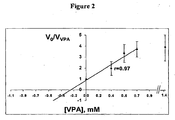
- VPA inhibits MIP synthase activity in human brain crude homogenate
- the Km of MIP synthase for glucose-6-phosphate and the Vmax derived from the figure are 0.625 mM and 0.02 nmoles/min X mg protein, respectively.
- the Km in the presence of 0.525 mM VPA does not change and the Vmax decreases to 0.006 nmoles/min X mg protein.
- Km and Vmax are Michaelis Menten constants. See Christopher K. Mathews and K.E. Van Holde. Biochemistry. The Benjamin/cummings Publishing Company, Inc. 1990 (357-362 ).
- Glucose-6-phosphate is the substrate of MIP synthase.
- O'Donnell et al. [ O'Donnell T, Rotzinger S, Nakashima TT, Hanstock CC, Ulrich M, Silverstone PH. Chronic lithium and sodium valproate both decrease the concentration of myo-inositol and increase the concentration of inositol monophosphates in rat brain.
- Brain Res 2000;880(1-2):84-91 measured a basal glucose-6-phosphate concentration of 0.226 ⁇ mol/g in rat brain. Assuming similar brain glucose-6-phosphate levels in human and rat, in-vivo MIP synthase activity is below half of its Vmax in the human brain, enabling a significant range for regulatory manipulation.
- VPA noncompetitive mode of inhibition of MIP synthase by VPA suggests that VPA interacts with a region distinct from the catalytic site of the enzyme and argues against the speculation of Stein and Geiger [ Stein AJ, Geiger JH. The crystal structure and mechanism of 1-L-myoinositol- 1-phosphate synthase. J Biol Chem 2002;277(11):9484-91 ] based on their study of the yeast enzyme three-dimensional structure, that VPA targets the hydrophobic surface of the substrate binding cavity visualized in their study.
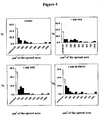
- VPD and M-TMCD the inhibitory effect VPD and M-TMCD on human brain MIP synthase activity also correlates with their effect on the growth cones of rat DRGs.
- M-TMCD is preferred compared to VPA and VPD for treating bipolar disorders because of its high potency and due to previous studies which have shown wider safety of margin and lack of teratogenicity [ U.S. pat No. 5,880,157 ; Isoherranen N. et al. Anticonvulsant profile and teratogenicity of N-methyl-tetramethylcyclopropyl carboxamide; A new antiepileptic drug. Epilepsia 2002; 43:115 - 126 ]. M-TMCD is additionally advantageous due to its potential lack of hepatotoxicity. Therefore it can be given to women of childbearing age and children.
Landscapes
- Health & Medical Sciences (AREA)
- Animal Behavior & Ethology (AREA)
- Chemical & Material Sciences (AREA)
- Veterinary Medicine (AREA)
- Medicinal Chemistry (AREA)
- Public Health (AREA)
- General Health & Medical Sciences (AREA)
- Pharmacology & Pharmacy (AREA)
- Life Sciences & Earth Sciences (AREA)
- Bioinformatics & Cheminformatics (AREA)
- Engineering & Computer Science (AREA)
- General Chemical & Material Sciences (AREA)
- Organic Chemistry (AREA)
- Nuclear Medicine, Radiotherapy & Molecular Imaging (AREA)
- Chemical Kinetics & Catalysis (AREA)
- Biomedical Technology (AREA)
- Neurology (AREA)
- Neurosurgery (AREA)
- Psychiatry (AREA)
- Epidemiology (AREA)
- Pain & Pain Management (AREA)
- Acyclic And Carbocyclic Compounds In Medicinal Compositions (AREA)
- Organic Low-Molecular-Weight Compounds And Preparation Thereof (AREA)
Applications Claiming Priority (2)
| Application Number | Priority Date | Filing Date | Title |
|---|---|---|---|
| IL15620303A IL156203A0 (en) | 2003-05-29 | 2003-05-29 | Use of 2,2,3,3, tetramethylcyclopropane carboxylic acid derivatives for treating psychiatric disorders |
| PCT/IL2004/000455 WO2004105746A1 (en) | 2003-05-29 | 2004-05-27 | Use of 2,2,3,3, tetramethylcyclopropane carboxylic acid derivatives for treating psychiatric disorders |
Publications (2)
| Publication Number | Publication Date |
|---|---|
| EP1626710A1 EP1626710A1 (en) | 2006-02-22 |
| EP1626710B1 true EP1626710B1 (en) | 2008-10-01 |
Family
ID=32587598
Family Applications (1)
| Application Number | Title | Priority Date | Filing Date |
|---|---|---|---|
| EP04735084A Expired - Lifetime EP1626710B1 (en) | 2003-05-29 | 2004-05-27 | Use of 2,2,3,3, tetramethylcyclopropane carboxylic acid derivatives for treating psychiatric disorders |
Country Status (8)
| Country | Link |
|---|---|
| US (1) | US20100048721A2 (enExample) |
| EP (1) | EP1626710B1 (enExample) |
| JP (1) | JP2007500205A (enExample) |
| AT (1) | ATE409469T1 (enExample) |
| CA (1) | CA2527094A1 (enExample) |
| DE (1) | DE602004016841D1 (enExample) |
| IL (2) | IL156203A0 (enExample) |
| WO (1) | WO2004105746A1 (enExample) |
Families Citing this family (5)
| Publication number | Priority date | Publication date | Assignee | Title |
|---|---|---|---|---|
| IL157751A0 (en) | 2003-02-28 | 2004-03-28 | Yissum Res Dev Co | New amide derivatives of 2,2,3,3-tetramethylcyclopropane carboxylic acid, a method for their synthesis and pharmaceutical compositions containing them |
| US20060004098A1 (en) | 2003-07-28 | 2006-01-05 | Yissum Research Development Company Of The Hebrew University Of Jerusalem | Compounds useful for treating neurological disorders |
| CN100426897C (zh) | 2005-01-12 | 2008-10-15 | 华为技术有限公司 | 分体式基站系统及其组网方法和基带单元 |
| CN102198121B (zh) * | 2011-04-08 | 2012-05-23 | 广东药学院 | 2,2,3,3-四甲基环丙酰硫脲在制备抗肿瘤药物中的应用 |
| EP2714050A1 (en) * | 2011-06-03 | 2014-04-09 | Elan Pharmaceuticals, Inc. | Scyllo-inositol for the treatment of behavioral and psychiatric disorders |
Family Cites Families (5)
| Publication number | Priority date | Publication date | Assignee | Title |
|---|---|---|---|---|
| SE9303274D0 (sv) * | 1993-10-07 | 1993-10-07 | Astra Ab | Novel phenylethyl and phenylproplamines |
| IL108595A (en) * | 1994-02-08 | 1998-09-24 | Yissum Res Dev Co | History of Carboxylic Acid 2,2,3,3 Tetramethyl Cyclophen (ACMT) (Process for their Preparation and Pharmaceutical Preparations Containing Them) |
| US6555585B2 (en) * | 2000-07-21 | 2003-04-29 | Teva Pharmaceutical Industries, Ltd. | Use of derivatives of valproic acid and 2-valproenic acid amides for the treatment of mania in bipolar disorder |
| US6610326B2 (en) * | 2001-02-16 | 2003-08-26 | Andrx Corporation | Divalproex sodium tablets |
| IL147953A (en) * | 2002-02-01 | 2008-04-13 | Meir Bialer | Derivatives and pharmaceutical compositions of n-hydroxymethyl tetramethylcyclopropyl- |
-
2003
- 2003-05-29 IL IL15620303A patent/IL156203A0/xx unknown
-
2004
- 2004-05-27 US US10/558,408 patent/US20100048721A2/en not_active Abandoned
- 2004-05-27 AT AT04735084T patent/ATE409469T1/de not_active IP Right Cessation
- 2004-05-27 WO PCT/IL2004/000455 patent/WO2004105746A1/en not_active Ceased
- 2004-05-27 CA CA002527094A patent/CA2527094A1/en not_active Abandoned
- 2004-05-27 EP EP04735084A patent/EP1626710B1/en not_active Expired - Lifetime
- 2004-05-27 DE DE602004016841T patent/DE602004016841D1/de not_active Expired - Lifetime
- 2004-05-27 JP JP2006531007A patent/JP2007500205A/ja active Pending
-
2005
- 2005-11-23 IL IL172134A patent/IL172134A/en not_active IP Right Cessation
Also Published As
| Publication number | Publication date |
|---|---|
| IL172134A (en) | 2011-02-28 |
| WO2004105746A1 (en) | 2004-12-09 |
| IL156203A0 (en) | 2003-12-23 |
| IL172134A0 (en) | 2006-04-10 |
| EP1626710A1 (en) | 2006-02-22 |
| JP2007500205A (ja) | 2007-01-11 |
| US20070043122A1 (en) | 2007-02-22 |
| DE602004016841D1 (de) | 2008-11-13 |
| ATE409469T1 (de) | 2008-10-15 |
| US20100048721A2 (en) | 2010-02-25 |
| CA2527094A1 (en) | 2004-12-09 |
Similar Documents
| Publication | Publication Date | Title |
|---|---|---|
| Coant et al. | Ceramidases, roles in sphingolipid metabolism and in health and disease | |
| Shaltiel et al. | Valproate decreases inositol biosynthesis | |
| Marzo et al. | The endocannabinoid system and its therapeutic exploitation | |
| US11963939B2 (en) | Use of N-acetylcysteine to treat central nervous system disorders | |
| Krell et al. | Evaluation of reboxetine, a noradrenergic antidepressant, for the treatment of fibromyalgia and chronic low back pain | |
| US10123989B2 (en) | Method of lowering cholesterol | |
| Vadnal et al. | Myo-inositol monophosphatase: diverse effects of lithium, carbamazepine, and valproate | |
| US20120028921A1 (en) | Methods and compositions using oxidized phospholipids | |
| US20030012827A1 (en) | Omega-3 fatty acids in the treatment of depression | |
| Zhang et al. | cAMP signal transduction induces eNOS activation by promoting PKB phosphorylation | |
| CA2737335C (en) | 1-amino-alkylcyclohexane derivatives for the treatment of mast cell mediated diseases | |
| EP3989962A1 (en) | Combination therapy with acetyl-leucine and miglustat | |
| Gupta et al. | Protective effect of resveratrol against intracortical FeCl3-induced model of posttraumatic seizures in rats | |
| JP2007501846A (ja) | トコトリエノールの予防的使用および治療的使用 | |
| US20100048721A2 (en) | Use of 2,2,3,3, tetramethylcyclopropane carboxylic acid derivatives for treating psychiatric disorders | |
| EP3568138B1 (en) | Compositions and methods for the treatment of myelin related and inflammation related diseases or disorders | |
| Obata et al. | Histamine increases interstitial adenosine concentration via activation of ecto-5′-nucleotidase in rat hearts in vivo | |
| US4626527A (en) | Process for utilizing choline to sustain muscular performance | |
| Tzigaret et al. | Measurement of hippocampal levels of cellular second messengers following in situ freezing | |
| Yehuda | Possible anti-Parkinson properties of N-(α-linolenoyl) tyrosine: a new molecule | |
| US20130295203A1 (en) | Methods and compositions for the treatment of neuropsychiatric disorders | |
| Hwang et al. | Suppression of respiratory burst in human neutrophils by new synthetic pyrrolo-benzylisoquinolines | |
| Hertz et al. | Shared effects of all three conventionalanti-bipolar drugs on the phosphoinositide system in astrocytes | |
| EP1402886B1 (en) | Lipolysis accelerator for reducing body weight and medicinal use | |
| HK40127928A (en) | Combination therapy with acetyl-leucine and miglustat for treating a lysosomal storage disease |
Legal Events
| Date | Code | Title | Description |
|---|---|---|---|
| PUAI | Public reference made under article 153(3) epc to a published international application that has entered the european phase |
Free format text: ORIGINAL CODE: 0009012 |
|
| 17P | Request for examination filed |
Effective date: 20051129 |
|
| AK | Designated contracting states |
Kind code of ref document: A1 Designated state(s): AT BE BG CH CY CZ DE DK EE ES FI FR GB GR HU IE IT LI LU MC NL PL PT RO SE SI SK TR |
|
| DAX | Request for extension of the european patent (deleted) | ||
| GRAP | Despatch of communication of intention to grant a patent |
Free format text: ORIGINAL CODE: EPIDOSNIGR1 |
|
| GRAS | Grant fee paid |
Free format text: ORIGINAL CODE: EPIDOSNIGR3 |
|
| GRAA | (expected) grant |
Free format text: ORIGINAL CODE: 0009210 |
|
| AK | Designated contracting states |
Kind code of ref document: B1 Designated state(s): AT BE BG CH CY CZ DE DK EE ES FI FR GB GR HU IE IT LI LU MC NL PL PT RO SE SI SK TR |
|
| REG | Reference to a national code |
Ref country code: GB Ref legal event code: FG4D |
|
| REG | Reference to a national code |
Ref country code: CH Ref legal event code: EP |
|
| REG | Reference to a national code |
Ref country code: IE Ref legal event code: FG4D |
|
| REF | Corresponds to: |
Ref document number: 602004016841 Country of ref document: DE Date of ref document: 20081113 Kind code of ref document: P |
|
| REG | Reference to a national code |
Ref country code: CH Ref legal event code: NV Representative=s name: FIAMMENGHI-FIAMMENGHI |
|
| PG25 | Lapsed in a contracting state [announced via postgrant information from national office to epo] |
Ref country code: SI Free format text: LAPSE BECAUSE OF FAILURE TO SUBMIT A TRANSLATION OF THE DESCRIPTION OR TO PAY THE FEE WITHIN THE PRESCRIBED TIME-LIMIT Effective date: 20081001 |
|
| NLV1 | Nl: lapsed or annulled due to failure to fulfill the requirements of art. 29p and 29m of the patents act | ||
| PG25 | Lapsed in a contracting state [announced via postgrant information from national office to epo] |
Ref country code: AT Free format text: LAPSE BECAUSE OF FAILURE TO SUBMIT A TRANSLATION OF THE DESCRIPTION OR TO PAY THE FEE WITHIN THE PRESCRIBED TIME-LIMIT Effective date: 20081001 Ref country code: BG Free format text: LAPSE BECAUSE OF FAILURE TO SUBMIT A TRANSLATION OF THE DESCRIPTION OR TO PAY THE FEE WITHIN THE PRESCRIBED TIME-LIMIT Effective date: 20090101 Ref country code: ES Free format text: LAPSE BECAUSE OF FAILURE TO SUBMIT A TRANSLATION OF THE DESCRIPTION OR TO PAY THE FEE WITHIN THE PRESCRIBED TIME-LIMIT Effective date: 20090112 |
|
| PG25 | Lapsed in a contracting state [announced via postgrant information from national office to epo] |
Ref country code: NL Free format text: LAPSE BECAUSE OF FAILURE TO SUBMIT A TRANSLATION OF THE DESCRIPTION OR TO PAY THE FEE WITHIN THE PRESCRIBED TIME-LIMIT Effective date: 20081001 Ref country code: FI Free format text: LAPSE BECAUSE OF FAILURE TO SUBMIT A TRANSLATION OF THE DESCRIPTION OR TO PAY THE FEE WITHIN THE PRESCRIBED TIME-LIMIT Effective date: 20081001 Ref country code: PL Free format text: LAPSE BECAUSE OF FAILURE TO SUBMIT A TRANSLATION OF THE DESCRIPTION OR TO PAY THE FEE WITHIN THE PRESCRIBED TIME-LIMIT Effective date: 20081001 Ref country code: PT Free format text: LAPSE BECAUSE OF FAILURE TO SUBMIT A TRANSLATION OF THE DESCRIPTION OR TO PAY THE FEE WITHIN THE PRESCRIBED TIME-LIMIT Effective date: 20090302 |
|
| PG25 | Lapsed in a contracting state [announced via postgrant information from national office to epo] |
Ref country code: DK Free format text: LAPSE BECAUSE OF FAILURE TO SUBMIT A TRANSLATION OF THE DESCRIPTION OR TO PAY THE FEE WITHIN THE PRESCRIBED TIME-LIMIT Effective date: 20081001 Ref country code: BE Free format text: LAPSE BECAUSE OF FAILURE TO SUBMIT A TRANSLATION OF THE DESCRIPTION OR TO PAY THE FEE WITHIN THE PRESCRIBED TIME-LIMIT Effective date: 20081001 Ref country code: EE Free format text: LAPSE BECAUSE OF FAILURE TO SUBMIT A TRANSLATION OF THE DESCRIPTION OR TO PAY THE FEE WITHIN THE PRESCRIBED TIME-LIMIT Effective date: 20081001 Ref country code: RO Free format text: LAPSE BECAUSE OF FAILURE TO SUBMIT A TRANSLATION OF THE DESCRIPTION OR TO PAY THE FEE WITHIN THE PRESCRIBED TIME-LIMIT Effective date: 20081001 |
|
| PLBE | No opposition filed within time limit |
Free format text: ORIGINAL CODE: 0009261 |
|
| STAA | Information on the status of an ep patent application or granted ep patent |
Free format text: STATUS: NO OPPOSITION FILED WITHIN TIME LIMIT |
|
| PG25 | Lapsed in a contracting state [announced via postgrant information from national office to epo] |
Ref country code: IT Free format text: LAPSE BECAUSE OF FAILURE TO SUBMIT A TRANSLATION OF THE DESCRIPTION OR TO PAY THE FEE WITHIN THE PRESCRIBED TIME-LIMIT Effective date: 20081001 Ref country code: CZ Free format text: LAPSE BECAUSE OF FAILURE TO SUBMIT A TRANSLATION OF THE DESCRIPTION OR TO PAY THE FEE WITHIN THE PRESCRIBED TIME-LIMIT Effective date: 20081001 Ref country code: SE Free format text: LAPSE BECAUSE OF FAILURE TO SUBMIT A TRANSLATION OF THE DESCRIPTION OR TO PAY THE FEE WITHIN THE PRESCRIBED TIME-LIMIT Effective date: 20090101 |
|
| 26N | No opposition filed |
Effective date: 20090702 |
|
| PG25 | Lapsed in a contracting state [announced via postgrant information from national office to epo] |
Ref country code: SK Free format text: LAPSE BECAUSE OF FAILURE TO SUBMIT A TRANSLATION OF THE DESCRIPTION OR TO PAY THE FEE WITHIN THE PRESCRIBED TIME-LIMIT Effective date: 20081001 |
|
| PG25 | Lapsed in a contracting state [announced via postgrant information from national office to epo] |
Ref country code: MC Free format text: LAPSE BECAUSE OF NON-PAYMENT OF DUE FEES Effective date: 20090531 |
|
| REG | Reference to a national code |
Ref country code: IE Ref legal event code: MM4A |
|
| PG25 | Lapsed in a contracting state [announced via postgrant information from national office to epo] |
Ref country code: IE Free format text: LAPSE BECAUSE OF NON-PAYMENT OF DUE FEES Effective date: 20090527 |
|
| PGFP | Annual fee paid to national office [announced via postgrant information from national office to epo] |
Ref country code: FR Payment date: 20100611 Year of fee payment: 7 |
|
| PGFP | Annual fee paid to national office [announced via postgrant information from national office to epo] |
Ref country code: DE Payment date: 20100521 Year of fee payment: 7 |
|
| PG25 | Lapsed in a contracting state [announced via postgrant information from national office to epo] |
Ref country code: GR Free format text: LAPSE BECAUSE OF FAILURE TO SUBMIT A TRANSLATION OF THE DESCRIPTION OR TO PAY THE FEE WITHIN THE PRESCRIBED TIME-LIMIT Effective date: 20090102 |
|
| PGFP | Annual fee paid to national office [announced via postgrant information from national office to epo] |
Ref country code: CH Payment date: 20100525 Year of fee payment: 7 |
|
| PGFP | Annual fee paid to national office [announced via postgrant information from national office to epo] |
Ref country code: GB Payment date: 20100519 Year of fee payment: 7 |
|
| PG25 | Lapsed in a contracting state [announced via postgrant information from national office to epo] |
Ref country code: LU Free format text: LAPSE BECAUSE OF NON-PAYMENT OF DUE FEES Effective date: 20090527 |
|
| PG25 | Lapsed in a contracting state [announced via postgrant information from national office to epo] |
Ref country code: HU Free format text: LAPSE BECAUSE OF FAILURE TO SUBMIT A TRANSLATION OF THE DESCRIPTION OR TO PAY THE FEE WITHIN THE PRESCRIBED TIME-LIMIT Effective date: 20090402 |
|
| PG25 | Lapsed in a contracting state [announced via postgrant information from national office to epo] |
Ref country code: TR Free format text: LAPSE BECAUSE OF FAILURE TO SUBMIT A TRANSLATION OF THE DESCRIPTION OR TO PAY THE FEE WITHIN THE PRESCRIBED TIME-LIMIT Effective date: 20081001 |
|
| PG25 | Lapsed in a contracting state [announced via postgrant information from national office to epo] |
Ref country code: CY Free format text: LAPSE BECAUSE OF FAILURE TO SUBMIT A TRANSLATION OF THE DESCRIPTION OR TO PAY THE FEE WITHIN THE PRESCRIBED TIME-LIMIT Effective date: 20081001 |
|
| REG | Reference to a national code |
Ref country code: CH Ref legal event code: PL |
|
| GBPC | Gb: european patent ceased through non-payment of renewal fee |
Effective date: 20110527 |
|
| PG25 | Lapsed in a contracting state [announced via postgrant information from national office to epo] |
Ref country code: LI Free format text: LAPSE BECAUSE OF NON-PAYMENT OF DUE FEES Effective date: 20110531 Ref country code: CH Free format text: LAPSE BECAUSE OF NON-PAYMENT OF DUE FEES Effective date: 20110531 |
|
| REG | Reference to a national code |
Ref country code: FR Ref legal event code: ST Effective date: 20120131 |
|
| REG | Reference to a national code |
Ref country code: DE Ref legal event code: R119 Ref document number: 602004016841 Country of ref document: DE Effective date: 20111201 |
|
| PG25 | Lapsed in a contracting state [announced via postgrant information from national office to epo] |
Ref country code: FR Free format text: LAPSE BECAUSE OF NON-PAYMENT OF DUE FEES Effective date: 20110531 |
|
| PG25 | Lapsed in a contracting state [announced via postgrant information from national office to epo] |
Ref country code: GB Free format text: LAPSE BECAUSE OF NON-PAYMENT OF DUE FEES Effective date: 20110527 |
|
| PG25 | Lapsed in a contracting state [announced via postgrant information from national office to epo] |
Ref country code: DE Free format text: LAPSE BECAUSE OF NON-PAYMENT OF DUE FEES Effective date: 20111201 |