EP1621081A1 - Material for inhibiting enamel decalcification - Google Patents
Material for inhibiting enamel decalcification Download PDFInfo
- Publication number
- EP1621081A1 EP1621081A1 EP04730741A EP04730741A EP1621081A1 EP 1621081 A1 EP1621081 A1 EP 1621081A1 EP 04730741 A EP04730741 A EP 04730741A EP 04730741 A EP04730741 A EP 04730741A EP 1621081 A1 EP1621081 A1 EP 1621081A1
- Authority
- EP
- European Patent Office
- Prior art keywords
- dental
- bacteria
- enamel demineralization
- inhibiting
- enamel
- Prior art date
- Legal status (The legal status is an assumption and is not a legal conclusion. Google has not performed a legal analysis and makes no representation as to the accuracy of the status listed.)
- Withdrawn
Links
Images



Classifications
-
- A—HUMAN NECESSITIES
- A61—MEDICAL OR VETERINARY SCIENCE; HYGIENE
- A61K—PREPARATIONS FOR MEDICAL, DENTAL OR TOILETRY PURPOSES
- A61K8/00—Cosmetics or similar toiletry preparations
- A61K8/18—Cosmetics or similar toiletry preparations characterised by the composition
- A61K8/30—Cosmetics or similar toiletry preparations characterised by the composition containing organic compounds
- A61K8/33—Cosmetics or similar toiletry preparations characterised by the composition containing organic compounds containing oxygen
- A61K8/34—Alcohols
-
- A—HUMAN NECESSITIES
- A23—FOODS OR FOODSTUFFS; TREATMENT THEREOF, NOT COVERED BY OTHER CLASSES
- A23G—COCOA; COCOA PRODUCTS, e.g. CHOCOLATE; SUBSTITUTES FOR COCOA OR COCOA PRODUCTS; CONFECTIONERY; CHEWING GUM; ICE-CREAM; PREPARATION THEREOF
- A23G3/00—Sweetmeats; Confectionery; Marzipan; Coated or filled products
- A23G3/34—Sweetmeats, confectionery or marzipan; Processes for the preparation thereof
- A23G3/36—Sweetmeats, confectionery or marzipan; Processes for the preparation thereof characterised by the composition containing organic or inorganic compounds
-
- A—HUMAN NECESSITIES
- A23—FOODS OR FOODSTUFFS; TREATMENT THEREOF, NOT COVERED BY OTHER CLASSES
- A23G—COCOA; COCOA PRODUCTS, e.g. CHOCOLATE; SUBSTITUTES FOR COCOA OR COCOA PRODUCTS; CONFECTIONERY; CHEWING GUM; ICE-CREAM; PREPARATION THEREOF
- A23G1/00—Cocoa; Cocoa products, e.g. chocolate; Substitutes therefor
-
- A—HUMAN NECESSITIES
- A23—FOODS OR FOODSTUFFS; TREATMENT THEREOF, NOT COVERED BY OTHER CLASSES
- A23G—COCOA; COCOA PRODUCTS, e.g. CHOCOLATE; SUBSTITUTES FOR COCOA OR COCOA PRODUCTS; CONFECTIONERY; CHEWING GUM; ICE-CREAM; PREPARATION THEREOF
- A23G3/00—Sweetmeats; Confectionery; Marzipan; Coated or filled products
-
- A—HUMAN NECESSITIES
- A23—FOODS OR FOODSTUFFS; TREATMENT THEREOF, NOT COVERED BY OTHER CLASSES
- A23G—COCOA; COCOA PRODUCTS, e.g. CHOCOLATE; SUBSTITUTES FOR COCOA OR COCOA PRODUCTS; CONFECTIONERY; CHEWING GUM; ICE-CREAM; PREPARATION THEREOF
- A23G3/00—Sweetmeats; Confectionery; Marzipan; Coated or filled products
- A23G3/34—Sweetmeats, confectionery or marzipan; Processes for the preparation thereof
- A23G3/36—Sweetmeats, confectionery or marzipan; Processes for the preparation thereof characterised by the composition containing organic or inorganic compounds
- A23G3/48—Sweetmeats, confectionery or marzipan; Processes for the preparation thereof characterised by the composition containing organic or inorganic compounds containing plants or parts thereof, e.g. fruits, seeds, extracts
-
- A—HUMAN NECESSITIES
- A23—FOODS OR FOODSTUFFS; TREATMENT THEREOF, NOT COVERED BY OTHER CLASSES
- A23L—FOODS, FOODSTUFFS OR NON-ALCOHOLIC BEVERAGES, NOT OTHERWISE PROVIDED FOR; PREPARATION OR TREATMENT THEREOF
- A23L29/00—Foods or foodstuffs containing additives; Preparation or treatment thereof
- A23L29/20—Foods or foodstuffs containing additives; Preparation or treatment thereof containing gelling or thickening agents
- A23L29/206—Foods or foodstuffs containing additives; Preparation or treatment thereof containing gelling or thickening agents of vegetable origin
-
- A—HUMAN NECESSITIES
- A61—MEDICAL OR VETERINARY SCIENCE; HYGIENE
- A61K—PREPARATIONS FOR MEDICAL, DENTAL OR TOILETRY PURPOSES
- A61K8/00—Cosmetics or similar toiletry preparations
- A61K8/18—Cosmetics or similar toiletry preparations characterised by the composition
- A61K8/96—Cosmetics or similar toiletry preparations characterised by the composition containing materials, or derivatives thereof of undetermined constitution
- A61K8/97—Cosmetics or similar toiletry preparations characterised by the composition containing materials, or derivatives thereof of undetermined constitution from algae, fungi, lichens or plants; from derivatives thereof
- A61K8/9783—Angiosperms [Magnoliophyta]
- A61K8/9789—Magnoliopsida [dicotyledons]
-
- A—HUMAN NECESSITIES
- A61—MEDICAL OR VETERINARY SCIENCE; HYGIENE
- A61P—SPECIFIC THERAPEUTIC ACTIVITY OF CHEMICAL COMPOUNDS OR MEDICINAL PREPARATIONS
- A61P1/00—Drugs for disorders of the alimentary tract or the digestive system
- A61P1/02—Stomatological preparations, e.g. drugs for caries, aphtae, periodontitis
-
- A—HUMAN NECESSITIES
- A61—MEDICAL OR VETERINARY SCIENCE; HYGIENE
- A61P—SPECIFIC THERAPEUTIC ACTIVITY OF CHEMICAL COMPOUNDS OR MEDICINAL PREPARATIONS
- A61P43/00—Drugs for specific purposes, not provided for in groups A61P1/00-A61P41/00
-
- A—HUMAN NECESSITIES
- A61—MEDICAL OR VETERINARY SCIENCE; HYGIENE
- A61Q—SPECIFIC USE OF COSMETICS OR SIMILAR TOILETRY PREPARATIONS
- A61Q11/00—Preparations for care of the teeth, of the oral cavity or of dentures; Dentifrices, e.g. toothpastes; Mouth rinses
Definitions
- the present invention provides a material for inhibiting enamel demineralization and the use.
- the material contains, as the active ingredient, a proanthocyanidin-like polyphenol, particularly originating immature apples or hop bract.
- Dental carries are a disease caused by bacteria. Mutans Streptococci such as S . mutans and S. sobrinus produces water-insoluble grucan from sucrose, and adheres on the surface of teeth along with bacteria to form dental plaque. Then, several kinds of bacteria such as dental bacteria propagate in the dental plaque, pH of dental surface is lowered by organic acids which are produced by bacteria metabolism, dental enamel elutes to form a hole, and dental carries are produced. Namely, it is said that dental carries occur in a series of steps, formation of dental plaque, proliferation of bacteria, formation of acids by the bacteria and enamel demineralization.
- Mutans Streptococci such as S . mutans and S. sobrinus produces water-insoluble grucan from sucrose, and adheres on the surface of teeth along with bacteria to form dental plaque. Then, several kinds of bacteria such as dental bacteria propagate in the dental plaque, pH of dental surface is lowered by organic acids which are produced by bacteria metabolism, dental enamel elutes to form a hole,
- a method for preventing dental carries there are some known methods such as a method for strengthening the quality of teeth with fluorine, a method for using an antibacterial material for bacteria of dental caries, a method for using an alternative sugar, which does not produce glucan, instead of sugar, and a method for using an inhibitor of an enzyme producing a water-insoluble glucan.
- these methods have merits and demerits in the effect, cost and influence for nutrition. Considering morbidity rate of dental caries do not much decrease at present, it is difficult to say that these methods are perfect.
- the dental caries are formed by a series of steps of formation of dental plaque, proliferation of bacteria, formation of acids by the bacteria and enamel demineralization.
- the bacteria of dental carries again proliferate in the mouth with time.
- the formation of dental plaque is efficiently inhibited by inhibiting GTF, small amount of dental carries is advanced by the next steps to produce dental carries. Accordingly, even if the number of bacteria of dental carries is decreased or the formation of dental plaque is efficiently inhibited, it is not evidence of the inhibition of the formation of dental Prague. Accordingly, the present invention aims to provide an effective cariostatic material, which inhibits dental plaque formation as well as onset of dental carries.
- a proanthocyanidin-like polyphenol originating in hop bract or immature apple is a material that effectively inhibits not only dental plaque formation but also the dental carries process including proliferation of bacteria, formation of acids by the bacteria and enamel demineralization. Further, the present invention has been attained by the use of the material as a cariostatic material of drinks and oral care goods.
- the polyphenol is a generical name of compounds having several phenolic hydroxyl groups in the molecules contained in plants.
- the proanthocyanidin-like polyphenol is a polyphenol and a compound producing anthocyanidin (cyanidin or derphynidin or properargonin) of a red pigment by hydrolysis.
- the first of the present invention relates to a material inhibiting enamel demineralization, which is a proanthocyanidin-like polyphenol.
- the second of the present invention relates to a material inhibiting enamel demineralization which is a proanthocyanidin-like polyphenol originating in immature apple.
- the third of the present invention relates to a material inhibiting enamel demineralization, which is a proanthocyanidin-like polyphenol originating in hop bract.
- immature apple as the raw material means the superfluous fruits artificially thinned out or naturally drop down before ripening.
- hop bract as the raw material means that formed by removing the lupulin part from the hop cone.
- the hop bract is obtained by removing the lupulin part after crushing and shieving the hop cone.
- the hop bract is formed into a pellet without removing the hop bract unnecessary in beer brewing.
- Such obtained hop pellet tends to be used in beer brewing. Accordingly, as the raw material in the present invention, the material containing the hop bract can be used without limit, and further the hop cone and hop pellets containing the hop bract can be used as the raw material without problems.
- the raw material is compressed to squeeze the juice out, or extracted with an aqueous alcohol solution to obtain a solution containing the material for inhibiting enamel demineralization, and it may be used as powder.
- the material for inhibiting enamel demineralization may be used by purifying with a column filled with granular resin having affinity for polyphenol so as to more purify.
- the resulting material for inhibiting enamel demineralization may be used for confectionary, food and drink, such as candy, chocolate, caramels, chewing gum and the like staying in the mouth at a relative long time.
- the material also may be used by adding to buccal preparations such as gargle liquid and dentifrice.
- the cariostatic material may be used by adding as it is powder.
- the cariostatic material may be added to obtain an aqueous or alcohol solution of 1-2%.
- the final concentration is preferably 1-5000ppm, more preferably 100-2000ppm for food and drink or buccal preparations.
- Example 1 preparation of the material for inhibiting enamel demineralization from immature apple
- Immature apples (average weight 5.03g/apple) 400g was homogenized with 1% hydrochloric acid methanol (200ml), and extracted by heating and refluxing (three times). The extract liquid was concentrated under reduced pressure to remove methanol. After adding chloroform (200ml) to the concentrate, the solution was distributed (two times). After the aqueous layer was recovered and filtered, 200ml was measured with a messcylinder. The solution was purified by a solid phase extraction method and freeze-dried to obtain yellow material for inhibiting enamel demineralization 0.5g.
- Hop bract 50g was extracted with 1000ml of an aqueous solution of 40% ethanol by stirring at a temperature of 50°C for 60 minutes. After filtration, the solution was concentrated under reduced pressure to obtain 500ml. The concentrate was passed through a column filled with styrene-divinyl benzene resin (manufactured by Mitsubishi Kagaku Co., Sepabeads 70) 150ml and washed with water 500ml. Further, 600ml of an aqueous solution of 50% ethanol was passed through the column. The eluted liquid was recovered, and freeze-dried to obtain the material for inhibiting enamel demineralization as orderless pale yellow powder having faint bitter taste 1.7g. The yield from the hop bract was 3.4%.
- Example 3 Preparation of the material for inhibiting enamel demineralization with a ultrafilter film
- Example 4 (Dentifrice) Dibasic calcium phosphate 42.0 Glycerin 18.0 Carrageenan 0.7 Sodium lauryl sulfate 1.29 Butyl p-hydroxybenzoate 0.005 The material obtained as in Example 1 0.005 Flavor 1.0 Water 37.0 Total 100.0
- dentifrice was prepared by a common method. Further dentifrices were obtained by adding the materials obtained as in Examples 2 and 3 instead of the material obtained as in Example 1.
- Example 5 (Gargle) Glycerin 7.0 Sorbitol 5.0 Ethyl alcohol 15.0 Sodium lauryl sulfate 0.9 1-menthol 0.05 Flavor 0.045 the material obtained as in Example 1 0.005 Water 72.0 Total 100.0
- gargle was prepared by a common method. Further, gargles were obtained by adding the materials obtained as in Examples 2 and 3 instead of the material obtained as in Example 1.
- Example 6 Gum arabic 6.0 Magnesium stearate 3.0 Xylitol 73.0 Maltitol 17.6 Dipotassium phosphate 0.2 Potassium phosphate 0.1 Flavor 0.095 The material obtained as in Example 1 0.005 Total 100.0
- troche was prepared by a common method. Further, troches were obtained by adding the materials obtained as in Examples 2 and 3 instead of the material obtained as in Example 1.
- Example 7 (Wheat gluten) Xylitol 20.0 Maltitol 70.0 Water 9.5 Coloring agent 0.45 Flavor 0.045 The material obtained as in Example 1 0.005 Total 100.0
- wheat gluten was prepared by a common method. Further, wheat glutens were obtained by adding the materials obtained as in Examples 2 and 3 instead of the material obtained as in Example 1.
- chewing gum was prepared by a common method. Further, chewing gums were obtained by adding the materials obtained as in Examples 2 and 3 instead of the material obtained as in Example 1.
- juice was prepared by a common method. Further, juices were obtained by adding the materials obtained as in Examples 2 and 3 instead of the material obtained as in Example 1.
- cookies were prepared by a common method. Further, cookies were obtained by adding the materials obtained as in Examples 2 and 3 instead of the material obtained as in Example 1.
- caramels were prepared by a common method. Further, caramels were obtained by adding the materials obtained as in Examples 2 and 3 instead of the material obtained as in Example 1.
- Example 12 Evaluation test for a series of steps of formation of dental caries by using an artificial mouth device
- the outline of the artificial mouth device is shown in Fig.1.
- 4 pieces of cow enamel slices (3.5 ⁇ 3.5 ⁇ 1.5mm) are adhered around an electrode, and the following liquid was added dropwise from five tubes A-E placed at the upper side of the device to the pieces.
- the formation of dental carries in the mouth can be reproduced.
- Tubes A and C HI+2.5% sucrose (1% sucrose on the electrode) (cooling)
- Tubes B and D Electrode 1; PBS (cooling) Electrode 2; 0.125%HBT in PBS (0.05% HBT on the electrode) (when tube E is S.mutans ATCC25175) or 0.05%HBT in PBS (0.02% HBT on the electrode) (when tube E is S.sobrinus 6715)
- Tube E PBS suspension of S.mutans ATCC 25175 or S.sorbinus 6715 (stirred on cooling).
- Flow rate 6ml/hr/tube Temperature: 37°C (the water temperature of the water jacket was 37.5°C).
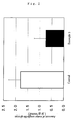
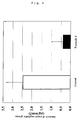
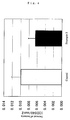
- bio-film formed on the enamel slices was recovered to determine the weight of non water-soluble glucan and the amount of bacteria of dental carries. Further, the conditions of pH lowering on the electrode plane and hardness change of the enamel slices recovered were evaluated. In addition, the weight of non water-soluble glucan was determined by a phenolic sulfuric acid method and the amount of bacteria of the dental carries was determined by the turbidity at 540nm, and the hardness of the enamel pieces was determined by using a hardness meter (manufactured by Akashi Co., MS-5 type). The results are shown in Figs. 2-9.
- Example 3 By adding the material obtained in Example 3, about any bacteria to be studied, as compared with control, the weight of non water-soluble glucan on the enamel pieces (correspondent to the weight of dental plaque, Figs. 2 and 3) and the amount of bacteria of the dental carries (Figs. 4 and 5) were decreased, and the pH lowering on the pieces was depressed (Figs. 6 and 7). Moreover, the enamel hardness little lowered comparing with remarkable increase of the control (Figs. 8 and 9). It appears that the enamel demineralization was markedly inhibited. Namely, by adding the material obtained in Example 3, it appears that all formation steps of the dental caries including proliferation of bacteria, formation of acids by the bacteria and enamel demineralization were efficiently inhibited.
Landscapes
- Life Sciences & Earth Sciences (AREA)
- Health & Medical Sciences (AREA)
- Chemical & Material Sciences (AREA)
- Engineering & Computer Science (AREA)
- General Health & Medical Sciences (AREA)
- Polymers & Plastics (AREA)
- Food Science & Technology (AREA)
- Veterinary Medicine (AREA)
- Public Health (AREA)
- Animal Behavior & Ethology (AREA)
- Botany (AREA)
- Inorganic Chemistry (AREA)
- Epidemiology (AREA)
- Birds (AREA)
- Oral & Maxillofacial Surgery (AREA)
- Bioinformatics & Cheminformatics (AREA)
- Medicinal Chemistry (AREA)
- Organic Chemistry (AREA)
- Pharmacology & Pharmacy (AREA)
- Biotechnology (AREA)
- Chemical Kinetics & Catalysis (AREA)
- Microbiology (AREA)
- Nuclear Medicine, Radiotherapy & Molecular Imaging (AREA)
- Mycology (AREA)
- General Chemical & Material Sciences (AREA)
- Dispersion Chemistry (AREA)
- Nutrition Science (AREA)
- Emergency Medicine (AREA)
- Cosmetics (AREA)
- Medicines Containing Plant Substances (AREA)
- Coloring Foods And Improving Nutritive Qualities (AREA)
- Pyrane Compounds (AREA)
- Pharmaceuticals Containing Other Organic And Inorganic Compounds (AREA)
Abstract
Description
- The present invention provides a material for inhibiting enamel demineralization and the use. The material contains, as the active ingredient, a proanthocyanidin-like polyphenol, particularly originating immature apples or hop bract.
- According to actual investigation of dental diseases in 1999 through Ministry of Health, Labour and Welfare, 80 % of Japanese people having permanent teeth have any dental caries. It is said that such dental caries are one of national diseases.
- Dental carries are a disease caused by bacteria. Mutans Streptococci such as S. mutans and S. sobrinus produces water-insoluble grucan from sucrose, and adheres on the surface of teeth along with bacteria to form dental plaque. Then, several kinds of bacteria such as dental bacteria propagate in the dental plaque, pH of dental surface is lowered by organic acids which are produced by bacteria metabolism, dental enamel elutes to form a hole, and dental carries are produced. Namely, it is said that dental carries occur in a series of steps, formation of dental plaque, proliferation of bacteria, formation of acids by the bacteria and enamel demineralization.
- As a method for preventing dental carries, there are some known methods such as a method for strengthening the quality of teeth with fluorine, a method for using an antibacterial material for bacteria of dental caries, a method for using an alternative sugar, which does not produce glucan, instead of sugar, and a method for using an inhibitor of an enzyme producing a water-insoluble glucan. However, these methods have merits and demerits in the effect, cost and influence for nutrition. Considering morbidity rate of dental caries do not much decrease at present, it is difficult to say that these methods are perfect.
- In recent years, the total of medical cost in Japan is about 30 trillion-Yen and the dental fee amounts to 2.5 trillion. Judging from not only improvement of QOL based on promotion of health, but also inhibition and decrease of the medical cost, the development of a simple and good method for effectively preventing to get dental carries has much significance industrially.
- As to effects of anti-dental carries, there are some reports concerning an extract of green tea leaves (Publications of Japanese Patent Laid-open Hei 01-9922, 01-90124 and 01-265010), an extract of Oolong tea leaves (Japanese Patent Laid-open Hei 03-284625 publication) and the like. As to polyphenol derived from immature apples or hop bract, the inventors of the present invention have reported the effect for inhibiting the formation of dental carries (Publications of Japanese Patent Laid-open Hei 07-285876 and 09-295944. These effects of anti-dental carries are based on the above publications of Japanese Patent Laid-open Hei 01-9922, 01-90124 and 01-265010, in which the formation of dental plaque depressed by the polyphenol having antibacterial effects to bacteria of dental carries is described, or in the above publications of Japanese Patent Laid-open Hei 03-284625, 07-285876 and 09-295944, in which the formation of dental plaque depressed by the polyphenol inhibiting an enzyme (GTF) producing water-insoluble glucan is described.
- However, as shown in the above, the dental caries are formed by a series of steps of formation of dental plaque, proliferation of bacteria, formation of acids by the bacteria and enamel demineralization. As an example, it is difficult to remove perfectly the bacteria of dental carries by using the polyphenol having antibacterial effects. The bacteria of dental carries again proliferate in the mouth with time. Even if the formation of dental plaque is efficiently inhibited by inhibiting GTF, small amount of dental carries is advanced by the next steps to produce dental carries. Accordingly, even if the number of bacteria of dental carries is decreased or the formation of dental plaque is efficiently inhibited, it is not evidence of the inhibition of the formation of dental Prague. Accordingly, the present invention aims to provide an effective cariostatic material, which inhibits dental plaque formation as well as onset of dental carries.
- The present inventors have earnestly studied the above problems and have found that a proanthocyanidin-like polyphenol originating in hop bract or immature apple is a material that effectively inhibits not only dental plaque formation but also the dental carries process including proliferation of bacteria, formation of acids by the bacteria and enamel demineralization. Further, the present invention has been attained by the use of the material as a cariostatic material of drinks and oral care goods.
- The polyphenol is a generical name of compounds having several phenolic hydroxyl groups in the molecules contained in plants. The proanthocyanidin-like polyphenol is a polyphenol and a compound producing anthocyanidin (cyanidin or derphynidin or properargonin) of a red pigment by hydrolysis.
- Namely, the first of the present invention relates to a material inhibiting enamel demineralization, which is a proanthocyanidin-like polyphenol. The second of the present invention relates to a material inhibiting enamel demineralization which is a proanthocyanidin-like polyphenol originating in immature apple. The third of the present invention relates to a material inhibiting enamel demineralization, which is a proanthocyanidin-like polyphenol originating in hop bract.
-
- Fig. 1 shows a cross section drawing of a center part of an artificial mouth device.
- Fig. 2 shows a graph showing the compared amounts of water-insoluble glucan (corresponding to the dental plaque formed artificially) on enamel tooth pieces after the test using S. mutans. When the material inhibiting enamel demineralization obtained in Example 3 is added (right), the amount of water-insoluble glucan decreases more than that of control (left).
- Fig. 3 shows a graph showing the compared amounts of water-insoluble glucan (corresponding to the dental plaque formed artificially) on enamel tooth pieces after the test using S. sorbrinus. When the material inhibiting enamel demineralization obtained in Example 3 is added (right), the amount of water-insoluble glucan decreases more than that of control (left).
- Fig. 4 shows a graph showing the compared amounts of bacteria of dental carries on enamel tooth pieces after the test using S. mutans. When the material inhibiting enamel demineralization obtained in Example 3 is added (right), the amount of bacteria of dental carries decreases more than that of control (left). It shows that the colonization and proliferation of the bacteria of dental carries are inhibited in the artificial dental plaque.
- Fig. 5 shows a graph showing the compared amounts of bacteria of dental carries on enamel tooth pieces after the test using S. sorbrinus. When the material inhibiting enamel demineralization obtained in Example 3 is added (right), the amount of bacteria of dental carries decreased more than that of control (left). It shows that the colonization and proliferation of the bacteria of dental carries are inhibited in the artificial dental plaque.
- Fig. 6 shows a graph showing the pH change of the plane electrode formed directly under the artificial dental plaque in the experiment using S. mutans. When the material inhibiting enamel demineralization obtained in Example 3 is added (right), the change of pH decreases more than that of control (left). (pH value does not so lower). It shows that the amount of acid formation decreases in the artificial dental plaque.
- Fig. 7 shows a graph showing the pH change of the plane electrode formed directly under the artificial dental plaque in the experiment using S. sorbrinus. When the material inhibiting enamel demineralization obtained in Example 3 is added (right), the change of pH decreases more than that of control (left). (pH value does not so lower). It shows that the amount of acid formation decreases in the artificial dental plaque.
- Fig. 8 shows a graph showing hardness change of enamel tooth pieces before and after in the experiment using S. mutans. When the material inhibiting enamel demineralization obtained in Example 3 is added (right), the hardness change of enamel tooth pieces is inhibited more than that of control (left).
- Fig. 9 shows a graph showing hardness change of enamel tooth pieces before and after in the experiment using S. sobrinus. When the material inhibiting enamel demineralization obtained in Example 3 is added (right), the hardness change of enamel tooth pieces is inhibited more than that of control (left).
- In the present invention, immature apple as the raw material means the superfluous fruits artificially thinned out or naturally drop down before ripening.
- In the present invention, hop bract as the raw material means that formed by removing the lupulin part from the hop cone. Generally, the hop bract is obtained by removing the lupulin part after crushing and shieving the hop cone. However, in recent beer brewing, in order to omit the step of removing the hop bract by sieving, the hop bract is formed into a pellet without removing the hop bract unnecessary in beer brewing. Such obtained hop pellet tends to be used in beer brewing. Accordingly, as the raw material in the present invention, the material containing the hop bract can be used without limit, and further the hop cone and hop pellets containing the hop bract can be used as the raw material without problems.
- The raw material is compressed to squeeze the juice out, or extracted with an aqueous alcohol solution to obtain a solution containing the material for inhibiting enamel demineralization, and it may be used as powder. If necessary, the material for inhibiting enamel demineralization may be used by purifying with a column filled with granular resin having affinity for polyphenol so as to more purify.
- The resulting material for inhibiting enamel demineralization may be used for confectionary, food and drink, such as candy, chocolate, caramels, chewing gum and the like staying in the mouth at a relative long time. The material also may be used by adding to buccal preparations such as gargle liquid and dentifrice. When the cariostatic material is added to these food and drink, and buccal preparations, the cariostatic material may be used by adding as it is powder. Preferably the cariostatic material may be added to obtain an aqueous or alcohol solution of 1-2%. The final concentration is preferably 1-5000ppm, more preferably 100-2000ppm for food and drink or buccal preparations.
- Although the following examples are described detailly the embodiment of the present invention, the invention is not limited into these examples.
- Immature apples (average weight 5.03g/apple) 400g was homogenized with 1% hydrochloric acid methanol (200ml), and extracted by heating and refluxing (three times). The extract liquid was concentrated under reduced pressure to remove methanol. After adding chloroform (200ml) to the concentrate, the solution was distributed (two times). After the aqueous layer was recovered and filtered, 200ml was measured with a messcylinder. The solution was purified by a solid phase extraction method and freeze-dried to obtain yellow material for inhibiting enamel demineralization 0.5g.
- Hop bract 50g was extracted with 1000ml of an aqueous solution of 40% ethanol by stirring at a temperature of 50°C for 60 minutes. After filtration, the solution was concentrated under reduced pressure to obtain 500ml. The concentrate was passed through a column filled with styrene-divinyl benzene resin (manufactured by Mitsubishi Kagaku Co., Sepabeads 70) 150ml and washed with water 500ml. Further, 600ml of an aqueous solution of 50% ethanol was passed through the column. The eluted liquid was recovered, and freeze-dried to obtain the material for inhibiting enamel demineralization as orderless pale yellow powder having faint bitter taste 1.7g. The yield from the hop bract was 3.4%.
- The material for inhibiting enamel demineralization 5g obtained by using the same method described in Example 2 was dissolved in 500ml of an aqueous solution of 50 % ethanol and treated with a ultrafilter film having fraction molecular weight 10,000. The upper residue liquid not passed through the film was concentrated and freeze-dried, and further purified material for inhibiting enamel demineralization 2.2g was obtained as yellow to brown powder.
Example 4 (Dentifrice) Dibasic calcium phosphate 42.0 Glycerin 18.0 Carrageenan 0.7 Sodium lauryl sulfate 1.29 Butyl p-hydroxybenzoate 0.005 The material obtained as in Example 1 0.005 Flavor 1.0 Water 37.0 Total 100.0 - Using each component having the above weight, dentifrice was prepared by a common method. Further dentifrices were obtained by adding the materials obtained as in Examples 2 and 3 instead of the material obtained as in Example 1.
Example 5 (Gargle) Glycerin 7.0 Sorbitol 5.0 Ethyl alcohol 15.0 Sodium lauryl sulfate 0.9 1-menthol 0.05 Flavor 0.045 the material obtained as in Example 1 0.005 Water 72.0 Total 100.0 - Using each component having the above weight, gargle was prepared by a common method. Further, gargles were obtained by adding the materials obtained as in Examples 2 and 3 instead of the material obtained as in Example 1.
Example 6 (Troche) Gum arabic 6.0 Magnesium stearate 3.0 Xylitol 73.0 Maltitol 17.6 Dipotassium phosphate 0.2 Potassium phosphate 0.1 Flavor 0.095 The material obtained as in Example 1 0.005 Total 100.0 - Using each component having the above weight, troche was prepared by a common method. Further, troches were obtained by adding the materials obtained as in Examples 2 and 3 instead of the material obtained as in Example 1.
Example 7 (Wheat gluten) Xylitol 20.0 Maltitol 70.0 Water 9.5 Coloring agent 0.45 Flavor 0.045 The material obtained as in Example 1 0.005 Total 100.0 - Using each component having the above weight, wheat gluten was prepared by a common method. Further, wheat glutens were obtained by adding the materials obtained as in Examples 2 and 3 instead of the material obtained as in Example 1.
-
Gum base 20.0 Calcium carbonate 2.0 Xylitol 77.0 Stevioside 0.095 The material obtained as in Example 1 0.005 Flavor 0.9 Total 100.0 - Using each component having the above weight, chewing gum was prepared by a common method. Further, chewing gums were obtained by adding the materials obtained as in Examples 2 and 3 instead of the material obtained as in Example 1.
-
Xylitol 20.0 Citric acid 0.2 Flavor 0.1 Coloring agent 0.15 Sodium ascorbate 0.048 The material obtained as in Example 1 0.002 Water 79.5 Total 100.0 - Using each component having the above weight, juice was prepared by a common method. Further, juices were obtained by adding the materials obtained as in Examples 2 and 3 instead of the material obtained as in Example 1.
-
Soft flour 32.0 Whole egg 16.0 Butter 16.0 Maltitol 25.0 Water 10.8 Baking powder 0.198 The material obtained as in Example 1 0.002 Total 100.0 - Using each component having the above weight, cookies were prepared by a common method. Further, cookies were obtained by adding the materials obtained as in Examples 2 and 3 instead of the material obtained as in Example 1.
-
Xylitol 31.0 Maltitol 20.0 Powder milk 40.0 Hardened oil 5.0 Sodium chloride 0.6 Flavor 0.025 The material obtained as in Example 1 0.005 Water 3.37 Total 100.0 - Using each component having the above weight, caramels were prepared by a common method. Further, caramels were obtained by adding the materials obtained as in Examples 2 and 3 instead of the material obtained as in Example 1.
- By using an artificial mouth device (M. Hinoide, et al., Jpn. J. Oral Biol., 26, 288-291 (1984) with cow teeth pieces and typical bacteria of dental carries, S, mutans and S. sorbrinus, dental plaque formation, proliferation of bacteria, pH lowering by acid formation and enamel demineralization were studied about the effects of the material obtained in Example 3.
- The outline of the artificial mouth device is shown in Fig.1. In this device, 4 pieces of cow enamel slices (3.5 × 3.5 × 1.5mm) are adhered around an electrode, and the following liquid was added dropwise from five tubes A-E placed at the upper side of the device to the pieces. By using the device, the formation of dental carries in the mouth can be reproduced.
-
Tubes A and C: HI+2.5% sucrose (1% sucrose on the electrode) (cooling)
Tubes B and D:Electrode 1; PBS (cooling)
Electrode 2; 0.125%HBT in PBS (0.05% HBT on the electrode) (when tube E is S.mutans ATCC25175)
or 0.05%HBT in PBS (0.02% HBT on the electrode) (when tube E is S.sobrinus 6715)
Tube E: PBS suspension of S.mutans ATCC 25175 or S.sorbinus 6715 (stirred on cooling).
Flow rate: 6ml/hr/tube
Temperature: 37°C (the water temperature of the water jacket was 37.5°C). - As to the evaluation, bio-film formed on the enamel slices was recovered to determine the weight of non water-soluble glucan and the amount of bacteria of dental carries.
Further, the conditions of pH lowering on the electrode plane and hardness change of the enamel slices recovered were evaluated. In addition, the weight of non water-soluble glucan was determined by a phenolic sulfuric acid method and the amount of bacteria of the dental carries was determined by the turbidity at 540nm, and the hardness of the enamel pieces was determined by using a hardness meter (manufactured by Akashi Co., MS-5 type).
The results are shown in Figs. 2-9. By adding the material obtained in Example 3, about any bacteria to be studied, as compared with control, the weight of non water-soluble glucan on the enamel pieces (correspondent to the weight of dental plaque, Figs. 2 and 3) and the amount of bacteria of the dental carries (Figs. 4 and 5) were decreased, and the pH lowering on the pieces was depressed (Figs. 6 and 7). Moreover, the enamel hardness little lowered comparing with remarkable increase of the control (Figs. 8 and 9). It appears that the enamel demineralization was markedly inhibited. Namely, by adding the material obtained in Example 3, it appears that all formation steps of the dental caries including proliferation of bacteria, formation of acids by the bacteria and enamel demineralization were efficiently inhibited.
Claims (9)
- A material for inhibiting enamel demineralization containing as a principal component a proanthocyanidin-like polyphenol.
- A material for inhibiting enamel demineralization as claimed in claim 1, the proanthocyanidin-like polyphenol originates in immature apple.
- A material for inhibiting enamel demineralization as claimed in claim 1, the proanthocyanidin-like polyphenol originates in hop bract.
- An eating and drinking product containing the material for inhibiting enamel demineralization as claimed in claim 1.
- An eating and drinking product containing the material for inhibiting enamel demineralization as claimed in claim 2.
- An eating and drinking product containing the material for inhibiting enamel demineralization as claimed in claim 3.
- An oral care good containing the material for inhibiting enamel demineralization as claimed in claim 1.
- An oral care good containing the material for inhibiting enamel demineralization as claimed in claim 2.
- An oral care good containing the material for inhibiting enamel demineralization as claimed in claim 3.
Applications Claiming Priority (2)
| Application Number | Priority Date | Filing Date | Title |
|---|---|---|---|
| JP2003124725 | 2003-04-30 | ||
| PCT/JP2004/006465 WO2004096165A1 (en) | 2003-04-30 | 2004-04-30 | Material for inhibiting enamel decalcification |
Publications (2)
| Publication Number | Publication Date |
|---|---|
| EP1621081A1 true EP1621081A1 (en) | 2006-02-01 |
| EP1621081A4 EP1621081A4 (en) | 2008-01-09 |
Family
ID=33410197
Family Applications (1)
| Application Number | Title | Priority Date | Filing Date |
|---|---|---|---|
| EP04730741A Withdrawn EP1621081A4 (en) | 2003-04-30 | 2004-04-30 | SUBSTANCE INHIBITING THE DECALCIFICATION OF EMAIL |
Country Status (9)
| Country | Link |
|---|---|
| US (2) | US20060216248A1 (en) |
| EP (1) | EP1621081A4 (en) |
| JP (1) | JPWO2004096165A1 (en) |
| KR (1) | KR100810946B1 (en) |
| CN (1) | CN1780604A (en) |
| AU (1) | AU2004233706A1 (en) |
| CA (1) | CA2524087A1 (en) |
| TW (1) | TW200425906A (en) |
| WO (1) | WO2004096165A1 (en) |
Families Citing this family (9)
| Publication number | Priority date | Publication date | Assignee | Title |
|---|---|---|---|---|
| US20060141039A1 (en) * | 2004-12-23 | 2006-06-29 | Colgate-Palmolive Company | Oral compositions containing oxidized camellia |
| JPWO2006115123A1 (en) * | 2005-04-19 | 2008-12-18 | アサヒビール株式会社 | Virus inactivating agent |
| JP2007051096A (en) * | 2005-08-18 | 2007-03-01 | Asahi Breweries Ltd | Oral composition |
| US20090123581A1 (en) * | 2006-06-09 | 2009-05-14 | The Board Of Trustees Of The University Of Illinois | Collagen cross-linking agents on dental restorative treatment and preventive dentistry |
| EP2057993A4 (en) | 2006-08-31 | 2014-03-12 | Asahi Group Holdings Ltd | PROCESS FOR PRODUCTION OF HOP-BASED PREPARATION, HOP-BASED PREPARATION OBTAINED, ANTI-INFLAMMATORY AGENT, FOOD / BEVERAGE AND ORAL PHARMACEUTICAL PRODUCT |
| CN106518967B (en) * | 2016-09-18 | 2019-08-20 | 四川大学 | Polypeptide-modified oligomeric proanthocyanidins and its preparation method and application |
| CN107875049A (en) * | 2017-10-20 | 2018-04-06 | 广州市西瑶玉池科技有限公司 | A kind of mothproof sound of baby talk cream of the mineral element containing the tremolite |
| MX2022003756A (en) | 2019-09-30 | 2022-05-03 | Procter & Gamble | Oral care compositions comprising hops beta acid and metal ion. |
| WO2021062607A1 (en) | 2019-09-30 | 2021-04-08 | The Procter & Gamble Company | Oral care compositions comprising hops beta acid and amino acid |
Family Cites Families (15)
| Publication number | Priority date | Publication date | Assignee | Title |
|---|---|---|---|---|
| JP2594787B2 (en) * | 1987-02-27 | 1997-03-26 | 大洋香料株式会社 | Caries prevention agent |
| WO1993024106A1 (en) * | 1992-05-27 | 1993-12-09 | L'oreal | Composition comprising a proanthocyanidin oligomer encapsulated in a liposome |
| GB9213454D0 (en) * | 1992-06-24 | 1992-08-05 | Tioxide Group Services Ltd | Composite pigmentary material |
| CA2128293C (en) * | 1993-12-06 | 2002-09-03 | Masayuki Tanabe | Fruit polyphenols and medicinal compositions containing them |
| JPH09175982A (en) * | 1995-12-28 | 1997-07-08 | Nikka Uisukii Kk | Cosmetics |
| US5762911A (en) * | 1996-03-05 | 1998-06-09 | The Research Foundation Of State University Of New York | Anti-caries oral compositions |
| JP3254553B2 (en) * | 1996-03-06 | 2002-02-12 | アサヒビール株式会社 | Anti-caries material, its production method and use |
| AU2987999A (en) * | 1998-03-06 | 1999-09-20 | Life Plus International | Toothpaste and mouth rinse compositions |
| JP3860335B2 (en) * | 1998-04-20 | 2006-12-20 | 株式会社ホーメット | Proanthocyanidin-containing nutrient solution and method for producing the same |
| US5948388A (en) * | 1998-06-12 | 1999-09-07 | Soft Gel Technologies, Inc. | Chewable softgel oral hygiene product |
| JP2000297022A (en) * | 1999-04-12 | 2000-10-24 | Lion Corp | Oral composition |
| HK1043361A1 (en) * | 1999-04-23 | 2002-09-13 | Kyowa Hakko Kogyo Co., Ltd. | Methods for purifying proanthocyanidin oligomers |
| DE19927571A1 (en) * | 1999-06-17 | 2000-12-21 | Basf Ag | Increasing the levels of flavonoids and phenolic compounds in plants comprises treating the plants with growth-regulating 4-acyl-3,5-dioxo-1-cyclohexanecarboxylic acid derivatives |
| JP3525182B2 (en) * | 2000-02-16 | 2004-05-10 | 独立行政法人産業技術総合研究所 | New anti-leukemia cell agent |
| JP4574788B2 (en) * | 2000-03-24 | 2010-11-04 | 協和発酵バイオ株式会社 | Proanthocyanidin-containing composition |
-
2004
- 2004-04-30 EP EP04730741A patent/EP1621081A4/en not_active Withdrawn
- 2004-04-30 KR KR1020057020598A patent/KR100810946B1/en not_active Expired - Fee Related
- 2004-04-30 CA CA002524087A patent/CA2524087A1/en not_active Abandoned
- 2004-04-30 AU AU2004233706A patent/AU2004233706A1/en not_active Abandoned
- 2004-04-30 TW TW093112230A patent/TW200425906A/en unknown
- 2004-04-30 WO PCT/JP2004/006465 patent/WO2004096165A1/en not_active Ceased
- 2004-04-30 JP JP2005505962A patent/JPWO2004096165A1/en not_active Withdrawn
- 2004-04-30 US US10/554,932 patent/US20060216248A1/en not_active Abandoned
- 2004-04-30 CN CNA2004800116411A patent/CN1780604A/en active Pending
-
2007
- 2007-07-03 US US11/773,240 patent/US20080003186A1/en not_active Abandoned
Also Published As
| Publication number | Publication date |
|---|---|
| CA2524087A1 (en) | 2004-11-11 |
| TW200425906A (en) | 2004-12-01 |
| JPWO2004096165A1 (en) | 2006-07-13 |
| AU2004233706A1 (en) | 2004-11-11 |
| WO2004096165A1 (en) | 2004-11-11 |
| US20080003186A1 (en) | 2008-01-03 |
| EP1621081A4 (en) | 2008-01-09 |
| KR100810946B1 (en) | 2008-03-10 |
| CN1780604A (en) | 2006-05-31 |
| KR20060006074A (en) | 2006-01-18 |
| US20060216248A1 (en) | 2006-09-28 |
Similar Documents
| Publication | Publication Date | Title |
|---|---|---|
| US20080003186A1 (en) | Material for inhibiting enamel demineralization | |
| KR101290608B1 (en) | Noncarious material and anticarious agent containing rare sugar | |
| EP1998636B1 (en) | Use of 4-hydroxydihydrochalcones and their salts for enhancing an impression of sweetness | |
| KR101411035B1 (en) | Taste-improving agent and food or drink containing the same | |
| EP2730178B1 (en) | Oral compositions | |
| CN101415398B (en) | Calcium phosphate complex and salts in oral delivery systems | |
| JP4112730B2 (en) | Antibacterial agent for oral cavity | |
| JP3254553B2 (en) | Anti-caries material, its production method and use | |
| US20060165609A1 (en) | Periodontal ligament-protecting agent | |
| US20060251760A1 (en) | Process for producing hop glume polyphenol | |
| JPH0763294B2 (en) | Anti-cariogenic food | |
| KR101447007B1 (en) | Composition for antiaging comprising the extract of Dipterocarpus obtusifolius Teijsm. Ex Miq. as an active ingredient | |
| JPH07242555A (en) | Glucosyltransferase inhibitor, anti-caries agent containing the same as an active ingredient, and anti-caries food | |
| KR102269164B1 (en) | Composition for improvement of dental caries and periodontal disease using an extract of seeds of Phaseolus radiatus, etc. | |
| KR20230046792A (en) | COMPOSITION FOR PREVENTING BIOFILM FORMATION COMPRISING EXTRACT OF Piperis Nigri Fructus | |
| JP4224593B2 (en) | Composition for suppressing fat accumulation comprising wasabi as an active ingredient | |
| JP2007031297A (en) | Whitening composition | |
| JP4495901B2 (en) | Active inhibitor for oral preparation | |
| JP4585066B2 (en) | Caries inhibitor, oral preparation and food and drink | |
| US20100179227A1 (en) | Production method of hop preparation, hop preparation, anti-inflammatory agent, food product and beverage, and oral product | |
| JPH0523153A (en) | Food and drink or oral products containing coix extract | |
| KR20180072427A (en) | Composition for prevention or treatment of oral disease comprising extracts of Artemisiae Annuae and Bamboo salts | |
| JP2021169434A (en) | Oral antibacterial agent | |
| JP2008050373A (en) | Pharmaceuticals containing wasabi as an active ingredient | |
| JP2000178158A (en) | Oral cavity agent |
Legal Events
| Date | Code | Title | Description |
|---|---|---|---|
| PUAI | Public reference made under article 153(3) epc to a published international application that has entered the european phase |
Free format text: ORIGINAL CODE: 0009012 |
|
| 17P | Request for examination filed |
Effective date: 20051118 |
|
| AK | Designated contracting states |
Kind code of ref document: A1 Designated state(s): AT BE BG CH CY CZ DE DK EE ES FI FR GB GR HU IE IT LI LU MC NL PL PT RO SE SI SK TR |
|
| RIC1 | Information provided on ipc code assigned before grant |
Ipc: A23G 3/00 20060101ALI20060220BHEP Ipc: A23G 1/00 20060101ALI20060220BHEP Ipc: A61K 8/97 20060101AFI20060220BHEP Ipc: A23L 1/052 20060101ALI20060220BHEP |
|
| DAX | Request for extension of the european patent (deleted) | ||
| A4 | Supplementary search report drawn up and despatched |
Effective date: 20071206 |
|
| RAP1 | Party data changed (applicant data changed or rights of an application transferred) |
Owner name: ASAHI BREWERIES, LTD. |
|
| 17Q | First examination report despatched |
Effective date: 20100415 |
|
| STAA | Information on the status of an ep patent application or granted ep patent |
Free format text: STATUS: THE APPLICATION IS DEEMED TO BE WITHDRAWN |
|
| 18D | Application deemed to be withdrawn |
Effective date: 20100826 |