EP1599461B1 - THIOLACTONES AS NAALADase INHIBITORS - Google Patents
THIOLACTONES AS NAALADase INHIBITORS Download PDFInfo
- Publication number
- EP1599461B1 EP1599461B1 EP04716834A EP04716834A EP1599461B1 EP 1599461 B1 EP1599461 B1 EP 1599461B1 EP 04716834 A EP04716834 A EP 04716834A EP 04716834 A EP04716834 A EP 04716834A EP 1599461 B1 EP1599461 B1 EP 1599461B1
- Authority
- EP
- European Patent Office
- Prior art keywords
- compound
- disease
- substituent
- unsubstituted
- substituted
- Prior art date
- Legal status (The legal status is an assumption and is not a legal conclusion. Google has not performed a legal analysis and makes no representation as to the accuracy of the status listed.)
- Expired - Lifetime
Links
- 0 OC(*IC(**S1)C1=O)=O Chemical compound OC(*IC(**S1)C1=O)=O 0.000 description 5
- ONLZLNNSZBHMFJ-UHFFFAOYSA-N O=C1NNC2C1CCCC2 Chemical compound O=C1NNC2C1CCCC2 ONLZLNNSZBHMFJ-UHFFFAOYSA-N 0.000 description 1
Images



Classifications
-
- C—CHEMISTRY; METALLURGY
- C07—ORGANIC CHEMISTRY
- C07D—HETEROCYCLIC COMPOUNDS
- C07D335/00—Heterocyclic compounds containing six-membered rings having one sulfur atom as the only ring hetero atom
- C07D335/02—Heterocyclic compounds containing six-membered rings having one sulfur atom as the only ring hetero atom not condensed with other rings
-
- A—HUMAN NECESSITIES
- A61—MEDICAL OR VETERINARY SCIENCE; HYGIENE
- A61P—SPECIFIC THERAPEUTIC ACTIVITY OF CHEMICAL COMPOUNDS OR MEDICINAL PREPARATIONS
- A61P13/00—Drugs for disorders of the urinary system
- A61P13/08—Drugs for disorders of the urinary system of the prostate
-
- A—HUMAN NECESSITIES
- A61—MEDICAL OR VETERINARY SCIENCE; HYGIENE
- A61P—SPECIFIC THERAPEUTIC ACTIVITY OF CHEMICAL COMPOUNDS OR MEDICINAL PREPARATIONS
- A61P21/00—Drugs for disorders of the muscular or neuromuscular system
- A61P21/02—Muscle relaxants, e.g. for tetanus or cramps
-
- A—HUMAN NECESSITIES
- A61—MEDICAL OR VETERINARY SCIENCE; HYGIENE
- A61P—SPECIFIC THERAPEUTIC ACTIVITY OF CHEMICAL COMPOUNDS OR MEDICINAL PREPARATIONS
- A61P25/00—Drugs for disorders of the nervous system
-
- A—HUMAN NECESSITIES
- A61—MEDICAL OR VETERINARY SCIENCE; HYGIENE
- A61P—SPECIFIC THERAPEUTIC ACTIVITY OF CHEMICAL COMPOUNDS OR MEDICINAL PREPARATIONS
- A61P25/00—Drugs for disorders of the nervous system
- A61P25/02—Drugs for disorders of the nervous system for peripheral neuropathies
-
- A—HUMAN NECESSITIES
- A61—MEDICAL OR VETERINARY SCIENCE; HYGIENE
- A61P—SPECIFIC THERAPEUTIC ACTIVITY OF CHEMICAL COMPOUNDS OR MEDICINAL PREPARATIONS
- A61P25/00—Drugs for disorders of the nervous system
- A61P25/04—Centrally acting analgesics, e.g. opioids
-
- A—HUMAN NECESSITIES
- A61—MEDICAL OR VETERINARY SCIENCE; HYGIENE
- A61P—SPECIFIC THERAPEUTIC ACTIVITY OF CHEMICAL COMPOUNDS OR MEDICINAL PREPARATIONS
- A61P25/00—Drugs for disorders of the nervous system
- A61P25/14—Drugs for disorders of the nervous system for treating abnormal movements, e.g. chorea, dyskinesia
-
- A—HUMAN NECESSITIES
- A61—MEDICAL OR VETERINARY SCIENCE; HYGIENE
- A61P—SPECIFIC THERAPEUTIC ACTIVITY OF CHEMICAL COMPOUNDS OR MEDICINAL PREPARATIONS
- A61P25/00—Drugs for disorders of the nervous system
- A61P25/14—Drugs for disorders of the nervous system for treating abnormal movements, e.g. chorea, dyskinesia
- A61P25/16—Anti-Parkinson drugs
-
- A—HUMAN NECESSITIES
- A61—MEDICAL OR VETERINARY SCIENCE; HYGIENE
- A61P—SPECIFIC THERAPEUTIC ACTIVITY OF CHEMICAL COMPOUNDS OR MEDICINAL PREPARATIONS
- A61P25/00—Drugs for disorders of the nervous system
- A61P25/18—Antipsychotics, i.e. neuroleptics; Drugs for mania or schizophrenia
-
- A—HUMAN NECESSITIES
- A61—MEDICAL OR VETERINARY SCIENCE; HYGIENE
- A61P—SPECIFIC THERAPEUTIC ACTIVITY OF CHEMICAL COMPOUNDS OR MEDICINAL PREPARATIONS
- A61P25/00—Drugs for disorders of the nervous system
- A61P25/22—Anxiolytics
-
- A—HUMAN NECESSITIES
- A61—MEDICAL OR VETERINARY SCIENCE; HYGIENE
- A61P—SPECIFIC THERAPEUTIC ACTIVITY OF CHEMICAL COMPOUNDS OR MEDICINAL PREPARATIONS
- A61P25/00—Drugs for disorders of the nervous system
- A61P25/30—Drugs for disorders of the nervous system for treating abuse or dependence
- A61P25/36—Opioid-abuse
-
- A—HUMAN NECESSITIES
- A61—MEDICAL OR VETERINARY SCIENCE; HYGIENE
- A61P—SPECIFIC THERAPEUTIC ACTIVITY OF CHEMICAL COMPOUNDS OR MEDICINAL PREPARATIONS
- A61P27/00—Drugs for disorders of the senses
- A61P27/02—Ophthalmic agents
-
- A—HUMAN NECESSITIES
- A61—MEDICAL OR VETERINARY SCIENCE; HYGIENE
- A61P—SPECIFIC THERAPEUTIC ACTIVITY OF CHEMICAL COMPOUNDS OR MEDICINAL PREPARATIONS
- A61P27/00—Drugs for disorders of the senses
- A61P27/02—Ophthalmic agents
- A61P27/06—Antiglaucoma agents or miotics
-
- A—HUMAN NECESSITIES
- A61—MEDICAL OR VETERINARY SCIENCE; HYGIENE
- A61P—SPECIFIC THERAPEUTIC ACTIVITY OF CHEMICAL COMPOUNDS OR MEDICINAL PREPARATIONS
- A61P3/00—Drugs for disorders of the metabolism
- A61P3/08—Drugs for disorders of the metabolism for glucose homeostasis
- A61P3/10—Drugs for disorders of the metabolism for glucose homeostasis for hyperglycaemia, e.g. antidiabetics
-
- A—HUMAN NECESSITIES
- A61—MEDICAL OR VETERINARY SCIENCE; HYGIENE
- A61P—SPECIFIC THERAPEUTIC ACTIVITY OF CHEMICAL COMPOUNDS OR MEDICINAL PREPARATIONS
- A61P35/00—Antineoplastic agents
-
- A—HUMAN NECESSITIES
- A61—MEDICAL OR VETERINARY SCIENCE; HYGIENE
- A61P—SPECIFIC THERAPEUTIC ACTIVITY OF CHEMICAL COMPOUNDS OR MEDICINAL PREPARATIONS
- A61P43/00—Drugs for specific purposes, not provided for in groups A61P1/00-A61P41/00
-
- A—HUMAN NECESSITIES
- A61—MEDICAL OR VETERINARY SCIENCE; HYGIENE
- A61P—SPECIFIC THERAPEUTIC ACTIVITY OF CHEMICAL COMPOUNDS OR MEDICINAL PREPARATIONS
- A61P5/00—Drugs for disorders of the endocrine system
- A61P5/48—Drugs for disorders of the endocrine system of the pancreatic hormones
-
- A—HUMAN NECESSITIES
- A61—MEDICAL OR VETERINARY SCIENCE; HYGIENE
- A61P—SPECIFIC THERAPEUTIC ACTIVITY OF CHEMICAL COMPOUNDS OR MEDICINAL PREPARATIONS
- A61P9/00—Drugs for disorders of the cardiovascular system
- A61P9/10—Drugs for disorders of the cardiovascular system for treating ischaemic or atherosclerotic diseases, e.g. antianginal drugs, coronary vasodilators, drugs for myocardial infarction, retinopathy, cerebrovascula insufficiency, renal arteriosclerosis
-
- C—CHEMISTRY; METALLURGY
- C07—ORGANIC CHEMISTRY
- C07D—HETEROCYCLIC COMPOUNDS
- C07D335/00—Heterocyclic compounds containing six-membered rings having one sulfur atom as the only ring hetero atom
- C07D335/04—Heterocyclic compounds containing six-membered rings having one sulfur atom as the only ring hetero atom condensed with carbocyclic rings or ring systems
- C07D335/06—Benzothiopyrans; Hydrogenated benzothiopyrans
Definitions
- This invention provides new compounds, pharmaceutical compositions and diagnostic kits comprising such compounds, and methods of using such compounds for inhibiting NAALADase enzyme activity, detecting diseases where NAALADase levels are altered, inhibiting angiogenesis, effecting a TGF- ⁇ activity or a neuronal activity, and treating a glutamate abnormality, a compulsive disorder, neuropathy, pain, a prostate disease, cancer, Huntington's disease, diabetes, a retinal disorder or glaucoma.
- NAALADase enzyme also known as prostate specific membrane antigen (“PSMA”) and human glutamate carboxypeptidase II (“GCP II”), catalyzes the hydrolysis of the neuropeptide N-acetyl-aspartyl-glutamate (“NAAG”) to N-acetyl-aspartate (“NAA”) and glutamate. Based upon amino acid sequence homology, NAALADase has been assigned to the M28 family of peptidases.
- PSMA prostate specific membrane antigen
- GCP II human glutamate carboxypeptidase II
- NAALADase inhibitors may be useful in treating ischemia, spinal cord injury, demyelinating diseases, Parkinson's disease, Amyotrophic Lateral Sclerosis ("ALS"), Huntington's disease, alcohol dependence, nicotine dependence, cocaine dependence, opioid dependence, cancer, neuropathy, pain and schizophrenia, and in inhibiting angiogenesis.
- ALS Amyotrophic Lateral Sclerosis
- This invention provides a compound of formula I, II or III or pharmaceutically acceptable salts, hydrates and solvates thereof, wherein:
- This invention further provides a pharmaceutical composition and a diagnostic kit comprising the compound, and a method of using the compound for inhibiting NAALADase enzyme activity, detecting a disease where NAALADase levels are altered, inhibiting angiogenesis, effecting a TGF- ⁇ activity or a neuronal activity, and treating a glutamate abnormality, a compulsive disorder, neuropathy, pain, a prostate disease, cancer, Huntington's disease, diabetes, a retinal disorder or glaucoma.
- treating refers to:
- Treating ALS refers to:
- Treating substance dependence refers to preventing relapse; reducing craving; suppressing tolerance; preventing, inhibiting and/or relieving withdrawal; attenuating sensitization; preventing, inhibiting (i.e. arresting development of) and/or relieving (i.e. causing regression of) substance-induced neurotoxicity; and/or preventing, inhibiting and/or relieving fetal alcohol syndrome.
- “Craving” refers to a strong desire for a substance and/or a compelling urge and/or an irresistible impulse to use a substance.
- “Dependence” refers to a maladaptive pattern of substance use, leading to clinically significant impairment or distress. Dependence is typically characterized by tolerance and/or withdrawal. Substances for which dependence may be developed include, without limitation, depressants (opioids, synthetic narcotics, barbiturates, glutethimide, methyprylon, ethchlorvynol, methaqualone, alcohol); anxiolytics (diazepam, chlordiazepoxide, alprazolam, oxazepam, temazepam); stimulants (amphetamine, methamphetamine, cocaine, nicotine); and hallucinogens (LSD, mescaline, peyote, marijuana).
- depressants opioid, synthetic narcotics, barbiturates, glutethimide, methyprylon, ethchlorvynol, methaqualone, alcohol
- anxiolytics diazepam, chlordiaze
- Opioid refers to a narcotic analgesic that is either semi or fully synthetic, including, but not limited to Codeine, Morphine, Heroin, Hydromorphone (Dilaudid), Oxycodone (Percodan), Oxymorphone (Numorphan), Hydrocodone (Vicodin), Meperidine (Demerol), Fentanyl, Methadone (Dolophine), Darvon, Talwin.
- Relapse refers to a return to substance use after a period of abstinence, often accompanied by reinstatement.
- Reinstatement refers to a return to a preexisting level of use and dependence in a person who has resumed substance use following a period of abstinence.
- Sensitization refers to a condition in which the response to a substance increases with repeated use.
- “Tolerance” refers to an acquired reaction to a substance characterized by diminished effect with continued use of the same dose and/or a need for increased doses to achieve intoxication or desired effect previously achieved by lower doses. Both physiological and psychosocial factors may contribute to the development of tolerance. With respect to physiological tolerance, metabolic and/or functional tolerance may develop. By increasing the rate of metabolism of the substance, the body may be able to eliminate the substance more readily. Functional tolerance is defined as a decrease in sensitivity of the central nervous system to the substance. "Opioid tolerance” includes without limitation the failure of a steady dose of the drug to sustain the desired pharmacological effect over time, i.e., the need to increase the drug dosage to maintain the original pharmacological effect.
- This invention provides a compound of formula I, II or III or pharmaceutically acceptable salts, hydrates and solvates thereof, wherein:
- Examples of the one or more substituent(s) by which X, Ar, R 1 , R 2 , R 3 , R 4 , R 5 , R 6 and R 7 may be substituted include, without limitation: C 1 -C 4 alkyl, C 2 -C 4 alkenyl, C 2 -C 4 alkynyl, C 1 -C 4 alkoxy, C 2 -C 4 alkenyloxy, phenoxy, benzyloxy, hydroxy, carboxy, hydroperoxy, carbamido, carbamoyl, carbamyl, carbonyl, carbozoyl, amino, hydroxyamino, formamido, formyl, guanyl, cyano, cyanoamino, isocyano, isocyanato, diazo, azido, hydrazino, triazano, nitrilo, nitro, nitroso, isonitroso, nitrosamino, imino, nitrosimino, o
- any variable substituent at a particular location in a molecule is independent of its definitions elsewhere in that molecule.
- Substituents and substitution patterns on the inventive compounds can be selected by one of ordinary skill in the art to provide compounds that are chemically stable and that can be readily synthesized by techniques known in the art as well as those methods set forth herein.
- inventive compounds may possess one or more asymmetric carbon center(s), they may be capable of existing in the form of optical isomers as well as in the form of racemic or non-racemic mixtures of optical isomers.
- the optical isomers can be obtained by resolution of the racemic mixtures according to conventional processes.
- One such process entails formation of diastereoisomeric salts by treatment with an optically active acid or base, then separation of the mixtures of diastereoisomers by crystallization, followed by liberation of the optically active bases from the salts.
- appropriate acids are tartaric, diacetyltartaric, dibenzoyltartaric, ditoluoyltartaric and camphorsulfonic acid.
- a different process for separating optical isomers involves the use of a chiral chromatography column optimally chosen to maximize the separation of the enantiomers.
- Still another available process involves synthesis of covalent diastereoisomeric molecules, for example, esters, amides, acetals and ketals, by reacting the inventive compounds with an optically active acid in an activated form, an optically active diol or an optically active isocyanate.
- the synthesized diastereoisomers can be separated by conventional means such as chromatography, distillation, crystallization or sublimation, and then hydrolyzed to deliver the enantiomerically pure compound. In some cases hydrolysis to the "parent" optically active drug is not necessary prior to dosing the patient, since the compound can behave as a prodrug.
- the optically active compounds of this invention likewise can be obtained by utilizing optically active starting materials.
- the compounds of this invention encompass individual optical isomers as well as racemic and non-racemic mixtures.
- the R configuration may be enriched while in other non-racemic mixtures, the S configuration may be enriched enriched.
- inventive compounds include, without limitation, the compounds set forth in TABLE I.
- TABLE I REPRESENTATIVE COMPOUNDS Compound Number Structure Name 1 3-(2-Oxo-tetrahydrothiopyran-3-yl)-propionic acid 2 3-[(2-oxotetrahydro-2H-thiopyran-3-yl)methyl]benzoic acid 3 3-(1-Oxo-isothiochroman-8-yl)-benzoic acid 4 3-(1-Oxo-isothiochroman-8-yloxymethyl)-benzoic acid 5 3-(1-Oxo-3,4-dihydro-1H-2-thia-9-aza-fluoren-9-yl)-benzoic acid
- inventive compounds are generally prodrugs of NAALADase inhibitors
- the inventive compounds may also exhibit NAALADase inhibiting activity on their own. Whether by inhibiting NAALADase activity, by converting in vivo into compounds that inhibit NAALADase activity, or by another mechanism of action, the inventive compounds may be useful in the following therapeutic applications.
- the inventive compounds may block glutamate release pre-synaptically without interacting with post-synaptic glutamate receptors. Such compounds would be devoid of the behavioral toxicities associated with post-synaptic glutamate antagonists.
- the compounds may be used for treating a glutamate abnormality in an animal or a mammal, comprising administering to the animal or mammal an effective amount of a compound of formula I, II or III, as defined above.
- the glutamate abnormality may be selected from compulsive disorder, stroke, ischemia, demyelinating disease, Parkinson's disease, ALS, Huntington's disease, schizophrenia, diabetic neuropathy, pain, anxiety, anxiety disorder, memory impairment and glaucoma.
- the method is for treating a compulsive disorder selected from alcohol, nicotine, cocaine and opioid dependence or for treating opioid tolerance.
- the inventive compounds have a therapeutic window of opportunity of at least 1 hour. Accordingly, when the glutamate abnormality is stroke, the compound of the invention may be administered to the animal or mammal for up to 60 minutes, 120 minutes or more following onset of stroke.
- a method for effecting a neuronal activity in an animal or a mammal comprising administering to the animal or mammal an effective amount of a compound of formula I, II or III, as defined above.
- the neuronal activity that is effected may be stimulation of damaged neurons, promotion of neuronal regeneration, prevention of neurodegeneration or treatment of a neurological disorder.
- Examples of a neurological disorder that is treated include, without limitation: trigeminal neuralgia; glossopharyngeal neuralgia; Bell's Palsy; myasthenia gravis; muscular dystrophy; ALS; progressive muscular atrophy; progressive bulbar inherited muscular atrophy; herniated, ruptured or prolapsed invertebrate disk syndromes; cervical spondylosis; plexus disorders; thoracic outlet destruction syndromes; neuropathy; pain; Alzheimer's disease; Parkinson's disease; ALS; and Huntington's disease.
- the method is for treating a neurological disorder selected from neuropathy (for example, peripheral neuropathy or diabetic neuropathy), pain (for example, neuropathic pain such as neuropathic pain induced by diabetes), traumatic brain injury, physical damage to spinal cord, stroke associated with brain damage, demyelinating disease and neurological disorder relating to neurodegeneration.
- a neurological disorder selected from neuropathy (for example, peripheral neuropathy or diabetic neuropathy), pain (for example, neuropathic pain such as neuropathic pain induced by diabetes), traumatic brain injury, physical damage to spinal cord, stroke associated with brain damage, demyelinating disease and neurological disorder relating to neurodegeneration.
- the compound of the invention may be administered in combination with an effective amount of morphine.
- Examples of a neurological disorder relating to neurodegeneration include, without limitation, Alzheimer's disease, Parkinson's disease and ALS.
- prostate disease in an animal or a mammal, comprising administering to the animal or mammal an effective amount of a compound of formula I, II or III, as defined above.
- the prostate disease is prostate cancer.
- cancer in an animal or a mammal, comprising administering to the animal or mammal an effective amount of a compound of formula I, II or III, as defined above.
- the cancer is in tissues where NAALADase resides, such as the brain, kidney and testis.
- a method for inhibiting angiogenesis in an animal or a mammal comprising administering to the animal or mammal an effective amount of a compound of formula I, II or III, as defined above.
- Angiogenesis may be necessary for fertility or metastasis of cancer tumors, or may be related to an angiogenic-dependent disease.
- an angiogenic-dependent disease examples include, without limitation, rheumatoid arthritis, cardiovascular diseases, neovascular diseases of the eye, peripheral vascular disorders, dermatologic ulcers and cancerous tumor growth, invasion or metastasis.
- a method for effecting a TGF- ⁇ activity in an animal or a mammal comprising administering to the animal or mammal an effective amount of a compound of formula I, II or III, as defined above.
- the effecting a TGF- ⁇ activity includes increasing, reducing or regulating TGF- ⁇ levels, and treating a TGF- ⁇ abnormality.
- TGF- ⁇ abnormality that is treated by the inventive method include neurodegenerative disorders, extra-cellular matrix formation disorders, cell-growth related diseases, infectious diseases, immune related diseases, epithelial tissue scarring, collagen vascular diseases, fibroproliferative disorders, connective tissue disorders, inflammation, inflammatory diseases, respiratory distress syndrome, infertility and diabetes.
- Examples of a neurodegenerative disorder include, without limitation, neural tissue damage resulting from ischemia, reperfusion injury, myelination or neurodegeneration.
- Examples of a cell-growth related disorder include, without limitation, disorders affecting kidney cells, hematopoietic cells, lymphocytes, epithelial cells or endothelial cells.
- infectious disease examples include, without limitation, diseases caused by a macrophage pathogen, particularly a macrophage pathogen selected from bacteria, yeast, fungi, viruses, protozoa, Trypanosoma cruzi, Histoplasma capsulatum, Candida albicans, Candida parapsilosis, Cryptococcus neoformans, Salmonella, Pneumocystis, Toxoplasma, Listeria, Mycobacteria, Rickettsia and Leishmania.
- Mycobacteria include, without limitation, Mycobacterium tuberculosis and Mycobacterium leprae.
- Toxoplasma examples include, without limitation, Toxoplasma gondii.
- Rickettsia examples include, without limitation, R. prowazekii, R. coronii and R. tsutsugamushi.
- Other examples of an infectious disease include single or multiple cutaneous lesions, mucosal disease, Chagas' disease, acquired immunodeficiency syndrome (AIDS), toxoplasmosis, leishmaniasis, trypanosomiasis, shistosomiasis, cryptosporidiosis, Mycobacterium avium infections, Pneumocystis carinii pneumonia and leprosy.
- an immune related disease examples include, without limitation, autoimmune disorders; impaired immune function; and immunosuppression associated with an infectious disease, particularly, trypanosomal infection, viral infection, human immunosuppression virus, human T cell lymphotropic virus (HTLV-1), lymphocytic choriomeningitis virus or hepatitis.
- infectious disease particularly, trypanosomal infection, viral infection, human immunosuppression virus, human T cell lymphotropic virus (HTLV-1), lymphocytic choriomeningitis virus or hepatitis.
- Examples of a collagen vascular disease include, without limitation, progressive systemic sclerosis ("PSS”), polymyositis, scleroderma, dermatomyositis, eosinophilic fascitis, morphea, Raynaud's syndrome, interstitial pulmonary fibrosis, scleroderma and systemic lupus erythematosus.
- PSS progressive systemic sclerosis
- polymyositis scleroderma
- dermatomyositis eosinophilic fascitis
- morphea morphea
- Raynaud's syndrome interstitial pulmonary fibrosis
- scleroderma and systemic lupus erythematosus.
- Examples of a fibroproliferative disorder include, without limitation, diabetic nephropathy, kidney disease, proliferative vitreoretinopathy, liver cirrhosis, biliary fibrosis and myelofibrosis.
- Examples of a kidney disease include, without limitation, mesangial proliferative glomerulonephritis, crescentic glomerulonephritis, diabetic neuropathy, renal interstitial fibrosis, renal fibrosis in transplant patients receiving cyclosporin, and HIV-associated nephropathy.
- Examples of a connective tissue disorder include, without limitation, scleroderma, myelofibrosis, and hepatic, intraocular and pulmonary fibrosis.
- the inventive compounds may treat inflammatory diseases by regulating TGF- ⁇ and/or inhibiting myeloperoxidase.
- an inflammatory disease that is treated by the inventive method include, without limitation, a disease associated with PSS, polymyositis, scleroderma, dermatomyositis, eosinophilic fascitis, morphea, Raynaud's syndrome, interstitial pulmonary fibrosis, scleroderma, systemic lupus erythematosus, diabetic nephropathy, kidney disease, proliferative vitreoretinopathy, liver cirrhosis, biliary fibrosis, myelofibrosis, mesangial proliferative glomerulonephritis, crescentic glomerulonephritis, diabetic neuropathy, renal interstitial fibrosis, renal fibrosis in transplant patients receiving cyclosporin, and HIV-associated ne
- TGF- ⁇ regulating properties include:
- inventive compounds may be administered by any means known to one of ordinary skill in the art.
- inventive compounds may be administered orally, parenterally, by inhalation spray, topically, rectally, nasally, buccally, vaginally, or via an implanted reservoir.
- parenteral as used herein includes subcutaneous, intravenous, intramuscular, intraperitoneal, intrathecal, intraventricular, intrasternal, intracranial, and intraosseous injection and infusion techniques.
- the exact administration protocol will vary depending upon various factors including the age, body weight, general health, sex and diet of the patient; the determination of specific administration procedures would be routine to an one of ordinary skill in the art.
- inventive compounds may be administered by a single dose, multiple discrete doses or continuous infusion.
- Pump means particularly subcutaneous pump means, are useful for continuous infusion.
- Dose levels on the order of about 0.001 mg/kg/d to about 10,000 mg/kg/d of an inventive compound are useful for the inventive methods.
- the dose level is about 0.1 mg/kg/d to about 1,000 mg/kg/d.
- the dose level is about 1 mg/kg/d to about 100 mg/kg/d.
- the specific dose level for any particular patient will vary depending upon various factors, including the activity and the possible toxicity of the specific compound employed; the age, body weight, general health, sex and diet of the patient; the time of administration; the rate of excretion; the drug combination; the severity of the congestive heart failure; and the form of administration.
- in vitro dosage-effect results provide useful guidance on the proper doses for patient administration. Studies in animal models are also helpful. The considerations for determining the proper dose levels are well known in the art and within the skills of an ordinary physician.
- Any known administration regimen for regulating the timing and sequence of drug delivery may be used and repeated as necessary to effect treatment in the methods mentioned.
- the regimen may include pretreatment and/or co-administration with additional therapeutic agent(s).
- inventive compounds can be administered alone or in combination with one or more additional therapeutic agent(s) for simultaneous, separate, or sequential use.
- additional therapeutic agent include, without limitation, compounds of this invention; steroids (e.g., hydrocortisones such as methylprednisolone); anti-inflammatory or anti-immune drug, such as methotrexate, azathioprine, cyclophosphamide or cyclosporin A; interferon- ⁇ ; antibodies, such as anti-CD4 antibodies; agents which can reduce the risk of a second ischemic event, such as ticlopidine; chemotherapeutic agents; immunotherapeutic compositions; electromagnetic radiosensitizers; and morphine.
- the inventive compounds may be co-administered with one or more additional therapeutic agent(s) either (i) together in a single formulation, or (ii) separately in individual formulations designed for optimal release rates of their respective active agent.
- This invention further provides a method for detecting in vitro a disease, disorder or condition where NAALADase levels are altered, comprising:
- Examples of a disease, disorder or condition that is detectable by the inventive method include, without limitation, neurological disorder, glutamate abnormality, neuropathy, pain, compulsive disorder, prostate disease, cancer, TGF- ⁇ abnormality, Huntington's disease, diabetes, retinal disorder and glaucoma.
- Examples of a bodily tissue or fluid that is used in the inventive method include, without limitation, prostate tissue, ejaculate, seminal vesicle fluid, prostatic fluid, urine, blood, saliva, tears, sweat, lymph and sputum.
- the inventive compound may be labeled with a marker using techniques known in the art.
- Useful markers include, without limitation, enzymatic markers and imaging reagents.
- imaging reagents include radiolabels, such as 131 I, 111 In 123 I, 99 Tc, 32 P, 125 I, 3 H and 14 C; fluorescent labels, such as fluorescein and rhodamine; and chemiluminescers, such as luciferin.
- the amount of NAALADase can be measured using any technique known in the art.
- techniques include, without limitation, assays (such as immunometric, calorimetric, densitometric, spectrographic and chromatographic assays) and imaging techniques (such as magnetic resonance spectroscopy (MRS), magnetic resonance imaging (MRI), single-photon emission computed tomography (SPECT) and positron emission tomography (PET)).
- assays such as immunometric, calorimetric, densitometric, spectrographic and chromatographic assays
- imaging techniques such as magnetic resonance spectroscopy (MRS), magnetic resonance imaging (MRI), single-photon emission computed tomography (SPECT) and positron emission tomography (PET)).
- This invention further provides a diagnostic kit for detecting a disease, disorder or condition where NAALADase levels are altered, comprising a compound of formula I, II or III, as defined above, labeled with a marker.
- the kit may further comprise one or more buffering agent(s), agent(s) for reducing background interference, control reagent(s) and/or apparatus for detecting the disease, disorder or condition.
- a disease, disorder or condition where NAALADase levels are altered in an animal or a mammal comprising:
- the amount of NAALADase can be measured in vivo using any known imaging technique, as described above.
- This invention further provides a pharmaceutical composition
- a pharmaceutical composition comprising:
- the inventive pharmaceutical composition may comprise one or more additional pharmaceutically acceptable ingredient(s), including without limitation one or more wetting agent(s), buffering agent(s), suspending agent(s), lubricating agent(s), emulsifier(s), disintegrant(s), absorbent(s), preservative(s), surfactant(s), colorant(s), flavorant(s), sweetener(s) and additional therapeutic agent(s).
- additional pharmaceutically acceptable ingredient(s) including without limitation one or more wetting agent(s), buffering agent(s), suspending agent(s), lubricating agent(s), emulsifier(s), disintegrant(s), absorbent(s), preservative(s), surfactant(s), colorant(s), flavorant(s), sweetener(s) and additional therapeutic agent(s).
- the inventive pharmaceutical composition may be formulated into solid or liquid form for the following: (1) oral administration as, for example, a drench (aqueous or nonaqueous solution or suspension), tablet (for example, targeted for buccal, sublingual or systemic absorption), bolus, powder, granule, paste for application to the tongue, hard gelatin capsule, soft gelatin capsule, mouth spray, emulsion and microemulsion; (2) parenteral administration by, for example, subcutaneous, intramuscular, intravenous or epidural injection as, for example, a sterile solution, suspension or sustained-release formulation; (3) topical application as, for example, a cream, ointment, or controlled-release patch or spray applied to the skin; (4) intravaginal or intrarectal administration as, for example, a pessary, cream or foam; (5) sublingual administration; (6) ocular administration; (7) transdermal administration; or (8) nasal administration.
- oral administration as, for example, a drench (aqueous or nonaque
- BB/W rats received daily insulin injections to maintain their glucose levels at about 350 mg/dl.
- NAALADase inhibitor 2-(3-sulfanylpropyl)-pentanedioic acid (Compound B) was administered daily for 6 months to one group of BB/W rats at a dose of 10 mg/kg and to a second group of BB/W rats at a dose of 30 mg/kg.
- a third group of BB/W rats and a fourth group of non-diabetic rats received daily vehicle treatment (50 mM Hepes buffered saline).
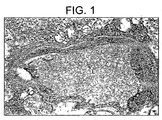
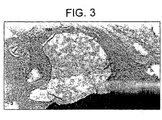
- TEM transmission electron microscopy
- BM basement membrane
- the fixed retinas were rinsed in deionized water and were incubated for 3 minutes in a 37°C agitating water bath in 40 units/mL elastase in Na-K phosphate buffer with 150 mmol/L NaCl and 5 mmol/L ethylenediamine tetraacetic acid (EDTA), pH 6.5.
- the tissues were washed overnight in 100 mmol/L Tris-HCL (pH 8.5) and then transferred to deionized water for removal of the loosened vitreous and digested neural elements by gentle agitation using the sides of closed forceps and the sides and ends of very fine brushes.
- the retinas were incubated once more in fresh enzyme for 3 minutes and then subjected to a second overnight wash at room temperature in Tns-HCl buffer. On the third day, the retinas were again transferred to deionized water for additional removal of digested neural elements.
- the vascular network that was completely free of nonvascular elements was mounted flat by flotation in Ca 2+ and Mg 2+ free Dulbecco's Phosphate-Buffered Saline (PBS) on siliconized slides (#S1308, Oncor, Gaithersburg, MD).
- the mounts of the retinal microvasculature were stained using periodic acid Schiff reaction and hematoxylin counterstaining, as described in Luna, L., ed. Manual of Histologic Staining Methods of the Armed Forces Institute of Pathology (1968) McGraw-Hill, New York, NY . The preparations were then examined by light microscopy and photographed.
- E/P Endothelial/Pericyte Ratios.
- BM thickness of retinal capillaries from 3 non-diabetic rats receiving vehicle, 3 diabetic animals receiving 10 mg/kg Compound B, and 3 diabetic rats receiving 30 mg/kg Compound B were compared with 3 diabetic rats receiving a vehicle. At least 10 capillaries per eye from the inner nuclear and plexiform layers were photographed at a magnification of 10,000x.
- Exact magnification was determined for each set of negatives with a 28,800 line/inch calibration grid. Negatives were enlarged 3x. Measurements, to the nearest 0.25 mm, were made of the BM surrounding the endothelial cell and were taken perpendicular to the plane of the BM, as described in Bendayan, M., J. Electron Microsc Techn (1984) 1:243-270 ; and Gunderson, J. Microscopy (1980) 121:65-73 ). At least 20 measurements were taken for each capillary and the BM thickness was expressed as an average of 20 measurements.
- NAALADase inhibition had no effect on blood glucose or body weight.
- BB/W rats demonstrated an early change typically associated with diabetic retinopathy (pericyte loss and BM thickening), they did not show significant numbers of microanuerysms also typical of diabetic retinopathy or areas of acellular capillaries usually seen in a more advanced disease.
- the retinopathy observed in BB/W rats has been previously characterized in Chakrabarti, Diabetes (1989) 38:1181-1186 .
- the results show that treatment with a NAALADase inhibitor causes improvement in retinal pathology of diabetic rats. Specifically, the NAALADase inhibitor prevented pericyte loss and BM thickening in retinal vessels.
- IOP intraocular pressure
- the optic nerve was transected unilaterally in 26 rats under intraperitoneal pentobarbital anesthesia.
- the conjunctiva was opened with scissors and the optic nerve was exposed by traction on extraocular muscles.
- the transection was performed with microscissors 5 mm posterior to the globe, with specific attention to avoidance of injury to major ocular blood vessels.
- the retina was examined ophthalmoscopically to assure that the retinal arterial blood supply was not disrupted.
- the conjunctiva was closed with absorbable suture and the eye dressed with antibiotic ointment.
- the rats were treated daily with intraperitoneal injections of either a vehicle (9 rats with 50 mM HEPES-buffered saline) or a NAALADase inhibitor (8 rats with 10 mg/kg of Compound A and 9 rats with 10 mg/kg of Compound B). 5 saline treated rats, 3 Compound A treated rats and 4 Compound B treated rats were sacrificed at 2 weeks, and the remaining rats at 4 weeks, after transection.
- the rats were sacrificed by exsanguination under deep pentobarbital anesthesia. They were perfused through the heart with 2% paraformaldehyde/2% glutaraldehyde in 0.1 M phosphate buffer, pH 7.2, and the eyes with attached optic nerves were removed. Cross-sections of the optic nerves from both experimental (glaucoma or transection) and control eyes was removed 1.5 mm posterior to the globe, 1 mm in thickness, and postfixed in 2% osmium tetroxide in buffer. These were processed into epoxy resin, sectioned at 1 micron and stained with toluidine blue.
- each optic nerve cross-section was measured by outlining its outer border at 10x magnification on an image analysis system (Universal Imaging Corp., Westchester, PA) with Synsys digital camera and Metamorph software. Three area measurements were taken and the mean value was determined. To measure the density and fiber diameter distributions, images were captured with a 100x phase contrast objective from 10 different areas of each nerve. These were edited to eliminate non-neural objects and the size of each axon internal to the myelin sheath (its minimum diameter) and the density of axons/square mm were calculated for each image and nerve. The mean density was multiplied by total nerve area to yield fiber number for each nerve.
- the total fiber number in glaucoma or transection nerves was compared to the normal, fellow eye of each rat to yield a percent loss value.
- the number of axons counted among the 10 images was approximately 20% of the 80-90,000 axons in normal rat nerves.
- the person measuring the number of axons was masked to the protocol conducted on the nerves.
- the experimental transection data suggest a slowing or rescue of ultimate retinal ganglion cell (RGC) death in rats treated with NAALADase inhibitors at 2 weeks after transection.
- RGC retinal ganglion cell
- both drug-treated groups had more remaining RGC axons than did the saline-treated, control group, judged either by absolute number of fibers or percent difference between transected eye and normal eye in each rat (TABLE V).
- Rats treated with Compound A and Compound B had, respectively, three times and twice as many remaining axons as the saline-treated rats. All or nearly all RGC die within the first 2 months after transection, regardless of any pharmacological treatment.
- mice Male C57/BL mice (IMP, Lodz, Tru), 22-24 g of body weight were group-housed in the standard laboratory cages and kept in a temperature-controlled colony room (21 ⁇ 2°C) with a 12-hour light/dark cycle (light on: 07:00, off: 19:00). Commercial food and tap water were available ad libitum. Each experimental group consisted of 7-28 mice per treatment. All mice were used only once.
- a standardized tail-flick analgesia meter (Columbus, Ohio, USA, model 33), adjusted to sensitivity of "10" with radiant heat source and connected to an automatic timer was used to assess antinociceptive responses.
- the intensity of the heat stimulus was adjusted so that the baseline tail-flick latency was - 3 seconds.
- a maximum latency of 10 seconds (i.e., cut-off) was used to minimize damage to the tail.
- the tail withdrawal latency was measured from the start of heat stimulus until the mouse exhibited a flick of the tail.
- Each response assessment consisted of two separate measurements taken at different portions of the tail (spaced by 1.5-2 cm) and separated by 15 seconds. The mean of these responses was used for subsequent comparisons.
- Morphine antinociceptive potency was investigated with the use of cumulative dose-response curves that allowed for minimization of the animal number used (Paronis and Holtzman 1991). After adaptation and baseline trials, each mouse was injected s.c. with a low dose of morphine (1 mg/kg). Thirty min later, the mouse was retested and injected with the next dose of morphine that was increased by quarter of a log unit. Thus, because the initial dose of morphine was 1.0 mg/kg, the next dose was 1.78 mg/kg, for a cumulative dose of 2.8 mg/kg.
- Experiment 1 was carried out to investigate the effect of 2-PMPA on the development of morphine tolerance.
- test #1 the first measurement of morphine antinociceptive potency was performed, followed by 6 days of bid morphine injections (10 mg/kg, s.c., 7:30 and 17:30) (Elliott et al. 1994; Popik et al. 2000b).
- test #2 On day 8 (test #2), the second measurement of morphine antinociceptive potency was carried out. The degree of morphine tolerance was assessed by comparing the morphine antinociceptive potencies (cumulative dose-response curves) obtained in tests #1 and #2.
- Experiment 2 was designed to determine whether 2-PMPA might itself produce antinociceptive effects and/or affect the antinociceptive effects of morphine.
- Morphine 1.5 or 3 mg/kg, s.c.
- the 3 mg/kg dose of morphine corresponds to the antinociceptive ED 50 dose in these test conditions (data not shown).
- FIG. 4 Presented in FIG. 4 are the time courses of tail-flick responses of mice treated with combination of 2-PMPA and morphine. The N is given in brackets.
- FIG. 5 mean ⁇ S.E.M. Area Under Curve (AUC) values calculated on the same data.
- ANOVA F(5,48) 19.28, P ⁇ 0.0001 and post-hoc Newman-Keul's test revealed that the treatment with placebo+morphine 1.5 mg/kg and with 100 mg/kg 2-PMPA+morphine 1.5 mg/kg differed significantly (**, P ⁇ 0.01) from placebo+placebo treatment.
- treatment with placebo+morphine 3 mg/kg and that with 100 mg/kg 2-PMPA+morphine 3 mg/kg differed significantly (***, P ⁇ 0.001) from placebo+placebo treatment. Effects of 100 mg/kg of 2-PMPA+placebo treatment did not differ from placebo+placebo treatment. Effects of placebo+respective doses of morphine did not differ from the effects of 2-PMPA+ respective doses of morphine.
- a patient is suffering from any disease, disorder or condition where NAALADase levels are altered, including any of the diseases, disorders or conditions described above.
- the patient may then be administered an effective amount of an inventive compound. It is expected that after such treatment, the patient would not suffer any significant injury due to, would be protected from further injury due to, or would recover from the disease, disorder or condition.
Landscapes
- Health & Medical Sciences (AREA)
- Organic Chemistry (AREA)
- Chemical & Material Sciences (AREA)
- Bioinformatics & Cheminformatics (AREA)
- Engineering & Computer Science (AREA)
- Life Sciences & Earth Sciences (AREA)
- General Health & Medical Sciences (AREA)
- Nuclear Medicine, Radiotherapy & Molecular Imaging (AREA)
- General Chemical & Material Sciences (AREA)
- Pharmacology & Pharmacy (AREA)
- Chemical Kinetics & Catalysis (AREA)
- Animal Behavior & Ethology (AREA)
- Medicinal Chemistry (AREA)
- Public Health (AREA)
- Veterinary Medicine (AREA)
- Neurology (AREA)
- Neurosurgery (AREA)
- Biomedical Technology (AREA)
- Diabetes (AREA)
- Ophthalmology & Optometry (AREA)
- Urology & Nephrology (AREA)
- Pain & Pain Management (AREA)
- Addiction (AREA)
- Psychiatry (AREA)
- Psychology (AREA)
- Endocrinology (AREA)
- Obesity (AREA)
- Heart & Thoracic Surgery (AREA)
- Emergency Medicine (AREA)
- Cardiology (AREA)
- Vascular Medicine (AREA)
- Orthopedic Medicine & Surgery (AREA)
- Physical Education & Sports Medicine (AREA)
- Hematology (AREA)
- Pharmaceuticals Containing Other Organic And Inorganic Compounds (AREA)
- Acyclic And Carbocyclic Compounds In Medicinal Compositions (AREA)
- Enzymes And Modification Thereof (AREA)
- Immobilizing And Processing Of Enzymes And Microorganisms (AREA)
- Saccharide Compounds (AREA)
- Heterocyclic Carbon Compounds Containing A Hetero Ring Having Oxygen Or Sulfur (AREA)
Priority Applications (4)
| Application Number | Priority Date | Filing Date | Title |
|---|---|---|---|
| EP08013761A EP1988088A1 (en) | 2003-03-03 | 2004-03-03 | Thiolactones |
| PL04716834T PL1599461T3 (pl) | 2003-03-03 | 2004-03-03 | Tiolaktony jako inhibitory NAALADazy |
| SI200431195T SI1599461T1 (sl) | 2003-03-03 | 2004-03-03 | Tiolaktoni kot inhibitorji NAALADaze |
| CY20091100904T CY1109356T1 (el) | 2003-03-03 | 2009-08-28 | Θειολακτονες ως αναστολεις της νααladασης |
Applications Claiming Priority (3)
| Application Number | Priority Date | Filing Date | Title |
|---|---|---|---|
| US45064803P | 2003-03-03 | 2003-03-03 | |
| US450648P | 2003-03-03 | ||
| PCT/US2004/006178 WO2004078742A1 (en) | 2003-03-03 | 2004-03-03 | Thiolactones |
Related Child Applications (1)
| Application Number | Title | Priority Date | Filing Date |
|---|---|---|---|
| EP08013761A Division EP1988088A1 (en) | 2003-03-03 | 2004-03-03 | Thiolactones |
Publications (2)
| Publication Number | Publication Date |
|---|---|
| EP1599461A1 EP1599461A1 (en) | 2005-11-30 |
| EP1599461B1 true EP1599461B1 (en) | 2009-06-10 |
Family
ID=32962505
Family Applications (2)
| Application Number | Title | Priority Date | Filing Date |
|---|---|---|---|
| EP04716834A Expired - Lifetime EP1599461B1 (en) | 2003-03-03 | 2004-03-03 | THIOLACTONES AS NAALADase INHIBITORS |
| EP08013761A Withdrawn EP1988088A1 (en) | 2003-03-03 | 2004-03-03 | Thiolactones |
Family Applications After (1)
| Application Number | Title | Priority Date | Filing Date |
|---|---|---|---|
| EP08013761A Withdrawn EP1988088A1 (en) | 2003-03-03 | 2004-03-03 | Thiolactones |
Country Status (15)
| Country | Link |
|---|---|
| US (4) | US7125907B2 (https=) |
| EP (2) | EP1599461B1 (https=) |
| JP (1) | JP4773951B2 (https=) |
| AT (1) | ATE433445T1 (https=) |
| AU (1) | AU2004217969B2 (https=) |
| CA (1) | CA2518234C (https=) |
| CY (1) | CY1109356T1 (https=) |
| DE (1) | DE602004021476D1 (https=) |
| DK (1) | DK1599461T3 (https=) |
| ES (1) | ES2326083T3 (https=) |
| MX (1) | MXPA05009492A (https=) |
| PL (1) | PL1599461T3 (https=) |
| PT (1) | PT1599461E (https=) |
| SI (1) | SI1599461T1 (https=) |
| WO (1) | WO2004078742A1 (https=) |
Families Citing this family (4)
| Publication number | Priority date | Publication date | Assignee | Title |
|---|---|---|---|---|
| JP4773951B2 (ja) | 2003-03-03 | 2011-09-14 | エーザイ インコーポレーテッド | チオラクトン |
| WO2008094663A2 (en) * | 2007-01-31 | 2008-08-07 | Adam Heller | Electrochemical management of pain |
| WO2017029399A1 (en) | 2015-08-20 | 2017-02-23 | Universität Zu Köln | Pain tracking by pet-imaging (pain-trap) |
| WO2021155167A1 (en) * | 2020-01-31 | 2021-08-05 | The Johns Hopkins University | Bile acid-gcpii inhibitor conjugates to treat inflammatory diseases |
Family Cites Families (45)
| Publication number | Priority date | Publication date | Assignee | Title |
|---|---|---|---|---|
| US4239636A (en) * | 1978-10-23 | 1980-12-16 | Exxon Research & Engineering Co. | Thio-bis-(alkyl lactone acid esters) and thio-bis-(hydrocarbyl diacid esters) are useful additives for lubricating compositions |
| JPH0532659A (ja) * | 1991-08-01 | 1993-02-09 | Tsumura & Co | 糖尿病治療剤 |
| GB9218810D0 (en) | 1992-09-04 | 1992-10-21 | Univ Birmingham | Antiviral pyrimidine nucleosides |
| US6011021A (en) * | 1996-06-17 | 2000-01-04 | Guilford Pharmaceuticals Inc. | Methods of cancer treatment using naaladase inhibitors |
| GB9602721D0 (en) | 1996-02-09 | 1996-04-10 | Pharmacia Spa | Biologically active ureido derivatives useful in the treatment of multiple sclerosis |
| US5795877A (en) * | 1996-12-31 | 1998-08-18 | Guilford Pharmaceuticals Inc. | Inhibitors of NAALADase enzyme activity |
| US5804602A (en) * | 1996-06-17 | 1998-09-08 | Guilford Pharmaceuticals Inc. | Methods of cancer treatment using naaladase inhibitors |
| US6054444A (en) * | 1997-04-24 | 2000-04-25 | Guilford Pharmaceuticals Inc. | Phosphonic acid derivatives |
| US6017903A (en) * | 1996-09-27 | 2000-01-25 | Guilford Pharmaceuticals Inc. | Pharmaceutical compositions and methods of treating a glutamate abnormality and effecting a neuronal activity in an animal using NAALADase inhibitors |
| US5902817A (en) * | 1997-04-09 | 1999-05-11 | Guilford Pharmaceuticals Inc. | Certain sulfoxide and sulfone derivatives |
| US6025345A (en) * | 1996-06-17 | 2000-02-15 | Guilford Pharmaceuticals Inc. | Inhibitors of NAALADase enzyme activity |
| RU2218179C2 (ru) | 1996-06-17 | 2003-12-10 | Гилфорд Фармасьютикалз Инк. | СПОСОБЫ ЛЕЧЕНИЯ РАКА С ПРИМЕНЕНИЕМ ИНГИБИТОРОВ NAALADазы |
| US6046180A (en) * | 1996-06-17 | 2000-04-04 | Guilford Pharmaceuticals Inc. | NAALADase inhibitors |
| US5672592A (en) * | 1996-06-17 | 1997-09-30 | Guilford Pharmaceuticals Inc. | Certain phosphonomethyl-pentanedioic acid derivatives thereof |
| US5863536A (en) | 1996-12-31 | 1999-01-26 | Guilford Pharmaceuticals Inc. | Phosphoramidate derivatives |
| US6071965A (en) * | 1996-06-17 | 2000-06-06 | Guilford Pharmaceuticals Inc. | Phosphinic alkanoic acid derivatives |
| US5824662A (en) * | 1996-09-27 | 1998-10-20 | Guilford Pharmaceuticals Inc. | Treatment of global and focal ischemia using naaladase inhibitors |
| US6025344A (en) * | 1996-06-17 | 2000-02-15 | Guilford Pharmaceuticals Inc. | Certain dioic acid derivatives useful as NAALADase inhibitors |
| US5977090A (en) | 1996-09-27 | 1999-11-02 | Guilford Pharmaceuticals Inc. | Pharmaceutical compositions and methods of treating compulsive disorders using NAALADase inhibitors |
| US6384022B1 (en) * | 1996-06-17 | 2002-05-07 | Guilford Pharmaceuticals Inc. | Prodrugs of NAALAdase inhibitors |
| GB9615202D0 (en) | 1996-07-19 | 1996-09-04 | Smithkline Beecham Plc | Pharmaceuticals |
| PL332413A1 (en) * | 1996-09-27 | 1999-09-13 | Guilford Pharm Inc | Compositions containing inhibitors of naaladase as well as methods of treating glutamatic anomaly and influencing neuronic functions among animals |
| US5962521A (en) * | 1997-04-04 | 1999-10-05 | Guilford Pharmaceuticals Inc. | Hydroxamic acid derivatives |
| US5981209A (en) * | 1997-12-04 | 1999-11-09 | Guilford Pharmaceuticals Inc. | Use of NAALADase activity to identify prostate cancer and benign prostatic hyperplasia |
| US6028216A (en) * | 1997-12-31 | 2000-02-22 | Guilford Pharmaceuticals Inc. | Asymmetric syntheses and intermediates for preparing enantiomer-enriched hydroxyphosphinyl derivatives |
| US6121252A (en) * | 1998-03-30 | 2000-09-19 | Guilford Pharmaceuticals Inc. | Phosphinic acid derivatives |
| ES2251204T3 (es) | 1998-07-06 | 2006-04-16 | Mgi Gp, Inc. | Inhibidores de naaladasa utiles como compuestos y composiciones farmaceuticas. |
| US6265609B1 (en) * | 1998-07-06 | 2001-07-24 | Guilford Pharmaceuticals Inc. | Thio-substituted pentanedioic acid derivatives |
| US6395718B1 (en) * | 1998-07-06 | 2002-05-28 | Guilford Pharmaceuticals Inc. | Pharmaceutical compositions and methods of inhibiting angiogenesis using naaladase inhibitors |
| US6444657B1 (en) * | 1998-12-31 | 2002-09-03 | Guilford Pharmaceuticals Inc. | Methods for treating certain diseases using naaladase inhibitors |
| CA2367787C (en) * | 1999-04-28 | 2011-07-26 | Alan P. Kozikowski | Ligands for metabotropic glutamate receptors |
| US6228888B1 (en) * | 1999-07-01 | 2001-05-08 | Guilford Pharmaceuticals Inc. | Methods for treating anxiety, anxiety disorders and memory impairment using naaladase inhibitors |
| US6313159B1 (en) * | 1999-08-20 | 2001-11-06 | Guilford Pharmaceuticals Inc. | Metabotropic glutamate receptor ligand derivatives as naaladase inhibitors |
| US6348464B1 (en) * | 1999-11-12 | 2002-02-19 | Guilford Pharmaceuticals, Inc. | Pyrrolecarbonylimino derivatives as naaladase inhibitors |
| WO2001092274A2 (en) * | 2000-05-30 | 2001-12-06 | Guilford Pharmaceuticals Inc. | Naaladase inhibitors for treating retinal disorders and glaucoma |
| WO2001091738A2 (en) | 2000-05-30 | 2001-12-06 | Guilford Pharmaceuticals Inc. | Naaladase inhibitors for treating amyotrophic lateral sclerosis |
| WO2001092273A2 (en) * | 2000-05-30 | 2001-12-06 | Guilford Pharmaceuticals Inc. | Benzenedicarboxylic acid derivatives |
| AU2002219348B2 (en) * | 2001-01-08 | 2006-11-16 | Pathway Intermediates Ltd | Autoinducer compounds and their uses |
| FR2819253B1 (fr) * | 2001-01-11 | 2004-12-03 | Servier Lab | Nouveaux derives d'acide hydroxamique, leur procede de preparation et les compositions pharmaceutiques qui les contiennent |
| US6586623B2 (en) * | 2001-01-17 | 2003-07-01 | Guilford Pharmaceuticals Inc. | Thiol-based NAALADase inhibitors |
| WO2002092553A1 (en) * | 2001-05-11 | 2002-11-21 | Guilford Pharmaceuticals Inc. | Hydroxamic acids and acyl hydroxamines as naaladase inhibitors |
| AU2002310202B2 (en) * | 2001-05-30 | 2008-05-15 | Eisai Inc. | Thiolalkyl benzoic acid derivatives |
| WO2003057154A2 (en) | 2001-12-28 | 2003-07-17 | Guildford Pharmaceuticals Inc. | Naaladase inhibitors for treating huntington's disease |
| US20040186081A1 (en) * | 2003-03-03 | 2004-09-23 | Guilford Pharmaceuticals Inc. | Naaladase inhibitors for treating opioid tolerance |
| JP4773951B2 (ja) * | 2003-03-03 | 2011-09-14 | エーザイ インコーポレーテッド | チオラクトン |
-
2004
- 2004-03-03 JP JP2006508945A patent/JP4773951B2/ja not_active Expired - Fee Related
- 2004-03-03 WO PCT/US2004/006178 patent/WO2004078742A1/en not_active Ceased
- 2004-03-03 AT AT04716834T patent/ATE433445T1/de active
- 2004-03-03 AU AU2004217969A patent/AU2004217969B2/en not_active Ceased
- 2004-03-03 US US10/791,278 patent/US7125907B2/en not_active Expired - Fee Related
- 2004-03-03 CA CA2518234A patent/CA2518234C/en not_active Expired - Fee Related
- 2004-03-03 SI SI200431195T patent/SI1599461T1/sl unknown
- 2004-03-03 MX MXPA05009492A patent/MXPA05009492A/es active IP Right Grant
- 2004-03-03 PT PT04716834T patent/PT1599461E/pt unknown
- 2004-03-03 PL PL04716834T patent/PL1599461T3/pl unknown
- 2004-03-03 EP EP04716834A patent/EP1599461B1/en not_active Expired - Lifetime
- 2004-03-03 DK DK04716834T patent/DK1599461T3/da active
- 2004-03-03 ES ES04716834T patent/ES2326083T3/es not_active Expired - Lifetime
- 2004-03-03 DE DE602004021476T patent/DE602004021476D1/de not_active Expired - Lifetime
- 2004-03-03 EP EP08013761A patent/EP1988088A1/en not_active Withdrawn
-
2006
- 2006-10-02 US US11/537,979 patent/US20070037798A1/en not_active Abandoned
-
2007
- 2007-07-30 US US11/830,737 patent/US7553866B2/en not_active Expired - Fee Related
-
2009
- 2009-05-26 US US12/472,251 patent/US7968593B2/en not_active Expired - Fee Related
- 2009-08-28 CY CY20091100904T patent/CY1109356T1/el unknown
Also Published As
| Publication number | Publication date |
|---|---|
| JP2006519858A (ja) | 2006-08-31 |
| CA2518234A1 (en) | 2004-09-16 |
| AU2004217969B2 (en) | 2011-03-03 |
| US20050004203A1 (en) | 2005-01-06 |
| US7968593B2 (en) | 2011-06-28 |
| DE602004021476D1 (de) | 2009-07-23 |
| CA2518234C (en) | 2012-11-13 |
| ES2326083T3 (es) | 2009-09-30 |
| PT1599461E (pt) | 2009-07-20 |
| EP1988088A1 (en) | 2008-11-05 |
| US20070037798A1 (en) | 2007-02-15 |
| CY1109356T1 (el) | 2014-07-02 |
| DK1599461T3 (da) | 2009-08-17 |
| PL1599461T3 (pl) | 2009-10-30 |
| AU2004217969A1 (en) | 2004-09-16 |
| US7125907B2 (en) | 2006-10-24 |
| ATE433445T1 (de) | 2009-06-15 |
| US20080004334A1 (en) | 2008-01-03 |
| US7553866B2 (en) | 2009-06-30 |
| US20100048667A1 (en) | 2010-02-25 |
| SI1599461T1 (sl) | 2009-10-31 |
| EP1599461A1 (en) | 2005-11-30 |
| MXPA05009492A (es) | 2005-12-14 |
| WO2004078742A1 (en) | 2004-09-16 |
| JP4773951B2 (ja) | 2011-09-14 |
Similar Documents
| Publication | Publication Date | Title |
|---|---|---|
| US7148250B2 (en) | Indoles as NAALADase inhibitors | |
| US6452044B2 (en) | Benzenedicarboxylic acid derivatives | |
| US6586623B2 (en) | Thiol-based NAALADase inhibitors | |
| AU2002245271A1 (en) | Thiol-based NAALADase inhibitors | |
| AU2002256505B2 (en) | Hydroxamic acids and acyl hydroxamines as naaladase inhibitors | |
| US7968593B2 (en) | Thiolactones | |
| AU2002256505A1 (en) | Hydroxamic acids and acyl hydroxamines as naaladase inhibitors | |
| EP1406867B1 (en) | Thiolalkyl benzoic acid derivatives | |
| AU2002310202A1 (en) | Thiolalkyl benzoic acid derivatives |
Legal Events
| Date | Code | Title | Description |
|---|---|---|---|
| PUAI | Public reference made under article 153(3) epc to a published international application that has entered the european phase |
Free format text: ORIGINAL CODE: 0009012 |
|
| 17P | Request for examination filed |
Effective date: 20050927 |
|
| AK | Designated contracting states |
Kind code of ref document: A1 Designated state(s): AT BE BG CH CY CZ DE DK EE ES FI FR GB GR HU IE IT LI LU MC NL PL PT RO SE SI SK TR |
|
| AX | Request for extension of the european patent |
Extension state: AL LT LV MK |
|
| DAX | Request for extension of the european patent (deleted) | ||
| 17Q | First examination report despatched |
Effective date: 20070122 |
|
| RIC1 | Information provided on ipc code assigned before grant |
Ipc: C07D 495/04 20060101ALI20071205BHEP Ipc: A61K 31/38 20060101ALI20071205BHEP Ipc: A61P 25/00 20060101ALI20071205BHEP Ipc: C07D 335/02 20060101AFI20071205BHEP Ipc: C07D 335/06 20060101ALI20071205BHEP |
|
| RTI1 | Title (correction) |
Free format text: THIOLACTONES AS NAALADASE INHIBITORS |
|
| GRAP | Despatch of communication of intention to grant a patent |
Free format text: ORIGINAL CODE: EPIDOSNIGR1 |
|
| GRAS | Grant fee paid |
Free format text: ORIGINAL CODE: EPIDOSNIGR3 |
|
| RAP1 | Party data changed (applicant data changed or rights of an application transferred) |
Owner name: MGI GP, INC. |
|
| RAP1 | Party data changed (applicant data changed or rights of an application transferred) |
Owner name: EISAI CORPORATION OF NORTH AMERICA |
|
| GRAA | (expected) grant |
Free format text: ORIGINAL CODE: 0009210 |
|
| AK | Designated contracting states |
Kind code of ref document: B1 Designated state(s): AT BE BG CH CY CZ DE DK EE ES FI FR GB GR HU IE IT LI LU MC NL PL PT RO SE SI SK TR |
|
| REG | Reference to a national code |
Ref country code: GB Ref legal event code: FG4D |
|
| REG | Reference to a national code |
Ref country code: CH Ref legal event code: EP |
|
| REG | Reference to a national code |
Ref country code: CH Ref legal event code: NV Representative=s name: NOVAGRAAF INTERNATIONAL SA |
|
| REG | Reference to a national code |
Ref country code: PT Ref legal event code: SC4A Free format text: AVAILABILITY OF NATIONAL TRANSLATION Effective date: 20090713 |
|
| REG | Reference to a national code |
Ref country code: IE Ref legal event code: FG4D |
|
| REF | Corresponds to: |
Ref document number: 602004021476 Country of ref document: DE Date of ref document: 20090723 Kind code of ref document: P |
|
| REG | Reference to a national code |
Ref country code: RO Ref legal event code: EPE |
|
| REG | Reference to a national code |
Ref country code: DK Ref legal event code: T3 |
|
| REG | Reference to a national code |
Ref country code: SE Ref legal event code: TRGR |
|
| REG | Reference to a national code |
Ref country code: GR Ref legal event code: EP Ref document number: 20090402184 Country of ref document: GR |
|
| REG | Reference to a national code |
Ref country code: ES Ref legal event code: FG2A Ref document number: 2326083 Country of ref document: ES Kind code of ref document: T3 |
|
| REG | Reference to a national code |
Ref country code: EE Ref legal event code: FG4A Ref document number: E003483 Country of ref document: EE Effective date: 20090825 |
|
| REG | Reference to a national code |
Ref country code: PL Ref legal event code: T3 |
|
| RAP2 | Party data changed (patent owner data changed or rights of a patent transferred) |
Owner name: EISAI INC. |
|
| REG | Reference to a national code |
Ref country code: HU Ref legal event code: AG4A Ref document number: E006157 Country of ref document: HU |
|
| NLS | Nl: assignments of ep-patents |
Owner name: EISAI INC. Effective date: 20091023 |
|
| NLT2 | Nl: modifications (of names), taken from the european patent patent bulletin |
Owner name: EISAI INC. Effective date: 20091104 |
|
| REG | Reference to a national code |
Ref country code: CH Ref legal event code: PUE Owner name: ISAI, INC. Free format text: EISAI CORPORATION OF NORTH AMERICA#100 TICE BOULEVARD#WOODCLIFF LAKE, NJ 07677 (US) -TRANSFER TO- EISAI, INC.#100 TICE BOULEVARD#WOODCLIFF LAKE, NJ 07677 (US) |
|
| REG | Reference to a national code |
Ref country code: EE Ref legal event code: GB1A Ref document number: E003483 Country of ref document: EE |
|
| PLBE | No opposition filed within time limit |
Free format text: ORIGINAL CODE: 0009261 |
|
| STAA | Information on the status of an ep patent application or granted ep patent |
Free format text: STATUS: NO OPPOSITION FILED WITHIN TIME LIMIT |
|
| REG | Reference to a national code |
Ref country code: SI Ref legal event code: SP73 Owner name: EISAI INC.; US Effective date: 20100330 |
|
| REG | Reference to a national code |
Ref country code: GB Ref legal event code: 732E Free format text: REGISTERED BETWEEN 20100408 AND 20100414 |
|
| 26N | No opposition filed |
Effective date: 20100311 |
|
| REG | Reference to a national code |
Ref country code: HU Ref legal event code: GB9C Owner name: EISAI INC., US Free format text: FORMER OWNER(S): EISAI CORPORATION OF NORTH AMERICA, US Ref country code: HU Ref legal event code: FH1C Free format text: FORMER REPRESENTATIVE(S): DR. KISS ILDIKO, DANUBIA SZABADALMI ES JOGI IRODA KFT., HU Representative=s name: DANUBIA SZABADALMI ES JOGI IRODA KFT., HU |
|
| REG | Reference to a national code |
Ref country code: CH Ref legal event code: PK |
|
| REG | Reference to a national code |
Ref country code: PT Ref legal event code: PC4A Owner name: EISAI INC., US Effective date: 20100621 |
|
| REG | Reference to a national code |
Ref country code: SK Ref legal event code: PC4A Ref document number: E 5806 Country of ref document: SK Owner name: EISAI INC., WOODCLIFF LAKE, NJ, US Free format text: FORMER OWNER: EISAI CORPORATION OF NORTH AMERICA, WOODCLIFF LAKE, NJ 07677, US Effective date: 20100112 |
|
| REG | Reference to a national code |
Ref country code: FR Ref legal event code: TP |
|
| PGFP | Annual fee paid to national office [announced via postgrant information from national office to epo] |
Ref country code: CZ Payment date: 20110224 Year of fee payment: 8 Ref country code: PL Payment date: 20110222 Year of fee payment: 8 Ref country code: SK Payment date: 20110221 Year of fee payment: 8 |
|
| REG | Reference to a national code |
Ref country code: CH Ref legal event code: PFA Owner name: EISAI INC. Free format text: EISAI INC.#100 TICE BOULEVARD#WOODCLIFF LAKE, NJ 07677 (US) -TRANSFER TO- EISAI INC.#100 TICE BOULEVARD#WOODCLIFF LAKE, NJ 07677 (US) |
|
| PGFP | Annual fee paid to national office [announced via postgrant information from national office to epo] |
Ref country code: FR Payment date: 20120406 Year of fee payment: 9 Ref country code: CH Payment date: 20120326 Year of fee payment: 9 Ref country code: IE Payment date: 20120326 Year of fee payment: 9 Ref country code: MC Payment date: 20120220 Year of fee payment: 9 Ref country code: HU Payment date: 20120227 Year of fee payment: 9 |
|
| PGFP | Annual fee paid to national office [announced via postgrant information from national office to epo] |
Ref country code: PT Payment date: 20120221 Year of fee payment: 9 Ref country code: TR Payment date: 20120228 Year of fee payment: 9 Ref country code: EE Payment date: 20120221 Year of fee payment: 9 Ref country code: SI Payment date: 20111208 Year of fee payment: 9 Ref country code: BG Payment date: 20120328 Year of fee payment: 9 |
|
| PGFP | Annual fee paid to national office [announced via postgrant information from national office to epo] |
Ref country code: GB Payment date: 20120326 Year of fee payment: 9 Ref country code: RO Payment date: 20120301 Year of fee payment: 9 Ref country code: FI Payment date: 20120328 Year of fee payment: 9 Ref country code: BE Payment date: 20120330 Year of fee payment: 9 Ref country code: IT Payment date: 20120323 Year of fee payment: 9 Ref country code: SE Payment date: 20120328 Year of fee payment: 9 Ref country code: DK Payment date: 20120326 Year of fee payment: 9 Ref country code: GR Payment date: 20120329 Year of fee payment: 9 |
|
| PGFP | Annual fee paid to national office [announced via postgrant information from national office to epo] |
Ref country code: LU Payment date: 20120405 Year of fee payment: 9 Ref country code: DE Payment date: 20120328 Year of fee payment: 9 Ref country code: NL Payment date: 20120329 Year of fee payment: 9 |
|
| PGFP | Annual fee paid to national office [announced via postgrant information from national office to epo] |
Ref country code: CY Payment date: 20120305 Year of fee payment: 9 |
|
| PGFP | Annual fee paid to national office [announced via postgrant information from national office to epo] |
Ref country code: AT Payment date: 20120221 Year of fee payment: 9 |
|
| PGFP | Annual fee paid to national office [announced via postgrant information from national office to epo] |
Ref country code: ES Payment date: 20120326 Year of fee payment: 9 |
|
| REG | Reference to a national code |
Ref country code: PT Ref legal event code: MM4A Free format text: LAPSE DUE TO NON-PAYMENT OF FEES Effective date: 20130903 |
|
| BERE | Be: lapsed |
Owner name: EISAI INC. Effective date: 20130331 |
|
| REG | Reference to a national code |
Ref country code: NL Ref legal event code: V1 Effective date: 20131001 |
|
| REG | Reference to a national code |
Effective date: 20130331 Ref country code: DK Ref legal event code: EBP |
|
| REG | Reference to a national code |
Ref country code: SE Ref legal event code: EUG |
|
| PG25 | Lapsed in a contracting state [announced via postgrant information from national office to epo] |
Ref country code: PT Free format text: LAPSE BECAUSE OF NON-PAYMENT OF DUE FEES Effective date: 20130903 Ref country code: SE Free format text: LAPSE BECAUSE OF NON-PAYMENT OF DUE FEES Effective date: 20130304 Ref country code: FI Free format text: LAPSE BECAUSE OF NON-PAYMENT OF DUE FEES Effective date: 20130303 Ref country code: CZ Free format text: LAPSE BECAUSE OF NON-PAYMENT OF DUE FEES Effective date: 20130303 Ref country code: MC Free format text: LAPSE BECAUSE OF NON-PAYMENT OF DUE FEES Effective date: 20130331 |
|
| REG | Reference to a national code |
Ref country code: CH Ref legal event code: PL |
|
| REG | Reference to a national code |
Ref country code: AT Ref legal event code: MM01 Ref document number: 433445 Country of ref document: AT Kind code of ref document: T Effective date: 20130303 |
|
| REG | Reference to a national code |
Ref country code: GR Ref legal event code: ML Ref document number: 20090402184 Country of ref document: GR Effective date: 20131002 |
|
| GBPC | Gb: european patent ceased through non-payment of renewal fee |
Effective date: 20130303 |
|
| PG25 | Lapsed in a contracting state [announced via postgrant information from national office to epo] |
Ref country code: CY Free format text: LAPSE BECAUSE OF NON-PAYMENT OF DUE FEES Effective date: 20130303 |
|
| REG | Reference to a national code |
Ref country code: SK Ref legal event code: MM4A Ref document number: E 5806 Country of ref document: SK Effective date: 20130303 |
|
| REG | Reference to a national code |
Ref country code: EE Ref legal event code: MM4A Ref document number: E003483 Country of ref document: EE Effective date: 20130331 |
|
| REG | Reference to a national code |
Ref country code: FR Ref legal event code: ST Effective date: 20131129 |
|
| REG | Reference to a national code |
Ref country code: SI Ref legal event code: KO00 Effective date: 20131120 |
|
| REG | Reference to a national code |
Ref country code: IE Ref legal event code: MM4A |
|
| REG | Reference to a national code |
Ref country code: DE Ref legal event code: R119 Ref document number: 602004021476 Country of ref document: DE Effective date: 20131001 |
|
| PG25 | Lapsed in a contracting state [announced via postgrant information from national office to epo] |
Ref country code: GB Free format text: LAPSE BECAUSE OF NON-PAYMENT OF DUE FEES Effective date: 20130303 Ref country code: SK Free format text: LAPSE BECAUSE OF NON-PAYMENT OF DUE FEES Effective date: 20130303 Ref country code: LI Free format text: LAPSE BECAUSE OF NON-PAYMENT OF DUE FEES Effective date: 20130331 Ref country code: EE Free format text: LAPSE BECAUSE OF NON-PAYMENT OF DUE FEES Effective date: 20130331 Ref country code: FR Free format text: LAPSE BECAUSE OF NON-PAYMENT OF DUE FEES Effective date: 20130402 Ref country code: AT Free format text: LAPSE BECAUSE OF NON-PAYMENT OF DUE FEES Effective date: 20130303 Ref country code: CH Free format text: LAPSE BECAUSE OF NON-PAYMENT OF DUE FEES Effective date: 20130331 Ref country code: BE Free format text: LAPSE BECAUSE OF NON-PAYMENT OF DUE FEES Effective date: 20130331 Ref country code: IE Free format text: LAPSE BECAUSE OF NON-PAYMENT OF DUE FEES Effective date: 20130303 Ref country code: DE Free format text: LAPSE BECAUSE OF NON-PAYMENT OF DUE FEES Effective date: 20131001 |
|
| PG25 | Lapsed in a contracting state [announced via postgrant information from national office to epo] |
Ref country code: RO Free format text: LAPSE BECAUSE OF NON-PAYMENT OF DUE FEES Effective date: 20130303 Ref country code: GR Free format text: LAPSE BECAUSE OF NON-PAYMENT OF DUE FEES Effective date: 20131002 Ref country code: HU Free format text: LAPSE BECAUSE OF NON-PAYMENT OF DUE FEES Effective date: 20130304 Ref country code: IT Free format text: LAPSE BECAUSE OF NON-PAYMENT OF DUE FEES Effective date: 20130303 Ref country code: SI Free format text: LAPSE BECAUSE OF NON-PAYMENT OF DUE FEES Effective date: 20130304 Ref country code: NL Free format text: LAPSE BECAUSE OF NON-PAYMENT OF DUE FEES Effective date: 20131001 |
|
| PG25 | Lapsed in a contracting state [announced via postgrant information from national office to epo] |
Ref country code: DK Free format text: LAPSE BECAUSE OF NON-PAYMENT OF DUE FEES Effective date: 20130331 |
|
| PG25 | Lapsed in a contracting state [announced via postgrant information from national office to epo] |
Ref country code: PL Free format text: LAPSE BECAUSE OF NON-PAYMENT OF DUE FEES Effective date: 20130303 |
|
| REG | Reference to a national code |
Ref country code: ES Ref legal event code: FD2A Effective date: 20140606 |
|
| REG | Reference to a national code |
Ref country code: PL Ref legal event code: LAPE |
|
| PG25 | Lapsed in a contracting state [announced via postgrant information from national office to epo] |
Ref country code: ES Free format text: LAPSE BECAUSE OF NON-PAYMENT OF DUE FEES Effective date: 20130304 |
|
| PG25 | Lapsed in a contracting state [announced via postgrant information from national office to epo] |
Ref country code: BG Free format text: LAPSE BECAUSE OF NON-PAYMENT OF DUE FEES Effective date: 20130331 Ref country code: LU Free format text: LAPSE BECAUSE OF NON-PAYMENT OF DUE FEES Effective date: 20130303 |
|
| PG25 | Lapsed in a contracting state [announced via postgrant information from national office to epo] |
Ref country code: TR Free format text: LAPSE BECAUSE OF NON-PAYMENT OF DUE FEES Effective date: 20130303 |