EP1598054B1 - Non-therapeutic methods of suppressing appetite - Google Patents
Non-therapeutic methods of suppressing appetite Download PDFInfo
- Publication number
- EP1598054B1 EP1598054B1 EP05017768A EP05017768A EP1598054B1 EP 1598054 B1 EP1598054 B1 EP 1598054B1 EP 05017768 A EP05017768 A EP 05017768A EP 05017768 A EP05017768 A EP 05017768A EP 1598054 B1 EP1598054 B1 EP 1598054B1
- Authority
- EP
- European Patent Office
- Prior art keywords
- extract
- sample
- hoodia
- plant
- sap
- Prior art date
- Legal status (The legal status is an assumption and is not a legal conclusion. Google has not performed a legal analysis and makes no representation as to the accuracy of the status listed.)
- Expired - Lifetime
Links
Images




Classifications
-
- A—HUMAN NECESSITIES
- A61—MEDICAL OR VETERINARY SCIENCE; HYGIENE
- A61K—PREPARATIONS FOR MEDICAL, DENTAL OR TOILETRY PURPOSES
- A61K36/00—Medicinal preparations of undetermined constitution containing material from algae, lichens, fungi or plants, or derivatives thereof, e.g. traditional herbal medicines
- A61K36/18—Magnoliophyta (angiosperms)
- A61K36/185—Magnoliopsida (dicotyledons)
- A61K36/33—Cactaceae (Cactus family), e.g. pricklypear or Cereus
-
- A—HUMAN NECESSITIES
- A61—MEDICAL OR VETERINARY SCIENCE; HYGIENE
- A61K—PREPARATIONS FOR MEDICAL, DENTAL OR TOILETRY PURPOSES
- A61K31/00—Medicinal preparations containing organic active ingredients
- A61K31/56—Compounds containing cyclopenta[a]hydrophenanthrene ring systems; Derivatives thereof, e.g. steroids
- A61K31/57—Compounds containing cyclopenta[a]hydrophenanthrene ring systems; Derivatives thereof, e.g. steroids substituted in position 17 beta by a chain of two carbon atoms, e.g. pregnane or progesterone
-
- A—HUMAN NECESSITIES
- A23—FOODS OR FOODSTUFFS; TREATMENT THEREOF, NOT COVERED BY OTHER CLASSES
- A23L—FOODS, FOODSTUFFS OR NON-ALCOHOLIC BEVERAGES, NOT OTHERWISE PROVIDED FOR; PREPARATION OR TREATMENT THEREOF
- A23L33/00—Modifying nutritive qualities of foods; Dietetic products; Preparation or treatment thereof
- A23L33/10—Modifying nutritive qualities of foods; Dietetic products; Preparation or treatment thereof using additives
- A23L33/105—Plant extracts, their artificial duplicates or their derivatives
-
- A—HUMAN NECESSITIES
- A61—MEDICAL OR VETERINARY SCIENCE; HYGIENE
- A61K—PREPARATIONS FOR MEDICAL, DENTAL OR TOILETRY PURPOSES
- A61K31/00—Medicinal preparations containing organic active ingredients
- A61K31/56—Compounds containing cyclopenta[a]hydrophenanthrene ring systems; Derivatives thereof, e.g. steroids
- A61K31/58—Compounds containing cyclopenta[a]hydrophenanthrene ring systems; Derivatives thereof, e.g. steroids containing heterocyclic rings, e.g. danazol, stanozolol, pancuronium or digitogenin
-
- A—HUMAN NECESSITIES
- A61—MEDICAL OR VETERINARY SCIENCE; HYGIENE
- A61K—PREPARATIONS FOR MEDICAL, DENTAL OR TOILETRY PURPOSES
- A61K31/00—Medicinal preparations containing organic active ingredients
- A61K31/70—Carbohydrates; Sugars; Derivatives thereof
- A61K31/7028—Compounds having saccharide radicals attached to non-saccharide compounds by glycosidic linkages
- A61K31/7034—Compounds having saccharide radicals attached to non-saccharide compounds by glycosidic linkages attached to a carbocyclic compound, e.g. phloridzin
- A61K31/704—Compounds having saccharide radicals attached to non-saccharide compounds by glycosidic linkages attached to a carbocyclic compound, e.g. phloridzin attached to a condensed carbocyclic ring system, e.g. sennosides, thiocolchicosides, escin, daunorubicin
-
- A—HUMAN NECESSITIES
- A61—MEDICAL OR VETERINARY SCIENCE; HYGIENE
- A61K—PREPARATIONS FOR MEDICAL, DENTAL OR TOILETRY PURPOSES
- A61K31/00—Medicinal preparations containing organic active ingredients
- A61K31/74—Synthetic polymeric materials
- A61K31/765—Polymers containing oxygen
- A61K31/78—Polymers containing oxygen of acrylic acid or derivatives thereof
-
- A—HUMAN NECESSITIES
- A61—MEDICAL OR VETERINARY SCIENCE; HYGIENE
- A61K—PREPARATIONS FOR MEDICAL, DENTAL OR TOILETRY PURPOSES
- A61K36/00—Medicinal preparations of undetermined constitution containing material from algae, lichens, fungi or plants, or derivatives thereof, e.g. traditional herbal medicines
- A61K36/18—Magnoliophyta (angiosperms)
- A61K36/185—Magnoliopsida (dicotyledons)
- A61K36/27—Asclepiadaceae (Milkweed family), e.g. hoya
-
- A—HUMAN NECESSITIES
- A61—MEDICAL OR VETERINARY SCIENCE; HYGIENE
- A61P—SPECIFIC THERAPEUTIC ACTIVITY OF CHEMICAL COMPOUNDS OR MEDICINAL PREPARATIONS
- A61P1/00—Drugs for disorders of the alimentary tract or the digestive system
-
- A—HUMAN NECESSITIES
- A61—MEDICAL OR VETERINARY SCIENCE; HYGIENE
- A61P—SPECIFIC THERAPEUTIC ACTIVITY OF CHEMICAL COMPOUNDS OR MEDICINAL PREPARATIONS
- A61P3/00—Drugs for disorders of the metabolism
-
- A—HUMAN NECESSITIES
- A61—MEDICAL OR VETERINARY SCIENCE; HYGIENE
- A61P—SPECIFIC THERAPEUTIC ACTIVITY OF CHEMICAL COMPOUNDS OR MEDICINAL PREPARATIONS
- A61P3/00—Drugs for disorders of the metabolism
- A61P3/04—Anorexiants; Antiobesity agents
-
- C—CHEMISTRY; METALLURGY
- C07—ORGANIC CHEMISTRY
- C07H—SUGARS; DERIVATIVES THEREOF; NUCLEOSIDES; NUCLEOTIDES; NUCLEIC ACIDS
- C07H13/00—Compounds containing saccharide radicals esterified by carbonic acid or derivatives thereof, or by organic acids, e.g. phosphonic acids
- C07H13/02—Compounds containing saccharide radicals esterified by carbonic acid or derivatives thereof, or by organic acids, e.g. phosphonic acids by carboxylic acids
- C07H13/08—Compounds containing saccharide radicals esterified by carbonic acid or derivatives thereof, or by organic acids, e.g. phosphonic acids by carboxylic acids having the esterifying carboxyl radicals directly attached to carbocyclic rings
-
- C—CHEMISTRY; METALLURGY
- C07—ORGANIC CHEMISTRY
- C07H—SUGARS; DERIVATIVES THEREOF; NUCLEOSIDES; NUCLEOTIDES; NUCLEIC ACIDS
- C07H3/00—Compounds containing only hydrogen atoms and saccharide radicals having only carbon, hydrogen, and oxygen atoms
- C07H3/04—Disaccharides
-
- C—CHEMISTRY; METALLURGY
- C07—ORGANIC CHEMISTRY
- C07H—SUGARS; DERIVATIVES THEREOF; NUCLEOSIDES; NUCLEOTIDES; NUCLEIC ACIDS
- C07H3/00—Compounds containing only hydrogen atoms and saccharide radicals having only carbon, hydrogen, and oxygen atoms
- C07H3/06—Oligosaccharides, i.e. having three to five saccharide radicals attached to each other by glycosidic linkages
-
- C—CHEMISTRY; METALLURGY
- C07—ORGANIC CHEMISTRY
- C07H—SUGARS; DERIVATIVES THEREOF; NUCLEOSIDES; NUCLEOTIDES; NUCLEIC ACIDS
- C07H5/00—Compounds containing saccharide radicals in which the hetero bonds to oxygen have been replaced by the same number of hetero bonds to halogen, nitrogen, sulfur, selenium, or tellurium
- C07H5/08—Compounds containing saccharide radicals in which the hetero bonds to oxygen have been replaced by the same number of hetero bonds to halogen, nitrogen, sulfur, selenium, or tellurium to sulfur, selenium or tellurium
- C07H5/10—Compounds containing saccharide radicals in which the hetero bonds to oxygen have been replaced by the same number of hetero bonds to halogen, nitrogen, sulfur, selenium, or tellurium to sulfur, selenium or tellurium to sulfur
-
- C—CHEMISTRY; METALLURGY
- C07—ORGANIC CHEMISTRY
- C07J—STEROIDS
- C07J15/00—Stereochemically pure steroids containing carbon, hydrogen, halogen or oxygen having a partially or totally inverted skeleton, e.g. retrosteroids, L-isomers
-
- C—CHEMISTRY; METALLURGY
- C07—ORGANIC CHEMISTRY
- C07J—STEROIDS
- C07J17/00—Normal steroids containing carbon, hydrogen, halogen or oxygen, having an oxygen-containing hetero ring not condensed with the cyclopenta(a)hydrophenanthrene skeleton
-
- C—CHEMISTRY; METALLURGY
- C07—ORGANIC CHEMISTRY
- C07J—STEROIDS
- C07J17/00—Normal steroids containing carbon, hydrogen, halogen or oxygen, having an oxygen-containing hetero ring not condensed with the cyclopenta(a)hydrophenanthrene skeleton
- C07J17/005—Glycosides
-
- C—CHEMISTRY; METALLURGY
- C07—ORGANIC CHEMISTRY
- C07J—STEROIDS
- C07J41/00—Normal steroids containing one or more nitrogen atoms not belonging to a hetero ring
-
- C—CHEMISTRY; METALLURGY
- C07—ORGANIC CHEMISTRY
- C07J—STEROIDS
- C07J7/00—Normal steroids containing carbon, hydrogen, halogen or oxygen substituted in position 17 beta by a chain of two carbon atoms
- C07J7/0005—Normal steroids containing carbon, hydrogen, halogen or oxygen substituted in position 17 beta by a chain of two carbon atoms not substituted in position 21
- C07J7/001—Normal steroids containing carbon, hydrogen, halogen or oxygen substituted in position 17 beta by a chain of two carbon atoms not substituted in position 21 substituted in position 20 by a keto group
- C07J7/0015—Normal steroids containing carbon, hydrogen, halogen or oxygen substituted in position 17 beta by a chain of two carbon atoms not substituted in position 21 substituted in position 20 by a keto group not substituted in position 17 alfa
- C07J7/002—Normal steroids containing carbon, hydrogen, halogen or oxygen substituted in position 17 beta by a chain of two carbon atoms not substituted in position 21 substituted in position 20 by a keto group not substituted in position 17 alfa not substituted in position 16
-
- C—CHEMISTRY; METALLURGY
- C07—ORGANIC CHEMISTRY
- C07J—STEROIDS
- C07J7/00—Normal steroids containing carbon, hydrogen, halogen or oxygen substituted in position 17 beta by a chain of two carbon atoms
- C07J7/0005—Normal steroids containing carbon, hydrogen, halogen or oxygen substituted in position 17 beta by a chain of two carbon atoms not substituted in position 21
- C07J7/001—Normal steroids containing carbon, hydrogen, halogen or oxygen substituted in position 17 beta by a chain of two carbon atoms not substituted in position 21 substituted in position 20 by a keto group
- C07J7/0015—Normal steroids containing carbon, hydrogen, halogen or oxygen substituted in position 17 beta by a chain of two carbon atoms not substituted in position 21 substituted in position 20 by a keto group not substituted in position 17 alfa
- C07J7/0025—Normal steroids containing carbon, hydrogen, halogen or oxygen substituted in position 17 beta by a chain of two carbon atoms not substituted in position 21 substituted in position 20 by a keto group not substituted in position 17 alfa substituted in position 16
-
- C—CHEMISTRY; METALLURGY
- C07—ORGANIC CHEMISTRY
- C07J—STEROIDS
- C07J7/00—Normal steroids containing carbon, hydrogen, halogen or oxygen substituted in position 17 beta by a chain of two carbon atoms
- C07J7/0005—Normal steroids containing carbon, hydrogen, halogen or oxygen substituted in position 17 beta by a chain of two carbon atoms not substituted in position 21
- C07J7/001—Normal steroids containing carbon, hydrogen, halogen or oxygen substituted in position 17 beta by a chain of two carbon atoms not substituted in position 21 substituted in position 20 by a keto group
- C07J7/0015—Normal steroids containing carbon, hydrogen, halogen or oxygen substituted in position 17 beta by a chain of two carbon atoms not substituted in position 21 substituted in position 20 by a keto group not substituted in position 17 alfa
- C07J7/0025—Normal steroids containing carbon, hydrogen, halogen or oxygen substituted in position 17 beta by a chain of two carbon atoms not substituted in position 21 substituted in position 20 by a keto group not substituted in position 17 alfa substituted in position 16
- C07J7/0035—Normal steroids containing carbon, hydrogen, halogen or oxygen substituted in position 17 beta by a chain of two carbon atoms not substituted in position 21 substituted in position 20 by a keto group not substituted in position 17 alfa substituted in position 16 by a hydroxy group free esterified or etherified
-
- C—CHEMISTRY; METALLURGY
- C07—ORGANIC CHEMISTRY
- C07J—STEROIDS
- C07J7/00—Normal steroids containing carbon, hydrogen, halogen or oxygen substituted in position 17 beta by a chain of two carbon atoms
- C07J7/0005—Normal steroids containing carbon, hydrogen, halogen or oxygen substituted in position 17 beta by a chain of two carbon atoms not substituted in position 21
- C07J7/0065—Normal steroids containing carbon, hydrogen, halogen or oxygen substituted in position 17 beta by a chain of two carbon atoms not substituted in position 21 substituted in position 20 by an OH group free esterified or etherified
- C07J7/007—Normal steroids containing carbon, hydrogen, halogen or oxygen substituted in position 17 beta by a chain of two carbon atoms not substituted in position 21 substituted in position 20 by an OH group free esterified or etherified not substituted in position 17 alfa
-
- Y—GENERAL TAGGING OF NEW TECHNOLOGICAL DEVELOPMENTS; GENERAL TAGGING OF CROSS-SECTIONAL TECHNOLOGIES SPANNING OVER SEVERAL SECTIONS OF THE IPC; TECHNICAL SUBJECTS COVERED BY FORMER USPC CROSS-REFERENCE ART COLLECTIONS [XRACs] AND DIGESTS
- Y02—TECHNOLOGIES OR APPLICATIONS FOR MITIGATION OR ADAPTATION AGAINST CLIMATE CHANGE
- Y02P—CLIMATE CHANGE MITIGATION TECHNOLOGIES IN THE PRODUCTION OR PROCESSING OF GOODS
- Y02P20/00—Technologies relating to chemical industry
- Y02P20/50—Improvements relating to the production of bulk chemicals
- Y02P20/582—Recycling of unreacted starting or intermediate materials
Definitions
- This invention relates to a non-therapeutic method of suppressing appetite in a human or animal comprising administering a composition comprising an extract from a plant of the genns Trichocanlon or the genns Hoodia.
- This invention thus enables the use of a plant extract made of plants of the group comprising the genus Trichocaulon and the genus Hoodia and having appetite suppressant activity.
- the extract may be prepared from plant material such as the stems and roots of said plants of the genus Tri chocaulon or of the genus Hoodia .
- the genus Trichocaulon and the genus Hoodia include succulent plants growing in arid regions such as are found in Southern Africa.
- the active appetite suppressant extract is obtained from the species Trichocaulon piliferum .
- the species Trichocaulon officinale may also be used to provide an active appetite suppressant extract.
- the active appetite suppressant extract may be obtained from the species Hoodia currorii, Hoodia gordonii or Hoodia lugardii . Bioassays conducted by the Applicant on rats have indicated that certain of the extracts possess appetite suppressant activity.
- the plant material may be homogenised in the presence of a suitable solvent, for example, a methanol/methylene chloride solvent, by means of a device such as a Waring blender.
- a suitable solvent for example, a methanol/methylene chloride solvent
- the extraction solution may then be separated from the residual plant material by an appropriate separation procedure such as, for example, filtration or centrifugation.
- the solvent may be removed by means of the rotary evaporator, preferably in a water bath at a temperature of 60°C.
- the separated crude extract may then be further extracted with methylene chloride and water before being separated into a methylene chloride extract and a water extract.
- the methylene chloride extract may have the solvent removed preferably by means of evaporation on a rotary evaporator and the resultant extract may be further purified by way of a methanol/hexane extraction.
- the methanol/hexane extraction product may then be separated to yield a methanol extract and a hexane extract.
- the methanol extract may be evaporated to remove the solvent in order to yield a partially purified active extract.
- the partially purified active extract may be dissolved in methanol, and may be further fractionated by column chromatography, employing silica gel as an adsorption medium and a chloroform/30% methanol mixture as an eluent. A plurality of different fractions may be obtained, and each may be evaluated, by suitable bioassaying procedures, to determine the appetite suppressant activity thereof.
- a fraction having appetite suppressant activity may preferably be further fractionated such as by column chromatography using silica gel as an adsorption medium and a 9:1 chloroform:methanol solvent, and the resultant sub-fractions bioassayed for their appetite suppressant activity.
- a sub-fraction displaying appetite suppressant activity may, if desired, be further fractionated and purified, conveniently using a column chromatographic procedure with silica gel as the adsorption medium and a 9:1 ethylacetate:hexane solvent. The resultant purified fractions may again be evaluated by suitable bioassay procedures for their appetite suppressant activity.
- the Applicant has found that at least one such purified fraction has good appetite suppressant activity, and the active principle in the fraction was identified by conventional chemical techniques including nuclear magnetic resonance, and was found to be a compound of the structural formula
- the active principle (1) is the compound 3-0-[- ⁇ -D-thevetopyranosyl-(1 ⁇ 4) - ⁇ -D-cymaropyranosyl-(1 ⁇ 4)- ⁇ -D-cymaropyranosyl]-12 ⁇ -0-tigloyloxy-14-hydroxy-14 ⁇ -pregn-50-en-20-one (C 47 H 74 O 15 M + 878).
- Compound (1) is a novel compound and this steroidal trisaccharide has appetite suppressant properties.
- the present invention thus provides a non-therapeutic method of suppressing appetite in a human or animal, the method comprising administering to the said human or animal a composition comprising an extract from a plant of the genus Trichocaulon or the genus Hoodia, which extract contains an effective amount of an appetite-suppressant steroidal glycoside from said plant, wherein the steroidal glycoside has the formula
- the appetite of a human may be suppressed.
- the extract may, for example, be obtained by a process including the steps of treating plant material with a solvent to extract a fraction having appetite suppressant activity, separating the extraction solution from the rest of the plant material, removing the solvent from the extraction solution and recovering the extract.
- the extract may, for example, be obtained by a process including the steps of pressing plant material to separate sap from solid plant material and recovering the sap free of the solid plant material to form the extract.
- the plant of the genus Trichocaulon or the genus Hoodia may, for example, be selected from the species Trichocaulon piliferum and Trichocaulon officinale and the plant of the genus Hoodia may, for example, be selected from the species Hoodia currorii, Hoodia gordonii and Hoodia lugardii.
- the plant may, for example, be selected from Hoodia currorii, Hoodia gordonii and Hoodia lugardii.
- the plant may be selected from Hoodia gordonii and Hoodia lugardii.
- the plant is Hoodia gordonii.
- the extract from the said plant may, for example, be an extract where substantially all of the non-active impurities have been removed.
- the process may, for example, include the step of concentrating the active agent in the extracted material by further extraction with a solvent.
- the solvent in the solvent extraction step or steps of the process may, for example, be one or more of methylene chloride, water, methanol, hexane, ethyl acetate or mixtures thereof.
- the process may, for example, include the step of concentrating the active agent in the extracted material by chromatographic separation.
- the chromatographic separation may, for example, employ one or more of chloroform, methanol, ethyl acetate, hexane or mixtures thereof as an eluant.
- the process may, for example include carrying out the chromatographic separation on a column, collecting the eluate in fractions from the column, evaluating the fractions to determine their appetite suppressant activity, and selecting the at least one fraction containing the appetite suppressant agent.
- the extract may, for example, be processed to form a free-flowing powder.
- the extract may be dried to remove moisture, e.g. by spray drying, freeze-drying or vacuum drying, to form a free-flowing powder.
- the appetite suppressant agent of formula (1) may, for example, be obtained as an isolated compound (natural chemical) from the said plant, namely a plant of the genus Trichocaulon or the genus Hoodia, for example a plant of the species Trichocaulon piliferum or Trichocaulon officinale or of the species Hoodia currorii, Hoodia gordonii or Hoodia lugardii.
- the compound of formula (1) may, for example, be isolated and/or purified from the said plant, for example a plant of the species Trichocaulon piliferum or Trichocaulon officinale or of the species Hoodia currorii, Hoodia gordonii or Hoodia lugardii.
- the compound of formula (1) may, for example, be isolated and/or purified from an extract derived from the said plant, for example a plant of the species Trichocaulon piliferum or Trichocaulon officinale or of the species Hoodia currorii, Hoodia gordonii or Hoodia lugardii.
- the composition may, for example, be a foodstuff or a beverage.
- the appetite suppressant agent may for example be an isolated natural chemical of the formula:
- the appetite suppressant composition or formulation may consist of the appetite suppressant agent admixed with a pharmaceutical excipient, diluent or carrier.
- a pharmaceutical excipient diluent or carrier.
- suitable additives including a stabilizer and such other ingredients as may be desired may be added.
- a method of suppressing an appetite by administering to a human or animal an effective dosage of a composition as described above is thus enabled.
- the invention thus enables use of an extract obtained from plant material of the Trichocaulon or Hoodia genus and containing a substantially pure steroidal glycoside of formula (1).
- the invention also enables use of a foodstuff or a beverage containing an effective quantity of the steroidal glycoside of the formula (1) to have an appetite suppressant effect when ingested.
- neuropeptide "Y” which is negatively regulated by leptin, has been established as one of the positive regulators of feeding behaviour.
- Expression of the endogenous antagonist for melanocortin receptors has also been shown to be the basis for obesity in a particular model (the ob/ob mouse). Indeed deficiency at the MC4 melanocortin receptor completely replicates the obesity syndrome.
- Other mediators which have been shown to have roles in the energy balance include bombesin, galonin and glucagon-like peptide-1.
- the appetite suppressant activity of the active extract can be illustrated by way of a typical example of the effect of the methanol extract of Trichocaulon piliferum on rats, by way of the graphic representation in Figure 2 .
- test group of rats dosed with the extract on day 5 displayed a substantially diminished food intake over the next two days, while a control group did not disclose a comparable reduced food intake.
- the food intake of the test group returned to normal, and in fact increased, from day 8 onwards.
- plant material of the genus Trichocaulo n or the genus Hoodia is fed into a blender 3, eg a Waring blender, by way of feedline 1, with a solvent in the form of a methylene chloride/methanol solution introduced via feedline 2.
- the homogenised product is fed via line 4 into a separation stage 5, eg in the form of a filter or centrifuge, and the residual plant material is removed via line 27.
- the solvent/extract mixture is fed via line 6 into an evaporation stage 7, where the solvent is removed, for example by means of a rotor evaporator.
- the dried crude extract is fed via line 8 into a further extraction stage 9 with the addition of a methylene chloride/water solution introduced via feedline 29 for further extraction, and then to a separation stage 13 by way of line 11, where the water fraction is removed via line 31.
- the dissolved extract fraction is fed via line 15 into a drier stage 17 where the solvent is evaporated, for example by a rotor evaporator.
- the dried extract is fed via line 10 into an extraction stage 12.
- a methanol/hexane solution is also fed via line 14 into the extraction stage 12 for further purification and extraction of the dried extract.
- the extract/methanol/hexane mixture is fed via line 16 into a separation stage 18, the hexane fraction is removed via line 20, and the methanol/extract mixture is then fed via line 22 into a drying stage 24.
- the solvent is removed, eg by evaporation on a rotor evaporator.
- the dried, partially purified active extract is fed via line 26 and with the addition of methanol via line 28 into a solution stage 30, and the dissolved fraction is fed via line 36 to a chromatography column 38.
- the methanol soluble fraction is further fractionated, using silica gel and a chloroform/30% methanol solvent, into different fractions schematically indicated as fractions I to V.
- the fractionation procedure yielded the following fraction weights : I(3.9 g); II(2.6 g); III(2.1 g); IV(1.1 g) and V(2.0 g).
- fractions are individually evaluated by a suitable bioassaying procedure (in a step not shown) and those fractions identified as fractions I and II, displaying marked appetite suppressant activity, are fed by feedlines 40 and 42 into columns 44 and 46 respectively where they are further fractionated and purified by column chromatography, again by using silica gel and a 9:1 chloroform:methanol system.
- the sub-fractions II(A) - (C) obtained from column 44 do not, when assayed, display a noteworthy appetite suppressant activity, and may be recycled for further chromatography.
- the sub-fractions I(A) - (L) obtained from column 46 are also evaluated (by an assaying step not shown), and the sub-fraction I(C) is found to have marked appetite suppressant activity.
- fraction I(C) is fed via line 48 into column 50 for a further fractionation and purification, using silica gel and a 9:1 ethyl acetate:hexane eluent.
- fraction I(C) (ii) is found, after assaying, to possess marked appetite suppressant activity.
- the purified product is identified by nuclear magnetic resonance spectroscopy (as indicated in Tables 1 and 2 below), to be compound (1).
- Table 1 1 H (300.13 MHz) n.m.r. data for compound (1) CDCl 3
- Compound (1) Hydrogen Atom J(HH)/Hz ⁇ H /p.p.m.
- the purpose of this test was to evaluate the appetite suppressant of the invention produced from a plant extract as hereinbefore described, according to the reduced animal Irwin test for tranquillising and sedative action.
- the appetite suppressant was extracted from plant material by the Applicant by the method as hereinbefore described and administered to two of four groups of three animals each: one group receiving no treatment, one group receiving the solvent dimethylsulfoxide (DMSO), one group receiving the test sample at 50 mg/kg, and one group receiving the test sample at 300 mg/kg.
- Treatment took place by intraperitoneal injection, and observations were made at specific intervals up to five hours post treatment. Only symptoms other than those observed in the DMSO-treated animals were used in the interpretation of the results.
- DMSO solvent dimethylsulfoxide
- Animals in the low dose group showed decreased dispersion in the cage and decreased locomotor activity, as in all the other groups, including the control group.
- Apathy was seen in the same degree as in the DMSO-treated group. Decreased respiration was observed 15-60 minutes after treatment. Ptosis (closing of the eyelids) was also observed to a larger degree than in the DMSO group.
- a pinna (ear) response was seen as well as a positive finger response, indicating fearfulness. Body temperature dropped to 32,7°C after treatment.
- Animals in the high dose group showed as in the other groups an initial decreased dispersion in the cage and decreased locomotor activity, but showed increased dispersion and locomotor activity before death, which occurred approximately 1 hour after treatment. Severe clonic symmetrical convulsions occurred 30 minutes after treatment. Respiration decreased initially, but increased before death. A pinna (ear) response was delayed and a positive finger response was observed, indicating fearfulness, both as observed in animals in the low dose group. Body temperature dropped to 30,7°C after treatment. Increased positional passivity was observed as well as decreased body tone. Abnormal limb rotation was observed, the grip strength decreased, no pain response was present and loss of righting reflex occurred.
- animals receiving the low dose 50 mg/kg only showed decreased respiration and an increased degree of ptosis.
- Animals receiving the high dose (300 mg/kg) of the test sample reacted very intensely by showing convulsions and death. All other observations made in these animals can be ascribed to the animals being in convulsions and dying. Signs suggestive of tranquillising and sedative actions such as marked decreased dispersion in the cages, decreased locomotor activity and apathy in the test groups that could be ascribed to the test sample were not seen.
- test sample is lethal to mice at 300 mg/kg and has respiratory suppressive effects on mice at 50 mg/kg, when given intraperitoneally with DMSO as solvent.
- the purpose of this test was to gain information on the toxicity of the test sample.
- a plant extract prepared in accordance with the invention as hereinbefore described, and having appetite suppressive action was purified and one test sample was tested at increasing doses by oral treatment in mice. Two animals were used per dose group, except in the highest dose group where only one animal was treated. Animals were examined for good health and their body masses determined on the day of treatment.
- Doses ranged from 100 mg/kg up to 3 028,5 mg/kg. The dose was calculated and mixed into prepared potato starch, so that each animal received a total dose of 0,2 ml. Animal 13 received 0,25 ml. Potato starch was prepared by mixing 20 g starch into a small volume of cold water, and adding it to boiling water, to make up a volume of 1 litre. The suspension was allowed to cool to room temperature before dosing.
- mice were allocated to treatment groups using randomisation tables. Each treatment group consisted of three animals, with 6 animals in the control group.
- the test sample was dosed to young female rats with body weight 100-150 g at acclimatisation, for three consecutive days. Animals were identified by means of metallic ear tags and KMnO 4 skin markings for easy identification. Animals were housed individually in standard rodent polycarbonate cages, and water and powdered commercial rodent pellets were available ad libitum. Water and food intakes were measured and calculated for each day. In order to find the minimum effective dose of the test sample, five doses were tested. Treatment was by oral gavage, with the test sample suspended in potato starch.
- test substance was compound (1), a white granular powder prepared from an extract from plant material in accordance with the invention, and the measured quantity of the test sample was mixed with prepared potato starch and dosed. Mixing with potato starch took place immediately before dosing on each day. Before withdrawal of the dosing volume for each animal, the suspensions were mixed thoroughly using a Vortex.
- Doses were chosen on the basis of the effects observed in the aforedescribed Irwin Test and were: Group 1: 0,00 mg/kg (Control Group) Group 2: 6,25 mg/kg Group 3: 12,50 mg/kg Group 4: 25,00 mg/kg Group 5: 37,50 mg/kg Group 6: 50,00 mg/kg
- the friable livers observed in the treatment groups could be due to a change in the energy metabolism secondary to the reduced food intake, causing increased fat metabolism and overload on the liver. If this was indeed the case, these changes could possibly be regarded these changes as transitory which might recover with time after a steady state had been reached, or after withdrawal of the test sample. The possible effect on the liver also needs further investigation.
- Harvested Hoodia plants received either from the natural environment or through a cultivation programme are first stored at 4°C for a maximum of 48 hours.
- the plants are washed in tap water and thereafter sliced into ⁇ 1 cm slices.
- the sliced pieces are all combined and then pressed through a hydraulic press at 300 bar pressure for a minimum of 0.5 hour per pressing. During the pressing the sap of the plant is collected separately.
- the sap is stored at -18°C until further processing is required.
- the sap is spray-dried under suitable conditions to obtain a free flowing powder.
- the moisture content in the powder is preferably less than 5% after spray drying and, if necessary, it is further dried in a vacuum oven or using a fluid bed drier.
- Hoodia gordonii plants 50 kg were washed with tap water and thereafter sliced into 1 cm slices. The sliced plants were then pressed through a hydraulic press at 300 bar for a minimum of 0.5 hour per batch. The sap was collected and the mass was found to be 10 kg when Hoodia gordonii plants from the environment were used, and 20 kg when Hoodia gordonii plants from the cultivation programme was used.
- the sap (500 g) was spray-dried using the following conditions: Flow rate : 2.85 ml/min Inlet temperature : 110°C Outlet temperature : 70°C Chamber temperature : 78°C
- the spray-dried powder obtained was a free flowing powder (22 g) with a moisture content of 6.9%.
- the spray dried powder was analysed for active ingredient concentration using HPLC techniques.
- the concentration of the active was determined to be 13 g/kg of spray dried powder.
- Spray-dried powder (10 mg) was dissolved in water (0.5 ml) and acetonitrile (0.5 ml) 10 ⁇ l of this solution was injected into the HPLC and the concentration of the active compound (1) was determined using a standard curve which was prepared from the pure compound (1).
- sample 1 is pure sap
- sample 2 spray-dried sap
- active moiety Sample 3
- Samples 1 and 2 are the sap and the spray-dried sap respectively, as described in Example 5 above.
- sample 3 is solvent-extracted compound (1) of ⁇ 95% purity.
- Sample 1 to 3 were each administered as a single oral dose to male Wistar rats.
- Two additional control groups received vehicle (distilled water or DMSO).
- Orally administered fenfluramine (7.5 mg/kg) was included as a reference standard.
- Sample 1 (pure sap) administered orally, produced dose-dependent reductions in food consumption which were statistically significant at doses of 1600 mg/kg and above when compared with vehicle-treated controls. Concomitant reductions in bodyweight (or growth rate) were also recorded. On the day of dosing, statistically significant increases in water consumption were recorded at 3 hours post-dose (6400 and 10000 mg/kg) and 6 hours post-dose (10000 mg/kg). Between 24 and 48 hours post-dose, statistically significant reductions in water consumption were recorded at doses of 3200 mg/kg and above.
- Sample 2 (spray-dried sap) administered orally at 76 mg/kg also produced statistically significant reductions in food consumption and bodyweight when compared with vehicle-treated animals. No statistically significant effects on water consumption were recorded.
- Sample 3 produced statistically significant reductions in food consumption at an oral dose of 5.0 mg/kg. No statistically significant effects on bodyweights were produced by the active moiety although examination of the data revealed a slight delay in growth when compared with vehicle-treated control animals. No statistically significant effects on water consumption were recorded.
- the reference standard, fenfluramine (7.5 mg/kg), produced statistically significant reductions in food consumption at 6 and 24 hours post-dose when compared with the relevant vehicle-treated control group. No statistically significant effects on water consumption or bodyweight were recorded.
- Bodyweights, food consumption (food hopper weight) and water consumption (bottle weight) were recorded daily at the same time each day from the day of arrival until the termination of the study.
- the data for the fenfluramine-treated animals was compared with that for the vehicle-treated control group using Student's t test.
- Sample 1 (pure sap) administered orally produced marked, dose-related reductions in daily food consumption. The duration and amplitude of these reductions in food consumption were dose-dependent. At 24 hours post-dose, Sample 1 (pure sap) produced statistically significant reductions in food consumption at doses of 1600 mg/kg and above when compared with vehicle-treated controls. The highest dose of Sample 1 (sap) (10000 mg/kg) produced statistically significant reductions in food consumption on a daily basis up to 5 days post-dose.
- Sample 2 spray-dried sap
- Sample 3 active moiety
- the reference standard, fenfluramine (7.5 mg/kg, p.o.) produced statistically significant reductions in food consumption at 6 and 24 hours post-dose when compared with the relevant vehicle-treated control group (Group 12).
- Sample 2 spray-dried sap
- Sample 3 active moiety
- Sample 1 produced dose-related, statistically significant effects on bodyweights when compared with the vehicle-treated control group (Group 1). When administered orally at doses of 3200 mg/kg and above, Sample 1 (pure sap) produced statistically significant reductions in bodyweight or decreased growth rates when compared with vehicle-treated animals. These effects were statistically significant from 48 hours post-dose until the end of the study.
- Sample 2 (spray-dried sap) administered orally at 76 mg/kg also produced statistically significant reductions in growth of the animals when compared with the vehicle-treated control group (Group 1). These effects were statistically significant between Days 3 (48 hours post-dose) and 5 inclusive.
- Fenfluramine (7.5 mg/kg) produced no marked or statistically significant effects on water consumption or bodyweights when compared with the vehicle-treated control group (Group 12).
- the mean body masses for the different groups for day -7 to -1 and days 0 to 6 are shown in the Table D1 and Table D2.
- the effect of the different dosages of the sap and spray-dried sap is shown in the accompanying graphs as % change in body mass day 0 to 7 ( Figure 5 ), and % change in body mass day -7 to 7 ( Figure 6 ) .
- the loss in body mass is clearly dose-related especially with the higher dosages.
- the histopathological examination of the livers did not show any significant pathology in the groups receiving the test items.
- Food consumption was measured daily, during acclimatization and during the study. Food was available for a 3 hour feeding period daily, starting at 12:00 and ending at 15:00. The animals were fasted for the remainder of the time. Animals in Group 5 received a measured quantity food on Day 1, equivalent to the average food consumption of Group 4 on Day 0. This controlled feeding pattern for Group 5, as determined from the average food consumption of Group 4 from the previous day, was followed for Days 1 - 7.
- Water was provided in standard containers. Water (Magalies Water Board Tap Water, suitable for human consumption) was available ad libitum . Water consumption was measured once daily, at the same time each day, after food consumption determination.
- the animals were acclimatized for seven days before the start of the study, during which time food and water consumption were determined as described above.
- the body masses were determined on a daily basis during this time.
- test items were administered on a daily basis for seven days, using an intra-gastric needle. Animals were fasted for 18 hours prior to the item administration (starting at 09:00).
- Body masses were determined daily, at approximately the same time each day for the duration of the study, including during the acclimatization period.
- the remaining three animals were sacrificed 7 days after the last treatment. This procedure was followed for all the groups except for Group 5 where three animals were sacrificed 24 hours after the last controlled feeding (Day 8), the remaining three animals were sacrificed 7 Days after the last treatment (Day 13). The animals were euthanased at the end of the study period with CO 2 gas.
- Ophthalmoscopic examinations using an ophthalmoscope, were done prior to the first adminstration of the test item and at termination, in all animals in all groups.
- Sample 1 (Sap) 400 192.53 ⁇ 65.60 183.92 ⁇ 61.20 178.25 ⁇ 59.37 173.17 ⁇ 58.10 170.82 ⁇ 57.42 168.25 ⁇ 58.40 169.37 ⁇ 59.25
- Sample 1 (Sap) 3 200 224.15 ⁇ 80.70 214.45 ⁇ 77.25 207.10 ⁇ 76.38 201.
- appetite suppressant is used herein to denote activity which tends to limit appetite and/or increase the sense of satiety, and thus tends to reduce total calorific intake; this in turn tends to counteract obesity. Accordingly, this invention makes available a method of treating, preventing or combating obesity in a human or non-human animal which comprises administering to said human or non-human animal an obesity treating, preventing or combating amount of a composition or extract containing a compound of formula (1).
- animal as used herein extends to, but is not restricted to, companion animals, e.g. household pets and domesticated animals; non-limiting examples of such animals include cattle, sheep, ferrets, swine, camels, horses, poultry, fish, rabbits, goats, dogs and cats.
- a compound of formula (1), or the composition defined in any one of the claims hereafter is advantageously administered to said human in a dosage amount of from 0.01 mg/kg/day to 10 mg/kg/day.
- a preferred dosage range is 0.05 mg/kg/day to 0.5 mg/kg/day.
- a preferred dosage range is 0.1 mg/kg/day to 20 mg/kg/day; especially preferred is 0.5 mg/kg/day to 5 mg/kg/day.
Landscapes
- Health & Medical Sciences (AREA)
- Chemical & Material Sciences (AREA)
- Organic Chemistry (AREA)
- General Health & Medical Sciences (AREA)
- Life Sciences & Earth Sciences (AREA)
- Engineering & Computer Science (AREA)
- Public Health (AREA)
- Animal Behavior & Ethology (AREA)
- Medicinal Chemistry (AREA)
- Veterinary Medicine (AREA)
- Pharmacology & Pharmacy (AREA)
- Natural Medicines & Medicinal Plants (AREA)
- Epidemiology (AREA)
- Biotechnology (AREA)
- Molecular Biology (AREA)
- Biochemistry (AREA)
- Genetics & Genomics (AREA)
- Botany (AREA)
- Mycology (AREA)
- Alternative & Traditional Medicine (AREA)
- Bioinformatics & Cheminformatics (AREA)
- General Chemical & Material Sciences (AREA)
- Chemical Kinetics & Catalysis (AREA)
- Medical Informatics (AREA)
- Microbiology (AREA)
- Nuclear Medicine, Radiotherapy & Molecular Imaging (AREA)
- Nutrition Science (AREA)
- Hematology (AREA)
- Obesity (AREA)
- Food Science & Technology (AREA)
- Polymers & Plastics (AREA)
- Diabetes (AREA)
- Child & Adolescent Psychology (AREA)
- Pharmaceuticals Containing Other Organic And Inorganic Compounds (AREA)
- Medicines Containing Plant Substances (AREA)
- Steroid Compounds (AREA)
- Acyclic And Carbocyclic Compounds In Medicinal Compositions (AREA)
- Medicines That Contain Protein Lipid Enzymes And Other Medicines (AREA)
- Coloring Foods And Improving Nutritive Qualities (AREA)
- Medicinal Preparation (AREA)
Description
- This invention relates to a non-therapeutic method of suppressing appetite in a human or animal comprising administering a composition comprising an extract from a plant of the genns Trichocanlon or the genns Hoodia.
- This invention thus enables the use of a plant extract made of plants of the group comprising the genus Trichocaulon and the genus Hoodia and having appetite suppressant activity.
- The extract may be prepared from plant material such as the stems and roots of said plants of the genus Tri chocaulon or of the genus Hoodia. The genus Trichocaulon and the genus Hoodia include succulent plants growing in arid regions such as are found in Southern Africa. In one application of the invention, the active appetite suppressant extract is obtained from the species Trichocaulon piliferum. The species Trichocaulon officinale may also be used to provide an active appetite suppressant extract. In another application of the invention, the active appetite suppressant extract may be obtained from the species Hoodia currorii, Hoodia gordonii or Hoodia lugardii. Bioassays conducted by the Applicant on rats have indicated that certain of the extracts possess appetite suppressant activity.
- The plant material may be homogenised in the presence of a suitable solvent, for example, a methanol/methylene chloride solvent, by means of a device such as a Waring blender. The extraction solution may then be separated from the residual plant material by an appropriate separation procedure such as, for example, filtration or centrifugation. The solvent may be removed by means of the rotary evaporator, preferably in a water bath at a temperature of 60°C. The separated crude extract may then be further extracted with methylene chloride and water before being separated into a methylene chloride extract and a water extract. The methylene chloride extract may have the solvent removed preferably by means of evaporation on a rotary evaporator and the resultant extract may be further purified by way of a methanol/hexane extraction. The methanol/hexane extraction product may then be separated to yield a methanol extract and a hexane extract. The methanol extract may be evaporated to remove the solvent in order to yield a partially purified active extract.
- The partially purified active extract may be dissolved in methanol, and may be further fractionated by column chromatography, employing silica gel as an adsorption medium and a chloroform/30% methanol mixture as an eluent. A plurality of different fractions may be obtained, and each may be evaluated, by suitable bioassaying procedures, to determine the appetite suppressant activity thereof.
- A fraction having appetite suppressant activity may preferably be further fractionated such as by column chromatography using silica gel as an adsorption medium and a 9:1 chloroform:methanol solvent, and the resultant sub-fractions bioassayed for their appetite suppressant activity. A sub-fraction displaying appetite suppressant activity may, if desired, be further fractionated and purified, conveniently using a column chromatographic procedure with silica gel as the adsorption medium and a 9:1 ethylacetate:hexane solvent. The resultant purified fractions may again be evaluated by suitable bioassay procedures for their appetite suppressant activity.
- The Applicant has found that at least one such purified fraction has good appetite suppressant activity, and the active principle in the fraction was identified by conventional chemical techniques including nuclear magnetic resonance, and was found to be a compound of the structural formula

- In accordance with S.I. nomenclature, the active principle (1) is the compound 3-0-[-β-D-thevetopyranosyl-(1→4) -β-D-cymaropyranosyl-(1→4)-β-D-cymaropyranosyl]-12β-0-tigloyloxy-14-hydroxy-14β-pregn-50-en-20-one (C47H74O15 M+878).
- Compound (1) is a novel compound and this steroidal trisaccharide has appetite suppressant properties.
The present invention thus provides a non-therapeutic method of suppressing appetite in a human or animal, the method comprising administering to the said human or animal a composition comprising an extract from a plant of the genus Trichocaulon or the genus Hoodia, which extract contains an effective amount of an appetite-suppressant steroidal glycoside from said plant, wherein the steroidal glycoside has the formula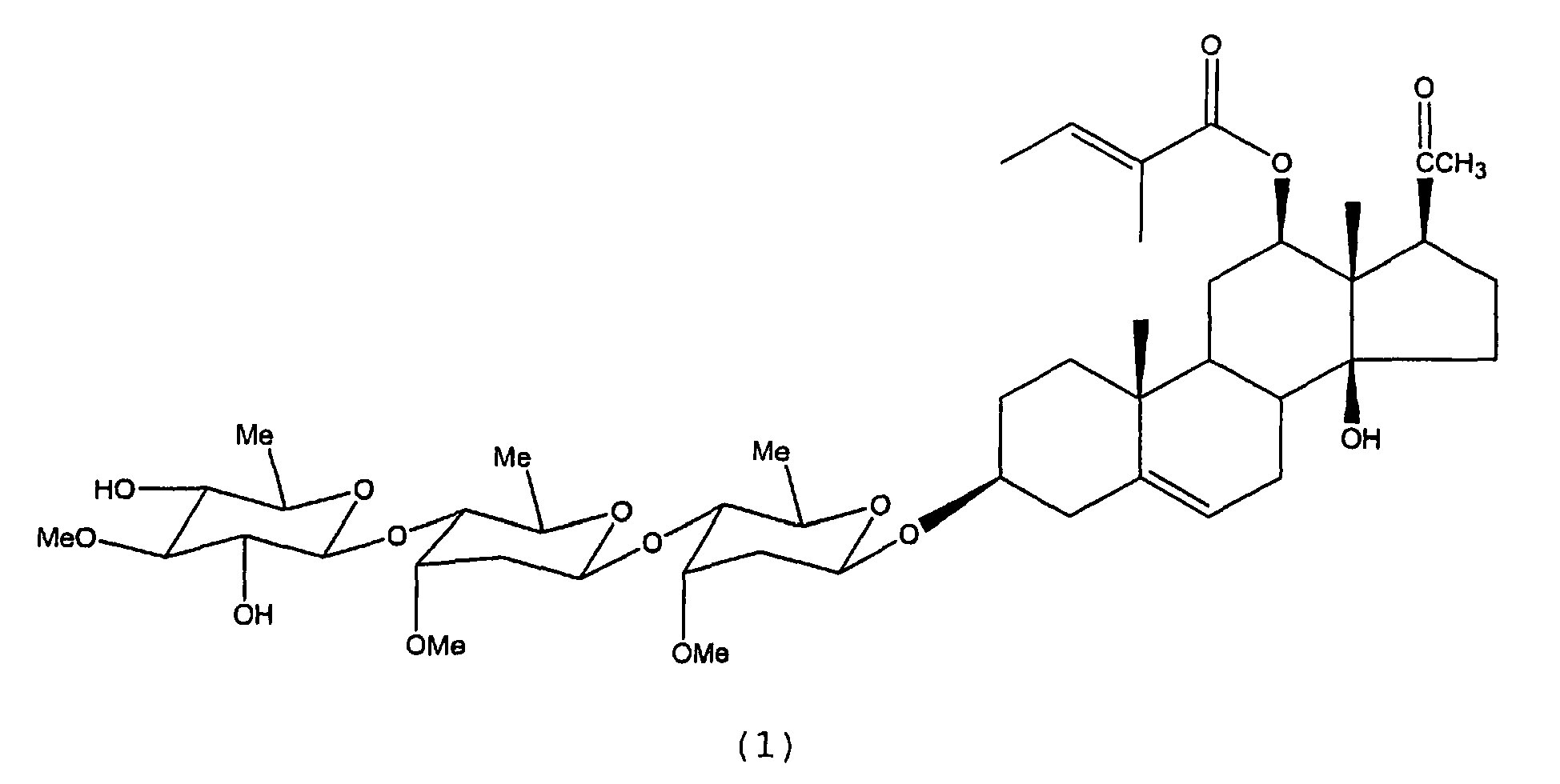
- For example, the appetite of a human may be suppressed.
- The extract may, for example, be obtained by a process including the steps of treating plant material with a solvent to extract a fraction having appetite suppressant activity, separating the extraction solution from the rest of the plant material, removing the solvent from the extraction solution and recovering the extract.
- The extract may, for example, be obtained by a process including the steps of pressing plant material to separate sap from solid plant material and recovering the sap free of the solid plant material to form the extract.
- The plant of the genus Trichocaulon or the genus Hoodia may, for example, be selected from the species Trichocaulon piliferum and Trichocaulon officinale and the plant of the genus Hoodia may, for example, be selected from the species Hoodia currorii, Hoodia gordonii and Hoodia lugardii.
- The plant may, for example, be selected from Hoodia currorii, Hoodia gordonii and Hoodia lugardii. For example, the plant may be selected from Hoodia gordonii and Hoodia lugardii. In one example, the plant is Hoodia gordonii.
- The extract from the said plant may, for example, be an extract where substantially all of the non-active impurities have been removed.
- The process may, for example, include the step of concentrating the active agent in the extracted material by further extraction with a solvent.
- The solvent in the solvent extraction step or steps of the process may, for example, be one or more of methylene chloride, water, methanol, hexane, ethyl acetate or mixtures thereof.
- The process may, for example, include the step of concentrating the active agent in the extracted material by chromatographic separation. The chromatographic separation may, for example, employ one or more of chloroform, methanol, ethyl acetate, hexane or mixtures thereof as an eluant. The process may, for example include carrying out the chromatographic separation on a column, collecting the eluate in fractions from the column, evaluating the fractions to determine their appetite suppressant activity, and selecting the at least one fraction containing the appetite suppressant agent.
- In the process for obtaining the said extract, the extract may, for example, be processed to form a free-flowing powder. For example, the extract may be dried to remove moisture, e.g. by spray drying, freeze-drying or vacuum drying, to form a free-flowing powder.
- The appetite suppressant agent of formula (1) may, for example, be obtained as an isolated compound (natural chemical) from the said plant, namely a plant of the genus Trichocaulon or the genus Hoodia, for example a plant of the species Trichocaulon piliferum or Trichocaulon officinale or of the species Hoodia currorii, Hoodia gordonii or Hoodia lugardii.
- The compound of formula (1) may, for example, be isolated and/or purified from the said plant, for example a plant of the species Trichocaulon piliferum or Trichocaulon officinale or of the species Hoodia currorii, Hoodia gordonii or Hoodia lugardii.
- The compound of formula (1) may, for example, be isolated and/or purified from an extract derived from the said plant, for example a plant of the species Trichocaulon piliferum or Trichocaulon officinale or of the species Hoodia currorii, Hoodia gordonii or Hoodia lugardii.
- The composition may, for example, be a foodstuff or a beverage.
- The appetite suppressant agent may for exemple be an isolated natural chemical of the formula:

- The appetite suppressant composition or formulation may consist of the appetite suppressant agent admixed with a pharmaceutical excipient, diluent or carrier. Other suitable additives, including a stabilizer and such other ingredients as may be desired may be added.
- A method of suppressing an appetite by administering to a human or animal an effective dosage of a composition as described above is thus enabled.
- The invention thus enables use of an extract obtained from plant material of the Trichocaulon or Hoodia genus and containing a substantially pure steroidal glycoside of formula (1).
- The invention also enables use of a foodstuff or a beverage containing an effective quantity of the steroidal glycoside of the formula (1) to have an appetite suppressant effect when ingested.
- Molecular genetic studies have led to a considerable increase in the understanding of the regulation of appetite, satiety and bodyweight. These studies have revealed numerous central regulatory pathways, mediated by a number of neuropeptides. The maintenance of a normal body weight is achieved by an intricate balance between energy intake, food consumption, and energy expenditure. Energy homeostasis is subject to a wide range of influences, ultimately controlled by the brain. The different signals include such things as sense of smell and taste and gastro-intestinal signals such as distension of the gastro-intestinal tract, chemical signals to the gastric mucosa and blood-borne metabolites such as fatty acids and glucose.
- Centrally, neuropeptide "Y" (NPY) which is negatively regulated by leptin, has been established as one of the positive regulators of feeding behaviour. Expression of the endogenous antagonist for melanocortin receptors has also been shown to be the basis for obesity in a particular model (the ob/ob mouse). Indeed deficiency at the MC4 melanocortin receptor completely replicates the obesity syndrome. Other mediators which have been shown to have roles in the energy balance include bombesin, galonin and glucagon-like peptide-1.
- The invention and its efficacy will now be further described
-
-
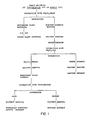
Figure 1 shows a flow diagram of a general method of extracting a first crude appetite suppressant extract and a purified appetite suppressant extract from plant material of the genus Trichocaulon or Hoodia; -
Figure 2 shows a graphical representation of a bioassay carried out on rats using a partially purified methanol extract of Trichocaulon piliferum; -
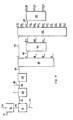
Figures 3 and4 together show a schematic representation of a process for producing an extract of plant material of the genus Trichocaulon or Hoodia; and -
Figures 5 and6 show a graphical representation of the percentage change of body mass of rats for different groups for days -7 to 7 anddays 0 to 7 respectively in a repeat dose study using a sap extract and a spray-dried sap extract of plant material of the species Hoodia gordonii. - The general method of extracting a first crude appetite suppressant extract and a purified appetite suppressant extract from plant material of the genus Trichocaulon or of the genus Hoodia is illustrated by way of the flow diagram of
Figure 1 . - Bioassays carried out on rats using a partially purified methanol extract obtained in the manner illustrated in Example 1, indicated that the extract does in fact exhibit appetite suppressant activity. The appetite suppressant activity of the active extract can be illustrated by way of a typical example of the effect of the methanol extract of Trichocaulon piliferum on rats, by way of the graphic representation in
Figure 2 . - It will be evident from
Figure 2 that the test group of rats dosed with the extract onday 5 displayed a substantially diminished food intake over the next two days, while a control group did not disclose a comparable reduced food intake. The food intake of the test group returned to normal, and in fact increased, fromday 8 onwards. - A process for producing an extract having appetite suppressant activity is illustrated schematically by way of example in
Figures 3 and4 , which two Figures together illustrate the comprehensive process. However, various other procedures may be used, as will be understood by persons skilled in the art. - Referring to
Figure 3 , plant material of the genus Trichocaulon or the genus Hoodia is fed into ablender 3, eg a Waring blender, by way offeedline 1, with a solvent in the form of a methylene chloride/methanol solution introduced viafeedline 2. The homogenised product is fed vialine 4 into aseparation stage 5, eg in the form of a filter or centrifuge, and the residual plant material is removed via line 27. - The solvent/extract mixture is fed via
line 6 into anevaporation stage 7, where the solvent is removed, for example by means of a rotor evaporator. The dried crude extract is fed vialine 8 into afurther extraction stage 9 with the addition of a methylene chloride/water solution introduced viafeedline 29 for further extraction, and then to aseparation stage 13 by way ofline 11, where the water fraction is removed vialine 31. The dissolved extract fraction is fed vialine 15 into adrier stage 17 where the solvent is evaporated, for example by a rotor evaporator. - Referring to
Figure 4 , the dried extract is fed vialine 10 into anextraction stage 12. A methanol/hexane solution is also fed vialine 14 into theextraction stage 12 for further purification and extraction of the dried extract. The extract/methanol/hexane mixture is fed vialine 16 into aseparation stage 18, the hexane fraction is removed vialine 20, and the methanol/extract mixture is then fed vialine 22 into a dryingstage 24. In the dryingstage 24, the solvent is removed, eg by evaporation on a rotor evaporator. - The dried, partially purified active extract is fed via
line 26 and with the addition of methanol vialine 28 into asolution stage 30, and the dissolved fraction is fed vialine 36 to achromatography column 38. - In the
column 38 the methanol soluble fraction is further fractionated, using silica gel and a chloroform/30% methanol solvent, into different fractions schematically indicated as fractions I to V. According to an actual fractionation procedure carried out by the Applicant, the fractionation procedure yielded the following fraction weights : I(3.9 g); II(2.6 g); III(2.1 g); IV(1.1 g) and V(2.0 g). These fractions are individually evaluated by a suitable bioassaying procedure (in a step not shown) and those fractions identified as fractions I and II, displaying marked appetite suppressant activity, are fed byfeedlines columns - The sub-fractions II(A) - (C) obtained from
column 44 do not, when assayed, display a noteworthy appetite suppressant activity, and may be recycled for further chromatography. - The sub-fractions I(A) - (L) obtained from
column 46 are also evaluated (by an assaying step not shown), and the sub-fraction I(C) is found to have marked appetite suppressant activity. - The sub-fraction I(C) is fed via
line 48 intocolumn 50 for a further fractionation and purification, using silica gel and a 9:1 ethyl acetate:hexane eluent. Of the resultant purified fractions, fraction I(C) (ii) is found, after assaying, to possess marked appetite suppressant activity. - The purified product is identified by nuclear magnetic resonance spectroscopy (as indicated in Tables 1 and 2 below), to be compound (1).
Table 1: 1H (300.13 MHz) n.m.r. data for compound (1) CDCℓ3 Compound (1) Hydrogen Atom J(HH)/Hz δH/p.p.m. Aglycone-3 - 3.522 m 6 - 5.381 m 12 11.5, 4.1 4.607 dd 17 9.3, 9.3 3.157 dd 18 - 1.029 s 19 - 0.951 s 21 - 2.164 s 3* 7.1, 1.5 6.888 4* 7.1, 1.2 qq 1.806 dq 5* 1.6, 1.2 1.853 dq Cym-1' 9.4, 2.1 4.816 dd 2'aq 13.8, 3.7, 2.1 2.055 ddd 2' ax 13.8, 9.4, 2.6 1.552 ddd 3' 3.7, 2.9, 2.6 3.776 ddd 4' 9.4, 2.9 3.179 dd 5' 6.3, 9.4 3.821 dd 6' 6.3 1.279 da 3'-OMe - 3.408 sd 1" 9.4, 2.1 4.730 dd 2" 13.8, 3.7, 2.1 2.108 ddd 2"aq 13.8, 9.4, 2.6 1.601 ddd 3"ax 3.7, 2.9, 2.6 3.755 ddd 4" 9.4, 2.9 3.239 dd 5" 6.3, 9.4 3.898 dd 6" 6.3 1.243 db 3"-OMe - 3.392 se Thev-1''' 7.7 4.273 d 2''' 7.7, 8.0 3.469 dd 3''' 8.0, 2.9 3.099 dd 4''' 9.3, 2.9 3.179 dd 5''' 6.3, 9.3 3.351 dd 6''' 6.3 1.183 d'c 3"'-OMe - 3.622 s a,b,c in each column may be interchangeable. d,e in each column may be interchangeable,
• Refers to the tigloate group atomsTable 2: Relevant 13C (75.25 MHz) n.m.r. data for Compound (1) in CDCℓ3 Aglycone moiety Sugar moiety Carbon δC/p.p.m. Carbon δC/p.p.m. 1 37.04 T cym- 1' 95.84 D 2 29.44 T 2' 35.57 T 3 77.24 D 3' 77.05 D 4 38.62 T 4' 82.57 D 5 138.95 S 5' 68.48 D 6 131.90 D 6' 18.14 Q 7 27.30 T 3'-OMe 57.93 Q 8 35.30 D 1" 99.54 D 9 43.04 D 2" 35.17 T 10 37.22 S 3" 76.99 D 11 26.04 T 4" 82.52 D 12 75.88 D 5" 68.30 D 13 53.71 S 6" 18.36 Q 14 85.69 S 3"-OMe 57.09 Q 15 34.36 T Thev- 1''' 104.28 D 16 24.31 T 2''' 74.62 D 17 57.18 D 3''' 85.30 D 18 9.85 Q 4''' 74.62 D 19 19.27 Q 5''' 71.62 D 20 216.85 S 6''' 17.75 Q 21 33.01 Q 3'''-OMe 60.60 Q 1 * 167.60 S 2 * 128.69 D 3 * 137.66 D 4 14.41 Q 5 * 12.08 Q * Refers to the tigloate group atoms - IR data: 3440 cm-1 (OH), 2910 cm-1 (CH), 1700 cm-1 (C=0) [αD]20 589 = 12,67° (C=3, CHCl3)
m.p. 147°C - 152°C - The results of the following three bioassays on the appetite suppressant are set out below, viz.
- a) Irwin Test;
- b) Acute Toxicity Test; and
- c) Oral Dose Anorectic Test.
- The purpose of this test was to evaluate the appetite suppressant of the invention produced from a plant extract as hereinbefore described, according to the reduced animal Irwin test for tranquillising and sedative action.
- The appetite suppressant was extracted from plant material by the Applicant by the method as hereinbefore described and administered to two of four groups of three animals each: one group receiving no treatment, one group receiving the solvent dimethylsulfoxide (DMSO), one group receiving the test sample at 50 mg/kg, and one group receiving the test sample at 300 mg/kg. Treatment took place by intraperitoneal injection, and observations were made at specific intervals up to five hours post treatment. Only symptoms other than those observed in the DMSO-treated animals were used in the interpretation of the results.
- It was clear that the solvent, DMSO, had a marked effect on the animals, especially on the heat regulating mechanism. Body temperatures of all the animals treated with the solvent, alone or together with the test sample, showed a marked drop.
- Animals in the low dose group showed decreased dispersion in the cage and decreased locomotor activity, as in all the other groups, including the control group. Apathy was seen in the same degree as in the DMSO-treated group. Decreased respiration was observed 15-60 minutes after treatment. Ptosis (closing of the eyelids) was also observed to a larger degree than in the DMSO group. A pinna (ear) response was seen as well as a positive finger response, indicating fearfulness. Body temperature dropped to 32,7°C after treatment.
- Animals in the high dose group showed as in the other groups an initial decreased dispersion in the cage and decreased locomotor activity, but showed increased dispersion and locomotor activity before death, which occurred approximately 1 hour after treatment. Severe clonic symmetrical convulsions occurred 30 minutes after treatment. Respiration decreased initially, but increased before death. A pinna (ear) response was delayed and a positive finger response was observed, indicating fearfulness, both as observed in animals in the low dose group. Body temperature dropped to 30,7°C after treatment. Increased positional passivity was observed as well as decreased body tone. Abnormal limb rotation was observed, the grip strength decreased, no pain response was present and loss of righting reflex occurred.
- When compared with the control and DMSO-treated animals, animals receiving the low dose (50 mg/kg) only showed decreased respiration and an increased degree of ptosis. Animals receiving the high dose (300 mg/kg) of the test sample reacted very intensely by showing convulsions and death. All other observations made in these animals can be ascribed to the animals being in convulsions and dying. Signs suggestive of tranquillising and sedative actions such as marked decreased dispersion in the cages, decreased locomotor activity and apathy in the test groups that could be ascribed to the test sample were not seen.
- It can therefore be concluded that the test sample is lethal to mice at 300 mg/kg and has respiratory suppressive effects on mice at 50 mg/kg, when given intraperitoneally with DMSO as solvent.
- The purpose of this test was to gain information on the toxicity of the test sample.
- A plant extract prepared in accordance with the invention as hereinbefore described, and having appetite suppressive action was purified and one test sample was tested at increasing doses by oral treatment in mice. Two animals were used per dose group, except in the highest dose group where only one animal was treated. Animals were examined for good health and their body masses determined on the day of treatment.
- Doses ranged from 100 mg/kg up to 3 028,5 mg/kg. The dose was calculated and mixed into prepared potato starch, so that each animal received a total dose of 0,2 ml.
Animal 13 received 0,25 ml. Potato starch was prepared by mixing 20 g starch into a small volume of cold water, and adding it to boiling water, to make up a volume of 1 litre. The suspension was allowed to cool to room temperature before dosing. - Animals in
groups
They were observed for 24 hours and if no signs of toxicity developed, the next group was treated. The same approach was followed until all the animals were treated. This schedule was followed to ensure that animals were not unnecessarily treated when an acute toxic dose had been reached in the previous group. - Animals were observed for clinical signs of toxicity immediately (1-2 hours) after treatment and daily thereafter. Body mass was determined once a week and total food and water intakes of each animal were measured.
- Surviving animals were euthanased by intraperitoneal injection of pentobarbitone sodium (commercially available under the trade name Euthanaze, CentaurR) on
day 14 of the experiment. A post-mortem examination was performed on these animals, as well as on the one animal which died during the experiment. Samples for histopathology were collected. - No clinical signs of toxicity were observed during the 14-day observation period. Food and water intakes were within the normal parameters. Changes in body mass were also within normal parameters. No histopathological changes were recorded in the liver samples.
- No clinical signs of toxicity were observed during the observation period. Food and water intakes were normal and changes in body mass over the observation period were also normal. No macroscopical pathology was observed and no histopathological or morphological changes were recorded in the liver samples.
- Animals in this group showed no clinical symptoms of toxicity during the experiment. Food and water intakes were normal, as was the change in body mass. No macroscopic pathology was observed, but the livers showed histopathological changes on examination. Cloudy swelling of the hepatocytes was mild in
animal 6, but moderate inanimal 5. Moderate hydropic degeneration also occurred in the hepatocytes ofanimal 5. - No clinical signs of toxicity were observed during the observation period, and no macroscopic pathology was observed during the post-mortem examination. Moderate cloudy swelling and mild hydropic changes of the hepatocytes were observed on histology.
- Water and food intakes and the increase in body mass in
animal 7 were normal.Animal 8 consumed almost double the total food intake of animal 7 (144,6 g and 73,9 g respectively), but the increase in body mass was only 0,81 g compared to 2,7 g. - One animal (animal 10) died three hours after dosing without showing any specific signs. The other animal (animal 9) survived the entire observation period without any signs of toxicity. Water intake in the surviving animal was normal (42,42 ml), while food intake was high (134,2 g). The body mass increased by 2,85 g which was the highest of all animals in the experiment.
- At the post-mortem examination of
animal 10, which died shortly after oral dosing, the lungs were congested. No foreign body reaction which would have indicated inhalation of test material was present. No macroscopic pathology was observed inanimal 9. Mild cytoplasmic vacuolisation (hydropic degeneration) was present inanimal 10, but moderate inanimal 9. The glandular cytoplasmic appearance of the liver was classified as moderate in both animals. - None of the animals presented any clinical signs of toxicity during the duration of the experiment. No macroscopic pathology was observed at post-mortem examination, but moderate degenerative changes in the liver of
animal 11 were observed at histopathological examination.Animal 12 showed moderate cloudy swelling and mild hydropic changes of the hepatocytes. Food and water intakes were normal, as was the increase in body mass over the experimental period. - Only one animal was treated at this dose. This animal showed no signs of toxicity during the observation period, and no macroscopic pathology was observed. At histopathological examination, moderate cloudy swelling and hydropic degeneration of the hepatocytes was observed. The animal showed a loss of body mass over the observation period (-0,82 g), but food and water intakes were normal.
- Since a very small number of animals were used in each dose group, it is difficult to make any conclusions. The fact that only one animal died at a low dose rate, without showing any symptoms, might indicate that death was not related to the test sample, but due to stress during and/or after treatment. No animals in higher dose groups died or showed any signs of toxicity, which further supports this assumption.
- The increased food intake observed in
animal 8 could possibly be ascribed to excessive spillage of food as was reflected in the small increase in body mass. It should be kept in mind that all the animals in this experiment were only treated once, and that it is unlikely that an appetite suppressor will have a marked influence on either the food or water intakes, or body mass over a 14 day period, as was the case in this experiment. - From the histopathological examination of the liver samples, it was clear that the pathological changes were dose related, with animals receiving higher doses showing the extensive changes. The pathology observed was not metabolic of nature, but possibly test sample-induced. The changes were only degenerative and therefore reversible. No signs of irreversible hepatocellular changes were observed.
- It can, therefore, be concluded that only one animal died at a lower dose (800 mg/kg), but that the death was possibly not test sample related. None of the other animals in any of the dose groups showed any signs of toxicity during the 14 day observation period after treatment, or died as result of the treatment. A single oral dose of the test sample induced reversible dose-related hepatocellular changes.
- The purpose of this test was to determine the activity of a plant extract prepared in accordance with the invention, and the minimum effective dose, and at the same time investigate any possible side-effects such as respiratory suppression, as experienced in the Irwin Test (referred to above).
- Animals were allocated to treatment groups using randomisation tables. Each treatment group consisted of three animals, with 6 animals in the control group. The test sample was dosed to young female rats with body weight 100-150 g at acclimatisation, for three consecutive days. Animals were identified by means of metallic ear tags and KMnO4 skin markings for easy identification. Animals were housed individually in standard rodent polycarbonate cages, and water and powdered commercial rodent pellets were available ad libitum. Water and food intakes were measured and calculated for each day. In order to find the minimum effective dose of the test sample, five doses were tested.
Treatment was by oral gavage, with the test sample suspended in potato starch. - The test substance was compound (1), a white granular powder prepared from an extract from plant material in accordance with the invention, and the measured quantity of the test sample was mixed with prepared potato starch and dosed. Mixing with potato starch took place immediately before dosing on each day. Before withdrawal of the dosing volume for each animal, the suspensions were mixed thoroughly using a Vortex.
- A range of five doses was tested, with a control group receiving only the carrier substance. Doses were chosen on the basis of the effects observed in the aforedescribed Irwin Test and were:
Group 1: 0,00 mg/kg (Control Group) Group 2: 6,25 mg/kg Group 3: 12,50 mg/kg Group 4: 25,00 mg/kg Group 5: 37,50 mg/kg Group 6: 50,00 mg/kg - Treatment did not affect the health of the animals during the study period. Animals treated with the test sample in all dose groups, showed a significantly reduced mean body mass gain over the total study period, and animals in three of the five treatment groups actually lost body mass.
- Mean food intakes for all the treatment groups were reduced over the study period. Animals in the higher dose groups showed an increased water consumption.
- Respiratory rate in none of the animals in any dose group was significantly effected.
- Animals in all dose groups presented with friable livers at post-mortem examination, but no macroscopic pathology was observed.
- Data collected during the acclimatisation period confirmed that all animals included in the experiment were healthy and body mass gain was comparable between the animals.
- The reduction, and in some animals even a loss, in body mass gain, in combination with the reduced food intake is strongly indicative of suppression of the appetite centre.
- Reduced food intake and reduced body mass gain was experienced even with the lowest dose group (6,25 mg/kg).
Actual loss in body mass was experienced in the 12,50 mg/kg group. - It is important to note that the treatment groups all had an increased water consumption when feed consumption decreased (
Figure 2 ). This could be due to a diuretic effect of the test sample, or to stimulation of the thirst centre in the brain. - The fact that no respiratory suppression occurred as had been observed in the acute toxicity test referred to above, with the intraperitoneal route, is seen as a positive aspect. This could be due to reduced absorption from the gastrointestinal tract, with consequent reduced bioavailability. The bioavailability at the oral doses tested was, however, sufficient for the test sample to be effective. The slight reduction in
respiratory rate 1 hour post treatment in most groups could be ascribed to filling of the stomach with the dose volume and consequent passivity of the animals. - The friable livers observed in the treatment groups could be due to a change in the energy metabolism secondary to the reduced food intake, causing increased fat metabolism and overload on the liver. If this was indeed the case, these changes could possibly be regarded these changes as transitory which might recover with time after a steady state had been reached, or after withdrawal of the test sample. The possible effect on the liver also needs further investigation.
- Since this study was intended primarily as a screening test, small groups of test animals were used. This makes statistical interpretation of the data difficult, especially where individual animals react totally differently. However, the data indicates that the test sample has appetite suppressive action, even at the lowest dose tested (6,25 mg/kg). No clinical signs of respiratory suppression occurred at the doses tested.
- Harvested Hoodia plants received either from the natural environment or through a cultivation programme are first stored at 4°C for a maximum of 48 hours. The plants are washed in tap water and thereafter sliced into ± 1 cm slices. The sliced pieces are all combined and then pressed through a hydraulic press at 300 bar pressure for a minimum of 0.5 hour per pressing. During the pressing the sap of the plant is collected separately. The sap is stored at -18°C until further processing is required.
- The sap is spray-dried under suitable conditions to obtain a free flowing powder. The moisture content in the powder is preferably less than 5% after spray drying and, if necessary, it is further dried in a vacuum oven or using a fluid bed drier.
- Both the sap and the spray-dried material have been shown effective as an appetite suppressant in biological assays in rats.
- 50 kg of Hoodia gordonii plants were washed with tap water and thereafter sliced into 1 cm slices. The sliced plants were then pressed through a hydraulic press at 300 bar for a minimum of 0.5 hour per batch. The sap was collected and the mass was found to be 10 kg when Hoodia gordonii plants from the environment were used, and 20 kg when Hoodia gordonii plants from the cultivation programme was used.
- The sap (500 g) was spray-dried using the following conditions:
Flow rate : 2.85 ml/min Inlet temperature : 110°C Outlet temperature : 70°C Chamber temperature : 78°C - The spray dried powder was analysed for active ingredient concentration using HPLC techniques. The concentration of the active was determined to be 13 g/kg of spray dried powder.
-
Eluant : Acetonitrile: isocratic water (7:3), Column : Reverse phase C-18 UV absorbance : 225 nm Flow rate : 1 ml/min Injection volume : 10µl - Spray-dried powder (10 mg) was dissolved in water (0.5 ml) and acetonitrile (0.5 ml) 10µl of this solution was injected into the HPLC and the concentration of the active compound (1) was determined using a standard curve which was prepared from the pure compound (1).
- The results of a study designed to assess the possible anorectic effects of compound (1) in the rat are presented below. In the following, the samples tested are pure sap (Sample 1), spray-dried sap (Sample 2) and active moiety (Sample 3).
Samples sample 3 is solvent-extracted compound (1) of ≥ 95% purity. -
Sample 1 to 3 were each administered as a single oral dose to male Wistar rats. Two additional control groups received vehicle (distilled water or DMSO). Orally administered fenfluramine (7.5 mg/kg) was included as a reference standard. - Sample 1 (pure sap) administered orally, produced dose-dependent reductions in food consumption which were statistically significant at doses of 1600 mg/kg and above when compared with vehicle-treated controls. Concomitant reductions in bodyweight (or growth rate) were also recorded. On the day of dosing, statistically significant increases in water consumption were recorded at 3 hours post-dose (6400 and 10000 mg/kg) and 6 hours post-dose (10000 mg/kg). Between 24 and 48 hours post-dose, statistically significant reductions in water consumption were recorded at doses of 3200 mg/kg and above.
- Sample 2 (spray-dried sap) administered orally at 76 mg/kg also produced statistically significant reductions in food consumption and bodyweight when compared with vehicle-treated animals. No statistically significant effects on water consumption were recorded.
- Sample 3 (active moiety) produced statistically significant reductions in food consumption at an oral dose of 5.0 mg/kg. No statistically significant effects on bodyweights were produced by the active moiety although examination of the data revealed a slight delay in growth when compared with vehicle-treated control animals. No statistically significant effects on water consumption were recorded.
- The reference standard, fenfluramine (7.5 mg/kg), produced statistically significant reductions in food consumption at 6 and 24 hours post-dose when compared with the relevant vehicle-treated control group. No statistically significant effects on water consumption or bodyweight were recorded.
- No treatment-related effects on the livers were recorded.
TEST SUBSTANCE Identity Sample 1 (pure sap) Sample 2 (spray-dried sap) Sample 3 (active moiety) Appearance Brown liquid Powder White powder Storage conditions -20°C in the dark Room temperature in the dark 4°C in the dark Purity Pure sap Pure spray-dried sap ≥ 95% Vehicle Distilled water Distilled water Dimethylsulphoxide (DMSO) - Fifty-five male Wistar rats were used for the study.
- Bodyweights, food consumption (food hopper weight) and water consumption (bottle weight) were recorded daily at the same time each day from the day of arrival until the termination of the study.
- On
Day 1, the rats received a single oral (gavage) dose according to the following table:Group n Oral treatment Dose (mg/kg) 1 5 Vehicle (distilled water) - 2 4 Sample 1 (pure sap) 800 3 5 Sample 1 (pure sap) 1600 4 5 Sample 1 (pure sap) 3200 5 5 Sample 1 (pure sap) 6400 6 5 Sample 1 (pure sap) 10000 7 5 Sample 2 spray-driedsap 38 8 5 Sample 2 spray-dried sap76 9 5 Sample 3 (active moiety) 2.5 10 5 Sample 3 (active moiety) 5.0 11 3 Fenfluramine 7.5 12 3 Vehicle (DMSO) - - Food and water consumption were also measured at 1,3 and 6 hours after dosing on
Day 1. - Following the measurements of
Day 8, the animals were killed by carbon dioxide asphyxiation, and the livers excised and placed in 10% buffered formalin, prior to histology. Paraffin wax sections of each liver were taken at 4 - 5 µm and stained with haematoxylin and eosin. Additional sections were cut on a cryostat at 12 µm and stained for fat with Oil Red O (ORO). - The post-dose food and water consumption measurements and bodyweights at each time-point for the P57-treated animals were compared with those for the relevant, similarly-treated vehicle control group using analysis of variance followed by Williams' test for comparisons with controls.
- The data for the fenfluramine-treated animals was compared with that for the vehicle-treated control group using Student's t test.
- The results are summarised in the tables.
- Sample 1 (pure sap) administered orally produced marked, dose-related reductions in daily food consumption. The duration and amplitude of these reductions in food consumption were dose-dependent. At 24 hours post-dose, Sample 1 (pure sap) produced statistically significant reductions in food consumption at doses of 1600 mg/kg and above when compared with vehicle-treated controls. The highest dose of Sample 1 (sap) (10000 mg/kg) produced statistically significant reductions in food consumption on a daily basis up to 5 days post-dose.
- Sample 2 (spray-dried sap) and Sample 3 (active moiety) produced marked and statistically significant reductions in food consumption at oral doses of 76 and 5.0 mg/kg respectively. In both cases the effects lasted 48 hours post-dose.
- The reference standard, fenfluramine (7.5 mg/kg, p.o.) produced statistically significant reductions in food consumption at 6 and 24 hours post-dose when compared with the relevant vehicle-treated control group (Group 12).
- Sample 2 (spray-dried sap) and Sample 3 (active moiety) produced no marked, dose-related effects on water consumption. On the day of dosing, the pure sap produced statistically significant increases in water consumption at 3 hours post-dose (6400 and 10000 mg/kg) and 6 hours post-dose (10000 mg/kg). Two days after dosing however, statistically significant decreases in water consumption were recorded in animals receiving Sample 1 (sap) at 3200, 6400 and 10000 mg/kg. These reductions however, were not clearly dose-related and only occurred between 1 and 2 days post-dose. The biological significance of these effects therefore remains unclear.
- Sample 1 (pure sap) produced dose-related, statistically significant effects on bodyweights when compared with the vehicle-treated control group (Group 1). When administered orally at doses of 3200 mg/kg and above, Sample 1 (pure sap) produced statistically significant reductions in bodyweight or decreased growth rates when compared with vehicle-treated animals. These effects were statistically significant from 48 hours post-dose until the end of the study.
- Sample 2 (spray-dried sap) administered orally at 76 mg/kg also produced statistically significant reductions in growth of the animals when compared with the vehicle-treated control group (Group 1). These effects were statistically significant between Days 3 (48 hours post-dose) and 5 inclusive.
- Although Sample 3 (active moiety) appeared to delay the growth of the animals at the highest dose (5.0 mg/kg) when compared with the relevant vehicle-treated control group (Group 12), this effect was not statistically significant.
- Fenfluramine, (7.5 mg/kg) produced no marked or statistically significant effects on water consumption or bodyweights when compared with the vehicle-treated control group (Group 12).
- No treatment-related effects on the livers were recorded.
TABLE 1a Effects of oral administration on food consumption in the rat (daily pre-dose data) Group Oral treatment Dose (mg/kg) Group mean food consumption (g ± sd) between Days: -6
--5-5
--4-4
--3-3
--2-2
--11 Vehicle (water) - 27.8 ± 1.54 24.2 ± 1.83 27.6 ± 3.67 28.3 ± 3.50 29.4 ± 2.66 2 Sample 1 sap 800 28.3 ± 1.43 24.9 ± 0.82 27.7 ± 0.76 28.4 ± 1.51 30.1 ± 0.27 3 Sample 1 sap 1600 29.0 ± 1.39 25.0 ± 2.16 27.4 ± 1.96 28.8 ± 0.61 29.5 ± 1.55 4 Sample 1 sap 3200 27.2 ± 2.33 25.1 ± 2.46 26.0 ± 2.52 28.5 ± 2.29 27.6 ± 1.15 5 Sample 1 sap 6400 28.7 ± 1.64 25.3 ± 1.73 27.3 ± 1.45 29.2 ± 1.09 30.3 ± 0.90 6 Sample 1 sap 10000 28.5 ± 2.38 23.7 ± 2.73 26.0 ± 2.31 27.0 ± 3.50 28.7 ± 2.26 7 Sample 2 spray-dried 38 28.1 ± 1.24 23.9 ± 1.79 24.5 ± 2.30 27.6 ± 1.61 28.5 ± 1.87 8 Sample 2 spray-dried 76 28.7 ± 0.91 26.5 ± 1.55 27.1 ± 1.01 28.7 ± 1.99 28.9 ± 1.37 9 Sample 3 active moiety 2.5 28.8 ± 1.49 26.4 ± 3.12 29.0 ± 1.99 29.4 ± 1.76 29.5 ± 2.81 10 Sample 3 active moiety 5.0 28.3 ± 2.1 25.8 ± 1.86 28.1 ± 2.65 28.0 ± 2.65 28.5 ± 3.03 11 Fenfluramine 7.5 29.1 ± 0.66 25.3 ± 4.03 27.0 ± 1.53 30.8 ± 0.54 29.7 ± 2.84 12 Vehicle (DMSO) - 27.9 ± 1.8 26.7 ± 2.11 28.7 ± 1.99 28.1 ± 4.06 30.5 ± 2.54 sd Standard deviation TABLE 1b Effects of oral administration on food consumption in the rat (daily post-dose data) Group Oral treatment Dose (mg/kg) Group mean food consumption (g ± sd) between Days: 1-2 2-3 3-4 4-5 5-6 6-7 7-8 1 Vehicle (water) - 29.5 ± 3.15 29.6 ± 2.84 30.6 ± 3.49 31.8 ± 3.21 30.7 ± 2.24 31.7 ± 3.03 32.9 ± 3.18 2 Sample 1 sap 800 26.1 ± 0.98 29.3 ± 1.49 30.7 ± 1.15 30.9 ± 0.60 33.3 ± 1.69 32.7 ± 0.80 40.1 ± 13.40 3 Sample 1 sap 1600 22.6** ± 3.17 26.9 ± 2.06 30.9 ± 2.54 30.9 ± 1.22 34.1 ± 1.36 33.7 ± 1.69 33.8 ± 1.61 4 Sample 1 sap 3200 20.1 ** ± 1.39 19.0** ± 1.88 22.8** ± 1.77 28.0 ± 3.14 31.4 ± 2.82 32.3 ± 2.91 33.0 ± 3.01 5 Sample 1 sap 6400 18.2** ± 4.18 14.8** ± 1.75 18.4** ± 0.97 22.4** ± 3.01 26.9 ± 2.81 31.0 ± 2.31 32.0 ± 2.34 6 Sample 1 sap 10000 15.1** ± 2.98 12.4** ± 2.61 16.0** ± 3.15 19.7** ± 4.31 22.6* ± 5.70 30.1 ± 4.79 32.6 ± 5.90 7 Sample 2 spray-dried 38 25.6 ± 2.85 27.3 ± 0.95 30.3 ± 2.06 31.0 ± 2.13 31.8 ± 1.63 31.1 ± 1.94 31.8 ± 2.45 8 Sample 2 spray-dried 76 24.2* ± 3.25 25.2* ± 3.24 29.9 ± 1.85 30.2 ± 2.28 31.2 ± 2.26 32.3 ± 1.44 33.1 ± 0.61 9 Sample 3 active moiety 2.5 26.8 ± 3.33 29.1 ± 3.43 31.7 ± 3.08 34.0 ± 2.95 34.4 ± 4.32 33.1 ± 4.11 34.8 ± 3.71 10 Sample 3 active molety 5.0 22.1†† ± 2.19 21.0†† ± 3.07 27.6 ± 5.26 30.5 ± 3.33 33.0 ± 3.16 32.4 ± 3.25 33.0 ± 3.84 11 Fenfluramine 7.5 22.4† ± 3.19 31.9 ± 0.84 32.7 ± 2.50 33.0 ± 2.55 30.4 ± 0.23 32.7 ± 1.90 32.4 ± 1.60 12 Vehicle (DMSO) - 29.9 ± 3.36 30.6 ± 4.43 30.1 ± 4.17 32.4 ± 5.26 31.8 ± 3.08 32.8 ± 3.98 33.3 ± 3.76 sd Standard deviation
Groups 2 - 8 were compared with vehicle Group 1: *p<0.05, **p<0.01
Groups 9 - 11 were compared with vehicle Group 12: p<0.05, †† p<0.01TABLE 2a Effects of oral administration on water consumption in the rat (daily pre-dose data) Group Oral treatment Dose (mg/kg) Group mean water consumption (g ± sd) between Days: -6
--5-5
--4-4
--3-3
--2-2
--11 Vehicle (water) - 40.9 ± 4.61 34.8 ± 4.15 37.6 ± 5.63 33.5 ± 7.42 32.2 ± 6.32 2 Sample 1 sap 800 38.6 ± 1.96 37.1 ± 9.74 36.4 ± 4.81 28.1 ± 1.83 30.4 ± 4.75 3 Sample 1 sap 1600 43.4 ± 10.53 35.9 ± 3.84 38.4 ± 4.56 31.1 ± 4.47 36.5 ± 5.39 4 Sample 1 sap 3200 40.1 ± 5.58 33.3 ± 3.01 37.3 ± 4.46 31.3 ± 3.48 31.7 ± 3.18 5 Sample 1 sap 6400 43.8 ± 8.57 36.3 ± 9.02 35.4 ± 8.18 34.0 ± 6.62 35.1 ± 5.72 6 Sample 1 sap 10000 37.4 ± 5.34 32.7 ± 3.35 33.2 ± 4.86 29.0 ± 5.11 32.2 ± 3.27 7 Sample 2 spray-dried 38 40.0 ± 4.36 35.8 ± 4.92 34.7 ± 3.20 30.2 ± 1.88 31.4 ± 2.98 8 Sample 2 spray-dried 76 38.6 ± 1.98 37.0 ± 1.96 48.8 ± 21.5 31.6 ± 4.56 39.0 ± 17.27 9 Sample 3 active moiety 2.5 42.0 ± 6.70 37.0 ± 5.05 34.1 ± 3.16 28.0 ± 2.58 31.6 ± 3.12 10 Sample 3 active moiety 5.0 40.9 ± 4.48 34.2 ± 3.00 32.7 ± 1.26 28.2 ± 1.65 33.1 ± 4.82 11 Fenfluramine 7.5 47.0 ± 5.3 35.5 ± 7.49 34.7 ± 3.73 30.9 ± 2.12 31.6 ± 2.80 12 Vehicle (DMSO) - 43.3 ± 5.67 34.5 ± 4.97 35.2 ± 4.34 28.3 ± 4.64 31.4 ± 6.44 sd Standard deviation TABLE 2b Effects of oral administration on water consumption in the rat (daily post-dose data) Group Oral treatment Dose (mg/kg) Group mean water consumption (g ± sd) between Days: 1-2 2-3 3-4 4 - 5 5-6 6-7 7-8 1 Vehicle (water) - 34.9 ± 5.45 36.9 ± 6.06 38.0 ± 7.59 37.2 ± 6.18 37.7 ± 5.54 35.3 ± 2.86 36.5 ± 5.85 2 Sample 1 sap 800 30.9 ± 3.77 34.4 ± 8.12 38.2 ± 13.71 35.9 ± 13.51 39.5 ± 11.20 28.8 ± 1.22 31.8 ± 5.58 3 Sample 1 sap 1600 29.2 ± 1.66 31.7 ± 5.35 41.3 ± 11.21 34.6 ± 4.10 48.1 ± 12.27 37.8 ± 7.28 36.9 ± 9.28 4 Sample 1 sap 3200 35.9 ± 5.88 26.2* ± 2.66 30.5 ± 2.44 34.1 ± 4.80 45.8 ± 18.54 51.0 ± 35.21 42.6 ± 13.88 5 Sample 1 sap 6400 33.4 ± 12.04 27.4* ± 8.13 32.6 ± 10.67 35.4 ± 10.78 45.2 ± 8.72 36.2 ± 6.72 35.9 ± 9.58 6 Sample 1 sap 10000 31.7 ± 12.74 28.5 * ± 8.85 32.4 ± 8.87 36.6 ± 6.50 40.7 ± 11.51 38.0 ± 6.66 37.5 ± 6.21 7 Sample 2 spray-dried 38 36.0 ± 6.02 34.5 ± 1.79 38.2 ± 7.16 39.6 ± 7.09 42.7 ± 9.74 45.6 ± 17.15 46.1 1 ± 9.49 8 Sample 2 spray-dried 76 45.0 ± 19.03 39.1 ± 16.89 46.9 ± 18.34 35.9 ± 3.40 41.9 ± 12.37 36.9 ± 8.47 38.1 ± 8.93 9 Sample 3 active moiety 2.5 32.2 ± 4.01 36.1 ± 12.42 38.3 ± 11.71 41.5 ± 16.60 34.7 ± 7.57 33.0 ± 4.20 35.3 ± 8.70 10 Sample 3 active moiety 5.0 33.9 ± 2.40 31.5 ± 8.12 35.1 ± 3.82 37.7 ± 5.99 39.5 ± 7.78 37.4 ± 11.07 37.8 ± 6.42 11 Fenfluramine 7.5 34.1 ± 3.60 37.2 ± 1.48 36.7 ± 3.92 33.8 ± 2.89 33.7 ± 5.43 32.1 ± 1.93 33.6 ± 2.50 12 Vehicle (DMSO) - 40.7 ± 9.10 33.8 ± 9.37 32.9 ± 7.07 35.2 ± 11.49 33.8 ± 9.82 32.3 ± 7.44 32.0 ± 7.22 sd Standard deviation *
Groups 2 - 8 were compared with vehicle Group 1: *p < 0.05
Groups 9 - 11 were compared with vehicle Group 12 (no significances)TABLE 3a Effects of oral administration on bodyweight in the rat (daily pre-dose data) Group Oral treatment Dose (mg/kg) Group mean bodyweight (g ± sd on Day: -6 -4 -3 -2 -1 1 Vehicle (water) - 130.9 ±5.56 150.7 ±5.37 157.3 ±5.29 168.1 ±6.20 177.5 ±6.70 2 Sample 1 sap 800 131.6 ±4.34 150.1 ±4.84 158.5 ±4.35 169.6 ±4.99 177.7 ±4.10 3 Sample 1 sap 1600 130.1 ±4.3 148.6 ±6.59 156.7 ±6.38 167.5 ±6.04 176.6 ±6.37 4 Sample 1 sap 3200 130.8 ±6.19 147.7 ±7.56 154.4 ±8.06 165.2 ±8.43 175.8 ±9.10 5 Sample 1 sap 6400 132.6 ±7.01 151.3 ±7.23 158.4 ±8.50 169.0 ±8.79 178.1 ±7.75 6 Sample 1 sap 10000 132.3 ±6.75 151.8 ±9.08 157.3 ±9.37 167.1 ±10.41 175.4 ±10.90 7 Sample 2 spray-dried 38 131.7 ±8.28 149.0 ±5.85 156.2 ±5.81 166.7 ±5.54 175.6 ±8.42 8 Sample 2 spray-dried 76 130.0 ±6.99 146.1 ±6.00 155.9 ±6.59 166.0 ±6.87 175.1 ±6.55 9 Sample 3 active moiety 2.5 132.6 ±7.63 148.9 ±8.51 157.3 ±8.91 169.8 ±8.96 179.4 ±8.71 10 Sample 3 active moiety 5.0 133.5 ±6.45 150.5 ±9.55 158.8 ±8.48 171.0 ±7.72 179.0 ±9.20 11 Fenfluramine 7.5 133.2 ±9.21 152.7 ±9.09 160.0 ±9.82 170.0 ±9.15 182.8 ±10.21 12 Vehicle (DMSO) - 129.1 ±3.17 147.3 ±4.37 155.0 ±6.29 166.0 ±5.91 174.8 ±8.26 sd Standard deviation TABLE 3b Effects of oral administration on bodyweight in the rat (daily post-dose data) Group Oral treatment Dose (mg/kg) Group mean bodyweight (n ± sd) on Day: Pre-dose (1) 2 3 4 5 6 7 8 1 Vehicle (water) - 185.4 ±7.77 192.6 ±7.16 202.0 ±10.17 211.2 ±7.98 220.2 ±10.35 227.2 ±10.26 235.0 ±11.82 242.8 ±11.97 2 Sample 1 sap 800 186.0 ±4.90 187.0 ±4.55 198.5 ±4.20 206.8 ±5.91 214.8 ±4.65 222.8 ±4.99 231.5 ±3.70 240.0 13.65 3 Sample 1 sap 1600 185.0 ±6.67 186.0 ±8.28 193.2 ±6.42 204.0 ±6.40 212.4 ±5.81 223.0 ±6.33 232.6 ±7.70 240.4 ±6.66 4 Sample 1 sap 3200 181.8 ±9.18 184.6 ±8.00 186.2* ±8.67 189.8** ±9.99 199.2** ±9.34 210.6** ±10.21 219.0* ±11.29 228.4* ±12.10 5 Sample 1 sap 6400 186.6 ±7.96 1B5.6 ±6.39 103.8** ±6.87 185.2** ±9.18 191.2** ±7.89 201.0 ±6.89 213.0** ± 6.96 222.0** ±7.94 6 Sample 1 sap 10000 182.8 ±12.22 181.4 ±14.06 179.8** ± 15.85 180.6** ±3.85 185.6** ±11.28 192.2** ±10.99 203.4 ±11.60 212.4** ±11.35 7 Sample 2 spray-dried 38 183.4 ±0.11 185.8 ±9.23 196.8 ±7.79 205.6 ±9.79 214.4 ±9.61 222.6 ±9.34 231.4 ±10.02 239.6 ±11.40 8 Sample 2 spray-dried 76 180.6 ±6.47 183.4 ±7.57 188.6 ±6.73 198.2* ±8.50 206.0* ±9.43 214.0 ±9.51 222.0 ±9.49 232.2 ±9.68 9 Sample 3 active moiety 2.5 188.2 ±9.42 191.2 ±11.15 200.0 ±11.25 209.6 ±12.28 219.6 ±12.95 229.4 ±13.69 238.4 ±14.50 247.0 ±14.35 10 Sample 3 active moiety 6.0 186.4 ±10.02 192.0 ±9.93 192.4 ±9.84 201.0 ±11.27 209.4 ±12.70 219.8 ±11.06 228.2 ±12.28 236.0 ±13.95 11 Fenfluramine 7.6 190.3 ±9.71 190.3 ±10.97 197.7 ±7.37 207.7 ±7.23 217.7 ±10.69 224.3 ±10.12 234.3 ±12.70 243.3 ±9.24 12 Vehicle (DMSO) - 183.3 ±8.33 190.3 ±10.26 199.0 ±10.82 207.7 ±12.66 215.7 ±14.05 222.3 ±14.04 230.7 ±15.95 239.0 ±17.35 sd Standard deviation
Groups 2 - 8 were compared with vehicle Group 1: *p<0.05, **p<0.01
Groups 9 - 11 were compared with vehicle Group 12 (no significances) - Histological examination was restricted to the liver. No treatment-related changes were detected for Sample 1 (liquid), Sample 2 (spray-dried sap), Sample 3 (active moiety), fenfluramine or the DMSO control group.
- The findings recorded were of a similar incidence in control and treated groups.


- A further bioassay, which employed the same test samples as described in Example 6, is described below. Animals in this study received a restricted diet i.e. animals only received food between 12:00 and 3:00pm daily. This is different from all other biological assays conducted thus far, whereby food was available to the rats at lib. Animals were acclimatised over a seven day period (days -7 to -1), dosing took place from
day 0 today 6 at 9:00am by oral gavage. The recovery period was fromdays 7 today 13. Dosage groups are described in Table 1 below. It should be noted that the actual control group is labelled Group 09.Group 5 is a controlled group which received a diet equivalent to that ofGroup 4. The purpose of this group was to evaluate the effect a restricted diet has on the lives of the animals. - The results generated during the study showed that the acclimatization period was too short. Rats feed mainly during the night and the sudden change to a restricted access to feed for 3 hours during day-time, resulted in low daily intakes. The daily intake of feed was still increasing in most groups at the end of the acclimatization period when dosing with the test items started. As a result of this, the effect of the test materials did not significantly affect the food intake of the rats during the period of dosing.
- The mean body masses for the different groups for day -7 to -1 and
days 0 to 6 are shown in the Table D1 and Table D2. The effect of the different dosages of the sap and spray-dried sap is shown in the accompanying graphs as % change in bodymass day 0 to 7 (Figure 5 ), and % change in body mass day -7 to 7 (Figure 6 ) . The loss in body mass is clearly dose-related especially with the higher dosages. The histopathological examination of the livers did not show any significant pathology in the groups receiving the test items. - Food consumption was measured daily, during acclimatization and during the study. Food was available for a 3 hour feeding period daily, starting at 12:00 and ending at 15:00. The animals were fasted for the remainder of the time. Animals in
Group 5 received a measured quantity food onDay 1, equivalent to the average food consumption ofGroup 4 onDay 0. This controlled feeding pattern forGroup 5, as determined from the average food consumption ofGroup 4 from the previous day, was followed for Days 1 - 7. - Water was provided in standard containers. Water (Magalies Water Board Tap Water, suitable for human consumption) was available ad libitum. Water consumption was measured once daily, at the same time each day, after food consumption determination.
- The animals were acclimatized for seven days before the start of the study, during which time food and water consumption were determined as described above. The body masses were determined on a daily basis during this time.
-
TABLE 1 STUDY DESIGN GROUP TEST NUMBERS DOSE TEST ITEM 01 6♂ 001 - 006 100 mg/kg Frozen sap 02 6♂ 007 - 012 400 mg/kg Frozen sap 03 6♂ 013 - 018 1 600 mg/kg Frozen sap 04 6♂ 019 - 024 3 200 mg/kg Frozen sap 05 6♂ 025 - 030 CONTROL Elga Option 4 Purified Water 06 6♂ 031 - 036 2.2 mg/kg Spray-dried sap 07 6♂ 037 - 042 8.8 mg/kg Spray-dried sap 08 6♂ 043 - 048 35 mg/kg Spray-dried sap 09 6♂ 049 -054 CONTROL Elga Option 4 Purified Water - The test items were administered on a daily basis for seven days, using an intra-gastric needle. Animals were fasted for 18 hours prior to the item administration (starting at 09:00).
- Animals were treated for seven consecutive days (from Day 0 - Day 6). Three animals of each group were sacrificed 24 hours after the last dosing (Day 7). The remaining three animals were sacrificed 7 days after the last treatment (Day 13). This procedure was followed for all the groups except for
Group 5 where three animals were sacrificed 24 hours after the last controlled feeding (Day 8), the remaining three animals were sacrificed 7 days after the last treatment (Day 13). - Body masses were determined daily, at approximately the same time each day for the duration of the study, including during the acclimatization period.
- Three animals of each group were sacrificed 24 hours after the last dosing (Day 7).
- The remaining three animals were sacrificed 7 days after the last treatment. This procedure was followed for all the groups except for
Group 5 where three animals were sacrificed 24 hours after the last controlled feeding (Day 8), the remaining three animals were sacrificed 7 Days after the last treatment (Day 13). The animals were euthanased at the end of the study period with CO2 gas. - Ophthalmoscopic examinations, using an ophthalmoscope, were done prior to the first adminstration of the test item and at termination, in all animals in all groups.
- A full post mortem examination was performed on every animal which was euthanased at the end of the study period.
- Histopathological examination was performed on the liver of each of the animals.
TABLE D.1 MEAN BODY MASSES GROUP / WEEK Group Oral treatment Dose (mg/kg) Mean body masses (g) & Standard deviation Day -7 Day -6 Day -5 Day -4 Day -3 Day -2 Day -1 01. Sample 1 (Sap) 100 203.38 ±95.39 197.13 ±90.63 192.75 ±89.49 188.62 ±86.75 184.95 ±84.80 182.48 ±83.47 182.25 ±82.57 02 Sample 1 (Sap) 400 192.53 ±65.60 183.92 ±61.20 178.25 ±59.37 173.17 ±58.10 170.82 ±57.42 168.25 ±58.40 169.37 ±59.25 03 Sample 1 (Sap) 1 600 149.25 ±54.80 142.87 ±51.89 136.85 ±52.17 132.37 ±49.64 131.50 ±49.50 129.67 ±48.89 131.12 ±48.22 04 Sample 1 (Sap) 3 200 224.15 ±80.70 214.45 ±77.25 207.10 ±76.38 201.82 ±75.42 198.25 ±74.82 194.83 ±75.34 196.77 ±74.56 05 Elga Option 4 purified water (control) - 214.55 ±74.90 204.85 ±72.41 198.57 ±71.79 193.48 ±68.49 192.40 ±67.48 190.87 ±67.39 190.15 ±65.24 06 Sample 2 (Spray-dried sap) 2.2 208.65 ±65.74 199.37 ±62.49 193.18 ±61.18 188.25 ±60.89 186.22 ±59.98 184.55 ±58.86 185.97 ±58.76 07 Sample 2 (Spray-dried sap) 8.8 256.95 ±77.55 246.02 ±73.67 237.47 ±73.53 232.62 ±71.73 229.78 ±771.76 228.07 ±69.88 228.45 ±68.81 08 Sample 2 (Spray-dried sap) 35 194.37 ±43.74 185.83 ±42.70 177.53 ±41.10 172.05 ±40.13 170.10 ±39.49 187.25 ±37.61 168.00 ±38.83 09 Elga Option 4 purified water (control) - 171.52 ±69.81 162.67 ±62.68 154.95 ±61.83 151.38 ±59.48 149.63 ±57.66 148.30 ±7.12 149.07 ±56.01 TABLE D.2 MEAN BODY MASSES 1 GROUP / WEEK (CONTINUED) Group Oral treatment Dose mg/kg) Mean body masses (g) & Standard deviation Day 0 Day 1 Day 2 Day 3 Day 4 Day 5 Day 6 01 Sample 1 (Sap) 100 183.87 ±83.33 175.83 ±81.82 175.72 ±79.05 175.48 ±77.54 175.53 ±76.20 177.95 ±73.99 178.43 ±72.68 02 Sample 1 (Sap) 400 173.45 ±60.73 164.58 ±58.52 164.75 ±58.37 166.22 ±57.69 166.55 ±57.79 169.93 ±57.47 171.77 ±57.29 03 Sample (Sap) 1 600 134.38 ±46.01 129.20 ±44.74 127.53 ±43.20 127.20 ±41.36 126.70 ±39.19 128.00 ±39.22 128.07 ±38.66 04 Sample (Sap) 3 200 199.60 ±75.16 196.38 ±73.96 192.20 ±71.20 189.05 ±69.11 186.57 ±66.29 186.05 ±67.45 185.68 ±65.73 05 Elga Option 4 purified water (control) - 194.27 ±67.46 187.93 ±65.48 181.97 ±65.01 177.53 ±64.73 174.73 ±61.08 172.85 ±58.63 171.45 ±56.79 06 Sample 2 (Spray-dried sap) 2.2 189.07 ±60.15 181.52 ±58.99 181.48 ±557.79 184.42 ±55.64 185.75 ±55.29 189.35 ±54.66 189.68 ±53.70 07 Sample 2 (Spray-dried sap) 8.8 230.28 ±69.32 221.55 ±68.02 220.17 ±66.63 221.80 ±63.88 222.82 ±63.56 224.82 ±62.38 224.90 ±62.05 08 Sample 2 (Spray-dried sap) 35 169.10 ±38.40 164.42 ±38.03 162.50 ±36.81 162.75 ±36.36 162.52 ±36.93 164.30 ±37.69 164.22 ±37.18 09 Elga Option 4 purified water (control) - 151.02 ± 55.45 146.55 ±53.77 148.10 ±52.67 149.70 ±52.05 152.58 ±50.37 155.82 ±49.91 157.85 ±49.70 TABLE D.3 MEAN BODY MASSES / GROUP / WEEK (CONTINUED) Group Oral treatment Dose (mg/kg) Mean body masses (g) & Standard deviation Day 7 Day 8 Day 9 Day 10 Day 11 Day 12 Day 13 01 Sample 1 (Sap) (GHA I 35A) 100 185.38 ±72.64 234.73 ±62.44 236.73 ±62.39 234.07 ±62.09 236.33 ±62.31 239.07 ±60.24 238.43 ±59.85 02 Sample 1 (Sap) (GHA I 35A) 400 178.83 ±58.24 225.63 ±13.05 277.13 ±14.18 227.10 ±14.03 229.43 ±16.97 234.93 ±8.35 236.20 ±15.97 03 Sample 1 (Sap) (GHA I 35A) 1 600 132.22 133.80 ±37.08 ±55.17 135.23 ±455.74 134.53 ±54.96 138.30 ±53.03 139.30 ±51.10 142.80 ±49.51 04 Sample 1 (Sap) (GHA 9 35A) 3 200 188.57 ±66.14 199.63 ±61.07 198.90 ±57.48 198.70 ± 54.55 194.73 ±52.78 194.93 ±50.78 197.93 ±51.57 05 Elga Option 4 purified water (control) - 173.97 ±54.29 172.98 ±52.06 157.80 ±58.62 158.87 ±57.76 160.80 ±57.67 163.40 ±56.27 167.80 ±58.49 06 Sample 2 (Spray-dried sap) (GHA I 59) 2.2 196.00 ±53.09 190.27 ±27.78 190.27 ±29.54 192.60 ±29.09 194.73 ±29.68 196.97 ±29.04 198.60 ±30.18 07 Sample 2 (Spray-dried sap) (GHA I 59) 8.8 231.30 ±61.91 177.27 ±24.48 178.17 ±23.79 180.67 ±25.04 182.03 ±25.31 186.10 ±24.60 189.73 ±23.58 08 Spray-dried sap (GHA I 59) 35 167.48 ±36.75 164.90 ±22.54 166.63 ±23.08 168.43 ±22.66 171.67 ±24.42 174.90 ±25.70 178.57 ±23.58 09 Elga Option 4 purified water (control) - 165.50 ±49.27 193.73 ±22.37 196.87 ±21.86 198.07 ±21.02 199.83 ±20.21 204.93 ±18.65 207.13 ±18.22 

- No specific lesions were recorded in the liver sections from the experimental rats which received the frozen sap as well as the spray-dried sap that could be attributed to the oral adminstration of the abovementioned chemicals. The hydropic cell swelling recorded in both control and experimental rats may indicate normal metabolic cell swelling and anoxic changes. Minimal foci of lymphocytic perivascular cuffing were found in some animals and is most likely an incidental observation. In a few rats congestion of mild degree is present in the hepatic sinusoids and should be regarded as an incidental observation.
- An important feature of the invention shown by the results of this study is that no tolerance to any of the samples developed over the test period. This may provide considerable benefit, particularly in relation to the treatment of obesity.
- While the compounds and compositions have primarily been described in relation to their properties as appetite suppressants, it should be noted that this expression - "appetite suppressant" - is used herein to denote activity which tends to limit appetite and/or increase the sense of satiety, and thus tends to reduce total calorific intake; this in turn tends to counteract obesity. Accordingly, this invention makes available a method of treating, preventing or combating obesity in a human or non-human animal which comprises administering to said human or non-human animal an obesity treating, preventing or combating amount of a composition or extract containing a compound of formula (1).
- The term "animal" as used herein extends to, but is not restricted to, companion animals, e.g. household pets and domesticated animals; non-limiting examples of such animals include cattle, sheep, ferrets, swine, camels, horses, poultry, fish, rabbits, goats, dogs and cats.
- As an anorectic agent or in the treatment or prevention of obesity in a human, a compound of formula (1), or the composition defined in any one of the claims hereafter, is advantageously administered to said human in a dosage amount of from 0.01 mg/kg/day to 10 mg/kg/day. A preferred dosage range is 0.05 mg/kg/day to 0.5 mg/kg/day. When using the spray dried powder form of the extract , a preferred dosage range is 0.1 mg/kg/day to 20 mg/kg/day; especially preferred is 0.5 mg/kg/day to 5 mg/kg/day.
Claims (19)
- A non-therapeutic method of suppressing appetite in a human or animal, the method comprising administering to the said human or animal a composition comprising. an extract from a plant of the genus Trichocaulon or the genus Hoodia, which extract contains an effective amount of an appetite-suppressant steroidal glycoside from said plant, wherein the steroidal glycoside has the formula

- A method as claimed in claim 1, wherein the extract is obtainable by a process including the steps of treating plant material with a solvent to extract a fraction having appetite suppressant activity, separating the extraction solution from the rest of the plant material, removing the solvent from the extraction solution and recovering the extract.
- A method as claimed in claim 1 , wherein the extract is obtainable by a process including the steps of pressing plant material to separate sap from solid plant material and recovering the sap free of the solid plant material to form the extract.
- A method as claimed in any one of claims 1 to 3, wherein the plant of the genus Trichocaulon or the genus Hoodia is selected from the species Trichocaulon piliferum and Trichocaulon officinale and the plant of the genus Hoodia is selected from the species Hoodia currorii, Hoodia gordonii and Hoodia lugardii.
- A method as claimed in any one of claims 2 to 4, wherein the process includes the step of concentrating the active agent in the extracted material by further extraction with a solvent.
- A method as claimed in any one of claims 2, 4 and 5, wherein the solvent in the solvent extraction step or steps of the process is one or more of methylene chloride, water, methanol, hexane, ethyl acetate or mixtures thereof.
- A method as claimed in any one of claims 2 to 5, wherein the process includes the step of concentrating the active agent in the extracted material by chromatographic separation.
- A method as claimed in claim 7, wherein the chromatographic separation employs one or more of chloroform, methanol, ethyl acetate, hexane or mixtures thereof as an eluant.
- A method as claimed in claim 7 or 8, wherein the process includes carrying out the chromatographic separation on a column, collecting the eluate in fractions from the column, evaluating the fractions to determine their appetite suppressant activity, and selecting the at least one fraction containing the appetite suppressant agent.
- A method as claimed in any one of claims 2 to 9, wherein in the process the extract is processed to form a free-flowing powder.
- A method as claimed in any one of the preceding claims, wherein the compound of formula (1) is isolated and/or purified from the said plant.
- A method as claimed in any one of the receding claims, wherein the compound of formula (1) is isolated and/or purified from an extract derived from the said plant.
- A method as claimed in any one of the preceding claims, wherein the plant is selected from Hoodia currorii, Hoodia gordonii and Hoodia lugardii.
- A method as claimed in claim 13, wherein the plant is selected from Hoodia gordonii and Hoodia lugardii.
- A method as claimed in claim 13, wherein the plant is Hoodia gordonii.
- A method as claimed in any one of the preceding claims, wherein the composition is a foodstuff or a beverage.
- A method as claimed in claim 16, wherein the composition is a foodstuff.
- A method as claimed in claim 16, wherein the composition is a beverage.
- A method as claimed in any one of the preceding claims, wherein the appetite of a human is suppressed.
Applications Claiming Priority (3)
| Application Number | Priority Date | Filing Date | Title |
|---|---|---|---|
| ZA9703201 | 1997-04-15 | ||
| ZA973201 | 1997-04-15 | ||
| EP98917372A EP0973534B1 (en) | 1997-04-15 | 1998-04-15 | Plant extracts having appetite suppressant activity |
Related Parent Applications (2)
| Application Number | Title | Priority Date | Filing Date |
|---|---|---|---|
| EP98917372A Division EP0973534B1 (en) | 1997-04-15 | 1998-04-15 | Plant extracts having appetite suppressant activity |
| EP98917372.9 Division | 1998-10-22 |
Publications (3)
| Publication Number | Publication Date |
|---|---|
| EP1598054A2 EP1598054A2 (en) | 2005-11-23 |
| EP1598054A3 EP1598054A3 (en) | 2009-06-10 |
| EP1598054B1 true EP1598054B1 (en) | 2011-03-16 |
Family
ID=25586362
Family Applications (5)
| Application Number | Title | Priority Date | Filing Date |
|---|---|---|---|
| EP04002070A Withdrawn EP1438965A1 (en) | 1997-04-15 | 1998-04-15 | Use of extracts from Hoodia gordonii and Hoodia lugardii for the preparation of a medicament for use in the suppression of appetite |
| EP98917372A Expired - Lifetime EP0973534B1 (en) | 1997-04-15 | 1998-04-15 | Plant extracts having appetite suppressant activity |
| EP02004101A Expired - Lifetime EP1213020B1 (en) | 1997-04-15 | 1998-04-15 | Compounds and pharmaceutical compositions having appetite suppressant activity |
| EP05017768A Expired - Lifetime EP1598054B1 (en) | 1997-04-15 | 1998-04-15 | Non-therapeutic methods of suppressing appetite |
| EP02004100.0A Expired - Lifetime EP1222927B1 (en) | 1997-04-15 | 1998-04-15 | Pharmaceutical compositions having appetite suppressant activity |
Family Applications Before (3)
| Application Number | Title | Priority Date | Filing Date |
|---|---|---|---|
| EP04002070A Withdrawn EP1438965A1 (en) | 1997-04-15 | 1998-04-15 | Use of extracts from Hoodia gordonii and Hoodia lugardii for the preparation of a medicament for use in the suppression of appetite |
| EP98917372A Expired - Lifetime EP0973534B1 (en) | 1997-04-15 | 1998-04-15 | Plant extracts having appetite suppressant activity |
| EP02004101A Expired - Lifetime EP1213020B1 (en) | 1997-04-15 | 1998-04-15 | Compounds and pharmaceutical compositions having appetite suppressant activity |
Family Applications After (1)
| Application Number | Title | Priority Date | Filing Date |
|---|---|---|---|
| EP02004100.0A Expired - Lifetime EP1222927B1 (en) | 1997-04-15 | 1998-04-15 | Pharmaceutical compositions having appetite suppressant activity |
Country Status (39)
| Country | Link |
|---|---|
| US (6) | US6376657B1 (en) |
| EP (5) | EP1438965A1 (en) |
| JP (3) | JP3553086B2 (en) |
| KR (2) | KR100510614B1 (en) |
| CN (3) | CN100378118C (en) |
| AP (3) | AP1291A (en) |
| AT (3) | ATE422359T1 (en) |
| AU (1) | AU746414B2 (en) |
| BG (1) | BG103795A (en) |
| BR (1) | BR9808593A (en) |
| CA (2) | CA2283564C (en) |
| DE (3) | DE69840552D1 (en) |
| DK (1) | DK0973534T3 (en) |
| EA (2) | EA200200392A1 (en) |
| EE (1) | EE9900497A (en) |
| ES (3) | ES2363230T3 (en) |
| GB (3) | GB2338235B (en) |
| GE (2) | GEP20022788B (en) |
| GT (3) | GT199800076BA (en) |
| HU (1) | HUP0000838A3 (en) |
| ID (1) | ID22888A (en) |
| IL (3) | IL131659A (en) |
| IS (1) | IS5196A (en) |
| MY (1) | MY141674A (en) |
| NO (1) | NO994992L (en) |
| NZ (5) | NZ516695A (en) |
| OA (1) | OA11166A (en) |
| PE (1) | PE85699A1 (en) |
| PL (3) | PL197783B1 (en) |
| PT (2) | PT973534E (en) |
| SA (1) | SA98190501B1 (en) |
| SG (1) | SG120054A1 (en) |
| SK (1) | SK141899A3 (en) |
| TR (2) | TR199902540T2 (en) |
| TW (3) | TW539551B (en) |
| UA (1) | UA72439C2 (en) |
| WO (1) | WO1998046243A2 (en) |
| YU (1) | YU52199A (en) |
| ZA (1) | ZA983170B (en) |
Families Citing this family (70)
| Publication number | Priority date | Publication date | Assignee | Title |
|---|---|---|---|---|
| ATE422359T1 (en) * | 1997-04-15 | 2009-02-15 | Csir | COMPOUNDS AND PHARMACEUTICAL COMPOSITIONS HAVING APPETITE SUPPRESSING ACTIVITY |
| BR0012984A (en) * | 1999-08-04 | 2002-07-16 | Millennium Pharm Inc | Method for treating a condition associated with mc4-r in a mammal, compound binding to mc4-r, and pharmaceutical composition |
| GB2396815B (en) | 1999-10-27 | 2004-09-08 | Phytopharm Plc | A composition comprising a pregnenone derivative and an NSAID |
| GB2363985B (en) * | 2000-06-30 | 2004-09-29 | Phytopharm Plc | Extracts,compounds & pharmaceutical compositions having anti-diabetic activity and their use |
| US7129161B2 (en) * | 2001-07-19 | 2006-10-31 | Trikon Holdings Limited | Depositing a tantalum film |
| US7008648B2 (en) | 2001-11-16 | 2006-03-07 | Novartis Nutrition Ag | Plant derived or derivable material with appetite suppressing activity |
| US20040265398A1 (en) * | 2002-04-25 | 2004-12-30 | Fleischner Albert M. | Herbal composition for weight control |
| EP1594575A2 (en) * | 2003-02-14 | 2005-11-16 | Phytopharm Plc | Modulation of atp production or content in the hypothalamus |
| US7976880B2 (en) * | 2003-06-04 | 2011-07-12 | Ramaswamy Rajendran | Pregnane glycoside compositions and Caralluma extract products and uses thereof |
| US7060308B2 (en) * | 2003-06-04 | 2006-06-13 | Ramaswamy Rajendran | Caralluma extract products and processes for making the same |
| JP4881294B2 (en) * | 2004-04-07 | 2012-02-22 | ラトガーズ, ザ ステイト ユニバーシティ オブ ニュー ジャージー | Appetite-suppressing compositions and methods |
| GB0411703D0 (en) * | 2004-05-25 | 2004-06-30 | Phytopharm Plc | Selective separation or extraction of steroidal glycosides |
| US20050276839A1 (en) * | 2004-06-10 | 2005-12-15 | Rifkin Calman H | Appetite satiation and hydration beverage |
| US20050276869A1 (en) * | 2004-06-14 | 2005-12-15 | Century Systems | Appetite-suppressing, lipase-inhibiting herbal composition |
| US7500679B2 (en) * | 2004-10-08 | 2009-03-10 | Wade James T | Board for supporting front of snow vehicle |
| US20060083795A1 (en) * | 2004-10-19 | 2006-04-20 | Lima Shatkina | Meal replacement products having appetite suppressing qualities |
| GB0425172D0 (en) * | 2004-11-15 | 2004-12-15 | Phyto Res Ltd | Plant cells and uses thereof |
| US20060159773A1 (en) * | 2005-01-20 | 2006-07-20 | Stephen Holt | Herbal compositions containing hoodia |
| WO2007022141A1 (en) * | 2005-08-17 | 2007-02-22 | Charles Tadlock | Delivery system for appetite suppressant |
| US20070082084A1 (en) * | 2005-10-07 | 2007-04-12 | Catani Steven J | Methods for weight management |
| US20070082028A1 (en) * | 2005-10-07 | 2007-04-12 | Aimutis William R Jr | Compositions and methods for inducing satiety and reducing caloric intake |
| US20070082115A1 (en) * | 2005-10-07 | 2007-04-12 | Aimutis William Ronald Jr | Methods for inducing satiety, reducing food intake and reducing weight |
| US20070082025A1 (en) * | 2005-10-07 | 2007-04-12 | Catani Steven J | Methods for achieving and maintaining weight loss |
| US20070082030A1 (en) * | 2005-10-07 | 2007-04-12 | Aimutis William R | Fiber satiety compositions |
| US20070082029A1 (en) * | 2005-10-07 | 2007-04-12 | Aimutis William R | Fiber satiety compositions |
| US20070082114A1 (en) * | 2005-10-07 | 2007-04-12 | Catani Steven J | Methods for reducing weight |
| US20070082085A1 (en) * | 2005-10-07 | 2007-04-12 | Catani Steven J | Compositions and methods for reducing food intake and controlling weight |
| US20070082026A1 (en) * | 2005-10-07 | 2007-04-12 | Aimutis William R Jr | Compositions and methods for reducing food intake and controlling weight |
| US20070082108A1 (en) * | 2005-10-07 | 2007-04-12 | Aimutis William R Jr | Methods for reducing calorie intake |
| US20070104805A1 (en) * | 2005-11-01 | 2007-05-10 | Udell Ronald G | Compositions of Hoodia Gordonii and Pinolenic Acid Derivatives |
| US8945652B2 (en) * | 2005-11-23 | 2015-02-03 | The Coca-Cola Company | High-potency sweetener for weight management and compositions sweetened therewith |
| US20070207227A1 (en) * | 2006-02-23 | 2007-09-06 | Conopco, Inc., D/B/A Unilever, A Corporation Of New York | Appetite suppressant compositions |
| US20070196436A1 (en) * | 2006-02-23 | 2007-08-23 | Conopco, Inc., D/B/A Unilever | Process for preparing an edible composition comprising steroidal glycosides |
| JP2009539930A (en) * | 2006-06-13 | 2009-11-19 | ユニリーバー・ナームローゼ・ベンノートシヤープ | A unit-suppressed appetite-suppressing composition comprising a steroidal glycoside |
| JP5281234B2 (en) * | 2006-06-27 | 2013-09-04 | ポーラ化成工業株式会社 | Orally administered composition for the improvement and prevention of fatigued eyes due to ciliary overtension |
| EP2051723A1 (en) * | 2006-08-17 | 2009-04-29 | Unilever N.V. | Processes for production of hoodia plant extracts containing steroidal glycosides |
| WO2008022875A1 (en) * | 2006-08-24 | 2008-02-28 | Unilever N.V. | Process for preparing a composition comprising steroidal glycosides |
| US20080085354A1 (en) * | 2006-10-06 | 2008-04-10 | Teresa Marie Paeschke | Controlled hydration of hydrocolloids |
| US20080138447A1 (en) * | 2006-12-06 | 2008-06-12 | Erin John Riggins | Method for administering appetite suppressant and composition thereof |
| AP2009004860A0 (en) * | 2006-12-21 | 2009-06-30 | Unilever Plc | Process for harvesting plants of the APOCYNACEAE family |
| US20080188447A1 (en) * | 2007-02-02 | 2008-08-07 | Svyatoslav Komarnytsky | Glucocorticoid-lowering composition |
| US8580236B2 (en) * | 2007-03-19 | 2013-11-12 | Richard P. De Maria | Hair sustaining formulation |
| EP2052727A3 (en) * | 2007-10-02 | 2010-06-02 | Unilever N.V. | Hoodia extract oil compositions comprising unsaturated monoacylglycerides |
| WO2009053980A2 (en) * | 2007-10-24 | 2009-04-30 | Arava Hoodia Growers A. C. S. Ltd. | An improved appetite suppressant |
| US20090110774A1 (en) * | 2007-10-26 | 2009-04-30 | The Hershey Company | High antioxidant levels in cocoa-based beverages |
| ATE502620T1 (en) | 2007-11-17 | 2011-04-15 | Cognis Ip Man Gmbh | METHOD FOR PRODUCING ACTIVE INGREDIENTS CONCENTRATES |
| EP2080517A1 (en) | 2008-01-18 | 2009-07-22 | Unilever N.V. | Process for obtaining dried plant material |
| US20090324757A1 (en) * | 2008-03-31 | 2009-12-31 | Rutgers, The State University Of New Jersey | Compositions and Methods for Modulating Visceral Sensation and/or Gastrointestinal Reflex Activity |
| JP5276885B2 (en) * | 2008-04-11 | 2013-08-28 | 株式会社耐熱性酵素研究所 | Degradable composite material containing chitin or chitosan |
| US20090263510A1 (en) * | 2008-04-21 | 2009-10-22 | Conopco, Inc., D/B/A Unilever | Process of making Hoodia plant extract with improved flavor |
| US7923435B2 (en) | 2008-04-21 | 2011-04-12 | Phytopharm Plc | Hoodia plant extract with improved flavor |
| US20110236438A1 (en) | 2008-12-08 | 2011-09-29 | Hadasit Medical Research Services & Development Limited | Method of treatment of diseases using hoodia extracts |
| EP2448591B1 (en) | 2009-07-01 | 2017-10-25 | Natures Remedies Ltd. | Composition and method for reducing food intake |
| EP2329836A1 (en) | 2009-12-03 | 2011-06-08 | I.R.B. Istituto Di Ricerche Biotecnologiche S.r.l. | Extracts obtained from hoodia gordonii cells lines, their preparation and use |
| WO2011103454A1 (en) * | 2010-02-18 | 2011-08-25 | The Hershey Company | Cocoa-based exercise recovery beverages |
| WO2012022880A2 (en) | 2010-07-29 | 2012-02-23 | Universite De Strasbourg | Method for synthesizing steroids |
| CN102462690B (en) * | 2010-11-11 | 2013-04-17 | 中国科学院上海药物研究所 | Use of 3, 8, 12, 14, 17, 20-position oxygen-substituted pregnene glycosides in the preparation of drugs for suppressing appetite |
| WO2012087487A1 (en) | 2010-12-20 | 2012-06-28 | Hill's Pet Nutrition, Inc. | Pet food compositions for inducing a satiety response |
| PT2661266T (en) | 2011-01-07 | 2020-11-30 | Anji Pharma Us Llc | Chemosensory receptor ligand-based therapies |
| US9795792B2 (en) | 2011-02-25 | 2017-10-24 | Medtronic, Inc. | Emergency mode switching for non-pacing modes |
| MX2014008190A (en) | 2012-01-06 | 2015-02-04 | Elcelyx Therapeutics Inc | Biguanide compositions and methods of treating metabolic disorders. |
| SG10201901922VA (en) | 2012-01-06 | 2019-04-29 | Elcelyx Therapeutics Inc | Compositions and methods for treating metabolic disorders |
| US9456916B2 (en) | 2013-03-12 | 2016-10-04 | Medibotics Llc | Device for selectively reducing absorption of unhealthy food |
| HK1210825A1 (en) | 2012-07-11 | 2016-05-06 | Elcelyx Therapeutics, Inc. | Compositions comprising statins, biguanides and further agents for reducing cardiometabolic risk |
| EA039530B1 (en) | 2013-01-05 | 2022-02-08 | Анджи Фарма (Юс) Элэлси | Delayed release composition comprising biguanide |
| US9067070B2 (en) | 2013-03-12 | 2015-06-30 | Medibotics Llc | Dysgeusia-inducing neurostimulation for modifying consumption of a selected nutrient type |
| US9011365B2 (en) | 2013-03-12 | 2015-04-21 | Medibotics Llc | Adjustable gastrointestinal bifurcation (AGB) for reduced absorption of unhealthy food |
| US20160176914A1 (en) * | 2013-05-29 | 2016-06-23 | Northeastern University | Glycosylated cardiotonic steroids |
| CN103755762B (en) * | 2014-01-30 | 2016-06-01 | 中国科学院上海有机化学研究所 | Fruit with the intermediate of Buddhist nun soap glycosides F and derivative thereof, preparation method and purposes and fruit with Buddhist nun's soap glycosides F derivative |
| GB2544416B (en) | 2015-11-13 | 2017-11-01 | Lykke Res Ltd | A method for producing a medium containing steroidal glycosides from plant cells of the genus Hoodia |
Family Cites Families (78)
| Publication number | Priority date | Publication date | Assignee | Title |
|---|---|---|---|---|
| US4062950A (en) * | 1973-09-22 | 1977-12-13 | Bayer Aktiengesellschaft | Amino sugar derivatives |
| FR2348655A1 (en) | 1976-04-20 | 1977-11-18 | Sopharga Lab | NEW FOOD OR DIET SUBSTANCE HAVING AN ALVEOLAR STRUCTURE AND ITS PREPARATION PROCESS |
| US4185116A (en) | 1976-09-28 | 1980-01-22 | Pfizer Inc. | L- and DL- Phenylglycines to treat diseases or conditions attributable to reduced carbohydrate metabolism |
| USPP4199P (en) | 1977-01-18 | 1978-01-24 | B. L. Cobia, Inc. | Milkweed plant family |
| DE2719912C3 (en) * | 1977-05-04 | 1979-12-06 | Bayer Ag, 5090 Leverkusen | Process for the isolation of 0- | 4,6-dideoxy-4- [JJl SO, 4,6 / 5) -4,5,6-trihydroxy-3-hydroxymethyl-2cyclohexen-1-yl] -amino] - a - D-glucopyranosyl} - (I right arrow 4) -0- a D-glucopyranosyl- (l right arrow 4) -D-glucopyranose from culture broths |
| US4130714A (en) * | 1977-05-23 | 1978-12-19 | Pfizer Inc. | Hydantoin therapeutic agents |
| NO154918C (en) * | 1977-08-27 | 1987-01-14 | Bayer Ag | ANALOGUE PROCEDURE FOR THE PREPARATION OF THERAPEUTIC ACTIVE DERIVATIVES OF 3,4,5-TRIHYDROXYPIPERIDINE. |
| JPS5953920B2 (en) * | 1977-12-28 | 1984-12-27 | 東洋醸造株式会社 | Novel amino sugar compound and its production method |
| IE47592B1 (en) * | 1977-12-29 | 1984-05-02 | Ici Ltd | Enzyme inhibitory phthalazin-4-ylacetic acid derivatives, pharmaceutical compositions thereof,and process for their manufacture |
| US4273763A (en) | 1978-01-23 | 1981-06-16 | Efamol Limited | Pharmaceutical and dietary compositions |
| JPS5745185A (en) * | 1980-07-21 | 1982-03-13 | Eisai Co Ltd | Hydantoin derivative and its preparation |
| JPS5740478A (en) * | 1980-08-22 | 1982-03-06 | Ono Pharmaceut Co Ltd | Rhodanine derivative, its preparation and aldose reductase inhibitor containing rhodanine derivative |
| US4791126A (en) * | 1980-08-22 | 1988-12-13 | Ono Pharmaceutical Co., Ltd. | Rhodanine derivatives, process for their preparation, and aldose reductase inhibitor containing the rhodanine derivatives as active ingredients |
| EP0056194B1 (en) * | 1981-01-05 | 1984-09-12 | Takeda Chemical Industries, Ltd. | N-substituted pseudo-aminosugars, their production and use |
| CA1176269A (en) * | 1981-03-02 | 1984-10-16 | Kazimir Sestanj | N-naphthoylglycine derivatives |
| US4377500A (en) | 1981-07-08 | 1983-03-22 | The Standard Oil Co. | Catalysts |
| US4438272A (en) * | 1982-04-15 | 1984-03-20 | Alcon Laboratories, Inc. | Spiro-(fluoren-9,4'-imidazolidine)-2',5'-diones |
| US4436745A (en) * | 1982-04-15 | 1984-03-13 | Alcon Laboratories, Inc. | Method of inhibiting aldose reductase activity |
| JPS58194818A (en) | 1982-05-10 | 1983-11-12 | Iwasaki Shuzo | Separation of water-soluble polysaccharide and fiber from cactus |
| ES8404693A1 (en) | 1982-08-12 | 1984-05-01 | Nativelle Sa Ets | 14-Amino-steroid derivatives, their therapeutical use and process for their preparation. |
| AU570439B2 (en) | 1983-03-28 | 1988-03-17 | Compression Labs, Inc. | A combined intraframe and interframe transform coding system |
| HU201675B (en) | 1983-08-26 | 1990-12-28 | Ivan Balkanyi | Process for producing oral pharmaceutical compositions with unappetizing effect |
| US5066659A (en) * | 1984-10-30 | 1991-11-19 | Pfizer Inc. | Spiro-heteroazalones for treatment of diabetic complications |
| US4634765A (en) * | 1984-12-18 | 1987-01-06 | Merrell Dow Pharmaceuticals Inc. | Homodisaccharide hypoglycemic agents |
| CA1270837A (en) | 1984-12-21 | 1990-06-26 | Hoffmann-La Roche Limited | Oxetanones |
| US5246960A (en) | 1984-12-21 | 1993-09-21 | Hoffmann-La Roche Inc. | Oxetanones |
| IT1207504B (en) | 1985-09-26 | 1989-05-25 | Crinos Industria Farmaco | MODERATORY COMPOSITION OF APPETITE AND ANTIGASTRICA. |
| IT1190400B (en) | 1985-10-04 | 1988-02-16 | Istituto Biochimico Italiano | 19,20-BIS ACID DERIVATIVES, NOR-PROSTANOIC WITH ANTI-ULTER AND ANOREXIVE ACTIVITY, PROCEDURE FOR THEIR PREPARATION AND PHARMACEUTICAL COMPOSITIONS |
| GB8524663D0 (en) * | 1985-10-07 | 1985-11-13 | Fujisawa Pharmaceutical Co | Quinazoline derivatives |
| US4939140A (en) * | 1985-11-07 | 1990-07-03 | Pfizer Inc. | Heterocyclic oxophthalazinyl acetic acids |
| US4757151A (en) | 1985-11-14 | 1988-07-12 | Warner-Lambert Company | 2-substituted-[2-substituted-amino]-N-arylalkyl-3-[indol-3-yl] |
| US4652553A (en) * | 1985-11-25 | 1987-03-24 | Merck & Co., Inc. | Steroidal glycolipids as host resistance stimulators |
| GB8600489D0 (en) | 1986-01-09 | 1986-02-12 | Erba Farmitalia | Aminoglycoside steroids |
| AU602641B2 (en) * | 1986-04-17 | 1990-10-18 | Senju Pharmaceutical Co., Ltd. | Thiolactam-N-acetic acid derivatives, their production and use |
| DE3769066D1 (en) * | 1986-08-28 | 1991-05-08 | Sanwa Kagaku Kenkyusho Co | HYDANTOIN DERIVATIVES FOR TREATING COMPLICATIONS WITH DIABETES. |
| ZA883929B (en) | 1987-06-22 | 1990-02-28 | Hoffmann La Roche | Cholecystokinin analogs for controlling appetite |
| US5175154A (en) * | 1987-11-25 | 1992-12-29 | Research Corporation Technologies, Inc. | 5 α-pregnan-20-ones and 5-pregnen-20-ones and related compounds |
| US5192772A (en) * | 1987-12-09 | 1993-03-09 | Nippon Shinyaku Co. Ltd. | Therapeutic agents |
| GB8801037D0 (en) * | 1988-01-18 | 1988-02-17 | Plessey Co Ltd | Improvements relating to fuel supply systems |
| US5252572A (en) * | 1988-02-03 | 1993-10-12 | Chinoin Gyogyszer- Es Vegyeszeti Termekek Gyara Rt. | Pyridopyrimidine derivatives, pharmaceutical compositions containing them and process for preparing same |
| EP0344383A1 (en) * | 1988-06-02 | 1989-12-06 | Merrell Dow Pharmaceuticals Inc. | Novel alpha-Glucosidase inhibitors |
| DE3836675A1 (en) * | 1988-10-28 | 1990-05-03 | Hoechst Ag | GLYCOSIDASE INHIBITOR SALBOSTATIN, PROCESS FOR ITS PREPARATION AND ITS USE |
| US4978669A (en) | 1989-06-08 | 1990-12-18 | Neurex Corporation | Method of suppressing appetite by administration of tetrahydro-beta-carboline derivatives |
| JPH03120227A (en) | 1989-10-02 | 1991-05-22 | Shigeo Ochi | Agent for absorbing and suppressing digested and degraded product of food and drink |
| US4980357A (en) * | 1990-03-01 | 1990-12-25 | Pfizer Inc. | Azolidinedione derivatives |
| US5037831A (en) * | 1990-05-21 | 1991-08-06 | American Home Products Corporation | Spiro-isoquinoline-pyrrolidines and analogs thereof useful as aldose reductase inhibitors |
| US5504078A (en) * | 1990-06-08 | 1996-04-02 | Merrell Dow Pharmaceuticals Inc. | α-glucosidase inhibitors |
| GB9016978D0 (en) * | 1990-08-02 | 1990-09-19 | Ici Plc | Acetamide derivatives |
| US5091418A (en) * | 1990-09-28 | 1992-02-25 | Bristol-Myers Squibb Company | Novel alpha-glucosidase inhibitor, pradimicin Q |
| US5217877A (en) * | 1990-09-28 | 1993-06-08 | Bristol-Myers Squibb Company | Process for the preparation of α-glucosidase inhibitor, pradimicin Q |
| US6100048A (en) | 1992-04-10 | 2000-08-08 | Oregon Health Sciences University | Methods and reagents for discovering and using mammalian melanocortin receptor agonists and antagonists to modulate feeding behavior in animals |
| NZ254550A (en) * | 1992-09-28 | 1997-08-22 | Pfizer | Use of nitrogen-substituted pyrimidines to prepare medicaments useful for treatment or prevention of diabetic complications |
| NZ256251A (en) | 1992-09-30 | 1995-12-21 | Motorola Inc | High reliability message pager: missed messages requested and retransmitted over alternative channel |
| GB9307833D0 (en) | 1993-04-15 | 1993-06-02 | Glaxo Inc | Modulators of cholecystokinin and gastrin |
| FR2706255B1 (en) | 1993-06-17 | 1995-10-27 | Univ Rennes | Composition for food and / or pharmaceutical use poor in polyamines and therapeutic applications. |
| JPH11501281A (en) | 1993-06-18 | 1999-02-02 | ユニバーシティ オブ シンシナティ | Neuropeptide Y antagonists and agonists |
| US5516516A (en) | 1993-10-19 | 1996-05-14 | Cherksey; Bruce D. | Method of preparing muira puama extract and its use for decreasing body fat percentage and increasing lean muscle mass |
| JPH07184548A (en) * | 1993-12-28 | 1995-07-25 | Meiji Seito Kk | Oral composition |
| US6309853B1 (en) * | 1994-08-17 | 2001-10-30 | The Rockfeller University | Modulators of body weight, corresponding nucleic acids and proteins, and diagnostic and therapeutic uses thereof |
| US5698199A (en) | 1995-03-10 | 1997-12-16 | Kao Corporation | Lipolysis acceleration method |
| FI974437A0 (en) | 1995-06-06 | 1997-12-05 | Pfizer | Substituted N- (indole-2-carbonyl) amides and derivatives as glycogen phosphorylase inhibitors |
| JP3314938B2 (en) | 1995-06-06 | 2002-08-19 | ファイザー・インコーポレーテッド | Substituted N- (indole-2-carbonyl) -glycinamides and derivatives as glycogen phosphorylase inhibitors |
| JPH08332028A (en) | 1995-06-12 | 1996-12-17 | Takashi Mizuno | Ice cream containing cactus component and its preparation |
| US5693327A (en) | 1995-07-12 | 1997-12-02 | Shah; Eladevi | Herbal compositions |
| JP2000515721A (en) | 1995-10-26 | 2000-11-28 | ボード オブ リージェンツ,ザ ユニバーシティ オブ テキサス システム | Lumen cholecystokinin-releasing factor |
| US5824668A (en) | 1996-11-07 | 1998-10-20 | Supergen, Inc. | Formulation for administration of steroid compounds |
| TW432073B (en) | 1995-12-28 | 2001-05-01 | Pfizer | Pyrazolopyridine compounds |
| US5932779A (en) | 1996-06-10 | 1999-08-03 | Millennium Pharmaceuticals, Inc. | Screening methods for compounds useful in the regulation of body weight |
| US5908609A (en) | 1996-06-10 | 1999-06-01 | Millennium Pharmaceuticals, Inc. | Screening methods for compounds useful in the regulation of body weight |
| WO1998020121A1 (en) | 1996-11-06 | 1998-05-14 | Children's Medical Center Corporation | Transgenic animal expressing a syndecan in the regions of hypothalamus |
| WO1998027113A2 (en) * | 1996-12-17 | 1998-06-25 | Quadrant Holdings Cambridge Limited | Melanocortin derivatives for specific binding of melanocortin receptor 3, 4 or 5 |
| CA2217698A1 (en) | 1996-12-20 | 1998-06-20 | Eli Lilly And Company | Anti-obesity proteins |
| US5798101A (en) | 1997-01-22 | 1998-08-25 | Hpf, L.L.C. | Herbal appetite suppressant and weight loss composition |
| EP0971957A1 (en) | 1997-03-26 | 2000-01-19 | Novo Nordisk A/S | Polypeptide with appetite regulating activity |
| ATE422359T1 (en) * | 1997-04-15 | 2009-02-15 | Csir | COMPOUNDS AND PHARMACEUTICAL COMPOSITIONS HAVING APPETITE SUPPRESSING ACTIVITY |
| FR2771105A1 (en) | 1997-11-20 | 1999-05-21 | Vitasterol | 7 alpha-hydroxylation of dehydroepiandrosterone and pregnelone by bioconversion using Fusarium moniliforme |
| GB2396815B (en) * | 1999-10-27 | 2004-09-08 | Phytopharm Plc | A composition comprising a pregnenone derivative and an NSAID |
| GB2363985B (en) * | 2000-06-30 | 2004-09-29 | Phytopharm Plc | Extracts,compounds & pharmaceutical compositions having anti-diabetic activity and their use |
-
1998
- 1998-04-15 AT AT02004101T patent/ATE422359T1/en active
- 1998-04-15 CN CNB988041650A patent/CN100378118C/en not_active Expired - Fee Related
- 1998-04-15 PL PL374521A patent/PL197783B1/en not_active IP Right Cessation
- 1998-04-15 ES ES05017768T patent/ES2363230T3/en not_active Expired - Lifetime
- 1998-04-15 CN CNA2008100057269A patent/CN101239090A/en active Pending
- 1998-04-15 SK SK1418-99A patent/SK141899A3/en unknown
- 1998-04-15 AU AU70613/98A patent/AU746414B2/en not_active Ceased
- 1998-04-15 EA EA200200392A patent/EA200200392A1/en unknown
- 1998-04-15 AT AT05017768T patent/ATE502041T1/en not_active IP Right Cessation
- 1998-04-15 AP APAP/P/1999/001673A patent/AP1291A/en active
- 1998-04-15 ZA ZA9803170A patent/ZA983170B/en unknown
- 1998-04-15 PT PT98917372T patent/PT973534E/en unknown
- 1998-04-15 EP EP04002070A patent/EP1438965A1/en not_active Withdrawn
- 1998-04-15 DE DE69840552T patent/DE69840552D1/en not_active Expired - Lifetime
- 1998-04-15 KR KR10-2003-7005297A patent/KR100510614B1/en not_active Expired - Fee Related
- 1998-04-15 NZ NZ516695A patent/NZ516695A/en unknown
- 1998-04-15 EA EA199900932A patent/EA002885B1/en not_active IP Right Cessation
- 1998-04-15 AP APAP/P/2003/002730A patent/AP2003002730A0/en unknown
- 1998-04-15 EP EP98917372A patent/EP0973534B1/en not_active Expired - Lifetime
- 1998-04-15 YU YU52199A patent/YU52199A/en unknown
- 1998-04-15 TR TR1999/02540T patent/TR199902540T2/en unknown
- 1998-04-15 DK DK98917372T patent/DK0973534T3/en active
- 1998-04-15 GB GB9919797A patent/GB2338235B/en not_active Expired - Fee Related
- 1998-04-15 CN CNA2008100057254A patent/CN101239089A/en active Pending
- 1998-04-15 US US09/402,962 patent/US6376657B1/en not_active Expired - Lifetime
- 1998-04-15 EP EP02004101A patent/EP1213020B1/en not_active Expired - Lifetime
- 1998-04-15 CA CA002283564A patent/CA2283564C/en not_active Expired - Fee Related
- 1998-04-15 SG SG200106269A patent/SG120054A1/en unknown
- 1998-04-15 AP APAP/P/2003/002729A patent/AP2003002729A0/en unknown
- 1998-04-15 IL IL13165998A patent/IL131659A/en not_active IP Right Cessation
- 1998-04-15 DE DE69836321T patent/DE69836321T2/en not_active Expired - Lifetime
- 1998-04-15 NZ NZ525022A patent/NZ525022A/en unknown
- 1998-04-15 IL IL15846698A patent/IL158466A0/en unknown
- 1998-04-15 CA CA002584411A patent/CA2584411A1/en not_active Abandoned
- 1998-04-15 ES ES98917372T patent/ES2276460T3/en not_active Expired - Lifetime
- 1998-04-15 WO PCT/GB1998/001100 patent/WO1998046243A2/en not_active Ceased
- 1998-04-15 EE EEP199900497A patent/EE9900497A/en unknown
- 1998-04-15 NZ NZ337422A patent/NZ337422A/en unknown
- 1998-04-15 IL IL15846598A patent/IL158465A0/en unknown
- 1998-04-15 GB GB0117041A patent/GB2360520B/en not_active Expired - Fee Related
- 1998-04-15 DE DE69842189T patent/DE69842189D1/en not_active Expired - Lifetime
- 1998-04-15 MY MYPI98001667A patent/MY141674A/en unknown
- 1998-04-15 AT AT98917372T patent/ATE344046T1/en active
- 1998-04-15 PT PT02004101T patent/PT1213020E/en unknown
- 1998-04-15 EP EP05017768A patent/EP1598054B1/en not_active Expired - Lifetime
- 1998-04-15 BR BR9808593-0A patent/BR9808593A/en not_active Application Discontinuation
- 1998-04-15 ID IDW991200A patent/ID22888A/en unknown
- 1998-04-15 JP JP54363398A patent/JP3553086B2/en not_active Expired - Fee Related
- 1998-04-15 EP EP02004100.0A patent/EP1222927B1/en not_active Expired - Lifetime
- 1998-04-15 PL PL98336498A patent/PL196015B1/en not_active IP Right Cessation
- 1998-04-15 GE GEAP19985544A patent/GEP20022788B/en unknown
- 1998-04-15 ES ES02004101T patent/ES2321162T3/en not_active Expired - Lifetime
- 1998-04-15 GB GB0117039A patent/GB2360519B/en not_active Expired - Fee Related
- 1998-04-15 GE GEAP19985030A patent/GEP20022709B/en unknown
- 1998-04-15 NZ NZ516696A patent/NZ516696A/en unknown
- 1998-04-15 UA UA99116170A patent/UA72439C2/en unknown
- 1998-04-15 TR TR2000/01846T patent/TR200001846T2/en unknown
- 1998-04-15 PL PL380957A patent/PL201487B1/en not_active IP Right Cessation
- 1998-04-15 KR KR1019997009513A patent/KR100891756B1/en not_active Expired - Fee Related
- 1998-04-15 HU HU0000838A patent/HUP0000838A3/en unknown
- 1998-04-15 NZ NZ525021A patent/NZ525021A/en unknown
- 1998-06-02 TW TW087108667A patent/TW539551B/en active
- 1998-06-02 TW TW091137164A patent/TWI253932B/en not_active IP Right Cessation
- 1998-06-02 TW TW091137165A patent/TW589187B/en not_active IP Right Cessation
- 1998-06-09 GT GT199800076BL patent/GT199800076BA/en unknown
- 1998-06-09 PE PE1998000485A patent/PE85699A1/en not_active Application Discontinuation
- 1998-06-09 GT GT199800076A patent/GT199800076A/en unknown
- 1998-06-09 GT GT199800076AK patent/GT199800076AA/en unknown
- 1998-09-06 SA SA98190501A patent/SA98190501B1/en unknown
-
1999
- 1999-09-24 IS IS5196A patent/IS5196A/en unknown
- 1999-10-08 OA OA9900225A patent/OA11166A/en unknown
- 1999-10-11 BG BG103795A patent/BG103795A/en unknown
- 1999-10-14 NO NO994992A patent/NO994992L/en not_active Application Discontinuation
-
2002
- 2002-01-10 JP JP2002003897A patent/JP2002205997A/en active Pending
- 2002-02-13 US US10/073,357 patent/US20020168427A1/en not_active Abandoned
- 2002-06-14 US US10/170,750 patent/US20030086984A1/en not_active Abandoned
- 2002-06-25 JP JP2002184593A patent/JP2003026591A/en active Pending
-
2004
- 2004-06-22 US US10/872,463 patent/US20040234634A1/en not_active Abandoned
- 2004-06-22 US US10/872,567 patent/US7166611B2/en not_active Expired - Fee Related
-
2006
- 2006-02-28 US US11/363,057 patent/US20060205931A1/en not_active Abandoned
Also Published As
Similar Documents
| Publication | Publication Date | Title |
|---|---|---|
| EP0973534B1 (en) | Plant extracts having appetite suppressant activity | |
| CA2352005A1 (en) | Extracts, compounds & pharmaceutical compositions having anti-diabetic activity and their use | |
| US20080199517A1 (en) | Composition and a process thereof | |
| KR100390766B1 (en) | Active fraction having inhibitory effects on fatty acid synthase isolated from piper longum | |
| NL8901639A (en) | Pure jojoba alkaloid simmondsine - and its aglycone, useful as appetite suppressants | |
| MXPA99009443A (en) | Pharmaceutical compositions having appetite suppressant activity | |
| HRP980456A2 (en) | Pharmaceutical compositions having appetite suppressant activity | |
| CZ359999A3 (en) | Pharmaceutical composition reducing appetite | |
| HK1124243A (en) | Pharmaceutical compositions having appetite suppressant activity | |
| HK1124242A (en) | Pharmaceutical compositions having appetite suppressant activity | |
| HK1026373B (en) | Pharmaceutical compositions having appaetite suppressant activity | |
| JP2004307379A (en) | Prophylactic or therapeutic agent for liver disorder, liver function enhancer, food, food additive, animal feed and additive for animal feed |
Legal Events
| Date | Code | Title | Description |
|---|---|---|---|
| PUAI | Public reference made under article 153(3) epc to a published international application that has entered the european phase |
Free format text: ORIGINAL CODE: 0009012 |
|
| AC | Divisional application: reference to earlier application |
Ref document number: 0973534 Country of ref document: EP Kind code of ref document: P |
|
| AK | Designated contracting states |
Kind code of ref document: A2 Designated state(s): AT BE CH CY DE DK ES FI FR GB GR IE IT LI LU MC NL PT SE |
|
| AX | Request for extension of the european patent |
Extension state: AL LT LV MK RO SI |
|
| 111L | Licence recorded |
Free format text: 0100 PHYTOPHARM PLC Effective date: 20070627 |
|
| PUAL | Search report despatched |
Free format text: ORIGINAL CODE: 0009013 |
|
| RIC1 | Information provided on ipc code assigned before grant |
Ipc: C07J 15/00 20060101ALI20090428BHEP Ipc: C07H 3/06 20060101ALI20090428BHEP Ipc: C07J 7/00 20060101ALI20090428BHEP Ipc: A23L 1/30 20060101ALI20090428BHEP Ipc: C07H 13/08 20060101ALI20090428BHEP Ipc: C07H 5/10 20060101ALI20090428BHEP Ipc: C07H 3/04 20060101AFI20090428BHEP |
|
| RTI1 | Title (correction) |
Free format text: NON-THERAPEUTIC METHODS OF SUPPRESSING APPETITE |
|
| AK | Designated contracting states |
Kind code of ref document: A3 Designated state(s): AT BE CH CY DE DK ES FI FR GB GR IE IT LI LU MC NL PT SE |
|
| AX | Request for extension of the european patent |
Extension state: AL LT LV MK RO SI |
|
| 17P | Request for examination filed |
Effective date: 20091207 |
|
| 17Q | First examination report despatched |
Effective date: 20100119 |
|
| AKX | Designation fees paid |
Designated state(s): AT BE CH CY DE DK ES FI FR GB GR IE IT LI LU MC NL PT SE |
|
| GRAP | Despatch of communication of intention to grant a patent |
Free format text: ORIGINAL CODE: EPIDOSNIGR1 |
|
| GRAS | Grant fee paid |
Free format text: ORIGINAL CODE: EPIDOSNIGR3 |
|
| GRAA | (expected) grant |
Free format text: ORIGINAL CODE: 0009210 |
|
| AC | Divisional application: reference to earlier application |
Ref document number: 0973534 Country of ref document: EP Kind code of ref document: P |
|
| AK | Designated contracting states |
Kind code of ref document: B1 Designated state(s): AT BE CH CY DE DK ES FI FR GB GR IE IT LI LU MC NL PT SE |
|
| REG | Reference to a national code |
Ref country code: GB Ref legal event code: FG4D |
|
| REG | Reference to a national code |
Ref country code: CH Ref legal event code: EP |
|
| REG | Reference to a national code |
Ref country code: IE Ref legal event code: FG4D |
|
| REF | Corresponds to: |
Ref document number: 69842189 Country of ref document: DE Date of ref document: 20110428 Kind code of ref document: P |
|
| REG | Reference to a national code |
Ref country code: DE Ref legal event code: R096 Ref document number: 69842189 Country of ref document: DE Effective date: 20110428 |
|
| REG | Reference to a national code |
Ref country code: NL Ref legal event code: VDEP Effective date: 20110316 |
|
| REG | Reference to a national code |
Ref country code: ES Ref legal event code: FG2A Ref document number: 2363230 Country of ref document: ES Kind code of ref document: T3 Effective date: 20110727 |
|
| PG25 | Lapsed in a contracting state [announced via postgrant information from national office to epo] |
Ref country code: SE Free format text: LAPSE BECAUSE OF FAILURE TO SUBMIT A TRANSLATION OF THE DESCRIPTION OR TO PAY THE FEE WITHIN THE PRESCRIBED TIME-LIMIT Effective date: 20110316 Ref country code: GR Free format text: LAPSE BECAUSE OF FAILURE TO SUBMIT A TRANSLATION OF THE DESCRIPTION OR TO PAY THE FEE WITHIN THE PRESCRIBED TIME-LIMIT Effective date: 20110617 |
|
| PG25 | Lapsed in a contracting state [announced via postgrant information from national office to epo] |
Ref country code: AT Free format text: LAPSE BECAUSE OF FAILURE TO SUBMIT A TRANSLATION OF THE DESCRIPTION OR TO PAY THE FEE WITHIN THE PRESCRIBED TIME-LIMIT Effective date: 20110316 Ref country code: FI Free format text: LAPSE BECAUSE OF FAILURE TO SUBMIT A TRANSLATION OF THE DESCRIPTION OR TO PAY THE FEE WITHIN THE PRESCRIBED TIME-LIMIT Effective date: 20110316 Ref country code: CY Free format text: LAPSE BECAUSE OF FAILURE TO SUBMIT A TRANSLATION OF THE DESCRIPTION OR TO PAY THE FEE WITHIN THE PRESCRIBED TIME-LIMIT Effective date: 20110316 |
|
| PG25 | Lapsed in a contracting state [announced via postgrant information from national office to epo] |
Ref country code: BE Free format text: LAPSE BECAUSE OF FAILURE TO SUBMIT A TRANSLATION OF THE DESCRIPTION OR TO PAY THE FEE WITHIN THE PRESCRIBED TIME-LIMIT Effective date: 20110316 |
|
| PG25 | Lapsed in a contracting state [announced via postgrant information from national office to epo] |
Ref country code: PT Free format text: LAPSE BECAUSE OF FAILURE TO SUBMIT A TRANSLATION OF THE DESCRIPTION OR TO PAY THE FEE WITHIN THE PRESCRIBED TIME-LIMIT Effective date: 20110718 |
|
| PG25 | Lapsed in a contracting state [announced via postgrant information from national office to epo] |
Ref country code: MC Free format text: LAPSE BECAUSE OF NON-PAYMENT OF DUE FEES Effective date: 20110430 |
|
| REG | Reference to a national code |
Ref country code: CH Ref legal event code: PL |
|
| PG25 | Lapsed in a contracting state [announced via postgrant information from national office to epo] |
Ref country code: NL Free format text: LAPSE BECAUSE OF FAILURE TO SUBMIT A TRANSLATION OF THE DESCRIPTION OR TO PAY THE FEE WITHIN THE PRESCRIBED TIME-LIMIT Effective date: 20110316 |
|
| PLBE | No opposition filed within time limit |
Free format text: ORIGINAL CODE: 0009261 |
|
| STAA | Information on the status of an ep patent application or granted ep patent |
Free format text: STATUS: NO OPPOSITION FILED WITHIN TIME LIMIT |
|
| PG25 | Lapsed in a contracting state [announced via postgrant information from national office to epo] |
Ref country code: CH Free format text: LAPSE BECAUSE OF NON-PAYMENT OF DUE FEES Effective date: 20110430 Ref country code: LI Free format text: LAPSE BECAUSE OF NON-PAYMENT OF DUE FEES Effective date: 20110430 |
|
| REG | Reference to a national code |
Ref country code: IE Ref legal event code: MM4A |
|
| 26N | No opposition filed |
Effective date: 20111219 |
|
| PG25 | Lapsed in a contracting state [announced via postgrant information from national office to epo] |
Ref country code: DK Free format text: LAPSE BECAUSE OF FAILURE TO SUBMIT A TRANSLATION OF THE DESCRIPTION OR TO PAY THE FEE WITHIN THE PRESCRIBED TIME-LIMIT Effective date: 20110316 |
|
| REG | Reference to a national code |
Ref country code: DE Ref legal event code: R097 Ref document number: 69842189 Country of ref document: DE Effective date: 20111219 |
|
| PG25 | Lapsed in a contracting state [announced via postgrant information from national office to epo] |
Ref country code: IE Free format text: LAPSE BECAUSE OF NON-PAYMENT OF DUE FEES Effective date: 20110415 |
|
| PGFP | Annual fee paid to national office [announced via postgrant information from national office to epo] |
Ref country code: ES Payment date: 20120510 Year of fee payment: 15 |
|
| PG25 | Lapsed in a contracting state [announced via postgrant information from national office to epo] |
Ref country code: LU Free format text: LAPSE BECAUSE OF NON-PAYMENT OF DUE FEES Effective date: 20110415 |
|
| PGFP | Annual fee paid to national office [announced via postgrant information from national office to epo] |
Ref country code: DE Payment date: 20130508 Year of fee payment: 16 Ref country code: GB Payment date: 20130410 Year of fee payment: 16 |
|
| PGFP | Annual fee paid to national office [announced via postgrant information from national office to epo] |
Ref country code: IT Payment date: 20130417 Year of fee payment: 16 Ref country code: FR Payment date: 20130625 Year of fee payment: 16 |
|
| REG | Reference to a national code |
Ref country code: DE Ref legal event code: R119 Ref document number: 69842189 Country of ref document: DE |
|
| GBPC | Gb: european patent ceased through non-payment of renewal fee |
Effective date: 20140415 |
|
| REG | Reference to a national code |
Ref country code: FR Ref legal event code: ST Effective date: 20141231 |
|
| REG | Reference to a national code |
Ref country code: DE Ref legal event code: R119 Ref document number: 69842189 Country of ref document: DE Effective date: 20141101 |
|
| PG25 | Lapsed in a contracting state [announced via postgrant information from national office to epo] |
Ref country code: DE Free format text: LAPSE BECAUSE OF NON-PAYMENT OF DUE FEES Effective date: 20141101 Ref country code: GB Free format text: LAPSE BECAUSE OF NON-PAYMENT OF DUE FEES Effective date: 20140415 |
|
| PG25 | Lapsed in a contracting state [announced via postgrant information from national office to epo] |
Ref country code: FR Free format text: LAPSE BECAUSE OF NON-PAYMENT OF DUE FEES Effective date: 20140430 |
|
| PG25 | Lapsed in a contracting state [announced via postgrant information from national office to epo] |
Ref country code: IT Free format text: LAPSE BECAUSE OF NON-PAYMENT OF DUE FEES Effective date: 20140415 |
|
| REG | Reference to a national code |
Ref country code: ES Ref legal event code: FD2A Effective date: 20150527 |
|
| PG25 | Lapsed in a contracting state [announced via postgrant information from national office to epo] |
Ref country code: ES Free format text: LAPSE BECAUSE OF NON-PAYMENT OF DUE FEES Effective date: 20140416 |