EP1595447A1 - Animal transgenique presentant de la desaturase d'acides gras, et son procede de production - Google Patents
Animal transgenique presentant de la desaturase d'acides gras, et son procede de production Download PDFInfo
- Publication number
- EP1595447A1 EP1595447A1 EP03703094A EP03703094A EP1595447A1 EP 1595447 A1 EP1595447 A1 EP 1595447A1 EP 03703094 A EP03703094 A EP 03703094A EP 03703094 A EP03703094 A EP 03703094A EP 1595447 A1 EP1595447 A1 EP 1595447A1
- Authority
- EP
- European Patent Office
- Prior art keywords
- fatty acid
- gene
- animal
- acid desaturase
- transgenic
- Prior art date
- Legal status (The legal status is an assumption and is not a legal conclusion. Google has not performed a legal analysis and makes no representation as to the accuracy of the status listed.)
- Withdrawn
Links
Images



Classifications
-
- C—CHEMISTRY; METALLURGY
- C12—BIOCHEMISTRY; BEER; SPIRITS; WINE; VINEGAR; MICROBIOLOGY; ENZYMOLOGY; MUTATION OR GENETIC ENGINEERING
- C12N—MICROORGANISMS OR ENZYMES; COMPOSITIONS THEREOF; PROPAGATING, PRESERVING, OR MAINTAINING MICROORGANISMS; MUTATION OR GENETIC ENGINEERING; CULTURE MEDIA
- C12N15/00—Mutation or genetic engineering; DNA or RNA concerning genetic engineering, vectors, e.g. plasmids, or their isolation, preparation or purification; Use of hosts therefor
- C12N15/09—Recombinant DNA-technology
- C12N15/63—Introduction of foreign genetic material using vectors; Vectors; Use of hosts therefor; Regulation of expression
- C12N15/79—Vectors or expression systems specially adapted for eukaryotic hosts
- C12N15/85—Vectors or expression systems specially adapted for eukaryotic hosts for animal cells
- C12N15/8509—Vectors or expression systems specially adapted for eukaryotic hosts for animal cells for producing genetically modified animals, e.g. transgenic
-
- A—HUMAN NECESSITIES
- A01—AGRICULTURE; FORESTRY; ANIMAL HUSBANDRY; HUNTING; TRAPPING; FISHING
- A01K—ANIMAL HUSBANDRY; AVICULTURE; APICULTURE; PISCICULTURE; FISHING; REARING OR BREEDING ANIMALS, NOT OTHERWISE PROVIDED FOR; NEW BREEDS OF ANIMALS
- A01K67/00—Rearing or breeding animals, not otherwise provided for; New or modified breeds of animals
- A01K67/027—New or modified breeds of vertebrates
- A01K67/0275—Genetically modified vertebrates, e.g. transgenic
-
- C—CHEMISTRY; METALLURGY
- C12—BIOCHEMISTRY; BEER; SPIRITS; WINE; VINEGAR; MICROBIOLOGY; ENZYMOLOGY; MUTATION OR GENETIC ENGINEERING
- C12N—MICROORGANISMS OR ENZYMES; COMPOSITIONS THEREOF; PROPAGATING, PRESERVING, OR MAINTAINING MICROORGANISMS; MUTATION OR GENETIC ENGINEERING; CULTURE MEDIA
- C12N9/00—Enzymes; Proenzymes; Compositions thereof; Processes for preparing, activating, inhibiting, separating or purifying enzymes
- C12N9/0004—Oxidoreductases (1.)
- C12N9/0012—Oxidoreductases (1.) acting on nitrogen containing compounds as donors (1.4, 1.5, 1.6, 1.7)
- C12N9/0026—Oxidoreductases (1.) acting on nitrogen containing compounds as donors (1.4, 1.5, 1.6, 1.7) acting on CH-NH groups of donors (1.5)
- C12N9/0032—Oxidoreductases (1.) acting on nitrogen containing compounds as donors (1.4, 1.5, 1.6, 1.7) acting on CH-NH groups of donors (1.5) with oxygen as acceptor (1.5.3)
-
- C—CHEMISTRY; METALLURGY
- C12—BIOCHEMISTRY; BEER; SPIRITS; WINE; VINEGAR; MICROBIOLOGY; ENZYMOLOGY; MUTATION OR GENETIC ENGINEERING
- C12N—MICROORGANISMS OR ENZYMES; COMPOSITIONS THEREOF; PROPAGATING, PRESERVING, OR MAINTAINING MICROORGANISMS; MUTATION OR GENETIC ENGINEERING; CULTURE MEDIA
- C12N9/00—Enzymes; Proenzymes; Compositions thereof; Processes for preparing, activating, inhibiting, separating or purifying enzymes
- C12N9/0004—Oxidoreductases (1.)
- C12N9/0071—Oxidoreductases (1.) acting on paired donors with incorporation of molecular oxygen (1.14)
- C12N9/0083—Miscellaneous (1.14.99)
-
- A—HUMAN NECESSITIES
- A01—AGRICULTURE; FORESTRY; ANIMAL HUSBANDRY; HUNTING; TRAPPING; FISHING
- A01K—ANIMAL HUSBANDRY; AVICULTURE; APICULTURE; PISCICULTURE; FISHING; REARING OR BREEDING ANIMALS, NOT OTHERWISE PROVIDED FOR; NEW BREEDS OF ANIMALS
- A01K2217/00—Genetically modified animals
- A01K2217/05—Animals comprising random inserted nucleic acids (transgenic)
-
- A—HUMAN NECESSITIES
- A01—AGRICULTURE; FORESTRY; ANIMAL HUSBANDRY; HUNTING; TRAPPING; FISHING
- A01K—ANIMAL HUSBANDRY; AVICULTURE; APICULTURE; PISCICULTURE; FISHING; REARING OR BREEDING ANIMALS, NOT OTHERWISE PROVIDED FOR; NEW BREEDS OF ANIMALS
- A01K2227/00—Animals characterised by species
- A01K2227/10—Mammal
- A01K2227/105—Murine
-
- A—HUMAN NECESSITIES
- A01—AGRICULTURE; FORESTRY; ANIMAL HUSBANDRY; HUNTING; TRAPPING; FISHING
- A01K—ANIMAL HUSBANDRY; AVICULTURE; APICULTURE; PISCICULTURE; FISHING; REARING OR BREEDING ANIMALS, NOT OTHERWISE PROVIDED FOR; NEW BREEDS OF ANIMALS
- A01K2227/00—Animals characterised by species
- A01K2227/10—Mammal
- A01K2227/108—Swine
-
- A—HUMAN NECESSITIES
- A01—AGRICULTURE; FORESTRY; ANIMAL HUSBANDRY; HUNTING; TRAPPING; FISHING
- A01K—ANIMAL HUSBANDRY; AVICULTURE; APICULTURE; PISCICULTURE; FISHING; REARING OR BREEDING ANIMALS, NOT OTHERWISE PROVIDED FOR; NEW BREEDS OF ANIMALS
- A01K2267/00—Animals characterised by purpose
- A01K2267/02—Animal zootechnically ameliorated
-
- A—HUMAN NECESSITIES
- A01—AGRICULTURE; FORESTRY; ANIMAL HUSBANDRY; HUNTING; TRAPPING; FISHING
- A01K—ANIMAL HUSBANDRY; AVICULTURE; APICULTURE; PISCICULTURE; FISHING; REARING OR BREEDING ANIMALS, NOT OTHERWISE PROVIDED FOR; NEW BREEDS OF ANIMALS
- A01K2267/00—Animals characterised by purpose
- A01K2267/03—Animal model, e.g. for test or diseases
- A01K2267/035—Animal model for multifactorial diseases
- A01K2267/0362—Animal model for lipid/glucose metabolism, e.g. obesity, type-2 diabetes
-
- A—HUMAN NECESSITIES
- A01—AGRICULTURE; FORESTRY; ANIMAL HUSBANDRY; HUNTING; TRAPPING; FISHING
- A01K—ANIMAL HUSBANDRY; AVICULTURE; APICULTURE; PISCICULTURE; FISHING; REARING OR BREEDING ANIMALS, NOT OTHERWISE PROVIDED FOR; NEW BREEDS OF ANIMALS
- A01K2267/00—Animals characterised by purpose
- A01K2267/03—Animal model, e.g. for test or diseases
- A01K2267/035—Animal model for multifactorial diseases
- A01K2267/0375—Animal model for cardiovascular diseases
Definitions
- the present invention relates to transgenic animals and animal cells introduced with (a) gene(s) for (a) fatty acid desaturase(s) (an enzyme catalyzing the desaturation of fatty acid), and this invention also relates to a method for increasing the content of unsaturated fatty acids in animals.
- Fats are not only a very important energy source, but also are a source of essential fatty acids (linoleic acid (18:2n-6), ⁇ -linolenic acid (18:3n-3) and arachidonic acid (18:4n-3)) for normal growth and maintaining function of mammals.
- essential fatty acids lactioleic acid (18:2n-6), ⁇ -linolenic acid (18:3n-3) and arachidonic acid (18:4n-3)
- PUFAs polyunsaturated fatty acids
- the ⁇ 12 fatty acid desaturase used herein means an enzyme catalyzing the reaction of forming a double bond at the 12th position numbered from the carboxyl group at the terminal of the carbon chain of a fatty acid.
- the ⁇ 15 fatty acid desaturase used herein means an enzyme catalyzing the reaction of forming a double bond at the 15th position numbered from the carboxyl group at the terminal of the carbon chain of a fatty acid.
- PUFAs polyunsaturated fatty acids
- the ingested linoleic acid can be converted to arachidonic acid (20:4n-3/n-6) and ⁇ -linolenic acid can be converted to EPA and then to DHA in situ. Then it was attempted to introduce genes for ⁇ 12 and/or ⁇ 15 fatty acid desaturases into an animal particularly livestock for meat.
- Chemical formula 1 below represents the structure of palmitic acid (16 carbons with no unsaturated bond, 16:0).
- Chemical formula 2 represents the structure of stearic acid (18 carbons with no unsaturated bond, 18:0).
- Oleic acid is a fatty acid which has a double bond between the 9th and 10th carbon atoms numbered from the carboxyl group terminal of the carbon chain consisting of 18 carbons
- chemical formula 3 represents the structure of oleic acid (18 carbons with one unsaturated bond, 18:1).
- Oleic acid is converted, via the action of ⁇ 12 fatty acid desaturase, into linolenic acid which contains an additional double bond formed at the 12th position.
- Chemical formula 4 represents the structure of linolenic acid (18 carbons with two unsaturated bonds, 18:2). Linolenic acid is converted, via the action of ⁇ 15 fatty acid desaturase, into ⁇ -linolenic acid which contains an additional double bond formed at the 15th position.
- Chemical formula 5 represents the structure of ⁇ -linolenic acid (18 carbons with three unsaturated bonds, 18:3).
- the first aspect of the present invention is to provide a transgenic animal in which a gene for a fatty acid desaturase is introduced into the animal to transform the animal to allow the gene for a fatty acid desaturase to be expressed in the animal, thereby the content of unsaturated fatty acid is increased in the animal.
- the second aspect of the present invention is to provide a transgenic animal cell in which a gene for a fatty acid desaturase is introduced into the animal cell to transform the animal cell to allow the gene for a fatty acid desaturase to be expressed in the animal cell, thereby the content of unsaturated fatty acid is increased in the animal cell.
- the third aspect of the present invention is to provide method for increasing the content of unsaturated fatty acids in an animal, the method comprising the steps of introducing a gene for fatty acid desaturase in an animal, and transforming the animal to allow the gene for fatty acid desaturase to be expressed in the animal.
- the fourth aspect of the present invention is to provide a method for increasing the content of unsaturated fatty acids in an animal, the method comprising the steps of constructing a vector containing a gene for a fatty acid desaturase with a transcriptional control region that enables the expression of the gene for fatty acid desaturase, transforming animals by introduction of the vector into early embryos, somatic cells or embryonic stem cells (ES cells) of the animals, and allowing the gene for a fatty acid desaturase to be expressed in the animals that were developed from the transformed early embryos, somatic cells or embryonic stem cells.
- ES cells embryonic stem cells
- Fig. 1 presents photographs of RT-PCR analysis and Northern blotting analysis indicating the expression of spinach-derived fad2 gene in the transgenic mice.
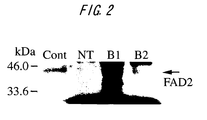
- Fig. 2 presents a photograph of Western blotting analysis indicating the expression of spinach-derived FAD2 in the brown adipose tissue of a transgenic mouse.
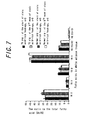
- Fig. 3 is a graph indicating the composition of fatty acids in the total lipids of the brown adipose tissue of wild-type mice and B1 transgenic mice fed a normal diet or a high-oleic-acid diet.
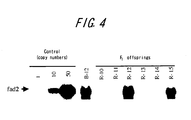
- Fig. 4 presents photographs of Southern blotting analysis indicating integration of the introduced gene into chromosome of a transgenic pig and its piglets.
- Fig. 5 presents photographs of RT-PCR analysis indicating the expression of fad2 mRNA in the white adipose tissue of transgenic pigs (B3, B12 and B19).
- Fig. 6 presents photographs of Northern blotting analysis indicating the expression of fad2 mRNA in a transgenic pig of B-12 line.
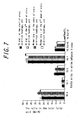
- Fig. 7 is a graph indicating the composition of fatty acids in the total lipids of the white adipose tissue obtained from transgenic pigs carrying aP2/fad2 (B-12 breed line) fed a normal diet.
- the present inventors isolated a gene for a fatty acid desaturase bound to the membrane of endoplasmic reticulum of a plant, injected it into fertilized eggs of mice or pigs to achieve stable integration into their chromosomes, and developed the eggs to live animals. Detailed studies on such animals indicated that the introduction of the gene did not affect in any way to the normal growth and the function of these animals.
- the introduced gene for a fatty acid desaturase could be expressed and exert its function, thereby the composition of fatty acids were altered and the content of PUFAs would be increased in the transgenic animals.
- the present invention is aimed to provide an animal individual and an animal cell in which a gene encoding a fatty acid desaturase is introduced thereby the gene is expressed and exert its function, as well as the process for production of the same.
- the preferred gene for a fatty acid desaturase may include genes for a fatty acid desaturase that are present in plants but are not present in animals endogenously. More specifically, the preferred gene includes genes for ⁇ 12 and ⁇ 15 fatty acid desaturases.
- Preferred genes are not limited to those mentioned above, but may include any other genes or groups of genes encoding fatty acid desaturases that will contribute to the enhanced production of unsaturated fatty acids, provided that they are useful for enhancing the expression of fatty acid desaturases and can function in an animal of interest.
- animals lack ⁇ 12 and ⁇ 15 fatty acid desaturases, animals can not biosynthesize linoleic acid and ⁇ -linolenic acid by themselves, and thus animals must take those fatty acids from a diet. If it were possible to allow a gene for ⁇ 12 or ⁇ 15 fatty acid desaturases derived from plants to be expressed in an animals, it would enable to increase the content of unsaturated fatty acids, which will be beneficial to human health, in the animal. To attain the object of the present invention, either one of a ⁇ 12 or a ⁇ 15 fatty acid desaturase or both may be expressed in animals.
- fatty acid desaturases By introducing genes for fatty acid desaturases, the contents of linoleic acid and ⁇ -linolenic acid can be increased, and that of EPA and DHA can be also increased as well. As long as ⁇ 12 and ⁇ 15 fatty acid desaturases are functional in an animal, it would be possible for the animal to synthesize all the beneficial fatty acids recognized as such to date at least theoretically.
- a gene for a ⁇ 12 fatty acid desaturase derived from roots of spinach is particularly preferred as described in the Examples below.
- Two types have been known for the ⁇ 12 fatty acid desaturase: one is that present in the membrane of ER (ER membrabe-bound type) while the other is present in the stroma of chloroplast (chloroplast type).
- chloroplast type a ferredoxin-based electron transport system characteristic for plants is utilized.
- the enzyme according to this invention derived from roots of spinach is the ER membrabe-bound type enzyme, and catalyzes the desaturation utilizing an electron transport system of cytochrom b that is also present in animals. Since the present invention is aimed to allow a gene for a fatty acid desaturase to be expressed in an animal, it is preferable to use a gene for the ER membrane-bound type enzyme, which can be easily utilized by animal system.
- Genes for fatty acid desaturases suitably used according to the present invention are not necessarily limited to those derived from plants. It had been believed that animals do not have a gene encoding ⁇ 12 or ⁇ 15 fatty acid desaturase. However, recently, ⁇ 12 and ⁇ 15 fatty acid desaturases were isolated from nematode (C. elegans), for the first time from animal species. The fatty acid desaturase derived from such animals may also be used for the present invention, as long as the enzymes are useful to achieve the object of the present invention, that is, increasing the content of unsaturated fatty acids useful for human health. It should be understood that such embodiments are also included within the scope of the present invention.
- Host animals suitably used according to the present invention may include any arbitrarily chosen animals, as long as they can be used for the purpose of meat.
- Livestock for meat included in mammals generally have a low content of unsaturated fatty acids, and are comparatively easy to achieve genetic transformation, and are thus particularly preferred for the purpose of the present invention.
- particularly preferred animals to be transformed may include pigs, cattle, goats, sheep and others. Additional suitable animals may include poultry such as chickens, quails, etc., and fish such as tuna, etc.
- the range of animals to be transformed according to the invention are not limited to those cited above, but may include a wide variety of animals as long as they can be used as meat for food.
- animal cells in which the gene for fatty acid desaturases are introduced is also included in the present invention.
- a transcriptional control region capable of enhancing the expression of a gene for a fatty acid desaturase may be linked upstream of the gene to construct an expression plasmid vector.
- the genes for fatty acid desaturases may comprise a cDNA or genomic DNA encoding the enzyme.
- Promoters suitably used according to the invention may include, in addition to the chicken ⁇ -actin promoter region used in the example below, adipocyte P2 (aP2) promoter, UCP promoter, SV40 promoter, cytomegalovirus promoter, etc.
- Preferable promoters are not limited, however, to those cited above, but may include various other promoters conventionally used in this technical field. It is possible for a person having an ordinary skill in the art to choose appropriate one from among those promoters depending on the desired part and the desired time at which the gene of interest is to be expressed. If one desires systemic expression of the target gene, the one may preferably select a ⁇ -actin promoter. If one desires specific expression of the target gene in adipose tissue, the one may preferably select aP2 promoter, which will control expression of the gene specifically in white and brown adipose tissues.
- Plasmids to be used according to the invention are also not limited to any specific ones, but may include various plasmids commonly used in this technical field.
- the plasmids pUC118 and pBluescript II KS used in the examples below are particularly preferred, but it is also possible to use pSV2, p ⁇ A, pZip, pCO12, pME18S, etc.
- a vector prepared as above is introduced into early embryos, somatic cells or embryonic stem cells (ES cell) of animals to achieve transformation, and the transformed early embryo, somatic cell or ES cell is allowed to develop until an animal individual.
- the constructed vector is introduced into an early embryo, but it may also be possible to introduce the vector into animal cells such as somatic cells or ES cells, and to develop animal individuals after the introduction using cloning technique or chimeraplasty.
- the experiment was carried out the purpose to investigate whether a plant-derived gene for an ER-membrane bound type fatty acid desaturase, when introduced into an animal, can sufficiently function and convert fatty acids in body fat of the animals into unsaturated fatty acids.
- a 1.5 kbp fragment containing a chicken ⁇ -actin promoter region was ligated upstream of the 1.7 kbp cDNA fragment (HindIII-EcoRI) encoding a gene for a ⁇ 12 fatty acid desaturase (fad2 hereinafter) which had been isolated from roots of spinach and subcloned via pSG5, while an SV40 splicing region and an SV40 poly(A) additional signal region were ligated downstream of the cDNA fragment.
- the resulting construct was inserted into pUC118 vector.
- a 4.3 kbp fragment (PstI-BamHI, ⁇ -act/fad2) of the constructed plasmid was subjected to 1% agarose gel electrophoresis, purified with Geneclean II (BIO 101, Inc.), and dissolved in TE buffer (pH7.4) to 4 ⁇ g/ml.
- the cloned gene was introduced into mice.
- mice were purchased from Kiwa Laboratory Animals Co. Handling of these animals was performed in accordance with the "Guidance for Experiment on Animals" (Japan's Society for Animal Experimentation (ed.), Soft Science Publication, 1991). Microinjection of the DNA into a pronuclei of mouse fertilized eggs, and transfer of a live embryo into oviducts of pseudo-pregnant mice were carried out as described by Hogan et al. (Manipulating the Mouse Embryo, A Laboratory Manual, 157-173, Cold Spring Harbor Laboratory Press, New York, 1986). The DNA fragment ( ⁇ -act/fad2) was microinjected into 1219 fertilized eggs and transferred into recipient animals to obtain 111 pregnant animals.
- genomic DNA extracted from the tail tissue of the pups was subjected to Southern blotting analysis (Matsumoto et al., Mol. Reprod. Dev., 36, 53-58 (1993)). As a result of the analysis, integration of 1 to 20 copies of the gene were confirmed in the chromosomes of 7 mice (4 females and 3 males).
- NT represents the result from wild-type mice
- B1 represents B1 transgenic line
- B2 represents B2 transgenic line
- B6 represents B6 transgenic line.
- Fig. 1A represents the results of RT-PCR analysis performed to evaluate the fad2 mRNA expression levels in the three transgenic lines (B1, B2 and B6).
- tissues were sampled from the mice respectively, and total RNA was extracted using Trizol (Gibco/BRL).
- Trizol Trizol
- Br represents brain
- He represents heart
- Lu represents lung
- Li represents liver
- Sp represents spleen
- Ki kidney
- SM represents skeletal muscle
- Ov ovary
- Te represents testis
- BA brown adipose tissue
- WA white adipose tissue.
- the arrow indicates the fad2 specific transcriptional product (378 bps).
- G3PDH indicates the positive control.
- Tissues (brain, white adipose tissue, brown adipose tissue and liver) were sampled from mice respectively, and total RNAs were extracted from each tissue using Trizol (Gibco/BRL). Those RNAs were subjected to reverse transcription using AMV reverse transcriptase and random primers (Takara) to provide cDNAs. The cDNAs were amplified by PCR using fad2-specific primers (5'-CTCTCCAATCTACTCGGAC-3' and 5'-ATTGGCTTTATAGCCTTGGT-3'). The amplified products were subjected to 2% agarose gel electrophoresis.
- G3PDH glyceraldehyde-3-phosphate dehydrogenase
- Fig. 1B The results of Northern blotting analysis of fad2 mRNA from the three transgenic lines (B1, B2 and B6) are shown in Fig. 1B.
- Br represents brain
- WA white adipose tissue
- BA brown adipose tissue
- Li represents liver.
- the arrow indicates fad2-specific transcriptional products (1.4 kbp).
- ⁇ -actin represents a positive control.
- mice From B1, B2 and B6 transgenic lines, in which the expression was confirmed by RT-PCR, tissues (brain, white adipose tissue, brown adipose tissue, and liver) of mice were sampled and total RNAs were extracted from the tissues using Trizol.
- RNAs were collected from these total RNAs using oligotex-dT (Takara), electrophoresed on 1% agarose-formaldehyde, and blotted onto a nylon membrane (Amersham) in 20xSSC.
- 32 P-dCTP labeled probe of spinach-derived FAD2 cDNA 1.7 kbp
- probe of mouse s-actin DNA as a control were allowed to hybridize.
- 1.4 kb of full-length transcriptional products of FAD2 were detected in all of the mouse tissues examined, and constitutive expression of the gene was confirmed (Fig. 1B).
- the expression levels of the fad2 gene differed among the tissues tested: the expressions in brain and brown adipose tissue were abundant (Fig. 1B).
- the difference in expression level among different tissues was similar to that described in other reports using chicken s-actin promoter (Matsumoto et al., Mol. Reprod. Dev., 39, 136-140 (1994); Matsumoto et al., Mem. Res. Inst. BOST, Kinki Univ., 2, 11-18 (1999)).
- This suggests that the transgene for the fatty acid desaturase is transcribed in all tissues in the transgenic mice, and a strong expression was detected in the brown adipose tissue.
- the expression level in the B1 and the B2 lines were higher than the B6 line.
- the B1 line was used for further analysis, because of low fertilizing ability of the B2 line.
- brown adipose tissue was homogenized in sucrose-TM buffer containing protease inhibitor (Complete, Boehlinger Manheim) using Polytron homogenizer. The suspension was centrifuged at 4°C for 10 minutes at 10,000 g. The supernatant was further centrifuged at 4°C for 60 minutes at 45,000 g, to provide a microsome fraction as the pellet. The pellet was re-suspended in the sucrose-TM buffer and protein concentration of the sample was measured.
- protease inhibitor Complete, Boehlinger Manheim
- the antiserum had been obtained by administering synthetic oligopeptide to a rabbit, an d the oligopeptide corresponded to 18 amino acid residues close to the C-terminal of oleic acid desaturase derived from spinach.
- the membrane was then washed with PBST, and incubated at room temperature for 30 minutes with an anti-rabbit enzyme-labeled secondary antibody derived from donkey (1:5000, Amersham), and then it washed with TBTS and FAD2 was detected by means of chemiluminescence (ECL, Amersham).
- Fig. 2 Cont represents the positive control which is the protein extracted from roots of spinach
- Nt represents the negative control which is the protein extracted from a wild-type mouse
- B1 represents the result from the transgenic mouse of the B1 line
- B2 represents experimental result from the transgenic mouse of the B2 line.
- the arrow indicates FAD2 (45 kDa).
- a protein indicating molecular weight of about 45 kDa corresponding to the predicted molecular weight of FAD2 protein derived from spinach, was detected in the microsome fraction obtained from brown adipocytes of the B1 transgenic mouse. This suggests that FAD2 protein in the heterozygous fad2 mice is localized at endoplasmic reticula (ER).
- ER endoplasmic reticula
- the transgenic mice were fed a fat-free diet containing only 5% oleic acid as the source of fat for two weeks. Using these mice, in situ conversion from oleic acid to linoleic acid by spinach-derived FAD2 was investigated. After the feeding, the fatty acid composition in the brown adipose tissue was determined by gas chromatography.
- mice were as follows: a normal diet (MF, Oriental Yeast, Table 1), a fat-free diet (containing 0.7% fat, Oriental Yeast, Tables 2 and 3), and a high-oleic-acid diet containing 5% oleic acid (01008, Sigma)(Oriental Yeast, Table 4). All of these diets had the same calorie content (340 kCal/100 g).
- Wild type mice and transgenic mice fed a normal diet were used.
- the wild-type mice were fed a normal diet, a fat-free diet or a high-oleic-acid diet and the transgenic mice were fed a high-oleic-acid diet for two weeks.
- the brown adipose tissue was sampled, and the composition of fatty acids was determined. Lipids contained in the brown adipose tissue were extracted in chloroform-methanol (Bligh and Dyer, Can. J. Biochem. Physiol., 37, 911-917 (1959)).
- the composition of fatty acids in the total lipids was determined by gas chromatography (Wada and Murata, Plant Cell Physiol., 30, 971-978 (1989)).
- mice and the B1 line transgenic mice were fed a normal diet, and then fed a fat-free diet or high-oleic-acid diet for two weeks, then the fatty acid composition in the total fat of the brown adipose tissue were determined and shown in Fig. 3.
- each bar represents the mean value
- each error bar represents the standard error.
- Statistical analysis was performed by variance analysis and then Fischer's PLSD test.
- the ratio (Mol%) of linoleic acid (18:2n-6) of the total fatty acid content in the B1 trangenic mice fed a high-oleic-acid diet is 1.6 or 1.4 times higher than the corresponding ratios in the wild-type mice fed a fat-free diet or high-oleic-acid diet, respectively (P ⁇ 0.05).
- the ratio of oleic acid (18:1n-6) decreased to the level of the wild-type mice fed a fat-free diet.
- composition ratios of fatty acids except for linoleic acid of the transgenic mice fed a high-oleic-acid diet were similar to those of the wild-type mice fed a fat-free diet. This suggests that oleic acid contained in the diet is converted to linoleic acid in the B1 transgenic mice.
- the fact that the ratio of oleic acid that is a substrate for FAD2 decreased and the ration of linoleic acid increased concurrently in the B1 transgenic mice suggests that the transgenic mice has functional enzymatic activity of FAD2.
- the experiment was performed for the purpose to investigate whether a plant-derived gene for ER-membrane bound type fatty acid desaturase, when introduced into livestock such as pigs, can convert fatty acids in adipose tissue of the individual into desired polyunsaturated fatty acids (PUFAs).
- PUFAs polyunsaturated fatty acids
- adipocyte P2 (aP2) promoter Ross et al., Proc. Natl. Acad. Sci.
- a transgene was constructed for specific expression of a gene for a fatty acid desaturase in adipocytes of the pigs.
- a cDNA fragment (1.7 kbp) of the ⁇ 12 fatty acid desaturase gene which had been isolated from roots of spinach was cloned into a vector pBluescript II KS.
- An adipocyteP2 (aP2) promoter region (5 kb) that was for specific transgene expression in adipocytes was ligated upstream of the cDNA fragment, and SV40 splicing region and SV40 poly(A) additional signal region were ligated downstream of the same cDNA.
- the constructed plasmid was cleaved with restriction enzymes SacII and XhoI.
- the cleaved DNA fragments were electrophoresed on 1% agarose gel and the DNA fragment of the transgene (about 7.5 kb) was isolated. After purification with Geneclean II (BIO 101, Inc.), the isolated transgene, was dissolved in TE buffer (pH7.4) at the concentration of 4 ⁇ g/ml. The constructs was introduced into pigs.
- the fusion gene was microinjected into pronuclei of pig early embryos. Handling of those animals was performed in accordance with the "Guidance for Experiment on Animals" (Japan's Society for Animal Experimentation (ed.), and Soft Science Publication, 1991). Collection of pig embryos, gene injection, and embryo transfer were carried out as follows. Pigs for food of about 13 months old (cross-breeds between Durock (male) and F1 (female) (Landrace x Large White, weighing about 100 kg) received the intramuscular injection of 1000 IU of eCG which was followed by the administration of 500 IU of hCG 72 hours later.
- Microinjected embryos with the gene was immediately transferred into the oviducts of female pigs whose estrous cycle had been synchronized with the donor pigs, or of the donor pigs with good ovulation. The recipient females wafter embryo transfer were then housed individually, and allowed to go to term.
- 464 pronuclear embryos microinjected with the gene were transferred into 16 recipient pigs synchronized with the donor pigs, and 11 recipients became pregnant and farrowed 70 piglets.
- Genomic DNA was extracted from the tail tissue of each offspring, and integration of the transgene into a chromosome was examined by Southern blotting analysis. As the result, six transgenic pigs were obtained (Fig. 4).
- Fig. 4 Integration of the transgene into a chromosome of the transgenic pig was examined by Southern blotting analysis, and the results were shown in Fig. 4.
- the piglets of the transgenic pig were analyzed with the similar protocol, but the results will be detailed later.
- control represents a positive control
- B-12 represents the result from the transgenic pig (male) developed from an early embryo microinjected with aP2/fad2 gene.
- F1 piglets represents pigs of the next generation produced by mating of the B-12 transgenic pig.
- the arrow indicates the bands representing the fad2 gene.
- successful integration of the transgene into a chromosome was confirmed. This suggests that the fad2 gene isolated from roots of spinach can be stably integrated into the chromosome of pigs.
- the remaining three pigs survived. At 10 to 11 months of age, they were tranquilized with Azaperon medicine, the dorsal skin slightly caudal from the back of neck was shaved, disinfected thoroughly with isodine/alcohol. A biopsy needling having an internal diameter of 3 mm was inserted through the skin at the depth of about 30 mm from the surface, and then white adipose tissue was biopsied under local anaesthesia with xylocaine. The adipocytes were subjected to RT-PCR and Southern blotting analysis as in Example 1, and the mRNA expression of the trangene was evaluated. Fig.
- FIG. 5 shows the fad2 mRNA expression of white adipose tissue samples from the transgenic pigs (B3, B12 and B19) analysed by RT-PCR method.
- M represents size markers.
- B-23,” “B-10” and “B-11” represent wild-type pigs, while “B-12,” “B-19” and “B-3” represent transgenic pigs.
- the arrow indicates the fad2 specific transcriptional products (378 bps). From Fig. 5, it was indicated that white adipose tissue of two pigs (B-12 and B-19) out of the three transgenic pigs showed expression of the transgene at mRNA level.
- RNAs were extracted using Trizol from tissues including white adipose tissue and liver of the pigs. Then, Northern blotting analysis was performed by the similar protocol to Example 1.
- Fig. 6 shows the fad2 mRNA analysis of the transgenic pig from the B-12 line by Northern blotting analysis. Poly(A) RNAs (2 ⁇ g) were subjected to electrophoresis on 1% agarose-formaldehyde, and blotted onto a nylon membrane.
- the arrow represents the fad2 specific transcriptional products (1.4kbp).
- rRNA represents negative control
- WA from TG mouse represents the samples of the white adipose tissue of a transgenic mouse in which expression of the transgene is confirmed in Example 1.
- Liver represents the liver
- WA represents the white adipose tissue.
- Fig. 6 indicates that the transgene is transcribed in the adipocytes specifically. This suggests that the fad2 transgene is transcribed specifically in the adipose tissue of the transgenic pig.
- the expression of the plant-derived gene for ⁇ 12 fatty acid desaturase was confirmed for the two transgenic pigs (one male and one female), and the inventors produced their offspring for the next generation. This was to examine whether the transgene could be stably transmitted to progenies.
- the transgenic pigs to which the transgene was transmitted stably were suitable to examine whether the newly biosynthesized proteins, resultants of the expression of the transgene, were functional as an enzyme.
- the female transgenic pig was mated with a wild-type male pig.
- the female transgenic pig farrowed 12 piglets (three live and nine stillborn). However, all of the three piglets died because of agalactia.
- the male transgenic pig was mated with two wild-type female pigs. One female farrowed 14 piglets (nine live and five stillborn), and the other female farrowed 18 piglets (12 live and six stillborn). Genomic DNAs from tail tissues of the 21 live piglets were subjected to Southern blotting analysis. The transgene was transmitted to eight piglets (38%) of the next generation (Fig. 4). In Fig. 4, integration of the transgene into chromosomes was observed in R-12 and R-14, which were both the piglets of the B-12.
- transgenic pigs three males and three females of the B-12 transgenic pig were used for the experiment. They were fed a normal diet (Spurt G, Nosan Corp., Table 5) until five months old. The litters of the transgenic pigs that had no transgene were fed in the same manner as the wild-type pigs, and they were used in the experiment as a control.
- the feeding conditions were as follows: the male pigs and the female pigs were fed separately, they were fed in concrete-floored feeding rooms of 38 m2, the rooms were lighted for 12 hours daily, the temperature was kept at 20-25°C and five to six pigs were kept in a room. Moreover, the diet and water were available ad libitum.
- a high-oleic-acid diet (Spurt G supplemented with 10% oleic acid, Nosan Corp., Table 6) for 8 weeks.
- the B19 line pigs were fed the high-oleic-acid diet similarly as the pigs described above and subjected to experiments because of no offspring from B19.
- the adipose tissue was frozen immediately after sampling in liquid nitrogen, and kept at - 80°C until analysis of fatty acid composition. Analysis of the fatty acid composition in adipocytes was performed by the similar protocol to Example 1.
- transgenic pigs and wild-type pigs were tranquilized with Azaperon medicine, the dorsal skin slightly caudal from the back of neck was shave, disinfected thoroughly with isodine/alcohol.
- a biopsy needling having an internal diameter of 3 mm was inserted through the skin at the depth of about 30 mm from the surface to biopsy white adipose tissue under local anaesthesia with xylocaine.
- the fatty acid composition in the fat of the adipose tissue was determined as in Example 1.
- the transgenic pigs carrying aP2/fad2 were fed a normal diet for five months, and then fed a high-oleic-acid diet for 8 weeks, then the fatty acid composition in the total fat of the white adipose tissue was eamined.
- the results were shown in Fig. 7. Each bar represents the mean value, and the error bar represents the standard error.
- Statistical analysis was performed by variance analysis and then by Fischer's PLSD test. As shown in Fig.
- the ratio (Mol%) of linoleic acid (18:2n-6) of the total fatty acid content at the start of the high-oleic-acid feeding and at the 8th week of the feeding of the B-12 trangenic pigs are higher than that of the wild-type pigs at 25 and 19%, respectively (P ⁇ 0.05).
- the ratio of oleic acid of the wild-type pigs are 5 and 10% higher than that of the transgenic pigs, respectively (P ⁇ 0.05).
- Predipocyte can be prepared as follows. When matured unilocular adipocytes are isolated from mammals, then they were cultured by ceiling culture, accumulated lipid droplets were removed from the cells, and the cells turned to preadipocytes withfibloblast-like shape (Sugihara et al., Differentiation 31, 42-49 (1986)).
- Dorsal adipocytes were biopsied from transgenic pigs or non-transgenic pigs using a biopsy needle in the same manner as in Example 2.
- the adipose tissue was digested with collagenase solution and the cells were dispersed. The undigested tissue was removed using a filter mesh, then isolated matured unilocular adipocytes were obtained.
- the cell suspension was transferred to a culture flask and the flask was filled with 25 mM HEPES buffered Dulbecco's Eagle minimum essential medium (FCS-DMEM) supplemented with 20% fetal bovine serum (FBS). The flask was placed upside-down in an incubator. When cultured in this way, unilocular adipocytes floated on the upper layer of the culture medium and attached to the top surface of the flask.
- FCS-DMEM Dulbecco's Eagle minimum essential medium
- lipid droplets were removed from the adipocytes that were at the top surface of the flask, and became preadipocytes with fibroblast-like shape.
- the medium filled in the flask was discarded, the flask were turned to original position, the fresh FCS-DMEM was added into the flask, and the preadipocytes were cultured by ordinal cell culture.
- the cells were subcultured several times, and then incubated for four days in FCS-DMEM supplemented with 5 ⁇ g/ml insulin (Wako Pure Chemicals), 0.5 mM isobutylmethyl xanthine (Wako Pure Chemicals) and 0.25 ⁇ M dexamethazone (Wako Pure Chemicals) to induce differentiation.
- the medium was then changed with fresh FCS-DMEM, and the cells were cultured for eight days, thereby lipid droplets were accumulated in the cells.
- lipids were extracted from the adipocytes, and the fatty acid composition of the lipid was determined as in Example 2 described above.
- the fatty acid composition can be determined in lipids accumulated in adipocytes by in vitro culture. Therefore, great difference in the fatty acid composition could be observed in the cells of the transgenic pigs. These results indicate that FAD2 cDNA in the transgenic pigs is expressed functionally in the adipocytes and the biosynthesis of linoleic acid.
- the present invention provides transgenic animals, in which enhanced level of unsaturated fatty acids that are beneficial to human health, by introduction of a gene for a fatty acid desaturase into the animals, and a method for enhancement of contents of unsaturated fatty acids in animals.
- the transgenic animals and the method for production of the transgenic animals in this invention are particularly useful for the production of meat beneficial to human health.
Landscapes
- Life Sciences & Earth Sciences (AREA)
- Health & Medical Sciences (AREA)
- Chemical & Material Sciences (AREA)
- Genetics & Genomics (AREA)
- Engineering & Computer Science (AREA)
- Zoology (AREA)
- Bioinformatics & Cheminformatics (AREA)
- Organic Chemistry (AREA)
- Wood Science & Technology (AREA)
- Biotechnology (AREA)
- Biomedical Technology (AREA)
- General Engineering & Computer Science (AREA)
- General Health & Medical Sciences (AREA)
- Molecular Biology (AREA)
- Microbiology (AREA)
- Biochemistry (AREA)
- Veterinary Medicine (AREA)
- Medicinal Chemistry (AREA)
- Environmental Sciences (AREA)
- Physics & Mathematics (AREA)
- Biophysics (AREA)
- Plant Pathology (AREA)
- Animal Behavior & Ethology (AREA)
- Animal Husbandry (AREA)
- Biodiversity & Conservation Biology (AREA)
- Enzymes And Modification Thereof (AREA)
- Meat, Egg Or Seafood Products (AREA)
Applications Claiming Priority (1)
| Application Number | Priority Date | Filing Date | Title |
|---|---|---|---|
| PCT/JP2003/000930 WO2004066724A1 (fr) | 2001-12-20 | 2003-01-30 | Animal transgenique presentant de la desaturase d'acides gras, et son procede de production |
Publications (2)
| Publication Number | Publication Date |
|---|---|
| EP1595447A1 true EP1595447A1 (fr) | 2005-11-16 |
| EP1595447A4 EP1595447A4 (fr) | 2006-04-19 |
Family
ID=35106843
Family Applications (1)
| Application Number | Title | Priority Date | Filing Date |
|---|---|---|---|
| EP03703094A Withdrawn EP1595447A4 (fr) | 2003-01-30 | 2003-01-30 | Animal transgenique presentant de la desaturase d'acides gras, et son procede de production |
Country Status (3)
| Country | Link |
|---|---|
| US (1) | US20060282907A1 (fr) |
| EP (1) | EP1595447A4 (fr) |
| WO (1) | WO2004066724A1 (fr) |
Family Cites Families (3)
| Publication number | Priority date | Publication date | Assignee | Title |
|---|---|---|---|---|
| EP1035207A1 (fr) * | 1999-03-09 | 2000-09-13 | MultiGene Biotech GmbH | Molécules d'ADNc des membres de la famille de gènes codant des désaturases d'acides gras humaines, et leur utilisation dans le diagnostic et la thérapie |
| US6686185B1 (en) * | 2000-03-07 | 2004-02-03 | Millennium Pharmaceuticals, Inc. | 25934, a novel fatty acid desaturase and uses therefor |
| US7244874B2 (en) * | 2002-09-17 | 2007-07-17 | The Regents Of The University Of California | Stearoyl CoA desaturase transgenic non-human animals |
-
2003
- 2003-01-30 US US10/543,886 patent/US20060282907A1/en not_active Abandoned
- 2003-01-30 WO PCT/JP2003/000930 patent/WO2004066724A1/fr not_active Ceased
- 2003-01-30 EP EP03703094A patent/EP1595447A4/fr not_active Withdrawn
Also Published As
| Publication number | Publication date |
|---|---|
| EP1595447A4 (fr) | 2006-04-19 |
| US20060282907A1 (en) | 2006-12-14 |
| WO2004066724A1 (fr) | 2004-08-12 |
Similar Documents
| Publication | Publication Date | Title |
|---|---|---|
| Wu et al. | Production of cloned transgenic cow expressing omega-3 fatty acids | |
| Crawford et al. | Nutritional influences in the evolution of mammalian brain | |
| Wheeler | Production of transgenic livestock: promise fulfilled | |
| Ringseis et al. | Basic mechanisms of the regulation of L‐carnitine status in monogastrics and efficacy of L‐carnitine as a feed additive in pigs and poultry | |
| Takahashi et al. | Evaluation of meat products from cloned cattle: biological and biochemical properties | |
| US20090178148A1 (en) | Compositions and methods for modifying the content of polyunsaturated fatty acids in mammalian cells | |
| Zhou et al. | The high-level accumulation of n-3 polyunsaturated fatty acids in transgenic pigs harboring the n-3 fatty acid desaturase gene from Caenorhabditis briggsae | |
| Zhao et al. | Maternal butyrate supplementation affects the lipid metabolism and fatty acid composition in the skeletal muscle of offspring piglets | |
| Ekine-Dzivenu et al. | Phenotypic and genetic correlations of fatty acid composition in subcutaneous adipose tissue with carcass merit and meat tenderness traits in Canadian beef cattle | |
| Cheng et al. | Production of transgenic beef cattle rich in n-3 PUFAs by somatic cell nuclear transfer | |
| Zhang et al. | Production of transgenic cattle expressing lysine-rich polypeptide in milk by somatic cell nuclear transfer | |
| AU2005211705A1 (en) | Compositions and methods for modifying the content of polyunsaturated fatty acids in biological cells | |
| US10182560B2 (en) | Transgene construct encoding delta 12 fatty acid | |
| EP1595447A1 (fr) | Animal transgenique presentant de la desaturase d'acides gras, et son procede de production | |
| Leat | The control of fat absorption, deposition and mobilization in farm animals | |
| Qureshi et al. | Variation in milk fatty acid composition with body condition in dairy buffaloes (Bubalus bubalis) | |
| US7244874B2 (en) | Stearoyl CoA desaturase transgenic non-human animals | |
| Su et al. | Generation of Codon-Optimized Fad3 Gene Transgenic Bovine That Produce More n-3 Polyunsaturated Fatty Acids | |
| Zabielski et al. | The perinatal development of the gastrointestinal tract in piglets can be modified by supplementation of sow diet with bioactive substances | |
| Nyamiel et al. | Body reserves dynamics of suckling ewes across successive production cycles under outdoor and indoor contrasting farming system conditions | |
| Salter | Animal models in nutrition research | |
| Saeed et al. | Modification of animal products for fat and other characteristics | |
| Zhang et al. | Expression of threonine-biosynthetic genes in mammalian cells and transgenic mice | |
| JP2003245070A (ja) | 脂肪酸不飽和化酵素を有する形質転換動物およびその作製方法 | |
| Leone et al. | Body compositional changes and growth alteration in chicks from hens fed conjugated linoleic acid |
Legal Events
| Date | Code | Title | Description |
|---|---|---|---|
| PUAI | Public reference made under article 153(3) epc to a published international application that has entered the european phase |
Free format text: ORIGINAL CODE: 0009012 |
|
| 17P | Request for examination filed |
Effective date: 20050829 |
|
| AK | Designated contracting states |
Kind code of ref document: A1 Designated state(s): AT BE BG CH CY CZ DE DK EE ES FI FR GB GR HU IE IT LI LU MC NL PT SE SI SK TR |
|
| A4 | Supplementary search report drawn up and despatched |
Effective date: 20060306 |
|
| RBV | Designated contracting states (corrected) |
Designated state(s): DE FR GB |
|
| RAP1 | Party data changed (applicant data changed or rights of an application transferred) |
Owner name: KINKI UNIVERSITY |
|
| 17Q | First examination report despatched |
Effective date: 20081217 |
|
| STAA | Information on the status of an ep patent application or granted ep patent |
Free format text: STATUS: THE APPLICATION IS DEEMED TO BE WITHDRAWN |
|
| 18D | Application deemed to be withdrawn |
Effective date: 20090630 |