EP1590337B1 - Acylaminothiazole derivatives, preparation method thereof and use of same as beta-amyloid peptide production inhibitors - Google Patents
Acylaminothiazole derivatives, preparation method thereof and use of same as beta-amyloid peptide production inhibitors Download PDFInfo
- Publication number
- EP1590337B1 EP1590337B1 EP04704255A EP04704255A EP1590337B1 EP 1590337 B1 EP1590337 B1 EP 1590337B1 EP 04704255 A EP04704255 A EP 04704255A EP 04704255 A EP04704255 A EP 04704255A EP 1590337 B1 EP1590337 B1 EP 1590337B1
- Authority
- EP
- European Patent Office
- Prior art keywords
- phenyl
- group
- thiazol
- amino
- alkyl
- Prior art date
- Legal status (The legal status is an assumption and is not a legal conclusion. Google has not performed a legal analysis and makes no representation as to the accuracy of the status listed.)
- Expired - Lifetime
Links
- 0 CC(*)(C(*(C)(C)C(*)C(C)=O)=O)N* Chemical compound CC(*)(C(*(C)(C)C(*)C(C)=O)=O)N* 0.000 description 4
Classifications
-
- C—CHEMISTRY; METALLURGY
- C07—ORGANIC CHEMISTRY
- C07D—HETEROCYCLIC COMPOUNDS
- C07D417/00—Heterocyclic compounds containing two or more hetero rings, at least one ring having nitrogen and sulfur atoms as the only ring hetero atoms, not provided for by group C07D415/00
- C07D417/02—Heterocyclic compounds containing two or more hetero rings, at least one ring having nitrogen and sulfur atoms as the only ring hetero atoms, not provided for by group C07D415/00 containing two hetero rings
- C07D417/12—Heterocyclic compounds containing two or more hetero rings, at least one ring having nitrogen and sulfur atoms as the only ring hetero atoms, not provided for by group C07D415/00 containing two hetero rings linked by a chain containing hetero atoms as chain links
-
- A—HUMAN NECESSITIES
- A61—MEDICAL OR VETERINARY SCIENCE; HYGIENE
- A61P—SPECIFIC THERAPEUTIC ACTIVITY OF CHEMICAL COMPOUNDS OR MEDICINAL PREPARATIONS
- A61P25/00—Drugs for disorders of the nervous system
-
- A—HUMAN NECESSITIES
- A61—MEDICAL OR VETERINARY SCIENCE; HYGIENE
- A61P—SPECIFIC THERAPEUTIC ACTIVITY OF CHEMICAL COMPOUNDS OR MEDICINAL PREPARATIONS
- A61P25/00—Drugs for disorders of the nervous system
- A61P25/14—Drugs for disorders of the nervous system for treating abnormal movements, e.g. chorea, dyskinesia
-
- A—HUMAN NECESSITIES
- A61—MEDICAL OR VETERINARY SCIENCE; HYGIENE
- A61P—SPECIFIC THERAPEUTIC ACTIVITY OF CHEMICAL COMPOUNDS OR MEDICINAL PREPARATIONS
- A61P25/00—Drugs for disorders of the nervous system
- A61P25/14—Drugs for disorders of the nervous system for treating abnormal movements, e.g. chorea, dyskinesia
- A61P25/16—Anti-Parkinson drugs
-
- A—HUMAN NECESSITIES
- A61—MEDICAL OR VETERINARY SCIENCE; HYGIENE
- A61P—SPECIFIC THERAPEUTIC ACTIVITY OF CHEMICAL COMPOUNDS OR MEDICINAL PREPARATIONS
- A61P25/00—Drugs for disorders of the nervous system
- A61P25/28—Drugs for disorders of the nervous system for treating neurodegenerative disorders of the central nervous system, e.g. nootropic agents, cognition enhancers, drugs for treating Alzheimer's disease or other forms of dementia
-
- A—HUMAN NECESSITIES
- A61—MEDICAL OR VETERINARY SCIENCE; HYGIENE
- A61P—SPECIFIC THERAPEUTIC ACTIVITY OF CHEMICAL COMPOUNDS OR MEDICINAL PREPARATIONS
- A61P9/00—Drugs for disorders of the cardiovascular system
-
- A—HUMAN NECESSITIES
- A61—MEDICAL OR VETERINARY SCIENCE; HYGIENE
- A61P—SPECIFIC THERAPEUTIC ACTIVITY OF CHEMICAL COMPOUNDS OR MEDICINAL PREPARATIONS
- A61P9/00—Drugs for disorders of the cardiovascular system
- A61P9/10—Drugs for disorders of the cardiovascular system for treating ischaemic or atherosclerotic diseases, e.g. antianginal drugs, coronary vasodilators, drugs for myocardial infarction, retinopathy, cerebrovascula insufficiency, renal arteriosclerosis
-
- C—CHEMISTRY; METALLURGY
- C07—ORGANIC CHEMISTRY
- C07D—HETEROCYCLIC COMPOUNDS
- C07D277/00—Heterocyclic compounds containing 1,3-thiazole or hydrogenated 1,3-thiazole rings
- C07D277/02—Heterocyclic compounds containing 1,3-thiazole or hydrogenated 1,3-thiazole rings not condensed with other rings
- C07D277/20—Heterocyclic compounds containing 1,3-thiazole or hydrogenated 1,3-thiazole rings not condensed with other rings having two or three double bonds between ring members or between ring members and non-ring members
- C07D277/32—Heterocyclic compounds containing 1,3-thiazole or hydrogenated 1,3-thiazole rings not condensed with other rings having two or three double bonds between ring members or between ring members and non-ring members with hetero atoms or with carbon atoms having three bonds to hetero atoms with at the most one bond to halogen, e.g. ester or nitrile radicals, directly attached to ring carbon atoms
- C07D277/38—Nitrogen atoms
- C07D277/44—Acylated amino or imino radicals
- C07D277/46—Acylated amino or imino radicals by carboxylic acids, or sulfur or nitrogen analogues thereof
Definitions
- the invention relates to acylaminothiazole derivatives their preparation and their use in therapy.
- WO 03/014095 and WO 98/28268 describe other compounds inhibiting the production of ⁇ -amyloid peptide, useful in the treatment of Alzheimer's disease.
- the subject of the invention is also, among the compounds of general formula (I), compounds corresponding to general formula (I '): in which, X represents an oxygen or sulfur atom; R 1 represents a C 1-10 alkyl group optionally substituted with a C 3-7 cycloalkyl, a phenyl, a thienyl; or R 1 is 3-7 cycloalkyl, thienyl, pyridinyl, pyrimidinyl; the thienyl groups being optionally substituted with one to 3 C 1-3 alkyl groups; the phenyl group being optionally substituted by one to 5 halogen atoms or C 1-3 alkyl, C 1-3 alkoxy, C 1-3 fluoroalkyl, C 1-3 fluoroalkoxy groups; R 2 is C 1-6 alkyl optionally substituted with C 3-7 cycloalkyl, phenyl, C 1-3 alkoxy, hydroxy; or R 2 is C 3-7 cycloalkyl, pipe
- the compounds of general formula (I) may comprise one or more asymmetric carbons. They can therefore exist as enantiomers or diastereoisomers. These enantiomers, diastereoisomers, as well as their mixtures, including the racemic mixtures, form part of the invention.
- the compounds of formula (I) may exist in the form of bases or addition salts with acids. Such addition salts are part of the invention. These salts are advantageously prepared with pharmaceutically acceptable acids, but the salts of other acids that are useful, for example, for the purification or the isolation of the compounds of formula (I) are also part of the invention.
- the compounds of general formula (I) can be in the form of hydrates or solvates, namely in the form of associations or combinations with one or more water molecules or with a solvent. Such hydrates and solvates are also part of the invention.
- the term "leaving group” is intended to mean a group that can be easily cleaved from a molecule, with a departure from an electronic pair, by breaking a heterolytic bond. This group can thus be easily replaced by another group during a substitution reaction for example.
- Such leaving groups are, for example, halogens, or an activated hydroxy group such as a mesylate, tosylate, triflate, acetyl, etc. Examples of starting groups as well as references for their preparation are given in "Advanced Organic Chemistry", J. March, 3rd Edition, Wiley Interscience, pp 310-316 .
- a protective group is understood to mean a group which makes it possible to prevent the reactivity of a function or position, during a chemical reaction which may affect it, and which restores the molecule after cleavage according to methods known to those skilled in the art. Examples of protecting groups as well as methods of protection and deprotection are given, inter alia, in Protective groups in Organic Synthesis, Greene et al., 2nd ed. (John Wiley & Sons, Inc., New York) ).
- the subject of the invention is processes for the preparation of the compounds of formula (I).
- the compound of formula (I) may be obtained by peptide coupling of the amine of formula (XI) with the acid of formula (XII) according to conditions known to those skilled in the art, for example in the presence of benzotriazol-1-yloxy-tris (dimethylamino) phosphonium hexafluorophosphate (BOP) and N- ethylmorpholine or N -methylmorpholine in an inert solvent such as dimethylformamide, acetonitrile or dichloromethane at a temperature ranging from 0 ° C at room temperature.
- BOP benzotriazol-1-yloxy-tris
- N- ethylmorpholine or N -methylmorpholine in an inert solvent such as dimethylformamide, acetonitrile or dichloromethane at a temperature ranging from 0 ° C at room temperature.
- the amine of formula (XI) is obtained by peptide coupling of the amine of formula (VIII) with the amino acid of formula (IX), in which Pg represents a protective group, under the conditions as described above, to give the compound of formula (X).
- the amino acid of formula (IX) is, for example, protected by means of N-tert- butyloxycarbonyl (Boc).
- the compound (X) is then deprotected according to methods known to those skilled in the art, to give the amine of formula (XI). For example, if the protecting group used is Boc, it can be deprotected by acid hydrolysis, in the presence of anhydrous gaseous hydrochloric acid.
- the compound of formula (VIII) can be prepared according to scheme 2.
- the aralkyl of formula (II), wherein Y represents a leaving group, preferably a halogen atom such as bromine and Z represents a halogen atom such as bromine, is condensed with an alcoholate or an alkaline thiolate, for example, of formula R 2 X - Na ⁇ wherein X represents an oxygen or sulfur atom.
- the reaction is carried out in an inert solvent such as dimethylformamide at a temperature ranging from 0 ° C. to 50 ° C., to yield the compound of formula (III).
- the aryl of formula (III) is converted into boronic acid of formula (IV) according to an adaptation of the process described by Schoevaars, J. Am. Chem.
- the conversion can for example be carried out by prior formation of the anion of the compound of formula (III), for example by the action of a strong base such as butyllithium, in an ethereal solvent such as tetrahydrofuran, at temperatures that can go from -50 ° C to -80 ° C.
- a strong base such as butyllithium
- tetrahydrofuran ethereal solvent
- This anion is then reacted with a borate such as trimethylborate to give after hydrolysis, the boronic acid of formula (IV).
- the coupling of boronic acid (IV) with 5-bromo-thiazole of formula (VI) in which Pg represents a protecting group, such as an imino, for example a diphenylketone imine, can be carried out according to the Suzuki reaction, by an adaptation of the process described by Wolfe, J. Org. Chem., 1997, 62, 4943-4948 to yield 5-phenyl-thiazole of formula (VII).
- the coupling is carried out for example in an ethereal solvent such as dioxane in the presence of tripotassium phosphate trihydrate and a catalyst such as palladium tetrakis (triphenylphosphine) (0) at a temperature ranging from room temperature to room temperature. reflux of the solvent.
- the 5-phenyl-thiazole of formula (VII) thus prepared is then deprotected according to methods known to those skilled in the art to give 5-phenyl-2-amino-thiazole of formula (VIII).
- the 5-bromo-thiazole of formula (VI) is obtained by protecting the amino function of the corresponding compound of formula (V). Preferably, it is protected in the form of diphenylketone imine under conditions known to those skilled in the art.
- the starting compounds in particular the compounds of formula (II), (V), (IX) and (XII), when their method of preparation is not described, are commercially available or described in the literature, or may be prepared by methods described therein or which are known to those skilled in the art.
- 5-bromo-2-amino-thiazole (V) can be obtained by bromination of the corresponding 2-amino-thiazole according to an adaptation of the method described by Kaye, J. Chem. Soc. Perkins I, 1981, 2335-2339 .
- the compound of formula (XII) can be obtained by adaptation of the methods described by Middleton et al., J. Org. Chem., 45, 14, 1980, 2883-2887 and by Miyamoto et al., J. Amer. Chem. Soc., 114, 15, 1992, 6256-6257. .
- reaction medium is taken up in ethyl acetate and washed with water.
- organic phase is dried over anhydrous sodium sulphate and concentrated.
- the residue is chromatographed on a column of silica gel, eluting with a 99/1 (v / v) dichloromethane / methanol mixture to obtain, after crystallization with isopropyl ether, 0.83 g of white solid.
- 2- (2,5-Dimethyl-3-thienyl) acetic acid is prepared according to a method described in Heterocycl. Chem; IN ; 25; 1988; 1571-1581.
- 2- (2,5-dimethyl-3-thienyl) -1- (4-morpholinyl) -1-ethanethione obtained in stage 2.1, dissolved in 70 ml of methanol, 21 ml of an aqueous solution of sodium hydroxide (50% by weight) and reflux for 6 hours. After evaporation of the methanol, the residue is diluted with water and acidified with an aqueous solution of hydrochloric acid (6N).
- step 1.8 The procedure is the same as in step 1.8 of example 1, replacing (2 S ) -2-hydroxy-3,3-dimethylbutanoic acid with 3-phenyl-2-hydroxypropionic acid, obtained in step 6.1. 0.8 g of white solid are obtained.
- PF 86 ° C 1 H NMR ⁇ in ppm (DMSO d 6): 0.85 (t, 3H); 1.24 (m, 2H); 1.63 (m, 2H); 2.70 (m, 1H); 2.57 (m, 1H); 4.17 (m, 1H); 4.56 (q, 1H); 5.08 (s, 2H); 6.94-7.63 (solid, 15H); 8.02 (m, 1H); 12.25 (s, 1H).
- the compounds of the invention have been the subject of pharmacological tests which have shown their interest as active substances in therapeutics.
- ⁇ -amyloid peptide ⁇ -A4
- the ⁇ -amyloid peptide ( ⁇ -A4) is a fragment of a larger precursor protein called APP (Amyloid Precursor Protein). The latter is produced and present in different cells of animal or human tissue. At the brain level, its cleavage by protease enzymes leads to the formation of the ⁇ -A4 peptide which accumulates in the form of amyloid plaque.
- the two proteases responsible for the production of the amyloid peptide are known as beta and gamma-secretases ( Wolfe MS, Secretase targets for Alzheimer's disease: identification and therapeutic potential, J. Med. Chem., 2001 Jun 21; 44 (13), 2039-60 ).
- the compounds of the present invention as an inhibitor of the production of ⁇ -amyloid peptide ( ⁇ -A4) by inhibition of gamma protease, can be used in the treatment of pathologies such as senile dementia, Alzheimer's disease, Down syndrome, Parkinson's disease, amyloid angiopathy, cerebrovascular disorders, frontotemporal dementia and Pick's disease, post-traumatic dementias, pathologies related to inflamation, Huntington's disease and Korsakov's syndrome.
- pathologies such as senile dementia, Alzheimer's disease, Down syndrome, Parkinson's disease, amyloid angiopathy, cerebrovascular disorders, frontotemporal dementia and Pick's disease, post-traumatic dementias, pathologies related to inflamation, Huntington's disease and Korsakov's syndrome.
- the CHO-K1 line coexpressing CT100 of APP and PS1 M146L clone 30-12 is used.
- the line targets inhibition of gamma secretase.
- Preseniline is related to gamma secretase activity ( Wolfe MS, Haass C., The Role of presenilins in gamma-secretase activity, J. Biol.
- the products (15 ⁇ l) are tested at 10 ⁇ M 1% final DMSO and are incubated for 24-25 hours at 37 ° C. in the presence of 5% CO 2 and 100% humidity. After this incubation of 24-25h, cell supernatants (100 ⁇ l) are transferred in the ELISA plates, treated with the capture antibody 6E10 (6E10, epitope: aa1-17, INTERCHIM / SENETEK 320-10), to determine the level of amyloid peptides secreted by the cells in the presence of compounds according to the invention. A range of control peptide, "peptide 1-40", synthetic at 5 and 10 ng / ml is treated in parallel. The ELISA plates are incubated overnight at 4 ° C.
- the amount of bound peptide is detected indirectly in the presence of a competitor corresponding to the truncated peptide, the biotin-coupled peptide 1-28 which is then detected by streptavidin coupled to alkaline phosphatase.
- the substrate, p-Nitrophenyl Phosphate (pNPP FAST p-Nitrophenyl Phosphate, Sigma N2770) gives a yellow soluble reaction product readable at 405 nm. The reaction is quenched with 0.1M EDTA solution.
- the compounds of formula (I) according to the invention have shown an EC50 (50% effector concentration) of less than 500 nM.
- compound No. 70 of the table showed a CE50 equal to 295 nM.
- the compounds of formula (I) according to the invention have more particularly shown an EC50 of less than 100 nM.
- these compounds can be used in the treatment of pathologies in which an inhibitor of the formation of ⁇ -amyloid peptide ( ⁇ -A4) provides a therapeutic benefit.
- pathologies include senile dementia, Alzheimer's disease, Down's syndrome, Parkinson's disease, amyloid angiopathy, cerebrovascular disorders, frontotemporal dementia and Pick's disease, post-traumatic dementia, pathologies related to neuroinflammation processes, Huntington's disease and Korsakov's syndrome.
- the invention also relates to medicaments which comprise a compound of formula (I), or an addition salt thereof to a pharmaceutically acceptable acid or a hydrate or a solvate of the compound of formula (I).
- medicaments which comprise a compound of formula (I), or an addition salt thereof to a pharmaceutically acceptable acid or a hydrate or a solvate of the compound of formula (I).
- the present invention relates to pharmaceutical compositions containing, as active ingredient, at least one compound according to the invention.
- These pharmaceutical compositions contain an effective dose of a compound according to the invention, or a pharmaceutically acceptable salt, a hydrate or a solvate of said compound, and optionally one or more pharmaceutically acceptable excipients.
- Said excipients are chosen according to the pharmaceutical form and the desired mode of administration, from the usual excipients which are known to those skilled in the art.
- compositions of the present invention for oral, sublingual, subcutaneous, intramuscular, intravenous, topical, local, intratracheal, intranasal, transdermal or rectal administration the active ingredient of formula (I) above, or its salt, solvate or hydrate, may be administered in unit dosage form, in admixture with conventional pharmaceutical excipients, to animals and humans for the prophylaxis or treatment of the above disorders or diseases.
- Suitable unit dosage forms include oral forms such as tablets, soft or hard capsules, powders, granules, chewing gums and oral solutions or suspensions, sublingual, oral, Intratracheal, intraocular, intranasal, inhalation, subcutaneous, intramuscular or intravenous administration forms and rectal or vaginal administration forms.
- oral forms such as tablets, soft or hard capsules, powders, granules, chewing gums and oral solutions or suspensions, sublingual, oral, Intratracheal, intraocular, intranasal, inhalation, subcutaneous, intramuscular or intravenous administration forms and rectal or vaginal administration forms.
- the compounds according to the invention can be used in creams, ointments or lotions.
- a unitary form of administration of a compound according to the invention in tablet form may comprise the following components: Compound according to the invention 50.0 mg mannitol 223.75 mg Croscaramellose sodium 6.0 mg Corn starch 15.0 mg Hydroxypropylmethylcellulose 2.25 mg Magnesium stearate 3.0 mg
- the dose of active principle may vary between 0.1 mg and 200 mg per kg of body weight per day.
- these assays are examples of average conditions, there may be special cases where higher or lower dosages are appropriate, such assays also belong to the invention.
- the dosage appropriate to each patient is determined by the physician according to the mode of administration, the weight and the response of said patient.
- Each unit dose may contain from 0.1 to 1000 mg, preferably from 0.1 to 500 mg, of active ingredient in combination with one or more pharmaceutical excipients. This unit dose can be administered 1 to 5 times per day so as to administer a daily dosage of 0.5 to 5000 mg, preferably 0.5 to 2500 mg.
- the present invention according to another of its aspects, also relates to a method of treatment of the pathologies indicated above which comprises the administration of a compound according to the invention, a pharmaceutically acceptable salt, a solvate or a hydrate of said compound.
Landscapes
- Chemical & Material Sciences (AREA)
- Organic Chemistry (AREA)
- Health & Medical Sciences (AREA)
- Engineering & Computer Science (AREA)
- Bioinformatics & Cheminformatics (AREA)
- Life Sciences & Earth Sciences (AREA)
- General Health & Medical Sciences (AREA)
- Neurosurgery (AREA)
- Chemical Kinetics & Catalysis (AREA)
- General Chemical & Material Sciences (AREA)
- Medicinal Chemistry (AREA)
- Nuclear Medicine, Radiotherapy & Molecular Imaging (AREA)
- Neurology (AREA)
- Pharmacology & Pharmacy (AREA)
- Biomedical Technology (AREA)
- Animal Behavior & Ethology (AREA)
- Veterinary Medicine (AREA)
- Public Health (AREA)
- Heart & Thoracic Surgery (AREA)
- Psychology (AREA)
- Cardiology (AREA)
- Urology & Nephrology (AREA)
- Vascular Medicine (AREA)
- Hospice & Palliative Care (AREA)
- Psychiatry (AREA)
- Pharmaceuticals Containing Other Organic And Inorganic Compounds (AREA)
- Plural Heterocyclic Compounds (AREA)
- Thiazole And Isothizaole Compounds (AREA)
- Medicines That Contain Protein Lipid Enzymes And Other Medicines (AREA)
Abstract
Description
L'invention a pour objet des dérivés d'acylaminothiazole leur préparation et leur utilisation en thérapeutique.The invention relates to acylaminothiazole derivatives their preparation and their use in therapy.
L'invention a pour premier objet des composés répondant à la formule générale (I) :
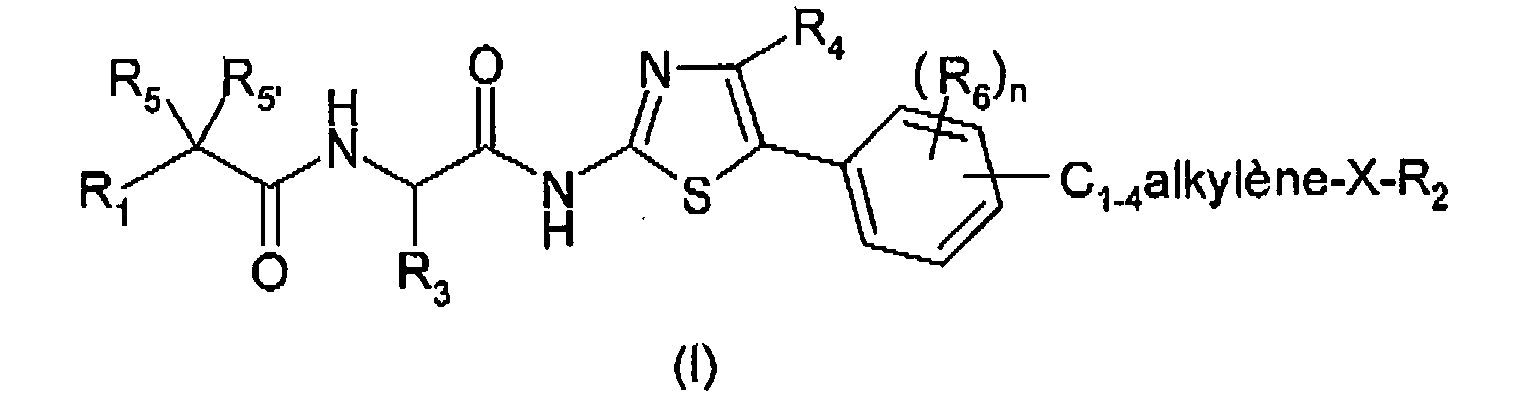
X représente un atome d'oxygène ou de soufre ;
- R1 représente un groupe C1-10 alkyle éventuellement substitué par un C3-7 cycloalkyle, un phényle, un thiényle ; ou R1 représente un groupe C3-7 cycloalkyle, thiényle, pyridinyle, pyrimidinyle ;
- les groupes thiényle étant éventuellement substitués par un à 3 groupes C1-3 alkyle ; le groupe phényle étant éventuellement substitué par un à 5 atomes d'halogène ou groupes C1-3 alkyle, C1-3 alcoxy, C1-3 fluoroalkyle, C1-3 fluoroalcoxy ;
- R2 représente un groupe C1-6 alkyle éventuellement substitué par un groupe C3-7 cycloalkyle, phényle, C1-3 alcoxy, hydroxy ; ou R2 représente un groupe C3-7 cycloalkyle, pipéridinyle, phényle ou pyridinyle ;
- les groupes C3-7 cycloalkyle et pipéridinyle étant éventuellement substitués par un ou plusieurs groupes C1-3 alkyle, C1-3 alcoxy, hydroxy, C1-3 fluoroalkyle, C1-3 fluoroalcoxy ;
- les groupes phényle et pyridinyle étant éventuellement substitués par un ou plusieurs atomes d'halogène ou groupes C1-3 alkyle, C1-3 alcoxy, hydroxy, C1-3 fluoroalkyle, C1-3 fluoroalcoxy ;
- R3 représente un atome d'hydrogène ou un groupe C1-6 alkyle éventuellement substitué par un groupe C3-7 cycloalkyle ;
- R4 représente un atome d'hydrogène ou un groupe C1-6 alkyle ;
- R5 et R5' représentent, indépendamment l'un de l'autre, un atome d'hydrogène, d'halogène, un groupe hydroxy, C1-3 alkyle; ou R5 et R5' forment ensemble un groupe oxo ou oxime tel que :

n représente un nombre entier allant de 0 à 3 ; et
R6 représente, indépendamment l'un de l'autre lorsque n = 2 ou 3, un atome d'hydrogène, d'halogène, un groupe hydroxy, C1-3 alkyle, C1-3 alcoxy, C1-3 fluoroalkyle ou C1-3 fluoroalcoxy.
X represents an oxygen or sulfur atom;
- R 1 represents a C 1-10 alkyl group optionally substituted with a C 3-7 cycloalkyl, a phenyl, a thienyl; or R 1 is C 3-7 cycloalkyl, thienyl, pyridinyl, pyrimidinyl;
- the thienyl groups being optionally substituted with one to 3 C 1-3 alkyl groups; the phenyl group being optionally substituted by one to 5 halogen atoms or C 1-3 alkyl, C 1-3 alkoxy, C 1-3 fluoroalkyl, C 1-3 fluoroalkoxy groups;
- R 2 is C 1-6 alkyl optionally substituted with C 3-7 cycloalkyl, phenyl, C 1-3 alkoxy, hydroxy; or R 2 is C 3-7 cycloalkyl, piperidinyl, phenyl or pyridinyl;
- C 3-7 cycloalkyl and piperidinyl groups being optionally substituted by one or more C 1-3 alkyl, C 1-3 alkoxy, hydroxy, C 1-3 fluoroalkyl, C 1-3 fluoroalkoxy groups;
- the phenyl and pyridinyl groups being optionally substituted with one or more halogen atoms or C 1-3 alkyl, C 1-3 alkoxy, hydroxy, C 1-3 fluoroalkyl, C 1-3 fluoroalkoxy groups;
- R 3 represents a hydrogen atom or a C 1-6 alkyl group optionally substituted with a C 3-7 cycloalkyl group;
- R 4 represents a hydrogen atom or a C 1-6 alkyl group;
- R 5 and R 5 ' independently of one another are hydrogen, halogen, hydroxy, C 1-3 alkyl; or R 5 and R 5 ' together form an oxo or oxime group such as:
n represents an integer ranging from 0 to 3; and
R 6 represents, independently of each other when n = 2 or 3, a hydrogen, halogen, hydroxy, C 1-3 alkyl, C 1-3 alkoxy, C 1-3 fluoroalkyl or C 1-3 fluoroalkoxy.
Parmi les composés de formule générale (I), un sous-groupe de composés préférés est constitué par les composés pour lesquels :
- X représente un atome d'oxygène ou de soufre; et/ou
- R1 représente un groupe C1-5 alkyle de préférence un méthyle, éthyle, 1-méthyléthyle, 1,1-diméthyléthyle, propyle, 1-méthylpropyle, 2-méthylpropyle, 1-éthylpropyle, éventuellement substitué par un phényle, un thiényle ; ou R1 représente un groupe C3-7 cycloalkyle, de préférence un cyclohexyle, un groupe thiényle, pyridinyle ; les groupes thiényle étant éventuellement substitués par un ou deux groupes C1-3 alkyle, de préférence méthyle ; le groupe phényle étant éventuellement substitué par un ou deux atomes d'halogène, de préférence chlore ou fluor ; et/ou
- R2 représente un groupe C1-6 alkyle, de préférence un éthyle, 1-méthyléthyle ; ou R2 représente un groupe C3-7 cycloalkyle, de préférence un cyclohexyle, phényle ou pyridinyle ;
le groupe phényle étant éventuellement substitué par un à trois groupes C1-3 alkyle, de préférence méthyle, éthyle, C1-3 alcoxy, de préférence méthoxy, éthoxy, hydroxy, fluoroalcoxy, de préférence trifluorométhoxy, ou atomes d'halogène, de préférence chlore, fluor ; et/ou - R3 représente un groupe C1-6 alkyle, de préférence un méthyle, éthyle, propyle; et/ou
- R4 représente un atome d'hydrogène ou un groupe C1-6 alkyle, de préférence un méthyle ou un 4-méthylpentyl ; et/ou
- R5 et R5' représentent, indépendamment l'un de l'autre, un atome d'hydrogène, un hydroxy; ou R5 et R5' forment ensemble un groupe oxo ; et/ou
- R6 représente un atome d'hydrogène, d'halogène, de préférence un chlore ou un fluor, un C1-3 alkyle, de préférence un méthyle, un C1-3 alcoxy, de préférence un méthoxy ou un éthoxy ; et/ou
- n est égal à 0 ou 1.
- X represents an oxygen or sulfur atom; and or
- R 1 represents a C 1-5 alkyl group, preferably a methyl, ethyl, 1-methylethyl, 1,1-dimethylethyl, propyl, 1-methylpropyl, 2-methylpropyl, 1-ethylpropyl, optionally substituted by phenyl, thienyl; or R 1 represents C 3-7 cycloalkyl, preferably cyclohexyl, thienyl, pyridinyl; the thienyl groups being optionally substituted by one or two C 1-3 alkyl groups, preferably methyl; the phenyl group being optionally substituted by one or two halogen atoms, preferably chlorine or fluorine; and or
- R 2 represents a C 1-6 alkyl group, preferably an ethyl, 1-methylethyl; or R 2 is C 3-7 cycloalkyl, preferably cyclohexyl, phenyl or pyridinyl;
the phenyl group being optionally substituted by one to three C 1-3 alkyl groups, preferably methyl, ethyl, C 1-3 alkoxy, preferably methoxy, ethoxy, hydroxy, fluoroalkoxy, preferably trifluoromethoxy, or halogen atoms, preferably chlorine, fluorine; and or - R 3 represents a C 1-6 alkyl group, preferably a methyl, ethyl, propyl; and or
- R 4 represents a hydrogen atom or a C 1-6 alkyl group, preferably a methyl or a 4-methylpentyl; and or
- R 5 and R 5 ' represent, independently of one another, a hydrogen atom, a hydroxyl; or R 5 and R 5 ' together form an oxo group; and or
- R 6 is hydrogen, halogen, preferably chlorine or fluorine, C 1-3 alkyl, preferably methyl, C 1-3 alkoxy, preferably methoxy or ethoxy; and or
- n is 0 or 1.
Les composés pour lesquels à la fois X, R1, R2, R3, R4, R6, R5', R6 et n sont tels que définis ci-dessus dans le sous-groupe de composés préférés, sont particulièrement préférés et plus spécifiquement parmi ceux-ci les composés pour lesquels :
- X représente un atome d'oxygène ; et/ou
- le groupe C1-4 alkylène est un méthylène ; et/ou
- le carbone portant le groupe R3 est de configuration (S).
- X represents an oxygen atom; and or
- the C 1-4 alkylene group is methylene; and or
- the carbon carrying the group R 3 is of configuration (S).
L'invention a également pour objet, parmi les composés de formule générale (I), des composés pour lesquels :
- X représente un atome d'oxygène ou de soufre ;
- R1 représente un groupe C1-10 alkyle éventuellement substitué par un C3-7 cycloalkyle, un phényle, un thiényle ; ou R1 représente un groupe C3-7 cycloalkyle, thiényle, pyridinyle, pyrimidinyle ;
- les groupes thiényle étant éventuellement substitués par un à 3 groupes C1-3 alkyle ; le groupe phényle étant éventuellement substitué par un à 5 atomes d'halogène ou groupes C1-3 alkyle, C1-3 alcoxy, C1-3 fluoroalkyle, C1-3 fluoroalcoxy ;
- R2 représente un groupe C1-6 alkyle substitué par un groupe phényle ou R2 représente un groupe phényle ou pyridinyle, lesdits groupes phényle et pyridinyle étant substitués par un ou plusieurs groupes CN, par exemple un à trois groupes CN ;
- R3 représente un atome d'hydrogène ou un groupe C1-6 alkyle éventuellement substitué par un groupe C3-7 cycloalkyle ;
- R4 représente un atome d'hydrogène ou un groupe C1-6 alkyle ;
- R5 et R5' représentent, indépendamment l'un de l'autre, un atome d'hydrogène, d'halogène, un groupe hydroxy, C1-3 alkyle; ou R5 et R5' forment ensemble un groupe oxo ou oxime tel que :

n représente un nombre entier allant de 0 à 3 ; et
R6 représente, indépendamment l'un de l'autre lorsque n = 2 ou 3, un atome d'hydrogène, d'halogène, un groupe hydroxy, C1-3 alkyle, C1-3 alcoxy, C1-3 fluoroalkyle ou C1-3 fluoroalcoxy.The subject of the invention is also, among the compounds of general formula (I), compounds for which:
- X represents an oxygen or sulfur atom;
- R 1 represents a C 1-10 alkyl group optionally substituted with a C 3-7 cycloalkyl, a phenyl, a thienyl; or R 1 is C 3-7 cycloalkyl, thienyl, pyridinyl, pyrimidinyl;
- the thienyl groups being optionally substituted with one to 3 C 1-3 alkyl groups; the phenyl group being optionally substituted by one to 5 halogen atoms or C 1-3 alkyl, C 1-3 alkoxy, C 1-3 fluoroalkyl, C 1-3 fluoroalkoxy groups;
- R 2 represents a C 1-6 alkyl group substituted with a phenyl group or R 2 represents a phenyl or pyridinyl group, said phenyl and pyridinyl groups being substituted by one or more CN groups, for example one to three CN groups;
- R 3 represents a hydrogen atom or a C 1-6 alkyl group optionally substituted with a C 3-7 cycloalkyl group;
- R 4 represents a hydrogen atom or a C 1-6 alkyl group;
- R 5 and R 5 ' independently of one another are hydrogen, halogen, hydroxy, C 1-3 alkyl; or R 5 and R 5 ' together form an oxo or oxime group such as:
n represents an integer ranging from 0 to 3; and
R 6 represents, independently of each other when n = 2 or 3, a hydrogen, halogen, hydroxy, C 1-3 alkyl, C 1-3 alkoxy, C 1-3 fluoroalkyl or C 1-3 fluoroalkoxy.
A titre d'exemple de composés préférés, on peut citer les composés suivants :
- 1. (2S)-2-{[(2R)-2-cyclohexyl-2-hydroxyacétyl]amino}-N-(5-{2-[(cyclohoxyloxy)-méthyl]phényl}-1,3-thiazol-2-yl)pentanamide
- 2. (2S)-2-{[(2S)-2-cyclohexyl-2-hydroxyacétyl]amino}-N-(5-{2-[(cyclohexyloxy)-méthyl]phényl}-1,3-thiazol-2-yl)pentanamide
- 3. (2S)-N-(5-{2-[(cyclohexyloxy)méthyl]phényl}-1,3-thiazol-2-yl)-2-{[2-(3-pyridinyl)acétyl]amino}pentanamide
- 4. N-((1S)-1-{[(5-{2-[(cyclohexyloxy)méthyl]phényl}-1,3-thiazol-2-yl)amino]-carbonyl}butyl)-2-hydroxy-4-méthylpentanamide
- 5. (2S)-N-{5-[2-(isopropoxyméthyl)phényl]-4-méthyl-1,3-thiazol-2-yl}-2-{[2-(3-thiényl)acétyl]amino}pentanamide
- 6. (2S)-N-{5-[2-(isopropoxyméthyl)phényl]-1,3-thiazol-2-yl}-2-{[2-(3-thiényl)-acétyl]amino}pentanamide
- 7. (2S)-N-{5-[2-(isopropoxyméthyl)phényl]-1,3-thiazol-2-yl}-2-{[3-(3-thiényl)-propanoyl]amino}pentanamide
- 8. (2S)-N-{5-[2-(phénoxyméthyl)phényl]-1,3-thiazol-2-yl}-2-{[2-(3-thiényl)-acétyl]amino}pentanamide
- 9. (2S)-2-{[(2S)-2-hydroxy-3,3-diméthylbutanoyl]amino}-N-{5-[2-(phénoxy-méthyl)phényl]-1,3-thiazol-2-yl}pentanamide
- 10. (2S)- N-{5-(2-{phénoxyméthyl)phényl]-1,3-thiazol-2-yl}-2-{[2-(2-thiényl)acétyl]-amino}butanamide
- 11. (2S)-2-{[(2S)-2-hydroxy-3,3-diméthylbutanoyl]amino}-N-{5-[2-(isopropoxy-méthyl)phényl]-1,3-thiazol-2-yl}pentanamide
- 12. (2S)- N-{5-[2-(isopropoxyméthyl)phényl]-1,3-thiazol-2-yl}-2-{[2-(2-thiényl)-acétyl]amino}pentanamide
- 13. (2S)-2-[(3,3-diméthylbutanoyl)amino]-N-{5-[2-(issopropoxyméthyl)phényl]-1,3-thiazol-2-yl}pentanamide
- 14. N-{(1S)-1-[({5-[2-(isopropoxyméthyl)phényl]-1,3-thiazol-2-yl}-amino)carbonyl]-butyl}-3-méthyl-2-oxopentanamide
- 15. (2S)-N-{5-[2-(éthoxyméthyl)phényl]-1,3-thiazol-2-yl}-2-{[(2S)-2-hydroxy-3,3-diméthylbutanoyl]amino}pentanamide
- 30. (2S)-N-(5-{2-[(3,4-diméthoxyphénoxy)méthyl]phényl}-1,3-thiazol-2-yl)-2-{[(2S)-2-hydroxy-3,3-diméthylbutanoyl]amino}pentanamide
- 31. (2S)-N-(5-{2-[(2,6-diméthoxyphénoxy)méthyl]phényl}-1,3-thiazol-2-yl)-2-{[(2S)-2-hydroxy-3,3-diméthylbutanoyl]amino}pentanamide
- 32. (2S)-N-(5-{2-[(2,4-diméthylphénoxy)méthyl]phényl}-1,3-thiazol-2-yl)-2-{[(2S)-2-hydroxy-3,3-diméthylbutanoyl]amino}pentanamide
- 33. (2S)-N-(5-{2-[(2,5-diméthylphénoxy)méthyl]phényl}-1,3-thiazol-2-yl)-2-{[(2S)-2-hydroxy-3,3-diméthylbutanoyl]amino}pentanamide
- 34. (2S)-2-{[(2S)-2-hydroxy-3,3-diméthylbutanoyl]amino}-N-{4-méthyl-5-[2-(phénoxyméthyl)phényl]-1,3-thiazol-2-yl}pentanamide
- 35. (2R)-2-{[(2S)-2-hydroxy-3,3-diméthylbutanoyl]amino}-N-{5-[2-(phénoxy-méthyl)phényl]-1,3-thiazol-2-yl}pentanamide
- 36. (2S)-2-{[(2S)-2-hydroxy-3,3-diméthylbutanoyl]amino}-N-(5-{2-[(2-méthyl-phénoxy)méthyl]phényl}-1,3-thiazol-2-yl}pentanamide
- 37. (2S)-2-{[(2S)-2-hydroxy-3-méthylbutanoyl]amino}-N-{5-[2-(phénoxyméthyl)-phényl]-1,3-thiazol-2-yl}pentanamide
- 38. (2S)-2-[(2-hydroxy-3,3-diméthylbutanoyl)amino]-N-(5-{2-[(2-méthoxy-phénoxy)méthyl]phényl}-1,3-thiazol-2-yl)pentanamide
- 39. (2S)-N-(5-{2-[(2-éthoxyphénoxy)méthyl]phényl}-1,3-thiazol-2-yl)-2-[(2-hydroxy-3,3-diméthylbutanoyl)amino]pentanamide
- 40. (2S)-2-[(2-hydroxy-3-phénylpropanoyl)amino]-N-{5-[2-(phénoxyméthyl)-phényl]-1,3-thiazol-2-yl}pentanamide
- 41. (2S)-N-(5-{2-[(2,6-dichlorophénoxy)méthyl]phényl}-1,3-thiazol-2-yl)-2-[(2-hydroxy-3,3-diméthylbutanoyl)amino]pentanamide
- 42. (2R)-3-éthyl-2-hydroxy-N-{(1S)-1-[({5-[2-(phénoxyméthyl)phényl]-1,3-thiazol-2-yl}amino)carbonyl]butyl}pentanamide
- 43. (2S)-3-éthyl-2-hydroxy-N-{(1S)-1-[({5-[2-(phénoxyméthyl)phényl]-1,3-thiazol-2-yl}amino)carbonyl]butyl}pentànamide
- 44. (2S)-2-{[(2S)-2-hydroxy-3,3-diméthylbutanoyl]amino}-N-{5-[2-(isopropoxy-méthyl)-4-méthoxyphényl]-1,3-thiazol-2-yl}pentanamide
- 45. (2S)-N-(5-{2-[(2-(chloro-6-méthylphénoxy)méthyl]phényl}-1,3-thiazol-2-yl)-2-{[(2S)-2-hydroxy-3,3-diméthylbutanoyl]amino}pentanamide
- 46. (2S)-N-(5-{2-[(2,6-difluorophénoxy)méthyl]phényl}-1,3-thiazol-2-yl)-2-{[(2S)2-hydroxy-3,3-diméthylbutanoyl]amino}pentanamide
- 47. (2S)-N-{5-[4-chloro-2-(phénoxyméthyl)phényl]-1,3-thiazol-2-yl}-2-{[(2S)-2-hydroxy-3,3-diméthylbutanoyl]amino}pentanamide
- 48. (2S)-N-{5-[4-fluoro-2-(phénoxyméthyl)phényl]-1,3-thiazol-2-yl}-2-{[(2S)-2-hydroxy-3,3-diméthylbutanoyl]amino}pentanamide
- 49. (2S)-2-{[(2S)-2-hydroxy-3-méthylbutanoyl]amino}-N-{5-[4-méthoxy-2-(phénoxyméthyl)phényl]-1,3-thiazol-2-yl}pentanamide
- 50. (2S)-N-(5-{2-[(3,4-dichlorophénoxy)méthyl]phényl}-1,3-thiazol-2-yl)-2-{[(2S)-2-hydroxy-3,3-diméthylbutanoyl]amino}pentanamide
- 51. (2S)-N-((1S)-1-{[(5-{2-[(cyclohexyloxy)méthyl]phényl}-1,3-thiazol-2-yl)-amino]carbonyl}butyl)-2-hydroxy-4-méthylpentanamide
- 52. (2S)-N-{5-[4-éthoxy-2-(phénoxyméthyl)phényl]-1,3-thiazol-2-yl}-2-{[(2S)-2-hydroxy-3,3-diméthylbutanoyl]amino}pentanamide
- 53. (2S)-N-{5-[4-éthoxy-2-(phénoxyméthyl)phényl]-1,3-thiazol-2-yl}-2-{[(2S)-2-hydroxy-3-méthylbutanoyl]amino}pentanamide
- 54. (2S)-N-{5-[5-fluoro-2-(phénoxyméthyl)phényl]-1,3-thiazol-2-yl}-2-{[(2S)-2-hydroxy-3,3-diméthylbutanoyl]amino}pentanamide
- 55. (2S)-N-{5-[5-chloro-2-(phénoxyméthyl)phényl]-1,3-thiazol-2-yl}-2-{[(2S)-2-hydroxy-3,3-diméthylbutanoyl]amino}pentanamide
- 56. (2S)-N-{5-[5-fluoro-2-(phénoxyméthyl)phényl]-1,3-thiazol-2-yl}-2-{[(2S)-2-hydroxy-3-méthylbutanoyl]amino}pentanamide
- 57. (2S)-N-(5-{2-[(cyclohexyloxy)méthyl]phényl}-1,3-thiazol-2-yl)-2-{[(2S)-2-hydroxy-3,3-diméthylbutanoyl]amino}pentanamide
- 58. (2S)-2-hydroxy-3,3-diméthyl-N-[(1S)-1-méthyl-2-oxo-2-({5-[2-(phénoxy-méthyl)phényl]-1,3-thiazol-2-yl}amino)éthyl]butanamide
- 59. (2S)-2-{[(2S)-2-hydroxy-3,3-diméthylbutanoyl]amino}-N-{5-[4-méthyl-2-(phénoxyméthyl)phényl]-1,3-thiazol-2-yl}pentanamide
- 60. (2S)-2-{[(2S)-2-hydroxy-3-méthylbutanoyl]amino}-N-{5-[5-méthyl-2-(phénoxy-méthyl)phényl]-1,3-thiazol-2-yl}pentanamide
- 61. (2S)-N-(5-{2-[(3-cyanophénoxy)méthyl]phényl}-1,3-thiazol-2-yl)-2-{[(2S)-2-hydroxy-3,3-diméthylbutanoyl]amino}pentanamide
- 62. (2S)-N-(5-{2-[(3-fluorophénoxy)méthyl]phényl}-1,3-thiazol-2-yl)-2-{[(2S)-2-hydroxy-3,3-diméthylbutanoyl]amino}pentanamide
- 63. (2S)-N-(5-{2-[(3-fluorophénoxy)méthyl]phényl}-1,3-thiazol-2-yl)-2-{[(2S)-2-hydroxy-3-méthylbutanoyl]amino}pentanamide
- 64. (2S)-2-{[(2S)-2-hydroxy-3,3-diméthy)butanoyl]amino}-N-{5-[5-méthyl-2-(phénoxyméthyl)phényl]-1,3-thiazol-2-yl}pentanamide
- 65. (2S)-2-{[(2S)-2-hydroxy-3-méthylbutanoyl]amino}-N-{5-[4-méthyl-2-(phénoxy-méthyl)phényl]-1,3-thiazol-2-yl}pentanamide
- 66. (2S)-N-{(1S)-2-[(5-{2-[(cyclohexyloxy)méthyl]phényl}-1,3-thiazol-2-yl)amino]-1-méthyl-2-oxoéthyl}-2-hydroxy-3,3-diméthylbutanamide
- 67. (2S)-N-(5-{2-[(2-chloro-5-méthylphénoxy)méthyl]phényl}-1,3-thiazol-2-yl)-2-{[(2S)-2-hydroxy-3,3-diméthylbutanoyl]amino}pentanamide
- 68. (2S)-2-{[(2S)-2-hydroxy-3,3-diméthylbutanoyl]amino}-N-(5-{2-[(3-méthyl-phénoxy)méthyl)phényl}-1,3-thiazol-2-yl)pentanamide
- 69. (2S)-N-(5-{2-[(2-cyanophénoxy)méthyl]phényl}-1,3-thiazol-2-yl)-2-{[(2S)-2-hydroxy-3,3-diméthylbutanoyl]amino}pentanamide
- 70. (2S)-2-{[(2S)-2-hydroxy-3,3-diméthylbutanoyl]amino}-N-(5-{2-[(4-pyridinyl-oxy)méthyl]phényl}-1,3-thiazol-2-yl)pentanamide
- 71. (2S)-N-(5-{2-[(2-chloro-4,5-diméthylphénoxy))méthyl]phényl}-1,3-thiazol-2-yl)-2-{[(2S)-2-hydroxy-3,3-diméthylbutanoyl]amino}pentanamide
- 72. (2S)-N-(5-{2-[(4-chloro-3-méthylphénoxy))méthyl]phényl}-1,3-thiazol-2-yl)-2-{[(2S)-2-hydroxy-3,3-diméthylbutanoyl]amino}pentanamide
- 73. (2S)-N-(5-{2-[(2,3-dichlorophénoxy)méthyl]phényl}-1,3-thiazol-2-yl)-2-{[(2S)-2-hydroxy-3,3-diméthylbutanoyl]amino}pentanamide
- 74. (2S)-N-(5-{2-[(2,3-difluorophénoxy)méthyl]phényl}-1,3-thiazol-2-yl)-2-{[(2S)-2-hydroxy-3,3-diméthylbutanoyl]amino}pentanamide
- 75. (2S)-2-{[(2S)-2-hydroxy-3,3-diméthylbutanoyl]amino}-N-{4-(4-méthylpentyl)-5-[2-(phénoxyméthyl)phényl]-1,3-thiazol-2-yl)pentanamide
- 1. (2 S ) -2 - {[(2 R ) -2-Cyclohexyl-2-hydroxyacetyl] amino} - N - (5- {2 - [(cyclohoxyloxy) methyl} phenyl} -1,3-thiazol -2-yl) pentanamide
- 2. (2 S ) -2 - {[(2 S ) -2-Cyclohexyl-2-hydroxyacetyl] amino} - N - (5- {2 - [(cyclohexyloxy) methyl] phenyl} -1,3-thiazol -2-yl) pentanamide
- 3. (2 S ) -N - (5- {2 - [(cyclohexyloxy) methyl] phenyl} -1,3-thiazol-2-yl) -2 - {[2- (3-pyridinyl) acetyl] amino} pentanamide
- 4. N - (( 1S ) -1 - {[(5- {2 - [(cyclohexyloxy) methyl] phenyl} -1,3-thiazol-2-yl) amino] carbonyl} butyl) -2-hydroxy -4-methylpentanamide
- 5. (2 S ) - N - {5- [2- (Isopropoxymethyl) phenyl] -4-methyl-1,3-thiazol-2-yl} -2 - {[2- (3-thienyl) acetyl] amino } pentanamide
- 6. (2 S ) - N - {5- [2- (Isopropoxymethyl) phenyl] -1,3-thiazol-2-yl} -2 - {[2- (3-thienyl) -acetyl] amino} pentanamide
- 7. (2 S ) - N - {5- [2- (isopropoxymethyl) phenyl] -1,3-thiazol-2-yl} -2 - {[3- (3-thienyl) propanoyl] amino} pentanamide
- 8. (2 S ) - N - {5- [2- (phenoxymethyl) phenyl] -1,3-thiazol-2-yl} -2 - {[2- (3-thienyl) -acetyl] amino} pentanamide
- 9. (2 S ) -2 - {[( 2S ) -2-hydroxy-3,3-dimethylbutanoyl] amino} - N - {5- [2- (phenoxy-methyl) phenyl] -1,3-thiazol -2-yl} pentanamide
- 10. (2 S ) - N - {5- (2- (phenoxymethyl) phenyl] -1,3-thiazol-2-yl} -2 - {[2- (2-thienyl) acetyl] amino} butanamide
- 11. (2 S ) -2 - {[(2 S ) -2-Hydroxy-3,3-dimethylbutanoyl] amino} - N - {5- [2- (isopropoxy-methyl) phenyl] -1,3-thiazol -2-yl} pentanamide
- 12. (2 S ) - N - {5- [2- (Isopropoxymethyl) phenyl] -1,3-thiazol-2-yl} -2 - {[2- (2-thienyl) -acetyl] amino} pentanamide
- 13. (2 S ) -2 - [(3,3-Dimethylbutanoyl) amino] - N - {5- [2- (issopropoxymethyl) phenyl] -1,3-thiazol-2-yl} pentanamide
- 14. N - {( 1S ) -1 - [({5- [2- (isopropoxymethyl) phenyl] -1,3-thiazol-2-yl} -amino) carbonyl] butyl} -3-methyl-2 -oxopentanamide
- 15. (2 S ) -N - {5- [2- (Ethoxymethyl) phenyl] -1,3-thiazol-2-yl} -2 - {[( 2S ) -2-hydroxy-3,3-dimethylbutanoyl} ] amino} pentanamide
- 30. (2 S ) - N - (5- {2 - [(3,4-dimethoxyphenoxy) methyl] phenyl} -1,3-thiazol-2-yl) -2 - {[2 S ] -2- hydroxy-3,3-dimethylbutanoyl] amino} pentanamide
- 31. (2 S ) - N - (5- {2 - [(2,6-dimethoxyphenoxy) methyl] phenyl} -1,3-thiazol-2-yl) -2 - {[2 S ] -2- hydroxy-3,3-dimethylbutanoyl] amino} pentanamide
- 32. (2 S ) - N - (5- {2 - [(2,4-dimethylphenoxy) methyl] phenyl} -1,3-thiazol-2-yl) -2 - {[2 S ] -2- hydroxy-3,3-dimethylbutanoyl] amino} pentanamide
- 33. (2 S ) - N - (5- {2 - [(2,5-dimethylphenoxy) methyl] phenyl} -1,3-thiazol-2-yl) -2 - {[(2 S ) -2- hydroxy-3,3-dimethylbutanoyl] amino} pentanamide
- 34 . (2 S ) -2 - {[( 2S ) -2-hydroxy-3,3-dimethylbutanoyl] amino} - N - {4-methyl-5- [2- (phenoxymethyl) phenyl] -1,3-thiazol -2-yl} pentanamide
- 35. (2 R ) -2 - {[( 2S ) -2-hydroxy-3,3-dimethylbutanoyl] amino} - N - {5- [2- (phenoxy-methyl) phenyl] -1,3-thiazol -2-yl} pentanamide
- 36. (2 S ) -2 - {[( 2S ) -2-hydroxy-3,3-dimethylbutanoyl] amino} - N - (5- {2 - [(2-methylphenoxy) methyl] phenyl} - 1,3-thiazol-2-yl} pentanamide
- 37. (2 S ) -2 - {[( 2S ) -2-hydroxy-3-methylbutanoyl] amino} - N - {5- [2- (phenoxymethyl) -phenyl] -1,3-thiazol-2- yl} pentanamide
- 38. (2 S ) -2 - [(2-hydroxy-3,3-dimethylbutanoyl) amino] - N - (5- {2 - [(2-methoxy-phenoxy) methyl] phenyl} -1,3-thiazol -2-yl) pentanamide
- 39. (2 S ) - N - (5- {2 - [(2-ethoxyphenoxy) methyl] phenyl} -1,3-thiazol-2-yl) -2 - [(2-hydroxy-3,3-dimethylbutanoyl) ) amino] pentanamide
- 40. (2 S ) -2 - [(2-hydroxy-3-phenylpropanoyl) amino] - N - {5- [2- (phenoxymethyl) phenyl] -1,3-thiazol-2-yl} pentanamide
- 41. (2 S ) - N - (5- {2 - [(2,6-dichlorophenoxy) methyl] phenyl} -1,3-thiazol-2-yl) -2 - [(2-hydroxy-3,3) -diméthylbutanoyl) amino] pentanamide
- 42. (2 R ) -3-ethyl-2-hydroxy- N - {( 1S ) -1 - [({5- [2- (phenoxymethyl) phenyl] -1,3-thiazol-2-yl} amino ) carbonyl] butyl} pentanamide
- 43. (2 S ) -3-ethyl-2-hydroxy- N - {( 1S ) -1 - [({5- [2- (phenoxymethyl) phenyl] -1,3-thiazol-2-yl} amino ) carbonyl] butyl} pentanamide
- 44. (2 S ) -2 - {[( 2S ) -2-hydroxy-3,3-dimethylbutanoyl] amino} - N - {5- [2- (isopropoxy-methyl) -4-methoxyphenyl] -1, 3-thiazol-2-yl} pentanamide
- 45. (2 S ) - N - (5- {2 - [(2- (Chloro-6-methylphenoxy) methyl] phenyl} -1,3-thiazol-2-yl) -2 - {[2 S ] -2-hydroxy-3,3-dimethylbutanoyl] amino} pentanamide
- 46. (2 S ) - N - (5- {2 - [(2,6-difluorophenoxy) methyl] phenyl} -1,3-thiazol-2-yl) -2 - {[( 2S ) 2-hydroxy) -3,3-dimethylbutanoyl] amino} pentanamide
- 47. (2 S ) - N - {5- [4-chloro-2- (phenoxymethyl) phenyl] -1,3-thiazol-2-yl} -2 - {[( 2S ) -2-hydroxy-3} , 3-dimethylbutanoyl] amino} pentanamide
- 48. (2 S ) - N - {5- [4-Fluoro-2- (phenoxymethyl) phenyl] -1,3-thiazol-2-yl} -2 - {[( 2S ) -2-hydroxy-3} , 3-dimethylbutanoyl] amino} pentanamide
- 49. (2 S ) -2 - {[(2 S ) -2-hydroxy-3-methylbutanoyl] amino} - N - {5- [4-methoxy-2- (phenoxymethyl) phenyl] -1,3-thiazol -2-yl} pentanamide
- 50. (2 S ) - N - (5- {2 - [(3,4-dichlorophenoxy) methyl] phenyl} -1,3-thiazol-2-yl) -2 - {[(2 S ) -2- hydroxy-3,3-dimethylbutanoyl] amino} pentanamide
- 51. (2 S ) - N - (( 1S ) -1 - {[(5- {2 - [(cyclohexyloxy) methyl] phenyl} -1,3-thiazol-2-yl) -amino] carbonyl} butyl ) -2-hydroxy-4-methylpentanamide
- 52. (2 S ) - N - {5- [4-ethoxy-2- (phenoxymethyl) phenyl] -1,3-thiazol-2-yl} -2 - {[(2S) -2-hydroxy-3, 3-dimethylbutanoyl] amino} pentanamide
- 53. (2 S ) - N - {5- [4-Ethoxy-2- (phenoxymethyl) phenyl] -1,3-thiazol-2-yl} -2 - {[(2S) -2-hydroxy-3} methylbutanoyl] amino} pentanamide
- 54. (2 S ) - N - {5- [5-fluoro-2- (phenoxymethyl) phenyl] -1,3-thiazol-2-yl} -2 - {[(2S) -2-hydroxy-3, 3-dimethylbutanoyl] amino} pentanamide
- 55. (2 S ) - N - {5- [5-chloro-2- (phenoxymethyl) phenyl] -1,3-thiazol-2-yl} -2 - {[(2S) -2-hydroxy-3, 3-dimethylbutanoyl] amino} pentanamide
- 56. (2 S ) - N - {5- [5-fluoro-2- (phenoxymethyl) phenyl] -1,3-thiazol-2-yl} -2 - {[(2S) -2-hydroxy-3} methylbutanoyl] amino} pentanamide
- 57. (2 S ) - N - (5- {2 - [(cyclohexyloxy) methyl] phenyl} -1,3-thiazol-2-yl) -2 - {[(2S) -2-hydroxy-3,3 -diméthylbutanoyl] amino} pentanamide
- 58. (2 S ) -2-hydroxy-3,3-dimethyl- N - [(1S) -1-methyl-2-oxo-2 - ({5- [2- (phenoxy-methyl) phenyl] -1 , 3-thiazol-2-yl} amino) ethyl] butanamide
- 59. (2 S ) -2 - {[(2S) -2-hydroxy-3,3-dimethylbutanoyl] amino} - N - {5- [4-methyl-2- (phenoxymethyl) phenyl] -1,3- thiazol-2-yl} pentanamide
- 60. (2 S ) -2 - {[(2S) -2-Hydroxy-3-methylbutanoyl] amino} - N - {5- [5-methyl-2- (phenoxy-methyl) phenyl] -1,3- thiazol-2-yl} pentanamide
- 61. (2 S ) - N - (5- {2 - [(3-cyanophenoxy) methyl] phenyl} -1,3-thiazol-2-yl) -2 - {[(2S) -2-hydroxy-3} , 3-dimethylbutanoyl] amino} pentanamide
- 62. (2 S ) - N - (5- {2 - [(3-fluorophenoxy) methyl] phenyl} -1,3-thiazol-2-yl) -2 - {[(2S) -2-hydroxy-3} , 3-dimethylbutanoyl] amino} pentanamide
- 63. (2 S ) - N - (5- {2 - [(3-fluorophenoxy) methyl] phenyl} -1,3-thiazol-2-yl) -2 - {[(2S) -2-hydroxy-3} -méthylbutanoyl] amino} pentanamide
- 64. (2 S ) -2 - {[(2S) -2-hydroxy-3,3-dimethyl) butanoyl] amino} - N - {5- [5-methyl-2- (phenoxymethyl) phenyl] -1, 3-thiazol-2-yl} pentanamide
- 65. (2 S ) -2 - {[(2S) -2-hydroxy-3-methylbutanoyl] amino} - N - {5- [4-methyl-2- (phenoxy-methyl) phenyl] -1,3- thiazol-2-yl} pentanamide
- 66. (2 S ) - N - {(1S) -2 - [(5- {2 - [(cyclohexyloxy) methyl] phenyl} -1,3-thiazol-2-yl) amino] -1-methyl-2 oxoethyl} -2-hydroxy-3,3-dimethylbutanamide
- 67. (2 S ) - N - (5- {2 - [(2-chloro-5-methylphenoxy) methyl] phenyl} -1,3-thiazol-2-yl) -2 - {[(2S) -2 -hydroxy-3,3-dimethylbutanoyl] amino} pentanamide
- 68. (2 S ) -2 - {[(2S) -2-hydroxy-3,3-dimethylbutanoyl] amino} - N - (5- {2 - [(3-methylphenoxy) methyl) phenyl} -1 , 3-thiazol-2-yl) pentanamide
- 69. (2 S ) - N - (5- {2 - [(2-cyanophenoxy) methyl] phenyl} -1,3-thiazol-2-yl) -2 - {[(2S) -2-hydroxy-3} , 3-dimethylbutanoyl] amino} pentanamide
- 70. (2 S ) -2 - {[(2S) -2-hydroxy-3,3-dimethylbutanoyl] amino} - N - (5- {2 - [(4-pyridinyloxy) methyl] phenyl} -1 , 3-thiazol-2-yl) pentanamide
- 71. (2 S ) - N - (5- {2 - [(2-chloro-4,5-dimethylphenoxy)) methyl] phenyl} -1,3-thiazol-2-yl) -2 - {[2S] ) -2-hydroxy-3,3-dimethylbutanoyl] amino} pentanamide
- 72. (2 S ) - N - (5- {2 - [(4-chloro-3-methylphenoxy)) methyl] phenyl} -1,3-thiazol-2-yl) -2 - [(2S) - 2-hydroxy-3,3-dimethylbutanoyl] amino} pentanamide
- 73. (2 S ) - N - (5- {2 - [(2,3-dichlorophenoxy) methyl] phenyl} -1,3-thiazol-2-yl) -2 - {[(2S) -2-hydroxy} -3,3-dimethylbutanoyl] amino} pentanamide
- 74. (2 S ) - N - (5- {2 - [(2,3-difluorophenoxy) methyl] phenyl} -1,3-thiazol-2-yl) -2 - {[(2S) -2-hydroxy} -3,3-dimethylbutanoyl] amino} pentanamide
- 75. (2 S ) -2 - {[(2S) -2-hydroxy-3,3-dimethylbutanoyl] amino} - N - {4- (4-methylpentyl) -5- [2- (phenoxymethyl) phenyl] - 1,3-thiazol-2-yl) pentanamide
L'invention a également pour objet, parmi les composés de formule générale (I), des composés répondant à la formule générale (I') :

X représente un atome d'oxygène ou de soufre ;
R1 représente un groupe C1-10 alkyle éventuellement substitué par un C3-7 cycloalkyle, un phényle, un thiényle ; ou R1 représente un groupe 63-7 cycloalkyle, thiényle, pyridinyle, pyrimidinyle ;
les groupes thiényle étant éventuellement substitués par un à 3 groupes C1-3 alkyle ; le groupe phényle étant éventuellement substitué par un à 5 atomes d'halogène ou groupes C1-3 alkyle, C1-3 alcoxy, C1-3 fluoroalkyle, C1-3 fluoroalcoxy ;
R2 représente un groupe C1-6 alkyle éventuellement substitué par un groupe C3-7 cycloalkyle, phényle, C1-3 alcoxy, hydroxy ; ou R2 représente un groupe C3-7 cycloalkyle, pipéridinyle, phényle ou pyridinyle ;
les groupes C3-7 cycloalkyle et pipéridinyle étant éventuellement substitués par un ou plusieurs groupes C1-3 alkyle, C1-3 alcoxy, hydroxy, C1-3 fluoroalkyle, C1-3 fluoroalcoxy ;
les groupes phényle et pyridinyle étant éventuellement substitués par un ou plusieurs atomes d'halogène ou groupes C1-3 alkyle, C1-3 alcoxy, hydroxy, C1-3 fluoroalkyle, C1-3 fluoroalcoxy ;
R3 représente un atome d'hydrogène ou un groupe C1-6 alkyle éventuellement substitué par un groupe C3-7 cycloalkyle ;
R4 représente un atome d'hydrogène ou un groupe C1-4 alkyle ;
R5 et R5' représentent, indépendamment l'un de l'autre, un atome d'hydrogène, d'halogène, un groupe hydroxy, C1-3 alkyle; ou R5 et R5' forment ensemble un groupe oxo ou oxime tel que :

n représente un nombre entier allant de 0 à 3 ; et
R6 représente, indépendamment l'un de l'autre lorsque n = 2 ou 3, un atome d'hydrogène, d'halogène, un groupe hydroxy, C1-3 alkyle, C1-3 alcoxy, C1-3 fluoroalkyle ou C1-3 fluoroalcoxy.The subject of the invention is also, among the compounds of general formula (I), compounds corresponding to general formula (I '):
X represents an oxygen or sulfur atom;
R 1 represents a C 1-10 alkyl group optionally substituted with a C 3-7 cycloalkyl, a phenyl, a thienyl; or R 1 is 3-7 cycloalkyl, thienyl, pyridinyl, pyrimidinyl;
the thienyl groups being optionally substituted with one to 3 C 1-3 alkyl groups; the phenyl group being optionally substituted by one to 5 halogen atoms or C 1-3 alkyl, C 1-3 alkoxy, C 1-3 fluoroalkyl, C 1-3 fluoroalkoxy groups;
R 2 is C 1-6 alkyl optionally substituted with C 3-7 cycloalkyl, phenyl, C 1-3 alkoxy, hydroxy; or R 2 is C 3-7 cycloalkyl, piperidinyl, phenyl or pyridinyl;
C 3-7 cycloalkyl and piperidinyl groups being optionally substituted by one or more C 1-3 alkyl, C 1-3 alkoxy, hydroxy, C 1-3 fluoroalkyl, C 1-3 fluoroalkoxy groups;
the phenyl and pyridinyl groups being optionally substituted with one or more halogen atoms or C 1-3 alkyl, C 1-3 alkoxy, hydroxy, C 1-3 fluoroalkyl, C 1-3 fluoroalkoxy groups;
R 3 represents a hydrogen atom or a C 1-6 alkyl group optionally substituted with a C 3-7 cycloalkyl group;
R 4 represents a hydrogen atom or a C 1-4 alkyl group;
R 5 and R 5 ' independently of one another are hydrogen, halogen, hydroxy, C 1-3 alkyl; or R 5 and R 5 ' together form an oxo or oxime group such as:
n represents an integer ranging from 0 to 3; and
R 6 represents, independently of each other when n = 2 or 3, a hydrogen, halogen, hydroxy, C 1-3 alkyl, C 1-3 alkoxy, C 1-3 fluoroalkyl or C 1-3 fluoroalkoxy.
Parmi les composés de formule générale (I'), un sous-groupe de composés préférés est constitué par les composés pour lesquels :
- X représente un atome d'oxygène ou de soufre; et/ou
- R1 représente un groupe C1-5 alkyle de préférence un méthyle, éthyle, 1-méthyléthyle, 1,1-diméthyléthyle, propyle, 1-méthylpropyle, 2-méthylpropyle, 1-éthylpropyle, éventuellement substitué par un phényle, un thiényle ; ou R1 représente un groupe C3-7 cycloalkyle, de préférence un cyclohexyle, un groupe thiényle, pyridinyle ; les groupes thiényle étant éventuellement substitués par un ou deux groupes C1-3 alkyle, de préférence méthyle ; le groupe phényle étant éventuellement substitué par un ou deux atomes d'halogène, de préférence chlore ou fluor ; et/ou
- R2 représente un groupe C1-6 alkyle, de préférence un éthyle, 1-méthyléthyle ; ou R2 représente un groupe C3-7 cycloalkyle, de préférence un cyclohexyle, ou phényle ;
le groupe phényle étant éventuellement substitué par un ou deux groupes C1-3 alkyle, de préférence méthyle, éthyle, C1-3 alcoxy, de préférence méthoxy, éthoxy, hydroxy, fluoroalcoxy, de préférence trifluorométhoxy, ou par un ou deux atomes d'halogène, de préférence chlore, fluor ; et/ou - R3 représente un groupe C1-6 alkyle, de préférence un éthyle, propyle; et/ou
- R4 représente un atome d'hydrogène ou un groupe C1-4 alkyle, de préférence un méthyle ; et/ou
- R5 et R5' représentent, indépendamment l'un de l'autre, un atome d'hydrogène, un hydroxy; ou R5 et R5' forment ensemble un groupe oxo ; et/ou
- R6 représente un atome d'hydrogène, d'halogène, de préférence un chlore ou un fluor, un C1-3alcoxy, de préférence un méthoxy ; et/ou
- n est égal à 0 ou 1.
- X represents an oxygen or sulfur atom; and or
- R 1 represents a C 1-5 alkyl group, preferably a methyl, ethyl, 1-methylethyl, 1,1-dimethylethyl, propyl, 1-methylpropyl, 2-methylpropyl, 1-ethylpropyl, optionally substituted by phenyl, thienyl; or R 1 represents C 3-7 cycloalkyl, preferably cyclohexyl, thienyl, pyridinyl; the thienyl groups being optionally substituted by one or two C 1-3 alkyl groups, preferably methyl; the phenyl group being optionally substituted by one or two halogen atoms, preferably chlorine or fluorine; and or
- R 2 represents a C 1-6 alkyl group, preferably an ethyl, 1-methylethyl; or R 2 is C 3-7 cycloalkyl, preferably cyclohexyl, or phenyl;
the phenyl group being optionally substituted with one or two C 1-3 alkyl groups, preferably methyl, ethyl, C 1-3 alkoxy, preferably methoxy, ethoxy, hydroxy, fluoroalkoxy, preferably trifluoromethoxy, or with one or two carbon atoms; halogen, preferably chlorine, fluorine; and or - R 3 represents a C 1-6 alkyl group, preferably an ethyl, propyl; and or
- R 4 represents a hydrogen atom or a C 1-4 alkyl group, preferably a methyl; and or
- R 5 and R 5 ' represent, independently of one another, a hydrogen atom, a hydroxyl; or R 5 and R 5 ' together form an oxo group; and or
- R 6 represents a hydrogen atom, halogen, preferably a chlorine or a fluorine, a C 1-3 alkoxy, preferably a methoxy; and or
- n is 0 or 1.
Dans le cadre de l'invention, on entend par :
- Ct-z où t et z peuvent prendre les valeurs de 1 à 10, une chaîne carbonée pouvant avoir de t à z atomes de carbone, par exemple C1-3 une chaîne carbonée qui peut avoir de 1 à 3 atomes de carbone, C3-6 une chaîne carbonée qui peut avoir de 3 à 6 atomes de carbone,... ;
- alkyle, un groupe aliphatique saturé, linéaire ou ramifié, par exemple un groupe C1-6 alkyle représente une chaîne carbonée de 1 à 6 atomes de carbone, linéaire ou ramifiée, plus particulièrement un méthyle, éthyle, propyle, 1-méthyléthyle, butyle, 1-méthylpropyle, 2-méthylpropyle, 1,1-diméthyléthyle,..... de préférence un méthyle, éthyle, propyle ou 1-méthyléthyle ;
- alkylène, un groupe alkyle divalent ;
- cycloalkyle, un groupe alkyle cyclique, par exemple, un groupe C3-7 cycloalkyle représente un cycle carboné de 3 à 7 atomes de carbone, plus particulièrement un cyclopropyle, cyclobutyle, cyclopentyle, cyclohexyle, cycloheptyle, de préférence un cyclopentyle ou cyclohexyle ;
- alcoxy, un groupe -O-alkyle où le groupe alkyle est tel que précédemment défini ;
- fluoroalkyle, un groupe alkyle dont un ou plusieurs atomes d'hydrogène ont été substitués par un atome de fluor ;
- fluoroalcoxy, un groupe alcoxy dont un ou plusieurs atomes d'hydrogène ont été substitués par un atome de fluor ; et
- atome d'halogène, un fluor, un chlore, un brome ou un iode.
- C tz where t and z may take the values from 1 to 10, a carbon chain which can have from t to z carbon atoms, for example a C 1-3 carbon chain which can have from 1 to 3 carbon atoms, C 3 -6 a carbon chain which can have from 3 to 6 carbon atoms, ...;
- alkyl, a linear or branched, saturated aliphatic group, for example a C 1-6 alkyl group, represents a straight or branched chain of carbon of 1 to 6 carbon atoms, more particularly a methyl, ethyl, propyl, 1-methylethyl, butyl 1-methylpropyl, 2-methylpropyl, 1,1-dimethylethyl, preferably methyl, ethyl, propyl or 1-methylethyl;
- alkylene, a divalent alkyl group;
- cycloalkyl, a cyclic alkyl group, for example a C 3-7 cycloalkyl group represents a carbon ring of 3 to 7 carbon atoms, more particularly a cyclopropyl, cyclobutyl, cyclopentyl, cyclohexyl, cycloheptyl, preferably a cyclopentyl or cyclohexyl;
- alkoxy, an -O-alkyl group wherein the alkyl group is as previously defined;
- fluoroalkyl, an alkyl group of which one or more hydrogen atoms have been substituted with a fluorine atom;
- fluoroalkoxy, an alkoxy group of which one or more hydrogen atoms have been substituted with a fluorine atom; and
- halogen atom, fluorine, chlorine, bromine or iodine.
Les composés de formule générale (I) peuvent comporter un ou plusieurs carbones asymétriques. Ils peuvent donc exister sous forme d'énantiomères ou de diastéréoisomères. Ces énantiomères, diastéréoisomères, ainsi que leurs mélanges, y compris les mélanges racémiques, font partie de l'invention.The compounds of general formula (I) may comprise one or more asymmetric carbons. They can therefore exist as enantiomers or diastereoisomers. These enantiomers, diastereoisomers, as well as their mixtures, including the racemic mixtures, form part of the invention.
Les composés de formule (I) peuvent exister à l'état de bases ou de sels d'addition à des acides. De tels sels d'addition font partie de l'invention.
Ces sels sont avantageusement préparés avec des acides pharmaceutiquement acceptables, mais les sels d'autres acides utiles, par exemple, pour la purification ou l'isolement des composés de formule (I) font également partie de l'invention.The compounds of formula (I) may exist in the form of bases or addition salts with acids. Such addition salts are part of the invention.
These salts are advantageously prepared with pharmaceutically acceptable acids, but the salts of other acids that are useful, for example, for the purification or the isolation of the compounds of formula (I) are also part of the invention.
Les composés de formule générale (I) peuvent se trouver sous forme d'hydrates ou de solvats, à savoir sous forme d'associations ou de combinaisons avec une ou plusieurs molécules d'eau ou avec un solvant. De tels hydrates et solvats font également partie de l'invention.The compounds of general formula (I) can be in the form of hydrates or solvates, namely in the form of associations or combinations with one or more water molecules or with a solvent. Such hydrates and solvates are also part of the invention.
Dans ce qui suit, on entend par groupe partant, un groupe pouvant être facilement clivé d'une molécule, avec départ d'une paire électronique, par rupture d'une liaison hétérolytique. Ce groupe peut ainsi être remplacé facilement par un autre groupe lors d'une réaction de substitution par exemple. De tels groupes partants sont, par exemple, les halogènes, ou un groupe hydroxy activé tel qu'un mésylate, tosylate, triflate, acétyle, ... etc. Des exemples de groupes partants ainsi que des références pour leur préparation sont donnés dans
On entend par groupe protecteur, un groupe permettant d'empêcher la réactivité d'une fonction ou position, lors d'une réaction chimique pouvant l'affecter, et qui restitue la molécule après clivage selon des méthodes connues de l'homme du métier. Des exemples de groupes protecteurs ainsi que les méthodes de protection et déprotection sont données, entre autres, dans
L'invention a pour second objet des procédés de préparation des composés de formule (I).The subject of the invention is processes for the preparation of the compounds of formula (I).
Ainsi, ces composés peuvent être préparés par les procédés, illustrés dans les schémas qui suivent, dont les conditions opératoires sont classiques pour l'homme du métier.

Selon le schéma 1, le composé de formule (I) peut être obtenu par couplage peptidique de l'amine de formule (XI) avec l'acide de formule (XII) selon des conditions connues de l'homme du métier, par exemple en présence d'hexafluorophosphate de benzotriazol-1-yloxy-tris(diméthylamino)phosphonium (BOP) et de N-éthylmorpholine ou N-méthylmorpholine dans un solvant inerte tel que le diméthylformamide, l'acétonitrile ou le dichlorométhane à une température pouvant aller de 0°C à la température ambiante.According to Scheme 1, the compound of formula (I) may be obtained by peptide coupling of the amine of formula (XI) with the acid of formula (XII) according to conditions known to those skilled in the art, for example in the presence of benzotriazol-1-yloxy-tris (dimethylamino) phosphonium hexafluorophosphate (BOP) and N- ethylmorpholine or N -methylmorpholine in an inert solvent such as dimethylformamide, acetonitrile or dichloromethane at a temperature ranging from 0 ° C at room temperature.
L'amine de formule (XI) est obtenue par couplage peptidique de l'amine de formule (VIII) avec l'aminoacide de formule (IX), dans laquelle Pg représente un groupe protecteur, dans les conditions telles que décrites ci-dessus, pour donner le composé de formule (X). L'aminoacide de formule (IX) est, par exemple, protégé au moyen d'un N-tert-butyloxycarbonyl (Boc). Le composé (X) est ensuite déprotégé selon des méthodes connues de l'homme du métier, pour donner l'amine de formule (XI). Par exemple, si le groupe protecteur utilisé est le Boc, celui-ci peut être déprotégé par hydrolyse acide, en présence d'acide chlorhydrique gazeux anhydre.The amine of formula (XI) is obtained by peptide coupling of the amine of formula (VIII) with the amino acid of formula (IX), in which Pg represents a protective group, under the conditions as described above, to give the compound of formula (X). The amino acid of formula (IX) is, for example, protected by means of N-tert- butyloxycarbonyl (Boc). The compound (X) is then deprotected according to methods known to those skilled in the art, to give the amine of formula (XI). For example, if the protecting group used is Boc, it can be deprotected by acid hydrolysis, in the presence of anhydrous gaseous hydrochloric acid.
Le composé de formule (VIII) peut être préparé selon le schéma 2.

Selon ce schéma, l'aralkyle de formule (II), dans laquelle Y représente un groupe partant, de préférence un atome d'halogène tel que le brome et Z représente un atome d'halogène tel que le brome, est condensé avec un alcoolate ou un thiolate alcalin, par exemple, de formule R2X-Na⊕ dans laquelle X représente un atome d'oxygène ou de soufre. La réaction est réalisée dans un solvant inerte tel que le diméthylformamide à une température pouvant aller de 0°C à 50°C, pour conduire au composé de formule (III). L'aryle de formule (III) est transformé en acide boronique de formule (IV) selon une adaptation du procédé décrit par
Le couplage de l'acide boronique (IV) avec le 5-bromo-thiazole de formule (VI) dans laquelle Pg représente un groupe protecteur, tel qu'un imino par exemple une diphénylcétone imine, peut être effectué selon la réaction de Suzuki, par une adaptation du procédé décrit par
Le 5-bromo-thiazole de formule (VI) est obtenu par protection de la fonction amino du composé de formule (V) correspondant. De préférence, elle est protégée sous forme de diphénylcétone imine dans des conditions connues de l'homme du métier.According to this scheme, the aralkyl of formula (II), wherein Y represents a leaving group, preferably a halogen atom such as bromine and Z represents a halogen atom such as bromine, is condensed with an alcoholate or an alkaline thiolate, for example, of formula R 2 X - Na ⊕ wherein X represents an oxygen or sulfur atom. The reaction is carried out in an inert solvent such as dimethylformamide at a temperature ranging from 0 ° C. to 50 ° C., to yield the compound of formula (III). The aryl of formula (III) is converted into boronic acid of formula (IV) according to an adaptation of the process described by
The coupling of boronic acid (IV) with 5-bromo-thiazole of formula (VI) in which Pg represents a protecting group, such as an imino, for example a diphenylketone imine, can be carried out according to the Suzuki reaction, by an adaptation of the process described by
The 5-bromo-thiazole of formula (VI) is obtained by protecting the amino function of the corresponding compound of formula (V). Preferably, it is protected in the form of diphenylketone imine under conditions known to those skilled in the art.
Les composés de départ, notamment les composés de formule (II), (V), (IX) et (XII), quand leur mode de préparation n'est pas décrit, sont disponibles dans le commerce ou décrits dans la littérature, ou peuvent être préparés par des méthodes qui y sont décrites ou qui sont connues de l'homme du métier.
Par exemple, le 5-bromo-2-amino-thiazole (V), peut être obtenu par bromation du 2-amino-thiazole correspondant selon une adaptation du procédé décrit par
For example, 5-bromo-2-amino-thiazole (V) can be obtained by bromination of the corresponding 2-amino-thiazole according to an adaptation of the method described by
Par exemple, le composé de formule (XII) peut être obtenu par adaptation des procédés décrits par
Les significations de X, R1, R2, R3, R4, R5, R5', R6 et n dans les composés de formule (II) à (XII) sont telles que définies pour les composés de formule (I).The meanings of X, R 1 , R 2 , R 3 , R 4 , R 5 , R 5 ' , R 6 and n in the compounds of formula (II) to (XII) are as defined for compounds of formula ( I).
Les exemples suivants décrivent la préparation de certains composés conformes à l'invention. Ces exemples ne sont pas limitatifs et ne font qu'illustrer l'invention. Les numéros des composés exemplifiés renvoient à ceux donnés dans le tableau ci-après. Les micro-analyses élémentaires et les spectres RMN, IR ou de masse confirment les structures des composés obtenus.The following examples describe the preparation of certain compounds according to the invention. These examples are not limiting and only illustrate the invention. The numbers of the exemplified compounds refer to those given in the table below. The elemental micro-analyzes and the NMR, IR or mass spectra confirm the structures of the compounds obtained.
A 20,2 g de phénol en solution dans 150 ml de diméthylformamide, on additionne à 5°C par portions 1,2 g d'hydrure de sodium (à 50 % en suspension dans l'huile). On agite à température ambiante et on introduit, à 5°C 37,2 g de bromure de 2-bromobenzyle en solution dans 15 ml de diméthylformamide. Après 2 heures à 20°C, on verse le milieu réactionnel sur de l'eau glacée et on extrait à l'acétate d'éthyle. On sèche la phase organique sur sulfate de sodium anhydre et on concentre pour obtenir 36 g d'huile.
RMN1H δ en ppm (DMSO d6) : 5,22 (s, 2H) ; 7,09 - 7,67 (massif, 9H).20 g of phenol in solution in 150 ml of dimethylformamide are added at 5 ° C. in portions, 1.2 g of sodium hydride (at 50% in suspension in oil). The mixture is stirred at room temperature and 37.2 g of 2-bromobenzyl bromide dissolved in 15 ml of dimethylformamide are introduced at 5 ° C. After 2 hours at 20 ° C., the reaction medium is poured into ice water and extracted with ethyl acetate. The organic phase is dried over anhydrous sodium sulphate and concentrated to give 36 g of oil.
1 H NMR δ ppm (DMSO d 6 ): 5.22 (s, 2H); 7.09 - 7.67 (massive, 9H).
A 36 g de 1-bromo-2-(phénoxyméthyl)benzène, obtenu à l'étape 1.1, en solution dans 150 ml de tétrahydrofurane, on additionne goutte à goutte à -70°C, 90 ml de n-butyllithium (1,6 M) en solution dans l'hexane. Après 2 heures à -70°C, on introduit goutte à goutte 16 ml de triméthylborate. On laisse remonter la température du milieu réactionnel à -30°C. On hydrolyse avec une solution saturée en chlorure d'ammonium, puis on extrait à l'acétate d'éthyle et on sèche la phase organique avec du sulfate de sodium anhydre. Après évaporation, on obtient 33 g de solide blanc.
RMN1H δ en ppm (DMSO d6) : 5,25 (s, 2H) ; 6,85 - 7,67 (massif, 11 H).36 g of 1-bromo-2- (phenoxymethyl) benzene, obtained in step 1.1, dissolved in 150 ml of tetrahydrofuran, are added dropwise at -70 ° C., 90 ml of n-butyllithium (1, 6 M) in solution in hexane. After 2 hours at -70 ° C., 16 ml of trimethylborate are added dropwise. The temperature of the reaction medium is allowed to rise to -30 ° C. It is hydrolyzed with a saturated solution of ammonium chloride and then extracted with ethyl acetate and the organic phase is dried with anhydrous sodium sulphate. After evaporation, 33 g of white solid are obtained.
1 H NMR δ in ppm (DMSO d 6 ): 5.25 (s, 2H); 6.85 - 7.67 (massive, 11 H).
A 34 g de 5-bromo-1,3-thiazol-2-aminebromohydrate, en suspension dans 300 ml de 1,2-dichloroéthane, on additionne 26 g de benzophénone imine. On maintient pendant 18 heures à reflux. On filtre le précipité formé et on concentre le filtrat pour obtenir 37,2 g de solide.
PF = 109°C
RMN1H δ en ppm (DMSO d6): 7,34 (m, 2H) ; 7,50 - 7,76 (massif, 9H).34 g of 5-bromo-1,3-thiazol-2-aminebromohydrate, suspended in 300 ml of 1,2-dichloroethane, are added 26 g of benzophenone imine. It is maintained for 18 hours at reflux. The precipitate formed is filtered and the filtrate is concentrated to give 37.2 g of solid.
Mp = 109 ° C
1 H NMR δ in ppm (DMSO d 6 ): 7.34 (m, 2H); 7.50 - 7.76 (massive, 9H).
A 14,8 g d'acide 2-(phénoxyméthyl)phénylboronique, obtenu à l'étape 1.2, en solution dans 250 ml de 1,4-dioxane, on introduit successivement 15 g de phosphate de tripotassium dihydrate, 10,5 g de 5-bromo-N-(diphénylméthylène)-1,3-thiazol-2-amine obtenu à l'étape 1.3, 1,5 g de tétrakis(triphénylphosphine) de palladium (0) et on maintient 1 heure à reflux. On évapore le milieu réactionnel à sec, on le reprend à l'acétate d'éthyle et on le lave à l'eau. On sèche la phase organique sur sulfate de sodium anhydre et on concentre les solvants. On chromatographie le résidu sur une colonne de gel de silice en éluant au dichlorométhane pour obtenir 35 g d'huile jaune.
RMN1H δ en ppm : 4,81 (s, 2H) ; 7,17 - 7,83 (massif, 20H)14.8 g of 2- (phenoxymethyl) phenylboronic acid, obtained in stage 1.2, dissolved in 250 ml of 1,4-dioxane, are successively charged with 15 g of tripotassium phosphate dihydrate, 10.5 g of 5-bromo-N- (diphenylmethylene) -1,3-thiazol-2-amine obtained in step 1.3, 1.5 g of palladium tetrakis (triphenylphosphine) (0) and maintained for 1 hour under reflux. The reaction medium is evaporated to dryness, taken up in ethyl acetate and washed with water. The organic phase is dried over anhydrous sodium sulfate and the solvents are concentrated. The residue is chromatographed on a column of silica gel, eluting with dichloromethane to obtain 35 g of yellow oil.
1 H NMR δ in ppm: 4.81 (s, 2H); 7.17 - 7.83 (massive, 20H)
A 35 g de 5-{2-[(phénoxy)méthyl]phényl}-N-(diphénylméthylène)-1,3-thiazol-2-amine, obtenu à l'étape 1.4, en solution dans 250 ml de méthanol, on additionne 150 ml d'une solution aqueuse d'acide chlorhydrique (1M) et on agite 18 heures à 20°C. On évapore à sec, on reprend le résidu à l'éther diéthylique et on lave avec une solution aqueuse d'hydroxyde de sodium (0,5 M). On sèche la phase organique sur sulfate de sodium anhydre et on concentre. Le résidu est chromatographié sur une colonne de gel de silice en éluant avec un mélange dichlorométhane/méthanol 98/2 (v/v), pour obtenir 15 g d'une solide beige.
PF = 154°C
RMN1H δ en ppm (DMSO d6) : 5,07 (s, 2H) ; 6,98 - 7,65 (massif, 10H).To 35 g of 5- {2 - [(phenoxy) methyl] phenyl} -N- (diphenylmethylene) -1,3-thiazol-2-amine, obtained in step 1.4, dissolved in 250 ml of methanol, 150 ml of an aqueous solution of hydrochloric acid (1M) are added and the mixture is stirred for 18 hours at 20 ° C. It is evaporated to dryness, the residue is taken up in diethyl ether and washed with an aqueous solution of sodium hydroxide (0.5M). The organic phase is dried over anhydrous sodium sulphate and concentrated. The residue is chromatographed on a column of silica gel, eluting with a 98/2 (v / v) dichloromethane / methanol mixture to give 15 g of a beige solid.
Mp = 154 ° C
1 H NMR δ in ppm (DMSO d 6 ): 5.07 (s, 2H); 6.98 - 7.65 (massive, 10H).
A 3,35 g d'acide (2S)-2-[(tert-butyloxycarbonyl)amino]pentanoïque en solution dans 35 ml de diméthylformamide, on additionne à 0°C, 7,1 g d'hexafluorophosphate de benzotriazol-1-yloxy-tris(diméthylamino)phosphonium puis, goutte à goutte, 2,1 ml de N-méthylmorpholine. Après 15 minutes à 0°C, on introduit 4 g de 5-{2-[(phénoxy)méthyl]phényl}-1,3-thiazol-2-amine, obtenu à l'étape 1.5, et on agite 18 heures à température ambiante. On reprend le milieu à l'acétate d'éthyle et on lave 2 fois à l'eau. On sèche la phase organique sur sulfate de sodium anhydre et on concentre. On chromatographie le résidu sur une colonne de gel de silice en éluant avec un mélange dichlorométhane/méthanol 98/2 (v/v) pour obtenir 5,2 g d'huile incolore.
RMN1H δ en ppm (DMSO d6) : 0,88 (t, 3H) ; 1,22 - 1,65 (massif, 13H) ; 4,24 (q, 1 H) ; 5,09 (s, 2H) ; 6,94 - 7,67 (massif, 10H) ; 12,23 (s, 1 H).To 3.35 g of (2 S ) -2 - [( tert- butyloxycarbonyl) amino] pentanoic acid dissolved in 35 ml of dimethylformamide, 7.1 g of benzotriazol hexafluorophosphate are added at 0 ° C. -yloxy-tris (dimethylamino) phosphonium then, drop dropwise, 2.1 ml of N-methylmorpholine. After 15 minutes at 0 ° C., 4 g of 5- {2 - [(phenoxy) methyl] phenyl} -1,3-thiazol-2-amine, obtained in step 1.5, are introduced and the mixture is stirred for 18 hours. ambient temperature. The medium is taken up in ethyl acetate and washed twice with water. The organic phase is dried over anhydrous sodium sulphate and concentrated. The residue is chromatographed on a column of silica gel, eluting with a 98/2 (v / v) dichloromethane / methanol mixture to obtain 5.2 g of colorless oil.
1 H NMR δ ppm (DMSO d 6 ): 0.88 (t, 3H); 1.22 - 1.65 (massive, 13H); 4.24 (q, 1H); 5.09 (s, 2H); 6.94 - 7.67 (massive, 10H); 12.23 (s, 1H).
A 5 g de tert-butyl-(1S)-2-[(5-{2-[(phénoxy)méthyl]phényl}-1,3-thiazol-2-yl)-amino]-1-propyl-2-oxoéthylcarbamate, obtenu à l'étape 1.6, en solution dans 60 ml d'acétate d'éthyle, on additionne goutte à goutte à 0°C, 25 ml d'une solution d'acide chlorhydrique gaz (4,5 M) dans l'acétate d'éthyle. On agite 18 heures à 20°C. On filtre le précipité formé, on le rince 2 fois à l'éther diéthylique et on le sèche pour obtenir 3 g d'un solide blanc.
PF = 148°C
RMN1H δ en ppm (DMSO d6) : 0,90 (t, 3H) ; 1,39 (m, 2H) ; 1,85 (m, 2H) ; 4,18 (q, 1 H) ; 5,08 (s, 2H) ; 6,94 - 7,68 (massif, 10H) ; 8,65 (s, 3H).To 5 g of tert- butyl- (1S) -2 - [(5- {2 - [(phenoxy) methyl] phenyl} -1,3-thiazol-2-yl) -amino] -1-propyl-2- oxoethylcarbamate, obtained in step 1.6, dissolved in 60 ml of ethyl acetate, 25 ml of a hydrochloric acid gas solution (4.5 M) in 25 ml are added dropwise at 0 ° C. 'ethyl acetate. Stirred 18 hours at 20 ° C. The precipitate formed is filtered, rinsed twice with diethyl ether and dried to give 3 g of a white solid.
Mp = 148 ° C
1 H NMR δ in ppm (DMSO d 6 ): 0.90 (t, 3H); 1.39 (m, 2H); 1.85 (m, 2H); 4.18 (q, 1H); 5.08 (s, 2H); 6.94 - 7.68 (massive, 10H); 8.65 (s, 3H).
A 0,32 g d'acide (2S)-2-hydroxy-3,3-diméthylbutanoïque en solution dans 25 ml de diméthylformamide à 0°C on additionne successivement 1,36 g d'hexo-fluorophosphate de benzotriazol-1-yloxytripyrrolidine phosphonium et 0,7 ml de N-éthylmorpholine. Après 20 minutes à 0°C, on introduit 0,88 g de chlorhydrate de (2S)-2-amino-N-(5-{2-[(phénoxy)méthyl]phényl}-1,3-thiazol-2-yl)pentanamide, obtenu à l'étape 1.7, et on agite pendant 18 heures à température ambiante. Le milieu réactionnel est repris à l'acétate d'éthyle et lavé à l'eau. La phase organique est séchée sur sulfate de sodium anhydre et concentrée. Le résidu est chromatographié sur une colonne de gel de silice en éluant avec un mélange dichlorométhane/ méthanol 99/1 (v/v) pour obtenir, après cristallisation à l'éther isopropylique, 0,83 g de solide blanc.
PF = 84°C
RMN1H δ en ppm (DMSO d6) : 0,89 (t, 3H) ; 0,93 (s, 9H) ; 1,33 (m, 2H) ; 1,71 (q, 21 H) ; 3,57 (d, 1 H) ; 4,61 (q, 1 H) ; 5,09 (s, 2H) ; 5,61 (d, 1 H) ; 6,97-7,02 (massif, 3H) ; 7,28-7,67 (massif, 7H) ; 7,81 (d, 1 H) ; 12,28 (s, 1 H).

Mp = 84 ° C
1 H NMR δ in ppm (DMSO d 6 ): 0.89 (t, 3H); 0.93 (s, 9H); 1.33 (m, 2H); 1.71 (q, 21H); 3.57 (d, 1H); 4.61 (q, 1H); 5.09 (s, 2H); 5.61 (d, 1H); 6.97-7.02 (solid, 3H); 7.28-7.67 (solid, 7H); 7.81 (d, 1H); 12.28 (s, 1H).
A 5 g de 2,5-diméthyl-3-acétylthiophène, on additionne 1,68 g de soufre, 6,5 ml de morpholine et on porte 10 heures à reflux. On ramène à 20°C et on verse sur une solution aqueuse d'acide chlorhydrique (1 N). On extrait le milieu à l'acétate d'éthyle. On sèche la phase organique sur sulfate de sodium anhydre et on la concentre. On purifie le résidu par chromatographie sur colonne de gel de silice en éluant avec un mélange cyclohexane/acétate d'éthyle 8/2 (v/v) pour obtenir 6,8 g d'huile orangée.
RMN1H δ en ppm (DMSO d6) : 2,30 (s, 3H) ; 2,34 (s, 3H) ; 3,47 (t, 2H) ; 3,65 (m, 4H) ; 4,07 (s, 2H) ; 4,20 (t, 2H) ; 6,56 (s, 1 H).To 5 g of 2,5-dimethyl-3-acetylthiophene is added 1.68 g of sulfur, 6.5 ml of morpholine and is brought to reflux for 10 hours. It is brought to 20 ° C. and poured onto an aqueous solution of hydrochloric acid (1N). The medium is extracted with ethyl acetate. The organic phase is dried over anhydrous sodium sulphate and concentrated. The residue is purified by chromatography on a column of silica gel, eluting with a cyclohexane / ethyl acetate mixture 8/2 (v / v) to obtain 6.8 g of orange oil.
1 H NMR δ in ppm (DMSO d 6 ): 2.30 (s, 3H); 2.34 (s, 3H); 3.47 (t, 2H); 3.65 (m, 4H); 4.07 (s, 2H); 4.20 (t, 2H); 6.56 (s, 1H).
L'acide 2-(2,5-diméthyl-3-thiényl)acétique est préparé selon une méthode décrite dans Heterocycl. Chem ; EN ; 25 ; 1988 ; 1571-1581.
A 6,7 g de 2-(2,5-dimethyl-3-thiényl)-1-(4-morpholinyl)-1-éthanethione, obtenu à l'étape 2.1, en solution dans 70 ml de méthanol, on additionne 21 ml d'une solution aqueuse d'hydroxyde de sodium (50 % massique) et on porte 6 heures à reflux. Après évaporation du méthanol, on dilue le résidu à l'eau et on acidifie avec une solution aqueuse d'acide chlorhydrique (6N). On filtre le précipité formé puis on le chromatographie sur une colonne de gel de silice en éluant au dichlorométhane pour obtenir 3,6 g de cristaux beiges.
PF = 65°C
RMN1H δ en ppm (DMSO d6) : 2,26 (s, 3H) ; 2,34 (s, 3H) ; 3,39 (s, 2H) ; 6,56 (s, 1 H).2- (2,5-Dimethyl-3-thienyl) acetic acid is prepared according to a method described in Heterocycl. Chem; IN ; 25; 1988; 1571-1581.
To 6.7 g of 2- (2,5-dimethyl-3-thienyl) -1- (4-morpholinyl) -1-ethanethione, obtained in stage 2.1, dissolved in 70 ml of methanol, 21 ml of an aqueous solution of sodium hydroxide (50% by weight) and reflux for 6 hours. After evaporation of the methanol, the residue is diluted with water and acidified with an aqueous solution of hydrochloric acid (6N). The precipitate formed is filtered and then chromatographed on a column of silica gel, eluting with dichloromethane to obtain 3.6 g of beige crystals.
Mp = 65 ° C
1 H NMR δ in ppm (DMSO d 6 ): 2.26 (s, 3H); 2.34 (s, 3H); 3.39 (s, 2H); 6.56 (s, 1H).
On procède de la même manière que dans l'étape 1.8 de l'exemple 1 en remplaçant l'acide (2S)-2-hydroxy-3,3-diméthylbutanoïque par l'acide 2-(2,5-diméthyl-3-thiényl)acétique, obtenu à l'étape 2.2. On obtient 0,67g de cristaux blancs.
PF = 84°C.
RMN1H δ en ppm (DMSO d 6) :0,89 (t, 3H) ; 1,16 (t, 3H) ; 1,29 (m, 2H) ; 1,65 (m, 2H) ; 2,25 (s, 3H) ; 2,30 (s, 3H) ; 3,33 (m, 2H) ; 3,47 (q, 2H) ; 4,44 (s, 2H) ; 4,49 (q, 1 H) ; 4,55 (s, 1 H) ; 7,35-7,55 (massif, 5H) ; 8,32 (d, 1 H) ; 12,28 (s, 1 H). 
Mp = 84 ° C.
1 H NMR δ in ppm (DMSO d 6): 0.89 (t, 3H); 1.16 (t, 3H); 1.29 (m, 2H); 1.65 (m, 2H); 2.25 (s, 3H); 2.30 (s, 3H); 3.33 (m, 2H); 3.47 (q, 2H); 4.44 (s, 2H); 4.49 (q, 1H); 4.55 (s, 1H); 7.35-7.55 (solid, 5H); 8.32 (d, 1H); 12.28 (s, 1H).
Le 2-(5- méthyl-2-thiényl)-1-(4-morpholinyl)-1-éthanethione est préparé selon une méthode analogue à celle décrite dans l'exemple 2.1.
RMN1H δ en ppm (DMSO d6) : 2,40 (s, 3H) ; 3,49 (t, 2H) ; 3,64 (t, 2H) ; 3,81 (t, 2H) ; 4,19 (t, 2H) ; 4,40 (s, 2H) ; 6,49 (d, 1 H) ; 6,77 (d, 1 H).2- (5-methyl-2-thienyl) -1- (4-morpholinyl) -1-ethanethione is prepared according to a method analogous to that described in Example 2.1.
1 H NMR δ in ppm (DMSO d 6 ): 2.40 (s, 3H); 3.49 (t, 2H); 3.64 (t, 2H); 3.81 (t, 2H); 4.19 (t, 2H); 4.40 (s, 2H); 6.49 (d, 1H); 6.77 (d, 1H).
L'acide 2-(5-méthyl-2-thiényl)acétique est préparé selon une méthode analogue à celle décrite dans l'exemple 2.2.
PF = 54°C
RMN1H δ en ppm (DMSO d6) : 2,38 (s, 3H) ; 3,72 (s, 3H) ; 6,61 (d, 1 H) ; 6,69 (d, 1H).2- (5-methyl-2-thienyl) acetic acid is prepared according to a method analogous to that described in Example 2.2.
Mp = 54 ° C
1 H NMR δ in ppm (DMSO d 6 ): 2.38 (s, 3H); 3.72 (s, 3H); 6.61 (d, 1H); 6.69 (d, 1H).
On procède de la même manière que dans l'étape 1.8 de l'exemple 1 en remplaçant l'acide (2S)-2-hydroxy-3,3-diméthylbutanoïque par l'acide 2-(5-méthyl-2-thiényl)acétique, obtenu à l'étape 3.2. On obtient 0,73g de cristaux beiges.
PF = 81 °C.
RMN1H δ en ppm (DMSO d 6) :0,87 (t, 3H) ; 1,32 (m, 2H) ; 1,64 (m, 2H) ; 2,36 (s, 3H) ; 3,62 (q, 2H) ; 4,48 (q, 1 H) ; 5,07 (s, 2H) ; 6,59 (d, 1 H) ; 6,67 (d, 1 H) ; 6,95-7 (massif, 3H) ; 7,27-7,73 (massif, 7H) ; 8,41 (d, 1 H) ; 12,30 (s, 1 H).

Mp = 81 ° C.
1 H NMR δ in ppm (DMSO d 6): 0.87 (t, 3H); 1.32 (m, 2H); 1.64 (m, 2H); 2.36 (s, 3H); 3.62 (q, 2H); 4.48 (q, 1H); 5.07 (s, 2H); 6.59 (d, 1H); 6.67 (d, 1H); 6.95-7 (solid, 3H); 7.27-7.73 (solid, 7H); 8.41 (d, 1H); 12.30 (s, 1H).
A 25 g de 3-thiénaldéhyde en solution dans 100 ml de pyridine, on additionne 46 g d'acide malonique, 2 ml de pipéridine et on porte à 100°C pendant 4 heures. On refroidit le milieu réactionnel à 30°C et on le verse sur une solution aqueuse d'acide chlorhydrique (2N). On filtre le précipité formé et on le rince à l'éther isopropylique pour obtenir après séchage 30 g d'un solide blanc.
PF = 152°C
RMN1H δ en ppm (DMSO d6) : 6,36 (d, 1H) ; 7,51-7,62 (massif, 3H) ; 7,93 (d, 1 H) ; 12,27 (s, 1 H).25 g of 3-thienaldehyde in solution in 100 ml of pyridine are added to 46 g of malonic acid, 2 ml of piperidine and the mixture is heated at 100 ° C. for 4 hours. The reaction medium is cooled to 30 ° C. and poured onto an aqueous solution of hydrochloric acid (2N). The precipitate formed is filtered off and rinsed with isopropyl ether to give 30 g of a white solid after drying.
Mp = 152 ° C
1 H NMR δ in ppm (DMSO d 6 ): 6.36 (d, 1H); 7.51-7.62 (solid, 3H); 7.93 (d, 1H); 12.27 (s, 1H).
A 11 g d'acide (E)-3-(3-thiényl)-2-propènoïque, obtenu à l'étape 4.1, en solution dans 50 ml de diméthylformamide on additionne 11,5 g de carbonate de potassium, 6,8 ml d'iodoéthane et on agite pendant 48 heures à 20°C. On reprend le milieu à l'acétate d'éthyle et on le lave à l'eau. On sèche la phase organique sur sulfate de sodium anhydre et on la concentre pour obtenir 12,5 g d'huile.
RMN1H δ en ppm (DMSO d6) : 1,26 (t, 3H) ; 4,17 (q, 2H) ; 6,47 (d, 1H) ; 7,57-7,71 (massif, 3H) ; 8,01 (d, 1 H).To 11 g of ( E ) -3- (3-thienyl) -2-propenoic acid, obtained in step 4.1, dissolved in 50 ml of dimethylformamide is added 11.5 g of potassium carbonate, 6.8 ml of iodoethane and stirred for 48 hours at 20 ° C. The medium is taken up in ethyl acetate and washed with water. The organic phase is dried over anhydrous sodium sulfate and concentrated to give 12.5 g of oil.
1 H NMR δ in ppm (DMSO d 6 ): 1.26 (t, 3H); 4.17 (q, 2H); 6.47 (d, 1H); 7.57-7.71 (solid, 3H); 8.01 (d, 1H).
A 12,5 g de (E)-3-(3-thiényl)-2-propènoate d'éthyle, obtenu à l'étape 4.2, en solution dans 100 ml d'éthanol, on additionne 4 g de palladium sur charbon à 10 % et on agite pendant 24 heures à 60°C sous 5 bars d'hydrogène. On filtre le catalyseur et on concentre le filtrat pour obtenir 11 g d'huile.
RMN1H δ en ppm (DMSO d6) : 1,20 (t, 3H) ; 2,62 (t, 2H) ; 2,88 (t, 2H) ; 4,07 (q, 2H) ; 7,02 (d, 1 H) ; 7,18 (m, 1 H) ; 7,45 (m, 1 H).12.5 g of ethyl ( E ) -3- (3-thienyl) -2-propenoate, obtained in step 4.2, dissolved in 100 ml of ethanol, are added 4 g of palladium on carbon to 10% and stirred for 24 hours at 60 ° C under 5 bar of hydrogen. The catalyst is filtered and the filtrate is concentrated to give 11 g of oil.
1 H NMR δ in ppm (DMSO d 6 ): 1.20 (t, 3H); 2.62 (t, 2H); 2.88 (t, 2H); 4.07 (q, 2H); 7.02 (d, 1H); 7.18 (m, 1H); 7.45 (m, 1H).
A 11 g de 3-(3-thiényl)-2-propanoate d'éthyle, obtenu à l'étape 4.3, en solution dans 100 ml d'éthanol, on additionne 75 ml d'une solution aqueuse d'hydroxyde sodium (2N). On agite pendant 18 heures à 20°C. Après évaporation des solvants, le résidu est acidifié. Le précipité formé est filtré et séché sous vide pour obtenir 6,3 g d'un solide beige.
PF = 59°C
RMN1H δ en ppm (DMSO d6) : 2,56 (t, 2H) ; 2,85 (t, 2H) ; 7,02 (t, 1H) ; 7,18 (s, 1 H) ; 7,45 (m, 1 H) ; 12,14 (s, 1 H).To 11 g of ethyl 3- (3-thienyl) -2-propanoate, obtained in step 4.3, dissolved in 100 ml of ethanol, 75 ml of an aqueous solution of sodium hydroxide (2N) are added. ). It is stirred for 18 hours at 20 ° C. After evaporation of the solvents, the residue is acidified. The precipitate formed is filtered and dried under vacuum to obtain 6.3 g of a beige solid.
Mp = 59 ° C
1 H NMR δ in ppm (DMSO d 6 ): 2.56 (t, 2H); 2.85 (t, 2H); 7.02 (t, 1H); 7.18 (s, 1H); 7.45 (m, 1H); 12.14 (s, 1H).
On procède de la même manière que dans l'étape 1.8 de l'exemple 1 en remplaçant l'acide (2S)-2-hydroxy-3,3-diméthylbutanoïque par l'acide 3-(3-thiényl)propanoïque, obtenu à l'étape 4.4. On obtient 0,75g de cristaux beiges.
PF = 101 °C.
RMN1H δ en ppm (DMSO d 6) :0,87 (t, 3H) ; 1,13 (d, 6H) ; 1,33 (m, 2H) ; 1,62 (m, 2H) ; 2,48 (t, 2H) ; 2,82 (t, 2H) ; 3,67 (m, 1 H) ; 4,45 (s, 2H) ; 4,54 (q, 1H) ; 6,98 (d, 1H) ; 7,12 (d, 1 H) ; 7,35-7,57 (massif, 6H) ;8,21 (d, 1 H) ; 12,26 (s, 1 H).

Mp = 101 ° C.
1 H NMR δ in ppm (DMSO d 6): 0.87 (t, 3H); 1.13 (d, 6H); 1.33 (m, 2H); 1.62 (m, 2H); 2.48 (t, 2H); 2.82 (t, 2H); 3.67 (m, 1H); 4.45 (s, 2H); 4.54 (q, 1H); 6.98 (d, 1H); 7.12 (d, 1H); 7.35-7.57 (solid, 6H), 8.21 (d, 1H); 12.26 (s, 1H).
A une solution de 1,24 ml de 2-éthylbutyraldéhyde dans 18 ml de dichlorométhane anhydre, on additionne avec précaution 1,5 ml de cyanure de triméthylsilyle puis une quantité catalytique de iodure de zinc. On agite le milieu réactionnel pendant 2 heures à température ambiante puis à 60°C durant 3.5 heures. On refroidit le milieu réactionnel à 0°C et on additionne 3,5 ml d'acide chlorhydrique concentré. On agite le milieu réactionnel pendant 18 heures à température ambiante puis 1 heure à reflux. Après refroidissement, on verse le mélange réactionnel dans de l'eau et on extrait deux fois avec 50 ml d'acétate d'éthyle. On extrait les phases organiques combinées avec 100 ml d'hydroxyde de sodium (7.5N) à 4°C. Après séparation, on lave la phase aqueuse avec 3 fois 50 ml d'acétate d'éthyle. On acidifie la phase aqueuse avec 70 ml d'acide chlorhydrique (12N) et on extrait avec 3 fois 50 ml d'acétate d'éthyle. On sèche les phases organiques rassemblées et on évapore le solvant. PF = 84°CTo a solution of 1.24 ml of 2-ethylbutyraldehyde in 18 ml of anhydrous dichloromethane, 1.5 ml of trimethylsilyl cyanide and then a catalytic amount of zinc iodide are carefully added. The reaction medium is stirred for 2 hours at room temperature and then at 60 ° C. for 3.5 hours. The reaction medium is cooled to 0 ° C. and 3.5 ml of concentrated hydrochloric acid are added. The reaction medium is stirred for 18 hours at room temperature and then for 1 hour under reflux. After cooling, the reaction mixture is poured into water and extracted twice with 50 ml of ethyl acetate. The combined organic phases are extracted with 100 ml of sodium hydroxide (7.5N) at 4 ° C. After separation, the aqueous phase is washed with 3 times 50 ml of ethyl acetate. The aqueous phase is acidified with 70 ml of hydrochloric acid (12N) and extracted with 3 times 50 ml of ethyl acetate. The combined organic phases are dried and the solvent is evaporated. Mp = 84 ° C
On procède de la même manière que dans l'étape 1.8 de l'exemple 1 en remplaçant l'acide (2S)-2-hydroxy-3,3-diméthylbutanoïque par l'acide 3-éthyl-2-hydroxypentanoïque, obtenu à l'étape 5.1. On obtient 0,78 g de solide blanc.The procedure is the same as in Step 1.8 of Example 1, replacing (2 S ) -2-hydroxy-3,3-dimethylbutanoic acid with 3-ethyl-2-hydroxypentanoic acid, obtained at step 5.1. 0.78 g of white solid is obtained.
- PF = 67,4°C.Mp 67.4 ° C.
- RMN1H δ en ppm (DMSO d 6) :0,74 (t, 3H) ; 0,84-0,90 (massif, 6H) ; 1,26 - 1,71 (massif, 9H); 3,94 (m, 1H); 4,57 (q, 1H) ; 5,07 (s, 2H); 5,40 (s, 1H); 6,94-6,99 (massif, 3H) ; 7,26-7,93 (massif, 7H) ;7,91 (d, 1H); 12,27 (s, 1H). 1 H NMR δ ppm (DMSO d 6): 0.74 (t, 3H); 0.84-0.90 (solid, 6H); 1.26 - 1.71 (massive, 9H); 3.94 (m, 1H); 4.57 (q, 1H); 5.07 (s, 2H); 5.40 (s, 1H); 6.94-6.99 (massive, 3H); 7.26-7.93 (solid, 7H), 7.91 (d, 1H); 12.27 (s, 1H).
-

- PF = 122,5°C.Mp = 122.5 ° C.
- RMN 1H δ en ppm (DMSO d 6) : 0,78-0,89 (massif, 9H) ; 1,18-1,38 (massif, 6H) ; 1,55 (m, 1 H) ; 1,68 (q, 2H) ; 3,92 (m, 1 H) ; 4,60 (q, 1 H) ; 5,07 (s, 2H) ; 5,49 (d, 1 H) ; 6,95-7 (massif, 3H) ; 7,26-7,62 (massif, 7H) ;7,87 (d, 1 H) ; 12,27 (s, 1 H). 1 H NMR δ in ppm (DMSO d 6): 0.78-0.89 (solid, 9H); 1.18-1.38 (solid, 6H); 1.55 (m, 1H); 1.68 (q, 2H); 3.92 (m, 1H); 4.60 (q, 1H); 5.07 (s, 2H); 5.49 (d, 1H); 6.95-7 (solid, 3H); 7.26-7.62 (solid, 7H), 7.87 (d, 1H); 12.27 (s, 1H).
-

A une suspension de 1,6g de phénylalanine dans 5,3 ml d'acide sulfurique (2,5N), on additionne goutte à goutte à 0°C une solution de 0,829g de nitrite de sodium dans 4,2 ml d'eau. On agite le mélange réactionnel pendant 2 heures à 0°C puis 17 heures à température ambiante. On extrait le mélange réactionnel avec 2 fois 100 ml d'acétate d'éthyle. On lave les phases organiques rassemblées avec 100 ml de solution saturée de chlorure de sodium dans l'eau. On obtient après séchage 1,2 g de cristaux jaunes.
PF = 97°CTo a suspension of 1.6 g of phenylalanine in 5.3 ml of sulfuric acid (2.5N), a solution of 0.829 g of sodium nitrite in 4.2 ml of water is added dropwise at 0 ° C. . The reaction mixture is stirred for 2 hours at 0 ° C and then 17 hours at room temperature. The reaction mixture is extracted with 2 times 100 ml of ethyl acetate. The combined organic phases are washed with 100 ml of saturated sodium chloride solution in water. After drying, 1.2 g of yellow crystals are obtained.
Mp = 97 ° C
On procède de la même manière que dans l'étape 1.8 de l'exemple 1 en remplaçant l'acide (2S)-2-hydroxy-3,3-diméthylbutanoïque par l'acide 3-phényl-2-hydroxy-propionique, obtenu à l'étape 6.1. On obtient 0,8 g de solide blanc.
PF = 86°C
RMN 1H δ en ppm (DMSO d 6) : 0,85 (t, 3H) ; 1,24 (m, 2H) ; 1,63 (m, 2H) ; 2,70 (m, 1H); 2,57 (m, 1H); 4,17 (m, 1H); 4,56 (q, 1 H) ; 5,08 (s, 2H) ; 6,94-7,63 (massif, 15H) ; 8,02 (m, 1 H) ; 12,25 (s, 1 H).

PF = 86 ° C
1 H NMR δ in ppm (DMSO d 6): 0.85 (t, 3H); 1.24 (m, 2H); 1.63 (m, 2H); 2.70 (m, 1H); 2.57 (m, 1H); 4.17 (m, 1H); 4.56 (q, 1H); 5.08 (s, 2H); 6.94-7.63 (solid, 15H); 8.02 (m, 1H); 12.25 (s, 1H).
A 29,86 g de 5-[2-(tert-butoxyméthyl)phényl]-N-diphénylméthylène)-1,3-thiazol-2-amine, préparée selon une méthode analogue à celle décrite aux étapes 1.1 à 1.4 de l'exemple 1, en solution dans 140 ml de méthanol, on additionne 70 ml d'une solution 3M d'acide chlorhydrique aqueux et on laisse 18 heures à température ambiante, puis on porte à reflux pendant 4 heures. On évapore le méthanol. On reprend le résidu pas une solution 6M d'acide chlorhydrique aqueux et on extrait à l'éther diéthylique. On amène la phase aqueuse à pH basique tout en la refroidissant et on l'extrait à l'acétate d'éthyle. On sèche la phase acétate d'éthyle sur sulfate de sodium anhydre et on concentre. On concrétise le résidu à l'éther diisopropylique pour obtenir 6 g d'un solide beige.
PF = 145°C29.86 g of 5- [2- ( tert- butoxymethyl) phenyl] -N- diphenylmethylene) -1,3-thiazol-2-amine, prepared according to a method similar to that described in steps 1.1 to 1.4 of the Example 1, dissolved in 140 ml of methanol, 70 ml of a 3M aqueous hydrochloric acid solution are added and the mixture is left for 18 hours at room temperature and then refluxed for 4 hours. The methanol is evaporated. The residue is taken up in a 6M solution of aqueous hydrochloric acid and extracted with diethyl ether. The aqueous phase is brought to basic pH while cooling and extracted with ethyl acetate. The ethyl acetate phase is dried over anhydrous sodium sulphate and concentrated. The residue is concretized with diisopropyl ether to give 6 g of a beige solid.
Mp = 145 ° C
A 6 g de 2-(2-amino-1,3-thiazol-5-yl)phénylméthanol, obtenu à l'étape 7.1, en solution dans 80 ml de 1,4-dioxane, on additionne successivement 1,17 g d'oxyde de magnésium, 29 ml d'une solution aqueuse 2M d'hydroxyde de sodium, puis à 0°C par portions 7,6 g de di-tert-butyldicarbonate (BOC2O). On laisse 48 heures à température ambiante, puis on concentre le milieu, on le reprend par de l'eau et on l'extrait à l'acétate d'éthyle. On lave la phase organique par une solution à 5 % d'hydrogénosulfate de potassium, on la sèche sur sulfate de sodium anhydre et on la concentre. On chromatographie le résidu sur une colonne de gel de silice en éluant avec un mélange dichlorométhane/méthanol 99/1 (V/V) pour obtenir 2,3 g d'huile que l'on concrétise à l'éther diisopropylique.
PF = 180,7°CTo 6 g of 2- (2-amino-1,3-thiazol-5-yl) phenylmethanol, obtained in step 7.1, dissolved in 80 ml of 1,4-dioxane, 1.17 g of magnesium oxide, 29 ml of a 2M aqueous solution of sodium hydroxide and then at 0 ° C. in portions 7.6 g of di-tert-butyldicarbonate (BOC 2 O). It is left for 48 hours at room temperature, then the medium is concentrated, taken up in water and extracted with ethyl acetate. The organic phase is washed with 5% potassium hydrogen sulphate solution, dried over anhydrous sodium sulphate and concentrated. The residue is chromatographed on a column of silica gel, eluting with a 99/1 (V / V) dichloromethane / methanol mixture to obtain 2.3 g of oil, which is concretized with diisopropyl ether.
PF = 180.7 ° C
A 5,24 g de triphénylphosphine en solution dans 60 ml de tétrahydrofurane, on additionne, par portions à 0°C, 4,15 g de diisopropylazodicarboxylate (DIAD). Après 30 minutes à environ 10°C on additionne par portions 1,96 g de 4-hydroxypyridine, on laisse 30 minutes à environ 10°C et on introduit 4,2 g de tert-butyl-5-[2-(hydroxyméthyl)phényl]-1,3-thiazol-2-yl carbamate, obtenu à l'étape 7.2. On laisse pendant 4 jours à température ambiante. On concentre le milieu, on le reprend par une solution saturée de carbonate de sodium et on extrait au dichlorométhane. On sèche la phase organique sur sulfate de sodium anhydre et on la concentre. On chromatographie le résidu sur une colonne de gel de silice en éluant avec un mélange de polarité croissante dichlorométhane/méthanol 99/1 (VN) jusqu'à dichlorométhane/méthanol, 90/10 (VN) pour obtenir 1 g d'huile.
RMN 1H δ en ppm (DMSO d 6) : 1,52 (s, 9H) ; 5,27 (s, 2H) ; 6,10 (q, 2H) ; 7,05 (m, 1 H) ; 7,41-7,54 (massif, 6H) ; 11,60 (s, 1 H).To 5.24 g of triphenylphosphine dissolved in 60 ml of tetrahydrofuran, 4.15 g of diisopropylazodicarboxylate (DIAD) are added portionwise at 0 ° C. After about 30 minutes at about 10 ° C., 1.96 g of 4-hydroxypyridine are added portionwise, the mixture is left for 30 minutes at about 10 ° C. and 4.2 g of tert - butyl -5- [2- (hydroxymethyl) are introduced. phenyl] -1,3-thiazol-2-yl carbamate, obtained in step 7.2. It is left for 4 days at room temperature. The medium is concentrated, taken up in saturated sodium carbonate solution and extracted with dichloromethane. The organic phase is dried over anhydrous sodium sulphate and concentrated. The residue is chromatographed on a column of silica gel, eluting with a mixture of increasing polarity dichloromethane / methanol 99/1 (VN) to dichloromethane / methanol, 90/10 (VN) to obtain 1 g of oil.
1 H NMR δ in ppm (DMSO d 6): 1.52 (s, 9H); 5.27 (s, 2H); 6.10 (q, 2H); 7.05 (m, 1H); 7.41-7.54 (solid, 6H); 11.60 (s, 1H).
A 1 g de tert-butyl-5-{2-[(4-pyridinyloxy)méthyl]phényl}-1,3-thiazol-2-yl carbamate, obtenu à l'étape 7.3, dans 20 ml de dichlorométhane, on additionne 20 ml d'une solution de 4M d'acide chlorhydrique gaz dans l'acétate d'éthyle. On laisse 4 heures à température ambiante. On concentre le milieu réactionnel et on l'amène à pH basique par une solution à 5 % d'hydrogénosulfate de sodium. On filtre le précipité formé et on chromatographie sur une colonne de gel de silice en éluant avec un mélange dichlorométhane/méthanol 95/5 (VN) pour obtenir 0,58 g d'une mousse beige.
RMN 1H δ en ppm (DMSO d 6) : 5,25 (s, 2H) ; 6,10 (d, 2H) ; 6,98-7,55 (massif, 9 H).To 1 g of tert - butyl -5- {2 - [(4-pyridinyloxy) methyl] phenyl} -1,3-thiazol-2-ylcarbamate, obtained in step 7.3, in 20 ml of dichloromethane, are added 20 ml of a solution of 4M hydrochloric acid gas in ethyl acetate. It is left for 4 hours at room temperature. The reaction medium is concentrated and brought to basic pH with a 5% solution of sodium hydrogen sulphate. The precipitate formed is filtered and chromatographed on a column of silica gel, eluting with a 95/5 (VN) dichloromethane / methanol mixture to obtain 0.58 g of a beige foam.
1 H NMR δ in ppm (DMSO d 6): 5.25 (s, 2H); 6.10 (d, 2H); 6.98-7.55 (massive, 9H).
On procède de la même manière que dans les étapes 1.6 à 1.8 de l'exemple 1 en remplaçant la 5-{2-[(phénoxy)méthyl]phényl}-1,3-thiazol-2-amine par la 5-{2-[(4-pyridinyloxy)méthyl]phényl}-1,3-thiazolamine, obtenu à l'étape 7.4.
On obtient 0,4 g sous forme de cristaux.
PF = 112,7°C
RMN 1H δ en ppm (DMSO d6) : 0,89 (t, 3H) ; 0,92 (s, 9H) ; 1,34 (m, 2H) ; 1,68 (q, 2H) ; 3,58 (d, 1 H) ; 4,61 (q, 1 H) ; 5,24 (s, 2H) ; 5,61 (d, 1 H) ; 6,09 (d, 2H) ; 7,04 (m, 1 H) ; 7,41-7,53 (massif, 6H) ; 7,80 (d, 1 H) ; 12,36 (s, 1 H).The procedure is the same as in Steps 1.6 to 1.8 of Example 1, replacing 5- {2 - [(phenoxy) methyl] phenyl} -1,3-thiazol-2-amine with 5- {2 - [(4-pyridinyloxy) methyl] phenyl] -1,3-thiazolamine, obtained in step 7.4.
0.4 g are obtained in the form of crystals.
Mp = 112.7 ° C
1 H NMR δ in ppm (DMSO d6): 0.89 (t, 3H); 0.92 (s, 9H); 1.34 (m, 2H); 1.68 (q, 2H); 3.58 (d, 1H); 4.61 (q, 1H); 5.24 (s, 2H); 5.61 (d, 1H); 6.09 (d, 2H); 7.04 (m, 1H); 7.41-7.53 (solid, 6H); 7.80 (d, 1H); 12.36 (s, 1H).
Les composés n°61 ((2S)-N-(5-{2-[(3-cyanophénoxy)méthyl]phényl}-1,3-thiazol-2-yl)-2-{[(2S)-2-hydroxy-3,3-diméthylbutanoyl]amino}pentanamide) et n°69 ((2S)-N-(5-{2-[(2-cyanophénoxy)méthyl]phényl}-1,3-thiazol-2-yl)-2-{[(2S)-2-hydroxy-3,3-diméthylbutanoyl]amino}pentanamide) peuvent être préparés selon la méthode décrite à l'exemple 7 en remplaçant la 4-hydroxypyridine par respectivement le 3-cyanophénol ou le 2-cyanophénol.Compounds No. 61 (( 2S ) - N - (5- {2 - [(3-cyanophenoxy) methyl] phenyl} -1,3-thiazol-2-yl) -2 - {[ 2S ] - 2-hydroxy-3,3-dimethylbutanoyl] amino} pentanamide) and # 69 ((2 S) - N - (5- {2 - [(2-cyanophenoxy) methyl] phenyl} -1,3-thiazol-2 yl) -2 - {[(2 S) -2-hydroxy-3,3-dimethylbutanoyl] amino} pentanamide) may be prepared by the method described in example 7 by replacing 4-hydroxypyridine by the respectively 3- cyanophenol or 2-cyanophenol.
Le tableau suivant illustre les structures chimiques et les propriétés physiques de quelques composés de l'invention.
Dans ce tableau :
- PF(°C) représente le point de fusion du composé en degré Celsius ;
- [αD] (c=1, CH3OH) représente le pouvoir rotatoire du composé à la concentration de 1 g/l dans le méthanol ;
- (S) ou (R) dans les colonnes « R3 » et « R5, R5' » indiquent la stéréochimie des carbones asymétriques, portant respectivement R3 ou R5, dans la formule (I). Pour le carbone portant R5, l'indication (S) ou (R) ne concerne pas le cas où R5 et R5' forment ensemble un groupe oxo ou oxime.

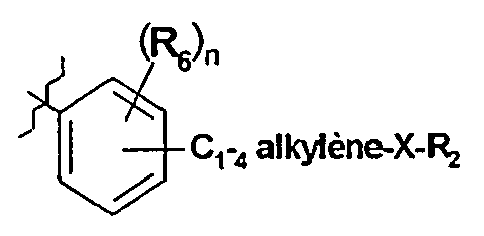


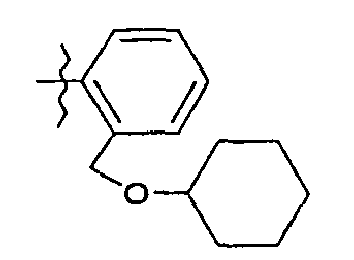


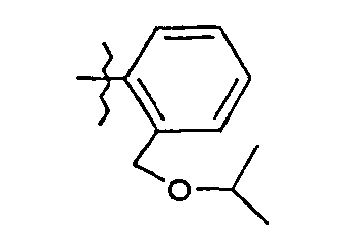
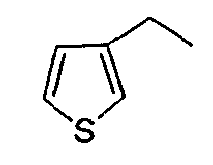
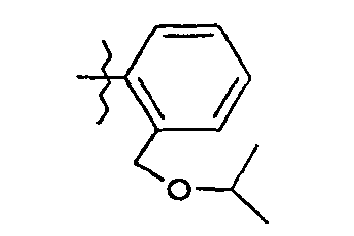
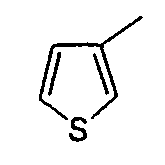

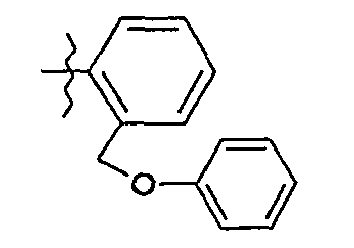


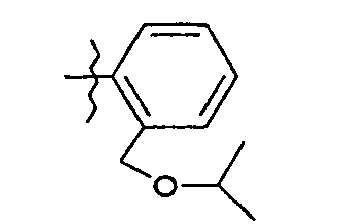


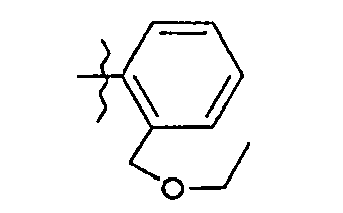


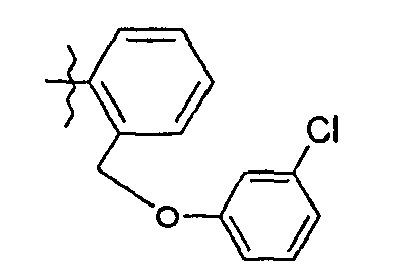


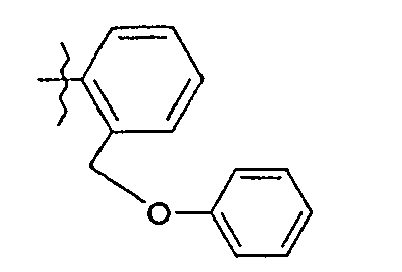


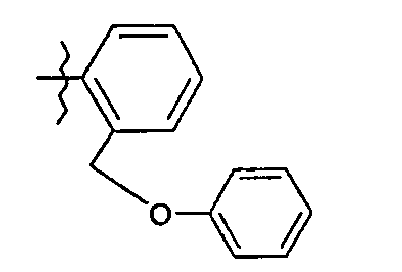


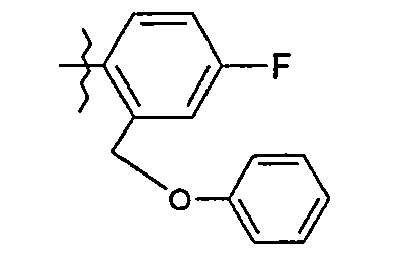

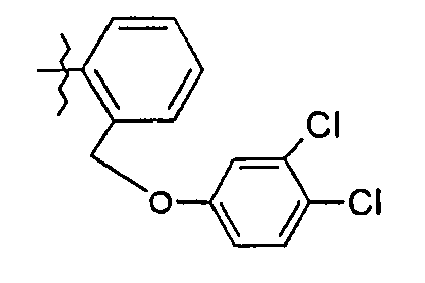
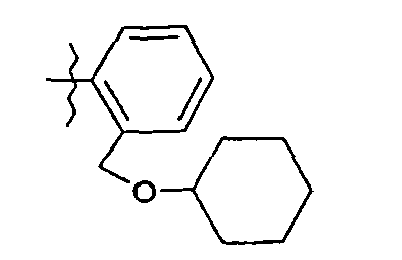

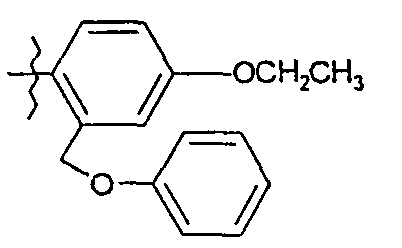


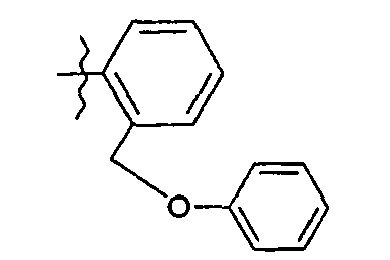


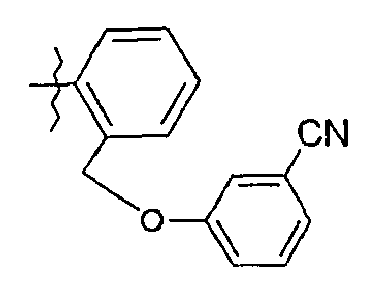


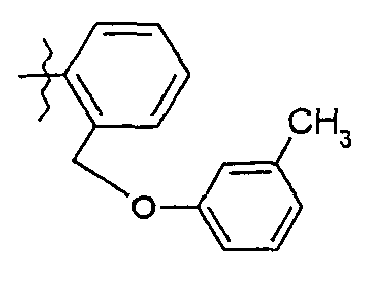


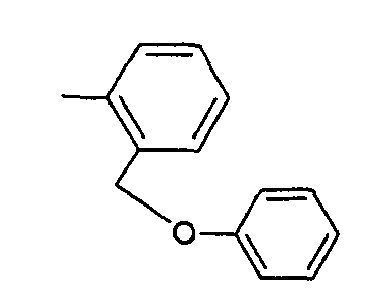
In this table :
- PF (° C) represents the melting point of the compound in degrees Celsius;
- [α D ] (c = 1, CH 3 OH) represents the rotatory power of the compound at a concentration of 1 g / l in methanol;
- (S) or (R) in the columns "R 3 " and "R 5 , R 5 ' " indicate the stereochemistry of the asymmetric carbons, carrying respectively R 3 or R 5 , in the formula (I). For the carbon carrying R 5 , the indication (S) or (R) does not relate to the case where R 5 and R 5 ' together form an oxo or oxime group.
Les composés de l'invention ont fait l'objet d'essais pharmacologiques qui ont montré leur intérêt comme substances actives en thérapeutique.The compounds of the invention have been the subject of pharmacological tests which have shown their interest as active substances in therapeutics.
Ils ont en particulier été testés quant à leurs effets d'inhibition de la production du peptide β-amyloïde (β-A4).In particular, they have been tested for their effects of inhibiting the production of β-amyloid peptide (β-A4).
Le peptide β-amyloïde (β-A4) est un fragment d'une protéine précurseur plus importante appelée APP (Amyloid Precursor Protein). Cette dernière est produite et présente dans différentes cellules de tissu animal ou humain. Au niveau cérébral, son clivage par des enzymes de type protéase conduit à la formation du peptide β-A4 qui s'accumule sous forme de plaque amyloïde. Les deux protéases responsables de la production du peptide amyloide sont connues sous le nom de beta et gamma-secrétases (
Or il a été démontré que ce dépôt progressif du peptide β-A4 est neurotoxique et pourrait jouer un rôle important dans la maladie d'Alzheimer.However, it has been shown that this progressive deposition of the β-A4 peptide is neurotoxic and could play an important role in Alzheimer's disease.
Ainsi, les composés de la présente invention, en tant qu'inhibiteur de la production du peptide β-amyloïde (β-A4) par inhibition de la gamma protéase, peuvent être utilisés dans le traitement de pathologies comme la démence sénile, la maladie d'Alzheimer, le syndrome de Down, la maladie de Parkinson, l'angiopathie amyloïde, les désordres cérébro-vasculaires, les démences fronto-temporales et la maladie de Pick, les démences post-traumatiques, les pathologies liées à des processus de neuro-inflamation, la maladie de Huntington et le syndrome de Korsakov.Thus, the compounds of the present invention, as an inhibitor of the production of β-amyloid peptide (β-A4) by inhibition of gamma protease, can be used in the treatment of pathologies such as senile dementia, Alzheimer's disease, Down syndrome, Parkinson's disease, amyloid angiopathy, cerebrovascular disorders, frontotemporal dementia and Pick's disease, post-traumatic dementias, pathologies related to inflamation, Huntington's disease and Korsakov's syndrome.
Les tests ont été réalisés selon le protocole décrit ci-après.The tests were performed according to the protocol described below.
Pour l'essai cellulaire β amyloïde, la lignée CHO-K1 coexprimant le CT100 de APP et PS1 M146L clone 30-12 est utilisée. La lignée cible l'inhibition de gamma secrétase. La préséniline est liée à l'activité gamma-secrétase (
La quantité de peptide fixé est détectée de façon indirecte en présence d'un compétiteur correspondant au peptide tronqué, le peptide 1-28 couplé à la biotine qui est ensuite détectée par la streptavidine couplée à la phosphatase alcaline. Le substrat, le p-Nitrophényl Phosphate (pNPP FAST p-Nitrophényl Phosphate, Sigma N2770), donne un produit de réaction soluble jaune lisible à 405nm. La réaction est stoppée avec une solution d'EDTA 0,1M. Pour cela, après fixation du peptide amyloïde dans la plaque ELISA, 50µl de peptide 1-28 biotinylé sont ajoutés aux 100 µl de surnageant cellulaire et incubés 30 minutes à température ambiante. Les plaques ELISA sont ensuite lavées 3 fois. Après séchage par inversion sur papier absorbant, 100µl de streptavidine-Alcaline Phosphatase (Interchim/Jackson ImmunoResearch Laboratories 016-050-084), sont ajoutés par puits et incubés 1 heure à température ambiante. Les plaques sont à nouveau lavées puis le substrat de la phosphatase alcaline (pNPP 1mg/ml) est ajouté à raison de 100µl par puits. Après une incubation de 30 minutes à température ambiante, la réaction est stoppée par ajout de 100µl par puits d'EDTA 0,1M et la lecture est effectuée à 405nm.The amount of bound peptide is detected indirectly in the presence of a competitor corresponding to the truncated peptide, the biotin-coupled peptide 1-28 which is then detected by streptavidin coupled to alkaline phosphatase. The substrate, p-Nitrophenyl Phosphate (pNPP FAST p-Nitrophenyl Phosphate, Sigma N2770), gives a yellow soluble reaction product readable at 405 nm. The reaction is quenched with 0.1M EDTA solution. For this, after attachment of the amyloid peptide in the ELISA plate, 50 μl of biotinylated peptide 1-28 are added to the 100 μl of cell supernatant and incubated for 30 minutes at room temperature. The ELISA plates are then washed 3 times. After inversion drying on absorbent paper, 100 μl of streptavidin-alkaline phosphatase (Interchim / Jackson ImmunoResearch Laboratories 016-050-084) are added per well and incubated for 1 hour at room temperature. The plates are washed again and the alkaline phosphatase substrate (pNPP 1 mg / ml) is added at a rate of 100 μl per well. After incubation for 30 minutes at room temperature, the reaction is stopped by adding 100 μl per well of 0.1M EDTA and the reading is carried out at 405 nm.
Les composés de formule (I) selon l'invention ont montré une CE50 (concentration effectrice à 50%) inférieure à 500 nM. Notamment, le composé n° 70 du tableau a montré une CE5O égale à 295 nM. Les composés de formule (I) selon l'invention ont montré plus particulièrement une CE5O inférieure à 100 nM.The compounds of formula (I) according to the invention have shown an EC50 (50% effector concentration) of less than 500 nM. In particular, compound No. 70 of the table showed a CE50 equal to 295 nM. The compounds of formula (I) according to the invention have more particularly shown an EC50 of less than 100 nM.
Les résultats des tests biologiques montrent que les composés sont des inhibiteurs de la formation du peptide β-amyloïde (β-A4).The results of the biological tests show that the compounds are inhibitors of the formation of the β-amyloid peptide (β-A4).
Ainsi, ces composés peuvent être employés dans le traitement des pathologies dans lesquelles un inhibiteur de la formation du peptide β-amyloïde (β-A4) apporte un bénéfice thérapeutique. Notamment de telles pathologies sont la démence sénile, la maladie d'Alzheimer, le syndrome de Down, la maladie de Parkinson, l'angiopathie amyloïde, les désordres cérébro-vasculaires, les démences fronto-temporales et la maladie de Pick, les démences post-traumatiques, les pathologies liées à des processus de neuro-inflamation, la maladie de Huntington et le syndrome de Korsakov.Thus, these compounds can be used in the treatment of pathologies in which an inhibitor of the formation of β-amyloid peptide (β-A4) provides a therapeutic benefit. These pathologies include senile dementia, Alzheimer's disease, Down's syndrome, Parkinson's disease, amyloid angiopathy, cerebrovascular disorders, frontotemporal dementia and Pick's disease, post-traumatic dementia, pathologies related to neuroinflammation processes, Huntington's disease and Korsakov's syndrome.
L'utilisation des composés selon l'invention, à l'état de base, de sel, d'hydrate ou de solvat pharmaceutiquement acceptable, pour la préparation d'un médicament destiné à traiter les pathologies ci-dessus mentionnées fait partie intégrante de l'invention.The use of the compounds according to the invention, in the form of a base, of a pharmaceutically acceptable salt, hydrate or solvate, for the preparation of a medicament intended to treat the abovementioned pathologies is an integral part of the 'invention.
L'invention a également pour objet des médicaments qui comprennent un composé de formule (I), ou un sel d'addition de ce dernier à un acide pharmaceutiquement acceptable ou encore un hydrate ou un solvat du composé de formule (I). Ces médicaments trouvent leur emploi en thérapeutique, notamment dans le traitement des pathologies ci-dessus mentionnées.The invention also relates to medicaments which comprise a compound of formula (I), or an addition salt thereof to a pharmaceutically acceptable acid or a hydrate or a solvate of the compound of formula (I). These drugs find their use in therapy, especially in the treatment of the above-mentioned pathologies.
Selon un autre de ses aspects, la présente invention concerne des compositions pharmaceutiques renfermant en tant que principe actif, au moins un composé selon l'invention. Ces compositions pharmaceutiques contiennent une dose efficace d'un composé selon l'invention, ou un sel pharmaceutiquement acceptable, un hydrate ou un solvat dudit composé, et éventuellement un ou plusieurs excipients pharmaceutiquement acceptables. Lesdits excipients sont choisis selon la forme pharmaceutique et le mode d'administration souhaité, parmi les excipients habituels qui sont connus de l'homme du métier.According to another of its aspects, the present invention relates to pharmaceutical compositions containing, as active ingredient, at least one compound according to the invention. These pharmaceutical compositions contain an effective dose of a compound according to the invention, or a pharmaceutically acceptable salt, a hydrate or a solvate of said compound, and optionally one or more pharmaceutically acceptable excipients. Said excipients are chosen according to the pharmaceutical form and the desired mode of administration, from the usual excipients which are known to those skilled in the art.
Dans les compositions pharmaceutiques de la présente invention pour l'administration orale, sublinguale, sous-cutanée, intramusculaire, intra-veineuse, topique, locale, intratrachéale, intranasale, transdermique ou rectale, le principe actif de formule (I) ci-dessus, ou son sel, solvat ou hydrate éventuel, peut être administré sous forme unitaire d'administration, en mélange avec des excipients pharmaceutiques classiques, aux animaux et aux êtres humains pour la prophylaxie ou le traitement des troubles ou des maladies ci-dessus.In the pharmaceutical compositions of the present invention for oral, sublingual, subcutaneous, intramuscular, intravenous, topical, local, intratracheal, intranasal, transdermal or rectal administration, the active ingredient of formula (I) above, or its salt, solvate or hydrate, may be administered in unit dosage form, in admixture with conventional pharmaceutical excipients, to animals and humans for the prophylaxis or treatment of the above disorders or diseases.
Les formes unitaires d'administration appropriées comprennent les formes par voie orale telles que les comprimés, les gélules molles ou dures, les poudres, les granules, les chewing-gums et les solutions ou suspensions orales, les formes d'administration sublinguale, buccale, intratrachéale, intraoculaire, intranasale, par inhalation, les formes d'administration sous-cutanée, intramusculaire ou intraveineuse et les formes d'administration rectale ou vaginale. Pour l'application topique, on peut utiliser les composés selon l'invention dans des crèmes, pommades ou lotions.Suitable unit dosage forms include oral forms such as tablets, soft or hard capsules, powders, granules, chewing gums and oral solutions or suspensions, sublingual, oral, Intratracheal, intraocular, intranasal, inhalation, subcutaneous, intramuscular or intravenous administration forms and rectal or vaginal administration forms. For topical application, the compounds according to the invention can be used in creams, ointments or lotions.
A titre d'exemple, une forme unitaire d'administration d'un composé selon l'invention sous forme de comprimé peut comprendre les composants suivants :
Afin d'obtenir l'effet prophylactique ou thérapeutique désiré, la dose de principe actif peut varier entre 0,1 mg et 200 mg par kg de poids du corps et par jour. Bien que ces dosages soient des exemples de situation moyenne, il peut y avoir des cas particuliers où des dosages plus élevés ou plus faibles sont appropriés, de tels dosages appartiennent également à l'invention. Selon la pratique habituelle, le dosage approprié à chaque patient est déterminé par le médecin selon le mode d'administration, le poids et la réponse dudit patient.In order to obtain the desired prophylactic or therapeutic effect, the dose of active principle may vary between 0.1 mg and 200 mg per kg of body weight per day. Although these assays are examples of average conditions, there may be special cases where higher or lower dosages are appropriate, such assays also belong to the invention. According to the usual practice, the dosage appropriate to each patient is determined by the physician according to the mode of administration, the weight and the response of said patient.
Chaque dose unitaire peut contenir de 0,1 à 1000 mg, de préférence de 0,1 à 500 mg, de principe actif en combinaison avec un ou plusieurs excipients pharmaceutiques. Cette dose unitaire peut être administrée 1 à 5 fois par jour de façon à administrer un dosage journalier de 0,5 à 5000 mg, de préférence de 0,5 à 2500 mg.Each unit dose may contain from 0.1 to 1000 mg, preferably from 0.1 to 500 mg, of active ingredient in combination with one or more pharmaceutical excipients. This unit dose can be administered 1 to 5 times per day so as to administer a daily dosage of 0.5 to 5000 mg, preferably 0.5 to 2500 mg.
La présente invention selon un autre de ses aspects, concerne également une méthode de traitement des pathologies ci-dessus indiquées qui comprend l'administration d'un composé selon l'invention, d'un sel pharmaceutiquement acceptable, d'un solvat ou d'un hydrate dudit composé.The present invention according to another of its aspects, also relates to a method of treatment of the pathologies indicated above which comprises the administration of a compound according to the invention, a pharmaceutically acceptable salt, a solvate or a hydrate of said compound.
Claims (11)
- Compound corresponding to the general formula (I):

X represents an oxygen or sulphur atom;
R1 represents, a C1-10 alkyl group optionally substituted with a C3-7 cycloalkyl, a phenyl or a thienyl; or R1 represents a C3-7 cycloalkyl, thienyl, pyridinyl or pyrimindinyl group;
the thienyl groups being optionally substituted with one to 3 C1-3 alkyl groups; the phenyl group being optionally substituted with one to 5 halogen atoms or C1-3 alkyl, C1-3 alkoxy, C1-3 fluoroalkyl or C1-3 fluoroalkoxy groups;
R2 represents a C1-6 alkyl group optionally substituted with a C3-7 cycloalkyl, phenyl, C1-3 alkoxy, hydroxyl group; or R2 represents a C3-7 cycloalkyl, piperidinyl, phenyl or pyridinyl group;
the C3-7 cycloalkyl and piperidinyl groups being optionally substituted with one or more C1-3 alkyl, C1-3 alkoxy, hydroxyl, C1-3 fluoroalkyl or C1-3 fluoroalkoxy groups;
the phenyl and pyridinyl groups being optionally substituted with one or more halogen atoms or C1-3 alkyl, C1-3 alkoxy, hydroxyl, C1-3 fluoroalkyl or C1-3 fluoroalkoxy;
R3 represents a hydrogen atom or a C1-6 alkyl group optionally substituted with a C3-7 cycloalkyl group;
R4 represents a hydrogen atom or a C1-6 alkyl group; R5 and R5' represent, independently of each other, a hydrogen or halogen atom, a hydroxyl or C1-3 alkyl group; or R5 and R5' form together an oxo or oxime group such as:
R6 represents independently of each other when n = 2 or 3, a hydrogen or halogen atom, a hydroxyl, C1-3 alkyl, C1-3 alkoxy, C1-3 fluoroalkyl or C1-3 fluoroalkoxy group;
in the form of a base, of an addition salt with an acid, of a hydrate or of a solvate. - Compound corresponding to the general formula (I):

- Compound of formula (I) according to Claim 1, characterized in that:X represents an oxygen or sulphur atom;R1 represents a C1-5 alkyl group, optionally substituted with a phenyl or a thienyl; or R1 represents a C3-7 cycloalkyl group, a thienyl or pyridinyl group; the thienyl groups being optionally substituted with one or two C1-3 alkyl groups; the phenyl group being optionally substituted with one or two halogen atoms;R2 represents a C1-6 alkyl, C3-7 cycloalkyl, phenyl or pyridinyl group;the phenyl group being optionally substituted with one to three C1-3 alkyl, C1-3 alkoxy, hydroxyl or fluoroalkoxy groups, or halogen atoms;R3 represents a C1-6 alkyl group;R4 represents a hydrogen atom or a C1-6 alkyl group;R5 and R5' represent, independently of each other, a hydrogen atom or a hydroxyl; or R5 and R5' form together an oxo group;R6 represents a hydrogen or halogen atom, a C1-3 alkyl, a C1-3 alkoxy; andn is 0 or 1;in the form of a base, of an addition salt with an acid, of a hydrate or of a solvate.
- Compound according to Claim 2, characterized in that R2 represents a phenyl group, the said phenyl group being substituted with one to three CN groups, and X, R1, R3, R4, R5, R'5 and R6 are as defined in Claim 3.
- Compound of formula (I) according to Claim 1 or 3, characterized in that:X represents an oxygen atom;R1 represents a methyl, ethyl, 1-methylethyl, 1,1-dimethylethyl, propyl, 1-methylpropyl, 2-methylpropyl or 1-ethylpropyl, optionally substituted with a phenyl or with a thienyl; or R1 represents a cyclohexyl, thienyl or pyridinyl group; the thienyl groups being optionally substituted with one or two methyl groups; the phenyl group being optionally substituted with one or two chlorine or fluorine atoms;R2 represents an ethyl, 1-methylethyl, cyclohexyl, phenyl or pyridinyl group;the phenyl group being optionally substituted with one to three methyl, ethyl, methoxy, ethoxy, hydroxyl or trifluoromethoxy groups, or chlorine or fluorine atoms;R3 represents a methyl, ethyl or propyl group;R4 represents a hydrogen atom or a methyl or 4-methylpentyl group;R5 and R5' represent, independently of each other, a hydrogen atom, a hydroxyl; or R5 and R5' form together an oxo group;R6 represents a hydrogen, chlorine or fluorine atom, a methyl, a methoxy or an ethoxy;n is 0 or 1; andthe C1-4 alkylene group is a methylene;in the form of a base, of an addition salt with an acid, of a hydrate or of a solvate.
- Compound according to Claim 2 or 4, charcterized in that R2 represents a phenyl group, the said phenyl group being substituted with one to three CN groups and X, R1, R3, R4, R5, R'5 and R6 are as defined in Claim 5.
- Method for preparing a compound of formula (I) according to any one of Claims 1 to 6, by peptide coupling of an amine of formula (XI)


- Pharmaceutical composition containing at least one compound of formula (I) according to any one of Claims 1 to 6, in the form of a pharmaceutically acceptable base, salt, hydrate or solvate and optionally one or more pharmaceutically acceptable excipients.
- Compound of formula (I) according to any one of Claims 1 to 6, in the form of a pharmaceutically acceptable base, salt, hydrate or solvate, for its use as a medicament.
- Use of a compound of formula (I) according to any one of Claims 1 to 6, in the form of a pharmaceutically acceptable base, salt, hydrate or solvate, for the preparation of a medicament for treating a pathology in which an inhibitor of the formation of β-amyloid peptide β-A4 offers a therapeutic benefit.
- Use of a compound of formula (I) according to any one of Claims 1 to 6, in the form of a pharmaceutically acceptable base, salt, hydrate or solvate, for the preparation of a medicament for treating senile dementia, Alzheimer's disease, Down's syndrome, Parkinson's disease, amyloid angiopathy, cerebrovascular disorders, frontotem-poral dementia and Pick's disease, post-traumatic dementia, pathologies linked to neuroinflammation processes, Huntington's disease and/or Korsakov's syndrome.
Applications Claiming Priority (3)
| Application Number | Priority Date | Filing Date | Title |
|---|---|---|---|
| FR0300703 | 2003-01-23 | ||
| FR0300703A FR2850380B1 (en) | 2003-01-23 | 2003-01-23 | ACYLAMINOTHIAZOLE DERIVATIVES, THEIR PREPARATION AND THEIR USE IN THERAPEUTICS |
| PCT/FR2004/000140 WO2004067520A1 (en) | 2003-01-23 | 2004-01-22 | Acylaminothiazole derivatives, preparation method thereof and use of same as beta-amyloid peptide production inhibitors |
Publications (2)
| Publication Number | Publication Date |
|---|---|
| EP1590337A1 EP1590337A1 (en) | 2005-11-02 |
| EP1590337B1 true EP1590337B1 (en) | 2008-08-13 |
Family
ID=32669150
Family Applications (1)
| Application Number | Title | Priority Date | Filing Date |
|---|---|---|---|
| EP04704255A Expired - Lifetime EP1590337B1 (en) | 2003-01-23 | 2004-01-22 | Acylaminothiazole derivatives, preparation method thereof and use of same as beta-amyloid peptide production inhibitors |
Country Status (24)
| Country | Link |
|---|---|
| US (2) | US7563903B2 (en) |
| EP (1) | EP1590337B1 (en) |
| JP (1) | JP2006515888A (en) |
| KR (1) | KR101059669B1 (en) |
| CN (1) | CN100532370C (en) |
| AR (1) | AR042745A1 (en) |
| AT (1) | ATE404545T1 (en) |
| AU (1) | AU2004207658B2 (en) |
| BR (1) | BRPI0406893A (en) |
| CA (1) | CA2511610A1 (en) |
| DE (1) | DE602004015726D1 (en) |
| FR (1) | FR2850380B1 (en) |
| HR (1) | HRP20050637A2 (en) |
| IL (1) | IL169428A (en) |
| MA (1) | MA27610A1 (en) |
| ME (1) | MEP16708A (en) |
| MX (1) | MXPA05007847A (en) |
| NO (1) | NO330415B1 (en) |
| NZ (1) | NZ541147A (en) |
| PL (1) | PL377999A1 (en) |
| RS (1) | RS51168B (en) |
| RU (1) | RU2360907C2 (en) |
| TW (1) | TWI320710B (en) |
| WO (1) | WO2004067520A1 (en) |
Families Citing this family (8)
| Publication number | Priority date | Publication date | Assignee | Title |
|---|---|---|---|---|
| AU2004258841B8 (en) * | 2003-06-05 | 2010-01-07 | Elan Pharmaceuticals, Inc. | Acylated amino acid amidyl pyrazoles and related compounds |
| AU2007207743B2 (en) * | 2006-01-18 | 2010-07-08 | Amgen Inc. | Thiazole compounds as protein kinase B (PKB) inhibitors |
| US7897619B2 (en) | 2007-07-17 | 2011-03-01 | Amgen Inc. | Heterocyclic modulators of PKB |
| US7919504B2 (en) * | 2007-07-17 | 2011-04-05 | Amgen Inc. | Thiadiazole modulators of PKB |
| WO2009108760A2 (en) | 2008-02-26 | 2009-09-03 | Board Of Regents, The University Of Texas System | Dendritic macroporous hydrogels prepared by crystal templating |
| EP2371421A1 (en) * | 2010-03-04 | 2011-10-05 | Université de Lille 2 Droit et Santé | Ligands of insulin degrading enzyme and their uses |
| EP2508511A1 (en) * | 2011-04-07 | 2012-10-10 | Laboratoire Biodim | Inhibitors of viral replication, their process of preparation and their therapeutical uses |
| CN103145692B (en) * | 2013-03-12 | 2014-07-16 | 盐城工学院 | Preparation method of 4, 5-dihydro-6H-cyclopenta[b]thiophene-6-ketone |
Family Cites Families (8)
| Publication number | Priority date | Publication date | Assignee | Title |
|---|---|---|---|---|
| GB9401034D0 (en) * | 1994-01-20 | 1994-03-16 | British Bio Technology | Metalloproteinase inhibitors |
| ID22499A (en) * | 1996-11-22 | 1999-10-21 | Elan Pharmaceuticals Inc Cs | AMINO N-AMIDA (ARIL / HETEROARIL / ALCILACETYL) AMINO, PHARMACY COMPOSITION CONSISTING FROM AMINO ACID AMIDO, AND METHODS TO RESPOND TO THE B-AMILOID PEPTIDES AND / OR THE MAKING OF THESE PEOPLE. |
| ZA9711537B (en) * | 1996-12-23 | 1998-06-25 | Athena Neurosciences Inc Eli L | Cycloalkyl, lactam, lactone and related compounds, pharmaceutical compositions comprising same, and methods for inhibiting ß-amyloid peptide release and/or its synthesis by use of such compounds. |
| AU768751B2 (en) * | 1998-06-18 | 2004-01-08 | Bristol-Myers Squibb Company | Carbon substituted aminothiazole inhibitors of cyclin dependent kinases |
| WO2000024392A1 (en) * | 1998-10-26 | 2000-05-04 | Sumitomo Pharmaceuticals Company, Limited | β-AMYLOID FORMATION INHIBITORS |
| GB9823871D0 (en) * | 1998-10-30 | 1998-12-23 | Pharmacia & Upjohn Spa | 2-Amino-thiazole derivatives, process for their preparation, and their use as antitumour agents |
| US6114365A (en) * | 1999-08-12 | 2000-09-05 | Pharmacia & Upjohn S.P.A. | Arylmethyl-carbonylamino-thiazole derivatives, process for their preparation, and their use as antitumor agents |
| AR039059A1 (en) * | 2001-08-06 | 2005-02-09 | Sanofi Aventis | COMPOUND DERIVED FROM ACILAMINOTIAZOL, ITS USE, PROCEDURES TO PREPARE IT, PHARMACEUTICAL COMPOSITION THAT INCLUDES IT, AND INTERMEDIARY COMPOUNDS |
-
2003
- 2003-01-23 FR FR0300703A patent/FR2850380B1/en not_active Expired - Fee Related
-
2004
- 2004-01-22 JP JP2006502115A patent/JP2006515888A/en not_active Ceased
- 2004-01-22 HR HR20050637A patent/HRP20050637A2/en not_active Application Discontinuation
- 2004-01-22 NZ NZ541147A patent/NZ541147A/en not_active IP Right Cessation
- 2004-01-22 KR KR1020057013441A patent/KR101059669B1/en not_active Expired - Fee Related
- 2004-01-22 CA CA002511610A patent/CA2511610A1/en not_active Abandoned
- 2004-01-22 PL PL377999A patent/PL377999A1/en not_active Application Discontinuation
- 2004-01-22 AT AT04704255T patent/ATE404545T1/en not_active IP Right Cessation
- 2004-01-22 ME MEP-167/08A patent/MEP16708A/en unknown
- 2004-01-22 CN CNB2004800027812A patent/CN100532370C/en not_active Expired - Fee Related
- 2004-01-22 AU AU2004207658A patent/AU2004207658B2/en not_active Ceased
- 2004-01-22 EP EP04704255A patent/EP1590337B1/en not_active Expired - Lifetime
- 2004-01-22 RS YUP-2005/0563A patent/RS51168B/en unknown
- 2004-01-22 RU RU2005126608/04A patent/RU2360907C2/en not_active IP Right Cessation
- 2004-01-22 BR BR0406893-9A patent/BRPI0406893A/en not_active IP Right Cessation
- 2004-01-22 DE DE602004015726T patent/DE602004015726D1/en not_active Expired - Lifetime
- 2004-01-22 AR ARP040100169A patent/AR042745A1/en unknown
- 2004-01-22 WO PCT/FR2004/000140 patent/WO2004067520A1/en not_active Ceased
- 2004-01-22 MX MXPA05007847A patent/MXPA05007847A/en active IP Right Grant
- 2004-01-27 TW TW093101748A patent/TWI320710B/en not_active IP Right Cessation
-
2005
- 2005-06-27 IL IL169428A patent/IL169428A/en not_active IP Right Cessation
- 2005-07-12 MA MA28385A patent/MA27610A1/en unknown
- 2005-07-21 US US11/186,507 patent/US7563903B2/en not_active Expired - Fee Related
- 2005-07-22 NO NO20053588A patent/NO330415B1/en not_active IP Right Cessation
-
2009
- 2009-06-22 US US12/488,658 patent/US7879889B2/en not_active Expired - Fee Related
Also Published As
Similar Documents
| Publication | Publication Date | Title |
|---|---|---|
| CA1334407C (en) | Method for the preparation of novel alcoyloxime derivatives of 7-amino-thiazolyl-acetamido-cephalosporanic acid | |
| EP1417189B1 (en) | Acylaminothiazole derivatives, their preparation and therapeutic use | |
| EP1525193B1 (en) | Acylaminothiazole derivatives, preparation and therapeutic use thereof | |
| US20040006112A1 (en) | Benzylidene thiazolidinediones and their use as antimycotic agents | |
| US7879889B2 (en) | Therapeutic use of acylaminothiazole derivatives | |
| EP1709018B1 (en) | Acylaminothiazole derivatives and use thereof as beta-amyloid inhibitors | |
| MC1417A1 (en) | TETRASUBSTITUTED BENZENE DERIVATIVES | |
| CH638811A5 (en) | O-SUBSTITUTED OXIMES DERIVED FROM 7-AMINO THIAZOLYL ACETAMIDO CEPHALOSPORANIC ACID AND THE PHARMACEUTICAL COMPOSITIONS CONTAINING THEM. | |
| RU2401262C2 (en) | Alkylaminothiazole derivatives, synthesis method thereof and use thereof in therapy | |
| FR2865207A1 (en) | New N-thiazolyl-amides, useful for treating e.g. dementia and neurodegenerative diseases, are inhibitors of the formation of beta-amyloid peptide A4 | |
| FR2840899A1 (en) | New acyl amino thiazole derivatives having beta-amyloid peptide formation inhibiting activity, for treatment of cerebrovascular disorders such as dementia | |
| CN1930155B (en) | Acylaminothiazole derivatives, their preparation and use in therapy | |
| CH643267A5 (en) | OXIMES OF THE ACID 7-AMINO THIAZOLYL ACETAMIDO CEPHALOSPORANIQUE, THEIR PREPARATION METHODS AND THE MEDICINAL PRODUCTS CONTAINING THEM. | |
| FR2873370A1 (en) | New 2-aminoacetylamino-thiazole derivatives, useful for treating e.g. Alzheimer's, Parkinson's and Huntington's diseases, prevent formation of beta-A4 peptide by inhibition of gamma-secretase | |
| FR2932480A1 (en) | New phenyl-alkyl-piperazine compounds, are tumor necrosis factor-alpha modulators, useful for treating e.g. joint inflammation, atherosclerosis, cystic fibrosis, asthma, ulcerative colitis, osteoporosis and amyotrophic lateral sclerosis | |
| FR2873374A1 (en) | New 2-aminoacetylamino-thiazole derivatives, useful for treating e.g. Alzheimer's, Parkinson's and Huntington's diseases, prevent formation of beta-A4 peptide by inhibition of gamma-secretase | |
| FR2819253A1 (en) | NOVEL HYDROXAMIC ACID DERIVATIVES, THEIR PREPARATION PROCESS AND THE PHARMACEUTICAL COMPOSITIONS CONTAINING THEM | |
| FR2832405A1 (en) | New tetrahydropyridyl alkyl nitrogen heterocycles having antiinflammatory and analgesic action | |
| MXPA06008040A (en) | Acylaminothiazole derivatives, preparation method thereof and use of same in therapeutics | |
| FR2553770A2 (en) | New products derived from 2-(2-amino-4-thiazolyl)-2- alkoxyiminoacetic acid substituted on the oxime and process for their preparation. |
Legal Events
| Date | Code | Title | Description |
|---|---|---|---|
| PUAI | Public reference made under article 153(3) epc to a published international application that has entered the european phase |
Free format text: ORIGINAL CODE: 0009012 |
|
| 17P | Request for examination filed |
Effective date: 20050823 |
|
| AK | Designated contracting states |
Kind code of ref document: A1 Designated state(s): AT BE BG CH CY CZ DE DK EE ES FI FR GB GR HU IE IT LI LU MC NL PT RO SE SI SK TR |
|
| AX | Request for extension of the european patent |
Extension state: AL LT LV MK |
|
| REG | Reference to a national code |
Ref country code: HK Ref legal event code: DE Ref document number: 1082736 Country of ref document: HK |
|
| GRAP | Despatch of communication of intention to grant a patent |
Free format text: ORIGINAL CODE: EPIDOSNIGR1 |
|
| GRAS | Grant fee paid |
Free format text: ORIGINAL CODE: EPIDOSNIGR3 |
|
| GRAA | (expected) grant |
Free format text: ORIGINAL CODE: 0009210 |
|
| AK | Designated contracting states |
Kind code of ref document: B1 Designated state(s): AT BE BG CH CY CZ DE DK EE ES FI FR GB GR HU IE IT LI LU MC NL PT RO SE SI SK TR |
|
| AX | Request for extension of the european patent |
Extension state: AL LT LV MK |
|
| REG | Reference to a national code |
Ref country code: GB Ref legal event code: FG4D Free format text: NOT ENGLISH |
|
| REG | Reference to a national code |
Ref country code: CH Ref legal event code: EP |
|
| REG | Reference to a national code |
Ref country code: IE Ref legal event code: FG4D Free format text: LANGUAGE OF EP DOCUMENT: FRENCH |
|
| REF | Corresponds to: |
Ref document number: 602004015726 Country of ref document: DE Date of ref document: 20080925 Kind code of ref document: P |
|
| LTIE | Lt: invalidation of european patent or patent extension |
Effective date: 20080813 |
|
| PG25 | Lapsed in a contracting state [announced via postgrant information from national office to epo] |
Ref country code: ES Free format text: LAPSE BECAUSE OF FAILURE TO SUBMIT A TRANSLATION OF THE DESCRIPTION OR TO PAY THE FEE WITHIN THE PRESCRIBED TIME-LIMIT Effective date: 20081124 Ref country code: NL Free format text: LAPSE BECAUSE OF FAILURE TO SUBMIT A TRANSLATION OF THE DESCRIPTION OR TO PAY THE FEE WITHIN THE PRESCRIBED TIME-LIMIT Effective date: 20080813 |
|
| PG25 | Lapsed in a contracting state [announced via postgrant information from national office to epo] |
Ref country code: AT Free format text: LAPSE BECAUSE OF FAILURE TO SUBMIT A TRANSLATION OF THE DESCRIPTION OR TO PAY THE FEE WITHIN THE PRESCRIBED TIME-LIMIT Effective date: 20080813 Ref country code: FI Free format text: LAPSE BECAUSE OF FAILURE TO SUBMIT A TRANSLATION OF THE DESCRIPTION OR TO PAY THE FEE WITHIN THE PRESCRIBED TIME-LIMIT Effective date: 20080813 Ref country code: SI Free format text: LAPSE BECAUSE OF FAILURE TO SUBMIT A TRANSLATION OF THE DESCRIPTION OR TO PAY THE FEE WITHIN THE PRESCRIBED TIME-LIMIT Effective date: 20080813 |
|
| REG | Reference to a national code |
Ref country code: IE Ref legal event code: FD4D |
|
| PG25 | Lapsed in a contracting state [announced via postgrant information from national office to epo] |
Ref country code: DK Free format text: LAPSE BECAUSE OF FAILURE TO SUBMIT A TRANSLATION OF THE DESCRIPTION OR TO PAY THE FEE WITHIN THE PRESCRIBED TIME-LIMIT Effective date: 20080813 Ref country code: BG Free format text: LAPSE BECAUSE OF FAILURE TO SUBMIT A TRANSLATION OF THE DESCRIPTION OR TO PAY THE FEE WITHIN THE PRESCRIBED TIME-LIMIT Effective date: 20081113 Ref country code: IE Free format text: LAPSE BECAUSE OF FAILURE TO SUBMIT A TRANSLATION OF THE DESCRIPTION OR TO PAY THE FEE WITHIN THE PRESCRIBED TIME-LIMIT Effective date: 20080813 |
|
| PG25 | Lapsed in a contracting state [announced via postgrant information from national office to epo] |
Ref country code: PT Free format text: LAPSE BECAUSE OF FAILURE TO SUBMIT A TRANSLATION OF THE DESCRIPTION OR TO PAY THE FEE WITHIN THE PRESCRIBED TIME-LIMIT Effective date: 20090113 Ref country code: RO Free format text: LAPSE BECAUSE OF FAILURE TO SUBMIT A TRANSLATION OF THE DESCRIPTION OR TO PAY THE FEE WITHIN THE PRESCRIBED TIME-LIMIT Effective date: 20080813 Ref country code: CZ Free format text: LAPSE BECAUSE OF FAILURE TO SUBMIT A TRANSLATION OF THE DESCRIPTION OR TO PAY THE FEE WITHIN THE PRESCRIBED TIME-LIMIT Effective date: 20080813 Ref country code: SK Free format text: LAPSE BECAUSE OF FAILURE TO SUBMIT A TRANSLATION OF THE DESCRIPTION OR TO PAY THE FEE WITHIN THE PRESCRIBED TIME-LIMIT Effective date: 20080813 |
|
| PLBE | No opposition filed within time limit |
Free format text: ORIGINAL CODE: 0009261 |
|
| STAA | Information on the status of an ep patent application or granted ep patent |
Free format text: STATUS: NO OPPOSITION FILED WITHIN TIME LIMIT |
|
| 26N | No opposition filed |
Effective date: 20090514 |
|
| PG25 | Lapsed in a contracting state [announced via postgrant information from national office to epo] |
Ref country code: EE Free format text: LAPSE BECAUSE OF FAILURE TO SUBMIT A TRANSLATION OF THE DESCRIPTION OR TO PAY THE FEE WITHIN THE PRESCRIBED TIME-LIMIT Effective date: 20080813 |
|
| PG25 | Lapsed in a contracting state [announced via postgrant information from national office to epo] |
Ref country code: MC Free format text: LAPSE BECAUSE OF NON-PAYMENT OF DUE FEES Effective date: 20090131 Ref country code: IT Free format text: LAPSE BECAUSE OF FAILURE TO SUBMIT A TRANSLATION OF THE DESCRIPTION OR TO PAY THE FEE WITHIN THE PRESCRIBED TIME-LIMIT Effective date: 20080813 |
|
| REG | Reference to a national code |
Ref country code: CH Ref legal event code: PL |
|
| PG25 | Lapsed in a contracting state [announced via postgrant information from national office to epo] |
Ref country code: LI Free format text: LAPSE BECAUSE OF NON-PAYMENT OF DUE FEES Effective date: 20090131 Ref country code: CH Free format text: LAPSE BECAUSE OF NON-PAYMENT OF DUE FEES Effective date: 20090131 |
|
| PG25 | Lapsed in a contracting state [announced via postgrant information from national office to epo] |
Ref country code: SE Free format text: LAPSE BECAUSE OF FAILURE TO SUBMIT A TRANSLATION OF THE DESCRIPTION OR TO PAY THE FEE WITHIN THE PRESCRIBED TIME-LIMIT Effective date: 20081113 |
|
| PG25 | Lapsed in a contracting state [announced via postgrant information from national office to epo] |
Ref country code: BE Free format text: LAPSE BECAUSE OF NON-PAYMENT OF DUE FEES Effective date: 20090131 |
|
| PG25 | Lapsed in a contracting state [announced via postgrant information from national office to epo] |
Ref country code: GR Free format text: LAPSE BECAUSE OF FAILURE TO SUBMIT A TRANSLATION OF THE DESCRIPTION OR TO PAY THE FEE WITHIN THE PRESCRIBED TIME-LIMIT Effective date: 20081114 |
|
| PG25 | Lapsed in a contracting state [announced via postgrant information from national office to epo] |
Ref country code: LU Free format text: LAPSE BECAUSE OF NON-PAYMENT OF DUE FEES Effective date: 20090122 |
|
| PGFP | Annual fee paid to national office [announced via postgrant information from national office to epo] |
Ref country code: FR Payment date: 20110128 Year of fee payment: 8 Ref country code: DE Payment date: 20110119 Year of fee payment: 8 |
|
| PG25 | Lapsed in a contracting state [announced via postgrant information from national office to epo] |
Ref country code: HU Free format text: LAPSE BECAUSE OF FAILURE TO SUBMIT A TRANSLATION OF THE DESCRIPTION OR TO PAY THE FEE WITHIN THE PRESCRIBED TIME-LIMIT Effective date: 20090214 |
|
| PGFP | Annual fee paid to national office [announced via postgrant information from national office to epo] |
Ref country code: GB Payment date: 20110119 Year of fee payment: 8 |
|
| PG25 | Lapsed in a contracting state [announced via postgrant information from national office to epo] |
Ref country code: TR Free format text: LAPSE BECAUSE OF FAILURE TO SUBMIT A TRANSLATION OF THE DESCRIPTION OR TO PAY THE FEE WITHIN THE PRESCRIBED TIME-LIMIT Effective date: 20080813 |
|
| PG25 | Lapsed in a contracting state [announced via postgrant information from national office to epo] |
Ref country code: CY Free format text: LAPSE BECAUSE OF FAILURE TO SUBMIT A TRANSLATION OF THE DESCRIPTION OR TO PAY THE FEE WITHIN THE PRESCRIBED TIME-LIMIT Effective date: 20080813 |
|
| REG | Reference to a national code |
Ref country code: HK Ref legal event code: WD Ref document number: 1082736 Country of ref document: HK |
|
| GBPC | Gb: european patent ceased through non-payment of renewal fee |
Effective date: 20120122 |
|
| REG | Reference to a national code |
Ref country code: FR Ref legal event code: ST Effective date: 20120928 |
|
| PG25 | Lapsed in a contracting state [announced via postgrant information from national office to epo] |
Ref country code: DE Free format text: LAPSE BECAUSE OF NON-PAYMENT OF DUE FEES Effective date: 20120801 Ref country code: GB Free format text: LAPSE BECAUSE OF NON-PAYMENT OF DUE FEES Effective date: 20120122 |
|
| REG | Reference to a national code |
Ref country code: DE Ref legal event code: R119 Ref document number: 602004015726 Country of ref document: DE Effective date: 20120801 |
|
| PG25 | Lapsed in a contracting state [announced via postgrant information from national office to epo] |
Ref country code: FR Free format text: LAPSE BECAUSE OF NON-PAYMENT OF DUE FEES Effective date: 20120131 |