EP1569674B1 - EXPRESSION, REINIGUNG UND VERWENDUNGEN EINES PLASMODIUM FALCIPARUM LEBERPHASENANTIGEN -1-POLYPEPTIDEs - Google Patents
EXPRESSION, REINIGUNG UND VERWENDUNGEN EINES PLASMODIUM FALCIPARUM LEBERPHASENANTIGEN -1-POLYPEPTIDEs Download PDFInfo
- Publication number
- EP1569674B1 EP1569674B1 EP03768878.5A EP03768878A EP1569674B1 EP 1569674 B1 EP1569674 B1 EP 1569674B1 EP 03768878 A EP03768878 A EP 03768878A EP 1569674 B1 EP1569674 B1 EP 1569674B1
- Authority
- EP
- European Patent Office
- Prior art keywords
- lsa
- nrc
- polypeptide
- protein
- seq
- Prior art date
- Legal status (The legal status is an assumption and is not a legal conclusion. Google has not performed a legal analysis and makes no representation as to the accuracy of the status listed.)
- Expired - Lifetime
Links
Images




Classifications
-
- A—HUMAN NECESSITIES
- A61—MEDICAL OR VETERINARY SCIENCE; HYGIENE
- A61K—PREPARATIONS FOR MEDICAL, DENTAL OR TOILETRY PURPOSES
- A61K39/00—Medicinal preparations containing antigens or antibodies
- A61K39/002—Protozoa antigens
- A61K39/015—Hemosporidia antigens, e.g. Plasmodium antigens
-
- A—HUMAN NECESSITIES
- A61—MEDICAL OR VETERINARY SCIENCE; HYGIENE
- A61P—SPECIFIC THERAPEUTIC ACTIVITY OF CHEMICAL COMPOUNDS OR MEDICINAL PREPARATIONS
- A61P33/00—Antiparasitic agents
- A61P33/02—Antiprotozoals, e.g. for leishmaniasis, trichomoniasis, toxoplasmosis
- A61P33/06—Antimalarials
-
- C—CHEMISTRY; METALLURGY
- C07—ORGANIC CHEMISTRY
- C07K—PEPTIDES
- C07K14/00—Peptides having more than 20 amino acids; Gastrins; Somatostatins; Melanotropins; Derivatives thereof
- C07K14/435—Peptides having more than 20 amino acids; Gastrins; Somatostatins; Melanotropins; Derivatives thereof from animals; from humans
- C07K14/44—Peptides having more than 20 amino acids; Gastrins; Somatostatins; Melanotropins; Derivatives thereof from animals; from humans from protozoa
- C07K14/445—Plasmodium
-
- C—CHEMISTRY; METALLURGY
- C07—ORGANIC CHEMISTRY
- C07K—PEPTIDES
- C07K16/00—Immunoglobulins [IG], e.g. monoclonal or polyclonal antibodies
- C07K16/18—Immunoglobulins [IG], e.g. monoclonal or polyclonal antibodies against material from animals or humans
- C07K16/20—Immunoglobulins [IG], e.g. monoclonal or polyclonal antibodies against material from animals or humans from protozoa
- C07K16/205—Plasmodium
-
- C—CHEMISTRY; METALLURGY
- C12—BIOCHEMISTRY; BEER; SPIRITS; WINE; VINEGAR; MICROBIOLOGY; ENZYMOLOGY; MUTATION OR GENETIC ENGINEERING
- C12N—MICROORGANISMS OR ENZYMES; COMPOSITIONS THEREOF; PROPAGATING, PRESERVING, OR MAINTAINING MICROORGANISMS; MUTATION OR GENETIC ENGINEERING; CULTURE MEDIA
- C12N15/00—Mutation or genetic engineering; DNA or RNA concerning genetic engineering, vectors, e.g. plasmids, or their isolation, preparation or purification; Use of hosts therefor
- C12N15/09—Recombinant DNA-technology
- C12N15/63—Introduction of foreign genetic material using vectors; Vectors; Use of hosts therefor; Regulation of expression
- C12N15/67—General methods for enhancing the expression
-
- C—CHEMISTRY; METALLURGY
- C12—BIOCHEMISTRY; BEER; SPIRITS; WINE; VINEGAR; MICROBIOLOGY; ENZYMOLOGY; MUTATION OR GENETIC ENGINEERING
- C12P—FERMENTATION OR ENZYME-USING PROCESSES TO SYNTHESISE A DESIRED CHEMICAL COMPOUND OR COMPOSITION OR TO SEPARATE OPTICAL ISOMERS FROM A RACEMIC MIXTURE
- C12P21/00—Preparation of peptides or proteins
- C12P21/02—Preparation of peptides or proteins having a known sequence of two or more amino acids, e.g. glutathione
-
- G—PHYSICS
- G01—MEASURING; TESTING
- G01N—INVESTIGATING OR ANALYSING MATERIALS BY DETERMINING THEIR CHEMICAL OR PHYSICAL PROPERTIES
- G01N33/00—Investigating or analysing materials by specific methods not covered by groups G01N1/00 - G01N31/00
- G01N33/48—Biological material, e.g. blood, urine; Haemocytometers
- G01N33/50—Chemical analysis of biological material, e.g. blood, urine; Testing involving biospecific ligand binding methods; Immunological testing
- G01N33/53—Immunoassay; Biospecific binding assay; Materials therefor
- G01N33/569—Immunoassay; Biospecific binding assay; Materials therefor for microorganisms, e.g. protozoa, bacteria, viruses
- G01N33/56905—Protozoa
-
- A—HUMAN NECESSITIES
- A61—MEDICAL OR VETERINARY SCIENCE; HYGIENE
- A61K—PREPARATIONS FOR MEDICAL, DENTAL OR TOILETRY PURPOSES
- A61K39/00—Medicinal preparations containing antigens or antibodies
- A61K2039/555—Medicinal preparations containing antigens or antibodies characterised by a specific combination antigen/adjuvant
- A61K2039/55505—Inorganic adjuvants
-
- A—HUMAN NECESSITIES
- A61—MEDICAL OR VETERINARY SCIENCE; HYGIENE
- A61K—PREPARATIONS FOR MEDICAL, DENTAL OR TOILETRY PURPOSES
- A61K39/00—Medicinal preparations containing antigens or antibodies
- A61K2039/555—Medicinal preparations containing antigens or antibodies characterised by a specific combination antigen/adjuvant
- A61K2039/55511—Organic adjuvants
- A61K2039/55566—Emulsions, e.g. Freund's adjuvant, MF59
-
- G—PHYSICS
- G01—MEASURING; TESTING
- G01N—INVESTIGATING OR ANALYSING MATERIALS BY DETERMINING THEIR CHEMICAL OR PHYSICAL PROPERTIES
- G01N2333/00—Assays involving biological materials from specific organisms or of a specific nature
- G01N2333/435—Assays involving biological materials from specific organisms or of a specific nature from animals; from humans
- G01N2333/44—Assays involving biological materials from specific organisms or of a specific nature from animals; from humans from protozoa
- G01N2333/445—Plasmodium
-
- Y—GENERAL TAGGING OF NEW TECHNOLOGICAL DEVELOPMENTS; GENERAL TAGGING OF CROSS-SECTIONAL TECHNOLOGIES SPANNING OVER SEVERAL SECTIONS OF THE IPC; TECHNICAL SUBJECTS COVERED BY FORMER USPC CROSS-REFERENCE ART COLLECTIONS [XRACs] AND DIGESTS
- Y02—TECHNOLOGIES OR APPLICATIONS FOR MITIGATION OR ADAPTATION AGAINST CLIMATE CHANGE
- Y02A—TECHNOLOGIES FOR ADAPTATION TO CLIMATE CHANGE
- Y02A50/00—TECHNOLOGIES FOR ADAPTATION TO CLIMATE CHANGE in human health protection, e.g. against extreme weather
- Y02A50/30—Against vector-borne diseases, e.g. mosquito-borne, fly-borne, tick-borne or waterborne diseases whose impact is exacerbated by climate change
-
- Y—GENERAL TAGGING OF NEW TECHNOLOGICAL DEVELOPMENTS; GENERAL TAGGING OF CROSS-SECTIONAL TECHNOLOGIES SPANNING OVER SEVERAL SECTIONS OF THE IPC; TECHNICAL SUBJECTS COVERED BY FORMER USPC CROSS-REFERENCE ART COLLECTIONS [XRACs] AND DIGESTS
- Y02—TECHNOLOGIES OR APPLICATIONS FOR MITIGATION OR ADAPTATION AGAINST CLIMATE CHANGE
- Y02A—TECHNOLOGIES FOR ADAPTATION TO CLIMATE CHANGE
- Y02A90/00—Technologies having an indirect contribution to adaptation to climate change
- Y02A90/10—Information and communication technologies [ICT] supporting adaptation to climate change, e.g. for weather forecasting or climate simulation
Definitions
- Plasmodium falciparum is the leading cause of malaria morbidity and mortality.
- the World Health Organization estimates that approximately 200 million cases of malaria are reported yearly, with 3 million deaths ( World Health Organization, 1997, Wkly. Epidemiol. Rec. 72:269-276 ).
- efforts have been made to develop effective controls against the mosquito vector using aggressive applications of pesticides, these efforts ultimately led to the development of pesticide resistance.
- efforts at treatment of the disease through antiparasitic drugs led to parasite drug-resistance.
- the complex parasitic life cycle has further confounded the efforts to develop efficacious vaccines for malaria.
- the parasite's life cycle is divided between the mosquito-insect host and the human host. While in the human host, it passes through several developmental stages in different organellar environments, i.e. the liver stage and the red blood stage. Although conceptually simple, in reality the problems that must be considered when designing subunit vaccines for malaria are great.
- Antigen diversity is a characteristic that must be taken into account and includes a high degree of developmental stage specificity, antigenic variation and antigen polymorphism.
- LSA-1 Liver stage antigen 1
- PBMC peripheral blood mononuclear cells
- the P. falciparum LSA-1 protein is found within the parasitophorous vacuole (PV), a space defined as that region between the inner plasmalemma and the outer parasitophorous vacuole membrane (PVM).
- the (PV) forms a distinct ring separating the parasite cytoplasm from the host hepatocyte ( Fidock et al., 1994, J. Immunol. 153, 190-204 ).
- the PVM is of host origin and is formed by invagination of the host cellular membrane when the parasite invaded the host cell.
- the LSA-1 protein is approximately 230 kDa in mass. Its expression begins shortly after sporozoite invasion of the liver and increases with liver stage development.
- the LSA-1 protein is characterized by a large central repeat region consisting of about eighty-six 17 amino acid tandem repeats flanked by short non-repetitive N-terminal and C-terminal regions which are highly conserved across strains. Studies have revealed the protein is a target of B-cells ( Guerin-Marchand et al. 1987, Nature 329,164-167 ; Fidock, et al., 1994,supra; Luty et al., 1998, Eur. Cytokine Netw. 9, 639-646 ), helper T-cells ( Doolan and Hoffman, 2000, J. Immun. 165, 1453-1462 ; Fidock et al.
- T-cell epitopes have been defined amongst the amino acid residues in the N-terminal and C-terminal flanking regions and in the central repeat region ( Doolan and Hoffman, 2000, J. Immun.
- the P. falciparum lsa-1 gene sequences have been used for over a decade in an attempt to make a DNA vaccine against P. falciparum.
- NYVAC-Pf7 a multivalent poxvirus vector made by WRAIR and Virogenetics, contained an lsa-1 gene that encoded a repeatless protein.
- the NMRC MuStDO5 (a mixture of DNA plasmids constructs encoding part or all of five P. falciparum genes: CS, SSP2, LSA-1, EBA-175 and MSP-1), and more recently CSLAM (a mixture of DNA plasmid vaccine constructs encoding all or parts of five P.
- falciparum malaria genes CS, SSP2, LSA-1, AMA-1 and MSP-1) contain LSA-1 gene sequences in their vaccines.
- the Oxford University scientists have modified vaccinia Ankara (MVA) and cowpox constructs containing DNA sequences that code for several LSA-1 T-cell epitopes.
- NMRC is currently constructing alpha-virus (VEE replicons) and adenovirus constructs that contain lsa-1 genes.
- LSA-1 gene constructs designed as injectable DNA sequences that will be transcribed and translated in the human host, for example in a DNA plasmid, poxvirus, adenovirus, etc.
- the researchers have used LSA-1 DNA sequences that express the protein in the immunized host rather then injection of isolated LSA-1 protein s because the LSA-1 protein has proven to be impossible to obtain. It has been very difficult or impossible to express in bacteria, yeast or baculovirus. Therefore recombinant expression and isolation of the protein at a scale that is commercially viable for vaccine development and use has never been achieved.
- the expressed product can be isolated and purified to high homogeneity for use as an immunogen or a vaccine.
- the aim of the present invention is to develop a P . falciparum liver-stage directed vaccine that will result in lower parasite burden in the human host.
- PfLSA1 P. falciparum LSA-1
- the LSA-1 native protein is about 230 kDa in size and contains a large central segment made up of highly conserved tandem 17 amino acid repeat units.
- the 3D7 clone of P. falciparum contains 86 repeats.
- the amino acid sequences of the N-terminal and C-terminal portions of the molecule are highly conserved in different isolates examined (Fidock, et al, 1994, supra).
- the invention provides a recombinant polypeptide LSA-NRC(H) having the sequence shown in SEQ ID NO: 26 and encoded by a polynucleotide having the sequence shown in SEQ ID NO: 25.
- the invention also provides a recombinant polynucleotide encoding a LSA-NRC(H) polypeptide and having the sequence shown in SEQ ID NO: 25.
- LSA-1 polypeptide LSA-NRC
- Our gene construct contains codons for only the N-terminal (#28-154 residues), the C-terminal (#1630-1909 residues) and two 17 amino acid residue repeats (residue numbers refer to Genbank protein sequence for P. falciparum, ID # A45592).
- T-cell epitopes including those identified as being associated with immune responses in man (T1, J, LSA-Ter, 1s6, T3, T5, ls8), and several B-cell epitopes, including the two central repeat regions.
- the constructs were designed by substituting frequently used E. coli synonymous codons, for the infrequently used codons specified by the P . falciparum gene, referred to as 'codon optimization'.
- the same E. coli codon is used every time a given amino acid is specified (e.g. CGG for every arginine).
- a gene construct, lsa-nrc e was designed based on the optimized codon usage of the highly expressed genes in E. coli cells. Transforming various E . coli cell lines with this construct allowed expression of soluble protein. However, cryopreserved, transformed cells were genetically unstable and failed to express LSA-NRC(E) protein after cryopreservation. Additionally, induction of expression of LSA-NRC(E) polypeptide resulted in complete plasmid loss and cell death. The apparent toxicity associated with lsa-nrc e gene expression and our inability to store transformed cells, made these constructs impractical for vaccine production.
- mice have been immunized with LSA-NRC(H)Mut polypeptide emulsified in Montanide ISA-720 adjuvant.
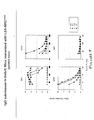
- the mice responded to the protein by making IgG antibodies indicating that the polypeptide was immunogenic ( Figure 4 ).
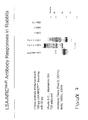
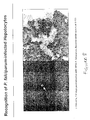
- These antibodies recognize in vitro cultured liver cells infected with P. falciparum 3D7 parasites ( Figure 8 ) indicating that the antibodies made can recognize the LSA-1 protein in its native structure.
- the P. falciparum codon usage is preferably harmonized to the host codon usage, at which point, the expressed product is referred to as an LSA-NRC(H) polypeptide.
- the exemplified LSA-NRC(H)Mut recombinant polypeptide is harmonized for expression in E. coli and consists of the harmonized N-terminal, C-terminal and two tandem 17 amino acid repeats of the LSA-1 protein of P.
- the LSA-NRC(H)Mut polypeptide also includes a 6xHis tag on the C-terminal end of the polypeptide for aid in purification of the polypeptide.
- the nucleotide sequence of the lsa-nrc hmut is specified in SEQ ID NO:3 and the encoded amino acid sequence is specified in SEQ ID NO:4.
- LSA-NRC include peptides with repeats from 0 to 90 wherein the repeats contain conserved amino acids of the same basic 17 amino acids following the order: X 1 GlnGlnX 2 AspX 3 GluGlnX 4 ArgX 5 AlaX 6 GluX 7 LeuGln (SEQ ID NO:5) where x 1 is either Glu or Gly; x 2 is Ser or Arg; x 3 is Asp or Ser; x 4 is Glu or Asp; x 5 is Leu or Arg; x 6 is Lys or Asn and x 7 is Lys or Thr or Arg.
- the repeat unit of 17 amino acids can start at any of the amino acids in the 17 amino acid unit, much like the start of a circle can have many points. However, because of the alpha-helical, coiled-coil nature of the tertiary structure of the repeats each unit should maintain the basic ordering of the amino acids.
- LSA-NRC peptides could also contain less or more of the N-terminal region of LSA-1, extending from the first methionine at residue #1 to around residue #158, and/or more or less of the C-terminal region of LSA-1, extending from approximately amino acid residue # 1630-1909, keeping in mind that these regions contain T-cell epitopes which aid in mounting an immune response.
- the defined epitopes in these regions, shown in Table 2 can be included or excluded, rendered functional, i.e. recognized by an epitope defining-antibody, or nonfunctional, not recognized by an epitope-defining antibody, depending on the intended purpose of the resulting expressed peptide or polypeptide.
- the N- and C-terminal regions can additionally be presented, whether complete or partial, in multiples of 1 in order to achieve a desired immune response.
- insertions, deletions or substitutions can be designed to enhance immunogenicity or reduce immunogenicity of one or more epitopes.
- LSA-NRC(H)Mut wherein the T5 epitope is interrupted by an insertion of one amino acid, an arginine (please see Table 2, SEQ ID NO:15 for the amino acid sequence of the mutant T5 epitope) and have found that the resulting polypeptide is immunogenic.
- Table 2 Most Common Studied Epitopes of P .
- the LSA-NRC polypeptide could optionally include the signal sequence contained in the first 28 residues of the native protein, and/or any other amino acid sequence found in other strains or clones of the P . falciparum lsa-1 gene.
- the epitopes or fragments of the lsa-1 gene chosen may be linked in tandem, N-terminal to C-terminal, in random or fixed order by their ends or cross linked by chemical means by their amino acids.
- the invention provides an immunogenic composition comprising P. falciparum LSA-NRC(H) of the invention and a pharmaceutically acceptable diluent.
- the invention provides a recombinant vector comprising a recombinant polynucleotide of the invention and a host cell transformed with the vector of the invention wherein said host is E. coli Tuner (DE3).
- the invention also provides a method for producing and purifying recombinant P. falciparum LSA-NRC of the invention polypeptide of the invention comprising:
- the invention provides a method for in vitro diagnosis of malaria antibodies in a biological sample, comprising (i) contacting said biological sample with a composition comprising a polypeptide of the invention under appropriate conditions which allow the formation of an immune complex, wherein said peptide is labeled with a detectable label; and (ii) detecting the presence of said immune complexes visually or mechanically.
- the invention also provides a method for in vitro monitoring malaria infection or prognosing the response to treatment of patients suffering from malaria infection comprising: (i) incubating a biological sample from a patient with malaria infection with a LSA-NRC(H) polypeptide of the invention under conditions allowing the formation of an immunological complex; (ii) removing unbound components, calculating the anti-LSA-1 titers present in said sample.
- the invention also provides a kit for monitoring malaria infection or prognosing the response to treatment of patients suffering from malaria infection or for determining the presence of malaria antibodies in a biological sample, comprising: (i) at least one polypeptide of the invention; (ii) a buffer or buffer components; (iii) means for detecting the immune complexes formed between the peptide and antibodies present in the sample, and (iv) optionally, a means for determining the amount of immune complex formed.
- the invention also provides use of a polypeptide of the invention or an immunogenic composition of the invention for the manufacture of a medicament for inducing in a subject an immune response against malaria infection and a polypeptide of the invention or an immunogenic composition of the invention for use in inducing in a subject an immune response against malaria.
- Described herein are monoclonal or polyclonal antibodies directed against LSA-NRC which also react with LSA-1, more particularly human monoclonal antibodies or mouse monoclonal antibodies which are humanized, which react specifically with native LSA-1 epitopes, either comprised in peptides or conformational epitopes present in the native parasite or in recombinantly expressed proteins.
- anti-LSA-NRC monoclonal antibodies for malaria antigen detection or for therapy to prevent malaria reinfection.
- a malaria vaccine or an immunogenic composition comprising LSA-NRC of the present invention, in an amount effective to elicit an immune response in an animal or human against P . falciparum; and a pharmaceutically acceptable diluent, carrier, or excipient.
- Also described herein is a method for eliciting in a subject an immune response against malaria, the method comprising administering to a subject a composition comprising LSA-NRC of the present invention.
- the vaccine according to the present invention is inherently safe, is not painful to administer, and should not result in adverse side effects to the vaccinated individual.
- an 'epitope' is defined as a linear array of 3-20 amino acids aligned along the surface of a protein.
- the amino acids are joined sequentially and follow the primary structure of the protein.
- residues are not joined sequentially, but lie linearly along the surface due to the conformation (folding) of the protein.
- the length of the epitope-defining sequence can be subject to wide variations. The portions of the primary structure of the antigen between the residues defining the epitope may not be critical to the structure of the conformational epitope.
- a conformational epitope may also be formed by 2 or more essential regions of subunits of a homo-oligomer or hetero-oligomer.
- 'epitope' or 'antigenic determinant' means an amino acid sequence that is immunoreactive.
- an epitope of a designated polypeptide denotes epitopes with the same amino acid sequence as the epitope in the designated polypeptide, and immunologic equivalents thereof.
- solid phase' intends a solid body to which the individual P. falciparum antigen is bound covalently or by noncovalent means such as hydrophobic, ionic, or van der Waals association.
- the term 'biological sample' intends a fluid or tissue of a mammalian individual (e.g. an anthropoid, a human), reptilian, avian, or any other zoo or farm animal that commonly contains antibodies produced by the individual, more particularly antibodies against malaria.
- the fluid or tissue may also contain P . falciparum antigen.
- Such components are known in the art and include, without limitation, blood, plasma, serum, urine, spinal fluid, lymph fluid, secretions of the respiratory, intestinal or genitourinary tracts, tears, saliva, milk, white blood cells and myelomas.
- Body components include biological liquids.
- the term 'biological fluid' refers to a fluid obtained from an organism.
- the term 'immunologically reactive' means that the antigen in question will react specifically with anti-LSA-1 antibodies, present in vitro or in a body component from a malaria infected individual.
- the term 'immune complex' intends the combination formed when an antibody binds to an epitope on an antigen.
- LSA-1' refers to the native protein of P. falciparum that contains all the repeats.
- LSA-1 is intended LSA-1 from any strain of P. falciparum, e.g. 3D7, FVO, Camp, NF54, T9/96, or any other stain.
- LSA-NRC means the recombinant protein or polypeptide product of the gene lsa-nrc that contains a series of amino acids from the P. falciparum native LSA-1 and that comprises an amino acid sequence defining at least one LSA-1 epitope.
- the LSA-NRC(H) extends from approximately amino acid (aa)28 to aa 154, continues with two 17 aa tandem repeats and then continues with aa 1630 to 1909 of the full-length protein (NCBI Genbank accession # A45592).
- the frequency of amino acid codons of the LSA-1 sequence in the lsa-nrc h gene construct have been harmonized with the frequency of E. coli codons in order to improve expression of the protein in E. coli host. It is envisioned that similar codon harmonization can be achieved for enhanced expression of the desired polypeptide in the host of choice.
- LSA-NRC polypeptide The choice of epitopes to be included in a LSA-NRC polypeptide to provide immunogenic and nonimmunogenic variations can vary depending on the intended use of the resulting polypeptide.
- variations of this peptide can include peptides with repeats from 0 to 90 wherein the repeats contain ones of the same basic 17 amino acids following the order:
- LSA-NRC polypeptides can also contain less or more of the N-terminal or C-terminal regions of LSA-1 keeping in mind that these regions contain T-cell epitopes which aid in mounting an immune response.
- the defined epitopes in these regions shown in Table 2, can be included or excluded, depending on the intended purpose of the resulting expressed peptide or polypeptide.
- the N- and C-terminal regions can additionally be presented, whether complete or partial, in multiples of 1 in order to achieve a desired immune response.
- insertions, deletions or substitutions can be designed to enhance immunogenicity or reduce immunogenicity of one or more epitopes. As is described in the Examples below, we have designed LSA-NRC(H)Mut wherein the T5 epitope is interrupted by an insertion of one amino acid and have found that the resulting polypeptide is immunogenic.
- the LSA-NRC polypeptide could optionally contain the signal sequence contained in the first 28 residues of the native protein, and/or any other amino acid sequence found in other strains or clones of the P . falciparum lsa-1 gene.
- LSA-NRC as used herein also includes analogs and truncated forms of LSA-NRC that are immunologically cross-reactive with natural LSA-1.
- the term 'homo-oligomer' as used herein refers to a complex of LSA-NRC containing more than one LSA-NRC monomer, e.g. LSA-NRC/LSA-NRC dimers, trimers or tetramers, or any higher-order homo-oligomers of LSA-NRC are all 'homo-oligomers' within the scope of this definition.
- the oligomers may contain one, two, or several different monomers of LSA-NRC obtained from the sequence of one strain of P . falciparum or mixed oligomers from different strains of Plasmodium falciparum including for example 3D7, NF-54, T9/96, Camp, FVO, and others.
- Such mixed oligomers are still homo-oligomers, and may allow more universal diagnosis, prophylaxis or treatment of malaria.
- the homo-oligomers may be linked in tandem, head to tail, in random or fixed order by their ends or cross linked by chemical means by their internal amino acids. Particularly they may be cross-linked by their glutamine (Gln) amino acids by the action of transglutaminase.
- Gln glutamine
- the term 'purified' as applied to proteins herein refers to a composition wherein the desired polypeptide comprises at least 35% of the total protein component in the composition.
- the desired polypeptide preferably comprises at least 40%, more preferably at least about 50%, more preferably at least about 60%, still more preferably at least about 70%, even more preferably at least about 80%, even more preferably at least about 90%, and most preferably at least about 95% of the total protein component.
- the composition may contain other compounds such as carbohydrates, salts, lipids, solvents, and the like, without affecting the determination of the percentage purity as used herein.
- An 'isolated' LSA-NRC protein intends a Plasmodium protein composition that is at least 35% pure.
- proteins or polypeptides' refers to proteins purified such that they can be used for in vitro diagnostic methods and as a prophylactic compound. These proteins are substantially free from cellular proteins, vector-derived proteins or other Plasmodium components.
- the proteins of the present invention are purified to homogeneity, at least 80% pure, preferably, 90%, more preferably 95%, more preferably 97%, more preferably 98%, more preferably 99%, even more preferably 99.5%.
- the term 'recombinantly expressed used within the context of the present invention refers to the fact that the proteins of the present invention are produced by recombinant expression methods be it in prokaryotes, or lower or higher eukaryotes as discussed in detail below.
- lower eukaryote' refers to host cells such as yeast, fungi and the like.
- Lower eukaryotes are generally (but not necessarily) unicellular.
- Preferred lower eukaryotes are yeasts, particularly species within Saccharomyces. Schizosaccharomyces, Kluveromyces, Pichia (e.g. Pichia pastoris), Hansenula (e.g. Hansenula polymorpha, Yarowia, Schwaniomyces, Schizosaccharomyces, Zygosaccharomyces and the like.
- Saccharomyces cerevisiae, S. carlsberoensis and K. lactis are the most commonly used yeast hosts, and are convenient fungal hosts.
- prokaryotes' refers to hosts such as E. coli, Lactobacillus, Lactococcus, Salmonella, Streptococcus, Bacillus subtilis or Streptomyces. Also these hosts are contemplated within the present invention.
- the term 'higher eukaryote' refers to host cells derived from higher animals, such as mammals, reptiles, insects, and the like.
- Presently preferred higher eukaryote host cells are derived from Chinese hamster (e.g. CHO), monkey (e.g. COS and Vero cells), baby hamster kidney (BHK), pig kidney (PK15), rabbit kidney 13 cells (RK13), the human osteosarcoma cell line 143 B, the human cell line HeLa and human hepatoma cell lines like Hep G2, and insect cell lines (e.g. Spodoptera frugiperda).
- the host cells may be provided in suspension or flask cultures, tissue cultures, organ cultures and the like. Alternatively the host cells may also be transgenic animals.
- polypeptide' refers to a polymer of amino acids and does not refer to a specific length of the product; thus, peptides, oligopeptides, and proteins are included within the definition of polypeptide. This term also does not refer to or exclude post-expression modifications of the polypeptide, for example, glycosylations, acetylations, phosphorylations and the like. Included within the definition are, for example, polypeptides containing one or more analogues of an amino acid (including, for example, unnatural amino acids, PNA, etc.), polypeptides with substituted linkages, as well as other modifications known in the art, both naturally occurring and non-naturally occurring.
- polynucleotide or nucleic acid intends a polynucleotide or nucleic acid of genomic, cDNA, semisynthetic, or synthetic origin which, by virtue of its origin or manipulation : (1) is not associated with all or a portion of a polynucleotide with which it is associated in nature, (2) is linked to a polynucleotide other than that to which it is linked in nature, or (3) does not occur in nature.
- 'recombinant host cells', 'host cells', 'cells', 'cell lines', 'cell cultures', and other such terms denoting microorganisms or higher eukaryotic cell lines cultured as unicellular entities refer to cells which can be or have been, used as recipients for a recombinant vector or other transfer polynucleotide, and include the progeny of the original cell which has been transfected. It is understood that the progeny of a single parental cell may not necessarily be completely identical in morphology or in genomic or total DNA complement as the original parent, due to natural, accidental, or deliberate mutation.
- 'replicon' is any genetic element, e.g., a plasmid, a chromosome, a virus, a cosmid, etc., that behaves as an autonomous unit of polynucleotide replication within a cell; i.e., capable of replication under its own control.
- 'vector' is a replicon further comprising sequences providing replication and/or expression of a desired open reading frame.
- control sequence' refers to polynucleotide sequences which are necessary to effect the expression of coding sequences to which they are ligated. The nature of such control sequences differs depending upon the host organism; in prokaryotes, such control sequences generally include promoter, ribosomal binding site, and terminators; in eukaryotes, generally, such control sequences include promoters, terminators and, in some instances, enhancers.
- the term 'control sequences' is intended to include, at a minimum, all components whose presence is necessary for expression, and may also include additional components whose presence is advantageous, for example, leader sequences which govern secretion.
- 'promoter' is a nucleotide sequence that is comprised of consensus sequences that allow the binding of RNA polymerase to the DNA template in a manner such that mRNA production initiates at the normal transcription initiation site for the adjacent structural gene.
- the expression 'operably linked' refers to a juxtaposition wherein the components so described are in a relationship permitting them to function in their intended manner.
- a control sequence 'operably linked' to a coding sequence is ligated in such a way that expression of the coding sequence is achieved under conditions compatible with the control sequences.
- An 'open reading frame' is a region of a polynucleotide sequence which encodes a polypeptide and does not contain stop codons; this region may represent a portion of a coding sequence or a total coding sequence.
- a 'coding sequence' is a polynucleotide sequence that is transcribed into mRNA and/or translated into a polypeptide when placed under the control of appropriate regulatory sequences.
- the boundaries of the coding sequence are determined by a translation start codon at the 5'-terminus and a translation stop codon at the 3'-terminus.
- a coding sequence can include but is not limited to mRNA, DNA (including cDNA), and recombinant polynucleotide sequences.
- 'immunogenic' refers to the ability of a substance to cause a humoral and/or cellular response, whether alone or when linked to a carrier, in the presence or absence of an adjuvant.
- 'Neutralization' refers to an immune response that blocks the infectivity, either partially or fully, of an infectious agent.
- a 'vaccine' is an immunogenic composition capable of eliciting protection against malaria, whether partial or complete.
- a vaccine may also be useful for treatment of an infected individual, in which case it is called a therapeutic vaccine.
- 'therapeutic' refers to a composition capable of treating malaria infection such that disease symptoms are reduced.
- the term 'effective amount' for a therapeutic or prophylactic treatment refers to an amount of epitope-bearing polypeptide sufficient to induce an immunogenic response in the individual to which it is administered, or to otherwise detectably immunoreact in its intended system (e.g., immunoassay).
- the effective amount is sufficient to effect treatment, as defined above.
- the exact amount necessary will vary according to the application.
- the effective amount may vary depending on the species, age, and general condition of the individual, the severity of the condition being treated, the particular polypeptide selected and its mode of administration, etc. It is also believed that effective amounts will be found within a relatively large, noncritical range.
- LSA-NRC for prophylaxis of malaria disease are about 0.01 to 1000 ug/dose, more preferably about 0.1 to 100 ug/dose most preferably about 10-50 ug/dose. Several doses may be needed per individual in order to achieve a sufficient immune response and subsequent protection against malaria.
- the present invention contemplates essentially purified LSA-NRC and a method for isolating or purifying recombinant LSA-NRC protein.
- LSA-NRC' refers to a polypeptide or an analogue thereof (e.g. mimotopes) comprising an amino acid sequence (and/or amino acid analogues) defining at least one LSA-1 epitope.
- sequences defining the epitope correspond to the amino acid sequence of LSA-1 region of P. falciparum (either identically, by harmonization, or via substitution of analogues of the native amino acid residue that do not destroy the epitope).
- the LSA-NRC(H) protein or polypeptide corresponds to a nucleotide sequence identified in SEQ ID NO:22 and an amino acid sequence identified in SEQ ID NO:23 which spans from amino acid 28-154 of the N-terminal region, two 17 aa repeats of the 86 possible from the full length molecule, and the C-terminal region amino acids #1630-1909 of LSA-1 3D7 allele.
- LSA-NRC(H) Upon expression in E. coli LSA-NRC(H) is expected to have an approximate molecular weight of 53 kDa as determined by SDS-PAGE.
- the LSA-NRC polypeptide antigen of the present invention can be made by any recombinant method that provides the epitope of interest.
- recombinant expression in E. coli is a preferred method to provide non-glycosylated antigens in 'native' conformation. This is most desirable because natural P . falciparum antigens are not glycosylated.
- Proteins secreted from mammalian cells may contain modifications including galactose or sialic acids which may be undesirable for certain diagnostic or vaccine applications.
- polypeptides according to the present invention may be secreted or expressed within compartments of the cell. Preferably, however, the polypeptides of the present invention are expressed within the cell and are released upon lysing the cells.
- P. falciparum isolate from another allele e.g. FVO, T9/96 or CAMP
- FVO fluorescence-activated protein
- CAMP C-activated glutathione
- Other new strains or clones of P . falciparum may be a suitable source of LSA-1 sequence.
- the LSA-NRC nucleotide sequence of the present invention can be part of a recombinant vector. Therefore, described herein is the lsa-nrc hmut nucleic acid sequence (SEQ ID NO:3) in recombinant vector, pET KLSA-NRC hmut .
- the LSA-1 genomic sequence was cloned into the base vector pETK(-) a modified pET32 plasmid vector from Novagen (Madison, Wisconsin). This plasmid comprises, in sequence, a T7 promoter, optionally a lac operator, a ribosome binding site, restriction sites to allow insertion of the structural gene and a T7 terminator sequence.
- a single histidine tag is cloned at the C-terminus.
- the ampicillin antibiotic resistance gene has been replaced with a kanamycin resistance gene in pETK(-) and the orientation of the kanamycin ORF is opposite to that of the ORF for the gene that is inserted for expression.
- examples of other plasmids which contain the T7 inducible promoter include the expression plasmids pET-17b, pET-11a, pET-24a-d(+), and pEt-9a, all from Novagen (Madison, Wisconsin); see the Novagen catalogue.
- the present invention also contemplates host cells transformed with a recombinant vector of the invention as defined above.
- E . coli strain Tuner(DE3) or alternatively BL21 (DE3) (F-ompT hsdSB(rB-mB-) gal dcm (DE3) is employed.
- the above plasmids may be transformed into this strain or other strains of E. coli having the following characteristics: a T7 RNA polymerase rec gene, lon, ompT protease mutants or any other E. coli with a protease deficiency such as E. coli origami.
- the host includes Tuner(DE3) and any of its precursors.
- Other host cells such as insect cells can be used taking into account that other cells may result in lower levels of expression.
- Eukaryotic hosts include lower and higher eukaryotic hosts as described in the definitions section.
- Lower eukaryotic hosts include yeast cells well known in the art.
- Higher eukaryotic hosts mainly include mammalian cell lines known in the art and include many immortalized cell lines available from the ATCC, including HeLa cells, Chinese hamster ovary (CHO) cells, Baby hamster kidney (BHK) cells, PK15, RK13 and a number of other cell lines. LSA-NRC expressed in these cells will be glycosylated unless the cells have been altered such that glycosylation of the recombinant protein is not possible.
- the transformed cells are grown in culture in the presence of the desired antibiotic.
- the desired antibiotic for FDA regulatory purposes, it is preferable to use tetracycline or kanamycin.
- the cells When cells reach optimal biomass density, in this case about 0.7-0.9 OD 600, in small culture flasks or 7-10 OD 600 in bulk fermentors, the cells are induced to produce the recombinant protein, preferably, with dioxin free IPTG.
- IPTG allows expression of T7 polymerase protein from the E. coli (DE3) host cell chromosome, which acts on the T7 promoter on the expression plasmid.
- the concentration of inducer, i.e. IPTG added affects the maximal protein synthesis. It was found that a concentration of 0.5 mM IPTG was best, however, a range of 0.25 to 1.0 mM would be sufficient to produce 80-100% of maximal.
- the cells are then collected and lysed to release the recombinant polypeptide.
- lysis is with a microfluidizer, however a French Press or other mechanical breakage devise would work; alternatively cells could be lysed by chemical means using urea, guanidine-HCL or detergents such as sarkosyl.
- Lysed cells are centrifuged to pellet cellular debris, for example at 10,000 rpm for 30 min, and the supernatant is removed and incubated with low levels, 0.1% to 5%, of sarkosyl, a detergent, to facilitate the removal of endotoxin.
- Lysis is preferably at a temperature of about 0°C - 15°C, more preferably about 5-10°C.
- a high salt concentration of about 1.0-2.0 M is preferable. Salts used include NaCl or other monovalent ions.
- the E . coli endotoxin is separated and removed from the recombinant polypeptide.
- This can be done several ways.
- LSA-NRC(H)Mut a large majority of the endotoxin was removed by applying the bacterial lysate directly to a Ni +2 -NTA column, which bound the LSA-NRC(H)Mut protein.
- Endotoxin, and other E. coli proteins, carbohydrates and lipopolysaccarides were washed off the column by washing the resin with a buffer of low pH, about 5.7 to 6.1, preferably about pH 5.9 and containing high salt, preferably about 2 M NaCl.
- the cell paste to resin ratio can be about 1:8 to about 1:12 w/v, preferably about 1: 10 w/v.
- the recombinant protein can be eluted by addition of a higher pH buffer of about 6.5 to about 7.5, preferably about pH 7.0, in a phosphate buffer of about 10-30 mM, more preferably about 20 mM sodium phosphate buffer and 300 mM - 500 mM imidazole, preferably 400 mM.
- the recombinant protein is about 80% pure. If further purity is required, ion-exchange chromatography can be implemented e.g. DEAE and SP-Sepharose.
- the column is preferably with an ionic character such that the pH used will not promote endotoxin and nucleic acid binding at the concentration of salt, about 260 - 300 mM, preferably 280 mM, utilized to elute the protein.
- LSA-NRC(H)Mut was subjected to DEAE Sepharose ion exchange chromatography.
- the pH of the buffer can be about 6.5 to about 7.5, preferably about 7.0.
- the eluted sample (about 0.1 mg/ml, can be subjected to further ion exchange chromatography for further concentration and purification.
- the LSA-NRC(H)Mut was subjected to SP-Sepharose ion exchange chromatography.
- the pH of the buffer can be about 6.5 to about 7.5, preferably about 7.0.
- the salt concentration is about 130 mM to about 170 mM, preferably about 150 mM.
- Described herein is a composition comprising peptides or polypeptides as described above, for in vitro detection of malaria antibodies present in a biological sample.
- an LSA-1 specific antibody raised upon immunizing an animal with a LSA-NRC peptide or protein composition, with said antibody being specifically reactive with LSA-1 or LSA-NRC or any of the polypeptides or peptides as defined above, and with said antibody being preferably a monoclonal antibody.
- an LSA-NRC specific antibody screened from a variable chain library in plasmids or phages or from a population of human B-cells by means of a process known in the art, with said antibody being reactive with any of the polypeptides or peptides as defined above, and with said antibody being preferably a monoclonal antibody.
- the LSA-NRC specific monoclonal antibodies can be produced by any hybridoma liable to be formed according to classical methods from splenic or lymph node cells of an animal, particularly from a mouse or rat, immunized against the Plasmodium polypeptides or peptides according to the invention, as defined above on the one hand, and of cells of a myeloma cell line on the other hand, and to be selected by the ability of the hybridoma to produce the monoclonal antibodies recognizing the polypeptides which has been initially used for the immunization of the animals.
- the antibodies can be labeled by an appropriate label of the enzymatic, fluorescent, or radioactive type.
- the monoclonal antibodies may be humanized versions of mouse monoclonal antibodies made by means of recombinant DNA technology, departing from parts of mouse and/or human genomic DNA sequences coding for H and L chains from cDNA or genomic clones coding for H and L chains.
- the monoclonal antibodies may be human monoclonal antibodies.
- These antibodies according to the present embodiment of the invention can also be derived from human peripheral blood lymphocytes of patients infected with malaria, or vaccinated against malaria.
- Such human monoclonal antibodies are prepared, for instance, by means of human peripheral blood lymphocytes (PBL) repopulation of severe combined immune deficiency (SCID) mice, or by means of transgenic mice in which human immunoglobulin genes have been used to replace the mouse genes.
- PBL peripheral blood lymphocytes
- SCID severe combined immune deficiency
- proteins or peptides of the invention for the selection of recombinant antibodies by the process of repertoire cloning.
- Antibodies directed to peptides or single or specific proteins derived from a certain strain may be used as a medicament, more particularly for incorporation into an immunoassay for the detection of Plasmodium strains for detecting the presence of LSA-1 antigens, or antigens containing LSA-NRC epitopes, for prognosing/monitoring of malaria disease, or as therapeutic agents.
- LSA-NRC monoclonal antibodies for the preparation of an immunoassay kit for detecting the presence of LSA-1 antigen or LSA-NRC antigens containing LSA-1 epitopes in a biological samples, for the preparation of a kit for prognosing/monitoring of malaria disease or for the preparation of a malaria medicament.
- Also described herein is a method for in vitro diagnosis or detection of malaria antigen present in a biological sample, comprising at least the following steps:
- kits for in vitro diagnosis of a malaria antigen present in a biological sample comprising:
- the kit can possibly also include an automated scanning and interpretation device for inferring the malaria antigens present in the sample from the observed binding pattern.
- Monoclonal antibodies are suitable both as therapeutic and prophylactic agents for treating or preventing malaria infection in susceptible malaria-infected subjects.
- this will comprise administering a therapeutically or prophylactically effective amount of one or more monoclonal antibodies to a susceptible subject or one exhibiting malaria infection.
- Any active form of the antibody can be administered, including Fab and F(ab') 2 fragments.
- Antibodies can be produced in any system, including insect cells, baculovirus expression systems, chickens, rabbits, goats, cows, or plants such as tomato, potato, banana or strawberry. Methods for the production of antibodies in these systems are known to a person with ordinary skill in the art.
- the antibodies used are compatible with the recipient species such that the immune response to the MAbs does not result in clearance of the MAbs before parasite can be controlled, and the induced immune response to the MAbs in the subject does not induce "serum sickness" in the subject.
- the MAbs administered exhibit some secondary functions such as binding to Fc receptors of the subject.
- Treatment of individuals having malaria infection may comprise the administration of a therapeutically effective amount of LSA-NRC antibodies.
- the antibodies can be provided in a kit as described below.
- the antibodies can be used or administered as a mixture, for example in equal amounts, or individually, provided in sequence, or administered all at once.
- the dosage of administered agent will vary depending upon such factors as the patient's age, weight, height, sex, general medical condition, previous medical history, etc.
- a dosage of antibody which is in the range of from about 1 pg/kg-100 pg/kg, 100 pg/kg-500 pg/kg, 500 pg/kg-1 ng/kg, 1 ng/kg-100 ng/kg, 100 ng/kg-500 ng/kg, 500 ng/kg- 1 ug/kg, 1 ug/kg- 100 ug/kg, 100 ug/kg-500 ug/kg, 500 ug/kg- 1 mg/kg, 1 mg/kg-50 mg/kg, 50 mg/kg-100 mg/kg, 100 mg/kg-500 mg/kg, 500 mg/kg-1 g/kg, 1 g/kg-5 g/kg, 5 g/kg-10 g/kg (body weight of recipient), although a lower or higher dosage may be administered.
- Another prophylactic use of the monoclonal antibodies is the active immunization of a patient using an anti-idiotypic antibody raised against one of the present monoclonal antibodies.
- Immunization with an anti-idiotype which mimics the structure of the epitope could elicit an active anti-LSA-NRC response ( Linthicum, D.S. and Farid, N.R., Anti-Idiotypes, Receptors, and Molecular Mimicry (1988), pp 1-5 and 285-300 ).
- active immunization can be induced by administering one or more antigenic and/or immunogenic epitopes as a component of a subunit vaccine.
- Vaccination could be performed orally or parenterally in amounts sufficient to enable the recipient to generate protective antibodies or immunoreactive T-cells against LSA-1 in a manner that has either prophylactical or therapeutical value.
- the host can be actively immunized with the antigenic/immunogenic peptide in pure form, a fragment of the peptide, or a modified form of the peptide.
- One or more amino acids, not corresponding to the original protein sequence can be added to the amino or carboxyl terminus of the original peptide, or truncated form of peptide.
- Such extra amino acids are useful for coupling the peptide to another peptide, to a large carrier protein, or to a support.
- Amino acids that are useful for these purposes include: tyrosine, lysine, glutamic acid, aspartic acid, cyteine and derivatives thereof.
- Alternative protein modification techniques may be used e.g., NH 2 -acetylation or COOH-terminal amidation, to provide additional means for coupling or fusing the peptide to another protein or peptide molecule or to a support.
- the antibodies capable of protecting against malaria are intended to be provided to recipient subjects in an amount sufficient to effect a reduction in the malaria infection symptoms.
- An amount is said to be sufficient to "effect" the reduction of infection symptoms if the dosage, route of administration, etc. of the agent are sufficient to influence such a response.
- Responses to antibody administration can be measured by analysis of subject's vital signs.
- compositions comprising at least one of the above-specified peptides or a recombinant LSA-NRC protein or polypeptide composition as defined above, for use as a vaccine for immunizing a mammal, preferably humans, against malaria, comprising administering a sufficient amount of the composition possibly accompanied by pharmaceutically acceptable adjuvant(s), to produce an immune response.
- the protein of the present invention is expected to provide a particularly useful vaccine antigen, since the antigen has very little sequence variation in the N-terminal and C-terminal regions that contain the T-cell epitopes.
- Pharmaceutically acceptable carriers include any carrier that does not itself induce the production of antibodies harmful to the individual receiving the composition.
- Suitable carriers are typically large, slowly metabolized macromolecules such as proteins, polysaccharides, polylactic acids, polyglycolic acids, polymeric amino acids, amino acid copolymers; and inactive virus particles. Such carriers are well known to those of ordinary skill in the art.
- T helper cell type I adjuvant Montanide, aluminum hydroxide (alum), N-acetyl-muramyl-L-threonyl-D-isoglutamine (thr-MDP) as found in U.S. Pat. No. No.
- any of the 3 components MPL, TDM or CWS may also be used alone or combined 2 by 2. Additionally, adjuvants such as Stimulon (Cambridge Bioscience, Worcester, Mass.) or SAF-1 (Syntex) may be used. Further, Complete Freund's Adjuvant (CFA) and Incomplete Freund's Adjuvant (IFA) may be used for non-human applications and research purposes.
- adjuvants such as Stimulon (Cambridge Bioscience, Worcester, Mass.) or SAF-1 (Syntex) may be used. Further, Complete Freund's Adjuvant (CFA) and Incomplete Freund's Adjuvant (IFA) may be used for non-human applications and research purposes.
- CFA Complete Freund's Adjuvant
- IFA Incomplete Freund's Adjuvant
- the immunogenic compositions typically will contain pharmaceutically acceptable vehicles, such as water, saline, glycerol, ethanol, etc. Additionally, auxiliary substances, such as wetting or emulsifying agents, pH buffering substances, preservatives, and the like, may be included in such vehicles.
- pharmaceutically acceptable vehicles such as water, saline, glycerol, ethanol, etc.
- auxiliary substances such as wetting or emulsifying agents, pH buffering substances, preservatives, and the like, may be included in such vehicles.
- the immunogenic compositions are prepared as injectables, either as liquid solutions or suspensions; solid forms suitable for solution in, or suspension in, liquid vehicles prior to injection may also be prepared.
- the preparation also may be emulsified or encapsulated in liposomes for enhanced adjuvant effect.
- the LSA-NRC protein of the invention may also be incorporated into Immune Stimulating Complexes together with saponins, for example QuilA (ISCOMS).
- Immunogenic compositions used as vaccines comprise a 'sufficient amount' or 'an immunologically effective amount' of the protein of the present invention, as well as any other of the above mentioned components, as needed.
- 'Immunologically effective amount' means that the administration of that amount to an individual, either in a single dose or as part of a series, is effective for treatment, as defined above. This amount varies depending upon the health and physical condition of the individual to be treated, the taxonomic group of individual to be treated (e.g. nonhuman primate, primate, etc.), the capacity of the individual's immune system to synthesize antibodies, the degree of protection desired, the formulation of the vaccine, the treating doctor's assessment of the medical situation, the strain of malaria infection, and other relevant factors.
- the amount will fall in a relatively broad range that can be determined through routine trials. Usually, the amount will vary from 0.01 to 1000 ug/dose, more particularly from about 1.0 to 100 ug/dose most preferably from about 10 to 50 ug/dose.
- the protein may also serve as vaccine carriers to present homologous (e.g. other malaria antigens, such as EBA-175 or AMA-1) or heterologous (non-malaria) antigens.
- the protein of the invention provide an immunogenic carrier capable of stimulating an immune response to other antigens.
- the polypeptide can be included in a composition containing other P. falciparum malaria proteins including RTS,S ( Stoute et al., 1998. J. Infect. Dis. 178(4):1139-44 ), AMA-1 ( Dutta et al., 2002 Infect Immun. 70(6): 3101-10 .), MSP-1 ( Angov, et al. 2003. Mol Biochem Parasitol.
- P. falciparum LSA-NRC polypeptide could also provide immune help or boosting to other vaccine constructs that might contain P. falciparum LSA-NRC epitopes.
- These other vaccine constructs could be of protein (e.g. a synthetic or recombinant amino acid construct containing LSA-1 sequences), nucleic acid (e.g. naked DNA plasmid vector containing LSA-1 gene fragments) or live viral (e.g.
- the P. falciparum LSA-NRC polypeptide could also provide immune help in a vaccine by being in the first, second or third priming injections that are followed by another vaccine construct (booster injection) that would contain P. falciparum LSA-NRC epitopes.
- the booster injection could also be the P . falciparum LSA-NRC polypeptide in a different adjuvant than it was emulsified in or combined with for the priming injection or injections.
- the antigen may be conjugated either by conventional chemical methods, or may be cloned into the gene encoding LSA-NRC fused to the 5'end or the 3' end of the LSA-NRC gene.
- the vaccine may be administered in conjunction with other immunoregulatory agents.
- the compounds of the present invention can be formulated according to known methods to prepare pharmaceutically useful compositions, whereby these materials, or their functional derivatives, are combined in admixture with a pharmaceutically acceptable carrier vehicle.
- a pharmaceutically acceptable carrier vehicle e.g., water, alcohol, and water.
- suitable vehicles and their formulation, inclusive of other human proteins, e.g., human serum albumin are described, for example, in Remington's Pharmaceutical Sciences (16th ed., Osol, A. ed., Mack Easton Pa. (1980 )).
- a pharmaceutically acceptable composition suitable for effective administration such compositions will contain an effective amount of the above-described compounds together with a suitable amount of carrier vehicle.
- Control release preparations may be achieved through the use of polymers to complex or absorb the compounds.
- the controlled delivery may be exercised by selecting appropriate macromolecules (for example polyesters, polyamino acids, polyvinyl, pyrrolidone, ethylenevinylacetate, methylcellulose, carboxymethylcellulose, or protamine sulfate) and the concentration of macromolecules as well as the method of incorporation in order to control release.
- Another possible method to control the duration of action by controlled release preparations is to incorporate the compounds of the present invention into particles of a polymeric material such as polyesters, polyamino acids, hydrogels, poly(lactic acid) or ethylene vinylacetate copolymers.
- microcapsules prepared, for example, interfacial polymerization, for example, hydroxymethylcellulose or gelatin-microcapsules and poly(methylmethacylate)-microcapsules, respectively, or in colloidal drug delivery systems, for example, liposomes, albumin microspheres, microemulsions, nanoparticles, and nanocapsules or in macroemulsions.
- colloidal drug delivery systems for example, liposomes, albumin microspheres, microemulsions, nanoparticles, and nanocapsules or in macroemulsions.
- Administration of the compounds, whether antibodies or vaccines, disclosed herein may be carried out by any suitable means, including parenteral injection (such as intraperitoneal, subcutaneous, or intramuscular injection), orally, or by topical application of the antibodies (typically carried in a pharmaceutical formulation) to an airway surface.
- Topical application of the antibodies to an airway surface can be carried out by intranasal administration (e.g., by use of dropper, swab, or inhaler which deposits a pharmaceutical formulation intranasally).
- Topical application of the antibodies to an airway surface can also be carried out by inhalation administration, such as by creating respirable particles of a pharmaceutical formulation (including both solid particles and liquid particles) containing the antibodies as an aerosol suspension, and then causing the subject to inhale the respirable particles.
- respirable particles of a pharmaceutical formulation including both solid particles and liquid particles
- Methods and apparatus for administering respirable particles of pharmaceutical formulations are well known, and any conventional technique can be employed.
- Oral administration may be in the form of an ingestable liquid or solid formulation.
- the treatment may be given in a single dose schedule, or preferably a multiple dose schedule in which a primary course of treatment may be with 1-10 separate doses, followed by other doses given at subsequent time intervals required to maintain and or reinforce the response, for example, at 1-4 months for a second dose, and if needed, a subsequent dose(s) after several months.
- suitable treatment schedules include: (i) 0, 1 month and 6 months, (ii) 0, 7 days and 1 month, (iii) 0 and 1 month, (iv) 0 and 6 months, or other schedules sufficient to elicit the desired responses expected to reduce disease symptoms, or reduce severity of disease.
- kits which are useful for carrying out the present invention.
- the present kits comprise a first container means containing the above-described vaccine.
- the kit also comprises other container means containing solutions necessary or convenient for carrying out the invention.
- the container means can be made of glass, plastic or foil and can be a vial, bottle, pouch, tube, bag, etc.
- the kit may also contain written information, such as procedures for carrying out the present invention or analytical information, such as the amount of reagent contained in the first container means.
- the container means may be in another container means, e.g. a box or a bag, along with the written information.
- the present invention also relates to a method for in vitro diagnosis of malaria antibodies present in a biological sample, comprising at least the following steps
- kits for determining the presence of malaria antibodies, in a biological sample comprising:
- the immunoassay methods according to the present invention utilize LSA-NRC domains that maintain linear and conformational epitopes recognized by antibodies in the sera from individuals infected with a malaria parasite.
- the LSA-NRC antigen of the present invention may be employed in virtually any assay format that employs a known antigen to detect antibodies.
- a common feature of all of these assays is that the antigen is contacted with the body component suspected of containing malaria antibodies under conditions that permit the antigen to bind to any such antibody present in the component. Such conditions will typically be physiologic temperature, pH and ionic strength using an excess of antigen.
- the incubation of the antigen with the specimen is followed by detection of immune complexes comprised of the antigen and antibody.
- Protocols may, for example, use solid supports, or immunoprecipitation.
- Most assays involve the use of labeled antibody or polypeptide; the labels may be, for example, enzymatic, fluorescent, chemiluminescent, radioactive, or dye molecules.
- Assays which amplify the signals from the immune complex are also known; examples of which are assays which utilize biotin and avidin or streptavidin, and enzyme-labeled and mediated immunoassays, such as ELISA assays.
- the immunoassay may be, without limitation, in a heterogeneous or in a homogeneous format, and of a standard or competitive type.
- the polypeptide is typically bound to a solid matrix or support to facilitate separation of the sample from the polypeptide after incubation.
- solid supports that can be used are nitrocellulose (e.g., in membrane or microtiter well form), polyvinyl chloride (e.g., in sheets or microtiter wells), polystyrene latex (e.g., in beads or microtiter plates, polyvinylidine fluoride (known as Immunolon.TM.), diazotized paper, nylon membranes, activated beads, and Protein A beads.
- Dynatech Immunolon.TM.1 or Immunlon.TM. 2 micrometer plates or 0.25 inch polystyrene beads (Precision Plastic Ball) can be used in the heterogeneous format.
- the solid support containing the antigenic polypeptides is typically washed after separating it from the test sample, and prior to detection of bound antibodies. Both standard and competitive formats are known in the art.
- test sample is incubated with the combination of antigens in solution.
- the combination of antigens may be under conditions that will precipitate any antigen-antibody complexes which are formed.
- Both standard and competitive formats for these assays are known in the art.
- the amount of malaria antibodies in the antibody-antigen complexes is directly monitored. This may be accomplished by determining whether labeled anti-xenogeneic (e.g. anti-human) antibodies which recognize an epitope on anti-malaria antibodies will bind due to complex formation.
- labeled anti-xenogeneic e.g. anti-human
- the amount of malaria antibodies in the sample is deduced by monitoring the competitive effect on the binding of a known amount of labeled antibody (or other competing ligand) in the complex.
- Complexes formed comprising anti-malaria antibody are detected by any of a number of known techniques, depending on the format.
- unlabeled malaria antibodies in the complex may be detected using a conjugate of anti-xenogeneic Ig complexed with a label (e.g. an enzyme label).
- the reaction between the malaria antigens and the antibody forms a network that precipitates from the solution or suspension and forms a visible layer or film of precipitate. If no anti-malaria antibody is present in the test specimen, no visible precipitate is formed.
- PA particle agglutination
- two artificial carriers may be used instead of RBC in the PA.
- the most common of these are latex particles.
- gelatin particles may also be used.
- the assays utilizing either of these carriers are based on passive agglutination of the particles coated with purified antigens.
- the LSA-NRC polypeptide of the present invention will typically be packaged in the form of a kit for use in these immunoassays.
- the kit will normally contain in separate containers the LSA-NRC antigen, control antibody formulations (positive and/or negative), labeled antibody when the assay format requires the same and signal generating reagents (e.g. enzyme substrate) if the label does not generate a signal directly.
- the LSA-NRC antigen may be already bound to a solid matrix or separate with reagents for binding it to the matrix. Instructions (e.g. written, tape, CD-ROM, etc.) for carrying out the assay usually will be included in the kit.
- Immunoassays that utilize the LSA-NRC antigen are useful in screening blood for the preparation of a supply from which potentially infective malaria parasite is lacking.
- the method for the preparation of the blood supply comprises the following steps. Reacting a body component, preferably blood or a blood component, from the individual donating blood with the LSA-NRC protein of the present invention to allow an immunological reaction between malaria antibodies, if any, and the LSA-NRC antigen. Detecting whether anti-malaria antibody - LSA-NRC antigen complexes are formed as a result of the reacting. Blood contributed to the blood supply is from donors that do not exhibit antibodies to the native LSA-NRC antigens.
- Two gene constructs containing modified codons to encode for the N-terminal (#28-154 residues), the C-terminal (#1630-1909 residues) and two 17 amino acid repeats of LSA-1 of the P. falciparum 3D7 clone were commercially synthesized (Retrogen, San Diego, Calif.).
- the first gene construct ( lsa-nrc e ) was designed based on the codon usage of the highly expressed genes in E. coli cells and the second gene construct ( lsa-nrc h ) was designed to "harmonize" translation rates, as predicted by comparison of codon frequency tables between P.
- the synthetic genes were ligated into the Nde I, Not I sites of the modified pET32 plasmid pET K-.
- the resultant plasmid construct was designated pET KLSA-NRC e or pET KLSA-NRC h (later referred to as pET KLSA-NRC hmut ) and each recombinant plasmid was transformed into E. coli DH5 ⁇ cells.
- the insert was sequenced on both strands of DNA.
- the plasmid was transformed into an E . coli host strain Tuner (DE3) (Novagen, Madison, Wis). The transformations were plated onto LB Agar plates with 50 ⁇ g/ml kanamycin.
- LSA-NRC(H)Mut The expression of LSA-NRC(H)Mut was performed in a 10-liter bioreactor (New Brunswick Scientific, Edison, N.J.) at the lab scale and in a 300-liter bioreactor (New Brunswick Scientific) at the WRAIR Department of Biologics Research, Pilot Production Facility.
- E. coli cell paste containing LSA-NRC(H)Mut Select APS Super broth medium containing 35 ⁇ g/ml kanamycin and 1% glucose was inoculated with a fresh stationary phase culture in accordance with BPR-670-00. The culture is grown at 37 ⁇ 1EC to an optical density of 7-8 OD and induced with 0.5 mM IPTG for 2 ⁇ 0.25 hrs.
- the cell paste is harvested by centrifugation at 15,000rpm and stored frozen at -80 ⁇ 10°C.
- E. coli Tuner E. coli Tuner (DE3) cells after fermentation was determined by plating an appropriate dilution of cells on LB agar plates containing either kanamycin 50ug/ml (selective plates) and on LB agar plates containing no antibiotic (non-selective plates). The percent plasmid retention was calculated using colony counts on appropriate dilution plates containing between 30 and 300 colonies.
- the cell lysate was cleared by centrifugation at 10,000 ⁇ g and Buffer B (20% sodium N-lauroyl sarcosine) (sarkosyl) was added to a final concentration of 0.5% and incubated at 4 ⁇ 2 ⁇ C for 30 min before loading onto a Ni +2 -NTA Superflow column (Qiagen, Valencia, CA; 10 ml packed resin per gram paste).
- the Ni +2 -NTA column was pre-equilibrated with buffer-C (Buffer A containing 0.5 % sarkosyl; pH 5.9).
- the Ni +2 -NTA resin was washed with 40 column volumes (CV) of Buffer D (Buffer A with 5 mM imidazole, 0.5% sarkosyl; pH 5.9) followed by 40 CV of Buffer E (20 mM NaP, 5 mM imidazole, 75 mM NaCl; pH 7.0). Bound proteins were eluted from the column in Buffer F containing 300 mM imidazole (pH 7.0).
- Ion-exchange column resins were sanitized with 0.2 N NaOH before use and then equilibrated to initial binding conditions.
- the protein was concentrated on a DEAE Sepharose anion-exchange column (Amersham Pharmacia Biotech, Piscataway, NJ; 3 ml packed resin per gram of starting bacterial paste).
- the column was pre-equilibrated with Buffer G (Buffer F without imidazole). After loading the protein, the column was washed with 10 CV of Buffer H (20 mM NaP, 200 mM NaCl, pH 7.0).
- Buffer H Buffer H (20 mM NaP, 200 mM NaCl, pH 7.0).
- LSA-NRC(H)Mut was eluted in buffer-I containing a final concentration of 280 mM NaCl (pH 7.0).
- LSA-NRC(H)Mut eluted from the DEAE column was diluted to 50 mM NaCl, pH 7.0 and loaded on an SP Sepharose cation-exchange column (Amersham Pharmacia Biotech; 2 ml packed resin per gram paste), pre-equilibrated with buffer-K (20 mM NaP, 50 mM NaCl; pH 7.0). The column was washed with 20 CV of Buffer-K. LSA-NRC(H)Mut was eluted from the column in Buffer L (20 mM NaP, 150 mM NaCl, pH 7.0).
- LSA-NRC(H)Mut protein eluted from the SP column was quantified by Bio-Rad protein assay (BioRad, Richmond, CA). LSA-NRC(H)Mut was vialed at 100 ⁇ g ml -1 , 65 ⁇ g protein per vial, in the final formulation buffer (23.5 mM NaH 2 PO 4 .H 2 O, 30 mM NaCl, 0.1 mM EDTA, 3.15% sucrose; pH 7.1) and lyophilized.
- the residual sarkosyl in purified LSA-NRC(H)Mut protein preparation was measured by a reversed-phase HPLC method. Endotoxin content was estimated using the chromogenic Limulus Amebocyte Lysate (LAL) kinetic assay (Associates of Cape Cod, Falmouth, MA). Dilutions of all protein samples and LAL standard were prepared in pyrogen-free 96 well plates. Positive control solutions prepared for the standard curves ranged from 1 endotoxin unit (EU) ml -1 to 0.06 EU ml -1 , in two-fold serial dilutions. The assay was carried out as per the manufacturer's instructions and the 96-well plates were read at 405 nm on V max kinetic microplate reader at 2 min intervals for 60 min (Molecular Devices Corp., Sunnyvale, CA).
- EU endotoxin unit
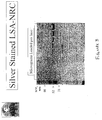
- LSA-NRC(H)Mut was evaluated for purity on precast polyacrylamide gels (4-12% gradient Bis-Tris, Invitrogen, Carlsbad, CA), 0.1-16 ⁇ g protein loaded per well. Gels were stained with Coomassie blue or GelCode SilverSNAP stain (Pierce, Rockford, IL), destained, scanned on a Laser densitometer and acquired data was analyzed by ImageQuant 5.1 software (Molecular Dynamics, Sunnyvale, CA). Residual host cell protein (HCP) content, was assessed by ELISA and Western blotting, using commercially available kits (Cygnus Technologies, Plainville, MA). The HCP standard recommended by the manufacturer was used. In addition to this control, a lysate of the E.
- HCP Residual host cell protein
- coli host was tested as a standard between 1000 and 15 ng ml -1 protein concentration, to determine if the kit was capable of detecting proteins from this specific host E. coli.
- Immunoblotting for HCP determination (Cygnus Technologies kit) was carried out using the HCP standard provided by the manufacturer. The proteins were electrophoretically transferred to a nitrocellulose membrane and the western blot assay was performed as per the manufacturer's instructions. Stability of LSA-NRC was determined by SDS-PAGE and western blotting of protein samples drawn monthly from aliquots stored at -80°C, -30°C, 4°C, 22°C (RT) and 37°C.
- HPLC analysis of purified protein was carried out using a Waters-510 HPLC pump, connected to Waters-712 WISP autosampler and controlled by Millenium Release 3.2 chromatographic software (Waters Corp., Milford, MA). Waters-996 PDA detector was used to monitor the elution profiles.
- a Shodex Protein KW-803 column was used with 10 ⁇ g protein injection.
- Buffer system consisted of 20 mM sodium phosphate, 100 mM K 2 SO 4 (pH 7.15) at 0.5 ml min -1 flow rate. The column was calibrated with molecular weight standards (BioRad).
- mice Groups of five Balb/c, C57BL/6 and C57BL/7-TgN (HLA2.1) female mice (male and females for -TgN mice), 8-10 weeks old, were immunized three times with formulations containing 0.1, 1.0 and 10 ⁇ g of LSA-NRC(H)Mut and Montanide ISA 720 ® (Seppic, France) as adjuvant. A group immunized with adjuvant alone was used as control. Each formulation was prepared as a 100 ⁇ l/dose and given subcutaneously at 0, 4 and 8wks. Serum samples were taken two weeks after each immunization and tested for specific LSA-NRC(H)Mut antibodies. One or two mice were randomly selected from each group 7 days after the second immunization and their spleens were removed. Spleen cells harvested, pooled and tested for interferon gamma (IFN-gamma) production as described below.
- IFN-gamma interferon gamma
- NZW rabbits 3 months old, were immunized subcutaneously three times with 1-ml formulations containing 100 ⁇ g LSA-NRC(H)Mut/Montanide ISA 720. Immunizations were given at 0, 4 and 8wks and serum samples were obtained two weeks after each immunization.
- Mouse IgG subclass production was analyzed using a similar assay but replacing the secondary antibody with anti-mouse IgG1, IgG2a, IgG2b or IgG3 HRP-conjugated secondary antibody (Southern biotech).
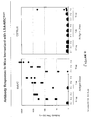
- LSA-NRC(H)Mut, LSA-1 N term, LSA-1 C-term, AMA-1, TRAP, EBA-175 and AMA-1/E samples at 0.2-0.5 ⁇ g/lane were run on 4-12% Bis-Tris (Invitrogen, Carlsbad, CA) gel at 150 volts for 45 min, RT, and transferred into nitrocellulose paper filters. The filters were blocked for 1 hr with 1X PBST- 5% casein (Sigma, St. Louis, Mo.), and washed four times with PBST. Filters strips containing one lane with LSA-NRC(H)Mut, or several lanes with all the related or unrelated malaria antigens, mentioned above, were incubated with sera from individuals exposed to P.
- the human hepatoblastoma cell line HC04 was grown on Lab-Tek® slide chambers (Nalge-Nunc, Rochester, NY) and infected with NF54 P. falciparum sporozoites. After 7-8 days post-infection, cells were fixed with cold methanol and incubated with preimmune and immune rabbit sera (post-2 nd immunization at 1:200) for 45 min at RT. Slides were washed with 1X PBS and incubates during 45 min with goat anti-rabbit IgG FITC-conjugated secondary antibody (Southern biotech, Birmingham, AL) at 1:100 dilution. Recognition of native LSA-1 P.
- falciparum protein on infected hepatocytes was visualized using a 492-nm UV microscopy.
- Preimmune rabbit serum and a mouse monoclonal antibody to the P. falciparum HSP-60 protein were used as negative and positive control respectively.
- the Interferon-gamma detection module (R&D systems Inc. Minneapolis, MN) was used to determine the ex-vivo production of this cytokine in response to LSA-NRC(H)Mut.
- spleen cells from LSA-NRC H immunized C57BL/6 and C57BL/6 TgN mice, at 2.0 ⁇ 10 5 cells per well were cultured in Iscove's modified Dulbecco's medium supplemented with 10% fetal bovine serum (BioWhittaker, Walkersville, Md.), 2 mM L-glutamine, 55 ⁇ M 2-mercaptoethanol, 1 mM sodium pyruvate, 0.1 mM nonessential amino acids, and 100 U/ml of penicillin-streptomycin (Invitrogen) at 37°C under a humidified atmosphere with 5% CO 2 for 48 hours.
- Iscove's modified Dulbecco's medium supplemented with 10% fetal bovine serum (BioWhittaker, Walker
- Cultures were done in triplicate in the presence of LSA-NRC(H)Mut, the derived LSA-1 peptides PL910 and PL911 (VSQTNFKSL (SEQ ID NO:27) and SQTNFKSL (SEQ ID NO:28), respectively) at 10 ⁇ g/ml or a mixture of both peptides, at 5 ⁇ g/ml-each, in 96-well filtration plates (MultiScreen® HA, Millipore, Billerica, MA) previously coated with a mouse IFN-gamma capture monoclonal antibody. Cultures done in presence of 10 ⁇ g/ml AMA-1/E, 5 ⁇ g/ml concanavalin A, or medium alone were used as control.
- Plates were then washed eight times with 1X PBS and incubated overnight at 4° C with a mouse IFN-gamma detection/biotinylated monoclonal antibody. Plates were washed eight times and were incubated at RT for 2 hr with a streptavidin-AP conjugate. Plates were washed ten times and developed with NBT/BCIP. ELISPOTS were quantified manually using a dissection microscope.
- the minor band that appears above the major band starting in load 4.0ug is a dimmer of LSA-NRC(H)Mut. Host cell protein analysis indicates less than 0.1 ug E. coli per 50 ug product (data not shown).
- Serum from rabbits immunized with LSA-NRC(H)Mut also contained antibodies that recognize the N-terminal and the C-terminal protions of LSA-NRC(H)Mut ( Figure 7 ).
- a Western blot of human serum obtained from adult individuals living in malaria endemic areas in Kenya shows that antibodies from infected humans recognize LSA-NRC(H)Mut ( Figure 9 ).
- the interferon-gamma detection module was used to determine the ex-vivo production of this cytokine in response to LSA-NRC(H)Mut.
- LSA-NRC(H)Mut spleen cells from LSA-NRC(H)Mut immunized C57Blk/6 and C57BL/6 TgN mice were cultured in the presence of LSA-NRC(H)Mut on filtration plates previously coated with a mouse IFN-gamma capture monoclonal antibody. After washing, IFN-gamma detection/biotinylated monoclonal antibody was added and ELISPOTS were quantified. Results indicate that spleen cells from mice immunized with LSA-NRC(H)Mut tended to produce IFN-gamma ( Figure 6 ).
Landscapes
- Health & Medical Sciences (AREA)
- Life Sciences & Earth Sciences (AREA)
- Chemical & Material Sciences (AREA)
- Organic Chemistry (AREA)
- Engineering & Computer Science (AREA)
- Genetics & Genomics (AREA)
- General Health & Medical Sciences (AREA)
- Tropical Medicine & Parasitology (AREA)
- Molecular Biology (AREA)
- Zoology (AREA)
- Biochemistry (AREA)
- Immunology (AREA)
- Medicinal Chemistry (AREA)
- Microbiology (AREA)
- Wood Science & Technology (AREA)
- Biomedical Technology (AREA)
- Biotechnology (AREA)
- Biophysics (AREA)
- Bioinformatics & Cheminformatics (AREA)
- General Engineering & Computer Science (AREA)
- Proteomics, Peptides & Aminoacids (AREA)
- Physics & Mathematics (AREA)
- Hematology (AREA)
- Urology & Nephrology (AREA)
- Veterinary Medicine (AREA)
- Public Health (AREA)
- Animal Behavior & Ethology (AREA)
- Pharmacology & Pharmacy (AREA)
- General Chemical & Material Sciences (AREA)
- Chemical Kinetics & Catalysis (AREA)
- Mycology (AREA)
- Gastroenterology & Hepatology (AREA)
- Virology (AREA)
- General Physics & Mathematics (AREA)
- Analytical Chemistry (AREA)
- Toxicology (AREA)
- Pathology (AREA)
- Cell Biology (AREA)
- Food Science & Technology (AREA)
- Plant Pathology (AREA)
Claims (15)
- Rekombinantes Polypeptid LSA-NRC(H), das die in SEQ ID NO:26 gezeigte Sequenz hat und das durch ein Polynucleotid, das die in SEQ ID NO:25 gezeigte Sequenz hat, codiert wird.
- Rekombinantes Polynucleotid, das ein LSA-NRC(H)-Polypeptid codiert und die in SEQ ID NO:25 gezeigte Sequenz hat.
- Rekombinanter Vektor, der ein rekombinantes Polynucleotid gemäß Anspruch 2 umfasst.
- Wirtszelle, die mit dem Vektor gemäß Anspruch 3 transformiert ist, wobei der Wirt E. coli-Tuner (DE3) ist.
- Verfahren zur Herstellung und Reinigung von rekombinantem P. falciparum-LSA-NRC(H)-Polypeptid gemäß Anspruch 1, umfassend:(i) Wachsenlassen einer Wirtszelle gemäß Anspruch 4 in einem geeigneten Kulturmedium;(ii) Bewirken der Expression des Vektors unter geeigneten Bedingungen zur Herstellung von löslichem LSA-NRC(H)-Polypeptid und(iii) Lysieren der Wirtszellen und Gewinnen des LSA-NRC(H)-Polypeptids, sodass es seine native Faltung beibehält.
- Verfahren gemäß Anspruch 5, das außerdem Entfernen von E. coli-Endotoxin umfasst.
- Verfahren gemäß Anspruch 6, wobei die Entfernung von Endotoxin durch(i) Auftragen der lysierten Bakterien auf ein Harz, das Ni-NTA enthält, und Waschen des harzgebundenen Materials mit Puffer mit niedrigem pH, hohem Salzgehalt;(ii) Entfernung von gebundenem Material von Ni-NTA-Harz und Binden an andere Ionenaffinitätsharze, zum Beispiel DEAE-und SP-Sepharose-Harze derart, dass das LSA-NRC(H)-Polypeptid bindet und die Endotoxine weggewaschen werden können.
- Verfahren zur In-vitro-Diagnose von Malariaantikörpern in einer biologischen Probe, umfassend:(i) Inkontaktbringen der biologischen Probe mit einer Zusammensetzung, die ein Polypeptid gemäß Anspruch 1 umfasst, unter geeigneten Bedingungen, die die Bildung eines Immunkomplexes zulassen, wobei das Peptid mit einer detektierbaren Markierung markiert ist, und(ii) Detektieren des Vorliegens der Immunkomplexe visuell oder mechanisch.
- Verfahren zur In-vitro-Überwachung einer Malariainfektion oder zum Prognostizieren der Reaktion auf eine Behandlung von Patienten, die an einer Malariainfektion leiden, umfassend:(i) Inkubieren einer biologischen Probe von einem Patienten mit Malariainfektion mit einem LSA-NRC(H)-Polypeptid gemäß Anspruch 1 unter Bedingungen, die die Bildung eines immunologischen Komplexes zulassen;(ii) Entfernen von ungebundenen Komponenten, Errechnen der Anti-LSA-1-Titer, die in der Probe vorliegen.
- Kit zur Überwachung einer Malariainfektion oder zum Prognostizieren der Reaktion auf eine Behandlung von Patienten, die an einer Malariainfektion leiden, oder zur Bestimmung des Vorliegens von Malariaantikörpern in einer biologischen Probe, umfassend:(i) wenigstens ein Polypeptid gemäß Anspruch 1;(ii) einen Puffer oder Pufferkomponenten;(iii) Mittel zum Detektieren der Immunkomplexe, die zwischen dem Peptid und Antikörpern, die in der Probe vorliegen, gebildet wurden, und(iv) gegebenenfalls ein Mittel zum Bestimmen der Menge an gebildetem Immunkomplex.
- Immunogene Zusammensetzung, die P. falciparum-LSA-NRC(H) gemäß Anspruch 1 und ein pharmazeutisch annehmbares Verdünnungsmittel umfasst.
- Immunogene Zusammensetzung gemäß Anspruch 11, die außerdem ein Adjuvans umfasst.
- Immunogene Zusammensetzung gemäß Anspruch 12, wobei das Adjuvans aus der Gruppe, bestehend aus Montanid und Alaun, ausgewählt ist.
- Verwendung eines Polypeptids gemäß Anspruch 1 oder einer immunogenen Zusammensetzung gemäß einem der Ansprüche 11 bis 13 für die Herstellung eines Medikaments zum Induzieren einer Immunantwort gegen Malaria-Infektion in einem Subjekt.
- Polypeptid gemäß Anspruch 1 oder immunogene Zusammensetzung gemäß einem der Ansprüche 11 bis 13 zur Verwendung beim Induzieren einer Immunantwort gegen Malaria in einem Subjekt.
Applications Claiming Priority (3)
| Application Number | Priority Date | Filing Date | Title |
|---|---|---|---|
| US42571902P | 2002-11-12 | 2002-11-12 | |
| US425719P | 2002-11-12 | ||
| PCT/US2003/036011 WO2004044167A2 (en) | 2002-11-12 | 2003-11-12 | Expression, purification and uses of a plasmodium falciparum liver stage antigen 1 polypeptide |
Publications (3)
| Publication Number | Publication Date |
|---|---|
| EP1569674A2 EP1569674A2 (de) | 2005-09-07 |
| EP1569674A4 EP1569674A4 (de) | 2010-02-24 |
| EP1569674B1 true EP1569674B1 (de) | 2014-12-24 |
Family
ID=32313041
Family Applications (1)
| Application Number | Title | Priority Date | Filing Date |
|---|---|---|---|
| EP03768878.5A Expired - Lifetime EP1569674B1 (de) | 2002-11-12 | 2003-11-12 | EXPRESSION, REINIGUNG UND VERWENDUNGEN EINES PLASMODIUM FALCIPARUM LEBERPHASENANTIGEN -1-POLYPEPTIDEs |
Country Status (4)
| Country | Link |
|---|---|
| US (2) | US7550275B2 (de) |
| EP (1) | EP1569674B1 (de) |
| AU (1) | AU2003291476A1 (de) |
| WO (1) | WO2004044167A2 (de) |
Families Citing this family (10)
| Publication number | Priority date | Publication date | Assignee | Title |
|---|---|---|---|---|
| GB0420634D0 (en) * | 2004-09-16 | 2004-10-20 | Glaxosmithkline Biolog Sa | Vaccines |
| GB0513421D0 (en) | 2005-06-30 | 2005-08-03 | Glaxosmithkline Biolog Sa | Vaccines |
| AU2008288508B2 (en) | 2007-08-13 | 2014-05-01 | Glaxosmithkline Biologicals S.A. | Vaccines |
| BRPI0919245A2 (pt) * | 2008-09-24 | 2021-11-03 | Us Gov Sec Army | Vacina para malária |
| US9115205B2 (en) | 2010-10-18 | 2015-08-25 | The United States Of America, As Represented By The Secretary Of The Army | Plasmodium falciparum circumsporozoite vaccine gene optimization for soluble protein expression |
| GB201318084D0 (en) * | 2013-10-11 | 2013-11-27 | Isis Innovation | Malaria vaccination |
| US9616114B1 (en) | 2014-09-18 | 2017-04-11 | David Gordon Bermudes | Modified bacteria having improved pharmacokinetics and tumor colonization enhancing antitumor activity |
| US10676723B2 (en) | 2015-05-11 | 2020-06-09 | David Gordon Bermudes | Chimeric protein toxins for expression by therapeutic bacteria |
| US11129906B1 (en) | 2016-12-07 | 2021-09-28 | David Gordon Bermudes | Chimeric protein toxins for expression by therapeutic bacteria |
| US11180535B1 (en) | 2016-12-07 | 2021-11-23 | David Gordon Bermudes | Saccharide binding, tumor penetration, and cytotoxic antitumor chimeric peptides from therapeutic bacteria |
Family Cites Families (1)
| Publication number | Priority date | Publication date | Assignee | Title |
|---|---|---|---|---|
| FR2672290B1 (fr) * | 1991-02-05 | 1995-04-21 | Pasteur Institut | Sequences peptidiques specifiques des stades hepatiques de p. falciparum porteuses d'epitopes capables de stimuler les lymphocytes t. |
-
2003
- 2003-11-12 US US10/706,435 patent/US7550275B2/en not_active Expired - Fee Related
- 2003-11-12 AU AU2003291476A patent/AU2003291476A1/en not_active Abandoned
- 2003-11-12 EP EP03768878.5A patent/EP1569674B1/de not_active Expired - Lifetime
- 2003-11-12 WO PCT/US2003/036011 patent/WO2004044167A2/en not_active Ceased
-
2009
- 2009-05-14 US US12/454,240 patent/US8268615B2/en not_active Expired - Fee Related
Non-Patent Citations (3)
| Title |
|---|
| HELLSTRÖM UB, MADALINSKI K. & SYLVAN S.P.E.: "PreS1 epitope recognition in newborns after vaccination with the third-generation Sci-B-Vac vaccine and their relation to the antibody response to hepatitis B surface antigen", VIROL. J, vol. 6, 1, 20 January 2009 (2009-01-20), pages 7 - 12, DOI: 10.1186/1743-422X-6-7 * |
| OHMURA T ET AL.: "Properties of recombinant hepatitis B vaccine.", BIOCHEM. BIOPHYS RES. COMMUN., vol. 31, 1987, pages 1172 - 1178 * |
| RODRIGUEZ A. ET AL.: "Impact of recombinant adenovirus serotype 35 priming versus boosting of a Plasmodium falciparum protein: Characterization of T- and B-cel responses to liver-stage antigen 1", INFECTION & IMMUNITY, vol. 76, no. 4, April 2008 (2008-04-01), pages 1709 - 1718 * |
Also Published As
| Publication number | Publication date |
|---|---|
| EP1569674A2 (de) | 2005-09-07 |
| US7550275B2 (en) | 2009-06-23 |
| US20060088547A1 (en) | 2006-04-27 |
| WO2004044167A3 (en) | 2005-03-31 |
| AU2003291476A8 (en) | 2004-06-03 |
| US8268615B2 (en) | 2012-09-18 |
| WO2004044167A2 (en) | 2004-05-27 |
| EP1569674A4 (de) | 2010-02-24 |
| AU2003291476A1 (en) | 2004-06-03 |
| US20100040640A1 (en) | 2010-02-18 |
Similar Documents
| Publication | Publication Date | Title |
|---|---|---|
| US8268615B2 (en) | Expression, purification and uses of a plasmodium falciparum liver stage antigen 1 polypeptide | |
| US7060276B2 (en) | Plasmodium falciparum AMA-1 protein and uses thereof | |
| US8697856B2 (en) | Plasmodium vivax hybrid circumsporozoite protein and vaccine | |
| AU2002306896A1 (en) | Plasmodium falciparum AMA-1 protein and uses thereof | |
| US6855322B2 (en) | Isolation and purification of P. falciparum merozoite protein-142 vaccine | |
| US7029685B2 (en) | Plasmodium falciparum AMA-1 protein and uses thereof | |
| US7563883B2 (en) | Recombinant P. falciparum merozoite protein-142 vaccine | |
| EP1141305B1 (de) | Chimärisches gen, dass für die antigenischen determinanten von vier protein aus l. infantum kodiert | |
| US7306806B2 (en) | Recombinant P. falciparum merozoite protein-142 vaccine | |
| CA2443947C (en) | Recombinant p. vivax merozoite protein-1 p42 vaccine | |
| US8298546B2 (en) | Isolation and purification of P. falciparum merozoite protein-142 vaccine |
Legal Events
| Date | Code | Title | Description |
|---|---|---|---|
| PUAI | Public reference made under article 153(3) epc to a published international application that has entered the european phase |
Free format text: ORIGINAL CODE: 0009012 |
|
| 17P | Request for examination filed |
Effective date: 20050603 |
|
| AK | Designated contracting states |
Kind code of ref document: A2 Designated state(s): AT BE BG CH CY CZ DE DK EE ES FI FR GB GR HU IE IT LI LU MC NL PT RO SE SI SK TR |
|
| AX | Request for extension of the european patent |
Extension state: AL LT LV MK |
|
| DAX | Request for extension of the european patent (deleted) | ||
| A4 | Supplementary search report drawn up and despatched |
Effective date: 20091202 |
|
| RIC1 | Information provided on ipc code assigned before grant |
Ipc: G06F 19/00 20060101ALI20091123BHEP Ipc: C12N 15/67 20060101AFI20091123BHEP Ipc: C12N 15/10 20060101ALI20091123BHEP Ipc: C12N 15/30 20060101ALI20091123BHEP Ipc: A61P 33/06 20060101ALI20091123BHEP Ipc: G06F 17/30 20060101ALI20091123BHEP Ipc: A61K 39/015 20060101ALI20091123BHEP Ipc: C12N 1/21 20060101ALI20091123BHEP |
|
| RA4 | Supplementary search report drawn up and despatched (corrected) |
Effective date: 20100120 |
|
| 17Q | First examination report despatched |
Effective date: 20100518 |
|
| GRAP | Despatch of communication of intention to grant a patent |
Free format text: ORIGINAL CODE: EPIDOSNIGR1 |
|
| INTG | Intention to grant announced |
Effective date: 20140718 |
|
| GRAS | Grant fee paid |
Free format text: ORIGINAL CODE: EPIDOSNIGR3 |
|
| GRAA | (expected) grant |
Free format text: ORIGINAL CODE: 0009210 |
|
| AK | Designated contracting states |
Kind code of ref document: B1 Designated state(s): AT BE BG CH CY CZ DE DK EE ES FI FR GB GR HU IE IT LI LU MC NL PT RO SE SI SK TR |
|
| REG | Reference to a national code |
Ref country code: GB Ref legal event code: FG4D |
|
| REG | Reference to a national code |
Ref country code: CH Ref legal event code: EP |
|
| REG | Reference to a national code |
Ref country code: IE Ref legal event code: FG4D |
|
| REG | Reference to a national code |
Ref country code: AT Ref legal event code: REF Ref document number: 703159 Country of ref document: AT Kind code of ref document: T Effective date: 20150115 |
|
| REG | Reference to a national code |
Ref country code: DE Ref legal event code: R096 Ref document number: 60347145 Country of ref document: DE Effective date: 20150219 |
|
| REG | Reference to a national code |
Ref country code: NL Ref legal event code: VDEP Effective date: 20141224 |
|
| PG25 | Lapsed in a contracting state [announced via postgrant information from national office to epo] |
Ref country code: FI Free format text: LAPSE BECAUSE OF FAILURE TO SUBMIT A TRANSLATION OF THE DESCRIPTION OR TO PAY THE FEE WITHIN THE PRESCRIBED TIME-LIMIT Effective date: 20141224 |
|
| REG | Reference to a national code |
Ref country code: CH Ref legal event code: NV Representative=s name: OFFICE ERNEST T. FREYLINGER S.A., CH |
|
| PG25 | Lapsed in a contracting state [announced via postgrant information from national office to epo] |
Ref country code: GR Free format text: LAPSE BECAUSE OF FAILURE TO SUBMIT A TRANSLATION OF THE DESCRIPTION OR TO PAY THE FEE WITHIN THE PRESCRIBED TIME-LIMIT Effective date: 20150325 Ref country code: SE Free format text: LAPSE BECAUSE OF FAILURE TO SUBMIT A TRANSLATION OF THE DESCRIPTION OR TO PAY THE FEE WITHIN THE PRESCRIBED TIME-LIMIT Effective date: 20141224 |
|
| REG | Reference to a national code |
Ref country code: AT Ref legal event code: MK05 Ref document number: 703159 Country of ref document: AT Kind code of ref document: T Effective date: 20141224 |
|
| PG25 | Lapsed in a contracting state [announced via postgrant information from national office to epo] |
Ref country code: NL Free format text: LAPSE BECAUSE OF FAILURE TO SUBMIT A TRANSLATION OF THE DESCRIPTION OR TO PAY THE FEE WITHIN THE PRESCRIBED TIME-LIMIT Effective date: 20141224 |
|
| PG25 | Lapsed in a contracting state [announced via postgrant information from national office to epo] |
Ref country code: EE Free format text: LAPSE BECAUSE OF FAILURE TO SUBMIT A TRANSLATION OF THE DESCRIPTION OR TO PAY THE FEE WITHIN THE PRESCRIBED TIME-LIMIT Effective date: 20141224 Ref country code: CZ Free format text: LAPSE BECAUSE OF FAILURE TO SUBMIT A TRANSLATION OF THE DESCRIPTION OR TO PAY THE FEE WITHIN THE PRESCRIBED TIME-LIMIT Effective date: 20141224 Ref country code: SK Free format text: LAPSE BECAUSE OF FAILURE TO SUBMIT A TRANSLATION OF THE DESCRIPTION OR TO PAY THE FEE WITHIN THE PRESCRIBED TIME-LIMIT Effective date: 20141224 Ref country code: RO Free format text: LAPSE BECAUSE OF FAILURE TO SUBMIT A TRANSLATION OF THE DESCRIPTION OR TO PAY THE FEE WITHIN THE PRESCRIBED TIME-LIMIT Effective date: 20141224 Ref country code: ES Free format text: LAPSE BECAUSE OF FAILURE TO SUBMIT A TRANSLATION OF THE DESCRIPTION OR TO PAY THE FEE WITHIN THE PRESCRIBED TIME-LIMIT Effective date: 20141224 |
|
| PG25 | Lapsed in a contracting state [announced via postgrant information from national office to epo] |
Ref country code: AT Free format text: LAPSE BECAUSE OF FAILURE TO SUBMIT A TRANSLATION OF THE DESCRIPTION OR TO PAY THE FEE WITHIN THE PRESCRIBED TIME-LIMIT Effective date: 20141224 |
|
| REG | Reference to a national code |
Ref country code: DE Ref legal event code: R097 Ref document number: 60347145 Country of ref document: DE |
|
| REG | Reference to a national code |
Ref country code: FR Ref legal event code: PLFP Year of fee payment: 13 |
|
| PG25 | Lapsed in a contracting state [announced via postgrant information from national office to epo] |
Ref country code: DK Free format text: LAPSE BECAUSE OF FAILURE TO SUBMIT A TRANSLATION OF THE DESCRIPTION OR TO PAY THE FEE WITHIN THE PRESCRIBED TIME-LIMIT Effective date: 20141224 |
|
| PLBE | No opposition filed within time limit |
Free format text: ORIGINAL CODE: 0009261 |
|
| STAA | Information on the status of an ep patent application or granted ep patent |
Free format text: STATUS: NO OPPOSITION FILED WITHIN TIME LIMIT |
|
| 26N | No opposition filed |
Effective date: 20150925 |
|
| PG25 | Lapsed in a contracting state [announced via postgrant information from national office to epo] |
Ref country code: IT Free format text: LAPSE BECAUSE OF FAILURE TO SUBMIT A TRANSLATION OF THE DESCRIPTION OR TO PAY THE FEE WITHIN THE PRESCRIBED TIME-LIMIT Effective date: 20141224 |
|
| PG25 | Lapsed in a contracting state [announced via postgrant information from national office to epo] |
Ref country code: SI Free format text: LAPSE BECAUSE OF FAILURE TO SUBMIT A TRANSLATION OF THE DESCRIPTION OR TO PAY THE FEE WITHIN THE PRESCRIBED TIME-LIMIT Effective date: 20141224 |
|
| PG25 | Lapsed in a contracting state [announced via postgrant information from national office to epo] |
Ref country code: MC Free format text: LAPSE BECAUSE OF FAILURE TO SUBMIT A TRANSLATION OF THE DESCRIPTION OR TO PAY THE FEE WITHIN THE PRESCRIBED TIME-LIMIT Effective date: 20141224 Ref country code: LU Free format text: LAPSE BECAUSE OF FAILURE TO SUBMIT A TRANSLATION OF THE DESCRIPTION OR TO PAY THE FEE WITHIN THE PRESCRIBED TIME-LIMIT Effective date: 20151112 |
|
| REG | Reference to a national code |
Ref country code: IE Ref legal event code: MM4A |
|
| REG | Reference to a national code |
Ref country code: FR Ref legal event code: PLFP Year of fee payment: 14 |
|
| PG25 | Lapsed in a contracting state [announced via postgrant information from national office to epo] |
Ref country code: IE Free format text: LAPSE BECAUSE OF NON-PAYMENT OF DUE FEES Effective date: 20151112 |
|
| PGFP | Annual fee paid to national office [announced via postgrant information from national office to epo] |
Ref country code: BE Payment date: 20160926 Year of fee payment: 14 |
|
| PGFP | Annual fee paid to national office [announced via postgrant information from national office to epo] |
Ref country code: CH Payment date: 20161115 Year of fee payment: 14 Ref country code: GB Payment date: 20161109 Year of fee payment: 14 Ref country code: DE Payment date: 20161108 Year of fee payment: 14 Ref country code: FR Payment date: 20161014 Year of fee payment: 14 |
|
| PG25 | Lapsed in a contracting state [announced via postgrant information from national office to epo] |
Ref country code: HU Free format text: LAPSE BECAUSE OF FAILURE TO SUBMIT A TRANSLATION OF THE DESCRIPTION OR TO PAY THE FEE WITHIN THE PRESCRIBED TIME-LIMIT; INVALID AB INITIO Effective date: 20031112 Ref country code: BG Free format text: LAPSE BECAUSE OF FAILURE TO SUBMIT A TRANSLATION OF THE DESCRIPTION OR TO PAY THE FEE WITHIN THE PRESCRIBED TIME-LIMIT Effective date: 20141224 |
|
| PG25 | Lapsed in a contracting state [announced via postgrant information from national office to epo] |
Ref country code: CY Free format text: LAPSE BECAUSE OF FAILURE TO SUBMIT A TRANSLATION OF THE DESCRIPTION OR TO PAY THE FEE WITHIN THE PRESCRIBED TIME-LIMIT Effective date: 20141224 |
|
| PG25 | Lapsed in a contracting state [announced via postgrant information from national office to epo] |
Ref country code: TR Free format text: LAPSE BECAUSE OF FAILURE TO SUBMIT A TRANSLATION OF THE DESCRIPTION OR TO PAY THE FEE WITHIN THE PRESCRIBED TIME-LIMIT Effective date: 20141224 |
|
| REG | Reference to a national code |
Ref country code: DE Ref legal event code: R119 Ref document number: 60347145 Country of ref document: DE |
|
| GBPC | Gb: european patent ceased through non-payment of renewal fee |
Effective date: 20171112 |
|
| PG25 | Lapsed in a contracting state [announced via postgrant information from national office to epo] |
Ref country code: PT Free format text: LAPSE BECAUSE OF FAILURE TO SUBMIT A TRANSLATION OF THE DESCRIPTION OR TO PAY THE FEE WITHIN THE PRESCRIBED TIME-LIMIT Effective date: 20141224 Ref country code: LI Free format text: LAPSE BECAUSE OF NON-PAYMENT OF DUE FEES Effective date: 20171130 Ref country code: CH Free format text: LAPSE BECAUSE OF NON-PAYMENT OF DUE FEES Effective date: 20171130 |
|
| REG | Reference to a national code |
Ref country code: FR Ref legal event code: ST Effective date: 20180731 Ref country code: BE Ref legal event code: FP Effective date: 20150324 Ref country code: BE Ref legal event code: MM Effective date: 20171130 |
|
| PG25 | Lapsed in a contracting state [announced via postgrant information from national office to epo] |
Ref country code: FR Free format text: LAPSE BECAUSE OF NON-PAYMENT OF DUE FEES Effective date: 20171130 Ref country code: DE Free format text: LAPSE BECAUSE OF NON-PAYMENT OF DUE FEES Effective date: 20180602 |
|
| PG25 | Lapsed in a contracting state [announced via postgrant information from national office to epo] |
Ref country code: BE Free format text: LAPSE BECAUSE OF NON-PAYMENT OF DUE FEES Effective date: 20171130 Ref country code: GB Free format text: LAPSE BECAUSE OF NON-PAYMENT OF DUE FEES Effective date: 20171112 |