EP1568374A1 - Verwendung von DMBT1 zur Bindung von Slfat- und Phosphatgruppen aufweisenden Substanzen - Google Patents
Verwendung von DMBT1 zur Bindung von Slfat- und Phosphatgruppen aufweisenden Substanzen Download PDFInfo
- Publication number
- EP1568374A1 EP1568374A1 EP04004281A EP04004281A EP1568374A1 EP 1568374 A1 EP1568374 A1 EP 1568374A1 EP 04004281 A EP04004281 A EP 04004281A EP 04004281 A EP04004281 A EP 04004281A EP 1568374 A1 EP1568374 A1 EP 1568374A1
- Authority
- EP
- European Patent Office
- Prior art keywords
- dmbt1
- agent
- sequence
- seq
- derivative
- Prior art date
- Legal status (The legal status is an assumption and is not a legal conclusion. Google has not performed a legal analysis and makes no representation as to the accuracy of the status listed.)
- Withdrawn
Links
Images


Classifications
-
- A—HUMAN NECESSITIES
- A61—MEDICAL OR VETERINARY SCIENCE; HYGIENE
- A61K—PREPARATIONS FOR MEDICAL, DENTAL OR TOILETRY PURPOSES
- A61K38/00—Medicinal preparations containing peptides
- A61K38/16—Peptides having more than 20 amino acids; Gastrins; Somatostatins; Melanotropins; Derivatives thereof
- A61K38/17—Peptides having more than 20 amino acids; Gastrins; Somatostatins; Melanotropins; Derivatives thereof from animals; from humans
- A61K38/1703—Peptides having more than 20 amino acids; Gastrins; Somatostatins; Melanotropins; Derivatives thereof from animals; from humans from vertebrates
- A61K38/1709—Peptides having more than 20 amino acids; Gastrins; Somatostatins; Melanotropins; Derivatives thereof from animals; from humans from vertebrates from mammals
-
- A—HUMAN NECESSITIES
- A61—MEDICAL OR VETERINARY SCIENCE; HYGIENE
- A61P—SPECIFIC THERAPEUTIC ACTIVITY OF CHEMICAL COMPOUNDS OR MEDICINAL PREPARATIONS
- A61P31/00—Antiinfectives, i.e. antibiotics, antiseptics, chemotherapeutics
-
- A—HUMAN NECESSITIES
- A61—MEDICAL OR VETERINARY SCIENCE; HYGIENE
- A61P—SPECIFIC THERAPEUTIC ACTIVITY OF CHEMICAL COMPOUNDS OR MEDICINAL PREPARATIONS
- A61P35/00—Antineoplastic agents
-
- G—PHYSICS
- G01—MEASURING; TESTING
- G01N—INVESTIGATING OR ANALYSING MATERIALS BY DETERMINING THEIR CHEMICAL OR PHYSICAL PROPERTIES
- G01N33/00—Investigating or analysing materials by specific methods not covered by groups G01N1/00 - G01N31/00
- G01N33/48—Biological material, e.g. blood, urine; Haemocytometers
- G01N33/50—Chemical analysis of biological material, e.g. blood, urine; Testing involving biospecific ligand binding methods; Immunological testing
- G01N33/53—Immunoassay; Biospecific binding assay; Materials therefor
- G01N33/569—Immunoassay; Biospecific binding assay; Materials therefor for microorganisms, e.g. protozoa, bacteria, viruses
- G01N33/56911—Bacteria
-
- Y—GENERAL TAGGING OF NEW TECHNOLOGICAL DEVELOPMENTS; GENERAL TAGGING OF CROSS-SECTIONAL TECHNOLOGIES SPANNING OVER SEVERAL SECTIONS OF THE IPC; TECHNICAL SUBJECTS COVERED BY FORMER USPC CROSS-REFERENCE ART COLLECTIONS [XRACs] AND DIGESTS
- Y02—TECHNOLOGIES OR APPLICATIONS FOR MITIGATION OR ADAPTATION AGAINST CLIMATE CHANGE
- Y02A—TECHNOLOGIES FOR ADAPTATION TO CLIMATE CHANGE
- Y02A50/00—TECHNOLOGIES FOR ADAPTATION TO CLIMATE CHANGE in human health protection, e.g. against extreme weather
- Y02A50/30—Against vector-borne diseases, e.g. mosquito-borne, fly-borne, tick-borne or waterborne diseases whose impact is exacerbated by climate change
-
- Y—GENERAL TAGGING OF NEW TECHNOLOGICAL DEVELOPMENTS; GENERAL TAGGING OF CROSS-SECTIONAL TECHNOLOGIES SPANNING OVER SEVERAL SECTIONS OF THE IPC; TECHNICAL SUBJECTS COVERED BY FORMER USPC CROSS-REFERENCE ART COLLECTIONS [XRACs] AND DIGESTS
- Y10—TECHNICAL SUBJECTS COVERED BY FORMER USPC
- Y10T—TECHNICAL SUBJECTS COVERED BY FORMER US CLASSIFICATION
- Y10T436/00—Chemistry: analytical and immunological testing
- Y10T436/14—Heterocyclic carbon compound [i.e., O, S, N, Se, Te, as only ring hetero atom]
- Y10T436/142222—Hetero-O [e.g., ascorbic acid, etc.]
- Y10T436/143333—Saccharide [e.g., DNA, etc.]
Definitions
- the present invention relates to the capturing of agents which possess accessible sulphate or phosphate groups as well as to the treatment of diseases caused by such agents.
- Infections, tissue damage, and inflammations are key triggers for cancer development.
- Helicobacter pylori infection, impaired wound healing, and ulcerative colitis are known to be associated with the development of cancer.
- agents which are responsible to cause these diseases.
- microorganisms like bacteria, viruses, protozoa or fungi as well as smaller non-living chemical compounds and compositions.
- there is no first-line treatment available which enables treating diseases irrespective of the precise nature of the pattern.
- Pattern recognition receptors are considered to play a role in pathogen-defense, inflammation, cancer, aspects of tissue homeostasis, and certain developmental processes, but their dual-specificity for non-self and self structures poses unsolved problems.
- the problem underlying the present invention resides in providing such a pan-acting pharmaceutical.
- the problem is solved by the use of a polypeptide comprising the sequence of SEQ ID NO:1, or a functional fragment or derivative thereof, or of a nucleic acid comprising the sequence of SEQ ID NO:2, or a functional fragment or derivative thereof, for the manufacture of a medicament for the prophylaxis and/or treatment of a disease caused by an agent, wherein the agent possesses at least one accessible sulphate and/or at least one accessible phosphate group.
- the inventors have surprisingly found that the human protein Deleted in Malignant Brain Tumors 1 (DMBT1, the full-length protein thereof is shown in SEQ ID NO:1)) is a dual-specific PRR for non-self (bacterial cell wall components, gp120 of HIV, damage-, inflammation-, and cancer-causing sulfated carbohydrates) and self structures (DNA, phospholipids, cell surface and extracellular matrix carbohydrates), which interacts with accessible sulfate and/or phosphate groups, which are present on numerous compounds, compositions and organisms.
- non-self bacterial cell wall components, gp120 of HIV, damage-, inflammation-, and cancer-causing sulfated carbohydrates
- self structures DNA, phospholipids, cell surface and extracellular matrix carbohydrates
- DMBT1 is a scavenger receptor cysteine-rich (SRCR) secreted protein mainly expressed by epithelia and glands.
- SRCR scavenger receptor cysteine-rich
- DMBT1 is also known as salivary agglutinin or glycoprotein-340 (gp340).
- gp340 salivary agglutinin or glycoprotein-340
- DMBT1 is known to selectively interact with some bacterial pathogens (e.g. Prakobphol et al., 2000, J.Biol.Chem., Vol. 275, pages 39860-39866) and the viruses HIV (Wu et al., 2003, AIDS Res.Hum.Retrovir., Vol.
- pattern recognition of DMBT1 is mediated via an 11 amino acid motif that binds sulfate and phosphate groups.
- germline deletions in humans quantitatively impair its scavenging activity, as exemplified for Streptococci, Salmonella, Helicobacter pylori. It is proposed by the present invention that pattern recognition provides a common mechanistic basis for DMBT1's putative broad functional spectrum, which includes tumor suppression, epithelial differentiation, tissue protection and regeneration, pathogen-defense, and gallstone formation.
- DMBT1 may exert a general insulator function against a broad range of pathogens, which predicts a contribution of DMBT1 germline deletions to human susceptibility to infection, inflammation, and cancer. Furthermore, the inventors found that a by 40% decreased level of DMBT1 in male mice correlates with an increased susceptibility and with a deficient protection against dextran sulfate sodium (DSS)-induced tissue damage and inflammation in the colon.
- DSS dextran sulfate sodium
- Human DMBT1 directly interacts with DSS and carrageenan, the latter being used as stabilizer in human food and suspected to cause inflammation and colorectal cancer. The interaction with DSS and carrageenan is mediated via the DMBT1 binding site for bacterial and viral pathogens described supra.
- the efficacy of the medicament provided by the present invention is mediated by the interaction of DMBT1 with an accessible sulphate or phosphate group displayed or exposed by the disease-causing agent.
- Polypeptides includes all polypeptides as described below. The basic structure of polypeptides is well known and has been described in innumerable textbooks and other publications in the art. In this context, the term is used herein to refer to any peptide or protein comprising two or more amino acids joined to each other in a linear chain by peptide bonds. As used herein, the term refers to both short chains, which also commonly are referred to in the art as peptides, oligopeptides and oligomers, for example, and to longer chains, which generally are referred to in the art as proteins, of which there are many types.
- polypeptides often contain amino acids other than the 20 amino acids commonly referred to as the 20 naturally occurring amino acids, and that many amino acids, including the terminal amino acids, may be modified in a given polypeptide, either by natural processes, such as processing and other post-translational modifications, but also by chemical modification techniques which are well known to the art. Even the common modifications that occur naturally in polypeptides are too numerous to list exhaustively here, but they are well described in basic texts and in more detailed monographs, as well as in a voluminous research literature, and they are well known to those of skill in the art.
- polypeptide refers to full length human DMBT1 having the amino acid sequence as depicted in SEQ ID NO: 1, or a functional fragment or derivative thereof.
- the term "functional fragment or derivative” refers to amino acid sequences which differ from the amino acid sequence of SEQ ID NO: 1 in one or more positions and share a high degree of homology to that sequence. Homology means thereby a sequence identity over the overall length of at least 70%, preferably 80%, more preferably 90%. The deviations to SEQ ID NO:1 can originate from deletions, additions, substitutions or insertions. A fragment or derivative is considered “functional", when it is capable of binding to sulphate and/or phosphate groups.
- One possible test for functionality is provided in the example section (see Methods: "Turbidometric aggregation assays").
- fragment refers to a peptide of 5, 6, 7, 8, 9, 10, 11, up to 20 amino acids or to a protein of at least 20, 25, 50, 100, or more amino acids.
- a fragment comprises at least 8, 10, 12, 14, 16 or more contiguous amino acids of the amino acid sequence of SEQ ID NO: 1.
- the polypeptide refers to a sequence comprising the amino acids GRVEVLYRGSW which is present several times within SEQ ID NO:1, and multiples thereof, and which represents the 11 amino acid motif that binds sulfate and phosphate groups.
- the term "functional derivative” can also mean, that one or more amino acids of the amino acid sequence are chemically modified, depending on the intended use.
- the chemical modifications can, for example, effect that the polypeptide is stabilized or features other desired physical or biochemical properties.
- Modifications known to the skilled artisan include, but are not restricted to, acetylation, acylation, ADP-ribosylation, N- and O-glycosylation, amidation, covalent attachment of flavins, lipids, phosphoinositol, cross-linking, disulfide bridge formation, cyclisation, demethylation, hydroxylation, iodination, methylation, myristoylation, proteolytic processing, prenylation, sulfatation, tRNA-mediated attachment of amino acids.
- nucleic acid includes all nucleic acids as described below.
- a “nucleic acid” can be an "oligonucleotide” which refers to relatively short polynucleotides. Often the term refers to single-stranded deoxyribonucleotides, but it can refer as well to single-or double-stranded ribonucleotides, RNA:DNA hybrids and double-stranded DNAs, among others.
- Oligonucleotides such as single-stranded DNA probe oligonucleotides, often are synthesized by chemical methods, such as those implemented on automated oligonucleotide synthesizers.
- oligonucleotides can be made by a variety of other methods, including in vitro recombinant DNA-mediated techniques and by expression of DNAs in cells and organisms. Initially, chemically synthesized DNAs typically are obtained without a 5' phosphate. The 5' ends of such oligonucleotides are not substrates for phosphodiester bond formation by ligation reactions that employ DNA ligases typically used to form recombinant DNA molecules. Where ligation of such oligonucleotides is desired, a phosphate can be added by standard techniques, such as those that employ a kinase and ATP.
- the 3' end of a chemically synthesized oligonucleotide generally has a free hydroxyl group and, in the presence of a ligase, such as T4 DNA ligase, readily will form a phosphodiester bond with a 5' phosphate of another polynucleotide, such as another oligonucleotide. As is well known, this reaction can be prevented selectively, where desired, by removing the 5' phosphates of the other polynucleotide(s) prior to ligation.
- a ligase such as T4 DNA ligase
- nucleic acid which can be used according to the present invention includes polynucleotides referring to any polyribonucleotide or polydeoxribonucleotide, which may be unmodified RNA or DNA or modified RNA or DNA.
- polynucleotides as used herein refers to, among others, single-and double-stranded DNA, DNA that is a mixture of single-and double-stranded regions, single- and double-stranded RNA, and RNA that is mixture of single- and double-stranded regions, hybrid molecules comprising DNA and RNA that may be single-stranded or, more typically, double-stranded or a mixture of single- and double-stranded regions.
- polynucleotide as used herein refers to triple-stranded regions comprising RNA or DNA or both RNA and DNA.
- the strands in such regions may be from the same molecule or from different molecules.
- the regions may include all of one or more of the molecules, but more typically involve only a region of some of the molecules.
- One of the molecules of a triple-helical region often is an oligonucleotide.
- polynucleotide includes DNAs or RNAs as described above that contain one or more modified bases. Thus, DNAs or RNAs with backbones modified for stability or for other reasons are "polynucleotides" as that term is intended herein.
- DNAs or RNAs comprising unusual bases, such as inosine, or modified bases, such as tritylated bases, to name just two examples are polynucleotides as the term is used herein. It will be appreciated that a great variety of modifications have been made to DNA and RNA that serve many useful purposes known to those of skill in the art.
- polynucleotide as it is employed herein embraces such chemically, enzymatically or metabolically modified forms of polynucleotides, as well as the chemical forms of DNA and RNA characteristic of viruses and cells, including simple and complex cells, inter alia.
- nucleic acid refers to full length DNA encoding human DMBT1 having the nucleic acid sequence as depicted in SEQ ID NO: 2, or a functional fragment or derivative thereof.
- the term "functional fragment or derivative" of the nucleic acid refers to nucleic acid sequences which differ from the nucleic acid sequence of SEQ ID NO:2 in one or more positions and share a high degree of homology to that sequence. Homology means thereby a sequence identity over the overall length of at least 70%, preferably 80%, more preferably 90%.
- the deviations to SEQ ID NO:2 can originate from deletions, additions, substitutions, insertions or recombinations of nucleotides.
- fragment refers to contiguous stretch of at least 12 nucleotides.
- the fragment can be 30, 40, 50, 100, 250 or 500 or more nucleotides in length. The length of the fragment is adjusted according to its intended use.
- a fragment can, for instance, be used as a primer or probe, which hybridizes under stringent conditions to a stretch of at least 12, 20, 25, 40, 50 or more contiguous nucleotides.
- the "fragment or derivative” includes a nucleic acid which is complementary to the nucleic acid comprising at least a part of SEQ ID NO:2, and, as such, hybridizes preferably under stringent conditions with a nucleic acid comprising at least part of SEQ ID NO:2.
- a nucleic acid can be used as a probe to detect the DMBT1 gene, or as an antisense nucleic acid in order to inhibit DMBT1 expression, as discussed further below.
- Two nucleic acid strands are considered to be 100% complementary to each other over a defined length if in a defined region all A's of a first strand can pair with a T (or an U) of a second strand, all G's of a first strand can pair with a C of a second strand, all T (or U's) of a first strand can pair with an A of a second strand, and all C's of a first strand can pair with a G of a second strand, and vice versa.
- the degree of complementarity can be, e.g. determined over a stretch of 20 nucleotides, i.e.
- a 60% complementarity means that within a region of 20 nucleotides of two nucleic acid strands 12 nucleotides of the first strand can base pair with 12 nucleotides of the second strand according to the above ruling, either as a stretch of 12 contiguous nucleotides or interspersed by non-pairing nucleotides, when the two strands are attached to each other over said region of 20 nucleotides.
- hybridization conditions and stringencies e.g. described in Sambrook et al., A laboratory Manual.
- salt concentrations, temperature can vary and usually depend on the sequence and length of the prepared nucleic acid and may therefore be adjusted each time. Such conditions are, for example, hybridization in 2x SSC, pH 7.0 / 0.1% SDS at about 65-68°C for 18-23 hours, followed by a washing step with 2x SSC/0.1% SDS at 50°C.
- the salt concentration in the washing step can for example be chosen between 2x SSC/0.1% SDS at room temperature for low stringency and 0.2x SSC/0.1 % SDS at 50°C for high stringency.
- the temperature of the washing step can be varied between room temperature, ca. 22°C, for low stringency, and 65°C to 70° C for high stringency.
- the sulphate and phosphate groups of the disease causing agent have to be accessible in order to be efficiently recognized by the polypeptide.
- the term "accessible" means that the phosphate and/or sulphate group is arranged in a manner which allows for the interaction with the polypeptide of the present invention.
- a phosphate or a sulphate group can be considered accessible when it is available free from other compounds which may interfere with said interaction. Furthermore, it can be part of a larger, macromolecular structure and still be accessible, provided that the surrounding molecules will not negatively affect said interaction.
- agent refers to any organism, compound or composition, which possesses at least one accessible sulphate and/or at least one accessible phosphate group.
- a variety of diseases, in particular infectious or inflammatory diseases, are caused by mircroorganisms like bacteria, viruses, fungi, protozoa, and the like. On their outer surface these microorganisms may possess sulphated and/or phosphorylated structures which could represent a target for DMBT1.
- the agent is a microorganism.
- microorganism refers to a small uni- or multicellular organism with dimension beneath the limits of vision which can be propagated and manipulated in a laboratory.
- microorganism includes viruses, prokaryotes like gram-positive and gram-negative bacteria, cyanobacteria, Mollicutes and unicellular eukaryotes (protozoa) like certain genera of fungi, algae and parasites (e.g. sporozoa). It is known to the skilled artisan that microorganisms as defined supra possess on their surface sulphated and phosphorylated structures and molecules. Examples include lipoteichoic acid (LTA) on the surface of gram-positive bacteria or lipopolysaccharide on the surface of gram-negative bacteria.
- LTA lipoteichoic acid
- the microorganism is a bacterium or a virus, the bacteria including the genera Streptococcus, Staphylococcus, Escherichia, Helicobacter, Salmonella and Bacillus.
- the present invention refers to the use of a polypeptide comprising the sequence of SEQ ID NO:1, or a functional fragment or derivative thereof, or of a nucleic acid comprising the sequence of SEQ ID NO:2, or a functional fragment or derivative thereof, for the manufacture of a medicament for the treatment of a disease caused by an agent, wherein the agent possesses at least one accessible sulphate and/or at least one accessible phosphate group and wherein the agent is not HIV, influenza A virus, Streptococcus mutans, Streptococcus gordonii, Streptococcus sobrinus, Streptococcus mitis, Streptococcus oralis Streptococcus intermedius, Streptococcus anginosus, Actinobacter actinomyces, Prevotella intermedia, Peptostreptococcus micros, Moraxella catarrhalis, Streptococcus pyogenes, Streptococcus pyogenes,
- these compounds or compositions can display accessible sulphate or phosphate groups, which can represent a target for DMBT1.
- the agent is a non-living compound or composition.
- non-living compound or composition refers to a compound or composition which is distinguished from the microorganism described supra, in that it is not a living organism but can be defined as a "chemical compound".
- non-living compound or composition encompass all small compounds and compositions which have at least one accessible sulphate or at least one accessible phosphate group. In this manner, the compound or composition can also be a sulphate or phosphate group alone.
- the compound or composition can either be captured without any further substances or be, but not limited to, e.g. a food component, a pharmaceutical component, a cosmetic component, or toxic environmental component.
- the non-living compound or composition is selected from the group consisting of DSS, sulphated carbohydrates, preferably heparan sulphate, chondroitin sulphate, carrageenan, disodium sulphate, liposomes, phosphate group exposing compounds or compositions, preferably DNA, deoxynucleotides, surfactant phospholipids, sulphated mucins, sodium-, potassium- and calcium phosphate exposing compounds or compositions.
- DSS sulphated carbohydrates
- phosphate group exposing compounds or compositions preferably DNA, deoxynucleotides, surfactant phospholipids, sulphated mucins, sodium-, potassium- and calcium phosphate exposing compounds or compositions.
- the "medicament" of the present invention is useful for the treatment of a patient suffering from a disease caused by an agent which possesses at least one accessible sulphate and/or at least one accessible phosphate group.
- the polypeptide or nucleic acid contained in the medicament can be administered alone or in combination with one or more active compounds.
- the medicament comprises an effective dose of polypeptide comprising the sequence of SEQ ID NO:1, or a functional, fragment or derivative thereof, or a nucleic acid comprising the sequence of SEQ ID NO:2, or a functional fragment or derivative thereof, and a pharmaceutically acceptable carrier, i.e. one or more pharmaceutically acceptable carrier substances and/or additives.
- the medicament according to the invention can be administered orally, for example in the form of pills, tablets, lacquered tablets, sugar-coated tablets, granules, hard and soft gelatin capsules, aqueous, alcoholic or oily solutions, syrups, emulsions or suspensions, or rectally, for example in the form of suppositories. Administration can also be carried out parenterally, for example subcutaneously, intramuscularly or intravenously in the form of solutions for injection or infusion.
- Suitable administration forms are, for example, percutaneous or topical administration, for example in the form of ointments, tinctures, sprays or transdermal therapeutic systems, or the inhalative administration in the form of nasal sprays or aerosol mixtures, or, for example, microcapsules, implants or rods.
- the preferred administration form depends, for example, on the disease to be treated and on its severity.
- the manufacturing of the medicament can be carried out in a manner known per se.
- the polypeptide comprising the sequence of SEQ ID NO: 1, or a functional fragment or derivative thereof, or a nucleic acid comprising the sequence of SEQ ID NO:2, or a functional fragment or derivative thereof, together with one or more solid or liquid pharmaceutical carrier substances and/or additives (or auxiliary substances) and, if desired, in combination with other pharmaceutically active compounds having therapeutic or prophylactic action, are brought into a suitable administration form or dosage form which can then be used as a pharmaceutical in human or veterinary medicine.
- Carriers for soft gelatin capsules and suppositories are, for example, fats, waxes, semisolid and liquid polyols, natural or hardened oils, etc.
- Suitable carriers for the preparation of solutions, for example of solutions for injection, or of emulsions or syrups are, for example, water, physiologically sodium chloride solution, alcohols such as ethanol, glycerol, polyols, sucrose, invert sugar, glucose, mannitol, vegetable oils, etc.
- Suitable carriers for microcapsules, implants or rods are, for example, copolymers of glycolic acid and lactic acid.
- the medicament can also contain additives, for example fillers, disintegrants, binders, lubricants, wetting agents, stabilizers, emulsifiers, dispersants, preservatives, sweeteners, colorants, flavorings, aromatizers, thickeners, diluents, buffer substances, solvents, solubilizers, agents for achieving a depot effect, salts for altering the osmotic pressure, coating agents or antioxidants.
- the dosage of the medicament of the polypeptide of the present invention to be administered depends on the individual case and is, as is customary, to be adapted to the individual circumstances to achieve an optimum effect. Thus, it depends on the nature and the severity of the disorder to be treated, and also on the sex, age, weight and individual responsiveness of the human or animal to be treated, on the efficacy and duration of action of the compounds used, or on whether the therapy is acute or chronic or prophylactic.
- the disease to be treated with the medicament of the present invention is an infectious disease caused, e.g. by bacteria, viruses, fungi or protozoa.
- infectious diseases include bacterial and mycotic diseases, viral and rickettsial diseases, parasitic diseases, and vector-borne infectious diseases.
- infectious diseases include AIDS, cholera, malaria, Dengue, epidemic dysentery, influenza, poliomyelitis, tuberculosis, Typhoid Fever, Yellow Fever, amoeba disentery, anthrax, lung inflammation, bilharziosis, borreliosis, botulism, BSE, campylobacter, Chagas disease, Creutzfeldt-Jakob disease, diphtheria, Ebola virus disease, Echinococcus infection, cold, fatal familial insomnia, fish tapeworm, typhoid fever, river blindness, meningoencephalitis, athlete's foot, gas gangrene, yellow fever, shingles, tularemia, gastritis, hepatitis, herpes simplex ⁇ type 1, herpes simplex -type 2, herpes zoster, dog tapeworm, influenza, Japanese encephalitis, candidiosis, pertussis, bone marrow inflammation,
- the disease is an acute or chronic inflammation.
- inflammatory diseases include, but are not restricted to, caries, endocarditis, periodontitis, tonsillitis, pharyngitis, cellulites, scarlet and rheumatoid fever, gastritis, chronic fatigue syndrome, spondylitis, arthritis, preferably inflammatory bowel disease, more preferably ulcerative colitis.
- the disease is cancer.
- cancer types comprise neuroblastoma, intestine carcinoma such as rectum carcinoma, colon carcinoma, familiary adenomatous polyposis carcinoma and hereditary non-polyposis colorectal cancer, esophageal carcinoma, labial carcinoma, larynx carcinoma, hypopharynx carcinoma, tong carcinoma, salivary gland carcinoma, gastric carcinoma, adenocarcinoma, medullary thyroid carcinoma, papillary thyroid carcinoma, follicular thyroid carcinoma, anaplastic thyroid carcinoma, renal carcinoma, kidney parenchym carcinoma, ovarian carcinoma, cervix carcinoma, uterine corpus carcinoma, endometrium carcinoma, chorion carcinoma, pancreatic carcinoma, prostate carcinoma, testis carcinoma, breast carcinoma, urinary carcinoma, melanoma, brain tumors such as glioblastoma, astrocytoma, meningioma, medulloblastoma and peripheral neuroectodermal tumors, Hodgkin lymphoma,
- the cancer is a cancer of the respiratory or alimentary tract, such as lung, gastric or colorectal cancer.
- polypeptide of the present invention may generally bind to sulphate and phosphate groups, it is feasible to assume that it can be used as a general identifier for such agents.
- another aspect of the present invention refers to the use of a polypeptide comprising the sequence of SEQ ID NO:1, or a functional derivative or fragment thereof, or of a nucleic acid comprising the sequence of SEQ ID NO:2, or a functional fragment or derivative thereof, for identifying an agent and/or regulating the effective amount of an agent in a sample, the agent possessing at least one accessible sulphate and/or at least one accessible phosphate group.
- polypeptide comprising the sequence of SEQ ID NO:1, or a functional derivative or fragment thereof refers to the definitions given supra.
- the "functional derivative” encompasses polypeptides which are labelled in order to facilitate their detection. Suitable and well-known labels for proteins include radioactive labels, hemagglutinin, biotin, c-myc, FLAG-tag, digoxygenin, horseradish peroxidase, green fluorescent protein (GFP) and derivatives thereof, beta-galactosidase, luciferase, and beta-glucuronidase.
- nucleic acid comprising the sequence of SEQ ID NO:2, or a functional fragment or derivative thereof refers to the definitions given supra.
- identifying means analysing, whether a sample contains an agent possessing at least one accessible sulphate and/or at least one accessible phosphate group.
- the polypeptide of the present invention is used due to its capability of binding to accessible sulphate and phosphate groups. Briefly, the sample is incubated with a preparation of the polypeptide. It is advantageous, that for the purpose of identifying that the polypeptide is labelled with either of the labelling agents described supra in the context of a "functional derivative". If the labelled polypeptide is subsequently detected via a suitable detection method, depending on the type of label, it may have acquired a higher molecular weight due to a probably bound agent as compared to free polypeptide.
- regulating the effective amount can mean either maintaining or decreasing the effective amount. If the presence of an agent, after being identified by the polypeptide, is desired, no further polypeptide will be added, or, if the polypeptide is already present, it will be depleted from the sample. The latter aspect is described in greater detail below in the context of "varying the amount”.
- An "effective amount" of an agent comprises that amount of an agent which is sufficient and/or required to alter a condition which is prevalent in the absence of the agent.
- agent refers to the definition of an agent given supra.
- the identifying and/or regulating is carried out by using the at least one accessible sulphate and/or at least one accessible phosphate group.
- the efficacy of the identifying and/or regulating is mediated by the interaction of the polypeptide of the present invention with an accessible sulphate or phosphate group displayed or exposed by the agent present in the sample.
- the interaction can be strong and weak.
- Another possibility to influence the strength and/or efficiency of the interaction between the polypeptide and the agent can be achieved by varying the amount or the length of the polypeptide.
- the interaction of DMBT1 with sulphate/phosphate groups is mediated by a 11-amino acid stretch on DMBT1.
- an enhanced susceptibility to a sulphate/phosphate group possessing agent if a shortened form of DMBT1, having less binding regions for said agent is observed.
- the identifying and/or regulating is carried out by varying the amount and/or the length of the polypeptide.
- “Varying the amount and/or the length of the polypeptide” can occur both on the protein level and on the nucleic acid level. If it occurs on the protein level the amount can be increased by just adding and/or supplementing to the sample a suitable amount of the polypeptide, which is required or sufficient to bind at least 50%, at least 60%, at least 70%, at least 80%, preferably at least 95% of agents which possess accessible sulphate and phosphate groups. If DMBT1 should be depleted from a sample in order to maintain a certain amount of sulphate/phosphate group possessing agents, the use of an antibody directed against DMBT1 for immunoprecipitation of DMBT1 can be envisaged.
- Antibodies include anti-idiotypic antibodies which recognize unique determinants generally associated with the antigen-binding site of an antibody.
- Potential DMBT1 depleting compounds also include compounds, compositions and proteins which are closely related to ligands of the DMBT1, i.e. a fragment of the ligand, which have lost biological function and when binding to DMBT1, elicit no response.
- a small molecule which binds to DMBT1, making it inaccessible to ligands such that normal biological activity is prevented for example small peptides or peptide-like molecules, may also be used for inhibition.
- Particularly useful for depleting DMBT1 will be compounds, compositions and proteins which possess accessible sulphate and/or phosphate groups.
- nucleic acid encoding DMBT1 may be introduced into the target cell, as described further below in the context of therapeutic uses and methods.
- An antisense construct prepared through the use of antisense technology may be used to control gene expression through triple-helix formation or antisense DNA or RNA, both of which methods are based on binding of a polynucleotide to DNA or RNA.
- the 5' coding portion of the polynucleotide sequence which encodes for the mature polypeptides of the present invention, is used to design an antisense RNA oligonucleotide of from about 10 to 40 base pairs in length.
- a DNA oligonucleotide is designed to be complementary to a region of the gene involved in transcription (triple helix -see Lee et al., Nucl. Acids Res., 3:173 (1979); Cooney et al, Science, 241:456 (1988); and Dervan et al., Science, 251: 1360 (1991)), thereby preventing transcription and the production of DMBT1.
- the antisense RNA oligonucleotide hybridizes to the mRNA in vivo and blocks translation of mRNA molecules into DMBT1 (antisense--Okano, J. Neurochem., 56:560 (1991); Oligodeoxynucleotides as Antisense Inhibitors of Gene Expression, CRC Press, Boca Raton, Fla. (1988)).
- the oligonucleotides described above can also be delivered to cells such that the antisense RNA or DNA may be expressed in vivo to inhibit production of DMBT1.
- the expression of DMBT1 can be down-regulated by RNA interference, exploiting double-stranded siRNA which can be synthesized by using the sequence of SEQ ID NO:2.
- regulating the effective amount of an agent includes inactivating and/or capturing said agent.
- “Inactivating/capturing” generally refers to diminishing or completely abolishing the activity of the agent which possesses accessible sulphate and/or phosphate groups, as compared to the activity in the absence of the polypeptide or nucleic acid of the present invention.
- a suitable test system for measuring the activity, and respectively, the decrease of the activity of the agent is provided in the "MATERIAL AND METHODS" section of the present invention ("turbidometric aggregation assays)
- the sample can be any sample which is supposed to contain an agent, which possesses at least one sulphate and/or at least one phosphate group.
- the sample can for example be a biological, a food-derived, a pharmaceutical or a cosmetic sample.
- Another aspect of the present invention is the use of DMBT1, or the nucleic acid encoding it, as a diagnostic tool to detect and quantify the expression of DMBT1 in an individual, and deducing from the expression pattern a potential risk or susceptibility of the individual for an infectious, inflammatory disease or cancer.
- This can be carried out by analyzing any of a potential patient's body fluid, such as serous effusions (blood), semen, vaginal secretions, saliva, cerebrospinal fluid, sweat, tear fluid, pleural and pericardial fluid, peritoneal fluid, synovial fluid and amniotic fluid. Therefore, this invention is also related to using DMBT1, and respectively the nucleic acid encoding it, to detect polypeptides or complementary polynucleotides, for example, as a diagnostic reagent for a variety of diagnostic purposes as described below.
- another aspect of the present invention refers to the, preferably in vitro, use of a polypeptide comprising the sequence of SEQ ID NO:1, or a functional fragment or derivative thereof, or of a nucleic acid comprising the sequence of SEQ ID NO:2, or a functional fragment of derivative thereof, for the manufacture of a diagnostic for diagnosing the susceptibility of an individual to an agent, wherein the agent possesses at least one accessible sulphate and/or at least one accessible phosphate group.
- Some pharmaceutical preparations are contained within or associated with carriers which possess accessible sulphate and/or phosphate groups. Perhaps they are embedded in liposomes or other structures exposing sulphate or phosphate groups. This may lead to the effect that the DMBT1 being present in an individual may bind the pharmaceutical-bearing carrier and, as a consequence, decreasing the amount of a free and effective pharmaceutical. The effective dose of such a pharmaceutical would then have to be increased if the amount of the DMBT1 polypeptide is high or if many sulphate/phosphate binding SRCR domains are present.
- another aspect refers to the, preferably in vitro, use of a polypeptide comprising the sequence of SEQ ID NO:1, or a functional or fragment derivative thereof, or a nucleic acid comprising the sequence of SEQ ID NO:2, or a functional or fragment derivative thereof, for the manufacture of a diagnostic for determining in an individual the effective dose of a pharmaceutical comprising an agent, wherein the agent possesses at least one accessible sulphate and/or at least one accessible phosphate group.
- the invention refers to a method for diagnosing the susceptibility of an individual to an agent which possesses at least one sulphate and/or at least one phosphate group, the method comprising detecting in a sample a polypeptide comprising the sequence of SEQ ID NO:1, a functional fragment or derivative thereof, or a nucleic acid comprising the sequence of SEQ ID NO:2, or a functional or fragment derivative thereof, wherein a shortened polypeptide or a nucleic acid as compared to the full length polypeptide or nucleic acid is indicative of an increased susceptibility.
- Detecting" a shortened DMBT1 associated with a dysfunction as compared to the full-length DMBT1 will provide a diagnostic tool that can add or define a diagnosis of a disease or susceptibility to a disease which results from under-expression over-expression or altered expression of DMBT1, or alterations of the DMBT1 gene structure.
- Binding and hybridization assays can be used to detect, prognose, diagnose, or monitor disease (including conditions and disorders) associated with DMBT1. This includes both the detection of the nucleic acid that encodes DMBT1, and the detection of the DMBT1 protein.
- Appropriate detection methods include biochemical methods such as spectrophotometry, radiography, gel electrophoresis, capillary electrophoresis, high performance liquid chromatography (HPLC), thin layer chromatography (TLC), hyperdiffusion chromatography, and the like, and various immunological methods such as fluid or gel precipitation reactions, immunodiffusion, immunoelectrophoresis, radioimmunoassays (RIAs), enzyme-linked immunosorbent assays (ELISA), immunofluorescence assays, tissue array, and the like.
- a shortened or full-length DMBT1 gene may be detected at the DNA level by a variety of techniques.
- Nucleic acids for diagnosis may be obtained from a patient's cells, such as from blood, urine, saliva, tissue biopsy and autopsy material.
- the genomic DNA may be isolated after well-known methods and used directly for detection or may be amplified enzymatically by using PCR prior to analysis. PCR (Saiki et al., Nature, 324:163-166 (1986)).
- RNA or cDNA may also be used in the same ways.
- PCR primers complementary to the nucleic acid encoding DMBT1 can be used to identify and analyze DMBT1 expression and deletions.
- deletions and insertions can be detected by a change in size of the amplified product in comparison to the normal genotype. Sequence differences between a reference gene and genes having deletions also may be revealed by direct DNA sequencing. In addition, cloned DNA segments may be employed as probes to detect specific DNA segments. The sensitivity of such methods can be greatly enhanced by appropriate use of PCR or another amplification method. For example, a sequencing primer is used with double-stranded PCR product or a single-stranded template molecule generated by a modified PCR. The sequence determination is performed by conventional procedures with radiolabelled nucleotide or by automatic sequencing procedures with fluorescent-tags.
- DNA sequence differences may be achieved by detection of alteration in electophoretic mobility of DNA fragments in gels, with or without denaturing agents. Small sequence deletions and insertions can be visualized by high resolution gel electrophoresis. DNA fragments of different sequences may be distinguished on denaturing formamide gradient gels in which the mobilities of different DNA fragments are retarded in the gel at different positions according to their specific melting or partial melting temperatures (see, e.g., Myers et al., Science, 230: 1242 (1985)). A deletion may be ascertained for example, by a DNA sequencing assay. Tissue samples, including but not limited to blood samples are obtained from a human patient. The samples are processed by methods known in the art to capture the RNA.
- First strand cDNA is synthesized from the RNA samples by adding an oligonucleotide primer consisting of polythymidine residues which hybridize to the polyadenosine stretch present on the mRNA's. Reverse transcriptase and deoxynucleotides are added to allow synthesis of the first strand cDNA.
- Primer sequences are synthesized based on the DNA sequence of the DNA repair protein of the invention.
- the primer sequence is generally comprised of at least 15 consecutive bases, and may contain at least 30 or even 50 consecutive bases.
- Hybridization techniques are frequently used for detecting nucleic acids and the present invention contemplates all available hybridization techniques, including Southern, Northern and in situ hybridization techniques, dot blot analysis, cDNA arrays. Expression of the DMBT1 mRNA may be detected, for example, by Northern analysis, or by reverse transcription and amplification by PCR. Also contemplated are nucleic acid detection and quantification methods which employ signal moieties that are conjugated to nucleic acid probes, e.g. by incorporation of radioactively labeled nucleotides. Nucleic acids in a sample can be immobilized on a solid support and hybridized to such probes. The signal moiety can be detected directly, for example by fluorescence.
- the signal moiety may be detected indirectly by its enzymatic activity, for example in an ELISA or other colorimetric assay.
- Hybridization techniques are usually performed by providing a sample of tissue or cells, contacting the sample with a labeled probe, that binds to said nucleic acid molecule, and determining the presence or amount of the probe bound to said nucleic acid molecule, thereby determining the presence or amount of the nucleic acid molecule in said sample.
- Methods to detect the presence and amount of the DMBT1 protein in a sample are well known to the person skilled in the art. Briefly, a sample is provided, said sample is contacted with an antibody that immunospecifically binds to DMBT1 and the presence or amount of antibody bound to DMBT1 is determined, whereby the presence or amount of DMBT1 in said sample is determined. Methods to determine the amount and presence of polypeptides comprise, among others, FACS, Western blotting, immunoprecipitation, ELISA, and RIA. It is advantageous if the antibody used for detection is conjugated to a molecule that enables and contributes to the detection.
- Suitable molecules comprise biotin, horseradish peroxidase, alkaline phosphatase, fluorescein isothiocyanate (FITC), tetramethylrhodamine isothiocyanate (TRITC), diamidinophenylindol (DAPI) and phycoerythrin.
- the present invention refers to a method for determining in an individual the effective amount of a pharmaceutical comprising an agent which possesses at least one accessible sulphate and/or at least one accessible phosphate group, the method comprising detecting in a sample a polypeptide comprising the sequence of SEQ ID NO: 1, a functional fragment or derivative thereof, or a nucleic acid comprising the sequence of SEQ ID NO:2, or a functional or fragment derivative thereof, wherein a shortened polypeptide or nucleic acid as compared to the full-length polypeptide or nucleic acid is indicative for a lower effective amount of the pharmaceutical.
- the method can be applied to any sample which is suitable for DNA analysis.
- the sample can be a body fluid, preferably blood, saliva, semen or liquor, which is isolated from the individual according to method known to the person skilled in the art.
- DMBT1 can generally act as a potential pan-acting pharmaceutical against diseases caused by agents which possess accessible sulphate and/or phosphate groups.
- the invention furthermore refers to a method for the treatment and/or prophylaxis of a disease caused by an agent which possesses at least one accessible sulphate and/or at least one accessible phosphate group, the method comprising contacting the agent with a polypeptide comprising the sequence of SEQ ID NO:1, or a functional or fragment derivative thereof.
- the "contacting" typically occurs in an individual who has, for example, been identified as having an increased susceptibility to agents, which possess accessible sulphate or phosphate groups, and, thus, having an increased risk of being affected by a disease caused by such an agent.
- the available amount of DMBT1 in the individual may be increased by supplementing for additional DMBT1.
- the expression or the amount of DMBT1 can be increased by several methods known in the art, e.g. as described below.
- the contacting is carried out by administering to a patient a pharmaceutical preparation containing a polypeptide comprising the sequence of SEQ ID NO: 1, or a functional or fragment derivative thereof, or a nucleic acid comprising the sequence of SEQ ID NO:2, or a functional derivative thereof.
- the nucleic acid encoding DMBT1 may be introduced into a cell.
- the expression vector is preferably a eukaryotic expression vector, or a retroviral vector, a plasmid, bacteriophage, or any other vector typically used in the biotechnology field.
- the nucleic acid encoding DMBT1 can be operatively linked to regulatory elements which direct the transcription and the synthesis of a translatable mRNA in pro- or eukaryotic cells.
- regulatory elements are promoters, enhancers or transcription termination signals, but can also comprise introns or similar elements, for example those, which promote or contribute to the stability and the amplification of the vector, the selection for successful delivery and/or the integration into the host's genome, like regions that promote homologous recombination at a desired site in the genome.
- retroviral vectors has been proven to be most appropriate to deliver a desired nucleic acid into a target cell.
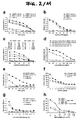
- Example 1 Minimal sequence of the bacterial binding site of DMBT1
- DMBT1 16 amino acid motif
- SRCRP2 scavenger receptor cysteine-rich domains
- SRCR scavenger receptor cysteine-rich
- DMBT1pbs1-mediated bacterial aggregation as potentially useful and simple high-throughput competition assay to screen for DMBT1 ligands and to determine its binding specificity.
- Dextran sulfate sodium (DSS) and its analogue carrageenan which is broadly used as thickener and stabilizer in human food, exert deleterious effects in the gastrointestinal tract as multiply demonstrated by induction of tissue damage, inflammation, and cancer in animal models. Because Dmbt1 - / - mice showed deficient protection against DSS (Bergmann et al ., submitted), we initially hypothesized a direct interaction between DMBT1pbs1 and carbohydrate residues.
- sIgA a known interaction partner of DMBT1
- sIgA a known interaction partner of DMBT1
- phosphate esters i.e. DNA and phospholipids
- DMBT1 binding might deny access of polyanionic ligands to target cells, which is in line with data obtained from studies of Dmbt1 - / - mice (Bergmann et al ., submitted).
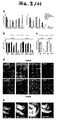
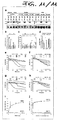
- Phosphate groups are an ubiquitous and virtually invariant motif in bacterial surface structures, i.e. in lipoteichoic acid (LTA) of Gram-positive and in lipopolysaccharide (LPS) of Gram-negative bacteria. Both LTA and LPS exerted competitive effects (Table 1) and showed binding to DMBT1 (Fig. 2 c , d ). DMBT1 displayed stronger binding to LPS of Salmonella minnesota chemotype Rd1, which exposes phosphorylated carbohydrates at its surface, than to LPS of Salmonella typhimurium (Fig. 2 c ).
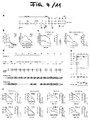
- DMBT1 Partially purified DMBT1 obtained from different donors displayed remarkable differences in binding efficacies for Salmonella typhimurium (Fig. 4 c ), which, according to the previous data (Fig. 2 h ), was unlikely to rely on variable amounts of sIgA that might have been present in the preparations.
- donor B showed less binding efficacy, a decreased protein size in Western blot analyses, and genetic analyses revealed that donor A was homozygous for the DMBT1 wild type allele, while donor B was homozygous for a germline deletion eliminating 5 of the 13 (40%) pattern recognition (SRCR) domains (Fig. 4 c-e ).
- Example 5 Proposed applications and goals for using DMBT1 as a general pattern recognition receptor for disease-causing agents
- the putative tumor suppressor DMBT1 is a PRR for compellingly simple molecular patterns, i. e. sulfate and phosphate groups.
- pattern recognition site in DMBT1 differs from the one in MARCO, their ligand binding spectrum is very similar and overlaps with other PRRs that likewise interact with sulfated and phosphorylated agents.
- PRRs are multifunctional proteins playing a role in pathogen-defense and processes of normal tissue function, but how PRRs distinguish between non-self and self structures in order to not elicit undesired immune responses is an unsolved problem.
- DMBT1 pattern recognition could at least provide a first common mechanistical basis that leads together its various functions.
- gallstones contain target sites for DMBT1 interaction, i. e. calciumphosphate, so that DMBT1's potential role in lithogenesis could rely on pattern recognition simply resembling its action in bacterial aggregation.
- ECM protein it may interact with sulfated carbohydrates such as heparansulfate, which could be of importance for its putative functions in epithelial differentiation, determination of cell polarity, wound healing, and liver regeneration.
- DMBT1 is also secreted to the mucus and to the body fluids at virtually any relevant site of pathogen-contact.
- Pattern recognition explains the broad pathogen-binding specificity of DMBT1 and simultaneously provides a mechanism by which it might be fixed in protective mucous layers.
- the latter could include interactions with surfactant phospholipids, sulfated mucins and/or surface patterns such as sulfated membrane-associated proteins.
- Pathogens may use sulfated structures for the attachment to target cells. Many bacteria utilize heparansulfate for attachmen and HIV's gp120 ⁇ also a sulfated glycoprotein ⁇ requires sulfated tyrosine residues on its co-receptor CCR5 for infection.
- An interesting possibility is that the dual specificity of DMBT1 means that one of its function is to act as a general insulator.
- mice a priori showed 40% decreased Dmbt1 levels in the distal colon, a less efficient Dmbt1 recruitment, and a more severe susceptibility to DSS than female Dmbt1 + / + mice.
- DMBT1 germline deletions in humans result in a 30-60% decreased binding efficacy for bacterial pathogens and for gp120 of HIV.
- DMBT1 germline deletions produce a leakiness within a primary defense system, which may modulate human susceptibility to infection, inflammation and, consequently, cancer types induced by pathogens that are DMBT1 ligands.
- Helicobacter pylori -induced gastritis and gastric cancer is a prime candidate, especially because similar relationships are intensely discussed for the DMBT1-related molecules MUC1 and MUC6. Beyond that, however, also impacts on disease induced by nutritional additives, e. g. carrageenans, and on liposome-mediated DNA- and drug-delivery to epithelial cells should be taken into consideration. Inclusion of DMBT1 in comprehensive epidemiological studies will be of great importance to determine the extent of its possibly broad effects on human health and disease.
- mice homozygously deficient for Dmbt1 also known as Crp-ductin
- Dmbt1 also known as Crp-ductin
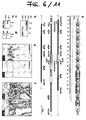
- a genomic 1224-bp Hinc II/ Aci I fragment comprised parts of the promoter, the 5'-utr, and exon 1, which contains the start codon and the coding sequence for major parts of the signal peptide required for secretion
- Fig. 6 a Analysis of mouse genomic DNA confirmed the predicted Bgl II fragments of 4.1 kb and 2.9 kb for the wild type and the knockout allele, respectively (Fig. 6 b ).
- Example 8 Susceptibility of DMBT1-Knockout and wild type mice to sulfate group exposing disease causing agents
- DSS dextran sulfate sodium
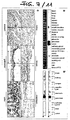
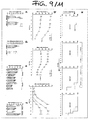
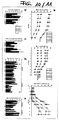
- mice Compared to females, male wild type mice showed reduced Dmbt1 expression levels in the proximal and distal colon (average reduction: 14% and 40%, respectively) in the unchallenged state (Fig. 11 a , b ) and the differences were still prevalent after challenge with 2.5% DSS (Fig. 11 c , d ).
- Dmbt1 levels could contribute to the gender differences in DSS susceptibility, but that other factors may also play a role. Otherwise female and male Dmbt1 - / - mice would be expected to show equal relative weight losses. Because the gap reproducibly even increased at the level of this dynamic and therefore more sensitive parameter (Fig. 10 a ), we further conclude that Dmbt1 inactivation is more critical for male gender.
- Example 9 Proposed implications for DMBT1's role in defense against disease causing agents
- DSS and carrageenan interaction involves the DMBT1 binding site for bacterial pathogens.
- DMBT1 as a pattern recognition receptor for both sulfate and phosphate residues present in DSS/carrageenan and in bacterial cell wall components, respectively (Bikker et al ., submitted). This lends further support for our assumption that the present in vivo data can be projected to DMBT1's role in defense against bacterial pathogens.
- DMBT1 germline deletions in humans which reduce the number of pathogen binding sites by 40%, result in a correspondingly decreased scavenging activity, e.g.
- DMBT1 could represent a factor that contributes to the male preponderance among the ulcerative colitis patients suggested by many studies. Ulcerative colitis is associated with an increased risk for colorectal cancer. Therefore, DMBT1 could provide a link between the emergence of complex diseases (infection, inflammation, cancer), gender effects, nutritional (carrageenan) and genetic factors ( DMBT1 germline deletions).
- DMBT1 DMBT1 as a protective factor, whose impaired function is predicted to have an impact for susceptibility to infection, tissue damage, inflammation, and, consequently, also the downstream development of cancer. Rather than studies of loss of heterozygosity and mutations in cancer cells comprehensive analyses of DMBT1. polymorphism are required to elucidate its role in environmentally induced diseases including certain cancer types.
- Synthetic peptides were obtained from Eurogentec, Belgium (purity at least 85%). The peptides were dissolved in DMSO, diluted 1:10 in H 2 O bidest . in order to obtain stock solutions of 1 mg/ml in 10% DMSO, aliquoted, and stored at -20 °C until use.
- Salivary DMBT1 (salivary agglutinin; DMBT1 SAG ; hereafter referred to as DMBT1) was obtained from parotid saliva of healthy volunteer donors collected with Lashley cups.
- DMBT1 SAG agglutinin
- BCA Protein Assay Kit Pieris
- parotid saliva was incubated for 0.5 to 1 h in ice water, in order to promote the formation of a precipitate. After centrifugation for 20 min (4 °C; 5,000 g), the pellet was resuspended in 1.0 to 2.5 ml PBS.
- serial dilutions of the preparations were compared to serial dilutions of purified recombinant DMBT1 (rDMBT1) by ELISA and the adjusted concentrations were confirmed by Western blotting (see below).
- rDMBT1 human recombinant DMBT1
- rDMBT1 human recombinant DMBT1
- DMBT1 open reading frame corresponding to the DMBT1 /8kb.2 variant (EMBL Accession no. AJ243212) was cloned into the pT-REx-DEST30 vector (Invitrogen) under the control of a tetracycline-inducible promoter.
- the plasmid was transfected into the cell line T-REx-CHO (Invitrogen), which constitutively expresses the Tet-repressor protein, using Fugene 6 (Roche Diagnostics). Stable transfectands were seletected by addition of 1 mg/ml G418 and 0.001 mg/ml blasticidin. Subcloning was done by low-density plating (20 cells per 50 cm 2 ) and picking of single colonies after 15 d under selection pressure.
- Clone CHO-DMBT1/8kb.2-T3 displayed highest expression levels upon induction with 10 ⁇ g/ml tetracycline for 48 h and predicted transcript and protein size in Northern blot and Western blot analyses using probe DMBT1 /8kb-3.8 and the monoclonal antibody anti-DMBT1h12 under the conditions described before.
- rDMBT1 For the production of rDMBT1, cells were grown in DMEM/F12 with 10 ⁇ g/ml tetracycline for 48 h, the supernatants were collected, diluted 1:3 in buffer A (20 mM Tris-HCl; 10 mM EDTA, pH 8.0), and filtered by 0.22 ⁇ m bottle top filters prior to loading on an 1 ml anionexchanger column (ResourceQTM; Amersham Biosciences). Proteins were eluted with a linear gradient (0.00-0.04 M NaCl in 16 ml buffer A; flow rate 1 ml/min).
- Streptococcus mutans (Ingbritt), Streptococcus gordonii (HG 222 and DSM20568), Escherichia coli (F7 and OM36-1), and Helicobacter pylori (ATCC 43504) were grown and processed as decribed earlier.
- Salmonella typhimurium (strain SF1399: wild type; strain SF1195: Rc chemotype; strain SF1567: Rd1 chemotype; strain SF1398: Re chemotype) were kindly provided by Dr. Ben Appelmelk from the Free University of Amsterdam, The Netherlands, and were grown and processed as previously described for E. coli.
- the bacteria were diluted in the buffers depicted previously to a final OD 700 of 0.5 or 1.0 corresponding to about 0.5 and 1.0 x 10 9 cells/ml, respectively.
- the scoring system was: (+++) no difference in aggregation compared to reference; (++) moderate inhibition of aggregation over the entire time course or maximal aggregation delayed by 1-5 min compared to reference; (+) strong inihibition of aggregation over the entire time course or maximal aggregation delayed by 5-10 min compared to reference; (-) complete inhibition of aggregation after 10 min.
- Each experiment was at least done in triplicate.
- DNA binding to immobilized DMBT1 was analyzed by using the same plasmid (LPS-free preparation) as used for the competitive aggregation and transfection assays (see below). Bound DNA was detected analogous to detection of bacteria except for using SYTO-13 as dye.
- inverse assays we coated serial dilutions of the candidate substance onto microtiter plates (Microlon, F-Form; Greiner). After incubation at 4 °C for 16 h and three washes with TBS-TC, rDMBT1 or DMBT1 (10 ⁇ g/ml in TBS-TC) were added to each well and incubated at 37 °C for 1 h.
- the plates were then washed three times with 200 ⁇ l TBS-TC, incubated at 37 °C for 1 h with the DMBT1-specific mouse monoclonal antibodies anti(A2) gp-340 (Hyb213-6; Antibody-Shop), and mAb143 (kindly provided by Dr. D. Malamud) diluted 1:10,000 in TBS-TC, washed again five times with TBS-TC, and incubated at 37 °C for 1 h with a rabbit anti-mouse IgG-HRP conjugate (Jackson; dilution 1:10,000 in TBS-TC).
- anti-DMBT1h12 recognizes a non-repetitive and non-variable epitope (amino acids 26-40 referred to EMBL Accession no. AJ243212), the approach enabled us to adjust wild type DMBT1 variants and variants with germline deletions irrespective of the presence of variable numbers of epitopes to equimolar amounts, which was confirmed by a second ELISA and Western blotting (see below and Fig. 4 e )
- Sucrose, maltose, dextrose, and the various salts tested were standard reagents obtained from Merck or Sigma.
- the cells were incubated with the samples at 37 °C for 24 h in a CO 2 incubator. Afterwards, image acquisition was done using an Axiovert 25 microscope (Zeiss; Germany). Per well we randomly selected five areas at 200-fold magnification and scored the percentage of EGFP-expressing cells. Mean values and standard errors of the means (SEMs) were calculated from at least two independent experiments.
- Protein samples were separated on a Pharmacia Phast system (Pharmacia-LKB; Uppsala; Sweden) using 4-15% polyacrylamide gradient gels by denaturing SDS-PAGE under non-reducing conditions, transferred to nitrocellulose membranes (Schleicher and Schuell), and DMBT1 was detected by the mAb anti-DMBT1h12 using the conditions described before.
- DMBT1 was detected by the mAb anti-DMBT1h12 using the conditions described before.
- Western blotting we confirmed protein sizes in and equalization of the samples containing partially purified DMBT1 (Fig. 4 e ).
- DMBT1 genomic configuration of DMBT1 were approved by the responsible ethics committee at the University Heidelberg, Germany. Blood samples were collected from 200 healthy volunteers (ethnic background: Caucasian) and genomic DNA was extracted from peripheral blood leukocytes by standard procedures. We used 20 ⁇ g Rsa I-digested DNA and probe DMBT1 /sr1sid2 for an initial Southern blot screen of the DMBT1 configuration in this panel under the conditions depicted elsewhere.
- the 1224-bp Hinc II/ Aci I fragment was amplified from Dmbt1 c1 using primers introducing a 5' Spe I and a 3' Xba I site ( Dmbt1 /KOcf1: 5'-GCA CTA GTG GCA AGG TAA AGG AGG CAA G- 3'; Dmbt1 /KOcr1: 5'-TGT CTA GAC CTT CAC CGA ACG ACT CC-3') and subsequently inserted 3' to the LoxP site.
- a 4.0-kb Aci I/ Bam HI fragment (the latter site locating within the vector sequence) from Dmbt1 c1 was separately subcloned 3' to a NeoTK cassette flanked by two LoxP sites to give rise to the right homology arm.
- the insert was then excised and cloned 3' to the Hinc II/ Aci I fragment.
- a diphtheria toxin A (DTA) cassette under the control of the MCI promoter allowing for negative selection of non-homologous recombinants was cloned 5' to the left homology arm to give rise to the final targeting construct (Fig. 1 a ).
- RNA A total of 4.5 ⁇ g RNA (comprising a pool of 1.5 ⁇ g RNA each from colon tissues of three mice) was separated by denaturing RNA gel electrophoresis according to standard procedures. Integrity of the RNA was monitored by methyleneblue staining after Northern blotting and by hybridization of a ⁇ -actin probe. Dmbt1 transcripts were detected via the P 32 -labeled probe DMBT1 /8kb-3.8 (hybridization temperature: 60 °C).
- Protein samples were prepared from mouse tissues snap-frozen in liquid nitrogen. After homogenization using a Micro-Dismembrator S (B. Braun; Germany) the samples were dissolved in RIPA lysis buffer (1 x PBS, 1% v/v Nonidet P-40, 0.5% w/v sodiumdeoxycholate, and 0.1 % w/v SDS) containing protease inhibitors (Complete; Roche Diagnostics; Germany). Nucleic acids were fragmented by addition of 1 ⁇ l benzonase and incubation on ice for 1 h. The protein concentration was determined using the BCA Protein Assay Kit (Pierce) according to the instructions of the manufacturer.
- a 0.4-kb fragment of human DMBT1 (SID5 to SID6) was subcloned into the pCRII-TOPO vector (Invitrogen).
- One ⁇ g Xho I or Bam HI-linearized plasmid DNA was transcribed in vitro using SP6 polymerase (antisense strand) or T7 polymerase (sense strand), respectively, in the presence of digoxygenin-labeled UTP.
- paraffin-embedded tissue sections (3-4 ⁇ m) were deparaffinized by xylol and a decreasing ethanol series (100-70%), afterwards washed twice for 5 min in DEPC-H 2 O and incubated at 4 °C for 10 min in 4% w/v paraformaldehyde in PBS.
- the slides were prehybridized with hybridization solution (50% v/v formamide; 0.2 M DTT; 0.33 M NaCl, 10% w/v DSS; 1/50 volume Denhardts reagent; 1 mM EDTA pH 8.0; 20 mM Tris-HCl pH 7.4; 0.5 mg/ml tRNA; 0.1 mg/ml salmon sperm DNA) at 47 °C for 2 h in a humid chamber.
- hybridization solution 50% v/v formamide; 0.2 M DTT; 0.33 M NaCl, 10% w/v DSS; 1/50 volume Denhardts reagent; 1 mM EDTA pH 8.0; 20 mM Tris-HCl pH 7.4; 0.5 mg/ml tRNA; 0.1 mg/ml salmon sperm DNA
- the sections were incubated with hybridization solution with 8 ng/ ⁇ l of denatured digoxigenin-labeled RNA probe at 47 °C for 20 h in a humid chamber, washed with 2 x SSC at 47 °C for 30 min, with 50% formamide containing 0.5 x SSC at 47 °C for 1 h, with 50% formamide containing 0.1 x SSC at 47 °C for 30 min, with 0.2 x SSC at RT for 10 min, with buffer 1 (100 mM Tris-HCl pH 7.4; 150 mM NaCl) at RT for 10 min and incubated at RT for 30 min in Blocking Solution (Roche Diagnostics; used as recommended by the supplier).
- Blocking Solution Blocking Solution
- the sections were incubated with sheep-anti-DIG-AP (Roche Diagnostics) diluted 1:500 in Blocking Solution at RT for 2 h in a humid chamber, washed two times 15 min with buffer 1, for 2 min with buffer 3 (pH 9.5; containing 100 mM Tris-HCl pH 7.4, 100 mM NaCl, 50 mM MgCl 2 ) and incubated at RT for 2-3 h in a dark humid chamber with 100 ⁇ l staining solution per section (buffer 3 with 0.45 ⁇ l NBT and 0.35 ⁇ l BCIP).
- sheep-anti-DIG-AP Roche Diagnostics
- paraffin-embedded tissue sections (3-4 ⁇ m) were prepared and analyzed with polyclonal anti-DMBT1 SAG (1:100) using the protocol previously described for the monoclonal antibody anti-DMBT1h12 and a hematoxyline counterstaining.
- mice Age-matched Dmbt1 - / - and wild type Dmbt1 + / + littermates (9-12 weeks old) obtained from heterozygous breedings were kept under pathogen-free standardized conditions.
- mice mortality was carried out by comparison of survival probabilities using the two-tailed log-rank test.
- Body weight losses were analyzed utilizing a linear mixed-effects-model for time-dependent data 36 using the absolute body weight values at the days of DSS treatment, i.e. day 1-8 for 2.5% DSS and day 1-7 for 5.0% DSS.
- Time-dependency was modeled using a second order polynomial.
- Colon lengths were compared by two-tailed Mann-Whitney U-tests.
- histopathological scores was carried out using the two-tailed Mann-Whitney U-test, except for comparisons between the distal and proximal colon within the 2.5% DSS and 5.0% DSS experiment, respectively.
- FWER was corrected for the four comparisons of the mean combined damage scores between distal and proximal colon for treatment with 2.5% and 5.0% DSS and between treatment with 2.5% DSS and 5.0% DSS for distal and proximal colon.
- P -values ⁇ 0.05 were considered as statistically significant.
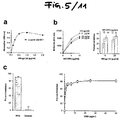
- the synthetic peptide DMBT1-SRCRP2 (NH 2 -QGRVEVLYRGSWGTVC-COOH; purity >85%) comprising the pathogen-binding site of DMBT1 was obtained from Eurogentec (Belgium) and resuspended to a final concentration of 1 mg/ml in H 2 O bidest . containing 10% v/v DMSO.
- rDMBT1 human recombinant DMBT1
- rDMBT1 human recombinant DMBT1
- DMBT1 open reading frame corresponding to the DMBT1 /8kb.2 variant (EMBL Accession no. AJ243212) was cloned into the pT-REx-DEST30 vector (Invitrogen) under the control of a tetracycline-inducible promoter.
- the plasmid was transfected into the cell line T-REx-CHO (Invitrogen), which constitutively expresses the Tet-repressor protein, using Fugene 6 (Roche Diagnostics). Stable transfectands were selected by addition of 1 mg/ml G418 and 0.001 mg/ml blasticidin. Subcloning was done by low-density plating (20 cells per 50 cm 2 ) and picking of single colonies after 15 d under selection pressure.
- Clone CHO-DMBT1/8kb.2-T3 displayed highest expression levels upon induction with 10 ⁇ g/ml tetracycline for 48 h and predicted transcript and protein size in Northern blot and Western blot analyses using probe DMBT1 /8kb-3.8 and the monoclonal antibody anti-DMBT1h12 under the conditions described before 12 .
- rDMBT1 For the production of rDMBT1, cells were grown in DMEM/F12 containing 10 ⁇ g/ml tetracycline for 48 h, the supernatants were collected, diluted 1:3 in buffer A (20 mM Tris-HCl; 10 mM EDTA, pH 8.0), and filtered by 0.22 ⁇ m bottle top filters prior to loading on an 1 ml anionexchanger column (ResourceQTM, Amersham Biosciences). Proteins were eluted with a linear gradient (0.00-0.04 M NaCl in 16 ml buffer A; flow rate 1 ml/min).
- Streptococcus gordonii (strain: DSM20568) was cultured under anaerobic conditions as described before 17 , harvested by centrifugation at 3,000 g, washed twice with PBS containing 10 mM EDTA and once with PBS and finally resuspended in PBS to a final OD 700 of 2.0 corresponding to about 2.0 x 10 9 cells/ml, respectively.
- Streptococcus gordonii 250 ⁇ l in PBS
- 100 ⁇ l synthetic peptide DMBT1-SRCRP2 diluted 1:1 in PBS
- 100 ⁇ l purified rDMBT1 in PBS final concentration in the assay: 15 ⁇ g/ml
- 150 ⁇ l of the respective competitor stock solutions so that the final concentrations ranged from 0.32% to 2.50% (w/v) DSS and 0.28% to 0.84% (w/v) degraded carrageenan.
- Samples with 0.0% competitor served as controls.
- DSS was serially diluted in coating buffer (100 mM carbonate buffer, pH 9.6) to obtain final concentrations of 2.5% to 0.02% (w/v).
- coating buffer 100 mM carbonate buffer, pH 9.6
- One hundred ⁇ l of the samples were applied onto ELISA plates (Microlon, F-Form; Greiner; Germany) and coating was done at 4 °C for 16 h.
- Acid hydrolyzed and pH-adjusted lambda carrageenan was serially diluted with the solvent (approximately 50 mM HCl and 50 mM NaOH) to obtain concentrations ranging from 2.8% to 0.0055% (w/v) and coating of ELISA plates was done at 37 °C for 2 h.
- rDMBT1 10 ⁇ g/ml in TBS-T was added to each well and incubated at 37 °C for 1 h.
Landscapes
- Health & Medical Sciences (AREA)
- Life Sciences & Earth Sciences (AREA)
- Engineering & Computer Science (AREA)
- Chemical & Material Sciences (AREA)
- Immunology (AREA)
- Medicinal Chemistry (AREA)
- General Health & Medical Sciences (AREA)
- Hematology (AREA)
- Biomedical Technology (AREA)
- Molecular Biology (AREA)
- Pharmacology & Pharmacy (AREA)
- Urology & Nephrology (AREA)
- Animal Behavior & Ethology (AREA)
- Public Health (AREA)
- Veterinary Medicine (AREA)
- Biotechnology (AREA)
- Analytical Chemistry (AREA)
- Tropical Medicine & Parasitology (AREA)
- Organic Chemistry (AREA)
- Nuclear Medicine, Radiotherapy & Molecular Imaging (AREA)
- General Chemical & Material Sciences (AREA)
- Cell Biology (AREA)
- Chemical Kinetics & Catalysis (AREA)
- Microbiology (AREA)
- Epidemiology (AREA)
- Proteomics, Peptides & Aminoacids (AREA)
- Food Science & Technology (AREA)
- Physics & Mathematics (AREA)
- Virology (AREA)
- Biochemistry (AREA)
- General Physics & Mathematics (AREA)
- Pathology (AREA)
- Marine Sciences & Fisheries (AREA)
- Zoology (AREA)
- Gastroenterology & Hepatology (AREA)
- Bioinformatics & Cheminformatics (AREA)
- Communicable Diseases (AREA)
- Oncology (AREA)
- Medicines That Contain Protein Lipid Enzymes And Other Medicines (AREA)
- Peptides Or Proteins (AREA)
Priority Applications (5)
| Application Number | Priority Date | Filing Date | Title |
|---|---|---|---|
| EP04004281A EP1568374A1 (de) | 2004-02-25 | 2004-02-25 | Verwendung von DMBT1 zur Bindung von Slfat- und Phosphatgruppen aufweisenden Substanzen |
| PCT/EP2005/001994 WO2005079834A1 (en) | 2004-02-25 | 2005-02-25 | Use of dmbt1 for capturing sulphate and phosphate group exposing agents |
| US10/590,657 US8017124B2 (en) | 2004-02-25 | 2005-02-25 | Use of DMBT1 for capturing sulphate and phosphate group exposing agents |
| AT05732131T ATE534397T1 (de) | 2004-02-25 | 2005-02-25 | Verwendung von dmbt1 zum einfangen von sulfat- und phosphatgruppen exponierenden agenzien |
| EP05732131A EP1727558B1 (de) | 2004-02-25 | 2005-02-25 | Verwendung von dmbt1 zum einfangen von sulfat- und phosphatgruppen exponierenden agenzien |
Applications Claiming Priority (1)
| Application Number | Priority Date | Filing Date | Title |
|---|---|---|---|
| EP04004281A EP1568374A1 (de) | 2004-02-25 | 2004-02-25 | Verwendung von DMBT1 zur Bindung von Slfat- und Phosphatgruppen aufweisenden Substanzen |
Publications (1)
| Publication Number | Publication Date |
|---|---|
| EP1568374A1 true EP1568374A1 (de) | 2005-08-31 |
Family
ID=34745899
Family Applications (2)
| Application Number | Title | Priority Date | Filing Date |
|---|---|---|---|
| EP04004281A Withdrawn EP1568374A1 (de) | 2004-02-25 | 2004-02-25 | Verwendung von DMBT1 zur Bindung von Slfat- und Phosphatgruppen aufweisenden Substanzen |
| EP05732131A Expired - Lifetime EP1727558B1 (de) | 2004-02-25 | 2005-02-25 | Verwendung von dmbt1 zum einfangen von sulfat- und phosphatgruppen exponierenden agenzien |
Family Applications After (1)
| Application Number | Title | Priority Date | Filing Date |
|---|---|---|---|
| EP05732131A Expired - Lifetime EP1727558B1 (de) | 2004-02-25 | 2005-02-25 | Verwendung von dmbt1 zum einfangen von sulfat- und phosphatgruppen exponierenden agenzien |
Country Status (4)
| Country | Link |
|---|---|
| US (1) | US8017124B2 (de) |
| EP (2) | EP1568374A1 (de) |
| AT (1) | ATE534397T1 (de) |
| WO (1) | WO2005079834A1 (de) |
Families Citing this family (2)
| Publication number | Priority date | Publication date | Assignee | Title |
|---|---|---|---|---|
| WO2015106084A1 (en) * | 2014-01-09 | 2015-07-16 | Uab Research Foundation | Compositions that inhibit and prevent the formation of dental caries and methods of using the same |
| EP4009049A1 (de) | 2020-12-01 | 2022-06-08 | Friedrich-Alexander-Universität Erlangen-Nürnberg | Immobilisierung und magnetische extraktion von pathogenen und pathogenkomponenten |
Citations (2)
| Publication number | Priority date | Publication date | Assignee | Title |
|---|---|---|---|---|
| US6287605B1 (en) * | 1998-04-17 | 2001-09-11 | The Trustees Of The University Of Pennsylvania | Compositions and methods useful in treatment and prevention of HIV-1 infection |
| US6346606B1 (en) * | 1997-01-09 | 2002-02-12 | Deutsches Krebsforschungszentrum Stiftung Des Offentlichen Rechts | Protein containing a scavenger receptor cysteine rich domain |
-
2004
- 2004-02-25 EP EP04004281A patent/EP1568374A1/de not_active Withdrawn
-
2005
- 2005-02-25 AT AT05732131T patent/ATE534397T1/de active
- 2005-02-25 US US10/590,657 patent/US8017124B2/en not_active Expired - Fee Related
- 2005-02-25 WO PCT/EP2005/001994 patent/WO2005079834A1/en not_active Ceased
- 2005-02-25 EP EP05732131A patent/EP1727558B1/de not_active Expired - Lifetime
Patent Citations (2)
| Publication number | Priority date | Publication date | Assignee | Title |
|---|---|---|---|---|
| US6346606B1 (en) * | 1997-01-09 | 2002-02-12 | Deutsches Krebsforschungszentrum Stiftung Des Offentlichen Rechts | Protein containing a scavenger receptor cysteine rich domain |
| US6287605B1 (en) * | 1998-04-17 | 2001-09-11 | The Trustees Of The University Of Pennsylvania | Compositions and methods useful in treatment and prevention of HIV-1 infection |
Non-Patent Citations (5)
| Title |
|---|
| BIKKERT F.J. ET AL.: "Identification of the bacteria-binding peptide domain on salivary agglutinin (gp-340/DMBT1), a member of the scavenger receptor cystein-rich superfamily.", J. BIOL.CHEM., vol. 277, no. 35, 30 August 2002 (2002-08-30), pages 32109 - 32115, XP002297108 * |
| KANG W. AND REID K.B.M.: "DMBT1, a regulator of mucosal homeostasis through the linking of mucosal defense and regeneration?", FEBS LETTERS., vol. 540, 2003, pages 21 - 25, XP002297109 * |
| MADSEN J. ET AL.: "CRP-ductin, the mouse homologue of gp-340/DMBT1, binds to gram-positive and gram-negative bacteria and interacts with lung surfactant protein D.", EUR. J. IMMUNOL., vol. 33, August 2003 (2003-08-01), pages 2327 - 2336, XP009036481 * |
| MOLLENHAUER J. ET AL.: "DMBT1 is a versatile mucin-like molecule likely to play a differential role in digestive tract cancer.", CANCER RESEARCH, vol. 61, 15 December 2001 (2001-12-15), pages 8880 - 8886, XP002297110 * |
| TAKESHITA H. ET AL.: "Expression of the DMBT1 gene is frequently supressed in human lung cancer.", JPN. J. CANCER RES., vol. 90, September 1999 (1999-09-01), pages 903 - 908, XP002297107 * |
Also Published As
| Publication number | Publication date |
|---|---|
| EP1727558A1 (de) | 2006-12-06 |
| US20080234185A1 (en) | 2008-09-25 |
| ATE534397T1 (de) | 2011-12-15 |
| EP1727558B1 (de) | 2011-11-23 |
| US8017124B2 (en) | 2011-09-13 |
| WO2005079834A9 (en) | 2005-10-27 |
| WO2005079834A1 (en) | 2005-09-01 |
Similar Documents
| Publication | Publication Date | Title |
|---|---|---|
| EP2039367B1 (de) | Prophylaktisches/therapeutisches mittel für neurodegenerative erkrankungen | |
| US8383119B2 (en) | Biological substance nesfatin and its related substances and uses thereof | |
| IL188288A (en) | A polypeptide with an activity to suppress food eating and its pharmaceutical preparations | |
| DE60122673T2 (de) | Methoden zur diagnose und behandlung von herzkrankheiten | |
| JP2005508178A (ja) | エネルギー恒常性の調節に関与するMenタンパク質、GST2、Rab−RP1、Csp、F−ボックスタンパク質Lilina/FBL7、ABC50、コロニン、Sec61α、またはVhaPPA1−1、または相同性タンパク質 | |
| US8017124B2 (en) | Use of DMBT1 for capturing sulphate and phosphate group exposing agents | |
| US20060150262A1 (en) | Novel mucin-like polypeptides | |
| JP2002541859A (ja) | 化合物スクリーニング方法 | |
| WO1999016898A1 (en) | Molecular diagnostic of glaucomas associated with chromosomes 1, and method of treatment thereof | |
| AU2005227903A1 (en) | Cospeptin, cosmedin and their uses | |
| EP1572227B1 (de) | Pik4cb involviert in der regulierung des energiestoffwechsels | |
| US20060015951A1 (en) | Proteins involved in the regulation of energy homeostasis | |
| US20090042789A1 (en) | Method for Improving Symptom of Mood Disorder | |
| US20060168667A1 (en) | Minibrain homologous proteins involved in the regulation of energy homeostasis | |
| WO2007138691A1 (ja) | 多発性嚢胞腎疾患関連遺伝子及びその利用 | |
| JP2006509519A (ja) | 肥満の診断の方法 | |
| US8193146B2 (en) | Method of ameliorating symptom caused by mood disturbance | |
| WO2004064856A2 (en) | Proteins involved in the regulation of energy homeostasis | |
| US7166433B2 (en) | Transductin-1 and transductin-2 and applications to hereditary deafness | |
| US20070099271A1 (en) | Transductin-1 and transductin-2 and applications to hereditary deafness | |
| Class et al. | Patent application title: FAM26C POLYMORPHISMS AND USE THEREOF FOR THE DIAGNOSTIC AND TREATMENT OF LATE ONSET ALZHEIMER'S DISEASE Inventors: Philippe Marambaud (Astoria, NY, US) Fabien Campagne (Astoria, NY, US) | |
| WO2003048196A2 (en) | Means and methods for diagnosing and treating craniofacial malformations | |
| Srinuan | Genetic Variation of Transthyretin and ApoE Genes in Thai People | |
| WO2004031392A1 (en) | Mipp1 homologous nucleic acids and proteins involved in the regulation of energy homeostatis | |
| WO2004050117A1 (en) | Proteins involved in the regulation of energy homeostasis |
Legal Events
| Date | Code | Title | Description |
|---|---|---|---|
| PUAI | Public reference made under article 153(3) epc to a published international application that has entered the european phase |
Free format text: ORIGINAL CODE: 0009012 |
|
| AK | Designated contracting states |
Kind code of ref document: A1 Designated state(s): AT BE BG CH CY CZ DE DK EE ES FI FR GB GR HU IE IT LI LU MC NL PT RO SE SI SK TR |
|
| AX | Request for extension of the european patent |
Extension state: AL LT LV MK |
|
| AKX | Designation fees paid | ||
| STAA | Information on the status of an ep patent application or granted ep patent |
Free format text: STATUS: THE APPLICATION IS DEEMED TO BE WITHDRAWN |
|
| 18D | Application deemed to be withdrawn |
Effective date: 20060301 |
|
| REG | Reference to a national code |
Ref country code: DE Ref legal event code: 8566 |