EP1568277B1 - Method of preventing wheat from mycotoxin contamination - Google Patents
Method of preventing wheat from mycotoxin contamination Download PDFInfo
- Publication number
- EP1568277B1 EP1568277B1 EP03777255A EP03777255A EP1568277B1 EP 1568277 B1 EP1568277 B1 EP 1568277B1 EP 03777255 A EP03777255 A EP 03777255A EP 03777255 A EP03777255 A EP 03777255A EP 1568277 B1 EP1568277 B1 EP 1568277B1
- Authority
- EP
- European Patent Office
- Prior art keywords
- cereals
- don
- contamination
- agri
- horticulture
- Prior art date
- Legal status (The legal status is an assumption and is not a legal conclusion. Google has not performed a legal analysis and makes no representation as to the accuracy of the status listed.)
- Expired - Lifetime
Links
Images
Classifications
-
- A—HUMAN NECESSITIES
- A01—AGRICULTURE; FORESTRY; ANIMAL HUSBANDRY; HUNTING; TRAPPING; FISHING
- A01N—PRESERVATION OF BODIES OF HUMANS OR ANIMALS OR PLANTS OR PARTS THEREOF; BIOCIDES, e.g. AS DISINFECTANTS, AS PESTICIDES OR AS HERBICIDES; PEST REPELLANTS OR ATTRACTANTS; PLANT GROWTH REGULATORS
- A01N33/00—Biocides, pest repellants or attractants, or plant growth regulators containing organic nitrogen compounds
- A01N33/02—Amines; Quaternary ammonium compounds
- A01N33/12—Quaternary ammonium compounds
-
- A—HUMAN NECESSITIES
- A01—AGRICULTURE; FORESTRY; ANIMAL HUSBANDRY; HUNTING; TRAPPING; FISHING
- A01N—PRESERVATION OF BODIES OF HUMANS OR ANIMALS OR PLANTS OR PARTS THEREOF; BIOCIDES, e.g. AS DISINFECTANTS, AS PESTICIDES OR AS HERBICIDES; PEST REPELLANTS OR ATTRACTANTS; PLANT GROWTH REGULATORS
- A01N33/00—Biocides, pest repellants or attractants, or plant growth regulators containing organic nitrogen compounds
- A01N33/02—Amines; Quaternary ammonium compounds
- A01N33/04—Nitrogen directly attached to aliphatic or cycloaliphatic carbon atoms
-
- A—HUMAN NECESSITIES
- A01—AGRICULTURE; FORESTRY; ANIMAL HUSBANDRY; HUNTING; TRAPPING; FISHING
- A01N—PRESERVATION OF BODIES OF HUMANS OR ANIMALS OR PLANTS OR PARTS THEREOF; BIOCIDES, e.g. AS DISINFECTANTS, AS PESTICIDES OR AS HERBICIDES; PEST REPELLANTS OR ATTRACTANTS; PLANT GROWTH REGULATORS
- A01N59/00—Biocides, pest repellants or attractants, or plant growth regulators containing elements or inorganic compounds
- A01N59/06—Aluminium; Calcium; Magnesium; Compounds thereof
-
- A—HUMAN NECESSITIES
- A01—AGRICULTURE; FORESTRY; ANIMAL HUSBANDRY; HUNTING; TRAPPING; FISHING
- A01N—PRESERVATION OF BODIES OF HUMANS OR ANIMALS OR PLANTS OR PARTS THEREOF; BIOCIDES, e.g. AS DISINFECTANTS, AS PESTICIDES OR AS HERBICIDES; PEST REPELLANTS OR ATTRACTANTS; PLANT GROWTH REGULATORS
- A01N59/00—Biocides, pest repellants or attractants, or plant growth regulators containing elements or inorganic compounds
- A01N59/08—Alkali metal chlorides; Alkaline earth metal chlorides
-
- A—HUMAN NECESSITIES
- A01—AGRICULTURE; FORESTRY; ANIMAL HUSBANDRY; HUNTING; TRAPPING; FISHING
- A01N—PRESERVATION OF BODIES OF HUMANS OR ANIMALS OR PLANTS OR PARTS THEREOF; BIOCIDES, e.g. AS DISINFECTANTS, AS PESTICIDES OR AS HERBICIDES; PEST REPELLANTS OR ATTRACTANTS; PLANT GROWTH REGULATORS
- A01N59/00—Biocides, pest repellants or attractants, or plant growth regulators containing elements or inorganic compounds
- A01N59/26—Phosphorus; Compounds thereof
Definitions
- the present invention relates to a treatment method which intends to reduce contamination amount of mycotoxin produced by plant pathogenic fungi of cereals (hereinafter represented as "DON") in the cereals by using a composition for agri-horticulture containing one or more compounds A selected from the group consisting of ammonium salts, primary to quaternary ammonium salts, alkali metal salts, alkaline earth metal salts and polyvalent metal salts of phosphorous acid and phosphite ester as an active ingredient(s).
- DON plant pathogenic fungi of cereals
- Fusarium head blight in cereals frequently occurs in cases of continuous cloudy weather and light rain, and furthermore high temperature from the heading date to the milk-ripe stage ( Yukio Ozeki, Hiroshi Sasaki, Yoichi Amano, Hokkaido no Hatasaku Gijutu (Farming Technology in Hokkaido) -Cereals version-, published by Society for Agricultural Technique Propagation, page 209, 1978 ), and it is a plant disease which causes great damage to cereals in terms of yields, quality and so forth, and can not be avoided in this country due to the high amount of rainfall during the ripening period.
- Fusarium graminearum Fusarium culmorum, F.
- mycotoxin The plant pathogenic fungi which cause this disease produce more than one toxic metabolites referred to as mycotoxin, which contaminates crops during cultivating and poses a risk of ingestion by human and domestic animals through migration to harvestries and processed foods.
- Ingestion of foods contaminated with DON causes acute poisoning where digestive organ symptoms including emesis and diarrhea are major symptoms.
- self-regulating values of DON contamination amount in grains have been established, and the system for intensified surveillance has been organized.
- the SBI agents characterized by inhibition of biosynthesis of sterol universally present as a component of biological membrane of fungi include (RS)-1-p-chlorophenyl-4,4-dimethyl-3-(1H-1,2,4-triazol-1-ylmethyl) pentan-3-ol (common name: tebuconazole), (1RS, 5RS)-5-(4-chlorobenzyl)-2,2-dimethyl-1-(1-H-1,2,4-triazol-1-ylmethyl)cyclopentanol (common name: metconazole), and 1-[2-(2,4-dichlorophenyl)-4-propyl-1, 3-dioxolan-2-ylmethyl)-1H-1,2,4-triazole (common name: propiconazole), and they are characterized by having a triazole skeleton in the chemical structures.
- the disease protection only by giving the fungicidal agents can not sufficiently prevent the DON contamination.
- DON is frequently detected at more than 1.1 ppm. This troubles the producers. That is, the DON contamination amount can not be sufficiently reduced only by controlling the pathogenic fungi having a mycotoxin production capacity, which is a conventional technology.
- compositions for agriculture which reduces contamination of wheat with mycotoxin, particularly a DON contamination amount to 1.1 ppm or less or a low contamination amount as possible.
- a composition for agri-horticulture developed using one or more compounds A selected from the group consisting of ammonium salts, primary to quaternary ammonium salts, alkali metal salts, alkaline earth metal salts and polyvalent metal salts of phosphorous acid and phosphite ester as an active ingredient(s) has a low controlling effect on pathogenic fungi of Fusarium head blight of the cereals but has an excellent contamination inhibitory effect on a mycotoxin contamination, particularly the DON contamination, and have completed the invention.
- the inventors have shown a reduction of the DON contamination amount equal to or less than the standard value in mixed use with a fungicidal agent where DON contamination at high concentration of more than the standard value 1.1 ppm has been observed in the mixed use with fungicidal agent for agri-horticulture, and a further inhibitory effect on the DON contamination amount in the mixed use with a fungicidal agent which originally shows a low contamination level, have found an effect where the DON contamination amount is further reduced compared to a single treatment of a fungicidal agent for agri-horticulture, and have completed the invention.
- the present invention is a method of reducing the contamination amount of mycotoxin (particularly deoxynivalenol) in cereals characterized in that one or more compounds A selected from the group consisting of ammonium salts, primary to quaternary ammonium salts, alkali metal salts, alkaline earth metal salts and polyvalent metal salts of phosphorous acid and phosphite ester are given to the cereals.
- the invention relates to a method of reducing a contamination amount of mycotoxin (particularly deoxynivalenol) in cereals characterized in that a combination of the above compound A is given to the cereals in combination with (suitably as a composition containing both as active ingredients) one or more fungicidal active components for agri-horticulture (hereinafter referred to as the compound B).
- a combination of the above compound A is given to the cereals in combination with (suitably as a composition containing both as active ingredients) one or more fungicidal active components for agri-horticulture (hereinafter referred to as the compound B).
- ammonium salts primary to quaternary ammonium salts, alkali metal salts, alkaline earth metal salts and polyvalent metal salts of phosphorous acid and phosphite ester, derived from phosphorous acid are not particularly limited so long as they reduce the contamination with mycotoxin, particularly DON, and for example, include alkali metal salts and polyvalent metal salts of phosphorous acid and phosphite ester, and are suitably potassium phosphite and an aluminium salt (common name: fosetyl) of tris(ethylphosphonate).
- Methods of assessing the inhibitory effect on mycotoxin contamination, particularly DON contamination in wheat of the invention can includes a method of determining or measuring by comparing a contamination concentration of DON, incidence rate of Fusarium head blight for panicles and incidence rate for spikelets in wheat, between a group where a single treatment with phosphorous acid and phosphite ester derivative was given, and a group where a treatment with mixed use of other fungicidal composition was given, and a control group without the treatment with drug, of the wheat cultivated in the field.
- ammonium salts primary to quaternary ammonium salts, alkali metal salts, alkaline earth metal salts and polyvalent metal salts of phosphorous acid and phosphite ester, derived from phosphorous acid have an excellent inhibitory effect on the mycotoxin contamination, particularly DON contamination, independently on controlling of the pathogenic fungi of the cereals.
- the compound B in the invention could be a usual fungicidal active compound for agri-horticulture, and is suitably the fungicidal active compound effective for wheat Fusarium head blight, such as a sterol biosynthesis inhibitor (SBI) having a triazole skeleton, azoxystrobin, kresoxim-methyl and iminoctadine.
- SBI sterol biosynthesis inhibitor
- a conventional control for the purpose of controlling plant pathogens and plant insects was performed together. That is, the first [June 20, azoxystrobin (2000 times dilution) + fenitrothion (1000 times dilution)], the second [tebuconazole (June 28, 2000 times dilution) + sumithione (1000 times dilution)], and the third [July 8, propiconazole (2000 times dilution) + fenitrothion (1000 times dilution)], the forth [July 17, tebuconazole (2000 times dilution) + fenitrothion (1000 times dilution)] were performed.
- the test section where only the conventional control was given and the test section without any control were established.
- Harvest was performed by harvesting the wheat in 4 m 2 in the test sections on August 9 (52 days after the heading date). After the harvest, the wheat was applied on a rice grader with 2.2 mm opening of screen to make selected grains, which were then pulverized by a rapid pulverizer to make whole grain powder. The whole grain powder was used as a sample for analysis. The DON contamination concentration was analyzed by ELISA method using commercially available Rida Screen Fast Don supplied from r-Biopharm.
- DON was detected at highly contaminated levels which were much higher than the interim standard value, 1.1 ppm that the Ministry of Health, Labor and Welfare had presented from the section with no control and the section with conventional control alone using the fungicidal composition for controlling of Fusarium head blight of the cereals.
- inhibition of DON contamination depending on treated concentrations was observed in the sections treated with potassium phosphite and the aluminium salt (common name: fosetyl) of tris(ethylphosphonate), and their contamination levels were lower than 1.1 ppm. It is worthy of special mention that even in the section without any control where the conventional control is not performed, the DON contamination concentration is sufficiently reduced by giving potassium phosphite.
- Example 1 Healthy grains and grains diseased with Fusarium head blight were screened from the crude wheat obtained in Example 1, and the DON contamination concentration of the whole grain powder thereof was analyzed by the ELISA method in the same way as shown in Example 1.
- the concentration of DON contamination of the healthy grains varied almost within lower range.
- DON was detected at an extremely high concentration as expected.
- the concentration of DON contamination was decreased depending on the given concentration of potassium phosphite. This way, it is obvious that giving potassium phosphite reduces the DON contamination concentration in the wheat regardless the presence or absence or the degree of the disease with Fusarium head blight of cereals, and further that the reduced degree of the DON contamination depends on the given concentration of potassium phosphite.
- the wheat was applied on a rice grader with 2.2 mm opening of screen to make selected grains, which were then pulverized by a rapid pulverizer to make whole grain powder.
- the whole grain powder was used as a sample for analysis.
- the DON contamination concentration was analyzed using HPLC-UV method in officially fixed methods shown by the Minister of Health, Labor and Welfare. Quantitative analysis was performed by repeating three times, and the quantitative value was an average value thereof.
- Wheat (cultivar: Haruyutaka) was seeded on May 4, 2003, and cultivated according to a conventional cultivating standard (Hokkaido, Agriculture Department, 1995) to establish test sections with 10 m 2 per section (3 repeats).
- a suspension containing potassium phosphite and various fungicidal agents was prepared in a liquid mixture made up of a spreading agent (Gramine S: supplied from Hokkai Sankyo Co., Ltd.) and water.
- the wheat was equally divided, and was applied on a rice grader with 2.2 mm opening of screen to make selected grains, which were then pulverized by a rapid pulverizer to make whole grain powder.
- the whole grain powder was used as a sample for analysis.
- the concentration of DON contamination was analyzed by the ELISA method in the same way as shown in Example 1.
- a water solution containing 5.600% potassium phosphite was prepared, soaked into gas-sterilized wheat seeds of "Hokushin” , and subsequently Fusarium head blight pathogenic fungus of the cereals, Fusarium graminearum having DON production capacity was inoculated, which were then cultured at 27°C. On days 7, 14, 21 and 28 in the culture, the amount of Fusarium head blight pathogenic fungus of the cereals and the amount of DON production present in wheat grains were analyzed.
- the amount of ergosterol which was an indicator of the amount of fungi was continuously increased during the culture in the non-treatment whereas reached a plateau on the 21st day in the treatment with potassium phosphite.
- the amount of DON production in the non-treatment, the DON production was initiated at an early phase of the culture and remarkably increased on the 28th day.
- the treatment with potassium phosphite DON was not detected during the entire period of the culture. It is obvious that application of potassium phosphite has a high inhibitory effect on the DON production regardless of the presence or absence or the proliferation degree of the fungi for the Fusarium head blight of cereals.
- a water solution containing 0.056% to 2.800% potassium phosphite was prepared, soaked into gas-sterilized wheat seeds of "Hokushin", and subsequently Fusarium head blight pathogenic fungus of the cereals, Fusarium graminearum having DON production capacity was inoculated to the wheat seeds, which were then cultured at 27°C. On day 28 in the culture, the amount of Fusarium head blight pathogenic fungus of the cereals and the amount of DON production present in wheat grains were analyzed by the methods in the same way as shown in Example 5. Table 6.
- ND means that the analytical value is less than the detection limit (0.222 ppm) of the ELISA analysis kit.
- an excellent inhibitory effect on mycotoxin contamination, particularly DON contamination can be had regardless of the presence or absence or the degree of the disease with Fusarium head blight of cereals although the prevention effect on Fusarium head blight pathogenic fungi of cereals is low by spraying one or more compounds A selected from the group consisting of ammonium salts, primary to quaternary ammonium salts, alkali metal salts, alkaline earth metal salts and polyvalent metal salts of phosphorous acid and phosphite ester onto the growing wheat. Also, it has been demonstrated that the contamination amount of mycotoxin is further reduced by the mixed use of the other fungicidal agent for agri-horticulture compared to the use of the single fungicidal agent alone.
Landscapes
- Life Sciences & Earth Sciences (AREA)
- Dentistry (AREA)
- Zoology (AREA)
- Environmental Sciences (AREA)
- Pest Control & Pesticides (AREA)
- Plant Pathology (AREA)
- Health & Medical Sciences (AREA)
- Engineering & Computer Science (AREA)
- Wood Science & Technology (AREA)
- Agronomy & Crop Science (AREA)
- General Health & Medical Sciences (AREA)
- Chemical & Material Sciences (AREA)
- Inorganic Chemistry (AREA)
- Agricultural Chemicals And Associated Chemicals (AREA)
- Cereal-Derived Products (AREA)
- Food Preservation Except Freezing, Refrigeration, And Drying (AREA)
- Medicines Containing Plant Substances (AREA)
- Compounds Of Unknown Constitution (AREA)
- Noodles (AREA)
Abstract
Description
- The present invention relates to a treatment method which intends to reduce contamination amount of mycotoxin produced by plant pathogenic fungi of cereals (hereinafter represented as "DON") in the cereals by using a composition for agri-horticulture containing one or more compounds A selected from the group consisting of ammonium salts, primary to quaternary ammonium salts, alkali metal salts, alkaline earth metal salts and polyvalent metal salts of phosphorous acid and phosphite ester as an active ingredient(s).
- Fusarium head blight in cereals frequently occurs in cases of continuous cloudy weather and light rain, and furthermore high temperature from the heading date to the milk-ripe stage (Yukio Ozeki, Hiroshi Sasaki, Yoichi Amano, Hokkaido no Hatasaku Gijutu (Farming Technology in Hokkaido) -Cereals version-, published by Society for Agricultural Technique Propagation, page 209, 1978), and it is a plant disease which causes great damage to cereals in terms of yields, quality and so forth, and can not be avoided in this country due to the high amount of rainfall during the ripening period. As major pathogenic fungi thereof, Fusarium graminearum, Fusarium culmorum, F. avenaceum and Microdochium nivale have been specified. Although there is difference in occupancy depending on climate conditions and areas, complex infection is often observed in farm fields where the disease has occurred (Kunihei Kishi, Nippon Shokubutsu Byogai Daijiten (Comprehensive Dictionary of Plant Disease in Japan), published by Zenkoku Noson Kyoiku Kyokai (Association for National Farming Village Education), page 74, 1998).
- The plant pathogenic fungi which cause this disease produce more than one toxic metabolites referred to as mycotoxin, which contaminates crops during cultivating and poses a risk of ingestion by human and domestic animals through migration to harvestries and processed foods. Researches on mycotoxin in areas such as Europe, North America and East Asia where cultivation of the cereals is active have long history, DON has been specified as a toxic agent whose effects on human and animals are most concerned in terms of both toxicity and the contamination amount, and noticed worldwide. Ingestion of foods contaminated with DON causes acute poisoning where digestive organ symptoms including emesis and diarrhea are major symptoms. In Europe and North America, self-regulating values of DON contamination amount in grains have been established, and the system for intensified surveillance has been organized. While internationally rising momentum in DON surveillance, in 2002 in this country, the Ministry of Health, Labor and Welfare also established an interim standard value of 1.1 ppm for the DON contamination amount in the wheat, and announced that safety of the wheat distributed in the market was assured (Shokuhatu No. 0521001). In relation to the announcement, as an instruction notice for feed safety, the Ministry of Agriculture, Forestry and Fisheries established the interim acceptable value 4.0 ppm for deoxynivalenol in feeds supplied for cattle aged 3 months or more and 1.0 ppm that for domestic animals other than the above (press release). Before DON has been noticed as a fungus producing toxin, people have been protected from healthy risk due to fungous toxin by a law regulation that the contamination ratio of the mixed grains affected with Fusarium head blight shall be made less than 1% by visual check at the shipping stage of crude wheat. Thus, in the production fields of the cereals, the damages with Fusarium head blight have been reduced and inhibited by giving fungicidal agents effective for pathogenic fungi of Fusarium head blight.
- Chemicals effective for the pathogenic fungi of Fusarium head blight of the cereals commonly used at present are classified into several groups by their action mechanisms and chemical structures of active ingredients (Agricultural Chemical Handbook, 2001 version, published by Nippon Shokubutsu Boeki Kyokai). The SBI agents characterized by inhibition of biosynthesis of sterol universally present as a component of biological membrane of fungi include (RS)-1-p-chlorophenyl-4,4-dimethyl-3-(1H-1,2,4-triazol-1-ylmethyl) pentan-3-ol (common name: tebuconazole), (1RS, 5RS)-5-(4-chlorobenzyl)-2,2-dimethyl-1-(1-H-1,2,4-triazol-1-ylmethyl)cyclopentanol (common name: metconazole), and 1-[2-(2,4-dichlorophenyl)-4-propyl-1, 3-dioxolan-2-ylmethyl)-1H-1,2,4-triazole (common name: propiconazole), and they are characterized by having a triazole skeleton in the chemical structures. They have been widely used since they are effective at low doses, rapidly permeate in plant bodies, are resistant to rain and low toxic for flower-visiting insects, and they have a high protection effect on the pathogenic fungi of Fusarium head blight of the cereals. Methyl=(E)-2-{2-[6-(2-cyanophenoxy) pyridine-4-yloxy]phenyl}-3-methoxyacrylate (common name: azoxystrobin) and methyl=(E)-2-methoxyimino [α-(o-tolyloxy)-o-tolyl] acetate (common name: kresoxim-methyl) which were developed as strobilurine derivatives which are anti-mycotic antibiotics and structurally characterised by methoxyacrylate ester are classified into methoxyacrylate type fungicidal agents. The former exerts the protection effect by the inhibition of respiratory activity of the fungi, and the latter does it by the inhibition of cytochrome electron transfer system in mitochondria. The other synthetic fungicidal agents include 1,1'-iminodi(octamethylene)diguanidium=triacetate (common name: iminoctadine acetate). It is considered as the action mechanism that it causes destruction of a membrane lipid bilayer structure of fungi due to a surfactant-like feature derived from its salt structure. Furthermore, the relevance between the pathogenic fungi and drug efficacy has been researched, and it has been demonstrated that the triazole agents are effective for the 3 species of F. graminearum, F. culmorum and F. avenaceum, and that the methoxyacrylate agents are effective for M. nivale. As mentioned above, occurrence of the disease often accompanies mixture of the multiple pathogenic fungi, and thus, the occurrence of the disease has been protected and inhibited by performing rotation spray with taking advantage of characters of respective agents.
- Along with attention for DON, as analysis of its contamination concentration has progressed, it has been being demonstrated that there is no direct relevance between an illness degree of the Fusarium head blight and the contamination amount of DON (Bai, G. H., Plattner R and Desjardins A., Relationship between visual scab rating and deoxynivalenol in wheat cultivars, The 1988 National Fusarium Head Blight Forum, ). It has been also demonstrated in recent years that F. graminearum and F. culmorum have DON production capacity but F. avenaceum and M. nivale do not produce DON. It has been reported that when M. nivale is controlled using the methoxyacrylate agent, F. graminearum and F. culmorum which are antagonized are increased resulting in facilitating the increase of DON contamination amount. Thus, the disease protection only by giving the fungicidal agents can not sufficiently prevent the DON contamination. Furthermore, in the production fields of the cereals, even when the Fusarium head blight of the cereals is controlled by combined application of various fungicidal agents, DON is frequently detected at more than 1.1 ppm. This troubles the producers. That is, the DON contamination amount can not be sufficiently reduced only by controlling the pathogenic fungi having a mycotoxin production capacity, which is a conventional technology. Also with respect to fosetyl described in the present statement, the fungicidal effect on the plant pathogenic fungi has been known publicly (
US Patent No. 4,139,616 ,1979 ; andJP 62-87504 A - The present inventors studied on compositions for agriculture which reduces contamination of wheat with mycotoxin, particularly a DON contamination amount to 1.1 ppm or less or a low contamination amount as possible. As a result, a composition for agri-horticulture developed using one or more compounds A selected from the group consisting of ammonium salts, primary to quaternary ammonium salts, alkali metal salts, alkaline earth metal salts and polyvalent metal salts of phosphorous acid and phosphite ester as an active ingredient(s) has a low controlling effect on pathogenic fungi of Fusarium head blight of the cereals but has an excellent contamination inhibitory effect on a mycotoxin contamination, particularly the DON contamination, and have completed the invention.
- Also, the inventors have shown a reduction of the DON contamination amount equal to or less than the standard value in mixed use with a fungicidal agent where DON contamination at high concentration of more than the standard value 1.1 ppm has been observed in the mixed use with fungicidal agent for agri-horticulture, and a further inhibitory effect on the DON contamination amount in the mixed use with a fungicidal agent which originally shows a low contamination level, have found an effect where the DON contamination amount is further reduced compared to a single treatment of a fungicidal agent for agri-horticulture, and have completed the invention.
- The present invention is a method of reducing the contamination amount of mycotoxin (particularly deoxynivalenol) in cereals characterized in that one or more compounds A selected from the group consisting of ammonium salts, primary to quaternary ammonium salts, alkali metal salts, alkaline earth metal salts and polyvalent metal salts of phosphorous acid and phosphite ester are given to the cereals.
- Also, the invention relates to a method of reducing a contamination amount of mycotoxin (particularly deoxynivalenol) in cereals characterized in that a combination of the above compound A is given to the cereals in combination with (suitably as a composition containing both as active ingredients) one or more fungicidal active components for agri-horticulture (hereinafter referred to as the compound B).
-
-
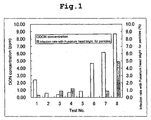
Fig. 1 represents test results of inhibitory effects on DON contamination by phosphite derivatives and alkyl phosphite derivatives (Example 1). -
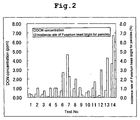
Fig. 2 represents test results of mixed use effects of potassium phosphite with various fungicides (Example 3). - Hereinafter, the invention is described in detail
- The ammonium salts, primary to quaternary ammonium salts, alkali metal salts, alkaline earth metal salts and polyvalent metal salts of phosphorous acid and phosphite ester, derived from phosphorous acid are not particularly limited so long as they reduce the contamination with mycotoxin, particularly DON, and for example, include alkali metal salts and polyvalent metal salts of phosphorous acid and phosphite ester, and are suitably potassium phosphite and an aluminium salt (common name: fosetyl) of tris(ethylphosphonate).
- Methods of assessing the inhibitory effect on mycotoxin contamination, particularly DON contamination in wheat of the invention can includes a method of determining or measuring by comparing a contamination concentration of DON, incidence rate of Fusarium head blight for panicles and incidence rate for spikelets in wheat, between a group where a single treatment with phosphorous acid and phosphite ester derivative was given, and a group where a treatment with mixed use of other fungicidal composition was given, and a control group without the treatment with drug, of the wheat cultivated in the field.
- It has been confirmed by such a method that the ammonium salts, primary to quaternary ammonium salts, alkali metal salts, alkaline earth metal salts and polyvalent metal salts of phosphorous acid and phosphite ester, derived from phosphorous acid have an excellent inhibitory effect on the mycotoxin contamination, particularly DON contamination, independently on controlling of the pathogenic fungi of the cereals.
- The compound B in the invention could be a usual fungicidal active compound for agri-horticulture, and is suitably the fungicidal active compound effective for wheat Fusarium head blight, such as a sterol biosynthesis inhibitor (SBI) having a triazole skeleton, azoxystrobin, kresoxim-methyl and iminoctadine.
- By citing below test examples using potassium phosphite and an aluminium salt (common name: fosetyl) of tris(ethylphosphonate) as the compounds A which are the active ingredients of the invention, the invention is more specifically described, but the invention is not limited thereto.
- Wheat (cultivar: Haruyutaka) was seeded on April 19, 2002, and cultivated according to a conventional cultivating standard (Hokkaido, Agriculture Department, 1995) to establish test sections with 6.75 m2 per section (3 repeats). As the compounds A, potassium phosphite and an aluminium salt (common name: fosetyl) of tris(ethylphosphonate) were given, water solution of 0.038 to 0.120 % in P2O5 was prepared, and 100 L per 10 a was sprayed on leaves at next growth stage. That is, the first spray (June 28, flowering date), the second spray (July 8, 10 days after the flowering date, and the third spray (July 18, 20 days after the flowering date) were performed. A conventional control for the purpose of controlling plant pathogens and plant insects was performed together. That is, the first [June 20, azoxystrobin (2000 times dilution) + fenitrothion (1000 times dilution)], the second [tebuconazole (June 28, 2000 times dilution) + sumithione (1000 times dilution)], and the third [July 8, propiconazole (2000 times dilution) + fenitrothion (1000 times dilution)], the forth [July 17, tebuconazole (2000 times dilution) + fenitrothion (1000 times dilution)] were performed. As controls, the test section where only the conventional control was given and the test section without any control were established. Harvest was performed by harvesting the wheat in 4 m2 in the test sections on August 9 (52 days after the heading date). After the harvest, the wheat was applied on a rice grader with 2.2 mm opening of screen to make selected grains, which were then pulverized by a rapid pulverizer to make whole grain powder. The whole grain powder was used as a sample for analysis. The DON contamination concentration was analyzed by ELISA method using commercially available Rida Screen Fast Don supplied from r-Biopharm.
- Preparation of analysis sample solutions and analysis procedure are briefly described.
- To 5 g of the whole grain powder, 100 ml of water was added, and vigorously agitated for 10 min to make a DON extract solution.
- The DON extract solution was centrifuged at high speed, and the supernatant was used for the ELISA analysis.
- According to the method described on ELISA kit, various reagents were added, and subsequently an absorbance of each test solution was measured.
- The DON concentration of each test solution was read out from a standard curve made using DON standard solutions.
- The incidence rate of Fusarium head blight for panicles was calculated by counting the number of panicles in 1 m2 of each section and the number of diseased panicles included therein.
- The results of the present test are shown in Table 1.

- DON was detected at highly contaminated levels which were much higher than the interim standard value, 1.1 ppm that the Ministry of Health, Labor and Welfare had presented from the section with no control and the section with conventional control alone using the fungicidal composition for controlling of Fusarium head blight of the cereals. On the other hand, inhibition of DON contamination depending on treated concentrations was observed in the sections treated with potassium phosphite and the aluminium salt (common name: fosetyl) of tris(ethylphosphonate), and their contamination levels were lower than 1.1 ppm. It is worthy of special mention that even in the section without any control where the conventional control is not performed, the DON contamination concentration is sufficiently reduced by giving potassium phosphite. Furthermore, even when potassium phosphate which is a salt of normal phosphoric acid is given, the DON inhibitory effect is low, and thus it is obvious that the phosphite and alkyl phosphite derivatives play an important role. Even when the incidence rate of Fusarium head blight for panicles was at almost the same degree, DON at high concentration was detected in the section without treatment with potassium phosphite. This way, it is evident that the concentration of DON contamination is reduced by the treatment with phosphorous acid and alkyl phosphorous acid and the derivatives thereof.
- Healthy grains and grains diseased with Fusarium head blight were screened from the crude wheat obtained in Example 1, and the DON contamination concentration of the whole grain powder thereof was analyzed by the ELISA method in the same way as shown in Example 1.
- The results of the present test are shown in Table 2.

- The concentration of DON contamination of the healthy grains varied almost within lower range. On the other hand, in the diseased grains with Fusarium head blight, DON was detected at an extremely high concentration as expected. However, in the crude wheat determined to be the diseased grains, difference was observed in the concentration of DON contamination . That is, in the section given the treatment with potassium phosphite, the DON contamination concentration was decreased depending on the given concentration of potassium phosphite. This way, it is obvious that giving potassium phosphite reduces the DON contamination concentration in the wheat regardless the presence or absence or the degree of the disease with Fusarium head blight of cereals, and further that the reduced degree of the DON contamination depends on the given concentration of potassium phosphite.
- Wheat (cultivar: Haruyutaka) was seeded on April 23, 2002, and cultivated according to a conventional cultivating standard (Hokkaido, Agriculture Department, 1995) to establish test sections with 10 m2 per section (3 repeats). A suspension containing potassium phosphite and various fungicidal agents was prepared in a liquid mixture made up of a spreading agent (Gramine S: supplied from Hokkai Sankyo Co., Ltd.) and water. Using potassium phosphite as the compound A, 0.070% P2O5, and the 0.006 to 0.025% fungicidal agent for agri-horticulture for the wheat as the compound B, water solution containing them was prepared, and 100 L thereof per 10 a was sprayed on leaves in the following growth stages. That is, the first spray (June 24, heading date), the second (June 30, flowering stage), the third (July 9) were performed. The harvest was performed on August 12 (50 days after the heading date) by harvesting the wheat in 3.4 m2 in each section. After the harvest, the wheat was applied on a rice grader with 2.2 mm opening of screen to make selected grains, which were then pulverized by a rapid pulverizer to make whole grain powder. The whole grain powder was used as a sample for analysis. The DON contamination concentration was analyzed using HPLC-UV method in officially fixed methods shown by the Minister of Health, Labor and Welfare. Quantitative analysis was performed by repeating three times, and the quantitative value was an average value thereof.
- Preparation of analysis sample solutions and the analysis procedure are briefly described.
- To 50 g of the whole grain powder, 85% acetonitrile was added, vigorously agitated for 30 min, and subsequently sonicated for 10 min.
- After eliminating impurities with filter paper, a filtrate was purified using a pretreatment column MultiSep #227 to make a solution for analysis.
- The test solution for analysis was injected into high performance liquid chromatography, and DON was detected by ultraviolet rays.
- The DON concentration of each test solution was read out from a standard curve made using DON standard solutions.
- The incidence rates of Fusarium head blight for panicles and spikelets were surveyed for 100 panicles in each section.
- The results of the present test are shown in Table 3.

- Wheat (cultivar: Haruyutaka) was seeded on May 4, 2003, and cultivated according to a conventional cultivating standard (Hokkaido, Agriculture Department, 1995) to establish test sections with 10 m2 per section (3 repeats). A suspension containing potassium phosphite and various fungicidal agents was prepared in a liquid mixture made up of a spreading agent (Gramine S: supplied from Hokkai Sankyo Co., Ltd.) and water. Using potassium phosphite as the compound A, 0.070% P2O5, and the 0.030 to 0.125% fungicidal agent for agri-horticulture for the wheat as the compound B, an water solution containing them was prepared, and 100 L thereof per 10 a was sprayed on leaves in the following growth stages. That is, the first spray (July 1, flowering stage), the second (July 7), the third (July 14) were performed. Harvest was performed on August 25 by harvesting all wheat in each test section. After the harvest, using a sample divider, the wheat was equally divided, and was applied on a rice grader with 2.2 mm opening of screen to make selected grains, which were then pulverized by a rapid pulverizer to make whole grain powder. The whole grain powder was used as a sample for analysis. The concentration of DON contamination was analyzed by the ELISA method in the same way as shown in Example 1.

- In the same way as shown in Example 3, in the mixed use with any of the fungicidal agents for agri-horticulture, both the incidence rate for panicle and the incidence rate for spikelet exhibited high values compared to a single treatment, but the DON contamination amount was reduced. Worthy of special mention is the result in section given the single agent treatment with the compound A, where the disease rate of Fusarium head blight was high, nonetheless, the DON contamination amount was at a low level.
- A water solution containing 5.600% potassium phosphite was prepared, soaked into gas-sterilized wheat seeds of "Hokushin" , and subsequently Fusarium head blight pathogenic fungus of the cereals, Fusarium graminearum having DON production capacity was inoculated, which were then cultured at 27°C. On
days - The preparation of ergosterol analysis sample solutions and the analysis procedure are briefly described.
- To 5 g of the culture, 80 ml of ethanol was added, and pulverized using a rapid pulverizer.
- The ethanol solution containing the pulverized culture was vigorously agitated for 30 min to extract ergosterol.
- After eliminating impurities with filter paper, a filtrate was concentrated under reduced pressure, dried, solidified and dissolved again in 10 ml of ethanol to make an analysis sample solution.
- The analysis sample solution was injected into high performance liquid chromatography, and ergosterol was detected by ultraviolet rays.
- The preparation of DON analysis sample solutions and the analysis procedure are briefly described.
- To 4 g of the culture, 80 ml of distilled water was added, and pulverized using a rapid pulverizer.
- The water solution containing the pulverized culture was vigorously agitated for 30 min to extract DON.
- A part of the extract solution was centrifuged, and the supernatant was used for the ELISA analysis.
- According to the instruction manual in the ELISA kit, various reagents were added, and subsequently an absorbance of each test solution was measured.
- The DON concentration of each test solution was read out from standard curve made using DON standard solution.
- The amount of ergosterol which was an indicator of the amount of fungi was continuously increased during the culture in the non-treatment whereas reached a plateau on the 21st day in the treatment with potassium phosphite. With respect to the amount of DON production, in the non-treatment, the DON production was initiated at an early phase of the culture and remarkably increased on the 28th day. On the contrary, in the treatment with potassium phosphite, DON was not detected during the entire period of the culture. It is obvious that application of potassium phosphite has a high inhibitory effect on the DON production regardless of the presence or absence or the proliferation degree of the fungi for the Fusarium head blight of cereals.
- A water solution containing 0.056% to 2.800% potassium phosphite was prepared, soaked into gas-sterilized wheat seeds of "Hokushin", and subsequently Fusarium head blight pathogenic fungus of the cereals, Fusarium graminearum having DON production capacity was inoculated to the wheat seeds, which were then cultured at 27°C. On day 28 in the culture, the amount of Fusarium head blight pathogenic fungus of the cereals and the amount of DON production present in wheat grains were analyzed by the methods in the same way as shown in Example 5.
Table 6. Effects of potassium phosphite concentration on fungal amount of Fusarium head blight pathogenic fungus of the cereals and the amount of DON production Treatment concentration DON (ppm) Ergosterol peak area 0.056% 1.60 1834861 0.112% 0.41 1769582 0.028% ND. 1810454 0.560% ND. 1921693 2.800% ND. 85891 Non-treatment 46.1 3601748 Note) ND means that the analytical value is less than the detection limit (0.222 ppm) of the ELISA analysis kit. - Considering the amount of ergosterol as the indicator of the amount of fungi, in the treatment with the water solution of 0.056 to 0.560% potassium phosphite, the inhibitory effect on the fungal amount at a moderate degree and similar degree as compared to that in the non-treatment (water only) was observed, and the remarkable inhibitory effect on the fungal amount was observed in the treatment with the water solution of 2.800% potassium phosphite. Concerning DON amount, in the range of concentrations from 0.056 to 2.800% of potassium phosphite in the water solutions, it was significantly lower than that in the non-treatment. It is obvious that the application of potassium phosphite has a high inhibitory effect on the DON production regardless of the presence or absence or the proliferation degree of the fungi for the Fusarium head blight of cereals.
- According to the invention, it has been demonstrated that an excellent inhibitory effect on mycotoxin contamination, particularly DON contamination can be had regardless of the presence or absence or the degree of the disease with Fusarium head blight of cereals although the prevention effect on Fusarium head blight pathogenic fungi of cereals is low by spraying one or more compounds A selected from the group consisting of ammonium salts, primary to quaternary ammonium salts, alkali metal salts, alkaline earth metal salts and polyvalent metal salts of phosphorous acid and phosphite ester onto the growing wheat. Also, it has been demonstrated that the contamination amount of mycotoxin is further reduced by the mixed use of the other fungicidal agent for agri-horticulture compared to the use of the single fungicidal agent alone.
| Treatment | Analysis item | Days of | |||
| 7 | 14 days | 21 days | 28 days | ||
| Potassium phosphite 5.6% | DON(ppm) | ND. | ND. | ND. | ND. |
| Ergosterol peak area value | 17952 | 115921 | 372377 | 350972 | |
| Non-treatment | DON(ppm) | 6.3 | 4.43 | 4.29 | 37.8 |
| Ergosterol peak area value | 150453 | 271882 | 367236 | 559014 | |
| Note) ND means that the analytical value is less than the detection limit (0.222 ppm) of the ELISA analysis kit. |
Claims (15)
- Use of one or more compounds A selected from the group consisting of ammonium salts, primary to quaternary ammonium salts, alkali metal salts, alkaline earth metal salts and polyvalent metal salts of phosphorous acid and phosphite ester to inhibit mycotoxin contamination in cereals.
- Use according to claim 1 wherein the compound A is an alkali metal salt or a polyvalent metal salt of phosphorous acid or phosphite ester.
- Use according to claim 1 wherein the compound A is an aluminium salt of tris(ethylphosphonate).
- Use according to claim 1 wherein the compound A is potassium phosphite.
- Use according to any one of claims 1 to 4 wherein said one or more compounds A are used in combination with one or more fungicidal active ingredients for agri-horticulture.
- Use according to claim 5 wherein said fungicidal active ingredients for agri-horticulture are selected from the group consisting of an inhibitor of sterol biosynthesis having a triazole skeleton and sulfur.
- Use according to claim 5 wherein said fungicidal active ingredients for agri-horticulture are selected from the group consisting of tebuconazole, metconazole, propiconazole, azoxystrobin, kresoxim-methyl, iminoctadine acetate, iminoctadine albesilate, trifloxystrobin and sulfur.
- Use according to claim 5 wherein said fungicidal active ingredients for agri-horticulture are selected from azoxystrobin, iminoctadine acetate and iminoctadine albesilate.
- Use according to any one of claims 1 to 8 wherein said mycotoxin is deoxynivalenol.
- A process of inhibiting mycotoxin contamination in cereals characterized in that a composition is given to the cereals, wherein said composition comprises one or more compounds A as defined in any one of claims 1 to 4.
- A process according to claim 10, wherein said composition further comprises one or more fungicidal active ingredients for agri-horticulture as defined in any one of claims 5 to 8.
- A process of inhibiting mycotoxin contamination in cereals, which process comprises giving the cereals one or more compounds A as defined in any one of claims 1 to 4, and, simultaneously, separately or sequentially, giving the cereals one or more fungicidal active ingredients for agri-horticulture as defined in any one of claims 5 to 8.
- A process according to any one of claims 10 to 12 wherein said mycotoxin is deoxynivalenol.
- A cereal which is obtainable by a process as defined in any one of claims 10 to 13.
- A cereal according to claim 14 which is wheat.
Applications Claiming Priority (3)
| Application Number | Priority Date | Filing Date | Title |
|---|---|---|---|
| JP2002352697 | 2002-12-04 | ||
| JP2002352697 | 2002-12-04 | ||
| PCT/JP2003/015543 WO2004049805A1 (en) | 2002-12-04 | 2003-12-04 | Method of preventing wheat from mycotoxin contamination |
Publications (3)
| Publication Number | Publication Date |
|---|---|
| EP1568277A1 EP1568277A1 (en) | 2005-08-31 |
| EP1568277A4 EP1568277A4 (en) | 2008-10-08 |
| EP1568277B1 true EP1568277B1 (en) | 2010-03-31 |
Family
ID=32463240
Family Applications (1)
| Application Number | Title | Priority Date | Filing Date |
|---|---|---|---|
| EP03777255A Expired - Lifetime EP1568277B1 (en) | 2002-12-04 | 2003-12-04 | Method of preventing wheat from mycotoxin contamination |
Country Status (11)
| Country | Link |
|---|---|
| US (2) | US8197832B2 (en) |
| EP (1) | EP1568277B1 (en) |
| JP (1) | JP4856874B2 (en) |
| AT (1) | ATE462299T1 (en) |
| AU (1) | AU2003289183B2 (en) |
| CA (1) | CA2508419C (en) |
| DE (1) | DE60331948D1 (en) |
| DK (1) | DK1568277T3 (en) |
| ES (1) | ES2341443T3 (en) |
| NZ (1) | NZ540594A (en) |
| WO (1) | WO2004049805A1 (en) |
Families Citing this family (6)
| Publication number | Priority date | Publication date | Assignee | Title |
|---|---|---|---|---|
| RU2451449C2 (en) * | 2005-06-30 | 2012-05-27 | Зингента Партисипейшнс Аг | Method for reduction of level of harvest pollution with mycotoxins |
| PL1909571T3 (en) * | 2005-07-19 | 2017-03-31 | Basf Se | Use of growth regulators for reducing or preventing the contamination of plants and vegetable products by trichothecene-producing mould toxins |
| JP5110618B2 (en) * | 2006-07-12 | 2012-12-26 | クミアイ化学工業株式会社 | Mycotoxin biosynthesis inhibitor |
| WO2013067103A2 (en) * | 2011-11-03 | 2013-05-10 | Bayer Cropscience Lp | Compositions and methods for enhancing plant quality |
| CN106172421A (en) * | 2016-07-05 | 2016-12-07 | 南京农业大学 | A kind of containing metconazole and the bactericidal composition of Tebuconazole and application |
| EP4537672A1 (en) | 2023-10-11 | 2025-04-16 | Agrana Beteiligungs- Aktiengesellschaft | Method for producing a plant-based adhesive with reduced t2/ht2 content |
Family Cites Families (50)
| Publication number | Priority date | Publication date | Assignee | Title |
|---|---|---|---|---|
| US2663628A (en) | 1950-06-29 | 1953-12-22 | Alfred M Thomsen | Method of making a lignin fertilizer base |
| US3941896A (en) | 1968-09-04 | 1976-03-02 | Albright & Wilson Limited | Novel nitrogen and phosphorus-containing salts |
| TR19072A (en) | 1973-11-26 | 1978-05-01 | Pepro | FUNGISID LEVELS WHICH REQUIRE PHOSPHORUS TILES |
| US4119724A (en) | 1973-11-26 | 1978-10-10 | Pepro | Fungicidal compositions containing phosphorous acid and derivatives thereof |
| FR2254276B1 (en) | 1973-12-14 | 1977-03-04 | Philagro Sa | |
| FR2359077A1 (en) | 1976-07-23 | 1978-02-17 | Bonnet Jean Francois | Agricultural phosphate-citrate buffer - for preventing insolubilisation and flocculation of fertiliser solns. |
| SU655373A1 (en) | 1976-11-19 | 1979-04-05 | Kozhevnikova Nina V | Method of improving soil structure |
| US5169646A (en) | 1977-01-14 | 1992-12-08 | Rhone-Poulenc Agrochimie | Fungicidal compositions based on alkyl phosphites |
| FR2377155A1 (en) | 1977-01-14 | 1978-08-11 | Philagro Sa | FUNGICIDE COMPOSITIONS BASED ON ALCOYLPHOSPHITES |
| FR2389587A1 (en) | 1977-05-06 | 1978-12-01 | Santini Francois | Fertilisers contg. a calcium sequestering agent - to prevent build=up of deposits on spray heads, etc. |
| DE2806097A1 (en) | 1978-02-14 | 1979-08-16 | Bayer Ag | AGROCHEMICAL AGENTS AND THEIR USE |
| US4780458A (en) | 1980-07-16 | 1988-10-25 | Rhone-Poulenc Nederlands B.V. | Phosphorous esters of cyanohydrins |
| HU184319B (en) * | 1980-08-27 | 1984-08-28 | Borsodi Vegyi Komb | Fungicide compositions salts of phosphonoic acid-monoesters and process for producing the active agents |
| KR890005170B1 (en) | 1983-02-01 | 1989-12-16 | 롱-쁠랑 아그로시미 | Process for the preparation of salts of organ ophosphorus |
| US4935410A (en) | 1983-03-31 | 1990-06-19 | Rhone-Poulenc Agrochimie S.A. | Fungicidal aluminum tris-alkyl-phosphonate composition |
| US5124344A (en) | 1984-01-26 | 1992-06-23 | Rhone-Poulenc Agrochimie | Compounds containing triazole groups and use thereof as fungicides |
| DE3417133A1 (en) | 1984-05-07 | 1985-11-07 | Schering AG, 1000 Berlin und 4709 Bergkamen | LEAF FERTILIZER FOR TARGETED LONG-TERM APPLICATION |
| WO1986000613A1 (en) | 1984-07-12 | 1986-01-30 | Kaschke, Maria | Agent for regenerating and revitalizing trees and shrubs |
| HU193701B (en) * | 1984-09-21 | 1987-11-30 | Borsodi Vegyi Komb | Seed dressing compound containing as active substance 3-isononil-oxi-propil-ammonium-methil-phosphonate |
| JPS61291482A (en) | 1985-06-19 | 1986-12-22 | 横山 恒登 | Manufacture of fertilizer and nutrient for aquatic plants |
| FR2588448B1 (en) | 1985-10-14 | 1987-11-20 | Rhone Poulenc Agrochimie | FUNGICIDE COMPOSITION BASED ON A DERIVATIVE OF PHOSHOROUS ACID AND PYROXYFUR |
| EP0230209A3 (en) * | 1985-12-16 | 1987-08-12 | Ciba-Geigy Ag | Microbicides |
| US4855326A (en) * | 1987-04-20 | 1989-08-08 | Fuisz Pharmaceutical Ltd. | Rapidly dissoluble medicinal dosage unit and method of manufacture |
| US5079018A (en) * | 1989-08-14 | 1992-01-07 | Neophore Technologies, Inc. | Freeze dry composition and method for oral administration of drugs, biologicals, nutrients and foodstuffs |
| US5133891A (en) | 1990-04-27 | 1992-07-28 | Rhone Poulenc Ag Co. | Treatment of plants for frost protection |
| FR2662911B1 (en) | 1990-06-12 | 1996-12-13 | Rhone Poulenc Agrochimie | PROCESS FOR PROTECTING PLANT MULTIPLICATION PRODUCTS AND PLANTS THEREOF BY MEANS OF A TRIAZOLYL CYCLOPENTANOL. |
| FR2663196A1 (en) * | 1990-06-13 | 1991-12-20 | Rhone Poulenc Agrochimie | FUNGICIDE COMPOSITION BASED ON TRIAZOLE AND OTHER ACTIVE MATTER FOR SEED TREATMENT. |
| JPH0474784A (en) | 1990-07-10 | 1992-03-10 | Mitsubishi Gas Chem Co Inc | liquid fertilizer |
| US5206228A (en) | 1991-10-29 | 1993-04-27 | Rhone-Poulenc Ag Company | Control of arthropod pests with phosphorous acid and mono-esters and salts thereof |
| US5298261A (en) * | 1992-04-20 | 1994-03-29 | Oregon Freeze Dry, Inc. | Rapidly distintegrating tablet |
| FR2706736B1 (en) * | 1993-06-23 | 1995-08-25 | Rhone Poulenc Agrochimie | |
| US5514200B1 (en) | 1994-02-07 | 1997-07-08 | Univ | Formulation of phosphorus fertilizer for plants |
| JPH07223913A (en) * | 1994-02-14 | 1995-08-22 | Nippon Soda Co Ltd | Disinfectant for seed |
| US5800837A (en) | 1996-08-30 | 1998-09-01 | Foliar Nutrients, Inc. | Plant fertilizer compositions containing phosphonate and phosphate salts and derivatives thereof |
| US6139879A (en) | 1997-06-25 | 2000-10-31 | Foliar Nutrients, Inc. | Fungicidal and bactericidal compositions for plants containing compounds in the form of heavy metal chelates |
| US6338860B1 (en) | 1996-08-30 | 2002-01-15 | Foliar Nutrients, Inc. | Compositions for plants containing phosphonate and phosphate salts, and derivatives thereof |
| US5736164A (en) | 1996-08-30 | 1998-04-07 | Taylor; John B. | Fungicidal compositions for plants containing phosphonate and phosphate salts, and derivatives thereof |
| TW453855B (en) * | 1996-11-07 | 2001-09-11 | Sankyo Co | Plant growth regulator |
| JP4307580B2 (en) * | 1996-11-07 | 2009-08-05 | 三井化学アグロ株式会社 | Crop-selective herbicide |
| DE19646392A1 (en) * | 1996-11-11 | 1998-05-14 | Lohmann Therapie Syst Lts | Preparation for use in the oral cavity with a layer containing pressure-sensitive adhesive, pharmaceuticals or cosmetics for dosed delivery |
| US5707418A (en) | 1997-01-23 | 1998-01-13 | Safergro Laboratories, Inc. | Inorganic phosphorous fertilizer |
| WO1999053761A1 (en) * | 1998-04-16 | 1999-10-28 | Aventis Cropscience S.A. | Novel use of antifungal and/or antibacterial and/or antiviral compounds |
| JP2000095674A (en) * | 1998-09-22 | 2000-04-04 | Sato Pharmaceutical Co Ltd | Method and apparatus for producing tablet with reduced oral disintegration time |
| US6552024B1 (en) * | 1999-01-21 | 2003-04-22 | Lavipharm Laboratories Inc. | Compositions and methods for mucosal delivery |
| GB9902665D0 (en) * | 1999-02-05 | 1999-03-31 | Mandops Uk Ltd | Foliar fertiliser |
| US6284270B1 (en) * | 1999-08-04 | 2001-09-04 | Drugtech Corporation | Means for creating a mass having structural integrity |
| US6375982B1 (en) * | 2000-07-05 | 2002-04-23 | Capricorn Pharma, Inc. | Rapid-melt semi-solid compositions, methods of making same and method of using same |
| JP4790919B2 (en) * | 2001-03-05 | 2011-10-12 | 三井化学アグロ株式会社 | Method for reducing phytotoxicity of plant growth regulators |
| JP3692087B2 (en) | 2001-03-19 | 2005-09-07 | 三共アグロ株式会社 | Agricultural and horticultural compositions |
| WO2002076215A1 (en) * | 2001-03-19 | 2002-10-03 | Sankyo Company,Limited | Agricultural/horticultural compositions |
-
2003
- 2003-12-04 WO PCT/JP2003/015543 patent/WO2004049805A1/en not_active Ceased
- 2003-12-04 ES ES03777255T patent/ES2341443T3/en not_active Expired - Lifetime
- 2003-12-04 JP JP2004556910A patent/JP4856874B2/en not_active Expired - Lifetime
- 2003-12-04 AT AT03777255T patent/ATE462299T1/en not_active IP Right Cessation
- 2003-12-04 AU AU2003289183A patent/AU2003289183B2/en not_active Expired
- 2003-12-04 DK DK03777255.5T patent/DK1568277T3/en active
- 2003-12-04 CA CA2508419A patent/CA2508419C/en not_active Expired - Lifetime
- 2003-12-04 EP EP03777255A patent/EP1568277B1/en not_active Expired - Lifetime
- 2003-12-04 US US10/537,117 patent/US8197832B2/en active Active
- 2003-12-04 NZ NZ540594A patent/NZ540594A/en not_active IP Right Cessation
- 2003-12-04 DE DE60331948T patent/DE60331948D1/en not_active Expired - Lifetime
-
2012
- 2012-06-08 US US13/491,750 patent/US8710042B2/en not_active Expired - Fee Related
Also Published As
| Publication number | Publication date |
|---|---|
| ATE462299T1 (en) | 2010-04-15 |
| AU2003289183A1 (en) | 2004-06-23 |
| EP1568277A1 (en) | 2005-08-31 |
| CA2508419C (en) | 2012-06-19 |
| US20060040030A1 (en) | 2006-02-23 |
| WO2004049805A1 (en) | 2004-06-17 |
| AU2003289183B2 (en) | 2009-09-10 |
| US8197832B2 (en) | 2012-06-12 |
| JPWO2004049805A1 (en) | 2006-03-30 |
| AU2003289183A8 (en) | 2004-06-23 |
| JP4856874B2 (en) | 2012-01-18 |
| US8710042B2 (en) | 2014-04-29 |
| DE60331948D1 (en) | 2010-05-12 |
| DK1568277T3 (en) | 2010-07-19 |
| CA2508419A1 (en) | 2004-06-17 |
| US20120237651A1 (en) | 2012-09-20 |
| EP1568277A4 (en) | 2008-10-08 |
| NZ540594A (en) | 2008-03-28 |
| ES2341443T3 (en) | 2010-06-21 |
Similar Documents
| Publication | Publication Date | Title |
|---|---|---|
| US8710042B2 (en) | Method for preventing wheat from mycotoxin contamination | |
| Wanyera et al. | Foliar fungicides to control wheat stem rust, race TTKS (Ug99), in Kenya | |
| Dane et al. | The effects of fungicide benomyl (benlate) on growth and mitosis in onion (Allium cepa L.) root apical meristem | |
| DE4318372B4 (en) | Fungicidal mixtures | |
| Younes et al. | The phyto-impact of fluazinam fungicide on cellular structure, agro-physiological, and yield traits of pepper and eggplant crops | |
| EP3162208A1 (en) | Fungicidal composition for controlling fungal infections in the soybean plant | |
| EP4245143A1 (en) | Biological agent for preventing and treating leaf disease in plants caused by biotrophic or hemibiotrophic fungi | |
| US20070196409A1 (en) | Compositions and methods for the treatment and prevention of disease in plants | |
| Barro et al. | Comparison of single-or multi-active ingredient fungicides for controlling Fusarium head blight and deoxynivalenol in Brazilian wheat | |
| Carnegie et al. | The effect of treating seed potato tubers with benzimidazole, imidazole and phenylpyrrole fungicides on the control of rot and skin blemish diseases | |
| Ann et al. | Efficacy of tebuconazole and trifloxystrobin against Colletotrichum gloeosporiodes infestation in black pepper (Piper nigrum L.) | |
| EP3595449B1 (en) | Preparation comprising at least fludioxonil and a mixture comprising aureobasidium pullulans strains | |
| CN111587887A (en) | Rice seed treating agent containing prothioconazole, imazalil and cartap and application thereof | |
| DE3242645C2 (en) | Fungicidal composition | |
| US20220030881A1 (en) | Broad-Spectrum Organic Fungicide & Bactericide | |
| UA72490C2 (en) | Fungicidal mixture and a method of controlling phytopathogenic fungi | |
| Ponce et al. | High risk fungicides combined to low risk can be a new strategy for management of Asian Soybean Rust at the beginning of the epidemic | |
| Ali et al. | Nematicidal activity, oxidative stress and phytotoxicity of Virkon® S on tomato plants infected with root-knot nematode | |
| Prom et al. | Laboratory, greenhouse, and field assessment of fourteen fungicides for activity against Claviceps africana, causal agent of sorghum ergot | |
| JP5110618B2 (en) | Mycotoxin biosynthesis inhibitor | |
| JP2877930B2 (en) | Agricultural and horticultural fungicides | |
| CN114128753B (en) | A kind of antibacterial and fresh-keeping composition for harvested subtropical fruits | |
| RU2833714C1 (en) | Method of controlling brown rust of triticale grain during treatment with hydrogen peroxide solution | |
| Trukhachev et al. | Efficacy and phytotoxicity of various thiabendazole and tebuconazole ratios in a fungicidal mordant | |
| RU2731294C1 (en) | Fungicidal composition for processing grain crops |
Legal Events
| Date | Code | Title | Description |
|---|---|---|---|
| PUAI | Public reference made under article 153(3) epc to a published international application that has entered the european phase |
Free format text: ORIGINAL CODE: 0009012 |
|
| 17P | Request for examination filed |
Effective date: 20050609 |
|
| AK | Designated contracting states |
Kind code of ref document: A1 Designated state(s): AT BE BG CH CY CZ DE DK EE ES FI FR GB GR HU IE IT LI LU MC NL PT RO SE SI SK TR |
|
| AX | Request for extension of the european patent |
Extension state: AL LT LV MK |
|
| DAX | Request for extension of the european patent (deleted) | ||
| RAP1 | Party data changed (applicant data changed or rights of an application transferred) |
Owner name: SANKYO AGRO COMPANY, LIMITED Owner name: HOKKAI SANKYO CO. LTD. |
|
| A4 | Supplementary search report drawn up and despatched |
Effective date: 20080910 |
|
| 17Q | First examination report despatched |
Effective date: 20090304 |
|
| GRAP | Despatch of communication of intention to grant a patent |
Free format text: ORIGINAL CODE: EPIDOSNIGR1 |
|
| RAP1 | Party data changed (applicant data changed or rights of an application transferred) |
Owner name: MITSUI CHEMICALS AGRO, INC. Owner name: HOKKAI SANKYO CO. LTD. |
|
| GRAS | Grant fee paid |
Free format text: ORIGINAL CODE: EPIDOSNIGR3 |
|
| GRAA | (expected) grant |
Free format text: ORIGINAL CODE: 0009210 |
|
| AK | Designated contracting states |
Kind code of ref document: B1 Designated state(s): AT BE BG CH CY CZ DE DK EE ES FI FR GB GR HU IE IT LI LU MC NL PT RO SE SI SK TR |
|
| REG | Reference to a national code |
Ref country code: CH Ref legal event code: EP Ref country code: GB Ref legal event code: FG4D |
|
| REG | Reference to a national code |
Ref country code: IE Ref legal event code: FG4D |
|
| REF | Corresponds to: |
Ref document number: 60331948 Country of ref document: DE Date of ref document: 20100512 Kind code of ref document: P |
|
| REG | Reference to a national code |
Ref country code: ES Ref legal event code: FG2A Ref document number: 2341443 Country of ref document: ES Kind code of ref document: T3 |
|
| REG | Reference to a national code |
Ref country code: DK Ref legal event code: T3 |
|
| RAP2 | Party data changed (patent owner data changed or rights of a patent transferred) |
Owner name: HOKKAI SANKYO CO. LTD. Owner name: MITSUI CHEMICALS AGRO, INC. |
|
| REG | Reference to a national code |
Ref country code: NL Ref legal event code: VDEP Effective date: 20100331 |
|
| PG25 | Lapsed in a contracting state [announced via postgrant information from national office to epo] |
Ref country code: SI Free format text: LAPSE BECAUSE OF FAILURE TO SUBMIT A TRANSLATION OF THE DESCRIPTION OR TO PAY THE FEE WITHIN THE PRESCRIBED TIME-LIMIT Effective date: 20100331 Ref country code: FI Free format text: LAPSE BECAUSE OF FAILURE TO SUBMIT A TRANSLATION OF THE DESCRIPTION OR TO PAY THE FEE WITHIN THE PRESCRIBED TIME-LIMIT Effective date: 20100331 Ref country code: AT Free format text: LAPSE BECAUSE OF FAILURE TO SUBMIT A TRANSLATION OF THE DESCRIPTION OR TO PAY THE FEE WITHIN THE PRESCRIBED TIME-LIMIT Effective date: 20100331 |
|
| PG25 | Lapsed in a contracting state [announced via postgrant information from national office to epo] |
Ref country code: SE Free format text: LAPSE BECAUSE OF FAILURE TO SUBMIT A TRANSLATION OF THE DESCRIPTION OR TO PAY THE FEE WITHIN THE PRESCRIBED TIME-LIMIT Effective date: 20100331 Ref country code: BE Free format text: LAPSE BECAUSE OF FAILURE TO SUBMIT A TRANSLATION OF THE DESCRIPTION OR TO PAY THE FEE WITHIN THE PRESCRIBED TIME-LIMIT Effective date: 20100331 Ref country code: CY Free format text: LAPSE BECAUSE OF FAILURE TO SUBMIT A TRANSLATION OF THE DESCRIPTION OR TO PAY THE FEE WITHIN THE PRESCRIBED TIME-LIMIT Effective date: 20100331 Ref country code: EE Free format text: LAPSE BECAUSE OF FAILURE TO SUBMIT A TRANSLATION OF THE DESCRIPTION OR TO PAY THE FEE WITHIN THE PRESCRIBED TIME-LIMIT Effective date: 20100331 Ref country code: NL Free format text: LAPSE BECAUSE OF FAILURE TO SUBMIT A TRANSLATION OF THE DESCRIPTION OR TO PAY THE FEE WITHIN THE PRESCRIBED TIME-LIMIT Effective date: 20100331 Ref country code: RO Free format text: LAPSE BECAUSE OF FAILURE TO SUBMIT A TRANSLATION OF THE DESCRIPTION OR TO PAY THE FEE WITHIN THE PRESCRIBED TIME-LIMIT Effective date: 20100331 |
|
| PG25 | Lapsed in a contracting state [announced via postgrant information from national office to epo] |
Ref country code: CZ Free format text: LAPSE BECAUSE OF FAILURE TO SUBMIT A TRANSLATION OF THE DESCRIPTION OR TO PAY THE FEE WITHIN THE PRESCRIBED TIME-LIMIT Effective date: 20100331 Ref country code: SK Free format text: LAPSE BECAUSE OF FAILURE TO SUBMIT A TRANSLATION OF THE DESCRIPTION OR TO PAY THE FEE WITHIN THE PRESCRIBED TIME-LIMIT Effective date: 20100331 |
|
| PG25 | Lapsed in a contracting state [announced via postgrant information from national office to epo] |
Ref country code: PT Free format text: LAPSE BECAUSE OF FAILURE TO SUBMIT A TRANSLATION OF THE DESCRIPTION OR TO PAY THE FEE WITHIN THE PRESCRIBED TIME-LIMIT Effective date: 20100802 |
|
| PLBE | No opposition filed within time limit |
Free format text: ORIGINAL CODE: 0009261 |
|
| STAA | Information on the status of an ep patent application or granted ep patent |
Free format text: STATUS: NO OPPOSITION FILED WITHIN TIME LIMIT |
|
| 26N | No opposition filed |
Effective date: 20110104 |
|
| PG25 | Lapsed in a contracting state [announced via postgrant information from national office to epo] |
Ref country code: MC Free format text: LAPSE BECAUSE OF NON-PAYMENT OF DUE FEES Effective date: 20101231 |
|
| REG | Reference to a national code |
Ref country code: CH Ref legal event code: PL |
|
| PG25 | Lapsed in a contracting state [announced via postgrant information from national office to epo] |
Ref country code: LI Free format text: LAPSE BECAUSE OF NON-PAYMENT OF DUE FEES Effective date: 20101231 Ref country code: CH Free format text: LAPSE BECAUSE OF NON-PAYMENT OF DUE FEES Effective date: 20101231 Ref country code: IE Free format text: LAPSE BECAUSE OF NON-PAYMENT OF DUE FEES Effective date: 20101204 |
|
| PG25 | Lapsed in a contracting state [announced via postgrant information from national office to epo] |
Ref country code: LU Free format text: LAPSE BECAUSE OF NON-PAYMENT OF DUE FEES Effective date: 20101204 Ref country code: HU Free format text: LAPSE BECAUSE OF FAILURE TO SUBMIT A TRANSLATION OF THE DESCRIPTION OR TO PAY THE FEE WITHIN THE PRESCRIBED TIME-LIMIT Effective date: 20101001 Ref country code: BG Free format text: LAPSE BECAUSE OF FAILURE TO SUBMIT A TRANSLATION OF THE DESCRIPTION OR TO PAY THE FEE WITHIN THE PRESCRIBED TIME-LIMIT Effective date: 20100331 |
|
| PG25 | Lapsed in a contracting state [announced via postgrant information from national office to epo] |
Ref country code: TR Free format text: LAPSE BECAUSE OF FAILURE TO SUBMIT A TRANSLATION OF THE DESCRIPTION OR TO PAY THE FEE WITHIN THE PRESCRIBED TIME-LIMIT Effective date: 20100331 |
|
| PG25 | Lapsed in a contracting state [announced via postgrant information from national office to epo] |
Ref country code: BG Free format text: LAPSE BECAUSE OF FAILURE TO SUBMIT A TRANSLATION OF THE DESCRIPTION OR TO PAY THE FEE WITHIN THE PRESCRIBED TIME-LIMIT Effective date: 20100630 |
|
| PG25 | Lapsed in a contracting state [announced via postgrant information from national office to epo] |
Ref country code: GR Free format text: LAPSE BECAUSE OF FAILURE TO SUBMIT A TRANSLATION OF THE DESCRIPTION OR TO PAY THE FEE WITHIN THE PRESCRIBED TIME-LIMIT Effective date: 20100331 |
|
| REG | Reference to a national code |
Ref country code: FR Ref legal event code: PLFP Year of fee payment: 13 |
|
| REG | Reference to a national code |
Ref country code: FR Ref legal event code: PLFP Year of fee payment: 14 |
|
| REG | Reference to a national code |
Ref country code: FR Ref legal event code: PLFP Year of fee payment: 15 |
|
| PGFP | Annual fee paid to national office [announced via postgrant information from national office to epo] |
Ref country code: GB Payment date: 20221222 Year of fee payment: 20 Ref country code: FR Payment date: 20221222 Year of fee payment: 20 Ref country code: DK Payment date: 20221223 Year of fee payment: 20 Ref country code: DE Payment date: 20221213 Year of fee payment: 20 |
|
| PGFP | Annual fee paid to national office [announced via postgrant information from national office to epo] |
Ref country code: ES Payment date: 20230224 Year of fee payment: 20 |
|
| PGFP | Annual fee paid to national office [announced via postgrant information from national office to epo] |
Ref country code: IT Payment date: 20221228 Year of fee payment: 20 |
|
| REG | Reference to a national code |
Ref country code: DE Ref legal event code: R071 Ref document number: 60331948 Country of ref document: DE |
|
| REG | Reference to a national code |
Ref country code: DK Ref legal event code: EUP Expiry date: 20231204 |
|
| REG | Reference to a national code |
Ref country code: GB Ref legal event code: PE20 Expiry date: 20231203 Ref country code: ES Ref legal event code: FD2A Effective date: 20231227 |
|
| PG25 | Lapsed in a contracting state [announced via postgrant information from national office to epo] |
Ref country code: GB Free format text: LAPSE BECAUSE OF EXPIRATION OF PROTECTION Effective date: 20231203 |
|
| PG25 | Lapsed in a contracting state [announced via postgrant information from national office to epo] |
Ref country code: ES Free format text: LAPSE BECAUSE OF EXPIRATION OF PROTECTION Effective date: 20231205 |
|
| PG25 | Lapsed in a contracting state [announced via postgrant information from national office to epo] |
Ref country code: GB Free format text: LAPSE BECAUSE OF EXPIRATION OF PROTECTION Effective date: 20231203 Ref country code: ES Free format text: LAPSE BECAUSE OF EXPIRATION OF PROTECTION Effective date: 20231205 |