EP1550449A1 - Antitumorale mittel mit hsv - Google Patents
Antitumorale mittel mit hsv Download PDFInfo
- Publication number
- EP1550449A1 EP1550449A1 EP03725745A EP03725745A EP1550449A1 EP 1550449 A1 EP1550449 A1 EP 1550449A1 EP 03725745 A EP03725745 A EP 03725745A EP 03725745 A EP03725745 A EP 03725745A EP 1550449 A1 EP1550449 A1 EP 1550449A1
- Authority
- EP
- European Patent Office
- Prior art keywords
- herpes simplex
- simplex virus
- treatment
- tumor
- cells
- Prior art date
- Legal status (The legal status is an assumption and is not a legal conclusion. Google has not performed a legal analysis and makes no representation as to the accuracy of the status listed.)
- Withdrawn
Links
Images




Classifications
-
- C—CHEMISTRY; METALLURGY
- C07—ORGANIC CHEMISTRY
- C07K—PEPTIDES
- C07K14/00—Peptides having more than 20 amino acids; Gastrins; Somatostatins; Melanotropins; Derivatives thereof
- C07K14/005—Peptides having more than 20 amino acids; Gastrins; Somatostatins; Melanotropins; Derivatives thereof from viruses
-
- A—HUMAN NECESSITIES
- A61—MEDICAL OR VETERINARY SCIENCE; HYGIENE
- A61K—PREPARATIONS FOR MEDICAL, DENTAL OR TOILETRY PURPOSES
- A61K35/00—Medicinal preparations containing materials or reaction products thereof with undetermined constitution
- A61K35/66—Microorganisms or materials therefrom
- A61K35/76—Viruses; Subviral particles; Bacteriophages
- A61K35/763—Herpes virus
-
- A—HUMAN NECESSITIES
- A61—MEDICAL OR VETERINARY SCIENCE; HYGIENE
- A61K—PREPARATIONS FOR MEDICAL, DENTAL OR TOILETRY PURPOSES
- A61K39/00—Medicinal preparations containing antigens or antibodies
- A61K39/12—Viral antigens
-
- A—HUMAN NECESSITIES
- A61—MEDICAL OR VETERINARY SCIENCE; HYGIENE
- A61K—PREPARATIONS FOR MEDICAL, DENTAL OR TOILETRY PURPOSES
- A61K39/00—Medicinal preparations containing antigens or antibodies
- A61K39/12—Viral antigens
- A61K39/245—Herpetoviridae, e.g. herpes simplex virus
-
- A—HUMAN NECESSITIES
- A61—MEDICAL OR VETERINARY SCIENCE; HYGIENE
- A61K—PREPARATIONS FOR MEDICAL, DENTAL OR TOILETRY PURPOSES
- A61K41/00—Medicinal preparations obtained by treating materials with wave energy or particle radiation ; Therapies using these preparations
- A61K41/10—Inactivation or decontamination of a medicinal preparation prior to administration to an animal or a person
- A61K41/17—Inactivation or decontamination of a medicinal preparation prior to administration to an animal or a person by ultraviolet [UV] or infrared [IR] light, X-rays or gamma rays
-
- A—HUMAN NECESSITIES
- A61—MEDICAL OR VETERINARY SCIENCE; HYGIENE
- A61P—SPECIFIC THERAPEUTIC ACTIVITY OF CHEMICAL COMPOUNDS OR MEDICINAL PREPARATIONS
- A61P35/00—Antineoplastic agents
-
- A—HUMAN NECESSITIES
- A61—MEDICAL OR VETERINARY SCIENCE; HYGIENE
- A61P—SPECIFIC THERAPEUTIC ACTIVITY OF CHEMICAL COMPOUNDS OR MEDICINAL PREPARATIONS
- A61P35/00—Antineoplastic agents
- A61P35/04—Antineoplastic agents specific for metastasis
-
- A—HUMAN NECESSITIES
- A61—MEDICAL OR VETERINARY SCIENCE; HYGIENE
- A61P—SPECIFIC THERAPEUTIC ACTIVITY OF CHEMICAL COMPOUNDS OR MEDICINAL PREPARATIONS
- A61P37/00—Drugs for immunological or allergic disorders
- A61P37/02—Immunomodulators
-
- A—HUMAN NECESSITIES
- A61—MEDICAL OR VETERINARY SCIENCE; HYGIENE
- A61P—SPECIFIC THERAPEUTIC ACTIVITY OF CHEMICAL COMPOUNDS OR MEDICINAL PREPARATIONS
- A61P43/00—Drugs for specific purposes, not provided for in groups A61P1/00-A61P41/00
-
- C—CHEMISTRY; METALLURGY
- C12—BIOCHEMISTRY; BEER; SPIRITS; WINE; VINEGAR; MICROBIOLOGY; ENZYMOLOGY; MUTATION OR GENETIC ENGINEERING
- C12N—MICROORGANISMS OR ENZYMES; COMPOSITIONS THEREOF; PROPAGATING, PRESERVING, OR MAINTAINING MICROORGANISMS; MUTATION OR GENETIC ENGINEERING; CULTURE MEDIA
- C12N7/00—Viruses; Bacteriophages; Compositions thereof; Preparation or purification thereof
-
- A—HUMAN NECESSITIES
- A61—MEDICAL OR VETERINARY SCIENCE; HYGIENE
- A61K—PREPARATIONS FOR MEDICAL, DENTAL OR TOILETRY PURPOSES
- A61K39/00—Medicinal preparations containing antigens or antibodies
- A61K2039/51—Medicinal preparations containing antigens or antibodies comprising whole cells, viruses or DNA/RNA
- A61K2039/515—Animal cells
- A61K2039/5156—Animal cells expressing foreign proteins
-
- A—HUMAN NECESSITIES
- A61—MEDICAL OR VETERINARY SCIENCE; HYGIENE
- A61K—PREPARATIONS FOR MEDICAL, DENTAL OR TOILETRY PURPOSES
- A61K39/00—Medicinal preparations containing antigens or antibodies
- A61K2039/51—Medicinal preparations containing antigens or antibodies comprising whole cells, viruses or DNA/RNA
- A61K2039/525—Virus
- A61K2039/5252—Virus inactivated (killed)
-
- A—HUMAN NECESSITIES
- A61—MEDICAL OR VETERINARY SCIENCE; HYGIENE
- A61K—PREPARATIONS FOR MEDICAL, DENTAL OR TOILETRY PURPOSES
- A61K39/00—Medicinal preparations containing antigens or antibodies
- A61K2039/57—Medicinal preparations containing antigens or antibodies characterised by the type of response, e.g. Th1, Th2
-
- A—HUMAN NECESSITIES
- A61—MEDICAL OR VETERINARY SCIENCE; HYGIENE
- A61K—PREPARATIONS FOR MEDICAL, DENTAL OR TOILETRY PURPOSES
- A61K39/00—Medicinal preparations containing antigens or antibodies
- A61K2039/58—Medicinal preparations containing antigens or antibodies raising an immune response against a target which is not the antigen used for immunisation
- A61K2039/585—Medicinal preparations containing antigens or antibodies raising an immune response against a target which is not the antigen used for immunisation wherein the target is cancer
-
- A—HUMAN NECESSITIES
- A61—MEDICAL OR VETERINARY SCIENCE; HYGIENE
- A61K—PREPARATIONS FOR MEDICAL, DENTAL OR TOILETRY PURPOSES
- A61K38/00—Medicinal preparations containing peptides
-
- C—CHEMISTRY; METALLURGY
- C12—BIOCHEMISTRY; BEER; SPIRITS; WINE; VINEGAR; MICROBIOLOGY; ENZYMOLOGY; MUTATION OR GENETIC ENGINEERING
- C12N—MICROORGANISMS OR ENZYMES; COMPOSITIONS THEREOF; PROPAGATING, PRESERVING, OR MAINTAINING MICROORGANISMS; MUTATION OR GENETIC ENGINEERING; CULTURE MEDIA
- C12N2710/00—MICROORGANISMS OR ENZYMES; COMPOSITIONS THEREOF; PROPAGATING, PRESERVING, OR MAINTAINING MICROORGANISMS; MUTATION OR GENETIC ENGINEERING; CULTURE MEDIA dsDNA viruses
- C12N2710/00011—Details
- C12N2710/16011—Herpesviridae
- C12N2710/16611—Simplexvirus, e.g. human herpesvirus 1, 2
- C12N2710/16622—New viral proteins or individual genes, new structural or functional aspects of known viral proteins or genes
-
- C—CHEMISTRY; METALLURGY
- C12—BIOCHEMISTRY; BEER; SPIRITS; WINE; VINEGAR; MICROBIOLOGY; ENZYMOLOGY; MUTATION OR GENETIC ENGINEERING
- C12N—MICROORGANISMS OR ENZYMES; COMPOSITIONS THEREOF; PROPAGATING, PRESERVING, OR MAINTAINING MICROORGANISMS; MUTATION OR GENETIC ENGINEERING; CULTURE MEDIA
- C12N2710/00—MICROORGANISMS OR ENZYMES; COMPOSITIONS THEREOF; PROPAGATING, PRESERVING, OR MAINTAINING MICROORGANISMS; MUTATION OR GENETIC ENGINEERING; CULTURE MEDIA dsDNA viruses
- C12N2710/00011—Details
- C12N2710/16011—Herpesviridae
- C12N2710/16611—Simplexvirus, e.g. human herpesvirus 1, 2
- C12N2710/16632—Use of virus as therapeutic agent, other than vaccine, e.g. as cytolytic agent
-
- C—CHEMISTRY; METALLURGY
- C12—BIOCHEMISTRY; BEER; SPIRITS; WINE; VINEGAR; MICROBIOLOGY; ENZYMOLOGY; MUTATION OR GENETIC ENGINEERING
- C12N—MICROORGANISMS OR ENZYMES; COMPOSITIONS THEREOF; PROPAGATING, PRESERVING, OR MAINTAINING MICROORGANISMS; MUTATION OR GENETIC ENGINEERING; CULTURE MEDIA
- C12N2710/00—MICROORGANISMS OR ENZYMES; COMPOSITIONS THEREOF; PROPAGATING, PRESERVING, OR MAINTAINING MICROORGANISMS; MUTATION OR GENETIC ENGINEERING; CULTURE MEDIA dsDNA viruses
- C12N2710/00011—Details
- C12N2710/16011—Herpesviridae
- C12N2710/16611—Simplexvirus, e.g. human herpesvirus 1, 2
- C12N2710/16634—Use of virus or viral component as vaccine, e.g. live-attenuated or inactivated virus, VLP, viral protein
-
- C—CHEMISTRY; METALLURGY
- C12—BIOCHEMISTRY; BEER; SPIRITS; WINE; VINEGAR; MICROBIOLOGY; ENZYMOLOGY; MUTATION OR GENETIC ENGINEERING
- C12N—MICROORGANISMS OR ENZYMES; COMPOSITIONS THEREOF; PROPAGATING, PRESERVING, OR MAINTAINING MICROORGANISMS; MUTATION OR GENETIC ENGINEERING; CULTURE MEDIA
- C12N2710/00—MICROORGANISMS OR ENZYMES; COMPOSITIONS THEREOF; PROPAGATING, PRESERVING, OR MAINTAINING MICROORGANISMS; MUTATION OR GENETIC ENGINEERING; CULTURE MEDIA dsDNA viruses
- C12N2710/00011—Details
- C12N2710/16011—Herpesviridae
- C12N2710/16611—Simplexvirus, e.g. human herpesvirus 1, 2
- C12N2710/16661—Methods of inactivation or attenuation
Definitions
- the present invention relates to antitumor agents, tumor immunity inducers, T cell activators, and dendritic cell activators that exhibit antitumor effects on human distant tumors such as metastatic tumors as well, and that contain an inactivated herpes simplex virus (inactivated HSV) or herpes simplex virus glycoprotein D (HSVgD) etc. as an effective ingredient.
- the present invention also relates to enhancement of antitumor effects, methods for treating distant tumors such as metastatic tumors, methods for inducing tumor immunity, methods for identifying tumor antigens, methods for activating T cells, and methods for activating dendritic cells based on the use of the above-mentioned agents, inducers, or activators.
- Induction of tumor-specific immunity enables long-term prevention of recurrence of tumors.
- Such immunotherapy basically depends on the presence or absence of tumor specific antigens and on whether or not a cytotoxic immune response can be induced, in which an antigen is presented and tumor cells are recognized.
- Cytotoxic T lymphocytes CTLs
- CTLs Cytotoxic T lymphocytes
- MHC class I molecules complexed with peptides derived from cytoplasmic proteins presented on the cell surface (refer to e.g., non-patent literature 1).
- Tumor-specific antigens have been detected in various human tumors (refer to e.g., non-patent literatures 2 and 3).
- Cancer vaccine therapy has focused either on the use of inactivated tumor cells or their lysates administered together with an adjuvant or a cytokine. It was recently reported that gene transfer of various cytokines, MHC molecules, costimulatory molecules, or tumor antigens to tumor cells enhances the Visibility of tumor cells to immune effector cells (refer to e.g., non-patent literature 4). If induction of antitumor immunity becomes possible by direct intratumoral inoculation ( in situ cancer vaccine) of HSV etc, major problems in using cancer vaccines for therapeutic purposes will be overcome. That is, the harvest of patients' autologous tumor cells, their in vitro manipulation such as culture and irradiation and identification of specific tumor antigens will not be needed for preparation of cancer vaccines.
- HSV is a double-stranded DNA virus, contains the largest genome (153 kb) among DNA viruses that proliferate in nuclei, which encodes 84 kinds of open reading frames.
- the genome consists of the L (long) and S (short) components, each having a unique sequence flanked by inverted repeat sequences on its both sides.
- the complete nucleotide sequence of the viral genome has been determined and the functions of almost all viral genes have been elucidated.
- Martuza et al. developed herpes simplex virus mutant G207, a multi-gene mutant of herpes simplex virus type 1 (HSV-1) with a deletion in the ⁇ 34.5 gene and a lacZ gene insertion in the ICP6 gene (refer to e.g.
- G207 is superior to other virus vectors from the therapeutic viewpoint. G207 is replicated in dividing cells, thereby causing lysis and death of infected cells, whereas in non-dividing cells, the virus proliferation is markedly weak. Inoculation with G207 into tumors established in athymia mice suppressed the tumor growth due to tumor-specific replication and prolonged the survival period of tumor-bearing mice (refer to e.g., non-patent literature 6). Further, in immune responsive mice, intratumoral inoculation with G207 induces tumor-specific immune responses, thereby suppressing the growth of tumors that have not been inoculated with G207 as well (refer to e.g., non-patent literature 7).
- G207 is acting as an in situ cancer vaccine (refer to e.g., patent literature 1).
- gene therapy using herpes simplex virus mutant G207 has been performed, focusing on brain tumors, and their clinical application has also started in the U.S. (refer to e.g., non-patent literature 8).
- the murine colon carcinoma cell line CT26 is poorly immunogenic and does not induce tumor-specific CTLs at the detectable level.
- CT26 is widely used as a syngeneic tumor model to study immunotherapy (refer to e.g., non-patent literatures 9 and 10).
- a tumor-specific antigen in CT26 the MHC class 1-restricted AH1 peptide, derived from an envelop protein (gp70) of an endogenous murine leukemia virus, was identified (refer to e.g., non-patent literature 10).
- CT26 tumors which have been subcutaneously established can be treated by adoptive immunity cell transfer of peptide-specific CTLs and that there is a correlation between induction of tumor-specific CTLs and antitumor effects (refer to e.g., non-patent literature 10).
- HSV-1 mutant G207 as an in situ cancer vaccine, the inventors have used the poorly-immunogenic murine colon carcinoma cell line CT26, which expresses the tumor antigen identified.
- the inventors have evaluated the efficacy of G207 using the syngeneic M3 mouse melanoma model to clarify that antitumor responses induced by intratumoral inoculation with G207 can be commonly used (refer to e.g., non-patent literatures 11 and 12).
- HSVgD as vaccines against herpes viruses: methods of producing recombinant HSVgD (refer to e.g., patent literature 12), recombinant HSVgD vaccine (refer to e.g., patent literature 13), recombinant DNA encoding HSV-2gD and the protein (refer to e. g. , patent literature 14), vaccine formulations consisting of HSVgD and 3-deacylated monophosphoryl lipid A (refer to e. g.
- patent literature 15 patent literature 15
- methods of producing recombinant HSVgD using insect cells (refer to e.g., patent literature 16), the HSVgD molecule consisting of 300 amino acid sequences (refer to e.g., patent literature 17), a vaccine composition containing HSVgD or an HBV antigen in conjunction with an adjuvant (refer to e.g., patent literature 18), and a fusion protein of HSVgB polypeptide and HSVgD (refer to e.g., patent literature 19).
- HSVgD for a cancer vaccine.
- An object of the present invention is to provide an anzizumor agent, a tumor immunity inducer, a T cell activator, and a dendritic cell activator, which are extremely safe and capable of inducing an antitumor immune reaction enabling immunotherapy for a cancer in such a way that an antitumor effect on a human distant tumor such as a metastatic tumor is exhibited.
- Another object of the present invention is to provide, using such an agent, inducer, or activator, enhancement of an antitumor effect, a method for treating a distant tumor such as a metastatic tumor, a method for inducing tumor immunity, a method for identifying a tumor antigen, a method for activating T cells, and a method for activating dendritic cells.
- the inventors have enthusiastically studied to solve the above-mentioned problems. Considering, in putting cancer therapy by virus vectors into practical use, safety in their use is a Prerequisite, they prepared the inactivated HSV that was completely devoid of infectivity and has virus DNA destroyed, by subjecting the wild- type HSV to ultraviolet irradiation and heat treatment. They inoculated this inactivated HSV directly into malignant tumor tissues derived from the tumor cell line CT26 and found that a tumor-specific immune response was induced and malignant tumors have regressed. They also found that the inactivated HSV was able to similarly suppress the growth of distant malignant tumors that have not been directly inoculated and that the inactivated HSV activated human dendritic cells.
- HSVgD inoculated HSVgD directly into malignant tumor tissues derived from the tumor cell line CT2 and found that a tumor specific immune response was induced and malignant tumors regressed and that the growth of distant malignant tumors that have not been directly inoculated was suppressed. They also found that HSVgD worked to activate T cells as a costimulatory factor for T cells and activated human dendritic cells. The present invention has been accomplished based on these findings.
- an antitumor agent comprising as an effective ingredient an inactivated herpes simplex virus or a herpes simplex virus glycoprotein (claim 1); the antitumor agent of claim 1, containing as a main ingredient the herpes simplex virus that has been inactivated by an ultraviolet treatment and a heat treatment (claim 2); the antitumor agent of claim 1, in which the ultraviolet treatment is an irradiation at 4 J/m 2 for 30 min using a 254 nm ultraviolet light (claim 3); the antitumor agent of claim 2, in which the heat treatment is a heating at 56°C for 30 min (claim 4); the antitumor agent of claim 1, in which the herpes simplex virus glycoprotein is herpes simplex virus glycoprotein D (claim 5) ; the antitumor agent of any one of claims 1 to 5, in which the herpes simplex virus is the KOS strain of herpes simplex virus type 1 or the 169 strain of herpes simplex virus type 2 (claim 6);
- the antitumor agents, tumor immunity inducers, T cell activators, and dendritic cell activators according to the present invention are not particularly limited, as long as they contain as an effective ingredient an inactivated HSV, or an HSV glycoprotein such as herpes simplex virus glycoproteins D (HSVgD), B (HSVgB), or C (HSVgC).
- HSVgD herpes simplex virus glycoproteins D
- B HSVgB
- C HSVgC
- the above-mentioned antitumor agents and tumor immunity inducers are extremely useful as in situ cancer vaccines. It is extremely preferable that "in situ" herein means direct inoculation into malignant tumor tissue.
- the above-mentioned inactivation methods can be known virus inactivation methods including physical inactivation methods such as heat treatment, ultraviolet irradiation, gamma irradiation, electron beam irradiation, pressure treatment, energizing treatment; chemical inactivation methods such as sterilization using phenol, formalin, and alcohol, alkaline treatment, and deoxyribonuclease treatment; and methods combining these physical inactivation methods with chemical inactivation methods such as heat treatment in the presence of detergent. Mutagenesis by gene manipulation, however, is not included in inactivation methods herein.
- the inactivation method combining the treatment of destroying virus DNA (e.g., ultraviolet treatment) with protein denaturation treatment (e.g., heat treatment) that eliminates infectivity is particularly preferable in terms of safety of cancer vaccines.
- destroying virus DNA e.g., ultraviolet treatment
- protein denaturation treatment e.g., heat treatment
- UV treatment an irradiation at 1-10 J/m 2 , particularly at 4 J/m 2 for 5-60 min, more particularly for 30 min, using far-ultraviolet light at a wavelength of 190-300 nm having the effect of inducing injury of genes in an organism, particularly ultraviolet light of 254 nm, which is absorbed by DNA and RNA bases and stops replication in cell division by dimers, such as thymine-thymine, thymine-cytosine, cytosine-cytosine, and uracil-uracil, formed by the absorbed light quantum energy, is illustrated.
- heat treatment heating at 45-80°C for 5-10 hours, preferably at 56°C for 30 minutes is illustrated.
- Herpes simplex viruses to be inactivated in the production of the antitumor agents, tumor immunity inducers, T cell activators, or ctendritic cell activators according to the present invention include HSV-1 and herpes simplex virus type 2 (HSV-2) wild strains as well as mutant strains mutagenized by gene manipulation. They are preferably completely free of anything harmful after inactivation treatment.
- HSV-1 and HSV-2 herpes simplex virus type 2 (HSV-2) wild strains as well as mutant strains mutagenized by gene manipulation. They are preferably completely free of anything harmful after inactivation treatment.
- HSV-1 and herpes simplex virus type 2 (HSV-2) wild strains as well as mutant strains mutagenized by gene manipulation. They are preferably completely free of anything harmful after inactivation treatment.
- HSV-1 and herpes simplex virus type 2 (HSV-2) wild strains as well as mutant strains mutagenized by gene manipulation. They are preferably completely free of anything harmful after inactivation treatment.
- HSV glycoproteins such as HSVgD, HSVgB, and HSVgC include HSV glycoproteins such as gD (glycoprotein D), gB (glycoprotein B), gC (glycoprotein C), etc. derived from mutant strains mutagenized by gene manipulation and inactivated strains, in addition to HSV-1 and HSV-2 wild-type strains.
- HSV glycoproteins can preferably be produced as recombinant proteins, using bacteria (e.g., E. coli ), yeasts, insect cells, mammalian cells, etc. as host cells.
- the antitumor agents and tumor immunity inducers according to the present invention are useful as a preventive drug or a therapeutic agent for recurrence and metastasis of cancers such as malignant brain tumor, serving as an in situ cancer vaccine.
- T cell activators and dendritic cell activators according to the present invention are useful as a preventive drug and a therapeutic agent for recurrence and metastasis of cancers such as malignant brain tumors as well as for various other diseases that require activation of T cells and that of dendritic cells (enhancement of antigen-presenting capability etc.).
- Such preventative or therapeutic agents can be administered orally or parenterally. That is, they may be administered orally in commonly used administration forms such as, for example, powders, granules, capsules, syrups, and suspensions, or parenterally in the form of an injection in dose forms such as a solution, an emulsion, and a suspension.
- the agents may also be administered in a spray form into the nostrils. However, it is preferable to inoculate them directly to malignant tumor tissue in that immediate tumor specific immune responses can be induced.
- the methods for treating tumors according to the present invention are not particularly limited, as long as they are the treatment method in which an antitumor agent according to the present invention is administered by direct inoculation to a tumor tissue.
- Such therapeutic methods enable treatment and prevention of recurrence and metastatic of malignant tumors.
- the methods for inducing immune responses according to the present invention are nct particularly limited as long as they are the method for inducing CTLs and/or an antibody reaction by administering the tumor immunity inducer according to the present invention directly to a tumor tissue.
- the use of the methods for inducing tumor immunity according to the present invention make it possible to investigate the mechanism of action of immune response induction, especially to a distant tumor by direct inoculation to a mouse and other tumor model.
- induction of CTLs and an antibody reactions to the living body is also possible.
- the methods for identifying tumor antigens according to the present invention are not particularly limited, as long as they are the method for inducing CTLs and/or an antibody reaction inside the living body by administering/inoculating a tumor immunity inducer according to the present invention directly to/into a mouse or other animal tumor model, and using the induced CTLs and/or the induced antibody.
- identification of a new tumor antigen is enabled by performing gene transfer of a cDNA library into cells, co-culturing of mammalian cells that have expressed proteins encoded by the cDNAs together with CTLs induced, and analyzing the cDNA encoding the protein that the peptide recognized by the CTLs is originated.
- the methods for activating T cells according to the present invention are not particularly limited, as long as they are the method for activating human or other animal T cells in vivo, in vitro, or ex vivo , using a T cell activator according to the present invention. However, in activating T cells in vivo , it is preferable to administer the T cell activator of the present invention directly to a tumor tissue.
- the methods for activating dendritic cells according to the present invention are not particularly limited, as long as they are the method for activating human or other mammalian dendritic cells in vivo, in vitro, or ex vivo , using a dendritic cell activator according to the present invention.
- the dendritic cell activator of the present invention in activating dendritic cells in vivo, it is preferable to administer the dendritic cell activator of the present invention directly to a tumor tissue.
- the use of the method for activating T cells and the method for activating dendritic cells according to the present invention enables treatment and research of diseases requiring activation of T cells and/or dendritic cells.
- viruses As viruses, the KOS strain of HSV-1 and the 169 strain of HSV-2 (provided by Dr. Yoshiko Seto) were used. African green monkey kidney Vero cells (purchased from ATCC) were used for proliferation of HSVs. Vero cells were cultured in Dulbecco's modified Eagle's medium (DMEM) supplemented with 10% heat-inactivated fetal calf serum (IFCS), and in DMEM supplemented with 1% IFCS when viruses were proliferating. After repeating freeze-thaw of the cells in the virus buffer (150 mM NaCl-20 mM Tris pH7. 5) and ultrasonicating the extract, viruses were recovered from the supernatant.
- DMEM Dulbecco's modified Eagle's medium
- IFCS heat-inactivated fetal calf serum
- Test HSVs were subjected to inactivation treatment by ultraviolet treatment and heat treatment.
- the infection efficiency of the HSVs used before inactivation was 2 x 10 8 plaque-formation units/ml.
- the viruses were irradiated at 4 J/m 2 for 30 min using 254 nm ultraviolet light on ice, according to the partly modified method of David C.J. et al. (J. virology, 62, 4605-4612, 1988).
- the UV-treated HSVs were subjected to heat treatment.
- thermal denaturation treatment of the HSVs were performed at 56°C for 30 min according to the partly modified method of Hitsumoto Y et al. (Microbiol. Immunol., 27, 757-765, 1983).
- mice Six to eight-week old female BALB/c mice were anesthetized (with 0.25 ml of anesthetic liquid: 84% saline, 10% pentobarbital [50 mg/ml], 6% ethanol), and then 5 x 10 5 CT26 cells /100 ⁇ l was subcutaneously implanted bilaterally into mice. Treatment started when the diameter of the tumor reached about 5 mm.
- the extract of Vero cells used for virus preparation was UV-irradiated and heat-treated, and used as a control (hereinafter called "mock"). Either inactivated HSV or mock was administered only to the right tumor on days 0 and 3 after the start of treatment. Thereafter, the volumes of both of the tumors were periodically measured.
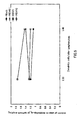
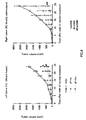
- FIG. 1 shows the result of the periodical changes in tumor volume of the right tumor (Rt), into which CT 26 was directly administered (inoculated).
- FIG. 2 shows the result of the periodical changes in tumor volume of the left tumor (Lt), which was a distant tumor.
- FIG. 2 shows a similar result on the left distant tumor, to which inactivated HSV had not directly been administered.
- Spleen cells were isolated from the mice that had received an in situ cancer vaccine (inactivated HSV-1 KOS strain) on day 10 after the start of treatment and were co-cultured with CT26 cells for seven days, and then 51 Cr release test was performed. Either CT26 cells or Meth A cells into which 50 ⁇ Ci of 51 Cr had been incorporated were used as target cells. A total of 2.5 x 10 3 target cells, together with 4.0 x 10 4 , 1.3 x 10 4 , or 4.3 x 10 3 spleen cells as effector cells, were incubated at 37°C for 4 hours in the presence of 5% carbon dioxide in a well of 96-well plates. 51 Cr emitted into the culture supernatant was measured with a gamma counter.
- E/T ratios effector cell/target cell ratios
- Immature dendritic cells were obtained from human peripheral blood by separating and culturing a CD14-positve subset by the immunomagnetic bead method. Specifically, a magnetic bead-coupled monoclonal antibody (20 ⁇ l/10 7 cells; manufactured by Miltenyl Biotec) against CD14 antigen was incubated with the cells at 4°C for 15 min. The CD14-positive fraction was isolated by magnetically separating bead-bound cells using a magnetic cell separation system (MACS).
- MCS magnetic cell separation system
- the fraction was plated at a concentration of 1 x 10 6 cells/well and cultured for 6-7 days in RPMI medium containing 10% FBS(fetal bovine serum; Gb4) prepared to have 100 ng/ml of GM-CSF (manufactured by IBL Co., Ltd.) and IL-4 (IBL) each. Immature dendritic cells were thus obtained.
- MOI multiplicity of infection
- PPFs plaque-forming units
- the mature dendritic cells induced with the addition of the inactivated HSV-1 KOS strain were examined for their ability to activate allo-lymphocytes.
- the CD14-negative fraction of peripheral blood at a concentration of 6 x 10 4 cells as allo-lymphocytes (responders) and mature dendritic cells (DCs) as stimulators whose proliferation had been stopped by irradiation (15Gy) were co-cultured (the ratio of DCs to responders was 1:20 or 1:40) for 3 days.
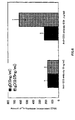
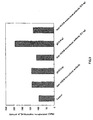
- FIG. 5 shows the relative amount of 3 H-thymidine incorporated by lymphocytes after being co-cultured with mature dendritic cells to that of the control.
- mature dendritic cells to which the inactivated HSV-1 KOS strain was added have a higher ability to activate lymphocytes as compared with the control or inactivated mock. It was clarified by these results that the inactivated HSV has an effect of enhancing the antigen-presenting ability of human dendritic cells.
- mice Six to eight-week old female BALB/c mice were anesthetized (with 0.25 ml of anesthetic liquid: 84% saline, 10% pentobarbital [50 mg/ml], 6% ethanol), and then 5 x 10 5 cells/100 ⁇ l of CT26 was subcutaneously implanted bilaterally into mice. Treatment started when the diameter of the tumor reached about 5 mm. Saline was used as a control. Either saline solution of HSV type 1 (HSV-1) gD protein (manufactured by viroStat Inc.) or saline was administered (30 ⁇ l each) only to the right tumor on days 0 , 3, 6, and 9 after the start of treatment.
- HSV type 1 HSV-1 gD protein
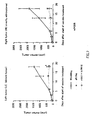
- FIG. 6 shows the result of the periodical changes in tumor volume of the right tumor (R) into which HSVgD was directly administered (inoculated), together with the result of the periodical changes in tumor volume of the left tumor (L) which was a distant tumor.
- HSVgD human immunostyrene-maleic anhydride-semiconductor
- BSA manufactured by Sigma Chemical Corporation
- HSVgD or BSA dissolved in saline was administered (30 ⁇ l each) only to the right tumor on days 0, 3, and 6 after the start of the treatment. Thereafter, the volumes of both of the tumors were measured periodically.
- Inactivated HSV-1 KOS strain was administered (50 ⁇ l) only to the right tumor on day 0 and 3 after the start of the treatment.
- FIG. 7 shows a result of the periodical changes of the tumor volume of the-right tumor (R), into which ⁇ HSVgD> was directly administered (inoculated), together with a result of the periodical changes of the tumor volume of the left tumor (L), which was a distant tumor.
- FIG. 7 shows a result of the periodical changes of the tumor volume of the-right tumor (R), into which ⁇ HSVgD> was directly administered (inoculated), together with a result of the periodical changes of the tumor volume of the left tumor (L), which was a distant tumor.
- the HSVgD total dose (30ng) (n
- T cells were obtained from the lymph node of 6-week-old female C57BL/6 mice by the immunomagnetic bead method. Specifically, magnetic bead-coupled monoclonal antibodies (10 ⁇ l/10 7 cells each; manufactured by Miltenyl Biotec) against CD90, CD45R, MHC ClassII, and CD11c were incubated with the cells at 4°C for 15 min. The T cell fraction was isolated by magnetically separating bead-bound cells using a magnetic cell separation system (MACS; manufactured by Miltenyl Biotec). The fraction (CD90+, CD45R-, MHC ClassII-, and CD11c-) was finally isolated as T cells.
- MCS magnetic cell separation system
- T cells (6 x 10 4 cells/well) were cultured for 5 days in the presence or absence of anti-CD3 antibody (0.01 ng/ml) and/or HSV-1 gD protein (0.05 ng/ml; manufactured by ViroStat Inc.). After labeling the cultured lymphocytes with 3 H-thymidine for about 12 hours, the amount (CPM) of 3 H-thymidine incorporated was measured by the top counter. The result is shown in FIG. 8.
- T cells are not activated by either of the anti-CD3 antibody that stimulates the T cell receptor or HSV-1 gD that is a ligand for herpes-virus entry mediator (HVEM), but can be activated only when they are stimulated by both HSVgD and the anti-CD3 antibody.
- HVEM herpes-virus entry mediator
- LIGHT a member of TNF cytokine family, activates T cells via HVEM as a costimulatory factor (Nat Med 6, 283-289, 2000). Being a ligand for HVEM, HSVgD has been revealed to work for activation of T cells by acting as a costimulatory factor to T cells.
- Mouse T cells were separated using the same method as that used in Example 7. T cells were plated at 6 x 10 4 cells/well and cultured for 5 days in the presence or absence (control) of HSV-1 gD (0.2 or 0.4 ng) and/or anti-HVEM monoclonal antibody (0.01 ng/ml; provided by Dr Patricia G.Spear, Northwestern University, USA). The cultured lymphocytes were labeled with 3 H-thymidine for about 24 hours and the amount (CPM) of 3 H-thymidine incorporated was measured using the top counter. The result is shown in FIG. 9.
- Immature dendritic cells were obtained from human peripheral blood on day 7 of culture by a method basically similar to that used in Example 5 and supplemented with a medium (control), HSVgD (0.2 ng/ml or 0.4 ng/ml), or mock. This experiment examined the ability of immature dendritic cells with HSVgD (0.2 ng or 0.4 ng) added to them to activate allo-lymphocytes.
- the CD14-negative fraction of peripheral blood at a concentration of 6 x 10 4 cells as allo-lymphocytes (responders) and mature dendritic cells (DCs) as stimulators whose proliferation had been stopped by irradiation (15Gy) were co-cultured (the ratio of DCs to responders is 1:20 or 1:40) for 5 days.
- the cultured lymphocytes were labeled with 3 H-thymidine at 0.027 Mbq/well for about 12 hours and the amount (CPM: counter per minute) of 3 H-thymidine incorporated was measured using the top counter.
- FIG. 10 shows the relative amount of 3 H-thymidine incorporated by lymphocytes to that of the control after being co-cultured with dendritic cells.
- dendritic cells to which HSVgD was added have a higher ability to activate lymphocytes as compared with the control or mock.
- the CD14-negative fraction of peripheral blood was obtained by separation and removal of the CD14-positve subset from human peripheral blood by the immunomagnetic bead method. Specifically, a magnetic bead-coupled monoclonal antibody (20 ⁇ l/10 7 cells) against CD14 antigen was incubated with the cells at 4°C for 15 min. The CD14-negative fraction of peripheral blood was obtained by magnetic separation and removal of bead-bound cells using a magnetic cell separation system (MACS).
- MCS magnetic cell separation system
- Lymphocytes in this peripheral blood were plated at 6 x 10 4 cells/well as allo-lymphocytes (responder), supplemented with OKT3 (0 or 10 ng/ml) as a stimulatory molecule of T cell receptors, and further, with either the inactivated HSV-1 KOS strain (infection efficiency before inactivation: 2 x 10 6 PFU), gD (0.2 ng/m l), or mock (10 ⁇ l) as a costimulatory molecule, and cultured. On day 6 of culture, the cultured lymphocytes were labeled with 3 H-thymidine (0.027 Mbg/well) for about 12 hours, and then the amount (CPM) of 3 H-thymidine incorporated was measured by the top counter.
- antitumor agents antitumor agents, tumor immunity inducers, T cell activators, and dendritic cell activators, extremely safe and capable of inducing an antitumor immune reaction enabling imcnunotherapy for cancer in such a way that the antitumor effect on a human distant tumor such as metastatic tumors can be exerted.
- These antitumor agents, tumor immunity inducers, etc. are expected to have broad applications to cancer therapy.
Landscapes
- Health & Medical Sciences (AREA)
- Life Sciences & Earth Sciences (AREA)
- Chemical & Material Sciences (AREA)
- Medicinal Chemistry (AREA)
- General Health & Medical Sciences (AREA)
- Virology (AREA)
- Pharmacology & Pharmacy (AREA)
- Organic Chemistry (AREA)
- Animal Behavior & Ethology (AREA)
- Public Health (AREA)
- Veterinary Medicine (AREA)
- Microbiology (AREA)
- Immunology (AREA)
- Epidemiology (AREA)
- Bioinformatics & Cheminformatics (AREA)
- Engineering & Computer Science (AREA)
- Mycology (AREA)
- Genetics & Genomics (AREA)
- Zoology (AREA)
- Wood Science & Technology (AREA)
- Biochemistry (AREA)
- Nuclear Medicine, Radiotherapy & Molecular Imaging (AREA)
- Chemical Kinetics & Catalysis (AREA)
- General Chemical & Material Sciences (AREA)
- Biophysics (AREA)
- Proteomics, Peptides & Aminoacids (AREA)
- Molecular Biology (AREA)
- Biomedical Technology (AREA)
- Biotechnology (AREA)
- Gastroenterology & Hepatology (AREA)
- General Engineering & Computer Science (AREA)
- Oncology (AREA)
- Medicines Containing Material From Animals Or Micro-Organisms (AREA)
- Medicines That Contain Protein Lipid Enzymes And Other Medicines (AREA)
- Medicines Containing Antibodies Or Antigens For Use As Internal Diagnostic Agents (AREA)
- Micro-Organisms Or Cultivation Processes Thereof (AREA)
Applications Claiming Priority (7)
| Application Number | Priority Date | Filing Date | Title |
|---|---|---|---|
| JP2002130954 | 2002-05-02 | ||
| JP2002130954 | 2002-05-02 | ||
| JP2002206291 | 2002-07-15 | ||
| JP2002206291 | 2002-07-15 | ||
| JP2002319157A JP2004099584A (ja) | 2002-05-02 | 2002-10-31 | Hsvを用いた抗腫瘍剤 |
| JP2002319157 | 2002-10-31 | ||
| PCT/JP2003/005626 WO2003092708A1 (en) | 2002-05-02 | 2003-05-02 | Antitumor agents with the use of hsv |
Publications (2)
| Publication Number | Publication Date |
|---|---|
| EP1550449A1 true EP1550449A1 (de) | 2005-07-06 |
| EP1550449A4 EP1550449A4 (de) | 2007-10-03 |
Family
ID=29407517
Family Applications (1)
| Application Number | Title | Priority Date | Filing Date |
|---|---|---|---|
| EP03725745A Withdrawn EP1550449A4 (de) | 2002-05-02 | 2003-05-02 | Antitumorale mittel mit hsv |
Country Status (5)
| Country | Link |
|---|---|
| US (1) | US7384627B2 (de) |
| EP (1) | EP1550449A4 (de) |
| JP (1) | JP2004099584A (de) |
| AU (1) | AU2003231398A1 (de) |
| WO (1) | WO2003092708A1 (de) |
Cited By (1)
| Publication number | Priority date | Publication date | Assignee | Title |
|---|---|---|---|---|
| GB2509940A (en) * | 2013-01-18 | 2014-07-23 | John Ogino | Vaccine production via irradiation of pathogenic cultures |
Families Citing this family (6)
| Publication number | Priority date | Publication date | Assignee | Title |
|---|---|---|---|---|
| JPWO2006080420A1 (ja) * | 2005-01-27 | 2008-06-19 | 学校法人慶應義塾 | 抗原特異的t細胞誘導剤、抗体産生誘導剤、免疫増強剤、及びワクチン |
| CA2658484A1 (en) | 2006-07-20 | 2008-01-24 | Vical Incorporated | Compositions and methods for vaccinating against hsv-2 |
| US9211234B2 (en) | 2010-09-27 | 2015-12-15 | Avent, Inc. | Configurable percutaneous endoscopic gastrostomy tube |
| WO2012148648A2 (en) | 2011-04-27 | 2012-11-01 | Becton Dickinson & Co. | Devices and methods for separating magnetically labeled moieties in a sample |
| GB201504251D0 (en) | 2015-03-13 | 2015-04-29 | Virttu Biolog Ltd And University Of Sheffield The | Oncolytic herpes simplex virus infected cells |
| CN110241088A (zh) * | 2019-06-25 | 2019-09-17 | 南开大学 | 一种小鼠胰腺癌细胞系及同源移植瘤模型的构建方法 |
Family Cites Families (22)
| Publication number | Priority date | Publication date | Assignee | Title |
|---|---|---|---|---|
| NZ209308A (en) * | 1983-08-30 | 1991-08-27 | Genentech Inc | Vaccine against hsv involving a truncated membrane-free derivative of a membrane-bound protein |
| US7264817B1 (en) * | 1983-08-30 | 2007-09-04 | Genentech, Inc. | Immunogenic composition based on a truncated derivative of a membrane bound protein and process for making it |
| ATE118353T1 (de) * | 1984-04-06 | 1995-03-15 | Chiron Corp | Rekombinanter herpes simplex gb-gd impfstoff. |
| EP0450065A4 (en) | 1988-12-16 | 1992-01-02 | Terumo Kabushiki Kaisha | Antiviral agent |
| US5955088A (en) * | 1992-02-03 | 1999-09-21 | Cedars-Sinai Medical Center | Pharmaceutical compsition of herpes simplex virus type-1 (HSV-1), glycoproteins |
| JP3974167B2 (ja) | 1992-03-31 | 2007-09-12 | アーチ デベロプメント コーポレイション | 遺伝子,腫瘍及びウイルス感染の治療,並びにプログラムされた細胞死(アポプトーシス)を予防するための方法及び組成物 |
| US5728379A (en) | 1994-06-23 | 1998-03-17 | Georgetown University | Tumor- or cell-specific herpes simplex virus replication |
| GB9415320D0 (en) * | 1994-07-29 | 1994-09-21 | Medical Res Council | Cancer treatment |
| US6379674B1 (en) * | 1997-08-12 | 2002-04-30 | Georgetown University | Use of herpes vectors for tumor therapy |
| JP2002502884A (ja) * | 1998-02-12 | 2002-01-29 | アメリカン・サイアナミド・カンパニー | インターロイキン−12および単純ヘルペスウイルス抗原を含んでなるワクチン |
| GB9816781D0 (en) | 1998-07-31 | 1998-09-30 | Univ London | Herpes virus vectors for dendritic cells |
| GB0009079D0 (en) | 2000-04-12 | 2000-05-31 | Neurovex Ltd | Herpes viruses for immune modulation |
| US6313837B1 (en) * | 1998-09-29 | 2001-11-06 | Schlumberger Technology Corporation | Modeling at more than one level of resolution |
| WO2000040734A1 (en) * | 1998-12-31 | 2000-07-13 | Arch Development Corporation | Recombinant herpes simplex virus useful for treating neoplastic disease |
| ATE402713T1 (de) * | 1999-02-05 | 2008-08-15 | Arch Dev Corp | Genetisch manipulierte herpesviren zur behandlung von tumoren |
| ATE371031T1 (de) | 1999-06-08 | 2007-09-15 | Uab Research Foundation | Herpes-simplex virus, das das gen von interleukin-12 exprimiert, und dessen verwendung zur behandlung von krebs |
| IL131212A0 (en) * | 1999-08-03 | 2001-01-28 | Yissum Res Dev Co | Recombinant virus and live-virus vaccines |
| IL148621A0 (en) | 1999-09-17 | 2002-09-12 | Pro Virus Inc | Oncolytic virus |
| PT1221968E (pt) | 1999-10-13 | 2010-04-16 | Novartis Vaccines & Diagnostic | Processo de obtenção de respostas imunes celulares de proteínas |
| EP1244469A2 (de) | 1999-12-08 | 2002-10-02 | Onyx Pharmaceuticals, Inc. | Mutiertes herpes simplex virus zur behandlung von unerwünschtem hyperproliferativem zellwachstum |
| GB2375113B (en) | 2000-01-21 | 2004-10-20 | Biovex Ltd | A modified, oncolytic, non-laboratory HSV strain and its use in treating cancer |
| AU6814601A (en) | 2000-06-01 | 2001-12-11 | Sloan Kettering Inst Cancer | Use of mutant herpes viruses and anticancer agents in the treatment of cancer |
-
2002
- 2002-10-31 JP JP2002319157A patent/JP2004099584A/ja not_active Withdrawn
-
2003
- 2003-05-02 AU AU2003231398A patent/AU2003231398A1/en not_active Abandoned
- 2003-05-02 WO PCT/JP2003/005626 patent/WO2003092708A1/ja not_active Ceased
- 2003-05-02 EP EP03725745A patent/EP1550449A4/de not_active Withdrawn
- 2003-05-02 US US10/513,193 patent/US7384627B2/en not_active Expired - Fee Related
Cited By (1)
| Publication number | Priority date | Publication date | Assignee | Title |
|---|---|---|---|---|
| GB2509940A (en) * | 2013-01-18 | 2014-07-23 | John Ogino | Vaccine production via irradiation of pathogenic cultures |
Also Published As
| Publication number | Publication date |
|---|---|
| WO2003092708A1 (en) | 2003-11-13 |
| AU2003231398A1 (en) | 2003-11-17 |
| EP1550449A4 (de) | 2007-10-03 |
| US7384627B2 (en) | 2008-06-10 |
| US20050249705A1 (en) | 2005-11-10 |
| JP2004099584A (ja) | 2004-04-02 |
Similar Documents
| Publication | Publication Date | Title |
|---|---|---|
| CN115820571B (zh) | 一种重组单纯疱疹病毒及其用途 | |
| JP5543528B2 (ja) | 免疫モジュレーション用のヘルペスウイルス | |
| US20060165668A1 (en) | Genetically modified tumor cells as cancer vaccines | |
| JP2018535191A (ja) | 樹状細胞を産生するための組成物及び方法 | |
| Matsuura et al. | Stimulatory effects of heat-killed Enterococcus faecalis on cell-mediated immunity in fish | |
| EP1346036B1 (de) | Helfervirus-freie herpesvirus-amplifikatpartikel und deren verwendungen | |
| AU2002246625A1 (en) | Helper virus-free herpes virus amplicon particles and uses thereof | |
| US7384627B2 (en) | Antitumor agents with the use of HSV | |
| US6713067B2 (en) | Herpes viruses for immune modulation | |
| CN115109774B (zh) | 一种新型同种异体car-t细胞的制备及应用 | |
| AU2005314271B2 (en) | Alpha thymosin peptides as cancer vaccine adjuvants | |
| US20090060946A1 (en) | Activation of antigen-specific T cells by virus/antigen-treated dendritic cells | |
| CN117751185A (zh) | 细菌二核苷酸环化酶的表达 | |
| EP3594328A1 (de) | Rekombinantes herpes-simplex-virus und verwendung davon | |
| HK40104282A (zh) | 细菌二核苷酸环化酶的表达 | |
| HK1254293B (en) | Recombinant herpes simplex virus and use thereof | |
| MXPA01001123A (en) | Herpes virus vectors for dendritic cells |
Legal Events
| Date | Code | Title | Description |
|---|---|---|---|
| PUAI | Public reference made under article 153(3) epc to a published international application that has entered the european phase |
Free format text: ORIGINAL CODE: 0009012 |
|
| 17P | Request for examination filed |
Effective date: 20041202 |
|
| AK | Designated contracting states |
Kind code of ref document: A1 Designated state(s): AT BE BG CH CY CZ DE DK EE ES FI FR GB GR HU IE IT LI LU MC NL PT RO SE SI SK TR |
|
| AX | Request for extension of the european patent |
Extension state: AL LT LV MK |
|
| DAX | Request for extension of the european patent (deleted) | ||
| RIC1 | Information provided on ipc code assigned before grant |
Ipc: A61K 35/76 20060101AFI20031120BHEP |
|
| A4 | Supplementary search report drawn up and despatched |
Effective date: 20070903 |
|
| STAA | Information on the status of an ep patent application or granted ep patent |
Free format text: STATUS: THE APPLICATION HAS BEEN WITHDRAWN |
|
| 18W | Application withdrawn |
Effective date: 20090826 |