EP1545195B1 - Mausmodell für perimenopause und menopause und verfahren zur herstellung - Google Patents
Mausmodell für perimenopause und menopause und verfahren zur herstellung Download PDFInfo
- Publication number
- EP1545195B1 EP1545195B1 EP03791900A EP03791900A EP1545195B1 EP 1545195 B1 EP1545195 B1 EP 1545195B1 EP 03791900 A EP03791900 A EP 03791900A EP 03791900 A EP03791900 A EP 03791900A EP 1545195 B1 EP1545195 B1 EP 1545195B1
- Authority
- EP
- European Patent Office
- Prior art keywords
- vcd
- follicles
- menopause
- mice
- animals
- Prior art date
- Legal status (The legal status is an assumption and is not a legal conclusion. Google has not performed a legal analysis and makes no representation as to the accuracy of the status listed.)
- Expired - Lifetime
Links
Images



Classifications
-
- G—PHYSICS
- G01—MEASURING; TESTING
- G01N—INVESTIGATING OR ANALYSING MATERIALS BY DETERMINING THEIR CHEMICAL OR PHYSICAL PROPERTIES
- G01N33/00—Investigating or analysing materials by specific methods not covered by groups G01N1/00 - G01N31/00
- G01N33/48—Biological material, e.g. blood, urine; Haemocytometers
- G01N33/50—Chemical analysis of biological material, e.g. blood, urine; Testing involving biospecific ligand binding methods; Immunological testing
- G01N33/5005—Chemical analysis of biological material, e.g. blood, urine; Testing involving biospecific ligand binding methods; Immunological testing involving human or animal cells
- G01N33/5008—Chemical analysis of biological material, e.g. blood, urine; Testing involving biospecific ligand binding methods; Immunological testing involving human or animal cells for testing or evaluating the effect of chemical or biological compounds, e.g. drugs, cosmetics
- G01N33/5082—Supracellular entities, e.g. tissue, organisms
- G01N33/5088—Supracellular entities, e.g. tissue, organisms of vertebrates
-
- A—HUMAN NECESSITIES
- A61—MEDICAL OR VETERINARY SCIENCE; HYGIENE
- A61P—SPECIFIC THERAPEUTIC ACTIVITY OF CHEMICAL COMPOUNDS OR MEDICINAL PREPARATIONS
- A61P15/00—Drugs for genital or sexual disorders; Contraceptives
- A61P15/18—Feminine contraceptives
Definitions
- This invention was supported by NIH via grant numbers RO1-ES9246, RO1-ES8979, and RO1-AG021948.
- the present invention relates to a mouse model for human perimenopause and menopause. Also provided by the present invention are methods of making the mouse model and methods of using the model. Also disclosed are methods of inducing ovarian failure in animals such as pets and wildlife.
- the average age of menopause in women in the U.S. is 51 years. Demographic studies on the age of menopause have shown that it has increased from about 45 years in 1850, to approximately 51 in 1995. At the same time, however, the life expectancy of women has increased from 45 in 1850 to approximately 82 in 1998. As a result, because the life span in women has increased, almost 30% of a woman's lifetime will be postmenopausal (1). The consequence of this shift is that many age-related diseases are increasing in incidence and need to be investigated in relevant animal models to understand the effect of menopause on disease risk, presentation and progression. Many disorders such as Alzheimer's disease have an increased incidence in females of a relatively late onset (approximately 80 years of age). Obviously, in the future, the increase in life expectancy will impact the incidence of many age-related diseases and require aggressive intervention during the postmenopausal years.
- HRT hormone replacement therapy
- Menopause is the cessation of ovarian cyclicity resulting from the depletion of ovarian follicles by a natural process of atrition, known as atresia (8).
- Follicular maturation in the ovary is a dynamic series of events in which primordial follicles provide a finite pool from which preovulatory follicles are selected for development and ovulation, or are eliminated by atresia.
- the primordial follicle the most immature stage of development, is formed in the ovary during fetal development. Because the oocyte is arrested in meiosis, this pool is non-regenerating after birth.
- pre-ovulatory follicles significantly alters ovarian steroid hormone production as a woman approaches menopause (perimeriopause), resulting in a sharp decrease in circulating 17 ⁇ -estradiol and a concomitant rise in the gonadotropins follicle stimulating hormone (FSH) and luteinizing hormone (LH), due to loss of negative feedback from the ovary to the pituitary.
- FSH gonadotropins follicle stimulating hormone
- LH luteinizing hormone
- 17 ⁇ -estradiol is assumed to afford protection in premenopausal women against health risks, such as cardiovascular disease, skeletal problems, and brain dysfunction, the loss of 17 ⁇ -estradiol in menopause is thought to contribute to most menopause-associated disorders.
- VCD The occupational chemical VCD, the diepoxide metabolite of 4-vinylcyclohexene (VCH), causes selective loss of small preantral follicles in the ovaries of mice and rats (11-13).
- VCD dosing of rats and mice for 12 days caused a significant reduction in the number of primordial and primary follicles (12).
- secondary follicles 11, 13
- VCD primordial and primary follicles by VCD appears to be follicle stage-specific because no direct effects have been observed or measured in larger (secondary to antral) follicles, or other non-ovarian tissues as determined by necropsy, histopathology, plasma lipid profiles, and liver enzyme activity.
- Using a combination of molecular and cellular approaches in our studies in rats we have collected evidence that VCD-induced follicle loss is by acceleration of the normal rate of atresia.
- alterations in apoptosis-associated intracellular pathways activated by VCD dosing are specific for small preantral follicles, as compared with large preantral follicles or liver.
- Atresia in the rodent ovary occurs via apoptosis, or programmed cell death, and is a normal process without necrosis-induced responses such as inflammation.
- Evidence of VCD-induced impending follicle loss was observed as an increase in numbers of unhealthy follicles in the treated group.
- the unhealthy appearance in VCD-treated ovaries is morphologically and ultrastructurally similar to unhealthy follicles undergoing natural atresia in controls (14-16).
- VCD-accelerated atresia in small preantral follicles was identified because intracellular events associated with apoptosis were measured selectively in the targeted follicular population.
- VCD Follicle loss resulting from repeated dosing of F344 rats with VCD has been well characterized (11-21). The conclusion from characterization performed in preliminary studies is that VCD causes the selective loss of primordial and primary follicles by accelerating the natural process of atresia via apoptosis.
- B6C3F 1 mice (22) and F344 rats (15) that were dosed with the parent compound, 4-vinylcyclohexene (VCH, mice) or the ovotoxic form (VCD, rats) premature ovarian failure occurred within a year.
- the time it takes from dosing of the animals until premature ovarian failure occurs is too long in order to use animals prepared in such a manner as a model for menopause.
- a method of screening an agent for its effect on a non-human female animal suitable as a model of human perimenopause and/or menopause provides for screening of agents which may be useful for preventing or treating a condition associated with or caused by perimenopause and/or menopause.
- the objects of the present invention may also be accomplished with a method of making a female mouse as defined in the appended claims 3 to 5.
- Is also disclosed a method of screening an agent comprising:
- Is also disclosed a method of inducing ovarian failure in a non-human mammalian female animal other than a mouse or a rat, comprising administering to the animal an effective amount of at least one compound selected from the group consisting of 4-vinylcyclohexene diepoxide, 4-vinylcyclohexene, 4-vinylcyclohexene-1,2-epoxide, and 4-vinylcyclohexene-7,8-epoxide.
- Is also disclosed a method of sterilizing a mammalian non-human female animal other than a mouse or a rat, comprising administering to the animal an effective amount of at least one compound selected from the group consisting of 4-vinylcyclohexene diepoxide, 4-vinylcyclohexene, 4-vinylcyclohexene-1,2-epoxide, and 4-vinylcyclohexene-7,8-epoxide.
- Is also disclosed a method of controlling the size of a non-human mammalian animal population, comprising administering an effective amount of at least one compound selected from the group consisting of 4-vinylcyclohexene diepoxide, 4-vinylcyclohexene, 4-vinylcyclohexene-1,2-epoxide, and 4-vinylcyclohexene-7,8-epoxide to the animal population sufficient to cause at least partial ovarian failure in at least a portion of the female members of the animal population.
- a compound selected from the group consisting of 4-vinylcyclohexene diepoxide, 4-vinylcyclohexene, 4-vinylcyclohexene-1,2-epoxide, and 4-vinylcyclohexene-7,8-epoxide to the animal population sufficient to cause at least partial ovarian failure in at least a portion of the female members of the animal population.
- Is also disclosed a solid composition suitable for oral administration comprising at least one compound selected from the group consisting of 4-vinylcyclohexene diepoxide, 4-vinylcyclohexene, 4-vinylcyclohexene-1,2-epoxide, and 4-vinylcyclohexe-7,8-epoxide and a solid excipient.
- composition suitable for dermal or subcutaneous delivery to an animal comprising at least one compound selected from the group consisting of 4-vinylcyclohexene diepoxide, 4-vinylcyclohexene, 4-vinylcyclohexene-1,2-epoxide, and 4-vinylcyclohexene-7,8-epoxide in a dermal or subcutaneous delivery device.
- the present invention is based, in part, on the discovery that VCD induces ovarian failure by acceleration of atresia in female animals and produces, at most, only minimal effects on other body organs and physiological pathways. In addition, if sufficient time is allowed to pass, these animals develop one or more characteristics of perimenopause or menopause. Thus, as discussed below, other than a reduction in ovarian and uterine weight, there are no other direct irreversible effects observed at the tissue level. Subsequent physiological conditions that arise will be the consequence of ovarian failure.
- mice of the present invention contain their ovaries, i.e., the animals have not been subjected to ovariectomy. Therefore, the animals of the present invention contain at least one functional ovary, and preferably all of them.
- perimenopause refers to a condition that precedes menopause in which ovarian cyclicity becomes irregular, FSH levels become elevated, and ovarian 17 ⁇ -estradiol levels become erratic. In women this can be up to 10 years before menstruation ceases.
- menopause refers to the time at which complete ovarian failure has occurred. This is when menstrual periods have ceased, LH and FSH levels are elevated and 17 ⁇ -estradiol levels have plummeted.
- the characteristics of perimenopause and menopause include those described above.
- the model animal of the present invention is a female mouse.
- suitable animals which do not form part of the present invention include laboratory and research primates and rodents, dogs, cats, hamsters, rabbits, sheep, cattle, deer, elk, moose, pigs, goats, ferrets, horses, monkeys, chimps, rats.
- Transgenic, gene-deficient (i.e., knock-out), or knock-in animals are especially preferred for the study of certain conditions.
- the purpose of using these animals is that they model human disease states which are associated relevant to the onset of perimenopause and/or menopause.
- Preferred examples are mice and rats which have been modified in a property which is relevant to the changes in the body upon the onset of menopause and/or during menopause.
- Specific examples of such animals include those with modifications in apo e, apob, LDLR, LCAT, A Y , Foxnl nu , Bmp4, Kit, ERKO, BERKO, OB/OB, and A ⁇ .
- the present invention also provides methods of preparing the mouse model.
- VCD appears to be the active agent in producing the depletion of ovarian primordial follicles, or at least serves a precursor to the actual active species in vivo . Therefore, VCD is administered to the mice. Since VCH is converted to VCD in vivo , VCH may also be used. The pathway from VCH to VCD appears to involve the formation of VCH-1,2-epoxide and/or VCH-7,8-epoxide. See Fontaine et al., Drug Metabolism and Disposition, 29, 179-184, 2001 , Figure 1 of which is incorporated herein by reference.
- VCH-1,2-epoxide and/or VCH-7,8-epoxide may also be administered in order to produce the animal of the present invention.
- any agent that is converted to VCD (or the actual active agent produced therefrom) in vivo may be used to prepare the animal model.
- VCH is a chiral compound and each enantiomer is converted into epoxide products having differing stereochemistry. All of these stereoisomers may be used in the present invention.
- the compound used may be (S)-VCH, (R)-VCH, (S)-VCH-1,2-expoxide, (R)-VCH-1,2-expoxide, (8)-VCH-7,8-expoxide, (R)-VCH-7,8-expoxide, (S)-VCH-diepoxide, (R)-VCH-diepoxide, and any mixture thereof.
- VCD, VCH, and VCH-1,2-epoxide are available from Aldrich Chemical Co.
- the dosing of the compound in terms of both dosage amount and method of administration, is defined in the claims.
- the compound is administered at a sufficient dosage to cause at least partial depletion of the ovarian primordial follicles. In so doing, a sufficient amount of time is permitted to elapse so that the animal develops at least one characteristic of perimenopause or menopause.
- the production of the mouse model depends on the method of delivery, the dosage amount, and the time that the dose is administered. For example, a continuous dose administered via an implant (discussed in more detail below) may use less VCD over the same time period as compared to repetitive i.p. injections.
- VCD is more potent than VCH and therefore may be used at a lower dose.
- the potency of VCH-1,2-expoxide and VCH-7,8-expoxide is expected to be between VCH and VCD.
- VCD is administered at a dose of 160 mg/kg per day for 15 days.
- VCD is administered using an implant with a intraperitoneally (i.p.).
- VCD is administered using an implant with a slow time release over several days.
- Administration of the compound may be through any of the following routes: intraperitoneal injection, subcutaneous injection, lavage, oral intake, dermal patch, dermal application, dermal injection, inhalation, intravenous injection, transplacental exposure, intravaginal implant, subcutaneous implant, nasal spray, or implant dart.
- routes intraperitoneal injection, subcutaneous injection, lavage, oral intake, dermal patch, dermal application, dermal injection, inhalation, intravenous injection, transplacental exposure, intravaginal implant, subcutaneous implant, nasal spray, or implant dart.
- the exact dosage for any particular method of administration can be determined readily using techniques well-known in the art.
- a preferred example of a subcutaneous implant is a minipump, particularly an Alzet minipump.
- the implant may be biodegradable or non-biodegradable.
- the implant is biodegradable for animals used a research models.
- the implant is preferably non-biodegradable.
- suitable vehicles include physiologically acceptable oils (e.g., sesame oil, corn oil, and mineral oil), DMSO, acetone, and mixtures thereof.
- Some routes of administration may be more effective in a commercial setting as compared to other methods.
- using a subcutaneous implant may be more cost-effective in terms of animal handling and storage and personnel costs associated with producing the animal in commercial quantities.
- the mouse model of the present invention may be used in a wide variety of assays of screening agents for their potential effect on a perimenopausal or menopausal female.
- the agent is administered to the mouse and the effect on the mouse is evaluated.
- the model can be used to evaluate, i.e., screen, potential therapeutic agents for preventing or treating conditions associated with perimenopause and menopause.
- the agent is administered to the mouse and evaluated for its effect.
- Transgenic, gene-deficient, or knock-in nice are particularly preferred in some aspects of this embodiment.
- the effect of a genetic modification can be studied in isolation, i.e., no external agents are administered to the animal, or the effects of a potential therapeutic agent can be evaluated as described above.
- conditions include hot flashes, osteoporosis, incontinence, poylcystic ovarian disease, Alzheimer's disease, depression, macular degeneration, arthritis, anxiety, obesity, ovarian cancer, diabetes mellitus, vaginal dryness, vaginal discharge, cancers of the reproductive tract, breast cancer, thinning of the skin, loss of libido, colorectal cancer, alopecia, hirsutism, cardiovascular disorders (which include heart attack, stroke, deep vein thrombosis, hypertension, hypotension, ischemia, pulmonary embolism, atherosclerosis, heart abnormality, hypercholesterolemia, hypertriglyceridemia, hypocholesterolemia, hypotriglyceridemia, vascular defects, vascular homeostasis, and sudden cardiac death), loss of manual dexterity, osteopenia, cognitive impairments, dementia, etc.
- cardiovascular disorders which include heart attack, stroke, deep vein thrombosis, hypertension, hypotension, ischemia, pulmonary emb
- Is also disclosed a method of inducing ovarian failure in a mammalian non-human female animal other than a mouse or a rat, comprising administering to the animal an effective amount of the compound.
- suitable animals include those discussed above suitable dosage for this purpose is at least 90 mg/kg per day of VCD for a time sufficient to induce ovarian failure.
- VCH can also be used for this purpose, for example, at the dosages described above.
- the compound may also be used to control the size of a non-human animal population, comprising administering an effective amount of the compound to the animal population sufficient to cause at least partial ovarian failure in at least a portion of the female members of the animal population.
- animals include dogs, cats, hamsters, ferrets, rabbits, sheep, cattle, horses, pigs, deer, elk, moose, bears, goats, monkeys, wild felines.
- administration of the compound may be through any of the following routes: intraperitoneal injection, subcutaneous injection, lavage, oral intake, dermal patch, dermal application, dermal injection, inhalation, intravenous injection, transplacental exposure, intravaginal implant, subcutaneous implant, nasal spray, or subcutaneous dart.
- a solid composition suitable for oral administration comprising the compound and a solid excipient.
- a composition is in the form of a pill, capsule, or caplet that can be administered to animals and humans.
- Solid excipients which are suitable for orally administerable compositions are well-known. For a description, see Kirk-Othmer Encyclopedia of Chemical Technology, Fourth Edition, Volume 18, p. 491-502 (1996 ), incorporated herein by reference.
- the composition may also be in the form of a dermal or subcutaneous implant.
- a composition contains the compound in a suitable dermal or subcutaneous deliver device.
- suitable dermal or subcutaneous deliver device Such devices are well-known in the art, see Kirk-Othmer Encyclopedia of Chemical Technology, Fourth Edition, Volume 8, p. 445-474 (1996 ), incorporated herein by reference.
- an implant dart could be used for wildlife population control.
- mice were chosen for the initial development and characterization of the model of VCD-induced ovarian failure. In developing a model for menopause, it is critical to induce follicle loss in a timely manner to provide sufficient time for long-term studies. Preliminary experiments in immature d28 B6C3F 1 mice were conducted using an increased dosing regimen to more rapidly accelerate the rate of follicle loss ( Figure 1 ). A time course was conducted to determine the minimum amount of dosing conditions necessary to fully deplete the ovary of primordial follicles in B6C3F 1 mice without producing adverse physiological side effects ( Figure 2 ).
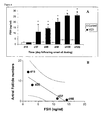
- the morphological appearance of primordial and primary follicles in VCD-treated animals on d10 was also indicative of atresia via apoptosis. From this experiment, the optimal dose of VCD was determined for 15d and subsequent experiments were conducted using that dosing regimen. To determine the impact of loss of primordial follicles on ovarian function, antral follicles were counted and circulating FSH levels measured on d15 - d127 ( Figure 4 ). There was an inverse correlation (p ⁇ 0.02) between these two parameters. This is indicative of impending ovarian failure resulting from loss of large antral follicles. Throughout the experiment several physiological parameters were measured. Body and tissue weights were evaluated.
- Circulating liver enzymes aspartate aminotransferase (AST) and plasma alanine aminotransferase (ALT) in VCD-treated animals were not different from controls at any time d1-d46 (p>0.05).
- Hepatocellular vacuolar degeneration (a pathologic lesion consistent with mild hepatocellular toxicity) was evaluated by the University Animal Care Diagnostic Laboratory of the Arizona Health Sciences Center. There was no difference in the occurrence of these lesions in naive, vehicle-treated control, or VCD-treated mice at any time. Ovarian tissue weights were not significantly different across treatment groups on d10, or d15, however, by d37, VCD-dosed animals displayed significantly reduced ovarian weights compared to controls.
- 4-vinylcyclohexene diepoxide, 4-vinylcyclohexene, 4-vinylcyclohexene-1,2-epoxide, and 4-vinylcyclohexene-7,8-epoxide as described above can be used alone as the agent for inducing ovarian failure. Alternatively, these compounds can be used together in any desired ratio.
- VCD Treatment with VCD reduced (p ⁇ 0.05) the number of primordial and primary follicles 15d following commencement of treatment in a dose-dependent manner in B6C3F 1 mice ( Figure 1 ).
- Primordial follicles were reduced at 80 mg/kg to 12.1% of control, 160 mg/kg (80 mg/kg, 2x daily, and 160 mg/kg 1x daily) 0% of control, 240 mg/kg (80 mg/kg 3x daily) 2.1% of control, 240 mg/kg (240 mg/kg 1x daily) 0% of control, and 320 mg/kg (160 mg/kg 2x daily) 0% of control.
- VCD 160 mg/kg, i.p.
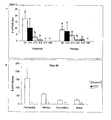
- Treatment with VCD (160 mg/kg, i.p.) for 15 days reduced (p ⁇ 0.05) primary and primordial follicle numbers progressively over time ( Figure 2A ).
- All follicle pools were substantially depleted (p ⁇ 0.05) relative to control.
- There were no primordial follicles and primary, secondary and antral follicles were 0.5%, 0.7%, and 2.6% of control values respectively ( Figure 2B ).
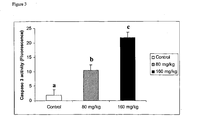
- caspase-3 During the initiation of apoptosis, the executioner caspases (caspase-3) become activated which results in cellular collapse. Mice were given daily injections of VCD (160 mg/kg, or 80 mg/kg, i.p.) for 10d. Four hours after the final treatment, small preantral follicles were isolated and activity of the apoptosis-associated executioner protease enzyme caspase-3 was measured. Relative to controls, increased (p ⁇ 0.05) cleavage activity of caspase-3 in isolated small pre-antral follicles was observed in a dose-associated manner ( Figure 3 ).
- the optimal concentration of VCD for primordial follicle loss was determined to be 160 mg/kg, injected 1x daily (resulting in complete loss of primordial follicles).
- Daily treatment for 15d with VCD 160 mg/kg subsequently resulted in a progressive reduction (p ⁇ 0.05) of ovarian weights on d37 (71.2% of control), d46 (61.8% of control) and d120 (20.7% of control) following the onset of treatment (Table 1).
- uterine weight relative to age-matched vehicle controls was reduced (p ⁇ 0.05) on d15 (66.04%), d37 (71.8%), and d120 (47.0%).
- liver function was investigated by measurement of the liver enzymes aspartate aminotransferase (AST) and alanine aminotransferase (ALT) and hepatocellular vacuolar degeneration was evaluated (Table 2). Plasma samples were collected on d1-d46 (following 15d of treatment) and circulating levels of ALT and AST were determined to be within the normal range for this strain of mice.
- AST aspartate aminotransferase
- ALT alanine aminotransferase
- VCD treatment 160 mg/kg, 15d resulted in increased circulating levels of FSH compared to controls over time ( Figure 4A ).
- plasma FSH levels were increased (p ⁇ 0.05) in VCD-dosed animals (11.5 ⁇ 5.7 ng/ml) relative to control (1.7 ⁇ 0.06 ng/ml), with a continued increase on d46 (VCD: 14.3 ⁇ 1.3 ng/ml), d58 (VCD: 20.2 ⁇ 1.2 ng/ml), d100 (VCD: 25.8 ⁇ 0.23 ng/ml), and d120 (VCD: 25.9 ⁇ 1.1 ng/ml)
- Plasma FSH levels on d127 was increased (p ⁇ 0.05) relative to controls, however, not increased relative to d100 and d120 values indicating a plateau in circulating FSH.
- Plasma levels of 17 ⁇ -estradiol in VCD-treated animals were below the limit of detection in VCD-treated groups on d37 and remained at that level through d91 ( Figure 5 ). Conversely, in control animals circulating 17 ⁇ -estradiol began to increase (p ⁇ 0.05) on d 46 (2.05 pg/ml), d57 (2.21 pg/ml) and d91 (2.21 pg/ml). Circulating levels of androstenedione in plasma pools from VCD-treated animals were similar to controls on d46 (control 0.64 ⁇ 0.01; VCD:0.73 ⁇ 0.05 ng/ml). Because of this, there was an increased relative abundance of androgen versus estrogen ( Figure 6 ; control: 24%; VCD: 97% of androgen plus estrogen).
- VCD treatment 160 mg/kg, i.p.
- the mean cycle length was determined in control animals to be 4.49 ⁇ 0.48d. Animals with cycle lengths less than 3d or greater than 5d were determined to be irregular. Cycle length was disrupted in VCD-dosed animals beginning on d15 (7/24, irregular) and by d58 all animals were acyclic. Control animals consistently maintained regular cycles across all time points.
- Osteocalcin is a protein produced in osteoblasts and is increased in circulation under conditions of increased bone turnover. Plasma levels of osteocalcin were increased (p ⁇ 0.05) in VCD-treated (160 mg/kg, i.p., 15d) groups relative to control on d46 (control: 109.6 ⁇ 7.0, VCD: 131.3 ⁇ 5.4 ng/ml), and d58 (control: 111.2 ⁇ 6.9, VCD: 156.3 ⁇ 6.1 ng/ml Figure 7A ). By d120 the two groups were not different (control: 127.1 ⁇ 12.7, VCD; 143.4 ⁇ 7.1 ng/ml; Figure 7A ).
- Femora collected on d58, from VCD-treated animals displayed enhanced distances from growth plate to distal metaphysis of the femur with increased lucane relative to controls ( Figure 7C ).
- Figure 8 is a comparison of the patterns of cyclicity, circulating levels of FSH, osteocalcin, and 17 ⁇ -estradiol between VCD-treated mice (d1-d100) and values published for similar stages of reproductive function in women. For example, in women, puberty is equivalent to d3 following the onset of treatment in mice, and peri-menopause can be compared to d10-d50, with post-menopause resembling d50-d100.
- mice Immature female B6C3F 1 mice (21 days) were obtained from Harlan Laboratories (Indianapolis, IN), housed in plastic cages, and maintained on 12 hour light-dark cycles at 22 ⁇ 2°C. Animals were allowed to acclimate to the animal facilities for 1 week prior to initiation of treatment. Food and water were available ad libitum . All experiments were approved by the University of Arizona Institutional Animal Care and Use Committee and conformed to the Guide for the Care and Use of Experimental Animals.
- mice were weighed, euthanized by CO 2 inhalation, and the ovaries, liver and trunk blood were collected. Plasma was separated from whole blood and stored at -20°C, and liver tissues were stored at -80°C. At each time point, adrenals, kidneys, uteri, ovaries, liver, and spleen were removed, grossly examined for lesions and wet tissue weights were recorded. Additional blood samples were collected by retro-orbital puncture and plasma was collected and stored on d58, d79, d91, and d100.
- Histology and oocyte counting Ovaries were trimmed of fat and placed in Bouin's fixative (2 hours), transferred to 70% ethanol, paraffin-embedded and serially sectioned (4-5 ⁇ m), mounted and stained with hematoxylin and eosin. In every 20 th section (10-13 sections per ovary), pre-antral follicles were classified as primordial (oocyte surrounded by a single layer of flattened granulosa cells), primary (oocyte surrounded by a single layer of cuboidal cells), secondary (oocyte surrounded by multiple layers of granulosa cells) or antral follicles (follicles containing a fluid-filled antrum).
- Femora were collected on d58 from both control and VCD-treated animals, fixed in 4% paraformaldehyde, transferred to formaldehyde/formic acid (Cal-Rite, Richard Allan Scientific, Kalamazoo, MI), decalcified 24 hours, vacuum embedded in paraffin and 4.5 ⁇ m sections of distal metaphysis were prepared and stained with hematoxylin and eosin.
- Follicle Isolation Small preantral follicles (fraction 1, 25-100 ⁇ m in diameter), were prepared by gentle enzymatic dissociation of ovaries and hand sorting with micropipettes. Pools of follicles were prepared from both ovaries of six mice in each treatment (control or VCD) for each observation. Following isolation, follicles were washed twice with M199 medium and stored at -20°C.
- Plasma FSH was measured by radioimmunoassay (RIA).
- Rat FSH hormone antigen, rat FSH antiserum and mouse FSH reference preparation were purchased from the National Institute of Diabetes and Digestive and Kidney diseases.
- Iodination reagents (Iodo-BeadsTM28665, 28666) were purchased from Pierce (Rockford IL). Briefly, a standard curve was prepared and cold standards and samples (100 ⁇ l) were added to labeled tubes along with primary antibody (1:1400 dilution) and iodinated FSH. Samples were shaken and stored at 4 C overnight.
- the mean sensitivity of the assay was 5.1 pg/ml.
- the intra-assay coefficient of variation was 5.3 %.
- Circulating androstenedione was measured by specific RIA. Androstenedione standards and antibody were provided by Dr. Cheryl Dyer (Northern Arizona University).
- the mean sensitivity of the assay was 70 pg/ml with an inter-assay coefficient of variation of 5.3%.
- the results of all RIAs were calculated by four-parameter logistic analysis using the software AssayZap (BioSoft, Ferguson, MO). Results are the mean ⁇ SEM.
- Hepatocellular vacuolar degeneration and enzymatic activity of circulating aspartate aminotransferase (AST) and alanine aminotransferase (ALT) were determined by the Diagnostic Laboratory of the Arizona Health Sciences Center.
- Total cholesterol and triglycerides were quantified using Sigma reagents 401-25P and 344-20 respectively.
- HDL was measured by precipitating apoB-containing lipoproteins (Boehringer Mannheim reagent 543004) and assaying cholesterol in the supernatant fraction using the Sigma 401-25P reagent.
- Caspase-3 Protease Activity Measurement The cleavage activity of caspase-3 was measured by a fluorescent activity assay. Briefly, the enzymatic reaction was carried out at 37°C in protease assay buffer (20 mM HEPES, 100 mM NaCl, 10 mM dithiothreitol, 1 mM EDTA, 0.1% [w/v] 3-3 ([3-cholamidopropyl] dimethylammonio)-1-propanesulfanate, and 10% sucrose pH 7.2). Cellular protein (60-180 ⁇ g) was incubated with 50 ⁇ M of caspase-3 substrate, DEVD-AMC, at 37°C for 60 minutes.
- protease assay buffer 20 mM HEPES, 100 mM NaCl, 10 mM dithiothreitol, 1 mM EDTA, 0.1% [w/v] 3-3 ([3-cholamidopropyl] dimethylammonio)-1-
- Substrate cleavage was detected by measurement of the fluorescence of free 7-amino-4-methylcoumarin (AMC) with an F-2000 fluorescence spectrophotometer (Hitachi, Ltd., Tokyo, Japan) at 460 nm emission upon excitation at 380 nm.
- AMC free 7-amino-4-methylcoumarin
- Osteocalcin measurement Intact serum Osteocalcin was measured using an immunoradiometric assay (IRMA, Immutopics, San Clemente, CA). Assay sensitivity was 0.4 ng/ml and the intra-assay coefficient of variation was 6.7%.
- IRMA immunoradiometric assay
- Oocyte numbers were determined in ovaries from individual animals, averaged, and the means ( ⁇ SEM) in control versus treated animals were analyzed for significant differences by one-way analysis of variance (ANOVA) with significance set at p ⁇ 0.05. Post-hoc tests (Tukey-Kramer) were used where appropriate. The differences in plasma hormone concentrations among treatments were analyzed using a one-way ANOVA. The correlation coefficient was determined by regression analysis.
- mice are the most completely characterized mouse strain using multiple injections of VCD.
- the 160 mg/kg/d dose injected i.p. for 15d yields the greatest acceleration of follicle depletion via a single injection without adverse effects.
- Our preliminary data indicates that mice tolerate VCD well when dosed 3 times a day @ 80 mg/kg/d (total 240 mg/kg/d). Three injections a day, per mouse, is labor intense and may be impractical for commercial production.
- VCD is a member of the 4-vinylcyclohexene family of chemicals and appears to be the bioactive compound in rats and mice. It is rapidly metabolized into the inactive tetrol and polar products. Thus far, only repeated injection of VCD has been examined for its promotion of follicular depletion. Our goal is to reduce the 15 daily injections to one procedure or injection per mouse. To reach this goal we must first determine whether continuous delivery of VCD will elicit follicular depletion similar to the repeated dosing regimen.
- VCD subcutaneously
- sc. subcutaneous administration of VCD will be an effective route as we know dermal application of VCD in acetone is active and i.p. injection of VCD in DMSO vehicle achieves the same follicular depletion as i.p. injection of VCD in sesame oil. It is even possible that sc. administration may increase the efficacy of VCD as it will not be rapidly inactivated by its first pass metabolism through the portal system which most likely occurs when injected i.p.
- VCD The effective plasma concentration of VCD has not been determined.
- VCD does not absorb visible or UV light and is too small (140.2 molecular weight) to be tagged with a large molecule such as biotin to follow its disposition. Because VCD is not easily detected, the peak concentration of VCD in blood after its injection has not been determined.
- Intravenous administration of 14 C-tagged VCD shows its rapid conversion into the inactive tetrol form. VCD's half life is 4.4 minutes and its mean residence time is 4.7 minutes. For our purposes we do not need to achieve a target plasma concentration because our goal is operational, to cause follicle depletion without causing generalized toxicity.
- VCD is inexpensive and readily available from numerous suppliers so minimization of VCD use is not a consideration. Instead, the goal is to reduce the number of injections per mouse to reduce stress to the animals, personnel related expenses and the per diem cost for mice in commercial facilities.
- Alzet minipump model 1002 will be used to continuously administer VCD. Osmotic minipumps deliver their contents at a constant ⁇ l/hr rate. Therefore, to adjust the dose we will change the amount of VCD loaded into the minipump. The first dose tested will be the closest approximation to the dose administered in the 15 daily injections of 160 mg/kg/d (2400 mg/kg). Using Alzet minipump model 1002 which delivers 0.25 ⁇ l/hr, it will take approximately 14 days to deliver 95% of the 100 ⁇ l reservoir volume.
- mice For the first pilot experiment there will be 6 cycling female mice (age d40) in each of 4 groups.
- the groups will be; vehicle control receiving 15 daily injections of 50% DMSO, positive control receiving 15 daily injections of VCD in 50% DMSO @ 160 mg/kg/d, vehicle minipump infusion with 50% DMSO, and minipump infusion with VCD in 50% DMSO.
- the VCD concentration in the minipump will be adjusted for the weight of each mouse. For instance for a 25 gm mouse the delivery rate will be 0.188 mg/hr for 14 days which will deliver continuously the same total amount of VCD delivered by 15 daily injections received by the positive control group.
- the minipump reservoir is compatible with 50% DMSO. Although VCD is water soluble, diluting it in DMSO will be a more efficient vehicle to work with when filling the minipumps.
- Alzet 1002 minipumps will be placed sc. in mice under anesthesia using procedures described by the manufacturer. Mice will be monitored for 24h after implantation to watch for normal feeding and behavior. Vehicle and VCD filled minipumps will be implanted the same day as injection groups receive their first dose. All mice will be weighed daily and observed for signs of general toxicity such as wasting, reduced activity and reduced grooming. On d15 after the onset of dosing all mice will be killed by exsanguination under anesthesia. Blood will be collected by cardiac puncture, and plasma separated and stored at - 20°C. Ovaries will be collected, trimmed free of fat and fixed in Bouin's solution.
- Uteri will be collected and weighed to use as a bioassay for whole body levels of estradiol.
- Adrenals, kidneys, and liver will be removed, weighed, and analyzed for gross stress effects. Liver samples will be collected and prepared for histopathologic examination.
- VCD continuous delivery of VCD at an equivalent dose of 160 mg/kg/d
- the experiment will be repeated using half the VCD dose (80 mg/kg/d) which will be achieved by using Alzet minipump model 1002 with half as much VCD concentration loaded into the reservoir. If the 80 mg/kg/d dose also results in adverse effects, we will reduce the dose again by half. This will be done until a dose is found that establishes the NOAEL.
- Example 2 Completion of the Example 2 will provide evidence that continuous delivery of VCD by minipump will not cause general toxicity and accomplish follicle depletion similar to 15 daily VCD injections.
- the VCD NOAEL will be used to analyze the detailed time course of follicle depletion and increased plasma FSH.
- the VCD NOAEL will be used in Alzet minipump model 1002 that delivers the reservoir volume in 14 days. There will be 4 groups of d40 female mice, 6 mice/group, killed at each time point. Groups 1 and 2 will receive 15 daily injections of 50% DMSO vehicle and 50% DMSO with VCD (160 mg/kg, i.p.). Groups 3 and 4 will receive minipumps implanted sc. loaded with 50% DMSO vehicle and 50% DMSO with VCD. Mice will be monitored for 24 h after the implantation to watch for normal feeding and behavior. On the day of minipump implant, the injection control groups will receive the first VCD dose. All mice will be weighed daily and watched for signs of general toxicity such as wasting, reduced activity and reduced grooming.
- the rate of follicle depletion and FSH increase will be determined by killing mice on day 3, 6, 9, 12, 15 and 30 after the onset of injection and infusion dosing. The mice that will be kept until day 30 will have their minipump implants removed under anesthesia on day 21 as suggested by the manufacturer. Minipumps must be removed because once dosing is complete, irritating concentrated salt solution can leak into surrounding tissue. Animals will be killed and tissues harvested and analyzed as described in Example 2.
- ALT and AST activities will be measured to gauge liver toxicity.
- Primordial and primary follicle populations will be depleted by day 30 in the VCD treatment groups but the relative rate may differ between injection and infusion groups.
- a 100% follicle depletion of primordial and primary follicles is a desirable end-point as it predicts total follicle depletion with 45 days.
- continuous VCD delivery accelerates follicle depletion compared to repeated VCD injection. If this is observed we will adjust the NOAEL to a lower concentration as the lowest dose of VCD is desirable.
- VCD dosing time frame Our goal is to reduce mouse per diem cost by shortening the time frame of VCD dosing.
- mice All mice will be weighed daily and watched for signs of general toxicity such as wasting, reduced activity and reduced grooming. All mice will be sacrificed on day 15. Blood will be collected by cardiac puncture, and plasma separated and stored at -20°C. Ovaries will be collected, trimmed free of fat and fixed in Bouin's solution. Tissues will be harvested and analyzed as previously described. Liver samples will be collected and prepared for histopathologic examination.
- mice ALT and AST activities will be measured to gauge liver toxicity. Accelerated VCD delivery may make mice sick and we will carefully monitor them for signs of poor tolerance and perform euthanasia where necessary. Since mice injected 3 times a day with 80 mg/kg/injection tolerated VCD as well as mice injected once a day with 160 mg/kg we expect that the minipump time frame shortened to 7 days will be tolerated by the mice. It is difficult to predict the outcomes for mice receiving the full VCD dose continuously in 1 or 3 days. Mice injected with the full VCD dosed in one bolus died so perhaps infusion in 24 hours will also kill the mice.
- VCD dosing that accelerates follicle depletion to achieve complete ovarian failure or partial follicular depletion without causing general toxicity. Reducing VCD dose slows the rate of follicle depletion so that a peri menopause like state can be generated.
- Our animal model provides the opportunity to study diseases that begin during peri-menopause such as loss of bone mineral density seen in osteoporosis. We anticipate users who want to investigate their diseases in peri-menopausal model mice. To provide this model variation we will define the pharmacokinetics of VCD continuous delivery that protracts the rate of follicle depletion leading to a peri-menopause like endocrine state.
- mice There will be 4 groups of d40 female mice, 6 mice/group, that have vehicle or VCD loaded minipumps implanted.
- the VCD dosing time frame will define the Alzet minipump model to be used.
- Group 1 will be implanted with 50% DMSO vehicle, group 2 will receive the dose, group 3 will receive 1 ⁇ 2 the dose of group 2 and group 4 will receive 1 ⁇ 4 the dose of group 2.
- Mice will be monitored for 24 h after the sc. implantation to watch for normal feeding and behavior. All mice will be weighed daily and watched for signs of general toxicity such as wasting, reduced activity and reduced grooming. Mice will be sacrificed on days 15, 30 and 60. Blood will be collected by cardiac puncture, and plasma separated and stored at -20°C. Tissues will be harvested and analyzed as previously described.
- VCD NOAEL Since we are reducing the VCD NOAEL in this experiment we will not need to monitor liver toxicity so will not measure ALT or AST or perform histopahtologic examination. We will count follicles in ovarian sections and measure FSH in the plasma samples for each time point and VCD dose tested. We anticipate that less VCD will reduce the rate of follicle depletion which will be reflected in higher follicle counts at each time point and FSH will not rise as quickly as observed with the highest dose of VCD. We will compare the rates of follicle depletion for each VCD dose by graphing the % of follicles left with each dose over time to derive the slope of the line that provides the depletion rate.
- mice Female B6C3F 1 mice will be obtained from JAX (Sacramento, CA), housed in plastic cages, and maintained on 12 hour light-dark cycles at 22 ⁇ 2°C. Animals will acclimate to the facilities for 1 week prior to treatment. Food and water will be available ad libitum .
- VCD VCD
- DMSO vehicle control
- Ovaries will be trimmed free of fat and placed in Bouin's fixative (2 hours), transferred to 70% ethanol, paraffin-embedded and serially sectioned (4-5 ⁇ m), mounted and stained with hematoxylin and eosin. In every 20 th section, follicles will be classified as previously described.
- Hepatocellular histopathology and enzymatic activity of circulating AST and ALT will be determined by the Diagnostic Laboratory at the Arizona Health Sciences Center.
- Plasma FSH will be measured by RIA according to instructions from the National Hormone and Pituitary Distribution Program. Samples will be assayed in duplicate. Sensitivity of the assay is 200 pg/ml. Results will be calculated by four-parameter logistic analysis using the software AssayZap (BioSoft, Ferguson, MO).
- VCD treatment The effect of VCD treatment on follicle number will be determined by student's t test between two group means for parametric data, and for nonparametric data by Kruskal-Wallis. Tissue weights, liver enzyme levels, and plasma hormone concentrations, will be averaged for each treatment and the means ( ⁇ SEM) in control versus treated animals will be analyzed for significant differences by one-way analysis of variance (ANOVA). Post-hoc tests (Tukey-Kramer) will be used where appropriate. Tests for homogeneity of variance (Bartlett's) and normality (Shapiro-Wilk) will be routinely performed to assure the assumptions of the ANOVA are met.
- NOAEL no-observed-adverse-effect level
Landscapes
- Health & Medical Sciences (AREA)
- Life Sciences & Earth Sciences (AREA)
- Engineering & Computer Science (AREA)
- Biomedical Technology (AREA)
- Immunology (AREA)
- Chemical & Material Sciences (AREA)
- Hematology (AREA)
- Cell Biology (AREA)
- Molecular Biology (AREA)
- Urology & Nephrology (AREA)
- General Health & Medical Sciences (AREA)
- Medicinal Chemistry (AREA)
- Bioinformatics & Cheminformatics (AREA)
- Analytical Chemistry (AREA)
- Microbiology (AREA)
- Food Science & Technology (AREA)
- Biotechnology (AREA)
- Physics & Mathematics (AREA)
- Tropical Medicine & Parasitology (AREA)
- Biochemistry (AREA)
- Toxicology (AREA)
- General Physics & Mathematics (AREA)
- Pathology (AREA)
- Endocrinology (AREA)
- Pharmacology & Pharmacy (AREA)
- Reproductive Health (AREA)
- Chemical Kinetics & Catalysis (AREA)
- General Chemical & Material Sciences (AREA)
- Nuclear Medicine, Radiotherapy & Molecular Imaging (AREA)
- Organic Chemistry (AREA)
- Gynecology & Obstetrics (AREA)
- Animal Behavior & Ethology (AREA)
- Public Health (AREA)
- Veterinary Medicine (AREA)
- Pharmaceuticals Containing Other Organic And Inorganic Compounds (AREA)
- Investigating Or Analysing Biological Materials (AREA)
- Medicines Containing Material From Animals Or Micro-Organisms (AREA)
Claims (5)
- Verwendung eines Mäuseweibchens mit völligem Schwund von Primordialfollikeln, erhöhten FSH-Spiegeln, Schwund von Antralfollikeln, nicht nachweisbaren 17β-Östradiol-Plasmaspiegeln, gestörtem Brunstzyklus und vermindertem Ovariengewicht, die durch Verabreichen von 4-Vinylcyclohexendiepoxid in einer Dosis von 160 mg/kg/Tag über 15 Tage induziert wurden, als Modell für humane Perimenopause und/oder Menopause.
- Verwendung eines Mäuseweibchens mit völligem Schwund von Primordialfollikeln, erhöhten FSH-Spiegeln, Schwund von Antralfollikeln, nicht nachweisbaren 17β-Östradiol-Plasmaspiegeln, gestörtem Brunstzyklus und vermindertem Ovariengewicht, die durch Verabreichen von 4-Vinylcyclohexendiepoxid in einer Dosis von 160 mg/kg/Tag über 15 Tage induziert wurden, zum Screening auf ein Mittel zum Behandeln oder Verhindern eines die Perimenopause und/oder Menopause begleitenden oder durch sie hervorgerufenen Zustands.
- Verfahren zum Präparieren eines Mäuseweibchens, das sich als Modell für humane Perimenopause oder Menopause eignet, wobei die Maus einen völligen Schwund von Primordialfollikeln, erhöhte FSH-Spiegel, Schwund von Antralfollikeln, nicht nachweisbare 17β-Östradiol-Plasmaspiegel, gestörten Brunstzyklus und vermindertes Eierstockgewicht aufweist, wobei das Verfahren Verabreichen von 4-Vinylcyclohexendiepoxid an die Maus in einer Dosis von 160 mg/kg/Tag über 15 Tage umfasst.
- Verfahren zum Präparieren eines Mäuseweibchens, das sich zum Screening auf ein Mittel zum Behandeln oder Verhindern eines die Perimenopause oder Menopause begleitenden oder durch sie hervorgerufenen Zustands eignet, wobei die Maus einen völligen Schwund von Primordialfollikeln, erhöhte FSH-Spiegel, Schwund von Antralfollikeln, nicht nachweisbare 17β-Östradiol-Plasmaspiegel, gestörten Brunstzyklus und vermindertes Ovariengewicht aufweist, wobei das Verfahren Verabreichen von 4-Vinylcyclohexendiepoxid an die Maus in einer Dosis von 160 mg/kg/Tag über 15 Tage umfasst.
- Verfahren nach Anspruch 3 oder Anspruch 4, wobei das 4-Vinylcyclohexendiepoxid intraperitoneal (i.p.) verabreicht wird.
Applications Claiming Priority (3)
| Application Number | Priority Date | Filing Date | Title |
|---|---|---|---|
| US40667102P | 2002-08-29 | 2002-08-29 | |
| US406671P | 2002-08-29 | ||
| PCT/US2003/026970 WO2004019676A2 (en) | 2002-08-29 | 2003-08-29 | Animal model for perimenopause and menopause and methods of inducing ovarian failure |
Publications (3)
| Publication Number | Publication Date |
|---|---|
| EP1545195A2 EP1545195A2 (de) | 2005-06-29 |
| EP1545195A4 EP1545195A4 (de) | 2006-08-02 |
| EP1545195B1 true EP1545195B1 (de) | 2011-08-17 |
Family
ID=31978339
Family Applications (1)
| Application Number | Title | Priority Date | Filing Date |
|---|---|---|---|
| EP03791900A Expired - Lifetime EP1545195B1 (de) | 2002-08-29 | 2003-08-29 | Mausmodell für perimenopause und menopause und verfahren zur herstellung |
Country Status (6)
| Country | Link |
|---|---|
| US (2) | US7638678B2 (de) |
| EP (1) | EP1545195B1 (de) |
| AT (1) | ATE520303T1 (de) |
| AU (1) | AU2003262950B2 (de) |
| NZ (4) | NZ569062A (de) |
| WO (1) | WO2004019676A2 (de) |
Families Citing this family (5)
| Publication number | Priority date | Publication date | Assignee | Title |
|---|---|---|---|---|
| WO2010051498A1 (en) * | 2008-11-03 | 2010-05-06 | Arizona Board Of Regents On Behalf Of Northern Arizona University | Biotechnology relating to mammalian reproduction |
| RS58781B1 (sr) * | 2012-08-23 | 2019-06-28 | Senestech Inc | Kompozicije i postupci za redukciju reproduktivnog kapaciteta ženki pacova |
| KR101726757B1 (ko) | 2015-12-30 | 2017-04-13 | 아주대학교산학협력단 | 황칠나무 추출물을 유효성분으로 함유하는 갱년기 질환 예방 및 치료용 조성물 |
| WO2022007897A1 (zh) * | 2020-07-10 | 2022-01-13 | 青岛卓云海智医疗科技有限公司 | 小分子化合物用于激活卵泡的方法及其制剂 |
| CN115152696A (zh) * | 2022-07-18 | 2022-10-11 | 武汉大学 | 一种建立大鼠卵巢早衰模型的方法及应用 |
Family Cites Families (2)
| Publication number | Priority date | Publication date | Assignee | Title |
|---|---|---|---|---|
| EP0953039B1 (de) * | 1996-10-15 | 2007-08-29 | The Regents Of The University Of California | Tiermodelle für die menschliche prostatakrebsfortschreitung |
| US6583334B1 (en) | 2000-05-23 | 2003-06-24 | Board Of Trustees Operating Michigan State University | Ovariectomized mouse model for human menopause |
-
2003
- 2003-08-29 US US10/650,799 patent/US7638678B2/en not_active Expired - Lifetime
- 2003-08-29 WO PCT/US2003/026970 patent/WO2004019676A2/en not_active Ceased
- 2003-08-29 NZ NZ569062A patent/NZ569062A/en not_active IP Right Cessation
- 2003-08-29 AT AT03791900T patent/ATE520303T1/de not_active IP Right Cessation
- 2003-08-29 EP EP03791900A patent/EP1545195B1/de not_active Expired - Lifetime
- 2003-08-29 NZ NZ569063A patent/NZ569063A/en not_active IP Right Cessation
- 2003-08-29 AU AU2003262950A patent/AU2003262950B2/en not_active Expired
- 2003-08-29 NZ NZ538601A patent/NZ538601A/en not_active IP Right Cessation
- 2003-08-29 NZ NZ555731A patent/NZ555731A/en not_active IP Right Cessation
-
2009
- 2009-11-13 US US12/618,054 patent/US20100056624A1/en not_active Abandoned
Also Published As
| Publication number | Publication date |
|---|---|
| EP1545195A2 (de) | 2005-06-29 |
| NZ569063A (en) | 2009-10-30 |
| NZ538601A (en) | 2008-06-30 |
| NZ555731A (en) | 2008-10-31 |
| ATE520303T1 (de) | 2011-09-15 |
| US20040073962A1 (en) | 2004-04-15 |
| US20100056624A1 (en) | 2010-03-04 |
| WO2004019676A2 (en) | 2004-03-11 |
| EP1545195A4 (de) | 2006-08-02 |
| AU2003262950B2 (en) | 2008-12-18 |
| US7638678B2 (en) | 2009-12-29 |
| WO2004019676A3 (en) | 2004-11-04 |
| NZ569062A (en) | 2009-04-30 |
| AU2003262950A1 (en) | 2004-03-19 |
Similar Documents
| Publication | Publication Date | Title |
|---|---|---|
| Kafali et al. | Letrozole-induced polycystic ovaries in the rat: a new model for cystic ovarian disease | |
| Quinn et al. | Pinopodes: a questionable role in endometrial receptivity | |
| Toydemir et al. | Effects of the GnRH analogue deslorelin implants on reproduction in female domestic cats | |
| D’Hooghe et al. | Recombinant human TNFRSF1A (r-hTBP1) inhibits the development of endometriosis in baboons: a prospective, randomized, placebo-and drug-controlled study | |
| Awoniyi et al. | Reproductive sequelae in female rats after in utero and neonatal exposure to the phytoestrogen genistein | |
| De Gier et al. | Effects of gonadotropin-releasing hormone administration on the pituitary-gonadal axis in male and female dogs before and after gonadectomy | |
| Wang et al. | Cypermethrin exposure reduces the ovarian reserve by causing mitochondrial dysfunction in granulosa cells | |
| JOHNSON et al. | Luteinizing hormone in the cat. II. Mating-induced secretion | |
| US20100056624A1 (en) | Animal model for perimenopause and menopause and methods of inducing ovarian failure | |
| McGinnis et al. | Inhibition of cell nuclear androgen receptor binding and copulation in male rats by an antiandrogen, Sch 16423 | |
| Scully et al. | Early prenatal androgen exposure reduces testes size and sperm concentration in sheep without altering neuroendocrine differentiation and masculine sexual behavior | |
| Attardi et al. | Glucocorticoid repression of gonadotropin-releasing hormone gene expression and secretion in morphologically distinct subpopulations of GT1-7 cells | |
| Kennel et al. | Tamoxifen: 28-day oral toxicity study in the rat based on the Enhanced OECD Test Guideline 407 to detect endocrine effects | |
| Park et al. | Single neonatal estrogen implant sterilizes female animals by decreasing hypothalamic KISS1 expression | |
| Zhou et al. | Early pregnancy exposure to beta-cypermethrin compromises endometrial decidualisation in mice via downregulation of cyclin D3, CDK4/6, and p21 | |
| US11135229B2 (en) | Cat and dog sterilization by estrogenic compounds | |
| Guerra et al. | Effect of neuronal nitric oxide synthase serine-1412 phosphorylation on hypothalamic–pituitary–ovarian function and leptin response | |
| Ramer et al. | Effects of melatonin administration on the clinical course of adrenocortical disease in domestic ferrets | |
| Michael et al. | Effects of mating on c-fos expression in the brains of male macaques | |
| Resko et al. | Sexual behaviour of rams: male orientation and its endocrine correlates | |
| Crosier et al. | Reproductive physiology of the cheetah and assisted reproductive techniques | |
| Roselli et al. | Effects of Long‐Term Flutamide Treatment During Development on Sexual Behaviour and Hormone Responsiveness in Rams | |
| Rosenfield et al. | Effectivness of the GnRH analogue deslorelin as a reversible contraceptive in a neotropical primate, the Common Marmoset Callithrix Jacchus (Mammalia: Primates: Callitrichidae) | |
| Marinova | Effects of NAD+ booster NMN on ovarian function and late-life bone health | |
| Khan et al. | Preputialectomised and intact adult male mice exhibit an elevated urinary ratio of oestradiol to creatinine in the presence of developing females, whilst promoting uterine and ovarian growth of these females |
Legal Events
| Date | Code | Title | Description |
|---|---|---|---|
| PUAI | Public reference made under article 153(3) epc to a published international application that has entered the european phase |
Free format text: ORIGINAL CODE: 0009012 |
|
| 17P | Request for examination filed |
Effective date: 20050303 |
|
| AK | Designated contracting states |
Kind code of ref document: A2 Designated state(s): AT BE BG CH CY CZ DE DK EE ES FI FR GB GR HU IE IT LI LU MC NL PT RO SE SI SK TR |
|
| AX | Request for extension of the european patent |
Extension state: AL LT LV MK |
|
| DAX | Request for extension of the european patent (deleted) | ||
| A4 | Supplementary search report drawn up and despatched |
Effective date: 20060630 |
|
| 17Q | First examination report despatched |
Effective date: 20090420 |
|
| GRAP | Despatch of communication of intention to grant a patent |
Free format text: ORIGINAL CODE: EPIDOSNIGR1 |
|
| RTI1 | Title (correction) |
Free format text: MOUSE MODEL FOR PERIMENOPAUSE AND MENOPAUSE AND METHODS OF PREPARATION |
|
| GRAS | Grant fee paid |
Free format text: ORIGINAL CODE: EPIDOSNIGR3 |
|
| GRAA | (expected) grant |
Free format text: ORIGINAL CODE: 0009210 |
|
| AK | Designated contracting states |
Kind code of ref document: B1 Designated state(s): AT BE BG CH CY CZ DE DK EE ES FI FR GB GR HU IE IT LI LU MC NL PT RO SE SI SK TR |
|
| REG | Reference to a national code |
Ref country code: GB Ref legal event code: FG4D |
|
| REG | Reference to a national code |
Ref country code: CH Ref legal event code: EP |
|
| REG | Reference to a national code |
Ref country code: IE Ref legal event code: FG4D |
|
| REG | Reference to a national code |
Ref country code: DE Ref legal event code: R096 Ref document number: 60338091 Country of ref document: DE Effective date: 20111013 |
|
| REG | Reference to a national code |
Ref country code: NL Ref legal event code: VDEP Effective date: 20110817 |
|
| PG25 | Lapsed in a contracting state [announced via postgrant information from national office to epo] |
Ref country code: NL Free format text: LAPSE BECAUSE OF FAILURE TO SUBMIT A TRANSLATION OF THE DESCRIPTION OR TO PAY THE FEE WITHIN THE PRESCRIBED TIME-LIMIT Effective date: 20110817 Ref country code: PT Free format text: LAPSE BECAUSE OF FAILURE TO SUBMIT A TRANSLATION OF THE DESCRIPTION OR TO PAY THE FEE WITHIN THE PRESCRIBED TIME-LIMIT Effective date: 20111219 Ref country code: SE Free format text: LAPSE BECAUSE OF FAILURE TO SUBMIT A TRANSLATION OF THE DESCRIPTION OR TO PAY THE FEE WITHIN THE PRESCRIBED TIME-LIMIT Effective date: 20110817 Ref country code: FI Free format text: LAPSE BECAUSE OF FAILURE TO SUBMIT A TRANSLATION OF THE DESCRIPTION OR TO PAY THE FEE WITHIN THE PRESCRIBED TIME-LIMIT Effective date: 20110817 |
|
| REG | Reference to a national code |
Ref country code: AT Ref legal event code: MK05 Ref document number: 520303 Country of ref document: AT Kind code of ref document: T Effective date: 20110817 |
|
| PG25 | Lapsed in a contracting state [announced via postgrant information from national office to epo] |
Ref country code: AT Free format text: LAPSE BECAUSE OF FAILURE TO SUBMIT A TRANSLATION OF THE DESCRIPTION OR TO PAY THE FEE WITHIN THE PRESCRIBED TIME-LIMIT Effective date: 20110817 Ref country code: CY Free format text: LAPSE BECAUSE OF FAILURE TO SUBMIT A TRANSLATION OF THE DESCRIPTION OR TO PAY THE FEE WITHIN THE PRESCRIBED TIME-LIMIT Effective date: 20110817 Ref country code: SI Free format text: LAPSE BECAUSE OF FAILURE TO SUBMIT A TRANSLATION OF THE DESCRIPTION OR TO PAY THE FEE WITHIN THE PRESCRIBED TIME-LIMIT Effective date: 20110817 Ref country code: GR Free format text: LAPSE BECAUSE OF FAILURE TO SUBMIT A TRANSLATION OF THE DESCRIPTION OR TO PAY THE FEE WITHIN THE PRESCRIBED TIME-LIMIT Effective date: 20111118 |
|
| PG25 | Lapsed in a contracting state [announced via postgrant information from national office to epo] |
Ref country code: MC Free format text: LAPSE BECAUSE OF NON-PAYMENT OF DUE FEES Effective date: 20110831 Ref country code: BE Free format text: LAPSE BECAUSE OF FAILURE TO SUBMIT A TRANSLATION OF THE DESCRIPTION OR TO PAY THE FEE WITHIN THE PRESCRIBED TIME-LIMIT Effective date: 20110817 |
|
| REG | Reference to a national code |
Ref country code: CH Ref legal event code: PL |
|
| PG25 | Lapsed in a contracting state [announced via postgrant information from national office to epo] |
Ref country code: SK Free format text: LAPSE BECAUSE OF FAILURE TO SUBMIT A TRANSLATION OF THE DESCRIPTION OR TO PAY THE FEE WITHIN THE PRESCRIBED TIME-LIMIT Effective date: 20110817 Ref country code: CZ Free format text: LAPSE BECAUSE OF FAILURE TO SUBMIT A TRANSLATION OF THE DESCRIPTION OR TO PAY THE FEE WITHIN THE PRESCRIBED TIME-LIMIT Effective date: 20110817 Ref country code: LI Free format text: LAPSE BECAUSE OF NON-PAYMENT OF DUE FEES Effective date: 20110831 Ref country code: CH Free format text: LAPSE BECAUSE OF NON-PAYMENT OF DUE FEES Effective date: 20110831 |
|
| REG | Reference to a national code |
Ref country code: IE Ref legal event code: MM4A |
|
| PG25 | Lapsed in a contracting state [announced via postgrant information from national office to epo] |
Ref country code: EE Free format text: LAPSE BECAUSE OF FAILURE TO SUBMIT A TRANSLATION OF THE DESCRIPTION OR TO PAY THE FEE WITHIN THE PRESCRIBED TIME-LIMIT Effective date: 20110817 Ref country code: RO Free format text: LAPSE BECAUSE OF FAILURE TO SUBMIT A TRANSLATION OF THE DESCRIPTION OR TO PAY THE FEE WITHIN THE PRESCRIBED TIME-LIMIT Effective date: 20110817 Ref country code: IT Free format text: LAPSE BECAUSE OF FAILURE TO SUBMIT A TRANSLATION OF THE DESCRIPTION OR TO PAY THE FEE WITHIN THE PRESCRIBED TIME-LIMIT Effective date: 20110817 |
|
| REG | Reference to a national code |
Ref country code: DE Ref legal event code: R119 Ref document number: 60338091 Country of ref document: DE Effective date: 20120301 |
|
| PLBE | No opposition filed within time limit |
Free format text: ORIGINAL CODE: 0009261 |
|
| STAA | Information on the status of an ep patent application or granted ep patent |
Free format text: STATUS: NO OPPOSITION FILED WITHIN TIME LIMIT |
|
| PG25 | Lapsed in a contracting state [announced via postgrant information from national office to epo] |
Ref country code: DK Free format text: LAPSE BECAUSE OF FAILURE TO SUBMIT A TRANSLATION OF THE DESCRIPTION OR TO PAY THE FEE WITHIN THE PRESCRIBED TIME-LIMIT Effective date: 20110817 |
|
| REG | Reference to a national code |
Ref country code: FR Ref legal event code: ST Effective date: 20120525 |
|
| 26N | No opposition filed |
Effective date: 20120521 |
|
| GBPC | Gb: european patent ceased through non-payment of renewal fee |
Effective date: 20111117 |
|
| PG25 | Lapsed in a contracting state [announced via postgrant information from national office to epo] |
Ref country code: IE Free format text: LAPSE BECAUSE OF NON-PAYMENT OF DUE FEES Effective date: 20110829 |
|
| PG25 | Lapsed in a contracting state [announced via postgrant information from national office to epo] |
Ref country code: FR Free format text: LAPSE BECAUSE OF NON-PAYMENT OF DUE FEES Effective date: 20111017 |
|
| PG25 | Lapsed in a contracting state [announced via postgrant information from national office to epo] |
Ref country code: GB Free format text: LAPSE BECAUSE OF NON-PAYMENT OF DUE FEES Effective date: 20111117 |
|
| PG25 | Lapsed in a contracting state [announced via postgrant information from national office to epo] |
Ref country code: ES Free format text: LAPSE BECAUSE OF FAILURE TO SUBMIT A TRANSLATION OF THE DESCRIPTION OR TO PAY THE FEE WITHIN THE PRESCRIBED TIME-LIMIT Effective date: 20111128 |
|
| PG25 | Lapsed in a contracting state [announced via postgrant information from national office to epo] |
Ref country code: LU Free format text: LAPSE BECAUSE OF NON-PAYMENT OF DUE FEES Effective date: 20110829 |
|
| PG25 | Lapsed in a contracting state [announced via postgrant information from national office to epo] |
Ref country code: BG Free format text: LAPSE BECAUSE OF FAILURE TO SUBMIT A TRANSLATION OF THE DESCRIPTION OR TO PAY THE FEE WITHIN THE PRESCRIBED TIME-LIMIT Effective date: 20111117 Ref country code: DE Free format text: LAPSE BECAUSE OF NON-PAYMENT OF DUE FEES Effective date: 20120301 |
|
| PG25 | Lapsed in a contracting state [announced via postgrant information from national office to epo] |
Ref country code: TR Free format text: LAPSE BECAUSE OF FAILURE TO SUBMIT A TRANSLATION OF THE DESCRIPTION OR TO PAY THE FEE WITHIN THE PRESCRIBED TIME-LIMIT Effective date: 20110817 |
|
| PG25 | Lapsed in a contracting state [announced via postgrant information from national office to epo] |
Ref country code: HU Free format text: LAPSE BECAUSE OF FAILURE TO SUBMIT A TRANSLATION OF THE DESCRIPTION OR TO PAY THE FEE WITHIN THE PRESCRIBED TIME-LIMIT Effective date: 20110817 |