EP1535928B1 - Vaccine compositions comprising Omp85 proteins of Neisseria gonorrhoeae and Neisseria meningitidis - Google Patents
Vaccine compositions comprising Omp85 proteins of Neisseria gonorrhoeae and Neisseria meningitidis Download PDFInfo
- Publication number
- EP1535928B1 EP1535928B1 EP05003039A EP05003039A EP1535928B1 EP 1535928 B1 EP1535928 B1 EP 1535928B1 EP 05003039 A EP05003039 A EP 05003039A EP 05003039 A EP05003039 A EP 05003039A EP 1535928 B1 EP1535928 B1 EP 1535928B1
- Authority
- EP
- European Patent Office
- Prior art keywords
- omp85
- protein
- seq
- proteins
- composition according
- Prior art date
- Legal status (The legal status is an assumption and is not a legal conclusion. Google has not performed a legal analysis and makes no representation as to the accuracy of the status listed.)
- Expired - Lifetime
Links
Images



Classifications
-
- C—CHEMISTRY; METALLURGY
- C07—ORGANIC CHEMISTRY
- C07K—PEPTIDES
- C07K14/00—Peptides having more than 20 amino acids; Gastrins; Somatostatins; Melanotropins; Derivatives thereof
- C07K14/195—Peptides having more than 20 amino acids; Gastrins; Somatostatins; Melanotropins; Derivatives thereof from bacteria
- C07K14/22—Peptides having more than 20 amino acids; Gastrins; Somatostatins; Melanotropins; Derivatives thereof from bacteria from Neisseriaceae (F)
-
- C—CHEMISTRY; METALLURGY
- C12—BIOCHEMISTRY; BEER; SPIRITS; WINE; VINEGAR; MICROBIOLOGY; ENZYMOLOGY; MUTATION OR GENETIC ENGINEERING
- C12N—MICROORGANISMS OR ENZYMES; COMPOSITIONS THEREOF; PROPAGATING, PRESERVING, OR MAINTAINING MICROORGANISMS; MUTATION OR GENETIC ENGINEERING; CULTURE MEDIA
- C12N15/00—Mutation or genetic engineering; DNA or RNA concerning genetic engineering, vectors, e.g. plasmids, or their isolation, preparation or purification; Use of hosts therefor
- C12N15/09—Recombinant DNA-technology
- C12N15/63—Introduction of foreign genetic material using vectors; Vectors; Use of hosts therefor; Regulation of expression
- C12N15/79—Vectors or expression systems specially adapted for eukaryotic hosts
- C12N15/82—Vectors or expression systems specially adapted for eukaryotic hosts for plant cells, e.g. plant artificial chromosomes (PACs)
- C12N15/8241—Phenotypically and genetically modified plants via recombinant DNA technology
- C12N15/8242—Phenotypically and genetically modified plants via recombinant DNA technology with non-agronomic quality (output) traits, e.g. for industrial processing; Value added, non-agronomic traits
- C12N15/8243—Phenotypically and genetically modified plants via recombinant DNA technology with non-agronomic quality (output) traits, e.g. for industrial processing; Value added, non-agronomic traits involving biosynthetic or metabolic pathways, i.e. metabolic engineering, e.g. nicotine, caffeine
- C12N15/8247—Phenotypically and genetically modified plants via recombinant DNA technology with non-agronomic quality (output) traits, e.g. for industrial processing; Value added, non-agronomic traits involving biosynthetic or metabolic pathways, i.e. metabolic engineering, e.g. nicotine, caffeine involving modified lipid metabolism, e.g. seed oil composition
-
- A—HUMAN NECESSITIES
- A61—MEDICAL OR VETERINARY SCIENCE; HYGIENE
- A61K—PREPARATIONS FOR MEDICAL, DENTAL OR TOILETRY PURPOSES
- A61K39/00—Medicinal preparations containing antigens or antibodies
- A61K2039/505—Medicinal preparations containing antigens or antibodies comprising antibodies
-
- A—HUMAN NECESSITIES
- A61—MEDICAL OR VETERINARY SCIENCE; HYGIENE
- A61K—PREPARATIONS FOR MEDICAL, DENTAL OR TOILETRY PURPOSES
- A61K39/00—Medicinal preparations containing antigens or antibodies
- A61K2039/51—Medicinal preparations containing antigens or antibodies comprising whole cells, viruses or DNA/RNA
- A61K2039/53—DNA (RNA) vaccination
-
- A—HUMAN NECESSITIES
- A61—MEDICAL OR VETERINARY SCIENCE; HYGIENE
- A61K—PREPARATIONS FOR MEDICAL, DENTAL OR TOILETRY PURPOSES
- A61K39/00—Medicinal preparations containing antigens or antibodies
Definitions
- This disclosure relates generally to the cloning and identification of novel outer membrane proteins of several strains of Neisseria, and more specifically to proteins useful in the prevention, therapy and/or diagnosis of infection and diseases in mammals caused by these strains.
- Neisseria gonorrhoeae is the agent of non-symptomatic gonococcal infection or symptomatic disease, i.e., gonorrhea.
- Neisseria meningitidis is the agent of a rapidly progressive spinal meningitis, which may also have a non-symptomatic infective stage.
- the surface of such pathogens provide crucial interfaces for interactions between the pathogen and the host.
- Many bacterial virulence factors are outer membrane proteins, and surface exposed proteins are the primary targets recognized and attacked by the host's immune system. Thus, the role of outer membrane proteins is of particular importance in understanding the pathogenesis of these organisms.
- Two-dimensional electrophoresis (IEF and SDS-PAGE) of labeled, e.g., radioiodinated or biotinylated, gonococcal surface proteins suggested that numerous (>20) of the less abundant gonococcal outer membrane proteins remained uncharacterized (unpublished observations). Among these might be proteins which play an important role in infection.
- H. influenzae serotypes a-f, nontypeable H. influenzae and Haemophilus parainfluenzae all expressed proteins similar to the D-15-Ag, as demonstrated by immunoblot analysis.
- Antibodies to recombinant D-15-Ag protected against H. influenzae type b and type a bacteremia in the infant rat model [ Loosmore, S. M. et al, Infect. Immun., 65:3701-3707 (1997 )].
- the Oma87 of P. multocida was highly conserved among strams and was recognized by protective antibody; it was present in all 16 serotypes of P. multocida and was recognized by convalescent animal sera. Antibodies raised to recombinant Oma87 were protective against homologous challenge in the mouse model [ Ruffolo, C. G. et al., Infect. Immun., 64:3161-3167 (1996 )]. Despite the several publications describing the immunological properties of D-15-Ag and Oma87, the function of these proteins remains unknown.
- a vaccine composition for the protection of a subject against Neisserial disease comprising, in a pharmaceutically acceptable carrier, an effective amount of a polypeptide selected from the group consisting of
- a method of manufacturing a composition as described above comprising the steps of isolating a recombinant polypeptide comprising at least eight consecutive amino acids from the amino acid sequence of SEQ ID NO: 2 or 4, which polypeptide induces antibodies that recognize SEQ ID NO: 2 or 4, and formulating said polypeptide in an amount effective to induce said antibodies in a mammalian subject, with a pharmaceutically acceptable carrier.
- a vaccine composition for the protection of a subject against Neisserial disease comprising, in a suitable nucleic acid delivery vehicle, an effective amount of a nucleic acid sequence selected from the group consisting of:
- composition may comprise more than one nucleic acid sequence of any of (a) - (e).
- composition may further comprise at least one other nucleic acid sequence encoding an antigen or fragment thereof from a heterologous or homologous pathogenic bacterial species.
- the other antigen may be fused to one of (a) - (c)
- a vaccine composition for the protection of a subject against Neisserial disease comprising an isolated antibody that binds to a protein or peptide selected from the group consisting of:
- composition may comprise a single isolated antibody or multiple antibodies.
- a composition according to the invention in the manufacture of a medicament for the protection of a subject against Neisserial disease.
- the present invention provides vaccine compositions relating to outer surface membrane proteins, referred to as Omp85, from N. gonorrhoeae and N. meningitidis.
- Omp85 outer surface membrane proteins
- These antigens, fragments thereof, antibodies developed thereto, the nucleic acid sequences encoding same, and the use of such antigens, antibodies and nucleic acid sequences provide vaccine compositions and their use for the treatment or prevention of gonococcal and meningococcal infections, particularly non-symptomatic infections, and diseases.
- N. gonorrhoeae genomic library was screened with an antiserum raised against purified isolated gonococcal outer membranes.
- the gonococcal gene, omp85 was identified that encodes a 792 amino acid outer membrane protein, Omp85, of N. gonorrhoeae having an apparent molecular weight of 85kDa and characterized by the amino acid sequence of Fig. 2 and SEQ ID NO: 2.
- Omp85 has a typical signal peptide and a carboxyl-terminal phenylalanine characteristic of outer membrane proteins. Southern analysis demonstrated that the omp85 gene was present as a single copy in N.
- nucleic acid sequences encoding the Omp85 proteins and the structures of the proteins themselves are described below.
- protein and/or DNA sequences are defined by their percent homologies or identities to identified sequences, the algorithms used to calculate the percent identities or percent similarities include the following: the Smith-Waterman algorithm [ J. F. Collins et al, 1988, Comput. Appl. Biosci., 4:67-72 ; J. F. Collins et al, Molecular Sequence Comparison and Alignment, (M.
- the present invention uses bacterial nucleic acid sequences encoding omp85 sequences of N. gonorrhoeae and N. meningitidis.
- the nucleic acid sequences are isolated from cellular materials with which they are naturally associated.
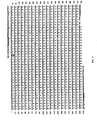
- the DNA sequence of the N. gonorrhoeae omp85 [SEQ ID NO: 1] and the corresponding deduced amino acid sequence of Omp85 (Genbank accession #U81959) [SEQ ID NO: 2] were obtained as described in the Example 2 and in Fig. 2 .
- the nucleotide sequence begins with the termination codon of a preceding ORF that is similar to that of the H.
- the Omp85 precursor polypeptide was composed of 792 amino acids.
- a putative signal peptide cleavage site was identified (indicated by arrowhead) [ Von Heijne, G., Nucl Acids Res., 14:4683-4690 (1986 )]. Cleavage at this site produces a mature protein having a predicted molecular weight of 85,842 Da.
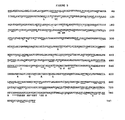
- Fig. 5 shows the comparison between the sequences of the two Omp85 proteins, as well as their similarities to the Omp85 homologs of N. meningitidis, N. gonorrhoeae, H. influerrzae (D-15-Ag) and P. multocida (Oma87).
- the specification also includes fragments of these omp85 genes.
- fragments are characterized by encoding a biologically active portion of Omp85, e.g., an epitope.
- other non-epitopic fragments may be useful as probes in diagnostic or research use.
- these oligonucleotide fragments are at least 10, or at least 15 consecutive nucleotides in length.
- oligonucleotide fragments of varying sizes may be selected as desired. Such fragments may be used for such purposes as performing polymerase chain reaction (PCR), e.g., on a biopsied tissue sample.
- PCR polymerase chain reaction
- useful fragments of omp85 DNA and corresponding sequences comprise sequences occurring between nucleotides 2161 through 2208 of SEQ ID NO: 1 and nucleotides 2161 and 2218 of SEQ ID NO: 3.
- Other useful fragments may be readily obtained by one of skill in the art by resort to conventional DNA sequencing techniques applied to the sequences disclosed herein.
- SEQ ID NOS: I and 3 permit one of skill in the art to readily obtain the corresponding anti-sense strands of these DNA sequences. Further, using known techniques, one of skill in the art can readily obtain additional genomic and cDNA sequences which flank the illustrated DNA sequences or the corresponding RNA sequences, as desired. Similarly the availability of SEQ ID NOS: 1 and 3 permits one of skill in the art to obtain other species Omp85 analogs, and fragments thereof, by use of the nucleic acid sequences as probes in a conventional technique, e.g., polymerase chain reaction.
- Allelic variants of these sequences within a species i.e., sequences containing some individual nucleotide differences from a more commonly occurring sequence within a species, but which nevertheless encode the same protein or a protein with the same function
- sequences containing some individual nucleotide differences from a more commonly occurring sequence within a species but which nevertheless encode the same protein or a protein with the same function
- other variants of Omp85 [SEQ ID NOS: 2 and 4] may also be readily obtained given the knowledge of these nucleic acid sequences.
- the present invention may further involve nucleic acid sequences for use in the invention capable of hybridizing under stringent conditions [see, J. Sambrook et al, Molecular Cloning: A Laboratory Manual, 2d ed., Cold Spring Harbor Laboratory (1989 )] to the sequences of SEQ ID NOS: 1 and 3, their anti-sense strands, or biologically active fragments thereof.
- An example of a highly stringent hybridization condition is hybridization at 2XSSC at 65°C, followed by a washing in 0.1XSSC at 65°C for an hour.
- an exemplary highly stringent hybridization condition is in 50% formamide, 4XSSC at 42°C.
- Moderately high stringency conditions may also prove useful, e.g., hybridization in 4XSSC at 55°C, followed by washing in 0.1XSSC at 37°C for an hour.
- An alternative exemplary moderately high stringency hybridization condition is in 50% formamide, 4XSSC at 30°C.
- the nucleic acid sequences may be modified. Utilizing the sequence data of SEQ ID NOS: 1 and 3, it is within the skill of the art to obtain other synthetically or recombinantly-prepared polynucleotide sequences, or modified polynucleotide sequences, encoding the full-length proteins or useful fragments. For example, one of skill may employ preferred or "preference" codons for expression of the sequence in selected host cells; thus SEQ ID NOS: 1 and 3 may be modified to contain different nucleotide triplets which encode the same amino acid as encoded by SEQ m NOS: 1 and 3.
- modifications made at the nucleic acid level include, for example, modifications to the nucleotide sequences which are silent or which change the amino acids, e.g. to improve expression or secretion of the protein. Also included are allelic variations, caused by the natural degeneracy of the genetic code.
- mutants of the omp85 sequences including 5', 3' or internal deletions, which encode proteins that substantially retain the antigenicity of the full-length Omp85 or other proteins or fragments.
- Such truncated, or deletion, mutants may be expressed by modified nucleic acid sequences for the purpose of affecting the activity of the full-length or wild-type protein.
- nucleic acid sequences are useful in the invention.
- the nucleic acid sequences are also useful in the production of Omp85 proteins and homologs as well as a variety of fusion or other synthetic proteins
- nucleotide sequences may be readily synthesized or may be isolated by conventional uses or polymerase chain reaction or cloning techniques such as those described herein and in conventional texts such as Sambrook et al, cited above.
- the nucleic acid sequences of the antigen may be prepared or isolated from genomic libraries using DNA primers and probes and PCR techniques. These sequences, fragments thereof, modifications thereto and the full-length sequences may be constructed recombinantly using conventional genetic engineering or chemical synthesis techniques or PCR, and the like by utilizing the information provided herein. Further, such nucleic acid sequences may be conventionally labeled for diagnostic use.
- the nucleic acid sequences may be admixed with a variety of pharmaceutically acceptable carriers, e.g., saline, liposomes, etc. or incorporated into nucleic acid molecules, e.g., plasmids under the regulatory control of sequences which direct expression of the encoded protein in a selected host cell.
- the nucleic acid sequences may also be delivered to a host as "naked" DNA or in a gene delivery vehicle, such as a recombinant virus, all as described in detail below.
- the present invention also uses Omp85 proteins and peptides. These proteins are free from association with other contaminating proteins or materials with which they are found in nature.
- the Neisseriae Omp85 antigen has a relative molecular mass of 85kDa as measured by Western immunoblot (See Example 2 and Fig. 2 ).
- the invention uses a gonococcal Omp85 antigen [SEQ ID NO:2] polypeptide of about 792 amino acids, with a signal peptide, having a predicted molecular weight of 85, 842 daltons.
- the meningococcal omp 85 was found to encode a 797 amino acid polypeptide with a predicted molecular weight of 88.5 kDa ( Fig. 5 ). Between amino acid residues 720 and 745, the menigococcal Omp85 varied substantially from gonococcal Omp85, including the insertion of five additional amino acids.
- the deduced amino acid sequence [SEQ ID NO: 4] of N . meningitidis Omp85 was revealed by sequence analysis to be 95% identical to N. gonorrhoeae Omp85 and 98% similar to gonococcal Omp85 using the BLAST2 algorithm.
- the similarities of these two Omp85 proteins to proteins of other microorganisms provides evidence of an immunological role played by these proteins, as well as other potential roles.
- the D-15 protective surface antigen (D-15-Ag) of Haemophilus influenzae and the Oma87 of Pasteurella multocida are the only bacterial proteins, which have been previously described, that are similar to the Omp85 amino acid sequence [SEQ ID NO: 2]. This similarity suggested that these proteins played an important role in host-pathogen interactions and have an important function in pathogenesis.
- the importance of these Omp85 proteins in pathogenesis and immunobiology was demonstrated by the fact that antibody to similar proteins in H. influenzae and P. multocida were protective.
- the similarities suggest that the Neisseriae Omp85 proteins are likely important immunological targets of the host immune response.
- Area A contains the frank pathogens N. gonorrhoeae and N meningitidis and opportunistic organisms known to cause severe human diseases such as N. pharyngis and N. cinerea.
- Area B contains species, such as N. mucosae and N. lactamica, typically found in the human nasopharynx which are able to cause opportunistic infections in debilitated hosts.
- Area C consists of commensal/saprophytic organisms, such as N. flavescens, N. animalis and N. denitricans, which generally do not cause human infections.
- Omp85-like proteins in numerous pathogenic and commensal organisms suggests it may be involved in establishing or maintaining colonization.
- the identification of Omp85 proteins in a number of pathogenic and commensal organisms provides evidence that the Omp85 proteins provide functions involved in establishing or maintaining colonization.
- Antigens of use in the invention may be characterized by immunological measurements including, without limitation, Western blot, macromolecular mass determinations by biophysical determinations, such as SDS-PAGE/staining, high pressure liquid chromatography (HPLC) and the like, antibody recognition assays, T-cell recognition assays, major histocompatibility complex (MHC) binding assays, and assays to infer immune protection or immune pathology by adoptive transfer of cells, proteins or antibodies.
- immunological measurements including, without limitation, Western blot, macromolecular mass determinations by biophysical determinations, such as SDS-PAGE/staining, high pressure liquid chromatography (HPLC) and the like, antibody recognition assays, T-cell recognition assays, major histocompatibility complex (MHC) binding assays, and assays to infer immune protection or immune pathology by adoptive transfer of cells, proteins or antibodies.
- Omp85 outer membrane antigens of use in the invention may be isolated in the form of a complete intact protein, or a polypeptide or fragment thereof.
- Omp85 is isolated by immunoblot procedures according to its respective molecular mass, as described below in the examples. Such isolation provides the antigen in a form substantially free from other proteinaceous and non-proteinaceous materials of the microorganism.
- the molecules comprising the polypeptides and antigens of use in the invention may be isolated and further purified using any of a variety of conventional methods including, but not limited to: liquid chromatography such as normal or reversed phase, using HPLC, FPLC and the like; affinity chromatography (such as with inorganic ligands or monoclonal antibodies); size exclusion chromatography; immobilized metal chelate chromatography; gel electrophoresis; and the like.
- liquid chromatography such as normal or reversed phase, using HPLC, FPLC and the like
- affinity chromatography such as with inorganic ligands or monoclonal antibodies
- size exclusion chromatography size exclusion chromatography
- immobilized metal chelate chromatography immobilized metal chelate chromatography
- gel electrophoresis and the like.
- amino acid sequences of the proteins of use in the invention may be produced recombinantly following conventional genetic engineering techniques [see e.g., Sambrook et al, cited above and the detailed description of making the proteins below].
- analogs, or modified versions, of the Omp85 protein, or fragments provided herein are also useful in this invention.
- analogs differ from the specifically identified proteins by only one to four codon changes.
- Examples include polypeptides with minor amino acid variations from the illustrated partial amino acid sequence of, for example, the gonococcal Omp85 (SEQ ID NO: 2), in particular, conservative amino acid replacements. Conservative replacements are those that take place within a family of amino acids that are related in their side chains and chemical properties.
- Homologs having at least 90% identity with either SEQ ID NO: 2 or SEQ ID NO: 4 are useful in this invention.
- Homologs having at least 95% identity with either SEQ ID NO: 2 or SEQ ID NO: 4 are also useful in this invention.
- an antigen useful in the present invention may also be modified to increase its immunogenicity.
- the antigen may be coupled to chemical compounds or immunogenic carriers, provided that the coupling does not interfere with the desired biological activity of either the antigen or the carrier.
- Useful immunogenic carriers known in the art include, without limitation, keyhole limpet hemocyanin (KLH); bovine serum albumin (BSA), ovalbumin, purified protein derivative of tuberculin (PPD); red blood cells; tetanus toxoid; cholera toxoid; agarose beads; activated carbon; or bentonite.
- KLH keyhole limpet hemocyanin
- BSA bovine serum albumin
- PPD purified protein derivative of tuberculin
- red blood cells tetanus toxoid
- cholera toxoid agarose beads
- activated carbon or bentonite.
- Useful chemical compounds for coupling include, without limitation, dinitrophenol groups and arsonilic acid.
- One of skill in the art may readily select other appropriate immunogenic carriers or coupling agents.
- the antigen may also be modified by other techniques, such as denaturation with heat and/or SDS.
- fragments of the Omp85 polypeptides and peptides identified herein are desirably characterized by having a biological activity similar to that displayed by the complete protein, including, e.g., the ability to induce antibodies which can interfere with the binding of the pathogen to its cellular targets (see Example 8).
- These fragments are from 8 amino acids in length up to fragments encompassing just short of the entire protein. Such fragments represent consecutive amino acids in the protein sequence. Such a fragment may represent an epitope of the protein.
- Omp85 proteins [SEQ ID NOS:2 and 4] useful in the invention may be modified to create deletion mutants, for example, by truncation at the amino or carboxy termini, or by elimination of one or more amino acids. Deletion mutants are also useful in this invention, as are the DNA sequences encoding them.
- the Omp85 peptides or polypeptides useful in this invention may be in the form of a multiple antigenic peptide ("MAP", also referred to as an octameric lysine core peptide) construct.
- MAP multiple antigenic peptide
- Such a construct may be designed employing the MAP system described by Tam, Proc. Natl. Acad. Sci. USA, 85:5409-5413 (1988 ).
- This system makes use of a core matrix of lysine residues onto which multiple copies of the same protein or peptide useful in the invention are synthesized as described [ D. Posnett et al., J. Biol. Chem., 263(4):1719-1725 (1988 ); J.
- Still other modified fragments of Omp85 may be prepared by any number of now conventional techniques to improve production thereof, to enhance protein stability or other characteristics, e.g. binding activity or bioavailability, or to confer some other desired property upon the protein.
- Other useful fragments of these polypeptides may be readily prepared by one of skill in the art using known techniques, such as deletion mutagenesis and expression.
- the Omp85 protein useful in the present invention may also be constructed, using conventional genetic engineering techniques as part of a larger and/or multimeric protein or protein compositions.
- Antigens useful in this invention may be in combination with outer surface proteins or other proteins or antigens of other pathogens, such as those identified above, or various fragments of the antigens described herein may be in combination with each other. In such combination, the antigen may be in the form of a fusion protein.
- the antigen useful in the invention may be optionally fused to a selected polypeptide or protein derived from other microorganisms.
- an antigen or polypeptide useful in this invention may be fused at its N-terminus or C-terminus to a polypeptide from another pathogen or to more than one polypeptide in sequence.
- Polypeptides which may be useful for this purpose include polypeptides identified by the prior art.
- Still another fusion protein useful in this invention is provided by expressing the DNA molecule formed by the omp85 DNA sequence or a fragment thereof fused to DNA fragments that are homologous (between about 25-95% identity) to Omp85.
- a protein comprises the amino acid sequence of SEQ ID NO: 2 to which is fused amino acid fragments that are up to 95% identical to that sequence, e.g., from SEQ ID NO: 4, or from any of the above-described homologous proteins. These fragments may be inserted in any order and may contain repeated sequences.
- the fused fragments may produce a large DNA molecule which expresses a protein which may stimulate a variety of antibody specificities.
- fusion proteins comprising multiple polypeptides of this disclosure are constructed for use in the vaccine compositions of this invention.
- These fusion proteins or multimeric proteins may be produced recombinantly, or may be synthesized chemically. They also may include the polypeptides of this disclosure fused or coupled to moieties other than amino acids, including lipids and carbohydrates.
- antigens useful in this invention may be employed in combination with other vaccinal agents described by the prior art, as well as with other species of vaccinal agents derived from other microorganisms. Such proteins are useful in the prevention of diseases caused by a wide spectrum of Neisseriae isolates.
- a protein composition which may be a preferred alternative to the fusion proteins described above is a cocktail (i.e., a simple mixture) containing different Omp85 proteins or fragments, optionally mixed with different antigenic proteins or peptides of other pathogens. Such mixtures of these proteins or antigenic fragments thereof are likely to be useful in the generation of desired antibodies to a wide spectrum of Neisseriae isolates.
- An antigen useful in the present invention may also be used in the form of a pharmaceutically acceptable salt.
- Suitable acids and bases which are capable of forming salts with the polypeptides useful in the present invention are well known to those of skill in the art, and include inorganic and organic acids and bases.
- the DNA sequences useful in the invention are inserted into a suitable expression system.
- a recombinant molecule or vector is constructed in which the polynucleotide sequence encoding the selected protein, e.g., Omp85 is operably linked to a heterologous expression control sequence permitting expression of the protein.
- appropriate expression vectors are known in the art for protein expression, by standard molecular biology techniques. Such vectors are selected from among conventional vector types including insects, e.g., baculovirus expression, or yeast, fungal, bacterial or viral expression systems. Other appropriate expression vectors, of which numerous types are known in the art, can also be used for this purpose.
- Suitable host cells or cell lines for transfection by this method include bacterial cells.
- E. coli e.g., HB101, MC1061
- strains used in the following examples are well-known as host cells in the field of biotechnology.
- Various strains of B. subtilis, Pseudomonas, Streptomyces, and other bacilli and the like are also be employed in this method.
- Mammalian cells such as human 293 cells, Chinese hamster ovary cells (CHO), the monkey COS-1 cell line or murine 3T3 cells derived from Swiss, Balb-c or NIH mice are used. Another suitable mammalian cell line is the CV-1 cell line. Still other suitable mammalian host cells, as well as methods for transfection, culture, amplification, screening, production, and purification are known in the art. [See, e.g., Gething and Sambrook, Nature, 293:620-625 (1981 ), or alternatively, Kaufman et al, Mol. Cell. Biol., 5(7):1750-1759 (1985 ) or Howley et al, U. S. Patent 4,419,446 ].
- yeast cells Many strains of yeast cells known to those skilled in the art are also available as host cells for expression of the polypeptides useful in the present invention. Other fungal cells may also be employed as expression systems. Alternatively, insect cells such as Spodoplera frugipedera (Sf9) cells may be used.
- Sf9 Spodoplera frugipedera
- a method for producing recombinant Omp85 proteins involves transfecting, e.g., by conventional means such as electroporation, a host cell with at least one expression vector containing a polynucleotide useful in the invention under the control of a transcriptional regulatory sequence.
- the transfected or transformed host cell is then cultured under conditions that allow expression of the protein.
- the expressed protein is recovered, isolated, and optionally purified from the cell (or from the culture medium, if expressed extracellularly) by appropriate means known to one of skill in the art.
- the proteins are isolated in soluble form following cell lysis, or extracted using known techniques, e.g,, in guanidine chloride.
- the proteins or fragments useful in the invention are produced as a fusion protein.
- Such fusion proteins are those described above.
- Suitable fusion partners for the proteins useful in the invention are well known to those of skill in the art and include, among others, ⁇ -galactosidase, glutathione-S-transferase, poly-histidine and maltose binding protein.
- an appropriate vector for delivery is readily selected by one of skill in the art.
- Exemplary vectors for in vivo gene delivery are readily available from a variety of academic and commercial sources, and include, e.g., adeno-associated virus [International patent application No. PCT/US91/03440 ], adenovirus vectors [ M. Kay et al, Proc. Natl. Acad. Sci. USA, 91:2353 (1994 ); S. Ishibashi et al, J. Clin.
- Invest., 92:883 (1993 )] or other viral vectors, e.g., various poxviruses, vaccinia, etc.
- Methods for insertion of a desired gene, e.g., Omp85, and obtaining in vivo expression of the encoded protein are well known to those of skill in the art.
- the present invention also uses antibodies capable of recognizing and binding the isolated, or modified, or multimeric antigens described above, including antibodies derived from mixtures of such antigens or fragments thereof.
- Certain of the antibodies useful in the invention may be specific to the N. gonorrhoeae or N. meningitidis Omp85 proteins, by binding to epitopes on the proteins which differ from the former species to the latter species.
- an antibody specific for N. gonorrhoeae may bind an epitope on SEQ ID NO: 2 which is not present in SEQ ID NO: 4, or vice versa.
- an N. gonorrhoeae Omp85-specific antibody is defined herein as an antibody that binds an Omp85 antigen of N.
- N. meningitidis Omp85-specific antibody is defined herein as an antibody that binds an Omp85 antigen of N. meningitidis only.
- certain antibodies to these proteins may bind an epitope present on both the N. gonorrhoeae and N. meningitidis Omp85 proteins.
- Still other antibodies useful in the invention may bind an epitope on N. gonorrhoeae and N. meningitidis Omp85, and the same epitope on the other homologous proteins in homologous or heterologous species of bacteria having homologous proteins (described in Part I, B above).
- These antibodies are useful in passive vaccine compositions, which vaccines may also be polyvalent, by containing antibodies to antigens of other microorganisms as well as antibodies to the Omp85 proteins useful in the invention.
- the antibodies useful in this invention are generated by conventional means utilizing the isolated, recombinant or modified antigens useful in this invention, or mixtures of such antigens or antigenic fragments.
- polyclonal antibodies are generated by conventionally stimulating the immune system of a selected animal or human with the isolated antigen or mixture of antigenic proteins or peptides, of this disclosure, allowing the immune system to produce natural antibodies thereto, and collecting these antibodies from the animal or human's blood or other biological fluid.
- an antibody useful in the invention can be produced by administering to a vertebrate host the antigen or antigenic composition useful in this invention, e.g., Omp85.
- Omp85 a recombinant version of Omp85 (rOmp85) or an Omp85 MAP is used as an immunogen.
- a suitable polyclonal antibody against the Omp85 antigen may be generated as antisera, such as the Omp85 antisera employed in the examples herein.
- an antibody useful in the invention is isolated by affinity purifying antiserum generated during an infection of a mammal, e.g., a mouse, with N. gonorrhoeae or N. meningitidis, using as immunoabsorbant the Omp85 antigen identified herein.
- an antibody useful in the invention is isolated by immunizing mice with a purified, recombinant antigen useful in this invention, or a purified, isolated Omp85 protein of native origin.
- Monoclonal antibodies (MAbs) directed against Omp85 are also generated.
- Hybridoma cell lines expressing desirable MAbs are generated by well-known conventional techniques, e.g. Kohler and Milstein and the many known medications thereof.
- desirable high titer antibodies are generated by applying known recombinant techniques to the monoclonal or polyclonal antibodies developed to these antigens [see, e.g., PCT Patent Application No. PCT/GB85/00392 ; British Patent Application Publication No. GB2188638A ; Amit et al., Science, 233:747-753 (1986 ); Queen et al., Proc. Nat'l, Acad, Sci.
- the antigens are assembled as multi-antigenic complexes [see, e.g., European Patent Application 0339695, published November 2, 1989 ] or as simple mixtures of antigenic proteins/peptides and employed to elicit high titer antibodies capable of binding the selected antigen(s) as it appears in the biological fluids of an infected animal or human.
- anti-idiotype antibodies (Ab2) and anti-anti-idiotype antibodies (Ab3).
- Ab2 are specific for the target to which anti-Omp85 antibodies useful in the invention bind and Ab3 are similar to Omp85 antibodies (Ab1) in their binding specificities and biological activities [see, e.g., M. Wettendorff et al., "Modulation of anti-tumor immunity by anti-idiotypic antibodies.” in Idiotypic Network and Diseases, ed. by J. Cerny and J. Hiernaux J, Am. Soc. Microbiol., Washington DC: pp. 203-229, (1990 )].
- These anti-idiotype and anti-anti-idiotype antibodies are produced using techniques well known to those of skill in the art.
- Such anti-idiotype antibodies (Ab2) can bear the internal image of Omp85 or fragments thereof and are thus useful for the same purposes as Omp85 or the fragments.
- polyclonal antisera, monoclonal antibodies and other antibodies which bind to the selected antigen are useful to identify epitopes of Omp85 to separate Omp85 and analogs thereof from contaminants in living tissue (e.g., in chromatographic columns and the like), and in general as research tools and as starting material essential for the development of other types of antibodies described above.
- Anti-idiotype antibodies are useful for binding the same target and thus may be used in place of the original antigen, e.g., Omp85, to induce an immune response.
- the Ab3 antibodies are useful for the same reason the Ab1 are useful.
- Other uses as research tools and as components for separation of Omp85 from other contaminants, for example, are also contemplated for the above-described antibodies.
- the antibodies are associated with conventional labels which are capable, alone or in concert with other compositions or compounds, of providing a detectable signal.
- the labels are desirably interactive to produce a detectable signal.
- the label is detectable visually, e.g. colorimetrically.
- enzyme systems have been described in the art which will operate to reveal a colorimetric signal in an assay. As one example, glucose oxidase (which uses glucose as a substrate) releases peroxide as a product.
- Peroxidase which reacts with peroxide and a hydrogen donor such as tetramethyl benzidine (TMB) produces an oxidized TMB that is seen as a blue color.
- a hydrogen donor such as tetramethyl benzidine (TMB)
- TMB tetramethyl benzidine
- HRP horseradish peroxidase
- AP alkaline phosphatase
- hexokinase in conjunction with glucose-6-phosphate dehydrogenase which reacts with ATP, glucose, and NAD+ to yield, among other products, NADH that is detected as increased absorbance at 340 nm wavelength.
- label systems that may be utilized in the methods described herein detectable by other means, e.g., colored latex microparticles [Bangs Laboratories, Indiana] in which a dye is embedded may be used in place of enzymes to form conjugates with the antibodies and provide a visual signal indicative of the presence of the resulting complex in applicable assays.
- Still other labels include fluorescent compounds, radioactive compounds or elements.
- Detectable labels for attachment to antibodies useful in diagnostic assays of this disclosure may be easily selected from among numerous compositions known and readily available to one skilled in the art of diagnostic assays. The methods and antibodies are not limited by the particular detectable label or label system employed.
- antigens and antibodies useful in the invention alone or in combination with other antigens and antibodies of, or directed to, other pathogenic microorganisms may be used in vaccine compositions and in methods for treating humans with non-symptomatic infection or symptomatic disease caused by N. gonorrhoeae, N. meningitidis or the other pathogens identified above.
- one such therapeutic composition may be formulated to contain a carrier or diluent and one or more of the anti-Omp85 antibodies.
- suitable pharmaceutically acceptable carriers may be employed that facilitate administration of the proteins but are physiologically inert and/or nonharmful.
- pharmaceutically acceptable protein carriers include, without limitation, sterile saline, lactose, sucrose, calcium phosphate, gelatin, dextran, agar, pectin, peanut oil, olive oil, sesame oil, and water.
- the carrier or diluent may include a time delay material, such as glycerol monostearate or glycerol distearate alone or with a wax.
- slow release polymer formulations can be used. Liposomes or liposomal-like vehicles may also be employed.
- compositions may also contain conventional pharmaceutical ingredients, such as preservatives, or chemical stabilizers.
- suitable ingredients which may be used in a therapeutic composition in conjunction with the antibodies include, for example, casamino acids, sucrose, gelatin, phenol red, N-Z amine, monopotassium diphosphate, lactose, lactalbumin hydrolysate, and dried milk.
- agents useful in treating the disease in question e.g., antibiotics or immunostimulatory agents and cytokine regulation elements
- agents useful in treating the disease in question e.g., antibiotics or immunostimulatory agents and cytokine regulation elements
- Such agents may operate in concert with the vaccine compositions of this invention.
- the development of vaccine compositions containing these agents is within the skill of one in the art in view of the teachings of this invention.
- the vaccine compositions may be polyvalent.
- Such compositions may contain therapeutic components from other bacterial or viral pathogens, e.g., components of bacterial species homologous to Neiserriae or heterologous thereto and/or antigens from a disease-causing virus.
- the Omp85 antibodies or antigens useful in the invention may thus be part of a multi-component vaccine composition directed at more than a single disease.
- a therapeutic method involves treating a human for infection with N. gonorrhoeae or N. meningitidis by administering an effective amount of such a therapeutic composition.
- An "effective amount" of a proteinaceous composition may be between about 0.05 to about 1000 ⁇ g/ml of an antibody or antigen.
- a suitable dosage may be about 1.0 ml of such an effective amount.
- Such a composition may be administered 1 - 3 times per day over a 1 day to 12 week period.
- suitable dosage adjustments for protein or nucleic acid containing compositions may be made by the attending physician or veterinarian depending upon the age, sex, weight and general health of the human patient.
- such a composition is administered parenterally, preferably intramuscularly or subcutaneously.
- it may also be formulated to be administered by any other suitable route, including orally or topically. The selection of the route of delivery and dosage of such therapeutic compositions is within the skill of the art.
- the Omp85 antigens, antibodies, and fragments, useful in the invention alone or in combination with other antigens, antibodies, and fragments from other microorganisms may further be used in compositions directed to induce a protective immune response in a subject to the pathogen.
- These components of the present invention are also useful for inducing a protective immune response in humans against infection with N. gonorrhoeae, N. meningitidis or the other pathogens identified above.
- an outer membrane protein antigen-based vaccine for the prevention of non-symptomatic gonococcal infection or symptomatic disease, non-symptomatic meningococcal infection and symptomatic disease, and other diseases in humans is provided which contains an effective amount of an Omp85 antigen, useful in the invention and a pharmaceutically acceptable carrier or diluent.
- This vaccine composition may contain one or more of the isolated, recombinant, modified or multimeric forms of the Omp85 antigen useful in the invention, or mixtures thereof Similarly, salts of the antigenic proteins may be employed in such compositions.
- a polyvalent vaccine composition may include not only the Omp85 antigen or immunogenic fragment thereof, but may also include antigens from other disease-causing agents. Such other agents may be antigens from other Neisseriae strains. Such other agents may be antigens from completely distinct bacterial pathogens or from viral pathogens. Combinations of the antigen(s) of this disclosure with other antigens or fragments thereof are also encompassed by this invention for the purpose of inducing a protective immune response in the vaccinated subject to more than a single pathogen. The selection of these other vaccine components is not a limitation of the present invention and may be left to one of skill in the art.
- Such proteinaceous vaccines may include exemplary carriers as described above for therapeutic compositions.
- the vaccine compositions may optionally contain adjuvants, preservatives, chemical stabilizers, as well as other conventionally employed vaccine additives.
- stabilizers, adjuvants, and preservatives are optimized to determine the best formulation for efficacy in the target human.
- Suitable exemplary preservatives include chlorobutanol, potassium sorbate, sorbic acid, sulfur dioxide, propyl gallade, the parabens, ethyl vanillin, glycerin, phenol, and parachlorophenol.
- one or more of the above described vaccine components may be admixed or adsorbed with a conventional adjuvant.
- the adjuvant is used to attract leukocytes or enhance an immune response.
- adjuvants include, among others, RIBI adjuvant, mineral oil and water, aluminum hydroxide, AMPHIGEN adjuvant, ADJUVAX adjuvant, AVRIDINE adjuvant, L121/squalene, D-lactide-polylactide/glycoside, pluronic plyois, muramyl dipeptide, killed Bordetella, and saponins, such as Quil A.
- the invention thus can be used in a prophylactic method entailing administering to a human an effective amount of such a composition.
- the protein antigenic compositions are administered in an "effective amount", that is, an amount of antigen that is effective in a route of administration to provide a vaccinal benefit, i.e., protective immunity.
- Suitable amounts of the antigen can be determined by one of skill in the art based upon the level of immune response desired.
- the vaccine composition contains between 1 ng to 1000 mg antigen, and more preferably, 0.05 ⁇ g to 1 mg per ml of antigen.
- Suitable doses of the vaccine composition of the invention can be readily determined by one of skill in the art.
- a suitable dose is between 0.1 to 5 ml of the vaccine composition.
- the dosage can also be determined readily by one of skill in the art.
- the vaccine can be administered once; and optionally boosters can be administered periodically thereafter.
- the vaccine may be administered by any suitable route. However, parenteral administration, particularly intramuscular, and subcutaneous, is the preferred route. Also preferred is the oral route of administration. Routes of administration may be combined, if desired, or adjusted.
- the invention includes a composition which delivers passive protection against infection by the pathogen.
- the antibodies against the Omp85 proteins disclosed herein are useful to provide to the subject a short-term, passive immune protection against infection.
- These passive immunity vaccine compositions may contain antibodies to other pathogens and suitable vaccine additives as described above, e.g., adjuvants, etc. These compositions may be administered in dosages similar to those described above for the compositions which actively induce immune protection in the vaccinated subject.
- nucleic acid sequences or anti-sense sequences useful in the invention may further be used in therapeutic compositions and in methods for treating humans with the disease caused by infection with N. gonorrhoeae, N. meningitidis or the other pathogens identified above.
- nucleic acid sequences useful in the invention alone or in combination with nucleic acid sequences encoding other antigens or antibodies from other pathogenic microorganisms, may further be used in compositions directed to actively induce a protective immune response in a subject to the pathogen.
- These components of the present invention are useful in inducing a protective immune response in humans against infection with N. gonorrhoeae, N. meningitidis or the other pathogens identified above.
- nucleic acid delivery compositions and methods are useful, which are known to those of skill in the art.
- the omp85 sequences or fragments thereof may be employed in the uses of this invention or in the compositions described herein as DNA sequences, either administered as naked DNA, or associated with a pharmaceutically acceptable carrier and provide for in vivo expression of the Omp85 protein or peptide. So-called 'naked DNA' may be used to express the Omp85 protein or peptide fragment (or anti-sense sequences) in vivo in a patient.
- naked DNA or anti-sense sequences associated with regulatory sequences may be administered therapeutically or as part of the vaccine composition e.g., by injection.
- omp85 DNA or anti-sense DNA may be administered as part of a vector or as a cassette containing the Omp85-encoding DNA sequences or fragments or anti-sense sequences thereof operatively linked to a promoter sequence and other plasmid sequences.
- the DNA encoding the Omp85 protein (or anti-sense sequence) or desired fragment thereof may be inserted into a nucleic acid cassette.
- This cassette may be engineered to contain, in addition to the omp85 sequence to be expressed (or anti-sense sequence), other optional flanking sequences which enable its insertion into a vector.
- This cassette may then be inserted into an appropriate DNA vector downstream of a promoter, an mRNA leader sequence, an initiation site and other regulatory sequences capable of directing the replication and expression of that sequence in vivo.
- This vector permits infection of vaccinate's cells and expression of the omp85 (or anti-sense sequence) in vivo.
- vectors are selected from among conventional vector types including insects, e.g., baculovirus expression, or yeast, fungal, bacterial or viral expression systems. Methods for obtaining such vectors are well-known. See, Sambrook et al, Molecular Cloning. A Laboratory Manual, 2d edition, Cold Spring Harbor Laboratory, New York (1989 ); Miller et al, Genetic Engineering, 8:277-298 (Plenum Press 1986 ) and references cited therein. Recombinant viral vectors, such as retroviruses or adenoviruses, are preferred for integrating the exogenous DNA into the chromosome of the cell.
- the regulatory sequences in such a vector which control and direct expression of the omp85 gene product or anti-sense sequence in the transfected cell include an inducible promoter.
- Inducible promoters are those which "turn on" expression of the gene when in the presence of an inducing agent. Examples of suitable inducible promoters include, without limitation, the sheep metallothionine (MT) promoter, the mouse mammary tumor virus (MMTV), the tet promoter, etc.
- the inducing agents may be a glucocorticoid such as dexamethasone, for, e.g., the MMTV promoter, or a metal, e.g., zinc, for the MT promoter; or an antibiotic, such as tetracycline for tet promoter.
- glucocorticoid such as dexamethasone, for, e.g., the MMTV promoter, or a metal, e.g., zinc, for the MT promoter; or an antibiotic, such as tetracycline for tet promoter.
- Still other inducible promoters may be selected by one of skill in the art, such as those identified in International patent application WO95/13392, published May 18, 1995 . The identity of the inducible promoter is not a limitation of this invention.
- the amounts of DNA to be delivered and the routes of delivery may parallel the protein amounts for vaccine or therapeutic delivery described above and may also be determined readily by one of skill in the art.
- a therapeutic composition may be formulated to contain a carrier or diluent and one or more plasmid or DNA molecule or recombinant virus containing a nucleic acid sequence which is anti-sense to the omp85 gene sequence [SEQ ID NO: 1 or 3], a fragment thereof, under control of suitable sequences regulating the expression thereof.
- a carrier or diluent and one or more plasmid or DNA molecule or recombinant virus containing a nucleic acid sequence which is anti-sense to the omp85 gene sequence [SEQ ID NO: 1 or 3], a fragment thereof, under control of suitable sequences regulating the expression thereof.
- vehicles suitable for delivery of DNA may be employed.
- compositions may be polyvalent.
- Such compositions may contain therapeutic components which are anti-sense sequences of other bacterial or viral origin, e.g., the anti-sense sequence of components of bacterial species homologous to Neiserriae or heterologous thereto and/or anti-sense sequence derived from antigens from a disease-causing virus.
- the anti-sense sequences to the Omp85 antigens useful in the invention may thus be part of a multi-component therapeutic composition directed at more than a single disease.
- a therapeutic method involves treating a human for infection with N. gonorrhoeae or N. meningitidis by administering an effective amount of such a therapeutic nucleic-acid containing composition.
- An "effective amount" of a nucleic acid composition may be calculated as that amount capable of expressing in vivo the above effective amounts of exogenously delivered proteins. Such amounts may be determined by one of skill in the art.
- such a composition is administered parenterally, preferably intramuscularly or subcutaneously. However, it may also be formulated to be administered by any other suitable route, including orally or topically. The selection of the route of delivery and dosage of such therapeutic compositions is within the skill of the art.
- a vaccine composition of this invention may be a DNA vaccine, which includes the omp85 DNA sequence [SEQ ID NOS: 1 or 3] or a fragment thereof which encodes an immunogenic protein or peptide, optionally under the control of regulatory sequences.
- this vaccine composition may contain a nucleic acid sequence that encodes one or more of the isolated, recombinant, modified or multimeric forms of the Omp85 antigen useful in the invention, or mixtures thereof.
- polyvalent vaccine compositions may include not only the nucleic acid sequence encoding the Omp85 antigen or an immunogenic fragment thereof, but may also include nucleic acid sequences encoding antigens from other disease-causing agents. Such other agents may be antigens from other Neisseriae strains. Such other agents may be nucleic acid sequences encoding antigens from completely distinct bacterial pathogens or from viral pathogens. Combinations of the antigen-encoding sequences useful in this invention with other nucleic acid sequences encoding antigens or fragments thereof from other pathogens are also encompassed by this invention for the purpose of inducing a protective immune response in the vaccinated subject to more than a single pathogen. The selection of these other vaccine components is not a limitation of the present invention, and may be left to one of skill in the art.
- Such "DNA” or nucleic acid vaccines may include exemplary carriers as described above for therapeutic compositions and, where suitable, the components or additives described above with reference to the proteinaceous compositions, e.g. adjuvants, preservatives, chemical stabilizers, etc. as well as other conventionally employed vaccine additives.
- Additives suitable for use in nucleic acid compositions are known to those of skill in the art, including certain lipids and liposomes, among other known components.
- a suitable nucleic acid-based treatment contains between 1x10 -3 plaque forming unit (pfu) to 1x10 12 pfu per dose, if a virus is the delivery vector. Otherwise, the dosage is adjusted to provide the same amount of expressed protein as is provided by the protein vaccines.
- the dose, timing and mode of administration of these compositions may be determined by one of skill in the art. Such factors as the age, and physical condition of the vaccinate may be taken into account in determining the dose, timing and mode of administration of the immunogenic or vaccine composition of the-invention.
- EXAMPLE 1 Bacterial Strains, Cells, Methods and Culture Conditions
- N. gonorrhoeae strains FA19, FA635, FA1090, JS1, F62 and MS11LosA used in the examples below were provided by Dr. William M. Shafer (Emory University, Atlanta, GA) Dr. John Swanson (Rocky Mountain Laboratories, Hamilton, MT) or the American Type Culture Collection (Rockville, MD).
- N. meningitidis strains MP78, MP3, MP81, and HH were provided by Dr. Mark S. Peppler (University of Alberta, Edmonton, Alberta, Canada) and Dr. Zell McGee (University of Utah, Salt Lake City, UT). All other strains were acquired from the American Type Culture Collection.
- E. coli XL1-Hlue and SOLR cells were obtained from Stratagene Cloning Systems (La Jolla, CA). DNA fragments were purified from agarose gels using Gene Clean II (Bio101, La Jolla, CA). Plasmids were purified using the QIAprep quick spin kit (Qiagen, Chatsworth, CA). Immunoblotting was done with Millipore (Bedford, MA) Immobilon PVDF. Unless specified otherwise in the examples below, all reagents were obtained from Sigma Chemical Co. (St. Louis, MO).
- EXAMPLE 2 Cloning and Immunological Screening of a Gonococcal Genomic Library
- a genomic DNA library was produced by purifying N. gonorrhoeae strain FA19 genomic DNA and partially digesting the DNA into fragments with the restriction endonuclease Tsp 509 [New England Biolabs]. These DNA fragments were ligated with T4 DNA ligase [New England Biolabs] into the Eco RI restriction site of the lambda Zap II bacteriophage vector [Stratagene Cloning Systems, La Jolla, CA]. The ligated phage DNA was packaged, and plated on E. coli DH5 ⁇ [Gibco BRL, Gaithersburg, MD] host cells.
- the resulting library was screened immunologically for the expression of gonococcal surface proteins according to protocols provided with the Lambda ZapII vector system.
- the plaques from the library were screened with anti-GC-OM, an antiserum raised to isolated gonococcal outer membranes.
- Plasmid DNA was rescued from phage producing immunoreactive plaques.
- the plasmid, pDR4 contained a 2.6 kbp gonococcal DNA insert.
- the gonococcal DNA in pDR4 was subcloned into pUP 1 [ Elkins C., J. Bacteriol., 173: 3911-3913 (1991 ), generously provided by Dr. Chris Elkins (University of North Carolina, Chapel Hill, NC)] yielding pOmp85.
- the cloned gonococcal DNA fragment in pOmp85 was characterized by restriction enzyme analysis.
- the fragment contained three internal Hinc II restriction sites which allowed the subcloning of three fragments into pBluescript [Stratagene Cloning Systems La Jolla, CA]. These fragments and pDR4 were sequenced by the University of Montana Molecular Biology Facility. A gene-walking strategy was used to sequence those regions which could not be sequenced with universal vector primers.
- the entire length of the gonococcal DNA fragment was sequenced at least twice and most of the DNA was sequenced from both strands.
- the deduced amino acid sequence and comparisons of Omp85 homologs were obtained with the MacVector software package (Eastman Chemical Co., New Haven, CT).
- the 2.6 kb gonococcal DNA in pOmp85 was found to contain a large open reading frame (ORF) which encoded a polypeptide of 792 amino acids with a predicted molecular weight of 87.8 kDa ( Fig. 2 ) [SEQ ID NO:2].
- the polypeptide contained a putative signal peptide [ Von Heijne G., Nuc. Acids Res., 14: 4683-4690 (1986 )]. Removal of this signal peptide yielded a mature polypeptide with an 85.8 kDa predicted molecular weight.
- the polypeptide also possesses a carboxyl-terminal phenylalanine residue characteristic of outer membrane proteins [ Struyve M. et al, J. Mol.
- a ribosome-binding sequence preceded the initiation codon of the ORF. Potential promoter sequences were not readily apparent.
- the ORF was preceded and followed by putative rho-independent transcriptional stop sites.
- the approximately 85 kDa gonococcal protein expressed by pOmp85 was designated Omp85 and the gene encoding it was designated omp 85.
- the meningococcal omp 85 was obtained by PCR amplification using the Boehringer Mannheim (Indianapolis, IN) Expand High Fidelity PCR System. The design of PCR primers was based on gonococcal omp 85 and flanking sequences.
- the positive-sense omp 85 PCR primer contained the first five codons of the gonococcal omp 85 with an EcoRI restriction site and two extra nucleotides added to the 5' end (CGGAATTCATGAAACTGAAACAG) [SEQ ID NO: 5].
- the negative-sense omp 85 PCR primer contained the reverse-compliment of six codons (TTGCAGTTTTTGCAATTC) [SEQ ID NO: 6] of the gonococcal omp H sequence located 244 base pairs 3' of omp 85 termination codon. These primers were used in a PCR reaction with purified N. meningitidis HH DNA as template.
- the meningococcal omp 85 PCR product was ligated into pUP1 to yield pMCOmp85. The sequence of the meningococcal omp 85 was obtained essentially as described for the gonococcal omp 85.
- the meningococcal omp 85 was found to encode a 797 amino acid polypeptide with a predicted molecular weight of 88.5 kDa ( Fig. 5 ).
- the meningococcal Omp85 was 95% identical and 98% similar to gonococcal Omp85. Between amino acid residues 720 and 745, the menigococcal Omp85 varied substantially from gonococcal Omp85, including the insertion of five additional amino acids.
- the Western blot analyses were performed as follows. Bacterial proteins were separated by SDS-PAGE (12.5%) [ Laemmli UK, Nature, 227: 680-695 (1970 )]. The separated proteins were electrophoretically transferred onto PVDF as previously described [ Judd RC., Anal. Biochem., 173: 307-316 (1988 )]. Blotting was performed in 20mM sodium phosphate buffer, pH 8.0 for 2 hr at 600 mA.
- PVDF membrane was blocked for 1 hr with PBS Tween at room temperature, incubated overnight in anti-GC-OM or anti-Omp85 sera at 4°C, washed several times, incubated with protein A-horseradish peroxidase conjugate (Boehringer Mannheim, Indianapolis, IN) and developed with 4-chloro-1-naphthol.
- Anti-GC-OM serum was reacted in Western blot analysis with total cell proteins from six representative strains of N . gonorrhoene and four strains of N. meningitidis.
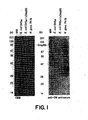
- Whole cell lysates of E . coli DH5 ⁇ , E. coli DH5 ⁇ /pOmp85, and N. gonorrhoeae strains FA19, FA635, FA1090, JS1, F62 and MS11LosA and N. meningitidis strains MP78, MP3. MP81 and HH were separated by 12.5% SDS-PAGE, blotted and probed with the anti-GC-OM serum.
- An immunoreactive, approximately 85 kDa protein band was detected in all strains of N. gonorrhoeae and N. meningitidis ( Fig. 3 ), but not in the control E. coli DH5 ⁇ .
- a Southern blot ( Fig. 4 ) illustrated the identification of omp 85 in N. gonorrhoeae and N. meningitidis by Southern analysis.
- Genomic DNA from E. coli DH5 ⁇ , N. gonorrhoeae FA19 and N. meningitidis strains MP3, MP73, MP81 and HH were digested with restriction endonucleases ( Hinc II, Eco RI, Pst I, Cla I). Blots of the separated DNA digests were probed with a 688 bp fragment of gonococcal omp 85 that extended from the most 3' Hinc II site of omp 85 to a Hinc II site in the vector near the 3' end of the cloned gene. This fragment was used as a positive control.
- N. gonorrhoeae strain FA19 and in all of the N. meningitidis strains the omp85 probe hybridized with a single DNA band.
- a single band was also identified in gonococcal strains FA635, FA1090, JS1, F62, and MS11 (data not shown). These results suggested that omp85 was conserved as a single copy in pathogenic Neisseria. Sequence data indicated that Hinc II cleaved omp 85 internally at three sites. The probe hybridized to a fragment larger than itself in the Hinc II digest of gonococcal DNA (FA19 - Hinc II).
- the genomic fragment resulted from an internal and external Hinc II cleavage; the probe lacked the flanking gonococcal sequence containing the external Hinc II site.
- the genomic Hinc II band that hybridized to the probe was probably derived from a single copy of the omp 85 gene since it is unlikely that duplicate copies of the gene would have identically-located Hinc II sites, generating fragments of identical size.
- the enzyme Pst I cleaved 309 base pairs from the 5' end of omp 85.
- the single fragment of Pst I-digested gonococcal genomic DNA (FA19 - Pst I) which hybridized with the probe probably contained a single copy of the gene. It is possible, but unlikely, that the Pst I fragments contained approximately 2 kbp segments of omp 85 in inverted orientations at each end of the approximately 8 kbp fragment. Sequence data indicated that the enzymes Cla I and Eco RI did not cleave within omp 85.
- the omp 85 probe hybridized to single bands of similar size in the Cla I digested DNA of both N. gonorrhoeae and N. meningitidis.
- Genbank CDS database was searched [ Altchul SD. et al, J. Mol Biol., 215: 403-407 (1990 )] for proteins similar to gonococcal Omp85.
- the H. influenzae D-15-Ag was 31.5% identical and 61.4% similar (identical plus conserved) to gonococcal Omp85.
- the P. multocida Oma87 was 31.6% identical and 61.3% similar to Omp85.
- Several hypothetical proteins with similarity to Omp85 were identified.
- a Brucella abortus hypothetical protein (Genbank accession #U51683, Bearden, et al., unpublished) was 24.3% identical and 54.2% similar.
- coli protein (Genbank accession #U70214, Schramm, et al., unpublished) was 33% identical and 62% similar to Omp85.
- the gonococcal Omp85 was also similar to hypothetical proteins of Helicobacter pylori (Genbank assession # AE001178 - [ Tomb JF. et al., Nature, 388: 539-547 (1997 )]), 23% identical and 51% similar, and Borrelia burgdorferi (Genbank assession #AE001178 - [ Fraser CM. et al, Nature, 390: 580-586 (1997 )]), 18% identical and 46% similar.
- influenzae a gene encoding a hypothetical protein, HI0918
- D-15-Ag gene [ Fleischmann, RD et al, Science, 269: 496-512 (1995 )].
- a gene homologous to the HI0918 gene was identified at the same relative position in N. gonorrhoeae. These results indicated that the gene arrangement around omp 85 homologs was notably conserved.
- the plasmid in the most immunoreactive of these was designated pMO4 and determined by sequence analysis to express a fusion ofMBP with the first 181 amino acids of Omp85.
- the MBP/Omp85 fusion protein was affinity purified from E . coli DH5 ⁇ /pMO4 as previously described [ Marchion DC et al, Mol Microbiol., 6: 231-240 (1997 )].
- Purified MBP/Omp85 was used to raise an anti-Omp85 sera in New Zealand white rabbits.
- the rabbits were initially immunized with 1 mg of protein in Freund's complete adjuvant administered subcutaneously. Two weeks later 1 mg was administered subcutaneously in Freund's incomplete adjuvant. The rabbits then received intravenous injections of 0.1 mg every two weeks for eight weeks. Sera was collected and absorbed (1:1) with a lysed culture of E. coli /pMal-c2 induced with 1 mM IPTG for 1 hour. The resulting rabbit serum was designated anti-Omp85.
- the anti-Omp85 serum was used to probe Western blots containing cell lysates of E. coli DH5 ⁇ , E. coli DH5 ⁇ /pOmp85 and representative strains of N. gonorrhoeae and N. meningitidis ( Fig. 6 ).
- Whole cell lysates of E. coli DH5 ⁇ , E. coli DH5 ⁇ /pOmp85, N. gonorrhoeae strains FA19, FA635, FA1090, JS1, F62 and MS11LosA, N. meningitidis strains MP78, MP3, MP81 and HH, and E coli DH5 ⁇ /pMCOmp85 were separated by 12.5% SDS-PAGE, blotted and probed with the anti-Omp85 serum.
- the anti-Omp85 was also used to probe Western blots containing cell lysates of commensal Nesseriae and several other Gram negative species.
- meningitidis HH (A) were separated in a 12.5% SDS ⁇ PAGE gel, blotted and probed with anti-Omp85.
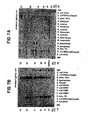
- FIGs. 7A and 7B Two SDS-PAGE ( FIGs. 7A and 7B ) illustrate the distribution of Omp85 in pathogenic and commensal Neisseria (relationship areas A, B, C, and D) and related Gram negative bacteria.
- Omp85 homologs were identified in all of the commensal Neisserial species tested. This suggested that Omp85 was conserved among all the Neisserial species.
- the anti-Omp85 serum failed to identify any Omp85 homologs in Moraxella catarrhalis which is closely related to the Neisseriae [ Rossau R. et al, Int. J. Syst. Bacteriol., 39: 185-198 (1989 )].
- Southern analysis confirmed the absence of an omp 85 homolog in this species (data not shown).
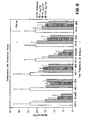
- Gonococcal cell adherence assays were performed to evaluate the effect of antiserum specific for outer membrane protein 85 (Omp85) on the ability of gonococcal strains MS11LOSA (MS11) and FA19 to bind to Chang epithelial cells.
- Fab fragments were prepared from antiserum to the first 178 amino acids of Omp85 [SEQ ID NO: 2], hyperimmune antiserum to bovine serum albumin (BSA) and normal rabbit serum (NRS) and added at 1 ⁇ g, 10 ⁇ gs or 100 ⁇ gs per ml to wells containing a confluent layer of Chang conjunctiva cells. Approximately 2.5 x 10 5 bacteria ( N.
- gonorrhoeae strain MS 11 or FA19 were added to each well and allowed to adhere for 3 hours. Following fixation and immunogoid/silver staining, the number of adherent gonococci was determined for 22 cells. The lowest and highest numbers were discarded and the average number of bacteria/cell were determined. The resulting data is reported in the bar graph of Fig. 8 , indicating that Omp85-specific antibody was able to bind to the surface of the bacteria and interfere with the ability of the bacteria to adhere to the Chang epithelial cells.
Landscapes
- Health & Medical Sciences (AREA)
- Life Sciences & Earth Sciences (AREA)
- Genetics & Genomics (AREA)
- Chemical & Material Sciences (AREA)
- Engineering & Computer Science (AREA)
- Organic Chemistry (AREA)
- Molecular Biology (AREA)
- Biotechnology (AREA)
- Biomedical Technology (AREA)
- Bioinformatics & Cheminformatics (AREA)
- Zoology (AREA)
- General Health & Medical Sciences (AREA)
- Wood Science & Technology (AREA)
- Biophysics (AREA)
- Biochemistry (AREA)
- General Engineering & Computer Science (AREA)
- Cell Biology (AREA)
- Physics & Mathematics (AREA)
- Gastroenterology & Hepatology (AREA)
- Nutrition Science (AREA)
- Plant Pathology (AREA)
- Medicinal Chemistry (AREA)
- Microbiology (AREA)
- Oil, Petroleum & Natural Gas (AREA)
- Proteomics, Peptides & Aminoacids (AREA)
- Medicines Containing Antibodies Or Antigens For Use As Internal Diagnostic Agents (AREA)
- Peptides Or Proteins (AREA)
Abstract
Description
- This invention has been supported by National Institutes of Health Grant Nos. AI21235 and AI37777. The United States Government has an interest in this invention.
- This disclosure relates generally to the cloning and identification of novel outer membrane proteins of several strains of Neisseria, and more specifically to proteins useful in the prevention, therapy and/or diagnosis of infection and diseases in mammals caused by these strains.
- The pathogenic Neisseriae cause several important non-symptomatic infection and symptomatic disease in humans. Neisseria gonorrhoeae is the agent of non-symptomatic gonococcal infection or symptomatic disease, i.e., gonorrhea. Neisseria meningitidis is the agent of a rapidly progressive spinal meningitis, which may also have a non-symptomatic infective stage. The surface of such pathogens provide crucial interfaces for interactions between the pathogen and the host. Many bacterial virulence factors are outer membrane proteins, and surface exposed proteins are the primary targets recognized and attacked by the host's immune system. Thus, the role of outer membrane proteins is of particular importance in understanding the pathogenesis of these organisms. The most abundant and immunodominant outer membrane proteins of the pathogenic Neisseriae have been studied extensively [Sparling P. F. et al, Clin. Invest., 89: 1699-1705 (1992)]. For example, it is known that the immunodominant components of the gonococcal surface are antigenically variant, suggesting that this organism is capable of adapting to varying host environments while avoiding host immune responses. Although the major gonococcal surface proteins have been extensively studied, little is known about less abundant proteins and their contribution to pathogenesis.
- Two-dimensional electrophoresis (IEF and SDS-PAGE) of labeled, e.g., radioiodinated or biotinylated, gonococcal surface proteins suggested that numerous (>20) of the less abundant gonococcal outer membrane proteins remained uncharacterized (unpublished observations). Among these might be proteins which play an important role in infection.
- For example, surface-exposed outer membrane proteins of other microorganisms, e.g., Haemophilus influenzae D15 surface antigen (D-15-Ag) and the Pasteurella multocida Oma87 have been found to be useful in eliciting antibodies that were protective against infectious challenge in animal models. The Omp85-!ike D-15-Ag was conserved in both non-typeable and typeable strains of H. influenzae and was recognized by convalescent patient sera; afnnity-punfied anti-D-15-Ag serum was protective in the rat pup model [Thomas, W. R., et al, Infect. Immun.,58:1909-1913 (1990); Flack, F. S. et al, Gene, 156:97-99(1995)]. H. influenzae serotypes a-f, nontypeable H. influenzae and Haemophilus parainfluenzae all expressed proteins similar to the D-15-Ag, as demonstrated by immunoblot analysis. Antibodies to recombinant D-15-Ag protected against H. influenzae type b and type a bacteremia in the infant rat model [Loosmore, S. M. et al, Infect. Immun., 65:3701-3707 (1997)].
- Like H. influenzae D-15-Ag, the Oma87 of P. multocida was highly conserved among strams and was recognized by protective antibody; it was present in all 16 serotypes of P. multocida and was recognized by convalescent animal sera. Antibodies raised to recombinant Oma87 were protective against homologous challenge in the mouse model [Ruffolo, C. G. et al., Infect. Immun., 64:3161-3167 (1996)]. Despite the several publications describing the immunological properties of D-15-Ag and Oma87, the function of these proteins remains unknown.
- Manning et al., Microbial Pathogenesis 25:11-21 (1998) discloses that Omp 85 proteins of Neisseria gonorrhoeae and Nisseria meningiditis are similar to Haemophilus influenzae D-15-Ag and Pasteurella multocida Oma87.
- There remains a need in the art for the development of proteins from Neisseriae which are useful in research, diagnosis and treatment of the infections, especially non-symptomatic infections, and the diseases caused by these pathogens.
- According to a first aspect of the invention, there is provided a vaccine composition for the protection of a subject against Neisserial disease comprising, in a pharmaceutically acceptable carrier, an effective amount of a polypeptide selected from the group consisting of
- (a) the protein of SEQ ID NO: 2;
- (b) the protein of SEQ ID NO: 4;
- (c) a peptide fragment of SEQ ID NO: 2 or 4 consisting of eight or more consecutive amino acids thereof;
- (d) a protein or peptide sharing at least 90% identity with any of the sequences of a-(b) and
- (e) a sequence of any of (a) - (d) fused to a second polypeptide or protein.
- According to a second aspect of the invention, there is provided a method of manufacturing a composition as described above, comprising the steps of isolating a recombinant polypeptide comprising at least eight consecutive amino acids from the amino acid sequence of SEQ ID NO: 2 or 4, which polypeptide induces antibodies that recognize SEQ ID NO: 2 or 4, and formulating said polypeptide in an amount effective to induce said antibodies in a mammalian subject, with a pharmaceutically acceptable carrier.
- According to a third aspect of the invention, there is provided a vaccine composition for the protection of a subject against Neisserial disease comprising, in a suitable nucleic acid delivery vehicle, an effective amount of a nucleic acid sequence selected from the group consisting of:
- (a) SEQ ID NO: 1;
- (b) SEQ ID NO: 3;
- (c) a fragment of SEQ ID NO: I or 3 consisting of 15 or more consecutive nucleic acids thereof;
- (d) a sequence encoding a polypeptide sharing at least 90% identity with either SEQ ID NO:2 or SEQ ID NO:4; and
- (e) a sequence of any of (a)-(d) further encoding a second polypeptide or protein.
- The composition may comprise more than one nucleic acid sequence of any of (a) - (e).
- The composition may further comprise at least one other nucleic acid sequence encoding an antigen or fragment thereof from a heterologous or homologous pathogenic bacterial species. The other antigen may be fused to one of (a) - (c)
- According to a fourth aspect of the invention there is provided a vaccine composition for the protection of a subject against Neisserial disease comprising an isolated antibody that binds to a protein or peptide selected from the group consisting of:
- (a) the protein of SEQ ID NO: 2;
- (b) the protein of SEQ ID NO: 4;
- (c) a peptide fragment of SEQ ID NO: 2 or 4 consisting of eight or more consecutive amino acids thereof; and
- (d) a protein or peptide sharing at least 90% identity with any of the sequences of (a)-(b).
- The composition may comprise a single isolated antibody or multiple antibodies.
- According to a fifth aspect of the invention, there is provided the use of a composition according to the invention in the manufacture of a medicament for the protection of a subject against Neisserial disease.
-
-
Fig. 1 is a photograph of a sodium dodecyl sulfate polyacrylamide electrophoretic gel (SDS-PAGE) illustrating the identification of recombinant Omp85 produced by E. coli DH5α/pOmp85, as described in Example 2. Bacterial cell lysates were separated by SDS-PAGE, stained with Coomassie Brilliant blue (CBB) or transferred to membranes and probed with anti-GC-OM serum. From left to right are E. coli DH5α, E. coli DH5α/pOmp85, and N. gonorrhoeae strain FA19. The location of Omp85 is indicated. Prestained molecular mass markers (MW), were indicated in kilodaltons (kDa). -
Fig. 2 illustrates the DNA sequence encoding an open reading frame of the N. gonorrhoeae omp85 [SEQ ID NO: 1] and the corresponding deduced amino acid sequence of Omp85 (Genbank accession #U81959) [SEQ ID NO: 2], which is preceded by an untranslated 5' sequence [SEQ ID NO: 7], and followed by an untranslated 3' sequence [SEQ ID NO: 8]. The nucleotide sequence begins with the termination codon of a preceding open reading frame (ORF) that is similar to that of the H. influenzae hypothetical protein HI0918 and ends with the initiation codon of a downstream gene similar to ompH of S. typhimurium [Kosk P. et al, J. Biol. Chem., 264: 18973-18980 (1989)]. The nucleotides of the omp85 open reading frame are numbered on the left. A ribosome binding site (underlined) precedes the initiation codon of the omp85 ORF. The omp85 ORF was preceded and followed by rho-independent transcriptional termination sequences (indicated by lines with arrows). The Omp85 precursor polypeptide was composed of 792 amino acids. The amino acid sequence is numbered on the right. A putative signal peptide cleavage site was identified (indicated by arrowhead) [Von Heijne, G., Nucl. Acids Res., 14:4683-4690 (1986)]. Cleavage at this site would produce a mature protein having a predicted molecular weight of 85,842 Da. -
Fig. 3 is a photograph of a Western blot that illustrates the identification of Omp85 in N. gonorrhoeae strains FA19, FA635, FA1090, JS1, F62 and MS11LosA and N. meningitidis strains MP78, MP3, MP81 and HH by Western blot analysis with anti-GC-OM serum. E. coli DH5α and E. coli DHSα/pOmp85 were used as negative and positive controls. Prestained molecular mass markers (MW) were indicated in kDa. -
Fig. 4 is a photograph of a Southern blot that illustrates the identification of omp85 in genomic DNA from N. gonorrhoeae FA19 and N. meningitidis strains MP3, MP73, MP81 and HH digested with restriction endonucleases (HincII, EcoRI, PstI, ClaI) and probed with a 688 bp fragment of gonococcal omp85. This fragment wits used as a positive control in the first lane. Molecular weight markers are indicated on the left in kilobase pairs. E. coli DH5α was used as a negative control. -
Fig. 5 illustrates the amino acid sequence of N. meningitidis Omp85 (Genbank accession #AF021045) [SEQ ID NO: 4] compared to that of N. gonorrhoeae Omp85 [SEQ ID NO: 2]. On the top line is the N. meningitidis Omp85 amino acid sequence. Below it are the amino acids that are different in the N. gonorrhoeae Omp85, Amino acids that are absent in the gonococcal Omp85 are indicated by stars. Amino acids that are identical in the Omp85 homologs of N. mertingitidis, N. gonorrhoeae, H. influenzae (D-15-Ag) and P. multocida (Oma87) are underlined. The amino acids of the meningococcal Omp85 are numbered on the right. -
Fig. 6 is a photograph of a Western blot that illustrates the identification of Omp85 in N. gonorrhoeae strains FA19, FA635, FA1090, JS1, F62 and MS11LosA and N. meningitidis strains MP78, MP3, MP81 and HH by Western blot analysis with anti-Omp85, as described in Example 7. E. coli DH5α, E. coli DHSα/pOmp85 and E. coli DH5α/pMCOmp85 were used as negative and positive controls. Prestained molecular mass markers (MW) were indicated in kDa. -
Fig. 7A is a photograph of a Western blot that illustrates the distribution of Omp85 in pathogenic and commensal Neisseriae (relationship areas A, B, C, and D) and related Gram negative bacteria: N. gonorrhoeae FA 19 (A), Neisseria pharyngis (A), Neisseria cinerea (A), Neisseria lactamica (B), Neisseria mucosae (B), Neisseria flavescens (C), Neisseria animalis (C), Neisseria denitrificans (C), Moraxella catarrhalis (D), Klebsiella pneumoniae, Pseudomonas aeruginosa, and N. meningitidis HH (A), as described in Example 7. E. coli DH5α and E. coli DH5α/pOmp85, were used as negative and positive controls. Prestained molecular mass markers (MW) were indicated in kDa. -
Fig. 7B is a photograph of a Western blot that illustrates the distribution of Omp85 in N. gonorrhoeae FA19, Salmonella typhimnrium, Shigella flexneri, E. coli strains 35150 (enterohemorrhagic - EHEC). 35401 (enterotoxigenic = ETEC), 43887 (enteropathogenic - EPEC), 43892 (enteroinvasive - EIEC) and N. meningitidis, as described in Example 7. E. coli DH5α and E. coli DH5α/pOmp85 were used as negative and positive controls. Prestained molecular mass markers (MW) were indicated in kDa. -
Fig. 8 is a bar graph showing the results of a gonococcal cell adherence assay performed with no antibody (black bars), and with Fab fragments prepared from antisera to: Ms11 Omp85, MS11 hyperimmune sera to bovine serum albumin (MS11BSA), MS11 hyperimmune serum to normal rabbit serum (MS11NRS), FA19 Omp85, FA19BSA and FA19NRS at concentrations of 1, 10 and 100 µg/ml (see key). The assay was performed as described in Example 8. - The present invention provides vaccine compositions relating to outer surface membrane proteins, referred to as Omp85, from N. gonorrhoeae and N. meningitidis. These antigens, fragments thereof, antibodies developed thereto, the nucleic acid sequences encoding same, and the use of such antigens, antibodies and nucleic acid sequences provide vaccine compositions and their use for the treatment or prevention of gonococcal and meningococcal infections, particularly non-symptomatic infections, and diseases.
- To identify the previously uncharacterized N. gonorrhoeae outer membrane proteins, an N. gonorrhoeae genomic library was screened with an antiserum raised against purified isolated gonococcal outer membranes. The gonococcal gene, omp85, was identified that encodes a 792 amino acid outer membrane protein, Omp85, of N. gonorrhoeae having an apparent molecular weight of 85kDa and characterized by the amino acid sequence of
Fig. 2 and SEQ ID NO: 2. Omp85 has a typical signal peptide and a carboxyl-terminal phenylalanine characteristic of outer membrane proteins. Southern analysis demonstrated that the omp85 gene was present as a single copy in N. gonorrhoeae and N. meningitidis. PCR amplification was used to obtain a clone of the N. meningitidis omp85 homolog. The genes encoding the N. gonorrhoeae and N. meningitidis Omp85 proteins, have been cloned and sequenced. The omp85 gene and its product in both N. gonorrhoeae and N. meningitidis are characterized inFigs. 2 and5 below [SEQ ID NOS: 1-4]. - The nucleic acid sequences encoding the Omp85 proteins and the structures of the proteins themselves are described below. Where in this specification, protein and/or DNA sequences are defined by their percent homologies or identities to identified sequences, the algorithms used to calculate the percent identities or percent similarities include the following: the Smith-Waterman algorithm [J. F. Collins et al, 1988, Comput. Appl. Biosci., 4:67-72; J. F. Collins et al, Molecular Sequence Comparison and Alignment, (M. J: Bishop et al, eds.) In Practical Approach Series: Nucleic Acid and Protein Sequence Analysis XVIII, IRL Press: Oxford, England, UK (1987) pp.417], and the BLAST and FASTA programs [E. G. Shpaer et al, 1996, Genomics, 38:179-191], including the BLAST2 program [S. D. Altschul et al, J. Mol. Biol., 215:403-407 (1990)].
- The present invention uses bacterial nucleic acid sequences encoding omp85 sequences of N. gonorrhoeae and N. meningitidis. The nucleic acid sequences are isolated from cellular materials with which they are naturally associated. The DNA sequence of the N. gonorrhoeae omp85 [SEQ ID NO: 1] and the corresponding deduced amino acid sequence of Omp85 (Genbank accession #U81959) [SEQ ID NO: 2] were obtained as described in the Example 2 and in
Fig. 2 . The nucleotide sequence begins with the termination codon of a preceding ORF that is similar to that of the H. influenzae hypothetical protein HI0918 and ends with the initiation codon of a downstream gene similar to ompH of S. typhimurium [Kosk P. et al, J. Biol. Chem., 264: 18973-18980 (1989)]. A ribosome binding site precedes the initiation codon of the omp85 ORF. The omp85 ORF was preceded and followed by rho-independent transcriptional termination sequences. The Omp85 precursor polypeptide was composed of 792 amino acids. A putative signal peptide cleavage site was identified (indicated by arrowhead) [Von Heijne, G., Nucl Acids Res., 14:4683-4690 (1986)]. Cleavage at this site produces a mature protein having a predicted molecular weight of 85,842 Da. - The DNA sequence of the N. meningitidis omp85 [SEQ ID NO: 3] and the corresponding deduced amino acid sequence of Omp85 (Genbank accession #AF021045) [SEQ ID NO: 4] were obtained as described in Example 3.
Fig. 5 shows the comparison between the sequences of the two Omp85 proteins, as well as their similarities to the Omp85 homologs of N. meningitidis, N. gonorrhoeae, H. influerrzae (D-15-Ag) and P. multocida (Oma87). - In addition to the full-length nucleic acid sequences encoding the Omp85 proteins provided herein, the specification also includes fragments of these omp85 genes. Preferably, such fragments are characterized by encoding a biologically active portion of Omp85, e.g., an epitope. Alternatively, other non-epitopic fragments may be useful as probes in diagnostic or research use. Generally, these oligonucleotide fragments are at least 10, or at least 15 consecutive nucleotides in length. However, oligonucleotide fragments of varying sizes may be selected as desired. Such fragments may be used for such purposes as performing polymerase chain reaction (PCR), e.g., on a biopsied tissue sample. For example, useful fragments of omp85 DNA and corresponding sequences comprise sequences occurring between
nucleotides 2161 through 2208 of SEQ ID NO: 1 andnucleotides 2161 and 2218 of SEQ ID NO: 3. Other useful fragments may be readily obtained by one of skill in the art by resort to conventional DNA sequencing techniques applied to the sequences disclosed herein. - The DNA sequences of SEQ ID NOS: I and 3 permit one of skill in the art to readily obtain the corresponding anti-sense strands of these DNA sequences. Further, using known techniques, one of skill in the art can readily obtain additional genomic and cDNA sequences which flank the illustrated DNA sequences or the corresponding RNA sequences, as desired. Similarly the availability of SEQ ID NOS: 1 and 3 permits one of skill in the art to obtain other species Omp85 analogs, and fragments thereof, by use of the nucleic acid sequences as probes in a conventional technique, e.g., polymerase chain reaction. Allelic variants of these sequences within a species (i.e., sequences containing some individual nucleotide differences from a more commonly occurring sequence within a species, but which nevertheless encode the same protein or a protein with the same function) such as other variants of Omp85 [SEQ ID NOS: 2 and 4] may also be readily obtained given the knowledge of these nucleic acid sequences.
- The present invention may further involve nucleic acid sequences for use in the invention capable of hybridizing under stringent conditions [see, J. Sambrook et al, Molecular Cloning: A Laboratory Manual, 2d ed., Cold Spring Harbor Laboratory (1989)] to the sequences of SEQ ID NOS: 1 and 3, their anti-sense strands, or biologically active fragments thereof. An example of a highly stringent hybridization condition is hybridization at 2XSSC at 65°C, followed by a washing in 0.1XSSC at 65°C for an hour. Alternatively, an exemplary highly stringent hybridization condition is in 50% formamide, 4XSSC at 42°C. Moderately high stringency conditions may also prove useful, e.g., hybridization in 4XSSC at 55°C, followed by washing in 0.1XSSC at 37°C for an hour. An alternative exemplary moderately high stringency hybridization condition is in 50% formamide, 4XSSC at 30°C.
- The nucleic acid sequences may be modified. Utilizing the sequence data of SEQ ID NOS: 1 and 3, it is within the skill of the art to obtain other synthetically or recombinantly-prepared polynucleotide sequences, or modified polynucleotide sequences, encoding the full-length proteins or useful fragments. For example, one of skill may employ preferred or "preference" codons for expression of the sequence in selected host cells; thus SEQ ID NOS: 1 and 3 may be modified to contain different nucleotide triplets which encode the same amino acid as encoded by SEQ m NOS: 1 and 3. Such modifications made at the nucleic acid level include, for example, modifications to the nucleotide sequences which are silent or which change the amino acids, e.g. to improve expression or secretion of the protein. Also included are allelic variations, caused by the natural degeneracy of the genetic code.
- Also useful in the present invention are mutants of the omp85 sequences, including 5', 3' or internal deletions, which encode proteins that substantially retain the antigenicity of the full-length Omp85 or other proteins or fragments. Such truncated, or deletion, mutants may be expressed by modified nucleic acid sequences for the purpose of affecting the activity of the full-length or wild-type protein.
- As described in more detail below, these nucleic acid sequences are useful in the invention. The nucleic acid sequences are also useful in the production of Omp85 proteins and homologs as well as a variety of fusion or other synthetic proteins
- The nucleotide sequences may be readily synthesized or may be isolated by conventional uses or polymerase chain reaction or cloning techniques such as those described herein and in conventional texts such as Sambrook et al, cited above. For example, the nucleic acid sequences of the antigen may be prepared or isolated from genomic libraries using DNA primers and probes and PCR techniques. These sequences, fragments thereof, modifications thereto and the full-length sequences may be constructed recombinantly using conventional genetic engineering or chemical synthesis techniques or PCR, and the like by utilizing the information provided herein. Further, such nucleic acid sequences may be conventionally labeled for diagnostic use. Alternatively for use as therapeutic or vaccine components, the nucleic acid sequences may be admixed with a variety of pharmaceutically acceptable carriers, e.g., saline, liposomes, etc. or incorporated into nucleic acid molecules, e.g., plasmids under the regulatory control of sequences which direct expression of the encoded protein in a selected host cell. The nucleic acid sequences may also be delivered to a host as "naked" DNA or in a gene delivery vehicle, such as a recombinant virus, all as described in detail below.
- The present invention also uses Omp85 proteins and peptides. These proteins are free from association with other contaminating proteins or materials with which they are found in nature. The Neisseriae Omp85 antigen has a relative molecular mass of 85kDa as measured by Western immunoblot (See Example 2 and
Fig. 2 ). In one embodiment, the invention uses a gonococcal Omp85 antigen [SEQ ID NO:2] polypeptide of about 792 amino acids, with a signal peptide, having a predicted molecular weight of 85, 842 daltons. - The meningococcal omp85 was found to encode a 797 amino acid polypeptide with a predicted molecular weight of 88.5 kDa (
Fig. 5 ). Betweenamino acid residues 720 and 745, the menigococcal Omp85 varied substantially from gonococcal Omp85, including the insertion of five additional amino acids. The deduced amino acid sequence [SEQ ID NO: 4] of N. meningitidis Omp85 was revealed by sequence analysis to be 95% identical to N. gonorrhoeae Omp85 and 98% similar to gonococcal Omp85 using the BLAST2 algorithm. - The similarities of these two Omp85 proteins to proteins of other microorganisms provides evidence of an immunological role played by these proteins, as well as other potential roles. The D-15 protective surface antigen (D-15-Ag) of Haemophilus influenzae and the Oma87 of Pasteurella multocida are the only bacterial proteins, which have been previously described, that are similar to the Omp85 amino acid sequence [SEQ ID NO: 2]. This similarity suggested that these proteins played an important role in host-pathogen interactions and have an important function in pathogenesis. The importance of these Omp85 proteins in pathogenesis and immunobiology was demonstrated by the fact that antibody to similar proteins in H. influenzae and P. multocida were protective. The similarities suggest that the Neisseriae Omp85 proteins are likely important immunological targets of the host immune response.
- Western blot analysis demonstrated proteins similar to Omp85 in all of the Neisseriae tested with anti-Omp85 and three Neisseriae relationship areas. Area A contains the frank pathogens N. gonorrhoeae and N meningitidis and opportunistic organisms known to cause severe human diseases such as N. pharyngis and N. cinerea. Area B contains species, such as N. mucosae and N. lactamica, typically found in the human nasopharynx which are able to cause opportunistic infections in debilitated hosts. Area C consists of commensal/saprophytic organisms, such as N. flavescens, N. animalis and N. denitricans, which generally do not cause human infections.
- All Neisseriae species colonize mucosal surfaces. The presence of Omp85-like proteins in numerous pathogenic and commensal organisms suggests it may be involved in establishing or maintaining colonization. The identification of Omp85 proteins in a number of pathogenic and commensal organisms provides evidence that the Omp85 proteins provide functions involved in establishing or maintaining colonization.
- Database searches identified genes in a number of pathogens which encode hypothetical proteins similar to Omp85, including genes in B. abortus, H. pylori, and B. burgdorferi. The proteins encoded by these genes have not yet been characterized. A search of the Omp85 amino acid sequence against the GenBank data base resulted in the identification of a cyanobacterium protein [Kaneto T. et al, DNA Res., 3: 109-136 (1996)] with 35% similarity to the gonococcal Omp85. The cyanobacterium protein was named IAP75 because of its similarity to the 75 kDa chloroplast import associated protein, IAP75 [Schnell DJ et al, Science, 266: 1007-1011 (1994)]. The chloroplast IAP75 was located in the outer membrane of chloroplasts and was one of four outer membrane components of a complex that transports polypeptides. This suggested that Omp85 might be part of a similar transport complex.
- The sequences of other proteins from the chloroplast import associated complex were searched against the Gonococcal Genome Sequencing Project Data Base (Dyer and Rowe, 1997). Sequences similar to the chloroplast IAP34 protein [Kessler F. et al, Science, 266: 1035-1039 (1994)] were identified in the gonococcal genome. IAP34 is believed to be a GTP-binding protein and the sequences of highest similarity to the gonococcal homolog were in regions identified as GTP-binding protein motifs. Surface-crosslinkage studies were performed to determine if Omp85 might participate in a system analogous to the IAP complex (data not shown). Studies using the reversible crosslinker DTBP, which crosslinks proteins that are within 11.9Å of each other [Newhall WJ. et al, Infect. Immun., 28: 785-791 (1980)], showed that Omp85 crosslinked with up to five other outer membrane proteins, one of ~34 kDa (IAP34 homolog) (data not shown). These data, which confirmed Omp85 was exposed on the bacterial surface, support the role for Omp85 of participating in a complex analogous with the chloroplast IAP complex. Further characterization of proteins associated with Omp85 in the outer membrane may provide evidence of additional biological functions of these Omp85 proteins.
- One of skill in the art using conventional techniques, such as PCR, may readily use the Omp85 sequences provided herein to identify and isolate other similar proteins. Such methods are routine and not considered to require undue experimentation, given the information provided herein.
- Antigens of use in the invention may be characterized by immunological measurements including, without limitation, Western blot, macromolecular mass determinations by biophysical determinations, such as SDS-PAGE/staining, high pressure liquid chromatography (HPLC) and the like, antibody recognition assays, T-cell recognition assays, major histocompatibility complex (MHC) binding assays, and assays to infer immune protection or immune pathology by adoptive transfer of cells, proteins or antibodies.
- The Omp85 outer membrane antigens of use in the invention (as well as its naturally occurring variants or analogs in other species) may be isolated in the form of a complete intact protein, or a polypeptide or fragment thereof. In one embodiment, Omp85 is isolated by immunoblot procedures according to its respective molecular mass, as described below in the examples. Such isolation provides the antigen in a form substantially free from other proteinaceous and non-proteinaceous materials of the microorganism. The molecules comprising the polypeptides and antigens of use in the invention may be isolated and further purified using any of a variety of conventional methods including, but not limited to: liquid chromatography such as normal or reversed phase, using HPLC, FPLC and the like; affinity chromatography (such as with inorganic ligands or monoclonal antibodies); size exclusion chromatography; immobilized metal chelate chromatography; gel electrophoresis; and the like. One of skill in the art may select the most appropriate isolation and purification techniques.
- Alternatively, the amino acid sequences of the proteins of use in the invention may be produced recombinantly following conventional genetic engineering techniques [see e.g., Sambrook et al, cited above and the detailed description of making the proteins below].
- Also useful in the invention are analogs, or modified versions, of the Omp85 protein, or fragments provided herein. Typically, such analogs differ from the specifically identified proteins by only one to four codon changes. Examples include polypeptides with minor amino acid variations from the illustrated partial amino acid sequence of, for example, the gonococcal Omp85 (SEQ ID NO: 2), in particular, conservative amino acid replacements. Conservative replacements are those that take place within a family of amino acids that are related in their side chains and chemical properties. Homologs having at least 90% identity with either SEQ ID NO: 2 or SEQ ID NO: 4 are useful in this invention. Homologs having at least 95% identity with either SEQ ID NO: 2 or SEQ ID NO: 4 are also useful in this invention.
- The algorithms used for these calculations are identified above. Based on the sequence information provided herein, one of skill in the art can readily obtain full-length homologs and analogs from other bacterial species.
- An antigen useful in the present invention may also be modified to increase its immunogenicity. For example, the antigen may be coupled to chemical compounds or immunogenic carriers, provided that the coupling does not interfere with the desired biological activity of either the antigen or the carrier. For a review of some general considerations in coupling strategies, see Antibodies. A Laboratory Manual Cold Spring Harbor Laboratory, ed. E. Harlow and D. Lane (1988). Useful immunogenic carriers known in the art, include, without limitation, keyhole limpet hemocyanin (KLH); bovine serum albumin (BSA), ovalbumin, purified protein derivative of tuberculin (PPD); red blood cells; tetanus toxoid; cholera toxoid; agarose beads; activated carbon; or bentonite. Useful chemical compounds for coupling include, without limitation, dinitrophenol groups and arsonilic acid. One of skill in the art may readily select other appropriate immunogenic carriers or coupling agents.
- The antigen may also be modified by other techniques, such as denaturation with heat and/or SDS.
- Further useful in this invention are additional fragments of the Omp85 polypeptides and peptides identified herein. Such fragments are desirably characterized by having a biological activity similar to that displayed by the complete protein, including, e.g., the ability to induce antibodies which can interfere with the binding of the pathogen to its cellular targets (see Example 8). These fragments are from 8 amino acids in length up to fragments encompassing just short of the entire protein. Such fragments represent consecutive amino acids in the protein sequence. Such a fragment may represent an epitope of the protein.
- The Omp85 proteins [SEQ ID NOS:2 and 4] useful in the invention may be modified to create deletion mutants, for example, by truncation at the amino or carboxy termini, or by elimination of one or more amino acids. Deletion mutants are also useful in this invention, as are the DNA sequences encoding them.
- In yet another embodiment, the Omp85 peptides or polypeptides useful in this invention may be in the form of a multiple antigenic peptide ("MAP", also referred to as an octameric lysine core peptide) construct. Such a construct may be designed employing the MAP system described by Tam, Proc. Natl. Acad. Sci. USA, 85:5409-5413 (1988). This system makes use of a core matrix of lysine residues onto which multiple copies of the same protein or peptide useful in the invention are synthesized as described [D. Posnett et al., J. Biol. Chem., 263(4):1719-1725 (1988); J. Tam, "Chemically Defined Synthetic Immunogens and Vaccines by the Multiple Antigen Peptide Approach", Vaccine Research and Developments, Vol. 1, ed. W. Koff and H. Six, pp. 51-87 (Marcel Deblau, Inc., New York 1992)]. Each MAP contains multiple copies of only one peptide.
- Still other modified fragments of Omp85 may be prepared by any number of now conventional techniques to improve production thereof, to enhance protein stability or other characteristics, e.g. binding activity or bioavailability, or to confer some other desired property upon the protein. Other useful fragments of these polypeptides may be readily prepared by one of skill in the art using known techniques, such as deletion mutagenesis and expression.
- The Omp85 protein useful in the present invention, or fragments of it, may also be constructed, using conventional genetic engineering techniques as part of a larger and/or multimeric protein or protein compositions. Antigens useful in this invention may be in combination with outer surface proteins or other proteins or antigens of other pathogens, such as those identified above, or various fragments of the antigens described herein may be in combination with each other. In such combination, the antigen may be in the form of a fusion protein. The antigen useful in the invention may be optionally fused to a selected polypeptide or protein derived from other microorganisms. For example, an antigen or polypeptide useful in this invention may be fused at its N-terminus or C-terminus to a polypeptide from another pathogen or to more than one polypeptide in sequence. Polypeptides which may be useful for this purpose include polypeptides identified by the prior art.
- Still another fusion protein useful in this invention is provided by expressing the DNA molecule formed by the omp85 DNA sequence or a fragment thereof fused to DNA fragments that are homologous (between about 25-95% identity) to Omp85. One example of such a protein comprises the amino acid sequence of SEQ ID NO: 2 to which is fused amino acid fragments that are up to 95% identical to that sequence, e.g., from SEQ ID NO: 4, or from any of the above-described homologous proteins. These fragments may be inserted in any order and may contain repeated sequences. The fused fragments may produce a large DNA molecule which expresses a protein which may stimulate a variety of antibody specificities.
- These fusion proteins comprising multiple polypeptides of this disclosure are constructed for use in the vaccine compositions of this invention. These fusion proteins or multimeric proteins may be produced recombinantly, or may be synthesized chemically. They also may include the polypeptides of this disclosure fused or coupled to moieties other than amino acids, including lipids and carbohydrates. Further, antigens useful in this invention may be employed in combination with other vaccinal agents described by the prior art, as well as with other species of vaccinal agents derived from other microorganisms. Such proteins are useful in the prevention of diseases caused by a wide spectrum of Neisseriae isolates.
- A protein composition which may be a preferred alternative to the fusion proteins described above is a cocktail (i.e., a simple mixture) containing different Omp85 proteins or fragments, optionally mixed with different antigenic proteins or peptides of other pathogens. Such mixtures of these proteins or antigenic fragments thereof are likely to be useful in the generation of desired antibodies to a wide spectrum of Neisseriae isolates.
- An antigen useful in the present invention may also be used in the form of a pharmaceutically acceptable salt. Suitable acids and bases which are capable of forming salts with the polypeptides useful in the present invention are well known to those of skill in the art, and include inorganic and organic acids and bases.
- To produce recombinant Omp85 or peptide fragments useful in the invention, the DNA sequences useful in the invention are inserted into a suitable expression system. Desirably, a recombinant molecule or vector is constructed in which the polynucleotide sequence encoding the selected protein, e.g., Omp85 is operably linked to a heterologous expression control sequence permitting expression of the protein. Numerous types of appropriate expression vectors are known in the art for protein expression, by standard molecular biology techniques. Such vectors are selected from among conventional vector types including insects, e.g., baculovirus expression, or yeast, fungal, bacterial or viral expression systems. Other appropriate expression vectors, of which numerous types are known in the art, can also be used for this purpose. Methods for obtaining such expression vectors are well-known. See, Sambrook et al, Molecular Cloning, A Laboratory Manual, 2d edition, Cold Spring Harbor Laboratory, New York (1989); Miller et al, Genetic Engineering, 8:277-298 (Plenum Press 1986) and references cited therein.
- Suitable host cells or cell lines for transfection by this method include bacterial cells. For example, the various strains of E. coli, e.g., HB101, MC1061, and strains used in the following examples, are well-known as host cells in the field of biotechnology. Various strains of B. subtilis, Pseudomonas, Streptomyces, and other bacilli and the like are also be employed in this method.
- Mammalian cells, such as human 293 cells, Chinese hamster ovary cells (CHO), the monkey COS-1 cell line or murine 3T3 cells derived from Swiss, Balb-c or NIH mice are used. Another suitable mammalian cell line is the CV-1 cell line. Still other suitable mammalian host cells, as well as methods for transfection, culture, amplification, screening, production, and purification are known in the art. [See, e.g., Gething and Sambrook, Nature, 293:620-625 (1981), or alternatively, Kaufman et al, Mol. Cell. Biol., 5(7):1750-1759 (1985) or
Howley et al, U. S. Patent 4,419,446 ]. - Many strains of yeast cells known to those skilled in the art are also available as host cells for expression of the polypeptides useful in the present invention. Other fungal cells may also be employed as expression systems. Alternatively, insect cells such as Spodoplera frugipedera (Sf9) cells may be used.
- Thus, a method for producing recombinant Omp85 proteins involves transfecting, e.g., by conventional means such as electroporation, a host cell with at least one expression vector containing a polynucleotide useful in the invention under the control of a transcriptional regulatory sequence. The transfected or transformed host cell is then cultured under conditions that allow expression of the protein. The expressed protein is recovered, isolated, and optionally purified from the cell (or from the culture medium, if expressed extracellularly) by appropriate means known to one of skill in the art.
- For example, the proteins are isolated in soluble form following cell lysis, or extracted using known techniques, e.g,, in guanidine chloride. If desired, the proteins or fragments useful in the invention are produced as a fusion protein. Such fusion proteins are those described above. Alternatively, for example, it may be desirable to produce fusion proteins to enhance expression of the protein in a selected host cell, to improve purification, or for use in monitoring the presence of the desired protein, e.g., Omp85, in tissues, cells or cell extracts. Suitable fusion partners for the proteins useful in the invention are well known to those of skill in the art and include, among others, β-galactosidase, glutathione-S-transferase, poly-histidine and maltose binding protein.
- Alternatively, where it is desired that the Omp85 (whether full-length or a fragment) be expressed in vivo, e.g., to induce antibodies, or alternatively where the omp85 is to be employed as a DNA vaccine, an appropriate vector for delivery is readily selected by one of skill in the art. Exemplary vectors for in vivo gene delivery are readily available from a variety of academic and commercial sources, and include, e.g., adeno-associated virus [International patent application No.
PCT/US91/03440 - The present invention also uses antibodies capable of recognizing and binding the isolated, or modified, or multimeric antigens described above, including antibodies derived from mixtures of such antigens or fragments thereof. Certain of the antibodies useful in the invention may be specific to the N. gonorrhoeae or N. meningitidis Omp85 proteins, by binding to epitopes on the proteins which differ from the former species to the latter species. For example, an antibody specific for N. gonorrhoeae may bind an epitope on SEQ ID NO: 2 which is not present in SEQ ID NO: 4, or vice versa. Thus, an N. gonorrhoeae Omp85-specific antibody is defined herein as an antibody that binds an Omp85 antigen of N. gonorrhoeae only. An N. meningitidis Omp85-specific antibody is defined herein as an antibody that binds an Omp85 antigen of N. meningitidis only. Alternatively, certain antibodies to these proteins may bind an epitope present on both the N. gonorrhoeae and N. meningitidis Omp85 proteins. Still other antibodies useful in the invention may bind an epitope on N. gonorrhoeae and N. meningitidis Omp85, and the same epitope on the other homologous proteins in homologous or heterologous species of bacteria having homologous proteins (described in Part I, B above).
- These antibodies are useful in passive vaccine compositions, which vaccines may also be polyvalent, by containing antibodies to antigens of other microorganisms as well as antibodies to the Omp85 proteins useful in the invention.
- The antibodies useful in this invention are generated by conventional means utilizing the isolated, recombinant or modified antigens useful in this invention, or mixtures of such antigens or antigenic fragments. For example, polyclonal antibodies are generated by conventionally stimulating the immune system of a selected animal or human with the isolated antigen or mixture of antigenic proteins or peptides, of this disclosure, allowing the immune system to produce natural antibodies thereto, and collecting these antibodies from the animal or human's blood or other biological fluid.
- For example, an antibody useful in the invention can be produced by administering to a vertebrate host the antigen or antigenic composition useful in this invention, e.g., Omp85. Preferably a recombinant version of Omp85 (rOmp85) or an Omp85 MAP is used as an immunogen. A suitable polyclonal antibody against the Omp85 antigen may be generated as antisera, such as the Omp85 antisera employed in the examples herein.
- Thus, an antibody useful in the invention is isolated by affinity purifying antiserum generated during an infection of a mammal, e.g., a mouse, with N. gonorrhoeae or N. meningitidis, using as immunoabsorbant the Omp85 antigen identified herein. Similarly, an antibody useful in the invention is isolated by immunizing mice with a purified, recombinant antigen useful in this invention, or a purified, isolated Omp85 protein of native origin.
- Monoclonal antibodies (MAbs) directed against Omp85 are also generated. Hybridoma cell lines expressing desirable MAbs are generated by well-known conventional techniques, e.g. Kohler and Milstein and the many known medications thereof. Similarly desirable high titer antibodies are generated by applying known recombinant techniques to the monoclonal or polyclonal antibodies developed to these antigens [see, e.g., PCT Patent Application No.
PCT/GB85/00392 GB2188638A PCT Patent Application No. WO90/07861 - Given the disclosure contained herein, one of skill in the art may generate chimeric, humanized or fully human antibodies directed against Omp85 or antigenic fragments thereof by resort to known techniques by manipulating the complementarity determining regions of animals or human antibodies to the antigen useful in the invention. See, e.g., E. Mark and Padlin, "Humanization of Monoclonal Antibodies", Chapter 4, The Handbook of Experimental Pharmacology, Vol. 113, The Pharmacology of Monoclonal Antibodies, Springer-Verlag (June, 1994).
- Alternatively, the antigens are assembled as multi-antigenic complexes [see, e.g., European Patent Application
0339695, published November 2, 1989 ] or as simple mixtures of antigenic proteins/peptides and employed to elicit high titer antibodies capable of binding the selected antigen(s) as it appears in the biological fluids of an infected animal or human. - Further useful in the present invention are anti-idiotype antibodies (Ab2) and anti-anti-idiotype antibodies (Ab3). Ab2 are specific for the target to which anti-Omp85 antibodies useful in the invention bind and Ab3 are similar to Omp85 antibodies (Ab1) in their binding specificities and biological activities [see, e.g., M. Wettendorff et al., "Modulation of anti-tumor immunity by anti-idiotypic antibodies." in Idiotypic Network and Diseases, ed. by J. Cerny and J. Hiernaux J, Am. Soc. Microbiol., Washington DC: pp. 203-229, (1990)]. These anti-idiotype and anti-anti-idiotype antibodies are produced using techniques well known to those of skill in the art. Such anti-idiotype antibodies (Ab2) can bear the internal image of Omp85 or fragments thereof and are thus useful for the same purposes as Omp85 or the fragments.
- In general, polyclonal antisera, monoclonal antibodies and other antibodies which bind to the selected antigen (Ab1) are useful to identify epitopes of Omp85 to separate Omp85 and analogs thereof from contaminants in living tissue (e.g., in chromatographic columns and the like), and in general as research tools and as starting material essential for the development of other types of antibodies described above. Anti-idiotype antibodies (Ab2) are useful for binding the same target and thus may be used in place of the original antigen, e.g., Omp85, to induce an immune response. The Ab3 antibodies are useful for the same reason the Ab1 are useful. Other uses as research tools and as components for separation of Omp85 from other contaminants, for example, are also contemplated for the above-described antibodies.
- For use in diagnostic assays, the antibodies are associated with conventional labels which are capable, alone or in concert with other compositions or compounds, of providing a detectable signal. Where more than one antibody is employed in a diagnostic method, the labels are desirably interactive to produce a detectable signal. Most desirably, the label is detectable visually, e.g. colorimetrically. A variety of enzyme systems have been described in the art which will operate to reveal a colorimetric signal in an assay. As one example, glucose oxidase (which uses glucose as a substrate) releases peroxide as a product. Peroxidase, which reacts with peroxide and a hydrogen donor such as tetramethyl benzidine (TMB) produces an oxidized TMB that is seen as a blue color. Other examples include horseradish peroxidase (HRP) or alkaline phosphatase (AP), and hexokinase in conjunction with glucose-6-phosphate dehydrogenase which reacts with ATP, glucose, and NAD+ to yield, among other products, NADH that is detected as increased absorbance at 340 nm wavelength. Other label systems that may be utilized in the methods described herein detectable by other means, e.g., colored latex microparticles [Bangs Laboratories, Indiana] in which a dye is embedded may be used in place of enzymes to form conjugates with the antibodies and provide a visual signal indicative of the presence of the resulting complex in applicable assays. Still other labels include fluorescent compounds, radioactive compounds or elements. Detectable labels for attachment to antibodies useful in diagnostic assays of this disclosure may be easily selected from among numerous compositions known and readily available to one skilled in the art of diagnostic assays. The methods and antibodies are not limited by the particular detectable label or label system employed.
- The antigens and antibodies useful in the invention, alone or in combination with other antigens and antibodies of, or directed to, other pathogenic microorganisms may be used in vaccine compositions and in methods for treating humans with non-symptomatic infection or symptomatic disease caused by N. gonorrhoeae, N. meningitidis or the other pathogens identified above.
- For example, one such therapeutic composition may be formulated to contain a carrier or diluent and one or more of the anti-Omp85 antibodies. In compositions containing the Omp85 antigen or antibodies thereto, i.e., protein components, suitable pharmaceutically acceptable carriers may be employed that facilitate administration of the proteins but are physiologically inert and/or nonharmful.
- A variety of such pharmaceutically acceptable protein carriers, and/or components suitable for administration therewith may be selected by one of skill in the art. For example, pharmaceutical carriers include, without limitation, sterile saline, lactose, sucrose, calcium phosphate, gelatin, dextran, agar, pectin, peanut oil, olive oil, sesame oil, and water. Additionally, the carrier or diluent may include a time delay material, such as glycerol monostearate or glycerol distearate alone or with a wax. In addition, slow release polymer formulations can be used. Liposomes or liposomal-like vehicles may also be employed.
- Optionally, these compositions may also contain conventional pharmaceutical ingredients, such as preservatives, or chemical stabilizers. Suitable ingredients which may be used in a therapeutic composition in conjunction with the antibodies include, for example, casamino acids, sucrose, gelatin, phenol red, N-Z amine, monopotassium diphosphate, lactose, lactalbumin hydrolysate, and dried milk.
- Alternatively, or in addition to the antigens or antibodies useful in the invention, other agents useful in treating the disease in question, e.g., antibiotics or immunostimulatory agents and cytokine regulation elements, are expected to be useful in reducing or eliminating disease symptoms. Such agents may operate in concert with the vaccine compositions of this invention. The development of vaccine compositions containing these agents is within the skill of one in the art in view of the teachings of this invention.
- Additionally; the vaccine compositions may be polyvalent. Such compositions may contain therapeutic components from other bacterial or viral pathogens, e.g., components of bacterial species homologous to Neiserriae or heterologous thereto and/or antigens from a disease-causing virus. Depending upon the compatibility of the components, the Omp85 antibodies or antigens useful in the invention may thus be part of a multi-component vaccine composition directed at more than a single disease.
- A therapeutic method involves treating a human for infection with N. gonorrhoeae or N. meningitidis by administering an effective amount of such a therapeutic composition. An "effective amount" of a proteinaceous composition may be between about 0.05 to about 1000 µg/ml of an antibody or antigen. A suitable dosage may be about 1.0 ml of such an effective amount. Such a composition may be administered 1 - 3 times per day over a 1 day to 12 week period. However, suitable dosage adjustments for protein or nucleic acid containing compositions may be made by the attending physician or veterinarian depending upon the age, sex, weight and general health of the human patient. Preferably, such a composition is administered parenterally, preferably intramuscularly or subcutaneously. However, it may also be formulated to be administered by any other suitable route, including orally or topically. The selection of the route of delivery and dosage of such therapeutic compositions is within the skill of the art.
- In another embodiment, the Omp85 antigens, antibodies, and fragments, useful in the invention alone or in combination with other antigens, antibodies, and fragments from other microorganisms, may further be used in compositions directed to induce a protective immune response in a subject to the pathogen. These components of the present invention are also useful for inducing a protective immune response in humans against infection with N. gonorrhoeae, N. meningitidis or the other pathogens identified above.
- In one embodiment, an outer membrane protein antigen-based vaccine for the prevention of non-symptomatic gonococcal infection or symptomatic disease, non-symptomatic meningococcal infection and symptomatic disease, and other diseases in humans is provided which contains an effective amount of an Omp85 antigen, useful in the invention and a pharmaceutically acceptable carrier or diluent. This vaccine composition may contain one or more of the isolated, recombinant, modified or multimeric forms of the Omp85 antigen useful in the invention, or mixtures thereof Similarly, salts of the antigenic proteins may be employed in such compositions.
- In another embodiment of this invention, a polyvalent vaccine composition may include not only the Omp85 antigen or immunogenic fragment thereof, but may also include antigens from other disease-causing agents. Such other agents may be antigens from other Neisseriae strains. Such other agents may be antigens from completely distinct bacterial pathogens or from viral pathogens. Combinations of the antigen(s) of this disclosure with other antigens or fragments thereof are also encompassed by this invention for the purpose of inducing a protective immune response in the vaccinated subject to more than a single pathogen. The selection of these other vaccine components is not a limitation of the present invention and may be left to one of skill in the art.
- Such proteinaceous vaccines may include exemplary carriers as described above for therapeutic compositions. Optionally, the vaccine compositions may optionally contain adjuvants, preservatives, chemical stabilizers, as well as other conventionally employed vaccine additives. Typically, stabilizers, adjuvants, and preservatives are optimized to determine the best formulation for efficacy in the target human. Suitable exemplary preservatives include chlorobutanol, potassium sorbate, sorbic acid, sulfur dioxide, propyl gallade, the parabens, ethyl vanillin, glycerin, phenol, and parachlorophenol.
- With regard to the adjuvant, one or more of the above described vaccine components may be admixed or adsorbed with a conventional adjuvant. The adjuvant is used to attract leukocytes or enhance an immune response. Such adjuvants include, among others, RIBI adjuvant, mineral oil and water, aluminum hydroxide, AMPHIGEN adjuvant, ADJUVAX adjuvant, AVRIDINE adjuvant, L121/squalene, D-lactide-polylactide/glycoside, pluronic plyois, muramyl dipeptide, killed Bordetella, and saponins, such as Quil A.
- The invention thus can be used in a prophylactic method entailing administering to a human an effective amount of such a composition. The protein antigenic compositions are administered in an "effective amount", that is, an amount of antigen that is effective in a route of administration to provide a vaccinal benefit, i.e., protective immunity. Suitable amounts of the antigen can be determined by one of skill in the art based upon the level of immune response desired. In general, however, the vaccine composition contains between 1 ng to 1000 mg antigen, and more preferably, 0.05 µg to 1 mg per ml of antigen. Suitable doses of the vaccine composition of the invention can be readily determined by one of skill in the art. Generally, a suitable dose is between 0.1 to 5 ml of the vaccine composition. Further, depending upon the human patient being treated, i.e. its weight, age, and general health, the dosage can also be determined readily by one of skill in the art.
- In general, the vaccine can be administered once; and optionally boosters can be administered periodically thereafter. The vaccine may be administered by any suitable route. However, parenteral administration, particularly intramuscular, and subcutaneous, is the preferred route. Also preferred is the oral route of administration. Routes of administration may be combined, if desired, or adjusted.
- In still another vaccine embodiment, the invention includes a composition which delivers passive protection against infection by the pathogen. For this composition, the antibodies against the Omp85 proteins disclosed herein are useful to provide to the subject a short-term, passive immune protection against infection. These passive immunity vaccine compositions may contain antibodies to other pathogens and suitable vaccine additives as described above, e.g., adjuvants, etc. These compositions may be administered in dosages similar to those described above for the compositions which actively induce immune protection in the vaccinated subject.
- The nucleic acid sequences or anti-sense sequences useful in the invention, alone or in combination with other nucleic acid sequences encoding antigens or antibodies of, or directed to other pathogenic microorganisms may further be used in therapeutic compositions and in methods for treating humans with the disease caused by infection with N. gonorrhoeae, N. meningitidis or the other pathogens identified above. In another embodiment, the nucleic acid sequences useful in the invention, alone or in combination with nucleic acid sequences encoding other antigens or antibodies from other pathogenic microorganisms, may further be used in compositions directed to actively induce a protective immune response in a subject to the pathogen. These components of the present invention are useful in inducing a protective immune response in humans against infection with N. gonorrhoeae, N. meningitidis or the other pathogens identified above.
- For use in the preparation of the vaccine compositions, nucleic acid delivery compositions and methods are useful, which are known to those of skill in the art, The omp85 sequences or fragments thereof may be employed in the uses of this invention or in the compositions described herein as DNA sequences, either administered as naked DNA, or associated with a pharmaceutically acceptable carrier and provide for in vivo expression of the Omp85 protein or peptide. So-called 'naked DNA' may be used to express the Omp85 protein or peptide fragment (or anti-sense sequences) in vivo in a patient. [See, e.g., J. Cohen, Science, 259:1691-1692 (March 19, 1993); E. Fynan et al, Proc Natl Acad. Sci., 90: 11478-11482 (Dec. 1993); J. A. Wolff et al, Biotechniques, 11:474-485 (1991) which describe similar uses of 'naked DNA'. For example, "naked" omp85 DNA (or anti-sense sequences) associated with regulatory sequences may be administered therapeutically or as part of the vaccine composition e.g., by injection.
- Alternatively, omp85 DNA or anti-sense DNA may be administered as part of a vector or as a cassette containing the Omp85-encoding DNA sequences or fragments or anti-sense sequences thereof operatively linked to a promoter sequence and other plasmid sequences. Briefly, the DNA encoding the Omp85 protein (or anti-sense sequence) or desired fragment thereof may be inserted into a nucleic acid cassette. This cassette may be engineered to contain, in addition to the omp85 sequence to be expressed (or anti-sense sequence), other optional flanking sequences which enable its insertion into a vector. This cassette may then be inserted into an appropriate DNA vector downstream of a promoter, an mRNA leader sequence, an initiation site and other regulatory sequences capable of directing the replication and expression of that sequence in vivo. This vector permits infection of vaccinate's cells and expression of the omp85 (or anti-sense sequence) in vivo.
- Numerous types of appropriate vectors are known in the art for protein expression and may be designed by standard molecular biology techniques. Such vectors are selected from among conventional vector types including insects, e.g., baculovirus expression, or yeast, fungal, bacterial or viral expression systems. Methods for obtaining such vectors are well-known. See, Sambrook et al, Molecular Cloning. A Laboratory Manual, 2d edition, Cold Spring Harbor Laboratory, New York (1989); Miller et al, Genetic Engineering, 8:277-298 (Plenum Press 1986) and references cited therein. Recombinant viral vectors, such as retroviruses or adenoviruses, are preferred for integrating the exogenous DNA into the chromosome of the cell.
- Also where desired, the regulatory sequences in such a vector which control and direct expression of the omp85 gene product or anti-sense sequence in the transfected cell include an inducible promoter. Inducible promoters are those which "turn on" expression of the gene when in the presence of an inducing agent. Examples of suitable inducible promoters include, without limitation, the sheep metallothionine (MT) promoter, the mouse mammary tumor virus (MMTV), the tet promoter, etc. The inducing agents may be a glucocorticoid such as dexamethasone, for, e.g., the MMTV promoter, or a metal, e.g., zinc, for the MT promoter; or an antibiotic, such as tetracycline for tet promoter. Still other inducible promoters may be selected by one of skill in the art, such as those identified in International patent application
WO95/13392, published May 18, 1995 - When omp85 nucleic acid sequences or anti-sense sequences are employed as the therapeutic agent or vaccine agent as 'naked DNA' operatively linked to a selected promoter sequence, rather than the protein itself, the amounts of DNA to be delivered and the routes of delivery may parallel the protein amounts for vaccine or therapeutic delivery described above and may also be determined readily by one of skill in the art.
- Thus, as one preferred example, a therapeutic composition may be formulated to contain a carrier or diluent and one or more plasmid or DNA molecule or recombinant virus containing a nucleic acid sequence which is anti-sense to the omp85 gene sequence [SEQ ID NO: 1 or 3], a fragment thereof, under control of suitable sequences regulating the expression thereof. In compositions containing the anti-sense omp85 nucleic acid sequences, vehicles suitable for delivery of DNA may be employed.
- Additionally, these therapeutic compositions may be polyvalent. Such compositions may contain therapeutic components which are anti-sense sequences of other bacterial or viral origin, e.g., the anti-sense sequence of components of bacterial species homologous to Neiserriae or heterologous thereto and/or anti-sense sequence derived from antigens from a disease-causing virus. Depending upon the compatibility of the components, the anti-sense sequences to the Omp85 antigens useful in the invention may thus be part of a multi-component therapeutic composition directed at more than a single disease.
- A therapeutic method involves treating a human for infection with N. gonorrhoeae or N. meningitidis by administering an effective amount of such a therapeutic nucleic-acid containing composition. An "effective amount" of a nucleic acid composition may be calculated as that amount capable of expressing in vivo the above effective amounts of exogenously delivered proteins. Such amounts may be determined by one of skill in the art. Preferably, such a composition is administered parenterally, preferably intramuscularly or subcutaneously. However, it may also be formulated to be administered by any other suitable route, including orally or topically. The selection of the route of delivery and dosage of such therapeutic compositions is within the skill of the art.
- As another example, a vaccine composition of this invention may be a DNA vaccine, which includes the omp85 DNA sequence [SEQ ID NOS: 1 or 3] or a fragment thereof which encodes an immunogenic protein or peptide, optionally under the control of regulatory sequences. In one embodiment, this vaccine composition may contain a nucleic acid sequence that encodes one or more of the isolated, recombinant, modified or multimeric forms of the Omp85 antigen useful in the invention, or mixtures thereof.
- In another embodiment of this invention, polyvalent vaccine compositions may include not only the nucleic acid sequence encoding the Omp85 antigen or an immunogenic fragment thereof, but may also include nucleic acid sequences encoding antigens from other disease-causing agents. Such other agents may be antigens from other Neisseriae strains. Such other agents may be nucleic acid sequences encoding antigens from completely distinct bacterial pathogens or from viral pathogens. Combinations of the antigen-encoding sequences useful in this invention with other nucleic acid sequences encoding antigens or fragments thereof from other pathogens are also encompassed by this invention for the purpose of inducing a protective immune response in the vaccinated subject to more than a single pathogen. The selection of these other vaccine components is not a limitation of the present invention, and may be left to one of skill in the art.
- Such "DNA" or nucleic acid vaccines may include exemplary carriers as described above for therapeutic compositions and, where suitable, the components or additives described above with reference to the proteinaceous compositions, e.g. adjuvants, preservatives, chemical stabilizers, etc. as well as other conventionally employed vaccine additives. Additives suitable for use in nucleic acid compositions are known to those of skill in the art, including certain lipids and liposomes, among other known components.
- Generally, a suitable nucleic acid-based treatment contains between 1x10⁻³ plaque forming unit (pfu) to 1x10¹² pfu per dose, if a virus is the delivery vector. Otherwise, the dosage is adjusted to provide the same amount of expressed protein as is provided by the protein vaccines. However, the dose, timing and mode of administration of these compositions may be determined by one of skill in the art. Such factors as the age, and physical condition of the vaccinate may be taken into account in determining the dose, timing and mode of administration of the immunogenic or vaccine composition of the-invention.
- The following examples are provided to illustrate the invention and do not limit the scope thereof.
- N. gonorrhoeae strains FA19, FA635, FA1090, JS1, F62 and MS11LosA used in the examples below were provided by Dr. William M. Shafer (Emory University, Atlanta, GA) Dr. John Swanson (Rocky Mountain Laboratories, Hamilton, MT) or the American Type Culture Collection (Rockville, MD). N. meningitidis strains MP78, MP3, MP81, and HH were provided by Dr. Mark S. Peppler (University of Alberta, Edmonton, Alberta, Canada) and Dr. Zell McGee (University of Utah, Salt Lake City, UT). All other strains were acquired from the American Type Culture Collection.
- Moraxella catarrhalis (ATCC# 8193) and Neisserial strains were grown on clear gonococcal typing media [Swanson J., Infect. Immun., 19: 320-331 (1978)]. E. coli and all other Gram negative strains were grown an Luria broth.
- E. coli XL1-Hlue and SOLR cells were obtained from Stratagene Cloning Systems (La Jolla, CA). DNA fragments were purified from agarose gels using Gene Clean II (Bio101, La Jolla, CA). Plasmids were purified using the QIAprep quick spin kit (Qiagen, Chatsworth, CA). Immunoblotting was done with Millipore (Bedford, MA) Immobilon PVDF. Unless specified otherwise in the examples below, all reagents were obtained from Sigma Chemical Co. (St. Louis, MO).
- A genomic DNA library was produced by purifying N. gonorrhoeae strain FA19 genomic DNA and partially digesting the DNA into fragments with the restriction endonuclease Tsp509 [New England Biolabs]. These DNA fragments were ligated with T4 DNA ligase [New England Biolabs] into the EcoRI restriction site of the lambda Zap II bacteriophage vector [Stratagene Cloning Systems, La Jolla, CA]. The ligated phage DNA was packaged, and plated on E. coli DH5α [Gibco BRL, Gaithersburg, MD] host cells. The resulting library was screened immunologically for the expression of gonococcal surface proteins according to protocols provided with the Lambda ZapII vector system. The plaques from the library were screened with anti-GC-OM, an antiserum raised to isolated gonococcal outer membranes.
- Plasmid DNA was rescued from phage producing immunoreactive plaques. The plasmid, pDR4, contained a 2.6 kbp gonococcal DNA insert. The gonococcal DNA in pDR4 was subcloned into pUP 1 [Elkins C., J. Bacteriol., 173: 3911-3913 (1991), generously provided by Dr. Chris Elkins (University of North Carolina, Chapel Hill, NC)] yielding pOmp85.
- The cloned gonococcal DNA fragment in pOmp85 was characterized by restriction enzyme analysis. The fragment contained three internal HincII restriction sites which allowed the subcloning of three fragments into pBluescript [Stratagene Cloning Systems La Jolla, CA]. These fragments and pDR4 were sequenced by the University of Montana Molecular Biology Facility. A gene-walking strategy was used to sequence those regions which could not be sequenced with universal vector primers. The entire length of the gonococcal DNA fragment was sequenced at least twice and most of the DNA was sequenced from both strands. The deduced amino acid sequence and comparisons of Omp85 homologs were obtained with the MacVector software package (Eastman Chemical Co., New Haven, CT).
- The 2.6 kb gonococcal DNA in pOmp85 was found to contain a large open reading frame (ORF) which encoded a polypeptide of 792 amino acids with a predicted molecular weight of 87.8 kDa (
Fig. 2 ) [SEQ ID NO:2]. The polypeptide contained a putative signal peptide [Von Heijne G., Nuc. Acids Res., 14: 4683-4690 (1986)]. Removal of this signal peptide yielded a mature polypeptide with an 85.8 kDa predicted molecular weight. The polypeptide also possesses a carboxyl-terminal phenylalanine residue characteristic of outer membrane proteins [Struyve M. et al, J. Mol. Biol., 218: 141-148 (1991)]. A ribosome-binding sequence preceded the initiation codon of the ORF. Potential promoter sequences were not readily apparent. The ORF was preceded and followed by putative rho-independent transcriptional stop sites. The approximately 85 kDa gonococcal protein expressed by pOmp85 was designated Omp85 and the gene encoding it was designated omp85. - The meningococcal omp85 was obtained by PCR amplification using the Boehringer Mannheim (Indianapolis, IN) Expand High Fidelity PCR System. The design of PCR primers was based on gonococcal omp85 and flanking sequences. The positive-sense omp85 PCR primer contained the first five codons of the gonococcal omp85 with an EcoRI restriction site and two extra nucleotides added to the 5' end (CGGAATTCATGAAACTGAAACAG) [SEQ ID NO: 5]. The negative-sense omp85 PCR primer contained the reverse-compliment of six codons (TTGCAGTTTTTGCAATTC) [SEQ ID NO: 6] of the gonococcal ompH sequence located 244 base pairs 3' of omp85 termination codon. These primers were used in a PCR reaction with purified N. meningitidis HH DNA as template. The meningococcal omp85 PCR product was ligated into pUP1 to yield pMCOmp85. The sequence of the meningococcal omp85 was obtained essentially as described for the gonococcal omp85.
- The meningococcal omp85 was found to encode a 797 amino acid polypeptide with a predicted molecular weight of 88.5 kDa (
Fig. 5 ). The meningococcal Omp85 was 95% identical and 98% similar to gonococcal Omp85. Betweenamino acid residues 720 and 745, the menigococcal Omp85 varied substantially from gonococcal Omp85, including the insertion of five additional amino acids. - The Western blot analyses were performed as follows. Bacterial proteins were separated by SDS-PAGE (12.5%) [Laemmli UK, Nature, 227: 680-695 (1970)]. The separated proteins were electrophoretically transferred onto PVDF as previously described [Judd RC., Anal. Biochem., 173: 307-316 (1988)]. Blotting was performed in 20mM sodium phosphate buffer, pH 8.0 for 2 hr at 600 mA. The PVDF membrane was blocked for 1 hr with PBS Tween at room temperature, incubated overnight in anti-GC-OM or anti-Omp85 sera at 4°C, washed several times, incubated with protein A-horseradish peroxidase conjugate (Boehringer Mannheim, Indianapolis, IN) and developed with 4-chloro-1-naphthol.
- Western blot analysis of the proteins from E. coli DH5α/pOmp85 were performed by separating bacterial cell lysates by SDS-PAGE, staining with Coomassie Brilliant blue (CBB) or transferring the lysates to membranes and probing with anti-GC-OM serum. The results revealed expression of an approximately 85 kDa polypeptide that was reactive with the anti-GC-OM serum (
Fig. 1 ). - Anti-GC-OM serum was reacted in Western blot analysis with total cell proteins from six representative strains of N. gonorrhoene and four strains of N. meningitidis. Whole cell lysates of E. coli DH5α, E. coli DH5α/pOmp85, and N. gonorrhoeae strains FA19, FA635, FA1090, JS1, F62 and MS11LosA and N. meningitidis strains MP78, MP3. MP81 and HH were separated by 12.5% SDS-PAGE, blotted and probed with the anti-GC-OM serum. An immunoreactive, approximately 85 kDa protein band was detected in all strains of N. gonorrhoeae and N. meningitidis (
Fig. 3 ), but not in the control E. coli DH5α. - The Southern analyses are performed as follows. Chromosomal DNA was obtained by phenol extraction [Moore D, "Preparation and analysis of DNA", in: Ausubel FM, et al, eds. Current Protocols in Molecular Biology. New York: John Wiley and Sons, (1997): 2.1.1-2.1.3] and then digested with various endonucleases. Digested DNA was electrophoretically separated on a 1% agarose gel and the DNA transferred to nitrocellulose with the Bio-Rad Model 785 Vacuum Blotter according to instructions and Southern [Southern E., J. Mol. Biol., 98: 503-510 (1975)]. Probe DNA was extracted from agarose gels using Bio 101 glassmilk (Vista, CA). The probe was labeled and the blot probed with the Amersham ECL system (Arlington Heights, IL).
- A Southern blot (
Fig. 4 ) illustrated the identification of omp85 in N. gonorrhoeae and N. meningitidis by Southern analysis. Genomic DNA from E. coli DH5α, N. gonorrhoeae FA19 and N. meningitidis strains MP3, MP73, MP81 and HH were digested with restriction endonucleases (HincII, EcoRI, PstI, ClaI). Blots of the separated DNA digests were probed with a 688 bp fragment of gonococcal omp85 that extended from the most 3' HincII site of omp85 to a HincII site in the vector near the 3' end of the cloned gene. This fragment was used as a positive control. - In N. gonorrhoeae strain FA19 and in all of the N. meningitidis strains, the omp85 probe hybridized with a single DNA band. A single band was also identified in gonococcal strains FA635, FA1090, JS1, F62, and MS11 (data not shown). These results suggested that omp85 was conserved as a single copy in pathogenic Neisseria. Sequence data indicated that HincII cleaved omp85 internally at three sites. The probe hybridized to a fragment larger than itself in the HincII digest of gonococcal DNA (FA19 - HincII). The genomic fragment resulted from an internal and external HincII cleavage; the probe lacked the flanking gonococcal sequence containing the external HincII site. The genomic HincII band that hybridized to the probe was probably derived from a single copy of the omp85 gene since it is unlikely that duplicate copies of the gene would have identically-located HincII sites, generating fragments of identical size.
- The enzyme PstI cleaved 309 base pairs from the 5' end of omp85. The single fragment of PstI-digested gonococcal genomic DNA (FA19 - PstI) which hybridized with the probe probably contained a single copy of the gene. It is possible, but unlikely, that the PstI fragments contained approximately 2 kbp segments of omp85 in inverted orientations at each end of the approximately 8 kbp fragment. Sequence data indicated that the enzymes ClaI and EcoRI did not cleave within omp85. The omp85 probe hybridized to single bands of similar size in the ClaI digested DNA of both N. gonorrhoeae and N. meningitidis. These bands suggested a single copy of omp85, since it is unlikely that bands this small (<6 kbp) contained two copies of the approximately 2.3 kbp gene and it is unlikely that the bands represent fragments of identical size from duplicate copies of the gene. Similar results were obtained for gonococcal strains FA635, FA1090, JS1, F62 and MS11 (data not shown). These results support the conclusion that omp85 is conserved as a single copy in pathogenic Neisseria.
- The non-redundant Genbank CDS database was searched [Altchul SD. et al, J. Mol Biol., 215: 403-407 (1990)] for proteins similar to gonococcal Omp85. The H. influenzae D-15-Ag was 31.5% identical and 61.4% similar (identical plus conserved) to gonococcal Omp85. The P. multocida Oma87 was 31.6% identical and 61.3% similar to Omp85. Several hypothetical proteins with similarity to Omp85 were identified. A Brucella abortus hypothetical protein (Genbank accession #U51683, Bearden, et al., unpublished) was 24.3% identical and 54.2% similar. A hypothetical E. coli protein (Genbank accession #U70214, Schramm, et al., unpublished) was 33% identical and 62% similar to Omp85. The gonococcal Omp85 was also similar to hypothetical proteins of Helicobacter pylori (Genbank assession # AE001178 - [Tomb JF. et al., Nature, 388: 539-547 (1997)]), 23% identical and 51% similar, and Borrelia burgdorferi (Genbank assession #AE001178 - [Fraser CM. et al, Nature, 390: 580-586 (1997)]), 18% identical and 46% similar.
- Several hundred base pairs of the DNA flanking the omp85 ORFs of both N. gonorrhoeae and N. meningitidis were sequenced. For both N. gonorrhoeae and N. meningitidis, a gene similar to ompH of Salmonella typhimurium [Kosk P. et al, J. Biol Chem., 264:18973-18980 (1989)]was identified approximately 65 base pairs 3' of the omp85 ORF. A gene similar to ompH has also been identified in the same relative position in H. influenzae [Fleischmann, RD et al, Science, 269: 496-512 (1995)] and P. multocida. In H. influenzae, a gene encoding a hypothetical protein, HI0918, was located 5' of the D-15-Ag gene [Fleischmann, RD et al, Science, 269: 496-512 (1995)]. A gene homologous to the HI0918 gene was identified at the same relative position in N. gonorrhoeae. These results indicated that the gene arrangement around omp85 homologs was notably conserved.
- Western blot analysis was used to determine if proteins similar to Omp85 were produced by commensal Neisseriae and by other Gram negative species. To allow more specific immunological analysis, an Omp85-specific polyvalent rabbit sera was produced through use of a fusion protein in which the first 200 amino acids of the gonococcal Omp85 were genetically fused to maltose binding protein (MBP).
- Fragments of gonococcal Omp85 were genetically fused to MBP, affinity purified and used to produce Omp85-specific antiserum. Tsp509I digested omp85 from pOmp85 was ligated into the EcoRI digested, maltose binding protein fusion vector, pMAL-c2 [New England Biolabs, Beverly, MA]. Sequence analysis had revealed that this could result in the fusion of several different omp85 fragments in frame with malE in pMAL-c2. The ligated DNA was transformed into E. coli DH5α and the transformants were screened for the expression of Omp85 antigens with the anti-OM serum. A number of immunoreactive clones were identified and characterized. The plasmid in the most immunoreactive of these was designated pMO4 and determined by sequence analysis to express a fusion ofMBP with the first 181 amino acids of Omp85. The MBP/Omp85 fusion protein was affinity purified from E. coli DH5α/pMO4 as previously described [Marchion DC et al, Mol Microbiol., 6: 231-240 (1997)].
- Purified MBP/Omp85 was used to raise an anti-Omp85 sera in New Zealand white rabbits. The rabbits were initially immunized with 1 mg of protein in Freund's complete adjuvant administered subcutaneously. Two weeks later 1 mg was administered subcutaneously in Freund's incomplete adjuvant. The rabbits then received intravenous injections of 0.1 mg every two weeks for eight weeks. Sera was collected and absorbed (1:1) with a lysed culture of E. coli/pMal-c2 induced with 1 mM IPTG for 1 hour. The resulting rabbit serum was designated anti-Omp85.
- The anti-Omp85 serum was used to probe Western blots containing cell lysates of E. coli DH5α, E. coli DH5α/pOmp85 and representative strains of N. gonorrhoeae and N. meningitidis (
Fig. 6 ). Whole cell lysates of E. coli DH5α, E. coli DH5α/pOmp85, N. gonorrhoeae strains FA19, FA635, FA1090, JS1, F62 and MS11LosA, N. meningitidis strains MP78, MP3, MP81 and HH, and E coli DH5α/pMCOmp85 were separated by 12.5% SDS-PAGE, blotted and probed with the anti-Omp85 serum. - The anti-Omp85 serum reacted with the recombinant Omp85 produced by E. coli DH5α/pOmp85 and with proteins of approximately 85 kDa in all of the N. gonorrhoeae and N. meningitidis strains tested. These results indicated that Omp85 was conserved in the pathogenic Neisseriae. Presorption of the antiserum removed the majority of non-specific antibodies, but complete removal of all reactive antibody is not possible, thus, some reactive bands can be seen in the E. coli lanes of
Fig. 6 . Reactive bands in the 35kDa-42kDa range in N. gonorrhoeae lanes are Por proteins, which non-specifically bind protein-A. Meningococcal Pors do not bind protein-A as strongly (data riot shown). - The anti-Omp85 was also used to probe Western blots containing cell lysates of commensal Nesseriae and several other Gram negative species. Whole cell lysates of E. coli DH5α, E. coli DH5α/pOmp85, N, gonorrhoeae FA19 (A), Neisseria pharyngis (A), Neisseria cinerea (A), Neisseria lactamica (B), Neisseria mucosae (B), Neisseria flavescens (C), Neisseria animalis (C), Neisseria denitrificans (C), Moraxella cotarrhalis (D), Klebsiella pneumoniae, Pseudomonas aeniginosa, and N. meningitidis HH (A) were separated in a 12.5% SDSαPAGE gel, blotted and probed with anti-Omp85. In a separate experiment, whole cell lysates of E. coli DH5α, E. coli DH5α/pOmp85, N. gonorrhoeae FA19, Salmonella typhimitritim, Shigella flexneri, E. coli strains 35150 (enterohemorrhagic - EHEC), 35401 (enterotoxigenic - ETEC), 43887 (enteropathogenic - EPEC), 43892 (enteroinvasive - EIEC) and N. meningitidis were separated in a 12.5% SDS-PAGE gel, blotted and probed with anti-Omp85.
- Two SDS-PAGE (
Figs. 7A and 7B ) illustrate the distribution of Omp85 in pathogenic and commensal Neisseria (relationship areas A, B, C, and D) and related Gram negative bacteria. Omp85 homologs were identified in all of the commensal Neisserial species tested. This suggested that Omp85 was conserved among all the Neisserial species. The anti-Omp85 serum failed to identify any Omp85 homologs in Moraxella catarrhalis which is closely related to the Neisseriae [Rossau R. et al, Int. J. Syst. Bacteriol., 39: 185-198 (1989)]. Southern analysis confirmed the absence of an omp85 homolog in this species (data not shown). The serum failed to identify any Omp85 homologs in Klebsiella pneumoniae, Pseudomonas aeruginosa, Salmonella typhimurium, Shigella flexneri and four pathogenic strains of E. coli tested. - Gonococcal cell adherence assays were performed to evaluate the effect of antiserum specific for outer membrane protein 85 (Omp85) on the ability of gonococcal strains MS11LOSA (MS11) and FA19 to bind to Chang epithelial cells. Fab fragments were prepared from antiserum to the first 178 amino acids of Omp85 [SEQ ID NO: 2], hyperimmune antiserum to bovine serum albumin (BSA) and normal rabbit serum (NRS) and added at 1 µg, 10 µgs or 100 µgs per ml to wells containing a confluent layer of Chang conjunctiva cells. Approximately 2.5 x 10⁵ bacteria (N. gonorrhoeae strain MS 11 or FA19) were added to each well and allowed to adhere for 3 hours. Following fixation and immunogoid/silver staining, the number of adherent gonococci was determined for 22 cells. The lowest and highest numbers were discarded and the average number of bacteria/cell were determined. The resulting data is reported in the bar graph of
Fig. 8 , indicating that Omp85-specific antibody was able to bind to the surface of the bacteria and interfere with the ability of the bacteria to adhere to the Chang epithelial cells. -
- <110>The University of Montana
- <120> Omp85 proteins of Neisseria gonorrhoeae and Neisseria meningitidis, Compositions Containing Same and Methods of Use Thereof
- <130> UM/S8C147:DIVEPO
- <140>
<141> - <160> 8
- <170> Patentin Ver. 2.0
- <210> 1
<211> 2379
<212> DNA
<213> Neisseria gonorrhoeae - <220>
<221> CDS
<222> (1)..(2376) - <400> 1


- <210> 2
<211> 792
<212> PRT
<213> Neisseria gonorrhoeae - <400> 2


- <210> 3
<211> 2394
<212> DNA
<213> Neisseria meningitidis - <220>
<221> CDS
<222> (1)..(2391) - <400> 3


- <210> 4
<211> 797
<212> PRT
<213> Neisseria meningitidis - <400> 4


- <210> 5
<211> 23
<212> DNA
<213> PCR primer - <400> 5
cggaattcat gaaactgaaacag 23 - <210> 6
<211> 18
<212> DNA
<213> PCR primer - <400> 6
ttgcagtttt tgcaattc 18 - <210> 7
<211> 59
<212> DNA
<213> Neisseria gonorrhoeae - <400> 7
tagattttac gtttcggaat gcagtctgaa accgcattcc gcaccacaag gaacttacg 59 - <210> 8
<211> 67
<212> DNA
<213> Neisseria gonorrhoeae - <400> 8

Claims (14)
- A vaccine composition for the protection of a subject against Neisserial disease comprising, in a pharmaceutically acceptable carrier, an effective amount of a polypeptide selected from the group consisting of(a) the protein of SEQ ID NO: 2;(b) the protein of SEQ ID NO: 4;(c) a peptide fragment of SEQ ID NO: 2 or 4 consisting of eight or more consecutive amino acids thereof;(d) a protein or peptide sharing at least 90% identity with any of the sequences of (a)-(b); and(e) a sequence of any of (a) - (d) fused to a second polypeptide or protein.
- A composition according to claim 1 which comprises more than one protein or peptide of any of (a) - (e).
- A composition according to claim 1 or 2, further comprising at least one other antigen or fragment thereof from a heterologous or homologous pathogenic bacterial species.
- A composition according to claim 3 wherein said other antigen is fused to one of (a) - (c).
- A composition according to any one of the preceding claims, wherein said polypeptide lacks the signal sequence spanning amino acids 1-21 of SEQ ID NO: 2 or 4.
- A method of manufacturing a composition according to any one of the preceding claims, comprising the steps of isolating a recombinant polypeptide comprising at least eight consecutive amino acids from the amino acid sequence of SEQ ID NO: 2 or 4, which polypeptide induces antibodies that recognize SEQ ID NO: 2 or 4, and formulating said polypeptide in an amount effective to induce said antibodies in a mammalian subject, with a pharmaceutically acceptable carrier.
- A vaccine composition for the protection of a subject against Neisserial disease comprising, in a suitable nucleic acid delivery vehicle, an effective amount of a nucleic acid sequence selected from the group consisting of:(a) SEQ ID NO: 1;(b) SEQ ID NO: 3;(c) a fragment of SEQ ID NO: 1 or 3 consisting of 15 or more consecutive nucleic acids thereof;(d) a sequence encoding a polypeptide sharing at least 90% identity with either SEQ ID NO: 2 or SEQ ID NO: 4, and(e) a sequence of any of (a)-(d) further encoding a second polypeptide or protein.
- A composition according to claim 7 which comprises more than one nucleic acid sequence of any of (a) - (e).
- A composition according to claim 7 or 8, further comprising at least one other nucleic acid sequence encoding an antigen or fragment thereof from a heterologous or homologous pathogenic bacterial species.
- A composition according to claim 9, wherein said other antigen is fused to one of (a) - (c).
- A vaccine composition for the protection of a subject against Neisserial disease comprising an isolated antibody that binds to a protein or peptide selected from the group consisting of:(a) the protein of SEQ ID NO: 2;(b) the protein of SEQ ID NO: 4;(c) a peptide fragment of SEQ ID NO: 2 or 4 consisting of eight or more consecutive amino acids thereof; and(d) a protein or peptide sharing at least 90% identity with any of the sequences of (a)-(b)
- A composition according to claim 11, comprising a single isolated antibody.
- A composition according to claim 11, comprising multiple antibodies.
- Use of a composition according to any of claims 1 to 13 in the manufacture of a medicament for the protection of a subject against Neisserial disease.
Priority Applications (3)
| Application Number | Priority Date | Filing Date | Title |
|---|---|---|---|
| DE69839740T DE69839740D1 (en) | 1998-10-22 | 1998-10-22 | Vaccine containing Omp85 proteins of Neisseria gonorrhoeae and Neisseria meningitidis |
| EP08006599A EP1939215A1 (en) | 1998-10-22 | 1998-10-22 | Omp85 proteins of neisseria gonorrhoeae and neisseria meningitidis, compositions containing same and methods of use thereof |
| CY20081101134T CY1108412T1 (en) | 1998-10-22 | 2008-10-14 | VACCINE COMPOSITIONS INCLUDING OMP85 PROTEINS FROM NEISSERIA GONORRHOEA AND NEISSERIA MININGITIDIS |
Applications Claiming Priority (2)
| Application Number | Priority Date | Filing Date | Title |
|---|---|---|---|
| EP98953873A EP1123403A1 (en) | 1998-10-22 | 1998-10-22 | OMP85 PROTEINS OF $i(NEISSERIA GONORRHOEAE) AND $i(NEISSERIA MENINGITIDIS), COMPOSITIONS CONTAINING SAME AND METHODS OF USE THEREOF |
| EP9822352 | 1998-10-22 |
Related Parent Applications (1)
| Application Number | Title | Priority Date | Filing Date |
|---|---|---|---|
| EP98953873A Division EP1123403A1 (en) | 1998-10-22 | 1998-10-22 | OMP85 PROTEINS OF $i(NEISSERIA GONORRHOEAE) AND $i(NEISSERIA MENINGITIDIS), COMPOSITIONS CONTAINING SAME AND METHODS OF USE THEREOF |
Related Child Applications (1)
| Application Number | Title | Priority Date | Filing Date |
|---|---|---|---|
| EP08006599A Division EP1939215A1 (en) | 1998-10-22 | 1998-10-22 | Omp85 proteins of neisseria gonorrhoeae and neisseria meningitidis, compositions containing same and methods of use thereof |
Publications (3)
| Publication Number | Publication Date |
|---|---|
| EP1535928A2 EP1535928A2 (en) | 2005-06-01 |
| EP1535928A3 EP1535928A3 (en) | 2005-08-17 |
| EP1535928B1 true EP1535928B1 (en) | 2008-07-16 |
Family
ID=39846647
Family Applications (1)
| Application Number | Title | Priority Date | Filing Date |
|---|---|---|---|
| EP05003039A Expired - Lifetime EP1535928B1 (en) | 1998-10-22 | 1998-10-22 | Vaccine compositions comprising Omp85 proteins of Neisseria gonorrhoeae and Neisseria meningitidis |
Country Status (5)
| Country | Link |
|---|---|
| EP (1) | EP1535928B1 (en) |
| AT (1) | ATE401341T1 (en) |
| CY (1) | CY1108412T1 (en) |
| ES (1) | ES2310776T3 (en) |
| PT (1) | PT1535928E (en) |
Families Citing this family (2)
| Publication number | Priority date | Publication date | Assignee | Title |
|---|---|---|---|---|
| US6610306B2 (en) | 1998-10-22 | 2003-08-26 | The University Of Montana | OMP85 protein of neisseria meningitidis, compositions containing the same and methods of use thereof |
| DE69839740D1 (en) * | 1998-10-22 | 2008-08-28 | Univ Montana | Vaccine containing Omp85 proteins of Neisseria gonorrhoeae and Neisseria meningitidis |
Family Cites Families (2)
| Publication number | Priority date | Publication date | Assignee | Title |
|---|---|---|---|---|
| CU22302A1 (en) * | 1990-09-07 | 1995-01-31 | Cigb | NUCLEOTIDIC SEQUENCE CODIFIER FOR A PROTEIN OF THE EXTERNAL MEMBRANE OF NEISSERIA MENINGITIDIS AND USE OF SUCH PROTEIN IN VACCINE PREPARATIONS |
| ATE253114T1 (en) * | 1990-08-23 | 2003-11-15 | Univ North Carolina | TRANSFERRIN BINDING PROTEINS FROM NEISSERIA GONORRHOEAE AND NEISSERIA MENINGITIDIS |
-
1998
- 1998-10-22 EP EP05003039A patent/EP1535928B1/en not_active Expired - Lifetime
- 1998-10-22 AT AT05003039T patent/ATE401341T1/en active
- 1998-10-22 PT PT05003039T patent/PT1535928E/en unknown
- 1998-10-22 ES ES05003039T patent/ES2310776T3/en not_active Expired - Lifetime
-
2008
- 2008-10-14 CY CY20081101134T patent/CY1108412T1/en unknown
Also Published As
| Publication number | Publication date |
|---|---|
| CY1108412T1 (en) | 2014-02-12 |
| ATE401341T1 (en) | 2008-08-15 |
| EP1535928A2 (en) | 2005-06-01 |
| EP1535928A3 (en) | 2005-08-17 |
| PT1535928E (en) | 2008-10-08 |
| ES2310776T3 (en) | 2009-01-16 |
Similar Documents
| Publication | Publication Date | Title |
|---|---|---|
| CA2347849C (en) | Omp85 proteins of neisseria gonorrhoeae and neisseria meningitidis, compositions containing same and methods of use thereof | |
| AU2007206114B2 (en) | A novel surface exposed Haemophilus influenzae protein (protein E; pE) | |
| US20100272744A1 (en) | OMP85 Proteins of Neisseria Gonorrhoeae and Neisseria Meningitidis, Compositions Containing Same and Methods of Use Thereof | |
| KR100771148B1 (en) | Group B Streptococcus antigens | |
| EP1012181B1 (en) | Surface antigens and proteins useful in compositions for the diagnosis and prevention of lyme disease | |
| MXPA01006427A (en) | Novel streptococcus antigens. | |
| JP3440221B2 (en) | Protein from Actinobacillus pleuroniumonia | |
| WO1995004145A1 (en) | Novel b. burgdorferi polypeptides | |
| US8309100B2 (en) | Nucleic acids and polypeptides specific of the Neisseria genus pathogenic strains | |
| US7192725B2 (en) | Flagellin gene, flaC of Campylobacter | |
| AU744733B2 (en) | Neisseria lactoferrin binding protein | |
| EP1535928B1 (en) | Vaccine compositions comprising Omp85 proteins of Neisseria gonorrhoeae and Neisseria meningitidis | |
| AU750792B2 (en) | 76 kDa, 32 kDa, and 50 kDa helicobacter polypeptides and corresponding polynucleotide molecules | |
| EP1939215A1 (en) | Omp85 proteins of neisseria gonorrhoeae and neisseria meningitidis, compositions containing same and methods of use thereof | |
| AU2903700A (en) | Vaccine | |
| KR100216390B1 (en) | Haemophilus outer membrane protein | |
| CZ2000530A3 (en) | Neisserie protein bonding lactoferrin | |
| CZ462199A3 (en) | Surface antigens and proteins useful in the means of diagnosis and prevention of Lyme disease |
Legal Events
| Date | Code | Title | Description |
|---|---|---|---|
| PUAI | Public reference made under article 153(3) epc to a published international application that has entered the european phase |
Free format text: ORIGINAL CODE: 0009012 |
|
| AC | Divisional application: reference to earlier application |
Ref document number: 1123403 Country of ref document: EP Kind code of ref document: P |
|
| AK | Designated contracting states |
Kind code of ref document: A2 Designated state(s): AT BE CH CY DE DK ES FI FR GB GR IE IT LI LU MC NL PT SE |
|
| PUAL | Search report despatched |
Free format text: ORIGINAL CODE: 0009013 |
|
| AK | Designated contracting states |
Kind code of ref document: A3 Designated state(s): AT BE CH CY DE DK ES FI FR GB GR IE IT LI LU MC NL PT SE |
|
| 17P | Request for examination filed |
Effective date: 20051219 |
|
| AKX | Designation fees paid |
Designated state(s): AT BE CH CY DE LI |
|
| RBV | Designated contracting states (corrected) |
Designated state(s): AT BE CH CY DE DK ES LI |
|
| RBV | Designated contracting states (corrected) |
Designated state(s): AT BE CH CY DE DK ES FI FR GB GR IE IT LI LU MC NL PT SE |
|
| 17Q | First examination report despatched |
Effective date: 20060518 |
|
| RTI1 | Title (correction) |
Free format text: VACCINE COMPOSITIONS COMPRISING OMP85 PROTEINS OF NEISSERIA GONORRHOEAE AND NEISSERIA MENINGITIDIS |
|
| GRAP | Despatch of communication of intention to grant a patent |
Free format text: ORIGINAL CODE: EPIDOSNIGR1 |
|
| GRAS | Grant fee paid |
Free format text: ORIGINAL CODE: EPIDOSNIGR3 |
|
| GRAA | (expected) grant |
Free format text: ORIGINAL CODE: 0009210 |
|
| AC | Divisional application: reference to earlier application |
Ref document number: 1123403 Country of ref document: EP Kind code of ref document: P |
|
| AK | Designated contracting states |
Kind code of ref document: B1 Designated state(s): AT BE CH CY DE DK ES FI FR GB GR IE IT LI LU MC NL PT SE |
|
| REG | Reference to a national code |
Ref country code: GB Ref legal event code: FG4D |
|
| REG | Reference to a national code |
Ref country code: CH Ref legal event code: EP |
|
| REF | Corresponds to: |
Ref document number: 69839740 Country of ref document: DE Date of ref document: 20080828 Kind code of ref document: P |
|
| REG | Reference to a national code |
Ref country code: IE Ref legal event code: FG4D |
|
| REG | Reference to a national code |
Ref country code: PT Ref legal event code: SC4A Free format text: AVAILABILITY OF NATIONAL TRANSLATION Effective date: 20080925 |
|
| REG | Reference to a national code |
Ref country code: CH Ref legal event code: NV Representative=s name: DR. R.C. SALGO + PARTNER PATENTANWAELTE AG |
|
| REG | Reference to a national code |
Ref country code: SE Ref legal event code: TRGR |
|
| REG | Reference to a national code |
Ref country code: GR Ref legal event code: EP Ref document number: 20080402768 Country of ref document: GR |
|
| REG | Reference to a national code |
Ref country code: ES Ref legal event code: FG2A Ref document number: 2310776 Country of ref document: ES Kind code of ref document: T3 |
|
| PLBE | No opposition filed within time limit |
Free format text: ORIGINAL CODE: 0009261 |
|
| STAA | Information on the status of an ep patent application or granted ep patent |
Free format text: STATUS: NO OPPOSITION FILED WITHIN TIME LIMIT |
|
| 26N | No opposition filed |
Effective date: 20090417 |
|
| PGFP | Annual fee paid to national office [announced via postgrant information from national office to epo] |
Ref country code: LU Payment date: 20121031 Year of fee payment: 15 |
|
| PGFP | Annual fee paid to national office [announced via postgrant information from national office to epo] |
Ref country code: DK Payment date: 20121025 Year of fee payment: 15 |
|
| PGFP | Annual fee paid to national office [announced via postgrant information from national office to epo] |
Ref country code: MC Payment date: 20121002 Year of fee payment: 15 Ref country code: CY Payment date: 20121015 Year of fee payment: 15 Ref country code: BE Payment date: 20121025 Year of fee payment: 15 Ref country code: IE Payment date: 20121025 Year of fee payment: 15 Ref country code: CH Payment date: 20121025 Year of fee payment: 15 Ref country code: DE Payment date: 20121029 Year of fee payment: 15 Ref country code: FI Payment date: 20121029 Year of fee payment: 15 Ref country code: FR Payment date: 20121107 Year of fee payment: 15 |
|
| PGFP | Annual fee paid to national office [announced via postgrant information from national office to epo] |
Ref country code: ES Payment date: 20121026 Year of fee payment: 15 Ref country code: SE Payment date: 20121029 Year of fee payment: 15 Ref country code: IT Payment date: 20121024 Year of fee payment: 15 Ref country code: GR Payment date: 20121030 Year of fee payment: 15 Ref country code: GB Payment date: 20121025 Year of fee payment: 15 Ref country code: PT Payment date: 20120423 Year of fee payment: 15 |
|
| PGFP | Annual fee paid to national office [announced via postgrant information from national office to epo] |
Ref country code: AT Payment date: 20121003 Year of fee payment: 15 Ref country code: NL Payment date: 20121024 Year of fee payment: 15 |
|
| REG | Reference to a national code |
Ref country code: CH Ref legal event code: PFUS Owner name: THE UNIVERSITY OF MONTANA, US Free format text: FORMER OWNER: THE UNIVERSITY OF MONTANA, US |
|
| REG | Reference to a national code |
Ref country code: CH Ref legal event code: PCAR Free format text: NEW ADDRESS: ZIMMERGASSE 16, 8008 ZUERICH (CH) |
|
| BERE | Be: lapsed |
Owner name: THE UNIVERSITY OF MONTANA Effective date: 20131031 |
|
| REG | Reference to a national code |
Ref country code: PT Ref legal event code: MM4A Free format text: LAPSE DUE TO NON-PAYMENT OF FEES Effective date: 20140422 |
|
| REG | Reference to a national code |
Ref country code: NL Ref legal event code: V1 Effective date: 20140501 |
|
| REG | Reference to a national code |
Ref country code: DK Ref legal event code: EBP Effective date: 20131031 |
|
| PG25 | Lapsed in a contracting state [announced via postgrant information from national office to epo] |
Ref country code: MC Free format text: LAPSE BECAUSE OF NON-PAYMENT OF DUE FEES Effective date: 20131031 |
|
| REG | Reference to a national code |
Ref country code: CH Ref legal event code: PL |
|
| REG | Reference to a national code |
Ref country code: SE Ref legal event code: EUG |
|
| REG | Reference to a national code |
Ref country code: AT Ref legal event code: MM01 Ref document number: 401341 Country of ref document: AT Kind code of ref document: T Effective date: 20131022 |
|
| GBPC | Gb: european patent ceased through non-payment of renewal fee |
Effective date: 20131022 |
|
| REG | Reference to a national code |
Ref country code: GR Ref legal event code: ML Ref document number: 20080402768 Country of ref document: GR Effective date: 20140505 |
|
| REG | Reference to a national code |
Ref country code: IE Ref legal event code: MM4A |
|
| PG25 | Lapsed in a contracting state [announced via postgrant information from national office to epo] |
Ref country code: LI Free format text: LAPSE BECAUSE OF NON-PAYMENT OF DUE FEES Effective date: 20131031 Ref country code: GB Free format text: LAPSE BECAUSE OF NON-PAYMENT OF DUE FEES Effective date: 20131022 Ref country code: CH Free format text: LAPSE BECAUSE OF NON-PAYMENT OF DUE FEES Effective date: 20131031 |
|
| REG | Reference to a national code |
Ref country code: DE Ref legal event code: R119 Ref document number: 69839740 Country of ref document: DE Effective date: 20140501 |
|
| REG | Reference to a national code |
Ref country code: FR Ref legal event code: ST Effective date: 20140630 |
|
| PG25 | Lapsed in a contracting state [announced via postgrant information from national office to epo] |
Ref country code: SE Free format text: LAPSE BECAUSE OF NON-PAYMENT OF DUE FEES Effective date: 20131023 Ref country code: FI Free format text: LAPSE BECAUSE OF NON-PAYMENT OF DUE FEES Effective date: 20131022 Ref country code: FR Free format text: LAPSE BECAUSE OF NON-PAYMENT OF DUE FEES Effective date: 20131031 Ref country code: PT Free format text: LAPSE BECAUSE OF NON-PAYMENT OF DUE FEES Effective date: 20140422 Ref country code: GR Free format text: LAPSE BECAUSE OF NON-PAYMENT OF DUE FEES Effective date: 20140505 Ref country code: IT Free format text: LAPSE BECAUSE OF NON-PAYMENT OF DUE FEES Effective date: 20131022 Ref country code: CY Free format text: LAPSE BECAUSE OF NON-PAYMENT OF DUE FEES Effective date: 20131022 Ref country code: DE Free format text: LAPSE BECAUSE OF NON-PAYMENT OF DUE FEES Effective date: 20140501 Ref country code: AT Free format text: LAPSE BECAUSE OF NON-PAYMENT OF DUE FEES Effective date: 20131022 Ref country code: NL Free format text: LAPSE BECAUSE OF NON-PAYMENT OF DUE FEES Effective date: 20140501 |
|
| PG25 | Lapsed in a contracting state [announced via postgrant information from national office to epo] |
Ref country code: BE Free format text: LAPSE BECAUSE OF NON-PAYMENT OF DUE FEES Effective date: 20131031 |
|
| PG25 | Lapsed in a contracting state [announced via postgrant information from national office to epo] |
Ref country code: IE Free format text: LAPSE BECAUSE OF NON-PAYMENT OF DUE FEES Effective date: 20131022 Ref country code: DK Free format text: LAPSE BECAUSE OF NON-PAYMENT OF DUE FEES Effective date: 20131031 |
|
| REG | Reference to a national code |
Ref country code: ES Ref legal event code: FD2A Effective date: 20141107 |
|
| PG25 | Lapsed in a contracting state [announced via postgrant information from national office to epo] |
Ref country code: ES Free format text: LAPSE BECAUSE OF NON-PAYMENT OF DUE FEES Effective date: 20131023 |
|
| PG25 | Lapsed in a contracting state [announced via postgrant information from national office to epo] |
Ref country code: LU Free format text: LAPSE BECAUSE OF NON-PAYMENT OF DUE FEES Effective date: 20131022 |