EP1526178A1 - MSP-3-ähnliche Genfamilie - Google Patents
MSP-3-ähnliche Genfamilie Download PDFInfo
- Publication number
- EP1526178A1 EP1526178A1 EP03292673A EP03292673A EP1526178A1 EP 1526178 A1 EP1526178 A1 EP 1526178A1 EP 03292673 A EP03292673 A EP 03292673A EP 03292673 A EP03292673 A EP 03292673A EP 1526178 A1 EP1526178 A1 EP 1526178A1
- Authority
- EP
- European Patent Office
- Prior art keywords
- msp
- antibodies
- genes
- antigenic
- family
- Prior art date
- Legal status (The legal status is an assumption and is not a legal conclusion. Google has not performed a legal analysis and makes no representation as to the accuracy of the status listed.)
- Granted
Links
- 108090000623 proteins and genes Proteins 0.000 title claims abstract description 157
- 241000223960 Plasmodium falciparum Species 0.000 claims abstract description 76
- 239000000203 mixture Substances 0.000 claims abstract description 66
- 229960005486 vaccine Drugs 0.000 claims abstract description 29
- 230000002163 immunogen Effects 0.000 claims abstract description 23
- 108090000765 processed proteins & peptides Proteins 0.000 claims description 101
- 102000004196 processed proteins & peptides Human genes 0.000 claims description 81
- 239000000427 antigen Substances 0.000 claims description 69
- 108091007433 antigens Proteins 0.000 claims description 69
- 102000036639 antigens Human genes 0.000 claims description 69
- 230000000890 antigenic effect Effects 0.000 claims description 57
- 210000001616 monocyte Anatomy 0.000 claims description 54
- 229920001184 polypeptide Polymers 0.000 claims description 49
- 201000004792 malaria Diseases 0.000 claims description 48
- 102000004169 proteins and genes Human genes 0.000 claims description 48
- 150000001413 amino acids Chemical class 0.000 claims description 38
- 238000000338 in vitro Methods 0.000 claims description 36
- HCUVEUVIUAJXRB-UHFFFAOYSA-N OC1=C(C=C(CNC(CCCC=2SC=CC=2)=O)C=C1)OC Chemical compound OC1=C(C=C(CNC(CCCC=2SC=CC=2)=O)C=C1)OC HCUVEUVIUAJXRB-UHFFFAOYSA-N 0.000 claims description 29
- 108010057081 Merozoite Surface Protein 1 Proteins 0.000 claims description 27
- 241000282414 Homo sapiens Species 0.000 claims description 26
- 238000000034 method Methods 0.000 claims description 26
- 210000004369 blood Anatomy 0.000 claims description 22
- 239000008280 blood Substances 0.000 claims description 22
- 210000004027 cell Anatomy 0.000 claims description 22
- 238000002360 preparation method Methods 0.000 claims description 21
- 239000012634 fragment Substances 0.000 claims description 16
- 102000007056 Recombinant Fusion Proteins Human genes 0.000 claims description 14
- 108010008281 Recombinant Fusion Proteins Proteins 0.000 claims description 14
- 239000012472 biological sample Substances 0.000 claims description 14
- 230000007246 mechanism Effects 0.000 claims description 14
- 239000002773 nucleotide Substances 0.000 claims description 14
- 125000003729 nucleotide group Chemical group 0.000 claims description 14
- 238000003745 diagnosis Methods 0.000 claims description 12
- 241000224016 Plasmodium Species 0.000 claims description 11
- 239000003153 chemical reaction reagent Substances 0.000 claims description 11
- 230000001419 dependent effect Effects 0.000 claims description 11
- 239000003814 drug Substances 0.000 claims description 11
- 210000003936 merozoite Anatomy 0.000 claims description 11
- 230000015572 biosynthetic process Effects 0.000 claims description 10
- 238000002649 immunization Methods 0.000 claims description 10
- 241000699670 Mus sp. Species 0.000 claims description 9
- 229910052727 yttrium Inorganic materials 0.000 claims description 9
- 238000001514 detection method Methods 0.000 claims description 8
- 229910052698 phosphorus Inorganic materials 0.000 claims description 8
- 210000004899 c-terminal region Anatomy 0.000 claims description 7
- 230000002147 killing effect Effects 0.000 claims description 7
- 101100024442 Anaplasma marginale msp4 gene Proteins 0.000 claims description 6
- 101100373502 Enterobacteria phage T4 y06P gene Proteins 0.000 claims description 6
- 208000035896 Twin-reversed arterial perfusion sequence Diseases 0.000 claims description 6
- 210000000349 chromosome Anatomy 0.000 claims description 6
- 239000013604 expression vector Substances 0.000 claims description 6
- 230000001404 mediated effect Effects 0.000 claims description 6
- 101000967612 Onchocerca volvulus Major sperm protein 2 Proteins 0.000 claims description 5
- 125000000539 amino acid group Chemical group 0.000 claims description 5
- 102000037865 fusion proteins Human genes 0.000 claims description 5
- 108020001507 fusion proteins Proteins 0.000 claims description 5
- QEVHRUUCFGRFIF-UHFFFAOYSA-N 6,18-dimethoxy-17-[oxo-(3,4,5-trimethoxyphenyl)methoxy]-1,3,11,12,14,15,16,17,18,19,20,21-dodecahydroyohimban-19-carboxylic acid methyl ester Chemical compound C1C2CN3CCC(C4=CC=C(OC)C=C4N4)=C4C3CC2C(C(=O)OC)C(OC)C1OC(=O)C1=CC(OC)=C(OC)C(OC)=C1 QEVHRUUCFGRFIF-UHFFFAOYSA-N 0.000 claims description 4
- 101100533283 Dictyostelium discoideum serp gene Proteins 0.000 claims description 4
- 102100032467 Transmembrane protease serine 13 Human genes 0.000 claims description 4
- 230000009036 growth inhibition Effects 0.000 claims description 4
- 229910052757 nitrogen Inorganic materials 0.000 claims description 4
- 229910052700 potassium Inorganic materials 0.000 claims description 4
- 230000001105 regulatory effect Effects 0.000 claims description 4
- 101100373501 Enterobacteria phage T4 y06O gene Proteins 0.000 claims description 3
- 241000238631 Hexapoda Species 0.000 claims description 3
- 101000798707 Homo sapiens Transmembrane protease serine 13 Proteins 0.000 claims description 3
- 239000002671 adjuvant Substances 0.000 claims description 3
- 238000010367 cloning Methods 0.000 claims description 3
- 239000013599 cloning vector Substances 0.000 claims description 3
- 230000002068 genetic effect Effects 0.000 claims description 3
- 238000009169 immunotherapy Methods 0.000 claims description 3
- 239000013598 vector Substances 0.000 claims description 3
- 241000894006 Bacteria Species 0.000 claims description 2
- 238000012286 ELISA Assay Methods 0.000 claims description 2
- 239000000020 Nitrocellulose Substances 0.000 claims description 2
- 239000004793 Polystyrene Substances 0.000 claims description 2
- 240000004808 Saccharomyces cerevisiae Species 0.000 claims description 2
- 229940037003 alum Drugs 0.000 claims description 2
- 239000011324 bead Substances 0.000 claims description 2
- 229920002988 biodegradable polymer Polymers 0.000 claims description 2
- 239000004621 biodegradable polymer Substances 0.000 claims description 2
- 239000003937 drug carrier Substances 0.000 claims description 2
- 238000002347 injection Methods 0.000 claims description 2
- 239000007924 injection Substances 0.000 claims description 2
- 238000010255 intramuscular injection Methods 0.000 claims description 2
- 239000007927 intramuscular injection Substances 0.000 claims description 2
- 210000004962 mammalian cell Anatomy 0.000 claims description 2
- IOUBUSDQEWTMPO-FQEVSTJZSA-N n-[(5s)-5,6-diamino-6-oxohexyl]hexadecanamide Chemical group CCCCCCCCCCCCCCCC(=O)NCCCC[C@H](N)C(N)=O IOUBUSDQEWTMPO-FQEVSTJZSA-N 0.000 claims description 2
- 229920001220 nitrocellulos Polymers 0.000 claims description 2
- 239000002245 particle Substances 0.000 claims description 2
- 229920001432 poly(L-lactide) Polymers 0.000 claims description 2
- 229920002223 polystyrene Polymers 0.000 claims description 2
- 230000003612 virological effect Effects 0.000 claims description 2
- 102100031262 Deleted in malignant brain tumors 1 protein Human genes 0.000 claims 3
- 101000844721 Homo sapiens Deleted in malignant brain tumors 1 protein Proteins 0.000 claims 3
- 101150078331 ama-1 gene Proteins 0.000 claims 3
- ZINJLDJMHCUBIP-UHFFFAOYSA-N ethametsulfuron-methyl Chemical compound CCOC1=NC(NC)=NC(NC(=O)NS(=O)(=O)C=2C(=CC=CC=2)C(=O)OC)=N1 ZINJLDJMHCUBIP-UHFFFAOYSA-N 0.000 claims 3
- IFLVGRRVGPXYON-UHFFFAOYSA-N adci Chemical compound C12=CC=CC=C2C2(C(=O)N)C3=CC=CC=C3CC1N2 IFLVGRRVGPXYON-UHFFFAOYSA-N 0.000 claims 2
- 101000969593 Caenorhabditis elegans Modifier of protein aggregation 4 Proteins 0.000 claims 1
- 108010041986 DNA Vaccines Proteins 0.000 claims 1
- 229940021995 DNA vaccine Drugs 0.000 claims 1
- 101100024440 Globodera rostochiensis MSP-3 gene Proteins 0.000 claims 1
- 244000045947 parasite Species 0.000 abstract description 48
- 208000037369 susceptibility to malaria Diseases 0.000 abstract description 5
- 230000005847 immunogenicity Effects 0.000 abstract description 4
- 101150067969 MSP-3 gene Proteins 0.000 abstract description 3
- 238000012512 characterization method Methods 0.000 abstract description 2
- 230000004044 response Effects 0.000 description 40
- 235000018102 proteins Nutrition 0.000 description 37
- 229940024606 amino acid Drugs 0.000 description 36
- 235000001014 amino acid Nutrition 0.000 description 36
- 230000004224 protection Effects 0.000 description 27
- 230000000694 effects Effects 0.000 description 21
- 208000009182 Parasitemia Diseases 0.000 description 20
- 208000030852 Parasitic disease Diseases 0.000 description 20
- 230000003229 cytophilic effect Effects 0.000 description 20
- 210000003743 erythrocyte Anatomy 0.000 description 15
- 239000000047 product Substances 0.000 description 15
- 238000001727 in vivo Methods 0.000 description 14
- 238000011161 development Methods 0.000 description 13
- 238000012546 transfer Methods 0.000 description 13
- 230000009260 cross reactivity Effects 0.000 description 12
- 210000002966 serum Anatomy 0.000 description 12
- 230000005875 antibody response Effects 0.000 description 11
- 238000003556 assay Methods 0.000 description 10
- 230000005764 inhibitory process Effects 0.000 description 10
- 230000001681 protective effect Effects 0.000 description 10
- 239000006146 Roswell Park Memorial Institute medium Substances 0.000 description 9
- 210000001563 schizont Anatomy 0.000 description 9
- 238000006467 substitution reaction Methods 0.000 description 9
- 238000011579 SCID mouse model Methods 0.000 description 8
- 239000000243 solution Substances 0.000 description 8
- 238000002474 experimental method Methods 0.000 description 7
- 230000012010 growth Effects 0.000 description 7
- 208000015181 infectious disease Diseases 0.000 description 7
- XLYOFNOQVPJJNP-UHFFFAOYSA-N water Substances O XLYOFNOQVPJJNP-UHFFFAOYSA-N 0.000 description 7
- 206010035500 Plasmodium falciparum infection Diseases 0.000 description 6
- 239000006285 cell suspension Substances 0.000 description 6
- 230000008859 change Effects 0.000 description 6
- 230000000875 corresponding effect Effects 0.000 description 6
- 239000001963 growth medium Substances 0.000 description 6
- 230000001900 immune effect Effects 0.000 description 6
- 230000036039 immunity Effects 0.000 description 6
- 239000000463 material Substances 0.000 description 6
- 210000005087 mononuclear cell Anatomy 0.000 description 6
- 239000006228 supernatant Substances 0.000 description 6
- 238000012360 testing method Methods 0.000 description 6
- 108010051152 Carboxylesterase Proteins 0.000 description 5
- 102000013392 Carboxylesterase Human genes 0.000 description 5
- 238000002965 ELISA Methods 0.000 description 5
- 108700026244 Open Reading Frames Proteins 0.000 description 5
- 239000012980 RPMI-1640 medium Substances 0.000 description 5
- 238000001914 filtration Methods 0.000 description 5
- 241000282693 Cercopithecidae Species 0.000 description 4
- FBPFZTCFMRRESA-FSIIMWSLSA-N D-Glucitol Natural products OC[C@H](O)[C@H](O)[C@@H](O)[C@H](O)CO FBPFZTCFMRRESA-FSIIMWSLSA-N 0.000 description 4
- 208000002476 Falciparum Malaria Diseases 0.000 description 4
- 239000012981 Hank's balanced salt solution Substances 0.000 description 4
- 206010061598 Immunodeficiency Diseases 0.000 description 4
- ROHFNLRQFUQHCH-YFKPBYRVSA-N L-leucine Chemical compound CC(C)C[C@H](N)C(O)=O ROHFNLRQFUQHCH-YFKPBYRVSA-N 0.000 description 4
- ROHFNLRQFUQHCH-UHFFFAOYSA-N Leucine Natural products CC(C)CC(N)C(O)=O ROHFNLRQFUQHCH-UHFFFAOYSA-N 0.000 description 4
- 108700005084 Multigene Family Proteins 0.000 description 4
- 201000011336 Plasmodium falciparum malaria Diseases 0.000 description 4
- UIIMBOGNXHQVGW-UHFFFAOYSA-M Sodium bicarbonate Chemical compound [Na+].OC([O-])=O UIIMBOGNXHQVGW-UHFFFAOYSA-M 0.000 description 4
- 239000007983 Tris buffer Substances 0.000 description 4
- 210000003719 b-lymphocyte Anatomy 0.000 description 4
- 230000004071 biological effect Effects 0.000 description 4
- 230000000295 complement effect Effects 0.000 description 4
- 235000013861 fat-free Nutrition 0.000 description 4
- 235000013336 milk Nutrition 0.000 description 4
- 239000008267 milk Substances 0.000 description 4
- 210000004080 milk Anatomy 0.000 description 4
- 230000003108 parasitologic effect Effects 0.000 description 4
- 239000000600 sorbitol Substances 0.000 description 4
- 230000001360 synchronised effect Effects 0.000 description 4
- 238000011282 treatment Methods 0.000 description 4
- LENZDBCJOHFCAS-UHFFFAOYSA-N tris Chemical compound OCC(N)(CO)CO LENZDBCJOHFCAS-UHFFFAOYSA-N 0.000 description 4
- 238000005406 washing Methods 0.000 description 4
- 101710203310 Apical membrane antigen 1 Proteins 0.000 description 3
- 108060003951 Immunoglobulin Proteins 0.000 description 3
- AGPKZVBTJJNPAG-WHFBIAKZSA-N L-isoleucine Chemical compound CC[C@H](C)[C@H](N)C(O)=O AGPKZVBTJJNPAG-WHFBIAKZSA-N 0.000 description 3
- KZSNJWFQEVHDMF-BYPYZUCNSA-N L-valine Chemical compound CC(C)[C@H](N)C(O)=O KZSNJWFQEVHDMF-BYPYZUCNSA-N 0.000 description 3
- OKKJLVBELUTLKV-UHFFFAOYSA-N Methanol Chemical compound OC OKKJLVBELUTLKV-UHFFFAOYSA-N 0.000 description 3
- FAPWRFPIFSIZLT-UHFFFAOYSA-M Sodium chloride Chemical compound [Na+].[Cl-] FAPWRFPIFSIZLT-UHFFFAOYSA-M 0.000 description 3
- KZSNJWFQEVHDMF-UHFFFAOYSA-N Valine Natural products CC(C)C(N)C(O)=O KZSNJWFQEVHDMF-UHFFFAOYSA-N 0.000 description 3
- 239000000872 buffer Substances 0.000 description 3
- 239000011248 coating agent Substances 0.000 description 3
- 238000000576 coating method Methods 0.000 description 3
- 238000010790 dilution Methods 0.000 description 3
- 239000012895 dilution Substances 0.000 description 3
- 238000005534 hematocrit Methods 0.000 description 3
- 238000003018 immunoassay Methods 0.000 description 3
- 102000018358 immunoglobulin Human genes 0.000 description 3
- 238000011534 incubation Methods 0.000 description 3
- 230000001524 infective effect Effects 0.000 description 3
- 229910052500 inorganic mineral Inorganic materials 0.000 description 3
- 238000004255 ion exchange chromatography Methods 0.000 description 3
- 229960000310 isoleucine Drugs 0.000 description 3
- AGPKZVBTJJNPAG-UHFFFAOYSA-N isoleucine Natural products CCC(C)C(N)C(O)=O AGPKZVBTJJNPAG-UHFFFAOYSA-N 0.000 description 3
- 210000004698 lymphocyte Anatomy 0.000 description 3
- 239000011707 mineral Substances 0.000 description 3
- 230000003287 optical effect Effects 0.000 description 3
- 108010088880 plasmagel Proteins 0.000 description 3
- 239000004033 plastic Substances 0.000 description 3
- 229920003023 plastic Polymers 0.000 description 3
- 238000010186 staining Methods 0.000 description 3
- 238000002255 vaccination Methods 0.000 description 3
- 239000004474 valine Substances 0.000 description 3
- WHTVZRBIWZFKQO-AWEZNQCLSA-N (S)-chloroquine Chemical compound ClC1=CC=C2C(N[C@@H](C)CCCN(CC)CC)=CC=NC2=C1 WHTVZRBIWZFKQO-AWEZNQCLSA-N 0.000 description 2
- 241000283707 Capra Species 0.000 description 2
- 108091026890 Coding region Proteins 0.000 description 2
- 101100373500 Enterobacteria phage T4 y06N gene Proteins 0.000 description 2
- 241000588724 Escherichia coli Species 0.000 description 2
- 241000282412 Homo Species 0.000 description 2
- 102000009490 IgG Receptors Human genes 0.000 description 2
- 108010073807 IgG Receptors Proteins 0.000 description 2
- IOVCWXUNBOPUCH-UHFFFAOYSA-M Nitrite anion Chemical compound [O-]N=O IOVCWXUNBOPUCH-UHFFFAOYSA-M 0.000 description 2
- 108700001237 Nucleic Acid-Based Vaccines Proteins 0.000 description 2
- 108091028043 Nucleic acid sequence Proteins 0.000 description 2
- 102000003992 Peroxidases Human genes 0.000 description 2
- 241000223810 Plasmodium vivax Species 0.000 description 2
- CDBYLPFSWZWCQE-UHFFFAOYSA-L Sodium Carbonate Chemical compound [Na+].[Na+].[O-]C([O-])=O CDBYLPFSWZWCQE-UHFFFAOYSA-L 0.000 description 2
- 208000036142 Viral infection Diseases 0.000 description 2
- 230000004913 activation Effects 0.000 description 2
- 230000001464 adherent effect Effects 0.000 description 2
- 230000008350 antigen-specific antibody response Effects 0.000 description 2
- 230000001413 cellular effect Effects 0.000 description 2
- 210000004978 chinese hamster ovary cell Anatomy 0.000 description 2
- 229960003677 chloroquine Drugs 0.000 description 2
- WHTVZRBIWZFKQO-UHFFFAOYSA-N chloroquine Natural products ClC1=CC=C2C(NC(C)CCCN(CC)CC)=CC=NC2=C1 WHTVZRBIWZFKQO-UHFFFAOYSA-N 0.000 description 2
- 238000012217 deletion Methods 0.000 description 2
- 230000037430 deletion Effects 0.000 description 2
- 201000010099 disease Diseases 0.000 description 2
- 208000037265 diseases, disorders, signs and symptoms Diseases 0.000 description 2
- 239000012153 distilled water Substances 0.000 description 2
- 239000000975 dye Substances 0.000 description 2
- 238000002523 gelfiltration Methods 0.000 description 2
- UYTPUPDQBNUYGX-UHFFFAOYSA-N guanine Chemical compound O=C1NC(N)=NC2=C1N=CN2 UYTPUPDQBNUYGX-UHFFFAOYSA-N 0.000 description 2
- 230000002440 hepatic effect Effects 0.000 description 2
- 229940072221 immunoglobulins Drugs 0.000 description 2
- 230000002401 inhibitory effect Effects 0.000 description 2
- 238000011081 inoculation Methods 0.000 description 2
- 238000007477 logistic regression Methods 0.000 description 2
- 230000035772 mutation Effects 0.000 description 2
- 239000013642 negative control Substances 0.000 description 2
- 229940023146 nucleic acid vaccine Drugs 0.000 description 2
- 239000008188 pellet Substances 0.000 description 2
- 108040007629 peroxidase activity proteins Proteins 0.000 description 2
- 239000011148 porous material Substances 0.000 description 2
- 239000013641 positive control Substances 0.000 description 2
- 230000009257 reactivity Effects 0.000 description 2
- 108020003175 receptors Proteins 0.000 description 2
- 102000005962 receptors Human genes 0.000 description 2
- 239000000523 sample Substances 0.000 description 2
- 230000001568 sexual effect Effects 0.000 description 2
- 229910000030 sodium bicarbonate Inorganic materials 0.000 description 2
- 239000011780 sodium chloride Substances 0.000 description 2
- 210000003046 sporozoite Anatomy 0.000 description 2
- 230000001954 sterilising effect Effects 0.000 description 2
- 239000000758 substrate Substances 0.000 description 2
- 230000004083 survival effect Effects 0.000 description 2
- 230000009385 viral infection Effects 0.000 description 2
- GEYOCULIXLDCMW-UHFFFAOYSA-N 1,2-phenylenediamine Chemical compound NC1=CC=CC=C1N GEYOCULIXLDCMW-UHFFFAOYSA-N 0.000 description 1
- JKMHFZQWWAIEOD-UHFFFAOYSA-N 2-[4-(2-hydroxyethyl)piperazin-1-yl]ethanesulfonic acid Chemical compound OCC[NH+]1CCN(CCS([O-])(=O)=O)CC1 JKMHFZQWWAIEOD-UHFFFAOYSA-N 0.000 description 1
- QKNYBSVHEMOAJP-UHFFFAOYSA-N 2-amino-2-(hydroxymethyl)propane-1,3-diol;hydron;chloride Chemical compound Cl.OCC(N)(CO)CO QKNYBSVHEMOAJP-UHFFFAOYSA-N 0.000 description 1
- BFSVOASYOCHEOV-UHFFFAOYSA-N 2-diethylaminoethanol Chemical compound CCN(CC)CCO BFSVOASYOCHEOV-UHFFFAOYSA-N 0.000 description 1
- RBTBFTRPCNLSDE-UHFFFAOYSA-N 3,7-bis(dimethylamino)phenothiazin-5-ium Chemical compound C1=CC(N(C)C)=CC2=[S+]C3=CC(N(C)C)=CC=C3N=C21 RBTBFTRPCNLSDE-UHFFFAOYSA-N 0.000 description 1
- 101150101112 7 gene Proteins 0.000 description 1
- 241000282708 Aotus <primate> Species 0.000 description 1
- 241000255925 Diptera Species 0.000 description 1
- 241000508725 Elymus repens Species 0.000 description 1
- 102000016359 Fibronectins Human genes 0.000 description 1
- 108010067306 Fibronectins Proteins 0.000 description 1
- 229920001917 Ficoll Polymers 0.000 description 1
- 102000018071 Immunoglobulin Fc Fragments Human genes 0.000 description 1
- 108010091135 Immunoglobulin Fc Fragments Proteins 0.000 description 1
- QNAYBMKLOCPYGJ-REOHCLBHSA-N L-alanine Chemical compound C[C@H](N)C(O)=O QNAYBMKLOCPYGJ-REOHCLBHSA-N 0.000 description 1
- WHUUTDBJXJRKMK-VKHMYHEASA-N L-glutamic acid Chemical compound OC(=O)[C@@H](N)CCC(O)=O WHUUTDBJXJRKMK-VKHMYHEASA-N 0.000 description 1
- 241000209499 Lemna Species 0.000 description 1
- 238000000585 Mann–Whitney U test Methods 0.000 description 1
- 108010052285 Membrane Proteins Proteins 0.000 description 1
- 102000018697 Membrane Proteins Human genes 0.000 description 1
- 241001529936 Murinae Species 0.000 description 1
- 241000699666 Mus <mouse, genus> Species 0.000 description 1
- 244000061176 Nicotiana tabacum Species 0.000 description 1
- 235000002637 Nicotiana tabacum Nutrition 0.000 description 1
- 241000223801 Plasmodium knowlesi Species 0.000 description 1
- 229920001213 Polysorbate 20 Polymers 0.000 description 1
- 206010037660 Pyrexia Diseases 0.000 description 1
- 102100037547 Semenogelin-2 Human genes 0.000 description 1
- 101710089335 Semenogelin-2 Proteins 0.000 description 1
- 240000008042 Zea mays Species 0.000 description 1
- 235000016383 Zea mays subsp huehuetenangensis Nutrition 0.000 description 1
- 235000002017 Zea mays subsp mays Nutrition 0.000 description 1
- 238000001042 affinity chromatography Methods 0.000 description 1
- 238000001261 affinity purification Methods 0.000 description 1
- 235000004279 alanine Nutrition 0.000 description 1
- 238000004458 analytical method Methods 0.000 description 1
- 238000010171 animal model Methods 0.000 description 1
- 230000003042 antagnostic effect Effects 0.000 description 1
- 230000000078 anti-malarial effect Effects 0.000 description 1
- 230000002141 anti-parasite Effects 0.000 description 1
- 239000003430 antimalarial agent Substances 0.000 description 1
- 230000008901 benefit Effects 0.000 description 1
- 230000005540 biological transmission Effects 0.000 description 1
- 238000010241 blood sampling Methods 0.000 description 1
- 230000009172 bursting Effects 0.000 description 1
- 238000004364 calculation method Methods 0.000 description 1
- 239000007894 caplet Substances 0.000 description 1
- 238000005119 centrifugation Methods 0.000 description 1
- 230000002759 chromosomal effect Effects 0.000 description 1
- 230000001684 chronic effect Effects 0.000 description 1
- 239000007979 citrate buffer Substances 0.000 description 1
- 238000003776 cleavage reaction Methods 0.000 description 1
- 239000012141 concentrate Substances 0.000 description 1
- 238000012790 confirmation Methods 0.000 description 1
- 108091036078 conserved sequence Proteins 0.000 description 1
- 238000010276 construction Methods 0.000 description 1
- 238000011109 contamination Methods 0.000 description 1
- 238000012937 correction Methods 0.000 description 1
- 230000002596 correlated effect Effects 0.000 description 1
- 230000037029 cross reaction Effects 0.000 description 1
- 238000012258 culturing Methods 0.000 description 1
- 230000009089 cytolysis Effects 0.000 description 1
- 238000013461 design Methods 0.000 description 1
- LOKCTEFSRHRXRJ-UHFFFAOYSA-I dipotassium trisodium dihydrogen phosphate hydrogen phosphate dichloride Chemical compound P(=O)(O)(O)[O-].[K+].P(=O)(O)([O-])[O-].[Na+].[Na+].[Cl-].[K+].[Cl-].[Na+] LOKCTEFSRHRXRJ-UHFFFAOYSA-I 0.000 description 1
- 230000002255 enzymatic effect Effects 0.000 description 1
- SEACYXSIPDVVMV-UHFFFAOYSA-L eosin Y Chemical compound [Na+].[Na+].[O-]C(=O)C1=CC=CC=C1C1=C2C=C(Br)C(=O)C(Br)=C2OC2=C(Br)C([O-])=C(Br)C=C21 SEACYXSIPDVVMV-UHFFFAOYSA-L 0.000 description 1
- 230000001747 exhibiting effect Effects 0.000 description 1
- 238000005188 flotation Methods 0.000 description 1
- 238000009472 formulation Methods 0.000 description 1
- 239000012737 fresh medium Substances 0.000 description 1
- 210000000973 gametocyte Anatomy 0.000 description 1
- 229930195712 glutamate Natural products 0.000 description 1
- 238000003306 harvesting Methods 0.000 description 1
- 210000003494 hepatocyte Anatomy 0.000 description 1
- 239000008214 highly purified water Substances 0.000 description 1
- FDGQSTZJBFJUBT-UHFFFAOYSA-N hypoxanthine Chemical compound O=C1NC=NC2=C1NC=N2 FDGQSTZJBFJUBT-UHFFFAOYSA-N 0.000 description 1
- 230000028993 immune response Effects 0.000 description 1
- 210000000987 immune system Anatomy 0.000 description 1
- 230000003053 immunization Effects 0.000 description 1
- 238000003119 immunoblot Methods 0.000 description 1
- 230000006872 improvement Effects 0.000 description 1
- 238000000099 in vitro assay Methods 0.000 description 1
- 238000005462 in vivo assay Methods 0.000 description 1
- 230000006698 induction Effects 0.000 description 1
- 230000001939 inductive effect Effects 0.000 description 1
- 206010022000 influenza Diseases 0.000 description 1
- 230000003993 interaction Effects 0.000 description 1
- 230000009545 invasion Effects 0.000 description 1
- 238000002955 isolation Methods 0.000 description 1
- 150000002632 lipids Chemical class 0.000 description 1
- 239000007788 liquid Substances 0.000 description 1
- 210000004185 liver Anatomy 0.000 description 1
- 230000004807 localization Effects 0.000 description 1
- 210000002540 macrophage Anatomy 0.000 description 1
- 235000009973 maize Nutrition 0.000 description 1
- 239000003550 marker Substances 0.000 description 1
- 230000035800 maturation Effects 0.000 description 1
- 239000002609 medium Substances 0.000 description 1
- 229960000907 methylthioninium chloride Drugs 0.000 description 1
- 239000013580 millipore water Substances 0.000 description 1
- 230000000877 morphologic effect Effects 0.000 description 1
- 238000007474 nonparametric Mann- Whitney U test Methods 0.000 description 1
- 108020004707 nucleic acids Proteins 0.000 description 1
- 102000039446 nucleic acids Human genes 0.000 description 1
- 150000007523 nucleic acids Chemical class 0.000 description 1
- 230000008520 organization Effects 0.000 description 1
- 230000001717 pathogenic effect Effects 0.000 description 1
- 230000035515 penetration Effects 0.000 description 1
- 239000008363 phosphate buffer Substances 0.000 description 1
- 239000002953 phosphate buffered saline Substances 0.000 description 1
- 239000000256 polyoxyethylene sorbitan monolaurate Substances 0.000 description 1
- 235000010486 polyoxyethylene sorbitan monolaurate Nutrition 0.000 description 1
- 230000000750 progressive effect Effects 0.000 description 1
- 230000001737 promoting effect Effects 0.000 description 1
- 238000011321 prophylaxis Methods 0.000 description 1
- 230000009979 protective mechanism Effects 0.000 description 1
- 238000005215 recombination Methods 0.000 description 1
- 230000006798 recombination Effects 0.000 description 1
- 230000002829 reductive effect Effects 0.000 description 1
- 230000003252 repetitive effect Effects 0.000 description 1
- 238000011160 research Methods 0.000 description 1
- 238000003757 reverse transcription PCR Methods 0.000 description 1
- 230000002441 reversible effect Effects 0.000 description 1
- 230000007017 scission Effects 0.000 description 1
- 230000001932 seasonal effect Effects 0.000 description 1
- 239000013049 sediment Substances 0.000 description 1
- 238000012163 sequencing technique Methods 0.000 description 1
- 229910000029 sodium carbonate Inorganic materials 0.000 description 1
- 239000012128 staining reagent Substances 0.000 description 1
- 238000007619 statistical method Methods 0.000 description 1
- 238000000528 statistical test Methods 0.000 description 1
- 239000011550 stock solution Substances 0.000 description 1
- 239000000725 suspension Substances 0.000 description 1
- 230000002459 sustained effect Effects 0.000 description 1
- 238000003786 synthesis reaction Methods 0.000 description 1
- 230000009897 systematic effect Effects 0.000 description 1
- AYEKOFBPNLCAJY-UHFFFAOYSA-O thiamine pyrophosphate Chemical compound CC1=C(CCOP(O)(=O)OP(O)(O)=O)SC=[N+]1CC1=CN=C(C)N=C1N AYEKOFBPNLCAJY-UHFFFAOYSA-O 0.000 description 1
- 238000013518 transcription Methods 0.000 description 1
- 230000035897 transcription Effects 0.000 description 1
- 230000009466 transformation Effects 0.000 description 1
- 210000003812 trophozoite Anatomy 0.000 description 1
- 229940125575 vaccine candidate Drugs 0.000 description 1
Images



























Classifications
-
- C—CHEMISTRY; METALLURGY
- C07—ORGANIC CHEMISTRY
- C07K—PEPTIDES
- C07K14/00—Peptides having more than 20 amino acids; Gastrins; Somatostatins; Melanotropins; Derivatives thereof
- C07K14/435—Peptides having more than 20 amino acids; Gastrins; Somatostatins; Melanotropins; Derivatives thereof from animals; from humans
- C07K14/44—Peptides having more than 20 amino acids; Gastrins; Somatostatins; Melanotropins; Derivatives thereof from animals; from humans from protozoa
- C07K14/445—Plasmodium
-
- A—HUMAN NECESSITIES
- A61—MEDICAL OR VETERINARY SCIENCE; HYGIENE
- A61K—PREPARATIONS FOR MEDICAL, DENTAL OR TOILETRY PURPOSES
- A61K39/00—Medicinal preparations containing antigens or antibodies
- A61K2039/505—Medicinal preparations containing antigens or antibodies comprising antibodies
-
- A—HUMAN NECESSITIES
- A61—MEDICAL OR VETERINARY SCIENCE; HYGIENE
- A61K—PREPARATIONS FOR MEDICAL, DENTAL OR TOILETRY PURPOSES
- A61K39/00—Medicinal preparations containing antigens or antibodies
- A61K2039/51—Medicinal preparations containing antigens or antibodies comprising whole cells, viruses or DNA/RNA
- A61K2039/53—DNA (RNA) vaccination
-
- A—HUMAN NECESSITIES
- A61—MEDICAL OR VETERINARY SCIENCE; HYGIENE
- A61K—PREPARATIONS FOR MEDICAL, DENTAL OR TOILETRY PURPOSES
- A61K39/00—Medicinal preparations containing antigens or antibodies
-
- Y—GENERAL TAGGING OF NEW TECHNOLOGICAL DEVELOPMENTS; GENERAL TAGGING OF CROSS-SECTIONAL TECHNOLOGIES SPANNING OVER SEVERAL SECTIONS OF THE IPC; TECHNICAL SUBJECTS COVERED BY FORMER USPC CROSS-REFERENCE ART COLLECTIONS [XRACs] AND DIGESTS
- Y02—TECHNOLOGIES OR APPLICATIONS FOR MITIGATION OR ADAPTATION AGAINST CLIMATE CHANGE
- Y02A—TECHNOLOGIES FOR ADAPTATION TO CLIMATE CHANGE
- Y02A50/00—TECHNOLOGIES FOR ADAPTATION TO CLIMATE CHANGE in human health protection, e.g. against extreme weather
- Y02A50/30—Against vector-borne diseases, e.g. mosquito-borne, fly-borne, tick-borne or waterborne diseases whose impact is exacerbated by climate change
Definitions
- the present invention relates to the protection against malaria. More particularly, the invention pertains to a novel family of genes encompassing the already known MSP-3 gene, and showing exceptional redundancy of exposed epitopes, hence suggesting that this family of genes plays an important part in the immunogenicity of the parasite. The characterization of this gene family enables the definition of novel immunogenic and vaccine compositions against P. falciparum.
- the parasites responsible for malaria in human including e specially Plasmodium falciparum, exhibit different morphologies in the human host and express different antigens as a function of their localization in the organism of the infected host.
- the morphological and antigenic differences of these parasites during their life cycle in man enable at least four distinct stages of development to be defined.
- the very first stage of development of the parasite in man corresponds to the sporozoite form introduced into the blood of the host by bites of insect vectors of the parasite.
- the second stage corresponds to the passage of the parasite into the liver a nd to the infection of the hepatic cells in which the parasites develop to form the hepatic schizonts which, when they are mature (for example, in the case of P. falciparum on the 6 th day after penetration of the sporozoites) release hepatic merozoites by bursting.
- the third stage is characterized by the infection of the blood erythrocytes by the asexual forms (merozoites) of the parasite; this erythrocytic stage of development corresponds to the pathogenic phase of the disease.
- the fourth stage corresponds to the formation of the forms with sexual potential (or gametocytes) which will become extracellular sexual forms or gametes in the mosquito.
- Antibodies have been repeatedly shown to play an important part in the development of clinical immunity to Plasmodium falciparum malaria.
- MSP-3 48-kDa Merozoite surface-protein 3
- GLURP 220-kDa Glutamate-rich protein
- the inventors have now characterized a series of 9 P . falciparum genes, all clustered at the 3' terminus of chromosome 10, which encode proteins and epitopes within, which are all targets for naturally occuring antibodies in malaria exposed individuals, mediating P . falciparum erythrocytic stage killing by cooperation with blood monocytes, and which exhibit an unusual degree of sequence conservation among various P. falciparum isolates.
- the present invention hence pertains to a family of isolated genes, called the MSP-3-like family, the products of which having common structural and immunological features, as well as to some of these genes and the corresponding proteins, taken individually.
- Antigenic polypeptides comprising epitopes from said novel proteins, as well as antigenic polypeptidic compositions comprising at least two of said epitopes, are also part of the invention.
- compositions and vaccines against malaria comprising as an immunogen a recombinant protein, a polypeptide or a polypeptidic composition as mentioned above.
- the invention also concerns methods for the in vitro diagnosis of malaria in an individual, either by using an antigenic polypeptide, or by using an antibody as defined above, as well as kits comprising at least part of the necessary reagents (polypeptides, antibodies ...) for performing these methods.
- nucleotide sequences encoding at least one of the novel P . falciparum antigens according to the invention, and their use in a medicament or a nucleic acid vaccine against P . falciparum are also part of the invention.
- the term “gene” is synonymous to either a "naturally occurring sequence” including a coding sequence, or to a recombinant or synthetic sequence including a coding sequence.
- a “gene” does also not necessarily contain regulatory elements, contrarily to the acceptation of this word which is often used in the scientific literature.
- the gene according to the invention is any nucleotide sequence which comprises the Open Reading Frame of the naturally occurring sequence of Plasmodium or which comprises the same and further contains all or part of the regulatory sequences for expression of said naturally occurring sequence.
- the gene is an isolated nucleic acid molecule, i.e, a nucleotide sequence which is not in its natural environment.
- family of genes has the same meaning as in the scientific literature, i.e., it designates a group of several genes which have a number of features or characteristics (structural or functional) in common.
- a "MSP-3-c/d-like motif” is an amino acids sequence of 20 amino acids, which is identical to any of the sequences of SEQ ID Nos: 25 to 30, or which is obtained by shuffling of at least two of these sequences.
- a sequence having the amino acids 1 to 5 of SEQ ID No:25, followed by the amino acids 6 to 12 of SEQ ID No:29 and the amino acids 13 to 20 of SEQ ID No:27 is a MSP-3-c/d-like motif.
- a "MSP-3-c/d-like motif" is an amino acids sequence of 20 amino acids, wherein the amino acids are chosen among the following : a.a.
- aminoacids have a similar charge and will unlikely change the overall structure of the molecule or the recognition by antibodies, e.g., valine, isoleucine, leucine.
- Any amino acids sequence of 20 amino acids which comprises the most conserved amino acids indicated above (i.e., amino acids at positions 1, 2, 8, 10, 12, 14 and 17 to 20), and wherein the amino acid residues at other positions are different from the above one and which is recognized by an antibody directed against any of the MSP-3-c/d motifs of SEQ ID Nos: 25 to 30, will also be considered as a "MSP-3-c/d-like motif", according to the present invention.
- This latter functional property can be tested by any immunoassay such as those known by the skilled artisan and/or described below.
- a "MSP-3-b-like motif” designates an amino acids sequence of 11 to 14 amino acids, which is identical to any of the sequences of SEQ ID Nos: 17 to 24, or which is obtained by shuffling of at least two of these sequences.
- a "MSP-3-b-like motif” is an amino acids sequence of 11 to 14 amino acids, wherein the amino acids are chosen among the following, wherein "-" means "no amino acid” : a.a.
- aminoacids have a similar charge and will unlikely change the overall structure of the molecule or the recognition by antibodies, e.g., valine, isoleucine, leucine.
- a subgroup of MSP-3-b-like motifs corresponds to the sequences of SEQ ID Nos:17, 18 and 22 and their combination, i.e. , the sequences of 11 amino-acids selected as follows: a.a. position 1 2 3 4 5 6 7 8 9 10 11 a.a. I Y L F G A W E F I G G G V A P
- Any amino acids sequence of 11 to 14 amino acids which comprises the most conserved amino acids indicated above (i.e., the amino acids indicated in table 3, which correspond to particular amino acids at positions 1, 2, and 5 to 13 of Table 2), and wherein the amino acid residues at other positions are different from the above one, and which is recognized by an antibody directed against any of the MSP-3-b motifs of SEQ ID Nos: 17 to 24, will also be considered as a "MSP-3-b-like motif", according to the present invention.
- This latter functional property can be tested by any immunoassay such as those known by the skilled artisan and/or described below.
- a “conservative substitution” means, in an amino acid sequence, a substitution of one amino acid residue by another one which has similar properties having regard to hydrophobicity and/or steric hindrance, so that the tertiary structure of the polypeptide is not dramatically changed. For example, replacing a guanine by an alanine or vice-versa, is a conservative substitution. Valine, leucine and isoleucine are also amino acids that can be conservatively substituted by each other. Other groups of conservative substitution are, without being limitative, (D, E), (K, R), (N, Q), and (F, W, Y).
- a variant of a polypeptide, obtained by conservative substitution of at least one amino acid of said polypeptide will be designated here as a "conservative variant" of said polypeptide.
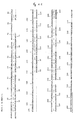
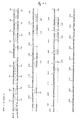
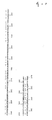
- This chromosome indeed contains a series of 9 open reading frames, separated by non coding regions, and comprises in a row (5' - 3') genes encoding proteins denominated first GLURP, followed at 1300 base-pairs by MSP-3 (now denominated MSP-3-1) followed by 7 other genes denominated MSP-3-2, MSP-3-3, MSP-3-4, MSP-3-5, MSP-3-6, MSP-3-7, MSP-3-8. This organisation is shown in Figure 1.
- the 8 MSP-3-like genes share the same general gene organisation, which is illustrated in Figure 1, with an initial N-terminus "signature" of 4 aminoacids (indicated “s” in Figure 1) identical in each of them and identical to similar MSP-3 homologous proteins described in Plasmodium vivax and Plasmodium Knowlesi.
- a first object of the present invention is hence a family (or group) of isolated genes which have the following properties :
- the NLRN or NLRK signature is most often followed by A or G, in the proteins of the MSP-3 family according to the invention.
- the genes of the family preferably also share the same general organization, as shown in Figure 1.
- MSP-3-like family comprising the genes of sequences SEQ ID Nos: 1, 3, 5, 7, 9, 11, 13, and 15. Any group of at least 3 genes selected amongst these genes is also considered as a gene family according to the invention.
- the remaining of the N-terminus part is highly variable from one gene product to the other, whereas, in contrast, the C-terminus is identical in its organisation for all genes, except 2 (MSP-3-5 and MSP-3-6) including the "b" epitope-like stretch ("b"), the "c/d” epitope-like (“c/d”), the Glutamic-rich region, and at the extreme C-term a leucine zipper.
- genes according to the invention are hence families as described above, wherein said genes further have the following property : they encode proteins which have a MSP-3-b-like motif and/or a MSP-3-c/d-like motif.
- An example of such a family is the family encompassing the genes of sequences SEQ ID Nos: 1, 3, 5, 7, 13, and 15, or any group of at least 3 genes selected amongst these sequences.
- the regions targeted by antibodies associated with protection are the non repeat region R0 of GLURP and the C-terminus non repeated region of MSP-3-1 and MSP-3-2.
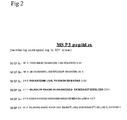
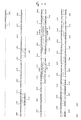
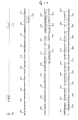
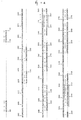
- the various peptides derived from MSP-3-1 are shown in Fig 2. Protection was associated with antibodies to peptides MSP-3-b, c and d.
- Antibodies to the 7 gene products are all effective at mediating P . falciparum blood stage killing, in the monocyte-dependent, antibody-mediated ADCI mechanism, under in vitro conditions. These results, described in Example 1, show that antibodies to each of those regions are equally effective at achieving P. falciparum erythrocytic stage growth inhibition under in vitro conditions.
- Preferred family of genes according to the invention therefore further have the following property : antibodies to the products of said genes mediate Plasmodium falciparum blood stage killing, in the monocyte-dependent, antibody-mediated ADCI mechanism, under in vitro conditions.
- a family of genes according to the invention therefore further have the following property : antibodies to the products of said genes mediate Plasmodium falciparum growth inhibition in mice infected by P . falciparum.
- the inventors have also demonstrated that there is a very unusual high degree of sequence conservation of each of the 7 genes, among various P. falciparum isolates. This had been previously shown for GLURP and led to choose the R0 non-repetitive region which has the highest conservation among various isolates, yet has some aminoacid substitutions. This was also shown for MSP-3-1 which sequence was found to be outstandingly conserved among 111 isolates for the region covering peptides MSP-3-a, b, c and d, i.e. , the region used for immunisation of volunteers, where no single aminoacid substitution and therefore no aminoacid change was found whatsoever.
- Gene families as described above, comprising at least 3 genes selected amongst the genes of sequences SEQ ID Nos: 1, 3, 5, 7, 9, 11, 13, and 15, or their homologues in Plasmodium, particularly Plasmodium falciparum strains are therefore also preferred gene families of the invention.
- Another aspect of the present invention is an isolated Plasmodium falciparum gene which has the sequence of SEQ ID No:5, 7, 13 or 15, or an isolated gene corresponding to an homologue of a Plasmodium falciparum gene of sequence of SEQ ID No:5, 7, 9, 11, 13 or 15 in a Plasmodium strain.
- recombinant proteins of SEQ ID Nos: 6, 8, 10, 12, 14 and 16 are also part of the present invention, as well as any recombinant protein having the sequence of a protein which is an homologue of a protein of SEQ ID Nos: 6, 8, 10, 12, 14 or 16 in a Plasmodium strain different from the 3D7 strain.
- the inventors have identified 2 regions which are very similar, if not totally identical, between members of the family and concern one critical region in the MSP-3-b peptide and one in the MSP-3-c and d peptides (region that is covered by both peptides MSP-3-c and MSP-3-d).
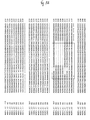
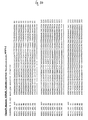
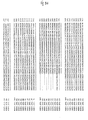
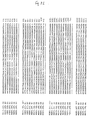
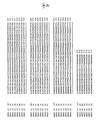
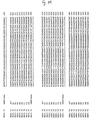
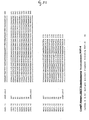
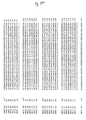
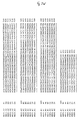
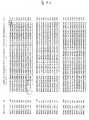
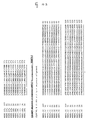
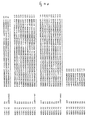
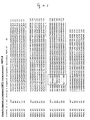
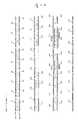
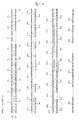
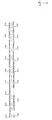
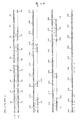
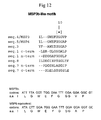
- the small differences between these very conserved epitopes among the various genes is summarised in Figures 12 and 13. It is noteworthy and highly significant that the most conserved regions across the various genes are those two that are the target of biologically active antibodies in the ADCI assay in vitro and by passive transfer in SCID mice (see above).
- the present invention constitutes a very particular type of multi-gene family where, instead of epitope polymorphism, which is usually the feature of multi-gene families described to-date, epitope conservation is the main characteristic and where, in case of deletion, mutation in one given gene, another or all other members of the family can take over the antigenic function. In addition, all genes are simultaneously expressed by one given parasite.
- the invention thus also concerns a protein which is encoded by a gene among those disclosed here above.
- the protein is a recombinant protein.
- an antigenic polypeptide comprising a fragment of at least 10, preferably at least 15, consecutive amino acids from a protein according to the invention, is therefore part of the invention.
- Preferred antigenic polypeptides according to the invention are those that comprise at least one MSP-3-b-like and/or at least one MSP-3-c/d-like motifs, as defined above.
- any antigenic polypeptide comprising at least one motif selected amongst the sequences SEQ ID Nos: 19 to 24 and 27 to 30, is part of the invention, as well as any antigenic polypeptide comprising at least one motif selected amongst the variants obtained by conservative substitution of at least one amino-acid in the sequences SEQ ID Nos: 19 to 24 and 27 to 30, provided said antigenic polypeptide is not limited to a fragment of MSP-3-1 or MSP-3-2.
- polypeptidic composition comprising at least two different MSP-3-b-like motifs, and/or at least two different MSP-3-c/d-like motifs.
- polypeptidic composition is meant a composition comprising polypeptidic components, i.e ., polypeptides or molecules comprising a polypeptidic moiety, such as lipopolypeptides, conjugates consisting of polypeptides bound to a support, etc.
- the polypeptidic compositions according to the invention can be solutions, caplets, etc.
- the at least two different MSP-3-b-like motifs are selected amongst the sequences of SEQ ID Nos: 17 to 24 and conservative variants thereof, and/or the at least two different MSP-3-c/d-like motifs are selected amongst the sequences of SEQ ID Nos: 25 to 30 and conservative variants thereof.
- the at least two different MSP-3-b-like motifs, and/or at least two different MSP-3-c/d-like motifs can be carried by distinct molecules (i.e., the composition can comprise a diversity of molecules each containing only one motif); alternatively, each polypeptidic component of these composition can carry at least two motifs.
- An antigenic composition as described above, which contains molecules that comprise at least two different MSP-3-b-like motifs, and/or at least two different MSP-3-c/d-like motifs, is hence an object of the present invention.
- These molecules can be complex molecules, in which the at least two motifs are part of distinct peptides covalently linked to a common carrier; preferably, their polypeptidic moiety is constituted by a unique polypeptide comprising said motifs. Fusion proteins, comprising several parts coming from different MSP-3 proteins, can be included in these compositions.
- the antigenic polypeptidic composition hence further comprises an antigenic polypeptidic molecule comprising at least 10 consecutive amino acid residues from the R0 region of GLURP (SEQ ID No: 34).
- an antigenic polypeptidic composition according to the invention can comprise a limited number of molecules each comprising a variety of epitopes, or a variety of molecules each comprising a limited number of epitopes.
- the composition of antigenic polypeptides comprises from 2, preferably from 3 to less than 9 polypeptides encoded by the genes of the invention.
- antigenic polypeptidic composition is a mixotope comprising a variety of synthetic peptides comprising the sequence : wherein:
- a “mixotope” is a combinatorial libraryof peptides which can be obtained in a single synthesis, as described by (Gras-Masse, Georges et al. 1999).
- mixotope derived from MSP-3-b and which can be included in an antigenic polypeptidic composition according to the invention is a mixotope comprising a variety of synthetic peptides comprising the sequence wherein:
- antigenic polypeptidic composition is a mixotope comprising a variety of synthetic peptides comprising the sequence wherein:
- the above antigenic mixotope compositions can be a mix of at least 50, at least 100, or at least 500 peptides of different sequences.
- The can also comprise a combinatorial library of synthetic peptides corresponding to each of the observed and potential substitutions.
- An antigenic composition, comprising a mix of the two above-described mixotopes, is also included in the present invention.
- lipidic molecule can be linked to at least part of the polypeptidic molecules.
- polypeptides or polypeptidic molecules in the antigenic polypeptide according to the invention can be bound to a support, thereby constituting conjugates.
- Preferred supports in this embodiment of the invention are viral particles, nitrocellulose or polystyrene beads, and biodegradable polymers such as lipophosphoglycanes or poly-L lactic acid.
- Another aspect of the present invention concerns an immunogenic composition
- an immunogenic composition comprising as an immunogen a protein or a polypeptide or a polypeptidic composition especially prepared by recombination as any of those described above.
- the gene family described herein presents a remarkable characteristic, which is the epitope conservation between the various members of the family, which leads to immunogenic cross-reactivity between the various products of the gene family.
- the vaccination potential of MSP-3-1 and its fragments, illustrated in Examples 2 and 3, together with the epitope conservation and the cross-reactivity mentioned above, are remarkable features that make this gene family and the polypeptidic compositions derived therefrom particularly interesting candidates for vaccination against malaria.
- Another aspect of the present invention is hence the use of a recombinant protein or a polypeptide or a polypeptidic composition as described above, for the preparation of a vaccine against malaria, as well as such a vaccine, comprising as an immunogen said recombinant protein or polypeptide or polypeptidic composition, in association with a suitable pharmaceutical vehicle.
- An immunogenic composition and a vaccine according to the invention can further comprise at least one antigen selected amongst LSA-1 (Guerin-Marchand, Druilhe et al. 1987), LSA-3 (Daubersies, Thomas et al. 2000), LSA-5, SALSA (Bottius, BenMohamed et al. 1996), STARP (Fidock, Bottius et al. 1994), TRAP (Robson, Hall et al. 1988), PfEXP1 (Simmons, Woollett et al. 1987), CS (Dame, Williams et al. 1984), MSP1 (Miller, Roberts et al. 1993), MSP2 (Thomas, Carr et al.
- MSP4 Marshall, Tieqiao et al. 1998)
- MSPS Marshall, Tieqiao et al. 1998)
- AMA-1 Peterson, Marshall et al. 1989; Escalante, Grebert et al. 2001
- SERF Knapp, Hundt et al. 1989
- GLURP GLURP
- the immunogenic composition or the vaccine is formulated for intradermal or intramuscular injection.
- said immunogenic composition or vaccine preferably comprises between 1 and 100 ⁇ g of immunogen per injection dose, more preferably between 2 and 50 ⁇ g.
- the immunogenic composition or the vaccine can be formulated for oral administration, as described by (BenMohamed, Belkaid et al. 2002).
- the immunogenic composition or vaccine of the invention can also further comprise SBAS2 and/or Alum and/or Montanide as an adjuvant.
- a synthetic or recombinant antibody which cross-reacts with several proteins of the MSP-3 family, especially with MSP-3-3 and/or MSP-3-4 and/or MSP-3-7 and/or MSP-3-8, and which mediates Plasmodium falciparum blood stage growth inhibition or killing, in the monocyte-dependent, antibody-mediated ADCI mechanism, under in vitro conditions, is a particularly interesting antibody according to the invention.
- a pool of antibodies and/or fragments of antibodies directed against several proteins selected amongst the MSP-3 family, particularly amongst the proteins of SEQ ID Nos: 6, 8, 14 and 16, and/or polypeptides according to the invention, is also part of the invention.
- Another pool of antibodies and/or fragments of antibodies according to the invention is directed against a polypeptidic composition as described above.
- Preferred antibodies (or fragments) according to the invention are human or humanized antibodies. These antibodies or fragments of antibodies can be produced for example in Lemna, as well as in maize, tobacco, CHO cells, and the like. When produced in CHO cells, they can be obtained for example by using the method described in WO 03/016354.
- the present invention also pertains to the use of a composition comprising an antibody or a pool of antibodies or fragments thereof as described above, for the preparation of a medicament against malaria.
- a medicament for passive immunotherapy of malaria comprising such an antibody or a pool of antibodies, is also considered as part of the invention.
- Such medicament can further comprise antibodies directed against at least one antigen selected amongst LSA-1, LSA-3, LSA-5, SALSA, STARP, TRAP, PfEXP1, CS, MSP1, MSP2, MSP4, MSPS, AMA-1, SERP and GLURP.
- the invention also concerns a method for the in vitro diagnosis of malaria in an individual likely to be infected by P. falciparum, which comprises the bringing of a biological sample from said individual into contact with a protein or an antigenic polypeptide of the invention, under conditions enabling the formation of antigen/antibody complexes between said antigenic peptide or polypeptide and the antibodies possibly present in the biological sample, and the in vitro detection of the antigen/antibody complexes possibly formed.
- the in vitro diagnosis can be performed by an ELISA assay.
- antigenic peptides originating from other antigens selected amongst LSA-1, LSA-3, LSA-5, SALSA, STARP, TRAP, PfEXP1, CS, MSP-3-1, MSP-3-2, MSP-3-5, MSP-3-6, MSP1, MSP2, MSP4, MSP5, AMA-1, SERP and GLURP, as an additional step of the method.
- An alternative method for the in vitro diagnosis of malaria in an individual likely to be infected by P. falciparum comprises the bringing of a biological sample from said individual into contact with antibodies according to the invention, under conditions enabling the formation of antigen/antibody complexes between said antibodies and the antigens specific for P. falciparum possibly present in the biological sample, and the in vitro detection of the antigen/antibody complexes possibly formed.
- Kits for the in vitro diagnosis of malaria are also contemplated.
- they can comprise at least one peptide or polypeptide according to the invention, possibly bound to a support.
- Such a can further comprise reagents for enabling the formation of antigen/antibody complexes between said antigenic peptide or polypeptide and the antibodies possibly present in a biological sample, and reagents enabling the in vitro detection of the antigen/antibody. complexes possibly formed.
- kits for the in vitro diagnosis of malaria comprises antibodies as described above, and, if necessary, reagents for enabling the formation of antigen/antibody complexes between said antibodies and antigens from the proteins of the MSP-3 family possibly present in a biological sample, and reagents enabling the in vitro detection of the antigen/antibody complexes possibly formed.
- nucleotide sequence comprising a sequence coding for a protein or an antigenic polypeptide according to the invention.
- Particular sequences according to the invention are nucleotide sequences comprising a sequence encoding at least two MSP-3-b-like and/or MSP-3-c/d-like motifs, wherein at least one of said motifs is selected amongst the motifs of SEQ ID Nos: 19 to 24 and 27 to 30, or their conservative variants.
- a first example of such a recombinant nucleotide sequence comprises a sequence encoding a fusion protein comprising several MSP-3-b-like motifs, wherein at least two of said motifs are selected amongst the motifs of SEQ ID Nos: 17 to 24 and their conservative variants.
- a second example is a recombinant nucleotide sequence comprising a sequence encoding a fusion protein comprising several MSP-3-b-like motifs, wherein at least two of said motifs are selected amongst the motifs of SEQ ID Nos: 25 to 30 and their conservative variants.
- the invention also pertains to a recombinant cloning and/or expression vector, comprising a nucleotide sequence as described above, which can be, for example, under the control of a promoter and regulatory elements homologous or heterologous vis-a-vis a host cell, for expression in the host cell.
- An expression vector as described in the above paragraph can advantageously be used for the preparation of a medicament for genetic immunisation against Plasmodium falciparum.
- the invention also pertains to a nucleic acid vaccine comprising a nucleotide sequence of the invention.
- a recombinant host cell for example a bacterium, a yeast, an insect cell, or a mammalian cell, which is transformed by an expression vector as described above, is also part of the present invention.
- Example 1 In vitro blood stage killing of P. falciparum by antibodies to the gene products, by the ADCI mechanism
- the Antibody Dependent Cellular Inhibition (ADCI) assay is designed to assess the capability of antibodies to inhibit the in vitro growth of Plasmodium falciparum in the presence of monocytes. Studies have shown that antibodies that proved protective against P . falciparum blood stages by passive transfer in humans are unable to inhibit the parasite in vitro unless they are able to cooperate with blood monocytes. It was also shown that antibodies that were not protective in vivo had no effect on P. falciparum growth in the ADCI assay. The ADCI is therefore an in vitro assay the results of which reflect the protective effect of anti-malarial antibodies observed under in vivo conditions in humans.
- the antibodies able to cooperate with monocytes should be obviously cytophilic: IgG1 and IgG3 isotypes are efficient in ADCI while IgG2, IgG4 and IgM are not efficient. This is consistent with the findings that in sera from protected individuals, cytophilic anti-P.falciparum antibodies are predominant, while in non-protected patients the antibodies produced against the parasite are mostly non-cytophilic.
- ADCI likely involves the following succession of events: at the time of schizonts rupture, the contact between some merozoite surface component and cytophilic antibodies bound to monocytes via their Fc fragment triggers the release of soluble mediators which diffuse in the culture medium and block the division of surrounding intra-erythrocytic parasites.
- IgGs are extracted from human sera ( see Note 1) as follows:
- the procedure for monocyte preparation is based on that described by Boyum (Scand. J. Clin. Lab. Invest. 1968, 21 , 77-89) and includes the following steps:
- P. falciparum strains are cultivated in RPMI 1640 supplemented with 0.5% Albumax.
- schizonts are enriched by flotation on plasmagel as follows:
- synchronized early schizont parasites are used. Usually the parasitemia is 0.5-1.0% and the hematocrit 4%.
- ADCI conditions antibody volume MN(-) MN(+) SGI % Adj SGII% Direct ADCI 02/03 17/1/03 RPMI 10 ⁇ l 7,8 7,1 0% 0% Parasite strain 3D7 NIG dialysed 5 ⁇ l 7,5 6,3 8% 4% Mn preparation attach PIAG (IFA 35,000)Ali 10 ⁇ l 11,8 5 53% 100% -51% Initial para.(%) 0.5% asynchro in AB+ RBC anti-MSP3.1 CT (MSP3 Simon) 10 ⁇ l 11,8 5 53% 100% -51% Final.
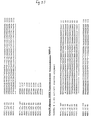
- the C-terminal regions used to produce the antibodies are indicated in Figure 18, and correspond to the horizontal lines below each of the proteins. They have been cloned in E.coli using the PTCR-His vector.
- Example 2 In vivo assays by passive transfer of antibodies in mice
- example 1 The in vitro results shown in example 1 were confirmed under in vivo conditions by passive transfer experiments of specific antibodies into P . falciparum-infected, human RBCs-grafted, immunocompromised mice.
- the protective data gathered under in vitro and in vivo conditions was further confirmed independently by showing that aotus monkeys immunised by MSP-3-1 in recombinant form adjuvated by Freund complete adjuvant, produced antibodies effective in the ADCI mechanism and that the monkeys, when challenged by a virulent P. falciparum blood stage inoculation, were able to control and to clear their P. falciparum parasitemia, whereas control monkeys did not.
- the immunisation by molecules which are identified as targets of protective mechanisms may lead to induce a stronger protection than that developed by natural exposure, which is already the strongest protection known against asexual blood stages in human beings. It is thus extremely promising for the development of a future, efficient, malarial vaccine.
- epitope polymorphism which is usually the feature of multi-gene families described to-date
- epitope conservation is here the main characteristic and where, in case of deletion, mutation in one given gene, another or all other members of the family can take over the antigenic function.
- all genes are sumultaneously expressed by one given parasite.
- the parasite can only survive provided it does not kill its host : by inducing antibodies that reduce parasitemia through the ADCI mechanism, the parasite ensures a sufficient degree of protection of the immune host and therefore ensures its own survival.
- the epitope duplication provided by the gene family ensures that more than one gene product can fulfil this essential task.
- Example 7 complementarity between responses to MSP3 and GLURP shown in a longitudinal clinical and parasitological follow-up study
- OoDo village is a re-settled forested region of Sri Lanka.
- malaria was found to be stable and hyper-endemic with seasonal variation, the majority of infections were due to Plasmodium falciparum (98%) and Plasmodium vivax was responsible for the remaining 2%.
- a malaria attack was defined according to 4 concomitant criteria: i)- corrected axillary temperature ⁇ 38.0°C, ii)- absence of other clinical diseases, iii)- presence of asexual P. falciparum forms in thick-films, and iv)- clinical and parasitological improvement after chloroquine treatment.
- the three recombinant GLURP antigens were derived from the N-terminal non-repeat region R0 (GLURP 27-500 ), the central repeat region R1 (GLURP 489-705 ), and the C-terminal repeat region R2 (GLURP 705-1178 ) of P. falciparum F32 (Oeuvray, Theisen et al. 2000).
- the GST-tag was removed by enzymatic cleavage and subsequent affinity chromatography before use.
- the MSP3b synthetic peptide (184-AKEASSYDYILGWEFGGGVPEHKKEEN-210, SEQ ID No:5) contained the MSP3b B-cell epitope which reacts with ADCI-effective human antibodies (Oeuvray, Bouharoun-Tayoun et al. 1994).
- the levels of antibodies to the three P. falciparum- derived antigens were measured by enzyme-linked immunosorbent assay (ELISA) as previously described (Oeuvray, Theisen et al. 2000). Briefly, microtiter plates (Maxisorb, Nunc, Denmark) were coated overnight at 4°C with recombinant proteins or synthetic peptide at the following concentrations: 0.5 ⁇ g/ml (R0 and R2), 1 ⁇ g/ml (R1 and MSP1) and 5 ⁇ g/ml (MSP3b).
- ELISA enzyme-linked immunosorbent assay
- the Mann-Whitney U-test and Spearman's rank-order correlation coefficient were used for the calculations of P -values.
- the association between the risk of malaria attack during 1998 and the levels of antibodies (expressed in ratios) were tested with JMP® software, using either a Poisson regression model where the effect of confounding factors such as age, gender, time spent in the village and transmission were controlled or a logistic regression analysis (with or without occurrence of malaria attack).
- IgG subclass responses were almost exclusively of the IgG1 subclass with a median value 8.6 times higher in the protected than in the susceptible group whereas, IgG3 antibodies predominated against the MSP3b epitope in protected individuals with a median value 6.5 times higher than that found in susceptible individuals.
- a similar dissimilarity in the cytophilic IgG subclasses response was also observed for different regions of GLURP, IgG1 antibodies predominating against the non-repeat R0-region and IgG3 antibodies prevailing against the R2 repeat-region.
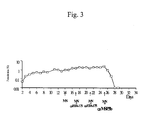
- Figure 14A shows the general pattern of IgG3 antibody responses found against the different blood stage antigens in OoDo. The range of values was large for most antigen-specific antibody responses and this suggested that different subgroups of "responders" might exist. Sera of villagers who were protected from clinical malaria did not all show high IgG3 values against both MSP3b and GLURP-R0. Some individuals displayed an unexpectedly low IgG3 reactivity against either one of these 2 antigens. In an attempt to understand how these villagers were protected against malaria attacks, two sub-groups were identified, characterized by : a)- low IgG3 responses against MSP3 (7 out of 30 cases) or b)- low IgG3 responses against R0 (15 out of 30 cases).
- the levels of IgG3 antibodies against the other three antigens were estimated (Fig. 14B).
- the present study is the first one to show an association between antigen-specific antibody responses and protection from clinical malaria in S-E Asia.
- the prevalence of positive antibody responses against GLURP and MSP3 was high in OoDo, ranging from 58.6 % (R0) to 67.2% (R2).
- This observation is in-keeping with the finding that B-cell epitopes within GLURP and MSP3 are highly conserved among P. falciparum laboratory lines and field isolates from Africa and Asia (Huber, Felger et al. 1997),(McColl and Anders 1997; de Stricker, Vuust et al. 2000).
- the present study shows that (1)- the critical epitopes in the MSP3 and GLURP antigens which are most conserved, are targets of protective antibodies in geographically distant endemic areas of the world. (2)- IgG3 antibodies to MSP3 and GLURP-R0 are the strongest predictors of protection from clinical malaria in an African and also an Asian setting. (3)- To reach a state of premunition in Asia as well as in Africa, it is needed to produce a cytophilic subclass of antibody against critical antigens (namely, MSP3b and GLURP which both induce antibodies active in ADCI). (4)- There appears to be a complementation effect between these two antigens.
- IgG3 responses might have similar effects against the risk of malarial attacks, provided they are present against one antigen when responses to the other are low or almost absent.
- the responses to different B cell epitopes on a given antigen appear to evolve independantly and the level of recognition can change over time.
- Vaccine 19 (2-3): 204-12.
Landscapes
- Health & Medical Sciences (AREA)
- Chemical & Material Sciences (AREA)
- Organic Chemistry (AREA)
- Life Sciences & Earth Sciences (AREA)
- Biophysics (AREA)
- Medicinal Chemistry (AREA)
- Zoology (AREA)
- Biochemistry (AREA)
- Toxicology (AREA)
- General Health & Medical Sciences (AREA)
- Genetics & Genomics (AREA)
- Gastroenterology & Hepatology (AREA)
- Molecular Biology (AREA)
- Proteomics, Peptides & Aminoacids (AREA)
- Tropical Medicine & Parasitology (AREA)
- Peptides Or Proteins (AREA)
- Medicines Containing Antibodies Or Antigens For Use As Internal Diagnostic Agents (AREA)
- Saccharide Compounds (AREA)
- Medicines That Contain Protein Lipid Enzymes And Other Medicines (AREA)
Priority Applications (17)
| Application Number | Priority Date | Filing Date | Title |
|---|---|---|---|
| PT03292673T PT1526178E (pt) | 2003-10-24 | 2003-10-24 | Família de genes semelhantes a msp-3 |
| SI200331739T SI1526178T1 (sl) | 2003-10-24 | 2003-10-24 | MSP podobna družina genov |
| ES03292673T ES2335094T3 (es) | 2003-10-24 | 2003-10-24 | Familia de genes del tipo msp-3. |
| DE60330011T DE60330011D1 (de) | 2003-10-24 | 2003-10-24 | MSP-3-ähnliche Genfamilie |
| EP03292673A EP1526178B1 (de) | 2003-10-24 | 2003-10-24 | MSP-3-ähnliche Genfamilie |
| DK03292673.5T DK1526178T3 (da) | 2003-10-24 | 2003-10-24 | MSP-3-lignende genfamilie |
| AT03292673T ATE448307T1 (de) | 2003-10-24 | 2003-10-24 | Msp-3-ähnliche genfamilie |
| EP04791104A EP1689866A2 (de) | 2003-10-24 | 2004-10-22 | Genfamilie mit ähnlichkeit zu msp-3 |
| CNA2004800386552A CN1898384A (zh) | 2003-10-24 | 2004-10-22 | Msp-3样基因家族 |
| BRPI0415784-2A BRPI0415784A (pt) | 2003-10-24 | 2004-10-22 | composição polipeptìdica antigênica, famìlia de genes purificados, famìlia de polinucleotìdeos, gene de plasmodium falciparum isolado de uma famìlia, seqüência de polinucleotìdeo, proteìna, polipeptìdio antigênico, composições imunogênicas, vacinas, uso de uma proteìna recombinante, anticorpo purificado sintético ou recombinante ou fragmento de anticorpo, conjunto de anticorpos ou fragmentos de anticorpos, uso de uma composição, medicamento, métodos para diagnóstico, kits para diagnóstico, seqüência de nucleotìdeo recombinante, vetor de clonagem e/ou de expressão recombinante, uso de um vetor de expressão e célula hospedeira recombinante |
| CA002542924A CA2542924A1 (en) | 2003-10-24 | 2004-10-22 | Msp-3-like family of genes |
| AU2004283891A AU2004283891B2 (en) | 2003-10-24 | 2004-10-22 | MSP-3-like family of genes |
| PCT/EP2004/012909 WO2005040203A2 (en) | 2003-10-24 | 2004-10-22 | Msp-3-like family of genes |
| HK05109116.5A HK1075066B (en) | 2005-10-15 | Msp-3-like family of genes | |
| US11/409,174 US20070098738A1 (en) | 2003-10-24 | 2006-04-24 | MSP-3-like family of genes |
| ZA2006/03296A ZA200603296B (en) | 2003-10-24 | 2006-04-25 | Msp-3-like family of genes |
| CY20101100018T CY1110630T1 (el) | 2003-10-24 | 2010-01-05 | Οικογενεια γονιδιων παρομοιων με τα msp-3 |
Applications Claiming Priority (1)
| Application Number | Priority Date | Filing Date | Title |
|---|---|---|---|
| EP03292673A EP1526178B1 (de) | 2003-10-24 | 2003-10-24 | MSP-3-ähnliche Genfamilie |
Related Child Applications (1)
| Application Number | Title | Priority Date | Filing Date |
|---|---|---|---|
| EP09156218 Division | 2009-03-25 |
Publications (2)
| Publication Number | Publication Date |
|---|---|
| EP1526178A1 true EP1526178A1 (de) | 2005-04-27 |
| EP1526178B1 EP1526178B1 (de) | 2009-11-11 |
Family
ID=34384722
Family Applications (2)
| Application Number | Title | Priority Date | Filing Date |
|---|---|---|---|
| EP03292673A Expired - Lifetime EP1526178B1 (de) | 2003-10-24 | 2003-10-24 | MSP-3-ähnliche Genfamilie |
| EP04791104A Withdrawn EP1689866A2 (de) | 2003-10-24 | 2004-10-22 | Genfamilie mit ähnlichkeit zu msp-3 |
Family Applications After (1)
| Application Number | Title | Priority Date | Filing Date |
|---|---|---|---|
| EP04791104A Withdrawn EP1689866A2 (de) | 2003-10-24 | 2004-10-22 | Genfamilie mit ähnlichkeit zu msp-3 |
Country Status (15)
| Country | Link |
|---|---|
| US (1) | US20070098738A1 (de) |
| EP (2) | EP1526178B1 (de) |
| CN (1) | CN1898384A (de) |
| AT (1) | ATE448307T1 (de) |
| AU (1) | AU2004283891B2 (de) |
| BR (1) | BRPI0415784A (de) |
| CA (1) | CA2542924A1 (de) |
| CY (1) | CY1110630T1 (de) |
| DE (1) | DE60330011D1 (de) |
| DK (1) | DK1526178T3 (de) |
| ES (1) | ES2335094T3 (de) |
| PT (1) | PT1526178E (de) |
| SI (1) | SI1526178T1 (de) |
| WO (1) | WO2005040203A2 (de) |
| ZA (1) | ZA200603296B (de) |
Cited By (2)
| Publication number | Priority date | Publication date | Assignee | Title |
|---|---|---|---|---|
| US7211256B2 (en) * | 1992-10-19 | 2007-05-01 | Institut Pasteur | Plasmodium falciparum antigens inducing protective antibodies |
| EP2223937A1 (de) * | 2009-02-27 | 2010-09-01 | Institut Pasteur | Polypeptide zur Vorbeugung oder Behandlung von Malaria |
Families Citing this family (4)
| Publication number | Priority date | Publication date | Assignee | Title |
|---|---|---|---|---|
| US20030161840A1 (en) * | 1992-10-19 | 2003-08-28 | Institut Pasteur | Plasmodium falciparum antigens inducing protective antibodies |
| FR2968560A1 (fr) * | 2010-12-13 | 2012-06-15 | Oreal | Utilisation de l'ide comme biomarqueur d'un etat du cuir chevelu |
| CN109295243A (zh) * | 2018-12-14 | 2019-02-01 | 中国疾病预防控制中心寄生虫病预防控制所 | 鉴定间日疟原虫PvMSP-3α基因多态性的引物、方法及应用 |
| CN113150101A (zh) * | 2021-04-23 | 2021-07-23 | 中国疾病预防控制中心寄生虫病预防控制所(国家热带病研究中心) | 一种恶性疟原虫RIFIN重组蛋白PfRIFIN-55的构建、制备及用途 |
Family Cites Families (1)
| Publication number | Priority date | Publication date | Assignee | Title |
|---|---|---|---|---|
| FR2744724B1 (fr) * | 1996-02-14 | 2002-08-02 | Pasteur Institut | Proteine recombinante contenant un fragment c-terminal de la proteine msp-1 d'un plasmodium infectieux pour l'homme pour la production de vaccins anti-paludiques |
-
2003
- 2003-10-24 SI SI200331739T patent/SI1526178T1/sl unknown
- 2003-10-24 EP EP03292673A patent/EP1526178B1/de not_active Expired - Lifetime
- 2003-10-24 DK DK03292673.5T patent/DK1526178T3/da active
- 2003-10-24 DE DE60330011T patent/DE60330011D1/de not_active Expired - Lifetime
- 2003-10-24 PT PT03292673T patent/PT1526178E/pt unknown
- 2003-10-24 AT AT03292673T patent/ATE448307T1/de active
- 2003-10-24 ES ES03292673T patent/ES2335094T3/es not_active Expired - Lifetime
-
2004
- 2004-10-22 CA CA002542924A patent/CA2542924A1/en not_active Abandoned
- 2004-10-22 EP EP04791104A patent/EP1689866A2/de not_active Withdrawn
- 2004-10-22 WO PCT/EP2004/012909 patent/WO2005040203A2/en not_active Ceased
- 2004-10-22 AU AU2004283891A patent/AU2004283891B2/en not_active Ceased
- 2004-10-22 BR BRPI0415784-2A patent/BRPI0415784A/pt not_active IP Right Cessation
- 2004-10-22 CN CNA2004800386552A patent/CN1898384A/zh active Pending
-
2006
- 2006-04-24 US US11/409,174 patent/US20070098738A1/en not_active Abandoned
- 2006-04-25 ZA ZA2006/03296A patent/ZA200603296B/en unknown
-
2010
- 2010-01-05 CY CY20101100018T patent/CY1110630T1/el unknown
Non-Patent Citations (9)
| Title |
|---|
| CARLOTTA TRUCCO ET AL.: "The merozoite surface protein 6 gene codes for a 36 kDa protein associated with the Plasmodium falciparum merozoite surface protein-1 complex", MOLECULAR AND BIOCHEMICAL PARASITOLOGY, vol. 112, 2001, pages 91 - 101, XP002283182 * |
| CLAUDE OEUVRAY ET AL.: "Merozoite surface protein - 3: A malaria protein inducing antibodies that promote Plasmodium falciparum killing by cooperation with blood monocytes", BLOOD, vol. 84, no. 5, 1 September 1994 (1994-09-01), pages 1594 - 1602, XP002283183 * |
| DATABASE EMBL 11 January 2001 (2001-01-11), WATANABE, J. ET AL.: "Plasmodium falciparum 3D7 cDNA clone from Sugano malaria cDNA library: XPFn2229", XP002283187, Database accession no. AU086276 * |
| DATABASE EMBL 5 October 2001 (2001-10-05), TANG, K. ET AL.: "PfESToaa17f04.y1 Plasmodium falciparum 3D7 asexual cDNA", XP002283186, accession no. BI815359 Database accession no. BI815359 * |
| DATABASE UNIPROT 1 March 2003 (2003-03-01), GARDNER, M:J: ET AL.: "Hypothetical protein", XP002283188, Database accession no. Q8IJ53 * |
| GARDNER, M.J. ET AL.: "Genome sequence of the human malaria parasite Plasmodium falciparum", NATURE, vol. 419, 2002, pages 498 - 511, XP002283190 * |
| MICHAEL THEISEN ET AL.: "Identification of a major B-cell epitope of the Plasmodium falciparum glutamate-rich protein (GLURP), targeted by human antibodies mediating parasite killing", VACCINE, vol. 19, 2001, pages 204 - 212, XP004228829 * |
| VIKKI M. MARSHALL ET AL.: "Close linkage of three merozoite surface protein genes on chromosome 2 of Plasmodium falciparum", MOLECULAR AND BIOCHEMICAL PARASITOLOGY, no. 94, 1998, pages 13 - 25, XP002283184 * |
| WATANABE, J. ET AL.: "FULL-malaria: a database for a full-length cDNA enriched cDNA library from human malaria parasite Plasmodium falciparum", NUCLEIC ACID RESEARCH, vol. 29, 2001, pages 70 - 71, XP002283185 * |
Cited By (3)
| Publication number | Priority date | Publication date | Assignee | Title |
|---|---|---|---|---|
| US7211256B2 (en) * | 1992-10-19 | 2007-05-01 | Institut Pasteur | Plasmodium falciparum antigens inducing protective antibodies |
| EP2223937A1 (de) * | 2009-02-27 | 2010-09-01 | Institut Pasteur | Polypeptide zur Vorbeugung oder Behandlung von Malaria |
| WO2010097709A3 (en) * | 2009-02-27 | 2010-12-02 | Institut Pasteur | Polypeptides for the prevention or treatment of malaria |
Also Published As
| Publication number | Publication date |
|---|---|
| ATE448307T1 (de) | 2009-11-15 |
| ZA200603296B (en) | 2007-10-31 |
| AU2004283891A1 (en) | 2005-05-06 |
| HK1075066A1 (en) | 2005-12-02 |
| US20070098738A1 (en) | 2007-05-03 |
| CN1898384A (zh) | 2007-01-17 |
| EP1689866A2 (de) | 2006-08-16 |
| CY1110630T1 (el) | 2015-04-29 |
| DE60330011D1 (de) | 2009-12-24 |
| ES2335094T3 (es) | 2010-03-22 |
| SI1526178T1 (sl) | 2010-03-31 |
| AU2004283891B2 (en) | 2010-10-07 |
| CA2542924A1 (en) | 2005-05-06 |
| WO2005040203A2 (en) | 2005-05-06 |
| EP1526178B1 (de) | 2009-11-11 |
| WO2005040203A3 (en) | 2005-06-23 |
| BRPI0415784A (pt) | 2006-12-26 |
| DK1526178T3 (da) | 2010-01-18 |
| PT1526178E (pt) | 2010-02-03 |
Similar Documents
| Publication | Publication Date | Title |
|---|---|---|
| Baruch et al. | Cloning the P. falciparum gene encoding PfEMP1, a malarial variant antigen and adherence receptor on the surface of parasitized human erythrocytes | |
| Howard et al. | Two approximately 300 kilodalton Plasmodium falciparum proteins at the surface membrane of infected erythrocytes | |
| Singh et al. | Identification of a conserved region of Plasmodium falciparum MSP3 targeted by biologically active antibodies to improve vaccine design | |
| JP4475949B2 (ja) | 組換え抗マラリア原虫抗体 | |
| US20070003562A1 (en) | GLURP-MSP3 fusion protein, immunogenic compositions and malarial vaccines containing it | |
| Chatterjee et al. | Characterization of domains of the phosphoriboprotein P0 of Plasmodium falciparum | |
| Moreno et al. | Development of an asexual blood stage malaria vaccine | |
| Ramasamy et al. | Antibodies to a merozoite surface protein promote multiple invasion of red blood cells by malaria parasites | |
| Flueck et al. | Evaluation of two long synthetic merozoite surface protein 2 peptides as malaria vaccine candidates | |
| EP1526178B1 (de) | MSP-3-ähnliche Genfamilie | |
| Bharadwaj et al. | Induction of protective immune responses by immunization with linear multiepitope peptides based on conserved sequences from Plasmodium falciparum antigens | |
| Kushwaha et al. | Immunogenicity of recombinant fragments of Plasmodium falciparum acidic basic repeat antigen produced in Escherichia coli | |
| Grüner et al. | The Plasmodium falciparum knob-associated PfEMP3 antigen is also expressed at pre-erythrocytic stages and induces antibodies which inhibit sporozoite invasion | |
| EP2116261A1 (de) | Unterbereich eines Plasmodium-Proteins mit verbessertem Impfstoff-Potenzial und medizinische Verwendungen davon | |
| Chappel et al. | Naturally acquired human antibodies which recognize the first epidermal growth factor-like module in the Plasmodium falciparum merozoite surface protein 1 do not inhibit parasite growth in vitro | |
| US8765145B2 (en) | LSA-5 liver stage and blood stage antigen of Plasmodium falciparum, immunogenic composition comprising said antigen, and vaccines against malaria | |
| De Silva et al. | The antibody response to Plasmodium falciparum Merozoite Surface Protein 4: comparative assessment of specificity and growth inhibitory antibody activity to infection-acquired and immunization-induced epitopes | |
| HK1075066B (en) | Msp-3-like family of genes | |
| KR100982064B1 (ko) | 말라리아 원충에 대한 단일클론 항체 및 이를 이용한말라리아의 진단방법 | |
| WO1989001785A1 (en) | Monoclonal antibodies to a plasmodium falciparum protein | |
| Amen | Isolation and characterization of human monoclonal antibodies blocking Plasmodium falciparum transmission | |
| Hou | Defining mechanisms of protective antibody responses induced by vaccines against blood-stage Plasmodium vivax malaria | |
| EP2223937A1 (de) | Polypeptide zur Vorbeugung oder Behandlung von Malaria | |
| CHAPPEL et al. | falciparum Merozoite Surface Protein Inhibit Parasite Growth In Vitro | |
| Angeletti | Virulence in Plasmodium falciparum malaria: mechanisms of PfEMP1-mediated rosetting |
Legal Events
| Date | Code | Title | Description |
|---|---|---|---|
| PUAI | Public reference made under article 153(3) epc to a published international application that has entered the european phase |
Free format text: ORIGINAL CODE: 0009012 |
|
| AK | Designated contracting states |
Kind code of ref document: A1 Designated state(s): AT BE BG CH CY CZ DE DK EE ES FI FR GB GR HU IE IT LI LU MC NL PT RO SE SI SK TR |
|
| AX | Request for extension of the european patent |
Extension state: AL LT LV MK |
|
| REG | Reference to a national code |
Ref country code: HK Ref legal event code: DE Ref document number: 1075066 Country of ref document: HK |
|
| 17P | Request for examination filed |
Effective date: 20051012 |
|
| AKX | Designation fees paid |
Designated state(s): AT BE BG CH CY CZ DE DK EE ES FI FR GB GR HU IE IT LI LU MC NL PT RO SE SI SK TR |
|
| AXX | Extension fees paid |
Extension state: LV Payment date: 20051012 Extension state: LT Payment date: 20051012 Extension state: MK Payment date: 20051012 Extension state: AL Payment date: 20051012 |
|
| 17Q | First examination report despatched |
Effective date: 20070125 |
|
| GRAP | Despatch of communication of intention to grant a patent |
Free format text: ORIGINAL CODE: EPIDOSNIGR1 |
|
| GRAS | Grant fee paid |
Free format text: ORIGINAL CODE: EPIDOSNIGR3 |
|
| GRAA | (expected) grant |
Free format text: ORIGINAL CODE: 0009210 |
|
| AK | Designated contracting states |
Kind code of ref document: B1 Designated state(s): AT BE BG CH CY CZ DE DK EE ES FI FR GB GR HU IE IT LI LU MC NL PT RO SE SI SK TR |
|
| AX | Request for extension of the european patent |
Extension state: AL LT LV MK |
|
| REG | Reference to a national code |
Ref country code: GB Ref legal event code: FG4D |
|
| REG | Reference to a national code |
Ref country code: CH Ref legal event code: EP Ref country code: CH Ref legal event code: NV Representative=s name: BRAUNPAT BRAUN EDER AG |
|
| REG | Reference to a national code |
Ref country code: IE Ref legal event code: FG4D |
|
| REF | Corresponds to: |
Ref document number: 60330011 Country of ref document: DE Date of ref document: 20091224 Kind code of ref document: P |
|
| REG | Reference to a national code |
Ref country code: DK Ref legal event code: T3 |
|
| REG | Reference to a national code |
Ref country code: PT Ref legal event code: SC4A Free format text: AVAILABILITY OF NATIONAL TRANSLATION Effective date: 20100127 |
|
| REG | Reference to a national code |
Ref country code: HK Ref legal event code: GR Ref document number: 1075066 Country of ref document: HK |
|
| REG | Reference to a national code |
Ref country code: SE Ref legal event code: TRGR |
|
| REG | Reference to a national code |
Ref country code: GR Ref legal event code: EP Ref document number: 20100400204 Country of ref document: GR |
|
| REG | Reference to a national code |
Ref country code: ES Ref legal event code: FG2A Ref document number: 2335094 Country of ref document: ES Kind code of ref document: T3 |
|
| LTIE | Lt: invalidation of european patent or patent extension |
Effective date: 20091111 |
|
| REG | Reference to a national code |
Ref country code: SK Ref legal event code: T3 Ref document number: E 6715 Country of ref document: SK |
|
| REG | Reference to a national code |
Ref country code: HU Ref legal event code: AG4A Ref document number: E007367 Country of ref document: HU |
|
| PLBE | No opposition filed within time limit |
Free format text: ORIGINAL CODE: 0009261 |
|
| STAA | Information on the status of an ep patent application or granted ep patent |
Free format text: STATUS: NO OPPOSITION FILED WITHIN TIME LIMIT |
|
| 26N | No opposition filed |
Effective date: 20100812 |
|
| REG | Reference to a national code |
Ref country code: RO Ref legal event code: EPE |
|
| PGFP | Annual fee paid to national office [announced via postgrant information from national office to epo] |
Ref country code: HU Payment date: 20111103 Year of fee payment: 9 Ref country code: IE Payment date: 20111020 Year of fee payment: 9 Ref country code: LU Payment date: 20111024 Year of fee payment: 9 Ref country code: DK Payment date: 20111019 Year of fee payment: 9 |
|
| PGFP | Annual fee paid to national office [announced via postgrant information from national office to epo] |
Ref country code: CY Payment date: 20111013 Year of fee payment: 9 |
|
| PGFP | Annual fee paid to national office [announced via postgrant information from national office to epo] |
Ref country code: MC Payment date: 20120914 Year of fee payment: 10 Ref country code: RO Payment date: 20120927 Year of fee payment: 10 |
|
| PGFP | Annual fee paid to national office [announced via postgrant information from national office to epo] |
Ref country code: TR Payment date: 20120928 Year of fee payment: 10 |
|
| PGFP | Annual fee paid to national office [announced via postgrant information from national office to epo] |
Ref country code: EE Payment date: 20121011 Year of fee payment: 10 Ref country code: BG Payment date: 20121011 Year of fee payment: 10 Ref country code: FI Payment date: 20121011 Year of fee payment: 10 Ref country code: CZ Payment date: 20121017 Year of fee payment: 10 |
|
| PGFP | Annual fee paid to national office [announced via postgrant information from national office to epo] |
Ref country code: GR Payment date: 20121030 Year of fee payment: 10 Ref country code: SI Payment date: 20120924 Year of fee payment: 10 Ref country code: SK Payment date: 20121019 Year of fee payment: 10 |
|
| PGFP | Annual fee paid to national office [announced via postgrant information from national office to epo] |
Ref country code: AT Payment date: 20121011 Year of fee payment: 10 |
|
| REG | Reference to a national code |
Ref country code: DK Ref legal event code: EBP |
|
| REG | Reference to a national code |
Ref country code: IE Ref legal event code: MM4A |
|
| PG25 | Lapsed in a contracting state [announced via postgrant information from national office to epo] |
Ref country code: CY Free format text: LAPSE BECAUSE OF NON-PAYMENT OF DUE FEES Effective date: 20121024 Ref country code: IE Free format text: LAPSE BECAUSE OF NON-PAYMENT OF DUE FEES Effective date: 20121024 |
|
| PG25 | Lapsed in a contracting state [announced via postgrant information from national office to epo] |
Ref country code: HU Free format text: LAPSE BECAUSE OF NON-PAYMENT OF DUE FEES Effective date: 20121025 |
|
| PG25 | Lapsed in a contracting state [announced via postgrant information from national office to epo] |
Ref country code: DK Free format text: LAPSE BECAUSE OF NON-PAYMENT OF DUE FEES Effective date: 20121031 |
|
| PGFP | Annual fee paid to national office [announced via postgrant information from national office to epo] |
Ref country code: SE Payment date: 20131022 Year of fee payment: 11 |
|
| PG25 | Lapsed in a contracting state [announced via postgrant information from national office to epo] |
Ref country code: LU Free format text: LAPSE BECAUSE OF NON-PAYMENT OF DUE FEES Effective date: 20121024 Ref country code: MC Free format text: LAPSE BECAUSE OF NON-PAYMENT OF DUE FEES Effective date: 20131031 |
|
| REG | Reference to a national code |
Ref country code: AT Ref legal event code: MM01 Ref document number: 448307 Country of ref document: AT Kind code of ref document: T Effective date: 20131024 |
|
| REG | Reference to a national code |
Ref country code: EE Ref legal event code: MM4A Ref document number: E004065 Country of ref document: EE Effective date: 20131031 |
|
| REG | Reference to a national code |
Ref country code: GR Ref legal event code: ML Ref document number: 20100400204 Country of ref document: GR Effective date: 20140505 |
|
| REG | Reference to a national code |
Ref country code: SK Ref legal event code: MM4A Ref document number: E 6715 Country of ref document: SK Effective date: 20131024 |
|
| PG25 | Lapsed in a contracting state [announced via postgrant information from national office to epo] |
Ref country code: EE Free format text: LAPSE BECAUSE OF NON-PAYMENT OF DUE FEES Effective date: 20131031 |
|
| REG | Reference to a national code |
Ref country code: SI Ref legal event code: KO00 Effective date: 20140603 |
|
| PG25 | Lapsed in a contracting state [announced via postgrant information from national office to epo] |
Ref country code: SI Free format text: LAPSE BECAUSE OF NON-PAYMENT OF DUE FEES Effective date: 20131025 Ref country code: SK Free format text: LAPSE BECAUSE OF NON-PAYMENT OF DUE FEES Effective date: 20131024 Ref country code: BG Free format text: LAPSE BECAUSE OF NON-PAYMENT OF DUE FEES Effective date: 20140630 Ref country code: FI Free format text: LAPSE BECAUSE OF NON-PAYMENT OF DUE FEES Effective date: 20131024 Ref country code: GR Free format text: LAPSE BECAUSE OF NON-PAYMENT OF DUE FEES Effective date: 20140505 Ref country code: AT Free format text: LAPSE BECAUSE OF NON-PAYMENT OF DUE FEES Effective date: 20131024 Ref country code: CZ Free format text: LAPSE BECAUSE OF NON-PAYMENT OF DUE FEES Effective date: 20131024 Ref country code: RO Free format text: LAPSE BECAUSE OF NON-PAYMENT OF DUE FEES Effective date: 20131024 |
|
| PG25 | Lapsed in a contracting state [announced via postgrant information from national office to epo] |
Ref country code: BG Free format text: LAPSE BECAUSE OF NON-PAYMENT OF DUE FEES Effective date: 20131031 |
|
| PG25 | Lapsed in a contracting state [announced via postgrant information from national office to epo] |
Ref country code: BG Free format text: LAPSE BECAUSE OF NON-PAYMENT OF DUE FEES Effective date: 20140930 |
|
| PGFP | Annual fee paid to national office [announced via postgrant information from national office to epo] |
Ref country code: GB Payment date: 20141030 Year of fee payment: 12 Ref country code: ES Payment date: 20141126 Year of fee payment: 12 Ref country code: DE Payment date: 20141030 Year of fee payment: 12 Ref country code: CH Payment date: 20141119 Year of fee payment: 12 Ref country code: FR Payment date: 20141030 Year of fee payment: 12 |
|
| PGFP | Annual fee paid to national office [announced via postgrant information from national office to epo] |
Ref country code: NL Payment date: 20141030 Year of fee payment: 12 Ref country code: PT Payment date: 20141112 Year of fee payment: 12 |
|
| PGFP | Annual fee paid to national office [announced via postgrant information from national office to epo] |
Ref country code: IT Payment date: 20141031 Year of fee payment: 12 |
|
| PGFP | Annual fee paid to national office [announced via postgrant information from national office to epo] |
Ref country code: BE Payment date: 20141031 Year of fee payment: 12 |
|
| REG | Reference to a national code |
Ref country code: SE Ref legal event code: EUG |
|
| PG25 | Lapsed in a contracting state [announced via postgrant information from national office to epo] |
Ref country code: SE Free format text: LAPSE BECAUSE OF NON-PAYMENT OF DUE FEES Effective date: 20141025 |
|
| PG25 | Lapsed in a contracting state [announced via postgrant information from national office to epo] |
Ref country code: TR Free format text: LAPSE BECAUSE OF NON-PAYMENT OF DUE FEES Effective date: 20131024 |
|
| REG | Reference to a national code |
Ref country code: DE Ref legal event code: R119 Ref document number: 60330011 Country of ref document: DE Ref country code: PT Ref legal event code: MM4A Free format text: LAPSE DUE TO NON-PAYMENT OF FEES Effective date: 20160426 |
|
| REG | Reference to a national code |
Ref country code: CH Ref legal event code: PL |
|
| GBPC | Gb: european patent ceased through non-payment of renewal fee |
Effective date: 20151024 |
|
| REG | Reference to a national code |
Ref country code: NL Ref legal event code: MM Effective date: 20151101 |
|
| PG25 | Lapsed in a contracting state [announced via postgrant information from national office to epo] |
Ref country code: IT Free format text: LAPSE BECAUSE OF NON-PAYMENT OF DUE FEES Effective date: 20151024 Ref country code: LI Free format text: LAPSE BECAUSE OF NON-PAYMENT OF DUE FEES Effective date: 20151031 Ref country code: GB Free format text: LAPSE BECAUSE OF NON-PAYMENT OF DUE FEES Effective date: 20151024 Ref country code: DE Free format text: LAPSE BECAUSE OF NON-PAYMENT OF DUE FEES Effective date: 20160503 Ref country code: CH Free format text: LAPSE BECAUSE OF NON-PAYMENT OF DUE FEES Effective date: 20151031 |
|
| REG | Reference to a national code |
Ref country code: FR Ref legal event code: ST Effective date: 20160630 |
|
| PG25 | Lapsed in a contracting state [announced via postgrant information from national office to epo] |
Ref country code: PT Free format text: LAPSE BECAUSE OF NON-PAYMENT OF DUE FEES Effective date: 20160426 Ref country code: FR Free format text: LAPSE BECAUSE OF NON-PAYMENT OF DUE FEES Effective date: 20151102 Ref country code: NL Free format text: LAPSE BECAUSE OF NON-PAYMENT OF DUE FEES Effective date: 20151101 |
|
| REG | Reference to a national code |
Ref country code: ES Ref legal event code: FD2A Effective date: 20161125 |
|
| PG25 | Lapsed in a contracting state [announced via postgrant information from national office to epo] |
Ref country code: ES Free format text: LAPSE BECAUSE OF NON-PAYMENT OF DUE FEES Effective date: 20151025 |
|
| PG25 | Lapsed in a contracting state [announced via postgrant information from national office to epo] |
Ref country code: BE Free format text: LAPSE BECAUSE OF NON-PAYMENT OF DUE FEES Effective date: 20151031 |