Background of the Invention
Field of the Invention
The present invention is related to both an
information processing device such as a IC card capable of
retaining data in a secure manner, and also an information
processing terminal such as a portable telephone, a PDA
(Personal Digital Assistant), and a personal computer,
which mount thereon the above-explained information
processing device.
Description of the Related Art
Very recently, secure devices such as IC cards have
been utilized in various fields, for example, electronic
money, commuter passes, electronic tickets, and the like.
Currently, since very fine processing technical ideas are
improved, such memories having relatively large storage
spaces have been manufactured. Since IC cards (will be
referred to as "IC cards" hereinafter which contain various
sorts of secure devices) equipped with such large storage
memories are capable of storing thereinto a plurality of
application programs at the same time, a single piece of
such an IC card may be utilized in plural sorts of
utilization fields.
While this IC card is mounted on such an
information processing terminal as a portable telephone and
the like, since either a keyboard or a display of the
information processing terminal is used as a user interface
with respective to the IC card, or since either data which
is written into the IC card or data which has been read out
from the IC card is transmitted onto a network by utilizing
a communication function of the information processing
terminal, various sorts of services can be carried out.
However, in order to execute such various services,
a terminal application program is necessarily required to
be installed in the information processing terminal, while
this terminal application program defines operations which
should be executed by this information processing terminal
when the above-explained services are carried out.
Conventionally, information processing terminals
acquire the above-described terminal application program by
downloading this terminal application program via a network
from service providers.
For instance, the below-mentioned patent
publication 1 (Japanese Laid-open Patent Application No.
2003-141457) discloses such an information processing
terminal 30 which downloads from a service provider, a
terminal application program capable of displaying value
information such as an electronic money and an electronic
ticket, which have been stored in an IC card, even under
off-line environment. That is, as shown in Fig. 21, this
information processing terminal 30 is provided with an
application URL input unit 34, a communication unit 35, a
reception data verifying unit 33, and a storage unit 32.
The application URL input unit 34 is used to input a URL
(Uniform Resource Locator) of a service provider. The
communication unit 35 is communicated to the service
provider. The reception data verifying unit 33 verifies
the reception data. The storage unit 32 stores thereinto a
received terminal application program 31. On the other
hand, an IC card 10 is equipped with a non-contact
communication unit 13, and a card application program 11.
The non-contact communication unit 13 transfers/receives
value formation between a reader/writer 50 and the IC card
10. The card application program 11 defines operations of
the IC card 10 which should be carried out when a request
issued from the terminal application program 31 is
received. It should be understood that reference numerals
which are circled indicate sequences of operations (this is
similarly applied to below-mentioned drawings).
In order to view the value information 12 stored in
this IC card 10 by employing the information processing
terminal 30 under off-line environment, a user inputs the
URL of the terminal application program 31 which has been
stored in the server 40 of the service provider into the
application URL input unit 34. The application URL input
unit 34 transfers this entered URL to the communication
unit 35 (1), and the communication unit 35 receives the
terminal application program 32 from the server 40 based
upon the transferred URL, and then, transfers the received
terminal application program 31 to the reception data
verifying unit 33 (2). The reception data verifying unit
33 executes verification of the terminal application
program 31, and then, if there is no problem, then the
reception data verifying unit 33 stores the verified
terminal application program 31 into the storage unit 32
(3).
This terminal application program 31 is initiated
by an operation of the user, and then, requests the value
information 12 to the card application 11 of the IC card 10
mounted on the information processing terminal 30. The
card application program 11 reads out the stored value
information 12, and then transmits the read value
information 12 to the information processing terminal 30
(4). The terminal application program 31 executes such a
process operation that the acquired value information 12 is
displayed on a display unit of the information processing
terminal 30.
Also, the below-mentioned patent publication 2
(Japanese Laid-open Patent Application No. 2003-22427)
discloses a recording device (MultiMedia Card: registered
trademark of InfineonTechnologies AG in Germany) which is
mounted on an information processing terminal. That is,
when a new function is additionally provided with this
recording device, the recording device is equipped with an
upload module of a driver program in order that this
function can be used by the information processing
terminal.
In order to use the function of the above-described
IC card in an information processing terminal, a terminal
application program for a service purpose corresponding to
the IC card must have been installed on the side of the
information processing terminal. In such a case that the
terminal application program for the service purpose has
not yet been installed in the information processing
terminal, in the conventional format, a series of such
operations are required to be carried out. That is, in
this conventional format, a check is made of a location
where the terminal application program corresponding to the
machine sort of this information processing terminal can be
downloaded, a user inputs the URL thereof and the like into
the information processing terminal so as to download the
terminal application program, and thus, the user installs
this downloaded terminal application program in this
information processing terminal. Since the above-described
series of these operations cause users to perform the
cumbersome operations, in such a case that a certain user
does not become skilled in operations of an information
processing terminal, there are some possibilities that this
user cannot install the terminal application program, and
thus, finally, cannot utilize the function of the IC card.
Also, in the case that the information processing
terminal is a portable telephone, there is such a problem
that a telephone communication fee is required when the
terminal application program is downloaded to this portable
telephone.
Also, in such a case that the above-described
multimedia Card owns the IC card function for executing the
card application program, in order that the function of the
card application of the MultiMedia Card is used by the
information processing terminal, the updating operation of
the driver program by the conventional technique cannot
give satisfactory utilization, and therefore, the terminal
application program for the service purpose, which
corresponds to this card application program, must be
installed in the information processing terminal.
When a new function is added, there are many cases
that a terminal application program for a service purpose
as to this newly added function is newly required. As a
consequence, in the conventional format, the following
problems occur. That is, a user himself of an information
processing terminal must select such a terminal application
program which corresponds to the machine sort of this
information processing terminal and must install this
selected terminal application program; the user can hardly
judge that what sort of terminal application program is
selected; and the user must perform a similar cumbersome
operation to the above-explained operation. Although there
is such a method that a certain program operated on the
information processing terminal may judge this proper
terminal application program, an installing operation of
the terminal application program to the information
processing information depends upon the program operated on
the information processing terminal in this case. Thus,
there is another problem that a confirming operation as to
a license to the use of this terminal application program
cannot be carried out in a safety manner, namely, an
issuing person of the terminal application program cannot
control the use of the terminal application program.
Summary of the Invention
The present invention has been made to solve the
problems of the conventional techniques, and therefore, has
an object to provide such as information processing device
that the information processing device can be carried out
by an information processing terminal in an easy manner
without acquiring an application program from an external
source. Also, another object of the present invention is
to provide an information processing terminal for executing
a service while this information processing device is
mounted thereon.
An information processing device, according to the
present invention, is featured by such an information
processing device for responding to a request issued from
an information processing terminal, comprising: retaining
means for retaining both a first application program for
causing the information processing terminal to execute a
process operation and a second application program for
causing the information processing device to execute a
process operation; and transmission means for transmitting
the first application program to the information processing
terminal in response to the request.
In accordance with the above-explained arrangement,
since the first application program for causing the
information processing terminal to execute the process
operation is retained, the first application program can be
transmitted to the information processing terminal in
response to the request issued from the information
processing terminal. As a result, the information
processing device can be readily executed by the
information processing terminal, while the user need not
perform such an operation for acquiring an application
program from an external source.
Also, in the information processing device of the
present invention, when the information processing device
is mounted on the information processing terminal, the
transmission means transmits the first application program.
As a result, the terminal application program
required to execute a service can be automatically loaded
to the information processing terminal.
Also, in the information processing device of the
present invention, the transmission means selects the first
application program to be transmitted in response to a
condition.
As a result, terminal application programs which
are adapted to various sorts of conditions are loaded with
respect to the information processing terminal.
Also, in the information processing device of the
present invention, the transmission means selects the first
application program to be transmitted in response to the
information processing terminal.
As a result, a terminal application program which
is adapted to an information processing terminal is loaded
with respect to this information processing terminal.
Also, in the information processing device of the
present invention, the transmission means selects the first
application program to be transmitted in response to a
terminal profile acquired from the information processing
terminal.
As a result, a terminal application program which
is adapted to the information processing terminal is loaded
based upon the terminal profile of the information
processing terminal.
Also, in the information processing device of the
present invention, the transmission means selects the first
application program to be transmitted in response to
machine sort information which is contained in the terminal
profile.
As a consequence, a terminal application program
which is adapted to the machine sort of the information
processing terminal is loaded.
Also, in the information processing device of the
present invention, the transmission means selects the first
application program to be transmitted in response to an
empty storage capacity which is contained in the terminal
profile.
As a consequence, a terminal application program
which can be stored in the information processing terminal
is loaded.
Also, in the information processing device of the
present invention, the transmission means selects the first
application program to be transmitted in response to
presence/absence of a license related to the first
application program.
As a result, it is possible to avoid that such a
terminal application program having no license is loaded.
Also, in the information processing device of the
present invention, the transmission means selects the first
application program to be transmitted in response to an
input of a license code related to the first application
program.
As a result, it is possible to avoid that such a
terminal application program having no license is loaded.
Also, in the information processing device of the
present invention, the information processing device is
further comprised of: providing means for selectably
providing on the information processing terminal, a list of
process operations which can be executed by using a
resource of the information processing terminal; and in
which when the information processing device is mounted on
the information processing terminal, the transmission means
selects such a first application program used to execute a
process operation selected from the list.
As a consequence, the terminal application program
of the service which is selected by the user is loaded to
the information processing terminal.
Also, in the information processing device of the
present invention, the transmission means transmits
information as to an acquisition destination for acquiring
a latest version of the first application program to the
information processing terminal in combination with the
first application program.
As a result, in the case that a version of a
terminal application program received by the information
processing terminal is old, this information processing
terminal can readily acquire the latest version of the
terminal application program.
Also, in the information processing device of the
present invention, the information processing device is
further comprised of: conversion means for converting a
protection format of the selected first application program
based upon the terminal profile; and in which the
transmission means transmits the converted first
application program.
As a consequence, the protected application program
can be utilized by a plurality of information processing
terminals respectively, which employ the different
protection formats from each other, since the protected
application program is received via the information
processing device.
Also, in the information processing device of the
present invention, the retaining means retains data which
is used by the first application program; and the
transmission means transmits the data which is used by the
first application program in combination with the first
application program.
As a consequence, both the terminal application
program and the data, which are required to execute the
service, are automatically loaded to the information
processing terminal.
Also, an information processing terminal, according
to the present invention, is featured by such an
information processing terminal which is communicated to an
information processing device, comprising: requesting means
for requesting the information processing device to acquire
a first application program which is used to execute a
process operation by the information processing terminal;
acquisition means for acquiring the first application
program which is transmitted from the information
processing device in response to the request; and storage
means for storing thereinto the acquired first application
program.
In accordance with the above-explained arrangement,
since the acquisition means for acquiring the first
application program transmitted from the information
processing device in response to the request is provided,
the information processing device can be easily executed by
the information processing terminal, while the user need
not perform the operation for acquiring the application
program from the external source.
Also, in the information processing terminal of the
present invention, the requesting means senses an insertion
of the information processing device to issue the request.
Also, in the information processing terminal of the present
invention, the requesting means senses that the information
processing device is located in a predetermined range to
issue the request. Also, in the information processing
terminal of the present invention, the information
processing terminal is further comprised of: initiation
means for initiating the first application program by
sensing that the first application program is acquired.
Also, in the information processing terminal of the present
invention, the acquisition means acquires information as to
an acquisition destination used to acquire a latest version
of the first application program in combination with the
first application program. Furthermore, in the information
processing terminal of the present invention, the
acquisition means acquires data which is used by the first
application program in combination with the first
application program.
In accordance with the present invention, since the
information processing device retains the application
program for causing the information processing terminal to
execute the process operation, this application program can
be transmitted to the information processing terminal in
response to the request issued from the information
processing terminal. As a result, the information
processing device can be readily executed by the
information processing terminal, while the user need not
perform such an operation for acquiring the application
program from the external source.
Brief Description of the Drawings
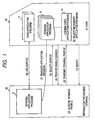
Fig. 1 is a diagram for schematically showing a
process sequential operation between a secure device and an
information processing terminal, according to a first
embodiment mode of the present invention;
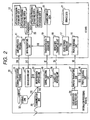
Fig. 2 is a diagram for indicating a functional
block as to the secure device and the information
processing terminal, according to the first embodiment mode
of the present invention;
Fig. 3 is a diagram for indicating a judging
sequential operation of transmission data in the first
embodiment mode of the present invention;
Fig. 4 is a diagram for indicating a service list
display screen in the first embodiment mode of the present
invention;
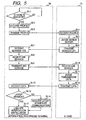
Fig. 5 is a flow chart for indicating a process
flow operation executed between the secure device and the
information processing terminal in the first embodiment
mode of the present invention;
Fig. 6 is a flow chart for describing a usable
service judging sequential operation in the first
embodiment mode of the present invention;
Fig. 7 is a flow chart for describing a
transmission data judging sequential operation in the first
embodiment mode of the present invention;
Fig. 8 is a diagram for indicating a license input
screen in the first embodiment mode of the present
invention;
Fig. 9 is a diagram for explaining a process
operation executed in the case that an electronic money
application program is loaded in the first embodiment mode
of the present invention;
Fig. 10 is a diagram for indicating structures of
hardware and software of an IC card in the first embodiment
mode of the present invention;
Fig. 11 is a structure of a secure memory card in
the first embodiment mode of the present invention;
Fig. 12 is a diagram for indicating both a
structure of hardware and a structure of software of the
information processing terminal, in the first embodiment
mode of the present invention;
Fig. 13 is a diagram for indicating both a
structure of hardware and a structure of software of the
information processing terminal, in the first embodiment
mode of the present invention;
Fig. 14 is a diagram for showing a data structure
used in the secure memory card in the first embodiment mode
of the present invention;
Fig. 15 is a diagram for schematically representing
a process sequential operation executed between a secure
device and an information processing terminal, according to
a second embodiment mode of the present invention;
Fig. 16 is a diagram for showing a functional block
as to the secure device and the information processing
terminal, in the second embodiment mode of the present
invention;
Fig. 17a indicates an example of a terminal profile
in the second embodiment mode of the present invention, and
Fig. 17b shows an example of judging data in the second
embodiment mode of the present invention;
Fig. 18 is a diagram for indicating a process
operation executed in the case that a game application
program is loaded in the second embodiment mode of the
present invention;
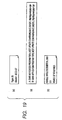
Fig. 19a indicates an example of a terminal profile
in the second embodiment mode of the present invention,
Fig. 19b shows an example of judging data in the second
embodiment mode of the present invention, and Fig. 19(c)
represents an example of license information in the second
embodiment mode of the present invention;
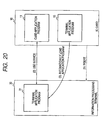
Fig. 20 is a diagram for schematically representing
a process sequential operation executed between the secure
device and the information processing terminal, according
to the second embodiment mode of the present invention;
Fig. 21 is a diagram for schematically representing
the process sequential operation executed between the
conventional secure device and the conventional information
processing terminal;
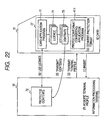
Fig. 22 is a diagram for schematically representing
a process sequential operation executed between a secure
device and an information processing terminal, according to
a third embodiment mode of the present invention;
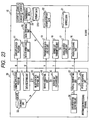
Fig. 23 is a diagram for showing a functional block
as to the secure device and the information processing
terminal, in the third embodiment mode of the present
invention;
Fig. 24 is a first explanatory diagram for
explaining a detailed converting operation of a protection
format of contents data which is loaded;
Fig. 25 is a diagram for schematically representing
a process sequential operation executed between a secure
device and an information processing terminal, according to
a fourth embodiment mode of the present invention;
Fig. 26 is a diagram for showing a functional block
as to the secure device and the information processing
terminal, in the fourth embodiment mode of the present
invention;
Fig. 27 is an second explanatory diagram for
explaining a detailed converting operation of a protection
format of contents data which is loaded;
Fig. 28 is a diagram for schematically representing
a process sequential operation executed between a secure
device and an information processing terminal, according to
a fifth embodiment mode of the present invention;
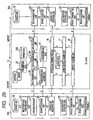
Fig. 29 is a diagram for showing a functional block
as to the secure device and the information processing
terminal, in the fifth embodiment mode of the present
invention;
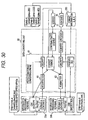
Fig. 30 is an explanatory diagram for explaining a
protection format converting operation by importing and
exporting contents data; and
Fig. 31 is a diagram for indicating a data example
as to service data.
In the drawings, a reference numeral 10 refers to
an IC card; 11 to a card application program; 12 to a value
information; 13 to a non-contact communication unit; 14 to
a judging card application program; 15 to a terminal
application program; 16 to a profile receiving unit; 17 to
an usable service judging unit; 18 to a service list
transmitting unit; 19 to a transmission data judging unit;
20 to a data transmitting unit; 21 to a service data; 22 to
a judging-purpose data; 23 to a transmission data; 24 to a
balance information; 25 to an use history information; 26
to a card OS; 27 to a CPU; 28 to an host I/F; 29 to a
storage area; 30 to an information processing terminal; 31
to a terminal application program; 32 to a storage unit; 33
to a reception data verifying unit; 34 to an application
URL input unit; 35 to a communication unit; 36 to a card
insertion detecting unit; 37 to a profile transmitting
unit; 38 to a profile acquiring unit; 39 to a service list
receiving unit; 40 to a service selecting unit; 41 to a
data receiving unit; 42 to a display unit; 43 to a
selecting unit; 45 to an user; 46 to an OS/driver; 47 to an
IC card I/F; 49 to an automatic loading application
program; 50 to a reader/writer; 60 to a data converting
unit; 61 to a protection format converting engine; 62 to an
interpreter; 63 to a formatter; 70 to a contents; 71 to a
license; 72 to a protected contents; 80 to a data
transmitting unit; 81 to a data receiving unit; 90 to a
decoding unit; 100 to a judging card application program;
110 to a secure memory card; 111 to a card-sided electronic
money application program; 120 to a control unit; 130 to an
internal CPU; 140 to a TRM; 141 to an internal non-volatile
memory; 150 to a large capacity non-volatile memory; 151 to
a secure area; 160 to an external CPU; 211 to a license
managing application program; 212 to a license information;
230 to a format data; 312 to a terminal-sided electronic
money application program; 320 to a storage area; 321 to a
game application program for B; 350 to a communication
module; and 411 to a protection format converting
application program.
Detailed Description of the Preferred Embodiments
In the following embodiments, a secure device which
is an IC card, a secure memory card or such, is explained
as an example of an information processing device.
Regarding a information processing terminal, in the
embodiments, a portable telephone, a portable information
terminal (PDA), a personal computer, a music reproducing
(and recording) device, a camera, a video camera, an
automatic cash dispenser, a street-installed terminal, a
settlement terminal, and the like are envisioned.
(FIRST EMBODIMENT MODE)
In a first embodiment mode of the present
invention, a description is made of a secure device such as
an IC card and the like, which retains a terminal
application program corresponding to a plurality of
services. When this secure device is mounted on an
information processing terminal, services which can be used
in this information processing terminal are displayed on
the information processing terminal in a list form, a
terminal application program of such a service which is
selected from the service list is loaded from the secure
device to the information processing terminal, and then,
the loaded terminal application is installed to the
information processing terminal, so that this installed
terminal application program is brought into the usable
condition.
Fig. 1 roughly and illustratively shows a
sequential operation executed in the case that a terminal
application program 31 is loaded from this IC card 10 to an
information processing terminal 30.
The IC card 10 contains a card application program
11, a plurality of terminal application programs 15, and a
judging card application program 14. The card application
program 11 causes the information processing terminal 30 to
execute a process operation and to realize secure
processing functions of various services which are carried
out in conjunction with the terminal application programs
15. The plural terminal application programs 15 are
employed by the information processing terminal 30 so as to
execute process operations. The judging card application
14 selects the plural terminal application programs 15.
The terminal application programs 15 contains various sorts
of services, and various sorts of application programs
corresponding to various machine sorts of the information
processing terminals 30.
When the IC card 10 is inserted into the
information processing terminal 30 (1), the information
processing terminal 30 which has detected mounting of this
IC card 10 acquires a terminal profile (2), and then
transmits the acquired terminal profile to the IC card 10
(3). This terminal profile contains information such as a
machine sort, an empty storage capacity of a memory, and
the like. While the IC card 10 displays a list of services
which can be utilized by this machine sort on the
information processing terminal 30 (4), when a service is
selected (5), the judging card application program 14 of
the IC card 10 selects such a terminal application program
15 which is adapted to the information processing terminal
30 based upon the terminal profile (6), and then transmits
the selected terminal application program 15 to the
information processing terminal 30 (7). A terminal
application program 31 which is loaded to the information
processing terminal 30 is initiated so as to commence a
communication with the card application program 11, and
also execute a service by utilizing a resource of the
information processing terminal 30.
Fig. 2 is a diagram for representing a structure of
this IC card 10 and an arrangement of the information
processing terminal 30 in a block form. The IC card 10 is
equipped with a card application program 11, service data
21, judging-purpose data 22, and transmission data 23. In
the service data 21, such services have been described
which can be utilized every machine sort and model of the
information processing terminal 30. The judging-purpose
data 22 is used so as to discriminate a terminal
application which is adapted to the information processing
terminal 30. Also, terminal application programs, storage
capacity sizes, and the like, which correspond to various
services, have been described in the judging-purpose data
22. The transmission data 23 contains a plurality of
terminal application programs. Further, the IC card 10 is
equipped with a profile receiving unit 16, a usable service
judging unit 17, a service list transmitting unit 18, a
transmission data judging unit 19, and a data transmitting
unit 20. The profile receiving unit 16 receives a terminal
profile from the information processing terminal 30. The
usable service judging unit 17 judges such a service which
can be used by the information processing terminal 30 by
employing service data 21. The service list transmitting
unit 18 transmits list information of services which can be
used by the information processing terminal 30. The
transmission data judging unit 19 judges a terminal
application program which is transmitted to the information
processing terminal 30 by employing judging-purpose data
22. The data transmitting unit 20 derives the terminal
application program which has been judged by the
transmission data judging unit 19 from the transmission
data 23, and then transmits the derived terminal
application program to the information processing terminal
30.
On the other hand, the information processing
terminal 30 is provided with a card insertion detecting
unit 36, a profile transmitting unit 37, a profile
acquiring unit 38, a service list receiving unit 39, a
service selecting unit 40, a data receiving unit 41, a
reception data verifying unit 33, a storage unit 32, and
also, a communication unit 35. The card insertion
detecting unit 36 detects mounting of the IC card 10. The
profile acquiring unit 38 acquires a terminal profile of
the information processing terminal 30. The profile
transmitting unit 37 transmits this terminal profile to the
IC card 10. The service list receiving unit 39 receives
service list information from the IC card 10. The service
selecting unit 40 selects a service from the received
service list. The data receiving unit 41 receives the
terminal application program 31 transmitted from the IC
card 10. The reception data verifying unit 33 verifies the
received terminal application program 31. The storage unit
32 stores thereinto such a terminal application program 31
which has no problem based upon a verification result. In
such a case that a version of a terminal application
program received from the IC card 10 has been updated, the
communication unit 35 acquires the latest version of the
terminal application program from a service provider.
When the card insertion detecting unit 36 of the
information processing terminal 30 detects an insertion of
the IC card 10, the card insertion detecting unit 36
informs this card insertion detecting result to the profile
transmitting unit 37 (1). When the card insertion is
informed, the profile transmitting unit 37 requests the
profile acquiring unit 38 to acquire a terminal profile
(2). Then, the profile acquiring unit 38 acquires the
terminal profile, and returns the acquired terminal profile
to the profile transmitting unit 37 (3).
The terminal profile corresponds to such
information as to the information processing terminal 30.
In this case, as represented in (a) of Fig. 3, it is so
assumed that information as to a machine sort (Type), a
model number (Model), and an empty storage capacity
(Memory) for an application program of an information
processing terminal is contained in this terminal profile.
Also, it is so assumed that as to the terminal profile of
the subject information processing terminal 30, the machine
sort is A; the model number is ABC-01; and the empty
storage capacity is 32 kilo-bytes.
When the profile transmitting unit 37 receives a
terminal profile, the profile transmitting unit 37
transmits the received terminal profile to the profile
receiving unit 16 of the IC card 10 (4). The profile
receiving unit 16 transfers the received terminal profile
to the usable service judging unit 17 (5). Then, the
usable service judging unit 17 selects a list of the usable
services on the information processing terminal 30 by
employing both the terminal profile and the service data
21.
As indicated in (b) of Fig. 3, while various sorts
of services corresponding to machine sorts and model
numbers have been described, the usable service judging
unit 17 selects such a service (electronic money (A), and
point service (A)) which can be used by the information
processing terminal 30 defined by the machine sort A and
the model number ABC-01. Then, the usable service judging
unit 17 transfers a list of this usable service (see (c) of
Fig. 3) to the service list transmitting unit 18 (6).
The service list transmitting unit 18 transmits the
service list to the service list receiving unit 39 of the
information processing terminal 30 (7). The service list
receiving unit 39 transfers the service list to the service
selecting unit 40 (8). The service selecting unit 40
selects a service, and then, transmits the selected service
information to the transmission data judging unit 19 of the
IC card 10 (9). At this time, as shown in Fig. 4, while
the service list may be alternatively displayed on the
screen of the information processing terminal 30, a user
may select a desirable service. In this case, it is so
assumed that an "electronic money (A)" service is selected
by the user (it should also be noted that user may
alternatively select both "electronic money (A)" and "point
service (A)").
When the transmission data judging unit 19 receives
the service information, this transmission data judging
unit 19 judges such a data (terminal application program)
which should be transmitted to the information processing
terminal 30 by employing the judging-purpose data 22.
As shown in (d) of Fig. 3, a service name
(Service), a storage capacity size (Memory size) which is
required to install a relevant terminal application, a name
(Application) of the terminal application program, a
confirmation day/time (Check after) of the latest version
thereof, and a URL (latest version URL) used to acquire the
latest version have been described in the judging-purpose
data 22. In this case, the transmission data judging unit
19 refers to data related to such a terminal application
program that the service name of this judging-purpose data
22 corresponds to "electronic money (A)", and judges as to
whether or not a storage capacity size (Memory size) which
is required to install the terminal application program is
smaller than, or equal to an empty storage capacity
(Memory) for storing an application program of the
information processing terminal 30 (in this case, storage
capacity size required to install terminal application
program [electronic application program DX for machine sort
A] corresponds to 8 K bytes, whereas empty storage capacity
for storing application program of information processing
terminal 30 corresponds to 32 K bytes). Then, the
transmission data judging unit 19 determines [electronic
money application program DX for machine sort A] as the
transmission data, and informs this determined transmission
data to the data transmitting unit 20 (10). It should also
be noted that when the user selects [point service (A)],
[point application program for machine sort A] is similarly
determined as the transmission data.
The data transmitting unit 20 derives the data
designated by the transmission data judging unit 19 from a
large number of transmission data 23 retained therein, and
then transmits the derived data to the data receiving unit
41 of the information processing terminal 30 (11). The
data which is transmitted to the data receiving unit 41
contains information as to the confirmation day/time of the
latest version, and the URL information used to acquire the
latest version of the terminal application program in
addition to the terminal application program.
The data receiving unit 41 transfers the received
data to the reception data verifying unit 33 (12). The
reception data verifying unit 33 performs the verification
of the reception data, and installs a terminal application
program based upon the verified data so as to store the
installed terminal application program in the storage unit
32 (13).
In such a case that the reception day/time of the
reception data has expired the confirmation day/time of the
latest version, the communication unit 35 is communicated
with such a server which is indicated by the URL
information used to acquire the latest version so as to
acquire the latest version of the terminal application
program, and then, transfers the acquired latest version of
the terminal application program to the reception data
verifying unit 33 (14). After this data has been verified,
the verified data is installed to be stored in the storage
unit 32.
The terminal application program 31 which has been
loaded and installed in the information processing terminal
30 in the above-explained process manner is initiated, and
is communicated with the card application program 11, so
that the service is carried out.
Fig. 5 is a flow chart for describing a process
sequential operation of this IC card 10 and the information
processing terminal 30. When the IC card 10 is inserted
into the information processing terminal 30 ("Yes" in step
1), this information processing terminal 30 acquires a
terminal process file (step 2), and transmits the acquired
terminal profile to the IC card 10 (step 3). When the IC
card 10 receives the terminal profile (step 4), this IC
card 10 judges a usable service of the information
processing terminal 30 (step 5).
This judging operation of the usable service is
carried out in accordance with a sequential operation shown
in Fig. 6. That is, the IC card 10 derives such a service
that a machine sort (Type) thereof is made coincident with
the machine sort of the information processing terminal 30
from the service data 21 (step 51), and further, derives
such a service that a model number (Model) thereof is made
coincident with the model number of the information
processing terminal 30 from the derived service (step 52).
Then, the IC card 10 contains the derived service as the
usable service of the information processing terminal 30 in
the usable service list (step 53).
The IC card 10 transmits this usable service list
to the information processing terminal 30 (step 6).
The information processing terminal 30 receives the
usable service list (step 7), selects a service which is
used (step 8), and transmits the information of this
selected service to the IC card 10 (step 9).
when the IC card 10 receives the information as to
the service used in the information processing terminal 30
(step 10), the IC card 10 judges such a terminal
application program which should be transmitted (step 11).
This judging operation of the terminal application
program is carried out in accordance with a process
sequential operation shown in Fig. 7. In other words, the
IC card 10 derives data related to the selected service
from the judging-purpose data 22 (step 111), compares a
necessary storage capacity with an empty storage capacity
of the information processing terminal 30 so as to select a
usable terminal application program (step 112), and then,
sets the selected terminal application program as
transmission data (step 113).
The IC card 10 transmits the terminal application
program which has been selected in the above-explained
process manner to the information processing terminal 30
(step 12).
When the information processing terminal 30
receives the terminal application program (step 13), the
information processing terminal 30 discriminates as to
whether or not the version of this received terminal
application program corresponds to the latest version
thereof (step 14). When the version of this received
terminal application program corresponds to the latest
version, the information processing terminal 30 verifies
the received terminal application program, and thereafter,
installs the verified terminal application program (step
17). To the contrary, when the version of this received
terminal application does not correspond to the latest
version, the information processing terminal 30 acquires
the latest terminal application by way of a communication
manner (step 16), verifies the acquired latest terminal
application program, and thereafter, installs the verified
latest terminal application program (step 17).
When the terminal application program is
transmitted from the IC card 10 to the information
processing terminal 30, such a license input screen shown
in Fig. 8 may be alternatively displayed on the information
processing terminal 30; an entered license code may be
alternatively verified; and then, only when the
verification succeeds, the transmission of the terminal
application may be alternatively executed.
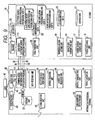
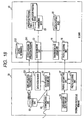
Fig. 9 exemplifies such a condition that after a
terminal application program has been installed into the
information processing terminal 30, this installed terminal
application program is initiated, and then, a service is
executed in conjunction with a card application program of
the IC card 10. In this drawing, it is so assumed that as
the above-described terminal application, an electronic
money application program 311 has been installed which
displays a balance of electronic money and a use history.
when a user 45 inserts the IC card 10 into the
information processing terminal 30, the terminal-sided
electronic money application program 311 is initiated which
has been automatically loaded on the information processing
terminal 30 (1). This terminal-sided electronic money
application program 311 displays on the display unit 42,
such a service content that both a display of a balance and
a display of a use history can be used, as a service given
to the user 45 (2). Also, the terminal-sided electronic
money application program 311 causes the user 45 to select
either the balance display or the use history display by
using a selecting unit 43 (2).
The terminal-sided electronic money application
program 311 selects a card-sided electronic money
application program 111 as a communication subject, and
requests the information selected by the user 45 (3). The
card-sided electronic money application program 111
requests authentication of the user 45 (4). The terminal-sided
electronic money application 311 causes the user 45
to enter PIN (personal identification number), and informs
the entered PIN to the card-sided electronic money
application 111 (5). The card-sided electronic money
application program 111 confirms that the PIN is justified,
and then, transmits the request information such as a money
balance 24 and a use history 25 to the information
processing terminal 30 (6). The terminal-sided electronic
money application program 311 displays the information
acquired from the card-sided electronic money application
program 11 on the display unit 42 (7).
As previously explained, the service of the
electronic money can be utilized by merely inserting the IC
card 10 into the information processing terminal 30.
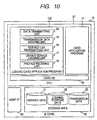
Fig. 10 illustratively shows a correspondence
relationship between the function block of Fig. 2 and
hardware/software of the IC card 10. The normal IC card 10
is equipped with a CPU 27 which constitutes a control unit
of the IC card 10, a data storage area 29, and a host
interface (I/F) 28 with respect to the information
processing terminal 30, which are contained in a tamper
resistant module. Service data 21, judging-purpose data
22, and transmission data 23 are stored in this storage
area 29. Also, a card OS (operating format) 26, a card
application program 11, and a judging card application
program 100 are provided as an application program for
defining operations of the CPU 27 in the IC card 10. The
card OS 26 defines a basic operation of the IC card 10.
The card application program 11 realizes a secure
processing function of a service which is provided in
conjunction with the terminal application program. The
judging card application program 100 realizes the various
functions as to the profile receiving unit 16, the usable
service judging unit 17, the service list transmitting unit
18, the transmission data judging unit 19, and the data
transmitting unit 20.
Also, the Applicant of the present invention has
proposed the semiconductor memory card (will be referred to
as "secure memory card" in this specification) having the
secure and large storage memory area. As indicated in Fig.
11, this secure memory card is equipped with an internal
CPU 130 and an internal non-volatile memory 141 which are
contained in a tamper resistant module (TRM) 140; a large
storage non-volatile memory (flash memory) 150 which
contains a secure area 151; and a control unit 120
functioning as a host I/F. Both the internal non-volatile
memory 141 and the secure area 151 can be accessed only by
the internal CPU 130. This internal CPU 130 encrypts data
and then stores the encrypted data into the internal non-volatile
memory 141 and the secure area 151. This secure
area 151 is provided in the large capacity non-volatile
memory (flash memory) 150 without having the tamper
resistant characteristic. The storage capacity of this
non-volatile memory 150 is considerably larger than that of
the internal non-volatile memory 141. The secure area 151
owns a secrecy which is conformed to that of the internal
non-volatile memory 141. When an external CPU 160 of an
information processing terminal requests to read/write data
with respect to the secure area 151, this external CPU 160
sends a command to the control unit 120, and then, this
control unit 120 interprets the command and transfers the
interpreted command to the internal CPU 130.
Fig. 12 illustratively shows a relationship between
a secure memory card 110 and the function blocks of Fig. 2.
The card OS 26 for defining the operation of the internal
CPU 130, the card application program 11, and the judging
card application 100 are stored in the internal non-volatile
memory 150 of the TRM 140, whereas the service
data 21, the judging-purpose data 22, and the transmission
data 23 are stored in the secure area 151 of the flash
memory. Also, data transmission and reception operations
are carried out via a host I/F 120 between the information
processing terminal 30 and the secure card 110.
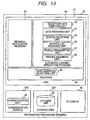
Also, Fig. 13 illustratively shows a relationship
between the function blocks, and the hardware and software
of the information processing terminal 30. The information
processing terminal 30 is equipped with a communication
module 350 which constitutes the communication unit 35, a
storage area 320 which constitutes the storage unit 32, an
interface 48 with respect to the IC card 10, and a CPU 47
which constitutes a control unit of the information
processing terminal 30. As software for defining
operations of the CPU 47, an OS/driver program 46, the
terminal application program 31 transmitted from the IC
card 47, and also, an automatic loading application program
49 are installed in the information processing terminal 30.
The OS/driver program 46 defines a basic operation of the
information processing terminal 30, and constitutes the
card insertion detecting unit 36. The automatic loading
application program 49 realizes the respective functions as
to the profile acquiring unit 38, the profile transmitting
unit 37, the service list receiving unit 39, the service
selecting unit 40, the data receiving unit 41, and the
reception data verifying unit 33.
Also, Fig. 14 illustratively represents an example
of a data structure contained in the secure memory card
110. In this case, this drawing shows such a case that
three sorts of card application programs, namely a card
application program 1, another card application program 2,
and another card application 3 are retained in the TRM area
140 of the secure memory card 110. These card application
programs 1 to 3 may provide secure processing functions in
the respective services in conjunction with a terminal
application program which is installed to the information
processing terminal 30.
A card application program may have authentication-purpose
data, which is like the above-explained card
application program 1 and card application program 2, if
required. For instance, in such a case that this
authentication-purpose data corresponds to authentication-purpose
data for authenticating a license, when a terminal
application program is installed, an internal CPU of the
secure memory card 110 requests a user to enter a license
code in conjunction with the automatic loading application
program installed on the side of an information processing
terminal. Then, the internal CPU verifies the entered
license code by employing this authentication-purpose data,
and executes the installing operation of the terminal
application program when the verifying operation of this
license code can succeed.
The judging card application program 100 provides a
list of usable services which can be used in this
information processing terminal to the user based upon the
service data in conjunction with the automatic loading
application program installed on the side of the
information processing terminal, and then, installs such a
terminal application program corresponding to the service
selected by the user. At this time, in the case that a
card application program owns authentication-purpose data,
which is like the card application program 1 and the card
application program 2, and this authentication-purpose data
corresponds to such an authentication-purpose data for
authenticating a license, the automatic loading application
program installed on the side of the information processing
terminal authenticates the license in conjunction with the
respective card application programs, if necessary.
The terminal application programs are stored in a
managing area which has been set to a secure area 151 of
the flash memory, and is managed by the card application
program of the respective services. While a plurality of
terminal application programs corresponding to machine
sorts and models of the information processing terminals
have been managed in this card application managing area, a
proper terminal application program which has been selected
based upon the judging card application program 100, the
automatic loading application program provided on the
terminal side, and the respective card application programs
is installed to the information processing terminal. In
the card application managing area, which is like a
managing area for the card application program 2 and a
managing area for the card application program 3, common
data is stored, if required, which does not depend upon a
machine sort of an information processing terminal which is
used in the respective services.
The card application program 1 corresponds to, for
example, a VPN (Virtual Private Network) communication-purpose
card application program. In this case, the
authentication-purpose data 1 is used in an authentication
process operation with respect to a server when a secure
session of a VPN is established. The terminal application
program which has been stored in the managing area of the
card application program 1 corresponds to a VPN
communication-purpose terminal application program. This
VPN communication-purpose terminal application program
relays a communication operation between the server and the
secure memory card when the secure session of the VPN is
established, and performs a data communication between the
server and the secure memory card after the secure session
has been established.
The card application program 2 corresponds to, for
example, an electronic mail-purpose card application
program. In this case, a user authentication operation
when an electronic mail is viewed, and an authentication
operation with respect to a mail server when an electronic
mail is received are carried out by this electronic mail-purpose
card application program by employing the
authentication-purpose data 2. Also, the terminal
application program which has been stored in the managing
area of the card application program 2 corresponds to an
electronic mail-purpose terminal application program. This
electronic mail-purpose terminal application program
displays an electronic mail when the electronic mail is
viewed, forms an electronic mail, and manages electronic
mails. The commonly used data 2 corresponds to an
electronic mail-purpose commonly used data, and corresponds
to DBs of reception/transmission mails.
The card application program 3 corresponds to, for
instance, a scheduler-purpose card application program.
This scheduler-purpose card application program executes a
user authentication operation when a schedule is viewed,
and an authentication operation between a server and the
own information processing terminal when a schedule
synchronizing operation is performed. The terminal
application program which has been stored in the managing
area of the card application program 3 corresponds to a
scheduler-purpose terminal application program. The
scheduler-purpose terminal application program executes s
display operation when the schedule is viewed, a
registering operation, and manages local data of the
schedule. The common data 3 corresponds to scheduler
common data, a DB (database) of a schedule, commonly used
MultiMedia data, and the like.
Alternatively, such terminal application programs
which are different from each other in the case that a
license is authenticated and in such a case that a license
is not authenticated may be alternatively installed to the
information processing terminal 30.
It should also be noted that in the above-explained
process operation, the judging operation for judging that
which terminal application program is installed in the
information processing terminal 30 is carried out on the
side of the secure device. Alternatively, the judging-purpose
data may be acquired from the secure device, so
that the information processing terminal 30 may perform the
judging process operation. In this alternative case, since
the judging process operation is carried out by the CPU of
the information processing terminal 30, which owns the
higher processing capability, there is such an effect that
the judging process operation can be carried out in a
higher speed, as compared with that of such a case that the
judging process operation is carried out on the side of the
secure device. On the other hand, in such a case that the
judging process operation is carried out on the side of the
secure device, since the judging card application programs
are replaced, the algorithm of the judging process
operation may be set in response to a sort of terminal
application program every secure device, while the
automatic loading application program installed on the side
of the information processing terminal 30 is not replaced.
In other words, since an issuing person of a terminal
application program previously sets both the terminal
application program and an algorithm of a judging process
operation to the secure device, an installing operation of
the terminal application program to the information
processing terminal 30 may be controlled by the issuing
person of the terminal application program, and the secure
device may be utilized as a distribution means of the
terminal application program.
As previously explained, while a plurality of card
application programs are present in the secure device of
the first embodiment mode, such a proper terminal
application program corresponding to a card application
program (namely, in correspondence with machine sort and
memory capacity of information processing terminal) may be
selectively installed to this information processing
terminal to which this secure device has been mounted.
This installed terminal application not only can
access the secure device with respect to the installed
information processing terminal, but also can realize the
access function to the server.
The secure device determines a candidate of such a
terminal application program which is installed to the
information processing terminal based upon a terminal
profile acquired from the information processing terminal.
Since the judging data which is employed by this secure
device is rearranged, the complex conditions which are
different from each other every service can be set as the
condition for determining the terminal application program.
Also, when the terminal application program is
installed, the authenticating operation of the license can
be carried out.
(SECOND EMBODIMENT MODE)
Next, as a second embodiment mode of the present
invention, a description is made of a secure device which
retains a terminal application program corresponding to a
single service.
As shown in Fig. 15, while an IC card 10 (namely,
secure device) retains a plurality of terminal application
programs 15 corresponding to different versions of the same
service, the IC card 10 transmits such a terminal
application program 31 which has been selected in response
to a sort of an information processing terminal 30 to this
information processing terminal 30.
Fig. 16 indicates both an arrangement of this IC
card 10 and an arrangement of the information processing
terminal 30 in a block diagram. The IC card 10 is equipped
with a card application program 11, judging-purpose data
22, and transmission data 23, and is further equipped with
a profile receiving unit 16, a transmission data judging
unit 19, and a data transmitting unit 20. The judging-purpose
data 22 is used to discriminate a terminal
application program which is adapted to the information
processing terminal 30. The transmission data 23 contains
a plurality of terminal application programs. The profile
receiving unit 16 receives a terminal profile from the
information processing terminal 30. The transmission data
judging unit 19 judges such a terminal application program
which is sent to the information processing terminal 30 by
employing the judging-purpose data 22. The data
transmitting unit 20 derives the terminal application
program judged by the transmission data judging unit 19
from the transmission data 23, and then, transmits the
derived terminal application program to the information
processing terminal 30.
On the other hand, the information processing
terminal 30 is equipped with a card insertion detecting
unit 36, a profile acquiring unit 38, a profile
transmitting unit 37, a data receiving unit 41, a reception
data verifying unit 33, a storage unit 32, and a
communication unit 35. The card insertion detecting unit
36 detects an insertion of the IC card 10. The profile
acquiring unit 38 acquires a terminal profile of the
information processing terminal 30. The profile
transmitting unit 37 transmits this acquired terminal
profile to the IC card 10. The data receiving unit 41
receives the terminal application program 31 transmitted
from the IC card 10. The reception data verifying unit 33
verifies the received terminal application 31. The storage
unit 32 stores thereinto such a terminal application
program 31 which has no problem in the verifying operation.
The communication unit 35 acquires the latest version of
the terminal application program from a service provider in
the case that the version of the terminal application
program received from the IC card 10 has been updated.
Operations as to the card insertion detecting unit
36, the profile transmitting unit 37, the profile acquiring
unit 38, and the profile receiving unit 16 are the same as
those of the first embodiment mode (Fig. 2).
When the transmission data judging unit 19 receives
a terminal profile from the profile receiving unit 16, the
transmission data judging unit 19 judges data which should
be transmitted by employing the judging-purpose data 22.
As shown in Fig. 17(b), as to the judging-purpose data 22,
versions of services which can be used, depending upon a
machine sort, are different. Assuming now that a terminal
profile received from the information processing terminal
10 corresponds to such a data indicated in Fig. 17(a), the
transmission data judging unit 19 determines an application
program for A as transmission data based upon the judging-purpose
data 22, and then transfers this determined
transmission data to the data transmitting unit 20.
Operations as to the data transmitting unit 20, the
data receiving unit 41, the reception data verifying unit
33, the storage unit 32, and the communication unit 35 are
identical to those of the first embodiment mode (Fig. 2).
Also, process sequential operations executed in the
IC card 10 and the information processing terminal 30
correspond to such process sequential operations of the
flow chart shown in Fig. 5 from which the process
operations defined from the step 5 to the step 10 have been
removed.
As previously described, when this IC card 10 is
mounted on the information processing terminal 30, the
terminal application program is automatically loaded in the
information processing terminal 30, while this terminal
application program executes the service of the version in
response to the machine sort of this information processing
terminal 30. Thereafter, this terminal application program
is installed and the above-described service is commenced.
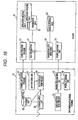
Fig. 18 illustratively shows such an
exemplification that the IC card 10 which has loaded a game
application program 321 on the information processing
terminal 30 manages a license of the game application
program in accordance with a card application program in
conjunction with this game application program 321. In the
case that the judging-purpose data 22 is constituted by
such an information of (b) of Fig. 19, and the terminal
profile of the information processing terminal 30
corresponds to such a data shown in (a) of Fig. 19, the
game application program 321 for B is installed in the
information processing terminal 30.
When a communication is established from the game
application 321 for B, a license managing application
program 211 which corresponds to the card application
program of the IC card 10 limits a use of the game
application program based upon the license information 212
shown in (c) of Fig. 19.
As previously explained, since the card application
of the IC card which executes the service in conjunction
with the game application program which has been installed
in the information processing terminal confirms the
license, the license managing operation can be firmly
carried out.
In this second embodiment mode, such a case has
been explained. That is, the IC card 10 retains a
plurality of terminal application programs corresponding to
the same service. Alternatively, while the IC card 10
retains only one terminal application program, when this IC
card 10 is mounted on the information processing terminal
30, this only one terminal application program may be
loaded on the information processing terminal 30 and may be
installed thereinto. In this alternative case, as shown in
Fig. 20, when the IC card 10 is mounted on the information
processing terminal 30, a terminal application program 15
which has been retained on the IC card 10 is automatically
loaded on the information processing terminal 30. As a
consequence, a service may be commenced while the user is
not forcibly required to perform a cumbersome operation.
It should also be noted that this second embodiment
mode, the description has been made of such a case that the
terminal application program is loaded from the secure
device to the information processing terminal so as to be
installed thereinto. Alternatively, while not only the
terminal application program but also such a data are
retained in the secure device, which are required to
execute the process operation of the information processing
terminal, both the terminal application program and the
data may be loaded to the information processing terminal
when the secure device is mounted.
For instance, in such a case that the terminal
application program corresponds to a content browser
(player) and the data corresponds to a content (electronic
book data), since only an electronic book card is purchased
and then is mounted on an information processing terminal,
this content may be read.
Otherwise, in such a case that the data corresponds
to both a key and a content which has been encrypted based
upon this key, when a secure device is inserted into an
information processing terminal, the encrypted content is
loaded to this information processing terminal. In the
case that a content browser has already been set in the
information processing terminal, when an authenticating
operation is performed with respect to the secure device
based upon PIN, the key may be given from the secure
device, so that the content may be alternatively read.
In the above-explained second embodiment mode, the
description has been made of such a case that the IC card
is employed as the secure device. Alternatively, similar
to the first embodiment mode, a secure memory card may be
employed. In this alternative case, such a terminal
application program having a larger storage capacity may be
installed.
(THIRD EMBODIMENT MODE)
Next, as a third embodiment mode of the present
invention, a description is made of a secure device for
converting a protection format of contents data to be
loaded in response to a mounted information processing
terminal.
Fig. 22 illustratively and roughly shows a
sequential operation executed when contents data protected
in the information processing terminal 30 is loaded from
the IC card 10 (secure device).
This IC card 10 contains a plurality of contents
data 70, a plurality of licenses 71 corresponding to the
plural contents data 70, a protection format converting
application program 411, and a card application program 11
for using a license.
When the IC card 10 is inserted into the
information processing terminal 30 (1), the information
processing terminal 30 which has detected loading of the IC
card 10 acquires a terminal profile (2), and then transmits
the acquired terminal profile to the IC card 10 (3). This
terminal profile contains such information as a machine
sort and an empty storage capacity of a memory. The
protection format converting application program 411
converts a protection format into such a protection format
which may be adapted to the information processing terminal
30 (4), encrypts the contents data, and then transmits the
protected contents data 72 to the information processing
terminal 30 (5). After the protected contents data 72 is
loaded to the information processing terminal 30, the card
application program 11 transmits such an encrypt key which
has encrypted the contents data based upon the license 71
to the information processing terminal 30, so that the
contents data can be reproduced.
Fig. 23 shows both an arrangement of this IC card
10 and an arrangement of the information processing
terminal 30 by way of a function block. The IC card 10
contains the card application program 11, the service data
21, the judging-purpose data 22, transmission data 23, and
format data 230. The transmission data 23 contains both a
plurality of contents data and a plurality of licenses
corresponding to the plural contents data. The format data
230 is related to a protection format of contents data.
Also, the IC card 10 is equipped with a profile receiving
unit 16, a usable service judging unit 17, a service list
transmitting unit 18, a transmission data judging unit 19,
a data converting unit 60, and a data transmitting unit 20.
The profile receiving unit 16 receives a terminal profile
from the information processing terminal 30. The data
converting unit 60 encrypts the contents data based upon
the format data 230. The data transmitting unit 20
transmits the contents data protected by the data
converting unit 60 to the information processing terminal
30.
On the other hand, the information processing
terminal 30 is equipped with a card insertion detecting
unit 36, a profile acquiring unit 38, a profile
transmitting unit 37, a service list receiving unit 39, a
service selecting unit 40, a data receiving unit 41, a
reception data verifying unit 33, and a storage unit 32.
The card insertion detecting unit 36 detects an insertion
of the IC card 10. The profile acquiring unit 38 acquires
a terminal profile of the information processing terminal
30. The profile transmitting unit 37 transmits this
acquired terminal profile to the IC card 10. The service
list receiving unit 39 receives a service list from the IC
card 10. The service selecting unit 40 selects a service
from the received service list. The data receiving unit 41
receives the protected contents data transmitted from the
IC card 10. The storage unit 32 stores thereinto contents
data.
When the card insertion detecting unit 36 of the
information processing terminal 30 detects an insertion of
the IC card 10, the card insertion detecting unit 36
informs this card insertion to the profile transmitting
unit 37 (1). When the card insertion is informed to the
profile transmitting unit 37, this profile transmitting
unit 37 requests the profile acquiring unit 38 to acquire a
terminal profile (2). Then, the profile acquiring unit 38
acquires the terminal profile, and then, returns the
acquired terminal profile to the profile transmitting unit
37 (3).
The terminal profile corresponds to information as
to the information processing terminal 30. In this third
embodiment mode, this terminal profile is assumed as such
an information related to a machine sort (A, B, C: for
example, in case that information processing terminal is
portable telephone, this terminal profile corresponds to
information indicative of portable telephone carrier), a
model number (ABC-01, BCD-04, CDE-07), an empty storage
capacity of a terminal, and a protection format.
When the profile transmitting unit 37 receives the
terminal profile, the profile transmitting unit 37
transmits the received terminal profile to the profile
receiving unit 16 of the IC card 10 (4). The profile
receiving unit 16 passes the received terminal profile to
the usable service judging unit 17 (5). The usable service
judging unit 17 selects a list of services which can be
used in the information processing terminal 30 by employing
the terminal profile and the service data 21, and then,
passes the selected service list to the service list
transmitting unit 18 (6). At this time, the service list
corresponds to a list of usable contents.
The service list transmitting unit 18 transmits the
service list to the service list receiving unit 39 of the
information processing terminal 30 (7). The service list
receiving unit 39 passes the service list to the service
selecting unit 40 (8). The service selecting unit 40
selects a service, and then, transmits the selected service
information to the transmission data judging unit 19 of the
IC card 10 (9). At this time, the service selecting unit
40 may alternatively display the service list on the screen
of the information processing terminal 30, so that the user
may select the service. When the transmission data judging
unit 19 receives the service information, the transmission
data judging unit 19 judges such a contents data which
should be transmitted to the information processing
terminal 30 by employing the judging-purpose data 22, and
then, transfers the judged contents data to the data
converting unit 60 (10).
The data converting unit 60 obtains such a contents
data which should be transmitted from the transmission data
23, and then, converts this contents data into such a
contents data in the protection format adapted to an
information processing terminal by employing both
information of a terminal profile and the format data 230.
The data transmitting unit 20 receives the converted data
from the data converting unit 60 (11), and then, transmits
this received data to the data receiving unit 41 of the
information processing terminal 30 (12). The data
receiving unit 41 transfers the received data to the
reception data verifying unit 33 (13).
The reception data verifying unit 33 verifies the
received data, and causes the verified data to be stored in
the storage unit 32 (14). The terminal application program
31 (player) is initiated, and is communicated with the card
application program 11, and then, contents encryption key
data is obtained (15), so that the reproducing operation of
contents data is carried out.
Fig. 24 is an explanatory diagram for explaining a
detailed converting operation of a protecting format for
contents data which is loaded. An encryption key used to
encrypt the contents data is produced within the data
converting unit 60 of the IC card 10. After the data
converting unit 60 executes a confirming operation of a
license and a converting operation of the contents data,
this data converting unit 60 loads the encrypted contents
data to the information processing terminal 30
corresponding to a reproducing appliance. In this case,
the data converting unit 60 loads the contents data which
has been protected by a DRM (Digital Rights Management)
format in correspondence with the information processing
terminal 30, namely by the B format, to this information
processing terminal 30. An encryption key 73 is
transmitted to the information processing terminal 30 after
a predetermined authenticating operation has been carried
out with respect to this encryption key based upon the card
application program 11 which is capable of communicating to
the terminal application program of the information
processing terminal 30. A decoding unit 90 of the
information processing terminal 30 decodes the acquired
encryption key 73, so that the contents data is reproduced
by using this decoded encryption key 73.
As previously explained, in accordance with both
the secure device and the information processing terminal
of the third embodiment mode of the present invention, the
contents data may be protected by way of the protection
format in correspondence with an information processing
terminal to be mounted. As a result, the license can be
confirmed and updated in a safety manner. While the
contents, the license, and the protection format are not
leaked, the contents data can be loaded. Also, the
application program can be utilized by each of the plural
information processing terminals which employ the different
protection formats from each other since the application
program is transmitted via the secure device.
In the above-explained third embodiment mode, the
description has been made of such a case that the IC card
is employed as the secure device. Alternatively, similar
to the first embodiment mode, a secure memory card may be
employed. In this alternative case, such a protection
format of contents data having a larger storage capacity
may be converted.
(FOURTH EMBODIMENT MODE)
Next, as a fourth embodiment mode of the present
invention, a description is made of another secure device
for converting a protection format of contents data to be
loaded in response to a mounted information processing
terminal.
Fig. 25 illustratively and roughly shows a
sequential operation executed when contents data protected
in the information processing terminal 30 is loaded from
the IC card 10 (secure device).
This IC card 10 contains a plurality of contents
data 70, a plurality of licenses 71 corresponding to the
plural contents data 70, and a protection format converting
application program 411.
When the IC card 10 is inserted into the
information processing terminal 30 (1), the information
processing terminal 30 which has detected loading of the IC
card 10 acquires a terminal profile (2), and then transmits
the acquired terminal profile to the IC card 10 (3). This
terminal profile contains such information as a machine
sort and an empty storage capacity of a memory. The
protection format converting application program 411
converts a protection format into such a protection format
which may be adapted to the information processing terminal
30 (4), encrypts the contents data, and then transmits the
protected contents data 72 which contains a license to the
information processing terminal 30 (5). After the
protected contents data 72 containing the license is loaded
to the information processing terminal 30, the contents
data can be reproduced.
Fig. 26 shows both an arrangement of this IC card
10 and an arrangement of the information processing
terminal 30 by way of a function block. The IC card 10
contains the service data 21, the judging-purpose data 22,
transmission data 23, and format data 230. The
transmission data 23 contains both a plurality of contents
data and a plurality of licenses corresponding to the
plural contents data. The format data 230 is related to a
protection format of contents data. Also, the IC card 10
is equipped with a profile receiving unit 16, a usable
service judging unit 17, a service list transmitting unit
18, a transmission data judging unit 19, a data converting
unit 60, and a data transmitting unit 20. The profile
receiving unit 16 receives a terminal profile from the
information processing terminal 30. The data converting
unit 60 protects the contents data based upon the format
data 230. The data transmitting unit 20 transmits the
contents data protected by the data converting unit 60 to
the information processing terminal 30.
On the other hand, the information processing
terminal 30 is equipped with a card insertion detecting
unit 36, a profile acquiring unit 38, a profile
transmitting unit 37, a service list receiving unit 39, a
service selecting unit 40, a data receiving unit 41, a
reception data verifying unit 33, and a storage unit 32.
The card insertion detecting unit 36 detects an insertion
of the IC card 10. The profile acquiring unit 38 acquires
a terminal profile of the information processing terminal
30. The profile transmitting unit 37 transmits this
acquired terminal profile to the IC card 10. The service
list receiving unit 39 receives a service list from the IC
card 10. The service selecting unit 40 selects a service
from the received service list. The data receiving unit 41
receives the protected contents data transmitted from the
IC card 10. The storage unit 32 stores thereinto contents
data.
When the card insertion detecting unit 36 of the
information processing terminal 30 detects an insertion of
the IC card 10, the card insertion detecting unit 36
informs this card insertion to the profile transmitting
unit 37 (1). When the card insertion is informed to the
profile transmitting unit 37, this profile transmitting
unit 37 requests the profile acquiring unit 38 to acquire a
terminal profile (2). Then, the profile acquiring unit 38
acquires the terminal profile, and then, returns the
acquired terminal profile to the profile transmitting unit
37 (3).
The terminal profile corresponds to information as
to the information processing terminal 30. In this fourth
embodiment mode, this terminal profile is assumed as such
information related to a machine sort, a model number, an
empty storage capacity of a terminal, and a protection
format.
When the profile transmitting unit 37 receives the
terminal profile, the profile transmitting unit 37
transmits the received terminal profile to the profile
receiving unit 16 of the IC card 10 (4). The profile
receiving unit 16 passes the received terminal profile to
the usable service judging unit 17 (5). The usable service
judging unit 17 selects a list of services which can be
used in the information processing terminal 30 by employing
the terminal profile and the service data 21, and then,
passes the selected service list to the service list
transmitting unit 18 (6). At this time, the service list
corresponds to a list of usable contents.
The service list transmitting unit 18 transmits the
service list to the service list receiving unit 39 of the
information processing terminal 30 (7). The service list
receiving unit 39 passes the service list to the service
selecting unit 40 (8). The service selecting unit 40
selects a service, and then, transmits the selected service
information to the transmission data judging unit 19 of the
IC card 10 (9). At this time, the service selecting unit
40 may alternatively display the service list on the screen
of the information processing terminal 30, so that the user
may select the service. When the transmission data judging
unit 19 receives the service information, the transmission
data judging unit 19 judges such a contents data which
should be transmitted to the information processing
terminal 30 by employing the judging-purpose data 22, and
then, transfers the judged contents data to the data
converting unit 60 (10).
The data converting unit 60 obtains such a contents
data which should be transmitted from the transmission data
23, and then, converts this contents data into such a
contents data in the protection format adapted to an
information processing terminal by employing both
information of a terminal profile and the format data 230.
The data transmitting unit 20 receives the converted data
from the data converting unit 60 (11), and then, transmits
this received data to the data receiving unit 41 of the
information processing terminal 30 (12). The data
receiving unit 41 transfers the received data to the
reception data verifying unit 33 (13).
The reception data verifying unit 33 verifies the
received data, and causes the verified data to be stored in
the storage unit 32 (14). The terminal application program
31 (player) is initiated, and then, the reproducing
operation of contents data is carried out (15).
Fig. 27 is an explanatory diagram for explaining a
detailed converting operation of a protection format for
contents data which is loaded. A formatter 63 of the data
converting unit 60 accepts contents data, a contents
encryption key (CEK; Contents Encryption Key) and a
license, and then loads these accepted items as protected
contents to the information processing terminal 30
corresponding to the reproducing appliance. The above-described
contents data has been encrypted after a license
had been confirmed and a contents converting operation had
been carried out. The contents encryption key "CEK" has
been encrypted by the information processing terminal 30.
In this case, a license is also attached to the contents
data which has been protected by the DRM (Digital Rights
Management) format, namely by the B format in response to
the information processing terminal 30. When the contents
converting operation is carried out, the license is also
converted in such a format adapted to the protection
format.
As previously explained, in accordance with both
the secure device and the information processing terminal
of the fourth embodiment mode of the present invention, the
contents data may be protected by way of the protection
format in correspondence with an information processing
terminal to be mounted, and such a license which is
exclusively used for this information processing terminal
to be mounted is applied to the contents data.
In the above-explained fourth embodiment mode, the
description has been made of such a case that the IC card
is employed as the secure device. Alternatively, similar
to the first embodiment mode, a secure memory card may be
employed. In this alternative case, such a protection
format of contents data having a larger storage capacity
may be converted.
(FIFTH EMBODIMENT MODE)
Next, as a fifth embodiment mode of the present
invention, a description is made of such a secure device
that data of such a protection format corresponding to an
arbitrary information processing terminal is imported, the
imported data is converted into data of such a protection
format corresponding to another information processing
terminal, and then, this converted data is exported, so
that the protection format of the contents data can be
converted via an IC card.
Fig. 28 illustratively and roughly shows a
sequential operation executed in such a case that contents
data which has been protected by a protection format of an
information processing terminal 30a is imported to this IC
card 10 (secure device), this imported contents data is
converted into another contents data which has been
protected by another protection format of another
information processing terminal 30b, and then, the
converted contents data is exported.
This IC card 10 contains a plurality of contents
data 70, a plurality of licenses 71 corresponding to the
plural contents data 70, and a protection format converting
application program 411.
When the IC card 10 is inserted into the
information processing terminal 30a, the information
processing terminal 30a which has detected loading of the
IC card 10 acquires a terminal profile (1), and then
transmits the acquired terminal profile to the IC card 10
(2). This terminal profile contains such information as a
machine sort and an empty storage capacity of a memory.
The protection format converting application program 411
receives such a contents data which has been protected by
the protection format (in this case, A format) of the
information processing terminal 30a (3), and then converts
the protection formats from the protection format of the
information processing terminal 30a to the protection
format of the IC card 10 (4).
Next, when the IC card 10 is inserted into the
information processing terminal 30b, the information
processing terminal 30b which has detected loading of the
IC card 10 acquires a terminal profile (5), and then
transmits the acquired terminal profile to the IC card 10
(6). The protection format converting application program
411 converts protection formats from the protection format
of the IC card 10 to a protection format (in this case, B
format) of the information processing terminal 30b (7), and
then transmits the converted content data 72b to the
information processing terminal 30b (8).
Fig. 29 shows both an arrangement of this IC card
10 and arrangements of the information processing terminals
30a and 30b by way of a function block. The IC card 10
contains the service data 21, the judging-purpose data 22,
transmission data 23, and format data 230. The
transmission data 23 contains both a plurality of contents
data and a plurality of licenses corresponding to the
plural contents data. The format data 230 is related to a
protection format of contents data. Also, the IC card 10
is equipped with a profile receiving unit 16, a usable
service judging unit 17, a service list transmitting unit
18, a transmission data judging unit 19, a data converting
unit 60, a data transmitting unit 20, and a data receiving
unit 81. The profile receiving unit 16 receives terminal
profiles from the information processing terminals 30a and
30b. The data converting unit 60 encrypts the contents
data based upon the format data 230. The data transmitting
unit 20 transmits the contents data protected by the data
converting unit 60 to the information processing terminal
30b. The data receiving unit 81 receives transmission data
23 (contents data) transmitted from the information
processing terminal 30a.
On the other hand, the information processing
terminals 30a and 30b are equipped with a card insertion
detecting unit 36, a profile acquiring unit 38, a profile
transmitting unit 37, a service list receiving unit 39, a
service selecting unit 40, a data receiving unit 41, a data
transmitting unit 80, a reception data verifying unit 33,
and a storage unit 32. The card insertion detecting unit
36 detects an insertion of the IC card 10. The profile
acquiring unit 38 acquires a terminal profile of the
information processing terminal 30a, or 30b. The profile
transmitting unit 37 transmits this acquired terminal
profile to the IC card 10. The service list receiving unit
39 receives a service list from the IC card 10. The
service selecting unit 40 selects a service from the
received service list. The data receiving unit 41 receives
the protected contents data transmitted from the IC card
10. The data transmitting unit 80 transmits the protected
contents data to the IC card 10. The storage unit 32
stores thereinto the contents data.
In the beginning, an import of contents data will
now be explained. When the card insertion detecting unit
36 of the information processing terminal 30a detects an
insertion of the IC card 10, the card insertion detecting
unit 36 informs this card insertion to the profile
transmitting unit 37 (1). When the card insertion is
informed to the profile transmitting unit 37, this profile
transmitting unit 37 requests the profile acquiring unit 38
to acquire a terminal profile (2). Then, the profile
acquiring unit 38 acquires the terminal profile, and then,
returns the acquired terminal profile to the profile
transmitting unit 37 (3). The terminal profile corresponds
to information as to the information processing terminal
30a. In this fifth embodiment mode, this terminal profile
is assumed as such information related to a machine sort, a
model number, an empty storage capacity of a terminal, and
a protection format.
When the profile transmitting unit 37 receives the
terminal profile, the profile transmitting unit 37
transmits the received terminal profile to the profile
receiving unit 16 of the IC card 10 (4). The profile
receiving unit 16 passes the received terminal profile to
the usable service judging unit 17 (5). The usable service
judging unit 17 selects a list of contents which can be
imported into the IC card 10 by employing the terminal
profile and the service data 21, and then, passes the
selected contents list to the service list transmitting
unit 18 (6).
The service list transmitting unit 18 transmits the
service list to the service list receiving unit 39 of the
information processing terminal 30a (7). The service list
receiving unit 39 passes the service list to the service
selecting unit 40 (8). The service selecting unit 40
selects a service, and then, transmits the selected service
information to the data transmitting unit 80 (9). At this
time, the service list corresponds to a list of such
contents which can be imported. The service selecting unit
40 may alternatively display this list on a screen of. an
information processing terminal, and then, a user may
alternatively select contents. When the data transmitting
unit 80 receives the service information, the data
transmitting unit 80 derives contents from the storage unit
32, and then, transmits the derived contents to the data
receiving unit 81 of the IC card 10 (10).
The data receiving unit 81 transfers the received
contents data to the data converting unit 60 (11). The
data converting unit 60 converts a protection format into
such a format which is stored in the IC card 10 by
employing the format data 230, and then stores the contents
data having the converted format as the transmission data
23 (12).
Next, an export of contents data will now be
explained. When the card insertion detecting unit 36 of
the information processing terminal 30b detects an
insertion of the IC card 10, the card insertion detecting
unit 36 informs this card insertion to the profile
transmitting unit 37 (1). When the card insertion is
informed to the profile transmitting unit 37, this profile
transmitting unit 37 requests the profile acquiring unit 38
to acquire a terminal profile (2). Then, the profile
acquiring unit 38 acquires the terminal profile, and then,
returns the acquired terminal profile to the profile
transmitting unit 37 (3). The terminal profile corresponds
to information as to the information processing terminal
30b. In this fifth embodiment mode, this terminal profile
is assumed as such information related to a machine sort, a
model number, an empty storage capacity of a terminal, and
a protection format. When the profile transmitting unit 37
receives the terminal profile, the profile transmitting
unit 37 transmits the received terminal profile to the
profile receiving unit 16 of the IC card 10 (4).
The profile receiving unit 16 passes the received
terminal profile to the usable service judging unit 17 (5).
The usable service judging unit 17 selects a list of
contents which can be exported from the IC card 10 by
employing the terminal profile and the service data 21, and
then, passes the selected contents list to the service list
transmitting unit 18 (6).
Service data is arranged by a contents name and a
license. In the license, permit/not permit of an export is
also described in addition to a use condition. For
example, in an example of the service data shown in Fig.
31, the following items are set: That is, "Song-1" can be
exported to an information processing terminal which
supports the DRM of the A format; if either the DRM of the
A format or the DRM of the B format is supported in an
information processing terminal marketed by a company "A",
then "Song-2" can be exported; "Song-3" can be exported to
an information processing terminal called as ABC-01 of the
company A by the DRM of the C format; and also, if such a
DRM other than the D format is employed in an information
processing terminal of a company B, then "Movie-1" can be
exported.
Next, the service list transmitting unit 18
transmits the service list to the service list receiving
unit 39 of the information processing terminal 30b (7).
The service list receiving unit 39 passes the service list
to the service selecting unit 40 (8). The service
selecting unit 40 selects a service, and then, transmits
the selected service information to the transmission data
judging unit 19 of the IC card 10 (9). At this time, the
service list corresponds to a list of contents which can be
exported. The service selecting unit 40 may alternatively
display the service list on the screen of the information
processing terminal 39, so that the user may select the
service.
When the transmission data judging unit 19 receives
the service information, the transmission data judging unit
19 judges such a contents data which should be transmitted
to the information processing terminal 30 by employing the
judging-purpose data 22, and then, transfers the judged
contents data to the data converting unit 60 (10). The
data converting unit 60 obtains such a contents data which
should be transmitted from the transmission data 23, and
then, converts this contents data into such a contents data
in the protection format adapted to an information
processing terminal by employing both information of a
terminal profile and the format data 230 (11). The data
transmitting unit 20 receives the converted data from the
data converting unit 60, and then, transmits this received
data to the data receiving unit 41 of the information
processing terminal 30b (12).
The data receiving unit 41 transfers the received
data to the reception data verifying unit 33 (13). The
reception data verifying unit 33 verifies the received
data, and causes the verified data to be stored in the
storage unit 32 (14).
As the terminal profile, furthermore, information
as to the owned contents information may be alternatively
transferred. Since the owned contents information is
transferred, only contents which are not owned are
contained in the service list, so that a service selecting
operation may be easily carried out.
Fig. 30 is an explanatory diagram for explaining a
detailed protection format converting operation by
importing and exporting contents data. In a protection
format converting engine 61 employed in the data converting
unit 60, an interpreter 62 resolves the protected contents
data which is accepted from the information processing
terminal 30a into an encryption key, an encrypted content,
and a license, and the formatter 63 accepts the encryption
key, the encrypted content, and the license, and then,
forms the protected contents based upon these encryption
key, encrypted content, and license.
As previously explained, in accordance with the
secure device and the information processing terminal of
the fifth embodiment mode of the present invention, while
the IC card is mounted and dismounted on the different
information processing terminals, since the contents data
is imported and exported, the contents data which has been
protected by a predetermined protection format is converted
into such a contents data having the different protection
format, so that the contents can be moved between the
information processing terminals having the different
protection formats.
In the above-explained fifth embodiment mode, the
description has been made of such a case that the IC card
is employed as the secure device. Alternatively, similar
to the first embodiment mode, a secure memory card may be
employed. In this alternative case, the protection format
of the contents data having a larger storage capacity can
be converted.
As previously explained, the information processing
device of the present invention can own such an effect that
the information processing device can be executed by the
information processing terminal in an easy manner, while
the user need not perform the operation for acquiring the
application program from the external source. The
information processing device of the present invention may
be applied to various sorts of information processing
device which are used in various sorts of information
processing terminals, for example, a portable telephone, a
portable information terminal (PDA), a personal computer, a
music reproducing (and recording) device, a camera, a video
camera, an automatic cash dispenser, a street-installed
terminal, a settlement terminal, and the like.