EP1517913B9 - A mycobacterium tuberculosis coding sequence for exression of heterologous proteins - Google Patents
A mycobacterium tuberculosis coding sequence for exression of heterologous proteins Download PDFInfo
- Publication number
- EP1517913B9 EP1517913B9 EP00970619A EP00970619A EP1517913B9 EP 1517913 B9 EP1517913 B9 EP 1517913B9 EP 00970619 A EP00970619 A EP 00970619A EP 00970619 A EP00970619 A EP 00970619A EP 1517913 B9 EP1517913 B9 EP 1517913B9
- Authority
- EP
- European Patent Office
- Prior art keywords
- polypeptide
- sequence
- fusion
- seq
- heterologous
- Prior art date
- Legal status (The legal status is an assumption and is not a legal conclusion. Google has not performed a legal analysis and makes no representation as to the accuracy of the status listed.)
- Expired - Lifetime
Links
- 241000187479 Mycobacterium tuberculosis Species 0.000 title abstract description 9
- 108090000623 proteins and genes Proteins 0.000 title description 53
- 102000004169 proteins and genes Human genes 0.000 title description 33
- 108091026890 Coding region Proteins 0.000 title description 16
- 108090000765 processed proteins & peptides Proteins 0.000 claims abstract description 217
- 229920001184 polypeptide Polymers 0.000 claims abstract description 207
- 102000004196 processed proteins & peptides Human genes 0.000 claims abstract description 207
- 230000004927 fusion Effects 0.000 claims abstract description 107
- 238000000034 method Methods 0.000 claims abstract description 75
- 150000007523 nucleic acids Chemical class 0.000 claims abstract description 64
- 102000039446 nucleic acids Human genes 0.000 claims abstract description 59
- 108020004707 nucleic acids Proteins 0.000 claims abstract description 59
- 230000014509 gene expression Effects 0.000 claims abstract description 41
- 125000003275 alpha amino acid group Chemical group 0.000 claims abstract description 20
- 108091033319 polynucleotide Proteins 0.000 claims description 70
- 102000040430 polynucleotide Human genes 0.000 claims description 70
- 239000002157 polynucleotide Substances 0.000 claims description 70
- 150000001413 amino acids Chemical class 0.000 claims description 40
- 125000003729 nucleotide group Chemical group 0.000 claims description 38
- 239000002773 nucleotide Substances 0.000 claims description 37
- 108091028043 Nucleic acid sequence Proteins 0.000 claims description 19
- 241000588724 Escherichia coli Species 0.000 claims description 16
- UTGQNNCQYDRXCH-UHFFFAOYSA-N N,N'-diphenyl-1,4-phenylenediamine Chemical compound C=1C=C(NC=2C=CC=CC=2)C=CC=1NC1=CC=CC=C1 UTGQNNCQYDRXCH-UHFFFAOYSA-N 0.000 claims description 13
- 238000003776 cleavage reaction Methods 0.000 claims description 9
- 230000007017 scission Effects 0.000 claims description 9
- 230000000295 complement effect Effects 0.000 claims description 6
- 239000013604 expression vector Substances 0.000 abstract description 21
- 201000008827 tuberculosis Diseases 0.000 abstract description 16
- 239000000463 material Substances 0.000 abstract description 4
- 235000001014 amino acid Nutrition 0.000 description 39
- 229940024606 amino acid Drugs 0.000 description 37
- 210000004027 cell Anatomy 0.000 description 32
- 235000018102 proteins Nutrition 0.000 description 31
- 102000037865 fusion proteins Human genes 0.000 description 26
- 108020001507 fusion proteins Proteins 0.000 description 26
- 108020004414 DNA Proteins 0.000 description 23
- 239000000427 antigen Substances 0.000 description 21
- 102000036639 antigens Human genes 0.000 description 21
- 108091007433 antigens Proteins 0.000 description 21
- 239000013598 vector Substances 0.000 description 19
- 239000000047 product Substances 0.000 description 14
- 238000010367 cloning Methods 0.000 description 13
- 108091034117 Oligonucleotide Proteins 0.000 description 11
- 238000000746 purification Methods 0.000 description 11
- 108010008281 Recombinant Fusion Proteins Proteins 0.000 description 10
- 102000007056 Recombinant Fusion Proteins Human genes 0.000 description 10
- 238000007792 addition Methods 0.000 description 10
- 238000006467 substitution reaction Methods 0.000 description 10
- 238000012217 deletion Methods 0.000 description 9
- 230000037430 deletion Effects 0.000 description 9
- 238000009396 hybridization Methods 0.000 description 9
- 239000013615 primer Substances 0.000 description 9
- 239000000523 sample Substances 0.000 description 9
- 230000001580 bacterial effect Effects 0.000 description 8
- 210000004900 c-terminal fragment Anatomy 0.000 description 8
- COLNVLDHVKWLRT-QMMMGPOBSA-N L-phenylalanine Chemical compound OC(=O)[C@@H](N)CC1=CC=CC=C1 COLNVLDHVKWLRT-QMMMGPOBSA-N 0.000 description 7
- 238000012408 PCR amplification Methods 0.000 description 7
- 239000012634 fragment Substances 0.000 description 7
- 239000011159 matrix material Substances 0.000 description 7
- 238000003752 polymerase chain reaction Methods 0.000 description 7
- AYFVYJQAPQTCCC-GBXIJSLDSA-N L-threonine Chemical compound C[C@@H](O)[C@H](N)C(O)=O AYFVYJQAPQTCCC-GBXIJSLDSA-N 0.000 description 6
- 206010028980 Neoplasm Diseases 0.000 description 6
- XSQUKJJJFZCRTK-UHFFFAOYSA-N Urea Chemical compound NC(N)=O XSQUKJJJFZCRTK-UHFFFAOYSA-N 0.000 description 6
- 230000001105 regulatory effect Effects 0.000 description 6
- 210000002966 serum Anatomy 0.000 description 6
- 239000006228 supernatant Substances 0.000 description 6
- 108010013369 Enteropeptidase Proteins 0.000 description 5
- 102100029727 Enteropeptidase Human genes 0.000 description 5
- 230000003321 amplification Effects 0.000 description 5
- 238000003556 assay Methods 0.000 description 5
- 230000003292 diminished effect Effects 0.000 description 5
- 238000012986 modification Methods 0.000 description 5
- 230000004048 modification Effects 0.000 description 5
- 238000003199 nucleic acid amplification method Methods 0.000 description 5
- 238000010561 standard procedure Methods 0.000 description 5
- QKNYBSVHEMOAJP-UHFFFAOYSA-N 2-amino-2-(hydroxymethyl)propane-1,3-diol;hydron;chloride Chemical compound Cl.OCC(N)(CO)CO QKNYBSVHEMOAJP-UHFFFAOYSA-N 0.000 description 4
- 241000196324 Embryophyta Species 0.000 description 4
- ZHNUHDYFZUAESO-UHFFFAOYSA-N Formamide Chemical compound NC=O ZHNUHDYFZUAESO-UHFFFAOYSA-N 0.000 description 4
- 102000005720 Glutathione transferase Human genes 0.000 description 4
- 108010070675 Glutathione transferase Proteins 0.000 description 4
- DHMQDGOQFOQNFH-UHFFFAOYSA-N Glycine Chemical compound NCC(O)=O DHMQDGOQFOQNFH-UHFFFAOYSA-N 0.000 description 4
- 108010022999 Serine Proteases Proteins 0.000 description 4
- 102000012479 Serine Proteases Human genes 0.000 description 4
- 241000700605 Viruses Species 0.000 description 4
- 238000001042 affinity chromatography Methods 0.000 description 4
- 238000004458 analytical method Methods 0.000 description 4
- 230000004071 biological effect Effects 0.000 description 4
- 230000002209 hydrophobic effect Effects 0.000 description 4
- 230000006698 induction Effects 0.000 description 4
- BPHPUYQFMNQIOC-NXRLNHOXSA-N isopropyl beta-D-thiogalactopyranoside Chemical compound CC(C)S[C@@H]1O[C@H](CO)[C@H](O)[C@H](O)[C@H]1O BPHPUYQFMNQIOC-NXRLNHOXSA-N 0.000 description 4
- 239000000203 mixture Substances 0.000 description 4
- 239000013612 plasmid Substances 0.000 description 4
- 238000001742 protein purification Methods 0.000 description 4
- 238000003786 synthesis reaction Methods 0.000 description 4
- MTCFGRXMJLQNBG-REOHCLBHSA-N (2S)-2-Amino-3-hydroxypropansäure Chemical compound OC[C@H](N)C(O)=O MTCFGRXMJLQNBG-REOHCLBHSA-N 0.000 description 3
- 108091032973 (ribonucleotides)n+m Proteins 0.000 description 3
- 229920000936 Agarose Polymers 0.000 description 3
- 108700028369 Alleles Proteins 0.000 description 3
- 241000894006 Bacteria Species 0.000 description 3
- 108020004705 Codon Proteins 0.000 description 3
- 239000003155 DNA primer Substances 0.000 description 3
- 241000701959 Escherichia virus Lambda Species 0.000 description 3
- DCXYFEDJOCDNAF-REOHCLBHSA-N L-asparagine Chemical compound OC(=O)[C@@H](N)CC(N)=O DCXYFEDJOCDNAF-REOHCLBHSA-N 0.000 description 3
- OUYCCCASQSFEME-QMMMGPOBSA-N L-tyrosine Chemical compound OC(=O)[C@@H](N)CC1=CC=C(O)C=C1 OUYCCCASQSFEME-QMMMGPOBSA-N 0.000 description 3
- 241000283973 Oryctolagus cuniculus Species 0.000 description 3
- 108020004511 Recombinant DNA Proteins 0.000 description 3
- 240000004808 Saccharomyces cerevisiae Species 0.000 description 3
- 241000723873 Tobacco mosaic virus Species 0.000 description 3
- 125000000539 amino acid group Chemical group 0.000 description 3
- 239000004202 carbamide Substances 0.000 description 3
- 238000005119 centrifugation Methods 0.000 description 3
- 230000008859 change Effects 0.000 description 3
- 230000001186 cumulative effect Effects 0.000 description 3
- RAXXELZNTBOGNW-UHFFFAOYSA-N imidazole Natural products C1=CNC=N1 RAXXELZNTBOGNW-UHFFFAOYSA-N 0.000 description 3
- 238000003780 insertion Methods 0.000 description 3
- 230000037431 insertion Effects 0.000 description 3
- 210000004962 mammalian cell Anatomy 0.000 description 3
- 108020004999 messenger RNA Proteins 0.000 description 3
- 230000009466 transformation Effects 0.000 description 3
- 238000013519 translation Methods 0.000 description 3
- 229960005486 vaccine Drugs 0.000 description 3
- 108700010070 Codon Usage Proteins 0.000 description 2
- 102000004190 Enzymes Human genes 0.000 description 2
- 108090000790 Enzymes Proteins 0.000 description 2
- 108010074860 Factor Xa Proteins 0.000 description 2
- WHUUTDBJXJRKMK-UHFFFAOYSA-N Glutamic acid Natural products OC(=O)C(N)CCC(O)=O WHUUTDBJXJRKMK-UHFFFAOYSA-N 0.000 description 2
- 241000238631 Hexapoda Species 0.000 description 2
- CKLJMWTZIZZHCS-REOHCLBHSA-N L-aspartic acid Chemical compound OC(=O)[C@@H](N)CC(O)=O CKLJMWTZIZZHCS-REOHCLBHSA-N 0.000 description 2
- WHUUTDBJXJRKMK-VKHMYHEASA-N L-glutamic acid Chemical compound OC(=O)[C@@H](N)CCC(O)=O WHUUTDBJXJRKMK-VKHMYHEASA-N 0.000 description 2
- ZDXPYRJPNDTMRX-VKHMYHEASA-N L-glutamine Chemical compound OC(=O)[C@@H](N)CCC(N)=O ZDXPYRJPNDTMRX-VKHMYHEASA-N 0.000 description 2
- KDXKERNSBIXSRK-UHFFFAOYSA-N Lysine Natural products NCCCCC(N)C(O)=O KDXKERNSBIXSRK-UHFFFAOYSA-N 0.000 description 2
- FKNQFGJONOIPTF-UHFFFAOYSA-N Sodium cation Chemical compound [Na+] FKNQFGJONOIPTF-UHFFFAOYSA-N 0.000 description 2
- 108090000190 Thrombin Proteins 0.000 description 2
- 239000002253 acid Substances 0.000 description 2
- 239000002671 adjuvant Substances 0.000 description 2
- 238000013459 approach Methods 0.000 description 2
- 230000015572 biosynthetic process Effects 0.000 description 2
- 210000004899 c-terminal region Anatomy 0.000 description 2
- 201000011510 cancer Diseases 0.000 description 2
- 239000003795 chemical substances by application Substances 0.000 description 2
- 238000011161 development Methods 0.000 description 2
- 239000002158 endotoxin Substances 0.000 description 2
- 238000005516 engineering process Methods 0.000 description 2
- 229940088598 enzyme Drugs 0.000 description 2
- RWSXRVCMGQZWBV-WDSKDSINSA-N glutathione Chemical compound OC(=O)[C@@H](N)CCC(=O)N[C@@H](CS)C(=O)NCC(O)=O RWSXRVCMGQZWBV-WDSKDSINSA-N 0.000 description 2
- 238000003119 immunoblot Methods 0.000 description 2
- 230000005847 immunogenicity Effects 0.000 description 2
- 238000000338 in vitro Methods 0.000 description 2
- 238000001727 in vivo Methods 0.000 description 2
- 230000001939 inductive effect Effects 0.000 description 2
- 238000007834 ligase chain reaction Methods 0.000 description 2
- 238000004519 manufacturing process Methods 0.000 description 2
- MYWUZJCMWCOHBA-VIFPVBQESA-N methamphetamine Chemical compound CN[C@@H](C)CC1=CC=CC=C1 MYWUZJCMWCOHBA-VIFPVBQESA-N 0.000 description 2
- 238000010369 molecular cloning Methods 0.000 description 2
- 238000012544 monitoring process Methods 0.000 description 2
- 230000001717 pathogenic effect Effects 0.000 description 2
- YBYRMVIVWMBXKQ-UHFFFAOYSA-N phenylmethanesulfonyl fluoride Chemical compound FS(=O)(=O)CC1=CC=CC=C1 YBYRMVIVWMBXKQ-UHFFFAOYSA-N 0.000 description 2
- 125000002924 primary amino group Chemical group [H]N([H])* 0.000 description 2
- 230000010076 replication Effects 0.000 description 2
- 238000011160 research Methods 0.000 description 2
- 239000011347 resin Substances 0.000 description 2
- 229920005989 resin Polymers 0.000 description 2
- 108091008146 restriction endonucleases Proteins 0.000 description 2
- 150000003839 salts Chemical class 0.000 description 2
- 230000003248 secreting effect Effects 0.000 description 2
- 238000012163 sequencing technique Methods 0.000 description 2
- 238000002741 site-directed mutagenesis Methods 0.000 description 2
- 229910001415 sodium ion Inorganic materials 0.000 description 2
- 239000001488 sodium phosphate Substances 0.000 description 2
- 229910000162 sodium phosphate Inorganic materials 0.000 description 2
- 239000007787 solid Substances 0.000 description 2
- 241000894007 species Species 0.000 description 2
- 239000000126 substance Substances 0.000 description 2
- 230000001225 therapeutic effect Effects 0.000 description 2
- 229960004072 thrombin Drugs 0.000 description 2
- 238000012546 transfer Methods 0.000 description 2
- RYFMWSXOAZQYPI-UHFFFAOYSA-K trisodium phosphate Chemical compound [Na+].[Na+].[Na+].[O-]P([O-])([O-])=O RYFMWSXOAZQYPI-UHFFFAOYSA-K 0.000 description 2
- 241000701447 unidentified baculovirus Species 0.000 description 2
- 230000003612 virological effect Effects 0.000 description 2
- 239000011534 wash buffer Substances 0.000 description 2
- DIGQNXIGRZPYDK-WKSCXVIASA-N (2R)-6-amino-2-[[2-[[(2S)-2-[[2-[[(2R)-2-[[(2S)-2-[[(2R,3S)-2-[[2-[[(2S)-2-[[2-[[(2S)-2-[[(2S)-2-[[(2R)-2-[[(2S,3S)-2-[[(2R)-2-[[(2S)-2-[[(2S)-2-[[(2S)-2-[[2-[[(2S)-2-[[(2R)-2-[[2-[[2-[[2-[(2-amino-1-hydroxyethylidene)amino]-3-carboxy-1-hydroxypropylidene]amino]-1-hydroxy-3-sulfanylpropylidene]amino]-1-hydroxyethylidene]amino]-1-hydroxy-3-sulfanylpropylidene]amino]-1,3-dihydroxypropylidene]amino]-1-hydroxyethylidene]amino]-1-hydroxypropylidene]amino]-1,3-dihydroxypropylidene]amino]-1,3-dihydroxypropylidene]amino]-1-hydroxy-3-sulfanylpropylidene]amino]-1,3-dihydroxybutylidene]amino]-1-hydroxy-3-sulfanylpropylidene]amino]-1-hydroxypropylidene]amino]-1,3-dihydroxypropylidene]amino]-1-hydroxyethylidene]amino]-1,5-dihydroxy-5-iminopentylidene]amino]-1-hydroxy-3-sulfanylpropylidene]amino]-1,3-dihydroxybutylidene]amino]-1-hydroxy-3-sulfanylpropylidene]amino]-1,3-dihydroxypropylidene]amino]-1-hydroxyethylidene]amino]-1-hydroxy-3-sulfanylpropylidene]amino]-1-hydroxyethylidene]amino]hexanoic acid Chemical compound C[C@@H]([C@@H](C(=N[C@@H](CS)C(=N[C@@H](C)C(=N[C@@H](CO)C(=NCC(=N[C@@H](CCC(=N)O)C(=NC(CS)C(=N[C@H]([C@H](C)O)C(=N[C@H](CS)C(=N[C@H](CO)C(=NCC(=N[C@H](CS)C(=NCC(=N[C@H](CCCCN)C(=O)O)O)O)O)O)O)O)O)O)O)O)O)O)O)N=C([C@H](CS)N=C([C@H](CO)N=C([C@H](CO)N=C([C@H](C)N=C(CN=C([C@H](CO)N=C([C@H](CS)N=C(CN=C(C(CS)N=C(C(CC(=O)O)N=C(CN)O)O)O)O)O)O)O)O)O)O)O)O DIGQNXIGRZPYDK-WKSCXVIASA-N 0.000 description 1
- OCUSNPIJIZCRSZ-ZTZWCFDHSA-N (2s)-2-amino-3-methylbutanoic acid;(2s)-2-amino-4-methylpentanoic acid;(2s,3s)-2-amino-3-methylpentanoic acid Chemical compound CC(C)[C@H](N)C(O)=O.CC[C@H](C)[C@H](N)C(O)=O.CC(C)C[C@H](N)C(O)=O OCUSNPIJIZCRSZ-ZTZWCFDHSA-N 0.000 description 1
- NWUYHJFMYQTDRP-UHFFFAOYSA-N 1,2-bis(ethenyl)benzene;1-ethenyl-2-ethylbenzene;styrene Chemical compound C=CC1=CC=CC=C1.CCC1=CC=CC=C1C=C.C=CC1=CC=CC=C1C=C NWUYHJFMYQTDRP-UHFFFAOYSA-N 0.000 description 1
- 108010042708 Acetylmuramyl-Alanyl-Isoglutamine Proteins 0.000 description 1
- 108010011170 Ala-Trp-Arg-His-Pro-Gln-Phe-Gly-Gly Proteins 0.000 description 1
- 241000024188 Andala Species 0.000 description 1
- 239000004475 Arginine Substances 0.000 description 1
- DCXYFEDJOCDNAF-UHFFFAOYSA-N Asparagine Natural products OC(=O)C(N)CC(N)=O DCXYFEDJOCDNAF-UHFFFAOYSA-N 0.000 description 1
- 241000193830 Bacillus <bacterium> Species 0.000 description 1
- 235000014469 Bacillus subtilis Nutrition 0.000 description 1
- 101710132601 Capsid protein Proteins 0.000 description 1
- 241000701489 Cauliflower mosaic virus Species 0.000 description 1
- 101710094648 Coat protein Proteins 0.000 description 1
- 108060005980 Collagenase Proteins 0.000 description 1
- 102000029816 Collagenase Human genes 0.000 description 1
- 241000759568 Corixa Species 0.000 description 1
- 108090000695 Cytokines Proteins 0.000 description 1
- 102000004127 Cytokines Human genes 0.000 description 1
- 241000701022 Cytomegalovirus Species 0.000 description 1
- 102000053602 DNA Human genes 0.000 description 1
- 108010041986 DNA Vaccines Proteins 0.000 description 1
- 229940021995 DNA vaccine Drugs 0.000 description 1
- 108090000626 DNA-directed RNA polymerases Proteins 0.000 description 1
- 102000004163 DNA-directed RNA polymerases Human genes 0.000 description 1
- 108010093668 Deubiquitinating Enzymes Proteins 0.000 description 1
- 102000001477 Deubiquitinating Enzymes Human genes 0.000 description 1
- 108090000204 Dipeptidase 1 Proteins 0.000 description 1
- 238000002965 ELISA Methods 0.000 description 1
- 241000701832 Enterobacteria phage T3 Species 0.000 description 1
- 241000672609 Escherichia coli BL21 Species 0.000 description 1
- 108010024636 Glutathione Proteins 0.000 description 1
- 239000004471 Glycine Substances 0.000 description 1
- 102100021181 Golgi phosphoprotein 3 Human genes 0.000 description 1
- 101000582320 Homo sapiens Neurogenic differentiation factor 6 Proteins 0.000 description 1
- 101100321817 Human parvovirus B19 (strain HV) 7.5K gene Proteins 0.000 description 1
- AVXURJPOCDRRFD-UHFFFAOYSA-N Hydroxylamine Chemical compound ON AVXURJPOCDRRFD-UHFFFAOYSA-N 0.000 description 1
- 102100037850 Interferon gamma Human genes 0.000 description 1
- 108010074328 Interferon-gamma Proteins 0.000 description 1
- 108010050904 Interferons Proteins 0.000 description 1
- 102000014150 Interferons Human genes 0.000 description 1
- 108010002350 Interleukin-2 Proteins 0.000 description 1
- 108090000978 Interleukin-4 Proteins 0.000 description 1
- XUJNEKJLAYXESH-REOHCLBHSA-N L-Cysteine Chemical compound SC[C@H](N)C(O)=O XUJNEKJLAYXESH-REOHCLBHSA-N 0.000 description 1
- QNAYBMKLOCPYGJ-REOHCLBHSA-N L-alanine Chemical compound C[C@H](N)C(O)=O QNAYBMKLOCPYGJ-REOHCLBHSA-N 0.000 description 1
- 125000000998 L-alanino group Chemical group [H]N([*])[C@](C([H])([H])[H])([H])C(=O)O[H] 0.000 description 1
- FFEARJCKVFRZRR-BYPYZUCNSA-N L-methionine Chemical compound CSCC[C@H](N)C(O)=O FFEARJCKVFRZRR-BYPYZUCNSA-N 0.000 description 1
- 125000000174 L-prolyl group Chemical group [H]N1C([H])([H])C([H])([H])C([H])([H])[C@@]1([H])C(*)=O 0.000 description 1
- 125000000773 L-serino group Chemical group [H]OC(=O)[C@@]([H])(N([H])*)C([H])([H])O[H] 0.000 description 1
- QIVBCDIJIAJPQS-VIFPVBQESA-N L-tryptophane Chemical compound C1=CC=C2C(C[C@H](N)C(O)=O)=CNC2=C1 QIVBCDIJIAJPQS-VIFPVBQESA-N 0.000 description 1
- 125000000510 L-tryptophano group Chemical group [H]C1=C([H])C([H])=C2N([H])C([H])=C(C([H])([H])[C@@]([H])(C(O[H])=O)N([H])[*])C2=C1[H] 0.000 description 1
- GUBGYTABKSRVRQ-QKKXKWKRSA-N Lactose Natural products OC[C@H]1O[C@@H](O[C@H]2[C@H](O)[C@@H](O)C(O)O[C@@H]2CO)[C@H](O)[C@@H](O)[C@H]1O GUBGYTABKSRVRQ-QKKXKWKRSA-N 0.000 description 1
- GDBQQVLCIARPGH-UHFFFAOYSA-N Leupeptin Natural products CC(C)CC(NC(C)=O)C(=O)NC(CC(C)C)C(=O)NC(C=O)CCCN=C(N)N GDBQQVLCIARPGH-UHFFFAOYSA-N 0.000 description 1
- 241000239218 Limulus Species 0.000 description 1
- 239000004472 Lysine Substances 0.000 description 1
- 101710125418 Major capsid protein Proteins 0.000 description 1
- 101710175625 Maltose/maltodextrin-binding periplasmic protein Proteins 0.000 description 1
- MWAYJIAKVUBKKP-IUCAKERBSA-N Met-His Chemical compound CSCC[C@H]([NH3+])C(=O)N[C@H](C([O-])=O)CC1=CN=CN1 MWAYJIAKVUBKKP-IUCAKERBSA-N 0.000 description 1
- 102000003792 Metallothionein Human genes 0.000 description 1
- 108090000157 Metallothionein Proteins 0.000 description 1
- 102000016943 Muramidase Human genes 0.000 description 1
- 108010014251 Muramidase Proteins 0.000 description 1
- 108010062010 N-Acetylmuramoyl-L-alanine Amidase Proteins 0.000 description 1
- 125000001429 N-terminal alpha-amino-acid group Chemical group 0.000 description 1
- 125000000729 N-terminal amino-acid group Chemical group 0.000 description 1
- 102100030589 Neurogenic differentiation factor 6 Human genes 0.000 description 1
- 239000000020 Nitrocellulose Substances 0.000 description 1
- 238000000636 Northern blotting Methods 0.000 description 1
- 101710141454 Nucleoprotein Proteins 0.000 description 1
- 108700026244 Open Reading Frames Proteins 0.000 description 1
- 241000283977 Oryctolagus Species 0.000 description 1
- 101150012394 PHO5 gene Proteins 0.000 description 1
- 108010087702 Penicillinase Proteins 0.000 description 1
- 108091005804 Peptidases Proteins 0.000 description 1
- 102000035195 Peptidases Human genes 0.000 description 1
- 241000235648 Pichia Species 0.000 description 1
- -1 PinPoint Proteins 0.000 description 1
- 229920001213 Polysorbate 20 Polymers 0.000 description 1
- 101710083689 Probable capsid protein Proteins 0.000 description 1
- 108010076504 Protein Sorting Signals Proteins 0.000 description 1
- 108010066717 Q beta Replicase Proteins 0.000 description 1
- 239000013614 RNA sample Substances 0.000 description 1
- 108010003581 Ribulose-bisphosphate carboxylase Proteins 0.000 description 1
- 241000235070 Saccharomyces Species 0.000 description 1
- MTCFGRXMJLQNBG-UHFFFAOYSA-N Serine Natural products OCC(N)C(O)=O MTCFGRXMJLQNBG-UHFFFAOYSA-N 0.000 description 1
- 238000002105 Southern blotting Methods 0.000 description 1
- 108091081024 Start codon Proteins 0.000 description 1
- 230000006052 T cell proliferation Effects 0.000 description 1
- 108020005038 Terminator Codon Proteins 0.000 description 1
- AYFVYJQAPQTCCC-UHFFFAOYSA-N Threonine Natural products CC(O)C(N)C(O)=O AYFVYJQAPQTCCC-UHFFFAOYSA-N 0.000 description 1
- 239000004473 Threonine Substances 0.000 description 1
- 108090000631 Trypsin Proteins 0.000 description 1
- 102000004142 Trypsin Human genes 0.000 description 1
- QIVBCDIJIAJPQS-UHFFFAOYSA-N Tryptophan Natural products C1=CC=C2C(CC(N)C(O)=O)=CNC2=C1 QIVBCDIJIAJPQS-UHFFFAOYSA-N 0.000 description 1
- 241000700618 Vaccinia virus Species 0.000 description 1
- IXKSXJFAGXLQOQ-XISFHERQSA-N WHWLQLKPGQPMY Chemical compound C([C@@H](C(=O)N[C@@H](CC=1C2=CC=CC=C2NC=1)C(=O)N[C@@H](CC(C)C)C(=O)N[C@@H](CCC(N)=O)C(=O)N[C@@H](CC(C)C)C(=O)N1CCC[C@H]1C(=O)NCC(=O)N[C@@H](CCC(N)=O)C(=O)N[C@@H](CC(O)=O)C(=O)N1CCC[C@H]1C(=O)N[C@@H](CCSC)C(=O)N[C@@H](CC=1C=CC(O)=CC=1)C(O)=O)NC(=O)[C@@H](N)CC=1C2=CC=CC=C2NC=1)C1=CNC=N1 IXKSXJFAGXLQOQ-XISFHERQSA-N 0.000 description 1
- JLCPHMBAVCMARE-UHFFFAOYSA-N [3-[[3-[[3-[[3-[[3-[[3-[[3-[[3-[[3-[[3-[[3-[[5-(2-amino-6-oxo-1H-purin-9-yl)-3-[[3-[[3-[[3-[[3-[[3-[[5-(2-amino-6-oxo-1H-purin-9-yl)-3-[[5-(2-amino-6-oxo-1H-purin-9-yl)-3-hydroxyoxolan-2-yl]methoxy-hydroxyphosphoryl]oxyoxolan-2-yl]methoxy-hydroxyphosphoryl]oxy-5-(5-methyl-2,4-dioxopyrimidin-1-yl)oxolan-2-yl]methoxy-hydroxyphosphoryl]oxy-5-(6-aminopurin-9-yl)oxolan-2-yl]methoxy-hydroxyphosphoryl]oxy-5-(6-aminopurin-9-yl)oxolan-2-yl]methoxy-hydroxyphosphoryl]oxy-5-(6-aminopurin-9-yl)oxolan-2-yl]methoxy-hydroxyphosphoryl]oxy-5-(6-aminopurin-9-yl)oxolan-2-yl]methoxy-hydroxyphosphoryl]oxyoxolan-2-yl]methoxy-hydroxyphosphoryl]oxy-5-(5-methyl-2,4-dioxopyrimidin-1-yl)oxolan-2-yl]methoxy-hydroxyphosphoryl]oxy-5-(4-amino-2-oxopyrimidin-1-yl)oxolan-2-yl]methoxy-hydroxyphosphoryl]oxy-5-(5-methyl-2,4-dioxopyrimidin-1-yl)oxolan-2-yl]methoxy-hydroxyphosphoryl]oxy-5-(5-methyl-2,4-dioxopyrimidin-1-yl)oxolan-2-yl]methoxy-hydroxyphosphoryl]oxy-5-(6-aminopurin-9-yl)oxolan-2-yl]methoxy-hydroxyphosphoryl]oxy-5-(6-aminopurin-9-yl)oxolan-2-yl]methoxy-hydroxyphosphoryl]oxy-5-(4-amino-2-oxopyrimidin-1-yl)oxolan-2-yl]methoxy-hydroxyphosphoryl]oxy-5-(4-amino-2-oxopyrimidin-1-yl)oxolan-2-yl]methoxy-hydroxyphosphoryl]oxy-5-(4-amino-2-oxopyrimidin-1-yl)oxolan-2-yl]methoxy-hydroxyphosphoryl]oxy-5-(6-aminopurin-9-yl)oxolan-2-yl]methoxy-hydroxyphosphoryl]oxy-5-(4-amino-2-oxopyrimidin-1-yl)oxolan-2-yl]methyl [5-(6-aminopurin-9-yl)-2-(hydroxymethyl)oxolan-3-yl] hydrogen phosphate Polymers Cc1cn(C2CC(OP(O)(=O)OCC3OC(CC3OP(O)(=O)OCC3OC(CC3O)n3cnc4c3nc(N)[nH]c4=O)n3cnc4c3nc(N)[nH]c4=O)C(COP(O)(=O)OC3CC(OC3COP(O)(=O)OC3CC(OC3COP(O)(=O)OC3CC(OC3COP(O)(=O)OC3CC(OC3COP(O)(=O)OC3CC(OC3COP(O)(=O)OC3CC(OC3COP(O)(=O)OC3CC(OC3COP(O)(=O)OC3CC(OC3COP(O)(=O)OC3CC(OC3COP(O)(=O)OC3CC(OC3COP(O)(=O)OC3CC(OC3COP(O)(=O)OC3CC(OC3COP(O)(=O)OC3CC(OC3COP(O)(=O)OC3CC(OC3COP(O)(=O)OC3CC(OC3COP(O)(=O)OC3CC(OC3COP(O)(=O)OC3CC(OC3CO)n3cnc4c(N)ncnc34)n3ccc(N)nc3=O)n3cnc4c(N)ncnc34)n3ccc(N)nc3=O)n3ccc(N)nc3=O)n3ccc(N)nc3=O)n3cnc4c(N)ncnc34)n3cnc4c(N)ncnc34)n3cc(C)c(=O)[nH]c3=O)n3cc(C)c(=O)[nH]c3=O)n3ccc(N)nc3=O)n3cc(C)c(=O)[nH]c3=O)n3cnc4c3nc(N)[nH]c4=O)n3cnc4c(N)ncnc34)n3cnc4c(N)ncnc34)n3cnc4c(N)ncnc34)n3cnc4c(N)ncnc34)O2)c(=O)[nH]c1=O JLCPHMBAVCMARE-UHFFFAOYSA-N 0.000 description 1
- SWPYNTWPIAZGLT-UHFFFAOYSA-N [amino(ethoxy)phosphanyl]oxyethane Chemical compound CCOP(N)OCC SWPYNTWPIAZGLT-UHFFFAOYSA-N 0.000 description 1
- 238000009825 accumulation Methods 0.000 description 1
- 150000007513 acids Chemical class 0.000 description 1
- 235000004279 alanine Nutrition 0.000 description 1
- 230000004075 alteration Effects 0.000 description 1
- 229960000723 ampicillin Drugs 0.000 description 1
- AVKUERGKIZMTKX-NJBDSQKTSA-N ampicillin Chemical compound C1([C@@H](N)C(=O)N[C@H]2[C@H]3SC([C@@H](N3C2=O)C(O)=O)(C)C)=CC=CC=C1 AVKUERGKIZMTKX-NJBDSQKTSA-N 0.000 description 1
- 230000000890 antigenic effect Effects 0.000 description 1
- ODKSFYDXXFIFQN-UHFFFAOYSA-N arginine Natural products OC(=O)C(N)CCCNC(N)=N ODKSFYDXXFIFQN-UHFFFAOYSA-N 0.000 description 1
- 235000009582 asparagine Nutrition 0.000 description 1
- 229960001230 asparagine Drugs 0.000 description 1
- 235000003704 aspartic acid Nutrition 0.000 description 1
- 238000000376 autoradiography Methods 0.000 description 1
- 239000011324 bead Substances 0.000 description 1
- OQFSQFPPLPISGP-UHFFFAOYSA-N beta-carboxyaspartic acid Natural products OC(=O)C(N)C(C(O)=O)C(O)=O OQFSQFPPLPISGP-UHFFFAOYSA-N 0.000 description 1
- 102000006635 beta-lactamase Human genes 0.000 description 1
- 239000012148 binding buffer Substances 0.000 description 1
- 102000023732 binding proteins Human genes 0.000 description 1
- 108091008324 binding proteins Proteins 0.000 description 1
- 238000004166 bioassay Methods 0.000 description 1
- 230000033228 biological regulation Effects 0.000 description 1
- 210000000481 breast Anatomy 0.000 description 1
- 230000010261 cell growth Effects 0.000 description 1
- 230000001413 cellular effect Effects 0.000 description 1
- 239000013522 chelant Substances 0.000 description 1
- 229960005091 chloramphenicol Drugs 0.000 description 1
- WIIZWVCIJKGZOK-RKDXNWHRSA-N chloramphenicol Chemical compound ClC(Cl)C(=O)N[C@H](CO)[C@H](O)C1=CC=C([N+]([O-])=O)C=C1 WIIZWVCIJKGZOK-RKDXNWHRSA-N 0.000 description 1
- 229930002875 chlorophyll Natural products 0.000 description 1
- 235000019804 chlorophyll Nutrition 0.000 description 1
- ATNHDLDRLWWWCB-AENOIHSZSA-M chlorophyll a Chemical compound C1([C@@H](C(=O)OC)C(=O)C2=C3C)=C2N2C3=CC(C(CC)=C3C)=[N+]4C3=CC3=C(C=C)C(C)=C5N3[Mg-2]42[N+]2=C1[C@@H](CCC(=O)OC\C=C(/C)CCC[C@H](C)CCC[C@H](C)CCCC(C)C)[C@H](C)C2=C5 ATNHDLDRLWWWCB-AENOIHSZSA-M 0.000 description 1
- 238000004587 chromatography analysis Methods 0.000 description 1
- 229960002424 collagenase Drugs 0.000 description 1
- 238000004440 column chromatography Methods 0.000 description 1
- 239000002299 complementary DNA Substances 0.000 description 1
- 239000012141 concentrate Substances 0.000 description 1
- 238000010276 construction Methods 0.000 description 1
- 238000011109 contamination Methods 0.000 description 1
- ATDGTVJJHBUTRL-UHFFFAOYSA-N cyanogen bromide Chemical compound BrC#N ATDGTVJJHBUTRL-UHFFFAOYSA-N 0.000 description 1
- 230000009089 cytolysis Effects 0.000 description 1
- 230000001419 dependent effect Effects 0.000 description 1
- 230000000368 destabilizing effect Effects 0.000 description 1
- 238000002405 diagnostic procedure Methods 0.000 description 1
- 238000000502 dialysis Methods 0.000 description 1
- 230000003467 diminishing effect Effects 0.000 description 1
- 238000001962 electrophoresis Methods 0.000 description 1
- 238000010828 elution Methods 0.000 description 1
- 239000000839 emulsion Substances 0.000 description 1
- 210000003527 eukaryotic cell Anatomy 0.000 description 1
- 238000002474 experimental method Methods 0.000 description 1
- 239000000499 gel Substances 0.000 description 1
- 238000001502 gel electrophoresis Methods 0.000 description 1
- 230000002068 genetic effect Effects 0.000 description 1
- 238000010353 genetic engineering Methods 0.000 description 1
- 108060003196 globin Proteins 0.000 description 1
- 235000013922 glutamic acid Nutrition 0.000 description 1
- 239000004220 glutamic acid Substances 0.000 description 1
- ZDXPYRJPNDTMRX-UHFFFAOYSA-N glutamine Natural products OC(=O)C(N)CCC(N)=O ZDXPYRJPNDTMRX-UHFFFAOYSA-N 0.000 description 1
- 229960003180 glutathione Drugs 0.000 description 1
- 239000001963 growth medium Substances 0.000 description 1
- 238000004128 high performance liquid chromatography Methods 0.000 description 1
- 125000000487 histidyl group Chemical group [H]N([H])C(C(=O)O*)C([H])([H])C1=C([H])N([H])C([H])=N1 0.000 description 1
- 230000001900 immune effect Effects 0.000 description 1
- 230000028993 immune response Effects 0.000 description 1
- 230000003053 immunization Effects 0.000 description 1
- 238000002649 immunization Methods 0.000 description 1
- 230000002163 immunogen Effects 0.000 description 1
- 238000010348 incorporation Methods 0.000 description 1
- 208000015181 infectious disease Diseases 0.000 description 1
- 239000003999 initiator Substances 0.000 description 1
- 230000000977 initiatory effect Effects 0.000 description 1
- 238000007689 inspection Methods 0.000 description 1
- 229940079322 interferon Drugs 0.000 description 1
- 238000005342 ion exchange Methods 0.000 description 1
- 239000003456 ion exchange resin Substances 0.000 description 1
- 229920003303 ion-exchange polymer Polymers 0.000 description 1
- 101150066555 lacZ gene Proteins 0.000 description 1
- 239000008101 lactose Substances 0.000 description 1
- 238000011031 large-scale manufacturing process Methods 0.000 description 1
- GDBQQVLCIARPGH-ULQDDVLXSA-N leupeptin Chemical compound CC(C)C[C@H](NC(C)=O)C(=O)N[C@@H](CC(C)C)C(=O)N[C@H](C=O)CCCN=C(N)N GDBQQVLCIARPGH-ULQDDVLXSA-N 0.000 description 1
- 108010052968 leupeptin Proteins 0.000 description 1
- 239000006166 lysate Substances 0.000 description 1
- 229960000274 lysozyme Drugs 0.000 description 1
- 239000004325 lysozyme Substances 0.000 description 1
- 235000010335 lysozyme Nutrition 0.000 description 1
- 239000003550 marker Substances 0.000 description 1
- 230000001404 mediated effect Effects 0.000 description 1
- 238000002844 melting Methods 0.000 description 1
- 230000008018 melting Effects 0.000 description 1
- 239000012528 membrane Substances 0.000 description 1
- 229910052751 metal Inorganic materials 0.000 description 1
- 239000002184 metal Substances 0.000 description 1
- 229930182817 methionine Natural products 0.000 description 1
- 244000005700 microbiome Species 0.000 description 1
- BSOQXXWZTUDTEL-ZUYCGGNHSA-N muramyl dipeptide Chemical compound OC(=O)CC[C@H](C(N)=O)NC(=O)[C@H](C)NC(=O)[C@@H](C)O[C@H]1[C@H](O)[C@@H](CO)O[C@@H](O)[C@@H]1NC(C)=O BSOQXXWZTUDTEL-ZUYCGGNHSA-N 0.000 description 1
- 239000003471 mutagenic agent Substances 0.000 description 1
- 230000035772 mutation Effects 0.000 description 1
- 230000007935 neutral effect Effects 0.000 description 1
- 229920001220 nitrocellulos Polymers 0.000 description 1
- 238000007826 nucleic acid assay Methods 0.000 description 1
- 229950009506 penicillinase Drugs 0.000 description 1
- 210000003819 peripheral blood mononuclear cell Anatomy 0.000 description 1
- 239000012071 phase Substances 0.000 description 1
- COLNVLDHVKWLRT-UHFFFAOYSA-N phenylalanine Natural products OC(=O)C(N)CC1=CC=CC=C1 COLNVLDHVKWLRT-UHFFFAOYSA-N 0.000 description 1
- 150000004713 phosphodiesters Chemical class 0.000 description 1
- 239000000256 polyoxyethylene sorbitan monolaurate Substances 0.000 description 1
- 235000010486 polyoxyethylene sorbitan monolaurate Nutrition 0.000 description 1
- 229920000136 polysorbate Polymers 0.000 description 1
- 230000016412 positive regulation of cytokine production Effects 0.000 description 1
- 230000002516 postimmunization Effects 0.000 description 1
- 238000002360 preparation method Methods 0.000 description 1
- 210000001236 prokaryotic cell Anatomy 0.000 description 1
- 230000005855 radiation Effects 0.000 description 1
- 238000000163 radioactive labelling Methods 0.000 description 1
- 238000003127 radioimmunoassay Methods 0.000 description 1
- 230000009257 reactivity Effects 0.000 description 1
- 238000004007 reversed phase HPLC Methods 0.000 description 1
- 229920006395 saturated elastomer Polymers 0.000 description 1
- 230000035945 sensitivity Effects 0.000 description 1
- 230000035939 shock Effects 0.000 description 1
- 238000004513 sizing Methods 0.000 description 1
- 238000002415 sodium dodecyl sulfate polyacrylamide gel electrophoresis Methods 0.000 description 1
- 239000007790 solid phase Substances 0.000 description 1
- 238000010532 solid phase synthesis reaction Methods 0.000 description 1
- 238000001179 sorption measurement Methods 0.000 description 1
- 239000012134 supernatant fraction Substances 0.000 description 1
- 238000013518 transcription Methods 0.000 description 1
- 230000035897 transcription Effects 0.000 description 1
- 230000005026 transcription initiation Effects 0.000 description 1
- 230000005030 transcription termination Effects 0.000 description 1
- 230000002103 transcriptional effect Effects 0.000 description 1
- 239000012588 trypsin Substances 0.000 description 1
- 229960001322 trypsin Drugs 0.000 description 1
- OUYCCCASQSFEME-UHFFFAOYSA-N tyrosine Natural products OC(=O)C(N)CC1=CC=C(O)C=C1 OUYCCCASQSFEME-UHFFFAOYSA-N 0.000 description 1
- 241000701161 unidentified adenovirus Species 0.000 description 1
- 241001515965 unidentified phage Species 0.000 description 1
- 238000011144 upstream manufacturing Methods 0.000 description 1
- 108010027345 wheylin-1 peptide Proteins 0.000 description 1
- 210000005253 yeast cell Anatomy 0.000 description 1
Images




Classifications
-
- C—CHEMISTRY; METALLURGY
- C07—ORGANIC CHEMISTRY
- C07K—PEPTIDES
- C07K14/00—Peptides having more than 20 amino acids; Gastrins; Somatostatins; Melanotropins; Derivatives thereof
- C07K14/195—Peptides having more than 20 amino acids; Gastrins; Somatostatins; Melanotropins; Derivatives thereof from bacteria
- C07K14/35—Peptides having more than 20 amino acids; Gastrins; Somatostatins; Melanotropins; Derivatives thereof from bacteria from Mycobacteriaceae (F)
-
- C—CHEMISTRY; METALLURGY
- C07—ORGANIC CHEMISTRY
- C07K—PEPTIDES
- C07K14/00—Peptides having more than 20 amino acids; Gastrins; Somatostatins; Melanotropins; Derivatives thereof
- C07K14/435—Peptides having more than 20 amino acids; Gastrins; Somatostatins; Melanotropins; Derivatives thereof from animals; from humans
- C07K14/46—Peptides having more than 20 amino acids; Gastrins; Somatostatins; Melanotropins; Derivatives thereof from animals; from humans from vertebrates
- C07K14/47—Peptides having more than 20 amino acids; Gastrins; Somatostatins; Melanotropins; Derivatives thereof from animals; from humans from vertebrates from mammals
- C07K14/4701—Peptides having more than 20 amino acids; Gastrins; Somatostatins; Melanotropins; Derivatives thereof from animals; from humans from vertebrates from mammals not used
- C07K14/4721—Lipocortins
-
- C—CHEMISTRY; METALLURGY
- C07—ORGANIC CHEMISTRY
- C07K—PEPTIDES
- C07K2319/00—Fusion polypeptide
Definitions
- the present invention relates generally to nucleic acid and amino acid sequences of a fusion polypeptide comprising a Mycobacterium tuberculosis polypeptide, and a heterologous polypeptide of interest, expression vectors and host cells comprising such nucleic acids, and methods for producing such fusion polypeptides.
- the invention relates to materials and methods of using such M. tuberculosis sequence as a fusion partner to facilitate the stable and high yield expression of recombinant heterologous polypeptides of both eukaryotic and prokaryotic origin.
- WO99/42076 and WO99/51748 disclose the M tuberculosis antigen Ra12 and fusion proteins containing it.
- the present invention provides for the first time methods of using recombinant nucleic acid molecules that encode fusion polypeptides comprising a Ra12 polypeptide and a heterologous polypeptide, fusion polypeptides, expression vectors and host cells comprising the nucleic acid molecules, to produce stable and high yield expression of fusion polypeptides of interest.
- the present invention provides a method for the stable and high yield expression of a recombinant heterologous polypeptide, the method comprising expressing in a host cell a recombinant nucleic acid molecule that encodes a fusion polypeptide, the fusion polypeptide comprising a Ra12 polypeptide and a heterologous polypeptide, wherein the Ra12 polypeptide is encoded by a Ra12 polynucleotide sequence that hybridizes to a sequence complementary to SEQ ID NO:3 under stringent conditions, and wherein the Ra12 polynucleotide sequence is located 5' to the heterologous polynucleotide sequence, which encodes the heterologous polypeptide.
- the recombinant nucleic acid molecules further comprise a polynucleotide sequence that encodes a linker peptide between the Ra12 polynucleotide sequence and the heterologous polynucleotide sequence, wherein the linker peptide may comprise a cleavage site.
- the recombinant nucleic acid molecules encode fusion polypeptides which further comprise an affinity tag.
- the recombinant nucleic acid molecules encode a fusion polypeptide comprising a DPPD, a WT1, a mammaglobin, or a H9-32A heterologous polypeptide.
- the recombinant nucleic acid molecules comprise a Ra12 polynucleotide sequence comprising at least about 30 nucleotides, at least about 60 nucleotides, or at least about 100 nucleotides. In yet another embodiment, the recombinant nucleic acid molecules comprise a Ra12 polynucleotide sequence as shown in SEQ ID NO:3. In yet another embodiment, the recombinant nucleic acid molecules comprise a Ra12 polynucleotide sequence that encodes a Ra12 polynucleotide as shown in SEQ ID NO:4, SEQ ID NO:17 or SEQ ID NO:18.
- the host cell is E. coli .
- the Ra12 polypeptide comprises at least about 10 amino acids, at least about 30 amino acids, or at least about 100 amino acids. In another embodiment, the Ra12 polypeptide has a sequence as shown in SEQ ID NO:4, SEQ ID NO:17, or SEQ ID NO:18.
- the method further comprises purifying fusion polypeptides after their expression. In another embodiment, the method further comprises cleaving a fusion polypeptide between a Ra12 polypeptide and a heterologous polypeptide.
- the present invention provides for the first time methods for using Ra12 sequences as a fusion partner to facilitate the stable and high yield expression of recombinant heterologous polypeptides of both eukaryotic and prokaryotic origin.
- MTB32A is a serine protease of 32 KD molecular weight encoded by a gene in virulent and avirulent strains of M tuberculosis.
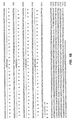
- the complete nucleotide sequence (SEQ ID NO:1) and amino acid sequence (SEQ ID NO:2) of MTB32A are disclosed in Figure 1. See, also , Skeiky et al, Infection and Immun. (1999) 67:3998-4007 , This protein is naturally secreted into the supernatant of bacterial cultures.
- the open reading frame of the coding sequence contains N-terminal hydrophobic secretory signals. It stimulates peripheral blood mononuclear cells from healthy purified protein derivative (PPD)-positive donors to proliferate and secrete interferon.
- PPD purified protein derivative
- This 14 KD C-terminal fragment of the MTB32A coding sequence expresses at high levels on its own and remains as a soluble protein throughout the purification process.
- This 14 KD C-terminal fragment of the MTB32A is referred herein as Ra12 (having amino acid residues 192 to 323 of MTB32A).
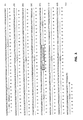
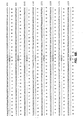
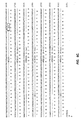
- the nucleic acid and amino acid sequences of native Ra12 are shown, e . g ., in Figures 2-6.
- Ra12 polypeptide or “Ra12 polynucleotide” as used herein refer to the native Ra12 sequences (e.g., SEQ ID NO:3 or SEQ ID NO:4), their variants, or fragments thereof (e.g., SEQ ID NO:17 or SEQ ID NO: 18).
- the present invention utilizes these properties of Ra12 polypeptides and provides methods for stable and high yield expression of fusion polypeptides comprising a Ra12 polypeptide and a heterologous polypeptide of interest.
- the methods of the present invention are particularly useful in expressing certain heterologous polypeptides (e.g ., DPPD) that other conventional expression methods failed to express in any substantial quantity.
- Recombinant nucleic acids which encode a fusion polypeptide comprising a Ra12 polypeptide and a heterologous polypeptide of interest, can be readily constructed by conventional genetic engineering techniques. Recombinant nucleic acids are constructed so that a Ra12 polynucleotide sequence is located 5' to a selected heterologous polynucleotide sequence.
- any suitable heterologous polynucleotide of interest can be selected as a fusion partner to Ra12 nucleic acids to produce a fusion polypeptide.
- a "heterologous sequence” or a “heterologous nucleic acid,” as used herein, is one that originates from a source foreign to the particular host cell, or, if from the same source, is modified from its original form.
- a heterologous nucleic acid in a prokaryotic host cell includes a heterologous nucleic acid that is endogenous to the particular host cell that has been modified.
- Modification of the heterologous sequence may occur, e.g., by treating the DNA with a restriction enzyme to generate a DNA fragment that is capable of being operably linked to the promoter.
- Techniques such as site-directed mutagenesis are also useful in modifying a heterologous sequence.
- a heterologous nucleic acid from both eukaryotic and prokaryotic origins can be selected as a fusion partner.
- These nucleic acids include, but are not limited to, nucleic acids that encode pathogenic antigens, bacterial antigens, viral antigens, cancer antigens, tumor antigens, and tumor suppressors.
- Exemplary heterologous nucleic acids of interest include DPPD, WT1, mammaglobin, H9-32A nucleic acids, and other Mycobacterium tuberculosis nucleic acids ( see, e.g., Cole et al.
- any suitable Ra12 polynucleotide e.g ., native Ra12 polynucleotide having SEQ ID NO:3, variants or fragments thereof
- Preferred Ra12 polynucleotides comprise at least about 15 consecutive nucleotides, at least about 30 nucleotides, at least about 60 nucleotides, at least about 100 nucleotides, at least about 200 nucleotides, or at least about 300 nucleotides.
- Polynucleotides may be single-stranded or double-stranded, and may be DNA (genomic, cDNA or synthetic) or RNA molecules.
- the Ra12 polynucleotide sequence is as shown in SEQ ID NO:3. In another embodiment, the Ra12 polynucleotide sequence encodes a Ra12 polypeptide as shown in SEQ ID NO:4. In some embodiments, the Ra12 polynucleotide sequence comprises a portion of SEQ ID NO:3 or encodes a portion of SEQ ID NO:4.
- a Ra12 polynucleotide comprising 90 nucleotides (e.g., nucleotides 1-90 of SEQ ID NO:3), or a Ra12 polynucleotide comprising 384 nucleotides (e.g., nucleotides 1-384 of SEQ ID NO:3) can be used as a fusion partner. See Examples 2 and 3 below.
- Polynucleotides may comprise a native sequence (i.e., an endogenous sequence that encodes a Ra12 polypeptide SEQ ID NO:3 or a portion thereof) or may comprise a variant of such a sequence.
- Polynucleotide variants may contain one or more substitutions, additions, deletions and/or insertions such that the biological activity of the encoded fusion polypeptide is not diminished, relative to a fusion polypeptide comprising a native Ra12 polypeptide.
- Variants preferably exhibit at least about 70% identity, more preferably at least about 80% identity and most preferably at least about 90% identity to a polynucleotide sequence that encodes a native Ra12 polypeptide (SEQ ID NO:4) or a portion thereof.
- the identity exists over a region that is at least about 25 to about 50 amino acids or nucleotides in length, or optionally over a region that is 75-100 amino acids or nucleotides in length.
- Two polynucleotide or polypeptide sequences are said to be “identical” if the sequence of nucleotides or amino acids in the two sequences is the same when aligned for maximum correspondence as described below. Comparisons between two sequences are typically performed by comparing the sequences over a comparison window to identify and compare local regions of sequence similarity.
- a “comparison window” as used herein refers to a segment of at least about 20 contiguous positions, usually 30 to about 75, eg 40 to about 50, in which a sequence may be compared to a reference sequence of the same number of contiguous positions after the two sequences are optimally aligned.
- Optimal alignment of sequences for comparison may be conducted using the Megalign program in the Lasergene suite of bioinformatics software (DNASTAR, Inc., Madison, WI), using default parameters.
- This program embodies several alignment schemes described in the following references: Dayhoff, M.O. (1978) A model of evolutionary change in proteins - Matrices for detecting distant relationships. In Dayhoff, M.O. (ed.) Atlas of Protein Sequence and Structure, National Biomedical Research Foundation, Washington DC Vol. 5, Suppl. 3, pp. 345-358 ; Hein J. (1990) Unified Approach to Alignment and Phylogenes pp. 626-645 Methods in Enzymology vol.
- optimal alignment of sequences for comparison may be conducted by the local identity algorithm of Smith and Waterman (1981) Add. APL. Math 2:482 , by the identity alignment algorithm of Needleman and Wunsch (1970) J. Mol. Biol. 48:443 , by the search for similarity methods of Pearson and Lipman (1988) Proc. Natl. Acad. Sci. USA 85: 2444 , by computerized implementations of these algorithms (GAP, BESTFIT, BLAST, FASTA, and TFASTA in the Wisconsin Genetics Software Package, Genetics Computer Group (GCG), 575 Science Dr., Madison, WI), or by inspection.
- BLAST and BLAST 2.0 are described in Altschul et al. (1977) Nucl. Acids Res. 25:3389-3402 and Altschul et al. (1990) J. Mol. Biol. 215:403-410 , respectively.
- BLAST and BLAST 2.0 can be used, for example with the parameters described herein, to determine percent sequence identity for the polynucleotides and polypeptides of the invention.
- Software for performing BLAST analyses is publicly available through the National Center for Biotechnology Information: For amino acid sequences, a scoring matrix can be used to calculate the cumulative score.
- Extension of the word hits in each direction are halted when: the cumulative alignment score falls off by the quantity X from its maximum achieved value; the cumulative score goes to zero or below, due to the accumulation of one or more negative-scoring residue alignments; or the end of either sequence is reached.
- the BLAST algorithm parameters W, T and X determine the sensitivity and speed of the alignment.
- the "percentage of sequence identity” is determined by comparing two optimally aligned sequences over a window of comparison of at least 20 positions, wherein the portion of the polypeptide sequence in the comparison window may comprise additions or deletions ( i . e ., gaps) of 20 percent or less, usually 5 to 15 percent, or 10 to 12 percent, as compared to the reference sequences (which do not comprise additions or deletions) for optimal alignment of the two sequences.
- the percentage is calculated by determining the number of positions at which the identical amino acid residue occurs in both sequences to yield the number of matched positions, dividing the number of matched positions by the total number of positions in the reference sequence (i.e., the window size) and multiplying the results by 100 to yield the percentage of sequence identity.
- Variants may also, or alternatively, be substantially homologous to a native Ra12 polynucleotide (e . g ., SEQ ID NO:3), or a portion or complement thereof.
- a native Ra12 polynucleotide e . g ., SEQ ID NO:3
- Such polynucleotide variants are capable of hybridizing under stringent conditions to a naturally occurring DNA sequence encoding a native Ra12 polynucleotide (or a complementary sequence).
- the phrase "selectively (or specifically) hybridizes to” refers to the binding, duplexing, or hybridizing of a molecule only to a particular nucleotide sequence under stringent hybridization conditions when that sequence is present in a complex mixture (e . g ., total cellular or library DNA or RNA).
- stringent hybridization conditions refers to conditions under which a probe will hybridize to its target subsequence, typically in a complex mixture of nucleic acid, but to no other sequences. Stringent conditions are sequence-dependent and will be different in different circumstances. Longer sequences hybridize specifically at higher temperatures. An extensive guide to the hybridization of nucleic acids is found in Tijssen, Techniques in Biochemistry and Molecular Biology--Hybridization with Nucleic Probes, "Overview of principles of hybridization and the strategy of nucleic acid assays” (1993 ). Generally, stringent conditions are selected to be about 5-10 °C lower than the thermal melting point (T m ) for the specific sequence at a defined ionic strength pH.
- T m thermal melting point
- the T m is the temperature (under defined ionic strength, pH, and nucleic concentration) at which 50% of the probes complementary to the target hybridize to the target sequence at equilibrium (as the target sequences are present in excess, at T m , 50% of the probes are occupied at equilibrium).
- Stringent conditions will be those in which the salt concentration is less than about 1.0 M sodium ion, typically about 0.01 to 1.0 M sodium ion concentration (or other salts) at pH 7.0 to 8.3 and the temperature is at least about 30°C for short probes (e.g., 10 to 50 nucleotides) and at least about 60°C for long probes ( e.g ., greater than 50 nucleotides).
- Stringent conditions may also be achieved with the addition of destabilizing agents such as formamide.
- a positive signal is at least two times background, preferably 10 times background hybridization.
- Exemplary stringent hybridization conditions can be as following: 50% formamide, 5x SSC, and 1% SDS, incubating at 42°C, or, 5x SSC, 1% SDS, incubating at 65°C, with a wash in 0.2x SSC, and 0.1% SDS at 65°C.
- Ra12 polynucleotide or “Ra12 polynucleotide sequence” as used herein refer to native Ra12 polynucleotide sequences ( e.g ., SEQ ID NO:3), fragments thereof, or any variants thereof.
- any Ra12 polynucleotide has the ability to produce a fusion protein, and its ability to produce a fusion proteins in host cells may be enhanced or unchanged, relative to the native Ra12 polynucleotide ( e . g ., SEQ ID NO:3), or may be diminished by less than 50%, and preferably less than 20%, relative to the native Ra12 polynucleotide.
- Nucleic acids encoding Ra12 polypeptides of this invention can be prepared by any suitable method known in the art. Exemplary methods include cloning and restriction of appropriate sequences or direct chemical synthesis by methods such as the phosphotriester method of Narang et al. (1979) Meth. Enzymol. 68: 90-99 ; the phosphodiester method of Brown et al. (1979) Meth. Enzymol. 68: 109-151 ; the diethylphosphoramidite method of Beaucage et al. (1981) Tetra. Lett., 22: 1859-1862 ; and the solid support method of U.S. Patent No. 4,458,066 .
- a nucleic acid encoding MTB32A or Ra12 is isolated by routine cloning methods. Nucleotide sequences of MTB32A or Ra12 as provided herein are used to provide probes that specifically hybridize to other MTB32A or Ra12 nucleic acids in a genomic DNA sample, or to a MTB32A mRNA or Ra12 mRNA in a total RNA sample ( e . g ., in a Southern or Northern blot). Once the target MTB32A or Ra12 nucleic acids are identified, it can be isolated according to standard methods known to those of skill in the art.
- the desired nucleic acids can also be cloned using well known amplification techniques.
- amplification techniques include the polymerase chain reaction (PCR) the ligase chain reaction (LCR), Q ⁇ -replicase amplification and other RNA polymerase mediated techniques.
- PCR polymerase chain reaction
- LCR ligase chain reaction
- Q ⁇ -replicase amplification Q ⁇ -replicase amplification
- other RNA polymerase mediated techniques are found in Berger, Sambrook, and Ausubel, as well as Mullis et al. (1987) U.S. Patent No. 4,683,202 ; PCR Protocols A Guide to Methods and Applications (Innis et al. eds) Academic Press Inc.
- the MTB32A or Ra12 nucleic acids can also be cloned by detecting their expressed product by means of assays based on the physical, chemical, or immunological properties of the expressed protein. For example, one can identify a cloned MTB32A or Ra12 nucleic acid by the ability of a polypeptide encoded by the nucleic acid to bind with antisera or purified antibodies made against the MTB32A or Ra12 polypeptides provided herein, which also recognize and selectively bind to the MTB32A or Ra12 homologs.
- Altered nucleotide sequences which can be used in accordance with the invention include deletions, additions or substitutions of different nucleotide residues resulting in a sequence that encodes the same or a functionally equivalent gene product.
- the gene product itself may contain deletions, additions or substitutions of amino acid residues, which result in a silent change thus producing a functionally equivalent antigenic epitope.
- conservative amino acid substitutions may be made on the basis of similarity in polarity, charge, solubility, hydrophobicity, hydrophilicity, and/or the amphipathic nature of the residues involved.
- Ra12 nucleic acids that are shorter in length than SEQ ID NO:3 and that encode biologically active fusion partner can be used.
- Such smaller functional equivalents of Ra12 polypeptides may be desirable to increase the amount of host cell resources that are available for the production of heterologous polypeptides of interest.
- alterations in a given nucleic acid construct include site-directed mutagenesis, PCR amplification using degenerate oligonucleotides, exposure of cells containing the nucleic acid to mutagenic agents or radiation, chemical synthesis of a desired oligonucleotide (e.g., in conjunction with ligation and/or cloning to generate large nucleic acids) and other well-known techniques. See, e.g., Giliman and Smith (1979) Gene 8:81-97 , Roberts et al. (1987) Nature 328: 731-734 .
- Recombinant nucleic acids that encode a fusion polypeptide comprising a Ra12 polypeptide and a selected heterologous polypeptide can be prepared using any methods known in the art. As described above, recombinant nucleic acids are constructed so that a Ra12 polynucleotide sequence is located 5' to a selected heterologous polynucleotide sequence. Ra12 and heterologous polynucleotide sequences can also be modified to facilitate their fusion and subsequent expression of fusion polypeptides. For example, the 3' stop codon of the Ra12 polynucleotide sequence can be substituted with an in frame linker sequence, which may provide restriction sites and/or cleavage sites. The recombinant nucleic acids can further comprise other nucleotide sequences such as sequences that encode affinity tags to facilitate protein purification protocols.
- recombinant nucleic acids as described herein can be joined to a variety of other nucleotide sequences using established recombinant DNA techniques.
- a polynucleotide can be cloned into any of a variety of cloning vectors, including plasmids, phagemids, lambda phage derivatives and cosmids.
- Vectors of particular interest include expression vectors, replication vectors, probe generation vectors and sequencing vectors.
- a vector will contain an origin of replication functional in at least one organism, convenient restriction endonuclease sites and one or more selectable markers. Other elements will depend on the desired use, and will be apparent to those of ordinary skill in the art.
- DNA sequences encoding the polypeptide components may be assembled separately, and ligated into an appropriate expression vector.
- the 3' end of the DNA sequence encoding one polypeptide component is ligated, with or without a polynucleotide sequence encoding a peptide linker, to the 5' end of a DNA sequence encoding the second polypeptide component so that the reading frames of the sequences are in phase. This permits translation into a single fusion protein that retains the biological activity of both component polypeptides.
- the ligated DNA sequences are operably linked to suitable transcriptional or translational regulatory elements.
- the regulatory elements responsible for expression of DNA are located only 5' to the DNA sequence encoding the first polypeptides.
- stop codons required to end translation and transcription termination signals are only present 3' to the DNA sequence encoding the second polypeptide.
- any of a number of suitable transcription and translation elements may be used in the expression vector.
- inducible promoters such as pL of bacteriophage ⁇ , plac, ptrp, ptac (ptrp-lac hybrid promoter; cytomegalovirus promoter) and the like may be used;
- promoters such as ADHI, PGK, PHO5, or the ⁇ factor promoter may be used;
- promoters such as the baculovirus polyhedron promoter may be used; when cloning in plant cell systems, promoters derived from the genome of plant cells ( e .
- heat shock promoters e.g ., heat shock promoters; the promoter for the small subunit of RUBISCO; the promoter for the chlorophyll ⁇ / ⁇ binding protein) or from plant viruses (e.g ., the 35S RNA promoter of CaMV; the coat protein promoter of TMV) may be used; when cloning in mammalian cell systems, promoters derived from the genome of mammalian cells (e.g., metallothionein promoter) or from mammalian viruses (e.g., the adenovirus late promoter; the vaccinia virus 7.5K promoter) may be used; when generating cell lines that contain multiple copies of an antigen coding sequence, SV40-, BPV- and EBV-based vectors may be used with an appropriate selectable marker.
- promoters derived from the genome of mammalian cells e.g., metallothionein promoter
- mammalian viruses e.g., the aden
- a variety of host-expression vector systems may be utilized to express Ra12 fusion protein coding sequences. These include, but are not limited to, microorganisms such as bacteria (e.g., E. coli, B. subtilis) transformed with recombinant bacteriophage DNA, plasmid DNA or cosmid DNA expression vectors containing a coding sequence; yeast (e.g., Saccharomyces, Pichia) transformed with recombinant yeast expression vectors containing a coding sequence; insect cell systems infected with recombinant virus expression vectors (e.g., baculovirus) containing a coding sequence; plant cell systems infected with recombinant virus expression vectors (e.g., cauliflower mosaic virus, CaMV; tobacco mosaic virus, TMV) or transformed with recombinant plasmid expression vectors (e.g., Ti plasmid) containing a coding sequence; or mammalian cell systems (e.g., COS, CHO, B
- prokaryotic control sequences which are defined herein to include promoters for transcription initiation, optionally with an operator, along with ribosome binding site sequences, include such commonly used promoters as the beta-lactamase (penicillinase) and lactose (lac) promoter systems ( Change et al., Nature (1977) 198: 1056 ), the tryptophan (trp) promoter system ( Goeddel et al., Nucleic Acids Res. (1980) 8: 4057 ), the tac promoter ( DeBoer et al, Proc. Natl. Acad Sci. U.S.A.
- Either constitutive or regulated promoters can be used in the present invention.
- Regulated promoters can be advantageous because the host cells can be grown to high densities before expression of the Ra12 fusion polypeptides is induced. High level expression of heterologous proteins slows cell growth in some situations.
- Regulated promoters especially suitable for use in E. coli include the bacteriophage lambda P L promoter, the hybrid trp-lac promoter ( Amann et al., Gene (1983) 25: 167 ; de Boer et al., Proc. Natl Acad Sci. USA (1983) 80: 21 , and the bacteriophage T7 promoter ( Studier et al., J. Mol. Biol.
- a promoter that functions in the particular prokaryotic species is required.
- Such promoters can be obtained from genes that have been cloned from the species, or heterologous promoters can be used.
- the hybrid trp-lac promoter functions in Bacillus in addition to E. coli.
- a ribosome binding site is conveniently included in the expression cassettes of the invention.
- An RBS in E . coli for example, consists of a nucleotide sequence 3-9 nucleotides in length located 3-11 nucleotides upstream of the initiation codon ( Shine and Dalgarno, Nature (1975) 254: 34 ; Steitz, In Biological regulation and development: Gene expression (ed. R.F. Goldberger), vol. 1, p. 349, 1979, Plenum Publishing, NY ).
- vectors which direct the expression of high levels of fusion protein products that are readily purified may be desirable.
- Such vectors include, but are not limited to, the E . coli expression vector pUR278 ( Ruther et al. (1983) EMBO J. 2:1791 ), in which a coding sequence may be ligated into the vector in frame with the lacZ coding region so that a hybrid protein is produced; pIN vectors ( Inouye and Inouye (1985) Nucleic Acids Res. 13:3101-3109 ; Van Heeke and Schuster (1989) J. Biol. Chem. 264:5503-5509 ); and the like.
- pGEX vectors may also be used to express foreign polypeptides as fusion proteins with glutathione S-transferase (GST).
- GST glutathione S-transferase
- fusion proteins are soluble and can be purified easily from lysed cells by adsorption to glutathione-agarose beads followed by elution in the presence of free glutathione.
- the pGEX vectors are designed to include thrombin or factor Xa protease cleavage sites so that the cloned fusion polypeptide of interest can be released from the GST moiety.
- Cleavage sites can be engineered into the recombinant nucleic acids for the fusion proteins at the desired point of cleavage.
- a "fusion" polypeptide comprises at least two parts: a Ra12 polypeptide as described herein, and a heterologous polypeptide of interest.
- a Ra12 polypeptide is preferably fused, directly or indirectly, to the amino terminus of a heterologous polypeptide of interest, although fusion to the carboxy terminus of the heterologous polypeptide or insertion of the heterologous polypeptide into a site within an Ra12 polypeptide may also be appropriate.
- Any heterologous polypeptide of interest can be selected as a fusion partner to a Ra12 polypeptide.
- These heterologous polypeptides include, but are not limited to, pathogenic antigens, bacterial antigens, viral antigens, cancer antigens, tumor antigens, and tumor suppressors.
- Exemplary heterologous polypeptides include DPPD, WT1, mammaglobin, H9-32A polypeptides, or other M. tuberculosis proteins. Any one of these polypeptides can be used alone or in combination as a heterologous polypeptide that can be selected as a fusion partner.
- a fusion polypeptide may comprise a native Ra12 polypeptide (e . g ., SEQ ID NO:4), a variant thereof, or a fragment thereof.
- a polypeptide "variant,” as used herein, is a polypeptide that differs from a native Ra12 polypeptide in one or more substitutions, deletions, additions and/or insertions, such that the biological activity of the polypeptide is not substantially diminished.
- the ability of a variant to produce fusion polypeptide in host cells may be enhanced or unchanged, relative to the native Ra12 protein, or may be diminished by less than 50%, and preferably less than 20%, relative to the native Ra12 protein.
- variants may generally be identified by modifying one of the above polypeptide sequences and evaluating the level of fusion polypeptide production in host cells, such as in E. coli.
- Exemplary variants include those in which a small portion (e . g ., 1-30 amino acids, preferably 5-15 amino acids) has been removed from the N- and/or C-terminal of the native Ra12 polypeptides.
- variants of native Ra12 polypeptides comprise at least about 5 amino acids, at least about 10 amino acids, at least about 30 amino acids, at least about 50 amino acids, or at least about 100 amino acids.
- the Ra12 polypeptide sequence is as shown in SEQ ID NO:4.
- the Ra12 polypeptide sequence comprises a portion of SEQ ID NO:4.
- an Ra12 polypeptide comprising 30 amino acids e.g ., amino acids 1-30 of SEQ ID NO:4
- an Ra12 polypeptide comprising 128 amino acids e.g., amino acids 1-128 of SEQ ID NO:4
- Polypeptide variants preferably exhibit at least about 70%, more preferably at least about 80% or at least about 90%, and most preferably at least about 95% identity (determined as described above) to the identified polypeptides.
- identity exists over a region that is at least about 20 to about 50 amino acids in length, or optionally over a region that is 75-100 amino acids in length.
- a variant contains conservative substitutions.
- a "conservative substitution” is one in which an amino acid is substituted for another amino acid that has similar properties, such that one skilled in the art of peptide chemistry would expect the secondary structure and hydropathic nature of the polypeptide to be substantially unchanged.
- Amino acid substitutions may generally be made on the basis of similarity in polarity, charge, solubility, hydrophobicity, hydrophilicity and/or the amphipathic nature of the residues.
- negatively charged amino acids include aspartic acid and glutamic acid; positively charged amino acids include lysine and arginine; and amino acids with uncharged polar head groups having similar hydrophilicity values include leucine, isoleucine and valine; glycine and alanine; asparagine and glutamine; and serine, threonine, phenylalanine and tyrosine.
- variant polypeptides differ from a native sequence by substitution, deletion or addition of five amino acids or fewer.
- Variants may also (or alternatively) be modified by, for example, the deletion or addition of amino acids that have minimal influence on the immunogenicity, secondary structure and hydropathic nature of the polypeptide.
- Ra12 polypeptide or “Ra12 polypeptide sequence” as used herein refer to native Ra12 polynucleotide sequences ( e . g ., SEQ ID NO:4), fragments thereof (e.g., SEQ ID NO:17 or 18), or any variants thereof.
- a Ra12 polypeptide has the ability to produce a fusion protein, and its ability to produce a fusion protein in host cells may be enhanced or unchanged, relative to the native Ra12 polypeptide ( e.g ., SEQ ID NO:4), or may be diminished by less than 50%, and preferably less than 20%, relative to the native Ra12 polypeptide.
- fusion polypeptides may be conjugated to a linker or other sequence for ease of synthesis, purification or identification of the polypeptide or to enhance binding of the polypeptide to a solid support.
- a peptide linker sequence may be employed to separate a Ra12 polypeptide and a heterologous polypeptide of interest by a distance sufficient to ensure that each polypeptide folds into its secondary and tertiary structures.
- Such a peptide linker sequence is incorporated into the fusion protein using standard techniques well known in the art.
- Suitable peptide linker sequences may be chosen based on the following factors: (1) their ability to adopt a flexible extended conformation; (2) their inability to adopt a secondary structure that could interact with functional epitopes on the first and second polypeptides; and (3) the lack of hydrophobic or charged residues that might react with the polypeptide functional epitopes.
- peptide linker sequences may contain Gly, Asn and Ser residues. Other near neutral amino acids, such as Thr and Ala may also be used in the linker sequence.
- Amino acid sequences which may be usefully employed as linkers include those disclosed in Maratea et al., Gene 40:39-46, 1985 ; Murphy et al., Proc. Natl. Acad. Sci.
- the linker sequence may generally be from 1 to about 50 amino acids in length. Linker sequences are not required when the first and second polypeptides have non-essential N-terminal amino acid regions that can be used to separate the functional domains and prevent steric interference.
- a linker can provide a specific cleavage site between a Ra12 polypeptide and a heterologous polypeptide of interest.
- a cleavage site may contain a target for proteolytic enzyme that includes, for example, enterokinase, Factor Xa, trypsin, collagenase, thrombin, ubiquitin hydrolase; or for chemical cleavage agents such as, for example, cyanogen bromide or hydroxyamine.
- a fusion polypeptide may optionally contain an affinity tag which is linked to the fusion polypeptide so that the purification of recombinant polypeptides can be simplified.
- affinity tag molecules include, Strep-tag, PinPoint, maltose binding protein, glutathione S-transferase, etc. See, e.g., Glick and Pasternak (1999) Molecular Biotechnology Principles and Applications of Recombinant DNA, 2nd Ed., American Society for Microbiology, Washington, DC .
- Fusion polypeptides may be prepared using any of a variety of well known techniques. Recombinant fusion polypeptides encoded by DNA sequences as described above may be readily prepared from the DNA sequences using any of a variety of expression vectors known to those of ordinary skill in the art. Expression may be achieved in any appropriate host cell that has been transformed or transfected with an expression vector containing a DNA molecule that encodes a recombinant polypeptide. Suitable host cells include prokaryotes, yeast and higher eukaryotic cells described above. Preferably, the host cell employed is E . coli. Supernatants from suitable host/vector systems which secrete recombinant protein or polypeptide into culture media may be first concentrated using a commercially available filter. Following concentration, the concentrate may be applied to a suitable purification matrix such as an affinity matrix or an ion exchange resin. Finally, one or more reverse phase HPLC steps can be employed to further purify a recombinant polypeptide.
- a suitable purification matrix such as an affinity
- Portions and other variants having fewer than about 100 amino acids, and generally fewer than about 50 amino acids, may also be generated by synthetic means, using techniques well known to those of ordinary skill in the art.
- such polypeptides may be synthesized using any of the commercially available solid-phase techniques, such as the Merrifield solid-phase synthesis method, where amino acids are sequentially added to a growing amino acid chain. See Merrifield, J. Am. Chem. Soc. 85:2149-2146, 1963 .
- Equipment for automated synthesis of polypeptides is commercially available from suppliers such as Perkin Elmer/Applied BioSystems Division (Foster City, CA), and may be operated according to the manufacturer's instructions.
- polypeptides including fusion proteins and polynucleotides as described herein are isolated.
- An "isolated" polypeptide or polynucleotide is one that is removed from its original environment.
- a naturally-occurring protein is isolated if it is separated from some or all of the coexisting materials in the natural system.
- polypeptides are at least about 90% pure, more preferably at least about 95% pure and most preferably at least about 99% pure.
- a polynucleotide is considered to be isolated if, for example, it is cloned into a vector that is not a part of the natural environment.
- the recombinant fusion nucleic acids and fusion polypeptides of the invention can be used in a number of other methods.
- the fusion polypeptide coding sequence of the invention can be used to encode a protein product for use as an antigen for detecting serum antibodies.
- the presence of serum antibodies to M tuberculosis antigens in an individual indicates that the individual is infected with M tuberculosis.
- serum antibodies to M. tuberculosis are detected by monitoring binding of serum antibodies to M tuberculosis proteins.
- the fusion polypeptides of the invention are useful as sources of proteins for monitoring binding of serum antibodies to fusion proteins.
- the fusion polypeptide can be used as an immunogen to induce and/or enhance immune responses.
- Such coding sequences can be ligated with a coding sequence of another molecule such as a M . tuberculosis antigen, a cytokine or an adjuvant.
- Such polynucleotides may be used in vivo as a DNA vaccine ( U.S. Patent Nos. 5,589,466 ; 5,679,647 ; and 5,703,055 ).
- purified or partially purified fusion polypeptides or fragments may be used as vaccines or therapeutic compositions. Any of a variety of methods known in the art can be employed to produce vaccines or therapeutic compositions comprising the fusion polypeptides of the present invention.
- a recombinant protein Once a recombinant protein is expressed, it can be identified by assays based on the physical or functional properties of the product, including radioactive labeling of the product followed by analysis by gel electrophoresis, radioimmunoassay, ELISA, bioassays, etc.
- the encoded protein may be isolated and purified by standard methods including chromatography (e.g., high performance liquid chromatography, ion exchange, affinity, and sizing column chromatography), centrifugation, differential solubility, or by any other standard technique for the purification of proteins.
- chromatography e.g., high performance liquid chromatography, ion exchange, affinity, and sizing column chromatography
- centrifugation e.g., centrifugation, differential solubility, or by any other standard technique for the purification of proteins.
- the actual conditions used will depend, in part, on factors such as net charge, hydrophobicity, hydrophilicity, etc., and will be apparent to those having skill in the art.
- the functional properties may be evaluated using any suitable assays.
- each fusion protein is at least 80% purified from other proteins. It is more preferred that they are at least 90% purified. For in vivo administration, it is preferred that the proteins are greater than 95% purified.
- the purified proteins may be further processed before use.
- the proteins may digested with a specific enzyme to separate the Ra12 polypeptide from the heterologous polypeptide.
- modifications can be made to the recombinant nucleic acids and fusion polypeptides without diminishing their biological activity. Some modifications may be made to facilitate the cloning, expression, or incorporation of the tag molecule into a fusion polypeptide. Such modifications are well known to those of skill in the art and include, for example, a methionine added at the amino terminus to provide an initiation site, or additional amino acids (e.g ., poly His) placed on either terminus to create conveniently located restriction sites or termination codons or purification sequences.
- EXAMPLE 1 The Full Length Ra12 Sequence (SEQ ID NO:4) as a Fusion Partner A. Construction of Expression Vectors
- Coding sequences of M. tuberculosis antigens were modified by PCR in order to facilitate their fusion and subsequent expression of fusion protein.
- pET 17b vector Novagen
- pET 17b vector Novagen
- the 3' stop codon of the Ra12 sequence was substituted with an in frame EcoRI site and the N-terminal end was engineered to code for six His-tag residues immediately following the initiator Met to facilitate a simple one step purification protocol of Ra12 recombinant proteins by affinity chromatography over Ni-NTA matrix.
- the C-terminal fragment of antigen MTB32A was amplified by standard PCR methods using the oligonucleotide primers 5' CAA TTA CAT ATG CAT CAC CAT CAC CAT CAC ACG GCC GCG TCC GAT AAC TTC (SEQ ID NO:13) and the 3' oligonucleotide sequence is 5'-CTA ATC GAA TTC GGC CGG GGG TCC CTC GGC CAA (SEQ ID NO:14).
- the 450 bp product was digested with NdeI and EcoRI and cloned into the pET 17b expression vector similarly digested with the same enzymes. Expression of the recombinant Ra12 protein was accomplished following transformation into the E.
- DPPD sequence was engineered for expression as a fusion protein with Ra12 by designing oligonucleotide primers to specifically amplify the mature secreted form.
- the 5' oligonucleotide containing an enterokinase recognition site (DDDK) has the sequences 5'-CAA TTA GAA TTC GAC GAC GAC GAC GAC AAG GAT CCA CCT GAC CCG CAT CAG-3' (SEQ ID NO:15) and the 3' oligonucleotide sequence is 5'CAA TTA GAA TTC TCA GGG AGC GTT GGG CTG CTC (SEQ ID NO:16).
- the resulting PCR amplified product was digested with EcoRI and subcloned into the EcoRI site of the pET-Ra12 vector. Following transformation into the E. coli host strain (XL1-blue; Stratagene), clones containing the correct size insert were submitted for sequencing in order to identify those that were in frame with the Ra12 fusion. Subsequently, the DNA of interest (Fig. 3) was transformed into the BL-21 (pLysE) bacterial host and fusion protein expressed following induction of the culture with IPTG.
- the recombinant (His-tag) Ra12-DPPD fusion protein was purified from 500 ml of IPTG induced batch cultures from the soluble supernatant by affinity chromatography using the one step QIAexpress Ni-NTA Agarose matrix (QIAGEN, Chatsworth, CA) in the presence of 8M urea. Briefly, 20 ml of an overnight saturated culture of BL21 containing the pET construct was added into 500 ml of 2xYT media containing 50 ug/ml ampicillin and 34 ug/ml chloramphenicol, grown at 37°C with shaking.
- the bacterial cultures were induced with 2mM IPTG at an OD 560 of 0.3 and grown for an additional 3 h (OD 1.3 to 1.9).
- Cells were harvested from 500 ml batch cultures by centrifugation and resuspended in 20 ml of binding buffer (0.1 M sodium phosphate, pH 8.0; 10 mM Tris-HCl, pH 8.0) containing 2mM PMSF and 20 ug/ml leupeptin.
- E. coli was lysed by adding 15 mg of lysozyme and rocking for 30 min at 4°C following sonnication (4 x 30 sec). Lysed cells were spun at 12 k rpm for 30 min and urea was added directly to the supernatant at a final concentration of 8M.
- the supernatant was batch bound to Ni-NTA agarose resin (5 ml resin per 500 ml inductions) by rocking at R/T for 1 h and the matrix passed over a column. The flow through was passed twice over the same column followed by three washes with 30 ml each of wash buffer (0.1 M sodium phosphate and 10 mM Tris-HCL, pH 6.3) also containing 8 M urea. Bound protein was eluted with 30 ml of 100 mM imidazole in wash buffer and 5 ml fractions collected.
- wash buffer 0.1 M sodium phosphate and 10 mM Tris-HCL, pH 6.3
- Fractions containing the recombinant antigen were pooled, dialyzed against 10 mM Tris-HCl (pH 8.0) bound one more time to the Ni-NTA matrix, eluted and dialyzed in 1xPBS (pH 7.4) or 10 mM Tris-HCL (pH 7.8).
- the yield of the purified recombinant fusion protein was in the 50 to 75 mg per liter of induced bacterial culture with greater than 95% purity representing a single band.
- Recombinant proteins were assayed for endotoxin contamination using the Limulus assay (BioWhittaker) and were shown to contain ⁇ 10 E.U./mg ( ⁇ 1 ng LPS/mg).
- the purified fusion protein (100 ug) was mixed with 100 ug of muramyl dipeptide, brought up to 1 ml with 1 x PBS and emulsified with 1 ml IFA (incomplete freunds; Life Technologies) adjuvant.
- the emulsion was injected at multiple sites s.c. into a female New Zealand rabbit (R&R Rabbitry, Stanwood, WA).
- the rabbit was given two subsequent boosters (100 ug antigen in IFA) 6 weeks apart and a final i.v. shot with 100 ug of the recombinant protein again given after 6 weeks.
- Ra12-DPPD fusion protein when the DPPD coding sequence was inserted 3' to the Ra12 sequence in an expression vector and transformed into E. coli , a large amount of Ra12-DPPD fusion protein was produced.
- the nucleotide sequence (SEQ ID NO:5) and amino acid sequence (SEQ ID NO:6) of Ra12-DPPD are disclosed in Figure 3.
- the immunogenicity of DPPD was maintained as evidenced by the ability of antiserum to react with the purified protein in immunoblotting analysis.
- three other proteins of eukaryotic or prokaryotic origin see Figures 4-6 were also successfully expressed by the Ra12 fusion constructs.
- the Ra12 coding sequence is useful as a fusion partner in an expression construct to facilitate the expression of a heterologous sequence.
- EXAMPLE 2 Short Ra12 Polypeptide (SEQ ID NO:17) as a Fusion Partner
- Ra12 polypeptide comprising amino acids 1-30 of SEQ ID NO:4 was used as a fusion partner to link with the full length human mammaglobin gene.
- This short form of Ra12 polypeptide has the amino acid sequence shown in SEQ ID NO:17, and is referred to herein as "Ra12(short)".
- the 3' end of the Ra12(short) sequence is fused to the full length human mammaglobin gene.
- the human mammaglobin gene was amplified by standard PCR methods using the following oligonucleotide primers: the 5' primer, Hind III site: 5'-gcgaagcttATGAAGTTGCTGATGGTCCTCATGC-3' (SEQ ID NO:19); the 3' primer, XhoI site: 5'-cggctcgagTTAAAATAAATCACAAAGACTGCTGTC-3' (SEQ ID NO:20).
- the 5' Hind III and 3' Xho I sites were added to assist subcloning into a vector.
- the N-terminal end of the fusion construct was engineered to code for six His-tag residues immediately following the Met to facilitate purification protocols.
- the expression of the fusion construct was accomplished following transformation into E. coli using procedures similar to those described in Example 1. Compared to a construct without a Ra12(short) sequence, the fusion construct with a Ra12(short) sequence substantially increased the expression of the fusion Ra12(short)-mammaglobin protein.
- Ra12 polypeptide comprising amino acids 1-128 of SEQ ID NO:4 was used as a fusion partner to link with the full length human mamma globin gene.
- This long form of Ra12 polypeptide has the ammo acid sequence shown in SEQ ID NO:18, and is referred to herein as "Ra12(long)".
- Ra12(long) Cloning and expression procedures similar to those described in Example 2 were used.
- the fusion construct with a Ra12(long) sequence substantially increased the expression of the Ra12(long)-mammaglobin fusion protein.
Landscapes
- Chemical & Material Sciences (AREA)
- Health & Medical Sciences (AREA)
- Organic Chemistry (AREA)
- Life Sciences & Earth Sciences (AREA)
- Medicinal Chemistry (AREA)
- Gastroenterology & Hepatology (AREA)
- General Health & Medical Sciences (AREA)
- Genetics & Genomics (AREA)
- Biochemistry (AREA)
- Molecular Biology (AREA)
- Proteomics, Peptides & Aminoacids (AREA)
- Biophysics (AREA)
- Toxicology (AREA)
- Zoology (AREA)
- Micro-Organisms Or Cultivation Processes Thereof (AREA)
- Preparation Of Compounds By Using Micro-Organisms (AREA)
- Peptides Or Proteins (AREA)
- Medicines That Contain Protein Lipid Enzymes And Other Medicines (AREA)
Applications Claiming Priority (3)
| Application Number | Priority Date | Filing Date | Title |
|---|---|---|---|
| US15858599P | 1999-10-07 | 1999-10-07 | |
| US158585P | 1999-10-07 | ||
| PCT/US2000/027652 WO2001025401A2 (en) | 1999-10-07 | 2000-10-06 | A mycobacterium tuberculosis coding sequence for expression of heterologous proteins |
Publications (4)
| Publication Number | Publication Date |
|---|---|
| EP1517913A2 EP1517913A2 (en) | 2005-03-30 |
| EP1517913A4 EP1517913A4 (en) | 2005-09-14 |
| EP1517913B1 EP1517913B1 (en) | 2007-02-21 |
| EP1517913B9 true EP1517913B9 (en) | 2007-08-29 |
Family
ID=22568818
Family Applications (1)
| Application Number | Title | Priority Date | Filing Date |
|---|---|---|---|
| EP00970619A Expired - Lifetime EP1517913B9 (en) | 1999-10-07 | 2000-10-06 | A mycobacterium tuberculosis coding sequence for exression of heterologous proteins |
Country Status (12)
| Country | Link |
|---|---|
| US (1) | US20060040356A1 (enExample) |
| EP (1) | EP1517913B9 (enExample) |
| JP (1) | JP2003527830A (enExample) |
| AT (1) | ATE354663T1 (enExample) |
| AU (1) | AU779846B2 (enExample) |
| CA (1) | CA2386854A1 (enExample) |
| CY (1) | CY1106593T1 (enExample) |
| DE (1) | DE60033583T2 (enExample) |
| DK (1) | DK1517913T3 (enExample) |
| ES (1) | ES2282142T3 (enExample) |
| PT (1) | PT1517913E (enExample) |
| WO (1) | WO2001025401A2 (enExample) |
Families Citing this family (3)
| Publication number | Priority date | Publication date | Assignee | Title |
|---|---|---|---|---|
| PT2133100E (pt) * | 2000-06-20 | 2012-01-11 | Corixa Corp | Antigénio mtb32a de mycobacterium tuberculosis com um local activo inactivado e suas proteínas de fusão |
| BRPI0518933A2 (pt) | 2004-11-16 | 2008-12-16 | Crucell Holland B V E Aeras Gl | adenovÍrus recombinante defeituoso de replicaÇço, vetor de polinucleotÍdeo recombinante, vacina multivalente da tuberculose, e, uso do antÍgeno tb10.4 de mycobacterium |
| CN104292089B (zh) * | 2014-09-30 | 2016-01-13 | 大连九信生物化工科技有限公司 | 一种1-氯-1’-氯乙酰基环丙烷的合成工艺 |
Family Cites Families (21)
| Publication number | Priority date | Publication date | Assignee | Title |
|---|---|---|---|---|
| US6566072B1 (en) * | 1995-05-31 | 2003-05-20 | Washington University | Mammaglobin, a secreted mammary-specific breast cancer protein |
| US6592877B1 (en) * | 1995-09-01 | 2003-07-15 | Corixa Corporation | Compounds and methods for immunotherapy and diagnosis of tuberculosis |
| US6458366B1 (en) * | 1995-09-01 | 2002-10-01 | Corixa Corporation | Compounds and methods for diagnosis of tuberculosis |
| MX9801687A (es) * | 1995-09-01 | 1998-11-29 | Corixa Corp | Compuestos y metodos para el diagnostico de tuberculosis. |
| US20020068285A1 (en) * | 1996-01-11 | 2002-06-06 | Frudakis Tony N. | Compositions and methods for the therapy and diagnosis of breast cancer |
| EP0925364B1 (en) * | 1996-09-06 | 2002-10-23 | Bioteknologisk Institut | A lactic acid bacterial regulatable expression system |
| CA2268036A1 (en) * | 1996-10-11 | 1998-04-23 | Corixa Corporation | Compounds and methods for diagnosis of tuberculosis |
| US6350456B1 (en) * | 1997-03-13 | 2002-02-26 | Corixa Corporation | Compositions and methods for the prevention and treatment of M. tuberculosis infection |
| US6544522B1 (en) * | 1998-12-30 | 2003-04-08 | Corixa Corporation | Fusion proteins of mycobacterium tuberculosis antigens and their uses |
| US6627198B2 (en) * | 1997-03-13 | 2003-09-30 | Corixa Corporation | Fusion proteins of Mycobacterium tuberculosis antigens and their uses |
| FR2767337B1 (fr) * | 1997-08-14 | 2002-07-05 | Pasteur Institut | Sequences nucleiques de polypeptides exportes de mycobacteri es, vecteurs les comprenant et applications au diagnostic et a la prevention de la tuberculose |
| AU741130B2 (en) * | 1997-09-16 | 2001-11-22 | Oregon Health Sciences University | Recombinant MHC molecules useful for manipulation of antigen-specific T-cells |
| BR9909472A (pt) * | 1998-04-07 | 2001-09-11 | Corixa Corp | Polipeptìdeo purificado, processo para prevenir tuberculose, e, composição farmacêutica |
| US6448234B1 (en) * | 1998-12-08 | 2002-09-10 | Corixa Corporation | Compounds and methods for treatment and diagnosis of chlamydial infection |
| US6509448B2 (en) * | 1999-06-30 | 2003-01-21 | Corixa Corporation | Compositions and methods for the therapy and diagnosis of lung cancer |
| US7009042B1 (en) * | 1999-10-07 | 2006-03-07 | Corixa Corporation | Methods of using a Mycobacterium tuberculosis coding sequence to facilitate stable and high yield expression of the heterologous proteins |
| EP1229931A4 (en) * | 1999-10-07 | 2003-05-28 | Corixa Corp | FUSION PROTEINS FROM MYCOBACTERIUM TUBERCULOSIS |
| AU1656501A (en) * | 1999-11-12 | 2001-06-06 | Corixa Corporation | Compositions and methods for the therapy and diagnosis of prostate cancer |
| EP1261708A2 (en) * | 2000-01-14 | 2002-12-04 | Corixa Corporation | Compositions and methods for the therapy and diagnosis of prostate cancer |
| WO2001073032A2 (en) * | 2000-03-27 | 2001-10-04 | Corixa Corporation | Compositions and methods for the therapy and diagnosis of prostate cancer |
| PT2133100E (pt) * | 2000-06-20 | 2012-01-11 | Corixa Corp | Antigénio mtb32a de mycobacterium tuberculosis com um local activo inactivado e suas proteínas de fusão |
-
2000
- 2000-10-06 EP EP00970619A patent/EP1517913B9/en not_active Expired - Lifetime
- 2000-10-06 AT AT00970619T patent/ATE354663T1/de not_active IP Right Cessation
- 2000-10-06 JP JP2001528556A patent/JP2003527830A/ja not_active Withdrawn
- 2000-10-06 DK DK00970619T patent/DK1517913T3/da active
- 2000-10-06 PT PT00970619T patent/PT1517913E/pt unknown
- 2000-10-06 AU AU79972/00A patent/AU779846B2/en not_active Ceased
- 2000-10-06 CA CA002386854A patent/CA2386854A1/en not_active Abandoned
- 2000-10-06 DE DE60033583T patent/DE60033583T2/de not_active Expired - Fee Related
- 2000-10-06 WO PCT/US2000/027652 patent/WO2001025401A2/en not_active Ceased
- 2000-10-06 ES ES00970619T patent/ES2282142T3/es not_active Expired - Lifetime
-
2005
- 2005-09-07 US US11/222,451 patent/US20060040356A1/en not_active Abandoned
-
2007
- 2007-05-14 CY CY20071100656T patent/CY1106593T1/el unknown
Also Published As
| Publication number | Publication date |
|---|---|
| EP1517913A2 (en) | 2005-03-30 |
| AU7997200A (en) | 2001-05-10 |
| ES2282142T3 (es) | 2007-10-16 |
| DE60033583T2 (de) | 2007-09-13 |
| WO2001025401A2 (en) | 2001-04-12 |
| CA2386854A1 (en) | 2001-04-12 |
| JP2003527830A (ja) | 2003-09-24 |
| CY1106593T1 (el) | 2012-01-25 |
| AU779846B2 (en) | 2005-02-17 |
| DE60033583D1 (de) | 2007-04-05 |
| ATE354663T1 (de) | 2007-03-15 |
| EP1517913B1 (en) | 2007-02-21 |
| EP1517913A4 (en) | 2005-09-14 |
| WO2001025401A3 (en) | 2005-02-03 |
| PT1517913E (pt) | 2007-05-31 |
| US20060040356A1 (en) | 2006-02-23 |
| DK1517913T3 (da) | 2007-06-18 |
| WO2001025401A9 (en) | 2002-09-26 |
Similar Documents
| Publication | Publication Date | Title |
|---|---|---|
| EP0722461B1 (en) | Expression of fusion polypeptides transported out of the cytoplasm without leader sequences | |
| US5646016A (en) | Peptide and protein fusions to thioredoxin, thioredoxin-like molecules, and modified thioredoxin-like molecules | |
| US20030017495A1 (en) | Enterococcus faecalis polynucleotides and polypeptides | |
| CN100999550B (zh) | 结核分枝杆菌融合蛋白及其应用 | |
| US7009042B1 (en) | Methods of using a Mycobacterium tuberculosis coding sequence to facilitate stable and high yield expression of the heterologous proteins | |
| CA2294568A1 (en) | Lyme disease vaccines | |
| KR20220069018A (ko) | 재조합 인터류킨-15 유사체 | |
| US20100143972A1 (en) | Method of Making Cyclic Polypeptides with Inteins | |
| EP1517913B1 (en) | A mycobacterium tuberculosis coding sequence for exression of heterologous proteins | |
| AU696349B2 (en) | Methods for peptide synthesis and purification | |
| ZA200108065B (en) | Compositions for the treatment and diagnosis of breast cancer and methods for their use. | |
| US20030027774A1 (en) | Tuberculosis antigens and methods of use therefor | |
| JPH0371112B2 (enExample) | ||
| WO2007118077A2 (en) | Mycobacterial catalase-peroxidase in the diagnosis and treatment of sarcoidosis | |
| CA2506538A1 (en) | Bacterial superantigen vaccines | |
| EP1278870A1 (en) | Splice variant of camp phosphodiesterase type 7 (pde7a3) | |
| JP2001231580A (ja) | マウンテンシダー花粉アレルゲンタンパク質及び該タンパク質をコードする核酸分子 | |
| Kawooya et al. | The expression, affinity purification and characterization of recombinant pseudomonas exotoxin 40 (pe40) secreted from escherichia coli | |
| EP1003883A1 (en) | HISTIDINE KINASE TWO-COMPONENT IN $i(CANDIDA ALBICANS) | |
| John et al. | Biott-shnology | |
| WO2001066732A1 (en) | Human abc transporter expressed in liver, atil | |
| CA2404496A1 (en) | Calcium binding regulatory subunit | |
| JPH0355112B2 (enExample) |
Legal Events
| Date | Code | Title | Description |
|---|---|---|---|
| PUAI | Public reference made under article 153(3) epc to a published international application that has entered the european phase |
Free format text: ORIGINAL CODE: 0009012 |
|
| 17P | Request for examination filed |
Effective date: 20020426 |
|
| AK | Designated contracting states |
Kind code of ref document: A2 Designated state(s): AT BE CH CY DE DK ES FI FR GB GR IE IT LI LU MC NL PT SE |
|
| AX | Request for extension of the european patent |
Extension state: AL LT LV MK RO SI |
|
| A4 | Supplementary search report drawn up and despatched |
Effective date: 20050802 |
|
| RAP1 | Party data changed (applicant data changed or rights of an application transferred) |
Owner name: CORIXA CORPORATION |
|
| RIC1 | Information provided on ipc code assigned before grant |
Ipc: C07K 19/00 20060101ALI20060504BHEP Ipc: C12N 15/63 20060101AFI20060504BHEP |
|
| GRAP | Despatch of communication of intention to grant a patent |
Free format text: ORIGINAL CODE: EPIDOSNIGR1 |
|
| DAX | Request for extension of the european patent (deleted) | ||
| GRAS | Grant fee paid |
Free format text: ORIGINAL CODE: EPIDOSNIGR3 |
|
| GRAA | (expected) grant |
Free format text: ORIGINAL CODE: 0009210 |
|
| AK | Designated contracting states |
Kind code of ref document: B1 Designated state(s): AT BE CH CY DE DK ES FI FR GB GR IE IT LI LU MC NL PT SE |
|
| REG | Reference to a national code |
Ref country code: GB Ref legal event code: FG4D |
|
| REG | Reference to a national code |
Ref country code: CH Ref legal event code: EP |
|
| REF | Corresponds to: |
Ref document number: 60033583 Country of ref document: DE Date of ref document: 20070405 Kind code of ref document: P |
|
| REG | Reference to a national code |
Ref country code: IE Ref legal event code: FG4D |
|
| REG | Reference to a national code |
Ref country code: GR Ref legal event code: EP Ref document number: 20070401259 Country of ref document: GR |
|
| REG | Reference to a national code |
Ref country code: PT Ref legal event code: SC4A Free format text: AVAILABILITY OF NATIONAL TRANSLATION Effective date: 20070516 |
|
| REG | Reference to a national code |
Ref country code: SE Ref legal event code: TRGR |
|
| REG | Reference to a national code |
Ref country code: CH Ref legal event code: NV Representative=s name: ISLER & PEDRAZZINI AG |
|
| REG | Reference to a national code |
Ref country code: DK Ref legal event code: T3 |
|
| ET | Fr: translation filed | ||
| REG | Reference to a national code |
Ref country code: CH Ref legal event code: PCAR Free format text: ISLER & PEDRAZZINI AG;POSTFACH 1772;8027 ZUERICH (CH) |
|
| REG | Reference to a national code |
Ref country code: ES Ref legal event code: FG2A Ref document number: 2282142 Country of ref document: ES Kind code of ref document: T3 |
|
| PLBE | No opposition filed within time limit |
Free format text: ORIGINAL CODE: 0009261 |
|
| STAA | Information on the status of an ep patent application or granted ep patent |
Free format text: STATUS: NO OPPOSITION FILED WITHIN TIME LIMIT |
|
| 26N | No opposition filed |
Effective date: 20071122 |
|
| PGFP | Annual fee paid to national office [announced via postgrant information from national office to epo] |
Ref country code: DK Payment date: 20080916 Year of fee payment: 9 |
|
| PGFP | Annual fee paid to national office [announced via postgrant information from national office to epo] |
Ref country code: MC Payment date: 20080923 Year of fee payment: 9 Ref country code: NL Payment date: 20080915 Year of fee payment: 9 |
|
| PGFP | Annual fee paid to national office [announced via postgrant information from national office to epo] |
Ref country code: GB Payment date: 20080915 Year of fee payment: 9 |
|
| PGFP | Annual fee paid to national office [announced via postgrant information from national office to epo] |
Ref country code: CH Payment date: 20081028 Year of fee payment: 9 Ref country code: DE Payment date: 20081031 Year of fee payment: 9 Ref country code: IE Payment date: 20081016 Year of fee payment: 9 Ref country code: LU Payment date: 20081021 Year of fee payment: 9 |
|
| PGFP | Annual fee paid to national office [announced via postgrant information from national office to epo] |
Ref country code: AT Payment date: 20080915 Year of fee payment: 9 Ref country code: ES Payment date: 20081023 Year of fee payment: 9 Ref country code: FI Payment date: 20081013 Year of fee payment: 9 Ref country code: PT Payment date: 20081003 Year of fee payment: 9 |
|
| PGFP | Annual fee paid to national office [announced via postgrant information from national office to epo] |
Ref country code: SE Payment date: 20081007 Year of fee payment: 9 Ref country code: BE Payment date: 20081031 Year of fee payment: 9 Ref country code: IT Payment date: 20081016 Year of fee payment: 9 |
|
| PGFP | Annual fee paid to national office [announced via postgrant information from national office to epo] |
Ref country code: FR Payment date: 20081006 Year of fee payment: 9 |
|
| PGFP | Annual fee paid to national office [announced via postgrant information from national office to epo] |
Ref country code: GR Payment date: 20081014 Year of fee payment: 9 |
|
| PGFP | Annual fee paid to national office [announced via postgrant information from national office to epo] |
Ref country code: CY Payment date: 20081015 Year of fee payment: 9 |
|
| REG | Reference to a national code |
Ref country code: PT Ref legal event code: MM4A Free format text: LAPSE DUE TO NON-PAYMENT OF FEES Effective date: 20100406 |
|
| BERE | Be: lapsed |
Owner name: CORIXA CORP. Effective date: 20091031 |
|
| REG | Reference to a national code |
Ref country code: NL Ref legal event code: V1 Effective date: 20100501 |
|
| PG25 | Lapsed in a contracting state [announced via postgrant information from national office to epo] |
Ref country code: MC Free format text: LAPSE BECAUSE OF NON-PAYMENT OF DUE FEES Effective date: 20091031 |
|
| REG | Reference to a national code |
Ref country code: CH Ref legal event code: PL |
|
| EUG | Se: european patent has lapsed | ||
| REG | Reference to a national code |
Ref country code: DK Ref legal event code: EBP |
|
| REG | Reference to a national code |
Ref country code: FR Ref legal event code: ST Effective date: 20100630 |
|
| PG25 | Lapsed in a contracting state [announced via postgrant information from national office to epo] |
Ref country code: PT Free format text: LAPSE BECAUSE OF NON-PAYMENT OF DUE FEES Effective date: 20100406 Ref country code: DE Free format text: LAPSE BECAUSE OF NON-PAYMENT OF DUE FEES Effective date: 20100501 Ref country code: NL Free format text: LAPSE BECAUSE OF NON-PAYMENT OF DUE FEES Effective date: 20100501 Ref country code: FR Free format text: LAPSE BECAUSE OF NON-PAYMENT OF DUE FEES Effective date: 20091102 |
|
| PG25 | Lapsed in a contracting state [announced via postgrant information from national office to epo] |
Ref country code: AT Free format text: LAPSE BECAUSE OF NON-PAYMENT OF DUE FEES Effective date: 20091006 Ref country code: FI Free format text: LAPSE BECAUSE OF NON-PAYMENT OF DUE FEES Effective date: 20091006 |
|
| PG25 | Lapsed in a contracting state [announced via postgrant information from national office to epo] |
Ref country code: BE Free format text: LAPSE BECAUSE OF NON-PAYMENT OF DUE FEES Effective date: 20091031 Ref country code: CH Free format text: LAPSE BECAUSE OF NON-PAYMENT OF DUE FEES Effective date: 20091031 Ref country code: CY Free format text: LAPSE BECAUSE OF NON-PAYMENT OF DUE FEES Effective date: 20091006 Ref country code: LI Free format text: LAPSE BECAUSE OF NON-PAYMENT OF DUE FEES Effective date: 20091031 Ref country code: IE Free format text: LAPSE BECAUSE OF NON-PAYMENT OF DUE FEES Effective date: 20091006 Ref country code: GR Free format text: LAPSE BECAUSE OF NON-PAYMENT OF DUE FEES Effective date: 20100504 |
|
| PG25 | Lapsed in a contracting state [announced via postgrant information from national office to epo] |
Ref country code: GB Free format text: LAPSE BECAUSE OF NON-PAYMENT OF DUE FEES Effective date: 20091006 |
|
| PG25 | Lapsed in a contracting state [announced via postgrant information from national office to epo] |
Ref country code: DK Free format text: LAPSE BECAUSE OF NON-PAYMENT OF DUE FEES Effective date: 20091031 |
|
| PG25 | Lapsed in a contracting state [announced via postgrant information from national office to epo] |
Ref country code: IT Free format text: LAPSE BECAUSE OF NON-PAYMENT OF DUE FEES Effective date: 20091006 |
|
| PG25 | Lapsed in a contracting state [announced via postgrant information from national office to epo] |
Ref country code: LU Free format text: LAPSE BECAUSE OF NON-PAYMENT OF DUE FEES Effective date: 20091006 |
|
| PG25 | Lapsed in a contracting state [announced via postgrant information from national office to epo] |
Ref country code: SE Free format text: LAPSE BECAUSE OF NON-PAYMENT OF DUE FEES Effective date: 20091007 |
|
| REG | Reference to a national code |
Ref country code: ES Ref legal event code: FD2A Effective date: 20111116 |
|
| PG25 | Lapsed in a contracting state [announced via postgrant information from national office to epo] |
Ref country code: ES Free format text: LAPSE BECAUSE OF NON-PAYMENT OF DUE FEES Effective date: 20091007 |