EP1514929A1 - Antisense Oligonukleotide zur Hemmung der Krebsmetastasierung - Google Patents
Antisense Oligonukleotide zur Hemmung der Krebsmetastasierung Download PDFInfo
- Publication number
- EP1514929A1 EP1514929A1 EP03020789A EP03020789A EP1514929A1 EP 1514929 A1 EP1514929 A1 EP 1514929A1 EP 03020789 A EP03020789 A EP 03020789A EP 03020789 A EP03020789 A EP 03020789A EP 1514929 A1 EP1514929 A1 EP 1514929A1
- Authority
- EP
- European Patent Office
- Prior art keywords
- aso
- pharmaceutical composition
- opn
- cancer
- cells
- Prior art date
- Legal status (The legal status is an assumption and is not a legal conclusion. Google has not performed a legal analysis and makes no representation as to the accuracy of the status listed.)
- Withdrawn
Links
Images


Classifications
-
- C—CHEMISTRY; METALLURGY
- C12—BIOCHEMISTRY; BEER; SPIRITS; WINE; VINEGAR; MICROBIOLOGY; ENZYMOLOGY; MUTATION OR GENETIC ENGINEERING
- C12N—MICROORGANISMS OR ENZYMES; COMPOSITIONS THEREOF; PROPAGATING, PRESERVING, OR MAINTAINING MICROORGANISMS; MUTATION OR GENETIC ENGINEERING; CULTURE MEDIA
- C12N15/00—Mutation or genetic engineering; DNA or RNA concerning genetic engineering, vectors, e.g. plasmids, or their isolation, preparation or purification; Use of hosts therefor
- C12N15/09—Recombinant DNA-technology
- C12N15/11—DNA or RNA fragments; Modified forms thereof; Non-coding nucleic acids having a biological activity
- C12N15/113—Non-coding nucleic acids modulating the expression of genes, e.g. antisense oligonucleotides; Antisense DNA or RNA; Triplex- forming oligonucleotides; Catalytic nucleic acids, e.g. ribozymes; Nucleic acids used in co-suppression or gene silencing
-
- A—HUMAN NECESSITIES
- A61—MEDICAL OR VETERINARY SCIENCE; HYGIENE
- A61K—PREPARATIONS FOR MEDICAL, DENTAL OR TOILETRY PURPOSES
- A61K31/00—Medicinal preparations containing organic active ingredients
- A61K31/70—Carbohydrates; Sugars; Derivatives thereof
- A61K31/7088—Compounds having three or more nucleosides or nucleotides
- A61K31/711—Natural deoxyribonucleic acids, i.e. containing only 2'-deoxyriboses attached to adenine, guanine, cytosine or thymine and having 3'-5' phosphodiester links
-
- A—HUMAN NECESSITIES
- A61—MEDICAL OR VETERINARY SCIENCE; HYGIENE
- A61P—SPECIFIC THERAPEUTIC ACTIVITY OF CHEMICAL COMPOUNDS OR MEDICINAL PREPARATIONS
- A61P35/00—Antineoplastic agents
-
- A—HUMAN NECESSITIES
- A61—MEDICAL OR VETERINARY SCIENCE; HYGIENE
- A61P—SPECIFIC THERAPEUTIC ACTIVITY OF CHEMICAL COMPOUNDS OR MEDICINAL PREPARATIONS
- A61P35/00—Antineoplastic agents
- A61P35/04—Antineoplastic agents specific for metastasis
-
- C—CHEMISTRY; METALLURGY
- C07—ORGANIC CHEMISTRY
- C07H—SUGARS; DERIVATIVES THEREOF; NUCLEOSIDES; NUCLEOTIDES; NUCLEIC ACIDS
- C07H21/00—Compounds containing two or more mononucleotide units having separate phosphate or polyphosphate groups linked by saccharide radicals of nucleoside groups, e.g. nucleic acids
-
- C—CHEMISTRY; METALLURGY
- C12—BIOCHEMISTRY; BEER; SPIRITS; WINE; VINEGAR; MICROBIOLOGY; ENZYMOLOGY; MUTATION OR GENETIC ENGINEERING
- C12N—MICROORGANISMS OR ENZYMES; COMPOSITIONS THEREOF; PROPAGATING, PRESERVING, OR MAINTAINING MICROORGANISMS; MUTATION OR GENETIC ENGINEERING; CULTURE MEDIA
- C12N15/00—Mutation or genetic engineering; DNA or RNA concerning genetic engineering, vectors, e.g. plasmids, or their isolation, preparation or purification; Use of hosts therefor
- C12N15/09—Recombinant DNA-technology
- C12N15/11—DNA or RNA fragments; Modified forms thereof; Non-coding nucleic acids having a biological activity
- C12N15/113—Non-coding nucleic acids modulating the expression of genes, e.g. antisense oligonucleotides; Antisense DNA or RNA; Triplex- forming oligonucleotides; Catalytic nucleic acids, e.g. ribozymes; Nucleic acids used in co-suppression or gene silencing
- C12N15/1135—Non-coding nucleic acids modulating the expression of genes, e.g. antisense oligonucleotides; Antisense DNA or RNA; Triplex- forming oligonucleotides; Catalytic nucleic acids, e.g. ribozymes; Nucleic acids used in co-suppression or gene silencing against oncogenes or tumor suppressor genes
-
- C—CHEMISTRY; METALLURGY
- C12—BIOCHEMISTRY; BEER; SPIRITS; WINE; VINEGAR; MICROBIOLOGY; ENZYMOLOGY; MUTATION OR GENETIC ENGINEERING
- C12N—MICROORGANISMS OR ENZYMES; COMPOSITIONS THEREOF; PROPAGATING, PRESERVING, OR MAINTAINING MICROORGANISMS; MUTATION OR GENETIC ENGINEERING; CULTURE MEDIA
- C12N15/00—Mutation or genetic engineering; DNA or RNA concerning genetic engineering, vectors, e.g. plasmids, or their isolation, preparation or purification; Use of hosts therefor
- C12N15/09—Recombinant DNA-technology
- C12N15/11—DNA or RNA fragments; Modified forms thereof; Non-coding nucleic acids having a biological activity
- C12N15/113—Non-coding nucleic acids modulating the expression of genes, e.g. antisense oligonucleotides; Antisense DNA or RNA; Triplex- forming oligonucleotides; Catalytic nucleic acids, e.g. ribozymes; Nucleic acids used in co-suppression or gene silencing
- C12N15/1136—Non-coding nucleic acids modulating the expression of genes, e.g. antisense oligonucleotides; Antisense DNA or RNA; Triplex- forming oligonucleotides; Catalytic nucleic acids, e.g. ribozymes; Nucleic acids used in co-suppression or gene silencing against growth factors, growth regulators, cytokines, lymphokines or hormones
-
- A—HUMAN NECESSITIES
- A61—MEDICAL OR VETERINARY SCIENCE; HYGIENE
- A61K—PREPARATIONS FOR MEDICAL, DENTAL OR TOILETRY PURPOSES
- A61K38/00—Medicinal preparations containing peptides
-
- C—CHEMISTRY; METALLURGY
- C12—BIOCHEMISTRY; BEER; SPIRITS; WINE; VINEGAR; MICROBIOLOGY; ENZYMOLOGY; MUTATION OR GENETIC ENGINEERING
- C12N—MICROORGANISMS OR ENZYMES; COMPOSITIONS THEREOF; PROPAGATING, PRESERVING, OR MAINTAINING MICROORGANISMS; MUTATION OR GENETIC ENGINEERING; CULTURE MEDIA
- C12N2310/00—Structure or type of the nucleic acid
- C12N2310/10—Type of nucleic acid
- C12N2310/11—Antisense
-
- C—CHEMISTRY; METALLURGY
- C12—BIOCHEMISTRY; BEER; SPIRITS; WINE; VINEGAR; MICROBIOLOGY; ENZYMOLOGY; MUTATION OR GENETIC ENGINEERING
- C12N—MICROORGANISMS OR ENZYMES; COMPOSITIONS THEREOF; PROPAGATING, PRESERVING, OR MAINTAINING MICROORGANISMS; MUTATION OR GENETIC ENGINEERING; CULTURE MEDIA
- C12N2310/00—Structure or type of the nucleic acid
- C12N2310/10—Type of nucleic acid
- C12N2310/11—Antisense
- C12N2310/111—Antisense spanning the whole gene, or a large part of it
-
- C—CHEMISTRY; METALLURGY
- C12—BIOCHEMISTRY; BEER; SPIRITS; WINE; VINEGAR; MICROBIOLOGY; ENZYMOLOGY; MUTATION OR GENETIC ENGINEERING
- C12N—MICROORGANISMS OR ENZYMES; COMPOSITIONS THEREOF; PROPAGATING, PRESERVING, OR MAINTAINING MICROORGANISMS; MUTATION OR GENETIC ENGINEERING; CULTURE MEDIA
- C12N2310/00—Structure or type of the nucleic acid
- C12N2310/30—Chemical structure
- C12N2310/31—Chemical structure of the backbone
- C12N2310/315—Phosphorothioates
-
- C—CHEMISTRY; METALLURGY
- C12—BIOCHEMISTRY; BEER; SPIRITS; WINE; VINEGAR; MICROBIOLOGY; ENZYMOLOGY; MUTATION OR GENETIC ENGINEERING
- C12N—MICROORGANISMS OR ENZYMES; COMPOSITIONS THEREOF; PROPAGATING, PRESERVING, OR MAINTAINING MICROORGANISMS; MUTATION OR GENETIC ENGINEERING; CULTURE MEDIA
- C12N2310/00—Structure or type of the nucleic acid
- C12N2310/30—Chemical structure
- C12N2310/32—Chemical structure of the sugar
- C12N2310/321—2'-O-R Modification
-
- C—CHEMISTRY; METALLURGY
- C12—BIOCHEMISTRY; BEER; SPIRITS; WINE; VINEGAR; MICROBIOLOGY; ENZYMOLOGY; MUTATION OR GENETIC ENGINEERING
- C12N—MICROORGANISMS OR ENZYMES; COMPOSITIONS THEREOF; PROPAGATING, PRESERVING, OR MAINTAINING MICROORGANISMS; MUTATION OR GENETIC ENGINEERING; CULTURE MEDIA
- C12N2310/00—Structure or type of the nucleic acid
- C12N2310/30—Chemical structure
- C12N2310/33—Chemical structure of the base
- C12N2310/334—Modified C
- C12N2310/3341—5-Methylcytosine
-
- C—CHEMISTRY; METALLURGY
- C12—BIOCHEMISTRY; BEER; SPIRITS; WINE; VINEGAR; MICROBIOLOGY; ENZYMOLOGY; MUTATION OR GENETIC ENGINEERING
- C12N—MICROORGANISMS OR ENZYMES; COMPOSITIONS THEREOF; PROPAGATING, PRESERVING, OR MAINTAINING MICROORGANISMS; MUTATION OR GENETIC ENGINEERING; CULTURE MEDIA
- C12N2310/00—Structure or type of the nucleic acid
- C12N2310/30—Chemical structure
- C12N2310/34—Spatial arrangement of the modifications
- C12N2310/346—Spatial arrangement of the modifications having a combination of backbone and sugar modifications
Definitions
- the present invention relates to antisense oligonucleotides targeted to the gene encoding osteopontin (OPN), bone sialoprotein II (BSP II) and/or osteonectin (ON), wherein said oligonucleotides inhibit the expression of said gene(s).
- the present invention also relates to the therapeutic use of said antisense oligonucleotides, e.g., for the treatment or prevention of bone cancer or metastasis of several types of cancer, preferably osteolytic metastasis or metastasis of breast cancer cells.
- Cancer is a life threatening disease not as a result of the primary tumor which can be removed surgically in the vast majority of cases but from its metastatic spread to adjacent and distal sites in the body.
- diagnostic techniques do not accurately reflect progression or metastatic spread of a cancer, but recently some evidence has accumulated with respect to markers which are related to the development of progression and metastasis.
- One molecule of this promising group of markers is the secreted adhesive glycophosphoprotein OPN. This molecule has recently been recognized as a lead marker of human colon cancer progression as shown by a significant correlation between osteopontin protein expression and advanced tumor stage [1].
- OPN was found to be a metastasis associated protein in human breast cancer in that over-expression of OPN in breast tumors as well as in blood of patients was highly correlated with tumor progression [2, 3].
- OPN was initially described as a protein the secretion of which was elevated in many transformed cells in culture. Besides this fact it was also identified as a major noncollagenous protein in bone. Moreover, it is a calcium-binding protein that is important in bacterial resistance and immune activity as well as in cell adhesion, signaling, migration and survival of various cells, in addition to being a potent regulator of osseous and ectopic calcification.
- OPN and bone sialoprotein BSP II are members of the SIBLING (small integrin-binding ligand, N-linked glycoprotein) family of genetically related proteins that are clustered on the long arm of human chromosome 4 [4]. These proteins often function by bridging two proteins of fixed structures into a biologically active complex.
- SIBLING small integrin-binding ligand, N-linked glycoprotein
- BSP II with OPN is paralleled by the observation that both proteins are expressed by certain tumor cells such as breast cancer [5, 6], as well as colon, prostate [7] and lung cancer [8], and have been related to the pathogenesis of bone metastasis [9].
- the calcium binding properties of BSP II and its role in initiating and controlling hydroxylapatite crystallization have been related to the formation of micro-calcification in breast cancer.
- Osteonectin is a third molecule that has been related to progression of human colorectal [10] and urinary bladder cancer [11] as well as to bone metastasis [12]. It is a non-collagenous, calcium binding glycoprotein which has been mapped to the long arm of chromosome 5 and is related to wound healing and angiogenesis [21]. The current situation is that a successful and specific treatment of cancers/metastasis cannot be achieved.
- antisense oligonucleotides were identified that are capable of reducing the expression levels of OPN, BSP II and/or ON.
- the activity of these ASOs was determined by Western Blot and by inhibition of colony formation as well as of metastasis formation of pre-exposed MDA-MB-231 human mammary carcinoma cells. This cell line was chosen for its ability to express the three proteins, to form colonies, and to induce lytic bone metastasis in nude rats.
- the antisense oligonucleotides were effective in reducing protein levels of OPN, BSP II and ON.
- Erucylphospho-NNN-trimethylpropanolamine (ErPC 3 ) was used as positive control and combination partner. Exposure to ErPC 3 inhibited colony formation of MDA-MB-231 cells by 11% (10 ⁇ M), 45% (14 ⁇ M) and 78% (20 ⁇ M). The clonogenicity of breast cancer cells was reduced by 15%, 11%, 8% (5 ⁇ M), 39%, 19%, 14% (10 ⁇ M) and 46%, 39%, 21% (20 ⁇ M) in response to ASO-OPN-04, ASO-BSPII-06 and ASO-ON-03, respectively.
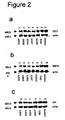
- Figure 1 Detection of osteopontin (a) and bone sialoprotein II (b) in various cell lines
- OPN osteopontin
- BSP II bone sialoprotein II
- ON osteonectin
- ErPC 3 Erucylphospho-NNN-trimethylpropanolamine
- ASO antisense oligonucleotide
- NSO nonsense oligonucleotide
- SIBLING small integrin-binding ligand, N-linked glycoprotein
- ECM extracellular matrix
- FBS fetal bovine serum
- HUSAR Heidelberg UNIX sequence Analysis Resource.
- the present invention relates to a pharmaceutical composition containing at least one compound 8 to 50 nucleobases in length targeted to (a) nucleic acid molecule(s), preferably mRNA, encoding osteopontin, bone sialoprotein II and/or osteonectin, wherein said compound(s) specifically hybridize(s) with and inhibit(s) the expression of the nucleic acid(s) encoding osteopontin, bone sialoprotein II and/or osteonectin.
- nucleic acid molecule(s) preferably mRNA, encoding osteopontin, bone sialoprotein II and/or osteonectin
- Targeting an antisense compound to a particular nucleic acid is a multistep process.
- the targeting process also includes determination of a site or sites within the gene for the antisense interaction to occur such that the desired effect, i.e., inhibiton of expression of the protein, will result.
- a preferred intragenic site is (a) the region encompassing the translation initiation or termination codon of the open reading frame (ORF) of the gene or (b) a region of the mRNA which is a "loop" or “bulge”, i.e., not part of a secondary structure.
- oligonucleotides are chosen which are sufficiently complementary to the target, i.e., hybridize sufficiently well and with sufficient specificity, to give the desired 30 effect.
- hybridization means hydrogen bonding, which may be Watson-Crick, Hoogsteen or reversed Hoogsteen hydrogen bonding, between complementary nucleoside or nucleotide bases.
- Complementary refers to the capacity for precise pairing between two nucleotides.
- oligonucleotide and the DNA or RNA are considered to be complementary to each other at that position.
- the oligonucleotide and the DNA or RNA are complementary to each other when a sufficient number of corresponding positions in each molecule are occupied by nucleotides which can hydrogen bond with each other.
- “specifically hybridizable” and “complementary” are terms which are used to indicate a sufficient degree of complementarity or precise pairing such that stable and specific binding occurs between the oligonucleotide and the DNA or RNA target.
- an antisense compound need not be 100% complementary to that of its target nucleic acid to be specifically hybridizable.
- An antisense compound is specifically hybridizable when binding of the compound to the target DNA or RNA molecule interferes with the normal function of the target DNA or RNA to cause a loss of utility, and there is a sufficient degree of complementarity to avoid nonspecific binding of the antisense compound to non-target sequences under conditions in which specific binding is desired, i.e., in the case of therapeutic treatment.
- Oligonucleotide refers to an oligomer or polymer of ribonucleic acid (RNA) or deoxyribonucleic acid (DNA) or mimetics thereof. This term includes oligonucleotides composed of naturally-occurring nucleobases, sugars and covalent internucleoside (backbone) linkages as well as oligonucleotides having non-naturally-occurring portions which function similarly.
- modified or substituted oligonucleotides are often preferred over native forms because of desirable properties such as, for example, enhanced cellular uptake, enhanced affinity for nucleic acid target and increased stability in the presence of nucleases. While antisense oligonucleotides are a preferred form of the antisense compound, the present invention comprehends other oligomeric antisense compounds, including but not limited to oligonucleotide mimetics such as are described below.
- the antisense compounds in accordance with this invention comprise from about 8 to about 50 nucleobases (i.e. from about 8 to about 50 linked nucleosides).
- antisense compounds are antisense oligonucleotides, even more preferably those comprising from about 15 to about 25 nucleobases.
- Antisense compounds include ribozymes, external guide sequences (EGS), oligonucleotides (oligozymes), and other short catalytic RNAs and RNAi (siRNA) or catalytic oligonucleotides which hybridize to the target nucleic acid and inhibit its expression.
- the pharmaceutical composition of the invention contains a vector allowing to transcribe an antisense oligonucleotide of the invention, e.g., in a mammalian host.
- a vector is a vector useful for gene therapy.
- Preferred vectors useful for gene therapy are viral vectors, e.g. adenovirus, herpes virus, vaccinia, or, more preferably, an RNA virus such as a retrovirus.
- the retroviral vector is a derivative of a murine or avian retrovirus.
- retroviral vectors which can be used in the present invention are: Moloney murine leukemia virus (MoMuLV), Harvey murine sarcoma virus (HaMuSV), murine mammary tumor virus (MuMTV) and Rous sarcoma virus (RSV).
- MoMuLV Moloney murine leukemia virus
- HaMuSV Harvey murine sarcoma virus
- MuMTV murine mammary tumor virus
- RSV Rous sarcoma virus
- a non-human primate retroviral vector is employed, such as the gibbon ape leukemia virus (GaLV), providing a broader host range compared to murine vectors. Since recombinant retroviruses are defective, assistance is required in order to produce infectious particles.
- GaLV gibbon ape leukemia virus
- helper cell lines that contain plasmids encoding all of the structural genes of the retrovirus under the control of regulatory sequences within the LTR.
- Suitable helper cell lines are well known to those skilled in the art.
- Said vectors can additionally contain a gene encoding a selectable marker so that the transduced cells can be identified.
- the retroviral vectors can be modified in such a way that they become target specific. This can be achieved, e.g., by inserting a polynucleotide encoding a sugar, a glycolipid, or a protein, preferably an antibody.
- Those skilled in the art know additional methods for generating target specific vectors. Further suitable vectors and methods for in vitro- or in vivo-gene therapy are described in the literature and are known to the persons skilled in the art; see, e.g., WO 94/29469 or WO 97/00957.
- the DNA sequences for transcription of the antisense oligonucleotides can be linked to a tissue specific promoter and used for gene therapy.
- tissue specific promoters are well known to those skilled in the art (see e.g. Zimmermann et al., (1994) Neuron 12 , 11-24; Vidal et al.; (1990) EMBO J. 9 , 833-840; Mayford et al., (1995), Cell 81 , 891-904; Pinkert et al., (1987) Genes & Dev. 1 , 268-76).
- an antisense compound of the pharmaceutical composition of the present invention has the nucleic acid sequence (a) 5'-CTA ACT TAA AAA ACA AAA GA-3' (ASO-OPN-04), 5'-GCT-TTC-TTC-GTT-TTC-ATT-TC-3' (ASO-BSP II-06), 5'-GGG GGC TGG GCA GCT GGT GG-3' (ASO-ON-03) or 5'-ATG TTA TAG TTC TTC TCG AA-3' (ASO-ON-05) or (b) a nucleic acid sequence which has at least 70%, preferably at least 75%, 80%, 85% or 90%, identity with a nucleic acid sequence of (a).
- the phosphate groups are commonly referred to as forming the internucleoside backbone of the oligonucleotide.
- the normal linkage or backbone of RNA and DNA is a 3' to 5' phosphodiester linkage.
- Specific examples of preferred antisense compounds useful in the present invention include oligonucleotides containing modified backbones or non-natural internucleoside linkages. Oligonucleotides having modified backbones include those that retain a phosphorus atom in the backbone and those that do not have a phosphorus atom in the backbone. Modified oligonucleotide backbones which can result in increased stability are known to the person skilled in the art, preferably such modification is a phosphorothioate linkage.
- a preferred oligonucleotide mimetic is an oligonucleotide mimetic that has been shown to have excellent hybridization properties, and is referred to as a peptide nucleic acid (PNA).
- PNA peptide nucleic acid
- the sugar-backbone of an oligonucleotide is replaced with an amide containing backbone, in particular an aminoethylglycine backbone.
- the nucleobases are retained and are bound directly or indirectly to aza nitrogen atoms of the amide portion of the backbone (see, e.g., Nielsen et al., Science, 25, 1991 , 254, 1497-1500.)
- Modified oligonucleotides may also contain one or more substituted or modified sugar moieties.
- Preferred oligonucleotides comprise one of the following at the 2' position: OH; F; 0-, S-, or N-alkyl; 0-, S-, or N-alkenyl; 0-, S- or N-alkynyl; or O-alkyl-O-alkyl, wherein the alkyl, alkenyl and alkynyl may be substituted or unsubstituted C 1 to C 10 alkyl or C 2 to C 10 alkenyl and alkynyl.
- a particularly preferred modified sugar moiety is a 2'-O-methoxyethyl sugar moiety.
- Oligonucleotides of the invention may also include nucleobase modifications or substitutions.
- Modified nucleobases include other synthetic and natural nucleobases such as 5-methylcytosine (5-me-C), 5-hydroxymethyl cytosine, xanthine, hypoxanthine, 2-aminoadenine, 6-methyl and other alkyl derivatives of adenine and guanine, 2-propyl and other alkyl derivatives of adenine and guanine, 2-thiouracil, 2-thiothymine and 2-thiocytosine etc., with 5-methylcytosine substitutions being preferred since these modifications have been shown to increase nucleic acid duplex stability.
- oligonucleotides of the invention involves chemically linking to the oligonucleotide one or more moieties or conjugates which enhance the activity, cellular distribution or cellular uptake of the oligonucleotide.
- moieties include lipid moieties such as a cholesterol moiety, cholic acid, a thioether, a thiocholesterol, an aliphatic chain, e.g., dodecandiol or undecyl residues, a phospholipid, a polyamine or a polyethylene glycol chain, or adamantane acetic acid, a palmityl moiety, or an octadecylamine or hexylamino-carbonyl-oxycholesterol moiety.
- the present invention also includes antisense compounds which are chimeric compounds.
- "Chimeric” antisense compounds or “chimeras,” in the context of this invention are antisense compounds, particularly oligonucleotides, which contain two or more chemically distinct regions, each made up of at least one monomer unit, i.e., a nucleotide in the case of an oligonucleotide compound. These oligonucleotides typically contain at least one region wherein the oligonucleotide is modified so as to confer upon the oligonucleotide increased resistance to nuclease degradation, increased cellular uptake, and/or increased binding affinity for the target nucleic acid.
- An additional region of the oligonucleotide may serve as a substrate for enzymes capable of cleaving RNA:DNA or RNA:RNA hybrids.
- RNase H is a cellular endonuclease which cleaves the RNA strand of an RNA:DNA duplex. Activation of RNase H, therefore, results in cleavage of the RNA target, thereby greatly enhancing the efficiency of oligonucleotide inhibition of gene expression. Consequently, comparable results can often be obtained with shorter oligonucleotides when chimeric oligonucleotides are used, compared to phosphorothioate deoxyoligonucleotides hybridizing to the same target region.
- Chimeric antisense compounds of the invention may be formed as composite structures of two or more oligonucleotides, modified oligonucleotides, oligonucleosides and/or oligonucleotide mimetics as described above. Such compounds have also been referred to in the art as hybrids or gapmers.
- the antisense compounds of the invention may be conveniently and routinely made through the well-known technique of solid phase synthesis. Equipment for such synthesis is sold by several vendors. Any other means for such synthesis known in the art may additionally or alternatively be employed. Similar techniques can be used for preparing oligonucleotides such as the phosphorothioates and alkylated derivatives.
- the pharmaceutical composition of the present invention additionally contains a cytostatic alkylphosphocholine.
- Suitable alkylphosphocholines are known to the skilled person.
- a preferred example of a cytostatic alkylphosphocholine is erucylphospho-NNN-trimethylpropanolamine (ErPC 3 ).
- Suitable pharmaceutical carriers for the pharmaceutical composition of the present invention are well known in the art and include phosphate buffered saline solutions, water, emulsions, such as oil/water emulsions, various types of wetting agents, sterile solutions etc.
- Such carriers can be formulated by conventional methods and can be administered to the subject at a suitable dose.
- Administration of the suitable compositions may be effected by different ways, e.g. by intravenous, intraperetoneal, subcutaneous, intramuscular, topical or intradermal administration.
- the route of administration depends on the nature of the disease and the kind of compound contained in the pharmaceutical composition.
- the dosage regimen will be determined by the attending physician and other clinical factors.
- dosages for any one patient depends on many factors, including the patient's size, body surface area, age, sex, the particular compound to be administered, time and route of administration, the kind and stage of the disease, e.g., tumor, general health and other drugs being administered concurrently.
- the delivery of the antisense compounds of the present invention can be achieved by direct application or, preferably, by using a recombinant expression vector such as a chimeric virus containing these compounds or a colloidal dispersion system.
- Direct application to the target site can be performed, e.g., by ballistic delivery, as a colloidal dispersion system or by catheter to a site in artery.
- the colloidal dispersion systems which can be used for delivery of the above antisense compounds include macromolecule complexes, nanocapsules, microspheres, beads and lipid-based systems including oil-in-water emulsions (mixed), micelles, liposomes and lipoplexes, The preferred colloidal system is a liposome.
- liposomes provide a slow and/or continuous release of the active compound (antisense compound) which is preferably in some case.
- Organ-specific or cell-specific liposomes can be used in order to achieve delivery only to the desired tissue.
- the targeting of liposomes can be carried out by the person skilled in the art by applying commonly known methods. This targeting includes passive targeting (utilizing the natural tendency of the liposomes to distribute to cells of the RES in organs which contain sinusoidal capillaries) or active targeting (for example by coupling the liposome to a specific ligand, e.g., an antibody, a receptor, sugar, glycolipid, protein etc., by well known methods).
- monoclonal antibodies are preferably used to target liposomes to specific tissues, e.g. tumor tissue, via specific cell-surface ligands.
- the present invention also relates to the use of the compounds of the invention for the preparation of a pharmaceutical composition for the treatment or prevention of bone cancer (primary tumor) or metastasis of several cancer types, preferably for treatment/prevention of metastasis of cancer of the breast, colon, prostate, bone, urinary bladder or colorectal cancer.
- bone cancer primary tumor
- metastasis of several cancer types preferably for treatment/prevention of metastasis of cancer of the breast, colon, prostate, bone, urinary bladder or colorectal cancer.
- Ten cell lines were used for detecting OPN, BSP II, and ON. They were selected from various organs to establish a possibly differential expression of the three proteins. Therefore, the panel consisted of cancer cells derived from the skeleton (SAOS-2), as well as of cells metastasizing into the skeleton (MDA-MB-231 and MDA-MB-435S). In addition, cells without apparent affinity to the skeleton were used for comparison (K562, HL-60, BV-173, MCF-7, T47D, HT29, and ACHN).
- the cell lines were obtained from the ATCC or DSZM, respectively, and were grown in media and supplements as recommended by the two organizations (fetal bovine serum, L-glutamine, insulin, Na-HCO 3 , glucose, hepes, and pyruvate, all from Sigma, Taufkirchen, Germany).
- a MDA-MB-231 subline was generated, which was selected by continuously reducing the FBS content of the medium, until the cells kept growing without FBS. This cell line was denoted as MDA-MB-231 F . All cells were kept in log-phase, and passaged 1-3 times per week depending of their growth rate, and maintained under standard conditions (37°C, humidified atmosphere, 5% CO 2 ).
- MDA-MB-231 colony formation For determining the response of MDA-MB-231 colony formation to exposure with antisense oligonucleotides and erucylphospho-NNN-trimethylpropanolamine (ErPC 3 ) the following procedure was used. MDA-MB-231 cells were treated for various periods of time (see below), harvested and counted. Cells (5000) were then transferred into semi-solid medium containing 0.8% RPMI-methylcellulose and 30% FBS. Cells were plated onto 3.5 cm Petri-dishes (1ml/dish) (NUNC, Wiesbaden, Germany) and usual cell culture conditions (37°C, 5% CO 2 in humidified air) were applied.
- Colony formation (clusters of 30 or more cells) was visualized by staining with 3-[4,5-dimethylthiazol-2-yl]-2,5-diphenyltetrazolium-bromide (MTT; Serva, Heidelberg, Germany) and the resulting dark blue colonies were scored by an inverted microscope after 5-7 days. At least three dishes per treatment protocol were used.
- ASOs antisense oligonucleotides
- Controls included a nonsense oligonucleotide (NSO) derived from HBV genome which served as backbone analog to control for unspecific effects of a 20 bp long phosphorothioate oligomer.
- NSO nonsense oligonucleotide
- its base composition differed only slightly from the mean composition of all ASOs used (A: 3 vs. 4.1; C: 4 vs. 4.4; G: 6 vs. 4.8; T: 7 vs. 6.6).
- Sequence specific effects were controlled by using ASOs differing by three base pairs with regard to the respective cDNA sequence.
- the use of ten ASOs per target gene allowed to include sequences that were scrambled (identical in base composition) except for two bases that were permutated.
- 5 ⁇ 10 5 - 3 ⁇ 10 6 cells were suspended in one ml RPMI 1640 medium without phenol red containing 10 ⁇ M concentrations of the respective ASO or NSO.
- the cells were pulsed two or three times for 2ms at 450 or 350V, respectively, in a 800 ⁇ l cuvette [Eppendorf, Hamburg, Germany] using an electroporation impulse generator (EPI2500, Dr. L. Fischer, Heidelberg, Germany) with the capacitance set at 1200 ⁇ F. Thereafter the cells were plated onto 6 wells plates and grown for 48 - 72 h.
- the alkylphosphocholine ErPC 3 was synthesized and provided by Prof. H. Eibl (MPI of Biophysical Chemistry, Göttingen, FRG). For treating MDA-MB-231 cells, ErPC 3 which was kept as stock solution in ethanol and PBS (10 mM; ratio of diluents 1:1; V:V), was diluted in PBS resulting in final concentrations of 10, 14, and 20 ⁇ M. The medium containing ErPC3 was changed after 24h in all experiments and the cells were further grown for 48 - 72h without ErPC 3 (for details of sequential exposure see below).
- Sequential combination treatment consisted of two or three treatment cycles.
- the two cycle treatment started either with the ASO and was followed by ErPC 3 or was performed with the reverse sequence.
- the three cycle treatment started either with two cycles of ASO followed by ErPC 3 or an initial exposure to ErPC 3 was followed by two cycles with an ASO.
- CI 1
- this equation represents the conservation isobologram and indicates additive effects. CI values less than 1.0 indicate a more than expected additive effect (synergism).
- Transfected cells were incubated, harvested and washed in PBS. Thereafter cells were counted (Neubauer chamber) and cell pellets (2 ⁇ 10 6 cells) were suspended in 200 ⁇ l buffer [0.1 M NaCl, 0.01 M Tris. Cl (pH 7.6), 0.001 M EDTA (pH 8.0)] containing 1 mM PMSF (Sigma), 50 ⁇ g/ml aprotinin (Sigma), 1mM Na 3 VO 4 , and 2 mg/ml leupeptin (Sigma). After that the cells were lysed by adding 200 ⁇ l of lysis buffer [100 mM Tris.
- Cell lysates corresponding to 150,000 cells were loaded onto a 6% SDS polyacrylamide gel, separated by electrophoresis and transferred to a PVDF membrane, blocked with 5% skimmed milk in PBS and incubated with the respective first antibody (OPN: rabbit-antihuman polyclonal or mouse - antihuman monoclonal antibody; ON: rabbit-antihuman polyclonal; BSP II chicken-antihuman or rabbit-antihuman polyclonal [all from Immundiagnostik, Bensheim, Germany]) for 2h in PBS; containing 0.5% milk and 0.5% Triton X-100.
- OPN rabbit-antihuman polyclonal or mouse - antihuman monoclonal antibody
- ON rabbit-antihuman polyclonal
- BSP II chicken-antihuman or rabbit-antihuman polyclonal [all from Immundiagnostik, Bensheim, Germany] for 2h in PBS; containing 0.5% milk and 0.5% Triton X-100.
- an HRP-conjugated anti-mouse, anti-rabbit or anti-chicken secondary antibody (all from Immundiagnostik, Bensheim, Germany) and ECL (Amersham Biosciences, Freiburg, Germany) were used to detect the respective proteins by exposing the membrane to an X ray film (Kodak Biomax, Rochester, New York). To control for variations in loading, the membranes were stripped for 30 min. at 56°C in stripping solution (62.5 mM Tris HCl, (pH 6.8); 2% SDS; 0.007% ⁇ -mercaptoethanol). Thereafter they were reprobed with an antibody against ⁇ -actin (mouse monoclonal antibody, Santa Cruz Biotechnology, Santa Cruz, CA, USA), and a secondary goat anti mouse polyclonal antibody (Santa Cruz Biotechnology).
- the X-ray films were processed by an automatic developing machine (Curix 60, Agfa, GmbH, Germany) and the resulting images were scanned by using a digital imaging Program (Adobe photoshop 6.0, Adobe Systems Incorporated). Digitized bands of the respective proteins were given as percent of control and corrected for differences in loading by referring to the intensity of the ⁇ -actin band.
- Nude rats were obtained from Harlan (Harlan comp, Borchen, Germany) at an age of 6 to 8 weeks. They were housed under specific pathogen free conditions in a mini-barrier system of the central animal facility. Autoclaved feed and water was given ad libitum to the animals which were maintained under controlled conditions (21 ⁇ 2°C room temperature, 60% humidity, 12 h light dark rhythm).
- OPN and BSP II in a panel of eleven cell lines is shown in Figure 1.
- the antibody directed against OPN recognized multiple bands with an apparent molecular weight ranging between 60 and 100 kD. It seems noteworthy, that all cell lines expressed OPN, but the expression level varied between low (MDA-MB-231F, BV-173), intermediate (MCF-7, SAOS-2) and high (MDA-MB-231, MDA-MB-435s, T47D, HT-29, HL-60, and ACHN).
- MDA-MB-231F, BV-173 intermediate
- MMF-7 intermediate
- SAOS-2 SAOS-231
- MDA-MB-435s T47D
- HT-29 HT-29
- HL-60 HL-60
- ACHN ACHN
- the BSP II antibody recognized two main bands with an apparent molecular weight of 80 kD or higher. Grouping by expression level allowed differentiation between low (MDA-MB-231F), intermediate (K-562), and high levels (all other cell lines).
- the ON antibody used at first recognized a protein of about 33 kD size.
- ASO-OPN-04, ASO-BSPII-06, and ASO-ON-03 and 05 were the most effective structures within the respective series.
- Single exposure of cells was enough to reduce the osteopontin expression by 84% in response to ASO-OPN-04. This effect was not increased by repeating the ASO exposure but the protein concentration was kept at a comparable level (77%).
- a similar efficacy was obtained for ASO-BSPII-06, which caused a by 84% reduced bone sialoprotein expression following single exposure and a by 81% reduced protein level following twofold exposure.
- MDA-MB-231 cells growing without FBS were less sensitive to ASO exposure, but MDA-MB-435s cells were at least as sensitive as MDA-MB-231 cells.
- ASO-ON-03 and 05 were similarly active in reducing osteonectin in MDA-MB-231 cells as shown by decreases of 75% and 70%, respectively. Again, MDA-MB-435s cells were as sensitive as MDA-MB231 cells, but MDA-MB231 cells growing without FBS were more sensitive to ASO exposure.
- MDA-MB-231 colony formation The inhibition of MDA-MB-231 colony formation is shown in Tables 3-6. Single exposure to the ASOs considered optimal is shown in Table 3. Inhibition of colony formation of MDA-MB-231 breast cancer cells following single treatment with antisense oligonucleotides directed against osteopontin, bone sialoprotein, osteonectin, and the alkylphosphocholine ErPC 3 . Experiment I Treatment Concentration Mean colony no.
- Control - 778 12 100 ASO-OPN-4 5 ⁇ M 658 48 85 10 ⁇ M 475 12 61 20 ⁇ M 416 32 53 ASO-BSPII-6 5 ⁇ M 692 12 89 10 ⁇ M 632 19 81 20 ⁇ M 478 55 61 ErPC 3 10 ⁇ M 691 9 89 14 ⁇ M 425 28 55 20 ⁇ M 169 16 22
- Control - 705 14 100 NSO 20 ⁇ M 676 15 96 ASO-ON-3 5 ⁇ M 648 42 92 10 ⁇ M 576 28 82 20 ⁇ M 514 43 73 ErPC 3 10 ⁇ M 621 8) 10 88 14 ⁇ M 385 7) 24 55 20 ⁇ M 173 17 25
- ASO-OPN-04 Repeated exposure to ASO-OPN-04 (Tab. 5) was more effective than single exposure to this agent, as shown by colony number reduction. Twofold exposure to ASO-OPN-04 at 5 ⁇ M reduced colony counts by 16%, and by 60% at 20 ⁇ M. Interestingly, repeated exposure to ASO-BSP II-06 caused no increased inhibition of colony formation as compared with single exposure. The combination of this treatment schedule plus a final exposure to ErPC 3 (14 ⁇ M) caused an additive effect, as shown by 76% to 83% (ASO-OPN-04) and 61% to 75% (ASO-BSPII-06) reduced colony numbers, respectively (Table 5).
- Nude rats that received 1x10 5 untreated or NSO-treated MDA-MB-231 breast cancer cells developed bone metastasis in four of four cases (Table 7; c.f. Fig. 3). The metastatic lesions were detectable for the first time after four weeks [mean size of the two control groups: 197 relative units (R.U)] and doubled in size until week eight (mean size of the two control groups: 416 R.U.). Three of four rats that received 1x10 5 MDA-MB-231 breast cancer cells pretreated with the ASO directed against OPN, developed no discernible metastasis within the observation period (p 0.028).
- the ASOs directed against the start codon (ASO-OPN-01) and a loop after the stop codon (ASO-OPN-04) were most effective in down regulating the protein.
- the fact that an ASO directed towards a sequence after the stop codon is active in suppressing the expression of OPN hints to an activity against pre-mRNA or a triplex formation with DNA and that sufficient concentrations are obtained in the nucleus.
- ASO-OPN-04 over ASO-OPN-05 might be explained by the increased accessibility of the respective target structures: whereas ASO-OPN-04 can hybridize with 17 nucleotides (85% of total ASO length) to an accessible target site, ASO-OPN-05 can do so only with 14 nucleotides (70% of total ASO-length).
- the ASO-pair directed against the region of the start codon was less effective than those directed against the largest loop of the molecule (ASO-BSP II-05 and ASO-BSP II-06). From these two, ASO-BSP II-06 was more effective, in line with its hybridization to a closely neighboring loop. Also, the ASO pair directed to the region of the stop codon was more effective than the average with ASO-10 being slightly superior to ASO-BSPII-09, presumably because ASO-10 can hybridize to the loop as well as a pair of unpaired nucleotides.
- ASO-ON-1 For ON, the ASO directed against the start codon (ASO-ON-1) was of average activity, as well as those directed to sites after the stop codon (ASO-ON-08 - ASO-ON-10). The highest activity was associated with two ASOs (ASO-ON-03 and ASO-ON-05) spanning over a small series of bulges. However, no ASO was really outstanding over all other structures.
Landscapes
- Health & Medical Sciences (AREA)
- Life Sciences & Earth Sciences (AREA)
- Chemical & Material Sciences (AREA)
- Engineering & Computer Science (AREA)
- Genetics & Genomics (AREA)
- Biomedical Technology (AREA)
- Molecular Biology (AREA)
- Organic Chemistry (AREA)
- Biotechnology (AREA)
- Biochemistry (AREA)
- Bioinformatics & Cheminformatics (AREA)
- Wood Science & Technology (AREA)
- Zoology (AREA)
- General Engineering & Computer Science (AREA)
- General Health & Medical Sciences (AREA)
- Plant Pathology (AREA)
- Microbiology (AREA)
- Biophysics (AREA)
- Physics & Mathematics (AREA)
- Medicinal Chemistry (AREA)
- Pharmacology & Pharmacy (AREA)
- Animal Behavior & Ethology (AREA)
- Public Health (AREA)
- Veterinary Medicine (AREA)
- Oncology (AREA)
- Epidemiology (AREA)
- Chemical Kinetics & Catalysis (AREA)
- General Chemical & Material Sciences (AREA)
- Nuclear Medicine, Radiotherapy & Molecular Imaging (AREA)
- Endocrinology (AREA)
- Pharmaceuticals Containing Other Organic And Inorganic Compounds (AREA)
- Medicines That Contain Protein Lipid Enzymes And Other Medicines (AREA)
Priority Applications (6)
| Application Number | Priority Date | Filing Date | Title |
|---|---|---|---|
| EP03020789A EP1514929A1 (de) | 2003-09-12 | 2003-09-12 | Antisense Oligonukleotide zur Hemmung der Krebsmetastasierung |
| CA002538883A CA2538883A1 (en) | 2003-09-12 | 2004-09-01 | Antisense oligonucleotides for prevention of metastasis formation of cancer cells |
| US10/572,010 US20090017103A1 (en) | 2003-09-12 | 2004-09-01 | Antisense oligonucleotides for prevention of metastasis formation of cancer cells |
| EP04786905A EP1678302A1 (de) | 2003-09-12 | 2004-09-01 | Antisense oligonukleotide zur hemmung der krebsmetastasierung |
| AU2004272700A AU2004272700A1 (en) | 2003-09-12 | 2004-09-01 | Antisense oligonucleotides for prevention of metastasis formation of cancer cells |
| PCT/EP2004/009738 WO2005026357A1 (en) | 2003-09-12 | 2004-09-01 | Antisense oligonucleotides for prevention of metastasis formation of cancer cells |
Applications Claiming Priority (1)
| Application Number | Priority Date | Filing Date | Title |
|---|---|---|---|
| EP03020789A EP1514929A1 (de) | 2003-09-12 | 2003-09-12 | Antisense Oligonukleotide zur Hemmung der Krebsmetastasierung |
Publications (1)
| Publication Number | Publication Date |
|---|---|
| EP1514929A1 true EP1514929A1 (de) | 2005-03-16 |
Family
ID=34130208
Family Applications (2)
| Application Number | Title | Priority Date | Filing Date |
|---|---|---|---|
| EP03020789A Withdrawn EP1514929A1 (de) | 2003-09-12 | 2003-09-12 | Antisense Oligonukleotide zur Hemmung der Krebsmetastasierung |
| EP04786905A Withdrawn EP1678302A1 (de) | 2003-09-12 | 2004-09-01 | Antisense oligonukleotide zur hemmung der krebsmetastasierung |
Family Applications After (1)
| Application Number | Title | Priority Date | Filing Date |
|---|---|---|---|
| EP04786905A Withdrawn EP1678302A1 (de) | 2003-09-12 | 2004-09-01 | Antisense oligonukleotide zur hemmung der krebsmetastasierung |
Country Status (5)
| Country | Link |
|---|---|
| US (1) | US20090017103A1 (de) |
| EP (2) | EP1514929A1 (de) |
| AU (1) | AU2004272700A1 (de) |
| CA (1) | CA2538883A1 (de) |
| WO (1) | WO2005026357A1 (de) |
Cited By (8)
| Publication number | Priority date | Publication date | Assignee | Title |
|---|---|---|---|---|
| WO2009102438A3 (en) * | 2008-02-11 | 2009-10-08 | Duke University | Aptamer inhibitors of osteopontin and methods of use thereof |
| WO2009097077A3 (en) * | 2008-01-07 | 2010-02-04 | Coda Therapeutics, Inc. | Wound healing compositions and treatments |
| WO2012110457A3 (en) * | 2011-02-14 | 2013-03-28 | Santaris Pharma A/S | Compounds for the modulation of osteopontin expression |
| US8975237B2 (en) | 2007-12-21 | 2015-03-10 | Coda Therapeutics, Inc. | Treatment of fibrotic conditions |
| US9248141B2 (en) | 2005-02-03 | 2016-02-02 | Coda Therapeutics, Inc. | Methods of treatment by administering anti-connexin proteins and mimetics |
| US10465188B2 (en) | 2014-08-22 | 2019-11-05 | Auckland Uniservices Limited | Channel modulators |
| US11466069B2 (en) | 2017-04-28 | 2022-10-11 | Auckland Uniservices Limited | Methods of treatment and novel constructs |
| US12667586B2 (en) | 2023-03-07 | 2026-06-30 | Glaukos Corporation | Treatments for ocular surface disorders |
Families Citing this family (7)
| Publication number | Priority date | Publication date | Assignee | Title |
|---|---|---|---|---|
| CA2802143C (en) | 2003-01-14 | 2018-06-19 | Dana-Farber Cancer Institute | Sparc encoding polynucleotide as a cancer therapy sensitizer |
| KR101121180B1 (ko) | 2009-04-30 | 2012-03-23 | 서울대학교산학협력단 | 오스테오폰틴의 돌연변이체를 함유하는 폐암 예방 및 치료용 조성물 |
| JP2012532613A (ja) * | 2009-07-09 | 2012-12-20 | アブラクシス バイオサイエンス リミテッド ライアビリティー カンパニー | Sparcアンチセンス組成物及びその使用 |
| WO2011084815A1 (en) * | 2009-12-21 | 2011-07-14 | Board Of Trustees Of Southern Illinois University | Inhibition of ubc9-mediated cancer cell invasion and metastasis |
| WO2011137441A2 (en) * | 2010-04-30 | 2011-11-03 | Abraxis Bioscience, Llc | Sparc binding aptamers and uses thereof |
| WO2018174696A1 (ru) * | 2017-03-18 | 2018-09-27 | Каирберлы МУХАМЕГЖАНОВ | Применение антисмыслового олигонуклеотида в качестве средства для лечения больных со злокачественными новообразованиями |
| AU2020343106B2 (en) | 2019-09-03 | 2025-04-10 | Sovargen Co., Ltd. | Composition for diagnosing or treating conditions associated with increased eIF4E activity comprising eIF4E inhibitor |
Citations (3)
| Publication number | Priority date | Publication date | Assignee | Title |
|---|---|---|---|---|
| WO1998029138A2 (en) * | 1996-12-27 | 1998-07-09 | Instituto De Investigaciones Bioquimicas Fundacion Campomar | Compositions and methods for tumour therapy |
| WO2002025285A1 (en) * | 2000-09-20 | 2002-03-28 | The University Of Liverpool | Prognostic indicator |
| WO2002100899A2 (de) * | 2001-06-13 | 2002-12-19 | Osteopep-Pharma Gmbh | Arzneimittel zur behandlung von tumoren und deren metastasen unter verwendung eines bindemoleküls gegen das bone-sialoprotein |
-
2003
- 2003-09-12 EP EP03020789A patent/EP1514929A1/de not_active Withdrawn
-
2004
- 2004-09-01 CA CA002538883A patent/CA2538883A1/en not_active Abandoned
- 2004-09-01 AU AU2004272700A patent/AU2004272700A1/en not_active Abandoned
- 2004-09-01 EP EP04786905A patent/EP1678302A1/de not_active Withdrawn
- 2004-09-01 WO PCT/EP2004/009738 patent/WO2005026357A1/en not_active Ceased
- 2004-09-01 US US10/572,010 patent/US20090017103A1/en not_active Abandoned
Patent Citations (3)
| Publication number | Priority date | Publication date | Assignee | Title |
|---|---|---|---|---|
| WO1998029138A2 (en) * | 1996-12-27 | 1998-07-09 | Instituto De Investigaciones Bioquimicas Fundacion Campomar | Compositions and methods for tumour therapy |
| WO2002025285A1 (en) * | 2000-09-20 | 2002-03-28 | The University Of Liverpool | Prognostic indicator |
| WO2002100899A2 (de) * | 2001-06-13 | 2002-12-19 | Osteopep-Pharma Gmbh | Arzneimittel zur behandlung von tumoren und deren metastasen unter verwendung eines bindemoleküls gegen das bone-sialoprotein |
Non-Patent Citations (5)
| Title |
|---|
| ADWAN HASSAN ET AL: "Inhibition of cell migration following exposure to antisense oligonucleotides against osteopontin, bone sialoprotein, and osteonectin.", PROCEEDINGS OF THE AMERICAN ASSOCIATION FOR CANCER RESEARCH ANNUAL, vol. 44, July 2003 (2003-07-01), 94th Annual Meeting of the American Association for Cancer Research;Washington, DC, USA; July 11-14, 2003, July 2003, pages 56, XP001179152, ISSN: 0197-016X * |
| JENDROSSEK VERENA ET AL: "Structure-activity relationships of alkylphosphocholine derivatives: Antineoplastic action on brain tumor cell lines in vitro", CANCER CHEMOTHERAPY AND PHARMACOLOGY, vol. 50, no. 1, July 2002 (2002-07-01), pages 71 - 79, XP002270301, ISSN: 0344-5704 * |
| KONSTANTINOV SPIRO M ET AL: "Combination with an antisense oligonucleotide synergistically improves the antileukemic efficacy of erucylphospho-N,N,N-trimethylpropylammo nium in chronic myeloid leukemia cell lines", MOLECULAR CANCER THERAPEUTICS, vol. 1, no. 10, August 2002 (2002-08-01), pages 877 - 884, XP002270302, ISSN: 1535-7163 * |
| PRITCHARD ET AL: "Is the expression of osteopontin and bone sialoprotein greater in breast cancer bone metastases compared to other metastatic sites", EUROPEAN SYMPOSIUM ON CALCIFIED TISSUES, vol. 20, no. 4S, 25 April 1997 (1997-04-25), pages 63S, XP002107804 * |
| WEBER G F: "The metastasis gene osteopontin: A candidate target for cancer therapy", BIOCHIMICA ET BIOPHYSICA ACTA - REVIEWS ON CANCER 28 DEC 2001 NETHERLANDS, vol. 1552, no. 2, 28 December 2001 (2001-12-28), pages 61 - 85, XP002270300, ISSN: 0304-419X * |
Cited By (11)
| Publication number | Priority date | Publication date | Assignee | Title |
|---|---|---|---|---|
| US9248141B2 (en) | 2005-02-03 | 2016-02-02 | Coda Therapeutics, Inc. | Methods of treatment by administering anti-connexin proteins and mimetics |
| US10201590B2 (en) | 2005-02-03 | 2019-02-12 | Ocunexus Therapeutics, Inc. | Treatment of ocular disorders with anti-connexin proteins and mimetics |
| US8975237B2 (en) | 2007-12-21 | 2015-03-10 | Coda Therapeutics, Inc. | Treatment of fibrotic conditions |
| US9738892B2 (en) | 2007-12-21 | 2017-08-22 | Coda Therapeutics, Inc. | Treatment of fibrotic conditions |
| WO2009097077A3 (en) * | 2008-01-07 | 2010-02-04 | Coda Therapeutics, Inc. | Wound healing compositions and treatments |
| WO2009102438A3 (en) * | 2008-02-11 | 2009-10-08 | Duke University | Aptamer inhibitors of osteopontin and methods of use thereof |
| WO2012110457A3 (en) * | 2011-02-14 | 2013-03-28 | Santaris Pharma A/S | Compounds for the modulation of osteopontin expression |
| US10465188B2 (en) | 2014-08-22 | 2019-11-05 | Auckland Uniservices Limited | Channel modulators |
| US11401516B2 (en) | 2014-08-22 | 2022-08-02 | Auckland Uniservices Limited | Channel modulators |
| US11466069B2 (en) | 2017-04-28 | 2022-10-11 | Auckland Uniservices Limited | Methods of treatment and novel constructs |
| US12667586B2 (en) | 2023-03-07 | 2026-06-30 | Glaukos Corporation | Treatments for ocular surface disorders |
Also Published As
| Publication number | Publication date |
|---|---|
| US20090017103A1 (en) | 2009-01-15 |
| WO2005026357A1 (en) | 2005-03-24 |
| EP1678302A1 (de) | 2006-07-12 |
| CA2538883A1 (en) | 2005-03-24 |
| AU2004272700A1 (en) | 2005-03-24 |
Similar Documents
| Publication | Publication Date | Title |
|---|---|---|
| Adwan et al. | Downregulation of osteopontin and bone sialoprotein II is related to reduced colony formation and metastasis formation of MDA-MB-231 human breast cancer cells | |
| US20090017103A1 (en) | Antisense oligonucleotides for prevention of metastasis formation of cancer cells | |
| US7235534B2 (en) | Antisense strategy to modulate estrogen receptor response (ER α and/or ER β ) | |
| KR101697396B1 (ko) | 결합 조직 성장 인자(ctgf)를 표적으로 하는 안티센스 화합물을 사용하여 켈로이드 또는 비후성 흉터를 치료하는 방법 | |
| JP3054745B2 (ja) | raf遺伝子発現のアンチセンスオリゴヌクレオチド調節 | |
| JPH09507502A (ja) | raf遺伝子発現のアンチセンスオリゴヌクレオチド調節 | |
| EP3033425A1 (de) | Zusammensetzungen und verfahren zur modulation der expression von frataxin | |
| EP0458829A1 (de) | Verfahren und zubereitungen zur krebsbehandlung mit oligonukleotiden. | |
| US6458590B1 (en) | Methods and compositions for treatment of restenosis | |
| TW202132567A (zh) | 亨汀頓蛋白(HTT)iRNA劑組成物及其使用方法 | |
| TW202229551A (zh) | 用於治療或預防SNCA相關的神經退化性疾病的SNCA iRNA組成物及其使用方法 | |
| US6080727A (en) | Oligonucleotide treatments and compositions for human melanoma | |
| WO2017062816A2 (en) | Compounds and methods for modulating angiotensinogen expression | |
| US6015893A (en) | Oligonucleoside compounds and methods for inhibiting tumor growth, invasion and metastasis | |
| EP0668782B1 (de) | Die kombination von antineoplastischen mitteln und antisense-oligonukleotiden bei der behandlung von krebs | |
| WO2004092379A2 (en) | Method for treatment of angiogenic disorders | |
| WO2004092378A2 (en) | Method for treatment of cancerous angiogenic disorders | |
| WO1993009789A1 (en) | Treatment of melanoma with antisense oligonucleotides to c-myb proto-oncogene | |
| EP4265277A1 (de) | Zusammensetzung zur prävention oder behandlung von glioblastom mit peptidnukleinsäurekomplex als wirkstoff | |
| US7074768B2 (en) | Modified protein kinase A-specific oligonucleotides and methods of their use | |
| TW202334418A (zh) | 杭丁頓(HTT)iRNA劑組成物及其使用方法 | |
| US12263205B2 (en) | Methods of improving anemias by combining agents | |
| US7671035B2 (en) | Epidermal growth factor receptor antisense oligonucleotides | |
| WO1998013072A1 (en) | Compositions for and methods of treating multiple drug resistance | |
| US20050261226A1 (en) | Methods and compositions for the treatment of cancer with oligonucleotides directed against Egr-1 |
Legal Events
| Date | Code | Title | Description |
|---|---|---|---|
| PUAI | Public reference made under article 153(3) epc to a published international application that has entered the european phase |
Free format text: ORIGINAL CODE: 0009012 |
|
| AK | Designated contracting states |
Kind code of ref document: A1 Designated state(s): AT BE BG CH CY CZ DE DK EE ES FI FR GB GR HU IE IT LI LU MC NL PT RO SE SI SK TR |
|
| AX | Request for extension of the european patent |
Extension state: AL LT LV MK |
|
| AKX | Designation fees paid | ||
| REG | Reference to a national code |
Ref country code: DE Ref legal event code: 8566 |
|
| STAA | Information on the status of an ep patent application or granted ep patent |
Free format text: STATUS: THE APPLICATION IS DEEMED TO BE WITHDRAWN |
|
| 18D | Application deemed to be withdrawn |
Effective date: 20050917 |