EP1514928B1 - Method for producing antibodies using baculoviruses - Google Patents
Method for producing antibodies using baculoviruses Download PDFInfo
- Publication number
- EP1514928B1 EP1514928B1 EP03733287.1A EP03733287A EP1514928B1 EP 1514928 B1 EP1514928 B1 EP 1514928B1 EP 03733287 A EP03733287 A EP 03733287A EP 1514928 B1 EP1514928 B1 EP 1514928B1
- Authority
- EP
- European Patent Office
- Prior art keywords
- antibody
- baculovirus
- gene
- pept1
- antibodies
- Prior art date
- Legal status (The legal status is an assumption and is not a legal conclusion. Google has not performed a legal analysis and makes no representation as to the accuracy of the status listed.)
- Expired - Lifetime
Links
Images



Classifications
-
- C—CHEMISTRY; METALLURGY
- C12—BIOCHEMISTRY; BEER; SPIRITS; WINE; VINEGAR; MICROBIOLOGY; ENZYMOLOGY; MUTATION OR GENETIC ENGINEERING
- C12N—MICROORGANISMS OR ENZYMES; COMPOSITIONS THEREOF; PROPAGATING, PRESERVING, OR MAINTAINING MICROORGANISMS; MUTATION OR GENETIC ENGINEERING; CULTURE MEDIA
- C12N15/00—Mutation or genetic engineering; DNA or RNA concerning genetic engineering, vectors, e.g. plasmids, or their isolation, preparation or purification; Use of hosts therefor
- C12N15/09—Recombinant DNA-technology
- C12N15/63—Introduction of foreign genetic material using vectors; Vectors; Use of hosts therefor; Regulation of expression
- C12N15/79—Vectors or expression systems specially adapted for eukaryotic hosts
- C12N15/85—Vectors or expression systems specially adapted for eukaryotic hosts for animal cells
- C12N15/8509—Vectors or expression systems specially adapted for eukaryotic hosts for animal cells for producing genetically modified animals, e.g. transgenic
-
- A—HUMAN NECESSITIES
- A01—AGRICULTURE; FORESTRY; ANIMAL HUSBANDRY; HUNTING; TRAPPING; FISHING
- A01K—ANIMAL HUSBANDRY; AVICULTURE; APICULTURE; PISCICULTURE; FISHING; REARING OR BREEDING ANIMALS, NOT OTHERWISE PROVIDED FOR; NEW BREEDS OF ANIMALS
- A01K67/00—Rearing or breeding animals, not otherwise provided for; New or modified breeds of animals
- A01K67/027—New or modified breeds of vertebrates
- A01K67/0275—Genetically modified vertebrates, e.g. transgenic
-
- C—CHEMISTRY; METALLURGY
- C07—ORGANIC CHEMISTRY
- C07K—PEPTIDES
- C07K14/00—Peptides having more than 20 amino acids; Gastrins; Somatostatins; Melanotropins; Derivatives thereof
- C07K14/005—Peptides having more than 20 amino acids; Gastrins; Somatostatins; Melanotropins; Derivatives thereof from viruses
-
- C—CHEMISTRY; METALLURGY
- C07—ORGANIC CHEMISTRY
- C07K—PEPTIDES
- C07K16/00—Immunoglobulins [IG], e.g. monoclonal or polyclonal antibodies
-
- C—CHEMISTRY; METALLURGY
- C07—ORGANIC CHEMISTRY
- C07K—PEPTIDES
- C07K16/00—Immunoglobulins [IG], e.g. monoclonal or polyclonal antibodies
- C07K16/18—Immunoglobulins [IG], e.g. monoclonal or polyclonal antibodies against material from animals or humans
-
- C—CHEMISTRY; METALLURGY
- C07—ORGANIC CHEMISTRY
- C07K—PEPTIDES
- C07K16/00—Immunoglobulins [IG], e.g. monoclonal or polyclonal antibodies
- C07K16/18—Immunoglobulins [IG], e.g. monoclonal or polyclonal antibodies against material from animals or humans
- C07K16/28—Immunoglobulins [IG], e.g. monoclonal or polyclonal antibodies against material from animals or humans against receptors, cell surface antigens or cell surface determinants
- C07K16/30—Immunoglobulins [IG], e.g. monoclonal or polyclonal antibodies against material from animals or humans against receptors, cell surface antigens or cell surface determinants from tumour cells
- C07K16/3076—Immunoglobulins [IG], e.g. monoclonal or polyclonal antibodies against material from animals or humans against receptors, cell surface antigens or cell surface determinants from tumour cells against structure-related tumour-associated moieties
-
- A—HUMAN NECESSITIES
- A01—AGRICULTURE; FORESTRY; ANIMAL HUSBANDRY; HUNTING; TRAPPING; FISHING
- A01K—ANIMAL HUSBANDRY; AVICULTURE; APICULTURE; PISCICULTURE; FISHING; REARING OR BREEDING ANIMALS, NOT OTHERWISE PROVIDED FOR; NEW BREEDS OF ANIMALS
- A01K2217/00—Genetically modified animals
- A01K2217/05—Animals comprising random inserted nucleic acids (transgenic)
-
- A—HUMAN NECESSITIES
- A01—AGRICULTURE; FORESTRY; ANIMAL HUSBANDRY; HUNTING; TRAPPING; FISHING
- A01K—ANIMAL HUSBANDRY; AVICULTURE; APICULTURE; PISCICULTURE; FISHING; REARING OR BREEDING ANIMALS, NOT OTHERWISE PROVIDED FOR; NEW BREEDS OF ANIMALS
- A01K2227/00—Animals characterised by species
- A01K2227/10—Mammal
- A01K2227/105—Murine
-
- A—HUMAN NECESSITIES
- A01—AGRICULTURE; FORESTRY; ANIMAL HUSBANDRY; HUNTING; TRAPPING; FISHING
- A01K—ANIMAL HUSBANDRY; AVICULTURE; APICULTURE; PISCICULTURE; FISHING; REARING OR BREEDING ANIMALS, NOT OTHERWISE PROVIDED FOR; NEW BREEDS OF ANIMALS
- A01K2267/00—Animals characterised by purpose
- A01K2267/01—Animal expressing industrially exogenous proteins
-
- A—HUMAN NECESSITIES
- A01—AGRICULTURE; FORESTRY; ANIMAL HUSBANDRY; HUNTING; TRAPPING; FISHING
- A01K—ANIMAL HUSBANDRY; AVICULTURE; APICULTURE; PISCICULTURE; FISHING; REARING OR BREEDING ANIMALS, NOT OTHERWISE PROVIDED FOR; NEW BREEDS OF ANIMALS
- A01K2267/00—Animals characterised by purpose
- A01K2267/02—Animal zootechnically ameliorated
-
- A—HUMAN NECESSITIES
- A61—MEDICAL OR VETERINARY SCIENCE; HYGIENE
- A61K—PREPARATIONS FOR MEDICAL, DENTAL OR TOILETRY PURPOSES
- A61K39/00—Medicinal preparations containing antigens or antibodies
- A61K2039/505—Medicinal preparations containing antigens or antibodies comprising antibodies
-
- A—HUMAN NECESSITIES
- A61—MEDICAL OR VETERINARY SCIENCE; HYGIENE
- A61K—PREPARATIONS FOR MEDICAL, DENTAL OR TOILETRY PURPOSES
- A61K39/00—Medicinal preparations containing antigens or antibodies
- A61K2039/51—Medicinal preparations containing antigens or antibodies comprising whole cells, viruses or DNA/RNA
- A61K2039/525—Virus
- A61K2039/5256—Virus expressing foreign proteins
-
- A—HUMAN NECESSITIES
- A61—MEDICAL OR VETERINARY SCIENCE; HYGIENE
- A61K—PREPARATIONS FOR MEDICAL, DENTAL OR TOILETRY PURPOSES
- A61K38/00—Medicinal preparations containing peptides
-
- C—CHEMISTRY; METALLURGY
- C12—BIOCHEMISTRY; BEER; SPIRITS; WINE; VINEGAR; MICROBIOLOGY; ENZYMOLOGY; MUTATION OR GENETIC ENGINEERING
- C12N—MICROORGANISMS OR ENZYMES; COMPOSITIONS THEREOF; PROPAGATING, PRESERVING, OR MAINTAINING MICROORGANISMS; MUTATION OR GENETIC ENGINEERING; CULTURE MEDIA
- C12N2710/00—MICROORGANISMS OR ENZYMES; COMPOSITIONS THEREOF; PROPAGATING, PRESERVING, OR MAINTAINING MICROORGANISMS; MUTATION OR GENETIC ENGINEERING; CULTURE MEDIA dsDNA viruses
- C12N2710/00011—Details
- C12N2710/14011—Baculoviridae
- C12N2710/14111—Nucleopolyhedrovirus, e.g. autographa californica nucleopolyhedrovirus
- C12N2710/14122—New viral proteins or individual genes, new structural or functional aspects of known viral proteins or genes
Definitions
- This invention relates to methods for producing antibodies.
- the disclosure also relates to the antibodies obtained by the methods of this invention.
- This invention further relates to transgenic mice useful for the production of antibodies generated by the methods of this invention.
- Antibodies are useful as therapeutic agents, diagnostic agents, or reagents for various diseases. Many kinds of antibodies have been isolated to date. General methods for producing antibodies comprise the steps of administering antigens to mammals such as mice; and obtaining antibodies derived from the serum of these animals. However, subject antibodies are not always obtained efficiently by antibody production methods, as in the following cases, for example:
- Membrane proteins are one example of antigens for which immunogens are difficult to prepare. Generally, membrane proteins are often difficult to highly express or sufficiently purify. These difficulties have been an obstacle in obtaining antibodies against membrane proteins.
- baculovirus-derived membrane proteins are also expressed on the membrane surface of the baculoviruses thus obtained.
- budding baculoviruses are used as antigens, antibodies against baculovirus-derived membrane proteins may also be produced. Accordingly, it has been difficult to efficiently produce antibodies against subject membrane proteins by using known immunization methods.
- immunization using budding baculoviruses as antigens often induces antibodies that recognize gp64.
- the membrane proteins of baculoviruses comprise large quantities of gp64.
- immunized animals can easily recognize gp64 as "nonself”. Consequently, budding baculoviruses can be thought to preferentially induce anti-gp64 antibodies.
- An objective of the present invention is to solve the above-described problems.
- an objective of this invention is to provide methods for producing antibodies that enable target antibodies to be easily obtained.
- an objective of this invention is to provide transgenic mice that efficiently produce subject antibodies.
- the inventors focused on antigens that are comprised in immunogens and that interfere with the production of subject antibodies. Then, the inventors thought that a subject antibody could be easily obtained by using immunized animals whose immune response to such interfering antigens is repressed. Furthermore, the inventors found that the above-described problems can be solved by utilizing immunotolerance to the antigens that interfere with production of the subject antibodies, to control the immune responses of the immunized animals, and thereby complete the present invention.
- the present invention relates to methods for producing antibodies, transgenic mice useful for these methods, and methods for producing these non-human animals.
- the present invention is defined in the appended claims.
- This disclosure relates to methods for producing antibodies which recognize target antigens, wherein the methods comprise the step of immunizing immunogens that comprise a target antigen and a background antigen, to non-human animals with immunotolerance to the background antigen comprised in the immunogen.
- target antigen denotes antigens recognized by subject antibodies.
- the target antigens can be selected from any compound comprising antigenicity. Specifically, proteins, sugar chains, lipids, or inorganic substances are known to comprise antigenicity.
- the target antigens may be naturally occurring or artificially synthesized.
- the artificially synthesized target antigens comprise recombinant proteins prepared by genetic engineering technology, and many kinds of chemically-synthesized organic compounds.
- background antigen denotes substances comprising antigenic determinants for which antibody generation is not desired, or denotes the antigenic determinants themselves.
- any antigenic substance that is not a target antigen, but which is contaminated within the target antigen is a background antigen.
- Typical background antigens are proteins contaminated within crudely purified target antigens. More specifically, host cell-derived proteins in a recombinant protein are examples of background antigens.
- background antigen may also be defined to mean antigens that are comprised within an immunogen for inducing subject antibody generation, and that induce production of a non-subject antibody.
- a background antigen is an antigenic substance other than a target antigen.
- antigenic determinants present on target antigen molecules may also be referred to as background antigens.
- the antigenic determinant is defined as a background antigen.
- the background antigens of the present invention include substances that comprise antigenic determinants as background antigens, yet do not comprise target antigens.
- preferable background antigens are proteins, peptides, sugars, or glycoproteins. Of these, proteins or peptides are particularly preferable background antigens.
- peptide denotes, for example, polypeptides that consist of 100 or fewer amino acid residues.
- protein includes "peptide”.
- the term "immunotolerance” denotes a condition in which an immune response, specific to an antigen that is an immunotolerance target (an immunotolerance antigen), is lost or decreased.
- an immunotolerance antigen an immunotolerance target
- the subject can be regarded to comprise immunotolerance against the immunotolerance antigen.
- the level of immune response is then considered to be low. Immunotolerance levels are not limited.
- immunotolerance antigen denotes antigenic substances for which a subject's immune response is decreased.
- a reduced level of a specific immune response to an immunotolerance antigen denotes that the degree by which the immune response to the immunotolerance antigen has decreased is greater than for other antigens.
- Subjects which are immunotolerant to multiple antigens may also be used in the present invention, as long as they have an immune response to a target antigen.
- cases of immunodeficiency where the level of actual immune response is decreased are not preferable, since generation of antibodies against target antigens cannot be expected.
- non-human animals that comprise immunotolerance to a background antigen are used as immunized animals.
- Non-human animals comprising artificially induced immunotolerance are preferably used.
- non-human animals comprising immunotolerance can be generated as below:
- a gene encoding a background antigen can be introduced into a non-human animal to generate a transgenic animal that comprises the gene encoding the background antigen.
- Transgenic animals thus obtained have immunotolerance to the expression product of the introduced gene (the background antigen).
- Immunotolerance can also be induced by multiple administrations of an immunotolerance antigen (a background antigen) to non-human animals in the fetal stage or shortly after birth.
- Methods for administering antigens as immunotolerance antigens to non-human animals in the fetal stage or shortly after birth can include methods for administering the antigenic substances themselves into non-human animals.
- indirect methods for administering immunotolerance antigens may also be applied.
- subject immunotolerance antigens are administered by in vivo expression of genes that encode the immunotolerance antigens.
- Such methods include methods for directly administering an antigen-coding DNA (naked DNA methods), for transplanting antigen-expressing cells into non-human animals, methods using viral vectors, and methods using DNA vaccines.
- transgenic non-human animals which preserve a gene encoding an immunotolerance antigen in an expressible state are preferred as the non-human animals comprising immunotolerance of the present invention.
- the transgenic animals comprise in their body an immunotolerance antigen that was originally an exogenous protein prior to the maturation of immune functions. Therefore, it is highly possible that the immune functions of the transgenic animals recognize the immunotolerance antigen as being completely endogenous. Thus, the use of such transgenic non-human animals is advantageous in inducing immunotolerance in the present disclosure.
- the transgenic animals, into which immunotolerance antigens are introduced produce few antibodies to immunotolerance antigens, as shown in Example 8 .
- the immunotolerant traits of the transgenic animals can be inherited by their progeny. Therefore, once a transgenic non-human animal has been established for the present invention, immunized animals comprising the same traits can be stably provided.
- This disclosure also relates to transgenic non-human animals into which genes encoding a viral envelope protein are introduced to produce antibodies against antigens comprising the viral proteins. Moreover, this disclosure relates to use of transgenic non-human animals in which a gene encoding the viral envelope protein is expressibly maintained, as immunized animals for producing antibodies against antigens comprising viral envelope proteins. Furthermore, this disclosure relates to methods for producing non-human immunized animals, where the methods comprise the step of generating a transgenic non-human animal into which a gene encoding a background antigen has been introduced.
- transgenic non-human animals into which different kinds of genes have been introduced are known in the art.
- animals into which an exogenous gene encoding a background antigen has been introduced are not known to be useful as immune animals for a target antigen that comprises a background antigen.
- knock-out animals Since an animal in which a gene that encodes a target antigen protein has been deleted, (so called knock-out animals), does not comprise the target antigen protein congenitally, an antibody against the target antigen can be obtained by administering the target antigen to the knock-out animal, even if the target antigen is highly homologous to a protein present in the immunized animal. Moreover, it is possible to obtain an animal which is deficient in a target antigen, and which expresses an immunotolerant antigen, by crossing the target antigen-deficient animal with the transgenic animal of the present invention.
- Genes coding for background antigens can also be introduced into a fetal or post-fetal non-human animal in a fetal period or thereafter, by using naked DNA methods, DNA vaccine methods, or methods for transplanting cells that express background antigens.
- Non-human animals thus obtained are also included in the transgenic non-human animals of the present disclosure.
- non-human animal in which immunotolerance to at least one background antigen has been induced, can be used in an antibody-production method of the present disclosure.
- Non-human animals in which immunotolerance to multiple background antigens has been induced can also be used as immunized animals.
- an immunized animal in which immunotolerance has only been induced to a major background antigen can be used as a preferable immunized animal in the present invention.
- non-human animals comprise, for example, monkeys, pigs, dogs, rats, mice, and rabbits.
- rodents such as rats, mice, and hamsters are preferable as non-human animals.
- rodents such as rats, mice, and hamsters are preferable as non-human animals.
- transgenic non-human animals into which genes coding for viral envelope proteins have been introduced.
- Transgenic non-human animals of the present invention are useful in immunization against a target antigen in the presence of viral envelope proteins.
- viral envelope proteins in this invention are proteins that make up an envelope of a budding virus.
- the protein called gp64 is an envelope protein.
- a transgenic non-human animal with immunotolerance to the baculoviral gp64 is useful as an immune animal for an immunogen produced by the baculovirus expression system.
- Many kinds of proteins can be produced by the baculovirus expression system. Therefore, by using these transgenic animals and baculovirus expression systems in combination, target antibodies can be easily obtained by using a variety of protein antigens as target antigens.
- Immunogens of the present invention comprise both target antigens and background antigens. As described above, there is no particular limitation as to the substances constituting target antigens or background antigens. When an animal with immunotolerance is produced by introduction of a gene encoding a background antigen, the background antigen is a protein. Immunogens may include substances other than target antigens and background antigens.
- background antigens that comprise the immunogens of the present invention. Therefore, immunogens comprising multiple kinds of background antigens, which may interfere with the production of antibodies against a target antigen, can also be used in the present invention. The presence of these background antigens is not a problem, as long as an immunized animal shows immunotolerance to each background antigen. Alternatively, background antigens which do not substantially interfere with the production of antibodies against a target antigen may be comprised in an immunogen, regardless of whether or not an immunized animal is immunotolerant to them.
- a target antigen comprises substances derived from biological materials.
- Biological materials are complex mixtures comprising various components.
- target antigens are usually prepared using various mixtures as starting materials. Therefore, it is difficult to obtain highly-purified target antigens. In other words, it involves a lot of time and effort to isolate a large quantity of a highly pure target antigen. Practically, it is almost inevitable that an immunogen contains substances other than the target antigen.
- Immunogens of the present invention specifically include cells, cell cultures, cell lysates, viruses, or unpurified antigens.
- Parts of cells or viruses can be used as immunogens, as well as whole cells or whole viruses.
- cell membranes or virus envelopes can be used as immunogens.
- a gene coding for a subject antigen can be artificially introduced into the cell or virus by recombinant gene technology that artificially expresses the subject antigen.
- One preferable immunogen of the present invention is a viral particle or part thereof.
- Viruses are comprised of relatively simple components, including nucleic acids, and limited proteins, saccharides, and such. Consequently, the types of background antigens that may interfere with target antigen isolation are also limited. In sum, inducing immunotolerance against a limited number of background antigens in an animal to be immunized would be enough to carry out a method for producing antigen of the present invention.
- Baculoviruses are insect viruses that comprise a structure whereby a double-stranded DNA genome is covered with a capsid protein.
- Expression systems using Nucleopolyhedrovirus (NPV), a type of baculovirus, are useful as systems for expressing exogenous genes.
- NPV Nucleopolyhedrovirus
- any protein can be produced in large quantities by inserting an exogenous gene into the NPV genome.
- strong expression of any exogenous gene is induced by recombinantly substituting the gene coding for the protein called polyhedron with the exogenous gene.
- exogenous genes can be introduced into a baculovirus.
- a gene encoding a membrane protein can be used as an exogenous gene.
- baculoviruses By using baculoviruses, a subject membrane protein can be expressed along with a viral envelope protein in a form that retains that structure. Another big advantage of the baculovirus expression system is that the expressed products are easily recovered as budding viral particles.
- Membrane proteins include many biologically important molecules, such as receptors and transporters. However, many membrane proteins maintain their structure by being located in a cell membrane. In addition, membrane proteins are often post-translationally modified with sugar chains or lipids. Therefore, there are often cases where expression systems utilizing prokaryotes such as E. coli cannot reproduce membrane proteins in their in situ structure.
- exogenous proteins such as membrane proteins on viral envelopes
- the method of WO98/46777 or Loisel et al . for expressing envelope proteins using budding baculoviruses can be used ( Loisel, T.P. et al., Nature Biotech. 15: 1300-1304 (1997 )).
- a recombinant vector for insect cells comprising a gene encoding an exogenous protein is constructed, and inserted, along with baculoviral DNA, into insect cells such as Sf9.
- the exogenous protein encoded by the recombinant vector is then expressed on mature viral particles (virions), which are released by infected cells to the outside of cells prior to infected cell death. Recombinant viruses that express the exogenous protein can thus be obtained.
- a budding virus is a virus that is released from infected cells by budding.
- viruses covered with an envelope can bud from cells infected with these viruses, and are released continuously, even when the cells have not been destroyed.
- adenoviruses that are not covered by an envelope and herpes viruses that are covered by a nuclear envelope, are released from the cells all at once, upon cell destruction. Budding viruses are particularly preferable in the present invention.
- those skilled in the art can suitably select hosts to be infected with a recombinant virus, depending on the type of virus used, so long as viral replication is possible in the host.
- insect Sf9 cells can be used when using baculoviruses.
- protein expression systems using baculoviruses and insect cells can be useful because modifications such as fatty acid acetylation or glycosylation are carried out at the same time as translation or post-translation, in the same way as in mammalian cells.
- modifications such as fatty acid acetylation or glycosylation are carried out at the same time as translation or post-translation, in the same way as in mammalian cells.
- the expression level of heterologous proteins in such systems is greater than that in mammalian cell systems ( Luckow V.A. and Summers M.D., Virol. 167: 56 (1988 )).
- the viruses expressing exogenous proteins can be obtained by, for example, culturing a host that has been infected with a recombinant virus comprising a gene that encodes an exogenous protein.
- a recombinant vector encoding an exogenous protein can be inserted into an insect cell along with a baculovirus, and exogenous proteins can be expressed on the envelope of the baculovirus released outside of the cell.
- a recombinant vector encoding an exogenous protein can be inserted into an insect cell along with a baculovirus, and exogenous proteins can be expressed on the envelope of the baculovirus released outside of the cell.
- methods like that of Strehlow et al using methods like that of Strehlow et al .
- packaging cells such as PA317 can be infected with recombinant Moloney murine leukemia viruses, which are constructed using vectors derived from Moloney viruses introduced with exogenous protein-encoding genes, and the exogenous proteins can be expressed on the envelope of viruses released outside of the cells.
- Moloney murine leukemia viruses which are constructed using vectors derived from Moloney viruses introduced with exogenous protein-encoding genes, and the exogenous proteins can be expressed on the envelope of viruses released outside of the cells.
- the viruses of the present invention that express exogenous proteins, useful as immunogens are not limited to those that are constructed using the above methods.
- Recombinant viruses constructed as described above can be purified using known methods.
- known methods for purifying viruses include augmented density gradient centrifugation ( Albrechtsen et al., J. Virological Methods 28: 245-256 (1990 ) ; Hewish et al., J. Virological Methods 7: 223-228 (1983 )), size exclusion chromatography ( Hjorth and Mereno-Lopez, J. Virological Methods 5: 151-158 (1982 ); Crooks et al., J. Chrom. 502: 59-68 (1990 ); Mento S.J.
- the immunotolerance antigens are such substances that are comprised in an immunogen in a large quantity, or that have a strong antigenicity.
- gp64 is preferably used as an immunotolerance antigen. Gp64 is a major background antigen, which is expressed in large quantities on the surface of the viral envelope, and which is susceptible to being recognized as non-self by animals immunized with baculoviruses.
- Baculoviruses comprise characteristics that are preferable in an expression system for exogenous proteins.
- use of an expression product produced by this system as an immunogen it is accompanied by production of background antigens, which can be a drawback.
- background antigens which can be a drawback.
- gp64 is comprised in large amounts in viral envelope proteins.
- contamination of an exogenous membrane protein with gp64 is inevitable.
- the use of this invention enables sufficient application of the advantages of a baculovirus expression system as an exogenous protein expression system, even in the preparation of immunogens.
- naturally occurring viruses or parts thereof can also be used as immunogens.
- Development of an antibody that recognizes a specific antigenic determinant of a naturally occurring virus is important to the specific detection of the virus, and also to prevention of or therapy for infection by that virus.
- antibodies against major antigens can be easily produced, it is often difficult to acquire an antibody that recognizes a specific antigenic determinant. This situation is common to the above described case in which a baculovirus expression product is used as an immunogen.
- a gene coding for a protein that will act as a background antigen, selected from proteins that constitute the virus, is introduced into a non-human animal to prepare a transgenic animal.
- viral particles themselves, or parts thereof that comprise a target antigen are used as immunogens. In this way, an antibody that recognizes a target antigen can be efficiently obtained.
- the surface antigens of influenza viruses are important antigens that determine the viral strain. If antibodies that recognized the surface antigens specific to each influenza virus strain could be easily obtained, this would be useful to identification of the virus, as well as in the prevention of or therapy for infection by the virus. However, when using the viral particles themselves as immunogens, antibodies that recognize structures common to the viruses will also be produced in large quantities.
- Antibodies that recognize surface antigens specific to each viral strain can be efficiently obtained by using a transgenic non-human animal of the present disclosure, which has immunotolerance to an envelope protein that is common to the influenza viruses.
- this disclosure can be also carried out using surface antigens that are specific to each strain of a virus as target antigens, and using structures that are common to the viruses as background antigens.
- membrane proteins are used as target antigens.
- human-derived membrane proteins can be used as the membrane proteins.
- a target protein is expressed on the surface of the baculovirus envelope, and this baculovirus is used as an immunogen.
- a method for expression the membrane protein using baculoviruses for example, the methods for expressing membrane proteins using budding baculoviruses, disclosed in WO 98/46777 , JP-A 2001-333773 , Loisel et al. ( T. P. Loisel et al., Nature Biotech. 15: 1300-1304 (1997 )), can be used.
- a recombinant vector for insect cells is constructed to comprise a gene encoding a membrane protein. This vector is then introduced into insect cells along with the baculovirus DNA. Sf9 cells and such are used as the insect cells.
- the membrane protein encoded by the recombinant vector is expressed in mature viral particles (virions) released extracellularly from the infected cells prior to cell death. Therefore, budding baculovirus particles that express the membrane protein (target antigen) may be obtained by harvesting mature virus particles. Methods for recovering budding baculovirus from cultured cells are also known in the art. The thus obtained budding baculoviruses that express a membrane protein (target antigen) are used as immunogens of the present invention.
- the surface of the baculovirus envelope expresses not only a membrane protein (the target antigen), but also another envelope protein derived from a baculovirus.
- the target antigen the target antigen
- gp64 is expressed in large quantities on the surface of baculoviruses, and also has strong antigenicity. Therefore, when immunization is carried out using a budding baculovirus, anti-gp64 antibodies are also produced, and thus antibodies to the membrane protein (target antigen) cannot be efficiently obtained.
- an animal that expresses gp64 is used as an animal to be immunized.
- a transgenic animal that expresses gp64 is produced by introducing a vector that comprises a gene encoding gp64 into an animal.
- the transgenic animals of the present invention is a transgenic mouse into which the gp64 gene has been introduced.
- these transgenic mice are immunized with the budding baculovirus particles obtained as described above. Since the gp64-expressing transgenic mice endogenously express gp64, they comprise immunotolerance to gp64, which acts as a background antigen. In other words, production of anti-gp64 antibodies in the gp64-expressing transgenic mice is suppressed when the mice are immunized with the budding baculovirus particles. As a result, antibodies against a target membrane protein can be produced efficiently.
- transgenic mice can be obtained according to the methods described in Proc. Natl. Acad. Sci. USA 77: 7380-7384 (1980 ). Specifically, subject genes are introduced into mammalian totipotent cells, and then the cells are brought up into individuals. A subject transgenic mouse can be obtained from the individuals thus obtained by screening for individuals in which the introduced gene has been integrated into both somatic cells and germ cells. Fertilized eggs, early embryos, and cultured cells with multipotency such as ES cells, and such, can be used as the totipotent cells for introducing a gene.
- transgenic mice can be prepared, for example, by the method in Example 2 .
- the antibody-production methods of the present invention can be used to produce polyclonal and monoclonal antibodies.
- Polyclonal antibodies can be obtained by recovering antibodies to the target antigen from an immunized animal.
- monoclonal antibody-producing cells can be obtained by cloning an antibody-producing cell derived from an immunized antimal.
- antibodies or genes thereof obtained from an immunized animal such as mice
- chimeric antibodies of human and immunized animals, or humanized antibodies can be obtained.
- Methods for producing these antibodies that comprise modified structures are also known in the art.
- this invention relates to the antibodies obtained by the methods of the present invention.
- the antibodies of the present invention comprise any kind of antibody that can be obtained by a procedure comprising a method as described above. Consequently, this invention includes, for example, monoclonal antibodies, polyclonal antibodies, chimeric antibodies of human and immunized animals, humanized antibodies, and human antibodies.
- a transgenic mouse whose immune system has been substituted with that of a human is known in the art. Human antibodies can be obtained by immunizing such mice.
- Preferable antibodies in the present invention are antibodies that recognize human membrane proteins. Many membrane proteins are important as target molecules for drug discovery. However, antibodies specific to membrane proteins have been considered difficult to obtain due to purification difficulties. The present invention, however, has made it possible to efficiently obtain a subject antibody, even though the target antigen is a recombinantly-produced membrane protein that co-exists with a background antigen.
- a membrane protein PepT1 is an important molecule.
- the nucleotide sequence and amino acid sequence of PepT1 are already known: human PepT1 (GenBank XM_007063) is described in J. Biol. Chem. 270 (12) : 6456-6463 (1995 ) ; and mouse PepT1 (GenBank AF205540) is described in Biochim. Biophys. Acta. 1492: 145-154 (2000 )).
- an antibody that specifically binds to an extracellular region of PepT1 is preferable in the present invention.
- the phrase "specifically binds to an extracellular region” means the ability to immunologically discriminate extracellular regions of PepT1 from other regions. More specifically, an antibody that specifically binds to an extracellular region of PepT1 is defined as an antibody that binds to an extracellular region, but does not bind, for example, to an intracellular region or transmembrane domain of PepT1.
- Human PepT1 is a preferable PepT1 in the present invention. Human PepT1 includes not only PepT1s derived from humans, but also recombinant PepT1s obtained by expressing human PepT1 in a baculovirus expression system.
- the human PepT1 molecules that are used as immunogens do not have to be entire molecules, as long as they retain a target antigen structure.
- a fragment comprising a PepT1 extracellular region can be used as an immunogen.
- a preferable PepT1 in the present invention is a human PepT1 that comprises transport activity, or a full-length human PepT1.
- a full-length human PepT1 comprising transport activity is especially preferable.
- the transport activity of a human PepT1 can be detected by using the activity of incorporating a substrate into a cell as an indicator.
- PepT1 is known to incorporate glycylsarcosine or such into cells. Incorporation of glycylsarcosine can be assayed by using [ 14 C] glycylsarcosine or such.
- Human PepT1 is preferably expressed on the surface of a membrane (such as a viral envelope or cell membrane).
- a membrane such as a viral envelope or cell membrane.
- the transport activity of a PepT1 expressed on the surface of a viral envelope can be detected by contacting a solution comprising viral particles with a substrate; and then monitoring the incorporation of the substrate into the viral particles.
- Animals can be immunized with an immunogen using known methods.
- General methods include injecting a sensitizing antigen into a mammal by subcutaneous or intraperitoneal injection.
- an immunogen is diluted with an appropriate volume of Phosphate-Buffered Saline (PBS) or physiological saline, and as desired, the suspension is mixed with an appropriate volume of a conventional adjuvant.
- PBS Phosphate-Buffered Saline
- physiological saline physiological saline
- an immunogen is diluted with an appropriate volume of a conventional adjuvant.
- Freund's complete adjuvant can be used as an adjuvant.
- an immunogen that has been mixed with an appropriate volume of Freund's incomplete adjuvant is preferably applied several times every four to 21 days.
- an appropriate carrier can also be used. In this way immunization occurs, and the increased level of a desired antibody in the serum can be confirmed using conventional methods.
- serum comprising polyclonal antibodies
- fractions comprising polyclonal antibodies can be isolated from this serum, and this fraction can also be used.
- fractions only recognizing the target antigens can be obtained using affinity columns coupled to the target antigens.
- Immunoglobulin G or M can be prepared by purifying these fractions using a protein A or protein G column.
- the antibody-producing cells are extracted from the mammal and cloned to obtain monoclonal antibodies.
- Spleen cells and such can be used as antibody-producing cells.
- Antibody-producing cells can be cloned by cell fusion methods. Mammalian myeloma cells and such can be used as parent cells to be fused with the above-mentioned antibody-producing cells. Even more preferably, myeloma cells that comprise unique auxotrophy or drug resistance can be examples of useful selective markers for fusion cells (hybridoma cells).
- fusion cells can be obtained from the antibody-producing cells and the myeloma cells described above.
- Methods for producing monoclonal antibodies by using the cell fusion techniques have been established, for example, by Milstein et al . ( Galfre, G. and Milstein, C., Methods Enzymol. (1981) 73, 3-46 ).
- the hybridoma cells produced by cell fusion techniques are selected by culturing in a selective medium.
- a suitable selective medium can be used in accordance with the characteristic features of the myeloma cells used for the cell fusion.
- HAT medium a medium comprising hypoxanthine, aminopterine, and thymidine
- the hybridoma cells are cultured in the HAT medium for a time sufficient to kill all cells other than the intended hybridoma cells (e.g. all non-fused cells).
- hybridoma cells can be selected by continuing culture for several days to several weeks. After selection, a standard limiting dilution method can be used to screen and clone the hybridoma cells that produce the subject antibodies.
- Monoclonal antibodies can also be purified from the ascites fluid.
- monoclonal antibodies can be purified by ammonium sulfate precipitation methods, protein A or protein G columns, DEAE ion exchange chromatography, or affinity columns coupled with a target antigen.
- antibody-producing cells such as antibody-producing sensitized lymphocytes and such, which have been immortalized using oncogenes or viruses and such, can also be used.
- Epstein-Barr virus (EBV) and so on can be used as a virus for immortalizing cells.
- Monoclonal antibodies obtained in this way can also be used as recombinant antibodies that were produced using gene recombination technologies (for example, see Borrebaeck, C.A.K. and Larrick, J.W., Therapeutic Monoclonal Antibodies, UK, Macmillan Publishers Ltd., 1990 ).
- Recombinant antibodies can be produced by cloning the DNAs that encode them from antibody-producing cells, such as hybridomas and antibody-producing sensitized lymphocytes, then incorporating these DNAs into a suitable vector, and introducing this vector into a host.
- the present invention also encompasses such recombinant antibodies.
- the antibodies obtained by the methods of the present invention can also be antibody fragments, modified antibodies, and the like.
- an antibody fragment can be an Fab, F(ab')2, Fv, or a single chain Fv (scFv) where the Fvs of an H chain and L chain are linked by a suitable linker ( Huston, J.S. el al., Proc. Natl. Acad. Sci. U.S.A., (1998) 85, 5879-5883 ).
- the antibody fragments can be obtained by treating antibodies with an enzyme such as papain or pepsin.
- genes encoding these antibody fragments are constructed, inserted into an expression vector, and expressed in appropriate host cells (see for example, Co, M. S.
- Antibodies bound to various molecules such as polyethylene glycols (PEG), can also be used as the modified antibodies.
- “Antibody” in the present invention also encompasses these modified antibodies.
- modified antibodies can be obtained by chemically modifying obtained antibodies. These methods have already been established in the art.
- a target antibody can be obtained by immunizing transgenic animals, that comprise the entire repertoire of human antibody genes, with a target antigen (see, International Patent Application No. WO 93/12227 , WO 92/03918 , WO 94/02602 , WO 94/25585 , WO 96/34096 , and WO 96/33735 ).
- the antibodies obtained by the methods of the present invention can be chimeric antibodies comprising non-human antibody-derived variable regions, derived from the immunized animals, and human antibody-derived constant regions.
- they can also be humanized antibodies comprising non-human antibody-derived complementarity determining regions (CDRs) which are derived from the immunized animals, human antibody-derived framework regions (FRs), and constant regions.
- CDRs non-human antibody-derived complementarity determining regions
- a chimeric antibody is an antibody comprising the antibody heavy chain and light chain variable regions of an immunized animal, and the antibody heavy chain and light chain constant regions of a human.
- a chimeric antibody can be obtained by (1) ligating a DNA encoding a variable region of an immunized animal-derived antibody to a DNA encoding a constant region of a human antibody; (2) incorporating this into an expression vector; and (3) introducing the vector into a host for production of the antibody.
- a humanized antibody which is also called a reshaped human antibody, is a modified antibody.
- a humanized antibody is constructed by transplanting a complementarity determining region (CDR) of an antibody of an immunized animal, into the CDR of a human antibody.
- CDR complementarity determining region
- a DNA sequence designed to ligate a mouse antibody CDR with a human antibody framework region (FR) is synthesized by PCR, using several oligonucleotides constructed to comprise overlapping portions at their ends.
- a humanized antibody can be obtained by (1) ligating the resulting DNA to a DNA which encodes a human antibody constant region; (2) incorporating this into an expression vector; and (3) transfecting the vector into a host to produce the antibody (see, European Patent Application No. EP 239, 400 , and International Patent Application No. WO 96/02576 ).
- Those human antibody FRs that are ligated via the CDR, such that the CDR forms a favorable antigen-binding site are selected.
- amino acids in the framework region of an antibody variable region may be substituted such that the CDR of a reshaped human antibody forms an appropriate antigen-binding site ( Sato, K. et al., Cancer Res. (1993) 53, 851-856 ).
- genes coding for the antibodies can be isolated from the antibody-producing cells of an immunized animal. Methods used to isolate genes that code for antibodies are not limited. For example, genes coding for antibodies can be obtained by amplification using the PCR method, by using as templates those genes that code for variable regions, CDRs, or the like. Primers for the amplification of genes that code for antibodies are known in the art. Subject antibodies can be produced by expressing genes thus obtained in an appropriate expression system. Alternatively, the genes obtained by the present invention can be used to produce various modified antibodies, as described above.
- Antibodies obtained as above can be purified until they are homogenous immunoglobulin molecules. These purification methods are not particularly limited. Separation and purification methods conventionally used for polypeptides can be used to separate and purify the antibodies used in the present invention. For example, immunoglobulins can be separated and purified by appropriately selecting and combining chromatography columns such as affinity chromatography columns, filters, ultrafiltration, salt precipitation, dialysis, SDS polyacrylamide gel electrophoresis, isoelectric focusing and so on ( Antibodies: A Laboratory Manual. Ed Harlow and David Lane, Cold Spring Harbor Laboratory, 1988 ). The concentration of the above-obtained antibodies can be determined by measuring absorbance, or by enzyme-linked immunosorbent assays (ELISA), etc.
- ELISA enzyme-linked immunosorbent assays
- Protein A columns, protein G columns, and such can be used as the columns for use in affinity chromatography.
- Hyper D, POROS, Sepharose F.F. (Pharmacia) and so on are examples of the columns using protein A.
- chromatography other than affinity chromatography examples include ion exchange chromatography, hydrophobic chromatography, gel filtration, reverse chromatography, and adsorption chromatography ( strategies for Protein Purification and Characterisation: A Laboratory Course Manual. Ed Daniel R, Marshak et al., Cold Spring Harbor Laboratory Press, 1996 ). These chromatographies can be carried out using liquid phase chromatography such as HPLC and FPLC.
- the nucleotide sequence of gp64 and the amino acid sequence encoded by the gp64 gene are shown in SEQ ID NOs: 3 and 4, respectively (GenBank Acc No. 9627742).
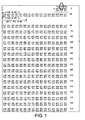
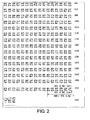
- PCR was carried out using the gp64 gene as a template, and using the following primer set: the 5' primer 64F1 (SEQ ID NO: 1), which comprises an EcoRI recognition sequence and the KOZAK sequence at its 5' terminus; and the 3' primer 64R1 (SEQ ID NO: 2), which comprises an EcoRI recognition sequence at its 5' terminus ( Figs. 1 and 2 ).
- the PCR conditions are shown below:
- the PCR reaction solution composition was 5 ⁇ l of x10 ExTaq buffer, 4 ⁇ l of dNTP supplied with ExTaq, 1 ⁇ l of 10 ⁇ mol/l 64F1 primer, 1 ⁇ l of 10 ⁇ mol/l 64R1 primer, 1 ⁇ l of 500 pg/ ⁇ l pBac-N-blue, 0.5 ⁇ l of 5 units/ ⁇ l ExTaq, and 37.5 ⁇ l of deionized water (DIW) .
- DIW deionized water
- the amplified band was subcloned into pGEM-Teasy, and then transformed E . coli DH5 ⁇ cells. After performing colony PCR using T7 and SP6 primers, the nucleotide sequence of clones confirmed to comprise the insert was analyzed with the ABI Prism ® 377 DNA sequencer (Applied Biosystems) and the BigDye ® Terminator Cycle Sequencing kit (Applied Biosystems) , in combination with the T7 primer or the SP6 primer. As a result, clones comprising the subject gene were confirmed.
- a fragment comprising the gp64 gene and confirmed to comprise no mutations in its nucleotide sequence was isolated from the clones by EcoRI digestion, and then inserted into an EcoRI-digested pCAGGS1. The resulting vector was used to transform E. coli DH5 ⁇ cells. Cells comprising the clone as designed were incubated in 250 ml of LB medium at 37°C overnight, and purified by using the Endofree MAXI kit (QIAGEN) to obtain 581.6 ⁇ g of plasmid.
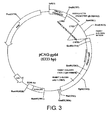
- the DNA fragment for injection was prepared as follows: The pCAGGS vector into which the gp64 gene was inserted (pCAG-gp64, Fig. 3 ) was treated with SalI and PstI to yield a fragment (about 3.8 kb) comprising the gp64 gene.
- This fragment (about 3.8 kb) was extracted using the Gel Extraction kit (QIAGEN), and then diluted with PBS to were collected as follows: Specifically, BALB/c series female mice (Nippon CLEA) were induced to superovulate by intraperitoneal administration of 5 international units (i.u) of pregnant mare serum gonadotrophin (PMSG), followed by intraperitoneal administration of 5 i.u of human chorionic gonadotrophin (hCG) 48 hours later. These female mice were mated with male mice of the same lineage. The morning after mating, the oviducts of female mice that were confirmed to have a vaginal plug were perfused to recover pronuclear eggs.
- PMSG pregnant mare serum gonadotrophin
- hCG human chorionic gonadotrophin
- the DNA fragments were injected into the pronuclear eggs with a micromanipulator ( Experimental Medicine (Jikken Igaku) suppl., The latest technologies in gene targeting (gene targeting no saishin gijyutu) (Yodosha), 190-207, 2000 ).
- the DNA fragments were injected into 373 embryos of BALB/c mice.
- 216 embryos that had developed to the two-cell stage were transplanted into the oviducts of recipient female mice, which were in the first day of pseudopregnancy, at a density of around ten embryos per oviduct (i.e. around 20 embryos per mouse).
- mice that did not give birth to offspring by the expected date of delivery were subjected to caesareans, and the resultant offspring were brought up by a foster parent.
- Table 1 Fifty offspring were obtained, four of which were transgenic mice into which the gp64 gene has been introduced (referred to as Tgm below).
- Tgm transgenic mice into which the gp64 gene has been introduced
- Testes are small and sperm are not observed. 31 010709 Male 2 to 3 copies 010927 Female 3, Male 5 0 Mosaic for gene transfer 011022 Male 2 0 011108 Female 4, Male 6 0 34 010709 Male 2 to 3 copies No fertility properties - - Testes are small and sperm are not observed. 46 010821 Male 2 to 3 copies No fertility properties - - Testes are small and sperm are not observed.
- mice of lines 30, 34, and 46 were extracted in order to carry out in vitro fertilization.
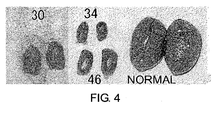
- the testes of all three Founder mice were abnormally small ( Fig. 4 ), and no sperm was observed in their cauda epididymidis. Thus in vitro fertilization could not be achieved. From these results, the gp64 protein was found to affect the spermatogenic ability of mice. Therefore, it may be possible to use gp64 in contraception and such.
- DNA was extracted from tails of three week-old mice using an automated nucleic acid isolation system (KURABO), and the presence of the introduced gene was confirmed by Southern blotting method and PCR.
- the introduced gene was confirmed by Southern blotting, as follows: First, 15 ⁇ g of genome DNA was digested with EcoRI, subjected to electrophoresis, and transferred to a nylon membrane. Then, the presence of the introduced gene was confirmed by hybridizing the transferred DNA with a probe, which was about 1. 5 kb of EcoRI-digested fragment of pCAG-gp64 vector that comprises the gp64 gene. The presence of the introduced gene was also confirmed by the PCR method, using about 100 ng of DNA as a template, and primers comprising the sequences as shown below:
- the PCR products thus obtained were subjected to electrophoresis to confirm the introduced gene using the presence or absence of a band corresponding to about 1.5 kb as an indicator.
- Fig. 5 shows these results. Expression of the gp64 gene was confirmed at least in heart, brain, and thigh muscle. The reason why the bands were seen as three bands is unknown.
- PepT1 is a membrane protein that acts as a transporter.
- the PepT1 structure is known in the art (GenBank XM_007063, J. Biol. Chem. 270(12): 6456-6463 (1995 )).
- a full-length PepT1 gene was isolated from a human kidney library using PCR. By inserting the full-length human PepT1 gene into pBlueBacHis2A (Invitrogen), the pBlueBacHis-PepT1 transfer vector was constructed. A Bac-N-Blue transfection kit (Invitrogen) was then used to introduce this transfer vector into Sf9 cells, along with Bac-N-Blue DNA. Thus, a recombinant virus for the expression of human PepT1 was constructed.
- pBlueBacHis-PepT1 was added to Bac-N-Blue DNA, and then 1 mL of Grace's medium (GIBCO) and 20 ⁇ L of cell FECTIN reagent was added. This was mixed, incubated for 15 minutes at room temperature, and then added drop-by-drop to 2x 10 6 Sf9 cells washed once with Grace's medium. After incubating for four hours at room temperature, 2 mL of complete medium (Grace's medium which comprises 10% fetal bovine serum (Sigma), 100 units/mL penicillin, and 100 ⁇ g/mL streptomycin (GIBCO-BRL)) was added and cultured at 27°C. Recombinant viruses for expressing human PepT1, which were constructed by homologous recombination, were cloned twice according to the instructions attached to the kit. A virus stock of the recombinant viruses was thus obtained.
- the supernatant was again centrifuged at 45,000x g for 30 minutes, and the precipitate was again suspended in PBS. This suspension was the budding virus fraction. Expression of PepT1 in the virus and on the Sf-9 cell membrane was confirmed by Western analysis using anti-His antibodies. In addition, protein concentration was measured using Dc Protein Assay kit (Bio-Rad), with BSA as the standard.
- mice were immunized by subcutaneous injection with an immunogen, which was emulsified according to the standard method using complete and incomplete Freund's adjuvants (Difco). Injection doses in the first and the second immunizations were 1 mg/mouse and 0.5 mg/mouse, respectively. The second immunization was given 14 days after the first immunization. Seventeen days after the first immunization, serum samples were taken from the mice by retro-orbital bleeding.
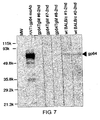
- PepT1 expressing budded baculovirus (PepT1-BV) (1 ⁇ g/lane) was subjected to SDS-PAGE analysis on 12% gel under reducing conditions. After the electrophoresis, proteins were electroblotted onto a polyvinylidene difluoride (PVDF) membrane. This membrane was reacted with 1,000 fold-diluted serum samples, sequentially washed, and then reacted with a 1,000 fold-diluted Biotin-Anti-Mouse IgG( ⁇ ) (Zymed) and Streptavidin-Alkaline Phosphatase (Zymed). An alkaline phosphatase staining kit (Nakarai Tesque ) was used for staining. A positive control antibody for detecting gp64 was purchased from NOVAGEN.
- Fig. 6 shows the results.
- a band corresponding to the gp64 protein was strongly stained for the lanes reacted with both of the two serum samples obtained from non-transgenic mice.
- staining was weak.
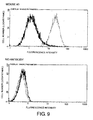
- Ba/F3 cells expressing PepT1 on the cell surface (herein after, referred to as Ba/F3-PepTl) and Ba/F3 cells expressing no PepT1 were washed twice with PBS, respectively.
- 100 ⁇ l of mouse serum sample that was 220 fold-diluted with PBS was added to 1x 10 6 cells of each cell type, followed by reaction for 30 minutes on ice. After reaction, for 30 minutes on ice. After centrifugation, cells were suspended in 500 ⁇ l of PBS and analyzed by FACS.
- Figs. 8 and 9 show the results of FACS analysis of a serum obtained from a mouse after the fifth immunization.
- solid lines and dotted lines indicate Ba/F3 and Ba/F3-PepT1 cells, respectively.
- This invention enables efficient production of antibodies against target antigens, using target antigens that comprise background antigens.
- the antibody-production methods of the present invention are useful in producing antibodies by using immunogens in which contamination by background antigens is inevitable.
- an exogenous gene expression system known as the baculovirus expression system
- the baculovirus expression system is useful as a tool for obtaining recombinant proteins easily and in large quantities.
- the baculovirus expression system when applied to membrane proteins, the baculovirus expression system is excellent in that the membrane proteins are obtainable with other viral envelope proteins in a state that maintains their structure.
- this expression system is also problematic in that, when using this expression product as the immunogen, gp64 acts as a background antigen and interferes with the acquisition of antibodies against a target antigen.
- anti-membrane protein antibodies can be produced efficiently by using the membrane protein antigens, which can be obtained in large quantities using the baculovirus expression system, as target antigens.
- Membrane proteins include many functionally important proteins such as receptors and cell adhesive proteins. Therefore, antibodies that recognize membrane proteins are expected to play an important role in functional analysis, localization analysis, quantification, diagnosis, or the development of therapeutic agents that regulate membrane protein activities.
- membrane proteins applicable as immunogens has been thought to be difficult.
- large quantities of membrane proteins produced by, for example, the baculovirus expression system can be used as immunogens without removing background antigens. Consequently, many antibodies that recognize various membrane proteins and that have been considered to be difficult to produce can now obtained very efficiently.
- the antibody-production methods of the present invention contribute to the functional analysis of membrane proteins and diagnosis using antibodies, and to the development of drugs based on the regulation of membrane protein activities.
Landscapes
- Health & Medical Sciences (AREA)
- Chemical & Material Sciences (AREA)
- Life Sciences & Earth Sciences (AREA)
- Organic Chemistry (AREA)
- Genetics & Genomics (AREA)
- General Health & Medical Sciences (AREA)
- Molecular Biology (AREA)
- Biochemistry (AREA)
- Biophysics (AREA)
- Proteomics, Peptides & Aminoacids (AREA)
- Medicinal Chemistry (AREA)
- Immunology (AREA)
- Engineering & Computer Science (AREA)
- Zoology (AREA)
- Biotechnology (AREA)
- Veterinary Medicine (AREA)
- General Engineering & Computer Science (AREA)
- Environmental Sciences (AREA)
- Bioinformatics & Cheminformatics (AREA)
- Wood Science & Technology (AREA)
- Biomedical Technology (AREA)
- Animal Husbandry (AREA)
- Physics & Mathematics (AREA)
- Cell Biology (AREA)
- Plant Pathology (AREA)
- Biodiversity & Conservation Biology (AREA)
- Microbiology (AREA)
- Animal Behavior & Ethology (AREA)
- Virology (AREA)
- Gastroenterology & Hepatology (AREA)
- Peptides Or Proteins (AREA)
- Preparation Of Compounds By Using Micro-Organisms (AREA)
Description
- This invention relates to methods for producing antibodies. The disclosure also relates to the antibodies obtained by the methods of this invention. This invention further relates to transgenic mice useful for the production of antibodies generated by the methods of this invention.
- Antibodies are useful as therapeutic agents, diagnostic agents, or reagents for various diseases. Many kinds of antibodies have been isolated to date. General methods for producing antibodies comprise the steps of administering antigens to mammals such as mice; and obtaining antibodies derived from the serum of these animals. However, subject antibodies are not always obtained efficiently by antibody production methods, as in the following cases, for example:
- when a small quantity of antigen is used to immunize mammals; or
- when an insufficiently purified antigen is used to immunize mammals.
- Therefore, when immunizing, it is desirable to prepare a large quantity of a sufficiently purified antigen. Practically, however, many antigens are difficult to purify or to sufficiently prepare. Thus, the step of antigen preparation has often prevented antibody production.
- Membrane proteins are one example of antigens for which immunogens are difficult to prepare. Generally, membrane proteins are often difficult to highly express or sufficiently purify. These difficulties have been an obstacle in obtaining antibodies against membrane proteins.
- Attention has been paid to methods that use baculoviruses to express large quantities of membrane proteins. By introducing a gene that encodes a subject membrane protein into a baculovirus genome, the subject membrane protein is expressed on the membrane surface of the budding baculovirus (
WO 98/46777 2001-333773 - However, in addition to exogenous membrane proteins, baculovirus-derived membrane proteins are also expressed on the membrane surface of the baculoviruses thus obtained. Thus, when budding baculoviruses are used as antigens, antibodies against baculovirus-derived membrane proteins may also be produced. Accordingly, it has been difficult to efficiently produce antibodies against subject membrane proteins by using known immunization methods.
- For example, immunization using budding baculoviruses as antigens often induces antibodies that recognize gp64. The membrane proteins of baculoviruses comprise large quantities of gp64. In addition, due to gp64's high antigenicity, immunized animals can easily recognize gp64 as "nonself". Consequently, budding baculoviruses can be thought to preferentially induce anti-gp64 antibodies.
- Therefore, when using membrane proteins as antigens, the subject membrane proteins expressed on the baculovirus membrane surface must be sufficiently purified. However, purifying exogenous membrane proteins from budding baculoviruses is generally difficult. Thus, it can be said that sufficient quantities of highly purified membrane proteins cannot be practically obtained for use in immunization. Using conventional methods to obtain target antibodies for these difficult-to-purify antigens has been difficult.
- An objective of the present invention is to solve the above-described problems. In other words, an objective of this invention is to provide methods for producing antibodies that enable target antibodies to be easily obtained. In addition, an objective of this invention is to provide transgenic mice that efficiently produce subject antibodies.
- To solve the above-described problems, the inventors focused on antigens that are comprised in immunogens and that interfere with the production of subject antibodies. Then, the inventors thought that a subject antibody could be easily obtained by using immunized animals whose immune response to such interfering antigens is repressed. Furthermore, the inventors found that the above-described problems can be solved by utilizing immunotolerance to the antigens that interfere with production of the subject antibodies, to control the immune responses of the immunized animals, and thereby complete the present invention.
- Specifically, the present invention relates to methods for producing antibodies, transgenic mice useful for these methods, and methods for producing these non-human animals. Specifically, the present invention is defined in the appended claims.
- This disclosure relates to methods for producing antibodies which recognize target antigens, wherein the methods comprise the step of immunizing immunogens that comprise a target antigen and a background antigen, to non-human animals with immunotolerance to the background antigen comprised in the immunogen.
- The term "target antigen" denotes antigens recognized by subject antibodies. The target antigens can be selected from any compound comprising antigenicity. Specifically, proteins, sugar chains, lipids, or inorganic substances are known to comprise antigenicity. The target antigens may be naturally occurring or artificially synthesized. The artificially synthesized target antigens comprise recombinant proteins prepared by genetic engineering technology, and many kinds of chemically-synthesized organic compounds.
- According to the present disclosure, the term "background antigen" denotes substances comprising antigenic determinants for which antibody generation is not desired, or denotes the antigenic determinants themselves. For example, any antigenic substance that is not a target antigen, but which is contaminated within the target antigen, is a background antigen. Typical background antigens are proteins contaminated within crudely purified target antigens. More specifically, host cell-derived proteins in a recombinant protein are examples of background antigens. The term "background antigen" may also be defined to mean antigens that are comprised within an immunogen for inducing subject antibody generation, and that induce production of a non-subject antibody.
- Generally, a background antigen is an antigenic substance other than a target antigen. According to the present invention, however, antigenic determinants present on target antigen molecules may also be referred to as background antigens. For example, if an antigenic determinant for which antibody generation is undesired is present on a target antigen molecule, the antigenic determinant is defined as a background antigen. Moreover, the background antigens of the present invention include substances that comprise antigenic determinants as background antigens, yet do not comprise target antigens.
- According to the present disclosure, preferable background antigens are proteins, peptides, sugars, or glycoproteins. Of these, proteins or peptides are particularly preferable background antigens. The term "peptide" denotes, for example, polypeptides that consist of 100 or fewer amino acid residues. The term "protein" includes "peptide".
- According to the present invention, the term "immunotolerance" denotes a condition in which an immune response, specific to an antigen that is an immunotolerance target (an immunotolerance antigen), is lost or decreased. When the level of a subject's immune response to an immunotolerance antigen is reduced compared to that of a normal immunized animal, the subject can be regarded to comprise immunotolerance against the immunotolerance antigen. For example, when the amount of an antibody generated against an immunotolerance antigen is decreased in response to the administration of an immunotolerance antigen, the level of immune response is then considered to be low. Immunotolerance levels are not limited.
- In addition, the term "immunotolerance antigen" denotes antigenic substances for which a subject's immune response is decreased. Also, according to the present invention, a reduced level of a specific immune response to an immunotolerance antigen denotes that the degree by which the immune response to the immunotolerance antigen has decreased is greater than for other antigens. Thus, even if the immune response to antigens other than the immunotolerance antigen is decreased, immunotolerance has been established if the level of decrease in immune response to other antigens is less than the level of decrease for the immunotolerance antigen. Also, according to the present invention, immunotolerance includes cases of immunotolerance to antigenic substances other than background antigens. Subjects which are immunotolerant to multiple antigens may also be used in the present invention, as long as they have an immune response to a target antigen. On the other hand, cases of immunodeficiency where the level of actual immune response is decreased are not preferable, since generation of antibodies against target antigens cannot be expected.
- In the present disclosure non-human animals that comprise immunotolerance to a background antigen are used as immunized animals. Non-human animals comprising artificially induced immunotolerance are preferably used. For example, non-human animals comprising immunotolerance can be generated as below:
- First, a gene encoding a background antigen can be introduced into a non-human animal to generate a transgenic animal that comprises the gene encoding the background antigen. Transgenic animals thus obtained have immunotolerance to the expression product of the introduced gene (the background antigen). Immunotolerance can also be induced by multiple administrations of an immunotolerance antigen (a background antigen) to non-human animals in the fetal stage or shortly after birth.
- Methods for administering antigens as immunotolerance antigens to non-human animals in the fetal stage or shortly after birth can include methods for administering the antigenic substances themselves into non-human animals. Alternatively, indirect methods for administering immunotolerance antigens may also be applied. For example, subject immunotolerance antigens are administered by in vivo expression of genes that encode the immunotolerance antigens. Such methods include methods for directly administering an antigen-coding DNA (naked DNA methods), for transplanting antigen-expressing cells into non-human animals, methods using viral vectors, and methods using DNA vaccines.
- Of these methods, transgenic non-human animals which preserve a gene encoding an immunotolerance antigen in an expressible state are preferred as the non-human animals comprising immunotolerance of the present invention. The transgenic animals comprise in their body an immunotolerance antigen that was originally an exogenous protein prior to the maturation of immune functions. Therefore, it is highly possible that the immune functions of the transgenic animals recognize the immunotolerance antigen as being completely endogenous. Thus, the use of such transgenic non-human animals is advantageous in inducing immunotolerance in the present disclosure. The transgenic animals, into which immunotolerance antigens are introduced, produce few antibodies to immunotolerance antigens, as shown in Example 8.
- In addition, the immunotolerant traits of the transgenic animals can be inherited by their progeny. Therefore, once a transgenic non-human animal has been established for the present invention, immunized animals comprising the same traits can be stably provided.
- This disclosure also relates to transgenic non-human animals into which genes encoding a viral envelope protein are introduced to produce antibodies against antigens comprising the viral proteins. Moreover, this disclosure relates to use of transgenic non-human animals in which a gene encoding the viral envelope protein is expressibly maintained, as immunized animals for producing antibodies against antigens comprising viral envelope proteins. Furthermore, this disclosure relates to methods for producing non-human immunized animals, where the methods comprise the step of generating a transgenic non-human animal into which a gene encoding a background antigen has been introduced.
- Many kinds of transgenic non-human animals into which different kinds of genes have been introduced are known in the art. However, animals into which an exogenous gene encoding a background antigen has been introduced are not known to be useful as immune animals for a target antigen that comprises a background antigen.
- Since an animal in which a gene that encodes a target antigen protein has been deleted, (so called knock-out animals), does not comprise the target antigen protein congenitally, an antibody against the target antigen can be obtained by administering the target antigen to the knock-out animal, even if the target antigen is highly homologous to a protein present in the immunized animal. Moreover, it is possible to obtain an animal which is deficient in a target antigen, and which expresses an immunotolerant antigen, by crossing the target antigen-deficient animal with the transgenic animal of the present invention.
- Genes coding for background antigens can also be introduced into a fetal or post-fetal non-human animal in a fetal period or thereafter, by using naked DNA methods, DNA vaccine methods, or methods for transplanting cells that express background antigens. Non-human animals thus obtained are also included in the transgenic non-human animals of the present disclosure.
- There is no limitation as to the number of background antigens used to induce immunotolerance in the immunotolerant non-human animals of the present disclosure. That is, a non-human animal, in which immunotolerance to at least one background antigen has been induced, can be used in an antibody-production method of the present disclosure. Non-human animals in which immunotolerance to multiple background antigens has been induced can also be used as immunized animals.
- In the immunized animals, it is not always important to suppress production of antibodies against all of the background antigens that might be comprised in an immunogen. Production of antibodies that recognize background antigens is acceptable as long as they do not interfere with the production and isolation of an antibody against a target antigen. Therefore, for example, an immunized animal in which immunotolerance has only been induced to a major background antigen can be used as a preferable immunized animal in the present invention.
- In the present disclosure, non-human animals comprise, for example, monkeys, pigs, dogs, rats, mice, and rabbits. For example, rodents such as rats, mice, and hamsters are preferable as non-human animals. To induce immunotolerance by preparing transgenic animals, it is advantageous to use non-human animals which mature fast and for which gene manipulation technologies have been established, such as rodents. Mice in particular are non-human animals that meet these requirements at a high level.
- This disclosure relates to transgenic non-human animals into which genes coding for viral envelope proteins have been introduced. Transgenic non-human animals of the present invention are useful in immunization against a target antigen in the presence of viral envelope proteins. Typically, viral envelope proteins in this invention are proteins that make up an envelope of a budding virus. In baculoviruses, for example, the protein called gp64 is an envelope protein.
- For example, a transgenic non-human animal with immunotolerance to the baculoviral gp64 is useful as an immune animal for an immunogen produced by the baculovirus expression system. Many kinds of proteins can be produced by the baculovirus expression system. Therefore, by using these transgenic animals and baculovirus expression systems in combination, target antibodies can be easily obtained by using a variety of protein antigens as target antigens.
- Immunogens of the present invention comprise both target antigens and background antigens. As described above, there is no particular limitation as to the substances constituting target antigens or background antigens. When an animal with immunotolerance is produced by introduction of a gene encoding a background antigen, the background antigen is a protein. Immunogens may include substances other than target antigens and background antigens.
- Furthermore, there is no limitation as to the types of background antigens that comprise the immunogens of the present invention. Therefore, immunogens comprising multiple kinds of background antigens, which may interfere with the production of antibodies against a target antigen, can also be used in the present invention. The presence of these background antigens is not a problem, as long as an immunized animal shows immunotolerance to each background antigen. Alternatively, background antigens which do not substantially interfere with the production of antibodies against a target antigen may be comprised in an immunogen, regardless of whether or not an immunized animal is immunotolerant to them.
- Generally, a target antigen comprises substances derived from biological materials. Biological materials are complex mixtures comprising various components. Thus, target antigens are usually prepared using various mixtures as starting materials. Therefore, it is difficult to obtain highly-purified target antigens. In other words, it involves a lot of time and effort to isolate a large quantity of a highly pure target antigen. Practically, it is almost inevitable that an immunogen contains substances other than the target antigen.
- Immunogens of the present invention specifically include cells, cell cultures, cell lysates, viruses, or unpurified antigens. Parts of cells or viruses can be used as immunogens, as well as whole cells or whole viruses. For example, cell membranes or virus envelopes can be used as immunogens. When a cell or virus is used as an immunogen, a gene coding for a subject antigen can be artificially introduced into the cell or virus by recombinant gene technology that artificially expresses the subject antigen.
- One preferable immunogen of the present invention is a viral particle or part thereof. Viruses are comprised of relatively simple components, including nucleic acids, and limited proteins, saccharides, and such. Consequently, the types of background antigens that may interfere with target antigen isolation are also limited. In sum, inducing immunotolerance against a limited number of background antigens in an animal to be immunized would be enough to carry out a method for producing antigen of the present invention.
- In the present invention, baculoviruses, for example, are preferred among the viruses that can be used as immunogens. Baculoviruses are insect viruses that comprise a structure whereby a double-stranded DNA genome is covered with a capsid protein. Expression systems using Nucleopolyhedrovirus (NPV), a type of baculovirus, are useful as systems for expressing exogenous genes. NPV comprises strong promoter activity. Therefore, any protein can be produced in large quantities by inserting an exogenous gene into the NPV genome. Specifically, strong expression of any exogenous gene is induced by recombinantly substituting the gene coding for the protein called polyhedron with the exogenous gene.
- Any exogenous genes can be introduced into a baculovirus. For example, a gene encoding a membrane protein can be used as an exogenous gene.
- By using baculoviruses, a subject membrane protein can be expressed along with a viral envelope protein in a form that retains that structure. Another big advantage of the baculovirus expression system is that the expressed products are easily recovered as budding viral particles.
- Membrane proteins include many biologically important molecules, such as receptors and transporters. However, many membrane proteins maintain their structure by being located in a cell membrane. In addition, membrane proteins are often post-translationally modified with sugar chains or lipids. Therefore, there are often cases where expression systems utilizing prokaryotes such as E. coli cannot reproduce membrane proteins in their in situ structure.
- As methods for expressing exogenous proteins such as membrane proteins on viral envelopes, for example, the method of
WO98/46777 or Loisel et al - In the present invention, a budding virus is a virus that is released from infected cells by budding. Generally, viruses covered with an envelope can bud from cells infected with these viruses, and are released continuously, even when the cells have not been destroyed. On the other hand, adenoviruses that are not covered by an envelope, and herpes viruses that are covered by a nuclear envelope, are released from the cells all at once, upon cell destruction. Budding viruses are particularly preferable in the present invention. In addition, those skilled in the art can suitably select hosts to be infected with a recombinant virus, depending on the type of virus used, so long as viral replication is possible in the host. For example, insect Sf9 cells can be used when using baculoviruses. Generally, protein expression systems using baculoviruses and insect cells can be useful because modifications such as fatty acid acetylation or glycosylation are carried out at the same time as translation or post-translation, in the same way as in mammalian cells. In addition, the expression level of heterologous proteins in such systems is greater than that in mammalian cell systems (Luckow V.A. and Summers M.D., Virol. 167: 56 (1988)).
- The viruses expressing exogenous proteins can be obtained by, for example, culturing a host that has been infected with a recombinant virus comprising a gene that encodes an exogenous protein. Alternatively, using methods such as the above-mentioned methods of
W0 98/46777 - Recombinant viruses constructed as described above can be purified using known methods. For example, known methods for purifying viruses include augmented density gradient centrifugation (Albrechtsen et al., J. Virological Methods 28: 245-256 (1990) ; Hewish et al., J. Virological Methods 7: 223-228 (1983)), size exclusion chromatography (Hjorth and Mereno-Lopez, J. Virological Methods 5: 151-158 (1982); Crooks et al., J. Chrom. 502: 59-68 (1990); Mento S.J. (Viagene, Inc.) 1994 Williamsburg Bioprocessing Conference), affinity chromatography using monoclonal antibodies, sulphated fucose-containing polysaccharides and the like (Najayou et al., J. Virological Methods 32: 67-77 (1991); Diaco et al., J. Gen. Virol. 67: 345-351 (1986) ; Fowler, J. Virological Methods 11: 59-74 (1986) ; TOKUSAIHYOU No.
97/032010 - In the present disclosure, there is no limitation as to the kind of background antigen which becomes an immunotolerance antigen for use as an antigen to induce immunotolerance in immune animals. Preferably, the immunotolerance antigens are such substances that are comprised in an immunogen in a large quantity, or that have a strong antigenicity. For example, when a baculovirus is used as an immunogen, gp64 is preferably used as an immunotolerance antigen. Gp64 is a major background antigen, which is expressed in large quantities on the surface of the viral envelope, and which is susceptible to being recognized as non-self by animals immunized with baculoviruses.
- Baculoviruses comprise characteristics that are preferable in an expression system for exogenous proteins. On the other hand, use of an expression product produced by this system as an immunogen, it is accompanied by production of background antigens, which can be a drawback. In particular, when using a baculovirus expression system to produce a membrane protein that is used as an immunogen, the presence of gp64 is a big problem. gp64 is comprised in large amounts in viral envelope proteins. Thus, contamination of an exogenous membrane protein with gp64 is inevitable.
- By using the antibody-production methods of the present invention, the inhibitory effect that background antigens have on the acquisition of antibodies against a target antigen can be suppressed. Consequently, the use of this invention enables sufficient application of the advantages of a baculovirus expression system as an exogenous protein expression system, even in the preparation of immunogens.
- In the present invention, naturally occurring viruses or parts thereof can also be used as immunogens. Development of an antibody that recognizes a specific antigenic determinant of a naturally occurring virus is important to the specific detection of the virus, and also to prevention of or therapy for infection by that virus. Whereas antibodies against major antigens can be easily produced, it is often difficult to acquire an antibody that recognizes a specific antigenic determinant. This situation is common to the above described case in which a baculovirus expression product is used as an immunogen.
- When using a naturally occurring virus as an immunogen of the present invention, a gene coding for a protein that will act as a background antigen, selected from proteins that constitute the virus, is introduced into a non-human animal to prepare a transgenic animal. Alternatively, viral particles themselves, or parts thereof that comprise a target antigen, are used as immunogens. In this way, an antibody that recognizes a target antigen can be efficiently obtained.
- For example, the surface antigens of influenza viruses are important antigens that determine the viral strain. If antibodies that recognized the surface antigens specific to each influenza virus strain could be easily obtained, this would be useful to identification of the virus, as well as in the prevention of or therapy for infection by the virus. However, when using the viral particles themselves as immunogens, antibodies that recognize structures common to the viruses will also be produced in large quantities.
- Antibodies that recognize surface antigens specific to each viral strain can be efficiently obtained by using a transgenic non-human animal of the present disclosure, which has immunotolerance to an envelope protein that is common to the influenza viruses. In other words, this disclosure can be also carried out using surface antigens that are specific to each strain of a virus as target antigens, and using structures that are common to the viruses as background antigens.
- A preferable embodiment of the antibody-production methods of the present invention is described below. In this embodiment, membrane proteins are used as target antigens. For example, human-derived membrane proteins can be used as the membrane proteins.
- First of all, a target protein is expressed on the surface of the baculovirus envelope, and this baculovirus is used as an immunogen. As a method for expression the membrane protein using baculoviruses, for example, the methods for expressing membrane proteins using budding baculoviruses, disclosed in
WO 98/46777 JP-A 2001-333773 - In more detail, a recombinant vector for insect cells is constructed to comprise a gene encoding a membrane protein. This vector is then introduced into insect cells along with the baculovirus DNA. Sf9 cells and such are used as the insect cells. The membrane protein encoded by the recombinant vector is expressed in mature viral particles (virions) released extracellularly from the infected cells prior to cell death. Therefore, budding baculovirus particles that express the membrane protein (target antigen) may be obtained by harvesting mature virus particles. Methods for recovering budding baculovirus from cultured cells are also known in the art. The thus obtained budding baculoviruses that express a membrane protein (target antigen) are used as immunogens of the present invention.
- As described above, the surface of the baculovirus envelope expresses not only a membrane protein (the target antigen), but also another envelope protein derived from a baculovirus. In particular, gp64 is expressed in large quantities on the surface of baculoviruses, and also has strong antigenicity. Therefore, when immunization is carried out using a budding baculovirus, anti-gp64 antibodies are also produced, and thus antibodies to the membrane protein (target antigen) cannot be efficiently obtained.
- Accordingly, in the present invention, an animal that expresses gp64 is used as an animal to be immunized. Specifically, a transgenic animal that expresses gp64 is produced by introducing a vector that comprises a gene encoding gp64 into an animal. The transgenic animals of the present invention is a transgenic mouse into which the gp64 gene has been introduced.
- In the present invention, these transgenic mice are immunized with the budding baculovirus particles obtained as described above. Since the gp64-expressing transgenic mice endogenously express gp64, they comprise immunotolerance to gp64, which acts as a background antigen. In other words, production of anti-gp64 antibodies in the gp64-expressing transgenic mice is suppressed when the mice are immunized with the budding baculovirus particles. As a result, antibodies against a target membrane protein can be produced efficiently.
- Methods for producing transgenic mice are known in the art. For example, transgenic mice can be obtained according to the methods described in Proc. Natl. Acad. Sci. USA 77: 7380-7384 (1980). Specifically, subject genes are introduced into mammalian totipotent cells, and then the cells are brought up into individuals. A subject transgenic mouse can be obtained from the individuals thus obtained by screening for individuals in which the introduced gene has been integrated into both somatic cells and germ cells. Fertilized eggs, early embryos, and cultured cells with multipotency such as ES cells, and such, can be used as the totipotent cells for introducing a gene.
- More specifically, transgenic mice can be prepared, for example, by the method in Example 2.
- The antibody-production methods of the present invention can be used to produce polyclonal and monoclonal antibodies. Polyclonal antibodies can be obtained by recovering antibodies to the target antigen from an immunized animal. Alternatively, monoclonal antibody-producing cells can be obtained by cloning an antibody-producing cell derived from an immunized antimal.
- Furthermore, by using antibodies or genes thereof obtained from an immunized animal such as mice, chimeric antibodies of human and immunized animals, or humanized antibodies can be obtained. Methods for producing these antibodies that comprise modified structures are also known in the art.
- Furthermore, this invention relates to the antibodies obtained by the methods of the present invention. The antibodies of the present invention comprise any kind of antibody that can be obtained by a procedure comprising a method as described above. Consequently, this invention includes, for example, monoclonal antibodies, polyclonal antibodies, chimeric antibodies of human and immunized animals, humanized antibodies, and human antibodies. For example, a transgenic mouse whose immune system has been substituted with that of a human is known in the art. Human antibodies can be obtained by immunizing such mice.
- Preferable antibodies in the present invention are antibodies that recognize human membrane proteins. Many membrane proteins are important as target molecules for drug discovery. However, antibodies specific to membrane proteins have been considered difficult to obtain due to purification difficulties. The present invention, however, has made it possible to efficiently obtain a subject antibody, even though the target antigen is a recombinantly-produced membrane protein that co-exists with a background antigen. For example, as a membrane protein, PepT1 is an important molecule. The nucleotide sequence and amino acid sequence of PepT1 are already known: human PepT1 (GenBank XM_007063) is described in J. Biol. Chem. 270 (12) : 6456-6463 (1995) ; and mouse PepT1 (GenBank AF205540) is described in Biochim. Biophys. Acta. 1492: 145-154 (2000)).
- Those anti-PepT1 antibodies that bind to an extracellular region of PepT1 are useful. In particular, an antibody that specifically binds to an extracellular region of PepT1 is preferable in the present invention. In the present invention, the phrase "specifically binds to an extracellular region" means the ability to immunologically discriminate extracellular regions of PepT1 from other regions. More specifically, an antibody that specifically binds to an extracellular region of PepT1 is defined as an antibody that binds to an extracellular region, but does not bind, for example, to an intracellular region or transmembrane domain of PepT1. Human PepT1 is a preferable PepT1 in the present invention. Human PepT1 includes not only PepT1s derived from humans, but also recombinant PepT1s obtained by expressing human PepT1 in a baculovirus expression system.
- The human PepT1 molecules that are used as immunogens do not have to be entire molecules, as long as they retain a target antigen structure. For example, a fragment comprising a PepT1 extracellular region can be used as an immunogen. A preferable PepT1 in the present invention is a human PepT1 that comprises transport activity, or a full-length human PepT1. A full-length human PepT1 comprising transport activity is especially preferable. The transport activity of a human PepT1 can be detected by using the activity of incorporating a substrate into a cell as an indicator. As its substrates, PepT1 is known to incorporate glycylsarcosine or such into cells. Incorporation of glycylsarcosine can be assayed by using [14C] glycylsarcosine or such.
- Human PepT1 is preferably expressed on the surface of a membrane (such as a viral envelope or cell membrane). The transport activity of a PepT1 expressed on the surface of a viral envelope can be detected by contacting a solution comprising viral particles with a substrate; and then monitoring the incorporation of the substrate into the viral particles.
- Well-known methods can be used for the methods of immunizing to obtain antibodies. Animals can be immunized with an immunogen using known methods. General methods include injecting a sensitizing antigen into a mammal by subcutaneous or intraperitoneal injection. Specifically, an immunogen is diluted with an appropriate volume of Phosphate-Buffered Saline (PBS) or physiological saline, and as desired, the suspension is mixed with an appropriate volume of a conventional adjuvant. This is emulsified and applied to the mammals. For example, Freund's complete adjuvant can be used as an adjuvant. In addition, after this, an immunogen that has been mixed with an appropriate volume of Freund's incomplete adjuvant is preferably applied several times every four to 21 days.
- When immunizing an immunogen, an appropriate carrier can also be used. In this way immunization occurs, and the increased level of a desired antibody in the serum can be confirmed using conventional methods.
- When obtaining the target antibodies, an increase in the level of a desired antibody in the serum is confirmed, and blood is then collected from the immunized mammals. Serum can be separated from collected blood using known methods. As polyclonal antibodies, serum comprising polyclonal antibodies can be used. Where necessary, fractions comprising polyclonal antibodies can be isolated from this serum, and this fraction can also be used.
- For example, fractions only recognizing the target antigens can be obtained using affinity columns coupled to the target antigens. Immunoglobulin G or M can be prepared by purifying these fractions using a protein A or protein G column.
- After confirming the increase in the level of the intended antibody in the serum of a mammal that was sensitized by the above-described antigen, the antibody-producing cells are extracted from the mammal and cloned to obtain monoclonal antibodies. Spleen cells and such can be used as antibody-producing cells. Antibody-producing cells can be cloned by cell fusion methods. Mammalian myeloma cells and such can be used as parent cells to be fused with the above-mentioned antibody-producing cells. Even more preferably, myeloma cells that comprise unique auxotrophy or drug resistance can be examples of useful selective markers for fusion cells (hybridoma cells).
- By basically following the methods known in the art, fusion cells can be obtained from the antibody-producing cells and the myeloma cells described above. Methods for producing monoclonal antibodies by using the cell fusion techniques have been established, for example, by Milstein et al. (Galfre, G. and Milstein, C., Methods Enzymol. (1981) 73, 3-46).
- The hybridoma cells produced by cell fusion techniques are selected by culturing in a selective medium. A suitable selective medium can be used in accordance with the characteristic features of the myeloma cells used for the cell fusion. HAT medium (a medium comprising hypoxanthine, aminopterine, and thymidine), for example, can be used as a selective medium. The hybridoma cells are cultured in the HAT medium for a time sufficient to kill all cells other than the intended hybridoma cells (e.g. all non-fused cells). Generally, hybridoma cells can be selected by continuing culture for several days to several weeks. After selection, a standard limiting dilution method can be used to screen and clone the hybridoma cells that produce the subject antibodies.
- Subsequently, the hybridoma cells thus obtained are intraperitoneally transplanted into mice to obtain ascites fluid comprising the monoclonal antibodies. Monoclonal antibodies can also be purified from the ascites fluid. For example, monoclonal antibodies can be purified by ammonium sulfate precipitation methods, protein A or protein G columns, DEAE ion exchange chromatography, or affinity columns coupled with a target antigen.
- In addition to producing antibodies by using hybridomas, antibody-producing cells such as antibody-producing sensitized lymphocytes and such, which have been immortalized using oncogenes or viruses and such, can also be used. Epstein-Barr virus (EBV) and so on can be used as a virus for immortalizing cells.
- Monoclonal antibodies obtained in this way can also be used as recombinant antibodies that were produced using gene recombination technologies (for example, see Borrebaeck, C.A.K. and Larrick, J.W., Therapeutic Monoclonal Antibodies, UK, Macmillan Publishers Ltd., 1990). Recombinant antibodies can be produced by cloning the DNAs that encode them from antibody-producing cells, such as hybridomas and antibody-producing sensitized lymphocytes, then incorporating these DNAs into a suitable vector, and introducing this vector into a host. The present invention also encompasses such recombinant antibodies.
- The antibodies obtained by the methods of the present invention can also be antibody fragments, modified antibodies, and the like. For example, an antibody fragment can be an Fab, F(ab')2, Fv, or a single chain Fv (scFv) where the Fvs of an H chain and L chain are linked by a suitable linker (Huston, J.S. el al., Proc. Natl. Acad. Sci. U.S.A., (1998) 85, 5879-5883). Specifically, the antibody fragments can be obtained by treating antibodies with an enzyme such as papain or pepsin. Alternatively, genes encoding these antibody fragments are constructed, inserted into an expression vector, and expressed in appropriate host cells (see for example, Co, M. S. et al., J. Immunol. (1994) 152, 2968-2976; Better, M. and Horwitz, A. H., Methods Enzymol. (1989) 178, 476-496; Pluckthun, A. and Skerra, A., Methods Enzymol. (1989) 178, 497-515; Lamoyi, E., Methods Enzymol. (1986) 121, 652-663; Rousseaux, J. et al., Methods Enzymol. (1986) 121, 663-669; Bird, R. E. and Walker, B. W., Trends Biotechnol. (1991) 9, 132-137).
- Antibodies bound to various molecules such as polyethylene glycols (PEG), can also be used as the modified antibodies. "Antibody" in the present invention also encompasses these modified antibodies. Such modified antibodies can be obtained by chemically modifying obtained antibodies. These methods have already been established in the art.
- In addition, methods for obtaining human antibodies are known. A target antibody can be obtained by immunizing transgenic animals, that comprise the entire repertoire of human antibody genes, with a target antigen (see, International Patent Application No.
WO 93/12227 WO 92/03918 WO 94/02602 WO 94/25585 WO 96/34096 WO 96/33735 - The antibodies obtained by the methods of the present invention can be chimeric antibodies comprising non-human antibody-derived variable regions, derived from the immunized animals, and human antibody-derived constant regions. In addition, they can also be humanized antibodies comprising non-human antibody-derived complementarity determining regions (CDRs) which are derived from the immunized animals, human antibody-derived framework regions (FRs), and constant regions.
- These modified antibodies can be produced using known methods. Specifically, for example, a chimeric antibody is an antibody comprising the antibody heavy chain and light chain variable regions of an immunized animal, and the antibody heavy chain and light chain constant regions of a human. A chimeric antibody can be obtained by (1) ligating a DNA encoding a variable region of an immunized animal-derived antibody to a DNA encoding a constant region of a human antibody; (2) incorporating this into an expression vector; and (3) introducing the vector into a host for production of the antibody.
- A humanized antibody, which is also called a reshaped human antibody, is a modified antibody. A humanized antibody is constructed by transplanting a complementarity determining region (CDR) of an antibody of an immunized animal, into the CDR of a human antibody. Conventional genetic recombination techniques for the preparation of such antibodies are known.
- Specifically, a DNA sequence designed to ligate a mouse antibody CDR with a human antibody framework region (FR) is synthesized by PCR, using several oligonucleotides constructed to comprise overlapping portions at their ends. A humanized antibody can be obtained by (1) ligating the resulting DNA to a DNA which encodes a human antibody constant region; (2) incorporating this into an expression vector; and (3) transfecting the vector into a host to produce the antibody (see, European Patent Application No.
EP 239, 400 WO 96/02576 - Furthermore, genes coding for the antibodies can be isolated from the antibody-producing cells of an immunized animal. Methods used to isolate genes that code for antibodies are not limited. For example, genes coding for antibodies can be obtained by amplification using the PCR method, by using as templates those genes that code for variable regions, CDRs, or the like. Primers for the amplification of genes that code for antibodies are known in the art. Subject antibodies can be produced by expressing genes thus obtained in an appropriate expression system. Alternatively, the genes obtained by the present invention can be used to produce various modified antibodies, as described above.
- Antibodies obtained as above can be purified until they are homogenous immunoglobulin molecules. These purification methods are not particularly limited. Separation and purification methods conventionally used for polypeptides can be used to separate and purify the antibodies used in the present invention. For example, immunoglobulins can be separated and purified by appropriately selecting and combining chromatography columns such as affinity chromatography columns, filters, ultrafiltration, salt precipitation, dialysis, SDS polyacrylamide gel electrophoresis, isoelectric focusing and so on (Antibodies: A Laboratory Manual. Ed Harlow and David Lane, Cold Spring Harbor Laboratory, 1988). The concentration of the above-obtained antibodies can be determined by measuring absorbance, or by enzyme-linked immunosorbent assays (ELISA), etc.
- Protein A columns, protein G columns, and such can be used as the columns for use in affinity chromatography. For example, Hyper D, POROS, Sepharose F.F. (Pharmacia) and so on are examples of the columns using protein A.
- Examples of chromatography other than affinity chromatography include ion exchange chromatography, hydrophobic chromatography, gel filtration, reverse chromatography, and adsorption chromatography (Strategies for Protein Purification and Characterisation: A Laboratory Course Manual. Ed Daniel R, Marshak et al., Cold Spring Harbor Laboratory Press, 1996). These chromatographies can be carried out using liquid phase chromatography such as HPLC and FPLC.
-
-
Figs. 1 and2 show the nucleotide sequence of the constructed gp64 gene. -
Fig. 3 shows the structure of the pCAG-gp64 vector constructed in Example 1. -
Fig. 4 is a photograph of the Founder mice testes. -
Fig. 5 is a photograph showing the result of mRNA expression analysis by Northern blotting. In this figure, H, B, I, and M refer to heart, brain, intestine, and muscle, respectively. -
Fig. 6 is a photograph showing the results of Western blotting analysis using anti-mouse IgG. In this figure, "pre" and "2nd" respectively refer to pre-immunization blood collection, and blood collection after the second immunization. Gp64TgM and wtBALB/c represent transgenic and non-transgenic mice, respectively. -
Fig. 7 is a photograph showing the results of Western blotting analysis using anti-mouse IgG. Gp64TgM and wtBALB/c represent transgenic and non-transgenic mice, respectively. -
Fig. 8 shows the result of FACS analysis of the antibody titer for PepT1-specific antibody in the mouse serum. In this figure, the x-axis and y-axis respectively represent cell number (log scale) and fluorescence intensity. (Above)mouse # 1; (below)mouse # 2. -
Fig. 9 shows the results of the same analysis inFig. 8 . (Above)mouse # 3; (below) no antibody. - The present invention is specifically described herein below using Examples, however, it is not to be construed as being limited thereto.
- The nucleotide sequence of gp64 and the amino acid sequence encoded by the gp64 gene are shown in SEQ ID NOs: 3 and 4, respectively (GenBank Acc No. 9627742). PCR was carried out using the gp64 gene as a template, and using the following primer set: the 5' primer 64F1 (SEQ ID NO: 1), which comprises an EcoRI recognition sequence and the KOZAK sequence at its 5' terminus; and the 3' primer 64R1 (SEQ ID NO: 2), which comprises an EcoRI recognition sequence at its 5' terminus (
Figs. 1 and2 ). The PCR conditions are shown below: - The PCR reaction solution composition was 5 µl of x10 ExTaq buffer, 4 µl of dNTP supplied with ExTaq, 1 µl of 10 µmol/l 64F1 primer, 1µl of 10 µmol/l 64R1 primer, 1µl of 500 pg/µl pBac-N-blue, 0.5 µl of 5 units/µl ExTaq, and 37.5 µl of deionized water (DIW). PCR was carried out for:
- 5 minutes at 94°C;
- 25 cycles of "15 seconds at 94°C, 30 seconds at 57°C, and 30 seconds at 72°C";
- 7 minutes at 72°C; and
- 4°C forever.
- The amplified band was subcloned into pGEM-Teasy, and then transformed E. coli DH5α cells. After performing colony PCR using T7 and SP6 primers, the nucleotide sequence of clones confirmed to comprise the insert was analyzed with the ABI Prism® 377 DNA sequencer (Applied Biosystems) and the BigDye® Terminator Cycle Sequencing kit (Applied Biosystems), in combination with the T7 primer or the SP6 primer. As a result, clones comprising the subject gene were confirmed. A fragment comprising the gp64 gene and confirmed to comprise no mutations in its nucleotide sequence was isolated from the clones by EcoRI digestion, and then inserted into an EcoRI-digested pCAGGS1. The resulting vector was used to transform E. coli DH5α cells. Cells comprising the clone as designed were incubated in 250 ml of LB medium at 37°C overnight, and purified by using the Endofree MAXI kit (QIAGEN) to obtain 581.6 µg of plasmid.
- The DNA fragment for injection was prepared as follows: The pCAGGS vector into which the gp64 gene was inserted (pCAG-gp64,
Fig. 3 ) was treated with SalI and PstI to yield a fragment (about 3.8 kb) comprising the gp64 gene. This fragment (about 3.8 kb) was extracted using the Gel Extraction kit (QIAGEN), and then diluted with PBS to were collected as follows: Specifically, BALB/c series female mice (Nippon CLEA) were induced to superovulate by intraperitoneal administration of 5 international units (i.u) of pregnant mare serum gonadotrophin (PMSG), followed by intraperitoneal administration of 5 i.u of human chorionic gonadotrophin (hCG) 48 hours later. These female mice were mated with male mice of the same lineage. The morning after mating, the oviducts of female mice that were confirmed to have a vaginal plug were perfused to recover pronuclear eggs. - The DNA fragments were injected into the pronuclear eggs with a micromanipulator ( Experimental Medicine (Jikken Igaku) suppl., The latest technologies in gene targeting (gene targeting no saishin gijyutu) (Yodosha), 190-207, 2000). The DNA fragments were injected into 373 embryos of BALB/c mice. On the next day, 216 embryos that had developed to the two-cell stage were transplanted into the oviducts of recipient female mice, which were in the first day of pseudopregnancy, at a density of around ten embryos per oviduct (i.e. around 20 embryos per mouse).
- The recipient female mice that did not give birth to offspring by the expected date of delivery were subjected to caesareans, and the resultant offspring were brought up by a foster parent. The results are summarized in Table 1. Fifty offspring were obtained, four of which were transgenic mice into which the gp64 gene has been introduced (referred to as Tgm below). Hereinafter, the transgenic mice obtained in the first generation are described as "Founder" mice.
Table 1 Viable embryos after injection/ Embryos receiving injection Transplanted embryos Implanted embryos Offspring (female, male) Weaned Offspring (female, male) Founder 1st 59/63 55 20 9 (4, 5) 9 (4, 5) 0 2nd 186/223 161 57 26 (13, 13) 25 (13, 12) Male 33rd 61/87 56 35 15 (9, 6) 15 (9, 6) Male 1Total 306/373 216 107 50 (25, 25) 49 (25, 24) Male 4 line 30 were found to be Tgm, indicating inheritance of the gp64 gene to the second generation. On the other hand, in line 31, all 20 offspring were found to be wild type mice (non-Tgm), in which the gp64 gene could not be detected. Accordingly, the gp64 gene was considered to be integrated into the line 31 Founder mouse in a mosaic structure. Founder mice oflines line 30 impregnated one recipient female immediately after the initiation of crossing, no further offspring was obtained after that (Table 2).Table 2 Line No. Date of birth Sex Copy Number of the introduced gene Offspring obtained (date of birth, total offspring, and Tgm) Notes 30 010709 Male More than 10 copies 010926 Female 3,Male 1Female 3No offspring were obtained after the first delivery. Testes are small and sperm are not observed. 31 010709 Male 2 to 3 copies 010927 Female 3, Male 50 Mosaic for gene transfer 011022 Male 20 011108 Female 4, Male 6 0 34 010709 Male 2 to 3 copies No fertility properties - - Testes are small and sperm are not observed. 46 010821 Male 2 to 3 copies No fertility properties - - Testes are small and sperm are not observed. - Consequently, sperm from the Founder mice of
lines Fig. 4 ), and no sperm was observed in their cauda epididymidis. Thus in vitro fertilization could not be achieved. From these results, the gp64 protein was found to affect the spermatogenic ability of mice. Therefore, it may be possible to use gp64 in contraception and such. - DNA was extracted from tails of three week-old mice using an automated nucleic acid isolation system (KURABO), and the presence of the introduced gene was confirmed by Southern blotting method and PCR. The introduced gene was confirmed by Southern blotting, as follows: First, 15 µg of genome DNA was digested with EcoRI, subjected to electrophoresis, and transferred to a nylon membrane. Then, the presence of the introduced gene was confirmed by hybridizing the transferred DNA with a probe, which was about 1. 5 kb of EcoRI-digested fragment of pCAG-gp64 vector that comprises the gp64 gene. The presence of the introduced gene was also confirmed by the PCR method, using about 100 ng of DNA as a template, and primers comprising the sequences as shown below:
- Sense primer 64F1: GAATTCCACCATGGTAAGCGCTATTGTT (SEQ ID NO: 1); and
- Antisense primer 64R1: GAATTCTTAATATTGTCTATTACGGT (SEQ ID NO: 2).
- PCR was carried out for:
- 5 minutes at 94°C;
- 35 cycles of "15 seconds at 94°C, 30 seconds at 57°C, and 30 seconds at 72°C";
- 7 minutes at 72°C; and
- 4°C forever.
- The PCR products thus obtained were subjected to electrophoresis to confirm the introduced gene using the presence or absence of a band corresponding to about 1.5 kb as an indicator.
- In the
line 30 Founder mouse in which inheritance of the gp64 gene to the second generation had been confirmed, expression of the gp64 gene was confirmed by Northern blotting analysis. Specifically, total RNA was extracted from four kinds of organ, heart, brain, intestine, and a thigh muscle, by using ISOGEN (Nippon Gene). Then, 20 µg of the total RNA was subjected to electrophoresis, and was transferred to a nylon membrane. An about 1.5 kb of EcoRI-digested fragment of pCAG-gp64 vector that comprises the gp64 gene was used as the probe for the Northern blotting analysis. An around 1.5 kb band corresponding to the gp64 gene was expected from the vector construct. -
Fig. 5 shows these results. Expression of the gp64 gene was confirmed at least in heart, brain, and thigh muscle. The reason why the bands were seen as three bands is unknown. - When the
line 30 female Tgm turned eight weeks-old, they were crossed with a male mouse of the same lineage. - As a result, a total of 31 (14 females and 17 males) offspring (F2) were obtained from two deliveries by each of the three F1 female mice (Table 3). 14 of these offspring (five females and nine males) were Tgm. Since offspring were also obtained from the third delivery, the female Tgm were shown to have normal fertility properties.
Table 3 Sex Individual Number Number of Deliveries Offspring (Non-Tgm) Offspring (Tgm) Female 1 2 Female 3,Male 1Female 1, Male 6Female 2 2 Female 4, Male 3Female 2,Male 1Female 3 2 Female 2, Male 4Female 2,Male 2 - Budding baculoviruses expressing PepT1 and used as immunogens were prepared as follows: PepT1 is a membrane protein that acts as a transporter. The PepT1 structure is known in the art (GenBank XM_007063, J. Biol. Chem. 270(12): 6456-6463 (1995)).
- A full-length PepT1 gene was isolated from a human kidney library using PCR. By inserting the full-length human PepT1 gene into pBlueBacHis2A (Invitrogen), the pBlueBacHis-PepT1 transfer vector was constructed. A Bac-N-Blue transfection kit (Invitrogen) was then used to introduce this transfer vector into Sf9 cells, along with Bac-N-Blue DNA. Thus, a recombinant virus for the expression of human PepT1 was constructed. Specifically, 4 µg of pBlueBacHis-PepT1 was added to Bac-N-Blue DNA, and then 1 mL of Grace's medium (GIBCO) and 20 µL of cell FECTIN reagent was added. This was mixed, incubated for 15 minutes at room temperature, and then added drop-by-drop to
2x 10⁶ Sf9 cells washed once with Grace's medium. After incubating for four hours at room temperature, 2 mL of complete medium (Grace's medium which comprises 10% fetal bovine serum (Sigma), 100 units/mL penicillin, and 100 µg/mL streptomycin (GIBCO-BRL)) was added and cultured at 27°C. Recombinant viruses for expressing human PepT1, which were constructed by homologous recombination, were cloned twice according to the instructions attached to the kit. A virus stock of the recombinant viruses was thus obtained. - Construction of budding-type viruses that express human PepT1 was carried out as follows: Specifically, 500 mL of Sf9 cells (
2x 10⁶/mL) were infected with the recombinant viruses prepared as above, so as to achieve MOI= 5. After culturing at 27°C for three days, the culture supernatant was centrifuged for 15 minutes at 800x g, and the cells and cell debris were removed. The supernatant recovered by centrifugation was centrifuged at 45,000x g for 30 minutes, and the precipitate was then suspended in PBS. The cellular components were removed by centrifuging for another 15 minutes at 800x g. The supernatant was again centrifuged at 45,000x g for 30 minutes, and the precipitate was again suspended in PBS. This suspension was the budding virus fraction. Expression of PepT1 in the virus and on the Sf-9 cell membrane was confirmed by Western analysis using anti-His antibodies. In addition, protein concentration was measured using Dc Protein Assay kit (Bio-Rad), with BSA as the standard. - Mice were immunized by subcutaneous injection with an immunogen, which was emulsified according to the standard method using complete and incomplete Freund's adjuvants (Difco). Injection doses in the first and the second immunizations were 1 mg/mouse and 0.5 mg/mouse, respectively. The second immunization was given 14 days after the first immunization. Seventeen days after the first immunization, serum samples were taken from the mice by retro-orbital bleeding.
- PepT1 expressing budded baculovirus (PepT1-BV) (1 µg/lane) was subjected to SDS-PAGE analysis on 12% gel under reducing conditions. After the electrophoresis, proteins were electroblotted onto a polyvinylidene difluoride (PVDF) membrane. This membrane was reacted with 1,000 fold-diluted serum samples, sequentially washed, and then reacted with a 1,000 fold-diluted Biotin-Anti-Mouse IgG(γ) (Zymed) and Streptavidin-Alkaline Phosphatase (Zymed). An alkaline phosphatase staining kit (Nakarai Tesque) was used for staining. A positive control antibody for detecting gp64 was purchased from NOVAGEN.
-
Fig. 6 shows the results. When stained with the Anti-Mouse IgG, a band corresponding to the gp64 protein was strongly stained for the lanes reacted with both of the two serum samples obtained from non-transgenic mice. On the other hand, though gp64 was detected in all three gp64 transgenic mice, staining was weak. These results indicate that the amount of anti-gp64 antibody produced by the transgenic mice is considerably less than that produced by non-transgenic mice. Although the Anti-Mouse IgM staining was weak for the two non-transgenic mice, it was very weak or not stained at all in the gp64 transgenic mice (Fig. 7 ). - Following procedures were used for the initial immunization. 200 µl PBS comprising 1 mg of PepT1-BV and 100 ng of pertussis toxin was subcutaneously injected into Tgm. For the second and subsequent immunizations, 0. 5 mg of PepT1-BV suspension in PBS was subcutaneously injected.
- Ba/F3 cells expressing PepT1 on the cell surface (herein after, referred to as Ba/F3-PepTl) and Ba/F3 cells expressing no PepT1 were washed twice with PBS, respectively. 100 µl of mouse serum sample that was 220 fold-diluted with PBS was added to
1x 10⁶ cells of each cell type, followed by reaction for 30 minutes on ice. After reaction, for 30 minutes on ice. After centrifugation, cells were suspended in 500 µl of PBS and analyzed by FACS.Figs. 8 and9 show the results of FACS analysis of a serum obtained from a mouse after the fifth immunization. In these figures, solid lines and dotted lines indicate Ba/F3 and Ba/F3-PepT1 cells, respectively. - From these results, the titer of antibody reacting specifically with Pep-T1 was confirmed to be increased in the serum of mice immunized with PepT1-BV.
- This invention enables efficient production of antibodies against target antigens, using target antigens that comprise background antigens. The antibody-production methods of the present invention are useful in producing antibodies by using immunogens in which contamination by background antigens is inevitable.
- For example, an exogenous gene expression system, known as the baculovirus expression system, is useful as a tool for obtaining recombinant proteins easily and in large quantities. In particular, when applied to membrane proteins, the baculovirus expression system is excellent in that the membrane proteins are obtainable with other viral envelope proteins in a state that maintains their structure. However, this expression system is also problematic in that, when using this expression product as the immunogen, gp64 acts as a background antigen and interferes with the acquisition of antibodies against a target antigen.
- By using the antibody-production methods of the present invention, it is possible to efficiently suppress the adverse effect of background antigens on the proteins prepared by the baculovirus expression system. As a result, anti-membrane protein antibodies can be produced efficiently by using the membrane protein antigens, which can be obtained in large quantities using the baculovirus expression system, as target antigens.
- Membrane proteins include many functionally important proteins such as receptors and cell adhesive proteins. Therefore, antibodies that recognize membrane proteins are expected to play an important role in functional analysis, localization analysis, quantification, diagnosis, or the development of therapeutic agents that regulate membrane protein activities.
- Preparation of membrane proteins applicable as immunogens has been thought to be difficult. However, by the present invention, large quantities of membrane proteins produced by, for example, the baculovirus expression system, can be used as immunogens without removing background antigens. Consequently, many antibodies that recognize various membrane proteins and that have been considered to be difficult to produce can now obtained very efficiently.
- The antibody-production methods of the present invention contribute to the functional analysis of membrane proteins and diagnosis using antibodies, and to the development of drugs based on the regulation of membrane protein activities.
-
- <110> CHUGAI SEIYAKU KABUSHIKI KAISHA
- <120> METHODS FOR PRODUCING ANTIBODIES
- <130> C1-A0210Y1P
- <140>
<141> - <150>
JP 2002-164834
<151> 2002-06-05 - <150>
JP 2002-180351
<151> 2002-06-20 - <160> 4
- <170> PatentIn Ver. 2.1
- <210> 1
<211> 28
<212> DNA
<213> Artificial Sequence - <220>
<223> Description of Artificial Sequence:an artificially synthesized primer sequence - <400> 1
gaattccacc atggtaagcg ctattgtt 28 - <210> 2
<211> 26
<212> DNA
<213> Artificial Sequence - <220>
<223> Description of Artificial Sequence:an artificially synthesized primer sequence - <400> 2
gaattcttaa tattgtctat tacggt 26 - <210> 3
<211> 1539
<212> DNA
<213> Baculovirus - <220>
<221> CDS
<222> (1).. (1539) - <400> 3


- <210> 4
<211> 512
<212> PRT
<213> Baculovirus - <400> 4


Claims (14)
- A method for producing an antibody that recognizes a target antigen, wherein the method comprises the steps of:i) immunizing a transgenic mouse that has immunotolerance to the baculovirus membrane protein gp64 comprised in an immunogen, wherein the immunogen comprises both the target antigen and said gp64; andii) obtaining an antibody against the target antigen, or a gene encoding the antibody.
- The method of claim 1, wherein immunotolerance is induced artificially.
- A method for producing an antibody against a target antigen, wherein the method comprises the steps of:(a) preparing an immunogen comprising the target antigen and the gp64 protein of baculovirus;(b) producing a transgenic mouse comprising a gene expressibly encoding said gp64;(c) administering the immunogen of (a) to the transgenic mouse of (b); and(d) isolating the antibody against the target antigen from the transgenic mouse.
- The method of claim 3, wherein the immunogen is a virus particle or a part thereof.
- The method of claim 4, wherein the virus is a baculovirus.
- The method of claim 3, wherein the target antigen is a membrane protein.
- A method for producing a humanized antibody against a target antigen, wherein the method comprises the steps of:(a) preparing an immunogen comprising the target antigen and the gp64 protein of baculovirus;(b) producing a transgenic mouse comprising a gene expressibly encoding said gp64;(c) administering the immunogen of (a) to the transgenic mouse of (b);(d) isolating the antibody against the target antigen from the transgenic mouse;(e) obtaining a gene coding for the antibody of (d);(f) ligating a DNA for a complementation determining region (CDR) of the gene of (e) with a DNA for a framework region (FR) of a human antibody;(g) incorporating the DNA of (f) into an expression vector;(h) transfecting the vector of (g) into a host;(i) culturing the host of (h); and(j) obtaining the antibody from the culture of (i).
- The method of claim 7, wherein the immunogen is a virus particle or a part thereof.
- The method of claim 8, wherein the virus is a baculovirus.
- The method of claim 7, wherein the target antigen is a membrane protein.
- A transgenic mouse, into which a gene encoding the gp64 protein of baculovirus is introduced.
- The transgenic mouse of claim 11, for use in producing an antibody against an antigen comprising a viral protein.
- A method for producing an antibody against PepT1, wherein the method comprises the steps of:(a) preparing a baculovirus that expressibly comprises a DNA which encodes PepT1 or a fragment thereof;(b) infecting a host cell with the baculovirus of (a) to obtain a budding virus that expresses PepT1 or a fragment thereof;(c) producing a transgenic mouse that expressibly comprises a gene encoding the baculovirus membrane protein gp64;(d) immunizing the transgenic mouse of (c) with a fraction comprising the budding virus of (b); and(e) recovering the antibody recognizing PepT1 from the immunized animal.
- A method for producing a humanized antibody against PepT1, wherein the method comprises the steps of:(a) preparing a baculovirus that expressibly comprises a DNA which encodes PepT1 or a fragment thereof;(b) infecting a host cell with the baculovirus of (a) to obtain a budding virus that expresses PepT1 or a fragment thereof;(c) producing a transgenic mouse comprising a gene expressibly encoding the baculovirus membrane protein gp64;(d) immunizing the transgenic mouse of (c) with a fraction comprising the budding virus of (b);(e) recovering the antibody recognizing PepT1 from the immunized animal;(f) obtaining a gene coding for the antibody recognizing PepT1 of (d);(g) ligating a DNA for a complementation determining region (CDR) of the gene of (f) with a DNA for a framework region (FR) of a human antibody;(h) incorporating the DNA of (g) into an expression vector;(i) transfecting the vector of (h) into a host;(j) culturing the host of (i); and(k) obtaining the antibody from the culture of (j).
Applications Claiming Priority (5)
| Application Number | Priority Date | Filing Date | Title |
|---|---|---|---|
| JP2002164834 | 2002-06-05 | ||
| JP2002164834 | 2002-06-05 | ||
| JP2002180351 | 2002-06-20 | ||
| JP2002180351 | 2002-06-20 | ||
| PCT/JP2003/007071 WO2003104453A1 (en) | 2002-06-05 | 2003-06-04 | Method of constructing antibody |
Publications (3)
| Publication Number | Publication Date |
|---|---|
| EP1514928A1 EP1514928A1 (en) | 2005-03-16 |
| EP1514928A4 EP1514928A4 (en) | 2009-08-05 |
| EP1514928B1 true EP1514928B1 (en) | 2013-07-31 |
Family
ID=29738328
Family Applications (1)
| Application Number | Title | Priority Date | Filing Date |
|---|---|---|---|
| EP03733287.1A Expired - Lifetime EP1514928B1 (en) | 2002-06-05 | 2003-06-04 | Method for producing antibodies using baculoviruses |
Country Status (5)
| Country | Link |
|---|---|
| US (2) | US7750204B2 (en) |
| EP (1) | EP1514928B1 (en) |
| JP (1) | JP3991280B2 (en) |
| AU (1) | AU2003242024A1 (en) |
| WO (1) | WO2003104453A1 (en) |
Families Citing this family (58)
| Publication number | Priority date | Publication date | Assignee | Title |
|---|---|---|---|---|
| EP1437142A4 (en) * | 2001-10-16 | 2006-09-20 | Chugai Pharmaceutical Co Ltd | CELL PROLIFERATION INHIBITOR |
| JPWO2003047621A1 (en) * | 2001-12-04 | 2005-04-14 | 中外製薬株式会社 | Cell growth inhibitor containing anti-PepT antibody |
| EP1491631B1 (en) | 2002-03-29 | 2013-05-08 | Chugai Seiyaku Kabushiki Kaisha | Methods of screening for transporter inhibitors |
| WO2003104453A1 (en) | 2002-06-05 | 2003-12-18 | 中外製薬株式会社 | Method of constructing antibody |
| US7731960B2 (en) * | 2003-03-28 | 2010-06-08 | Chugai Seiyaku Kabushiki Kaisha | Antibodies that inhibit transport activity of peptide transporters |
| EP1731032B1 (en) * | 2004-03-31 | 2016-10-19 | Chugai Seiyaku Kabushiki Kaisha | Transgenic mice carrying gene for soluble form of membrane protein useful for antibody production against a target antigen, and methods using thereof |
| EP2011513B1 (en) | 2006-04-25 | 2016-10-19 | The University of Tokyo | Therapeutic agents for alzheimer's disease and cancer |
| EP2548576B1 (en) | 2006-08-14 | 2016-11-30 | Chugai Seiyaku Kabushiki Kaisha | Diagnosis of cancer using anti-desmoglein-3 antibodies |
| CA2665528C (en) | 2006-10-12 | 2018-01-23 | The University Of Tokyo | Diagnosis and treatment of cancer using anti-ereg antibody |
| CN101589059A (en) | 2006-10-20 | 2009-11-25 | 株式会社未来创药研究所 | Pharmaceutical composition comprising anti-HB-EGF antibody as active ingredient |
| US20100061933A1 (en) | 2006-10-20 | 2010-03-11 | Naoki Kimura | Pharmaceutical composition comprising anti-hb-egf antibody as active ingredient |
| CA2672581A1 (en) | 2006-12-14 | 2008-06-19 | Forerunner Pharma Research Co., Ltd. | Anti-claudin 3 monoclonal antibody and treatment and diagnosis of cancer using the same |
| US20100111851A1 (en) | 2007-01-05 | 2010-05-06 | The University Of Tokyo | Diagnosis and treatment of cancer by using anti-prg-3 antibody |
| CA2679266A1 (en) | 2007-02-27 | 2008-09-04 | Forerunner Pharma Research Co., Ltd. | Pharmaceutical composition comprising anti-grp78 antibody as active ingredient |
| JP5117765B2 (en) * | 2007-05-28 | 2013-01-16 | 国立大学法人 東京大学 | Tumor diagnostic agent for PET containing anti-ROBO1 antibody |
| WO2009063970A1 (en) | 2007-11-14 | 2009-05-22 | Forerunner Pharma Research Co., Ltd. | Diagnosis and treatment of cancer using anti-gpr49 antibody |
| TW200936160A (en) | 2007-11-15 | 2009-09-01 | Chugai Pharmaceutical Co Ltd | Monoclonal antibodies that bind to anexelekto and uses thereof |
| MY185647A (en) | 2007-12-05 | 2021-05-27 | Chugai Pharmaceutical Co Ltd | Therapeutic agent for pruritus |
| BRPI0821110B8 (en) | 2007-12-05 | 2021-05-25 | Chugai Pharmaceutical Co Ltd | anti-nr10/il31ra neutralizing antibody, pharmaceutical composition comprising said antibody and use thereof |
| RU2010133547A (en) | 2008-01-11 | 2012-02-20 | Дзе Юниверсити Оф Токио (Jp) | ANTI-CLDN ANTIBODIES |
| EP2388320B1 (en) | 2008-12-22 | 2017-02-15 | Chugai Seiyaku Kabushiki Kaisha | Anti-hs6st2 antibodies and uses thereof |
| WO2010073694A1 (en) | 2008-12-25 | 2010-07-01 | 国立大学法人東京大学 | Diagnosis of treatment of cancer using anti-tm4sf20 antibody |
| KR20110099762A (en) | 2008-12-26 | 2011-09-08 | 고쿠리츠다이가쿠호우진 도쿄다이가쿠 | Diagnosis and Treatment of Cancer Using Anti-LVR7 Antibody |
| JP2010210772A (en) | 2009-03-13 | 2010-09-24 | Dainippon Screen Mfg Co Ltd | Method of manufacturing liquid crystal display device |
| US9079957B2 (en) | 2009-04-16 | 2015-07-14 | The University Of Tokyo | Diagnosis and treatment of cancer using anti-TMPRSS11E antibody |
| JP5808052B2 (en) | 2009-05-29 | 2015-11-10 | 中外製薬株式会社 | Pharmaceutical composition comprising antagonist of EGF family ligand as ingredient |
| WO2011021381A1 (en) | 2009-08-17 | 2011-02-24 | 株式会社未来創薬研究所 | Pharmaceutical composition containing anti-hb-egf antibody as active ingredient |
| LT2530091T (en) | 2010-01-29 | 2018-06-11 | Chugai Seiyaku Kabushiki Kaisha | Anti-dll3 antibody |
| US20120321557A1 (en) | 2010-02-26 | 2012-12-20 | Forerunner Pharma Research Co., Ltd. | Anti-icam3 antibody and use thereof |
| KR102568454B1 (en) | 2010-11-30 | 2023-08-18 | 추가이 세이야쿠 가부시키가이샤 | Antigen-binding molecule capable of binding to plurality of antigen molecules repeatedly |
| PT3434767T (en) | 2010-11-30 | 2026-01-23 | Chugai Pharmaceutical Co Ltd | Cytotoxicity-inducing therapeutic agent |
| EP2698431B1 (en) | 2011-03-30 | 2020-09-09 | Chugai Seiyaku Kabushiki Kaisha | Retention of antigen-binding molecules in blood plasma and method for modifying immunogenicity |
| EP2700652B1 (en) | 2011-04-18 | 2018-12-19 | The University of Tokyo | Diagnosis and treatment of cancer using anti-itm2a antibody |
| CN103619871B (en) | 2011-04-22 | 2016-12-14 | 惠氏有限责任公司 | Compositions and methods involving mutant Clostridium difficile toxins |
| KR20140076593A (en) | 2011-09-30 | 2014-06-20 | 추가이 세이야쿠 가부시키가이샤 | Antigen-binding molecule for promoting loss of antigens |
| US10556949B2 (en) | 2011-09-30 | 2020-02-11 | Chugai Seiyaku Kabushiki Kaisha | Antigen-binding molecule inducing immune response to target antigen |
| JP6271251B2 (en) | 2011-10-05 | 2018-01-31 | 中外製薬株式会社 | An antigen-binding molecule that promotes elimination of an antigen containing a sugar chain receptor-binding domain from plasma |
| GB2496375A (en) * | 2011-10-28 | 2013-05-15 | Kymab Ltd | A non-human assay vertebrate comprising human antibody loci and human epitope knock-in, and uses thereof |
| TWI593705B (en) | 2011-12-28 | 2017-08-01 | Chugai Pharmaceutical Co Ltd | Humanized anti-epiregulin antibody and cancer therapeutic agent containing the antibody as an active ingredient |
| TW202500756A (en) | 2012-02-24 | 2025-01-01 | 日商中外製藥股份有限公司 | Antigen-binding molecules that promote antigen disappearance via FcγRIIB |
| SG10202006507XA (en) | 2012-05-30 | 2020-08-28 | Chugai Pharmaceutical Co Ltd | Target-tissue-specific antigen-binding molecule |
| EP2876160B1 (en) | 2012-07-06 | 2020-05-13 | Kyoto Prefectural Public University Corporation | Differentiation marker for and differentiation control for ocular cells |
| BR122016023101B1 (en) | 2012-10-21 | 2022-03-22 | Pfizer Inc | Polypeptide, immunogenic composition comprising it, as well as recombinant cell derived from Clostridium difficile |
| RU2016101716A (en) | 2013-06-24 | 2017-07-27 | Чугаи Сейяку Кабусики Кайся | THERAPEUTIC AGENT CONTAINING A HUMANIZED ANTIEPIREGULIN ANTIBODY AS AN ACTIVE INGREDIENT FOR NON-SMALL CELL LUNG CARCINOMA, EXCEPT FOR Adenocarcinoma |
| KR102454360B1 (en) | 2013-12-04 | 2022-10-12 | 추가이 세이야쿠 가부시키가이샤 | Antigen-binding molecules, the antigen-binding activity of which varies according to the concentration of compounds, and libraries of said molecules |
| MA40764A (en) | 2014-09-26 | 2017-08-01 | Chugai Pharmaceutical Co Ltd | THERAPEUTIC AGENT INDUCING CYTOTOXICITY |
| DK3294329T3 (en) * | 2015-05-15 | 2020-05-04 | Reber Genetics Co Ltd | HIS UNKNOWN BACULOVIRUS VECTORS AND METHODS OF USE |
| RU2018130010A (en) | 2016-02-16 | 2020-03-17 | Регенерон Фармасьютикалз, Инк. | ANIMALS, DIFFERENT FROM A MAN, HAVING A MUTANT KINURENINASE GENESIS |
| TW202214700A (en) | 2016-03-14 | 2022-04-16 | 日商中外製藥股份有限公司 | Cell injury inducing therapeutic drug for use in cancer therapy |
| TWI776827B (en) | 2016-11-28 | 2022-09-11 | 日商中外製藥股份有限公司 | Ligand-binding molecules capable of modulating ligand-binding activity |
| US12195528B2 (en) | 2017-11-28 | 2025-01-14 | Chugai Seiyaku Kabushiki Kaisha | Ligand-binding molecule having adjustable ligand-binding activity |
| WO2019230868A1 (en) | 2018-05-30 | 2019-12-05 | 中外製薬株式会社 | Ligand-binding molecule containing single domain antibody |
| US11878065B2 (en) * | 2018-08-08 | 2024-01-23 | Xiaofeng Xia | Reporter protein fused antibodies |
| WO2020189748A1 (en) | 2019-03-19 | 2020-09-24 | 中外製薬株式会社 | Antigen-binding molecule containing antigen-binding domain of which binding activity to antigen is changed depending on mta, and library for obtaining said antigen-binding domain |
| CN121695270A (en) | 2019-06-05 | 2026-03-20 | 中外制药株式会社 | Antibody cleavage site binding molecules |
| EP3981428A4 (en) | 2019-06-05 | 2023-07-12 | Chugai Seiyaku Kabushiki Kaisha | PROTEAS SUBSTRATE AND POLYPEPTIDE WITH PROTEAS CLEAVAGE SEQUENCE |
| WO2021255690A2 (en) | 2020-06-19 | 2021-12-23 | Pfizer Inc. | Immunogenic compositions against clostridioides (clostridium) difficile and methods thereof |
| IL300225A (en) | 2020-07-31 | 2023-03-01 | Chugai Pharmaceutical Co Ltd | Pharmaceutical composition including cell expressing chimeric receptor |
Family Cites Families (17)
| Publication number | Priority date | Publication date | Assignee | Title |
|---|---|---|---|---|
| IL108499A (en) | 1993-02-04 | 2000-02-29 | Lilly Co Eli | Mammalian influx peptide transporter |
| US5500346A (en) | 1993-06-29 | 1996-03-19 | Eli Lilly And Company | Monoclonal antibodies to human influx peptide transporter |
| US5849525A (en) | 1994-03-09 | 1998-12-15 | Brigham And Women's Hospital, Inc. | Compositions corresponding to a proton-coupled peptide transporter and methods of making and using same |
| JPH08134100A (en) | 1994-11-09 | 1996-05-28 | Unitika Ltd | Production of saccharide chain-specific antibody receptor |
| AU7655796A (en) | 1995-11-30 | 1997-06-19 | C & C Research Laboratories | Sulfamide derivatives |
| FR2761994B1 (en) | 1997-04-11 | 1999-06-18 | Centre Nat Rech Scient | PREPARATION OF MEMBRANE RECEPTORS FROM EXTRACELLULAR BACULOVIRUSES |
| JPH11172A (en) | 1997-06-11 | 1999-01-06 | Snow Brand Milk Prod Co Ltd | DNA, vector and microorganism containing peptide transport protein gene |
| WO2000028016A1 (en) | 1998-11-10 | 2000-05-18 | University Of Rochester | T cells specific for target antigens and methods and vaccines based thereon |
| JP4552056B2 (en) | 1999-11-15 | 2010-09-29 | 独立行政法人科学技術振興機構 | How to acquire acquired immune tolerance |
| JP2001197846A (en) | 2000-01-18 | 2001-07-24 | Ys New Technology Kenkyusho:Kk | Method for creating immunologically tolerant animal |
| AU2002236526B9 (en) * | 2000-11-15 | 2008-05-01 | The Government Of The United States Of America, Represented By The Secretary, Department Of Health And Human Services | Sol-fusin: use of GP64-6His to catalyze membrane fusion |
| EP1437142A4 (en) | 2001-10-16 | 2006-09-20 | Chugai Pharmaceutical Co Ltd | CELL PROLIFERATION INHIBITOR |
| JPWO2003047621A1 (en) | 2001-12-04 | 2005-04-14 | 中外製薬株式会社 | Cell growth inhibitor containing anti-PepT antibody |
| EP1491631B1 (en) | 2002-03-29 | 2013-05-08 | Chugai Seiyaku Kabushiki Kaisha | Methods of screening for transporter inhibitors |
| WO2003104453A1 (en) | 2002-06-05 | 2003-12-18 | 中外製薬株式会社 | Method of constructing antibody |
| US7731960B2 (en) | 2003-03-28 | 2010-06-08 | Chugai Seiyaku Kabushiki Kaisha | Antibodies that inhibit transport activity of peptide transporters |
| EP1731032B1 (en) | 2004-03-31 | 2016-10-19 | Chugai Seiyaku Kabushiki Kaisha | Transgenic mice carrying gene for soluble form of membrane protein useful for antibody production against a target antigen, and methods using thereof |
-
2003
- 2003-06-04 WO PCT/JP2003/007071 patent/WO2003104453A1/en not_active Ceased
- 2003-06-04 US US10/516,603 patent/US7750204B2/en not_active Expired - Lifetime
- 2003-06-04 JP JP2004511513A patent/JP3991280B2/en not_active Expired - Lifetime
- 2003-06-04 EP EP03733287.1A patent/EP1514928B1/en not_active Expired - Lifetime
- 2003-06-04 AU AU2003242024A patent/AU2003242024A1/en not_active Abandoned
-
2010
- 2010-05-07 US US12/775,628 patent/US8013208B2/en not_active Expired - Lifetime
Non-Patent Citations (1)
| Title |
|---|
| HOHMANN A W ET AL: "Monoclonal antibodies to baculovirus structural proteins: Determination of specificities by western blot analysis", VIROLOGY, ACADEMIC PRESS,ORLANDO, US, vol. 125, no. 2, 1 March 1983 (1983-03-01), pages 432 - 444, XP023049488, ISSN: 0042-6822, [retrieved on 19830301], DOI: 10.1016/0042-6822(83)90214-3 * |
Also Published As
| Publication number | Publication date |
|---|---|
| JPWO2003104453A1 (en) | 2005-10-06 |
| US8013208B2 (en) | 2011-09-06 |
| US7750204B2 (en) | 2010-07-06 |
| WO2003104453A1 (en) | 2003-12-18 |
| US20050222391A1 (en) | 2005-10-06 |
| AU2003242024A1 (en) | 2003-12-22 |
| US20100218267A1 (en) | 2010-08-26 |
| JP3991280B2 (en) | 2007-10-17 |
| EP1514928A1 (en) | 2005-03-16 |
| EP1514928A4 (en) | 2009-08-05 |
Similar Documents
| Publication | Publication Date | Title |
|---|---|---|
| EP1514928B1 (en) | Method for producing antibodies using baculoviruses | |
| US7667005B2 (en) | Polypeptide, novel DNA and novel antibody | |
| JPH08506005A (en) | Prostate-specific membrane antigen | |
| LU86765A1 (en) | MELANOMA VACCINES | |
| JP2010136726A (en) | TRANSGENIC ANIMAL BEARING HUMAN Iglambda LIGHT CHAIN GENE | |
| JP2002514895A (en) | Pig cell interacting protein | |
| US20240294910A1 (en) | Novel therapeutic agent for septicemia, and a method for screening for same | |
| KR102734014B1 (en) | Antibody or antigen binding fragment thereof specifically binding to Koi herpesvirus and Uses thereof | |
| MXPA05001331A (en) | Method of expressing gene in transgenic birds using retrovirus vector and transgenic birds thus obtained. | |
| US7964767B2 (en) | Transgenic mice expressing baculovirus soluble GP64 and methods of using such mice to make antibodies | |
| JPWO2005065450A1 (en) | Transgenic birds and their production | |
| US7667006B2 (en) | Anti-HIV antibody | |
| US20100329987A1 (en) | Uses of Sperm Membrane Protein OBF | |
| JP2006124400A (en) | Antibody production method | |
| WO2005110433A1 (en) | Nonhuman animal having expression of bach2 artificially inhibited, and use thereof | |
| MXPA99006043A (en) | Novel peptide, novel dna, and novel antibody | |
| SK9262002A3 (en) | Method for identifying substances which mimic mammal epitopes | |
| Nikolov | Production of human monoclonal antibody in eggs of chimeric chickens | |
| HK1020988B (en) | Protein having an activity of suppressing aging | |
| JPH11206392A (en) | Method for selecting reporter gene, monoclonal antibody and transformant |
Legal Events
| Date | Code | Title | Description |
|---|---|---|---|
| PUAI | Public reference made under article 153(3) epc to a published international application that has entered the european phase |
Free format text: ORIGINAL CODE: 0009012 |
|
| 17P | Request for examination filed |
Effective date: 20041217 |
|
| AK | Designated contracting states |
Kind code of ref document: A1 Designated state(s): AT BE BG CH CY CZ DE DK EE ES FI FR GB GR HU IE IT LI LU MC NL PT RO SE SI SK TR |
|
| AX | Request for extension of the european patent |
Extension state: AL LT LV MK |
|
| RTI1 | Title (correction) |
Free format text: METHOD FOR PRODUCING ANTIBODIES |
|
| DAX | Request for extension of the european patent (deleted) | ||
| A4 | Supplementary search report drawn up and despatched |
Effective date: 20090703 |
|
| 17Q | First examination report despatched |
Effective date: 20091002 |
|
| REG | Reference to a national code |
Ref country code: DE Ref legal event code: R079 Ref document number: 60344610 Country of ref document: DE Free format text: PREVIOUS MAIN CLASS: C12N0015090000 Ipc: C07K0016000000 |
|
| RIC1 | Information provided on ipc code assigned before grant |
Ipc: C07K 16/00 20060101AFI20121011BHEP |
|
| GRAP | Despatch of communication of intention to grant a patent |
Free format text: ORIGINAL CODE: EPIDOSNIGR1 |
|
| GRAS | Grant fee paid |
Free format text: ORIGINAL CODE: EPIDOSNIGR3 |
|
| GRAA | (expected) grant |
Free format text: ORIGINAL CODE: 0009210 |
|
| RIN1 | Information on inventor provided before grant (corrected) |
Inventor name: KAMADA, NOBUO, C/O CHUGAI SEIYAKU KABUSHIKI KAISHA Inventor name: YAMADA, YOSHIKI, C/O CHUGAI SEIYAKU KABUSHIKI KAIS Inventor name: KODAMA, TATSUHIKO Inventor name: JISHAGE, KOU-ICHI, C/O CHUGAI SEIYAKU KABUSHIKI KA |
|
| AK | Designated contracting states |
Kind code of ref document: B1 Designated state(s): AT BE BG CH CY CZ DE DK EE ES FI FR GB GR HU IE IT LI LU MC NL PT RO SE SI SK TR |
|
| REG | Reference to a national code |
Ref country code: GB Ref legal event code: FG4D Ref country code: CH Ref legal event code: EP |
|
| REG | Reference to a national code |
Ref country code: AT Ref legal event code: REF Ref document number: 624608 Country of ref document: AT Kind code of ref document: T Effective date: 20130815 |
|
| REG | Reference to a national code |
Ref country code: IE Ref legal event code: FG4D |
|
| REG | Reference to a national code |
Ref country code: DE Ref legal event code: R096 Ref document number: 60344610 Country of ref document: DE Effective date: 20130926 |
|
| REG | Reference to a national code |
Ref country code: AT Ref legal event code: MK05 Ref document number: 624608 Country of ref document: AT Kind code of ref document: T Effective date: 20130731 |
|
| REG | Reference to a national code |
Ref country code: NL Ref legal event code: VDEP Effective date: 20130731 |
|
| PG25 | Lapsed in a contracting state [announced via postgrant information from national office to epo] |
Ref country code: CY Free format text: LAPSE BECAUSE OF FAILURE TO SUBMIT A TRANSLATION OF THE DESCRIPTION OR TO PAY THE FEE WITHIN THE PRESCRIBED TIME-LIMIT Effective date: 20130703 Ref country code: AT Free format text: LAPSE BECAUSE OF FAILURE TO SUBMIT A TRANSLATION OF THE DESCRIPTION OR TO PAY THE FEE WITHIN THE PRESCRIBED TIME-LIMIT Effective date: 20130731 Ref country code: SE Free format text: LAPSE BECAUSE OF FAILURE TO SUBMIT A TRANSLATION OF THE DESCRIPTION OR TO PAY THE FEE WITHIN THE PRESCRIBED TIME-LIMIT Effective date: 20130731 Ref country code: PT Free format text: LAPSE BECAUSE OF FAILURE TO SUBMIT A TRANSLATION OF THE DESCRIPTION OR TO PAY THE FEE WITHIN THE PRESCRIBED TIME-LIMIT Effective date: 20131202 Ref country code: BE Free format text: LAPSE BECAUSE OF FAILURE TO SUBMIT A TRANSLATION OF THE DESCRIPTION OR TO PAY THE FEE WITHIN THE PRESCRIBED TIME-LIMIT Effective date: 20130731 |
|
| PG25 | Lapsed in a contracting state [announced via postgrant information from national office to epo] |
Ref country code: GR Free format text: LAPSE BECAUSE OF FAILURE TO SUBMIT A TRANSLATION OF THE DESCRIPTION OR TO PAY THE FEE WITHIN THE PRESCRIBED TIME-LIMIT Effective date: 20131101 Ref country code: FI Free format text: LAPSE BECAUSE OF FAILURE TO SUBMIT A TRANSLATION OF THE DESCRIPTION OR TO PAY THE FEE WITHIN THE PRESCRIBED TIME-LIMIT Effective date: 20130731 Ref country code: NL Free format text: LAPSE BECAUSE OF FAILURE TO SUBMIT A TRANSLATION OF THE DESCRIPTION OR TO PAY THE FEE WITHIN THE PRESCRIBED TIME-LIMIT Effective date: 20130731 Ref country code: SI Free format text: LAPSE BECAUSE OF FAILURE TO SUBMIT A TRANSLATION OF THE DESCRIPTION OR TO PAY THE FEE WITHIN THE PRESCRIBED TIME-LIMIT Effective date: 20130731 |
|
| PG25 | Lapsed in a contracting state [announced via postgrant information from national office to epo] |
Ref country code: CY Free format text: LAPSE BECAUSE OF FAILURE TO SUBMIT A TRANSLATION OF THE DESCRIPTION OR TO PAY THE FEE WITHIN THE PRESCRIBED TIME-LIMIT Effective date: 20130731 |
|
| PG25 | Lapsed in a contracting state [announced via postgrant information from national office to epo] |
Ref country code: DK Free format text: LAPSE BECAUSE OF FAILURE TO SUBMIT A TRANSLATION OF THE DESCRIPTION OR TO PAY THE FEE WITHIN THE PRESCRIBED TIME-LIMIT Effective date: 20130731 Ref country code: RO Free format text: LAPSE BECAUSE OF FAILURE TO SUBMIT A TRANSLATION OF THE DESCRIPTION OR TO PAY THE FEE WITHIN THE PRESCRIBED TIME-LIMIT Effective date: 20130731 Ref country code: CZ Free format text: LAPSE BECAUSE OF FAILURE TO SUBMIT A TRANSLATION OF THE DESCRIPTION OR TO PAY THE FEE WITHIN THE PRESCRIBED TIME-LIMIT Effective date: 20130731 Ref country code: SK Free format text: LAPSE BECAUSE OF FAILURE TO SUBMIT A TRANSLATION OF THE DESCRIPTION OR TO PAY THE FEE WITHIN THE PRESCRIBED TIME-LIMIT Effective date: 20130731 Ref country code: EE Free format text: LAPSE BECAUSE OF FAILURE TO SUBMIT A TRANSLATION OF THE DESCRIPTION OR TO PAY THE FEE WITHIN THE PRESCRIBED TIME-LIMIT Effective date: 20130731 |
|
| PG25 | Lapsed in a contracting state [announced via postgrant information from national office to epo] |
Ref country code: ES Free format text: LAPSE BECAUSE OF FAILURE TO SUBMIT A TRANSLATION OF THE DESCRIPTION OR TO PAY THE FEE WITHIN THE PRESCRIBED TIME-LIMIT Effective date: 20130731 Ref country code: IT Free format text: LAPSE BECAUSE OF FAILURE TO SUBMIT A TRANSLATION OF THE DESCRIPTION OR TO PAY THE FEE WITHIN THE PRESCRIBED TIME-LIMIT Effective date: 20130731 |
|
| PLBE | No opposition filed within time limit |
Free format text: ORIGINAL CODE: 0009261 |
|
| STAA | Information on the status of an ep patent application or granted ep patent |
Free format text: STATUS: NO OPPOSITION FILED WITHIN TIME LIMIT |
|
| 26N | No opposition filed |
Effective date: 20140502 |
|
| REG | Reference to a national code |
Ref country code: DE Ref legal event code: R097 Ref document number: 60344610 Country of ref document: DE Effective date: 20140502 |
|
| PG25 | Lapsed in a contracting state [announced via postgrant information from national office to epo] |
Ref country code: LU Free format text: LAPSE BECAUSE OF FAILURE TO SUBMIT A TRANSLATION OF THE DESCRIPTION OR TO PAY THE FEE WITHIN THE PRESCRIBED TIME-LIMIT Effective date: 20140604 Ref country code: MC Free format text: LAPSE BECAUSE OF FAILURE TO SUBMIT A TRANSLATION OF THE DESCRIPTION OR TO PAY THE FEE WITHIN THE PRESCRIBED TIME-LIMIT Effective date: 20130731 |
|
| REG | Reference to a national code |
Ref country code: CH Ref legal event code: PL |
|
| REG | Reference to a national code |
Ref country code: IE Ref legal event code: MM4A |
|
| PG25 | Lapsed in a contracting state [announced via postgrant information from national office to epo] |
Ref country code: IE Free format text: LAPSE BECAUSE OF NON-PAYMENT OF DUE FEES Effective date: 20140604 Ref country code: LI Free format text: LAPSE BECAUSE OF NON-PAYMENT OF DUE FEES Effective date: 20140630 Ref country code: CH Free format text: LAPSE BECAUSE OF NON-PAYMENT OF DUE FEES Effective date: 20140630 |
|
| PG25 | Lapsed in a contracting state [announced via postgrant information from national office to epo] |
Ref country code: BG Free format text: LAPSE BECAUSE OF FAILURE TO SUBMIT A TRANSLATION OF THE DESCRIPTION OR TO PAY THE FEE WITHIN THE PRESCRIBED TIME-LIMIT Effective date: 20130731 |
|
| REG | Reference to a national code |
Ref country code: FR Ref legal event code: PLFP Year of fee payment: 14 |
|
| PG25 | Lapsed in a contracting state [announced via postgrant information from national office to epo] |
Ref country code: TR Free format text: LAPSE BECAUSE OF FAILURE TO SUBMIT A TRANSLATION OF THE DESCRIPTION OR TO PAY THE FEE WITHIN THE PRESCRIBED TIME-LIMIT Effective date: 20130731 Ref country code: HU Free format text: LAPSE BECAUSE OF FAILURE TO SUBMIT A TRANSLATION OF THE DESCRIPTION OR TO PAY THE FEE WITHIN THE PRESCRIBED TIME-LIMIT; INVALID AB INITIO Effective date: 20030604 |
|
| REG | Reference to a national code |
Ref country code: FR Ref legal event code: PLFP Year of fee payment: 15 |
|
| REG | Reference to a national code |
Ref country code: FR Ref legal event code: PLFP Year of fee payment: 16 |
|
| PGFP | Annual fee paid to national office [announced via postgrant information from national office to epo] |
Ref country code: GB Payment date: 20220622 Year of fee payment: 20 Ref country code: DE Payment date: 20220620 Year of fee payment: 20 |
|
| PGFP | Annual fee paid to national office [announced via postgrant information from national office to epo] |
Ref country code: FR Payment date: 20220628 Year of fee payment: 20 |
|
| REG | Reference to a national code |
Ref country code: DE Ref legal event code: R071 Ref document number: 60344610 Country of ref document: DE |
|
| REG | Reference to a national code |
Ref country code: GB Ref legal event code: PE20 Expiry date: 20230603 |
|
| PG25 | Lapsed in a contracting state [announced via postgrant information from national office to epo] |
Ref country code: GB Free format text: LAPSE BECAUSE OF EXPIRATION OF PROTECTION Effective date: 20230603 |