EP1498104A1 - Hair growth tonic - Google Patents
Hair growth tonic Download PDFInfo
- Publication number
- EP1498104A1 EP1498104A1 EP03717623A EP03717623A EP1498104A1 EP 1498104 A1 EP1498104 A1 EP 1498104A1 EP 03717623 A EP03717623 A EP 03717623A EP 03717623 A EP03717623 A EP 03717623A EP 1498104 A1 EP1498104 A1 EP 1498104A1
- Authority
- EP
- European Patent Office
- Prior art keywords
- group
- compound
- wnt
- hydrogen atom
- ethyl acetate
- Prior art date
- Legal status (The legal status is an assumption and is not a legal conclusion. Google has not performed a legal analysis and makes no representation as to the accuracy of the status listed.)
- Withdrawn
Links
- 0 C[C@](CC(*)C(*)CCCC[C@](C)(*)Cc1c(*)c(O)cc(*)c11)OC1=O Chemical compound C[C@](CC(*)C(*)CCCC[C@](C)(*)Cc1c(*)c(O)cc(*)c11)OC1=O 0.000 description 5
Images


Classifications
-
- A—HUMAN NECESSITIES
- A61—MEDICAL OR VETERINARY SCIENCE; HYGIENE
- A61Q—SPECIFIC USE OF COSMETICS OR SIMILAR TOILETRY PREPARATIONS
- A61Q7/00—Preparations for affecting hair growth
-
- A—HUMAN NECESSITIES
- A61—MEDICAL OR VETERINARY SCIENCE; HYGIENE
- A61K—PREPARATIONS FOR MEDICAL, DENTAL OR TOILETRY PURPOSES
- A61K31/00—Medicinal preparations containing organic active ingredients
- A61K31/33—Heterocyclic compounds
- A61K31/335—Heterocyclic compounds having oxygen as the only ring hetero atom, e.g. fungichromin
-
- A—HUMAN NECESSITIES
- A61—MEDICAL OR VETERINARY SCIENCE; HYGIENE
- A61K—PREPARATIONS FOR MEDICAL, DENTAL OR TOILETRY PURPOSES
- A61K8/00—Cosmetics or similar toiletry preparations
- A61K8/18—Cosmetics or similar toiletry preparations characterised by the composition
- A61K8/30—Cosmetics or similar toiletry preparations characterised by the composition containing organic compounds
- A61K8/49—Cosmetics or similar toiletry preparations characterised by the composition containing organic compounds containing heterocyclic compounds
- A61K8/4973—Cosmetics or similar toiletry preparations characterised by the composition containing organic compounds containing heterocyclic compounds with oxygen as the only hetero atom
-
- A—HUMAN NECESSITIES
- A61—MEDICAL OR VETERINARY SCIENCE; HYGIENE
- A61P—SPECIFIC THERAPEUTIC ACTIVITY OF CHEMICAL COMPOUNDS OR MEDICINAL PREPARATIONS
- A61P17/00—Drugs for dermatological disorders
- A61P17/14—Drugs for dermatological disorders for baldness or alopecia
-
- A—HUMAN NECESSITIES
- A61—MEDICAL OR VETERINARY SCIENCE; HYGIENE
- A61P—SPECIFIC THERAPEUTIC ACTIVITY OF CHEMICAL COMPOUNDS OR MEDICINAL PREPARATIONS
- A61P43/00—Drugs for specific purposes, not provided for in groups A61P1/00-A61P41/00
-
- C—CHEMISTRY; METALLURGY
- C07—ORGANIC CHEMISTRY
- C07D—HETEROCYCLIC COMPOUNDS
- C07D313/00—Heterocyclic compounds containing rings of more than six members having one oxygen atom as the only ring hetero atom
-
- C—CHEMISTRY; METALLURGY
- C07—ORGANIC CHEMISTRY
- C07D—HETEROCYCLIC COMPOUNDS
- C07D493/00—Heterocyclic compounds containing oxygen atoms as the only ring hetero atoms in the condensed system
- C07D493/02—Heterocyclic compounds containing oxygen atoms as the only ring hetero atoms in the condensed system in which the condensed system contains two hetero rings
- C07D493/04—Ortho-condensed systems
-
- C—CHEMISTRY; METALLURGY
- C07—ORGANIC CHEMISTRY
- C07D—HETEROCYCLIC COMPOUNDS
- C07D493/00—Heterocyclic compounds containing oxygen atoms as the only ring hetero atoms in the condensed system
- C07D493/02—Heterocyclic compounds containing oxygen atoms as the only ring hetero atoms in the condensed system in which the condensed system contains two hetero rings
- C07D493/08—Bridged systems
-
- A—HUMAN NECESSITIES
- A61—MEDICAL OR VETERINARY SCIENCE; HYGIENE
- A61K—PREPARATIONS FOR MEDICAL, DENTAL OR TOILETRY PURPOSES
- A61K2800/00—Properties of cosmetic compositions or active ingredients thereof or formulation aids used therein and process related aspects
- A61K2800/70—Biological properties of the composition as a whole
Definitions
- the present invention relates to a dermal papilla cell growth promoter, a hair growth stimulant and a hair growth tonic. More specifically, it relates to a dermal papilla cell growth promoter, a hair growth stimulant and a hair growth tonic comprising a WNT-5A function inhibitor as an active ingredient. Furthermore, the present invention relates to a method of screening a dermal papilla cell growth promoter based on the effect of inhibiting the function of WNT-5A.
- Human hair follicles are made up of epithelial and mesenchymal dermal cells such as keratinocytes, dermal papilla cells, fibroblasts and sebaceous cells and hair growth cycle (hair cycle) is controlled via interactions among these cells.
- the hair shaft is formed by the proliferation/differentiation (keratinization) of follicular keratinocytes.
- Dermal papillae regulate the proliferation, differentiation and apoptosis of these follicular keratinocytes and thus play a key role in the control of the hair cycle.
- a hair growth stimulant/a hair growth tonic therefore, it would be important to study effects on dermal papilla cells.
- molecular mechanisms regulating the proliferating ability and hair-cycle controlling ability of dermal papilla cells have been scarcely clarified so far.
- WNT-5A is a secretory glycoprotein belonging to the WNT family.
- the WNT family includes about 20 kinds of molecules which are conserved over a wide range from nematodes to mammals. It is known that these WNTs are important intercellular signaling molecules which regulate axis formation and organ formation during the fetal stage (Annu. Rev. Cell Dev. Biol., 14, 59-88 (1998); Genes & Dev. 11, 3286-3305 (1997)). In humans, there are 10 kinds of WNT receptors that are Frizzled seven-pass transmembrane receptors (Annu. Rev. Cell Dev. Biol., 14 , 59-88 (1998), Genes & Dev., 11 , 3286-3305 (1997)).
- duplication of the embryonic axis is induced by injecting Xenopus laevis WNT-5A mRNA together with human Frizzled 5 mRNA into an early of Xenopus laevis embryo (Science, 275, 1652-1654 (1997)) while the axis duplication induced by the injection of WNT-1 or WNT-8 mRNA is inhibited by WNT-5A (J.
- An object of the present invention is to provide a screening method using a molecule regulating the proliferation of dermal papilla cells, a dermal papilla cell growth promoter and a hair growth stimulant and a hair growth tonic based on a novel function.
- the present inventors conducted intensive studies. As a result, they have found that WNT-5A is highly expressed in dermal papilla cells and WNT-5A relates to the proliferating ability of dermal papilla cells. As the results of subsequent studies based on these findings, they have further found that the growth of dermal papilla cells can be remarkably promoted and the hair bulb part of follicles can be enlarged by inhibiting the function of WNT-5A, thereby completing the present invention.
- the present invention provides a dermal papilla cell growth promoter which comprises a compound having an activity of inhibiting the function of WNT-5A.
- the present invention provides a dermal papilla cell growth promoter which comprises a compound having an activity of inhibiting the production of WNT-5A.
- the present invention provides a compound represented by the following formula (I): wherein R 1 and R 2 are the same or different and each represents a hydrogen atom, a C 1-6 alkyl group or a C 2-6 alkanoyl group;
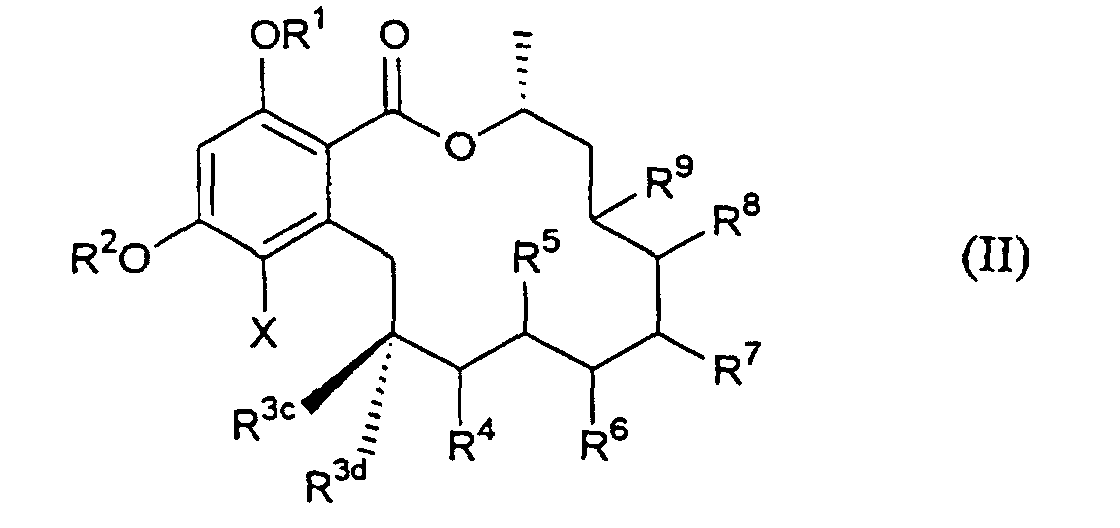
- the present invention provides a dermal papilla cell growth promoter which comprises a compound represented by the following formula (II): wherein R 1 and R 2 are the same or different and each represents a hydrogen atom, a C 1-6 alkyl group or a C 2-6 alkanoyl group;
- the present invention provides a dermal papilla cell growth promoter containing a compound represented by the following formula (IX): wherein R 1a and R 2a are the same or different and each represents a hydrogen atom, a C 1-6 alkyl group, a C 2-6 alkanoyl group,
- the present invention provides a hair growth stimulant or a hair growth tonic containing the above-described dermal papilla cell growth promoter as an active ingredient.
- the present invention provides a method of screening a dermal papilla cell growth promoter, which comprises selecting a substance inhibiting the function of WNT-5A.
- the present invention provides a method of selecting a substance inhibiting the function of WNT-5A that is a method of screening a dermal papilla cell growth promoter, which comprises the following steps (a) to (c):
- Fig. 1 shows an electrophoresis pattern demonstrating that WNT-5A mRNA is expressed in dermal papilla cells.
- Fig. 2 shows an electrophoresis pattern demonstrating that test compounds cause decreases in the WNT-5A mRNA amount in dermal papilla cells.
- Fig. 3 shows a graph demonstrating that test compounds have an activity of promoting the growth of dermal papilla cells.
- Fig. 4 shows an electrophoresis pattern demonstrating decreases in WNT-5A mRNA amount in monkey skin organ culture.
- Fig. 5 shows the results of PCNA-staining in telogen and anagen hair follicles in monkey skin organ culture.
- Fig. 6 shows histograms demonstrating that Compound 7 enlarges the hair bulb diameter in monkey skin organ culture.
- Fig. 7 shows histograms demonstrating that Compound 3 enlarges the hair bulb diameter in monkey skin organ culture.
- Fig: 8 shows photos of the skin before and after application of test compound for 6 months in a hair growth test on a stumptailed macaque (Macaca arctoides).
- a compound inhibiting the function of WNT-5A means a compound inhibiting the binding of WNT-5A to a WNT-5A receptor or a compound inhibiting the production of WNT-5A, preferably a compound inhibiting the production of WNT-5A.
- WNT-5A which is a secretory glycoprotein belonging to the WNT family, is expressed in human, mouse, rat, Xenopus laevis and the like. From the viewpoint of using as a drug, a compound inhibiting the function of human WNT-5A (SEQ ID NO: 1) is preferred.
- the compound inhibiting the binding of WNT-5A to a WNT-5A receptor means a compound which acts on WNT-5A or the WNT-5A receptor and thus inhibits the binding of WNT-5A to the WNT-5A receptor to thereby regulate the signal transduction by WNT-5A, and is preferably a compound regulating the signal transduction via the Ca 2+ pathway.
- Examples thereof include a WNT-5A receptor antagonist.
- Specific examples of the WNT-5A receptor include human Frizzled 5 (SEQ ID NO:4) and rat Frizzled 2 (SEQ ID NO:6).
- SEQ ID NO:4 human Frizzled 5
- SEQ ID NO:6 rat Frizzled 2
- the compound can be selected by a screening system using a labeled WNT-5A and WNT-5A receptor, and has preferably an IC 50 of 30 ⁇ M or less, and more preferably IC 50 of 10 ⁇ M or less.
- the compound inhibiting the production of WNT-5A means a compound inhibiting the expression of WNT-5A gene.
- a nonpeptidic inhibitor is preferred because of its advantageous of having a longer duration of action.
- the compound can be selected by using a decrease in the amount of WNT-5A protein (SEQ ID NO:1) or the amount of WNT-5A mRNA (SEQ ID NO:2) as an index, and has preferably an IC 50 of 30 ⁇ M or less, and more preferably 10 ⁇ M or less by a nucleic acid probe assay in accordance with the method of Hartley et al. (Drug Metabolism and Disposition, 28 (5), 608-616 (2000); Test Example 4 described below).
- the C 1-6 alkyl group means a linear or branched alkyl group having from 1 to 6 carbon atoms, and examples thereof include a methyl group, an ethyl group, a propyl group, an isopropyl group, a butyl group, an isobutyl group, a tert -butyl group, a pentyl group, a 2-ethylpropyl group, a hexyl group, and the like.
- the C 1-6 alkanoyl group means a linear or branched alkanoyl group having from 1 to 6 carbon atoms, and examples thereof include an acetyl group, a propionyl group, a butyryl group, a t-butyryl group and the like.
- the C 1-6 alkoxy group means a linear or branched alkoxy group having from 1 to 6 carbon atoms, and examples thereof include a methoxy group, an ethoxy group, a propoxy group, an isopropoxy group, a butoxy group, an isobutoxy group, a sec -butoxy group, a tert -butoxy group, a pentyloxy group, an isopentyloxy group, a neoisopentyloxy group, a tert-pentyloxy group, a 1-methylbutoxy group, a 2-methylbutoxy group, a 1,2-dimethylpropoxy group, a hexyloxy group, an isohexyloxy group and the like.
- the C 1-6 alkoxyimino group means a linear or branched alkoxyimino group having from 1 to 6 carbon atoms, and examples thereof include an N -methoxyimino group, an N -ethoxyimino group, an N -propxyimino group, an N -isopropoxyimino group, an N -butoxyimino group, an N -isobutoxyimino group, an N -pentyloxyimino group, an N -hexyloxyimino group, and the like.
- the C 1-6 alkanoyloxy group means a linear or branched alkanoyloxy group having from 1 to 6 carbon atoms, and examples thereof include an acetoxy group, a propionyloxy group, a pivaloyloxy group, and the like.
- the C 3-10 cycloalkyl group means a cycloalkyl group having from 3 to 10 carbon atoms, and examples thereof include a cyclopropyl group, a cyclobutyl group, a cyclopentyl group, a cyclohexyl group, a cycloheptyl group, a cyclooctyl group, a cyclononyl group, and the like.
- Examples of the substituted C 3-10 cycloalkyl group include a cycloalkyl group wherein a hydrogen atom(s) in the cycloalkyl group is/are substituted with at least one group selected from the group consisting of a halogen atom, an substituted or unsubstituted C 1-10 alkyl group, a hydroxyl group, a C 1-5 hydroxyalkyl group, a carboxyl group, a mercapto group, an indolyl group, a C 1-5 alkylthio group, an amino group, an amido group and a C 1-5 alkoxy group.
- a halogen atom an substituted or unsubstituted C 1-10 alkyl group
- a hydroxyl group a C 1-5 hydroxyalkyl group
- carboxyl group a mercapto group
- an indolyl group a C 1-5 alkylthio group
- an amino group an amido group and a C 1-5 al
- aryl group examples include a phenyl group, a naphthyl group, an anthracene group and the like.
- substituted aryl group examples include aryl groups wherein a hydrogen atom(s) in an aryl group is/are substituted with at least one group selected from the group consisting of a substituted or unsubstituted C 1-10 alkyl group, a hydroxyl group, a C 1-5 hydroxyalkyl group, a carboxyl group, a mercapto group, an indazolyl group, an indolyl group, a C 1-5 alkylthio group, a cyano group, a nitro group, an amino group, an amido group, an acetylamino group and a C 1-5 alkoxy group.
- Examples of the C 2-10 heterocycle include furan, pyrrole, thiophene, oxazole, isoxazole, thiazole, imidazole, pyrazole, pyran, pyridine, piperidine, pyridazine, pyrimidine, pyrazine, quinoline and the like.
- Examples of the substituted C 2-10 heterocycle include a heterocycle wherein a hydrogen atom(s) in the heterocycle is/are substituted with at least one group selected from the group consisting of a halogen atom, a substituted or unsubstituted C 1-10 alkyl group, a hydroxyl group, a C 1-5 hydroxyalkyl group, a carboxyl group, a mercapto group, an indazolyl group, an indolyl group, a C 1-5 alkylthio group, a cyano group, a nitro group, an amino group, an amido group and a C 1-5 alkoxy group.
- a halogen atom a substituted or unsubstituted C 1-10 alkyl group
- a hydroxyl group a C 1-5 hydroxyalkyl group
- carboxyl group a mercapto group
- an indazolyl group an indolyl group
- the ether bond means -O-, the formula -(CH 2 ) m -O-(CH 2 ) n - (wherein m and n each represents an integer of 1 to 3 and the alkylene groups in the formula may be substituted with an alkyl group(s)), or the formula -O-(CH 2 ) m -O- (wherein m is an integer of 1 to 3 and the alkylene groups in the formula may be substituted with an alkyl group(s)).
- Examples of the combination of the adjacent groups which form a ⁇ bond or an ether bond include (R 4 with R 5 ), (R 5 with R 6 ), (R 6 with R 7 ), (R 7 with R 8 ) and (R 8 with R 9 ) (the same applies to R 4a to R 9a in formula (IX)).
- a compound represented by formula (I) is preferred, and a compound wherein R 3a is a hydrogen atom and R 3b is a hydroxyl group is more preferred. From the viewpoint of the stability of compound, compounds represented by formulae (IIa), (IIb) and (IIc) are preferred.
- a compound wherein R 3e and R 6b are taken together to form an ether bond and (R 3f and R 4a ) and (R 5a and R 6a ) each form a ⁇ bond are preferred since they effectively inhibit the expression of WNT-5A mRNA in dermal papilla cells and promote the growth of the dermal papilla cells.
- R 7a represents Z-R 13 (wherein Z represents an oxygen atom or a sulfur atom; and R 13 represents a C 2-6 alkanoyl group or a substituted or unsubstituted aryl group) (e.g., Compound 53, etc.) is preferred since they effectively inhibit the expression of WNT-5A mRNA in dermal papilla cells and promote the growth of the dermal papilla cells.
- a compound represented by formula (II) can be produced by, for example, combining the following production methods. (wherein R 1 , R 2 , R 3c , R 3d , R 8 , R 9 and X have the same meanings as described above).
- the compound represented by formula (III) is subjected to a hydrogenation reaction in the presence of a catalyst such as palladium carbon in an organic solvent (e.g., ethyl acetate, tetrahydrofuran, diethyl ether, ethyl alcohol, methyl alcohol, etc.) to give the compound represented by formula (IV) or (IV') or a mixture of these compounds.
- a catalyst such as palladium carbon
- organic solvent e.g., ethyl acetate, tetrahydrofuran, diethyl ether, ethyl alcohol, methyl alcohol, etc.
- the compounds of formulae (IV) and (IV') can be separated and purified by a separation method commonly employed such as column chromatography. (wherein R 1 , R 2 , R 4 , R 5 , R 6 , R 7 , R 8 , R 9 and X have the same meanings as described above).
- the compound represented by formula (V) is allowed to react with a reducing agent such as potassium boron hydride, sodium boron hydride or lithium boron hydride, if necessary, in the coexistence of a salt such as LiCl, MgCl 2 , CeCl 3 , CaCl 2 or NiCl in an organic solvent (e.g., tetrahydrofuran, diethyl ether, ethyl alcohol, methyl alcohol, etc. ) at -20 to 100°C, preferably at 0 to 20°C, to give the compound represented by formula (VI).
- the compound represented by formula (VI) can be separated and purified by a separation method commonly employed such as column chromatography. (wherein R 1 , R 2 , R 3c , R 3d , R 4 , R 5 , R 6 , R 7 and X have the same meanings as described above).
- the compound represented by formula (VII) is treated with an acid or a base in an appropriate organic solvent (e.g., tetrahydrofuran, diethyl ether, ethanol, methanol, etc.) to give the compound represented by formula (VIII).
- an appropriate organic solvent e.g., tetrahydrofuran, diethyl ether, ethanol, methanol, etc.
- the compounds represented by formula (IX) (1, 60 to 78) are produced by culturing Pochonia chalamydosporia var. chlamydosporia TF-0480 strain in a medium containing various nutrients basically in accordance with methods commonly employed for producing fermentation products.
- a liquid medium is mainly used as the medium, the medium contains a carbon source, a nitrogen source and an inorganic salt optionally together with vitamins, precursors and a defoaming agent, and the pH is adjusted to around 7.
- the carbon source includes glucose, dextrin, glycerine, starch and the like, which may be used alone or as a mixture thereof.
- the nitrogen source includes meat extract, oatmeal, yeast extract, soybean flour, polypeptone, corn steep liquor, urea, an ammonium salt and the like, which may be used alone or as a mixture thereof.
- the inorganic salt includes monopotassium phosphate, magnesium sulfate, sodium chloride, calcium carbonate and the like, which may be used alone or as a mixture thereof.
- the defoaming agent which can be used include Adekanol or a silicone compound.
- aerobic culture methods such as shaken culture and aeration-agitation culture are suitable.
- the culture is carried out at pH 4 to 10 and at 25 to 35°C for 2 to 5 days, preferably at 25 to 28°C for 3 days.
- Compounds 1 and 60 to 78 thus produced by the culture can be isolated in accordance with methods commonly employed for collecting fermentation products. For example, it is effective to employ the following methods. Namely, after the completion of the culture, a culture filtrate is obtained by centrifugation or filtration. Then, it is adsorbed by a polystyrene resin such as DIAION HP-20 (trade name, manufactured by Mitsubishi Chemical) and eluted with an organic solvent such as lower alcohol or acetone. Cells are extracted with an organic solvent such as lower alcohol or acetone. Next, the cell extract and the eluate from the adsorbent resin are combined together and concentrated under reduced pressure.
- a culture filtrate is obtained by centrifugation or filtration. Then, it is adsorbed by a polystyrene resin such as DIAION HP-20 (trade name, manufactured by Mitsubishi Chemical) and eluted with an organic solvent such as lower alcohol or acetone. Cells are extracted with an organic solvent such as lower alcohol or acetone. Next, the cell
- an organic solvent such as ethyl acetate, chloroform or n-butanol is added for extraction, and the extract is concentrated.
- the resulting residue is re-dissolved in an organic solvent such as benzene, ethyl acetate, acetone, methanol or chloroform and then applied to silica gel column chromatography, gel filtration column chromatography, column chromatography packed with ODS for reversed phase partition and high performance liquid chromatography to thereby purify and isolate the compound according to the present invention.
- the strain producing the active ingredient according to the present invention is a novel strain that has been newly isolated from soil by the present inventors.
- the microorganism was named "Pochonia chlamydosporia var. chlamydosporia TF-0480" and has been deposited to International Patent Organism Depository, National Institute of Advanced Industrial Science and Technology as "FERM BP-8332".
- microbiological properties of this strain are as follows.
- the microorganism grows well in various agar plate media and well or moderately forms spores in tested media.
- Table 1 summarizes characteristics of colonies formed after culturing at 26°C for 2 weeks on various media. Colors are indicated in accordance with the color codes proposed by A. Kornerup et al., Dizionario dei colori, Musterschmidt (1978). Medium Results of observation on colonies with naked eye PDA Showing relatively well growth and sporulation. Colony diameter:23-28 mm. Wooly and somewhat domed colonies with pannose center and slight radial wrinkles. Somewhat irregular periphery (colony tip). Secreting a pale light yellow [3A6] pigment into the medium.
- Colony surface color white [1A1] at the periphery and pale yellow [4A3] at the center.
- Back face color reddish yellow [4A6] at the periphery and yellowish brown [5D8] at the center.
- Agar medium being irregularly or radially fractured.
- OMA Showing well growth and sporulation.
- Colony diameter 48-50 mm. Somewhat thin and wooly colonies with domed center and intermediate part. Relatively regular-shaped periphery. No pigment secretion.
- Colony surface color white [1A1] at the periphery and light yellow [3A4] at the center.
- Back face color light yellow [3A4] similar to the surface.
- CMA Showing well growth and moderate sporulation.
- Colony diameter 47-51 mm. Thin and pannose colonies. Relatively regular-shaped periphery. No pigment secretion into the medium. Colony surface/back face color: both white [1A1] to yellowish white [1A2]. MA Showing relatively well growth and sporulation. Colony diameter: 26-27 mm. Thick and wooly colonies with domed center. Relatively regular-shaped periphery. Secreting a slightly reddish yellow [4A7] pigment into the medium. Colony surface color: white [1A1] at the periphery and pale yellow [4A3] at the center.
- Back face color light orange [5A4] at the periphery, brown [7E8] at the center and orange [6B7] at the intermediate part.
- SA Showing relatively well growth and sporulation.
- Colony diameter 23-28 mm. Thick and wooly colonies with domed center. Somewhat irregular periphery with slight radial wrinkles.
- Colony surface color white [1A1] at the periphery and orange white [5A2] in other parts.
- Back face color light orange [5A4] at the periphery and center and brown [7E8] at the intermediate part.
- Agar medium being irregularly or radially fractured.
- LCA Showing well growth and moderate sporulation.
- Colony diameter 42-44 mm. Thin pannose to slightly wooly colonies. Relatively regular-shaped periphery. No secretion of pigment into the medium.
- a single conidium-forming cell (phialide) or 2 to 4 verticillate phialides are formed directly on a hypha. Conidiophorer cannot be clearly distinguished from vegetative hyphae.
- a plural number of conidia are formed at the front edge of a phialide to form a viscous mass.
- a phialide has a tapered cylindrical shape and smooth and colorless surface. It is from 13 to 15 ⁇ m in length and 0.8 to 1.7 ⁇ m in thickness at the base and 0.5 to 0.8 ⁇ m in thickness at the end.
- Conidia are in an elliptical shape or a semi-spherical shape (rare) and most of them have slightly projecting base.
- the conidia have smooth and colorless surface and are 2.2 to 5.0 ⁇ 1.8 to 2.8 ⁇ m in size.
- a single pale yellow and multicellular chlamydospore having netted wall (dictyochlamydospore) is formed on the medium surface or at the end of a short hypha sprouting on the medium.
- Dictyochlamydospores are also formed in the medium in a small amount. These dictyochlamydospores are 14 to 20 ⁇ 12 to 22 ⁇ m in size. After prolonging the culture over one month or longer, no teleomorph is observed.
- this strain grows within a pH of 3 to 10 and the optimum pH is from 5 to 7.
- Aerobic/anaerobic aerobic.
- the genus Pochonia with notes on Rotiferophthora, 73, 1-2, p51-86 (2001), this species is molecular systematically re-examined and, in its turn, referred to as belonging to the genus Pochonia as the proper genus. Moreover, it is suggested to refer such a species forming non-linked Verticillium-type conidia as the strain of the present invention as to a variant Pochonia chlamydosporia var. chlamydosporia.
- this strain is named "Pochonia chlamydosporia var. chlamydosporia TF-0480".
- skin papilla cell growth promoter means a medicament or a reagent having an effect of increasing the number of dermal papilla cells.
- the dermal papilla cell growth promoter according to the present invention is characterized by being based on the effect of inhibiting the function of WNT-5A. Since WNT-5A inhibits the functions of WNT-1 class molecules (WNT-1, WNT-8, etc. ) which are activators of WNT/ ⁇ -catenin pathway, the growth of dermal papilla cells is controlled by regulating the function of WNT-5A or regulating the expression of WNT-5A. Therefore, even compounds having completely different structures (e.g., Compound 24, Compound 79, Compound 7, etc.) have an excellent effect of promoting the growth of dermal papilla cells, so long as these compounds have an excellent effect of inhibiting the function of WNT-5A.
- WNT-5A inhibits the functions of WNT-1 class molecules (WNT-1, WNT-8, etc. ) which are activators of WNT/ ⁇ -catenin pathway
- the growth of cells can be measured by a method publicly known by a person skilled in the art. Examples of the measuring method include counting of viable cells using an appropriate color-developing substrate and the [ 3 H]-thymidine uptake method.
- the color-developing substrate tetrazolium salts such as MTT, MTS and XTT and Alamar Blue are preferably used.
- hair growth stimulant or hair growth tonic means products to be used for inducing hair growth, promoting hair growth, preventing alopecia and the like.
- the subject to be applied includes improvement or prevention of alopecia areata and male pattern alopecia.
- the effects of the hair growth stimulant and hair growth tonic according to the present invention are achieved by the effect of promoting the growth of dermal papilla cells by inhibiting the function of WNT-5A. Based on this function mechanism, the cell growing ability, which has been depressed in dermal papillae in an alopecia site, is enhanced and dermal well-developed papilla tissue is formed. It is therefore expected that the hair growth stimulant/hair growth tonic according to the present invention are efficacious against symptoms on which little effects can be established by the existing hair growth stimulants and hair growth tonics.
- the hair growth stimulant and hair growth tonic according to the present invention can be administered in various doses and various dosage forms depending on individual compounds.
- the compound represented by formula (IX) in the case of administering the compound represented by formula (IX) by application (lotion, ointment, a gel, etc.), for example, it can be administered at a dose of 0.0001 to 10% by weight, preferably 0.001 to 5% by weight and more preferably 0.001 to 1% by weight, although the dose varies depending on the type and dosage form of the hair growth tonic.
- the daily dose preferably ranges from 1 to 100 mg/kg.
- the dosage forms of the hair growth stimulant and hair growth tonic according to the present invention are not particularly restricted, it is preferable to provide the hair growth stimulant/hair growth tonic containing a WNT-5A production inhibitor (e.g., the compound represented by formula (IX)) as an active ingredient in the form of a water-soluble composition in the case of external application.
- a WNT-5A production inhibitor e.g., the compound represented by formula (IX)
- a water-soluble composition can be produced by using various additives (humectant, thickener, preservative, antioxidant, aromatic, coloring agent, etc.) commonly employed in producing drugs, quasi drugs or cosmetics, so long as the effects of the present invention are not damaged thereby.
- the hair growth stimulant and hair growth tonic according to the present invention can be provided as hair-care compositions such as hair tonic, hair oil, hair moose or gel, or ointments.
- such a preparation is produced as an aqueous solution, a non-aqueous solution, a suspension, liposomes or an emulsion prepared by dissolving a WNT-5A production inhibitor (e.g., the compound represented by formula (IX)) in purified water, an appropriate buffer such as a phosphate buffer, a physiological salt solution such as physiological saline, Ringer solution or Locke solution, ethanol or glycerol appropriately combined with a surfactant, etc. commonly employed, followed by sterilization.
- a WNT-5A production inhibitor e.g., the compound represented by formula (IX)
- purified water an appropriate buffer such as a phosphate buffer, a physiological salt solution such as physiological saline, Ringer solution or Locke solution, ethanol or glycerol appropriately combined with a surfactant, etc. commonly employed, followed by sterilization.
- an appropriate buffer such as a phosphate buffer, a physiological salt solution such as physiological saline, Ringer solution or Locke
- a WNT-5A production inhibitor for example, the compound represented by formula (IX)
- a fat, an oil, lanolin, vaseline, paraffin, wax, a plaster, a resin, plastic, glycerine, higher alcohol, glycerol, water, an emulsifier, a suspending agent or the like is mixed with a fat, an oil, lanolin, vaseline, paraffin, wax, a plaster, a resin, plastic, glycerine, higher alcohol, glycerol, water, an emulsifier, a suspending agent or the like to give an external preparation (ointment, cream, etc.) which can be topically administered.
- a WNT-5A production inhibitor e.g., the compound represented by formula (IX)
- an external preparation such as a dust or a powder.
- a WNT-5A production inhibitor e.g., the compound represented by formula (IX)
- a pharmaceutically acceptable carrier iller, binder, disintegrating agent, flavor, corrigent, emulsifier, etc.
- a diluent e.g., a diluent, a dissolution aid or the like
- the obtained medicinal composition is processed in a conventional manner to give a tablet, a capsule, granules, a dust, a syrup, a suspension, a solution and the like.
- compositions can be produced by using formulation techniques commonly employed.
- the present invention further relates to a method of screening a dermal papilla cell growth promoter, which comprises selecting a compound inhibiting the function of WNT-5A.
- Selecting a compound inhibiting the function of WNT-5A means, for example, selecting (i.e., screening) a WNT-5A production inhibitor, or selecting a WNT-5A receptor antagonist.
- test materials to be subjected to the screening method according to the present invention any materials can be used. That is, the test materials are not restricted in kind, and they may be low-molecular weight compounds, compounds contained in a natural extract or synthetic peptides. They may also be a compound library or a combinatorial library.
- the compound library can be constructed by a method publicly known by one of the skilled in the art. Alternatively, a commercially available compound library can be used.
- the compound which is subjected to screening preferably has a molecular weight of 3000 or less. From the viewpoint of enabling application/oral administration, a low-molecular weight compound having a molecular weight of 600 or less is preferred.
- a bond between the WNT-5A protein and the WNT-5A receptor is formed can be examined by using a labeled WNT-5A protein and a WNT-5A receptor and detecting or measuring the label.
- the label include a radioisotope ( 32 P, 33 P, 131 I, 125 I, 3 H, 14 C, 35 S, etc.), an enzyme (alkali phosphatase, hoarse radish peroxidase, etc.), a fluorescent substance (fluorescein isothiocyanate, etc. ) and the like. They can be commercially available and the labeling can be made by a known method.
- a specific example of an in vitro assay system is performed in a cell-free system. More specifically, one of the WNT-5A protein and the WNT-5A receptor is bound to a support and the other and a test material are added thereto. After incubating, the reaction mixture is washed and the binding of the other protein to the protein having been bound to the support is detected or measured.
- the support to which the protein is bound examples include insoluble polysaccharides such as agarose, dextran and cellulose; synthetic resins such as polystyrene, polyacrylamide and silicone; and the like. More specifically, commercially available beads and plates obtained by these materials can be employed.
- a compound inhibiting WNT-5A production can be screened by using the amount of WNT-5A mRNA or the amount of WNT-5A protein as an index. It is also possible to bind a reporter gene to the promoter region of a WNT-5A gene and detect the expression amount.
- the promoter of the WNT-5A gene one represented by SEQ ID NO:3 is preferably used.
- reporter gene examples include a GFP (green fluorescent protein) gene, a GUS ( ⁇ -glucuronidase) gene, an LUC (luciferase) gene, and a CAT (chloramphenicol acetyltransferase) gene.
- GFP green fluorescent protein
- GUS ⁇ -glucuronidase
- LUC luciferase
- CAT chloramphenicol acetyltransferase
- the expression amount of WNT-5A mRNA is used as an index
- human WNT-5A-expressing cells are used and a test material is added thereto. After culturing in an incubator for several hours at 37°C in a 5% CO 2 -95% air atmosphere, the cells are lysed and RNAs are extracted. Then, the amount of the WNT-5A mRNA is measured by, for example, RT-PCR. Thus, a material having an activity of decreasing the WNT-5A mRNA amount can be searched.
- the primers used in PCR are not particularly limited, so long as they are specific to WNT-5A mRNA, and they can be designed from the WNT-5A mRNA sequence. Preferred examples include a forward primer AATGTCTTCC AAGTTCTTCC TAGTGGC (SEQ ID NO:8) and a reverse primer GATGTCGGAA TTGATACTGG CA (SEQ ID NO:9).
- the WNT-5A protein amount is used as an index, for example, human WNT-5A-expressing cells are used and a test material is added thereto. After culturing in an incubator for several hours at 37°C in a 5% CO 2 -95% air atmosphere, the cells are lysed by using the culture medium and proteins are extracted. Then, the amount of the WNT-5A protein is measured by ELISA (enzyme-linked immunosorbent assay) or the like. Thus, a substance having an activity of decreasing the expression amount of the WNT-5A mRNA can be searched.
- ELISA enzyme-linked immunosorbent assay
- Radicicol (Compound 1: 10.8 g) was dissolved in ethyl acetate (140 ml) and 5% palladium carbon (wet type) (255 mg) was added thereto, followed by hydrogen replacement (1 atm) and stirring at room temperature for 3 hours. After filtering the palladium carbon, the filtrate was distilled off under reduced pressure. The resulting residue was purified by silica gel chromatography and eluted with n-hexane:ethyl acetate (2: 1) to give target Compound 4 (3.43 g) was obtained, or eluted with n-hexane:ethyl acetate (3:2) to give target Compound 3 (4.14 g).
- Radicicol (91.5 mg) was dissolved in methanol (5 ml) and cerium (III) chloride heptahydride (88 mg) was added thereto, followed by stirring at room temperature for 10 minutes.
- sodium boron hydride (60 mg) was slowly added to the solution under ice cooling, followed by stirring at room temperature for 30 minutes.
- saturated disodium hydrogen phosphate (20 ml) was added to the reaction solution, the mixture was diluted with water (20 ml) and the organic solvent was distilled off under reduced pressure. The residual aqueous layer was extracted with ethyl acetate (50 ml x 3).
- Radicicol (15.3 mg) was dissolved in pyridine (1.5 ml) and acetic anhydride (4 ml) was added thereto, followed by stirring at room temperature for 6.5 hours. After adding ice water (20 ml) to the reaction solution, the mixture was extracted with ethyl acetate (20 ml). The ethyl acetate layer was washed with water (20 ml x 2) and dried over anhydrous sodium sulfate and then the ethyl acetate was distilled off under reduced pressure.
- Radicicol (19.0 mg) was dissolved in dimethyl sulfoxide (1 ml), and potassium carbonate (3 mg) and methyl iodide (4 ml) were added thereto, followed by stirring at room temperature for 6.5 hours. After adding water (20 ml) to the reaction solution, the mixture was extracted with ethyl acetate (20 ml). The ethyl acetate layer was dried over anhydrous sodium sulfate and then the ethyl acetate was distilled off under reduced pressure.
- Radicicol (930 mg) was dissolved in 1,4-dioxane (14 ml) and 1N hydrochloric acid (12 ml) was added thereto, followed by stirring at room temperature for 2 hours. After diluting with water (40 ml), the mixture was extracted with ethyl acetate (100 ml). The ethyl acetate layer was dried over anhydrous sodium sulfate and then the ethyl acetate was distilled off under reduced pressure.
- Radicicol (232.6 mg) was dissolved in 1,4-dioxane (4 ml) and 1N hydrochloric acid (1 ml) was added thereto, followed by stirring at room temperature for 30 minutes. After neutralizing with 1N sodium hydroxide, the solvent was distilled off under reduced pressure. Then, the concentrate was dissolved with 20 ml of methanol. The resultant solution was filtered through a cotton plug and the methanol was distilled off under reduced pressure.
- Radicicol (378 mg) was dissolved in 1,4-dioxane (4 ml) and 1N hydrochloric acid (1 ml) was added thereto, followed by stirring at room temperature for 20 minutes. After neutralizing with 1N sodium hydroxide, the solvent was distilled off under reduced pressure. Then, the concentrate was dissolved with 20 ml of methanol. The resultant solution was filtered through a cotton plug and the methanol was distilled off under reduced pressure.
- the resulting ethyl acetate layer was dried over anhydrous sodium sulfate and then the ethyl acetate was distilled off under reduced pressure to give a gummy substance (1.46 g).
- the obtained substance was dissolved in a solvent mixture of chloroform-methanol (4:1) and adsorbed by a silica gel [Silica gel 60 (trade name, manufactured by Merck)] column (400 ml) prepared by moistening with n-hexane. Then, elution was successively carried out with a solvent mixture of n-hexane-ethyl acetate.
- Fraction (1) was dissolved in a small amount of tetrahydrofuran and purified by preparative high performance liquid chromatography [column: YMC-Pack Pro C18 AS-343 (20 ⁇ ⁇ 250 mm), detection: UV absorption at 254 nm, flow rate: 10 ml/min] using acetonitrile-water (pH 3.5, acetic acid) (35:65) as the mobile phase to obtain three fractions.
- Radicicol (378 mg) was dissolved in N,N-dimethylformamide (6 ml), and triethylamine (56.4 mg) and thioacetic acid (163 mg) were added thereto under ice cooling, followed by stirring under ice cooling overnight. Then, dilute hydrochloric acid was added to the reaction solution, followed by extraction with ethyl acetate. After washing successively with water and a saturated aqueous sodium chloride solution and drying over anhydrous magnesium sulfate, the extract was dried under reduced pressure.
- Example 36 (Compounds 60, 61, 62, 63, 68 and 70)
- An aseptic liquid medium (pH 6) containing 2.0% glucose, 4.0% mannitol, 2.0% oatmeal, 0.4% yeast extract, 0.001% iron (II) sulfate heptahydrate, 0.001% zinc (II) sulfate heptahydrate, 0.001% manganese (II) sulfate tetra-pentahydrate and 0.0005% copper (II) sulfate pentahydrate was inoculated with Pochonia chlamydosporia var. chlamydosporia TF-0480 strain which was then cultured therein under shaking at 26°C for 72 hours.
- an aseptic medium having the same composition as one employed in the seed culture was inoculated with 300 ml of the seed culture medium which was then cultured therein under aeration-agitation at 26°C for 144 hours. After the completion of the culturing, the culture was centrifuged to thereby separate the cells from the supernatant. The supernatant was adsorbed by 1.5 L of HP-20 (manufactured by Mitsubishi Chemical), washed with water and then eluted with 3 L of methanol. The eluate was concentrated under reduced pressure and the obtained aqueous layer was extracted with ethyl acetate. The ethyl acetate layer was dehydrated over anhydrous sodium sulfate and concentrated under reduced pressure to give a brown syrupy substance (60 g).
- a portion (30 g) of the culture extract was dissolved in a solvent mixture of chloroform-methanol (4:1) and adsorbed by a silica gel [Silica Gel 60 (trade name, manufactured by Merck)] column (1600 ml) prepared by moistening with n-hexane.
- a silica gel [Silica Gel 60 (trade name, manufactured by Merck)] column (1600 ml) prepared by moistening with n-hexane.
- elution was successively carried out with n-hexane-ethyl acetate mixtures to give a fraction (130 mg) eluted with a solvent mixture of n-hexane-ethyl acetate (4:1), (2:1)-eluted fractions (1) (1.88 g) and (2) (780 mg), and a (1:2)-eluted fraction (3.56 g).
- n-hexane-ethyl acetate (4:1)-eluted fraction 130 mg was dissolved in a small amount of acetone and purified by preparative high performance liquid chromatography [column: YMC-Pack Pro C18 AS-343 (20 ⁇ ⁇ 250 mm), detection: UV absorption at 254 nm, flow rate: 10 ml/min] using acetonitrile-water (pH 3.5, acetic acid) (55:45) as the mobile phase to obtain two fractions. Each of the fractions was concentrated under reduced pressure to give Compound 63 (23.5 mg, 20 min) and Compound 70 (4.8 mg, 24 min).
- n-hexane-ethyl acetate (2:1)-eluted fraction (1.88 g) was recrystallized from acetone (30 ml) to give Compound 61 (277 mg).
- the eluted fraction (2) (780 mg) was purified by preparative thin layer chromatography [Silica Gel 60 F254 (trade name, manufactured by Merck), 20 cm ⁇ 20 cm, 1 mm in thickness] using n-hexane-acetone (3:2) as the developing solvent. A part with an Rf value of 0.4 was collected, extracted with ethyl acetate and then concentrated under reduced pressure to give Compound 60 (80.3 mg).
- n-hexane-ethyl acetate (1:2)-eluted fraction (3.56 g) was dissolved in a solvent mixture of chloroform-methanol (4:1) and adsorbed by a silica gel [Silica Gel 60 (trade name, manufactured by Merck)] column (880 ml) prepared by moistening with chloroform.
- elution was successively carried out with a solvent mixture of chloroform-methanol to give a chloroform-methanol (98:2)-eluted fraction (926 mg). Then, it was recrystallized from acetone-methanol (1 ml/3 ml) to give Compound 62 (339 mg).
- a chloroform-methanol (97:3)-eluted fraction (1.42 g) was purified by column chromatography using Sephadex LH-20 (trade name, manufactured by Amersham Pharmacia Biotech) (methanol, 900 ml), followed by preparative high performance liquid chromatography [column: YMC-Pack Pro C18 AS-343 (20 ⁇ ⁇ 250 mm), detection: UV absorption at 254 nm, flow rate: 10 ml/min] using acetonitrile-water (pH 3.5, acetic acid) (30:70) as the mobile phase. The obtained fraction was concentrated under reduced pressure to give Compound 68 (4.5 mg, 21 min).
- a portion (30 g) of a culture extract obtained as in Example 36 was dissolved in a solvent mixture of chloroform-methanol (4:1) and adsorbed by a silica gel [Silica Gel 60 (trade name, manufactured by Merck)] column (700 ml) prepared by moistening with chloroform. Next, elution was successively carried out with a solvent mixture of chloroform-methanol. A chloroform-methanol (93:7)-eluted fraction was divided into 2 portions, i.e., fractions (1) (156 mg) and (2) (164 mg).
- Fraction (1) was dissolved in a small amount of methanol and purified by preparative high performance liquid chromatography [column: YMC-Pack Pro C18 AS-343 (20 ⁇ ⁇ 250 mm), detection: UV absorption at 254 nm, flow rate: 10 ml/min] using acetonitrile-water (pH 3.5, acetic acid) (30:70) as the mobile phase to obtain four fractions. Each of the fractions was concentrated under reduced pressure to give Compound 64 (35.4 mg, 21 min), Compound 72 (13.7 mg, 27 min), Compound 71 (6.6 mg, 29 min) and Compound 65 (4.1 mg, 33 min).
- Fraction (2) was purified by preparative high performance liquid chromatography under the same conditions, and the obtained fractions were collected and concentrated under reduced pressure to give Compound 71 (3.7 mg) together with Compound 76 (4.5 mg, 20 min).
- a culture extract (39.5 g) obtained as in Example 36 was dissolved in n-hexane (300 ml x 2).
- the precipitate thus formed was filtered and the solvent was removed.
- the obtained precipitate (8.1 g) was dissolved in a solvent mixture of chloroform-methanol (4:1) and adsorbed by a silica gel [Silica Gel 60 (trade name, manufactured by Merck)] column (650 ml) prepared by moistening with chloroform.
- elution was successively carried out with a solvent mixture of chloroform-methanol to give a chloroform-methanol (88:12)-eluted fraction (318 mg).
- This fraction was divided in a small amount of methanol and purified by preparative high performance liquid chromatography [column: YMC-Pack Pro C18 AS-343 (20 ⁇ ⁇ 250 mm), detection: UV absorption at 254 nm, flow rate: 10 ml/min] using acetonitrile-water (pH 3.5, acetic acid) (30:70) as the mobile phase to obtain two fractions. Each of the fractions was concentrated under reduced pressure to give Compound 74 (15.3 mg, 19 min) and Compound 69 (8.0 mg, 38 min).
- a culture extract (39.5 g) obtained as in Example 36 was dissolved in n-hexane (300 ml ⁇ 2).
- the precipitate thus formed was filtered and the solvent was removed.
- the obtained precipitate (8.1 g) was dissolved in a solvent mixture of chloroform-methanol (4:1) and adsorbed by a silica gel [Silica Gel 60 (trade name, manufactured by Merck)] column (650 ml) prepared by moistening with chloroform.
- elution was successively carried out with a solvent mixture of chloroform-methanol to give a chloroform-methanol (100:0)-eluted fraction (1.5 mg).
- n-hexane-ethyl acetate (2:1)-eluted fraction 321 mg.
- the obtained fraction was dissolved in a small amount of acetone and purified by preparative high performance liquid chromatography [column: YMC-Pack Pro C18 AS-343 (20 ⁇ ⁇ 250 mm), detection: UV absorption at 254 nm, flow rate: 10 ml/min] using acetonitrile-water (pH 3.5, acetic acid) (under gradient of 45:55 to 70:30) as the mobile phase to give Compound 66 (14.4 mg, 34 min).
- a culture extract (500 g) obtained as in Example 36 was dissolved in a solvent mixture of chloroform-methanol (4:1) and adsorbed by a silica gel [Silica Gel 60 (trade name, manufactured by Merck)] column (6000 ml) prepared by moistening with chloroform. Next, elution was successively carried out with a solvent mixture of chloroform-methanol. Thus, a chloroform-methanol (95:5)-eluted fraction (57 g) was obtained. A portion (18 g) of this fraction was further subjected to silica gel column (800 ml) using a solvent mixture of n-hexane-ethyl acetate.
- Fraction (1) was dissolved in a small amount of acetone and purified by preparative high performance liquid chromatography [column: YMC-Pack Pro C18 AS-343 (20 ⁇ ⁇ 250 mm), detection: UV absorption at 254 nm, flow rate: 10 ml/min] using acetonitrile-water (pH 3.5, acetic acid) (55:45) as the mobile phase.
- the obtained fraction was concentrated under reduced pressure to give Compound 78 (13.4 mg, 26 min).
- fraction (2) was purified by preparative high performance liquid chromatography using acetonitrile-water (pH 3.5, acetic acid) (45:55) as the mobile phase to obtain the two fractions. Each of the fractions was concentrated under reduced pressure to give Compound 73 (38.1 mg, 10 min) and Compound 77 (67.2 mg, 26 min).
- a culture extract (500 g) obtained as in Example 36 was dissolved in a solvent mixture of chloroform-methanol (4:1) and adsorbed by a silica gel [Silica Gel 60 (trade name, manufactured by Merck)] column (6000 ml) prepared by moistening with chloroform. Next, elution was successively carried out with a solvent mixture of chloroform-methanol. Thus, a chloroform-methanol (95:5)-eluted fraction (57 g) was obtained.
- Table 2 shows the compounds synthesized and purified in the above Examples and data thereof.
- Human dermal papilla cells which were purchased from Toyobo, were cultured in MEM (Invitrogen) containing 12% FBS. Human hair follicle cells were separated from plucked hairs in accordance with the method of Arase et al. (J. Dermatol. Sci., 2 , 66-70 (1991)) and cultured by using KGM-2 (Sanko Junyaku).
- the dermal papilla cells in passage 5 and the hair follicle cells in passage 2 were sowed in a 10 cm dish to give a density of 2 ⁇ 10 6 cells/well and cultured over 2 nights. After removing the medium, the cells were washed with PBS(-) and total RNAs were extracted by using TRIzol reagent (Invitrogen).
- RNAs Using 50 ng of the total RNAs, 0.4 ⁇ M primers specific to WNT-5A or glyceraldehyde-3-phosphate dehydrogenase (GAPDH) [WNT-5A forward: AATGTCTTCC AAGTTCTTCC TAGTGGC (SEQ ID NO:8), WNT-5A reverse: GATGTCGGAA TTGATACTGG CA (SEQ ID NO:9), GAPDH forward: ACCACAGTCC ATGCCATCAC (SEQ ID NO: 10) and GAPDH reverse: TCCACCACCC TGTTGCTGTA (SEQ ID NO:11)] and SUPERSCRIPT One-Step RT-PCT with PLATINUM Taq (Invitrogen), RT-PCR was carried out in accordance with the protocol attached to SUPERSCRIPT One-Step RT-PCT with PLATINUM Taq.
- GAPDH glyceraldehyde-3-phosphate dehydrogenase
- first strand synthesis was carried out at 50°C for 30 minutes in a reaction system of 25 ⁇ l in total volume. After heating to 94°C for 2 minutes, each cDNA fragment was amplified in 23 or 20 cycles with each cycle consisting of 30 seconds at 94°C, 30 seconds at 55°C and 30 seconds at 72°C.
- Human dermal papilla cells which were purchased from Toyobo, were cultured in MEM (Invitrogen) containing 12% FBS.
- the dermal papilla cells in passage 5 were sowed in a 12-well plate to give a density of 1.6 ⁇ 10 5 cells/well and cultured overnight. Then, the medium was replaced by a medium to which no compound was added or a medium containing Compound 1, 2, 3, 4, 5, 7, 9 or 24 and the culture was continued for additional 24 hours. After the completion of the culture, each medium was removed and the cells were washed with PBS(-). Then total RNAs were extracted by using TRIzol reagent (Invitrogen).
- RNAs Using 50 ng of the total RNAs, 0.4 ⁇ M of primers specific to WNT-5A or GAPDH [WNT-5A forward: AATGTCTTCC AAGTTCTTCC TAGTGGC (SEQ ID NO:8), WNT-5A reverse: GATGTCGGAA TTGATACTGG CA (SEQ ID NO:9), GAPDH forward: ACCACAGTCC ATGCCATCAC (SEQ ID NO:10) and GAPDH reverse: TCCACCACCC TGTTGCTGTA (SEQ ID NO: 11)] and SUPERSCRIPT One-Step RT-PCT with PLATINUM Taq (Invitrogen), RT-PCR was carried out in accordance with the protocol attached to SUPERSCRIPT One-Step RT-PCT with PLATINUM Taq.
- first strand synthesis was carried out at 50°C for 30 minutes in a reaction system of 25 ⁇ l in total volume. After heating to 94°C for 2 minutes, the cDNA fragment of WNT-5A or GAPDH was amplified in 23 or 20 cycles with each cycle consisting of 30 seconds at 94°C, 30 seconds at 55°C and 30 seconds at 72°C.
- the amplified WNT-SA cDNA fragments was remarkably decreased in the cultures with the compounds, compared with the culture using the medium to which no compound was added.
- Human dermal papilla cells which were purchased from Toyobo, were cultured in MEM (Invitrogen) containing 12% FBS.
- the dermal papilla cells in passage 5 were sowed in a 96-well plate for spheroid culture to give a density of 1.5 ⁇ 10 4 cells/well and cultured overnight. Then, the medium was replaced by a medium to which no compound was added or a medium containing Compound 1, 2, 3, 4, 5, 7, 9 or 24 and the culture was continued for additional 72 hours. After the completion of the culture, cells were counted by using Cell Counting Kit (Wako Pure Chemicals). Five hours before the completion of the culture, WST-1 reagent at 1/10 amount per medium was added to each medium and then the optical density (O.D. 450 nm/620 nm) of the medium was measured at the completion of the culture. A positive correlation was observed between the cell number and optical density within the range of 0.25 to 4 ⁇ 10 4 cells/well.
- each numerical value means an average of 6 wells (control group) or 3 wells (test groups).
- Student's t-test was employed: *: P ⁇ 0.05, **: P ⁇ 0.01, ***: P ⁇ 0.001.
- Test Examples indicates that WNT-5A is expressed in human dermal papilla cells, the amount of WNT-5A mRNA in dermal papilla cells is decreased by the compound according to the present invention, and a compound having an activity of decreasing WNT-5A mRNA amount has an activity of promoting the growth of dermal papilla cells.
- Human dermal papilla cells which were purchased from Toyobo, were cultured in MEM (Invitrogen) containing 12% FBS.
- the dermal papilla cells in passage 5 were sowed in a 96-well plate to give a density of 1 ⁇ 10 4 cells/well and cultured overnight. Then, the medium was replaced by a medium to which no compound was added or a medium containing the compounds and the culture was continued for additional 24 hours. After the completion of the culture, WNT-5A or GAPDH mRNA amount was measured by using QuantiGene High Volume Kit (Bayer Medical) by the branched DNA (bDNA) signal amplification method (Drug Metabolism and Disposition, 28 (5), 608-616(2000)). In accordance with the protocol attached to QuantiGene High Volume Kit, cells were lysed by using Lysis Mixture and the lysis solution was added to capture plate.
- a set of probes specific to WNT-5A or GPDH was added and allowed to react at 53°C for 20 hours. After washing the plate by using 0.1 ⁇ SSC containing 0.03% lauryl sulfate, an amplification probe comprising bDNA was added and allowed to react at 46°C for 1 hour. After washing the plate, a labeling probe labeled with alkaline phosphatase was added and allowed to react at 46°C for 1 hour. After washing the plate, a substrate Lumi-Phos Plus was added and allowed to react at 46°C for 30 minutes. Then, the luminescence was measured by using WALLAC 1420ARVO sx .
- the WNT-5A-specific probe set was designed based on the sequence of the coding region of human WNT-5A mRNA.
- capture extenders CEs
- 10 probes SEQ ID NOs:12 to 21
- label extenders LEs
- 31 probes SEQ ID NOs:22 to 52
- blockers 9 probes (SEQ ID NOs:53 to 60) were employed.
- GAPDH-specific probe set use was made of bDNA probe set for human GAPDH (Xeno Tech LLC, B0960).
- the amounts of WNT-5A and GAPDH mRNAs are expressed in relative values (%) to the control case of adding of no compound and the concentration of a compound at which the mRNA amount is halved (IC 50 ) is calculated as an index of WNT-5A mRNA decreasing activity of the corresponding compound.
- Table 3 shows the effects of the compounds on the WNT-5A and GDPH mRNA amounts. Each numerical value in the table shows the average of 2 wells. These compounds decreased the WNT-5A mRNA amount in dermal papilla cells. The IC 50 value of the most active compound was 0.12 ⁇ M. At the IC 50 concentration of each compound for WNT-5A mRNA suppression, no decrease was observed in the GAPDH mRNA amount measured at the same time. IC 50 ( ⁇ M) Compound No.
- Human dermal papilla cells which were purchased from Toyobo, were cultured in MEM (Invitrogen) containing 12% FBS.
- the dermal papilla cells in passage 5 were sowed in a 96-well plate for spheroid culture to give a density of 1.5 ⁇ 10 4 cells/well and cultured overnight. Then, the medium was replaced by a medium to which no compound was added or a medium containing the compound and the culture was continued for additional 72 hours. After the completion of the culture, cells were counted by using a Cell Counting Kit (Wako Pure Chemicals). Five hours before the completion of the culture, WST-1 reagent at 1/10 amount per medium was added to each medium and then the optical density (O.D. 450 nm/620 nm) of the medium was measured at the completion of the culture. A positive correlation was observed between the cell number and optical density within the range of 0.25 to 4 ⁇ 10 4 cells/well.
- Table 4 shows the effects of the compounds having an activity of decreasing the WNT-5A mRNA amount on the growth of dermal papilla cells.
- each numerical value means an average of 6 wells (control group) or 3 wells (test groups). To compare the control group to the test groups, Student's t-test was employed: *: P ⁇ 0.05, **: P ⁇ 0.01, ***: P ⁇ 0.001.
- Each of the compounds having an activity of decreasing the WNT-5A mRNA amount showed a remarkable activity of promoting the growth of dermal papilla cells at 16 ⁇ M.
- Compounds 1, 2, 18, 35, 52, 53 and 58, each showing a potent activity of decreasing the WNT-5A mRNA amount i.e., IC 50 being lower than 1 ⁇ M
- IC 50 being lower than 1 ⁇ M
- the dorsal skin of a Cynomolgus monkey (Macaca fascicularis) (male, 6 years old) was collected and divided into pieces (5 mm x 8 mm) under a stereoscopic microscope. Then each skin tissue piece was cultured in William's Medium E (Invitrogen) to which no compound was added or Compound 7 or Compound 3 was added and which contained 10 ⁇ g/ml insulin (Sigma) and 10 ng/ml hydrocortisone (Kurabo).
- RNAs were extracted by using TRIzol reagent (Invitrogen).
- TRIzol reagent Invitrogen
- WNT-5A sense AATGTCTTCC AAGTTCTTCC TAGTGGC (SEQ ID NO:8)
- WNT-5A antisense GATGTCGGAA TTGATACTGG CA (SEQ ID NO:9)
- GAPDH sense ACCACAGTCC ATGCCATCAC (SEQ ID NO:10) and GAPDH antisense: TCCACCACCC TGTTGCTGTA (SEQ ID NO: 11)
- SUPERSCRIPT One-Step RT-PCT with PLATINUM Taq Invitrogen
- RT-PCR was carried out in accordance with the protocol attached to SUPERSCRIPT One-Step RT-PCT with PLATINUM Taq (Invitrogen)
- first strand synthesis was carried out at 50°C for 30 minutes in a reaction system of 25 ⁇ l in total volume in accordance with the protocol attached to SUPERSCRIPT One-Step RT-PCT with PLATINUM Taq. After heating to 94°C for 2 minutes, the WNT-5A or GPDH cDNA fragment was amplified in 40 or 30 cycles with each cycle consisting of 30 seconds at 94°C, 30 seconds at 55°C and 30 seconds at 72°C.
- the amplified WNT-5A cDNA fragment was remarkably decreased in the culture with the addition of Compound 7 or Compound 3, compared with the culture to which no compound was added.
- PCNA proliferating cell nuclear antigen
- the dorsal skin of a Cynomolgus monkey (Macaca fascicularis) (male, 6 years old) was collected and divided into pieces (5 mm ⁇ 8 mm) under a stereoscopic microscope. Then each skin tissue piece was cultured in William's Medium E (Invitrogen) to which no compound was added or Compound 7 or Compound 3 was added and which contained 10 ⁇ g/ml of insulin (Sigma) and 10 ng/ml of hydrocortisone (Kurabo).
- the skin tissue pieces were each fixed by using 10% neutralized formalin at room temperature.
- a section embedded in paraffin was prepared.
- BSA-containing PBS After adding 1% BSA-containing PBS, it allowed to stand at room temperature for 30 minutes and then boiled in a 0.1 M citrate buffer solution. Then it was reacted with anti-PCNA antibody (Dako Japan, diluted 200-fold) at 4°C overnight and then reacted with biotinylated antimouse IgG antibody. Further, it was reacted with ABC standard kit (vector) and subjected to color development using AEC substance (Sigma).
- the dorsal skin of a Cynomolgus monkey (Macaca fascicularis) (male, 6 years old) was collected and divided into pieces (5 mm ⁇ 8 mm) under a stereoscopic microscope. Then each skin tissue piece was cultured in William's Medium E (Invitrogen) to which no compound was added or Compound 7 or Compound 3 was added and which contained 10 ⁇ g/ml of insulin (Sigma) and 10 ng/ml of hydrocortisone (Kurabo).
- Figs. 6 and 7 show the results.
- each numerical value means mean ⁇ S.E. of bulb diameters of all follicles contained in each skin tissue piece.
- Student's t-test was employed: *: P ⁇ 0.05.
- FIG. 6 shows the effect achieved after culturing in the presence of Compound 7. After culturing in the presence of Compound 7 for 30 days, the average bulb diameter of the follicles contained in the skin piece was significantly higher than that of the control group to which no compound was added.
- the control group to which no compound was added showed the largest follicle count in the group of diameter of 140 ⁇ m or longer but shorter than 170 ⁇ m
- the group to which Compound 7 was added showed the largest follicle count in the group of diameter of 170 ⁇ m or longer but shorter than 200 ⁇ m.
- the ratio of follicles of 170 ⁇ m or longer in bulb diameter in the group to which no compound was added was 57.6%, whereas the ratio in the group to which Compound 7 was elevated to 82.4%.
- Fig. 7 shows the effect achieved after culturing in the presence of Compound 3. Similar to the case of Compound 7, after culturing in the presence of Compound 3 for 30 days, the average bulb diameter of the follicles contained in the skin piece was significantly higher than that of the control group to which no compound was added. As shown by the distribution, the control group to which no compound was added showed the largest follicle count in the group of diameter of 140 ⁇ m or longer but shorter than 170 ⁇ m, whereas the group to which Compound 3 was added showed the largest follicle count in the group of diameter of 200 ⁇ m or longer but shorter than 230 ⁇ m. The ratio of follicles of 170 ⁇ m or longer in bulb diameter in the group to which no compound was added was 55.8%, whereas the ratio in the group to which Compound 7 was elevated to 74.5%.
- Fig. 8 provides enlarged photos of the skin before and after application of the lotion containing Compound 7 for 6 months. Before the application, many thin vellus hairs were observed. In the same site after applying for 6 months, in contrast, vellus hairs decreased and thick terminal hairs increased. That is, it is recognized that the alopecia in the forehead of the stumptailed macaque was clearly ameliorated by applying the lotion containing Compound 7 for 6 months.
- the compound according to the present invention causes a decrease in the WNT-5A mRNA amount in monkey skin organ culture too, the compound causes a remarkable increase in the PCNA-staining positive proliferative cells both in the telogen and anagen hair follicles, and the compound enlarges the bulb size of follicles.
- the compound according to the present invention has an effect of ameliorating alopecia of a stumptailed macaque which is a model animal of male pattern alopecia.
- a compound promoting the growth of dermal papilla cells would enhance the cell growing ability, which has been lowered in the dermal papillae in follicles in a part with alopecia, and thus contributes to the formation of well-developed dermal papilla tissues, thereby promoting hair growth.
- a WNT-5A function inhibitor for example, a compound having an activity of decreasing WNT-5A mRNA amount or a pharmaceutically acceptable salt thereof has an activity of promoting the growth of dermal papilla cells and, therefore, is useful as a hair growth stimulant/hair growth tonic with a novel function mechanism.
- the present invention provides a completely novel idea of using a compound inhibiting the function of WNT-5A as an agent ameliorating or preventing alopecia, which has never been known hitherto, and screening of such a compound inhibiting the function of WNT-5A is useful in developing a novel hair growth stimulant/hair growth tonic.
Landscapes
- Chemical & Material Sciences (AREA)
- Organic Chemistry (AREA)
- Health & Medical Sciences (AREA)
- Life Sciences & Earth Sciences (AREA)
- Veterinary Medicine (AREA)
- Public Health (AREA)
- General Health & Medical Sciences (AREA)
- Animal Behavior & Ethology (AREA)
- Epidemiology (AREA)
- Pharmacology & Pharmacy (AREA)
- Medicinal Chemistry (AREA)
- Dermatology (AREA)
- Nuclear Medicine, Radiotherapy & Molecular Imaging (AREA)
- General Chemical & Material Sciences (AREA)
- Chemical Kinetics & Catalysis (AREA)
- Bioinformatics & Cheminformatics (AREA)
- Engineering & Computer Science (AREA)
- Birds (AREA)
- Pharmaceuticals Containing Other Organic And Inorganic Compounds (AREA)
- Acyclic And Carbocyclic Compounds In Medicinal Compositions (AREA)
- Cosmetics (AREA)
Abstract
A dermal papilla cell growth promoter, a hair growth stimulant and a hair
growth tonic containing a compound having an activity of inhibiting the function of
WNT-5A.
Description
The present invention relates to a dermal papilla cell growth promoter, a
hair growth stimulant and a hair growth tonic. More specifically, it relates to a dermal
papilla cell growth promoter, a hair growth stimulant and a hair growth tonic
comprising a WNT-5A function inhibitor as an active ingredient. Furthermore, the
present invention relates to a method of screening a dermal papilla cell growth promoter
based on the effect of inhibiting the function of WNT-5A.
Human hair follicles are made up of epithelial and mesenchymal dermal
cells such as keratinocytes, dermal papilla cells, fibroblasts and sebaceous cells and hair
growth cycle (hair cycle) is controlled via interactions among these cells. The hair
shaft is formed by the proliferation/differentiation (keratinization) of follicular
keratinocytes. Dermal papillae regulate the proliferation, differentiation and apoptosis
of these follicular keratinocytes and thus play a key role in the control of the hair cycle.
In developing a hair growth stimulant/a hair growth tonic, therefore, it would be
important to study effects on dermal papilla cells. However, molecular mechanisms
regulating the proliferating ability and hair-cycle controlling ability of dermal papilla
cells have been scarcely clarified so far.
On the other hand, WNT-5A is a secretory glycoprotein belonging to the
WNT family. The WNT family includes about 20 kinds of molecules which are
conserved over a wide range from nematodes to mammals. It is known that these
WNTs are important intercellular signaling molecules which regulate axis formation
and organ formation during the fetal stage (Annu. Rev. Cell Dev. Biol., 14, 59-88
(1998); Genes & Dev. 11, 3286-3305 (1997)). In humans, there are 10 kinds of WNT
receptors that are Frizzled seven-pass transmembrane receptors (Annu. Rev. Cell Dev.
Biol., 14, 59-88 (1998), Genes & Dev., 11, 3286-3305 (1997)). Depending on WNT-Frizzled
bond combinations, there exist 3 kinds of signal transduction pathways (i.e.,
WNT/β-catenin pathway, PCP pathway and WNT/Ca2+ pathway) (Annu. Rev. Cell Dev.
Biol., 14, 59-88 (1998)).
In recent years, it is clarified that the WNT/β-catenin pathway is
fundamental to the formation of hair follicles (Genes & Dev., 8, 2691-2703 (1994); Cell,
95, 605-614 (1998); Dev. Biol., 207, 133-149 (1999); Genes & Dev., 14, 1181-1185
(2000); Cell, 105, 533-545 (2001)). In 1988, a stabilized β-catenin transgenic mouse
in the skin was constructed. It is reported that this mouse showed increased de novo
follicular morphogenesis and led to hypertrichosis (Cell, 95, 605-614 (1998)). It was
reported in 2000 that the WNT/β-catenin signal plays an important role in maintaining
the hair-inducing activity of dermal papilla (Genes & Dev., 14, 1181-1185 (2000)).
However, it has been clarified that signal transduction from WNT-5A is
mediated not by the WNT/β-catenin pathway but by the Ca2+ pathway (Dev. Biol., 182,
114-120 (1997); Curr. Biol., 9, 695-698 (1999)) and nothing has been reported so far
with respect to the relationship between WNT-5A and follicle morphogenesis.
It is furthermore reported that duplication of the embryonic axis is induced
by injecting Xenopus laevis WNT-5A mRNA together with human Frizzled 5 mRNA
into an early of Xenopus laevis embryo (Science, 275, 1652-1654 (1997)) while the axis
duplication induced by the injection of WNT-1 or WNT-8 mRNA is inhibited by WNT-5A
(J. Cell Biol., 133, 1123-1137 (1996)), and that Xenopus laevis WNT-5A binds to
rat Frizzled 2 and activates CamKII (Ca2+/calmodulin-dependent protein kinase II) and
PKC (protein kinase II) via the Ca2+ pathway (Curr. Biol., 9, 695-698 (1999)).
However, physiological meanings thereof still remain unknown and nothing has been
reported so far with respect to the relationship between WNT-5A and hair growth
stimulation/hair growth promotion.
An object of the present invention is to provide a screening method using a
molecule regulating the proliferation of dermal papilla cells, a dermal papilla cell
growth promoter and a hair growth stimulant and a hair growth tonic based on a novel
function.
In order to achieve these objects, the present inventors conducted intensive
studies. As a result, they have found that WNT-5A is highly expressed in dermal
papilla cells and WNT-5A relates to the proliferating ability of dermal papilla cells.
As the results of subsequent studies based on these findings, they have further found
that the growth of dermal papilla cells can be remarkably promoted and the hair bulb
part of follicles can be enlarged by inhibiting the function of WNT-5A, thereby
completing the present invention.
That is, in one embodiment, the present invention provides a dermal papilla
cell growth promoter which comprises a compound having an activity of inhibiting the
function of WNT-5A.
In another embodiment, the present invention provides a dermal papilla cell
growth promoter which comprises a compound having an activity of inhibiting the
production of WNT-5A.
In still another embodiment, the present invention provides a compound
represented by the following formula (I):
 wherein R1 and R2 are the same or different and each represents a hydrogen
atom, a C1-6 alkyl group or a C2-6 alkanoyl group;
wherein R1 and R2 are the same or different and each represents a hydrogen
atom, a C1-6 alkyl group or a C2-6 alkanoyl group;
In still another embodiment, the present invention provides a dermal papilla
cell growth promoter which comprises a compound represented by the following
formula (II):
 wherein R1 and R2 are the same or different and each represents a hydrogen
atom, a C1-6 alkyl group or a C2-6 alkanoyl group;
wherein R1 and R2 are the same or different and each represents a hydrogen
atom, a C1-6 alkyl group or a C2-6 alkanoyl group;
In still another embodiment, the present invention provides a dermal papilla
cell growth promoter containing a compound represented by the following formula
(IX):
 wherein R1a and R2a are the same or different and each represents a
hydrogen atom, a C1-6 alkyl group, a C2-6 alkanoyl group,
wherein R1a and R2a are the same or different and each represents a
hydrogen atom, a C1-6 alkyl group, a C2-6 alkanoyl group,
In still another embodiment, the present invention provides a hair growth
stimulant or a hair growth tonic containing the above-described dermal papilla cell
growth promoter as an active ingredient.
In still another embodiment, the present invention provides a method of
screening a dermal papilla cell growth promoter, which comprises selecting a substance
inhibiting the function of WNT-5A.
In still another embodiment, the present invention provides a method of
selecting a substance inhibiting the function of WNT-5A that is a method of screening a
dermal papilla cell growth promoter, which comprises the following steps (a) to (c):
Fig. 1 shows an electrophoresis pattern demonstrating that WNT-5A mRNA
is expressed in dermal papilla cells.
Fig. 2 shows an electrophoresis pattern demonstrating that test compounds
cause decreases in the WNT-5A mRNA amount in dermal papilla cells.
Fig. 3 shows a graph demonstrating that test compounds have an activity of
promoting the growth of dermal papilla cells.
Fig. 4 shows an electrophoresis pattern demonstrating decreases in WNT-5A
mRNA amount in monkey skin organ culture.
Fig. 5 shows the results of PCNA-staining in telogen and anagen hair
follicles in monkey skin organ culture.
Fig. 6 shows histograms demonstrating that Compound 7 enlarges the hair
bulb diameter in monkey skin organ culture.
Fig. 7 shows histograms demonstrating that Compound 3 enlarges the hair
bulb diameter in monkey skin organ culture.
Fig: 8 shows photos of the skin before and after application of test
compound for 6 months in a hair growth test on a stumptailed macaque (Macaca
arctoides).
Now, the present invention is described in greater detail.
The term "a compound inhibiting the function of WNT-5A" (hereinafter
sometimes referred to as " WNT-5A function inhibitor") as used in the present invention
means a compound inhibiting the binding of WNT-5A to a WNT-5A receptor or a
compound inhibiting the production of WNT-5A, preferably a compound inhibiting the
production of WNT-5A.
It has been confirmed that WNT-5A, which is a secretory glycoprotein
belonging to the WNT family, is expressed in human, mouse, rat, Xenopus laevis and
the like. From the viewpoint of using as a drug, a compound inhibiting the function of
human WNT-5A (SEQ ID NO: 1) is preferred.
The compound inhibiting the binding of WNT-5A to a WNT-5A receptor
means a compound which acts on WNT-5A or the WNT-5A receptor and thus inhibits
the binding of WNT-5A to the WNT-5A receptor to thereby regulate the signal
transduction by WNT-5A, and is preferably a compound regulating the signal
transduction via the Ca2+ pathway. Examples thereof include a WNT-5A receptor
antagonist. Specific examples of the WNT-5A receptor include human Frizzled 5
(SEQ ID NO:4) and rat Frizzled 2 (SEQ ID NO:6). Although such a compound may
be either peptidic or nonpeptidic, a nonpeptidic inhibitor is preferred because of its
advantageous of having a longer duration of action. The compound can be selected by
a screening system using a labeled WNT-5A and WNT-5A receptor, and has preferably
an IC50 of 30 µM or less, and more preferably IC50 of 10 µM or less.
The compound inhibiting the production of WNT-5A means a compound
inhibiting the expression of WNT-5A gene. Although such a compound may be either
peptidic or nonpeptidic, a nonpeptidic inhibitor is preferred because of its advantageous
of having a longer duration of action. The compound can be selected by using a
decrease in the amount of WNT-5A protein (SEQ ID NO:1) or the amount of WNT-5A
mRNA (SEQ ID NO:2) as an index, and has preferably an IC50 of 30 µM or less, and
more preferably 10 µM or less by a nucleic acid probe assay in accordance with the
method of Hartley et al. (Drug Metabolism and Disposition, 28(5), 608-616 (2000);
Test Example 4 described below).
Compounds represented by formulae (I), (II) and (IX) are particularly
preferred.
In the compounds represented by formulae (I), (II) and (IX), the C1-6 alkyl
group means a linear or branched alkyl group having from 1 to 6 carbon atoms, and
examples thereof include a methyl group, an ethyl group, a propyl group, an isopropyl
group, a butyl group, an isobutyl group, a tert-butyl group, a pentyl group, a 2-ethylpropyl
group, a hexyl group, and the like.
The C1-6 alkanoyl group means a linear or branched alkanoyl group having
from 1 to 6 carbon atoms, and examples thereof include an acetyl group, a propionyl
group, a butyryl group, a t-butyryl group and the like.
The C1-6 alkoxy group means a linear or branched alkoxy group having from
1 to 6 carbon atoms, and examples thereof include a methoxy group, an ethoxy group, a
propoxy group, an isopropoxy group, a butoxy group, an isobutoxy group, a sec-butoxy
group, a tert-butoxy group, a pentyloxy group, an isopentyloxy group, a
neoisopentyloxy group, a tert-pentyloxy group, a 1-methylbutoxy group, a 2-methylbutoxy
group, a 1,2-dimethylpropoxy group, a hexyloxy group, an isohexyloxy
group and the like.
The C1-6 alkoxyimino group means a linear or branched alkoxyimino group
having from 1 to 6 carbon atoms, and examples thereof include an N-methoxyimino
group, an N-ethoxyimino group, an N-propxyimino group, an N-isopropoxyimino group,
an N-butoxyimino group, an N-isobutoxyimino group, an N-pentyloxyimino group, an
N-hexyloxyimino group, and the like.
The C1-6 alkanoyloxy group means a linear or branched alkanoyloxy group
having from 1 to 6 carbon atoms, and examples thereof include an acetoxy group, a
propionyloxy group, a pivaloyloxy group, and the like.
The C3-10 cycloalkyl group means a cycloalkyl group having from 3 to 10
carbon atoms, and examples thereof include a cyclopropyl group, a cyclobutyl group, a
cyclopentyl group, a cyclohexyl group, a cycloheptyl group, a cyclooctyl group, a
cyclononyl group, and the like.
Examples of the substituted C3-10 cycloalkyl group include a cycloalkyl
group wherein a hydrogen atom(s) in the cycloalkyl group is/are substituted with at least
one group selected from the group consisting of a halogen atom, an substituted or
unsubstituted C1-10 alkyl group, a hydroxyl group, a C1-5 hydroxyalkyl group, a carboxyl
group, a mercapto group, an indolyl group, a C1-5 alkylthio group, an amino group, an
amido group and a C1-5 alkoxy group.
Examples of the aryl group include a phenyl group, a naphthyl group, an
anthracene group and the like.
Examples of the substituted aryl group include aryl groups wherein a
hydrogen atom(s) in an aryl group is/are substituted with at least one group selected
from the group consisting of a substituted or unsubstituted C1-10 alkyl group, a hydroxyl
group, a C1-5 hydroxyalkyl group, a carboxyl group, a mercapto group, an indazolyl
group, an indolyl group, a C1-5 alkylthio group, a cyano group, a nitro group, an amino
group, an amido group, an acetylamino group and a C1-5 alkoxy group.
Examples of the C2-10 heterocycle include furan, pyrrole, thiophene, oxazole,
isoxazole, thiazole, imidazole, pyrazole, pyran, pyridine, piperidine, pyridazine,
pyrimidine, pyrazine, quinoline and the like.
Examples of the substituted C2-10 heterocycle include a heterocycle wherein
a hydrogen atom(s) in the heterocycle is/are substituted with at least one group selected
from the group consisting of a halogen atom, a substituted or unsubstituted C1-10 alkyl
group, a hydroxyl group, a C1-5 hydroxyalkyl group, a carboxyl group, a mercapto group,
an indazolyl group, an indolyl group, a C1-5 alkylthio group, a cyano group, a nitro
group, an amino group, an amido group and a C1-5 alkoxy group.
The ether bond means -O-, the formula -(CH2)m-O-(CH2)n- (wherein m and
n each represents an integer of 1 to 3 and the alkylene groups in the formula may be
substituted with an alkyl group(s)), or the formula -O-(CH2)m-O- (wherein m is an
integer of 1 to 3 and the alkylene groups in the formula may be substituted with an alkyl
group(s)).
Examples of the combination of the adjacent groups which form a π bond or
an ether bond include (R4 with R5), (R5 with R6), (R6 with R7), (R7 with R8) and (R8
with R9) (the same applies to R4a to R9a in formula (IX)).
Among the compounds represented by formula (IX), a compound
represented by formula (I) is preferred, and a compound wherein R3a is a hydrogen atom
and R3b is a hydroxyl group is more preferred. From the viewpoint of the stability of
compound, compounds represented by formulae (IIa), (IIb) and (IIc) are preferred.
Compound of formula (II) wherein (R4 and R5) and (R6 and R7) each form a π bond:
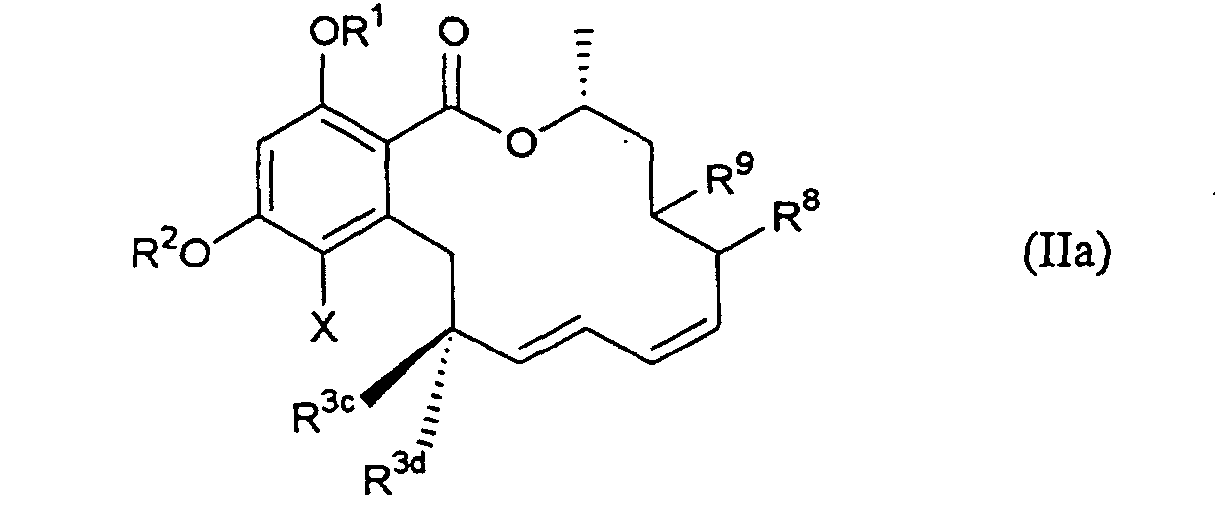 (wherein R1, R2, R3c, R3d, R8; R9 and X have the same meanings as described above).
Compound of formula (II) wherein (R4 and R5) form a π bond and R6 and R7 each
represents a hydrogen atom:
 (wherein R1, R2, R3c, R3d , R8, R9 and X have the same meanings as described above).
Compound of formula (II) wherein R4, R5, R6 and R7 each represents a hydrogen atom:
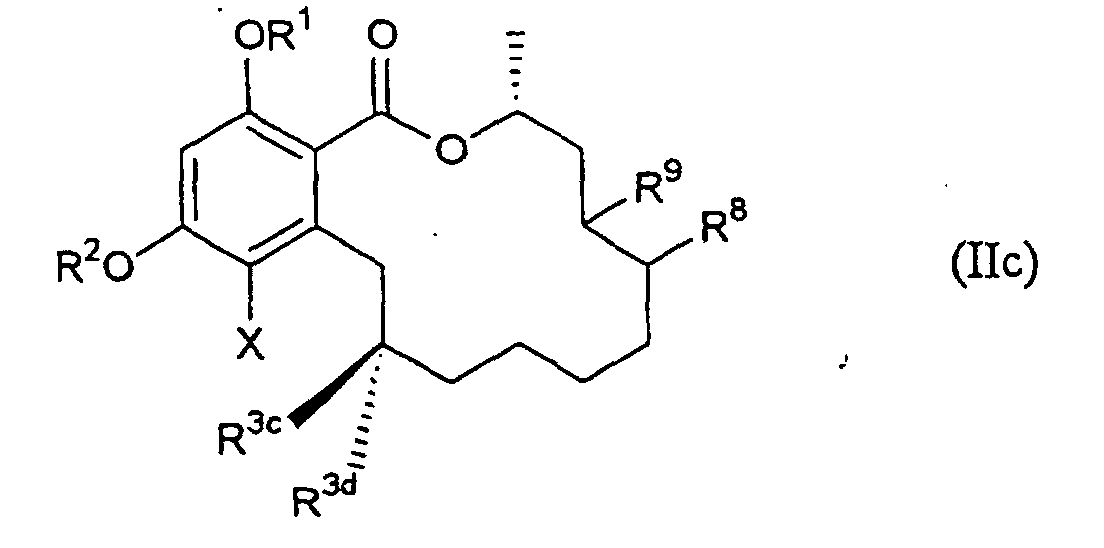 (wherein R1, R2, R3c, R3d, R8, R9 and X have the same meanings as described above).
Among the compounds represented by formula (IX), a compound wherein
R3e and R6b are taken together to form an ether bond and (R3f and R4a) and (R5a and R6a)
each form a π bond (e.g., Compound 77, etc.) are preferred since they effectively inhibit
the expression of WNT-5A mRNA in dermal papilla cells and promote the growth of
the dermal papilla cells.
Among the compounds represented by formula (IX), a compound wherein
R1a and R2a each represents (CH2)pCO-Y-R10 (wherein Y represents an oxygen atom or
a sulfur atom; R10 represents a hydrogen atom, a C1-6 alkyl group or a substituted or
unsubstituted aryl group; and p represents 0 or 1) (e.g., Compound 52, etc.) and a
compound wherein R1a and R2a represent each COR12 (wherein R12 represents a
substituted or unsubstituted aryl group or a substituted or unsubstituted heterocycle)
(e.g., Compound 58, etc.) are preferred since they effectively inhibit the expression of
WNT-5A mRNA in dermal papilla cells and promote the growth of the dermal papilla
cells.
Also, a compound wherein R7a represents Z-R13 (wherein Z represents an
oxygen atom or a sulfur atom; and R13 represents a C2-6 alkanoyl group or a substituted
or unsubstituted aryl group) (e.g., Compound 53, etc.) is preferred since they effectively
inhibit the expression of WNT-5A mRNA in dermal papilla cells and promote the
growth of the dermal papilla cells.
A compound represented by formula (II) can be produced by, for example,
combining the following production methods.
 (wherein R1, R2, R3c, R3d, R8, R9 and X have the same meanings as described above).
The compound represented by formula (III) is subjected to a hydrogenation
reaction in the presence of a catalyst such as palladium carbon in an organic solvent
(e.g., ethyl acetate, tetrahydrofuran, diethyl ether, ethyl alcohol, methyl alcohol, etc.) to
give the compound represented by formula (IV) or (IV') or a mixture of these
compounds. The compounds of formulae (IV) and (IV') can be separated and purified
by a separation method commonly employed such as column chromatography.
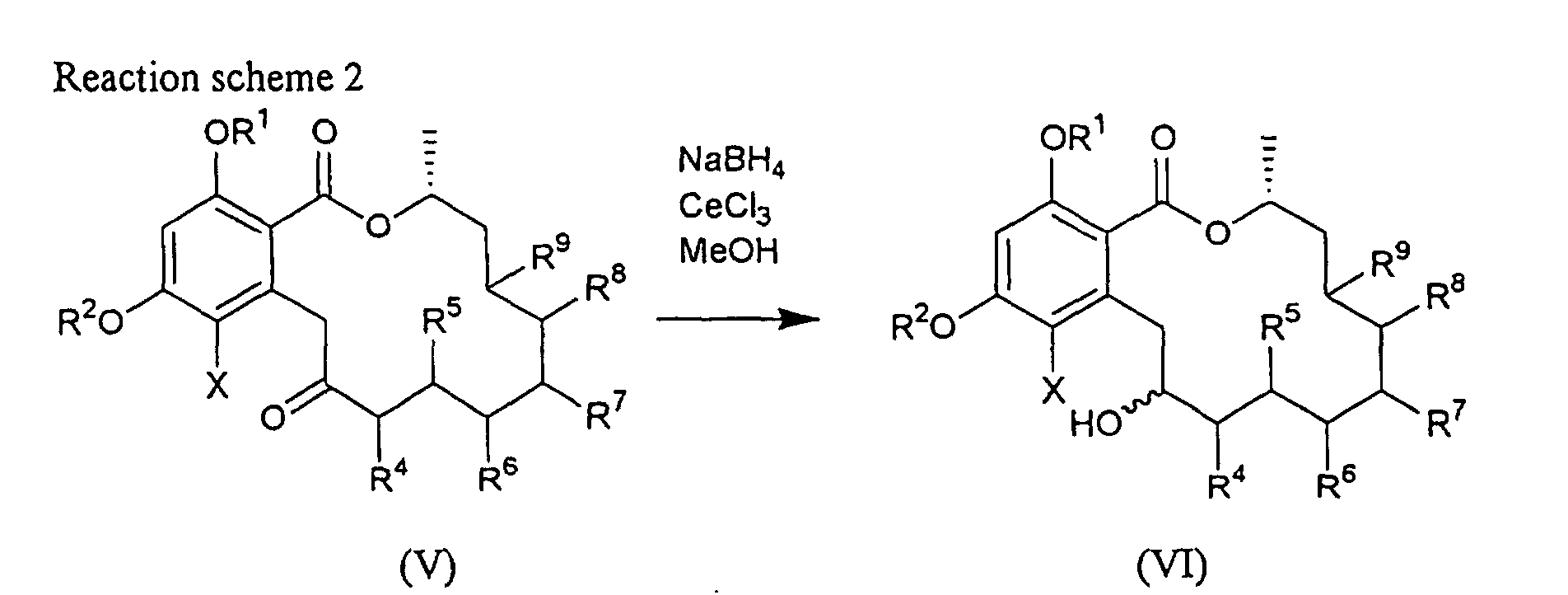 (wherein R1, R2, R4, R5, R6, R7, R8, R9 and X have the same meanings as described
above).
(wherein R1, R2, R4, R5, R6, R7, R8, R9 and X have the same meanings as described
above).
The compound represented by formula (V) is allowed to react with a
reducing agent such as potassium boron hydride, sodium boron hydride or lithium boron
hydride, if necessary, in the coexistence of a salt such as LiCl, MgCl2, CeCl3, CaCl2 or
NiCl in an organic solvent (e.g., tetrahydrofuran, diethyl ether, ethyl alcohol, methyl
alcohol, etc.) at -20 to 100°C, preferably at 0 to 20°C, to give the compound represented
by formula (VI). The compound represented by formula (VI) can be separated and
purified by a separation method commonly employed such as column chromatography.
 (wherein R1, R2, R3c, R3d, R4, R5, R6, R7 and X have the same meanings as described
above).
(wherein R1, R2, R3c, R3d, R4, R5, R6, R7 and X have the same meanings as described
above).
The compound represented by formula (VII) is treated with an acid or a base
in an appropriate organic solvent (e.g., tetrahydrofuran, diethyl ether, ethanol, methanol,
etc.) to give the compound represented by formula (VIII).
The compounds represented by formula (IX) (1, 60 to 78) are produced by
culturing Pochonia chalamydosporia var. chlamydosporia TF-0480 strain in a medium
containing various nutrients basically in accordance with methods commonly employed
for producing fermentation products.
A liquid medium is mainly used as the medium, the medium contains a
carbon source, a nitrogen source and an inorganic salt optionally together with vitamins,
precursors and a defoaming agent, and the pH is adjusted to around 7. The carbon
source includes glucose, dextrin, glycerine, starch and the like, which may be used
alone or as a mixture thereof. The nitrogen source includes meat extract, oatmeal,
yeast extract, soybean flour, polypeptone, corn steep liquor, urea, an ammonium salt
and the like, which may be used alone or as a mixture thereof. The inorganic salt
includes monopotassium phosphate, magnesium sulfate, sodium chloride, calcium
carbonate and the like, which may be used alone or as a mixture thereof. The
defoaming agent which can be used include Adekanol or a silicone compound. As the
culture method, aerobic culture methods such as shaken culture and aeration-agitation
culture are suitable. The culture is carried out at pH 4 to 10 and at 25 to 35°C for 2 to
5 days, preferably at 25 to 28°C for 3 days.
The strain producing the active ingredient according to the present invention
is a novel strain that has been newly isolated from soil by the present inventors. The
microorganism was named "Pochonia chlamydosporia var. chlamydosporia TF-0480"
and has been deposited to International Patent Organism Depository, National Institute
of Advanced Industrial Science and Technology as "FERM BP-8332".
The microbiological properties of this strain are as follows.
The microorganism grows well in various agar plate media and well or
moderately forms spores in tested media. Table 1 summarizes characteristics of
colonies formed after culturing at 26°C for 2 weeks on various media. Colors are
indicated in accordance with the color codes proposed by A. Kornerup et al., Dizionario
dei colori, Musterschmidt (1978).
| Medium | Results of observation on colonies with naked eye |
| PDA | Showing relatively well growth and sporulation. Colony diameter:23-28 mm. Wooly and somewhat domed colonies with pannose center and slight radial wrinkles. Somewhat irregular periphery (colony tip). Secreting a pale light yellow [3A6] pigment into the medium. Colony surface color: white [1A1] at the periphery and pale yellow [4A3] at the center. Back face color: reddish yellow [4A6] at the periphery and yellowish brown [5D8] at the center. Agar medium being irregularly or radially fractured. |
| OMA | Showing well growth and sporulation. Colony diameter: 48-50 mm. Somewhat thin and wooly colonies with domed center and intermediate part. Relatively regular-shaped periphery. No pigment secretion. Colony surface color: white [1A1] at the periphery and light yellow [3A4] at the center. Back face color: light yellow [3A4] similar to the surface. |
| CMA | Showing well growth and moderate sporulation. Colony diameter: 47-51 mm. Thin and pannose colonies. Relatively regular-shaped periphery. No pigment secretion into the medium. Colony surface/back face color: both white [1A1] to yellowish white [1A2]. |
| MA | Showing relatively well growth and sporulation. Colony diameter: 26-27 mm. Thick and wooly colonies with domed center. Relatively regular-shaped periphery. Secreting a slightly reddish yellow [4A7] pigment into the medium. Colony surface color: white [1A1] at the periphery and pale yellow [4A3] at the center. Back face color: light orange [5A4] at the periphery, brown [7E8] at the center and orange [6B7] at the intermediate part. |
| SA | Showing relatively well growth and sporulation. Colony diameter: 23-28 mm. Thick and wooly colonies with domed center. Somewhat irregular periphery with slight radial wrinkles. Secreting a reddish yellow [4A7] pigment into the medium. Colony surface color: white [1A1] at the periphery and orange white [5A2] in other parts. Back face color: light orange [5A4] at the periphery and center and brown [7E8] at the intermediate part. Agar medium being irregularly or radially fractured. |
| LCA | Showing well growth and moderate sporulation. Colony diameter: 42-44 mm. Thin pannose to slightly wooly colonies. Relatively regular-shaped periphery. No secretion of pigment into the medium. Colony surface/back face color: both white [1A1]. |
Colonies formed after culturing the strain on a corn meal agar plate at 26°C
for 14 days are observed under an optical microscope. As a result, the formation of
phialo-conidia was observed. A single conidium-forming cell (phialide) or 2 to 4
verticillate phialides are formed directly on a hypha. Conidiophorer cannot be clearly
distinguished from vegetative hyphae. A plural number of conidia are formed at the
front edge of a phialide to form a viscous mass. A phialide has a tapered cylindrical
shape and smooth and colorless surface. It is from 13 to 15 µm in length and 0.8 to 1.7
µm in thickness at the base and 0.5 to 0.8 µm in thickness at the end. Conidia are in an
elliptical shape or a semi-spherical shape (rare) and most of them have slightly
projecting base. The conidia have smooth and colorless surface and are 2.2 to 5.0 ×
1.8 to 2.8 µm in size. A single pale yellow and multicellular chlamydospore having
netted wall (dictyochlamydospore) is formed on the medium surface or at the end of a
short hypha sprouting on the medium. Dictyochlamydospores are also formed in the
medium in a small amount. These dictyochlamydospores are 14 to 20 × 12 to 22 µm
in size. After prolonging the culture over one month or longer, no teleomorph is
observed.
In Sabouraud liquid medium at pH 6.0, this strain grows within a
temperature range of 15 to 31°C and the optimum temperature is from 25 to 27°C.
In YpSs liquid medium at 26°C, this strain grows within a pH of 3 to 10 and
the optimum pH is from 5 to 7.
Based on the above-described morphological characteristics and culture
properties, the characteristics of this strain are compared with various known species
reported in (1) K.H. Domsch et al., Compendium of soil fungi, Vol. 1, IHW- Verlag
(1980) and (2) G.L. Barron, The Genera of Hyphoomycetes from soil, Williams &
Wilkins (1968) and the like. As a result, this strain is closely similar to an incomplete
species known under a classification name Verticillium chlamydosporia or
Diheterospora chlamydosporia and, therefore, seemingly belongs to the same species.
In (3) R. Zare, W. Gams and H.C. Evans, A revision of Verticillium section Prostrata. V.
The genus Pochonia, with notes on Rotiferophthora, 73, 1-2, p51-86 (2001), this species
is molecular systematically re-examined and, in its turn, referred to as belonging to the
genus Pochonia as the proper genus. Moreover, it is suggested to refer such a
species forming non-linked Verticillium-type conidia as the strain of the present
invention as to a variant Pochonia chlamydosporia var. chlamydosporia.
Based on these facts, this strain is named "Pochonia chlamydosporia var.
chlamydosporia TF-0480".
The term "dermal papilla cell growth promoter" as used in the present
invention means a medicament or a reagent having an effect of increasing the number of
dermal papilla cells.
The dermal papilla cell growth promoter according to the present invention
is characterized by being based on the effect of inhibiting the function of WNT-5A.
Since WNT-5A inhibits the functions of WNT-1 class molecules (WNT-1, WNT-8,
etc.) which are activators of WNT/β-catenin pathway, the growth of dermal papilla cells
is controlled by regulating the function of WNT-5A or regulating the expression of
WNT-5A. Therefore, even compounds having completely different structures (e.g.,
Compound 24, Compound 79, Compound 7, etc.) have an excellent effect of promoting
the growth of dermal papilla cells, so long as these compounds have an excellent effect
of inhibiting the function of WNT-5A.


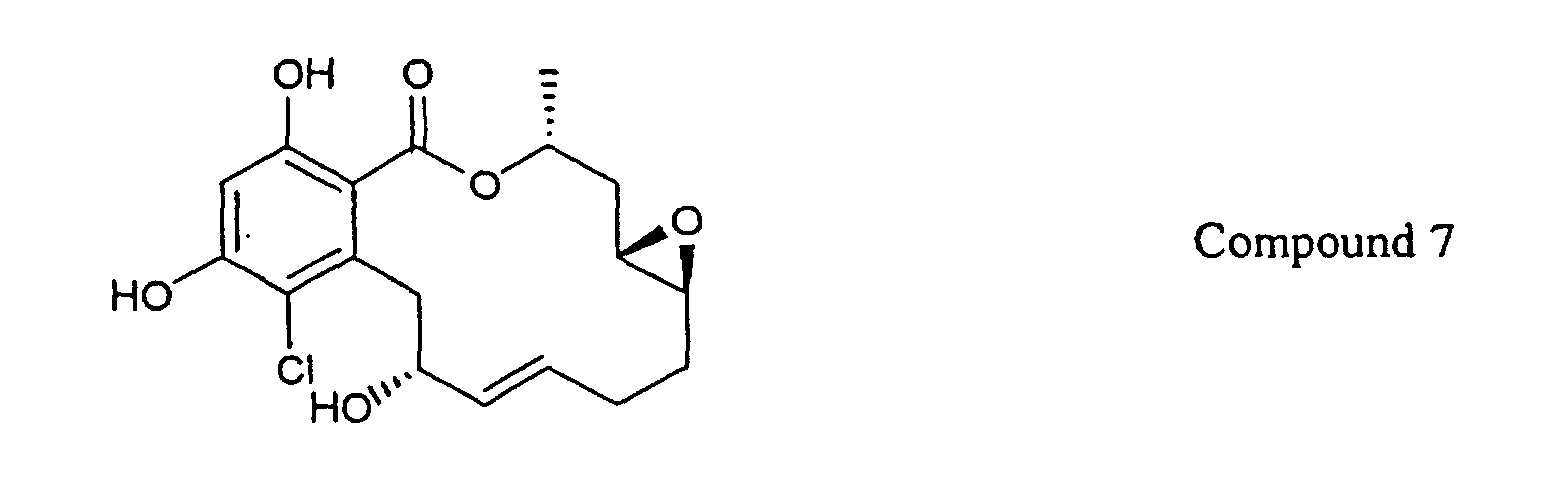
The growth of cells can be measured by a method publicly known by a
person skilled in the art. Examples of the measuring method include counting of
viable cells using an appropriate color-developing substrate and the [3H]-thymidine
uptake method. As the color-developing substrate, tetrazolium salts such as MTT,
MTS and XTT and Alamar Blue are preferably used.
The term "hair growth stimulant or hair growth tonic" as used in the present
invention means products to be used for inducing hair growth, promoting hair growth,
preventing alopecia and the like. In the case of using the hair growth stimulant and
hair growth tonic according to the present invention as medicaments, the subject to be
applied includes improvement or prevention of alopecia areata and male pattern
alopecia.
The effects of the hair growth stimulant and hair growth tonic according to
the present invention are achieved by the effect of promoting the growth of dermal
papilla cells by inhibiting the function of WNT-5A. Based on this function
mechanism, the cell growing ability, which has been depressed in dermal papillae in an
alopecia site, is enhanced and dermal well-developed papilla tissue is formed. It is
therefore expected that the hair growth stimulant/hair growth tonic according to the
present invention are efficacious against symptoms on which little effects can be
established by the existing hair growth stimulants and hair growth tonics.
It is furthermore expected that synergistic effects could be obtained by
combining the hair growth stimulant and hair growth tonic according to the present
invention with other hair growth stimulants and hair growth tonics having different
function points.
The hair growth stimulant and hair growth tonic according to the present
invention can be administered in various doses and various dosage forms depending on
individual compounds.
In the case of administering the compound represented by formula (IX) by
application (lotion, ointment, a gel, etc.), for example, it can be administered at a dose
of 0.0001 to 10% by weight, preferably 0.001 to 5% by weight and more preferably
0.001 to 1% by weight, although the dose varies depending on the type and dosage form
of the hair growth tonic. In the case of orally administering (dust, tablet or capsule)
the compound represented by formula (IX) to a male adult, the daily dose preferably
ranges from 1 to 100 mg/kg.
Although the dosage forms of the hair growth stimulant and hair growth
tonic according to the present invention are not particularly restricted, it is preferable to
provide the hair growth stimulant/hair growth tonic containing a WNT-5A production
inhibitor (e.g., the compound represented by formula (IX)) as an active ingredient in the
form of a water-soluble composition in the case of external application. Such a water-soluble
composition can be produced by using various additives (humectant, thickener,
preservative, antioxidant, aromatic, coloring agent, etc.) commonly employed in
producing drugs, quasi drugs or cosmetics, so long as the effects of the present
invention are not damaged thereby. The hair growth stimulant and hair growth tonic
according to the present invention can be provided as hair-care compositions such as
hair tonic, hair oil, hair moose or gel, or ointments.
In the case of using hair growth stimulant and hair growth tonic according to
the present invention as liquid preparations, such a preparation is produced as an
aqueous solution, a non-aqueous solution, a suspension, liposomes or an emulsion
prepared by dissolving a WNT-5A production inhibitor (e.g., the compound represented
by formula (IX)) in purified water, an appropriate buffer such as a phosphate buffer, a
physiological salt solution such as physiological saline, Ringer solution or Locke
solution, ethanol or glycerol appropriately combined with a surfactant, etc. commonly
employed, followed by sterilization. It is topically administered as a liquid preparation
for scalp. The liquid preparation may be applied directly to the scalp. Alternatively,
it may be applied by using a jetting nozzle such as a spray.
In the case of using hair growth stimulant and hair growth tonic according to
the present invention as semi-solid preparations, a WNT-5A production inhibitor (for
example, the compound represented by formula (IX)) is mixed with a fat, an oil, lanolin,
vaseline, paraffin, wax, a plaster, a resin, plastic, glycerine, higher alcohol, glycerol,
water, an emulsifier, a suspending agent or the like to give an external preparation
(ointment, cream, etc.) which can be topically administered.
In the case of using hair growth stimulant and hair growth tonic according to
the present invention as solid preparations, a WNT-5A production inhibitor (e.g., the
compound represented by formula (IX)) is mixed with appropriate additive(s) to give an
external preparation such as a dust or a powder. Alternatively, it is possible to produce
a solid preparation which is dissolved or suspended in a solvent before using and
applied to the scalp.
In the case of orally using, it is preferable that a WNT-5A production
inhibitor (e.g., the compound represented by formula (IX)) is blended with a
pharmaceutically acceptable carrier (filler, binder, disintegrating agent, flavor, corrigent,
emulsifier, etc.), a diluent, a dissolution aid or the like and the obtained medicinal
composition is processed in a conventional manner to give a tablet, a capsule, granules,
a dust, a syrup, a suspension, a solution and the like.
These preparations can be produced by using formulation techniques
commonly employed.
The present invention further relates to a method of screening a dermal
papilla cell growth promoter, which comprises selecting a compound inhibiting the
function of WNT-5A.
Selecting a compound inhibiting the function of WNT-5A (hereinafter
sometimes referred to as "WNT-5A function inhibitor") means, for example, selecting
(i.e., screening) a WNT-5A production inhibitor, or selecting a WNT-5A receptor
antagonist.
As test materials to be subjected to the screening method according to the
present invention, any materials can be used. That is, the test materials are not
restricted in kind, and they may be low-molecular weight compounds, compounds
contained in a natural extract or synthetic peptides. They may also be a compound
library or a combinatorial library. The compound library can be constructed by a
method publicly known by one of the skilled in the art. Alternatively, a commercially
available compound library can be used. From the viewpoint of using as a
medicament, the compound which is subjected to screening preferably has a molecular
weight of 3000 or less. From the viewpoint of enabling application/oral administration,
a low-molecular weight compound having a molecular weight of 600 or less is preferred.
In a method of screening a WNT-5A receptor antagonist, whether or not a
bond between the WNT-5A protein and the WNT-5A receptor is formed can be
examined by using a labeled WNT-5A protein and a WNT-5A receptor and detecting or
measuring the label. Examples of the label include a radioisotope (32P, 33P, 131I, 125I,
3H, 14C, 35S, etc.), an enzyme (alkali phosphatase, hoarse radish peroxidase, etc.), a
fluorescent substance (fluorescein isothiocyanate, etc.) and the like. They can be
commercially available and the labeling can be made by a known method.
A specific example of an in vitro assay system is performed in a cell-free
system. More specifically, one of the WNT-5A protein and the WNT-5A receptor is
bound to a support and the other and a test material are added thereto. After
incubating, the reaction mixture is washed and the binding of the other protein to the
protein having been bound to the support is detected or measured.
Examples of the support to which the protein is bound include insoluble
polysaccharides such as agarose, dextran and cellulose; synthetic resins such as
polystyrene, polyacrylamide and silicone; and the like. More specifically,
commercially available beads and plates obtained by these materials can be employed.
A compound inhibiting WNT-5A production can be screened by using the
amount of WNT-5A mRNA or the amount of WNT-5A protein as an index. It is also
possible to bind a reporter gene to the promoter region of a WNT-5A gene and detect
the expression amount. As the promoter of the WNT-5A gene, one represented by
SEQ ID NO:3 is preferably used.
Examples of the reporter gene include a GFP (green fluorescent protein)
gene, a GUS (β-glucuronidase) gene, an LUC (luciferase) gene, and a CAT
(chloramphenicol acetyltransferase) gene.
When the expression amount of WNT-5A mRNA is used as an index, for
example, human WNT-5A-expressing cells are used and a test material is added thereto.
After culturing in an incubator for several hours at 37°C in a 5% CO2-95% air
atmosphere, the cells are lysed and RNAs are extracted. Then, the amount of the
WNT-5A mRNA is measured by, for example, RT-PCR. Thus, a material having an
activity of decreasing the WNT-5A mRNA amount can be searched. The primers used
in PCR are not particularly limited, so long as they are specific to WNT-5A mRNA, and
they can be designed from the WNT-5A mRNA sequence. Preferred examples include
a forward primer AATGTCTTCC AAGTTCTTCC TAGTGGC (SEQ ID NO:8) and a
reverse primer GATGTCGGAA TTGATACTGG CA (SEQ ID NO:9).
When the WNT-5A protein amount is used as an index, for example, human
WNT-5A-expressing cells are used and a test material is added thereto. After culturing
in an incubator for several hours at 37°C in a 5% CO2-95% air atmosphere, the cells are
lysed by using the culture medium and proteins are extracted. Then, the amount of the
WNT-5A protein is measured by ELISA (enzyme-linked immunosorbent assay) or the
like. Thus, a substance having an activity of decreasing the expression amount of the
WNT-5A mRNA can be searched.
Next, the present invention is described in detail by reference to Test
Examples below; however, the present invention is not limited thereto.
Radicicol (Compound 1: 10.8 g) was dissolved in ethyl acetate (140 ml) and
5% palladium carbon (wet type) (255 mg) was added thereto, followed by hydrogen
replacement (1 atm) and stirring at room temperature for 3 hours. After filtering the
palladium carbon, the filtrate was distilled off under reduced pressure. The resulting
residue was purified by silica gel chromatography and eluted with n-hexane:ethyl
acetate (2: 1) to give target Compound 4 (3.43 g) was obtained, or eluted with n-hexane:ethyl
acetate (3:2) to give target Compound 3 (4.14 g).
Compound 3 (602.5 mg) was dissolved in methanol (13 ml) and cerium (III)
chloride heptahydride (2.14 g) was added thereto, followed by stirring at room
temperature for 30 minutes. Next, sodium boron hydride (180 mg) was slowly added
to the solution under ice cooling, followed by stirring at room temperature for 5 minutes.
After adding saturated disodium hydrogen phosphate (40 ml) to the reaction solution,
the mixture was diluted with water (40 ml) and the organic solvent was distilled off
under reduced pressure. The residual aqueous layer was extracted with ethyl acetate
(300 ml × 2). The resulting ethyl acetate layer was dried over anhydrous sodium
sulfate and then the ethyl acetate was distilled off under reduced pressure. Then, the
residue was crudely purified by silica gel preparative thin layer chromatography (20 cm
× 20 cm, 1.0 mm in thickness, developed with chloroform:methanol = 93:7, eluted with
ethyl acetate). The resulting crude purified product was then purified by high
performance liquid chromatography (20 × 250 mm, YMC-Pack Pro C18, eluted with
water (to which acetic acid had been added, pH 3.5):acetonitrile = 65:35) to give the
target compounds (Compound 7: 144.9 mg, Compound 8: 13.8 mg).
Compound 4 (26.5 mg) was dissolved in methanol (5 ml) and cerium (III)
chloride heptahydride (100 mg) was added thereto, followed by stirring at room
temperature for 30 minutes. Next, sodium boron hydride (60 mg) was slowly added to
the solution under ice cooling, followed by stirring at room temperature for 30 minutes.
After adding saturated disodium hydrogen phosphate (12 ml) to the reaction solution,
the mixture was diluted with water (20 ml) and the organic solvent was distilled off
under reduced pressure. The residual aqueous layer was extracted with ethyl acetate
(30 ml x 2). The resulting ethyl acetate layer was dried over anhydrous sodium sulfate
and then the ethyl acetate was distilled off under reduced pressure. Then, the residue
was purified by silica gel preparative thin layer chromatography (20 cm x 20 cm, 0.25
mm in thickness, developed with chloroform:methanol = 94:6, eluted with ethyl acetate)
to give the target compounds (Compound 9: 5.7 mg, Compound 10: 8.8 mg).
Radicicol (91.5 mg) was dissolved in methanol (5 ml) and cerium (III)
chloride heptahydride (88 mg) was added thereto, followed by stirring at room
temperature for 10 minutes. Next, sodium boron hydride (60 mg) was slowly added to
the solution under ice cooling, followed by stirring at room temperature for 30 minutes.
After adding saturated disodium hydrogen phosphate (20 ml) to the reaction solution,
the mixture was diluted with water (20 ml) and the organic solvent was distilled off
under reduced pressure. The residual aqueous layer was extracted with ethyl acetate
(50 ml x 3). The resulting ethyl acetate layer was dried over anhydrous sodium sulfate
and then the ethyl acetate was distilled off under reduced pressure. Then, the residue
was purified by silica gel preparative thin layer chromatography (20 cm x 20 cm, 0.5
mm in thickness, developed with chloroform:methanol = 9:1, eluted with ethyl acetate)
to give target Compound 5 (27.2 mg).
Radicicol (15.3 mg) was dissolved in pyridine (1.5 ml) and acetic anhydride
(4 ml) was added thereto, followed by stirring at room temperature for 6.5 hours.
After adding ice water (20 ml) to the reaction solution, the mixture was extracted with
ethyl acetate (20 ml). The ethyl acetate layer was washed with water (20 ml x 2) and
dried over anhydrous sodium sulfate and then the ethyl acetate was distilled off under
reduced pressure. Then, the residue was purified by silica gel preparative thin layer
chromatography (20 cm × 20 cm, 0.5 mm in thickness, developed with
chloroform:methanol = 95:5, eluted with ethyl acetate) to give target Compound 2 (18.5
mg).
Radicicol (19.0 mg) was dissolved in dimethyl sulfoxide (1 ml), and
potassium carbonate (3 mg) and methyl iodide (4 ml) were added thereto, followed by
stirring at room temperature for 6.5 hours. After adding water (20 ml) to the reaction
solution, the mixture was extracted with ethyl acetate (20 ml). The ethyl acetate layer
was dried over anhydrous sodium sulfate and then the ethyl acetate was distilled off
under reduced pressure. Then, the residue was purified by silica gel preparative thin
layer chromatography (20 cm × 20 cm, 0.5 mm in thickness, developed with
chloroform:methanol = 95:5, eluted with ethyl acetate) to give target Compound 11
(15.3 mg).
Radicicol (930 mg) was dissolved in 1,4-dioxane (14 ml) and 1N
hydrochloric acid (12 ml) was added thereto, followed by stirring at room temperature
for 2 hours. After diluting with water (40 ml), the mixture was extracted with ethyl
acetate (100 ml). The ethyl acetate layer was dried over anhydrous sodium sulfate and
then the ethyl acetate was distilled off under reduced pressure. Then, the residue was
crudely purified by silica gel preparative thin layer chromatography (20 cm x 20 cm, 1.0
mm in thickness, developed with chloroform:methanol:n-hexane = 5:1:5, eluted with
ethyl acetate). The resulting crude purified product was then purified by high
performance liquid chromatography (20 × 250 mm, YMC-Pack Pro C18, eluted under
gradient with water (to which acetic acid had been added, pH 3.5):acetonitrile = 70:30
to 40:60) to give the target compounds (Compound 16: 11.4 mg, Compound 17: 19.4
mg, Compound 19: 32.6 mg, Compound 23: 103.7 mg).
Radicicol (232.6 mg) was dissolved in 1,4-dioxane (4 ml) and 1N
hydrochloric acid (1 ml) was added thereto, followed by stirring at room temperature for
30 minutes. After neutralizing with 1N sodium hydroxide, the solvent was distilled off
under reduced pressure. Then, the concentrate was dissolved with 20 ml of methanol.
The resultant solution was filtered through a cotton plug and the methanol was distilled
off under reduced pressure. The resulting residue was then purified by high
performance liquid chromatography (20 × 250 mm, YMC-Pack Pro C18, eluted with
water (to which acetic acid had been added, pH 3.5):acetonitrile = 65:35) to give the
target compounds (Compound 12: 42.6 mg, Compound 13: 10.4 mg).
Into 5 ml of dimethylformamide, 1 ml of phosphorus oxychloride was
dropped under ice cooling and then the mixture was stirred at room temperature for 30
minutes. The resultant solution was slowly added to a dimethylformamide solution (4
ml) of Radicicol (98.5 mg) under ice cooling followed by stirring at room temperature
for 24 hours. Then, the reaction solution was diluted with ethyl acetate (100 ml) and
washed with water (100 ml × 3). The ethyl acetate layer was dried over anhydrous
sodium sulfate and then the ethyl acetate was distilled off under reduced pressure.
Then, the resulting residue was purified by silica gel preparative thin layer
chromatography (20 cm × 20 cm, 0.5 mm in thickness, developed with
chloroform:methanol = 94:6, eluted with ethyl acetate) to give the target compound
(Compound 18: 61.8 mg).
Radicicol (378 mg) was dissolved in 1,4-dioxane (4 ml) and 1N
hydrochloric acid (1 ml) was added thereto, followed by stirring at room temperature for
20 minutes. After neutralizing with 1N sodium hydroxide, the solvent was distilled off
under reduced pressure. Then, the concentrate was dissolved with 20 ml of methanol.
The resultant solution was filtered through a cotton plug and the methanol was distilled
off under reduced pressure. The resulting residue was then purified by high
performance liquid chromatography (20 × 250 mm, YMC-Pack Pro C18, eluted with
water (to which acetic acid had been added, pH 3.5):acetonitrile = 70:30) to give the
target compounds (Compound 14: 10.7 mg, Compound 15: 9.9 mg) simultaneously with
Compound 12 (40.6 mg).
Compound 3 (96.3 mg) was dissolved in 1,4-dioxane (2 ml) and 1N
hydrochloric acid (2.5 ml) was added thereto, followed by stirring at room temperature
for 16 hours. After neutralizing with 1N sodium hydroxide, the solvent was distilled
off under reduced pressure. Then, the concentrate was dissolved with 20 ml of
methanol. The resultant solution was filtered through a cotton plug and the methanol
was distilled off under reduced pressure. The resulting residue was then purified by
high performance liquid chromatography (20 × 250 mm, YMC-Pack Pro C18, eluted
with water (to which acetic acid had been added, pH 3.5):acetonitrile = 45:55) to give
the target compounds (Compound 20: 9.3 mg, Compound 21: 22.0 mg, Compound 22:
26.2 mg).
Compound 7 (34 mg) was dissolved in N,N dimethylformamide (2 ml), and
potassium hydroxide (3 mg) and methyl iodide (500 µl) were added thereto, followed
by stirring at room temperature for 4.5 hours. After adding water (20 ml) to the
reaction solution, the mixture was extracted with ethyl acetate (20 ml). The ethyl
acetate layer was dried over anhydrous sodium sulfate and the ethyl acetate was distilled
off under reduced pressure. The resulting residue was dissolved in a small amount of
acetone and purified by preparative high performance liquid chromatography [column:
YMC-Pack Pro C18 AS-343 (20 × 250 mm), detection: UV absorption at 254 nm,
flow rate: 10 ml/min] using acetonitrile-water (pH 3.5, acetic acid) (38:62) as the
mobile phase to obtain two fractions. Each fraction was concentrated under reduced
pressure to give Compound 25 (6.4 mg, 39 min) and Compound 26 (14.5 mg, 29 min).
Compound 7 (55 mg) was dissolved in pyridine (1 ml), and acetic anhydride
(3 ml) was added thereto, followed by stirring at room temperature for 17 hours. After
adding water (50 ml) to the reaction solution, the mixture was extracted with ethyl
acetate (50 ml). The ethyl acetate layer was dried over anhydrous sodium sulfate and
the ethyl acetate was distilled off under reduced pressure. The resulting residue was
dissolved in a small amount of acetone and purified by preparative high performance
liquid chromatography [column: YMC-Pack Pro C18 AS-343 (20 × 250 mm),
detection: UV absorption at 254 nm, flow rate: 10 ml/min] using acetonitrile-water (pH
3.5, acetic acid) (60:40) as the mobile phase. The resulting fraction was concentrated
under reduced pressure to give Compound 27 (64.7 mg, 18 min).
Compound 8 (131 mg) was dissolved in N,N-dimethylformamide (2 ml),
and potassium hydroxide (3 mg) and methyl iodide (2 ml) were added thereto, followed
by stirring at room temperature for 7 hours. After adding water (40 ml) to the reaction
solution, the mixture was extracted with ethyl acetate (40 ml). The ethyl acetate layer
was dried over anhydrous sodium sulfate and the ethyl acetate was distilled off under
reduced pressure. The resulting residue was dissolved in a small amount of acetone
and purified by preparative high performance liquid chromatography [column: YMC-Pack
Pro C18 AS-343 (20 × 250 mm), detection: UV absorption at 254 nm, flow rate:
10 ml/min] using acetonitrile-water (pH 3.5, acetic acid) (38:62) as the mobile phase.
Thus 2 fractions were obtained and respectively concentrated under reduced pressure to
give Compound 28 (14.2 mg, 52 min) and Compound 29 (31.7 mg, 37 min).
Compound 8 (72 mg) was dissolved in pyridine (2 ml), and acetic anhydride
(2 ml) was added thereto, followed by stirring at room temperature for 17 hours. After
adding water (50 ml) to the reaction solution, the mixture was extracted with ethyl
acetate (50 ml). The ethyl acetate layer was dried over anhydrous sodium sulfate and
the ethyl acetate was distilled off under reduced pressure. ' The resulting residue was
dissolved in a small amount of acetone and purified by preparative high performance
liquid chromatography [column: YMC-Pack Pro C18 AS-343 (20 × 250 mm),
detection: UV absorption at 254 nm, flow rate: 10 ml/min] using acetonitrile-water (pH
3.5, acetic acid) (53:47) as the mobile phase. The obtained fraction was concentrated
under reduced pressure to give Compound 30 (45.5 mg, 30 min).
Radicicol (10.8 g) was dissolved in ethyl acetate (140 ml) and 5% palladium
carbon (wet type) (255 mg) was added thereto, followed by hydrogen replacement (1
atm) and stirring at room temperature for 3 hours. After filtering the palladium carbon,
the filtrate was concentrated under reduced pressure. The resulting residue was
purified by silica gel chromatography [Silica Gel 60 (trade name, manufactured by
Merck)] and eluted with n-hexane:ethyl acetate (2:1) to give Compound 4 (3.43 g), or
eluted with n-hexane:ethyl acetate (3:2) to give Compound 3 (4.14 g). A portion (500
mg) of a fraction (3.08 g) between Compound 3 and Compound 4 was dissolved in a
small amount of N,N-dimethylformamide and purified by preparative high performance
liquid chromatography [column: YMC-Pack Pro C18 AS-343 (20 × 250 mm),
detection: UV absorption at 254 nm, flow rate: 10 ml/min] using acetonitrile-water (pH
3.5, acetic acid) (38:62) as the mobile phase. Thus 2 fractions were obtained and
respectively concentrated under reduced pressure to give Compound 3 (177.8 mg)
together with Compound 31 (20.7 mg, 23 min).
Radicicol (11.9 g) was dissolved in ethyl acetate (160 ml) and 5% palladium
carbon (wet type) (300 mg) was added thereto. After purging with hydrogen (1 atm),
the mixture was stirred at room temperature for 3 hours. After filtering the palladium
carbon, the filtrate was concentrated under reduced pressure. The resulting residue
was purified by silica gel chromatography [Silica Gel 60 (trade name, manufactured by
Merck)] and eluted with n-hexane:ethyl acetate (2:1) to give Compound 4, or eluted
with n-hexane:ethyl acetate (3:2) to give Compound 3. Furthermore, a fraction eluted
with n-hexane:ethyl acetate (1:1) was concentrated under reduced pressure to give a
crude purified product (936 mg). The resulting crude purified product was dissolved
in a small amount of acetone and purified by preparative high performance liquid
chromatography [column: YMC-Pack Pro C18 AS-343 (20 × 250 mm), detection: UV
absorption at 254 nm, flow rate: 10 ml/min] using acetonitrile-water (pH 3.5, acetic
acid) (34:66) as the mobile phase to obtain three fractions. Each fraction was
concentrated under reduced pressure to give Compound 32 (17.4 mg, 17 min),
Compound 33 (49.4 mg, 18 min) and Compound 34 (347.4 mg, 21 min).
Radicicol (210 mg) was dissolved in pyridine (4 ml), and hydroxylamine
hydrochloride (180 mg) was added thereto at room temperature, followed by heating
40°C and stirring for 2.5 hours. After cooling to room temperature, water (100 ml)
was added thereto and the mixture was extracted with ethyl acetate (80 ml). The ethyl
acetate layer was dried over anhydrous sodium sulfate and then the ethyl acetate was
distilled off under reduced pressure. The resulting residue was purified by preparative
silica gel chromatography [Silica Gel 60 F254 (trade name, manufactured by Merck),
0.5 mm in thickness] using chloroform-methanol (90:10) as the developing solvent. A
fraction showing an Rf value of 0.65 was collected, extracted with ethyl acetate and
then concentrated under reduced pressure to give Compound 35 (40.0 mg).
Radicicol (11.9 g) was dissolved in ethyl acetate (160 ml), and 5%
palladium carbon (wet type) (300 mg) was added thereto, followed by hydrogen
replacement (1 atm) and stirring at room temperature for 3 hours. After filtering the
palladium carbon, the filtrate was concentrated under reduced pressure. The resulting
residue was purified by silica gel chromatography [Silica Gel 60 (trade name,
manufactured by Merck)] and eluted with n-hexane:ethyl acetate (2:1). The resulting
fraction was concentrated under reduced pressure to give a fraction (1537 mg)
comprising Compound 4 as the main component. This fraction was dissolved in
methanol (21 ml)/tetrahydrofuran (7 ml), and cerium (III) chloride heptahydride (2130
mg) was added thereto, followed by stirring at room temperature for 30 minutes. Next,
sodium boron hydride (790 mg) was slowly added to the solution under ice cooling,
followed by stirring at room temperature for 10 minutes. The reaction solution was
diluted with water (30 ml) and the pH value was adjusted to be neutral by adding a 1N
aqueous hydrochloric acid solution, followed by further dilution with water (30 ml).
The aqueous layer was extracted with ethyl acetate (100 ml × 2). The resulting ethyl
acetate layer was dried over anhydrous sodium sulfate and then the ethyl acetate was
distilled off under reduced pressure to give a gummy substance (1.46 g). The obtained
substance was dissolved in a solvent mixture of chloroform-methanol (4:1) and
adsorbed by a silica gel [Silica gel 60 (trade name, manufactured by Merck)] column
(400 ml) prepared by moistening with n-hexane. Then, elution was successively
carried out with a solvent mixture of n-hexane-ethyl acetate. After eluting Compound
4 with n-hexane-ethyl acetate (2: 1), the residue was eluted with n-hexane-ethyl acetate
(3:2) to give each of fraction (1) (190 mg) and fraction (2) (398 mg) by concentration
under reduced pressure. Fraction (1) was dissolved in a small amount of
tetrahydrofuran and purified by preparative high performance liquid chromatography
[column: YMC-Pack Pro C18 AS-343 (20 × 250 mm), detection: UV absorption at
254 nm, flow rate: 10 ml/min] using acetonitrile-water (pH 3.5, acetic acid) (35:65) as
the mobile phase to obtain three fractions. Each of the fraction was concentrated under
reduced pressure to give Compound 9 (87.2 mg) together with Compound 36 (11.3 mg,
20 min) and Compound 38 (10.1 mg, 25 min). Fraction (2) was dissolved in a small
amount of tetrahydrofuran and purified by preparative high performance liquid
chromatography under the same conditions as in fraction (1) to obtain two fractions.
Each of the fractions was concentrated under reduced pressure to give Compound 37
(19.8 mg, 25 min) and Compound 39 (23.2 mg, 27 min).
Compound 7 (61 mg) was dissolved in N,N-dimethylformamide (3 ml), and
potassium hydroxide (5 mg) and 1-bromobutane (1 ml) were added thereto, followed by
stirring at room temperature for 3.5 hours. After adding water (20 ml) to the reaction
solution, the mixture was extracted with ethyl acetate (30 ml). The ethyl acetate layer
was dried over anhydrous sodium sulfate and then the ethyl acetate was distilled off
under reduced pressure. The resulting residue was dissolved in a small amount of
acetone and purified by preparative high performance liquid chromatography [column:
YMC-Pack Pro C18 AS-343 (20 × 250 mm), detection: UV absorption at 254 nm,
flow rate: 10 ml/min] using acetonitrile-water (pH 3.5, acetic acid) under gradient of
(60:40) to (90: 10) as the mobile phase to obtain two fractions. Each of the fractions
was concentrated under reduced pressure to give Compound 40 (25.6 mg, 33 min) and
Compound 41 (21.4 mg, 40 min).
Compound 7 (67 mg) was dissolved in N,N-dimethylformamide (3 ml), and
potassium hydroxide (5 mg) and 1-bromohexane (1 ml) were added thereto, followed by
stirring at room temperature for 3.5 hours. After adding water (20 ml) to the reaction
solution, the mixture was extracted with ethyl acetate (30 ml). The ethyl acetate layer
was dried over anhydrous sodium sulfate and then the ethyl acetate was distilled off
under reduced pressure. The resulting residue was dissolved in a small amount of
acetone and purified by preparative high performance liquid chromatography [column:
YMC-Pack Pro C18 AS-343 (20 × 250 mm), detection: UV absorption at 254 nm,
flow rate: 10 ml/min] using acetonitrile-water (pH 3.5, acetic acid) under gradient of
(60:40) to (90:10) as the mobile phase to obtain two fractions. Each of the fractions
was concentrated under reduced pressure to give Compound 42 (24.9 mg, 38 min) and
Compound 43 (32.9 mg, 53 min).
Compound 7 (62 mg) was dissolved in N,N-dimethylformamide (3 ml), and
potassium hydroxide (5 mg) and 1-bromopropane (1 ml) were added thereto, followed
by stirring at room temperature for 1.5 hours. After adding water (20 ml) to the
reaction solution, the mixture was extracted with ethyl acetate (30 ml). The ethyl
acetate layer was dried over anhydrous sodium sulfate and then the ethyl acetate was
distilled off under reduced pressure. The resulting residue was dissolved in a small
amount of acetone and purified by preparative high performance liquid chromatography
[column: YMC-Pack Pro C18 AS-343 (20 × 250 mm), detection: UV absorption at
254 nm, flow rate: 10 ml/min] using acetonitrile-water (pH 3.5, acetic acid) under
gradient of (45:55) to (85:15) as the mobile phase. The obtained fraction was
concentrated under reduced pressure to give Compound 44 (45.3 mg, 38 min).
Compound 7 (64 mg) was dissolved in N,N-dimethylformamide (3 ml), and
potassium hydroxide (5 mg) and 2-(bromomethyl)cyclohexane (2 ml) were added
thereto, followed by stirring at room temperature for 7 hours. After adding water (20
ml) to the reaction solution, the mixture was extracted with ethyl acetate (30 ml). The
ethyl acetate layer was dried over anhydrous sodium sulfate and then the ethyl acetate
was distilled off under reduced pressure. The resulting residue was dissolved in a
small amount of acetone and purified by preparative high performance liquid
chromatography [column: YMC-Pack Pro C18 AS-343 (20 × 250 mm), detection: UV
absorption at 254 nm, flow rate: 10 ml/min] using acetonitrile-water (pH 3.5, acetic
acid) under gradient of (65:35) to (85:15) as the mobile phase. The obtained fraction
was concentrated under reduced pressure to give Compound 45 (24.7 mg, 70 min).
Compound 7 (200 mg) was dissolved in N,N-dimethylformamide (10 ml),
and hydrobromic acid (5 ml) was added thereto, followed by stirring at 110°C for 6
hours. After adding ethyl acetate (150 ml) to the reaction solution, the mixture was
washed with sodium hydrogen carbonate (150 ml x 2). The ethyl acetate layer was
dried over anhydrous sodium sulfate and then the ethyl acetate was distilled off under
reduced pressure. The resulting residue was dissolved in a small amount of methanol
and purified by preparative high performance liquid chromatography [column: YMC-Pack
Pro C18 AS-343 (20 × 250 mm), detection: UV absorption at 254 nm, flow rate:
10 ml/min] using acetonitrile-water (pH 3.5, acetic acid) under gradient of (38:62) to
(50:50) as the mobile phase. The obtained fraction was concentrated under reduced
pressure to give Compound 46 (17.0 mg, 18 min).
Compound 62 (154 mg) was dissolved in ethyl acetate (5 ml), and 5%
palladium carbon (wet type) (30 mg) was added thereto, followed hydrogen replacement
(1 atm) and stirring at room temperature for 90 minutes. After filtering the palladium
carbon, the filtrate was distilled off under reduced pressure to give Compound 47 (134.8
mg).
Compound 61 (211 mg) was dissolved in ethyl acetate (11 ml), and 5%
palladium carbon (wet type) (42 mg) was added thereto, followed by hydrogen
replacement (1 atm) and stirring at room temperature for 90 minutes. After filtering
the palladium carbon, the filtrate was distilled off under reduced pressure. The
resulting residue (184 mg) was purified by preparative thin layer chromatography
[Silica Gel 60 F254 (trade name, manufactured by Merck), 20 cm × 20 cm, 0.5 mm in
thickness] using chloroform-methanol (95:5) as the developing solvent. A part with an
Rf value of 0.5 was collected, extracted with ethyl acetate and then concentrated under
reduced pressure to give Compound 48 (159.7 mg).
Compound 61 (233 mg) was dissolved in methanol (10 ml)/tetrahydrofuran
(2 ml), and cerium (III) chloride heptahydride (754 mg) was added thereto, followed by
stirring at room temperature for 30 minutes. Next, sodium boron hydride (236 mg)
was slowly added to the solution under ice cooling, followed by stirring at room
temperature for 5 minutes. After diluting the reaction solution with water (30 ml), a
1N aqueous hydrochloric acid solution (3 ml) was added to adjust the pH value to be
neutral, and the mixture was further diluted with water (30 ml). The aqueous layer
was extracted with ethyl acetate (100 ml × 2). The resulting ethyl acetate layer was
dried over anhydrous sodium sulfate and then the ethyl acetate was distilled off under
reduced pressure to give a white powder (267 mg). Then, the obtained powder was
dissolved in a small amount of water and purified by preparative high performance
liquid chromatography [column: YMC-Pack Pro C18 AS-343 (20 × 250 mm),
detection: UV absorption at 254 nm, flow rate: 10 ml/min] using acetonitrile-water (pH
3.5, acetic acid) (45:55) as the mobile phase to obtain two fractions. Each of the
fractions was concentrated under reduced pressure to give Compound 49 (49.3 mg, 19
min) and Compound 50 (184.6 mg, 21 min).
Compound 62 (191 mg) was dissolved in methanol (10 ml)/tetrahydrofuran
(4 ml), and cerium (III) chloride heptahydride (641 mg) was added thereto, followed by
stirring at room temperature for 30 minutes. Next, sodium boron hydride (216 mg)
was slowly added to the solution under ice cooling, followed by stirring at room
temperature for 10 minutes. After diluting the reaction solution with water (30 ml), a
1N aqueous hydrochloric acid solution (3 ml) was added to adjust the pH value to be
neutral, and the mixture was further diluted with water (30 ml). The aqueous layer
was extracted with ethyl acetate (100 ml × 2). The resulting ethyl acetate layer was
dried over anhydrous sodium sulfate and then the ethyl acetate was distilled off under
reduced pressure to give a colorless oily substance (182 mg). Then, the obtained oil
was dissolved in a small amount of methanol and purified by preparative high
performance liquid chromatography [column: YMC-Pack Pro C18 AS-343 (20 × 250
mm), detection: UV absorption at 254 nm, flow rate: 10 ml/min] using acetonitrile-water
(pH 3.5, acetic acid) (30:70) as the mobile phase. The obtained fraction was
concentrated under reduced pressure to give Compound 51 (137.3 mg, 29 min).
Radicicol (205 mg) was dissolved in acetone (10 ml), and S-chloroacetylthiophenol
(330 mg) and potassium carbonate (310 mg) were added thereto,
followed by stirring at room temperature for 1.5 hours. Then, water was added to the
reaction solution, followed by extraction with ethyl acetate. After washing with a
saturated aqueous sodium chloride solution and drying over anhydrous magnesium
sulfate, the extract was dried under reduced pressure. Then, the residue was crudely
purified by silica gel column chromatography (20 g, ethyl acetate:n-hexane = 1:2).
The resulting crude purified product was then purified by high performance liquid
chromatography (20 × 250 mm, YMC-Pack Pro C18, eluted with water (to which
acetic acid had been added, pH 3.5):acetonitrile = 65:35) to give Compound 52 (105
mg).
Radicicol (406 mg) was dissolved in N,N-dimethylformamide (6 ml), and
triethylamine (57.6 mg) and thiophenol (260 mg) were added thereto, followed by
stirring under ice cooling overnight. Then, dilute hydrochloric acid was added to the
reaction solution, followed by extraction with ethyl acetate. After washing
successively with water and a saturated aqueous sodium chloride solution and drying
over anhydrous magnesium sulfate, the extract was dried under reduced pressure. A
238 mg portion of the resulting residue was then purified by high performance liquid
chromatography (20 × 250 mm, YMC-Pack Pro C18, eluted with water (to which
acetic acid had been added, pH 3.5):acetonitrile = 65:35) to give Compound 53 (46.0
mg).
Radicicol (378 mg) was dissolved in N,N-dimethylformamide (6 ml), and
triethylamine (56.4 mg) and thioacetic acid (163 mg) were added thereto under ice
cooling, followed by stirring under ice cooling overnight. Then, dilute hydrochloric
acid was added to the reaction solution, followed by extraction with ethyl acetate.
After washing successively with water and a saturated aqueous sodium chloride solution
and drying over anhydrous magnesium sulfate, the extract was dried under reduced
pressure. A 238 mg portion of the resulting residue was then purified by high
performance liquid chromatography (20 × 250 mm, YMC-Pack Pro C18, eluted with
water (to which acetic acid had been added, pH 3.5):acetonitrile = 65:35) to give
Compound 54 (49.0 mg) and Compound 55 (15.7 mg).
Radicicol (131 mg) was dissolved in acetone (10 ml), and methyl
bromoacetate (219 mg) and potassium carbonate (183 mg) were added thereto, followed
by stirring at room temperature for 3 hours. Then, dilute hydrochloric acid was added
to the reaction solution, followed by extraction with ethyl acetate. After washing with
a saturated aqueous sodium chloride solution and drying over anhydrous magnesium
sulfate, the extract was dried under reduced pressure. Then, the resulting residue was
recrystallized from ethyl acetate to give Compound 56 (81.8 mg).
Compound 7 (116 mg) was dissolved in acetone (10 ml), and methyl I
bromoacetate (330 mg) and potassium carbonate (276 mg) were added thereto, followed
by stirring at room temperature for 3 days. Then, dilute hydrochloric acid was added
to the reaction solution, followed by extraction with ethyl acetate. After washing with
a saturated aqueous sodium chloride solution and drying over anhydrous magnesium
sulfate, the extract was dried under reduced pressure. Then, the resulting residue was
recrystallized from ethyl acetate to give Compound 57 (27.7 mg).
Radicicol (103 mg) was dissolved in N,N-dimethylformamide (6 ml), and
nicotinic acid (190 mg), 1-ethyl-3-(3-dimethylaminopropyl)carbodiimide hydrochloride
(270 mg) and 4-dimethyl pyridine (37.7 mg) were added thereto, followed by stirring at
room temperature for 3.5 hours. Then, water was added to the reaction solution,
followed by extraction with ethyl acetate. After washing with a saturated aqueous
sodium chloride solution and drying over anhydrous magnesium sulfate, the extract was
dried under reduced pressure. Then, the resulting residue was recrystallized from
acetone-water to give Compound 58 (94.5 mg).
Compound 56 (312 mg) was dissolved in methanol (60 ml), and adding
potassium hydroxide (206 mg)-water (20 ml) was added thereto, followed by stirring at
room temperature for 15 minutes. Then, dilute hydrochloric acid was added to the
reaction solution, followed by extraction with ethyl acetate. After washing with a
saturated aqueous sodium chloride solution and drying over anhydrous magnesium
sulfate, the extract was dried under reduced pressure. Then, the resulting residue was
then purified by high performance liquid chromatography (20 × 250 mm, YMC-Pack
Pro C18, eluted with water (to which acetic acid had been added, pH 3.5):acetonitrile =
65:35) to give Compound 59 (10.6 mg).
An aseptic liquid medium (pH 6) containing 2.0% glucose, 4.0% mannitol,
2.0% oatmeal, 0.4% yeast extract, 0.001% iron (II) sulfate heptahydrate, 0.001% zinc
(II) sulfate heptahydrate, 0.001% manganese (II) sulfate tetra-pentahydrate and
0.0005% copper (II) sulfate pentahydrate was inoculated with Pochonia
chlamydosporia var. chlamydosporia TF-0480 strain which was then cultured therein
under shaking at 26°C for 72 hours. Using a 50 L jar, an aseptic medium having the
same composition as one employed in the seed culture was inoculated with 300 ml of
the seed culture medium which was then cultured therein under aeration-agitation at
26°C for 144 hours. After the completion of the culturing, the culture was centrifuged
to thereby separate the cells from the supernatant. The supernatant was adsorbed by
1.5 L of HP-20 (manufactured by Mitsubishi Chemical), washed with water and then
eluted with 3 L of methanol. The eluate was concentrated under reduced pressure and
the obtained aqueous layer was extracted with ethyl acetate. The ethyl acetate layer
was dehydrated over anhydrous sodium sulfate and concentrated under reduced pressure
to give a brown syrupy substance (60 g).
A portion (30 g) of the culture extract was dissolved in a solvent mixture of
chloroform-methanol (4:1) and adsorbed by a silica gel [Silica Gel 60 (trade name,
manufactured by Merck)] column (1600 ml) prepared by moistening with n-hexane.
Next, elution was successively carried out with n-hexane-ethyl acetate mixtures to give
a fraction (130 mg) eluted with a solvent mixture of n-hexane-ethyl acetate (4:1), (2:1)-eluted
fractions (1) (1.88 g) and (2) (780 mg), and a (1:2)-eluted fraction (3.56 g). The
n-hexane-ethyl acetate (4:1)-eluted fraction (130 mg) was dissolved in a small amount
of acetone and purified by preparative high performance liquid chromatography
[column: YMC-Pack Pro C18 AS-343 (20 × 250 mm), detection: UV absorption at
254 nm, flow rate: 10 ml/min] using acetonitrile-water (pH 3.5, acetic acid) (55:45) as
the mobile phase to obtain two fractions. Each of the fractions was concentrated under
reduced pressure to give Compound 63 (23.5 mg, 20 min) and Compound 70 (4.8 mg,
24 min). The n-hexane-ethyl acetate (2:1)-eluted fraction (1.88 g) was recrystallized
from acetone (30 ml) to give Compound 61 (277 mg). The eluted fraction (2) (780
mg) was purified by preparative thin layer chromatography [Silica Gel 60 F254 (trade
name, manufactured by Merck), 20 cm × 20 cm, 1 mm in thickness] using n-hexane-acetone
(3:2) as the developing solvent. A part with an Rf value of 0.4 was collected,
extracted with ethyl acetate and then concentrated under reduced pressure to give
Compound 60 (80.3 mg). Next, the n-hexane-ethyl acetate (1:2)-eluted fraction (3.56
g) was dissolved in a solvent mixture of chloroform-methanol (4:1) and adsorbed by a
silica gel [Silica Gel 60 (trade name, manufactured by Merck)] column (880 ml)
prepared by moistening with chloroform. Next, elution was successively carried out
with a solvent mixture of chloroform-methanol to give a chloroform-methanol (98:2)-eluted
fraction (926 mg). Then, it was recrystallized from acetone-methanol (1 ml/3
ml) to give Compound 62 (339 mg). A chloroform-methanol (97:3)-eluted fraction
(1.42 g) was purified by column chromatography using Sephadex LH-20 (trade name,
manufactured by Amersham Pharmacia Biotech) (methanol, 900 ml), followed by
preparative high performance liquid chromatography [column: YMC-Pack Pro C18 AS-343
(20 × 250 mm), detection: UV absorption at 254 nm, flow rate: 10 ml/min] using
acetonitrile-water (pH 3.5, acetic acid) (30:70) as the mobile phase. The obtained
fraction was concentrated under reduced pressure to give Compound 68 (4.5 mg, 21
min).
A portion (30 g) of a culture extract obtained as in Example 36 was
dissolved in a solvent mixture of chloroform-methanol (4:1) and adsorbed by a silica gel
[Silica Gel 60 (trade name, manufactured by Merck)] column (700 ml) prepared by
moistening with chloroform. Next, elution was successively carried out with a solvent
mixture of chloroform-methanol. A chloroform-methanol (93:7)-eluted fraction was
divided into 2 portions, i.e., fractions (1) (156 mg) and (2) (164 mg). Fraction (1) was
dissolved in a small amount of methanol and purified by preparative high performance
liquid chromatography [column: YMC-Pack Pro C18 AS-343 (20 × 250 mm),
detection: UV absorption at 254 nm, flow rate: 10 ml/min] using acetonitrile-water (pH
3.5, acetic acid) (30:70) as the mobile phase to obtain four fractions. Each of the
fractions was concentrated under reduced pressure to give Compound 64 (35.4 mg, 21
min), Compound 72 (13.7 mg, 27 min), Compound 71 (6.6 mg, 29 min) and Compound
65 (4.1 mg, 33 min). Fraction (2) was purified by preparative high performance liquid
chromatography under the same conditions, and the obtained fractions were collected
and concentrated under reduced pressure to give Compound 71 (3.7 mg) together with
Compound 76 (4.5 mg, 20 min).
A culture extract (39.5 g) obtained as in Example 36 was dissolved in n-hexane
(300 ml x 2). The precipitate thus formed was filtered and the solvent was
removed. The obtained precipitate (8.1 g) was dissolved in a solvent mixture of
chloroform-methanol (4:1) and adsorbed by a silica gel [Silica Gel 60 (trade name,
manufactured by Merck)] column (650 ml) prepared by moistening with chloroform.
Next, elution was successively carried out with a solvent mixture of chloroform-methanol
to give a chloroform-methanol (88:12)-eluted fraction (318 mg). This
fraction was divided in a small amount of methanol and purified by preparative high
performance liquid chromatography [column: YMC-Pack Pro C18 AS-343 (20 × 250
mm), detection: UV absorption at 254 nm, flow rate: 10 ml/min] using acetonitrile-water
(pH 3.5, acetic acid) (30:70) as the mobile phase to obtain two fractions. Each
of the fractions was concentrated under reduced pressure to give Compound 74 (15.3
mg, 19 min) and Compound 69 (8.0 mg, 38 min).
A culture extract (39.5 g) obtained as in Example 36 was dissolved in n-hexane
(300 ml × 2). The precipitate thus formed was filtered and the solvent was
removed. The obtained precipitate (8.1 g) was dissolved in a solvent mixture of
chloroform-methanol (4:1) and adsorbed by a silica gel [Silica Gel 60 (trade name,
manufactured by Merck)] column (650 ml) prepared by moistening with chloroform.
Next, elution was successively carried out with a solvent mixture of chloroform-methanol
to give a chloroform-methanol (100:0)-eluted fraction (1.5 mg). Next, it was
applied to silica gel column (620 ml) using a solvent mixture of n-hexane-ethyl acetate
to give an n-hexane-ethyl acetate (2:1)-eluted fraction (321 mg). The obtained fraction
was dissolved in a small amount of acetone and purified by preparative high
performance liquid chromatography [column: YMC-Pack Pro C18 AS-343 (20 × 250
mm), detection: UV absorption at 254 nm, flow rate: 10 ml/min] using acetonitrile-water
(pH 3.5, acetic acid) (under gradient of 45:55 to 70:30) as the mobile phase to
give Compound 66 (14.4 mg, 34 min).
A culture extract (500 g) obtained as in Example 36 was dissolved in a
solvent mixture of chloroform-methanol (4:1) and adsorbed by a silica gel [Silica Gel
60 (trade name, manufactured by Merck)] column (6000 ml) prepared by moistening
with chloroform. Next, elution was successively carried out with a solvent mixture of
chloroform-methanol. Thus, a chloroform-methanol (95:5)-eluted fraction (57 g) was
obtained. A portion (18 g) of this fraction was further subjected to silica gel column
(800 ml) using a solvent mixture of n-hexane-ethyl acetate. An n-hexane-ethyl acetate
(2:1)-eluted fraction was divided into 2 portions, i.e., fractions (1) (126 mg) and (2)
(985 mg). Fraction (1) was dissolved in a small amount of acetone and purified by
preparative high performance liquid chromatography [column: YMC-Pack Pro C18 AS-343
(20 × 250 mm), detection: UV absorption at 254 nm, flow rate: 10 ml/min] using
acetonitrile-water (pH 3.5, acetic acid) (55:45) as the mobile phase. The obtained
fraction was concentrated under reduced pressure to give Compound 78 (13.4 mg, 26
min). On the other hand, fraction (2) was purified by preparative high performance
liquid chromatography using acetonitrile-water (pH 3.5, acetic acid) (45:55) as the
mobile phase to obtain the two fractions. Each of the fractions was concentrated under
reduced pressure to give Compound 73 (38.1 mg, 10 min) and Compound 77 (67.2 mg,
26 min).
A culture extract (500 g) obtained as in Example 36 was dissolved in a
solvent mixture of chloroform-methanol (4:1) and adsorbed by a silica gel [Silica Gel
60 (trade name, manufactured by Merck)] column (6000 ml) prepared by moistening
with chloroform. Next, elution was successively carried out with a solvent mixture of
chloroform-methanol. Thus, a chloroform-methanol (95:5)-eluted fraction (57 g) was
obtained. A portion (18 g) of this fraction was further subjected to silica gel column
(800 ml) using a solvent mixture of n-hexane-ethyl acetate to obtain an n-hexane-ethyl
acetate (1:2)-eluted fraction. This fraction was dissolved in a small amount of acetone
and purified by preparative high performance liquid chromatography [column: YMC-Pack
Pro C18 AS-343 (20 × 250 mm), detection: UV absorption at 254 nm, flow rate:
10 ml/min] using acetonitrile-water (pH 3.5, acetic acid) (40:60) as the mobile phase to
obtain two fractions. Each of the fractions was concentrated under reduced pressure to
give Compound 67 (17.4 mg, 11 min) together with a semi-pure sample (23.9 mg).
This semi-pure sample was purified by preparative thin layer chromatography [Silica
Gel 60 F254 (trade name, manufactured by Merck), 20 cm × 20 cm, 0.5 mm in
thickness] using chloroform-methanol (90:10) as the developing solvent. A part with
an Rf value of 0.5 was collected, extracted with ethyl acetate and then concentrated
under reduced pressure to give Compound 75 (4.3 mg).
Table 2 shows the compounds synthesized and purified in the above
Examples and data thereof.

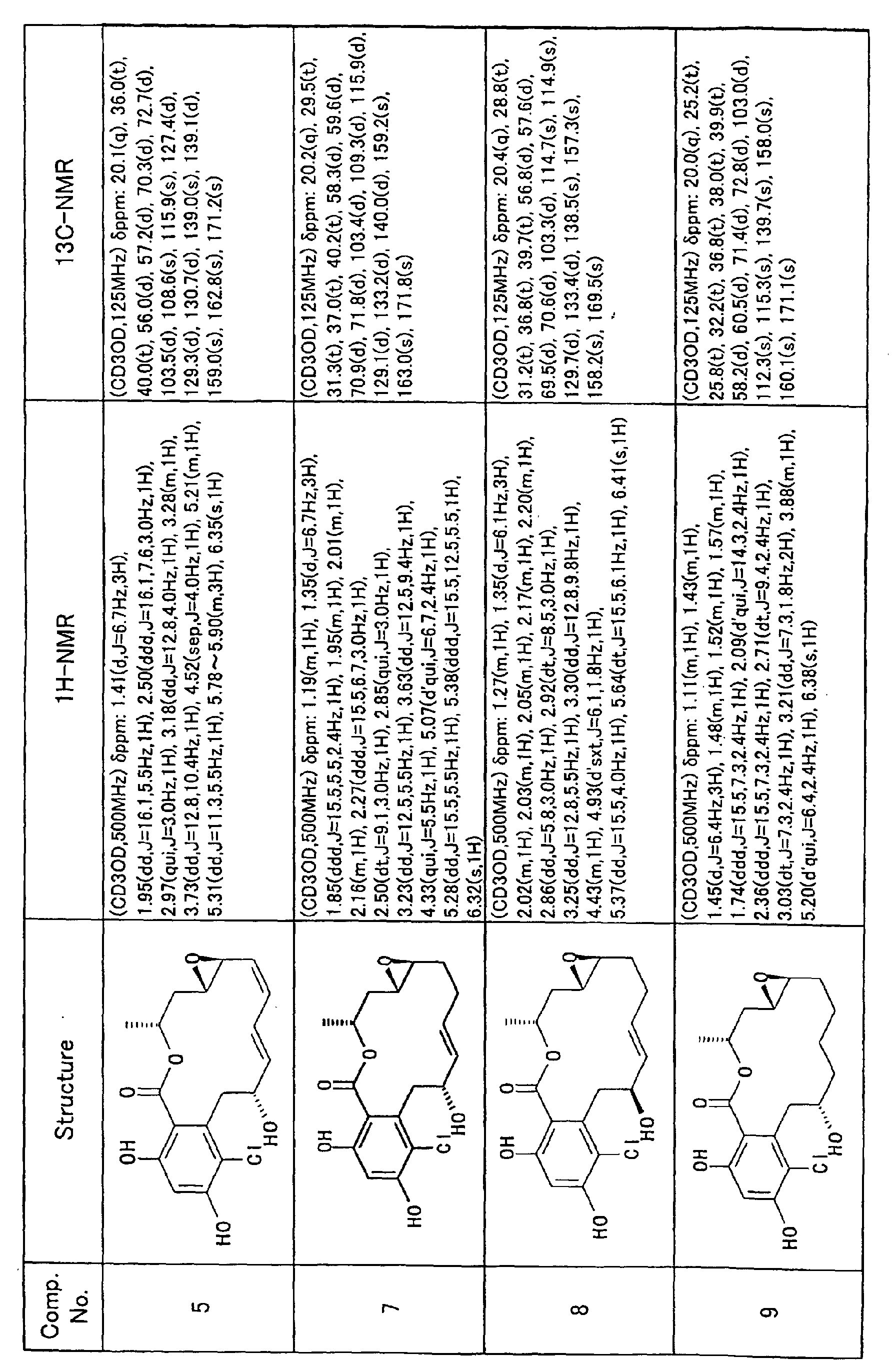
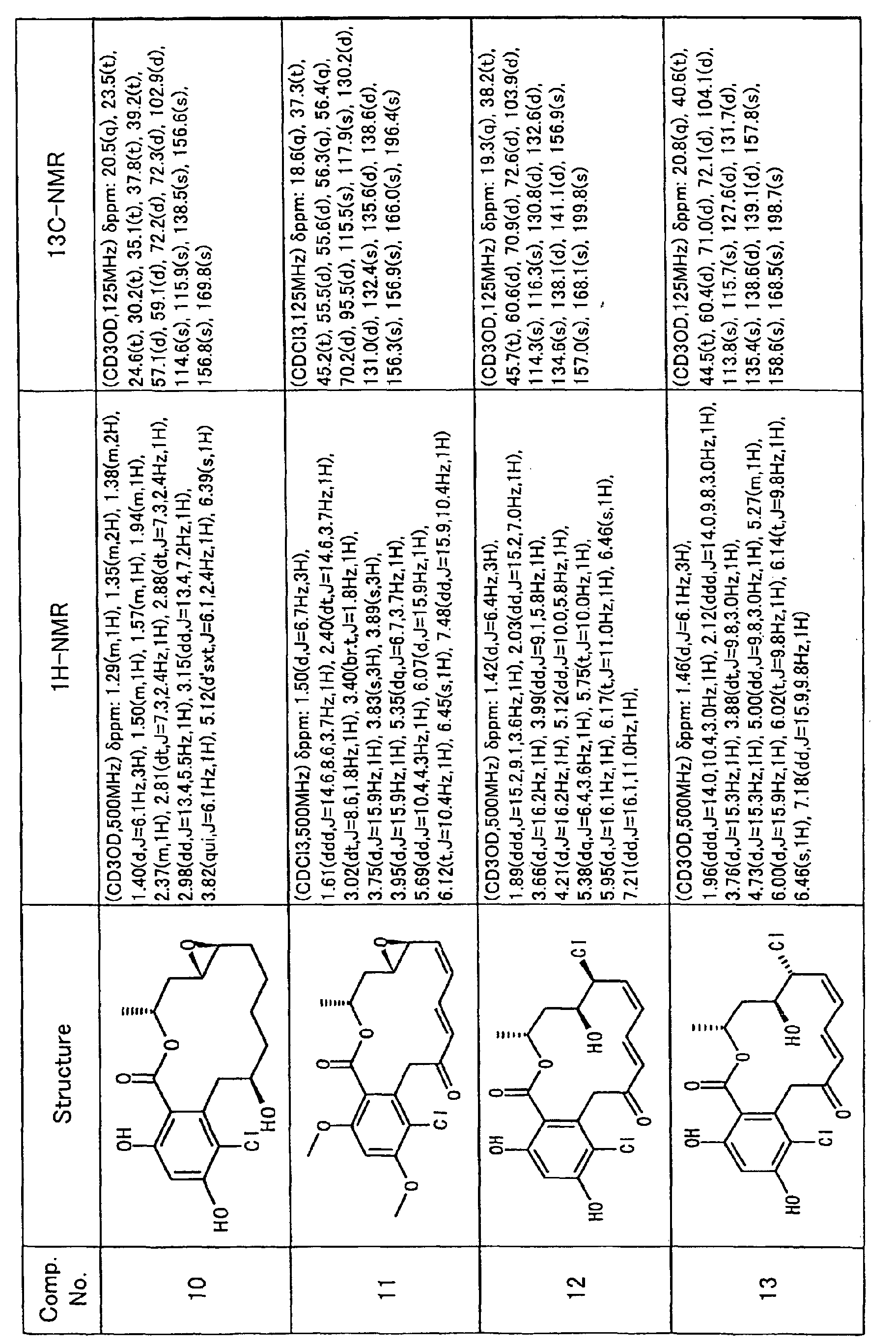


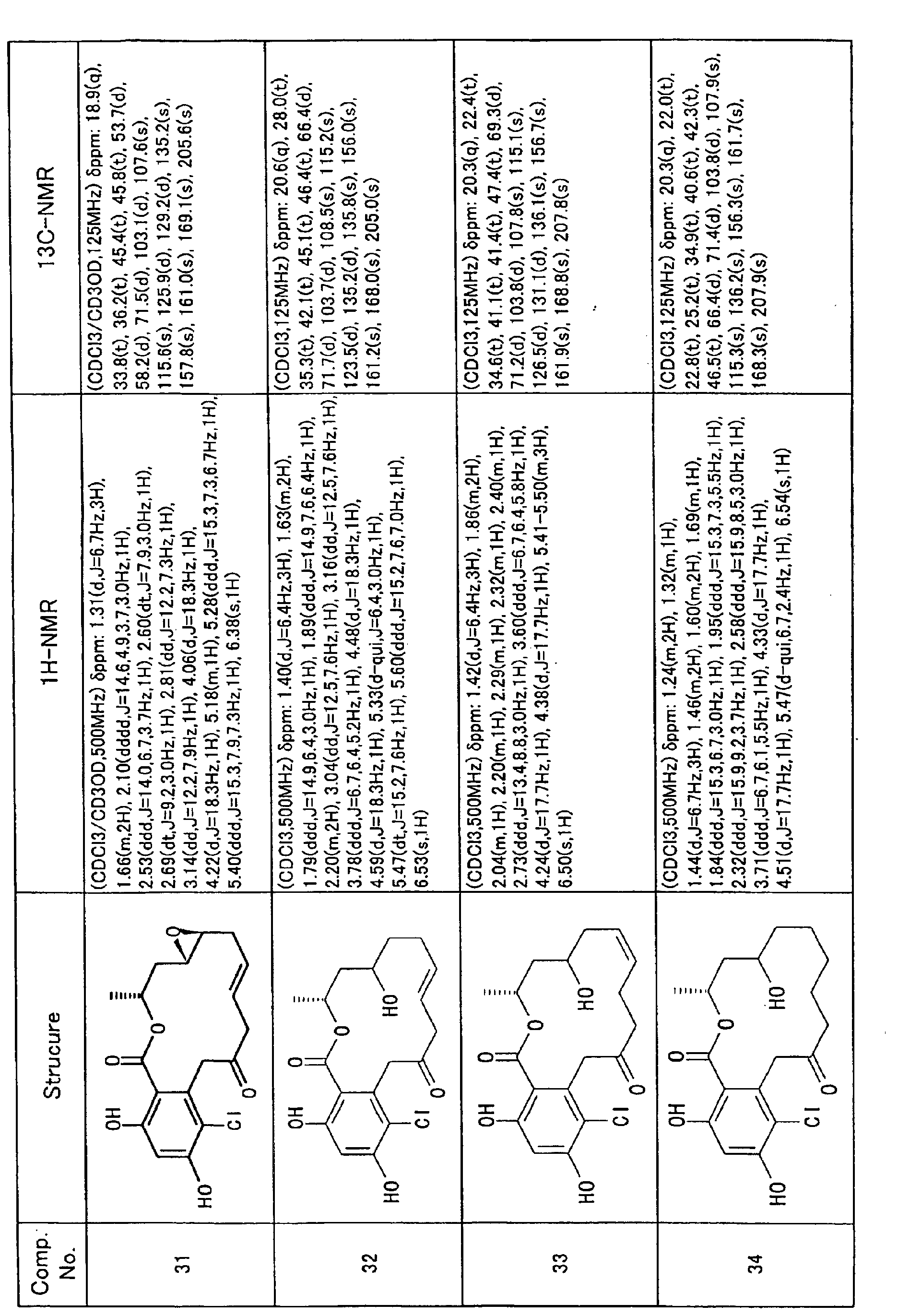


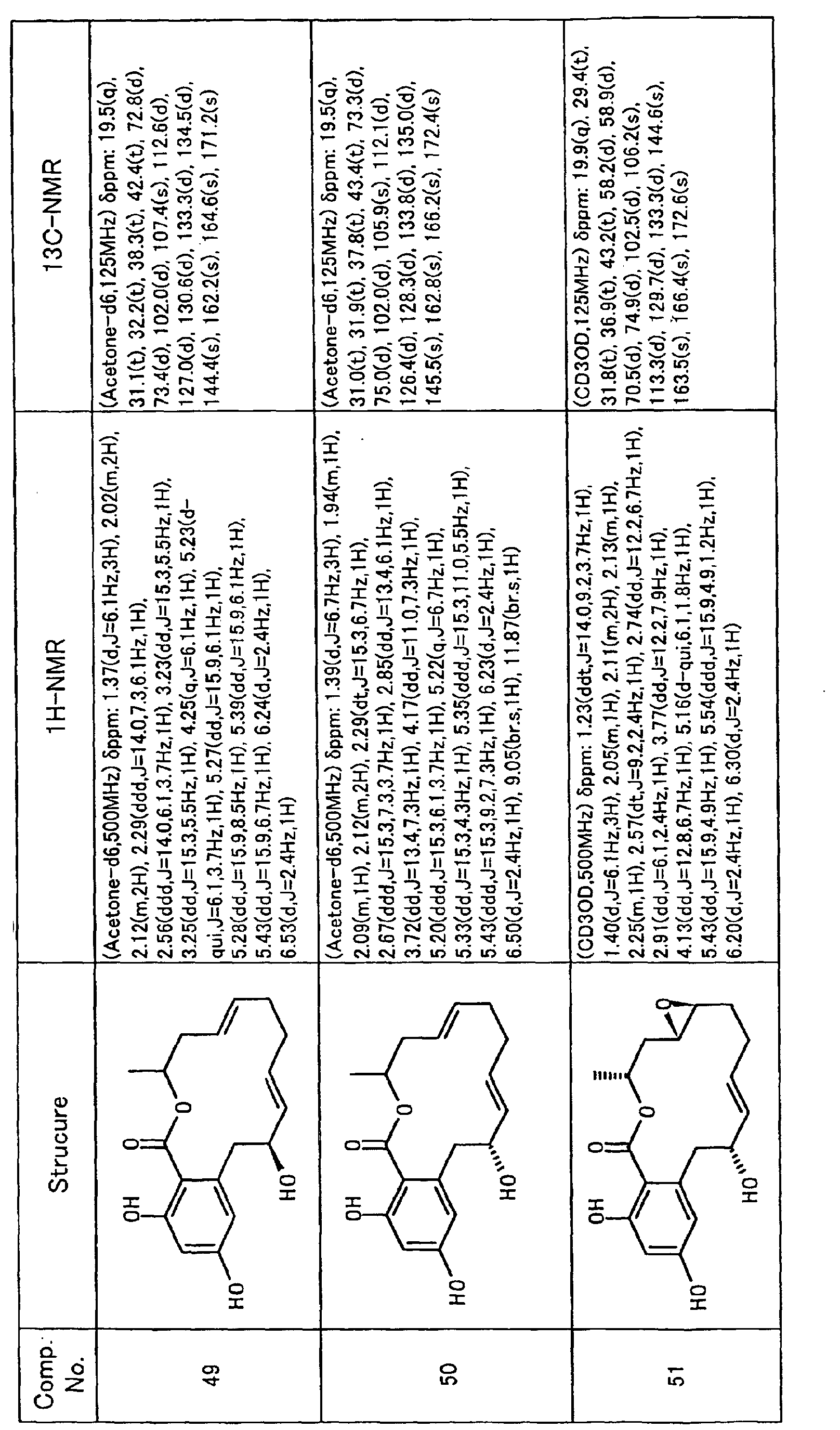

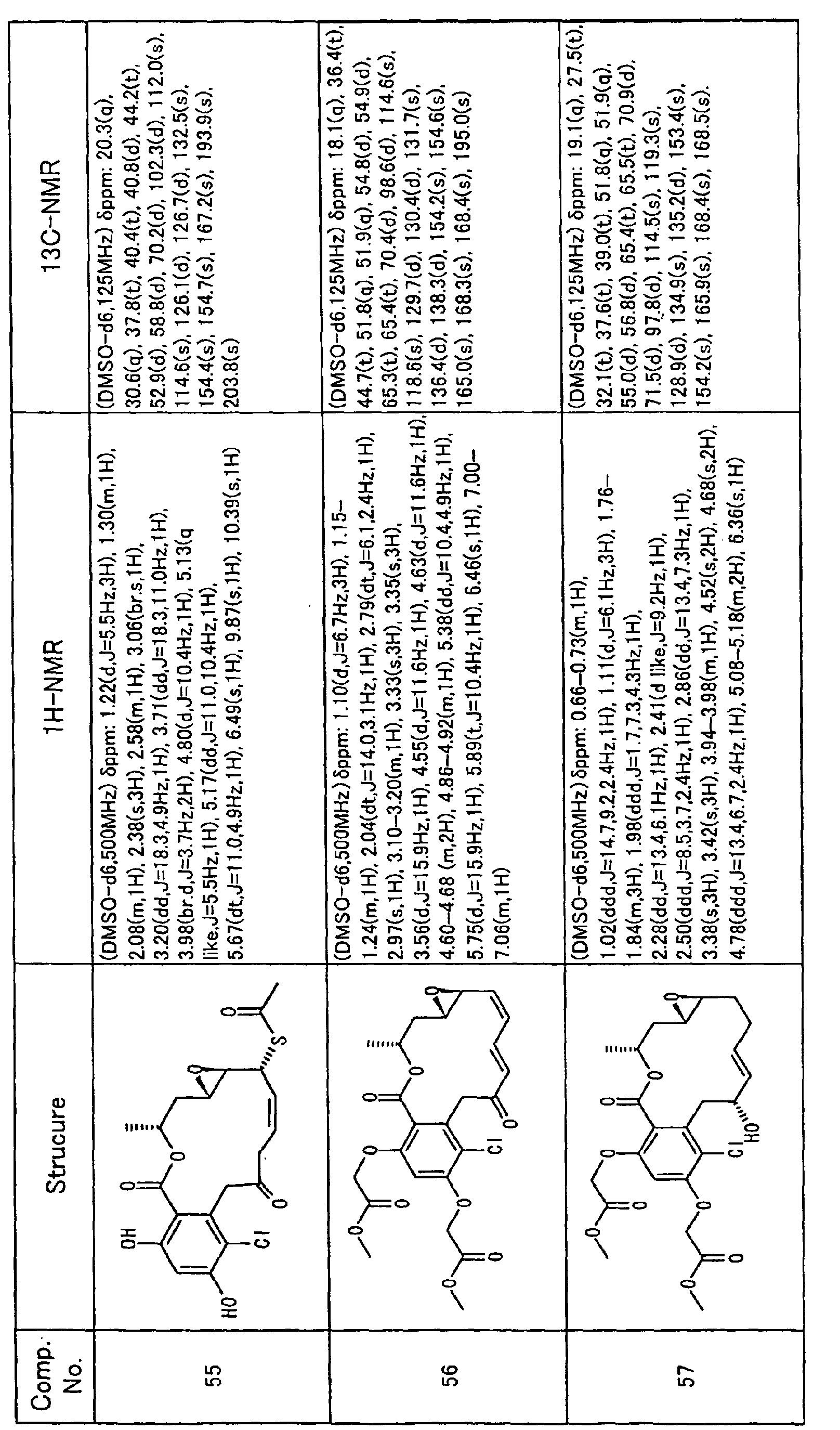


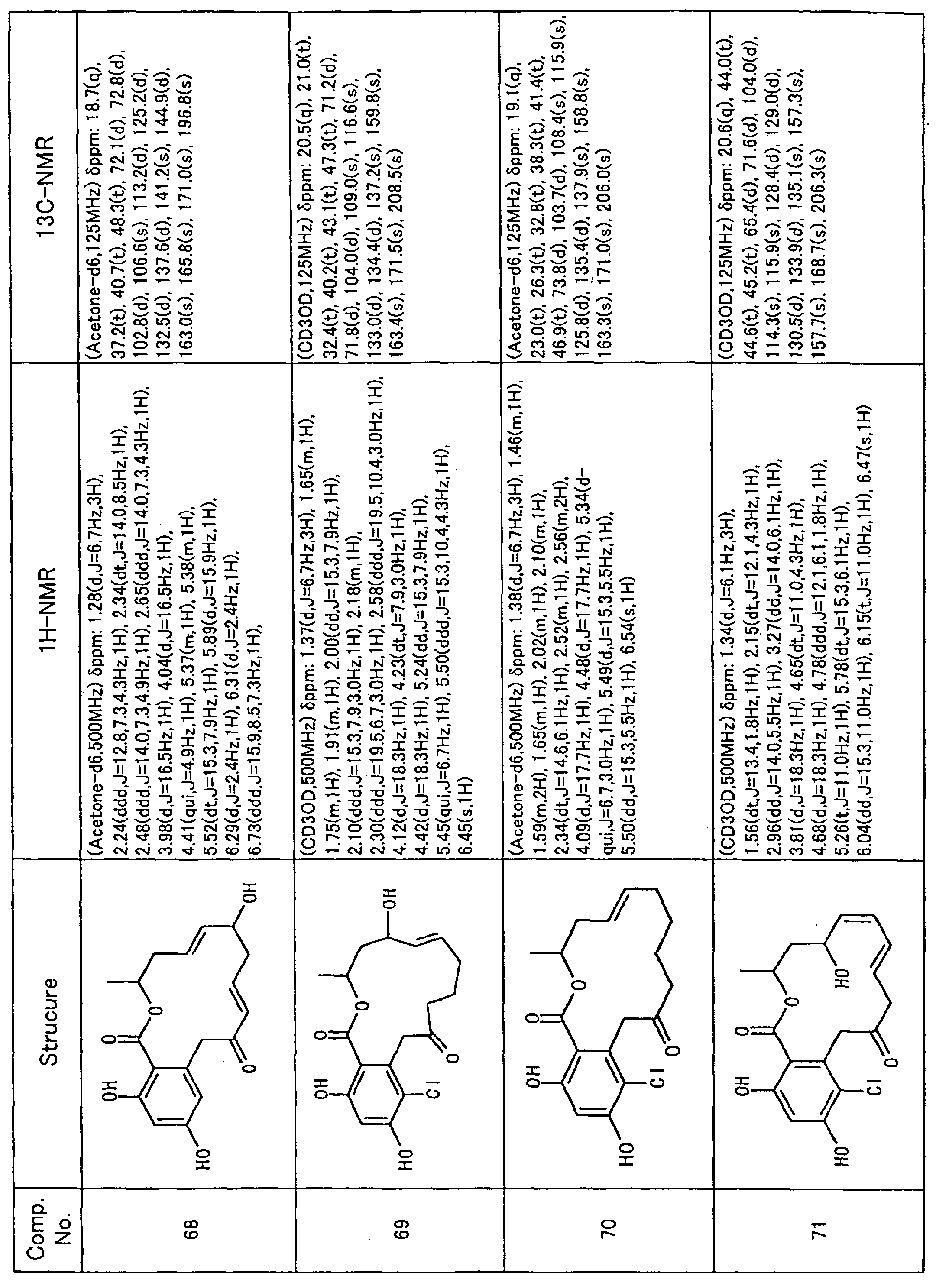

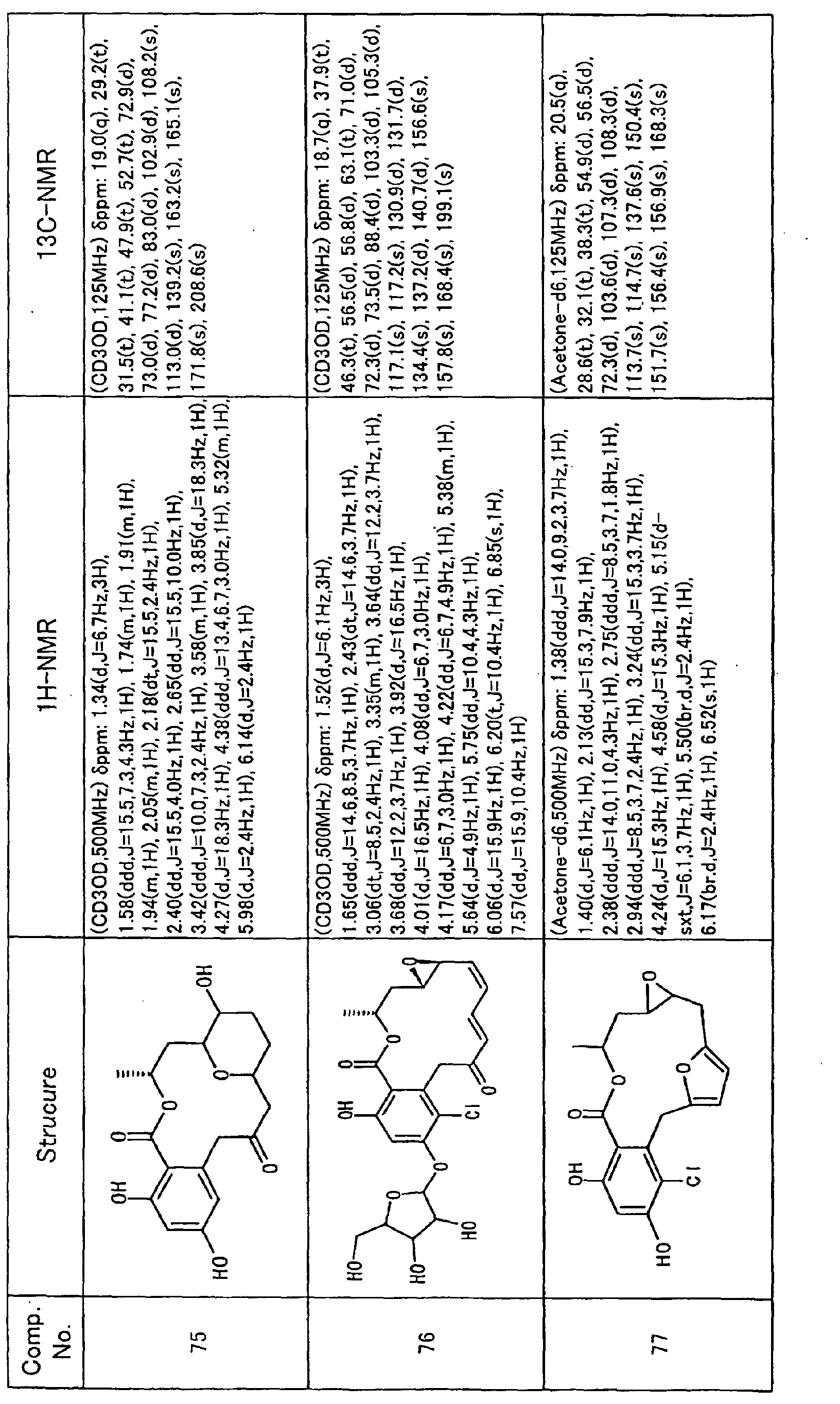

Human dermal papilla cells, which were purchased from Toyobo, were
cultured in MEM (Invitrogen) containing 12% FBS. Human hair follicle cells were
separated from plucked hairs in accordance with the method of Arase et al. (J. Dermatol.
Sci., 2, 66-70 (1991)) and cultured by using KGM-2 (Sanko Junyaku).
The dermal papilla cells in passage 5 and the hair follicle cells in passage 2
were sowed in a 10 cm dish to give a density of 2×10⁶ cells/well and cultured over 2
nights. After removing the medium, the cells were washed with PBS(-) and total
RNAs were extracted by using TRIzol reagent (Invitrogen). Using 50 ng of the total
RNAs, 0.4 µM primers specific to WNT-5A or glyceraldehyde-3-phosphate
dehydrogenase (GAPDH) [WNT-5A forward: AATGTCTTCC AAGTTCTTCC
TAGTGGC (SEQ ID NO:8), WNT-5A reverse: GATGTCGGAA TTGATACTGG CA
(SEQ ID NO:9), GAPDH forward: ACCACAGTCC ATGCCATCAC (SEQ ID NO: 10)
and GAPDH reverse: TCCACCACCC TGTTGCTGTA (SEQ ID NO:11)] and
SUPERSCRIPT One-Step RT-PCT with PLATINUM Taq (Invitrogen), RT-PCR was
carried out in accordance with the protocol attached to SUPERSCRIPT One-Step RT-PCT
with PLATINUM Taq. In brief, first strand synthesis was carried out at 50°C for
30 minutes in a reaction system of 25 µl in total volume. After heating to 94°C for 2
minutes, each cDNA fragment was amplified in 23 or 20 cycles with each cycle
consisting of 30 seconds at 94°C, 30 seconds at 55°C and 30 seconds at 72°C.
Each reaction solution was electrophoresed in a 1.5% agarose gel and
stained with ethidium bromide. Fig. I shows the results.
In the case of using the dermal papilla cell (DPC)-derived RNA, a
remarkable amplification of the cDNA fragment was observed in the 23-cycle PCR
using the WNT-5A-specific primers. In the case of using the hair follicle, cell (HFC)-derived
RNA, no amplified product was observed under the same conditions.
Human dermal papilla cells, which were purchased from Toyobo, were
cultured in MEM (Invitrogen) containing 12% FBS.
The dermal papilla cells in passage 5 were sowed in a 12-well plate to give a
density of 1.6×10⁵ cells/well and cultured overnight. Then, the medium was replaced
by a medium to which no compound was added or a medium containing Compound 1, 2,
3, 4, 5, 7, 9 or 24 and the culture was continued for additional 24 hours. After the
completion of the culture, each medium was removed and the cells were washed with
PBS(-). Then total RNAs were extracted by using TRIzol reagent (Invitrogen).
Using 50 ng of the total RNAs, 0.4 µM of primers specific to WNT-5A or GAPDH
[WNT-5A forward: AATGTCTTCC AAGTTCTTCC TAGTGGC (SEQ ID NO:8),
WNT-5A reverse: GATGTCGGAA TTGATACTGG CA (SEQ ID NO:9), GAPDH
forward: ACCACAGTCC ATGCCATCAC (SEQ ID NO:10) and GAPDH reverse:
TCCACCACCC TGTTGCTGTA (SEQ ID NO: 11)] and SUPERSCRIPT One-Step RT-PCT
with PLATINUM Taq (Invitrogen), RT-PCR was carried out in accordance with
the protocol attached to SUPERSCRIPT One-Step RT-PCT with PLATINUM Taq. In
brief, first strand synthesis was carried out at 50°C for 30 minutes in a reaction system
of 25 µl in total volume. After heating to 94°C for 2 minutes, the cDNA fragment of
WNT-5A or GAPDH was amplified in 23 or 20 cycles with each cycle consisting of 30
seconds at 94°C, 30 seconds at 55°C and 30 seconds at 72°C.
Each reaction solution was electrophoresed in a 1.5% agarose gel and
stained with ethidium bromide. Fig. 2 shows the results.
In the 23-cycle PCR using the WNT-5A-specific primers, the amplified
WNT-SA cDNA fragments was remarkably decreased in the cultures with the
compounds, compared with the culture using the medium to which no compound was
added.
In the 20-cycle PCR using the GAPDH-specific primers, on the other hand,
no change was observed in the amount of amplified cDNA fragment regardless of the
presence or absence of the compounds.
Human dermal papilla cells, which were purchased from Toyobo, were
cultured in MEM (Invitrogen) containing 12% FBS.
The dermal papilla cells in passage 5 were sowed in a 96-well plate for
spheroid culture to give a density of 1.5×10⁴ cells/well and cultured overnight. Then,
the medium was replaced by a medium to which no compound was added or a medium
containing Compound 1, 2, 3, 4, 5, 7, 9 or 24 and the culture was continued for
additional 72 hours. After the completion of the culture, cells were counted by using
Cell Counting Kit (Wako Pure Chemicals). Five hours before the completion of the
culture, WST-1 reagent at 1/10 amount per medium was added to each medium and
then the optical density (O.D. 450 nm/620 nm) of the medium was measured at the
completion of the culture. A positive correlation was observed between the cell
number and optical density within the range of 0.25 to 4×10⁴ cells/well.
As a result, it is clarified that a compound having an activity of decreasing
WNT-5A mRNA amount has an activity of promoting the growth of dermal papilla
cells (Fig. 3). In this figure, each numerical value means an average of 6 wells
(control group) or 3 wells (test groups). To compare the control group to the test
groups, Student's t-test was employed:
*: P<0.05, **: P<0.01, ***: P<0.001.
*: P<0.05, **: P<0.01, ***: P<0.001.
The above-described Test Examples indicates that WNT-5A is expressed in
human dermal papilla cells, the amount of WNT-5A mRNA in dermal papilla cells is
decreased by the compound according to the present invention, and a compound having
an activity of decreasing WNT-5A mRNA amount has an activity of promoting the
growth of dermal papilla cells.
Human dermal papilla cells, which were purchased from Toyobo, were
cultured in MEM (Invitrogen) containing 12% FBS.
The dermal papilla cells in passage 5 were sowed in a 96-well plate to give a
density of 1×10⁴ cells/well and cultured overnight. Then, the medium was replaced by
a medium to which no compound was added or a medium containing the compounds
and the culture was continued for additional 24 hours. After the completion of the
culture, WNT-5A or GAPDH mRNA amount was measured by using QuantiGene High
Volume Kit (Bayer Medical) by the branched DNA (bDNA) signal amplification
method (Drug Metabolism and Disposition, 28(5), 608-616(2000)). In accordance
with the protocol attached to QuantiGene High Volume Kit, cells were lysed by using
Lysis Mixture and the lysis solution was added to capture plate. Next, a set of probes
specific to WNT-5A or GPDH was added and allowed to react at 53°C for 20 hours.
After washing the plate by using 0.1×SSC containing 0.03% lauryl sulfate, an
amplification probe comprising bDNA was added and allowed to react at 46°C for 1
hour. After washing the plate, a labeling probe labeled with alkaline phosphatase was
added and allowed to react at 46°C for 1 hour. After washing the plate, a substrate
Lumi-Phos Plus was added and allowed to react at 46°C for 30 minutes. Then, the
luminescence was measured by using WALLAC 1420ARVOsx.
The WNT-5A-specific probe set was designed based on the sequence of the
coding region of human WNT-5A mRNA. As capture extenders (CEs), 10 probes
(SEQ ID NOs:12 to 21) were used; as label extenders (LEs), 31 probes (SEQ ID
NOs:22 to 52) were employed; and as blockers, 9 probes (SEQ ID NOs:53 to 60) were
employed.
As GAPDH-specific probe set, use was made of bDNA probe set for human
GAPDH (Xeno Tech LLC, B0960).
The amounts of WNT-5A and GAPDH mRNAs are expressed in relative
values (%) to the control case of adding of no compound and the concentration of a
compound at which the mRNA amount is halved (IC50) is calculated as an index of
WNT-5A mRNA decreasing activity of the corresponding compound.
Table 3 shows the effects of the compounds on the WNT-5A and GDPH
mRNA amounts. Each numerical value in the table shows the average of 2 wells.
These compounds decreased the WNT-5A mRNA amount in dermal papilla cells. The
IC50 value of the most active compound was 0.12µM. At the IC50 concentration of
each compound for WNT-5A mRNA suppression, no decrease was observed in the
GAPDH mRNA amount measured at the same time.
| IC50 (µM) | |||
| Compound No. | WNT- | GAPDH | |
| 1 | 0.20 | 28.25 | |
| 2 | 0.39 | 26.41 | |
| 3 | 3.16 | 57.95 | |
| 4 | 3.46 | >30 | |
| 5 | 3.47 | ' >30 | |
| 7 | 4.07 | >120 | |
| 18 | 0.63 | 6.58 | |
| 24 | 4.74 | 21.07 | |
| 35 | 0.46 | 4.29 | |
| 38 | 6.42 | >120 | |
| 52 | 0.12 | 13.47 | |
| 53 | 0.12 | 45.45 | |
| 54 | 2.37 | >30 | |
| 55 | 0.74 | >30 | |
| 58 | 0.50 | 79.95 | |
| 65 | 8.28 | 109.16 | |
| 68 | 10.69 | 50.63 | |
| 73 | 9.37 | >120 | |
| 76 | 8.56 | 55.94 | |
| 77 | 8.13 | >120 | |
| 79 | 0.90 | 38.16 |
Human dermal papilla cells, which were purchased from Toyobo, were
cultured in MEM (Invitrogen) containing 12% FBS.
The dermal papilla cells in passage 5 were sowed in a 96-well plate for
spheroid culture to give a density of 1.5×10⁴ cells/well and cultured overnight. Then,
the medium was replaced by a medium to which no compound was added or a medium
containing the compound and the culture was continued for additional 72 hours. After
the completion of the culture, cells were counted by using a Cell Counting Kit (Wako
Pure Chemicals). Five hours before the completion of the culture, WST-1 reagent at
1/10 amount per medium was added to each medium and then the optical density (O.D.
450 nm/620 nm) of the medium was measured at the completion of the culture. A
positive correlation was observed between the cell number and optical density within
the range of 0.25 to 4×10⁴ cells/well.
Table 4 shows the effects of the compounds having an activity of decreasing
the WNT-5A mRNA amount on the growth of dermal papilla cells. In this table, each
numerical value means an average of 6 wells (control group) or 3 wells (test groups).
To compare the control group to the test groups, Student's t-test was employed:
*: P<0.05, **: P<0.01, ***: P<0.001.
*: P<0.05, **: P<0.01, ***: P<0.001.
Each of the compounds having an activity of decreasing the WNT-5A
mRNA amount showed a remarkable activity of promoting the growth of dermal papilla
cells at 16 µM. Compounds 1, 2, 18, 35, 52, 53 and 58, each showing a potent activity
of decreasing the WNT-5A mRNA amount (i.e., IC50 being lower than 1 µM), also
showed a significant growth promoting activity at 1 µM.
| Compound No. | ΔO.D. 450 nm/620 nm (% of control) | ||
| 1 | 4 | 16 (µM) | |
| 1 | 132.9 ± 11.6 | 183.7 ± 12.1 | 144.7 ± 13.0 |
| 2 | 142.6 ± 10.1 | 167.3 ± 8.5 | 241.0 ± 25.3 |
| 3 | 92.9 ± 1.6 | 92.9 ± 9.9 | 244.2 ± 33.4 |
| 4 | 97.4 ± 24.4 | 148.2 ± 4.9 | 180.2 ± 6.9 |
| 5 | 110.2 ± 45.0 | 174.7 ± 29.2 | 236.4 ± 26.4 |
| 7 | 82.6 ± 3.9 | 169.7 ± 10.4 | 194.8 ± 12.7 |
| 18 | 115.6 ± 9.0 | 147.1 ± 11.3 | 210.9 ± 25.9 |
| 24 | 108.2 ± 6.9 | 104.3 ± 10.5 | 119.7 ± 3.7 |
| 35 | 160.8 ± 3.5 | 181.6 ± 3.7 | 158.6 ± 18.3 |
| 38 | 103.5 ± 2.6 | 89.6 ± 7.3 | 124.9 ± 5.1 |
| 52 | 124.5 ± 1.0 | 143.2 ± 9.5 | 197.0 ± 5.4 |
| 53 | 126.6 ± 14.3 | 149.5 ± 12.8 | 184.4 ± 3.6 |
| 54 | 80.0 ± 2.4 | 97.1 ± 5.6 | 135.0 ± 0.9 |
| 55 | 89.0 ± 1.8 | 126.9 ± 7.2 | 175.6 ± 9.8 |
| 58 | 123.3 ± 1.8 | 150.4 ± 9.4 | 217:4 ± 14.5 |
| 65 | 92.1 ± 6.7 | 87.6 ± 8.7 | 141.0 ± 5.3 |
| 73 | 91.7 ± 5.7 | 81.2 ± 7.8 | 205.6 ± 9.2 |
| 76 | 80.0 ± 5.6 | 77.1 ± 7.0 | 120.7 ± 6.3 |
| 77 | 81.6 ± 4.4 | 86.3 ± 5.0 | 180.8 ± 21.7 |
| 79 | 87.5 ± 9.9 | 98.6 ± 3.6 | 120.0 ± 4.1** |
The dorsal skin of a Cynomolgus monkey (Macaca fascicularis) (male, 6
years old) was collected and divided into pieces (5 mm x 8 mm) under a stereoscopic
microscope. Then each skin tissue piece was cultured in William's Medium E
(Invitrogen) to which no compound was added or Compound 7 or Compound 3 was
added and which contained 10 µg/ml insulin (Sigma) and 10 ng/ml hydrocortisone
(Kurabo).
On the 11th day of the culturing, hair follicles were separated from each
skin tissue piece and total RNAs were extracted by using TRIzol reagent (Invitrogen).
Using 200 ng portions of the total RNAs, 0.4 µM portions of primers specific to WNT-5A
or glyceraldehyde-3-phosphate dehydrogenase (GAPDH) [WNT-5A sense:
AATGTCTTCC AAGTTCTTCC TAGTGGC (SEQ ID NO:8), WNT-5A antisense:
GATGTCGGAA TTGATACTGG CA (SEQ ID NO:9), GAPDH sense:
ACCACAGTCC ATGCCATCAC (SEQ ID NO:10) and GAPDH antisense:
TCCACCACCC TGTTGCTGTA (SEQ ID NO: 11)] and SUPERSCRIPT One-Step RT-PCT
with PLATINUM Taq (Invitrogen), RT-PCR was carried out in accordance with
the protocol attached to SUPERSCRIPT One-Step RT-PCT with PLATINUM Taq. In
brief, first strand synthesis was carried out at 50°C for 30 minutes in a reaction system
of 25 µl in total volume in accordance with the protocol attached to SUPERSCRIPT
One-Step RT-PCT with PLATINUM Taq. After heating to 94°C for 2 minutes, the
WNT-5A or GPDH cDNA fragment was amplified in 40 or 30 cycles with each cycle
consisting of 30 seconds at 94°C, 30 seconds at 55°C and 30 seconds at 72°C.
Each reaction solution was electrophoresed in a 1.5% agarose gel and
stained with Cyber Green (Takara). Fig. 4 shows the results.
In the 40-cycle PCR using the WNT-5A-specific primers, the amplified
WNT-5A cDNA fragment was remarkably decreased in the culture with the addition of
Compound 7 or Compound 3, compared with the culture to which no compound was
added.
In the 30-cycle PCR using the GAPDH-specific primers, on the other hand,
no change was observed in the amount of amplified cDNA fragment regardless of the
presence or absence of the compounds.
The dorsal skin of a Cynomolgus monkey (Macaca fascicularis) (male, 6
years old) was collected and divided into pieces (5 mm × 8 mm) under a stereoscopic
microscope. Then each skin tissue piece was cultured in William's Medium E
(Invitrogen) to which no compound was added or Compound 7 or Compound 3 was
added and which contained 10 µg/ml of insulin (Sigma) and 10 ng/ml of hydrocortisone
(Kurabo).
On the 30th day of the culturing, the skin tissue pieces were each fixed by
using 10% neutralized formalin at room temperature. A section embedded in paraffin
was prepared. After adding 1% BSA-containing PBS, it allowed to stand at room
temperature for 30 minutes and then boiled in a 0.1 M citrate buffer solution. Then it
was reacted with anti-PCNA antibody (Dako Japan, diluted 200-fold) at 4°C overnight
and then reacted with biotinylated antimouse IgG antibody. Further, it was reacted
with ABC standard kit (vector) and subjected to color development using AEC
substance (Sigma).
As a result, a positive reaction was observed in cells in hair follicles and the
epidermal basal layer. In follicles, remarkable increases in the PCNA-positive cell
count are observed in dermal papillae and dermal sheath both in the telogen and anagen
hair follicles (Fig. 5).
The dorsal skin of a Cynomolgus monkey (Macaca fascicularis) (male, 6
years old) was collected and divided into pieces (5 mm × 8 mm) under a stereoscopic
microscope. Then each skin tissue piece was cultured in William's Medium E
(Invitrogen) to which no compound was added or Compound 7 or Compound 3 was
added and which contained 10 µg/ml of insulin (Sigma) and 10 ng/ml of hydrocortisone
(Kurabo).
On the 30th day of the culturing, all follicles contained in each skin tissue
piece were separated and the diameter of bulbs was measured under a stereoscopic
microscope.
Figs. 6 and 7 show the results. In these figures, each numerical value
means mean ± S.E. of bulb diameters of all follicles contained in each skin tissue piece.
To compare the control group with the test groups, Student's t-test was employed:
*: P<0.05.
*: P<0.05.
These figures also present histograms showing the bulb diameter
distribution. All follicles contained in each skin tissue piece are divided into bulb
diameter groups as indicated in the figures and follicle count in each group is expressed
in the relative value (%) to the total follicle count separated from the tissue piece.
Fig. 6 shows the effect achieved after culturing in the presence of Compound 7. After
culturing in the presence of Compound 7 for 30 days, the average bulb diameter of the
follicles contained in the skin piece was significantly higher than that of the control
group to which no compound was added. As shown by the distribution, the control
group to which no compound was added showed the largest follicle count in the group
of diameter of 140 µm or longer but shorter than 170 µm, whereas the group to which
Compound 7 was added showed the largest follicle count in the group of diameter of
170 µm or longer but shorter than 200 µm. The ratio of follicles of 170 µm or longer
in bulb diameter in the group to which no compound was added was 57.6%, whereas the
ratio in the group to which Compound 7 was elevated to 82.4%.
On the other hand, Fig. 7 shows the effect achieved after culturing in the
presence of Compound 3. Similar to the case of Compound 7, after culturing in the
presence of Compound 3 for 30 days, the average bulb diameter of the follicles
contained in the skin piece was significantly higher than that of the control group to
which no compound was added. As shown by the distribution, the control group to
which no compound was added showed the largest follicle count in the group of
diameter of 140 µm or longer but shorter than 170 µm, whereas the group to which
Compound 3 was added showed the largest follicle count in the group of diameter of
200 µm or longer but shorter than 230 µm. The ratio of follicles of 170 µm or longer
in bulb diameter in the group to which no compound was added was 55.8%, whereas the
ratio in the group to which Compound 7 was elevated to 74.5%.
To the forehead of a stumptailed macaque (Macaca arctoides) (male, 14
years old) suffering from alopecia, 1 mL of a lotion containing 0.3% Compound 7 was
applied once a day 5 times per week for 6 months. Before the initiation of the
application, the alopecia site in the forehead was marked by tattoo. The skin part
including the tattoo was photographed before the initiation of the application and after
applying for 6 months.
Fig. 8 provides enlarged photos of the skin before and after application of
the lotion containing Compound 7 for 6 months. Before the application, many thin
vellus hairs were observed. In the same site after applying for 6 months, in contrast,
vellus hairs decreased and thick terminal hairs increased. That is, it is recognized that
the alopecia in the forehead of the stumptailed macaque was clearly ameliorated by
applying the lotion containing Compound 7 for 6 months.
The results of the above Test Examples indicate that WNT-5A is expressed
in human dermal papilla cells, the amount of WNT-5A mRNA in human dermal papilla
cells is decreased by the compound according to the present invention, and a compound
having an activity of decreasing WNT-5A mRNA amount has an activity of promoting
the growth of dermal papilla cells.
It is also indicated that the compound according to the present invention
causes a decrease in the WNT-5A mRNA amount in monkey skin organ culture too, the
compound causes a remarkable increase in the PCNA-staining positive proliferative
cells both in the telogen and anagen hair follicles, and the compound enlarges the bulb
size of follicles.
It is furthermore indicated that the compound according to the present
invention has an effect of ameliorating alopecia of a stumptailed macaque which is a
model animal of male pattern alopecia.
That is to say, a compound promoting the growth of dermal papilla cells
would enhance the cell growing ability, which has been lowered in the dermal papillae
in follicles in a part with alopecia, and thus contributes to the formation of well-developed
dermal papilla tissues, thereby promoting hair growth.
A WNT-5A function inhibitor, for example, a compound having an activity
of decreasing WNT-5A mRNA amount or a pharmaceutically acceptable salt thereof
has an activity of promoting the growth of dermal papilla cells and, therefore, is useful
as a hair growth stimulant/hair growth tonic with a novel function mechanism.
The present invention provides a completely novel idea of using a
compound inhibiting the function of WNT-5A as an agent ameliorating or preventing
alopecia, which has never been known hitherto, and screening of such a compound
inhibiting the function of WNT-5A is useful in developing a novel hair growth
stimulant/hair growth tonic.
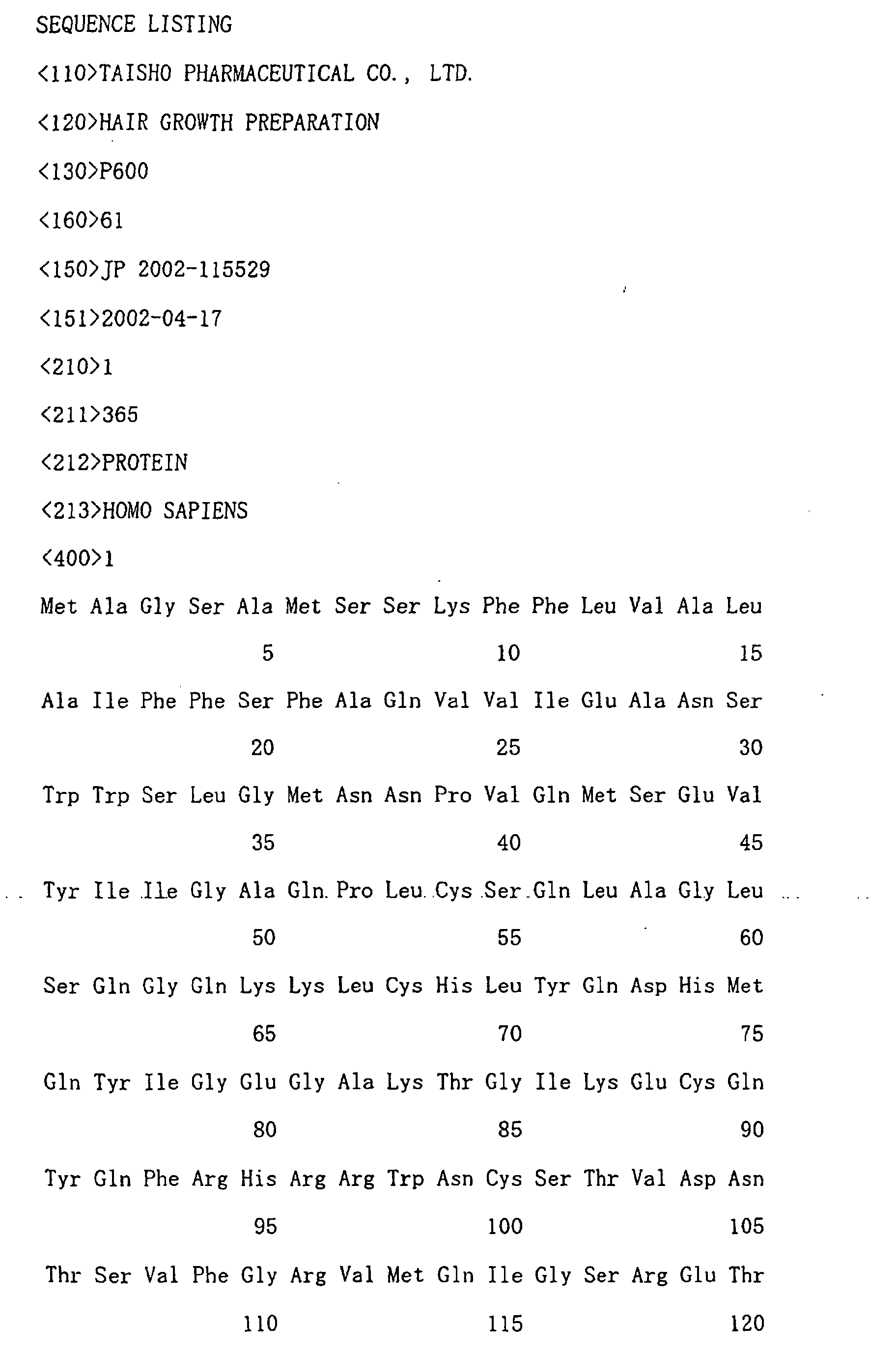


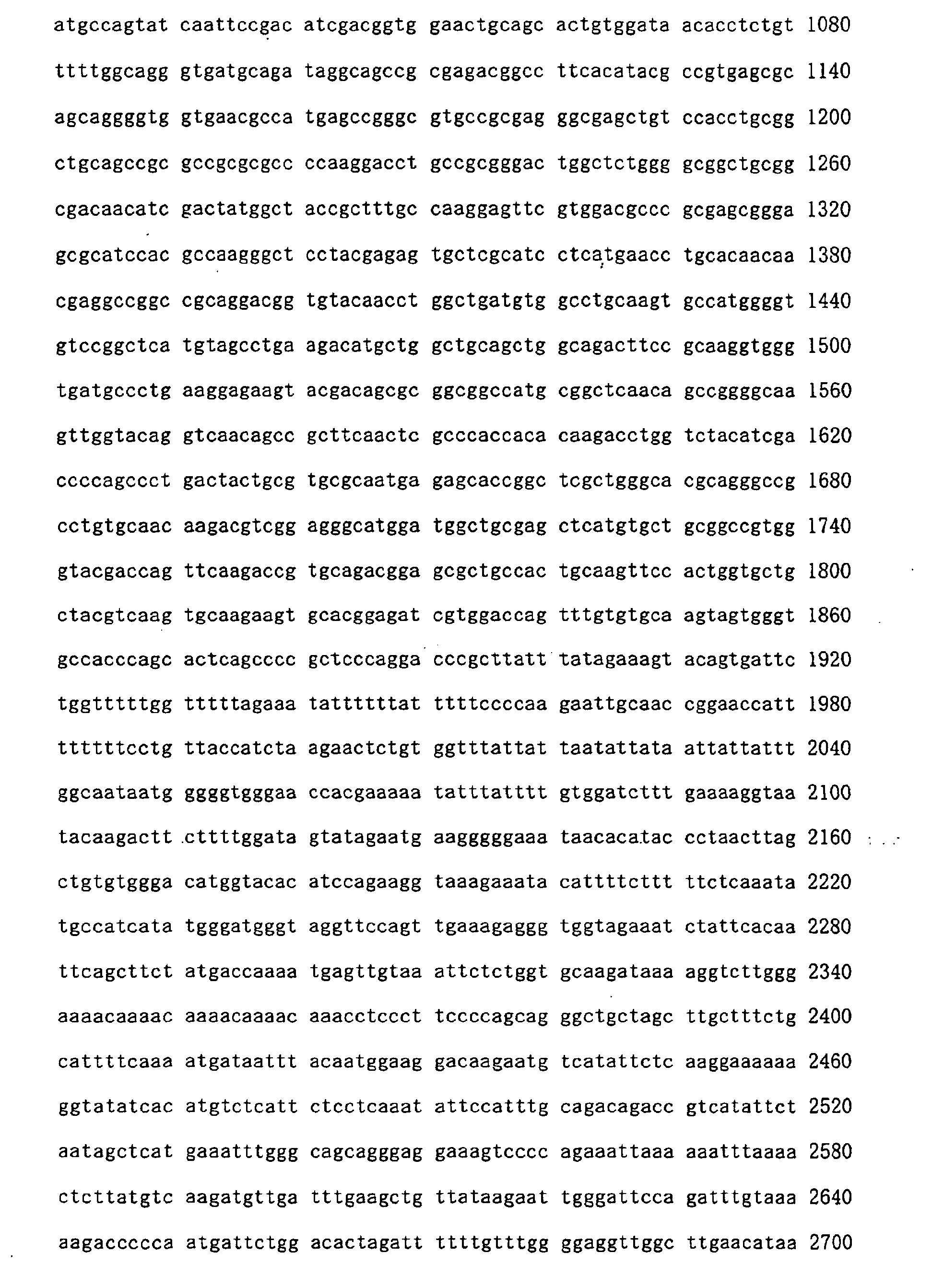
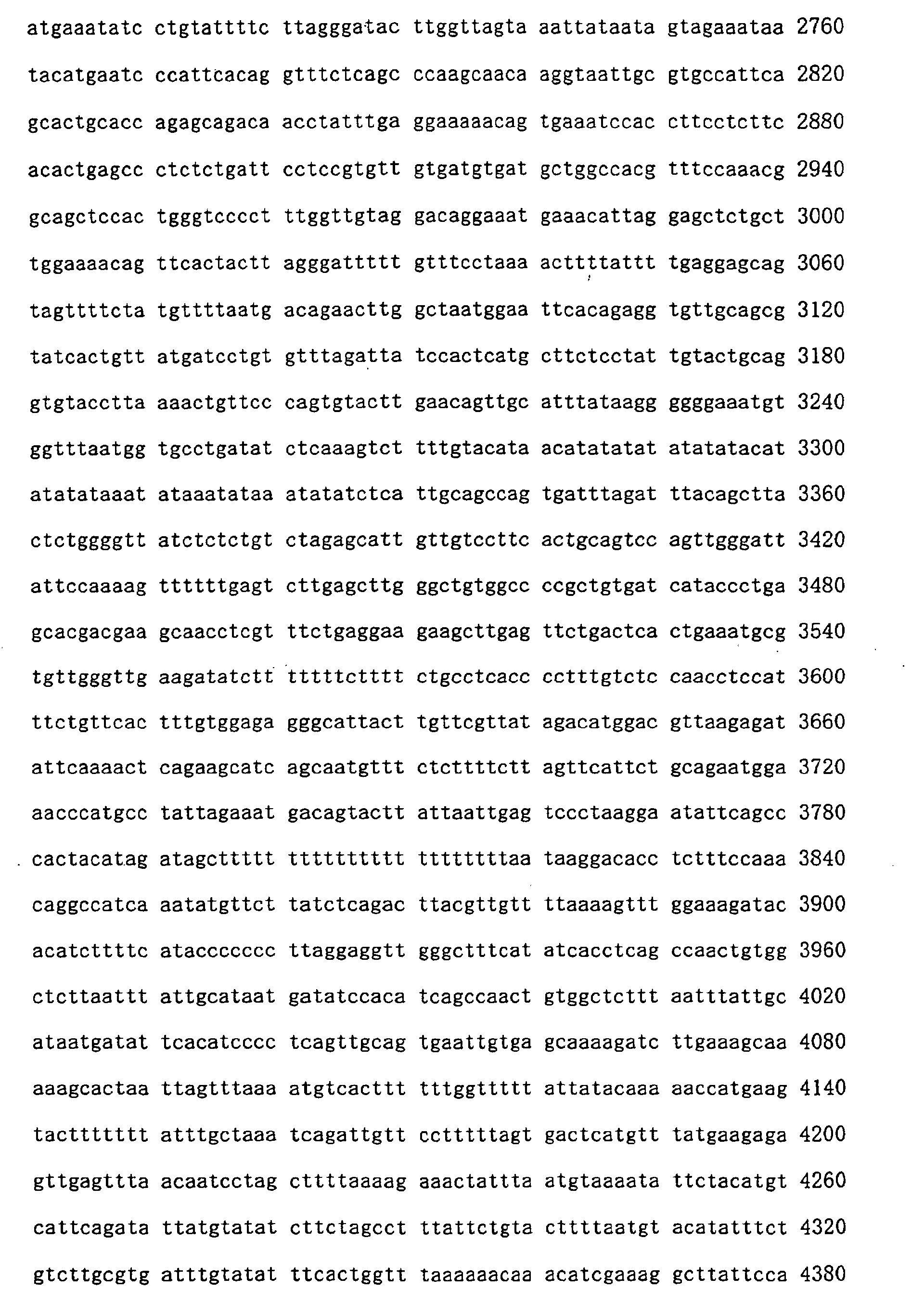

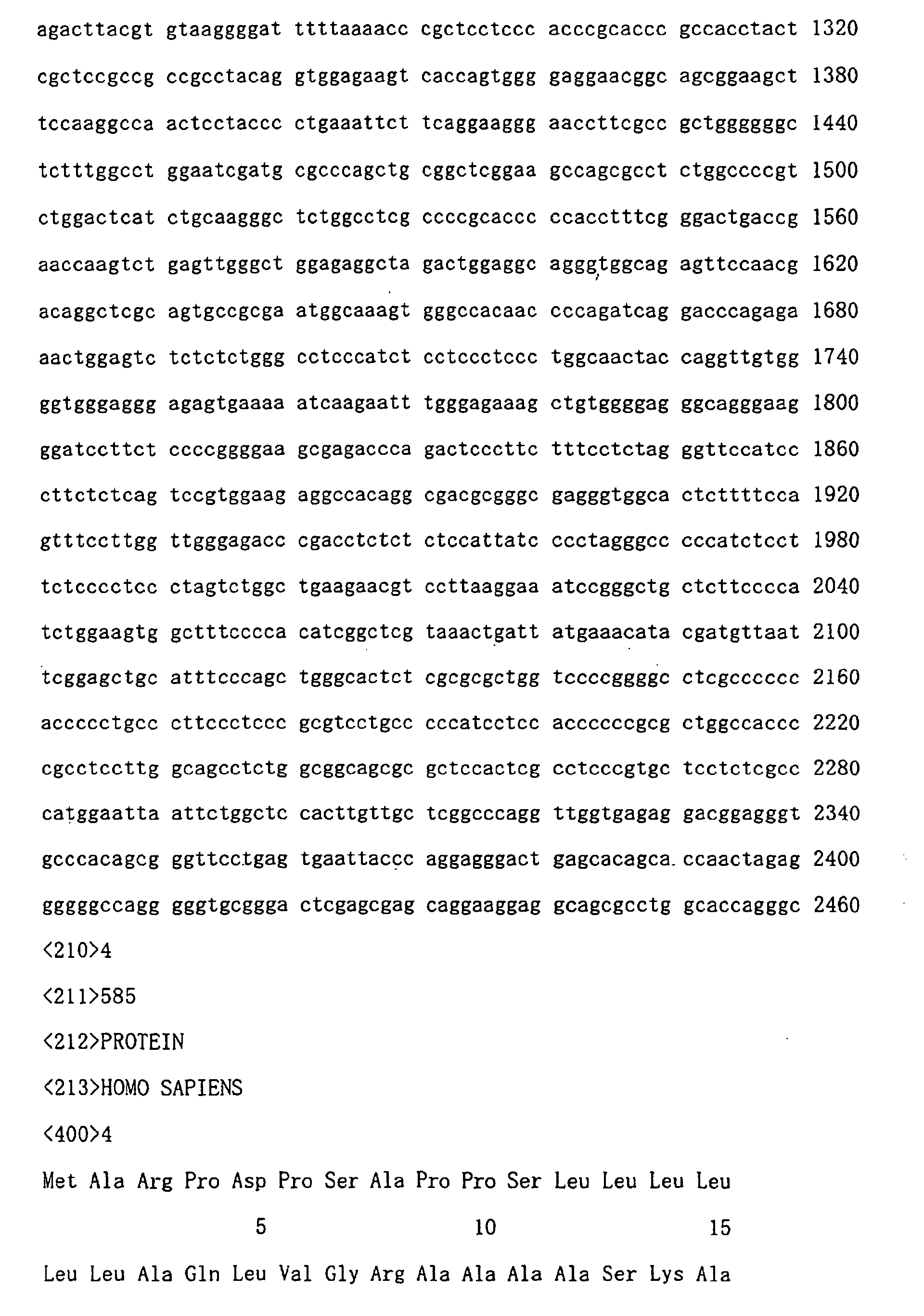
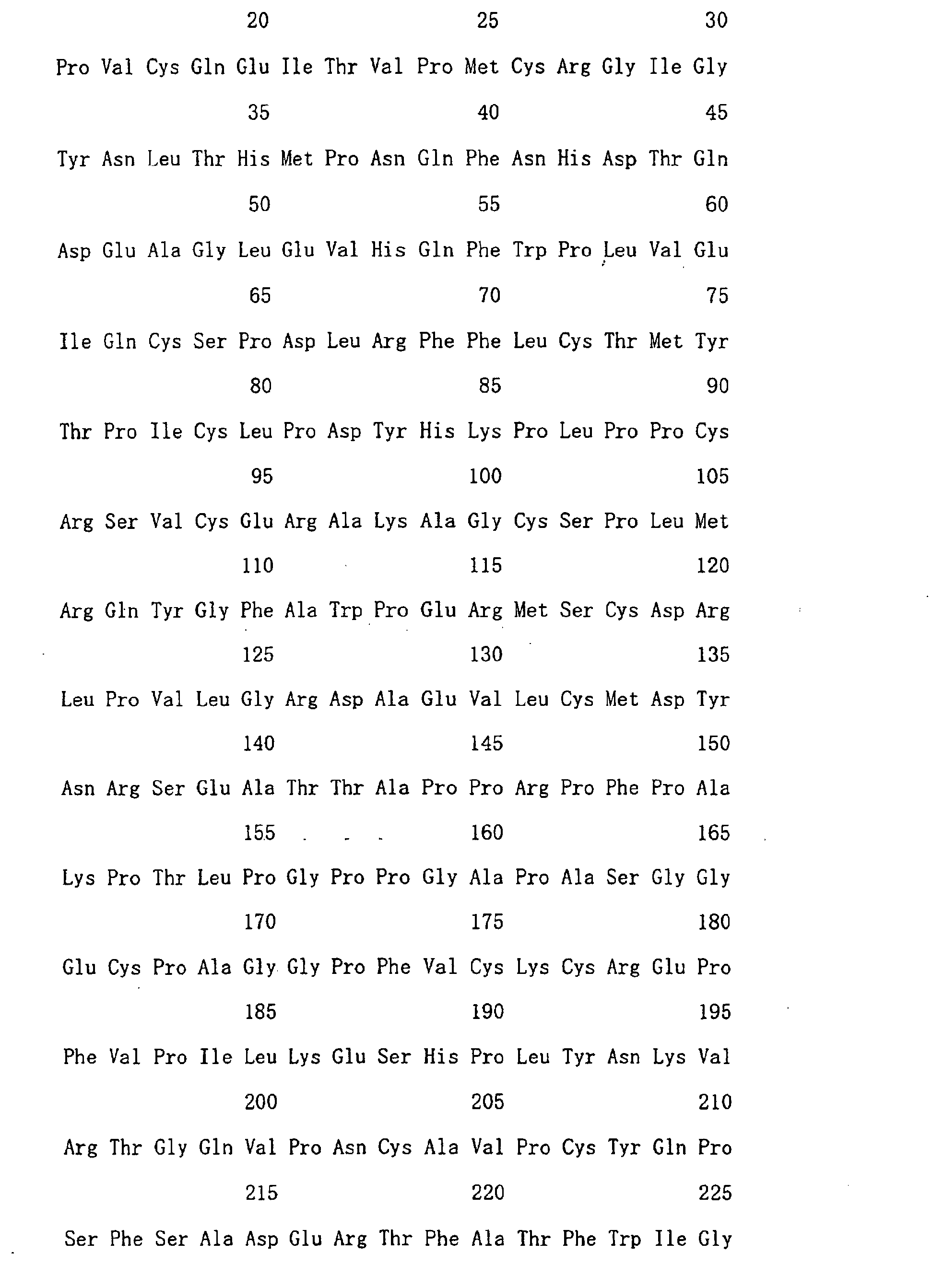


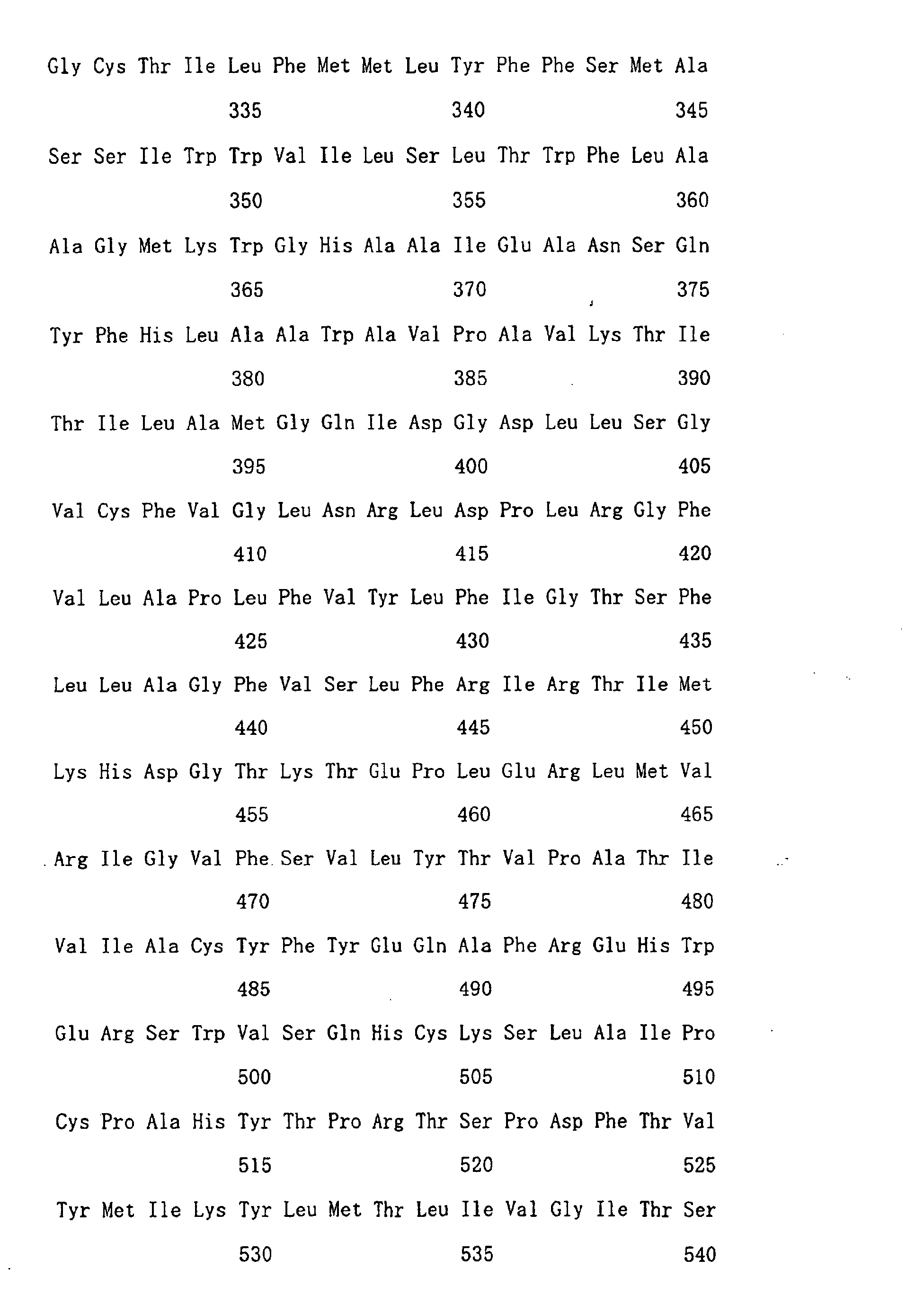
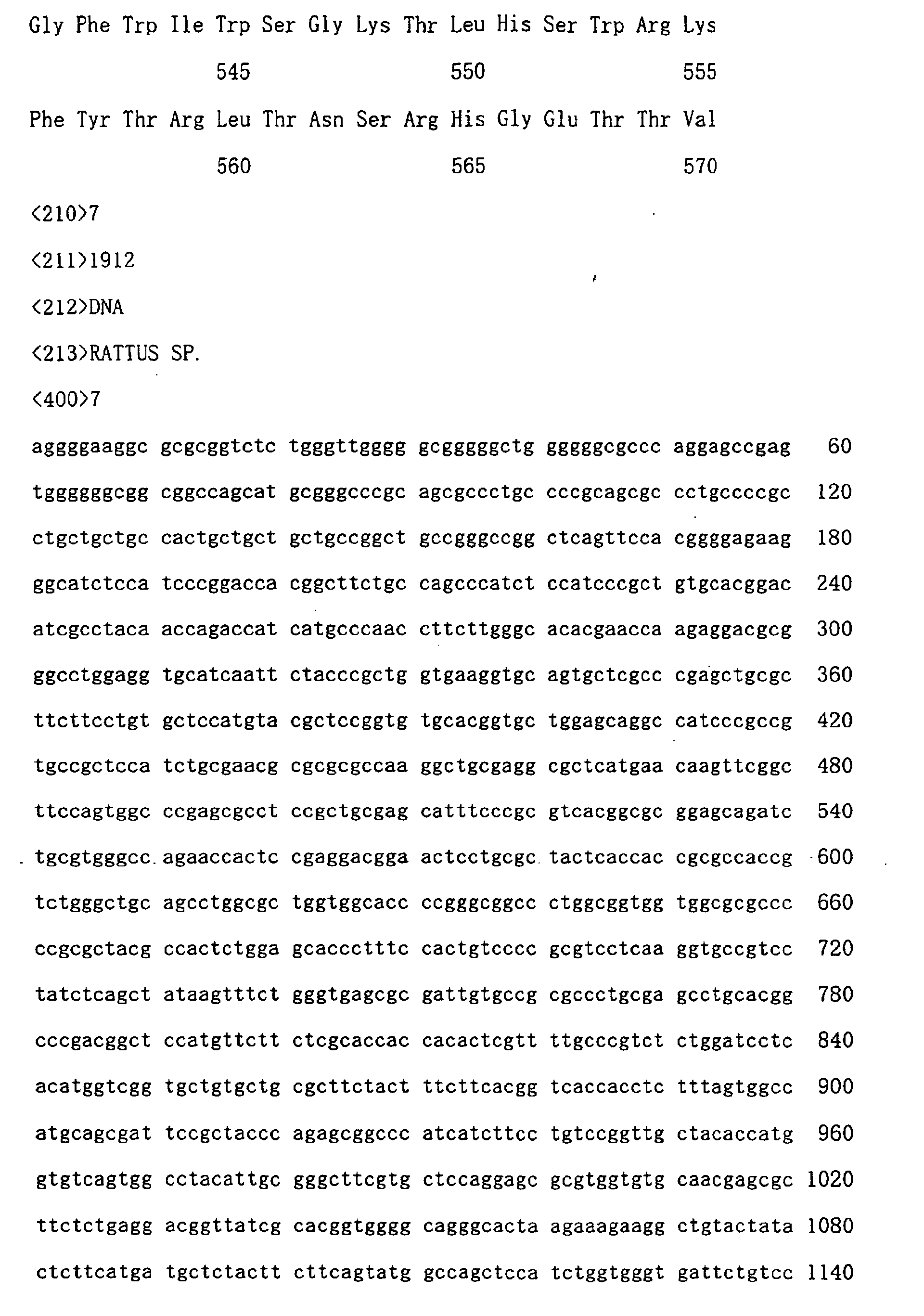


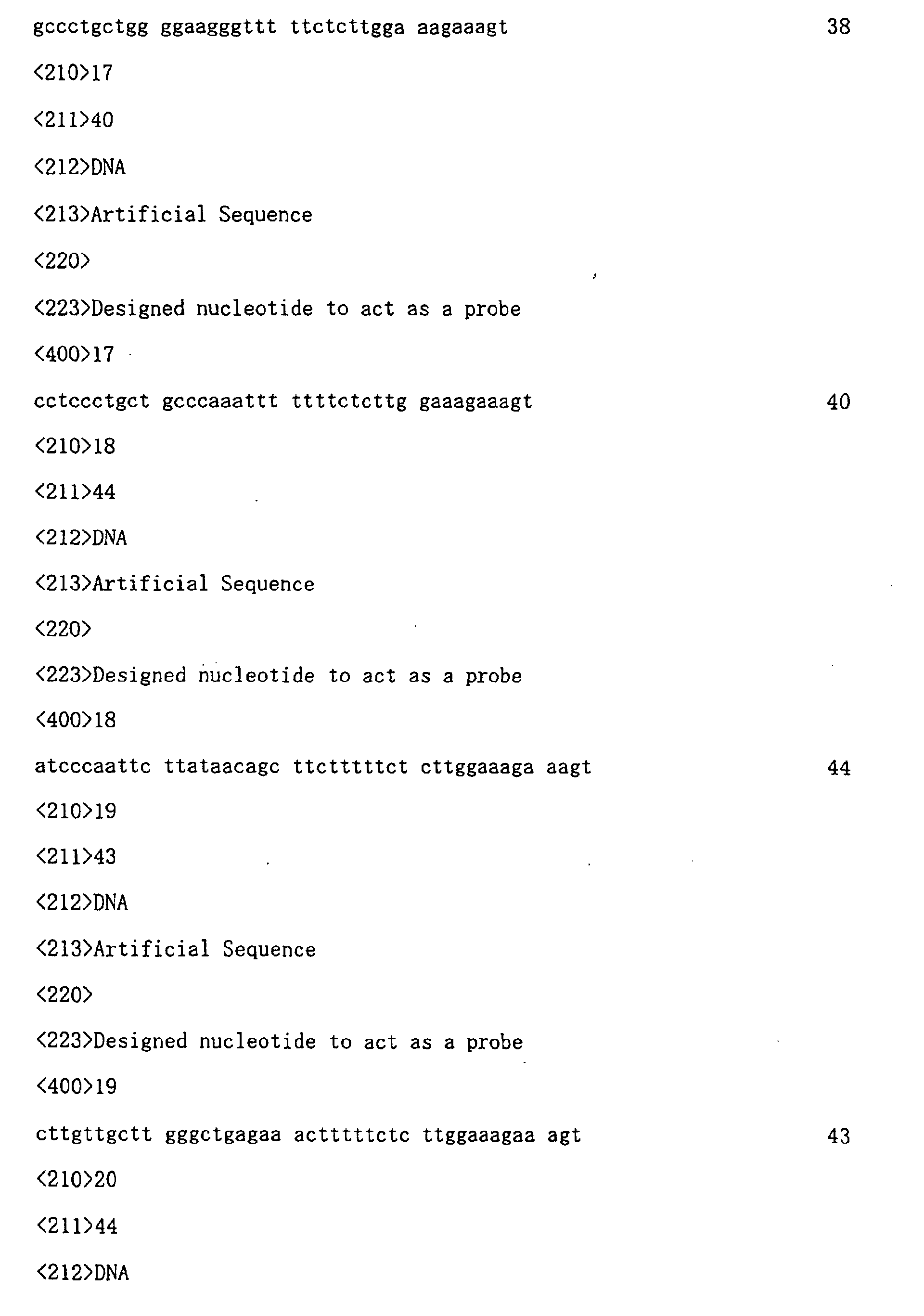


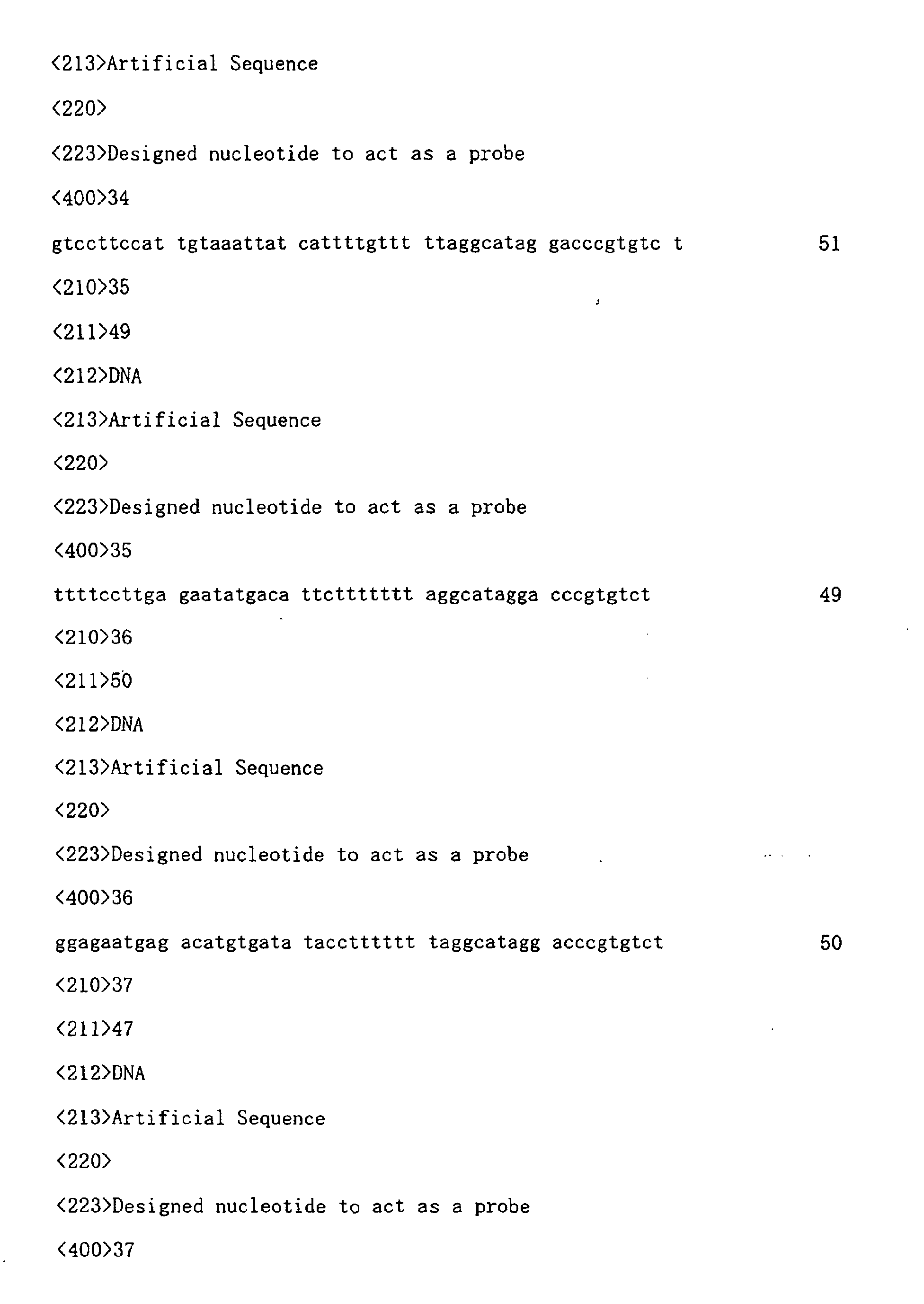
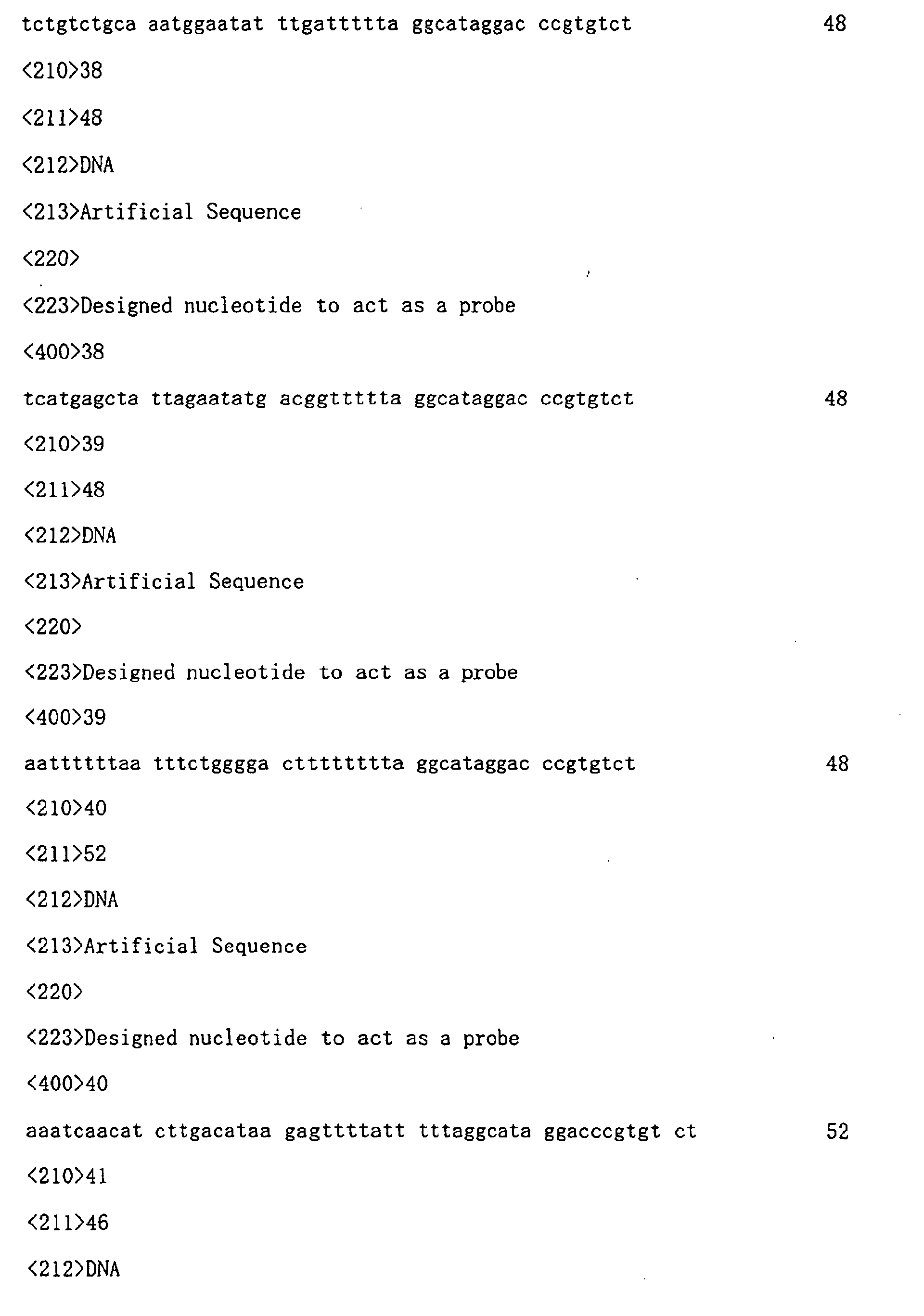

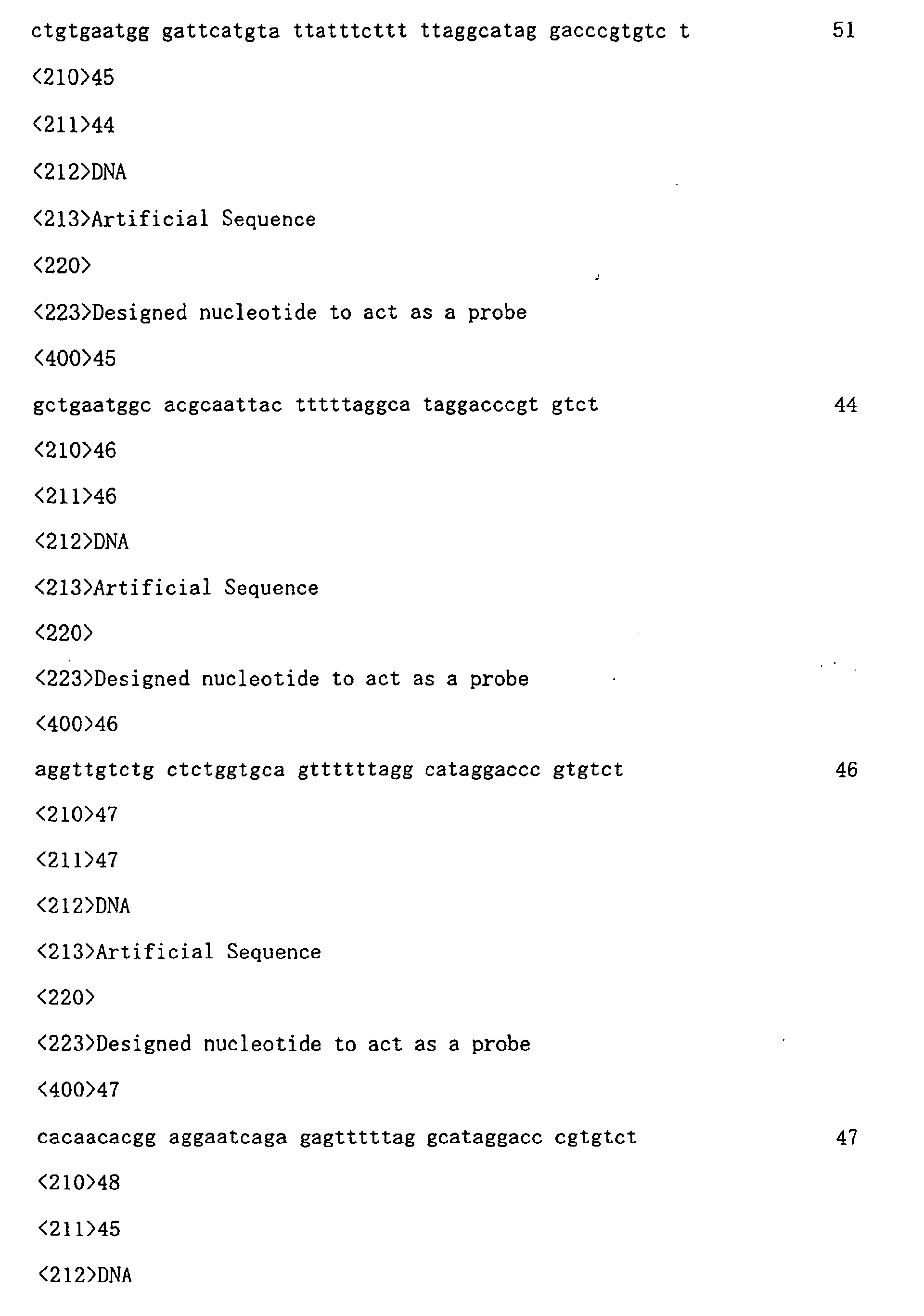

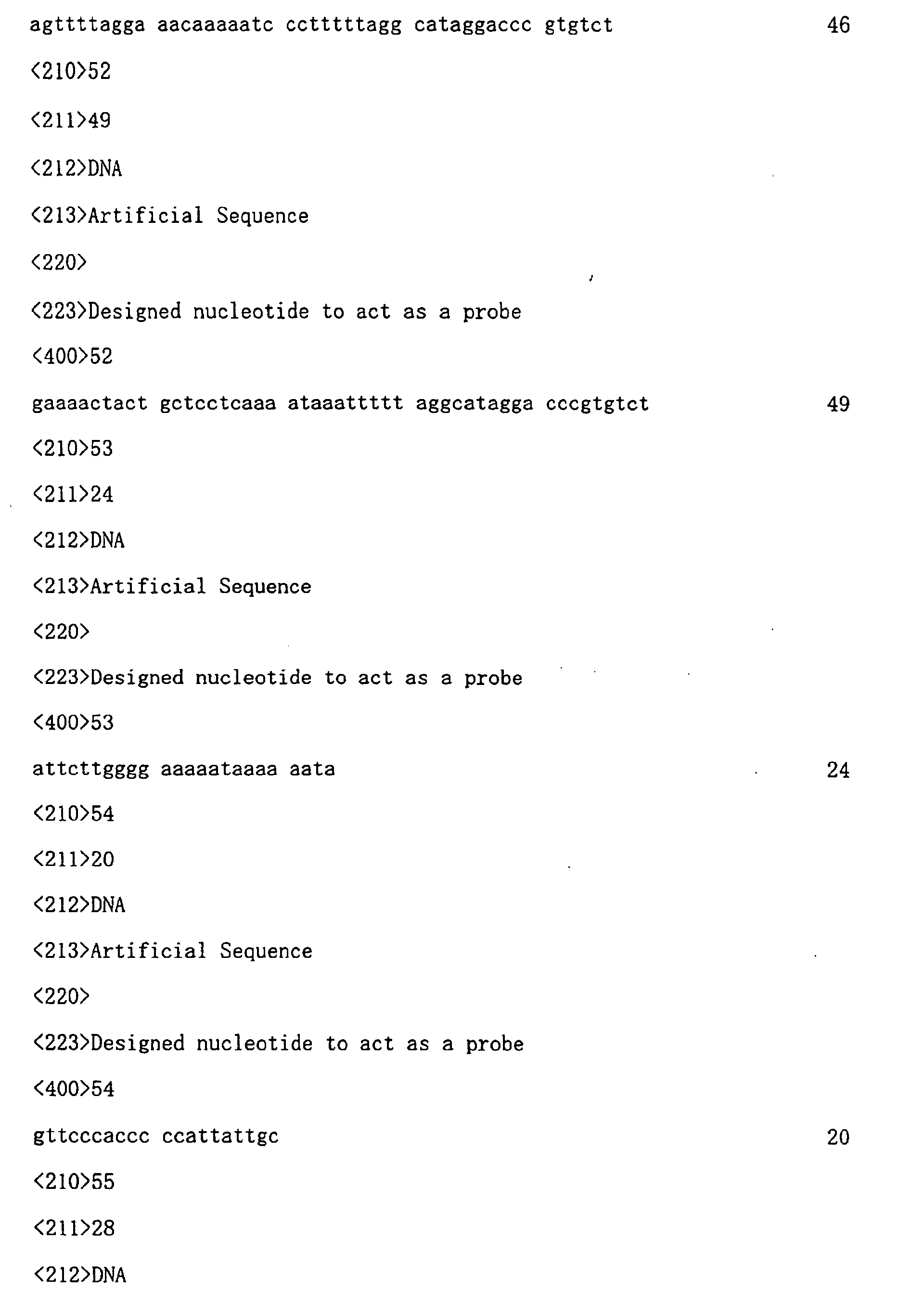

Claims (10)
- A dermal papilla cell growth promoter containing a compound having an activity of inhibiting the function of WNT-5A.
- The dermal papilla cell growth promoter according to claim 1 wherein the compound inhibiting the function of WNT-5A is a WNT-5A production inhibitor.
- A compound represented by the following formula (I):wherein R1 and R2 are the same or different and each represents a hydrogen atom, a C1-6 alkyl group or a C2-6 alkanoyl group;
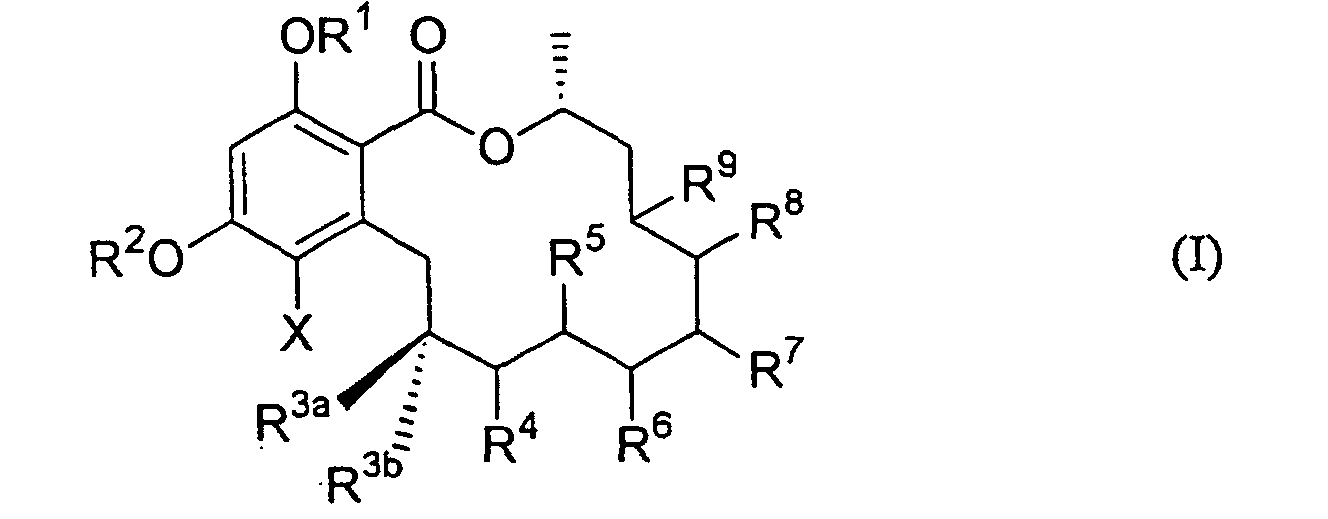 X represents a hydrogen atom or a halogen atom;R3a and R3b are the same or different and each represents a hydrogen atom or a hydroxyl group; andR4, R5, R6, R7, R8 and R9 are the same or different and each represents a hydrogen atom, a hydroxyl group, a halogen atom or a C2-6 alkanoyloxy group, or adjacent groups thereof are taken together to form a π bond or an ether bond, or R5 and R8 or R5 and R9 are taken together to form an ether bond.
 - A dermal papilla cell growth promoter containing a compound represented by the following formula (II):wherein R1 and R2 are the same or different and each represents a hydrogen atom, a C1-6 alkyl group or a C2-6 alkanoyl group; X represents a hydrogen atom or a halogen atom;
 R3c and R3d are the same or different and each represents a hydrogen atom, a hydroxyl group or a C1-6 alkoxy group, or R3c and R3d are taken together to form an oxo group, a hydroxyimino group or a C1-6 alkoxyimino group; andR4, R5, R6, R7, R8 and R9 are the same or different and each represents a hydrogen atom, a hydroxyl group, a halogen atom or a C2-6 alkanoyloxy group, or adjacent groups thereof are taken together to form a π bond or an ether bond, or R5 and R8 or R5 and R9 are taken together to form an ether bond.
 - A dermal papilla cell growth promoter containing a compound represented by the following formula (IX):wherein R1a and R2a are the same or different and each represents a hydrogen atom, a C1-6 alkyl group, a C2-6 alkanoyl group,
 a group represented by (CH2)pCO-Y-R10, wherein Y represents an oxygen atom or a sulfur atom; R10 represents a hydrogen atom, a C1-6 alkyl group or a substituted or unsubstituted aryl group; and p is 0 or 1,a group represented by (CH2)qR11, wherein R11 represents a substituted or unsubstituted cycloalkyl group or a substituted or unsubstituted C2-10 heterocycle; and q is 0 or 1, ora group represented by COR12, wherein R12 represents a substituted or unsubstituted aryl group or a substituted or unsubstituted C2-10 heterocycle;X represents a hydrogen atom or a halogen atom;R3e and R3f are the same or different and each represents a hydrogen atom, a hydroxyl group, a C1-6 alkoxy group or a C1-6 alkanoyloxy group, or R3e and R3f are taken together to form an oxo group, a hydroxyimino group or a C1-6 alkoxyimino group; andR4a, R5a, R6a, R7a, R8a and R9a are the same or different and each represents a hydrogen atom, a hydroxyl group, a halogen atom ora group represented by Z-R13, wherein Z represents an oxygen atom or a sulfur atom; and R13 represents a C1-6 alkyl group, a C1-6 alkanoyl group or a substituted or unsubstituted aryl group, oradjacent groups thereof are taken together to form a π bond or an ether bond, orR5a and R8a or R5a and R9a are taken together to form an ether bond; andR6b represents a hydrogen atom, or is taken together with R3e and R3f to form an ether bond.
 - A hair growth stimulant or a hair growth tonic which comprises the dermal papilla cell growth promoter according to any one of claims 1, 2, 4 and 5 as an active ingredient.
- A method of stimulating hair growth or promoting hair growth, which comprises administering a pharmaceutically effective amount of a compound having an activity of inhibiting the function of WNT-5A to human.
- Use of a compound having an activity of inhibiting the function of WNT-5A in producing a hair growth stimulant or a hair growth tonic.
- A method of screening a dermal papilla cell growth promoter, which comprises selecting a compound inhibiting the function of WNT-5A.
- The method according to claim 9, which comprises the following steps (a) to (c):(a) a step of culturing human WNT-5A-expressing cells in a medium to which a compound has been added;(b) a step of lysing the human WNT-5A-expressing cells cultured in the step (a) to extract RNA, and determining the WNT-5A mRNA amount; and(c) a step of comparing the WNT-5A mRNA amount determined in the step (b).
Applications Claiming Priority (3)
| Application Number | Priority Date | Filing Date | Title |
|---|---|---|---|
| JP2002115529 | 2002-04-17 | ||
| JP2002115529 | 2002-04-17 | ||
| PCT/JP2003/004884 WO2003086334A1 (en) | 2002-04-17 | 2003-04-17 | Hair growth tonic |
Publications (2)
| Publication Number | Publication Date |
|---|---|
| EP1498104A1 true EP1498104A1 (en) | 2005-01-19 |
| EP1498104A4 EP1498104A4 (en) | 2006-05-03 |
Family
ID=29243425
Family Applications (1)
| Application Number | Title | Priority Date | Filing Date |
|---|---|---|---|
| EP03717623A Withdrawn EP1498104A4 (en) | 2002-04-17 | 2003-04-17 | TONIC PRODUCT FOR HAIR GROWTH |
Country Status (7)
| Country | Link |
|---|---|
| US (1) | US20050182129A1 (en) |
| EP (1) | EP1498104A4 (en) |
| JP (1) | JPWO2003086334A1 (en) |
| CN (1) | CN1652743A (en) |
| CA (1) | CA2482940A1 (en) |
| RU (1) | RU2312863C2 (en) |
| WO (1) | WO2003086334A1 (en) |
Cited By (5)
| Publication number | Priority date | Publication date | Assignee | Title |
|---|---|---|---|---|
| EP2136799A4 (en) * | 2006-08-11 | 2010-10-27 | Univ Strasbourg | MACROCYCLIC COMPOUNDS USEFUL AS INHIBITORS OF KINASES AND HSP90 |
| WO2011036299A1 (en) * | 2009-09-28 | 2011-03-31 | Universite De Strasbourg | Irreversible inhibitors useful for the treatment of kinase-related pathologies |
| WO2012015790A1 (en) * | 2010-07-29 | 2012-02-02 | Eastman Chemical Company | Esters of o-substituted hydroxy carboxylic acids and preparations thereof |
| US8329938B2 (en) | 2011-02-21 | 2012-12-11 | Eastman Chemical Company | Hydroxyalkanoic acid and hydroxyalkanoice acid oligomer esters of retinol |
| US8613940B2 (en) | 2010-09-03 | 2013-12-24 | Eastman Chemical Company | Carbonate derivatives as skin care |
Families Citing this family (11)
| Publication number | Priority date | Publication date | Assignee | Title |
|---|---|---|---|---|
| JP2008179540A (en) * | 2005-01-07 | 2008-08-07 | Noevir Co Ltd | Substances that control cell differentiation, development, and proliferation, and cell differentiation, development, and growth regulators containing the substances |
| ES2931949T3 (en) * | 2005-03-29 | 2023-01-05 | Univ Pennsylvania | Minoxidil to generate new hair follicles and treat baldness |
| US7815903B2 (en) * | 2005-06-22 | 2010-10-19 | Aligarh Muslim University | Process for commercial production of biopesticides |
| US7601852B2 (en) * | 2006-05-11 | 2009-10-13 | Kosan Biosciences Incorporated | Macrocyclic kinase inhibitors |
| WO2009105755A2 (en) * | 2008-02-21 | 2009-08-27 | Nexgenix Pharmaceuticals | Macrocyclic prodrug compounds useful as therapeutics |
| US20110190237A1 (en) * | 2008-01-15 | 2011-08-04 | Nexgenix Pharmaceuticals | Macrocyclic Prodrug Compounds Useful as Therapeutics |
| MX2010007755A (en) * | 2008-01-15 | 2010-12-21 | Univ Strasbourg | Synthesis of resorcylic acid lactones useful as therapeutic agents. |
| CN102265877B (en) * | 2011-07-22 | 2013-01-23 | 中国科学院华南植物园 | Application of beta-resorcylic acid large ring lactone in controlling harmful snails |
| CN111132664A (en) * | 2017-08-20 | 2020-05-08 | 加州大学董事会 | Regulation of Wnt5a for the treatment of glaucoma |
| TW202233646A (en) | 2020-10-30 | 2022-09-01 | 日商日產化學股份有限公司 | Composition containing lipid peptide and sucrose ester |
| CN121717780A (en) * | 2026-02-10 | 2026-03-24 | 昆明学院 | Aromatic polyketone compound and preparation method and application thereof |
Family Cites Families (8)
| Publication number | Priority date | Publication date | Assignee | Title |
|---|---|---|---|---|
| US3239345A (en) * | 1965-02-15 | 1966-03-08 | Estrogenic compounds and animal growth promoters | |
| FR96016E (en) * | 1966-06-29 | 1972-05-19 | Commercial Solvents Corp | Compound which can be used as a food supplement for animals. |
| US3687982A (en) * | 1971-03-09 | 1972-08-29 | Commercial Solvents Corp | Separation of mixed diastereoisomers of zearalanol |
| GB9225396D0 (en) * | 1992-12-04 | 1993-01-27 | Sandoz Ltd | Improvements in or relating to organic compounds |
| US5795910A (en) * | 1994-10-28 | 1998-08-18 | Cor Therapeutics, Inc. | Method and compositions for inhibiting protein kinases |
| JPH09202781A (en) * | 1996-01-25 | 1997-08-05 | Sankyo Co Ltd | Radicicol derivative |
| AU2001253012B2 (en) * | 2000-03-31 | 2006-02-23 | The General Hospital Corporation | Methods of modulating hair growth |
| EP1315732B1 (en) * | 2000-08-25 | 2006-06-07 | Sloan-Kettering Institute For Cancer Research | Radicicol and monocillin and their analogues and uses thereof |
-
2003
- 2003-04-17 CN CNA038113252A patent/CN1652743A/en active Pending
- 2003-04-17 WO PCT/JP2003/004884 patent/WO2003086334A1/en not_active Ceased
- 2003-04-17 RU RU2004133555/04A patent/RU2312863C2/en not_active IP Right Cessation
- 2003-04-17 JP JP2003583359A patent/JPWO2003086334A1/en active Pending
- 2003-04-17 CA CA002482940A patent/CA2482940A1/en not_active Abandoned
- 2003-04-17 EP EP03717623A patent/EP1498104A4/en not_active Withdrawn
- 2003-04-17 US US10/511,632 patent/US20050182129A1/en not_active Abandoned
Cited By (9)
| Publication number | Priority date | Publication date | Assignee | Title |
|---|---|---|---|---|
| EP2136799A4 (en) * | 2006-08-11 | 2010-10-27 | Univ Strasbourg | MACROCYCLIC COMPOUNDS USEFUL AS INHIBITORS OF KINASES AND HSP90 |
| US8067412B2 (en) | 2006-08-11 | 2011-11-29 | Universite De Strasbourg | Macrocyclic compounds useful as inhibitors of kinases and HSP90 |
| US8450305B2 (en) | 2006-08-11 | 2013-05-28 | Universite De Strasbourg | Macrocyclic compounds useful as inhibitors of kinases and HSP90 |
| WO2011036299A1 (en) * | 2009-09-28 | 2011-03-31 | Universite De Strasbourg | Irreversible inhibitors useful for the treatment of kinase-related pathologies |
| WO2012015790A1 (en) * | 2010-07-29 | 2012-02-02 | Eastman Chemical Company | Esters of o-substituted hydroxy carboxylic acids and preparations thereof |
| US8846723B2 (en) | 2010-07-29 | 2014-09-30 | Eastman Chemical Company | Esters of O-substituted hydroxy carboxylic acids and preparations thereof |
| US9532938B2 (en) | 2010-07-29 | 2017-01-03 | Eastman Chemical Company | Esters of O-substituted hydroxy carboxylic acids and preparations thereof |
| US8613940B2 (en) | 2010-09-03 | 2013-12-24 | Eastman Chemical Company | Carbonate derivatives as skin care |
| US8329938B2 (en) | 2011-02-21 | 2012-12-11 | Eastman Chemical Company | Hydroxyalkanoic acid and hydroxyalkanoice acid oligomer esters of retinol |
Also Published As
| Publication number | Publication date |
|---|---|
| EP1498104A4 (en) | 2006-05-03 |
| JPWO2003086334A1 (en) | 2005-08-18 |
| US20050182129A1 (en) | 2005-08-18 |
| RU2004133555A (en) | 2005-06-10 |
| CN1652743A (en) | 2005-08-10 |
| RU2312863C2 (en) | 2007-12-20 |
| AU2003227410A1 (en) | 2003-10-27 |
| WO2003086334A1 (en) | 2003-10-23 |
| CA2482940A1 (en) | 2003-10-23 |
Similar Documents
| Publication | Publication Date | Title |
|---|---|---|
| US20050182129A1 (en) | Hair growth tonic | |
| JPH08175990A (en) | PI3 kinase inhibitor and method for producing the same | |
| CN112538083B (en) | Aromatic ring penta aromatic heterocyclic micromolecule organic compound targeting BCL6, derivative thereof and application thereof | |
| AU649116B2 (en) | New compounds, named the "Leustroducins", their preparation and their therapeutic uses | |
| CN102993275A (en) | Bleomycin derivatives and anti-tumour activity thereof | |
| KR102237714B1 (en) | Sanghuangporus sanghuang strains and their products, extracts and applications | |
| HU230069B1 (en) | Process for the production of piperidine derivatives with stemphylium consortiale microorganism | |
| KR101985865B1 (en) | New Alkoxide Derivatives of Alizarin and Use Thereof | |
| US5994412A (en) | Bis-aryl ethers, compositions containing such compounds and methods of treatment | |
| CN113307799B (en) | Fluorescent probe for detecting glucuronyltransferase 1A1 and application thereof | |
| EP3901157B1 (en) | Compound and composition comprising same for stimulating hair growth | |
| KR20230111532A (en) | A cosmetic composition for skin whitening containing an extract of a culture solution of a Streptomyces genus strain as an active ingredient | |
| US20120184728A1 (en) | Compound Amycolose Derivative, Method for Producing the Same, and Use of the Same | |
| JPH09506627A (en) | Novel potassium channel agonist manufactured from Trichoderma virens | |
| AU2021104214A4 (en) | A process for developing lysophosphatidic acid receptor 6 (lpar6) antagonists that inhibit hepatocellular carcinoma growth | |
| KR20050109958A (en) | Gm-95-containing antitumor effect potentiator, combined antitumor preparation and antitumor agent | |
| KR101596989B1 (en) | An Anti-cancer Composition containing Eckol for Cancer Expressing ras | |
| CN100500668C (en) | Geldanamycin derivative and its preparing method and use for preparing medicine | |
| CN113939519B (en) | New compounds for promoting hair growth and compositions containing them | |
| JPH09227549A (en) | New bioactive substance | |
| KR0145942B1 (en) | New anticancer composition | |
| JPH0256423A (en) | Naphthopyran derivative and use thereof | |
| KR20240064604A (en) | Composition for preventing or treating metastatic breast cancer containing 5-desmethylsinensetin as an active ingredient | |
| CA2385744A1 (en) | Decalactones, method for making, and pharmaceuticals therefrom | |
| WO2001046451A1 (en) | Migrastatin, process for producing the same and medicinal compositions |
Legal Events
| Date | Code | Title | Description |
|---|---|---|---|
| PUAI | Public reference made under article 153(3) epc to a published international application that has entered the european phase |
Free format text: ORIGINAL CODE: 0009012 |
|
| 17P | Request for examination filed |
Effective date: 20041109 |
|
| AK | Designated contracting states |
Kind code of ref document: A1 Designated state(s): AT BE BG CH CY CZ DE DK EE ES FI FR GB GR HU IE IT LI LU MC NL PT RO SE SI SK TR |
|
| AX | Request for extension of the european patent |
Extension state: AL LT LV MK |
|
| A4 | Supplementary search report drawn up and despatched |
Effective date: 20060317 |
|
| 17Q | First examination report despatched |
Effective date: 20070608 |
|
| STAA | Information on the status of an ep patent application or granted ep patent |
Free format text: STATUS: THE APPLICATION IS DEEMED TO BE WITHDRAWN |
|
| 18D | Application deemed to be withdrawn |
Effective date: 20090304 |