EP1490072B1 - Novel therapeutical use of lpc, agonist ligands specific to g2a receptor - Google Patents
Novel therapeutical use of lpc, agonist ligands specific to g2a receptor Download PDFInfo
- Publication number
- EP1490072B1 EP1490072B1 EP03745031.9A EP03745031A EP1490072B1 EP 1490072 B1 EP1490072 B1 EP 1490072B1 EP 03745031 A EP03745031 A EP 03745031A EP 1490072 B1 EP1490072 B1 EP 1490072B1
- Authority
- EP
- European Patent Office
- Prior art keywords
- lpc
- lysophosphatidylcholine
- neutrophils
- mice
- stearoyl
- Prior art date
- Legal status (The legal status is an assumption and is not a legal conclusion. Google has not performed a legal analysis and makes no representation as to the accuracy of the status listed.)
- Expired - Lifetime
Links
Images



Classifications
-
- A—HUMAN NECESSITIES
- A61—MEDICAL OR VETERINARY SCIENCE; HYGIENE
- A61K—PREPARATIONS FOR MEDICAL, DENTAL OR TOILETRY PURPOSES
- A61K31/00—Medicinal preparations containing organic active ingredients
- A61K31/66—Phosphorus compounds
- A61K31/683—Diesters of a phosphorus acid with two hydroxy compounds, e.g. phosphatidylinositols
- A61K31/685—Diesters of a phosphorus acid with two hydroxy compounds, e.g. phosphatidylinositols one of the hydroxy compounds having nitrogen atoms, e.g. phosphatidylserine, lecithin
-
- A—HUMAN NECESSITIES
- A61—MEDICAL OR VETERINARY SCIENCE; HYGIENE
- A61K—PREPARATIONS FOR MEDICAL, DENTAL OR TOILETRY PURPOSES
- A61K31/00—Medicinal preparations containing organic active ingredients
-
- A—HUMAN NECESSITIES
- A61—MEDICAL OR VETERINARY SCIENCE; HYGIENE
- A61P—SPECIFIC THERAPEUTIC ACTIVITY OF CHEMICAL COMPOUNDS OR MEDICINAL PREPARATIONS
- A61P1/00—Drugs for disorders of the alimentary tract or the digestive system
- A61P1/04—Drugs for disorders of the alimentary tract or the digestive system for ulcers, gastritis or reflux esophagitis, e.g. antacids, inhibitors of acid secretion, mucosal protectants
-
- A—HUMAN NECESSITIES
- A61—MEDICAL OR VETERINARY SCIENCE; HYGIENE
- A61P—SPECIFIC THERAPEUTIC ACTIVITY OF CHEMICAL COMPOUNDS OR MEDICINAL PREPARATIONS
- A61P11/00—Drugs for disorders of the respiratory system
-
- A—HUMAN NECESSITIES
- A61—MEDICAL OR VETERINARY SCIENCE; HYGIENE
- A61P—SPECIFIC THERAPEUTIC ACTIVITY OF CHEMICAL COMPOUNDS OR MEDICINAL PREPARATIONS
- A61P11/00—Drugs for disorders of the respiratory system
- A61P11/02—Nasal agents, e.g. decongestants
-
- A—HUMAN NECESSITIES
- A61—MEDICAL OR VETERINARY SCIENCE; HYGIENE
- A61P—SPECIFIC THERAPEUTIC ACTIVITY OF CHEMICAL COMPOUNDS OR MEDICINAL PREPARATIONS
- A61P11/00—Drugs for disorders of the respiratory system
- A61P11/06—Antiasthmatics
-
- A—HUMAN NECESSITIES
- A61—MEDICAL OR VETERINARY SCIENCE; HYGIENE
- A61P—SPECIFIC THERAPEUTIC ACTIVITY OF CHEMICAL COMPOUNDS OR MEDICINAL PREPARATIONS
- A61P17/00—Drugs for dermatological disorders
- A61P17/06—Antipsoriatics
-
- A—HUMAN NECESSITIES
- A61—MEDICAL OR VETERINARY SCIENCE; HYGIENE
- A61P—SPECIFIC THERAPEUTIC ACTIVITY OF CHEMICAL COMPOUNDS OR MEDICINAL PREPARATIONS
- A61P19/00—Drugs for skeletal disorders
- A61P19/02—Drugs for skeletal disorders for joint disorders, e.g. arthritis, arthrosis
-
- A—HUMAN NECESSITIES
- A61—MEDICAL OR VETERINARY SCIENCE; HYGIENE
- A61P—SPECIFIC THERAPEUTIC ACTIVITY OF CHEMICAL COMPOUNDS OR MEDICINAL PREPARATIONS
- A61P19/00—Drugs for skeletal disorders
- A61P19/06—Antigout agents, e.g. antihyperuricemic or uricosuric agents
-
- A—HUMAN NECESSITIES
- A61—MEDICAL OR VETERINARY SCIENCE; HYGIENE
- A61P—SPECIFIC THERAPEUTIC ACTIVITY OF CHEMICAL COMPOUNDS OR MEDICINAL PREPARATIONS
- A61P25/00—Drugs for disorders of the nervous system
-
- A—HUMAN NECESSITIES
- A61—MEDICAL OR VETERINARY SCIENCE; HYGIENE
- A61P—SPECIFIC THERAPEUTIC ACTIVITY OF CHEMICAL COMPOUNDS OR MEDICINAL PREPARATIONS
- A61P29/00—Non-central analgesic, antipyretic or antiinflammatory agents, e.g. antirheumatic agents; Non-steroidal antiinflammatory drugs [NSAID]
-
- A—HUMAN NECESSITIES
- A61—MEDICAL OR VETERINARY SCIENCE; HYGIENE
- A61P—SPECIFIC THERAPEUTIC ACTIVITY OF CHEMICAL COMPOUNDS OR MEDICINAL PREPARATIONS
- A61P3/00—Drugs for disorders of the metabolism
- A61P3/06—Antihyperlipidemics
-
- A—HUMAN NECESSITIES
- A61—MEDICAL OR VETERINARY SCIENCE; HYGIENE
- A61P—SPECIFIC THERAPEUTIC ACTIVITY OF CHEMICAL COMPOUNDS OR MEDICINAL PREPARATIONS
- A61P31/00—Antiinfectives, i.e. antibiotics, antiseptics, chemotherapeutics
- A61P31/04—Antibacterial agents
-
- A—HUMAN NECESSITIES
- A61—MEDICAL OR VETERINARY SCIENCE; HYGIENE
- A61P—SPECIFIC THERAPEUTIC ACTIVITY OF CHEMICAL COMPOUNDS OR MEDICINAL PREPARATIONS
- A61P35/00—Antineoplastic agents
-
- A—HUMAN NECESSITIES
- A61—MEDICAL OR VETERINARY SCIENCE; HYGIENE
- A61P—SPECIFIC THERAPEUTIC ACTIVITY OF CHEMICAL COMPOUNDS OR MEDICINAL PREPARATIONS
- A61P37/00—Drugs for immunological or allergic disorders
-
- A—HUMAN NECESSITIES
- A61—MEDICAL OR VETERINARY SCIENCE; HYGIENE
- A61P—SPECIFIC THERAPEUTIC ACTIVITY OF CHEMICAL COMPOUNDS OR MEDICINAL PREPARATIONS
- A61P37/00—Drugs for immunological or allergic disorders
- A61P37/02—Immunomodulators
-
- A—HUMAN NECESSITIES
- A61—MEDICAL OR VETERINARY SCIENCE; HYGIENE
- A61P—SPECIFIC THERAPEUTIC ACTIVITY OF CHEMICAL COMPOUNDS OR MEDICINAL PREPARATIONS
- A61P37/00—Drugs for immunological or allergic disorders
- A61P37/08—Antiallergic agents
-
- A—HUMAN NECESSITIES
- A61—MEDICAL OR VETERINARY SCIENCE; HYGIENE
- A61P—SPECIFIC THERAPEUTIC ACTIVITY OF CHEMICAL COMPOUNDS OR MEDICINAL PREPARATIONS
- A61P43/00—Drugs for specific purposes, not provided for in groups A61P1/00-A61P41/00
-
- A—HUMAN NECESSITIES
- A61—MEDICAL OR VETERINARY SCIENCE; HYGIENE
- A61P—SPECIFIC THERAPEUTIC ACTIVITY OF CHEMICAL COMPOUNDS OR MEDICINAL PREPARATIONS
- A61P7/00—Drugs for disorders of the blood or the extracellular fluid
-
- A—HUMAN NECESSITIES
- A61—MEDICAL OR VETERINARY SCIENCE; HYGIENE
- A61P—SPECIFIC THERAPEUTIC ACTIVITY OF CHEMICAL COMPOUNDS OR MEDICINAL PREPARATIONS
- A61P9/00—Drugs for disorders of the cardiovascular system
- A61P9/10—Drugs for disorders of the cardiovascular system for treating ischaemic or atherosclerotic diseases, e.g. antianginal drugs, coronary vasodilators, drugs for myocardial infarction, retinopathy, cerebrovascula insufficiency, renal arteriosclerosis
-
- Y—GENERAL TAGGING OF NEW TECHNOLOGICAL DEVELOPMENTS; GENERAL TAGGING OF CROSS-SECTIONAL TECHNOLOGIES SPANNING OVER SEVERAL SECTIONS OF THE IPC; TECHNICAL SUBJECTS COVERED BY FORMER USPC CROSS-REFERENCE ART COLLECTIONS [XRACs] AND DIGESTS
- Y02—TECHNOLOGIES OR APPLICATIONS FOR MITIGATION OR ADAPTATION AGAINST CLIMATE CHANGE
- Y02A—TECHNOLOGIES FOR ADAPTATION TO CLIMATE CHANGE
- Y02A50/00—TECHNOLOGIES FOR ADAPTATION TO CLIMATE CHANGE in human health protection, e.g. against extreme weather
- Y02A50/30—Against vector-borne diseases, e.g. mosquito-borne, fly-borne, tick-borne or waterborne diseases whose impact is exacerbated by climate change
Definitions
- the present invention relates to novel therapeutic use of agonist ligands specific to G2A receptor and more particularly, the treatment of a disease or disorder associated with neutrophil accumulation and -hyperactivity and/or excessive release of IL-8, or an infectious disease in a subject, comprising administering LPC (lysophosphatidylcholine), into the subject.
- LPC lysophosphatidylcholine
- Inflammation is an important defense response occurring in body against pathogens, foreign substances and tissue injury. Inflammation accompanies systemic symptoms such as fever, weakness, loss of appetite and chill, or local symptoms such as redness, swelling, pain and dysfunction. Inflammation is divided into acute inflammation, subacute inflammation and chronic inflammation according to its duration. Acute inflammation reaction occurs in blood vessel and is mostly mediated by neutrophils. Especially, in the case of suppurative inflammation, remarkable increase of neutrophils is observed. Chronic inflammation is continued for several weeks or several months. It is different from acute inflammation in that injury and recovery of tissues occur at the same time ( Robbins Pathological Basis of Disease by R.S. Cotran, V. Kumar, and S.L. Robbins, W. B.
- chronic inflammation may be derived directly from acute inflammation, it generally results from continuous infections that cause prolonged hypersensitive reactions (ex., tuberculosis, syphilis, fungal infection), exposure to continuous endotoxin (ex., increased plasma lipids) or exotoxins (ex., silica, asbestos, tar, surgery sutures), or autoimmune response against self-tissues (ex., rheumatic arthritis, systemic lupus erythematosus, multiple sclerosis, psoriasis) and it can thus initiate insidious onset that proceeds as times goes by.
- chronic inflammation includes numerous medical symptoms such as rheumatic arthritis, re-stenosis, psoriasis, multicentric sclerosis, surgery synechia, tuberculosis and chronic inflammatory lung diseases (ex., asthma, pneumoconiosis, chronic occlusive lung disease, pulmonary fibrosis).
- Subacute inflammation refers to an inflammation between acute and chronic inflammations.
- rhinitis and sinusitis such as infectious rhinitis, allergic rhinitis, chronic rhinitis, acute sinusitis and chronic sinusitis; otitis media such as acute purulent otitis media and chronic purulent otitis media; pneumonia such as bacterial pneumonia, bronchopneumonia, lobar pneumonia, Legionella pneumonia and viral pneumonia; acute or chronic gastritis; enteritis such as infectious enterocolitis, Crohn's disease, idiopathic ulcerative colitis and pseudomembranous colitis; and arthritis such as pyogenic arthritis, tuberculous arthritis, degenerative arthritis and rheumatoid arthritis.
- ARDS acute respiratory distress syndrome
- ALI acute lung injury
- Circulating inflammatory cells have been known to have an important role in initiation and development of acute lung injury, e.g., pulmonary edema, inflammation reaction, etc.
- pulmonary edema e.g., Am. J. Physiol., 279, L1137-L1145, 2000
- neutrophils are extensively accumulated in lungs of ARDS patients ( Weinacker & Vaszar, Annu. Rev. Med., 52: 221-37, 2001 ).
- These neutrophils once activated, discharge proteases including matrix metalloproteinases and other mediators causing lung injury.
- ARDS due to acute lung injury may be treated.
- MODS Multiple organ dysfunction syndrome
- neutrophils also called 'polymorphonuclear leucocytes (PMNs)'
- PMNs 'polymorphonuclear leucocytes
- the membrane of neutrophils has receptors for hemopoietic growth factors such as GM-CSF (granulocyte macrophage-colony stimulating factor), G-CSF (granulocyte-colony stimulating factor), etc., G proteins involving in signal transduction associated with receptors for opsonin and chemotactic factors, ion channels associated with the ion exchange of Na + , K + , Ca 2+ , etc., enzymes and phospholipids.
- GM-CSF granulocyte macrophage-colony stimulating factor
- G-CSF granulocyte-colony stimulating factor
- G proteins involving in signal transduction associated with receptors for opsonin and chemotactic factors ion channels associated with the ion exchange of Na + , K + , Ca 2+ , etc., enzyme
- neutrophils there exist Fc receptors against an IgG antibody such as CD16 and CD32 and receptors to C3 complement proteins such as CR1 and CR3. Accordingly, antigens bound thereto can be easily recognized and eliminated.
- defensin associated with disinfection such as peroxidase, lactoferrin, leukocyte adhesion receptor and alkaline phosphatase, and bactericidal/permeability-increasing protein (BPI), which destroy infectious agents or are involved in the proceedings of inflammatory reaction.
- the neutrophils express cell adhension proteins such as CD11a/CD18(LFA-1), selectin, etc., which have an important role in the movement of neutrophils in inflammatory reaction.
- neutrophils For a normal adult, neutrophils are produced in an amount of 0.85-1.6 ⁇ 10 9 cells/kg/day. After being produced and differentiated in bone marrow over approximately 14 days, they enter peripheral bloods and circulate there for about 6 hours. They penetrate then into tissues and die or are lost at mucous membranes after surviving for several days in the tissues. Neutrophils have a short half-life of about 6-10 hours and they are removed in macrophages by apoptosis. The neutrophil apoptosis occurs spontaneously or by the external stimulus. As a typical example of the external stimulus, there can be mentioned a Fas pathway.
- Fas is a substance similar to TNF receptor that exists at the surface of neutrophils, and it induces apoptosis via an FADD pathway in cells once it is stimulated by a Fas ligand.
- Caspase has been known to have an important role in such a pathway.
- Neutrophil apoptosis has been known to be delayed or suppressed by various inflammation mediators.
- inflammation mediators suppress neutrophil apoptosis that is physiologically and actively occurring, and consequently, continuous inflammatory reaction occurs by excessive neutrophil accumulation resulting in the damage to surrounding tissues.
- inflammation mediators there have been known G-CSF, GM-CSF, IFN- ⁇ , IL-2, IL-6, etc. that are endogenous factors as well as LPS (lipopolysaccharide) that is derived from outside of the body.
- LPC lysophosphatidylcholine
- SPC sphingosylphosphorylcholine
- LPA lysophosphatidyl acid
- S1P sphingosine 1-phosphate
- the receptors to which they are bound are a kind of receptors that are classified as G protein-coupled receptors. Since OGR-1 (orphan G-protein-coupled receptor 1) was for the first time found as a receptor of SPC ( Xu, Y et al., Nat. Cell. Biol., 2(5):264-267, 2000 ), studies about identifying ligands for GPR4- and G2A receptors having a structure similar to OGR-1 have been conducted.
- GPR4 recognized SPC and LPC as its ligand and GPR4 promoted cell proliferation by SPC and LPC whereas OGR-1 suppressed cell proliferation by SPC ( Zhu, K. et al., J. Biol. Chem., 276(44): 41325-41335, 2001 ).
- G2A had a high affinity to LPC, however, it had a low affinity to SPC ( Kabarowski, J. H. et al., Science, 293(5530): 702-705, 2001 ).
- G2A is mostly found in lymphocytes and the expression thereof is upregulated by stress and prolonged mitogenic signals. It was reported that in knockout mice that did not have G2A receptors, autoimmune diseases were caused ( Le, L. Q. et al., Immunity, 14(5): 561-571, 2001 ).
- the present inventors identified that agonist ligands specific to G2A receptor that exists in neutrophils block suppression of neutrophil apoptosis by inflammation mediators and release IL-8 (interleukin-8) in neutrophils and monocytes, and exhibit excellent therapeutic effect on an inflammatory disease, especially inflammatory diseases associated with hyperactivity of neutrophil and excessive release of IL-8, or a disease associated with microbial infection, and thus they have completed the present invention.
- IL-8 interleukin-8
- the present invention provides the use for inducing neutrophil apoptosis in cells, tissues or a body, according to the claims comprising administering an agonist ligand specific to G2A receptor according to the claims into the cells, tissues or body in an amount effective to induce neutrophil apoptosis.
- the invention provides the use for inhibiting release of IL-8 in cells, tissues or a body, according to the claims comprising administering an agonist ligand specific to G2A receptor according to the claims into the cells, tissues or body in an amount effective to inhibit release of IL-8.
- the invention provides the use for increasing bactericidal activity of neutrophils in cells, tissues or a body, according to the claims comprising administering an agonist ligand specific to G2A receptor according to the claims into the cells, tissues or body in an amount effective to increase bactericidal activity of neutrophils.
- the invention provides the use for treating or preventing a disease or disorder according to the claims associated with suppression of neutrophil apoptosis or excessive release of IL-8 in a subject, comprising administering an agonist ligand specific to G2A receptor according to the claims into the subject.
- the invention provides a pharmaceutical composition for inducing neutrophil apoptosis or inhibiting release of IL-8 according to the claims comprising an agonist ligand specific to G2A receptor according to the claims as an active ingredient.
- the invention provides a composition for treating or preventing a disease or disorder associated with suppression of neutrophil apoptosis or excessive release of IL-8 according to the claims comprising an agonist ligand specific to G2A receptor according to the claims as an active ingredient.
- the invention provides a use of an agonist ligand specific to G2A receptor according to the claims for the manufacture of a pharmaceutical composition for inducing neutrophil apoptosis or inhibiting release of IL-8 according to the claims in cells, tissues or a body.
- the invention provides a use of an agonist ligand specific to G2A receptor according to the claims for the manufacture of an agent for treating a disease or disorder associated with the suppression neutrophil apoptosis or excessive release of IL-8 according to the claims.
- the agonist ligands specific to G2A receptor according to the present invention include LPC (lysophosphatidylcholine). Only the LPCs as claimed are part of the invention.
- the LPC is represented by the following formula I : wherein R 1 is an alkyl of C 4-30 or an alkenyl of C 4-30 having one or more double bonds.
- the LPC is selected from the group consisting of 1-stearoyl (18:0) lysophosphatidylcholine ( L - ⁇ -Lysophosphatidylcholine stearoyl; Lysolecithin stearoyl), 1-oleoyl (18:1) lysophosphatidylcholine ( L - ⁇ -Lysophosphatidylcholine oleoyl; Lysolecithin oleoyl), 1-myristoyl (14:0) lysophospatidylcholine ( L - ⁇ -Lysophosphatidylcholine myristoyl), and 1-palmitoyl (16:0) lysophosphatidylcholine ( L - ⁇ -Lysophosphatidyl
- the number of terminal carbons in the sphingosine portion may be from 4 to 30.
- the derivatives of LPC or SPC are disclosed; they may be ether derivatives of LPC represented by the following formula III: wherein R 2 is an alkyl of C 4-30 or an alkenyl of C 4-30 having one or more double bond, and may be selected from the group consisting of L - ⁇ -lysophosphatidylcholine-y -O-alk-1-enyl (Lysophosphatidalcholine), L - ⁇ -lysophosphatidylcholine- ⁇ -O-alkyl (Lyso-platelet activating factor), DL - ⁇ -lysophosphatidylcholine- ⁇ -O-hexadecyl (rac-Lyso-platelet activating factor), and L - ⁇ -lysophosphatidylcholine- ⁇ -O-hexadecyl (Lyso-platelet activating factor; Lyso-PAF-C 16 ).
- R 2 is an
- the LPC, SPC and derivatives thereof are commercially available with ease. Specifically, they can be purchased from Sigma Chemical Co. (USA). Further, they may be isolated from animals and also can be prepared according to synthetic methods well known in the pertinent art. The LPC, SPC and derivatives thereof are endogenous substances in mammal, and thus their safety is as good as proven.
- the agonist ligands specific to G2A receptor according to the present invention largely show two activities. First, they do not show in vitro direct antibacterial effect but have in vivo functions of blocking both suppressed apoptosis of neutrophils and release of IL-8 in neutrophils and monocytes. Therefore, they can be effectively used in treatment or prevention of a disease or disorder associated with suppression of neutrophil apoptosis and/or excessive release of IL-8.
- the agonist ligands specific to G2A receptor according to the present invention enable neutrophils to kill pathogens more readily by increasing their bactericidal ability.
- the agonist ligands according to the invention can be said as a new type of antibacterial agent because they do not show direct killing effects against pathogens but enable neutrophils to eliminate pathogens more readily. Therefore, the agonist ligands according to the invention can be used as a therapeutic agent or therapeutic additive for various diseases associated with microbial infection.
- the pharmaceutical composition, or therapeutic or preventive composition comprising an agonist ligand specific to G2A receptor according to the invention may further comprise pharmaceutically acceptable carriers, for example, carriers for oral administration or for parenteral administration.
- the carriers for oral administration may include lactose, starch, cellulose derivatives, magnesium stearate, stearic acid and so on.
- the agonist ligands specific to G2A receptor according to the invention can be used in the form of intake-type tablets, buccal tablets, troches, capsules, elixirs, suspensions, syrups, wafers, etc. in an admixture of excipients.
- the carriers for parenteral administration may comprise water, suitable oils, salines, water-soluble glucose and glycols, etc, and may further comprise stabilizer or preserver.
- stabilizer there are antioxidants such as ascorbic acid, sodium sulfite or sodium hydrogen sulfite.
- antioxidants such as ascorbic acid, sodium sulfite or sodium hydrogen sulfite.
- preserver there are benzalkonium chloride, methyl- or propyl-paraben and chlorobutanol.
- Remington's Pharmaceutical Sciences 19th ed., Mack Publishing Company, Easton, PA, 1995 .
- the pharmaceutical composition or therapeutical composition according to the present invention can be formulated into various parenteral or oral dosage forms.
- Typical dosage form for parenteral administration is a dosage form for injection, preferably, an isotonic aqueous solution or a suspension.
- the dosage form for injection can be prepared using suitable dispersion agent, wetting agent or suspension agent according to the known methods in the pertinent art. For example, each ingredient is dissolved in saline or buffer, and then can be formulated into a dosage form for injection.
- typical dosage form for oral administration is tablets, capsules, etc., which may comprise diluents (Ex.: lactose, dextrose, sucrose, mannitol, sorbitol, cellulose and/or glycine), or lubricants (Ex.: silica, talc, stearic acid and magnesium or calcium salt thereof and/or polyethylene glycol) in addition to the active ingredient.
- the tablets may further comprise binders such as magnesium aluminum silicate, starch paste, gelatin, tragacanth, methylcellulose, sodium carboxymethylcellulose and/or polyvinylpyrrolidine.
- dosage form can be prepared by conventional mixing, granulation or coating methods.
- the pharmaceutical composition or therapeutical composition of the present invention may comprise additives such as antiseptics, hydrates or emulsion accelerators, salts for the regulation of osmotic pressure and/or auxiliary such as buffers, and other therapeutically useful substances. It can be prepared as formulations according to conventional methods.
- the agonist ligands specific to G2A receptor as an active ingredient of the pharmaceutical composition or therapeutical composition of the present invention can be administered into mammals including humans via parenteral or oral route in an amount of 0.01 to 100mg/kg (body weight) once or several times a day.
- the extent of administered amount may vary suitably by the age, body weight, health condition, sex, the degree of disease, diet, administration time, excretion rate, administration route and so on.
- the pharmaceutical composition or therapeutical composition of the invention is not restricted to special dosage, administration route and administration method as far as it retains the inventive effects.
- the agonist ligands specific to G2A receptor according to the present invention may be co-administered together with antibiotics or therapeutic agents for inflammation that are generally used for inflammation diseases when applied to inflammatory diseases, and co-administered together with various antibacterial agents comprising the previous antibiotics when applied to treat a disease associated with microbial infection.
- the agonist ligands specific to G2A receptor according to the present invention can be effectively used for the treatment of a disease or disorder associated with neutrophil accumulation due to suppression of apoptosis and neutrophil hyperactivity and/or the excessive release of IL-8 according to the claims, especially inflammatory diseases.
- the inflammatory diseases to which the agonist ligands according the present invention can be applied include all of the acute or chronic inflammatory diseases associated with suppression of neutrophil apoptosis and hyperactivity of neutrophil and/or the excessive release of IL-8, and complication thereof.
- the 'chronic inflammation' refers to all diseases that induce tissue injury or induce continuous inflammation due to excessive neutrophil accumulation and hyperactivity and the excessive release of IL-8, and complication thereof.
- the inflammatory diseases to which the agonist ligands of the invention can be applied include inflammatory bowel disease such as Crohn's disease and ulcerative colitis, peritonitis, osteomyelitis, cellulitis, meningitis, cerebritis, pancreatitis, trauma-inducing shock, bronchial asthma, allergic rhinitis, cystic fibrosis, cerebral apoplexy, acute bronchitis, chronic bronchitis, acute bronchiolitis, chronic bronchiolitis, osteoarthritis, gout, spinal arthropathy, ankylosing spondylitis, Reiter's syndrome, psoriatic arthropathy, enteropathic spondylitis, juvenile arthropathy, juvenile ankylosing spondylitis, reactive arthropathy, infectious arthritis, post-infectious arthritis, gonococcal arthritis, tuberculous arthritis, viral arthritis, fungal arthritis, syphilitic arthritis, Lyme disease, arthritis associated with 'vasculitis
- the agonist ligands according to the present invention can be applied to treat ischemia-reperfusion injury including ischemic brain disease, ischemic heart disease, ischemic kidney disease, ischemic liver disease, ischemic bowel disease, organ injury due to the disorder of blood stream in transplantation, etc. as well as inflammatory diseases.
- the present invention provides a therapeutic use of the agonist ligands specific to G2A receptor.
- the present invention provides a use of the agonist ligands specific to G2A receptor according to the claims for the manufacture of a pharmaceutical composition for recovering the suppressed apoptosis of neutrophils, inhibiting release of IL-8, or increasing the bactericidal activity of neutrophils, in cells, tissues or a body according to the claims.
- the pharmaceutical composition may further comprise pharmaceutically acceptable carriers in addition to LPC (formula I), as claimed.
- the examples of the pharmaceutical acceptable carriers are as listed above.
- the pharmaceutical composition according to the present invention can be administered orally or parenterally, and the examples of the oral or parenteral administration are as mentioned above.
- the present invention provides a use of the agonist ligands specific to G2A receptor according to the claims for the manufacture of an agent for treating a disease or disorder associated with suppression of neutrophil apoptosis and hyperactivity of neutrophil and/or excessive release of IL-8 according to the claims.
- the examples of diseases or disorders to which the agonist ligands according to present invention can be applied are as listed above.
- Neutrophils were isolated from healthy adults using discontinuous percoll gradient according to the method of Szucs, S. et al. (J. Immunol. Methods, 167: 245-251, 1994 ). First, plasmas were separated from heparinized whole blood, and red blood cells were depleted by dextran sedimentation. Thereafter, leukocytes were layered over a percoll gradient with densities of 1.077 and 1.094 (Pharmacia, Sweden). Separated neutrophil layers were recovered from the percoll gradient interface, and then washed with HBSS (Hank's balanced salt solution, Sigma Chemical Co., USA).
- HBSS Hormonos balanced salt solution
- the remaining pellet was resuspended in RPMI 1640 medium supplemented with 10% FBS (fetal bovine serum) and 2mM gentamicin.
- FBS fetal bovine serum
- 2mM gentamicin As a result of the examination of the cytospin stained with Wright-Giemsa (Sigma Chemical Co., USA), it was observed that the resuspension solution contained 95% or more neutrophils. Also, as a result of examination using trypan blue dye exclusion method, 98% or more neutrophils were observed.
- Example ⁇ 1-1> 1 ⁇ 10 5 neutrophil cells isolated in above Example ⁇ 1-1> were cultured in a 96-well plate to which RPMI1640 medium containing 10% FBS was added. Thereafter, they were treated with 1-stearoyl lysophosphatidylcoline (Sigma Chemical Co., USA) in concentrations of 15 ⁇ M and 30 ⁇ M, respectively. After 1 hour, they were treated with 1 ⁇ g/ml LPS (Sigma Chemical Co.). After 24 hours, the medium was removed from the plats, and the remaining cells were washed twice with PBS (phosphate-buffered saline) buffer at 4°C. The cells adhered to the bottom of the plate were all scraped and put into a 1.5-ml eppendorf tube.
- PBS phosphate-buffered saline
- Example ⁇ 1-2> The experiments were carried out according to the same methods as used in Example ⁇ 1-2> except that the neutrophils isolated in Example ⁇ 1-1> were treated with 100 ng/ml GM-CSF (Sigma Chemical Co.), 100 ng/ml G-CSF (Sigma Chemical Co.) and 100 ng/ml IFN- ⁇ (Sigma Chemical Co.), respectively, instead of LPS.
- GM-CSF GM-CSF
- G-CSF G-CSF
- IFN- ⁇ Sigma Chemical Co.
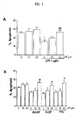
- Fig. 1B the percentage of neutrophil apoptosis that had been decreased by endogenous inflammation mediators was increased by 1-stearoyl LPC in a concentration-dependent manner. Accordingly, it can be seen that LPC effectively blocks the inhibitory effects of neutrophil apoptosis by endogenous inflammation mediators as well as exogenous inflammation mediators.
- Neutrophils were isolated according to the method of Szucs, S. et al. (J. Immunol. Methods, 167: 245-251, 1994 ) as described in above Example ⁇ 1-1>.
- Peripheral bloods were collected from a healthy person, put into a heparinized tube and then well mixed with 1 ⁇ PBS buffer. Then, they were layered in Ficoll-Hypaque solution (density 1.077, Sigma Chemical Co., USA) and then centrifuged at 2500 rpm at 4°C for 25 min. After the monocyte layer between Ficoll layer and plasma layer had been cautiously recovered, 1 ⁇ PBS buffer was added thereto and mixed well. It was then centrifuged again at 2500 rpm at 4 °C for 25 min. Such centrifugation procedures were repeated twice until red blood cells were depleted.
- Ficoll-Hypaque solution density 1.077, Sigma Chemical Co., USA
- the pellet was cultured in FBS at 37°C for 15 min and centrifuged at 2500 rpm for 10 min. Then, 1 x PBS buffer was added again to the pellet.
- the isolated cells were layered in percoll solution (density 1.066) and then centrifuged at 2500 rpm at 4 °C for 30 min. After only monocyte layer had been recovered from the isolated layers, 1 ⁇ PBS buffer was added thereto. They were centrifuged at 2500 rpm for 15 min. After the centrifugation had been repeated twice or three times, the isolated monocytes were inoculated into RPMI1640 medium containing 10% FBS and cultured in an incubator of 5% CO 2 at 37°C.
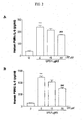
- the neutrophils and monocytes isolated in Examples ⁇ 2-1> and ⁇ 2-2> above were cultured in a 96-well plate to which RPMI1640 medium containing 10% FBS was added, at a concentration of 1X10 5 cells/well/0.2ml, respectively. They were treated with 1-stearoyl LPC at concentrations of 15 ⁇ M and 30 ⁇ M, respectively. After 1 hour, they were treated with 1 ⁇ g/ml LPS. After 3 hours, supernatants were collected and put into an eppendorf tube. Then, the level of IL-8 was measured using ELISA kit (Biosource, USA). As a result, as shown in Fig. 2 , the level of IL-8 release that had been increased by LPS in neutrophils (A; human PMNs) and monocytes (B; human PBMC) was inhibited by LPC in a concentration-dependent manner.
- G2A and GPR4 have been known as receptors to which LPC specifically binds ( Zhu, K. et al., J. Biol. Chem., 276(44): 41325-41335, 2001 ; Kabarowski, J. H. et al., Science, 293(5530): 702-705, 2001 ).
- G2A exists in monocytes as a receptor of LPC was reported by Rikitake et al. ( Rikitake et al., Arterioscler Thromb Vasc Biol, 22: 2049-53, 2002 ).
- neutrophils nothing has been known. Accordingly, the present inventors investigated whether LPC-specific receptors are in neutrophils.
- RT-PCR was carried out using primers specific to G2A (SEQ ID NO: 1 and SEQ ID NO:2) and primers specific to GPR4 (SEQ ID NO: 3 and SEQ ID NO: 4), respectively.
- the sizes of G2A and GRP4 to be amplified by each primer were 409 bp and 247 bp, respectively.
- the PCR condition was as follows: 40 cycles of 94 °C/2 min, 60°C/ 1.5 min and 72°C/2 min.
- RT-PCR was carried out without reverse transcriptase (RT).
- RT reverse transcriptase
- the expression level of G2A was remarkably increased as compared with the control group.
- the expression level of GPR4 showed no difference from that of the control group.
- the expression of each receptor observed in the control group is regarded as being due to the fact that DNA was completely not removed during the RNA isolation process. From these experiment results, it is considered that LPC does have inhibitory function of anti-apoptosis and inhibit release of IL-8 by acting upon G2A receptor.
- ICR mice 25-30 g in body weight; MJ Ltd.
- MJ Ltd. MJ Ltd.
- ICR mice 25-30 g in body weight; MJ Ltd.
- PBS phosphate-buffered saline
- ICR mice 25-30 g in body weight; MJ Ltd.
- LPS induced from E. coli 055:B5
- mice 25-30 g in body weight; MJ Ltd.
- pentobarbital After ICR mice (25-30 g in body weight; MJ Ltd.) had been anesthetized with pentobarbital, right abdominal sites of the mice were dissected in a length of 1 cm to expose their cecum, and sites below the ileocecal valve were ligated. And then, after 4-6 punctures had been created on the cecum with 21-gauge needle, the abdomen was sutured again to cause peritonitis, thereby inducing Sepsis.
- mice were sacrificed and pulmonary tissues were obtained therefrom. The tissues had been homogenized in potassium phosphate buffer, and centrifuged to obtain pellets. These pellets were sonicated in potassium phosphate buffer containing 0.5% hexadecyltrimethylammonium bromide (HTAB), and incubated at 60 °C for 120 min. After centrifugation, supernatants were obtained.
- MPO myeloperoxidase
- mice After the peritoneal cavity of mice had been exposed, it was washed with sterilized saline (2 ml). The resultant solution was diluted with HBSS (Sigma Chemical Co., USA) in a ratio of 1/1000, and then 10 ⁇ l of each diluted solution was spread on Trypticase Soy agar (BBL, Becton Dickinson Co., USA) plates. After overnight incubation at 37 °C, colony forming unit (CFU) was measured.
- HBSS Sigma Chemical Co., USA
- mice of bacteria-induced septicemia model according to Reference Example ⁇ 1-1> a were divided into two groups of 7 mice.
- 7 mice were administered with 1-stearoyl LPC (Sigma Chemical Co., USA) dissolved in 1% BSA (bovine serum albumin) solution containing no fatty acid in an amount of 10 mg/kg by subcutaneous injection, 2 and 14 hours after E. coli was intraperitoneally injected, respectively (experimental group).
- the remaining 7 mice were administered with 1% BSA solution containing no fatty acid of the same amount as above, instead of LPC, in the same manner (control group). Accordingly, the survival rates of the mice in the experimental- and control groups over the lapse of time were examined. Also, the number of intraperitoneal E.
- coli cells 24 hours after the intraperitoneal injection was measured in accordance with the method described in Reference Example 3. The average values were calculated and exhibited in Fig 5 . As shown in Figs. 5A and 5B , in the mice of experimental group where LPC was administered, death rate due to septicemia was significantly suppressed (P ⁇ 0.05) and the number of intraperitoneal E. coli cells was also remarkably decreased (P ⁇ 0.01).
- ICR mice of CLP-induced septicemia model according to Reference Example ⁇ 1-2> were divided into two groups of 7 mice.
- 7 mice were administered with 1-stearoyl LPC (Sigma Chemical Co., USA) dissolved in 1% BSA solution containing no fatty acid in an amount of 10 mg/kg by subcutaneous injection 2 and 14 hours after the CLP surgery, respectively (experimental group).
- the remaining 7 mice were administered with 1% BSA solution containing no fatty acid of the same amount as above in the same manner (control group).
- the numbers of intraperitoneal E. coli cells in the ICR mice of experimental and control groups were measured in accordance with Reference Example 3, 24 hours after the CLP surgery. The average values were calculated and exhibited in Fig. 6A . As shown in Fig. 6A , it could be seen that in the mice of experimental group where LPC was administered, the number of intraperitoneal E. coli cells was remarkably decreased (P ⁇ 0.01).
- ICR mice of CLP-induced Sepsis model according to Reference Example ⁇ 1-2> were divided into four groups of 10 mice.
- Each 10 ICR mice were intraperitoneally administered with 1-stearoyl LPC (Sigma Chemical Co., USA) dissolved in 1% BSA solution containing no fatty acid in amounts of 5, 10, and 20 mg/kg, respectively, four times at intervals of 12 hours, 2 hours after the CLP surgery (experimental group-1, -2 and -3).
- the remaining 10 ICR mice were administered only with 1% BSA solution containing no fatty acid (control group).
- the survival rates of mice in experimental- and control groups were investigated over the lapse of time. The results are shown in Fig. 6B . As shown in Fig. 6B , the survival rate of the mice in experimental groups where LPC was administered was much higher than that of the mice in control group.
- ICR mice of CLP-induced Sepsis model according to Reference Example ⁇ 1-2> were divided into two groups. 10 mice for the experimental group were intraperitoneally administered with 1-stearoyl LPC (Sigma Chemical Co., USA) dissolved in 1% BSA solution containing no fatty acid in an amount of 10 mg/kg, four times at intervals of 12 hours, 10 hours after the CLP surgery. The remaining 10 mice for the control group were administered only with 1% BSA solution containing no fatty acid. Thereafter, the survival rates of ICR mice in experimental- and control groups were investigated over the lapse of time. The results are shown in Fig. 6C . As shown in Fig. 6C , even when septicemia was further developed, LPC showed the excellent therapeutic effect.
- 1-stearoyl LPC (Sigma Chemical Co., USA) was added to LB media at concentrations of 12, 60 and 300 mM, respectively, which were poured onto 60-mm petridishes and hardened (experimental group-1, -2 and -3). Four petridishes per group were used. For a control group, only LB media was poured onto four 60-mm petridishes and hardened. The peritoneal cavity of mice according to Example ⁇ 6-1> was washed with sterilized saline. The resultant solution was diluted with HBSS in a ratio of 1/100, and then 10 ⁇ l of the diluted solution was spread on the media for each group.
- CFU colony forming unit
- CLP-induced Sepsis model mice were subcutaneously injected with SPC, instead of 1-stearoyl LPC, in dosages of 3mg/kg and 30mg/kg four times at intervals of 12 hours, 2 hours after the CLP surgery, respectively.
- the survival rates of mice were investigated. As a result, as shown in Fig. 8 , it could be seen that like LPC, SPC effectively inhibited death rate due to CLP Sepsis at a dosage of 30mg/kg.
- mice were intratracheally administered with LPS to cause direct acute lung injury, thereby inducing acute respiratory distress syndrome.
- mice 35 ICR mice (25-30 g in body weight; MJ Ltd.) were divided into five groups of 7 mice (Sham group, experimental groups-1, -2, -3 and a control group). Mice of each group were anesthetized with pentobarbital, their skins were dissected in a length of 1cm to expose their bronchia. The mice in Sham group were intratracheally administered with PBS (50 ⁇ l) solution and then sutured, while the ICR mice in experimental- and control groups were directly intratracheally administered with LPS (6 ⁇ g/50 ⁇ l PBS buffer) and then sutured.
- PBS 50 ⁇ l
- LPS 6 ⁇ g/50 ⁇ l PBS buffer
- the ICR mice in the experimental groups-1, -2 and -3 were subcutaneously administered with 1-stearoyl LPC (Sigma Chemical Co., USA) dissolved in 1% BSA solution containing no fatty acid in amounts of 5, 10, and 20 mg/kg, respectively, 2 and 14 hours after LPS had been administered.
- the ICR mice in a control group were administered with 1% BSA solution containing no fatty acid of the same amount, instead of LPC, in the same manner.
- the activity of MPO, an indicator of neutrophils, in the pulmonary tissues of the ICR mice of each group was determined as described in Reference Example 2, and the average values are exhibited in Fig. 9A . As shown in Fig.
- Indirect acute lung injury was caused by systemic LPS administration, whereby acute respiratory distress syndrome was induced.
- mice in LPS-induced septicemia model according to Reference Example ⁇ 1-1> b) were divided into five groups of 7 mice (Sham group, an experimental group-1, an experimental group-2, an experimental group-3 and a control group).
- the mice in Sham group were intraperitoneally administered with PBS buffer (0.5ml/100g weight), instead of LPS.
- the mice in the experimental groups-1, -2 and -3 were subcutaneously administered with 1-stearoyl LPC (Sigma Chemical Co., USA) dissolved in 1% BSA solution containing no fatty acid in amounts of 5, 10, and 20 mg/kg, respectively, 2 and 14 hours after LPS had been administered.
- mice in a control group were administered with 1% BSA solution containing no fatty acid of the same amount, instead of LPC, in the same manner.
- the activity of MPO an indicator of neutrophils, in the pulmonary tissues of the mice of each group, was determined as described in Reference Example 2. The average values are exhibited in Fig. 9B .
- Fig. 9B when LPS was intraperitoneally administered, the activity ofMPO was significantly increased (p ⁇ 0.01).
- the activity of MPO was suppressed in a concentration- dependent manner as compared with the mice of a control group.
- LPC was administered into ICR mice in an amount of 20 mg/kg (experimental group-3), the most excellent effects were achieved (p ⁇ 0.01).
- the CLP-induced Sepsis model was used to cause indirect acute lung injury, thereby inducing acute respiratory distress syndrome.
- mice of CLP-induced Sepsis model according to Reference Example ⁇ 1-2> were divided into two groups. 10 mice for the experimental group were administered with1-stearoyl LPC (Sigma Chemical Co., USA) dissolved in 1% BSA solution containing no fatty acid in an amount of 10 mg/kg by subcutaneous injection 2 and 14 hours after the CLP surgery, respectively. The remaining 10 mice for the control group were administered only with 1% BSA solution containing no fatty acid. In the meantime, 10 ICR mice (25-30 g in body weight; MJ Ltd.) were anesthetized with pentobarbital, of which right abdominal sites were dissected in a length of 1 cm to expose their cecum, and then sutured again (Sham group).
- the activity of MPO, an indicator of neutrophils, in the pulmonary tissues of the mice of each group was determined as described in Reference Example 2 and exhibited in Fig. 9C .
- the activity of MPO was remarkably increased since 4 hours after the CLP surgery and maintained till 16 hours.
- the activity of MPO which had been increased by CLP surgery, was remarkably suppressed as compared with the control group.
- mice of CLP-induced septicemia model according to Reference Example ⁇ 1-2> were divided into two groups. 10 mice for the experimental group were administered with 1-stearoyl LPC (Sigma Chemical Co., USA) dissolved in 1% BSA solution containing no fatty acid in an amount of 10 mg/kg by subcutaneous injection 2 and 14 hours after the CLP surgery, respectively. The remaining 10 mice for the control group were administered only with 1% BSA solution containing no fatty acid.
- ICR mice 25-30 g in body weight; MJ Ltd.
- pentobarbital of which right abdominal sites were dissected in a length of 1 cm to expose their cecum, and then sutured again (Sham group).
- blood was collected from mice in each group.
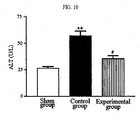
- ALT level which had been increased by CLP surgery, was remarkably suppressed as compared with the control group.
- the cover slip was then treated with 30 ⁇ M 1-stearoyl LPC, and further cultured for another 1 hour.
- the cover slip of the control group was treated with PBS buffer, instead of LPC.
- PBS buffer instead of LPC.
- the neutrophils were broken using Triton X-100 (0.05%), and accordingly E. coli cells were recovered.
- the recovered E. coli cells were spread onto a plate and cultured in an incubator maintained at 37°C. The number of E. coli cells that had grown on the medium was counted and subjected to statistical analysis. As a result, as shown in Fig.
- LPC agonist ligands specific to G2A receptor
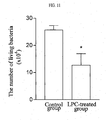
- the agonist ligands according to the present invention can effectively eliminate pathogens in microbial infection by increasing the bactericidal activity of neutrophils.
- the agonist ligands specific to G2A receptor according to the present invention and pharmaceutical- or therapeutical composition comprising the said ligands can be used very effectively in treatment of a disease or disorder associated with neutrophil accumulation and/or excessive release of IL-8, especially inflammatory disease sepsis, or a disease associated with microbial infection according to the claims.
Landscapes
- Health & Medical Sciences (AREA)
- Pharmacology & Pharmacy (AREA)
- Veterinary Medicine (AREA)
- Chemical & Material Sciences (AREA)
- Public Health (AREA)
- General Health & Medical Sciences (AREA)
- Medicinal Chemistry (AREA)
- Animal Behavior & Ethology (AREA)
- Life Sciences & Earth Sciences (AREA)
- General Chemical & Material Sciences (AREA)
- Organic Chemistry (AREA)
- Nuclear Medicine, Radiotherapy & Molecular Imaging (AREA)
- Chemical Kinetics & Catalysis (AREA)
- Engineering & Computer Science (AREA)
- Bioinformatics & Cheminformatics (AREA)
- Immunology (AREA)
- Pulmonology (AREA)
- Epidemiology (AREA)
- Rheumatology (AREA)
- Pain & Pain Management (AREA)
- Diabetes (AREA)
- Hematology (AREA)
- Physical Education & Sports Medicine (AREA)
- Oncology (AREA)
- Cardiology (AREA)
- Heart & Thoracic Surgery (AREA)
- Biomedical Technology (AREA)
- Neurology (AREA)
- Neurosurgery (AREA)
- Vascular Medicine (AREA)
- Urology & Nephrology (AREA)
- Otolaryngology (AREA)
- Orthopedic Medicine & Surgery (AREA)
- Obesity (AREA)
- Dermatology (AREA)
- Communicable Diseases (AREA)
- Medicines That Contain Protein Lipid Enzymes And Other Medicines (AREA)
- Pharmaceuticals Containing Other Organic And Inorganic Compounds (AREA)
- Acyclic And Carbocyclic Compounds In Medicinal Compositions (AREA)
Description
- The present invention relates to novel therapeutic use of agonist ligands specific to G2A receptor and more particularly, the treatment of a disease or disorder associated with neutrophil accumulation and -hyperactivity and/or excessive release of IL-8, or an infectious disease in a subject, comprising administering LPC (lysophosphatidylcholine), into the subject.
- Inflammation is an important defense response occurring in body against pathogens, foreign substances and tissue injury. Inflammation accompanies systemic symptoms such as fever, weakness, loss of appetite and chill, or local symptoms such as redness, swelling, pain and dysfunction. Inflammation is divided into acute inflammation, subacute inflammation and chronic inflammation according to its duration. Acute inflammation reaction occurs in blood vessel and is mostly mediated by neutrophils. Especially, in the case of suppurative inflammation, remarkable increase of neutrophils is observed. Chronic inflammation is continued for several weeks or several months. It is different from acute inflammation in that injury and recovery of tissues occur at the same time (Robbins Pathological Basis of Disease by R.S. Cotran, V. Kumar, and S.L. Robbins, W. B. Saunders Co., p. 75, 1989). Although chronic inflammation may be derived directly from acute inflammation, it generally results from continuous infections that cause prolonged hypersensitive reactions (ex., tuberculosis, syphilis, fungal infection), exposure to continuous endotoxin (ex., increased plasma lipids) or exotoxins (ex., silica, asbestos, tar, surgery sutures), or autoimmune response against self-tissues (ex., rheumatic arthritis, systemic lupus erythematosus, multiple sclerosis, psoriasis) and it can thus initiate insidious onset that proceeds as times goes by. Accordingly, chronic inflammation includes numerous medical symptoms such as rheumatic arthritis, re-stenosis, psoriasis, multicentric sclerosis, surgery synechia, tuberculosis and chronic inflammatory lung diseases (ex., asthma, pneumoconiosis, chronic occlusive lung disease, pulmonary fibrosis). Subacute inflammation refers to an inflammation between acute and chronic inflammations.
- As main inflammatory diseases, there are rhinitis and sinusitis such as infectious rhinitis, allergic rhinitis, chronic rhinitis, acute sinusitis and chronic sinusitis; otitis media such as acute purulent otitis media and chronic purulent otitis media; pneumonia such as bacterial pneumonia, bronchopneumonia, lobar pneumonia, Legionella pneumonia and viral pneumonia; acute or chronic gastritis; enteritis such as infectious enterocolitis, Crohn's disease, idiopathic ulcerative colitis and pseudomembranous colitis; and arthritis such as pyogenic arthritis, tuberculous arthritis, degenerative arthritis and rheumatoid arthritis. In addition, there is sepsis that accompanies extreme systemic inflammatory reaction at early stage. This sepsis results from excessive reaction of hosts against endotoxin of gram-negative bacteria, etc. In prior arts, so as to treat sepsis, there have been used antibiotics and steroid preparations, but their effects are weak and thus the death rate of hosts due to septicemia is still high.
- Also, excessive inflammation causes permanent injury of surrounding tissues, and acute respiratory distress syndrome (ARDS) is regarded as one of typical inflammatory diseases resulting from tissue injury by excessive inflammation. The ARDS is an acute hypoxemic respiratory failure due to pulmonary edema resulting from the increased permeability of alveolar capillary barrier. It is regarded as the most severe case in acute lung injury (ALI). Clinical symptoms that lead patients to the risk of ARDS are various, for example, trauma, bleedings or septicemia, and ARDS results from excessive systemic inflammation reaction due to these symptoms. Even though there have been conducted treatments such as treatment of hypoxia, endotracheal intubation, mechanical ventilation, etc., the death rate due to ARDS still reaches 50∼70%. Circulating inflammatory cells, especially neutrophils, have been known to have an important role in initiation and development of acute lung injury, e.g., pulmonary edema, inflammation reaction, etc. (Abraham et al., Am. J. Physiol., 279, L1137-L1145, 2000). Several scientists proved that neutrophils are extensively accumulated in lungs of ARDS patients (Weinacker & Vaszar, Annu. Rev. Med., 52: 221-37, 2001). These neutrophils, once activated, discharge proteases including matrix metalloproteinases and other mediators causing lung injury. Hence, if neutrophil accumulation in lung is suppressed, ARDS due to acute lung injury may be treated.
- Multiple organ dysfunction syndrome (MODS) is a disease resulting from the complication of sepsis, etc. As examples of MODS, there can be included acute hepatic failure, acute renal failure, lung failure, gastrointestinal bleeding, etc. For the treatment of MODS, antibiotics and steroid preparations have been used, however, their effects are weak.
- Meanwhile, neutrophils (also called 'polymorphonuclear leucocytes (PMNs)') are phagocytic cells that have an important role in host defense mechanism and occupy approximately 60% of leucocytes that are circulating in body. The membrane of neutrophils has receptors for hemopoietic growth factors such as GM-CSF (granulocyte macrophage-colony stimulating factor), G-CSF (granulocyte-colony stimulating factor), etc., G proteins involving in signal transduction associated with receptors for opsonin and chemotactic factors, ion channels associated with the ion exchange of Na+, K+, Ca2+, etc., enzymes and phospholipids. Also, at the surface of neutrophils, there exist Fc receptors against an IgG antibody such as CD16 and CD32 and receptors to C3 complement proteins such as CR1 and CR3. Accordingly, antigens bound thereto can be easily recognized and eliminated. As within the granule of neutrophils, there are defensin associated with disinfection such as peroxidase, lactoferrin, leukocyte adhesion receptor and alkaline phosphatase, and bactericidal/permeability-increasing protein (BPI), which destroy infectious agents or are involved in the proceedings of inflammatory reaction. Besides, the neutrophils express cell adhension proteins such as CD11a/CD18(LFA-1), selectin, etc., which have an important role in the movement of neutrophils in inflammatory reaction.
- For a normal adult, neutrophils are produced in an amount of 0.85-1.6×10⁹ cells/kg/day. After being produced and differentiated in bone marrow over approximately 14 days, they enter peripheral bloods and circulate there for about 6 hours. They penetrate then into tissues and die or are lost at mucous membranes after surviving for several days in the tissues. Neutrophils have a short half-life of about 6-10 hours and they are removed in macrophages by apoptosis. The neutrophil apoptosis occurs spontaneously or by the external stimulus. As a typical example of the external stimulus, there can be mentioned a Fas pathway. Fas is a substance similar to TNF receptor that exists at the surface of neutrophils, and it induces apoptosis via an FADD pathway in cells once it is stimulated by a Fas ligand. Caspase has been known to have an important role in such a pathway. Neutrophil apoptosis has been known to be delayed or suppressed by various inflammation mediators. Some reports proposed that the delay (suppression) of neutrophil apoptosis observed in ARDS is due to GM-CSF. However, the intracellular transduction pathway that delays apoptosis of neutrophil had been hardly known. That is, in several inflammatory diseases, various inflammation mediators suppress neutrophil apoptosis that is physiologically and actively occurring, and consequently, continuous inflammatory reaction occurs by excessive neutrophil accumulation resulting in the damage to surrounding tissues. As inflammation mediators, there have been known G-CSF, GM-CSF, IFN-γ, IL-2, IL-6, etc. that are endogenous factors as well as LPS (lipopolysaccharide) that is derived from outside of the body.
- Recently, numerous studies about LPC (lysophosphatidylcholine) and SPC (sphingosylphosphorylcholine) having LPA (lysophosphatidyl acid) or S1P (sphingosine 1-phosphate), which have been known as lipid transmitter, and a choline bound thereto, are being under progress. LPC and SPC have been known to have an important role in functioning not only as intermediates in biosynthesis of cellular membranes, together with LPA and S1P, but also as signaling molecules (Fukushima, N. et al., Annu. Rev. Pharmacol. Toxicol., 41: 507-534, 2001). They are bound to their receptors and induce various cell reactions such as cell proliferation, differentiation, movement, cell death, etc. through several signal transductions (Lynch, K. R. et al., Trends Pharmacol. Sci., 20(12): 473-475, 1999). The receptors to which they are bound are a kind of receptors that are classified as G protein-coupled receptors. Since OGR-1 (orphan G-protein-coupled receptor 1) was for the first time found as a receptor of SPC (Xu, Y et al., Nat. Cell. Biol., 2(5):264-267, 2000), studies about identifying ligands for GPR4- and G2A receptors having a structure similar to OGR-1 have been conducted. As a result, it was identified that GPR4 recognized SPC and LPC as its ligand and GPR4 promoted cell proliferation by SPC and LPC whereas OGR-1 suppressed cell proliferation by SPC (Zhu, K. et al., J. Biol. Chem., 276(44): 41325-41335, 2001). Moreover, it was reported that G2A had a high affinity to LPC, however, it had a low affinity to SPC (Kabarowski, J. H. et al., Science, 293(5530): 702-705, 2001). G2A is mostly found in lymphocytes and the expression thereof is upregulated by stress and prolonged mitogenic signals. It was reported that in knockout mice that did not have G2A receptors, autoimmune diseases were caused (Le, L. Q. et al., Immunity, 14(5): 561-571, 2001).
- Hence, in the course of conducting continuous studies to find out new therapeutic agents for treating inflammatory diseases, the present inventors identified that agonist ligands specific to G2A receptor that exists in neutrophils block suppression of neutrophil apoptosis by inflammation mediators and release IL-8 (interleukin-8) in neutrophils and monocytes, and exhibit excellent therapeutic effect on an inflammatory disease, especially inflammatory diseases associated with hyperactivity of neutrophil and excessive release of IL-8, or a disease associated with microbial infection, and thus they have completed the present invention.
- Accordingly, it is an object of the present invention to provide a composition for inducing neutrophil apoptosis in cells, tissues or a body according to the claims using an agonist ligand specific to G2A receptor according to the claims.
- It is another object of the invention to provide a composition for inhibiting the excessive release of IL-8 in cells, tissues or a body according to the claims using an agonist ligand specific to G2A receptor according to the claims.
- It is further object of the invention to provide a composition for increasing the bactericidal activity of neutrophils according to the claims using an agonist ligand specific to G2A receptor according to the claims.
- It is still further object of the invention to provide a composition for treating a disease or disorder associated with suppression of neutrophil apoptosis or excessive release of IL-8 according to the claims using an agonist ligand specific to G2A receptor according to the claims.
- Further, it is another object of the invention to provide a pharmaceutical or therapeutical composition comprising an agonist ligand specific to G2A receptor as an active ingredient for use according to the claims.
- It is still another object of the invention to provide a novel therapeutic use of an agonist ligand specific to G2A receptor according to the claims.
- To achieve the object above, the present invention provides the use for inducing neutrophil apoptosis in cells, tissues or a body, according to the claims comprising administering an agonist ligand specific to G2A receptor according to the claims into the cells, tissues or body in an amount effective to induce neutrophil apoptosis.
- To achieve another object of the invention, the invention provides the use for inhibiting release of IL-8 in cells, tissues or a body, according to the claims comprising administering an agonist ligand specific to G2A receptor according to the claims into the cells, tissues or body in an amount effective to inhibit release of IL-8.
- To achieve another object of the invention, the invention provides the use for increasing bactericidal activity of neutrophils in cells, tissues or a body, according to the claims comprising administering an agonist ligand specific to G2A receptor according to the claims into the cells, tissues or body in an amount effective to increase bactericidal activity of neutrophils.
- To achieve another object of the invention, the invention provides the use for treating or preventing a disease or disorder according to the claims associated with suppression of neutrophil apoptosis or excessive release of IL-8 in a subject, comprising administering an agonist ligand specific to G2A receptor according to the claims into the subject.
- To achieve another object of the invention, the invention provides a pharmaceutical composition for inducing neutrophil apoptosis or inhibiting release of IL-8 according to the claims comprising an agonist ligand specific to G2A receptor according to the claims as an active ingredient.
- To achieve another object of the invention, the invention provides a composition for treating or preventing a disease or disorder associated with suppression of neutrophil apoptosis or excessive release of IL-8 according to the claims comprising an agonist ligand specific to G2A receptor according to the claims as an active ingredient.
- Further, to achieve another object of the invention, the invention provides a use of an agonist ligand specific to G2A receptor according to the claims for the manufacture of a pharmaceutical composition for inducing neutrophil apoptosis or inhibiting release of IL-8 according to the claims in cells, tissues or a body.
- To achieve another object of the invention, the invention provides a use of an agonist ligand specific to G2A receptor according to the claims for the manufacture of an agent for treating a disease or disorder associated with the suppression neutrophil apoptosis or excessive release of IL-8 according to the claims.
- The present invention will be described in detail.
- The agonist ligands specific to G2A receptor according to the present invention include LPC (lysophosphatidylcholine). Only the LPCs as claimed are part of the invention.
- The LPC is represented by the following formula I :

- Also, the SPC disclosed herein is represented by the following formula II :

- In the SPC of the above formula II, the number of terminal carbons in the sphingosine portion may be from 4 to 30.
- Further, in the present invention, the derivatives of LPC or SPC are disclosed; they may be ether derivatives of LPC represented by the following formula III:

- The LPC, SPC and derivatives thereof are commercially available with ease. Specifically, they can be purchased from Sigma Chemical Co. (USA). Further, they may be isolated from animals and also can be prepared according to synthetic methods well known in the pertinent art. The LPC, SPC and derivatives thereof are endogenous substances in mammal, and thus their safety is as good as proven.
- The agonist ligands specific to G2A receptor according to the present invention largely show two activities. First, they do not show in vitro direct antibacterial effect but have in vivo functions of blocking both suppressed apoptosis of neutrophils and release of IL-8 in neutrophils and monocytes. Therefore, they can be effectively used in treatment or prevention of a disease or disorder associated with suppression of neutrophil apoptosis and/or excessive release of IL-8.
- Second, the agonist ligands specific to G2A receptor according to the present invention enable neutrophils to kill pathogens more readily by increasing their bactericidal ability. In this respect, the agonist ligands according to the invention can be said as a new type of antibacterial agent because they do not show direct killing effects against pathogens but enable neutrophils to eliminate pathogens more readily. Therefore, the agonist ligands according to the invention can be used as a therapeutic agent or therapeutic additive for various diseases associated with microbial infection.
- The pharmaceutical composition, or therapeutic or preventive composition comprising an agonist ligand specific to G2A receptor according to the invention may further comprise pharmaceutically acceptable carriers, for example, carriers for oral administration or for parenteral administration. The carriers for oral administration may include lactose, starch, cellulose derivatives, magnesium stearate, stearic acid and so on. For oral administration, the agonist ligands specific to G2A receptor according to the invention can be used in the form of intake-type tablets, buccal tablets, troches, capsules, elixirs, suspensions, syrups, wafers, etc. in an admixture of excipients. Also, the carriers for parenteral administration may comprise water, suitable oils, salines, water-soluble glucose and glycols, etc, and may further comprise stabilizer or preserver. As a suitable stabilizer, there are antioxidants such as ascorbic acid, sodium sulfite or sodium hydrogen sulfite. As a suitable preserver, there are benzalkonium chloride, methyl- or propyl-paraben and chlorobutanol. For other pharmaceutically acceptable carriers, the following literature can be consulted: Remington's Pharmaceutical Sciences, 19th ed., Mack Publishing Company, Easton, PA, 1995.
- The pharmaceutical composition or therapeutical composition according to the present invention can be formulated into various parenteral or oral dosage forms. Typical dosage form for parenteral administration is a dosage form for injection, preferably, an isotonic aqueous solution or a suspension. The dosage form for injection can be prepared using suitable dispersion agent, wetting agent or suspension agent according to the known methods in the pertinent art. For example, each ingredient is dissolved in saline or buffer, and then can be formulated into a dosage form for injection. Also, typical dosage form for oral administration is tablets, capsules, etc., which may comprise diluents (Ex.: lactose, dextrose, sucrose, mannitol, sorbitol, cellulose and/or glycine), or lubricants (Ex.: silica, talc, stearic acid and magnesium or calcium salt thereof and/or polyethylene glycol) in addition to the active ingredient. Furthermore, the tablets may further comprise binders such as magnesium aluminum silicate, starch paste, gelatin, tragacanth, methylcellulose, sodium carboxymethylcellulose and/or polyvinylpyrrolidine. If necessary, they may further comprise disintegrants or effervescent mixtures such as starch, agar, alginic acid or sodium salt thereof, and/or absorbents, colorants, flavors and sweeteners. Such dosage form can be prepared by conventional mixing, granulation or coating methods.
- The pharmaceutical composition or therapeutical composition of the present invention may comprise additives such as antiseptics, hydrates or emulsion accelerators, salts for the regulation of osmotic pressure and/or auxiliary such as buffers, and other therapeutically useful substances. It can be prepared as formulations according to conventional methods.
- The agonist ligands specific to G2A receptor as an active ingredient of the pharmaceutical composition or therapeutical composition of the present invention can be administered into mammals including humans via parenteral or oral route in an amount of 0.01 to 100mg/kg (body weight) once or several times a day. The extent of administered amount may vary suitably by the age, body weight, health condition, sex, the degree of disease, diet, administration time, excretion rate, administration route and so on. The pharmaceutical composition or therapeutical composition of the invention is not restricted to special dosage, administration route and administration method as far as it retains the inventive effects. Furthermore, the agonist ligands specific to G2A receptor according to the present invention may be co-administered together with antibiotics or therapeutic agents for inflammation that are generally used for inflammation diseases when applied to inflammatory diseases, and co-administered together with various antibacterial agents comprising the previous antibiotics when applied to treat a disease associated with microbial infection.
- The agonist ligands specific to G2A receptor according to the present invention can be effectively used for the treatment of a disease or disorder associated with neutrophil accumulation due to suppression of apoptosis and neutrophil hyperactivity and/or the excessive release of IL-8 according to the claims, especially inflammatory diseases. The inflammatory diseases to which the agonist ligands according the present invention can be applied include all of the acute or chronic inflammatory diseases associated with suppression of neutrophil apoptosis and hyperactivity of neutrophil and/or the excessive release of IL-8, and complication thereof. The 'chronic inflammation' refers to all diseases that induce tissue injury or induce continuous inflammation due to excessive neutrophil accumulation and hyperactivity and the excessive release of IL-8, and complication thereof. In particular, the inflammatory diseases to which the agonist ligands of the invention can be applied include inflammatory bowel disease such as Crohn's disease and ulcerative colitis, peritonitis, osteomyelitis, cellulitis, meningitis, cerebritis, pancreatitis, trauma-inducing shock, bronchial asthma, allergic rhinitis, cystic fibrosis, cerebral apoplexy, acute bronchitis, chronic bronchitis, acute bronchiolitis, chronic bronchiolitis, osteoarthritis, gout, spinal arthropathy, ankylosing spondylitis, Reiter's syndrome, psoriatic arthropathy, enteropathic spondylitis, juvenile arthropathy, juvenile ankylosing spondylitis, reactive arthropathy, infectious arthritis, post-infectious arthritis, gonococcal arthritis, tuberculous arthritis, viral arthritis, fungal arthritis, syphilitic arthritis, Lyme disease, arthritis associated with 'vasculitis syndrome', polyarteritis nodosa, hypersensitivity vasculitis, Wegener's granulomatosis, polymyalgia rheumatic, giant cell arteritis, calcium crystal deposition arthropathy, pseudogout, non-joint rheumatism, bursitis, tenosynovitis, epicondylitis (tennis elbow), neuropathic joint disease(charcot joint), hemarthrosic, Henoch-Schonlein purpura, hypertrophic osteoarthropathy, multicentric reticulohistiocytoma, scoliosis, hemochromoatosis, meniscocytosis, other hemoglobinopathy, hyperlipoproteinemia, hypogammaglobulinaemia, familial mediterranean fever, Gerhardt Disease, systemic lupus erythematosus, relapsing fever, psoriasis, multiple sclerosis, sepsis (septicemia), septic shock, acute respiratory distress syndrome, multiple organ dysfunction syndrome, chronic obstructive pulmonary disease, rheumatic arthritis, acute lung injury, bronchopulmonary dysplasia and so on. Only the treatment of sepsis and septic shock are part of the invention.
- In addition, it was reported that in patients with ischemia-reperfusion injury, neutrophils was excessively accumulated. That is, almost all the organs and tissues including heart, brain, kidney, liver, etc. are subject to tissue damages owing to reperfusion when the disorder of blood stream occurs. It has been known that the neutrophil has an important role in this process (Jordan et al., Cardiovasc. Res., 43, 860-78, 1999). Accordingly, the agonist ligands according to the present invention can be applied to treat ischemia-reperfusion injury including ischemic brain disease, ischemic heart disease, ischemic kidney disease, ischemic liver disease, ischemic bowel disease, organ injury due to the disorder of blood stream in transplantation, etc. as well as inflammatory diseases.
- Further, the present invention provides a therapeutic use of the agonist ligands specific to G2A receptor. Specifically, the present invention provides a use of the agonist ligands specific to G2A receptor according to the claims for the manufacture of a pharmaceutical composition for recovering the suppressed apoptosis of neutrophils, inhibiting release of IL-8, or increasing the bactericidal activity of neutrophils, in cells, tissues or a body according to the claims. The pharmaceutical composition may further comprise pharmaceutically acceptable carriers in addition to LPC (formula I), as claimed. The examples of the pharmaceutical acceptable carriers are as listed above. The pharmaceutical composition according to the present invention can be administered orally or parenterally, and the examples of the oral or parenteral administration are as mentioned above. Also, the present invention provides a use of the agonist ligands specific to G2A receptor according to the claims for the manufacture of an agent for treating a disease or disorder associated with suppression of neutrophil apoptosis and hyperactivity of neutrophil and/or excessive release of IL-8 according to the claims. The examples of diseases or disorders to which the agonist ligands according to present invention can be applied are as listed above.
-
-
Fig. 1 shows the inhibitory effects of 1-stearoyl LPC against suppression of neutrophil apoptosis that is induced by an exogenous inflammation mediator (LPS; A) or endogenous inflammation mediators (GM-CSF, G-CSF and IFN-γ ; B). -
Fig. 2 shows the inhibitory effects of 1-stearoyl LPC against the excessive release of IL-8 that is induced by LPS in neutrophils (A) and monocytes (B). -
Fig. 3 shows the RT-PCR results obtained using RNA isolated from neutrophils as a template and primers specific to G2A- or GPR4 receptors.
RT(+): RT-PCR is performed with reverse transcriptase.
RT(-): RT-PCR is performed without reverse transcriptase (Control group) -
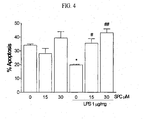
Fig. 4 shows the inhibitory effects of SPC against suppression of neutrophil apoptosis that is induced by LPS. (not part of the invention) -
Fig. 5 shows the effects of 1-stearoyl LPC in E. coli-induced septicemia model.- A: The survival rate of mice as time lapses after the administration of LPC
- B: The number of intraperitoneal E. coli cells in
mice 24 hours after LPC is administered
-
Fig. 6 shows the effects of 1-steroyl LPC in CLP-induced septicemia model.- A: The numbers of intraperitoneal E. coli cells in mice when LPC is administered 2 hours and 14 hours after the CLP surgery, respectively
- B: The survival rates of mice as time lapse when LPC is administered four times at intervals of 12 hours, 2 hours after the CLP surgery
- C: The survival rates of mice as time lapse when LPC is administered four times at intervals of 12 hours, 10 hours after the CLP surgery.
-
Fig. 7 shows the effects of 1-myristoyl LPC (14:0 LPC) and 1-oleoyl LPC (18:1 LPC) in CLP-induced septicemia model. -
Fig. 8 shows the effects of SPC in CLP-induced septicemia model. (not part of invention) -
Fig. 9 shows the effects of 1-stearoyl LPC against acute respiratory distress syndrome in local LPS-induced acute lung injury model (A), systemic LPS-induced acute lung injury model (B) and acute lung injury model by CLP-induced sepsis (C). -
Fig. 10 shows the effects of 1-stearoyl LPC against multiple organ dysfunction syndrome in CLP-induced sepsis model. -
Fig. 11 shows the effects of 1-stearoyl LPC regarding bactericidal activity of neutrophils in bacteria-induced sepsis model. - The present invention will be described by virtue of the following examples in more detail.
- However, the examples shown below are provided solely to illustrate the invention. In the following examples, percentages with regard to solid/solid mixture, liquid/liquid, and liquid/solid are based on weight/weight, volume/volume, and weight/volume, respectively, and all reactions were carried out at room temperature unless indicated otherwise.
- Neutrophils were isolated from healthy adults using discontinuous percoll gradient according to the method of Szucs, S. et al. (J. Immunol. Methods, 167: 245-251, 1994). First, plasmas were separated from heparinized whole blood, and red blood cells were depleted by dextran sedimentation. Thereafter, leukocytes were layered over a percoll gradient with densities of 1.077 and 1.094 (Pharmacia, Sweden). Separated neutrophil layers were recovered from the percoll gradient interface, and then washed with HBSS (Hank's balanced salt solution, Sigma Chemical Co., USA). The remaining pellet was resuspended in RPMI 1640 medium supplemented with 10% FBS (fetal bovine serum) and 2mM gentamicin. As a result of the examination of the cytospin stained with Wright-Giemsa (Sigma Chemical Co., USA), it was observed that the resuspension solution contained 95% or more neutrophils. Also, as a result of examination using trypan blue dye exclusion method, 98% or more neutrophils were observed.
- 1× 10⁵ neutrophil cells isolated in above Example <1-1> were cultured in a 96-well plate to which RPMI1640 medium containing 10% FBS was added. Thereafter, they were treated with 1-stearoyl lysophosphatidylcoline (Sigma Chemical Co., USA) in concentrations of 15µ M and 30µ M, respectively. After 1 hour, they were treated with 1µg/mℓ LPS (Sigma Chemical Co.). After 24 hours, the medium was removed from the plats, and the remaining cells were washed twice with PBS (phosphate-buffered saline) buffer at 4°C. The cells adhered to the bottom of the plate were all scraped and put into a 1.5-mℓ eppendorf tube. Then, they were centrifuged at 2500 rpm for 5 min, and the supernatant was removed. Again, 0.1mℓ of PBS buffer at 4°C was added to the pellet, which was then well mixed using pipetting. To 25µℓ of the cell suspension was added 2µℓ of AcOr/EtBr dye solution in which 100µg/mℓ of acridine orange (AcOr) and 100µg/mℓ of ethidium bromide (EtBr) were mixed. Then, the percentage of apoptotic cells/total cells was calculated with observing the neutrophil cells under a fluorescence microscope. As a result, as shown in
Fig. 1A , the percentage of neutrophil apoptosis that had been decreased by LPS was increased by 1-stearoyl LPC in a concentration-dependent manner. Accordingly, it can be seen that LPC effectively blocks the effect of exogenous inflammation mediator that inhibits neutrophil apoptosis. - The experiments were carried out according to the same methods as used in Example <1-2> except that the neutrophils isolated in Example <1-1> were treated with 100 ng/mℓ GM-CSF (Sigma Chemical Co.), 100 ng/mℓ G-CSF (Sigma Chemical Co.) and 100 ng/mℓ IFN-γ (Sigma Chemical Co.), respectively, instead of LPS. As a result, as shown in
Fig. 1B , the percentage of neutrophil apoptosis that had been decreased by endogenous inflammation mediators was increased by 1-stearoyl LPC in a concentration-dependent manner. Accordingly, it can be seen that LPC effectively blocks the inhibitory effects of neutrophil apoptosis by endogenous inflammation mediators as well as exogenous inflammation mediators. - Regarding release of IL-8, an important inflammation-inducing cytokine in neutrophils and blood monocytes, which is seriously considered in onset mechanism of inflammatory diseases, the effects of LPC were investigated.
- Neutrophils were isolated according to the method of Szucs, S. et al. (J. Immunol. Methods, 167: 245-251, 1994) as described in above Example <1-1>.
- Peripheral bloods were collected from a healthy person, put into a heparinized tube and then well mixed with 1 × PBS buffer. Then, they were layered in Ficoll-Hypaque solution (density 1.077, Sigma Chemical Co., USA) and then centrifuged at 2500 rpm at 4°C for 25 min. After the monocyte layer between Ficoll layer and plasma layer had been cautiously recovered, 1× PBS buffer was added thereto and mixed well. It was then centrifuged again at 2500 rpm at 4 °C for 25 min. Such centrifugation procedures were repeated twice until red blood cells were depleted. Thereafter, the pellet was cultured in FBS at 37°C for 15 min and centrifuged at 2500 rpm for 10 min. Then, 1 x PBS buffer was added again to the pellet. The isolated cells were layered in percoll solution (density 1.066) and then centrifuged at 2500 rpm at 4 °C for 30 min. After only monocyte layer had been recovered from the isolated layers, 1× PBS buffer was added thereto. They were centrifuged at 2500 rpm for 15 min. After the centrifugation had been repeated twice or three times, the isolated monocytes were inoculated into RPMI1640 medium containing 10% FBS and cultured in an incubator of 5% CO2 at 37°C.
- The neutrophils and monocytes isolated in Examples <2-1> and <2-2> above were cultured in a 96-well plate to which RPMI1640 medium containing 10% FBS was added, at a concentration of 1X10⁵ cells/well/0.2mℓ, respectively. They were treated with 1-stearoyl LPC at concentrations of 15µ M and 30µ M, respectively. After 1 hour, they were treated with 1 µg/mℓ LPS. After 3 hours, supernatants were collected and put into an eppendorf tube. Then, the level of IL-8 was measured using ELISA kit (Biosource, USA). As a result, as shown in
Fig. 2 , the level of IL-8 release that had been increased by LPS in neutrophils (A; human PMNs) and monocytes (B; human PBMC) was inhibited by LPC in a concentration-dependent manner. - Until now, G2A and GPR4 have been known as receptors to which LPC specifically binds (Zhu, K. et al., J. Biol. Chem., 276(44): 41325-41335, 2001; Kabarowski, J. H. et al., Science, 293(5530): 702-705, 2001). Especially, the fact that G2A exists in monocytes as a receptor of LPC was reported by Rikitake et al. (Rikitake et al., Arterioscler Thromb Vasc Biol, 22: 2049-53, 2002). However, in neutrophils, nothing has been known. Accordingly, the present inventors investigated whether LPC-specific receptors are in neutrophils.
- First, neutrophils were isolated from human bloods according to the same methods in above Example <1-1>. RNA was then isolated from the isolated neutrophils using TRIZOL reagent (GibcoBRL, USA). RT-PCR was carried out using primers specific to G2A (SEQ ID NO: 1 and SEQ ID NO:2) and primers specific to GPR4 (SEQ ID NO: 3 and SEQ ID NO: 4), respectively. The sizes of G2A and GRP4 to be amplified by each primer were 409 bp and 247 bp, respectively. The PCR condition was as follows: 40 cycles of 94 °C/2 min, 60°C/ 1.5 min and 72°C/2 min. As a control, RT-PCR was carried out without reverse transcriptase (RT). As a result, as shown in
Fig. 3 , the expression level of G2A was remarkably increased as compared with the control group. On the other hand, the expression level of GPR4 showed no difference from that of the control group. The expression of each receptor observed in the control group is regarded as being due to the fact that DNA was completely not removed during the RNA isolation process. From these experiment results, it is considered that LPC does have inhibitory function of anti-apoptosis and inhibit release of IL-8 by acting upon G2A receptor. - In order to examine whether SPC, known as another agonist ligand for G2A receptor, does have the same functions as LPC, experiments were carried out according to the same methods as used in above Example <1-2> except that instead of LPC, SPC (Sigma-Aldrich Co.) was used. The results were shown in
Fig. 4 . As shown inFig. 4 , the percentage of neutrophil apoptosis that had been decreased by LPS was increased by SPC in a concentration-dependent manner. Accordingly, it can be seen that SPC, another ligand specific to G2A receptor, has the same functions as LPC. - ICR mice (25-30 g in body weight; MJ Ltd.) were intraperitoneally injected with alive 108 cells/ml E. coli (DH5a) that were suspended in 0.5 ml of PBS (phosphate-buffered saline) to cause peritonitis, thereby inducing sepsis.
- ICR mice (25-30 g in body weight; MJ Ltd.) were intraperitoneally injected with LPS (induced from E. coli 055:B5) in an amount of 1 mg/kg thereby inducing Sepsis.
- After ICR mice (25-30 g in body weight; MJ Ltd.) had been anesthetized with pentobarbital, right abdominal sites of the mice were dissected in a length of 1 cm to expose their cecum, and sites below the ileocecal valve were ligated. And then, after 4-6 punctures had been created on the cecum with 21-gauge needle, the abdomen was sutured again to cause peritonitis, thereby inducing Sepsis.
- The activity of myeloperoxidase (MPO), an indicator of neutrophils, in pulmonary tissues was determined according to the methods of Goldblum et al (J. Appl. physiol. 59: 1978, 1985) and Parey et al (J. Immunol. 160:1007, 1998). First, mice were sacrificed and pulmonary tissues were obtained therefrom. The tissues had been homogenized in potassium phosphate buffer, and centrifuged to obtain pellets. These pellets were sonicated in potassium phosphate buffer containing 0.5% hexadecyltrimethylammonium bromide (HTAB), and incubated at 60 °C for 120 min. After centrifugation, supernatants were obtained. 0.02 ml of supernatants was mixed with potassium phosphate buffer solution (0.18 ml) containing o-dianisidine dihydrochloride of 0.167 mg/ml and 0.0005% hydrogen peroxide. Accordingly, the absorbance of the mixture was determined at a wavelength of 460 nm.
- After the peritoneal cavity of mice had been exposed, it was washed with sterilized saline (2 ml). The resultant solution was diluted with HBSS (Sigma Chemical Co., USA) in a ratio of 1/1000, and then 10 µℓ of each diluted solution was spread on Trypticase Soy agar (BBL, Becton Dickinson Co., USA) plates. After overnight incubation at 37 °C, colony forming unit (CFU) was measured.
- 14 ICR mice of bacteria-induced septicemia model according to Reference Example <1-1> a) were divided into two groups of 7 mice. 7 mice were administered with 1-stearoyl LPC (Sigma Chemical Co., USA) dissolved in 1% BSA (bovine serum albumin) solution containing no fatty acid in an amount of 10 mg/kg by subcutaneous injection, 2 and 14 hours after E. coli was intraperitoneally injected, respectively (experimental group). The remaining 7 mice were administered with 1% BSA solution containing no fatty acid of the same amount as above, instead of LPC, in the same manner (control group). Accordingly, the survival rates of the mice in the experimental- and control groups over the lapse of time were examined. Also, the number of intraperitoneal
E. coli cells 24 hours after the intraperitoneal injection was measured in accordance with the method described in Reference Example 3. The average values were calculated and exhibited inFig 5 . As shown inFigs. 5A and 5B , in the mice of experimental group where LPC was administered, death rate due to septicemia was significantly suppressed (P < 0.05) and the number of intraperitoneal E. coli cells was also remarkably decreased (P < 0.01). - 14 ICR mice of CLP-induced septicemia model according to Reference Example <1-2> were divided into two groups of 7 mice. 7 mice were administered with 1-stearoyl LPC (Sigma Chemical Co., USA) dissolved in 1% BSA solution containing no fatty acid in an amount of 10 mg/kg by
subcutaneous injection Fig. 6A . As shown inFig. 6A , it could be seen that in the mice of experimental group where LPC was administered, the number of intraperitoneal E. coli cells was remarkably decreased (P < 0.01). - 40 ICR mice of CLP-induced Sepsis model according to Reference Example <1-2> were divided into four groups of 10 mice. Each 10 ICR mice were intraperitoneally administered with 1-stearoyl LPC (Sigma Chemical Co., USA) dissolved in 1% BSA solution containing no fatty acid in amounts of 5, 10, and 20 mg/kg, respectively, four times at intervals of 12 hours, 2 hours after the CLP surgery (experimental group-1, -2 and -3). The remaining 10 ICR mice were administered only with 1% BSA solution containing no fatty acid (control group). And then, the survival rates of mice in experimental- and control groups were investigated over the lapse of time. The results are shown in
Fig. 6B . As shown inFig. 6B , the survival rate of the mice in experimental groups where LPC was administered was much higher than that of the mice in control group. - In order to investigate whether or not LPC has a therapeutic effect even on cases where septicemia is already developed, 20 ICR mice of CLP-induced Sepsis model according to Reference Example <1-2> were divided into two groups. 10 mice for the experimental group were intraperitoneally administered with 1-stearoyl LPC (Sigma Chemical Co., USA) dissolved in 1% BSA solution containing no fatty acid in an amount of 10 mg/kg, four times at intervals of 12 hours, 10 hours after the CLP surgery. The remaining 10 mice for the control group were administered only with 1% BSA solution containing no fatty acid. Thereafter, the survival rates of ICR mice in experimental- and control groups were investigated over the lapse of time. The results are shown in
Fig. 6C . As shown inFig. 6C , even when septicemia was further developed, LPC showed the excellent therapeutic effect. - In order to investigate whether LPCs having other substituents (R1) but 1-stearoyl have an effect on septicemia, LPCs having 1-oleoyl or 1-myristoyl were intraperitoneally administered in an amount of 10mg/kg according to the same methods as used in Example <6-2>. As a result, as shown in
Fig. 7 , both 1-oleoyl LPC and 1-myristoyl LPC showed the excellent therapeutic effect against Sepsis. - 1-stearoyl LPC (Sigma Chemical Co., USA) was added to LB media at concentrations of 12, 60 and 300 mM, respectively, which were poured onto 60-mm petridishes and hardened (experimental group-1, -2 and -3). Four petridishes per group were used. For a control group, only LB media was poured onto four 60-mm petridishes and hardened. The peritoneal cavity of mice according to Example <6-1> was washed with sterilized saline. The resultant solution was diluted with HBSS in a ratio of 1/100, and then 10 µℓ of the diluted solution was spread on the media for each group. Subsequently, after they had been incubated in a bacteria incubator maintained at 37 °C for 12 hours, colony forming unit (CFU) was visibly measured. The results were summarized in Table 1 below.
[Table 1] In Vitro Antibacterial Activity of LPC Control Group Experimental Group-1 Experimental Group-2 Experimental Group-3 LPC conc. 0 µM 12µM 60µM 300µM CFU 498±189 661±285 639±304 611±281 - As shown in Table 1 above, there appeared no in vitro direct antibacterial effects of LPC against E. coli.
- CLP-induced Sepsis model mice were subcutaneously injected with SPC, instead of 1-stearoyl LPC, in dosages of 3mg/kg and 30mg/kg four times at intervals of 12 hours, 2 hours after the CLP surgery, respectively. The survival rates of mice were investigated. As a result, as shown in
Fig. 8 , it could be seen that like LPC, SPC effectively inhibited death rate due to CLP Sepsis at a dosage of 30mg/kg. - Mice were intratracheally administered with LPS to cause direct acute lung injury, thereby inducing acute respiratory distress syndrome.
- 35 ICR mice (25-30 g in body weight; MJ Ltd.) were divided into five groups of 7 mice (Sham group, experimental groups-1, -2, -3 and a control group). Mice of each group were anesthetized with pentobarbital, their skins were dissected in a length of 1cm to expose their bronchia. The mice in Sham group were intratracheally administered with PBS (50µℓ) solution and then sutured, while the ICR mice in experimental- and control groups were directly intratracheally administered with LPS (6 µg/50 µℓ PBS buffer) and then sutured. Thereafter, the ICR mice in the experimental groups-1, -2 and -3 were subcutaneously administered with 1-stearoyl LPC (Sigma Chemical Co., USA) dissolved in 1% BSA solution containing no fatty acid in amounts of 5, 10, and 20 mg/kg, respectively, 2 and 14 hours after LPS had been administered. On the other hand, the ICR mice in a control group were administered with 1% BSA solution containing no fatty acid of the same amount, instead of LPC, in the same manner. At 24 hours after LPS had been administered, the activity of MPO, an indicator of neutrophils, in the pulmonary tissues of the ICR mice of each group was determined as described in Reference Example 2, and the average values are exhibited in
Fig. 9A . As shown inFig. 9A , when LPS was intratracheally administered, the activity of MPO was significantly increased (p<0.001). In the ICR mice of experimental groups, the activity of MPO was suppressed in a concentration-dependent manner as compared with the mice of control group. When LPC was administered into ICR mice in an amount of 20 mg/kg (experimental group-3), the most excellent effects were achieved (p<0.01). - Indirect acute lung injury was caused by systemic LPS administration, whereby acute respiratory distress syndrome was induced.
- 35 ICR mice in LPS-induced septicemia model according to Reference Example <1-1> b) were divided into five groups of 7 mice (Sham group, an experimental group-1, an experimental group-2, an experimental group-3 and a control group). The mice in Sham group were intraperitoneally administered with PBS buffer (0.5ml/100g weight), instead of LPS. The mice in the experimental groups-1, -2 and -3 were subcutaneously administered with 1-stearoyl LPC (Sigma Chemical Co., USA) dissolved in 1% BSA solution containing no fatty acid in amounts of 5, 10, and 20 mg/kg, respectively, 2 and 14 hours after LPS had been administered. On the other hands, the mice in a control group were administered with 1% BSA solution containing no fatty acid of the same amount, instead of LPC, in the same manner. At 24 hours after LPS had been administered, the activity of MPO, an indicator of neutrophils, in the pulmonary tissues of the mice of each group, was determined as described in Reference Example 2. The average values are exhibited in
Fig. 9B . As shown inFig. 9B , when LPS was intraperitoneally administered, the activity ofMPO was significantly increased (p<0.01). In the mice of the experimental groups, the activity of MPO was suppressed in a concentration- dependent manner as compared with the mice of a control group. When LPC was administered into ICR mice in an amount of 20 mg/kg (experimental group-3), the most excellent effects were achieved (p<0.01). - The CLP-induced Sepsis model was used to cause indirect acute lung injury, thereby inducing acute respiratory distress syndrome.
- 20 ICR mice of CLP-induced Sepsis model according to Reference Example <1-2> were divided into two groups. 10 mice for the experimental group were administered with1-stearoyl LPC (Sigma Chemical Co., USA) dissolved in 1% BSA solution containing no fatty acid in an amount of 10 mg/kg by
subcutaneous injection Fig. 9C . As shown inFig. 9C , the activity of MPO was remarkably increased since 4 hours after the CLP surgery and maintained till 16 hours. In the ICR mice of experimental group, the activity of MPO, which had been increased by CLP surgery, was remarkably suppressed as compared with the control group. - Septicemia causes multiple organ dysfunction syndrome as its complication and typically, lung, liver, kidney, etc. are injured. The effect of LPC against liver injury as one of the multiple organ dysfuction syndromes was investigated. 20 ICR mice of CLP-induced septicemia model according to Reference Example <1-2> were divided into two groups. 10 mice for the experimental group were administered with 1-stearoyl LPC (Sigma Chemical Co., USA) dissolved in 1% BSA solution containing no fatty acid in an amount of 10 mg/kg by
subcutaneous injection Fig. 10 , in the ICR mice of experimental group, ALT level, which had been increased by CLP surgery, was remarkably suppressed as compared with the control group. - In order to investigate mechanism on how the number of intraperitoneal E. coli cells in mice was remarkably decreased due to the administration of LPC in Example 5 above, the inventors conducted the following experiments: Blood was collected from bacteria-induced septicemia model mice prepared in Reference Example <1-1> a), and neutrophils were isolated therefrom. The isolated neutrophils were adhered to the cover slip coated with poly-L-Lysine (0.01%) in a cell incubator maintained at 37°C, at a cell concentration of 106cells/ml for 1 hour. Thereafter, E. coli was added thereto in a concentration of 106 cells/ml and cultured for 1 hour. E. coli cells that were not ingested by neutrophils were removed by washing the cover slip with PBS buffer. The cover slip was then treated with 30µ M 1-stearoyl LPC, and further cultured for another 1 hour. In this stage, the cover slip of the control group was treated with PBS buffer, instead of LPC. Thereafter, after the exchange of a new RPMI-1640 medium, they were further cultured for 1 hour to give killing time. Then, the neutrophils were broken using Triton X-100 (0.05%), and accordingly E. coli cells were recovered. The recovered E. coli cells were spread onto a plate and cultured in an incubator maintained at 37°C. The number of E. coli cells that had grown on the medium was counted and subjected to statistical analysis. As a result, as shown in
Fig. 11 , in the experimental group that was treated with LPC, the number of alive E. coli was significantly decreased. This indicates that LPC increases the bactericidal ability of neutrophils by directly stimulating the neutrophils. Accordingly, it can be seen that LPC blocks the suppressed neutrophil apoptosis, inhibits release of IL-8 in neutrophils/monocytes and also increases the bactericidal activity of neutrophils. - As described in the above, it was identified in the present invention that LPC, agonist ligands specific to G2A receptor, can effectively inhibit the anti-apoptosis of neutrophils and the excessive release of IL-8. In addition, it was revealed that the agonist ligands according to the present invention can effectively eliminate pathogens in microbial infection by increasing the bactericidal activity of neutrophils. Accordingly, the agonist ligands specific to G2A receptor according to the present invention and pharmaceutical- or therapeutical composition comprising the said ligands can be used very effectively in treatment of a disease or disorder associated with neutrophil accumulation and/or excessive release of IL-8, especially inflammatory disease sepsis, or a disease associated with microbial infection according to the claims.
-
- <110> BioSynergen, Inc.
- <120> Novel therapeutical use of agonist ligands specific to G2A receptor
- <130> OP03-0045
- <160> 4
- <170> KopatentIn 1.71
- <210> 1
<211> 23
<212> DNA
<213> Artificial Sequence - <220>
<223> forward primer for G2A receptor - <400> 1
gctcagcagg actcctcaatcag 23 - <210> 2
<211> 20
<212> DNA
<213> Artificial Sequence - <220>
<223> reverse primer for G2A receptor - <400> 2
cggtggttgtcatcttccta 20 - <210> 3
<211> 18
<212> DNA
<213> Artificial Sequence - <220>
<223> forward primer for GPR4 receptor - <400> 3
ggcaaccacacgtgggag 18 - <210> 4
<211> 19
<212> DNA
<213> Artificial Sequence - <220>
<223> reverse primer for GPR4 receptor - <400> 4
tccagttgtcgtggtgcag 19
Claims (3)
- A compound for use in treating a disease or disorder associated with suppression of neutrophil apoptosis or excessive release of IL-8 selected from sepsis and septic shock, in a subject, wherein the compound is selected from the group consisting of 18:0 LPC (which is also called: 1-stearoyl lysophosphatidylcholine; L-α-Lysophosphatidylcholine stearoyl; Lysolecithin stearoyl), 18:1 LPC (which is also called: 1-oleoyl lysophosphatidylcholine; L-α-Lysophosphatidylcholine oleoyl; Lysolecithin oleoyl), 14:0 LPC (which is also called: 1-myristoyl lysophospatidylcholine; L-α-Lysophosphatidylcholine myristoyl), and 16:0 LPC (which is also called: 1-palmitoyl lysophosphatidylcholine; L-α-Lysophosphatidylcholine palmitoyl; Lysolecithin palmitoyl; DL-α-Lysophosphatidylcholine palmitoyl).
- The use of a compound in the manufacture of a medicament for treating a disease or disorder associated with suppression of neutrophil apoptosis or excessive release of IL-8 selected from sepsis and septic shock, in a subject, wherein the compound is selected from the group consisting of 18:0 LPC (which is also called: 1-stearoyl lysophosphatidylcholine; L-α-Lysophosphatidylcholine stearoyl; Lysolecithin stearoyl), 18:1 LPC (which is also called: 1-oleoyl lysophosphatidylcholine; L-α-Lysophosphatidylcholine oleoyl; Lysolecithin oleoyl), 14:0 LPC (which is also called: 1-myristoyl lysophospatidylcholine; L-α-Lysophosphatidylcholine myristoyl) and 16:0 LPC (which is also called: 1-palmitoyl lysophosphatidylcholine; L-α-Lysophosphatidylcholine palmitoyl; Lysolecithin palmitoyl; DL-α-Lysophosphatidylcholine palmitoyl).
- A compound for use as claimed in claim 1 or a use as claimed in claim 2, wherein the effective amount of the compound is from 0.01 to 100 mg per kg of the subject and the compound is for parenteral or oral administration.
Applications Claiming Priority (7)
| Application Number | Priority Date | Filing Date | Title |
|---|---|---|---|
| KR1020020016029A KR100842159B1 (en) | 2002-03-25 | 2002-03-25 | Compositions for the prevention and treatment of acute respiratory distress syndrome and multiple organ failure, including lysophosphatidylcholine or the like |
| KR2002016029 | 2002-03-25 | ||
| KR1020020049766A KR100849448B1 (en) | 2002-08-22 | 2002-08-22 | Congenital immune enhancing composition comprising lysophosphatidylcholine or an analog thereof |
| KR2002049766 | 2002-08-22 | ||
| KR1020020064308A KR100842160B1 (en) | 2002-10-21 | 2002-10-21 | Sepsis prevention and treatment composition comprising lysophosphatidylcholine or an analog thereof |
| KR2002064308 | 2002-10-21 | ||
| PCT/KR2003/000593 WO2003080071A1 (en) | 2002-03-25 | 2003-03-25 | Novel therapeutical use of agonist ligands specific to g2a receptor |
Publications (3)
| Publication Number | Publication Date |
|---|---|
| EP1490072A1 EP1490072A1 (en) | 2004-12-29 |
| EP1490072A4 EP1490072A4 (en) | 2008-01-23 |
| EP1490072B1 true EP1490072B1 (en) | 2015-01-28 |
Family
ID=28457618
Family Applications (1)
| Application Number | Title | Priority Date | Filing Date |
|---|---|---|---|
| EP03745031.9A Expired - Lifetime EP1490072B1 (en) | 2002-03-25 | 2003-03-25 | Novel therapeutical use of lpc, agonist ligands specific to g2a receptor |
Country Status (8)
| Country | Link |
|---|---|
| US (1) | US7410955B2 (en) |
| EP (1) | EP1490072B1 (en) |
| JP (1) | JP4320262B2 (en) |
| CN (1) | CN1646138B (en) |
| AU (1) | AU2003215954B2 (en) |
| CA (1) | CA2480429C (en) |
| ES (1) | ES2536710T3 (en) |
| WO (1) | WO2003080071A1 (en) |
Families Citing this family (15)
| Publication number | Priority date | Publication date | Assignee | Title |
|---|---|---|---|---|
| EP1962862B1 (en) * | 2005-12-19 | 2013-09-04 | Æterna Zentaris GmbH | Alkyl phospholipid derivatives with reduced cytotoxicity and uses therof |
| WO2007071402A1 (en) * | 2005-12-23 | 2007-06-28 | Jado Technologies Gmbh | Means and methods for the treatment and prevention of allergic diseases |
| US20110230450A1 (en) * | 2007-10-16 | 2011-09-22 | Vascular Biogenics Lts | Platelet-activating factor (paf) analogs and uses thereof |
| GB0907601D0 (en) * | 2009-05-01 | 2009-06-10 | Equateq Ltd | Novel methods |
| CN105254557A (en) | 2009-05-29 | 2016-01-20 | 拉夸里亚创药株式会社 | Aryl substituted carboxamide derivatives as calcium or sodium channel blockers |
| KR101315483B1 (en) * | 2011-06-23 | 2013-10-07 | 주식회사 아리바이오 | A composition comprising antibiotics and lysophosphatidylcholine for enhancing immune or treating bacterial infection |
| CN102703485A (en) * | 2012-06-15 | 2012-10-03 | 阿拉坦高勒 | Recombinant plasmid containing G2A gene and construction method thereof |
| KR101951933B1 (en) * | 2013-03-12 | 2019-02-25 | 주식회사 아리바이오 | Lipid nonomaterials comprising lysophosphatidylcholine or its derivative and Methods for preparing the same |
| JP2018519359A (en) * | 2015-06-11 | 2018-07-19 | アンビオ ファーマシューティカルズ,エルエルシー | PEGylated granulocyte colony stimulating factor (GCSF) |
| EP3299032A1 (en) | 2016-09-23 | 2018-03-28 | Fraunhofer-Gesellschaft zur Förderung der angewandten Forschung e.V. | Inhibitors of gpr132 for use in preventing and/or treating chemotherapy-induced neuropathic pain |
| CN116847836A (en) * | 2021-01-29 | 2023-10-03 | 萨恩帕斯药物有限公司 | Lipids that reduce lung injury, improve lung function, and reduce pro-inflammatory cytokines |
| CN115708408B (en) * | 2021-05-19 | 2025-02-25 | 中国医学科学院基础医学研究所 | Lipid small molecules as 3C-like protease targeting agents for antiviral and broad-spectrum anti-inflammatory effects |
| WO2023081388A1 (en) * | 2021-11-05 | 2023-05-11 | The Feinstein Institutes For Medical Research | Lysophosphatidylcholine combinations as a therapy to treat cardiac arrest |
| EP4646228A1 (en) * | 2023-01-03 | 2025-11-12 | Baker Heart and Diabetes Institute | Ether of phosphatidylcholine and phosphatidylethanolamine, their lyso-forms and mixture thereof for use in the treatment of a disease or disorder caused by a deficiency in plasmalogens |
| WO2026008716A1 (en) * | 2024-07-02 | 2026-01-08 | Baker Heart and Diabetes Institute | Methods of use for plasmalogen precursors in treating plasmalogen-associated diseases |
Family Cites Families (4)
| Publication number | Priority date | Publication date | Assignee | Title |
|---|---|---|---|---|
| US4746652A (en) * | 1986-11-18 | 1988-05-24 | Wake Forest University | Method of inducing diuresis with lysophospholipids |
| US6207412B1 (en) * | 1997-11-13 | 2001-03-27 | The Regents Of The University Of California | Identification of a G protein-coupled receptor transcriptionally regulated by protein tyrosine kinase signaling in hematopoietic cells |
| WO2002024222A2 (en) | 2000-09-20 | 2002-03-28 | The Cleveland Clinic Foundation | Ligands for g protein coupled receptors and methods of using them |
| JP2004526803A (en) * | 2001-04-25 | 2004-09-02 | バイオサイナーゲン、インコーポレーテッド | Pharmaceutical composition comprising lysophosphatidic acid (APHARAMEUTICALCOMPOSITIONCOMPLYSINGLYSOPHOSPHATIDICACID) |
-
2003
- 2003-03-25 EP EP03745031.9A patent/EP1490072B1/en not_active Expired - Lifetime
- 2003-03-25 WO PCT/KR2003/000593 patent/WO2003080071A1/en not_active Ceased
- 2003-03-25 CA CA002480429A patent/CA2480429C/en not_active Expired - Lifetime
- 2003-03-25 AU AU2003215954A patent/AU2003215954B2/en not_active Ceased
- 2003-03-25 CN CN038088991A patent/CN1646138B/en not_active Expired - Lifetime
- 2003-03-25 US US10/509,300 patent/US7410955B2/en not_active Expired - Lifetime
- 2003-03-25 JP JP2003577897A patent/JP4320262B2/en not_active Expired - Lifetime
- 2003-03-25 ES ES03745031.9T patent/ES2536710T3/en not_active Expired - Lifetime
Also Published As
| Publication number | Publication date |
|---|---|
| CN1646138B (en) | 2010-05-26 |
| CA2480429C (en) | 2008-09-16 |
| EP1490072A1 (en) | 2004-12-29 |
| ES2536710T3 (en) | 2015-05-27 |
| EP1490072A4 (en) | 2008-01-23 |
| JP2005526789A (en) | 2005-09-08 |
| CA2480429A1 (en) | 2003-10-02 |
| JP4320262B2 (en) | 2009-08-26 |
| US7410955B2 (en) | 2008-08-12 |
| CN1646138A (en) | 2005-07-27 |
| AU2003215954B2 (en) | 2006-10-12 |
| AU2003215954A1 (en) | 2003-10-08 |
| US20050288254A1 (en) | 2005-12-29 |
| WO2003080071A1 (en) | 2003-10-02 |
Similar Documents
| Publication | Publication Date | Title |
|---|---|---|
| US7410955B2 (en) | Therapeutic use of agonist ligands specific to G2A receptor | |
| Harrap et al. | Persistent effects on blood pressure and renal haemodynamics following chronic angiotensin converting enzyme inhibition with perindopril | |
| JP4009318B2 (en) | Substituted liposaccharides useful for the treatment and prevention of endotoxemia | |
| US9370555B2 (en) | Surfactant protein D for the treatment of disorders associated with lung injury | |
| US20200179413A1 (en) | Surfactant Lipids, Compositions Thereof, and Uses Thereof | |
| US10874684B2 (en) | Liponucleotide-based therapy for ARDS | |
| EP0652011A1 (en) | Prophylactic and remedy for viral diseases in respiratory tract | |
| Lin et al. | Inhibition of neutrophil apoptosis via sphingolipid signaling in acute lung injury | |
| US20090170758A1 (en) | Compositions comprising pulmonary surfactants and a polymyxin having improved surface properties | |
| WO2014061016A1 (en) | Use of sphingoid long chain bases and their analogs in treating and preventing bacterial infections | |
| RU2007107935A (en) | POLYSULPHATED GLYCOSIDES AND THEIR SALTS | |
| WO2007149382A2 (en) | Therapeutic compositions and methods useful in treating hepatitis | |
| JP2002530326A (en) | Use of phosphonoformic acid derivatives for the treatment of infectious diseases | |
| WO2004052375A1 (en) | Novel therapeutical use of agonist ligands specific to lysophosphatidic acid receptor | |
| JP2025513289A5 (en) | ||
| WO2011065480A1 (en) | Nerve cell death inhibitor | |
| US20200338088A1 (en) | Methods for Treating Neutrophilic Dermatoses with SYK Inhibitors | |
| JP2004143068A (en) | Pharmaceutical for prevention and / or treatment of influenza encephalitis / encephalopathy | |
| WO2007018229A1 (en) | Treatment of adult t-cell leukemia | |
| JPS6118526B2 (en) | ||
| BRPI0801803A2 (en) | combination of substances for the treatment of bacterial, parasitic, fungal and viral infectious diseases comprising the combination of an immunomodulator and substances with antibacterial, antiparasitic, antifungal or antiviral action |
Legal Events
| Date | Code | Title | Description |
|---|---|---|---|
| PUAI | Public reference made under article 153(3) epc to a published international application that has entered the european phase |
Free format text: ORIGINAL CODE: 0009012 |
|
| 17P | Request for examination filed |
Effective date: 20041013 |
|
| AK | Designated contracting states |
Kind code of ref document: A1 Designated state(s): AT BE BG CH CY CZ DE DK EE ES FI FR GB GR HU IE IT LI LU MC NL PT RO SE SI SK TR |
|
| AX | Request for extension of the european patent |
Extension state: AL LT LV MK |
|
| A4 | Supplementary search report drawn up and despatched |
Effective date: 20071228 |
|
| RIC1 | Information provided on ipc code assigned before grant |
Ipc: A61P 9/10 20060101ALI20071219BHEP Ipc: A61P 35/00 20060101ALI20071219BHEP Ipc: A61K 31/661 20060101AFI20031003BHEP |
|
| 17Q | First examination report despatched |
Effective date: 20080603 |
|
| RAP1 | Party data changed (applicant data changed or rights of an application transferred) |
Owner name: ARIMED INC. |
|
| GRAP | Despatch of communication of intention to grant a patent |
Free format text: ORIGINAL CODE: EPIDOSNIGR1 |
|
| INTG | Intention to grant announced |
Effective date: 20140901 |
|
| GRAS | Grant fee paid |
Free format text: ORIGINAL CODE: EPIDOSNIGR3 |
|
| GRAA | (expected) grant |
Free format text: ORIGINAL CODE: 0009210 |
|
| AK | Designated contracting states |
Kind code of ref document: B1 Designated state(s): AT BE BG CH CY CZ DE DK EE ES FI FR GB GR HU IE IT LI LU MC NL PT RO SE SI SK TR |
|
| REG | Reference to a national code |
Ref country code: GB Ref legal event code: FG4D |
|
| REG | Reference to a national code |
Ref country code: CH Ref legal event code: EP |
|
| REG | Reference to a national code |
Ref country code: IE Ref legal event code: FG4D |
|
| REG | Reference to a national code |
Ref country code: DE Ref legal event code: R096 Ref document number: 60347279 Country of ref document: DE Effective date: 20150312 |
|
| REG | Reference to a national code |
Ref country code: AT Ref legal event code: REF Ref document number: 707938 Country of ref document: AT Kind code of ref document: T Effective date: 20150315 |
|
| REG | Reference to a national code |
Ref country code: ES Ref legal event code: FG2A Ref document number: 2536710 Country of ref document: ES Kind code of ref document: T3 Effective date: 20150527 |
|
| REG | Reference to a national code |
Ref country code: AT Ref legal event code: MK05 Ref document number: 707938 Country of ref document: AT Kind code of ref document: T Effective date: 20150128 |
|
| REG | Reference to a national code |
Ref country code: NL Ref legal event code: VDEP Effective date: 20150128 |
|
| PG25 | Lapsed in a contracting state [announced via postgrant information from national office to epo] |
Ref country code: SE Free format text: LAPSE BECAUSE OF FAILURE TO SUBMIT A TRANSLATION OF THE DESCRIPTION OR TO PAY THE FEE WITHIN THE PRESCRIBED TIME-LIMIT Effective date: 20150128 Ref country code: BG Free format text: LAPSE BECAUSE OF FAILURE TO SUBMIT A TRANSLATION OF THE DESCRIPTION OR TO PAY THE FEE WITHIN THE PRESCRIBED TIME-LIMIT Effective date: 20150428 Ref country code: FI Free format text: LAPSE BECAUSE OF FAILURE TO SUBMIT A TRANSLATION OF THE DESCRIPTION OR TO PAY THE FEE WITHIN THE PRESCRIBED TIME-LIMIT Effective date: 20150128 |
|
| PG25 | Lapsed in a contracting state [announced via postgrant information from national office to epo] |
Ref country code: GR Free format text: LAPSE BECAUSE OF FAILURE TO SUBMIT A TRANSLATION OF THE DESCRIPTION OR TO PAY THE FEE WITHIN THE PRESCRIBED TIME-LIMIT Effective date: 20150429 Ref country code: NL Free format text: LAPSE BECAUSE OF FAILURE TO SUBMIT A TRANSLATION OF THE DESCRIPTION OR TO PAY THE FEE WITHIN THE PRESCRIBED TIME-LIMIT Effective date: 20150128 Ref country code: AT Free format text: LAPSE BECAUSE OF FAILURE TO SUBMIT A TRANSLATION OF THE DESCRIPTION OR TO PAY THE FEE WITHIN THE PRESCRIBED TIME-LIMIT Effective date: 20150128 |
|
| REG | Reference to a national code |
Ref country code: DE Ref legal event code: R097 Ref document number: 60347279 Country of ref document: DE |
|
| PG25 | Lapsed in a contracting state [announced via postgrant information from national office to epo] |
Ref country code: MC Free format text: LAPSE BECAUSE OF FAILURE TO SUBMIT A TRANSLATION OF THE DESCRIPTION OR TO PAY THE FEE WITHIN THE PRESCRIBED TIME-LIMIT Effective date: 20150128 Ref country code: SK Free format text: LAPSE BECAUSE OF FAILURE TO SUBMIT A TRANSLATION OF THE DESCRIPTION OR TO PAY THE FEE WITHIN THE PRESCRIBED TIME-LIMIT Effective date: 20150128 Ref country code: CZ Free format text: LAPSE BECAUSE OF FAILURE TO SUBMIT A TRANSLATION OF THE DESCRIPTION OR TO PAY THE FEE WITHIN THE PRESCRIBED TIME-LIMIT Effective date: 20150128 Ref country code: EE Free format text: LAPSE BECAUSE OF FAILURE TO SUBMIT A TRANSLATION OF THE DESCRIPTION OR TO PAY THE FEE WITHIN THE PRESCRIBED TIME-LIMIT Effective date: 20150128 Ref country code: LU Free format text: LAPSE BECAUSE OF FAILURE TO SUBMIT A TRANSLATION OF THE DESCRIPTION OR TO PAY THE FEE WITHIN THE PRESCRIBED TIME-LIMIT Effective date: 20150325 Ref country code: RO Free format text: LAPSE BECAUSE OF FAILURE TO SUBMIT A TRANSLATION OF THE DESCRIPTION OR TO PAY THE FEE WITHIN THE PRESCRIBED TIME-LIMIT Effective date: 20150128 Ref country code: DK Free format text: LAPSE BECAUSE OF FAILURE TO SUBMIT A TRANSLATION OF THE DESCRIPTION OR TO PAY THE FEE WITHIN THE PRESCRIBED TIME-LIMIT Effective date: 20150128 |
|
| REG | Reference to a national code |
Ref country code: CH Ref legal event code: PL |
|
| PLBE | No opposition filed within time limit |
Free format text: ORIGINAL CODE: 0009261 |
|
| STAA | Information on the status of an ep patent application or granted ep patent |
Free format text: STATUS: NO OPPOSITION FILED WITHIN TIME LIMIT |
|
| 26N | No opposition filed |
Effective date: 20151029 |
|
| REG | Reference to a national code |
Ref country code: IE Ref legal event code: MM4A |
|
| PG25 | Lapsed in a contracting state [announced via postgrant information from national office to epo] |
Ref country code: LI Free format text: LAPSE BECAUSE OF NON-PAYMENT OF DUE FEES Effective date: 20150331 Ref country code: CH Free format text: LAPSE BECAUSE OF NON-PAYMENT OF DUE FEES Effective date: 20150331 Ref country code: IE Free format text: LAPSE BECAUSE OF NON-PAYMENT OF DUE FEES Effective date: 20150325 |
|
| PG25 | Lapsed in a contracting state [announced via postgrant information from national office to epo] |
Ref country code: SI Free format text: LAPSE BECAUSE OF FAILURE TO SUBMIT A TRANSLATION OF THE DESCRIPTION OR TO PAY THE FEE WITHIN THE PRESCRIBED TIME-LIMIT Effective date: 20150128 |
|
| REG | Reference to a national code |
Ref country code: FR Ref legal event code: PLFP Year of fee payment: 14 |
|
| PG25 | Lapsed in a contracting state [announced via postgrant information from national office to epo] |
Ref country code: BE Free format text: LAPSE BECAUSE OF FAILURE TO SUBMIT A TRANSLATION OF THE DESCRIPTION OR TO PAY THE FEE WITHIN THE PRESCRIBED TIME-LIMIT Effective date: 20150128 |
|
| PG25 | Lapsed in a contracting state [announced via postgrant information from national office to epo] |
Ref country code: IT Free format text: LAPSE BECAUSE OF NON-PAYMENT OF DUE FEES Effective date: 20150325 |
|
| PG25 | Lapsed in a contracting state [announced via postgrant information from national office to epo] |
Ref country code: IT Free format text: LAPSE BECAUSE OF NON-PAYMENT OF DUE FEES Effective date: 20150325 |
|
| PGRI | Patent reinstated in contracting state [announced from national office to epo] |
Ref country code: IT Effective date: 20161125 |
|
| REG | Reference to a national code |
Ref country code: FR Ref legal event code: PLFP Year of fee payment: 15 |
|
| PG25 | Lapsed in a contracting state [announced via postgrant information from national office to epo] |
Ref country code: HU Free format text: LAPSE BECAUSE OF FAILURE TO SUBMIT A TRANSLATION OF THE DESCRIPTION OR TO PAY THE FEE WITHIN THE PRESCRIBED TIME-LIMIT; INVALID AB INITIO Effective date: 20030325 |
|
| PG25 | Lapsed in a contracting state [announced via postgrant information from national office to epo] |
Ref country code: CY Free format text: LAPSE BECAUSE OF FAILURE TO SUBMIT A TRANSLATION OF THE DESCRIPTION OR TO PAY THE FEE WITHIN THE PRESCRIBED TIME-LIMIT Effective date: 20150128 |
|
| PG25 | Lapsed in a contracting state [announced via postgrant information from national office to epo] |
Ref country code: PT Free format text: LAPSE BECAUSE OF FAILURE TO SUBMIT A TRANSLATION OF THE DESCRIPTION OR TO PAY THE FEE WITHIN THE PRESCRIBED TIME-LIMIT Effective date: 20150528 |
|
| PG25 | Lapsed in a contracting state [announced via postgrant information from national office to epo] |
Ref country code: TR Free format text: LAPSE BECAUSE OF FAILURE TO SUBMIT A TRANSLATION OF THE DESCRIPTION OR TO PAY THE FEE WITHIN THE PRESCRIBED TIME-LIMIT Effective date: 20150128 |
|
| REG | Reference to a national code |
Ref country code: FR Ref legal event code: PLFP Year of fee payment: 16 |
|
| PGFP | Annual fee paid to national office [announced via postgrant information from national office to epo] |
Ref country code: GB Payment date: 20220322 Year of fee payment: 20 Ref country code: DE Payment date: 20220323 Year of fee payment: 20 |
|
| PGFP | Annual fee paid to national office [announced via postgrant information from national office to epo] |
Ref country code: IT Payment date: 20220324 Year of fee payment: 20 Ref country code: FR Payment date: 20220322 Year of fee payment: 20 |
|
| PGFP | Annual fee paid to national office [announced via postgrant information from national office to epo] |
Ref country code: ES Payment date: 20220405 Year of fee payment: 20 |
|
| REG | Reference to a national code |
Ref country code: DE Ref legal event code: R071 Ref document number: 60347279 Country of ref document: DE |
|
| REG | Reference to a national code |
Ref country code: GB Ref legal event code: PE20 Expiry date: 20230324 |
|
| REG | Reference to a national code |
Ref country code: ES Ref legal event code: FD2A Effective date: 20230426 |
|
| PG25 | Lapsed in a contracting state [announced via postgrant information from national office to epo] |
Ref country code: GB Free format text: LAPSE BECAUSE OF EXPIRATION OF PROTECTION Effective date: 20230324 |
|
| PG25 | Lapsed in a contracting state [announced via postgrant information from national office to epo] |
Ref country code: ES Free format text: LAPSE BECAUSE OF EXPIRATION OF PROTECTION Effective date: 20230326 |