EP1477173A1 - Sugar phosphates and their use for improving the intestinal function - Google Patents
Sugar phosphates and their use for improving the intestinal function Download PDFInfo
- Publication number
- EP1477173A1 EP1477173A1 EP04011588A EP04011588A EP1477173A1 EP 1477173 A1 EP1477173 A1 EP 1477173A1 EP 04011588 A EP04011588 A EP 04011588A EP 04011588 A EP04011588 A EP 04011588A EP 1477173 A1 EP1477173 A1 EP 1477173A1
- Authority
- EP
- European Patent Office
- Prior art keywords
- sugar
- salt
- phosphate
- phosphate ester
- vitamin
- Prior art date
- Legal status (The legal status is an assumption and is not a legal conclusion. Google has not performed a legal analysis and makes no representation as to the accuracy of the status listed.)
- Granted
Links
Images

Classifications
-
- A—HUMAN NECESSITIES
- A23—FOODS OR FOODSTUFFS; TREATMENT THEREOF, NOT COVERED BY OTHER CLASSES
- A23F—COFFEE; TEA; THEIR SUBSTITUTES; MANUFACTURE, PREPARATION, OR INFUSION THEREOF
- A23F3/00—Tea; Tea substitutes; Preparations thereof
- A23F3/06—Treating tea before extraction; Preparations produced thereby
- A23F3/14—Tea preparations, e.g. using additives
-
- A—HUMAN NECESSITIES
- A21—BAKING; EDIBLE DOUGHS
- A21D—TREATMENT OF FLOUR OR DOUGH FOR BAKING, e.g. BY ADDITION OF MATERIALS; BAKING; BAKERY PRODUCTS
- A21D2/00—Treatment of flour or dough by adding materials thereto before or during baking
- A21D2/08—Treatment of flour or dough by adding materials thereto before or during baking by adding organic substances
- A21D2/14—Organic oxygen compounds
- A21D2/16—Fatty acid esters
-
- A—HUMAN NECESSITIES
- A21—BAKING; EDIBLE DOUGHS
- A21D—TREATMENT OF FLOUR OR DOUGH FOR BAKING, e.g. BY ADDITION OF MATERIALS; BAKING; BAKERY PRODUCTS
- A21D2/00—Treatment of flour or dough by adding materials thereto before or during baking
- A21D2/08—Treatment of flour or dough by adding materials thereto before or during baking by adding organic substances
- A21D2/14—Organic oxygen compounds
- A21D2/18—Carbohydrates
-
- A—HUMAN NECESSITIES
- A23—FOODS OR FOODSTUFFS; TREATMENT THEREOF, NOT COVERED BY OTHER CLASSES
- A23C—DAIRY PRODUCTS, e.g. MILK, BUTTER OR CHEESE; MILK OR CHEESE SUBSTITUTES; PREPARATION THEREOF
- A23C9/00—Milk preparations; Milk powder or milk powder preparations
- A23C9/152—Milk preparations; Milk powder or milk powder preparations containing additives
- A23C9/1522—Inorganic additives, e.g. minerals, trace elements; Chlorination or fluoridation of milk; Organic salts or complexes of metals other than natrium or kalium; Calcium enrichment of milk
-
- A—HUMAN NECESSITIES
- A23—FOODS OR FOODSTUFFS; TREATMENT THEREOF, NOT COVERED BY OTHER CLASSES
- A23G—COCOA; COCOA PRODUCTS, e.g. CHOCOLATE; SUBSTITUTES FOR COCOA OR COCOA PRODUCTS; CONFECTIONERY; CHEWING GUM; ICE-CREAM; PREPARATION THEREOF
- A23G3/00—Sweetmeats; Confectionery; Marzipan; Coated or filled products
- A23G3/34—Sweetmeats, confectionery or marzipan; Processes for the preparation thereof
- A23G3/346—Finished or semi-finished products in the form of powders, paste or liquids
-
- A—HUMAN NECESSITIES
- A23—FOODS OR FOODSTUFFS; TREATMENT THEREOF, NOT COVERED BY OTHER CLASSES
- A23G—COCOA; COCOA PRODUCTS, e.g. CHOCOLATE; SUBSTITUTES FOR COCOA OR COCOA PRODUCTS; CONFECTIONERY; CHEWING GUM; ICE-CREAM; PREPARATION THEREOF
- A23G3/00—Sweetmeats; Confectionery; Marzipan; Coated or filled products
- A23G3/34—Sweetmeats, confectionery or marzipan; Processes for the preparation thereof
- A23G3/36—Sweetmeats, confectionery or marzipan; Processes for the preparation thereof characterised by the composition containing organic or inorganic compounds
-
- A—HUMAN NECESSITIES
- A23—FOODS OR FOODSTUFFS; TREATMENT THEREOF, NOT COVERED BY OTHER CLASSES
- A23G—COCOA; COCOA PRODUCTS, e.g. CHOCOLATE; SUBSTITUTES FOR COCOA OR COCOA PRODUCTS; CONFECTIONERY; CHEWING GUM; ICE-CREAM; PREPARATION THEREOF
- A23G3/00—Sweetmeats; Confectionery; Marzipan; Coated or filled products
- A23G3/34—Sweetmeats, confectionery or marzipan; Processes for the preparation thereof
- A23G3/36—Sweetmeats, confectionery or marzipan; Processes for the preparation thereof characterised by the composition containing organic or inorganic compounds
- A23G3/42—Sweetmeats, confectionery or marzipan; Processes for the preparation thereof characterised by the composition containing organic or inorganic compounds characterised by the carbohydrates used, e.g. polysaccharides
-
- A—HUMAN NECESSITIES
- A23—FOODS OR FOODSTUFFS; TREATMENT THEREOF, NOT COVERED BY OTHER CLASSES
- A23G—COCOA; COCOA PRODUCTS, e.g. CHOCOLATE; SUBSTITUTES FOR COCOA OR COCOA PRODUCTS; CONFECTIONERY; CHEWING GUM; ICE-CREAM; PREPARATION THEREOF
- A23G9/00—Frozen sweets, e.g. ice confectionery, ice-cream; Mixtures therefor
- A23G9/32—Frozen sweets, e.g. ice confectionery, ice-cream; Mixtures therefor characterised by the composition containing organic or inorganic compounds
-
- A—HUMAN NECESSITIES
- A23—FOODS OR FOODSTUFFS; TREATMENT THEREOF, NOT COVERED BY OTHER CLASSES
- A23G—COCOA; COCOA PRODUCTS, e.g. CHOCOLATE; SUBSTITUTES FOR COCOA OR COCOA PRODUCTS; CONFECTIONERY; CHEWING GUM; ICE-CREAM; PREPARATION THEREOF
- A23G9/00—Frozen sweets, e.g. ice confectionery, ice-cream; Mixtures therefor
- A23G9/32—Frozen sweets, e.g. ice confectionery, ice-cream; Mixtures therefor characterised by the composition containing organic or inorganic compounds
- A23G9/34—Frozen sweets, e.g. ice confectionery, ice-cream; Mixtures therefor characterised by the composition containing organic or inorganic compounds characterised by carbohydrates used, e.g. polysaccharides
-
- A—HUMAN NECESSITIES
- A23—FOODS OR FOODSTUFFS; TREATMENT THEREOF, NOT COVERED BY OTHER CLASSES
- A23L—FOODS, FOODSTUFFS OR NON-ALCOHOLIC BEVERAGES, NOT OTHERWISE PROVIDED FOR; PREPARATION OR TREATMENT THEREOF
- A23L2/00—Non-alcoholic beverages; Dry compositions or concentrates therefor; Preparation or treatment thereof
- A23L2/385—Concentrates of non-alcoholic beverages
- A23L2/39—Dry compositions
-
- A—HUMAN NECESSITIES
- A23—FOODS OR FOODSTUFFS; TREATMENT THEREOF, NOT COVERED BY OTHER CLASSES
- A23L—FOODS, FOODSTUFFS OR NON-ALCOHOLIC BEVERAGES, NOT OTHERWISE PROVIDED FOR; PREPARATION OR TREATMENT THEREOF
- A23L2/00—Non-alcoholic beverages; Dry compositions or concentrates therefor; Preparation or treatment thereof
- A23L2/52—Adding ingredients
-
- A—HUMAN NECESSITIES
- A23—FOODS OR FOODSTUFFS; TREATMENT THEREOF, NOT COVERED BY OTHER CLASSES
- A23L—FOODS, FOODSTUFFS OR NON-ALCOHOLIC BEVERAGES, NOT OTHERWISE PROVIDED FOR; PREPARATION OR TREATMENT THEREOF
- A23L21/00—Marmalades, jams, jellies or the like; Products from apiculture; Preparation or treatment thereof
- A23L21/10—Marmalades; Jams; Jellies; Other similar fruit or vegetable compositions; Simulated fruit products
- A23L21/15—Marmalades; Jams; Jellies; Other similar fruit or vegetable compositions; Simulated fruit products derived from fruit or vegetable juices
-
- A—HUMAN NECESSITIES
- A23—FOODS OR FOODSTUFFS; TREATMENT THEREOF, NOT COVERED BY OTHER CLASSES
- A23L—FOODS, FOODSTUFFS OR NON-ALCOHOLIC BEVERAGES, NOT OTHERWISE PROVIDED FOR; PREPARATION OR TREATMENT THEREOF
- A23L29/00—Foods or foodstuffs containing additives; Preparation or treatment thereof
- A23L29/30—Foods or foodstuffs containing additives; Preparation or treatment thereof containing carbohydrate syrups; containing sugars; containing sugar alcohols, e.g. xylitol; containing starch hydrolysates, e.g. dextrin
-
- A—HUMAN NECESSITIES
- A23—FOODS OR FOODSTUFFS; TREATMENT THEREOF, NOT COVERED BY OTHER CLASSES
- A23L—FOODS, FOODSTUFFS OR NON-ALCOHOLIC BEVERAGES, NOT OTHERWISE PROVIDED FOR; PREPARATION OR TREATMENT THEREOF
- A23L33/00—Modifying nutritive qualities of foods; Dietetic products; Preparation or treatment thereof
- A23L33/10—Modifying nutritive qualities of foods; Dietetic products; Preparation or treatment thereof using additives
- A23L33/125—Modifying nutritive qualities of foods; Dietetic products; Preparation or treatment thereof using additives containing carbohydrate syrups; containing sugars; containing sugar alcohols; containing starch hydrolysates
-
- A—HUMAN NECESSITIES
- A23—FOODS OR FOODSTUFFS; TREATMENT THEREOF, NOT COVERED BY OTHER CLASSES
- A23L—FOODS, FOODSTUFFS OR NON-ALCOHOLIC BEVERAGES, NOT OTHERWISE PROVIDED FOR; PREPARATION OR TREATMENT THEREOF
- A23L33/00—Modifying nutritive qualities of foods; Dietetic products; Preparation or treatment thereof
- A23L33/10—Modifying nutritive qualities of foods; Dietetic products; Preparation or treatment thereof using additives
- A23L33/15—Vitamins
-
- A—HUMAN NECESSITIES
- A23—FOODS OR FOODSTUFFS; TREATMENT THEREOF, NOT COVERED BY OTHER CLASSES
- A23L—FOODS, FOODSTUFFS OR NON-ALCOHOLIC BEVERAGES, NOT OTHERWISE PROVIDED FOR; PREPARATION OR TREATMENT THEREOF
- A23L5/00—Preparation or treatment of foods or foodstuffs, in general; Food or foodstuffs obtained thereby; Materials therefor
-
- A—HUMAN NECESSITIES
- A61—MEDICAL OR VETERINARY SCIENCE; HYGIENE
- A61K—PREPARATIONS FOR MEDICAL, DENTAL OR TOILETRY PURPOSES
- A61K31/00—Medicinal preparations containing organic active ingredients
- A61K31/70—Carbohydrates; Sugars; Derivatives thereof
- A61K31/7024—Esters of saccharides
-
- A—HUMAN NECESSITIES
- A61—MEDICAL OR VETERINARY SCIENCE; HYGIENE
- A61P—SPECIFIC THERAPEUTIC ACTIVITY OF CHEMICAL COMPOUNDS OR MEDICINAL PREPARATIONS
- A61P43/00—Drugs for specific purposes, not provided for in groups A61P1/00-A61P41/00
-
- A—HUMAN NECESSITIES
- A23—FOODS OR FOODSTUFFS; TREATMENT THEREOF, NOT COVERED BY OTHER CLASSES
- A23G—COCOA; COCOA PRODUCTS, e.g. CHOCOLATE; SUBSTITUTES FOR COCOA OR COCOA PRODUCTS; CONFECTIONERY; CHEWING GUM; ICE-CREAM; PREPARATION THEREOF
- A23G2200/00—COCOA; COCOA PRODUCTS, e.g. CHOCOLATE; SUBSTITUTES FOR COCOA OR COCOA PRODUCTS; CONFECTIONERY; CHEWING GUM; ICE-CREAM; PREPARATION THEREOF containing organic compounds, e.g. synthetic flavouring agents
-
- A—HUMAN NECESSITIES
- A23—FOODS OR FOODSTUFFS; TREATMENT THEREOF, NOT COVERED BY OTHER CLASSES
- A23G—COCOA; COCOA PRODUCTS, e.g. CHOCOLATE; SUBSTITUTES FOR COCOA OR COCOA PRODUCTS; CONFECTIONERY; CHEWING GUM; ICE-CREAM; PREPARATION THEREOF
- A23G2200/00—COCOA; COCOA PRODUCTS, e.g. CHOCOLATE; SUBSTITUTES FOR COCOA OR COCOA PRODUCTS; CONFECTIONERY; CHEWING GUM; ICE-CREAM; PREPARATION THEREOF containing organic compounds, e.g. synthetic flavouring agents
- A23G2200/04—COCOA; COCOA PRODUCTS, e.g. CHOCOLATE; SUBSTITUTES FOR COCOA OR COCOA PRODUCTS; CONFECTIONERY; CHEWING GUM; ICE-CREAM; PREPARATION THEREOF containing organic compounds, e.g. synthetic flavouring agents containing vitamins, antibiotics, other medicaments
-
- A—HUMAN NECESSITIES
- A23—FOODS OR FOODSTUFFS; TREATMENT THEREOF, NOT COVERED BY OTHER CLASSES
- A23L—FOODS, FOODSTUFFS OR NON-ALCOHOLIC BEVERAGES, NOT OTHERWISE PROVIDED FOR; PREPARATION OR TREATMENT THEREOF
- A23L21/00—Marmalades, jams, jellies or the like; Products from apiculture; Preparation or treatment thereof
-
- A—HUMAN NECESSITIES
- A23—FOODS OR FOODSTUFFS; TREATMENT THEREOF, NOT COVERED BY OTHER CLASSES
- A23L—FOODS, FOODSTUFFS OR NON-ALCOHOLIC BEVERAGES, NOT OTHERWISE PROVIDED FOR; PREPARATION OR TREATMENT THEREOF
- A23L7/00—Cereal-derived products; Malt products; Preparation or treatment thereof
-
- A—HUMAN NECESSITIES
- A23—FOODS OR FOODSTUFFS; TREATMENT THEREOF, NOT COVERED BY OTHER CLASSES
- A23V—INDEXING SCHEME RELATING TO FOODS, FOODSTUFFS OR NON-ALCOHOLIC BEVERAGES AND LACTIC OR PROPIONIC ACID BACTERIA USED IN FOODSTUFFS OR FOOD PREPARATION
- A23V2002/00—Food compositions, function of food ingredients or processes for food or foodstuffs
Definitions
- the present invention relates to an alternative agent with vitamin D-like activity and an improving agent for intestinal function.
- vitamin D group includes, in addition to vitamin D itself, vitamin D matabolites (such as 1 ⁇ ,25-dihydroxyvitamin D (active form), and 1 ⁇ ,24-dihydroxyvitamin D).
- 1 ⁇ ,25-dihydroxyvitamin D is under investigation for wide use as therapeutic drug for treatment of skin disease and other diseases such as parathyroid disorder, malignant tumors and bone diseases.
- 1 ⁇ ,25-dihydroxyvitamin D is quite effective for treatment of psoriasis vulgaris (J. Kobayashi, et al., MB Derma. 2:53-62, 1997).
- 1 ⁇ ,25-dihydroxyvitamin D is considered to have effectiveness for treatment of malignant tumors such as prostate cancer, colon cancer, breast cancer and blood cancer (T. Akizawa, et al., Vitamin D Update 2001, Mediculture, 2001).
- malignant tumors such as prostate cancer, colon cancer, breast cancer and blood cancer
- deficiency of 1 ⁇ ,25-dihydroxyvitamin D could affect emergence and development of these diseases, and although there is difference in effectiveness depending on malignant tumor type, the substantial efficacy was obtained by administration of 1 ⁇ ,25-dihydroxyvitamin D (Cummingham, D. et al., Br. Med. J., 291:1153-1155(1985)).
- 1 ⁇ ,25-dihydroxyvitamin D -enriched composition can be prepared by mixing mushrooms containing high level of vitamin D or vitamin D itself with homogenate of animal liver and kidney (JP-A-10-236971, JP-A-11-158074). Those procedures intend to convert biologically inactive intact vitamin D by the addition of vitamin D activating enzymes contained in liver and kidney to synthesize 1 ⁇ ,25-dihydroxyvitamin D.
- the above method for providing an effectively 1 ⁇ ,25-dihydroxyvitamin D-enriched preparation has some problems, such as the above organs also contain 24-hydroxylase which denaturate the 1 ⁇ ,25-dihydroxyvitamin D, and the tissue homogenates, containing many kinds of substances, are those prepared only by the addition of substrate vitamin D and incubation.
- PEM Protein-Energy- Malnutrition
- a digestion/absorption promoting agent consisting of phosphatidylchorine as an active ingredient
- a nutritional composition consisting of lactoperoxydase and lactoferrin and acting as suppressive to lactase and enhancive to both sucrase and maltase, has efficacy to maturation and restoration of intestinal functions (JP-A-2001-29011).
- the present invention provides an alternative agent with vitamin D-like activity, containing a sugar-phosphate ester or a salt thereof as an active ingredient.
- the present invention also provides foods and beverages containing an alternative agent with vitamin D-like activity, comprising a sugar-phosphate ester or a salt thereof.
- the present invention also provides a use of a sugar-phosphate ester or a salt thereof to manufacture an alternative agent with vitamin D-like activity.
- the present invention also provides a method for expression of vitamin D-like activity, characterized in that the effective dosage of a sugar-phosphate ester or a salt thereof is administered.
- the present invention provides an improving agent for age-related depression of intestinal function, containing a sugar-phosphate ester or a salt thereof as an active ingredient.
- the present invention also provides foods and drinks containing an improving agent for age-related depression of intestinal function, containing a sugar-phosphate ester or a salt thereof.
- the present invention also provides a use of a sugar-phosphate ester or a salt thereof for manufacturing of an improving agent for age-related depression of intestinal function.
- the present invention also provides a method for improvement of age-related depression of intestinal function, characterized in that the effective dose of a sugar-phosphate ester or a salt thereof is administered.
- the present invention provides therapeutic drugs and foods which have both activity similar to 1 ⁇ ,25-dihydroxyvitamin D and safety for long term administration without adverse reaction, and also provides the same that can restore or improve age-related depression of digestion and absorption ability of intestinal canal.
- the present inventors have performed screening study for 1 ⁇ ,25-dihydroxyvitamin D activity by means of detecting expression products as indicator of targeting gene of 1 ⁇ ,25-dihydroxyvitamin D. More specifically, 1 ⁇ ,25-dihydroxyvitamin D binds to a vitamin D receptor (VDR) in a target cell, and further, binds to a retinoid X receptor to form a heterodimer. Then, binding of this complex with vitamin D responding sequence on a gene, activates transcription of genes, having this vitamin D responding sequence as a promoter, to express various physiological actions(Y. Ohyama et al.: J. Biol. Chem., 269, 10545-10550, 1994).
- VDR vitamin D receptor
- the following substances are known as targeting genes of said 1 ⁇ ,25-dihydroxyvitamin D; 24-hydroxylase, CYP3A, CaT1, calbindin D9K, calbindin D28K, osteocalcin, osteopontin and the like.
- Substances which enhance expression of said targeting genes were screened using various compounds, and surprisingly, it was found that a sugar-phosphate ester and salts thereof had excellent activity to enhance expression of targeting genes, and was also found usefulness as alternative agents with vitamin D-like activity.
- calbindin D9K which is a protein having calcium-binding domain, and expresses in intestinal tissue with relatively high level, and known to decline its expression level in accordance with aging (H. J. Armbrecht et al: Am. J. Physiol., 277, g41-g47, 1999). Then, an intestinal function promoter was searched, using aged rats, by measuring decreased level of calbindin D9K as the indicator, to find out that a sugar-phosphate esters or salts thereof significantly recover age-related depressing of calbindin D9K expression, and useful as intestinal function promoters.
- Sugar-phosphate esters used for an alternative agent with vitamin D-like activity and an improving agent for intestinal function of the present invention include monosaccharide phosphate ester, more specifically, hexose phosphate ester or pentose phosphate ester.
- Said monosaccharide phosphate ester includes glucose-1-phosphate, glucose-6-phosphate, glucose-1,6-diphosphate, maltose-1-phosphate, fructose-1-phosphate, fructose-6-phosphate, galactose-1-phosphate, galactose-6-phosphate, lactose-1-phosphate and sucrose-1-phosphate.
- glucose-1-phosphate, glucose-6-phosphate, and fructose-6-phosphate are more preferable.
- glucose-1-phosphate is an intermediate product in glycolytic pathway from glycogen to TCA cycle in sugar metabolism, and is contained in many ordinary consumed foodstuff (Fisheries Science, 64(1), 125-130, 1998, Anal. Biochem, 176(2), 449-456 1989). Further, there have been many reports on very high-safety of glucose-1-phosphate by toxicity study of single and repeated administration (Fournier E. et al: Therapie, 26(1):27-37, 1971, and so on). Thus, glucose-1-phosphate can be consumed safely in both medical field and food industry, and is most preferable.
- Salts of these sugar-phosphate esters include a sodium salt, a potassium salt, a calcium salt, an iron salt, a magnesium salt and the like.
- alkaline metal salts such as a sodium salt and a potassium salt are preferable because of high solubility in water, and a sodium salt is more preferable.
- These sugar-phosphate esters or salts thereof may be in hydrated form.
- sugar-phosphate esters can be manufactured in large scale at low cost by means of an immobilized enzyme method or a fermentation method using microbiology, as described, for example, in JP-A-61-22096, JP-A-1-639589 and JP-A-2002-300899.
- an improving agent for intestinal function of the present invention a sugar-phosphate ester or a salt thereof, produced and purified by the above method, can be used and further the unprocessed fermentation product can also be used as it is.
- a sugar-phosphate ester or a salt thereof promotes expression of 24-hydroxylase, CYP3A and CaT1 genes, which are target genes of 1 ⁇ ,25-dihydroxyvitamin D, and presents vitamin D-like activity.
- CYP3A and CaT1 genes which are target genes of 1 ⁇ ,25-dihydroxyvitamin D
- a sugar-phosphate ester or a salt thereof is quite valuable as an alternative agent with vitamin D-like activity, and also can be used for therapeutic drug and foods which require vitamin D-like activity, for example, preventive or curative medicines and foods for patients with such as skin disease, parathyroid disease, malignant tumor and bone disease.
- a sugar-phosphate ester especially glucose-phosphate ester or a salt thereof, as will be described in the following Examples, has activity to revive age-related depression of calbindin D9K expression in intestine.
- calbindin D9K is a protein known to decline expression by aging.
- a sugar-phosphate ester or a salt thereof is useful as an calbindin D9K fortifier, and also as therapeutic drugs or foods to be used as an improving agent of intestinal function, for example intestinal absorption function depressed by aging.
- a type of formulation of a vitamin D-like active agent and an improving agent for intestinal function of the present invention may be the same as general formulation for oral administration, and preferable one includes, flour, tablet, granule, powder, capsules, water solution and suspension.
- a vitamin D-like active agent or an improving agent for intestinal function of the present invention can be used as functional foods, without any specific requirement of product type, including fruit juice; vegetable juice; seasonings such as source, soybean paste and soy source; soybean foods such as soy milk and fermented soybean; emulsified foods such as cream, dressing, mayonnaise and margarine; processed aquatic foods; processed meat products; beverages such as refreshing drink, alcoholic liquors, coffee, hot chocolate, black tea, green tea, fermented tea, half-fermented tea, powder drinks and functional drinks; pickles; noodles; soups including powdered soup; jerry; dairy products such as cheese, yoghurt and milk; wheat flour foods such as bread and cake; confections such as snacks, chewing gum, candy and chocolate; health foods such as tablets and granules.
- fruit juice vegetable juice
- seasonings such as source, soybean paste and soy source
- soybean foods such as soy milk and fermented soybean
- emulsified foods such as cream, dressing, mayonnaise and margar
- An alternative agent with vitamin D-like activity of the present invention can be blended with, for example, vitamins such as tocopherol, ascorbic acid and derivatives thereof, phylloquinone, menaquinone, menadione and its derivatives, ⁇ -carotene, vitamin A, thiamine, riboflavin, vitamin B6, cyanocobalamin and folic acid; sugars such as oligosaccharide, hexose, pentose and sugar alcohol; alcohols such as ethanol; organic acids such as citric acid and malic acid; proteins and peptides such as milk whey protein, milk-derived protein like casein and soybean protein; flavonoides such as catechin and isoflavone; proteoglycans such as chondroitin sulfate and gentamycin sulfate; extracts or galenicals of such as clove, juniper berry and arborvitae.
- vitamins such as tocopherol, ascorbic acid and derivatives thereof
- a thickening agent for example, a thickening agent, a gelatinizing agent, carrageenan as an emulsion stabilizer, carboxymethylcellulose, guar gum, pectin, xanthan gum, Arabic gum, locust bean gum, tragacanth gum, gelin gum, alginic acid, dextran, pullulan and curdlan.
- a thickening agent for example, a gelatinizing agent, carrageenan as an emulsion stabilizer, carboxymethylcellulose, guar gum, pectin, xanthan gum, Arabic gum, locust bean gum, tragacanth gum, gelin gum, alginic acid, dextran, pullulan and curdlan.
- An improving agent of the present invention for intestinal function can be blended with, for example, vitamins such as vitamin D, 1 ⁇ ,25-dihydroxyvitamin D, 25-hydroxyvitamin D, tocopherol, ascorbic acid and derivatives thereof, phylloquinone, menaquinone, menadione and its derivatives, ⁇ -carotene, vitamin A, thiamine, riboflavin, vitamin B6, cyanocobalamin and folic acid; sugars such as oligosaccharide, hexose, pentose and sugar alcohol; alcohols such as ethanol; organic acids such as citric acid and malic acid; proteins and peptides such as milk whey protein, milk-derived protein like casein and soybean protein; flavonoides such as catechin and isoflavone; proteoglycans such as chondroitin sulfate and gentamycin sulfate; extracts or galenicals of such as clove, juniper berry and arborvitae.
- a thickening agent for example, a thickening agent, a gelatinizing agent, carrageenan as an emulsion stabilizer, carboxymethylcellulose, guar gum, pectin, xanthan gum, arabic gum, locust bean gum, tragacanth gum, gelin gum, alginic acid, dextran, pullulan and curdlan.
- a thickening agent for example, a gelatinizing agent, carrageenan as an emulsion stabilizer, carboxymethylcellulose, guar gum, pectin, xanthan gum, arabic gum, locust bean gum, tragacanth gum, gelin gum, alginic acid, dextran, pullulan and curdlan.
- Administration dose and intake of a vitamin D-like active agent and an improving agent for intestinal function, of the present invention is 0.05 to 15 g, preferably 0.1 to 10 g for each adult per day as a sugar-phosphate ester or a salt thereof.
- the present invention can provide an alternative agent with vitamin D-like activity having high safety for long-term administration. Also, using an improving agent for intestinal function, age-related depression of digestion and absorption ability of intestinal canal can be restored.
- Caco-2 cells As a target cell of 1 ⁇ ,25-dihydroxyvitamin D and a sugar-phosphate ester, Caco-2 cells (from Dainippon Pharmaceutical Co. Ltd.) were employed. Caco-2 cells are known to differentiate to epitherial-like cells of small intestine. The Caco-2 cells were suspended in culture medium (10 % fetal calf serum, none essential amino acids for MEM, 200 mmol/L glutamic acid/MEM Earle) and added to an insert of a fibrillar collagen culture plate (from Becton Dickinson Inc.). To the plate also, the culture medium was added, and cultured according to a usual method.
- culture medium (10 % fetal calf serum, none essential amino acids for MEM, 200 mmol/L glutamic acid/MEM Earle
- the media in the insert and the plate were renewed at a regular interval, and the culture was subjected to a test at 15 days of incubation. Then, 10 nmol/L of 1 ⁇ ,25-dihydroxyvitamin D (from Sigma-Ardrich Japan Co., Ltd.) or 1 mmol/L of glucose 1-phosphate sodium salt (from Solchem Co., Italy), as a sugar-phosphate salt, was added to the insert, and cultured for 72 hours, while exchanging the medium by every 24 hours, followed by extraction of mRNA of Caco-2 cells using Isogen (from Wako Pure Chemical Ind. Ltd.) and assaying the amount of mRNA of the targeting genes, comprising CYP3A gene, 24-hydroxylase gene and CaT1 gene, by means of a RT-PCR method using specific primer sequence for each targeting gene.
- 1 ⁇ ,25-dihydroxyvitamin D from Sigma-Ardrich Japan Co., Ltd.
- glucose 1-phosphate sodium salt from Solchem Co., Italy
- glucose 1-phosphate sodium salt significantly enhanced gene expression of 24-hydroxylase, CYP3A and CaT1, similarly as in 1 ⁇ ,25-dihydroxyvitamin D, (the amount of each gene expression was divided by housekeeping gene, G3PDH). From these facts in evaluation of vitamin D-like activity using a protein molecule, whose gene expression is controlled via VDR, as an indicator, glucose 1-phosphate sodium salt, one of a sugar-phosphate ester, was found to have activity equivalent to that of 1 ⁇ ,25-dihydroxyvitamin D and can be an alternative agent with vitamin D-like activity.
- the aged rats (9 month aged, male, SD-IGS) were divided into two groups; (1) control group, (2) glucose-1-phosphate group. Each group was fed for 10 days, and feeding stuff prescription is shown in Table 1 below. Concentrations of Ca and P were fixed to 0.5 % by weight and 0.4 % by weight, respectively, and glucose 1-phosphate sodium salt from Solchem Co. (Italy) was used as a representative a sugar-phosphate salt.
- rats were made starved by fasting for all day and night, then the small intestines were taken out, followed by extraction, immediate opening of the intestinal canal and stripping off the epitherial mucous membrane to prepare protein extract samples according to the method described by H. J. Armbrecht et al. (Am. J.
- Feeding stuff prescription Composition (% by weight) Control group Test group Casein 20.0 20.0 DL-Methionine 0.3 0.3 ⁇ -Potato starch 15.0 15.0 Sucrose 47.2 46.0 Cellulose powder 5.0 5.0 Corn oil 5.0 5.0 Minerals (Ca-free) 3.5 3.5 Calcium carbonate 1.2 1.2 Glucose 1-phosphate sodium salt - 1.9 Potassium dihydrogenphosphate 1.8 1.1 Vitamins (AIN 76) 1.0 1.0 Total 100 100 100
- the following foods could be manufactured using glucose 1-phosphate sodium salt, which is an alternative agent with vitamin D-like activity and an improving agent for age-related depression of intestinal function.
- Glucose 1-phosphate sodium salt of 60 % by weight and dextrin of 40 % by weight were mixed and packed to give each 2 g package, or 2 g tablet by formulation of the mixture in a usual manner, so as to provide convenient food supplement which can easily be used in cooking as one package or one tablet for one-person-meal.
- Dough consisting of 100 g of weak flour, 100 g of chicken egg, 100 g of sugar, 35 g of shortening, 35 g of margarine, 2.5 g of baking powder, 6 g of wine or spirit, 15 g of glucose 1-phosphate sodium salt and a proper quantity of water, was prepared by the same way as for cupcake, followed by die-cutting to 10 pieces and baking in a usual manner to obtain flavorous and good taste cupcakes.
- soy sauce or low-salt soy sauce by which the consumption volume is controlled to be 20 g per day can be obtained.
Landscapes
- Life Sciences & Earth Sciences (AREA)
- Chemical & Material Sciences (AREA)
- Health & Medical Sciences (AREA)
- Engineering & Computer Science (AREA)
- Food Science & Technology (AREA)
- Polymers & Plastics (AREA)
- Nutrition Science (AREA)
- Molecular Biology (AREA)
- Inorganic Chemistry (AREA)
- Mycology (AREA)
- Medicinal Chemistry (AREA)
- Animal Behavior & Ethology (AREA)
- General Health & Medical Sciences (AREA)
- Public Health (AREA)
- Veterinary Medicine (AREA)
- Pharmacology & Pharmacy (AREA)
- Epidemiology (AREA)
- Nuclear Medicine, Radiotherapy & Molecular Imaging (AREA)
- General Chemical & Material Sciences (AREA)
- Chemical Kinetics & Catalysis (AREA)
- Bioinformatics & Cheminformatics (AREA)
- Organic Chemistry (AREA)
- Pharmaceuticals Containing Other Organic And Inorganic Compounds (AREA)
- Medicinal Preparation (AREA)
Abstract
Description
- The present invention relates to an alternative agent with vitamin D-like activity and an improving agent for intestinal function.
- It has been known that a vitamin D group includes, in addition to vitamin D itself, vitamin D matabolites (such as 1α,25-dihydroxyvitamin D (active form), and 1α,24-dihydroxyvitamin D). At present, 1α,25-dihydroxyvitamin D is under investigation for wide use as therapeutic drug for treatment of skin disease and other diseases such as parathyroid disorder, malignant tumors and bone diseases. In research field of skin disorder, for example, it has been reported that 1α,25-dihydroxyvitamin D is quite effective for treatment of psoriasis vulgaris (J. Kobayashi, et al., MB Derma. 2:53-62, 1997). Also, in particular, 1 α,25-dihydroxyvitamin D is considered to have effectiveness for treatment of malignant tumors such as prostate cancer, colon cancer, breast cancer and blood cancer (T. Akizawa, et al., Vitamin D Update 2001, Mediculture, 2001). Based on epidemiological investigations, it has also been reported that deficiency of 1α,25-dihydroxyvitamin D could affect emergence and development of these diseases, and although there is difference in effectiveness depending on malignant tumor type, the substantial efficacy was obtained by administration of 1α,25-dihydroxyvitamin D (Cummingham, D. et al., Br. Med. J., 291:1153-1155(1985)).
- Also, it has long been known that dietary deficiency of vitamin D develops rachitis in accordance with decrease in mineral concentration in blood, and 1α,25-dihydroxyvitamin D has also been used as therapeutic drug for bone metabolic disease.
- There are also publications describing that 1α,25-dihydroxyvitamin D -enriched composition can be prepared by mixing mushrooms containing high level of vitamin D or vitamin D itself with homogenate of animal liver and kidney (JP-A-10-236971, JP-A-11-158074). Those procedures intend to convert biologically inactive intact vitamin D by the addition of vitamin D activating enzymes contained in liver and kidney to synthesize 1α,25-dihydroxyvitamin D. However, the above method for providing an effectively 1α,25-dihydroxyvitamin D-enriched preparation has some problems, such as the above organs also contain 24-hydroxylase which denaturate the 1α,25-dihydroxyvitamin D, and the tissue homogenates, containing many kinds of substances, are those prepared only by the addition of substrate vitamin D and incubation.
- On the other hand, it has been known that repetitive dosing of 1α,25-dihydroxyvitamin D may cause some adverse reactions, for example, loss of body weight due to getting hypercalcemia. Therefore, further caution is required in treatment with 1α,25-dihydroxyvitamin D (Weber K. et al: J. Bone Miner. Res., 10(4). 639-651(2001)).
- On the other hand, Protein-Energy- Malnutrition (PEM) has been observed in 30 to 40 % of the elderly people with declined daily living activities, and as one of the reasons, depression of digestion/absorption activity of intestine is pointed out (Report: The Elderly Health Care Business Promotion Program "Study on nutrition control service for the elderly", supported by the Ministry of Health, Labor and Welfare in Japan). It was revealed that extended period of post operational fasting or PEM of the elderly patients caused morphological change in gastrointestinal mucosa, depression of barrier function, depression of gastrointestinal immune response and loss of balanced bacterial flora in intestine, resulting in tendency for endotoxin and bacteria to pass through intestinal wall (N. Hosoya, et al.: Digestion/Absorption, Daiichi Publishing, 2002), and risk of causing serious disease is believed to increase. Also, there is a report that depression of digestion/absorption activity of intestine by aging was a trigger of bone metabolic disease of elderly people (K. Uenishi, et al.: Abstracts of General Conference of The Japanese Society of Nutritional Food, 54, 109, 2000).
- As to furnish nutrition for the elderly, infants and invalids, it has been reported that a digestion/absorption promoting agent, consisting of phosphatidylchorine as an active ingredient, is effective to increase both body weight and mass of small intestine of the individual (JP-A-2002-167331), and also, a nutritional composition, consisting of lactoperoxydase and lactoferrin and acting as suppressive to lactase and enhancive to both sucrase and maltase, has efficacy to maturation and restoration of intestinal functions (JP-A-2001-29011). However, as these components are liable to be denatured and are contained in the particular foods with only limited amount, close attention should be paid to storage stability in the compounded products and on the product manufacturing process, moreover, especially due to versatile physiological activities of lactoferrin, careful attention should be paid to safety and adverse reaction thereof. Thus, not negligible number of problems is still remained.
- On the other hand, as to physiological functions of a sugar-phosphate esters, the following articles are reported; pH buffering action (JP-A-62-243675), application to infusion fluids (JP-A-02-250821), utilization as calcium fortifiers (JP-A-2002-145893, JP-A-2002-253170), application to preservatives of red blood cell (JP-A-62-158221), a therapeutic agent containing hexose calcium phosphate as an active ingredient for hypocalcemia and bone metabolic disorders (JP-A-64-22), an intestinal absorption promoter composed of inorganic substances containing a sugar-phosphate esters (JP-A-2-249468), a mineral taste improver consisting of a sugar-phosphate esters or salts thereof (JP-A-2003-79337). However, in these reports, there is no detailed description whether sugar-phosphate esters have vitamin D-like activity, nor how a sugar-phosphate esters work for age-related depression of intestinal function.
- The present invention provides an alternative agent with vitamin D-like activity, containing a sugar-phosphate ester or a salt thereof as an active ingredient.
- The present invention also provides foods and beverages containing an alternative agent with vitamin D-like activity, comprising a sugar-phosphate ester or a salt thereof.
- The present invention also provides a use of a sugar-phosphate ester or a salt thereof to manufacture an alternative agent with vitamin D-like activity.
- The present invention also provides a method for expression of vitamin D-like activity, characterized in that the effective dosage of a sugar-phosphate ester or a salt thereof is administered.
- Furthermore, the present invention provides an improving agent for age-related depression of intestinal function, containing a sugar-phosphate ester or a salt thereof as an active ingredient.
- The present invention also provides foods and drinks containing an improving agent for age-related depression of intestinal function, containing a sugar-phosphate ester or a salt thereof.
- The present invention also provides a use of a sugar-phosphate ester or a salt thereof for manufacturing of an improving agent for age-related depression of intestinal function.
- The present invention also provides a method for improvement of age-related depression of intestinal function, characterized in that the effective dose of a sugar-phosphate ester or a salt thereof is administered.
-
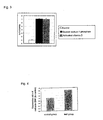
- Fig.1 shows effects of glucose 1-phosphate sodium salt and 1α,25-dihydroxyvitamin D on expression of CYP3A gene.
- Fig.2 shows effects of glucose 1-phosphate sodium salt and 1α,25-dihydroxyvitamin D on expression of 24-hydroxylase gene.
- Fig.3 shows effects of glucose 1-phosphate sodium salt and 1α,25-dihydroxyvitamin D on expression of CaT1 gene.
- Fig.4 shows effects of glucose 1-phosphate sodium salt on expression of intestinal calbindin D9K in aged rats.
-
- The present invention provides therapeutic drugs and foods which have both activity similar to 1α,25-dihydroxyvitamin D and safety for long term administration without adverse reaction, and also provides the same that can restore or improve age-related depression of digestion and absorption ability of intestinal canal.
- The present inventors have performed screening study for 1α,25-dihydroxyvitamin D activity by means of detecting expression products as indicator of targeting gene of 1α,25-dihydroxyvitamin D. More specifically, 1α,25-dihydroxyvitamin D binds to a vitamin D receptor (VDR) in a target cell, and further, binds to a retinoid X receptor to form a heterodimer. Then, binding of this complex with vitamin D responding sequence on a gene, activates transcription of genes, having this vitamin D responding sequence as a promoter, to express various physiological actions(Y. Ohyama et al.: J. Biol. Chem., 269, 10545-10550, 1994). The following substances are known as targeting genes of said 1α,25-dihydroxyvitamin D; 24-hydroxylase, CYP3A, CaT1, calbindin D9K, calbindin D28K, osteocalcin, osteopontin and the like. Substances which enhance expression of said targeting genes were screened using various compounds, and surprisingly, it was found that a sugar-phosphate ester and salts thereof had excellent activity to enhance expression of targeting genes, and was also found usefulness as alternative agents with vitamin D-like activity.
- Moreover, the present inventors have noticed calbindin D9K, which is a protein having calcium-binding domain, and expresses in intestinal tissue with relatively high level, and known to decline its expression level in accordance with aging (H. J. Armbrecht et al: Am. J. Physiol., 277, g41-g47, 1999). Then, an intestinal function promoter was searched, using aged rats, by measuring decreased level of calbindin D9K as the indicator, to find out that a sugar-phosphate esters or salts thereof significantly recover age-related depressing of calbindin D9K expression, and useful as intestinal function promoters.
- Sugar-phosphate esters used for an alternative agent with vitamin D-like activity and an improving agent for intestinal function of the present invention include monosaccharide phosphate ester, more specifically, hexose phosphate ester or pentose phosphate ester. Said monosaccharide phosphate ester includes glucose-1-phosphate, glucose-6-phosphate, glucose-1,6-diphosphate, maltose-1-phosphate, fructose-1-phosphate, fructose-6-phosphate, galactose-1-phosphate, galactose-6-phosphate, lactose-1-phosphate and sucrose-1-phosphate. Among them, glucose-1-phosphate, glucose-6-phosphate, and fructose-6-phosphate are more preferable.
- Among these sugar-phosphate esters, glucose-1-phosphate is an intermediate product in glycolytic pathway from glycogen to TCA cycle in sugar metabolism, and is contained in many ordinary consumed foodstuff (Fisheries Science, 64(1), 125-130, 1998, Anal. Biochem, 176(2), 449-456 1989). Further, there have been many reports on very high-safety of glucose-1-phosphate by toxicity study of single and repeated administration (Fournier E. et al: Therapie, 26(1):27-37, 1971, and so on). Thus, glucose-1-phosphate can be consumed safely in both medical field and food industry, and is most preferable.
- Salts of these sugar-phosphate esters include a sodium salt, a potassium salt, a calcium salt, an iron salt, a magnesium salt and the like. Among them, alkaline metal salts such as a sodium salt and a potassium salt are preferable because of high solubility in water, and a sodium salt is more preferable. These sugar-phosphate esters or salts thereof may be in hydrated form.
- These sugar-phosphate esters can be manufactured in large scale at low cost by means of an immobilized enzyme method or a fermentation method using microbiology, as described, for example, in JP-A-61-22096, JP-A-1-639589 and JP-A-2002-300899. As an improving agent for intestinal function of the present invention, a sugar-phosphate ester or a salt thereof, produced and purified by the above method, can be used and further the unprocessed fermentation product can also be used as it is.
- As described in the later Examples, a sugar-phosphate ester or a salt thereof promotes expression of 24-hydroxylase, CYP3A and CaT1 genes, which are target genes of 1α,25-dihydroxyvitamin D, and presents vitamin D-like activity. As a consequence, a sugar-phosphate ester or a salt thereof is quite valuable as an alternative agent with vitamin D-like activity, and also can be used for therapeutic drug and foods which require vitamin D-like activity, for example, preventive or curative medicines and foods for patients with such as skin disease, parathyroid disease, malignant tumor and bone disease.
- And also, a sugar-phosphate ester, especially glucose-phosphate ester or a salt thereof, as will be described in the following Examples, has activity to revive age-related depression of calbindin D9K expression in intestine. On the other hand, as described above, calbindin D9K is a protein known to decline expression by aging. In consequence, a sugar-phosphate ester or a salt thereof is useful as an calbindin D9K fortifier, and also as therapeutic drugs or foods to be used as an improving agent of intestinal function, for example intestinal absorption function depressed by aging.
- A type of formulation of a vitamin D-like active agent and an improving agent for intestinal function of the present invention may be the same as general formulation for oral administration, and preferable one includes, flour, tablet, granule, powder, capsules, water solution and suspension.
- A vitamin D-like active agent or an improving agent for intestinal function of the present invention can be used as functional foods, without any specific requirement of product type, including fruit juice; vegetable juice; seasonings such as source, soybean paste and soy source; soybean foods such as soy milk and fermented soybean; emulsified foods such as cream, dressing, mayonnaise and margarine; processed aquatic foods; processed meat products; beverages such as refreshing drink, alcoholic liquors, coffee, hot chocolate, black tea, green tea, fermented tea, half-fermented tea, powder drinks and functional drinks; pickles; noodles; soups including powdered soup; jerry; dairy products such as cheese, yoghurt and milk; wheat flour foods such as bread and cake; confections such as snacks, chewing gum, candy and chocolate; health foods such as tablets and granules.
- An alternative agent with vitamin D-like activity of the present invention can be blended with, for example, vitamins such as tocopherol, ascorbic acid and derivatives thereof, phylloquinone, menaquinone, menadione and its derivatives, β-carotene, vitamin A, thiamine, riboflavin, vitamin B6, cyanocobalamin and folic acid; sugars such as oligosaccharide, hexose, pentose and sugar alcohol; alcohols such as ethanol; organic acids such as citric acid and malic acid; proteins and peptides such as milk whey protein, milk-derived protein like casein and soybean protein; flavonoides such as catechin and isoflavone; proteoglycans such as chondroitin sulfate and gentamycin sulfate; extracts or galenicals of such as clove, juniper berry and arborvitae. Also, combined use is possible with, for example, a thickening agent, a gelatinizing agent, carrageenan as an emulsion stabilizer, carboxymethylcellulose, guar gum, pectin, xanthan gum, Arabic gum, locust bean gum, tragacanth gum, gelin gum, alginic acid, dextran, pullulan and curdlan.
- An improving agent of the present invention for intestinal function can be blended with, for example, vitamins such as vitamin D, 1α,25-dihydroxyvitamin D, 25-hydroxyvitamin D, tocopherol, ascorbic acid and derivatives thereof, phylloquinone, menaquinone, menadione and its derivatives, β-carotene, vitamin A, thiamine, riboflavin, vitamin B6, cyanocobalamin and folic acid; sugars such as oligosaccharide, hexose, pentose and sugar alcohol; alcohols such as ethanol; organic acids such as citric acid and malic acid; proteins and peptides such as milk whey protein, milk-derived protein like casein and soybean protein; flavonoides such as catechin and isoflavone; proteoglycans such as chondroitin sulfate and gentamycin sulfate; extracts or galenicals of such as clove, juniper berry and arborvitae. Also, combined use is possible with, for example, a thickening agent, a gelatinizing agent, carrageenan as an emulsion stabilizer, carboxymethylcellulose, guar gum, pectin, xanthan gum, arabic gum, locust bean gum, tragacanth gum, gelin gum, alginic acid, dextran, pullulan and curdlan.
- Administration dose and intake of a vitamin D-like active agent and an improving agent for intestinal function, of the present invention, is 0.05 to 15 g, preferably 0.1 to 10 g for each adult per day as a sugar-phosphate ester or a salt thereof.
- The present invention can provide an alternative agent with vitamin D-like activity having high safety for long-term administration. Also, using an improving agent for intestinal function, age-related depression of digestion and absorption ability of intestinal canal can be restored.
- As a target cell of 1α,25-dihydroxyvitamin D and a sugar-phosphate ester, Caco-2 cells (from Dainippon Pharmaceutical Co. Ltd.) were employed. Caco-2 cells are known to differentiate to epitherial-like cells of small intestine. The Caco-2 cells were suspended in culture medium (10 % fetal calf serum, none essential amino acids for MEM, 200 mmol/L glutamic acid/MEM Earle) and added to an insert of a fibrillar collagen culture plate (from Becton Dickinson Inc.). To the plate also, the culture medium was added, and cultured according to a usual method. The media in the insert and the plate were renewed at a regular interval, and the culture was subjected to a test at 15 days of incubation. Then, 10 nmol/L of 1α,25-dihydroxyvitamin D (from Sigma-Ardrich Japan Co., Ltd.) or 1 mmol/L of glucose 1-phosphate sodium salt (from Solchem Co., Italy), as a sugar-phosphate salt, was added to the insert, and cultured for 72 hours, while exchanging the medium by every 24 hours, followed by extraction of mRNA of Caco-2 cells using Isogen (from Wako Pure Chemical Ind. Ltd.) and assaying the amount of mRNA of the targeting genes, comprising CYP3A gene, 24-hydroxylase gene and CaT1 gene, by means of a RT-PCR method using specific primer sequence for each targeting gene.
- As is clear from the results shown in Figs. 1 to 3, glucose 1-phosphate sodium salt significantly enhanced gene expression of 24-hydroxylase, CYP3A and CaT1, similarly as in 1α,25-dihydroxyvitamin D, (the amount of each gene expression was divided by housekeeping gene, G3PDH). From these facts in evaluation of vitamin D-like activity using a protein molecule, whose gene expression is controlled via VDR, as an indicator, glucose 1-phosphate sodium salt, one of a sugar-phosphate ester, was found to have activity equivalent to that of 1α,25-dihydroxyvitamin D and can be an alternative agent with vitamin D-like activity.
- The aged rats (9 month aged, male, SD-IGS) were divided into two groups; (1) control group, (2) glucose-1-phosphate group. Each group was fed for 10 days, and feeding stuff prescription is shown in Table 1 below. Concentrations of Ca and P were fixed to 0.5 % by weight and 0.4 % by weight, respectively, and glucose 1-phosphate sodium salt from Solchem Co. (Italy) was used as a representative a sugar-phosphate salt. On 10 days after the test started, rats were made starved by fasting for all day and night, then the small intestines were taken out, followed by extraction, immediate opening of the intestinal canal and stripping off the epitherial mucous membrane to prepare protein extract samples according to the method described by H. J. Armbrecht et al. (Am. J. Physiol., 236(6), e769-e774, 1979). These samples were separated by SDS-PAGE, followed by transferring on PVDF membrane (IPVH, pore size of 0.45, Millipore) in accordance with a usual procedure and assaying of calbindin D9K by the Western blotting method. Rabbit anti-calbindin D9K antibody (from Research Diagnostic Inc.) as the primary antibody and HRP anti-rabbit IgG (Bio-Rad) as the secondary antibody were used, and detected using ECL Plus kit (Bio-Rad). The detected protein bands were further quantified using Scion Image-analyzing software (from Scion Corp.).
Feeding stuff prescription Composition (% by weight) Control group Test group Casein 20.0 20.0 DL-Methionine 0.3 0.3 α-Potato starch 15.0 15.0 Sucrose 47.2 46.0 Cellulose powder 5.0 5.0 Corn oil 5.0 5.0 Minerals (Ca-free) 3.5 3.5 Calcium carbonate 1.2 1.2 Glucose 1-phosphate sodium salt - 1.9 Potassium dihydrogenphosphate 1.8 1.1 Vitamins (AIN 76) 1.0 1.0 Total 100 100 - As is clear from the results shown in Fig.4, calbindin D9K expression in the test group was significantly enhanced compared to that of the control group.
- As described above, in evaluation of anti-aging activity using calbindin D9K, whose gene expression in small intestine is known to be depressed by aging, as an indicator, glucose 1-phosphate sodium salt, one of a sugar-phosphate ester, was found to significantly enhance expression of calbindin D9K in small intestine, and have activity to recover depressed function of small intestine.
- The following foods could be manufactured using glucose 1-phosphate sodium salt, which is an alternative agent with vitamin D-like activity and an improving agent for age-related depression of intestinal function.
- Glucose 1-phosphate sodium salt of 60 % by weight and dextrin of 40 % by weight were mixed and packed to give each 2 g package, or 2 g tablet by formulation of the mixture in a usual manner, so as to provide convenient food supplement which can easily be used in cooking as one package or one tablet for one-person-meal.
- To the mixture of 60 % by weight of glucose, 15 % by weight of dextrin, 5 % by weight of sodium citrate, 1 % by weight of vitamin C and 15 % by weight of glucose 1-phosphate sodium salt, 4 % by weight of flavoring agent (lemon flavor) was added, mixed well and packed to give each 10 g package. The packaged powder was dissolved in water or hot water of predetermined volume to be taken once a day, to obtain good flavoring powder beverage.
- Sixty (60) % by weight of anhydrous glucose crystal, 9 % by weight of frost sugar, 4.5 % by weight of powder orange flavoring agent, 2 % by weight of guar gum, 2.5 % by weight of ascorbic acid, 1.5 % by weight of citric acid (crystal), 5 % by weight of milk calcium, 15 % by weight of glucose 1-phosphate sodium salt, 0.5 % by weight of sucrose fatty acid ester (HLB20) and proper quantity of pigment were mixed homogeneously, and 2 g tablets with 15 mm of diameter were produced in a usual manner to obtain good favored tablet cookie which is consumable 5 tablets per day.
- To 40 % by weight of water, 0.65 % by weight of a mixed gelatinizing agent of carrageenan and locust bean gum, 10 % by weight of 50 % concentrated grapefruit juice, 0.05 % by weight of citric acid, 0.05 % by weight of vitamin C, 1.5 % by weight of glucose 1-phosphate sodium salt were added, followed by the addition of a proper quantity of grapefruit flavor and liquid sugar, and further addition of water to make 1 kg of a 100 % by weight solution. After germicidal treatment at 85 °C for 5 minutes, aliquots of the solution were placed in 100 mL volume vessels, and gelatinized by standing with slow cooling at 5 °C. Thus, jelly food having good melting property in mouth, fruity flavor, and good feeling of taste on eating can be obtained.
- Thirty(30) g of glucose 1-phosphate sodium salt was dissolved in 5 kg of commercially available caw milk, and 200 mL aliquots are canned and sterilized in a usual manner to obtain milk beverage.
- Thirteen (13) % by weight of liquid sugar of fructose and glucose, 0.3 % by weight of citric acid, 0.03 % by weight of ascorbic acid, 0.02 % by weight of sodium citrate, 0.1 % by weight of fragrance (lime flavor), 0.5 % by weight of calcium carbonate and 1.2 % by weight of glucose 1-phosphate sodium salt were mixed and dissolved in water, followed by adjustment of pH to 3.5, and filling up to make 5 L of beverage. Each 100 mL aliquot is placed in a glass bottle, and sterilized in a usual manner to obtain refreshing drink with good flavor and taste.
- Thirty (30) g of glucose 1-phosphate sodium salt was dissolved in 5 kg of commercially available mineral water. After filtration, 200 mL aliquots of the solution were filled in a can, and sterilized in a usual manner to obtain can-packed water.
- To 5 kg of tea beverage, prepared by extracting from 50 g of oolong tea leaves, 20 g of glucose 1-phosphate sodium salt and 1 g of sodium ascorbate were added and dissolved, adjusted pH to 5.5 using sodium bicarbonate, then a 350 ml aliquots is packed in a can and sterilized in a usual manner to obtain flavorous oolong tea.
- To 4 kg of coffee, prepared by extracting from 250 g of roasted coffee beans (Moca, Colombia), 200 g of sucrose, 500 g of milk and glucose 1-phosphate sodium salt were added and dissolved, followed by adjustment of pH to 6 using sodium bicarbonate, filling-up with water to make 5 kg solution, packing of 200 ml aliquot in a can and sterilization in a usual manner to obtain good flavorous coffee beverage.
- Twelve (12) g of glucose 1-phosphate sodium salt was added and dissolved in 2 kg of commercially available mixed fruit drink, followed by packing of 200 ml aliquot in a can and sterilization in a usual manner to obtain vegetable-containing mixed fruit juice beverage.
- To 2 kg of caw milk, 60 g of sucrose, 30 g of glucose 1-phosphate sodium salt and a proper quantity of flavor were added, followed by stirring and cooling to prepare cream. The cream was divided into 20 portions and further cooled down to obtain flavorous taste ice cream.
- Dough, consisting of 100 g of weak flour, 100 g of chicken egg, 100 g of sugar, 35 g of shortening, 35 g of margarine, 2.5 g of baking powder, 6 g of wine or spirit, 15 g of glucose 1-phosphate sodium salt and a proper quantity of water, was prepared by the same way as for cupcake, followed by die-cutting to 10 pieces and baking in a usual manner to obtain flavorous and good taste cupcakes.
- Hundred (100) g of glucose 1-phosphate sodium salt was dissolved in 1 kg of commercially available soy sauce or low-salt soy sauce, and sterilized. Thus, soy sauce or low-salt soy sauce by which the consumption volume is controlled to be 20 g per day can be obtained.
- Eight hundreds (800) mg of taurine, 11000 mg of sucrose, 50 mg of caramel, 30 mg of sodium benzoate, 5 mg of vitamin B1 nitrate salt, 20 mg of vitamin B2, 20 mg of vitamin B6, 2000 mg of vitamin C, 100 mg vitamin E, 20 mg of nicotinic acid amide and 1200 mg of glucose 1-phosphate sodium salt were dissolved in a proper amount of purified water, followed by adjustment of pH to 3 using an aqueous solution of phosphoric acid, filling up to 100 ml with purified water and sterilization by heating at 80 °C for 30 minutes to obtain good flavorous health drink.
Claims (18)
- An alternative agent with vitamin D-like activity, wherein an effective component is a sugar-phosphate ester or a salt thereof.
- The alternative agent with vitamin D-like activity of claim 1, wherein the sugar-phosphate ester or a salt thereof is a monosaccharide-phosphate ester or a sodium salt thereof.
- The alternative agent with vitamin D-like activity of claim 1, wherein the sugar-phosphate ester or a salt thereof is glucose-phosphate ester or a sodium salt thereof.
- The alternative agent with vitamin D-like activity of claim 1, wherein the sugar-phosphate ester or a salt thereof is glucose-1-phosphate or a sodium salt thereof.
- Food and drink comprising the alternative agent with vitamin D-like activity of any one of claims 1 to 4.
- A use of a sugar-phosphate ester or a salt thereof for manufacturing of an alternative agent with vitamin D-like activity.
- The use of claim 6, wherein the sugar-phosphate ester or the salt thereof is a monosaccharide-phosphate ester or a sodium salt thereof.
- The use of claim 6, wherein the sugar-phosphate ester or the salt thereof is glucose-phosphate ester or a sodium salt thereof.
- The use of claim 6, wherein the sugar-phosphate ester or the salt thereof is glucose 1-phosphate or a sodium salt thereof.
- An improving agent for age-related depression of intestinal function, wherein an effective component is a sugar-phosphate ester or a salt thereof.
- The improving agent for intestinal function of claim 10, wherein the sugar-phosphate ester or the salt thereof is a monosaccharide-phosphate ester or a sodium salt thereof.
- The improving agent for intestinal function of claim 10, wherein the sugar-phosphate ester or the salt thereof is glucose-phosphate ester or a sodium salt thereof.
- The improving agent for intestinal function of claim 10, wherein the sugar-phosphate ester or the salt thereof is glucose 1-phosphate or a sodium salt thereof.
- Food and drink comprising the improving agent for intestinal function of any one of claims 10 to 13.
- Use of a sugar-phosphate ester or a salt thereof for manufacturing an improving agent for age-related depression of intestinal function.
- The use of claim 15, wherein the sugar-phosphate ester or the salt thereof is a monosaccharide-phosphate ester or a sodium salt thereof.
- The use of claim 15, wherein the sugar-phosphate ester or the salt thereof is glucose-phosphate ester or a sodium salt thereof.
- The use of claim 15, wherein the sugar-phosphate ester or the salt thereof is glucose 1-phosphate or a sodium salt thereof.
Applications Claiming Priority (8)
| Application Number | Priority Date | Filing Date | Title |
|---|---|---|---|
| JP2003138987 | 2003-05-16 | ||
| JP2003138985 | 2003-05-16 | ||
| JP2003138985 | 2003-05-16 | ||
| JP2003138987 | 2003-05-16 | ||
| JP2003380652 | 2003-11-11 | ||
| JP2003380652A JP4634027B2 (en) | 2003-05-16 | 2003-11-11 | Vitamin D-like active substitute |
| JP2003380651A JP2005002089A (en) | 2003-05-16 | 2003-11-11 | Intestinal function improving agent |
| JP2003380651 | 2003-11-11 |
Publications (2)
| Publication Number | Publication Date |
|---|---|
| EP1477173A1 true EP1477173A1 (en) | 2004-11-17 |
| EP1477173B1 EP1477173B1 (en) | 2007-12-19 |
Family
ID=33033272
Family Applications (1)
| Application Number | Title | Priority Date | Filing Date |
|---|---|---|---|
| EP04011588A Expired - Lifetime EP1477173B1 (en) | 2003-05-16 | 2004-05-14 | Use of monosaccharide posphates for improving the intestinal function |
Country Status (3)
| Country | Link |
|---|---|
| US (3) | US20050003047A1 (en) |
| EP (1) | EP1477173B1 (en) |
| DE (1) | DE602004010741T2 (en) |
Families Citing this family (3)
| Publication number | Priority date | Publication date | Assignee | Title |
|---|---|---|---|---|
| JP2009249315A (en) * | 2008-04-03 | 2009-10-29 | Fujifilm Corp | Mineral absorption promoter, and iron deficiency anemia-ameliorating agent or food composition |
| US8048359B2 (en) | 2008-10-20 | 2011-11-01 | 3D Systems, Inc. | Compensation of actinic radiation intensity profiles for three-dimensional modelers |
| US8691476B2 (en) | 2011-12-16 | 2014-04-08 | Taiwan Semiconductor Manufacturing Company, Ltd. | EUV mask and method for forming the same |
Citations (2)
| Publication number | Priority date | Publication date | Assignee | Title |
|---|---|---|---|---|
| JPH02249468A (en) * | 1989-03-23 | 1990-10-05 | Kao Corp | Absorbefacient in arimentary canal |
| JP2002253170A (en) * | 2001-02-28 | 2002-09-10 | Ezaki Glico Co Ltd | Food and beverage containing phosphorylated oligosaccharide as calcium enhancer |
Family Cites Families (5)
| Publication number | Priority date | Publication date | Assignee | Title |
|---|---|---|---|---|
| GB1549501A (en) * | 1976-06-03 | 1979-08-08 | Mora E | Adducts of vincamine and apovincamine |
| US4234499A (en) * | 1979-03-07 | 1980-11-18 | Engelhard Minerals & Chemicals Corporation | Cis-diammireplatinum(II) organophosphate complexes |
| JP3240102B2 (en) * | 1994-08-11 | 2001-12-17 | 江崎グリコ株式会社 | Phosphorylated sugar and method for producing the same |
| ES2168785T5 (en) * | 1997-07-05 | 2009-04-16 | Societe Des Produits Nestle S.A. | ABSORPTION OF MINERALS BY INTESTINAL CELLS. |
| JP4485169B2 (en) * | 2003-05-16 | 2010-06-16 | 花王株式会社 | Intestinal mineral absorption capacity improver |
-
2004
- 2004-05-14 US US10/845,120 patent/US20050003047A1/en not_active Abandoned
- 2004-05-14 DE DE602004010741T patent/DE602004010741T2/en not_active Expired - Lifetime
- 2004-05-14 EP EP04011588A patent/EP1477173B1/en not_active Expired - Lifetime
- 2004-05-14 US US10/845,362 patent/US20050032710A1/en not_active Abandoned
-
2010
- 2010-04-12 US US12/758,337 patent/US20100197611A1/en not_active Abandoned
Patent Citations (2)
| Publication number | Priority date | Publication date | Assignee | Title |
|---|---|---|---|---|
| JPH02249468A (en) * | 1989-03-23 | 1990-10-05 | Kao Corp | Absorbefacient in arimentary canal |
| JP2002253170A (en) * | 2001-02-28 | 2002-09-10 | Ezaki Glico Co Ltd | Food and beverage containing phosphorylated oligosaccharide as calcium enhancer |
Non-Patent Citations (3)
| Title |
|---|
| PATENT ABSTRACTS OF JAPAN vol. 0145, no. 71 (C - 0790) 19 December 1990 (1990-12-19) * |
| PATENT ABSTRACTS OF JAPAN vol. 1996, no. 07 31 July 1996 (1996-07-31) * |
| PATENT ABSTRACTS OF JAPAN vol. 2003, no. 01 14 January 2003 (2003-01-14) * |
Also Published As
| Publication number | Publication date |
|---|---|
| US20100197611A1 (en) | 2010-08-05 |
| EP1477173B1 (en) | 2007-12-19 |
| US20050032710A1 (en) | 2005-02-10 |
| US20050003047A1 (en) | 2005-01-06 |
| DE602004010741T2 (en) | 2008-12-24 |
| DE602004010741D1 (en) | 2008-01-31 |
Similar Documents
| Publication | Publication Date | Title |
|---|---|---|
| US10021900B2 (en) | Carbohydrate composition and food and beverage producing gradual rise in blood glucose levels | |
| KR102523775B1 (en) | Food composition and health functional food containing Lactobacillus plantarum IDCC 3501 with proteolytic ability | |
| US11260066B2 (en) | Inhibiting reduction of lean body mass and inhibiting accumulation of liver fat by administering allulose | |
| CN103813795A (en) | Composition for improving in vivo metabolism parameter | |
| US8921310B2 (en) | Method for accelerating mammalian body fat metabolism | |
| EP1656943A1 (en) | Extract from plant of japanese parsley family and process for producing the same | |
| US20100197611A1 (en) | Alternative agent with vitamin d-like activity and an improving agent for intestinal function | |
| WO1999047006A1 (en) | Foods, medical treatments and method relating to effects of promoting the growth of lactobacillus bifidus, preventing allergy and lowering human cholesterol level | |
| JP2022089939A (en) | Liver function improving agent | |
| KR102538090B1 (en) | Food composition and health functional food containing Lactobacillus casei IDCC 3451 with proteolytic ability | |
| JP2020186264A (en) | In-blood neutral fat increase inhibitory composition | |
| JP2018150240A (en) | Bone formation promoter and food / beverage product composition using the same | |
| JP7168279B1 (en) | Liquid compositions and sirtuin-activating compositions | |
| JP6841444B2 (en) | Immunostimulant | |
| JPH0995448A (en) | Method for increasing blood biotin concentration and biotin-containing food and drink | |
| JP2017002009A (en) | Immunostimulator | |
| EP1477171A1 (en) | Intestinal mineral absorption capacity improver | |
| US20070092587A1 (en) | Extract from plant of japanese parsley family and process for producing the same | |
| KR102649974B1 (en) | Composition for improving muscle function comprising ginsenoside Rf, ginsenoside composition comprising gincenoside Rf, or mixture thereof as an effective component | |
| KR20140073432A (en) | Composition comprising an combined extract of dog rose and green tea seed as a main component for preventing and treating arthritis | |
| KR102502111B1 (en) | Composition and health functional food containing Lactococcus lactis IDCC 2301 having vitamin B9 production ability | |
| JP2006335725A (en) | Composition for improving blood flow | |
| JP4634027B2 (en) | Vitamin D-like active substitute | |
| KR101828055B1 (en) | Anticancer composition comprising element from edible Barnyard Millets | |
| JP2003128556A (en) | Agent for regulating production of osteoclast formation inhibitor, and method for screening substance capable of regulating production of osteoclast formation inhibitor |
Legal Events
| Date | Code | Title | Description |
|---|---|---|---|
| PUAI | Public reference made under article 153(3) epc to a published international application that has entered the european phase |
Free format text: ORIGINAL CODE: 0009012 |
|
| AK | Designated contracting states |
Kind code of ref document: A1 Designated state(s): AT BE BG CH CY CZ DE DK EE ES FI FR GB GR HU IE IT LI LU MC NL PL PT RO SE SI SK TR |
|
| AX | Request for extension of the european patent |
Extension state: AL HR LT LV MK |
|
| 17P | Request for examination filed |
Effective date: 20050427 |
|
| AKX | Designation fees paid |
Designated state(s): DE FR GB IT |
|
| 17Q | First examination report despatched |
Effective date: 20070131 |
|
| GRAP | Despatch of communication of intention to grant a patent |
Free format text: ORIGINAL CODE: EPIDOSNIGR1 |
|
| RTI1 | Title (correction) |
Free format text: USE OF MONOSACCHARIDE POSPHATES FOR IMPROVING THE INTESTINAL FUNCTION |
|
| GRAS | Grant fee paid |
Free format text: ORIGINAL CODE: EPIDOSNIGR3 |
|
| GRAA | (expected) grant |
Free format text: ORIGINAL CODE: 0009210 |
|
| AK | Designated contracting states |
Kind code of ref document: B1 Designated state(s): DE FR GB IT |
|
| REG | Reference to a national code |
Ref country code: GB Ref legal event code: FG4D |
|
| REF | Corresponds to: |
Ref document number: 602004010741 Country of ref document: DE Date of ref document: 20080131 Kind code of ref document: P |
|
| ET | Fr: translation filed | ||
| PLBE | No opposition filed within time limit |
Free format text: ORIGINAL CODE: 0009261 |
|
| STAA | Information on the status of an ep patent application or granted ep patent |
Free format text: STATUS: NO OPPOSITION FILED WITHIN TIME LIMIT |
|
| 26N | No opposition filed |
Effective date: 20080922 |
|
| REG | Reference to a national code |
Ref country code: FR Ref legal event code: PLFP Year of fee payment: 12 |
|
| REG | Reference to a national code |
Ref country code: FR Ref legal event code: PLFP Year of fee payment: 13 |
|
| REG | Reference to a national code |
Ref country code: FR Ref legal event code: PLFP Year of fee payment: 14 |
|
| PGFP | Annual fee paid to national office [announced via postgrant information from national office to epo] |
Ref country code: GB Payment date: 20170510 Year of fee payment: 14 Ref country code: FR Payment date: 20170413 Year of fee payment: 14 Ref country code: DE Payment date: 20170509 Year of fee payment: 14 |
|
| PGFP | Annual fee paid to national office [announced via postgrant information from national office to epo] |
Ref country code: IT Payment date: 20170522 Year of fee payment: 14 |
|
| REG | Reference to a national code |
Ref country code: DE Ref legal event code: R119 Ref document number: 602004010741 Country of ref document: DE |
|
| GBPC | Gb: european patent ceased through non-payment of renewal fee |
Effective date: 20180514 |
|
| PG25 | Lapsed in a contracting state [announced via postgrant information from national office to epo] |
Ref country code: IT Free format text: LAPSE BECAUSE OF NON-PAYMENT OF DUE FEES Effective date: 20180514 Ref country code: DE Free format text: LAPSE BECAUSE OF NON-PAYMENT OF DUE FEES Effective date: 20181201 Ref country code: FR Free format text: LAPSE BECAUSE OF NON-PAYMENT OF DUE FEES Effective date: 20180531 Ref country code: GB Free format text: LAPSE BECAUSE OF NON-PAYMENT OF DUE FEES Effective date: 20180514 |