EP1472931B1 - Acid whey texture system - Google Patents
Acid whey texture system Download PDFInfo
- Publication number
- EP1472931B1 EP1472931B1 EP04252412A EP04252412A EP1472931B1 EP 1472931 B1 EP1472931 B1 EP 1472931B1 EP 04252412 A EP04252412 A EP 04252412A EP 04252412 A EP04252412 A EP 04252412A EP 1472931 B1 EP1472931 B1 EP 1472931B1
- Authority
- EP
- European Patent Office
- Prior art keywords
- mixture
- psi
- product
- whey
- mpa
- Prior art date
- Legal status (The legal status is an assumption and is not a legal conclusion. Google has not performed a legal analysis and makes no representation as to the accuracy of the status listed.)
- Expired - Lifetime
Links
Images

Classifications
-
- A—HUMAN NECESSITIES
- A23—FOODS OR FOODSTUFFS; TREATMENT THEREOF, NOT COVERED BY OTHER CLASSES
- A23C—DAIRY PRODUCTS, e.g. MILK, BUTTER OR CHEESE; MILK OR CHEESE SUBSTITUTES; PREPARATION THEREOF
- A23C21/00—Whey; Whey preparations
- A23C21/08—Whey; Whey preparations containing other organic additives, e.g. vegetable or animal products
-
- A—HUMAN NECESSITIES
- A23—FOODS OR FOODSTUFFS; TREATMENT THEREOF, NOT COVERED BY OTHER CLASSES
- A23C—DAIRY PRODUCTS, e.g. MILK, BUTTER OR CHEESE; MILK OR CHEESE SUBSTITUTES; PREPARATION THEREOF
- A23C19/00—Cheese; Cheese preparations; Making thereof
- A23C19/06—Treating cheese curd after whey separation; Products obtained thereby
- A23C19/068—Particular types of cheese
- A23C19/0686—Cheese from whey, e.g. mysost
-
- A—HUMAN NECESSITIES
- A23—FOODS OR FOODSTUFFS; TREATMENT THEREOF, NOT COVERED BY OTHER CLASSES
- A23C—DAIRY PRODUCTS, e.g. MILK, BUTTER OR CHEESE; MILK OR CHEESE SUBSTITUTES; PREPARATION THEREOF
- A23C20/00—Cheese substitutes
-
- A—HUMAN NECESSITIES
- A23—FOODS OR FOODSTUFFS; TREATMENT THEREOF, NOT COVERED BY OTHER CLASSES
- A23C—DAIRY PRODUCTS, e.g. MILK, BUTTER OR CHEESE; MILK OR CHEESE SUBSTITUTES; PREPARATION THEREOF
- A23C21/00—Whey; Whey preparations
- A23C21/06—Mixtures of whey with milk products or milk components
Definitions
- the present invention relates to a method for making food products directly using acid whey and/or acid whey by-products, and a suitable edible fat source. More particularly, the present method provides an economical way to utilize a traditional waste or by-product in the manufacture of cream cheese products or other related high-value-added cheese products without the need for re-culturing, without combining with additional cheese curd, without neutralizing (with an alkali) and without the recycling or the disposal costs common in the industry. In addition, the present invention recovers and uses all or part of the natural dairy flavors, proteins, fats, edible acids, vitamins and dairy calcium and other minerals which otherwise are lost in a waste stream.
- Cheese compositions are generally prepared from dairy liquids by processes that include treating the liquid with a coagulating or clotting agent.
- the coagulating agent may be a curding enzyme, an acid, or a suitable bacterial culture or it may include such a culture.
- the coagulum or curd that results generally incorporates casein that has been suitably altered by the curding process, fats including natural butter fat, and flavorings arising during the processing (especially when using a bacterial culture as the coagulating agent).
- the curd is usually separated from the whey.
- the resulting liquid whey generally contains soluble proteins not affected by the coagulation; such proteins are, of course, not incorporated into the coagulum, because they are solubilized in the liquid whey.
- the making of cheese is generally a labor-intensive process that requires large quantities of milk to develop any of the many popular varieties.
- cheese yields range from 6% to 12% depending upon the variety and moisture content of cheese.
- the remainder of the milk forms by-products.
- Whey is the single largest by-product from the milk during the cheese making process and, has often been viewed as a waste or low value by- product. Additionally, the whey contains potentially valuable components which are often lost.
- the whey protein is often dried or otherwise processed to remove it from the liquid whey.
- estimates for a commercial whey drier were typically in a range of about 5 to 10 million U.S. dollars.
- Commercial whey driers are also expensive from the standpoint of space and energy requirements.
- Commercial whey driers are typically large, and consume lots of energy.
- cheese whey has been separated from curd and oftentimes discarded, sold or partly re-processed for recycling in a conventional cream cheese process. This typically is regarded as being not economical or feasible in some cases.
- the acid whey from cream cheese and cottage cheese has been deemed undesirable even for conversion or reprocessing into dry whey powder or whey protein concentrate due to its strong acid taste and for being impractical.
- whey is formed and removed as mentioned in U.S. Patent No. 6,416,797 .
- Early efforts focused on better systems for separating whey from cheese curds are described in U.S. Patent No. 2,387,276 .
- GB 2190273 and DE 1239551 disclose two methods of utilising whey in the preparation of foods products.
- GB2190273 discloses a method of preparing a dressing for use in the production of cottage cheese by mixing together cheese whey and dairy cream to produce a first mixture containing from 4% to 16% w/w of fat and adding to this mixture a whey protein in an amount to provide from 1 to 10%, preferably 2% to 5% w/w of whey protein in the final mixture, homogenising the final mixture, subjecting the homogenized mixture to pasteurisation at elevated temperature and cooling the pasteurised mixture to below ambient temperature.
- DE 1239551 provides a method for producing fat emulsions suitable as animal feed, in particular for fattening and rearing young animals, preferably calves, by using milk by-products, characterised in that sour milk by-products are concentrated in a manner known per se and are emulsified at a pH of lower than 4.5 with fat mixtures suitable for feeding, optionally by adding emulsifiers, stabilising agents or preservatives, in particular sorbic acid.
- GB 1282502 discloses the preparation of a food product comprising liquid whey.
- Such a system should have reduced or no negative environmental impacts and should be relatively easy to use. It should be more energy effective. It should allow maximum recovery of cultured flavors, acids and dairy nutrients (e.g., minerals and vitamins) from the whey stream. It should yield cream cheese-like products and enable creation of other novel value-added dairy products with enhanced dairy flavors and nutrients having at least a potential to appeal and be accepted by customers and consumers. It should desirably yield products without wide variation in product characteristics. Because of the price sensitivity of the cheese market, the most profitable return for whey protein would be to return it into a cheese thereby increasing yield. The present invention provides such methods and products.
- the present invention provides a facile, more economical way of directly utilizing acid whey without having to incur the cost-penalties conventionally associated with the disposal of, selling or re-processing of the by-product acid whey, which is generated during the manufacture of cheeses, such as cream cheeses.
- a method for producing a curdless creamy dairy product comprising (a) mixing concentrated acid whey and an edible fat to obtain a first mixture;(b) heating said first mixture to a temperature of 48.9°C (120°F) to 93.3°C (200°F);(c) homogenizing said heated first mixture under a pressure of up to 100.0 MPa (14,500 psi) and for a time effective to obtain a homogeneous dispersion;(d)adding salt and a stabilizing amount of a stabilizer system comprising hydrocolloid and optionally emulsifier, and mixing to obtain a second mixture; (e) heating the second mixture up to a range of 73.9°C (165°F) to 98.9°C (210°F) for 1 minute to 2 hours to texturize the second mixture; (f)homogenizing said heated second mixture under a pressure of up to 100.0 MPa (14,500 psi) and for a time effective to obtain
- a method for producing a curdless creamy dairy product comprising (a) preparing a first mixture containing 10 to 99% concentrated acid whey, 0% to 20% dairy powder that contains protein, and 0.01% to 35% of an edible fat, with mixing;(b) heating said first mixture to a temperature of up to a range of 48.9°C (120°F) to 82.2°C (180°F); (c) homogenizing said heated first mixture under a pressure of up to 100 MPa (14,500 psi) and for a time effective to obtain a homogeneous dispersion; (d) adding a stabilizing amount of stabilizer system comprising a gum, and optionally salt, and mixing to obtain a second mixture, said second mixture containing 0 to 2.5% salt, 0.01 to 1.0% total gum, 0 to 20% maltodextrin, 0% to 5.0% starch, 0 to 1.0% food emulsifier and up to 20% of a sweetener;
- the method provides for directly preparing a cream cheese-like product from acid whey, such as acid whey generated from the manufacture of cheese, such as cream cheese, and a suitable edible fat source.
- the method can be scaled up to industrial scale for a shortened (less than one-day) production cycle, as compared to a conventional two day production cycle for manufacturing cream cheese products by essentially eliminating the culturing or fermentation step used in conventional production.
- the method offers the further advantages of avoiding both a need to repeat a conventional culturing step and to use cream cheese curd.
- the invention provides a curdless, cream cheese-like product with characteristic, full cultured dairy flavors and acids from the concentrated acid whey.
- the acid whey can advantageously be used to manufacture new commercially attractive products, while also avoiding a conventional culturing step and the use of cheese curd. More particularly, the acid whey can be used directly in manufacturing sour cream, other cheese products, enhancers, spreads, sauces, dressings, desserts, dairy beverage (such as smoothies), and other value-added food products.
- the present methods include a first embodiment in which homogenized and heat treated acid whey, such as the acid whey that is generated during the manufacture of cream cheese-like products, can be successfully processed to form a novel product capable of conferring creamy texture and providing cultured dairy notes.
- a blend (mixture) of concentrated acid whey and an acceptable fat (or source of fat) is formed and then subjected to a homogenization and heat treatment thereby producing a cheese product suitable for consumption.
- a blend (mixture) of acid cheese whey and an acceptable fat (or source of fat) is formed and then subjected to homogenization and heat treatment, thereby providing a soft cream cheese product suitable for consumption.
- the acid whey used in this invention is concentrated acid whey from any cheese making process (including but not limited to cream cheese and cottage cheese making processes).
- Concentrated acid whey can be obtained by conventional means such as concentrating by evaporation, filtration, reverse osmosis, and the like, although ultrafiltration may be preferred, and it can be obtained by fermentation or acidification.
- compositions and selected properties of exemplary concentrated cream cheese whey (CCW) obtained via ultrafiltration and acid whey (from centrifuging a fermentation product) obtained from conventional cream cheese products are as follows: CCW Acid Whey pH 4.42 4.40 Acidity (%) 0.88 0.46 Moisture (%) 84.2 96.0 Fat % 3.21 0.15 Protein (%) 6.7 0.6 Lactose (%) 3.1 1.7 Calcium (ppm) 920 687 Potassium (ppm) 1150 1280 Sodium (ppm) 375 227
- the CCW and acid whey typically include natural dairy flavors, edible acids, and water soluble vitamins, such as riboflavin, thiamin, niacin, pantothenic acid, B6, B12 and C, and minerals (i.e. calcium, phosphate, potassium, etc.)
- Acid whey can be obtained from cultured or direct acidified dairy products such as cream cheese, cottage cheese, ricotta cheese, Neufachatel cheese and the like.
- concentrated acid whey may contain 5 to 40 % solids, 0.5 to 20% protein, 0.1 to 20% fat and 5 to 40% lactose.
- a concentrated cream cheese whey may have a solids content of 5 to 40%, preferably 10 to 25%, a fat content of less than 20%, generally 0.1 to 20 % and preferably 1 to 12%, and a protein concentration of 0.5% to 20%, more particularly 0.5% to 12%, and preferably 3% to 8%.
- compositions of the various by-products may, of course, vary depending on the original cheese formulation, separation (whey from curd) efficiency and concentration factors and methods, which may include separation, ultrafiltration, diafiltration, reverse osmosis, and microfiltration.
- An initial analysis of such by-products, which may be used in the present invention, will determine whether adjustments, such as adding a base or acid to adjust the pH, are desired by the practitioner of the present methods.
- the pH can suitably be in a range near the isoelectric point of milk. Typically, the pH, is in a range of 3.5 to 5.5, although a pH 4.6 to 5.2 may be desired for some applications.
- the acid wheats a concentrated cream cheese whey and it will have sufficient acidity and sufficient residual lactic acid that it can be used without further adjustment.
- Concentrated cream cheese whey can be made by ultrafiltration or other suitable methods from the by-products from conventional cream cheese production.
- the former is sometimes known as UF (or ultra filtered) acid whey.
- the pH in the above ranges is preferred, although the pH can be adjusted as necessary or desired by an amount of suitable inorganic or organic acid that is added to the composition.
- An organic acid suitable for incorporation in a food product (such as lactic acid, citric and the like) can be added so as to supplement the residual lactic acid in the UF acid whey.
- the protein concentration in the final product will be at least partially dictated by the protein concentration of the starting materials.
- the protein concentration can, if desired, be augmented by the addition of a suitable dairy protein or other edible protein to the concentrated cream cheese whey.
- a suitable dairy protein or other edible protein such as soy, gelatin, and other vegetable proteins can be added with the dairy protein.
- a suitable additional source of dairy protein comprises powdered concentrated whey, known in the trade as "WPC" (whey protein concentrate), which is available in grades having protein concentrations (dry basis) of 34, 50, 70 and up to less than 80%.
- WPC whey protein concentrate
- Other designations for commercially available WPC include "FDA 50" (which is a WPC containing 50% protein) or WPC 8000 (which is a WPC containing 80% protein).
- cream cheese whey by-product from a conventional cream cheese production can be used directly in a "one-day" process for making soft cream cheese without a separate culturing step while at least substantially, if not completely, eliminating whey recycling.
- the selected cream cheese whey can be in liquid form or a combination of liquid UF acid whey and a WPC.
- the whey concentrate (UF acid whey alone or in combination with a WPC) is introduced into a suitable mixer, such as a so-called Breddo mixer, and sufficient media is added to bring the blend to a desired consistency, which may be characterized as a smooth, pumpable dispersion.
- the selected media is by present preference water.
- This mixing can be performed at any suitable temperature, although for economy it may be performed at an ambient temperature 20.0°C to 22.2°C (68°F to 72°F).
- first step heating mixing, first step heating, first homogenization, second step heating, and second homogenization collectively are designated a "five-step process," an embodiment of which is outlined in Figure 2 . It is understood that not all five steps are required to produce some products. For cream cheese like products, first homogenization and second heating are important texturization steps. For creamy, thick dairy beverages, including a smoothie, not all steps depicted in Figure 2 are required.
- Non-dairy fats such as vegetable, animal fats or oils, which can be hydrogenated or partially hydrogenated, may be used.
- a dairy fat is used.
- Illustrative dairy fat sources include anhydrous milk fat (AMF) and/or concentrated milk fat (CMF), among others. It is possible to include other fat-containing materials, such as dry cream, along with or as the fat source.
- the ingredients can be combined with the mix in the first mixing apparatus, if desired. However, the mix and the edible fat (or fat source) may be combined together in a separate kettle, such as a Groen kettle.
- the combination is heated in a first heating treatment to a temperature in the range of 48.9°C (120°F) to 93.3°C (200°F) preferably from 57.2°C (135 °F) to 62.8°C (145 °F) up to 82.2°C (180°F). Even more preferably, this range is 57.2°C (135 °F) to 62.8°C (145°F).
- Suitable first stage heat times can range, for instance, from 2 seconds to 20 minutes, with the time selected being readily adjusted as will be appreciated by those skilled in the art.
- the blend can be held at such temperature for such time as sufficient to melt the fat and hydrate the added ingredients.
- the kettle is also preferably equipped with a stirrer or similar mechanism to mix, that is blend, the combined materials to better ensure both their uniform distribution and to avoid hot spots.
- the blend from the first heat stage is homogenized at a pressure up to 100.0MPa (14,500 psi), generally from 17.2 MPa (2,500 psi) to 100.0MPa (14,500 psi)
- a two-stage homogenizer is preferred. All homogenization pressures specified hereafter refer to the first stage homogenization unless otherwise indicated.
- the pressure is preferably from 34.5MPa (5000 psi) to 69.0MPa psi) to (10,000 psi).
- a homogenization pressure at a higher pressure within the foregoing ranges can be selected to achieve a thicker product.
- a softer, more creamy product can be obtained at lower or more 20.7MPa 24.1MPa moderate homogenization pressures such as 20.7 MPa (3,000 psi) to 24,1MPa(3500 psi).
- 20.7MPa 24.1MPa moderate homogenization pressures such as 20.7 MPa (3,000 psi) to 24,1MPa(3500 psi).
- flow rate and valve settings are adjusted to achieve the desired results herein and the homogenization pressure may be used as a control in the present method.
- One or more selected stabilizers such as gum, starch, maltodextrin and the like
- salt such as an emulsifier and the like
- Texture modifiers such as an emulsifier and the like
- One or more other additives which may include sweeteners (natural and/or artificial), colorants, flavorings and condiments, can also be added if desired. These ingredients can be added at any suitable point in the present method. These ingredients can be added singly or in combination(s) to the homogenized blend in a suitable mixer. Sweeteners can be added based on the desired sweetness of the product. Generally, such sweeteners will be added at levels of 0% up to 20%, such as in a range of 0.01 to 20%.
- Natural sweeteners include, for instance, sugar and a high fructose corn syrup (HFCS).
- HFCS high fructose corn syrup
- Fruit puree, or juice concentrates such as Strawberry Puree 28 Brix from Kerr Concentrates, Inc., Oregon
- juice concentrates are blended into the product just before filling and packaging.
- the level of added stabilizer is in an amount which may be less than 5.0% percent by weight.
- Stabilizers can include food-grade hydrocolloid.
- Exemplary stabilizers can be chosen from ionic or non-ionic gums such as locust bean gum, guar gum, tara gum, konjac gum, xanthan gum, carrageenan, and the like; cellulose derivatives such as carboxymethylcellulose; starch such as corn starch, waxy maize starch, rice starch, potato starch, tapioca starch, wheat starch; and modified starch such as phosphorylated starch.
- Instant and pregelatinized starches can be used, if desired.
- Other exemplary ionic gums include gellan, low methoxy pectin, and alginate.
- the gum is xanthan due to its cold water solubility, consistent composition, availability, and low cost.
- locust bean gum can be used.
- one or more dextrins such as one or more maltodextrins, can be included with a stabilizer system in an amount of up to 20%.
- Maltodextrin(s) is preferably added along with a gum to enhance stability and mouth feel for a cream cheese type product.
- Suitable maltodextrins include those having a Dextrose Equivalence (DE) of 2 to 10, of which a C*deLight • commercial maltodextrin (DE 3) from Cerestar is illustrative. It is possible to increase the initial and aged yield stress of a product by including at least one selected maltodextrin as a stabilizer in addition to hydrocolloid gum stabilizer.
- DE Dextrose Equivalence
- DE 3 commercial maltodextrin
- texture modifiers may be added singly or in combination and include, for instance, emulsifiers.
- Ionic, high HLB (i.e. Hydrophilic Lipophilic Balance) emulsifiers are generally preferred and include sodium stearoyl lactylate, calcium stearoyl lactylate, diacetyl tartaric acid esters, and the like.
- Other non-ionic emulsifiers can, if desired, be used, including monoglycerol esters of fatty acids and the like.
- Still other emulsifiers include fatty acid esters of sucrose, fatty acid esters of propylene glycol, fatty acid esters of sorbitol, and polysorbate 60. The selected emulsifier can be added prior to the first homogenization step.
- a salt can be added.
- the salt can be added with the stabilizers, if desired.
- the salt can optionally be added at another suitable step in the present process.
- the mixed homogenized product which may include the selected 1000°C. added ingredients, is, in general, heated to a temperature of less than 1000°C (212°F), such as 13.9°C (65°F) to 98.9°C (210°F), and preferably 79.4°C (175°F) to 850°C (185°F).
- the second step heat treatment is conducted for a time until the desired firmness is attained as determined by the practitioner of the present methods.
- the desired firmness will depend on the intended use of the final product. Suitable times may range from 1 to 120 minutes, although 5 to 30 minutes are preferred. The longer the heat treatment generally means a firmer product.
- this heat treatment step is theorized as enabling protein coated fat droplets to be bound to form a three dimensional aggregated network. Too high a temperature or heat treatment for an excessive time can lead to over-aggregation and a grainy product that may not qualify commercially as a particular cheese type product, such as a cream cheese type product.
- the temperature of the second heat treatment be greater than the temperature of the first heat treatment.
- a second homogenization step is conducted.
- the second homogenization step can be conducted under such pressure and time conditions to smooth the texture of the cheese like product, such as cream cheese product.
- the second homogenization step is preferably conducted in a two-stage homogenizer and is conducted at pressures of up to 100.0MPa (14,500psi), although the pressure is generally at least 3.4MPa (500psi).
- a range of 3.4 to about 34.5MPa (500 to 5,000 psi) can be used, although 6.9MPa to 20.7MPa (1,000 to 3,000 psi) may be preferable for some products.
- the second homogenization step is preferably conducted at a pressure about equal to or less than the first homogenization step.
- preferred products may be made using a higher first step homogenization pressure relative to the pressure in the second step homogenization.
- conducting the "5-step process" in which the pressure for the first step homogenization pressure was 62.0/6.9MPa (9000/1000 psi) (first/second stage) and the pressure for the second step homogenization pressure was 17.2/3.4MPa (2500/500 psi) (first stage/second stage) can yield a preferred product, such as a cream cheese like product.
- Reducing the pressure for first and second homogenization steps can be used to obtain a less viscous product, such as a soft cream cheese-like product or a non-cream cheese product, such as a smoothie.
- the product can be filled into suitable container(s). It can be directly or subsequently packaged for distribution, sale or storage. Optionally, the product obtained can, if desired, be cooled. Suitable chillers are known to those skilled in the art. It is preferred to hot fill and package the product. The product can then be refrigerated.
- Directly consumable food products, condiments or other consumables can be packaged together.
- the food product and condiments or other consumables can be packaged together but in separate compartments or they may already be combined together as a ready-mix.
- a yogurt like product can be in one package compartment and a compatible consumable, such as a condiment, cookie "stir ins” or nuts, can be in another compartment.
- the consumer can combine the materials such as by stirring them together.
- the present method may be simplified to produce a variety of novel products capable of conferring creamy texture and providing cultured dairy notes including, but not limited to, desserts (non-whipped, whipped and frozen) and thick beverages (such as smoothies).
- a mixture of acid whey (or acid whey concentrate) and a fat source is formed in a mixer and heated to a temperature of up to a range of 48.9°C (120°F) to 82.2°C (180°F).
- the heated mixture is homogenized under a pressure of up to 100.0MPa (14,500 psi) to obtain a homogeneous dispersion.
- Selected ingredients including sweeteners, a stabilizer system comprising gum and optionally starch, salt maltodextrin, emulsifier, flavor/color are added to the homogenized mixture.
- the composition can then be heated to a temperature of less than 100°C (212°F), such as 13.4°C (165°F) to 98.9°C (210°F) preferably 79.4°C (175°F) to 85.0°C (185°F) for 1 to 120 minutes, preferably 5 to 30 minutes.
- the heated composition is homogenized again under a pressure of up to 100.0MPa (14,500 psi) such as 17.2/3.4MPa (2500psi/500 psi) to obtain a smooth, creamy and refreshing products or semi-products.
- the semi-products may be further processed, such as whipped in a Hobart mixer (to aerate) or frozen in an ice cream freezer (to aerate and freeze) to produce whipped and frozen desserts, respectively.
- the present method can be simplified to enable a production of other value-added products, including a dessert product, including pudding, whipped toppings, and frozen novelty products.
- a dessert product including pudding, whipped toppings, and frozen novelty products.
- Such other dessert products typically include flavorings (such as strawberry, vanilla, chocolate, banana, tropical fruit and the like) and other ingredients, such as sweeteners, dairy protein, fat stabilizers, flavors and preservatives.
- flavorings such as strawberry, vanilla, chocolate, banana, tropical fruit and the like
- other ingredients such as sweeteners, dairy protein, fat stabilizers, flavors and preservatives.
- Such other ingredients can be introduced at one or more suitable stages of manufacture, although flavoring ingredients, as above with cream cheese-like products, can be advantageously added, with appropriate blending, during or after the last heat treatment step.
- the end product can be an ice cream like product when a suitable consistency product obtained after the treatments and optional flavoring is pre-chilled and processed through an ice cream apparatus before packaging.
- An example of a commercially available suitable ice cream apparatus is a soft serve freezer.
- homogenization pressure may indicate a two-stage homogenization process.
- the first stage may break up oil droplets and the second stage may reduce the tendency of droplets to recoalesce.
- Pressure ranges given for a homogenization treatment may be with reference to the first stage in any multi-stage homogenizer unless indicated otherwise.
- a two-stage homogenization will preferably have a pressure of 13.8MPa (2,000 psi) to 31.0MPa (4,500 psi) in the first stage and 0MPa to 3.4MPa (500 psi) in the second stage. It will be appreciated that in a given homogenization treatment stage that a single stage homogenizer may be used.
- the products obtained according to the methods described herein include natural dairy calcium and other nutritionally valuable minerals and vitamins. Of course, additional calcium or other nutritionally valuable minerals and vitamins can be added if desired.
- a Cream Cheese - like product was made at the lab-bench.
- anhydrous milk fat AMF
- 75% liquid concentrated acid cream cheese whey CCW, 88.6% mosiutre, 1.37% fat, 3.7% protein, 4.2% lactose
- 4.7% of a WPC 34 WPC 34 from Wisconsin Whey International, Wis.
- WPC 34 from Wisconsin Whey International, Wis.
- 4.31% WPC 8000 1.% of a maltodextrin (C-delighf • MD 01970 brand maltodextrin)
- 0.05% of xanthan gum 0.36% of a carob gum, 0.78% salt (NaCl)
- NaCl salt
- a product having a higher yield stress was produced as follows using the foregoing ingredients.
- the CCW and anhydrous milk fat (AMF) were separately preheated to approximately 43.3°C (110°F).
- the WPC 34 and WPC 8000 were mixed.
- the pH was 4.85 to 4.86.
- the warmed AMF was added to the WPC mixture and mixed for about a minute or so to obtain a coarse mixture.
- the coarse mixture was heated in a Stepan cooker at a temperature of up to about 60.0°C (140°F).
- the slurry that was obtained was homogenized at a pressures of 20.7 (3000 psi) and 3.4MPa (500 psi).
- the salt, gum, starch (maltodextrin) can be combined or kept separate, but were added to the homogenized product.
- the homogenized product with the additives was then heated to 76.7°C (170°F) for about 30 minutes.
- the moisture content can, if desired, be checked and water added as desired.
- the heated product was then homogenized a second time, in a two-stage homogenizer, at 20.7MPa and 3.4MPa (3000 and 500 ps).
- the product was hot filled into a container, sealed, and ready for later use.
- a cream cheese-like product was obtained.
- Products having firmer texture were obtained by adding the gum(s), maltodextrin, and salt after the first homogenization.
- the general method was similar to Example 1, but the first homogenization was conducted at 69.0 MPa (10,000 psi), the second heating step was conducted at 82.2°C (180°F) for about 20 minutes, and the second homogenization was conducted at 24.1MPa (3,500 psi).
- the product formulation was as follows (% are weight percent): INGREDIENT % AMF 13.11 CCW 75.05 FDA 50 9.62 Sorbic Acid 0.03 Salt 0.78 C-Delight MD 01970 1.00 Carob 0.36 Xanthan 0.05 Finished Product 100.00
- cream cheese-like products can be scaled up to pilot or semi-commercial scale.
- Soft cream cheese products were be obtained by methods of the present invention. It is possible to adjust the acidity of the blend before conducting a process according to the present invention. This is illustrated by a sample with the following formulation.
- the above-reference to water adjustment refers to water added to compensate for evaporation.
- the sample was prepared by mixing the anhydrous milk fat, the CCW (pH 4.2, 1.86% fat, 88% water, 3.8% protein, and 4.1 % lactose), and a powdered WPC (FDA 50) and the acids in a Breddo mixer, placing the mixture into a kettle and heating to 60.0°C (140 °F), homogenizing the mixture at 69.0MPa (10,000 psi) adding the gum(s), salt and maltodextrin, agitating for about 5 minutes to obtain even distribution, heating to a temperature of 82.2°C (180°F) for 20 minutes, homogenizing at 24.1 (3,500 psi) and filling product into container(s).
- a powdered WPC FDA 50
- a creamy, stable refreshing flavored milk shake product was produced by blending 81.25 grams of the CCW, 5 grams additional concentrated milk fat (CMF) and 3.55 grams non-fat dairy milk (NFDM). The mixture was heated to 60.0°C (140°F) in a cooker (Stephen cooker) and was then homogenized at 31.0MPa (4500 psi) and 3.4MPa (500 psi) (two-stage homogenizer) to form a texturized emulsion. An additional 10 grams of sweetener (sugar), 0.2 gram of locust bean gum, flavoring(s), and colorant(s) were added, followed by heating to 82.2°C (180°F) to obtain a mixture. This mixture was homogenized at a lower pressure of 17.2 MPa (2500 psi) and 3.4MPa (500 psi) in a two-stage homogenizer (manufactured by APV).
- a creamy, thick dairy dessert was made by blending 76.25 grams of CCW with 10 grams of additional fat (CMF, concentrated milk fat) and 3.55 grams non-fat dairy milk (NFDM), with the materials being well blended, heating the blend (mixture) to 60.0°C (140°F) in a cooker (Stephen cooker), and homogenizing the heated blend at 31.0MPa (4500psi) and 3.4MPa (500psi) to form a texturized emulsion (homogeneous fat-protein emulsion). To the texturized emulsion composition was added a sweetener (10 grams of sugar), 0.2 gram of locust bean gum, and flavor/color.
- CCW additional fat
- NFDM non-fat dairy milk
- the composition was then heated at a rate of 2.2°C/minute (4°F/minute) over a 15 minute period to 82.2°C (180°F), and the composition was homogenized again at a lower pressure of 17.2MPa (2500 psi) and 3.4MPa (500psi) to obtain a flavored, thick dessert type product.
- the dessert product had a smooth, creamy texture and included micronutrients from milk such as vitamins and minerals, and surprisingly had a desirable natural dairy flavor profile.
- a thick dessert type product can be prepared with or without fruit puree, juice, flavor and/or colorant, although ingredients (such as flavor(s) and/or a selected color(s)) can, if desired, be blended in afterwards.
- a creamy, refreshing strawberry flavored whipped dessert was prepared by blending 92.4 grams of a composition prepared according to Example 5, 7.4 grams of a whipping component (which can be fat based or protein based), 0.1 gram xanthan gum and strawberry flavor/color in a Hobart mixer. The mixer was first set on low speed for about two minutes, and was then set to a high whipped speed for four minutes. The whipped product obtained was stored overnight under refrigeration at a temperature of 4.4°C (40°F).
- a desired level thickness to the whipped product was an object of the mixing. Therefore, the second mixing stage was conducted for such period of time until the desired texture and thickness to the whipped product was obtained.
- a creamy coffee flavored drink having a rich dairy flavor and creamy mouthfeel was prepared by mixing 63.1 grams of water, 29 grams of texturized acid whey emulsion (such as prepared as in Example 5); 7.0 grams of a sweetener (sugar), 0.4 grams of instant coffee, 0.08 gram of cocoa, 0.05 gram of buffer (potassium bicarbonate), 0.28 gram of another buffer (disodium phosphate), 0.05 gram of Myverol • brand emulsifier (consists essentially of monoglycerides), and 0.016 gram of carragennan (Seakem • GP 418 FMC brand carragennan).
- a lightening mixer was used at a mix setting of 800 rpm.
- the mixture was heated to 73.9°C (165°F) and was homogenized at 31.0MPa (4500 psi) and 3.4MPa (500 psi) in a two-stage homogenizer.
- 31.0MPa 4500 psi
- 3.4MPa 500 psi
Landscapes
- Life Sciences & Earth Sciences (AREA)
- Chemical & Material Sciences (AREA)
- Engineering & Computer Science (AREA)
- Food Science & Technology (AREA)
- Polymers & Plastics (AREA)
- Zoology (AREA)
- Dairy Products (AREA)
- Meat, Egg Or Seafood Products (AREA)
- Non-Alcoholic Beverages (AREA)
- Jellies, Jams, And Syrups (AREA)
Abstract
Description
- The present invention relates to a method for making food products directly using acid whey and/or acid whey by-products, and a suitable edible fat source. More particularly, the present method provides an economical way to utilize a traditional waste or by-product in the manufacture of cream cheese products or other related high-value-added cheese products without the need for re-culturing, without combining with additional cheese curd, without neutralizing (with an alkali) and without the recycling or the disposal costs common in the industry. In addition, the present invention recovers and uses all or part of the natural dairy flavors, proteins, fats, edible acids, vitamins and dairy calcium and other minerals which otherwise are lost in a waste stream.
- Cheese compositions are generally prepared from dairy liquids by processes that include treating the liquid with a coagulating or clotting agent. The coagulating agent may be a curding enzyme, an acid, or a suitable bacterial culture or it may include such a culture. The coagulum or curd that results generally incorporates casein that has been suitably altered by the curding process, fats including natural butter fat, and flavorings arising during the processing (especially when using a bacterial culture as the coagulating agent). The curd is usually separated from the whey. The resulting liquid whey generally contains soluble proteins not affected by the coagulation; such proteins are, of course, not incorporated into the coagulum, because they are solubilized in the liquid whey.
- The making of cheese is generally a labor-intensive process that requires large quantities of milk to develop any of the many popular varieties. Typically, cheese yields range from 6% to 12% depending upon the variety and moisture content of cheese. The remainder of the milk forms by-products. Whey is the single largest by-product from the milk during the cheese making process and, has often been viewed as a waste or low value by- product. Additionally, the whey contains potentially valuable components which are often lost. The whey protein is often dried or otherwise processed to remove it from the liquid whey. In the recent past, estimates for a commercial whey drier were typically in a range of about 5 to 10 million U.S. dollars. Commercial whey driers are also expensive from the standpoint of space and energy requirements. Commercial whey driers are typically large, and consume lots of energy.
- Historically, cheese whey has been separated from curd and oftentimes discarded, sold or partly re-processed for recycling in a conventional cream cheese process. This typically is regarded as being not economical or feasible in some cases. In fact, unlike sweet whey from natural cheese manufacturing, the acid whey from cream cheese and cottage cheese has been deemed undesirable even for conversion or reprocessing into dry whey powder or whey protein concentrate due to its strong acid taste and for being impractical. In the conventional processes for making cream cheese, whey is formed and removed as mentioned in
U.S. Patent No. 6,416,797 . Early efforts focused on better systems for separating whey from cheese curds are described inU.S. Patent No. 2,387,276 . Numerous other systems have been proposed over the years for separating the whey protein from liquid cheese whey. For example, various mechanisms for separating the whey from the liquid are disclosed inU.S. Pat. Nos. 3,642,492 ;3,840,996 ;3,873,751 ;4,297,382 ;4,497,836 and4,617,861 , to name only a few. Of course, several such systems may be used in conjunction with one another to separate and dry the whey protein. - Disposal of the whey is costly and difficult because the high protein and lactose content in cheese whey and high biological oxygen demand (BOD) can quickly contaminate wells and local streams and rivers. The high protein concentration can cause algae blooms in surface waters, and can render ground water unusable for many purposes.
- Others have synthesized specially engineered proteins from cheese whey. There is, however, a limited demand for such proteins from acid whey due to its objectionable acidic off taste. When acidic whey or its by products (such as acid whey concentrate) are used in formulating food products, a neutralization step with an alkali (such as sodium hydroxide) is typically required. Consequently, excessive saltiness often results thus limiting its use.
- Still other approaches rest on an appreciation that the high protein concentration of the whey might be desirable for use in health drinks and other nutritional snacks. However, the market for such specialty products is generally insufficient to keep whey protein prices adequate in comparison to their cost of production. This is due, in part, to the properties of the whey protein. Thus, it was estimated a few years ago that while cheese solids in mozzarella could be worth about $2.40-$3.60 (U.S.) per pound, the whey protein concentrate (34% protein) then could sell for about $0.58 (U.S.) per pound. Thus, due to the costs associated with drying and handling, the cheese producer usually sells its whey protein at a loss.
-
GB 2190273 DE 1239551 disclose two methods of utilising whey in the preparation of foods products. -
GB2190273 -
DE 1239551 provides a method for producing fat emulsions suitable as animal feed, in particular for fattening and rearing young animals, preferably calves, by using milk by-products, characterised in that sour milk by-products are concentrated in a manner known per se and are emulsified at a pH of lower than 4.5 with fat mixtures suitable for feeding, optionally by adding emulsifiers, stabilising agents or preservatives, in particular sorbic acid. -
GB 1282502 - While some differences in costs might seem small, overall the costs are significant, especially since each year millions of pounds of acid whey are produced as a by-product. Added to that are the costs associated with the numerous steps required to turn milk into cheese having the desired characteristics of color, body, texture and organoleptic properties. Many of these steps are highly labor intensive and limit the speed and cost at which cheese can be produced. Additionally, success or failure in the market place is often determined by a company's ability to create cheese with the proper body, texture and organoleptic properties at the most competitive price. Because of the highly competitive nature of the cheese making industry, price differences of less than one cent per pound can provide significant advantages in the market place.
- Thus, there has been a long-standing need for a method and related technology that can more effectively utilize acid whey obtained during the cheese making process to thereby increase profitability. Such a system should have reduced or no negative environmental impacts and should be relatively easy to use. It should be more energy effective. It should allow maximum recovery of cultured flavors, acids and dairy nutrients (e.g., minerals and vitamins) from the whey stream. It should yield cream cheese-like products and enable creation of other novel value-added dairy products with enhanced dairy flavors and nutrients having at least a potential to appeal and be accepted by customers and consumers. It should desirably yield products without wide variation in product characteristics. Because of the price sensitivity of the cheese market, the most profitable return for whey protein would be to return it into a cheese thereby increasing yield. The present invention provides such methods and products.
- The present invention provides a facile, more economical way of directly utilizing acid whey without having to incur the cost-penalties conventionally associated with the disposal of, selling or re-processing of the by-product acid whey, which is generated during the manufacture of cheeses, such as cream cheeses.
- According to one aspect of the present invention, there is provided a method for producing a curdless creamy dairy product, comprising (a) mixing concentrated acid whey and an edible fat to obtain a first mixture;(b) heating said first mixture to a temperature of 48.9°C (120°F) to 93.3°C (200°F);(c) homogenizing said heated first mixture under a pressure of up to 100.0 MPa (14,500 psi) and for a time effective to obtain a homogeneous dispersion;(d)adding salt and a stabilizing amount of a stabilizer system comprising hydrocolloid and optionally emulsifier, and mixing to obtain a second mixture; (e) heating the second mixture up to a range of 73.9°C (165°F) to 98.9°C (210°F) for 1 minute to 2 hours to texturize the second mixture; (f)homogenizing said heated second mixture under a pressure of up to 100.0 MPa (14,500 psi) and for a time effective to obtain a homogeneous mixture; and (g) collecting the resultant curdless dairy product.
- According to a further aspect of the present invention, there is provided a method for producing a curdless creamy dairy product, comprising (a) preparing a first mixture containing 10 to 99% concentrated acid whey, 0% to 20% dairy powder that contains protein, and 0.01% to 35% of an edible fat, with mixing;(b) heating said first mixture to a temperature of up to a range of 48.9°C (120°F) to 82.2°C (180°F); (c) homogenizing said heated first mixture under a pressure of up to 100 MPa (14,500 psi) and for a time effective to obtain a homogeneous dispersion; (d) adding a stabilizing amount of stabilizer system comprising a gum, and optionally salt, and mixing to obtain a second mixture, said second mixture containing 0 to 2.5% salt, 0.01 to 1.0% total gum, 0 to 20% maltodextrin, 0% to 5.0% starch, 0 to 1.0% food emulsifier and up to 20% of a sweetener; (e)optionally heating the second mixture up to a range of 73.9°C (165°F) to 98.9°C (210°F); (f) homogenizing said heated second mixture under a pressure of up to 100.0 MPa (14,500 psi) and for a time effective to obtain a homogeneous dispersion; and (g)collecting the resultant curdless dairy product.
- In one embodiment, the method provides for directly preparing a cream cheese-like product from acid whey, such as acid whey generated from the manufacture of cheese, such as cream cheese, and a suitable edible fat source. Advantageously, the method can be scaled up to industrial scale for a shortened (less than one-day) production cycle, as compared to a conventional two day production cycle for manufacturing cream cheese products by essentially eliminating the culturing or fermentation step used in conventional production. In an aspect of this embodiment, the method offers the further advantages of avoiding both a need to repeat a conventional culturing step and to use cream cheese curd. Thus, the invention provides a curdless, cream cheese-like product with characteristic, full cultured dairy flavors and acids from the concentrated acid whey.
- In a further embodiment, the acid whey can advantageously be used to manufacture new commercially attractive products, while also avoiding a conventional culturing step and the use of cheese curd. More particularly, the acid whey can be used directly in manufacturing sour cream, other cheese products, enhancers, spreads, sauces, dressings, desserts, dairy beverage (such as smoothies), and other value-added food products.
-
-
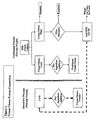
FIG. 1 illustrates an exemplary traditional process for manufacturing soft cream cheese. -
FIG. 2 illustrates an embodiment of the present invention relating to a 5-step, one-day process for manufacturing a cream cheese product without culturing while eliminating whey recycling to cheese curd. - The present methods include a first embodiment in which homogenized and heat treated acid whey, such as the acid whey that is generated during the manufacture of cream cheese-like products, can be successfully processed to form a novel product capable of conferring creamy texture and providing cultured dairy notes. In an aspect of this embodiment, a blend (mixture) of concentrated acid whey and an acceptable fat (or source of fat) is formed and then subjected to a homogenization and heat treatment thereby producing a cheese product suitable for consumption. In another aspect of this embodiment, a blend (mixture) of acid cheese whey and an acceptable fat (or source of fat) is formed and then subjected to homogenization and heat treatment, thereby providing a soft cream cheese product suitable for consumption.
- The acid whey used in this invention is concentrated acid whey from any cheese making process (including but not limited to cream cheese and cottage cheese making processes). Concentrated acid whey can be obtained by conventional means such as concentrating by evaporation, filtration, reverse osmosis, and the like, although ultrafiltration may be preferred, and it can be obtained by fermentation or acidification. The compositions and selected properties of exemplary concentrated cream cheese whey (CCW) obtained via ultrafiltration and acid whey (from centrifuging a fermentation product) obtained from conventional cream cheese products are as follows:
CCW Acid Whey pH 4.42 4.40 Acidity (%) 0.88 0.46 Moisture (%) 84.2 96.0 Fat % 3.21 0.15 Protein (%) 6.7 0.6 Lactose (%) 3.1 1.7 Calcium (ppm) 920 687 Potassium (ppm) 1150 1280 Sodium (ppm) 375 227 - Acid whey can be obtained from cultured or direct acidified dairy products such as cream cheese, cottage cheese, ricotta cheese, Neufachatel cheese and the like. Generally, concentrated acid whey may contain 5 to 40 % solids, 0.5 to 20% protein, 0.1 to 20% fat and 5 to 40% lactose. In general, a concentrated cream cheese whey may have a solids content of 5 to 40%, preferably 10 to 25%, a fat content of less than 20%, generally 0.1 to 20 % and preferably 1 to 12%, and a protein concentration of 0.5% to 20%, more particularly 0.5% to 12%, and preferably 3% to 8%.
- The precise compositions of the various by-products may, of course, vary depending on the original cheese formulation, separation (whey from curd) efficiency and concentration factors and methods, which may include separation, ultrafiltration, diafiltration, reverse osmosis, and microfiltration. An initial analysis of such by-products, which may be used in the present invention, will determine whether adjustments, such as adding a base or acid to adjust the pH, are desired by the practitioner of the present methods. The pH can suitably be in a range near the isoelectric point of milk. Typically, the pH, is in a range of 3.5 to 5.5, although a pH 4.6 to 5.2 may be desired for some applications.
- Generally, the acid wheats a concentrated cream cheese whey and it will have sufficient acidity and sufficient residual lactic acid that it can be used without further adjustment. Concentrated cream cheese whey can be made by ultrafiltration or other suitable methods from the by-products from conventional cream cheese production. The former is sometimes known as UF (or ultra filtered) acid whey. The pH in the above ranges is preferred, although the pH can be adjusted as necessary or desired by an amount of suitable inorganic or organic acid that is added to the composition. An organic acid suitable for incorporation in a food product (such as lactic acid, citric and the like) can be added so as to supplement the residual lactic acid in the UF acid whey.
- The protein concentration in the final product will be at least partially dictated by the protein concentration of the starting materials. The protein concentration can, if desired, be augmented by the addition of a suitable dairy protein or other edible protein to the concentrated cream cheese whey. Other edible non-dairy proteins, such as soy, gelatin, and other vegetable proteins can be added with the dairy protein. By present preference, a suitable additional source of dairy protein comprises powdered concentrated whey, known in the trade as "WPC" (whey protein concentrate), which is available in grades having protein concentrations (dry basis) of 34, 50, 70 and up to less than 80%. Other designations for commercially available WPC include "FDA 50" (which is a WPC containing 50% protein) or WPC 8000 (which is a WPC containing 80% protein).
- In one embodiment, cream cheese whey by-product from a conventional cream cheese production can be used directly in a "one-day" process for making soft cream cheese without a separate culturing step while at least substantially, if not completely, eliminating whey recycling. The selected cream cheese whey can be in liquid form or a combination of liquid UF acid whey and a WPC.
- The whey concentrate (UF acid whey alone or in combination with a WPC) is introduced into a suitable mixer, such as a so-called Breddo mixer, and sufficient media is added to bring the blend to a desired consistency, which may be characterized as a smooth, pumpable dispersion. The selected media is by present preference water. This mixing can be performed at any suitable temperature, although for economy it may be performed at an ambient temperature 20.0°C to 22.2°C (68°F to 72°F).
- Hereinafter is described a methodology to form a smooth dispersion: mixing, first step heating, first homogenization, second step heating, and second homogenization collectively are designated a "five-step process," an embodiment of which is outlined in
Figure 2 . It is understood that not all five steps are required to produce some products. For cream cheese like products, first homogenization and second heating are important texturization steps. For creamy, thick dairy beverages, including a smoothie, not all steps depicted inFigure 2 are required. - Non-dairy fats, such as vegetable, animal fats or oils, which can be hydrogenated or partially hydrogenated, may be used. By present preference, a dairy fat is used. Illustrative dairy fat sources include anhydrous milk fat (AMF) and/or concentrated milk fat (CMF), among others. It is possible to include other fat-containing materials, such as dry cream, along with or as the fat source. The ingredients can be combined with the mix in the first mixing apparatus, if desired. However, the mix and the edible fat (or fat source) may be combined together in a separate kettle, such as a Groen kettle.
- The combination is heated in a first heating treatment to a temperature in the range of 48.9°C (120°F) to 93.3°C (200°F) preferably from 57.2°C (135 °F) to 62.8°C (145 °F) up to 82.2°C (180°F). Even more preferably, this range is 57.2°C (135 °F) to 62.8°C (145°F). Suitable first stage heat times can range, for instance, from 2 seconds to 20 minutes, with the time selected being readily adjusted as will be appreciated by those skilled in the art. The blend can be held at such temperature for such time as sufficient to melt the fat and hydrate the added ingredients. Although the temperature can be raised fairly rapidly, the temperature raising rate can, if desired, be more conservatively raised as to avoid excessive localized hot spots. The kettle is also preferably equipped with a stirrer or similar mechanism to mix, that is blend, the combined materials to better ensure both their uniform distribution and to avoid hot spots.
- Next, the blend from the first heat stage is homogenized at a pressure up to 100.0MPa (14,500 psi), generally from 17.2 MPa (2,500 psi) to 100.0MPa (14,500 psi) A two-stage homogenizer is preferred. All homogenization pressures specified hereafter refer to the first stage homogenization unless otherwise indicated. For cream cheese-like products, the pressure is preferably from 34.5MPa (5000 psi) to 69.0MPa psi) to (10,000 psi). A homogenization pressure at a higher pressure within the foregoing ranges can be selected to achieve a thicker product. For instance a softer, more creamy product can be obtained at lower or more 20.7MPa 24.1MPa moderate homogenization pressures such as 20.7 MPa (3,000 psi) to 24,1MPa(3500 psi). As will be appreciated, typically, flow rate and valve settings are adjusted to achieve the desired results herein and the homogenization pressure may be used as a control in the present method.
- One or more selected stabilizers (hydrocolloid(s) such as gum, starch, maltodextrin and the like) and salt are added. Texture modifiers (such as an emulsifier and the like)may also be added One or more other additives, which may include sweeteners (natural and/or artificial), colorants, flavorings and condiments, can also be added if desired. These ingredients can be added at any suitable point in the present method. These ingredients can be added singly or in combination(s) to the homogenized blend in a suitable mixer. Sweeteners can be added based on the desired sweetness of the product. Generally, such sweeteners will be added at levels of 0% up to 20%, such as in a range of 0.01 to 20%. Of course, intense sweeteners, such as aspartame and the like, will be generally added in only very small amounts. Natural sweeteners include, for instance, sugar and a high fructose corn syrup (HFCS). Fruit puree, or juice concentrates (such as Strawberry Puree 28 Brix from Kerr Concentrates, Inc., Oregon) can be used. Generally such concentrates are blended into the product just before filling and packaging.
- Generally, the level of added stabilizer (or stabilizer package) is in an amount which may be less than 5.0% percent by weight. The current Federal Standards of Identity can be taken into account in determining the level of added stabilizer. Stabilizers can include food-grade hydrocolloid. Exemplary stabilizers can be chosen from ionic or non-ionic gums such as locust bean gum, guar gum, tara gum, konjac gum, xanthan gum, carrageenan, and the like; cellulose derivatives such as carboxymethylcellulose; starch such as corn starch, waxy maize starch, rice starch, potato starch, tapioca starch, wheat starch; and modified starch such as phosphorylated starch. Instant and pregelatinized starches can be used, if desired. Other exemplary ionic gums include gellan, low methoxy pectin, and alginate. In one of the preferred embodiments, the gum is xanthan due to its cold water solubility, consistent composition, availability, and low cost. For a traditional cream cheese-like product, locust bean gum can be used. It will be appreciated that one or more dextrins, such as one or more maltodextrins, can be included with a stabilizer system in an amount of up to 20%. Maltodextrin(s) is preferably added along with a gum to enhance stability and mouth feel for a cream cheese type product. Suitable maltodextrins include those having a Dextrose Equivalence (DE) of 2 to 10, of which a C*deLight• commercial maltodextrin (DE 3) from Cerestar is illustrative. It is possible to increase the initial and aged yield stress of a product by including at least one selected maltodextrin as a stabilizer in addition to hydrocolloid gum stabilizer. In one experiment, with a 0.05% xanthan gum and 0.36% carob gum combination, adding 1.0% by weight of C*deLight• MD 01970 brand maltodextin improved the yield stress to 1440 pascal and adding 1.5 % by weight increased the yield stress to 1630 pascal, thereby suggesting that including a selected maltodextrin may be considered for increasing firmness of a soft cream cheese like product, for example. A Haake rheometer can be used to measure the yield stress of the cream cheese product.
- Other texture modifiers may be added singly or in combination and include, for instance, emulsifiers. Ionic, high HLB (i.e. Hydrophilic Lipophilic Balance) emulsifiers are generally preferred and include sodium stearoyl lactylate, calcium stearoyl lactylate, diacetyl tartaric acid esters, and the like. Other non-ionic emulsifiers can, if desired, be used, including monoglycerol esters of fatty acids and the like. Still other emulsifiers include fatty acid esters of sucrose, fatty acid esters of propylene glycol, fatty acid esters of sorbitol, and polysorbate 60. The selected emulsifier can be added prior to the first homogenization step.
- In general a salt can be added. The salt can be added with the stabilizers, if desired. The salt can optionally be added at another suitable step in the present process.
- In one embodiment of the present invention, in a second heat treatment, the mixed homogenized product, which may include the selected 1000°C. added ingredients, is, in general, heated to a temperature of less than 1000°C (212°F), such as 13.9°C (65°F) to 98.9°C (210°F), and preferably 79.4°C (175°F) to 850°C (185°F). The second step heat treatment is conducted for a time until the desired firmness is attained as determined by the practitioner of the present methods. Of course, the desired firmness will depend on the intended use of the final product. Suitable times may range from 1 to 120 minutes, although 5 to 30 minutes are preferred. The longer the heat treatment generally means a firmer product. Although not wishing to be bound by any particular theory, this heat treatment step is theorized as enabling protein coated fat droplets to be bound to form a three dimensional aggregated network. Too high a temperature or heat treatment for an excessive time can lead to over-aggregation and a grainy product that may not qualify commercially as a particular cheese type product, such as a cream cheese type product.
- It is preferred that the temperature of the second heat treatment be greater than the temperature of the first heat treatment.
- After the second heating step, a second homogenization step is conducted. The second homogenization step can be conducted under such pressure and time conditions to smooth the texture of the cheese like product, such as cream cheese product. The second homogenization step is preferably conducted in a two-stage homogenizer and is conducted at pressures of up to 100.0MPa (14,500psi), although the pressure is generally at least 3.4MPa (500psi). A range of 3.4 to about 34.5MPa (500 to 5,000 psi) can be used, although 6.9MPa to 20.7MPa (1,000 to 3,000 psi) may be preferable for some products. The second homogenization step is preferably conducted at a pressure about equal to or less than the first homogenization step.
- In general, preferred products may be made using a higher first step homogenization pressure relative to the pressure in the second step homogenization. For instance, conducting the "5-step process" in which the pressure for the first step homogenization pressure was 62.0/6.9MPa (9000/1000 psi) (first/second stage) and the pressure for the second step homogenization pressure was 17.2/3.4MPa (2500/500 psi) (first stage/second stage) can yield a preferred product, such as a cream cheese like product. Reducing the pressure for first and second homogenization steps, such as to a 24.1/3.4MPa (3500/500 psi) and 3.4/0 MPa (500/0 psi) respectively, can be used to obtain a less viscous product, such as a soft cream cheese-like product or a non-cream cheese product, such as a smoothie.
- The product can be filled into suitable container(s). It can be directly or subsequently packaged for distribution, sale or storage. Optionally, the product obtained can, if desired, be cooled. Suitable chillers are known to those skilled in the art. It is preferred to hot fill and package the product. The product can then be refrigerated.
- Directly consumable food products, condiments or other consumables can be packaged together. The food product and condiments or other consumables can be packaged together but in separate compartments or they may already be combined together as a ready-mix. For instance, a yogurt like product can be in one package compartment and a compatible consumable, such as a condiment, cookie "stir ins" or nuts, can be in another compartment. The consumer can combine the materials such as by stirring them together.
- In an alternate embodiment of the present invention using acid whey or acid whey concentrate, the present method may be simplified to produce a variety of novel products capable of conferring creamy texture and providing cultured dairy notes including, but not limited to, desserts (non-whipped, whipped and frozen) and thick beverages (such as smoothies). A mixture of acid whey (or acid whey concentrate) and a fat source is formed in a mixer and heated to a temperature of up to a range of 48.9°C (120°F) to 82.2°C (180°F). The heated mixture is homogenized under a pressure of up to 100.0MPa (14,500 psi) to obtain a homogeneous dispersion. Selected ingredients including sweeteners, a stabilizer system comprising gum and optionally starch, salt maltodextrin, emulsifier, flavor/color are added to the homogenized mixture. The composition can then be heated to a temperature of less than 100°C (212°F), such as 13.4°C (165°F) to 98.9°C (210°F) preferably 79.4°C (175°F) to 85.0°C (185°F) for 1 to 120 minutes, preferably 5 to 30 minutes. The heated composition is homogenized again under a pressure of up to 100.0MPa (14,500 psi) such as 17.2/3.4MPa (2500psi/500 psi) to obtain a smooth, creamy and refreshing products or semi-products. The semi-products may be further processed, such as whipped in a Hobart mixer (to aerate) or frozen in an ice cream freezer (to aerate and freeze) to produce whipped and frozen desserts, respectively.
- The present method can be simplified to enable a production of other value-added products, including a dessert product, including pudding, whipped toppings, and frozen novelty products. Such other dessert products typically include flavorings (such as strawberry, vanilla, chocolate, banana, tropical fruit and the like) and other ingredients, such as sweeteners, dairy protein, fat stabilizers, flavors and preservatives. Such other ingredients can be introduced at one or more suitable stages of manufacture, although flavoring ingredients, as above with cream cheese-like products, can be advantageously added, with appropriate blending, during or after the last heat treatment step.
- The end product can be an ice cream like product when a suitable consistency product obtained after the treatments and optional flavoring is pre-chilled and processed through an ice cream apparatus before packaging. An example of a commercially available suitable ice cream apparatus is a soft serve freezer.
- As used herein designations for homogenization pressure may indicate a two-stage homogenization process. The first stage may break up oil droplets and the second stage may reduce the tendency of droplets to recoalesce. Pressure ranges given for a homogenization treatment may be with reference to the first stage in any multi-stage homogenizer unless indicated otherwise. In one aspect of the invention, a two-stage homogenization will preferably have a pressure of 13.8MPa (2,000 psi) to 31.0MPa (4,500 psi) in the first stage and 0MPa to 3.4MPa (500 psi) in the second stage. It will be appreciated that in a given homogenization treatment stage that a single stage homogenizer may be used.
- The products obtained according to the methods described herein include natural dairy calcium and other nutritionally valuable minerals and vitamins. Of course, additional calcium or other nutritionally valuable minerals and vitamins can be added if desired.
- The following examples describe and illustrate the processes of the invention. These examples are intended to be merely illustrative of the present invention. . Unless otherwise noted, all percentages are by weight of the noted composition.
- The following ingredients were used: 13.77% anhydrous milk fat (AMF), 75% liquid concentrated acid cream cheese whey (CCW, 88.6% mosiutre, 1.37% fat, 3.7% protein, 4.2% lactose), 4.7% of a WPC 34 (WPC 34 from Wisconsin Whey International, Wis.), 4.31% WPC 8000, 1.% of a maltodextrin (C-delighf• MD 01970 brand maltodextrin), 0.05% of xanthan gum, 0.36% of a carob gum, 0.78% salt (NaCl), and 0.03% of sorbic acid.
- A product having a higher yield stress was produced as follows using the foregoing ingredients. The CCW and anhydrous milk fat (AMF) were separately preheated to approximately 43.3°C (110°F). The WPC 34 and WPC 8000 were mixed. The pH was 4.85 to 4.86. The warmed AMF was added to the WPC mixture and mixed for about a minute or so to obtain a coarse mixture. The coarse mixture was heated in a Stepan cooker at a temperature of up to about 60.0°C (140°F). The slurry that was obtained was homogenized at a pressures of 20.7 (3000 psi) and 3.4MPa (500 psi). The salt, gum, starch (maltodextrin) can be combined or kept separate, but were added to the homogenized product. The homogenized product with the additives was then heated to 76.7°C (170°F) for about 30 minutes. The moisture content can, if desired, be checked and water added as desired. The heated product was then homogenized a second time, in a two-stage homogenizer, at 20.7MPa and 3.4MPa (3000 and 500 ps). The product was hot filled into a container, sealed, and ready for later use.
- A cream cheese-like product was obtained.
- Products having firmer texture were obtained by adding the gum(s), maltodextrin, and salt after the first homogenization. The general method was similar to Example 1, but the first homogenization was conducted at 69.0 MPa (10,000 psi), the second heating step was conducted at 82.2°C (180°F) for about 20 minutes, and the second homogenization was conducted at 24.1MPa (3,500 psi). The product formulation was as follows (% are weight percent):
INGREDIENT % AMF 13.11 CCW 75.05 FDA 50 9.62 Sorbic Acid 0.03 Salt 0.78 C-Delight MD 01970 1.00 Carob 0.36 Xanthan 0.05 Finished Product 100.00 - This example demonstrates cream cheese-like products can be scaled up to pilot or semi-commercial scale.
- Soft cream cheese products were be obtained by methods of the present invention. It is possible to adjust the acidity of the blend before conducting a process according to the present invention. This is illustrated by a sample with the following formulation.
Ingredient Sample AMF 13.07 CCW 74.68 FDA 50 9.09 Sorbic Acid 0.05 Lactic Acid (88% soln.) 0.30 Salt 0.90 C*-deLight® MD 01970 1.50 Carob 0.36 Xanthan 0.05 Total 100.00 Water Adjustment 1.00 - The above-reference to water adjustment refers to water added to compensate for evaporation.
- The sample was prepared by mixing the anhydrous milk fat, the CCW (pH 4.2, 1.86% fat, 88% water, 3.8% protein, and 4.1 % lactose), and a powdered WPC (FDA 50) and the acids in a Breddo mixer, placing the mixture into a kettle and heating to 60.0°C (140 °F), homogenizing the mixture at 69.0MPa (10,000 psi) adding the gum(s), salt and maltodextrin, agitating for about 5 minutes to obtain even distribution, heating to a temperature of 82.2°C (180°F) for 20 minutes, homogenizing at 24.1 (3,500 psi) and filling product into container(s).
- A creamy, stable refreshing flavored milk shake product was produced by blending 81.25 grams of the CCW, 5 grams additional concentrated milk fat (CMF) and 3.55 grams non-fat dairy milk (NFDM). The mixture was heated to 60.0°C (140°F) in a cooker (Stephen cooker) and was then homogenized at 31.0MPa (4500 psi) and 3.4MPa (500 psi) (two-stage homogenizer) to form a texturized emulsion. An additional 10 grams of sweetener (sugar), 0.2 gram of locust bean gum, flavoring(s), and colorant(s) were added, followed by heating to 82.2°C (180°F) to obtain a mixture. This mixture was homogenized at a lower pressure of 17.2 MPa (2500 psi) and 3.4MPa (500 psi) in a two-stage homogenizer (manufactured by APV).
- A creamy, thick dairy dessert was made by blending 76.25 grams of CCW with 10 grams of additional fat (CMF, concentrated milk fat) and 3.55 grams non-fat dairy milk (NFDM), with the materials being well blended, heating the blend (mixture) to 60.0°C (140°F) in a cooker (Stephen cooker), and homogenizing the heated blend at 31.0MPa (4500psi) and 3.4MPa (500psi) to form a texturized emulsion (homogeneous fat-protein emulsion). To the texturized emulsion composition was added a sweetener (10 grams of sugar), 0.2 gram of locust bean gum, and flavor/color. The composition was then heated at a rate of 2.2°C/minute (4°F/minute) over a 15 minute period to 82.2°C (180°F), and the composition was homogenized again at a lower pressure of 17.2MPa (2500 psi) and 3.4MPa (500psi) to obtain a flavored, thick dessert type product.
- The dessert product had a smooth, creamy texture and included micronutrients from milk such as vitamins and minerals, and surprisingly had a desirable natural dairy flavor profile.
- A thick dessert type product can be prepared with or without fruit puree, juice, flavor and/or colorant, although ingredients (such as flavor(s) and/or a selected color(s)) can, if desired, be blended in afterwards.
- A creamy, refreshing strawberry flavored whipped dessert was prepared by blending 92.4 grams of a composition prepared according to Example 5, 7.4 grams of a whipping component (which can be fat based or protein based), 0.1 gram xanthan gum and strawberry flavor/color in a Hobart mixer. The mixer was first set on low speed for about two minutes, and was then set to a high whipped speed for four minutes. The whipped product obtained was stored overnight under refrigeration at a temperature of 4.4°C (40°F).
- As will be appreciated, a desired level thickness to the whipped product was an object of the mixing. Therefore, the second mixing stage was conducted for such period of time until the desired texture and thickness to the whipped product was obtained.
- A creamy coffee flavored drink having a rich dairy flavor and creamy mouthfeel was prepared by mixing 63.1 grams of water, 29 grams of texturized acid whey emulsion (such as prepared as in Example 5); 7.0 grams of a sweetener (sugar), 0.4 grams of instant coffee, 0.08 gram of cocoa, 0.05 gram of buffer (potassium bicarbonate), 0.28 gram of another buffer (disodium phosphate), 0.05 gram of Myverol• brand emulsifier (consists essentially of monoglycerides), and 0.016 gram of carragennan (Seakem• GP 418 FMC brand carragennan). A lightening mixer was used at a mix setting of 800 rpm. The mixture was heated to 73.9°C (165°F) and was homogenized at 31.0MPa (4500 psi) and 3.4MPa (500 psi) in a two-stage homogenizer. A coffee flavored drink product having a creamy mouthfeel and other desired organoleptic characteristics was obtained.
Claims (19)
- A method for producing a curdless creamy dairy product, comprising:(a) mixing concentrated acid whey and an edible fat to obtain a first mixture;(b) heating said first mixture to a temperature of 48.9°C (120°F) to 93.3°C (200°F);(c) homogenizing said heated first mixture under a pressure of up to 100.0 MPa (14,500 psi) and for a time effective to obtain a homogeneous dispersion;(d) adding salt and a stabilizing amount of a stabilizer system comprising hydrocolloid and optionally emulsifier, and mixing to obtain a second mixture;(e) heating the second mixture up to a range of 73.9°C (165°F) to 98.9°C (210°F) for 1 minute to 2 hours to texturize the second mixture;(f) homogenizing said heated second mixture under a pressure of up to 100.0 MPa (14,500 psi) and for a time effective to obtain a homogeneous mixture; and(g) collecting the resultant curdless dairy product.
- The method according to Claim 1, wherein in (a) said edible fat is milk fat.
- The method according to Claim 1 or 2, wherein in (a) said concentrated acid whey has a pH of 3.5 to 5.5.
- The method according to any one of Claims 1 to 3, wherein in (c) said homogenizing of said heated first mixture includes a homogenizing step at a pressure in the range of 17.2 MPa (2,500 psi) to 100.0 MPa (14,500 psi).
- The method according to any one of Claims 1 to 3, wherein in (b) said homogenizing of said heated first mixture is conducted at a pressure of 24.1 MPa (3,500 psi) to 69.0 MPa (10,000 psi).
- The method according to any one of Claims 1 to 5, wherein in (f) said homogenizing of said heated second mixture is conducted at a pressure in the range of 3.4 MPa (500 psi) to 100.0 MPa (14,500 psi).
- The method according to any one of Claims 1 to 5, wherein in (f) said homogenizing of said heated second mixture is conducted at a pressure of 3.4 MPa (500 psi) to 34.5 MPa (5,000 psi).
- The method according to any one of Claims 1 to 7, further comprising in (d) admixing at least one additive selected from the group consisting of a flavorant and a colorant.
- The method according to any one of Claims 1 to 8, wherein in (d) said stabilizer system comprises at least one material selected from the group consisting of maltodextrin, carob gum, xanthan gum, and carrageenan and, optionally, emulsifier.
- The method according to any one of Claims 1 to 8, wherein in (d) said stabilizer system comprises maltodextrin, carob gum and xanthan gum.
- The method according to any one of Claims 1 to 10, wherein in (a) said first mixture further includes an emulsifier.
- The method according to any one of Claims 1 to 10, wherein in (a) said first mixture further includes dry whey protein concentrate.
- The method according to any one of Claims 1 to 12, wherein in (a) said first mixture has a protein content of up to 20%.
- The method according to any one of Claims 1 to 13, wherein in (g) said collecting comprises hot-filling the resultant dairy product into containers.
- The method according to any one of Claims 1 to 14, wherein said concentrated acid whey comprises concentrated cream cheese whey containing 0.1 to 20% fat and 0.5 to 20% protein.
- The method according to any one of Claims 1 to 15, wherein said dairy product comprises a cream cheese product, a beverage, a whipped product or a frozen product.
- A method for producing a curdless creamy dairy product, comprising:(a) preparing a first mixture containing 10 to 99% concentrated acid whey, 0% to 20% dairy powder that contains protein, and 0.01% to 35% of an edible fat, with mixing;(b) heating said first mixture to a temperature of up to a range of 48.9°C (120°F) to 82.2°C (180°F);(c) homogenizing said heated first mixture under a pressure of up to 100 MPa (14,500 psi) and for a time effective to obtain a homogeneous dispersion;(d) adding a stabilizing amount of stabilizer system comprising a gum, and optionally salt, and mixing to obtain a second mixture, said second mixture containing 0 to 2.5% salt, 0.01 to 1.0% total gum, 0 to 20% maltodextrin, 0% to 5.0% starch, 0 to 1.0% food emulsifier and up to 20% of a sweetener;(e) optionally heating the second mixture up to a range of 73.9°C (165°F) to 98.9°C (210°F);(f) homogenizing said heated second mixture under a pressure of up to 100.0 MPa (14,500 psi) and for a time effective to obtain a homogeneous dispersion; and(g) collecting the resultant curdless dairy product
- The method according to Claim 17, wherein said dairy product comprises a cream cheese product.
- The method according to Claim 17, wherein said dairy product comprises a beverage, a desert, a whipped topping, or a frozen novelty product.
Applications Claiming Priority (2)
| Application Number | Priority Date | Filing Date | Title |
|---|---|---|---|
| US427567 | 1995-04-24 | ||
| US10/427,567 US7150894B2 (en) | 2003-05-01 | 2003-05-01 | Acid whey texture system |
Publications (2)
| Publication Number | Publication Date |
|---|---|
| EP1472931A1 EP1472931A1 (en) | 2004-11-03 |
| EP1472931B1 true EP1472931B1 (en) | 2011-03-30 |
Family
ID=32990445
Family Applications (1)
| Application Number | Title | Priority Date | Filing Date |
|---|---|---|---|
| EP04252412A Expired - Lifetime EP1472931B1 (en) | 2003-05-01 | 2004-04-26 | Acid whey texture system |
Country Status (8)
| Country | Link |
|---|---|
| US (1) | US7150894B2 (en) |
| EP (1) | EP1472931B1 (en) |
| AT (1) | ATE503390T1 (en) |
| AU (1) | AU2004201823B2 (en) |
| CA (1) | CA2465095C (en) |
| DE (1) | DE602004031996D1 (en) |
| ES (1) | ES2360794T3 (en) |
| NZ (1) | NZ532556A (en) |
Cited By (1)
| Publication number | Priority date | Publication date | Assignee | Title |
|---|---|---|---|---|
| RU2729069C1 (en) * | 2016-09-19 | 2020-08-04 | Бэйцзин Иннокэа Фарма Тек Ко., Лтд. | Alkynyl-substituted heterocyclic compound, method for production thereof and use thereof in medicine |
Families Citing this family (19)
| Publication number | Priority date | Publication date | Assignee | Title |
|---|---|---|---|---|
| US8298604B2 (en) * | 2003-02-19 | 2012-10-30 | Franklin Foods, Inc. | Yogurt-cheese compositions |
| US7998519B2 (en) | 2003-02-19 | 2011-08-16 | Franklin Foods, Inc. | Yogurt-cheese products, and methods of making the same |
| US7763294B2 (en) * | 2003-02-19 | 2010-07-27 | Franklin Foods, Inc. | Yogurt-cheese compositions |
| US7150894B2 (en) * | 2003-05-01 | 2006-12-19 | Kraft Foods Holdings, Inc. | Acid whey texture system |
| US7250183B2 (en) * | 2003-12-30 | 2007-07-31 | Kraft Foods Holdings, Inc. | Cream cheese made from whey protein polymers |
| US7887867B2 (en) * | 2004-02-23 | 2011-02-15 | Kraft Foods Global Brands Llc | Stabilized non-sour dairy base materials and methods for preparation |
| US20050186312A1 (en) * | 2004-02-23 | 2005-08-25 | Kraft Foods Holdings, Inc. | Shelf-stable foodstuffs and methods for their preparation |
| US20060024412A1 (en) * | 2004-02-23 | 2006-02-02 | Kraft Foods Holdings, Inc. | Shelf-stable acidified food compositions and methods for their preparation |
| US7611743B2 (en) * | 2004-03-24 | 2009-11-03 | Kraft Foods Global Brands Llc | Low protein cream cheese |
| US7897185B1 (en) * | 2005-06-17 | 2011-03-01 | Franklin Foods, Inc. | Cream cheese products and methods of making the same |
| US7687095B2 (en) * | 2005-09-30 | 2010-03-30 | Kraft Foods Global Brands Llc | High moisture, low fat cream cheese with maintained product quality and method for making same |
| US8637102B2 (en) * | 2006-01-07 | 2014-01-28 | Glanbia Nutritionals (Ireland) Ltd. | Acidified whey protein compositions and methods for making them |
| US20100112147A1 (en) * | 2008-10-30 | 2010-05-06 | Barnard David John | Hot Temperature Aerated Dairy Product Having Shelf Stable Properties |
| US9635870B2 (en) | 2011-02-28 | 2017-05-02 | Franklin Foods Holdings Inc. | Direct-set cheese |
| US9462817B2 (en) | 2011-02-28 | 2016-10-11 | Franklin Foods Holdings Inc. | Processes for making cheese products utilizing denatured acid whey proteins |
| US20170000148A1 (en) | 2013-12-23 | 2017-01-05 | Goodman Fielder New Zealand Limited | An Improved Beverage And Method Of Manufacture |
| WO2017208061A1 (en) * | 2016-06-03 | 2017-12-07 | Corporacion Universidad De La Costa - Cuc | Method for producing a dairy-derived extract for foods |
| US12225916B2 (en) | 2019-03-25 | 2025-02-18 | Ohio State Innovation Foundation | Process for isolating and producing a high milk phospholipid ingredient from a dairy by-product and products thereof |
| CN117859823A (en) * | 2024-02-26 | 2024-04-12 | 内蒙古自治区农牧业科学院 | Chewing acid whey ice sucker and manufacturing method thereof |
Family Cites Families (16)
| Publication number | Priority date | Publication date | Assignee | Title |
|---|---|---|---|---|
| US2387276A (en) | 1942-10-08 | 1945-10-23 | Kraft Cheese Company | Cream cheese manufacture |
| US2699995A (en) | 1951-03-17 | 1955-01-18 | Armour & Co | Process for preparing whey food |
| CH416506A (en) | 1959-07-15 | 1966-07-15 | Lubig Richard | Process for the production of a baking aid and its use |
| DE1239551B (en) | 1962-04-05 | 1967-04-27 | Meggle Fa Josef Anton | Process for the production of fat emulsions suitable as animal feed |
| US3873751A (en) | 1967-06-01 | 1975-03-25 | Ralston Purina Co | Preparation of a simulated milk product |
| US3642492A (en) | 1967-06-01 | 1972-02-15 | Ralston Purina Co | Method of preparing a simulated skim milk |
| IL32527A (en) | 1968-07-15 | 1973-03-30 | Stauffer Chemical Co | Method of making non-butterfat dairy products |
| US3840996A (en) | 1973-08-20 | 1974-10-15 | Stauffer Chemical Co | Process for drying mineral containing aqueous protein solutions |
| SE427080B (en) | 1977-10-28 | 1983-03-07 | Nedre Norrlands Producentsfore | PROCEDURES AND DEVICES FOR MAKING PRODUCTS |
| US4297382A (en) | 1980-04-17 | 1981-10-27 | Stauffer Chemical Company | Process for drying compositions containing derived protein-containing _compositions and additives |
| US4497836A (en) | 1982-08-06 | 1985-02-05 | Dairy Technology Ltd. | Modified whey product and process including ultrafiltration and demineralization |
| US4617861A (en) | 1982-10-07 | 1986-10-21 | Fermentation Engineering, Inc. | Whey treatment apparatus |
| JPS59152385A (en) * | 1983-02-17 | 1984-08-31 | Shionogi & Co Ltd | Hydroxamate-type cephalosporin derivative |
| GB2190273B (en) | 1986-04-03 | 1990-11-28 | Express Foods Group Ltd | Food dressing for cottage cheese production |
| US6416797B1 (en) | 2001-02-14 | 2002-07-09 | Kraft Foods Holdings, Inc. | Process for making a wheyless cream cheese using transglutaminase |
| US7150894B2 (en) * | 2003-05-01 | 2006-12-19 | Kraft Foods Holdings, Inc. | Acid whey texture system |
-
2003
- 2003-05-01 US US10/427,567 patent/US7150894B2/en not_active Expired - Lifetime
-
2004
- 2004-04-20 CA CA2465095A patent/CA2465095C/en not_active Expired - Fee Related
- 2004-04-26 ES ES04252412T patent/ES2360794T3/en not_active Expired - Lifetime
- 2004-04-26 EP EP04252412A patent/EP1472931B1/en not_active Expired - Lifetime
- 2004-04-26 NZ NZ532556A patent/NZ532556A/en not_active IP Right Cessation
- 2004-04-26 DE DE602004031996T patent/DE602004031996D1/en not_active Expired - Lifetime
- 2004-04-26 AT AT04252412T patent/ATE503390T1/en not_active IP Right Cessation
- 2004-04-30 AU AU2004201823A patent/AU2004201823B2/en not_active Ceased
Cited By (1)
| Publication number | Priority date | Publication date | Assignee | Title |
|---|---|---|---|---|
| RU2729069C1 (en) * | 2016-09-19 | 2020-08-04 | Бэйцзин Иннокэа Фарма Тек Ко., Лтд. | Alkynyl-substituted heterocyclic compound, method for production thereof and use thereof in medicine |
Also Published As
| Publication number | Publication date |
|---|---|
| ES2360794T3 (en) | 2011-06-09 |
| AU2004201823A1 (en) | 2004-11-18 |
| EP1472931A1 (en) | 2004-11-03 |
| US20040219273A1 (en) | 2004-11-04 |
| AU2004201823B2 (en) | 2009-09-10 |
| US7150894B2 (en) | 2006-12-19 |
| CA2465095A1 (en) | 2004-11-01 |
| CA2465095C (en) | 2013-08-13 |
| DE602004031996D1 (en) | 2011-05-12 |
| ATE503390T1 (en) | 2011-04-15 |
| NZ532556A (en) | 2005-09-30 |
Similar Documents
| Publication | Publication Date | Title |
|---|---|---|
| US7150894B2 (en) | Acid whey texture system | |
| US20240057651A1 (en) | Nutritional formulations such as a yoghurt, cream, cream dessert or frozen dessert, comprising a pea protein isolate, and the use of the formulation as a source of protein | |
| CN102007972B (en) | Cheese jam and preparation method thereof | |
| JP2007054066A (en) | Storage stable acidified food composition and preparation method thereof | |
| AU2020295019B2 (en) | Dairy product and process | |
| CN109463467A (en) | A kind of cheese's flavor freezing cream and preparation method thereof | |
| NZ536955A (en) | Cream cheese made from whey protein polymers | |
| EP4138564A1 (en) | Non-dairy, non-curdling chickpea-based milk susbstitue and method thereof | |
| TW202103563A (en) | Dairy product and process | |
| KR20120052357A (en) | Carbonated drink comprising soybean flour or soybean milk | |
| Chuck-Hernandez et al. | Dairy-based snacks | |
| JP4530092B2 (en) | Method for producing soybean and milk protein preparations with high total protein content | |
| CN102422896B (en) | Cheese-flavored milk beverage and preparation method thereof | |
| US20070042090A1 (en) | Frozen smoothie kit and method | |
| CN114532409A (en) | Processed cheese with jelly texture and preparation method thereof | |
| Satpute et al. | Paneer-Unripe Variety of Soft Cheese-A Review | |
| JP6767771B2 (en) | Beverages containing milk in containers and their manufacturing methods | |
| US9364011B2 (en) | Method for producing cheese without fermentation and ripening steps | |
| WO2007122434A1 (en) | Yoghurt-based cottage cheese dessert product | |
| EP4106548A1 (en) | Phase-stable protein beverage and methods of making same | |
| JP4488071B2 (en) | Method for producing soy protein preparation | |
| EP2734050B1 (en) | Milk-based compositions and process of making the same | |
| Schoenfuss et al. | Dairy ingredients in dairy food processing | |
| Klemaszewski | Hydrocolloids in Cultured Dairy Products | |
| BURRINGTON | 11 BEVERAGE APPLICATIONS FOR WHEY AND LACTOSE PRODUCTS |
Legal Events
| Date | Code | Title | Description |
|---|---|---|---|
| PUAI | Public reference made under article 153(3) epc to a published international application that has entered the european phase |
Free format text: ORIGINAL CODE: 0009012 |
|
| AK | Designated contracting states |
Kind code of ref document: A1 Designated state(s): AT BE BG CH CY CZ DE DK EE ES FI FR GB GR HU IE IT LI LU MC NL PL PT RO SE SI SK TR |
|
| AX | Request for extension of the european patent |
Extension state: AL HR LT LV MK |
|
| 17P | Request for examination filed |
Effective date: 20050426 |
|
| AKX | Designation fees paid |
Designated state(s): AT BE BG CH CY CZ DE DK EE ES FI FR GB GR HU IE IT LI LU MC NL PL PT RO SE SI SK TR |
|
| AXX | Extension fees paid |
Extension state: LV Payment date: 20050426 Extension state: HR Payment date: 20050426 Extension state: MK Payment date: 20050426 Extension state: LT Payment date: 20050426 Extension state: AL Payment date: 20050426 |
|
| 17Q | First examination report despatched |
Effective date: 20050823 |
|
| 17Q | First examination report despatched |
Effective date: 20050823 |
|
| RAP1 | Party data changed (applicant data changed or rights of an application transferred) |
Owner name: KRAFT FOODS GLOBAL BRANDS LLC |
|
| GRAP | Despatch of communication of intention to grant a patent |
Free format text: ORIGINAL CODE: EPIDOSNIGR1 |
|
| GRAS | Grant fee paid |
Free format text: ORIGINAL CODE: EPIDOSNIGR3 |
|
| GRAA | (expected) grant |
Free format text: ORIGINAL CODE: 0009210 |
|
| AK | Designated contracting states |
Kind code of ref document: B1 Designated state(s): AT BE BG CH CY CZ DE DK EE ES FI FR GB GR HU IE IT LI LU MC NL PL PT RO SE SI SK TR |
|
| AX | Request for extension of the european patent |
Extension state: AL HR LT LV MK |
|
| REG | Reference to a national code |
Ref country code: GB Ref legal event code: FG4D |
|
| REG | Reference to a national code |
Ref country code: CH Ref legal event code: EP |
|
| REG | Reference to a national code |
Ref country code: IE Ref legal event code: FG4D |
|
| REF | Corresponds to: |
Ref document number: 602004031996 Country of ref document: DE Date of ref document: 20110512 Kind code of ref document: P |
|
| REG | Reference to a national code |
Ref country code: DE Ref legal event code: R096 Ref document number: 602004031996 Country of ref document: DE Effective date: 20110512 |
|
| REG | Reference to a national code |
Ref country code: ES Ref legal event code: FG2A Ref document number: 2360794 Country of ref document: ES Kind code of ref document: T3 Effective date: 20110609 |
|
| REG | Reference to a national code |
Ref country code: NL Ref legal event code: VDEP Effective date: 20110330 |
|
| PG25 | Lapsed in a contracting state [announced via postgrant information from national office to epo] |
Ref country code: GR Free format text: LAPSE BECAUSE OF FAILURE TO SUBMIT A TRANSLATION OF THE DESCRIPTION OR TO PAY THE FEE WITHIN THE PRESCRIBED TIME-LIMIT Effective date: 20110701 Ref country code: SE Free format text: LAPSE BECAUSE OF FAILURE TO SUBMIT A TRANSLATION OF THE DESCRIPTION OR TO PAY THE FEE WITHIN THE PRESCRIBED TIME-LIMIT Effective date: 20110330 |
|
| LTIE | Lt: invalidation of european patent or patent extension |
Effective date: 20110330 |
|
| PG25 | Lapsed in a contracting state [announced via postgrant information from national office to epo] |
Ref country code: SI Free format text: LAPSE BECAUSE OF FAILURE TO SUBMIT A TRANSLATION OF THE DESCRIPTION OR TO PAY THE FEE WITHIN THE PRESCRIBED TIME-LIMIT Effective date: 20110330 Ref country code: FI Free format text: LAPSE BECAUSE OF FAILURE TO SUBMIT A TRANSLATION OF THE DESCRIPTION OR TO PAY THE FEE WITHIN THE PRESCRIBED TIME-LIMIT Effective date: 20110330 Ref country code: CY Free format text: LAPSE BECAUSE OF FAILURE TO SUBMIT A TRANSLATION OF THE DESCRIPTION OR TO PAY THE FEE WITHIN THE PRESCRIBED TIME-LIMIT Effective date: 20110330 Ref country code: AT Free format text: LAPSE BECAUSE OF FAILURE TO SUBMIT A TRANSLATION OF THE DESCRIPTION OR TO PAY THE FEE WITHIN THE PRESCRIBED TIME-LIMIT Effective date: 20110330 |
|
| PG25 | Lapsed in a contracting state [announced via postgrant information from national office to epo] |
Ref country code: BE Free format text: LAPSE BECAUSE OF FAILURE TO SUBMIT A TRANSLATION OF THE DESCRIPTION OR TO PAY THE FEE WITHIN THE PRESCRIBED TIME-LIMIT Effective date: 20110330 |
|
| PG25 | Lapsed in a contracting state [announced via postgrant information from national office to epo] |
Ref country code: EE Free format text: LAPSE BECAUSE OF FAILURE TO SUBMIT A TRANSLATION OF THE DESCRIPTION OR TO PAY THE FEE WITHIN THE PRESCRIBED TIME-LIMIT Effective date: 20110330 Ref country code: PT Free format text: LAPSE BECAUSE OF FAILURE TO SUBMIT A TRANSLATION OF THE DESCRIPTION OR TO PAY THE FEE WITHIN THE PRESCRIBED TIME-LIMIT Effective date: 20110801 |
|
| PG25 | Lapsed in a contracting state [announced via postgrant information from national office to epo] |
Ref country code: SK Free format text: LAPSE BECAUSE OF FAILURE TO SUBMIT A TRANSLATION OF THE DESCRIPTION OR TO PAY THE FEE WITHIN THE PRESCRIBED TIME-LIMIT Effective date: 20110330 Ref country code: CZ Free format text: LAPSE BECAUSE OF FAILURE TO SUBMIT A TRANSLATION OF THE DESCRIPTION OR TO PAY THE FEE WITHIN THE PRESCRIBED TIME-LIMIT Effective date: 20110330 Ref country code: MC Free format text: LAPSE BECAUSE OF NON-PAYMENT OF DUE FEES Effective date: 20110430 Ref country code: RO Free format text: LAPSE BECAUSE OF FAILURE TO SUBMIT A TRANSLATION OF THE DESCRIPTION OR TO PAY THE FEE WITHIN THE PRESCRIBED TIME-LIMIT Effective date: 20110330 |
|
| REG | Reference to a national code |
Ref country code: CH Ref legal event code: PL |
|
| PG25 | Lapsed in a contracting state [announced via postgrant information from national office to epo] |
Ref country code: NL Free format text: LAPSE BECAUSE OF FAILURE TO SUBMIT A TRANSLATION OF THE DESCRIPTION OR TO PAY THE FEE WITHIN THE PRESCRIBED TIME-LIMIT Effective date: 20110330 |
|
| PG25 | Lapsed in a contracting state [announced via postgrant information from national office to epo] |
Ref country code: CH Free format text: LAPSE BECAUSE OF NON-PAYMENT OF DUE FEES Effective date: 20110430 Ref country code: LI Free format text: LAPSE BECAUSE OF NON-PAYMENT OF DUE FEES Effective date: 20110430 |
|
| REG | Reference to a national code |
Ref country code: IE Ref legal event code: MM4A |
|
| PLBE | No opposition filed within time limit |
Free format text: ORIGINAL CODE: 0009261 |
|
| STAA | Information on the status of an ep patent application or granted ep patent |
Free format text: STATUS: NO OPPOSITION FILED WITHIN TIME LIMIT |
|
| PG25 | Lapsed in a contracting state [announced via postgrant information from national office to epo] |
Ref country code: DK Free format text: LAPSE BECAUSE OF FAILURE TO SUBMIT A TRANSLATION OF THE DESCRIPTION OR TO PAY THE FEE WITHIN THE PRESCRIBED TIME-LIMIT Effective date: 20110330 Ref country code: PL Free format text: LAPSE BECAUSE OF FAILURE TO SUBMIT A TRANSLATION OF THE DESCRIPTION OR TO PAY THE FEE WITHIN THE PRESCRIBED TIME-LIMIT Effective date: 20110330 |
|
| REG | Reference to a national code |
Ref country code: FR Ref legal event code: ST Effective date: 20120127 |
|
| 26N | No opposition filed |
Effective date: 20120102 |
|
| REG | Reference to a national code |
Ref country code: DE Ref legal event code: R097 Ref document number: 602004031996 Country of ref document: DE Effective date: 20120102 |
|
| PG25 | Lapsed in a contracting state [announced via postgrant information from national office to epo] |
Ref country code: FR Free format text: LAPSE BECAUSE OF NON-PAYMENT OF DUE FEES Effective date: 20110530 Ref country code: IE Free format text: LAPSE BECAUSE OF NON-PAYMENT OF DUE FEES Effective date: 20110426 |
|
| PGFP | Annual fee paid to national office [announced via postgrant information from national office to epo] |
Ref country code: DE Payment date: 20120427 Year of fee payment: 9 |
|
| PGFP | Annual fee paid to national office [announced via postgrant information from national office to epo] |
Ref country code: GB Payment date: 20120425 Year of fee payment: 9 |
|
| PGFP | Annual fee paid to national office [announced via postgrant information from national office to epo] |
Ref country code: IT Payment date: 20120423 Year of fee payment: 9 |
|
| PGFP | Annual fee paid to national office [announced via postgrant information from national office to epo] |
Ref country code: ES Payment date: 20120426 Year of fee payment: 9 |
|
| REG | Reference to a national code |
Ref country code: ES Ref legal event code: PC2A Owner name: KRAFT FOODS GROUP BRANDS LLC Effective date: 20130422 |
|
| REG | Reference to a national code |
Ref country code: DE Ref legal event code: R081 Ref document number: 602004031996 Country of ref document: DE Owner name: KRAFT FOODS GROUP BRANDS LLC, US Free format text: FORMER OWNER: KRAFT FOODS GLOBAL BRANDS LLC, 60093 NORTHFIELD, US Effective date: 20130402 Ref country code: DE Ref legal event code: R081 Ref document number: 602004031996 Country of ref document: DE Owner name: KRAFT FOODS GROUP BRANDS LLC, US Free format text: FORMER OWNER: KRAFT FOODS HOLDINGS, INC., NORTHFIELD, US Effective date: 20110303 Ref country code: DE Ref legal event code: R081 Ref document number: 602004031996 Country of ref document: DE Owner name: KRAFT FOODS GROUP BRANDS LLC, NORTHFIELD, US Free format text: FORMER OWNER: KRAFT FOODS HOLDINGS, INC., NORTHFIELD, ILL., US Effective date: 20110303 Ref country code: DE Ref legal event code: R081 Ref document number: 602004031996 Country of ref document: DE Owner name: KRAFT FOODS GROUP BRANDS LLC, NORTHFIELD, US Free format text: FORMER OWNER: KRAFT FOODS GLOBAL BRANDS LLC, 60093 NORTHFIELD, ILL., US Effective date: 20130402 |
|
| PG25 | Lapsed in a contracting state [announced via postgrant information from national office to epo] |
Ref country code: LU Free format text: LAPSE BECAUSE OF NON-PAYMENT OF DUE FEES Effective date: 20110426 |
|
| REG | Reference to a national code |
Ref country code: GB Ref legal event code: 732E Free format text: REGISTERED BETWEEN 20130516 AND 20130522 |
|
| PG25 | Lapsed in a contracting state [announced via postgrant information from national office to epo] |
Ref country code: BG Free format text: LAPSE BECAUSE OF FAILURE TO SUBMIT A TRANSLATION OF THE DESCRIPTION OR TO PAY THE FEE WITHIN THE PRESCRIBED TIME-LIMIT Effective date: 20110630 |
|
| PG25 | Lapsed in a contracting state [announced via postgrant information from national office to epo] |
Ref country code: TR Free format text: LAPSE BECAUSE OF FAILURE TO SUBMIT A TRANSLATION OF THE DESCRIPTION OR TO PAY THE FEE WITHIN THE PRESCRIBED TIME-LIMIT Effective date: 20110330 |
|
| PG25 | Lapsed in a contracting state [announced via postgrant information from national office to epo] |
Ref country code: HU Free format text: LAPSE BECAUSE OF FAILURE TO SUBMIT A TRANSLATION OF THE DESCRIPTION OR TO PAY THE FEE WITHIN THE PRESCRIBED TIME-LIMIT Effective date: 20110330 |
|
| GBPC | Gb: european patent ceased through non-payment of renewal fee |
Effective date: 20130426 |
|
| PG25 | Lapsed in a contracting state [announced via postgrant information from national office to epo] |
Ref country code: DE Free format text: LAPSE BECAUSE OF NON-PAYMENT OF DUE FEES Effective date: 20131101 Ref country code: GB Free format text: LAPSE BECAUSE OF NON-PAYMENT OF DUE FEES Effective date: 20130426 |
|
| REG | Reference to a national code |
Ref country code: DE Ref legal event code: R119 Ref document number: 602004031996 Country of ref document: DE Effective date: 20131101 |
|
| PG25 | Lapsed in a contracting state [announced via postgrant information from national office to epo] |
Ref country code: IT Free format text: LAPSE BECAUSE OF NON-PAYMENT OF DUE FEES Effective date: 20130426 |
|
| REG | Reference to a national code |
Ref country code: ES Ref legal event code: FD2A Effective date: 20140606 |
|
| PG25 | Lapsed in a contracting state [announced via postgrant information from national office to epo] |
Ref country code: ES Free format text: LAPSE BECAUSE OF NON-PAYMENT OF DUE FEES Effective date: 20130427 |