EP1437344A1 - Benzene derivatives,process for preparing the same and use thereof - Google Patents

Benzene derivatives,process for preparing the same and use thereof Download PDF

Info

Publication number
EP1437344A1
EP1437344A1 EP02768103A EP02768103A EP1437344A1 EP 1437344 A1 EP1437344 A1 EP 1437344A1 EP 02768103 A EP02768103 A EP 02768103A EP 02768103 A EP02768103 A EP 02768103A EP 1437344 A1 EP1437344 A1 EP 1437344A1
Authority
EP
European Patent Office
Prior art keywords
group
amino
carbonyl
mmol
optionally halogenated
Prior art date
Legal status (The legal status is an assumption and is not a legal conclusion. Google has not performed a legal analysis and makes no representation as to the accuracy of the status listed.)
Withdrawn
Application number
EP02768103A
Other languages
German (de)
French (fr)
Other versions
EP1437344A4 (en
Inventor
Takahiro Matsumoto
Masataka Yamamoto
Hiroshi Nagabukuro
Manabu Takedayakuhin-suitaryo MOCHIZUKI
Current Assignee (The listed assignees may be inaccurate. Google has not performed a legal analysis and makes no representation or warranty as to the accuracy of the list.)
Takeda Pharmaceutical Co Ltd
Original Assignee
Takeda Chemical Industries Ltd
Priority date (The priority date is an assumption and is not a legal conclusion. Google has not performed a legal analysis and makes no representation as to the accuracy of the date listed.)
Filing date
Publication date
Application filed by Takeda Chemical Industries Ltd filed Critical Takeda Chemical Industries Ltd
Publication of EP1437344A1 publication Critical patent/EP1437344A1/en
Publication of EP1437344A4 publication Critical patent/EP1437344A4/en
Withdrawn legal-status Critical Current

Links

Classifications

    • CCHEMISTRY; METALLURGY
    • C07ORGANIC CHEMISTRY
    • C07DHETEROCYCLIC COMPOUNDS
    • C07D207/00Heterocyclic compounds containing five-membered rings not condensed with other rings, with one nitrogen atom as the only ring hetero atom
    • C07D207/02Heterocyclic compounds containing five-membered rings not condensed with other rings, with one nitrogen atom as the only ring hetero atom with only hydrogen or carbon atoms directly attached to the ring nitrogen atom
    • C07D207/18Heterocyclic compounds containing five-membered rings not condensed with other rings, with one nitrogen atom as the only ring hetero atom with only hydrogen or carbon atoms directly attached to the ring nitrogen atom having one double bond between ring members or between a ring member and a non-ring member
    • C07D207/22Heterocyclic compounds containing five-membered rings not condensed with other rings, with one nitrogen atom as the only ring hetero atom with only hydrogen or carbon atoms directly attached to the ring nitrogen atom having one double bond between ring members or between a ring member and a non-ring member with hetero atoms or with carbon atoms having three bonds to hetero atoms with at the most one bond to halogen, e.g. ester or nitrile radicals, directly attached to ring carbon atoms
    • C07D207/24Oxygen or sulfur atoms
    • C07D207/262-Pyrrolidones
    • C07D207/2632-Pyrrolidones with only hydrogen atoms or radicals containing only hydrogen and carbon atoms directly attached to other ring carbon atoms
    • C07D207/272-Pyrrolidones with only hydrogen atoms or radicals containing only hydrogen and carbon atoms directly attached to other ring carbon atoms with substituted hydrocarbon radicals directly attached to the ring nitrogen atom
    • AHUMAN NECESSITIES
    • A61MEDICAL OR VETERINARY SCIENCE; HYGIENE
    • A61KPREPARATIONS FOR MEDICAL, DENTAL OR TOILETRY PURPOSES
    • A61K31/00Medicinal preparations containing organic active ingredients
    • A61K31/16Amides, e.g. hydroxamic acids
    • A61K31/17Amides, e.g. hydroxamic acids having the group >N—C(O)—N< or >N—C(S)—N<, e.g. urea, thiourea, carmustine
    • AHUMAN NECESSITIES
    • A61MEDICAL OR VETERINARY SCIENCE; HYGIENE
    • A61KPREPARATIONS FOR MEDICAL, DENTAL OR TOILETRY PURPOSES
    • A61K31/00Medicinal preparations containing organic active ingredients
    • A61K31/21Esters, e.g. nitroglycerine, selenocyanates
    • A61K31/215Esters, e.g. nitroglycerine, selenocyanates of carboxylic acids
    • A61K31/216Esters, e.g. nitroglycerine, selenocyanates of carboxylic acids of acids having aromatic rings, e.g. benactizyne, clofibrate
    • AHUMAN NECESSITIES
    • A61MEDICAL OR VETERINARY SCIENCE; HYGIENE
    • A61KPREPARATIONS FOR MEDICAL, DENTAL OR TOILETRY PURPOSES
    • A61K31/00Medicinal preparations containing organic active ingredients
    • A61K31/33Heterocyclic compounds
    • A61K31/335Heterocyclic compounds having oxygen as the only ring hetero atom, e.g. fungichromin
    • A61K31/357Heterocyclic compounds having oxygen as the only ring hetero atom, e.g. fungichromin having two or more oxygen atoms in the same ring, e.g. crown ethers, guanadrel
    • AHUMAN NECESSITIES
    • A61MEDICAL OR VETERINARY SCIENCE; HYGIENE
    • A61KPREPARATIONS FOR MEDICAL, DENTAL OR TOILETRY PURPOSES
    • A61K31/00Medicinal preparations containing organic active ingredients
    • A61K31/33Heterocyclic compounds
    • A61K31/335Heterocyclic compounds having oxygen as the only ring hetero atom, e.g. fungichromin
    • A61K31/357Heterocyclic compounds having oxygen as the only ring hetero atom, e.g. fungichromin having two or more oxygen atoms in the same ring, e.g. crown ethers, guanadrel
    • A61K31/36Compounds containing methylenedioxyphenyl groups, e.g. sesamin
    • AHUMAN NECESSITIES
    • A61MEDICAL OR VETERINARY SCIENCE; HYGIENE
    • A61KPREPARATIONS FOR MEDICAL, DENTAL OR TOILETRY PURPOSES
    • A61K31/00Medicinal preparations containing organic active ingredients
    • A61K31/33Heterocyclic compounds
    • A61K31/395Heterocyclic compounds having nitrogen as a ring hetero atom, e.g. guanethidine or rifamycins
    • A61K31/40Heterocyclic compounds having nitrogen as a ring hetero atom, e.g. guanethidine or rifamycins having five-membered rings with one nitrogen as the only ring hetero atom, e.g. sulpiride, succinimide, tolmetin, buflomedil
    • A61K31/403Heterocyclic compounds having nitrogen as a ring hetero atom, e.g. guanethidine or rifamycins having five-membered rings with one nitrogen as the only ring hetero atom, e.g. sulpiride, succinimide, tolmetin, buflomedil condensed with carbocyclic rings, e.g. carbazole
    • A61K31/404Indoles, e.g. pindolol
    • A61K31/4045Indole-alkylamines; Amides thereof, e.g. serotonin, melatonin
    • AHUMAN NECESSITIES
    • A61MEDICAL OR VETERINARY SCIENCE; HYGIENE
    • A61KPREPARATIONS FOR MEDICAL, DENTAL OR TOILETRY PURPOSES
    • A61K31/00Medicinal preparations containing organic active ingredients
    • A61K31/33Heterocyclic compounds
    • A61K31/395Heterocyclic compounds having nitrogen as a ring hetero atom, e.g. guanethidine or rifamycins
    • A61K31/41Heterocyclic compounds having nitrogen as a ring hetero atom, e.g. guanethidine or rifamycins having five-membered rings with two or more ring hetero atoms, at least one of which being nitrogen, e.g. tetrazole
    • A61K31/41641,3-Diazoles
    • A61K31/41841,3-Diazoles condensed with carbocyclic rings, e.g. benzimidazoles
    • AHUMAN NECESSITIES
    • A61MEDICAL OR VETERINARY SCIENCE; HYGIENE
    • A61KPREPARATIONS FOR MEDICAL, DENTAL OR TOILETRY PURPOSES
    • A61K31/00Medicinal preparations containing organic active ingredients
    • A61K31/33Heterocyclic compounds
    • A61K31/395Heterocyclic compounds having nitrogen as a ring hetero atom, e.g. guanethidine or rifamycins
    • A61K31/41Heterocyclic compounds having nitrogen as a ring hetero atom, e.g. guanethidine or rifamycins having five-membered rings with two or more ring hetero atoms, at least one of which being nitrogen, e.g. tetrazole
    • A61K31/42Oxazoles
    • AHUMAN NECESSITIES
    • A61MEDICAL OR VETERINARY SCIENCE; HYGIENE
    • A61KPREPARATIONS FOR MEDICAL, DENTAL OR TOILETRY PURPOSES
    • A61K31/00Medicinal preparations containing organic active ingredients
    • A61K31/33Heterocyclic compounds
    • A61K31/395Heterocyclic compounds having nitrogen as a ring hetero atom, e.g. guanethidine or rifamycins
    • A61K31/435Heterocyclic compounds having nitrogen as a ring hetero atom, e.g. guanethidine or rifamycins having six-membered rings with one nitrogen as the only ring hetero atom
    • A61K31/44Non condensed pyridines; Hydrogenated derivatives thereof
    • AHUMAN NECESSITIES
    • A61MEDICAL OR VETERINARY SCIENCE; HYGIENE
    • A61KPREPARATIONS FOR MEDICAL, DENTAL OR TOILETRY PURPOSES
    • A61K31/00Medicinal preparations containing organic active ingredients
    • A61K31/33Heterocyclic compounds
    • A61K31/395Heterocyclic compounds having nitrogen as a ring hetero atom, e.g. guanethidine or rifamycins
    • A61K31/435Heterocyclic compounds having nitrogen as a ring hetero atom, e.g. guanethidine or rifamycins having six-membered rings with one nitrogen as the only ring hetero atom
    • A61K31/44Non condensed pyridines; Hydrogenated derivatives thereof
    • A61K31/4409Non condensed pyridines; Hydrogenated derivatives thereof only substituted in position 4, e.g. isoniazid, iproniazid
    • AHUMAN NECESSITIES
    • A61MEDICAL OR VETERINARY SCIENCE; HYGIENE
    • A61KPREPARATIONS FOR MEDICAL, DENTAL OR TOILETRY PURPOSES
    • A61K31/00Medicinal preparations containing organic active ingredients
    • A61K31/33Heterocyclic compounds
    • A61K31/395Heterocyclic compounds having nitrogen as a ring hetero atom, e.g. guanethidine or rifamycins
    • A61K31/435Heterocyclic compounds having nitrogen as a ring hetero atom, e.g. guanethidine or rifamycins having six-membered rings with one nitrogen as the only ring hetero atom
    • A61K31/44Non condensed pyridines; Hydrogenated derivatives thereof
    • A61K31/445Non condensed piperidines, e.g. piperocaine
    • AHUMAN NECESSITIES
    • A61MEDICAL OR VETERINARY SCIENCE; HYGIENE
    • A61KPREPARATIONS FOR MEDICAL, DENTAL OR TOILETRY PURPOSES
    • A61K31/00Medicinal preparations containing organic active ingredients
    • A61K31/33Heterocyclic compounds
    • A61K31/395Heterocyclic compounds having nitrogen as a ring hetero atom, e.g. guanethidine or rifamycins
    • A61K31/435Heterocyclic compounds having nitrogen as a ring hetero atom, e.g. guanethidine or rifamycins having six-membered rings with one nitrogen as the only ring hetero atom
    • A61K31/44Non condensed pyridines; Hydrogenated derivatives thereof
    • A61K31/445Non condensed piperidines, e.g. piperocaine
    • A61K31/4453Non condensed piperidines, e.g. piperocaine only substituted in position 1, e.g. propipocaine, diperodon
    • AHUMAN NECESSITIES
    • A61MEDICAL OR VETERINARY SCIENCE; HYGIENE
    • A61KPREPARATIONS FOR MEDICAL, DENTAL OR TOILETRY PURPOSES
    • A61K31/00Medicinal preparations containing organic active ingredients
    • A61K31/33Heterocyclic compounds
    • A61K31/395Heterocyclic compounds having nitrogen as a ring hetero atom, e.g. guanethidine or rifamycins
    • A61K31/435Heterocyclic compounds having nitrogen as a ring hetero atom, e.g. guanethidine or rifamycins having six-membered rings with one nitrogen as the only ring hetero atom
    • A61K31/44Non condensed pyridines; Hydrogenated derivatives thereof
    • A61K31/445Non condensed piperidines, e.g. piperocaine
    • A61K31/4468Non condensed piperidines, e.g. piperocaine having a nitrogen directly attached in position 4, e.g. clebopride, fentanyl
    • AHUMAN NECESSITIES
    • A61MEDICAL OR VETERINARY SCIENCE; HYGIENE
    • A61KPREPARATIONS FOR MEDICAL, DENTAL OR TOILETRY PURPOSES
    • A61K31/00Medicinal preparations containing organic active ingredients
    • A61K31/33Heterocyclic compounds
    • A61K31/395Heterocyclic compounds having nitrogen as a ring hetero atom, e.g. guanethidine or rifamycins
    • A61K31/495Heterocyclic compounds having nitrogen as a ring hetero atom, e.g. guanethidine or rifamycins having six-membered rings with two or more nitrogen atoms as the only ring heteroatoms, e.g. piperazine or tetrazines
    • AHUMAN NECESSITIES
    • A61MEDICAL OR VETERINARY SCIENCE; HYGIENE
    • A61KPREPARATIONS FOR MEDICAL, DENTAL OR TOILETRY PURPOSES
    • A61K31/00Medicinal preparations containing organic active ingredients
    • A61K31/33Heterocyclic compounds
    • A61K31/395Heterocyclic compounds having nitrogen as a ring hetero atom, e.g. guanethidine or rifamycins
    • A61K31/55Heterocyclic compounds having nitrogen as a ring hetero atom, e.g. guanethidine or rifamycins having seven-membered rings, e.g. azelastine, pentylenetetrazole
    • AHUMAN NECESSITIES
    • A61MEDICAL OR VETERINARY SCIENCE; HYGIENE
    • A61KPREPARATIONS FOR MEDICAL, DENTAL OR TOILETRY PURPOSES
    • A61K31/00Medicinal preparations containing organic active ingredients
    • A61K31/33Heterocyclic compounds
    • A61K31/395Heterocyclic compounds having nitrogen as a ring hetero atom, e.g. guanethidine or rifamycins
    • A61K31/55Heterocyclic compounds having nitrogen as a ring hetero atom, e.g. guanethidine or rifamycins having seven-membered rings, e.g. azelastine, pentylenetetrazole
    • A61K31/551Heterocyclic compounds having nitrogen as a ring hetero atom, e.g. guanethidine or rifamycins having seven-membered rings, e.g. azelastine, pentylenetetrazole having two nitrogen atoms, e.g. dilazep
    • AHUMAN NECESSITIES
    • A61MEDICAL OR VETERINARY SCIENCE; HYGIENE
    • A61PSPECIFIC THERAPEUTIC ACTIVITY OF CHEMICAL COMPOUNDS OR MEDICINAL PREPARATIONS
    • A61P1/00Drugs for disorders of the alimentary tract or the digestive system
    • A61P1/02Stomatological preparations, e.g. drugs for caries, aphtae, periodontitis
    • AHUMAN NECESSITIES
    • A61MEDICAL OR VETERINARY SCIENCE; HYGIENE
    • A61PSPECIFIC THERAPEUTIC ACTIVITY OF CHEMICAL COMPOUNDS OR MEDICINAL PREPARATIONS
    • A61P1/00Drugs for disorders of the alimentary tract or the digestive system
    • A61P1/04Drugs for disorders of the alimentary tract or the digestive system for ulcers, gastritis or reflux esophagitis, e.g. antacids, inhibitors of acid secretion, mucosal protectants
    • AHUMAN NECESSITIES
    • A61MEDICAL OR VETERINARY SCIENCE; HYGIENE
    • A61PSPECIFIC THERAPEUTIC ACTIVITY OF CHEMICAL COMPOUNDS OR MEDICINAL PREPARATIONS
    • A61P1/00Drugs for disorders of the alimentary tract or the digestive system
    • A61P1/06Anti-spasmodics, e.g. drugs for colics, esophagic dyskinesia
    • AHUMAN NECESSITIES
    • A61MEDICAL OR VETERINARY SCIENCE; HYGIENE
    • A61PSPECIFIC THERAPEUTIC ACTIVITY OF CHEMICAL COMPOUNDS OR MEDICINAL PREPARATIONS
    • A61P1/00Drugs for disorders of the alimentary tract or the digestive system
    • A61P1/08Drugs for disorders of the alimentary tract or the digestive system for nausea, cinetosis or vertigo; Antiemetics
    • AHUMAN NECESSITIES
    • A61MEDICAL OR VETERINARY SCIENCE; HYGIENE
    • A61PSPECIFIC THERAPEUTIC ACTIVITY OF CHEMICAL COMPOUNDS OR MEDICINAL PREPARATIONS
    • A61P1/00Drugs for disorders of the alimentary tract or the digestive system
    • A61P1/14Prodigestives, e.g. acids, enzymes, appetite stimulants, antidyspeptics, tonics, antiflatulents
    • AHUMAN NECESSITIES
    • A61MEDICAL OR VETERINARY SCIENCE; HYGIENE
    • A61PSPECIFIC THERAPEUTIC ACTIVITY OF CHEMICAL COMPOUNDS OR MEDICINAL PREPARATIONS
    • A61P11/00Drugs for disorders of the respiratory system
    • A61P11/02Nasal agents, e.g. decongestants
    • AHUMAN NECESSITIES
    • A61MEDICAL OR VETERINARY SCIENCE; HYGIENE
    • A61PSPECIFIC THERAPEUTIC ACTIVITY OF CHEMICAL COMPOUNDS OR MEDICINAL PREPARATIONS
    • A61P13/00Drugs for disorders of the urinary system
    • AHUMAN NECESSITIES
    • A61MEDICAL OR VETERINARY SCIENCE; HYGIENE
    • A61PSPECIFIC THERAPEUTIC ACTIVITY OF CHEMICAL COMPOUNDS OR MEDICINAL PREPARATIONS
    • A61P13/00Drugs for disorders of the urinary system
    • A61P13/02Drugs for disorders of the urinary system of urine or of the urinary tract, e.g. urine acidifiers
    • AHUMAN NECESSITIES
    • A61MEDICAL OR VETERINARY SCIENCE; HYGIENE
    • A61PSPECIFIC THERAPEUTIC ACTIVITY OF CHEMICAL COMPOUNDS OR MEDICINAL PREPARATIONS
    • A61P15/00Drugs for genital or sexual disorders; Contraceptives
    • AHUMAN NECESSITIES
    • A61MEDICAL OR VETERINARY SCIENCE; HYGIENE
    • A61PSPECIFIC THERAPEUTIC ACTIVITY OF CHEMICAL COMPOUNDS OR MEDICINAL PREPARATIONS
    • A61P15/00Drugs for genital or sexual disorders; Contraceptives
    • A61P15/12Drugs for genital or sexual disorders; Contraceptives for climacteric disorders
    • AHUMAN NECESSITIES
    • A61MEDICAL OR VETERINARY SCIENCE; HYGIENE
    • A61PSPECIFIC THERAPEUTIC ACTIVITY OF CHEMICAL COMPOUNDS OR MEDICINAL PREPARATIONS
    • A61P17/00Drugs for dermatological disorders
    • AHUMAN NECESSITIES
    • A61MEDICAL OR VETERINARY SCIENCE; HYGIENE
    • A61PSPECIFIC THERAPEUTIC ACTIVITY OF CHEMICAL COMPOUNDS OR MEDICINAL PREPARATIONS
    • A61P17/00Drugs for dermatological disorders
    • A61P17/02Drugs for dermatological disorders for treating wounds, ulcers, burns, scars, keloids, or the like
    • AHUMAN NECESSITIES
    • A61MEDICAL OR VETERINARY SCIENCE; HYGIENE
    • A61PSPECIFIC THERAPEUTIC ACTIVITY OF CHEMICAL COMPOUNDS OR MEDICINAL PREPARATIONS
    • A61P17/00Drugs for dermatological disorders
    • A61P17/04Antipruritics
    • AHUMAN NECESSITIES
    • A61MEDICAL OR VETERINARY SCIENCE; HYGIENE
    • A61PSPECIFIC THERAPEUTIC ACTIVITY OF CHEMICAL COMPOUNDS OR MEDICINAL PREPARATIONS
    • A61P17/00Drugs for dermatological disorders
    • A61P17/06Antipsoriatics
    • AHUMAN NECESSITIES
    • A61MEDICAL OR VETERINARY SCIENCE; HYGIENE
    • A61PSPECIFIC THERAPEUTIC ACTIVITY OF CHEMICAL COMPOUNDS OR MEDICINAL PREPARATIONS
    • A61P19/00Drugs for skeletal disorders
    • A61P19/02Drugs for skeletal disorders for joint disorders, e.g. arthritis, arthrosis
    • AHUMAN NECESSITIES
    • A61MEDICAL OR VETERINARY SCIENCE; HYGIENE
    • A61PSPECIFIC THERAPEUTIC ACTIVITY OF CHEMICAL COMPOUNDS OR MEDICINAL PREPARATIONS
    • A61P21/00Drugs for disorders of the muscular or neuromuscular system
    • AHUMAN NECESSITIES
    • A61MEDICAL OR VETERINARY SCIENCE; HYGIENE
    • A61PSPECIFIC THERAPEUTIC ACTIVITY OF CHEMICAL COMPOUNDS OR MEDICINAL PREPARATIONS
    • A61P25/00Drugs for disorders of the nervous system
    • AHUMAN NECESSITIES
    • A61MEDICAL OR VETERINARY SCIENCE; HYGIENE
    • A61PSPECIFIC THERAPEUTIC ACTIVITY OF CHEMICAL COMPOUNDS OR MEDICINAL PREPARATIONS
    • A61P25/00Drugs for disorders of the nervous system
    • A61P25/02Drugs for disorders of the nervous system for peripheral neuropathies
    • AHUMAN NECESSITIES
    • A61MEDICAL OR VETERINARY SCIENCE; HYGIENE
    • A61PSPECIFIC THERAPEUTIC ACTIVITY OF CHEMICAL COMPOUNDS OR MEDICINAL PREPARATIONS
    • A61P25/00Drugs for disorders of the nervous system
    • A61P25/04Centrally acting analgesics, e.g. opioids
    • AHUMAN NECESSITIES
    • A61MEDICAL OR VETERINARY SCIENCE; HYGIENE
    • A61PSPECIFIC THERAPEUTIC ACTIVITY OF CHEMICAL COMPOUNDS OR MEDICINAL PREPARATIONS
    • A61P25/00Drugs for disorders of the nervous system
    • A61P25/06Antimigraine agents
    • AHUMAN NECESSITIES
    • A61MEDICAL OR VETERINARY SCIENCE; HYGIENE
    • A61PSPECIFIC THERAPEUTIC ACTIVITY OF CHEMICAL COMPOUNDS OR MEDICINAL PREPARATIONS
    • A61P25/00Drugs for disorders of the nervous system
    • A61P25/14Drugs for disorders of the nervous system for treating abnormal movements, e.g. chorea, dyskinesia
    • A61P25/16Anti-Parkinson drugs
    • AHUMAN NECESSITIES
    • A61MEDICAL OR VETERINARY SCIENCE; HYGIENE
    • A61PSPECIFIC THERAPEUTIC ACTIVITY OF CHEMICAL COMPOUNDS OR MEDICINAL PREPARATIONS
    • A61P25/00Drugs for disorders of the nervous system
    • A61P25/28Drugs for disorders of the nervous system for treating neurodegenerative disorders of the central nervous system, e.g. nootropic agents, cognition enhancers, drugs for treating Alzheimer's disease or other forms of dementia
    • AHUMAN NECESSITIES
    • A61MEDICAL OR VETERINARY SCIENCE; HYGIENE
    • A61PSPECIFIC THERAPEUTIC ACTIVITY OF CHEMICAL COMPOUNDS OR MEDICINAL PREPARATIONS
    • A61P29/00Non-central analgesic, antipyretic or antiinflammatory agents, e.g. antirheumatic agents; Non-steroidal antiinflammatory drugs [NSAID]
    • AHUMAN NECESSITIES
    • A61MEDICAL OR VETERINARY SCIENCE; HYGIENE
    • A61PSPECIFIC THERAPEUTIC ACTIVITY OF CHEMICAL COMPOUNDS OR MEDICINAL PREPARATIONS
    • A61P3/00Drugs for disorders of the metabolism
    • A61P3/04Anorexiants; Antiobesity agents
    • AHUMAN NECESSITIES
    • A61MEDICAL OR VETERINARY SCIENCE; HYGIENE
    • A61PSPECIFIC THERAPEUTIC ACTIVITY OF CHEMICAL COMPOUNDS OR MEDICINAL PREPARATIONS
    • A61P3/00Drugs for disorders of the metabolism
    • A61P3/06Antihyperlipidemics
    • AHUMAN NECESSITIES
    • A61MEDICAL OR VETERINARY SCIENCE; HYGIENE
    • A61PSPECIFIC THERAPEUTIC ACTIVITY OF CHEMICAL COMPOUNDS OR MEDICINAL PREPARATIONS
    • A61P3/00Drugs for disorders of the metabolism
    • A61P3/08Drugs for disorders of the metabolism for glucose homeostasis
    • AHUMAN NECESSITIES
    • A61MEDICAL OR VETERINARY SCIENCE; HYGIENE
    • A61PSPECIFIC THERAPEUTIC ACTIVITY OF CHEMICAL COMPOUNDS OR MEDICINAL PREPARATIONS
    • A61P3/00Drugs for disorders of the metabolism
    • A61P3/08Drugs for disorders of the metabolism for glucose homeostasis
    • A61P3/10Drugs for disorders of the metabolism for glucose homeostasis for hyperglycaemia, e.g. antidiabetics
    • AHUMAN NECESSITIES
    • A61MEDICAL OR VETERINARY SCIENCE; HYGIENE
    • A61PSPECIFIC THERAPEUTIC ACTIVITY OF CHEMICAL COMPOUNDS OR MEDICINAL PREPARATIONS
    • A61P31/00Antiinfectives, i.e. antibiotics, antiseptics, chemotherapeutics
    • A61P31/04Antibacterial agents
    • AHUMAN NECESSITIES
    • A61MEDICAL OR VETERINARY SCIENCE; HYGIENE
    • A61PSPECIFIC THERAPEUTIC ACTIVITY OF CHEMICAL COMPOUNDS OR MEDICINAL PREPARATIONS
    • A61P31/00Antiinfectives, i.e. antibiotics, antiseptics, chemotherapeutics
    • A61P31/12Antivirals
    • A61P31/20Antivirals for DNA viruses
    • A61P31/22Antivirals for DNA viruses for herpes viruses
    • AHUMAN NECESSITIES
    • A61MEDICAL OR VETERINARY SCIENCE; HYGIENE
    • A61PSPECIFIC THERAPEUTIC ACTIVITY OF CHEMICAL COMPOUNDS OR MEDICINAL PREPARATIONS
    • A61P35/00Antineoplastic agents
    • AHUMAN NECESSITIES
    • A61MEDICAL OR VETERINARY SCIENCE; HYGIENE
    • A61PSPECIFIC THERAPEUTIC ACTIVITY OF CHEMICAL COMPOUNDS OR MEDICINAL PREPARATIONS
    • A61P37/00Drugs for immunological or allergic disorders
    • A61P37/08Antiallergic agents
    • AHUMAN NECESSITIES
    • A61MEDICAL OR VETERINARY SCIENCE; HYGIENE
    • A61PSPECIFIC THERAPEUTIC ACTIVITY OF CHEMICAL COMPOUNDS OR MEDICINAL PREPARATIONS
    • A61P43/00Drugs for specific purposes, not provided for in groups A61P1/00-A61P41/00
    • AHUMAN NECESSITIES
    • A61MEDICAL OR VETERINARY SCIENCE; HYGIENE
    • A61PSPECIFIC THERAPEUTIC ACTIVITY OF CHEMICAL COMPOUNDS OR MEDICINAL PREPARATIONS
    • A61P5/00Drugs for disorders of the endocrine system
    • A61P5/24Drugs for disorders of the endocrine system of the sex hormones
    • AHUMAN NECESSITIES
    • A61MEDICAL OR VETERINARY SCIENCE; HYGIENE
    • A61PSPECIFIC THERAPEUTIC ACTIVITY OF CHEMICAL COMPOUNDS OR MEDICINAL PREPARATIONS
    • A61P5/00Drugs for disorders of the endocrine system
    • A61P5/38Drugs for disorders of the endocrine system of the suprarenal hormones
    • AHUMAN NECESSITIES
    • A61MEDICAL OR VETERINARY SCIENCE; HYGIENE
    • A61PSPECIFIC THERAPEUTIC ACTIVITY OF CHEMICAL COMPOUNDS OR MEDICINAL PREPARATIONS
    • A61P7/00Drugs for disorders of the blood or the extracellular fluid
    • A61P7/08Plasma substitutes; Perfusion solutions; Dialytics or haemodialytics; Drugs for electrolytic or acid-base disorders, e.g. hypovolemic shock
    • AHUMAN NECESSITIES
    • A61MEDICAL OR VETERINARY SCIENCE; HYGIENE
    • A61PSPECIFIC THERAPEUTIC ACTIVITY OF CHEMICAL COMPOUNDS OR MEDICINAL PREPARATIONS
    • A61P9/00Drugs for disorders of the cardiovascular system
    • AHUMAN NECESSITIES
    • A61MEDICAL OR VETERINARY SCIENCE; HYGIENE
    • A61PSPECIFIC THERAPEUTIC ACTIVITY OF CHEMICAL COMPOUNDS OR MEDICINAL PREPARATIONS
    • A61P9/00Drugs for disorders of the cardiovascular system
    • A61P9/02Non-specific cardiovascular stimulants, e.g. drugs for syncope, antihypotensives
    • AHUMAN NECESSITIES
    • A61MEDICAL OR VETERINARY SCIENCE; HYGIENE
    • A61PSPECIFIC THERAPEUTIC ACTIVITY OF CHEMICAL COMPOUNDS OR MEDICINAL PREPARATIONS
    • A61P9/00Drugs for disorders of the cardiovascular system
    • A61P9/10Drugs for disorders of the cardiovascular system for treating ischaemic or atherosclerotic diseases, e.g. antianginal drugs, coronary vasodilators, drugs for myocardial infarction, retinopathy, cerebrovascula insufficiency, renal arteriosclerosis
    • AHUMAN NECESSITIES
    • A61MEDICAL OR VETERINARY SCIENCE; HYGIENE
    • A61PSPECIFIC THERAPEUTIC ACTIVITY OF CHEMICAL COMPOUNDS OR MEDICINAL PREPARATIONS
    • A61P9/00Drugs for disorders of the cardiovascular system
    • A61P9/12Antihypertensives
    • CCHEMISTRY; METALLURGY
    • C07ORGANIC CHEMISTRY
    • C07CACYCLIC OR CARBOCYCLIC COMPOUNDS
    • C07C275/00Derivatives of urea, i.e. compounds containing any of the groups, the nitrogen atoms not being part of nitro or nitroso groups
    • C07C275/28Derivatives of urea, i.e. compounds containing any of the groups, the nitrogen atoms not being part of nitro or nitroso groups having nitrogen atoms of urea groups bound to carbon atoms of six-membered aromatic rings of a carbon skeleton
    • C07C275/38Derivatives of urea, i.e. compounds containing any of the groups, the nitrogen atoms not being part of nitro or nitroso groups having nitrogen atoms of urea groups bound to carbon atoms of six-membered aromatic rings of a carbon skeleton being further substituted by doubly-bound oxygen atoms
    • CCHEMISTRY; METALLURGY
    • C07ORGANIC CHEMISTRY
    • C07CACYCLIC OR CARBOCYCLIC COMPOUNDS
    • C07C275/00Derivatives of urea, i.e. compounds containing any of the groups, the nitrogen atoms not being part of nitro or nitroso groups
    • C07C275/28Derivatives of urea, i.e. compounds containing any of the groups, the nitrogen atoms not being part of nitro or nitroso groups having nitrogen atoms of urea groups bound to carbon atoms of six-membered aromatic rings of a carbon skeleton
    • C07C275/42Derivatives of urea, i.e. compounds containing any of the groups, the nitrogen atoms not being part of nitro or nitroso groups having nitrogen atoms of urea groups bound to carbon atoms of six-membered aromatic rings of a carbon skeleton being further substituted by carboxyl groups
    • CCHEMISTRY; METALLURGY
    • C07ORGANIC CHEMISTRY
    • C07CACYCLIC OR CARBOCYCLIC COMPOUNDS
    • C07C309/00Sulfonic acids; Halides, esters, or anhydrides thereof
    • C07C309/63Esters of sulfonic acids
    • C07C309/64Esters of sulfonic acids having sulfur atoms of esterified sulfo groups bound to acyclic carbon atoms
    • C07C309/65Esters of sulfonic acids having sulfur atoms of esterified sulfo groups bound to acyclic carbon atoms of a saturated carbon skeleton
    • C07C309/66Methanesulfonates
    • CCHEMISTRY; METALLURGY
    • C07ORGANIC CHEMISTRY
    • C07CACYCLIC OR CARBOCYCLIC COMPOUNDS
    • C07C311/00Amides of sulfonic acids, i.e. compounds having singly-bound oxygen atoms of sulfo groups replaced by nitrogen atoms, not being part of nitro or nitroso groups
    • C07C311/01Sulfonamides having sulfur atoms of sulfonamide groups bound to acyclic carbon atoms
    • C07C311/02Sulfonamides having sulfur atoms of sulfonamide groups bound to acyclic carbon atoms of an acyclic saturated carbon skeleton
    • C07C311/08Sulfonamides having sulfur atoms of sulfonamide groups bound to acyclic carbon atoms of an acyclic saturated carbon skeleton having the nitrogen atom of at least one of the sulfonamide groups bound to a carbon atom of a six-membered aromatic ring
    • CCHEMISTRY; METALLURGY
    • C07ORGANIC CHEMISTRY
    • C07CACYCLIC OR CARBOCYCLIC COMPOUNDS
    • C07C311/00Amides of sulfonic acids, i.e. compounds having singly-bound oxygen atoms of sulfo groups replaced by nitrogen atoms, not being part of nitro or nitroso groups
    • C07C311/15Sulfonamides having sulfur atoms of sulfonamide groups bound to carbon atoms of six-membered aromatic rings
    • C07C311/21Sulfonamides having sulfur atoms of sulfonamide groups bound to carbon atoms of six-membered aromatic rings having the nitrogen atom of at least one of the sulfonamide groups bound to a carbon atom of a six-membered aromatic ring
    • CCHEMISTRY; METALLURGY
    • C07ORGANIC CHEMISTRY
    • C07CACYCLIC OR CARBOCYCLIC COMPOUNDS
    • C07C311/00Amides of sulfonic acids, i.e. compounds having singly-bound oxygen atoms of sulfo groups replaced by nitrogen atoms, not being part of nitro or nitroso groups
    • C07C311/30Sulfonamides, the carbon skeleton of the acid part being further substituted by singly-bound nitrogen atoms, not being part of nitro or nitroso groups
    • C07C311/45Sulfonamides, the carbon skeleton of the acid part being further substituted by singly-bound nitrogen atoms, not being part of nitro or nitroso groups at least one of the singly-bound nitrogen atoms being part of any of the groups, X being a hetero atom, Y being any atom, e.g. N-acylaminosulfonamides
    • C07C311/47Y being a hetero atom
    • CCHEMISTRY; METALLURGY
    • C07ORGANIC CHEMISTRY
    • C07CACYCLIC OR CARBOCYCLIC COMPOUNDS
    • C07C317/00Sulfones; Sulfoxides
    • C07C317/26Sulfones; Sulfoxides having sulfone or sulfoxide groups and nitrogen atoms, not being part of nitro or nitroso groups, bound to the same carbon skeleton
    • C07C317/32Sulfones; Sulfoxides having sulfone or sulfoxide groups and nitrogen atoms, not being part of nitro or nitroso groups, bound to the same carbon skeleton with sulfone or sulfoxide groups bound to carbon atoms of six-membered aromatic rings of the carbon skeleton
    • C07C317/34Sulfones; Sulfoxides having sulfone or sulfoxide groups and nitrogen atoms, not being part of nitro or nitroso groups, bound to the same carbon skeleton with sulfone or sulfoxide groups bound to carbon atoms of six-membered aromatic rings of the carbon skeleton having sulfone or sulfoxide groups and amino groups bound to carbon atoms of six-membered aromatic rings being part of the same non-condensed ring or of a condensed ring system containing that ring
    • C07C317/38Sulfones; Sulfoxides having sulfone or sulfoxide groups and nitrogen atoms, not being part of nitro or nitroso groups, bound to the same carbon skeleton with sulfone or sulfoxide groups bound to carbon atoms of six-membered aromatic rings of the carbon skeleton having sulfone or sulfoxide groups and amino groups bound to carbon atoms of six-membered aromatic rings being part of the same non-condensed ring or of a condensed ring system containing that ring with the nitrogen atom of at least one amino group being part of any of the groups, X being a hetero atom, Y being any atom, e.g. N-acylaminosulfones
    • C07C317/42Y being a hetero atom
    • CCHEMISTRY; METALLURGY
    • C07ORGANIC CHEMISTRY
    • C07CACYCLIC OR CARBOCYCLIC COMPOUNDS
    • C07C323/00Thiols, sulfides, hydropolysulfides or polysulfides substituted by halogen, oxygen or nitrogen atoms, or by sulfur atoms not being part of thio groups
    • C07C323/23Thiols, sulfides, hydropolysulfides or polysulfides substituted by halogen, oxygen or nitrogen atoms, or by sulfur atoms not being part of thio groups containing thio groups and nitrogen atoms, not being part of nitro or nitroso groups, bound to the same carbon skeleton
    • C07C323/39Thiols, sulfides, hydropolysulfides or polysulfides substituted by halogen, oxygen or nitrogen atoms, or by sulfur atoms not being part of thio groups containing thio groups and nitrogen atoms, not being part of nitro or nitroso groups, bound to the same carbon skeleton at least one of the nitrogen atoms being part of any of the groups, X being a hetero atom, Y being any atom
    • C07C323/40Y being a hydrogen or a carbon atom
    • C07C323/42Y being a carbon atom of a six-membered aromatic ring
    • CCHEMISTRY; METALLURGY
    • C07ORGANIC CHEMISTRY
    • C07CACYCLIC OR CARBOCYCLIC COMPOUNDS
    • C07C323/00Thiols, sulfides, hydropolysulfides or polysulfides substituted by halogen, oxygen or nitrogen atoms, or by sulfur atoms not being part of thio groups
    • C07C323/23Thiols, sulfides, hydropolysulfides or polysulfides substituted by halogen, oxygen or nitrogen atoms, or by sulfur atoms not being part of thio groups containing thio groups and nitrogen atoms, not being part of nitro or nitroso groups, bound to the same carbon skeleton
    • C07C323/39Thiols, sulfides, hydropolysulfides or polysulfides substituted by halogen, oxygen or nitrogen atoms, or by sulfur atoms not being part of thio groups containing thio groups and nitrogen atoms, not being part of nitro or nitroso groups, bound to the same carbon skeleton at least one of the nitrogen atoms being part of any of the groups, X being a hetero atom, Y being any atom
    • C07C323/43Y being a hetero atom
    • C07C323/44X or Y being nitrogen atoms
    • CCHEMISTRY; METALLURGY
    • C07ORGANIC CHEMISTRY
    • C07CACYCLIC OR CARBOCYCLIC COMPOUNDS
    • C07C323/00Thiols, sulfides, hydropolysulfides or polysulfides substituted by halogen, oxygen or nitrogen atoms, or by sulfur atoms not being part of thio groups
    • C07C323/50Thiols, sulfides, hydropolysulfides or polysulfides substituted by halogen, oxygen or nitrogen atoms, or by sulfur atoms not being part of thio groups containing thio groups and carboxyl groups bound to the same carbon skeleton
    • C07C323/62Thiols, sulfides, hydropolysulfides or polysulfides substituted by halogen, oxygen or nitrogen atoms, or by sulfur atoms not being part of thio groups containing thio groups and carboxyl groups bound to the same carbon skeleton having the sulfur atom of at least one of the thio groups bound to a carbon atom of a six-membered aromatic ring of the carbon skeleton
    • CCHEMISTRY; METALLURGY
    • C07ORGANIC CHEMISTRY
    • C07DHETEROCYCLIC COMPOUNDS
    • C07D207/00Heterocyclic compounds containing five-membered rings not condensed with other rings, with one nitrogen atom as the only ring hetero atom
    • C07D207/02Heterocyclic compounds containing five-membered rings not condensed with other rings, with one nitrogen atom as the only ring hetero atom with only hydrogen or carbon atoms directly attached to the ring nitrogen atom
    • C07D207/04Heterocyclic compounds containing five-membered rings not condensed with other rings, with one nitrogen atom as the only ring hetero atom with only hydrogen or carbon atoms directly attached to the ring nitrogen atom having no double bonds between ring members or between ring members and non-ring members
    • C07D207/10Heterocyclic compounds containing five-membered rings not condensed with other rings, with one nitrogen atom as the only ring hetero atom with only hydrogen or carbon atoms directly attached to the ring nitrogen atom having no double bonds between ring members or between ring members and non-ring members with hetero atoms or with carbon atoms having three bonds to hetero atoms with at the most one bond to halogen, e.g. ester or nitrile radicals, directly attached to ring carbon atoms
    • C07D207/14Nitrogen atoms not forming part of a nitro radical
    • CCHEMISTRY; METALLURGY
    • C07ORGANIC CHEMISTRY
    • C07DHETEROCYCLIC COMPOUNDS
    • C07D209/00Heterocyclic compounds containing five-membered rings, condensed with other rings, with one nitrogen atom as the only ring hetero atom
    • C07D209/02Heterocyclic compounds containing five-membered rings, condensed with other rings, with one nitrogen atom as the only ring hetero atom condensed with one carbocyclic ring
    • C07D209/04Indoles; Hydrogenated indoles
    • C07D209/08Indoles; Hydrogenated indoles with only hydrogen atoms or radicals containing only hydrogen and carbon atoms, directly attached to carbon atoms of the hetero ring
    • CCHEMISTRY; METALLURGY
    • C07ORGANIC CHEMISTRY
    • C07DHETEROCYCLIC COMPOUNDS
    • C07D209/00Heterocyclic compounds containing five-membered rings, condensed with other rings, with one nitrogen atom as the only ring hetero atom
    • C07D209/02Heterocyclic compounds containing five-membered rings, condensed with other rings, with one nitrogen atom as the only ring hetero atom condensed with one carbocyclic ring
    • C07D209/04Indoles; Hydrogenated indoles
    • C07D209/10Indoles; Hydrogenated indoles with substituted hydrocarbon radicals attached to carbon atoms of the hetero ring
    • C07D209/14Radicals substituted by nitrogen atoms, not forming part of a nitro radical
    • C07D209/16Tryptamines
    • CCHEMISTRY; METALLURGY
    • C07ORGANIC CHEMISTRY
    • C07DHETEROCYCLIC COMPOUNDS
    • C07D211/00Heterocyclic compounds containing hydrogenated pyridine rings, not condensed with other rings
    • C07D211/04Heterocyclic compounds containing hydrogenated pyridine rings, not condensed with other rings with only hydrogen or carbon atoms directly attached to the ring nitrogen atom
    • C07D211/06Heterocyclic compounds containing hydrogenated pyridine rings, not condensed with other rings with only hydrogen or carbon atoms directly attached to the ring nitrogen atom having no double bonds between ring members or between ring members and non-ring members
    • C07D211/36Heterocyclic compounds containing hydrogenated pyridine rings, not condensed with other rings with only hydrogen or carbon atoms directly attached to the ring nitrogen atom having no double bonds between ring members or between ring members and non-ring members with hetero atoms or with carbon atoms having three bonds to hetero atoms with at the most one bond to halogen, e.g. ester or nitrile radicals, directly attached to ring carbon atoms
    • C07D211/40Oxygen atoms
    • C07D211/44Oxygen atoms attached in position 4
    • C07D211/46Oxygen atoms attached in position 4 having a hydrogen atom as the second substituent in position 4
    • CCHEMISTRY; METALLURGY
    • C07ORGANIC CHEMISTRY
    • C07DHETEROCYCLIC COMPOUNDS
    • C07D211/00Heterocyclic compounds containing hydrogenated pyridine rings, not condensed with other rings
    • C07D211/04Heterocyclic compounds containing hydrogenated pyridine rings, not condensed with other rings with only hydrogen or carbon atoms directly attached to the ring nitrogen atom
    • C07D211/06Heterocyclic compounds containing hydrogenated pyridine rings, not condensed with other rings with only hydrogen or carbon atoms directly attached to the ring nitrogen atom having no double bonds between ring members or between ring members and non-ring members
    • C07D211/36Heterocyclic compounds containing hydrogenated pyridine rings, not condensed with other rings with only hydrogen or carbon atoms directly attached to the ring nitrogen atom having no double bonds between ring members or between ring members and non-ring members with hetero atoms or with carbon atoms having three bonds to hetero atoms with at the most one bond to halogen, e.g. ester or nitrile radicals, directly attached to ring carbon atoms
    • C07D211/40Oxygen atoms
    • C07D211/44Oxygen atoms attached in position 4
    • C07D211/52Oxygen atoms attached in position 4 having an aryl radical as the second substituent in position 4
    • CCHEMISTRY; METALLURGY
    • C07ORGANIC CHEMISTRY
    • C07DHETEROCYCLIC COMPOUNDS
    • C07D211/00Heterocyclic compounds containing hydrogenated pyridine rings, not condensed with other rings
    • C07D211/04Heterocyclic compounds containing hydrogenated pyridine rings, not condensed with other rings with only hydrogen or carbon atoms directly attached to the ring nitrogen atom
    • C07D211/06Heterocyclic compounds containing hydrogenated pyridine rings, not condensed with other rings with only hydrogen or carbon atoms directly attached to the ring nitrogen atom having no double bonds between ring members or between ring members and non-ring members
    • C07D211/36Heterocyclic compounds containing hydrogenated pyridine rings, not condensed with other rings with only hydrogen or carbon atoms directly attached to the ring nitrogen atom having no double bonds between ring members or between ring members and non-ring members with hetero atoms or with carbon atoms having three bonds to hetero atoms with at the most one bond to halogen, e.g. ester or nitrile radicals, directly attached to ring carbon atoms
    • C07D211/56Nitrogen atoms
    • C07D211/58Nitrogen atoms attached in position 4
    • CCHEMISTRY; METALLURGY
    • C07ORGANIC CHEMISTRY
    • C07DHETEROCYCLIC COMPOUNDS
    • C07D211/00Heterocyclic compounds containing hydrogenated pyridine rings, not condensed with other rings
    • C07D211/04Heterocyclic compounds containing hydrogenated pyridine rings, not condensed with other rings with only hydrogen or carbon atoms directly attached to the ring nitrogen atom
    • C07D211/06Heterocyclic compounds containing hydrogenated pyridine rings, not condensed with other rings with only hydrogen or carbon atoms directly attached to the ring nitrogen atom having no double bonds between ring members or between ring members and non-ring members
    • C07D211/36Heterocyclic compounds containing hydrogenated pyridine rings, not condensed with other rings with only hydrogen or carbon atoms directly attached to the ring nitrogen atom having no double bonds between ring members or between ring members and non-ring members with hetero atoms or with carbon atoms having three bonds to hetero atoms with at the most one bond to halogen, e.g. ester or nitrile radicals, directly attached to ring carbon atoms
    • C07D211/60Carbon atoms having three bonds to hetero atoms with at the most one bond to halogen, e.g. ester or nitrile radicals
    • C07D211/62Carbon atoms having three bonds to hetero atoms with at the most one bond to halogen, e.g. ester or nitrile radicals attached in position 4
    • CCHEMISTRY; METALLURGY
    • C07ORGANIC CHEMISTRY
    • C07DHETEROCYCLIC COMPOUNDS
    • C07D213/00Heterocyclic compounds containing six-membered rings, not condensed with other rings, with one nitrogen atom as the only ring hetero atom and three or more double bonds between ring members or between ring members and non-ring members
    • C07D213/02Heterocyclic compounds containing six-membered rings, not condensed with other rings, with one nitrogen atom as the only ring hetero atom and three or more double bonds between ring members or between ring members and non-ring members having three double bonds between ring members or between ring members and non-ring members
    • C07D213/04Heterocyclic compounds containing six-membered rings, not condensed with other rings, with one nitrogen atom as the only ring hetero atom and three or more double bonds between ring members or between ring members and non-ring members having three double bonds between ring members or between ring members and non-ring members having no bond between the ring nitrogen atom and a non-ring member or having only hydrogen or carbon atoms directly attached to the ring nitrogen atom
    • C07D213/24Heterocyclic compounds containing six-membered rings, not condensed with other rings, with one nitrogen atom as the only ring hetero atom and three or more double bonds between ring members or between ring members and non-ring members having three double bonds between ring members or between ring members and non-ring members having no bond between the ring nitrogen atom and a non-ring member or having only hydrogen or carbon atoms directly attached to the ring nitrogen atom with substituted hydrocarbon radicals attached to ring carbon atoms
    • C07D213/28Radicals substituted by singly-bound oxygen or sulphur atoms
    • C07D213/30Oxygen atoms
    • CCHEMISTRY; METALLURGY
    • C07ORGANIC CHEMISTRY
    • C07DHETEROCYCLIC COMPOUNDS
    • C07D213/00Heterocyclic compounds containing six-membered rings, not condensed with other rings, with one nitrogen atom as the only ring hetero atom and three or more double bonds between ring members or between ring members and non-ring members
    • C07D213/02Heterocyclic compounds containing six-membered rings, not condensed with other rings, with one nitrogen atom as the only ring hetero atom and three or more double bonds between ring members or between ring members and non-ring members having three double bonds between ring members or between ring members and non-ring members
    • C07D213/04Heterocyclic compounds containing six-membered rings, not condensed with other rings, with one nitrogen atom as the only ring hetero atom and three or more double bonds between ring members or between ring members and non-ring members having three double bonds between ring members or between ring members and non-ring members having no bond between the ring nitrogen atom and a non-ring member or having only hydrogen or carbon atoms directly attached to the ring nitrogen atom
    • C07D213/24Heterocyclic compounds containing six-membered rings, not condensed with other rings, with one nitrogen atom as the only ring hetero atom and three or more double bonds between ring members or between ring members and non-ring members having three double bonds between ring members or between ring members and non-ring members having no bond between the ring nitrogen atom and a non-ring member or having only hydrogen or carbon atoms directly attached to the ring nitrogen atom with substituted hydrocarbon radicals attached to ring carbon atoms
    • C07D213/36Radicals substituted by singly-bound nitrogen atoms
    • C07D213/40Acylated substituent nitrogen atom
    • CCHEMISTRY; METALLURGY
    • C07ORGANIC CHEMISTRY
    • C07DHETEROCYCLIC COMPOUNDS
    • C07D213/00Heterocyclic compounds containing six-membered rings, not condensed with other rings, with one nitrogen atom as the only ring hetero atom and three or more double bonds between ring members or between ring members and non-ring members
    • C07D213/02Heterocyclic compounds containing six-membered rings, not condensed with other rings, with one nitrogen atom as the only ring hetero atom and three or more double bonds between ring members or between ring members and non-ring members having three double bonds between ring members or between ring members and non-ring members
    • C07D213/04Heterocyclic compounds containing six-membered rings, not condensed with other rings, with one nitrogen atom as the only ring hetero atom and three or more double bonds between ring members or between ring members and non-ring members having three double bonds between ring members or between ring members and non-ring members having no bond between the ring nitrogen atom and a non-ring member or having only hydrogen or carbon atoms directly attached to the ring nitrogen atom
    • C07D213/24Heterocyclic compounds containing six-membered rings, not condensed with other rings, with one nitrogen atom as the only ring hetero atom and three or more double bonds between ring members or between ring members and non-ring members having three double bonds between ring members or between ring members and non-ring members having no bond between the ring nitrogen atom and a non-ring member or having only hydrogen or carbon atoms directly attached to the ring nitrogen atom with substituted hydrocarbon radicals attached to ring carbon atoms
    • C07D213/54Radicals substituted by carbon atoms having three bonds to hetero atoms with at the most one bond to halogen, e.g. ester or nitrile radicals
    • C07D213/56Amides
    • CCHEMISTRY; METALLURGY
    • C07ORGANIC CHEMISTRY
    • C07DHETEROCYCLIC COMPOUNDS
    • C07D213/00Heterocyclic compounds containing six-membered rings, not condensed with other rings, with one nitrogen atom as the only ring hetero atom and three or more double bonds between ring members or between ring members and non-ring members
    • C07D213/02Heterocyclic compounds containing six-membered rings, not condensed with other rings, with one nitrogen atom as the only ring hetero atom and three or more double bonds between ring members or between ring members and non-ring members having three double bonds between ring members or between ring members and non-ring members
    • C07D213/04Heterocyclic compounds containing six-membered rings, not condensed with other rings, with one nitrogen atom as the only ring hetero atom and three or more double bonds between ring members or between ring members and non-ring members having three double bonds between ring members or between ring members and non-ring members having no bond between the ring nitrogen atom and a non-ring member or having only hydrogen or carbon atoms directly attached to the ring nitrogen atom
    • C07D213/60Heterocyclic compounds containing six-membered rings, not condensed with other rings, with one nitrogen atom as the only ring hetero atom and three or more double bonds between ring members or between ring members and non-ring members having three double bonds between ring members or between ring members and non-ring members having no bond between the ring nitrogen atom and a non-ring member or having only hydrogen or carbon atoms directly attached to the ring nitrogen atom with hetero atoms or with carbon atoms having three bonds to hetero atoms with at the most one bond to halogen, e.g. ester or nitrile radicals, directly attached to ring carbon atoms
    • C07D213/62Oxygen or sulfur atoms
    • C07D213/63One oxygen atom
    • C07D213/65One oxygen atom attached in position 3 or 5
    • CCHEMISTRY; METALLURGY
    • C07ORGANIC CHEMISTRY
    • C07DHETEROCYCLIC COMPOUNDS
    • C07D213/00Heterocyclic compounds containing six-membered rings, not condensed with other rings, with one nitrogen atom as the only ring hetero atom and three or more double bonds between ring members or between ring members and non-ring members
    • C07D213/02Heterocyclic compounds containing six-membered rings, not condensed with other rings, with one nitrogen atom as the only ring hetero atom and three or more double bonds between ring members or between ring members and non-ring members having three double bonds between ring members or between ring members and non-ring members
    • C07D213/04Heterocyclic compounds containing six-membered rings, not condensed with other rings, with one nitrogen atom as the only ring hetero atom and three or more double bonds between ring members or between ring members and non-ring members having three double bonds between ring members or between ring members and non-ring members having no bond between the ring nitrogen atom and a non-ring member or having only hydrogen or carbon atoms directly attached to the ring nitrogen atom
    • C07D213/60Heterocyclic compounds containing six-membered rings, not condensed with other rings, with one nitrogen atom as the only ring hetero atom and three or more double bonds between ring members or between ring members and non-ring members having three double bonds between ring members or between ring members and non-ring members having no bond between the ring nitrogen atom and a non-ring member or having only hydrogen or carbon atoms directly attached to the ring nitrogen atom with hetero atoms or with carbon atoms having three bonds to hetero atoms with at the most one bond to halogen, e.g. ester or nitrile radicals, directly attached to ring carbon atoms
    • C07D213/72Nitrogen atoms
    • C07D213/74Amino or imino radicals substituted by hydrocarbon or substituted hydrocarbon radicals
    • CCHEMISTRY; METALLURGY
    • C07ORGANIC CHEMISTRY
    • C07DHETEROCYCLIC COMPOUNDS
    • C07D213/00Heterocyclic compounds containing six-membered rings, not condensed with other rings, with one nitrogen atom as the only ring hetero atom and three or more double bonds between ring members or between ring members and non-ring members
    • C07D213/02Heterocyclic compounds containing six-membered rings, not condensed with other rings, with one nitrogen atom as the only ring hetero atom and three or more double bonds between ring members or between ring members and non-ring members having three double bonds between ring members or between ring members and non-ring members
    • C07D213/04Heterocyclic compounds containing six-membered rings, not condensed with other rings, with one nitrogen atom as the only ring hetero atom and three or more double bonds between ring members or between ring members and non-ring members having three double bonds between ring members or between ring members and non-ring members having no bond between the ring nitrogen atom and a non-ring member or having only hydrogen or carbon atoms directly attached to the ring nitrogen atom
    • C07D213/60Heterocyclic compounds containing six-membered rings, not condensed with other rings, with one nitrogen atom as the only ring hetero atom and three or more double bonds between ring members or between ring members and non-ring members having three double bonds between ring members or between ring members and non-ring members having no bond between the ring nitrogen atom and a non-ring member or having only hydrogen or carbon atoms directly attached to the ring nitrogen atom with hetero atoms or with carbon atoms having three bonds to hetero atoms with at the most one bond to halogen, e.g. ester or nitrile radicals, directly attached to ring carbon atoms
    • C07D213/72Nitrogen atoms
    • C07D213/75Amino or imino radicals, acylated by carboxylic or carbonic acids, or by sulfur or nitrogen analogues thereof, e.g. carbamates
    • CCHEMISTRY; METALLURGY
    • C07ORGANIC CHEMISTRY
    • C07DHETEROCYCLIC COMPOUNDS
    • C07D215/00Heterocyclic compounds containing quinoline or hydrogenated quinoline ring systems
    • C07D215/02Heterocyclic compounds containing quinoline or hydrogenated quinoline ring systems having no bond between the ring nitrogen atom and a non-ring member or having only hydrogen atoms or carbon atoms directly attached to the ring nitrogen atom
    • C07D215/04Heterocyclic compounds containing quinoline or hydrogenated quinoline ring systems having no bond between the ring nitrogen atom and a non-ring member or having only hydrogen atoms or carbon atoms directly attached to the ring nitrogen atom with only hydrogen atoms or radicals containing only hydrogen and carbon atoms, directly attached to the ring carbon atoms
    • C07D215/08Heterocyclic compounds containing quinoline or hydrogenated quinoline ring systems having no bond between the ring nitrogen atom and a non-ring member or having only hydrogen atoms or carbon atoms directly attached to the ring nitrogen atom with only hydrogen atoms or radicals containing only hydrogen and carbon atoms, directly attached to the ring carbon atoms with acylated ring nitrogen atom
    • CCHEMISTRY; METALLURGY
    • C07ORGANIC CHEMISTRY
    • C07DHETEROCYCLIC COMPOUNDS
    • C07D215/00Heterocyclic compounds containing quinoline or hydrogenated quinoline ring systems
    • C07D215/02Heterocyclic compounds containing quinoline or hydrogenated quinoline ring systems having no bond between the ring nitrogen atom and a non-ring member or having only hydrogen atoms or carbon atoms directly attached to the ring nitrogen atom
    • C07D215/16Heterocyclic compounds containing quinoline or hydrogenated quinoline ring systems having no bond between the ring nitrogen atom and a non-ring member or having only hydrogen atoms or carbon atoms directly attached to the ring nitrogen atom with hetero atoms or with carbon atoms having three bonds to hetero atoms with at the most one bond to halogen, e.g. ester or nitrile radicals, directly attached to ring carbon atoms
    • C07D215/38Nitrogen atoms
    • CCHEMISTRY; METALLURGY
    • C07ORGANIC CHEMISTRY
    • C07DHETEROCYCLIC COMPOUNDS
    • C07D217/00Heterocyclic compounds containing isoquinoline or hydrogenated isoquinoline ring systems
    • C07D217/02Heterocyclic compounds containing isoquinoline or hydrogenated isoquinoline ring systems with only hydrogen atoms or radicals containing only carbon and hydrogen atoms, directly attached to carbon atoms of the nitrogen-containing ring; Alkylene-bis-isoquinolines
    • CCHEMISTRY; METALLURGY
    • C07ORGANIC CHEMISTRY
    • C07DHETEROCYCLIC COMPOUNDS
    • C07D223/00Heterocyclic compounds containing seven-membered rings having one nitrogen atom as the only ring hetero atom
    • C07D223/02Heterocyclic compounds containing seven-membered rings having one nitrogen atom as the only ring hetero atom not condensed with other rings
    • C07D223/06Heterocyclic compounds containing seven-membered rings having one nitrogen atom as the only ring hetero atom not condensed with other rings with hetero atoms or with carbon atoms having three bonds to hetero atoms with at the most one bond to halogen, e.g. ester or nitrile radicals, directly attached to ring carbon atoms
    • C07D223/12Nitrogen atoms not forming part of a nitro radical
    • CCHEMISTRY; METALLURGY
    • C07ORGANIC CHEMISTRY
    • C07DHETEROCYCLIC COMPOUNDS
    • C07D233/00Heterocyclic compounds containing 1,3-diazole or hydrogenated 1,3-diazole rings, not condensed with other rings
    • C07D233/54Heterocyclic compounds containing 1,3-diazole or hydrogenated 1,3-diazole rings, not condensed with other rings having two double bonds between ring members or between ring members and non-ring members
    • CCHEMISTRY; METALLURGY
    • C07ORGANIC CHEMISTRY
    • C07DHETEROCYCLIC COMPOUNDS
    • C07D235/00Heterocyclic compounds containing 1,3-diazole or hydrogenated 1,3-diazole rings, condensed with other rings
    • C07D235/02Heterocyclic compounds containing 1,3-diazole or hydrogenated 1,3-diazole rings, condensed with other rings condensed with carbocyclic rings or ring systems
    • C07D235/04Benzimidazoles; Hydrogenated benzimidazoles
    • C07D235/24Benzimidazoles; Hydrogenated benzimidazoles with hetero atoms or with carbon atoms having three bonds to hetero atoms with at the most one bond to halogen, e.g. ester or nitrile radicals, directly attached in position 2
    • C07D235/30Nitrogen atoms not forming part of a nitro radical
    • CCHEMISTRY; METALLURGY
    • C07ORGANIC CHEMISTRY
    • C07DHETEROCYCLIC COMPOUNDS
    • C07D261/00Heterocyclic compounds containing 1,2-oxazole or hydrogenated 1,2-oxazole rings
    • C07D261/02Heterocyclic compounds containing 1,2-oxazole or hydrogenated 1,2-oxazole rings not condensed with other rings
    • C07D261/06Heterocyclic compounds containing 1,2-oxazole or hydrogenated 1,2-oxazole rings not condensed with other rings having two or more double bonds between ring members or between ring members and non-ring members
    • C07D261/10Heterocyclic compounds containing 1,2-oxazole or hydrogenated 1,2-oxazole rings not condensed with other rings having two or more double bonds between ring members or between ring members and non-ring members with hetero atoms or with carbon atoms having three bonds to hetero atoms with at the most one bond to halogen, e.g. ester or nitrile radicals, directly attached to ring carbon atoms
    • C07D261/14Nitrogen atoms
    • CCHEMISTRY; METALLURGY
    • C07ORGANIC CHEMISTRY
    • C07DHETEROCYCLIC COMPOUNDS
    • C07D277/00Heterocyclic compounds containing 1,3-thiazole or hydrogenated 1,3-thiazole rings
    • C07D277/60Heterocyclic compounds containing 1,3-thiazole or hydrogenated 1,3-thiazole rings condensed with carbocyclic rings or ring systems
    • C07D277/62Benzothiazoles
    • C07D277/68Benzothiazoles with hetero atoms or with carbon atoms having three bonds to hetero atoms with at the most one bond to halogen, e.g. ester or nitrile radicals, directly attached in position 2
    • C07D277/82Nitrogen atoms
    • CCHEMISTRY; METALLURGY
    • C07ORGANIC CHEMISTRY
    • C07DHETEROCYCLIC COMPOUNDS
    • C07D295/00Heterocyclic compounds containing polymethylene-imine rings with at least five ring members, 3-azabicyclo [3.2.2] nonane, piperazine, morpholine or thiomorpholine rings, having only hydrogen atoms directly attached to the ring carbon atoms
    • C07D295/04Heterocyclic compounds containing polymethylene-imine rings with at least five ring members, 3-azabicyclo [3.2.2] nonane, piperazine, morpholine or thiomorpholine rings, having only hydrogen atoms directly attached to the ring carbon atoms with substituted hydrocarbon radicals attached to ring nitrogen atoms
    • C07D295/12Heterocyclic compounds containing polymethylene-imine rings with at least five ring members, 3-azabicyclo [3.2.2] nonane, piperazine, morpholine or thiomorpholine rings, having only hydrogen atoms directly attached to the ring carbon atoms with substituted hydrocarbon radicals attached to ring nitrogen atoms substituted by singly or doubly bound nitrogen atoms
    • C07D295/125Heterocyclic compounds containing polymethylene-imine rings with at least five ring members, 3-azabicyclo [3.2.2] nonane, piperazine, morpholine or thiomorpholine rings, having only hydrogen atoms directly attached to the ring carbon atoms with substituted hydrocarbon radicals attached to ring nitrogen atoms substituted by singly or doubly bound nitrogen atoms with the ring nitrogen atoms and the substituent nitrogen atoms attached to the same carbon chain, which is not interrupted by carbocyclic rings
    • C07D295/13Heterocyclic compounds containing polymethylene-imine rings with at least five ring members, 3-azabicyclo [3.2.2] nonane, piperazine, morpholine or thiomorpholine rings, having only hydrogen atoms directly attached to the ring carbon atoms with substituted hydrocarbon radicals attached to ring nitrogen atoms substituted by singly or doubly bound nitrogen atoms with the ring nitrogen atoms and the substituent nitrogen atoms attached to the same carbon chain, which is not interrupted by carbocyclic rings to an acyclic saturated chain
    • CCHEMISTRY; METALLURGY
    • C07ORGANIC CHEMISTRY
    • C07DHETEROCYCLIC COMPOUNDS
    • C07D295/00Heterocyclic compounds containing polymethylene-imine rings with at least five ring members, 3-azabicyclo [3.2.2] nonane, piperazine, morpholine or thiomorpholine rings, having only hydrogen atoms directly attached to the ring carbon atoms
    • C07D295/16Heterocyclic compounds containing polymethylene-imine rings with at least five ring members, 3-azabicyclo [3.2.2] nonane, piperazine, morpholine or thiomorpholine rings, having only hydrogen atoms directly attached to the ring carbon atoms acylated on ring nitrogen atoms
    • C07D295/18Heterocyclic compounds containing polymethylene-imine rings with at least five ring members, 3-azabicyclo [3.2.2] nonane, piperazine, morpholine or thiomorpholine rings, having only hydrogen atoms directly attached to the ring carbon atoms acylated on ring nitrogen atoms by radicals derived from carboxylic acids, or sulfur or nitrogen analogues thereof
    • C07D295/182Radicals derived from carboxylic acids
    • C07D295/192Radicals derived from carboxylic acids from aromatic carboxylic acids
    • CCHEMISTRY; METALLURGY
    • C07ORGANIC CHEMISTRY
    • C07DHETEROCYCLIC COMPOUNDS
    • C07D295/00Heterocyclic compounds containing polymethylene-imine rings with at least five ring members, 3-azabicyclo [3.2.2] nonane, piperazine, morpholine or thiomorpholine rings, having only hydrogen atoms directly attached to the ring carbon atoms
    • C07D295/16Heterocyclic compounds containing polymethylene-imine rings with at least five ring members, 3-azabicyclo [3.2.2] nonane, piperazine, morpholine or thiomorpholine rings, having only hydrogen atoms directly attached to the ring carbon atoms acylated on ring nitrogen atoms
    • C07D295/20Heterocyclic compounds containing polymethylene-imine rings with at least five ring members, 3-azabicyclo [3.2.2] nonane, piperazine, morpholine or thiomorpholine rings, having only hydrogen atoms directly attached to the ring carbon atoms acylated on ring nitrogen atoms by radicals derived from carbonic acid, or sulfur or nitrogen analogues thereof
    • C07D295/215Radicals derived from nitrogen analogues of carbonic acid
    • CCHEMISTRY; METALLURGY
    • C07ORGANIC CHEMISTRY
    • C07DHETEROCYCLIC COMPOUNDS
    • C07D307/00Heterocyclic compounds containing five-membered rings having one oxygen atom as the only ring hetero atom
    • C07D307/02Heterocyclic compounds containing five-membered rings having one oxygen atom as the only ring hetero atom not condensed with other rings
    • C07D307/04Heterocyclic compounds containing five-membered rings having one oxygen atom as the only ring hetero atom not condensed with other rings having no double bonds between ring members or between ring members and non-ring members
    • C07D307/10Heterocyclic compounds containing five-membered rings having one oxygen atom as the only ring hetero atom not condensed with other rings having no double bonds between ring members or between ring members and non-ring members with substituted hydrocarbon radicals attached to ring carbon atoms
    • C07D307/14Radicals substituted by nitrogen atoms not forming part of a nitro radical
    • CCHEMISTRY; METALLURGY
    • C07ORGANIC CHEMISTRY
    • C07DHETEROCYCLIC COMPOUNDS
    • C07D307/00Heterocyclic compounds containing five-membered rings having one oxygen atom as the only ring hetero atom
    • C07D307/02Heterocyclic compounds containing five-membered rings having one oxygen atom as the only ring hetero atom not condensed with other rings
    • C07D307/34Heterocyclic compounds containing five-membered rings having one oxygen atom as the only ring hetero atom not condensed with other rings having two or three double bonds between ring members or between ring members and non-ring members
    • C07D307/38Heterocyclic compounds containing five-membered rings having one oxygen atom as the only ring hetero atom not condensed with other rings having two or three double bonds between ring members or between ring members and non-ring members with substituted hydrocarbon radicals attached to ring carbon atoms
    • C07D307/52Radicals substituted by nitrogen atoms not forming part of a nitro radical
    • CCHEMISTRY; METALLURGY
    • C07ORGANIC CHEMISTRY
    • C07DHETEROCYCLIC COMPOUNDS
    • C07D317/00Heterocyclic compounds containing five-membered rings having two oxygen atoms as the only ring hetero atoms
    • C07D317/08Heterocyclic compounds containing five-membered rings having two oxygen atoms as the only ring hetero atoms having the hetero atoms in positions 1 and 3
    • C07D317/44Heterocyclic compounds containing five-membered rings having two oxygen atoms as the only ring hetero atoms having the hetero atoms in positions 1 and 3 ortho- or peri-condensed with carbocyclic rings or ring systems
    • C07D317/46Heterocyclic compounds containing five-membered rings having two oxygen atoms as the only ring hetero atoms having the hetero atoms in positions 1 and 3 ortho- or peri-condensed with carbocyclic rings or ring systems condensed with one six-membered ring
    • C07D317/48Methylenedioxybenzenes or hydrogenated methylenedioxybenzenes, unsubstituted on the hetero ring
    • C07D317/62Methylenedioxybenzenes or hydrogenated methylenedioxybenzenes, unsubstituted on the hetero ring with hetero atoms or with carbon atoms having three bonds to hetero atoms with at the most one bond to halogen, e.g. ester or nitrile radicals, directly attached to atoms of the carbocyclic ring
    • C07D317/66Nitrogen atoms not forming part of a nitro radical
    • CCHEMISTRY; METALLURGY
    • C07ORGANIC CHEMISTRY
    • C07DHETEROCYCLIC COMPOUNDS
    • C07D321/00Heterocyclic compounds containing rings having two oxygen atoms as the only ring hetero atoms, not provided for by groups C07D317/00 - C07D319/00
    • C07D321/02Seven-membered rings
    • C07D321/10Seven-membered rings condensed with carbocyclic rings or ring systems
    • CCHEMISTRY; METALLURGY
    • C07ORGANIC CHEMISTRY
    • C07DHETEROCYCLIC COMPOUNDS
    • C07D333/00Heterocyclic compounds containing five-membered rings having one sulfur atom as the only ring hetero atom
    • C07D333/02Heterocyclic compounds containing five-membered rings having one sulfur atom as the only ring hetero atom not condensed with other rings
    • C07D333/04Heterocyclic compounds containing five-membered rings having one sulfur atom as the only ring hetero atom not condensed with other rings not substituted on the ring sulphur atom
    • C07D333/06Heterocyclic compounds containing five-membered rings having one sulfur atom as the only ring hetero atom not condensed with other rings not substituted on the ring sulphur atom with only hydrogen atoms, hydrocarbon or substituted hydrocarbon radicals, directly attached to the ring carbon atoms
    • C07D333/14Radicals substituted by singly bound hetero atoms other than halogen
    • C07D333/16Radicals substituted by singly bound hetero atoms other than halogen by oxygen atoms
    • CCHEMISTRY; METALLURGY
    • C07ORGANIC CHEMISTRY
    • C07CACYCLIC OR CARBOCYCLIC COMPOUNDS
    • C07C2601/00Systems containing only non-condensed rings
    • C07C2601/06Systems containing only non-condensed rings with a five-membered ring
    • C07C2601/08Systems containing only non-condensed rings with a five-membered ring the ring being saturated
    • CCHEMISTRY; METALLURGY
    • C07ORGANIC CHEMISTRY
    • C07CACYCLIC OR CARBOCYCLIC COMPOUNDS
    • C07C2601/00Systems containing only non-condensed rings
    • C07C2601/12Systems containing only non-condensed rings with a six-membered ring
    • C07C2601/14The ring being saturated

Definitions

  • the present invention relates to a benzene derivative which is useful as medicines, and a preparation process and a use thereof.
  • benzene derivatives which are useful as medicines.
  • the benzene derivatives which contain three substituents of a urea group, a carbonyl group and an ether group on benzene ring and are useful as medicines (anticancer agents, antiobestic agents), are disclosed in e.g. WO 01/25190, WO 00/47577, and JP 63-99056 A.
  • WO 01/25190 discloses that a compound of the formula: wherein A and B represent an aromatic ring such as a benzene ring; COX and NHCOX are present adjacent to each other and these substituents are bonded to a carbon atom in the aromatic ring A;
  • X represents an alkylene group, an alkyleneoxy group or a single bond;
  • Y represents an alkyl group, an alkoxy group, a hydroxy group or a substituted or unsubstituted amino group;
  • R 1 represents a hydrogen atom, a halogen atom, a hydroxy group or an alkyl group, etc., provided that R 1 is not hydrogen atom when A is a benzene ring;
  • R 2 represents a hydrogen atom, a halogen atom, a hydroxy group or an alkyl group, etc.;
  • R 3 and R 4 represent a substituted or unsubstituted imino group, an oxygen atom or a single bond;
  • WO 00/47577 discloses that a compound of the formula: wherein Z represents an oxygen or sulfur atom; R 1 represents a (C 1-6 )alkyl group, a (C 2-6 )alkenyl group, a (C 1-6 )alkoxy group, a halogen atom, a R 8 CO group or a NR 9 R 10 CO group; R 2 , R 3 , R 4 , R 5 and R 6 each independently represents a (C 1-6 )alkyl group, a (C 2-6 )alkenyl group, a (C 1-6 )alkoxy group, a (C 1-6 )alkylthio group, a halogen atom, a hydrogen atom, a nitro group, a cyano group, an aryloxy group, an allyl(C 1-6 )alkyloxy group, an aryl(C 1-6 )alkyl group, a R 8 CO group, a R 8 SO 2 NH group,
  • capsaicin derivatives disclosed in U.S. Patent Nos. 5,099,030, 5,045,565, 5,403,868, 4,564,633, 4,544,669, 4,532,139, 4,544,668, 4,493,848, 4,460,602, 4,424,205, 4,443,473 and 4,401,663 are known as compounds having vanilloid receptor agonist activity.
  • U.S. Patent No. 4,313,958 discloses that capsaicin may be utilized as an analgesic agent.
  • JP 2001-513551 A discloses that resiniferatoxin may be utilized as a therapeutic agent for urinary incontinence.
  • JP 2001-158738 A discloses capsaicinoid-like substances as an analgesic agent.
  • WO 00/50387 also discloses benzene derivatives which are useful as medicines.
  • an object of the present invention is to develop a compound which is useful as such medicine.
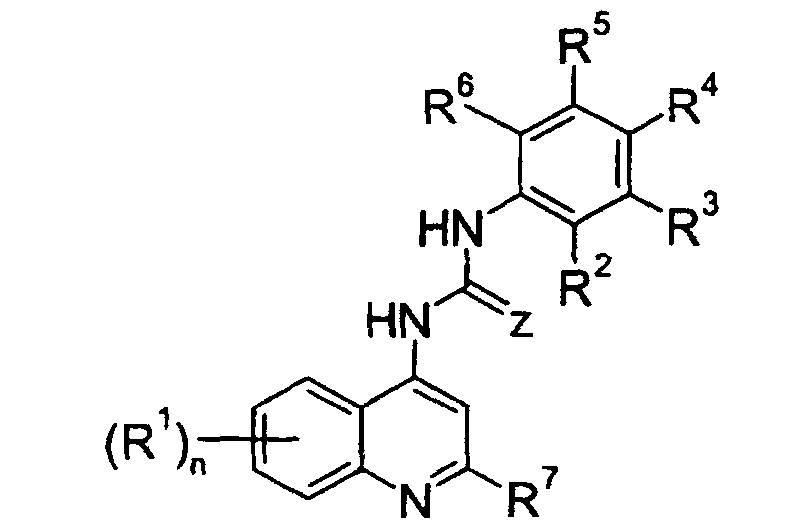
  • the present inventors have found that a novel compound represented by the following formula (I), and characterized by containing three substituents of an urea group, a carbonyl group and an ether group on a benzene ring in chemical structure, possesses an excellent analgesic activity, a preventing and/or therapeutic activity of urinary frequency and/or urinary incontinence, and also vanilloid receptor agonist activity, and have studied extensively thereon to have completed the present invention.
  • formula (I) a novel compound represented by the following formula (I), and characterized by containing three substituents of an urea group, a carbonyl group and an ether group on a benzene ring in chemical structure, possesses an excellent analgesic activity, a preventing and/or therapeutic activity of urinary frequency and/or urinary incontinence, and also vanilloid receptor agonist activity, and have studied extensively thereon to have completed the present invention.
  • the present invention provides:
  • halogen atom represented by R 1 , R 4 and R 6 for example, fluorine, chlorine, bromine, iodine, and the like may be used.
  • Examples of the "hydrocarbon group" in the "optionally substituted hydrocarbon group” represented by R 1 , R 4 and R 6 include an aliphatic hydrocarbon group, an alicyclic hydrocarbon group, an alicyclic-aliphatic hydrocarbon group and an aromatic hydrocarbon group, and carbon number of these groups is preferably 1 to 16.
  • an alkyl group, an alkenyl group, an alkynyl group, a cycloalkyl group, a cycloalkenyl group, a cycloalkylalkyl group, a cycloalkenylalkyl group, an aryl group, an aralkyl group, and the like are used.
  • alkyl group examples include preferably a lower alkyl group, for example, a C 1-6 alkyl group, etc. such as methyl, ethyl, propyl, isopropyl, butyl, isobutyl, sec-butyl, tert-butyl, pentyl, 1-ethylpropyl, hexyl, etc.
  • alkenyl group examples include preferably a lower alkenyl group, for example, a C 2-7 alkenyl group, etc. such as vinyl, 1-propenyl, allyl, isopropenyl, butenyl, isobutenyl, 2,2-dimethyl-pent-4-enyl, etc.
  • alkynyl group examples include preferably a lower alkynyl group, for example, a C 2-6 alkynyl group, etc. such as ethynyl, propargyl, 1-propynyl, etc.
  • cycloalkyl group examples include preferably a lower cycloalkyl group, for example, a C 3-10 cycloalkyl group, etc. such as cyclopropyl, cyclobutyl, cyclopentyl, cyclohexyl, cycloheptyl, cyclooctyl, bicyclo[2.2.1]heptanyl, adamanthyl, etc.
  • cycloalkenyl group examples include preferably a lower cycloalkenyl group, for example, a C 3-6 cycloalkenyl group, etc. such as cyclopropenyl, cyclobutenyl, cyclopentenyl, cyclohexenyl, etc.
  • cycloalkylalkyl group examples include preferably a lower cycloalkylalkyl group, etc., for example, a C 4-12 cycloalkylalkyl group, etc. such as cyclopropylmethyl, cyclopropylethyl, cyclobutylmethyl, cyclopentylmethyl, cyclohexylmethyl, cyclohexylethyl, etc.
  • cycloalkenylalkyl group examples include preferably a lower cycloalkenylalkyl group, etc., for example, a C 4-12 cycloalkenylalkyl group, etc. such as cyclopentenylmethyl, cyclohexenylmethyl, cyclohexenylethyl, cyclohexenylpropyl, cycloheptenylmethyl, cycloheptenylethyl, bicyclo[2.2.1]hept-5-en-2-ylmethyl, etc.
  • aryl group examples include preferably a C 6-14 aryl group, etc. such as phenyl, 1-naphthyl, 2-naphthyl, biphenyl, 2-anthryl, etc., for example, phenyl may be used.
  • aralkyl group examples include preferably a C 7-19 aralkyl group, etc. such as benzyl, benzhydryl, 1,1'-biphenyl-4-ylmethyl, 3,3-diphenylpropyl, 3-phenylpropa-2-enyl, phenylethyl, phenylpropyl, etc., for example, benzyl, benzhydryl, etc. may by used.
  • examples of the "hydrocarbon group" in the “optionally substituted hydrocarbon group” represented by R 1 , R 4 and R 6 include a group formed by fusion of a cycloalkyl group in the above “cycloalkyl group” or “cycloalkylalkyl group” with a benzene ring (e.g., a polycyclic hydrocarbon group such as indanyl, etc.).
  • Examples of the substituents that the "hydrocarbon group" in the "optionally substituted hydrocarbon group” represented by R 1 , R 4 and R 6 may have, include a halogen atom (e.g., fluorine, chlorine, bromine, iodine, etc.), a nitro group, a cyano group, a hydroxy group, a mercapto group, a sulfo group, a sulfino group, a phosphono group, an optionally halogenated C 1-6 alkyl group (e.g., a C 1-6 alkyl group such as methyl, ethyl, propyl, isopropyl, butyl, etc.; a mono-, di- or tri-halogeno-C 1-6 alkyl group, etc.
  • a halogen atom e.g., fluorine, chlorine, bromine, iodine, etc.
  • a halogen atom e.g., flu
  • alkylenedioxy group e.g., a C 1-4 alkylenedioxy group, etc.
  • C 1-6 alkoxy group such as methoxy, ethoxy, propoxy, isopropoxy, butoxy, isobutoxy, pentyloxy, hexyloxy etc.; a mono-, di- or tri-halogeno-C 1-6 alkoxy group, etc.
  • an optionally halogenated C 1-6 alkylthio group e.g., a C 1-6 alkylthio group such as methylthio, ethylthio, propylthio, isopropylthio, butylthio, isobutylthio, pentylthio, hexylthio, etc.; a mono-, di- or tri-halogeno-C 1-6 alkylthio group, etc.
  • a carboxyl group such as of trifluoromethylthio, etc.
  • a carboxyl group such as of trifluoromethylthio, etc.
  • a formyl group such as a carboxyl group, a formyl group, an optionally halogenated C 1-6 alkyl-carbonyl group (e.g., a C 1-6 alkyl-carbonyl group, etc. such as acetyl, propionyl, butyryl, isobutyryl, etc.), a formyloxy group, an optionally halogenated C 1-6 alkyl-carbonyloxy group (e.g., a C 1-6 alkyl-carbonyloxy group, etc.
  • C 1-6 alkoxycarbonyl group e.g., a C 1-6 alkoxy-carbonyl, etc. such as methoxycarbonyl, ethoxycarbonyl, propoxycarbonyl, butoxycarbonyl, etc.
  • a C 7-11 aralkyl group benzyl, etc.
  • a C 7-11 aralkyloxy group benzyloxy, etc.
  • an aralkyloxycarbonyl group e.g., a C 7-11 aralkyloxy-carbonyl, etc.
  • a sulfamoyl group such as benzyloxycarbonyl, etc.
  • a thiocarbamoyl group such as benzyloxycarbonyl, etc.
  • an optionally halogenated C 1-6 alkylsulfinyl group e.g., a C 1-6 alkylsulfinyl group such as methylsulfinyl, ethyl sulfinyl, etc.
  • an optionally halogenated C 1-6 alkylsulfonyl group e.g., a C 1-6 alkylsulfonyl group such as methylsulfonyl, ethylsulfonyl, etc.
  • a sulfamoyl group optionally halogenated mono-alkylsulfamoyl group (e.g., mono-C 1-6 alkylsulfamoyl group, etc.
  • methylsulfamoyl, ethylsulfamoyl, etc. such as methylsulfamoyl, ethylsulfamoyl, etc.
  • an optionally halogenated di-alkyl sulfamoyl group e.g., a di-C 1-6 alkylsulfamoyl group, etc. such as dimethylsulfamoyl, diethylsulfamoyl, etc.
  • an arylsulfamoyl group e.g., a C 6-10 arylsulfamoyl group, etc.
  • phenylsulfamoyl, naphthylsulfamoyl, etc. an aryl group (e.g., a C 6-10 aryl group, etc. such as phenyl, naphthyl, etc.), an aryloxy group(e.g., a C 6-10 aryloxy group, etc. such as phenyloxy, naphthyloxy, etc.), an arylthio group (e.g., a C 6-10 arylthio group, etc.
  • arylsulfinyl group e.g., a C 6-10 arylsulfinyl group such as phenylsulphinyl, naphthylsulfinyl, etc.
  • arylsulfonyl group e.g., a C 6-10 arylsulfonyl group, etc. such as phenylsulfonyl, naphthylsulfonyl, etc.
  • an arylcarbonyl group e.g., a C 6-10 aryl-carbonyl group, etc.
  • R 9 and R 10 each independently represents (1) a hydrogen atom, (2) a C 1-6 alkyl group which may have 1 to 4 substituents selected from a halogen atom and a hydroxy group, (3) a C 6-10 aryl group which may have 1 to 4 substituents selected from a halogen atom, a hydroxy group, and an optionally halogenated C 1-6 alkyl group, or (4) a 5-to 12-membered heterocyclic group containing 1 to 4 hetero atoms consisting of 1 to 3 kinds of hetero atoms selected from an oxygen atom, a sulfur atom and a nitrogen
  • Examples of the "optionally substituted hydrocarbon group" in the substituents that the "hydrocarbon group” in the “optionally substituted hydrocarbon group” represented by R 1 , R 4 and R 6 may have, include those as mentioned above, but when the substituents have a hydrocarbon group as a substituent, the hydrocarbon group is unsubstituted.
  • heterocyclic group in the “optionally substituted heterocyclic group” represented by R 1 , R 4 and R 6 include a 5- to 12-membered monocyclic or fused heterocyclic group, etc. containing 1 to 4 hetero atoms consisting of 1 to 3 kinds of hetero atoms selected from a nitrogen atom, a sulfur atom and an oxygen atom, such as pyridyl, pyrrolidinyl, piperazinyl, piperidinyl, 2-oxoazepinyl, furyl, decahydroisoquinolyl, quinolinyl, indolyl, isoquinolyl, thienyl, imidazolyl, morpholyl, etc.
  • Examples of the "substituents" that the “optionally substituted heterocyclic group” may have include the “substituents” in the “optionally substituted heterocyclic group” represented by R 2 which will be described below, but when the substituent is a heterocyclic group or a hydrocarbon group having a heterocyclic group, the heterocyclic group is unsubstituted.
  • R 1 represents a hydrogen atom
  • R 4 represents a hydrogen atom or an optionally halogenated C 1-4 alkyl group (e.g., methyl, ethyl, isopropyl, tert-butyl, etc.)
  • R 6 represents a hydrogen atom or an optionally halogenated C 1-4 alkyl group (e.g., methyl, ethyl, isopropyl, tert-butyl, etc.).
  • hydrocarbon group in the “optionally substituted hydrocarbon group” represented by R 2 for example, those for the "hydrocarbon group” in the “optionally substituted hydrocarbon group” represented by the above-mentioned R 1 , R 4 and R 6 , preferably, an alkyl group, an alkenyl group and an alkynyl group may be used.
  • substituted hydrocarbon group those for the "substituents" in the "optionally substituted hydrocarbon group” represented by the above-mentioned R 1 , R 4 and R 6 , may be used.
  • Examples of the "optionally substituted hydrocarbon group" represented by R 2 include preferably an optionally substituted C 7-19 aralkyl group, particularly, an optionally substituted benzyl group, or an optionally substituted benzhydryl group.
  • R 2 an unsubstituted benzhydryl group, a 4-tert-butylbenzyl group, a 4-isopropylbenzyl group, etc is preferable.
  • Examples of the "optionally substituted heterocyclic group" represented by R 2 include a 5- to 12-membered aromatic heterocyclic group, or a saturated or unsaturated non-aromatic heterocyclic group, etc. which contains at least 1 hetero atom (preferably 1 to 4 hetero atoms, more preferably 1 to 2 hetero atoms) consisting of 1 to 3 kinds of hetero atoms (preferably 1 to 2 kinds of hetero atoms) selected from an oxygen atom, a sulfur atom, a nitrogen atom, etc. as ring-constituting atoms.
  • aromatic heterocyclic group examples include an aromatic monocyclic heterocyclic group or an aromatic fused heterocyclic grop, etc.
  • aromatic monocyclic heterocyclic group examples include a 5- to 6-membered aromatic monocyclic heterocyclic group, etc. such as furyl, thienyl, pyrrolyl, oxazolyl, isoxazolyl, thiazolyl, isothiazolyl, imidazolyl, pyrazolyl, 1,2,3-oxadiazolyl, 1,2,4-oxadiazolyl, 1,3,4-oxadiazolyl, furazanyl, 1,2,3-thiadiazolyl, 1,2,4-thiadiazolyl, 1,3,4-thiadiazolyl, 1,2,3-triazolyl, 1,2,4-triazolyl, tetrazolyl, pyridyl, pyridazinyl, pyrimidinyl, pyrazinyl, triazinyl. etc.
  • aromatic fused heterocyclic group examples include a 8- to 12-membered aromatic fused heterocyclic group (preferably, a heterocyclic group formed by fusion of the above-mentioned 5- or 6-membered aromatic monocyclic heterocyclic group with a benzene ring or a heterocyclic group formed by fusion of two above-mentioned 5- or 6-membered aromatic monocyclic heterocyclic groups which are the same or different) etc.
  • saturated or unsaturated non-aromatic heterocyclic group examples include a 3- to 8-membered (preferably 5- or 6-membered) saturated or unsaturated (preferably saturated) non-aromatic heterocyclic group (alicyclic heterocyclic group), etc.
  • oxiranyl such as oxiranyl, azetidinyl, oxetanyl, thietanyl, pyrrolidinyl, tetrahydrofuryl, thiolanyl, piperidinyl, tetrahydropyranyl, thianyl, morpholyl, thiomorpholyl, piperazinyl, azepanyl, oxepanyl, thiepanyl, oxazepanyl, thiazepanyl, azocanyl, oxocanyl, thiocanyl, oxazocanyl, thiazocanyl, etc.
  • oxo may be 2-oxoazetidinyl, 2-oxopyrrolidinyl, 2-oxopiperidinyl, 2-oxoazepanyl, 2-oxoazocanyl, 2-oxotetrahydrofuryl, 2-oxotetrahydropyranyl, 2-oxothiolanyl, 2-oxothianyl, 2-oxopiperazinyl, 2-oxooxepanyl, 2-oxooxazepanyl, 2-oxothiepanyl, 2-oxothiazepanyl, 2-oxoazocanyl, 2-oxooxocanyl, 2-oxothiocanyl, 2-oxooxazocanyl, 2-oxooxazocanyl, 2-oxothiazocanyl, 2-oxoothiazocanyl, and the like, preferably a 5-membered non-aromatic heterocyclic group such as 2-oxo
  • heterocyclic group in the “optionally substituted heterocyclic group” represented by R 2 , include preferably a 5- to 7-membered (preferably 5- or 6-membered, more preferably 5-membered) aromatic heterocyclic group which contains 1 to 3 (preferably 1 or 2) hetero atoms selected from an oxygen atom, a sulfur atom and a nitrogen atom, particularly a pyridyl group.
  • heterocyclic group in the “optionally substituted heterocyclic group” represented by R 2 may have, for example, those for the “substituents” in the "optionally substituted hydrocarbon group” represented by R 1 , R 4 and R 6 as described above may be used.
  • heterocyclic group in the “optionally substituted heterocyclic group” represented by R 2 may have 1 to 5, preferably 1 to 3 substituents as described above at any possible position on the heterocyclic group, and when the number of the substituents is 2 or more, each substituent may be the same or different.
  • R 2 is preferably a C 7-19 aralkyl group which may have 1 to 4 substituents selected from an optionally halogenated C 1-6 alkyl group, a halogen atom, a nitro group, a cyano group, a carboxyl group, an amino group, an optionally halogenated C 1-6 alkyl-carbonyl group, a C 6-10 aryl-carbonyl group, an optionally halogenated C 1-6 alkylthio group, an optionally halogenated C 1-6 alkoxy group, a C 6-10 aryl group, a C 6-10 aryloxy group, a C 6-10 arylthio group, an optionally halogenated C 1-6 alkoxy-carbonyl group, an optionally halogenated C 1-6 alkylthio-carbonyl group, an optionally halogenated C 1-6 alkylsulfinyl group, an optionally halogenated C 1-6 alkylsulfonyl group,
  • R 2 is more preferably a C 7-19 aralkyl group (a benzhydryl group, etc.) which may have 1 to 4 substituents selected from a halogen atom, an optionally halogenated C 1-4 alkyl group, a nitro group, a cyano group and a C 1-4 alkoxycarbonyl group.
  • R 3 represents an optionally substituted hydrocarbon group, NR 7 'R 7 or OR 8 , and as the "optionally substituted hydrocarbon group" represented by R 3 , those for the "optionally substituted hydrocarbon group” represented by R 1 , R 4 and R 6 as described above may be used. Particularly, an optionally halogenated C 1-4 alkyl group is preferred.
  • R 7 ' in NR 7 'R 7 represents the "hydrogen atom or optionally substituted hydrocarbon group", and as the "optionally substituted hydrocarbon group", those for the “optionally substituted hydrocarbon group” represented by R 1 , R 4 and R 6 as described above may be used.
  • substituents those for the "substituents" in the "optionally substituted hydrocarbon group” represented by R 1 , R 4 and R 6 as described above may be used.
  • R 7 represents a " optionally substituted non-aromatic group ", and as the "non-aromatic group", the aliphatic hydrocarbon group, the alicyclic hydrocarbon group, the alicyclic-aliphatic hydrocarbon group, non-aromatic heterocyclic group, and the like as described above (for example, a C 1-6 alkyl group, a C 2-6 alkenyl group, a C 2-6 alkynyl group, a C 3-10 cycloalkyl group, a C 3-10 cycloalkenyl group, a C 4-12 cycloalkylalkyl group, a C 4-12 cycloalkenylalkyl group, a C 7-19 aralkyl group, or a 5- to 12-membered non-aromatic heterocyclic group that contains 1 to 4 hetero atoms consisting of 1 to 3 kinds of hetero atoms selected from an oxygen atom, a sulfur atom and a nitrogen atom as ring-constituting atom
  • substituents those for the "substituents" in the "optionally substituted hydrocarbon group” represented by R 1 , R 4 and R 6 as described above may be used.
  • R 7 an optionally halogenated C 1-4 alkyl group is preferred and as R 7 ', a hydrogen atom is preferred.
  • R 7 ' and R 7 may form an "optionally substituted ring" together with the adjacent nitrogen atom
  • examples of the "optionally substituted ring” includes a "3- to 12-membered nitrogen-containing heterocyclic ring", etc. which may contain 1 to 3 hetero atoms selected from an oxygen atom, a sulfur atom and a nitrogen atom in addition to carbon atoms and one nitrogen atom.
  • the "3- to 12-membered nitrogen-containing heterocyclic ring” include a non-aromatic heterocyclic ring such as aziridine, azetidine, pyrrolidine, piperidine, hexamethyleneimine, heptamethyleneimine, morpholine, thiomorpholine, pyrazolidine, piperazine, etc., an aromatic heterocyclic ring, etc. such as pyrazole, pyridine, quinoline, isoquinoline, pyrazine, pyrimidine, pyrrole, imidazole, pyridazine, isothiazoline, oxazole, isoxazole, indole. etc.
  • a non-aromatic heterocyclic ring such as aziridine, azetidine, pyrrolidine, piperidine, hexamethyleneimine, heptamethyleneimine, morpholine, thiomorpholine, pyrazolidine, piperazine, etc.
  • substituents in the "optionally substituted ring” include those for the "substituents" in the "optionally substituted hydrocarbon group” represented by R 1 , R 4 and R 6 as described above.
  • R 8 in OR 8 represents the "optionally substituted hydrocarbon group" or the "optionally substituted heterocyclic group", and as the "optionally substituted hydrocarbon group” and the “optionally substituted heterocyclic group", those for the "optionally substituted hydrocarbon group” represented by R 1 , R 4 and R 6 as described above, or those for the “optionally substituted heterocyclic group” represented by R 2 as described above may be used.
  • R 8 particularly, an optionally halogenated C 1-4 alkyl group is preferred.
  • R 3 is preferably a C 1-4 alkyl group, a C 1-4 alkylamino group or a C 1-4 alkoxy group.
  • R 5 represents an "optionally substituted hydrocarbon group (except for an optionally substituted benzoyl group)" or a "optionally substituted heterocyclic group (except for a quinolyl group)".
  • these groups those for the "optionally substituted hydrocarbon group” (except for an optionally substituted benzoyl group) represented by R 1 , R 4 and R 6 as described above or those for the "optionally substituted heterocyclic group” (except for a quinolyl group) represented by R 2 as described above, may be used.
  • R 5 particularly, an optionally substituted phenyl group, or an optionally substituted pyridyl group is preferred.
  • R 5 is preferably a C 6-10 aryl group, a pyridyl group or a C 7-11 aralkyl group, each of which may have 1 to 4 substituents selected from an optionally halogenated C 1-6 alkyl group, a halogen atom, a nitro group, a cyano group, a carboxyl group, an amino group, an optionally halogenated C 1-6 alkyl-carbonyl group, a C 6-10 aryl-carbonyl group, an optionally halogenated C 1-6 alkylthio group, an optionally halogenated C 1-6 alkoxy group, a C 6-10 aryl group, a C 6-10 aryloxy group, a C 6-10 arylthio group, an optionally halogenated C 1-6 alkoxy-carbonyl group, an optionally halogenated C 1-6 alkylthio-carbonyl group, an optionally halogenated C 1-6 alkylsulfinyl
  • R 5' represents the "hydrogen atom or optionally substituted hydrocarbon group"
  • examples of the "optionally substituted hydrocarbon group” includes those for the "optionally substituted hydrocarbon group” represented by R 1 , R 4 and R 6 as described above.
  • substituents those for the "substituents" in the "optionally substituted hydrocarbon group” represented by R 1 , R 4 and R 6 as described above may be used.
  • R 5 and R 5' may form an "optionally substituted ring" together with the adjacent nitrogen atom
  • the "optionally substituted ring" includes a "3- to 12-membered nitrogen-containing heterocyclic ring", etc. which may contain 1 to 3 hetero atoms selected from an oxygen atom, a sulfur atom and a nitrogen atom in addition to carbon atoms and one nitrogen atom.
  • Examples of the "3-to 12-membered nitrogen-containing heterocyclic ring” include those for the "optionally substituted ring” formed by R 7' and R 7 as described above together with the adjacent nitrogen atom.
  • examples of the substituents in the "optionally substituted ring” include those for the "substituents" in the "optionally substituted hydrocarbon group” represented by R 1 , R 4 and R 6 as described above.
  • R 5" represents the "hydrogen atom or optionally substituted hydrocarbon group", and examples of the "optionally substituted hydrocarbon group” include those for the "optionally substituted hydrocarbon group” represented by as described above R 1 , R 4 and R 6 .
  • substituents include those for the "substituents" in the "optionally substituted hydrocarbon group” represented by R 1 , R 4 and R 6 as described above.
  • R 5' and R 5" a hydrogen atom is preferable.
  • the compound represented by the formula (I) of the present invention is preferably the compound wherein R 1 represents a hydrogen atom; R 2 represents a C 7-19 aralkyl group which may have 1 to 4 substituents selected from a halogen atom, an optionally halogenated C 1-4 alkyl group, a nitro group, a cyano group and a C 1-4 alkoxy-carbonyl group; R 3 represents a C 1-4 alkyl group, a C 1-4 alkylamino group or a C 1-4 alkoxy group; R 4 represents a hydrogen atom or an optionally halogenated C 1-4 alkyl group; R 5 represents a C 6-10 aryl group, a pyridyl group or a C 7-11ar alkyl group, each of which may have 1 to 4 substituents selected from an optionally halogenated C 1-6 alkyl group, a halogen atom, a nitro group, a cyano group, a carboxyl group, an
  • Examples of the salt of the compound represented by the formula (I) include an acid addition salt such as an inorganic acid salt (e.g., hydrochloride, sulfate, hydrobromide, phosphate, etc.), an organic acid salt (e.g., acetate, trifluoroacetate, succinate, maleate, fumarate, propionate, citrate, tartarate, lactate, oxalate, methanesulfonate, benzensulfonate, p-toluenesulfonate, etc.), as well as a salt with a base, such as an alkali metal salt (e.g., potassium salt, sodium salt, lithium salt, etc.), an alkaline earth metal salt (e.g.
  • an inorganic acid salt e.g., hydrochloride, sulfate, hydrobromide, phosphate, etc.
  • an organic acid salt e.g., acetate, trifluoroacetate, succinate, male
  • an ammonium salt a salt with an organic base (e.g., trimethylamine salt, triethylamine salt, tert-butyldimethylamine salt, dibenzylmethylamine salt, benzyldimethylamine salt, N,N-dimethylaniline salt, pyridine salt, quinoline salt).
  • a pharmaceutically acceptable salt is preferable.
  • the compound represented by the formula (I) or a salt thereof may be in the form of a hydrate or a solvate.
  • the compound including a salt thereof, a hydrate thereof and a solvate thereof will be also referred to as the compound (I).
  • the prodrug of the compound (I) means a compound which is converted to the compound (I) by a reaction with an enzyme, a gastric acid, etc. in a living body.
  • Examples of the prodrug of the compound (I) include a compound wherein if the compound (I) has an amino group, the amino group of the compound (I) is acylated, alkylated, or phosphorylated, (for example, a compound wherein the amino group of the compound (I) is substituted with eicosanoyl, alanyl, pentylaminocarbonyl, (5-methyl-2-oxo-1,3-dioxolen-4-yl)methoxycarbonyl, tetrahydrofuranyl, pyrrolidylmethyl, pivaloyloxymethyl, or tert-butyl, etc.); a compound wherein if the compound (I) has a hydroxy group, the hydroxyl group of the compound (I) is acylated, alkylated, phosphorylated, or substituted with boric acid, (for example, a compound wherein the hydroxyl group of the compound (I) is substituted with acetyl
  • the prodrug of compound (I) may be a compound which is converted into the compound (I) under the physiological conditions as described in "Development of Drugs", vol. 7, Molecular Design, pp. 163-198 published in 1990 by Hirokawa Publishing Company.
  • the prodrug of the compound (I) may be itself or a pharmaceutically acceptable salt thereof.
  • the examples of these salts include salts with an inorganic base such as an alkali metal (e.g., sodium, potassium, and the like), an alkaline earth metal (calcium, magnesium, and the like), a transition metal, etc.
  • organic bases e.g., trimethylamine, triethylamine, pyridine, picoline, ethanolamine, diethanolamine, triethanolamine, dicyclohexylamine, N,N'-dibenzylethylenediamine, and the like
  • basic amino acids e.g., arginine, lysine, ornithine, and the like
  • examples of the salts include salts with an inorganic acid or organic acid (e.g., hydrochloric acid, nitric acid, sulfuric acid, phosphoric acid, carbonic acid, bicarbonic acid, formic acid, acetic acid, propionic acid, trifluoroacetic acid, fumaric acid, oxalic acid, tartaric acid, maleic acid, citric acid, succinic acid, malic acid, methanesulfonic acid, benzenesulfonic acid, p-toluenesulfonic acid, and the like), an acidic amino acid (e.g., aspartic acid, glutamic acid, and the like), and so on.
  • an inorganic acid or organic acid e.g., hydrochloric acid, nitric acid, sulfuric acid, phosphoric acid, carbonic acid, bicarbonic acid, formic acid, acetic acid, propionic acid, trifluoroacetic acid, fumaric acid, oxalic acid
  • the prodrug of the compound (I) may be in any form of hydrate or non-hydrate.
  • the compound (I) may contain one or more asymmetric carbon atoms in the molecule and the compounds having any one of R configuration and S configuration relating to the asymmetric carbon atoms are included in the scope of the present invention.
  • the compound (I) can be produced by, for example, the following preparation process 1: wherein each symbol is as defined above, or an analogous process thereto.
  • a compound (IV) is subjected to alkylation to produce a compound (III).
  • the alkylation is carried out in the presence of a base and an alkyhalide in a solvent having no influence on the reaction, in accordance with a conventional method.
  • a base include potassiun carbonate, sodium carbonate, sodium hydride, potassium hydride, and the like.
  • alkylhalide examples include alkyl chloride, alkyl bromide, alkyl iodide, alkyl methanesulfonate, and the like.
  • the amounts of the base and the alkylhalide to be used are preferably about 1 to 5 molar equivalents to the compound (IV), respectively.
  • solvent having no influence on the reaction examples include ethers such as tetrahydrofuran, etc.; halogenated hydrocarbons such as chloroform, etc.; aromatic hydrocarbons such as toluene, etc.; amides such as N,N-dimethylformamide, etc.; sulfoxides such as dimethylsulfoxide, etc.; or the like. These solvents may be used by mixing two or more solvents in an appropriate ratio. The amount of the solvent to be used is, for example, 1 to 100 times the volume of the compound (IV).
  • the reaction temperature is usually about -50 to about 250°C, preferably about 0°C to about 120°C.
  • the reaction time is usually about 0.5 to about 24 hours.
  • the compound (III) thus produced may be isolated and purified through any known separation and purification means such as concentration, concentration under reduced pressure, solvent extraction, crystallization, recrystallization, phase transfer, chromatography, or the like. In addition, the compound (III) may be used without isolation in the subsequent reaction step.
  • This reaction is carried out by using a reducing agent in a solvent having no influence on the reaction, in accordance with a conventional method.
  • solvent having no influence on the reaction examples include alcohols such as methanol, etc.; ethers such as tetrahydrofuran, etc.; hydrocarbons such as ethyl acetate, etc.; water; or the like. These solvents may be used by mixing 2 or more solvents in an appropriate ratio. The amount of the solvent to be used is, for example, 1 to 100 times the volume of the compound (III).
  • Examples of the reducing agent include hydrogen in the presence of iridium carbon, sodium hydrosulfite, hydrogen iodide, or the like.
  • the amount of the reducing agent to be used is preferably 1 to 100 molar equivalents.
  • the reaction temperature is usually about -50 to 200°C.
  • the reaction time is usually about 0.5 to 24 hours.
  • the compound (II) thus produced may be isolated and purified through any known separation and purification means such as concentration, concentration under reduced pressure, solvent extraction, crystallization, recrystallization, phase transfer, chromatography, or the like.
  • the compound (II) may be used in the subsequent reaction step without isolation.
  • the compound (II) is subjected to the urea synthesis reaction to produce the compound (I).
  • This reaction is carried out by using an urea formation agent in a solvent having no influence on the reaction, in accordance with a conventional method.
  • the urea formation agent examples include phenyl isocyanate, 3,4-dimethoxyphenyl isocyanate, 3-methoxyphenyl isocyanate, 4-methoxyphenyl isocyanate, or the like.
  • the urea formation agent also includes a reagent formed in a reaction system by reacting a carbonylating agent in the presence of an appropriate amine, and then the reagent as such is reacted with the compound (II).
  • the carbonylating agent examples include carbonyldiimidazole, phosgene, di(N-succinimidyl) carbonate, or the like.
  • the amount of the urea formation agent to be used is preferably about 1 to 5 molar equivalents, relative to the compound (II).
  • solvent having no influence on the reaction examples include ethers such as tetrahydrofuran, etc.; halogenated hydrocarbons such as chloroform, etc.; aromatic hydrocarbons such as toluene, etc.; amides such as N,N-dimethylformamide, etc.; sulfoxides such as dimethylsulfoxide, etc; or the like. These solvents may be used by mixing 2 or moresolvents in an appropriate ratio. The amount of the solvent to be used is 1 to 100 times the volume of the compound (II).
  • the reaction temperature is usually about -50 to about 250°C, preferably about 0°C to 120°C.
  • the reaction time is usually about 0.5 to 24 hours.
  • the compound (I) thus produced may be isolated and purified through any known separation and purification means such as concentration, concentration under reduced pressure, solvent extraction, crystallization, recrystallization, phase transfer, chromatography, or the like.
  • the compound (IV) to be used as a starting compound is commercially available, or can be prepared by per se known processes such as the processes described in "Bulletin of the Chemical Society of Japan", vol. 56, pp. 2762-2763 (1983), “Journal of Medicinal Chemistry", vol. 37, pp. 845-859 (1994), JP 5-294920 A, and the like or analogous processes thereof.
  • the compound (I) of the present invention and a prodrug thereof possess an excellent analgesic action, a preventing and/or therapeutic action of urinary frequency and/or urinary incontinence, and a pharmaceutical composition comprising them is useful as an analgesic agent, and an agent for preventing and/or treating urinary frequency and/or urinary incontinence, and the like.
  • the pharmaceutical composition is useful for treating acute/chronic, systemic and topical pain and/or inflammation, for example, treatment of gonarthritis, arthralgia such as lumbago, osteoarthritis, chronic articular rheumatism, fibromyalgia, Guillain-Barre syndrome, meralgia paraesthetica, pain by reflex sympathetic dystrophy syndrome, postoperative pain, diabetic neuralgia, herpes zoster pain, cancer pain, migraine, muscle pain, dental pain, myocardial infarction, reflex sympathetic nerve anomaly symptom, pain by trigeminal neuralgia, postmastectomy pain; analgesia for pain, etc.
  • gonarthritis arthralgia such as lumbago, osteoarthritis, chronic articular rheumatism, fibromyalgia, Guillain-Barre syndrome, meralgia paraesthetica
  • pain by reflex sympathetic dystrophy syndrome postoperative pain
  • the pharmaceutical composition is also useful for treatment of clamacteric disorders, or flush or glow by administration of gonadotrophin agonist; treatment of emesis by anti-emetic or anticancer drug; prevention of obesity; inhibition of fat accumulation (fat metabolism enhancer); lowering cholesterol; enhancing secretion of adrenaline (increasing action of cardiac rate, etc.); lowering blood pressure; protection of gastric mucosa; enhancing secretion of saliva or stomach juice; lowering blood glucose; treatment of irritable bowel syndrome; treatment of toxic shock, septic shock, arterial sclerosis, cancer; prevention of progress of nerve tissue degenerative disease such as cerebral apoplexy (cerebral infarction, cerebral hemorrhage); prevention and/or treatment of motor neuron disease, Parkinson's disease, Alzheimer's disease, AIDS-associated dementia, Lewy body disease, cerebral neuropathy, peripheral neuropathy and prion disease.
  • gonadotrophin agonist treatment of emesis by anti-emetic or anticancer drug
  • prevention of obesity inhibition of
  • R 2a represents an optionally substituted hydrocarbon group or an optionally substituted heterocyclic group
  • R 3a represents an optionally substituted hydrocarbon group, NR 7 'R 7a or OR 8
  • R 7 ' represents a hydrogen atom or an optionally substituted hydrocarbon group
  • R 7a and R 8 each independently represents an optionally substituted hydrocarbon group or an optionally substituted heterocyclic group, or R 7' and R 7a may form an optionally substituted ring together with the adjacent nitrogen atom
  • R 5a represents an optionally substituted hydrocarbon group or an optionally substituted heterocyclic group
  • R 5' represents a hydrogen atom, or an optionally substituted hydrocarbon group, or R 5a and R 5' may form an optionally substituted ring together with the adjacent nitrogen atom
  • R 5" represents a hydrogen atom or an optionally substituted hydrocarbon group, R 1 , R 4 and R 6 are as defined in the above-described formula (I), and the "
  • the present invention also provides a vanilloid receptor agonist comprising the compound (Ia) or a prodrug thereof.
  • the vanilloid receptor is a nociceptor which mediates pain, and an agonist thereof has the effect of desensitizing nerves. Therefore, the vanilloid receptor agonist of the present invention is an analgesic agent or an agent for preventing and/or treating urinary frequency and/or urinary incontinence, and useful for the prevention and/or treatment of diseases and disorders as described above.
  • the compound (I) or the compound (Ia) of the present invention may be administered orally or parenterally, and are particularly suitable for oral administration because they have no pungent taste. Further, these compounds can be used for the prevention and/or treatment of the above-mentioned diseases and disorders by formulating into forms suitable for the administration.
  • the compound (I) or the compound (Ia) of the present invention may be used in combination with other drugs for the prevention and/or treatment of diseases and disorders (e.g., other drugs for the prevention and/or treatment of central nervous system diseases).
  • other drugs for the prevention and/or treatment of diseases and disorders e.g., other drugs for the prevention and/or treatment of central nervous system diseases.
  • the compound (I) or (Ia) has a low toxicity and can be safely administered orally or parenterally (e.g., topical, rectal, intravenous administration, etc.) as such or as a pharmaceutical composition, which is produced by compounding with a pharmaceutically acceptable carrier according to a per se known method, in the form of tablets (including sugar-coated tablets, film-coated tablets), powders, granules, capsules (including soft capsules), solutions, injectable preparations, nasal drops, suppositories, sustained-release formulations, plasters, chewing gums, or the like.
  • the content of the compound (I) or (Ia) in the formulation of the present invention is about 0.01 to about 100% by weight based on the total weight of the formulation.
  • the dosage may vary depending on the administration subject, the administration route, the disease to be treated, and the like, but, for example, in case that it is administered orally to an adult (body weight 50 kg) as an analgesic agent, a daily dosage of the compound (I) or (Ia) of the present invention as the active ingredient is about 5 to 1000 mg/day, preferably, about 10 to 600 mg/day, more preferably about 10 to 300 mg/day, particularly preferably about 15 to 150 mg/day, and the dosage can be administered once a day, or 2 or 3 times daily.
  • these drugs when used in combination with other drugs, these drugs, separately or simultaneously, may be formulated by mixing with pharmaceutically acceptable carriers, excipients, binders, diluents or the like, and can be administered orally or parenterally.
  • the drug when the drug is prepared separately, the drugs which are prepared separately may be mixed with a diluent or the like before using and then administered, or each of the preparations separately prepared may be administered, simultaneously or separately at an interval, to an identical subject.
  • Kit products used for mixing the separately-prepared preparations with a diluent and the like before using and administering for example, an injectable kit including ampoules containing each powdery drug, and a diluent for mixing and solving with 2 or more drugs before using, and the like
  • kit products used for administering each of the separately-prepared preparations, simultaneously or separately at an interval, to an identical person for example, a tablet kit for administering 2 or more tablets, simultaneously or separately at an interval, wherein the tablet containing each drugs was put into the same or the separate bags and, if necessary, a column wherein the drug administration date is to be indicated was provided on the bag, and the like), or the like are also included in the pharmaceutical composition of the present invention.
  • the pharmaceutically acceptable carrier which may be used for the preparations of the present invention includes a variety of organic or inorganic carrier substances, which have been conventionally employed as formulation materials, for example, an excipient, a lubricant, a binder, and a disintegrator in solid formulations; a solvent, a solubilizer, a suspending agent, an isotonizing agent, a buffering agent, and a soothing agent in liquid formulations; and the like.
  • conventional additives such as a preservative, an antioxidant, a coloring agent, a sweetener, an adsorbent, a wetting agent, and the like can be used.
  • excipient examples include lactose, refined sugar, D-mannitol, starch, corn starch, crystalline cellulose, light silicic anhydride, or the like.
  • lubricant examples include magnesium stearate, calcium stearate, talc, colloidal silica, or the like.
  • binder examples include crystalline cellulose, refined sugar, D-mannitol, dextrin, hydroxypropyl cellulose, hydroxypropylmethyl cellulose, polyvinyl pyrrolidone, starch, sucrose, gelatine, methyl cellulose, sodium carboxymethyl cellulose, or the like.
  • disintegrator examples include starch, carboxymethyl cellulose, calcium carboxymethyl cellulose, croscarmellose sodium, sodium carboxymethyl starch, L-hydroxypropyl cellulose, or the like.
  • solvent examples include water for injection, alcohol, propylene glycol, macrogol, sesame oil, corn oil, olive oil, or the like.
  • solubilizer examples include polyethylene glycol, propylene glycol, D-mannitol, benzyl benzoate, ethanol, trisaminomethane, cholesterol, triethanolamine, sodium carbonate, sodium citrate, or the like.
  • suspending agent examples include a surface active agent such as stearyltriethanolamine, sodium lauryl sulfate, laurlyaminopropionic acid, lecithin, benzalkonium chloride, benzethonium chloride, glycerin monostearate, or the like; hydrophilic high molecular weight substances such as polyvinyl alcohol, polyvinylpyrrolidone, sodium carboxymethyl cellulose, methyl cellulose, hydroxymethyl cellulose, hydroxyethyl cellulose, hydroxypropyl cellulose, or the like; etc.
  • a surface active agent such as stearyltriethanolamine, sodium lauryl sulfate, laurlyaminopropionic acid, lecithin, benzalkonium chloride, benzethonium chloride, glycerin monostearate, or the like
  • hydrophilic high molecular weight substances such as polyvinyl alcohol, polyvinylpyrrolidone, sodium carboxymethyl cellulose,
  • isotonizing agent examples include glucose, D-sorbitol, sodium chloride, glycerin, D-mannitol, or he like.
  • buffering agent examples include a buffering solution of phosphate, acetate, carbonate, citrate or the like.
  • Examples of the soothing agent include benzyl alcohol or the like.
  • preservative examples include paraoxybenzoic ester, chlorobutanol, benzyl alcohol, phenethyl alcohol, dehydroacetic acid, sorbic acid, or the like.
  • antioxidant examples include sulfite, ascorbic acid, ⁇ -tocopherol, or the like.
  • the reaction solution was poured into water, and the mixture was extracted with ethyl acetate.
  • the extracted solution was washed with water, was dried with anhydrous magnesium sulfate, and the solvent was distilled off under reduced pressure.
  • the solvent was distilled off under reduced pressure, and the residue was poured into water and was extracted with ethyl acetate.
  • the extracted solution was washed with water, was dried with anhydrous magnesium sulfate, and the solvent was distilled off under reduced pressure.
  • the solvent was distilled off under reduced pressure, and the residue was poured into water and was extracted with ethyl acetate.
  • the extracted solution was washed with water, was dried with anhydrous magnesium sulfate, and the solvent was distilled off under reduced pressure.
  • the solvent was distilled off under reduced pressure, and the residue was poured into water and was extracted with ethyl acetate.
  • the extracted solution was washed with water, was dried with anhydrous magnesium sulfate, and the solvent was distilled off under reduced pressure.
  • the residue was purified by silicagel column chromatography (ethyl acetate), which was recrystallized from hexane and ethyl acetate, to obtain 268 mg (60.0%) of the titled compound as a solid.
  • the solvent was distilled off under reduced pressure, and the residue was poured into water and was extracted with ethyl acetate.
  • the extracted solution was washed with water, was dried with anhydrous magnesium sulfate, and the solvent was distilled off under reduced pressure.
  • the residue was purified by silicagel column chromatography (ethyl acetate), which was recrystallized from ethyl acetate, to obtain 199 mg (40.2%) of the titled compound as a solid.
  • the solvent was distilled off under reduced pressure, and the residue was poured into water and was extracted with ethyl acetate.
  • the extracted solution was washed with water, was dried with anhydrous magnesium sulfate, and the solvent was distilled off under reduced pressure.
  • the solvent was distilled off under reduced pressure, and the residue was poured into water and was extracted with ethyl acetate.
  • the extracted solution was washed with water, was dried with anhydrous magnesium sulfate, and the solvent was distilled off under reduced pressure.
  • the mixture was extracted with ethyl acetate, and the extracted solution was washed with water and was dried with anhydrous magnesium sulfate.
  • the solvent was distilled off under reduced pressure.
  • the residue was purified by silicagel column chromatography (tetrahydrofuran), to obtain the titled compound as a solid. This was recrystallized from ethyl acetate.

Landscapes

  • Chemical & Material Sciences (AREA)
  • Organic Chemistry (AREA)
  • Health & Medical Sciences (AREA)
  • Life Sciences & Earth Sciences (AREA)
  • General Health & Medical Sciences (AREA)
  • Veterinary Medicine (AREA)
  • Public Health (AREA)
  • Animal Behavior & Ethology (AREA)
  • Pharmacology & Pharmacy (AREA)
  • Medicinal Chemistry (AREA)
  • Engineering & Computer Science (AREA)
  • Nuclear Medicine, Radiotherapy & Molecular Imaging (AREA)
  • General Chemical & Material Sciences (AREA)
  • Chemical Kinetics & Catalysis (AREA)
  • Bioinformatics & Cheminformatics (AREA)
  • Epidemiology (AREA)
  • Diabetes (AREA)
  • Neurology (AREA)
  • Neurosurgery (AREA)
  • Biomedical Technology (AREA)
  • Endocrinology (AREA)
  • Cardiology (AREA)
  • Heart & Thoracic Surgery (AREA)
  • Hematology (AREA)
  • Dermatology (AREA)
  • Emergency Medicine (AREA)
  • Obesity (AREA)
  • Urology & Nephrology (AREA)
  • Virology (AREA)
  • Pain & Pain Management (AREA)
  • Pulmonology (AREA)
  • Orthopedic Medicine & Surgery (AREA)
  • Otolaryngology (AREA)
  • Reproductive Health (AREA)
  • Communicable Diseases (AREA)
  • Oncology (AREA)
  • Rheumatology (AREA)
  • Hospice & Palliative Care (AREA)
  • Physical Education & Sports Medicine (AREA)
  • Immunology (AREA)

Abstract

Novel benzene derivatives represented by the formula (I) :
Figure 80000001
wherein R1, R4 and R6 each independently represents a hydrogen atom, a halogen atom or a hydrocarbon group, R2 represents a hydrocarbon group or a heterocyclic group, R3 represents a hydrocarbon group, NR7'R7 or OR8 (wherein R7' represents a hydrogen atom or a hydrocarbon group, R7 represents a non-aromatic group, or R7' and R7 may form a ring with the adjacent nitrogen atom, and R8 represents a hydrocarbon group or a heterocyclic group), R5 represents a hydrocarbon group or a heterocyclic group (except for a quinolyl group), R5' represents a hydrogen atom, or a hydrocarbon group, or R5 and R5' may form a ring with the adjacent nitrogen atom, and R5" represents a hydrogen atom or a hydrocarbon group, which have vanilloid receptor agonist activity and are useful as a drug such as an analgesic and an agent for preventing and/or treating urinary frequency and/or urinary incontinence.

Description

Technical Field
The present invention relates to a benzene derivative which is useful as medicines, and a preparation process and a use thereof.
Background Art
There have so far been reported on various benzene derivatives which are useful as medicines. The benzene derivatives, which contain three substituents of a urea group, a carbonyl group and an ether group on benzene ring and are useful as medicines (anticancer agents, antiobestic agents), are disclosed in e.g. WO 01/25190, WO 00/47577, and JP 63-99056 A.
That is, WO 01/25190 discloses that a compound of the formula:
Figure 00010001
wherein A and B represent an aromatic ring such as a benzene ring; COX and NHCOX are present adjacent to each other and these substituents are bonded to a carbon atom in the aromatic ring A; X represents an alkylene group, an alkyleneoxy group or a single bond; Y represents an alkyl group, an alkoxy group, a hydroxy group or a substituted or unsubstituted amino group; R1 represents a hydrogen atom, a halogen atom, a hydroxy group or an alkyl group, etc., provided that R1 is not hydrogen atom when A is a benzene ring; R2 represents a hydrogen atom, a halogen atom, a hydroxy group or an alkyl group, etc.; R3 and R4 represent a substituted or unsubstituted imino group, an oxygen atom or a single bond; R5 represents an alkyl group, a substituted or unsubstituted phenyl group, etc.; Z represents an oxygen atom or a sulfur atom, inhibits hyperplasia of cells.
WO 00/47577 discloses that a compound of the formula:
Figure 00020001
wherein Z represents an oxygen or sulfur atom; R1 represents a (C1-6)alkyl group, a (C2-6)alkenyl group, a (C1-6)alkoxy group, a halogen atom, a R8CO group or a NR9R10CO group; R2, R3, R4, R5 and R6 each independently represents a (C1-6)alkyl group, a (C2-6)alkenyl group, a (C1-6)alkoxy group, a (C1-6)alkylthio group, a halogen atom, a hydrogen atom, a nitro group, a cyano group, an aryloxy group, an allyl(C1-6)alkyloxy group, an aryl(C1-6)alkyl group, a R8CO group, a R8SO2NH group, a R8CON(R11) group, a NR9R10 group, a NR9R10CO group, a COOR9 group, a heterocyclic ring or an alkyl group containing a heterocyclic ring; R7 represents a (C1-6)alkyl group, a (C2-6)alkenyl group, a (C1-6)alkoxy group, a (C1-6)alkythio group, a halogen atom, a hydroxy group, a nitro group, a cyano group, a NR9R10 group, a NR9R10CO group, a OCOR9 group, a N3 group or a R8CON(R11) group; R8 represents a (C1-6)alkyl group or an aryl group; R9 and R10 each independently represents a hydrogen atom, a (C1-6)alkyl group, an aryl group or an aryl(C1-6)alkyl group; R11 represents a hydrogen atom or a (C1-6)alkyl group; n represents 0, 1, 2 or 3, is useful as an orexin receptor antagonist.
JP 63-99056 A discloses that a compound of the formula:
Figure 00030001
wherein, X represents a hydrogen atom, a halogen atom or a nitro group; n represents 1, 2 or 3; Y1 represents an alkyl group, an alkoxy group or an alkoxycarbonyl group; Y2 represents a hydrogen atom, a halogen atom, a nitro group, an alkyl group, an alkoxy group or an alkoxycarbonyl group; Z represents a hydrogen atom, a halogen atom, a trifluoromethyl group or a nitro group; either of A or B represents =CH- or N and the other represents =CH-, is useful as an anticancer agent.
In addition, capsaicin derivatives disclosed in U.S. Patent Nos. 5,099,030, 5,045,565, 5,403,868, 4,564,633, 4,544,669, 4,532,139, 4,544,668, 4,493,848, 4,460,602, 4,424,205, 4,443,473 and 4,401,663 are known as compounds having vanilloid receptor agonist activity.
U.S. Patent No. 4,313,958 discloses that capsaicin may be utilized as an analgesic agent. Further, JP 2001-513551 A discloses that resiniferatoxin may be utilized as a therapeutic agent for urinary incontinence. Still further, JP 2001-158738 A discloses capsaicinoid-like substances as an analgesic agent. WO 00/50387 also discloses benzene derivatives which are useful as medicines.
Objects of the Invention
It has been desired earnestly to develop a compound that has vanilloid receptor agonist activity, and is useful as a medicine for treating acute/chronic, systemic and topical pain or inflammation, and for preventing or treating urinary frequency or urinary incontinence, etc. caused by overactivity of the bladder and cystitis. Therefore, an object of the present invention is to develop a compound which is useful as such medicine.
Summary of the Invention
The present inventors have found that a novel compound represented by the following formula (I), and characterized by containing three substituents of an urea group, a carbonyl group and an ether group on a benzene ring in chemical structure, possesses an excellent analgesic activity, a preventing and/or therapeutic activity of urinary frequency and/or urinary incontinence, and also vanilloid receptor agonist activity, and have studied extensively thereon to have completed the present invention.
That is, the present invention provides:
  • (1) A compound represented by the formula (I):
    Figure 00050001
    wherein R1, R4 and R6 each independently represents a hydrogen atom, a halogen atom or an optionally substituted hydrocarbon group; R2 represents an optionally substituted hydrocarbon group or an optionally substituted heterocyclic group; R3 represents an optionally substituted hydrocarbon group, NR7'R7 or OR8 (wherein R7' represents a hydrogen atom or an optionally substituted hydrocarbon group, and R7 represents an optionally substituted non-aromatic group, or R7' and R7 may form an optionally substituted ring together with the adjacent nitrogen atom, and R8 represents an optionally substituted hydrocarbon group or an optionally substituted heterocyclic group); R5 represents an optionally substituted hydrocarbon group (except for an optionally substituted benzoyl group) or an optionally substituted heterocyclic group (except for a quinolyl group); R5' represents a hydrogen atom, or an optionally substituted hydrocarbon group, or R5 and R5' may form an optionally substituted ring together with the adjacent nitrogen atom; and R5" represents a hydrogen atom or an optionally substituted hydrocarbon group; or a salt thereof,
  • (2) The compound as described in the above (1), wherein the optionally substituted hydrocarbon group represented by R1, R2, R3, R4, R5, R5', R5", R6, R7' and R 8 each independently represents a C1-6alkyl group, a C2-6alkenyl group, a C2-6alkynyl group, a C3-10cycloalkyl group, a C3-10cycloalkenyl group, a C4-12cycloalkylalkyl group, a C4-12cycloalkenylalkyl group, a C6-14aryl group or a C7-19aralkyl group, which may be independently substituted; the optionally substituted non-aromatic group represented by R7 represents a C1-6alkyl group, a C2-6alkenyl group, a C2-6alkynyl group, a C3-10 cycloalkyl group, a C3-10cycloalkenyl group, a C4-12cycloalkylalkyl group, a C4-12cycloalkenylalkyl group, a C7-19aralkyl group or a 5- to 12-membered non-aromatic heterocyclic group containing 1 to 4 hetero atoms consisting of 1 to 3 kinds of hetero atoms selected from an oxygen atom, a sulfur atom and a nitrogen atom as ring-constituting atoms, which may be independently substituted; the optionally substituted heterocyclic group represented by R2, R5 and R8 each independently represents a 5- to 12-membered aromatic heterocyclic group, or a saturated or unsaturated non-aromatic heterocyclic group containing 1 to 4 hetero atoms consisting of 1 to 3 kinds of hetero atoms selected from an oxygen atom, a sulfur atom and a nitrogen atom as ring-constituting atoms, which may be substituted; and the ring formed by R7' and R7, and R5 and R5' together with the adjacent nitrogen atom, represents an optionally substituted 3- to 12-membered nitrogen-containing heterocyclic ring which may contain 1 to 3 hetero atoms selected from an oxygen atom, a sulfur atom and a nitrogen atom in addition to carbon atoms and one nitrogen atom,
  • (3) The compound as described in the above (1) or (2), wherein the substituents are 1 to 4 groups selected from a halogen atom; a nitro group; a cyano group; a hydroxy group; a mercapto group; a sulfo group; a sulfino group; a phosphono group; an optionally halogenated C1-6alkyl group; an oxo group; an amidino group; an imino group; a C1-4alkylenedioxy group; an optionally halogenated C1-6alkoxy group; an optionally halogenated C1-6alkylthio group; a carboxyl group; a formyl group; an optionally halogenated C1-6alkyl-carbonyl group; a formyloxy group; an optionally halogenated C1-6alkyl-carbonyloxy group; an optionally halogenated C1-6alkoxy-carbonyl group; a C7-11aralkyl group; a C7-11aralkyloxy group; a C7-11aralkyloxy-carbonyl group; a thiocarbamoyl group; an optionally halogenated C1-6alkylsulfinyl group; an optionally halogenated C1-6alkylsulfonyl group; a sulfamoyl group; an optionally halogenated mono-C1-6alkylsulfamoyl group; an optionally halogenated di-C1-6alkylsulfamoyl group; a C6-10arylsulfamoyl group; a C6-10aryl group; a C6-10aryloxy group; a C6-10arylthio group; a C6-10arylsulfinyl group; a C6-10arylsulfonyl group; a C6-10aryl-carbonyl group; a C6-10aryl-carbonyloxy group; a group represented by the formula -CONR9R10 (wherein R9 and R10 represents independently (1) a hydrogen atom, (2) a C1-6alkyl group which may have 1 to 4 substituents selected from a halogen atom and a hydroxy group, (3) a C6-10aryl group which may have 1 to 4 substituents selected from a halogen atom, a hydroxy group, and an optionally halogenated C1-6alkyl group, or (4) a 5- to 12-membered heterocyclic group containing 1 to 4 hetero atoms consisting of 1 to 3 kinds of hetero atoms selected from an oxygen atom, a sulfur atom and a nitrogen atom as ring-constituting atoms, which may have 1 to 4 substituents selected from a halogen atom and an optionally halogenated C1-6alkyl group, or R9 and R10 may form a 3- to 8-membered nitrogen-containing heterocyclic ring together with the adjacent nitrogen atom, which may contain 1 to 3 hetero atoms selected from an oxygen atom, a sulfur atom and a nitrogen atom in addition to carbon atoms and one nitrogen atom); a group represented by the formula -NR9R10 (wherein R9 and R10 are as defined above); a group represented by the formula -NHCONR9R10 (wherein R9 and R10 are as defined above); a group represented by the formula -NR9COR10 (wherein R9 and R10 are as defined above); a group represented by the formula -NR9SO2R10 (wherein R9 and R10 are as defined above); and a 5- to 12-membered heterocyclic group containing 1 to 4 hetero atoms consisting of 1 to 3 kinds of hetero atoms selected from an oxygen atom, a sulfur atom and a nitrogen atom as ring-constituting atoms,
  • (4) The compound as described in the above (1), wherein R1 represents a hydrogen atom; R4 represents a hydrogen atom or an optionally halogenated C1-4alkyl group; and R6 represents a hydrogen atom or an optionally halogenated C1-4alkyl group,
  • (5) The compound as described in the above (1), wherein R2 represents a C7-19 aralkyl group which may have 1 to 4 substituents selected from an optionally halogenated C1-6alkyl group, a halogen atom, a nitro group, a cyano group, a carboxyl group, an amino group, an optionally halogenated C1-6alkyl-carbonyl group, a C6-10aryl-carbonyl group, an optionally halogenated C1-6alkylthio group, an optionally halogenated C1-6alkoxy group, a C6-10aryl group, a C6-10aryloxy group, a C6-10arylthio group, an optionally halogenated C1-6alkoxy-carbonyl group, an optionally halogenated C1-6alkylthio-carbonyl group, an optionally halogenated C1-6alkylsulfinyl group, an optionally halogenated C1-6alkylsulfonyl group, an optionally halogenated mono-C1-6alkylsulfamoyl group, an optionally halogenated di-C1-6alkylsulfamoyl group, a C6-10arylsulfinyl group, a C6-10arylsulfonyl group, a mono-C6-10arylsulfamoyl group, and a di-C6-10arylsulfamoyl group,
  • (6) The compound as described in the above (1), wherein R2 represents a C7-19aralkyl group which may have 1 to 4 substituents selected from a halogen atom, an optionally halogenated C1-4alkyl group, a nitro group, a cyano group, and a C1-4alkoxy-carbonyl group,
  • (7) The compound as described in the above (6), wherein the C7-19aralkyl group represents a benzhydryl group,
  • (8) The compound as described in the above (1), wherein R3 represents a C1-4alkyl group, a C1-4alkylamino group or C1-4alkoxy group,
  • (9) The compound as described in the above (1), wherein R5 represents a C6-10aryl group, a pyridyl group or a C7-11aralkyl group, each of which may have 1 to 4 substituents selected from an optionally halogenated C1-6alkyl group, a halogen atom, a nitro group, a cyano group, a carboxyl group, an amino group, an optionally halogenated C1-6alkyl-carbonyl group, a C6-10aryl-carbonyl group, an optionally halogenated C1-6alkylthio group, an optionally halogenated C1-6alkoxy group, a C6-10aryl group, a C6-10aryloxy group, a C6-10arylthio group, an optionally halogenated C1-6alkoxy-carbonyl group, an optionally halogenated C1-6alkylthio-carbonyl group, an optionally halogenated C1-6alkylsulfinyl group, an optionally halogenated C1-6alkylsulfonyl group, an optionally halogenated mono-C1-6alkylsulfamoyl group, an optionally halogenated di-C1-6alkylsulfamoyl group, a C6-10arylsulfinyl group, a C6-10arylsulfonyl group, a mono-C6-10arylsulfamoyl group, and a di-C6-10arylsulfamoyl group,
  • (10) The compound as described in the above (1), wherein R5 represents a phenyl group which may have 1 or 2 C1-4alkoxy groups,
  • (11) The compound as described in the above (1), wherein R1 represents a hydrogen atom; R2 represents a C7-19 aralkyl group which may have 1 to 4 substituents selected from a halogen atom, an optionally halogenated C1-4alkyl group, a nitro group, a cyano group, and a C1-4alkoxycarbonyl group; R3 represents a C1-4alkyl group, a C1-4alkylamino group or C1-4alkoxy group; R4 represents a hydrogen atom or an optionally halogenated C1-4alkyl group; R5 represents a C6-10aryl group, a pyridyl group or a C7-11 aralkyl group, each of which may have 1 to 4 substituents selected from an optionally halogenated C1-6alkyl group, a halogen atom, a nitro group, a cyano group, a carboxyl group, an amino group, an optionally halogenated C1-6alkylcarbonyl group, a C6-10aryl-carbonyl group, an optionally halogenated C1-6alkylthio group, an optionally halogenated C1-6alkoxy group, a C6-10aryl group, a C6-10aryloxy group, a C6-10arylthio group, an optionally halogenated C1-6alkoxycarbonyl group, an optionally halogenated C1-6alkylthiocarbonyl group, an optionally halogenated C1-6alkylsulfinyl group, an optionally halogenated C1-6alkylsulfonyl group, an optionally halogenated mono-C1-6alkylsulfamoyl group, an optionally halogenated di-C1-6alkylsulfamoyl group, a C6-10arylsulfinyl group, a C6-10arylsulfonyl group, a mono-C6-10arylsulfamoyl group, and a di C6-10arylsulfamoyl group; and R6 represents a hydrogen atom or an optionally halogenated C1-4alkyl group,
  • (12) The compound as described in the above (1), wherein R5', R5", and R7' represent independently a hydrogen atom,
  • (13) The compound as described in the above (1), which is N-(4-benzhydryloxy-3-isobutyrylphenyl)-N'-(3,4-dimethoxyphenyl)urea,
       methyl 5-({[(3,4-dimethoxyphenyl)amino]carbonyl}amino)-2-[(4-fluorophenyl)(phenyl)methoxy]benzoate,
       methyl 5-({[(3,4-dimethoxyphenyl)amino]carbonyl}amino)-2-[(4-trifluoromethylphenyl)(phenyl)methoxy]benzoate,
       methyl 5-({[(3,4-dimethoxyphenyl)amino]carbonyl}amino)-2-[(2-chlorophenyl)(4'-chlorophenyl)methoxy]benzoate,
       N-(tert-butyl)-5-({[(3,4-dimethoxyphenyl)amino]carbonyl}amino)-2-{phenyl[4-(trifluoromethyl)phenyl]methoxy}benzamide,
       methyl 2-[(3,4-difluorophenyl)(phenyl)methoxy]-5-({[(3,4-dimethoxyphenyl)amino]carbonyl}amino)benzoate,
       methyl 2-{(2-chlorophenyl)[4-(trifluoromethyl)phenyl]methoxy}-5-({[(3,4-dimethoxyphenyl)amino]carbonyl}amino)benzoate,
       N-(tert-butyl)-2-{(2-chlorophenyl)[4-(trifluoromethyl)phenyl]methoxy)-5-({[(3,4-dimethoxyphenyl)amino]carbonyl}amino)benzamide,
       N-(tert-butyl)-2-[(4-chlorophenyl)(2-fluorophenyl)methoxy]-5-({[(3,4-dimethoxyphenyl)amino]carbonyl}amino) benzamide,
       N-(tert-butyl)-2-[(4-chlorophenyl)(3-fluorophenyl)methoxy]-5-({[(3,4-dimethoxyphenyl)amino]carbonyl}amino)benzamide, or
       N-(tert-butyl)-2-[(4-chlorophenyl)(4-fluorophenyl)methoxy]-5-({[(3,4-dimethoxyphenyl)amino]carbonyl}amino)benzamide.
  • (14) A prodrug of the compound as described in the above (1) or a salt thereof,
  • (15) A process for preparing a compound as described in the above (1) or a salt thereof, which comprises subjecting a compound represented by the formula:
    Figure 00140001
    wherein each symbol is as defined in the above (1), or a salt thereof and a compound represented by the formula:
    Figure 00140002
    wherein each symbol is as defined in the above (1), or a salt thereof to urea synthesis reaction,
  • (16) A pharmaceutical composition comprising the compound of the above (1), a pharmaceutically acceptable salt or a prodrug thereof,
  • (17) A vanilloid receptor agonist comprising a compound represented by the formula:
    Figure 00150001
    wherein R1, R4 and R6 each independently represents a hydrogen atom, a halogen atom or an optionally substituted hydrocarbon group; R2a represents an optionally substituted hydrocarbon group or an optionally substituted heterocyclic group; R3a represents an optionally substituted hydrocarbon group, NR7'R7a or OR8 (wherein R7' represents a hydrogen atom or an optionally substituted hydrocarbon group, R7a and R8 represent independently an optionally substituted hydrocarbon group or an optionally substituted heterocyclic group, or R7' and R7a may form an optionally substituted ring together with the adjacent nitrogen atom); R5a represents an optionally substituted hydrocarbon group or an optionally substituted heterocyclic group, and R5' represents a hydrogen atom, or an optionally substituted hydrocarbon group, or R5a and R5' may form an optionally substituted ring together with the adjacent nitrogen atom; and R5" represents a hydrogen atom or an optionally substituted hydrocarbon group], a pharmaceutically acceptable salt or a prodrug thereof,
  • (18) An agent for preventing and/or treating urinary frequency and/or urinary incontinence, which comprises the compound of the formula (Ia) as described in the above (17), a pharmaceutically acceptable salt or a prodrug thereof,
  • (19) An analgesic agent which comprises the compound of the formula (Ia) as described in the above (17), a pharmaceutically acceptable salt or a prodrug thereof,
  • (20) Use of the compound of the formula (Ia) as described in the above (17), a pharmaceutically acceptable salt or a prodrug thereof for manufacturing an agent for preventing and/or treating urinary frequency and/or urinary incontinence,
  • (21) Use of the compound of the formula (Ia) as described in the above (17), a pharmaceutically acceptable salt or a prodrug thereof for manufacturing an analgesic agent,
  • (22) Use of the compound of the formula (Ia) as described in the above (17), a pharmaceutically acceptable salt or a prodrug thereof for manufacturing a vanilloid receptor agonist,
  • (23) A method for preventing and/or treating urinary frequency and/or urinary incontinence, which comprises administrating to a mammal an effective amount of the compound of the formula (Ia) as described in the above (17), a pharmaceutically acceptable salt or a prodrug thereof, and
  • (24) An analgesic method which comprises administrating to a mammal an effective amount of the compound of the formula (Ia) as described in the above (17), a pharmaceutically acceptable salt or a prodrug thereof.
  • Detailed Description of the Invention
    In the above-mentioned formula (I), as the halogen atom represented by R1, R4 and R6, for example, fluorine, chlorine, bromine, iodine, and the like may be used.
    Examples of the "hydrocarbon group" in the "optionally substituted hydrocarbon group" represented by R1, R4 and R6 include an aliphatic hydrocarbon group, an alicyclic hydrocarbon group, an alicyclic-aliphatic hydrocarbon group and an aromatic hydrocarbon group, and carbon number of these groups is preferably 1 to 16. Specifically, for example, an alkyl group, an alkenyl group, an alkynyl group, a cycloalkyl group, a cycloalkenyl group, a cycloalkylalkyl group, a cycloalkenylalkyl group, an aryl group, an aralkyl group, and the like are used.
    Examples of the "alkyl group" include preferably a lower alkyl group, for example, a C1-6alkyl group, etc. such as methyl, ethyl, propyl, isopropyl, butyl, isobutyl, sec-butyl, tert-butyl, pentyl, 1-ethylpropyl, hexyl, etc.
    Examples of the "alkenyl group" include preferably a lower alkenyl group, for example, a C2-7alkenyl group, etc. such as vinyl, 1-propenyl, allyl, isopropenyl, butenyl, isobutenyl, 2,2-dimethyl-pent-4-enyl, etc.
    Examples of the "alkynyl group" include preferably a lower alkynyl group, for example, a C2-6alkynyl group, etc. such as ethynyl, propargyl, 1-propynyl, etc.
    Examples of the "cycloalkyl group" include preferably a lower cycloalkyl group, for example, a C3-10cycloalkyl group, etc. such as cyclopropyl, cyclobutyl, cyclopentyl, cyclohexyl, cycloheptyl, cyclooctyl, bicyclo[2.2.1]heptanyl, adamanthyl, etc.
    Examples of the "cycloalkenyl group" include preferably a lower cycloalkenyl group, for example, a C3-6cycloalkenyl group, etc. such as cyclopropenyl, cyclobutenyl, cyclopentenyl, cyclohexenyl, etc.
    Examples of the "cycloalkylalkyl group" include preferably a lower cycloalkylalkyl group, etc., for example, a C4-12cycloalkylalkyl group, etc. such as cyclopropylmethyl, cyclopropylethyl, cyclobutylmethyl, cyclopentylmethyl, cyclohexylmethyl, cyclohexylethyl, etc.
    Examples of the "cycloalkenylalkyl group" include preferably a lower cycloalkenylalkyl group, etc., for example, a C4-12cycloalkenylalkyl group, etc. such as cyclopentenylmethyl, cyclohexenylmethyl, cyclohexenylethyl, cyclohexenylpropyl, cycloheptenylmethyl, cycloheptenylethyl, bicyclo[2.2.1]hept-5-en-2-ylmethyl, etc.
    Examples of the "aryl group" include preferably a C6-14aryl group, etc. such as phenyl, 1-naphthyl, 2-naphthyl, biphenyl, 2-anthryl, etc., for example, phenyl may be used.
    Examples of the "aralkyl group" include preferably a C7-19aralkyl group, etc. such as benzyl, benzhydryl, 1,1'-biphenyl-4-ylmethyl, 3,3-diphenylpropyl, 3-phenylpropa-2-enyl, phenylethyl, phenylpropyl, etc., for example, benzyl, benzhydryl, etc. may by used.
    In addition, examples of the "hydrocarbon group" in the "optionally substituted hydrocarbon group" represented by R1, R4 and R6 include a group formed by fusion of a cycloalkyl group in the above "cycloalkyl group" or "cycloalkylalkyl group" with a benzene ring (e.g., a polycyclic hydrocarbon group such as indanyl, etc.).
    Examples of the substituents that the "hydrocarbon group" in the "optionally substituted hydrocarbon group" represented by R1, R4 and R6 may have, include a halogen atom (e.g., fluorine, chlorine, bromine, iodine, etc.), a nitro group, a cyano group, a hydroxy group, a mercapto group, a sulfo group, a sulfino group, a phosphono group, an optionally halogenated C1-6alkyl group (e.g., a C1-6alkyl group such as methyl, ethyl, propyl, isopropyl, butyl, etc.; a mono-, di- or tri-halogeno-C1-6alkyl group, etc. such as chloromethyl, dichloromethyl, trichloromethyl, fluoromethyl, difluoromethyl, trifluoromethyl, 2-bromoethyl, 2,2,2-trifluoroethyl, pentafluoroethyl, 3,3,3-trifluoropropyl, 4,4,4-trifluorobutyl, 5,5,5-trifluoropentyl, 6,6,6-trifluorohexyl, etc.), an oxo group, an amidino group, an imino group, an alkylenedioxy group (e.g., a C1-4alkylenedioxy group, etc. such as methylenedioxy, ethylenedioxy, etc.), an optionally halogenated C1-6alkoxy group (e.g., a C1-6alkoxy group such as methoxy, ethoxy, propoxy, isopropoxy, butoxy, isobutoxy, pentyloxy, hexyloxy etc.; a mono-, di- or tri-halogeno-C1-6alkoxy group, etc. such as trifluoromethoxy, etc.), an optionally halogenated C1-6alkylthio group (e.g., a C1-6alkylthio group such as methylthio, ethylthio, propylthio, isopropylthio, butylthio, isobutylthio, pentylthio, hexylthio, etc.; a mono-, di- or tri-halogeno-C1-6alkylthio group, etc. such as of trifluoromethylthio, etc.), a carboxyl group, a formyl group, an optionally halogenated C1-6alkyl-carbonyl group (e.g., a C1-6alkyl-carbonyl group, etc. such as acetyl, propionyl, butyryl, isobutyryl, etc.), a formyloxy group, an optionally halogenated C1-6alkyl-carbonyloxy group (e.g., a C1-6alkyl-carbonyloxy group, etc. such as acetyloxy, propionyloxy, butyryloxy, isobutyryloxy, etc.), an optionally halogenated C1-6alkoxycarbonyl group (e.g., a C1-6alkoxy-carbonyl, etc. such as methoxycarbonyl, ethoxycarbonyl, propoxycarbonyl, butoxycarbonyl, etc.), a C7-11aralkyl group (benzyl, etc.), a C7-11aralkyloxy group (benzyloxy, etc.), an aralkyloxycarbonyl group (e.g., a C7-11aralkyloxy-carbonyl, etc. such as benzyloxycarbonyl, etc.), a thiocarbamoyl group, an optionally halogenated C1-6alkylsulfinyl group (e.g., a C1-6alkylsulfinyl group such as methylsulfinyl, ethyl sulfinyl, etc.), an optionally halogenated C1-6alkylsulfonyl group (e.g., a C1-6alkylsulfonyl group such as methylsulfonyl, ethylsulfonyl, etc.), a sulfamoyl group, optionally halogenated mono-alkylsulfamoyl group (e.g., mono-C1-6alkylsulfamoyl group, etc. such as methylsulfamoyl, ethylsulfamoyl, etc.), an optionally halogenated di-alkyl sulfamoyl group (e.g., a di-C1-6alkylsulfamoyl group, etc. such as dimethylsulfamoyl, diethylsulfamoyl, etc.), an arylsulfamoyl group (e.g., a C6-10arylsulfamoyl group, etc. such as phenylsulfamoyl, naphthylsulfamoyl, etc.), an aryl group (e.g., a C6-10aryl group, etc. such as phenyl, naphthyl, etc.), an aryloxy group(e.g., a C6-10aryloxy group, etc. such as phenyloxy, naphthyloxy, etc.), an arylthio group (e.g., a C6-10arylthio group, etc. such as phenylthio, naphthylthio, etc.), an arylsulfinyl group (e.g., a C6-10arylsulfinyl group such as phenylsulphinyl, naphthylsulfinyl, etc.), an arylsulfonyl group (e.g., a C6-10arylsulfonyl group, etc. such as phenylsulfonyl, naphthylsulfonyl, etc.), an arylcarbonyl group (e.g., a C6-10aryl-carbonyl group, etc. such as benzoyl, naphthoyl, etc.), an arylcarbonyloxy group (e.g., a C6-10aryl-carbonyloxy group, etc. such as benzoyloxy, naphthoyloxy, etc.), an optionally substituted carbamoyl group [e.g., a group represented by the formula -CONR9R10 (wherein R9 and R10 each independently represents (1) a hydrogen atom, (2) a C1-6alkyl group which may have 1 to 4 substituents selected from a halogen atom and a hydroxy group, (3) a C6-10aryl group which may have 1 to 4 substituents selected from a halogen atom, a hydroxy group, and an optionally halogenated C1-6alkyl group, or (4) a 5-to 12-membered heterocyclic group containing 1 to 4 hetero atoms consisting of 1 to 3 kinds of hetero atoms selected from an oxygen atom, a sulfur atom and a nitrogen atom as ring-constituting atoms, which may have 1 to 4 substituents selected from a halogen atom and an optionally halogenated C1-6alkyl group, or R9 and R10 may form a 3- to 8-membered nitrogen-containing heterocyclic ring, which may contain 1 to 3 hetero atoms selected from an oxygen atom, a sulfur atom and a nitrogen atom in addition to carbon atoms and one nitrogen atom, together with the adjacent nitrogen atom (e.g., they may form a 3- to 8-membered (preferably, a 5-to 6-membered) nitrogen-containing heterocyclic ring such as aziridine, azetidine, pyrrolidine, pyrroline, pyrrole, imidazole, pyrazoline, imidazolidine, piperidine, morpholine, dihydropyridine, pyridine, piperazine, etc.)], an optionally substituted amino group (e.g., a group represented by the formula -NR9R10 (wherein R9 and R10 are as defined above), an optionally substituted ureido group (e.g., a group represented by the formula -NHCONR9R10 wherein R9 and R10 are as defined above), an optionally substituted carboxamide group (e.g., a group represented by the formula -NR9COR10 wherein R9 and R10 are as defined above), an optionally substituted sulfonamide group (e.g., a group represented by the formula -NR9SO2R10 wherein R9 and R10 are as defined above), an optionally substituted heterocyclic group, and the like.
    Examples of the "optionally substituted hydrocarbon group" in the substituents that the "hydrocarbon group" in the "optionally substituted hydrocarbon group" represented by R1, R4 and R6 may have, include those as mentioned above, but when the substituents have a hydrocarbon group as a substituent, the hydrocarbon group is unsubstituted.
    Examples of the "heterocyclic group" in the "optionally substituted heterocyclic group" represented by R1, R4 and R6 include a 5- to 12-membered monocyclic or fused heterocyclic group, etc. containing 1 to 4 hetero atoms consisting of 1 to 3 kinds of hetero atoms selected from a nitrogen atom, a sulfur atom and an oxygen atom, such as pyridyl, pyrrolidinyl, piperazinyl, piperidinyl, 2-oxoazepinyl, furyl, decahydroisoquinolyl, quinolinyl, indolyl, isoquinolyl, thienyl, imidazolyl, morpholyl, etc. Examples of the "substituents" that the "optionally substituted heterocyclic group" may have, include the "substituents" in the "optionally substituted heterocyclic group" represented by R2 which will be described below, but when the substituent is a heterocyclic group or a hydrocarbon group having a heterocyclic group, the heterocyclic group is unsubstituted.
    Preferably, R1 represents a hydrogen atom, R4 represents a hydrogen atom or an optionally halogenated C1-4alkyl group (e.g., methyl, ethyl, isopropyl, tert-butyl, etc.), and R6 represents a hydrogen atom or an optionally halogenated C1-4alkyl group (e.g., methyl, ethyl, isopropyl, tert-butyl, etc.).
    As the "hydrocarbon group" in the "optionally substituted hydrocarbon group" represented by R2, for example, those for the "hydrocarbon group" in the "optionally substituted hydrocarbon group" represented by the above-mentioned R1, R4 and R6, preferably, an alkyl group, an alkenyl group and an alkynyl group may be used. As the "substituents", those for the "substituents" in the "optionally substituted hydrocarbon group" represented by the above-mentioned R1, R4 and R6, may be used.
    Examples of the "optionally substituted hydrocarbon group" represented by R2, include preferably an optionally substituted C7-19aralkyl group, particularly, an optionally substituted benzyl group, or an optionally substituted benzhydryl group. As R2, an unsubstituted benzhydryl group, a 4-tert-butylbenzyl group, a 4-isopropylbenzyl group, etc is preferable.
    Examples of the "optionally substituted heterocyclic group" represented by R2, include a 5- to 12-membered aromatic heterocyclic group, or a saturated or unsaturated non-aromatic heterocyclic group, etc. which contains at least 1 hetero atom (preferably 1 to 4 hetero atoms, more preferably 1 to 2 hetero atoms) consisting of 1 to 3 kinds of hetero atoms (preferably 1 to 2 kinds of hetero atoms) selected from an oxygen atom, a sulfur atom, a nitrogen atom, etc. as ring-constituting atoms.
    Examples of the "aromatic heterocyclic group" include an aromatic monocyclic heterocyclic group or an aromatic fused heterocyclic grop, etc.
    Examples of the "aromatic monocyclic heterocyclic group" include a 5- to 6-membered aromatic monocyclic heterocyclic group, etc. such as furyl, thienyl, pyrrolyl, oxazolyl, isoxazolyl, thiazolyl, isothiazolyl, imidazolyl, pyrazolyl, 1,2,3-oxadiazolyl, 1,2,4-oxadiazolyl, 1,3,4-oxadiazolyl, furazanyl, 1,2,3-thiadiazolyl, 1,2,4-thiadiazolyl, 1,3,4-thiadiazolyl, 1,2,3-triazolyl, 1,2,4-triazolyl, tetrazolyl, pyridyl, pyridazinyl, pyrimidinyl, pyrazinyl, triazinyl. etc.
    Examples of the "aromatic fused heterocyclic group" include a 8- to 12-membered aromatic fused heterocyclic group (preferably, a heterocyclic group formed by fusion of the above-mentioned 5- or 6-membered aromatic monocyclic heterocyclic group with a benzene ring or a heterocyclic group formed by fusion of two above-mentioned 5- or 6-membered aromatic monocyclic heterocyclic groups which are the same or different) etc. such as benzofuranyl, isobenzofuranyl, benzothienyl, isobenzothienyl, indolyl, isoindolyl, 1H-indazolyl, benzimidazolyl, benzoxazolyl, 1,2-benzoisoxazolyl, benzothiazolyl, 1,2-benzoisothiazolyl, 1H-benzotriazolyl, quinolyl, isoquinolyl, cinnolinyl, quinazolinyl, quinoxalinyl, phthalazinyl, naphthyridinyl, purinyl, pteridinyl, carbazolyl, α-carbolinyl, β-carbolinyl, γ-carbolinyl, acridinyl, phenoxazinyl, phenothiazinyl, phenazinyl, phenoxathinyl, thianthrenyl, phenanthridinyl, phenanthrolinyl, indolizinyl, pyrrolo[1,2-b]pyridazinyl, pyrazolo[1,5-a]pyridyl, imidazo[1,2-a]pyridyl, imidazo[1,5-a]pyridyl, imidazo[1,2-b]pyridazinyl, imidazo[1,2-a]pyrimidinyl, 1,2,4-triazolo[4,3-a]pyridyl, 1,2,4-triazolo[4,3-b]pyridazinyl, etc.
    Examples of the "saturated or unsaturated non-aromatic heterocyclic group" include a 3- to 8-membered (preferably 5- or 6-membered) saturated or unsaturated (preferably saturated) non-aromatic heterocyclic group (alicyclic heterocyclic group), etc. such as oxiranyl, azetidinyl, oxetanyl, thietanyl, pyrrolidinyl, tetrahydrofuryl, thiolanyl, piperidinyl, tetrahydropyranyl, thianyl, morpholyl, thiomorpholyl, piperazinyl, azepanyl, oxepanyl, thiepanyl, oxazepanyl, thiazepanyl, azocanyl, oxocanyl, thiocanyl, oxazocanyl, thiazocanyl, etc. These may be substituted with oxo, for example, may be 2-oxoazetidinyl, 2-oxopyrrolidinyl, 2-oxopiperidinyl, 2-oxoazepanyl, 2-oxoazocanyl, 2-oxotetrahydrofuryl, 2-oxotetrahydropyranyl, 2-oxothiolanyl, 2-oxothianyl, 2-oxopiperazinyl, 2-oxooxepanyl, 2-oxooxazepanyl, 2-oxothiepanyl, 2-oxothiazepanyl, 2-oxoazocanyl, 2-oxooxocanyl, 2-oxothiocanyl, 2-oxooxazocanyl, 2-oxothiazocanyl, and the like, preferably a 5-membered non-aromatic heterocyclic group such as 2-oxopyrrolidinyl, etc.
    Examples of the "heterocyclic group" in the "optionally substituted heterocyclic group" represented by R2, include preferably a 5- to 7-membered (preferably 5- or 6-membered, more preferably 5-membered) aromatic heterocyclic group which contains 1 to 3 (preferably 1 or 2) hetero atoms selected from an oxygen atom, a sulfur atom and a nitrogen atom, particularly a pyridyl group.
    As the substituents that the "heterocyclic group" in the "optionally substituted heterocyclic group" represented by R2 may have, for example, those for the "substituents" in the "optionally substituted hydrocarbon group" represented by R1, R4 and R6 as described above may be used.
    The "heterocyclic group" in the "optionally substituted heterocyclic group" represented by R2 may have 1 to 5, preferably 1 to 3 substituents as described above at any possible position on the heterocyclic group, and when the number of the substituents is 2 or more, each substituent may be the same or different.
    R2 is preferably a C7-19aralkyl group which may have 1 to 4 substituents selected from an optionally halogenated C1-6alkyl group, a halogen atom, a nitro group, a cyano group, a carboxyl group, an amino group, an optionally halogenated C1-6alkyl-carbonyl group, a C6-10aryl-carbonyl group, an optionally halogenated C1-6alkylthio group, an optionally halogenated C1-6alkoxy group, a C6-10aryl group, a C6-10aryloxy group, a C6-10arylthio group, an optionally halogenated C1-6alkoxy-carbonyl group, an optionally halogenated C1-6alkylthio-carbonyl group, an optionally halogenated C1-6alkylsulfinyl group, an optionally halogenated C1-6alkylsulfonyl group, an optionally halogenated mono-C1-6alkylsulfamoyl group, an optionally halogenated di-C1-6alkylsulfamoyl group, a C6-10arylsulfinyl group, a C6-10arylsulfonyl group, a mono-C6-10arylsulfamoyl group, and a di-C6-10arylsulfamoyl group.
    R2 is more preferably a C7-19aralkyl group (a benzhydryl group, etc.) which may have 1 to 4 substituents selected from a halogen atom, an optionally halogenated C1-4alkyl group, a nitro group, a cyano group and a C1-4alkoxycarbonyl group.
    R3 represents an optionally substituted hydrocarbon group, NR7'R7 or OR8, and as the "optionally substituted hydrocarbon group" represented by R3, those for the "optionally substituted hydrocarbon group" represented by R1, R4 and R6 as described above may be used. Particularly, an optionally halogenated C1-4alkyl group is preferred.
    R7' in NR7'R7 represents the "hydrogen atom or optionally substituted hydrocarbon group", and as the "optionally substituted hydrocarbon group", those for the "optionally substituted hydrocarbon group" represented by R1, R4 and R6 as described above may be used. As the substituents, those for the "substituents" in the "optionally substituted hydrocarbon group" represented by R1, R4 and R6 as described above may be used. R7 represents a " optionally substituted non-aromatic group ", and as the "non-aromatic group", the aliphatic hydrocarbon group, the alicyclic hydrocarbon group, the alicyclic-aliphatic hydrocarbon group, non-aromatic heterocyclic group, and the like as described above (for example, a C1-6alkyl group, a C2-6alkenyl group, a C2-6alkynyl group, a C3-10cycloalkyl group, a C3-10cycloalkenyl group, a C4-12cycloalkylalkyl group, a C4-12cycloalkenylalkyl group, a C7-19aralkyl group, or a 5- to 12-membered non-aromatic heterocyclic group that contains 1 to 4 hetero atoms consisting of 1 to 3 kinds of hetero atoms selected from an oxygen atom, a sulfur atom and a nitrogen atom as ring-constituting atoms, which may have independently a substituent) may be used. As the substituents, those for the "substituents" in the "optionally substituted hydrocarbon group" represented by R1, R4 and R6 as described above may be used. As R7, an optionally halogenated C1-4alkyl group is preferred and as R7', a hydrogen atom is preferred.
    Further, R7' and R7 may form an "optionally substituted ring" together with the adjacent nitrogen atom, and examples of the "optionally substituted ring" includes a "3- to 12-membered nitrogen-containing heterocyclic ring", etc. which may contain 1 to 3 hetero atoms selected from an oxygen atom, a sulfur atom and a nitrogen atom in addition to carbon atoms and one nitrogen atom. Specific examples of the "3- to 12-membered nitrogen-containing heterocyclic ring" include a non-aromatic heterocyclic ring such as aziridine, azetidine, pyrrolidine, piperidine, hexamethyleneimine, heptamethyleneimine, morpholine, thiomorpholine, pyrazolidine, piperazine, etc., an aromatic heterocyclic ring, etc. such as pyrazole, pyridine, quinoline, isoquinoline, pyrazine, pyrimidine, pyrrole, imidazole, pyridazine, isothiazoline, oxazole, isoxazole, indole. etc.
    In addition, examples of the substituents in the "optionally substituted ring" include those for the "substituents" in the "optionally substituted hydrocarbon group" represented by R1, R4 and R6 as described above.
    R8 in OR8 represents the "optionally substituted hydrocarbon group" or the "optionally substituted heterocyclic group", and as the "optionally substituted hydrocarbon group" and the "optionally substituted heterocyclic group", those for the "optionally substituted hydrocarbon group" represented by R1, R4 and R6 as described above, or those for the "optionally substituted heterocyclic group" represented by R2 as described above may be used. As R8, particularly, an optionally halogenated C1-4alkyl group is preferred.
    R3 is preferably a C1-4alkyl group, a C1-4alkylamino group or a C1-4alkoxy group.
    R5 represents an "optionally substituted hydrocarbon group (except for an optionally substituted benzoyl group)" or a "optionally substituted heterocyclic group (except for a quinolyl group)". As these groups, those for the "optionally substituted hydrocarbon group" (except for an optionally substituted benzoyl group) represented by R1, R4 and R6 as described above or those for the "optionally substituted heterocyclic group" (except for a quinolyl group) represented by R2 as described above, may be used. As R5, particularly, an optionally substituted phenyl group, or an optionally substituted pyridyl group is preferred.
    R5 is preferably a C6-10aryl group, a pyridyl group or a C7-11aralkyl group, each of which may have 1 to 4 substituents selected from an optionally halogenated C1-6alkyl group, a halogen atom, a nitro group, a cyano group, a carboxyl group, an amino group, an optionally halogenated C1-6alkyl-carbonyl group, a C6-10aryl-carbonyl group, an optionally halogenated C1-6alkylthio group, an optionally halogenated C1-6alkoxy group, a C6-10aryl group, a C6-10aryloxy group, a C6-10arylthio group, an optionally halogenated C1-6alkoxy-carbonyl group, an optionally halogenated C1-6alkylthio-carbonyl group, an optionally halogenated C1-6alkylsulfinyl group, an optionally halogenated C1-6alkylsulfonyl group, an optionally halogenated mono-C1-6alkylsulfamoyl group, an optionally halogenated di-C1-6alkylsulfamoyl group, a C6-10arylsulfinyl group, a C6-10arylsulfonyl group, a mono-C6-10arylsulfamoyl group, and a di C6-10arylsulfamoyl group, more preferably, a phenyl group that may have 1 or 2 C1-4alkoxy groups.
    R5' represents the "hydrogen atom or optionally substituted hydrocarbon group", and examples of the "optionally substituted hydrocarbon group" includes those for the "optionally substituted hydrocarbon group" represented by R1, R4 and R6 as described above. As the substituents, those for the "substituents" in the "optionally substituted hydrocarbon group" represented by R1, R4 and R6 as described above may be used.
    Further, R5 and R5' may form an "optionally substituted ring" together with the adjacent nitrogen atom, and examples of the "optionally substituted ring", includes a "3- to 12-membered nitrogen-containing heterocyclic ring", etc. which may contain 1 to 3 hetero atoms selected from an oxygen atom, a sulfur atom and a nitrogen atom in addition to carbon atoms and one nitrogen atom. Examples of the "3-to 12-membered nitrogen-containing heterocyclic ring" include those for the "optionally substituted ring" formed by R7' and R7 as described above together with the adjacent nitrogen atom. In addition, examples of the substituents in the "optionally substituted ring" include those for the "substituents" in the "optionally substituted hydrocarbon group" represented by R1, R4 and R6 as described above.
    R5" represents the "hydrogen atom or optionally substituted hydrocarbon group", and examples of the "optionally substituted hydrocarbon group" include those for the "optionally substituted hydrocarbon group" represented by as described above R1, R4 and R6. Examples of the substituents include those for the "substituents" in the "optionally substituted hydrocarbon group" represented by R1, R4 and R6 as described above.
    As R5' and R5", a hydrogen atom is preferable.
    The compound represented by the formula (I) of the present invention is preferably the compound wherein R1 represents a hydrogen atom; R2 represents a C7-19aralkyl group which may have 1 to 4 substituents selected from a halogen atom, an optionally halogenated C1-4alkyl group, a nitro group, a cyano group and a C1-4alkoxy-carbonyl group; R3 represents a C1-4alkyl group, a C1-4alkylamino group or a C1-4alkoxy group; R4 represents a hydrogen atom or an optionally halogenated C1-4alkyl group; R5 represents a C6-10aryl group, a pyridyl group or a C7-11aralkyl group, each of which may have 1 to 4 substituents selected from an optionally halogenated C1-6alkyl group, a halogen atom, a nitro group, a cyano group, a carboxyl group, an amino group, an optionally halogenated C1-6alkyl-carbonyl group, a C6-10aryl-carbonyl group, an optionally halogenated C1-6alkylthio group, an optionally halogenated C1-6alkoxy group, a C6-10aryl group, a C6-10aryloxy group, a C6-10arylthio group, an optionally halogenated C1-6alkoxy-carbonyl group, an optionally halogenated C1-6alkylthio-carbonyl group, an optionally halogenated C1-6alkylsulfinyl group, an optionally halogenated C1-6alkylsulfonyl group, an optionally halogenated mono-C1-6alkylsulfamoyl group, an optionally halogenated di-C1-6alkylsulfamoyl group, a C6-10arylsulfinyl group, a C6-10arylsulfonyl group, a mono-C6-10arylsulfamoyl group, and a di-C6-10arylsulfamoyl group; and R6 represents a hydrogen atom or an optionally halogenated C1-4alkyl group.
    Examples of the salt of the compound represented by the formula (I) include an acid addition salt such as an inorganic acid salt (e.g., hydrochloride, sulfate, hydrobromide, phosphate, etc.), an organic acid salt (e.g., acetate, trifluoroacetate, succinate, maleate, fumarate, propionate, citrate, tartarate, lactate, oxalate, methanesulfonate, benzensulfonate, p-toluenesulfonate, etc.), as well as a salt with a base, such as an alkali metal salt (e.g., potassium salt, sodium salt, lithium salt, etc.), an alkaline earth metal salt (e.g. calcium salt, magnesium salt, etc.), an ammonium salt, a salt with an organic base (e.g., trimethylamine salt, triethylamine salt, tert-butyldimethylamine salt, dibenzylmethylamine salt, benzyldimethylamine salt, N,N-dimethylaniline salt, pyridine salt, quinoline salt). Among others, a pharmaceutically acceptable salt is preferable.
    In addition, the compound represented by the formula (I) or a salt thereof may be in the form of a hydrate or a solvate. Hereinafter, the compound including a salt thereof, a hydrate thereof and a solvate thereof will be also referred to as the compound (I).
    The prodrug of the compound (I) means a compound which is converted to the compound (I) by a reaction with an enzyme, a gastric acid, etc. in a living body.
    Examples of the prodrug of the compound (I) include a compound wherein if the compound (I) has an amino group, the amino group of the compound (I) is acylated, alkylated, or phosphorylated, (for example, a compound wherein the amino group of the compound (I) is substituted with eicosanoyl, alanyl, pentylaminocarbonyl, (5-methyl-2-oxo-1,3-dioxolen-4-yl)methoxycarbonyl, tetrahydrofuranyl, pyrrolidylmethyl, pivaloyloxymethyl, or tert-butyl, etc.); a compound wherein if the compound (I) has a hydroxy group, the hydroxyl group of the compound (I) is acylated, alkylated, phosphorylated, or substituted with boric acid, (for example, a compound wherein the hydroxyl group of the compound (I) is substituted with acetyl, palmitoyl, propanoyl, pivaloyl, succinyl, fumaryl, alanyl, or dimethylaminomethylcarbonyl, etc.); a compound wherein if the compound (I) has a carboxyl group, the carboxyl group of the compound (I) is esterified or amidated, (for example, a compound wherein the carboxyl group is modified with ethyl ester, phenyl ester, carboxymethyl ester, dimethylaminomethyl ester, pivaloyloxymethyl ester, ethoxycarbonyloxyethyl ester, phthalidyl ester, (5-methyl-2-oxo-1,3-dioxolen-4-yl)methyl ester, cyclohexyloxycarbonylethyl ester, or methylamide); and the like. These compounds can be produced from the compound (I) according to a per se known method. Also, the prodrug of compound (I) may be a compound which is converted into the compound (I) under the physiological conditions as described in "Development of Drugs", vol. 7, Molecular Design, pp. 163-198 published in 1990 by Hirokawa Publishing Company.
    The prodrug of the compound (I) may be itself or a pharmaceutically acceptable salt thereof. In case that the prodrug of the compound (I) has an acidic group such as a carboxyl group, etc., the examples of these salts include salts with an inorganic base such as an alkali metal (e.g., sodium, potassium, and the like), an alkaline earth metal (calcium, magnesium, and the like), a transition metal, etc. (e.g., zinc, iron, copper, and the like), salts with an organic base such as organic amines (e.g., trimethylamine, triethylamine, pyridine, picoline, ethanolamine, diethanolamine, triethanolamine, dicyclohexylamine, N,N'-dibenzylethylenediamine, and the like), basic amino acids (e.g., arginine, lysine, ornithine, and the like), and so on.
    In case that the prodrug of the compound (I) has a basic group such as an amino group, etc., examples of the salts include salts with an inorganic acid or organic acid (e.g., hydrochloric acid, nitric acid, sulfuric acid, phosphoric acid, carbonic acid, bicarbonic acid, formic acid, acetic acid, propionic acid, trifluoroacetic acid, fumaric acid, oxalic acid, tartaric acid, maleic acid, citric acid, succinic acid, malic acid, methanesulfonic acid, benzenesulfonic acid, p-toluenesulfonic acid, and the like), an acidic amino acid (e.g., aspartic acid, glutamic acid, and the like), and so on.
    The prodrug of the compound (I) may be in any form of hydrate or non-hydrate.
    The compound (I) may contain one or more asymmetric carbon atoms in the molecule and the compounds having any one of R configuration and S configuration relating to the asymmetric carbon atoms are included in the scope of the present invention.
    The compound (I) can be produced by, for example, the following preparation process 1:
    Figure 00390001
    wherein each symbol is as defined above, or an analogous process thereto.
    According to the process 1, first, a compound (IV) is subjected to alkylation to produce a compound (III).
    The alkylation is carried out in the presence of a base and an alkyhalide in a solvent having no influence on the reaction, in accordance with a conventional method. Examples of the base include potassiun carbonate, sodium carbonate, sodium hydride, potassium hydride, and the like.
    Examples of the alkylhalide include alkyl chloride, alkyl bromide, alkyl iodide, alkyl methanesulfonate, and the like.
    The amounts of the base and the alkylhalide to be used are preferably about 1 to 5 molar equivalents to the compound (IV), respectively.
    Examples of the solvent having no influence on the reaction include ethers such as tetrahydrofuran, etc.; halogenated hydrocarbons such as chloroform, etc.; aromatic hydrocarbons such as toluene, etc.; amides such as N,N-dimethylformamide, etc.; sulfoxides such as dimethylsulfoxide, etc.; or the like. These solvents may be used by mixing two or more solvents in an appropriate ratio. The amount of the solvent to be used is, for example, 1 to 100 times the volume of the compound (IV).
    The reaction temperature is usually about -50 to about 250°C, preferably about 0°C to about 120°C.
    The reaction time is usually about 0.5 to about 24 hours. The compound (III) thus produced may be isolated and purified through any known separation and purification means such as concentration, concentration under reduced pressure, solvent extraction, crystallization, recrystallization, phase transfer, chromatography, or the like. In addition, the compound (III) may be used without isolation in the subsequent reaction step.
    Then, the compound (III) is subjected to reduction to produce the compound (II).
    This reaction is carried out by using a reducing agent in a solvent having no influence on the reaction, in accordance with a conventional method.
    Examples of the solvent having no influence on the reaction include alcohols such as methanol, etc.; ethers such as tetrahydrofuran, etc.; hydrocarbons such as ethyl acetate, etc.; water; or the like. These solvents may be used by mixing 2 or more solvents in an appropriate ratio. The amount of the solvent to be used is, for example, 1 to 100 times the volume of the compound (III).
    Examples of the reducing agent include hydrogen in the presence of iridium carbon, sodium hydrosulfite, hydrogen iodide, or the like. The amount of the reducing agent to be used is preferably 1 to 100 molar equivalents.
    The reaction temperature is usually about -50 to 200°C.
    The reaction time is usually about 0.5 to 24 hours.
    The compound (II) thus produced may be isolated and purified through any known separation and purification means such as concentration, concentration under reduced pressure, solvent extraction, crystallization, recrystallization, phase transfer, chromatography, or the like. In addition, the compound (II) may be used in the subsequent reaction step without isolation.
    Then, the compound (II) is subjected to the urea synthesis reaction to produce the compound (I).
    This reaction is carried out by using an urea formation agent in a solvent having no influence on the reaction, in accordance with a conventional method.
    Examples of the urea formation agent include phenyl isocyanate, 3,4-dimethoxyphenyl isocyanate, 3-methoxyphenyl isocyanate, 4-methoxyphenyl isocyanate, or the like. In addition, the urea formation agent also includes a reagent formed in a reaction system by reacting a carbonylating agent in the presence of an appropriate amine, and then the reagent as such is reacted with the compound (II). Examples of the carbonylating agent include carbonyldiimidazole, phosgene, di(N-succinimidyl) carbonate, or the like. The amount of the urea formation agent to be used is preferably about 1 to 5 molar equivalents, relative to the compound (II).
    Examples of the solvent having no influence on the reaction include ethers such as tetrahydrofuran, etc.; halogenated hydrocarbons such as chloroform, etc.; aromatic hydrocarbons such as toluene, etc.; amides such as N,N-dimethylformamide, etc.; sulfoxides such as dimethylsulfoxide, etc; or the like. These solvents may be used by mixing 2 or moresolvents in an appropriate ratio. The amount of the solvent to be used is 1 to 100 times the volume of the compound (II).
    The reaction temperature is usually about -50 to about 250°C, preferably about 0°C to 120°C.
    The reaction time is usually about 0.5 to 24 hours.
    The compound (I) thus produced may be isolated and purified through any known separation and purification means such as concentration, concentration under reduced pressure, solvent extraction, crystallization, recrystallization, phase transfer, chromatography, or the like.
    The compound (IV) to be used as a starting compound is commercially available, or can be prepared by per se known processes such as the processes described in "Bulletin of the Chemical Society of Japan", vol. 56, pp. 2762-2763 (1983), "Journal of Medicinal Chemistry", vol. 37, pp. 845-859 (1994), JP 5-294920 A, and the like or analogous processes thereof.
    The compound (I) of the present invention and a prodrug thereof possess an excellent analgesic action, a preventing and/or therapeutic action of urinary frequency and/or urinary incontinence, and a pharmaceutical composition comprising them is useful as an analgesic agent, and an agent for preventing and/or treating urinary frequency and/or urinary incontinence, and the like. Therefore, the pharmaceutical composition is useful for treating acute/chronic, systemic and topical pain and/or inflammation, for example, treatment of gonarthritis, arthralgia such as lumbago, osteoarthritis, chronic articular rheumatism, fibromyalgia, Guillain-Barre syndrome, meralgia paraesthetica, pain by reflex sympathetic dystrophy syndrome, postoperative pain, diabetic neuralgia, herpes zoster pain, cancer pain, migraine, muscle pain, dental pain, myocardial infarction, reflex sympathetic nerve anomaly symptom, pain by trigeminal neuralgia, postmastectomy pain; analgesia for pain, etc. by burns; treatment of pain by inflammatory digestive system disease and enterokinesis; treatment of allergic rhinitis and vasomotor rhinitis; treatment of atopic dermatitis, psoriasis, lichen simplex chronicus, hemodialysis, itch by rash, etc.; treatment of urinary frequency and/or urinary incontinence by overactive bladder and cystitis; or the like. In addition, the pharmaceutical composition is also useful for treatment of clamacteric disorders, or flush or glow by administration of gonadotrophin agonist; treatment of emesis by anti-emetic or anticancer drug; prevention of obesity; inhibition of fat accumulation (fat metabolism enhancer); lowering cholesterol; enhancing secretion of adrenaline (increasing action of cardiac rate, etc.); lowering blood pressure; protection of gastric mucosa; enhancing secretion of saliva or stomach juice; lowering blood glucose; treatment of irritable bowel syndrome; treatment of toxic shock, septic shock, arterial sclerosis, cancer; prevention of progress of nerve tissue degenerative disease such as cerebral apoplexy (cerebral infarction, cerebral hemorrhage); prevention and/or treatment of motor neuron disease, Parkinson's disease, Alzheimer's disease, AIDS-associated dementia, Lewy body disease, cerebral neuropathy, peripheral neuropathy and prion disease.
    In addition, the present inventors have found that a compound represented by the formula:
    Figure 00450001
    wherein R2a represents an optionally substituted hydrocarbon group or an optionally substituted heterocyclic group; R3a represents an optionally substituted hydrocarbon group, NR7'R7a or OR8 (wherein R7' represents a hydrogen atom or an optionally substituted hydrocarbon group, R7a and R8 each independently represents an optionally substituted hydrocarbon group or an optionally substituted heterocyclic group, or R7' and R7a may form an optionally substituted ring together with the adjacent nitrogen atom); R5a represents an optionally substituted hydrocarbon group or an optionally substituted heterocyclic group; R5' represents a hydrogen atom, or an optionally substituted hydrocarbon group, or R5a and R5' may form an optionally substituted ring together with the adjacent nitrogen atom; R5" represents a hydrogen atom or an optionally substituted hydrocarbon group, R1, R4 and R6 are as defined in the above-described formula (I), and the "optionally substituted hydrocarbon group", the "optionally substituted heterocyclic group" and the "ring formed together with the adjacent nitrogen atom" are as defined in the above-described formula (I), or a salt thereof (hereinafter, referred to as a compound (Ia)) including the compound (I) possess vanilloid receptor agonist activity.
    Therefore, the present invention also provides a vanilloid receptor agonist comprising the compound (Ia) or a prodrug thereof.
    The vanilloid receptor is a nociceptor which mediates pain, and an agonist thereof has the effect of desensitizing nerves. Therefore, the vanilloid receptor agonist of the present invention is an analgesic agent or an agent for preventing and/or treating urinary frequency and/or urinary incontinence, and useful for the prevention and/or treatment of diseases and disorders as described above.
    The compound (I) or the compound (Ia) of the present invention may be administered orally or parenterally, and are particularly suitable for oral administration because they have no pungent taste. Further, these compounds can be used for the prevention and/or treatment of the above-mentioned diseases and disorders by formulating into forms suitable for the administration.
    The compound (I) or the compound (Ia) of the present invention may be used in combination with other drugs for the prevention and/or treatment of diseases and disorders (e.g., other drugs for the prevention and/or treatment of central nervous system diseases).
    The compound (I) or (Ia) has a low toxicity and can be safely administered orally or parenterally (e.g., topical, rectal, intravenous administration, etc.) as such or as a pharmaceutical composition, which is produced by compounding with a pharmaceutically acceptable carrier according to a per se known method, in the form of tablets (including sugar-coated tablets, film-coated tablets), powders, granules, capsules (including soft capsules), solutions, injectable preparations, nasal drops, suppositories, sustained-release formulations, plasters, chewing gums, or the like.
    The content of the compound (I) or (Ia) in the formulation of the present invention is about 0.01 to about 100% by weight based on the total weight of the formulation. The dosage may vary depending on the administration subject, the administration route, the disease to be treated, and the like, but, for example, in case that it is administered orally to an adult (body weight 50 kg) as an analgesic agent, a daily dosage of the compound (I) or (Ia) of the present invention as the active ingredient is about 5 to 1000 mg/day, preferably, about 10 to 600 mg/day, more preferably about 10 to 300 mg/day, particularly preferably about 15 to 150 mg/day, and the dosage can be administered once a day, or 2 or 3 times daily.
    When the compound (I) or (Ia) of the present invention may be used in combination with other drugs, these drugs, separately or simultaneously, may be formulated by mixing with pharmaceutically acceptable carriers, excipients, binders, diluents or the like, and can be administered orally or parenterally. When the drug is prepared separately, the drugs which are prepared separately may be mixed with a diluent or the like before using and then administered, or each of the preparations separately prepared may be administered, simultaneously or separately at an interval, to an identical subject. Kit products used for mixing the separately-prepared preparations with a diluent and the like before using and administering, (for example, an injectable kit including ampoules containing each powdery drug, and a diluent for mixing and solving with 2 or more drugs before using, and the like), kit products used for administering each of the separately-prepared preparations, simultaneously or separately at an interval, to an identical person, (for example, a tablet kit for administering 2 or more tablets, simultaneously or separately at an interval, wherein the tablet containing each drugs was put into the same or the separate bags and, if necessary, a column wherein the drug administration date is to be indicated was provided on the bag, and the like), or the like are also included in the pharmaceutical composition of the present invention.
    The pharmaceutically acceptable carrier, which may be used for the preparations of the present invention includes a variety of organic or inorganic carrier substances, which have been conventionally employed as formulation materials, for example, an excipient, a lubricant, a binder, and a disintegrator in solid formulations; a solvent, a solubilizer, a suspending agent, an isotonizing agent, a buffering agent, and a soothing agent in liquid formulations; and the like. Also, if required, conventional additives such as a preservative, an antioxidant, a coloring agent, a sweetener, an adsorbent, a wetting agent, and the like can be used.
    Examples of the excipient include lactose, refined sugar, D-mannitol, starch, corn starch, crystalline cellulose, light silicic anhydride, or the like.
    Examples of the lubricant include magnesium stearate, calcium stearate, talc, colloidal silica, or the like.
    Examples of the binder include crystalline cellulose, refined sugar, D-mannitol, dextrin, hydroxypropyl cellulose, hydroxypropylmethyl cellulose, polyvinyl pyrrolidone, starch, sucrose, gelatine, methyl cellulose, sodium carboxymethyl cellulose, or the like.
    Examples of the disintegrator include starch, carboxymethyl cellulose, calcium carboxymethyl cellulose, croscarmellose sodium, sodium carboxymethyl starch, L-hydroxypropyl cellulose, or the like.
    Examples of the solvent include water for injection, alcohol, propylene glycol, macrogol, sesame oil, corn oil, olive oil, or the like.
    Examples of the solubilizer include polyethylene glycol, propylene glycol, D-mannitol, benzyl benzoate, ethanol, trisaminomethane, cholesterol, triethanolamine, sodium carbonate, sodium citrate, or the like.
    Examples of the suspending agent include a surface active agent such as stearyltriethanolamine, sodium lauryl sulfate, laurlyaminopropionic acid, lecithin, benzalkonium chloride, benzethonium chloride, glycerin monostearate, or the like; hydrophilic high molecular weight substances such as polyvinyl alcohol, polyvinylpyrrolidone, sodium carboxymethyl cellulose, methyl cellulose, hydroxymethyl cellulose, hydroxyethyl cellulose, hydroxypropyl cellulose, or the like; etc.
    Examples of the isotonizing agent include glucose, D-sorbitol, sodium chloride, glycerin, D-mannitol, or he like.
    Examples of the buffering agent include a buffering solution of phosphate, acetate, carbonate, citrate or the like.
    Examples of the soothing agent include benzyl alcohol or the like.
    Examples of the preservative include paraoxybenzoic ester, chlorobutanol, benzyl alcohol, phenethyl alcohol, dehydroacetic acid, sorbic acid, or the like.
    Examples of the antioxidant include sulfite, ascorbic acid, α-tocopherol, or the like.
    Examples
    The present invention is hereinafter described in more detail by means of the following Examples and Test Examples, but these examples are merely illustrative, and are not intended to limit the present invention.
    The genetic engineering procedures described below were based on the methods described in the textbook (Maniatis, et al., Molecular Cloning, Cold Spring Harbor Laboratory, 1989) or the methods described in the protocols attached to the reagents.
    Example 1 N-[4-(Benzhydryloxy)-3-propionylphenyl]-N'-phenylurea (1) 1-[2-(Benzhydryloxy)-5-nitrophenyl]propan-1-one
    To a solution (20 mL) of 1-(2-hydroxy-5-nitrophenyl)propan-1-one (1.00 g, 5.12 mmole) in DMF was added sodium hydride (60%, 184 mg, 4.61 mmole) under ice-cooling, the mixture was stirred at room temperature for 30 minutes, bromodiphenylmethane (1.52 g, 6.15 mmole) was added to the mixture, and the mixture was stirred at 70°C for 12 hours. Sodium hydride (60%, 184 mg, 4.61 mmole) was further added to the mixture under ice-cooling, and the mixture was stirred at room temperature for 30 minutes. Bromodiphenylmethane (1.52 g, 6.15 mmole) was added to the mixture, and the mixture was stirred at 70°C for 5 hours. The reaction solution was poured into a solution of ice-water containing ammonium chloride, and the mixture was extracted with ethyl acetate. The extracted solution was washed with water, was dried with anhydrous magnesium sulfate, and the solvent was distilled off under reduced pressure. The residue was purified by silicagel column chromatography (hexane:ethyl acetate = 20:1), to obtain 1.47 g (79.5%) of the titled compound as a solid.
       1H-NMR (CDCl3) δ; 1.12 (3H, t, J = 7.4 Hz), 2.98 (2H, q, J = 7.4 Hz), 6.39 (1H, s), 6.97 (1 H, d, J = 9.2 Hz), 7.26 to 7.41 (10H, m), 8.15 (1H, dd, J = 9.2, 2.6 Hz), 8.53 (1H, d, J = 2.6 Hz)
    (2) 1-[5-Amino-2-(benzhydryloxy)phenyl]propan-1-one
    To a mixed solution of 1-[2-(benzhydryloxy)-5-nitrophenyl]propan-1-one (1.40 g, 0.388 mmole) in ethyl acetate (50 mL) and methanol (50 mL) was added 5% iridium-carbon (300 mg), and the mixture was stirred for 3 hours under hydrogen atmosphere. The insolubles were filtered off, and the filtrate was concentrated, to obtain 450 mg (34.9%) of the titled compound as oil.
       1H-NMR (CDCl3) δ; 1.05 (3H, t, J = 7.4 Hz), 2.95 (2H, q, J = 7.4 Hz), 6.14 (1H, s), 6.60 (1 H, dd, J = 2.6, 8.8 Hz), 6.68 (1H, d, J = 8.8 Hz), 6.95 (1H, d, J = 2.6 Hz), 7.15 to 7.42 (10H, m)
    (3) N-[4-(Benzhydryloxy)-3-propionylphenyl]-N'-phenylurea
    To a solution (8 mL) of 1-[5-amino-2-(benzhydryloxy)phenyl]propan-1-one (430 mg, 1.30 mmole) in THF was added phenyl isocyanate (0.159 mL, 1.47 mmole) under ice-cooling, and the mixture was stirred at 0°C for 1 hour and at room temperature for 12 hours, was poured into water, and was extracted with ethyl acetate. The extracted solution was washed with water, was dried with anhydrous magnesium sulfate, and the solvent was distilled off under reduced pressure. The residue was purified by silicagel column chromatography (hexane:ethyl acetate is 3:1) and recrystallized from hexane and ethyl acetate to obtain 372 mg (63.5%) of the titled compound as a solid.
       1H-NMR (CDCl3) δ; 1.06 (3H, t, J = 7.4 Hz), 3.00 (2H, q, J = 7.4 Hz), 6.21 (1H, s), 6.82 (1 H, d, J = 9.2 Hz), 7.01 to 7.38 (18H, m), 7.62 (1H, dd, J = 2.6, 8.8 Hz)
    Example 2 N-[(4-Benzhydryloxy)-3-propionylphenyl]-N'-(3,4-dimethoxyphenyl)urea
    To a solution (4 mL) of 1-[5-amino-2-(benzhydryloxy)phenyl]propan-1-one (400 mg, 1.21 mmole) in tetrahydrofuran was added 3,4-dimethoxyphenyl isocyanate (0.216 mL, 1.45 mmole) at 0ºC and the mixture was stirred for 1 hour at 0°C and for 12 hours at room temperature. The solvent was distilled off under reduced pressure and the residue was recrystallized from ethyl acetate, to obtain 610 mg (98.7%) of the titled compound.
       1H-NMR (CDCl3) δ; 1.07 (3H, t, J = 7.2 Hz), 3.01 (2H, q, J = 7.2 Hz), 3.85 (6H, s), 6.24 (1H, s), 6.75 to 7.65 (18H, m)
    Example 3 N-[(4-Benzhydryloxy)-3-propionylphenyl]-N'-(3-methoxyphenyl)urea
    To a solution (5 mL) of 1-[5-amino-2-(benzhydryloxy)phenyl]propan-1-one (200 mg, 0.603 mmole) and diisopropylethyl amine (0.121 mL, 0.723 mmole) in acetonitrile was added N,N-disuccinimidyl carbamate (185 mg, 0.723 mmole) at 0°C, and the mixture was stirred for 1 hour at 0°C. To this solution were added diisopropylethyl amine (0.121 mL, 0.723 mmole) and m-anicidine (0.146 mL, 1.30 mmole), and the mixture was stirred at room temperature for 12 hours. The solvent was distilled off under reduced pressure, and the residue was poured into water and was extracted with ethyl acetate. The extracted solution was washed with water, was dried with anhydrous magnesium sulfate, and the solvent was distilled off under reduced pressure. The residue was purified by silicagel column chromatography (hexane:ethyl acetate = 1:1), to obtain 80 mg (27.7%) of the titled compound as oil.
       1H-NMR (CDCl3) δ; 1.07 (3H, t, J = 7.2 Hz), 3.00 (2H, q, J = 7.2 Hz), 3.77 (3H, s), 6.23 (1H, s), 6.27 to 7.64 (19H, m)
    Example 4 N-[(4-Benzhydryloxy)-3-propionylphenyl]-N'-(4-methoxyphenyl)urea
    To a solution (5 mL) of 1-[5-amino-2-(benzhydryloxy)phenyl]propan-1-one (200 mg, 0.603 mmole) and diisopropylethyl amine (0.121 mL, 0.723 mmole) in acetonitrile was added N,N-disuccinimidyl carbamate (185 mg, 0.723 mmole) at 0°C, and the mixture was stirred for 1 hour at 0°C. To this solution were added diisopropylethyl amine (0.121 mL, 0.723 mmole) and p-anicidine (160 mg, 1.30 mmole), and the mixture was stirred at room temperature for 12 hours. The solvent was distilled off under reduced pressure, and the residue was poured into water and was extracted with ethyl acetate. The extracted solution was washed with water, was dried with anhydrous magnesium sulfate, and the solvent was distilled off under reduced pressure. The residue was purified by silicagel column chromatography (hexane:ethyl acetate = 2:1), which was recrystallized from ethyl acetate to obtain 100 mg (34.5%) of the titled compound as a solid.
       1H-NMR (CDCl3) δ; 1.06 (3H, t, J = 7.4 Hz), 2.97 (2H, q, J = 7.4 Hz), 3.78 (3H, s), 6.23 (1H, s), 6.68 (1H, s), 6.81 to 7.63 (18H, m)
    Example 5 N-[4-(Benzhydryloxy)-3-butylphenyl]-N'-(4-methoxyphenyl)urea (1) 1-[2-(Benzhydryloxy)-5-nitrophenyl]butan-1-one
    To a solution (30 mL) of 1-(2-hydroxy-5-nitrophenyl)butan-1-one (1.50 g, 7.18 mmole) in DMF was added sodium hydride (60%, 287 mg, 7.18 mmole) under ice-cooling, and the mixture was stirred at room temperature for 1 hour. Bromodiphenylmethane (2.13 g, 8.62 mmole) was added to the mixture, and the mixture was stirred for 3 hours at 70°C. The reaction solution was poured into ice-water, and the mixture was extracted with ethyl acetate. The extracted solution was washed with water, was dried with anhydrous magnesium sulfate, and the solvent was distilled off under reduced pressure. To the residue was added diisopropylether, to obtain 1.79 g (66.3%) of the titled compound as a solid.
       1H-NMR (CDCl3) δ; 0.82 (3H, t, J = 7.4 Hz), 1.59 to 1.70 (2H, m), 2.92 (2H, t, J = 7.6 Hz), 6.39 (1H, s), 6.96 (1 H, d, J = 9.2 Hz), 7.35 to 7.41 (10H, m), 8.16 (1H, dd, J = 9.2, 3.0 Hz), 8.50 (1H, d, J = 3.0 Hz)
    (2) 1-[5-Amino-2-(benzhydryloxy)phenyl]butan-1-one
    To a solution (100 mL) of 1-[2-(benzhydryloxy)-5-nitrophenyl]butan-1-one (1.74 g, 4.63 mmole) in ethyl acetate was added 5% iridium-carbon (200 mg), and the mixture was stirred for 12 hours under hydrogen atmosphere. The insolubles were filtered off, and the filtrate was concentrated to obtain 1.55 g (96.9%) of the titled compound as oil.
       1H-NMR (CDCl3) δ; 0.77 (3H, t, J = 7.4 Hz), 1.50 to 1.64 (2H, m), 2.90 (2H, t, J = 7.4 Hz), 6.13 (1H, s), 6.60 (1 H, dd, J = 3.0, 8.4 Hz), 6.66 (1H, d, J = 8.4 Hz), 6.94 (1H, d, J = 3.0 Hz), 7.24 to 7.39 (10H, m)
    (3) N-[4-(Benzhydryloxy)-3-butylphenyl]-N'-(4-methoxyphenyl)urea
    To a solution (3 mL) of 1-[5-amino-2-(benzhydryloxy)phenyl]butan-1-one (300 mg, 0.868 mmole) in THF was added 4-methoxyphenyl isocyanate (0.135 mL, 1.04 mmole) under ice-cooling, the mixture was stirred at 0°C for 1 hour and at room temperature for 2 hours, and the solvent was distilled off under reduced pressure. The residue was recrystallized from hexane and ethyl acetate, to obtain 331 mg (77.2%) of the titled compound.
       1H-NMR (CDCl3) δ; 0.76 (3H, t, J = 7.2 Hz), 1.49 to 1.64 (2H, m), 2.92 (2H, t, J = 7.4 Hz), 3.78 (3H, s), 6.22 (1H, s), 6.72 to 7.66 (19H, m)
    Example 6 N-[4-(Benzhydryloxy)-3-butylphenyl]-N'-(3-methoxyphenyl)urea
    To a solution (3 mL) of 1-[5-amino-2-(benzhydryloxy)phenyl]butan-1-one (300 mg, 0.868 mmole) in THF was added 3-methoxyphenyl isocyanate (0.136 mL, 1.04 mmole) under ice-cooling, the mixture was stirred at 0°C for 1 hour and at room temperature for 12 hours, and the solvent was distilled off under reduced pressure. The residue was recrystallized from hexane and ethyl acetate, to obtain 420 mg (97.9%) of the titled compound.
       1H-NMR (CDCl3) δ; 0.76 (3H, t, J = 7.0 Hz), 1.55 to 1.66 (2H, m), 2.95 (2H, t, J = 7.6 Hz), 3.75 (3H, s), 6.22 (1H, s), 6.58 to 7.67 (19H, m)
    Example 7 N-[4-(Benzhydryloxy)-3-butylphenyl]-N'-(3,4-dimethoxyphenyl)urea
    To a solution (6 mL) of 1-[5-amino-2-(benzhydryloxy)phenyl]butan-1-one (300 mg, 0.868 mmole) and diisopropylethyl amine (0.173 mL, 1.04 mmole) in acetonitrile was added N,N-disuccinimidyl carbamate (300 mg, 0.868 mmole) at 0°C, and the mixture was stirred for 1 hour at 0°C. To this solution were added diisopropylethyl amine (0.173 mL, 1.04 mmole) and 3.4-dimethoxyaniline (266 mg, 1.74 mmole), and the mixture was stirred for 12 hours at room temperature. The solvent was distilled off under reduced pressure, and the residue was poured into water and was extracted with ethyl acetate. The extracted solution was washed with water, was dried with anhydrous magnesium sulfate, and the solvent was distilled off under reduced pressure. The residue was purified by silicagel column chromatography (hexane:ethyl acetate = 1:1), which was recrystallized from hexane and ethyl acetate, to obtain 337 mg (74.1%) of the titled compound as a solid.
       1H-NMR (CDCl3) δ; 0.76 (3H, t, J = 7.2 Hz), 1.54 to 1.65 (2H, m), 2.94 (2H, t, J = 7.6 Hz), 3.85 (6H, s), 6.23 (1H, s), 6.71 to 7.67 (18H, m)
    Example 8 N-[3-Acetyl-4-(benzhydryloxy)phenyl]-N'-(4-methoxyphenyl)urea (1) 1-[2-(benzhydryloxy)-5-nitrophenyl]ethanone
    To a solution (30 mL) of 1-(2-hydroxy-5-nitrophenyl)ethanone (1.50 g, 8.28 mmole) in DMF was added sodium hydride (60%, 331 mg, 8.28 mmole) under ice-cooling, and the mixture was stirred at room temperature for 1 hour. Bromodiphenylmethane (2.46 g, 9.94 mmole) was added to the mixture, and the mixture was stirred for 3 hours at 70°C. The reaction solution was poured into ice-water, and the mixture was extracted with ethyl acetate. The extracted solution was washed with water, was dried with anhydrous magnesium sulfate, and the solvent was distilled off under reduced pressure. To the residue was added diisopropylether, to obtain 1.87 g (64.9%) of the titled compound as a solid.
       1H-NMR (CDCl3) δ; 2.63 (3H, s), 6.42 (1H, s), 6.99 (1H, d, J = 9.2 Hz), 7.31 to 7.41 (10H, m), 8.18 (1H, dd, J = 9.2, 3.0 Hz), 8.60 (1H, d, J = 3.0 Hz)
    (2) 1-[5-Amino-2-(benzhydryloxy)phenyl]ethanone
    To a solution (200 mL) of 1-(2-hydroxy-5-nitrophenyl)ethanone (1.80 g, 5.18 mmole) in ethyl acetate was added 5% iridium-carbon (180 mg), and the mixture was stirred for 12 hours under hydrogen atmosphere. The insolubles were filtered off, and the filtrate was concentrated, to obtain 1.45 g (88.4%) of the titled compound as a solid.
       1H-NMR (CDCl3) δ; 2.57 (3H, s), 3.45 (2H, bs), 6.17 (1H, s), 6.64 (1 H, dd, J = 3.0, 8.7 Hz), 6.69 (1H, d, J = 8.7 Hz), 7.03 (1H, d, J = 3.0 Hz), 7.26 to 7.40 (10H, m)
    (3) N-[3-Acetyl-4-(benzhydryloxy)phenyl]-N'-(4-methoxyphenyl)urea
    To a solution (3 mL) of 1-[5-amino-2-(benzhydryloxy)phenyl]ethanone (300 mg, 0.945 mmole) in THF was added 4-methoxyphenyl isocyanate (0.147 mL, 1.13 mmole) under ice-cooling, the mixture was stirred at 0°C for 1 hour and at room temperature for 2 hours, and the solvent was distilled off under reduced pressure. The residue was recrystallized from hexane and ethyl acetate, to obtain 421 mg (95.7%) of the titled compound.
       1H-NMR (CDCl3) δ; 2.61 (3H, s), 3.78 (3H, s), 6.26 (1H, s), 6.77 to 7.75 (19H, m)
    Example 9 N-[3-Acetyl-4-(benzhydryloxy)phenyl]-N'-(3-methoxyphenyl)urea
    To a solution (3 mL) of 1-[5-amino-2-(benzhydryloxy)phenyl]ethanone (300 mg, 0.945 mmole) in THF was added 3-methoxyphenyl isocyanate (0.147 mL, 1.13 mmole) under ice-cooling, the mixture was stirred at 0°C for 1 hour and at room temperature for 2 hours, and the solvent was distilled off under reduced pressure. The residue was recrystallized from hexane and ethyl acetate, to obtain 350 mg (79.4%) of the titled compound.
       1H-NMR (CDCl3) δ; 2.65 (3H, s), 3.75 (3H, s), 6.27 (1H, s), 6.57 to 7.86 (19H, m)
    Example 10 N-[3-Acetyl-4-(benzhydryloxy)phenyl]-N'-(3,4-dimethoxyphenyl)urea
    To a solution (3 mL) of 1-[5-amino-2-(benzhydryloxy)phenyl]ethanone (300 mg, 0.945 mmole) in THF was added 3,4-dimethoxyphenyl isocyanate (0.168 mL, 1.13 mmole) under ice-cooling, the mixture was stirred at 0°C for 1 hour and at room temperature for 2 hours, and the solvent was distilled off under reduced pressure. The residue was purified by silicagel column chromatography (hexane:ethyl acetate = 1:1), which was recrystallized from hexane and ethyl acetate, to obtain 400 mg (85.3%) of the titled compound as a solid.
       H-NMR (CDCl3) δ; 2.63 (3H, s), 3.86 (6H, s), 6.26 (1H, s), 6.68 to 7.81 (18H, m)
    Example 11 N-[4-(4-tert-Butylbenzyloxy)-3-propionylphenyl]-N'-(3,4-dimethoxyphenyl)urea (1) 1-[2-(4-tert-Butylbenzyloxy)-5-nitrophenyl]propan-1-one
    A solution of 1-(2-hydroxy-5-nitrophenyl)propan-1-one (500 mg, 2.56 mmole), potassium carbonate (424 mg, 3.07 mmole), 4-tert-butylbenzyl chloride (0.594 mL, 3.07 mmole) and DMF (5 mL) was stirred at 70°C for 12 hours, was poured into water, and was extracted with ethyl acetate. The solvent was distilled off under reduced pressure, to obtain 756 mg (86.5%) of the titled compound as a solid.
       1H-NMR (CDCl3) δ; 1.15 (3H, t, J = 7.0 Hz), 1.34 (9H, s), 2.99 (2H, q, J = 7.0 Hz), 5.25 (2H, s), 7.11 (1 H, d, J = 9.2 Hz), 7.34 (2H, d, J = 8.4 Hz), 7.44 (2H, d, J = 8.4 Hz), 8.29 (1H, dd, J = 9.2, 2.8 Hz), 8.56 (1H, d, J = 2.8 Hz)
    (2) 1-[5-Amino-2-(4-tert-butylbenzyloxy)phenyl]propan-1-one
    A mixed solution of 1-[2-(4-tert-butylbenzyloxy)-5-nitrophenyl]propan-1-one (700 mg, 2.05 mmole), 5% iridium-carbon (70 mg) and ethyl acetate (7 mL) was stirred for 8 hours at room temperature under hydrogen atmosphere. The insolubles were filtered off, and the solvent was distilled off under reduced pressure, to obtain 583 mg (95.0%) of the titled compound as a solid.
       1H-NMR (CDCl3) δ; 1.11 (3H, t, J = 7.0 Hz), 1.33 (9H, s), 2.99 (2H, q, J = 7.0 Hz), 5.04 (2H, s), 6.76 (1 H, dd, J = 8.8, 3.0 Hz), 6.86 (1H, d, J = 8.8 Hz), 7.02 (1H, d, J = 3.0 Hz), 7.32 (2H, d, J = 8.4 Hz), 7.40 (2H, d, J = 8.4 Hz)
    (3) N-[4-(4-tert-Butylbenzyloxy)-3-propionylphenyl]-N'-(3,4-dimethoxyphenyl)urea
    To a solution (2 mL) of 1-[5-amino-2-(4-tert-butylbenzyloxy)phenyl]propan-1-one (200 mg, 0.669 mmole) in THF was added 3,4-dimethoxyphenyl isocyanate (0.119 mL, 0.803 mmole) under ice-cooling, the mixture was stirred at 0°C for 1 hour and at room temperature for 12 hours, and the solvent was distilled off under reduced pressure. The residue was recrystallized from hexane and ethyl acetate, to obtain 293 mg (89.3%) of the titled compound.
       1H-NMR (CDCl3) δ; 1.11 (3H, t, J = 7.2 Hz), 1.33 (9H, s), 3.02 (2H, q, J = 7.2 Hz), 3.85 (6H, s), 5.09 (2H, s), 6.75 to 7.83 (12 H, m)
    Example 12 N-[4-(4-tert-Butylbenzyloxy)-3-propionylphenyl]-N'-(4-methoxyphenyl)urea
    To a solution (3 mL) of 1-[5-amino-2-(4-tert-butylbenzyloxy)phenyl]propan-1-one (150 mg, 0.501 mmole) in THF was added 4-methoxyphenyl isocyanate (0.0776 mL, 0.599 mmole) under ice-cooling, the mixture was stirred at 0°C for 1 hour and at room temperature for 4 hours, and the solvent was distilled off under reduced pressure. The residue was recrystallized from hexane and ethyl acetate, to obtain 190 mg (82.3%) of the titled compound.
       1H-NMR (CDCl3) δ; 1.10 (3H, t, J = 7.2 Hz), 1.33 (9H, s), 3.00 (2H, q, J = 7.2 Hz), 3.78 (3H, s), 5.07 (2H, s), 6.83 to 7.82 (13 H, m)
    Example 13 N-[4-(4-tert-Butylbenzyloxy)-3-propionylphenyl]-N'-(3-methoxyphenyl)urea
    To a solution (3 mL) of 1-[5-amino-2-(4-tert-butylbenzyloxy)phenyl]propan-1-one (150 mg, 0.501 mmole) in THF was added 3-methoxyphenyl isocyanate (0.0785 mL, 0.599 mmole) under ice-cooling, the mixture was stirred at 0°C for 1 hour and at room temperature for 12 hours, and the solvent was distilled off under reduced pressure. The residue was recrystallized from hexane and ethyl acetate, to obtain 193 mg (83.5%) of the titled compound.
       1H-NMR (CDCl3) δ; 1.12 (3H, t, J = 7.4 Hz), 1.33 (9H, s), 3.02 (2H, q, J = 7.4 Hz), 3.76 (3H, s), 5.07 (2H, s), 6.60 to 7.82 (13 H, m)
    Example 14 N-(3,4-Dimethoxyphenyl)-N'-[4-(4-isopropylbenzyloxy)-3-propionylphenyl]urea (1) 1-[2-(4-Isopropylbenzyloxy)-5-nitrophenyl]propan-1-one
    A solution of 1-(2-hydroxy-5-nitrophenyl)propan-1-one (500 mg, 2.56 mmole), 4-isopropylbenzyl alcohol (587 mg, 3.84 mmole), 1,1-(azodicarbonyl)dipiperidine (967 mg, 3.84 mmole) and triphenylphosphine (1.01 g, 3.84 mmole) in toluene (5 mL), was stirred for 5 hours at 80°C, to the reaction solution were added 4-isopropylbenzyl alcohol (587 mg, 3.84 mmole), 1,1-(azodicarbonyl)dipiperidine (967 mg, 3.84 mmole) and triphenylphosphine (1.01 g, 3.84 mmole), and the mixture was stirred for 12 hours at 80°C. The reaction solution was poured into water, and the mixture was extracted with ethyl acetate. The extracted solution was washed with water, was dried with anhydrous magnesium sulfate, and the solvent was distilled off under reduced pressure. The residue was purified by silicagel column chromatography (hexane:ethyl acetate = 10:1), to obtain 480 mg (57.3%) of the titled compound as a solid.
       1H-NMR (CDCl3) δ; 1.14 (3H, t, J = 7.4 Hz), 1.26 (6H, d, J = 7.0 Hz), 2.91 to 3.04 (3H, m), 5.24 (2H, s), 7.11 (1H, d, J = 9.2 Hz), 7.27 (2H, d, J = 8.4 Hz), 7.34 (2H, d, J = 8.4 Hz), 8.30 (1H, dd, J = 2.8, 9.2 Hz), 8.56 (1H, d, J = 2.8 Hz)
    (2) 1-[5-Amino-2-(4-isopropylbenzyloxy)phenyl]propan-1-one
    A mixture of 1-[2-(4-isopropylbenzyloxy)-5-nitrophenyl]propan-1-one (470 mg, 1.44 mmole), 5% iridium-carbon (50 mg) and ethyl acetate (10 mL) was stirred for 12 hours under hydrogen atmosphere at room temperature, the insolubles were filtered off, and the filtrate was concentrated, to obtain 400 mg (97.8%) of the titled compound as oil.
       1H-NMR (CDCl3) δ; 1.10 (3H, t, J = 7.0 Hz), 1.25 (6H, d, J = 7.0 Hz), 2.85 to 3.03 (3H, m), 5.03 (2H, s), 6.75 (1H, dd, J = 2.4, 8.8 Hz), 6.86 (1H, d, J = 8.8 Hz), 7.02 (1H, d, J = 2.4 Hz), 7.23 (2H, dd, J = 8.4 Hz), 7.32 (2H, d, J = 8.4 Hz)
    (3) N-(3,4-Dimethoxyphenyl)-N'-[4-(4-isopropylbenzyloxy)-3-propionylphenyl]urea
    To a solution (4 mL) of 1-[5-amino-2-(4-isopropylbenzyloxy)phenyl]propan-1-one (200 mg, 0.701 mmole) in THF was added 3,4-dimethoxyphenyl isocyanate (0.125 mL, 0.842 mmole) under ice-cooling, the mixture was stirred at 0°C for 1 hour and at room temperature for 12 hours, and the solvent was distilled off under reduced pressure. The residue was recrystallized from hexane and ethyl acetate, to obtain 301 mg (89.8%) of the titled compound.
       1H-NMR (CDCl3) δ; 1.10 (3H, t, J = 7.4 Hz), 1.25 (6H, d, J = 7.0 Hz), 2.89 to 3.06 (3H, m), 3.86 (6H, s), 5.06 (2H, s), 6.77 to 7.83 (12 H, m)
    Example 15 N-(4-Methoxyphenyl)-N'-[4-(4-isopropylbenzyloxy)-3-propionylphenyl]urea
    To a solution (1 mL) of 1-[5-amino-2-(4-isopropylbenzyloxy)phenyl]propan-1-one (100 mg, 0.350 mmole) in THF was added 4-methoxyphenyl isocyanate (0.0544 mL, 0.420 mmole) under ice-cooling, the mixture was stirred at 0°C for 1 hour and at room temperature for 2 hours, and the solvent was distilled off under reduced pressure. The residue was recrystallized from hexane and ethyl acetate, to obtain 123 mg (78.8%) of the titled compound.
       1H-NMR (CDCl3) δ; 1.09 (3H, t, J = 7.5 Hz), 1.26 (6H, d, J = 6.9 Hz), 2.90 to 3.03 (3H, m), 3.78 (3H, s), 5.07 (2H, s), 6.79 to 7.81 (13 H, m)
    Example 16 N-(3-Methoxyphenyl)-N'-[4-(4-isopropylbenzyloxy)-3-propionylphenyl]urea
    To a solution (1 mL) of 1-[5-amino-2-(4-isopropylbenzyloxy)phenyl]propan-1-one (100 mg, 0.350 mmole) in THF was added 3-methoxyphenyl isocyanate (0.055 mL, 0.420 mmole) under ice-cooling, the mixture was stirred at 0°C for 1 hour and at room temperature for 2 hours, and the solvent was distilled off under reduced pressure. The residue was recrystallized from hexane and ethyl acetate, to obtain 150 mg (96.2%) of the titled compound.
       1H-NMR (CDCl3) δ; 1.09 (3H, t, J = 7.2 Hz), 1.26 (6H, d, J = 6.9 Hz), 2.90 to 3.03 (3H, m), 3.79 (3H, s), 5.07 (2H, s), 6.79 to 7.81 (13 H, m)
    Example 17 N-{4-[(5-Chloropyridin-3-yl)oxy]-3-propionylphenyl}-N'-(3,4-dimethoxyphenyl)urea (1) 1-{2-[(5-Chloropyridin-3-yl)oxy]-5-nitrophenyl}propan-1-one
    A mixed solution of 1-(2-chloro-5-nitrophenyl)propan-1-one (500 mg, 2.34 mmole), 3-chloro-5-hydroxypyridine (302 mg, 2.34 mmole), potassium carbonate (323 mg, 2.34 mmole) in DMF (5 mL) was stirred for 30 minutes at 70°C, was poured into water, and was extracted with ethyl acetate. The extracted solution was washed with water, and was dried with anhydrous magnesium sulfate. The solvent was distilled off under reduced pressure, and the residue was purified by silicagel column chromatography (hexane:ethyl acetate = 10:1), to obtain 360 mg (50.1%) of the titled compound as a solid.
       1H-NMR (CDCl3) δ; 1.22 (3H, t, J = 7.4 Hz), 3.04 (2H, q, J = 7.4 Hz), 6.98 (1H, d, J = 9.2 Hz), 7.44 to 7.46 (1H, m), 8.29 (1H, dd, J = 9.2, 3.0 Hz), 8.30 (1H, d, J = 3.0 Hz), 8.52 (1H, d, J = 2.0 Hz), 8.69 (1H, d, J = 2.6 Hz)
    (2) 1-{5-Amino-2-[(5-chloropyridin-3-yl)oxy]phenyl}propan-1-one
    To a mixed solution of 1-{2-[(5-chloropyridin-3-yl)oxy]-5-nitrophenyl}propan-1-one (350 mg, 0.978 mmole) in methanol (14 mL) and water (3.5 mL) was added sodium hydrosulfite (579 mg, 3.33 mmole), and the mixture was stirred for 40 minutes at 80°C. Sodium hydrosulfite (1.16 g, 6.66 mmole) was added to the mixture, the mixture was stirred for 80 minutes at 80°C, and the solvent was distilled off under reduced pressure. The residue was extracted with ethyl acetate, was dried with anhydrous magnesium sulfate, and the solvent was distilled off under reduced pressure to obtain 108 mg (40.0%) of the titled compound as oil.
       1H-NMR (CDCl3) δ; 1.11 (3H, t, J = 6.8 Hz), 2.86 (2H, q, J = 6.8 Hz), 6.83 to 6.84 (2H, m), 7.07 to 7.09 (1H, m), 7.15 to 7.17 (1H, m), 8.24 (1H, d, J = 2.6 Hz), 8.27 (1H, d, J = 2.6 Hz)
    (3) N-{4-[(5-Chloropyridin-3-yl)oxy]-3-propionylphenyl}-N'-(3,4-dimethoxyphenyl)urea
    To a solution (1 mL) of 1-{5-amino-2-[(5-chloropyridin-3-yl)oxy]phenyl}propan-1-one (108 mg, 0.391 mmole) in THF was added 3,4-dimethoxyphenyl isocyanate (0.698 mL, 0.469 mmole) under ice-cooling, the mixture was stirred at 0°C for 1 hour and at room temperature for 2 hours, and the solvent was distilled off under reduced pressure. The residue was recrystallized from hexane and ethyl acetate, to obtain 130 mg (73.0%) of the titled compound.
       1H-NMR (CDCl3) δ; 1.12 (3H, t, J = 7.0 Hz), 2.92 (2H, q, J = 7.0 Hz), 3.88 (6H, s), 6.76 to 7.27 (7H, m), 7.57 (1 H, d, J = 2.6 Hz), 7.83 (1H, dd, J = 2.6, 8.6 Hz), 8.26 (1H, d, J = 2.6 Hz), 8.33 (1H, d, J = 2.2 Hz)
    Example 18 N-{4-[(5-Chloropyridin-3-yl)oxy]-3-propionylphenyl}-N'-(4-methoxyphenyl)urea
    To a solution (1 mL) of 1-(5-amino-2-[(5-chloropyridin-3-yl)oxy]phenyl}propan-1-one (110 mg, 0.398 mmole) in THF was added 4-methoxyphenyl isocyanate (0.619 mL, 0.478 mmole) under ice-cooling, the mixture was stirred at 0°C for 1 hour and at room temperature for 4 hours, and the solvent was distilled off under reduced pressure. The residue was recrystallized from hexane and ethyl acetate, to obtain 114 mg (67.5%) of the titled compound.
       1H-NMR (CDCl3) δ; 1.11 (3H, t, J = 7.4 Hz), 2.91 (2H, q, J = 7.4 Hz), 3.82 (3H, s), 6.85 to 7.28 (8H, m), 7.55 (1 H, d, J = 3.0 Hz), 7.82 (1H, dd, J = 3.0, 8.8 Hz), 8.26 (1H, d, J = 2.6 Hz), 8.33 (1H, d, J = 1.8 Hz)
    Example 19 N-{4-[(5-Chloropyridin-3-yl)oxy]-3-propionylphenyl}-N'-(3-methoxyphenyl)urea
    To a solution (1 mL) of 2-{5-amino-2-[(5-chloropyridin-3-yl)oxy]phenyl}propan-1-one (110 mg, 0.398 mmole) in THF was added 3-methoxyphenyl isocyanate (0.626 mL, 0.478 mmole) under ice-cooling, the mixture was stirred at 0°C for 1 hour and at room temperature for 4 hours, and the solvent was distilled off under reduced pressure. The residue was purified by silicagel column chromatography (hexane:ethyl acetate = 1:1), which was recrystallized from hexane and ethyl acetate, to obtain 88.0 mg (52.1%) of the titled compound as a solid.
       1H-NMR (CDCl3) δ; 1.10 (3H, t, J = 7.2 Hz), 2.90 (2H, q, J = 7.2 Hz), 3.73 (3H, s), 6.58 to 7.77 (10H, m), 8.22 (1 H, d, J = 2.6 Hz), 8.33 (1H, d, J = 1.8 Hz)
    Example 20 2-Benzhydryloxy-N-(tert-butyl)-5-({[(4-methoxyphenyl)amino]carbonyl}amino)benzamide (1) 2-Benzhydryloxy-N-(tert-butyl)-5-nitrobenzamide
    To a solution (10 mL) of N-(tert-butyl)-2-hydroxy-5-nitrobenzamide (500 mg, 2.10 mmole) in DMF was added sodium hydride (60%, 168 mg, 4.20 mmole) under ice-cooling, and the mixture was stirred for 30 minutes at room temperature. Bromodiphenylmethane (623 mg, 2.52 mmole) was added thereto, and the mixture was stirred for 3.5 hours at 70°C. Bromodiphenylmethane (623 mg, 2.52 mmole) was further added to the mixture, and the mixture was stirred at 70°C for 12 hours. The mixture was poured into ice-water, and was extracted with ethyl acetate. The extracted solution was washed with water, was dried with anhydrous magnesium sulfate, and the solvent was distilled off under reduced pressure. The residue was purified by silicagel column chromatography (hexane:ethyl acetate = 9:1), to obtain 530 mg (62.4%) of the titled compound as oil.
       1H-NMR (CDCl3) δ; 1.19 (9H, s), 6.45 (1H, s), 6.93 (1H, d, J = 9.2 Hz), 7.35 to 7.45 (10H, m), 7.61 (1H, s), 8.08 to 8.15 (1H, m), 9.06 to 9.08 (1H, m)
    (2) 5-Amino-2-benzhydryloxy-N-(tert-butyl)benzamide
    A mixed solution of 2-benzhydryloxy-N-(tert-butyl)-5-nitrobenzamide (800 mg, 1.98 mmole), 5% iridium-carbon (100 mg) and ethyl acetate (20 mL) was stirred for 12 hours under hydrogen atmosphere. The insolubles were filtered off, and the filtrate was concentrated, to obtain 667 mg (90.0%) of the titled compound as oil.
       1H-NMR (CDCl3) δ; 1.16 (9H, s), 6.18 (1H, s), 6.52 to 6.64 (2H, m), 7.29 to 7.37 (10H, m), 7.50 (1H, d, J = 3.0 Hz), 7.91 (1H, bs)
    (3) 2-Benzhydryloxy-N-(tert-butyl)-5-({[(4-methoxyphenyl)amino]carbonyl}amino)benzamide
    To a solution (5 mL) of 5-amino-2-benzhydryloxy-N-(tert-butyl)benzamide (200 mg, 0.534 mmole) and diisopropylethyl amine (0.107 mL, 0.640 mmole) in acetonitrile was added N,N-disuccinimidyl carbamate (164 mg, 0.640 mmole) at 0°C, and the mixture was stirred for 1 hour at 0°C. This solution was added to a solution of diisopropylethyl amine (0.107 mL, 0.640 mmole) and p-anicidine (142 mg, 1.80 mmole), and the mixture was stirred for 12 hours at room temperature. The solvent was distilled off under reduced pressure, and the residue was poured into water and was extracted with ethyl acetate. The extracted solution was washed with water, was dried with anhydrous magnesium sulfate, and the solvent was distilled off under reduced pressure. The residue was purified by silicagel column chromatography (hexane:ethyl acetate = 1:1), which was recrystallized from hexane and ethyl acetate, to obtain 121 mg (43.4%) of the titled compound as a solid.
       1H-NMR (CDCl3) δ; 1.16 (9H, s), 3.77 (3H, s), 6.26 (1H, s), 6.54 (1H, s), 6.76 to 7.73 (18H, m), 7.88 (1H, s)
    Example 21 2-Benzhydryloxy-N-(tert-butyl)-5-({[(3,4-dimethoxyphenyl)amino]carbonyl}amino)benzamide
    To a solution (3 mL) of 5-amino-2-benzhydryloxy-N-(tert-butyl)benzamide (300 mg, 0.801 mmole) in THF was added 3,4-dimethoxyphenyl isocyanate (0.143 mL, 0.961 mmole) under ice-cooling, the mixture was stirred at 0°C for 1 hour and at room temperature for 12 hours, and the solvent was distilled off under reduced pressure. The residue was purified by silicagel column chromatography (hexane:ethyl acetate = 1:1), to obtain the titled compound as a solid. This compound was recrystallized from hexane and ethyl acetate.
       1H-NMR (CDCl3) δ; 1.16 (9H, s), 3.82 (3H, s), 3.83 (3H, s), 6.27 (1H, s), 6.75 to 7.92 (19H, m)
    Example 22 Methyl 5-(anilinocarbonylamino)-2-benzhydryloxybenzoate (1) Methyl 2-benzhydryloxy-5-nitrobenzoate
    To a solution (200 mL) of methyl 2-hydroxy-5-nitrobenzoate (10.0 g, 50.7 mmole) in DMF was added sodium hydride (60%, 1.93 g, 48.2 mmole) under ice-cooling, the mixture was stirred for 30 minutes at room temperature, and bromodiphenylmethane (15.0 g, 60.9 mmole) was added thereto. The mixture was stirred at 70°C for 12 hours, was poured into ice-water containing ammonium chloride (2.71 g, 50.7 mmole), and was extracted with ethyl acetate. The extracted solution was washed with water, was dried with anhydrous magnesium sulfate, and the solvent was distilled off under reduced pressure. The residue was recrystallized from ethyl acetate and hexane, to obtain 11.3 g (61.4%) of the titled compound.
       1H-NMR (CDCl3) δ; 3.99 (3H, s), 6.41 (1H, s), 7.02 (1H, d, J = 9.6 Hz), 7.24 to 7.55 (10H, m), 8.18 (1H, dd, J = 9.6, 3.0 Hz), 8.72 (1H, d, J = 3.0 Hz)
    (2) Methyl 5-amino-2-benzhydryloxybenzoate
    A mixed solution of methyl 2-benzhydryloxy-5-nitrobenzoate (4.00 g, 11.0 mmole), 5% iridium-carbon (400 mg) and ethyl acetate (80 mL) was stirred for 4 hours under hydrogen atmosphere. The insolubles were removed, and the filtrate was concentrated, to obtain 3.60 g (98.1%) of the titled compound as oil.
       1H-NMR (CDCl3) δ; 3.45 (2H, bs), 3.84 (3H, s), 6.13 (1H, s), 6.61 (1H, dd, J = 2.4, 8.8 Hz), 6.69 (1H, d, J = 8.8 Hz), 7.13 (1H, d, J = 2.4 Hz), 7.19 to 7.51 (10H, m)
    (3) Methyl 5-(anilinocarbonylamino)-2-benzhydryloxybenzoate
    A mixed solution of methyl 5-amino-2-benzhydryloxybenzoate (3.60 g, 10.8 mmole), phenyl isocyanate (1.30 mL, 12.2 mmole) and THF (70 mL) was stirred at room temperature for 2 hours, was poured into water, and was extracted with ethyl acetate. The extracted solution was washed with water, was dried with anhydrous magnesium sulfate, and the solvent was distilled off under reduced pressure. The residue was recrystallized from ethyl acetate and diisopropylether, to obtain 2.77 g (56.6%) of the titled compound.
       1H-NMR (CDCl3) δ; 3.84 (3H, s), 6.16 (1H, s), 6.76 (1H, d, J = 9.0 Hz), 6.99 to 7.49 (18H, m), 7.60 (1H, d, J = 2.6 Hz)
    Example 23 Methyl 2-(benzhydryloxy)-5-({[(4-methoxyphenyl)amino]carbonyl}amino)benzoate
    A mixed solution of methyl 5-amino-2-benzhydryloxybenzoate (200 mg, 0.600 mmole), 4-methoxyphenyl isocyanate (0.0876 mL, 0.678 mmole) and THF (2 mL) was stirred at room temperature for 2 hours, was poured into water, and was extracted with ethyl acetate. The extracted solution was washed with water, was dried with anhydrous magnesium sulfate, and the solvent was distilled off under reduced pressure. The residue was recrystallized from ethyl acetate and hexane, to obtain 200 mg (68.9%) of the titled compound.
       1H-NMR (CDCl3) δ; 3.76 (3H, s), 3.86 (3H, s), 6.20 (1H, s), 6.55 (1H, s), 6.63 (1H, s), 6.80 to 7.60 (17H, m)
    Example 24 Methyl 2-(benzhydryloxy)-5-({[(3-methoxyphenyl)amino]carbonyl}amino)benzoate
    To a solution (13 mL) of methyl 5-amino-2-benzhydryloxybenzoate (500 mg, 1.50 mmole) and diisopropylethyl amine (0.308 mL, 1.80 mmole) in acetonitrile was added N,N-disuccinimidyl carbamate (461 mg, 1.80 mmole) at 0°C, and the mixture was stirred for 1 hour at 0°C. To this solution was added diisopropylethyl amine (0.308 mL, 1.80 mmole) and m-anicidine (0.202 mL, 1.80 mmole), and the mixture was stirred for 12 hours at room temperature. The solvent was distilled off under reduced pressure, and the residue was poured into water and was extracted with ethyl acetate. The extracted solution was washed with water, was dried with anhydrous magnesium sulfate, and the solvent was distilled off under reduced pressure. The residue was purified by silicagel column chromatography (hexane:ethyl acetate = 2:1), which was recrystallized from ether and ethyl acetate, to obtain 408 mg (56.4%) of the titled compound as a solid.
       1H-NMR (CDCl3) δ; 3.71 (3H, s), 3.86 (3H, s), 6.18 (1H, s), 6.56 to 7.61 (19H, m)
    Example 25 Methyl 2-(benzhydryloxy)-5-({[(4-ethoxyphenyl)amino]carbonyl}amino)benzoate
    To a solution (10 mL) of methyl 5-amino-2-benzhydryloxybenzoate (333 mg, 1.00 mmole) and diisopropylethyl amine (0.205 mL, 1.20 mmole) in acetonitrile was added N,N-disuccinimidyl carbamate (307 mg, 1.20 mmole) at 0°C, and the mixture was stirred for 1 hour at 0°C. To this solution were added diisopropylethyl amine (0.205 mL, 1.20 mmole) and p-fenetidine (0.232 mL, 1.80 mmole), and the mixture was stirred for 12 hours at room temperature. The solvent was distilled off under reduced pressure, and the residue was poured into water and was extracted with ethyl acetate. The extracted solution was washed with water, was dried with anhydrous magnesium sulfate, and the solvent was distilled off under reduced pressure. The residue was purified by silicagel column chromatography (hexane:ethyl acetate = 2:1), which was recrystallized from hexane and ethyl acetate, to obtain 400 mg (80.5%) of the titled compound as a solid.
       1H-NMR (CDCl3) δ; 1.40 (3H, t, J = 7.0 Hz), 3.87 (3H, s), 3.99 (2H, q, J = 7.0 Hz), 6.21 (1H, s), 6.41 (1H, s), 6.51 (1H, s), 6.81 to 7.60 (17H, m)
    Example 26 Methyl 2-(benzhydryloxy)-5-({[(3,4-dimethoxyphenyl)amino]carbonyl}amino)benzoate
    To a solution (13 mL) of methyl 5-amino-2-benzhydryloxybenzoate (500 mg, 1.50 mmole) and diisopropylethyl amine (0.308 mL, 1.80 mmole) in acetonitrile was added N,N-disuccinimidyl carbamate (461 mg, 1.80 mmole) at 0°C, and the mixture was stirred for 1 hour at 0°C. To this solution were added diisopropylethyl amine (0.308 mL, 1.80 mmole) and 3,4-dimethoxyaniline (275 mg, 1.80 mmole), and the mixture was stirred for 12 hours at room temperature. The solvent was distilled off under reduced pressure, and the residue was poured into water and was extracted with ethyl acetate. The extracted solution was washed with water, was dried with anhydrous magnesium sulfate, and the solvent was distilled off under reduced pressure. The residue was purified by silicagel column chromatography (hexane:ethyl acetate = 1:1), which was recrystallized from hexane and ethyl acetate, to obtain 352 mg (45.8%) of the titled compound as a solid.
       1H-NMR (CDCl3) δ; 3.81 (6H, s), 3.86 (3H, s), 6.20 (1H, s), 6.65 to 7.61 (18H, m)
    Example 27 Methyl 2-(benzhydryloxy)-5-({[(3-ethoxyphenyl)amino]carbonyl}amino)benzoate
    To a solution (10 mL) of methyl 5-amino-2-benzhydryloxybenzoate (333 mg, 1.00 mmole) and diisopropylethyl amine (0.205 mL, 1.20 mmole) in acetonitrile was added N,N-disuccinimidyl carbamate (307 mg, 1.20 mmole) at 0°C, and the mixture was stirred for 1 hour at 0°C. To this solution were added diisopropylethyl amine (0.205 mL, 1.20 mmole) and m-fenetidine (0.239 mL, 1.80 mmole), and the mixture was stirred for 12 hours at room temperature. The solvent was distilled off under reduced pressure, and the residue was poured into water and was extracted with ethyl acetate. The extracted solution was washed with water, was dried with anhydrous magnesium sulfate, and the solvent was distilled off under reduced pressure. The residue was purified by silicagel column chromatography (hexane:ethyl acetate = 1:1), which was recrystallized from hexane and ethyl acetate, to obtain 265 mg (53.4%) of the titled compound as a solid.
       1H-NMR (CDCl3) δ; 1.35 (3H, t, J = 7.0 Hz), 3.86 (3H, s), 3.95 (2H, q, J = 7.0 Hz), 6.20 (1H, s), 6.58 to 7.62 (19H, m)
    Example 28 Methyl 2-(benzhydryloxy)-5-({[(3-nitrophenyl)amino]carbonyl}amino)benzoate
    To a solution (10 mL) of methyl 5-amino-2-benzhydryloxybenzoate (333 mg, 1.00 mmole) and diisopropylethyl amine (0.205 mL, 1.20 mmole) in acetonitrile was added N,N-disuccinimidyl carbamate (307 mg, 1.20 mmole) at 0°C, and the mixture was stirred for 1 hour at 0°C. To this solution were added diisopropylethyl amine (0.205 mL, 1.20 mmole) and m-nitroaniline (0.239 mL, 1.80 mmole), and the mixture was stirred for 12 hours at room temperature. The solvent was distilled off under reduced pressure, and the residue was poured into water and was extracted with ethyl acetate. The extracted solution was washed with water, was dried with anhydrous magnesium sulfate, and the solvent was distilled off under reduced pressure. The residue was purified by silicagel column chromatography (hexane:ethyl acetate = 1:1), which was recrystallized from hexane and ethyl acetate, to obtain 310 mg (64.3%) of the titled compound as a solid.
       1H-NMR (CDCl3) δ; 3.83 (3H, s), 6.12 (1H, s), 6.77 (1H, d, J = 9.2 Hz), 7.16 to 7.98 (18H, m)
    Example 29 Methyl 2-(benzhydryloxy)-5-[(morpholin-4-ylcarbonyl)amino]benzoate
    To a solution (10 mL) of methyl 5-amino-2-benzhydryloxybenzoate (333 mg, 1.00 mmole) and diisopropylethyl amine (0.205 mL, 1.20 mmole) in acetonitrile was added N,N-disuccinimidyl carbamate (307 mg, 1.20 mmole) at 0°C, and the mixture was stirred for 1 hour at 0°C. To this solution were added diisopropylethyl amine (0.205 mL, 1.20 mmole) and morpholine (0.105 mL, 1.20 mmole), and the mixture was stirred for 12 hours at room temperature. The solvent was distilled off under reduced pressure, and the residue was poured into water and was extracted with ethyl acetate. The extracted solution was washed with water, was dried with anhydrous magnesium sulfate, and the solvent was distilled off under reduced pressure. The residue was purified by silicagel column chromatography (ethyl acetate), which was recrystallized from hexane and ethyl acetate, to obtain 268 mg (60.0%) of the titled compound as a solid.
       1H-NMR (CDCl3) δ; 3.42 (4H, t, J = 4.4 Hz), 3.71 (4H, t, J = 4.4 Hz), 3.88 (3H, s), 6.24 (1H, s), 6.27 (1H, s), 6.84 (1H, d, J = 9.2 Hz), 7.19 to 7.52 (11H, m), 7.65 (1H, d, J = 3.0 Hz)
    Example 30 Methyl 2-(benzhydryloxy)-5-{[(1, 3-benzodioxol-5-ylamino)carbonyl]amino}benzoate
    To a solution (10 mL) of methyl 5-amino-2-benzhydryloxybenzoate (333 mg, 1.00 mmole) and diisopropylethyl amine (0.205 mL, 1.20 mmole) in acetonitrile was added N,N-disuccinimidyl carbamate (307 mg, 1.20 mmole) at 0°C, and the mixture was stirred for 1 hour at 0°C. To this solution were added diisopropylethyl amine (0.205 mL, 1.20 mmole) and 3,4-methylenedioxyaniline (165 mg, 1.20 mmole), and the mixture was stirred for 12 hours at room temperature. The solvent was distilled off under reduced pressure, and the residue was poured into water and was extracted with ethyl acetate. The extracted solution was washed with water, was dried with anhydrous magnesium sulfate, and the solvent was distilled off under reduced pressure. The residue was purified by silicagel column chromatography (hexane:ethyl acetate = 1:1), which was recrystallized from hexane and ethyl acetate, to obtain 354 mg (71.2%) of the titled compound as a solid.
       1H-NMR (CDCl3) δ; 3.82 (3H, s), 5.79 (2H, s), 6.15 (1H, s), 6.48 to 7.56 (18H, m)
    Example 31 Methyl 2-(benzhydryloxy)-5-({[(3-acetylphenyl)amino]carbonyl}amino)benzoate
    To a solution (10 mL) of methyl 5-amino-2-benzhydryloxybenzoate (333 mg, 1.00 mmole) and diisopropylethyl amine (0.205 mL, 1.20 mmole) in acetonitrile was added N,N-disuccinimidyl carbamate (307 mg, 1.20 mmole) at 0°C, and the mixture was stirred for 1 hour at 0°C. To this solution were added diisopropylethyl amine (0.205 mL, 1.20 mmole) and 3'-aminoacetophenone (243 mg, 1.80 mmole), and the mixture was stirred for 12 hours at room temperature. The solvent was distilled off under reduced pressure, and the residue was poured into water and was extracted with ethyl acetate. The extracted solution was washed with water, was dried with anhydrous magnesium sulfate, and the solvent was distilled off under reduced pressure. The residue was purified by silicagel column chromatography (ethyl acetate), which was recrystallized from ethyl acetate, to obtain 199 mg (40.2%) of the titled compound as a solid.
       1H-NMR (CDCl3) δ; 2.59 (3H, s), 3.90 (3H, s), 6.26 (1H, s), 6.85 (1H, d, J = 8.8 Hz), 7.19 to 7.95 (16H, m), 8.07 (1H, s), 8.30 (1H, s)
    Example 32 Methyl 2-(benzhydryloxy)-5-{[(pyridin-4-ylamino)carbonyl]amino}benzoate
    To a solution (10 mL) of methyl 5-amino-2-benzhydryloxybenzoate (333 mg, 1.00 mmole) and diisopropylethyl amine (0.205 mL, 1.20 mmole) in acetonitrile was added N,N-disuccinimidyl carbamate (307 mg, 1.20 mmole) at 0°C, and the mixture was stirred for 1 hour at 0°C. To this solution were added diisopropylethyl amine (0.205 mL, 1.20 mmole) and 4-aminopyridine (169 mg, 1.80 mmole), and the mixture was stirred for 12 hours at room temperature. The solvent was distilled off under reduced pressure, and the residue was poured into water and was extracted with ethyl acetate. The extracted solution was washed with water, was dried with anhydrous magnesium sulfate, and the solvent was distilled off under reduced pressure. The residue was purified by silicagel column chromatography (ethyl acetate:THF = 4:1), which was recrystallized from ethyl acetate and hexane, to obtain 106 mg (23.4%) of the titled compound as a solid.
       1H-NMR (CDCl3) δ; 3.88 (3H, s), 6.21 (1H, s), 6.84 (1H, d, J = 9.2 Hz), 7.22 to 7.50 (14H, m), 7.64 (1H, bs), 7.70 (1H, d, J = 2.8 Hz), 8.30 (2H, d, J = 6.0 Hz)
    Example 33 5-(Anilinocarbonylamino)-2-benzhydryloxy-N-(tert-butyl)benzamide (1) 5-(Anilinocarbonylamino)-2-benzhydryloxy benzoic acid
    A mixed solution of methyl 5-(anilinocarbonylamino)-2-benzhydryloxybenzoate (1.60 g, 3.54 mmole), 1N aqueous solution of sodium hydroxide (7 mL) and methanol (70 mL) was heated to reflux for 12 hours, was poured into water, and was washed with ethyl acetate. The aqueous layer was neutralized with 1N hydrochloric acid, and was extracted with ethyl acetate. The extracted solution was washed with water, was dried with anhydrous magnesium sulfate, and the solvent was distilled off under reduced pressure. To the residue was added diisopropylether, and the mixture was filtered to obtain 939 mg (60.6%) of the titled compound.
       1H-NMR (CDCl3) δ; 6.39 (1H, s), 6.88 to 7.02 (2H, m), 7.22 to 7.46 (14H, m), 7.72 (1H, d, J = 2.6 Hz), 7.93 (1H, dd, J = 2.6, 9.0 Hz), 8.01 (1H, s), 8.26 (1H, s)
    (2) 5-(Anilinocarbonylamino)-2-benzhydryloxy-N-(tert-butyl)benzamide
    A solution (3 mL) of 5-(anilinocarbonylamino)-2-benzhydryloxy benzoic acid (300 mg, 0.684 mmole), tert-butyl amine (0.144 mL, 1.37 mmole), 1-hydroxy-1H-benzotriazole (157 mg, 1.03 mmole) and 1-ethyl-3-(3-dimethylaminopropyl)carbodiimide hydrochloride (164 mg, 0.855 mmole) in DMF was stirred at 0°C for 1 hour and at room temperature for 12 hours, and was poured into water. The mixture was extracted with ethyl acetate, the extracted solution was washed with water, and was dried with anhydrous magnesium sulfate. The solvent was distilled off under reduced pressure. The residue was purified by silicagel column chromatography (hexane:ethyl acetate = 1:1), which was recrystallized from hexane and ethyl acetate, to obtain 274 mg (81.1%) of the titled compound as a solid.
       1H-NMR (CDCl3) δ; 1.18 (9H, s), 6.27 (1H, s), 6.77 (1 H, d, J = 8.8 Hz), 7.02 (1H, d, J = 7.0 Hz), 7.21 to 7.34 (14H, m), 7.46 (1H, s), 7.65 to 7.75 (3H, m), 7.89 (1H, s)
    Example 34 5-(Anilinocarbonylamino)-2-benzhydryloxy-N-(tert-pentyl)benzamide
    A solution (2 mL) of 5-(anilinocarbonylamino)-2-benzhydryloxy benzoic acid (200 mg, 0.456 mmole), tert-pentyl amine (0.107 mL, 0.912 mmole), 1-hydroxy-1H-benzotriazole (105 mg, 0.687 mmole) and 1-ethyl-3-(3-dimethylaminopropyl)carbodiimide hydrochloride (109 mg, 0.570 mmole) in DMF was stirred at 0°C for 1 hour and at room temperature for 12 hours, and was poured into water. The mixture was extracted with ethyl acetate, the extracted solution was washed with water, and was dried with anhydrous magnesium sulfate. The solvent was distilled off under reduced pressure. The residue was purified by silicagel column chromatography (hexane:ethyl acetate = 2:1), which was recrystallized from hexane and ethyl acetate, to obtain 174 mg (75.3%) of the titled compound as a solid.
       1H-NMR (CDCl3) δ; 0.65 (3H, t, J = 7.6 Hz), 1.10 (6H, s), 1.55 (2H, q, J = 7.6 Hz), 6.29 (1H, s), 6.79 (1H, d, J = 9.2 Hz), 7.02 (1 H, t, J = 7.4 Hz), 7.26 to 7.79 (19H, m)
    Example 35 5-(Anilinocarbonylamino)-2-benzhydryloxy-N-(1-methyl-1-phenylethyl)benzamide
    A solution (2 mL) of 5-(anilinocarbonylamino)-2-benzhydryloxy benzoic acid (200 mg, 0.456 mmole), cumylamine (123 mg, 0.912 mmole), 1-hydroxy-1H-benzotriazole (105 mg, 0.687 mmole) and 1-ethyl-3-(3-dimethylaminopropyl)carbodiimide hydrochloride (109 mg, 0.570 mmole) in DMF was stirred at 0°C for 1 hour and at room temperature for 12 hours, and was poured into water. The mixture was extracted with ethyl acetate, the extracted solution was washed with water, and was dried with anhydrous magnesium sulfate. The solvent was distilled off under reduced pressure. The residue was purified by silicagel column chromatography (hexane:ethyl acetate = 2:1), which was recrystallized from hexane and ethyl acetate, to obtain 95.0 mg (37.5%) of the titled compound as a solid.
       1H-NMR (CDCl3) δ; 1.38 (6H, s), 6.33 (1H, s), 6.81 (1H, d, J = 8.8 Hz), 6.96 (1H, t, J = 6.8 Hz), 7.09 to 7.63 (23H, m), 8.44 (1H, s)
    Example 36 tert-Butyl 2-(benzhydryloxy)-5-({[(4-methoxyphenyl)amino]carbonyl}amino)benzoate (1) tert-Butyl 2-benzhydryloxy-5-nitrobenzoate
    To a solution (20 mL) of tert-butyl 2-hydroxy-5-nitrobenzoate (1.17 g, 4.90 mmole) in DMF was added sodium hydride (60%, 235 mg, 5.87 mmole) under ice-cooling, and the mixture was stirred for 30 minutes at room temperature. Bromodiphenylmethane (1.45 g, 5.88 mmole) was added to the mixture, and the mixture was stirred at 70°C for 12 hours, and poured into ice-water, and was extracted with ethyl acetate. The extracted solution was washed with water, was dried with anhydrous magnesium sulfate, and the solvent was distilled off under reduced pressure. The residue was purified by silicagel column chromatography (hexane:ethyl acetate = 10:1), to obtain 610 mg (30.6%) of the titled compound as oil.
       1H-NMR (CDCl3) δ; 1.57 (9H, s), 6.38 (1H, s), 6.94 (1H, d, J = 9.2 Hz), 7.26 to 7.49 (10H, m), 8.13 (1H, dd, J = 9.2, 2.8 Hz), 8.51 (1H, d, J = 2.8 Hz)
    (2) tert-Butyl5-amino-2-benzhydryloxy benzoate
    A mixed solution of tert-butyl 2-benzhydryloxy-5-nitrobenzoate (600 mg, 1.48 mmole), 5% iridium-carbon (60 mg) and ethyl acetate (10 mL) was stirred for 12 hours under hydrogen atmosphere. The insolubles were removed, and the filtrate was concentrated, to obtain 400 mg (72.1%) of the titled compound as oil.
       1H-NMR (CDCl3) δ; 1.49 (9H, s), 6.13 (1H, s), 6.53 (1H, dd, J = 3.4, 8.4 Hz), 6.62 (1H, d, J = 8.4 Hz), 6.95 (1H, d, J = 3.4 Hz), 7.15 to 7.47 (10H, m)
    (3) tert-Butyl 2-(benzhydryloxy)-5-({[(4-methoxyphenyl)amino]carbonyl}amino)benzoate
    A mixed solution of methyl 5-amino-2-benzhydryloxybenzoate (200 mg, 0.533 mmole), 4-methoxyphenyl isocyanate (0.0829 mL, 0.639 mmole) and THF (2 mL) was stirred under ice-cooling for 1 hour and at room temperature for 12 hours, was poured into water, and was extracted with ethyl acetate. The residue was recrystallized from ethyl acetate and hexane to obtain 139 mg (49.6%) of the titled compound.
       1H-NMR (CDCl3) δ; 1.60 (9H, s), 3.79 (3H, s), 6.22 (1H, s), 6.33 (1H, s), 6.38 (1H, s), 6.77 to 7.46 (17H, m)
    Example 37 Isopropyl 2-(benzhydryloxy)-5-({[(4-methoxyphenyl)amino]carbonyl}amino)benzoate (1) Isopropyl 2-benzhydryloxy-5-nitrobenzoate
    To a solution (110 mL) of isopropyl 2-hydroxy-5-nitrobenzoate (5.64 g, 25.0 mmole) in DMF was added sodium hydride (60%, 1.10 g, 27.5 mmole) under ice-cooling, the mixture was stirred for 30 minutes at room temperature. Bromodiphenylmethane (7.41 g, 30.0 mmole) was added to the mixture, the mixture was stirred at 70°C for 12 hours, was poured into ice-water, and was extracted with ethyl acetate. The extracted solution was washed with water, was dried with anhydrous magnesium sulfate, and the solvent was distilled off under reduced pressure. The residue was recrystallized from diisopropylether, to obtain 3.28 g (33.5%) of the titled compound.
       1H-NMR (CDCl3) δ; 1.35 (6H, d, J = 6.2 Hz), 5.25 to 5.37 (1H, m), 6.41 (1H, s), 6.99 (1H, d, J = 9.6 Hz), 7.24 to 7.52 (10H, m), 8.15 (1H, dd, J = 9.6, 3.0 Hz), 8.64 (1H, d, J = 3.0 Hz)
    (2) Isopropyl 5-amino-2-benzhydryloxy benzoate
    A mixed solution of isopropyl 2-benzhydryloxy-5-nitrobenzoate (3.23 g, 8.25 mmole), 5% iridium-carbon (300 mg) and ethyl acetate (100 mL) was stirred for 12 hours under hydrogen atmosphere. The insolubles were filtered off, and the filtrate was concentrated, to obtain 2.80 g (94.0%) of the titled compound as oil.
       1H-NMR (CDCl3) δ; 1.27 (6H, d, J = 6.2 Hz), 5.17 to 5.29 (1H, m), 6.16 (1H, s), 6.57 (1H, dd, J = 2.6, 8.8 Hz), 6.66 (1H, d, J = 8.8 Hz), 7.08 (1H, d, J = 2.6 Hz), 7.19 to 7.49 (10H, m)
    (3) Isopropyl 2-(benzhydryloxy)-5-({[(4-methoxyphenyl)amino]carbonyl}amino)benzoate
    A mixed solution of isopropyl 5-amino-2-benzhydryloxy benzoate (300 mg, 0.830 mmole), 4-methoxyphenyl isocyanate (0.129 mL, 0.996 mmole) and THF (2 mL) was stirred under ice-cooling for 1 hour and at room temperature for 12 hours, was poured into water, and was extracted with ethyl acetate. The residue was recrystallized from ethyl acetate and hexane to obtain 376 mg (88.9%) of the titled compound.
       1H-NMR (CDCl3) δ; 1.28 (6H, d, J = 6.2 Hz), 3.75 (3H, s), 5.17 - 5.30 (1H, m), 6.22 (1H, s), 6.58 (1H, s), 6.68 (1H, s), 6.80 to 7.52 (17H, m)
    Example 38 Methyl 2-(benzhydryloxy)-5-({[(4-hydroxy-3-methoxybenzyl)amino]carbonyl}amino)benzoate
    To a solution (5 mL) of methyl 5-amino-2-benzhydryloxybenzoate (200 mg, 0.600 mmole) and diisopropylethyl amine (0.123 mL, 0.720 mmole) in acetonitrile was added N,N-disuccinimidyl carbamate (184 mg, 0.720 mmole) at 0°C, and the mixture was stirred for 1 hour at 0°C. To this solution were added diisopropylethyl amine (0.247 mL, 1.44 mmole) and 4-hydroxy-3-methoxybenzyl amine hydrochloride (136 mg, 0.720 mmole), and the mixture was stirred for 12 hours at room temperature. The solvent was distilled off under reduced pressure, and the residue was poured into water and was extracted with ethyl acetate. The extracted solution was washed with water, was dried with anhydrous magnesium sulfate, and the solvent was distilled off under reduced pressure. The residue was purified by silicagel column chromatography (hexane:ethyl acetate = 1:2), which was recrystallized from hexane and ethyl acetate, to obtain 187 mg (68.2%) of the titled compound as a solid.
       1H-NMR (CDCl3) δ; 3.82 (3H, s), 3.86 (3H, s), 4.28 (2H, d, J = 5.4 Hz), 4.96 (1H, t, J = 5.4 Hz), 5.59 (1H, s), 6.22 (1H, s), 6.32 (1H, s), 6.70 to 7.51 (15H, m), 7.61 (1H, d, J = 3.0 Hz)
    Example 39 N-[4-(2-Chlorobenzyloxy)-3-propionylphenyl]-N'-(3,4-dimethoxyphenyl)urea (1) 1-[2-(2-Chlorobenzyloxy)-5-nitrophenyl]propan-1-one
    A solution of 1-(2-hydroxy-5-nitrophenyl)propan-1-one (500 mg, 2.56 mmol), potassium carbonate (424 mg, 3.07 mmol), 2-chlorobenzylchloride (0.388 mL, 3.07 mmol) and DMF (5 mL) was stirred at 70°C for 12 hours, was poured into water, and was extracted with ethyl acetate. The solvent was distilled off under reduced pressure, to obtain the titled compound as a solid. 630 mg (76.9%)
       1H-NMR (CDCl3) δ; 1.14 (3H, t, J = 7.4 Hz), 2.97 (2H, q, J = 7.4 Hz), 5.37 (2H, s), 7.11 (1 H, d, J = 9.2 Hz), 7.26 to 7.49 (4H, m), 8.33 (1H, dd, J = 9.2, 3.0 Hz), 8.57 (1H, d, J = 3.0 Hz)
    (2) 1-[5-Amino-2-(2-chlorobenzyloxy)phenyl]propan-1-one
    To a mixed solution (30 mL) of 1-[2-(2-chlorobenzyloxy)-5-nitrophenyl]propan-1-one (610 mg, 1.91 mmol) in methanol and water (8 mL) was added sodium hydrosulfite (4.53 g, 26.0 mmol) for 4 hours at 80°C. The mixture was stirred for 1 hour at 80°C and the solvent was distilled off under reduced pressure. The residue was extracted with ethyl acetate, was dried with anhydrous magnesium sulfate, and the solvent was distilled off under reduced pressure, to obtain the titled compound as a solid. 220 mg (39.8%)
       1H-NMR (CDCl3) δ; 1.12 (3H, t, J = 7.2 Hz), 2.99 (2H, q, J = 7.2 Hz), 3.53 (2H, bs), 5.17 (2H, s), 6.77 (1H, dd, J = 3.0, 8.6 Hz), 6.84 (1H, d, J = 8.6 Hz), 7.01 (1H, d, J = 3.0 Hz), 7.26 to 7.53 (4 H, m)
    (3) N-[4-(2-Chlorobenzyloxy)-3-propionylphenyl]-N'-(3,4-dimethoxyphenyl)urea
    To a solution (1 mL) of 1-[5-amino-2-(2-chlorobenzyloxy)phenyl]propan-1-one (100 mg, 0.345 mmol) in THF was added 3,4-dimethoxyphenyl isocyanate (0.0616 mL, 0.414 mmol) under ice-cooling, the mixture was stirred at 0°C for 1 hour and at room temperature for 12 hours, and the solvent was distilled off under reduced pressure. The residue was recrystallized from hexane and ethyl acetate. 138 mg (85.2%)
       1H-NMR (CDCl3) δ; 1.11 (3H, t, J = 6.8 Hz), 3.00 (2H, q, J = 6.8 Hz), 3.85 (6H, s), 5.21 (2H, s), 6.77 to 7.82 (12 H, m)
    The following compounds were obtained in the same manner as Example 39.
    Example 40 N-[4-(2-Chlorobenzyloxy)-3-propionylphenyl]-N'-(3-methoxyphenyl)urea
    1H-NMR (CDCl3) δ; 1.12 (3H, t, J = 7.4 Hz), 3.01 (2H, q, J = 7.4Hz), 3.76 (3H, s), 5.20 (2H, s), 6.59 to 7.83 (13 H, m)
    Example 41 N-[4-(1,1'-Biphenyl-4-ylmethoxy)-3-propionylphenyl]-N'-(3,4-dimethoxyphenyl)urea (1) 1-(2-(1,1'-Biphenyl-4-ylmethoxy)-5-nitrophenyl]propan-1-one
    1H-NMR (CDCl3) δ; 1.16 (3H, t, J = 7.0 Hz), 3.01 (2H, q, J = 7.0 Hz), 5.32 (2H, s), 7.14 (1 H, d, J = 9.2 Hz), 7.37 to 7.68 (9H, m), 8.32 (1H, dd, J = 9.2, 2.8 Hz), 8.58 (1H, d, J = 2.8Hz)
       IR (KBr) cm-1; 1676, 1607, 1584, 1510, 1480, 1420, 1345, 1277, 982, 766, 750
    (2) 1-[5-Amino-2-(1,1'-biphenyl-4-ylmethoxy)phenyl]propan-1-one
    1H-NMR (CDCl3) δ; 1.12 (3H, t, J = 7.4 Hz), 3.00 (2H, q, J = 7.4Hz), 5.11 (2H, s), 6.77 (1H, dd, J = 3.0, 8.4 Hz), 6.88 (1H, d, J = 8.4 Hz), 7.03 (1H, d, J = 3.0 Hz), 7.32 to 7.64 (9 H, m)
    (3) N-[4-(1,1'-Biphenyl-4-ylmethoxy)-3-propionylphenyl]-N'-(3,4-dimethoxyphenyl)urea
    1H-NMR (CDCl3) δ; 1.12 (3H, t, J = 7.4 Hz), 3.03 (2H, q, J = 7.4 Hz), 3.85 (6H, s), 5.15 (2H, s), 6.78 to 7.85 (17 H, m)
    Example 42 N-[4-(1,1'-Biphenyl-4-ylmethoxy)-3-propionylphenyl]-N'-(3-methoxyphenyl)urea
    1H-NMR (CDCl3) δ; 1.13 (3H, t, J = 7.4 Hz), 3.04 (2H, q, J = 7.4 Hz), 3.78 (3H, s), 5.15 (2H, s), 6.61 to 7.85 (18 H, m)
    Example 43 N-[4-(1,1'-Biphenyl-4-ylmethoxy)-3-propionylphenyl]-N'-(4-methoxyphenyl)urea
    1H-NMR (CDCl3) δ; 1.11 (3H, t, J = 7.0 Hz), 3.01 (2H, q, J = 7.0 Hz), 3.77 (3H, s), 5.13 (2H, s), 6.83 to 7.83 (18 H, m)
    Example 44 N-(3,4-Dimethoxyphenyl)-N'-[4-(4-ethylbenzyloxy)-3-propionylphenyl]urea (1) 1-[2-(4-Ethylbenzyloxy)-5-nitrophenyl]propan-1-one
    A solution (5 mL) of 1-(2-hydroxy-5-nitrophenyl)propan-1-one (500 mg, 2.56 mmol), 4-ethylbenzyl alcohol (0.508 mL, 3.84 mmol), 1,1-(azodicarbonyl)dipiperidine (967 mg, 3.84 mmol) and triphenylphosphine (1.01 g, 3.84 mmol) in toluene was stirred at 80°C for 3 hours, to the reaction solution were added 4-ethylbenzyl alcohol (0.508 mL, 3.84 mmol), 1,1-(azodicarbonyl)dipiperidine (967 mg, 3.84 mmol), triphenylphosphine (1.01 g, 3.84 mmol) and toluene (5 mL), and the mixture was stirred at 80°C for 3 hours. To the reaction solution were further added 4-ethylbenzyl alcohol (0.508 mL, 3.84 mmol), 1,1-(azodicarbonyl)dipiperidine (967 mg, 3.84 mmol), triphenylphosphine (1.01 g, 3.84 mmol) and toluene (5 mL), and the mixture was stirred for 12 hours at 80°C. The reaction solution was poured into water, and was extracted with ethyl acetate. The extracted solution was washed with water, was dried with anhydrous magnesium sulfate, and the solvent was distilled off under reduced pressure. The residue was purified by silicagel column chromatography (hexane:ethyl acetate = 10:1), to obtain the titled compound as oil. 770 mg (96.0%)
       1H-NMR (CDCl3) δ; 1.13 (3H, t, J = 7.4 Hz), 1.24 (3H, t, J = 7.8 Hz), 2.65 (2H, q, J = 7.8 Hz), 2.97 (2H, q, J = 7.4 Hz), 5.24 (2H, s), 7.11 (1H, d, J = 9.2 Hz), 7.20 (2H, d, J = 8.0 Hz), 7.29 (2H, d, J = 8.0 Hz), 8.29 (1H, dd, J = 3.0, 9.2 Hz), 8.56 (1H, d, J = 3.0 Hz)
    (2) 1-[5-Amino-2-(4-ethylbenzyloxy)phenyl]propan-1-one
    To a solution (80 mL) of 1-[2-(4-ethylbenzyloxy)-5-nitrophenyl]propan-1-one (750 mg, 2.39 mmol) in ethyl acetate was added 5% iridium carbon (75 mg), and the mixture was stirred for 12 hours under hydrogen atmosphere. The insolubles were filtered off, and the filtrate was concentrated, and the residue was purified by silicagel column chromatography (hexane:ethyl acetate = 1:1), to obtain titled compound as oil. 530 mg (78.3%)
       1H-NMR (CDCl3) δ; 1.10 (3H, t, J = 7.5 Hz), 1.25 (3H, t, J = 7.8 Hz), 2.66 (2H, q, J = 7.8 Hz), 2.97 (2H, q, J = 7.5 Hz), 3.50 (2H, bs), 5.03 (2H, s), 6.76 (1H, dd, J = 3.0, 9.0 Hz), 6.86 (1H, d, J = 9.0 Hz), 7.02 (1H, d, J = 3.0 Hz), 7.21 (2H, d, J = 8.1 Hz), 7.31 (2H, d, J = 8.1 Hz)
    (3) N-(3,4-Dimethoxyphenyl)-N'-[4-(4-ethylbenzyloxy)-3-propionylphenyl]urea
    To a solution (2 mL) of 1-[5-amino-2-(4-ethylbenzyloxy)phenyl]propan-1-one (200 mg, 0.706 mmol) in THF was added 3,4-dimethoxyphenyl isocyanate (0.126 mL, 0.847 mmol) under ice-cooling, the mixture was stirred at 0°C for 1 hour and at room temperature for 12 hours, and the solvent was distilled off under reduced pressure. The residue was recrystallized from hexane and ethyl acetate. 295 mg (90.2%)
       1H-NMR (CDCl3) δ; 1.11 (3H, t, J = 7.4 Hz), 1.24 (3H, t, J = 7.6 Hz), 2.66 (2H, q, J = 7.6 Hz), 3.00 (2H, q, J = 7.4 Hz), 3.84 (6H, s), 5.06 (2H, s), 6.76 to 7.84 (12 H, m)
    The following compounds were obtained in the same manner as Example 44.
    Example 45 N-[4-(4-Ethylbenzyloxy)-3-propionylphenyl]-N'-(3-methoxyphenyl)urea
    1H-NMR (CDCl3) δ; 1.11 (3H, t, J = 7.4 Hz), 1.24 (3H, t, J = 7.2 Hz), 2.66 (2H, q, J = 7.2 Hz), 3.01 (2H, q, J = 7.4 Hz), 3.76 (3H, s), 5.05 (2H, s), 6.58 to 7.84 (13 H, m)
    Example 46 N-[4-(4-Ethylbenzyloxy)-3-propionylphenyl]-N'-(4-methoxyphenyl)urea
    1H-NMR (CDCl3) δ; 1.09 (3H, t, J = 7.4 Hz), 1.25 (3H, t, J = 7.6 Hz), 2.66 (2H, q, J = 7.6 Hz), 2.98 (2H, q, J = 7.6 Hz), 3.78 (3H, s), 5.05 (2H, s), 6.828 to 7.82 (13 H, m)
    Example 47 N-(3,4-Dimethoxyphenyl)-N'-[4-(2,4-dimethylbenzyloxy)-3-propionylphenyl]urea (1) 1-[2-(2,4-Dimethylbenzyloxy)-5-nitrophenyl]propan-1-one
    1H-NMR (CDCl3) δ; 1.09 (3H, t, J = 7.4 Hz), 2.34 (6H, s), 2.90 (2H, q, J = 7.4 Hz), 5.21 (2H, s), 6.99 to 7.26 (4H, m), 8.32 (1H, dd, J = 2.6, 9.2 Hz), 8.55 (1H, d, J = 2.6 Hz)
    (2) 1-[5-Amino-2-(2,4-dimethylbenzyloxy)phenyl]propan-1-one
    1H-NMR (CDCl3) δ; 1.06 (3H, t, J = 7.2 Hz), 2.33 (6H, s), 2.91 (2H, q, J = 7.2 Hz), 3.50 (2H, bs), 5.00 (2H, s), 6.78 (1H, dd, J = 2.8, 8.8 Hz), 6.87 (1H, d, J = 8.8 Hz), 7.00 to 7.26 (4H, m)
    (3) N-(3,4-Dimethoxyphenyl)-N'-[4-(2,4-dimethylbenzyloxy)-3-propionylphenyl]urea
    1H-NMR (CDCl3) δ; 1.06 (3H, t, J = 7.4 Hz), 2.32 (6H, s), 2.93 (2H, q, J = 7.4 Hz), 3.85 (6H, s), 5.05 (2H, s), 6.77 to 7.86 (11 H, m)
    Example 48 N-[4-(2,4-Dimethylbenzyloxy)-3-propionylphenyl]-N'-(3-methoxyphenyl)urea
    1H-NMR (CDCl3) δ; 1.07 (3H, t, J = 7.4 Hz), 2.32 (6H, s), 2.95 (2H, q, J = 7.4 Hz), 3.77 (3H, s), 5.05 (2H, s), 6.59 to 7.87 (12 H, m)
    Example 49 N-[4-(2,4-Dimethylbenzyloxy)-3-propionylphenyl]-N'-(4-methoxyphenyl)urea
    1H-NMR (CDCl3) δ; 1.05 (3H, t, J = 7.4 Hz), 2.32 (6H, s), 2.94 (2H, q, J = 7.4 Hz), 3.79 (3H, s), 5.04 (2H, s), 6.76 to 7.84 (12 H, m)
    Example 50 N-(3,4-Dimethoxyphenyl)-N'-[4-(4-methylbenzyloxy)-3-propionylphenyl]urea (1) 1-[2-(4-Methylbenzyloxy)-5-nitrophenyl]propan-1-one
    1H-NMR (CDCl3) δ; 1.13 (3H, t, J = 7.0 Hz), 2.38 (3H, s), 2.96 (2H, q, J = 7.0 Hz), 5.23 (2H, s), 7.10 (1 H, d, J = 9.2 Hz), 7.22 (2H, d, J = 8.0 Hz), 7.30 (2H, d, J = 8.0 Hz), 8.29 (1H, dd, J = 9.2, 3.0 Hz), 8.56 (1H, d, J = 3.0 Hz)
    (2) 1-[5-Amino-2-(4-methylbenzyloxy)phenyl]propan-1-one
    1H-NMR (CDCl3) δ; 1.09 (3H, t, J = 7.2 Hz), 2.36 (3H, s) , 2.97 (2H, q, J = 7.2 Hz), 3.50 (2H, bs), 5.02 (2H, s), 6.75 (1H, dd, J = 2.2, 8.4 Hz), 6.85 (1H, d, J = 8.4 Hz), 7.01 (1H, d, J = 2.2 Hz), 7.18 (2H, d, J = 8.0 Hz), 7.29 (2H, d, J = 8.0 Hz)
    (3) N-(3,4-Dimethoxyphenyl)-N'-[4-(4-methylbenzyloxy)-3-propionylphenyl]urea
    1H-NMR (CDCl3) δ; 1.10 (3H, t, J = 7.2 Hz), 2.37 (3H, s), 3.00 (2H, q, J = 7.2 Hz), 3.85 (6H, s), 5.06 (2H, s), 6.76 to 7.85 (12 H, m)
    Example 51 N-(3-Methoxyphenyl)-N'-[4-(4-methylbenzyloxy)-3-propionylphenyl]urea
    1H-NMR (CDCl3) δ; 1.11 (3H, t, J = 7.2 Hz), 2.37 (3H, s), 3.00 (2H, q, J = 7.2 Hz), 3.76 (3H, s), 5.04 (2H, s), 6.58 to 7.86 (13 H, m)
    Example 52 N-(4-Methoxyphenyl)-N'-[4-(4-methylbenzyloxy)-3-propionylphenyllurea
    1H-NMR (CDCl3) δ; 1.08 (3H, t, J = 7.4 Hz), 2.36 (3H, s), 2.97 (2H, q, J = 7.4 Hz), 3.78 (3H, s), 5.05 (2H, s), 6.82 to 7.81 (13 H, m)
    Example 53 N-(3,4-Dimethoxyphenyl)-N'-(4-neopentyl-3-propionylphenyl)urea (1) 1-[2-Neopentyloxy-5-nitrophenyl]propan-1-one
    To a solution (10 mL) of 1-(2-hydroxy-5-nitrophenyl)propan-1-one (500 mg, 2.56 mmol) in DMF was added sodium hydride (60%, 123 mg, 3.07 mmol) under ice-cooling, and the mixture was stirred at room temperature for 1 hour. Neopentyl iodide (0.407 mL, 3.07 mmol) was added to the mixture, and the mixture was stirred for 2 hours at 120°C. Neopentyl iodide (0.407 mL, 3.07 mmol) was further added to the mixture, and the mixture was stirred at 120°C for 12 hours, and was poured into water. This solution was extracted with ethyl acetate, and the extracted solution was washed with water and was dried with anhydrous magnesium sulfate. The solvent was distilled off under reduced pressure, and the residue was purified by silicagel column chromatography (hexane:ethyl acetate = 9:1), to obtain the titled compound as a solid. 200 mg (29.5%)
       1H-NMR (CDCl3) δ; 1.10 (9H, s), 1.21 (3H, t, J = 7.4 Hz), 3.04 (2H, q, J = 7.4 Hz), 3.81 (2H, s), 7.04 (1 H, d, J = 9.0 Hz), 8.31 (1H, dd, J = 9.0, 2.8 Hz), 8.54 (1H, d, J = 2.8Hz)
    (2) 1-[5-Amino-2-neopentyloxyphenyl]propan-1-one
    1-[2-Neopentyloxy-5-nitrophenyl]propan-1-one (190 mg, 0.716 mmol) and 5% iridium carbon (20 mg) were added thereto, and the mixture was stirred for 12 hours under hydrogen atmosphere at room temperature. The insolubles were filtered off, and the filtrate was concentrated, to obtain the titled compound as'oil. 153 mg (90.5%)
       1H-NMR (CDCl3) δ; 1.05 (9H, s), 1.17 (3H, t, J = 7.4 Hz), 3.04 (2H, q, J = 7.4 Hz), 3.48 (3H, bs), 3.61 (2H, s), 6.78 (2 H, d, J = 1.8 Hz), 7.02 (1H, t, J = 1.8 Hz)
    (3) N-(3,4-Dimethoxyphenyl)-N'-(4-neopentyl-3-propionylphenyl)urea
    To a solution (3 mL) of 1-[5-amino-2-neopentyloxyphenyl]propan-1-one (143 mg, 0.608 mmol) in THF was added 3,4-dimethoxyphenyl isocyanate (0.108 mL, 0.729 mmol) under ice-cooling, the mixture was stirred at 0°C for 1 hour and at room temperature for 12 hours, and the solvent was distilled off under reduced pressure. The residue was recrystallized from hexane and ethyl acetate. 213 mg (84.5%)
       1H-NMR (CDCl3) δ; 1.07 (9H, s), 1.18 (3H, t, J = 7.4 Hz), 3.08 (2H, q, J = 7.6 Hz), 3.67 (2H, s), 3.87 (6H, s), 6.76 to 6.94 (5H, m), 7.06 (1H, d, J = 1.8 Hz), 7.36 (1H, d, J = 3.0 Hz), 7.77 to 7.83 (1H, m)
    The following compounds were obtained in the same manner as Example 53.
    Example 54 N-(3,4-Dimethoxyphenyl)-N'-(4-isobutoxy-3-propionylphenyl)urea (1) 1-[2-Isobutoxy-5-nitrophenyl]propan-1-one
    1H-NMR (CDCl3) δ; 1.09 (6H, d, J = 7.0 Hz), 1.20 (3H, t, J = 7.4 Hz), 2.14 to 2.28 (1H, m), 3.01 (2H, q, J = 7.4 Hz), 3.94 (2H, d, J = 6.6 Hz), 7.03 (1 H, d, J = 9.2 Hz), 8.31 (1H, dd, J = 9.2, 2.8 Hz), 8.56 (1H, d, J = 2.8Hz)
    (2) 1-[5-Amino-2-isobutoxyphenyl]propan-1-one
    1H-NMR (CDCl3) δ; 1. 03 (6H, d, J = 7.0 Hz), 1.16 (3H, t, J = 7.4 Hz), 2.04 to 2.17 (1H, m), 3.01 (2H, q, J = 7.4 Hz), 3.50 (2H, bs), 3.73 (2H, d, J = 6.4 Hz), 6.77 (2 H, d, J = 1.8 Hz), 7.03 (1H, t, J = 1.8 Hz)
    (3) N-(3,4-Dimethoxyphenyl)-N'-(4-isobutoxy-3-propionylphenyl)urea
    1H-NMR (CDCl3) δ; 1.05 (6H, d, J = 6.6 Hz), 1.17 (3H, t, J = 7.4 Hz), 2.05 to 2.20 (1H, m), 3.05 (2H, q, J = 7.4 Hz), 3.78 (2H, d, J = 6.2 Hz), 3.86 (6H, s), 6.73 to 7.09 (6H, m), 7.37 (1H, d, J = 2.8 Hz), 7.82 (1H, dd, J = 2.8, 9.2 Hz)
    Example 55 N-(4-Cyclohexylmethoxy-3-propionylphenyl)-N'-(3,4-dimethoxyphenyl)urea (1) 1-(2-Cyclohexylmethoxy-5-nitrophenyl)propan-1-one
    1H-NMR (CDCl3) δ; 1.08 to 1.90 (14H, m), 3.01 (2H, q, J = 7.2 Hz), 3.96 (3H, d, J = 5.8 Hz), 7.03 (1 H, d, J = 9.0 Hz), 8.30 (1H, dd, J = 9.0, 2.6 Hz), 8.55 (1H, d, J = 2.6Hz)
    (2) 1-(5-Amino-2-cyclohexylmethoxyphenyl)propan-1-one
    1H-NMR (CDCl3) δ; 1.03 to 1.88 (14H, m), 3.00 (2H, q, J = 7.2 Hz), 3.47 (2H, bs), 3.75 (2H, d, J = 5.6 Hz), 6.77 (2 H, d, J = 2.0 Hz), 7.02 (1H, t, J = 2.0 Hz)
    (3) N-(4-Cyclohexylmethoxy-3-propionylphenyl)-N'-(3,4-dimethoxyphenyl)urea
    1H-NMR (CDCl3) δ; 1.04 to 1.88 (14H, m), 3.04 (2H, q, J = 7.4 Hz), 3.81 (2H, d, J = 5.8 Hz), 3.86 (6H, s), 6.78 to 7.08 (6H, m), 7.35 (1H, d, J = 2.8 Hz), 7.80 (1H, dd, J = 2.8, 9.2 Hz)
    Example 56 N-(4-Cyclohexylmethoxy-3-propionylphenyl)-N'-(3-methoxyphenyl)urea
    1H-NMR (CDCl3) δ; 1.10 to 1.88 (14H, m), 3.05 (2H, q, J = 7.4 Hz), 3.78 (3H, s), 3.81 (2H, d, J = 6.0 Hz), 6.60 to 7.26 (7H, m), 7.38 (1H, d, J = 3.0 Hz), 7.80 (1H, dd, J = 3.0, 9.0 Hz)
    Example 57 N-(4-Cyclohexylmethoxy-3-propionylphenyl)-N'-(4-methoxyphenyl)urea)
    1H-NMR (CDCl3) δ; 1.12 to 1.87 (14H, m), 3.02 (2H, q, J = 7.4 Hz), 3.78 to 3.81 (5H, m), 6.82 to 7.26 (7H, m), 7.33 (1H, d, J = 3.0 Hz), 7.79 (1H, dd, J = 3.0, 8.8 Hz)
    Reference Example 1 1-(2-Hydroxy-5-nitrophenyl)-2-methylpropan-1-one (1) 4-Nitrophenyl 2-methylpropanate
    To a solution (400 mL) of 4-nitrophenol (20.0 g, 144 mmol) and triethyl amine (24.0 mL, 173 mmol) in tetrahydrofuran was added dropwise isobutyl chloride (18.1 mL, 173 mmol) under ice-cooling, the mixture was stirred for 1 hour under ice-cooling, was poured into water, and was extracted with ethyl acetate. The extracted solution was washed with water, was dried with anhydrous magnesium sulfate, and the solvent was distilled off under reduced pressure, to obtain the titled compound as oil. 30.0 g (99.7%)
       1H-NMR (CDCl3) δ; 1.34 (6H, d, J = 6.8 Hz), 2.78 - 2.92 (1H, m), 3.81 (3H, s), 7.27 (2 H, d, J = 9.2 Hz), 8.27 (2H, d, J = 9.2 H)
    (2) 1-(2-Hydroxy-5-nitrophenyl)-2-methylpropan-1-one
    To a suspension (70 mL) of aluminium chloride (34.1 g, 256 mmol) in nitrobenzene was added dropwise a solution of 4-nitrophenyl 2-methylpropanate (15.0 g, 71.7 mmol) in nitrobenzene (70 mL). The mixture was stirred for 2 hours at room temperature, for 2 hours at 100°C and for 3 hours at 110 to 130°C, and the reaction solution was poured into ice-water. 1N hydrochloric acid (400 mL) was added to the mixture, and the mixture was extracted with ethyl acetate. The extracted solution was washed with water, and the solvent was distilled off under reduced pressure. The residue was purified by silicagel column chromatography (hexane:ethyl acetate = 20:1), to obtain the titled compound as oil.
       3.40 g (22.7%)
       1H-NMR (CDCl3) δ; 1.31 (6H, d, J = 6.6 Hz), 3.62 to 3.76 (1H, m), 7.11 (1 H, d, J = 9.2 Hz), 8.35 (1H, dd, J = 9.2, 2.6 Hz), 8.77 (1H, d, J = 2.6 Hz)
    Example 58 N-(4-Benzhydryloxy-3-isobutyrylphenyl)-N'-(3,4-dimethoxyphenyl)urea (1) 1-[2-(Benzhydryloxy)-5-nitrophenyl]-2-methylpropan-1-one
    A solution (10 mL) of 1-(2-hydroxy-5-nitrophenyl)-2-methylpropan-1-one (1.00 g, 4.78 mmol) in DMF was added to a solution of sodium hydride (60%, 191 mg, 4.78 mmol) under ice-cooling, and the mixture was stirred at room temperature for 0.5 hour. Bromodiphenylmethane (1.42 g, 5.74 mmol) was added to the mixture, and the mixture was stirred for 12 hours at 70°C. The reaction solution was poured into ice-water, and was extracted with ethyl acetate. The extracted solution was washed with water, was dried with anhydrous magnesium sulfate, and the solvent was distilled off under reduced pressure. The residue was purified by silicagel column chromatography (hexane:ethyl acetate = 30:1), to obtain the titled compound as oil.
       1.00 g (55.9%)
       1H-NMR (CDCl3) δ; 1.10 (6H, d, J = 7.0 Hz), 3.37 to 3.44 (1H, m), 6.37 (1H, s), 6.95 (1 H, d, J = 9.2 Hz), 7.26 to 7.38 (10H, m), 8.15 (1H, dd, J = 9.2, 2.4 Hz), 8.35 (1H, d, J = 2.4 Hz)
    (2) 1-[5-Amino-2-(benzhydryloxy)phenyl]-2-methylpropan-1-one
    1-[2-(Benzhydryloxy)-5-nitrophenyl]-2-methylpropan-1-one (950 mg, 2.53 mmol) and 5% iridium carbon (100 mg) were added thereto, and the mixture was stirred for 12 hours under hydrogen atmosphere at room temperature. The insolubles were filtered off, and the filtrate was concentrated, to obtain the titled compound as a solid.
    630 mg (72.1%)
       1H-NMR (CDCl3) δ; 1.03 (6H, d, J = 7.0 Hz), 3.43 to 3.57 (3H, m), 6.10 (1H, s), 6.58 (1H, dd, J = 3.4, 8.8 Hz), 6.65 (1 H, d, J = 8.8 Hz), 6.79 (1H, d, J = 3.4 Hz), 7.26 to 7.39 (10H, m)
    (3) N-(4-Benzhydryloxy-3-isobutylphenyl)-N'-(3,4-dimethoxyphenyl)urea
    To a solution (4 mL) of 1-[5-amino-2-(benzhydryloxy)phenyl]-2-methylpropan-1-one (200 mg, 0.579 mmol) in THF was added 3,4-dimethoxyphenyl isocyanate (0.103 mL, 0.695 mmol) under ice-cooling, the mixture was stirred at 0°C for 1 hour, and the solvent was distilled off under reduced pressure. The residue was recrystallized from hexane and ethyl acetate. 278 mg (91.4%)
       1H-NMR (CDCl3) δ; 1.06 (6H, d, J = 6.6 Hz), 3.51 to 3.58 (1H, m), 3.85 (6H, s), 6.21 (1H, s), 6.64 to 7.36 (17H, m), 7.55 (1H, dd, J = 3.0, 8.8 Hz)
    Example 59 N-(4-Benzhydryloxy-3-isobutylphenyl)-N'-(3-methoxyphenyl)urea
    To a solution (4 mL) of 1-[5-amino-2-(benzhydryloxy)phenyl]-2-methylpropan-1-one (200 mg, 0.579 mmol) in THF was added 3-methoxyphenyl isocyanate (0.0911 mL, 0.695 mmol) under ice-cooling, the mixture was stirred for 1 hour at 0°C, and the solvent was distilled off under reduced pressure. The residue was recrystallized from hexane and ethyl acetate. 272 mg (89.5%)
       1H-NMR (CDCl3) δ; 1.05 (6H, d, J = 7.0 Hz), 3.51 to 3.62 (1H, m), 3.78 (3H, s), 3.75 (3H, s), 6.19 (1H, s), 6.58 to 7.35 (18H, m), 7.53 (1H, dd, J = 2.6, 9.0 Hz)
    Example 60 N-(4-Benzhydryloxy-3-isobutylphenyl)-N'-(4-methoxyphenyl)urea
    To a solution (4 mL) of 1-[5-amino-2-(benzhydryloxy)phenyl]-2-methylpropan-1-one (200 mg, 0.579 mmol) in THF was added 4-methoxyphenyl isocyanate (0.0900 mL, 0.695 mmol) under ice-cooling, the mixture was stirred at 0°C for 1 hour, and the solvent was distilled off under reduced pressure. The residue was recrystallized from hexane and ethyl acetate. 254 mg (88.8%)
       1H-NMR (CDCl3) δ; 1.04 (6H, d, J = 6.6 Hz), 3.49 to 3.56 (1H, m), 3.79 (3H, s), 6.20 (1H, s), 6.51 to 7.36 (18H, m), 7.54 (1H, dd, J = 3.0, 8.8 Hz)
    Example 61 N-(3,4-Dimethoxyphenyl)-N'-[4-(3,3-diphenylpropoxy)-3-propionylphenyl]urea (1) 1-[2-(3,3-Diphenylpropoxy)-5-nitrophenyl]propan-1-one
    A solution (5 mL) of 1-(2-hydroxy-5-nitrophenyl)propan-1-one (500 mg, 2.56 mmol), 3,3-diphenylpropanol (765 mg, 3.84 mmol), 1,1-(azodicarbonyl)dipiperidine (969 mg, 3.84 mmol) and triphenylphosphine (1.01 g, 3.84 mmol) in toluene was stirred for 4 hours at 80°C, and to the reaction solution were added 3,3-diphenylpropanol (765 mg, 3.84 mmol), 1,1-(azodicarbonyl)dipiperidine (969 mg, 3.84 mmol), triphenylphosphine (1.01 g, 3.84 mmol) and toluene (5 mL). The mixture was stirred for 4 hours at 80°C. To the reaction solution were further added 3,3-diphenylpropanol (765 mg, 3.84 mmol), 1,1-(azodicarbonyl)dipiperidine (967 mg, 3.84 mmol), triphenylphosphine (1.01 g, 3.84 mmol) and toluene (5 mL), and the mixture was stirred for 12 hours at 80°C. The reaction solution was poured into water, and was extracted with ethyl acetate. The extracted solution was washed with water, was dried with anhydrous magnesium sulfate, and the solvent was distilled off under reduced pressure. The residue was purified by silicagel column chromatography (hexane:ethyl acetate = 20:1), to obtain the titled compound as oil. 600 mg (60.2%)
       1H-NMR (CDCl3) δ; 1.23 (3H, t, J = 7.2 Hz), 2.58 - 2.69 (2H, m), 3.04 (2H, q, J = 7.2 Hz), 4.07 to 4.25 (3H, m), 6.87 (1 H, d, J = 9.0 Hz), 7.15 to 7.36 (10H, m), 8.24 (1H, dd, J = 9.0, 2.8 Hz), 8.55 (1H, d, J = 2.8Hz)
    (2) 1-[5-Amino-2-(3,3-diphenylpropoxy)-phenyl]propan-1-one
    1-[2-(3,3-Diphenylpropoxy)-5-nitrophenyl]propan-1-one (590 mg, 1.51 mmol) and 5% iridium carbon (100 mg) were added thereto, and the mixture was stirred for 12 hours under hydrogen atmosphere at room temperature. The insolubles were filtered off, and the filtrate was concentrated, to obtain the titled compound as a solid. 530 mg (97.4%)
       1H-NMR (CDCl3) δ; 1.18 (3H, t, J = 7.4 Hz), 2.49 - 2.60 (2H, m), 3.04 (2H, q, J = 7.42 Hz), 3.47 (2H, bs), 3.90 (2 H, t, J = 6.2 Hz), 4.22 (1H, t, J = 6.2 Hz), 6.62 (1H, d, J = 8.4 Hz), 6.72 (1 H, dd, J = 8.4, 2.8 Hz), 7.02 (1H, d, J = 2.8 Hz), 7.16 to 7.34 (10H, m)
    (3) N-(3,4-Dimethoxyphenyl)-N'-[4-(3,3-diphenylpropoxy)-3-propionylphenyl]urea
    To a solution (2 mL) of 1-[5-amino-2-(3,3-diphenylpropoxy)-phenyl]propan-1-one (200 mg, 0.556 mmol) in THF was added 3,4-dimethoxyphenyl isocyanate (0.0994 mL, 0.668 mmol) under ice-cooling, the mixture was stirred for 1 hour at 0°C, and the solvent was distilled off under reduced pressure. The residue was recrystallized from hexane and ethyl acetate. 285 mg (95.3%)
       1H-NMR (CDCl3) δ; 1.23 (3H, t, J = 7.4 Hz), 2.52 - 2.62 (2H, m), 3.07 (2H, q, J = 7.4 Hz), 3.85 (6H, s), 3.97 (2H, t, J = 6.6 Hz), 4.21 (1H, t, J = 8.0 Hz), 6.73 to 7.37 (17H, m), 7.73 to 7.78 (1H, m)
    Example 62 N-[4-(3,3-Diphenylpropoxy)-3-propionylphenyl]-N-(3-methoxyphenyl)urea
    To a solution (2 mL) of 1-[5-amino-2-(3,3-diphenylpropoxy)-phenyl]propan-1-one (150 mg, 0.417 mmol) in THF was added 3-methoxyphenyl isocyanate (0.0648 mL, 0.500 mmol) under ice-cooling, the mixture was stirred for 1 hour at 0°C, and the solvent was distilled off under reduced pressure. The residue was recrystallized from hexane and ethyl acetate. 180 mg (84.9%)
       1H-NMR (CDCl3) δ; 1.18 (3H, t, J = 7.2 Hz), 2.52 - 2.62 (2H, m), 3.05 (2H, q, J = 7.2 Hz), 3.79 (3H, s), 3.96 (2H, t, J = 6.2 Hz), 4.21 (1H, t, J = 8.0 Hz), 6.57 to 7.34 (18H, m), 7.71 to 7.77 (1H, m)
    Example 63 N-[4-(3,3-diphenylpropoxy)-3-propionylphenyl]-N-(4-methoxyphenyl)urea
    To a solution THF (2 mL) of 1-[5-amino-2-(3,3-diphenylpropoxy)-phenyl]propan-1-one (150 mg, 0.417 mmol) in was added 4-methoxyphenyl isocyanate (0.0655 mL, 0.500 mmol) under ice-cooling, the mixture was stirred at 0°C for 1 hour, and the solvent was distilled off under reduced pressure. The residue was recrystallized from hexane and ethyl acetate. 205 mg (96.7%)
       1H-NMR (CDCl3) δ; 1.21 (3H, t, J = 7.4 Hz), 2.51 - 2.62 (2H, m), 3.08 (2H, q, J = 7.2 Hz), 3.76 (3H, s), 3.96 (2H, t, J = 6.6 Hz), 4.20 (1H, t, J = 7.6 Hz), 6.59 to 7.39 (18H, m), 7.73 to 7.79 (1H, m)
    Example 64 Methyl [4-(3,4-dimethoxyphenylaminocarbonylamino)-2-propionylphenoxy]acetate (1) Methyl (4-nitro-2-propionylphenoxy)acetate
    To a solution (20 mL) of 1-(2-hydroxy-5-nitrophenyl)propan-1-one (1.00 g, 5.12 mmol) in DMF was added sodium hydride (60%, 205 mg, 5.12 mmol) under ice-cooling, and the mixture was stirred at room temperature for 1 hour. Methyl bromoacetate (0.582 mL, 6.14 mmol) was added to the mixture under ice-cooling, and the mixture was stirred at room temperature for 6 hours, and was poured into water. The mixture was extracted with ethyl acetate, and was dried with anhydrous magnesium sulfate. The solvent was distilled off under reduced pressure, to obtain the titled compound as a solid. 1.29 g (94.2%)
       1H-NMR (CDCl3) δ; 1.21 (3H, t, J = 7.4 Hz), 3.11 (2H, q, J = 7.4 Hz), 3.85 (3H, s), 4.86 (2H, s), 6.92 (1H, d, J = 9.2 Hz), 7.25 (2 H, d, J = 9.2 Hz), 8.27 (2H, d, J = 9.2, 3.0 H), 8.60 (1H, d, J = 3.0 Hz)
    (2) Methyl (4-amino-2-propionylphenoxy)acetate
    Methyl (4-nitro-2-propionylphenoxy)acetate (1.26 g, 4.72 mmol), 5% iridium carbon (200 mg) and ethyl acetate (40 mL) stirred for 24 hours under hydrogen atmosphere. The solvent was distilled off under reduced pressure, to obtain the titled compound as a solid. 1.10 g (98.2%)
       1H-NMR (CDCl3) δ; 1.17 (3H, t, J = 7.4 Hz), 3.08 (2H, q, J = 7.4 Hz), 3.80 (3H, s), 4.64 (2H, s), 6.69 (1H, d, J = 6.8 Hz), 6.76 (1H, dd, J = 3.0, 6.8 Hz), 7.02 (1 H, d, J = 3.0 Hz)
    (3) Methyl [4-(3,4-dimethoxyphenylaminocarbonylamino)-2-propionylphenoxy]acetate
    To a solution (40 mL) of methyl (4-amino-2-propionylphenoxy) acetate (1.10 g, 4.64 mmol) in THF was added 3,4-dimethoxyphenyl isocyanate (0.827 mL, 5.56 mmol) under ice-cooling, the mixture was stirred for 2 hours under ice-cooling, and the solvent was distilled off under reduced pressure. The residue was recrystallized from hexane and ethyl acetate. 1.58 g (81.9%)
       1H-NMR (CDCl3) δ; 1.18 (3H, t, J = 7.2 Hz), 3.15 (2H, q, J = 7.2 Hz), 3.82 (3H, s), 3.85 (6H, s), 4.68 (2H, s), 6.74 to 7.38 (7H, m), 7.84 to 7.88 (1H, m)
    Example 65 [4-(3,4-Dimethoxyphenylaminocarbonylamino)-2-propionylphenoxy]acetic acid
    To a mixed solution (50 mL) of methyl [4-(3,4-dimethoxyphenylaminocarbonylamino)-2-propionylphenoxy]acetate (1.40 g, 3.36 mmol) in THF and methanol (20 mL) was added 1N aqueous solution of sodium hydroxide (10 mL), and the mixture was stirred at room temperature for 4 hours. The reaction solution was poured into water, acidified with 1N hydrochloric acid, and was extracted with ethyl acetate. The solvent was distilled off under reduced pressure, and the residue was purified with ethyl acetate. 1.30 g (96.3%)
       1H-NMR (CDCl3) δ; 1.16 (3H, t, J = 7.2 Hz), 3.14 (2H, q, J = 7.2 Hz), 3.4 (3H, s), 3.88 (3H, s), 4.67 (2H, s), 6.69 to 6.86 (3H, m), 7.35 (1H, d, J = 2.2 Hz), 7.49 (1H, d, J = 2.2 Hz), 7.83 (1H, dd, J = 3.0, 8.8 Hz), 7.97 (1H, s), 8.18 (1H, s)
    Example 66 N-Benzhydryl-2-[4-(3,4-dimethoxyphenylaminocarbonylamino)-2-propionylphenoxy]acetamide
    A solution (2 mL) of [4-(3,4-dimethoxyphenylaminocarbonylamino)-2-propionylphenoxy]acetic acid (200 mg, 0.497 mmol), 1-hydroxy-1H-benzotriazole (115 mg, 0.749 mmol) and 1-ethyl-3-(3-dimethylaminopropyl)carbodiimide hydrochloride (119 mg, 0.621 mmol) in DMF was stirred at 0°C for 1 hour. Aminodiphenylmethane (0.171 mL, 0.994 mmol) was added to the mixture, the mixture was stirred at room temperature for 12 hours, and was poured into water. The mixture was extracted with ethyl acetate, and the extracted solution was washed with water and was dried with anhydrous magnesium sulfate. The solvent was distilled off under reduced pressure. The residue was purified by silicagel column chromatography (tetrahydrofuran), to obtain the titled compound as a solid. This was recrystallized from ethyl acetate. 31.0 mg (11.0%)
       1H-NMR (CDCl3) δ; 1.10 (3H, t, J = 7.4 Hz), 2.90 (2H, q, J = 7.4 Hz), 3.89 (6H, s), 4.61 (2H, s), 6.35 (1H, d, J = 9.2 Hz), 6.59 to 7.33 (17H, m), 7.89 (1H, d, J = 2.6 Hz), 8.74 (1H, d, J = 9.2 Hz)
       IR (KBr) cm-1; 3295, 1682, 1549, 1495, 1209, 1028, 700
    Example 67 N-(4-Benzhydryloxy-3-isobutyrylphenyl)-N'-(3,4-dihydro-1, 4-benzodioxim-6-yl)urea
    To a solution (6 mL) of 1-[5-amino-2-(benzhydryloxy)phenyl]-2-methylpropan-1-one (200 mg, 0.579 mmol) in acetonitrile were added diisopropylethyl amine (0.116 mL, 0.695 mmol) and N,N'-disuccinimidyl carbonate (178 mg, 0.695 mmol) under ice-cooling, and the mixture was stirred for 1 hour under ice-cooling. To the reaction solution were added diisopropylethyl amine (0.116 mL, 0.695 mmol) and 3,4-ethylenedioxyaniline (105 mg, 0.695 mmol) under ice-cooling, the mixture was stirred under ice-cooling for 1 hour and at room temperature for 12 hours. The reaction solution was poured into water and was extracted with ethyl acetate. The extracted solution was washed with water, and was dried with anhydrous magnesium sulfate. The solvent was distilled off under reduced pressure, and the residue was purified by silicagel column chromatography (hexane:ethyl acetate = 2:1), to obtain the titled compound as a solid.
       113 mg (37.4%)
       1H-NMR (CDCl3) δ; 1.04 (6H, d, J = 6.6 Hz), 3.46 to 3.60 (1H, m), 4.23 (4H, s), 6.20 (1H, s), 6.51 (1H, bs), 6.70 to 7.58 (17H, m)
    Example 68 N-(4-Benzhydryloxy-3-isobutylphenyl)-N'-(3,4-diethoxyphenyl)urea (1) 1,2-Ethoxy-4-nitrobenzene
    A mixture of 4-nitrocatechol (5.00 g, 32.2 mmol), potassium carbonate (10.7 g, 77.4 mmol), iodoethane (6.19 mL, 77.4 mmol) and DMF (100 mL) was stirred at 70°C for 12 hours, and the reaction solution was poured into water and was extracted with ethyl acetate. The extracted solution was washed with water, was dried with anhydrous magnesium sulfate, and the solvent was distilled off under reduced pressure, to obtain the titled compound as a solid. 6.50 g (95.6%)
       1H-NMR (CDCl3) δ; 1.47 to 1.57 (6H, m), 4.12 to 4.25 (4H, m), 6.89 (1H, d, J = 9.2 Hz), 7.73 (1H, d, J = 2.6 Hz), 7.88 (1H, dd, J = 2.6, 9.2 Hz)
    (2) 3,4-Diethoxy aniline
    A solution of 1, 2-ethoxy-4-nitrobenzene (6.30 g, 29.9 mmol), 10% palladium carbon (600 mg) and ethanol (300 mL) was stirred under hydrogen atmosphere for 6 hours. The insolubles were filtered off, and the filtrate was concentrated, to obtain the titled compound as oil. 5.02 g (92.9%)
       1H-NMR (CDCl3) δ; 1.34 to 1.46 (6H, m), 3.94 to 4.08 (4H, m), 6.21 (1H, d, J = 2.8, 8.4Hz), 6.30 (1H, d, J = 2.6 Hz), 6.73 (1H, d, J = 8.4 Hz)
    (3) N-(4-Benzhydryloxy-3-isobutylphenyl)-N'-(3,4-diethoxyphenyl)urea
    To a solution (6 mL) of 1-[5-amino-2-(benzhydryloxy)phenyl]-2-methylpropan-1-one (200 mg, 0.579 mmol) in acetonitrile were added diisopropylethyl amine (0.116 mL, 0.695 mmol) and N,N'-disuccinimidyl carbonate (178 mg, 0.695 mmol) under ice-cooling, and the mixture was stirred under ice-cooling for 1 hour. To the reaction solution were added diisopropylethyl amine (0.116 mL, 0.695 mmol) and 3,4-diethoxyaniline (126 mg, 0.695 mmol) under ice-cooling, and the mixture was stirred under ice-cooling for 1 hour and at room temperature for 12 hours. The reaction solution was poured into water and was extracted with ethyl acetate. The extracted solution was washed with water, and was dried with anhydrous magnesium sulfate. The solvent was distilled off under reduced pressure, and the residue was purified by silicagel column chromatography (hexane:ethyl acetate = 2:1), to obtain the titled compound as a solid.
       236 mg (73.8%)
       1H-NMR (CDCl3) δ; 1.04 (6H, d, J = 6.4 Hz), 1.39 to 1.46 (6H, m), 3.51 to 3.57 (1H, m), 3.99 to 4.11 (4H, m), 6.21 (1H, s), 6.64 to 7.58 (18H, m)
    Example 69 N-[4-(Benzhydryloxy)-3-isobutylphenyl]-N'-(1H-benzoimidazol-6-yl)urea (1) 1H-benzoimidazol-5-amine
    A mixture of 5-nitrobenzoimidazol (2.00 g, 12.3 mmol) and 10% palladium carbon (200 mg) in ethanol (100 mL) and THF (100 mL) was stirred under hydrogen atmosphere at room temperature for 4 hours. The insolubles were filtered off, the filtrate was evaporated under reduced pressure, to obtain the titled compound as a solid. 1.50 g (92.0%)
       1H-NMR (CDCl3) δ; 6.67 (1H, dd, J = 2.2, 9.2 Hz), 6.86 (1H, d, J = 2.2 Hz), 7.43 (1H, d, J = 9.2 Hz), 7.84 (1H, s)
    (2) N-[4-(Benzhydryloxy)-3-isobutylphenyl]-N'-(1H-benzoimidazol-6-yl)urea
    To a solution (6 mL) of 1-[5-amino-2-(benzhydryloxy)phenyl]-2-methylpropan-1-one (190 mg, 0.550 mmol) in acetonitrile were added diisopropylethyl amine (0.110 mL, 0.660 mmol) and N,N'-disuccinimidyl carbonate (169 mg, 0.660 mmol) under ice-cooling, and the mixture was stirred under ice-cooling for 1 hour. To the reaction solution were added diisopropylethyl amine (0.110 mL, 0.660 mmol) and 1H-benzoimidazol-5-amine (87.8 mg, 0.6605 mmol) under ice-cooling, and the mixture was stirred under ice-cooling for 1 hour and at room temperature for 12 hours. The reaction solution was poured into water and was extracted with ethyl acetate. The extracted solution was washed with water, and was dried with anhydrous magnesium sulfate. The solvent was distilled off under reduced pressure, and the residue was purified by silicagel column chromatography (ethyl acetate:methanol = 10:1). The fractions containing the titled compound were collected, which was washed with water, was dried with anhydrous magnesium sulfate, and the solvent was distilled off under reduced pressure, to obtain the titled compound as a solid. 102 mg (36.7%)
       1H-NMR (CDCl3) δ; 0.96 (6H, d, J = 7.0 Hz), 3.39 to 3.46 (1H, m), 6.07 (1H, s), 6.63 to 6.77 (2H, m), 7.18 to 7.46 (15H, m), 8.16 (2H, bs)
    Example 70 N-{4-[Bis(4-fluorophenyl)methoxy]-3-isobutylphenyl}-N'-(3,4-dimethoxyphenyl)urea (1) 1-{2-[Bis(4-fluorophenyl)methoxy]-5-nitrophenyl}-2-methylpropan-1-one
    A mixture of 1-(2-hydroxy-5-nitrophenyl)-2-methylpropan-1-one (500 mg, 2.39 mmol), 4,4'-difluorobenzhydrol (1.05 g, 4.78 mmol), 40% solution of diethyl azodicarbonate in toluene (2.08 g, 4.78 mmol) and a solution of triphenylphosphine (1.25 g, 4.78 mmol) in DMF (5 mL) was stirred at room temperature for 12 hours, and the reaction solution was poured into ice-water and was extracted with ethyl acetate. The extracted solution was washed with water, was dried with anhydrous magnesium sulfate, and the solvent was distilled off under reduced pressure. The residue was purified by silicagel column chromatography (hexane:ethyl acetate = 9:1), to obtain the titled compound as oil. 600 mg (61.0%)
       1H-NMR (CDCl3) δ; 1.10 (6H, d, J = 7.0 Hz), 3.29 to 3.36 (1H, m), 6.35 (1H, s), 6.91 (1 H, d, J = 9.0 Hz), 7.26 to 7.36 (8H, m), 8.15 (1H, dd, J = 9.0, 2.8 Hz), 8.33 (1H, d, J = 2.8 Hz)
    (2) 1-{5-Amino-2-[bis(4-fluorophenyl)methoxy]phenyl}-2-methylpropan-1-one
    1-{2-[Bis(4-fluorophenyl)methoxy]-5-nitrophenyl}-2-methylpropan-1-one (600 mg, 1.46 mmol) and 5% iridium carbon (100 mg) were added thereto, and the mixture was stirred for 12 hours under hydrogen atmosphere at room temperature. The insolubles were filtered off, and the filtrate was concentrated. The residue was purified by silicagel column chromatography (1:1), to obtain the titled compound as a solid. 200 mg (35.9%)
       1H-NMR (CDCl3) δ; 1.03 (6H, d, J = 7.0 Hz), 3.36 to 3.43 (1H, m), 3.48 (2H, bs), 6.06 (1H, s), 6.59 (2 H, d, J = 1.8 Hz), 6.77 (1H, t, J = 1.8 Hz), 6.98 to 7.08 (4H, m), 7.26 to 7.33 (4H, m)
    (3) N-{4-[Bis(4-fluorophenyl)methoxy]-3-isobutylphenyl}-N'-(3,4-dimethoxyphenyl)urea
    To a solution (4 mL) of 1-{5-amino-2-[bis(4-fluorophenyl)methoxy]phenyl}-2-methylpropan-1-one (190 mg, 0.498 mmol) in THF was added 3,4-dimethoxyphenyl isocyanate (0.0889 mL, 0.598 mmol) under ice-cooling, the mixture was stirred at 0°C for 2 hours, and the solvent was distilled off under reduced pressure. The residue was recrystallized from hexane and ethyl acetate. 261 mg (93.5%)
       1H-NMR (CDCl3) δ; 1.04 (6H, d, J = 7.0 Hz), 3.62 to 3.49 (1H, m), 3.86 (3H, s), 3.87 (3H, s), 6.17 (1H, s), 6.56 (1H, s), 6.73 to 7.59 (15H, m)
    Example 71 N-[4-(Benzhydryloxy)-3-isobutylphenyl]-N'-(3,4-dihydro-2H-1, 5-benzodioxepin-7-yl)urea
    To a solution (6 mL) of 1-[5-amino-2-(benzhydryloxy)phenyl]-2-methylpropan-1-one (200 mg, 0.579 mmol) in acetonitrile were added diisopropylethyl amine (0.116 mL, 0.695 mmol) and N,N'-disuccinimidyl carbonate (178 mg, 0.695 mmol) under ice-cooling and the mixture was stirred under ice-cooling for 1 hour. To the reaction solution was added diisopropylethyl amine (0.116 mL, 0.695 mmol) and 3,4-dihydro-2H-1, 5-benzooxepin-7-amine (115 mg, 0.695 mmol) under ice-cooling, and the mixture was stirred under ice-cooling for 1 hour and at room temperature for 2 hours. The reaction solution was poured into water and was extracted with ethyl acetate. The extracted solution was washed with water, and was dried with anhydrous magnesium sulfate. The solvent was distilled off under reduced pressure, and the residue was purified by silicagel column chromatography (hexane:ethyl acetate = 2:1), to obtain the titled compound as a solid. 147 mg (47.3%)
       1H-NMR (CDCl3) δ; 1.04 (6H, d, J = 7.0 Hz), 2.14 to 2.19 (2H, m), 3.50 to 3.57 (1H, m), 4.13 to 4.21 (4H, m), 6.21 (1H, s), 6.65 (1H, bs), 6.79 to 7.57 (17H, m)
    Example 72 N-[4-(Benzhydryloxy)-3-isobutylphenyl]-N'-(1,3-benzodioxol-5-yl)urea
    To a solution (6 mL) of 1-[5-amino-2-(benzhydryloxy)phenyl]-2-methylpropan-1-one (200 mg, 0.579 mmol) in acetonitrile were added diisopropylethyl amine (0.116 mL, 0.695 mmol) and N,N'-disuccinimidyl carbonate (178 mg, 0.695 mmol) under ice-cooling, and the mixture was stirred under ice-cooling for 1 hour. To the reaction solution were added diisopropylethyl amine (0.116 mL, 0.695 mmol) and 3,4-(methylenedioxy)aniline (95.3 mg, 0.695 mmol) under ice-cooling, and the mixture was stirred under ice-cooling for 1 hour and at room temperature for 1 hour. The reaction solution was poured into water and was extracted with ethyl acetate. The extracted solution was washed with water, and was dried with anhydrous magnesium sulfate. The solvent was distilled off under reduced pressure, and the residue was purified by silicagel column chromatography (hexane:ethyl acetate = 1:1), to obtain the titled compound as a solid. 135 mg (45.9%)
       1H-NMR (CDCl3) δ; 1.02 (6H, d, J = 7.0 Hz), 3.46 to 3.60 (1H, m), 5.86 (3H, s), 6.17 (1H, s), 6.57 to 7.53 (18H, m)
    Example 73 N-{5-[({[4-(Benzhydryloxy)-3-isobutyrylphenyl]amino}carbonyl)amino]-2-methoxyphenyl}methane sulfonamide (1) N-(2-Methoxy-5-nitrophenyl)methane sulfonamide
    To a solution (15 mL) of 2-amino-4-nitroanisol (5.00 g, 29.7 mmol) in pyridine was added dropwise methane sulfonylchloride (3.45 mL, 44.6 mmol), and the mixture was stirred at room temperature for 2 hours and was poured into water, to obtain the titled compound as a solid. 7.00 g (96.4%)
       1H-NMR (CDCl3) δ; 3.09 (3H, s), 4.03 (3H, s), 6.98 to 7.02 (2H, m), 8.07 (1H, dd, J = 8.8, 2.6 Hz), 8.41 (1H, d, J = 2.6 Hz)
    (2) N-(5-Amino-2-methoxyphenyl)methane sulfonamide
    To a mixed solution of N-(2-methoxy-5-nitrophenyl)methane sulfonamide (6.90 g, 28.0 mmol) in THF (150 mL) and ethanol (150 mL) was added 10% palladium carbon (690 mg), and the mixture was stirred under hydrogen atmosphere for 5 hours. The insolubles were filtered off, and the filtrate was concentrated, to obtain the titled compound as a solid. 6.00 g (99.0%)
       1H-NMR (CDCl3) δ; 2.96 (3H, s), 3.52 (2H, bs), 3.80 (3H, s), 6.44 (1H, dd, J = 1.8, 5.6 Hz), 6.73 (1H, d, J = 5.6 Hz), 6.79 (1H, bs), 6.95 (1H, d, J = 1.8 Hz)
    (3) N-{5-[({[4-(Benzhydryloxy)-3-isobutyrylphenyl]amino}carbonyl)amino]-2-methoxyphenyl}methane sulfonamide
    To a solution (6 mL) of 1-[5-amino-2-(benzhydryloxy)phenyl]-2-methylpropan-1-one (200 mg, 0.579 mmol) in acetonitrile were added diisopropylethyl amine (0.116 mL, 0.695 mmol) and N,N'-disuccinimidyl carbonate (178 mg, 0.695 mmol) under ice-cooling, and the mixture was stirred under ice-cooling for 1 hour. To the reaction solution were added diisopropylethyl amine (0.116 mL, 0.695 mmol) and N-(5-amino-2-methoxyphenyl)methane sulfonamide(150 mg, 0.695 mmol) under ice-cooling, and the mixture was stirred under ice-cooling for 1 hour and at room temperature for 12 hours. The reaction solution was poured into water and was extracted with ethyl acetate. The extracted solution was washed with water, and was dried with anhydrous magnesium sulfate. The solvent was distilled off under reduced pressure, and the residue was purified by silicagel column chromatography (hexane:ethyl acetate = 1:1), to obtain the titled compound as a solid. The product was recrystallized from hexane and ethyl acetate. 80.0 mg (23.5%)
       1H-NMR (CDCl3) δ; 1.05 (6H, d, J = 7.0 Hz), 2.97 (3H, s), 3.46 to 3.56 (1H, m), 3.83 (3H, s), 6.21 (1H, s), 6.79 to 7.56 (19H, m)
    Example 74 Methyl 2-[bis(3-fluorophenyl)methoxy]-5-({[(3,4-dimethoxyphenyl)amino]carbonyl}amino)benzoate (1) bis(3-fluorophenyl)methanol
    To a solution (10 mL) of 3,3'-difluorobenzophenol (1.00 g, 4.58 mmol) in ethanol was added sodium borohydride (866 mg, 2.29 mmol), the mixture was stirred at room temperature for 2 hours, and the solvent was distilled off under reduced pressure. The residue was poured into water, and was extracted with ethyl acetate. The extracted solution was washed with water, was dried with anhydrous magnesium sulfate, and the solvent was distilled off under reduced pressure, to obtain the titled compound as oil.
       982 mg (97.2%)
       1H-NMR (CDCl3) δ; 2.31 (1H, d, J = 3.2 Hz), 5.81 (1H, d, J = 3.2 Hz), 6.92 to 7.37 (8H, m)
    (2) Methyl 2-[bis(3-fluorophenyl)methoxy]-5-nitrobenzoate
    A mixture of methyl 2-hydroxy-5-nitrobenzoate (413 mg, 2.09 mmol), bis(3-fluorophenyl)methanol (922 mg, 4.19 mmol), 40% solution of diethyl azodicarbonate in toluene (1.82 g, 4.19 mmol) and solution (5 mL) of triphenylphosphine (1.10 g, 4.19 mmol) in DMF was stirred at room temperature for 12 hours, and the reaction solution was poured into ice-water and was extracted with ethyl acetate. The extracted solution was washed with water, was dried with anhydrous magnesium sulfate, and the solvent was distilled off under reduced pressure. The residue was purified by silicagel column chromatography (hexane:ethyl acetate = 10:1), to obtain the titled compound as a solid. 410 mg (49.2%)
       1H-NMR (CDCl3) δ; 4.02 (3H, s), 6.38 (1H, s), 6.96 to 7.41 (9H, m), 8.22 (1 H, dd, J = 2.8, 9.2 Hz), 8.76 (1H, d, J = 2.8 Hz)
    (3) Methyl 5-amino-2-[bis(3-fluorophenyl)methoxy]benzoate
    Methyl 2-[bis(3-fluorophenyl)methoxy]-5-nitrobenzoate (400 mg, 1.00 mmol) and 5% iridium carbon (40 mg) were added thereto, and the mixture was stirred for 12 hours under hydrogen atmosphere at room temperature. The insolubles were filtered off, and the filtrate was concentrated. To the residue was added hexane, to obtain the titled compound as a solid. 188 mg (50.9%)
       1H-NMR (CDCl3) δ; 3.87 (3H, s), 6.09 (1H, s), 6.64 (2 H, d, J = 1.6 Hz), 6.90 to 7.35 (9H, m)
    (4) Methyl 2-[bis(3-fluorophenyl)methoxy]-5-({[(3,4-dimethoxyphenyl)amino]carbonyl}amino)benzoate
    To a solution of methyl 5-amino-2-[bis(3-fluorophenyl)methoxy]benzoate (184 mg, 0.498 mmol) in THF (3 mL) was added 3,4-dimethoxyphenyl isocyanate (0.0889 mL, 0.598 mmol) under ice-cooling, the mixture was stirred at 0°C for 2 hours, and the solvent was distilled off under reduced pressure. The residue was purified by silicagel column chromatography (hexane:ethyl acetate = 1:1), to obtain the titled compound as a solid. 106 mg (38.8%)
       1H-NMR (CDCl3) δ; 3.81 (3H, s), 3.82 (3H, s), 3.88 (3H, s), 6.14 (1H, s), 6.66 to 7.60 (16H, m)
       IR (KBr) cm-1; 3326, 1726, 1651, 1611, 1593, 1557, 1514, 1497, 1451, 1414, 1221, 1165, 1136, 1082, 1028, 772, 754, 733
    Example 75 Methyl 5-({[(3,4-dimethoxyphenyl)amino]carbonyl}amino)-2-[(4-fluorophenyl)(phenyl)methoxy]benzoate (1) (4-fluorophenyl)(phenyl)methanol
    To a solution (100 mL) of p-fluorobenzophenol (10.0 g, 49.9 mmol) in ethanol was added sodium borohydride (945 mg, 25.0 mmol), the mixture was stirred at room temperature for 3 hours, and the solvent was distilled off under reduced pressure. The residue was poured into water, and was extracted with ethyl acetate. The extracted solution was washed with water, was dried with anhydrous magnesium sulfate, and the solvent was distilled off under reduced pressure, to obtain the titled compound as oil.
       9.63 g (96.3%)
       1H-NMR (CDCl3) δ; 2.23 (1H, d, J = 3.8 Hz), 5.83 (1H, d, J = 3.8 Hz), 6.97 to 7.38 (9H, m)
    (2) Methyl 2-[(4-fluorophenyl)(phenyl)methoxy]-5-nitrobenzoate
    A mixture of methyl 2-hydroxy-5-nitrobenzoate (1.62 g, 8.24 mmol), (4-fluorophenyl)(phenyl)methanol (2.00 g, 9.89 mmol), 40% solution of diethyl azodicarbonate in toluene (5.38 g, 12.4 mmol) and a solution (5 mL) of triphenylphosphine (2.59 g, 9.89 mmol) in DMF was stirred at room temperature for 12 hours, and the reaction solution was poured into ice-water and was extracted with ethyl acetate. The extracted solution was washed with water, was dried with anhydrous magnesium sulfate, and the solvent was distilled off under reduced pressure. The residue was purified by silicagel column chromatography (hexane:ethyl acetate = 10:1), to obtain the titled compound as oil. 2.14 g (68.2%)
       1H-NMR (CDCl3) δ; 3.98 (3H, s), 6.39 (1H, s), 6.98 to 7.52 (10H, m), 8.18 (1 H, dd, J = 3.0, 9.6 Hz), 8.72 (1H, d, J = 3.0 Hz)
       IR (KBr) cm-1; 1734, 1613, 1588, 1510, 1487, 1439, 1346, 1277, 1254, 1227, 1130, 1003, 824, 748, 698
    (3) Methyl 5-amino-2-[(4-fluorophenyl)(phenyl)methoxy]benzoate
    Methyl 2-[(4-fluorophenyl)(phenyl)methoxy]-5-nitrobenzoate (2.10 g, 5.50 mmol) and 5% iridium carbon (210 mg) were added thereto, and the mixture was stirred under hydrogen atmosphere at room temperature for 2 days. The insolubles were filtered off, and the filtrate was concentrated. To the residue was added hexane, to obtain the titled compound as oil. 1.87 g (96.9%)
       1H-NMR (CDCl3) δ; 3.49 (2H, bs), 3.83 (3H, s), 6.11 (1H, s), 6.58 to 7.48 (12H, m)
    (4) Methyl 5-({[(3,4-dimethoxyphenyl)amino]carbonyl}amino)-2-[(4-fluorophenyl)(phenyl)methoxy]benzoate
    To a solution (10 mL) of methyl 5-amino-2-[(4-fluorophenyl)(phenyl)methoxy]benzoate (1.00 g, 2.85 mmol) in THF was added 3,4-dimethoxyphenyl isocyanate (0.509 mL, 3.42 mmol) under ice-cooling, the mixture was stirred at 0°C for 2 hours, and the solvent was distilled off under reduced pressure. The residue was purified by silicagel column chromatography (hexane:ethyl acetate = 1:2), to obtain the titled compound as a solid. 995 mg (65.9%)
       1H-NMR (CDCl3) δ; 3.84 (3H, s), 3.85 (3H, s), 3.87 (3H, s), 6.20 (1H, s), 6.51 (1H, s), 6.61 (1H, s), 6.68 to 7.61 (15H, m)
    Example 76 Methyl 2-[bis(2-fluorophenyl)methoxy]-5-({[(3,4-dimethoxyphenyl)amino]carbonyl}amino)benzoate (1) Bis(2-fluorophenyl)methanol
    To a solution (200 mL) of 2-bromofluorobenzene (10.0 g, 57.1 mmol) in THF was added dropwise 1.6N solution of butyllithium in hexane (42.9 mL, 68.3 mmol) at -78°C, and the mixture was stirred at -78°C for 10 minutes. A solution (20 mL) of 2-fluorobenzaldehyde (7.09 g, 57.1 mmol) in THF was added dropwise to the mixture, and the mixture was stirred for 1 hour at -78 to -65°C. The reaction solution was poured into an aqueous solution of saturated ammonium chloride, and was extracted with ethyl acetate. The extracted solution was washed with water, was dried with anhydrous magnesium sulfate, and the solvent was distilled off under reduced pressure. The residue was purified by silicagel column chromatography (hexane:ethyl acetate = 20:1), to obtain the titled compound as a solid. 4.14 g (32.9%)
       1H-NMR (CDCl3) δ; 2.41 (1H, d, J = 4.6 Hz), 6.42 (1H, d, J = 4.6 Hz), 6.98 to 7.49 (8H, m)
    (2) Methyl 2-[bis(2-fluorophenyl)methoxy]-5-nitrobenzoate
    A solution (5 mL) of methyl 2-hydroxy-5-nitrobenzoate (1.49 g, 7.57 mmol), bis(2-fluorophenyl)methanol (2.00 g, 9.08 mmol), 40% solution of diethyl azodicarbonate in toluene (5.60 g, 12.9 mmol) and triphenylphosphine (2.38 g, 9.08 mmol) in DMF was stirred at room temperature for 12 hours, and the reaction solution was poured into ice-water and was extracted with ethyl acetate. The extracted solution was washed with water, was dried with anhydrous magnesium sulfate, and the solvent was distilled off under reduced pressure. The residue was purified by silicagel column chromatography (hexane:ethyl acetate = 9:1), to obtain the titled compound as oil. 1.61 g (53.3%)
       1H-NMR (CDCl3) δ; 3.98 (3H, s), 6.99 to 7.75 (10H, m), 8.26 (1 H, dd, J = 2.6, 9.4 Hz), 8.73 (1H, d, J = 2.6 Hz)
    (3) Methyl 5-amino-2-[bis(2-fluorophenyl)methoxy]benzoate
    Methyl 2-[bis(2-fluorophenyl)methoxy]-5-nitrobenzoate (1.55 g, 3.88 mmol) and 5% iridium carbon (200 mg) were added thereto, and the mixture was stirred under hydrogen atmosphere at room temperature for 2 days. The insolubles were filtered off, and the filtrate was concentrated. The residue was purified by silicagel column chromatography (hexane:ethyl acetate = 1:1), to obtain the titled compound as oil. 800 mg (55.9%)
       1H-NMR (CDCl3) δ; 3.48 (2H, bs), 3.83 (3H, s), 6.66 to 7.76 (12H, m)
    (4) Methyl 2-[bis(2-fluorophenyl)methoxy]-5-({[(3,4-dimethoxyphenyl)amino]carbonyl}amino)benzoate
    To a solution (8 mL) of methyl 5-amino-2-[bis(2-fluorophenyl)methoxy]benzoate (780 mg, 2.11 mmol) in THF was added 3,4-dimethoxyphenyl isocyanate (0.377 mL, 2.53 mmol) under ice-cooling, the mixture was stirred at 0°C for 2 hours, and the solvent was distilled off under reduced pressure. The residue was recrystallized from hexane and ethyl acetate, to obtain the titled compound as a solid. 1.08 g (93.1%)
       1H-NMR (CDCl3) δ; 3.84 (3H, s), 3.85 (3H, s), 3.87 (3H, s), 6.48 to 7.75 (17H, m)
    Example 77 Methyl 5-({[(3,4-dimethoxyphenyl)amino]carbonyl}amino)-2-[(2-fluorophenyl)(4-fluorophenyl)methoxy]benzoate (1) (2-Fluorophenyl)(4-fluorophenyl)methanol
    To a solution (100 mL) of 2,4'-difluorobenzophenol (10.0 g, 45.8 mmol) in ethanol was added sodium borohydride (867 mg, 22.9 mmol), the mixture was stirred at room temperature for 2 hours, and the solvent was distilled off under reduced pressure. The residue was poured into water, and was extracted with ethyl acetate. The extracted solution was washed with water, was dried with anhydrous magnesium sulfate, and the solvent was distilled off under reduced pressure, to obtain the titled compound as oil. 9.88 g (97.8%)
       1H-NMR (CDCl3) δ; 2.32 (1H, d, J = 4.0 Hz), 5.83 (1H, d, J = 4.0 Hz), 6.95 to 7.53 (8H, m)
    (2) Methyl 2-[(2-fluorophenyl)(4-fluorophenyl)methoxy]-5-nitrobenzoate
    A mixture of methyl 2-hydroxy-5-nitrobenzoate (2.23 g, 11.3 mmol), (2-fluorophenyl)(4-fluorophenyl)methanol (3.00 g, 13.6 mmol), 40% solution of diethyl azodicarbonate in toluene (7.87 g, 18.1 mmol) and a solution (5 mL) of triphenylphosphine (3.56 g, 13.6 mmol) in DMF was stirred at room temperature for 12 hours, and the reaction solution was poured into ice-water and was extracted with ethyl acetate. The extracted solution was washed with water, was dried with anhydrous magnesium sulfate, and the solvent was distilled off under reduced pressure. The residue was purified by silicagel column chromatography (hexane:ethyl acetate = 9:1), to obtain the titled compound as a solid. 2.00 g (48.0%)
       1H-NMR (CDCl3) δ; 3.99 (3H, s), 6.78 (1H, s), 7.01 to 7.70 (9H, m), 8.23 (1 H, dd, J = 2.6, 9.2 Hz), 8.74 (1H, d, J = 2.6 Hz)
    (3) Methyl 5-amino-2-[(2-fluorophenyl)(4-fluorophenyl)methoxy]benzoate
    To a solution (100 mL) of methyl 2-[(2-fluorophenyl)(4-fluorophenyl)methoxy]-5-nitrobenzoate (2.00 g, 5.01 mmol) in ethyl acetate was added 5% iridium carbon (200 mg), and the mixture was stirred under hydrogen atmosphere at room temperature for 2 days. The insolubles were filtered off, and the filtrate was concentrated. The residue was purified by silicagel column chromatography (hexane:ethyl acetate = 1:1), to obtain the titled compound as oil. 1.79 g (96.8%)
       1H-NMR (CDCl3) δ; 3.85 (3H, s), 6.49 (1H, s), 6.62 to 7.75 (11H, m)
    (4) Methyl 5-({[(3,4-dimethoxyphenyl)amino]carbonyl}amino)-2-[(2-fluorophenyl)(4-fluorophenyl)methoxy]benzoate
    To a solution (60 mL) of methyl 5-amino-2-[(2-fluorophenyl)(4-fluorophenyl)methoxy]benzoate (1.74 g, 4.71 mmol) in THF was added 3,4-dimethoxyphenyl isocyanate (0.841 mL, 5.65 mmol) under ice-cooling, the mixture was stirred at 0°C for 2 hours, and the solvent was distilled off under reduced pressure. The residue was purified by silicagel column chromatography (hexane:ethyl acetate = 1:1), to obtain the titled compound as a solid. This was recrystallized from hexane and ethyl acetate. 743 mg (28.8%)
       1H-NMR (CDCl3) δ; 3.83 (3H, s), 3.84 (3H, s), 3.88 (3H, s), 6.55 to 7.66 (17H, m)
    Example 78 Methyl 2-[(2,6-difluorophenyl)(phenyl)methoxy]-5-({[(3,4-dimethoxyphenyl)amino]carbonyl}amino)benzoate (1) (2,6-Difluorophenyl)(phenyl)methanol
    To a solution (100 mL) of 2,6-difluorobenzophenol (10.0 g, 45.8 mmol) in ethanol was added sodium borohydride (867 mg, 22.9 mmol), the mixture was stirred at room temperature for 3 hours, and the solvent was distilled off under reduced pressure. The residue was poured into water, and was extracted with ethyl acetate. The extracted solution was washed with water, was dried with anhydrous magnesium sulfate, and the solvent was distilled off under reduced pressure, to obtain the titled compound as oil. 9.80 g (97.0%)
       1H-NMR (CDCl3) δ; 2.75 - 2.82 (1H, m), 6.24 (1H, d, J = 8.8 Hz), 6.84 to 7.42 (8H, m)
    (2) Methyl 2-[(2, 6-difluorophenyl)(phenyl)methoxy]-5-nitrobenzoate (16d)
    A mixture of methyl 2-hydroxy-5-nitrobenzoate (2.23 g, 11.3 mmol), (2, 6-difluorophenyl)(phenyl)methanol (3.00 g, 13.6 mmol), 40% solution of diethyl azodicarbonate in toluene (7.87 g, 18.1 mmol) and a solution (5 mL) of triphenylphosphine (3.56 g, 13.6 mmol) in DMF was stirred at room temperature for 12 hours, and the reaction solution was poured into ice-water and was extracted with ethyl acetate. The extracted solution was washed with water, was dried with anhydrous magnesium sulfate, and the solvent was distilled off under reduced pressure. The residue was purified by silicagel column chromatography (hexane:ethyl acetate = 20:1), to obtain the titled compound as a solid. 410 mg (9.10%)
       1H-NMR (CDCl3) δ; 3.99 (3H, s), 6.86 to 7.63 (10H, m), 8.24 (1 H, dd, J = 3.0, 9.2 Hz), 8.72 (1H, d, J = 3.0 Hz)
    (3) Methyl 5-amino-2-[(2, 6-difluorophenyl)(phenyl)methoxy]benzoate (17d)
    To a solution (20 mL) of methyl 2-[(2, 6-difluorophenyl)(phenyl)methoxy]-5-nitrobenzoate (400 mg, 1.00 mmol) in ethyl acetate was added 5% iridium carbon (50 mg), and the mixture was stirred under hydrogen atmosphere at room temperature for 2 days. The insolubles were filtered off, and the filtrate was concentrated. To the residue was added hexane, to obtain the titled compound as oil. 360 mg (97.3%)
       H-NMR (CDCl3) δ; 3.52 (2H, bs), 3.82 (3H, s), 6.11 (1H, s), 6.598 to 7.61 (12H, m)
    (4) Methyl 2-[(2, 6-difluorophenyl)(phenyl)methoxy]-5-({[(3,4-dimethoxyphenyl)amino]carbonyl}amino)benzoate
    To a solution (4 mL) of methyl 5-amino-2-[(2, 6-difluorophenyl)(phenyl)methoxy]benzoate (350 mg, 0.948 mmol) in THF was added 3,4-dimethoxyphenyl isocyanate (0.169 mL, 1.14 mmol) under ice-cooling, the mixture was stirred at 0°C for 2 hours, and the solvent was distilled off under reduced pressure. The residue was recrystallized from hexane and ethyl acetate. 467 mg (87.9%)
       1H-NMR (CDCl3) δ; 3.84 (3H, s), 3.85 (3H, s), 3.87 (3H, s), 6.50 to 7.59 (17H, m)
    Example 79 Methyl 2-[(4-chlorophenyl)(phenyl)methoxy]-5-({[(3,4-dimethoxyphenyl)amino]carbonyl}amino)benzoate (1) (4-Chlorophenyl)(phenyl)methanol
    To a solution (100 mL) of 4-chlorobenzophenol (10.0 g, 46.2 mmol) in ethanol and THF (10 mL) was added sodium borohydride (876 mg, 23.1 mmol), the mixture was stirred at room temperature for 3 hours, and the solvent was distilled off under reduced pressure. The residue was poured into water, and was extracted with ethyl acetate. The extracted solution was washed with water, was dried with anhydrous magnesium sulfate, and the solvent was distilled off under reduced pressure, to obtain the titled compound as a solid. 8.90 g (88.8%)
       1H-NMR (CDCl3) δ; 2.20 (1H, d, J = 3.2 Hz), 5.82 (1H, d, J = 3.2 Hz), 7.26 to 7.36 (9H, m)
    (2) Methyl 2-[(4-chlorophenyl)(phenyl)methoxy]-5-nitrobenzoate
    A mixture of methyl 2-hydroxy-5-nitrobenzoate (2.25 g, 11.4 mmol), (4-chlorophenyl)(phenyl)methanol (3.00 g, 13.7 mmol), 40% solution of diethyl azodicarbonate in toluene (7.95 g, 18.3 mmol) and a solution (8 mL) of triphenylphosphine (3.59 g, 13.7 mmol) in DMF was stirred at room temperature for 12 hours, and the reaction solution was poured into ice-water and was extracted with ethyl acetate. The extracted solution was washed with water, was dried with anhydrous magnesium sulfate, and the solvent was distilled off under reduced pressure. The residue was purified by silicagel column chromatography (hexane:ethyl acetate = 20:1), to obtain the titled compound as oil. 4.43 g (97.6%)
       1H-NMR (CDCl3) δ; 3.98 (3H, s), 6.38 (1H, s), 6.99 (1H, d, J = 9.4 Hz), 7.26 to 7.50 (9H, m), 8.19 (1 H, dd, J = 2.6, 9.4 Hz), 8.73 (1H, d, J = 2.6 Hz)
    (3) Methyl 5-amino-2-[(4-chlorophenyl)(phenyl)methoxy]benzoate
    A mixture of methyl 2-[(4-chlorophenyl)(phenyl)methoxy]-5-nitrobenzoate (2.00 g, 5.03 mmol), iron (1.40 g, 25.1 mmol) and calcium chloride (279 mg, 2.52 mmol) in ethanol (32 mL) and water (8 mL) was heated to reflux for 2 hours, the insolubles were filtered off, and the filtrate was concentrated. The residue was purified by silicagel column chromatography (hexane:ethyl acetate = 1 :1 ), to obtain the titled compound as oil. 900 mg (48.6%)
       1H-NMR (CDCl3) δ; 3.48 (2H, bs), 3.83 (3H, s), 6.09 (1H, s), 6.62 to 6.63 (2H, m), 7.12 to 7.46 (10H, m)
    (4) Methyl 2-[(4-chlorophenyl)(phenyl)methoxy]-5-({[(3,4-dimethoxyphenyl)amino]carbonyl}amino)benzoate
    To a solution (20 mL) of methyl 5-amino-2-[(4-chlorophenyl)(phenyl)methoxy]benzoate (900 mg, 2.45 mmol) in THF was added 3,4-dimethoxyphenyl isocyanate (0.437 mL, 2.94 mmol) under ice-cooling, the mixture was stirred at 0°C for 2 hours, and the solvent was distilled off under reduced pressure. The residue was poured into water, and was extracted with ethyl acetate. The extracted solution was washed with water, was dried with anhydrous magnesium sulfate, and the solvent was distilled off under reduced pressure. The residue was purified by silicagel column chromatography (hexane:ethyl acetate = 1:2 ), to obtain the titled compound as a solid. 662 mg (49.4%)
       1H-NMR (CDCl3) δ; 3.72 (3H, s), 3.74 (3H, s), 3.80 (3H, s), 6.09 (1H, s), 6.60 to 7.61 (17H, m)
    Example 80 Methyl 5-({[(3,4-dimethoxyphenyl)amino]carbonyl}amino)-2-[(2-fluorophenyl)(phenyl)methoxy]benzoate (1) (2-Fluorophenyl)(phenyl)methanol
    To a solution (100 mL) of p-fluorobenzophenol (10.0 g, 49.9 mmol) in ethanol was added sodium borohydride (945 mg, 25.0 mmol), the mixture was stirred at room temperature for 3 hours, and the solvent was distilled off under reduced pressure. The residue was poured into water, and was extracted with ethyl acetate. The extracted solution was washed with water, was dried with anhydrous magnesium sulfate, and the solvent was distilled off under reduced pressure, to obtain the titled compound as oil. 9.80 g (97.0%)
       1H-NMR (CDCl3) δ; 2.31 (1H, d, J = 4.8 Hz), 6.14 (1H, d, J = 4.8 Hz), 6.96 to 7.55 (9H, m)
    (2) Methyl 2-[(2-fluorophenyl)(phenyl)methoxy]-5-nitrobenzoate
    A mixture of methyl 2-hydroxy-5-nitrobenzoate (2.42 g, 12.3 mmol), (2-fluorophenyl)(phenyl)methanol (3.00 g, 14.8 mmol), 40% solution of diethyl azodicarbonate (8.31 g, 19.7 mmol) and a solution (8 mL) of triphenylphosphine (3.88 g, 14.8 mmol) in DMF was stirred at room temperature for 12 hours, and the reaction solution was poured into ice-water and was extracted with ethyl acetate. The extracted solution was washed with water, was dried with anhydrous magnesium sulfate, and the solvent was distilled off under reduced pressure. The residue was purified by silicagel column chromatography (hexane:ethyl acetate = 20:1), to obtain the titled compound as a solid. 2.88 g (61.4%)
       1H-NMR (CDCl3) δ; 4.00 (3H, s), 6.79 (1H, s), 6.96 to 7.73 (10H, m), 8.21 (1 H, dd, J = 2.8, 9.2 Hz), 8.73 (1H, d, J = 2.8 Hz)
    (3) Methyl 5-amino-2-[(2-fluorophenyl)(phenyl)methoxy]benzoate
    A mixture of methyl 2-[(2-fluorophenyl)(phenyl)methoxy]-5-nitrobenzoate (2.87 g, 7.53 mmol), iron (2.10 g, 37.7 mmol) and calcium chloride (418 mg, 3.77 mmol) in ethanol (54 mL) and water (13 mL) was stirred at 100°C for 5 hours. The insolubles were filtered off, and the filtrate was concentrated. The residue was purified by silicagel column chromatography (hexane:ethyl acetate = 1:1), to obtain the titled compound as oil. 1.89 g (71.3%)
       1H-NMR (CDCl3) δ; 3.46 (2H, bs), 3.85 (3H, s), 6.52 (1H, s), 6.61 to 7.77 (12H, m)
    (4) Methyl 5-({[(3,4-dimethoxyphenyl)amino]carbonyl}amino)-2-[(2-fluorophenyl)(phenyl)methoxy]benzoate
    To a solution (10 mL) of methyl 5-amino-2-[(2-fluorophenyl)(phenyl)methoxy]benzoate (1.87 g, 5.33 mmol) in THF was added 3,4-dimethoxyphenyl isocyanate (0.951 mL, 6.39 mmol) under ice-cooling, the mixture was stirred at 0°C for 2 hours, and the solvent was distilled off under reduced pressure. The residue was recrystallized from hexane and ethyl acetate. 1.77 g (62.5%)
       1H-NMR (CDCl3) δ; 3.83 (3H, s), 3.84 (3H, s), 3.89 (3H, s), 6.55 to 7.70 (18H, m)
    Example 81 Methyl 5-({[(3,4-dimethoxyphenyl)amino]carbonyl}amino)-2-[(4-trifluoromethylphenyl)(phenyl)methoxy]benzoate (1) (4-Trifluoromethylphenyl)(phenyl)methanol
    To a solution (50 mL) of 4-trifluoromethylbenzophenol (5.00 g, 20.0 mmol) in ethanol was added sodium borohydride (378 mg, 10.0 mmol), the mixture was stirred at room temperature for 3 hours, and the solvent was distilled off under reduced pressure. The residue was poured into water, and was extracted with ethyl acetate. The extracted solution was washed with water, was dried with anhydrous magnesium sulfate, and the solvent was distilled off under reduced pressure, to obtain the titled compound as oil. 4.85 g (96.2%)
       1H-NMR (CDCl3) δ; 2.36 (1H, d, J = 3.2 Hz), 5.87 (1H, d, J = 3.2 Hz), 7.25 to 7.34 (5H, m), 7.50 (2H, d, J = 8.4 Hz), 7.58 (2H, d, J = 8.4 Hz)
    (2) Methyl 2-[(4-trifluoromethylphenyl)(phenyl)methoxy]-5-nitrobenzoate
    A mixture of methyl 2-hydroxy-5-nitrobenzoate (1.93 g, 9.81 mmol), (4-trifluoromethylphenyl)(phenyl)methanol (3.00 g, 11.8 mmol), 40% solution of diethyl azodicarbonate in toluene (6.83 g, 15.7 mmol) and a solution (8 mL) of triphenylphosphine (3.09 g, 11.8 mmol) in DMF was stirred at room temperature for 12 hours, and the reaction solution was poured into ice-water and was extracted with ethyl acetate. The extracted solution was washed with water, was dried with anhydrous magnesium sulfate, and the solvent was distilled off under reduced pressure. The residue was purified by silicagel column chromatography (hexane:ethyl acetate = 20:1), to obtain the titled compound as oil. 3.37 g (79.7%)
       1H-NMR (CDCl3) δ; 4.00 (3H, s), 6.46 (1H, s), 7.00 (1H, d, J = 9.2 Hz), 7.26 to 7.72 (9H, m), 8.20 (1 H, dd, J = 3.0, 9.2 Hz), 8.74 (1H, d, J = 3.0 Hz)
    (3) Methyl 5-amino-2-[(4-trifluoromethylphenyl)(phenyl)methoxy]benzoate
    A mixture of methyl 2-[(4-trifluoromethylphenyl)(phenyl)methoxy]-5-nitrobenzoate (3.30 g, 7.65 mmol), iron (2.14 g, 38.3 mmol) and calcium chloride (425 mg, 3.83 mmol) in ethanol (50 mL) and water (12 mL) was stirred at 100°C for 3 hours. The insolubles were filtered off, and the filtrate was concentrated. The residue was purified by silicagel column chromatography (hexane:ethyl acetate = 2:1), to obtain the titled compound as oil. 2.06 g (67.1%)
       1H-NMR (CDCl3) δ; 3.46 (2H, bs), 3.84 (3H, s), 6.16 (1H, s), 6.62 to 6.64 (2H, m), 7.13 to 7.67 (10H, m)
    (4) Methyl 5-({[(3,4-dimethoxyphenyl)amino]carbonyl}amino)-2-[(4-trifluoromethylphenyl)(phenyl)methoxy]benzoate
    To a solution (50 mL) of methyl 5-amino-2-[(4-trifluoromethylphenyl)(phenyl)methoxy]benzoate (2.00 g, 4.98 mmol) in THF was added 3,4-dimethoxyphenyl isocyanate (0.890 mL, 5.98 mmol) under ice-cooling, the mixture was stirred at 0°C for 2 hours, and the solvent was distilled off under reduced pressure. The residue was purified by silicagel column chromatography (hexane:ethyl acetate = 2:1), to obtain the titled compound as a solid. 1.87 g (64.7%)
       1H-NMR (CDCl3) δ; 3.81 (3H, s), 3.83 (3H, s), 3.86 (3H, s), 6.23 (1H, s), 6.66 to 7.66 (17H, m)
    Example 82 Methyl 5-({[(3,4-dimethoxyphenyl)amino]carbonyl}amino)-2-[(2-chlorophenyl)(phenyl)methoxy]benzoate (1) (2-Chlorophenyl)(phenyl)methanol
    To a solution (100 mL) of 2-chlorobenzophenol (10.0 g, 46.2 mmol) in ethanol was added sodium borohydride (876 mg, 23.1 mmol), the mixture was stirred at room temperature for 3 hours, and the solvent was distilled off under reduced pressure. The residue was poured into water, and was extracted with ethyl acetate. The extracted solution was washed with water, was dried with anhydrous magnesium sulfate, and the solvent was distilled off under reduced pressure, to obtain the titled compound as oil. 9.50 g (94.1%)
       1H-NMR (CDCl3) δ; 2.35 (1H, d, J = 4.0 Hz), 6.22 (1H, d, J = 4.0 Hz), 7.18 to 7.63 (9H, m)
    (2) Methyl 2-[(2-chlorophenyl)(phenyl)methoxy]-5-nitrobenzoate
    A mixture of methyl 2-hydroxy-5-nitrobenzoate (2.25 g, 11.4 mmol), (2-chlorophenyl)(phenyl)methanol (3.00 g, 13.7 mmol), 40% solution of diethyl azodicarbonate in toluene (7.95 g, 18.3 mmol) and a solution (8 mL) of triphenylphosphine (3.59 g, 13.7 mmol) in DMF was stirred at room temperature for 12 hours, and the reaction solution was poured into ice-water and was extracted with ethyl acetate. The extracted solution was washed with water, was dried with anhydrous magnesium sulfate, and the solvent was distilled off under reduced pressure. The residue was purified by silicagel column chromatography (hexane:ethyl acetate = 20:1), to obtain the titled compound as a solid. 2.84 g (62.6%)
       1H-NMR (CDCl3) δ; 3.98 (3H, s), 6.90 (1H, s), 7.02 (1H, d, J = 9.0 Hz), 7.25 to 7.76 (9H, m), 8.23 (1 H, dd, J = 2.8, 9.0 Hz), 8.72 (1H, d, J = 2.8 Hz)
    (3) Methyl 5-amino-2-[(2-chlorophenyl)(phenyl)methoxy]benzoate
    A mixture of methyl 2-[(2-chlorophenyl)(phenyl)methoxy]-5-nitrobenzoate (2.80 g, 7.04 mmol), iron (1.97 g, 35.2 mmol) and calcium chloride (391 mg, 3.52 mmol) in ethanol (50 mL) and water (13 mL) was stirred at 100°C for 4 hours. The insolubles were filtered off, and the filtrate was concentrated. The residue was purified by silicagel column chromatography (hexane:ethyl acetate = 2:1), to obtain the titled compound as a solid. 1.23 g (47.5%)
       1H-NMR (CDCl3) δ; 3.45 (2H, bs), 3.85 (3H, s), 6.63 to 6.73 (3H, m), 7.12 to 7.83 (10H, m)
    (4) Methyl 5-({[(3,4-dimethoxyphenyl)amino]carbonyl}amino)-2-[(2-chlorophenyl)(phenyl)methoxy]benzoate
    To a solution (50 mL) of methyl 5-amino-2-[(2-chlorophenyl)(phenyl)methoxy]benzoate (1.20 g, 3.26 mmol) in THF was added 3,4-dimethoxyphenyl isocyanate (0.582 mL, 3.91 mmol) under ice-cooling, the mixture was stirred at 0°C for 2 hours, and the solvent was distilled off under reduced pressure. The residue was recrystallized from hexane and ethyl acetate. 1.70 g (95.5%)
       1H-NMR (CDCl3) δ; 3.85 (3H, s), 3.86 (3H, s), 3.88 (3H, s), 6.42 (1H, s), 6.52 (1H, s), 6.73 to 7.78 (16H, m)
    Example 83 Methyl 5-({[(3,4-dimethoxyphenyl)amino]carbonyl}amino)-2-[(2,4-dichlorophenyl)(phenyl)methoxy]benzoate (1) (2,4-Dichlorophenyl)(phenyl)methanol
    To a solution of 2,4-dichlorobenzophenol (10.0 g, 39.8 mmol) in ethanol (100 mL) and THF (100 mL) was added sodium borohydride (753 mg, 19.9 mmol), the mixture was stirred at room temperature for 3 hours, and the solvent was distilled off under reduced pressure. The residue was poured into water, and was extracted with ethyl acetate. The extracted solution was washed with water, was dried with anhydrous magnesium sulfate, and the solvent was distilled off under reduced pressure, to obtain the titled compound as oil. 9.40 g (93.0%)
       1H-NMR (CDCl3) δ; 2.34 (1H, d, J = 3.6 Hz), 6.15 (1H, d, J = 3.6 Hz), 7.25 to 7.37 (7H, m), 7.57 (1H, d, J = 8.4 Hz)
    (2) Methyl 2-[(2,4-dichlorophenyl)(phenyl)methoxy]-5-nitrobenzoate
    A mixture of methyl 2-hydroxy-5-nitrobenzoate (1.96 g, 9.92 mmol), (2,4-dichlorophenyl)(phenyl)methanol (3.00 g, 11.9 mmol), 40% solution of diethyl azodicarbonate in toluene (5.17 g, 11.9 mmol) and a solution (8 mL) triphenylphosphine (3.12 g, 11.9 mmol) in DMF was stirred at room temperature for 12 hours, and the reaction solution was poured into ice-water and was extracted with ethyl acetate. The extracted solution was washed with water, was dried with anhydrous magnesium sulfate, and the solvent was distilled off under reduced pressure. The residue was purified by silicagel column chromatography (hexane:ethyl acetate = 20:1), to obtain the titled compound as oil. 4.00 g (93.2%)
       1H-NMR (CDCl3) δ; 3.97 (3H, s), 6.83 (1H, s), 7.00 (1H, d, J = 9.2 Hz), 7.24 to 7.74 (8H, m), 8.24 (1 H, dd, J = 2.8, 9.2 Hz), 8.72 (1H, d, J = 2.8 Hz)
    (3) Methyl 5-amino-2-[(2,4-dichlorophenyl)(phenyl)methoxy]benzoate
    A mixture of methyl 2-[(2,4-dichlorophenyl)(phenyl)methoxy]-5-nitrobenzoate (4.00 g, 9.25 mmol), iron (2.58 g, 46.3 mmol) and calcium chloride (513 mg, 4.63 mmol) in ethanol (64 mL) and water (16 mL) was stirred at 100°C for 5 hours. The insolubles were filtered off, and the filtrate was concentrated. The residue was purified by silicagel column chromatography (hexane:ethyl acetate = 5:1), to obtain the titled compound as a solid. 860 mg (24.1%)
       1H-NMR (CDCl3) δ; 3.47 (2H, bs), 3.84 (3H, s), 6.56 (1H, s), 6.67 to 7.80 (11H, m)
    (4) Methyl 5-({[(3,4-dimethoxyphenyl)amino]carbonyl}amino)-2-[(2,4-dichlorophenyl)(phenyl)methoxy]benzoate
    To a solution (10 mL) of methyl 5-amino-2-[(2,4-dichlorophenyl)(phenyl)methoxy]benzoate (840 mg, 2.17 mmol) in THF was added 3,4-dimethoxyphenyl isocyanate (0.388 mL, 2.61 mmol) under ice-cooling, the mixture was stirred at 0°C for 2 hours, and the solvent was distilled off under reduced pressure. The residue was recrystallized from hexane and ethyl acetate. 970 mg (77.0%)
       1H-NMR (CDCl3) δ; 3.83 (3H, s), 3.84 (3H, s), 3.86 (3H, s), 6.64 to 7.74 (17H, m)
    Example 84 Methyl 5-({[(3,4-dimethoxyphenyl)amino]carbonyl}amino)-2-[(2-chlorophenyl)(4'-chlorophenyl)methoxy]benzoate (1) (2-Chlorophenyl)(4'-chlorophenyl)methanol
    To a solution of 2,4'-dichlorobenzophenone (10.0 g, 39.8 mmol) in ethanol (100 mL) and THF (100 mL) was added sodium borohydride (753 mg, 19.9 mmol), the mixture was stirred at room temperature for 3 hours, and the solvent was distilled off under reduced pressure. The residue was poured into water, and was extracted with ethyl acetate. The extracted solution was washed with water, was dried with anhydrous magnesium sulfate, and the solvent was distilled off under reduced pressure, to obtain the titled compound as oil. 9.43 g (93.4%)
       1H-NMR (CDCl3) δ; 2.39 (1H, d, J = 3.8 Hz), 6.20 (1H, d, J = 3.8 Hz), 7.18 to 7.58 (8H, m)
    (2) Methyl 2-[(2 -chlorophenyl)(4'-chlorophenyl)methoxy]-5-nitrobenzoate
    A mixture of methyl 2-hydroxy-5-nitrobenzoate (1.96 g, 9.92 mmol), (2 -chlorophenyl)(4'-chlorophenyl)methanol (3.00 g, 11.9 mmol), 40% solution of diethyl azodicarbonate in toluene (5.17 g, 11.9 mmol) and a solution (8 mL) of triphenylphosphine (3.12 g, 11.9 mmol) in DMF was stirred at room temperature for 12 hours, and the reaction solution was poured into ice-water and was extracted with ethyl acetate. The extracted solution was washed with water, was dried with anhydrous magnesium sulfate, and the solvent was distilled off under reduced pressure. The residue was purified by silicagel column chromatography (hexane:ethyl acetate = 20:1), to obtain the titled compound as oil. 2.83 g (65.9%)
       1H-NMR (CDCl3) δ; 3.99 (3H, s), 6.87 (1H, s), 6.98 (1H, d, J = 9.0 Hz), 7.05 to 7.71 (8H, m), 8.23 (1 H, dd, J = 2.4, 9.0 Hz), 8.73 (1H, d, J = 2.4 Hz)
    (3) Methyl 5-amino-2-[(2-chlorophenyl)(4'-chlorophenyl)methoxy]benzoate
    A mixture of methyl 2-[(2-dichlorophenyl)(4'-chlorophenyl)methoxy]-5-nitrobenzoate (2.80 g, 6.47 mmol), iron (2.02 g, 36.3 mmol) and calcium chloride (402 mg, 3.63 mmol) in ethanol (50 mL) and water (13 mL) was stirred at 100°C for 5 hours. The insolubles were filtered off, and the filtrate was concentrated. The residue was purified by silicagel column chromatography (hexane:ethyl acetate = 5:1), to obtain the titled compound as oil. 1.88 g (75.2%)
       1H-NMR (CDCl3) δ; 3.47 (2H, bs), 3.84 (3H, s), 6.59 (1H, s), 6.66 to 6.67 (2H, m), 7.13 to 7.79 (9H, m)
    (4) Methyl 5-({[(3,4-dimethoxyphenyl)amino]carbonyl}amino)-2-[(2-chlorophenyl)(4'-chlorophenyl)methoxy]benzoate
    To a solution (20 mL) of methyl 5-amino-2-[(2-dichlorophenyl)(4'-chlorophenyl)methoxy]benzoate (1.83 g, 4.74 mmol) in THF was added 3,4-dimethoxyphenyl isocyanate (0.846 mL, 5.69 mmol) under ice-cooling, the mixture was stirred at 0°C for 2 hours, was poured into water, and was extracted with ethyl acetate. The solvent was distilled off under reduced pressure, the residue was purified by silicagel column chromatography (hexane:ethyl acetate = 1:1), to obtain the titled compound as a solid. 1.58 g (57.5%)
       1H-NMR (CDCl3) δ; 3.84 (3H, s), 3.85 (3H, s), 3.87 (3H, s), 6.48 (1H, s), 6.59 (1H, s), 6.68 to 7.74 (15H, m)
    Example 85 Methyl 5-({[(3,4-dimethoxyphenyl)amino]carbonyl}amino)-2-[(3-chlorophenyl)(phenyl)methoxy]benzoate (1) (3-Chlorophenyl)(phenyl)methanol
    To a solution of 3-chlorobenzophenone (10.0 g, 46.2 mmol) in ethanol (100 mL) and THF (100 mL) was added sodium borohydride (876 mg, 23.1 mmol), the mixture was stirred at room temperature for 3 hours, and the solvent was distilled off under reduced pressure. The residue was poured into water, and was extracted with ethyl acetate. The extracted solution was washed with water, was dried with anhydrous magnesium sulfate, and the solvent was distilled off under reduced pressure, to obtain the titled compound as oil. 9.53 g (94.4%)
       1H-NMR (CDCl3) δ; 2.55 (1H, d, J = 3.6 Hz), 5.80 (1H, d, J = 3.6 Hz), 7.25 to 7.40 (9H, m)
    (2) Methyl 2-[(3-chlorophenyl)(phenyl)methoxy]-5-nitrobenzoate
    A mixture of methyl 2-hydroxy-5-nitrobenzoate (2.25 g, 11.4 mmol), (3-chlorophenyl)(phenyl)methanol (3.00 g, 13.7 mmol), 40% solution of diethyl azodicarbonate in toluene (7.95 g, 18.3 mmol) and a solution (8 mL) of triphenylphosphine (3.59 g, 13.7 mmol) in DMF was stirred at room temperature for 12 hours, and the reaction solution was poured into ice-water and was extracted with ethyl acetate. The extracted solution was washed with water, was dried with anhydrous magnesium sulfate, and the solvent was distilled off under reduced pressure. The residue was purified by silicagel column chromatography (hexane:ethyl acetate = 20:1), to obtain the titled compound as a solid. 3.06 g (67.4%)
       1H-NMR (CDCl3) δ; 4.01 (3H, s), 6.37 (1H, s), 6.99 (1H, d, J = 9.4 Hz), 7.23 to 7.57 (9H, m), 8.20 (1 H, dd, J = 3.0, 9.4 Hz), 8.74 (1H, d, J = 3.0 Hz)
    (3) Methyl 5-amino-2-[(3-chlorophenyl)(phenyl)methoxy]benzoate
    A mixture of methyl 2-[(3-chlorophenyl)(phenyl)methoxy]-5-nitrobenzoate (2.90 g, 7.29 mmol), iron (2.04 g, 36.4 mmol) and calcium chloride (405 mg, 3.65 mmol) in ethanol (50 mL) and water (13 mL) was stirred at 100°C for 5 hours. The insolubles were filtered off, and the filtrate was concentrated. The residue was purified by silicagel column chromatography (hexane:ethyl acetate = 2:1), to obtain the titled compound as oil. 2.36 g (88.1%)
       1H-NMR (CDCl3) δ; 3.48 (2H, bs), 3.86 (3H, s), 6.08 (1H, s), 6.62 to 7.55 (12H, m)
    (4) Methyl 5-({[(3,4-dimethoxyphenyl)amino]carbonyl}amino)-2-[(3-chlorophenyl)(phenyl)methoxy]benzoate
    To a solution (50 mL) of methyl 5-amino-2-[(3-chlorophenyl)(phenyl)methoxy]benzoate (2.30 g, 6.25 mmol) in THF was added 3,4-dimethoxyphenyl isocyanate (1.12 mL, 7.50 mmol) under ice-cooling, the mixture was stirred at 0°C for 2 hours, and the solvent was distilled off under reduced pressure. The residue was recrystallized from hexane and ethyl acetate. 2.63 g (77.1%)
       1H-NMR (CDCl3) δ; 3.83 (3H, s), 3.84 (3H, s), 3.90 (3H, s), 6.16 (1H, s), 6.57 to 7.61 (17H, m)
    Example 86 N-(tert-Butyl)-5-({[(3,4-dimethoxyphenyl)amino]carbonyl}amino)-2-{phenyl[4-(trifluoromethyl)phenyl]methoxy}benzamide
    A mixture of 5-({[(3,4-dimethoxyphenyl)amino]carbonyl}amino)-2-{phenyl[4-(trifluoromethyl)phenyl]methoxy}benzoic acid (500 mg, 0.883 mmol), 1-hydroxy-1H-benzotriazole (203 mg, 1.33 mmol), tert-butyl amine (0.186 mL, 1.77 mmol), 1-(3-dimethylaminopropyl)-3-ethylcarbodiimide hydrochloride (212 mg, 1.10 mmol), and a solution (5 mL) in DMF was stirred under ice-cooling for 1 hour and at room temperature for 12 hours, was poured into water, and was extracted with ethyl acetate. The extracted solution was washed with water, was dried with anhydrous magnesium sulfate, and the solvent was distilled off under reduced pressure. The residue was purified by silicagel column chromatography (hexane:ethyl acetate = 1:1), to obtain the titled compound as a solid. 472 mg (86.0%)
       1H-NMR (CDCl3) δ; 1.17 (9H, s), 3.81 (3H, s), 3.83 (3H, s), 6.29 (1H, s), 6.71 to 7.73 (18H, m)
    Example 87 Methyl 5-({[(4-hydroxy-3-methoxyphenyl)amino]carbonyl}amino)-2-{phenyl[4-(trifluoromethyl)phenyl]methoxy}benzoate (1) 4-Amino-2-methoxyphenol
    A mixture of 2-methoxy-4-nitrophenol (3.00 g, 17.7 mmol), 10% palladium carbon (300 mg), THF (100 mL) and methanol (100 mL) was stirred under hydrogen atmosphere at room temperature for 4 hours.
    The insolubles were filtered off, and the solvent was distilled off under reduced pressure, to obtain the titled compound as a solid. 2.32 g (94.3%)
       1H-NMR (CDCl3) δ; 3.40 (2H, bs), 5.50 (1H, bs), 6.21 (1H, dd, J = 8.2, 2.6Hz), 6.30 (1H, d, J = 2.6 Hz), 8.72 (1H, d, J = 8.2 Hz)
    (2) Methyl 5-({[(4-hydroxy-3-methoxyphenyl)amino]carbonyl}amino)-2-{phenyl[4-(trifluoromethyl)phenyl]methoxy}benzoate
    A solution (9 mL) of methyl 5-amino-2-[(4-trifluoromethylphenyl)(phenyl)methoxy]benzoate (300 mg, 0.748 mmol), diisopropylethyl amine (0.149 mL, 0.898 mmol) and di(N-succinimidyl) carbonate (230 mg, 0.898 mmol) in acetonitrile was stirred for 1 hour under ice-cooling, diisopropylethyl amine (0.149 mL, 0.898 mmol) and 4-amino-2-methoxyphenol (125 mg, 0.898 mmol) were added to the solution under ice-cooling, and the mixture was stirred under ice-cooling for 1 hour and at room temperature for 12 hours.
    The reaction mixture was poured into water, was extracted with ethyl acetate, was dried with anhydrous magnesium sulfate, and the solvent was distilled off under reduced pressure. The residue was purified by silicagel column chromatography (hexane:ethyl acetate = 1: 1), to obtain the titled compound as a solid. 67.2 mg (15.8%)
       1H-NMR (CDCl3) δ; 3.84 (3H, s), 3.88 (3H, s), 5.56 (1H, s), 6.25 (1H, s), 6.50 to 7.67 (17H, m)
    Example 88 Methyl 5-({[(3,4-dimethoxyphenyl)amino]carbonyl}amino)-2-[(3-trifluoromethylphenyl)(phenyl)methoxy]benzoate (1) Methyl 2-[(3-trifluoromethylphenyl)(phenyl)methoxy]-5-nitrobenzoate
    A mixture of methyl 2-hydroxy-5-nitrobenzoate (651 mg, 3.30 mmol), (3-trifluoromethylphenyl)(phenyl)methanol (1.00 g, 3.96 mmol), 40% solution of diethyl azodicarbonate in toluene (2.30 g, 5.29 mmol) and a solution (1 mL) of triphenylphosphine (1.04 g, 3.96 mmol) in DMF was stirred at room temperature for 12 hours, and the reaction solution was poured into ice-water and was extracted with ethyl acetate. The extracted solution was washed with water, was dried with anhydrous magnesium sulfate, and the solvent was distilled off under reduced pressure. The residue was purified by silicagel column chromatography (hexane:ethyl acetate = 20:1), to obtain the titled compound as oil. 1.39 g (97.9%)
       1H-NMR (CDCl3) δ; 4.01 (3H, s), 6.46 (1H, s), 7.02 (1H, d, J = 9.2 Hz), 7.26 to 7.88 (9H, m), 8.20 (1 H, dd, J = 3.0, 9.2 Hz), 8.75 (1H, d, J = 3.0 Hz)
    (2) Methyl 5-amino-2-[(3-trifluoromethylphenyl)(phenyl)methoxy]benzoate
    A mixture of methyl 2-[(3-trifluoromethylphenyl)(phenyl)methoxy]-5-nitrobenzoate (1.36 g, 3.16 mmol), iron (882 mg, 15.8 mmol) and calcium chloride (175 mg, 1.58 mmol) in ethanol (20 mL) and water (5 mL) was stirred at 100°C for 4 hours. The insolubles were filtered off, and the filtrate was concentrated. The residue was purified by silicagel column chromatography (hexane:ethyl acetate = 1:1), to obtain the titled compound as oil. 880 mg (69.3%)
       1H-NMR (CDCl3) δ; 3.49 (2H, bs), 3.85 (3H, s), 6.17 (1H, s), 6.62 to 6.64 (2H, m), 7.14 to 7.84 (10H, m)
    (3) Methyl 5-({[(3,4-dimethoxyphenyl)amino]carbonyl}amino)-2-[(3-trifluoromethylphenyl)(phenyl)methoxy]benzoate
    To a solution (10 mL) of methyl 5-amino-2-[(3-trifluoromethylphenyl)(phenyl)methoxy]benzoate (860 mg, 2.14 mmol) in THF was added 3,4-dimethoxyphenyl isocyanate (0.383 mL, 2.57 mmol) under ice-cooling, the mixture was stirred at 0°C for 2 hours, and the solvent was distilled off under reduced pressure. The residue was purified by silicagel column chromatography (hexane:ethyl acetate = 12:1), to obtain the titled compound as a solid. 815 mg (65.7%)
       1H-NMR (CDCl3) δ; 3.84 (3H, s), 3.85 (3H, s), 3.90 (3H, s), 6.25 (1H, s), 6.59 (1H, s), 6.70 to 7.68 (15H, m), 7.87 (1H, s)
    Example 89 Methyl 2-{bis[4-(trifluoromethyl)phenyl]methoxy}-5-({[(3,4-dimethoxyphenyl)amino]carbonyl}amino)benzoate (1) Bis[4-(trifluoromethyl)phenyl]methanol
    To a solution (200 mL) of 2-bromo-4-trifluoromethylbenzene (10.0 g, 44.4 mmol) in THF was added dropwise 1.6N solution of butyllithium in hexane (33.2 mL, 53.1 mmol) at -78°C, and the mixture was stirred at -78°C for 10 minutes. A solution (20 mL) of 4-trifluoromethyl benzaldehyde (9.24 g, 53.1 mmol) in THF was added dropwise to the mixture, and the mixture was stirred at -78 to -65°C for 1 hour. The reaction solution was poured into an aqueous solution of saturated ammonium chloride, and was extracted with ethyl acetate. The extracted solution was washed with water, was dried with anhydrous magnesium sulfate, and the solvent was distilled off under reduced pressure. The residue was purified by silicagel column chromatography (hexane:ethyl acetate = 2:1), to obtain the titled compound as oil. 8.50 g (59.9%)
       1H-NMR (CDCl3) δ; 2.51 (1H, d, J = 3.0 Hz), 5.94 (1H, d, J = 3.0 Hz), 7.49 (4H, d, J = 8.1 Hz), 7.60 (4H, d, J = 8.1 Hz)
    (2) Methyl 2-{bis[4-(trifluoromethyl)phenyl)methoxy}-5-nitrobenzoate
    A mixture of methyl 2-hydroxy-5-nitrobenzoate (1.54 g, 7.82 mmol), bis[4-(trifluoromethyl)phenyl]methanol (3.00 g, 9.38 mmol), 40% solution of diethyl azodicarbonate in toluene (5.45 g, 12.5 mmol) and a solution (5 mL) of triphenylphosphine (2.46 g, 9.38 mmol) in DMF was stirred at room temperature for 12 hours, and the reaction solution was poured into ice-water and was extracted with ethyl acetate. The extracted solution was washed with water, was dried with anhydrous magnesium sulfate, and the solvent was distilled off under reduced pressure. The residue was purified by silicagel column chromatography (hexane:ethyl acetate = 20:1), to obtain the titled compound as oil. 2.23 g (63.5%)
       1H-NMR (CDCl3) δ; 4.01 (3H, s), 6.52 (1H, s), 6.97 (1H, d, J = 9.2 Hz), 7.59 to 7.72 (8H, m), 8.43 (1 H, dd, J = 3.0, 9.2 Hz), 8.77 (1H, d, J = 3.0 Hz)
    (3) Methyl 5-amino-2-{bis[4-(trifluoromethyl)phenyl]methoxy}benzoate
    A mixture of methyl 2-{bis[4-(trifluoromethyl)phenyl]methoxy}-5-nitrobenzoate (2.22 g, 4.94 mmol), iron (1.38 g, 24.7 mmol) and calcium chloride (274 mg, 2.47 mmol) in ethanol (30 mL) and water (7.5 mL) was stirred at 100°C for 4 hours. The insolubles were filtered off, and the filtrate was concentrated. The residue was purified by silicagel column chromatography (hexane:ethyl acetate = 3:1), to obtain the titled compound as oil. 1.23 g (53.0%)
       1H-NMR (CDCl3) δ; 3.52 (2H, bs), 3.84 (3H, s), 6.23 (1H, s), 6.62 to 6.63 (2H, m), 7.16 to 7.17 (1H, m), 7.56 to 7.61 (8H, m)
    (4) Methyl 2-{bis[4-(trifluoromethyl)phenyl]methoxy}-5-({[(3,4-dimethoxyphenyl)amino]carbonyl}amino)benzoate
    To a solution (20 mL) of methyl 5-amino-2-{bis[4-(trifluoromethyl)phenyl]methoxy}benzoate (1.22 g, 2.60 mmol) in THF was added 3,4-dimethoxyphenyl isocyanate (0.464 mL, 3.12 mmol) under ice-cooling, the mixture was stirred at 0°C for 2 hours, and the solvent was distilled off under reduced pressure. The residue was purified by silicagel column chromatography (hexane:ethyl acetate = 1:1), to obtain the titled compound as a solid. 1.09 g (64.9%)
       1H-NMR (CDCl3) δ; 3.83 (3H, s), 3.84 (3H, s), 3.87 (3H, s), 6.29 (1H, s), 6.59 to 7.64 (16H, m)
    Example 90 Methyl 2-{(4-chlorophenyl)[4-(trifluoromethyl)phenyl]methoxy}-5-({[(3,4-dimethoxyphenyl)amino]carbonyl}amino)benzoate (1) (4-Chlorophenyl)[4-(trifluoromethyl)phenyl]methanol
    To a solution (200 mL) of 4-bromochlorobenzene (10.0 g, 52.2 mmol) in THF was added dropwise 1.6N solution of butyllithium in hexane (39.2 mL, 62.6 mmol) at -78°C, and the mixture was stirred at -78°C for 10 minutes. A solution (30 mL) of 4-trifluoromethyl benzaldehyde (10.9 g, 62.6 mmol) in THF was added dropwise to the mixture, and the mixture was stirred at -78 to -65°C for 1 hour. The reaction solution was poured into an aqueous solution of saturated ammonium chloride, and was extracted with ethyl acetate. The extracted solution was washed with water, was dried with anhydrous magnesium sulfate, and the solvent was distilled off under reduced pressure. The residue was purified by silicagel column chromatography (hexane:ethyl acetate = 7: 1), to obtain the titled compound as oil. 6.70 g (44.7%)
       1H-NMR (CDCl3) δ; 2.29 (1H, d, J = 3.0 Hz), 5.87 (1H, d, J = 3.0 Hz), 7.26 to 7.36 (4H, m), 7.48 (2H, d, J = 7.8 Hz), 7.60 (2H, d, J = 7.8 Hz)
    (2) Methyl 2-{(4-chlorophenyl)[4-(trifluoromethyl)phenyl]methoxy}-5-nitrobenzoate
    A mixture of methyl 2-hydroxy-5-nitrobenzoate (1.72 g, 8.75 mmol), (4-chlorophenyl)[4-(trifluoromethyl)phenyl]methanol (3.00 g, 10.5 mmol), 40% solution of diethyl azodicarbonate in toluene (6.09 g, 14.0 mmol) and a solution (5 mL) of triphenylphosphine (2.75 g, 10.5 mmol) in DMF was stirred at room temperature for 12 hours, and the reaction solution was poured into ice-water and was extracted with ethyl acetate. The extracted solution was washed with water, was dried with anhydrous magnesium sulfate, and the solvent was distilled off under reduced pressure. The residue was purified by silicagel column chromatography (hexane:ethyl acetate = 20:1), to obtain the titled compound as oil. 2.58 g (63.2%)
       1H-NMR (CDCl3) δ; 4.00 (3H, s), 6.45 (1H, s), 6.97 (1H, d, J = 9.2 Hz), 7.26 to 7.70 (8H, m), 8.22 (1 H, dd, J = 3.0, 9.2 Hz), 8.76 (1H, d, J = 3.0 Hz)
    (3) Methyl 5-amino-2-{(4-chlorophenyl)[4-(trifluoromethyl)phenyl]methoxy}benzoate
    A mixture of methyl 2-{(4-chlorophenyl)[4-(trifluoromethyl)phenyl]methoxy}-5-nitrobenzoate (2.50 g, 5.37 mmol), iron (1.50 g, 26.9 mmol) and calcium chloride (296 mg, 2.68 mmol) in ethanol (34 mL) and water (9 mL) was stirred at 100°C for 4 hours. The insolubles were filtered off, and the filtrate was concentrated. The residue was purified by silicagel column chromatography (hexane:ethyl acetate = 1: 1), to obtain the titled compound as oil. 850 mg (36.3%)
       1H-NMR (CDCl3) δ; 3.52 (2H, bs), 3.84 (3H, s), 6.14 (1H, s), 6.61 to 6.63 (2H, m), 7.14 to 7.16 (1H, m), 7.29 (2H, d, J = 8.8 Hz), 7.40 (2H, d, J = 8.8 Hz), 7.60 (4H, s)
    (4) Methyl 2-{(4-chlorophenyl)[4-(trifluoromethyl)phenyl]methoxy}-5-({[(3,4-dimethoxyphenyl)amino]carbonyl}amino)benzoate
    To a solution (10 mL) of methyl 5-amino-2-{(4-chlorophenyl)[4-(trifluoromethyl)phenyl]methoxy}benzoate (830 mg, 1.90 mmol) in THF was added 3,4-dimethoxyphenyl isocyanate (0.340 mL, 2.29 mmol) under ice-cooling, the mixture was stirred at 0°C for 2 hours, and the solvent was distilled off under reduced pressure. The residue was purified by silicagel column chromatography (hexane:ethyl acetate = 1:1), to obtain the titled compound as a solid. 810 mg (69.2%)
       1H-NMR (CDCl3) δ; 3.84 (3H, s), 3.85 (3H, s), 3.87 (3H, s), 6.23 (1H, s), 6.52 (1H, s), 6.64 (1H, s), 6.69 to 7.64 (14H, m)
    Example 91 Methyl 5-({[(3,4-dimethoxyphenyl)amino]carbonyl}amino)-2-{(4-fluorophenyl)[4-(trifluoromethyl)phenyl]methoxy}benzoate (1) (4-Fluorophenyl)[4-(trifluoromethyl)phenyl]methanol
    To a solution (200 mL) of 4-bromofluorobenzene(10.0 g, 57.1 mmol) in THF was added dropwise 1.6N solution of butyllithium in hexane (42.8 mL, 68.5 mmol) at -78°C, and the mixture was stirred at -78°C for 10 minutes. A solution (30 mL) of 4-trifluoromethyl benzaldehyde (11.9 g, 68.5 mmol) in THF was added dropwise to the mixture, and the mixture was stirred at -78 to -65°C for 1 hour. The reaction solution was poured into an aqueous solution of saturated ammonium chloride, and was extracted with ethyl acetate. The extracted solution was washed with water, was dried with anhydrous magnesium sulfate, and the solvent was distilled off under reduced pressure. The residue was purified by silicagel column chromatography (hexane:ethyl acetate = 10:1), to obtain the titled compound as oil. 7.00 g (45.5%)
       1H-NMR (CDCl3) δ; 2.37 (1H, d, J = 3.2 Hz), 5.87 (1H, d, J = 3.2 Hz), 6.99 to 7.08 (2H, m), 7.26 to 7.35 (2H, m), 7.48 (2H, d, J = 8.4 Hz), 7.60 (2H, d, J = 8.4 Hz)
    (2) Methyl 2-{(4-fluorophenyl)[4-(trifluoromethyl)phenyl]methoxy}-5-nitrobenzoate
    A mixture of methyl 2-hydroxy-5-nitrobenzoate (1.82 g, 9.25 mmol), (4-fluorophenyl)[4-(trifluoromethyl)phenyl]methanol (3.00 g, 11.1 mmol), 40% solution of diethyl azodicarbonate in toluene (6.44 g, 14.8 mmol) and a solution (5 mL) of triphenylphosphine (2.91 g, 11.1 mmol) in DMF was stirred at room temperature for 12 hours, and the reaction solution was poured into ice-water and was extracted with ethyl acetate. The extracted solution was washed with water, was dried with anhydrous magnesium sulfate, and the solvent was distilled off under reduced pressure. The residue was purified by silicagel column chromatography (hexane:ethyl acetate = 20:1), to obtain the titled compound as oil. 2.74 g (65.9%)
       1H-NMR (CDCl3) δ; 3.99 (3H, s), 6.46 (1H, s), 6.96 to 7.65 (9H, m), 8.22 (1 H, dd, J = 2.8, 9.2 Hz), 8.76 (1H, d, J = 2.8 Hz)
    (3) Methyl 5-amino-2-{(4-fluorophenyl)[4-(trifluoromethyl)phenyl]methoxy}benzoate
    A mixture of methyl 2-{(4-fluorophenyl)[4-(trifluoromethyl)phenyl]methoxy}-5-nitrobenzoate (2.70 g, 6.00 mmol), iron (1.68 g, 30.0 mmol) and calcium chloride (333 mg, 3.00 mmol) in ethanol (40 mL) and water (10 mL) was stirred at 100°C for 4 hours. The insolubles were filtered off, and the filtrate was concentrated. The residue was purified by silicagel column chromatography (hexane:ethyl acetate = 1:1), to obtain the titled compound as oil. 1.66 g (65.9%)
       1H-NMR (CDCl3) δ; 3.49 (2H, bs), 3.84 (3H, s), 6.16 (1H, s), 6.62 to 7.60 (11H, m)
    (4) Methyl 5-({[(3,4-dimethoxyphenyl)amino]carbonyl}amino)-2-{(4-fluorophenyl)[4-(trifluoromethyl)phenyl]methoxy}benzoate
    To a solution (10 mL) of methyl 5-amino-2-{(4-fluorophenyl)[4-(trifluoromethyl)phenyl]methoxy}benzoate (1.63 g, 3.89 mmol) in THF was added 3,4-dimethoxyphenyl isocyanate (0.694 mL, 4.66 mmol) under ice-cooling, the mixture was stirred at 0°C for 2 hours, and the solvent was distilled off under reduced pressure. The residue was purified by silicagel column chromatography (hexane:ethyl acetate = 1:1), to obtain the titled compound as a solid. 1.41 g (60.5%)
       1H-NMR (CDCl3) δ; 3.83 (3H, s), 3.84 (3H, s), 3.86 (3H, s), 6.23 (1H, s), 6.57 to 7.63 (16H, m)
    Example 92 5-({[(3,4-Dimethoxyphenyl)amino]carbonyl}amino)-N-isopropyl-2-{phenyl[4-(trifluoromethyl)phenyl]methoxy}benzamide
    A mixture of 5-({[(3,4-dimethoxyphenyl)amino]carbonyl}amino)-2-{phenyl[4-(trifluoromethyl)phenyl]methoxy}benzoic acid (300 mg, 0.530 mmol), 1-hydroxy-1H-benzotriazole (122 mg, 0.798 mmol),isopropyl amine (0.0903 mL, 1.06 mmol), 1-(3-dimethylaminopropyl)-3-ethylcarbodiimide hydrochloride (126 mg, 0.660 mmol) and DMF (3 mL) was stirred under ice-cooling for 1 hour and at room temperature for 12 hours, was poured into water, and was extracted with ethyl acetate. The extracted solution was washed with water, was dried with anhydrous magnesium sulfate, and the solvent was distilled off under reduced pressure. The residue was purified by silicagel column chromatography (hexane:ethyl acetate = 1:1), to obtain the titled compound as a solid. This was recrystallized from hexane and ethyl acetate. 264 mg (82.0%)
       1H-NMR (CDCl3) δ; 0.87 to 0.93 (6H, m), 3.85 (6H, s), 4.06 to 4.16 (1H, m), 6.33 (1H, s), 6.68 to 8.03 (18H, m)
    Example 93 5-({[(3,4-Dimethoxyphenyl)amino]carbonyl}amino)-N-(2,2-dimethyltetrahydro-2H-pyran-4-yl)-2-{phenyl[4-(trifluoromethyl)phenyl]methoxy}benzamide
    A mixture of 5-({[(3,4-dimethoxyphenyl)amino]carbonyl}amino)-2-{phenyl[4-(trifluoromethyl)phenyl]methoxy}benzoic acid (300 mg, 0.530 mmol), 1-hydroxy-1H-benzotriazole (122 mg, 0.798 mmol), 2,2-dimethyltetrahydro-2H-pyran-4-yl amine (137 mg, 1.06 mmol), 1-(3-dimethylaminopropyl)-3-ethylcarbodiimide hydrochloride (126 mg, 0.660 mmol) and DMF (3 mL) was stirred under ice-cooling for 1 hour and at room temperature for 12 hours, was poured into water, and was extracted with ethyl acetate. The extracted solution was washed with water, was dried with anhydrous magnesium sulfate, and the solvent was distilled off under reduced pressure. The residue was purified by silicagel column chromatography (hexane:ethyl acetate = 1:2), to obtain the titled compound as a solid. This was recrystallized from hexane and ethyl acetate. 315 mg (87.7%)
       1H-NMR (CDCl3) δ; 0.66 to 1.07 (8H, m), 1.27 to 1.86 (2H, m), 3.32 to 3.60 (2H, m), 3.84 (6H, s), 4.02 to 4.19 (1H, m), 6.32 (1H, s), 6.66 to 7.98 (18H, m)
    Example 94 Methyl 5-({[(6-methoxypyridin-3-yl)amino]carbonyl}amino)-2-{phenyl[4-(trifluoromethyl)phenyl]methoxy}benzoate
    A solution of methyl 5-amino-2-[(4-trifluoromethylphenyl)(phenyl)methoxy]benzoate (300 mg, 0.748 mmol), diisopropylethyl amine (0.149 mL, 0.898 mmol), di(N-succinimidyl) carbonate (230 mg, 0.898 mmol) and acetonitrile (9 mL) was stirred for 1 hour under ice-cooling, diisopropylethyl amine (0.149 mL, 0.898 mmol) and 5-amino-2-methoxypyridine (111 mg, 0.898 mmol) were added to the mixture under ice-cooling, and the mixture was stirred under ice-cooling for 1 hour and at room temperature for 12 hours.
    The reaction mixture was poured into water, was extracted with ethyl acetate, was dried with anhydrous magnesium sulfate, and the solvent was distilled off under reduced pressure. The residue was purified by silicagel column chromatography (hexane:ethyl acetate = 1:1), to obtain the titled compound as oil. 235 mg (56.9%)
       1H-NMR (CDCl3) δ; 3.88 (6H, s), 6.26 (1H, s), 6.68 to 7.70 (16H, m), 7.98 (1H, d, J = 2.4 Hz)
    Example 95 Methyl 5-[({[4-methoxy-3-(trifluoromethyl)phenyl]amino}carbonyl)amino]-2-{phenyl[4-(trifluoromethyl)phenyl]methoxy}benzoate
    A solution of methyl 5-amino-2-[(4-trifluoromethylphenyl)(phenyl)methoxy]benzoate (300 mg, 0.748 mmol), diisopropylethyl amine (0.149 mL, 0.898 mmol), di(N-succinimidyl) carbonate (230 mg, 0.898 mmol) and acetonitrile (9 mL) was stirred for 1 hour under ice-cooling, diisopropylethyl amine (0.149 mL, 0.898 mmol) and 5-amino-2-methoxybenzotrifluoride (172 mg, 0.898 mmol) were added to the solution under ice-cooling, and the mixture was stirred under ice-cooling for 1 hour and at room temperature for 12 hours. The reaction solution was poured into water, extracted with ethyl acetate, was dried with anhydrous magnesium sulfate, and the solvent was distilled off under reduced pressure. The residue was purified by silicagel column chromatography (hexane:ethyl acetate = 1:1), to obtain the titled compound as a solid. 247 mg (53.5%)
       1H-NMR (CDCl3) δ; 3.82 (3H, s), 3.88 (3H, s), 6.24 (1H, s), 6.73 to 7.66 (17H, m)
    Example 96 Methyl 5-({[(3-fluoro-4-methoxyphenyl)amino]carbonyl}amino)-2-{phenyl[4-(trifluoromethyl)phenyl]methoxy}benzoate
    A solution of methyl 5-amino-2-[(4-trifluoromethylphenyl)(phenyl)methoxy]benzoate (300 mg, 0.748 mmol), diisopropylethyl amine (0.149 mL, 0.898 mmol), di(N-succinimidyl) carbonate (230 mg, 0.898 mmol) and acetonitrile (9 mL) was stirred for 1 hour under ice-cooling, diisopropylethyl amine (0.149 mL, 0.898 mmol) and 3-fluoro-4 aniline (127 mg, 0.898 mmol) were added to the solution under ice-cooling, and the mixture was stirred under ice-cooling for 1 hour and at room temperature for 12 hours. The reaction solution was poured into water, extracted with ethyl acetate, was dried with anhydrous magnesium sulfate, and the solvent was distilled off under reduced pressure. The residue was purified by silicagel column chromatography (hexane:ethyl acetate = 2:1), to obtain the titled compound as a solid. 287 mg (67.5%)
       1H-NMR (CDCl3) δ; 3.83 (3H, s), 3.88 (3H, s), 6.25 (1H, s), 6.63 to 7.67 (17H, m)
    Synthetic method of amide derivatives by combinatorial synthesis
    The compounds of Examples 97 to 143 were synthesized according to the followings.
    To a mixed solution of 5-(anilinocarbonylamino)-2-benzhydryloxy benzoic acid (0.0684 mmol), 1-hydroxy-7-azabenzotriazole (0.0821 mmol), 1-ethyl-3-(3-dimethylaminopropyl)carbodiimide (0.1026 mmol) in DMF (0.3 mL) and dichloromethane (0.7 mL) was added amine (0.0821 mmol), the mixture was stirred at room temperature for 2 hours, water and dichloromethane were added to the mixture, the layer of dichloromethane was separated by PTFE filter (1µm, made by Whatman Inc.), and was concentrated by Dry Thermo-unit PTU-1C. The residue was purified by preparative HPLC made by Gilson Inc. (PLRP-S column 5 µm 100 A, 50 x 25 mm, 40% to 100% aqueous solution of acetonitrile). The resulting compound was analyzed by LC MASS made by Gilson Inc. (Shiseido capsule pack C18 2 x 5 cm, λ = 220 nm, temperature 40°C, A luquid 0.05% trifluoroacetic acid solution: B liquid acetonitrile: 10 to 95% B liquid (for 4 minutes) 95% B liquid (for 1.5 minutes), electrospray ionization mass spectrum).
    Example 97 5-(Anilinocarbonylamino)-2-benzhydryloxy-N-butyl benzamide
    20.6 mg
       LC-MS: purity 99%, Rt = 3.84 mjn, m/z: 494 [M+H]+
    Example 98 5-(Anilinocarbonylamino)-2-benzhydryloxy-N-(cyclohexylmethyl)benzamide
    23.6 mg
       LC-MS: purity 96%, Rt = 4.15 mjn, m/z: 534 [M+H]+
    Example 99 5-(Anilinocarbonylamino)-2-benzhydryloxy-N-cyclopropyl benzamide
    22.4 mg
       1H-NMR (CDCl3) δ; 0.07 to 0.15 (2H, m), 0.56 to 0.65 (2H, m), 2.78 to 2.87 (2H, m), 6.22 (1H, s), 6.74 (1H, d, J = 9.2 Hz), 6.93 (1H, t, J = 7.4 Hz), 7.17 to 7.40 (14H, m), 7.70 (1H, d, J = 2.8 Hz), 7.93 (1H, dd, J = 2.8, 8.8 Hz), 8.00 (1H, s), 8.09 (1H, bs), 8.28 (1H, s)
       LC-MS: purity 99%, Rt = 3.55 mjn, m/z: 478 [M+H]+
    Example 100 5-(Anilinocarbonylamino)-2-benzhydryloxy-N-(1,3-benzodioxol-5-ylmethylcyclohexylmethyl)benzamide
    26.5 mg
       LC-MS: purity 98%, Rt = 3.69 mjn, m/z: 572 [M+H]+
    Example 101 5-(Anilinocarbonylamino)-2-benzhydryloxy-N-(2-phenylethyl)benzamide
    26.1 mg
       LC-MS: purity 99%, Rt = 3.89 mjn, m/z: 542 [M+H]+
    Example 102 5-(Anilinocarbonylamino)-2-benzhydryloxy-N-(3-phenylpropyl)benzamide
    27.0 mg
       LC-MS: purity 99%, Rt = 4.00 mjn, m/z: 556 [M+H]+
    Example 103 5-(Anilinocarbonylamino)-2-benzhydryloxy-N-(benzhydryl)benzamide
    30.7 mg
       LC-MS: purity 99%, Rt = 4.13 mjn, m/z: 604 [M+H]+
    Example 104 5-(Anilinocarbonylamino)-2-benzhydryloxy-N-(2-methoxyethyl)benzamide
    25.7 mg
       LC-MS: purity 98%, Rt = 3.46 mjn, m/z: 496 [M+H]+
    Example 105 5-(Anilinocarbonylamino)-2-benzhydryloxy-N-(3-methylthiopropyl)benzamide
    26.4 mg
       LC-MS: purity 99%, Rt = 3.71 mjn, m/z: 526 [M+H]+
    Example 106 5-(Anilinocarbonylamino)-2-benzhydryloxy-N-(tetrahydrofuran-2-ylmethyl)benzamide
    26.3 mg
       LC-MS: purity 99%, Rt = 3.56 mjn, m/z: 522 [M+H]+
    Example 107 5-(Anilinocarbonylamino)-2-benzhydryloxy-N-[2-(1H-indol-3-yl)ethyl]benzamide
    27.9 mg
       LC-MS: purity 99%, Rt = 3.74 mjn, m/z: 581 [M+H]+
    Example 108 5-(Anilinocarbonylamino)-2-benzhydryloxy-N-(1-ethylpropyl)benzamide
    26.7 mg
       LC-MS: purity 97%, Rt = 3.93 mjn, m/z: 508 [M+H]+
    Example 109 5-(Anilinocarbonylamino)-2-benzhydryloxy-N-cyclohexyl benzamide (24)
    24.9 mg
       LC-MS: purity 99%, Rt = 4.00 mjn, m/z: 520 [M+H]+
    Example 110 5-(Anilinocarbonylamino)-2-benzhydryloxy-N-ethynyl benzamide (25)
    24.1 mg
       LC-MS: purity 100%, Rt = 3.50 mjn, m/z: 476 [M+H]+
    Example 111 5-(Anilinocarbonylamino)-2-benzhydryloxy-N-(4-trifluoromethylbenzyl)benzamide
    24.3 mg
       1H-NMR (CDCl3) δ; 4.51 (2H, d, J = 5.6 Hz), 6.29 (1H, s), 6.87 (1H, d, J = 9.2 Hz), 7.03 to 7.44 (19H, m), 7.55 (1H, s), 7.72 (1H, s), 7.83 (1H, d, J = 3.0 Hz), 7.92 (1H, dd, J = 3.0, 8.4 Hz), 8.63 (1H, t, J = 5.6 Hz)
       LC-MS: purity 99%, Rt = 4.02 mjn, m/z: 596 [M+H]+
    Example 112 5-(Anilinocarbonylamino)-2-benzhydryloxy-N-[2-(3,4-dimethoxyphenyl)ethyl]benzamide
    29.5 mg
       LC-MS: purity 99%, Rt = 3.67 mjn, m/z: 602 [M+H]+
    Example 113 5-(Anilinocarbonylamino)-2-benzhydryloxy-N-(3,3-diphenylpropyl)benzamide
    24.7 mg
       LC-MS: purity 99%, Rt = 4.22 mjn, m/z: 632 [M+H]+
    Example 114 5-(Anilinocarbonylamino)-2-benzhydryloxy-N-(2,3-dihydro-1H-indene-2-yl)benzamide
    27.4 mg
       LC-MS: purity 99%, Rt = 3.96 mjn, m/z: 554 [M+H]+
    Example 115 5-(Anilinocarbonylamino)-2-benzhydryloxy-N-(3-isopropoxypropyl)benzamide
    27.4 mg
       LC-MS: purity 99%, Rt = 3.75 mjn, m/z: 538 [M+H]+
    Example 116 5-(Anilinocarbonylamino)-2-benzhydryloxy-N-(2-oxoazepan-3-yl)benzamide
    29.0 mg
       LC-MS: purity 99%, Rt = 3.30 mjn, m/z: 549 [M+H]+
    Example 117 5-(Anilinocarbonylamino)-2-benzhydryloxy-N-(2-furylmethyl)benzamide
    24.6 mg
       LC-MS: purity 99%, Rt = 3.65 mjn, m/z: 518 [M+H]+
    Example 118 5-(Anilinocarbonylamino)-2-benzhydryloxy-N-[3-(2-oxopyrrolidin-1-yl)propyl]benzamide
    16.3 mg
       LC-MS: purity 99%, Rt = 3.22 mjn, m/z: 563 [M+H]+
    Example 119 N-[3-(Azocan-1-ylcarbonyl)-4-(benzhydryloxy)phenyl]-N'-phenylurea
    20.1 mg
       LC-MS: purity 99%, Rt = 3.89 mjn, m/z: 534 [M+H]+
    Example 120 5-(Anilinocarbonylamino)-2-benzhydryloxy-N-[2-(dimethylamino)ethyl]benzamide
    22.5 mg
       LC-MS: purity 99%, Rt = 2.62 mjn, m/z: 508 [M+H]+
    Example 121 5-(Anilinocarbonylamino)-2-benzhydryloxy-N-[3-(diethylamino)propyl]benzamide
    21.1 mg
       LC-MS: purity 98%, Rt = 2.72 mjn, m/z: 551 [M+H]+
    Example 122 5-(Anilinocarbonylamino)-2-benzhydryloxy-N-(2-piperidin-1-ylethyl)benzamide
    24.4 mg
       LC-MS: purity 99%, Rt = 2.73 mjn, m/z: 549 [M+H]+
    Example 123 5-(Anilinocarbonylamino)-2-benzhydryloxy-N-(2-morpholin-4-ylethyl)benzamide
    24.4 mg
       LC-MS: purity 99%, Rt = 2.63 mjn, m/z: 551 [M+H]+
    Example 124 5-(Anilinocarbonylamino)-2-benzhydryloxy-N-[3-(4-methylpiperidin-1-yl)propyl]benzamide
    26.4 mg
       LC-MS: purity 98%, Rt = 2.39 mjn, m/z: 578 [M+H]+
    Example 125 5-(Anilinocarbonylamino)-2-benzhydryloxy-N-{3-[methyl(phenyl)amino]propyl)benzamide
    27.5 mg
       LC-MS: purity 96%, Rt = 3.06 mjn, m/z: 585 [M+H]+
    Example 126 5-(Anilinocarbonylamino)-2-benzhydryloxy-N-(1-benzylpiperidin-4-yl)benzamide
    25.6 mg
       LC-MS: purity 98%, Rt = 2.85 mjn, m/z: 611 [M+H]+
    Example 127 5-(Anilinocarbonylamino)-2-benzhydryloxy-N-(2,2,6,6-tetramethylpiperidin-4-yl)benzamide
    25.7 mg
       LC-MS: purity 100%, Rt = 2.74 mjn, m/z: 577 [M+H]+
    Example 128 5-(Anilinocarbonylamino)-2-benzhydryloxy-N-(2-anilin oethyl)benzamide
    20.4 mg
       LC-MS: purity 98%, Rt = 3.49 mjn, m/z: 557 [M+H]+
    Example 129 5-(Anilinocarbonylamino)-2-benzhydryloxy-N-(pyridin-2-ylmethyl)benzamide
    23.8 mg
       LC-MS: purity 98%, Rt = 2.79 mjn, m/z: 529 [M+H]+
    Example 130 5-(Anilinocarbonylamino)-2-benzhydryloxy-N-(2-pyridin-4-ylethyl)benzamide
    26.1 mg
       LC-MS: purity 98%, Rt = 2.64 mjn, m/z: 543 [M+H]+
    Example 131 5-(Anilinocarbonylamino)-2-benzhydryloxy-N-[3-(1H-imidazol-1-yl)propyl]benzamide
    27.2 mg
       LC-MS: purity 99%, Rt = 2.64 mjn, m/z: 546 [M+H]+
    Example 132 5-(Anilinocarbonylamino)-2-benzhydryloxy-N-[2-(diisopropylamino)ethyl]benzamide
    26.1 mg
       LC-MS: purity 97%, Rt = 2.83 mjn, m/z: 565 [M+H]+
    Example 133 5-(Anilinocarbonylamino)-2-benzhydryloxy-N-[3-(dimethylamino)-2,2-dimethylpropyl]benzamide
    19.7 mg
       LC-MS: purity 98%, Rt = 2.78 mjn, m/z: 551 [M+H]+
    Example 134 5-(Anilinocarbonylamino)-2-benzhydryloxy-N-[3-(2-methylpiperidin-1-yl)propyl]benzamide
    23.9 mg
       LC-MS: purity 98%, Rt = 2.78 mjn, m/z: 577 [M+H]+
    Example 135 5-(Anilinocarbonylamino)-2-benzhydryloxy-N-(2-pyrrolidin-1-ylethyl)benzamide
    21.7 mg
       LC-MS: purity 95%, Rt = 2.67 mjn, m/z: 535 [M+H]+
    Example 136 5-(Anilinocarbonylamino)-2-benzhydryloxy-N-{2-[ethyl(3-methylphenyl)amino]ethyl}benzamide
    26.9 mg
       LC-MS: purity 98%, Rt = 3.27 mjn, m/z: 599 [M+H]+
    Example 137 5-(Anilinocarbonylamino)-2-benzhydryloxy-N-(1-benzylpyrrolidin-3-yl)benzamide
    23.7 mg
       LC-MS: purity 96%, Rt = 2.88 mjn, m/z: 597 [M+H]+
    Example 138 5-(Anilinocarbonylamino)-2-benzhydryloxy-N-{3-[bis(2-hydroxyethyl)amino]propyl}benzamide
    25.0 mg
       LC-MS: purity 97%, Rt = 2.57 mjn, m/z: 583 [M+H]+
    Example 139 5-(Anilinocarbonylamino)-2-benzhydryloxy-N-{2-[(5-nitropyridyl-2-yl)amino]ethyl}benzamide (54)
    11.1 mg
       LC-MS: purity 95%, Rt = 3.54 mjn, m/z: 603 [M+H]+
    Example 140 5-(Anilinocarbonylamino)-2-benzhydryloxy-N-(pyridin-4-ylmethyl)benzamide (55)
    26.2 mg
       LC-MS: purity 99%, Rt = 2.63 mjn, m/z: 529 [M+H]+
    Example 141 5-(Anilinocarbonylamino)-2-benzhydryloxy-N-(pyridin-3-ylmethyl)benzamide
    27.1 mg
       LC-MS: purity 99%, Rt = 2.66 mjn, m/z: 529 [M+H]+
    Example 142 5-(Anilinocarbonylamino)-2-benzhydryloxy-N-(pyridin-3-ylethyl)benzamide
    25.3 mg
       LC-MS: purity 99%, Rt = 2.66 mjn, m/z: 543 [M+H]+
    Example 143 N-[4-(Benzhydryloxy)-3-(octahydroquinolin-1 (2H)-ylcarbonyl)phenyl]-N'-phenylurea
    16.1 mg
       LC-MS: purity 95%, Rt = 4.10 mjn, m/z: 560 [M+H]+
    Combinatorial synthesis
    The compounds of Examples 144 to 227 were synthesized according to the followings.
    To a solution (1 mL) of methyl 5-amino-2-benzhydryloxy benzoate (0.900 mmol), diisopropylethyl amine (0.108 mmol) in acetonitrile was added N,N-disuccinimidyl carbamate (0.108 mmol) at 0°C, and the mixture was stirred at 0°C for 40 minutes. This solution was added to diisopropylethyl amine (0.108 mmol), amine (0.09 mmol), and the mixture was stirred for 12 hours at room temperature. The solvent was evaporated by Dry Thermo-unit, to the residue were added water and dichloromethane, and the layer of dichloromethane was separated by PTFE filter (1 µm pore size, Whatman Inc.). Dichloromethane was evaporated by Dry Thermo-unit, and the residue was purified by preparative HPLC (PLRP-S column 5 µm 100 A, 50 x 25 mm, 40% to 100% aqueous solution of acetonitrile). The resulting compound was analyzed by LC MASS made by Gilson Inc. (Shiseido capsule pack C18 2 x 5 cm, λ = 220 nm, temperature 40°C, A solution 0.05% trifluoroacetic acid solution: B liquid acetonitrile: 10 to 95% B liquid (for 4 minutes) 95% B liquid (for 1.5 minutes), electrospray ionization mass spectrum).
    Example 144 Methyl 2-(benzhydryloxy)-5-[({[2-(dimethylamino)ethyl]amino}carbonyl)amino]benzoate
    18.3 mg, LC-MS: purity 98%, Rt = 2.57 mjn, m/z: 448 [M+H]+
    Example 145 Methyl 2-(benzhydryloxy)-5-[({[3-(diethylamino)propyl]amino}carbonyl)amino]benzoate
    19.8 mg, LC-MS: purity 96%, Rt = 2.66 mjn, m/z: 490 [M+H]+
    Example 146 Methyl 2-(benzhydryloxy)-5-({[(2-piperazin-1-ylethyl)amino]carbonyl}amino)benzoate
    19.5 mg, LC-MS: purity 96%, Rt = 2.69 mjn, m/z: 488 [M+H]+
    Example 147 Methyl 2-(benzhydryloxy)-5-({[(2-morpholin-4-ylethyl)amino]carbonyl}amino)benzoate
    18.3 mg
       1H-NMR (CDCl3) δ; 2.41 - 2.51 (6H, m), 3.26 to 3.35 (2H, m), 3.61 to 3.65 (4H, m), 3.90 (3H, s), 5.17 (1H, bs), 6.25 (1H, s), 6.85 to 6.89 (2H, m), 7.20 to 7.53 (12H, m), 7.67 (1H, d, J = 2.6 Hz)
       LC-MS: purity 100%, Rt = 2.59 mjn, m/z: 490 [M+H]+
    Example 148 Methyl 2-(benzhydryloxy)-5-[({[3-(4-methylpiperazin-1-yl)propyl]amino}carbonyl)amino]benzoate
    22.1 mg
       LC-MS: purity 98%, Rt = 2.33 mjn, m/z: 517 [M+H]+
    Example 149 Methyl 2-(benzhydryloxy)-5-{[({3-[methyl(phenyl)amino]propyl}amino)carbonyl]amino}benzoate
    25.9 mg, LC-MS: purity 98%, Rt = 2.85 mjn, m/z: 524 [M+H]+
    Example 150 Methyl 2-(benzhydryloxy)-5-({[(1-benzylpiperidin-4-yl)amino]carbonyl}amino)benzoate
    24.7 mg, LC-MS: purity 99%, Rt = 2.80 mjn, m/z: 550 [M+H]+
    Example 151 Methyl 2-(benzhydryloxy)-5-({[(2,2,6,6-tetramethylpiperidin-4-yl)amino]carbonyl}amino)benzoate
    12.6 mg, LC-MS: purity 99%, Rt = 2.72 mjn, m/z: 516 [M+H]+
    Example 152 Methyl 2-(benzhydryloxy)-5-({[(2-anilin oethyl)amino]carbonyl}amino)benzoate
    25.5 mg, LC-MS: purity 98%, Rt = 3.01 mjn, m/z: 496 [M+H]+
    Example 153 Methyl 2-(benzhydryloxy)-5-({[(piperidin-2-ylmethyl)amino]carbonyl}amino)benzoate
    16.8 mg, LC-MS: purity 98%, Rt = 2.61 mjn, m/z: 468 [M+H]+
    Example 154 Methyl 2-(benzhydryloxy)-5-({[(2-pyridin-4-ylethyl)amino]carbonyl}amino)benzoate
    17.1 mg, LC-MS: purity 95%, Rt = 2.58 mjn, m/z: 482 [M+H]+
    Example 155 Methyl 2-(benzhydryloxy)-5-[({[3-(1H-imidazol-1-yl)propyl]amino}carbonyl)amino]benzoate
    13.5 mg
       1H-NMR (CDCl3) δ; 1.94 to 2.04 (2H, m), 3.12 to 3.21 (2H, m), 3.88 (3H, s), 3.99 (2H, t, J = 7.0 Hz), 5.31 (1H, bs), 6.23 (1H, s), 6.84 (1H, d, J = 8.8 Hz), 6.92 to 7.52 (15H, m), 7.63 (1H, d, J = 2.6 Hz)
       LC-MS: purity 100%, Rt = 2.59 mjn, m/z: 485 [M+H]+
    Example 156 Methyl 2-(benzhydryloxy)-5-[({[2-(diisopropylamino)ethyl]amino}carbonyl)amino]benzoate
    18.7 mg, LC-MS: purity 100%, Rt = 2.80 mjn, m/z: 504 [M+H]+
    Example 157 Methyl 2-(benzhydryloxy)-5-[({[3-(dimethylamino)-2,2-dimethylpropyl]amino}carbonyl)amino]benzoate
    22.4 mg, LC-MS: purity 98%, Rt = 2.68 mjn, m/z: 490 [M+H]+
    Example 158 Methyl 2-(benzhydryloxy)-5-[({[3-(2-methylpiperidin-1-yl)propyl]amino}carbonyl)amino]benzoate
    21.0 mg, LC-MS: purity 996%, Rt = 2.73 mjn, m/z: 516 [M+H]+
    Example 159 Methyl 2-(benzhydryloxy)-5-({[(3-morpholin-4-ylpropyl)amino]carbonyl}amino)benzoate
    23.7 mg, LC-MS: purity 96%, Rt = 2.60 mjn, m/z: 504 [M+H]+
    Example 160 Methyl 2-(benzhydryloxy)-5-({[(2-pyrrolidin-1-ylethyl)amino]carbonyl}amino)benzoate
    17.1 mg, LC-MS: purity 99%, Rt = 2.62 mjn, m/z: 474 [M+H]+
    Example 161 Methyl 2-(benzhydryloxy)-5-{[({2-[ethyl(3-methylphenyl)amino]ethyl}amino)carbonyl]amino}benzoate
    27.9 mg, LC-MS: purity 98%, Rt = 2.98 mjn, m/z: 538 [M+H]+
    Example 162 Methyl 2-(benzhydryloxy)-5-({[(1-benzylpyrrolidin-3-yl)amino]carbonyl}amino)benzoate
    26.5 mg, LC-MS: purity 97%, Rt = 2.85 mjn, m/z: 536 [M+H]+
    Example 163 Methyl 2-(benzhydryloxy)-5-[({[2-(5-nitropyridin-2-yl)ethyl]amino}carbonyl)amino]benzoate
    25.1 mg, LC-MS: purity 96%, Rt = 3.35 mjn, m/z: 542 [M+H]+
    Example 164 Methyl 2-(benzhydryloxy)-5-({[(pyridin-4-ylmethyl)amino]carbonyl}amino)benzoate (21)
    21.5 mg, LC-MS: purity 99%, Rt = 2.58 mjn, m/z: 468 [M+H]+
    Example 165 Methyl 2-(benzhydryloxy)-5-({[(pyridin-3-ylmethyl)amino]carbonyl}amino)benzoate
    22.5 mg, LC-MS: purity 100%, Rt = 2.58 mjn, m/z: 468 [M+H]+
    Example 166 Methyl 2-(benzhydryloxy)-5-[({[2-(3-pyridin yl)ethyl]amino}carbonyl)amino]benzoate
    20.4 mg, LC-MS: purity 99%, Rt = 2.59 mjn, m/z: 482 [M+H]+
    Example 167 Methyl 2-(benzhydryloxy)-5-({[[2-(dimethylamino)ethyl](methyl)amino]carbonyl}amino)benzoate
    18.0 mg, LC-MS: purity 99%, Rt = 2.58 mjn, m/z: 462 [M+H]+
    Example 168 Methyl 2-(benzhydryloxy)-5-({[(1-benzylpyrrolidin-3-yl)amino]carbonyl}amino)benzoate
    24.1 mg, LC-MS: purity 86%, Rt = 2.92 mjn, m/z: 550 [M+H]+
    Example 169 Methyl 2-(benzhydryloxy)-5-({(ethyl(pyridin-4-ylmethyl)amino]carbonyl}amino)benzoate
    25.2 mg
       1H-NMR (CDCl3) δ; 1.21 (3H, t, J = 7.4 Hz), 3.35 (2H, q, J = 7.4 Hz), 3.90 (3H, s), 4.55 (2H, s), 6.25 (2H, bs), 6.84 (1H, d, J = 9.2 Hz), 7.19 to 7.53 (13H, m), 7.64 (1H, d, J = 3.2 Hz), 8.56 (2H, d, J = 5.8 Hz)
       LC-MS: purity 98%, Rt = 2.66 mjn, m/z: 496 [M+H]+
    Example 170 Methyl 2-(benzhydryloxy)-5-({[bis(pyridin-3-ylmethyl)amino]carbonyl}amino)benzoate
    28.1 mg, LC-MS: purity 98%, Rt = 2.31 mjn, m/z: 559 [M+H]+
    Example 171 Methyl 2-(benzhydryloxy)-5-{[(4-ethylpiperazin-1-yl)carbonyl]amino}benzoate
    26.1 mg, LC-MS: purity 98%, Rt = 2.58 mjn, m/z: 474 [M+H]+
    Example 172 Methyl 2-(benzhydryloxy)-5-({[4-(2-ethoxy-2-oxoethyl)piperazin-1-yl]carbonyl}amino)benzoate
    22.8 mg, LC-MS: purity 99%, Rt = 2.67 mjn, m/z: 532 [M+H]+
    Example 173 Methyl 2-(benzhydryloxy)-5-{[(4-benzylpiperazin-1-yl)carbonyl]amino}benzoate
    25.3 mg, LC-MS: purity 99%, Rt = 2.77 mjn, m/z: 536 [M+H]+
    Example 174 Methyl 2-(benzhydryloxy)-5-{[(4-pyridin-2-ylpiperazin-1-yl)carbonyl]amino}benzoate
    28.7 mg, LC-MS: purity 100%, Rt = 2.66 mjn, m/z: 523 [M+H]+
    Example 175 Methyl 2-(benzhydryloxy)-5-{[(4-benzhydrylpiperazin-1-yl)carbonyl]amino}benzoate
    27.4 mg, LC-MS: purity 98%, Rt = 3.03 mjn, m/z: 612 [M+H]+
    Example 176 Methyl 2-(benzhydryloxy)-5-{[(4-phenylpiperazin-1-yl)carbonyl]amino}benzoate
    28.6 mg, LC-MS: purity 99%, Rt = 3.43 mjn, m/z: 522 [M+H]+
    Example 177 Methyl 2-(benzhydryloxy)-5-({[4-(2-methoxyphenyl)piperazin-1-yl]carbonyl}amino)benzoate
    28.8 mg, LC-MS: purity 99%, Rt = 3.12 mjn, m/z: 552 [M+H]+
    Example 178 Methyl 2-(benzhydryloxy)-5-[(1,4'-bipiperidin-1-ylcarbonyl)amino]benzoate
    16.8 mg, LC-MS: purity 100%, Rt = 2.66 mjn, m/z: 528 [M+H]+
    Example 179 Methyl 2-(benzhydryloxy)-5-({[3-(dimethylamino)pyrrolidin-1-yl]carbonyl}amino)benzoate
    18.9 mg, LC-MS: purity 99%, Rt = 2.61 mjn, m/z: 474 [M+H]+
    Example 180 Methyl 2-(benzhydryloxy)-5-({[benzyl(1-benzylpyrrolidin-3-yl)amino]carbonyl}amino)benzoate
    26.6 mg, LC-MS: purity 98%, Rt = 3.19 mjn, m/z: 626 [M+H]+
    Example 181 Methyl 2-(benzhydryloxy)-5-({[bis(2-pyridin ylmethyl)amino]carbonyl}amino)benzoate
    23.4 mg, LC-MS: purity 99%, Rt = 2.72 mjn, m/z: 559 [M+H]+
    Example 182 Methyl 2-(benzhydryloxy)-5-{[(4-methyl-1,4-diazepin-1-yl)carbonyl]amino}benzoate
    21.7 mg, LC-MS: purity 99%, Rt = 2.55 mjn, m/z: 474 [M+H]+
    Example 183 Methyl 2-(benzhydryloxy)-5-({[4-(2-hydroxyethyl)piperazin-1-yl]carbonyl}amino)benzoate
    24.6 mg, LC-MS: purity 99%, Rt = 2.52 mjn, m/z: 490 [M+H]+
    Example 184 Methyl 2-(benzhydryloxy)-5-({[4-(1,3-benzodioxol-5-ylmethyl)piperazin-1-yl]carbonyl}amino)benzoate
    25.4 mg, LC-MS: purity 98%, Rt = 2.78 mjn, m/z: 580 [M+H]+
    Example 185 Methyl 2-(benzhydryloxy)-5-{[(4-pyrimidin-2-ylpiperazin-1-yl)carbonyl]amino}benzoate
    27.1 mg, LC-MS: purity 99%, Rt = 2.90 mjn, m/z: 562 [M+H]+
    Example 186 Methyl 2-(benzhydryloxy)-5-[({4-[(2E)-3-phenylpropen-2-yl]piperazin-1-yl}carbonyl)amino]benzoate
    25.1 mg, LC-MS: purity 99%, Rt = 2.67 mjn, m/z: 532 [M+H]+
    Example 187 Methyl 2-(benzhydryloxy)-5-[({benzyl[2-(dimethylamino)ethyl]amino}carbonyl)amino]benzoate
    22.3 mg, LC-MS: purity 99%, Rt = 2.89 mjn, m/z: 538 [M+H]+
    Example 188 Methyl 2-(benzhydryloxy)-5-({[methyl(1-methylpiperidin-4-yl)amino]carbonyl}amino)benzoate
    19.2 mg, LC-MS: purity 98%, Rt = 2.60 mjn, m/z: 488 [M+H]+
    Example 189 Methyl 2-(benzhydryloxy)-5-({[2-(pyrrolidin-1-ylmethyl)pyrrolidin-1-yl]carbonyl}amino)benzoate
    8.1 mg, LC-MS: purity 93%, Rt = 2.77 mjn, m/z: 514 [M+H]+
    Example 190 Methyl 2-(benzhydryloxy)-5-{[(4-pyrrolidin-1-ylpiperidin-1-yl)carbonyl]amino}benzoate
    20.2 mg, LC-MS: purity 97%, Rt = 2.61 mjn, m/z: 514 [M+H]+
    Example 191 Methyl 2-(benzhydryloxy)-5-({[(4-cyclohexylphenyl)amino]carbonyl}amino)benzoate
    21.6 mg, LC-MS: purity 99%, Rt = 4.36 mjn, m/z: 535 [M+H]+
    Example 192 Methyl 2-(benzhydryloxy)-5-{[(pyridin-2-ylamino)carbonyl]amino}benzoate
    17.1 mg, LC-MS: purity 95%, Rt = 2.98 mjn, m/z: 454 [M+H]+
    Example 193 Methyl 2-(benzhydryloxy)-5-({[(5-methylisoxazol-3-yl)amino]carbonyl}amino)benzoate
    10.4 mg, LC-MS: purity 95%, Rt = 3.49 mjn, m/z: 461 [M+H]+
    Example 194 Methyl 2-(benzhydryloxy)-5-({[(4-methylphenyl)amino]carbonyl}amino)benzoate
    21.1 mg, LC-MS: purity 100%, Rt = 3.78 mjn, m/z: 489 [M+Na]+
    Example 195 Methyl 2-(benzhydryloxy)-5-({[(4-hydroxyphenyl)amino]carbonyl}amino)benzoate
    21.5 mg, LC-MS: purity 96%, Rt = 3.27 mjn, m/z: 491 [M+Na]+
    Example 196 Methyl 2-(benzhydryloxy)-5-({[(4-fluorophenyl)amino]carbonyl}amino)benzoate
    21.3 mg, LC-MS: purity 97%, Rt = 3.69 mjn, m/z: 471 [M+H]+
    Example 197 Methyl 2-(benzhydryloxy)-5-({[(2-fluorophenyl)amino]carbonyl}amino)benzoate
    16.5 mg, LC-MS: purity 98%, Rt = 3.75 mjn, m/z: 493 [M+Na]+
    Example 198 Methyl 2-(benzhydryloxy)-5-({[(3-cyanophenyl)amino]carbonyl}amino)benzoate
    18.2 mg, LC-MS: purity 84%, Rt = 3.75 mjn, m/z: 500 [M+Na]+
    Example 199 Methyl 2-(benzhydryloxy)-5-({[(4-cyanophenyl)amino]carbonyl}amino)benzoate
    11.2 mg, LC-MS: purity 85%, Rt = 3.64 mjn, m/z: 500 [M+Na]+
    Example 200 Methyl 2-(benzhydryloxy)-5-({[(3,5-dimethylphenyl)amino]carbonyl}amino)benzoate
    23.8 mg, LC-MS: purity 94%, Rt = 3.92 mjn, m/z: 481 [M+H]+
    Example 201 Methyl 2-(benzhydryloxy)-5-({[(4-ethylphenyl)amino]carbonyl}amino)benzoate
    23.8 mg, LC-MS: purity 96%, Rt = 3.92 mjn, m/z: 503 [M+H]+
    Example 202 Methyl 2-(benzhydryloxy)-5-({[(3-fluoro-4-methylphenyl)amino]carbonyl}amino)benzoate
    24.2 mg, LC-MS: purity 99%, Rt = 3.87 mjn, m/z: 507 [M+Na]+
    Example 203 Methyl 2-(benzhydryloxy)-5-({[(2-fluoro-4-methylphenyl)amino]carbonyl}amino)benzoate
    21.7 mg, LC-MS: purity 99%, Rt = 3.87 mjn, m/z: 507 [M+Na]+
    Example 204 Methyl 2-(benzhydryloxy)-5-({[(4-chlorophenyl)amino]carbonyl}amino)benzoate
    25.4 mg, LC-MS: purity 100%, Rt = 3.88 mjn, m/z: 509 [M+Na]+
    Example 205 Methyl 2-(benzhydryloxy)-5-({[(3-chlorophenyl)amino]carbonyl}amino)benzoate
    22.7 mg, LC-MS: purity 98%, Rt = 3.91 mjn, m/z: 509 [M+Na]+
    Example 206 Methyl 2-(benzhydryloxy)-5-({[(2,4-difluorophenyl)amino]carbonyl}amino)benzoate
    20.2 mg, LC-MS: purity 94%, Rt = 3.78 mjn, m/z: 511 [M+Na]+
    Example 207 Methyl 2-(benzhydryloxy)-5-({[(3,4-difluorophenyl)amino]carbonyl}amino)benzoate
    19.7 mg, LC-MS: purity 98%, Rt = 3.828 mjn, m/z: 511 [M+Na]+
    Example 208 Methyl 2-(benzhydryloxy)-5-{[(1H-indol-5-ylamino)carbonyl]amino}benzoate
    17.3 mg, LC-MS: purity 97%, Rt = 3.47 mjn, m/z: 492 [M+H]+
    Example 209 Methyl 2-(benzhydryloxy)-5-{[(2,3-dihydro-1H-indene-5-ylamino)carbonyl]amino}benzoate
    29.4 mg, LC-MS: purity 91%, Rt = 3.95 mjn, m/z: 493 [M+Na]+
    Example 210 Methyl 2-(benzhydryloxy)-5-({[(4-acetylphenyl)amino]carbonyl}amino)benzoate
    19.5 mg, LC-MS: purity 100%, Rt = 3.55 mjn, m/z: 517 [M+Na]+
    Example 211 Methyl 2-(benzhydryloxy)-5-({[(4-isopropylphenyl)amino]carbonyl}amino)benzoate
    22.6 mg, LC-MS: purity 94%, Rt = 3.95 mjn, m/z: 517 [M+Na]+
    Example 212 Methyl 2-(benzhydryloxy)-5-({[(2-propylphenyl)amino]carbonyl}amino)benzoate
    25.6 mg, LC-MS: purity 95%, Rt = 3.95 mjn, m/z: 495 [M+H]+
    Example 213 Methyl 2-(benzhydryloxy)-5-[({[4-(dimethylamino)phenyl]amino}carbonyl)amino]benzoate
    22.3 mg, LC-MS: purity 95%, Rt = 2.77 mjn, m/z: 496 [M+H]+
    Example 214 Methyl 2-(benzhydryloxy)-5-({[(2-methoxy-5-methylphenyl)amino]carbonyl}amino)benzoate
    25.6 mg, LC-MS: purity 98%, Rt = 3.91 mjn, m/z: 497 [M+H]+
    Example 215 Methyl 2-(benzhydryloxy)-5-({[(4-ethoxyphenyl)amino]carbonyl}amino)benzoate
    24.9 mg, LC-MS: purity 99%, Rt = 3.91 mjn, m/z: 497 [M+H]+
    Example 216 Methyl 2-(benzhydryloxy)-5-({[(4-nitrophenyl)amino]carbonyl}amino)benzoate
    7.6 mg, LC-MS: purity 86%, Rt = 3.77 mjn, m/z: 520 [M+Na]+
    Example 217 Methyl 2-(benzhydryloxy)-5-({[(3-methylthiophenyl)amino]carbonyl}amino)benzoate
    24.8 mg, LC-MS: purity 99%, Rt = 3.83 mjn, m/z: 499 [M+H]+
    Example 218 Methyl 2-(benzhydryloxy)-5-({[(3-chloro-4-methylphenyl)amino]carbonyl}amino)benzoate
    26.6 mg, LC-MS: purity 93%, Rt = 4.02 mjn, m/z: 501 [M+H]+
    Example 219 Methyl 2-(benzhydryloxy)-5-{[(1-naphthylamino)carbonyl]amino}benzoate
    1H-NMR (CDCl3) δ; 3.84 (3H, s), 6.20 (1H, s), 6.52 (1H, s), 6.70 (1H, s), 6.80 (1H, d, J = 9.2 Hz), 7.18 to 8.00 (19H, m)
       22.6 mg, LC-MS: purity 98%, Rt = 3.58 mjn, m/z: 525 [M+Na]+
    Example 220 Methyl 2-(benzhydryloxy)-5-{[(quinolin-6-ylamino)carbonyl]amino}benzoate
    24.0 mg, LC-MS: purity 97%, Rt = 2.80 mjn, m/z: 504 [M+H]+
    Example 221 Methyl 2-(benzhydryloxy)-5-{[(isoquinolin-5-ylamino)carbonyl]amino}benzoate
    20.1 mg, LC-MS: purity 99%, Rt = 2.76 mjn, m/z: 504 [M+H]+
    Example 222 Methyl 2-(benzhydryloxy)-5-({[(3-chloro-4-fluorophenyl)amino]carbonyl}amino)benzoate
    23.0 mg, LC-MS: purity 98%, Rt = 3.92 mjn, m/z: 527 [M+Na]+
    Example 223 Methyl 2-(benzhydryloxy)-5-({[(1-oxo-2,3-dihydro-1H-indane-5-yl)amino]carbonyl}amino)benzoate
    11.4 mg
       1H-NMR (CDCl3) δ; 2.66 (2H, t, J = 7.0 Hz), 3.06 (2H, t, J = 7.6Hz), 3.91 (3H, s), 6.23 (1H, s), 6.89 to 7.38 (18H, m)
       LC-MS: purity 97%, Rt = 3.50 mjn, m/z: 529 [M+Na]+
    Example 224 Methyl 2-(benzhydryloxy)-5-({[(4-tert-butylphenyl)amino]carbonyl}amino)benzoate
    27.7 mg, LC-MS: purity 100%, Rt = 4.13 mjn, m/z: 509 [M+H]+
    Example 225 Methyl 2-(benzhydryloxy)-5-({[(2-tert-butylphenyl)amino]carbonyl}amino)benzoate
    19.6 mg
       1H-NMR (CDCl3) δ; 1.36 (9H, s), 3.88 (3H, s), 6.11 (1H, s), 6.20 (1H, s), 6.24 (1H, s), 6.85 (1H, d, J = 8.4 Hz), 7.22 to 7.55 (16H, m)
       LC-MS: purity 98%, Rt = 3.91 mjn, m/z: 509 [M+H]+
    Example 226 Methyl 2-(benzhydryloxy)-5-{[({3-[(methylamino)carbonyl]phenyl}amino)carbonyl]amino}benzoate
    2.6 mg, LC-MS: purity 92%, Rt = 3.25 mjn, m/z: 510 [M+H]+
    Example 227 Methyl 2-(benzhydryloxy)-5-[({[4-(acetylamino)phenyl]amino}carbonyl)amino]benzoate
    1.6 mg, LC-MS: purity 86%, Rt = 3.23 mjn, m/z: 510 [M+H]+
    Example 228 Methyl 5-(anilinocarbonylamino)-2-benzyloxy benzoate (1) Methyl 2-benzyloxy-5-nitrobenzoate
    To a solution (60 mL) of methyl 2-hydroxy-5-nitrobenzoate (3.94 g, 20.0 mmol) in DMF was added sodium hydride (60%, 0.96 g, 24.0 mmol) under ice-cooling, and the mixture was stirred at room temperature for 30 minutes. To the reaction solution was added benzyl bromide (2.85 mL, 24.0 mmol), the mixture was stirred at 70°C for 3 hours, poured into an ice-cooled aqueous solution of saturated ammonium chloride, and was extracted with ethyl acetate. The extracted solution was washed with water and saturated brine, and was dried with anhydrous magnesium sulfate, and the solvent was distilled off under reduced pressure. The residue was purified by silicagel column chromatography (hexane:ethyl acetate = 3:1) to obtain crystals, which were filtrated and were washed with ethyl acetate and hexane. 4.41 g (77%)
       1H-NMR (CDCl3) δ; 3.95 (3H, s), 5.31 (2H, s), 7.10 (1H, d, J = 9.2 Hz), 7.26 to 7.50 (5H, m), 8.32 (1H, dd, J = 9.2, 3.0 Hz), 8.74 (1H, d, J = 3.0 Hz)
    (2) Methyl 5-amino-2-benzyloxy benzoate
    A mixed solution of methyl 2-benzyloxy-5-nitrobenzoate (2.88 g, 10 mmol), 5% iridium carbon (0.71 g) and ethyl acetate (30 mL) was stirred under hydrogen atmosphere for 5 hours. The catalyst was removed, and the residue was purified by silicagel column chromatography (hexane:ethyl acetate = 3:1), to obtain the titled compound as oil. 1.74 g (67%)
       1H-NMR (CDCl3) δ; 3.52 (2H, bs), 3.88 (3H, s), 5.08 (2H, s), 6.77 (1H, dd, J = 8.8, 2.8 Hz), 6.86 (1H, d, J = 8.8 Hz), 7.17 (1H, d, J = 2.8 Hz), 7.28 to 7.50 (5H, m)
    (3) Methyl 5-(anilinocarbonylamino)-2-benzyloxy benzoate
    A mixed solution of methyl 5-amino-2-benzyloxy benzoate (2.13 g, 8.3 mmol), phenyl isocyanate (0.99 mL, 9.1 mmol) and THF (50 mL) was stirred at room temperature for 2 hours. The solvent was distilled off under reduced pressure, and the resulting crude crystals were recrystallized from ethyl acetate and methanol. 2.56 g (82%)
       1H-NMR (CDCl3) δ; 3.85 (3H, s), 5.05 (2H, s), 6.89 (1H, d, J = 8.8 Hz), 7.02 to 7.10 (3H, m), 7.16 to 7.52 (10H, m), 7.64 (1H, d, J = 2.6 Hz)
       Anal.Calcd for C22H20N2O4: C, 70.20; H, 5.36; N, 7.44
       Found: C, 70.40; H, 5.29; N, 7.60
    Example 229 Methyl 5-[(anilinocarbonyl)amino]-2-phenoxybenzoate (1) Methyl 5-nitro-2-phenyloxybenzoate
    A mixed solution of methyl 2-chloro-5-nitrobenzoate (1.08 g, 5.0 mmol), phenol (0.47 g, 5.0 mmol), potassium carbonate (0.69 g, 5.0 mmol) and DMF (15 mL) was heated with stirring at 120°C for 1 hour. The reaction solution was poured into ice-water, and was extracted with ethyl acetate. The extracted solution was washed with water and saturated brine, and was dried with anhydrous magnesium sulfate, and the solvent was distilled off under reduced pressure. The resulting crystal was collected by filtration, and was washed with hexane. 1.12 g (82%)
       1H-NMR (CDCl3) δ; 3.94 (3H, s), 6.92 (1H, d, J = 9.0 Hz), 7.07 to 7.12 (2H, m), 7.22 to 7.30 (1H, m), 7.39 to 7.49 (2H, m), 8.24 (1H, dd, J = 9.0, 2.8 Hz), 8.80 (1H, d, J = 2.8 Hz)
    (2) Methyl 5-amino-2-phenyloxybenzoate
    A mixed solution of methyl 5-nitro-2-phenyloxybenzoate (0.89 g, 3.3 mmol), 10% palladium carbon (0.24 g) and ethyl acetate (20 mL) was stirred under hydrogen atmosphere for 2 hours. The catalyst was removed, and the solvent was distilled off under reduced pressure, and the obtained crude crystals were recrystallized from ethyl acetate and hexane. 0.74 g (94%)
       1H-NMR (CDCl3) δ; 3.70 (2H, bd) , 3.73 (3H, s), 6.79 to 7.03 (5H, m), 7.22 to 7.31 (3H, m)
    (3) Methyl 5-[(anilinocarbonyl)amino]-2-phenoxybenzoate
    A mixed solution of methyl 5-amino-2-phenyloxybenzoate (0.61 g, 2.5 mmol), phenyl isocyanate (0.30 mL, 2.8 mmol) and THF (15 mL) was stirred at room temperature for 14 hours. The solvent was distilled off under reduced pressure, and the obtained crude crystals were recrystallized from ethyl acetate and hexane. 0.86 g (95%)
       1H-NMR (CDCl3) δ; 3.74 (3H, s), 6.84 to 6.92 (3H, m), 7.00 to 7.12 (3H, m), 7.19 to 7.30 (7H, m), 7.55 (1H, dd, J = 8.8, 2.6 Hz), 7.76 (1H, d, J = 2.6 Hz)
    The compound of Example 230 was obtained in the same manner as Example 229.
    Example 230 Methyl 5-[(anilinocarbonyl)amino]-2-(pyridin-3-yloxy)benzoate (1) Methyl 5-nitro-2-(pyridin-3-yloxy)benzoate
    1H-NMR (CDCl3) δ; 3.94 (3H, s), 6.98 (1H, d, J = 9.2 Hz), 7.38 to 7.42 (2H, m), 8.32 (1H, dd, J = 9.2, 2.6 Hz), 8.46 to 8.54 (2H, m), 8.84 (1H, d, J = 3.0 Hz)
    (2) Methyl 5-amino-2-(pyridin-3-yloxy)benzoate
    1.66 g (97%)
       1H-NMR (CDCl3) δ; 3.73 (3H, s), 3.78 (2H, bs), 6.85 (1H, dd, J = 8.8, 2.8 Hz), 6.92 (1H, d, J = 8.8 Hz), 7.08 to 7.26 (3H, m), 8.26 (1H, dd, J = 4.4, 1.6 Hz), 8.30 (1H, d, J = 2.8 Hz)
    (3) Methyl 5-[(anilinocarbonyl)amino]-2-(pyridin-3-yloxy)benzoate
    1H-NMR (CDCl3) δ; 3.72 (3H, s), 6.95 (1H, d, J = 8.8 Hz), 7.06 to 7.35 (7H, m), 7.43 (1H, s), 7.57 (1H, dd, J = 8.8, 3.0 Hz), 7.61 (1H,s), 7.84 (1H, d, J = 3.0 Hz), 8.24 (1H, d, J = 2.6 Hz), 8.32 (1H, dd, J = 4.4, 1.8 Hz)
    Example 231 Methyl 2-[(4-isopropylbenzyl)oxy]-5-({[(4-methoxyphenyl)amino]carbonyl}amino)benzoate (1) Methyl 2-(4-isopropylbenzyl)oxy-5-nitrobenzoate
    To a solution (150 mL) of methyl 2-hydroxy-5-nitrobenzoate (9.86 g, 50.0 mmol) in DMF was added sodium hydride (60%, 2.40 g, 60.0 mmol) under ice-cooling, the mixture was stirred for 1 hour at room temperature, (4-isopropyl)benzyl bromide (11.9 g, 60.0 mmol) was added to the mixture, and the mixture was stirred at 80°C for 16 hours. The mixture was poured into an ice-cooled aqueous solution of saturated ammonium chloride, and was extracted with ethyl acetate. The extracted solution was washed with water and saturated brine, was dried with anhydrous magnesium sulfate, and the solvent was distilled off under reduced pressure. The residue was purified by silicagel column chromatography (toluene) to obtain the titled compound as oil. 5.65 g (34%)
       1H-NMR (CDCl3) δ; 1.25 (6H, d, J = 6.8 Hz), 2.85 - 2.99 (1H, m), 3.95 (3H, s), 5.28 (2H, s), 7.11 (1H, d, J = 9.2 Hz), 7.27 (2H, d, J = 8.6 Hz), 7.40 (2H, d, J = 8.6 Hz), 8.32 (1H, dd, J = 9.2, 3.0 Hz), 8.73 (1H, d, J = 3.0 Hz)
    (2) Methyl 5-amino-2-(4-isopropylbenzyl)oxy benzoate
    A mixed solution of methyl 2-(4-isopropylbenzyl)oxy-5-nitrobenzoate (3.05 g, 9.3 mmol), 5% iridium carbon (0.61 g) and ethyl acetate (40 mL)-methanol (40 mL) was stirred under hydrogen atmosphere for 20 hours. The catalyst was removed, and the filtrate was concentrated and the resulting residue was filtrated. 2.19 g (79%)
       1H-NMR (CDCl3) δ; 1.25 (6H,d, J = 7.0 Hz), 2.84 - 2.98 (1H, m), 3.51 (2H, bs), 3.88 (3H, s), 5.04 (2H, s), 6.77 (1H, dd, J = 8.8, 3.0 Hz), 6.88 (1H, d, J = 8.8 Hz), 7.16 (1H, d, J = 3.0 Hz), 7.23 (2H, d, J = 8.2 Hz), 7.39 (2H, d, J = 8.2 Hz)
    (3) Methyl 2-[(4-isopropylbenzyl)oxy]-5-({[(4-methoxyphenyl)amino]carbonyl}amino)benzoate
    A mixed solution of methyl 5-amino-2-(4-isopropylbenzyl)oxy benzoate (299 mg, 1.0 mmol), 4-methoxyphenyl isocyanate (143 µl, 1.1 mmol) and THF (10 mL) was stirred at room temperature for 5 hours. The solvent was distilled off under reduced pressure, and the obtained crude crystals were recrystallized from ethyl acetate and hexane. 382 mg (85%)
       1H-NMR (CDCl3) δ; 1.23 (6H,d, J = 7.0 Hz), 2.82 - 2.97 (1H, m), 3.75 (3H, s), 3.84 (3H, s), 5.03 (2H, s), 6.78 to 6.93 (5H, m), 7.15 to 7.23 (4H, m), 7.36 (2H, d, J = 8.0 Hz), 7.51 (1H, dd, J = 9.0, 2.8 Hz), 7.61 (1H, d, J = 2.8 Hz)
    The following compounds were obtained in the same manner as Example 231.
    Example 232 Methyl 2-[(4-isopropylbenzyl)oxy]-5-({[(3-methoxyphenyl)amino]carbonyl}amino)benzoate
    1H-NMR (CDCl3) δ; 1.23 (6H, d, J = 7.0 Hz), 2.81 - 2.95 (1H, m), 3.71 (3H, s), 3.84 (3H, s), 5.01 (2H, s), 6.56 to 6.61 (1H, m), 6.75 to 6.80 (1H, m), 6.90 (1H, d, J = 8.8 Hz), 7.02 (1H, t, J = 2.2 Hz), 7.09 to 7.22 (5H, m), 7.34 (2H, d, J = 8.2 Hz), 7.49 (1H, dd, J = 8.8, 3.0 Hz), 7.62 (1H, d, J = 3.0 Hz)
    Example 233 Methyl 2-[(4-isopropylbenzyl)oxy]-5-({[(3,4-dimethoxyphenyl)amino]carbonyl}amino)benzoate
    1H-NMR (CDCl3) δ; 1.23 (6H, d, J = 6.6 Hz), 2.82 - 2.96 (1H, m), 3.82 (3H, s), 3.83 (3H, s), 3.85 (3H, s), 5.05 (2H, s), 6.70 (1H, dd, J = 8.6, 2.0 Hz), 6.77 (1H, d, J = 8.6 Hz), 6.87 (1H, s), 6.93 (1H, d, J = 8.6 Hz), 6.95 (1H, s), 7.03 (1H, d, J = 2.0 Hz), 7.21 (2H, d, J = 8.0 Hz), 7.36 (2H, d, J = 8.0 Hz), 7.54 (1H, dd, J = 8.8, 3.0 Hz), 7.62 (1H, d, J = 3.0 Hz)
    Example 234 Methyl 2-[(4-tert-butylbenzyl)oxy]-5-({[(3,4-dimethoxyphenyl)amino]carbonyl}amino)benzoate (1) Methyl 2-(4-tert-butylbenzyl)oxy-5-nitrobenzoate
    1H-NMR (CDCl3) δ; 1.33 (9H, s), 3.95 (3H, s), 5.28, (2H, s), 7.11 (1H, d, J = 9.2 Hz), 7.42 to 7.46 (4H, m), 8.33 (1H, dd, J = 9.2, 3.0 Hz), 8.73 (1H, d, J = 3.0 Hz)
    (2) Methyl 5-amino-2-(4-tert-butylbenzyl)oxy benzoate
    1H-NMR (CDCl3) δ; 1.32 (9H, s), 3.51 (2H, bs), 3.88 (3H, s), 5.05, (2H, s), 6.78 (1H, dd, J = 8.8, 2.8 Hz), 6.88 (1H, d, J = 8.8 Hz), 7.17 (1H, d, J = 2.8 Hz), 7.40 (4H, s)
    (3) Methyl 2-[(4-tert-butylbenzyl)oxy]-5-({[(3,4-dimethoxyphenyl)amino]carbonyl}amino)benzoate
    A mixed solution of methyl 5-amino-2-(4-tert-butylbenzyl)oxy benzoate (313 mg, 1.0 mmol), 3,4-dimethoxyphenyl isocyanate (0.16 mL, 1.1 mmol) and THF (10 mL) was stirred at room temperature for 16 hours. The solvent was distilled off under reduced pressure, and the obtained crude crystals were recrystallized from ethyl acetate and hexane. 365 mg (74%)
       1H-NMR (CDCl3) δ; 1.31 (9H, s), 3.88 (3H, s), 3.90 (3H, s) , 3.91 (3H, s), 5.12 (2H, s), 6.82 to 6.89 (4H, m), 6.96 (1H, d, J = 8.8 Hz), 7.08 (1H, s), 7.39 (4H, s), 7.61 (1H, d, J = 2.8 Hz), 7.75 (1H, dd, J = 8.8, 2.8 Hz)
    Example 235 Methyl 2-(benzhydryloxy)-5-{[(2,3-dihydro-1-benzofuran-5-ylamino)carbonyl]amino}benzoate
    A mixed solution of methyl 5-amino-2-(benzhydryloxy)benzoate (333 mg, 1.0 mmol), 5-isocyanato-2,3-dihydro-1-benzofuran (161 mg, 1.0 mmol) and THF (10 mL) was stirred at room temperature for 20 hours. The solvent was distilled off under reduced pressure, and the obtained crude crystals were recrystallized from ethyl acetate and hexane. 454 mg (92%)
       1H-NMR (CDCl3) δ; 3.12 (2H, t, J = 8.6 Hz), 3.86 (3H, s), 4.53 (2H, t, J = 8.6 Hz), 6.20 (1H, s), 6.53 (1H, s), 6.65 (1H, s), 6.69 (1H, d, J = 8.4 Hz), 6.82 (1H, d, J = 8.8 Hz), 6.89 (1H, dd, J = 8.4, 2.2 Hz), 7.14 to 7.51 (12H, m), 7.59 (1H, d, J = 2.8 Hz)
    Example 236 Methyl 5-({[(3,4-dimethoxyphenyl)amino]carbonyl}amino)-2-[(2-chlorophenyl)(4-fluorophenyl)methoxy]benzoate (1) (2-Chlorophenyl)(4-fluorophenyl)methanol
    To a solution (200 mL) of 2-chlorobromobenzene (10.2 g, 53.3 mmol) in THF was added dropwise 1.6N solution of butyl lithium in hexane (40 mL, 65 mmol) at -78°C, the mixture was stirred at -78°C for 10 minutes, a solution (20 mL) of 4-fluorobenzaldehyde (8.0 g, 65.0 mmol) in THF was added dropwise to the mixture, and the mixture was stirred at -78 to -65°C for 1 hour. The reaction solution was poured into an aqueous solution of saturated ammonium chloride, and was extracted with ethyl acetate. The extracted solution was washed with water, was dried with anhydrous magnesium sulfate, and the solvent was distilled off under reduced pressure. The residue was purified by silicagel column chromatography (hexane:ethyl acetate = 4:1), to obtain the titled compound as oil. 8.1 g (64.2%)
       1H-NMR (CDCl3) δ: 2.32 (1H, d, J = 3.8 Hz), 6.22 (1H, d, J = 3.8 Hz), 6.8 to 7.6 (8H, m)
       IR (neat) cm-1: 3385, 1723, 1604, 1509, 1225, 1158, 1025, 843, 813, 753, 569
    (2) Methyl 2-[(2-chlorophenyl)(4-fluorophenyl)methoxy]-5-nitrobenzoate
    A mixture of methyl 2-hydroxy-5-nitrobenzoate (2.1 g, 10.6 mmol), (2-chlorophenyl)(4-fluorophenyl)methanol (3.00 g, 12.7 mmol), 40% solution of diethyl azodicarbonate in touluen (7.4 g, 17.0 mmol) and a solution (5 mL) of triphenylphosphine (3.3 g, 12.7 mmol) in DMF was stirred at room temperature for 12 hours, the reaction solution was poured into ice-water, and was extracted with ethyl acetate. The extracted solution was washed with water, was dried with anhydrous magnesium sulfate, and the solvent was distilled off under reduced pressure. The residue was purified by silicagel column chromatography (hexane:ethyl acetate = 20:1), to obtain the titled compound as oil. 1.95 g (44.2%)
       1H-NMR (CDCl3) δ: 3.99(3H, s), 6.88 (1H, m), 6.99 (1H, d, J = 9.2 Hz), 7.0 (2H, m), 7.2 to 7.3 (5H, m), 7.4 (1H, m), 7.6 (2H, m)
       IR (KBr) cm-1: 1727, 1615, 1586, 1520, 1488, 1438, 1344, 1276, 1246, 1129, 1073, 1000, 820, 748
    (3) Methyl 5-amino-2-[(2-chlorophenyl)(4-fluorophenyl)methoxy]benzoate
    A mixture of methyl 2-[(2-chlorophenyl)(4-fluorophenyl)methoxy]-5-nitrobenzoate (1.7 g, 4.1 mmol), iron (1.1 g, 20.4 mmol), calcium chloride (222 mg, 2 mmol), ethanol (25 mL) and water (5 mL) was stirred at reflux temperature for 2 hours. The insolubles were filtered off, and the filtrate was concentrated. The residue was purified by silicagel column chromatography (hexane:ethyl acetate = 3:1), to obtain the titled compound as oil. 1.6 g (100%)
       1H-NMR (CDCl3) δ: 3.48 (2H, br), 3.84 (3Hs), 6.59(1H, s), 6.7 (1H, m), 6.9 to 7.4 (7H, m), 7.4 to 7.6 (2H, m), 7.79 (1H, dd, J = 1.7 and 7.8 Hz)
       IR (KBr) cm-1: 3452, 1723, 1499, 1445, 1318, 1221, 1078, 755, 732
    (4) Methyl 5-({[(3,4-dimethoxyphenyl)amino]carbonyl}amino)-2-[(2-chlorophenyl)(4-fluorophenyl)methoxy]benzoate
    To a solution of methyl 5-amino-2-[(2-chlorophenyl)(4-fluorophenyl)methoxy]benzoate (1.4 g, 3.6 mmol) in THF (28 mL) was added 3,4-dimethoxyphenyl isocyanate (0.78 g, 4.4 mmol) under ice-cooling, the mixture was stirred at 0°C for 1 hour and at room temperature for 12 hours, and the solvent was distilled off under reduced pressure. The residue was purified by silicagel column chromatography (hexane:ethyl acetate = 1:1), to obtain the titled compound as a solid. 2.1 g (100%)
       1H-NMR (CDCl3) δ: 3.83 (3H, s), 3.84 (3Hs), 3.86 (3Hs), 6.68 to 6.79 (6H, m), 7.0 (3H, m), 7.15 to 7.24 (2H, m), 7.34 (1H, dd, J = 1.2 and 7.8 Hz), 7.4 (1H, m), 7.5 (2H, m), 7.65 (1H, d, J = 2.7 Hz), 7.73 (1H, dd, J = 1.7 and 7.8 Hz)
       IR (KBr) cm-1: 3343, 1731, 1606, 1556, 1511, 1412, 1220, 1159, 1079, 1026, 809, 754
    Example 237 N-(tert-butyl)-5-({[(3,4-dimethoxyphenyl)amino]carbonyl}amino)-2-[(2-chlorophenyl)(4-fluorophenyl)methoxy]benzamide (1) 5-({[(3,4-Dimethoxyphenyl)amino]carbonyl}amino)-2-[(2-chlorophenyl)(4-fluorophenyl)methoxy]benzoic acid
    To a solution (30 mL) of methyl 5-({[(3,4-dimethoxyphenyl)amino]carbonyl}amino)-2-[(2-chlorophenyl)(4-fluorophenyl)methoxy]benzoate (1.0 g, 1.77 mmol) in methanol was added 1N aqueous solution of sodium hydroxide (5 mL) at reflux temperature, and the mixture was stirred for 3 hours. The reaction solution was poured into water, and neutralized with 1N-hydrochloric acid. The precipitated crystals were collected by filtration, washed with water, and dried under reduced pressure to obtain the titled compound as a solid. 910 mg (93.3%)
       1H-NMR (CDCl3) δ: 3.84 (3H, s), 3.87 (3H, s), 6.38 (1H, s), 6.82 (1H, d, J = 8.5 Hz), 6.9(2H, m), 7.1 (3H, m), 7.2 to 7.4 (5H, m), 7.44 (1H, br), 7.59 (1H, br), 7.72 (1H, d, J = 2.7 Hz), 8.26 (1H, dd, J = 2.7 and 9.1 Hz), 11.1 (1H, br)
       IR (KBr) cm-1: 3348, 1702, 1606, 1552, 1511, 1418, 1221, 1160, 1025, 812, 755
    (2) N-(tert-Butyl)-5-({[(3,4-dimethoxyphenyl)amino]carbonyl}amino)-2-[(2-chlorophenyl)(4-fluorophenyl)methoxy]benzamide
    A mixed solution of 5-({[(3,4-dimethoxyphenyl)amino]carbonyl}amino)-2-[(2-chlorophenyl)(4-fluorophenyl)methoxy]benzoic acid (550 mg, 1.0 mmol), 1-hydroxy-1H-benzotriazole (230 mg, 1.5 mmol), tert-butyl amine (146 mg, 2 mmol), 1-(3-dimethylaminopropyl)-3-ethylcarbodiimide hydrochloride (240 mg, 1.25 mmol) and DMF (6 mL) was stirred under ice-cooling for 1 hour and at room temperature for 12 hours, was poured into water, and the precipitates were collected by filtration. This was purified by silicagel column chromatography (hexane:ethyl acetate = 1:1), to obtain the titled compound as a solid. 0.93 g (94.4%)
       1H-NMR (CDCl3) δ: 1.18 (9H, s), 3.81 (3H, s), 3.83 (3H, s), 6.60 (1H, s), 6.71 to 6.76 (3H, m), 6.92 to 7.81 (14H, m)
       IR (KBr) cm-1: 3361, 2964, 1661, 1607, 1511, 1490, 1203, 1028, 755
    According to the same method as Example 236, the compound of Example 238 was synthesized.
    Example 238 Methyl 5-({[(3,4-dimethoxyphenyl)amino]carbonyl}amino)-2-{(3-chlorophenyl)(4-fluorophenyl)methoxy}benzoate (1) Synthesis of (4-fluorophenyl)(3-chlorophenyl)methanol
    1H-NMR (CDCl3) δ: 2.24 (1H, d, J = 3.4 Hz), 5.80 (1H, d, J = 3.4 Hz), 7.0 (2H, m), 7.2 to 7.4 (6H, m)
       IR (neat) cm-1: 3364, 1709, 1604, 1509, 1428, 1225, 1158, 1040, 836, 797, 768, 565
    (2) Methyl 2-{(3-chlorophenyl)(4-fluorophenyl)methoxy}-5-nitrobenzoate
    1H-NMR (CDCl3) δ: 4.00 (3H, s), 6.36 (1H, m), 6.98 (1H, d, J = 9.3 Hz), 7.0 (2H, m), 7.26 to 7.39 (3H, m), 7.5 (3H, m), 8.21 (1H, dd, J = 3.0 and 9.3 Hz), 8.74 (1H, d, J = 3.0 Hz)
       IR (neat) cm-1: 1727, 1615, 1586, 1520, 1488, 1438, 1344, 1275, 1246, 1129, 1074, 1000, 907, 843, 820, 748
    (3) Methyl 5-amino-2-{(3-chlorophenyl)(4-fluorophenyl)methoxy}benzoate
    1H-NMR (CDCl3) δ: 3.45 (2H, br), 3.85 (3H, s), 6.06 (1H, m), 6.62 (2H, m), 7.0 (2H, m), 7.13 (1H, dd, J = 1.3 and 2.1 Hz), 7.22 to 7.29 (3H, m), 7.4 (2H, m), 7.5 (1H, m)
       IR (neat) cm-1: 1720, 1499, 1221, 1078, 834
    (4) Methyl 5-({[(3,4-dimethoxyphenyl)amino]carbonyl}amino)-2-{(3-chlorophenyl)(4-fluorophenyl)methoxy}benzoate
    1H-NMR(CDCl3) δ: 3.85 (3H, s), 3.86 (3H, s), 3.90 (3H, s), 6.16 (1H, s), 6.48 (1H, s), 6.60 (1H, s), 6.73 (1H, dd, J = 2.3 and 8.5 Hz), 6.8 (3H, m), 7.0 (3H, m), 7.2 to 7.6 (6H, m), 7.61 (1H, d, J = 2.9 Hz)
       IR (KBr) cm-1: 3335, 1729, 1606, 1558, 1510, 1413, 1220, 1158, 1079, 1026, 799
    According to the same method as Example 237, the compound of Example 239 was synthesized.
    Example 239 N-(tert-Butyl)-5-({[(3,4-dimethoxyphenyl)amino]carbonyl}amino)-2-[(3-chlorophenyl)(4-fluorophenyl)methoxy]benzamide (1) 5-({[(3,4-Dimethoxyphenyl)amino]carbonyl}amino)-2-{(3-chlorophenyl)(4-fluorophenyl)methoxy}benzoic acid
    1H-NMR(CDCl3) δ: 3.82 (3H, s), 3.85 (3H, s), 6.36 (1H, s), 6.79(1H, d, J = 8.5 Hz), 6.9 (2H, m), 7.1 (2H, m), 7.19 (1H, d, J = 2.4 Hz), 7.25 to 7.37 (6H, m), 7.67 (1H, br), 7.70 (1H, d, J = 2.9 Hz), 7.78 (1H, br), 8.28 (1H, dd, J = 2.9 and 9.1 Hz), 11.2 (1H, br)
       IR (KBr) cm-1: 3375, 1693, 1606, 1552, 1511, 1416, 1224, 1161, 1027
    (2) N-(tert-Butyl)-5-({[(3,4-dimethoxyphenyl)amino]carbonyl}amino)-2-[(3-chlorophenyl)(4-fluorophenyl)methoxy]benzamide
    1H-NMR(CDCl3) δ: 1.20 (9H, s), 3.81 (3H, s), 3.83 (3H, s), 6.20 (1H, s), 6.7 to 6.8 (3H, m), 7.0 (2H, m), 7.10 (1H, d, J = 1.9 Hz), 7.2 (1H, m), 7.27 to 7.33 (6H, m), 7.59 (1H, br), 7.7 (2H, m), 7.72 (1H, dd, J = 2.8 and 8.9 Hz)
       IR (KBr) cm-1: 3358, 2965, 1637, 1607, 1510, 1490, 1203, 1027, 798, 687
    According to the same method as Example 237, the compound of Example 240 was synthesized.
    Example 240 N-(tert-Butyl)-5-({[(3,4-dimethoxyphenyl)amino]carbonyl}amino)-2-{(4-fluorophenyl)[4-(trifluoromethyl)phenyl]methoxy}benzamide (1) 5-({[(3,4-Dimethoxyphenyl)amino]carbonyl}amino)-2-{(4-fluorophenyl)[4-(trifluoromethyl)phenyl]methoxy}benzoic acid
    1H-NMR (CDCl3) δ: 3.82 (3H, s), 3.85 (3H, s), 6.45 (1H, s), 6.80 (1H, d, J = 8.5 Hz), 6.86 to 6.90 (2H, m), 7.0 (2H, m), 7.18 (1H, d, J = 2.2 Hz), 7.3 (2H, m), 7.5 (3H, m), 7.7 (4H, m), 8.26 (1H, dd, J = 2.8 and 9.1 Hz), 11.1 (1H, br)
       IR (KBr) cm-1: 3375, 1730, 1606, 1552, 1512, 1416, 1224, 1026
    (2) N-(tert-Butyl)-5-({[(3,4-dimethoxyphenyl)amino]carbonyl}amino)-2-{(4-fluorophenyl)[4-(trifluoromethyl)phenyl]methoxy}benzamide
    1H-NMR(CDCl3) δ: 1.18 (9H, s), 3.82 (3H, s), 3.84 (3H, s), 6.28 (1H, s), 6.7 to 6.8 (3H, m), 7.0 (4H, m), 7.2 to 7.3 (2H, m), 7.4 (3H, m), 7.6 (4H, m), 7.74 (1H, dd, J = 2.7 and 9.0 Hz)
       IR (KBr) cm-1: 3365, 1660, 1608, 1512, 1490, 1414, 1327, 1205, 1165, 1128, 1067, 1017, 822
    Example 241 Methyl 2-[(3,4-dichlorophenyl)(phenyl)methoxy]-5-({[(3,4-dimethoxyphenyl)amino]carbonyl}amino)benzoate (1) Methyl 5-amino-2-[(3,4-dichlorophenyl)(phenyl)methoxy]benzoate
    To a solution (25 mL) of methyl 2-hydroxy-5-nitrobenzoate (1.08 g, 5.5 mmol), (3,4-dichlorophenyl)(phenyl)methanol (1.40 g, 5.5 mmol) and triphenylphosphine (1.44 g, 5.5 mmol) in acetonitrile was added diethyl azodicarbonate (0.87 mL, 5.5 mmol), and the mixture was stirred at room temperature for 20 hours. The solvent was distilled off under reduced pressure, and the precipitated crystals were filtered off and were washed with toluene. The filtrate was concentrated, the residue was purified by silicagel column chromatography (hexane:ethyl acetate = 5:1). The resulting oil was dissolved in 80% aqueous ethanol solution (30 mL), iron (0.95 g, 17.0 mmol) and calcium chloride (189 mg, 1.7 mmol) were added thereto, and the mixture was heated to reflux for 2 hours. The insolubles were filtered off with Celite in heat, and the filtrate was concentrated, and diluted with water. The mixture was extracted with ethyl acetate, the extracted solution was washed with water and saturated brine, and was dried with anhydrous magnesium sulfate, and the solvent was distilled off under reduced pressure. The residue was purified by silicagel column chromatography (hexane:ethyl acetate = 2:1), to obtain the titled compound as oil. 0.55 g (2 steps, 25%)
       1H-NMR (CDCl3) δ; 3.50 (2H, bs), 3.87 (3H, s), 6.06 (1H, s), 6.63 (2H, d, J = 2.0 Hz), 7.13 to 7.16 (1H, m), 7.28 to 7.46 (7H, m), 7.65 (1H, d, J = 1.8Hz)
    (2) Methyl 2-[(3,4-dichlorophenyl)(phenyl)methoxy]-5-({[(3,4-dimethoxyphenyl)amino]carbonyl}amino)benzoate
    A mixed solution of methyl 5-amino-2-[(3,4-dichlorophenyl)(phenyl)methoxy]benzoate (0.55 g, 1.4 mmol), 3,4-dimethoxyphenyl isocyanate (0.21 mL, 1.4 mmol) and THF (10 mL) was stirred at room temperature for 4 hours. The solvent was distilled off under reduced pressure, and the resulting residue was purified by silicagel column chromatography (hexane:ethyl acetate = 1:1), to obtain the titled compound as amorphous. 0.58 g (73%)
       1H-NMR (CDCl3) δ; 3.82 (3H, s), 3.83 (3H, s), 3.90 (3H, s), 6.12 (1H, s), 6.66 to 6.80 (5H, m), 6.99 (1H, d, J = 2.2 Hz), 7.25 to 7.48 (8H, m), 7.61 (1H, d, J = 2.6 Hz), 7.66 (1H, d, J = 1.8Hz)
    Example 242 Methyl 2-[(3,4-difluorophenyl)(phenyl)methoxy]-5-({[(3,4-dimethoxyphenyl)amino]carbonyl}amino)benzoate (1) Methyl 5-amino-2-[(3,4-difluorophenyl)(phenyl)methoxy]benzoate
    To a solution (30 mL) of 2-hydroxy-5-nitrobenzoate methyl (1.13 g, 5.7 mmol), (3,4-difluorophenyl)(phenyl)methanol (1.26 g, 5.7 mmol) and triphenylphosphine (1.50 g, 5.7 mmol) in acetonitrile was added diethyl azodicarbonate (0.90 mL, 5.7 mmol), and the mixture was stirred at room temperature for 20 hours. The solvent was distilled off under reduced pressure, and the precipitated crystals were filtered off and were washed with toluene. The filtrate was concentrated, and the residue was purified by silicagel column chromatography (hexane:ethyl acetate = 5:1). The resulting oil was dissolved in 80% aqueous ethanol solution (20 mL), iron (0.67 g, 12.0 mmol) and calcium chloride (133 mg, 1.2 mmol) were added thereto, and the mixture was heated to reflux for 2 hours. The insolubles were filtered off with Celite in heat, and the filtrate was concentrated and diluted with water. The mixture was extracted with ethyl acetate, the extracted solution was washed with water and saturated brine, and was dried with anhydrous magnesium sulfate, and the solvent was distilled off under reduced pressure. The residue was purified by silicagel column chromatography (hexane:ethyl acetate = 1:2), to obtain the titled compound as oil. 0.47 g (2 step, 22%)
       1H-NMR (CDCl3) δ; 3.50 (2H, bs), 3.86 (3H, s), 6.07 (1H, s), 6.62 to 6.64 (2H, m), 7.02 to 7.46 (9H, m)
    (2) Methyl 2-[(3,4-difluorophenyl)(phenyl)methoxy]-5-({[(3,4-dimethoxyphenyl)amino]carbonyl}amino)benzoate
    A mixed solution of methyl 5-amino-2-[(3,4-difluorophenyl)(phenyl)methoxy]benzoate (455 mg, 1.23 mmol), 3,4-dimethoxyphenyl isocyanate (183 µl, 1.23 mmol) and THF (10 mL) was stirred at room temperature for 16. The solvent was distilled off under reduced pressure, and the resulting residue was purified by silicagel column chromatography (hexane:ethyl acetate = 1:2), to obtain the titled compound as amorphous. 32 g (47%)
       H-NMR (CDCl3) δ; 3.83 (3H, s), 3.84 (3H, s), 3.88 (3H, s), 6.14 (1H, s), 6.65 to 6.81 (5H, m), 6.98 to 7.48 (10H, m), 7.61 (1H, d, J = 2.6 Hz)
    According to the same method as Example 242, the following compounds were obtained.
    Example 243 Ethyl 2-{bis[3-(trifluoromethyl)phenyl]methoxy}-5-({[(3,4-dimethoxyphenyl)amino]carbonyl}amino)benzoate 1) Methyl 2-{bis[3-(trifluoromethyl)phenyl]methoxy}-5-nitrobenzoate
    H-NMR (CDCl3) δ; 4.02 (3H,s),6.52 (1H,s),6.98 (1H,d,J = 9.6 Hz),7.48 to 7.73 (6H, m), 7.84 (2H, s), 8.24 (1H, dd, J = 9.6, 3.0 Hz), 8.77 (1H, d, J = 3.0 Hz)
    (2) Methyl 5-amino-2-{bis[3-(trifluoromethyl)phenyl]methoxy}benzoate
    1H-NMR (CDCl3) δ; 3.52 (2H, bd), 3.85 (3H,s), 6.22 (1H,s), 6.61 to 6.64 (2H, m), 7.15 to 7.17 (1H, m), 7.42 to 7.66 (6H, m), 7.79 (2H, d, J = 0.8 Hz)
    (3) Methyl 2-{bis[3-(trifluoromethyl)phenyl]methoxy}-5-({[(3,4-dimethoxyphenyl)amino]carbonyl}amino)benzoate
    1H-NMR (CDCl3) δ; 3.84 (3H, s), 3.86 (3H, s), 3.90 (3H, s), 6.31 (1H, s), 6.54 (1H, s), 6.67 to 6.78 (4H, m), 6.98 (1H, d, J = 2.2 Hz), 7.42 to 7.67 (8H, m), 7.81 (2H, s)
    Example 244 Ethyl 2-[bis(4-fluorophenyl)methoxy]-5-({[(3,4-dimethoxyphenyl)amino]carbonyl}amino)benzoate (1) Ethyl 2-[bis(4-fluorophenyl)methoxy]-5-nitrobenzoate
    1H-NMR (CDCl3) δ; 1.39 (3H, t, J = 7.2 Hz), 4.43 (2H, q, J = 7.2 Hz), 6.40 (1H,s), 6.95 to 7.11 (5H, m), 7.43 to 7.50 (4H, m), 8.20 (1H, dd, J = 9.2, 3.0 Hz), 8.71 (1H, d, J = 3.0 Hz)
    (2) Ethyl 5-amino-2-[bis(4-fluorophenyl)methoxy]benzoate
    1H-NMR (CDCl3) δ; 1.29 (3H, t, J = 7.2 Hz), 3.32 (2H, bd), 4.31 (2H, q, J = 7.2 Hz), 6.11 (1H, s), 6.61 to 6.63 (2H, m), 6.94 to 7.13 (5H, m), 7.36 to 7.47 (4H, m)
    (3) Ethyl 2-[bis(4-fluorophenyl)methoxy]-5-({[(3,4-dimethoxyphenyl)amino]carbonyl}amino)benzoate
    1H-NMR (CDCl3) δ; 1.30 (3H, t, J = 7.2 Hz), 3.83 (3H, s), 3.84 (3H, s), 4.33 (2H, q, J = 7.2 Hz), 6.18 (1H, s), 6.66-6.68 (5H, m), 6.95 to 7.05 (5H, m), 7.36 to 7.49 (5H, m), 7.58 (1H, d, J = 2.6 Hz)
    Example 245 tert-Butyl 2-[bis(4-fluorophenyl)methoxy]-5-({[(3,4-dimethoxyphenyl)amino]carbonyl)amino)benzoate (1) tert-Butyl 2-[bis(4-fluorophenyl)methoxy]-5-nitrobenzoate
    To a solution (10 mL) of tert-butyl 2-hydroxy-5-nitrobenzoate (0.55 g, 2.3 mmol), bis(4-fluorophenyl)methanol (0.51 g, 2.3 mmol) and triphenylphosphine (0.60 g, 2.3 mmol) in acetonitrile was added diethyl azodicarbonate (0.36 mL, 2.3 mmol), and the mixture was stirred at room temperature for 20 hours. The solvent was distilled off under reduced pressure, and the precipitated crystals were filtered off and were washed with toluene. The filtrate was concentrated, and the residue was purified with VARIAN MEGA BOND ELUT NH2 (60 CC, 20 GRM, hexane:ethyl acetate = 10:1), to obtain the titled compound as oil. 0.61 g (60%)
       1H-NMR (CDCl3) δ; 1.55 (9H, s), 6.37 (1H,s), 6.92 (1H, d, J = 9.6 Hz), 7.00 to 7.12 (4H, m), 7.39 to 7.47 (4H, m), 8.15 (1H, dd, J = 9.6, 3.0 Hz), 8.52 (1H, d, J = 3.0 Hz)
    (2) tert-Butyl 5-amino-2-[bis(4-fluorophenyl)methoxy]benzoate
    A mixed solution of tert-butyl 2-[bis(4-fluorophenyl)methoxy]-5-nitrobenzoate (353 mg, 0.8 mmol), iron (223 mg, 4.0 mmol), calcium chloride (44 mg, 0.4 mmol) and 80% aqueous ethanol solution (10 mL) was heated to reflux for 3 hours. The insolubles were filtered off with Celite in heat, and the filtrate was concentrated, and diluted with water. The mixture was extracted with ethyl acetate, and the extracted solution was washed with water and saturated brine and was dried with anhydrous magnesium sulfate. The solvent was distilled off under reduced pressure, and the resulting residue was purified with VARIAN MEGA BOND ELUT SI (60 CC, 10 GRM, hexane:ethyl acetate = 3:1), to obtain the titled compound as oil. 269 mg (82%)
       1H-NMR (CDCl3) δ; 1.50 (9H, s), 3.32 (2H, bd), 6.10 (1H, s), 6.55 to 6.57 (2H, m), 6.96 to 7.06 (5H, m), 7.35 to 7.43 (4H, m)
    (3) tert-Butyl 2-[bis(4-fluorophenyl)methoxy]-5-({[(3,4-dimethoxyphenyl)amino]carbonyl}amino)benzoate
    A mixed solution of tert-butyl 5-amino-2-[bis(4-fluorophenyl)methoxy]benzoate (260 mg, 0.63 mmol), 3,4-dimethoxyphenyl isocyanate (0.10 mL, 0.70 mmol) and THF (5 mL) was stirred at room temperature for 16 hours. The solvent was distilled off under reduced pressure, and the obtained crude crystals were recrystallized from ethyl acetate and hexane. 246 mg (66%)
       1H-NMR (CDCl3) δ; 1.50 (9H, s), 3.84 (3H, s), 3.86 (3H, s), 6. 12 (1H, s), 6.48 (1H, s), 6.56 (1H, s), 6.68 to 6.82 (3H, m), 6.96 to 7.07 (2H, m), 7.34 to 7.42 (6H, m)
    Example 246 Isopropyl 2-[bis(4-fluorophenyl)methoxy]-5-({[(3,4-dimethoxyphenyl)amino]carbonyl}amino)benzoate (1) Isopropyl 2-hydroxy-5-nitrobenzoate
    A mixture of 2-hydroxy-5-nitrobenzoate (10.0 g, 54.0 mmol), 2-propanol (4.13 mL, 54.0 mmol), 1,3-dicyclohexylcarbodiimide (12.2 g, 60.4 mmol) and 4-dimethylaminopyridine (658 mg, 5.40 mmol) in tetrahydrofuran (100 mL) and diethylether (200 mL) was stirred at 0°C for 2 hours and at room temperature for 12 hours. The insolubles were filtered off, and the filtrate was concentrated. The residue was purified by silicagel column chromatography (hexane:ethyl acetate = 9:1), to obtain the titled compound as a solid. 5.70 g (46.7%)
       1H-NMR (CDCl3) δ; 1.45 (6H, d, J = 6.4 Hz), 5.30 to 5.42 (1H, m), 7.07 (1H, d, J = 9.2 Hz), 8.33 (1H, dd, J = 9.2, 3.0 Hz), 8.77 (1H, d, J = 3.0 Hz), 11.67 (1H, s)
    (2) Isopropyl 2-[bis(4-fluorophenyl)methoxy]-5-nitrobenzoate
    To a solution (20 mL) of iso-propyl 2-hydroxy-5-nitrobenzoate (1.13 g, 5.0 mmol), bis(4-fluorophenyl)methanol (1.10 g, 5.0 mmol) and triphenylphosphine (1.31 g, 5.0 mmol) in acetonitrile was added diethyl azodicarbonate (0.79 mL, 5.0 mmol), and the mixture was stirred at room temperature for 16 hours. The solvent was distilled off under reduced pressure, and the precipitated crystals were filtered off and were washed with toluene. The filtrate was concentrated, and the residue was purified with basic silicagel column chromatography (hexane:ethyl acetate = 5:1), to obtain the titled compound as oil. 983 mg (46%)
       1H-NMR (CDCl3) δ; 1.35 (6H, d, J = 6.2 Hz), 5.24 to 5.37 (1H, m), 6.39 (1H, s), 6.66 (1H, d, J = 9.2 Hz), 7.00 to 7.12 (4H, m), 7.42 to 7.49 (4H, m), 8.19 (1H, dd, J = 9.2, 2.8 Hz), 8.65 (1H, d, J = 2.8 Hz)
    (3) Isopropyl 5-amino-2-[bis(4-fluorophenyl)methoxy]benzoate
    A mixed solution of isopropyl 2-[bis(4-fluorophenyl)methoxy]-5-nitrobenzoate (975 mg, 2.3 mmol), iron (642 mg, 11.5 mmol), calcium chloride (133 mg, 1.2 mmol) and 80% aqueous ethanol solution (20 mL) was heated to reflux for 2.5 hours. The insolubles were filtered off with Celite in heat, and the filtrate was concentrated, and diluted with water. The mixture was extracted with ethyl acetate, the extracted solution was washed with water and saturated brine, was dried with anhydrous magnesium sulfate. The solvent was distilled off under reduced pressure and the resulting residue was purified by silicagel column chromatography (hexane:ethyl acetate = 2:1), to obtain the titled compound as oil. 799 mg (88%)
       1H-NMR (CDCl3) δ; 1.24 (6H, d, J = 6.2 Hz), 3.44 (2H, bd), 5.12 to 5.25 (1H, m), 6.09 (1H, s), 6.56 to 6.58 (2H, m), 6.91 to 7.06 (5H, m), 7.32 to 7.43 (4H, m)
    (4) Isopropyl 2-[bis(4-fluorophenyl)methoxy]-5-({[(3,4-dimethoxyphenyl)amino]carbonyl}amino)benzoate
    A mixed solution of isopropyl 5-amino-2-[bis(4-fluorophenyl)methoxy]benzoate (793 mg, 2.0 mmol), 3,4-dimethoxyphenyl isocyanate (0.39 mL, 2.2 mmol) and THF (10 mL) was stirred at room temperature for 16 hours. The solvent was distilled off under reduced pressure, and the obtained crude crystals were recrystallized from ethyl acetate and hexane. 1.05 g (91%)
       1H-NMR (CDCl3) δ; 1.28 (6H, d, J = 6.2 Hz), 3.84 (3H, s), 3.85 (3H, s), 5.16 to 5.30 (1H, m), 6.20 (1H, s), 6.56 (1H, s), 6.65 (1H, s), 6.67 to 6.82 (3H, m), 6.96 to 7.05 (5H, m), 7.37 to 7.44 (5H, m), 7.53 (1H, d, J = 3.0 Hz)
    The compounds of Example 247 to 279 were synthesized as described below.
    A solution (1.0 mL) of methyl 5-[(anilinocarbonyl)amino]-2-hydroxybenzoate (0.060 mmol), halogenated alkyl (0.070 mmol) and potassium carbonate (0.090 mmol) in DMF was stirred at 60°C for 3 hours. Ethyl acetate (2 mL), water (2.0 mL) and saturated brine (2 mL) were added thereto with shaking. The ethyl acetate layer was taken from a syringe, and was concentrated with Dry Thermo-unit PTU-1C. The residue was purified with preparative HPLC made by Gilson Inc. (PLRP-S column 5 µm 100 A, 50 x 25 mm, 40% to 100% aqueous solution of acetonitrile). The resulting compound was analyzed by LC MASS made by Gilson Inc. (Shiseido capsule pack C18 2 x 5 cm, λ = 220 nm, temperature 40°C, A liquid 0.05% trifluoroacetic acid solution: B liquid acetonitrile: 10 to 95% B liquid (for 4 minutes) 95% B solution (for 1.5 minutes), electrospray ionization mass spectrum).
    Example 247 Methyl 5-[(anilinocarbonyl)amino]-2-(propa-2-ynyloxy)benzoate
    8.1 mg
       LC-MS: purity 99%, Rt = 1.82 min, m/z: 325 [M+H]+
    Example 248 Methyl 5-[(anilinocarbonyl)amino]-2-[(3-methylbutan-2-enyl)oxy]benzoate
    7.5 mg
       LC-MS: purity 92%, Rt = 2.05 min, m/z: 377 [M+H]++Na+
    Example 249 Methyl 5-[(anilinocarbonyl)amino]-2-(cyclopentyloxy)benzoate
    4.4 mg
       LC-MS: purity 92%, Rt = 2.07 min, m/z: 355 [M+H]+
    Example 250 Methyl 5-[(anilinocarbonyl)amino]-2-{[(2E)-3-phenylpropa-2-enyl]oxy}benzoate
    8.5 mg
       LC-MS: purity 97%, Rt = 2.14 min, m/z: 403 [M+H]+
    Example 251 Methyl 5-[(anilinocarbonyl)amino]-2-(2-methoxy-2-oxoethoxy)benzoate
    7.3 mg
       LC-MS: purity 99%, Rt = 1.75 min, m/z: 359 [M+H]+
    Example 252 Methyl 5-[(anilinocarbonyl)amino]-2-[(2,5-dimethylbenzyl)oxy]benzoate
    8.4 mg
       LC-MS: purity 99%, Rt = 2.19 min, m/z: 405 [M+H]+
    Example 253 Methyl 5-[(anilinocarbonyl)amino]-2-[(4-ethylbenzyl)oxy]benzoate
    7.3 mg
       LC-MS: purity 99%, Rt = 2.21 min, m/z: 405 [M+H]+
    Example 254 Methyl 5-[(anilinocarbonyl)amino]-2-[(3,4-dimethylbenzyl)oxy]benzoate
    8.4 mg
       LC-MS: purity 97%, Rt = 2.19 min, m/z: 405 [M+H]+
    Example 255 Methyl 5-[(anilinocarbonyl)amino]-2-[(2,4-dimethylbenzyl)oxy]benzoate
    8.6 mg
       LC-MS: purity 99%, Rt = 2.19 min, m/z: 405 [M+H]+
    Example 256 Methyl 5-[(anilinocarbonyl)amino]-2-[(4-chlorobenzyl)oxy]benzoate
    8.5 mg
       LC-MS: purity 99%, Rt = 2.16 min, m/z: 411 [M+H]+
    Example 257 Methyl 5-[(anilinocarbonyl)amino]-2-[(2,6-difluorobenzyl)oxy]benzoate
    2.4 mg
       LC-MS: purity 99%, Rt = 2.05 min, m/z: 413 [M+H]+
    Example 258 Methyl 5-[(anilinocarbonyl)amino]-2-(pyridin-3-ylmethoxy)benzoate
    8.2 mg
       LC-MS: purity 98%, Rt = 1.46 min, m/z: 378 [M+H]+
    Example 259 Methyl 5-[(anilinocarbonyl)amino]-2-(pyridin-4-ylmethoxy)benzoate
    5.4 mg
       LC-MS: purity 99%, Rt = 1.45 min, m/z: 378 [M+H]+
    Example 260 Methyl 2-[2-(acetyloxy)ethoxy]-5-[(anilinocarbonyl)amino]benzoate
    6.4 mg
       LC-MS: purity 98%, Rt = 1.79 min, m/z: 373 [M+H]+
    Example 261 Methyl 5-[(anilinocarbonyl)amino]-2-(1-phenylethoxy)benzoate
    10.2 mg
       LC-MS: purity 98%, Rt = 2.10 min, m/z: 413 [M+H]+ + Na+
    Example 262 Methyl 5-[(anilinocarbonyl)amino]-2-[(4-methylbenzyl)oxy]benzoate
    6.2 mg,
       LC-MS: purity 97%, Rt = 2.13 min, m/z: 391 [M+H]+
    Example 263 Methyl 5-[(anilinocarbonyl)amino]-2-(2-phenylethoxy)benzoate
    4.3 mg
       LC-MS: purity 92%, Rt = 2.10 min, m/z: 391 [M+H]+
    Example 264 Methyl 5-[(anilinocarbonyl)amino]-2-[(3-methylbenzyl)oxy]benzoate
    8.8 mg
       LC-MS: purity 99%, Rt = 2.13 min, m/z: 391 [M+H]+
    Example 265 Methyl 5-[(anilinocarbonyl)amino]-2-[(2-methylbenzyl)oxy]benzoate
    11.0 mg
       LC-MS: purity 99%, Rt = 2.12 min, m/z: 391 [M+H]+
    Example 266 Methyl 5-[(anilinocarbonyl)amino]-2-[(2-fluorobenzyl)oxy]benzoate
    10.5 mg
       LC-MS: purity 99%, Rt = 2.08 min, m/z: 395 [M+H]+
    Example 267 Methyl 5-[(anilinocarbonyl)amino]-2-[(3-fluorobenzyl)oxy]benzoate
    10.5 mg
       LC-MS: purity 99%, Rt = 2.08 min, m/z: 395 [M+H]+
    Example 268 Methyl 5-[(anilinocarbonyl)amino]-2-[(4-fluorobenzyl)oxy]benzoate
    10.0 mg
       LC-MS: purity 96%, Rt = 2.08 min, m/z: 395 [M+H]+
    Example 269 Methyl 5-[(anilinocarbonyl)amino]-2-[(3,4-dichlorobenzyl)oxy]benzoate
    9.9 mg
       LC-MS: purity 90%, Rt = 2.25 min, m/z: 445 [M+H]+
    Example 270 Methyl 5-[(anilinocarbonyl)amino]-2-[(2-cyanobenzyl)oxy]benzoate
    1.0 mg
       LC-MS: purity 96%, Rt = 1.99 min, m/z: 402 [M+H]+
    Example 271 Methyl 5-[(anilinocarbonyl)amino]-2-[(3-cyanobenzyl)oxy]benzoate
    11.8 mg
       LC-MS: purity 96%, Rt = 2.00 min, m/z: 402 [M+H]+
    Example 272 Methyl 5-[(anilinocarbonyl)amino]-2-[(4-cyanobenzyl)oxy)benzoate
    10.3 mg
       LC-MS: purity 99%, Rt = 2.00 min, m/z: 402 [M+H]+
    Example 273 Methyl 5-[(anilinocarbonyl)amino]-2-(3-phenylpropoxy)benzoate
    9.5 mg
       LC-MS: purity 98%, Rt = 2.18 min, m/z: 405 [M+H]+
    Example 274 Methyl 5-[(anilinocarbonyl)amino]-2-[(3-chlorobenzyl)oxy]benzoate
    11.3 mg
       LC-MS: purity 98%, Rt = 2.16 min, m/z: 411 [M+H]+
    Example 275 Methyl 5-[(anilinocarbonyl)amino]-2-[(2-chlorobenzyl)oxy]benzoate
    8.3 mg
       LC-MS: purity 97%, Rt = 2.15 min, m/z: 411 [M+H]+
    Example 276 Methyl 5-[(anilinocarbonyl)amino]-2-[(2,4-difluorobenzyl)oxy]benzoate
    6.1 mg
       LC-MS: purity 96%, Rt = 2.10 min, m/z: 413 [M+H]+
    Example 277 Methyl 5-[(anilinocarbonyl)amino]-2-[(4-nitrobenzyl)oxy]benzoate
    7.9 mg
       LC-MS: purity 98%, Rt = 2.07 min, m/z: 422 [M+H]+
    Example 278 Methyl 5-[(anilinocarbonyl)amino]-2-{[4-(methoxycarbonyl)benzyl]oxy}benzoate
    8.7 mg
       LC-MS: purity 99%, Rt = 2.04 min, m/z: 435 [M+H]+
    Example 279 Methyl 5-[(anilinocarbonyl)amino]-2-{[3-(trifluoromethyl)benzyl]oxy}benzoate
    11.8 mg
       LC-MS: purity 95%, Rt = 2.19 min, m/z: 445 [M+H]+
    Example 280 Methyl 2-{(2-chlorophenyl)[4-(trifluoromethyl)phenyl]methoxy}-5-({[(3,4-dimethoxyphenyl)amino]carbonyl}amino)benzoate (1) (2-Chlorophenyl)[4-(trifluoromethyl)phenyl]methanol
    To a solution THF (200 mL) of 2-chlorobromobenzene (10.2 g, 53.3 mmol) in was added dropwise 1.6N solution of butyl lithium in hexane (40 mL, 65 mmol) at -78°C, the mixture was stirred at -78°C for 10 minutes, a solution of 4-trifluoromethyl benzaldehyde (11.3 g, 65.0 mmol) in THF (20 mL) was added dropwise thereto, and the mixture was stirred at -78 to -65°C for 1 hour. The reaction solution was poured into an aqueous solution of saturated ammonium chloride, and was extracted with ethyl acetate. The extracted solution was washed with water, was dried with anhydrous magnesium sulfate, and the solvent was distilled off under reduced pressure. The residue was purified by silicagel column chromatography (hexane:ethyl acetate = 4:1), to obtain the titled compound as oil. 6.5 g (42.7%)
       1H-NMR (CDCl3) δ: 2.42 (1H, d, J = 3.9 Hz), 6.31 (1H, d, J = 3.9 Hz), 7.2 to 7.4 (3H, m), 7.5 to 7.6 (5H, m)
       IR (neat) cm-1: 3385, 1723, 1604, 1509, 1225, 1158, 1025, 843, 813, 753, 569
    (2) Methyl 2-{(2-chlorophenyl)[4-(trifluoromethyl)phenyl]methoxy}-5-nitrobenzoate
    A mixture of methyl 2-hydroxy-5-nitrobenzoate (2.1 g, 10.6 mmol), (2-chlorophenyl)[4-(trifluoromethyl)phenyl]methanol (3.60 g, 12.7 mmol), 40% solution of diethyl azodicarbonate in toluene (7.4 g, 17.0 mmol) and a solution (10 mL) of triphenylphosphine (3.3 g, 12.7 mmol) in acetonitrile was stirred at room temperature for 12 hours, the reaction solution was poured into ice-water, and was extracted with ethyl acetate. The extracted solution was washed with water, was dried with anhydrous magnesium sulfate, and the solvent was distilled off under reduced pressure. The residue was purified by silicagel column chromatography (hexane:ethyl acetate = 5:1), to obtain the titled compound as oil. 2.4 g (48.6%)
       1H-NMR (CDCl3) δ: 3.99 (3H, s), 6.88 (1H, m), 6.96 (1H, s), 6.99 (1H, d, J = 9.4 Hz), 7.2 to 7.3 (2H, m), 7.4 (1H, m), 7.6 (2H, m), 7.80 (2H, d, J = 8.3 Hz), 8.25 (1H, dd, J = 2.9 and 9.4 Hz), 8.75 (1H, d, J = 2.9 Hz)
       IR (KBr) cm-1: 1735, 1616, 1524, 1487, 1439, 1347, 1325, 1276, 1127, 1068, 1018, 752
    (3) Methyl 5-amino-2-{(2-chlorophenyl)[4-(trifluoromethyl)phenyl]methoxy}benzoate
    A mixture of methyl 2-{(2-chlorophenyl)[4-(trifluoromethyl)phenyl)methoxy}-5-nitrobenzoate (2.3 g, 4.9 mmol), iron (1.4 g, 24.7 mmol), calcium chloride (274 mg, 2.5 mmol), ethanol (30 mL) and water (6 mL) was stirred at reflux temperature for 2 hours. The insolubles were filtered off, and the filtrate was concentrated. The residue was dried under reduced pressure to obtain the titled compound as oil. 1.9 g (88.2%)
       1H-NMR (CDCl3) δ: 3.49 (2H, br), 3.86 (3Hs), 6.69 (3H, m), 7.0 to 7.6 (5H, m), 7.66 (2H, d, J = 7.8 Hz), 7.7 (3H, m)
       IR (KBr) cm-1: 3370, 1720, 1499, 1325, 1221, 1126, 1068, 1018, 753
    (4) Methyl 2-{(2-chlorophenyl)[4-(trifluoromethyl)phenyl]methoxy}-5-({[(3,4-dimethoxyphenyl)amino]carbonyl}amino)benzoate
    To a solution (20 mL) of methyl 5-amino-2-{(2-chlorophenyl)[4-(trifluoromethyl)phenyl]methoxy}benzoate (1.7 g, 3.6 mmol) in THF was added 3,4-dimethoxyphenyl isocyanate (0.84 g, 4.7 mmol) under ice-cooling, the mixture was stirred at 0°C for 1 hour and at room temperature for 12 hours, and the solvent was distilled off under reduced pressure. The residue was purified by silicagel column chromatography (hexane:ethyl acetate = 1:1), to obtain the titled compound as a solid. 1.6 g (66.8%)
       1H-NMR (CDCl3) δ: 3.84 (3H, s), 3.85 (3Hs), 3.88 (3Hs), 6.52 (1H, brs), 6.63 (1H, brs), 6.72 (1H, dd, J = 2.4 Hz), 6.78 (1H, d, J = 4.4 Hz), 6.81 (2H, 8.5 Hz), 6.99 (1H, d, J = 2.4 Hz), 7.18 to 7.25 (2H, m), 7.36 (1H, dd, J = 1.5 Hz), 7.47 (1H, dd, J = 2.8 and 8.9 Hz), 7.59 (2H, d, J = 8.4 Hz), 7.66 (1H, d, J = 2.8 Hz), 7.70 (1H, dd, J = 2.0 and 7.6 Hz), 7.75 (2H, d, J = 8.4 Hz)
       IR (KBr) cm-1: 3346, 1732, 1610, 1550, 1498, 1414, 1326, 1221, 1165, 1125, 1068, 1017, 810, 755
    Example 281 N-(tert-Butyl)-2-{(2-chlorophenyl)[4-(trifluoromethyl)phenyl]methoxy}-5-({[(3,4-dimethoxyphenyl)amino]carbonyl}amino)benzamide (1) 2-{(2-Chlorophenyl)[4-(trifluoromethyl)phenyl]methoxy}-5-({[(3,4-dimethoxyphenyl)amino]carbonyl}amino) benzoate
    To a solution (30 mL) of methyl 2-{(2-chlorophenyl)[4-(trifluoromethyl)phenyl]methoxy}-5-({[(3,4-dimethoxyphenyl)amino]carbonyl}amino)benzoate (0.9 g, 1.46 mmol) in methanol was added 1N aqueous solution of sodium hydroxide (5 mL) at reflux temperature, and the mixture was stirred for 3 hours. The reaction solution was poured into water, and neutralized with 1N-hydrochloric acid. The precipitated crystals were collected, washed with water, and dried under reduced pressure to obtain the titled compound as a solid. 800 mg (91.0%)
       1H-NMR (CDCl3) δ: 3.81 (3H, s), 3.84 (3H, s), 6.74 to 6.89 (4H, m), 7.19 to 7.76 (13H, m), 8.23 (1H, dd, J = 2.8 and 9.2 Hz), 11.0 (1H, br)
       IR (KBr) cm-1: 3336, 1697, 1609, 1556, 1514, 1419, 1325, 1221, 1166, 1129, 1068, 1018, 910, 812, 755, 733
    (2) N-(tert-Butyl)-2-{(2-chlorophenyl)[4-(trifluoromethyl)phenyl]methoxy}-5-({[(3,4-dimethoxyphenyl)amino]carbonyl}amino)benzamide
    A mixed solution of 2-{(2-chlorophenyl)[4-(trifluoromethyl)phenyl]methoxy}-5-({[(3,4-dimethoxyphenyl)amino]carbonyl}amino)benzoate (300 mg, 0.5 mmol), 1-hydroxy-1H-benzotriazole (115 mg, 0.75 mmol), tert-butyl amine (105 mg, 1 mmol), 1-(3-dimethylaminopropyl)-3-ethylcarbodiimide hydrochloride (120 mg, 0.63 mmol) and DMF (3 mL) was stirred under ice-cooling for 1 hour and at room temperature for 12 hours, was poured into water, and the precipitates were collected. This was purified by silicagel column chromatography (hexane:ethyl acetate = 1:1), to obtain the titled compound as a solid. 0.24 g (74.7%)
       1H-NMR (CDCl3) δ: 1.17 (9H, s), 3.84 (3H, s), 3.85 (3H, s), 6.6 to 6.8 (4H, m), 6.99 (1H, brs), 7.08 (1H, d, J = 3.0 Hz,), 7.3 (4H, m), 7.4 (1H, m), 7.50 (2H, d, J = 8.0 Hz), 7.57 (1H, s), 7.6 (3H, m), 7.74 (1H, dd, J = 2.8 and 8.9 Hz)
       IR (KBr) cm-1: 3361, 2954, 1727, 1652, 1609, 1556, 1514, 1498, 1466, 1439, 14.15, 1326, 1222, 1165, 1127, 1068, 1018, 909, 810, 733
    According to the same method as Example 280, the compound of Example 282 was synthesized.
    Example 282 Methyl 2-{(2-fluorophenyl)[4-(trifluoromethyl)phenyl]methoxy}-5-({[(3,4-dimethoxyphenyl)amino]carbonyl}amino)benzoate (1) (2-Fluorophenyl)[4-(trifluoromethyl)phenyl]methanol
    1H-NMR (CDCl3) δ: 2.37 (1H, d, J = 3.8 Hz), 6.31 (1H, d, J = 4.1 Hz), 7.0 to 7.1 (1H, m), 7.16 (1H, td, 1.2 and 7.4 Hz), 7.27 to 7.31 (1H, m), 7.46 (1H, td, J = 1.7 and 7.4 Hz), 7.54 (2H, d, J = 8.4 Hz), 7.60 (2H, d, J = 8.4 Hz)
       IR (neat) cm-1: 3375, 1710, 1620, 1588, 1488, 1458, 1418, 1326, 1230, 1165, 1126, 1068, 1017, 820, 759
    (2) Methyl 2-{(2-fluorophenyl)[4-(trifluoromethyl)phenyl]methoxy}-5-nitrobenzoate
    1H-NMR (CDCl3) δ: 4.01 (3H, s), 6.85 (1H, s), 7.03 (1H, d, J = 9.3 Hz), 7.13 (1H, ddd, J = 1.22, 8.3, and 10.3 Hz), 7.2 to 7.3 (1H, m), 7.6 (3H, m), 7.75 (2H, d, J = 8.1 Hz), 8.24 (1H, dd, J = 2.9 and 9.3 Hz), 8.76 (1H, d, J = 2.9 Hz)
       IR (KBr) cm-1: 1736, 1615, 1586, 1524, 1488, 1348, 1326, 1277, 1128, 1068, 1017, 826, 760
    (3) Methyl 5-amino-2-{(2-fluorophenyl)[4-(trifluoromethyl)phenyl]methoxy}benzoate
    1H-NMR (CDCl3) δ: 3.55 (2H, br), 3.86 (3H, s), 6.57 (1H, m), 6.7 (2H, m), 7.0 to 7.5 (4H, m), 7.58 (2H, d, J = 7.8 Hz), 7.7 (3H, m)
       IR (KBr) cm-1: 3375, 1723, 1621, 1499, 1326, 1222, 1166, 1125, 1068, 1018, 760
    (4) Methyl 2-{(2-fluorophenyl)[4-(trifluoromethyl)phenyl]methoxy}-5-({[(3,4-dimethoxyphenyl)amino]carbonyl}amino)benzoate
    1H-NMR (CDCl3) δ: 3.85 (3H, s), 3.86 (3H, s), 3.89 (3H, s), 6.47 (1H, s), 6.59 (1H, s), 6.66 (1H, s), 6.73 (1H, dd, J = 2.4 and 8.5 Hz), 6.80 (1H, d, J = 8.5 Hz), 6.85 (1H, d, J = 9.0 Hz), 6.98 (1H, d, J = 2.4 Hz), 7.0 (1H, m), 7.1 (1H, m), 7.2 (1H, m), 7.47 (1H, dd, J = 2.8 and 9.0 Hz), 7.59 (2H, d, J = 8.4 Hz), 7.71 (2H, d, J = 8.4 Hz)
       IR (KBr) cm-1: 3345, 1727, 1606, 1554, 1477, 1326, 1221, 1165, 1124, 1068, 1018, 762
    According to the same method as Example 281, the compound of Example 283 was synthesized.
    Example 283 N-(tert-Butyl)-2-{(2-fluorophenyl)[4-(trifluoromethyl)phenyl]methoxy}-5-({[(3,4-dimethoxyphenyl)amino]carbonyl}amino)benzamide (1) 2-{(2-Fluorophenyl)[4-(trifluoromethyl)phenyl]methoxy}-5-({[(3,4-dimethoxyphenyl)amino]carbonyl}amino)benzoate
    1H-NMR (CDCl3) δ: 3.83 (3H, s), 3.85 (3H, s), 6.78 (1H, m), 6.81 (1H, s), 6.90 (1H, dd, 2.4 and 8.5 Hz), 6.93 (1H, d, J = 9.3 Hz), 7.14 to 7.21 (3H, m), 7.3 to 7.4 (2H, m), 7.57 (2H, d, J = 8.1 Hz), 7.57 (1H, brs), 7.67 (2H, d, J = 8.1 Hz), 7.70 (1H, brs), 7.73 (1H, d, J = 2.6 Hz), 8.25 (1H, dd, J = 2.6 and 9.3), 11.0 (1H, br)
       IR (KBr) cm-1: 3294, 1676, 1540, 1497, 1454, 1327, 1300, 1259, 1221, 1167, 1135, 1067, 1020, 815, 764
    (2) N-(tert-Butyl)-2-{(2-fluorophenyl)[4-(trifluoromethyl)phenyl]methoxy}-5-({[(3,4-dimethoxyphenyl)amino]carbonyl}amino)benzamide
    1H-NMR (CDC13) δ: 1.22 (9H, s), 3.81 (3H, s), 3.83 (3H, s), 6.59 (1H, s), 6.7 (3H, m), 7.1 (3H, m), 7.3 (4H, m), 7.51 (2H, d, J = 8.3 Hz), 7.56 (1H, s), 7.6 (3H, m), 7.71 (1H, dd, J = 2.8 and 8.9 Hz)
       IR (KBr) cm-1: 3347, 2968, 1637, 1610, 1543, 1515, 1491, 1456, 1326, 1207, 1167, 1130, 1068, 1028, 911, 760, 734
    According to the same method as Example 280, the compound of Example 284 was synthesized.
    Example 284 Methyl 2-{(3-chlorophenyl)[4-(trifluoromethyl)phenyl]methoxy}-5-({[(3,4-dimethoxyphenyl)amino]carbonyl}amino)benzoate (1) (3-Chlorophenyl)[4-(trifluoromethyl)phenyl]methanol
    1H-NMR (CDCl3) δ: 2.37 (1H, d, J = 2.9 Hz), 5.86 (1H, brs), 7.22 to 7.31 (3H, m), 7.38 (1H, s), 7.50 (2H, d, J = 8.2 Hz), 7.61 (2H, d, J = 8.2 Hz)
       IR (neat) cm-1. 3406, 1710, 1620, 1597, 1476, 1417, 1376, 1327, 1260, 1166, 1126, 1068, 1045, 1017, 846, 787, 762
    (2) Methyl 2-{(3-chlorophenyl)[4-(trifluoromethyl)phenyl]methoxy}-5-nitrobenzoate
    1H-NMR (CDCl3) δ: 4.01 (3H, s), 6.85 (1H, s), 7.03 (1H, d, J = 9.3 Hz), 7.13 (1H, ddd, J = 1.22, 8.3, and 10.3 Hz), 7.2 to 7.3 (2H, m), 7.6 (3H, m), 7.75 (2H, d, J = 8.1 Hz), 8.24 (1H, dd, J = 2.9 and 9.3 Hz), 8.76 (1H, d, J = 2.9 Hz)
       IR (KBr) cm-1: 1736, 1615, 1589, 1524, 1486, 1347, 1326, 1277, 1128, 1068, 1017, 825, 748
    (3) Methyl 5-amino-2-{(3-chlorophenyl)[4-(trifluoromethyl)phenyl]methoxy}benzoate
    1H-NMR (CDCl3) δ: 3.51 (2H, br), 3.86 (3H, s), 6.12 (1H, s), 6.6 (2H, m), 7.15 (1H, d, J = 2.4 Hz), 7.22 to 7.34 (3H, m), 7.50 (1H, s), 7.6 (4H, m)
       IR (KBr) cm-1: 1722, 1499, 1325, 1222, 1124, 1067, 1018, 787
    (4) Methyl 2-{(3-chlorophenyl)[4-(trifluoromethyl)phenyl]methoxy}-5-({[(3,4-dimethoxyphenyl)amino]carbonyl}amino)benzoate
    1H-NMR (CDCl3) δ: 3.81 (3H, s), 3.82 (3H, s), 3.88 (3H, s), 6.17 (1H, s), 6.63 (1H, s), 6.6 to 6.8 (3H, m), 6.81 (1H, brs), 6.91 (1H, brs), 6.99(1H, d, J = 2.2 Hz), 7.22 to 7.33 (2H, m), 7.45 (1H, dd, J = 3.9 and 9.0 Hz), 7.51 (1H, brs), 7.60 (5H, m)
       IR (KBr) cm-1: 3334, 1725, 1654, 1608, 1556, 1523, 1498, 1326, 1220, 1165, 1127, 1067, 1018, 767
    According to the same method as Example 281, the compound of Example 285 was synthesized.
    Example 285 N-(tert-Butyl)-2-{(3-chlorophenyl)[4-(trifluoromethyl)phenyl]methoxy}-5-({[(3,4-dimethoxyphenyl)amino]carbonyl}amino)benzamide (1) 2-{(3-Chlorophenyl)[4-(trifluoromethyl)phenyl]methoxy}-5-({[(3,4-dimethoxyphenyl)amino]carbonyl}amino)benzoate
    1H-NMR (CDCl3) δ: 3.82 (3H, s), 3.85 (3H, s), 6.40 (1H, s), 6.80 (1H, d, J = 8.8 Hz), 6.9(2H, m), 7.15 (1H, d, J = 2.4 Hz), 7.2 to 7.4 (4H, m), 7.5 (3H, m), 7.64 (1H, brs), 7.67 (2H, d, J = 8.3 Hz), 7.71 (1H, d, J = 2.8 Hz) 8.22 (1H, dd, J = 2.8 and 9.2 Hz), 11.0 (1H, br)
       IR (KBr) cm-1: 3308, 1703, 1555, 1495, 1325, 1222, 1128, 1068, 1018
    (2) N-(tert-Butyl)-2-{(3-chlorophenyl)[4-(trifluoromethyl)phenyl]methoxy}-5-({[(3,4-dimethoxyphenyl)amino]carbonyl}amino)benzamide
    1H-NMR (CDCl3) δ: 1.21 (9H, s), 3.81 (3H, s), 3.82 (3H, s), 6.24 (1H, s), 6.68 to 6.76 (3H, m), 7.10 (1H, s) 7.2 (1H, m), 7.30 to 7.34 (4H, m), 7.45 (2H, d, J = 8.1 Hz), 7.6 (5H, m), 7.71 (1H, dd, J = 2.6 and 8.9 Hz)
       IR (KBr) cm-1: 3370, 1640, 1514, 1493, 1326, 1206, 1167, 1130, 1068, 1018, 734
    According to the same method as Example 280, the compound of Example 286 was synthesized.
    Example 286 Methyl 2-{(3-fluorophenyl)[4-(trifluoromethyl)phenyl]methoxy}-5-({[(3,4-dimethoxyphenyl)amino]carbonyl}amino)benzoate (1) (3-Fluorophenyl)[4-(trifluoromethyl)phenyl]methanol
    1H-NMR (CDCl3) δ: 2.38 (1H, d, J = 3.1 Hz), 5.87 (1H, d, J = 3.1 Hz), 7.0 (1H, m), 7.07 to 7.14 (2H, m), 7.28 to 7.34 (1H, m), 7.50 (2H, d, J = 8.2 Hz), 7.60 (2H, d, 8.3 Hz)
       IR (neat) cm-1: 3405, 1710, 1614, 1592, 1487, 1450, 1415, 1377, 1327, 1251, 1167, 1127, 1068, 1017, 851, 762
    (2) Methyl 2-{(3-fluorophenyl)[4-(trifluoromethyl)phenyl]methoxy}-5-nitrobenzoate
    1H-NMR (CDCl3) δ: 4.01 (3H, s), 6.44 (1H, s), 7.0 (2H, m), 7.2 to 7.3 (3H, m), 7.64 (2H, d, J = 8.4 Hz), 7.68 (2H, d, J = 8.4 Hz), 8.22 (1H, dd, J = 2.8 and 8.1 Hz), 8.76 (1H, d, J = 2.8 Hz)
       IR (KBr) cm-1: 1734, 1615, 1591, 1523, 1488, 1348, 1326, 1277, 1167, 1128, 1068, 1016, 823, 777, 748
    (3) Methyl 5-amino-2-{(3-fluorophenyl)[4-(trifluoromethyl)phenyl]methoxy}benzoate
    1H-NMR (CDCl3) δ: 3.51 (2H, brs), 3.85 (3H, s), 6.15 (1H, m), 6.6 (2H, m), 7.0 (1H, m), 7.1 (1H, m), 7.2 to 7.3 (3H, m), 7.59 (2H, d, J = 8.7 Hz), 7.62 (2H, d, J = 8.7 Hz)
       IR (KBr) cm-1: 3374, 1721, 1615, 1592, 1500, 1326, 1222, 1125, 1067, 1018, 789
    (4) Methyl 2-{(3-fluorophenyl)[4-(trifluoromethyl)phenyl]methoxy}-5-({[(3,4-dimethoxyphenyl)amino]carbonyl}amino)benzoate
    1H-NMR (CDCl3) δ: 3.85 (3H, s), 3.86 (3H, s), 3.89 (3H, s), 6.21 (1H, s), 6.68 to 6.81 (5H, m), 6.92 to 6.97 (1H, m), 6.99 (1H, d, J = 2.2 Hz), 7.20 to 7.30 (3H, m), 7.46 (1H, dd, J = 2.9 and 9.0 Hz), 7.6 (5H, m)
       IR (KBr) cm-1: 3344, 1710, 1654, 1613, 1558, 1497, 1416, 1326, 1222, 1166, 1129, 1068, 1018, 731
    According to the same method as Example 281, the compound of Example 287 was synthesized.
    Example 287 N-(tert-Butyl)-2-{(3-fluorophenyl)[4-(trifluoromethyl)phenyl]methoxy}-5-({[(3,4-dimethoxyphenyl)amino]carbonyl}amino)benzamide (1) 2-{(3-Fluorophenyl)[4-(trifluoromethyl)phenyl]methoxy}-5-({[(3,4-dimethoxyphenyl)amino]carbonyl}amino)benzoate
    1H-NMR (CDCl3) δ: 3.83 (3H, s), 3.86 (3H, s), 6.43 (1H, s), 6.80 (1H, d, J = 8.7 Hz), 6.9(2H, m), 7.0 to 7.2 (4H, m), 7.3 to 7.5 (2H, m), 7.52 (2H, d, J = 8.3 Hz), 7.61 (1H, brs), 7.68 (2H, d, J = 8.3 Hz), 7.71 (1H, d, J = 3.0 Hz), 8.23 (1H, dd, J = 2.6 and 9.2 Hz), 11.0 (1H, br)
       R (KBr) cm-1: 3308, 1704, 1613, 1556, 1515, 1495, 1325, 1225, 1130, 1068, 1018, 763
    (2) N-(tert-Butyl)-2-{(3-fluorophenyl)[4-(trifluoromethyl)phenyl]methoxy}-5-({[(3,4-dimethoxyphenyl)amino]carbonyl}amino)benzamide
    1H-NMR(CDCl3) δ: 1.20 (9H, s), 3.82 (3H, s), 3.84 (3H, s), 6.27 (1H, s), 6.7 to 6.8 (3H, m), 7.0 to 7.2 (5H, m), 7.19 (1H, s), 7.3 (1H, m), 7.46 (2H, d, J = 7.8 Hz), 7.56 (1H, s), 7.6 (3H, m), 7.71 (1H, dd, J = 2.8 and 8.9 Hz)
       IR (KBr) cm-1: 3346, 1636, 1515, 1490, 1326, 1206, 1167, 1131, 1068
    Example 288 5-({[(3,4-Dimethoxyphenyl)amino]carbonyl}amino)-2-{(4-fluorophenyl)[4-(trifluoromethyl)phenyl]methoxy}-N-isopropyl benzamide
    A mixture of 2-{(4-fluorophenyl)[4-(trifluoromethyl)phenyl]methoxy}-5-({[(3,4-dimethoxyphenyl)amino]carbonyl}amino)benzoate (200 mg, 0.34 mmol), 1-hydroxy-1H-benzotriazole (78 mg, 0.51 mmol), iso-propyl amine (0.58 mL, 0.68 mmol), 1-(3-dimethylaminopropyl)-3-ethylcarbodiimide hydrochloride (82 mg, 0.43 mmol) and DMF (2 mL) was stirred under ice-cooling for 1 hour and at room temperature for 12 hours, and was poured into water, and the precipitates were collected. This was purified by silicagel column chromatography (hexane:ethyl acetate = 1:1), to obtain the titled compound as a solid. 210 mg (98.7%)
       1H-NMR(400 MHz) δ: 0.94 (6H, s), 3.82 (6H, s), 4.10 (1H, t, J = 6.6 Hz), 6.31 (1H, s), 6.68 to 6.77 (3H, m), 7.0 (2H, s) 7.12 (1H, s), 7.2 (2H, m), 7.46 (2H, d, J = 7.8 Hz), 7.64 (2H, d, J = 7.8 Hz), 7.77 (1H, s), 7.9 to 8.11 (3H, m), 8.23 (1H, s)
       IR (KBr) cm-1: 3348, 1635, 1607, 1511, 1491, 1326, 1205, 1166, 1129, 1068, 1017, 824, 734
    The compounds of Example 289 to 377 were synthesized as described below.
    To a solution (1 mL) of methyl 5-amino-2-benzhydryloxy benzoate (0.900 mmol) and diisopropylethyl amine (0.108 mmol) in acetonitrile was added N,N-disuccinimidyl carbamate (0.108 mmol) at 0°C, and the mixture was stirred at 0°C for 40 minutes. This solution was added to a solution of diisopropylethyl amine (0.108 mmol) and amine (0.09 mmol), and the mixture was stirred for 12 hours at room temperature. The solvent was evaporated with Dry Thermo-unit, to the residue were added water and dichloromethane, the layer of dichloromethane was separated with PTFE filter (1 µm pore size, Whatman Inc.). Dichloromethane was evaporated with Dry Thermo-unit, and the residue was purified with preparative HPLC (PLRP-S column 5 µm 100 A, 50 x 25 mm, 40% to 100% aqueous solution of acetonitrile). The resulting cbmpound was analyzed by LC MASS made by Gilson Inc. (Shiseido capsule pack C18 2 x 5 cm, λ = 220 nm, temperature 40°C, A liquid 0.05% trifluoroacetic acid solution: B liquid acetonitrile: 10 to 95% B liquid (for 4 minutes) 95% B liquid (for 1.5 minutes), electrospray ionization mass spectrum).
    Example 289 Methyl 2-(benzhydryloxy)-5-{[(butylamino)carbonyl]amino}benzoate
    20.0 mg, LC-MS: purity 95%, Rt = 3.56 mjn, m/z: 433 [M+H]+
    Example 290 Methyl 2-(benzhydryloxy)-5-({[(cyclohexylmethyl)amino]carbonyl}amino)benzoate
    22.3 mg, LC-MS: purity 95%, Rt = 3.86 mjn, m/z: 473 [M+H]+
    Example 291 Methyl 2-(benzhydryloxy)-5-{[(cyclopropylamino)carbonyl]amino}benzoate
    21.2 mg, LC-MS: purity 92%, Rt = 3.25 mjn, m/z: 417 [M+H]+
    Example 292 Methyl 2-(benzhydryloxy)-5-{[(benzylamino)carbonyl]amino}benzoate
    21.5 mg, LC-MS: purity 99%, Rt = 3.58 mjn, m/z: 467 [M+H]+
    Example 293 Methyl 2-(benzhydryloxy)-5-({[(1,3-benzodioxol-5-ylmethyl)amino]carbonyl}amino)benzoate
    27.5 mg, LC-MS: purity 97%, Rt = 3.53 mjn, m/z: 511 [M+H]+
    Example 294 Methyl 2-(benzhydryloxy)-5-({[(2-phenylethyl)amino]carbonyl}amino)benzoate
    21.5 mg, LC-MS: purity 99%, Rt = 3.67 mjn, m/z: 481 [M+H]+
    Example 295 Methyl 2-(benzhydryloxy)-5-({[(3-phenylpropyl)amino]carbonyl}amino)benzoate
    24.5 mg, LC-MS: purity 99%, Rt = 3.77 mjn, m/z: 495 [M+H]+
    Example 296 Methyl 5-{[(benzhydrylamino)carbonyl]amino}-2-(benzhydryloxy)benzoate
    23.3 mg, LC-MS: purity 89%, Rt = 3.93 mjn, m/z: 543 [M+H]+
    Example 297 Methyl 2-(benzhydryloxy)-5-({[(2-methoxyethyl)amino]carbonyl}amino)benzoate
    21.8 mg, LC-MS: purity 97%, Rt = 3.18 mjn, m/z: 435 [M+H]+
    Example 298 Methyl 2-(benzhydryloxy)-5-[({[3-(methylthio)propyl]amino}carbonyl)amino]benzoate
    24.0 mg, LC-MS: purity 98%, Rt = 3.45 mjn, m/z: 465 [M+H]+
    Example 299 Methyl 2-(benzhydryloxy)-5-({[(tetrahydrofuran -2-ylmethyl)amino]carbonyl}amino)benzoate
    21.0 mg, LC-MS: purity 100%, Rt = 3.27 mjn, m/z: 461 [M+H]+
    Example 300 Methyl 2-(benzhydryloxy)-5-[({[2-(1H-indol-3-yl)ethyl]amino}carbonyl)amino]benzoate
    26.3 mg, LC-MS: purity 99%, Rt = 3.59 mjn, m/z: 520 [M+H]+
    Example 301 Methyl 2-(benzhydryloxy)-5-({[(1-ethylpropyl)amino]carbonyl}amino)benzoate
    19.0 mg, LC-MS: purity 99%, Rt = 3.64 mjn, m/z: 447 [M+H]+
    Example 302 Methyl 2-(benzhydryloxy)-5-{[(tert-butylamino)carbonyl]amino}benzoate
    18.0 mg, LC-MS: purity 96%, Rt = 3.63 mjn, m/z: 455 [M+H]+
    Example 303 Methyl 2-(benzhydryloxy)-5-{[(cyclohexylamino)carbonyl]amino}benzoate
    22.4 mg, LC-MS: purity 97%, Rt = 3.71 mjn, m/z: 459 [M+H]+
    Example 304 Methyl 2-(benzhydryloxy)-5-{[(propa-2-ynylamino)carbonyl]amino}benzoate
    17.4 mg, LC-MS: purity 97%, Rt = 3.27 mjn, m/z: 437 [M+H]+
    Example 305 Methyl 2-(benzhydryloxy)-5-[({[4-(trifluoromethyl)benzyl]amino}carbonyl)amino]benzoate
    22.4 mg, LC-MS: purity 99%, Rt = 3.83 mjn, m/z: 535 [M+H]+
    Example 306 Methyl 2-(benzhydryloxy)-5-[({[2-(3,4-dimethoxyphenyl)ethyl]amino}carbonyl)amino]benzoate
    26.5 mg, LC-MS: purity 90%, Rt = 3.49 mjn, m/z: 541 [M+H]+
    Example 307 Methyl 2-(benzhydryloxy)-5-({[(3,3-diphenylpropyl)amino]carbonyl}amino)benzoate
    32.4 mg, LC-MS: purity 92%, Rt = 4.02 mjn, m/z: 571 [M+H]+
    Example 308 Methyl 2-(benzhydryloxy)-5-{[(2,3-dihydro-1H-indene-2-ylamino)carbonyl]amino}benzoate
    23.6 mg, LC-MS: purity 99%, Rt = 3.74 mjn, m/z: 493 [M+H]+
    Example 309 Methyl 2-(benzhydryloxy)-5-({[(3-isopropoxypropyl)amino]carbonyl}amino)benzoate
    22.9 mg, LC-MS: purity 99%, Rt = 3.48 mjn, m/z: 477 [M+H]+
    Example 310 Methyl 2-(benzhydryloxy)-5-({[(2-oxoazepan-3-yl)amino]carbonyl}amino)benzoate
    23.0 mg, LC-MS: purity 97%, Rt = 3.19 mjn, m/z: 488 [M+H]+
    Example 311 Methyl 2-(benzhydryloxy)-5-({[(2-furylmethyl)amino]carbonyl}amino)benzoate
    23.4 mg, LC-MS: purity 97%, Rt = 3.44 mjn, m/z: 457 [M+H]+
    Example 312 Methyl 2-(benzhydryloxy)-5-[({[3-(2-oxypyrrolidin-1-yl)propyl)amino}carbonyl)amino]benzoate
    24.1 mg, LC-MS: purity 96%, Rt = 3.08 mjn, m/z: 502 [M+H]+
    Example 313 Methyl 2-(benzhydryloxy)-5-{[(dipropylamino)carbonyl]amino}benzoate
    19.8 mg, LC-MS: purity 100%, Rt = 3.85 mjn, m/z: 461 [M+H]+
    Example 314 Methyl 2-(benzhydryloxy)-5-({[methyl(1-naphthylmethyl)amino]carbonyl}amino)benzoate
    29.4 mg, LC-MS: purity 92%, Rt = 3.97 mjn, m/z: 531 [M+H]+
    Example 315 Methyl 2-(benzhydryloxy)-5-({[[2-(3,4-dimethoxyphenyl)ethyl](methyl)amino]carbonyl}amino)benzoate
    24.4 mg, LC-MS: purity 98%, Rt = 3.58 mjn, m/z: 555 [M+H]+
    Example 316 Methyl 2-(benzhydryloxy)-5-({[bis(2-methoxyethyl)amino]carbonyl}amino)benzoate
    22.6 mg, LC-MS: purity 98%, Rt = 3.54 mjn, m/z: 493 [M+H]+
    Example 317 Methyl 2-(benzhydryloxy)-5-[(piperidin-1-ylcarbonyl)amino]benzoate
    21.3 mg, LC-MS: purity 99%, Rt = 3.57 mjn, m/z: 445 [M+H]+
    Example 318 Methyl 2-(benzhydryloxy)-5-{[(2,6-dimethylmorpholin-4-yl)carbonyl]amino}benzoate
    22.5 mg, LC-MS: purity 99%, Rt = 3.47 mjn, m/z: 475 [M+H]+
    Example 319 Methyl 2-(benzhydryloxy)-5-[(3,4-dihydroisoquinolin-2 (1H)-ylcarbonyl)amino]benzoate
    22.5 mg, LC-MS: purity 99%, Rt = 3.76 mjn, m/z: 493 [M+H]+
    Example 320 Methyl 5-({[4-(aminocarbonyl)piperidin-1-yl]carbonyl}amino)-2-(benzhydryloxy)benzoate
    21.3 mg, LC-MS: purity 97%, Rt = 2.95 mjn, m/z: 488 [M+H]+
    Example 321 Methyl 2-(benzhydryloxy)-5-({[4-(2-hydroxyethyl)piperidin-1-yl]carbonyl}amino)benzoate
    24.6 mg, LC-MS: purity 97%, Rt = 3.19 mjn, m/z: 489 [M+H]+
    Example 322 Methyl 2-(benzhydryloxy)-5-[(thiomorpholin-4-ylcarbonyl)amino]benzoate
    24.9 mg, LC-MS: purity 98%, Rt = 3.46 mjn, m/z: 463 [M+H]+
    Example 323 Methyl 2-(benzhydryloxy)-5-{[(4-benzylpiperidin-1-yl)carbonyl]amino}benzoate
    26.7 mg, LC-MS: purity 91%, Rt = 4.07 mjn, m/z: 535 [M+H]+
    Example 324 Methyl 5-({[3-(acetylamino)pyrrolidin-1-yl]carbonyl}amino)-2-(benzhydryloxy)benzoate
    24.7 mg, LC-MS: purity 98%, Rt = 2.95 mjn, m/z: 488 [M+H]+
    Example 325 Methyl 2-(benzhydryloxy)-5-({[cyclohexyl(methyl)amino]carbonyl}amino)benzoate
    21.3 mg, LC-MS: purity 99%, Rt = 3.86 mjn, m/z: 473 [M+H]+
    Example 326 Methyl 2-(benzhydryloxy)-5-({[benzyl(methyl)amino]carbonyl}amino)benzoate
    21.1 mg, LC-MS: purity 98%, Rt = 3.72 mjn, m/z: 481 [M+H]+
    Example 327 N-({[4-(benzhydryloxy)-3-(methoxycarbonyl)phenyl]amino}carbonyl)-N-benzyl-beta-alanine ethyl ester
    22.9 mg, LC-MS: purity 98%, Rt = 3.84 mjn, m/z: 567 [M+H]+
    Example 328 Methyl 2-(benzhydryloxy)-5-({[ethyl(2-methoxyethyl)amino]carbonyl}amino)benzoate
    23.2 mg, LC-MS: purity 96%, Rt = 3.53 mjn, m/z: 463 [M+H]+
    Example 329 Methyl 2-(benzhydryloxy)-5-{[(3,5-dimethylpiperidin-1-yl)carbonyl]amino}benzoate
    20.6 mg, LC-MS: purity 99%, Rt = 3.92 mjn, m/z: 473 [M+H]+
    Example 330 Methyl 2-(benzhydryloxy)-5-[(octahydroisoquinolin-2 (1H)-ylcarbonyl)amino]benzoate
    26.2 mg, LC-MS: purity 99%, Rt = 4.03 mjn, m/z: 499 [M+H]+
    Example 331 Ethyl 1-({[4-(benzhydryloxy)-3-(methoxycarbonyl)phenyl]amino}carbonyl)piperidin-4carbonate
    25.5 mg, LC-MS: purity 99%, Rt = 3.57 mjn, m/z: 517 [M+H]+
    Example 332 Methyl 2-(benzhydryloxy)-5-{[(4-hydroxypiperidin-1-yl)carbonyl]amino}benzoate
    23.8 mg, LC-MS: purity 99%, Rt = 3.03 mjn, m/z: 461 [M+H]+
    Example 333 Methyl 2-(benzhydryloxy)-5-{[(3-{[(2,6-dimethylphenyl)amino]methyl}pyrrolidin-1-yl)carbonyl]amino}benzoate
    31.4 mg, LC-MS: purity 90%, Rt = 3.06 mjn, m/z: 564 [M+H]+
    Example 334 Methyl 2-(benzhydryloxy)-5-({[4-(4-chlorophenyl)-4-hydroxypiperidin-1-yl]carbonyl}amino)benzoate
    30.6 mg, LC-MS: purity 98%, Rt = 3.69 mjn, m/z: 572 [M+H]+
    Example 335 Methyl 5-[({3-[acetyl(ethyl)amino]pyrrolidin-1-yl}carbonyl)amino]-2-(benzhydryloxy)benzoate
    29.6 mg, LC-MS: purity 98%, Rt = 3.16 mjn, m/z: 516 [M+H]+
    Example 336 Methyl 2-(benzhydryloxy)-5-{[(1,3-benzothiazol-2-ylamino)carbonyl]amino}benzoate
    22.6 mg, LC-MS: purity 92%, Rt = 3.82 mjn, m/z: 510 [M+H]+
    Example 337 Methyl 2-(benzhydryloxy)-5-[({[4-(methoxycarbonyl)phenyl]amino}carbonyl)amino]benzoate
    14.9 mg, LC-MS: purity 99%, Rt = 3.61 mjn, m/z: 533 [M+H]+
    Example 338 Methyl 2-(benzhydryloxy)-5-({[(2-chloro-4-cyanophenyl)amino]carbonyl}amino)benzoate
    1.8 mg, LC-MS: purity 84%, Rt = 3.86 mjn, m/z: 512 [M+H]+
    Example 339 Methyl 2-(benzhydryloxy)-5-({[(3-chloro-4-cyanophenyl)amino]carbonyl}amino)benzoate
    6.5 mg, LC-MS: purity 92%, Rt = 3.85 mjn, m/z: 512 [M+H]+
    Example 340 Methyl 2-(benzhydryloxy)-5-({[(3,5-dimethoxyphenyl)amino]carbonyl}amino)benzoate
    18.9 mg, LC-MS: purity 98%, Rt = 3.67 mjn, m/z: 513 [M+H]+
    Example 341 Methyl 2-(benzhydryloxy)-5-[({[2-(1H-pyrrol-1-yl)phenyl]amino}carbonyl)amino]benzoate
    18.0 mg, LC-MS: purity 92%, Rt = 3.93 mjn, m/z: 518 [M+H]+
    Example 342 Methyl 2-(benzhydryloxy)-5-[({[3-(trifluoromethyl)phenyl]amino}carbonyl)amino]benzoate
    21.3 mg, LC-MS: purity 98%, Rt = 3.97 mjn, m/z: 543 [M+Na]+
    Example 343 Methyl 2-(benzhydryloxy)-5-({[(3,4-dichlorophenyl)amino]carbonyl}amino)benzoate
    21.2 mg, LC-MS: purity 95%, Rt = 4.09 mjn, m/z: 543 [M+Na]+
    Example 344 Methyl 2-(benzhydryloxy)-5-({[(4-pentylphenyl)amino]carbonyl}amino)benzoate
    27.2 mg, LC-MS: purity 100%, Rt = 4.35 mjn, m/z: 523 [M+H]+
    Example 345 Methyl 2-(benzhydryloxy)-5-({[(4-cyano-1-naphthyl)amino]carbonyl}amino)benzoate
    6.0 mg, LC-MS: purity 94%, Rt = 3.88 mjn, m/z: 550 [M+Na]+
    Example 346 Methyl 2-(benzhydryloxy)-5-{[(1,1'-biphenyla-3-ylamino)carbonyl]amino}benzoate
    23.4 mg, LC-MS: purity 96%, Rt = 4.06 mjn, m/z: 529 [M+H]+
    Example 347 Methyl 2-(benzhydryloxy)-5-{[(1,1'-biphenyla-2-ylamino)carbonyl]amino}benzoate
    28.5 mg, LC-MS: purity 87%, Rt = 4.00 mjn, m/z: 529 [M+H]+
    Example 348 Methyl 2-(benzhydryloxy)-5-({[(3-bromophenyl)amino]carbonyl}amino)benzoate
    30.7 mg, LC-MS: purity 87%, Rt = 3.94 mjn, m/z: 553 [M+Na]+
    Example 349 Methyl 2-(benzhydryloxy)-5-({[(2-bromophenyl)amino]carbonyl}amino)benzoate
    19.1 mg, LC-MS: purity 82%, Rt = 3.90 mjn, m/z: 553 [M+Na]+
    Example 350 Methyl 2-(benzhydryloxy)-5-({[(4-bromophenyl)amino]carbonyl}amino)benzoate
    25.5 mg, LC-MS: purity 98%, Rt = 3.93 mjn, m/z: 553 [M+Na]+
    Example 351 Methyl 5-[({[4-(aminosulfonyl)phenyl]amino}carbonyl)amino]-2-(benzhydryloxy)benzoate
    4.3 mg, LC-MS: purity 83%, Rt = 3.26 mjn, m/z: 554 [M+Na]+
    Example 352 Methyl 2-(benzhydryloxy)-5-[({[4-(trifluoromethoxy)phenyl]amino]carbonyl)amino]benzoate
    24.7 mg, LC-MS: purity 99%, Rt = 4.00 mjn, m/z: 559 [M+Na]+
    Example 353 Methyl 2-(benzhydryloxy)-5-[({[4-fluoro-3-(trifluoromethyl)phenyl]amino}carbonyl)amino]benzoate
    20.6 mg, LC-MS: purity 99%, Rt = 4.00 mjn, m/z: 561 [M+Na]+
    Example 354 Methyl 2-(benzhydryloxy)-5-[({[4-(2-ethoxy-2-oxoethyl)phenyl]amino}carbonyl)amino]benzoate
    27.0 mg, LC-MS: purity 99%, Rt = 3.74 mjn, m/z: 539 [M+H]+
    Example 355 Methyl 2-(benzhydryloxy)-5-[({[4-(pentyloxy)phenyl]amino}carbonyl)amino]benzoate
    30.5 mg, LC-MS: purity 99%, Rt = 4.21 mjn, m/z: 539 [M+H]+
    Example 356 Methyl 2-(benzhydryloxy)-5-({[(6-methoxy-1,3-benzothiazol-2-yl)amino]carbonyl}amino)benzoate
    23.8 mg, LC-MS: purity 91%, Rt = 3.78 mjn, m/z: 540 [M+H]+
    Example 357 Methyl 2-(benzhydryloxy)-5-[({[2-methoxy-4-(methoxycarbonyl)phenyl]amino}carbonyl)amino]benzoate
    23.6 mg, LC-MS: purity 99%, Rt = 3.74 mjn, m/z: 541 [M+H]+
    Example 358 Methyl 2-(benzhydryloxy)-5-({[(4-benzylphenyl)amino]carbonyl}amino)benzoate
    34.6 mg, LC-MS: purity 90%, Rt = 4.10 mjn, m/z: 543 [M+H]+
    Example 359 Methyl 5-({[(2-anilin ophenyl)amino]carbonyl}amino)-2-(benzhydryloxy)benzoate
    28.8 mg, LC-MS: purity 99%, Rt = 4.00 mjn, m/z: 544 [M+H]+
    Example 360 Methyl 2-(benzhydryloxy)-5-({[(3-phenoxyphenyl)amino]carbonyl}amino)benzoate
    33.1 mg, LC-MS: purity 83%, Rt = 4.07 mjn, m/z: 545 [M+H]+
    Example 361 Methyl 2-(benzhydryloxy)-5-({[(4-phenoxyphenyl)amino]carbonyl}amino)benzoate
    34.0 mg, LC-MS: purity 88%, Rt = 4.04 mjn, m/z: 545 [M+H]+
    Example 362 Methyl 2-(benzhydryloxy)-5-({[(2-phenoxyphenyl)amino]carbonyl}amino)benzoate
    25.3 mg, LC-MS: purity 99%, Rt = 4.14 mjn, m/z: 545 [M+H]+
    Example 363 Methyl 2-(benzhydryloxy)-5-({[(3,4,5-trimethoxyphenyl)amino]carbonyl}amino)benzoate
    31.0 mg, LC-MS: purity 98%, Rt = 3.53 mjn, m/z: 543 [M+H]+
    Example 364 Methyl 2-(benzhydryloxy)-5-[({[4-(4-methylpiperazin-1-yl)phenyl]amino}carbonyl)amino]benzoate
    32.9 mg, LC-MS: purity 98%, Rt = 2.77 mjn, m/z: 551 [M+H]+
    Example 365 Methyl 2-(benzhydryloxy)-5-({[(9-oxo-9H-fluoren-2-yl)amino]carbonyl)amino)benzoate
    26.8 mg, LC-MS: purity 89%, Rt = 3.95 mjn, m/z: 555 [M+H]+
    Example 366 Methyl 2-(benzhydryloxy)-5-{[({4-[(E)-2-phenylethenyl]phenyl}amino)carbonyl]amino}benzoate
    22.5 mg, LC-MS: purity 99%, Rt = 4.20 mjn, m/z: 555 [M+H]+
    Example 367 Methyl 2-(benzhydryloxy)-5-({[(4-benzoylphenyl)amino]carbonyl}amino)benzoate
    14.3 mg, LC-MS: purity 98%, Rt = 3.91 mjn, m/z: 579 [M+Na]+
    Example 368 Methyl 2-(benzhydryloxy)-5-({[(4-methoxy-1,1'-biphenyla-3-yl)amino]carbonyl}amino)benzoate
    24.3 mg, LC-MS: purity 100%, Rt = 4.18 mjn, m/z: 559 [M+H]+
    Example 369 Methyl 2-(benzhydryloxy)-5-[({[3-(benzyloxy)phenyl]amino}carbonyl)amino]benzoate
    29.2 mg, LC-MS: purity 81%, Rt = 4.05 mjn, m/z: 559 [M+H]+
    Example 370 Methyl 2-(benzhydryloxy)-5-[({[4-(heptyloxy)phenyl]amino}carbonyl)amino]benzoate
    22.8 mg, LC-MS: purity 97%, Rt = 4.49 mjn, m/z: 567 [M+H]+
    Example 371 Dimethyl 5-[({[4-(benzhydryloxy)-3-(methoxycarbonyl)phenyl]amino}carbonyl)amino]isophthalate
    26.1 mg, LC-MS: purity 98%, Rt = 3.76 mjn, m/z: 569 [M+H]+
    Example 372 Methyl 2-(benzhydryloxy)-5-({[(4'-nitro-1,1'-biphenyla-4-yl)amino]carbonyl}amino)benzoate
    24.2 mg, LC-MS: purity 87%, Rt = 4.04 mjn, m/z: 596 [M+Na]+
    Example 373 Methyl 2-(benzhydryloxy)-5-({[(1-benzyl-1H-benzoimidazol-2-yl)amino]carbonyl}amino)benzoate
    25.4 mg, LC-MS: purity 96%, Rt = 3.57 mjn, m/z: 583 [M+H]+
    Example 374 Methyl 2-(benzhydryloxy)-5-{[({4-[(E)-2-(4-methoxyphenyl)ethenyl]phenyl}amino)carbonyl]amino}benzoate
    23.0 mg, LC-MS: purity 99%, Rt = 4.14 mjn, m/z: 585 [M+H]+
    Example 375 Methyl 2-(benzhydryloxy)-5-[({[3,5-bis(trifluoromethyl)phenyl]amino}carbonyl)amino]benzoate
    17.3 mg, LC-MS: purity 93%, Rt = 4.27 mjn, m/z: 611 [M+Na]+
    Example 376 Methyl 2-(benzhydryloxy)-5-[({[4-(benzyloxy)phenyl]amino}carbonyl)amino]benzoate
    29.9 mg, LC-MS: purity 97%, Rt = 3.99 mjn, m/z: 559 [M+H]+
    Example 377 Methyl 2-(benzhydryloxy)-5-{[({4-[(phenylsulfonyl)amino]phenyl}amino)carbonyl]amino}benzoate 34.5 mg, LC-MS: purity 99%, Rt = 3.71 mjn, m/z: 622 [M+H]+ Synthetic method of amide derivatives by combinatorial synthesis
    The compounds of Examples 378 to 425 were synthesized as described below.
    To a mixed solution of 5-(anilinocarbonylamino)-2-benzhydryloxy benzoate (0.0684 mmol), 1-hydroxy-7-azabenzotriazole (0.0821 mmol) and 1-ethyl-3-(3-dimethylaminopropyl)carbodiimide (0.1026 mmol) in DMF (0.3 mL) and dichloromethane (0.7 mL) was added amine (0.0821 mmol), the mixture was stirred at room temperature for 2 hours, and water and dichloromethane were added to the mixture. The layer of dichloromethane was separated with PTFE filter (1µm, Whatman Inc.), and concentrated with Dry Thermo-unit PTU-1C. The residue was purified with preparative HPLC made by Gilson Inc. (PLRP-S column 5 µm 100 A, 50 x 25 mm, 40% to 100% aqueous solution of acetonitrile). The resulting compound was analyzed by LC MASS made by Gilson Inc. (Shiseido capsule pack C18 2 x 5 cm, λ = 220 nm, temperature 40°C, A liquid 0.05% trifluoroacetic acid solution: B liquid acetonitrile: 10 to 95% B liquid (for 4 minutes) 95% B liquid (for 1.5 minutes), electrospray ionization mass spectrum).
    Example 378 5-[(Anilinocarbonyl)amino]-2-(benzhydryloxy)-N,N-dipropyl benzamide
    23.5 mg, LC-MS: purity 97%, Rt = 3.88 mjn, m/z: 522 [M+H]+
    Example 379 5-[(Anilinocarbonyl)amino]-2-(benzhydryloxy)-N-methyl-N-(1-naphthylmethyl)benzamide
    30.4 mg, LC-MS: purity 97%, Rt = 4.01 mjn, m/z: 592 [M+H]+
    Example 380 5-[(Anilinocarbonyl)amino]-2-(benzhydryloxy)-N-[2-(3,4-dimethoxyphenyl)ethyl]-N-methyl benzamide
    31.0 mg, LC-MS: purity 97%, Rt = 3.61 mjn, m/z: 616 [M+H]+
    Example 381 5-[(Anilinocarbonyl)amino]-2-(benzhydryloxy)-N,N-bis(2-methoxyethyl)benzamide
    27.5 mg, LC-MS: purity 96%, Rt = 3.46 mjn, m/z: 554 [M+H]+
    Example 382 N-[4-(Benzhydryloxy)-3-(piperidin-1-ylcarbonyl)phenyl]-N'-phenylurea
    26.5 mg, LC-MS: purity 97%, Rt = 3.65 mjn, m/z: 506 [M+H]+
    Example 383 N-{4-(Benzhydryloxy)-3-[(2,6-dimethylmorpholin-4-yl)carbonyl]phenyl}-N'-phenylurea
    27.4 mg, LC-MS: purity 98%, Rt = 3.54 mjn, m/z: 536 [M+H]+
    Example 384 N-[4-(Benzhydryloxy)-3-(3,4-dihydroisoquinolin-2 (1H)-ylcarbonyl)phenyl]-N'-phenylurea
    25.0 mg, LC-MS: purity 99%, Rt = 3.79 mjn, m/z: 554 [M+H]+
    Example 385 1-[5-[(Anilinocarbonyl)amino]-2-(benzhydryloxy)benzoyl]piperidin-4-carboxamide
    26.7 mg, LC-MS: purity 98%, Rt = 2.94 mjn, m/z: 549 [M+H]+
    Example 386 N-(4-(Benzhydryloxy)-3-{[4-(2-hydroxyethyl)piperidin-1-yl]carbonyl}phenyl)-N'-phenylurea
    24.4 mg, LC-MS: purity 99%, Rt = 3.15 mjn, m/z: 550 [M+H]+
    Example 387 N-[4-(Benzhydryloxy)-3-(thiomorpholin-4-ylcarbonyl)phenyl]-N'-phenylurea
    26.8 mg, LC-MS: purity 99%, Rt = 3.57 mjn, m/z: 524 [M+H]+
    Example 388 N-{4-(Benzhydryloxy)-3-[(4-benzylpiperidin-1-yl)carbonyl]phenyl}-N'-phenylurea
    27.1 mg, LC-MS: purity 99%, Rt = 4.09 mjn, m/z: 596 [M+H]+
    Example 389 N-{1-[5-[(Anilinocarbonyl)amino]-2-(benzhydryloxy)benzoyl]pyrrolidin-3-yl}acetamide
    23.0 mg, LC-MS: purity 99%, Rt = 2.97 mjn, m/z: 549 [M+H]+
    Example 390 5-[(Anilinocarbonyl)amino]-2-(benzhydryloxy)-N-cyclohexyl-N-methyl benzamide
    27.1 mg, LC-MS: purity 98%, Rt = 3.92 mjn, m/z: 534 [M+H]+
    Example 391 5-[(Anilinocarbonyl)amino]-2-(benzhydryloxy)-N-benzyl-N-methyl benzamide
    28.4 mg, LC-MS: purity 100%, Rt = 3.79 mjn, m/z: 542 [M+H]+
    Example 392 Ethyl N-[5-[(Anilinocarbonyl)amino]-2-(benzhydryloxy)benzoyl]-N-benzyl-beta-alanate
    25.7 mg, LC-MS: purity 97%, Rt = 3.89 mjn, m/z: 628 [M+H]+
    Example 393 5-[(Anilinocarbonyl)amino]-2-(benzhydryloxy)-N-ethyl-N-(2-methoxyethyl)benzamide
    28.1 mg, LC-MS: purity 98%, Rt = 3.51 mjn, m/z: 524 [M+H]+
    Example 394 N-[3-(Azepan-1-ylcarbonyl)-4-(benzhydryloxy)phenyl]-N'-phenylurea
    27.8 mg, LC-MS: purity 98%, Rt = 3.75 mjn, m/z: 520 [M+H]+
    Example 395 N-{4-(Benzhydryloxy)-3-[(3,5-dimethylpiperidin-1-yl)carbonyl]phenyl}-N'-phenylurea
    26.8 mg, LC-MS: purity 99%, Rt = 3.95 mjn, m/z: 534 [M+H]+
    Example 396 N-[4-(Benzhydryloxy)-3-(octahydroisoquinolin-2 (1H)-ylcarbonyl)phenyl]-N'-phenylurea
    27.5 mg, LC-MS: purity 99%, Rt = 4.11 mjn, m/z: 560 [M+H]+
    Example 397 Ethyl 1-[5-[(anilinocarbonyl)amino]-2-(benzhydryloxy)benzoyl]piperidin-4 carbonate
    22.5 mg, LC-MS: purity 98%, Rt = 3.60 mjn, m/z: 578 [M+H]+
    Example 398 N-{4-(Benzhydryloxy)-3-[(4-hydroxypiperidin-1-yl)carbonyl]phenyl}-N'-phenylurea
    25.1 mg, LC-MS: purity 99%, Rt = 3.05 mjn, m/z: 522 [M+H]+
    Example 399 N-{4-(Benzhydryloxy)-3-[(2-{[(2,6-dimethylphenyl)amino]methyl}pyrrolidin-1-yl)carbonyl]phenyl}-N'-phenylurea
    29.7 mg, LC-MS: purity 100%, Rt = 3.13 mjn, m/z: 625 [M+H]+
    Example 400 N-(4-(Benzhydryloxy)-3-{[4-(4-chlorophenyl)-4-hydroxypiperidin-1-yl]carbonyl}phenyl)-N'-phenylurea
    24.4 mg, LC-MS: purity 99%, Rt = 3.71 mjn, m/z: 632 [M+H]+
    Example 401 N-{1-[5-[(Anilinocarbonyl)amino]-2-(benzhydryloxy)benzoyl]pyrrolidin-3-yl}-N-ethyl acetamide
    26.7 mg, LC-MS: purity 99%, Rt = 3.18 mjn, m/z: 577 [M+H]+
    Example 402 5-[(Anilinocarbonyl)amino]-2-(benzhydryloxy)-N-[2-(dimethylamino)ethyl]-N-methyl benzamide
    28.6 mg, LC-MS: purity 99%, Rt = 2.57 mjn, m/z: 523 [M+H]+
    Example 403 5-[(Aanilinocarbonyl)amino]-2-(benzhydryloxy)-N-(1-benzylpyrrolidin-3-yl)-N-methyl benzamide
    31.4 mg, LC-MS: purity 99%, Rt = 2.86 mjn, m/z: 611 [M+H]+
    Example 404 5-[(Anilinocarbonyl)amino]-2-(benzhydryloxy)-N-ethyl-N-(pyridin-4-ylmethyl)benzamide
    29.6 mg, LC-MS: purity 99%, Rt = 2.66 mjn, m/z: 557 [M+H]+
    Example 405 5-[(Anilinocarbonyl)amino]-2-(benzhydryloxy)-N,N-bis(pyridin-3-ylmethyl)benzamide
    29.3 mg, LC-MS: purity 98%, Rt = 2.33 mjn, m/z: 620 [M+H]+
    Example 406 N-{4-(Benzhydryloxy)-3-[(4-ethylpiperazin-1-yl)carbonyl]phenyl}-N'-phenylurea
    24.4 mg, LC-MS: purity 98%, Rt = 2.55 mjn, m/z: 535 [M+H]+
    Example 407 {4-[5-[(Anilinocarbonyl)amino]-2-(benzhydryloxy)benzoyl]piperazin-1-yl}ethyl acetate
    22.9 mg, LC-MS: purity 99%, Rt = 2.71 mjn, m/z: 593 [M+H]+
    Example 408 N-{4-(Benzhydryloxy)-3-[(4-benzylpiperazin-1-yl)carbonyl]phenyl}-N'-phenylurea
    29.0 mg, LC-MS: purity 99%, Rt = 2.78 mjn, m/z: 597 [M+H]+
    Example 409 N-{4-(Benzhydryloxy)-3-[(4-pyridin-2-ylpiperazin-1-yl)carbonyl]phenyl}-N'-phenylurea
    26.0 mg, LC-MS: purity 98%, Rt = 2.61 mjn, m/z: 584 [M+H]+
    Example 410 N-{4-(Benzhydryloxy)-3-[(4-benzhydrylpiperazin-1-yl)carbonyl]phenyl}-N'-phenylurea
    37.4 mg, LC-MS: purity 98%, Rt = 3.15 mjn, m/z: 673 [M+H]+
    Example 411 N-{4-(Benzhydryloxy)-3-[(4-phenylpiperazin-1-yl)carbonyl]phenyl}-N'-phenylurea
    23.5 mg, LC-MS: purity 98%, Rt = 3.66 mjn, m/z: 583 [M+H]+
    Example 412 N-(4-(Benzhydryloxy)-3-{[4-(2-methoxyphenyl)piperazin-1-yl]carbonyl}phenyl)-N'-phenylurea
    30.4 mg, LC-MS: purity 96%, Rt = 3.37 mjn, m/z: 613 [M+H]+
    Example 413 N-[4-(Benzhydryloxy)-3-(1,4'-bipiperidin-1'-ylcarbonyl)phenyl]-N'-phenylurea
    28.1 mg, LC-MS: purity 89%, Rt = 2.62 mjn, m/z: 589 [M+H]+
    Example 414 5-[(Anilinocarbonyl)amino]-2-(benzhydryloxy)-N-methyl-N-(1-methylpyrrolidin-3-yl)benzamide
    28.3 mg, LC-MS: purity 95%, Rt = 2.61 mjn, m/z: 535 [M+H]+
    Example 415 5-[(Anilinocarbonyl)amino]-2-(benzhydryloxy)-N-benzyl-N-(1-benzylpyrrolidin-3-yl)benzamide
    35.0 mg, LC-MS: purity 98%, Rt = 3.14 mjn, m/z: 687 [M+H]+
    Example 416 5-[(Anilinocarbonyl)amino]-2-(benzhydryloxy)-N,N-bis(pyridin-2-ylmethyl)benzamide
    33.6 mg, LC-MS: purity 96%, Rt = 2.73 mjn, m/z: 620 [M+H]+
    Example 417 N-{4-(Benzhydryloxy)-3-[(4-methyl-1,4-diazepan-1-yl)carbonyl]phenyl}-N'-phenylurea
    27.2 mg, LC-MS: purity 97%, Rt = 2.53 mjn, m/z: 535 [M+H]+
    Example 418 N-(4-(Benzhydryloxy)-3-{[4-(2-hydroxyethyl)piperazin-1-yl]carbonyl}phenyl)-N'-phenylurea
    28.0 mg, LC-MS: purity 99%, Rt = 2.47 mjn, m/z: 551 [M+H]+
    Example 419 N-(4-(Benzhydryloxy)-3-{[4-(1,3-benzodioxol-5-ylmethyl)piperazin-1-yl]carbonyl}phenyl)-N'-phenylurea
    30.6 mg, LC-MS: purity 100%, Rt = 2.78 mjn, m/z: 641 [M+H]+
    Example 420 N-{4-(Benzhydryloxy)-3-[(4-pyrimidin-2-ylpiperazin-1-yl)carbonyl]phenyl}-N'-phenylurea
    30.9 mg, LC-MS: purity 97%, Rt = 3.34 mjn, m/z: 585 [M+H]+
    Example 421 N-[4-(Benzhydryloxy)-3-({4-[(2E)-3-phenylpropa-2-enyl]piperazin-1-yl}carbonyl)phenyl]-N'-phenylurea
    32.9 mg, LC-MS: purity 97%, Rt = 2.93 mjn, m/z: 623 [M+H]+
    Example 422 5-[(Anilinocarbonyl)amino]-2-(benzhydryloxy)-N-benzyl-N-[2-(dimethylamino)ethyl]benzamide
    25.7 mg, LC-MS: purity 97%, Rt = 2.89 mjn, m/z: 599 [M+H]+
    Example 423 5-[(Anilinocarbonyl)amino]-2-(benzhydryloxy)-N-methyl-N-(1-methylpiperidin-4-yl)benzamide
    28.0 mg, LC-MS: purity 98%, Rt = 2.55 mjn, m/z: 549 [M+H]+
    Example 424 N-(4-(Benzhydryloxy)-3-{[2-(pyrrolidin-1-ylmethyl)pyrrolidin-1-yl]carbonyl}phenyl)-N'-phenylurea
    26.2 mg, LC-MS: purity 95%, Rt = 2.79 mjn, m/z: 575 [M+H]+
    Example 425 N-{4-(Benzhydryloxy)-3-[(4-pyrrolidin-1-ylpiperidin-1-yl)carbonyl]phenyl}-N'-phenylurea
    7.0 mg, LC-MS: purity 89%, Rt = 2.62 mjn, m/z: 575 [M+H]+
    According to the same method as Example 236, the following compounds were synthesized.
    Example 426 Methyl 5-({[(3,4-dimethoxyphenyl)amino]carbonyl}amino)-2-(dipyridin-2-ylmethoxy)benzoate (1) Methyl 2-(dipyridin-2-ylmethoxy)-5-nitrobenzoate
    1H-NMR (CDCl3) δ; 4.02 (3H, s), 6.68 (1H, s), 6.98 to 7.81 (9H, m), 8.22 (1H, d, J = 2.8, 9.0 Hz), 8.77 (2H, d, J = 2.8 Hz)
    (2) Methyl 5-({[(3,4-dimethoxyphenyl)amino]carbonyl}amino)-2-(dipyridin-2-ylmethoxy)benzoate
    1H-NMR (CDCl3) δ; 3.79 (3H, s), 3.81 (3H, s), 3.82 (3H, s), 6.50 (1H, s), 6.68 to 7.85 (13H, m), 7.97 (1H, s), 8.51 (2H, d, J = 4.8 Hz)
    Example 427 Methyl 2-[bis(4-methylphenyl)methoxy]-5-({[(3,4-dimethoxyphenyl)amino]carbonyl}amino)benzoate (1) Methyl 2-[bis(4-methylphenyl)methoxy]-5-nitrobenzoate
    1H-NMR (CDCl3) δ; 2.32 (6H, s), 3.97 (3H, s), 6.35 (1H, s), 7. 02 (1H, d = 9. 0 Hz), 7.15 (4H, d, J = 8. 0 Hz), 7.35 (4H, d, J = 8.0 Hz), 8.16 (1H, dd, J = 3.0, 9.0 Hz), 8.70 (1H, d, J = 3.0 Hz)
    (2) Methyl 2-[bis(4-methylphenyl)methoxy]-5-({[(3,4-dimethoxyphenyl)amino]carbonyl}amino)benzoate
    1H-NMR (CDCl3) δ; 2.28 (6H, s), 3.81 (3H, s), 3.82 (3H, s), 3.86 (3H, s), 6.15 (1H, s), 6.68 to 7.42 (15H, m), 7.58 (1H, d, J = 2.8 Hz)
    Example 428 Methyl 2-[bis(4-chlorophenyl)methoxy]-5-({[(3,4-dimethoxyphenyl)amino]carbonyl}amino)benzoate (1) Methyl 2-[bis(4-chlorophenyl)methoxy]-5-nitrobenzoate
    1H-NMR (CDCl3) δ; 4.04 (3H, s), 6.36 (1H, s), 6.97 (1H, d, J = 7.6 Hz), 7.34 (4H, d, J = 10.8 Hz), 7.43 (4H, d, J = 10.8 Hz), 8.20 (1H, dd, J = 2.4, 7.6 Hz), 8.73 (1H, d, J = 2.4 Hz)
    (2) Methyl 2-[bis(4-chlorophenyl)methoxy]-5-({[(3,4-dimethoxyphenyl)amino]carbonyl}amino)benzoate
    1H-NMR (DMSO-d6) δ; 3.70 (3H, s), 3.72 (3H, s), 3.89 (3H, s), 6.69 (1H, s), 6.85 to 7.59 (13H, m), 7.89 (1H, d, J = 2.4 Hz), 8.45 (1H, s), 8.53 (1H, s)
    Example 429 Methyl 2-[bis(4-chlorophenyl)methoxy]-5-({[(3-methoxyphenyl)amino]carbonyl}amino)benzoate
    1H-NMR (DMSO-d6) δ; 3.72 (3H, s), 3.89 (3H, s), 6.53 to 7.59 (15H, m), 7.89 (1H, d, J = 2.8 Hz), 8.60 (1H, s), 8.62 (1H, s)
    Example 430 Methyl 2-[bis(4-chlorophenyl)methoxy]-5-({[(4-methoxyphenyl)amino]carbonyl}amino)benzoate
    1H-NMR (DMSO-d6) δ; 3.71 (3H, s), 3.89 (3H, s), 6.68 (1H, s), 6.84 to 7.59 (14H, m), 7.89 (1H, d, J = 2.4 Hz), 8.41 (1H, s), 8.54 (1H, s)
    Example 431 Methyl 2-[bis(4-methylphenyl)methoxy]-5-({[(3-methoxyphenyl)amino]carbonyl}amino)benzoate
    1H-NMR (CDCl3) δ; 2.26 (6H, s), 3.62 (3H, s), 3.81 (3H, s), 6.07 (1H, s), 6.69 to 7.57 (17H, m)
    Example 432 Methyl 2-[bis(4-methylphenyl)methoxy]-5-({[(4-methoxyphenyl)amino]carbonyl}amino)benzoate
    1H-NMR (CDCl3) δ; 2.28 (6H, s), 3.76 (3H, s), 3.86 (3H, s), 6.15 (1H, s), 6.56 (1H, s), 6.63 (1H, s), 6.81 to 7.41 (14H, m), 7.58 (1H, d, J = 2.8 Hz)
    Example 433 Methyl 5-[(anilinocarbonyl)amino]-2-[bis(4-methylphenyl)methoxy]benzoate
    1H-NMR (CDCl3) δ; 2.28 (6H, s), 3.85 (3H, s), 6.13 (1H, s), 6.80 to 7.36 (17H, m), 7.59 (1H, d, J = 2.4 Hz)
    Example 434 Methyl 2-[bis(4-fluorophenyl)methoxy]-5-({[(3-methoxyphenyl)amino]carbonyl}amino)benzoate (1) Methyl 2-[bis(4-fluorophenyl)methoxy]-5-nitrobenzoate
    1H-NMR (CDCl3) δ; 3.98 (3H, s), 6.39 (1H, s), 6.99 (1H, d, J = 9.2 Hz), 7.04 to 7.49 (8H, m), 8.20 (1H, dd, J = 2.8, 9.2 Hz), 8.73 (1H, d, J = 2.8 Hz)
    (2) Methyl 2-[bis(4-fluorophenyl)methoxy]-5-({[(3-methoxyphenyl)amino]carbonyl}amino)benzoate
    1H-NMR (CDCl3) δ; 3.71 (3H, s), 3.82 (3H, s), 6.13 (1H, s), 6.58 to 7.42 (16H, m), 7.60 (1H, d, J = 2.8 Hz)
    Example 435 Methyl 2-[bis(4-fluorophenyl)methoxy]-5-({[(4-methoxyphenyl)amino]carbonyl}amino)benzoate
    1H-NMR (CDCl3) δ; 3.76 (3H, s), 3.84 (3H, s), 6.16 (1H, s), 6.57 to 7.43 (16H, m), 7.60 (1H, d, J = 2.8 Hz)
    Example 436 Methyl 5-[(anilinocarbonyl)amino]-2-[bis(4-fluorophenyl)methoxy]benzoate
    1H-NMR (CDCl3) δ; 3.83 (3H, s), 6.14 (1H, s), 6.74 (1H, d, J = 9.2 Hz), 6.90 to 7.42 (16H, m), 7.62 (1H, d, J = 2.8 Hz)
    Example 437 Methyl 2-[bis(4-fluorophenyl)methoxy]-5-({[(3,4-dimethoxyphenyl)amino]carbonyl}amino)benzoate
    1H-NMR (CDCl3) δ; 3.70 (3H, s), 3.72 (3H, s), 3.88 (3H, s), 6.67 (1H, s), 6.84 (2H, s), 7.06 to 7.61 (11H, m), 7.87 (1H, d, J = 2.8 Hz), 8.44 (1H, s), 8.52 (1H, s).
    Example 438 Methyl 2-[bis(4-fluorophenyl)methoxy]-5-{[({4-[(2,2-dimethylpropanoyl)oxy]-3-methoxyphenyl}amino)carbonyl]amino}benzoate
    A solution (10 mL) of 4-[(2,2-dimethylpropanoyl)oxy]-3-methoxy benzoate (253 mg, 1.00 mmol) and triethyl amine (0.294 mL, 2.10 mmol), diphenylphosphoryl azide (0.230 mL, 1.05 mmol) in toluene was stirred at room temperature for 30 minutes at 93°C for 1.5 hours, and the reaction solution was cooled to room temperature. Methyl 5-amino-2-[bis(4-fluorophenyl)methoxy]benzoate (259 mg, 0.700 mmol) was added thereto and the mixture was stirred at room temperature for 15 hours. The reaction solution was poured into water, extracted with ethyl acetate, and the extracted solution was washed with water. The extracted solution was dried with anhydrous magnesium sulfate, and the solvent was distilled off under reduced pressure. The residue was purified by silicagel column chromatography (hexane:ethyl acetate = 3:2), to obtain the titled compound as powder. 433 mg (100%)
       1H-NMR (DMSO-d6) δ; 1.29 (9H, s), 3.72 (3H, s), 3.89 (3H, s), 6.68 (1H, s), 6.91 to 7.61 (13H, m), 7.89 (1H, d, J = 3.2 Hz), 8.61 (1H, s), 8.68 (1H, s)
    Example 439 Methyl 2-[bis(4-fluorophenyl)methoxy]-5-[({[4-(methylthio)phenyl]amino}carbonyl)amino]benzoate
    To a solution (15 mL) of methyl 5-amino-2-[bis(4-fluorophenyl)methoxy]benzoate (999 mg, 2.50 mmol) in THF was added 4-methylthiophenyl isocyanate (0.342 mL, 2.50 mmol), and the mixture was stirred at room temperature for 15 hours. The reaction solution was poured into water, extracted with ethyl acetate, and the extracted solution was washed with water. The extracted solution was dried with anhydrous magnesium sulfate, and the solvent was distilled off under reduced pressure. The residue was purified by silicagel column chromatography (hexane:ethyl acetate = 3:2), to obtain the titled compound as a solid. 1.35 g (98%)
       1H-NMR (DMSO-d6) δ; 2.43 (3H, s), 3.89 (3H, s), 6.68 (1H, s), 7.07 to 7.61 (14H, m), 7.87 (1H, d, J = 2.4 Hz), 8.60 (1H, s), 8.63 (1H, s)
    Example 440 Methyl 2-[bis(4-fluorophenyl)methoxy]-5-[({(4-(methylsulfinyl)phenyl]amino}carbonyl)amino]benzoate
    To a solution (10 mL) of methyl 2-[bis(4-fluorophenyl)methoxy]-5-[({[4-(methylthio)phenyl]amino}carbonyl)amino]benzoate (268 mg, 0.500 mmol) in methylene chloride was added m-chloroperbenzoate (70%, 123 mg, 0.500 mmol) under ice-cooling, and the mixture was stirred at room temperature for 15 hours. The solvent was distilled off under reduced pressure, and the residue was added to an aqueous solution of sodium bicarbonate, and was extracted with ethyl acetate-THF (2:1). The extracted solution was dried with anhydrous magnesium sulfate, and the solvent was distilled off under reduced pressure. The residue was purified by silicagel column chromatography (methanol:ethyl acetate = 1:20), to obtain the titled compound as a solid. 159 mg (57%)
       1H-NMR (DMSO-d6) δ; 2.70 (3H, s), 3.89 (3H, s), 6.70 (1H, s), 7.09 to 7.64 (14H, m), 7.90 (1H, d, J = 2.0 Hz), 8.73 (1H, s), 8.96 (1H, s)
    Example 441 Methyl 2-[bis(4-fluorophenyl)methoxy]-5-[({[4-(methylsulfonyl)phenyl]amino}carbonyl)amino]benzoate
    To a solution (10 mL) of methyl 2-[bis(4-fluorophenyl)methoxy]-5-[({[4-(methylthio)phenyl]amino}carbonyl)amino]benzoate (268 mg, 0.500 mmol) in methylene chloride was added m-chloroperbenzoate (70%, 247 mg, 1.00 mmol) under ice-cooling, and the mixture was stirred at room temperature for 1 hour. The solvent was distilled off under reduced pressure, and the residue was added to an aqueous solution of sodium bicarbonate, and was extracted with ethyl acetate. The extracted solution was washed with water, was dried with anhydrous magnesium sulfate, and the solvent was distilled off under reduced pressure. The residue was purified by silicagel column chromatography (hexane:ethyl acetate = 3:1), to obtain the titled compound as a solid. 261 mg (84%)
       1H-NMR (DMSO-d6) δ; 3.15 (3H, s), 3.89 (3H, s), 6.70 (1H, s), 7.10 to 7.81 (14H, m), 7.91 (1H, d, J = 2.8 Hz), 8.80 (1H, s), 9.18 (1H, s)
    Example 442 Methyl 2-[bis(4-fluorophenyl)methoxy]-5-({[(4-ethoxy-3-methoxyphenyl)amino]carbonyl}amino)benzoate
    From 4-ethoxy-3-methoxy benzoate and methyl 5-amino-2-[bis(4-fluorophenyl)methoxy]benzoate was synthesized the titled compound in the same manner as Example 438.
       1H-NMR (DMSO-d6) δ; 1.29 (3H, t, J = 7.2 Hz), 3.73 (3H, s), 3.89 (3H, s), 3.94 (2H, q, J = 7.2 Hz), 6.68 (1H, s), 6.82 to 7.61 (13H, m), 7.87 (1H, d, J = 2.8 Hz), 8.44 (1H, s), 8.52 (1H, s)
    Example 443 Methyl 2-[bis(4-fluorophenyl)methoxy]-5-[({[3-methoxy-4-(methoxymethoxy)phenyl]amino}carbonyl)amino]benzoate
    From 3-methoxy-4-(methoxymethoxy)benzoate and methyl 5-amino-2-[bis(4-fluorophenyl)methoxy]benzoate was synthesized the titled compound in the same manner as Example 438.
       1H-NMR (DMSO-d6) δ; 3.39 (3H, s), 3.75 (3H, s), 3.89 (3H, s), 5.04 (2H, s), 6.68 (1H, s), 6.80 to 7.61 (13H, m), 7.87 (1H, d, J = 3.2 Hz), 8.52 (1H, s), 8.54 (1H, s)
    Example 444 Methyl 2-[bis(4-fluorophenyl)methoxy]-5-{[({3-methoxy-4-[(methylsulfonyl)oxy]phenyl}amino)carbonyl]amino}benzoate
    From 3-methoxy-4-[(methylsulfonyl)oxy]benzoate and methyl 5-amino-2-[bis(4-fluorophenyl)methoxy]benzoate was synthesized the titled compound in the same manner as Example 438.
       1H-NMR (DMSO-d6) δ; 3.29 (3H, s), 3.81 (3H, s), 3.89 (3H, s), 6.69 (1H, s), 6.90 to 7.61 (13H, m), 7.88 (1H, d, J = 2.4 Hz), 8.66 (1H, s), 8.82 (1H, s)
    Example 445 Methyl 2-[bis(4-fluorophenyl)methoxy]-5-[({[4-(2-ethoxy-2-oxoethoxy)-3-methoxyphenyl]amino}carbonyl)amino]benzoate
    A solution (30 mL) of 4-hydroxy-3-methoxybenzaldehyde (4.57 g, 30.0 mmol), potassium carbonate (4.98 g, 36.0 mmol) and bromoethyl acetate (4.00 mL, 36.0 mmol) in DMF was stirred at room temperature for 3 hours, and the reaction solution was poured into water and was extracted with ethyl acetate. The extracted solution was washed with water, was dried with anhydrous magnesium sulfate, and the solvent was distilled off under reduced pressure. To the residue (2.39 g) were added acetic acid (12 mL) and sulfamic acid (1.31 g, 13.5 mmol) and to this solution was added a solution of sodium chlorite (1.47 g, 13.0 mmol) in water (3 mL). The mixture was stirred at room temperature for 30 minutes, water (50 mL) was added thereto, and the solid were collected. A solution of this solid (255 mg), triethyl amine (0.150 mL, 1.05 mmol) and diphenylphosphoryl azide (0.230 mL, 1.05 mmol) in toluene (10 mL) was stirred at room temperature for 15 minutes and at 93°C for 1.5 hours, and the reaction solution was cooled to room temperature. Methyl 5-amino-2-[bis(4-fluorophenyl)methoxy]benzoate (259 mg, 0.700 mmol) was added thereto, and the mixture was stirred at room temperature for 15 hours. The reaction solution was poured into water, extracted with ethyl acetate, and the extracted solution was washed with water. The extracted solution was dried with anhydrous magnesium sulfate, and the solvent was distilled off under reduced pressure. The residue was purified by silicagel column chromatography (hexane:ethyl acetate = 1:2), to obtain the titled compound as powder. 436 mg (70.3%)
       1H-NMR (DMSO-d6) δ; 1.21 (3H, t, J = 7.2 Hz), 3.75 (3H, s), 3.89 (3H, s), 4.15 (2H, q, J = 7.2 Hz), 4.66 (2H, s), 6.68 (1H, s), 6.80 to 7.60 (13H, m), 7.87 (1H, d, J = 2.4 Hz), 8.49 (1H, s), 8.54 (1H, s)
    Example 446 Methyl 2-[bis(4-fluorophenyl)methoxy]-5-{[({4-[(ethoxycarbonyl)oxy]-3-methoxyphenyl}amino)carbonyl]amino}benzoate
    From 4-[(ethoxycarbonyl)oxy]-3-methoxy benzoate and methyl 5-amino-2-[bis(4-fluorophenyl)methoxy]benzoate was synthesized the titled compound in the same manner as Example 438.
       1H-NMR (DMSO-d6) δ; 1.27 (3H, t, J = 7.2 Hz), 3.76 (3H, s), 3.89 (3H, s), 4.21 (2H, q, J = 7.2 Hz), 6.69 (1H, s), 6.87 to 7.61 (13H, m), 7.89 (1H, d, J = 2.4 Hz), 8.63 (1H, s), 8.73 (1H, s)
    Example 447 Methyl 2-[bis(4-fluorophenyl)methoxy]-5-({[(4-hydroxy-3-methoxyphenyl)amino]carbonyl}amino)benzoate
    A solution (2 mL) of methyl 2-[bis(4-fluorophenyl)methoxy]-5-([({4-[(ethoxycarbonyl)oxy]-3-methoxyphenyl}amino)carbonyl]amino}benzoate (122 mg, 0.200 mmol) and potassium carbonate (28 mg, 0.200 mmol) in methanol was stirred under ice-cooling for 15 minutes and at room temperature for 1.5 hours, the reaction solution was poured into water and was extracted with ethyl acetate, and the extracted solution was washed with water. The extracted solution was dried with anhydrous magnesium sulfate, and the solvent was distilled off under reduced pressure. The residue was purified by silicagel column chromatography (hexane:ethyl acetate = 1:2), to obtain the titled compound as oil. 88.0 mg (82.2%)
       1H-NMR (DMSO-d6) δ; 3.73 (3H, s), 3.88 (3H, s), 6.65 to 7.61 (14H, m), 7.87 (1H, d, J = 2.4 Hz), 8.32 (1H, s), 8.48 (1H, s), 8.57 (1H, s)
    Example 448 Methyl 2-[bis(4-fluorophenyl)methoxy]-5-({[(4-isopropoxy-3-methoxyphenyl)amino]carbonyl}amino)benzoate
    From methyl 4-isopropoxy-3-methoxy benzoate and 5-amino-2-[bis(4-fluorophenyl)methoxy]benzoate was synthesized the titled compound in the same manner as Example 438.
       1H-NMR (DMSO-d6) δ; 1.21 (6H, d, J = 6.0 Hz), 3.72 (3H, s), 3.89 (3H, s), 4.36 to 4.39 (1H, m), 6.68 (1H, s), 6.81 to 7.61 (13H, m), 7.87 (1H, d, J = 2.0 Hz), 8.46 (1H, s), 8.53 (1H, s)
    Example 449 Methyl 5-({[(3,4-dimethoxyphenyl)amino]carbonyl}amino)-2-(dithien-2-ylmethoxy)benzoate
    According to the same method as Example 236 was synthesized the titled compound.
    (1) Methyl 2-(dithien-2-ylmethoxy)-5-nitrobenzoate
    1H-NMR (CDCl3) δ; 4.02 (3H, s), 6.36 (1H, s), 6.85 to 7.26 (6H, m), 8.26 (1H, d, J = 2.4 Hz), 8.73 (1H, d, J = 2.4 Hz), 11.93 (1H, s)
    (2) Methyl 5-({[(3,4-dimethoxyphenyl)amino]carbonyl}amino)-2-(dithien-2-ylmethoxy)benzoate
    1H-NMR (DMSO-d6) δ; 3.70 (3H, s), 3.73 (3H, s), 3.92 (3H, s), 6.29 (1H, s), 6.84 to 7.45 (10H, m), 8.11 (1H, d, J = 2.0 Hz), 8.26 (1H, s), 8.61 (1H, s), 10.74 (1H, s)
    Example 450 Methyl 5-[({[4-(2-aminoethoxy)-3-methoxyphenyl]amino}carbonyl)amino]-2-[bis(4-fluorophenyl)methoxy]benzoate (1) 4-[2-(1,3-Dioxo-1,3-dihydro-2H-isoindol-2-yl)ethoxy]-3-methoxy benzoate
    A mixture of 4-hydroxy-3-methoxybenzaldehyde (4.57 g, 30.0 mmol), 1,2-dibromoethane (20 mL), 10% tetrabutylammonium hydroxide solution (12 mL), potassium hydroxide (12 g) and water (18 mL) was stirred at 53°C for 2 hours. After cooling, the organic layer was collected, and the aqueous layer was extracted with methylene chloride. The organic layer was combined with the extracted solution, washed with water, was dried with anhydrous magnesium sulfate, and the solvent was distilled off under reduced pressure. The residue was recrystallized from hexane and ether. These crystals (2.59 g) and potassium phthalimide (2.04 g, 11.0 mmol) were suspended in DMF (10 mL), the mixture was stirred at 57°C for 2 hours, and the reaction solution was poured into ice-water to obtain crystals. To these crystals (2.93 g) were added acetic acid (12 mL) and sulfamic acid (1.18 g, 12.2 mmol) and to this solution was added a solution of sodium chlorite (1.32 g, 11.7 mmol) in water (3 mL). The mixture was stirred for 1 hour at room temperature, and water (50 mL) was added thereto, to obtain the titled compound as a solid. 2.86 g (93%)
       1H-NMR (DMSO-d6) δ; 3.67 (3H, s), 3.98 (2H, t, J = 6.0 Hz), 4.31 (2H, t, J = 6.0 Hz), 7.07 to 7.91 (7H, m)
    (2) 3-Methoxy-4-{2-[(trifluoroacetyl)amino]ethoxy}benzoate
    A suspension of 4-[2-(1,3-dioxo-1,3-dihydro-2H-isoindol-2-yl)ethoxy]-3-methoxy benzoate (6.32 g, 18.5 mmol), methylhydrazine (3.92 mL, 74.0 mmol) and ethanol (120 mL) was heated to reflux for 4 hours. After cooling, the precipitated crystals were collected, washed with small amount of ethanol, and dried. These crystals (1.33 g) were suspended in methylene chloride (10 mL), trifluoroacetic anhydride (3 mL, 21.7 mmol) was added to the suspension under ice-cooling, and the mixture was stirred at room temperature for 1.5 hours. The solvent was distilled off under reduced pressure, and the residue was poured into ice-water, and was extracted with ethyl acetate. The ethyl acetate layer was washed with water and was extracted with saturated aqueous solution of sodium bicarbonate. This sodium bicarbonate solution was acidified with 1 N hydrochloric acid, and further extracted with ethyl acetate. The extracted solution was washed with water. The extracted solution was dried with anhydrous magnesium sulfate, and the solvent was distilled off under reduced pressure, to obtain the titled compound as a solid. 910 mg (47%)
       1H-NMR (DMSO-d6) δ; 3.57 to 3.62 (2H, m), 3.80 (3H, s), 4.18 (2H, t, J = 5.6 Hz), 7.08 (1H, d, J = 8.4 Hz), 7.46 (1H, s), 7.54 (1H, d, J = 8.4 Hz), 9.95 (1H, s), 12.69 (1H, s)
    (3) Methyl 2-[bis(4-fluorophenyl)methoxy]-5-({[(3-methoxy-4-{2-[(trifluoroacetyl)amino]ethoxy}phenyl)amino]carbonyl}amino) benzoate
    A solution (6 mL) of 3-methoxy-4-{2-[(trifluoroacetyl)amino]ethoxy}benzoate (185 mg, 0.600 mmol), triethyl amine (0.190 mL, 1.32 mmol) and diphenylphosphoryl azide (0.130 mL, 0.66 mmol) in toluene was stirred at room temperature for 1 hour and at 93°C for 1.5 hours, and the reaction solution was cooled to room temperature. Methyl 5-amino-2-[bis(4-fluorophenyl)methoxy]benzoate (148 mg, 0.400 mmol) was added thereto and the mixture was stirred at room temperature for 15 hours. The reaction solution was poured into water, extracted with ethyl acetate, and the extracted solution was washed with water. The extracted solution was dried with anhydrous magnesium sulfate, and the solvent was distilled off under reduced pressure. The residue was purified by silicagel column chromatography (hexane:ethyl acetate = 2:3), to obtain the titled compound as powder. 255 mg (94%)
       1H-NMR (DMSO-d6) δ; 3.50 to 3.54 (2H, m), 3.73 (3H, s), 3.89 (3H, s), 4.03 (2H, t, J = 5.2 Hz), 6.68 (1H, s), 6.81 to 7.61 (13H, m), 7.87 (1H, d, J = 2.4 Hz), 8.48 (1H, s), 8.53 (1H, s), 9.60 (1H, s)
    (4) Methyl 5-[({[4-(2-aminoethoxy)-3-methoxyphenyl]amino}carbonyl)amino]-2-[bis(4-fluorophenyl)methoxy]benzoate
    A suspension of methyl 2-[bis(4-fluorophenyl)methoxy]-5-({[(3-methoxy-4-{2-[(trifluoroacetyl)amino]ethoxy}phenyl)amino]carbonyl}amino) benzoate (81.5 mg, 0.120 mmol), potassium carbonate (20 mg, 0.144 mmol) in methanol (2 mL) was stirred at room temperature for 15 hours and at 63°C for 4 hours, and the solvent was distilled off under reduced pressure. The residue was poured into water, extracted with ethyl acetate, and the extracted solution was washed with water. The extracted solution was dried with anhydrous magnesium sulfate, and the solvent was distilled off under reduced pressure. The residue was purified by silicagel column chromatography (chloroform:methanol = 3:1), to obtain the titled compound as powder. 49 mg (71%)
       1H-NMR (DMSO-d6) δ; 2.90 (2H, t, J = 5.6 Hz), 3.74 (3H, s), 3.88 (3H, s), 3.93 (2H, t, J = 5.6 Hz), 6.67 (1H, s), 6.82 to 7.60 (13H, m), 7.86 (1H, d, J = 2.4 Hz), 8.63 (1H, s), 8.70 (1H, s)
    Example 451 Methyl 2-[(4-cyanophenyl)(phenyl)methoxy]-5-({[(3,4-dimethoxyphenyl)amino]carbonyl}amino)benzoate
    According to the same method as Example 236, the titled compound was synthesized.
    (1) Methyl 2-[(4-cyanophenyl)(phenyl)methoxy]-5-nitrobenzoate
    1H-NMR (CDCl3) δ; 4.00 (3H, s), 6.45 (1H, s), 7.00 (2H, d, J = 9.2 Hz), 7.26 to 7.73 (9H, m), 8.22 (1H, dd, J = 3.2, 9.2 Hz), 8.75 (2H, d, J = 3.2 Hz)
    (2) Methyl 2-[(4-cyanophenyl)(phenyl)methoxy]-5-({[(3,4-dimethoxyphenyl)amino]carbonyl}amino)benzoate
    1H-NMR (DMSO-d6) δ; 3.70 (3H, s), 3.72 (3H, s), 3.90 (3H, s), 6.77 (1H, s), 6.85 to 7.90 (15H, m), 8.45 (1H, s), 8.53 (1H, s)
    Example 452 Methyl 2-[bis(4-fluorophenyl)methoxy]-5-[({[4-(ethoxymethoxy)-3-methoxyphenyl]amino}carbonyl)amino]benzoate (1) 4-(ethoxymethoxy)-3-methoxy benzoate
    A solution (10 mL) of 4-hydroxy-3-methoxybenzaldehyde (1.53 g, 10.0 mmol), potassium carbonate (1.66 g, 12.0 mmol) and chloromethylethyl ether (1.12 mL, 12.0 mmol) in DMF was stirred at room temperature for 2 hours, the reaction solution was poured into water, and was extracted with ethyl acetate. The extracted solution was washed with water, was dried with anhydrous magnesium sulfate, and the solvent was distilled off under reduced pressure. To the residue were added acetic acid (12 mL) and sulfamic acid (1.17 g, 12.0 mmol), and to this solution was added a solution of sodium chlorite (1.25 g, 11.0 mmol) in water (3 mL). The mixture was stirred at room temperature for 1 hour, water (50 mL) was added thereto, to obtain the titled compound as a solid. 1.64 g (63%)
       1H-NMR (DMSO-d6) δ; 1.13 (3H, t, J = 6.8 Hz), 3.67 (2H, q, J = 6.8 Hz), 3.82 (3H, s), 5.29 (2H, s), 7.15 (1H, d, J = 8.8 Hz), 7.48 (1H, d, J = 2.0 Hz), 7.53 (1H, dd, J = 2.0, 8.8 Hz)
    (2) Methyl 2-[bis(4-fluorophenyl)methoxy]-5-[({[4-(ethoxymethoxy)-3-methoxyphenyl]amino}carbonyl)amino]benzoate
    A solution (10 mL) of 4-(ethoxymethoxy)-3-methoxy benzoate (227 mg, 1.00 mmol), triethyl amine (0.170 mL, 1.10 mmol) and diphenylphosphoryl azide (0.240 mL, 1.10 mmol) in toluene was stirred at room temperature for 15 minutes and at 93°C for 1.5 hours, and the reaction solution was cooled to room temperature. Methyl 5-amino-2-[bis(4-fluorophenyl)methoxy]benzoate (259 mg, 0.700 mmol) was added thereto, and the mixture was stirred at room temperature for 15 hours. The reaction solution was poured into water, extracted with ethyl acetate, and the extracted solution was washed with water. The extracted solution was dried with anhydrous magnesium sulfate, and the solvent was distilled off under reduced pressure. The residue was purified by silicagel column chromatography (hexane:ethyl acetate = 1:1), to obtain the titled compound as powder. 357 mg (86%)
       1H-NMR (DMSO-d6) δ; 1.13 (3H, t, J = 7.2 Hz), 3.67 (2H, q, J = 7.2 Hz), 3.74 (3H, s), 3.89 (3H, s), 5.08 (2H, s), 6.68 (1H, s), 6.79 to 7.61 (13H, m), 7.88 (1H, d, J = 2.8 Hz), 8.51 (1H, s), 8.55 (1H, s)
    Example 453 Methyl 2-[bis(4-fluorophenyl)methoxy]-5-({[(4-{[(2,2-dimethylpropanoyl)oxy]methoxy}-3-methoxyphenyl)amino]carbonyl}amino)benzoate (1) (4-Formyl-2-methoxyphenoxy)methyl pivalic acid
    A solution (15 mL) of 4-hydroxy-3-methoxybenzaldehyde (1.53 g, 10.0 mmol), potassium carbonate (1.80 g, 13.0 mmol) and chloromethyl pivalic acid (1.89 mL, 13.0 mmol) in DMF was stirred at room temperature for 15 hours, the reaction solution was poured into water, and was extracted with ethyl acetate. The extracted solution was washed with water, was dried with anhydrous magnesium sulfate, and the solvent was distilled off under reduced pressure. The residue was purified by silicagel column chromatography (hexane:ethyl acetate = 7:1), to obtain the titled compound as oil. 1.75 g (65%)
       1H-NMR (CDCl3) δ; 1.21 (9H, s), 3.75 (3H, s), 5.88 (2H, s), 7.17 to 7.46 (3H, m), 9.90 (1H, s)
    (2) 4-{[(2,2-Dimethylpropanoyl)oxy]methoxy}-3-methoxy benzoate
    To a solution of (4-formyl-2-methoxyphenoxy)methyl pivalic acid (1.75 g, 6.50 mmol) were added acetic acid (8 mL) and sulfamic acid (0.850 g, 8.77 mmol), and to this solution was added a solution of sodium chlorite (0.765 g, 8.450 mmol) in water (2 mL). The mixture was stirred at room temperature for 1 hour and water (20 mL) was added thereto, to obtain the titled compound as a solid. 1.53 g (83%)
       1H-NMR (DMSO-d6) δ; 1.12 (9H, s), 3.85 (3H, s), 5.85 (2H, s), 7.17 to 7.57 (3H, m), 12.81 (1H, bs)
    (3) Methyl 2-[bis(4-fluorophenyl)methoxy]-5-({[(4-{[(2,2-dimethylpropanoyl)oxy]methoxy}-3-methoxyphenyl)amino]carbonyl}amino)benzoate
    A solution (10 mL) of 4-{[(2,2-dimethylpropanoyl)oxy]methoxy}-3-methoxy benzoate (283 mg, 1.00 mmol), triethyl amine (0.308 mL, 2.20 mmol) and diphenylphosphoryl azide (0.240 mL, 1.10 mmol) in toluene was stirred at room temperature for 15 minutes and at 93°C for 1.5 hours, and the reaction solution was cooled to room temperature. Methyl 5-amino-2-[bis(4-fluorophenyl)methoxy]benzoate (259 mg, 0.700 mmol) was added thereto, and the mixture was stirred at room temperature for 15 hours. The reaction solution was poured into water, extracted with ethyl acetate, and the extracted solution was washed with water. The extracted solution was dried with anhydrous magnesium sulfate, and the solvent was distilled off under reduced pressure. The residue was purified by silicagel column chromatography (hexane:ethyl acetate = 1:1), to obtain the titled compound as powder. 453 mg (100%)
       1H-NMR (DMSO-d6) δ; 1.12 (9H, s), 3.75 (3H, s), 3.89 (3H, s), 5.62 (2H, s), 6.68 (1H, s), 6.83 to 7.61 (13H, m), 7.88 (1H, d, J = 2.8 Hz), 8.57 (2H, s)
    Example 454 Methyl 2-[bis(4-fluorophenyl)methoxy]-5-[({[3-methoxy-4-(methoxymethoxy)benzyl]amino}carbonyl)amino]benzoate (1) Methyl [3-methoxy-4-(methoxymethoxy)phenyl]acetate
    A solution (20 mL) of methyl (4-hydroxy-3-methoxyphenyl)acetate (1.11 g, 5.65 mmol), diisopropylethyl amine (1.19 mL, 6.78 mmol) and chloromethylm ethyl ether (0.515 mL, 6.78 mmol) in methylene chloride was stirred under ice-cooling for 1 hour and at room temperature for 3 hours, and the solvent was distilled off under reduced pressure. The residue was poured into water, and was extracted with ethyl acetate. The extracted solution was washed with water, was dried with anhydrous magnesium sulfate, and the solvent was distilled off under reduced pressure. The residue was purified by silicagel column chromatography (hexane:ethyl acetate = 7:3), to obtain the titled compound as oil. 930 mg (68%)
       1H-NMR (CDCl3) δ; 3.51 (3H, s), 3.57 (2H, s), 3.70 (3H, s), 3.88 (3H, s), 5.21 (2H, s), 6.78 to 7.11 (3H, m)
    (2) [3-Methoxy-4-(methoxymethoxy)phenyl]acetic acid
    To a solution of methyl [3-methoxy-4-(methoxymethoxy)phenyl]acetate (930 mg, 3.87 mmol) in methanol (5 mL) was added 1N aqueous solution of sodium hydroxide (4 mL), and the mixture was stirred at room temperature for 1 hour. The reaction solution was poured into water, washed with ether, neutralized with 1 N hydrochloric acid, and was extracted with ethyl acetate.
    The extracted solution was washed with water, was dried with anhydrous magnesium sulfate, and the solvent was distilled off under reduced pressure, to obtain the titled compound as a solid. 875 mg (100%)
       1H-NMR (CDCl3) δ; 3.51 (3H, s), 3.60 (2H, s), 3.87 (3H, s), 5.21 (2H, s), 6.79 to 7.12 (3H, m)
    (3) Methyl 2-[bis(4-tluorophenyl)methoxy]-5-[({[3-methoxy-4-(methoxymethoxy)benzyl]amino}carbonyl)amino]benzoate
    From [3-methoxy-4-(methoxymethoxy)phenyl]acetic acid and methyl 5-amino-2-[bis(4-fluorophenyl)methoxy]benzoate was synthesized the titled compound in the same manner as Example 453.
       1H-NMR (DMSO-d6) δ; 3.37 (3H, s), 3.75 (3H, s), 3.88 (3H, s), 4.20 (2H, d, J = 5.6 Hz), 5.09 (2H, s), 6.51 (1H, t, J = 5.6 Hz), 6.65 (1H, s), 6.80 to 7.60 (13H, m), 7.81 (1H, d, J = 2.8 Hz), 8.50 (1H, s)
    Example 455 Methyl 2-[bis(4-fluorophenyl)methoxy]-5-({[(3,4-dimethoxybenzyl)amino]carbonyl}amino)benzoate
    From (3,4-dimethoxyphenyl)acetic acid and methyl 5-amino-2-[bis(4-fluorophenyl)methoxy]benzoate was synthesized the titled compound in the same manner as Example 453.
       1H-NMR (DMSO-d6) δ; 3.72 (3H, s), 3.78 (3H, s), 4.19 (2H, d, J = 5.6 Hz), 6.48 (1H, t, J = 5.6 Hz), 6.65 (1H, s), 6.79 to 7.60 (13H, m), 7.82 (1H, d, J = 1.6 Hz), 8.49 (1H, s)
    Example 456 Methyl 2-[(4-chlorophenyl)(2-fluorophenyl)methoxy]-5-({[(3,4-dimethoxyphenyl)amino]carbonyl}amino)benzoate (1) (4-Chlorophenyl)(2-fluorophenyl)methanol
    To a solution of 2-fluorobromobenzene (9.2 g, 52.6 mmol) in THF (200 mL) was added dropwise 1.6N solution of butyl lithium in hexane (40 mL, 65 mmol) at -78°C, and the mixture was stirred at -78°C for 10 minutes. A solution (30 mL) of 4-chlorobenzaldehyde (8.9 g, 63.2 mmol) in THF was added dropwise thereto, and the mixture was stirred at - 78 to -65°C for 1 hour. The reaction solution was poured into an aqueous solution of saturated ammonium chloride, and was extracted with ethyl acetate. The extracted solution was washed with water, was dried with anhydrous magnesium sulfate, and the solvent was distilled off under reduced pressure. The residue was purified by silicagel column chromatography (hexane:ethyl acetate = 4:1), to obtain the titled compound as oil. 6.6 g (42.7%)
       1H-NMR (CDCl3) δ: 2.31 (1H, d, J = 4.1 Hz), 6.12 (1H, d, J = 4.1 Hz), 7.02 (1H, ddd, J = 1.2, 8.3 and 10.5 Hz), 7.15 (1H, td, J = 1.2 and 7.5 Hz), 7.25 to 7.36 (5H, m), 7.47 (1H, td, J = 1.7 and 7.5 Hz)
    (2) Methyl 2-[(4-chlorophenyl)(2-fluorophenyl)methoxy]-5-nitrobenzoate
    A mixture of methyl 2-hydroxy-5-nitrobenzoate (2.1 g, 10.6 mmol), (4-chlorophenyl)(2-fluorophenyl)methanol (3.0 g, 12.7 mmol), 40% solution of diethyl azodicarbonate in toluene (7.4 g, 17.0 mmol) and a solution (10 mL) of triphenylphosphine (3.3 g, 12.7 mmol) in acetonitrile was stirred at room temperature for 12 hours, the reaction solution was poured into ice-water, and was extracted with ethyl acetate. The extracted solution was washed with water, was dried with anhydrous magnesium sulfate, and the solvent was distilled off under reduced pressure. The residue was purified by silicagel column chromatography (hexane:ethyl acetate = 5:1), to obtain the titled compound as oil. 1.7 g (38.6%)
       1H-NMR (CDCl3) δ: 4.00 (3H, s), 6.77 (1H, m), 7.02 to 7.18 (4H, m), 7.26 to 7.36 (2H, m), 7.54 (2H, m, J = 8.6 Hz), 7.64 (1H, td, J = 1.7 and 7.7 Hz), 8.23 (1H, dd, J = 2.9 and 9.3 Hz), 8.75 (1H, d, J = 2.9 Hz)
       IR (KBr) cm-1: 1734, 1620, 1580, 1525, 1489, 1346, 1277
    (3) Methyl 5-amino-2-[(4-chlorophenyl)(2-fluorophenyl)methoxy]benzoate
    A mixture of methyl 2-[(4-chlorophenyl)(2-fluorophenyl)methoxy]-5-nitrobenzoate (1.6 g, 3.9 mmol), iron (1.1 g, 19.2 mmol), calcium chloride (211 mg, 1.9 mmol), ethanol (25 mL) and water (5 mL) was stirred at reflux temperature for 2 hours. The insolubles were filtered off, and the filtrate was concentrated. The residue was dried under reduced pressure to obtain the titled compound as oil. 1.4 g (94.3%)
       1H-NMR (CDCl3) δ: 3.47 (2H, br), 3.85 (3H, s), 6.49 (1H, s), 6.64 (1H, dd, J = 2.9 and 8.3 Hz), 6.70 (1H, d, J = 8.5 Hz), 6.98 to 7.36 (6H, m), 7.49 (2H, d, J = 7.8 Hz), 7.69 (1H, td, J = 1.7 and 7.5 Hz)
       IR (KBr) cm-1: 1721, 1491, 1448, 1250, 1220, 100, 788
    (4) Methyl 2-[(4-chlorophenyl)(2-fluorophenyl)methoxy]-5-({[(3,4-dimethoxyphenyl)amino]carbonyl}amino)benzoate
    To a solution (20 mL) of methyl 5-amino-2-[(4-chlorophenyl)(2-fluorophenyl)methoxy]benzoate (1.35 g, 3.5 mmol) in THF was added 3,4-dimethoxyphenyl isocyanate (0.75 g, 4.2 mmol) under ice-cooling, the mixture was stirred at 0°C for 1 hour and at room temperature for 12 hours, and the solvent was distilled off under reduced pressure. The residue was purified by silicagel column chromatography (hexane:ethyl acetate = 1:1), to obtain the titled compound as a solid. 1.36 g (65.7%)
       1H-NMR (CDCl3) δ: 3.84 (3H, s), 3.85 (3H, s), 3.88 (3H, s), 6.46 (1H, s), 6.58 (2H, m), 6.73 (1H, dd, J = 8.5 and 2.4 Hz), 6.79 to 6.86 (2H, m), 6.97 to 7.30 (6H, m), 7.46 (1H, dd, J = 8.5 and 2.4 Hz), 7.49 (1H, m), 7.51 (1H,m), 7.63 to 7.68 (2H, m)
       IR (KBr) cm-1: 1725, 1650, 1590, 1556, 149, 1448, 1222, 1082, 1014, 786
       LC/MS (APCI+) m/z: 587.1 (Na+)
    Example 457 N-(tert-butyl)-2-[(4-chlorophenyl)(2-fluorophenyl)methoxy]-5-({[(3,4-dimethoxyphenyl)amino]carbonyl}amino)benzamide (1) 2-[(4-Chlorophenyl)(2-fluorophenyl)methoxy]-5-({[(3,4-dimethoxyphenyl)amino]carbonyl}amino)benzoate
    To a solution (25 mL) of methyl 2-{(4-chlorophenyl)(2-fluorophenyl)methoxy}-5-({[(3,4-dimethoxyphenyl)amino]carbonyl}amino)benzoate (0.8 g, 1.42 mmol) in methanol was added 1N aqueous solution of sodium hydroxide (4 mL) at reflux temperature, and the mixture was stirred for 3 hours. The reaction solution was poured into water, and neutralized with 1N-hydrochloric acid. The precipitated crystals were collected, washed with water, and dried under reduced pressure to obtain the titled compound as a solid. 790 mg (100%)
       1H-NMR (CDCl3) δ: 3.85 (3H, s), 3.87 (3H, s), 6.71 (1H, s), 6.83 (1H, d, J = 8.5 Hz), 6.89(1H, dd, J = 2.4 and 8.5 Hz), 6.94 (1H, d, J = 9.3 Hz), 7.11 to 7.43 (11H, m), 7.73 (1H, d, J = 2.9 Hz), 8.21 (1H, dd, J = 2.8 and 9.3 Hz), 11.0 (1H, br)
       IR (KBr) cm-1: 3330, 2919, 1700, 1610, 1520, 1493, 1222, 761
    (2) N-(tert-Butyl)-2-[(4-chlorophenyl)(2-fluorophenyl)methoxy]-5-({[(3,4-dimethoxyphenyl)amino]carbonyl}amino)benzamide
    A mixed solution of 2-[(4-chlorophenyl)(2-fluorophenyl)methoxy]-5-({[(3,4-dimethoxyphenyl)amino]carbonyl}amino)benzoate (600 mg, 1.09 mmol), 1-hydroxy-1H-benzotriazole (250 mg, 1.64 mmol), tert-butyl amine (160 mg, 2.18 mmol), 1-(3-dimethylaminopropyl)-3-ethylcarbodiimide hydrochloride (261 mg, 1.36 mmol) and DMF (6 mL) was stirred under ice-cooling for 1 hour and at room temperature for 12 hours, was poured into water, and the precipitates were collected. This was purified by silicagel column chromatography (hexane:ethyl acetate = 1:1), to obtain the titled compound as a solid. 620 mg (93.9%)
       1H-NMR (CDCl3) δ: 1.22 (9H, s), 3.82 (3H, s), 3.83 (3H, s), 6.52 (1H, s), 6.71 to 6.77 (3H, m), 7.06 to 7.15 (3H, m), 7.27 to 7.36 (7H, m), 7.53 (1H, s), 7.64 to 7.67 (2H, m), 7.71 (1H, dd, J = 2.8 and 8.9 Hz)
       IR (KBr) cm-1: 3360, 1663, 1610, 1546, 1515, 1491, 1206, 1093, 1028, 910, 812, 761, 733
       LC/MS (APCl +) m/z: 628.1 (Na+), 606.1 (M+)
    Example 458 Methyl 2-[(4-chlorophenyl)(3-fluorophenyl)methoxy]-5-({[(3,4-dimethoxyphenyl)amino]carbonyl}amino)benzoate
    The titled compound was synthesized in the same manner as Example 456.
    (1) (4-Chlorophenyl)(3-fluorophenyl)methanol
    1H-NMR (CDCl3) δ: 2.31 (1H, d, J = 4.1 Hz), 5.80 (1H, d, J = 3.5 Hz), 6.93 to 6.99(1H, m), 7.07 to 7.13 (2H, m), 7.27 to 7.34 (5H, m)
    (2) Methyl 2-{(4-chlorophenyl)(3-fluorophenyl)methoxy}-5-nitrobenzoate
    1H-NMR (CDCl3) δ: 4.00 (3H, s), 6.37 (1H, s), 6.96 to 7.13 (3H, m), 7.25 to 7.36 (4H, m), 7.45 to 7.48 (2H, m), 8.21 (1H, dd, J = 2.9 and 9.3 Hz), 8.75 (1H, d, J = 2.9 Hz)
       IR (KBr) cm-1: 3464, 1734, 1614, 1591, 1522, 1489, 1442, 1346, 1279, 1130, 1076, 1014, 824, 788, 771
    (3) Methyl 5-amino-2-[(4-chlorophenyl)(3-fluorophenyl)methoxy]benzoate
    1H-NMR (CDCl3) δ: 3.49(2H, brs), 3.85 (3H, s), 6.07 (1H, m), 6.25 (2H, d, J = 1.7 Hz), 6.9 to 7.5 (9H, m)
       IR (KBr) cm-1: 3367, 1723, 1591, 1492, 1222, 1014, 786
    (4) Methyl 2-[(4-chlorophenyl)(3-fluorophenyl)methoxy]-5-({[(3,4-dimethoxyphenyl)amino]carbonyl}amino)benzoate
    1H-NMR (CDCl3) δ: 3.79(3H, s), 3.80 (3H, s), 3.85 (3H, s), 6.12 (1H, s), 6.66 (1H, dd, J = 2.4 and 8.5 Hz), 6.71 to 6.75 (2H, m), 6.88 (1H, s), 6.90 to 7.00 (3H, m), 7.17 to 7.29(5H, m), 7.37 to 7.43 (3H, m), 7.61 (1H, d, J = 2.7 Hz)
       IR (KBr) cm-1: 3341, 1725, 1654, 1612, 1557, 1497, 1451, 1413, 1221, 1166, 1136, 1084, 1027, 910, 788, 772, 733
       LC/MS (APCI +) m/z: 587.0 (Na+), 565.0 (M+)
    Example 459 N-(tert-Butyl)-2-[(4-chlorophenyl)(3-fluorophenyl)methoxy]-5-({[(3,4-dimethoxyphenyl)amino]carbonyl}amino)benzamide
    The titled compound was synthesized in the same manner as Example 457.
    (1) 2-[(4-Chlorophenyl)(3-fluorophenyl)methoxy}-5-({[(3,4-dimethoxyphenyl)amino]carbonyl}amino)benzoate
    1H-NMR (CDCl3) δ: 3.84 (3H, s), 3.86 (3H, s), 6.37 (1H, m), 6.82 (1H, d, J = 8.6 Hz), 6.88 to 6.92 (2H, m), 7.05 to 7.08 (2H, m), 7.15 (2H, m), 7.30 (2H, d, J = 8.3 Hz), 7.36 to 7.43 (4H, m), 7.58 (1H, brs), 7.71 (1H, d, J = 2.7 Hz), 8.23 (1H, dd, J = 2.7 and 9.1 Hz), 10.8 (1H, br)
       IR (KBr) cm-1: 3380, 1702, 1552, 1516, 1493, 1260, 1220, 1196
    (2) N-(tert-Butyl)-2-[(4-chlorophenyl)(3-fluorophenyl)methoxy]-5-({[(3,4-dimethoxyphenyl)amino]carbonyl}amino)benzamide
    1H-NMR (CDCl3) δ: 1.21 (9H, s), 3.80 (3H, s), 3.82 (3H, s), 6.19(1H, s), 6.70 to 6.76 (3H, m), 7.00 to 7.05 (2H, m), 7.07 to 7.12 (2H, m), 7.23 to 7.26 (2H, m), 7.30 to 7.36 (3H, m), 7.43 (1H, s), 7.65 to 7.72 (4H, m)
       IR (KBr) cm-1: 3368, 1637, 1610, 1514, 1491, 1412, 1205, 1027, 733
       LC/MS (APCl +) m/z: 628.1 (Na+), 606.1 (M+)
    Example 460 Methyl 2-[(4-chlorophenyl)(4-fluorophenyl)methoxy]-5-({[(3,4-dimethoxyphenyl)amino]carbonyl}amino)benzoate
    The titled compound was synthesized in the same manner as Example 456.
    (1) (4-Chlorophenyl)(4-fluorophenyl)methanol
    1H-NMR (CDCl3) δ: 2.24 (1H, d, J = 3.3 Hz), 5.80 (1H, d, J = 3.3 Hz), 6.99 to 7.05 (2H, m), 7.26 to 7.35 (6H, m)
       IR (KBr) cm-1: 3340, 1605, 1508, 1225, 1090, 1013, 830, 551
    (2) Methyl 2-[(4-chlorophenyl)(4-fluorophenyl)methoxy]-5-nitrobenzoate
    1H-NMR (CDCl3) δ: 3.98 (3H, s), 6.38 (1H, s), 6.96 to 7.08 (3H, m), 7.30 to 7.36 (3H, m), 7.43 to 7.50 (3H, m), 8.20 (1H, dd, J = 2.7 and 9.2 Hz), 8.73 (1H, d, J = 2.7 Hz)
       IR (KBr) cm-1: 1734, 1612, 1588, 1510, 1489, 1346, 1346, 1278, 1130, 1076, 1013, 822
    (3) Methyl 5-amino-2-[(4-chlorophenyl)(4-fluorophenyl)methoxy]benzoate
    1H-NMR (CDCl3) δ: 3.49(2H, br), 3.83 (3H, s), 6.07 (1H, s), 6.99(2H, d, J = 4.4 Hz), 6.98 to 7.05 (3H, m), 7.12 (1H, t, J = 1.6 Hz), 7.27 to 7.43 (5H, m)
       IR (KBr) cm-1: 1721, 1605, 1499, 1448, 1319, 1222, 1158, 1089, 1014, 816, 551
    (4) Methyl 2-[(4-chlorophenyl)(4-fluorophenyl)methoxy]-5-({[(3,4-dimethoxyphenyl)amino]carbonyl}amino)benzoate
    1H-NMR (CDCl3) δ: 3.83 (3H, s), 3.85 (3H, s), 3.86 (3H, s), 6.16 (1H, s), 6.59(1H, s), 6.70 to 6.80 (4H, m), 6.98 to 7.02 (3H, m), 7.27 to 7.31 (2H, m), 7.37 to 7.46 (5H, m), 7.62 (1H, d, J = 3.0 Hz)
       IR (KBr) cm-1: 3346, 1729, 1606, 1554, 1499, 1413, 1221, 1082, 1013, 815
       LC/MS (APCI +) m/z: 587.0 (Na+)
    Example 461 N-(tert-Butyl)-2-[(4-chlorophenyl)(4-fluorophenyl)methoxy)-5-({[(3,4-dimethoxyphenyl)amino]carbonyl}amino)benzamide
    The titled compound was synthesized in the same manner as Example 457.
    (1) 2-[(4-Chlorophenyl)(4-fluorophenyl)methoxy]-5-({[(3,4-dimethoxyphenyl)amino]carbonyl}amino)benzoate
    1H-NMR (CDCl3) δ: 3.85 (3H, s), 3.87 (3H, s), 6.40 (1H, s), 6.79 to 6.92 (4H, m), 7.03 to 7.12 (3H, m), 7.21 to 7.39(7H, m), 7.70 (1H, d, J = 2.9 Hz), 8.19(1H, d, J = 8.3 Hz), 10.2 (1H, br)
       IR (KBr) cm-1: 3381, 1699, 1607, 1542, 1509, 1491, 1222, 1026, 820
    (2) N-(tert-Butyl)-2-[(4-chlorophenyl)(4-fluorophenyl)methoxy]-5-({[(3,4-dimethoxyphenyl)amino]carbonyl}amino)benzamide
    1H-NMR (CDCl3) δ: 1.19 (9H, s), 3.82 (3H, s), 3.84 (3H, s), 6.22 (1H, s), 6.71 to 6.78 (3H, m), 7.03 to 7.09 (3H, m), 7.19 (1H, s), 7.23 to 7.29 (5H, m), 7.32 to 7.36 (1H, m), 7.46 (1H, s), 7.67 (1H, d, J = 2.7 Hz), 7.70 to 7.75 (2H, m)
       IR (KBr) cm-1: 3373, 1636, 1607, 1528, 1512, 1491, 1222, 1091, 1028, 816, 733
    The structures of the compounds of Examples 1 to 461 are shown in the following Table 1.
    Figure 03310001
    Figure 03320001
    Figure 03330001
    Figure 03340001
    Figure 03350001
    Figure 03360001
    Figure 03370001
    Figure 03380001
    Figure 03390001
    Figure 03400001
    Figure 03410001
    Figure 03420001
    Figure 03430001
    Figure 03440001
    Figure 03450001
    Figure 03460001
    Figure 03470001
    Figure 03480001
    Figure 03490001
    Figure 03500001
    Figure 03510001
    Figure 03520001
    Figure 03530001
    Figure 03540001
    Figure 03550001
    Figure 03560001
    Figure 03570001
    Figure 03580001
    Figure 03590001
    Figure 03600001
    Figure 03610001
    Figure 03620001
    Figure 03630001
    Figure 03640001
    Figure 03650001
    Figure 03660001
    Figure 03670001
    Figure 03680001
    Figure 03690001
    Figure 03700001
    Figure 03710001
    Figure 03720001
    Figure 03730001
    Figure 03740001
    Figure 03750001
    Figure 03760001
    Figure 03770001
    Figure 03780001
    Figure 03790001
    Figure 03800001
    Figure 03810001
    Figure 03820001
    Figure 03830001
    Test Example 1 (1) Cloning of Rat VR1
    Cloning of VR1 gene was conducted by PCR method from rat brain cDNA. Using 0.5 ng of rat brain cDNA (Takara Shuzo Co., Ltd.) as a template, PCR reaction was carried out in Gene Amp PCR System 9700 (Applied Biosystems) using KON DNA Polymerase (Toyobo Co., Ltd.) (reaction conditions: 35 cycles of treatments at 95°C for 30 seconds, at 55°C for 30 seconds and at 72°C for 2 minutes) by adding 50 pmol of primers, 5'-GGGGAATTCGCCACCATGGAACAACGGGCTAGCTTA-3' and 5'-GGGGCGGCCGCTTATTTCTCCCCTGGGACCATGGAATCCTT-3', respectively, which were prepared by referring to the base sequence of the VR1 gene reported by Caterina, M.J. et al. (Nature 389 (6653):816-24 (1997)).
    (2) Preparation of Plasmid for Expression of Rat VR1
    The PCR fragment obtained above was digested with restriction enzymes EcoRI (Takara Shuzo Co., Ltd.) and NotI (Takara Shuzo Co., Ltd.), and subjected to agarose gel electrophoresis to collect DNA fragment of 2.5kb. The DNA fragment and a plasmid pMSR α neo (WO 00/44756) for expression in animal cells, which was previously digested with EcoRI and NotI, were mixed and ligated by DNA Ligation Kit Ver. 2 (Takara Shuzo Co., Ltd.). Transformation of E. coli JM109 competent cells gave plasmid pRVR1.
    (3) Introduction of the Plasmid for Expression of Rat VR1 into CHO-K1 Cells and Expression thereof
    CHO-K1 cells (ATCC No.: CCL-61) were grown in a 150 cm2 of cell culture flask (Corning Coaster) using Ham's F12 medium (GIBCO BRL) containing 10% fetal calf serum (GIBCO BRL) and were collected from the flask by using 0.5 g/L trypsin-0.2 g/L EDTA (GIBCO BRL). The cells were washed with PBS (GIBCO BRL), centrifuged (1000 rpm, 5 minutes) and suspended in PBS. Next, the DNA was introduced into the cells using Gene Pulser (Bio-Rad Laboratories Inc.) under the following conditions. Namely, 1 × 10⁷ cells and 15 µg of plasmid pRVR1 for expression of rat VR1 were added into a cuvette having a 0.4 cm of gap, and electroporation was carried out under 0.25 kV of electric voltage and 960 µF of capacitance. Subsequently, the cells were transferred into Ham's F12 medium containing 10% fetal calf serum, and incubated for 24 hours. The cells were then collected, centrifuged and suspended in Ham's F12 medium containing 10% fetal calf serum and Geneticin (GIBCO BRL) at a concentration of 500 µg/ml. The suspension of cells was diluted to a concentration of 104 cells/mL, and inoculated on 96-well plates (Corning Coaster) to obtain Geneticin-resistant strains.
    Subsequently, the resulting Geneticin-resistant strains were cultured in the 96-well plates (Corning Coaster). Next, after the medium was removed by suction, 100 µl of an assay buffer (1 mM CaCl2, HBSS W/O sodium bicarbonate (GIBCO BRL), 0.5% BSA and 20 mM HEPES (Dojindo Molecular Technologies, Inc.), pH 7.5) was added to each well, and the cells were washed twice. Subsequently, 100 µl of the assay buffer containing 2.5 µCi/ml of 45Ca (Daiichi Pure Chemicals) and 1 µM of capsaicin (Wako Pure Chemical Industries, Ltd.) was added to each well and the reaction was carried out for 30 minutes. After the assay buffer was removed by suction, the well plate containing the cells were washed twice with 100 µl of ice-cooled PBS (GIBCO BRL), and to each well was added 150 µl of MicroScint-20 (Packard Industry Company, Inc.) with stirring. Subsequently, the radioactivity was measured with TopCount (Packard Industry Company, Inc.) to select RVR1/CHO strains of which calcium concentration is increased when capsaicin is added to.
    (4) Cloning of Human VR1
    Cloning of VR1 gene was conducted by PCR method from human brain cDNA. Using 0.5ng of human brain cDNA (Clonetech Inc., Quick-Clone cDNA) as the template, PCR reaction was carried out in Gene Amp PCR System 9700 (Applied Biosystems) using KON DNA Polymerase (Toyobo Co., Ltd.) (reaction conditions: 35 cycles of treatments at 95°C for 30 seconds, at 55°C for 30 seconds and at 72°C for 2 minutes), by adding a 50 pmol of primers, 5'-GGGGAATTCGCCACCATGAAGAAATGGAGCAGCACAGACTT-3' and 5'-GGGGCGGCCGCTCACTTCTCCCCGGAAGCGGCAGGACTCTT-3', respectively, which were prepared referring to the base sequence (WO 99/37675) of the VR1 gene reported by Caterina, M.J. et al.
    (5) Preparation of Plasmid for Expression of Human VR1
    The PCR fragment obtained above was digested with restriction enzymes EcoRI (Takara Shuzo Co., Ltd.) and NotI (Takara Shuzo Co., Ltd.), and subjected to agarose gel electrophoresis to collect DNA fragment of 2.5kb. The DNA fragment and a plasmid pMSR α neo (WO 00/44756) for expression in animal cells, which was previously digested with EcoRI and NotI, were mixed and ligated by DNA Ligation Kit Ver. 2 (Takara Shuzo Co., Ltd.). The resulting plasmid was subjected to transformation of E. coli JM109 competent cells to obtain plasmid pHVR1.
    (6) Introduction of the Plasmid for Expression of Human VR1 into CHO-K1 Cells and Expression thereof
    CHO-K1 cells (ATCC No.: CCL-61) were grown in a 150 cm2 of cell culture flask (Corning Coaster) using Ham's F12 medium (GIBCO BRL) containing 10% fetal calf serum (GIBCO BRL) and were collected by using 0.5 g/L trypsin-0.2 g/L EDTA (GIBCO BRL). The cells were washed with PBS (GIBCO BRL), centrifuged (1000 rpm, 5 minutes) and suspended in PBS. Next, DNA was introduced into the cells using Gene Pulser (Bio-Rad Laboratories Inc.) under the following conditions. Namely, 1 × 10⁷ cells and 15 µg of plasmid pHVR1 for expression of human VR1 were added into a cuvette of a 0.4 cm gap, and electroporation was carried out at 0.25 kv of electric voltage and 960 µF of capacitance. Subsequently, the cells were transferred into Ham's F12 medium containing 10% fetal calf serum, and incubated for 24 hours. The cells were then collected, centrifuged, and then suspended in Ham's F12 medium containing 10% fetal calf serum and Geneticin (GIBCO BRL) at a concentration of 500 µg/ml. The suspension of cells was diluted to a concentration of 104 cells/mL, which was inoculated on 96-well plates (Corning Coaster) to obtain Geneticin-resistant strains.
    Subsequently, the resulting Geneticin-resistant strains were cultured in the 96-well plates (Corning Coaster). Next, after the medium was removed by suction, 100 µl of an assay buffer (1 mM CaCl2, HBSS W/O sodium bicarbonate (GIBCO BRL), 0.5% BSA and 20 mM HEPES (Dojindo Molecular Technologies, Inc.), pH 7.5) was added to each well, and the cells were washed twice. Subsequently, 100 µl of the assay buffer containing 2.5 µCi/ml of 45Ca (Daiichi Pure Chemicals) and 1 µM of capsaicin (Wako Pure Chemical Industries, Ltd.) was added to each well and the reaction was carried out for 30 minutes. After the assay buffer was removed by suction, the cells were washed twice with 100 µl of ice-cooled PBS (GIBCO BRL), and to each well was added 150 µl of MicroScint-20 (Packard Industry Company, Inc.) with stirring. Subsequently, the radioactivity was determined with Top Count (Packard Industry Company, Inc.) to select HVR1/CHO strains of which calcium concentration is increased when capsaicin is added thereto.
    (7) Evaluation of Compounds Based on Cell Death
    Caterina, M.J. et al. (Nature 389 (6653): 816-24 (1997)) have reported that cells expressing vanilloid receptor died in the presence of capsaicin which is VR1 agonist. The compounds were evaluated based on this. RVR1/CHO and HVR1/CHO strains were inoculated on 96-well microplates (Corning Coaster) at a concentration of 4 × 10⁴ cells/well, respectively and were cultured for 20 hours. After the culture was removed by suction, 180 µl of Ham's F12 medium (GIBCO BRL) containing 10% fetal calf serum (GIBCO BRL) was added to each well. Next, 20 µl of the assay buffer (Ham's F12 medium (GIBCO BRL), 0.5% BSA and 20 mM HEPES (Dojindo Molecular Technologies, Inc.), pH 7.5) containing a test compound at a final concentration of 1 µM was added to each well and the reaction was carried out in a carbon dioxide incubator for 3 hours. Subsequently, and Alama Blue (Wako Pure Chemical Industries, Ltd.) at a concentration of 25 µl was added to each well, and again cultured for 20 hours. Next, fluorescence was measured at excitation wavelength of 530nm and fluorescence wavelength of 590nm using multilabel counter (Wallac-Berthold, Japan), and survival rate of cell was determined.
    According to the above-mentioned method, the agonist activity of test compounds was determined. As a result, the survival rate of the cells in the presence of 1 µM of the compound which was obtained in Example 2 was 0%.
    Test Example 2 Mouse eye dropping test
    Eight of 4-5 weeks old ICR male mice (Japan SLC) were used in a group. 0.01 mL of the drug was added dropwise to the eye, and the time when the mouse continued to close the eye was measured. The stimulation of the drug was evaluated as positive when the time is more than 10 seconds, and as negative when the time is less than 10 seconds. At 1 hour after the initial treatment, a solution of capsaicin (0.3 µg) was added dropwise to the eye to evaluate whether the stimulation is or not, and examined the desensitizing activity of the compound. The stimulating and desensitizing activity of the drug were calculated as a value of ED50. The drug was dissolved in a mixture of 10% ethanol, 20% Tween and 80-70% physiological salt solution.
    ED50 of the compound obtained in Example 2 was 2.2 µg.
    Test Example 3 Tail-flick test
    Four to five weeks old ICR male mice (Japan SLC) were used in this test. The mouse was put into a retainer, the tail end was dipped into 55°C water bath, and the time until the tail end rose to the surface was measured. The time was previously measured before the administration of the drug, and the mouse having the time of less than 2 seconds were selected and used in the test. Cut-off time was set to 10 seconds. The drug was administered subcutaneously, and the time was measured after 1, 3 and 6 hours to evaluate the effects of the drug. The drug was dissolved in a mixture of 10% ethanol, 20% Tween and 80-70% physiological salt solution.
    Minimum effective dose of the compound obtained in Example 2 was 1 mg/Kg.
    Test Example 4 Measurement of mouse bladder volume
    Five weeks old ICR male mice were used in this test. At 3 hours after the subcutaneous administration of the drug, the abdomen of mouse was cut open under urethane anesthesia (30 mg/mouse) to expose the bladder. Physiological salt solution was infused into the bladder at the rate of 0.05mL/minutes to check excretion reflection. All of the urine was drained off, and the physiological salt solution was infused again, and then, the bladder volume of mouse was calculated by measuring the time to urination. The results are shown in Table 2.
    Resiniferatoxin (RTX) and the compound obtained in Example 22 increased significantly the bladder volume of the mouse.
    The influence of RTX and the compound obtained in
    Example 22 on the bladder volume of a mouse anesthetized
    with urethane
    Compound Dose
    (mg/kg, sc)
    N Bladder volume (mL)
    Vehicle - 14 0.12 ± 0.01
    RTX 0.03 8 0.24 ± 0.04
    0.1 8 0.39 ± 0.04*
    Example 22 3 6 0.17 ± 0.03
    10 7 0.28 ± 0.05*
    100 8 0.31 ± 0.06**
    Mean ± S.E. * p ≤ 0.05, ** p ≤ 0.01 vs. vehicle (Dunnett's test).
    Industrial Applicability
    The present invention provides novel benzene derivatives which have vanilloid receptor agonist activity and are useful as a drug such as an analgesic and an agent for preventing and/or treating urinary frequency and/or urinary incontinence.

    Claims (24)

    1. A compound represented by the formula (I):
      Figure 03930001
      wherein R1, R4 and R6 each independently represents a hydrogen atom, a halogen atom or an optionally substituted hydrocarbon group;
         R2 represents an optionally substituted hydrocarbon group or an optionally substituted heterocyclic group;
         R3 represents an optionally substituted hydrocarbon group, NR7'R7 or OR8 (wherein R7' represents a hydrogen atom or an optionally substituted hydrocarbon group, and R7 represents an optionally substituted non-aromatic group, or R7' and R7 may form an optionally substituted ring together with the adjacent nitrogen atom, and R8 represents an optionally substituted hydrocarbon group or an optionally substituted heterocyclic group);
         R5 represents an optionally substituted hydrocarbon group (except for an optionally substituted benzoyl group) or an optionally substituted heterocyclic group (except for a quinolyl group); R5' represents a hydrogen atom, or an optionally substituted hydrocarbon group, or R5 and R5' may form an optionally substituted ring together with the adjacent nitrogen atom; and R5" represents a hydrogen atom or an optionally substituted hydrocarbon group; or
         a salt thereof.
    2. The compound according to claim 1, wherein the optionally substituted hydrocarbon group represented by R1, R2, R3, R4, R5, R5', R5", R6, R7' and R8 each independently represents a C1-6alkyl group, a C2-6alkenyl group, a C2-6alkynyl group, a C3-10cycloalkyl group, a C3-10cycloalkenyl group, a C4-12cycloalkylalkyl group, a C4-12cycloalkenylalkyl group, a C6-14aryl group or a C7-19aralkyl group, which may be independently substituted;
         the optionally substituted non-aromatic group represented by R7 represents a C1-6alkyl group, a C2-6alkenyl group, a C2-6alkynyl group, a C3-10cycloalkyl group, a C3-10cycloalkenyl group, a C4-12cycloalkylalkyl group, a C4-12cycloalkenylalkyl group, a C7-19aralkyl group, or a 5- to 12-membered non-aromatic heterocyclic group containing 1 to 4 hetero atoms consisting of 1 to 3 kinds of hetero atoms selected from an oxygen atom, a sulfur atom and a nitrogen atom as ring-constituting atoms, which may be independently substituted;
         the optionally substituted heterocyclic group represented by R2, R5 and R8 each independently represents a 5- to 12-membered aromatic heterocyclic group, or a saturated or unsaturated non-aromatic heterocyclic group containing 1 to 4 hetero atoms consisting of 1 to 3 kinds of hetero atoms selected from an oxygen atom, a sulfur atom and a nitrogen atom as ring-constituting atoms, which may be substituted; and
         the ring formed by R7' and R7, and R5 and R5' together with the adjacent nitrogen atom, represents an optionally substituted 3- to 12-membered nitrogen-containing heterocyclic ring which may contain 1 to 3 hetero atoms selected from an oxygen atom, a sulfur atom and a nitrogen atom in addition to carbon atoms and one nitrogen atom.
    3. The compound according to claim 1 or 2, wherein the substituents are 1 to 4 groups selected from a halogen atom; a nitro group; a cyano group; a hydroxy group; a mercapto group; a sulfo group; a sulfino group; a phosphono group; an optionally halogenated C1-6alkyl group; an oxo group; an amidino group; an imino group; a C1-4alkylenedioxy group; an optionally halogenated C1-6alkoxy group; an optionally halogenated C1-6alkylthio group; a carboxyl group; a formyl group; an optionally halogenated C1-6alkyl-carbonyl group; a formyloxy group; an optionally halogenated C1-6alkyl-carbonyloxy group; an optionally halogenated C1-6alkoxy-carbonyl; a C7-11aralkyl group; a C7-11aralkyloxy group; a C7-11aralkyloxy-carbonyl group; a thiocarbamoyl group; an optionally halogenated C1-6alkylsulfinyl group; an optionally halogenated C1-6alkylsulfonyl group; a sulfamoyl group; an optionally halogenated mono-C1-6alkylsulfamoyl group; an optionally halogenated di-C1-6alkylsulfamoyl group; a C6-10arylsulfamoyl group; a C6-10aryl group; a C6-10aryloxy group; a C6-10arylthio group; a C6-10arylsulfinyl group; a C6-10arylsulfonyl group; a C6-10aryl-carbonyl group; a C6-10aryl-carbonyloxy group; a group represented by the formula -CONR9R10 (wherein R9 and R10 each represents (1) a hydrogen atom, (2) a C1-6alkyl group which may have 1 to 4 substituents selected from a halogen atom and a hydroxy group, (3) a C6-10aryl group which may have 1 to 4 substituents selected from a halogen atom, a hydroxy group, and an optionally halogenated C1-6alkyl group or (4) a 5- to 12-membered heterocyclic group which may have 1 to 4 substituents selected from a halogen atom and an optionally halogenated C1-6alkyl group, containing 1 to 4 hetero atoms consisting of 1 to 3 kinds of hetero atoms selected from an oxygen atom, a sulfur atom and a nitrogen atom as ring-constituting atoms, or R9 and R10 may form with the adjacent nitrogen atom a 3- to 8-membered nitrogen-containing heterocyclic ring which may contain 1 to 3 hetero atoms selected from an oxygen atom, a sulfur atom and a nitrogen atom in addition to carbon atom and one nitrogen atom); a group represented by the formula -NR9R10 (wherein R9 and R10 are as defined above); a group represented by the formula -NHCONR9R10 (wherein R9 and R10 are as defined above); a group represented by the formula -NR9COR10 (wherein R9 and R10 are as defined above); a group represented by the formula -NR9SO2R10 (wherein R9 and R10 are as defined above); and a 5- to 12-membered heterocyclic group containing 1 to 4 hetero atoms consisting of 1 to 3 kinds of hetero atoms selected from an oxygen atom, a sulfur atom and a nitrogen atom as ring-constituting atoms.
    4. The compound according to claim 1, wherein R1 represents a hydrogen atom; R4 represents a hydrogen atom or an optionally halogenated C1-4alkyl group; and R6 represents a hydrogen atom or an optionally halogenated C1-4alkyl group.
    5. The compound according to claim 1, wherein R2 represents a C7-19aralkyl group which may have 1 to 4 substituents selected from an optionally halogenated C1-6alkyl group, a halogen atom, a nitro group, a cyano group, a carboxyl group, an amino group, an optionally halogenated C1-6alkyl-carbonyl group, a C6-10aryl-carbonyl group, an optionally halogenated C1-6alkylthio group, an optionally halogenated C1-6alkoxy group, a C6-10aryl group, a C6-10aryloxy group, a C6-10arylthio group, an optionally halogenated C1-6alkoxy-carbonyl group, an optionally halogenated C1-6alkylthio-carbonyl group, an optionally halogenated C1-6alkylsulfinyl group, an optionally halogenated C1-6alkylsulfonyl group, an optionally halogenated mono-C1-6alkylsulfamoyl group, an optionally halogenated di-C1-6alkylsulfamoyl group, a C6-10arylsulfinyl group, a C6-10arylsulfonyl group, a mono-C6-10arylsulfamoyl group, and a di-C6-10arylsulfamoyl group.
    6. The compound according to claim 1, wherein R2 represents a C7-19aralkyl group which may have 1 to 4 substituents selected from a halogen atom, an optionally halogenated C1-4alkyl group, a nitro group, a cyano group, and a C1-4alkoxy-carbonyl group.
    7. The compound according to claim 6, wherein the C7-19aralkyl group is a benzhydryl group.
    8. The compound according to claim 1, wherein R3 represents a C1-4alkyl group, a C1-4alkylamino group or C1-4alkoxy group.
    9. The compound according to claim 1, wherein R5 represents a C6-10aryl group, a pyridyl group or a C7-11aralkyl group, each of which may have 1 to 4 substituents selected from an optionally halogenated C1-6alkyl group, a halogen atom, a nitro group, a cyano group, a carboxyl group, an amino group, an optionally halogenated C1-6alkyl-carbonyl group, a C6-10aryl-carbonyl group, an optionally halogenated C1-6alkylthio group, an optionally halogenated C1-6alkoxy group, a C6-10aryl group, a C6-10aryloxy group, a C6-10arylthio group, an optionally halogenated C1-6alkoxycarbonyl group, an optionally halogenated C1-6alkylthiocarbonyl group, an optionally halogenated C1-6alkylsulfinyl group, an optionally halogenated C1-6alkylsulfonyl group, an optionally halogenated mono-C1-6alkylsulfamoyl group, an optionally halogenated di-C1-6alkylsulfamoyl group, a C6-10arylsulfinyl group, a C6-10arylsulfonyl group, a mono-C6-10arylsulfamoyl group, and a di-C6-10arylsulfamoyl group.
    10. The compound according to claim 1, wherein R5 represents a phenyl group which may have 1 or 2 C1-6alkoxy groups.
    11. The compound according to claim 1, wherein R1 represents a hydrogen atom; R2 represents a C7-19aralkyl group which may have 1 to 4 substituents selected from a halogen atom, an optionally halogenated C1-4alkyl group, a nitro group, a cyano group, and a C1-4alkoxy-carbonyl group; R3 represents a C1-4alkyl group, a C1-4alkylamino group or C1-4alkoxy group; R4 represents a hydrogen atom or an optionally halogenated C1-4alkyl group; R5 represents a C6-10aryl group, a pyridyl group or a C7-11 aralkyl group, each of which may have 1 to 4 substituents selected from an optionally halogenated C1-6alkyl group, a halogen atom, a nitro group, a cyano group, a carboxyl group, an amino group, an optionally halogenated C1-6alkyl-carbonyl group, a C6-10aryl-carbonyl group, an optionally halogenated C1-6alkylthio group, an optionally halogenated C1-6alkoxy group, a C6-10aryl group, a C6-10aryloxy group, a C6-10arylthio group, an optionally halogenated C1-6alkoxy-carbonyl group, an optionally halogenated C1-6alkylthio-carbonyl group, an optionally halogenated C1-6alkylsulfinyl group, an optionally halogenated C1-6alkylsulfonyl group, an optionally halogenated mono-C1-6alkylsulfamoyl group, an optionally halogenated di-C1-6alkylsulfamoyl group, a C6-10arylsulfinyl group, a C6-10arylsulfonyl group, a mono-C6-10arylsulfamoyl group, and a di C6-10arylsulfamoyl group; and R6 represents a hydrogen atom or an optionally halogenated C1-4alkyl group.
    12. The compound according to claim 1, wherein R5', R5", and R7' each represents a hydrogen atom.
    13. The compound according to claim 1, which is N-(4-benzhydryloxy-3-isobutyrylphenyl)-N'-(3,4-dimethoxyphenyl)urea,
         methyl 5-({[(3,4-dimethoxyphenyl)amino]carbonyl}amino)-2-[(4-fluorophenyl)(phenyl)methoxy]benzoate,
         methyl 5-({[(3,4-dimethoxyphenyl)amino]carbonyl}amino)-2-[(4-trifluoromethylphenyl)(phenyl)methoxy]benzoate,
         methyl 5-({[(3,4-dimethoxyphenyl)amino]carbonyl}amino)-2-[(2-chlorophenyl)(4'-chlorophenyl)methoxy]benzoate,
         N-(tert-butyl)-5-({[(3,4-dimethoxyphenyl)amino]carbonyl}amino)-2-{phenyl[4-(trifluoromethyl)phenyl]methoxy}benzamide,
         methyl 2-[(3,4-difluorophenyl)(phenyl)methoxy]-5-({[(3,4-dimethoxyphenyl)amino]carbonyl}amino)benzoate,
         methyl 2-{(2-chlorophenyl)[4-(trifluoromethyl)phenyl]methoxy}-5-({[(3,4-dimethoxyphenyl)amino]carbonyl}amino)benzoate,
         N-(tert-butyl)-2-{(2-chlorophenyl)[4-(trifluoromethyl)phenyl]methoxy}-5-({[(3,4-dimethoxyphenyl)amino]carbonyl}amino)benzamide,
         N-(tert-butyl)-2-[(4-chlorophenyl)(2-fluorophenyl)methoxy]-5-({[(3,4-dimethoxyphenyl)amino]carbonyl}amino)benzamide,
         N-(tert-butyl)-2-[(4-chlorophenyl)(3-fluorophenyl)methoxy]-5-({[(3,4-dimethoxyphenyl)amino]carbonyl}amino)benzamide, or
         N-(tert-butyl)-2-[(4-chlorophenyl)(4-fluorophenyl)methoxy]-5-({[(3,4-dimethoxyphenyl)amino]carbonyl}amino)benzamide.
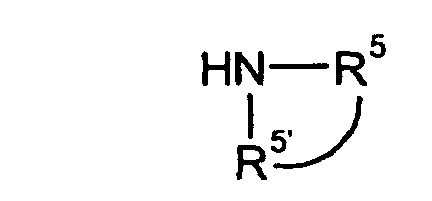
    14. A prodrug of the compound according to claim 1 or a salt thereof.
    15. A process for preparing the compound according to claim 1 or a salt thereof, which comprises subjecting a compound represented by the formula:
      Figure 04020001
      wherein each symbol is as defined in claim 1, or a salt thereof and a compound represented by the formula:
      Figure 04020002
      wherein each symbol is as defined in claim 1, or a salt thereof to urea synthesis reaction.
    16. A pharmaceutical composition comprising the compound according to claim 1, a pharmaceutically acceptable salt thereof or a prodrug thereof.
    17. A vanilloid receptor 'agonist comprising a compound represented by the formula:
      Figure 04020003
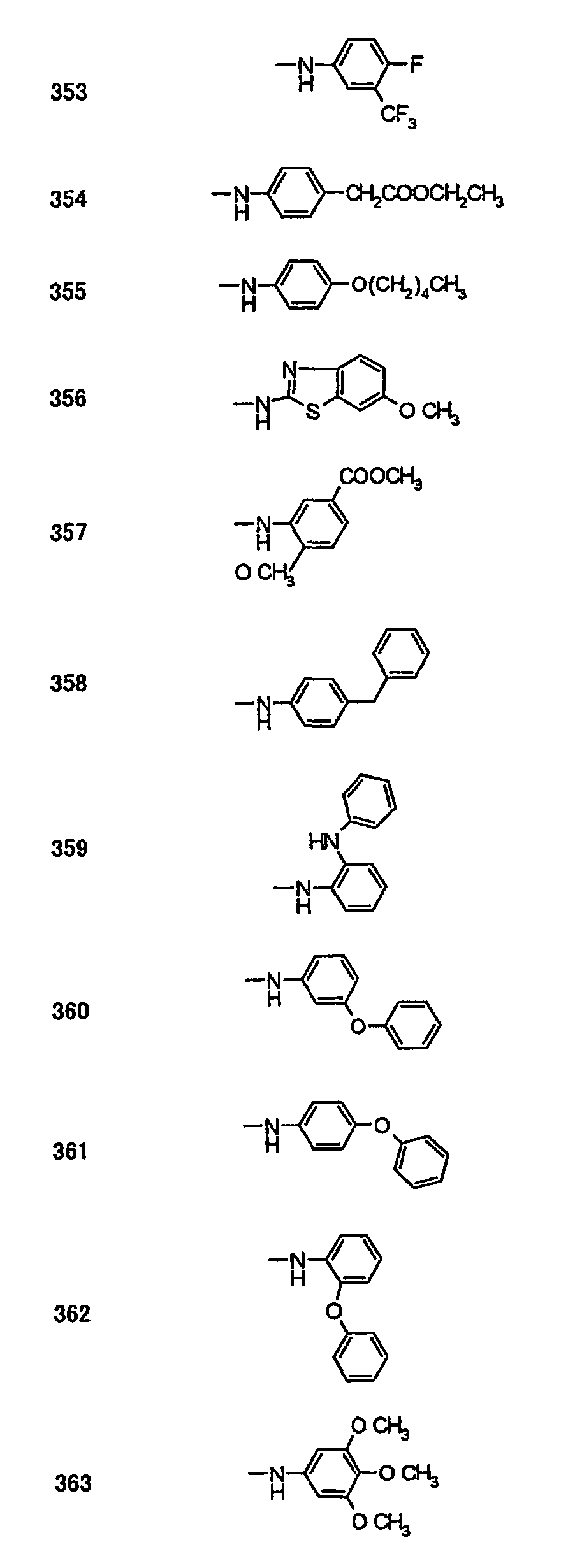
      wherein R1, R4 and R6 each independently represents a hydrogen atom, a halogen atom or an optionally substituted hydrocarbon group;
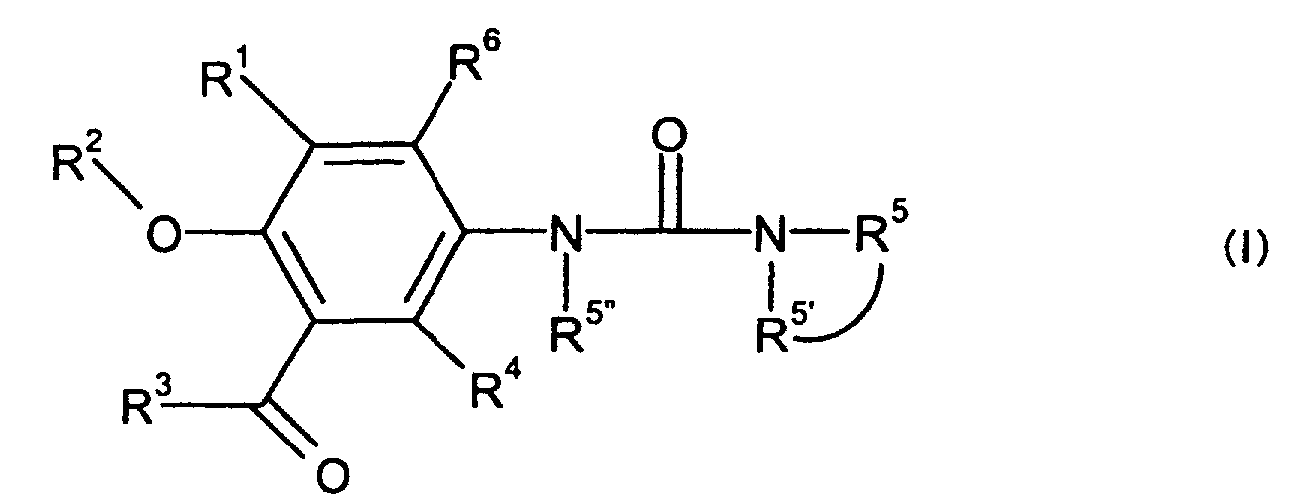
         R2a represents an optionally substituted hydrocarbon group or an optionally substituted heterocyclic group;
         R3a represents an optionally substituted hydrocarbon group, NR7'R7a or OR8 (wherein R7' represents a hydrogen atom or an optionally substituted hydrocarbon group, R7a and R8 each independently represents an optionally substituted hydrocarbon group or an optionally substituted heterocyclic group, or R7' and R7a may form an optionally substituted ring with the adjacent nitrogen atom);
         R5a represents an optionally substituted hydrocarbon group or an optionally substituted heterocyclic group;
         R5' represents a hydrogen atom, or an optionally substituted hydrocarbon group, or R5a and R5' may form an optionally substituted ring with the adjacent nitrogen atom;
         R5" represents a hydrogen atom or an optionally substituted hydrocarbon group,
         a pharmaceutically acceptable salt thereof or a prodrug thereof.
    18. An agent for preventing and/or treating urinary frequency and/or urinary incontinence, which comprises the compound of the formula (Ia) according to claim 17, a pharmaceutically acceptable salt thereof or a prodrug thereof.
    19. An analgesic which comprises the compound of the formula (Ia) according to claim 17, a pharmaceutically acceptable salt thereof or a prodrug thereof.
    20. Use of the compound of the formula (Ia) according to claim 17, a pharmaceutically acceptable salt thereof or a prodrug thereof for manufacturing an agent for preventing and/or treating urinary frequency and/or urinary incontinence.
    21. Use of the compound of the formula (Ia) according to claim 17, a pharmaceutically acceptable salt thereof or a prodrug thereof for manufacturing an analgesic.
    22. Use of the compound of the formula (Ia) according to claim 17, a pharmaceutically acceptable salt thereof or a prodrug thereof for manufacturing a vanilloid receptor agonist.
    23. A method for preventing and/or treating urinary frequency and/or urinary incontinence, which comprises administrating an effective amount of the compound of the formula (Ia) according to claim 17, a pharmaceutically acceptable salt thereof or a prodrug thereof to a mammal.
    24. An analgesic method which comprises administrating an effective amount of the compound of the formula (Ia) according to claim 17, a pharmaceutically acceptable salt thereof or a prodrug thereof to a mammal.
    EP02768103A 2001-09-28 2002-09-27 BENZOL DERIVATIVES, METHOD FOR THE PRODUCTION THEREOF AND THEIR USE Withdrawn EP1437344A4 (en)

    Applications Claiming Priority (3)

    Application Number Priority Date Filing Date Title
    JP2001300564 2001-09-28
    JP2001300564 2001-09-28
    PCT/JP2002/009995 WO2003029199A1 (en) 2001-09-28 2002-09-27 Benzene derivatives, process for preparing the same and use thereof

    Publications (2)

    Publication Number Publication Date
    EP1437344A1 true EP1437344A1 (en) 2004-07-14
    EP1437344A4 EP1437344A4 (en) 2006-09-20

    Family

    ID=19121116

    Family Applications (1)

    Application Number Title Priority Date Filing Date
    EP02768103A Withdrawn EP1437344A4 (en) 2001-09-28 2002-09-27 BENZOL DERIVATIVES, METHOD FOR THE PRODUCTION THEREOF AND THEIR USE

    Country Status (4)

    Country Link
    US (1) US20040259912A1 (en)
    EP (1) EP1437344A4 (en)
    JP (1) JPWO2003029199A1 (en)
    WO (1) WO2003029199A1 (en)

    Cited By (9)

    * Cited by examiner, † Cited by third party
    Publication number Priority date Publication date Assignee Title
    WO2005009987A1 (en) * 2003-07-24 2005-02-03 Euro-Celtique S.A. Piperidine compounds and pharmaceutical compositions containing them
    WO2005007642A3 (en) * 2003-07-11 2005-05-26 Abbott Lab Novel azaheterocyclic amides useful for treating pain
    US7129235B2 (en) 2003-07-11 2006-10-31 Abbott Laboratories Amides useful for treating pain
    WO2006116485A3 (en) * 2005-04-25 2007-01-11 Neurogesx Inc Trpv1 agonist compounds and methods for making and using the same
    EP1962852A4 (en) * 2005-12-19 2010-07-14 Cytokinetics Inc COMPOUNDS, COMPOSITIONS AND METHODS
    EP2123627A4 (en) * 2007-01-19 2010-07-21 Ube Industries PROCESS FOR THE PRODUCTION OF AROMATIC AMINE HAVING AN ARALKYLOXY OR HETEROARALKYLOXY GROUP
    US7767705B2 (en) 2006-08-25 2010-08-03 Abbott Laboratories Compounds that inhibit TRPV1 and uses thereof
    EP2601950A1 (en) * 2011-12-06 2013-06-12 Sanofi Cycloalkane carboxylic acid derivatives as CXCR3 receptor antagonists
    EP3636446B1 (en) * 2017-06-08 2025-04-16 Nippon Soda Co., Ltd. Recording material, recording sheet and use of a compound as colour-developing agent

    Families Citing this family (49)

    * Cited by examiner, † Cited by third party
    Publication number Priority date Publication date Assignee Title
    TW200503994A (en) * 2003-01-24 2005-02-01 Novartis Ag Organic compounds
    WO2004105750A1 (en) * 2003-05-30 2004-12-09 Neuromed Technologies, Inc. 3-aminomethyl-pyrrolidines as n-type calcium channel blockers
    DE602004017316D1 (en) 2003-07-24 2008-12-04 Euro Celtique Sa HETEROARYL TETRAHYDROPYRIDYL COMPOUNDS RELATING TO THE TREATMENT THE PREVENTION OF PAIN EQUIPMENTS
    ES2315716T3 (en) * 2003-11-08 2009-04-01 Bayer Healthcare Ag DERIVATIVES OF AMIDA, CARBAMATE OR BICYCLE UREA AS MODULATORS OF THE VANILLOID RECEIVER.
    JP2007522861A (en) * 2004-02-20 2007-08-16 コーニンクレッカ フィリップス エレクトロニクス エヌ ヴィ Drug administration during CT scan
    US7741479B2 (en) * 2004-12-07 2010-06-22 Locus Pharmaceuticals, Inc. Urea inhibitors of MAP kinases
    US7612200B2 (en) * 2004-12-07 2009-11-03 Locus Pharmaceuticals, Inc. Inhibitors of protein kinases
    KR20060087386A (en) 2005-01-28 2006-08-02 주식회사 대웅제약 Novel benzoimidazole derivatives and pharmaceutical compositions containing them
    US20070185098A1 (en) * 2006-01-04 2007-08-09 Locus Pharmaceuticals, Inc. Inhibitors of protein kinases
    AU2007209903B2 (en) * 2006-02-01 2012-09-13 Merck Sharp & Dohme Corp. Potassium channel inhibitors
    US8841334B2 (en) * 2006-05-31 2014-09-23 Abbvie Inc. Compounds as cannabinoid receptor ligands and uses thereof
    WO2007140439A2 (en) * 2006-05-31 2007-12-06 Abbott Laboratories Compounds as cannabinoid receptor ligands and uses thereof
    AU2007265467C1 (en) * 2006-06-28 2013-11-07 Amgen Inc. Glycine transporter-1 inhibitors
    JP2010522760A (en) 2007-03-28 2010-07-08 アボット・ラボラトリーズ 1,3-thiazole-2 (3H) -ylidene compounds as cannabinoid receptor ligands
    US7872033B2 (en) * 2007-04-17 2011-01-18 Abbott Laboratories Compounds as cannabinoid receptor ligands
    CA2685266C (en) 2007-04-27 2014-01-28 Purdue Pharma L.P. Trpv1 antagonists and uses thereof for the treatment of prevention of pain, ui and ulcer, ibd, or ibs in an animal
    MX2009012374A (en) * 2007-05-18 2009-12-01 Abbott Lab Novel compounds as cannabinoid receptor ligands.
    US9193713B2 (en) * 2007-10-12 2015-11-24 Abbvie Inc. Compounds as cannabinoid receptor ligands
    WO2009096701A2 (en) 2008-01-28 2009-08-06 Amorepacific Corporation Novel compounds, isomer thereof, or pharmaceutically acceptable salts thereof as vanilloid receptor antagonist; and pharmaceutical compositions containing the same
    TW200942535A (en) 2008-03-11 2009-10-16 Abbott Lab Novel compounds as cannabinoid receptor ligands
    JP5372138B2 (en) 2008-04-18 2013-12-18 テウン ファーマシューティカル カンパニー,リミテッド Novel benzoxazine benzimidazole derivative, pharmaceutical composition containing the same, and use thereof
    JP5438103B2 (en) 2008-07-02 2014-03-12 アモーレパシフィック コーポレイション Novel compounds as vanilloid receptor antagonists, isomers or pharmaceutically acceptable salts thereof, and pharmaceutical compositions containing the same
    US8846730B2 (en) * 2008-09-08 2014-09-30 Abbvie Inc. Compounds as cannabinoid receptor ligands
    TW201016692A (en) * 2008-09-16 2010-05-01 Abbott Lab Novel compounds as cannabinoid receptor ligands
    PA8854001A1 (en) * 2008-12-16 2010-07-27 Abbott Lab NEW COMPOUNDS AS CANABINOID RECEIVERS LIGANDS
    JP2012522004A (en) * 2009-03-27 2012-09-20 アボット・ラボラトリーズ Compounds that are cannabinoid receptor ligands
    US8912184B1 (en) 2010-03-01 2014-12-16 Alzheimer's Institute Of America, Inc. Therapeutic and diagnostic methods
    US9415048B2 (en) 2010-07-08 2016-08-16 Wellesley Pharmaceuticals, Llc Pharmaceutical formulation for reducing frequency of urination and method of use thereof
    US8609672B2 (en) 2010-08-27 2013-12-17 University Of The Pacific Piperazinylpyrimidine analogues as protein kinase inhibitors
    KR101293384B1 (en) 2010-10-13 2013-08-05 주식회사 대웅제약 Novel pyridyl benzoxazine derivatives, pharmaceutical composition comprising the same, and use thereof
    PE20141531A1 (en) 2011-06-22 2014-10-23 Purdue Pharma Lp TRPV1 ANTAGONISTS INCLUDING DIHYDROXI SUBSTITUTES AND THEIR USES
    US10278925B2 (en) 2012-01-04 2019-05-07 Wellesley Pharmaceuticals, Llc Delayed-release formulations, methods of making and use thereof
    KR20190049928A (en) 2012-01-04 2019-05-09 웰즐리 파마슈티컬스 엘엘씨 Delayed-release formulation for reducing the frequency of urination and method of use thereof
    CN107335057A (en) * 2012-07-27 2017-11-10 韦尔斯利医药有限公司 Pharmaceutical formulation for alleviating frequent urination and method of use thereof
    CN105820079A (en) * 2015-01-05 2016-08-03 齐鲁工业大学 5-[3-(2,5-diethoxy-4-methylsulfonyl-benzyl)-ureido]-2-ethoxy-N-methyl-benzamide new compound and preparation method and application thereof
    CN105820069A (en) * 2015-01-05 2016-08-03 齐鲁工业大学 N-{4-[3-(3-bromo-phenyl)-ureidomethyl]-2,5-dibutoxy-phenyl}-methanesulfonamide new compound and preparation method and application thereof
    CN105820076A (en) * 2015-01-05 2016-08-03 齐鲁工业大学 N-[2,5-diethoxy-4-(3-p-tolyl-ureidomethyl)-phenyl]-methanesulfonamide new compound and preparation method and application thereof
    CN105820088A (en) * 2015-01-05 2016-08-03 齐鲁工业大学 N-(4-bromo-phenyl)-5-[3-(2,5-diethoxy-4-methylsulfonyl-benzyl)-ureido]-2-ethoxylbenzamide new compound and preparation method and application thereof
    CN105820087A (en) * 2015-01-05 2016-08-03 齐鲁工业大学 5-[3-(2,5-diethoxy-4-methylsulfonyl-benzyl)-ureido]-2-ethoxy-N-p-methylphenyl-benzamide new compound and preparation method and application thereof
    CN105820073A (en) * 2015-01-05 2016-08-03 齐鲁工业大学 N-{[2,5-diethoxy-4-[(3-phenyl-ureido)-methyl]-phenyl}-methanesulfonamide new compound and preparation method and application thereof
    CN105820074A (en) * 2015-01-05 2016-08-03 齐鲁工业大学 N-[4-(3-benzyl-ureidomethyl)-2,5-diethoxyphenyl]methanesulfonamide new compound and preparation method and application thereof
    CN106543044B (en) * 2016-09-28 2018-05-22 齐鲁工业大学 A kind of new 2- Bians oxygroup-phenyl formate ester adjusts the compound and its medical usage of estrogen-related receptor activity
    CN106543047B (en) * 2016-09-28 2018-05-22 齐鲁工业大学 A kind of p- tolyls of new N--benzamides adjusts the compound and its medical usage of estrogen-related receptor activity
    CN106543046B (en) * 2016-09-28 2018-05-22 齐鲁工业大学 A kind of new 3- anisyls-benzamides adjusts the compound and its medical usage of estrogen-related receptor activity
    CN106565551B (en) * 2016-09-28 2018-05-22 齐鲁工业大学 A kind of new dipropyl oxygen phenyl-methane-sulfonamide class adjusts the compound and its medical usage of estrogen-related receptor activity
    CN106543045B (en) * 2016-09-28 2018-05-22 齐鲁工业大学 A kind of new N- phenyl-benzamides class adjusts the compound and its medical usage of estrogen-related receptor activity
    CN106543048B (en) * 2016-09-28 2018-05-22 齐鲁工业大学 A kind of new 3- methoxybenzyls-benzamides adjusts the compound and its medical usage of estrogen-related receptor activity
    MX2020008816A (en) 2018-02-26 2020-09-28 AlzeCure Pharma AB Triazine derivatives for treating diseases relating to neurotrophins.
    DE102022104759A1 (en) 2022-02-28 2023-08-31 SCi Kontor GmbH Co-crystal screening method, in particular for the production of co-crystals

    Family Cites Families (10)

    * Cited by examiner, † Cited by third party
    Publication number Priority date Publication date Assignee Title
    HU170678B (en) * 1973-12-20 1977-08-28
    US4289903A (en) * 1979-06-25 1981-09-15 American Cyanamid Company Para-phenylalkoxy phenylurea and thiourea compounds and herbicidal use thereof
    US4470965A (en) * 1982-10-27 1984-09-11 Usv Pharmaceutical Corporation Celiprolol for the treatment of glaucoma
    DE3330005A1 (en) * 1983-08-19 1985-02-28 Wolfgang Dr. Graz Lindner TONIC ACID MONOESTERS OF OPTICALLY ACTIVE ALKANOLAMINES, METHOD FOR THE PRODUCTION THEREOF AND THEIR USE
    AU594098B2 (en) * 1985-12-11 1990-03-01 Ishihara Sangyo Kaisha Ltd. N-benzoyl urea compounds, antitumorous compositions containing them, and process for their preparation
    JPH0680911A (en) * 1992-07-23 1994-03-22 Nitto Denko Corp Insulation paint for electric wire and insulated electric wire formed using the same
    CN1129581C (en) * 1998-09-22 2003-12-03 山之内制药株式会社 Cyanophenyl derivatives
    EP1150977B1 (en) * 1999-02-12 2004-08-25 SmithKline Beecham plc Phenyl urea and phenyl thiourea derivatives as orexin receptor antagonists
    WO2000050387A1 (en) * 1999-02-22 2000-08-31 Pacific Corporation Vanilloid analogues containing resiniferatoxin pharmacophores as potent vanilloid receptor agonists and analgesics, compositions and uses thereof
    GB0105895D0 (en) * 2001-03-09 2001-04-25 Smithkline Beecham Plc Novel compounds

    Cited By (19)

    * Cited by examiner, † Cited by third party
    Publication number Priority date Publication date Assignee Title
    WO2005007642A3 (en) * 2003-07-11 2005-05-26 Abbott Lab Novel azaheterocyclic amides useful for treating pain
    US7129235B2 (en) 2003-07-11 2006-10-31 Abbott Laboratories Amides useful for treating pain
    US7348343B2 (en) 2003-07-11 2008-03-25 Abbott Laboratories Inc. Amides useful for treating pain
    WO2005009987A1 (en) * 2003-07-24 2005-02-03 Euro-Celtique S.A. Piperidine compounds and pharmaceutical compositions containing them
    JP2006528642A (en) * 2003-07-24 2006-12-21 ユーロ−セルティーク エス.エイ. Useful therapeutics to treat pain
    EP2067776A1 (en) * 2003-07-24 2009-06-10 Euro-Celtique S.A. Piperidine compounds and pharmaceutical compositions containing them
    WO2006116485A3 (en) * 2005-04-25 2007-01-11 Neurogesx Inc Trpv1 agonist compounds and methods for making and using the same
    US7632519B2 (en) 2005-04-25 2009-12-15 Neurogesx, Inc. TRPV1 agonist compounds, formulations, prodrugs, methods for using the same
    EP1962852A4 (en) * 2005-12-19 2010-07-14 Cytokinetics Inc COMPOUNDS, COMPOSITIONS AND METHODS
    US7767705B2 (en) 2006-08-25 2010-08-03 Abbott Laboratories Compounds that inhibit TRPV1 and uses thereof
    US8815930B2 (en) 2006-08-25 2014-08-26 Abbvie Inc. Compounds that inhibit TRPV1 and uses thereof
    EP2123627A4 (en) * 2007-01-19 2010-07-21 Ube Industries PROCESS FOR THE PRODUCTION OF AROMATIC AMINE HAVING AN ARALKYLOXY OR HETEROARALKYLOXY GROUP
    EP2601950A1 (en) * 2011-12-06 2013-06-12 Sanofi Cycloalkane carboxylic acid derivatives as CXCR3 receptor antagonists
    WO2013084013A1 (en) * 2011-12-06 2013-06-13 Sanofi Cycloalkane carboxylic acid derivatives as cxcr3 receptor antagonists
    CN103957905A (en) * 2011-12-06 2014-07-30 赛诺菲 Cycloalkane carboxylic acid derivatives as CXCR3 receptor antagonists
    US9073853B2 (en) 2011-12-06 2015-07-07 Sanofi Cycloalkane carboxylic acid derivatives as CXCR3 receptor antagonists
    TWI572590B (en) * 2011-12-06 2017-03-01 賽諾菲公司 Cycloalkane carboxylic acid derivatives as cxcr3 receptor antagonists
    RU2615993C2 (en) * 2011-12-06 2017-04-12 Санофи Cycloalkanecarboxylic acid derivatives as cxcr3 receptor antagonists
    EP3636446B1 (en) * 2017-06-08 2025-04-16 Nippon Soda Co., Ltd. Recording material, recording sheet and use of a compound as colour-developing agent

    Also Published As

    Publication number Publication date
    US20040259912A1 (en) 2004-12-23
    JPWO2003029199A1 (en) 2005-01-13
    EP1437344A4 (en) 2006-09-20
    WO2003029199A1 (en) 2003-04-10
    WO2003029199A9 (en) 2003-09-25

    Similar Documents

    Publication Publication Date Title
    US20040259912A1 (en) Benzine derivatives, process for preparing the same and use thereof
    DE69929235T2 (en) SPIRO INDOLE AS Y5 RECEPTOR ANTAGONISTS
    DE60025243T2 (en) PYRIMIDIN-5-CARBOXIMIDE COMPOUNDS, METHOD FOR THE PRODUCTION THEREOF AND THEIR USE
    RU2684641C1 (en) Pyrazolopyridine derivatives as modulators of tnf activity
    DE60112957T2 (en) SULFAMIDES AS GAMMA SECRETASE INHIBITORS
    DE60222248T2 (en) AMINOMETHYL GROUPS CONTAINING N- (ARYLSULFONYL) BETA AMINOIC ACID DERIVATIVES, METHOD FOR THE PRODUCTION THEREOF, AND THEIR PHARMACEUTICAL PREPARATIONS
    RU2197493C2 (en) Derivatives of 5h-thiazol[3,2-a]pyrimidine, intermediate compounds and medicinal agent
    RU2684644C1 (en) Purine derivatives as tnf activity modulators
    EP1812405A1 (en) Novel bradykinin b1 antagonists, method for producing the same and the use thereof as drugs
    JP2009508963A (en) Amide compounds and their use as pharmaceutical compositions
    EP4673429A1 (en) 1-(([1, 1&#39;,-biphenyl]-2-yl)sulfonyl)-4-fluoro-n-(3-(methylsulfonyl)allyl)piperidine-4-carboxamide derivatives as ras-pi3k modulators for the treatment of e.g. cancer
    DE69838662T2 (en) Morphine derivatives and their medical use
    DE68918609T2 (en) Piperidinoalkyl derivatives of carboxylic acid amides.
    AU2005258248A1 (en) Amido compounds and their use as pharmaceuticals
    KR20070050076A (en) Amido Compounds and Uses thereof as Pharmaceuticals
    WO2007101270A1 (en) MODULATORS OF 11-β HYDROXYL STEROID DEHYDROGENASE TYPE 1, PHARMACEUTICAL COMPOSITIONS THEREOF, AND METHODS OF USING THE SAME
    WO1995006635A1 (en) Carbamate derivative and medicine containing the same
    US7582651B2 (en) Pyrrolopyridine derivative and use thereof
    NZ587997A (en) Adamantyl-acetamide derivatives as inhibitors of the 11-beta-hydroxysteroid dehydrogenase type 1 enzyme
    DE3906920A1 (en) PIPERAZINE DERIVATIVES OR SALTS, METHOD FOR THE PRODUCTION THEREOF AND PHARMACEUTICAL AGENTS, CONTAINING THE SAME AS THE ACTIVE SUBSTANCE
    WO2017016669A1 (en) Substituted amide derivatives having multimodal activity against pain
    DE69704060T2 (en) TETRAHYDROISOCHINOLINE DERIVATIVES AND THEIR PHARMACEUTICAL APPLICATION
    DE69626009T2 (en) PYRROLIDINYLHYDROXAMIC ACIDS AND METHOD FOR THE PRODUCTION THEREOF
    AU715493B2 (en) Selective beta 3 adrenergic agonists
    WO2005014580A1 (en) Pyridyl piperazinyl ureas

    Legal Events

    Date Code Title Description
    PUAI Public reference made under article 153(3) epc to a published international application that has entered the european phase

    Free format text: ORIGINAL CODE: 0009012

    17P Request for examination filed

    Effective date: 20040406

    AK Designated contracting states

    Kind code of ref document: A1

    Designated state(s): AT BE BG CH CY CZ DE DK EE ES FI FR GB GR IE IT LI LU MC NL PT SE SK TR

    AX Request for extension of the european patent

    Extension state: AL LT LV MK RO SI

    RAP1 Party data changed (applicant data changed or rights of an application transferred)

    Owner name: TAKEDA PHARMACEUTICAL COMPANY LIMITED

    A4 Supplementary search report drawn up and despatched

    Effective date: 20060822

    17Q First examination report despatched

    Effective date: 20070322

    STAA Information on the status of an ep patent application or granted ep patent

    Free format text: STATUS: THE APPLICATION IS DEEMED TO BE WITHDRAWN

    18D Application deemed to be withdrawn

    Effective date: 20080718