EP1433793A1 - Method of constructing camel antibody library - Google Patents
Method of constructing camel antibody library Download PDFInfo
- Publication number
- EP1433793A1 EP1433793A1 EP20020763029 EP02763029A EP1433793A1 EP 1433793 A1 EP1433793 A1 EP 1433793A1 EP 20020763029 EP20020763029 EP 20020763029 EP 02763029 A EP02763029 A EP 02763029A EP 1433793 A1 EP1433793 A1 EP 1433793A1
- Authority
- EP
- European Patent Office
- Prior art keywords
- vhh
- library
- genes
- seq
- gene
- Prior art date
- Legal status (The legal status is an assumption and is not a legal conclusion. Google has not performed a legal analysis and makes no representation as to the accuracy of the status listed.)
- Withdrawn
Links
Images




Classifications
-
- C—CHEMISTRY; METALLURGY
- C07—ORGANIC CHEMISTRY
- C07K—PEPTIDES
- C07K16/00—Immunoglobulins [IG], e.g. monoclonal or polyclonal antibodies
- C07K16/40—Immunoglobulins [IG], e.g. monoclonal or polyclonal antibodies against enzymes
-
- C—CHEMISTRY; METALLURGY
- C07—ORGANIC CHEMISTRY
- C07K—PEPTIDES
- C07K16/00—Immunoglobulins [IG], e.g. monoclonal or polyclonal antibodies
-
- C—CHEMISTRY; METALLURGY
- C07—ORGANIC CHEMISTRY
- C07K—PEPTIDES
- C07K16/00—Immunoglobulins [IG], e.g. monoclonal or polyclonal antibodies
- C07K16/005—Immunoglobulins [IG], e.g. monoclonal or polyclonal antibodies constructed by phage libraries
-
- C—CHEMISTRY; METALLURGY
- C07—ORGANIC CHEMISTRY
- C07K—PEPTIDES
- C07K2317/00—Immunoglobulins specific features
- C07K2317/20—Immunoglobulins specific features characterized by taxonomic origin
- C07K2317/22—Immunoglobulins specific features characterized by taxonomic origin from camelids, e.g. camel, llama or dromedary
-
- C—CHEMISTRY; METALLURGY
- C07—ORGANIC CHEMISTRY
- C07K—PEPTIDES
- C07K2317/00—Immunoglobulins specific features
- C07K2317/50—Immunoglobulins specific features characterized by immunoglobulin fragments
- C07K2317/52—Constant or Fc region; Isotype
-
- C—CHEMISTRY; METALLURGY
- C07—ORGANIC CHEMISTRY
- C07K—PEPTIDES
- C07K2317/00—Immunoglobulins specific features
- C07K2317/50—Immunoglobulins specific features characterized by immunoglobulin fragments
- C07K2317/56—Immunoglobulins specific features characterized by immunoglobulin fragments variable (Fv) region, i.e. VH and/or VL
- C07K2317/569—Single domain, e.g. dAb, sdAb, VHH, VNAR or nanobody®
Definitions
- the present invention relates to methods of constructing camel antibody libraries.
- IgGs constituting the immunoglobulins (antibody molecules) of camelids Two structures of IgGs constituting the immunoglobulins (antibody molecules) of camelids are known to exist: one a heterotetramer having heavy chains and light chains, and the other consisting of a heavy-chain dimer (Isr. J. Vet. Med. 43 (3), 198 (1987); Hamers-Casterman et al., Nature, 363, 446 (1993)).
- the tetrameric structure is a common characteristic of IgGs among humans and most animals.
- the latter IgG having a heavy-chain dimer structure is considered characteristic of camelids.
- the IgGs consisting of a heavy chain dimer of camelids does not accidentally result from pathologic conditions.
- Immunoglobulins lacking light chains have been found in Camelus bactrianus and Camelus dromedarius, which are Asian and African camelids, as well as in all species of South American camelids.
- South American camelids include Lama pacos, Lama glama, and Lama vicugna.
- the molecular weight of dimeric IgG differs depending on the animal species.
- the molecular weight of heavy chains constituting these immunoglobulins is approximately 43 kDa to approximately 47 kDa, and normally are 45 kDa.
- the heavy-chain dimer IgG Another characteristic of the heavy-chain dimer IgG is that this antibody lacks the first domain of the constant region called CH1 according to the definition by Roitt et al. Furthermore, the hinge region has an amino acid sequence different from that of a normal heterotetrameric antibody (heavy chains + light chains). Based on the differences in the amino acid sequences, the IgGs of dromedaries are classified as follows (Hamers-Casterman et al., Nature 363, 446 (1993) ) :
- VHH Variable domain of the heavy-chain of heavy-chain antibody
- VHH has excellent solubility due to its hydrophilic amino acid residues.
- Amino acid substitutions are scattered throughout the primary structure (amino acid sequence) of VHH. Additionally, these hydrophilic amino acid residues form a cluster in the space of the tertiary structure of VH corresponding to the site that interacts with the VL domain.
- the aforementioned space of the tertiary structure is specifically called former VL side.
- These amino acid substitutions are, for example, V37F or V37Y, G44E, L45R or L45C, and W47 are also mostly substituted with Gly. Such substitutions increase the hydrophilicity of the former VL side of VHH.
- VHH solubility of VHH is much higher than that of VH isolated and purified from humans or mice (single domain antibody; Ward et al., Nature, 341, 544 (1989)).
- VHH can be easily concentrated to 10 mg/mL in ordinary buffer solutions without any signs of aggregation. This concentration corresponds to, for example, approximately 100 times the solubility of mouse VH.
- VHHs derived from camels and llamas have very high thermostability compared to mouse heterotetrameric antibodies.
- the use of VHH derived from these species can provide, for example, molecules that maintain their antigen binding ability even at 90°C (van der Linden et al., Biochim. Biophys. Acta 1431 (1), 37 (1999)).
- the diversity of antibody repertoire of camelids is determined by the complementary determining regions (CDR) 1, 2, and 3 in the VH or VHH regions. Possession of three CDRs is in common with the IgGs of other animal species. However, the CDR3 in the camel VHH region is characterized by its relatively long length averaging 16 amino acids (Muyldermans et al., Protein Engineering 7(9), 1129 (1994)). For example, compared to the CDR3 of mouse VH having an average of 9 amino acids, the CDR3 of camel IgG is very long.
- VHHs of camelids can specifically recognize clefts and cavities due to their characteristic structure described above.
- antibodies that seal the enzyme active center existed only among the camel IgG2 and IgG3, and not in IgG1 (Lauwereys et al., EMBO J. 17(13), 3512 (1998)).
- VHH having lysozyme activity inhibitory effect was isolated by the phage display method from a library derived from camels immunized with lysozyme (Arbabi Ghahroudi et al., FEBS Letters 414, 521 (1997)).
- the structure of the isolated VHH in complex with lysozyme was elucidated by X-ray crystallographic analysis (Desmyter et al., Nature Structural Biology 2, 803 (1996)). The results showed that in IgG2 or IgG3 of the camel antibody, the CDR3 region having a long protrusion is inserted and bound to the substrate-binding site of the enzyme such that the active center is sealed to cause competitive inhibition.
- rgdp library refers to a library consisting of a genetic display package wherein genes encoding substances with binding affinity, such as antibody variable regions, display their expression products.
- a representative example of an rgdp library includes a phage library that displays antibody variable regions.
- the method of obtaining antibodies using a phage library displaying antibody variable regions is being noticed as a novel method for obtaining antibodies that succeed to labor-intensive, classical methods of antibody production.
- the present inventors have also constructed novel antibody libraries that allow efficient acquisition of antibody variable regions, and have already filed a patent application (WO 01/62907). It would also be useful for VHHs to construct a library that allows to freely select a VHH with a binding affinity towards an arbitrary antigen from the library.
- camelid VHH libraries several problems have been pointed out in the construction of camelid VHH libraries.
- camelid VHH Another characteristic of the structure of camelid VHH is that it often contains a cysteine residue in the CDR3 in addition to cysteines normally existing at positions 22 and 92 of the variable region.
- the cysteine residues in CDR3 are considered to form disulfide bonds with other cysteines in the vicinity of CDR1 or CDR2 (Muyldermans et al. , Protein Engineering 7(9), 1129 (1994); Muyldermans et al., J. Mol. Recognit. 12, 131 (1999)).
- CDR1 and CDR2 are determined by the germline V gene.
- germline refers to chromosomal genes maintained in germ cells, i.e., chromosomal genes that have not undergone rearrangement.
- germline chromosomal genes maintained in germ cells, i.e., chromosomal genes that have not undergone rearrangement.
- germline particularly the region that constitutes the antibody gene is referred to as germline.
- the antibody genes of the entire germline of a dromedary cannot be considered as sufficiently covered by hitherto obtained antibody genes.
- concentration of the classification of cDNA nucleotide sequences of the antibodies obtained so far on particular classes reveal that the germlines from which these antibodies were derived had been biased (Nguyen et al ., EMBO J. 19(5), 921 (2000)).
- methodologically they were considered to imply problems as follows. Specifically, known libraries were constructed using only one type of primer as the N-terminal primer.
- a library having biased constituent genes is poor in repertoire. Therefore, screening of such a library may not yield antibodies against an antigen of interest. This may be the reason why antibodies inhibiting or promoting an enzyme activity could not be obtained from phage libraries derived from non-immunized camels.
- Prior art proposes methods to immunize camels or llamas in advance with a sufficient amount of antigen in order to obtain the variable region of immunoglobulin heavy chains of camels or llamas (Published Japanese Translation of International Publication No. Hei 11-503918; Lauwereys et al., EMBO J. 17(13), 3512 (1998); Arbabi Ghahroudi et al., FEBS Letters 414, 521 (1997)).
- This method utilizes the phenomenon that the immune systems of camels and llamas mature their own heavy chain antibodies in vivo (Published Japanese Translation of International Publication No. 2000-515002; J. Immuno. Methods 240, 185 (2000)). Based on this method, antibodies that recognize lysozyme, tetanus toxoid, carbonic anhydrase, amylase, RNaseA, azo dye and such have been obtained.
- camel antibodies are reconstructed by incorporating CDR1, CDR2, and CDR3 of VHH and VH into the camel antibody framework.
- This method applies the method developed for humanizing mouse VH.
- the loops of each CDR can be mutated randomly to enlarge the repertoire size.
- the affinity and specificity of the antibodies can be controlled (Published Japanese Translation of International Publication No. 2000-515002).
- a conceivable alternative method involves constructing a phage library by incorporating VHH genes obtained from tissues and blood of non-immunized camels into phage display vectors, and selecting recognition molecules specific to an antigen by selecting phages that have binding ability from the phage library using the immobilized antigen.
- this method had been contemplated to only yield VHHs against substances with sufficient immunogenicity. Therefore, methods using phage libraries incorporating VHH genes had not been sufficiently studied (Published Japanese Translation of International Publication No. 2000-515002). Accordingly, non-immunized camel-derived VHH antibody phage libraries comprising a repertoire diverse enough to yield antibodies inhibiting or promoting enzyme activities had not existed.
- An objective of the present invention is to provide VHH libraries having a sufficient repertoire size. Furthermore, another objective of the present invention is to provide VHH libraries that do not accompany production of inactive VHH.
- the present invention provides VHH libraries having a very large diversified repertoire by improving the conventional process of isolating VHH variable regions. More specifically, by devising primers for amplifying genes, germline VHH genes could be amplified that much faithfully reproduce the in vivo diversity.
- VHHs are antibody molecules developed in camelids having mainly supplementary importance, and are a group whose antibody maturation process completely differs from that of VH genes. Therefore, to maximize the diversity of VHH genes, the present inventors aimed to ensure diversity by increasing the number of animals, which had not been emphasized in previous libraries. As a result, a library with rich diversity was successfully constructed using camel genes from more than one animal.
- the present inventors collected the genes amplified by PCR in the exponential phase, and avoided saturation of some of the genes.
- the present inventors also obtained the variable region genes of the IgM class.
- naive repertoires are included in the immunoglobulins of the IgM class.
- IgGs may accompany bias of clones due to natural immunological sensitization of camels in vivo. Meanwhile, such bias is considered not to occur in IgM.
- the present invention relates to antibody variable region libraries, methods for constructing them, and uses thereof as follows:
- the present invention relates to libraries of camelid-derived antibody variable regions, which maintain the in vivo diversity of the variable regions of a camelid.
- a VHH library comprising VHH genes as variable region genes can be confirmed to maintain the in vivo diversity as follows. Specifically, 33 arbitrary clones may be selected from clones constituting a library, and when the selected clones are determined to comprise genes belonging to at least 8 or more classes, this library can be assumed to maintain the in vivo diversity. More specifically, sufficient amount of clones may be randomly selected from clones constituting a library, and when the selected clones are determined to comprise genes of preferably 6 VHH subfamilies and at the same time genes belonging to 15 or more classes, this library can be assumed to maintain the in vivo VHH diversity.
- the VHH subfamilies are classified based on the positions of cysteine residues.
- the classes are grouped based on the position of cysteine residues, the length of CDR2, and the length of CDR1.
- each frame corresponds to one class.
- VHHs The conventional subfamily classification of VHHs (Nguyen et al., EMBO J. 19(5), 921 (2000); Mol. Immunol. 127(10), (2000)) is based on the positions of cysteine residues and the length of CDR2.
- cysteine residues and CDR2 lengths that could not be covered by the conventional classification were found.
- CDR1 with different numbers were found according to the analysis of the present inventors. Therefore, VHHs cannot be virtually classified based on the conventional classification.
- a library could be judged to maintain a sufficient diversity when 50 or more arbitrary clones constituting the library are determined to contain genes of 6 or more subfamilies and 15 or more classes, based on the classification of the present invention.
- a VHH library of the present invention preferably comprises, for example, 10 5 or more clones. Therefore, a non-immunized camel antibody library preferably comprises at least 10 5 or more clones. More preferably, the antibody libraries of the present invention can be prepared as practical libraries by comprising 10 6 or more, normally 10 7 or more, or 10 8 or more, even more preferably 10 9 or more, and ideally 10 10 or more clones.
- a camel antibody library of the present invention obtainable by methods such as those mentioned later comprises 10 10 or more clones.
- a VHH gene library with such a rich variety has not been reported so far. More importantly, the percentage of normal genes in the VHH genes constituting the libraries of this invention is extremely high. Whether the VHH genes are normal or not can be confirmed by determining their nucleotide sequence and by analyzing following qualities:
- VHH genes More preferably, it is also an important factor for normal VHH genes to encode a protein having hydrophilic amino acid residues at the position of the hinge region where the VHH-characteristic hydrophilic amino acids are located.
- the present invention relates to VHH libraries comprising 90% or more normal IgG2-derived VHH genes.
- the present invention relates to VHH libraries comprising 95% or more normal IgG3-derived VHH genes.
- a library with the aforementioned high diversity and comprising normal VHH genes in such high proportions cannot be obtained according to conventional methods.
- VHH refers to the variable region constituting an immunoglobulin having a dimeric structure that is found in the blood of camelids.
- VHH genes constituting the libraries of the present invention may comprise a constant region in addition to the variable region. Therefore, the VHH genes may accompany the nucleotide sequence of a hinge region. Since VHHs and VHs often show structural differences in the hinge regions, VHH genes can be specifically collected by setting primers at the hinge region in order to obtain VHH genes carrying the hinge region.
- VHH of the desired class was present at a high percentage as shown below in each group of VHH genes amplified by primers used in the Examples.
- IgG2 SEQ ID NO: 10
- VH:VHH 7:91 (93% VHH)
- IgG3 SEQ ID NO: 11
- VH:VHH 1:167 (99% VHH)
- IgM SEQ ID NO: 41
- VH:VHH 189:3 (1.6% VHH)
- VHH libraries of the present invention can be constructed using techniques, for example, as below. These techniques are all useful for supplementing the lack in repertoire size of VHHs.
- the repertoire size of camelid VHH genes is often limited and biased. Therefore, construction of a library with a repertoire size allowing optional acquisition of an antibody against an arbitrary antigen is difficult using VHH genes from one individual alone. Thus, the use of VHH genes from more than one individual to construct a library allows effective enlargement of the repertoire size.
- VHH genes of more than one individual indicates that it comprises VHH genes obtained from a plurality of genetically different individuals.
- a plurality of genetically different individuals refers to individuals with genetic differences at the genomic level. Therefore, even if the individuals are littermates, they are genetically different individuals when they are not monozygotic. However, for the purpose of increasing the repertoire size of a library, it is advantageous to combine individuals with more distant genetic relationships.
- VHH genes of more than one individual can be obtained by adding VHH genes from one individual to VHH genes derived from another individual.
- VHH genes to be added There are no limitations on the VHH genes to be added. Therefore, for example, even when a partial group of VHH genes derived from another individual is added, such collection of VHH genes are also encompassed by the present invention.
- VHH genes to be added are preferably collected from 10 5 or more cells per individual, and it is desirable to add the entire group of VHH genes obtained from each individual. By utilizing the entire group of genes, bias of genes can be prevented. Since the bias of genes causes decrease in the repertoire size, it is effective to add, if possible, the entire group of VHH genes.
- the phrase "entire group of VHH genes" refers to all of the obtained VHH genes. Specifically, the present invention encompasses libraries wherein not only all VHH genes from a certain individual are added, but also those wherein all obtainable VHH genes are added.
- VHH genes derived from another individual that are added to VHH genes derived from a certain individual are preferably added evenly to avoid bias between the individuals.
- the purpose of mixing the VHH genes is to enlarge the repertoire size.
- the VHH genes are biased between individuals in a library, the possibility increases that the VHH genes derived from a particular individual are preferentially selected in the screening using the library. Under such a circumstance, the effect of enlarging the repertoire size will be diminished. Therefore, it is important to decrease the bias between individuals.
- they are preferably added at an equal amount to the VHH genes derived from the certain individual.
- VHH genes derived from a plurality of individuals it is preferred to use equal amounts of VHH genes from each individual.
- a library When an amount of mRNAs required for constructing a library can be obtained from an individual, a library can be constructed as it is. However, since the amount of mRNAs obtainable from an individual is normally very small, the mRNAs are amplified to construct a VHH gene library. At this time, unless every single VHH gene is amplified, the repertoire size of the library cannot be enlarged.
- the present inventors newly designed primers that allow amplification of VHH genes with less bias.
- the nucleotide sequences of N-terminal (5'-side) primers for amplifying dromedary VHH genes designed by the present inventors are described in SEQ ID NOs: 1 to 6.
- primers that can anneald between the hinge region and CH3 can be used as C-terminal (3'-side) primers.
- Such primers are well known in the art.
- the present inventors analyzed the amino acid sequences of the hinge regions of IgG2 and IgG3, and designed primers consisting of the nucleotide sequences of SEQ ID NOs: 10 and 11, for IgG2 and IgG3, respectively. These primers can be used in 12 different combinations as primer sets, where each of the 6 kinds of 5' primers is combined with either of the 2 kinds of 3' primers.
- VHH genes of Camelidae the nucleotide sequences of VHH genes of interest may be analyzed by the analysis methods described in the Examples to design primers.
- IgM can be considered to be a prototype of the variable region at the stage without antigenic stimulation, when complementing the antigen recognition repertoire of VHHs of IgG with the variable regions of IgM.
- IgM retains the prototypes of variable regions against all kinds of antigens. Therefore, the present inventors considered that IgM maintains the blueprint for producing IgG variable regions optimized for an antigen by class change. Accordingly, the present inventors newly utilized a camel ⁇ -chain recognition sequence (SEQ ID NO: 41) to successfully isolate the variable region of IgM.
- This IgM-derived heavy chain variable region library can further enlarge the diversity of the repertoire and is useful for isolating recognition molecules and enzyme activity regulating molecules.
- the use of mRNAs derived from a plurality of individuals is also effective in constructing a library consisting of IgM-derived VHs to maintain a highly diverse repertoire.
- IgM-derived VH libraries have a complementary meaning to the VHH repertoire derived from IgG2 or IgG3. "Complementary" means that they supplement antibody variable regions having functions that cannot be selected from VHHs or are difficult to select due to small population among VHHs. Antibody variable regions that can recognize a wider variety of molecules can be obtained by combining these libraries. More specifically, antibody variable regions having functions to regulate enzyme activities of a greater variety of enzymes can be isolated.
- VHH genes (mainly comprising VH genes for IgM) are amplified by PCR. Splenocytes, peripheral blood B cells, and such can be used as the antibody-producing cells. The amplified VHH genes are collected to construct a VHH library of the present invention.
- a large repertoire size is achieved by adding VHH genes of another individual to VHH genes derived from a certain individual.
- amplification products may be mixed, or alternatively, pre-mixed mRNAs derived from a plurality of individuals may be used as templates to amplify the genes. Collecting a fixed amount of mRNAs from a plurality of individuals and amplifying genes using mixtures of the mRNAs as templates, the bias of genes among individuals can be diminished. Furthermore, this method is reasonable since the operations of amplifying and collecting genes only need to be performed once.
- mRNAs are collected from a plurality of camels and equal amounts of the mRNAs are mixed to produce an mRNA pool.
- cDNAs are synthesized from this mRNA pool using random primers, oligo-dT primers, primers homologous to a constant region, or such, and used as templates for PCR.
- amplification products are collected at the exponential phase.
- VHH libraries of the present invention can be separated into IgG2 and IgG3 libraries, or each of the libraries can be mixed to form a single library. Furthermore, when combining VH libraries of IgM, each of the libraries can be prepared as separate libraries, or each of the libraries can be mixed to form a single library. When forming the libraries separately, libraries of IgG2, IgG3, and IgM can be prepared by mixing amplification products of the same 3' primers among the aforementioned primers.
- VHHs Constructing a library for each of the respective classes of VHHs derived from IgG2 or IgG3, or VHs derived from IgM allows screening of VHHs (or VHs) unaffected by other classes.
- the present inventors found that when IgG2 and IgG3 were mixed for the screening, IgG2 tended to be preferentially selected in certain cases. This may occur due to the differences in the expression level of each of the classes, the differences in the number of constituent clones, and such. Separating the libraries by class increases the possibility to obtain unbiased antibodies from each of the classes that has the function of interest without such interference of VHHs between classes.
- the bias of genes is prevented by maintaining a constant ratio of genes among individuals. More specifically, conditions for gene amplification such as the amount of templates, the combination of primers, and the number of PCR reactions are strictly matched among the individuals. Furthermore, by evenly mixing the amplification products, the bias of genes can be prevented. The absence of bias in a library signifies that the in vivo germline ratio of VHH gene expression products is maintained in the library.
- VHH genes are formed by the rearrangement of VH-D-JH genes in the germline. Theoretically, by investigating clones constituting a VHH gene expression product, it is possible to determine from which gene segment within the germline the VH, D, and JH of the VHH gene are derived. Furthermore, the investigation of a plurality of clones allows to estimate the in vivo frequency of each gene segment with respect to all of the expression products. Herein, thus determined frequency estimated for each gene segment in all of the expression products is referred to as "germline ratio".
- germline ratios were analyzed based on the classifications of "subfamily” or "class” described later.
- Each of the gene segments can be classified into a "subfamily” or a “class” according to characteristics such as the length of CDR sequences, and Cys positions.
- the germline ratio can be used for evaluating libraries.
- Twelve primer sets used by the present inventors can amplify any germline gene that may constitute a VHH gene. Specifically, using the above-mentioned primers, construction of libraries maintaining the in vivo ratio of germlines from which VHHs are derived is possible.
- VHH The diversity of VHH is considered to come from the combination of three gene segments, VH-D-JH, constituting the antibody gene, addition and deletion of nucleotides during the rearrangement process of these gene segments, and mutations in antibody producing cells. These mechanisms are believed to be the same as the general mechanism for obtaining antibody diversity in mammals.
- the step of selecting and rearranging each segment of VH-D-JH is a genetic change that occurs in the chromosome along with the maturation of B cells.
- the rearrangement of heavy chain VH-D-JH genes at the antibody gene loci during B cell differentiation occurs regardless of the presence of antigens.
- One B-cell expresses one set of VH-D-JH genes. Derivation from the same germline does not mean for the cells to produce the same VHH.
- Antibody producing cells are a population of cells each comprising a different combination of VH-D-JH genes.
- loss of a portion of the germline-derived antibody genes i.e., the combinations of VH-D-JH genes
- the diversity of VHH genes is not only supported by the mechanism of rearrangement of VH-D-JH genes.
- the importance of constructing a library maintaining the ratio of germline-derived antibody genes can be understood easily. Therefore, it is questionable whether the lost part of the germline-derived genes can be supplemented by attempts to enlarge the repertoire size by artificially introducing mutations to VHH genes.
- a library maintains the in vivo diversity can be confirmed as follows. Specifically, when a sufficient amount of clones randomly selected from clones constituting a library are determined to comprise genes of, desirably 6 VHH subfamilies and at the same time 15 or more classes, the library is considered to maintain the in vivo diversity.
- a sufficient amount of clones used for the analysis is, for example, 50 clones or more.
- VHH libraries of the present invention allow contamination of genes other than VHH genes. Such contamination is unlikely to become an obstacle for obtaining VHHs, particularly when VH is contaminated and VHHs that bind to difficultly recognized antigenic determinants are obtained. This is because even if VHs coexist in the library, their possibility to occupy antigens is low. However, considering that VHH libraries are screened with the expectation of benefits intrinsic to VHHs, it is preferred to avoid the contamination of genes other than VHH genes. Normally, 60% or more, preferably 70% or more, and more preferably 90% or more of the genes of a VHH library of the present invention is VHH genes. When the rate of genes other than VHH genes such as VH increases in the library, under some circumstances, it may decrease the screening efficiency of VHH genes.
- VHH genes can be selectively obtained, for example, through amplification of the VHH genes by PCR using the aforementioned primers for VHH gene amplification found by the present inventors.
- VHH libraries of this invention has a remarkably high component percentage of VHH genes.
- a preferable VHH library of the present invention comprises VHHs at a rate of, for example, 70% or more, preferably 80% or more, and more preferably 90% or more. More specifically, the present invention relates to a VHH library that comprises IgG2-derived VHHs at a rate of 90% or more, such as 93% or more. Furthermore, the present invention also relates to VHH libraries comprising IgG3-derived VHHs at a rate of 95% or more, preferably 95% or more, and more preferably 99% or more.
- the present inventors found that by collecting amplification products during the progress of exponential amplification in the gene amplification reaction, the danger of losing the repertoire through gene amplification could be diminished. While exponential amplification is taking place, all templates can be considered as being amplified at nearly the same probability. Therefore, when amplification products are collected during that phase, the loss of repertoire during the amplification reaction can be kept down to minimum.
- Whether exponential amplification is taking place can be confirmed by monitoring the amount of gene amplification products. Particularly, when the progress of reaction is controlled by the number of reaction cycles as in PCR, the amount of amplification products is monitored for each reaction cycle, and the number of cycles necessary for the reaction to reach the upper limit can be elucidated. By performing the amplification reaction in the presence of intercalators such as SYBR green, the amount of amplification products can be monitored according to the changes in fluorescence intensity. Alternatively, an aliquot may be obtained from the reaction solution and subjected to electrophoresis to visually confirm the amplification products.
- amplification products can be collected during exponential amplification by performing PCR with not more than 17 cycles.
- the state of exponential amplification is determined by various conditions. They are affected by factors, for example, the amount of template genes, the amount of primers, and the kind and amount of DNA polymerase. Therefore, under conditions different from the Examples, exponential amplification may continue even at 17 cycles or more. Whether exponential amplification is taking place under a certain condition can be confirmed as described above.
- VHH genes are amplified under such conditions, the balance among genes in the amplification products reflects the numerical balance among each gene in the template. As a result, the possibility of obtaining numerically dominant genes as well as minor genes increases.
- VHH genes obtained under such conditions can be formed into a library according to any method.
- An rgdp library refers to a replicable genetic display package library. More specifically, it refers to a library that maintains genes, and at the same time presents expression products of the genes on the surface (genetic display package).
- a representative rgdp library includes a phage library that utilizes the method of phage display. Examples of rgdp libraries include, in addition to the phage library, libraries consisting of transfected cells or ribosomes that express exogenous proteins on their surface.
- a phage display method was devised by Smith in 1985 (Smith GP, Science 228(4075), 1315-7 (1985)) using a filamentous bacteriophage having single-stranded circular DNA, such as M13 phage.
- a phage particle consists of a protein called cp8 and 5 proteins called cp3, both surrounding the DNA of the phage; cp8 constitutes the majority of the phage particle and cp3 functions when the phage infects E . coli.
- a phage display system is a system wherein a gene is constructed so that they encode a polypeptide in the form fused with cp3 or cp8, and the fused protein is expressed on the surface of the phage particle.
- Phage particles carrying binding proteins on their surfaces can be concentrated using the binding activity with their ligands. Such a method of concentrating the DNA of interest is called "panning". DNA encoding a protein having required binding activity is packaged in the concentrated phage particles.
- panning DNA encoding a protein having required binding activity is packaged in the concentrated phage particles.
- a filamentous phage as described above, a system allowing very efficient screening based on binding activity and cloning of DNA was realized (Published Japanese Translation of International Publication No. Hei 5-508076).
- a method allowing expression as Fab molecules has been reported (Published Japanese Translation of International Publication No. Hei 6-506836). In this report, the fusion of the variable regions was attempted via a method deleting the N-terminus of cp3 and such.
- VHH genes obtained as described above can be made into a phage library, for example, as follows.
- amplification products of VHH genes are treated with restriction enzymes.
- 5' primers, oligonucleotides having the nucleotide sequences of SEQ ID NOs: 1 to 6, indicated in the Examples comprise a Sfi I site.
- the obtained fragments are inserted into expression vectors for VHH gene transfer that enables expression of fusion proteins with a phage protein.
- cp3 or cp8 is used as the phage protein, the fusion partner with the VHH genes.
- restriction enzyme sites are prepared to introduce the VHH gene fragments.
- Sfi I -Asc I treated fragments of the VHH gene amplification products can be introduced into the Sfi I- Asc I site of the vectors used in the Examples.
- Cre recombinase can also be used. Specifically, using primers attached with LoxP sequence, VHH gene amplification products carrying LoxP sequences on both ends are obtained. Then, when LoxP sequence is also placed at the integration site on the expression vector, the amplification products and the vector can be recombined by the action of Cre recombinase.
- a vector comprising a gene encoding a phage surface protein such as cp3 and cp8, and a site for VHH gene integration located so as to express the VHH gene as a fusion protein with the phage surface protein is used as the expression vector for VHH gene transfer.
- a Sfi I/ Asc I site indicated in the Examples can be used as the site for VHH gene integration. According to the analysis by the present inventors, recognition sequences of these restriction enzymes could not be found in camel VHH genes. Therefore, the combination of restriction enzymes, Sfi I/ Asc I, is useful to construct camel VHH gene libraries.
- an expression vector comprising a promoter and a signal sequence that function in the host microorganism is used.
- a phagemid vector for filamentous phage inserted with a signal sequence such as pelB sequence
- Examples of expression vectors useful for constructing the libraries of the present invention include expression vector pFCA-10 indicated in the
- Phage particles expressing a VHH on their surface can be produced by transfecting a VHH gene-integrated expression vector along with a helper phage into a host, and expressing both of them. By collecting these phage particles, a phage library of the present invention can be obtained.
- helper phage refers to a phage that infects bacteria transfected with the aforementioned expression vector to provide phage components and produces a phage having a phage surface protein encoded by the expression vector.
- VHHs will exist on the surface of the phage particle due to the use of a fusion protein derived from the expression vector.
- the VHH phage libraries of the present invention find use in screening VHHs by the panning method.
- the panning method utilizes the binding affinity of VHHs for a substance of interest to select phages that express the VHHs. More specifically, first, a phage library expressing VHHs is contacted with a substance of interest, and phages that bind to this substance are collected. The collected phages are amplified as needed, and are repeatedly contacted with the substance of interest and collected. Using the panning method, phages expressing VHHs having binding affinity for the substance can be obtained. Genes encoding VHHs are packaged in the phages. Therefore, obtaining phages means nothing but simultaneously obtaining genes encoding VHHs.
- the VHH libraries of the present invention are libraries with extremely large repertoire sizes that exceed the in vivo diversity of VHHs. Therefore, the use of a VHH library of this invention allows to readily select VHHs with functions that are difficult to obtain by conventional immunological manipulations. For example, as already mentioned, obtaining tetrameric IgG-type antibodies that regulate the activity of an enzyme is often difficult. However, antibodies of VHH constituting dimeric immunoglobulins that regulate enzyme activity may be easily obtained.
- the Examples successfully employ the VHH libraries of the present invention to yield a plurality of VHHs having the function to regulate the activity of a given enzyme.
- the possibility of a non-immunized camel-derived VHH or VH library to provide a plurality of VHH genes having the function to regulate the activity of a given enzyme serves as an index to evaluate the diversity of the library.
- VHH libraries or VH libraries of the present invention are useful for obtaining VHHs having the function to regulate enzyme activity.
- VHHs or VHs that have the function to regulate enzyme activity can be obtained via the use of an enzyme molecule or a fragment thereof as the aforementioned substance of interest.
- the fragment of the enzyme molecule can be obtained by fragmenting the enzyme.
- the enzyme molecule or fragment thereof used for this purpose may be a fusion protein with another protein.
- a partial sequence of the gene encoding the enzyme can be expressed to use its expression product as the fragment.
- VHHs or VHs selected by the panning method can be ultimately evaluated for their function to regulate the enzyme activity. More specifically, VHHs or VHs to be evaluated are contacted with the enzyme molecule, and when the enzyme activity changes compared to that without this contact, those VHHs or VHs are confirmed to have the function to regulate the enzyme activity.
- the function to regulate enzyme activity includes inhibition and promotion of enzyme activity.
- VHHs or VHs obtained based on the present invention can be translated into immunoglobulins or immunoglobulin fragments using appropriate expression systems.
- the present invention relates to a method for producing an immunoglobulin that comprise camelid-derived VHH as the variable region, or fragments thereof, which comprises the steps of following (1) to (3).
- an immunoglobulin comprising VH can be similarly produced.
- VHH genes encoding VHHs obtained from an rgdp library based on the present invention can be collected from VHH expression vectors.
- the VHH genes of interest can be amplified via PCR using primers used for library construction and expression vectors as templates.
- VHH gene fragments can be excised by restriction enzyme treatment.
- the selected VHH genes can be made into complete dimeric immunoglobulins by linking them with a gene encoding the constant region.
- IgGs comprising the constant region are more advantageous.
- a safe pharmaceutical formulation is provided by forming a chimeric antibody through the combination of the human constant region.
- VHHs can be used as they are.
- appropriate tags can be attached to VHHs to form fusion proteins. His tags may be used as the tags. His tagged VHHs can be easily purified using nickel column and such.
- VHHs can be expressed as fusion proteins with a heterogeneous protein, such as GFP or RFP (Morino et al., J. Immunol. Methods 257, 175-184 (2001)).
- any vector may be used as the expression vector.
- vectors such as pCANTAB 5E (Amasham), pTZ19R, and pTZ18R are useful for the expression of immunoglobulins. Methods for constructing these vectors are well known in the art.
- Expression vectors carrying VHH genes can be transformed into hosts that are appropriate for each vector.
- the aforementioned expression vectors can be transformed into DH12s, TG1, HB2151, and such, to express VHHs.
- VHHs and immunoglobulins comprising VHHs that are obtained according to the present invention have a variety of uses.
- Camel antibody VHs and VHHs having such functions are also expected to suppress exacerbation of symptoms, alleviate pathologic pains, or cure integrated dysfunction of complexed enzymatic or physiological processes due to the disorder of enzyme function or protein recognition.
- enzyme inhibitory antibodies obtained by the present invention can be used to evaluate enzyme activity. Specifically, when an enzyme inhibitory antibody inhibits a certain enzyme activity in a sample, the existence of an enzyme that is inhibited by the enzyme inhibitory antibody can be elucidated. By correlating the added amount of the enzyme inhibitory antibody and the inhibition level, the level of enzyme activity in the sample can be quantitatively evaluated.
- antibodies obtained by the present invention having the function to enhance enzymatic activity find use in detecting enzyme activity.
- a detection system wherein a small amount of enzyme activity is amplified with an antibody that has the function to enhance the enzymatic activity may be constructed.
- the present invention provides testing and measuring kits for enzyme activity, and diagnostic techniques that use the antibodies obtained by the present invention.
- the antibodies obtained by the present invention having the function to regulate enzyme activity can be used in industrial enzymatic reactions.
- the yield of an objective product of an enzymatic reaction system can be increased by colocalizing antibodies that promote enzyme activity.
- the yield of products can be also increased by colocalizing antibodies that suppress enzyme activity consuming the objective product of interest in the enzymatic reaction system.
- the purity of products is expected to be increased via the suppression of enzyme activity generating undesirable by-products.
- NEB New England biolabs or buffers produced by this company will be indicated as NEB.
- the absence of sites cleavable with Sfi I or Asc I restriction enzyme used for subcloning into a vector was confirmed in the germlines of camel VH or VHH by referring to a reference (Nguyen et al., EMBO J. 19(5), 921 (2000)).
- Six kinds of primers for the N-terminus of the V region covering the germlines of VH and VHH were constructed. The nucleotide sequences of the primers are shown in SEQ ID NOs: 1 to 6.
- VHs (IgG1) that may cause aggregation were removed as possible from the camel library constructed herein. Therefore, IgG1 was removed and IgG2 and IgG3 were selectively included in the library. For this purpose, sequences absent in IgG1 but existing in IgG2 and/or IgG3 alone had to be used as primers.
- the present inventors focused on the differences in the sequences of the hinge regions existing on the C-terminal side of the V region.
- the previously obtained hinge region of camel IgGl gene (PCR product of 800 bp) was analyzed and compared with IgG2 and IgG3.
- the amino acid sequences in this region showed the following differences.
- primers that selectively amplify IgG2 and IgG3 were designed by determining the N-terminal nucleotide sequence of the hinge regions existing on the C-terminal side of the V region.
- the nucleotide sequences of the C-terminal (3'-side) primers that were thus determined are shown in SEQ ID NO: 10 (IgG2-LB1) and SEQ ID NO: 11 (IgG3-LB2).
- a expression vector inserted with a stuffer sequence into the Sfi I- Asc I site wherein a VHH gene is integrated was constructed.
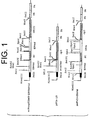
- the structures of pscFvCA-E8VHd vector, scNcopFCAH9-E8VHdVLd vector, and expression vector pFCA-10 for camel VHH integration, all used for vector construction, are shown in Fig. 1.
- the nucleotide sequence of pFCA-10 and the amino acid sequence encoded by its protein-coding region are shown in Fig. 2.
- the vectors were designed so as not to express cp3, when the restriction enzyme failed to cleave the vector or the antibody gene had not been integrated.
- scNcopFCAH9-E8VHdVLd and pFCA-10 were constructed as described below.
- pFCAH9-E8d Three ⁇ g (3 ⁇ L) of pFCAH9-E8d (see WO 01/62907) was mixed with 3 ⁇ L of Bst PI (3 U/ ⁇ L), 5 ⁇ L of 10x H buffer, and 39 ⁇ L of distilled water (DW), and restriction enzyme treatment was performed at 37°C for 2 hr. After the treatment, the precipitate obtained by ethanol precipitation was dissolved in 10 ⁇ L of TE buffer. One ⁇ L of Sac I (10 U/ ⁇ L), 5 ⁇ L of 10x L buffer, and 34 ⁇ L of DW were mixed for restriction enzyme treatment at 37°C for 2 hr, and then a 4.7 kb fragment was collected by agarose gel electrophoresis. The collected fragment was subjected to ethanol precipitation and adjusted to 10 ⁇ L (pFCAH9-E8d BstP I- Sac I fragment).
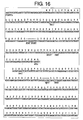
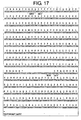
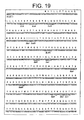
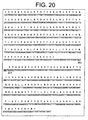
- scNcopFCAH9-E8VHdVLd A schematic illustration of the structure of scNcopFCAH9-E8VHdVLd is shown in Fig. 1 (top). Furthermore, the nucleotide sequence of the insert region of scNcopFCAH9-E8VHdVLd and the amino acid sequence encoded thereby are shown in Figs. 16 and 17. In addition, the nucleotide sequence of the insert region of pscFvCA-E8VHd and the amino acid sequence encoded thereby are shown in Figs. 19 and 20.
- pscFvCA-E8VHd vector 5 ⁇ L
- 1 ⁇ L of M13RV primer 100 pmol/ ⁇ L, 5'-AACAGCTATGACCATG-3'; SEQ ID NO: 12/Sawady Technology
- 1 ⁇ L of XhoAsc primer 100 pmol/ ⁇ L, 5'-CGACTGAAGGCGCGCCCCTCTCGAGACCCTGACCGTGGTGCC-3': SEQ ID NO: 13/Sawady Technology
- 10 ⁇ L of 10x buffer #1 supplied with KOD
- 10 ⁇ L of dNTP mix supplied with KOD
- 4 ⁇ L of 25 mM MgCl 2 68 ⁇ L of DW
- 1 ⁇ L of KOD polymerase 2.5 u/ ⁇ L; TOYOBO
- PCR product was confirmed by agarose gel electrophoresis. Then, a band near 400 bp was cut out, purified using GENECLEAN II Kit (Funakoshi), ethanol precipitated, and then suspended in 10 ⁇ L of TE.
- the band near 340 bp was collected, purified using GENECLEAN II Kit (Funakoshi), concentrated by ethanol precipitation and then dissolved in 10 ⁇ L of 1/10 TE.
- 5 ⁇ L, 2 ⁇ L of the Hind III- Asc I fragment of the scNcopFCAH9-E8VHdVLd vector, 2 ⁇ L of 10x ligation buffer, 2 ⁇ L of 10 mM ATP, 8 ⁇ L of DW, and 1 ⁇ L of T4 DNA ligase were added and mixed, and the mixture was incubated at 16°C for 16 hr. This was ethanol precipitated and dissolved in 3 ⁇ L of 1/5 TE.
- ElectroMAXTM DH12S Gibco BRL Cell-Porator (Cat. series 1600) setup conditions; voltage booster 4 k ⁇ capacitance 330 ⁇ F DC volts Low ⁇ charge rate Fast
- N-lauroylsarcosin sodium salt 0.23 g was added as a powder to the filtered solution, and was dissolved well. DNA therein was fragmented by shearing force due to passages of the solution through needles attached to a syringe, which involved 3 passages through 18G, 5 passages through 21G, and 5 passages through 22G needles.
- HITACHI Centrifuge Ware 13PA tube was washed with diothylpyrocarbonate (DEPC) treated water, 4 mL of CsCl solution (5.7 M CsCl, 0.01 M EDTA) was placed therein, and 6 ml of supernatant was layered without disturbing the interface. Ultracentrifugation was performed on HITACHI HIMAC55P-72 using RP40T-740 rotor at 30,000 rpm for 20 hr.
- DEPC diothylpyrocarbonate
- the upper layer was carefully removed (Pasteur pipettes were frequently exchanged). When the remaining upper layer became approximately 0.5 mL, the tube was inverted to discard the remaining solution. Using a heated razor blade, near 1 cm from the bottom of the tube containing RNA precipitate was cut, and the precipitate was rinsed with 75% ethanol and air-dried. The precipitate was dissolved in TES solution, 1/10 volume of 3M sodium acetate (pH5.2) and 2.5 volume of ethanol were added for precipitation, and the precipitate was stored at -80°C until use.
- Total RNA was obtained by guanidine ultracentrifugation from spleens of 22 camels according to similar steps described above. mRNA was prepared from each of thess total RNAs using commercially available oligo-dT column kit (Pharmacia mRNA Purification Kit (oligo-dT column method)). The yield of mRNA was about 1% of the total RNA.
- cDNA was prepared by reverse transcriptase reaction on the mRNA using a random primer (N6, Gibco BRL) and following the instructions for Superscript (Gibco BRL).
- VH3a primer SEQ ID NO: 1
- J primer 5' -AA GGCGCGCCCC TGA VGA GRY GGT GAC YHG-3' ; mixed nucleotides as, V: ACG, R: AG, Y: CT, and H: ACT; SEQ ID NO: 42
- V: ACG, R: AG, Y: CT, and H: ACT SEQ ID NO: 42
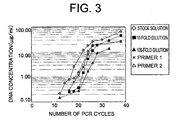
- the reaction was stopped at every few cycles and a portion of the reaction solution was sampled. After staining with Picogreen (Gibco BRL), DNA was quantified using a fluorophotometer. At stages where the DNA concentration is low, such as up to the 20th cycle of the 10-fold dilution or 100-fold dilution, the apparent amplification rate seemed low in certain cases due to measurement noise. However, up to approximately 27 cycles, exponential amplification could be confirmed.
- cDNA actually obtained in 1-4-1 and primers of SEQ ID NOs: 1 to 6 were used for gene amplification.
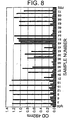
- the reaction was stopped at 15th, 17th, 19th, and 21st cycles and 2 ⁇ L of each of the reaction solutions was electrophoresed. As a result, the reaction did not reach saturation at least up to the 19th cycle (Fig. 4).
- VHH-germF1 SEQ ID NO: 2
- VHH-germF2 SEQ ID NO: 3
- VHH-germF4 SEQ ID NO: 4
- VHH-germF5 SEQ ID NO: 5
- VHH-germF6 SEQ ID NO: 6
- IgG2LB1 SEQ ID NO: 10
- IgG3LB2 SEQ ID NO: 11
- stop solution was added to the reaction solution and was heated at 65°C for 20 min to inactivate the enzymes.
- the mixture was treated twice with phenol-chloroform and then once with chloroform.
- the resulting solution was concentrated to 1 mL by butanol, 210 ⁇ g of glycogen was added, and then ethanol precipitated to collect 105 ⁇ g of vector.
- PCR amplification products of IgG2 or IgG3 were cleaved with Sfi I.
- PCR fragment 25.0 ⁇ g NEB No. 2 50 ⁇ L 10x BSA (Takara) 50 ⁇ L Sfi I 10 U/ ⁇ L 25 ⁇ L adjusted to 200 ⁇ L with sterilized MilliQ water
- reaction solution was layered with mineral oil and reacted at 50°C for 3 hr. Phenol-chloroform treatment was performed followed by chloroform treatment and ethanol precipitation. Twenty-two ⁇ g of IgG2 and 23.8 ⁇ g of IgG3 were collected.
- Sfi I cleaved fragments of IgG2 or IgG3 PCR amplification product 8 ⁇ g Sfi I-cleaved library vector pFCA-10 40 ⁇ g 10 mM DTT 40 ⁇ L 10 mM ATP 40 ⁇ L 10x ligase buffer (Takara, supplied with T4 DNA Ligase) 40 ⁇ L T4 DNA Ligase (Takara) 350 U/ ⁇ L 40 ⁇ L adjusted to 400 ⁇ L with sterilized MilliQ water
- the reaction solution was incubated at 16°C for 13 hr, and at this point, following factors were supplemented.
- This solution was further reacted at 16°C for 6.5 hr, subjected to phenol-chloroform treatment, and concentrated to 230 ⁇ L with butanol. 70 ⁇ g of glycogen was added thereto, and subjected to ethanol precipitation to obtain 34.1 ⁇ g of IgG2 ligation DNA or 29.7 ⁇ g of IgG3 ligation DNA.
- the collected IgG2 ligation DNA (34.1 ⁇ g), or IgG3 ligation DNA (29.7 ⁇ g) was treated with a reaction solution with following composition at 37°C for 3 hr.
- the solution was subjected to phenol-chloroform treatment, and concentrated to 200 ⁇ L with butanol. 70 ⁇ g of glycogen was added thereto, and subjected to ethanol precipitation to obtain 25 ⁇ g of IgG2 ligation product or 29 ⁇ g of IgG3 ligation product.
- the solution was concentrated to 600 ⁇ L using CENTRICON YM-10 (10,000 molecular weight cut-off, AmiCon), and subjected to phenol-chloroform treatment. 70 ⁇ g of glycogen was then added thereto and subjected to ethanol precipitation to obtain 23.7 ⁇ g of IgG2 ligation product or 27.8 ⁇ g of IgG3 ligation product.
- CENTRICON YM-10 10,000 molecular weight cut-off, AmiCon
- 0.2 ⁇ g of the expression vector incorporating camel VHH genes constructed as described above was transformed into 20 ⁇ L of ElectroMAXTM DH12S (GIBCOBRL).
- the culture supernatant of the transformants was sampled to confirm the expression of VHH-cp3.
- pFCA-10 comprises pelB secretion signal sequence
- a small amount of VHH-cp3 protein of the phage is produced into the culture supernatant of E. coli transformed with this vector. Therefore, by monitoring the culture supernatant by ELISA, the expression of VHH-cp3 can be confirmed.
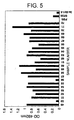
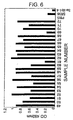
- the results of monitoring by ELISA are indicated in Fig. 5 (IgG2) and Fig. 6 (IgG3). Specific protocols for ELISA were as described below.
- the expression was induced by the addition of 1 mM IPTG in the early stage of exponential growth phase. After 21 hr, the culture was centrifuged and the collected culture supernatant was used to sensitize MaxiSorpTM. 500-fold-diluted rabbit anti-cp3 antibody was used as the primary antibody and 10,000-fold-diluted HRP-conjugated anti-rabbit IgG (H+L chain) goat Fab' was used as the secondary antibody.
- HRP activity 100 ⁇ L of ortho-phenylenediamine and hydrogen peroxide solution were added and reacted for 10 min. The reaction was quenched by adding 100 ⁇ L of 2N sulfuric acid, and the absorbance at a wavelength of 492 nm was measured. 3a-lib1-4 and Sfi36 on the right ends in Figs. 5 and 6 show the results of frame shift mutation (negative control).
- E. coli was transformed via electroporation under following conditions to introduce phage genes.
- Electroporator BRL Cell-Porator (Cat. series 1600) setup conditions; voltage booster 4 k ⁇ capacitance 330 ⁇ F DC volts Low ⁇ charge rate Fast
- IgG2 For IgG2, 23.7 ⁇ g of DNA obtained by ligation was used to transform 2 mL of DH12S cells (0.2 ⁇ g each of DNA was electroporated into 20 ⁇ L of ElectroMAXTM DH12S (GIBCOBRL)). A portion of these cells was sampled to estimate the overall number of transformed bacteria as 1.7x 10 10 . These cells were stored as glycerol stock, and 20-L scale of phage preparation was carried out.
- the number of bacteria at the time of helper phage infection was 5.66x 10 11 and infectivity of the helper phage was 75% (there were 4.06x 10 8 cfu/ml of ampicillin-resistant bacteria and 3.05x 10 8 cfu/mL of ampicillin- and kanamycin-resistant bacteria during helper phage infection).
- the goal to obtain 10 10 or more independent clones was achieved.
- the bacterial solution was centrifuged at 10,000 rpm for 10 min at 4°C to collect the supernatant. 4 L of 20% polyethylene glycol/2.5 M NaCl was added to the supernatant and was gently stirred for approximately 20 min.
- This solution was centrifuged at 10,000 rpm for 10 min at 4°C and the precipitate was dissolved in 1 L of PBS. 200 mL of 20% polyethylene glycol/2.5M NaCl was added thereto, and gently stirred for approximately 20 min. After centrifugation at 10,000 rpm for 5 min at 4°C, the supernatant was discarded. The residue was further centrifuged at 10,000 rpm for 1 min at 4°C, and the precipitate was collected. The precipitate was dissolved in 20 mL of PBS containing 0.05% NaN 3 to form a library phage solution.
- the titer of the collected phage was checked as follows. Specifically, 10 6 , 10 7 , and 10 8 -fold dilution of the phage solution was prepared with PBS, 10 ⁇ L each was used to infect 990 ⁇ L of DH12S cells, and the cells were cultured at 37°C for 1 hr. 100 ⁇ L of the culture was seeded on LBGA plate, cultured at 30°C for 18 hr, and the stock solution titer was estimated from the colony count. As a result, 20 mL of library phage having a titer of 3.73x 10 13 CFU/mL was obtained.
- IgG3 27.8 ⁇ g of DNA obtained by ligation was used to transform 2 mL of ElectroMAXTM DH12S (GIBCOBRL) by electroporation (0. 2 ⁇ g each was introduced into 20 ⁇ L of ElectroMAXTM DH12S (GIBCOBRL)). A portion of the cells was sampled to estimate the overall number of transformed bacteria as 1.1x 10 10 . The preparation was carried out similarly to IgG2.
- the number of bacteria at the time of helper phage infection was 8.64x 10 11 and infectivity of the helper phage was 78% (4. 64x 10 8 cfu/mL of ampicillin-resistant bacteria and 3.63x 10 8 cfu/ml of ampicillin- and kanamycin-resistant bacteria during helper phage infection). 10 10 or more independent clones, which were the target amount, were obtained.
- VHH clones constituting the libraries were randomly selected to determine their nucleotide sequences.
- the nucleotide sequences were determined according to the method mentioned in 2-6-2.
- the amino acid sequences encoded by the determined nucleotide sequences were analyzed.
- the amino acid sequence was determined to be normal.
- no sequence with considerably low framework homology could be found.
- those with frame shifts or insertion of stop codon were determined to be abnormal.
- the genetic sequences of 87% of the clones were normal.
- 92.3% had hydrophilic amino acids as the 44th and 45th amino acids that interact with the L chain, i.e., encoded VHHs.
- VHHs were included in the libraries with very high selectivity.
- Example 1 oligonucleotides comprising the nucleotide sequences of following SEQ ID NOs were used as primers.
- the origin of VHH amplified by each of the combinations of primers is summarized below. 5'-side (N-terminal) 3'-side (C-terminal) origin of amplified VHH SEQ ID NOs: 1-6 SEQ ID NO: 10 IgG2 SEQ ID NOs: 1-6 SEQ ID NO: 11 IgG3
- clones Fifty or more clones were randomly selected from each library to analyze their nucleotide sequences. Examples of analyzed results are shown in Table 1. Each cell of the Table corresponds to a single class. In Table 1, subfamilies are classified based on the position of cysteine residues, and furthermore, within the subfamilies, classes are grouped based on the length of CDR2 and CDR1. The determination of CDR was performed according to a known method (Kabat et al., Sequence of Proteins of Immunological Interest, 5th edit., US Public Health Service, NIH Bethesda, MD, Publication (1991) No. 91-3242). Structural characteristics used as indices for classification were specified according to following criteria:
- CDR1 of 5 amino acids in length are the only ones reported.
- great variety was also found in the length of CDR1.
- CDR1 and CDR2 are located at positions that are not changed during rearrangement of antibody genes. Therefore, basically, the lengths of CDR1 and CDR2 are considered not to change in germlines as well as in mRNA.
- a library can be determined to maintain the in vivo diversity, when 33 clones arbitrary selected from clones constituting the library, and analyzed for their VHH structure are classified into at least 8 or more classes based on the classification method of the present inventors.
- a preferred library of the present invention that maintains the in vivo diversity comprises clones of 6 or more VHH subfamilies as well as 15 or more classes when sufficient amount of clones are randomly sampled from clones constituting the library and then investigated.
- VHHs having binding affinity for glutathione S-transferase were selected.
- GST was prepared to a final concentration of 0.1 mg/mL using PBS, 3.8 mL of this solution was placed into each of 1 (first time) or 2 (second and third time) test tubes (Nunc, MaxiSorpTM), and incubated at 4°C for 18 hr to adsorb GST on the inner wall of the test tubes. After adsorption, the solution was discarded, 3.8 mL of PBS containing 2% skim milk was added to each tube, and reacted at 25°C for 1 hr for blocking.
- IgG2 and IgG3 libraries were screened independently without mixing.
- the amount of phage used is shown under the column of "Input phage (cfu)" in Table 3.
- 3.8 ml of phage solution suspended in PBS containing 2% skim milk was added to each test tube, and after reacting at room temperature for 2 hr, the test tubes were washed 8 times with PBS-0.05% Tween 20.
- the collected solution was treated as follows: infection of the phage into E. coli , infection of helper phage, and collection of the phage, to purify and amplify the contained phage.
- the culture mentioned above in 2) was centrifuged at 8,000 rpm for 10 min at 4°C, and 1/5 volume of 20% polyethylene glycol containing 2.5 M sodium chloride was added to the supernatant. This solution was left standing at room temperature for 20 min, centrifuged at 8, 000 rpm for 15 min at 4°C, and then the precipitate was collected. Sterilized PBS was added at 1/10 volume of the culture to dissolve the precipitate. 20% polyethylene glycol containing 2.5 M sodium chloride was added again at 1/5 volume of the culture, and this was centrifuged at 10,000 rpm for 20 min at 4°C. The supernatant was discarded, and the residue was further spun down and then centrifuged at 10,000 rpm for 2 min at 4 °C. PBS containing 0.05% NaN 3 was added at 1/100 volume of the culture to dissolve the precipitate, and thus, VHH phage was collected.
- washing conditions were set at 30 times for the second screening, and 35 times for the third screening.
- the number of collected phage was calculated similarly, and the number of phage displaying VHH against the antigen was determined for per screening. The results are shown in Table 3. Since the ratio of collected phage (input/output) increased in the third screening, specific VHH was expected to be concentrated at this stage.
- the antigen binding activity (affinity) of VHH selected by the above-mentioned screening was measured by ELISA using 96-well microtiter plate. As the samples, not phage-type VHH but VHH-cp3-type VHH was used.
- phage-infected E. coli was cultured in 2x YT containing 1% glucose and 100 ⁇ g/mL ampicillin at 30°C for 18 hr, then 5 ⁇ L of the above-mentioned culture was added to 1.5 mL of 2x YT containing 0.1% glucose and 100 ⁇ g/mL ampicillin, and was cultured at 30°C for 4 hr. At this time, the concentration of E. coli was measured as the absorbance at a wavelength of 600 nm and was approximately 0.5.
- IPTG isopropyl-1-thio- ⁇ -D-galactoside
- GST-bound ELISA plates were prepared. Specifically, GST was diluted to a final concentration of 100 ⁇ g/mL. 100 ⁇ L of the diluted GST solution was added to each well of a 96-well microtiter plate (Nunc, MaxiSorpTM) , and after binding at 4°C for 18 hr, 200 ⁇ L of 5% BSA (blocking solution) was added to each well and blocking was performed at 37°C for 1 hr. After discarding the blocking solution, the plate was washed once with PBS and used for affinity measurements.
- BSA blocking solution
- phagemids were then purified using KURABO DNA Isolation System PI-50. These phagemids were used to confirm the nucleotide sequences of their genes. Using fluorescence primer T7 (ALOKA), the nucleotide sequences were determined by the dideoxy method using Thermosequence kit (Amersham Pharmacia), and ALOKA L1-COR4200L(S)-2.
- IgG3 Based on their CDR3 sequences, one type of IgG3 and six types of IgG2 were confirmed.
- the CDR3 amino acid sequences of the clones obtained by the screening are summarized in Table 4.
- One type of CDR3 in IgG3 is also found in IgG2, and suggests the existence of a mechanism of subclass switching.
- anti-GST VHHs Three types were converted to protein A-fused proteins from cp3-fused proteins. Following 3 clones were used as anti-GST VHHs. No. 21: a clone where 2 clones were isolated No. 29: a clone with the highest ELISA value NO. 75: a clone comprising the most common CDR3 (38 clones)
- amino acid sequence and nucleotide sequence of each clone are shown in following SEQ ID NOs. Clone No. Nucleotide sequence Amino acid sequence No. 21 SEQ ID NO: 14 SEQ ID NO: 15 No. 29 SEQ ID NO: 16 SEQ ID NO: 17 No. 75 SEQ ID NO: 18 SEQ ID NO: 19
- each of the No. 21, No. 29, and No. 75 clone DNA was Sal I-cleaved by following method. 1 ⁇ g of DNA (each of the cp3 expression-type VHH expression vectors)/33 ⁇ L sterilized MILLIQ water 4 ⁇ L of 10x High Buffer (Takara, supplied with Sal I) 3 ⁇ L Sal I (Takara)
- a reaction solution of the above-mentioned composition was incubated at 37°C for 2 hr. This was electrophoresed on 0.8% agarose gel at 100 mA for approximately 1 hr, and the band found near 4 kB was cut out using a razor blade. DNA was extracted with QIAEXII (QIAGEN) and subjected to ethanol precipitation. Thus obtained DNA was self ligated under following conditions.
- the protein A-type VHH was purified as follows. First, 36 g of ammonium sulfate was added to per 100 mL of the obtained culture supernatant (60% ammonium sulfate) to precipitate protein by stirring at 4°C for 1 hr. This was then centrifuged at 8,000 rpm for 10 min and the supernatant was discarded.
- protease inhibitor CompleteTM, Roche
- 30 mL of PBS was added per 500 mL of the culture supernatant, and the precipitate was removed by centrifugation at 10,000 rpm for 15 min.
- 0.05% NaN 3 and 1.5 mL of IgG SepharoseTM 6 Fast Flow (Pharmacia) resin were added to 30 mL of the supernatant and stirred for 1 hr.
- the resin solution was charged into a column (10 mL poly-prep, Bio-Rad) by gravity and flushed twice, each time with 10 mL of 0.1% Tween-PBS.
- 10 mL of PBS each time was flowed twice.
- 50 mL of PBS was flowed similarly.
- protein A-type VHH was eluted under following conditions.
- the collected eluate was neutralized with 350 ⁇ L of 3 M Tris, and the neutrality of the solution was confirmed with pH paper.
- Each of the eluate was dialyzed overnight at 4°C against 3 L of PBS using a 3500 MWCO dialysis membrane (PIERCE). After the dialysis, NaN 3 was added to 0.05%.
- the concentration of the obtained purified protein was determined by measuring the absorbance at 280 nm. The value obtained by dividing the OD 280 nm by 1.4 gave the protein concentration as ⁇ g/mL.
- the molecular weight (MW) of the collected protein was confirmed by SDS-PAGE. The results are as shown below. Protein concentration Molecular weight No. 21 445 ⁇ g/15 mL MW. 30 KD No. 29 494 ⁇ g/15 mL MW. 30 KD No. 75 649 ⁇ g/15 mL MW. 28 KD
- ka binding rate constant
- kd dissociation rate constant
- KD dissociation constant; kd/ka
- Carboxymethyldextran (Sensor Chip CM5, Research grade, BIAcore) sensor chip was used.
- Antigen (GST) was immobilized on the chip by electrostatic attachment to the CM5 matrix and by covalent bonding between the lysyl group of CM5 and activated carboxyl group of the antigen.
- the carboxyl group was activated by EDC/NHS coupling reaction (Johnson et al.).
- the chip was washed with 50 mM NaOH, and all GST that did not form covalent bounds were removed.
- the amount of immobilized antigen was calculated to be 2252 RU.
- the binding was evaluated as near 300 RU by adding saturating amount of clone No. 75 to the sensor.
- the binding was traced by altering the concentration of clone No. 75 (5x 10 -8 M to 4.0x 10 -7 M). Using (Langmuir) binding (BIAevaluation Ver. 3), the curve showed a satisfactory fit. Base line correction was also considered. When ka (1/Ms) was determined by Global fitting (BIAevaluation Ver. 3), a value of 3.81x 10 9 M -1 S -1 was obtained. When kd (1/S) was determined, the value was 9.15x 10 -4 S -1 . Due to the occurrence of mass transport limitation, this value is used as the lower limit. The KD value calculated based on kinetic analysis was 24 nM.
- the amount of immobilized antigen was 1750 RU, and saturating amount of clone No. 29 was added to the sensor to give a value of near 460 RU. Similar conditions were used for other parameters of the evaluation.
- the ka (1/Ms) was 2.54x 10 4 M -1 S -1
- kd (1/S) was 2.55x 10 -3 S -1
- the KD value calculated based on kinetic analysis was 100 nM.
- the kd of clone No. 75 was low, and therefore had a high binding constant. Accordingly, clone No. 75 was considered to be a VHH that does not readily dissociate.
- GST is a bisubstrate enzyme that uses both glutathione and CDNB as substrates.
- VHH selected from the VHH libraries of the present invention The influence of VHH selected from the VHH libraries of the present invention on the enzyme activity was evaluated based on the conditions reported in the literature (Habig WH et al ., J. Biol. Chem. Nov. 25, 249 (22), 7130 (1974) ) : 1 mM CDNB, 1 mM glutathione, and 1.5 ⁇ M GST. Since the curve was linear up to 3 min from the start of the enzyme reaction and decreased somewhat thereafter, the slope was calculated from the value per min up to 3 min to determine the enzyme reaction rate.
- the binding constant by Edie plot was determined wherein CDNB was fixed at 1 mM and glutathione concentration was varied in the range of 2-0.0625 mM.
- the appropriate glutathione concentration was determined so that it falls within a measurable range (approximately up to 1.5 with respect to a blank sample of water) on a spectrophotometer when CDNB is varied and the enzyme concentration is kept constant.
- VHH was concentrated with Centricon® YM-10 (amicon). As a result, coexistence of 3.8 to 5 ⁇ M VHH (clone: No. 21, No. 29, or No. 75) became possible. Thus, the enzyme reaction rate was measured similarly to 4-1.
- a mixed solution of 1.0 ⁇ g GST/25 ⁇ L PBS and each of the VHHs (0 to 5 ⁇ M) was incubated at room temperature for 1 hr, and the above-mentioned composition was added thereto. After addition, the absorbance at 340 nm was measured at 25°C.
- CDNB was kept constant at 1 mM, and the glutathione concentration was varied between 2 to 0.0625 mM.
- the reaction was performed under following conditions: MILLIQ water 220 ⁇ L 1 M potassium phosphate (pH 6.5) 25 ⁇ L 100 mM CDNB 2.5 ⁇ L 200 mM to 6.25 mM glutathione 2.5 ⁇ L
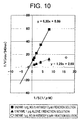
- Fig. 10 summarizes a part of the results.
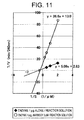
- the slope significantly differs with a VHH concentration of 2 ⁇ M, where the apparent Vmax was small and the apparent Km was unchanged. This result shows that the VHH of No. 75 inhibits GST noncompetitive with glutathione.
- VHH acts noncompetitive on both of the substrates. Therefore, the VHH seems to recognize, as epitope, a site of GST that is different from the binding sites of these substrates. Thus, no products may be generated from the enzyme substrate complex (ESC), an intermediate, due to its changes in the conformation by the binding of the VHH.
- ESC enzyme substrate complex
- VHH having binding affinity for lactic acid dehydrogenase was screened.
- Bacillus stearothemophillus-derived lactic acid dehydrogenase (L-LACTIC DEHYDROGENASE; LDH, SIGMA, 250 units) expressed in E. coli was used as an antigen for the screening.
- the active unit of commercially available LDH was described as 123 units/mg solid and 586 units/mg protein.
- the purity of this commercially available product was confirmed by SDS-PAGE. As a result, the purity was considered to be approximately 80%. (Dimers of two 35-KD monomers and tetramers of 4 of the monomers are formed.)
- the procedure for screening was as follows. LDH concentration was adjusted with PBS to 0.2 mg/mL, and dispensed at 25 ⁇ L/well into MaxiSorpTM loose (Nunc-ImmunoTM Module) . Four wells were used for the first screening, and 1 well each for the 2nd to 4th screenings. LDH was adsorbed on the inner walls of the wells by incubation at 4°C for 18 hr. After adsorption, the solution was discarded, 150 ⁇ L/well of PBS containing 1% BSA was added, and reacted at 37°C for 1 hr for blocking.
- phages bound to the antigen were collected as follows. Specifically, 50 ⁇ L/well of 0.1 M HCl-glycine (pH 2.2) was added, and reacted at room temperature for 10 min for dissociation. Three ⁇ L/well of 2 M Tris was added thereto for neutralization, and the solution was collected.
- the collected solution was treated as follows: infection of the phage into E . coli, infection of helper phage, and collection of the phages to purify and amplify the comprised phage.
- Collection of phages, re-screening of amplified phages, and method of evaluating phage screening followed the method described for anti-GST VHH, except that PBS was used for washing and washing was performed 15 times for the 2nd and 3rd screening and 20 times for the 4th screening.
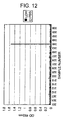
- Fig. 12 the 3rd screening
- Fig. 13 the 4th screening
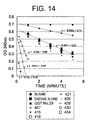
- VHH concentration was estimated by SDS-PAGE. Then, 8 ⁇ M of VHH was incubated for 1 hr with LDH (1.4 ⁇ M), and the residual enzyme activity was measured.
- the conditions for activity detection were as follows:
- the enzyme activity was detected by measuring the absorbance at 340 nm. The measurement results are shown in Fig. 14. As a result, the enzyme reaction was rather enhanced by clones No. 418, No. 421, and No. 428. No. 430 showed inhibitory activity. No. 407, No. 415, No. 426, and No. 434 showed same reaction rate with anti-GST VHH (clone No. 29) addition that was used as a control, and were considered not to affect the LDH enzyme activity.
- the VHH solution was filtered through an ultrafiltration membrane with 3000 MW cut-off (Microcon YM-3) and the results were confirmed with this filtrate alone.
- the action of regulating enzyme activity confirmed in Fig. 14 was considered to be due to the activity-regulating effect by a high-molecular-weight protein, i.e., VHH.
- VHHs that increase the reaction rate in the direction of lactic acid production by 10 fold (No. 418 and No. 421), and by 5 fold (No. 428), and a VHH that inhibits the reaction rate in the direction of lactic acid production (No. 430) were obtained.
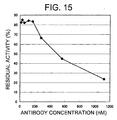
- the measurement results are shown in Fig. 15.
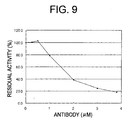
- the inhibitory effect of VHH could be observed starting from 5 fold (278 nM) of VHH, and with 20 fold VHH, the residual activity decreased to 20%.
- Lysyl groups on CM5 were activated using EDC/NHS (equal amounts of EDC and NHS of Amine Coupling Kit (BIAcore) were mixed) (8-minute contact time), and the chip was washed with HBS-EP (BIAcore). Twenty ⁇ g/mL of LDH (Sigma, 0.2 ⁇ g protein/mL diluted in 10 mM acetic acid (pH5.0)) was then added to the chip. After washing the chip with HBS-EP, 1 M ethanol amine (pH 8.5) was added to inactivate the remaining activated carboxyl groups. Following the inactivation, the chip was washed with HBS-EP to remove all LDHs that had not been covalently bound.
- EDC/NHS equal amounts of EDC and NHS of Amine Coupling Kit (BIAcore) were mixed
- the amount of immobilized antigens was calculated 5653 RU.
- binding was evaluated by adding saturating amounts of clone No. 430 to the sensor, the value was near 800 RU.
- the value was near 500 RU for clone No. 428, and near 1400 RU for clone No. 421.
- cDNA was prepared from mRNA of 22 camels using random primers.
- the following primer was constructed based on the sequence of the C-terminal portion of IgM constant region, C ⁇ (constant ⁇ ), which is conserved among humans and mice. PCR was performed using the N-terminal primer of the heavy chain variable region and camel cDNA to clone camel C ⁇ .
- the underlined indicates the Asc I cleavage site.
- PCR fragments were cleaved with Sfi I and Asc I restriction enzymes, cloned into pFCA-10 vector cleaved with Sfi I and Asc I, and then used for transformation by the aforementioned method.
- DNA was prepared as described above from the transformants, and the nucleotide sequence of the N-terminal region of C ⁇ was determined. The nucleotide sequence and amino acid sequence of the N terminus of camel C ⁇ are shown below.
- oligonucleotide comprising the following nucleotide sequence was designed as a primer that can selectively yield the IgM heavy chain variable region from the newly cloned camel C ⁇ sequence.
- cDNA was obtained using random primers with 20 ⁇ g of the obtained mRNA from 22 camels as a template.
- each of the 6 types of primers (SEQ ID NOs: 1 to 6) of the N-terminal region of the V domain was combined with the above-mentioned primer, and PCR was performed using 6 types of primer sets.
- PCR conditions were 95°C for 3 min, followed by 19 cycles of 94°C for 1 min, 72.°C for 2 min, and 72°C for 1 min. All PCR products obtained from each combination of primers were combined, electrophoresed on 0.8% agarose gel, and a band at approximately 0.5 kbp was cut out using a razor blade. QIAEX II (QIAGEN) was used for DNA extraction. The amount of collected DNA estimated using DAPI was 178 ⁇ g.
- the mixed collected PCR fragments were cleaved with Sfi I restriction enzyme, ligated to Sfi I-cleaved pFCA-10 vector, and DNA fragments were collected by performing phenol treatment and ethanol precipitation.
- the fragments were further cleaved with Asc I restriction enzyme, collected by phenol treatment and ethanol precipitation, and ligation was performed.
- the amount of the collected DNA measured by DAPI staining was 66 ⁇ g.
- the DNA obtained above was used to transform 7.5 mL of DHS12S. (The process of transforming 20 ⁇ L of ElectroMAXTM DH12S with 0.17 ⁇ g of the DNA by electroporation was repeated.). The overall number of transformed bacteria estimated by sampling a part of this material was 6.6x 10 10 .
- the method for screening was performed similarly to that of GST according to WO 01/62907 and Example 3.
- ⁇ -gal concentration was adjusted to 0.1 mg/mL using PBS
- 3.8 mL of the ⁇ -gal solution was added to each of the 2 test tubes (Nunc, MaxiSorpTM) (1st screening) or 1 test tube (2nd and 3rd screenings), and incubated at 4°C for 18 hr to adsorb ⁇ -gal on the inner walls of the tubes. After adsorption, the solution was discarded, 3.8 mL of PBS containing 2% skim milk was added to each tube, and reacted at 25°C for 1 hr for blocking.
- the IgM heavy chain variable region library was screened using the amount of input phage (cfu) shown in following Table, and adding 3.8 mL of PBS containing 2% skim milk to each test tube. (Table 7)
- Monoclones were prepared from phage clones obtained from the third screening by a method similar to that for GST antibodies of Example 3.
- ELISA was performed by a method similar to that for GST antibodies of Example 3, 43 clones out of 48 clones were ELISA positive. (Fig. 18)
- the present invention provides VHH libraries that maintain the in vivo diversity of the VHH region. Furthermore, VHHs constituting the libraries of the present invention comprise many normal nucleotide sequences, and they have a high expression rate. Thus, it can be stated that the VHH libraries of this invention are composed of active VHHs. Therefore, using a VHH library of the present invention, a VHH having binding affinity for any arbitrary antigen can be freely obtained.
- camelids that have not been immunologically sensitized had been considered to provide only VHHs having binding affinity for antigens with strong immunogenicity.
- the present inventors realized a VHH library that freely provides VHHs having a wide variety of functions by enlarging the repertoire size of the library.
- the present invention greatly contributes to the industrial use of VHHs by providing libraries that require no immunological sensitization and having richer diversity compared to known libraries.
- VHH libraries constructed by conventional methods did take no account of limitations or bias of in vivo VHH repertoire size in an individual.
- the diversity of VHH libraries constructed by conventional methods did not reflect the in vivo diversity of the VHH region.
- Methods to increase the diversity of libraries by artificially introducing mutations are well known in the art.
- the methods of artificially introducing mutations accompany inefficiency of producing far too many inactive antibodies along with the production of active antibodies.
- VHH libraries constructed based on conventional methods did not fulfill the requirement of a VHH library, i.e., composed of active VHHs with rich diversity.
- a VHH has excellent characteristics in solubility and stability compared to that of a generally used VH constituting IgG. Furthermore, a binding activity difficult to obtain for IgG composed of VHs can be expected from VHHs.
- the in vivo repertoire size of VHHs in an individual is restricted. Therefore, as long as libraries are constructed based on conventional library production methods, the repertoire size of a VHH library cannot exceed the in vivo repertoire size of an individual.
- various utilities are expected from VHHs, the possibility to obtain a VHH having the desired function is extremely low when known VHH libraries are utilized.
- the present invention enables to freely obtain industrially useful VHHs by providing VHH libraries having a diversity exceeding the in vivo repertoire size of an individual.
- VHHs having the desired function were made accessible for the first time due to the libraries of the present invention.
- VHHs having the function of regulating enzyme activity are easily selected. Furthermore, in the Examples, a plurality of VHHs having various effects on a plurality of enzymes was selected.
- the great diversity of the libraries of the present invention as well as the activity of VHH different from that of VH enables to readily select such VHHs having various functions.
- a library consisting of IgM-derived VHs provided by the present invention is useful as a library that additionally supplements the above-mentioned VHH libraries having diversity. Therefore, the use of an IgM-derived VH library of the present invention enables selection of antibody variable regions that cannot be selected from VHHs or those having functions that are difficult to select due to small population size.
Landscapes
- Chemical & Material Sciences (AREA)
- Health & Medical Sciences (AREA)
- Organic Chemistry (AREA)
- Life Sciences & Earth Sciences (AREA)
- General Health & Medical Sciences (AREA)
- Biophysics (AREA)
- Biochemistry (AREA)
- Genetics & Genomics (AREA)
- Medicinal Chemistry (AREA)
- Molecular Biology (AREA)
- Proteomics, Peptides & Aminoacids (AREA)
- Immunology (AREA)
- Virology (AREA)
- Peptides Or Proteins (AREA)
- Preparation Of Compounds By Using Micro-Organisms (AREA)
Abstract
The present invention provides camel antibody libraries that
maintain in vivo diversity of camelid antibody variable region genes.
The in vivo diversity of antibody variable region genes can be
accomplished by, for example, mixing genes derived from a plurality
of animals or modifying gene amplification conditions. Conventional
methods yield only VHHs with limited repertoire diversity. However,
the present invention provides libraries comprising genes encoding
functional VHHs with sufficient repertoire size. According to the
present invention, libraries that enable to freely obtain VHHs against
arbitrary antigens are provided. VHHs have excellent solubility and
stability, and show a reactivity that usually cannot be expected from
tetrameric IgGs.
Description
The present invention relates to methods of constructing camel
antibody libraries.
Two structures of IgGs constituting the immunoglobulins
(antibody molecules) of camelids are known to exist: one a
heterotetramer having heavy chains and light chains, and the other
consisting of a heavy-chain dimer (Isr. J. Vet. Med. 43 (3), 198 (1987);
Hamers-Casterman et al., Nature, 363, 446 (1993)). The tetrameric
structure is a common characteristic of IgGs among humans and most
animals. On the other hand, the latter IgG having a heavy-chain dimer
structure is considered characteristic of camelids. The IgGs
consisting of a heavy chain dimer of camelids does not accidentally
result from pathologic conditions.
Immunoglobulins lacking light chains have been found in Camelus
bactrianus and Camelus dromedarius, which are Asian and African
camelids, as well as in all species of South American camelids. South
American camelids include Lama pacos, Lama glama, and Lama vicugna.
The molecular weight of dimeric IgG differs depending on the animal
species. The molecular weight of heavy chains constituting these
immunoglobulins is approximately 43 kDa to approximately 47 kDa, and
normally are 45 kDa.
Another characteristic of the heavy-chain dimer IgG is that this
antibody lacks the first domain of the constant region called CH1
according to the definition by Roitt et al. Furthermore, the hinge
region has an amino acid sequence different from that of a normal
heterotetrameric antibody (heavy chains + light chains). Based on
the differences in the amino acid sequences, the IgGs of dromedaries
are classified as follows (Hamers-Casterman et al., Nature 363, 446
(1993) ) :
Since the VH region of a heavy chain dimer IgG does not have
to make hydrophobic interactions with a light chain, the region in
the heavy chain that normally contacts a light chain is mutated to
hydrophilic amino acid residues. Due to structural differences
compared to VHs of normal heterotetrameric IgGs, VH domains of the
heavy-chain dimer IgGs are called Variable domain of the heavy-chain
of heavy-chain antibody (VHH).
VHH has excellent solubility due to its hydrophilic amino acid
residues. Amino acid substitutions are scattered throughout the
primary structure (amino acid sequence) of VHH. Additionally, these
hydrophilic amino acid residues form a cluster in the space of the
tertiary structure of VH corresponding to the site that interacts
with the VL domain. Herein, the aforementioned space of the tertiary
structure is specifically called former VL side. These amino acid
substitutions are, for example, V37F or V37Y, G44E, L45R or L45C,
and W47 are also mostly substituted with Gly. Such substitutions
increase the hydrophilicity of the former VL side of VHH.
Therefore, the solubility of VHH is much higher than that of
VH isolated and purified from humans or mice (single domain antibody;
Ward et al., Nature, 341, 544 (1989)). VHH can be easily concentrated
to 10 mg/mL in ordinary buffer solutions without any signs of
aggregation. This concentration corresponds to, for example,
approximately 100 times the solubility of mouse VH.
Furthermore, VHHs derived from camels and llamas have very high
thermostability compared to mouse heterotetrameric antibodies. The
use of VHH derived from these species can provide, for example,
molecules that maintain their antigen binding ability even at 90°C
(van der Linden et al., Biochim. Biophys. Acta 1431 (1), 37 (1999)).
The diversity of antibody repertoire of camelids is determined
by the complementary determining regions (CDR) 1, 2, and 3 in the
VH or VHH regions. Possession of three CDRs is in common with the
IgGs of other animal species. However, the CDR3 in the camel VHH
region is characterized by its relatively long length averaging 16
amino acids (Muyldermans et al., Protein Engineering 7(9), 1129
(1994)). For example, compared to the CDR3 of mouse VH having an
average of 9 amino acids, the CDR3 of camel IgG is very long.
Most antigen binding sites of structurally known heavy chains
+ light chains heterotetrameric antibodies are known to form
antigen-binding surfaces such as grooves, cavities, and flat areas
(Webster et al., Current Opinion in Structural Biology 4, 23 (1994)).
Therefore, when an epitope of a substance to be bound also forms a
groove or a cavity, the antigen-binding site of the antibody may not
bind well. For example, in proteins including enzymes, catalytic or
functional residue, or toxic region is often located at the interior
of a cleft. This structure facilitates extremely specific
interactions of enzyme substrates and receptors with proteins.
However, structures such as cavities and clefts are difficult for
heterotetrameric antibodies to recognize, and therefore, they do not
have high immunogenicity.
In contrast, there are reports that VHHs of camelids can
specifically recognize clefts and cavities due to their
characteristic structure described above. For example, in an
experiment where antibodies were isolated from peripheral blood of
camels immunized with an enzyme as the antigen, antibodies that seal
the enzyme active center existed only among the camel IgG2 and IgG3,
and not in IgG1 (Lauwereys et al., EMBO J. 17(13), 3512 (1998)).
Furthermore, VHH having lysozyme activity inhibitory effect was
isolated by the phage display method from a library derived from camels
immunized with lysozyme (Arbabi Ghahroudi et al., FEBS Letters 414,
521 (1997)). The structure of the isolated VHH in complex with
lysozyme was elucidated by X-ray crystallographic analysis (Desmyter
et al., Nature Structural Biology 2, 803 (1996)). The results showed
that in IgG2 or IgG3 of the camel antibody, the CDR3 region having
a long protrusion is inserted and bound to the substrate-binding site
of the enzyme such that the active center is sealed to cause
competitive inhibition.
Industrially useful characteristics can be found in VHHs
derived from camelids such as high solubility and the possible
existence of novel activity that cannot be expected from tetrameric
IgGs. To obtain an antibody variable region, an animal must be
immunized with an antigen of interest to separate an antibody.
However, such a classical method involves problems such as the need
to purify large amounts of antigens and generation of non-specific
antibodies. Accordingly, as a method for more easily obtaining an
antibody variable region, a screening method using an rgdp library
has been proposed. The phrase "rgdp library" refers to a library
consisting of a genetic display package wherein genes encoding
substances with binding affinity, such as antibody variable regions,
display their expression products. A representative example of an
rgdp library includes a phage library that displays antibody variable
regions.
The method of obtaining antibodies using a phage library
displaying antibody variable regions is being noticed as a novel
method for obtaining antibodies that succeed to labor-intensive,
classical methods of antibody production. The present inventors have
also constructed novel antibody libraries that allow efficient
acquisition of antibody variable regions, and have already filed a
patent application (WO 01/62907). It would also be useful for VHHs
to construct a library that allows to freely select a VHH with a binding
affinity towards an arbitrary antigen from the library. However,
several problems have been pointed out in the construction of camelid
VHH libraries.
Another characteristic of the structure of camelid VHH is that
it often contains a cysteine residue in the CDR3 in addition to
cysteines normally existing at positions 22 and 92 of the variable
region. The cysteine residues in CDR3 are considered to form
disulfide bonds with other cysteines in the vicinity of CDR1 or CDR2
(Muyldermans et al., Protein Engineering 7(9), 1129 (1994);
Muyldermans et al., J. Mol. Recognit. 12, 131 (1999)). CDR1 and CDR2
are determined by the germline V gene. They play important roles
together with CDR3 in antigen binding (Desmyter et al., Nature
Structural Biology, 2, 803 (1996); Structure 7(4), (1999); Spinelli
et al., J. Mol. Biol. 311(1), 123 (2001)). In general, the term
"germline" refers to chromosomal genes maintained in germ cells, i.e.,
chromosomal genes that have not undergone rearrangement. Herein,
among the chromosomal genes, particularly the region that constitutes
the antibody gene is referred to as germline.
Recently, germlines of dromedaries and llamas belonging to
Camelidiae were studied. As a result, IgGs of dromedaries and llamas
were classified according to the length of CDR2 and cysteine positions
in the V region (Nguyen et al., EMBO J. 19(5), 921 (2000); Harmsen
et al., Mol. Immunol. 37, 579 (2000)).
However, it has been noted that the antibody genes of the entire
germline of a dromedary cannot be considered as sufficiently covered
by hitherto obtained antibody genes. For example, the concentration
of the classification of cDNA nucleotide sequences of the antibodies
obtained so far on particular classes reveal that the germlines from
which these antibodies were derived had been biased (Nguyen et al.,
EMBO J. 19(5), 921 (2000)). Furthermore, methodologically, they were
considered to imply problems as follows. Specifically, known
libraries were constructed using only one type of primer as the
N-terminal primer. Therefore, due to problems of specificity, some
germlines from which the VHH genes are derived might have leaked,
or the amplification products might have been biased (Arbabi Ghahroudi
et al., FEBS Letters 414, 521 (1997)).
A library having biased constituent genes is poor in repertoire.
Therefore, screening of such a library may not yield antibodies
against an antigen of interest. This may be the reason why antibodies
inhibiting or promoting an enzyme activity could not be obtained from
phage libraries derived from non-immunized camels.
Prior art proposes methods to immunize camels or llamas in
advance with a sufficient amount of antigen in order to obtain the
variable region of immunoglobulin heavy chains of camels or llamas
(Published Japanese Translation of International Publication No. Hei
11-503918; Lauwereys et al., EMBO J. 17(13), 3512 (1998); Arbabi
Ghahroudi et al., FEBS Letters 414, 521 (1997)). This method utilizes
the phenomenon that the immune systems of camels and llamas mature
their own heavy chain antibodies in vivo (Published Japanese
Translation of International Publication No. 2000-515002; J. Immuno.
Methods 240, 185 (2000)). Based on this method, antibodies that
recognize lysozyme, tetanus toxoid, carbonic anhydrase, amylase,
RNaseA, azo dye and such have been obtained.
However, the need of immunological sensitization in this method
imposes various restrictions such as those described below:
Furthermore, to avoid the problems of immunological
sensitization, a method comprising the following steps was proposed
(Published Japanese Translation of International Publication No.
2000-515002):
As an alternate solution, a method using the framework of camel
antibody has also been suggested. According to this method, camel
antibodies are reconstructed by incorporating CDR1, CDR2, and CDR3
of VHH and VH into the camel antibody framework. This method applies
the method developed for humanizing mouse VH. The loops of each CDR
can be mutated randomly to enlarge the repertoire size. As a result,
the affinity and specificity of the antibodies can be controlled
(Published Japanese Translation of International Publication No.
2000-515002).
All of these solutions are based on the principle of aiming to
attain diversity by introducing artificial mutations into the coding
sequences. However, most of these attempts require a great deal of
effort and complicated procedures to introduce the mutations, and
takes a long time. Furthermore, many of such attempts accompanied
inefficiency of producing overhigh inactive antibodies along with
the production of active antibodies.
A conceivable alternative method involves constructing a phage
library by incorporating VHH genes obtained from tissues and blood
of non-immunized camels into phage display vectors, and selecting
recognition molecules specific to an antigen by selecting phages that
have binding ability from the phage library using the immobilized
antigen. However, this method had been contemplated to only yield
VHHs against substances with sufficient immunogenicity. Therefore,
methods using phage libraries incorporating VHH genes had not been
sufficiently studied (Published Japanese Translation of
International Publication No. 2000-515002). Accordingly,
non-immunized camel-derived VHH antibody phage libraries comprising
a repertoire diverse enough to yield antibodies inhibiting or
promoting enzyme activities had not existed.
An objective of the present invention is to provide VHH
libraries having a sufficient repertoire size. Furthermore, another
objective of the present invention is to provide VHH libraries that
do not accompany production of inactive VHH.
The present invention provides VHH libraries having a very large
diversified repertoire by improving the conventional process of
isolating VHH variable regions. More specifically, by devising
primers for amplifying genes, germline VHH genes could be amplified
that much faithfully reproduce the in vivo diversity.
Furthermore, the present inventors showed that VHHs are
antibody molecules developed in camelids having mainly supplementary
importance, and are a group whose antibody maturation process
completely differs from that of VH genes. Therefore, to maximize the
diversity of VHH genes, the present inventors aimed to ensure
diversity by increasing the number of animals, which had not been
emphasized in previous libraries. As a result, a library with rich
diversity was successfully constructed using camel genes from more
than one animal.
Moreover, to minimize the loss of diversity during
amplification of genes by PCR, the present inventors collected the
genes amplified by PCR in the exponential phase, and avoided
saturation of some of the genes. In addition, the present inventors
also obtained the variable region genes of the IgM class. Generally,
it is suggested that naive repertoires are included in the
immunoglobulins of the IgM class. IgGs may accompany bias of clones
due to natural immunological sensitization of camels in vivo.
Meanwhile, such bias is considered not to occur in IgM.
According to such processes, non-immunized antibody variable
region libraries that ensure extremely large diversity can be
constructed. Thus, the present invention relates to antibody
variable region libraries, methods for constructing them, and uses
thereof as follows:
- (1) ;
The present invention relates to libraries of camelid-derived
antibody variable regions, which maintain the in vivo diversity of
the variable regions of a camelid. A VHH library comprising VHH genes
as variable region genes can be confirmed to maintain the in vivo
diversity as follows. Specifically, 33 arbitrary clones may be
selected from clones constituting a library, and when the selected
clones are determined to comprise genes belonging to at least 8 or
more classes, this library can be assumed to maintain the in vivo
diversity. More specifically, sufficient amount of clones may be
randomly selected from clones constituting a library, and when the
selected clones are determined to comprise genes of preferably 6 VHH
subfamilies and at the same time genes belonging to 15 or more classes,
this library can be assumed to maintain the in vivo VHH diversity.
In the present invention, the VHH subfamilies are classified
based on the positions of cysteine residues. On the other hand, the
classes are grouped based on the position of cysteine residues, the
length of CDR2, and the length of CDR1. In Table 1 shown in Example
2, each frame corresponds to one class.
The conventional subfamily classification of VHHs (Nguyen et
al., EMBO J. 19(5), 921 (2000); Mol. Immunol. 127(10), (2000)) is
based on the positions of cysteine residues and the length of CDR2.
However, according to the analysis by the present inventors, cysteine
residues and CDR2 lengths that could not be covered by the conventional
classification were found. Furthermore, though the number of amino
acid residues constituting CDR1 had been considered to be restricted
to one value, CDR1 with different numbers were found according to
the analysis of the present inventors. Therefore, VHHs cannot be
virtually classified based on the conventional classification.
Applying the method of classification of subfamilies and
classes of this invention to a known library analysis result (Nguyen
et al., EMBO J. 19 (5), 921 (2000)), 5 subfamilies and 7 classes (from
72 clones) were found. On the other hand, following results were
obtained for the VHH libraries of the present invention, for example,
when the classification method of this invention was applied to the
analysis result of clones constituting VHH libraries constructed in
the Examples described later.
Results of analyzing 89 arbitrary clones from IgG2-derived VHH library:
number of subfamilies: 7 number of classes: 31
Results of analyzing 59 arbitrary clones from IgG3-derived VHH library:
number of subfamilies: 7 number of classes: 20
Results of analyzing 89 arbitrary clones from IgG2-derived VHH library:
number of subfamilies: 7 number of classes: 31
Results of analyzing 59 arbitrary clones from IgG3-derived VHH library:
number of subfamilies: 7 number of classes: 20
Based on these findings, the present inventors deemed that a
library could be judged to maintain a sufficient diversity when 50
or more arbitrary clones constituting the library are determined to
contain genes of 6 or more subfamilies and 15 or more classes, based
on the classification of the present invention.
Specifically, a VHH library of the present invention preferably
comprises, for example, 105 or more clones. Therefore, a
non-immunized camel antibody library preferably comprises at least
105 or more clones. More preferably, the antibody libraries of the
present invention can be prepared as practical libraries by comprising
106 or more, normally 107 or more, or 108 or more, even more preferably
109 or more, and ideally 1010 or more clones.
For example, a camel antibody library of the present invention
obtainable by methods such as those mentioned later comprises 1010
or more clones. A VHH gene library with such a rich variety has not
been reported so far. More importantly, the percentage of normal
genes in the VHH genes constituting the libraries of this invention
is extremely high. Whether the VHH genes are normal or not can be
confirmed by determining their nucleotide sequence and by analyzing
following qualities:
More preferably, it is also an important factor for normal VHH
genes to encode a protein having hydrophilic amino acid residues at
the position of the hinge region where the VHH-characteristic
hydrophilic amino acids are located.
Preferably, 80% or more, more preferably 85% or more, even more
preferably 90% or more, and particularly preferably 95% or more of
the VHH genes constituting the libraries of the present invention
are normal. More specifically, the present invention relates to VHH
libraries comprising 90% or more normal IgG2-derived VHH genes.
Alternatively, the present invention relates to VHH libraries
comprising 95% or more normal IgG3-derived VHH genes. A library with
the aforementioned high diversity and comprising normal VHH genes
in such high proportions cannot be obtained according to conventional
methods.
In the present invention, "VHH" refers to the variable region
constituting an immunoglobulin having a dimeric structure that is
found in the blood of camelids. VHH genes constituting the libraries
of the present invention may comprise a constant region in addition
to the variable region. Therefore, the VHH genes may accompany the
nucleotide sequence of a hinge region. Since VHHs and VHs often show
structural differences in the hinge regions, VHH genes can be
specifically collected by setting primers at the hinge region in order
to obtain VHH genes carrying the hinge region.
Accordingly, in the Examples described below, 3' (C-terminal)
primers were set in the hinge region. As a result, VHH of the desired
class was present at a high percentage as shown below in each group
of VHH genes amplified by primers used in the Examples.
IgG2 (SEQ ID NO: 10) VH:VHH = 7:91 (93% VHH)
IgG3 (SEQ ID NO: 11) VH:VHH = 1:167 (99% VHH)
IgM (SEQ ID NO: 41) VH:VHH = 189:3 (1.6% VHH)
IgG2 (SEQ ID NO: 10) VH:VHH = 7:91 (93% VHH)
IgG3 (SEQ ID NO: 11) VH:VHH = 1:167 (99% VHH)
IgM (SEQ ID NO: 41) VH:VHH = 189:3 (1.6% VHH)
The VHH libraries of the present invention can be constructed
using techniques, for example, as below. These techniques are all
useful for supplementing the lack in repertoire size of VHHs.
In the following, these techniques will be described more
specifically.
According to the findings of the present inventors, the
repertoire size of camelid VHH genes is often limited and biased.
Therefore, construction of a library with a repertoire size allowing
optional acquisition of an antibody against an arbitrary antigen is
difficult using VHH genes from one individual alone. Thus, the use
of VHH genes from more than one individual to construct a library
allows effective enlargement of the repertoire size.
The phrase "VHH genes of more than one individual" indicates
that it comprises VHH genes obtained from a plurality of genetically
different individuals. The phrase "a plurality of genetically
different individuals" refers to individuals with genetic differences
at the genomic level. Therefore, even if the individuals are
littermates, they are genetically different individuals when they
are not monozygotic. However, for the purpose of increasing the
repertoire size of a library, it is advantageous to combine
individuals with more distant genetic relationships.
In the present invention, VHH genes of more than one individual
can be obtained by adding VHH genes from one individual to VHH genes
derived from another individual. There are no limitations on the VHH
genes to be added. Therefore, for example, even when a partial group
of VHH genes derived from another individual is added, such collection
of VHH genes are also encompassed by the present invention.
VHH genes to be added are preferably collected from 105 or more
cells per individual, and it is desirable to add the entire group
of VHH genes obtained from each individual. By utilizing the entire
group of genes, bias of genes can be prevented. Since the bias of
genes causes decrease in the repertoire size, it is effective to add,
if possible, the entire group of VHH genes. The phrase "entire group
of VHH genes" refers to all of the obtained VHH genes. Specifically,
the present invention encompasses libraries wherein not only all VHH
genes from a certain individual are added, but also those wherein
all obtainable VHH genes are added.
Furthermore, in the present invention, VHH genes derived from
another individual that are added to VHH genes derived from a certain
individual are preferably added evenly to avoid bias between the
individuals. The purpose of mixing the VHH genes is to enlarge the
repertoire size. When the VHH genes are biased between individuals
in a library, the possibility increases that the VHH genes derived
from a particular individual are preferentially selected in the
screening using the library. Under such a circumstance, the effect
of enlarging the repertoire size will be diminished. Therefore, it
is important to decrease the bias between individuals. Thus, when
adding VHH genes from another individual to VHH genes derived from
a certain individual, they are preferably added at an equal amount
to the VHH genes derived from the certain individual. Furthermore,
when mixing VHH genes derived from a plurality of individuals, it
is preferred to use equal amounts of VHH genes from each individual.
When an amount of mRNAs required for constructing a library can
be obtained from an individual, a library can be constructed as it
is. However, since the amount of mRNAs obtainable from an individual
is normally very small, the mRNAs are amplified to construct a VHH
gene library. At this time, unless every single VHH gene is amplified,
the repertoire size of the library cannot be enlarged.
In the present invention, there are no limitations on the
methods of gene amplification. Any method may be used as long as it
allows amplification of the group of VHH genes as thoroughly as
possible. When using PCR as the method of gene amplification, primers
expected to amplify a wide variety of VHH genes are used. Primers
for obtaining VHH genes of camels and llamas are well known in the
art. However, according to the knowledge of the present inventors,
amplification of VHH genes without bias is difficult when known
primers are used alone.
Therefore, the present inventors newly designed primers that
allow amplification of VHH genes with less bias. The nucleotide
sequences of N-terminal (5'-side) primers for amplifying dromedary
VHH genes designed by the present inventors are described in SEQ ID
NOs: 1 to 6. Furthermore, primers that can anneald between the hinge
region and CH3 can be used as C-terminal (3'-side) primers. Such
primers are well known in the art. For example, the present inventors
analyzed the amino acid sequences of the hinge regions of IgG2 and
IgG3, and designed primers consisting of the nucleotide sequences
of SEQ ID NOs: 10 and 11, for IgG2 and IgG3, respectively. These
primers can be used in 12 different combinations as primer sets, where
each of the 6 kinds of 5' primers is combined with either of the 2
kinds of 3' primers.
Apart from dromedary, to amplify VHH genes of Camelidae, the
nucleotide sequences of VHH genes of interest may be analyzed by the
analysis methods described in the Examples to design primers.
Some antibodies with VH structures that regulate the activity
of an enzyme have been obtained. Therefore, the present inventors
featured on the antigen recognition repertoire of IgM. IgM can be
considered to be a prototype of the variable region at the stage
without antigenic stimulation, when complementing the antigen
recognition repertoire of VHHs of IgG with the variable regions of
IgM. During the in vivo maturation of heavy chains upon immunization,
IgM retains the prototypes of variable regions against all kinds of
antigens. Therefore, the present inventors considered that IgM
maintains the blueprint for producing IgG variable regions optimized
for an antigen by class change. Accordingly, the present inventors
newly utilized a camel µ-chain recognition sequence (SEQ ID NO: 41)
to successfully isolate the variable region of IgM. This IgM-derived
heavy chain variable region library can further enlarge the diversity
of the repertoire and is useful for isolating recognition molecules
and enzyme activity regulating molecules. In the present invention,
the use of mRNAs derived from a plurality of individuals is also
effective in constructing a library consisting of IgM-derived VHs
to maintain a highly diverse repertoire.
IgM-derived VH libraries have a complementary meaning to the
VHH repertoire derived from IgG2 or IgG3. "Complementary" means that
they supplement antibody variable regions having functions that
cannot be selected from VHHs or are difficult to select due to small
population among VHHs. Antibody variable regions that can recognize
a wider variety of molecules can be obtained by combining these
libraries. More specifically, antibody variable regions having
functions to regulate enzyme activities of a greater variety of
enzymes can be isolated.
Combining these primers and using mRNAs obtained from camel
antibody-producing cells as templates, VHH genes (mainly comprising
VH genes for IgM) are amplified by PCR. Splenocytes, peripheral blood
B cells, and such can be used as the antibody-producing cells. The
amplified VHH genes are collected to construct a VHH library of the
present invention.
In the present invention, a large repertoire size is achieved
by adding VHH genes of another individual to VHH genes derived from
a certain individual. For this purpose, amplification products may
be mixed, or alternatively, pre-mixed mRNAs derived from a plurality
of individuals may be used as templates to amplify the genes.
Collecting a fixed amount of mRNAs from a plurality of individuals
and amplifying genes using mixtures of the mRNAs as templates, the
bias of genes among individuals can be diminished. Furthermore, this
method is reasonable since the operations of amplifying and collecting
genes only need to be performed once.
More specifically, mRNAs are collected from a plurality of
camels and equal amounts of the mRNAs are mixed to produce an mRNA
pool. cDNAs are synthesized from this mRNA pool using random primers,
oligo-dT primers, primers homologous to a constant region, or such,
and used as templates for PCR. In the PCR, as described in (3),
amplification products are collected at the exponential phase.
The VHH libraries of the present invention can be separated into
IgG2 and IgG3 libraries, or each of the libraries can be mixed to
form a single library. Furthermore, when combining VH libraries of
IgM, each of the libraries can be prepared as separate libraries,
or each of the libraries can be mixed to form a single library. When
forming the libraries separately, libraries of IgG2, IgG3, and IgM
can be prepared by mixing amplification products of the same 3' primers
among the aforementioned primers.
Constructing a library for each of the respective classes of
VHHs derived from IgG2 or IgG3, or VHs derived from IgM allows
screening of VHHs (or VHs) unaffected by other classes. For example,
the present inventors found that when IgG2 and IgG3 were mixed for
the screening, IgG2 tended to be preferentially selected in certain
cases. This may occur due to the differences in the expression level
of each of the classes, the differences in the number of constituent
clones, and such. Separating the libraries by class increases the
possibility to obtain unbiased antibodies from each of the classes
that has the function of interest without such interference of VHHs
between classes.
Alternatively, when amplified VHH gene products are mixed after
amplification from each of the individuals, the bias of genes is
prevented by maintaining a constant ratio of genes among individuals.
More specifically, conditions for gene amplification such as the
amount of templates, the combination of primers, and the number of
PCR reactions are strictly matched among the individuals.
Furthermore, by evenly mixing the amplification products, the bias
of genes can be prevented. The absence of bias in a library signifies
that the in vivo germline ratio of VHH gene expression products is
maintained in the library.
VHH genes are formed by the rearrangement of VH-D-JH genes in
the germline. Theoretically, by investigating clones constituting
a VHH gene expression product, it is possible to determine from which
gene segment within the germline the VH, D, and JH of the VHH gene
are derived. Furthermore, the investigation of a plurality of clones
allows to estimate the in vivo frequency of each gene segment with
respect to all of the expression products. Herein, thus determined
frequency estimated for each gene segment in all of the expression
products is referred to as "germline ratio".
In practice, since the genetic sequence of each of the gene
segments have not been completely elucidated, germline ratios were
analyzed based on the classifications of "subfamily" or "class"
described later. Each of the gene segments can be classified into
a "subfamily" or a "class" according to characteristics such as the
length of CDR sequences, and Cys positions. In a biased library, the
expression frequency of clones derived from a certain gene segment
may be different from that in vivo. Therefore, the germline ratio
can be used for evaluating libraries.
Twelve primer sets used by the present inventors can amplify
any germline gene that may constitute a VHH gene. Specifically, using
the above-mentioned primers, construction of libraries maintaining
the in vivo ratio of germlines from which VHHs are derived is possible.
The diversity of VHH is considered to come from the combination
of three gene segments, VH-D-JH, constituting the antibody gene,
addition and deletion of nucleotides during the rearrangement process
of these gene segments, and mutations in antibody producing cells.
These mechanisms are believed to be the same as the general mechanism
for obtaining antibody diversity in mammals.
Among the mechanisms supporting the diversity of VHHs, the step
of selecting and rearranging each segment of VH-D-JH is a genetic
change that occurs in the chromosome along with the maturation of
B cells. The rearrangement of heavy chain VH-D-JH genes at the
antibody gene loci during B cell differentiation occurs regardless
of the presence of antigens. One B-cell expresses one set of VH-D-JH
genes. Derivation from the same germline does not mean for the cells
to produce the same VHH.
Antibody producing cells are a population of cells each
comprising a different combination of VH-D-JH genes. When
constructing a library of VHH genes, loss of a portion of the
germline-derived antibody genes (i.e., the combinations of VH-D-JH
genes) causes a bias in the library. The diversity of VHH genes is
not only supported by the mechanism of rearrangement of VH-D-JH genes.
However, since it is extremely difficult to regenerate a lost portion
of germline-derived antibody genes via mutations, the importance of
constructing a library maintaining the ratio of germline-derived
antibody genes can be understood easily. Therefore, it is
questionable whether the lost part of the germline-derived genes can
be supplemented by attempts to enlarge the repertoire size by
artificially introducing mutations to VHH genes.
In the present invention, whether a library maintains the in
vivo diversity can be confirmed as follows. Specifically, when a
sufficient amount of clones randomly selected from clones
constituting a library are determined to comprise genes of, desirably
6 VHH subfamilies and at the same time 15 or more classes, the library
is considered to maintain the in vivo diversity. A sufficient amount
of clones used for the analysis is, for example, 50 clones or more.
The VHH libraries of the present invention allow contamination
of genes other than VHH genes. Such contamination is unlikely to
become an obstacle for obtaining VHHs, particularly when VH is
contaminated and VHHs that bind to difficultly recognized antigenic
determinants are obtained. This is because even if VHs coexist in
the library, their possibility to occupy antigens is low. However,
considering that VHH libraries are screened with the expectation of
benefits intrinsic to VHHs, it is preferred to avoid the contamination
of genes other than VHH genes. Normally, 60% or more, preferably 70%
or more, and more preferably 90% or more of the genes of a VHH library
of the present invention is VHH genes. When the rate of genes other
than VHH genes such as VH increases in the library, under some
circumstances, it may decrease the screening efficiency of VHH genes.
VHH genes can be selectively obtained, for example, through
amplification of the VHH genes by PCR using the aforementioned primers
for VHH gene amplification found by the present inventors. Thus
constructed VHH libraries of this invention has a remarkably high
component percentage of VHH genes. A preferable VHH library of the
present invention comprises VHHs at a rate of, for example, 70% or
more, preferably 80% or more, and more preferably 90% or more. More
specifically, the present invention relates to a VHH library that
comprises IgG2-derived VHHs at a rate of 90% or more, such as 93%
or more. Furthermore, the present invention also relates to VHH
libraries comprising IgG3-derived VHHs at a rate of 95% or more,
preferably 95% or more, and more preferably 99% or more.
Normally, there is an upper limit to the amount of products
obtainable by gene amplification reactions as represented by PCR.
That is, when the reaction reaches a certain level, amplification
reaction stops proceeding. This means that, regardless of the amount
of template, the amount of amplification products that are obtainable
as a result of an amplification reaction is constant. Antibody genes
exist in vivo as a complex assembly of a variety of genes. When such
an assembly is used as a template for artificial amplification, the
products are often occupied by genes that are dominant in number.
This is because the amplification reaction stops at the point where
the amplification reaction of the dominant genes reaches the upper
limit. When such a phenomenon arises, many of the repertoires will
be lost by gene amplification.
The present inventors found that by collecting amplification
products during the progress of exponential amplification in the gene
amplification reaction, the danger of losing the repertoire through
gene amplification could be diminished. While exponential
amplification is taking place, all templates can be considered as
being amplified at nearly the same probability. Therefore, when
amplification products are collected during that phase, the loss of
repertoire during the amplification reaction can be kept down to
minimum.
Whether exponential amplification is taking place can be
confirmed by monitoring the amount of gene amplification products.
Particularly, when the progress of reaction is controlled by the
number of reaction cycles as in PCR, the amount of amplification
products is monitored for each reaction cycle, and the number of cycles
necessary for the reaction to reach the upper limit can be elucidated.
By performing the amplification reaction in the presence of
intercalators such as SYBR green, the amount of amplification products
can be monitored according to the changes in fluorescence intensity.
Alternatively, an aliquot may be obtained from the reaction solution
and subjected to electrophoresis to visually confirm the
amplification products.
For example, under the conditions indicated in the Examples,
amplification products can be collected during exponential
amplification by performing PCR with not more than 17 cycles. In PCR,
the state of exponential amplification is determined by various
conditions. They are affected by factors, for example, the amount
of template genes, the amount of primers, and the kind and amount
of DNA polymerase. Therefore, under conditions different from the
Examples, exponential amplification may continue even at 17 cycles
or more. Whether exponential amplification is taking place under a
certain condition can be confirmed as described above.
When VHH genes are amplified under such conditions, the balance
among genes in the amplification products reflects the numerical
balance among each gene in the template. As a result, the possibility
of obtaining numerically dominant genes as well as minor genes
increases.
VHH genes obtained under such conditions can be formed into a
library according to any method. To use a library of the present
invention in the screening based on binding affinity, it is
advantageous to construct them as an rgdp library. An rgdp library
refers to a replicable genetic display package library. More
specifically, it refers to a library that maintains genes, and at
the same time presents expression products of the genes on the surface
(genetic display package). A representative rgdp library includes
a phage library that utilizes the method of phage display. Examples
of rgdp libraries include, in addition to the phage library, libraries
consisting of transfected cells or ribosomes that express exogenous
proteins on their surface.
The phage display method was devised by Smith in 1985 (Smith
GP, Science 228(4075), 1315-7 (1985)) using a filamentous
bacteriophage having single-stranded circular DNA, such as M13 phage.
A phage particle consists of a protein called cp8 and 5 proteins called
cp3, both surrounding the DNA of the phage; cp8 constitutes the
majority of the phage particle and cp3 functions when the phage
infects E. coli. A phage display system is a system wherein a gene
is constructed so that they encode a polypeptide in the form fused
with cp3 or cp8, and the fused protein is expressed on the surface
of the phage particle. Phage particles carrying binding proteins on
their surfaces can be concentrated using the binding activity with
their ligands. Such a method of concentrating the DNA of interest
is called "panning". DNA encoding a protein having required binding
activity is packaged in the concentrated phage particles. Utilizing
a filamentous phage as described above, a system allowing very
efficient screening based on binding activity and cloning of DNA was
realized (Published Japanese Translation of International
Publication No. Hei 5-508076). In the interest of the filamentous
phage libraries, a method allowing expression as Fab molecules has
been reported (Published Japanese Translation of International
Publication No. Hei 6-506836). In this report, the fusion of the
variable regions was attempted via a method deleting the N-terminus
of cp3 and such.
VHH genes obtained as described above can be made into a phage
library, for example, as follows. First, amplification products of
VHH genes are treated with restriction enzymes. 5' primers,
oligonucleotides having the nucleotide sequences of SEQ ID NOs: 1
to 6, indicated in the Examples comprise a SfiI site. The obtained
fragments are inserted into expression vectors for VHH gene transfer
that enables expression of fusion proteins with a phage protein. cp3
or cp8 is used as the phage protein, the fusion partner with the VHH
genes. In the expression vectors, restriction enzyme sites are
prepared to introduce the VHH gene fragments. For example, SfiI-AscI
treated fragments of the VHH gene amplification products can be
introduced into the SfiI-AscI site of the vectors used in the Examples.
To incorporate VHH genes, Cre recombinase can also be used.
Specifically, using primers attached with LoxP sequence, VHH gene
amplification products carrying LoxP sequences on both ends are
obtained. Then, when LoxP sequence is also placed at the integration
site on the expression vector, the amplification products and the
vector can be recombined by the action of Cre recombinase.
A vector comprising a gene encoding a phage surface protein such
as cp3 and cp8, and a site for VHH gene integration located so as
to express the VHH gene as a fusion protein with the phage surface
protein is used as the expression vector for VHH gene transfer. For
example, a SfiI/AscI site indicated in the Examples can be used as
the site for VHH gene integration. According to the analysis by the
present inventors, recognition sequences of these restriction enzymes
could not be found in camel VHH genes. Therefore, the combination
of restriction enzymes, SfiI/AscI, is useful to construct camel VHH
gene libraries.
Furthermore, to use a culture supernatant of a host
microorganism infected with a phagemid as a sample for screening,
an expression vector comprising a promoter and a signal sequence that
function in the host microorganism is used. For example, when using
E. coli as a host, a phagemid vector for filamentous phage inserted
with a signal sequence, such as pelB sequence, can be used. Examples
of expression vectors useful for constructing the libraries of the
present invention include expression vector pFCA-10 indicated in the
Phage particles expressing a VHH on their surface can be
produced by transfecting a VHH gene-integrated expression vector
along with a helper phage into a host, and expressing both of them.
By collecting these phage particles, a phage library of the present
invention can be obtained.
The phrase "helper phage" refers to a phage that infects
bacteria transfected with the aforementioned expression vector to
provide phage components and produces a phage having a phage surface
protein encoded by the expression vector. VHHs will exist on the
surface of the phage particle due to the use of a fusion protein derived
from the expression vector.
The VHH phage libraries of the present invention find use in
screening VHHs by the panning method. The panning method utilizes
the binding affinity of VHHs for a substance of interest to select
phages that express the VHHs. More specifically, first, a phage
library expressing VHHs is contacted with a substance of interest,
and phages that bind to this substance are collected. The collected
phages are amplified as needed, and are repeatedly contacted with
the substance of interest and collected. Using the panning method,
phages expressing VHHs having binding affinity for the substance can
be obtained. Genes encoding VHHs are packaged in the phages.
Therefore, obtaining phages means nothing but simultaneously
obtaining genes encoding VHHs.
The VHH libraries of the present invention are libraries with
extremely large repertoire sizes that exceed the in vivo diversity
of VHHs. Therefore, the use of a VHH library of this invention allows
to readily select VHHs with functions that are difficult to obtain
by conventional immunological manipulations. For example, as
already mentioned, obtaining tetrameric IgG-type antibodies that
regulate the activity of an enzyme is often difficult. However,
antibodies of VHH constituting dimeric immunoglobulins that regulate
enzyme activity may be easily obtained. For example, the Examples
successfully employ the VHH libraries of the present invention to
yield a plurality of VHHs having the function to regulate the activity
of a given enzyme. Thus, the possibility of a non-immunized
camel-derived VHH or VH library to provide a plurality of VHH genes
having the function to regulate the activity of a given enzyme serves
as an index to evaluate the diversity of the library.
As described above, the VHH libraries or VH libraries of the
present invention are useful for obtaining VHHs having the function
to regulate enzyme activity. Specifically, VHHs or VHs that have the
function to regulate enzyme activity can be obtained via the use of
an enzyme molecule or a fragment thereof as the aforementioned
substance of interest. The fragment of the enzyme molecule can be
obtained by fragmenting the enzyme. The enzyme molecule or fragment
thereof used for this purpose may be a fusion protein with another
protein. Alternatively, a partial sequence of the gene encoding the
enzyme can be expressed to use its expression product as the fragment.
When the objective is to obtain VHHs or VHs having the function to
regulate enzyme activity, the use of a fragment comprising the active
site of the enzyme is advantageous. Methods for identifying enzyme
active site are well known in the art. Through further confirmation
of the action on enzyme molecules, VHHs or VHs selected by the panning
method can be ultimately evaluated for their function to regulate
the enzyme activity. More specifically, VHHs or VHs to be evaluated
are contacted with the enzyme molecule, and when the enzyme activity
changes compared to that without this contact, those VHHs or VHs are
confirmed to have the function to regulate the enzyme activity. In
the present invention, the function to regulate enzyme activity
includes inhibition and promotion of enzyme activity.
Genes encoding VHHs or VHs obtained based on the present
invention can be translated into immunoglobulins or immunoglobulin
fragments using appropriate expression systems. Specifically, the
present invention relates to a method for producing an immunoglobulin
that comprise camelid-derived VHH as the variable region, or fragments
thereof, which comprises the steps of following (1) to (3).
Alternatively, using VH instead of VHH, an immunoglobulin comprising
VH can be similarly produced.
Genes encoding VHHs obtained from an rgdp library based on the
present invention can be collected from VHH expression vectors. For
example, the VHH genes of interest can be amplified via PCR using
primers used for library construction and expression vectors as
templates. Alternatively, when the objective VHH clones can be
yielded in large quantities, VHH gene fragments can be excised by
restriction enzyme treatment.
The selected VHH genes can be made into complete dimeric
immunoglobulins by linking them with a gene encoding the constant
region. For example, when utilizing the impairment effect of IgGs
on cells and viruses, IgGs comprising the constant region are more
advantageous. A safe pharmaceutical formulation is provided by
forming a chimeric antibody through the combination of the human
constant region. On the other hand, for in vitro diagnostic agents
and industrial applications, VHHs can be used as they are.
Alternatively, appropriate tags can be attached to VHHs to form fusion
proteins. His tags may be used as the tags. His tagged VHHs can be
easily purified using nickel column and such. Furthermore, VHHs can
be expressed as fusion proteins with a heterogeneous protein, such
as GFP or RFP (Morino et al., J. Immunol. Methods 257, 175-184 (2001)).
To express VHH genes as VHHs, or as fusion proteins comprising
VHHs, any vector may be used as the expression vector. For example,
vectors such as pCANTAB 5E (Amasham), pTZ19R, and pTZ18R are useful
for the expression of immunoglobulins. Methods for constructing
these vectors are well known in the art. Expression vectors carrying
VHH genes can be transformed into hosts that are appropriate for each
vector. For example, the aforementioned expression vectors can be
transformed into DH12s, TG1, HB2151, and such, to express VHHs. VHHs
and immunoglobulins comprising VHHs that are obtained according to
the present invention have a variety of uses.
For example, development of diseases due to viruses, bacteria,
parasites, or other pathogenic factors can often be avoided by
inhibiting enzyme activity of the pathogenic factor or recognition
of target molecules by the pathogenic factors via the binding of
immunoglobulins. Furthermore, through the binding of
immunoglobulins to the active (toxic) site of toxic substances,
deleterious effects of the substance can be avoided.
Not only a function to inhibit enzyme activity but also a
function to enhance enzyme activity can be expected from camel
antibody VHs and VHHs obtained by the present invention. Camel
antibody VHs and VHHs having such functions are also expected to
suppress exacerbation of symptoms, alleviate pathologic pains, or
cure integrated dysfunction of complexed enzymatic or physiological
processes due to the disorder of enzyme function or protein
recognition.
Furthermore, enzyme inhibitory antibodies obtained by the
present invention can be used to evaluate enzyme activity.
Specifically, when an enzyme inhibitory antibody inhibits a certain
enzyme activity in a sample, the existence of an enzyme that is
inhibited by the enzyme inhibitory antibody can be elucidated. By
correlating the added amount of the enzyme inhibitory antibody and
the inhibition level, the level of enzyme activity in the sample can
be quantitatively evaluated.
In addition, antibodies obtained by the present invention
having the function to enhance enzymatic activity find use in
detecting enzyme activity. Specifically, a detection system wherein
a small amount of enzyme activity is amplified with an antibody that
has the function to enhance the enzymatic activity may be constructed.
The present invention provides testing and measuring kits for enzyme
activity, and diagnostic techniques that use the antibodies obtained
by the present invention.
Furthermore, the antibodies obtained by the present invention
having the function to regulate enzyme activity can be used in
industrial enzymatic reactions. For example, the yield of an
objective product of an enzymatic reaction system can be increased
by colocalizing antibodies that promote enzyme activity. Conversely,
the yield of products can be also increased by colocalizing antibodies
that suppress enzyme activity consuming the objective product of
interest in the enzymatic reaction system. Moreover, the purity of
products is expected to be increased via the suppression of enzyme
activity generating undesirable by-products.
All references cited herein are incorporated by reference into
the present application.
The present invention will be described in detail below with
reference to the Examples.
In the following Examples, New England biolabs or buffers
produced by this company will be indicated as NEB. The absence of
sites cleavable with SfiI or AscI restriction enzyme used for
subcloning into a vector was confirmed in the germlines of camel VH
or VHH by referring to a reference (Nguyen et al., EMBO J. 19(5),
921 (2000)). Six kinds of primers for the N-terminus of the V region
covering the germlines of VH and VHH were constructed. The nucleotide
sequences of the primers are shown in SEQ ID NOs: 1 to 6.






Next, C-terminal primers of the V region were designed.
Considering the convenience during screening, VHs (IgG1) that
may cause aggregation were removed as possible from the camel library
constructed herein. Therefore, IgG1 was removed and IgG2 and IgG3
were selectively included in the library. For this purpose,
sequences absent in IgG1 but existing in IgG2 and/or IgG3 alone had
to be used as primers.
Accordingly, the present inventors focused on the differences
in the sequences of the hinge regions existing on the C-terminal side
of the V region. The previously obtained hinge region of camel IgGl
gene (PCR product of 800 bp) was analyzed and compared with IgG2 and
IgG3. As a result, the amino acid sequences in this region showed
the following differences.



Based on these results, primers that selectively amplify IgG2
and IgG3 were designed by determining the N-terminal nucleotide
sequence of the hinge regions existing on the C-terminal side of the
V region. The nucleotide sequences of the C-terminal (3'-side)
primers that were thus determined are shown in SEQ ID NO: 10 (IgG2-LB1)
and SEQ ID NO: 11 (IgG3-LB2).


First, an expression vector inserted with a stuffer sequence
into the SfiI-AscI site wherein a VHH gene is integrated was
constructed. The structures of pscFvCA-E8VHd vector,
scNcopFCAH9-E8VHdVLd vector, and expression vector pFCA-10 for camel
VHH integration, all used for vector construction, are shown in Fig.
1. In addition, the nucleotide sequence of pFCA-10 and the amino acid
sequence encoded by its protein-coding region are shown in Fig. 2.
The vectors were designed so as not to express cp3, when the
restriction enzyme failed to cleave the vector or the antibody gene
had not been integrated. scNcopFCAH9-E8VHdVLd and pFCA-10 were
constructed as described below.
Three µg (3 µL) of pFCAH9-E8d (see WO 01/62907) was mixed with
3 µL of BstPI (3 U/µL), 5 µL of 10x H buffer, and 39 µL of distilled
water (DW), and restriction enzyme treatment was performed at 37°C
for 2 hr. After the treatment, the precipitate obtained by ethanol
precipitation was dissolved in 10 µL of TE buffer. One µL of SacI
(10 U/µL), 5 µL of 10x L buffer, and 34 µL of DW were mixed for
restriction enzyme treatment at 37°C for 2 hr, and then a 4.7 kb
fragment was collected by agarose gel electrophoresis. The collected
fragment was subjected to ethanol precipitation and adjusted to 10
µL (pFCAH9-E8d BstPI-SacI fragment).
Meanwhile, 5 µL of linF primer (100 pmol/ µL) and 5 µL of linR
primer (100 pmol/µL) were mixed. The mixture was heated at 94°C for
5 min, incubated at 80°C for 5 min, 70°C for 5 min, and then left
at room temperature for 30 min to be annealed. Two µL of this solution,
1 µL of the pFCAH9-E8d BstPI-SacI fragment obtained above, 1.5 µL of
10x ligation buffer, 9.5 µL of DW, and 1 µL of T4DNA ligase were mixed
and reacted at 16°C for 16 hr. After the reaction, the mixture was
concentrated to 3 µL by ethanol precipitation, and 1.5 µL thereof was
used to transform 20 µL of E. Coli DH12S competent cells by
electroporation. The plasmid of the obtained clone was extracted,
its nucleotide sequences was confirmed, and the plasmid was dubbed
scNcopFCAH9-E8VHdVLd. A schematic illustration of the structure of
scNcopFCAH9-E8VHdVLd is shown in Fig. 1 (top). Furthermore, the
nucleotide sequence of the insert region of scNcopFCAH9-E8VHdVLd and
the amino acid sequence encoded thereby are shown in Figs. 16 and
17. In addition, the nucleotide sequence of the insert region of
pscFvCA-E8VHd and the amino acid sequence encoded thereby are shown
in Figs. 19 and 20.



Two µg of scNcopFCAH9-E8VHdVLd vector (10 µL), 10 µL of 10x M
buffer, 78 µL of DW, and 2 µL of HindIII (12 U/µL; Takara) were mixed
and incubated at 37°C for 2 hr, concentrated by ethanol precipitation,
and dissolved in 10 µL of TE. Subsequently, 10 µL of 10x NEB4 buffer
(supplied with AscI), 78 µL of DW, and 2 µL of AscI (10 u/µL; NEB)
were added thereto, incubated at 37°C for 2 hr, concentrated by ethanol
precipitation, and electrophoresed on agarose gel to collect a
fragment of interest (3.7 kb). The fragment was purified using
GENECLEAN II Kit (Funakoshi), concentrated by ethanol precipitation,
and dissolved in 10 µL of 1/10 TE.
Next, 0.1 µg of pscFvCA-E8VHd vector (5 µL), 1 µL of M13RV primer
(100 pmol/µL, 5'-AACAGCTATGACCATG-3'; SEQ ID NO: 12/Sawady
Technology), 1 µL of XhoAsc primer (100 pmol/µL,
5'-CGACTGAAGGCGCGCCCCTCTCGAGACCCTGACCGTGGTGCC-3': SEQ ID NO:
13/Sawady Technology), 10 µL of 10x buffer #1 (supplied with KOD),
10 µL of dNTP mix (supplied with KOD), 4 µL of 25 mM MgCl2, 68 µL of
DW, and 1 µL of KOD polymerase (2.5 u/µL; TOYOBO) were mixed on ice,
2 drops of mineral oil were added and warmed at 94°C for 2 min.
Subsequently, treatment at 94°C for 1 min, 55°C for 2 min, and 72°C
for 1 min was repeated for 25 cycles. The obtained PCR product was
confirmed by agarose gel electrophoresis. Then, a band near 400 bp
was cut out, purified using GENECLEAN II Kit (Funakoshi), ethanol
precipitated, and then suspended in 10 µL of TE.
10 µL of 10x M buffer, 78 µL of DW, and 2 µL of HindIII (12 U/µL;
Takara) were mixed to the above DNA solution. The mixture was
incubated at 37 °C for 2 hr, and concentrated by ethanol precipitation,
and then dissolved in 10 µL of TE. Subsequently, 10 µL of 10x NEB4
buffer (supplied with AscI), 78 µL of DW, and 2 µL of AscI (10 U/µL;
NEB) were mixed thereto, incubated at 37°C for 2 hr, concentrated
by ethanol precipitation, and then electrophoresed on agarose gel.
The band near 340 bp was collected, purified using GENECLEAN II Kit
(Funakoshi), concentrated by ethanol precipitation and then dissolved
in 10 µL of 1/10 TE. To a half of this solution, 5 µL, 2 µL of the
HindIII-AscI fragment of the scNcopFCAH9-E8VHdVLd vector, 2 µL of
10x ligation buffer, 2 µL of 10 mM ATP, 8 µL of DW, and 1 µL of T4
DNA ligase were added and mixed, and the mixture was incubated at
16°C for 16 hr. This was ethanol precipitated and dissolved in 3 µL
of 1/5 TE. Then, half thereof was suspended in 20 µL of ElectroMAX™
DH12S (GIBCO BRL) competent cells to achieve transformation via
electroporation under following conditions:
| Electroporator BRL Cell-Porator (Cat. series 1600) | ||
| setup conditions; | | 4 kΩ |
| capacitance | 330 µF | |
| DC volts | Low Ω | |
| charge rate | Fast |
Twelve obtained transformants were cultured in LBGA at 30 °C for
18 hr, plasmids were extracted using KURABO DNA Isolation System PI-50,
and their nucleotide sequences were confirmed. The sequences were
determined by the dideoxy method using M13 Reverse fluorescent primer
(cat. No. LIC-4000-21B; ALOKA), Thermosequence kit (Amersham
Pharmacia), and ALOKA L1-COR4200L (S) -2 . As a result, all sequences
were as designed. One of them (No. 1) was prepared from 400 mL of
culture medium by the alkaline method, and then purified by CsCl
density gradient ultracentrifugation to yield 210 µg of plasmid. It
was named pFCA-10, and used as a vector for camel antibody library.
Approximately 9 g of frozen spleen from dromedaries (Camelus
dromedarius) was finely crushed with a hammer. After measuring the
weight, 45 ml of GTC solution (450 µL of 2-mercaptoethanol added right
before use to 4.0 M guanidinethiocyanate and 0.1 M Tris-HCl (pH 4.5))
was added immediately, and was further fragmented in an ice-cold
nissei Excel Auto Homogenizer at 17,000 rpm for 2 min. Next, it was
completely homogenized with a Teflon homogenizer to remain connective
tissue debris alone. The homogenate solution was filtered through
gauze.
0.23 g of N-lauroylsarcosin sodium salt was added as a powder
to the filtered solution, and was dissolved well. DNA therein was
fragmented by shearing force due to passages of the solution through
needles attached to a syringe, which involved 3 passages through 18G,
5 passages through 21G, and 5 passages through 22G needles.
The precipitates were removed by centrifugation at 5,000 rpm
for 10 min at room temperature. The solution was approximately 36
ml. HITACHI Centrifuge Ware 13PA tube was washed with
diothylpyrocarbonate (DEPC) treated water, 4 mL of CsCl solution (5.7
M CsCl, 0.01 M EDTA) was placed therein, and 6 ml of supernatant was
layered without disturbing the interface. Ultracentrifugation was
performed on HITACHI HIMAC55P-72 using RP40T-740 rotor at 30,000 rpm
for 20 hr. (Except TES solution (10 mM Tris-HCl, 5 mM EDTA, 1% SDS),
reagents used for following steps were all treated with DEPC, and
operations were carried out with utmost care to avoid contamination
by ribonucleases.)
After centrifugation, the upper layer was carefully removed
(Pasteur pipettes were frequently exchanged). When the remaining
upper layer became approximately 0.5 mL, the tube was inverted to
discard the remaining solution. Using a heated razor blade, near 1
cm from the bottom of the tube containing RNA precipitate was cut,
and the precipitate was rinsed with 75% ethanol and air-dried. The
precipitate was dissolved in TES solution, 1/10 volume of 3M sodium
acetate (pH5.2) and 2.5 volume of ethanol were added for precipitation,
and the precipitate was stored at -80°C until use.
Total RNA was obtained by guanidine ultracentrifugation from
spleens of 22 camels according to similar steps described above. mRNA
was prepared from each of thess total RNAs using commercially
available oligo-dT column kit (Pharmacia mRNA Purification Kit
(oligo-dT column method)). The yield of mRNA was about 1% of the total
RNA.
One µg each of mRNA derived from each camel was mixed to form
a library template. cDNA was prepared by reverse transcriptase
reaction on the mRNA using a random primer (N6, Gibco BRL) and
following the instructions for Superscript (Gibco BRL).
The incorporation of [α-32P]dCTP was measured at real time to
reveal a [α-32P]dCTP incorporation of 2.4% and a transcription rate
of 15.8%. Calculating from the incorporation rate, 3.3 µg of cDNA
was obtained from 22 µg of mRNA.
Separate libraries were constructed for IgG2 and IgG3,
respectively, as heavy chain variable region antibody libraries for
VHH selection. To construct libraries reflecting the germline ratio
expressed in 22 camels, PCR amplification process was monitored and
amplification products were collected in the exponential phase. The
PCR amplification process was stopped at every few cycles to monitor
the DNA level by quantification. Even for diversified fragments, a
group of gene fragments accurately reflecting the repertoire before
the amplification should be obtained by collecting them while
exponential gene amplification is taking place.
Stock solution of control DNA constructed by ligating a camel
antibody gene into Bluescript vector, 10-fold diluted and 100-fold
dilutions thereof were used as templates to confirm gene amplification
(Fig. 3). Here, VH3a primer (SEQ ID NO: 1) was used as the N-terminal
primer, and "J primer" (5' -AA GGCGCGCCCC TGA VGA GRY GGT GAC YHG-3' ;
mixed nucleotides as, V: ACG, R: AG, Y: CT, and H: ACT; SEQ ID NO:
42) constructed based on the J gene was used as the C-terminal primer.
Similar experiments were performed, wherein the N-terminal primer
was changed to VHH-germ F1 (SEQ ID NO: 2) or VHH-germF2 (SEQ ID NO:
3) and control DNA stock solution was used as a template. These
results are also shown in Fig. 3 as primer 1 and primer 2, respectively.
The reaction was stopped at every few cycles and a portion of
the reaction solution was sampled. After staining with Picogreen
(Gibco BRL), DNA was quantified using a fluorophotometer. At stages
where the DNA concentration is low, such as up to the 20th cycle of
the 10-fold dilution or 100-fold dilution, the apparent amplification
rate seemed low in certain cases due to measurement noise. However,
up to approximately 27 cycles, exponential amplification could be
confirmed.
Next, cDNA actually obtained in 1-4-1 and primers of SEQ ID NOs:
1 to 6 were used for gene amplification. The reaction was stopped
at 15th, 17th, 19th, and 21st cycles and 2 µL of each of the reaction
solutions was electrophoresed. As a result, the reaction did not
reach saturation at least up to the 19th cycle (Fig. 4).
According to the above-mentioned results, 17 cycles of PCR
reactions were carried out on the same amount of cDNA using
combinations of 6 types of 5' primers with 2 types of 3' primers (IgG2
LB1 or IgG3 LB2).
The PCR conditions were as follows:
The PCR conditions were as follows:
| LA Taq (Takara) | 0.5 µL |
| 10x LA buffer (Takara; supplied with LA Taq) | 10 µL |
| 25 mM MgCl2 (Takara; supplied with LA Taq) | 10 µL |
| dNTP (Takara; supplied with LA Taq) | 16 µL |
| sterilized MilliQ water | 61.5 |
| Template cDNA | |
| 1 µL | |
| 5' primer (100 pmol/µL) | 0.5 µL |
| 3' primer (100 pmol/µL) | 0.5 µL |
Any one of VH3a (SEQ ID NO: 1), VHH-germF1 (SEQ ID NO: 2),
VHH-germF2 (SEQ ID NO: 3), VHH-germF4 (SEQ ID NO: 4), VHH-germF5 (SEQ
ID NO: 5), and VHH-germF6 (SEQ ID NO: 6) was used as the 5' primer.
Furthermore, either IgG2LB1 (SEQ ID NO: 10) or IgG3LB2 (SEQ ID NO:
11) was used as the 3' primer. PCR was performed on all combinations
of these primers (6 types of 5' primers x 2 types of 3' primers =
12 combinations).
50 µL of mineral oil (SIGMA) was layered on the above-mentioned
reaction solution in 110 of 0.5-mL tubes when VHH-germF1 was used
as the 5' primer, and in 55 tubes in other cases. After incubating
the solution at 94°C for 3 min, 17 cycles of amplification at 94°C
for 1 min, 61°C for 2 min (59°C when using IgG3LB2), and 72°C for
1 min were performed. PCR amplification fragments of 6 types of IgG2,
or 6 types of IgG3 were mixed respectively and electrophoresed. The
bands comprising the fragment of interest were cut out and collected
using QIAEXII (QIAGEN). For IgG3 and IgG2, 48 µg and 25 µg of PCR
fragments were collected, respectively.
Enzyme fragmentation and ligation conditions are shown below.
(1) SfiI (NEB) cleavage and TsAP (Gibco BRL) treatment of library
vector pFCA-10
| | 100 µg |
| NEB No. 2 | 200 µL |
| 10x BSA (Takara) | 200 µL |
| SfiI 10 U/ | 100 µL |
| TsAP 1 U/ | 20 µL |
| adjusted to 2000 µL using sterilized MilliQ water |
Reaction solution with the above-mentioned composition was
layered with mineral oil and was reacted at 50°C for 5 hr.
Successively, following components were further added for TsAP
treatment.
| NEB No. 2 | 10 µL |
| 10x BSA (Takara) | 10 |
| DW | |
| 40 µL | |
| TsAP 1 U/ | 40 µL |
After reacting at 65°C for 30 min, stop solution was added to
the reaction solution and was heated at 65°C for 20 min to inactivate
the enzymes. The mixture was treated twice with phenol-chloroform
and then once with chloroform. The resulting solution was
concentrated to 1 mL by butanol, 210 µg of glycogen was added, and
then ethanol precipitated to collect 105 µg of vector.
Subsequently, by the following operation, PCR amplification
products of IgG2 or IgG3 were cleaved with SfiI.
| PCR fragment | 25.0 µg |
| NEB No. 2 | 50 µL |
| 10x BSA (Takara) | 50 µL |
| SfiI 10 U/ | 25 µL |
| adjusted to 200 µL with sterilized MilliQ water |
The reaction solution was layered with mineral oil and reacted
at 50°C for 3 hr. Phenol-chloroform treatment was performed followed
by chloroform treatment and ethanol precipitation. Twenty-two µg of
IgG2 and 23.8 µg of IgG3 were collected.
| SfiI cleaved fragments of IgG2 or IgG3 |
8 µg |
| SfiI-cleaved library vector pFCA-10 | 40 |
| 10 |
40 |
| 10 |
40 µL |
| 10x ligase buffer (Takara, supplied with T4 DNA Ligase) | 40 µL |
| T4 DNA Ligase (Takara) 350 U/ |
40 µL |
| adjusted to 400 µL with sterilized MilliQ water |
The reaction solution was incubated at 16°C for 13 hr, and at
this point, following factors were supplemented.
| DW | 120 |
| 10 | 20 |
| 10 | 20 µL |
| | 20 µL |
| T4 DNA Ligase (Takara) 350 U/ | 20 µL |
This solution was further reacted at 16°C for 6.5 hr, subjected
to phenol-chloroform treatment, and concentrated to 230 µL with
butanol. 70 µg of glycogen was added thereto, and subjected to ethanol
precipitation to obtain 34.1 µg of IgG2 ligation DNA or 29.7 µg of
IgG3 ligation DNA.
The collected IgG2 ligation DNA (34.1 µg), or IgG3 ligation DNA
(29.7 µg) was treated with a reaction solution with following
composition at 37°C for 3 hr.
| NEB No. 4 | 61 µL |
| AscI (NEB) 10 U/ | 50 µL |
| adjusted to 610 µL with sterilized MilliQ water |
After the reaction, the solution was subjected to
phenol-chloroform treatment, and concentrated to 200 µL with butanol.
70 µg of glycogen was added thereto, and subjected to ethanol
precipitation to obtain 25 µg of IgG2 ligation product or 29 µg of
IgG3 ligation product.
25 µg of collected DNA of the IgG2 ligation product, or 29 µg
DNA of the IgG3 ligation product was treated with a reaction solution
with following composition.
adjusted to 7500 µL with sterilized MilliQ water
| 10 mM DTT | 750 |
| 10 mM ATP | 750 µL |
| 10x ligase buffer | 750 µL |
| T4 DNA Ligase (Takara) 350 U/µL | 375 µL |
After 16 hr of treatment at 16°C, the solution was concentrated
to 600 µL using CENTRICON YM-10 (10,000 molecular weight cut-off,
AmiCon), and subjected to phenol-chloroform treatment. 70 µg of
glycogen was then added thereto and subjected to ethanol precipitation
to obtain 23.7 µg of IgG2 ligation product or 27.8 µg of IgG3 ligation
product.
0.2 µg of the expression vector incorporating camel VHH genes
constructed as described above was transformed into 20 µL of
ElectroMAX™ DH12S (GIBCOBRL). The culture supernatant of the
transformants was sampled to confirm the expression of VHH-cp3.
Since pFCA-10 comprises pelB secretion signal sequence, a small amount
of VHH-cp3 protein of the phage is produced into the culture
supernatant of E. coli transformed with this vector. Therefore, by
monitoring the culture supernatant by ELISA, the expression of VHH-cp3
can be confirmed. As a result of monitoring the expression of VHH-cp3
in the culture supernatant by ELISA, 90% expressed VHH-cp3. The
results of monitoring by ELISA are indicated in Fig. 5 (IgG2) and
Fig. 6 (IgG3). Specific protocols for ELISA were as described below.
The expression was induced by the addition of 1 mM IPTG in the
early stage of exponential growth phase. After 21 hr, the culture
was centrifuged and the collected culture supernatant was used to
sensitize MaxiSorp™. 500-fold-diluted rabbit anti-cp3 antibody was
used as the primary antibody and 10,000-fold-diluted HRP-conjugated
anti-rabbit IgG (H+L chain) goat Fab' was used as the secondary
antibody. For measurement of HRP activity, 100 µL of
ortho-phenylenediamine and hydrogen peroxide solution were added and
reacted for 10 min. The reaction was quenched by adding 100 µL of
2N sulfuric acid, and the absorbance at a wavelength of 492 nm was
measured. 3a-lib1-4 and Sfi36 on the right ends in Figs. 5 and 6 show
the results of frame shift mutation (negative control).
E. coli was transformed via electroporation under following
conditions to introduce phage genes.
| Electroporator BRL Cell-Porator (Cat. series 1600) | ||
| setup conditions; | | 4 kΩ |
| capacitance | 330 µF | |
| DC volts | Low Ω | |
| charge rate | Fast |
For IgG2, 23.7 µg of DNA obtained by ligation was used to
transform 2 mL of DH12S cells (0.2 µg each of DNA was electroporated
into 20 µL of ElectroMAX™ DH12S (GIBCOBRL)). A portion of these cells
was sampled to estimate the overall number of transformed bacteria
as 1.7x 10¹⁰. These cells were stored as glycerol stock, and 20-L
scale of phage preparation was carried out.
Specifically, 100 µg/mL of ampicillin was added to 4.8 L of
sterilized 2x TY (DIFCO) medium, and the glycerol stock was added
to adjust the absorbance at wavelength 600 nm to the vicinity of 0.3.
This solution was divided into 16 portions of 300 mL, cultured with
shaking in a sterilized 5 L flask at 37°C until the absorbance at
600 nm reached 1.0. Three mL of helper phage (M13K07) per flask was
added to the culture, and cultured at 37°C for 1 hr. 900 mL of
sterilized 2x TY medium, 0.9 mL of 100 µg/mL ampicillin, and 1.2 mL
of 50 µg/mL of kanamycin were added to each flask and cultured with
shaking at 37°C for 17 hr.
During the culture, the number of bacteria at the time of helper
phage infection was 5.66x 10¹¹ and infectivity of the helper phage
was 75% (there were 4.06x 10⁸ cfu/ml of ampicillin-resistant bacteria
and 3.05x 10⁸ cfu/mL of ampicillin- and kanamycin-resistant bacteria
during helper phage infection). The goal to obtain 1010 or more
independent clones was achieved.
To collect the phages, the bacterial solution was centrifuged
at 10,000 rpm for 10 min at 4°C to collect the supernatant. 4 L of
20% polyethylene glycol/2.5 M NaCl was added to the supernatant and
was gently stirred for approximately 20 min.
This solution was centrifuged at 10,000 rpm for 10 min at 4°C
and the precipitate was dissolved in 1 L of PBS. 200 mL of 20%
polyethylene glycol/2.5M NaCl was added thereto, and gently stirred
for approximately 20 min. After centrifugation at 10,000 rpm for 5
min at 4°C, the supernatant was discarded. The residue was further
centrifuged at 10,000 rpm for 1 min at 4°C, and the precipitate was
collected. The precipitate was dissolved in 20 mL of PBS containing
0.05% NaN3 to form a library phage solution.
Next, the titer of the collected phage was checked as follows.
Specifically, 106, 107, and 108-fold dilution of the phage solution
was prepared with PBS, 10 µL each was used to infect 990 µL of DH12S
cells, and the cells were cultured at 37°C for 1 hr. 100 µL of the
culture was seeded on LBGA plate, cultured at 30°C for 18 hr, and
the stock solution titer was estimated from the colony count. As a
result, 20 mL of library phage having a titer of 3.73x 10¹³ CFU/mL
was obtained.
For IgG3, 27.8 µg of DNA obtained by ligation was used to
transform 2 mL of ElectroMAX™ DH12S (GIBCOBRL) by electroporation
(0. 2 µg each was introduced into 20 µL of ElectroMAX™ DH12S (GIBCOBRL)).
A portion of the cells was sampled to estimate the overall number
of transformed bacteria as 1.1x 10¹⁰. The preparation was carried
out similarly to IgG2.
During culturing, the number of bacteria at the time of helper
phage infection was 8.64x 10¹¹ and infectivity of the helper phage
was 78% (4. 64x 108 cfu/mL of ampicillin-resistant bacteria and 3.63x
108 cfu/ml of ampicillin- and kanamycin-resistant bacteria during
helper phage infection). 1010 or more independent clones, which were
the target amount, were obtained.
These cells were stored as glycerol stock, and a 20-L scale phage
preparation was prepared from the glycerol stock. As a result, 20
mL of library phage having a titer of 4.26x 10¹³ cfu/mL was obtained.
VHH clones constituting the libraries were randomly selected
to determine their nucleotide sequences. The nucleotide sequences
were determined according to the method mentioned in 2-6-2. The amino
acid sequences encoded by the determined nucleotide sequences were
analyzed. When the analyzed amino acid sequence was in frame and its
framework region showed significant homology to that of a known VHH
gene, the amino acid sequence was determined to be normal. Actually,
no sequence with considerably low framework homology could be found.
Thus, those with frame shifts or insertion of stop codon were
determined to be abnormal. As a result, for IgG2, the genetic
sequences of 87% of the clones were normal. Among those with normal
sequences, 92.3% had hydrophilic amino acids as the 44th and 45th
amino acids that interact with the L chain, i.e., encoded VHHs.
For IgG3, the sequences of 95.8% of the clones were normal. 96%
of the normal clones had hydrophilic amino acids as the 44th and 45th
amino acids that interact with L chains, i.e., encoded VHHs.
Considering that the ratio of VHs and VHHs in germline genes is 1:1,
VHHs were included in the libraries with very high selectivity.
Thus, libraries having excellent expression rate and high VHH
ratio were constructed.
In Example 1, oligonucleotides comprising the nucleotide
sequences of following SEQ ID NOs were used as primers. The origin
of VHH amplified by each of the combinations of primers is summarized
below.
| 5'-side (N-terminal) | 3'-side (C-terminal) | origin of amplified VHH |
| SEQ ID NOs: 1-6 | SEQ ID NO: 10 | IgG2 |
| SEQ ID NOs: 1-6 | SEQ ID NO: 11 | IgG3 |
Fifty or more clones were randomly selected from each library
to analyze their nucleotide sequences. Examples of analyzed results
are shown in Table 1. Each cell of the Table corresponds to a single
class. In Table 1, subfamilies are classified based on the position
of cysteine residues, and furthermore, within the subfamilies,
classes are grouped based on the length of CDR2 and CDR1. The
determination of CDR was performed according to a known method (Kabat
et al., Sequence of Proteins of Immunological Interest, 5th edit.,
US Public Health Service, NIH Bethesda, MD, Publication (1991) No.
91-3242). Structural characteristics used as indices for
classification were specified according to following criteria:
| Subfamily | Cysteine residue position | Length of CDR2 (aa) | Length of CDR1 (aa) | Number of germlines according to existing report | Library from primer (SEQ ID NO: 10) (mainly IgG2-derived) | Library from primer (SEQ ID NO: 11) (mainly IgG3-derived) |
| 1 | - | 21 | 5 | 1 | ||
| 20 | 2 | 1 | ||||
| 18 | 5 | 1 | ||||
| 17 | 4 | 1 | ||||
| 5 | 1 | 4 | 7 | |||
| 6 | 1 | |||||
| 7 | 1 | |||||
| 16 | 2 | 1 | ||||
| 5 | 1 | 2 | ||||
| 2 | 33 | 21 | 5 | 1 | ||
| 20 | 5 | 1 | 1 | |||
| 19 | 7 | 1 | ||||
| 18 | 5 | 3 | 3 | |||
| 17 | 2 | 1 | 1 | |||
| 4 | 2 | 1 | ||||
| 5 | 5 | 23 | 19 | |||
| 6 | 3 | 2 | ||||
| 7 | 1 | |||||
| 8 | 1 | |||||
| 10 | 1 | |||||
| 16 | 5 | 1 | 8 | |||
| 6 | ||||||
| 15 | 5 | 1 | 1 | |||
| 14 | 5 | 1 | ||||
| 3 | 30 | 22 | 3 | 1 | ||
| 17 | 2 | 3 | ||||
| 5 | ||||||
| 6 | ||||||
| 16 | 5 | 2 | 9 | 3 | ||
| 6 | ||||||
| 4 | 45 | 17 | 5 | |||
| 6 | ||||||
| 16 | 2 | 1 | ||||
| 5 | 3 | 7 | 9 | |||
| 6 | 1 | |||||
| 7 | 1 | |||||
| 8 | 1 | |||||
| 5 | 32 | 17 | 4 | 1 | ||
| 5 | 2 | 2 | ||||
| 6 | ||||||
| 16 | 5 | 19 | 5 | 1 | ||
| 6 | 1 | |||||
| 6 | 50 | 17 | 5 | 2 | ||
| 6 | ||||||
| 7 | 1 | |||||
| 16 | 5 | |||||
| 6 | ||||||
| 7 | 32,33 | 17 | 5 | 1 | ||
| 6 | ||||||
| 16 | 5 | |||||
| 6 | ||||||
| 8 | 30,32 | 17 | 4 | 1 | ||
| | 33 | 89 | 59 |
According to the literature (Nguyen et al., EMBO J. 19(5), 921
(2000)), classification of VHH genes into 7 subfamilies had been
attempted based on:
| Length of CDR2 (aa) | Cysteine | |||||
| none | ||||||
| 33 | 30 | 45 | 32 | |||
| 17 | | 2a | 5a | |||
| 16 | 2b | 3b | 4b | 5b |
The blanks in the Table mean that the authors of the
above-mentioned reference could not find clones corresponding to them.
In contrast, as shown in Table 1, diversity greater than that of the
subfamily classifications shown in Table 2 was found as a result of
analysis by the present inventors. For example, many of the clones
had CDR2 lengths other than 16 or 17 amino acids, and some showed
a cysteine residue position of 50 or a combination of the
above-mentioned cysteine residue positions.
Furthermore, in the above-mentioned literature, CDR1 of 5 amino
acids in length are the only ones reported. However, as apparent from
Table 1 showing the analysis results by the present inventors, great
variety was also found in the length of CDR1. Different from CDR3,
CDR1 and CDR2 are located at positions that are not changed during
rearrangement of antibody genes. Therefore, basically, the lengths
of CDR1 and CDR2 are considered not to change in germlines as well
as in mRNA.
Considering the above, as shown in Table 1, the present
inventors classified VHH into 8 subfamilies base on 1) cysteine
positions. Furthermore, a new class division was aimed with
additional indices of: 2) length of CDR2 sequence, and 3) length of
CDR1 sequence. The division into each class as in Table 1 shows that
there is far greater diversity of germlines than that reported in
the literature. Therefore, VHH genes amplified by the primers newly
designed by the present inventors can be regarded as more faithfully
reproducing the in vivo diversity of camels.
The subfamilies of VHHs newly discovered by the present
inventors are useful as indices of VHH gene diversity of libraries.
Specifically, a library can be determined to maintain the in vivo
diversity, when 33 clones arbitrary selected from clones constituting
the library, and analyzed for their VHH structure are classified into
at least 8 or more classes based on the classification method of the
present inventors. A preferred library of the present invention that
maintains the in vivo diversity comprises clones of 6 or more VHH
subfamilies as well as 15 or more classes when sufficient amount of
clones are randomly sampled from clones constituting the library and
then investigated.
Based on the screening method of WO 01/62907, VHHs having
binding affinity for glutathione S-transferase (GST) were selected.
GST was prepared to a final concentration of 0.1 mg/mL using
PBS, 3.8 mL of this solution was placed into each of 1 (first time)
or 2 (second and third time) test tubes (Nunc, MaxiSorp™), and
incubated at 4°C for 18 hr to adsorb GST on the inner wall of the
test tubes. After adsorption, the solution was discarded, 3.8 mL of
PBS containing 2% skim milk was added to each tube, and reacted at
25°C for 1 hr for blocking.
IgG2 and IgG3 libraries were screened independently without
mixing. The amount of phage used is shown under the column of "Input
phage (cfu)" in Table 3. 3.8 ml of phage solution suspended in PBS
containing 2% skim milk was added to each test tube, and after reacting
at room temperature for 2 hr, the test tubes were washed 8 times with
PBS-0.05% Tween 20.
Next, 3.5 mL of 0.1 M triethylamine (pH 12.3) was added to each
test tube, and reacted in a rotator at room temperature for 20 min
for dissociation. Then, neutralization by adding 0.875 mL of 1 M
Tris-HCl buffer (pH 6.8) to each test tube allowed collection of phages
bound to the antigen-bound MaxiSorp™ tubes.
The collected solution was treated as follows: infection of the
phage into E. coli, infection of helper phage, and collection of the
phage, to purify and amplify the contained phage.
The culture mentioned above in 2) was centrifuged at 8,000 rpm
for 10 min at 4°C, and 1/5 volume of 20% polyethylene glycol containing
2.5 M sodium chloride was added to the supernatant. This solution
was left standing at room temperature for 20 min, centrifuged at 8, 000
rpm for 15 min at 4°C, and then the precipitate was collected.
Sterilized PBS was added at 1/10 volume of the culture to dissolve
the precipitate. 20% polyethylene glycol containing 2.5 M sodium
chloride was added again at 1/5 volume of the culture, and this was
centrifuged at 10,000 rpm for 20 min at 4°C. The supernatant was
discarded, and the residue was further spun down and then centrifuged
at 10,000 rpm for 2 min at 4 °C. PBS containing 0.05% NaN3 was added
at 1/100 volume of the culture to dissolve the precipitate, and thus,
VHH phage was collected.
Using the amplified phage, similar screening was repeated using
antigen-bound test tubes. Since washing during screening is an
important step in dissociating non-specifically adsorbed phages to
select phages with high binding ability, the washing conditions were
set at 30 times for the second screening, and 35 times for the third
screening.
When the value (total number of phages placed into an
antigen-adsorbed test tube) ÷ (total number of phages collected from
the antigen-adsorbed test tube) becomes obviously smaller compared
to that for the previous screening during repeated screening by the
method mentioned above, a phage displaying the VHH of interest can
be supposed to being more concentrated. The number of phage contained
in the solution was calculated as follows:
990 µL of DH12S was added to 10 µL of [4], [5], and [6] of the
dilution series and incubated for infection at 37°C for 1 hr. 100
µL of these solutions were spread onto LBGA plates, cultured at 30°C
for 18 to 24 hr, and the numbers of colonies were counted. Among the
above-mentioned dilution series, usually the plate treated with [4]
produced 50 or more plaques. The number of phages per mL was
calculated as shown below based on the number of plaques on the plate
treated with [4]. Number of phages in the stock solution = (number
of colonies/plate)x (1x 108) x 103 cfu/mL.
The number of collected phage was calculated similarly, and the
number of phage displaying VHH against the antigen was determined
for per screening. The results are shown in Table 3. Since the ratio
of collected phage (input/output) increased in the third screening,
specific VHH was expected to be concentrated at this stage.
| IgG2 library | ||||
| Wash | Input phage (cfu) | Output phage (cfu) | Input/ | |
| 1st | ||||
| 8 | 1.00x 10¹⁴ | 1.30x 10⁹ | 7.69x 10⁴ | |
| 2nd | 30 | 3.60x 10¹⁴ | 2.20x 10⁶ | 1.64x 10⁸ |
| 3rd | 35 | 2.00x 10¹³ | 4.70x 10⁷ | 4.26x 10⁵ |
| IgG3 library | ||||
| Wash | Input phage (cfu) | Output phage (cfu) | Input/ | |
| 1st | ||||
| 8 | 1.00x 10¹⁴ | 1.40x 10⁹ | 7.14x 10⁴ | |
| 2nd | 30 | 3.90x 10¹⁴ | 2.60x 10⁶ | 1.50x 10⁸ |
| 3rd | 35 | 2.00x 10¹³ | 1.20x 10⁷ | 1.67x 10⁶ |
The antigen binding activity (affinity) of VHH selected by the
above-mentioned screening was measured by ELISA using 96-well
microtiter plate. As the samples, not phage-type VHH but
VHH-cp3-type VHH was used.
First, to express VHH-cp3, phage-infected E. coli was cultured
in 2x YT containing 1% glucose and 100 µg/mL ampicillin at 30°C for
18 hr, then 5 µL of the above-mentioned culture was added to 1.5 mL
of 2x YT containing 0.1% glucose and 100 µg/mL ampicillin, and was
cultured at 30°C for 4 hr. At this time, the concentration of E. coli
was measured as the absorbance at a wavelength of 600 nm and was
approximately 0.5.
To this culture, isopropyl-1-thio-β-D-galactoside (IPTG) was
added to a concentration of 1 mM and cultured at 30°C for 18 hr. 1.5
mL of the culture was sampled into an Eppendorph tube, and centrifuged
at 10,000 rpm for 5 min at 4°C. The supernatant was collected and
sodium azide was added at 0.1% to prepare a sample.
Next, GST-bound ELISA plates were prepared. Specifically, GST
was diluted to a final concentration of 100 µg/mL. 100 µL of the
diluted GST solution was added to each well of a 96-well microtiter
plate (Nunc, MaxiSorp™) , and after binding at 4°C for 18 hr, 200 µL
of 5% BSA (blocking solution) was added to each well and blocking
was performed at 37°C for 1 hr. After discarding the blocking solution,
the plate was washed once with PBS and used for affinity measurements.
100 µL of the sample was added to each well and reacted at 25°C
for 1 hr. After the reaction, the plate was washed 4 times with PBS,
100 µL of 250-fold diluted peroxidase-labeled anti-cp3 antibody (MBL)
was added and reacted at 25°C for 1 hr. Again, the plate was washed
4 times with PBS, 100 µL of a solution of orthophenylenediamine and
hydrogen peroxide was added and reacted for a while, then 100 µL of
2 N sulfuric acid was added to stop the reaction, and the absorbance
at a wavelength of 492 nm was measured. As a result, binding activity
was confirmed in 71 clones out of 192 clones. 46 clones of IgG2 (Fig.
7) and 25 clones of IgG3 (Fig. 8) having binding activity were
selected.
Seventy-one clones showing antigen binding activity were
selected, cultured in LBGA at 30 °C for 18 hr, and phagemids were then
purified using KURABO DNA Isolation System PI-50. These phagemids
were used to confirm the nucleotide sequences of their genes. Using
fluorescence primer T7 (ALOKA), the nucleotide sequences were
determined by the dideoxy method using Thermosequence kit (Amersham
Pharmacia), and ALOKA L1-COR4200L(S)-2.
Based on their CDR3 sequences, one type of IgG3 and six types
of IgG2 were confirmed. The CDR3 amino acid sequences of the clones
obtained by the screening are summarized in Table 4. One type of CDR3
in IgG3 is also found in IgG2, and suggests the existence of a mechanism
of subclass switching.
| Origin | Amino acid sequence | Number of clones | |
| | VFKSWCSDGLGTTLPNY | 13 | |
| IgG2 CDR3 | DFKPWCSDGLGTTLPNY | 26 | |
| | VSGRAYCSGMSIYGDSD | 2 | |
| | TDESPLRRRFSLLDRRRYD | 1 | |
| | DGGYYSCGVGEE | 1 | |
| | KSYMCGSTLWRRIDOYND | 1 | |
| | DISAPPGIGGTCAFLGDY | 1 | |
| | VFKSWCSDGLGTTLPNY | 25 |
Three types of anti-GST VHH were converted to protein A-fused
proteins from cp3-fused proteins. Following 3 clones were used as
anti-GST VHHs.
No. 21: a clone where 2 clones were isolated
No. 29: a clone with the highest ELISA value
NO. 75: a clone comprising the most common CDR3 (38 clones)
No. 21: a clone where 2 clones were isolated
No. 29: a clone with the highest ELISA value
NO. 75: a clone comprising the most common CDR3 (38 clones)
The amino acid sequence and nucleotide sequence of each clone
are shown in following SEQ ID NOs.
| Clone No. | Nucleotide sequence | Amino acid sequence |
| No. 21 | SEQ ID NO: 14 | SEQ ID NO: 15 |
| No. 29 | SEQ ID NO: 16 | SEQ ID NO: 17 |
| No. 75 | SEQ ID NO: 18 | SEQ ID NO: 19 |
The procedures were as shown below. First, the cp3 region was
removed by self ligation using SalI to obtain a transformant.
Specifically, each of the No. 21, No. 29, and No. 75 clone DNA was
SalI-cleaved by following method.
1 µg of DNA (each of the cp3 expression-type VHH expression vectors)/33 µL sterilized MILLIQ water
4 µL of 10x High Buffer (Takara, supplied with SalI)
3 µL SalI (Takara)
1 µg of DNA (each of the cp3 expression-type VHH expression vectors)/33 µL sterilized MILLIQ water
4 µL of 10x High Buffer (Takara, supplied with SalI)
3 µL SalI (Takara)
A reaction solution of the above-mentioned composition was
incubated at 37°C for 2 hr. This was electrophoresed on 0.8% agarose
gel at 100 mA for approximately 1 hr, and the band found near 4 kB
was cut out using a razor blade. DNA was extracted with QIAEXII
(QIAGEN) and subjected to ethanol precipitation. Thus obtained DNA
was self ligated under following conditions.
Collected DNA dissolved in 62 µL of sterilized MILLIQ water
| 10 | 10 |
| 10 | 10 µL |
| | 10 µL |
| T4 DNA Ligase (Takara) 350 U/ | 8 µL |
After incubating the reaction solution at 16°C for 15 hr, DNA
was collected by ethanol precipitation. This DNA was dissolved in
3 µL of 10-fold sterilized MILLIQ water-diluted TE (10 mM Tris, 1
mM EDTA pH 8.0). 1.5 µL thereof was used to transform 20 µL of DH12S
by electroporation. The conditions for the transformation were as
described above in 1-4-5 under the item of "Transformation of heavy
chain variable region antibody libraries (IgG2 and IgG3 libraries)
for VHH-type selection". The obtained bacterial strain was cultured
in 500 mL of 2x TY containing 0.1% glucose and 100 µg/mL ampicillin,
and expression was induced with 1 mM IPTG in the early stage of
logarithmic growth (OD 660 nm = 0.5). Twenty hours after the
expression induction, bacteria were collected to obtain the
supernatant as the culture supernatant comprising protein A-type VHH.
Next, the protein A-type VHH was purified as follows. First,
36 g of ammonium sulfate was added to per 100 mL of the obtained culture
supernatant (60% ammonium sulfate) to precipitate protein by stirring
at 4°C for 1 hr. This was then centrifuged at 8,000 rpm for 10 min
and the supernatant was discarded.
One tablet of protease inhibitor (Complete™, Roche) dissolved
in 30 mL of PBS was added per 500 mL of the culture supernatant, and
the precipitate was removed by centrifugation at 10,000 rpm for 15
min. 0.05% NaN3 and 1.5 mL of IgG Sepharose™ 6 Fast Flow (Pharmacia)
resin were added to 30 mL of the supernatant and stirred for 1 hr.
The resin solution was charged into a column (10 mL poly-prep, Bio-Rad)
by gravity and flushed twice, each time with 10 mL of 0.1% Tween-PBS.
Next, 10 mL of PBS each time was flowed twice. Furthermore, 50 mL
of PBS was flowed similarly. After finally passing 5 mL of 10-fold
diluted PBS through, protein A-type VHH was eluted under following
conditions.
Three mL of 50 mM citric acid (pH 2.4) was passed through and
the eluate was collected.
Next, 4 mL of 0.1 M glycine (pH 3.0) was passed through and the
eluate was collected.
Finally, 5 mL of 50 mM citric acid (pH 2.4) was passed through
and the eluate was collected.
The collected eluate was neutralized with 350 µL of 3 M Tris,
and the neutrality of the solution was confirmed with pH paper. Each
of the eluate was dialyzed overnight at 4°C against 3 L of PBS using
a 3500 MWCO dialysis membrane (PIERCE). After the dialysis, NaN3 was
added to 0.05%. The concentration of the obtained purified protein
was determined by measuring the absorbance at 280 nm. The value
obtained by dividing the OD 280 nm by 1.4 gave the protein
concentration as µg/mL. Furthermore, the molecular weight (MW) of
the collected protein was confirmed by SDS-PAGE. The results are as
shown below.
| Protein concentration | Molecular weight | |
| No. 21 | 445 µg/15 mL | MW. 30 KD |
| No. 29 | 494 µg/15 mL | MW. 30 KD |
| No. 75 | 649 µg/15 mL | MW. 28 KD |
The theoretical molecular weight of a protein A-type VHH is 28
KD. Therefore, the results of SDS-PAGE support the finding that these
proteins have the structure of interest.
Next, using the supernatant of the transformant, the binding
activity of the protein A-type VHH for GST was confirmed. First, 16
transformant clones were each induced to express the protein in small
quantity, and their culture supernatant containing protein A-type
VHH was dispensed into GST-coated microwells (MaxiSorp™) as a primary
antibody. Then, rabbit anti-mouse Fab antibody (4000-fold dilution)
having affinity for Protein A was used as the secondary antibody,
and 4000-fold diluted goat anti-rabbit IgG-HRP (MBL) as the tertiary
antibody to confirm the expression of protein A-type VHH and its
binding ability.
As a result, in all of the culture supernatants of the
transformants, protein A-type VHH having binding activity towards
GST was detected.
The interaction with GST of VHHs selected from the library of
this invention was analyzed. Specifically, ka (binding rate
constant), kd (dissociation rate constant), and KD (dissociation
constant; kd/ka) of the interaction with GST of clones No. 75 and
No. 29 were determined by affinity measurement and kinetic analysis.
BIAcore1000 biosensor device was used for the analysis.
Carboxymethyldextran (Sensor Chip CM5, Research grade,
BIAcore) sensor chip was used. Antigen (GST) was immobilized on the
chip by electrostatic attachment to the CM5 matrix and by covalent
bonding between the lysyl group of CM5 and activated carboxyl group
of the antigen. The carboxyl group was activated by EDC/NHS coupling
reaction (Johnson et al.).
At a flow rate of 5 µL/min using HBS-EP (BIAcore), lysyl groups
on CM5 were activated (2.4 min of contact time) with EDC/NHS (equal
amounts of EDC and NHS of Amine Coupling Kit (BIAcore) were mixed),
and then the chip was washed with HBS-EP (BIAcore). Next, 20 µg/mL
of GST (Sigma, 0.6 mg protein/mL diluted in 10 mM acetic acid (pH
4.0)) was added to the chip. After HBS-EP wash of the chip, 1 M ethanol
amine (pH 8.5) was added, and the remaining activated carboxyl group
was inactivated. After the inactivation, the chip was washed with
50 mM NaOH, and all GST that did not form covalent bounds were removed.
The amount of immobilized antigen was calculated to be 2252 RU. The
binding was evaluated as near 300 RU by adding saturating amount of
clone No. 75 to the sensor.
All analysis experiments were performed at an HBS-EP flow rate
of 35 µL/min of HBS-EP (BIAcore) at 25°C, and regeneration in 50 mM
NaOH for 1 min.
The binding was traced by altering the concentration of clone
No. 75 (5x 10⁻⁸ M to 4.0x 10⁻⁷ M). Using (Langmuir) binding
(BIAevaluation Ver. 3), the curve showed a satisfactory fit. Base
line correction was also considered. When ka (1/Ms) was determined
by Global fitting (BIAevaluation Ver. 3), a value of 3.81x 10⁹ M-1S-1
was obtained. When kd (1/S) was determined, the value was 9.15x 10⁻⁴S-1.
Due to the occurrence of mass transport limitation, this value is
used as the lower limit. The KD value calculated based on kinetic
analysis was 24 nM.
When the binding of clone No. 29 was evaluated, the amount of
immobilized antigen was 1750 RU, and saturating amount of clone No.
29 was added to the sensor to give a value of near 460 RU. Similar
conditions were used for other parameters of the evaluation. The ka
(1/Ms) was 2.54x 10⁴M-1S-1, kd (1/S) was 2.55x 10⁻³S-1, and the KD value
calculated based on kinetic analysis was 100 nM. The kd of clone No.
75 was low, and therefore had a high binding constant. Accordingly,
clone No. 75 was considered to be a VHH that does not readily
dissociate.
GST is a bisubstrate enzyme that uses both glutathione and CDNB
as substrates. The influence of VHH selected from the VHH libraries
of the present invention on the enzyme activity was evaluated based
on the conditions reported in the literature (Habig WH et al., J.
Biol. Chem. Nov. 25, 249 (22), 7130 (1974) ) : 1 mM CDNB, 1 mM glutathione,
and 1.5 µM GST. Since the curve was linear up to 3 min from the start
of the enzyme reaction and decreased somewhat thereafter, the slope
was calculated from the value per min up to 3 min to determine the
enzyme reaction rate.
Using this method of measurement, the binding constant by Edie
plot was determined wherein CDNB was fixed at 1 mM and glutathione
concentration was varied in the range of 2-0.0625 mM. The binding
constant was the same as previously reported (Measured value of Km
= 0.48 mM). Furthermore, the appropriate glutathione concentration
was determined so that it falls within a measurable range
(approximately up to 1.5 with respect to a blank sample of water)
on a spectrophotometer when CDNB is varied and the enzyme
concentration is kept constant.
To measure under enzyme reaction measurement condition of 1 mM
CDNB, 1 mM glutathione, and 1. 42 µM enzyme, VHH was concentrated with
Centricon® YM-10 (amicon). As a result, coexistence of 3.8 to 5 µM
VHH (clone: No. 21, No. 29, or No. 75) became possible. Thus, the
enzyme reaction rate was measured similarly to 4-1.
| MILLIQ water | 220 µL |
| 1 M potassium phosphate (pH 6.5) | 25 |
| 100 mM CDNB | 2.5 µL |
| 100 mM glutathione | 2.5 µL |
A mixed solution of 1.0 µg GST/25 µL PBS and each of the VHHs
(0 to 5 µM) was incubated at room temperature for 1 hr, and the
above-mentioned composition was added thereto. After addition, the
absorbance at 340 nm was measured at 25°C.
As a result, no enzyme inhibitory activity of No. 21 and No.
29 could be observed even at the highest VHH concentration. For No.
75, VHH concentration-dependent enzyme inhibitory activity seemed
to exist. This inhibition was significant at 1.5 µM or more. The
measurement result of No. 75 is shown in Fig. 9.
Furthermore, to confirm whether the apparent Km is changing,
CDNB was kept constant at 1 mM, and the glutathione concentration
was varied between 2 to 0.0625 mM. The reaction was performed under
following conditions:
| MILLIQ water | 220 µL |
| 1 M potassium phosphate (pH 6.5) | 25 |
| 100 mM CDNB | 2.5 µL |
| 200 mM to 6.25 mM glutathione | 2.5 µL |
A mixed solution of 1.0 µg GST/25 µL PBS and each of the VHHs
(2 µM) was incubated at room temperature for 1 hr, and the
above-mentioned composition was added thereto. After addition, the
absorbance at 340 nm was measured at 25°C.
Fig. 10 summarizes a part of the results. In the interest of
No. 29, even the result at the highest VHH concentration was nearly
the same as that in the absence of VHH. On the other hand, for No.
75, the slope significantly differs with a VHH concentration of 2
µM, where the apparent Vmax was small and the apparent Km was unchanged.
This result shows that the VHH of No. 75 inhibits GST noncompetitive
with glutathione.
Next, the Lineweaver-Burk plot obtained with 0.25 mM
glutathione and changing CDNG from 4 to 0.25 mM was confirmed to become
linear. The measurement was carried out under following conditions:
| 1 M potassium phosphate (pH 6.5) | 25 |
| 100 | 10 to 1.25 µL |
| 25 mM glutathione | 2.5 µL |
| adjusted to 250 µL with MILLIQ water. |
A mixed solution of 1.0 µg GST/25 µL PBS, and each of the VHHs
(2 µM) was incubated at room temperature for 1 hr, and the
above-mentioned composition was added thereto. After addition, the
absorbance at 340 nm was measured at 25°C.
A part of the results is summarized in Fig. 11. When No. 75
VHH was used in this system, the slope changed significantly and the
apparent Vmax became small, but the apparent Km did not change. This
indicates that the VHH inhibited GST noncompetitive with CDNB.
Accordingly, No. 75 VHH acts noncompetitive on both of the
substrates. Therefore, the VHH seems to recognize, as epitope, a site
of GST that is different from the binding sites of these substrates.
Thus, no products may be generated from the enzyme substrate complex
(ESC), an intermediate, due to its changes in the conformation by
the binding of the VHH.
VHH having binding affinity for lactic acid dehydrogenase was
screened. Bacillus stearothemophillus-derived lactic acid
dehydrogenase (L-LACTIC DEHYDROGENASE; LDH, SIGMA, 250 units)
expressed in E. coli was used as an antigen for the screening.
The active unit of commercially available LDH was described as
123 units/mg solid and 586 units/mg protein. The purity of this
commercially available product was confirmed by SDS-PAGE. As a
result, the purity was considered to be approximately 80%. (Dimers
of two 35-KD monomers and tetramers of 4 of the monomers are formed.)
The procedure for screening was as follows. LDH concentration
was adjusted with PBS to 0.2 mg/mL, and dispensed at 25 µL/well into
MaxiSorp™ loose (Nunc-Immuno™ Module) . Four wells were used for the
first screening, and 1 well each for the 2nd to 4th screenings. LDH
was adsorbed on the inner walls of the wells by incubation at 4°C
for 18 hr. After adsorption, the solution was discarded, 150 µL/well
of PBS containing 1% BSA was added, and reacted at 37°C for 1 hr for
blocking.
Fifty µL of the library was added at the amount of input phage
(cfu) (PBS containing 1% BSA was used as the buffer) shown in Table
5, and after reacting for 2 hr at 37°C, the wells were washed with
PBS by the number of times shown in Table 5. Then, phages bound to
the antigen were collected as follows. Specifically, 50 µL/well of
0.1 M HCl-glycine (pH 2.2) was added, and reacted at room temperature
for 10 min for dissociation. Three µL/well of 2 M Tris was added
thereto for neutralization, and the solution was collected.
The collected solution was treated as follows: infection of the
phage into E. coli, infection of helper phage, and collection of the
phages to purify and amplify the comprised phage.
To the culture of 1), 6 mL of Super Broth medium (30 g of Triptone
(DIFCO), 20 g of yeast extract (DIFCO), and 10 g of MOPS (Nakalai
Tesque) were filled up to 1 L using distilled water, pH was adjusted
to 7.0, and was steam-sterilized at 121°C for 20 minutes) and 100
mg/mL of ampicillin to a final volume of 1/1000 were added, and
cultured with shaking at 160 rpm for 2 hr at 37°C. Subsequently, 1012
CFU (1.0 mL) of helper phage M13K07, 92 mL of Super Broth medium,
and 100 mg/mL of ampicillin to a final volume of 1/1000 were added
thereto, and cultured with shaking at 160 rpm for 2 hr at 37°C.
Kanamycin was then added to a concentration of 70 µg/mL, and cultured
overnight at 37°C.
Collection of phages, re-screening of amplified phages, and
method of evaluating phage screening followed the method described
for anti-GST VHH, except that PBS was used for washing and washing
was performed 15 times for the 2nd and 3rd screening and 20 times
for the 4th screening.
The course of screening is shown in Table 5. As apparent from
Table 5, the collection rate (output/input) increased in the 4th
screening and VHH against LDH was considered to be isolated.
| screening cycle number | input phage (cfu) | number of times of washing | output phage (cfu) | output/ |
| 1 | | 7 | 1.2x 10⁷ | 1/(3.3x 105) |
| 2 | 1.1x 10¹² | 15 | 2.1x 10⁶ | 1/(5.2x 105) |
| 3 | 2.3x 10¹² | 15 | 1.6x 10⁶ | 1/(1.4x 106) |
| 4 | 2.3x 10¹¹ | 20 | 4.5x 10⁶ | 1/(5.1x 104) |
Similarly to anti-GST VHH, 60 clones and 36 clones were prepared
as monoclones from the 3rd and 4th screenings, respectively. Next,
ELISA was performed similarly as for anti-GST VHH.
LDH dissolved in PBS at 200 µg/mL was used to sensitize MaxiSorp™.
Culture supernatant, 10-fold diluted mouse anti-cp3 monoclonal
3G3A8H1, and 1000-fold diluted goat anti-mouse IgG (H+L)-POD were
added as primary, secondary, and tertiary antibodies, respectively,
to this antigen-sensitized plate. As negative control, PBS was added
instead of performing antigen sensitization.
The results of ELISA are shown in Fig. 12 (the 3rd screening)
and Fig. 13 (the 4th screening). In the 4th screening, 29 clones were
ELISA positive.
Next, the nucleotide sequences of the genes were analyzed by
a similar method to anti-GST VHH. As a result, 11 types of VHHs, judged
from their CDR3 sequences, were isolated (2 kinds of VH types existed).
According to the method described in Example 3 (GST), 8 of the
clones were converted to protein A types by SalI digestion and
self-ligation.
Transformants transfected with each of the VHH clones were
cultured at 800 mL scale, and purified with IgG Sepharose to yield
200 to 800 µg of purified VHH for every clone. The nucleotide
sequences of the 8 clones used in the experiment and the amino acids
encoded by those nucleotide sequences are shown in the following SEQ
ID NOs.
| Clone No. | Nucleotide Sequence | Amino acid sequence |
| No. 407 | SEQ ID NO: 20 | SEQ ID NO: 21 |
| No. 415 | SEQ ID NO: 22 | SEQ ID NO: 23 |
| No. 418 | SEQ ID NO: 24 | SEQ ID NO: 25 |
| No. 421 | SEQ ID NO: 26 | SEQ ID NO: 27 |
| No. 426 | SEQ ID NO: 28 | SEQ ID NO: 29 |
| No. 428 | SEQ ID NO: 30 | SEQ ID NO: 31 |
| No. 430 | SEQ ID NO: 32 | SEQ ID NO: 33 |
| No. 434 | SEQ ID NO: 34 | SEQ ID NO: 35 |
The activity to inhibit the reaction to produce lactic acid from
pyruvic acid was detected for clones No. 407, 415, 421, 426, 428,
430, 434, and control. Anti-GST VHH (clone No. 29) obtained in the
above Example was used as the control.
First, VHH concentration was estimated by SDS-PAGE. Then, 8
µM of VHH was incubated for 1 hr with LDH (1.4 µM), and the residual
enzyme activity was measured. The conditions for activity detection
were as follows:

The enzyme activity was detected by measuring the absorbance
at 340 nm. The measurement results are shown in Fig. 14. As a result,
the enzyme reaction was rather enhanced by clones No. 418, No. 421,
and No. 428. No. 430 showed inhibitory activity. No. 407, No. 415,
No. 426, and No. 434 showed same reaction rate with anti-GST VHH (clone
No. 29) addition that was used as a control, and were considered not
to affect the LDH enzyme activity.
Next, considering the possibility of contamination by
substrates and presence of low-molecular-weight reaction-promoting
substances, the VHH solution was filtered through an ultrafiltration
membrane with 3000 MW cut-off (Microcon YM-3) and the results were
confirmed with this filtrate alone. As a result, neither promoting
effect nor inhibitory effect could be confirmed in the filtrate.
Therefore, the action of regulating enzyme activity confirmed in Fig.
14 was considered to be due to the activity-regulating effect by a
high-molecular-weight protein, i.e., VHH. Under the reaction
conditions used herein, VHHs that increase the reaction rate in the
direction of lactic acid production by 10 fold (No. 418 and No. 421),
and by 5 fold (No. 428), and a VHH that inhibits the reaction rate
in the direction of lactic acid production (No. 430) were obtained.
Preliminary experiments with modified pyruvic acid
concentration to raise sensitivity were performed to detect enzyme
activity using decreased amounts of enzyme and VHH. These
experiments revealed that the enzyme activity can be measured using
the enzyme at 22.4 nM. Accordingly, VHH concentration dependence was
investigated for clone No. 430. (56 nM of enzyme and the VHH were
incubated)
Conditions for measuring the enzyme activity were as below:
The measurement results are shown in Fig. 15. The inhibitory
effect of VHH could be observed starting from 5 fold (278 nM) of VHH,
and with 20 fold VHH, the residual activity decreased to 20%.
Procedure similar to that with GST was used to immobilize LDH
on CM-sensor chip (Sensor Chip CM5, Research grade, BIAcore) using
the amino coupling method.
Lysyl groups on CM5 were activated using EDC/NHS (equal amounts
of EDC and NHS of Amine Coupling Kit (BIAcore) were mixed) (8-minute
contact time), and the chip was washed with HBS-EP (BIAcore). Twenty
µg/mL of LDH (Sigma, 0.2 µg protein/mL diluted in 10 mM acetic acid
(pH5.0)) was then added to the chip. After washing the chip with
HBS-EP, 1 M ethanol amine (pH 8.5) was added to inactivate the
remaining activated carboxyl groups. Following the inactivation,
the chip was washed with HBS-EP to remove all LDHs that had not been
covalently bound. The amount of immobilized antigens was calculated
5653 RU. When binding was evaluated by adding saturating amounts of
clone No. 430 to the sensor, the value was near 800 RU. The value
was near 500 RU for clone No. 428, and near 1400 RU for clone No.
421.
All experiments were performed in HBS-EP at 25°C, and
regeneration was performed under optimum conditions. Washing was
performed for 1 min using 50 mM citric acid (pH2.5).
The binding was monitored by changing the LDH concentration (5x
10-8 M to 4.0x 10⁻⁷ M). The curve showed a satisfactory fit when
(Langmuir) binding or 1:1 binding with mass transfer (BIAevaluation
Ver.3) was used. Base-line correction was also taken into
consideration. Values of ka (1/Ms), kd (1/S), and KD calculated based
on kinetic analysis using global fitting (BIAevaluation Ver. 3) were
as shown in Table 6.
In enzyme inhibition experiments, IC50 of No. 430 was
approximately 400 nM, close to the measured value of approximately
250 nM for KD. This result was suggested to prove the occurrence of
inhibition due to the binding.
| (Langmuir) binding model | ||||
| Clone No. | ka (M-1S-1) | kd (S-1) | KDx 10-7 (M) | KAx 106 (1/M) |
| 421 | 2.39x 10⁴ | 4.09x 10⁻³ | 1.72 | 5.83 |
| 428 | 1.44x 10⁴ | 5.13x 10⁻³ | 3.56 | 2.81 |
| 430 | 9.82x 10³ | 2.58x 10⁻³ | 2.63 | 3.80 |
| 1:1 binding with mass transfer model | ||||
| Clone No. | ka (M-1S-1) | kd (S-1) | KDx 10-7 (M) | KAx 106 (1/M) |
| 421 | 2.39x 10⁴ | 4.09x 10⁻³ | 1.71 | 5.83 |
| 428 | 1.48x 10⁴ | 5.16x 10⁻³ | 3.50 | 2.86 |
| 430 | 1.15x 10⁴ | 2.85x 10⁻³ | 2.48 | 4.04 |
Similar to Example 1, cDNA was prepared from mRNA of 22 camels
using random primers.
The following primer was constructed based on the sequence of
the C-terminal portion of IgM constant region, Cµ (constant µ), which
is conserved among humans and mice. PCR was performed using the
N-terminal primer of the heavy chain variable region and camel cDNA
to clone camel Cµ.

The underlined indicates the AscI cleavage site.
PCR fragments were cleaved with SfiI and AscI restriction
enzymes, cloned into pFCA-10 vector cleaved with SfiI and AscI, and
then used for transformation by the aforementioned method. DNA was
prepared as described above from the transformants, and the nucleotide
sequence of the N-terminal region of Cµ was determined. The
nucleotide sequence and amino acid sequence of the N terminus of camel
Cµ are shown below.

An oligonucleotide comprising the following nucleotide
sequence was designed as a primer that can selectively yield the IgM
heavy chain variable region from the newly cloned camel Cµ sequence.

By a method similar to that previously described in the section
of IgG VHH library construction, cDNA was obtained using random
primers with 20 µg of the obtained mRNA from 22 camels as a template.
Using 1/40 amount of the obtained cDNA as a template, each of
the 6 types of primers (SEQ ID NOs: 1 to 6) of the N-terminal region
of the V domain was combined with the above-mentioned primer, and
PCR was performed using 6 types of primer sets.
PCR conditions were 95°C for 3 min, followed by 19 cycles of
94°C for 1 min, 72.°C for 2 min, and 72°C for 1 min. All PCR products
obtained from each combination of primers were combined,
electrophoresed on 0.8% agarose gel, and a band at approximately 0.5
kbp was cut out using a razor blade. QIAEX II (QIAGEN) was used for
DNA extraction. The amount of collected DNA estimated using DAPI was
178 µg.
According to the method described in Example 1, the mixed
collected PCR fragments were cleaved with SfiI restriction enzyme,
ligated to SfiI-cleaved pFCA-10 vector, and DNA fragments were
collected by performing phenol treatment and ethanol precipitation.
The fragments were further cleaved with AscI restriction enzyme,
collected by phenol treatment and ethanol precipitation, and ligation
was performed. The amount of the collected DNA measured by DAPI
staining was 66 µg.
According to the method described in Example 1, the DNA obtained
above was used to transform 7.5 mL of DHS12S. (The process of
transforming 20 µL of ElectroMAX™ DH12S with 0.17 µg of the DNA by
electroporation was repeated.). The overall number of transformed
bacteria estimated by sampling a part of this material was 6.6x 10¹⁰.
Overnight culture of a part of the transformed E. coli resulted
in 2.5x 10¹¹ DH12S/87.5 mL. Two liter of sterilized 2x TY media,
glucose at a final concentration of 1%, and ampicillin at a final
concentration of 100 µg/mL were added thereto, and cultured at 37°C
until OD 600 nm reached 0.8. The culture was centrifuged at 8,000
rpm for 10 min at 4°C, and bacterial cells in the precipitate were
dissolved in 2 L of sterilized 2x TY media containing ampicillin at
a final concentration of 100 µg/mL. Twenty milliliter of helper phage
KO7 was then added thereto and cultured at 37°C for 1 hr.
Four liter of sterilized 2x TY media, ampicillin at a final
concentration of 100 µg/mL, and kanamycin at a final concentration
of 50 µg/mL were added thereto and cultured overnight. According to
the method described in Example 1, phages were collected from the
overnight culture, yielding 50 mL of 2.4x 10¹⁴ cfu/mL phage library.
The method for screening was performed similarly to that of GST
according to WO 01/62907 and Example 3. However, β-gal concentration
was adjusted to 0.1 mg/mL using PBS, 3.8 mL of the β-gal solution was
added to each of the 2 test tubes (Nunc, MaxiSorp™) (1st screening)
or 1 test tube (2nd and 3rd screenings), and incubated at 4°C for
18 hr to adsorb β-gal on the inner walls of the tubes. After adsorption,
the solution was discarded, 3.8 mL of PBS containing 2% skim milk
was added to each tube, and reacted at 25°C for 1 hr for blocking.
The IgM heavy chain variable region library was screened using
the amount of input phage (cfu) shown in following Table, and adding
3.8 mL of PBS containing 2% skim milk to each test tube. (Table 7)
The collection rate (output/input) increased in the 3rd
screening, and antibodies against β-gal were considered to be
concentrated.
| Screening cycle number | Input phage (cfu) | Number of times of washing | Output phage (cfu) | Output/ |
| 1 | 1.0x 10¹³ | 8 | 4.0x 10⁹ | 1/(3.0x 104) |
| 2 | 3.5x 10¹² | 31 | 4.7x 10⁵ | 1/(7.4x 106) |
| 3 | 1.4x 10¹² | 31 | 7.8x 10⁹ | 1/(180) |
Monoclones were prepared from phage clones obtained from the
third screening by a method similar to that for GST antibodies of
Example 3. When ELISA was performed by a method similar to that for
GST antibodies of Example 3, 43 clones out of 48 clones were ELISA
positive. (Fig. 18)
The present invention provides VHH libraries that maintain the
in vivo diversity of the VHH region. Furthermore, VHHs constituting
the libraries of the present invention comprise many normal nucleotide
sequences, and they have a high expression rate. Thus, it can be
stated that the VHH libraries of this invention are composed of active
VHHs. Therefore, using a VHH library of the present invention, a VHH
having binding affinity for any arbitrary antigen can be freely
obtained.
In general, camelids that have not been immunologically
sensitized had been considered to provide only VHHs having binding
affinity for antigens with strong immunogenicity. However, the
present inventors realized a VHH library that freely provides VHHs
having a wide variety of functions by enlarging the repertoire size
of the library. The present invention greatly contributes to the
industrial use of VHHs by providing libraries that require no
immunological sensitization and having richer diversity compared to
known libraries.
On the other hand, conventional methods for constructing
libraries did take no account of limitations or bias of in vivo VHH
repertoire size in an individual. As a result, the diversity of VHH
libraries constructed by conventional methods did not reflect the
in vivo diversity of the VHH region. This is also obvious from the
fact that many of the VHH classes classified in Table 1 have structural
characteristics newly found in the libraries of the present invention.
Methods to increase the diversity of libraries by artificially
introducing mutations are well known in the art. However, the methods
of artificially introducing mutations accompany inefficiency of
producing far too many inactive antibodies along with the production
of active antibodies. As a result, VHH libraries constructed based
on conventional methods did not fulfill the requirement of a VHH
library, i.e., composed of active VHHs with rich diversity.
A VHH has excellent characteristics in solubility and stability
compared to that of a generally used VH constituting IgG. Furthermore,
a binding activity difficult to obtain for IgG composed of VHs can
be expected from VHHs. However, according to the findings of the
present inventors, the in vivo repertoire size of VHHs in an individual
is restricted. Therefore, as long as libraries are constructed based
on conventional library production methods, the repertoire size of
a VHH library cannot exceed the in vivo repertoire size of an
individual. Thus, although various utilities are expected from VHHs,
the possibility to obtain a VHH having the desired function is
extremely low when known VHH libraries are utilized.
The present invention enables to freely obtain industrially
useful VHHs by providing VHH libraries having a diversity exceeding
the in vivo repertoire size of an individual. In other words, VHHs
having the desired function were made accessible for the first time
due to the libraries of the present invention.
This is also apparent from the result of the Examples wherein
VHHs having the function of regulating enzyme activity are easily
selected. Furthermore, in the Examples, a plurality of VHHs having
various effects on a plurality of enzymes was selected. The great
diversity of the libraries of the present invention as well as the
activity of VHH different from that of VH enables to readily select
such VHHs having various functions.
In addition, a library consisting of IgM-derived VHs provided
by the present invention is useful as a library that additionally
supplements the above-mentioned VHH libraries having diversity.
Therefore, the use of an IgM-derived VH library of the present
invention enables selection of antibody variable regions that cannot
be selected from VHHs or those having functions that are difficult
to select due to small population size.
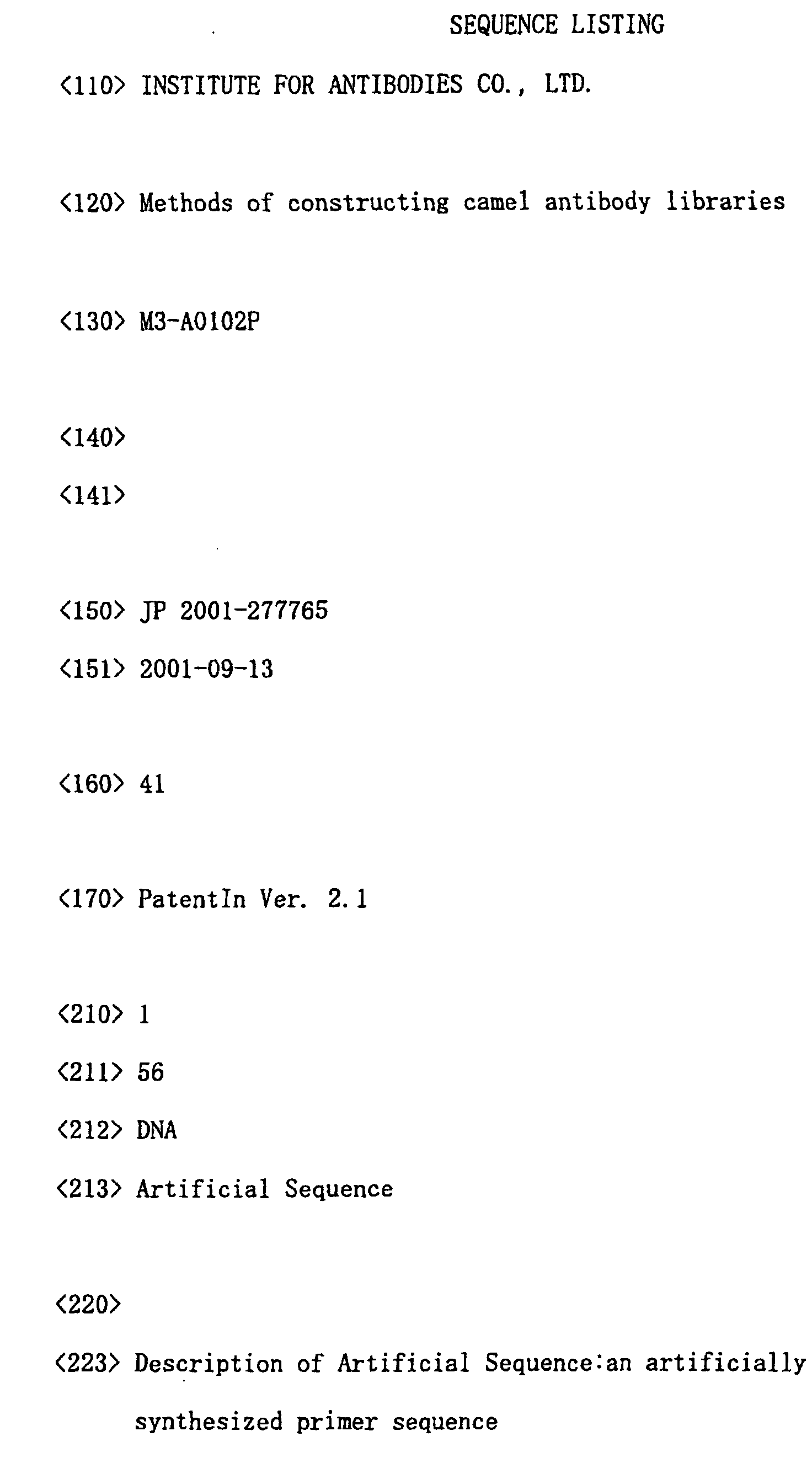
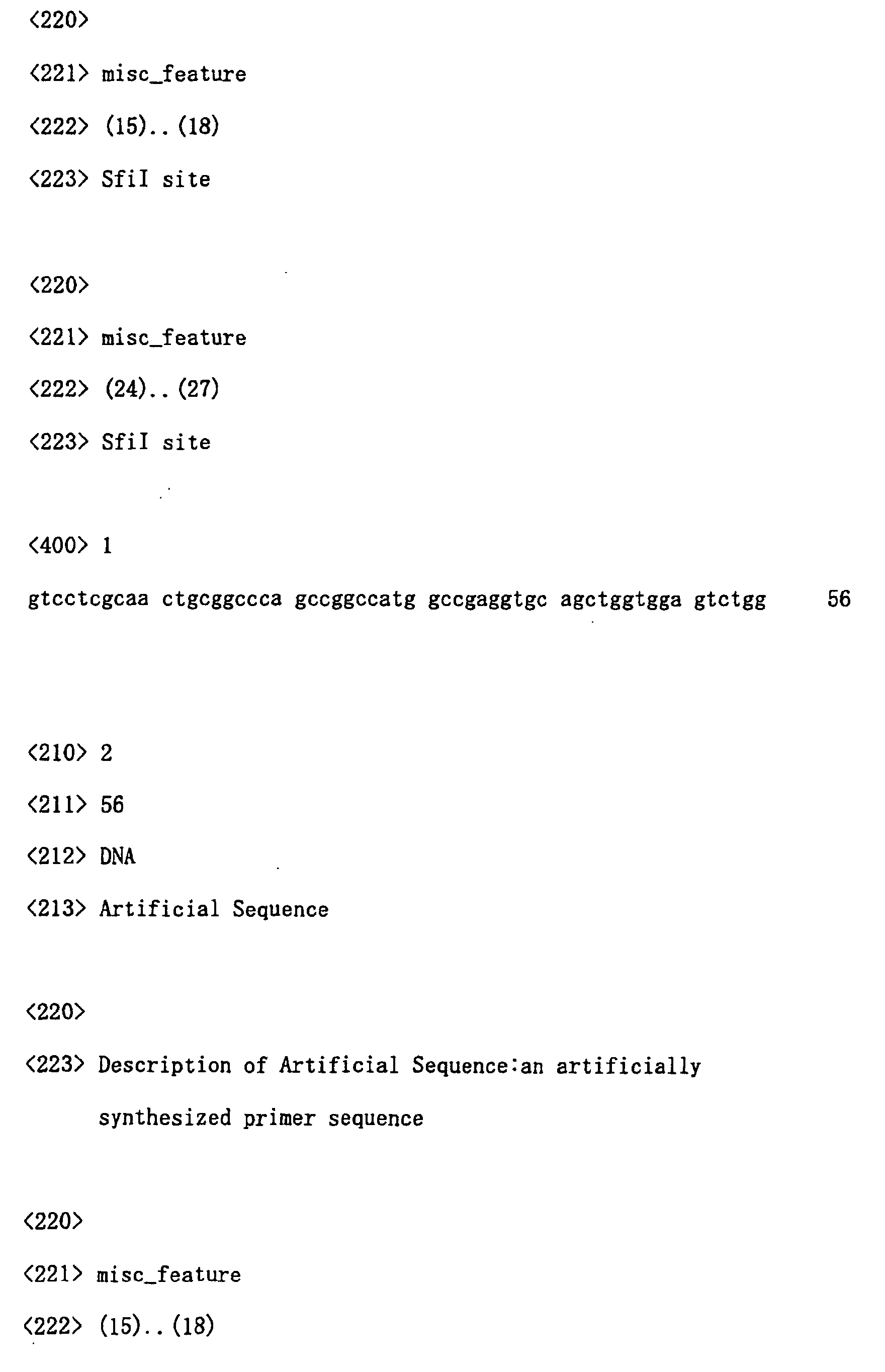
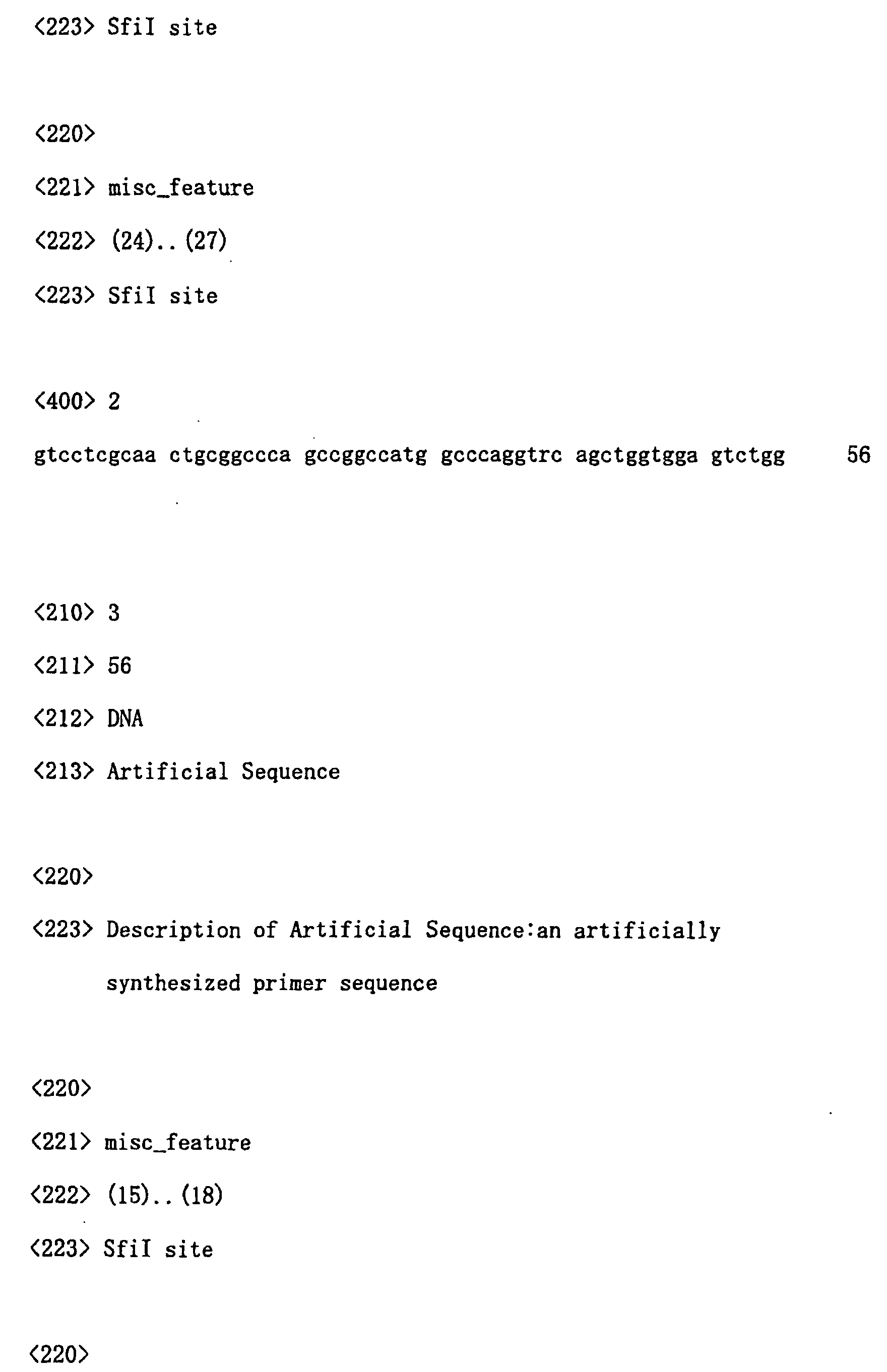
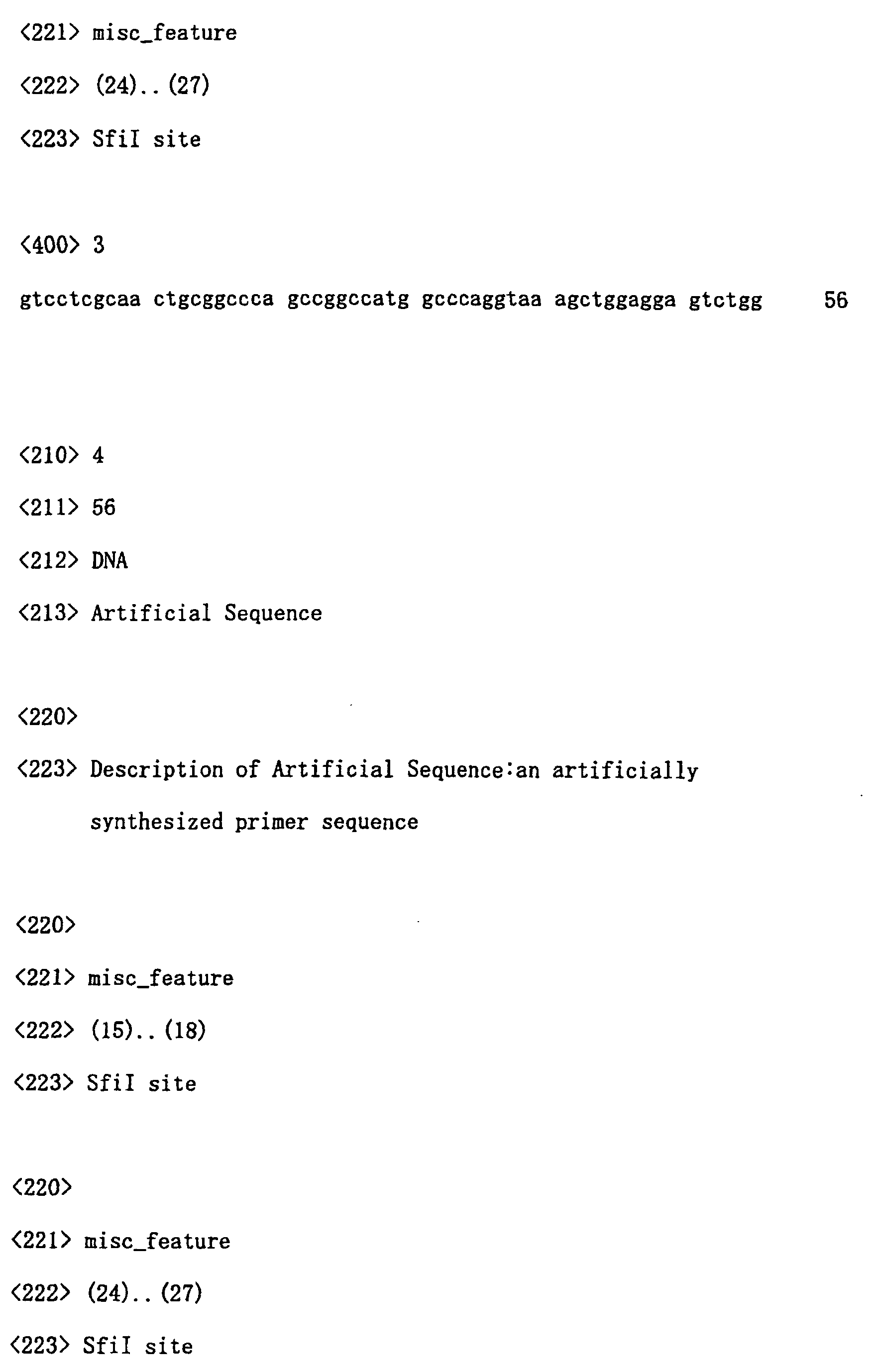


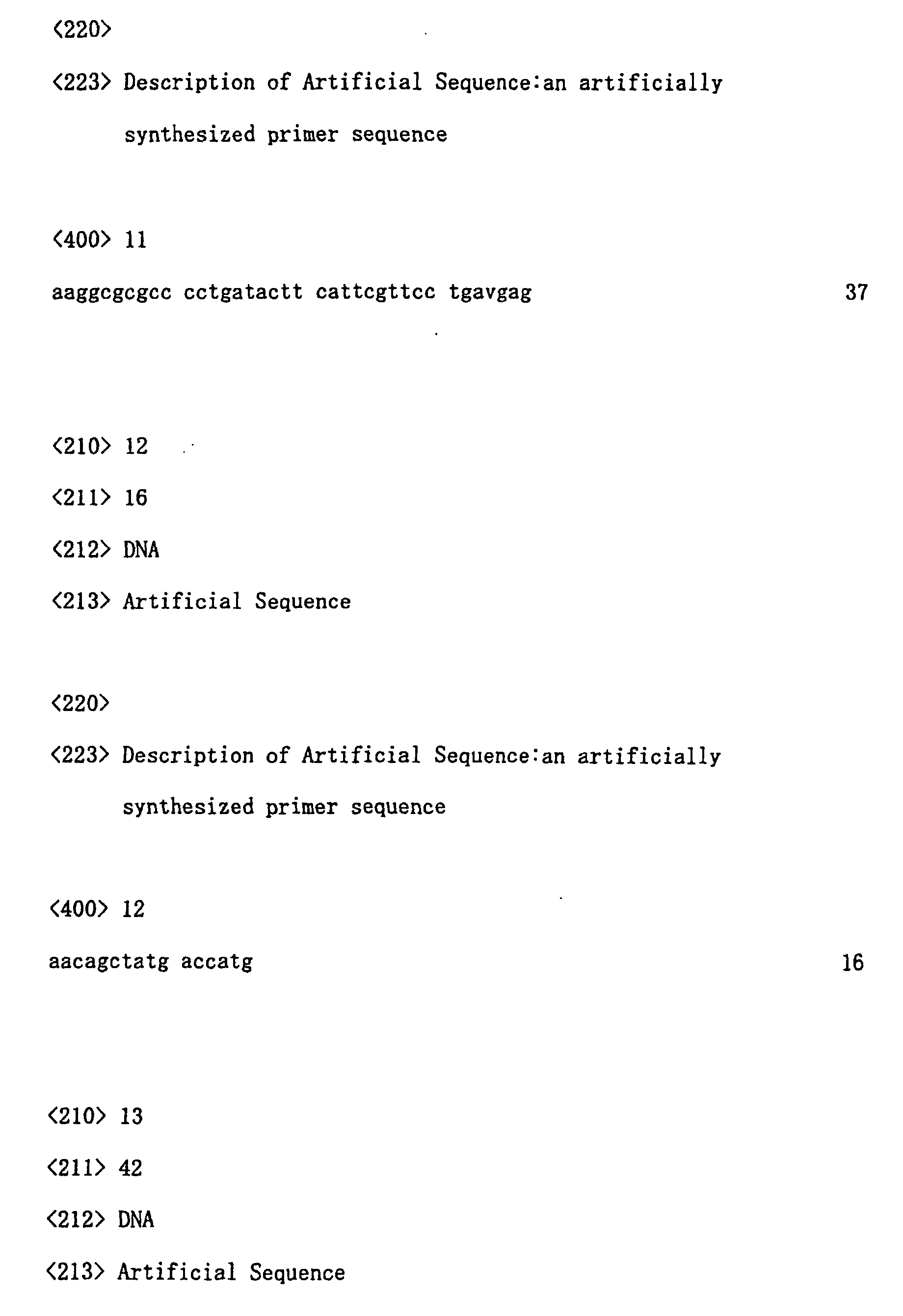
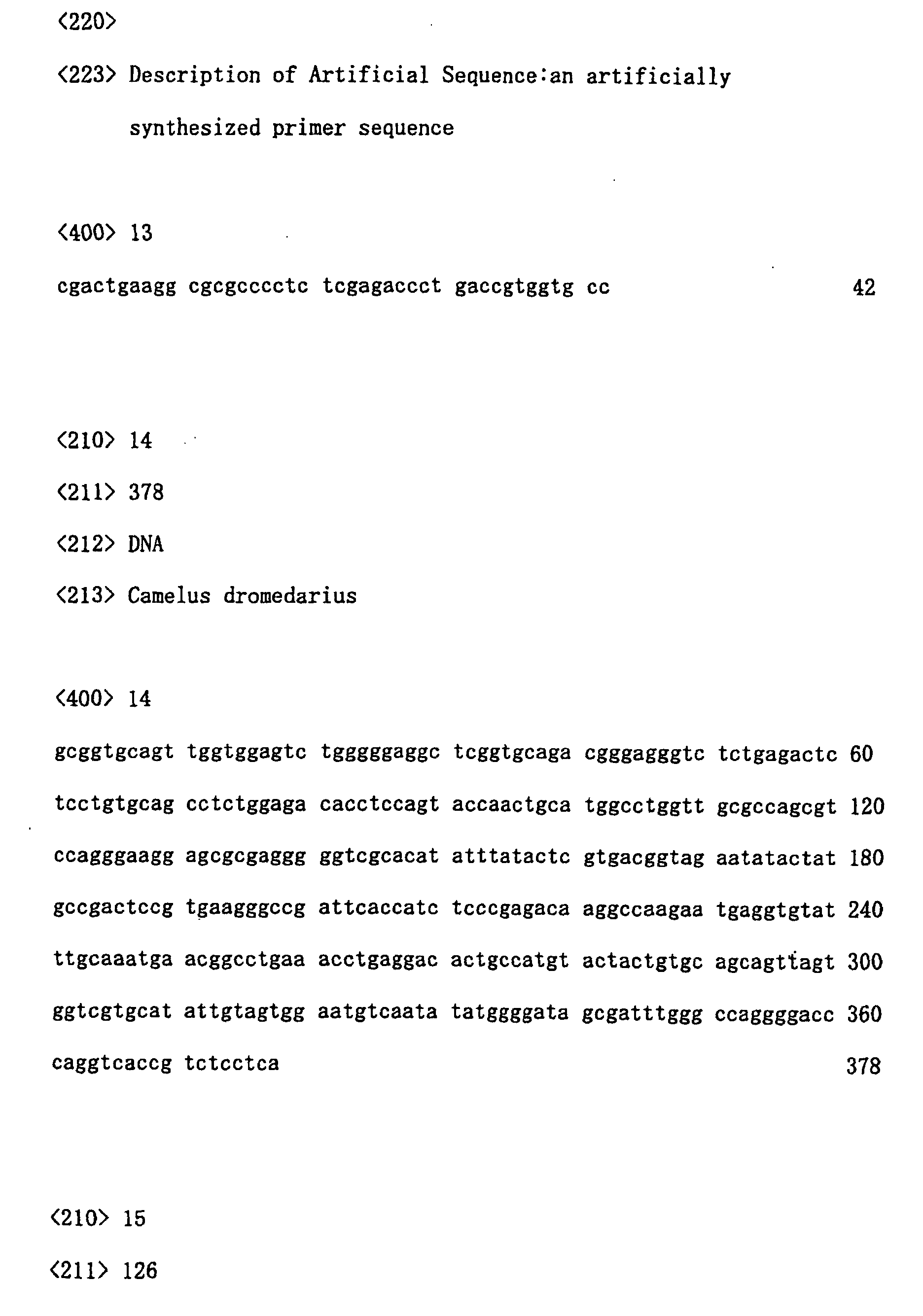
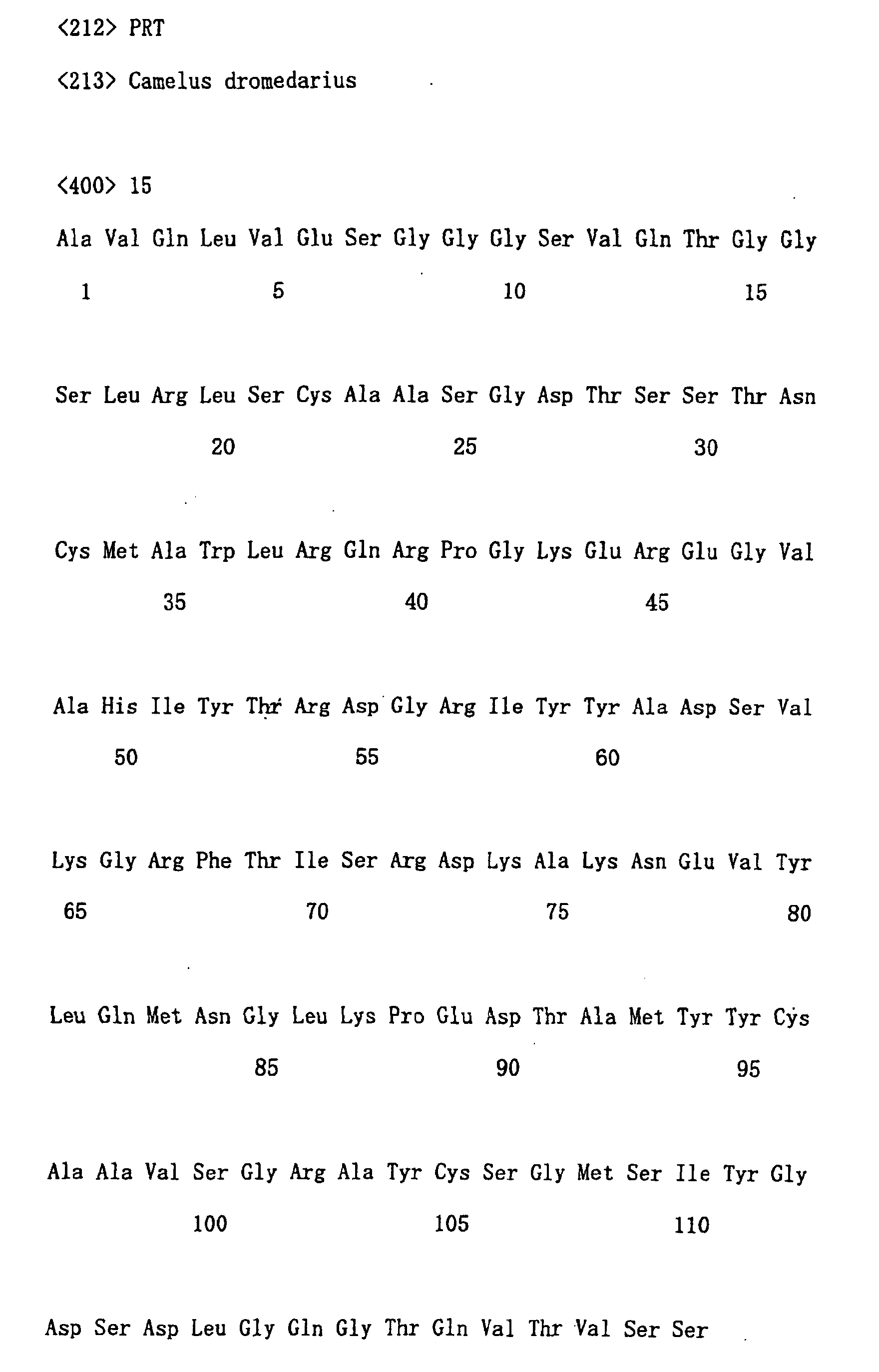
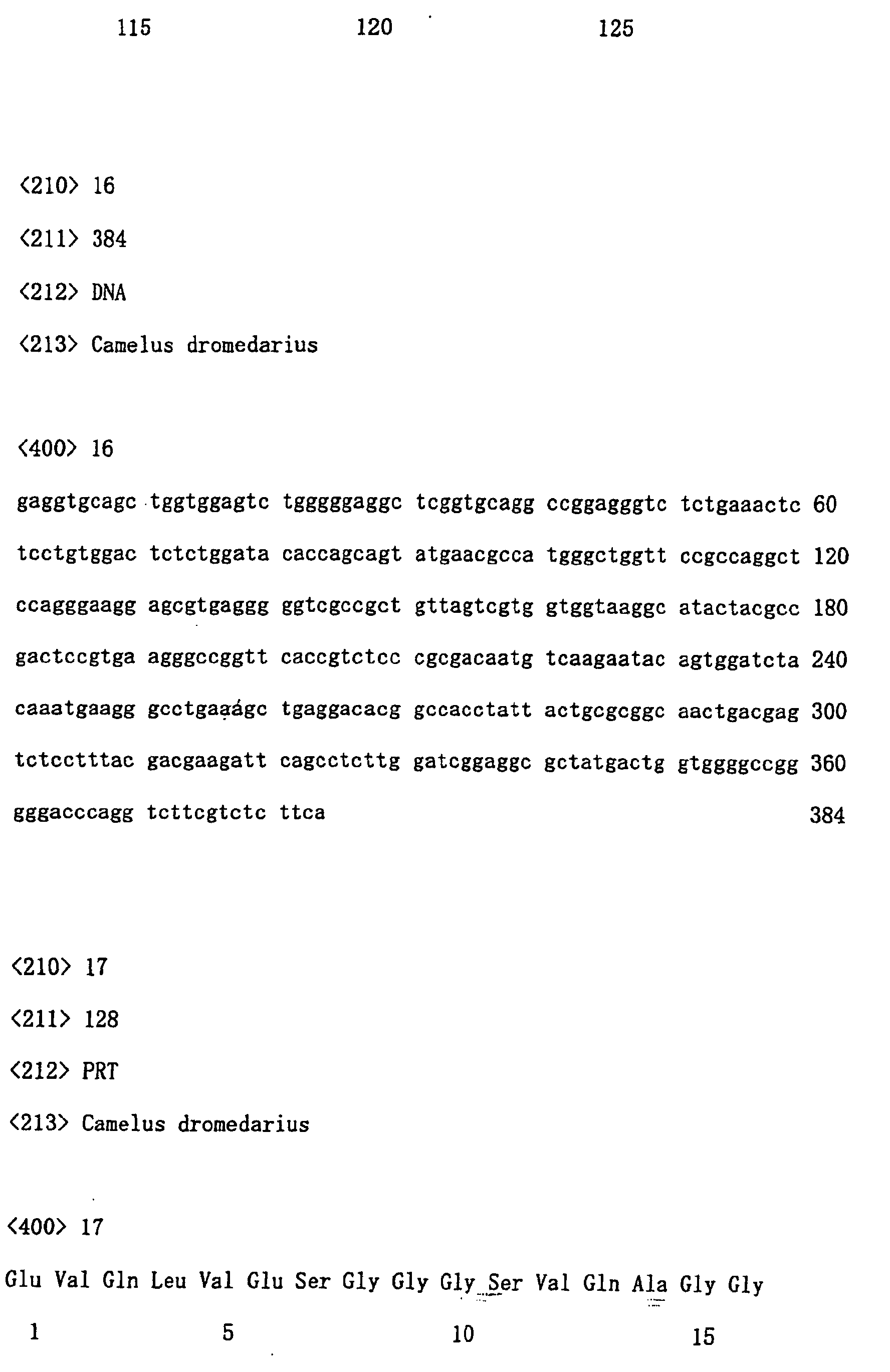
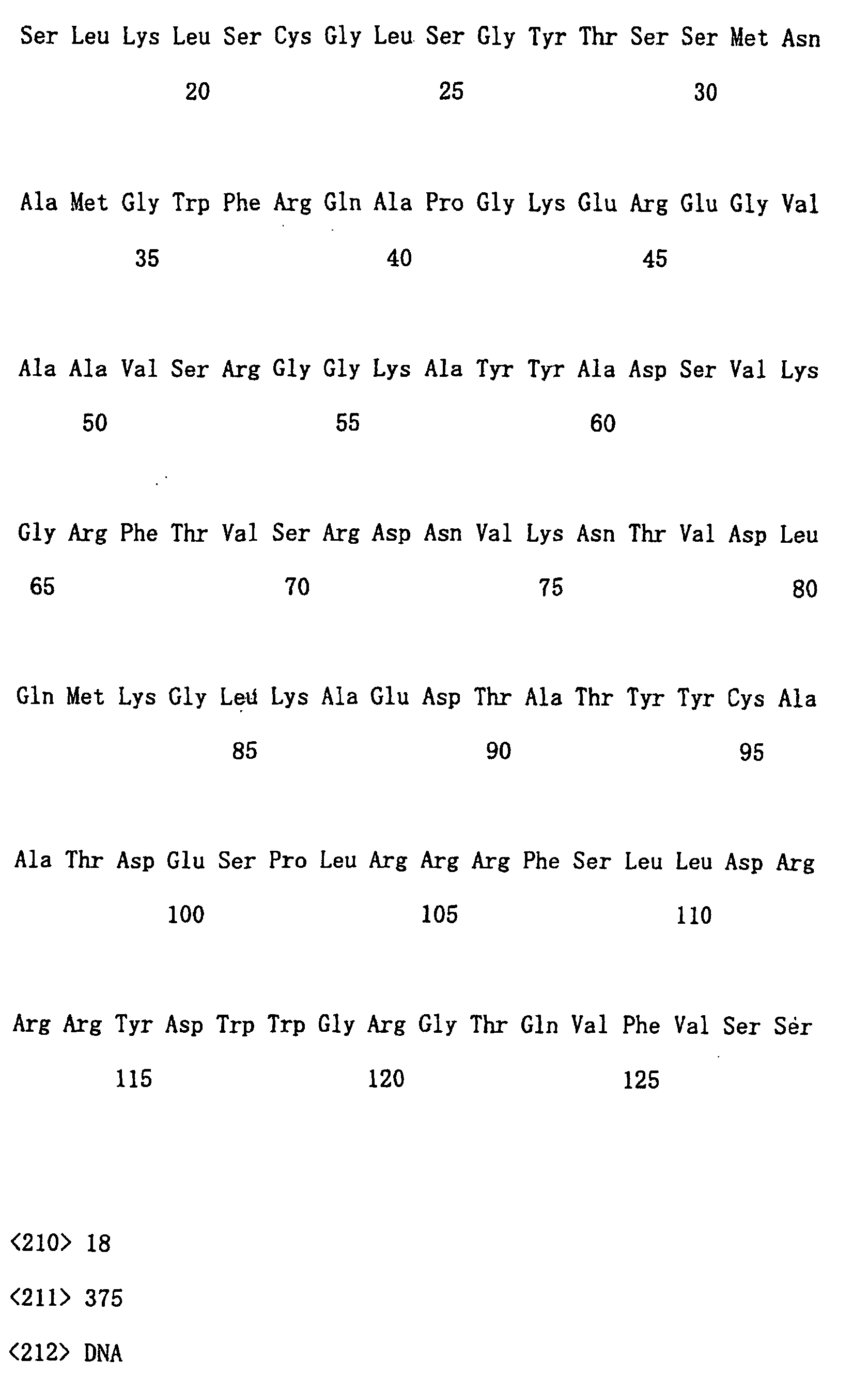
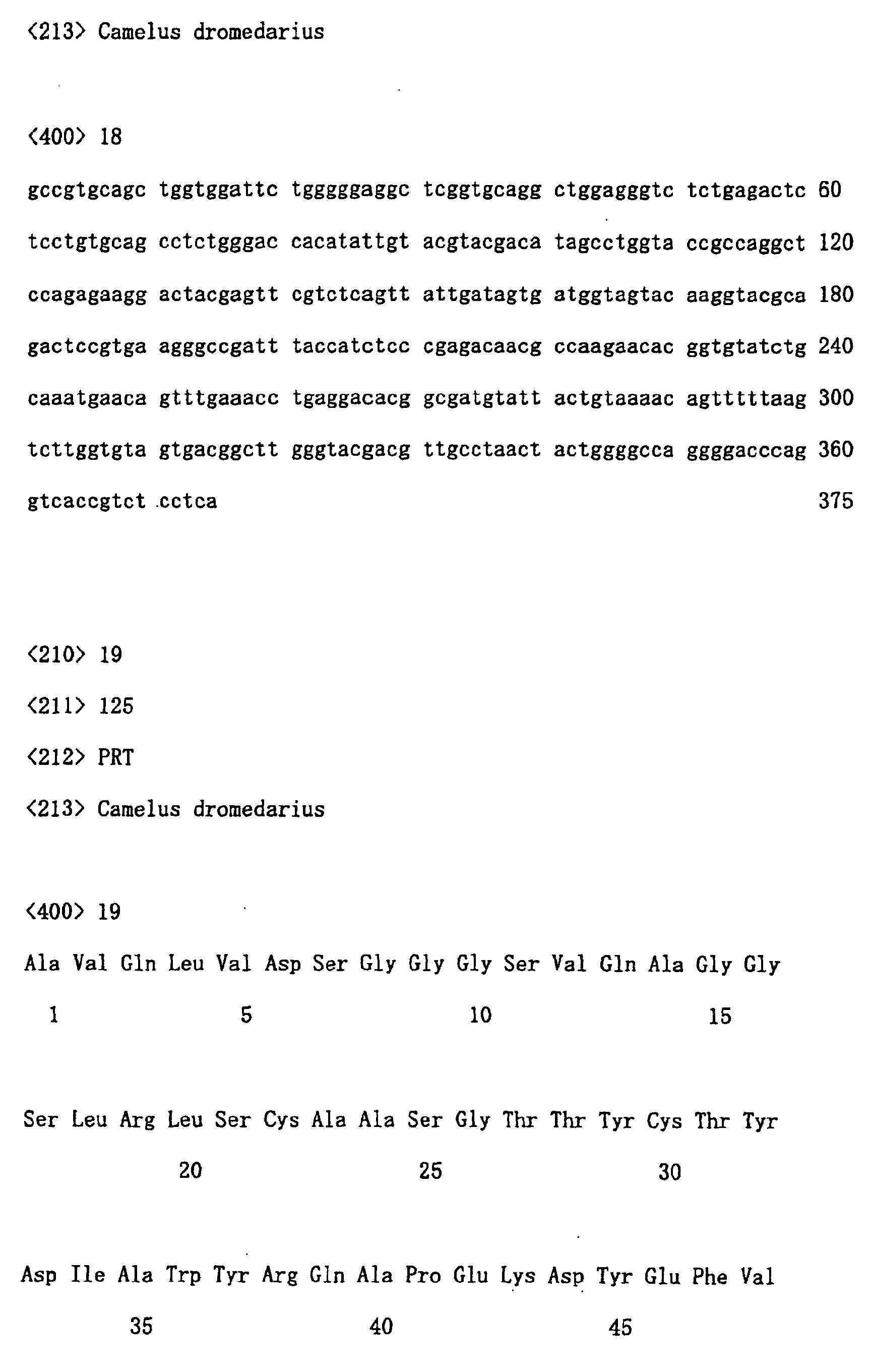

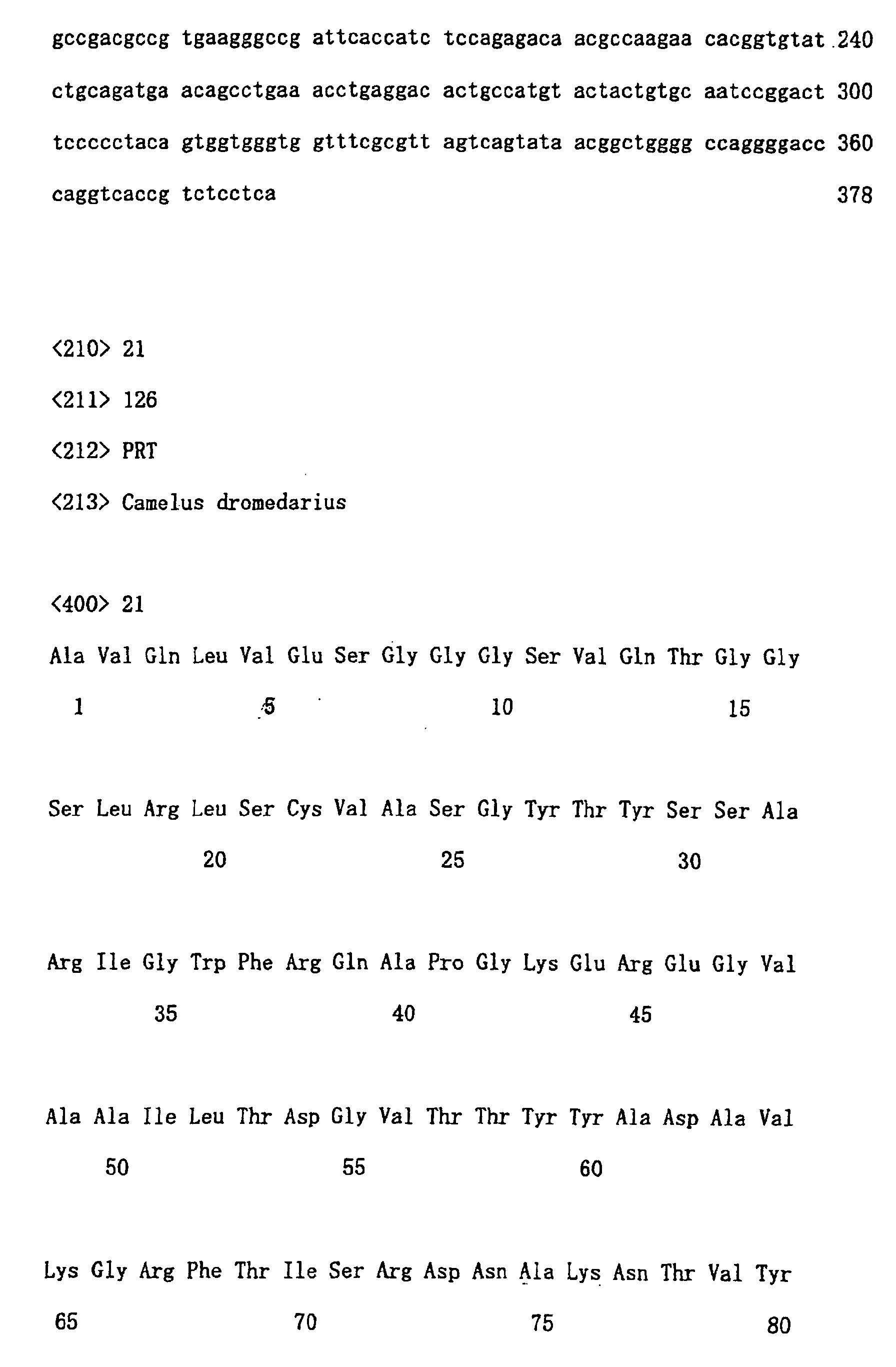
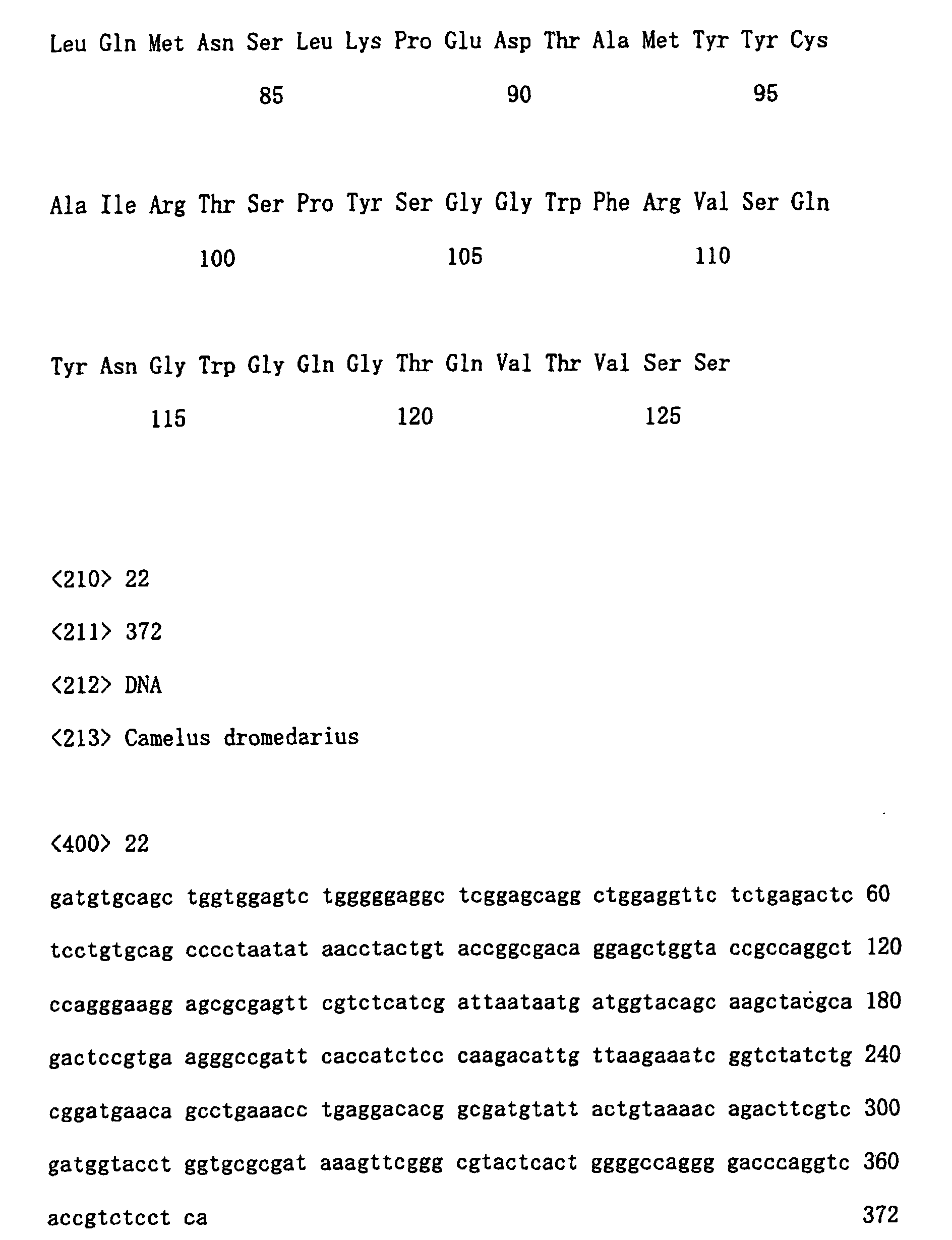


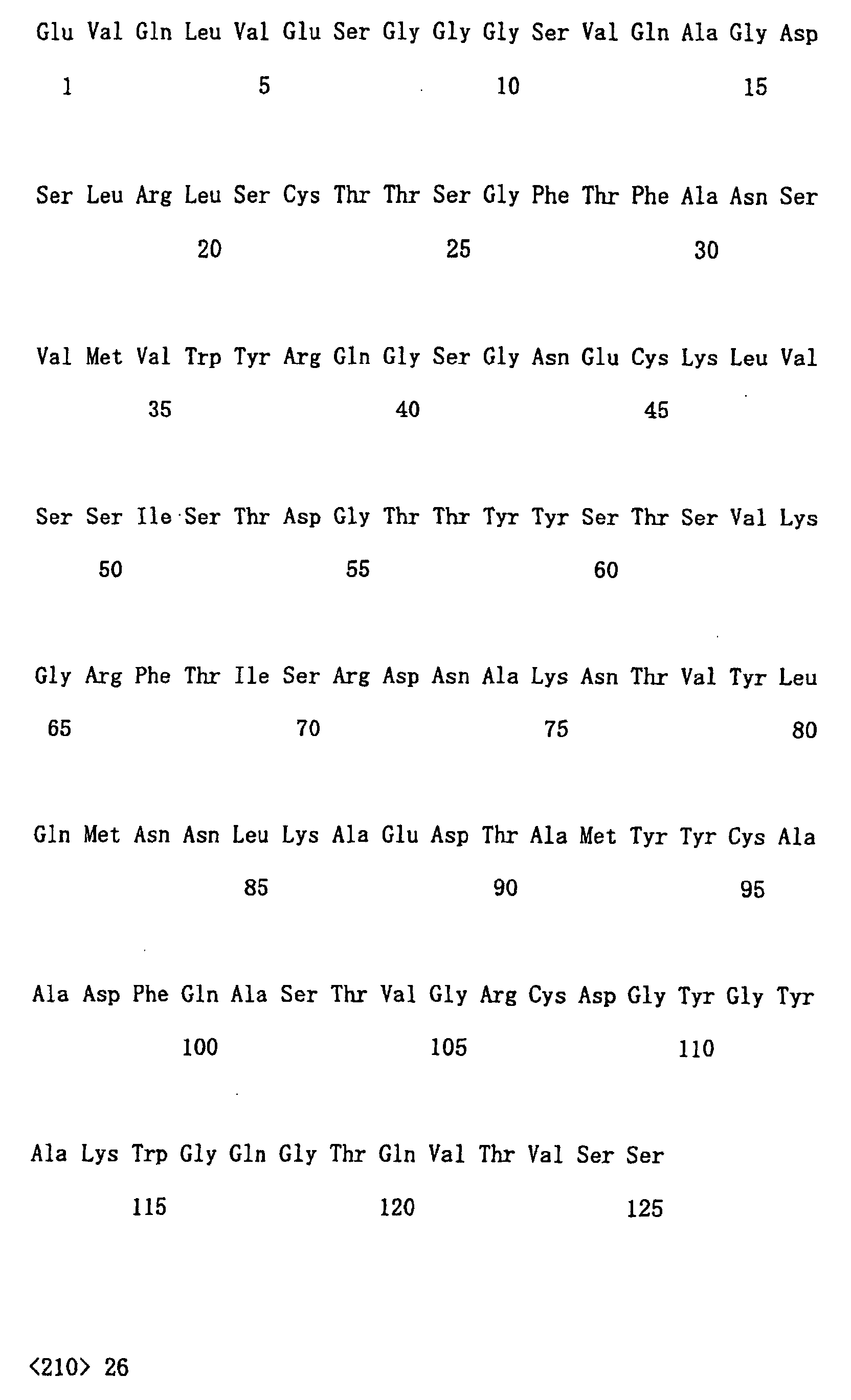
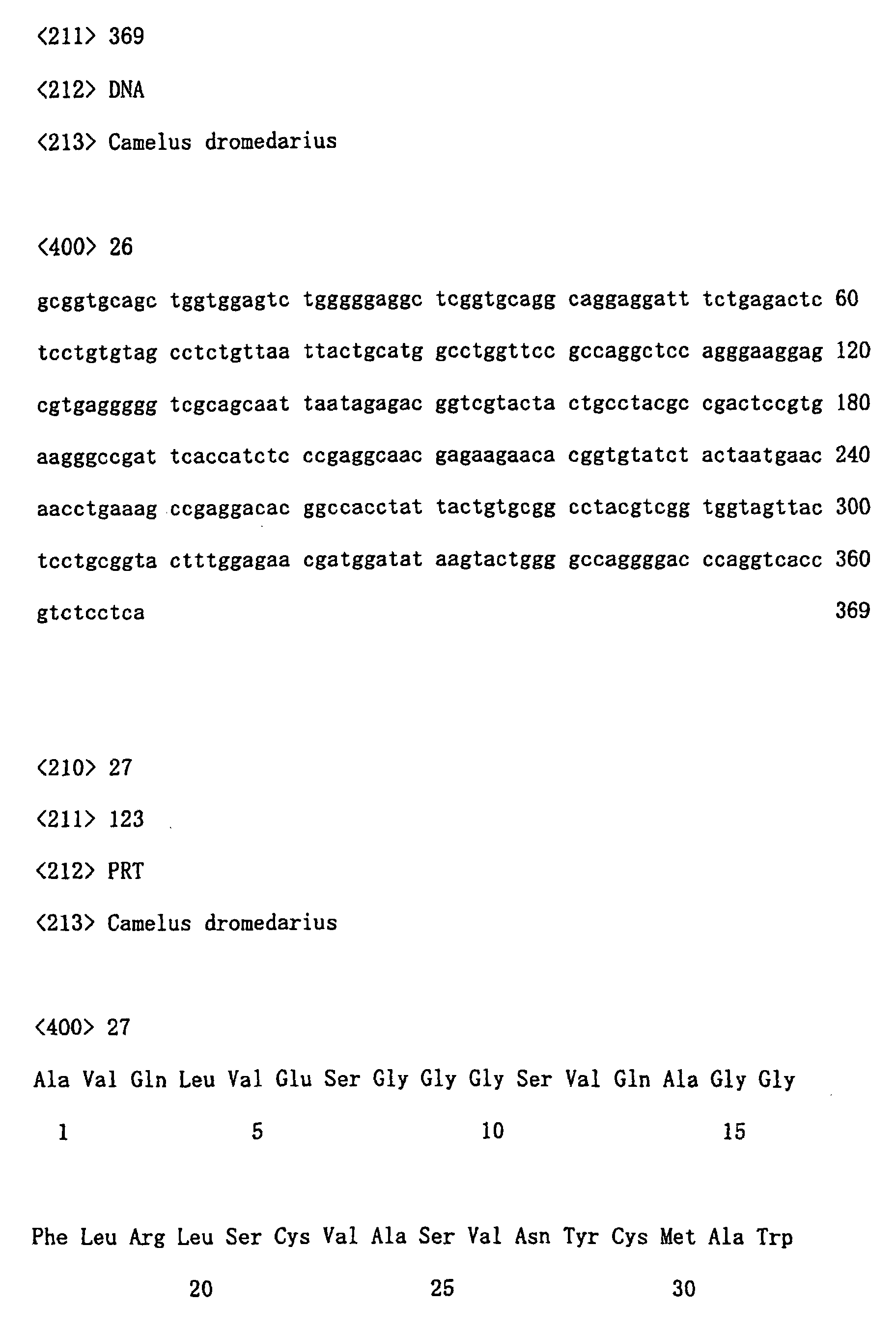
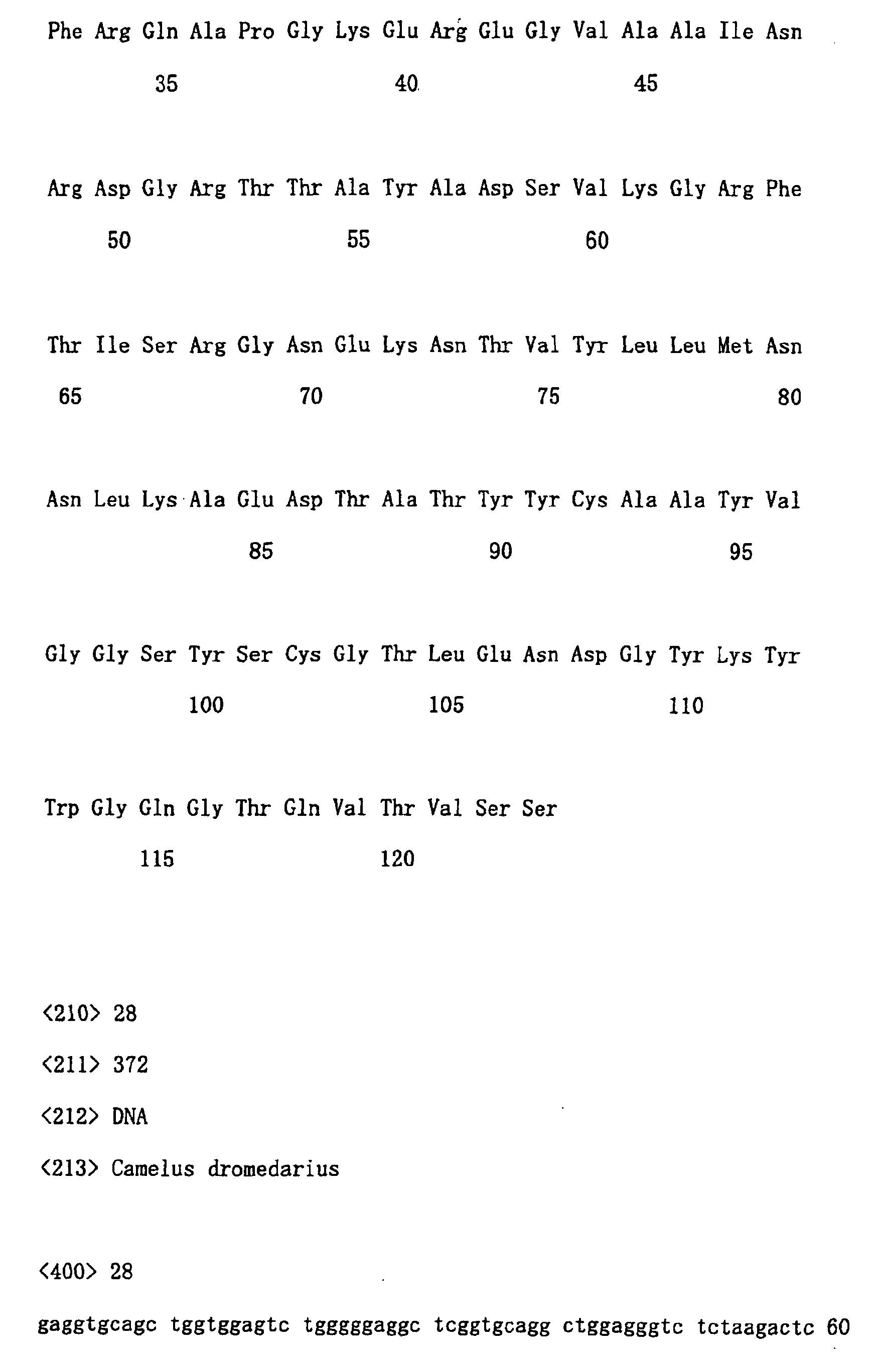
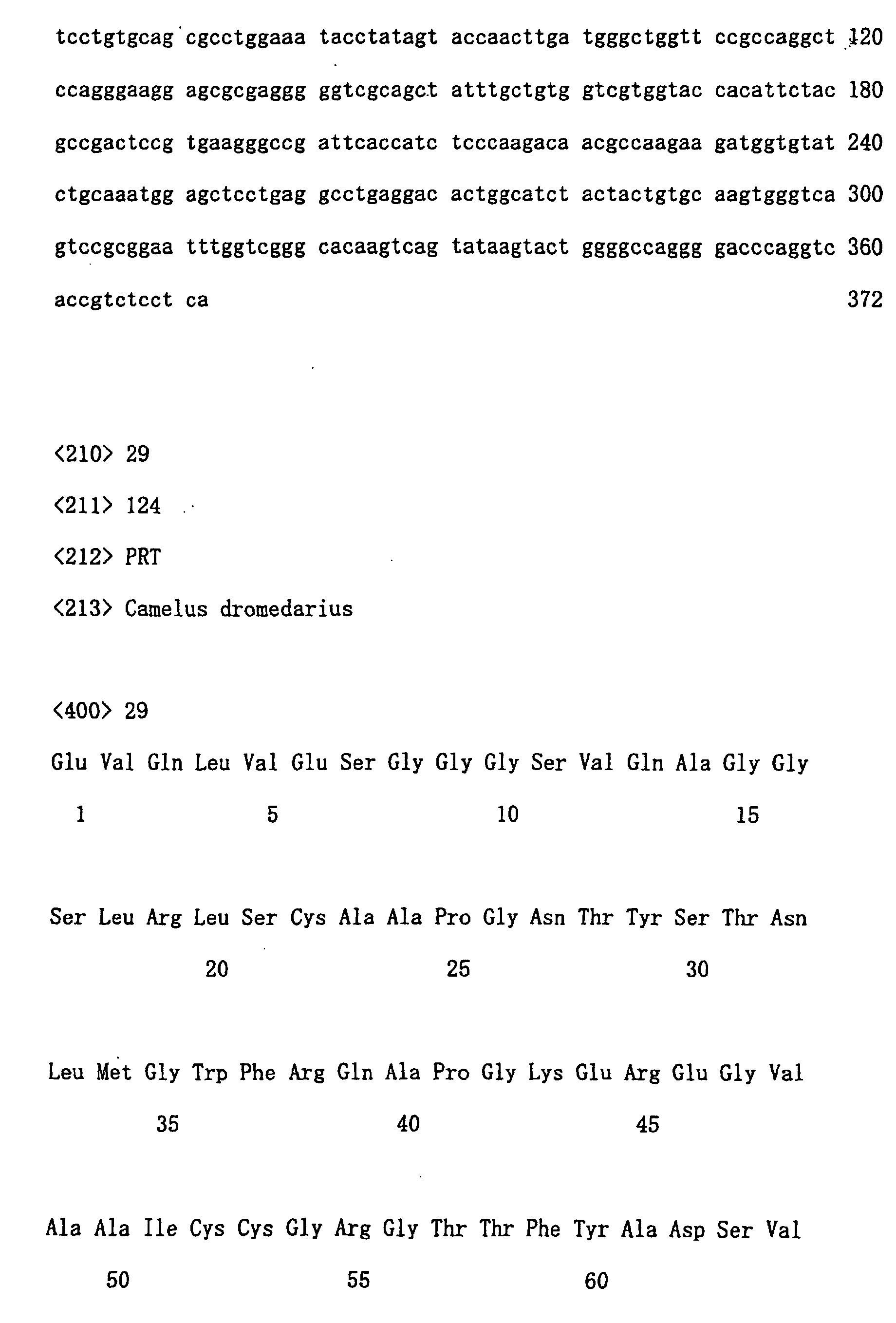
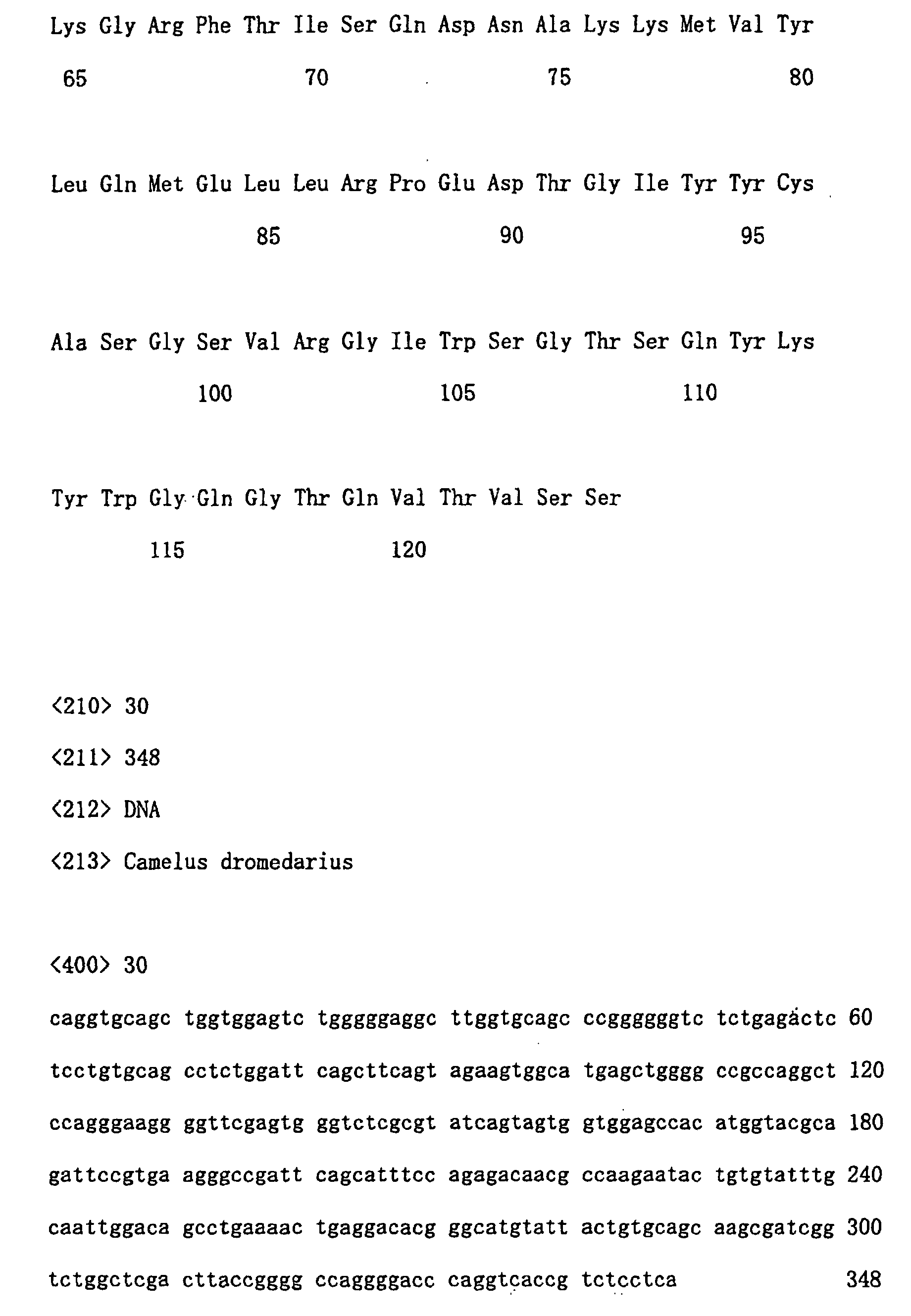

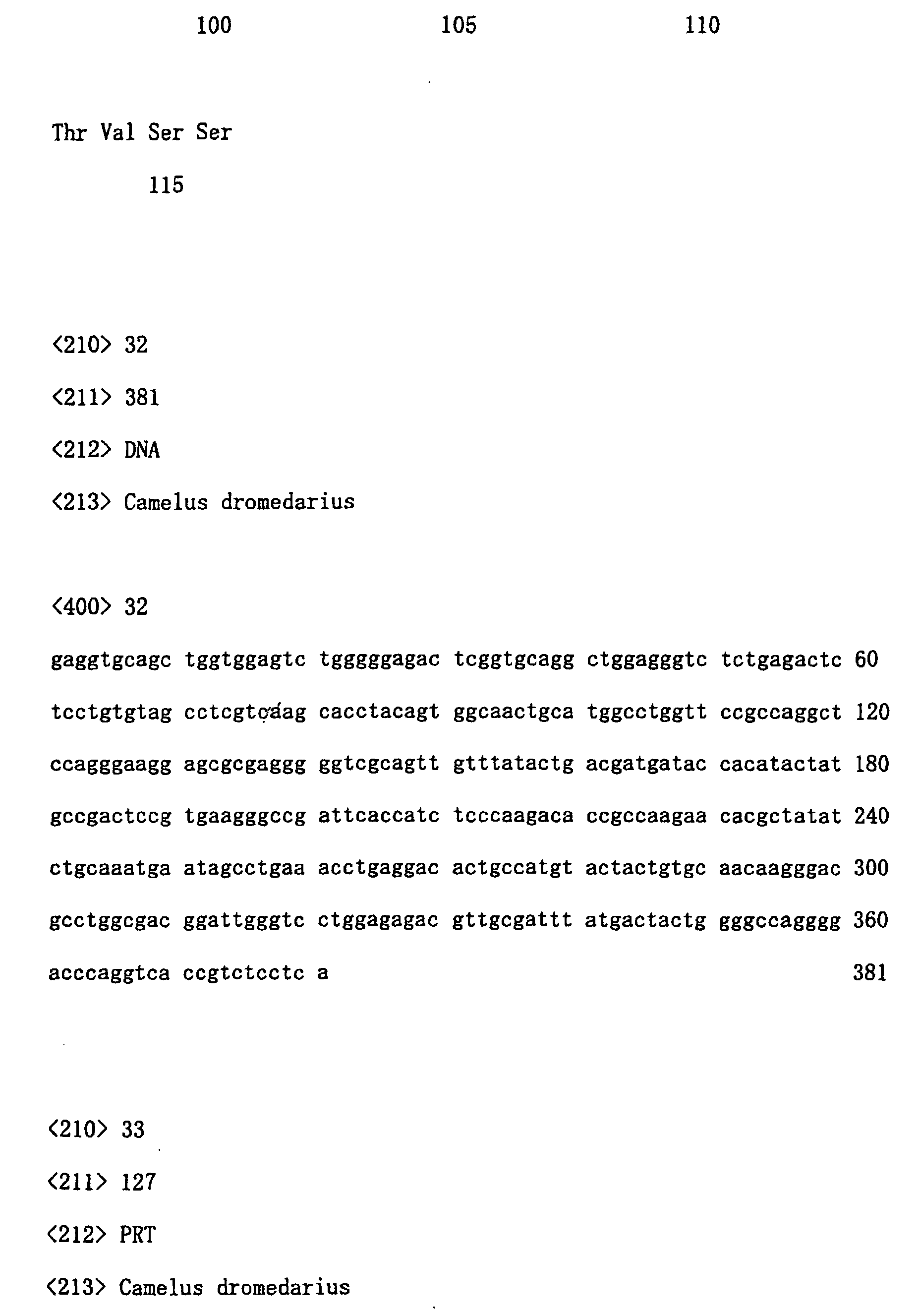
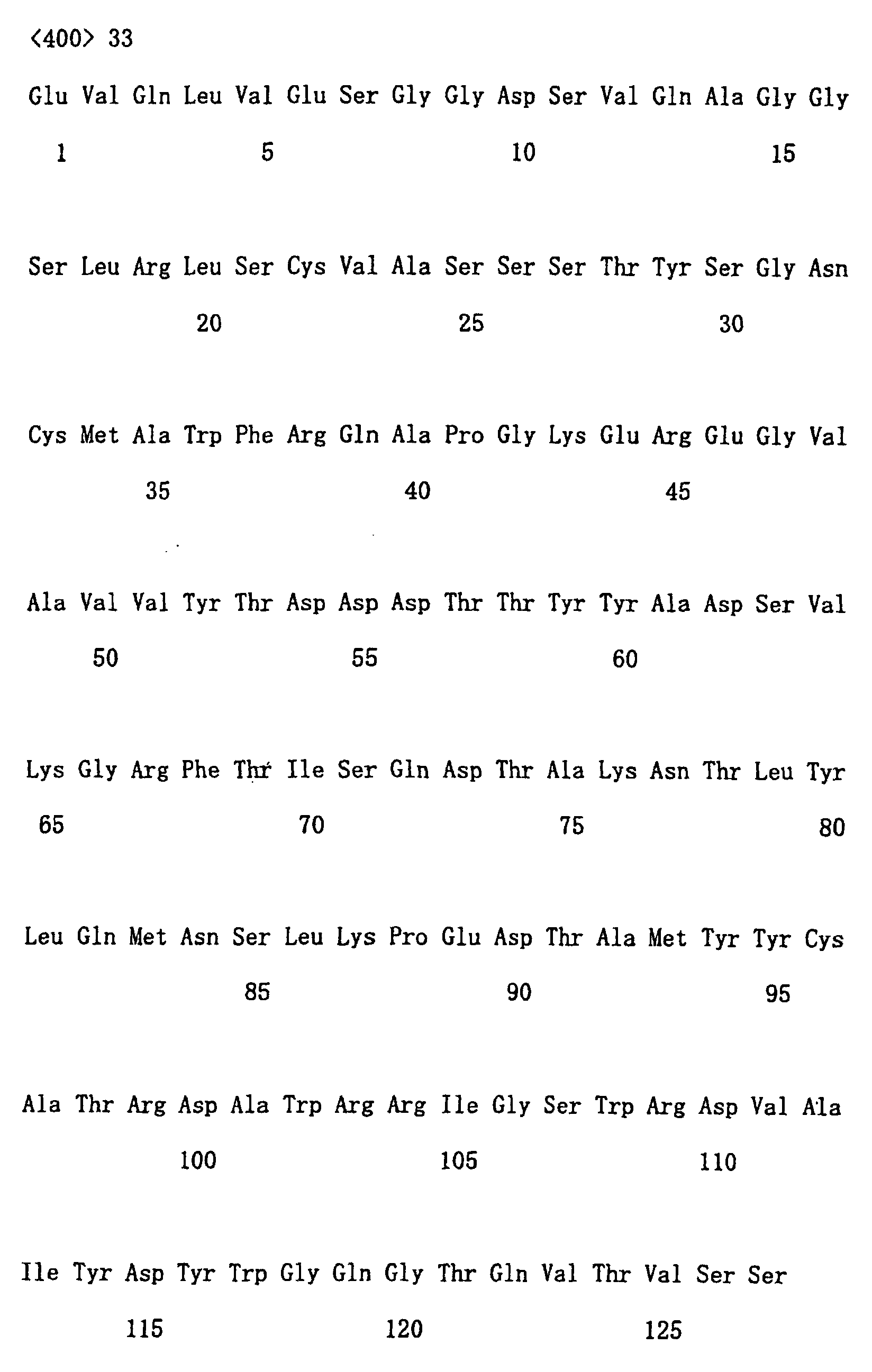
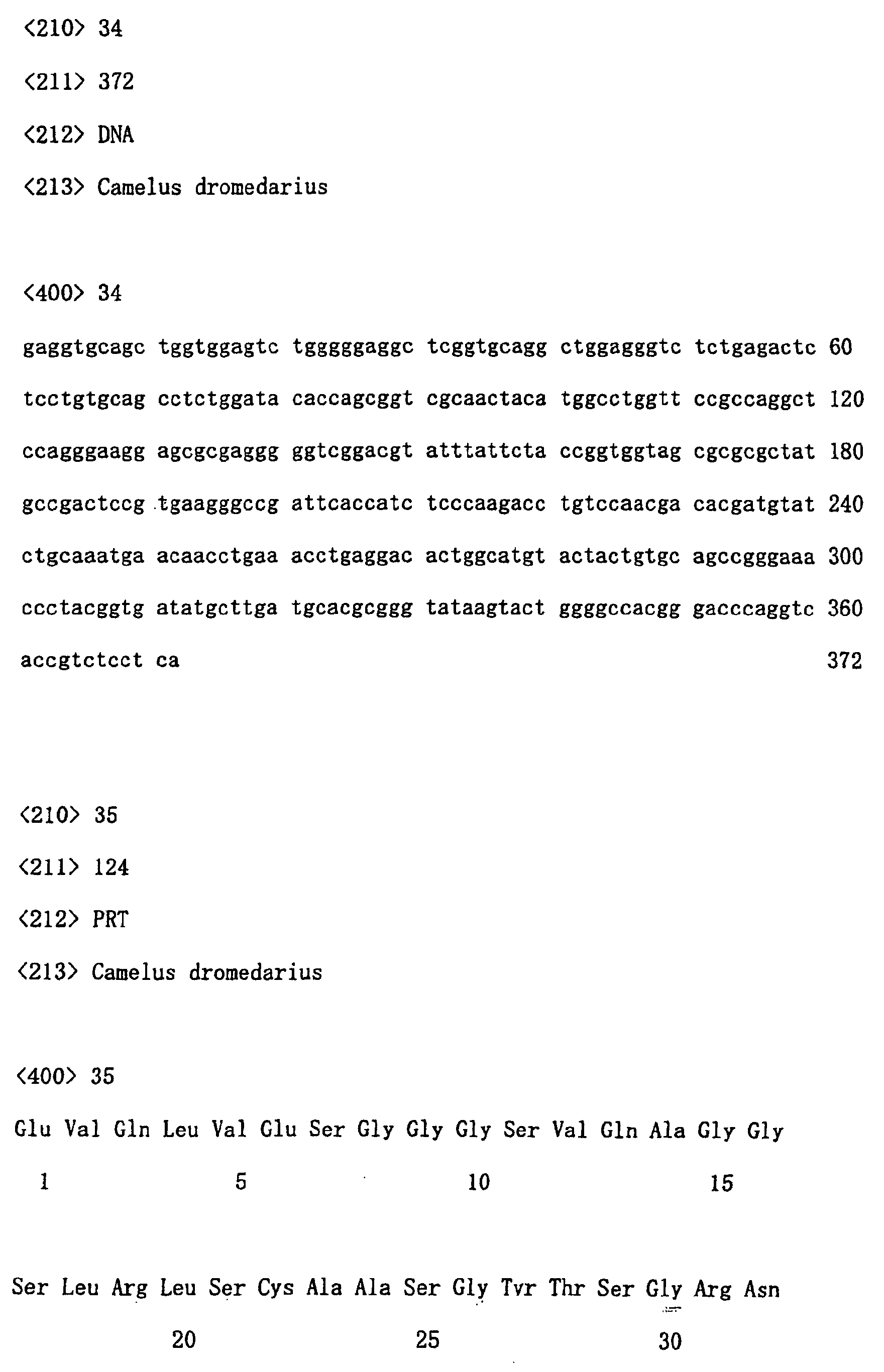

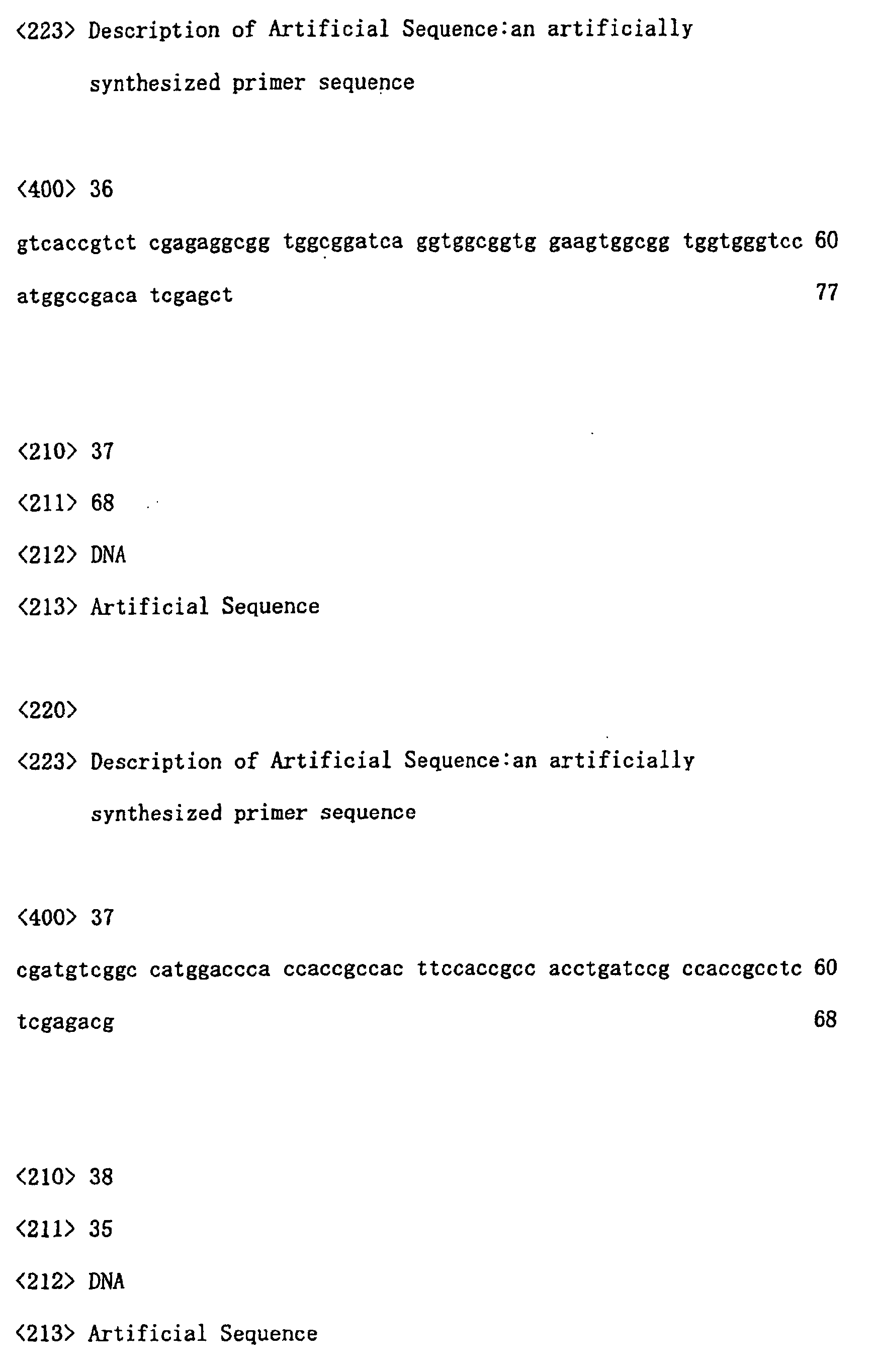

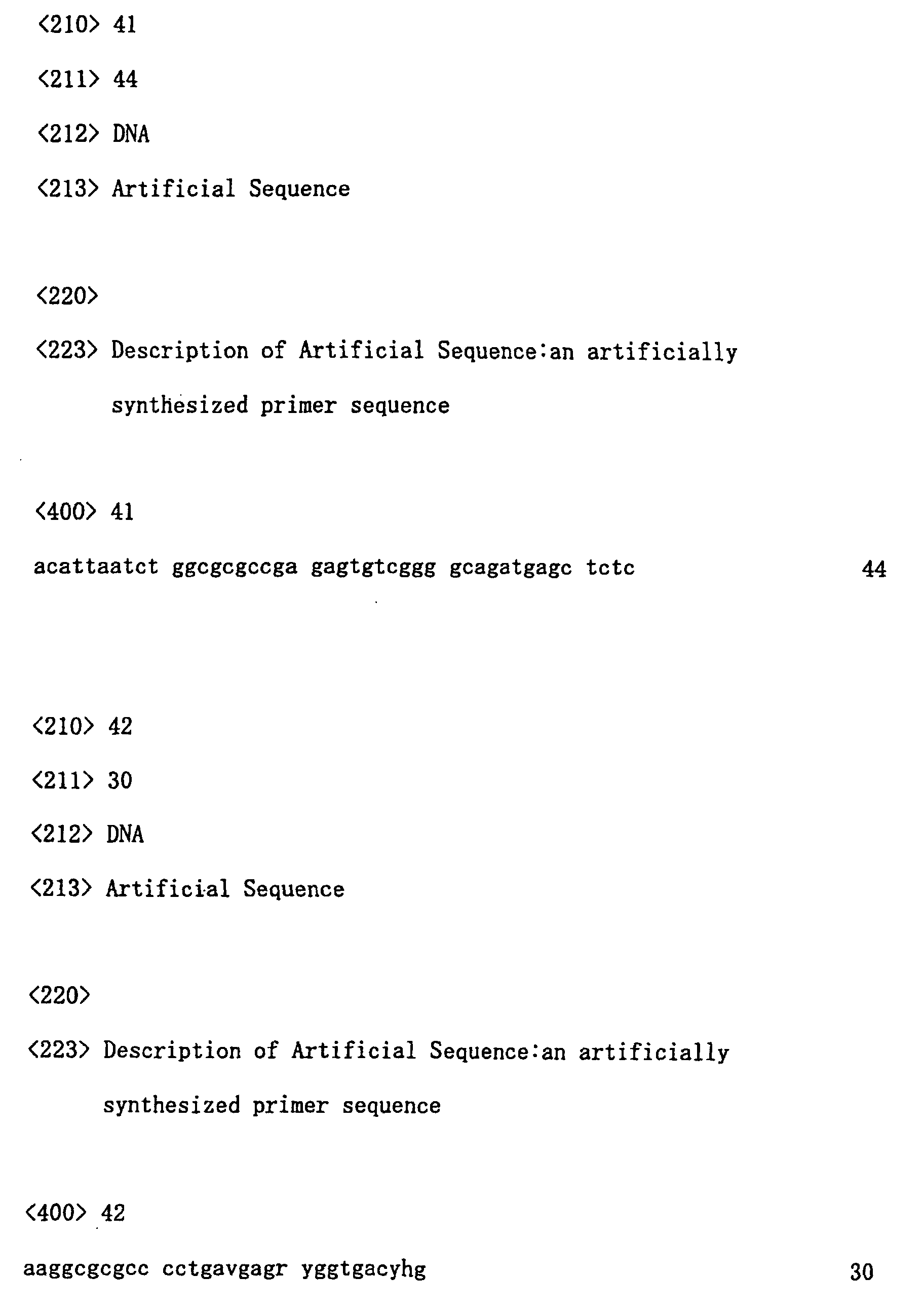
Claims (36)
- A library of camelid-derived VHHs, which maintains the in vivo diversity of variable regions in a camelidae.
- The library of claim 1, wherein 33 arbitrary clones selected from clones constituting the library comprise genes belonging to at least 8 or more classes.
- The library of claim 2, wherein a sufficient amount of clones randomly selected from clones constituting the library comprise genes of at least 6 VHH subfamilies, and at the same times genes belonging to 15 or more classes.
- The library of claim 1 comprising at least 105 or more VHH gene clones.
- The library of claim 1 consisting of VHH gene clones derived from immunoglobulin genes of IgG2 and/or IgG3.
- The library of claim 5, wherein the VHH gene rate in the library is 60% or more.
- The library of claim 1, which is an rgdp library.
- A method of obtaining a gene encoding a VHH that has an affinity for a substance of interest, which comprises the steps of:(1) contacting the library of claim 7 with the substance of interest, and(2) selecting a clone encoding a VHH that binds to the substance of interest.
- The method of claim 8, wherein the substance of interest is an enzyme molecule or a fragment thereof.
- A method of obtaining a VHH that has a function to regulate an enzyme activity, which comprises the steps of:(1) obtaining a VHH that binds to an enzyme by the method of claim 9,(2) contacting the VHH obtained in step (1) with the enzyme, and(3) selecting the VHH that has a function to modify the enzyme activity of the enzyme compared to that in the absence of the VHH.
- A gene encoding a VHH selected by the method of claim 8 or 10.
- A method of producing an immunoglobulin comprising a camelid-derived VHH as a variable region, or a fragment thereof, which comprises the steps of:(1) obtaining a gene encoding a VHH that has a binding activity for a substance of interest by the method of claim 8,(2) preparing a VHH expression vector by incorporating the obtained VHH-encoding gene into a vector expressible in a host cell, and(3) introducing the VHH expression vector into the host cell to collect proteins comprising the VHH from the culture.
- A method of constructing a VHH library, which comprises the steps of:(1) obtaining VHH genes from a plurality of animals belonging to Camelidae, and(2) preparing a library by mixing the VHH genes obtained in step (1).
- The method of claim 13 comprising the step of amplifying the VHH genes obtained in step (1).
- The method of claim 14, wherein the amplification is performed by PCR.
- The method of claim 15 comprising the step of collecting amplification products of the PCR during the exponential phase.
- The method of claim 15, wherein the animals of Camelidae are dromedaries, and the PCR is performed using primer sets consisting of a 5' primer selected from any one of the oligonucleotides having the nucleotide sequences of SEQ ID NOs: 1 to 6 and a 3' primer consisting of an oligonucleotide having the nucleotide sequence of SEQ ID NO: 10, and which comprises the step of mixing amplification products from each of the primer sets.
- The method of claim 15, wherein the animals of Camelidae are dromedaries, and the PCR is performed using primer sets consisting of a 5' primer selected from any one of the oligonucleotides having the nucleotide sequences of SEQ ID NOs: 1 to 6 and a 3' primer consisting of an oligonucleotide having the nucleotide sequence of SEQ ID NO: 11, and which comprises the step of mixing amplification products from each of the primer sets.
- The method of claim 17 or 18 comprising the step of digesting the amplification products with restriction enzymes SfiI and AscI and ligating the digested products into a vector having features (i) and (ii) as follows:(i) comprising a SfiI site and an AscI site; and(ii) upon transformation of the vector into an appropriate host, expressing a protein encoded by an exogenous gene inserted into the site of (i) as a fusion protein with a protein constituting a phage.
- A VHH library, which can be constructed by the method of claim 17 or 18.
- A primer set for camel VHH gene amplification consisting of a 5' primer selected from oligonucleotides having the nucleotide sequences of SEQ ID NOs: 1 to 6, and a 3' primer selected from oligonucleotides having the nucleotide sequences of SEQ ID NOs: 10 and 11, respectively.
- A method of constructing a VH library, which comprises the steps of:(1) obtaining VH genes from a plurality of animals of Camelidae, and(2) preparing a library by mixing the VH genes obtained in step (1).
- The method of claim 22 comprising the step of amplifying the VH genes obtained in step (1).
- The method of claim 23, wherein the amplification is performed by PCR;
- The method of claim 24 comprising the step of collecting the amplification products of the PCR during the exponential phase.
- The method of claim 24, wherein the animals of Camelidae are dromedaries, and the PCR is performed using primer sets consisting of a 5' primer selected from any one of the oligonucleotides having the nucleotide sequences of SEQ ID NOs: 1 to 6 and a 3' primer consisting of an oligonucleotide having the nucleotide sequence of SEQ ID NO: 41, and which comprises the step of mixing the amplification products from each of the primer sets.
- The method of claim 26 comprising the step of digesting the amplification products with restriction enzymes SfiI and AscI and ligating the digested product into a vector having features (i) and (ii) as follows:(i) comprising a SfiI site and an AscI site, and(ii) upon transformation of the vector into an appropriate host, expressing a protein encoded by an exogenous gene inserted into the site of (i) as a fusion protein with a protein constituting a phage.
- A VH library derived from camelid IgM.
- A VH library obtainable by the method of claim 22.
- The library of claim 28 or 29, which is an rgdp library.
- A method of obtaining a gene encoding a VH that has an affinity for a substance of interest, which comprises the steps of:(1) contacting the library of claim 30 with the substance of interest, and(2) selecting a clone comprising a VH that binds to the substance of interest;
- The method of claim 31, wherein the substance of interest is an enzyme molecule or a fragment thereof.
- A method of obtaining a VH comprising a function to regulate an enzyme activity, which comprises the steps of:(1) obtaining a VH that binds to an enzyme by the method of claim 31,(2) contacting the VH obtained in step (1) with the enzyme, and(3) selecting the VH that has a function to modify the enzyme activity of the enzyme compared to that in the absence of the VH.
- A gene encoding a VH selected by the method of claim 31.
- A method of producing an immunoglobulin comprising a dromedary-derived VH as a variable region, or a fragment thereof, which comprises the steps of:(1) obtaining a gene encoding a VH having a binding activity for a substance of interest by the method of [31],(2) preparing a VH expression vector by incorporating the obtained VH-encoding gene into a vector expressible in a host cell, and(3) introducing the VH expression vector into the host cell, and collecting proteins comprising the VH from the culture.
- A primer set for dromedary VH gene amplification that consists of a 5' primer selected from any one of the oligonucleotides having the nucleotide sequences of SEQ ID NOs:1 to 6, and a 3' primer consisting of an oligonucleotide having the nucleotide sequence of SEQ ID NO: 41.
Applications Claiming Priority (3)
| Application Number | Priority Date | Filing Date | Title |
|---|---|---|---|
| JP2001277765 | 2001-09-13 | ||
| JP2001277765 | 2001-09-13 | ||
| PCT/JP2002/009448 WO2003025020A1 (en) | 2001-09-13 | 2002-09-13 | Method of constructing camel antibody library |
Publications (2)
| Publication Number | Publication Date |
|---|---|
| EP1433793A1 true EP1433793A1 (en) | 2004-06-30 |
| EP1433793A4 EP1433793A4 (en) | 2006-01-25 |
Family
ID=19102239
Family Applications (1)
| Application Number | Title | Priority Date | Filing Date |
|---|---|---|---|
| EP02763029A Withdrawn EP1433793A4 (en) | 2001-09-13 | 2002-09-13 | Method of constructing camel antibody library |
Country Status (4)
| Country | Link |
|---|---|
| US (1) | US7371849B2 (en) |
| EP (1) | EP1433793A4 (en) |
| JP (1) | JP4213586B2 (en) |
| WO (1) | WO2003025020A1 (en) |
Cited By (112)
| Publication number | Priority date | Publication date | Assignee | Title |
|---|---|---|---|---|
| EP1785434A1 (en) * | 2005-11-11 | 2007-05-16 | Ludwig-Maximilians-Universität München | Targeting and tracing of antigens in living cells |
| EP1824884A1 (en) | 2004-12-16 | 2007-08-29 | Centre National De La Recherche Scientifique (Cnrs) | Production of antibody formats and immunological applications of said formats |
| WO2009068631A1 (en) * | 2007-11-27 | 2009-06-04 | Ablynx N.V. | Method for obtaining polypeptide constructs comprising two or more single domain antibodies |
| AU2002360068B2 (en) * | 2001-12-21 | 2009-09-03 | Vlaams Interuniversitair Instituut Voor Biotechnologie Vzw | Method for cloning of variable domain sequences |
| WO2009121152A2 (en) | 2008-04-03 | 2009-10-08 | Katholieke Universiteit Leuven | Gene signatures |
| WO2010100135A1 (en) | 2009-03-05 | 2010-09-10 | Ablynx N.V. | Novel antigen binding dimer-complexes, methods of making/avoiding and uses thereof |
| WO2011003622A1 (en) | 2009-07-10 | 2011-01-13 | Ablynx N.V. | Method for the production of variable domains |
| DE112009000507T5 (en) | 2008-03-05 | 2011-02-10 | Ablynx Nv | Novel antigen-binding dimer complexes, process for their preparation and their use |
| WO2011026945A1 (en) | 2009-09-03 | 2011-03-10 | Ablynx N.V. | Stable formulations of polypeptides and uses thereof |
| WO2011083140A1 (en) | 2010-01-08 | 2011-07-14 | Ablynx Nv | Immunoglobulin single variable domain directed against human cxcr4 |
| WO2011095545A1 (en) | 2010-02-05 | 2011-08-11 | Ablynx Nv | Peptides capable of binding to serum albumin and compounds, constructs and polypeptides comprising the same |
| WO2011098552A2 (en) | 2010-02-11 | 2011-08-18 | Ablynx Nv | Methods and compositions for the preparation of aerosols |
| EP2365000A2 (en) | 2005-05-18 | 2011-09-14 | Ablynx N.V. | Improved nanobodiesTM against tumor necrosis factor-alpha |
| WO2011161263A1 (en) | 2010-06-25 | 2011-12-29 | Ablynx Nv | Pharmaceutical compositions for cutaneous administration |
| EP2444424A1 (en) | 2005-05-20 | 2012-04-25 | Ablynx N.V. | Improved nanobodies TM for the treatment of aggregation-mediated disorders |
| WO2012056000A1 (en) | 2010-10-29 | 2012-05-03 | Ablynx Nv | Method for the production of immunoglobulin single variable domains |
| US8217140B2 (en) | 2008-04-17 | 2012-07-10 | Ablynx N.V. | Peptides capable of binding to serum proteins and compounds, constructs and polypeptides comprising the same |
| WO2012130872A1 (en) | 2011-03-28 | 2012-10-04 | Ablynx Nv | Method for producing solid formulations comprising immunoglobulin single variable domains |
| EP2514767A1 (en) | 2006-12-19 | 2012-10-24 | Ablynx N.V. | Amino acid sequences directed against a metalloproteinase from the ADAM family and polypeptides comprising the same for the treatment of ADAM-related diseases and disorders |
| WO2012152823A1 (en) | 2011-05-09 | 2012-11-15 | Ablynx Nv | Method for the production of immunoglobulin single variable domains |
| WO2012163887A1 (en) | 2011-05-27 | 2012-12-06 | Ablynx Nv | Inhibition of bone resorption with rankl binding peptides |
| WO2012175740A1 (en) | 2011-06-23 | 2012-12-27 | Ablynx Nv | Immunoglobulin single variable domains directed against ige |
| EP2557090A2 (en) | 2006-12-19 | 2013-02-13 | Ablynx N.V. | Amino acid sequences directed against GPCRs and polypeptides comprising the same for the treatment of GPCR-related diseases and disorders |
| US8444976B2 (en) | 2008-07-02 | 2013-05-21 | Argen-X B.V. | Antigen binding polypeptides |
| WO2014087010A1 (en) | 2012-12-07 | 2014-06-12 | Ablynx N.V. | IMPROVED POLYPEPTIDES DIRECTED AGAINST IgE |
| WO2014177595A1 (en) | 2013-04-29 | 2014-11-06 | Agrosavfe N.V. | Agrochemical compositions comprising antibodies binding to sphingolipids |
| WO2014184352A1 (en) | 2013-05-17 | 2014-11-20 | Ablynx Nv | Stable formulations of immunoglobulin single variable domains and uses thereof |
| WO2014202745A1 (en) * | 2013-06-21 | 2014-12-24 | Institut National De La Recherche Agronomique | Camelid single heavy-chain antibody directed against chromatin and uses of same |
| WO2015063331A1 (en) * | 2013-11-04 | 2015-05-07 | INSERM (Institut National de la Santé et de la Recherche Médicale) | Synthetic single domain antibody |
| EP2883883A1 (en) | 2013-12-16 | 2015-06-17 | Cardio3 Biosciences S.A. | Therapeutic targets and agents useful in treating ischemia reperfusion injury |
| EP2947097A1 (en) | 2008-04-07 | 2015-11-25 | Ablynx N.V. | Amino acid sequences directed against the Notch pathways and uses thereof |
| WO2015193452A1 (en) | 2014-06-18 | 2015-12-23 | Ablynx Nv | Kv1.3 binding immunoglobulins |
| WO2016016021A1 (en) | 2014-07-29 | 2016-02-04 | Vrije Universiteit Brussel | Radio-labelled antibody fragments for use in the prevention and/or treatment of cancer |
| EP2982690A1 (en) | 2009-04-30 | 2016-02-10 | Ablynx N.V. | Method for the production of domain antibodies |
| WO2016071438A2 (en) | 2014-11-05 | 2016-05-12 | Agrosavfe Nv | Transgenic plant comprising a polynucleotide encoding a variable domain of heavy-chain antibody |
| WO2017182605A1 (en) | 2016-04-22 | 2017-10-26 | Université Libre de Bruxelles | A new biomarker expressed in pancreatic beta cells useful in imaging or targeting beta cells |
| WO2017182603A1 (en) | 2016-04-22 | 2017-10-26 | Université Libre de Bruxelles | A new biomarker expressed in pancreatic beta cells useful in imaging or targeting beta cells |
| WO2017191108A1 (en) | 2016-05-02 | 2017-11-09 | Ablynx Nv | Treatment of rsv infection |
| WO2018050833A1 (en) | 2016-09-15 | 2018-03-22 | Ablynx Nv | Immunoglobulin single variable domains directed against macrophage migration inhibitory factor |
| EP3311837A1 (en) | 2011-09-23 | 2018-04-25 | Ablynx NV | Prolonged inhibition of interleukin-6 mediated signaling |
| WO2018091606A1 (en) | 2016-11-16 | 2018-05-24 | Ablynx Nv | T cell recruiting polypeptides capable of binding cd123 and tcr alpha/beta |
| WO2018099968A1 (en) | 2016-11-29 | 2018-06-07 | Ablynx N.V. | Treatment of infection by respiratory syncytial virus (rsv) |
| WO2018158335A1 (en) | 2017-02-28 | 2018-09-07 | Vib Vzw | Means and methods for oral protein delivery |
| WO2018206734A1 (en) | 2017-05-11 | 2018-11-15 | Vib Vzw | Glycosylation of variable immunoglobulin domains |
| WO2018220225A1 (en) | 2017-06-02 | 2018-12-06 | Ablynx Nv | Aggrecan binding immunoglobulins |
| WO2018220236A1 (en) | 2017-06-02 | 2018-12-06 | Merck Patent Gmbh | Polypeptides binding adamts5, mmp13 and aggrecan |
| WO2018220234A1 (en) | 2017-06-02 | 2018-12-06 | Merck Patent Gmbh | Adamts binding immunoglobulins |
| WO2018220235A1 (en) | 2017-06-02 | 2018-12-06 | Merck Patent Gmbh | Mmp13 binding immunoglobulins |
| WO2019016237A1 (en) | 2017-07-19 | 2019-01-24 | Vib Vzw | Serum albumin binding agents |
| US10214588B2 (en) | 2007-07-03 | 2019-02-26 | Ablynx N.V. | Providing improved immunoglobulin sequences by mutating CDR and/or FR positions |
| WO2019086548A1 (en) | 2017-10-31 | 2019-05-09 | Vib Vzw | Novel antigen-binding chimeric proteins and methods and uses thereof |
| WO2019155041A1 (en) | 2018-02-12 | 2019-08-15 | Vib Vzw | Gβγ COMPLEX ANTIBODIES AND USES THEREOF |
| WO2019166622A1 (en) | 2018-03-01 | 2019-09-06 | Vrije Universiteit Brussel | Human pd-l1-binding immunoglobulins |
| WO2019180204A1 (en) | 2018-03-23 | 2019-09-26 | Université Libre de Bruxelles | Wnt signaling agonist molecules |
| WO2020221888A1 (en) | 2019-04-30 | 2020-11-05 | Vib Vzw | Cystic fibrosis transmembrane conductance regulator stabilizing agents |
| WO2021078786A1 (en) | 2019-10-21 | 2021-04-29 | Vib Vzw | Nanodisc-specific antigen-binding chimeric proteins |
| WO2021105438A1 (en) | 2019-11-27 | 2021-06-03 | Vib Vzw | Positive allosteric modulators of the calcium-sensing receptor |
| WO2021116252A1 (en) | 2019-12-12 | 2021-06-17 | Vib Vzw | Glycosylated single chain immunoglobulin domains |
| WO2021123360A1 (en) | 2019-12-20 | 2021-06-24 | Vib Vzw | Nanobody exchange chromatography |
| WO2021156490A2 (en) | 2020-02-06 | 2021-08-12 | Vib Vzw | Corona virus binders |
| WO2021170540A1 (en) | 2020-02-25 | 2021-09-02 | Vib Vzw | Leucine-rich repeat kinase 2 allosteric modulators |
| WO2021198396A1 (en) | 2020-03-31 | 2021-10-07 | Biotalys NV | Anti-fungal polypeptides |
| WO2021229104A1 (en) | 2020-05-15 | 2021-11-18 | Université de Liège | Anti-cd38 single-domain antibodies in disease monitoring and treatment |
| EP3932945A1 (en) | 2015-11-27 | 2022-01-05 | Ablynx NV | Polypeptides inhibiting cd40l |
| WO2022003156A1 (en) | 2020-07-02 | 2022-01-06 | Oncurious Nv | Ccr8 non-blocking binders |
| WO2022023583A1 (en) | 2020-07-31 | 2022-02-03 | Biotalys NV | Expression host |
| WO2022063984A1 (en) | 2020-09-25 | 2022-03-31 | Ablynx Nv | Polypeptides comprising immunoglobulin single variable domains targeting il-13 and ox40l |
| US11298433B2 (en) | 2015-07-17 | 2022-04-12 | Vrije Universiteit Brussel | Radiolabelled antibody fragments for use in treating cancer |
| WO2022117569A1 (en) | 2020-12-02 | 2022-06-09 | Oncurious Nv | A ccr8 antagonist antibody in combination with a lymphotoxin beta receptor agonist antibody in therapy against cancer |
| WO2022117572A2 (en) | 2020-12-02 | 2022-06-09 | Oncurious Nv | An ltbr agonist in combination therapy against cancer |
| WO2022129572A1 (en) | 2020-12-18 | 2022-06-23 | Ablynx Nv | Polypeptides comprising immunoglobulin single variable domains targeting il-6 and tnf-alpha |
| WO2022136685A1 (en) | 2020-12-23 | 2022-06-30 | Vib Vzw | Antibody compositions for treatment of corona virus infection |
| WO2022136649A1 (en) | 2020-12-24 | 2022-06-30 | Oncurious Nv | Non-blocking human ccr8 binders |
| WO2022136647A1 (en) | 2020-12-24 | 2022-06-30 | Oncurious Nv | Human ccr8 binders |
| WO2022136650A1 (en) | 2020-12-24 | 2022-06-30 | Oncurious Nv | Murine cross-reactive human ccr8 binders |
| WO2022167666A1 (en) | 2021-02-05 | 2022-08-11 | Vib Vzw | Sarbecovirus binders |
| WO2022175532A1 (en) | 2021-02-19 | 2022-08-25 | Vib Vzw | Cation-independent mannose-6-phosphate receptor binders |
| WO2022199804A1 (en) | 2021-03-24 | 2022-09-29 | Vib Vzw | Nek6 inhibition to treat als and ftd |
| WO2022238550A1 (en) | 2021-05-12 | 2022-11-17 | Vib Vzw | Pan-specific corona virus binders |
| WO2022242892A1 (en) | 2021-05-17 | 2022-11-24 | Université de Liège | Anti-cd38 single-domain antibodies in disease monitoring and treatment |
| WO2022268993A1 (en) | 2021-06-23 | 2022-12-29 | Vib Vzw | Means and methods for selection of specific binders |
| WO2023016828A2 (en) | 2021-07-30 | 2023-02-16 | Vib Vzw | Cation-independent mannose-6-phosphate receptor binders for targeted protein degradation |
| WO2023057601A1 (en) | 2021-10-06 | 2023-04-13 | Biotalys NV | Anti-fungal polypeptides |
| US11660356B2 (en) | 2014-07-29 | 2023-05-30 | Vrije Universiteit Brussel | Radio-labelled antibody fragments for use in the prognosis, diagnosis of cancer as well as for the prediction of cancer therapy response |
| WO2023111266A1 (en) | 2021-12-17 | 2023-06-22 | Ablynx Nv | POLYPEPTIDES COMPRISING IMMUNOGLOBULIN SINGLE VARIABLE DOMAINS TARGETING TCRαβ, CD33 AND CD123 |
| WO2023135198A1 (en) | 2022-01-12 | 2023-07-20 | Vib Vzw | Human ntcp binders for therapeutic use and liver-specific targeted delivery |
| WO2023148291A1 (en) | 2022-02-02 | 2023-08-10 | Biotalys NV | Methods for genome editing |
| WO2023148397A1 (en) | 2022-02-07 | 2023-08-10 | Vib Vzw | Engineered stabilizing aglycosylated fc-regions |
| WO2023198848A1 (en) | 2022-04-13 | 2023-10-19 | Vib Vzw | An ltbr agonist in combination therapy against cancer |
| WO2023222825A1 (en) | 2022-05-18 | 2023-11-23 | Vib Vzw | Sarbecovirus spike s2 subunit binders |
| WO2024008755A1 (en) | 2022-07-04 | 2024-01-11 | Vib Vzw | Blood-cerebrospinal fluid barrier crossing antibodies |
| WO2024068744A1 (en) | 2022-09-27 | 2024-04-04 | Vib Vzw | Antivirals against human parainfluenza virus |
| WO2024105091A1 (en) | 2022-11-15 | 2024-05-23 | Imec Vzw | Method and system for droplet manipulation |
| WO2024133937A1 (en) | 2022-12-22 | 2024-06-27 | Biotalys NV | Methods for genome editing |
| WO2024141638A1 (en) | 2022-12-30 | 2024-07-04 | Biotalys NV | Self-emulsifiable concentrate |
| WO2024141641A2 (en) | 2022-12-30 | 2024-07-04 | Biotalys NV | Secretion signals |
| WO2024145551A1 (en) | 2022-12-29 | 2024-07-04 | Biotalys NV | Agrochemical compositions |
| WO2024141645A1 (en) | 2022-12-30 | 2024-07-04 | Biotalys N.V. | Agglomerate |
| WO2024175787A1 (en) | 2023-02-24 | 2024-08-29 | Vrije Universiteit Brussel | Anti-inflammatory pannexin 1 channel inhibitors |
| WO2024208816A1 (en) | 2023-04-03 | 2024-10-10 | Vib Vzw | Blood-brain barrier crossing antibodies |
| WO2024261344A1 (en) | 2023-06-23 | 2024-12-26 | Vib Vzw | Novel binders targeting the multi-drug resistant pathogen acinetobacter baumannii |
| EP4483951A1 (en) | 2023-06-30 | 2025-01-01 | Université de Liège | Single-domain antibody for inhibition of neutrophil elastase activity |
| WO2025109176A1 (en) | 2023-11-22 | 2025-05-30 | Exevir Bio Bv | Optimized sarbecovirus spike s2 subunit binders and compositions comprising the same |
| WO2025125577A1 (en) | 2023-12-14 | 2025-06-19 | Vib Vzw | Antibodies against influenza b virus |
| EP4574981A1 (en) | 2023-12-22 | 2025-06-25 | Biotalys NV | Anti-fungal vhh antibodies |
| WO2025181155A1 (en) | 2024-02-26 | 2025-09-04 | Vib Vzw | Human beta-glucocerebrosidase binders and uses thereof |
| WO2025196308A1 (en) | 2024-03-22 | 2025-09-25 | Vib Vzw | Means and methods for displaying fc-containing proteins on cells and selection thereof |
| WO2025219231A1 (en) | 2024-04-15 | 2025-10-23 | Vib Vzw | Computer-implemented means and methods for the de novo design of antibodies targeting a specific epitope |
| WO2026008665A1 (en) | 2024-07-01 | 2026-01-08 | Vib Vzw | Binders of the pd-1•pd-l1 complex and their use |
| WO2026008785A1 (en) | 2024-07-03 | 2026-01-08 | Biotalys NV | Agrochemical compositions |
| WO2026068859A1 (en) | 2024-09-30 | 2026-04-02 | Université Libre de Bruxelles | Wnt signaling agonist molecules in the treatment of a bone-related disease or disorder |
| WO2026087355A1 (en) | 2024-10-22 | 2026-04-30 | Biotalys NV | Downstream processing |
Families Citing this family (260)
| Publication number | Priority date | Publication date | Assignee | Title |
|---|---|---|---|---|
| AU3596599A (en) * | 1998-01-26 | 1999-08-09 | Unilever Plc | Method for producing antibody fragments |
| US20040067532A1 (en) | 2002-08-12 | 2004-04-08 | Genetastix Corporation | High throughput generation and affinity maturation of humanized antibody |
| PL2343380T3 (en) | 2004-11-16 | 2020-03-31 | Humanigen, Inc. | Immunoglobulin variable region cassette exchange |
| SI1836500T1 (en) | 2005-01-14 | 2010-11-30 | Ablynx Nv | METHODS AND ASSAYS FOR DISTINGUISHING BETWEEN DIFFERENT FORMS OF DISEASES AND DISORDERS CHARACTERIZED BY THROMBOCYTOPENIA AND/OR BY SPONTANEOUS INTERACTION BETWEEN VON WILLEBRAND FACTOR (vWF) AND PLATELETS |
| MX2007010899A (en) * | 2005-03-11 | 2007-12-06 | Syngenta Ltd | Rodent pest control. |
| JP2007008925A (en) * | 2005-05-31 | 2007-01-18 | Canon Inc | Target substance capture molecule |
| JP2007008926A (en) * | 2005-05-31 | 2007-01-18 | Canon Inc | Target substance capture molecule |
| ES2335232T3 (en) | 2005-06-21 | 2010-03-23 | Xoma Technology Ltd. | ANTIBODIES AND FRAGMENTS OF THE SAME THAT JOIN THE IL-1 BETA. |
| US9062126B2 (en) | 2005-09-16 | 2015-06-23 | Raptor Pharmaceuticals Inc. | Compositions comprising receptor-associated protein (RAP) variants specific for CR-containing proteins and uses thereof |
| US8137670B2 (en) * | 2005-09-29 | 2012-03-20 | Medimmune, Llc | Method of identifying membrane IgE specific antibodies and use thereof for targeting IgE producing precursor cells |
| JP2009529915A (en) | 2006-03-20 | 2009-08-27 | ゾーマ テクノロジー リミテッド | Human antibodies and methods specific for gastrin substances |
| US20080038258A1 (en) * | 2006-07-21 | 2008-02-14 | Amgen Inc. | Polypeptides with Reduced Susceptibility to Oxidation and Methods of Making |
| RU2009107707A (en) | 2006-08-04 | 2010-09-10 | Новартис АГ (CH) | SPECIFIC TO EphB3 ANTIBODY AND ITS APPLICATION |
| CA2661023C (en) | 2006-08-18 | 2017-08-15 | Novartis Ag | Prlr-specific antibody and uses thereof |
| US20080132688A1 (en) * | 2006-09-22 | 2008-06-05 | Amgen Inc. | Methods for Removing Viral Contaminants During Protein Purification |
| LT3028716T (en) | 2006-10-10 | 2020-12-10 | Regenesance B.V. | Complement inhibition for improved nerve regeneration |
| US7846434B2 (en) | 2006-10-24 | 2010-12-07 | Trubion Pharmaceuticals, Inc. | Materials and methods for improved immunoglycoproteins |
| CA2663536A1 (en) * | 2006-10-24 | 2008-05-02 | Trubion Pharmaceuticals, Inc. | Materials and methods for improved immunoglycoproteins |
| MX2009006034A (en) | 2006-12-07 | 2009-10-12 | Novartis Ag | Antagonist antibodies against ephb3. |
| WO2008077145A2 (en) | 2006-12-20 | 2008-06-26 | Xoma Technology Ltd. | Treatment of il-1-beta related diseases |
| PE20130588A1 (en) * | 2007-02-02 | 2013-05-21 | Amgen Inc | HEPCIDIN, HEPCIDIN ANTAGONISTS AND METHODS OF USE |
| JP5675109B2 (en) * | 2007-02-20 | 2015-02-25 | アナプティスバイオ インコーポレイティッド | Library generation method and use thereof |
| WO2008118013A2 (en) | 2007-03-23 | 2008-10-02 | To-Bbb Holding B.V. | Targeted intracellular delivery of antiviral agents |
| EP2008666A1 (en) * | 2007-06-29 | 2008-12-31 | Institut Pasteur | Use of VHH antibodies for the preparation of peptide vectors for delivering a substance of interest and their applications |
| WO2009036379A2 (en) | 2007-09-14 | 2009-03-19 | Adimab, Inc. | Rationally designed, synthetic antibody libraries and uses therefor |
| US12529164B2 (en) | 2007-09-14 | 2026-01-20 | Adimab, Llc | Rationally designed, synthetic antibody libraries and uses therefor |
| US8877688B2 (en) | 2007-09-14 | 2014-11-04 | Adimab, Llc | Rationally designed, synthetic antibody libraries and uses therefor |
| AU2008304111B2 (en) * | 2007-09-27 | 2014-04-24 | Amgen Inc. | Pharmaceutical formulations |
| US8796206B2 (en) | 2007-11-15 | 2014-08-05 | Amgen Inc. | Aqueous formulation of erythropoiesis stimulating protein stabilised by antioxidants for parenteral administration |
| RU2018100129A (en) | 2007-12-20 | 2019-02-20 | Ксома (Сша) Ллс | GHOST TREATMENT METHODS |
| WO2009085200A2 (en) | 2007-12-21 | 2009-07-09 | Amgen Inc. | Anti-amyloid antibodies and uses thereof |
| EP2803675A3 (en) | 2008-01-25 | 2014-12-24 | Amgen, Inc | Ferroportin antibodies and methods of use |
| US8568717B2 (en) | 2008-04-03 | 2013-10-29 | Vib Vzw | Single domain antibodies capable of modulating BACE activity |
| US9908943B2 (en) | 2008-04-03 | 2018-03-06 | Vib Vzw | Single domain antibodies capable of modulating BACE activity |
| WO2009139822A1 (en) | 2008-05-01 | 2009-11-19 | Amgen Inc. | Anti-hepcidin antibodies and methods of use |
| US9212226B2 (en) | 2008-05-16 | 2015-12-15 | Ablynx N.V. | Amino acid sequences directed against CXCR4 and other GPCRs and compounds comprising the same |
| LT2285408T (en) | 2008-06-05 | 2019-01-25 | Ablynx N.V. | Amino acid sequences directed against envelope proteins of a virus and polypeptides comprising the same for the treatment of viral diseases |
| WO2009154461A1 (en) * | 2008-06-19 | 2009-12-23 | Prothix Bv | Use of anti-factors xi antibodies for prevention of thrombus formation |
| US20100136584A1 (en) * | 2008-09-22 | 2010-06-03 | Icb International, Inc. | Methods for using antibodies and analogs thereof |
| WO2010033913A1 (en) * | 2008-09-22 | 2010-03-25 | Icb International, Inc. | Antibodies, analogs and uses thereof |
| US20100082438A1 (en) * | 2008-10-01 | 2010-04-01 | Ronnie Jack Garmon | Methods and systems for customer performance scoring |
| WO2010054264A1 (en) * | 2008-11-07 | 2010-05-14 | Triact Therapeutics, Inc. | Use of catecholic butane derivatives in cancer therapy |
| CA2747644C (en) | 2008-12-19 | 2023-01-24 | Ablynx N.V. | Method for generation of immunoglobulin sequences |
| JP2012521197A (en) | 2009-03-20 | 2012-09-13 | アムジエン・インコーポレーテツド | Carrier immunoglobulin and use thereof |
| NZ597259A (en) | 2009-06-23 | 2014-04-30 | Alexion Pharma Inc | Bispecific antibodies that bind to complement proteins |
| US8221753B2 (en) | 2009-09-30 | 2012-07-17 | Tracon Pharmaceuticals, Inc. | Endoglin antibodies |
| EP2722055A1 (en) | 2009-08-17 | 2014-04-23 | Tracon Pharmaceuticals, Inc. | Combination therapy with antibodies and anti-VEGF agents for the treatment of cancer |
| AU2010298036B2 (en) | 2009-09-25 | 2015-05-21 | Xoma Technology Ltd. | Screening methods |
| US8926976B2 (en) | 2009-09-25 | 2015-01-06 | Xoma Technology Ltd. | Modulators |
| PT2491056T (en) | 2009-10-22 | 2021-10-26 | Univ Of Twente | Vhh for application in tissue repair, organ regeneration, organ replacement and tissue engineering |
| MY173390A (en) | 2009-10-23 | 2020-01-22 | Takeda Pharmaceuticals Co | Anti-gcc antibody molecules and related compositions and methods |
| AU2010321832B2 (en) | 2009-11-20 | 2014-08-14 | Amgen Inc. | Anti-Orai1 antigen binding proteins and uses thereof |
| US20120321640A1 (en) | 2009-12-01 | 2012-12-20 | Ablynx N.V. | Von willebrand factor specific binding agents and uses thereof |
| HRP20251657T1 (en) | 2009-12-14 | 2026-02-13 | Ablynx N.V. | SINGLE VARIABLE DOMAIN IMMUNOGLOBULIN ANTIBODIES AGAINST OX40L, CONSTRUCTS AND THEIR THERAPEUTIC USE |
| US9120855B2 (en) | 2010-02-10 | 2015-09-01 | Novartis Ag | Biologic compounds directed against death receptor 5 |
| US9101674B2 (en) | 2010-03-29 | 2015-08-11 | Vib Vzw | Targeting and in vivo imaging of tumor-associated macrophages |
| US9556273B2 (en) | 2010-03-29 | 2017-01-31 | Vib Vzw | Anti-macrophage mannose receptor single variable domains for targeting and in vivo imaging of tumor-associated macrophages |
| SMT202000095T1 (en) | 2010-05-14 | 2020-03-13 | Amgen Inc | High concentration anti-sclerostin antibody formulations |
| US9932403B2 (en) | 2010-05-20 | 2018-04-03 | Ablynx Nv | Biological materials related to HER3 |
| GB201014715D0 (en) | 2010-09-06 | 2010-10-20 | Vib Vzw | Nanobodies stabilizing functional conformational states of GPCRS |
| US20140072983A1 (en) | 2010-08-10 | 2014-03-13 | Amgen Inc. | Dual function in vitro target binding assay for the detection of neutralizing antibodies against target antibodies |
| PL2609119T3 (en) | 2010-08-26 | 2018-02-28 | Agrosavfe N.V. | Chitinous polysaccharide antigen binding proteins |
| CA2885176C (en) | 2010-09-22 | 2018-10-23 | Amgen Inc. | Carrier immunoglobulins and uses thereof |
| US20130295091A1 (en) | 2011-01-10 | 2013-11-07 | University Of Zurich | Combination therapy including tumor associated antigen binding antibodies |
| WO2012103240A2 (en) | 2011-01-25 | 2012-08-02 | Eleven Biotherapeutics, Inc. | Receptor binding agents |
| EP2670779B1 (en) * | 2011-02-01 | 2017-08-02 | Bac Ip B.V. | Antigen-binding protein directed against epitope in the ch1 domain of human igg antibodies |
| UA117218C2 (en) | 2011-05-05 | 2018-07-10 | Мерк Патент Гмбх | POLYPEPTIDE AGAINST IL-17A, IL-17F AND / OR IL17-A / F |
| US20140093514A1 (en) | 2011-06-03 | 2014-04-03 | University Of Zurich | Magea3 binding antibodies |
| WO2012163769A1 (en) | 2011-06-03 | 2012-12-06 | Ct Atlantic Ltd. | Magea3 binding antibodies |
| EP2714735B1 (en) | 2011-06-03 | 2021-07-21 | XOMA Technology Ltd. | Antibodies specific for tgf-beta |
| US9695227B2 (en) | 2011-06-21 | 2017-07-04 | Vrije Universiteit Brussel | Binding domains directed against GPCR:G protein complexes and uses derived thereof |
| US20150125533A1 (en) | 2011-07-25 | 2015-05-07 | American University In Cairo | Single-domain antibodies and graphene coated magnetic metal nanoparticles conjugate and methods for using the same |
| WO2013048243A1 (en) * | 2011-09-29 | 2013-04-04 | Apo-T B.V. | Multi-specific binding molecules targeting aberrant cells |
| CN104144946A (en) | 2011-12-19 | 2014-11-12 | 爱克索马美国有限责任公司 | Ways to Treat Acne |
| US10112987B2 (en) | 2012-01-09 | 2018-10-30 | Icb International, Inc. | Blood-brain barrier permeable peptide compositions comprising a vab domain of a camelid single domain heavy chain antibody against an amyloid-beta peptide |
| US10112988B2 (en) | 2012-01-09 | 2018-10-30 | Icb International, Inc. | Methods of assessing amyloid-beta peptides in the central nervous system by blood-brain barrier permeable peptide compositions comprising a vab domain of a camelid single domain heavy chain antibody against an anti-amyloid-beta peptide |
| EP2802356A1 (en) | 2012-01-13 | 2014-11-19 | Apo-T B.V. | Aberrant cell-restricted immunoglobulins provided with a toxic moiety |
| EP2617732A1 (en) | 2012-01-19 | 2013-07-24 | Vib Vzw | Tools and methods for expression of membrane proteins |
| US9156915B2 (en) | 2012-04-26 | 2015-10-13 | Thomas Jefferson University | Anti-GCC antibody molecules |
| ES2715279T3 (en) | 2012-05-24 | 2019-06-03 | Vib Vzw | Individual variable immunoglobulin domains of macrophage mannose receptor to choose as target and obtain in vivo images of macrophages associated with tumors |
| JP6103702B2 (en) * | 2012-07-31 | 2017-03-29 | 国立研究開発法人産業技術総合研究所 | Thermal stabilization of camelid antibodies |
| UA115789C2 (en) | 2012-09-05 | 2017-12-26 | Трейкон Фармасутікалз, Інк. | Antibody formulations and uses thereof |
| EP2904093B1 (en) | 2012-10-03 | 2019-04-10 | Zymeworks Inc. | Methods of quantitating heavy and light chain polypeptide pairs |
| WO2014122183A1 (en) | 2013-02-05 | 2014-08-14 | Vib Vzw | Muscarinic acetylcholine receptor binding agents and uses thereof |
| AU2014223548A1 (en) | 2013-02-26 | 2015-10-15 | Triact Therapeutics, Inc. | Cancer therapy |
| US9617339B2 (en) | 2013-03-15 | 2017-04-11 | Vib Vzw | Method of imaging a cardiovascular disease with an anti-macrophage mannose receptor immunoglobulin single variable domain |
| CA2904357C (en) | 2013-03-15 | 2020-09-22 | Intrinsic Lifesciences Llc | Anti-hepcidin antibodies and uses thereof |
| WO2015035410A1 (en) | 2013-09-09 | 2015-03-12 | Triact Therapeutic, Inc. | Cancer therapy |
| CN104436157A (en) | 2013-09-23 | 2015-03-25 | 恩金生物有限公司 | Influenza vaccine and therapy |
| WO2015121092A1 (en) | 2014-01-30 | 2015-08-20 | Vib Vzw | Opioid receptor binding agents and uses thereof |
| UY36302A (en) | 2014-09-15 | 2016-04-29 | Amgen Inc | ANTIGENS, BI-SPECIFIC UNION PROTEIN OF THE ANTI-CGRP RECEIVER / PAC1 RECEIVER AND USES OF THE SAME |
| CA2961917A1 (en) | 2014-09-22 | 2016-03-31 | Intrinsic Lifesciences Llc | Humanized anti-hepcidin antibodies and uses thereof |
| US20170267784A1 (en) | 2014-10-23 | 2017-09-21 | Singh Molecular Medicine, Llc | Single domain antibodies directed against intracellular antigens |
| US9926375B2 (en) | 2014-11-12 | 2018-03-27 | Tracon Pharmaceuticals, Inc. | Anti-endoglin antibodies and uses thereof |
| AU2015346444A1 (en) | 2014-11-12 | 2017-05-04 | Tracon Pharmaceuticals, Inc. | Anti-endoglin antibodies and uses thereof |
| AU2015366284B2 (en) | 2014-12-19 | 2021-07-22 | Ablynx N.V. | Cysteine linked nanobody dimers |
| WO2016109943A1 (en) | 2015-01-06 | 2016-07-14 | 珠海亿胜生物制药有限公司 | Anti-vegf antibody |
| WO2016141111A1 (en) | 2015-03-03 | 2016-09-09 | Xoma (Us) Llc | Treatment of post-prandial hyperinsulinemia and hypoglycemia after bariatric surgery |
| ES2820768T3 (en) | 2015-04-03 | 2021-04-22 | Xoma Technology Ltd | Cancer treatment using TGF-beta and PD-1 inhibitors |
| EP3770168A1 (en) | 2015-05-18 | 2021-01-27 | TCR2 Therapeutics Inc. | Compositions and methods for tcr reprogramming using fusion proteins |
| WO2016184987A1 (en) | 2015-05-19 | 2016-11-24 | Yaya Diagnostics Gmbh | Means and methods for the enrichment of nucleic acids |
| EP3297672B1 (en) | 2015-05-21 | 2021-09-01 | Harpoon Therapeutics, Inc. | Trispecific binding proteins and methods of use |
| AU2016273213B2 (en) | 2015-06-01 | 2019-03-14 | Medigene Immunotherapies Gmbh | T cell receptor library |
| KR20180020202A (en) | 2015-06-01 | 2018-02-27 | 메디진 이뮤노테라피스 게엠바하 | T cell receptor-specific antibody |
| WO2016193300A1 (en) | 2015-06-01 | 2016-12-08 | Medigene Immunotherapies Gmbh | Method for generating antibodies against t cell receptor |
| JP2018532693A (en) | 2015-08-06 | 2018-11-08 | ゾーマ (ユーエス) リミテッド ライアビリティ カンパニー | Antibody fragments against the insulin receptor and their use to treat hypoglycemia |
| EP3152570A1 (en) | 2015-08-06 | 2017-04-12 | Yaya Diagnostics GmbH | Means and methods for the detection of targets |
| CN105384825B (en) | 2015-08-11 | 2018-06-01 | 南京传奇生物科技有限公司 | A kind of bispecific chimeric antigen receptor and its application based on single domain antibody |
| TWI746473B (en) * | 2015-11-02 | 2021-11-21 | 美商辛分子醫藥有限公司 | Single domain antibodies directed against intracellular antigens |
| TWI752930B (en) | 2015-12-23 | 2022-01-21 | 德商梅迪基因免疫治療公司 | Novel generation of antigen-specific tcrs |
| CN109071632B (en) | 2016-02-05 | 2022-12-30 | 奥里尼斯生物科学私人有限公司 | Targeted therapeutic agents and uses thereof |
| US11248057B2 (en) | 2016-03-07 | 2022-02-15 | Vib Vzw | CD20 binding single domain antibodies |
| WO2017158436A1 (en) | 2016-03-17 | 2017-09-21 | Oslo Universitetssykehus Hf | Fusion proteins targeting tumour associated macrophages for treating cancer |
| EP3455245A2 (en) | 2016-05-13 | 2019-03-20 | Orionis Biosciences NV | Therapeutic targeting of non-cellular structures |
| KR102530742B1 (en) | 2016-05-20 | 2023-05-09 | 하푼 테라퓨틱스, 인크. | single domain serum albumin binding protein |
| HRP20251020T1 (en) | 2016-05-20 | 2025-10-24 | Harpoon Therapeutics, Inc. | CD3-BINDING SINGLE-CHAIN VARIABLE FRAGMENT PROTEINS |
| US11623958B2 (en) | 2016-05-20 | 2023-04-11 | Harpoon Therapeutics, Inc. | Single chain variable fragment CD3 binding proteins |
| US11197902B2 (en) | 2016-06-24 | 2021-12-14 | Ig Biosciences Corporation | Prebiotic neutraceutical compositions and methods of treatment using the same |
| WO2018007442A1 (en) | 2016-07-06 | 2018-01-11 | Ablynx N.V. | Treatment of il-6r related diseases |
| WO2018014260A1 (en) | 2016-07-20 | 2018-01-25 | Nanjing Legend Biotech Co., Ltd. | Multispecific antigen binding proteins and methods of use thereof |
| CN118530358A (en) | 2016-08-01 | 2024-08-23 | 佐马美国有限公司 | Parathyroid hormone receptor 1 (PTH1R) antibodies and uses thereof |
| WO2018029182A1 (en) | 2016-08-08 | 2018-02-15 | Ablynx N.V. | Il-6r single variable domain antibodies for treatment of il-6r related diseases |
| PL3896091T3 (en) | 2016-08-10 | 2024-04-29 | Legend Biotech Ireland Limited | Chimeric antigen receptors targeting bcma and methods of use thereof |
| US10858428B2 (en) | 2016-09-28 | 2020-12-08 | Xoma (Us) Llc | Antibodies that bind interleukin-2 and uses thereof |
| WO2018068201A1 (en) | 2016-10-11 | 2018-04-19 | Nanjing Legend Biotech Co., Ltd. | Single-domain antibodies and variants thereof against ctla-4 |
| AU2017356317A1 (en) | 2016-11-14 | 2019-05-30 | Amgen Inc. | Bispecific or biparatopic antigen binding proteins and uses thereof |
| CN110177803A (en) | 2016-11-22 | 2019-08-27 | T细胞受体治疗公司 | Compositions and methods for TCR reprogramming using fusion proteins |
| KR102275008B1 (en) | 2016-11-23 | 2021-07-13 | 하푼 테라퓨틱스, 인크. | prostate specific membrane antigen binding protein |
| JP7215997B2 (en) | 2016-11-23 | 2023-01-31 | ハープーン セラピューティクス,インク. | Trispecific proteins targeting prostate specific membrane antigen (PSMA) and methods of use |
| KR102616666B1 (en) | 2016-12-23 | 2023-12-27 | 노파르티스 아게 | Factor XI Antibodies and Methods of Use |
| KR102642385B1 (en) | 2017-02-06 | 2024-03-04 | 오리오니스 바이오사이언시스 엔브이 | Targeted chimeric proteins and uses thereof |
| WO2018160754A2 (en) | 2017-02-28 | 2018-09-07 | Harpoon Therapeutics, Inc. | Inducible monovalent antigen binding protein |
| CA3058290A1 (en) | 2017-04-18 | 2018-10-25 | Universite Libre De Bruxelles | Biomarkers and targets for proliferative diseases |
| US10730954B2 (en) | 2017-05-12 | 2020-08-04 | Harpoon Therapeutics, Inc. | MSLN targeting trispecific proteins and methods of use |
| SG10202107880XA (en) | 2017-05-12 | 2021-09-29 | Harpoon Therapeutics Inc | Mesothelin binding proteins |
| WO2018222587A1 (en) | 2017-05-30 | 2018-12-06 | The Regents Of The University Of California | NANOBODIES AGAINST CYSTIC FIBROSIS TRANSMEMBRANE CONDUCTANCE REGULATOR (CFTR) INHIBITORY FACTOR (Cif) |
| WO2019000223A1 (en) | 2017-06-27 | 2019-01-03 | Nanjing Legend Biotech Co., Ltd. | Chimeric antibody immune effctor cell engagers and methods of use thereof |
| IL315737A (en) | 2017-10-13 | 2024-11-01 | Harpoon Therapeutics Inc | B cell maturation antigen binding proteins |
| CA3078969A1 (en) | 2017-10-13 | 2019-04-18 | Harpoon Therapeutics, Inc. | Trispecific proteins and methods of use |
| SG11202004158QA (en) | 2017-12-28 | 2020-06-29 | Nanjing Legend Biotech Co Ltd | Single-domain antibodies and variants thereof against tigit |
| KR102845020B1 (en) | 2017-12-28 | 2025-08-12 | 난징 레전드 바이오테크 씨오., 엘티디. | Antibodies and variants against PD-L1 |
| CA3084518A1 (en) | 2018-01-15 | 2019-07-18 | Nanjing Legend Biotech Co., Ltd. | Single-domain antibodies and variants thereof against pd-1 |
| US12655186B2 (en) | 2018-01-26 | 2026-06-16 | Orionis Biosciences, Inc. | Chimeric protein comprising anti-XCR1 antibody and modified interferon alpha 2 |
| CA3090406A1 (en) | 2018-02-05 | 2019-08-08 | Orionis Biosciences, Inc. | Fibroblast binding agents and use thereof |
| JP7029138B2 (en) * | 2018-03-05 | 2022-03-03 | 国立大学法人埼玉大学 | A method for producing a linked nucleic acid fragment, a linked nucleic acid fragment, and a library composed of the linked nucleic acid fragment. |
| JP2021519093A (en) | 2018-03-27 | 2021-08-10 | ユーエムシー ユトレヒト ホールディング ビー.ブイ. | Targeted thrombolysis for the treatment of microvascular thrombosis |
| AU2019241350B2 (en) | 2018-03-30 | 2025-10-02 | Nanjing Legend Biotech Co., Ltd. | Single-domain antibodies against LAG-3 and uses thereof |
| WO2019195770A1 (en) | 2018-04-06 | 2019-10-10 | Atyr Pharma, Inc. | Compositions and methods comprising anti-nrp2 antibodies |
| MX2020012217A (en) | 2018-05-14 | 2021-03-02 | Harpoon Therapeutics Inc | Binding moiety for conditional activation of immunoglobulin molecules. |
| JP2021525806A (en) | 2018-06-01 | 2021-09-27 | タユー ファシャ バイオテック メディカル グループ カンパニー, リミテッド | Compositions for treating diseases or conditions and their use |
| WO2019227490A1 (en) | 2018-06-01 | 2019-12-05 | Tayu Huaxia Biotech Medical Group Co., Ltd. | Compositions and methods for imaging |
| CN110759997A (en) * | 2018-07-27 | 2020-02-07 | 深圳康体生命科技有限公司 | Preparation method of GFP antibody and antibody thereof |
| CN110759999A (en) * | 2018-07-27 | 2020-02-07 | 深圳康体生命科技有限公司 | Preparation method and vector of GFP antibody |
| WO2020052543A1 (en) | 2018-09-10 | 2020-03-19 | Nanjing Legend Biotech Co., Ltd. | Single-domain antibodies against cd33 and constructs thereof |
| US12195544B2 (en) | 2018-09-21 | 2025-01-14 | Harpoon Therapeutics, Inc. | EGFR binding proteins and methods of use |
| CN119306844A (en) | 2018-09-25 | 2025-01-14 | 哈普恩治疗公司 | DLL3 binding proteins and methods of use |
| EP3890773A4 (en) | 2018-11-08 | 2022-11-09 | Orionis Biosciences, Inc. | MODULATION OF DENDRITIC CELL LINES |
| US12703762B2 (en) | 2018-12-18 | 2026-08-11 | Novartis Ag | Reversal binding agents for anti-factor XI/XIa antibodies and uses thereof |
| CN113795511B (en) | 2019-01-23 | 2024-07-23 | 大有华夏生物医药集团有限公司 | Anti-PD-L1 double antibody and its use |
| WO2020198665A1 (en) | 2019-03-28 | 2020-10-01 | Orionis Biosciences, Inc. | Fibroblast activation protein binding agents and use thereof |
| WO2020232303A1 (en) | 2019-05-14 | 2020-11-19 | Harpoon Therapeutics, Inc. | EpCAM BINDING PROTEINS AND METHODS OF USE |
| EP3976067A1 (en) | 2019-05-28 | 2022-04-06 | Vib Vzw | Cd8+ t-cells lacking plexins and their application in cancer treatment |
| WO2020239945A1 (en) | 2019-05-28 | 2020-12-03 | Vib Vzw | Cancer treatment by targeting plexins in the immune compartment |
| AU2020283890A1 (en) | 2019-05-30 | 2021-12-16 | Amgen Inc. | Engineering the hinge region to drive antibody dimerization |
| WO2020264384A1 (en) | 2019-06-28 | 2020-12-30 | Amgen Inc. | Anti-cgrp receptor/anti-pac1 receptor bispecific antigen binding proteins |
| WO2021091906A1 (en) | 2019-11-04 | 2021-05-14 | Amgen Inc. | Methods for treating leukemia |
| CN115052663B (en) | 2020-01-08 | 2026-06-09 | 辛瑟斯治疗股份有限公司 | ALK5 inhibitor conjugates and uses thereof |
| CN110818795B (en) | 2020-01-10 | 2020-04-24 | 上海复宏汉霖生物技术股份有限公司 | anti-TIGIT antibodies and methods of use |
| BR112022016550A2 (en) | 2020-02-21 | 2022-11-16 | Harpoon Therapeutics Inc | FLT3-BINDING PROTEINS AND METHODS OF USE |
| JP7715722B2 (en) | 2020-02-28 | 2025-07-30 | 上海復宏漢霖生物技術股▲フン▼有限公司 | Anti-CD137 constructs and uses thereof |
| KR20220145859A (en) | 2020-02-28 | 2022-10-31 | 상하이 헨리우스 바이오테크, 인크. | Anti-CD137 constructs, multispecific antibodies and uses thereof |
| WO2021194951A1 (en) | 2020-03-23 | 2021-09-30 | Centivax, Inc. | Anti-sars-cov-2 antibodies derived from 2dd8 |
| EP4144758A4 (en) | 2020-04-22 | 2024-05-15 | Mabwell (Shanghai) Bioscience Co., Ltd. | Single variable domain antibody targeting human programmed death ligand 1 (pd-l1) and derivative thereof |
| WO2021226290A1 (en) | 2020-05-05 | 2021-11-11 | 10X Genomics, Inc. | Methods for identification of antigen-binding molecules |
| AU2021274836A1 (en) | 2020-05-19 | 2023-01-05 | Aarhus Universitet | Lysm receptor motifs |
| CA3182339A1 (en) | 2020-05-20 | 2021-11-25 | Institut Curie | Synthetic single domain library |
| WO2021247618A1 (en) | 2020-06-02 | 2021-12-09 | 10X Genomics, Inc. | Enrichment of nucleic acid sequences |
| WO2021247769A1 (en) | 2020-06-02 | 2021-12-09 | Dynamicure Biotechnology Llc | Anti-cd93 constructs and uses thereof |
| CN116529260A (en) | 2020-06-02 | 2023-08-01 | 当康生物技术有限责任公司 | anti-CD 93 constructs and uses thereof |
| WO2021257679A1 (en) | 2020-06-17 | 2021-12-23 | Janssen Biotech, Inc. | Materials and methods for the manufacture of pluripotent stem cells |
| JP7846667B2 (en) | 2020-07-16 | 2026-04-15 | レジェンド バイオテック アイルランド リミテッド | CD20-binding molecules and their use |
| CA3186065A1 (en) | 2020-07-16 | 2022-01-20 | Xiaohu FAN | Cd19 binding molecules and uses thereof |
| IL300121A (en) | 2020-07-29 | 2023-03-01 | Dynamicure Biotechnology Llc | Anti-cd93 constructs and uses thereof |
| WO2022060878A1 (en) | 2020-09-16 | 2022-03-24 | Amgen Inc. | Methods for treating prostate cancer |
| AU2021345124A1 (en) | 2020-09-16 | 2023-03-30 | Amgen Inc. | Methods for administering therapeutic doses of bispecific T-cell engaging molecules for the treatment of cancer |
| WO2022063947A1 (en) | 2020-09-24 | 2022-03-31 | Vib Vzw | Combination of p2y6 inhibitors and immune checkpoint inhibitors |
| WO2022063957A1 (en) | 2020-09-24 | 2022-03-31 | Vib Vzw | Biomarker for anti-tumor therapy |
| PH12023550779A1 (en) | 2020-09-28 | 2023-11-20 | Angitia Biomedicines Ltd | Anti-sclerostin constructs and uses thereof |
| CN116723861A (en) | 2020-12-02 | 2023-09-08 | 上海复宏汉霖生物技术股份有限公司 | Anti-GARP/TGFβ antibodies and how to use them |
| WO2022156907A1 (en) | 2021-01-25 | 2022-07-28 | Vrije Universiteit Brussel | Method and kit for labeling a biomolecule with one or more detectable labels, including a radiolabel |
| WO2022157373A1 (en) | 2021-01-25 | 2022-07-28 | Vrije Universiteit Brussel | Compositions and kits for in vivo imaging of cardiac sarcoidosis |
| WO2022156908A1 (en) | 2021-01-25 | 2022-07-28 | Vrije Universiteit Brussel | Method for preparing a lyophilized composition |
| CN117241804A (en) | 2021-02-17 | 2023-12-15 | 非营利性组织佛兰芒综合大学生物技术研究所 | Inhibition of SLC4A4 in cancer therapy |
| EP4294834A2 (en) | 2021-02-19 | 2023-12-27 | The United States of America, as represented by The Secretary, Department of Health and Human Services | Single domain antibodies that neutralize sars-cov-2 |
| CN116917322A (en) | 2021-02-19 | 2023-10-20 | 沙裴隆有限公司 | Bispecific single domain antibodies targeting PD-L1 and CD47 and their uses |
| BR112023016706A2 (en) | 2021-02-19 | 2023-10-31 | Seoul Nat Univ R&Db Foundation | Antibody or an antigen-binding fragment thereof, nucleic acid molecule, methods for producing an antibody or an antigen-binding fragment thereof and for detecting cluster of differentiation 47 or determining an amount of cluster of differentiation 47 in a sample, and, use of the antibody or an antigen-binding fragment thereof |
| BR112023016713A2 (en) | 2021-02-19 | 2023-10-31 | Seoul Nat Univ R&Db Foundation | Antibody or an antigen-binding fragment thereof, nucleic acid molecule, methods for producing an antibody or an antigen-binding fragment thereof and for detecting cluster of differentiation 47 or determining an amount of cluster of differentiation 47 in a sample, and, use of the antibody or an antigen-binding fragment thereof |
| WO2022178304A1 (en) | 2021-02-19 | 2022-08-25 | 10X Genomics, Inc. | High-throughput methods for analyzing and affinity-maturing an antigen-binding molecule |
| JP2024507958A (en) | 2021-02-26 | 2024-02-21 | ナンジン レジェンド バイオテック カンパニー,リミテッド | Engineered immune effector cells expressing exogenously introduced cytokines |
| CN117715933A (en) | 2021-03-05 | 2024-03-15 | 当康生物技术有限责任公司 | Anti-VISTA constructs and their uses |
| WO2022204724A1 (en) | 2021-03-25 | 2022-09-29 | Dynamicure Biotechnology Llc | Anti-igfbp7 constructs and uses thereof |
| US20240182600A1 (en) | 2021-04-20 | 2024-06-06 | Amgen Inc. | Balanced Charge Distribution in Electrostatic Steering of Chain Pairing in Multi-specific and Monovalent IgG Molecule Assembly |
| US20240209115A1 (en) | 2021-04-29 | 2024-06-27 | Amgen Inc. | Methods for reducing low molecular weight species of recombinantly-produced proteins |
| WO2022256313A1 (en) | 2021-06-01 | 2022-12-08 | 10X Genomics, Inc. | Validation of a unique molecular identifier associated with a nucleic acid sequence of interest |
| EP4355785A1 (en) | 2021-06-17 | 2024-04-24 | Amberstone Biosciences, Inc. | Anti-cd3 constructs and uses thereof |
| US20230174651A1 (en) | 2021-06-23 | 2023-06-08 | Janssen Biotech, Inc. | Materials and methods for hinge regions in functional exogenous receptors |
| JP2024524378A (en) | 2021-06-29 | 2024-07-05 | 山▲東▼先声生物制▲薬▼有限公司 | CD16 antibody and its applications |
| WO2023003679A1 (en) | 2021-07-22 | 2023-01-26 | The Government Of The United States Of America, As Represented By The Secretary Of The Navy | Single domain antibodies that bind and neutralize venezuelan equine encephalitis virus |
| US20240343803A1 (en) | 2021-07-30 | 2024-10-17 | Shandong Simcere Biopharmaceutical Co., Ltd. | Anti-Pvrig/Anti-Tigit Bispecific Antibodies And Applications Thereof |
| JP2024532620A (en) | 2021-08-30 | 2024-09-05 | ラッセン・セラピューティクス1・インコーポレイテッド | Anti-IL-11Rα antibody |
| US20250009908A1 (en) | 2021-10-05 | 2025-01-09 | Vrije Universiteit Brussel | Fluorescently Labeled Immunoglobulin Single Variable Domains |
| WO2023064876A1 (en) | 2021-10-14 | 2023-04-20 | Teneobio, Inc. | Mesothelin binding proteins and uses thereof |
| EP4430398B1 (en) | 2021-11-10 | 2025-12-31 | 10X Genomics, Inc. | METHOD FOR IDENTIFYING ANTIGEN-BINDING MOLECULES |
| JPWO2023100944A1 (en) | 2021-12-01 | 2023-06-08 | ||
| EP4428156A4 (en) | 2021-12-03 | 2026-03-04 | Shandong Simcere Biopharmaceutical Co., Ltd. | ANTI-BCMA NANOBODY AND ITS USE |
| CN118488965A (en) | 2021-12-17 | 2024-08-13 | 上海复宏汉霖生物技术股份有限公司 | Anti-OX 40 antibodies, multispecific antibodies, and methods of use thereof |
| WO2023125888A1 (en) | 2021-12-31 | 2023-07-06 | 山东先声生物制药有限公司 | Gprc5d antibody and application thereof |
| EP4490187A4 (en) | 2022-03-08 | 2026-02-25 | Immunedge Inc | EPO receptor agonists and antagonists |
| WO2023183231A1 (en) | 2022-03-21 | 2023-09-28 | Amgen Inc. | Combination therapy methods with t-cell engaging molecules for treatment of prostate cancer |
| KR20240163119A (en) | 2022-03-25 | 2024-11-18 | 상하이 헨리우스 바이오테크, 인크. | Anti-MSLN antibodies and methods of use |
| US20250289904A1 (en) | 2022-05-02 | 2025-09-18 | Umc Utrecht Holding B.V. | Single domain antibodies for the detection of plasmin-cleaved vwf |
| WO2023236889A1 (en) | 2022-06-06 | 2023-12-14 | 山东先声生物制药有限公司 | Multi-specific antibody targeting bcma, gprc5d and t cells and application thereof |
| CN119907674A (en) | 2022-07-22 | 2025-04-29 | 詹森生物科技公司 | Enhanced transfer of genetic instructions to effector immune cells |
| EP4561613A1 (en) | 2022-07-27 | 2025-06-04 | Teneobio, Inc. | Mesothelin binding proteins and uses thereof |
| EP4581570A1 (en) | 2022-08-30 | 2025-07-09 | Amgen Inc. | Live cell profiling assay |
| WO2024054414A1 (en) | 2022-09-06 | 2024-03-14 | Amgen Inc. | Lean perfusion cell culture methods |
| US20260078185A1 (en) | 2022-09-07 | 2026-03-19 | Dynamicure Biotechnology Llc | Anti-vista constructs and uses thereof |
| EP4598958A1 (en) | 2022-10-05 | 2025-08-13 | Amgen Inc. | Combination therapies comprising t-cell redirecting therapies and agonistic anti-il-2r antibodies or fragments thereof |
| EP4349374A1 (en) | 2022-10-05 | 2024-04-10 | Vrije Universiteit Brussel | Anti-urokinase plasminogen activator receptor immunoglobulin single variable domains |
| US20260103529A1 (en) | 2022-10-18 | 2026-04-16 | Confo Therapeutics N.V. | Amino Acid Sequences Directed Against the Melanocortin 4 Receptor and Polypeptides Comprising the Same for the Treatment of MC4R-Related Diseases and Disorders |
| WO2024126805A1 (en) | 2022-12-15 | 2024-06-20 | Aarhus Universitet | Synthetic activation of multimeric transmembrane receptors |
| TW202430560A (en) | 2023-01-06 | 2024-08-01 | 美商拉森醫療公司 | Anti-il-18bp antibodies |
| EP4646433A1 (en) | 2023-01-06 | 2025-11-12 | Lassen Therapeutics, Inc. | Anti-il-18bp antibodies |
| WO2024148240A1 (en) | 2023-01-06 | 2024-07-11 | Lassen Therapeutics 1, Inc. | ANTI-IL-11Rα ANTIBODIES FOR TREATING THYROID EYE DISEASE |
| US20260102527A1 (en) | 2023-01-27 | 2026-04-16 | Vrije Universiteit Brussel | CD8b-BINDING POLYPEPTIDES |
| JP2026519901A (en) | 2023-01-27 | 2026-06-19 | ヴィーアイビー ヴィーゼットヴィー | CD163 binding complex |
| CN120659886A (en) | 2023-02-02 | 2025-09-16 | 美国安进公司 | Alleviation of therapeutic protein fragmentation during cell culture harvest |
| EP4662246A1 (en) | 2023-02-09 | 2025-12-17 | Seni-Preps B.V. | Immunoglobulin single variable domains that inhibit urease and use thereof |
| AU2024226156A1 (en) | 2023-02-21 | 2025-08-28 | Teneobio, Inc. | C-kit binding proteins, chimeric antigen receptors, and uses thereof |
| JP2026508934A (en) | 2023-03-13 | 2026-03-13 | アムジエン・インコーポレーテツド | Virus filtration operation using a large virus prefilter |
| TW202500572A (en) | 2023-03-14 | 2025-01-01 | 美商安進公司 | Anion exchange chromatography processes using a primary amine ligand |
| US20240344078A1 (en) | 2023-03-14 | 2024-10-17 | Aarhus Universitet | Genetically altered nfr5 receptor kinases |
| EP4709753A1 (en) | 2023-05-11 | 2026-03-18 | Vib Vzw | Slc4a4/nbce1 inhibitors |
| WO2024240162A1 (en) | 2023-05-23 | 2024-11-28 | Shanghai Allygen Biologics Co., Ltd. | Pd-l1 and trop-2 targeting conjugates comprising effector molecules and uses thereof |
| EP4731319A2 (en) | 2023-06-20 | 2026-04-29 | Amgen Inc. | Methods for chromatography and chromatography medium reuse |
| WO2025034806A1 (en) | 2023-08-08 | 2025-02-13 | Wisconsin Alumni Research Foundation | Single-domain antibodies and variants thereof against fibroblast activation protein |
| NL2036011B1 (en) | 2023-10-12 | 2025-04-30 | Synapse Res Institute | Molecules for reversing anti-coagulant activity of direct oral anticoagulants |
| CN122094718A (en) | 2023-10-26 | 2026-05-26 | 阿布斯因特公司 | Image-guided biopsy of HER2-positive lesions |
| AU2024373680A1 (en) | 2023-11-03 | 2026-06-18 | Neuvasq Biotechnologies Sa | Wnt7 signaling agonists |
| IL328989A (en) | 2024-01-23 | 2026-08-01 | Amgen Inc | Methods for modulating monoclonal antibody charge variants |
| WO2025178959A1 (en) | 2024-02-20 | 2025-08-28 | University Of Georgia Research Foundation, Inc. | Single-domain antibodies and variants thereof against tab1 |
| US20250276080A1 (en) | 2024-02-29 | 2025-09-04 | Amgen Inc. | Glucagon receptor agonists and conjugates to glucose-dependent insulinotropic polypeptide antagonists |
| US20250288957A1 (en) | 2024-03-14 | 2025-09-18 | Amgen Inc. | Intensified ultrafiltration/diafiltration processes |
| TW202602940A (en) | 2024-04-09 | 2026-01-16 | 美商安進公司 | Agonistic anti-il-2rbg heavy-chain antibodies |
| EP4635980A1 (en) | 2024-04-19 | 2025-10-22 | Medigene Immunotherapies GmbH | Uni-tags specific antibody |
| WO2025251034A1 (en) | 2024-05-31 | 2025-12-04 | Amgen Inc. | Purification method |
| WO2026027659A1 (en) | 2024-07-31 | 2026-02-05 | Seni-Preps B.V. | Improved immunoglobulin single variable domains that inhibit urease and use thereof |
| WO2026086785A1 (en) | 2024-10-21 | 2026-04-30 | Shenzhen Wondercel Biotechnology Limited | Eukaryotic cells expressing exogenous inosine monophosphate dehydrogenase comprising chimeric antigen receptor binding to gucy2c |
| WO2026109764A1 (en) | 2024-11-22 | 2026-05-28 | Novozymes A/S | Stabilized solid formulation of antibodies |
| EP4763860A1 (en) * | 2024-12-20 | 2026-06-24 | Biotalys NV | Method for vhh library construction |
Family Cites Families (9)
| Publication number | Priority date | Publication date | Assignee | Title |
|---|---|---|---|---|
| US5962255A (en) * | 1992-03-24 | 1999-10-05 | Cambridge Antibody Technology Limited | Methods for producing recombinant vectors |
| DE69233408T2 (en) | 1991-12-02 | 2005-09-22 | Cambridge Antibody Technology Ltd., Melbourn | Production of Antibodies on Phage Surfaces Starting from Antibody Segment Libraries. |
| US6005079A (en) * | 1992-08-21 | 1999-12-21 | Vrije Universiteit Brussels | Immunoglobulins devoid of light chains |
| ATE374248T1 (en) | 1996-06-27 | 2007-10-15 | Vlaams Interuniv Inst Biotech | ANTIBODY MOLECULES THAT INTERACT SPECIFICALLY WITH THE ACTIVE CENTER OR ACTIVE Cleft of a TARGET MOLECULE |
| ID26964A (en) * | 1998-02-19 | 2001-02-22 | Xcyte Therapies Inc | COMPOSITION AND METHODS FOR SETTING UP LIMFOSIT ACTIVITIES |
| ATE276359T1 (en) * | 1999-01-19 | 2004-10-15 | Unilever Nv | METHOD FOR PRODUCING ANTIBODY FRAGMENTS |
| WO2001062907A1 (en) * | 2000-02-22 | 2001-08-30 | Medical & Biological Laboratories Co., Ltd. | Antibody library |
| US20030190598A1 (en) * | 2000-05-26 | 2003-10-09 | Jasmid Tanha | Single-domain antigen-binding antibody fragments derived from llama antibodies |
| AU2002229639A1 (en) | 2000-12-13 | 2002-06-24 | De Haard, Johannes Joseph Wilhelmus | Camelidae antibody arrays |
-
2002
- 2002-09-13 JP JP2003528865A patent/JP4213586B2/en not_active Expired - Fee Related
- 2002-09-13 WO PCT/JP2002/009448 patent/WO2003025020A1/en not_active Ceased
- 2002-09-13 US US10/489,477 patent/US7371849B2/en not_active Expired - Fee Related
- 2002-09-13 EP EP02763029A patent/EP1433793A4/en not_active Withdrawn
Cited By (161)
| Publication number | Priority date | Publication date | Assignee | Title |
|---|---|---|---|---|
| AU2002360068B2 (en) * | 2001-12-21 | 2009-09-03 | Vlaams Interuniversitair Instituut Voor Biotechnologie Vzw | Method for cloning of variable domain sequences |
| EP1824884A1 (en) | 2004-12-16 | 2007-08-29 | Centre National De La Recherche Scientifique (Cnrs) | Production of antibody formats and immunological applications of said formats |
| EP1824884B1 (en) * | 2004-12-16 | 2015-05-13 | Centre National De La Recherche Scientifique (Cnrs) | Production of antibody formats and immunological applications of said formats |
| EP2949668A1 (en) | 2005-05-18 | 2015-12-02 | Ablynx N.V. | Improved nanobodiestm against tumor necrosis factor-alpha |
| EP2479191A2 (en) | 2005-05-18 | 2012-07-25 | Ablynx N.V. | Improved nanobodiesTM against tumor necrosis factor-alpha |
| EP2365000A2 (en) | 2005-05-18 | 2011-09-14 | Ablynx N.V. | Improved nanobodiesTM against tumor necrosis factor-alpha |
| EP3613767A1 (en) | 2005-05-18 | 2020-02-26 | Ablynx N.V. | Improved nanobodiestm against tumor cecrosis factor-alpha |
| EP3243839A1 (en) | 2005-05-20 | 2017-11-15 | Ablynx N.V. | Improved nanobodies tm for the treatment of aggregation-mediated disorders |
| EP2444424A1 (en) | 2005-05-20 | 2012-04-25 | Ablynx N.V. | Improved nanobodies TM for the treatment of aggregation-mediated disorders |
| EP3415535A1 (en) | 2005-05-20 | 2018-12-19 | Ablynx N.V. | Improved nanobodies tm for the treatment of aggregation-mediated disorders |
| EP1785434A1 (en) * | 2005-11-11 | 2007-05-16 | Ludwig-Maximilians-Universität München | Targeting and tracing of antigens in living cells |
| EP2055718A1 (en) * | 2005-11-11 | 2009-05-06 | Ludwig-Maximilians-Universität München | Targeting and tracing of antigens in living cells |
| WO2007068313A3 (en) * | 2005-11-11 | 2007-09-13 | Univ Muenchen L Maximilians | Targeting and tracing of antigens in living cells |
| EP2557090A2 (en) | 2006-12-19 | 2013-02-13 | Ablynx N.V. | Amino acid sequences directed against GPCRs and polypeptides comprising the same for the treatment of GPCR-related diseases and disorders |
| EP2514767A1 (en) | 2006-12-19 | 2012-10-24 | Ablynx N.V. | Amino acid sequences directed against a metalloproteinase from the ADAM family and polypeptides comprising the same for the treatment of ADAM-related diseases and disorders |
| US10214588B2 (en) | 2007-07-03 | 2019-02-26 | Ablynx N.V. | Providing improved immunoglobulin sequences by mutating CDR and/or FR positions |
| WO2009068631A1 (en) * | 2007-11-27 | 2009-06-04 | Ablynx N.V. | Method for obtaining polypeptide constructs comprising two or more single domain antibodies |
| US9969805B2 (en) | 2007-11-27 | 2018-05-15 | Ablynx N.V. | Amino acid sequences directed against HER2 and polypeptides comprising the same for the treatment of cancers and/or tumors |
| EP2650311A2 (en) | 2007-11-27 | 2013-10-16 | Ablynx N.V. | Amino acid sequences directed against heterodimeric cytokines and/or their receptors and polypeptides comprising the same |
| US8975382B2 (en) | 2007-11-27 | 2015-03-10 | Ablynx N.V. | Amino acid sequences directed against HER2 and polypeptides comprising the same for the treatment of cancers and/or tumors |
| DE112009000507T5 (en) | 2008-03-05 | 2011-02-10 | Ablynx Nv | Novel antigen-binding dimer complexes, process for their preparation and their use |
| WO2009121152A2 (en) | 2008-04-03 | 2009-10-08 | Katholieke Universiteit Leuven | Gene signatures |
| EP2947097A1 (en) | 2008-04-07 | 2015-11-25 | Ablynx N.V. | Amino acid sequences directed against the Notch pathways and uses thereof |
| US8217140B2 (en) | 2008-04-17 | 2012-07-10 | Ablynx N.V. | Peptides capable of binding to serum proteins and compounds, constructs and polypeptides comprising the same |
| US9315576B2 (en) | 2008-07-02 | 2016-04-19 | Argen-X N.V. | Antigen binding polypeptides |
| US9346891B2 (en) | 2008-07-02 | 2016-05-24 | Argen-X.N.V. | Antigen binding polypeptides |
| US8444976B2 (en) | 2008-07-02 | 2013-05-21 | Argen-X B.V. | Antigen binding polypeptides |
| US8524231B2 (en) | 2008-07-02 | 2013-09-03 | Argen-X B.V. | Antigen binding polypeptides |
| US9428580B2 (en) | 2008-07-02 | 2016-08-30 | Argen-X B.V. | Antigen binding polypeptides |
| US9221918B2 (en) | 2008-07-02 | 2015-12-29 | Argen-X B.V. | Antigen binding polypeptides |
| WO2010100135A1 (en) | 2009-03-05 | 2010-09-10 | Ablynx N.V. | Novel antigen binding dimer-complexes, methods of making/avoiding and uses thereof |
| EP2982690A1 (en) | 2009-04-30 | 2016-02-10 | Ablynx N.V. | Method for the production of domain antibodies |
| EP3828201A1 (en) | 2009-04-30 | 2021-06-02 | Ablynx N.V. | Method for the production of domain antibodies |
| WO2011003622A1 (en) | 2009-07-10 | 2011-01-13 | Ablynx N.V. | Method for the production of variable domains |
| EP3438126A1 (en) | 2009-09-03 | 2019-02-06 | Ablynx N.V. | Stable formulations of polypeptides and uses thereof |
| WO2011026945A1 (en) | 2009-09-03 | 2011-03-10 | Ablynx N.V. | Stable formulations of polypeptides and uses thereof |
| EP3725330A1 (en) | 2009-09-03 | 2020-10-21 | Ablynx N.V. | Stable formulations of polypeptides and uses thereof |
| EP2805731A2 (en) | 2009-09-03 | 2014-11-26 | Ablynx N.V. | Stable formulations of polypeptides and uses thereof |
| WO2011026948A1 (en) | 2009-09-03 | 2011-03-10 | Ablynx N.V. | Stable formulations of polypeptides and uses thereof |
| WO2011083140A1 (en) | 2010-01-08 | 2011-07-14 | Ablynx Nv | Immunoglobulin single variable domain directed against human cxcr4 |
| WO2011095545A1 (en) | 2010-02-05 | 2011-08-11 | Ablynx Nv | Peptides capable of binding to serum albumin and compounds, constructs and polypeptides comprising the same |
| EP3501499A1 (en) | 2010-02-11 | 2019-06-26 | Ablynx NV | Methods and compositions for the preparation of aerosols |
| WO2011098552A2 (en) | 2010-02-11 | 2011-08-18 | Ablynx Nv | Methods and compositions for the preparation of aerosols |
| WO2011161263A1 (en) | 2010-06-25 | 2011-12-29 | Ablynx Nv | Pharmaceutical compositions for cutaneous administration |
| WO2012056000A1 (en) | 2010-10-29 | 2012-05-03 | Ablynx Nv | Method for the production of immunoglobulin single variable domains |
| EP4458858A2 (en) | 2010-10-29 | 2024-11-06 | Ablynx NV | Method for the production of immunoglobulin single variable domains |
| EP3279214A1 (en) | 2010-10-29 | 2018-02-07 | Ablynx NV | Method for the production of immunoglobulin single variable domains |
| WO2012130872A1 (en) | 2011-03-28 | 2012-10-04 | Ablynx Nv | Method for producing solid formulations comprising immunoglobulin single variable domains |
| EP3590950A1 (en) | 2011-05-09 | 2020-01-08 | Ablynx NV | Method for the production of immunoglobulin single varible domains |
| WO2012152823A1 (en) | 2011-05-09 | 2012-11-15 | Ablynx Nv | Method for the production of immunoglobulin single variable domains |
| WO2012163887A1 (en) | 2011-05-27 | 2012-12-06 | Ablynx Nv | Inhibition of bone resorption with rankl binding peptides |
| WO2012175740A1 (en) | 2011-06-23 | 2012-12-27 | Ablynx Nv | Immunoglobulin single variable domains directed against ige |
| EP3311837A1 (en) | 2011-09-23 | 2018-04-25 | Ablynx NV | Prolonged inhibition of interleukin-6 mediated signaling |
| WO2014087010A1 (en) | 2012-12-07 | 2014-06-12 | Ablynx N.V. | IMPROVED POLYPEPTIDES DIRECTED AGAINST IgE |
| US10400033B2 (en) | 2013-04-29 | 2019-09-03 | Agrosavfe N.V. | Agrochemical compositions comprising antibodies binding to sphingolipids |
| EP2992101B1 (en) * | 2013-04-29 | 2018-10-10 | Agrosavfe N.V. | Agrochemical compositions comprising antibodies binding to sphingolipids |
| EP3597758A1 (en) | 2013-04-29 | 2020-01-22 | AgroSavfe nv | Agrochemical compositions comprising polypeptides |
| WO2014177595A1 (en) | 2013-04-29 | 2014-11-06 | Agrosavfe N.V. | Agrochemical compositions comprising antibodies binding to sphingolipids |
| WO2014191146A1 (en) | 2013-04-29 | 2014-12-04 | Agrosavfe N.V. | Agrochemical compositions comprising antibodies binding to sphingolipids |
| US11028154B2 (en) | 2013-04-29 | 2021-06-08 | Biotalys NV | Agrochemical compositions comprising antibodies binding to sphingolipids |
| WO2014184352A1 (en) | 2013-05-17 | 2014-11-20 | Ablynx Nv | Stable formulations of immunoglobulin single variable domains and uses thereof |
| EP3511018A1 (en) | 2013-05-17 | 2019-07-17 | Ablynx NV | Stable formulations of immunoglobulin single variable domains and uses thereof |
| WO2014202745A1 (en) * | 2013-06-21 | 2014-12-24 | Institut National De La Recherche Agronomique | Camelid single heavy-chain antibody directed against chromatin and uses of same |
| FR3007411A1 (en) * | 2013-06-21 | 2014-12-26 | Agronomique Inst Nat Rech | MONOCATENARY ANTIBODY TO CAMPHIDE HEAVY CHAIN AGAINST CHROMATIN AND USES THEREOF |
| US10030068B2 (en) | 2013-11-04 | 2018-07-24 | Inserm (Institut National De La Sante Et De La Recherche Medicale) | Synthetic single domain antibody |
| WO2015063331A1 (en) * | 2013-11-04 | 2015-05-07 | INSERM (Institut National de la Santé et de la Recherche Médicale) | Synthetic single domain antibody |
| US10017559B2 (en) | 2013-11-04 | 2018-07-10 | INSERM (Institut National de la Santé et de la Recherche Médicale | Synthetic single domain antibody |
| EP3447068A1 (en) * | 2013-11-04 | 2019-02-27 | INSERM (Institut National de la Santé et de la Recherche Médicale) | Synthetic single domain antibody |
| EP2883883A1 (en) | 2013-12-16 | 2015-06-17 | Cardio3 Biosciences S.A. | Therapeutic targets and agents useful in treating ischemia reperfusion injury |
| WO2015193452A1 (en) | 2014-06-18 | 2015-12-23 | Ablynx Nv | Kv1.3 binding immunoglobulins |
| WO2016016021A1 (en) | 2014-07-29 | 2016-02-04 | Vrije Universiteit Brussel | Radio-labelled antibody fragments for use in the prevention and/or treatment of cancer |
| US11660356B2 (en) | 2014-07-29 | 2023-05-30 | Vrije Universiteit Brussel | Radio-labelled antibody fragments for use in the prognosis, diagnosis of cancer as well as for the prediction of cancer therapy response |
| EP3718574A1 (en) | 2014-07-29 | 2020-10-07 | Vrije Universiteit Brussel | Radio-labelled antibody fragments for use in the prevention and/or treatment of cancer |
| WO2016071438A2 (en) | 2014-11-05 | 2016-05-12 | Agrosavfe Nv | Transgenic plant comprising a polynucleotide encoding a variable domain of heavy-chain antibody |
| US10858666B2 (en) | 2014-11-05 | 2020-12-08 | Biotalys | Transgenic plants expressing a variable domain of a heavy chain antibody (VHH) that binds to a sphingolipid of a fungus |
| US12440586B2 (en) | 2015-07-17 | 2025-10-14 | Vrije Universiteit Brussel | Radiolabelled antibody fragments for use in treating cancer |
| US11298433B2 (en) | 2015-07-17 | 2022-04-12 | Vrije Universiteit Brussel | Radiolabelled antibody fragments for use in treating cancer |
| EP3932945A1 (en) | 2015-11-27 | 2022-01-05 | Ablynx NV | Polypeptides inhibiting cd40l |
| WO2017182605A1 (en) | 2016-04-22 | 2017-10-26 | Université Libre de Bruxelles | A new biomarker expressed in pancreatic beta cells useful in imaging or targeting beta cells |
| WO2017182603A1 (en) | 2016-04-22 | 2017-10-26 | Université Libre de Bruxelles | A new biomarker expressed in pancreatic beta cells useful in imaging or targeting beta cells |
| WO2017191108A1 (en) | 2016-05-02 | 2017-11-09 | Ablynx Nv | Treatment of rsv infection |
| WO2018050833A1 (en) | 2016-09-15 | 2018-03-22 | Ablynx Nv | Immunoglobulin single variable domains directed against macrophage migration inhibitory factor |
| WO2018091606A1 (en) | 2016-11-16 | 2018-05-24 | Ablynx Nv | T cell recruiting polypeptides capable of binding cd123 and tcr alpha/beta |
| WO2018099968A1 (en) | 2016-11-29 | 2018-06-07 | Ablynx N.V. | Treatment of infection by respiratory syncytial virus (rsv) |
| WO2018158335A1 (en) | 2017-02-28 | 2018-09-07 | Vib Vzw | Means and methods for oral protein delivery |
| WO2018206734A1 (en) | 2017-05-11 | 2018-11-15 | Vib Vzw | Glycosylation of variable immunoglobulin domains |
| EP4729612A2 (en) | 2017-06-02 | 2026-04-22 | Sanofi | Polypeptides binding adamts5, mmp13 and aggrecan |
| EP4678235A2 (en) | 2017-06-02 | 2026-01-14 | Merck Patent GmbH | Mmp13 binding immunoglobulins |
| WO2018220235A1 (en) | 2017-06-02 | 2018-12-06 | Merck Patent Gmbh | Mmp13 binding immunoglobulins |
| WO2018220234A1 (en) | 2017-06-02 | 2018-12-06 | Merck Patent Gmbh | Adamts binding immunoglobulins |
| EP4272822A2 (en) | 2017-06-02 | 2023-11-08 | Merck Patent GmbH | Adamts binding immunoglobulins |
| WO2018220236A1 (en) | 2017-06-02 | 2018-12-06 | Merck Patent Gmbh | Polypeptides binding adamts5, mmp13 and aggrecan |
| WO2018220225A1 (en) | 2017-06-02 | 2018-12-06 | Ablynx Nv | Aggrecan binding immunoglobulins |
| WO2019016237A1 (en) | 2017-07-19 | 2019-01-24 | Vib Vzw | Serum albumin binding agents |
| EP4635987A2 (en) | 2017-10-31 | 2025-10-22 | Vib Vzw | Novel antigen-binding chimeric proteins and methods and uses thereof |
| WO2019086548A1 (en) | 2017-10-31 | 2019-05-09 | Vib Vzw | Novel antigen-binding chimeric proteins and methods and uses thereof |
| WO2019155041A1 (en) | 2018-02-12 | 2019-08-15 | Vib Vzw | Gβγ COMPLEX ANTIBODIES AND USES THEREOF |
| WO2019166622A1 (en) | 2018-03-01 | 2019-09-06 | Vrije Universiteit Brussel | Human pd-l1-binding immunoglobulins |
| US11858960B2 (en) | 2018-03-01 | 2024-01-02 | Vrije Universiteit Brussel | Human PD-L1-binding immunoglobulins |
| WO2019180204A1 (en) | 2018-03-23 | 2019-09-26 | Université Libre de Bruxelles | Wnt signaling agonist molecules |
| EP4163295A1 (en) | 2018-03-23 | 2023-04-12 | Université Libre de Bruxelles | Wnt signaling agonist molecules |
| WO2020221888A1 (en) | 2019-04-30 | 2020-11-05 | Vib Vzw | Cystic fibrosis transmembrane conductance regulator stabilizing agents |
| WO2021078786A1 (en) | 2019-10-21 | 2021-04-29 | Vib Vzw | Nanodisc-specific antigen-binding chimeric proteins |
| WO2021105438A1 (en) | 2019-11-27 | 2021-06-03 | Vib Vzw | Positive allosteric modulators of the calcium-sensing receptor |
| WO2021116252A1 (en) | 2019-12-12 | 2021-06-17 | Vib Vzw | Glycosylated single chain immunoglobulin domains |
| WO2021123360A1 (en) | 2019-12-20 | 2021-06-24 | Vib Vzw | Nanobody exchange chromatography |
| WO2021156490A2 (en) | 2020-02-06 | 2021-08-12 | Vib Vzw | Corona virus binders |
| WO2021170540A1 (en) | 2020-02-25 | 2021-09-02 | Vib Vzw | Leucine-rich repeat kinase 2 allosteric modulators |
| WO2021198396A1 (en) | 2020-03-31 | 2021-10-07 | Biotalys NV | Anti-fungal polypeptides |
| EP4438733A2 (en) | 2020-03-31 | 2024-10-02 | Biotalys NV | Anti-fungal polypeptides |
| WO2021229104A1 (en) | 2020-05-15 | 2021-11-18 | Université de Liège | Anti-cd38 single-domain antibodies in disease monitoring and treatment |
| WO2022003156A1 (en) | 2020-07-02 | 2022-01-06 | Oncurious Nv | Ccr8 non-blocking binders |
| WO2022023583A1 (en) | 2020-07-31 | 2022-02-03 | Biotalys NV | Expression host |
| WO2022023584A1 (en) | 2020-07-31 | 2022-02-03 | Biotalys NV | Methods of increasing recombinant protein yields |
| WO2022063984A1 (en) | 2020-09-25 | 2022-03-31 | Ablynx Nv | Polypeptides comprising immunoglobulin single variable domains targeting il-13 and ox40l |
| WO2022117572A2 (en) | 2020-12-02 | 2022-06-09 | Oncurious Nv | An ltbr agonist in combination therapy against cancer |
| WO2022117569A1 (en) | 2020-12-02 | 2022-06-09 | Oncurious Nv | A ccr8 antagonist antibody in combination with a lymphotoxin beta receptor agonist antibody in therapy against cancer |
| WO2022129572A1 (en) | 2020-12-18 | 2022-06-23 | Ablynx Nv | Polypeptides comprising immunoglobulin single variable domains targeting il-6 and tnf-alpha |
| WO2022136685A1 (en) | 2020-12-23 | 2022-06-30 | Vib Vzw | Antibody compositions for treatment of corona virus infection |
| WO2022136650A1 (en) | 2020-12-24 | 2022-06-30 | Oncurious Nv | Murine cross-reactive human ccr8 binders |
| WO2022136647A1 (en) | 2020-12-24 | 2022-06-30 | Oncurious Nv | Human ccr8 binders |
| WO2022136649A1 (en) | 2020-12-24 | 2022-06-30 | Oncurious Nv | Non-blocking human ccr8 binders |
| WO2022167666A1 (en) | 2021-02-05 | 2022-08-11 | Vib Vzw | Sarbecovirus binders |
| WO2022175532A1 (en) | 2021-02-19 | 2022-08-25 | Vib Vzw | Cation-independent mannose-6-phosphate receptor binders |
| WO2022199804A1 (en) | 2021-03-24 | 2022-09-29 | Vib Vzw | Nek6 inhibition to treat als and ftd |
| WO2022238550A1 (en) | 2021-05-12 | 2022-11-17 | Vib Vzw | Pan-specific corona virus binders |
| WO2022242892A1 (en) | 2021-05-17 | 2022-11-24 | Université de Liège | Anti-cd38 single-domain antibodies in disease monitoring and treatment |
| WO2022268993A1 (en) | 2021-06-23 | 2022-12-29 | Vib Vzw | Means and methods for selection of specific binders |
| WO2023016828A2 (en) | 2021-07-30 | 2023-02-16 | Vib Vzw | Cation-independent mannose-6-phosphate receptor binders for targeted protein degradation |
| WO2023057601A1 (en) | 2021-10-06 | 2023-04-13 | Biotalys NV | Anti-fungal polypeptides |
| WO2023111266A1 (en) | 2021-12-17 | 2023-06-22 | Ablynx Nv | POLYPEPTIDES COMPRISING IMMUNOGLOBULIN SINGLE VARIABLE DOMAINS TARGETING TCRαβ, CD33 AND CD123 |
| WO2023135198A1 (en) | 2022-01-12 | 2023-07-20 | Vib Vzw | Human ntcp binders for therapeutic use and liver-specific targeted delivery |
| WO2023148291A1 (en) | 2022-02-02 | 2023-08-10 | Biotalys NV | Methods for genome editing |
| WO2023148397A1 (en) | 2022-02-07 | 2023-08-10 | Vib Vzw | Engineered stabilizing aglycosylated fc-regions |
| WO2023198848A1 (en) | 2022-04-13 | 2023-10-19 | Vib Vzw | An ltbr agonist in combination therapy against cancer |
| WO2023222825A1 (en) | 2022-05-18 | 2023-11-23 | Vib Vzw | Sarbecovirus spike s2 subunit binders |
| WO2024008755A1 (en) | 2022-07-04 | 2024-01-11 | Vib Vzw | Blood-cerebrospinal fluid barrier crossing antibodies |
| WO2024068744A1 (en) | 2022-09-27 | 2024-04-04 | Vib Vzw | Antivirals against human parainfluenza virus |
| WO2024105091A1 (en) | 2022-11-15 | 2024-05-23 | Imec Vzw | Method and system for droplet manipulation |
| WO2024133937A1 (en) | 2022-12-22 | 2024-06-27 | Biotalys NV | Methods for genome editing |
| WO2024145551A1 (en) | 2022-12-29 | 2024-07-04 | Biotalys NV | Agrochemical compositions |
| WO2024141641A2 (en) | 2022-12-30 | 2024-07-04 | Biotalys NV | Secretion signals |
| WO2024141638A1 (en) | 2022-12-30 | 2024-07-04 | Biotalys NV | Self-emulsifiable concentrate |
| WO2024141645A1 (en) | 2022-12-30 | 2024-07-04 | Biotalys N.V. | Agglomerate |
| WO2024175787A1 (en) | 2023-02-24 | 2024-08-29 | Vrije Universiteit Brussel | Anti-inflammatory pannexin 1 channel inhibitors |
| WO2024208816A1 (en) | 2023-04-03 | 2024-10-10 | Vib Vzw | Blood-brain barrier crossing antibodies |
| WO2024261344A1 (en) | 2023-06-23 | 2024-12-26 | Vib Vzw | Novel binders targeting the multi-drug resistant pathogen acinetobacter baumannii |
| EP4483951A1 (en) | 2023-06-30 | 2025-01-01 | Université de Liège | Single-domain antibody for inhibition of neutrophil elastase activity |
| WO2025003495A1 (en) | 2023-06-30 | 2025-01-02 | Université de Liège | Single-domain antibody for inhibition of neutrophil elastase activity |
| WO2025109176A1 (en) | 2023-11-22 | 2025-05-30 | Exevir Bio Bv | Optimized sarbecovirus spike s2 subunit binders and compositions comprising the same |
| WO2025125577A1 (en) | 2023-12-14 | 2025-06-19 | Vib Vzw | Antibodies against influenza b virus |
| WO2025133390A1 (en) | 2023-12-22 | 2025-06-26 | Biotalys NV | Anti-fungal vhh antibodies |
| EP4574981A1 (en) | 2023-12-22 | 2025-06-25 | Biotalys NV | Anti-fungal vhh antibodies |
| WO2025181155A1 (en) | 2024-02-26 | 2025-09-04 | Vib Vzw | Human beta-glucocerebrosidase binders and uses thereof |
| WO2025196308A1 (en) | 2024-03-22 | 2025-09-25 | Vib Vzw | Means and methods for displaying fc-containing proteins on cells and selection thereof |
| WO2025219231A1 (en) | 2024-04-15 | 2025-10-23 | Vib Vzw | Computer-implemented means and methods for the de novo design of antibodies targeting a specific epitope |
| WO2026008664A1 (en) | 2024-07-01 | 2026-01-08 | Vib Vzw | Allosteric modulators of inhibitory immune receptor complexes |
| WO2026008665A1 (en) | 2024-07-01 | 2026-01-08 | Vib Vzw | Binders of the pd-1•pd-l1 complex and their use |
| WO2026008785A1 (en) | 2024-07-03 | 2026-01-08 | Biotalys NV | Agrochemical compositions |
| WO2026068859A1 (en) | 2024-09-30 | 2026-04-02 | Université Libre de Bruxelles | Wnt signaling agonist molecules in the treatment of a bone-related disease or disorder |
| WO2026087355A1 (en) | 2024-10-22 | 2026-04-30 | Biotalys NV | Downstream processing |
Also Published As
| Publication number | Publication date |
|---|---|
| US20050037421A1 (en) | 2005-02-17 |
| WO2003025020A1 (en) | 2003-03-27 |
| US7371849B2 (en) | 2008-05-13 |
| EP1433793A4 (en) | 2006-01-25 |
| JPWO2003025020A1 (en) | 2004-12-24 |
| JP4213586B2 (en) | 2009-01-21 |
Similar Documents
| Publication | Publication Date | Title |
|---|---|---|
| US7371849B2 (en) | Methods of constructing camel antibody libraries | |
| JP7857990B2 (en) | Transgenic non-human animals that produce antibodies consisting only of modified heavy chains. | |
| US12497445B2 (en) | Monovalent anti-properdin antibodies and antibody fragments | |
| CN109937212B (en) | B7-H3 antibody, antigen binding fragment thereof and medical application thereof | |
| Nguyen et al. | Functional heavy-chain antibodies in Camelidae | |
| US20060246477A1 (en) | Method for generating variable domain sequences of heavy chain antibodies | |
| JPH08500487A (en) | L chain deficient immunoglobulin | |
| JP2000515002A (en) | Recognition molecules that specifically interact with the active site or cleft of the target molecule | |
| JP2015524404A (en) | Antibodies containing sequences from camelids against highly conserved targets | |
| JPH11503918A (en) | Variable fragments of immunoglobulins-uses for therapeutic or veterinary purposes | |
| JP2006523090A (en) | Bispecific single domain antibody specific for ligand and for ligand receptor | |
| US20240076403A1 (en) | Her2 antibody and application thereof | |
| EP4524156A1 (en) | Fusion protein of relaxin or analogue and medical use thereof | |
| EP4114953A1 (en) | Human-like heavy chain antibody variable domain (vhh) display libraries | |
| Kastelic et al. | A single-step procedure of recombinant library construction for the selection of efficiently produced llama VH binders directed against cancer markers | |
| Muyldermans et al. | Single-domain antibodies | |
| RU2799787C2 (en) | Compositions of modified antibodies, methods for their production and use | |
| CN121930348A (en) | Inhibitory antibody or antigen binding fragment of anti-human OX40, preparation method and application | |
| WO2024255756A1 (en) | Method for producing bispecific antibody on basis of common light chain | |
| CN121895453A (en) | Nanometer antibody for resisting adenosine A2A receptor and application thereof | |
| CN119874928A (en) | Full-functional nuclease residue detection kit based on immunochemistry method | |
| TW202200623A (en) | Therapeutic antibody for inflammatory bowel disease | |
| HK40009319B (en) | B7-h3 antibody, antigen-binding fragment thereof and medical use thereof |
Legal Events
| Date | Code | Title | Description |
|---|---|---|---|
| PUAI | Public reference made under article 153(3) epc to a published international application that has entered the european phase |
Free format text: ORIGINAL CODE: 0009012 |
|
| 17P | Request for examination filed |
Effective date: 20040309 |
|
| AK | Designated contracting states |
Kind code of ref document: A1 Designated state(s): AT BE BG CH CY CZ DE DK EE ES FI FR GB GR IE IT LI LU MC NL PT SE SK TR |
|
| AX | Request for extension of the european patent |
Extension state: AL LT LV MK RO SI |
|
| A4 | Supplementary search report drawn up and despatched |
Effective date: 20051212 |
|
| 17Q | First examination report despatched |
Effective date: 20061130 |
|
| STAA | Information on the status of an ep patent application or granted ep patent |
Free format text: STATUS: THE APPLICATION IS DEEMED TO BE WITHDRAWN |
|
| 18D | Application deemed to be withdrawn |
Effective date: 20080212 |