EP1424482A2 - Fuel injection control device - Google Patents
Fuel injection control device Download PDFInfo
- Publication number
- EP1424482A2 EP1424482A2 EP03026837A EP03026837A EP1424482A2 EP 1424482 A2 EP1424482 A2 EP 1424482A2 EP 03026837 A EP03026837 A EP 03026837A EP 03026837 A EP03026837 A EP 03026837A EP 1424482 A2 EP1424482 A2 EP 1424482A2
- Authority
- EP
- European Patent Office
- Prior art keywords
- fuel injection
- amount
- timing
- exhaust gas
- gas temperature
- Prior art date
- Legal status (The legal status is an assumption and is not a legal conclusion. Google has not performed a legal analysis and makes no representation as to the accuracy of the status listed.)
- Granted
Links
Images



Classifications
-
- F—MECHANICAL ENGINEERING; LIGHTING; HEATING; WEAPONS; BLASTING
- F02—COMBUSTION ENGINES; HOT-GAS OR COMBUSTION-PRODUCT ENGINE PLANTS
- F02D—CONTROLLING COMBUSTION ENGINES
- F02D41/00—Electrical control of supply of combustible mixture or its constituents
- F02D41/02—Circuit arrangements for generating control signals
- F02D41/021—Introducing corrections for particular conditions exterior to the engine
- F02D41/0235—Introducing corrections for particular conditions exterior to the engine in relation with the state of the exhaust gas treating apparatus
- F02D41/024—Introducing corrections for particular conditions exterior to the engine in relation with the state of the exhaust gas treating apparatus to increase temperature of the exhaust gas treating apparatus
- F02D41/0245—Introducing corrections for particular conditions exterior to the engine in relation with the state of the exhaust gas treating apparatus to increase temperature of the exhaust gas treating apparatus by increasing temperature of the exhaust gas leaving the engine
-
- F—MECHANICAL ENGINEERING; LIGHTING; HEATING; WEAPONS; BLASTING
- F02—COMBUSTION ENGINES; HOT-GAS OR COMBUSTION-PRODUCT ENGINE PLANTS
- F02D—CONTROLLING COMBUSTION ENGINES
- F02D41/00—Electrical control of supply of combustible mixture or its constituents
- F02D41/30—Controlling fuel injection
- F02D41/38—Controlling fuel injection of the high pressure type
- F02D41/40—Controlling fuel injection of the high pressure type with means for controlling injection timing or duration
-
- F—MECHANICAL ENGINEERING; LIGHTING; HEATING; WEAPONS; BLASTING
- F02—COMBUSTION ENGINES; HOT-GAS OR COMBUSTION-PRODUCT ENGINE PLANTS
- F02D—CONTROLLING COMBUSTION ENGINES
- F02D2200/00—Input parameters for engine control
- F02D2200/02—Input parameters for engine control the parameters being related to the engine
- F02D2200/08—Exhaust gas treatment apparatus parameters
- F02D2200/0802—Temperature of the exhaust gas treatment apparatus
-
- F—MECHANICAL ENGINEERING; LIGHTING; HEATING; WEAPONS; BLASTING
- F02—COMBUSTION ENGINES; HOT-GAS OR COMBUSTION-PRODUCT ENGINE PLANTS
- F02D—CONTROLLING COMBUSTION ENGINES
- F02D2200/00—Input parameters for engine control
- F02D2200/02—Input parameters for engine control the parameters being related to the engine
- F02D2200/10—Parameters related to the engine output, e.g. engine torque or engine speed
- F02D2200/1006—Engine torque losses, e.g. friction or pumping losses or losses caused by external loads of accessories
-
- F—MECHANICAL ENGINEERING; LIGHTING; HEATING; WEAPONS; BLASTING
- F02—COMBUSTION ENGINES; HOT-GAS OR COMBUSTION-PRODUCT ENGINE PLANTS
- F02D—CONTROLLING COMBUSTION ENGINES
- F02D41/00—Electrical control of supply of combustible mixture or its constituents
- F02D41/02—Circuit arrangements for generating control signals
- F02D41/021—Introducing corrections for particular conditions exterior to the engine
- F02D41/0235—Introducing corrections for particular conditions exterior to the engine in relation with the state of the exhaust gas treating apparatus
- F02D41/027—Introducing corrections for particular conditions exterior to the engine in relation with the state of the exhaust gas treating apparatus to purge or regenerate the exhaust gas treating apparatus
- F02D41/029—Introducing corrections for particular conditions exterior to the engine in relation with the state of the exhaust gas treating apparatus to purge or regenerate the exhaust gas treating apparatus the exhaust gas treating apparatus being a particulate filter
-
- F—MECHANICAL ENGINEERING; LIGHTING; HEATING; WEAPONS; BLASTING
- F02—COMBUSTION ENGINES; HOT-GAS OR COMBUSTION-PRODUCT ENGINE PLANTS
- F02D—CONTROLLING COMBUSTION ENGINES
- F02D41/00—Electrical control of supply of combustible mixture or its constituents
- F02D41/30—Controlling fuel injection
- F02D41/38—Controlling fuel injection of the high pressure type
- F02D41/40—Controlling fuel injection of the high pressure type with means for controlling injection timing or duration
- F02D41/402—Multiple injections
- F02D41/403—Multiple injections with pilot injections
-
- Y—GENERAL TAGGING OF NEW TECHNOLOGICAL DEVELOPMENTS; GENERAL TAGGING OF CROSS-SECTIONAL TECHNOLOGIES SPANNING OVER SEVERAL SECTIONS OF THE IPC; TECHNICAL SUBJECTS COVERED BY FORMER USPC CROSS-REFERENCE ART COLLECTIONS [XRACs] AND DIGESTS
- Y02—TECHNOLOGIES OR APPLICATIONS FOR MITIGATION OR ADAPTATION AGAINST CLIMATE CHANGE
- Y02T—CLIMATE CHANGE MITIGATION TECHNOLOGIES RELATED TO TRANSPORTATION
- Y02T10/00—Road transport of goods or passengers
- Y02T10/10—Internal combustion engine [ICE] based vehicles
- Y02T10/12—Improving ICE efficiencies
-
- Y—GENERAL TAGGING OF NEW TECHNOLOGICAL DEVELOPMENTS; GENERAL TAGGING OF CROSS-SECTIONAL TECHNOLOGIES SPANNING OVER SEVERAL SECTIONS OF THE IPC; TECHNICAL SUBJECTS COVERED BY FORMER USPC CROSS-REFERENCE ART COLLECTIONS [XRACs] AND DIGESTS
- Y02—TECHNOLOGIES OR APPLICATIONS FOR MITIGATION OR ADAPTATION AGAINST CLIMATE CHANGE
- Y02T—CLIMATE CHANGE MITIGATION TECHNOLOGIES RELATED TO TRANSPORTATION
- Y02T10/00—Road transport of goods or passengers
- Y02T10/10—Internal combustion engine [ICE] based vehicles
- Y02T10/40—Engine management systems
Definitions
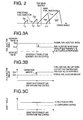
- the amount of fuel injection is indicated by the horizontal axis and the torque output of the engine is indicated by the vertical axis.
- the line A shows a torque output when the fuel injection timing is conducted at normal timing.
- the line B shows a torque output when the fuel injection timing is retarded for a predetermined period.
- the controller may determine the retardation period based on the load condition and/or the rotational speed of the internal combustion engine and may also determine the amount of fuel injection which is increased compared to the basic fuel injection amount in accordance with the load condition and/or the rotational speed.
- the retarded timing and increased amount of the fuel injection which depend on the load condition and the rotational speed of the internal combustion engine, may be respectively stored into the control means in the form of maps, and the controller may determine the actual timing and the actual amount of the fuel injection in reference to these maps.
- Each fuel injector 6 is connected with the controller 12 and also controlled (operated) by a driving signal transmitted from the controller 12.
- a plurality of detection means such as an engine rotation sensor 16 for detecting the rotational speed of the engine E and an accelerator opening degree sensor 17 for detecting the accelerator opening degree (engine load) of a vehicle are connected to the controller 12.
- the detection values obtained by the detection means 16 and 17 are inputted into the controller 12.
- the controller 12 determines the amount of the basic fuel injection and basic fuel injection timing from a basic fuel injection map inputted beforehand based on the actual engine rotational speed detected by the engine rotation sensor 16 and the actual accelerator opening degree detected by the accelerator opening degree sensor 17.
- the controller 12 normally outputs the driving signal to each fuel injector 6 according to the amount of the basic fuel injection and the basic fuel injection timing.
- the basic amount of the fuel injection Qbase is determined by the basic fuel injection map M1 based on the engine rotational speed ENGrpm inputted from the engine rotation sensor 16 and engine load (accelerator opening degree) ENGload inputted from the accelerator opening degree sensor 17.
- the increased amount of the fuel injection Qgain is determined by the increased fuel injection map M2 based on the engine rotational speed ENGrpm and engine load ENGload.
- exhaust purification device is not limited to the above mentioned DPF type. Any types for exhaust purification device can be employed as long as it utilizes the catalytic to oxidize and remove NOx.
Landscapes
- Engineering & Computer Science (AREA)
- Chemical & Material Sciences (AREA)
- Combustion & Propulsion (AREA)
- Mechanical Engineering (AREA)
- General Engineering & Computer Science (AREA)
- Electrical Control Of Air Or Fuel Supplied To Internal-Combustion Engine (AREA)
- Exhaust Gas After Treatment (AREA)
- Combined Controls Of Internal Combustion Engines (AREA)
- Fuel-Injection Apparatus (AREA)
Abstract
Description
Claims (3)
- A fuel injection control device of an internal combustion engine comprising:an exhaust purification device located at an exhaust passage of an internal combustion engine for purifying an exhaust gas by catalytic action;exhaust gas temperature determination means for detecting or computing temperature of the exhaust gas passing through the exhaust purification device;determining means for determining an amount and a timing of basic fuel injection based on operational status such as a load and a rotational speed of the internal combustion engine; andcontrol means for controlling an amount and a timing of a fuel injection by a fuel injector of the internal combustion engine, wherein the control means controls the amount and the timing of the fuel injection to make them respectively equal to the amount of the basic fuel injection and the timing of the basic fuel injection timing when the detected or computed exhaust gas temperature is at or above a catalytic activation temperature of the exhaust purification device, and the control means raises the exhaust gas temperature by retarding the timing of the fuel injection timing from the timing of the basic fuel injection, and also increases the amount of the fuel injection from the amount of the basic fuel injection in order to compensate for a drop in a torque output of the internal combustion engine which is caused by retarding the timing of the fuel injection when the detected or computed exhaust gas temperature is lower than the catalytic activation temperature of the exhaust purification device.
- A fuel injection control device according to claim 1, characterized in that the control means determines retardation period from the timing of the basic fuel injection based on the load and the rotational speed of the internal combustion engine and determines the increased amount of the fuel injection based on the load and the rotational speed of the internal combustion engine.
- A fuel injection control device according to claim 2, characterized in that a relationship between the retardation period and the load and the rotational speed of the internal combustion engine and the relationship between fuel injection and the load and the rotational speed of the internal combustion engine are stored into the control means in the form of maps, and the control means controls the timing of the fuel injection and the increased amount of fuel injection according to the maps.
Applications Claiming Priority (2)
| Application Number | Priority Date | Filing Date | Title |
|---|---|---|---|
| JP2002345644A JP2004176657A (en) | 2002-11-28 | 2002-11-28 | Fuel injection control device |
| JP2002345644 | 2002-11-28 |
Publications (3)
| Publication Number | Publication Date |
|---|---|
| EP1424482A2 true EP1424482A2 (en) | 2004-06-02 |
| EP1424482A3 EP1424482A3 (en) | 2005-06-29 |
| EP1424482B1 EP1424482B1 (en) | 2011-01-19 |
Family
ID=32290468
Family Applications (1)
| Application Number | Title | Priority Date | Filing Date |
|---|---|---|---|
| EP03026837A Expired - Lifetime EP1424482B1 (en) | 2002-11-28 | 2003-11-20 | Fuel injection control device |
Country Status (5)
| Country | Link |
|---|---|
| US (1) | US7021045B2 (en) |
| EP (1) | EP1424482B1 (en) |
| JP (1) | JP2004176657A (en) |
| AT (1) | ATE496209T1 (en) |
| DE (1) | DE60335776D1 (en) |
Cited By (2)
| Publication number | Priority date | Publication date | Assignee | Title |
|---|---|---|---|---|
| EP3428416A4 (en) * | 2016-03-07 | 2019-03-20 | Isuzu Motors Limited | EXHAUST GAS PURIFICATION SYSTEM AND CONTROL METHOD |
| US11143127B2 (en) * | 2018-08-07 | 2021-10-12 | Toyota Jidosha Kabushiki Kaisha | Vehicle controller and control method performing fuel feeding process while stopping combustion for filter regeneration |
Families Citing this family (10)
| Publication number | Priority date | Publication date | Assignee | Title |
|---|---|---|---|---|
| JP3880296B2 (en) * | 2000-08-02 | 2007-02-14 | 株式会社日立製作所 | Engine control device |
| US7365033B1 (en) | 2003-10-02 | 2008-04-29 | Ventex, Inc. | Open flame resistant articles |
| US7181908B2 (en) * | 2004-03-30 | 2007-02-27 | General Motors Corporation | Torque compensation method for controlling a direct-injection engine during regeneration of a lean NOx trap |
| US7343735B2 (en) * | 2005-05-02 | 2008-03-18 | Cummins, Inc. | Apparatus and method for regenerating an exhaust gas aftertreatment component of an internal combustion engine |
| JP2007285139A (en) * | 2006-04-13 | 2007-11-01 | Denso Corp | Diesel engine control device |
| DE102006027591B4 (en) * | 2006-06-14 | 2012-03-08 | Caterpillar Motoren Gmbh & Co. Kg | Method for controlling an internal combustion engine |
| JP4937877B2 (en) * | 2007-10-12 | 2012-05-23 | 富士重工業株式会社 | Diesel engine control device |
| US9353696B2 (en) * | 2012-05-24 | 2016-05-31 | Cummins Ip, Inc. | Combustion controller for internal combustion engine |
| US10801433B2 (en) * | 2018-04-24 | 2020-10-13 | GM Global Technology Operations LLC | Systems and methods for determining irregular fuel requests during engine idle conditions |
| DE102021214192A1 (en) * | 2021-12-13 | 2023-06-15 | Robert Bosch Gesellschaft mit beschränkter Haftung | Method for determining the functionality of an exhaust gas sensor in an exhaust system of an internal combustion engine |
Family Cites Families (14)
| Publication number | Priority date | Publication date | Assignee | Title |
|---|---|---|---|---|
| EP0158887B1 (en) * | 1984-03-31 | 1990-11-22 | Mitsubishi Jidosha Kogyo Kabushiki Kaisha | Diesel particulate oxidizer regeneration system |
| JPH03164549A (en) * | 1989-11-22 | 1991-07-16 | Fuji Heavy Ind Ltd | Engine control device of two-cycle engine |
| JPH1081992A (en) | 1996-09-02 | 1998-03-31 | Dainippon Printing Co Ltd | Lead plating partial plating apparatus and partial plating method |
| JPH10252543A (en) | 1997-03-12 | 1998-09-22 | Denso Corp | Exhaust gas purification device for internal combustion engine |
| JP4039500B2 (en) | 1998-02-23 | 2008-01-30 | 株式会社デンソー | Exhaust gas purification device for internal combustion engine |
| JP3325230B2 (en) * | 1998-08-03 | 2002-09-17 | マツダ株式会社 | Method and apparatus for warming up a catalyst in a direct injection engine |
| FR2799508B1 (en) * | 1999-10-08 | 2002-09-13 | Renault | FUEL INJECTION METHOD FOR A COMBUSTION ENGINE |
| JP3607980B2 (en) * | 1999-12-16 | 2005-01-05 | トヨタ自動車株式会社 | Internal combustion engine |
| JP2001289093A (en) * | 2000-03-31 | 2001-10-19 | Hitachi Ltd | Exhaust control system for in-cylinder injection engine |
| JP4389372B2 (en) * | 2000-09-29 | 2009-12-24 | マツダ株式会社 | Engine fuel control device |
| EP1553279B1 (en) * | 2001-02-20 | 2007-08-15 | Isuzu Motors Limited | Fuel injection control method for diesel engine and regeneration control method of exhaust gas post-treatment apparatus |
| JP3963088B2 (en) * | 2001-09-06 | 2007-08-22 | マツダ株式会社 | Control device for spark ignition direct injection engine |
| JP4092464B2 (en) * | 2002-06-28 | 2008-05-28 | 日産自動車株式会社 | Exhaust purification device |
| FR2847003B1 (en) * | 2002-11-07 | 2007-01-26 | Renault Sa | METHOD FOR REGENERATING A PARTICLE FILTER AND DEVICE FOR IMPLEMENTING THE SAME |
-
2002
- 2002-11-28 JP JP2002345644A patent/JP2004176657A/en active Pending
-
2003
- 2003-11-20 AT AT03026837T patent/ATE496209T1/en not_active IP Right Cessation
- 2003-11-20 DE DE60335776T patent/DE60335776D1/en not_active Expired - Lifetime
- 2003-11-20 EP EP03026837A patent/EP1424482B1/en not_active Expired - Lifetime
- 2003-11-25 US US10/721,133 patent/US7021045B2/en not_active Expired - Fee Related
Cited By (3)
| Publication number | Priority date | Publication date | Assignee | Title |
|---|---|---|---|---|
| EP3428416A4 (en) * | 2016-03-07 | 2019-03-20 | Isuzu Motors Limited | EXHAUST GAS PURIFICATION SYSTEM AND CONTROL METHOD |
| US10711673B2 (en) | 2016-03-07 | 2020-07-14 | Isuzu Motors Limited | Exhaust purification system and control method |
| US11143127B2 (en) * | 2018-08-07 | 2021-10-12 | Toyota Jidosha Kabushiki Kaisha | Vehicle controller and control method performing fuel feeding process while stopping combustion for filter regeneration |
Also Published As
| Publication number | Publication date |
|---|---|
| DE60335776D1 (en) | 2011-03-03 |
| US7021045B2 (en) | 2006-04-04 |
| EP1424482B1 (en) | 2011-01-19 |
| ATE496209T1 (en) | 2011-02-15 |
| JP2004176657A (en) | 2004-06-24 |
| US20040103647A1 (en) | 2004-06-03 |
| EP1424482A3 (en) | 2005-06-29 |
Similar Documents
| Publication | Publication Date | Title |
|---|---|---|
| US7197867B2 (en) | Method for the simultaneous desulfation of a lean NOx trap and regeneration of a Diesel particulate filter | |
| US6959541B2 (en) | Fuel injection control system for internal combustion engine | |
| US20100132334A1 (en) | Method and device for monitoring the regeneration of a pollution-removal system | |
| US6898508B2 (en) | Fuel injection control device | |
| US5826425A (en) | Method of automatically initiating regeneration of a particulate filter of a diesel engine with a rail injection system | |
| US20030033800A1 (en) | Method of initiating regeneration of a particulate filter for a direct-injection diesel engine with a common rail injection system | |
| US8833061B2 (en) | Method and device for regenerating a particle filter in a Y-exhaust gas system | |
| US8261535B2 (en) | Enhanced post injection control system for diesel particulate filters | |
| US7007462B2 (en) | Combustion control apparatus for internal combustion engine | |
| US6990801B2 (en) | Combustion control apparatus for internal combustion engine | |
| US7021045B2 (en) | Fuel injection control device | |
| EP1496234B1 (en) | Combustion control apparatus for internal combustion engine | |
| US9067160B2 (en) | Exhaust gas purification system | |
| JP2005240755A (en) | Engine fuel injection control device | |
| US7885757B2 (en) | Degradation determination apparatus and degradation determination system for oxygen concentration sensor | |
| JP2010127257A (en) | Cetane number determination device | |
| US6170260B1 (en) | Exhaust emission control apparatus for combustion engine | |
| JP2003500596A (en) | Method and apparatus for controlling an internal combustion engine | |
| EP1496235A2 (en) | Combustion control apparatus for internal combustion engine | |
| CN107407185A (en) | Emission control system and catalyst control method | |
| US20070012031A1 (en) | Fuel control for diesel engine having particulate filter | |
| US8943810B2 (en) | Exhaust gas purification system for an internal combustion engine | |
| WO2022264565A1 (en) | Control device for catalyst temperature raising system | |
| EP2578824B1 (en) | System for purifying exhaust gas in upland area | |
| JP4063743B2 (en) | Fuel injection timing control device for internal combustion engine |
Legal Events
| Date | Code | Title | Description |
|---|---|---|---|
| PUAI | Public reference made under article 153(3) epc to a published international application that has entered the european phase |
Free format text: ORIGINAL CODE: 0009012 |
|
| AK | Designated contracting states |
Kind code of ref document: A2 Designated state(s): AT BE BG CH CY CZ DE DK EE ES FI FR GB GR HU IE IT LI LU MC NL PT RO SE SI SK TR |
|
| AX | Request for extension of the european patent |
Extension state: AL LT LV MK |
|
| PUAL | Search report despatched |
Free format text: ORIGINAL CODE: 0009013 |
|
| AK | Designated contracting states |
Kind code of ref document: A3 Designated state(s): AT BE BG CH CY CZ DE DK EE ES FI FR GB GR HU IE IT LI LU MC NL PT RO SE SI SK TR |
|
| AX | Request for extension of the european patent |
Extension state: AL LT LV MK |
|
| 17P | Request for examination filed |
Effective date: 20051219 |
|
| AKX | Designation fees paid |
Designated state(s): AT BE BG CH CY CZ DE DK EE ES FI FR GB GR HU IE IT LI LU MC NL PT RO SE SI SK TR |
|
| 17Q | First examination report despatched |
Effective date: 20060927 |
|
| GRAP | Despatch of communication of intention to grant a patent |
Free format text: ORIGINAL CODE: EPIDOSNIGR1 |
|
| GRAS | Grant fee paid |
Free format text: ORIGINAL CODE: EPIDOSNIGR3 |
|
| GRAA | (expected) grant |
Free format text: ORIGINAL CODE: 0009210 |
|
| AK | Designated contracting states |
Kind code of ref document: B1 Designated state(s): AT BE BG CH CY CZ DE DK EE ES FI FR GB GR HU IE IT LI LU MC NL PT RO SE SI SK TR |
|
| REG | Reference to a national code |
Ref country code: GB Ref legal event code: FG4D |
|
| REG | Reference to a national code |
Ref country code: CH Ref legal event code: EP |
|
| REG | Reference to a national code |
Ref country code: IE Ref legal event code: FG4D |
|
| REF | Corresponds to: |
Ref document number: 60335776 Country of ref document: DE Date of ref document: 20110303 Kind code of ref document: P |
|
| REG | Reference to a national code |
Ref country code: DE Ref legal event code: R096 Ref document number: 60335776 Country of ref document: DE Effective date: 20110303 |
|
| REG | Reference to a national code |
Ref country code: NL Ref legal event code: VDEP Effective date: 20110119 |
|
| PG25 | Lapsed in a contracting state [announced via postgrant information from national office to epo] |
Ref country code: ES Free format text: LAPSE BECAUSE OF FAILURE TO SUBMIT A TRANSLATION OF THE DESCRIPTION OR TO PAY THE FEE WITHIN THE PRESCRIBED TIME-LIMIT Effective date: 20110430 Ref country code: PT Free format text: LAPSE BECAUSE OF FAILURE TO SUBMIT A TRANSLATION OF THE DESCRIPTION OR TO PAY THE FEE WITHIN THE PRESCRIBED TIME-LIMIT Effective date: 20110519 Ref country code: GR Free format text: LAPSE BECAUSE OF FAILURE TO SUBMIT A TRANSLATION OF THE DESCRIPTION OR TO PAY THE FEE WITHIN THE PRESCRIBED TIME-LIMIT Effective date: 20110420 Ref country code: SE Free format text: LAPSE BECAUSE OF FAILURE TO SUBMIT A TRANSLATION OF THE DESCRIPTION OR TO PAY THE FEE WITHIN THE PRESCRIBED TIME-LIMIT Effective date: 20110119 |
|
| PG25 | Lapsed in a contracting state [announced via postgrant information from national office to epo] |
Ref country code: BG Free format text: LAPSE BECAUSE OF FAILURE TO SUBMIT A TRANSLATION OF THE DESCRIPTION OR TO PAY THE FEE WITHIN THE PRESCRIBED TIME-LIMIT Effective date: 20110419 Ref country code: AT Free format text: LAPSE BECAUSE OF FAILURE TO SUBMIT A TRANSLATION OF THE DESCRIPTION OR TO PAY THE FEE WITHIN THE PRESCRIBED TIME-LIMIT Effective date: 20110119 Ref country code: BE Free format text: LAPSE BECAUSE OF FAILURE TO SUBMIT A TRANSLATION OF THE DESCRIPTION OR TO PAY THE FEE WITHIN THE PRESCRIBED TIME-LIMIT Effective date: 20110119 Ref country code: CY Free format text: LAPSE BECAUSE OF FAILURE TO SUBMIT A TRANSLATION OF THE DESCRIPTION OR TO PAY THE FEE WITHIN THE PRESCRIBED TIME-LIMIT Effective date: 20110119 Ref country code: NL Free format text: LAPSE BECAUSE OF FAILURE TO SUBMIT A TRANSLATION OF THE DESCRIPTION OR TO PAY THE FEE WITHIN THE PRESCRIBED TIME-LIMIT Effective date: 20110119 Ref country code: FI Free format text: LAPSE BECAUSE OF FAILURE TO SUBMIT A TRANSLATION OF THE DESCRIPTION OR TO PAY THE FEE WITHIN THE PRESCRIBED TIME-LIMIT Effective date: 20110119 Ref country code: SI Free format text: LAPSE BECAUSE OF FAILURE TO SUBMIT A TRANSLATION OF THE DESCRIPTION OR TO PAY THE FEE WITHIN THE PRESCRIBED TIME-LIMIT Effective date: 20110119 |
|
| PG25 | Lapsed in a contracting state [announced via postgrant information from national office to epo] |
Ref country code: EE Free format text: LAPSE BECAUSE OF FAILURE TO SUBMIT A TRANSLATION OF THE DESCRIPTION OR TO PAY THE FEE WITHIN THE PRESCRIBED TIME-LIMIT Effective date: 20110119 Ref country code: DK Free format text: LAPSE BECAUSE OF FAILURE TO SUBMIT A TRANSLATION OF THE DESCRIPTION OR TO PAY THE FEE WITHIN THE PRESCRIBED TIME-LIMIT Effective date: 20110119 |
|
| PLBE | No opposition filed within time limit |
Free format text: ORIGINAL CODE: 0009261 |
|
| STAA | Information on the status of an ep patent application or granted ep patent |
Free format text: STATUS: NO OPPOSITION FILED WITHIN TIME LIMIT |
|
| PG25 | Lapsed in a contracting state [announced via postgrant information from national office to epo] |
Ref country code: RO Free format text: LAPSE BECAUSE OF FAILURE TO SUBMIT A TRANSLATION OF THE DESCRIPTION OR TO PAY THE FEE WITHIN THE PRESCRIBED TIME-LIMIT Effective date: 20110119 Ref country code: CZ Free format text: LAPSE BECAUSE OF FAILURE TO SUBMIT A TRANSLATION OF THE DESCRIPTION OR TO PAY THE FEE WITHIN THE PRESCRIBED TIME-LIMIT Effective date: 20110119 Ref country code: SK Free format text: LAPSE BECAUSE OF FAILURE TO SUBMIT A TRANSLATION OF THE DESCRIPTION OR TO PAY THE FEE WITHIN THE PRESCRIBED TIME-LIMIT Effective date: 20110119 |
|
| 26N | No opposition filed |
Effective date: 20111020 |
|
| PG25 | Lapsed in a contracting state [announced via postgrant information from national office to epo] |
Ref country code: IT Free format text: LAPSE BECAUSE OF FAILURE TO SUBMIT A TRANSLATION OF THE DESCRIPTION OR TO PAY THE FEE WITHIN THE PRESCRIBED TIME-LIMIT Effective date: 20110119 |
|
| REG | Reference to a national code |
Ref country code: DE Ref legal event code: R097 Ref document number: 60335776 Country of ref document: DE Effective date: 20111020 |
|
| PG25 | Lapsed in a contracting state [announced via postgrant information from national office to epo] |
Ref country code: MC Free format text: LAPSE BECAUSE OF NON-PAYMENT OF DUE FEES Effective date: 20111130 |
|
| REG | Reference to a national code |
Ref country code: CH Ref legal event code: PL |
|
| PG25 | Lapsed in a contracting state [announced via postgrant information from national office to epo] |
Ref country code: LI Free format text: LAPSE BECAUSE OF NON-PAYMENT OF DUE FEES Effective date: 20111130 Ref country code: CH Free format text: LAPSE BECAUSE OF NON-PAYMENT OF DUE FEES Effective date: 20111130 |
|
| REG | Reference to a national code |
Ref country code: IE Ref legal event code: MM4A |
|
| REG | Reference to a national code |
Ref country code: AT Ref legal event code: MK05 Ref document number: 496209 Country of ref document: AT Kind code of ref document: T Effective date: 20110119 |
|
| PG25 | Lapsed in a contracting state [announced via postgrant information from national office to epo] |
Ref country code: IE Free format text: LAPSE BECAUSE OF NON-PAYMENT OF DUE FEES Effective date: 20111120 |
|
| PGFP | Annual fee paid to national office [announced via postgrant information from national office to epo] |
Ref country code: FR Payment date: 20121130 Year of fee payment: 10 |
|
| PG25 | Lapsed in a contracting state [announced via postgrant information from national office to epo] |
Ref country code: LU Free format text: LAPSE BECAUSE OF NON-PAYMENT OF DUE FEES Effective date: 20111120 |
|
| PG25 | Lapsed in a contracting state [announced via postgrant information from national office to epo] |
Ref country code: TR Free format text: LAPSE BECAUSE OF FAILURE TO SUBMIT A TRANSLATION OF THE DESCRIPTION OR TO PAY THE FEE WITHIN THE PRESCRIBED TIME-LIMIT Effective date: 20110119 |
|
| PG25 | Lapsed in a contracting state [announced via postgrant information from national office to epo] |
Ref country code: HU Free format text: LAPSE BECAUSE OF FAILURE TO SUBMIT A TRANSLATION OF THE DESCRIPTION OR TO PAY THE FEE WITHIN THE PRESCRIBED TIME-LIMIT Effective date: 20110119 |
|
| REG | Reference to a national code |
Ref country code: FR Ref legal event code: ST Effective date: 20140731 |
|
| PG25 | Lapsed in a contracting state [announced via postgrant information from national office to epo] |
Ref country code: FR Free format text: LAPSE BECAUSE OF NON-PAYMENT OF DUE FEES Effective date: 20131202 |
|
| PGFP | Annual fee paid to national office [announced via postgrant information from national office to epo] |
Ref country code: GB Payment date: 20141119 Year of fee payment: 12 |
|
| REG | Reference to a national code |
Ref country code: DE Ref legal event code: R082 Ref document number: 60335776 Country of ref document: DE Representative=s name: SCHAUMBURG UND PARTNER PATENTANWAELTE MBB, DE Ref country code: DE Ref legal event code: R082 Ref document number: 60335776 Country of ref document: DE Representative=s name: SCHAUMBURG & PARTNER PATENTANWAELTE GBR, DE Ref country code: DE Ref legal event code: R082 Ref document number: 60335776 Country of ref document: DE Representative=s name: SCHAUMBURG & PARTNER PATENTANWAELTE MBB, DE |
|
| PGFP | Annual fee paid to national office [announced via postgrant information from national office to epo] |
Ref country code: DE Payment date: 20151118 Year of fee payment: 13 |
|
| GBPC | Gb: european patent ceased through non-payment of renewal fee |
Effective date: 20151120 |
|
| PG25 | Lapsed in a contracting state [announced via postgrant information from national office to epo] |
Ref country code: GB Free format text: LAPSE BECAUSE OF NON-PAYMENT OF DUE FEES Effective date: 20151120 |
|
| REG | Reference to a national code |
Ref country code: DE Ref legal event code: R119 Ref document number: 60335776 Country of ref document: DE |
|
| PG25 | Lapsed in a contracting state [announced via postgrant information from national office to epo] |
Ref country code: DE Free format text: LAPSE BECAUSE OF NON-PAYMENT OF DUE FEES Effective date: 20170601 |