TECHNICAL FIELD
The present invention relates to pharmaceutical
compositions containing a derivative of a polyunsaturated
fatty acid. More specifically, the present invention
provides such pharmaceutical compositions activating PPARγ
(Peroxisome proliferator-activated receptor γ).
BACKGROUND ART
Peroxisome proliferator-activated receptors (PPARs)
were first discovered as nuclear orphan receptors, and
three types of genes for subtypes α, σ (or β) and γ were
subsequently identified. Each of α, σ and γ has a specific
tissue distribution and forms a subfamily of the nuclear
hormone receptor gene superfamily. PPARγ is highly
expressed in adipose tissue and seems to play an important
role in adipocyte differentiation and fat production.
During searches for hypoglycemics, a report showed
that thiazolidinedione (TZD) derivatives developed as drugs
for improving insulin resistance might be ligands for PPARγ
('95 Cell. 83 pp. 803-812). The mechanism of blood sugar
decrease by TZD still now remains unexplained about six
years after then, but it was proposed that TZD might
improve insulin resistance induced by impaired insulin
signal transduction to reduce blood sugar by activating
PPARγ in type 2 diabetes (NIDDM) ('99 Cell. 100 p. 1863).
In brief, insulin secreted from pancreatic β cells binds to
insulin receptors (IRs) in liver and peripheral skeletal
muscle to promote glucose intake and utilization via
activation of insulin receptor substrates (IRSs) in normals,
but NIDDM patients show high blood glucose due to impaired
transduction downstream of IRSs ('00 Science 289 p. 37, '00
J. Clin. Inv. 105, 10 p. 1437).
Knockout (KO) mice prepared by a research group of
Kadowaki et al. by inactivating the IRS-1 gene among IRS
subtypes showed insulin resistance but did not develop
diabetes ('00 J. Clin. Inv. 105, 10 p. 1437). In NIDDM
patients associated with the IRS-1-mediated signal
transduction impaired (or IRS phosphorylation suppressed)
by an inflammatory cytokine TNFα secreted from adipocytes
and inflammatory cells, TZD recovered IRS-1 phosphorylation
impaired by TNFα ('97 J. Clin. Inv. 100 p. 1863). Thus, it
was shown that TZD recovered insulin signal transduction by
activating IRS-1 to improve insulin resistance.
The research group of Kadowaki et al. attempted to
prepare PPARγ-KO mice for the purpose of studying direct
effects of PPARγ. As double homozygous KO mice (null)
showed fetal death of lung failure, heterozygous KO mice
were analyzed for convenience to show weight loss and
suppression of adipocyte differentiation in heterozygous KO
mice as compared with the wild-type having more PPARγ genes,
suggesting that PPARγ may potentially act as a gene for
storing energy in preparation against starvation ('99 Moll.
Cell 4 p. 597). Thus, it is described that PPARγ stores
energy by increasing the number of adipocytes to maintain
homeostasis of carbohydrates and lipids.
Both insulin signal normalization and adipocyte
differentiation by PPARγ activated by TZD seem to trigger
TZD to reduce blood glucose, but TZD has the problem of
producing strong side effects. Some TZD drugs
commercialized for improving insulin resistance were
withdrawn from the market due to severe hepatic toxicity or
reported to invite death by hepatopathy. Therefore, PPARγ-mediated
antidiabetic drugs free from side effects as
produced by TZD would be desirable.
PPARγ agonists not only improve NIDDM but also
improve high blood TG (triacylglycerol) or reduce
cholesterol to improve lipid levels, indicating that they
may potentially combat arteriosclerosis or improve lipid
metabolism ('98 Diabetologia 41, p.257).
On the other hand, hydroxylated metabolites of
arachidonic acid such as leukotriene or prostaglandin are
known to induce pain, tissue damage and fever via
neutrophil activation, platelet aggregation and vascular
contraction. Hydroxylated derivatives of polyunsaturated
fatty acids (PUFAs) found abundantly in fish oil such as
docosahexaenoic acid (DHA, 22:6 n-3)(C22 linear unsaturated
fatty acid of the n-3 series at a degree of unsaturation of
6) and eicosapentaenoic acid (EPA, 20:5 n-3) (C20 linear
unsaturated fatty acid of the n-3 series at a degree of
unsaturation of 5) were reported to be metabolized by
lipoxygenase, which is an enzyme present in the skin and
gills of red sea bream or rainbow trout. However, any cell
type having lipoxygenase activity has not been identified.
Last year, a research group of Andrew F. Rowley et al. in
the UK fractionated gill cells of rainbow trout by density
gradient using Percoll and studied lipid hydroxylation
activity of the resulting cell populations to find that
epithelial cells of gills show lipoxygenase activity ('99
Comparative Biochemistry and Physiology 122, p.297).
Rowley et al. adopted the following procedure. The
gills of rainbow trout of 120-500 g body weight were minced
in Hanks' buffer and digested with collagenase to give a
cell suspension, which was then layered over Percoll and
fractionated into 3 layers of cell populations by
centrifugation at 20,000 x g for 15 minutes. The three
cell populations were identified to be polymorphic
epithelial cells, goblet epithelial cells and other cells
by H & E staining and PAS staining and each cell population
(1 x 10⁷ cells) was stimulated by Ca2+ ionophores and then
analyzed for fatty acids by reverse phase HPLC using a C18
ODS column to show that the epithelial cell population
produced OH-DHA and OH-EPA. This suggested that the
previously reported lipoxygenase activity of the gills of
fish may be localized at epithelial cells.
As to physiological effects of hydroxylated PUFAs
found from fish epithelial cells, Norman Salem Jr. et al.
studied their effects on the contraction of vascular smooth
muscle [J. W. Karanian et al., The Journal of Pharmacology
and Experimental Therapeutics (1994) 270, 1105 - 1109.]. N.
Salem Jr. et al. showed that four compounds, i.e. C11, C14
and C17 mono-OH-DHAs and C12 OH-EPA inhibit the contraction
of rat aortic smooth muscle induced by a thromboxane A2 (TX
A2) analog U 46619 (2.5 µM) with the potency being in the
order of 14OH-DHA > 17OH-DHA > 11OH-DHA > 12OH-EPA, among
which the most effective 140H-DHA showed a 25% inhibition
concentration IC25 of 1.07 ± 0.34 µM. This showed that
hydroxylated PUFAs found from fish gills may potentially
inhibit TX A2-induced platelet aggregation or vascular
contraction to have an antiinflammatory effect.
Also in mammals, lipoxygenase activity was reported
in platelets and intestinal epithelial cells, e.g. 11OH-DHA
and 14OH-DHA were shown to be metabolized from exogenous
DHAs in human platelet. It was also shown that 1.4 µM
14OH-DHA was released by Ca2+ ionophore stimulation from
platelets of rats having received fish oil and that the IC25
of the released product, i.e. the concentration at which
contraction of vascular smooth muscle is inhibited to 25%
was almost comparable to that of the 14OH-DHA described
above. In other words, the concentration of 14OH-DHA in
mammals agrees with the concentration range having
antiinflammatory effect, suggesting that 14OH-DHA may
positively contribute to maintaining the homeostasis in
animal bodies.
However, no report has shown so far that such
hydroxylated derivatives of polyunsaturated fatty acids act
on PPARγ.
DISCLOSURE OF THE INVENTION
An object of the present invention is to develop a
novel PPARγ-activating pharmaceutical composition and to
provide it as a drug for treating various diseases in which
PPARγ is involved.
As a result of careful studies to attain the above
object, we accomplished the present invention on the basis
of the finding that hydroxylated derivatives of C20-22
polyunsaturated fatty acids show PPARγ agonist activity.
Accordingly, the present invention provides a PPARγ-activating
pharmaceutical composition comprising a
hydroxylated derivative of a C20-22 polyunsaturated fatty
acid or a pharmaceutically acceptable salt thereof.
As used herein, the PPARγ-activating pharmaceutical
composition means a pharmaceutical product for
preventing/treating various diseases in which PPARγ is
involved by acting on PPARγ, which is a nuclear receptor in
cells such as adipocytes, to activate it.
The present invention also provides said PPARγ-activating
pharmaceutical composition for treating
circulatory diseases.
The present invention also provides said PPARγ-activating
pharmaceutical composition for treating
arteriosclerosis.
The present invention also provides said PPARγ-activating
pharmaceutical composition for treating lipid
metabolism disorder.
The present invention also provides said PPARγ-activating
pharmaceutical composition for treating diabetes.
The present invention also provides said PPARγ-activating
pharmaceutical composition for treating
inflammatory diseases.
BRIEF EXPLANATION OF THE DRAWINGS
FIG. 1 is a graph showing the results of a PPARγ
agonist activity assay of various OH-DHA compounds.
FIG. 2 is a graph showing the results of an
evaluation of whether or not collagen-induced ex vivo
platelet aggregation is inhibited by 4(S)-OH-DHA.
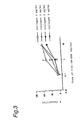
FIG. 3 is a graph showing the results of an
evaluation of whether or not 4(S)-OH-DHA dose-dependently
inhibits ex vivo platelet aggregation.
FIG. 4 is a graph showing the influence of 4(S)-OH-DHA
on the interaction between neutrophils and vascular
endothelial cells (neutrophil migration (%)).
FIG. 5 is a graph showing the influence of 4(S)-OH-DHA
on the interaction between neutrophils and vascular
endothelial cells (neutrophil adhesion (%)).
THE MOST PREFERRED EMBODIMENTS OF THE INVENTION
PPARγ-activating pharmaceutical compositions of the
present invention contain a hydroxylated derivative of a
C20-22 polyunsaturated fatty acid as an active ingredient.
As used herein, the C20-22 polyunsaturated fatty acid
means a polyunsaturated fatty acid containing 20-22 carbon
atoms and three or more double bonds, preferably 4 or more,
more preferably 5 or 6 double bonds. Preferred
polyunsaturated fatty acids include, but not limited to,
docosahexaenoic acid (DHA, 22:6 n-3)(C22 linear unsaturated
fatty acid of the n-3 series at a degree of unsaturation of
6) and eicosapentaenoic acid (EPA, 20:5 n-3) (C20 linear
unsaturated fatty acid of the n-3 series at a degree of
unsaturation of 5).
The hydroxylated derivative of a polyunsaturated
fatty acid means a derivative of the polyunsaturated fatty
acid in which any one of double bonds is hydroxylated,
preferably a hydroxylated derivative of docosahexaenoic
acid (DHA) or a hydroxylated derivative of eicosapentaenoic
acid (EPA), more preferably a hydroxylated derivative of
docosahexaenoic acid (DHA). The hydroxylated derivative
may be in either the (R) or (S) configuration, preferably
the (S) configuration. The most preferred hydroxylated
derivatives of docosahexaenoic acid (DHA) are, but not
limited to, 4(S)-OH-DHA, 10(S)-OH-DHA, 11(S)-OH-DHA, 14(S)-OH-DHA,
8(S)-OH-DHA and 17(S)-OH-DHA. PPARγ-activating
pharmaceutical compositions of the present invention can
contain one or more members selected from these
hydroxylated derivatives of polyunsaturated fatty acid.
The hydroxylated derivatives of polyunsaturated fatty
acids can be prepared by any process, e.g. they can be
isolated/purified from gills or epithelial cells of fish or
platelets of mammals such as human and rat. They can also
be synthesized by hydroxylating DHA from a natural source
and fractionating the hydroxylated DHA by HPLC or the like.
For example, a suspension of gill cells or epithelial cells
of rainbow trout, mammalian platelets or a humanized
leukocyte cell line such as RBL-1 can be reacted with 10-200
mM DHA as a substrate at 10-37°C for 1-50 minutes. The
reaction is stopped by acidifying the reaction solution
(e.g. with formic acid, acetic acid or trichloroacetic
acid), and each OH derivative is extracted with an organic
solvent (e.g. chloroform, methanol, ethyl acetate or
acetonitrile) and then fractionated by a method such as,
but not limited to, HPLC or thin layer chromatography using
a developing solvent (e.g. chloroform, methanol, ethyl
acetate, acetonitrile, water or trifluoroacetic acid).
Each OH derivative can also be prepared by a selective
synthetic process using a site-specific enzyme. 4(S)-OH-DHA,
10(S)-OH-DHA, 11(S)-OH-DHA, 14(S)-OH-DHA, 8(S)-OH-DHA
and 17(S)-OH-DHA are commercially available from Wako Pure
Chemical Industries, Ltd.
PPARγ-activating pharmaceutical compositions of the
present invention are effective for preventing/treating
various diseases in which PPARγ is involved by acting on
PPARγ, which is a nuclear receptor in cells such as
adipocytes, to activate it. The diseases in which PPARγ is
involved include circulatory diseases (e.g. thrombosis,
myocardial infarction pectoris, angina, cerebral
infarction), arteriosclerosis, lipid metabolism disorder
(e.g. hyperlipidemia, hypercholesterolemia, high TG, high
LDL), diabetes (especially NIDDM), and inflammatory
diseases (e.g. various inflammatory responses caused by
increased vascular permeability).
PPARγ-activating pharmaceutical compositions of the
present invention are normally administered systemically or
locally, orally or parenterally. The dose is not
specifically limited but should be optimally determined on
the basis of overall judgment depending on various factors
such as the type of the disease, the severity of the
condition, the age and body weight of the subject to be
treated. However, the daily dose is normally 0.001 to
100 mg/kg orally or 0.0001 to 10 mg/kg parenterally per
adult. The dose is administered once daily or divided into
subdoses depending on the purpose.
The hydroxylated derivatives of polyunsaturated fatty
acids of the present invention as active ingredients may be
pharmaceutically acceptable salts thereof including acid
addition salts such as methanesulfonates, fumarates,
hydrochlorides, citrates, maleates, tartrates and
hydrobromides.
Pharmaceutical compositions of the present invention
may be administered orally in the form of solid
compositions, liquid compositions and other compositions or
parenterally in the form of injections, external
preparations and suppositories, and an optimal
administration mode is selected depending on the purpose.
The pharmaceutical compositions can be prepared by using
carriers, excipients and other additives used for ordinary
formulation. Suitable carriers and excipients for
formulation include, for example, lactose, magnesium
stearate, starch, talc, gelatin, agar, pectin, gum acacia,
olive oil, sesame oil, cacao butter, ethylene glycol and
other common additives.
Suitable solid compositions for oral administration
include tablets, pills, capsules, powders and granules. In
such solid compositions, at least one active substance
(active ingredient) is mixed with at least one inert
diluent such as lactose, mannitol, glucose,
hydroxypropylcellulose, microcrystalline cellulose, starch,
polyvinyl pyrrolidone or magnesium aluminometasilicate.
The compositions may conventionally contain additives other
than inert diluents, e.g. lubricants such as magnesium
stearate; disintegrants such as calcium cellulose
glycolate; and solubilizers such as glutamic acid or
aspartic acid. Tablets or pills may be coated with a sugar
coating such as sucrose, gelatin or hydroxypropyl
methylcellulose phthalate, or a film of a gastric soluble
or enteric material, or two or more layers. Capsules of
absorbable materials such as gelatin are also included.
Liquid compositions for oral administration include
pharmaceutically acceptable emulsions, solutions,
suspensions, syrups and elixirs, and may contain ordinary
inert diluents such as purified water and ethanol. In
addition to inert diluents, these compositions may contain
adjuvants such as wetting agents or suspending agents,
sweetening agents, flavoring agents, aromatics and
preservatives.
Injections for parenteral administration include
sterile aqueous or nonaqueous solutions, suspensions and
emulsions. Aqueous solutions and suspensions contain e.g.
water for injection and physiological saline for injection.
Nonaqueous solutions and suspensions include e.g. propylene
glycol, polyethylene glycol, vegetable oils such as olive
oil, alcohols such as ethanol, and Polysorbate® 80. These
compositions may further contain adjuvants such as
preservatives, wetting agents, emulsifying agents,
dispersing agents, stabilizers (e.g. lactose), and
solubilizers (e.g. glutamic acid and aspartic acid). These
can be sterilized by ordinary sterilizing methods, such as
mechanical sterilization with a microfiltration membrane,
heat sterilization such as autoclaving or inclusion of a
bactericide. A solid composition can also be prepared and
dissolved in sterile water or a sterile solvent for
injection before use.
Other pharmaceutical compositions for parenteral
administration include liquid preparations for external use,
ointments, liniments, suppositories, transdermal
preparations and ophthalmic solutions containing at least
one of compounds of the present invention as an active
ingredient.
The active ingredients can be prepared as O/W
emulsions using emulsifiers such as phospholipids or
nonionic surfactants as described in JPA HEI6-298642. The
emulsifiers can be used alone or in combination at an
appropriate concentration, e.g. 0.001-10% (W/V), preferably
0.01-5%(W/V).
Suitable phospholipids include soy phospholipids, egg
yolk phospholipids, lysolecithin, phosphatidylcholine
(lecithin) and phosphatidylserine, which can be used alone
or in combination. Preferred nonionic surfactants include,
but not limited to, polyoxyethylene-polyoxypropylene block
copolymers of molecular weight 500-15000 (e.g. Pluronic F-68),
polyalkylene glycols of molecular weight 1000-10000,
polyoxyalkylene copolymers of molecular weight 1000-20000,
hydrogenated castor oil polyoxyalkylene derivatives, castor
oil polyoxyalkylene derivatives, glycerin fatty acid esters,
polyglycerin fatty acid esters, sorbitan fatty acid esters,
polyoxyethylene castor oils, hydrogenated castor oils,
polyoxyethylene alkyl ethers and sucrose fatty acid esters,
which can be preferably used alone or in combination.
As shown in the examples below, hydroxylated
derivatives of docosahexaenoic acid (DHA) were assayed for
PPARγ agonist activity to show remarkable PPARγ agonist
activity. That is, all of 8(S)-OH-DHA, 14(S)-OH-DHA,
4(S)-OH-DHA, 10(S)-OH-DHA, 11(S)-OH-DHA and 17(S)-OH-DHA
activated PPARγ at an activity comparable to or higher than
that of 15-deoxy-PG J2 used as a positive control.
Moreover, hydroxylated derivatives of docosahexaenoic
acid (DHA) significantly decreased blood glucose levels
when they were orally administered to hereditary diabetes
db/db mice.
In an ex vivo platelet aggregation assay, a
hydroxylated derivative of docosahexaenoic acid (DHA)
dose-dependently inhibited platelet aggregation.
In an assay using an in vitro model simulating
vascular inflammation, the hydroxylated derivative of
docosahexaenoic acid (DHA) was shown to inhibit both
adhesion and permeation of neutrophils. This suggests that
the hydroxylated derivative of docosahexaenoic acid (DHA)
may potentially act on the interaction between neutrophils
and vascular endothelial cells in a suppressive manner to
have an antiinflammatory effect and can be expected to
maintain homeostasis of the circulatory system and act to
improve pathologies by their antiinflammatory effect.
The hydroxylated derivatives of polyunsaturated fatty
acids forming active ingredients of PPARγ-activating
pharmaceutical compositions of the present invention are
derived from natural sources so that they can be expected
to have little side effects such as toxicity. Thus, PPARγ-activating
pharmaceutical compositions of the present
invention are very useful as antidiabetic drugs, especially
for preventing and/or treating type 2 diabetes (NIDDM)
without side effects as produced by TZD. PPARγ-activating
pharmaceutical compositions of the present invention can
also be expected to be effective as drugs for treating
inflammatory diseases.
The following examples further illustrate the present
invention without, however, limiting the scope of the
invention thereto. Various changes and modifications can
be made by those skilled in the art on the basis of the
description of the invention, and such changes and
modifications are also included in the present invention.
EXAMPLES
Example 1: Preparation of hydroxylated derivatives of DHA
Gills of rainbow trout (body weight: 3 g) were minced
in 0.05 M PBS and suspended for 30 seconds using a Polytron
homogenizer. An enzyme solution was obtained by
centrifugation at 150,000 x g for 15 minutes. This enzyme
solution (10 µl) was reacted in 0.9 ml of 0.05 M PBS (1 mM
reduced glutathione, 25°C, pH 7.8). Into the reaction
solution was added 70 mM DHA for oxidation reaction for
10 minutes, and the reaction was stopped by adjusting the
solution to pH 4 with 3% formic acid. The reaction
solution was extracted with ethyl acetate, and lipids were
fractionated by HPLC using chloroform : methanol : acetic
acid : water (90 : 8 : 1 : 0.8) as a developing solvent.
The products were analyzed by GC-MS to confirm that they
were 4(S)-OH-DHA, IO(S)-OH-DHA, 11(S)-OH-DHA, 14(S)-OH-DHA
(m/z 430 [M], 373 [M-CH3]+, 340 [M-HOSi(CH3)3]+), 8(S)-OH-DHA,
and 17(S)-OH-DHA. These compounds can also be available
from Wako Pure Chemical Industries, Ltd.
Example 2: PPARγ agonist activity assay
COS-1 cells were cotransfected with a plasmid for
expressing a GAL4 (yeast transcription activator) - PPARγ
fusion protein (effector plasmid) and a reporter plasmid
17 M2 CAT (GAL4 responsive sequence + TK promoter +
chloramphenicol acetyltransferase cDNA), and then test
compounds were added to the culture medium and CAT activity
was assayed after 24 hours and compared with a negative
control (with no drug added) to calculate a relative CAT
activity, whereby PPARγ agonist activity was evaluated ('90
Proc. Natl. Acad. Sci. USA 87, p. 9995; '94 J. B. C. 269,
p. 32700; '95 ibid. p. 5858; '00 J.B.C. 275, p. 33201).
Experiments using DHA (from Cayman Chemical) and EPA
(from Cayman Chemical) as test compounds each at 3 µM
showed that DHA significantly increased PPARγ transcription
activity at 3 µM in a ratio of 205±79% as compared with the
negative control while no activity was observed with 3 µM
EPA.
Then, 4(S)-OH-DHA, 8(S)-OH-DHA, 10(S)-OH-DHA, 11(S)-OH-DHA,
14(S)-OH-DHA and 17(S)-OH-DHA prepared in Example 1
were used as test compounds to assay PPARγ agonist activity
as compared with 15-deoxy-PG J2 (from Bio Mol) known as a
ligand for PPARγ as a positive control.
The results are shown in FIG. 1. 8(S)-OH-DHA and
14(S)-OH-DHA each at a concentration of 1 µM showed about 7
times higher activity than that of the negative control
group with no drug added, and 4(S)-OH-DHA, 10(S)-OH-DHA,
11(S)-OH-DHA, and 17(S)-OH-DHA at the same concentration
showed about 3 times higher activity than that of the
negative control, i.e. all the compounds had an agonist
activity comparable to or higher than that of 15-deoxy-PG
J2 used as a positive control
Example 3: Evaluation on hereditary diabetes mice
As a result of oral administration of 100 mg/kg of
8(S)-OH-DHA and 14(S)-OH-DHA to hereditary diabetes db/db
mice (average body weight: 42 g, n=6, available from Sankyo
Co., Ltd.) for a week, a significant decrease in blood
glucose levels could be observed as compared with a
negative control group (treated with 5% gum acacia as a
vehicle) (Table 1).
| Compound | Blood glucose level (mg/dl) |
| Negative control | 320 ± 40 |
| 8(S)-OH-DHA | 190 ± 20 |
| 14(S)-OH-DHA | 220 ± 13 * |
An evaluation was made to determine whether or not
collagen-induced platelet aggregation is inhibited by 4(S)-OH-DHA.
(1) Preparation of platelets
Male SD rats (SPF, 9 weeks of age) were anesthetized
and then blood was collected from the abdominal aorta into
a tube containing 3.8% sodium citrate (Citral from
Yamanouchi Pharmaceutical Co., Ltd.). The tube was
centrifuged at 900 rpm at room temperature for 10 minutes
to collect the supernatant (PRP, platelet-rich fraction),
and the residue was further centrifuged at 2500 rpm for
15 minutes to collect the supernatant (PPP, platelet-poor
fraction).
(2) Determination of transmittance
A cuvette containing PPP (platelet-poor fraction) was
placed in an incubator for PPP at 37°C in an aggregometer
(Hematracer 240 12ch, from MCM). Then, a cuvette
containing 200 µl of PRP (platelet-rich fraction) was
placed in a reactor for PRP. The cuvettes were stirred
with a magnetic stirrer for 30 seconds to automatically
correct the transmittance of PPP to T650nm=100% and the
transmittance of PRP to T650 nm=0%.
After 1 minute, 20 µl of collagen (from MCM) was
added and subsequent changes in transmittance were recorded
for 5 minutes. The transmittance increases with platelet
aggregation. The transmittance T at maximum aggregation,
i.e. at the peak of aggregation was compared with the
transmittance T0 of a negative control to determine the
degree of aggregation inhibition expressed in percentage
using the following equation.
Aggregation inhibition = (1-T/T0) x 100
(3) Evaluation of the onset of pharmaceutical
efficacy
The aggregation induced by 3-6 µg/ml of collagen was
evaluated in platelets prepared from blood collected at 2
instants, i.e. 10 minutes and 60 minutes after
administration of 10 mg/kg of 4(S)-OH-DHA to the tail vain
of male SD rats (SPF, 9 weeks of age). The aggregation was
determined in animals treated with vehicle (physiological
saline) as a control group.
The results are shown in FIG. 2.
At both 10 minutes and 60 minutes after
administration of 4(S)-OH-DHA, platelet aggregation was
inhibited as compared with the vehicle group and the
efficacy was almost comparable at both instants.
(4)Evaluation of dose-dependency
An evaluation was made to determine whether or not
4(S)-OH-DHA dose-dependently inhibits ex vivo platelet
aggregation. As a control, a solvent (physiological
saline) was used. Aggregation was induced by 3-6 µg/ml of
collagen in platelets prepared from blood collected 10
minutes after administration of 10, 1 or 0.1 mg/kg of the
test compound to the tail vain of rats. As a result,
platelet aggregation was inhibited in the groups treated
with 10 and 1 mg/kg as compared with the vehicle group
(FIG. 3).
Example 5: Evaluation on an in vitro model simulating
vascular inflammation
Reports show that when an inflammatory cytokine TNFα
induces adhesion molecules on vascular endothelial cells to
cause inflammation, neutrophils migrate to inflamed sites
to further promote inflammation. Severe inflammation is
thought to fail homeostasis of the circulatory system to
advance arteriosclerosis.
PPARγ agonists were reported to reduce adhesion of
inflamed cells to vascular endothelial cells to act to
inhibit inflammation by suppressing the expression of a
TNFα-induced adhesion molecule ICAM-1 in vascular
endothelial cells ('00 Circulation 101, p.235).
Thus, an evaluation was made to determine whether or
not 4(S)-OH-DHA having PPARγ agonist activity has an
antiinflammatory effect in an in vitro model simulating
vascular inflammation induced by TNFα.
(1) Establishment of an in vitro model simulating
vascular inflammation
An in vitro model simulating vascular inflammation
was prepared according to the method described in "Textbook
on Biopharmaceutical Experiments, 12 Inflammation and
Allergy II", pp. 327-341 (edited by Kazuo Ohuchi, published
by Hirokawa Publishing Co., May 15, 1993).
Transwells (from Kurabo Industries, Ltd.) divided
into upper and lower chambers by a porous polycarbonate
membrane having a pore size of 3 µm were used and a layer
of bovine endothelial cells were coated on the bottom of
the membrane and incubated at 37°C under 5% CO2 for 80
minutes. Then, a suspension of fluorescent-labeled
neutrophils was added to the upper chamber of each
transwell and at the same time TNFα was suspended into the
cell suspension in the upper chamber at a final
concentration of 50, 25 or 17 ng/ml.
Thus, the above model in which neutrophils permeate a
layer of vascular endothelial cells from the upper chamber
into the lower chamber and adhere to the layer of
endothelial cells simulates the migration of neutrophils to
inflamed sites from the inside of the vessel in response to
TNFα in the vessel.
(2) Influence of 4(S)-OH-DHA on the interaction
between neutrophils and vascular endothelial cells
Then, the above in vitro model simulating vascular
inflammation was used to evaluate how 4(S)-OH-DHA
influences the interaction between neutrophils and vascular
endothelial cells.
To the upper chamber of the transwells was added a
suspension of neutrophils containing 4(S)-OH-DHA at a final
concentration of 30, 3 or 0.3 µM together with TNFα to
count the number of neutrophils permeating the vascular
endothelial cell layer from the upper chamber into the
lower chamber and the number of neutrophils adhering to the
endothelial cell layer in the same manner as described
above, and thereafter the migration and adhesion (%) of
neutrophils were calculated.
The migration and adhesion percentages of neutrophils
were expressed as relative values of the numbers of
neutrophils that migrated or adhered in the group treated
with the drug as compared with neutrophils in a negative
control group.
The results are shown in FIG. 4 and FIG. 5. 4(S)-OH-DHA
inhibited both adhesion and permeation of neutrophils.
Thus, it was suggested that 4(S)-OH-DHA could act on the
interaction between neutrophils and vascular endothelial
cells in a suppressive manner to have an antiinflammatory
effect.
4(S)-OH-DHA may potentially maintain homeostasis of
the circulatory system and act to improve pathologies by
its antiinflammatory effect.