EP1363615B1 - Erhaltung von körpereigenen proteinen - Google Patents
Erhaltung von körpereigenen proteinen Download PDFInfo
- Publication number
- EP1363615B1 EP1363615B1 EP02716527A EP02716527A EP1363615B1 EP 1363615 B1 EP1363615 B1 EP 1363615B1 EP 02716527 A EP02716527 A EP 02716527A EP 02716527 A EP02716527 A EP 02716527A EP 1363615 B1 EP1363615 B1 EP 1363615B1
- Authority
- EP
- European Patent Office
- Prior art keywords
- μmol
- ammonium
- group
- infusion
- glutamine
- Prior art date
- Legal status (The legal status is an assumption and is not a legal conclusion. Google has not performed a legal analysis and makes no representation as to the accuracy of the status listed.)
- Expired - Lifetime
Links
- 102000004169 proteins and genes Human genes 0.000 title claims abstract description 12
- 108090000623 proteins and genes Proteins 0.000 title claims abstract description 12
- 238000004321 preservation Methods 0.000 title description 2
- QGZKDVFQNNGYKY-UHFFFAOYSA-O Ammonium Chemical compound [NH4+] QGZKDVFQNNGYKY-UHFFFAOYSA-O 0.000 claims abstract description 57
- 210000002027 skeletal muscle Anatomy 0.000 claims abstract description 20
- 239000003937 drug carrier Substances 0.000 claims abstract description 8
- 239000008194 pharmaceutical composition Substances 0.000 claims abstract description 6
- 230000001925 catabolic effect Effects 0.000 claims abstract description 4
- KPGXRSRHYNQIFN-UHFFFAOYSA-N 2-oxoglutaric acid Chemical compound OC(=O)CCC(=O)C(O)=O KPGXRSRHYNQIFN-UHFFFAOYSA-N 0.000 claims description 50
- 238000001802 infusion Methods 0.000 claims description 35
- NLXLAEXVIDQMFP-UHFFFAOYSA-N Ammonia chloride Chemical group [NH4+].[Cl-] NLXLAEXVIDQMFP-UHFFFAOYSA-N 0.000 claims description 27
- 230000001965 increasing effect Effects 0.000 claims description 26
- QGZKDVFQNNGYKY-UHFFFAOYSA-N Ammonia Chemical compound N QGZKDVFQNNGYKY-UHFFFAOYSA-N 0.000 claims description 23
- HWXBTNAVRSUOJR-UHFFFAOYSA-N alpha-hydroxyglutaric acid Natural products OC(=O)C(O)CCC(O)=O HWXBTNAVRSUOJR-UHFFFAOYSA-N 0.000 claims description 16
- 229940009533 alpha-ketoglutaric acid Drugs 0.000 claims description 16
- 235000019270 ammonium chloride Nutrition 0.000 claims description 12
- 206010007733 Catabolic state Diseases 0.000 claims description 8
- 208000014674 injury Diseases 0.000 claims description 6
- 238000001356 surgical procedure Methods 0.000 claims description 6
- 230000008733 trauma Effects 0.000 claims description 6
- 230000002980 postoperative effect Effects 0.000 claims description 3
- 239000003814 drug Substances 0.000 claims description 2
- 238000004519 manufacturing process Methods 0.000 claims description 2
- 239000008177 pharmaceutical agent Substances 0.000 claims description 2
- 239000000969 carrier Substances 0.000 claims 4
- 159000000000 sodium salts Chemical class 0.000 claims 1
- 238000000034 method Methods 0.000 abstract description 3
- ZDXPYRJPNDTMRX-UHFFFAOYSA-N glutamine Natural products OC(=O)C(N)CCC(N)=O ZDXPYRJPNDTMRX-UHFFFAOYSA-N 0.000 description 63
- XSQUKJJJFZCRTK-UHFFFAOYSA-N Urea Chemical compound NC(N)=O XSQUKJJJFZCRTK-UHFFFAOYSA-N 0.000 description 46
- 210000003141 lower extremity Anatomy 0.000 description 29
- 239000004202 carbamide Substances 0.000 description 23
- 230000007306 turnover Effects 0.000 description 23
- WHUUTDBJXJRKMK-VKHMYHEASA-N L-glutamic acid Chemical compound OC(=O)[C@@H](N)CCC(O)=O WHUUTDBJXJRKMK-VKHMYHEASA-N 0.000 description 20
- 229930195712 glutamate Natural products 0.000 description 20
- 239000004475 Arginine Substances 0.000 description 18
- ODKSFYDXXFIFQN-UHFFFAOYSA-N arginine Natural products OC(=O)C(N)CCCNC(N)=N ODKSFYDXXFIFQN-UHFFFAOYSA-N 0.000 description 18
- 230000000694 effects Effects 0.000 description 17
- 238000005259 measurement Methods 0.000 description 16
- 230000017531 blood circulation Effects 0.000 description 15
- QNAYBMKLOCPYGJ-REOHCLBHSA-N L-alanine Chemical compound C[C@H](N)C(O)=O QNAYBMKLOCPYGJ-REOHCLBHSA-N 0.000 description 14
- 235000004279 alanine Nutrition 0.000 description 14
- 235000001014 amino acid Nutrition 0.000 description 14
- 150000001413 amino acids Chemical class 0.000 description 14
- 210000004369 blood Anatomy 0.000 description 14
- 239000008280 blood Substances 0.000 description 14
- 230000036470 plasma concentration Effects 0.000 description 14
- 230000015572 biosynthetic process Effects 0.000 description 11
- 238000003786 synthesis reaction Methods 0.000 description 11
- WQZGKKKJIJFFOK-GASJEMHNSA-N Glucose Natural products OC[C@H]1OC(O)[C@H](O)[C@@H](O)[C@@H]1O WQZGKKKJIJFFOK-GASJEMHNSA-N 0.000 description 9
- 238000001793 Wilcoxon signed-rank test Methods 0.000 description 9
- 230000003247 decreasing effect Effects 0.000 description 9
- 238000002474 experimental method Methods 0.000 description 9
- 239000008103 glucose Substances 0.000 description 9
- 210000004185 liver Anatomy 0.000 description 9
- 235000018102 proteins Nutrition 0.000 description 9
- 241001465754 Metazoa Species 0.000 description 7
- 230000002440 hepatic effect Effects 0.000 description 7
- 239000007789 gas Substances 0.000 description 6
- MOFVSTNWEDAEEK-UHFFFAOYSA-M indocyanine green Chemical compound [Na+].[O-]S(=O)(=O)CCCCN1C2=CC=C3C=CC=CC3=C2C(C)(C)C1=CC=CC=CC=CC1=[N+](CCCCS([O-])(=O)=O)C2=CC=C(C=CC=C3)C3=C2C1(C)C MOFVSTNWEDAEEK-UHFFFAOYSA-M 0.000 description 6
- 229960004657 indocyanine green Drugs 0.000 description 6
- 230000000747 cardiac effect Effects 0.000 description 5
- 230000015556 catabolic process Effects 0.000 description 5
- 230000008859 change Effects 0.000 description 5
- 208000010444 Acidosis Diseases 0.000 description 4
- 206010002091 Anaesthesia Diseases 0.000 description 4
- FAPWRFPIFSIZLT-UHFFFAOYSA-M Sodium chloride Chemical compound [Na+].[Cl-] FAPWRFPIFSIZLT-UHFFFAOYSA-M 0.000 description 4
- 238000001949 anaesthesia Methods 0.000 description 4
- 230000037005 anaesthesia Effects 0.000 description 4
- 238000010171 animal model Methods 0.000 description 4
- 210000001105 femoral artery Anatomy 0.000 description 4
- 230000000004 hemodynamic effect Effects 0.000 description 4
- 210000003494 hepatocyte Anatomy 0.000 description 4
- 238000001990 intravenous administration Methods 0.000 description 4
- 239000000758 substrate Substances 0.000 description 4
- ZDXPYRJPNDTMRX-VKHMYHEASA-N L-glutamine Chemical compound OC(=O)[C@@H](N)CCC(N)=O ZDXPYRJPNDTMRX-VKHMYHEASA-N 0.000 description 3
- 102000008934 Muscle Proteins Human genes 0.000 description 3
- 108010074084 Muscle Proteins Proteins 0.000 description 3
- 230000007950 acidosis Effects 0.000 description 3
- 208000026545 acidosis disease Diseases 0.000 description 3
- WQZGKKKJIJFFOK-VFUOTHLCSA-N beta-D-glucose Chemical compound OC[C@H]1O[C@@H](O)[C@H](O)[C@@H](O)[C@@H]1O WQZGKKKJIJFFOK-VFUOTHLCSA-N 0.000 description 3
- 238000004364 calculation method Methods 0.000 description 3
- 238000010586 diagram Methods 0.000 description 3
- 230000001939 inductive effect Effects 0.000 description 3
- 210000003734 kidney Anatomy 0.000 description 3
- 239000000203 mixture Substances 0.000 description 3
- IJGRMHOSHXDMSA-UHFFFAOYSA-N Atomic nitrogen Chemical compound N#N IJGRMHOSHXDMSA-UHFFFAOYSA-N 0.000 description 2
- VEXZGXHMUGYJMC-UHFFFAOYSA-M Chloride anion Chemical compound [Cl-] VEXZGXHMUGYJMC-UHFFFAOYSA-M 0.000 description 2
- 108010016626 Dipeptides Proteins 0.000 description 2
- 241000282414 Homo sapiens Species 0.000 description 2
- ODKSFYDXXFIFQN-BYPYZUCNSA-P L-argininium(2+) Chemical compound NC(=[NH2+])NCCC[C@H]([NH3+])C(O)=O ODKSFYDXXFIFQN-BYPYZUCNSA-P 0.000 description 2
- GQPLMRYTRLFLPF-UHFFFAOYSA-N Nitrous Oxide Chemical compound [O-][N+]#N GQPLMRYTRLFLPF-UHFFFAOYSA-N 0.000 description 2
- WCUXLLCKKVVCTQ-UHFFFAOYSA-M Potassium chloride Chemical compound [Cl-].[K+] WCUXLLCKKVVCTQ-UHFFFAOYSA-M 0.000 description 2
- 230000009471 action Effects 0.000 description 2
- QVGXLLKOCUKJST-UHFFFAOYSA-N atomic oxygen Chemical compound [O] QVGXLLKOCUKJST-UHFFFAOYSA-N 0.000 description 2
- 238000010241 blood sampling Methods 0.000 description 2
- 229910002092 carbon dioxide Inorganic materials 0.000 description 2
- 210000004027 cell Anatomy 0.000 description 2
- 231100000673 dose–response relationship Toxicity 0.000 description 2
- 102000005396 glutamine synthetase Human genes 0.000 description 2
- 108020002326 glutamine synthetase Proteins 0.000 description 2
- 210000002989 hepatic vein Anatomy 0.000 description 2
- 230000006698 induction Effects 0.000 description 2
- 210000000936 intestine Anatomy 0.000 description 2
- 210000004731 jugular vein Anatomy 0.000 description 2
- BQJCRHHNABKAKU-KBQPJGBKSA-N morphine Chemical compound O([C@H]1[C@H](C=C[C@H]23)O)C4=C5[C@@]12CCN(C)[C@@H]3CC5=CC=C4O BQJCRHHNABKAKU-KBQPJGBKSA-N 0.000 description 2
- 231100000189 neurotoxic Toxicity 0.000 description 2
- 230000002887 neurotoxic effect Effects 0.000 description 2
- 239000001301 oxygen Substances 0.000 description 2
- 229910052760 oxygen Inorganic materials 0.000 description 2
- 229960003379 pancuronium bromide Drugs 0.000 description 2
- NPIJXCQZLFKBMV-YTGGZNJNSA-L pancuronium bromide Chemical compound [Br-].[Br-].C[N+]1([C@@H]2[C@@H](OC(C)=O)C[C@@H]3CC[C@H]4[C@@H]5C[C@@H]([C@@H]([C@]5(CC[C@@H]4[C@@]3(C)C2)C)OC(=O)C)[N+]2(C)CCCCC2)CCCCC1 NPIJXCQZLFKBMV-YTGGZNJNSA-L 0.000 description 2
- 239000002243 precursor Substances 0.000 description 2
- 239000000523 sample Substances 0.000 description 2
- QAXBVGVYDCAVLV-UHFFFAOYSA-N tiletamine Chemical compound C=1C=CSC=1C1(NCC)CCCCC1=O QAXBVGVYDCAVLV-UHFFFAOYSA-N 0.000 description 2
- 210000001519 tissue Anatomy 0.000 description 2
- 230000004143 urea cycle Effects 0.000 description 2
- XLYOFNOQVPJJNP-UHFFFAOYSA-N water Substances O XLYOFNOQVPJJNP-UHFFFAOYSA-N 0.000 description 2
- MTCFGRXMJLQNBG-REOHCLBHSA-N (2S)-2-Amino-3-hydroxypropansäure Chemical compound OC[C@H](N)C(O)=O MTCFGRXMJLQNBG-REOHCLBHSA-N 0.000 description 1
- FZWBNHMXJMCXLU-UHFFFAOYSA-N 2,3,4,5-tetrahydroxy-6-[3,4,5-trihydroxy-6-[[3,4,5-trihydroxy-6-(hydroxymethyl)oxan-2-yl]oxymethyl]oxan-2-yl]oxyhexanal Chemical compound OC1C(O)C(O)C(CO)OC1OCC1C(O)C(O)C(O)C(OCC(O)C(O)C(O)C(O)C=O)O1 FZWBNHMXJMCXLU-UHFFFAOYSA-N 0.000 description 1
- 229930003347 Atropine Natural products 0.000 description 1
- 101000950981 Bacillus subtilis (strain 168) Catabolic NAD-specific glutamate dehydrogenase RocG Proteins 0.000 description 1
- BVKZGUZCCUSVTD-UHFFFAOYSA-M Bicarbonate Chemical compound OC([O-])=O BVKZGUZCCUSVTD-UHFFFAOYSA-M 0.000 description 1
- 101100028213 Caenorhabditis elegans osm-3 gene Proteins 0.000 description 1
- 102000004190 Enzymes Human genes 0.000 description 1
- 108090000790 Enzymes Proteins 0.000 description 1
- 108010015776 Glucose oxidase Proteins 0.000 description 1
- 239000004366 Glucose oxidase Substances 0.000 description 1
- 102000016901 Glutamate dehydrogenase Human genes 0.000 description 1
- 102000009127 Glutaminase Human genes 0.000 description 1
- 108010073324 Glutaminase Proteins 0.000 description 1
- RKUNBYITZUJHSG-UHFFFAOYSA-N Hyosciamin-hydrochlorid Natural products CN1C(C2)CCC1CC2OC(=O)C(CO)C1=CC=CC=C1 RKUNBYITZUJHSG-UHFFFAOYSA-N 0.000 description 1
- 206010027417 Metabolic acidosis Diseases 0.000 description 1
- 206010027423 Metabolic alkalosis Diseases 0.000 description 1
- 102000003992 Peroxidases Human genes 0.000 description 1
- 206010040047 Sepsis Diseases 0.000 description 1
- MTCFGRXMJLQNBG-UHFFFAOYSA-N Serine Natural products OCC(N)C(O)=O MTCFGRXMJLQNBG-UHFFFAOYSA-N 0.000 description 1
- 238000003646 Spearman's rank correlation coefficient Methods 0.000 description 1
- GDSCFOSHSOWNDL-UHFFFAOYSA-N Zolasepam Chemical compound N=1CC(=O)N(C)C(N(N=C2C)C)=C2C=1C1=CC=CC=C1F GDSCFOSHSOWNDL-UHFFFAOYSA-N 0.000 description 1
- 230000004075 alteration Effects 0.000 description 1
- 230000009435 amidation Effects 0.000 description 1
- 238000007112 amidation reaction Methods 0.000 description 1
- 125000003368 amide group Chemical group 0.000 description 1
- 150000001408 amides Chemical class 0.000 description 1
- 238000005576 amination reaction Methods 0.000 description 1
- 229910021529 ammonia Inorganic materials 0.000 description 1
- 238000004458 analytical method Methods 0.000 description 1
- RKUNBYITZUJHSG-SPUOUPEWSA-N atropine Chemical compound O([C@H]1C[C@H]2CC[C@@H](C1)N2C)C(=O)C(CO)C1=CC=CC=C1 RKUNBYITZUJHSG-SPUOUPEWSA-N 0.000 description 1
- 229960000396 atropine Drugs 0.000 description 1
- 230000001580 bacterial effect Effects 0.000 description 1
- 230000009286 beneficial effect Effects 0.000 description 1
- 230000036760 body temperature Effects 0.000 description 1
- 230000037396 body weight Effects 0.000 description 1
- 238000005119 centrifugation Methods 0.000 description 1
- 238000006243 chemical reaction Methods 0.000 description 1
- 239000003153 chemical reaction reagent Substances 0.000 description 1
- 230000004087 circulation Effects 0.000 description 1
- 230000002301 combined effect Effects 0.000 description 1
- 230000010485 coping Effects 0.000 description 1
- 230000007812 deficiency Effects 0.000 description 1
- 238000001514 detection method Methods 0.000 description 1
- 238000011161 development Methods 0.000 description 1
- 229940119743 dextran 70 Drugs 0.000 description 1
- 230000029087 digestion Effects 0.000 description 1
- 210000001842 enterocyte Anatomy 0.000 description 1
- 238000006911 enzymatic reaction Methods 0.000 description 1
- 229940088598 enzyme Drugs 0.000 description 1
- 210000003743 erythrocyte Anatomy 0.000 description 1
- 210000003191 femoral vein Anatomy 0.000 description 1
- 210000002950 fibroblast Anatomy 0.000 description 1
- 235000013305 food Nutrition 0.000 description 1
- 238000009472 formulation Methods 0.000 description 1
- 210000001035 gastrointestinal tract Anatomy 0.000 description 1
- 230000001890 gluconeogenic effect Effects 0.000 description 1
- 229940116332 glucose oxidase Drugs 0.000 description 1
- 235000019420 glucose oxidase Nutrition 0.000 description 1
- 108010046301 glucose peroxidase Proteins 0.000 description 1
- 125000000404 glutamine group Chemical group N[C@@H](CCC(N)=O)C(=O)* 0.000 description 1
- 230000001435 haemodynamic effect Effects 0.000 description 1
- 238000010438 heat treatment Methods 0.000 description 1
- 238000005534 hematocrit Methods 0.000 description 1
- 208000007386 hepatic encephalopathy Diseases 0.000 description 1
- 235000003642 hunger Nutrition 0.000 description 1
- 230000007062 hydrolysis Effects 0.000 description 1
- 238000006460 hydrolysis reaction Methods 0.000 description 1
- 210000002865 immune cell Anatomy 0.000 description 1
- 238000002347 injection Methods 0.000 description 1
- 239000007924 injection Substances 0.000 description 1
- 230000003834 intracellular effect Effects 0.000 description 1
- 238000010255 intramuscular injection Methods 0.000 description 1
- 239000007927 intramuscular injection Substances 0.000 description 1
- 238000004255 ion exchange chromatography Methods 0.000 description 1
- 230000004807 localization Effects 0.000 description 1
- 230000002503 metabolic effect Effects 0.000 description 1
- 230000004060 metabolic process Effects 0.000 description 1
- 229960005181 morphine Drugs 0.000 description 1
- 230000003387 muscular Effects 0.000 description 1
- FEMOMIGRRWSMCU-UHFFFAOYSA-N ninhydrin Chemical compound C1=CC=C2C(=O)C(O)(O)C(=O)C2=C1 FEMOMIGRRWSMCU-UHFFFAOYSA-N 0.000 description 1
- 229910052757 nitrogen Inorganic materials 0.000 description 1
- 239000001272 nitrous oxide Substances 0.000 description 1
- 238000001151 non-parametric statistical test Methods 0.000 description 1
- 230000006506 pH homeostasis Effects 0.000 description 1
- 235000016236 parenteral nutrition Nutrition 0.000 description 1
- WEXRUCMBJFQVBZ-UHFFFAOYSA-N pentobarbital Chemical compound CCCC(C)C1(CC)C(=O)NC(=O)NC1=O WEXRUCMBJFQVBZ-UHFFFAOYSA-N 0.000 description 1
- 229960001412 pentobarbital Drugs 0.000 description 1
- 230000004962 physiological condition Effects 0.000 description 1
- 239000001103 potassium chloride Substances 0.000 description 1
- 235000011164 potassium chloride Nutrition 0.000 description 1
- 238000002360 preparation method Methods 0.000 description 1
- 108090000765 processed proteins & peptides Proteins 0.000 description 1
- 102000004196 processed proteins & peptides Human genes 0.000 description 1
- 210000001147 pulmonary artery Anatomy 0.000 description 1
- 239000002516 radical scavenger Substances 0.000 description 1
- 230000008439 repair process Effects 0.000 description 1
- 230000000241 respiratory effect Effects 0.000 description 1
- 230000004044 response Effects 0.000 description 1
- 238000012552 review Methods 0.000 description 1
- 150000003839 salts Chemical class 0.000 description 1
- 210000000813 small intestine Anatomy 0.000 description 1
- 230000006641 stabilisation Effects 0.000 description 1
- 230000037351 starvation Effects 0.000 description 1
- 239000000126 substance Substances 0.000 description 1
- 230000009469 supplementation Effects 0.000 description 1
- 238000011477 surgical intervention Methods 0.000 description 1
- 230000002123 temporal effect Effects 0.000 description 1
- 238000012360 testing method Methods 0.000 description 1
- 229960004523 tiletamine Drugs 0.000 description 1
- 230000000451 tissue damage Effects 0.000 description 1
- 231100000827 tissue damage Toxicity 0.000 description 1
- 230000001052 transient effect Effects 0.000 description 1
- 230000002485 urinary effect Effects 0.000 description 1
- 210000002700 urine Anatomy 0.000 description 1
- 238000009423 ventilation Methods 0.000 description 1
- 238000005303 weighing Methods 0.000 description 1
- 230000029663 wound healing Effects 0.000 description 1
- BPICBUSOMSTKRF-UHFFFAOYSA-N xylazine Chemical compound CC1=CC=CC(C)=C1NC1=NCCCS1 BPICBUSOMSTKRF-UHFFFAOYSA-N 0.000 description 1
- 229960001600 xylazine Drugs 0.000 description 1
- 229960001366 zolazepam Drugs 0.000 description 1
Images
Classifications
-
- A—HUMAN NECESSITIES
- A61—MEDICAL OR VETERINARY SCIENCE; HYGIENE
- A61K—PREPARATIONS FOR MEDICAL, DENTAL OR TOILETRY PURPOSES
- A61K31/00—Medicinal preparations containing organic active ingredients
- A61K31/185—Acids; Anhydrides, halides or salts thereof, e.g. sulfur acids, imidic, hydrazonic or hydroximic acids
- A61K31/19—Carboxylic acids, e.g. valproic acid
-
- A—HUMAN NECESSITIES
- A61—MEDICAL OR VETERINARY SCIENCE; HYGIENE
- A61K—PREPARATIONS FOR MEDICAL, DENTAL OR TOILETRY PURPOSES
- A61K31/00—Medicinal preparations containing organic active ingredients
- A61K31/13—Amines
- A61K31/14—Quaternary ammonium compounds, e.g. edrophonium, choline
-
- A—HUMAN NECESSITIES
- A61—MEDICAL OR VETERINARY SCIENCE; HYGIENE
- A61P—SPECIFIC THERAPEUTIC ACTIVITY OF CHEMICAL COMPOUNDS OR MEDICINAL PREPARATIONS
- A61P3/00—Drugs for disorders of the metabolism
-
- A—HUMAN NECESSITIES
- A61—MEDICAL OR VETERINARY SCIENCE; HYGIENE
- A61P—SPECIFIC THERAPEUTIC ACTIVITY OF CHEMICAL COMPOUNDS OR MEDICINAL PREPARATIONS
- A61P43/00—Drugs for specific purposes, not provided for in groups A61P1/00-A61P41/00
Definitions
- the present invention relates to the preservation of body protein stores in patients being in a catabolic state.
- Glutamine is one of the predominant amino acids in the body and constitutes more than 50 % of the total intracellular free amino acid pool in skeletal muscle. It is utilised mainly as an energy source and nitrogen carrier. During postoperative and posttraumatic catabolism its availability is decreased. This results in depletion of skeletal muscle glutamine and, with continued utilisation of glutamine by the intestine, also to low blood glutamine levels.
- ⁇ -Ketoglutarate ( ⁇ -KG) the biologic precursor of glutamine, has been tried in human enteral and parenteral nutrition. In clinical studies, parenteral and enteral administration of ⁇ -KG was claimed to prevent severe muscle protein breakdown (1-4), and to promote mucosal repair in the small intestine (5) and wound healing (6).
- Glutamine turnover after trauma, sepsis or surgery is characterised by muscle protein catabolism and concomitant draining of the muscular free glutamine store to meet the increasing demand of fast dividing cells, e.g. enterocytes, immune cells and fibroblasts.
- enterocytes e.g. enterocytes
- fibroblasts e.g. enterocytes, immune cells and fibroblasts.
- the liver participates in pH homeostasis by switching from urea to glutamine synthesis (7-9). This is achieved by a decreased periportal utilisation of bicarbonate in the urea cycle, leaving ammonium (NH 4 + ) available for perivenous hepatic glutamine synthesis.
- Ammonium is occasionally administered to patients in the form of a pharmacologically acceptable salt such as the chloride in spite of ammonium being considered neurotoxic in high concentrations is known to be neurotoxic. Therefore its recommended pharmaceutical uses are few. However, as it causes metabolic acidosis it is given by slow infusion in form of the chloride in severe metabolic alkalosis. It is however still considered to be one of the key mediators of hepatic encephalopathy (14).
- Tissues known to be capable of detoxifying ammonia/ammonium include skeletal muscle, the liver, and the kidneys. In skeletal muscle, about 50% of arterial ammonium content is metabolised (15, 16).
- the present invention is based on the hypothesis that combined administration of ⁇ -ketoglutaric acid and ammonium ion to a catabolic patient protects bodily protein stores and especially muscle protein from breakdown, that is, from being used as a source of free glutamine.
- catabolic state includes conditions in which glutamine stores are depleted or at risk of being depleted, such as in a patient in intensive care, etc.
- catabolic state also includes conditions in which arginine stores are depleted or at risk of being depleted, such as in a patient in intensive care, etc.
- the synthesis of glutamine/protection against protein breakdown in the animal model was assessed by measuring plasma glutamine concentration and glutamine release from hind leg skeletal muscle and the splanchnic area.
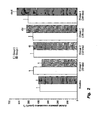
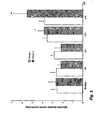
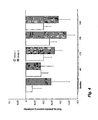
- this "minor trauma" model the effects of different dosages of intravenously administered ⁇ -KGA and ammonium chloride on plasma concentration and splanchnic and hind leg skeletal muscle turnover of glutamine, glutamate, alanine, arginine, urea and ammonium were investigated.
- the present inventors investigated the dose-response effects of intravenous administration of ⁇ -KGA and ammonium, especially the immediate effects on the splanchnic and skeletal muscle turnover as well as plasma concentrations of glutamine, glutamate, alanine, arginine and ammonium.
- a pair of pharmaceutical agents selected from (a) at least one of ⁇ -ketoglutarate and ⁇ -ketoglutaric acid and (b) ammonium, the amounts of the pair being effective to preserve skeletal muscle for the manufacture of a medicament for their concomitant administration in separate pharmaceutically acceptable carriers for preserving bodily protein stores in a catabolic patient.
- said use is in respect of a patient having undergone accidental trauma or surgery, intermittently or continuously, during a substantial portion of the posttraumatic/postoperative period in which he is in a catabolic state, such as during three days or more.
- a preferred constant dosing rate of ⁇ -KG or ⁇ -KGA in the use of the invention is from about 0.5 ⁇ mol ⁇ kg -1 ⁇ min -1 to about 15 ⁇ mol ⁇ kg -1 ⁇ min -1 .
- a preferred constant dosing rate of NH 4 + in the use of the invention is from about 1 ⁇ mol ⁇ kg -1 ⁇ min -1 to about 10 ⁇ mol ⁇ kg -1 ⁇ min -1 , the increase over a period of administration being preferably by a factor of from 2 to 5.
- a pharmaceutical dosage unit comprising a first pharmaceutical composition comprising at least one of ⁇ -ketoglutarate and ⁇ -ketoglutaric acid in a pharmaceutically acceptable carrier and a second pharmaceutical composition comprising ammonium in a pharmaceutically acceptable carrier, the total amount of the at least one of ⁇ -ketoglutarate and ⁇ -ketoglutaric acid and the ammonium being effective to preserve skeletal muscle.
- the experimental model used in this study represents a minor trauma inasmuch as the surgical interventions was limited to a few small incisions of the skin and the tissue damage therefore was kept to a minimum added to the stress of being anaesthetised. This being so, it can be assumed that the experimental set-up did not induce alterations in plasma concentration of amino acids otherwise seen after major (but not minor) surgery (11). The experimental period was short, only four hours, and it may be argued that it was too short for changes in the metabolism of proteins to manifest itself, but earlier reports (11, 12) have shown decreased plasma concentration of glutamine as early as 11 ⁇ 2 -21 ⁇ 2 hours after skin incision in patients undergoing major surgery.
- Plasma concentration of glutamate in Group 1 was, like glutamine, unaffected by the substrate infusion and in Group 2 there was an increase after 120 min, which was maintained for the duration of the experiment, compared to baseline.
- a possible interpretation of these results is that the glutamate concentration is controlled by a continuous amidation to glutamine. Turnover data for glutamate does not preclude such an interpretation.
- Alanine is a gluconeogenic amino acid and, as could be expected, plasma concentration of alanine decreased in both Groups in order to maintain blood glucose levels.
- Some mention of the fate of parenterally administered ammonium is in place. Normally, enteral ammonium is produced from the digestion of proteins and bacterial hydrolysis of urea. It is absorbed by the gut and after reaching the portal circulation, it is efficiently removed by the liver. Some of the parenterally administered ammonium, on the other hand, escapes the detoxifying action of the liver, and contributes to higher plasma concentration. In both Groups, the splanchnic ammonium uptake mirrored the delivered ammonium dosage. Skeletal muscle uptake, however, presented some unexpected findings in Group 1.
- EXAMPLE 1 Experimental animals . Sixteen piglets of a mixed breed (Hampshire, England and Swedish land race), of both sexes, weighing 20.9 to 33.2 kg (mean weight 25.6 kg), were used in this study. Food was withheld from the animals for twelve hours prior to the experiment, but they had free access to water.
- EXAMPLE 2 Anaesthesia was induced by an intramuscular injection of xylazine 2.2 mg ⁇ kg -1 , tiletamine 3 mg ⁇ kg -1 + zolazepam 3 mg ⁇ kg -1 and atropine 0.04 mg ⁇ kg -1 . In addition, all animals were given an intravenous bolus of morphine 1 mg ⁇ kg -1 and, following tracheotomy, pancuronium bromide 0.3 mg ⁇ kg -1 . For continuation, an infusion of sodium pentobarbital 8 mg ⁇ kg -1 ⁇ h -1 and pancuronium bromide 0.26 mg ⁇ kg -1 ⁇ h -1 was started immediately after induction.
- the animals received 10 mL ⁇ kg -1 of dextran 70 and 18 mL ⁇ kg -1 ⁇ h -1 of isotonic saline to maintain normovolaemia.
- the animals were killed with an overdose of potassium chloride.
- the animals were tracheotomised and ventilated through an 8 mm endotracheal tube (Mallincrodt Laboratories, Athlone, Ireland) with a Servo ventilator 900C (Siemens-Elema, Solna, Sweden). Ventilation was maintained at 25 breaths per minute with a positive end-expiratory pressure of 5 cm of H 2 O.
- Tidal volume was adjusted to keep arterial PCO 2 between 5.0 and 6.0 kPa.
- the inspired gas mixture during the surgical procedures was 30 % oxygen in nitrous oxide and 30 % oxygen in air during the experimental period.
- the body temperature was kept stable by means of a thermostat controlled heating pad and warmed intravenous infusions.
- a catheter was introduced in the left external jugular vein and advanced to the right hepatic vein under fluoroscopic control. Its position was confirmed by a contrast injection.
- the right external jugular vein was used for placement of a central venous catheter and a 7F pulmonary artery thermodilution catheter.
- An arterial catheter was inserted in a subclavian branch and advanced to a central position.
- a urinary catheter was placed in the bladder. A cutdown was made to place an ultrasonic flow probe (Transonic Systems Inc., Ithaca, N.Y., USA) around the femoral artery and to cannulate the femoral vein for blood sampling.
- an ultrasonic flow probe Transonic Systems Inc., Ithaca, N.Y., USA
- EXAMPLE 3 Blood analyses and other measurements. Arterial blood gases were analysed on an ABL300/OSM3 system (Radiometer, Copenhagen, Denmark). Amino acid concentration were analysed in arterial, hepatic and femoral venous plasma on a Pharmacia LKB Biochrom 20 Amino Acid Analyser (Pharmacia, Uppsala, Sweden), using continuous flow ion exchange chromatography. The column eluate was mixed with ninhydrin reagent for amino acid detection. Arterial and venous plasma urea and ammonium was analysed with routine enzymatic methods on a Hitachi 717 Automatic Analyser (Hitachi Ltd., Tokyo, Japan).
- Blood glucose was analysed on a Reflolux® II (Boehringer Mannheim, Germany), using the glucose-oxidase/peroxidase reaction.
- Arterial and hepatic venous blood was drawn for calculations of splanchnic blood flow.
- ECG, arterial and central venous pressure and cardiac output, were monitored and displayed on a Sirecust 1281 (Siemens Medical Electronics Inc., Danvers, MA, USA). Cardiac output was measured with the thermodilution technique using 10 mL of iced normal saline as indicator. The mean value of at least three measurements was adopted.
- EXAMPLE 4 Calculation of splanchnic blood flow was carried out according to the constant dye infusion technique (10).
- the dye indocyanine green (PULSION, Medical Systems, Kunststoff, Germany), was given intravenously at a rate of 0.17 mg ⁇ min -1 , which gave a stable arterial concentration of indocyanine green.
- Arterial and hepatic venous blood was drawn simultaneously and after centrifugation at 3000 rpm for 20 min, the indocyanine green plasma concentration was determined spectrophotometrically (Hitachi 101, Hitachi Ltd., Tokyo, Japan) at a wavelength of 805 nm.
- F P 1 C a - C v Arterial blood hematocrit (Erythrocyte Volume Fraction, EVF) was measured and the value added to the formula in order to calculate splanchnic blood flow:
- F B I C a - C v ⁇ 1 - EVF
- F P splanchnic plasma flow (mL ⁇ min -1 )
- F B splanchnic blood flow (mL ⁇ min -1 )
- I indocyanine green infusion rate (mg ⁇ min -1 )
- C ⁇ arterial plasma concentration of indocyanine green (mg ⁇ mL -1 )
- C ⁇ hepatic venous plasma concentration of indocyanine green (mg ⁇ mL -1 ).
- Femoral artery plasma flow was calculated as blood flow ⁇ (1-EVF).
- the turnover of amino acids, ammonium and urea were calculated as plasma flow times the arterio-venous plasma concentration difference
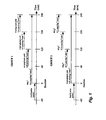
- EXAMPLE 5 Experimental protocol. After anaesthesia and surgical preparation the piglets were allowed a stabilisation period of one hour and randomly assigned to either Group 1 or Group 2. Blood sampling, measurements and pressure readings were made at 0 min (baseline), and at four different dosages in each Group, after 60 (dosage 1), 120 (dosage 2), 180 (dosage 3) and 240 min (dosage 4). The timeline and interventions of the experiment is shown in Fig. 1. It should be pointed out that during the first hour of the study period ammonium chloride alone was administered in Group 1 and ⁇ -KGA alone in Group 2.
- Group 1 Eight animals receiving an infusion of NH 4 Cl mixed with normal saline, at a constant rate of 12.3 ⁇ mol ⁇ kg -1 ⁇ min -1 for 240 minutes, commencing after the baseline measurements (0 min).
- the rate was 12.7 ⁇ mol ⁇ min -1 ⁇ kg -1 , 25.5 ⁇ mol ⁇ kg -1 ⁇ min -1 during the second hour (120-180 min) and 51.0 ⁇ mol ⁇ kg -1 ⁇ min -1 during the last hour (180-240 min) of infusion.
- EXAMPLE 6 Statistics. The data are presented as mean ⁇ SEM. Due to the small sample sizes in the study Groups we did not assume that the data were normally distributed. We therefore used nonparametric statistical tests. The Wilcoxon signed rank test was used for paired comparisons within each Group. Correlation between variables was tested with the Spearman rank correlation coefficient test. Differences were considered statistically significant if p ⁇ 0.05. The statistical calculations were performed with StatView® 5.0 (SAS Institute Inc., Cary, NC, USA) computer software.
- baseline cardiac output (C.O.) was 140 ⁇ 10 mL-min- 1 -kg- 1 , and splanchnic blood flow 51 ⁇ 7 mL ⁇ min -1 ⁇ kg -1 , and it did not change significantly.
- ⁇ -Ketoglutarate is a precursor of arginine and may as such be responsible for the 44% (Group 1) and 40% (Group 2) increase in arterial arginine concentration. Also, it was reported in a human study by Reaich et al. (20) that ammonium chloride induced acidosis was found to increase the plasma level of arginine and other amino acids but, in contrast to what is disclosed here, not of glutamine. There was a slight tendency for splanchnic uptake of arginine to switch to a net release after 180 min in Group 2 while in Group 1 no apparent effect on splanchnic turnover was observed.
- Hind leg exchange data was similar to that of the splanchnic bed with a significant switch to release after 180 min that was not present at the final measurement. Again, there was no effect on the hind leg uptake of arginine in Group 1.
- Ammonium The arterial ammonium concentration in Group 1, 36 ⁇ 2 ⁇ mol ⁇ L -1 , increased after 60 min infusion to a level which was maintained for the rest of the study period.
- the baseline ammonium concentration in Group 2 was 41 ⁇ 4 ⁇ mol ⁇ L -1 .
- the ammonium infusion started after the 60 min measurement and there was an increase after each change of the dose rate.
- Urea In Group 1 the arterial urea concentration did not change during the experiment, compared to 3.4 ⁇ 0.4 mmol ⁇ L -1 at baseline.
- Glutamate turnover There was a splanchnic release of 5.04 ⁇ 0.49 ⁇ mol ⁇ min -1 ⁇ kg -1 glutamate in Group 1 at baseline. The glutamate release at 240 min was significantly lower than was seen with all other dosages. In Group 2, the different dosages did not change the baseline glutamate release of 6.58 ⁇ 0.52 ⁇ mol ⁇ min -1 ⁇ kg -1 . Skeletal muscle turnover of glutamate at baseline presented a net uptake of 0.19 ⁇ 0.03 ⁇ mol ⁇ min -1 ⁇ kg -1 in Group 1 and 0.30 ⁇ 0.05 ⁇ mol ⁇ min -1 ⁇ kg -1 in Group 2.
- Hind leg ammonium turnover in Group 1 was near zero at baseline with only a small uptake of 0.02 ⁇ 0.03 ⁇ mol ⁇ min -1 ⁇ kg -1 which was significantly increased after 60, 120 and 180 min and then decreased to almost baseline level, 0.05 ⁇ 0.09 ⁇ mol ⁇ min -1 ⁇ kg -1 , after 240 min.
Landscapes
- Health & Medical Sciences (AREA)
- Chemical & Material Sciences (AREA)
- Medicinal Chemistry (AREA)
- Pharmacology & Pharmacy (AREA)
- Life Sciences & Earth Sciences (AREA)
- Animal Behavior & Ethology (AREA)
- General Health & Medical Sciences (AREA)
- Public Health (AREA)
- Veterinary Medicine (AREA)
- Epidemiology (AREA)
- Engineering & Computer Science (AREA)
- Bioinformatics & Cheminformatics (AREA)
- Chemical Kinetics & Catalysis (AREA)
- General Chemical & Material Sciences (AREA)
- Nuclear Medicine, Radiotherapy & Molecular Imaging (AREA)
- Organic Chemistry (AREA)
- Diabetes (AREA)
- Hematology (AREA)
- Obesity (AREA)
- Acyclic And Carbocyclic Compounds In Medicinal Compositions (AREA)
- Medicinal Preparation (AREA)
- Peptides Or Proteins (AREA)
Claims (21)
- Verwendung eines Paars pharmazeutischer Mittel ausgewählt unter (a) mindestens einem von α-Ketoglutarat und α-Ketoglutarsäure und (b) Ammonium, wobei die Mengen des Paars zur Aufrechterhaltung des Skelettmuskels wirksam sind, zur Herstellung eines Medikaments, für deren gleichzeitige Verabreichung in getrennten, pharmazeutisch annehmbaren Trägem, zur Aufrechterhaltung von Körperprotein-Speichern in einem katabolischen Patienten.
- Verwendung nach Anspruch 1, wobei die Verwendung von (a) oder (b) oder beiden mehr als eine Stunde andauert.
- Verwendung nach Anspruch 1, wobei die Verabreichung von Ammonium für mehr als eine Stunde andauert.
- Verwendung nach Anspruch 2, wobei die gleichzeitige Verabreichung mehr als 6 Stunden, jedoch weniger als 36 Stunden andauert.
- Verwendung nach Anspruch 1, wobei die Verabreichung an einem Patienten erfolgt, der ein Unfalltrauma oder eine Operation erfahren hat, und wobei die Verabreichung unterbrochen oder kontinuierlich für mindestens drei Tage während der posttraumatischen/postoperativen Zeitspanne, in dem sich der Patient in einem katabolischen Zustand befindet, erfolgt.
- Verwendung nach Anspruch 1, wobei die Verabreichung mittels Infusion erfolgt.
- Verwendung nach Anspruch 6, wobei die Menge an an (a) verabreichter Infusion von 0,02 µmol/kg x min bis 30 µmol/kg x min ist.
- Verwendung nach Anspruch 7, wobei die Menge an an (a) verabreichter Infusion von 0,5 µmol/kg x min bis 15 µmol/kg x min ist.
- Verwendung nach Anspruch 6, wobei die Menge an NH4+ verabreichter Infusion von 0,5 µmol/kg x min bis 20 µmol/kg x min ist.
- Verwendung nach Anspruch 9, wobei die Menge an NH4+ verabreichter Infusion von 1 µmol/kg x min bis 10 µmol/kg x min ist.
- Verwendung nach Anspruch 9, wobei die Menge an NH4+ verabreichter Infusion über die Zeitspanne der Verabreichung erhöht wird.
- Verwendung nach Anspruch 11, wobei die Menge an an (a) verabreichter Infusion von 0,02 µmol/kg x min bis 30 µ/kg x min ist.
- Verwendung nach Anspruch 11, wobei der Anstieg um einen Faktor von 1,5 bis 8 erfolgt.
- Verwendung nach Anspruch 13, wobei der Anstieg um einen Faktor von 2 bis 5 erfolgt.
- Verwendung nach Anspruch 1, wobei das Ammonium Ammoniumchlorid ist.
- Pharmazeutische Dosierungseinheit, welche eine erste pharmazeutische Zusammensetzung umfasst, die mindestens eines von α-Ketoglutarat und α-Ketoglutarsäure in einem pharmazeutisch annehmbaren Träger enthält, und eine zweite pharmazeutische Zusammensetzung umfasst, welche Ammonium in einem pharmazeutisch annehmbaren Träger enthält, wobei die Gesamtmenge von mindestens einem von α-Ketoglutarat und α-Ketoglutarsäure und Ammonium wirksam ist, um den Skelettmuskel zu erhalten.
- Dosierungseinheit nach Anspruch 16, worin die Menge von mindestens einem von α-Ketoglutarat und α-Ketoglutarsäure für eine Infusion bei einer Menge von 0,2 µmol/kg x min bis 30 µmol/kg x min ist, und worin die Menge an NH4+ für eine Infusion in einer Geschwindigkeit von 0,5 µmol/kg x min bis 20 µmol/kg x min ist.
- Einheit nach Anspruch 16, worin beide Träger Infusionsträger sind.
- Einheit nach Anspruch 16, worin beide Träger orale Träger sind.
- Einheit nach Anspruch 16, worin das α-Ketoglutarat in Form dessen Natriumsalzes vorliegt.
- Einheit nach Anspruch 16, worin das Ammonium Ammoniumchlorid ist.
Applications Claiming Priority (3)
| Application Number | Priority Date | Filing Date | Title |
|---|---|---|---|
| US773394 | 1991-10-08 | ||
| US09/773,394 US20020147237A1 (en) | 2001-01-31 | 2001-01-31 | Preservation of bodily protein |
| PCT/SE2002/000141 WO2002060429A1 (en) | 2001-01-31 | 2002-01-28 | Preservation of body protein |
Publications (2)
| Publication Number | Publication Date |
|---|---|
| EP1363615A1 EP1363615A1 (de) | 2003-11-26 |
| EP1363615B1 true EP1363615B1 (de) | 2007-01-03 |
Family
ID=25098127
Family Applications (1)
| Application Number | Title | Priority Date | Filing Date |
|---|---|---|---|
| EP02716527A Expired - Lifetime EP1363615B1 (de) | 2001-01-31 | 2002-01-28 | Erhaltung von körpereigenen proteinen |
Country Status (5)
| Country | Link |
|---|---|
| US (1) | US20020147237A1 (de) |
| EP (1) | EP1363615B1 (de) |
| AT (1) | ATE350026T1 (de) |
| DE (1) | DE60217302D1 (de) |
| WO (1) | WO2002060429A1 (de) |
Families Citing this family (1)
| Publication number | Priority date | Publication date | Assignee | Title |
|---|---|---|---|---|
| PL368573A1 (en) * | 2004-06-17 | 2005-12-27 | Sgp & Sons Ab | Pharmaceutical compound influencing growth and mineralization processes in the axial and the appendicular skeleton as well as bone diseases of mature years among humans and animals as well as application of the pharmaceutical compound in the process of growth and mineralization of axial and appendicular skeleton and bone diseases of mature years among humans and animals |
Family Cites Families (6)
| Publication number | Priority date | Publication date | Assignee | Title |
|---|---|---|---|---|
| EP0250559A1 (de) * | 1985-12-18 | 1988-01-07 | VEECH, Richard L. | Parenterale nahrungstherapie mit aminosäuren |
| SE8704217D0 (sv) * | 1987-10-29 | 1987-10-29 | Vinnars Erik Ab | Aminosyrakomposition for parenteral neringstillforsel |
| SE462463B (sv) * | 1988-12-02 | 1990-07-02 | Decken Alexandra V D | Livs- och fodermedel innehaallande ketosyror |
| US5219330A (en) * | 1991-11-26 | 1993-06-15 | Imed Corporation | Method and apparatus for preprogrammed infusion of iv medicaments |
| SE9201584D0 (sv) * | 1992-05-20 | 1992-05-20 | Vinnars Erik Ab | Use of alpha-ketoglutarate |
| JP3467290B2 (ja) * | 1993-08-12 | 2003-11-17 | 第一製網株式会社 | 養殖海苔の雑藻・病害駆除剤 |
-
2001
- 2001-01-31 US US09/773,394 patent/US20020147237A1/en not_active Abandoned
-
2002
- 2002-01-28 WO PCT/SE2002/000141 patent/WO2002060429A1/en not_active Ceased
- 2002-01-28 DE DE60217302T patent/DE60217302D1/de not_active Expired - Fee Related
- 2002-01-28 AT AT02716527T patent/ATE350026T1/de not_active IP Right Cessation
- 2002-01-28 EP EP02716527A patent/EP1363615B1/de not_active Expired - Lifetime
Also Published As
| Publication number | Publication date |
|---|---|
| ATE350026T1 (de) | 2007-01-15 |
| WO2002060429A1 (en) | 2002-08-08 |
| US20020147237A1 (en) | 2002-10-10 |
| EP1363615A1 (de) | 2003-11-26 |
| DE60217302D1 (de) | 2007-02-15 |
Similar Documents
| Publication | Publication Date | Title |
|---|---|---|
| Clemmesen et al. | Splanchnic and leg exchange of amino acids and ammonia in acute liver failure | |
| Batshaw et al. | Treatment of hyperammonemic coma caused by inborn errors of urea synthesis | |
| Mayer et al. | Working capacity is increased following recombinant human erythropoietin treatment | |
| Shaw et al. | Whole body protein kinetics in severely septic patients. The response to glucose infusion and total parenteral nutrition | |
| Biolo et al. | Inhibition of muscle glutamine formation in hypercatabolic patients | |
| AUSTGEN et al. | The effects of glutamine-enriched total parenteral nutrition on tumor growth and host tissues | |
| Boozer et al. | Synergy of sibutramine and low-dose leptin in treatment of diet-induced obesity in rats | |
| Tessari et al. | Phenylalanine hydroxylation across the kidney in humans rapid communication | |
| Lobley et al. | Transfers of N metabolites across the ovine liver in response to short-term infusions of an amino acid mixture into the mesenteric vein | |
| Nordgren et al. | Glutamine concentration and tissue exchange with intravenously administered α-ketoglutaric acid and ammonium: a dose-response study in the pig | |
| Zheng et al. | Acute effects of peritoneal dialysis solutions on appetite in non-uremic rats | |
| Thörne et al. | Beta‐adrenergic blockade does not influence the thermogenic response to a mixed meal in man | |
| Van Lanschot et al. | The effects of tumor necrosis factor on intestinal structure and metabolism | |
| Smulders et al. | Haemodynamic and biochemical responses to L-arginine and L-lysine infusions in normal subjects: L-arginine-induced vasodilatation cannot be explained by non-specific effects of cationic amino acids | |
| EP1363615B1 (de) | Erhaltung von körpereigenen proteinen | |
| Aksnes et al. | Glucose-induced thermogenesis in tetraplegic patients with low sympathoadrenal activity | |
| Yu et al. | Energy metabolism in exertional heat stroke with acute renal failure. | |
| Salleh et al. | Effects of epidermal growth factor and glutamine-supplemented parenteral nutrition on the small bowel of septic rats | |
| US5310768A (en) | Method for improving the glutamine content in skeletal muscle and composition therefore | |
| Strauss | The effect of hyperventilation upon cerebral blood flow and metabolism in patients with fulminant hepatic failure | |
| Sakurai et al. | Effect of tumor necrosis factor on substrate and amino acid kinetics in conscious dogs | |
| Han et al. | Effects of nutrient supply and dietary bulk on O2 uptake and nutrient net fluxes across rumen, mesenteric-and portal-drained viscera in ewes | |
| JPH06509362A (ja) | アルファ−ケトルグルタル酸塩の用法 | |
| Nakagawa et al. | Comparison of the alkalizing effects of bicarbonate precursors in calves with experimentally induced metabolic acidosis | |
| Briassoulis et al. | Nutritional-metabolic factors affecting nitrogen balance and substrate utilization in the critically ill |
Legal Events
| Date | Code | Title | Description |
|---|---|---|---|
| PUAI | Public reference made under article 153(3) epc to a published international application that has entered the european phase |
Free format text: ORIGINAL CODE: 0009012 |
|
| 17P | Request for examination filed |
Effective date: 20030826 |
|
| AK | Designated contracting states |
Kind code of ref document: A1 Designated state(s): AT BE CH CY DE DK ES FI FR GB GR IE IT LI LU MC NL PT SE TR |
|
| AX | Request for extension of the european patent |
Extension state: AL LT LV MK RO SI |
|
| 17Q | First examination report despatched |
Effective date: 20050411 |
|
| GRAP | Despatch of communication of intention to grant a patent |
Free format text: ORIGINAL CODE: EPIDOSNIGR1 |
|
| RAP1 | Party data changed (applicant data changed or rights of an application transferred) |
Owner name: NORDGREN, ANDERS Owner name: WIKLUND, LARS Owner name: KARLSSON, TORBJOERN |
|
| RIN1 | Information on inventor provided before grant (corrected) |
Inventor name: NORDGREN, ANDERS Inventor name: KARLSSON, TORBJOERN Inventor name: WIKLUND, LARS |
|
| GRAS | Grant fee paid |
Free format text: ORIGINAL CODE: EPIDOSNIGR3 |
|
| GRAA | (expected) grant |
Free format text: ORIGINAL CODE: 0009210 |
|
| AK | Designated contracting states |
Kind code of ref document: B1 Designated state(s): AT BE CH CY DE DK ES FI FR GB GR IE IT LI LU MC NL PT SE TR |
|
| PG25 | Lapsed in a contracting state [announced via postgrant information from national office to epo] |
Ref country code: AT Free format text: LAPSE BECAUSE OF FAILURE TO SUBMIT A TRANSLATION OF THE DESCRIPTION OR TO PAY THE FEE WITHIN THE PRESCRIBED TIME-LIMIT Effective date: 20070103 Ref country code: LI Free format text: LAPSE BECAUSE OF FAILURE TO SUBMIT A TRANSLATION OF THE DESCRIPTION OR TO PAY THE FEE WITHIN THE PRESCRIBED TIME-LIMIT Effective date: 20070103 Ref country code: DK Free format text: LAPSE BECAUSE OF FAILURE TO SUBMIT A TRANSLATION OF THE DESCRIPTION OR TO PAY THE FEE WITHIN THE PRESCRIBED TIME-LIMIT Effective date: 20070103 Ref country code: FI Free format text: LAPSE BECAUSE OF FAILURE TO SUBMIT A TRANSLATION OF THE DESCRIPTION OR TO PAY THE FEE WITHIN THE PRESCRIBED TIME-LIMIT Effective date: 20070103 Ref country code: NL Free format text: LAPSE BECAUSE OF FAILURE TO SUBMIT A TRANSLATION OF THE DESCRIPTION OR TO PAY THE FEE WITHIN THE PRESCRIBED TIME-LIMIT Effective date: 20070103 Ref country code: CH Free format text: LAPSE BECAUSE OF FAILURE TO SUBMIT A TRANSLATION OF THE DESCRIPTION OR TO PAY THE FEE WITHIN THE PRESCRIBED TIME-LIMIT Effective date: 20070103 |
|
| REG | Reference to a national code |
Ref country code: GB Ref legal event code: FG4D |
|
| PG25 | Lapsed in a contracting state [announced via postgrant information from national office to epo] |
Ref country code: MC Free format text: LAPSE BECAUSE OF NON-PAYMENT OF DUE FEES Effective date: 20070131 |
|
| REF | Corresponds to: |
Ref document number: 60217302 Country of ref document: DE Date of ref document: 20070215 Kind code of ref document: P |
|
| REG | Reference to a national code |
Ref country code: IE Ref legal event code: FG4D |
|
| PG25 | Lapsed in a contracting state [announced via postgrant information from national office to epo] |
Ref country code: SE Free format text: LAPSE BECAUSE OF FAILURE TO SUBMIT A TRANSLATION OF THE DESCRIPTION OR TO PAY THE FEE WITHIN THE PRESCRIBED TIME-LIMIT Effective date: 20070403 |
|
| PG25 | Lapsed in a contracting state [announced via postgrant information from national office to epo] |
Ref country code: ES Free format text: LAPSE BECAUSE OF FAILURE TO SUBMIT A TRANSLATION OF THE DESCRIPTION OR TO PAY THE FEE WITHIN THE PRESCRIBED TIME-LIMIT Effective date: 20070414 |
|
| PG25 | Lapsed in a contracting state [announced via postgrant information from national office to epo] |
Ref country code: PT Free format text: LAPSE BECAUSE OF FAILURE TO SUBMIT A TRANSLATION OF THE DESCRIPTION OR TO PAY THE FEE WITHIN THE PRESCRIBED TIME-LIMIT Effective date: 20070604 |
|
| NLV1 | Nl: lapsed or annulled due to failure to fulfill the requirements of art. 29p and 29m of the patents act | ||
| REG | Reference to a national code |
Ref country code: CH Ref legal event code: PL |
|
| PG25 | Lapsed in a contracting state [announced via postgrant information from national office to epo] |
Ref country code: DE Free format text: LAPSE BECAUSE OF NON-PAYMENT OF DUE FEES Effective date: 20070801 |
|
| EN | Fr: translation not filed | ||
| PLBE | No opposition filed within time limit |
Free format text: ORIGINAL CODE: 0009261 |
|
| STAA | Information on the status of an ep patent application or granted ep patent |
Free format text: STATUS: NO OPPOSITION FILED WITHIN TIME LIMIT |
|
| 26N | No opposition filed |
Effective date: 20071005 |
|
| GBPC | Gb: european patent ceased through non-payment of renewal fee |
Effective date: 20070403 |
|
| PG25 | Lapsed in a contracting state [announced via postgrant information from national office to epo] |
Ref country code: BE Free format text: LAPSE BECAUSE OF FAILURE TO SUBMIT A TRANSLATION OF THE DESCRIPTION OR TO PAY THE FEE WITHIN THE PRESCRIBED TIME-LIMIT Effective date: 20070103 |
|
| PG25 | Lapsed in a contracting state [announced via postgrant information from national office to epo] |
Ref country code: IE Free format text: LAPSE BECAUSE OF NON-PAYMENT OF DUE FEES Effective date: 20070129 |
|
| PG25 | Lapsed in a contracting state [announced via postgrant information from national office to epo] |
Ref country code: IT Free format text: LAPSE BECAUSE OF FAILURE TO SUBMIT A TRANSLATION OF THE DESCRIPTION OR TO PAY THE FEE WITHIN THE PRESCRIBED TIME-LIMIT Effective date: 20070103 Ref country code: GB Free format text: LAPSE BECAUSE OF NON-PAYMENT OF DUE FEES Effective date: 20070403 Ref country code: GR Free format text: LAPSE BECAUSE OF FAILURE TO SUBMIT A TRANSLATION OF THE DESCRIPTION OR TO PAY THE FEE WITHIN THE PRESCRIBED TIME-LIMIT Effective date: 20070404 Ref country code: FR Free format text: LAPSE BECAUSE OF FAILURE TO SUBMIT A TRANSLATION OF THE DESCRIPTION OR TO PAY THE FEE WITHIN THE PRESCRIBED TIME-LIMIT Effective date: 20070824 |
|
| PG25 | Lapsed in a contracting state [announced via postgrant information from national office to epo] |
Ref country code: FR Free format text: LAPSE BECAUSE OF FAILURE TO SUBMIT A TRANSLATION OF THE DESCRIPTION OR TO PAY THE FEE WITHIN THE PRESCRIBED TIME-LIMIT Effective date: 20070103 |
|
| PG25 | Lapsed in a contracting state [announced via postgrant information from national office to epo] |
Ref country code: CY Free format text: LAPSE BECAUSE OF FAILURE TO SUBMIT A TRANSLATION OF THE DESCRIPTION OR TO PAY THE FEE WITHIN THE PRESCRIBED TIME-LIMIT Effective date: 20070103 |
|
| PG25 | Lapsed in a contracting state [announced via postgrant information from national office to epo] |
Ref country code: LU Free format text: LAPSE BECAUSE OF NON-PAYMENT OF DUE FEES Effective date: 20070128 |
|
| PG25 | Lapsed in a contracting state [announced via postgrant information from national office to epo] |
Ref country code: TR Free format text: LAPSE BECAUSE OF FAILURE TO SUBMIT A TRANSLATION OF THE DESCRIPTION OR TO PAY THE FEE WITHIN THE PRESCRIBED TIME-LIMIT Effective date: 20070103 |