EP1352655A1 - Remedies for bone marrow suppression and infectious diseases and white blood cell count elevating agents - Google Patents
Remedies for bone marrow suppression and infectious diseases and white blood cell count elevating agents Download PDFInfo
- Publication number
- EP1352655A1 EP1352655A1 EP02715751A EP02715751A EP1352655A1 EP 1352655 A1 EP1352655 A1 EP 1352655A1 EP 02715751 A EP02715751 A EP 02715751A EP 02715751 A EP02715751 A EP 02715751A EP 1352655 A1 EP1352655 A1 EP 1352655A1
- Authority
- EP
- European Patent Office
- Prior art keywords
- sulphostin
- medicament
- bone marrow
- treatment
- leukocytes
- Prior art date
- Legal status (The legal status is an assumption and is not a legal conclusion. Google has not performed a legal analysis and makes no representation as to the accuracy of the status listed.)
- Withdrawn
Links
Images

Classifications
-
- A—HUMAN NECESSITIES
- A61—MEDICAL OR VETERINARY SCIENCE; HYGIENE
- A61K—PREPARATIONS FOR MEDICAL, DENTAL OR TOILETRY PURPOSES
- A61K31/00—Medicinal preparations containing organic active ingredients
- A61K31/66—Phosphorus compounds
- A61K31/675—Phosphorus compounds having nitrogen as a ring hetero atom, e.g. pyridoxal phosphate
-
- A—HUMAN NECESSITIES
- A61—MEDICAL OR VETERINARY SCIENCE; HYGIENE
- A61P—SPECIFIC THERAPEUTIC ACTIVITY OF CHEMICAL COMPOUNDS OR MEDICINAL PREPARATIONS
- A61P19/00—Drugs for skeletal disorders
- A61P19/08—Drugs for skeletal disorders for bone diseases, e.g. rachitism, Paget's disease
-
- A—HUMAN NECESSITIES
- A61—MEDICAL OR VETERINARY SCIENCE; HYGIENE
- A61P—SPECIFIC THERAPEUTIC ACTIVITY OF CHEMICAL COMPOUNDS OR MEDICINAL PREPARATIONS
- A61P31/00—Antiinfectives, i.e. antibiotics, antiseptics, chemotherapeutics
-
- A—HUMAN NECESSITIES
- A61—MEDICAL OR VETERINARY SCIENCE; HYGIENE
- A61P—SPECIFIC THERAPEUTIC ACTIVITY OF CHEMICAL COMPOUNDS OR MEDICINAL PREPARATIONS
- A61P35/00—Antineoplastic agents
-
- A—HUMAN NECESSITIES
- A61—MEDICAL OR VETERINARY SCIENCE; HYGIENE
- A61P—SPECIFIC THERAPEUTIC ACTIVITY OF CHEMICAL COMPOUNDS OR MEDICINAL PREPARATIONS
- A61P39/00—General protective or antinoxious agents
- A61P39/02—Antidotes
-
- A—HUMAN NECESSITIES
- A61—MEDICAL OR VETERINARY SCIENCE; HYGIENE
- A61P—SPECIFIC THERAPEUTIC ACTIVITY OF CHEMICAL COMPOUNDS OR MEDICINAL PREPARATIONS
- A61P43/00—Drugs for specific purposes, not provided for in groups A61P1/00-A61P41/00
-
- A—HUMAN NECESSITIES
- A61—MEDICAL OR VETERINARY SCIENCE; HYGIENE
- A61P—SPECIFIC THERAPEUTIC ACTIVITY OF CHEMICAL COMPOUNDS OR MEDICINAL PREPARATIONS
- A61P7/00—Drugs for disorders of the blood or the extracellular fluid
-
- A—HUMAN NECESSITIES
- A61—MEDICAL OR VETERINARY SCIENCE; HYGIENE
- A61P—SPECIFIC THERAPEUTIC ACTIVITY OF CHEMICAL COMPOUNDS OR MEDICINAL PREPARATIONS
- A61P7/00—Drugs for disorders of the blood or the extracellular fluid
- A61P7/06—Antianaemics
Definitions
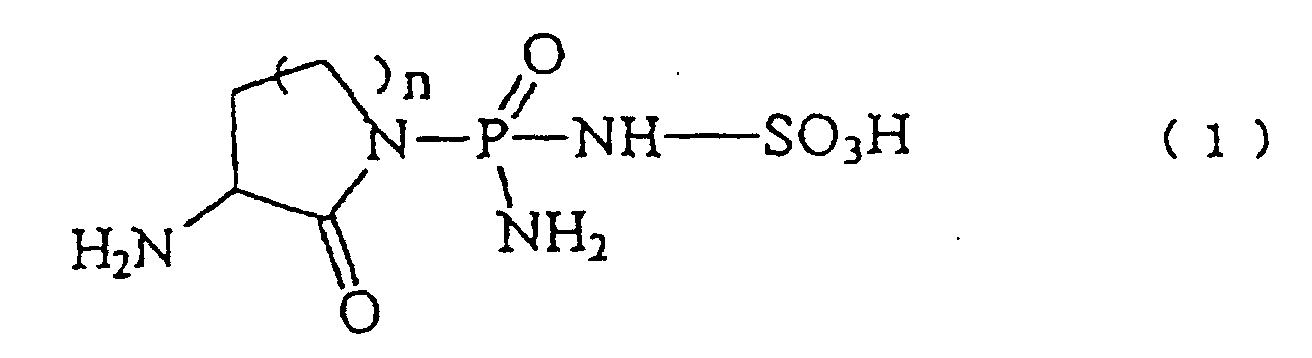
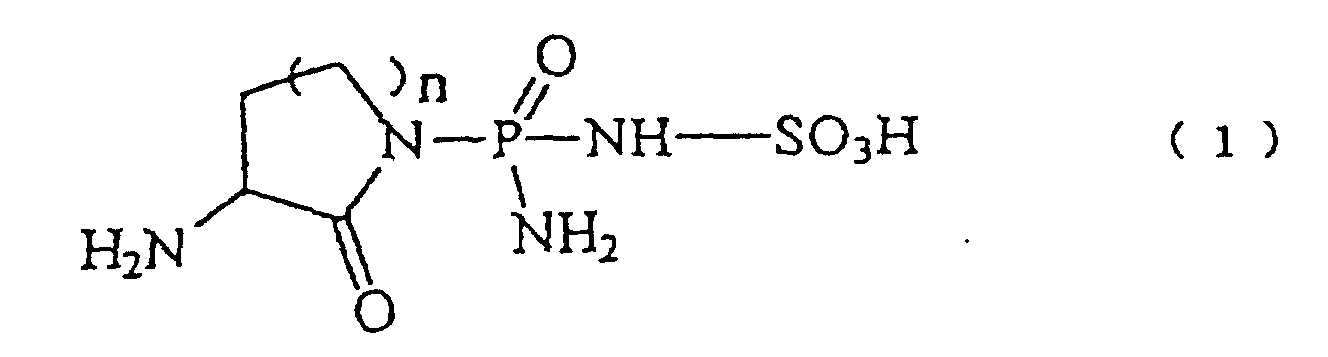
- the present invention relates to a medicament for prophylaxis or treatment of bone marrow suppression, for treatment of infectious diseases and for increasing the number of leukocytes, which contain a sulphostin-related compound or a pharmacologically acceptable salt thereof as an active ingredient.
- the mechanisms of the onset of leukopenia among them are classified into those involving a decrease in leukocyte production and those involving the acceleration of leukocyte destruction.
- causes for the decrease in leukocyte production include congenital diseases, irradiation with radiation, hypoplastic anemia, administration of an antitumor agent or antibiotic, etc.
- causes for the acceleration of leukocyte destruction include infectious diseases, immunological abnormalities, etc.
- G-CSF granulocyte colony-stimulating factor
- macrophage-colony stimulating factor macrophage-colony stimulating factor
- erythropoietin is used for treating erythropenia.
- interleukin-6, interleukin-11, thrombopoietin and the like as medicine is in progress for treating thrombocytopenia.
- interleukin-3, granulocyte-macrophage-colony stimulating factor (GM-CSF) and the like as therapeutic agent for bone marrow suppression is in progress.
- JP-B-1-40036 compounds formed by the substitution of an N-acyl-N-alkylamino group at the 1-position of a sugar are known (JP-B-1-40036) as compounds having defensive effect on infectious diseases caused by bacteria, fungi, etc.
- Sulphostin can be obtained by culturing a microorganism belonging to the genus Streptomyses and compounds analogous thereto can be obtained by chemical synthesis. Sulphostin and the analogous compounds thereto are hereinafter referred to as sulphostin-related compounds. These sulphostin-related compounds have an inhibitory effect on dipeptidyl peptidase IV and hence are expected as physiologically active substances such as, for example, an immunomodulator, a hormone modulator, an anti-HIV agent, an antiallergic agent, an anti-inflammatory agent and an antirheumatic agent WO 99/25719 and JP-A-2000-327689).
- the present invention is intended to provide a novel medicament for prophylaxis or treatment of bone marrow suppression, for treatment of infectious diseases and for increasing the number of leukocytes.
- the present inventors earnestly investigated using a bone marrow suppression model induced by an anticancer agent. Consequently, the present inventors confirmed the leucopenia-curing effect of sulphostin-related compounds represented by general formula (I), and found that these compounds can be used as a medicament for prophylaxis or treatment of bone marrow suppression. In addition, the present inventors confirmed that the aforesaid sulphostin-related compounds are effective in increasing the number of leukocytes in a normal mouse. They found that these compounds can be used as a medicament for increasing the number of leukocytes and also that the compounds can be used as an active ingredient of a medicament for treatment of infectious diseases.
- sulphostin-related compounds represented by general formula (I)
- the present inventors confirmed that the aforesaid sulphostin-related compounds are effective in increasing the number of leukocytes in a normal mouse. They found that these compounds can be used as a medicament for increasing the number of leukocytes and also that the compounds can
- the present invention relates to the following items (1) to (9).
- Fig. 1 shows an increase in blood G-CSF level caused by sulphostin.
- the term "medicament for prophylaxis or treatment of bone marrow suppression” used herein means a medicament that can treat leukopenia, erythropenia and thrombocytopenia by inducing the production of blood cells such as leukocytes, erythrocytes and thrombocytes in the body when administered to a human being or an animal.
- a medicament is for prophylaxis or treatment of, for example, bone marrow suppression caused by radiotherapy, bone marrow transplantation, chemotherapy to cancer, an antibiotic or the like; and anemias such as renal anemia, hemorrhagic anemia, hemolytic anemia, deficiency anemia and the like.
- Such a medicament can be also used in the case of hypoplastic anemia, thrombocytopenia, leukopenia caused by an infectious disease, a viral disease, trophopathy or the like, exanthema thrombocytopenic purpura and the like.
- the medicament is preferably used in the case of leukopenia.
- the term "medicament for increasing the number of leukocytes” used herein means a medicament having a property of increasing the production of leukocytes in the body.
- Such a medicament can be used for prophylaxis and treatment of various diseases due to a decrease in leukocyte production caused by a congenital disease, irradiation with radiation, hypoplastic anemia, an antitumor agent, an antibiotic or the like, and various diseases due to the acceleration of leukocyte destruction by an infectious disease, an immunological abnormality or the like.
- the medicament for increasing the number of leukocytes can be used, for example, for prophylaxis and treatment of a decrease in the number of leukocytes in the blood or a medicament for treating an infectious disease by increasing the number of leukocytes in the blood than normal conditions.
- the term "medicament for treatment of infectious diseases” means a medicament capable of increasing the production of leukocytes in the body to heighten defensive effect on, for example, bacterial or fungous infection or exert its therapeutic effect.
- the leukocytes include, for example, neutrophil, eosinophil, basophil, monocyte and lymphocyte.
- the sulphostin-related compound of general formula (I) used in the present invention can be produced by the production process disclosed in WO 99/25719 or JP-A-2000-327689.
- n is an integer of 0 to 3, preferably 1 to 3.
- the compound of general formula (I) has optically active sites (chiral centers) at the ring-constituting carbon atom (C) at the joint of the amino group and at the phosphorus atom (P).
- the compound according to the present invention also includes optical isomers and racemic modifications due to each of the optically active sites.
- the compound of general formula (I) may be administered in the form of a pharmacologically acceptable salt when used in a medicament for prophylaxis or treatment of bone marrow suppression, for treatment of infectious diseases or for increasing the number of leukocytes.
- the salt includes, for example, salts with inorganic acids such as hydrochloric acid, sulfuric acid, phosphoric acid and the like; salts with organic acids such as p-toluenesulfonic acid and the like; salts with inorganic metals such as Na, K, Ca and the like; and salts with organic amines such as methylamine, ethylamine, diethanolamine and the like.
- sulphostin-related compound or pharmacologically acceptable salt thereof of the present invention is used in the medicament for prophylaxis or treatment of bone marrow suppression, for treatment of infectious diseases or for increasing the number of leukocytes
- various conventional methods can be adopted for the formulation and administration of said compound or salt thereof.
- injection, oral administration, rectal administration and the like are possible.
- pharmaceutical form of said compound or salt thereof forms such as an injection, powder, granules, tablets, suppository and the like may be employed.
- various pharmaceutical adjuvants namely, carriers and other auxiliaries such as a stabilizer, antiseptic, soothing agent, emulsifier, etc. may be used if necessary so long as they have no undesirable influence on the sulphostin-related compound.
- the content of the sulphostin-related compound or pharmacologically acceptable salt thereof in the pharmaceutical preparation obtained by the formulation can be varied in a wide range, depending on the pharmaceutical form and the like.
- the pharmaceutical preparation contains 0.01 to 100 wt%, preferably 0.1 to 70 wt%, of sulphostin or a salt thereof and the balance of a conventional pharmaceutical carrier and other adjuvants.
- the dose of the sulphostin-related compound or pharmacologically acceptable salt thereof is approximately 0.01 to 800 mg a day for adult.
- the dose per day is preferably low.
- the sulphostin-related compound as the medicament for prophylaxis or treatment of bone marrow suppression or for increasing the number of leukocytes of the present invention can be preventively administered to a patient who is expected to suffer from bone marrow suppression or the like. It is well known that the functions of bone marrow are very frequently suppressed, for example, when various diseases are treated by employing radiotherapy, an antitumor agent or an antibiotic. When such a patient who is expected to suffer from the suppression of functions of the bone marrow is cured with the sulphostin-related compound, it can be allowed to exert its prophylactic effect by its pre-administration or administration at the time of treatment.
- ICR strain male mice (Crj : CD-1) aged 8 weeks were used in the test. The animals were divided into three groups of 3 or 4 animals per group.
- cyclophosphamide was intraperitoneally administered once to all the groups in a dose of 200 mg/kg. From the next day, the following were intravenously and repeatedly administered to the groups, respectively, for 5 days (Day 1 to 5); the first group (a control group): physiological saline, the second group: sulphostin (30 mg/kg/day), and the third group: sulphostin (100 mg/kg/day).
- Blood was drawn from the posterior-eyehole venous plexus on Day 0 (before the administration of cyclophosphamide) and Days 2, 4, 6 and 8 (the blood drawing, however, was carried out only on Days 0, 4 and 6 in the case of the second group), and the number of leukocytes was periodically measured to investigate the leukocyte-increasing effect of sulphostin relative to a decrease of leukocytes caused by cyclophosphamide.
- the numbers of leukocytes of the control group were 100, 26, 26, 48 and 154% on Days 0, 2, 4, 6 and 8, respectively; the numbers of leukocytes of the sulphostin (30 mg/kg/day)-treated group were 100, 30 and 95% on Days 0, 4 and 6, respectively; and the numbers of leukocytes of the sulphostin (100 mg/kg/day)-treated group were 100, 55, 26, 126 and 668% on Days 0, 2, 4, 6 and 8, respectively.
- This fact reveals that the restoration of the number of leukocytes to the initial value after the administration of cyclophosphamide requires 8 days in the case of the control group and that the restoration requires only 6 days, namely, the restoration is faster, in the case of the sulphostin-treated groups.
- the data on Day 8 reveals that sulphostin is very effective in increasing the number of leukocytes.
- ICR strain male mice (Crj : CD-1) aged 7 weeks were used in the test.
- the animals were divided into 5 groups of 4 animals per group. The following were intravenously and repeatedly administered to the groups, respectively, for 5 days; the first group: physiological saline as solvent, the second group: sulphostin (2 mg/kg/day), the third group: sulphostin (10 mg/kg/day), the fourth group: sulphostin (50 mg/kg/day), and the fifth group: sulphostin (250 mg/kg/day).
- the first group physiological saline as solvent
- the second group sulphostin (2 mg/kg/day)
- the third group sulphostin (10 mg/kg/day)
- the fourth group sulphostin (50 mg/kg/day)
- the fifth group sulphostin (250 mg/kg/day).
- blood was drawn from the abdominal aorta under anesthesia and the number of leukocytes was measured.
- Sulphostin increased the number of leukocytes to such an extent that the numbers of leukocytes of the sulphostin-treated groups were larger than that of the control group by the following factors; the sulphostin (2 mg/kg/day)-treated group: 1.4, the sulphostin (10 mg/kg/day)-treated group: 1.9, the sulphostin (50 mg/kg/day)-treated group: 4.9, and the sulphostin (250 mg/kg/day)-treated group: 5.9.
- sulphostin was very effective in increasing the number of leukocytes and hence useful as a medicament for prophylaxis or treatment of bone marrow suppression, infectious diseases and the like.
- ICR strain male mice (Crj : CD-1) aged 7 weeks were used in the test.
- the animals were divided into 4 groups of 5 animals per group. The following were intravenously and repeatedly administered to the groups, respectively, for 5 days; the first group: physiological saline as solvent, the second group: sulphostin (10 mg/kg/day), the third group: sulphostin (30 mg/kg/day), and the fourth group: sulphostin (90 mg/kg/day).
- blood was drawn from the abdominal aorta under anesthesia. The blood obtained was centrifuged to collect plasma, and G-CSF was measured by the use of a mouse G-CSF ELISA measuring kit (R & D SYSTEMS Inc.).
- Sulphostin increased G-CSF to such an extent that the G-CSF levels of the sulphostin-treated groups were higher than that of the control group by the following factors; the sulphostin (10 mg/kg)-treated group: 1.03, the sulphostin (30 mg/kg)-treated group: 6.1, and the sulphostin (90 mg/kg)-treated group: 7.0.
- the sulphostin exerted its effect of increasing the number of neutrophils, through its powerful G-CSF secretory action. It was revealed that sulphostin was useful as a medicament for prophylaxis or treatment of bone marrow suppression, infectious diseases and the like.
- the compound according to the present invention was dissolved in physiological saline containing 30% (w/v) polyethylene glycol 400 to prepare a 0.05% solution of said compound, and this solution was filter-sterilized to produce a pharmaceutical preparation for intravenous injection containing 15 mg of said compound per vial.
- Tablets each weighing 300 g were obtained by mixing 30 parts by weight of sulphostin, 120 parts of crystalline lactose, 147 parts of crystalline cellulose and 3 parts of magnesium stearate in a V-type blender, and compressing the mixture into tablets.
- the sulphostin-related compounds are effective in restoring and increasing the number of leucocytes in a living body. Furthermore, it turns out that they are useful as a medicament for prophylaxis or treatment of bone marrow suppression, for treatment of infectious diseases caused by bacteria, fungi and the like, and for increasing the number of leucocytes.
Landscapes
- Health & Medical Sciences (AREA)
- General Health & Medical Sciences (AREA)
- Pharmacology & Pharmacy (AREA)
- Chemical & Material Sciences (AREA)
- Veterinary Medicine (AREA)
- Public Health (AREA)
- Medicinal Chemistry (AREA)
- Animal Behavior & Ethology (AREA)
- Life Sciences & Earth Sciences (AREA)
- General Chemical & Material Sciences (AREA)
- Organic Chemistry (AREA)
- Nuclear Medicine, Radiotherapy & Molecular Imaging (AREA)
- Chemical Kinetics & Catalysis (AREA)
- Bioinformatics & Cheminformatics (AREA)
- Engineering & Computer Science (AREA)
- Physical Education & Sports Medicine (AREA)
- Diabetes (AREA)
- Hematology (AREA)
- Epidemiology (AREA)
- Toxicology (AREA)
- Oncology (AREA)
- Orthopedic Medicine & Surgery (AREA)
- Communicable Diseases (AREA)
- Rheumatology (AREA)
- Pharmaceuticals Containing Other Organic And Inorganic Compounds (AREA)
- Acyclic And Carbocyclic Compounds In Medicinal Compositions (AREA)
Abstract
A medicament for prophylaxis or treatment of
bone marrow suppression, for treatment of infectious
diseases and for increasing the number of leukocytes,
which comprise as an active ingredient a sulphostin-related
compound represented by general formula (I):
 wherein n is an integer of 0 to 3, or a pharmacologically
acceptable salt thereof.
wherein n is an integer of 0 to 3, or a pharmacologically
acceptable salt thereof.
Description
The present invention relates to a medicament
for prophylaxis or treatment of bone marrow suppression,
for treatment of infectious diseases and for
increasing the number of leukocytes, which contain a
sulphostin-related compound or a pharmacologically
acceptable salt thereof as an active ingredient.
It is known that the suppression of the
functions of bone marrow by various causes seriously
worsens systemic conditions to pose peril to life. As
morbidities due to such bone marrow suppression
symptoms, hypoplastic anemia, thrombo-cytopenia,
leukopenia and the like are known.
The mechanisms of the onset of leukopenia
among them are classified into those involving a
decrease in leukocyte production and those involving
the acceleration of leukocyte destruction. Causes for
the decrease in leukocyte production include congenital
diseases, irradiation with radiation, hypoplastic
anemia, administration of an antitumor agent or
antibiotic, etc. On the other hand, causes for the
acceleration of leukocyte destruction include
infectious diseases, immunological abnormalities, etc.
As a therapeutic method for leukopenia, the
administration of granulocyte colony-stimulating factor
(G-CSF) or macrophage-colony stimulating factor is a
promising means at present. On the other hand,
erythropoietin is used for treating erythropenia. The
application of interleukin-6, interleukin-11,
thrombopoietin and the like as medicine is in progress
for treating thrombocytopenia. In addition, the
application of interleukin-3, granulocyte-macrophage-colony
stimulating factor (GM-CSF) and the like as
therapeutic agent for bone marrow suppression is in
progress.
On the other hand, for example, compounds
formed by the substitution of an N-acyl-N-alkylamino
group at the 1-position of a sugar are known (JP-B-1-40036)
as compounds having defensive effect on
infectious diseases caused by bacteria, fungi, etc.
Sulphostin can be obtained by culturing a
microorganism belonging to the genus Streptomyses and
compounds analogous thereto can be obtained by chemical
synthesis. Sulphostin and the analogous compounds
thereto are hereinafter referred to as sulphostin-related
compounds. These sulphostin-related compounds
have an inhibitory effect on dipeptidyl peptidase IV
and hence are expected as physiologically active
substances such as, for example, an immunomodulator, a
hormone modulator, an anti-HIV agent, an antiallergic
agent, an anti-inflammatory agent and an antirheumatic
agent WO 99/25719 and JP-A-2000-327689).
The present invention is intended to provide
a novel medicament for prophylaxis or treatment of bone
marrow suppression, for treatment of infectious
diseases and for increasing the number of leukocytes.
The present inventors earnestly investigated
using a bone marrow suppression model induced by an
anticancer agent. Consequently, the present inventors
confirmed the leucopenia-curing effect of sulphostin-related
compounds represented by general formula (I),
and found that these compounds can be used as a
medicament for prophylaxis or treatment of bone marrow
suppression. In addition, the present inventors
confirmed that the aforesaid sulphostin-related
compounds are effective in increasing the number of
leukocytes in a normal mouse. They found that these
compounds can be used as a medicament for increasing
the number of leukocytes and also that the compounds
can be used as an active ingredient of a medicament for
treatment of infectious diseases. The above references
(WO 99/25719 and JP-A-2000-327689) referring to the
sulphostin-related compounds neither disclose nor
suggest that these compounds have therapeutic effect on
bone marrow suppression and infectious diseases. The
present inventors found for the first time the usefulness
of these compounds as a medicament for treatment
of bone marrow suppression, for treatment of infectious
diseases and for increasing the number of leukocytes.
That is, the present invention relates to the
following items (1) to (9).
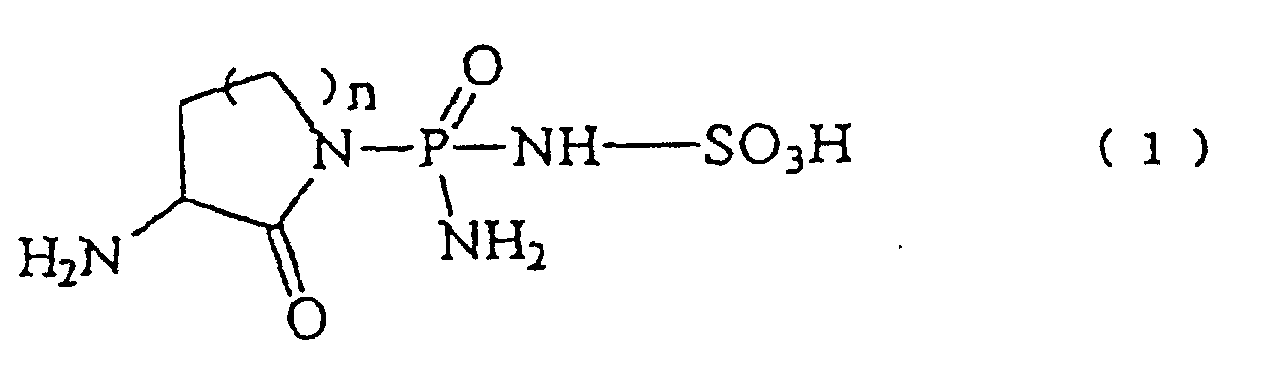
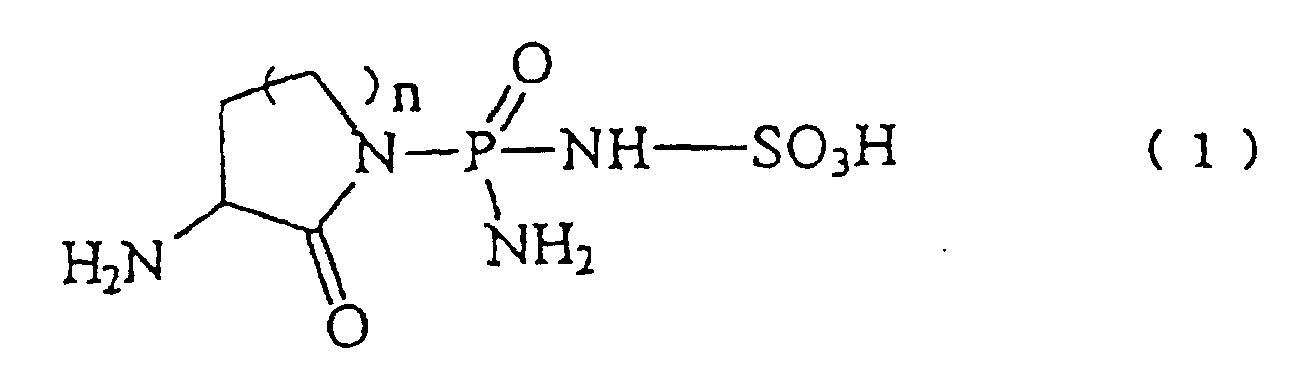
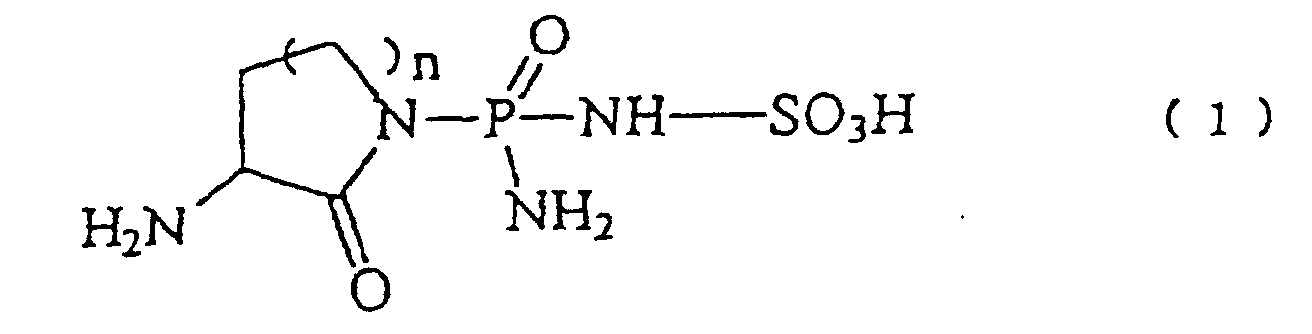
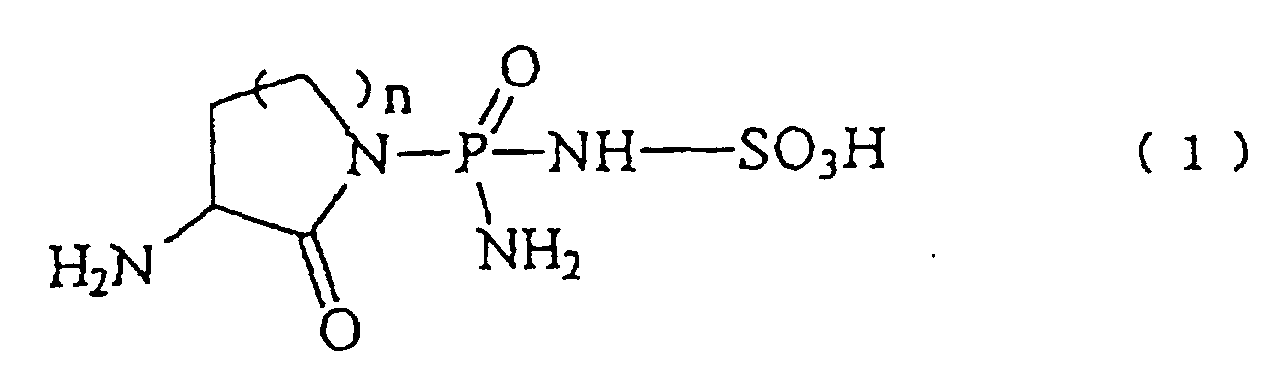
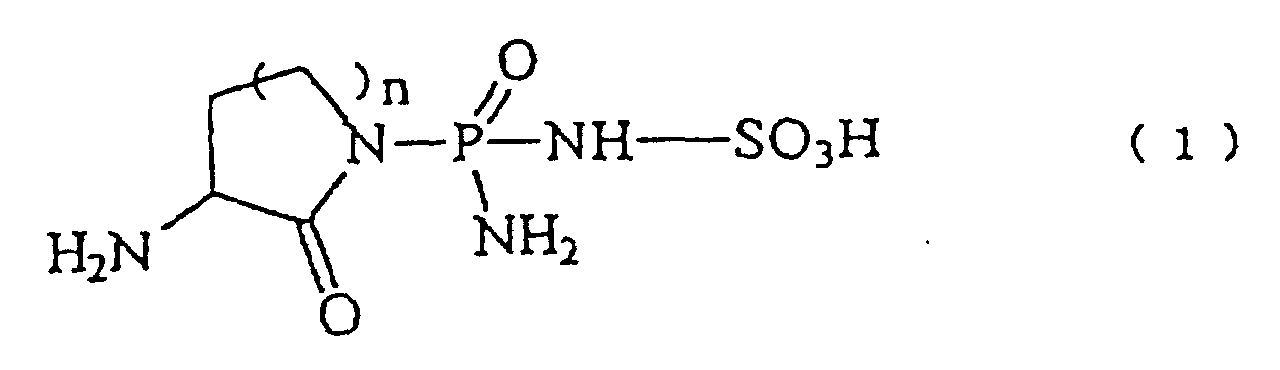
Fig. 1 shows an increase in blood G-CSF level
caused by sulphostin.
The term "medicament for prophylaxis or
treatment of bone marrow suppression" used herein means
a medicament that can treat leukopenia, erythropenia
and thrombocytopenia by inducing the production of
blood cells such as leukocytes, erythrocytes and
thrombocytes in the body when administered to a human
being or an animal. Such a medicament is for
prophylaxis or treatment of, for example, bone marrow
suppression caused by radiotherapy, bone marrow
transplantation, chemotherapy to cancer, an antibiotic
or the like; and anemias such as renal anemia,
hemorrhagic anemia, hemolytic anemia, deficiency anemia
and the like. Such a medicament can be also used in
the case of hypoplastic anemia, thrombocytopenia,
leukopenia caused by an infectious disease, a viral
disease, trophopathy or the like, exanthema
thrombocytopenic purpura and the like. According to
the present invention, the medicament is preferably
used in the case of leukopenia.
The term "medicament for increasing the
number of leukocytes" used herein means a medicament
having a property of increasing the production of
leukocytes in the body. Such a medicament can be used
for prophylaxis and treatment of various diseases due
to a decrease in leukocyte production caused by a
congenital disease, irradiation with radiation,
hypoplastic anemia, an antitumor agent, an antibiotic
or the like, and various diseases due to the
acceleration of leukocyte destruction by an infectious
disease, an immunological abnormality or the like.
Specifically, the medicament for increasing the number
of leukocytes can be used, for example, for prophylaxis
and treatment of a decrease in the number of leukocytes
in the blood or a medicament for treating an infectious
disease by increasing the number of leukocytes in the
blood than normal conditions. The term "medicament for
treatment of infectious diseases" means a medicament
capable of increasing the production of leukocytes in
the body to heighten defensive effect on, for example,
bacterial or fungous infection or exert its therapeutic
effect. The leukocytes include, for example,
neutrophil, eosinophil, basophil, monocyte and
lymphocyte.
The sulphostin-related compound of general
formula (I) used in the present invention can be
produced by the production process disclosed in WO
99/25719 or JP-A-2000-327689.
In the compound of general formula (I), n is
an integer of 0 to 3, preferably 1 to 3. The compound
of general formula (I) has optically active sites
(chiral centers) at the ring-constituting carbon atom
(C) at the joint of the amino group and at the
phosphorus atom (P). The compound according to the
present invention also includes optical isomers and
racemic modifications due to each of the optically
active sites.
Specific examples of the compound of general
formula (1) are as follows:
According to the present invention, the
compound of general formula (I) may be administered in
the form of a pharmacologically acceptable salt when
used in a medicament for prophylaxis or treatment of
bone marrow suppression, for treatment of infectious
diseases or for increasing the number of leukocytes.
The salt includes, for example, salts with inorganic
acids such as hydrochloric acid, sulfuric acid,
phosphoric acid and the like; salts with organic acids
such as p-toluenesulfonic acid and the like; salts with
inorganic metals such as Na, K, Ca and the like; and
salts with organic amines such as methylamine,
ethylamine, diethanolamine and the like.
When the above-mentioned sulphostin-related
compound or pharmacologically acceptable salt thereof
of the present invention is used in the medicament for
prophylaxis or treatment of bone marrow suppression,
for treatment of infectious diseases or for increasing
the number of leukocytes, various conventional methods
can be adopted for the formulation and administration
of said compound or salt thereof. As a method for the
administration, injection, oral administration, rectal
administration and the like are possible. As the
pharmaceutical form of said compound or salt thereof,
forms such as an injection, powder, granules, tablets,
suppository and the like may be employed.
In the formulation, various pharmaceutical
adjuvants, namely, carriers and other auxiliaries such
as a stabilizer, antiseptic, soothing agent,
emulsifier, etc. may be used if necessary so long as
they have no undesirable influence on the sulphostin-related
compound. The content of the sulphostin-related
compound or pharmacologically acceptable salt
thereof in the pharmaceutical preparation obtained by
the formulation can be varied in a wide range,
depending on the pharmaceutical form and the like. In
general, the pharmaceutical preparation contains 0.01
to 100 wt%, preferably 0.1 to 70 wt%, of sulphostin or
a salt thereof and the balance of a conventional
pharmaceutical carrier and other adjuvants.
Although varied depending on symptoms, the
dose of the sulphostin-related compound or
pharmacologically acceptable salt thereof is
approximately 0.01 to 800 mg a day for adult. When
repetitive administration is necessary, the dose per
day is preferably low.
The sulphostin-related compound as the
medicament for prophylaxis or treatment of bone marrow
suppression or for increasing the number of leukocytes
of the present invention can be preventively
administered to a patient who is expected to suffer
from bone marrow suppression or the like. It is well
known that the functions of bone marrow are very
frequently suppressed, for example, when various
diseases are treated by employing radiotherapy, an
antitumor agent or an antibiotic. When such a patient
who is expected to suffer from the suppression of
functions of the bone marrow is cured with the
sulphostin-related compound, it can be allowed to exert
its prophylactic effect by its pre-administration or
administration at the time of treatment.
Pharmacological experiment examples and
formulation examples according to the present invention
are described below as working examples, but they are
not intended in any way to limit the scope of the
present invention.
The effect of sulphostin [3(S)-amino-1-((R)-amino(sulfoamino)phosphinyl)-2-piperidone]
on drug-induced
leukopenia was evaluated according to the
method of Okabe et al. (Yakuri to Chiryo (Japanese
Pharmacology and Therapeutics) Vol. 19, No. 6, p. 55,
1991).
ICR strain male mice (Crj : CD-1) aged 8
weeks were used in the test. The animals were divided
into three groups of 3 or 4 animals per group.
On Day 0, cyclophosphamide was
intraperitoneally administered once to all the groups
in a dose of 200 mg/kg. From the next day, the
following were intravenously and repeatedly
administered to the groups, respectively, for 5 days
(Day 1 to 5); the first group (a control group):
physiological saline, the second group: sulphostin (30
mg/kg/day), and the third group: sulphostin (100
mg/kg/day). Blood was drawn from the posterior-eyehole
venous plexus on Day 0 (before the administration of
cyclophosphamide) and Days 2, 4, 6 and 8 (the blood
drawing, however, was carried out only on Days 0, 4 and
6 in the case of the second group), and the number of
leukocytes was periodically measured to investigate the
leukocyte-increasing effect of sulphostin relative to a
decrease of leukocytes caused by cyclophosphamide.
The results are shown in Table 1.
The data are expressed as the mean ± S.D and
percentages based on the number of leukocytes on Day 0.
ND refers to no data.
| Restoration of the number of leukocytes by sulphostin (unit: x 100/millimeter cube) | |||
| Group/Day | Control (n=4) | Sulphostin 30 mg/kg (n=3) | Sulphostin 100 mg/kg (n=4) |
| | 46±12.4 (100%) | 44±7.1 (100%) | 38±17.2 (100%) |
| Day 2 | 12±0.8 (26%) | ND | 21±5.1 (55%) |
| Day 4 | 12±1.3 (26%) | 13±12.5 (30%) | 10±6.3 (26%) |
| Day 6 | 22±6.7 (48%) | 42±14.5 (95%) | 48±23.8 (126%) |
| Day 8 | 71±27.7 (154%) | ND | 254±75.5 (668%) |
That is, the numbers of leukocytes of the
control group were 100, 26, 26, 48 and 154% on Days 0,
2, 4, 6 and 8, respectively; the numbers of leukocytes
of the sulphostin (30 mg/kg/day)-treated group were
100, 30 and 95% on Days 0, 4 and 6, respectively; and
the numbers of leukocytes of the sulphostin (100
mg/kg/day)-treated group were 100, 55, 26, 126 and 668%
on Days 0, 2, 4, 6 and 8, respectively. This fact
reveals that the restoration of the number of
leukocytes to the initial value after the
administration of cyclophosphamide requires 8 days in
the case of the control group and that the restoration
requires only 6 days, namely, the restoration is
faster, in the case of the sulphostin-treated groups.
In addition, the data on Day 8 reveals that sulphostin
is very effective in increasing the number of
leukocytes.
ICR strain male mice (Crj : CD-1) aged 7
weeks were used in the test. The animals were divided
into 5 groups of 4 animals per group. The following
were intravenously and repeatedly administered to the
groups, respectively, for 5 days; the first group:
physiological saline as solvent, the second group:
sulphostin (2 mg/kg/day), the third group: sulphostin
(10 mg/kg/day), the fourth group: sulphostin (50
mg/kg/day), and the fifth group: sulphostin (250
mg/kg/day). On the day subsequent to the last day of
the administration period, blood was drawn from the
abdominal aorta under anesthesia and the number of
leukocytes was measured.
Sulphostin increased the number of leukocytes
to such an extent that the numbers of leukocytes of the
sulphostin-treated groups were larger than that of the
control group by the following factors; the sulphostin
(2 mg/kg/day)-treated group: 1.4, the sulphostin (10
mg/kg/day)-treated group: 1.9, the sulphostin (50
mg/kg/day)-treated group: 4.9, and the sulphostin (250
mg/kg/day)-treated group: 5.9. Thus, it is revealed
that sulphostin was very effective in increasing the
number of leukocytes and hence useful as a medicament
for prophylaxis or treatment of bone marrow
suppression, infectious diseases and the like.
ICR strain male mice (Crj : CD-1) aged 7
weeks were used in the test. The animals were divided
into 4 groups of 5 animals per group. The following
were intravenously and repeatedly administered to the
groups, respectively, for 5 days; the first group:
physiological saline as solvent, the second group:
sulphostin (10 mg/kg/day), the third group: sulphostin
(30 mg/kg/day), and the fourth group: sulphostin (90
mg/kg/day). On the day subsequent to completion of the
administration, blood was drawn from the abdominal
aorta under anesthesia. The blood obtained was
centrifuged to collect plasma, and G-CSF was measured
by the use of a mouse G-CSF ELISA measuring kit (R & D
SYSTEMS Inc.).
The results are shown in Fig. 1.
Sulphostin increased G-CSF to such an extent
that the G-CSF levels of the sulphostin-treated groups
were higher than that of the control group by the
following factors; the sulphostin (10 mg/kg)-treated
group: 1.03, the sulphostin (30 mg/kg)-treated group:
6.1, and the sulphostin (90 mg/kg)-treated group: 7.0.
Thus, it was confirmed that the sulphostin exerted its
effect of increasing the number of neutrophils, through
its powerful G-CSF secretory action. It was revealed
that sulphostin was useful as a medicament for
prophylaxis or treatment of bone marrow suppression,
infectious diseases and the like.
Sulphostin, the compound according to the
present invention was dissolved in physiological saline
containing 30% (w/v) polyethylene glycol 400 to prepare
a 0.05% solution of said compound, and this solution
was filter-sterilized to produce a pharmaceutical
preparation for intravenous injection containing 15 mg
of said compound per vial.
Tablets each weighing 300 g were obtained by
mixing 30 parts by weight of sulphostin, 120 parts of
crystalline lactose, 147 parts of crystalline cellulose
and 3 parts of magnesium stearate in a V-type blender,
and compressing the mixture into tablets.
According to the present invention, it is
confirmed that the sulphostin-related compounds are
effective in restoring and increasing the number of
leucocytes in a living body. Furthermore, it turns out
that they are useful as a medicament for prophylaxis or
treatment of bone marrow suppression, for treatment of
infectious diseases caused by bacteria, fungi and the
like, and for increasing the number of leucocytes.
Claims (9)
- A medicament for prophylaxis or treatment of bone marrow suppression comprising as an active ingredient a sulphostin-related compound represented by general formula (I):wherein n is an integer of 0 to 3, or a pharmacologically acceptable salt thereof.
- A medicament according to claim 1, wherein n is an integer of 1 to 3 in general formula (I).
- A medicament according to claim 1 or 2, wherein the bone marrow suppression is leukopenia.
- A medicament for treatment of infectious diseases comprising as an active ingredient a sulphostin-related compound represented by general formula (I):wherein n is an integer of 0 to 3, or a pharmacologically acceptable salt thereof.

- A medicament according to claim 4, wherein n is an integer of 1 to 3 in general formula (I).
- A medicament for increasing the number of leukocytes comprising as an active ingredient a sulphostin-related compound represented by general formula (I):wherein n is an integer of 0 to 3, or a pharmacologically acceptable salt thereof.

- A medicament for increasing the number of leukocytes according to claim 6, wherein n is an integer of 1 to 3 in general formula (I).
- Use of a sulphostin-related compound represented by general formula (I):wherein n is an integer of 0 to 3, or a pharmacologically acceptable salt thereof, for producing a medicament for prophylaxis or treatment of bone marrow suppression, for treatment of infectious diseases or for increasing the number of leukocytes.
- A method for prophylaxis or treatment of bone marrow suppression, for treatment of infectious diseases or for increasing the number of leukocytes, which comprises administering a sulphostin-related compound represented by general formula (I):wherein n is an integer of 0 to 3, or a pharmacologically acceptable salt thereof, in a therapeutically effective amount.

Applications Claiming Priority (3)
| Application Number | Priority Date | Filing Date | Title |
|---|---|---|---|
| JP2001008233 | 2001-01-16 | ||
| JP2001008233 | 2001-01-16 | ||
| PCT/JP2002/000231 WO2002055088A1 (en) | 2001-01-16 | 2002-01-16 | Remedies for bone marrow suppression and infectious diseases and white blood cell count elevating agents |
Publications (2)
| Publication Number | Publication Date |
|---|---|
| EP1352655A1 true EP1352655A1 (en) | 2003-10-15 |
| EP1352655A4 EP1352655A4 (en) | 2006-11-02 |
Family
ID=18875878
Family Applications (1)
| Application Number | Title | Priority Date | Filing Date |
|---|---|---|---|
| EP02715751A Withdrawn EP1352655A4 (en) | 2001-01-16 | 2002-01-16 | REMEDIES FOR THE TREATMENT OF BONE MARROW REMOVAL AND INFECTIOUS DISEASES AND AGENTS FOR INCREASING LEUKOCYTIC CONCENTRATION OF BLOOD |
Country Status (5)
| Country | Link |
|---|---|
| US (2) | US20040038942A1 (en) |
| EP (1) | EP1352655A4 (en) |
| JP (1) | JP4170758B2 (en) |
| CA (1) | CA2430967C (en) |
| WO (1) | WO2002055088A1 (en) |
Families Citing this family (18)
| Publication number | Priority date | Publication date | Assignee | Title |
|---|---|---|---|---|
| WO2003051895A1 (en) * | 2001-12-17 | 2003-06-26 | Nippon Kayaku Kabushiki Kaisha | Processes for preparation of sulphostin and its analogues or intermediates thereof |
| WO2005027934A1 (en) * | 2003-09-24 | 2005-03-31 | Nippon Kayaku Kabushiki Kaisha | Prolyl oligopeptidase inhibitor |
| DOP2006000008A (en) | 2005-01-10 | 2006-08-31 | Arena Pharm Inc | COMBINED THERAPY FOR THE TREATMENT OF DIABETES AND RELATED AFFECTIONS AND FOR THE TREATMENT OF AFFECTIONS THAT IMPROVE THROUGH AN INCREASE IN THE BLOOD CONCENTRATION OF GLP-1 |
| PE20071221A1 (en) | 2006-04-11 | 2007-12-14 | Arena Pharm Inc | GPR119 RECEPTOR AGONISTS IN METHODS TO INCREASE BONE MASS AND TO TREAT OSTEOPOROSIS AND OTHER CONDITIONS CHARACTERIZED BY LOW BONE MASS, AND COMBINED THERAPY RELATED TO THESE AGONISTS |
| JP5148941B2 (en) * | 2007-07-11 | 2013-02-20 | 公益財団法人微生物化学研究会 | Antitumor agent comprising sulfostine and sulfostine-related compounds as active ingredients |
| EP2146210A1 (en) | 2008-04-07 | 2010-01-20 | Arena Pharmaceuticals, Inc. | Methods of using A G protein-coupled receptor to identify peptide YY (PYY) secretagogues and compounds useful in the treatment of conditions modulated by PYY |
| AR077642A1 (en) | 2009-07-09 | 2011-09-14 | Arena Pharm Inc | METABOLISM MODULATORS AND THE TREATMENT OF DISORDERS RELATED TO THE SAME |
| JP2013523819A (en) | 2010-04-06 | 2013-06-17 | アリーナ ファーマシューティカルズ, インコーポレイテッド | GPR119 receptor modulators and treatment of disorders related thereto |
| CN103221410B (en) | 2010-09-22 | 2017-09-15 | 艾尼纳制药公司 | GPR119 receptor modulators and treatment of disorders associated therewith |
| US20140018371A1 (en) | 2011-04-01 | 2014-01-16 | Arena Pharmaceuticals, Inc. | Modulators Of The GPR119 Receptor And The Treatment Of Disorders Related Thereto |
| WO2012145361A1 (en) | 2011-04-19 | 2012-10-26 | Arena Pharmaceuticals, Inc. | Modulators of the gpr119 receptor and the treatment of disorders related thereto |
| WO2012145603A1 (en) | 2011-04-22 | 2012-10-26 | Arena Pharmaceuticals, Inc. | Modulators of the gpr119 receptor and the treatment of disorders related thereto |
| WO2012145604A1 (en) | 2011-04-22 | 2012-10-26 | Arena Pharmaceuticals, Inc. | Modulators of the gpr119 receptor and the treatment of disorders related thereto |
| WO2012170702A1 (en) | 2011-06-08 | 2012-12-13 | Arena Pharmaceuticals, Inc. | Modulators of the gpr119 receptor and the treatment of disorders related thereto |
| WO2013055910A1 (en) | 2011-10-12 | 2013-04-18 | Arena Pharmaceuticals, Inc. | Modulators of the gpr119 receptor and the treatment of disorders related thereto |
| WO2014074668A1 (en) | 2012-11-08 | 2014-05-15 | Arena Pharmaceuticals, Inc. | Modulators of gpr119 and the treatment of disorders related thereto |
| CN107683135A (en) | 2015-03-09 | 2018-02-09 | 因特克林医疗有限公司 | Method for treating NASH disease and/or lipodystrophia |
| AU2018249822A1 (en) | 2017-04-03 | 2019-10-31 | Coherus Biosciences Inc. | PPArgamma agonist for treatment of progressive supranuclear palsy |
Family Cites Families (7)
| Publication number | Priority date | Publication date | Assignee | Title |
|---|---|---|---|---|
| JPS6440036A (en) | 1987-08-06 | 1989-02-10 | Toshiba Corp | X-ray ct apparatus |
| US4935493A (en) * | 1987-10-06 | 1990-06-19 | E. I. Du Pont De Nemours And Company | Protease inhibitors |
| AU4794393A (en) | 1992-07-31 | 1994-03-03 | Government Of The United States Of America, As Represented By The Secretary Of The Department Of Health And Human Services, The | Producing increased numbers of hematopoietic cells by administering inhibitors of dipeptidyl peptidase iv |
| EP1043328B1 (en) * | 1997-11-18 | 2008-03-19 | Zaidan Hojin Biseibutsu Kagaku Kenkyu Kai | Novel physiologically active substance sulphostin, process for producing the same, and use thereof |
| US6300314B1 (en) | 1998-05-04 | 2001-10-09 | Point Therapeutics, Inc. | Hematopoietic stimulation |
| AU765370B2 (en) * | 1998-06-05 | 2003-09-18 | Point Therapeutics, Inc. | Cyclic boroproline compounds |
| JP4121215B2 (en) * | 1999-05-17 | 2008-07-23 | 財団法人微生物化学研究会 | Sulfostin analog, and method for producing sulfostine and its analog |
-
2002
- 2002-01-16 US US10/433,362 patent/US20040038942A1/en not_active Abandoned
- 2002-01-16 WO PCT/JP2002/000231 patent/WO2002055088A1/en not_active Ceased
- 2002-01-16 JP JP2002555822A patent/JP4170758B2/en not_active Expired - Fee Related
- 2002-01-16 CA CA002430967A patent/CA2430967C/en not_active Expired - Fee Related
- 2002-01-16 EP EP02715751A patent/EP1352655A4/en not_active Withdrawn
-
2005
- 2005-07-21 US US11/187,073 patent/US7247640B2/en not_active Expired - Fee Related
Also Published As
| Publication number | Publication date |
|---|---|
| WO2002055088A1 (en) | 2002-07-18 |
| CA2430967C (en) | 2009-06-23 |
| CA2430967A1 (en) | 2002-07-18 |
| JP4170758B2 (en) | 2008-10-22 |
| US20040038942A1 (en) | 2004-02-26 |
| JPWO2002055088A1 (en) | 2004-05-13 |
| US20050256090A1 (en) | 2005-11-17 |
| EP1352655A4 (en) | 2006-11-02 |
| US7247640B2 (en) | 2007-07-24 |
Similar Documents
| Publication | Publication Date | Title |
|---|---|---|
| US7247640B2 (en) | Medicament for treatment of bone marrow suppression, for treatment of infectious diseases and for increasing the number of leukocytes | |
| CA1316832C (en) | Treatment of human viral infection by dsrna combined with viral inhibitors | |
| AU2008212250B2 (en) | Therapeutic agent for pain disease | |
| Kaye | FDA licensure of neumega® to prevent severe chemotherapy‐induced thrombocytopenia | |
| US3159537A (en) | Potentiation of tetracycline by phosphinic acid | |
| DE69727240T2 (en) | Combinations containing VX478, zidovudine and 3TC for the treatment of HIV | |
| DE60216458T2 (en) | METHOD FOR TRIGGERING A CONTINUOUS IMMUNE RESPONSE | |
| CA2057900A1 (en) | Method for protection from azt side effects and toxicity | |
| DE3804686A1 (en) | MEDICAMENT WITH A COMBINATION OF CYTOSTATIKA BZW. HORMONTHERAPEUTICS AND PHOSPHONOR DERIVATIVES | |
| EP0345751A1 (en) | Anti-retroviral diflourinated nucleosides | |
| US5846957A (en) | Use of an ester of inositoltrisphosphate for the preparing of medicaments | |
| DE69923338T2 (en) | COMBINATION THERAPY FOR THE TREATMENT OF HEPATITIS B INFECTIONS | |
| JPH02184632A (en) | Drug composition | |
| EP0290817B1 (en) | A use of oxetanocin for inhibiting hiv | |
| KR970003049B1 (en) | Agents for prophylaxis and treatment of thrombopenia | |
| US5126149A (en) | Method of inducing the production of cytokines | |
| EP0405463A2 (en) | Supporting agents for anti-cancer therapy | |
| EP0624368A2 (en) | Use of a composition for stimulating the synthesis of glutathione in the manufacture of a medicament for the treatment of acquired immune deficiency syndrome | |
| CN112245440A (en) | Use of tocotrienol derivatives | |
| JPH05504130A (en) | Tumor necrosis factor antagonist | |
| JPWO1989001778A1 (en) | Thrombocytopenia prevention and treatment agent | |
| US20040142882A1 (en) | Use of glycyrrhizin and its derivatives as RANTES inducers | |
| EP1513539B1 (en) | Use of amphiphilic nucleoside phosphonoformic acid derivatives for the treatment of viral infectious diseases | |
| JPH0522687B2 (en) | ||
| CA1316830C (en) | Agent for treating or preventing thrombocytopenia |
Legal Events
| Date | Code | Title | Description |
|---|---|---|---|
| PUAI | Public reference made under article 153(3) epc to a published international application that has entered the european phase |
Free format text: ORIGINAL CODE: 0009012 |
|
| 17P | Request for examination filed |
Effective date: 20030606 |
|
| AK | Designated contracting states |
Kind code of ref document: A1 Designated state(s): AT BE CH CY DE DK ES FI FR GB GR IE IT LI LU MC NL PT SE TR |
|
| AX | Request for extension of the european patent |
Extension state: AL LT LV MK RO SI |
|
| A4 | Supplementary search report drawn up and despatched |
Effective date: 20060929 |
|
| 17Q | First examination report despatched |
Effective date: 20070206 |
|
| STAA | Information on the status of an ep patent application or granted ep patent |
Free format text: STATUS: THE APPLICATION IS DEEMED TO BE WITHDRAWN |
|
| 18D | Application deemed to be withdrawn |
Effective date: 20100803 |