EP1303304B1 - Pharmaceutical combinations for treatment and prevention of diabetes mellitus - Google Patents
Pharmaceutical combinations for treatment and prevention of diabetes mellitus Download PDFInfo
- Publication number
- EP1303304B1 EP1303304B1 EP01954229A EP01954229A EP1303304B1 EP 1303304 B1 EP1303304 B1 EP 1303304B1 EP 01954229 A EP01954229 A EP 01954229A EP 01954229 A EP01954229 A EP 01954229A EP 1303304 B1 EP1303304 B1 EP 1303304B1
- Authority
- EP
- European Patent Office
- Prior art keywords
- donor
- enzymatic
- insulin
- medicament
- per
- Prior art date
- Legal status (The legal status is an assumption and is not a legal conclusion. Google has not performed a legal analysis and makes no representation as to the accuracy of the status listed.)
- Expired - Lifetime
Links
- 238000011282 treatment Methods 0.000 title claims abstract description 36
- 230000002265 prevention Effects 0.000 title claims abstract description 8
- 206010012601 diabetes mellitus Diseases 0.000 title claims description 27
- MWUXSHHQAYIFBG-UHFFFAOYSA-N Nitric oxide Chemical compound O=[N] MWUXSHHQAYIFBG-UHFFFAOYSA-N 0.000 claims abstract description 184
- NOESYZHRGYRDHS-UHFFFAOYSA-N insulin Chemical compound N1C(=O)C(NC(=O)C(CCC(N)=O)NC(=O)C(CCC(O)=O)NC(=O)C(C(C)C)NC(=O)C(NC(=O)CN)C(C)CC)CSSCC(C(NC(CO)C(=O)NC(CC(C)C)C(=O)NC(CC=2C=CC(O)=CC=2)C(=O)NC(CCC(N)=O)C(=O)NC(CC(C)C)C(=O)NC(CCC(O)=O)C(=O)NC(CC(N)=O)C(=O)NC(CC=2C=CC(O)=CC=2)C(=O)NC(CSSCC(NC(=O)C(C(C)C)NC(=O)C(CC(C)C)NC(=O)C(CC=2C=CC(O)=CC=2)NC(=O)C(CC(C)C)NC(=O)C(C)NC(=O)C(CCC(O)=O)NC(=O)C(C(C)C)NC(=O)C(CC(C)C)NC(=O)C(CC=2NC=NC=2)NC(=O)C(CO)NC(=O)CNC2=O)C(=O)NCC(=O)NC(CCC(O)=O)C(=O)NC(CCCNC(N)=N)C(=O)NCC(=O)NC(CC=3C=CC=CC=3)C(=O)NC(CC=3C=CC=CC=3)C(=O)NC(CC=3C=CC(O)=CC=3)C(=O)NC(C(C)O)C(=O)N3C(CCC3)C(=O)NC(CCCCN)C(=O)NC(C)C(O)=O)C(=O)NC(CC(N)=O)C(O)=O)=O)NC(=O)C(C(C)CC)NC(=O)C(CO)NC(=O)C(C(C)O)NC(=O)C1CSSCC2NC(=O)C(CC(C)C)NC(=O)C(NC(=O)C(CCC(N)=O)NC(=O)C(CC(N)=O)NC(=O)C(NC(=O)C(N)CC=1C=CC=CC=1)C(C)C)CC1=CN=CN1 NOESYZHRGYRDHS-UHFFFAOYSA-N 0.000 claims abstract description 141
- 230000002255 enzymatic effect Effects 0.000 claims abstract description 105
- SNIOPGDIGTZGOP-UHFFFAOYSA-N Nitroglycerin Chemical compound [O-][N+](=O)OCC(O[N+]([O-])=O)CO[N+]([O-])=O SNIOPGDIGTZGOP-UHFFFAOYSA-N 0.000 claims abstract description 86
- 239000000006 Nitroglycerin Substances 0.000 claims abstract description 85
- 229960003711 glyceryl trinitrate Drugs 0.000 claims abstract description 85
- 229940125396 insulin Drugs 0.000 claims abstract description 71
- 102000004877 Insulin Human genes 0.000 claims abstract description 70
- 108090001061 Insulin Proteins 0.000 claims abstract description 70
- MOYKHGMNXAOIAT-JGWLITMVSA-N isosorbide dinitrate Chemical compound [O-][N+](=O)O[C@H]1CO[C@@H]2[C@H](O[N+](=O)[O-])CO[C@@H]21 MOYKHGMNXAOIAT-JGWLITMVSA-N 0.000 claims abstract description 35
- 239000000203 mixture Substances 0.000 claims abstract description 33
- 230000003178 anti-diabetic effect Effects 0.000 claims abstract description 31
- 239000003472 antidiabetic agent Substances 0.000 claims abstract description 29
- YROXIXLRRCOBKF-UHFFFAOYSA-N sulfonylurea Chemical compound OC(=N)N=S(=O)=O YROXIXLRRCOBKF-UHFFFAOYSA-N 0.000 claims abstract description 25
- 229960000201 isosorbide dinitrate Drugs 0.000 claims abstract description 21
- 239000004480 active ingredient Substances 0.000 claims abstract description 19
- 208000037265 diseases, disorders, signs and symptoms Diseases 0.000 claims abstract description 17
- 150000004283 biguanides Chemical class 0.000 claims abstract description 14
- 206010018429 Glucose tolerance impaired Diseases 0.000 claims abstract description 13
- 239000008194 pharmaceutical composition Substances 0.000 claims abstract description 8
- 229940077274 Alpha glucosidase inhibitor Drugs 0.000 claims abstract description 7
- 239000003888 alpha glucosidase inhibitor Substances 0.000 claims abstract description 7
- 239000003937 drug carrier Substances 0.000 claims abstract description 7
- ZOBPZXTWZATXDG-UHFFFAOYSA-N 1,3-thiazolidine-2,4-dione Chemical compound O=C1CSC(=O)N1 ZOBPZXTWZATXDG-UHFFFAOYSA-N 0.000 claims abstract description 5
- TZRXHJWUDPFEEY-UHFFFAOYSA-N Pentaerythritol Tetranitrate Chemical compound [O-][N+](=O)OCC(CO[N+]([O-])=O)(CO[N+]([O-])=O)CO[N+]([O-])=O TZRXHJWUDPFEEY-UHFFFAOYSA-N 0.000 claims abstract description 5
- DLDKCSIJFIPYRK-UHFFFAOYSA-N Tenitramine Chemical compound [O-][N+](=O)OCCN(CCO[N+]([O-])=O)CCN(CCO[N+]([O-])=O)CCO[N+]([O-])=O DLDKCSIJFIPYRK-UHFFFAOYSA-N 0.000 claims abstract description 5
- BLJBDLGFKNXUCB-UHFFFAOYSA-N [2-methyl-2-(nitrooxymethyl)pentyl] nitrate Chemical compound [O-][N+](=O)OCC(C)(CCC)CO[N+]([O-])=O BLJBDLGFKNXUCB-UHFFFAOYSA-N 0.000 claims abstract description 5
- 239000000670 adrenergic alpha-2 receptor antagonist Substances 0.000 claims abstract description 5
- 229940020630 methylpropylpropanediol dinitrate Drugs 0.000 claims abstract description 5
- YZZCJYJBCUJISI-UHFFFAOYSA-N propatylnitrate Chemical compound [O-][N+](=O)OCC(CC)(CO[N+]([O-])=O)CO[N+]([O-])=O YZZCJYJBCUJISI-UHFFFAOYSA-N 0.000 claims abstract description 5
- 229960003402 propatylnitrate Drugs 0.000 claims abstract description 5
- 229960004178 tenitramine Drugs 0.000 claims abstract description 5
- HWKQNAWCHQMZHK-UHFFFAOYSA-N trolnitrate Chemical compound [O-][N+](=O)OCCN(CCO[N+]([O-])=O)CCO[N+]([O-])=O HWKQNAWCHQMZHK-UHFFFAOYSA-N 0.000 claims abstract description 5
- 229960002485 trolnitrate Drugs 0.000 claims abstract description 5
- 239000000026 Pentaerythritol tetranitrate Substances 0.000 claims abstract description 4
- 239000013543 active substance Substances 0.000 claims abstract description 4
- 229960004321 pentaerithrityl tetranitrate Drugs 0.000 claims abstract description 4
- YWXYYJSYQOXTPL-SLPGGIOYSA-N isosorbide mononitrate Chemical compound [O-][N+](=O)O[C@@H]1CO[C@@H]2[C@@H](O)CO[C@@H]21 YWXYYJSYQOXTPL-SLPGGIOYSA-N 0.000 claims description 66
- 229960003827 isosorbide mononitrate Drugs 0.000 claims description 64
- 239000002840 nitric oxide donor Substances 0.000 claims description 57
- XZWYZXLIPXDOLR-UHFFFAOYSA-N metformin Chemical compound CN(C)C(=N)NC(N)=N XZWYZXLIPXDOLR-UHFFFAOYSA-N 0.000 claims description 49
- 229960003105 metformin Drugs 0.000 claims description 43
- 239000003814 drug Substances 0.000 claims description 34
- 229960004580 glibenclamide Drugs 0.000 claims description 32
- ZNNLBTZKUZBEKO-UHFFFAOYSA-N glyburide Chemical compound COC1=CC=C(Cl)C=C1C(=O)NCCC1=CC=C(S(=O)(=O)NC(=O)NC2CCCCC2)C=C1 ZNNLBTZKUZBEKO-UHFFFAOYSA-N 0.000 claims description 32
- HPMRFMKYPGXPEP-UHFFFAOYSA-N idazoxan Chemical compound N1CCN=C1C1OC2=CC=CC=C2OC1 HPMRFMKYPGXPEP-UHFFFAOYSA-N 0.000 claims description 28
- 229910002651 NO3 Inorganic materials 0.000 claims description 23
- NHNBFGGVMKEFGY-UHFFFAOYSA-N Nitrate Chemical compound [O-][N+]([O-])=O NHNBFGGVMKEFGY-UHFFFAOYSA-N 0.000 claims description 22
- 229950001476 idazoxan Drugs 0.000 claims description 22
- 150000001467 thiazolidinediones Chemical class 0.000 claims description 18
- 238000013268 sustained release Methods 0.000 claims description 14
- 239000012730 sustained-release form Substances 0.000 claims description 14
- YASAKCUCGLMORW-UHFFFAOYSA-N Rosiglitazone Chemical compound C=1C=CC=NC=1N(C)CCOC(C=C1)=CC=C1CC1SC(=O)NC1=O YASAKCUCGLMORW-UHFFFAOYSA-N 0.000 claims description 12
- HYAFETHFCAUJAY-UHFFFAOYSA-N pioglitazone Chemical compound N1=CC(CC)=CC=C1CCOC(C=C1)=CC=C1CC1C(=O)NC(=O)S1 HYAFETHFCAUJAY-UHFFFAOYSA-N 0.000 claims description 12
- 238000009472 formulation Methods 0.000 claims description 10
- -1 glibutamide Chemical compound 0.000 claims description 9
- 229940123208 Biguanide Drugs 0.000 claims description 8
- 239000002775 capsule Substances 0.000 claims description 8
- 239000007788 liquid Substances 0.000 claims description 8
- XNCOSPRUTUOJCJ-UHFFFAOYSA-N Biguanide Chemical compound NC(N)=NC(N)=N XNCOSPRUTUOJCJ-UHFFFAOYSA-N 0.000 claims description 7
- 210000004514 sphincter of oddi Anatomy 0.000 claims description 7
- 201000010099 disease Diseases 0.000 claims description 6
- 238000004519 manufacturing process Methods 0.000 claims description 6
- 229960005095 pioglitazone Drugs 0.000 claims description 6
- 229960004586 rosiglitazone Drugs 0.000 claims description 6
- 208000011580 syndromic disease Diseases 0.000 claims description 6
- 229960001641 troglitazone Drugs 0.000 claims description 6
- GXPHKUHSUJUWKP-UHFFFAOYSA-N troglitazone Chemical compound C1CC=2C(C)=C(O)C(C)=C(C)C=2OC1(C)COC(C=C1)=CC=C1CC1SC(=O)NC1=O GXPHKUHSUJUWKP-UHFFFAOYSA-N 0.000 claims description 6
- GXPHKUHSUJUWKP-NTKDMRAZSA-N troglitazone Natural products C([C@@]1(OC=2C(C)=C(C(=C(C)C=2CC1)O)C)C)OC(C=C1)=CC=C1C[C@H]1SC(=O)NC1=O GXPHKUHSUJUWKP-NTKDMRAZSA-N 0.000 claims description 6
- XUFXOAAUWZOOIT-SXARVLRPSA-N (2R,3R,4R,5S,6R)-5-[[(2R,3R,4R,5S,6R)-5-[[(2R,3R,4S,5S,6R)-3,4-dihydroxy-6-methyl-5-[[(1S,4R,5S,6S)-4,5,6-trihydroxy-3-(hydroxymethyl)-1-cyclohex-2-enyl]amino]-2-oxanyl]oxy]-3,4-dihydroxy-6-(hydroxymethyl)-2-oxanyl]oxy]-6-(hydroxymethyl)oxane-2,3,4-triol Chemical compound O([C@H]1O[C@H](CO)[C@H]([C@@H]([C@H]1O)O)O[C@H]1O[C@@H]([C@H]([C@H](O)[C@H]1O)N[C@@H]1[C@@H]([C@@H](O)[C@H](O)C(CO)=C1)O)C)[C@@H]1[C@@H](CO)O[C@@H](O)[C@H](O)[C@H]1O XUFXOAAUWZOOIT-SXARVLRPSA-N 0.000 claims description 5
- 229960002632 acarbose Drugs 0.000 claims description 5
- XUFXOAAUWZOOIT-UHFFFAOYSA-N acarviostatin I01 Natural products OC1C(O)C(NC2C(C(O)C(O)C(CO)=C2)O)C(C)OC1OC(C(C1O)O)C(CO)OC1OC1C(CO)OC(O)C(O)C1O XUFXOAAUWZOOIT-UHFFFAOYSA-N 0.000 claims description 5
- 208000004104 gestational diabetes Diseases 0.000 claims description 5
- 238000002360 preparation method Methods 0.000 claims description 5
- 239000007787 solid Substances 0.000 claims description 5
- BOVGTQGAOIONJV-BETUJISGSA-N 1-[(3ar,6as)-3,3a,4,5,6,6a-hexahydro-1h-cyclopenta[c]pyrrol-2-yl]-3-(4-methylphenyl)sulfonylurea Chemical compound C1=CC(C)=CC=C1S(=O)(=O)NC(=O)NN1C[C@H]2CCC[C@H]2C1 BOVGTQGAOIONJV-BETUJISGSA-N 0.000 claims description 4
- LLJFMFZYVVLQKT-UHFFFAOYSA-N 1-cyclohexyl-3-[4-[2-(7-methoxy-4,4-dimethyl-1,3-dioxo-2-isoquinolinyl)ethyl]phenyl]sulfonylurea Chemical compound C=1C(OC)=CC=C(C(C2=O)(C)C)C=1C(=O)N2CCC(C=C1)=CC=C1S(=O)(=O)NC(=O)NC1CCCCC1 LLJFMFZYVVLQKT-UHFFFAOYSA-N 0.000 claims description 4
- SWLAMJPTOQZTAE-UHFFFAOYSA-N 4-[2-[(5-chloro-2-methoxybenzoyl)amino]ethyl]benzoic acid Chemical class COC1=CC=C(Cl)C=C1C(=O)NCCC1=CC=C(C(O)=O)C=C1 SWLAMJPTOQZTAE-UHFFFAOYSA-N 0.000 claims description 4
- RKWGIWYCVPQPMF-UHFFFAOYSA-N Chloropropamide Chemical compound CCCNC(=O)NS(=O)(=O)C1=CC=C(Cl)C=C1 RKWGIWYCVPQPMF-UHFFFAOYSA-N 0.000 claims description 4
- NMWQEPCLNXHPDX-UHFFFAOYSA-N Glybuzole Chemical compound S1C(C(C)(C)C)=NN=C1NS(=O)(=O)C1=CC=CC=C1 NMWQEPCLNXHPDX-UHFFFAOYSA-N 0.000 claims description 4
- HNSCCNJWTJUGNQ-UHFFFAOYSA-N Glyclopyramide Chemical compound C1=CC(Cl)=CC=C1S(=O)(=O)NC(=O)NN1CCCC1 HNSCCNJWTJUGNQ-UHFFFAOYSA-N 0.000 claims description 4
- IBAQFPQHRJAVAV-ULAWRXDQSA-N Miglitol Chemical compound OCCN1C[C@H](O)[C@@H](O)[C@H](O)[C@H]1CO IBAQFPQHRJAVAV-ULAWRXDQSA-N 0.000 claims description 4
- JLRGJRBPOGGCBT-UHFFFAOYSA-N Tolbutamide Chemical compound CCCCNC(=O)NS(=O)(=O)C1=CC=C(C)C=C1 JLRGJRBPOGGCBT-UHFFFAOYSA-N 0.000 claims description 4
- FZNCGRZWXLXZSZ-CIQUZCHMSA-N Voglibose Chemical compound OCC(CO)N[C@H]1C[C@](O)(CO)[C@@H](O)[C@H](O)[C@H]1O FZNCGRZWXLXZSZ-CIQUZCHMSA-N 0.000 claims description 4
- 229960001466 acetohexamide Drugs 0.000 claims description 4
- VGZSUPCWNCWDAN-UHFFFAOYSA-N acetohexamide Chemical compound C1=CC(C(=O)C)=CC=C1S(=O)(=O)NC(=O)NC1CCCCC1 VGZSUPCWNCWDAN-UHFFFAOYSA-N 0.000 claims description 4
- 239000002253 acid Substances 0.000 claims description 4
- XSEUMFJMFFMCIU-UHFFFAOYSA-N buformin Chemical compound CCCC\N=C(/N)N=C(N)N XSEUMFJMFFMCIU-UHFFFAOYSA-N 0.000 claims description 4
- 229960004111 buformin Drugs 0.000 claims description 4
- 229960003362 carbutamide Drugs 0.000 claims description 4
- VDTNNGKXZGSZIP-UHFFFAOYSA-N carbutamide Chemical compound CCCCNC(=O)NS(=O)(=O)C1=CC=C(N)C=C1 VDTNNGKXZGSZIP-UHFFFAOYSA-N 0.000 claims description 4
- 229960001761 chlorpropamide Drugs 0.000 claims description 4
- 229960005450 eritrityl tetranitrate Drugs 0.000 claims description 4
- SNFOERUNNSHUGP-ZXZARUISSA-N erythrityl tetranitrate Chemical compound [O-][N+](=O)OC[C@@H](O[N+]([O-])=O)[C@@H](O[N+]([O-])=O)CO[N+]([O-])=O SNFOERUNNSHUGP-ZXZARUISSA-N 0.000 claims description 4
- 230000030135 gastric motility Effects 0.000 claims description 4
- 229960001764 glibornuride Drugs 0.000 claims description 4
- RMTYNAPTNBJHQI-LLDVTBCESA-N glibornuride Chemical compound C1=CC(C)=CC=C1S(=O)(=O)NC(=O)N[C@H]1[C@H](C2(C)C)CC[C@@]2(C)[C@H]1O RMTYNAPTNBJHQI-LLDVTBCESA-N 0.000 claims description 4
- 229960000346 gliclazide Drugs 0.000 claims description 4
- 229960001381 glipizide Drugs 0.000 claims description 4
- ZJJXGWJIGJFDTL-UHFFFAOYSA-N glipizide Chemical compound C1=NC(C)=CN=C1C(=O)NCCC1=CC=C(S(=O)(=O)NC(=O)NC2CCCCC2)C=C1 ZJJXGWJIGJFDTL-UHFFFAOYSA-N 0.000 claims description 4
- 229960003468 gliquidone Drugs 0.000 claims description 4
- 229950008402 glisentide Drugs 0.000 claims description 4
- NSJYMFYVNWVGON-UHFFFAOYSA-N glisentide Chemical compound COC1=CC=CC=C1C(=O)NCCC1=CC=C(S(=O)(=O)NC(=O)NC2CCCC2)C=C1 NSJYMFYVNWVGON-UHFFFAOYSA-N 0.000 claims description 4
- GZKDXUIWCNCNBJ-UHFFFAOYSA-N glisolamide Chemical compound O1C(C)=CC(C(=O)NCCC=2C=CC(=CC=2)S(=O)(=O)NC(=O)NC2CCCCC2)=N1 GZKDXUIWCNCNBJ-UHFFFAOYSA-N 0.000 claims description 4
- 229950005319 glisolamide Drugs 0.000 claims description 4
- 229960003236 glisoxepide Drugs 0.000 claims description 4
- ZKUDBRCEOBOWLF-UHFFFAOYSA-N glisoxepide Chemical compound O1C(C)=CC(C(=O)NCCC=2C=CC(=CC=2)S(=O)(=O)NC(=O)NN2CCCCCC2)=N1 ZKUDBRCEOBOWLF-UHFFFAOYSA-N 0.000 claims description 4
- 229950005232 glybuzole Drugs 0.000 claims description 4
- 229950002888 glyclopyramide Drugs 0.000 claims description 4
- RIGBPMDIGYBTBJ-UHFFFAOYSA-N glycyclamide Chemical compound C1=CC(C)=CC=C1S(=O)(=O)NC(=O)NC1CCCCC1 RIGBPMDIGYBTBJ-UHFFFAOYSA-N 0.000 claims description 4
- 229950005514 glycyclamide Drugs 0.000 claims description 4
- 229960004440 glymidine Drugs 0.000 claims description 4
- QFWPJPIVLCBXFJ-UHFFFAOYSA-N glymidine Chemical compound N1=CC(OCCOC)=CN=C1NS(=O)(=O)C1=CC=CC=C1 QFWPJPIVLCBXFJ-UHFFFAOYSA-N 0.000 claims description 4
- 230000008991 intestinal motility Effects 0.000 claims description 4
- 238000007918 intramuscular administration Methods 0.000 claims description 4
- 238000001990 intravenous administration Methods 0.000 claims description 4
- 229960005125 metahexamide Drugs 0.000 claims description 4
- XXYTXQGCRQLRHA-UHFFFAOYSA-N metahexamide Chemical compound C1=C(N)C(C)=CC=C1S(=O)(=O)NC(=O)NC1CCCCC1 XXYTXQGCRQLRHA-UHFFFAOYSA-N 0.000 claims description 4
- 229960001110 miglitol Drugs 0.000 claims description 4
- ICFJFFQQTFMIBG-UHFFFAOYSA-N phenformin Chemical compound NC(=N)NC(=N)NCCC1=CC=CC=C1 ICFJFFQQTFMIBG-UHFFFAOYSA-N 0.000 claims description 4
- 150000003839 salts Chemical class 0.000 claims description 4
- 239000007921 spray Substances 0.000 claims description 4
- 238000007920 subcutaneous administration Methods 0.000 claims description 4
- 229960002277 tolazamide Drugs 0.000 claims description 4
- OUDSBRTVNLOZBN-UHFFFAOYSA-N tolazamide Chemical compound C1=CC(C)=CC=C1S(=O)(=O)NC(=O)NN1CCCCCC1 OUDSBRTVNLOZBN-UHFFFAOYSA-N 0.000 claims description 4
- 229960005371 tolbutamide Drugs 0.000 claims description 4
- 229960001729 voglibose Drugs 0.000 claims description 4
- 206010021518 Impaired gastric emptying Diseases 0.000 claims description 3
- 208000001288 gastroparesis Diseases 0.000 claims description 3
- 150000003456 sulfonamides Chemical class 0.000 claims description 3
- 208000001280 Prediabetic State Diseases 0.000 claims description 2
- 238000002648 combination therapy Methods 0.000 claims description 2
- 201000009104 prediabetes syndrome Diseases 0.000 claims description 2
- 239000004615 ingredient Substances 0.000 claims 7
- 229940127017 oral antidiabetic Drugs 0.000 claims 1
- 201000010065 polycystic ovary syndrome Diseases 0.000 claims 1
- 206010022489 Insulin Resistance Diseases 0.000 abstract description 33
- 230000000694 effects Effects 0.000 abstract description 30
- 208000031225 myocardial ischemia Diseases 0.000 abstract description 15
- 230000002503 metabolic effect Effects 0.000 abstract description 10
- 238000000034 method Methods 0.000 abstract description 8
- 241000124008 Mammalia Species 0.000 abstract description 6
- 230000008569 process Effects 0.000 abstract description 2
- FDDDEECHVMSUSB-UHFFFAOYSA-N sulfanilamide Chemical compound NC1=CC=C(S(N)(=O)=O)C=C1 FDDDEECHVMSUSB-UHFFFAOYSA-N 0.000 abstract description 2
- 229940124530 sulfonamide Drugs 0.000 abstract description 2
- 208000002249 Diabetes Complications Diseases 0.000 abstract 1
- KLDXJTOLSGUMSJ-JGWLITMVSA-N Isosorbide Chemical compound O[C@@H]1CO[C@@H]2[C@@H](O)CO[C@@H]21 KLDXJTOLSGUMSJ-JGWLITMVSA-N 0.000 abstract 1
- 229960002479 isosorbide Drugs 0.000 abstract 1
- 241000283973 Oryctolagus cuniculus Species 0.000 description 39
- WQZGKKKJIJFFOK-GASJEMHNSA-N Glucose Natural products OC[C@H]1OC(O)[C@H](O)[C@@H](O)[C@@H]1O WQZGKKKJIJFFOK-GASJEMHNSA-N 0.000 description 32
- 239000008103 glucose Substances 0.000 description 32
- 239000000902 placebo Substances 0.000 description 20
- 229940068196 placebo Drugs 0.000 description 20
- 230000000260 hypercholesteremic effect Effects 0.000 description 18
- 208000001072 type 2 diabetes mellitus Diseases 0.000 description 17
- 230000003993 interaction Effects 0.000 description 16
- 230000007830 nerve conduction Effects 0.000 description 13
- 230000002253 anti-ischaemic effect Effects 0.000 description 10
- 150000001875 compounds Chemical class 0.000 description 9
- 229940079593 drug Drugs 0.000 description 8
- 238000001802 infusion Methods 0.000 description 8
- 230000002058 anti-hyperglycaemic effect Effects 0.000 description 7
- 238000013270 controlled release Methods 0.000 description 7
- 230000007423 decrease Effects 0.000 description 7
- 230000002861 ventricular Effects 0.000 description 7
- HVYWMOMLDIMFJA-DPAQBDIFSA-N cholesterol Chemical compound C1C=C2C[C@@H](O)CC[C@]2(C)[C@@H]2[C@@H]1[C@@H]1CC[C@H]([C@H](C)CCCC(C)C)[C@@]1(C)CC2 HVYWMOMLDIMFJA-DPAQBDIFSA-N 0.000 description 6
- 230000003914 insulin secretion Effects 0.000 description 6
- 230000001235 sensitizing effect Effects 0.000 description 6
- 239000000835 fiber Substances 0.000 description 5
- 230000003451 hyperinsulinaemic effect Effects 0.000 description 5
- 239000003826 tablet Substances 0.000 description 5
- 241000282412 Homo Species 0.000 description 4
- 229940122355 Insulin sensitizer Drugs 0.000 description 4
- ZSJLQEPLLKMAKR-UHFFFAOYSA-N Streptozotocin Natural products O=NN(C)C(=O)NC1C(O)OC(CO)C(O)C1O ZSJLQEPLLKMAKR-UHFFFAOYSA-N 0.000 description 4
- 229940123464 Thiazolidinedione Drugs 0.000 description 4
- 206010067584 Type 1 diabetes mellitus Diseases 0.000 description 4
- 210000000227 basophil cell of anterior lobe of hypophysis Anatomy 0.000 description 4
- 239000008280 blood Substances 0.000 description 4
- 210000004369 blood Anatomy 0.000 description 4
- 230000003247 decreasing effect Effects 0.000 description 4
- 230000001419 dependent effect Effects 0.000 description 4
- 230000002218 hypoglycaemic effect Effects 0.000 description 4
- 208000028867 ischemia Diseases 0.000 description 4
- 238000009097 single-agent therapy Methods 0.000 description 4
- LPXPTNMVRIOKMN-UHFFFAOYSA-M sodium nitrite Chemical compound [Na+].[O-]N=O LPXPTNMVRIOKMN-UHFFFAOYSA-M 0.000 description 4
- ZSJLQEPLLKMAKR-GKHCUFPYSA-N streptozocin Chemical compound O=NN(C)C(=O)N[C@H]1[C@@H](O)O[C@H](CO)[C@@H](O)[C@@H]1O ZSJLQEPLLKMAKR-GKHCUFPYSA-N 0.000 description 4
- 229960001052 streptozocin Drugs 0.000 description 4
- 206010002383 Angina Pectoris Diseases 0.000 description 3
- 206010019280 Heart failures Diseases 0.000 description 3
- 208000007718 Stable Angina Diseases 0.000 description 3
- 230000008901 benefit Effects 0.000 description 3
- 230000000747 cardiac effect Effects 0.000 description 3
- 230000002349 favourable effect Effects 0.000 description 3
- 230000002496 gastric effect Effects 0.000 description 3
- 230000005764 inhibitory process Effects 0.000 description 3
- 238000007410 oral glucose tolerance test Methods 0.000 description 3
- 210000001672 ovary Anatomy 0.000 description 3
- 230000001225 therapeutic effect Effects 0.000 description 3
- 230000002588 toxic effect Effects 0.000 description 3
- 230000002792 vascular Effects 0.000 description 3
- 210000005166 vasculature Anatomy 0.000 description 3
- ZIIQCSMRQKCOCT-UHFFFAOYSA-N 2-acetamido-3-methyl-3-nitrososulfanylbutanoic acid Chemical compound CC(=O)NC(C(O)=O)C(C)(C)SN=O ZIIQCSMRQKCOCT-UHFFFAOYSA-N 0.000 description 2
- 210000002237 B-cell of pancreatic islet Anatomy 0.000 description 2
- 208000007241 Experimental Diabetes Mellitus Diseases 0.000 description 2
- 208000031226 Hyperlipidaemia Diseases 0.000 description 2
- 206010020772 Hypertension Diseases 0.000 description 2
- 241001465754 Metazoa Species 0.000 description 2
- 230000009471 action Effects 0.000 description 2
- 230000003257 anti-anginal effect Effects 0.000 description 2
- 238000002144 chemical decomposition reaction Methods 0.000 description 2
- 201000001883 cholelithiasis Diseases 0.000 description 2
- 235000012000 cholesterol Nutrition 0.000 description 2
- 210000004351 coronary vessel Anatomy 0.000 description 2
- 230000007547 defect Effects 0.000 description 2
- 230000037213 diet Effects 0.000 description 2
- 235000005911 diet Nutrition 0.000 description 2
- XEYBHCRIKKKOSS-UHFFFAOYSA-N disodium;azanylidyneoxidanium;iron(2+);pentacyanide Chemical compound [Na+].[Na+].[Fe+2].N#[C-].N#[C-].N#[C-].N#[C-].N#[C-].[O+]#N XEYBHCRIKKKOSS-UHFFFAOYSA-N 0.000 description 2
- 238000002474 experimental method Methods 0.000 description 2
- 210000003099 femoral nerve Anatomy 0.000 description 2
- 210000000232 gallbladder Anatomy 0.000 description 2
- 230000004190 glucose uptake Effects 0.000 description 2
- 230000001435 haemodynamic effect Effects 0.000 description 2
- 239000002933 immunoreactive insulin Substances 0.000 description 2
- 230000000302 ischemic effect Effects 0.000 description 2
- 230000007246 mechanism Effects 0.000 description 2
- 230000001404 mediated effect Effects 0.000 description 2
- 230000004899 motility Effects 0.000 description 2
- 238000011587 new zealand white rabbit Methods 0.000 description 2
- 230000003389 potentiating effect Effects 0.000 description 2
- 239000002464 receptor antagonist Substances 0.000 description 2
- 229940044551 receptor antagonist Drugs 0.000 description 2
- 230000002829 reductive effect Effects 0.000 description 2
- 238000005070 sampling Methods 0.000 description 2
- 239000011734 sodium Substances 0.000 description 2
- 229910052708 sodium Inorganic materials 0.000 description 2
- 235000010288 sodium nitrite Nutrition 0.000 description 2
- 229940083618 sodium nitroprusside Drugs 0.000 description 2
- 239000006190 sub-lingual tablet Substances 0.000 description 2
- 229940098466 sublingual tablet Drugs 0.000 description 2
- 238000002560 therapeutic procedure Methods 0.000 description 2
- 231100000331 toxic Toxicity 0.000 description 2
- 208000010444 Acidosis Diseases 0.000 description 1
- 208000031229 Cardiomyopathies Diseases 0.000 description 1
- 208000007342 Diabetic Nephropathies Diseases 0.000 description 1
- 208000032131 Diabetic Neuropathies Diseases 0.000 description 1
- 206010051153 Diabetic gastroparesis Diseases 0.000 description 1
- 206010012689 Diabetic retinopathy Diseases 0.000 description 1
- 208000017701 Endocrine disease Diseases 0.000 description 1
- 208000017228 Gastrointestinal motility disease Diseases 0.000 description 1
- 208000013016 Hypoglycemia Diseases 0.000 description 1
- DGAQECJNVWCQMB-PUAWFVPOSA-M Ilexoside XXIX Chemical compound C[C@@H]1CC[C@@]2(CC[C@@]3(C(=CC[C@H]4[C@]3(CC[C@@H]5[C@@]4(CC[C@@H](C5(C)C)OS(=O)(=O)[O-])C)C)[C@@H]2[C@]1(C)O)C)C(=O)O[C@H]6[C@@H]([C@H]([C@@H]([C@H](O6)CO)O)O)O.[Na+] DGAQECJNVWCQMB-PUAWFVPOSA-M 0.000 description 1
- JVTAAEKCZFNVCJ-UHFFFAOYSA-M Lactate Chemical compound CC(O)C([O-])=O JVTAAEKCZFNVCJ-UHFFFAOYSA-M 0.000 description 1
- 206010067125 Liver injury Diseases 0.000 description 1
- 208000021908 Myocardial disease Diseases 0.000 description 1
- 208000008589 Obesity Diseases 0.000 description 1
- 206010034620 Peripheral sensory neuropathy Diseases 0.000 description 1
- 208000004756 Respiratory Insufficiency Diseases 0.000 description 1
- OUUQCZGPVNCOIJ-UHFFFAOYSA-M Superoxide Chemical compound [O-][O] OUUQCZGPVNCOIJ-UHFFFAOYSA-M 0.000 description 1
- 208000009729 Ventricular Premature Complexes Diseases 0.000 description 1
- 206010047289 Ventricular extrasystoles Diseases 0.000 description 1
- 230000007950 acidosis Effects 0.000 description 1
- 208000026545 acidosis disease Diseases 0.000 description 1
- 230000004913 activation Effects 0.000 description 1
- 230000001800 adrenalinergic effect Effects 0.000 description 1
- 230000004075 alteration Effects 0.000 description 1
- 238000005267 amalgamation Methods 0.000 description 1
- 150000007854 aminals Chemical class 0.000 description 1
- 239000004004 anti-anginal agent Substances 0.000 description 1
- 229940124345 antianginal agent Drugs 0.000 description 1
- 238000013459 approach Methods 0.000 description 1
- 230000004872 arterial blood pressure Effects 0.000 description 1
- 210000001367 artery Anatomy 0.000 description 1
- 230000000923 atherogenic effect Effects 0.000 description 1
- 230000003143 atherosclerotic effect Effects 0.000 description 1
- 230000002238 attenuated effect Effects 0.000 description 1
- 230000001580 bacterial effect Effects 0.000 description 1
- 150000001558 benzoic acid derivatives Chemical class 0.000 description 1
- 230000031018 biological processes and functions Effects 0.000 description 1
- 229940046011 buccal tablet Drugs 0.000 description 1
- 239000006189 buccal tablet Substances 0.000 description 1
- DDPMGIMJSRUULN-UHFFFAOYSA-N buphedrone Chemical compound CCC(NC)C(=O)C1=CC=CC=C1 DDPMGIMJSRUULN-UHFFFAOYSA-N 0.000 description 1
- 230000003185 calcium uptake Effects 0.000 description 1
- 150000001720 carbohydrates Chemical class 0.000 description 1
- 235000014633 carbohydrates Nutrition 0.000 description 1
- 210000004413 cardiac myocyte Anatomy 0.000 description 1
- 229940082638 cardiac stimulant phosphodiesterase inhibitors Drugs 0.000 description 1
- 150000003943 catecholamines Chemical class 0.000 description 1
- 210000004027 cell Anatomy 0.000 description 1
- 210000003169 central nervous system Anatomy 0.000 description 1
- 238000006243 chemical reaction Methods 0.000 description 1
- 239000003795 chemical substances by application Substances 0.000 description 1
- 230000001684 chronic effect Effects 0.000 description 1
- 208000029078 coronary artery disease Diseases 0.000 description 1
- 239000003218 coronary vasodilator agent Substances 0.000 description 1
- 231100000433 cytotoxic Toxicity 0.000 description 1
- 230000001472 cytotoxic effect Effects 0.000 description 1
- 230000006378 damage Effects 0.000 description 1
- 230000002498 deadly effect Effects 0.000 description 1
- 238000011161 development Methods 0.000 description 1
- 208000033679 diabetic kidney disease Diseases 0.000 description 1
- 230000000916 dilatatory effect Effects 0.000 description 1
- 231100000673 dose–response relationship Toxicity 0.000 description 1
- 230000008846 dynamic interplay Effects 0.000 description 1
- 230000007831 electrophysiology Effects 0.000 description 1
- 238000002001 electrophysiology Methods 0.000 description 1
- 208000030172 endocrine system disease Diseases 0.000 description 1
- 210000003038 endothelium Anatomy 0.000 description 1
- 230000002708 enhancing effect Effects 0.000 description 1
- 230000001610 euglycemic effect Effects 0.000 description 1
- 238000011156 evaluation Methods 0.000 description 1
- 238000013265 extended release Methods 0.000 description 1
- 238000000855 fermentation Methods 0.000 description 1
- 230000004151 fermentation Effects 0.000 description 1
- 229960004346 glimepiride Drugs 0.000 description 1
- WIGIZIANZCJQQY-RUCARUNLSA-N glimepiride Chemical compound O=C1C(CC)=C(C)CN1C(=O)NCCC1=CC=C(S(=O)(=O)NC(=O)N[C@@H]2CC[C@@H](C)CC2)C=C1 WIGIZIANZCJQQY-RUCARUNLSA-N 0.000 description 1
- 230000010030 glucose lowering effect Effects 0.000 description 1
- 230000004153 glucose metabolism Effects 0.000 description 1
- 230000002641 glycemic effect Effects 0.000 description 1
- 208000019622 heart disease Diseases 0.000 description 1
- 231100000234 hepatic damage Toxicity 0.000 description 1
- 201000001421 hyperglycemia Diseases 0.000 description 1
- 230000001631 hypertensive effect Effects 0.000 description 1
- 210000000987 immune system Anatomy 0.000 description 1
- 230000001976 improved effect Effects 0.000 description 1
- 230000006872 improvement Effects 0.000 description 1
- 230000006698 induction Effects 0.000 description 1
- 230000001939 inductive effect Effects 0.000 description 1
- 230000002401 inhibitory effect Effects 0.000 description 1
- 238000002347 injection Methods 0.000 description 1
- 239000007924 injection Substances 0.000 description 1
- 230000006362 insulin response pathway Effects 0.000 description 1
- 238000011835 investigation Methods 0.000 description 1
- 210000004153 islets of langerhan Anatomy 0.000 description 1
- 230000003902 lesion Effects 0.000 description 1
- FKDHHVKWGRFRTG-UHFFFAOYSA-N linsidomine Chemical compound [N-]1OC(=N)C=[N+]1N1CCOCC1 FKDHHVKWGRFRTG-UHFFFAOYSA-N 0.000 description 1
- 210000004185 liver Anatomy 0.000 description 1
- 230000008818 liver damage Effects 0.000 description 1
- 230000007774 longterm Effects 0.000 description 1
- 238000002483 medication Methods 0.000 description 1
- 208000030159 metabolic disease Diseases 0.000 description 1
- 230000004060 metabolic process Effects 0.000 description 1
- 210000004088 microvessel Anatomy 0.000 description 1
- 230000002107 myocardial effect Effects 0.000 description 1
- 210000005036 nerve Anatomy 0.000 description 1
- 230000007823 neuropathy Effects 0.000 description 1
- 230000001883 nitrergic effect Effects 0.000 description 1
- 235000020824 obesity Nutrition 0.000 description 1
- 239000002674 ointment Substances 0.000 description 1
- 239000003538 oral antidiabetic agent Substances 0.000 description 1
- 229940041678 oral spray Drugs 0.000 description 1
- 239000000668 oral spray Substances 0.000 description 1
- 230000003204 osmotic effect Effects 0.000 description 1
- 208000033808 peripheral neuropathy Diseases 0.000 description 1
- 239000002571 phosphodiesterase inhibitor Substances 0.000 description 1
- 230000000291 postprandial effect Effects 0.000 description 1
- FCTRVTQZOUKUIV-MCDZGGTQSA-M potassium;[[[(2r,3s,4r,5r)-5-(6-aminopurin-9-yl)-3,4-dihydroxyoxolan-2-yl]methoxy-hydroxyphosphoryl]oxy-hydroxyphosphoryl] hydrogen phosphate Chemical compound [K+].C1=NC=2C(N)=NC=NC=2N1[C@@H]1O[C@H](COP(O)(=O)OP(O)(=O)OP(O)([O-])=O)[C@@H](O)[C@H]1O FCTRVTQZOUKUIV-MCDZGGTQSA-M 0.000 description 1
- 238000004321 preservation Methods 0.000 description 1
- 230000001681 protective effect Effects 0.000 description 1
- 238000003127 radioimmunoassay Methods 0.000 description 1
- 230000009467 reduction Effects 0.000 description 1
- 230000001850 reproductive effect Effects 0.000 description 1
- 201000004193 respiratory failure Diseases 0.000 description 1
- 230000004044 response Effects 0.000 description 1
- 201000005572 sensory peripheral neuropathy Diseases 0.000 description 1
- 210000002966 serum Anatomy 0.000 description 1
- 230000000391 smoking effect Effects 0.000 description 1
- 239000000243 solution Substances 0.000 description 1
- 210000005070 sphincter Anatomy 0.000 description 1
- 230000002269 spontaneous effect Effects 0.000 description 1
- 208000010110 spontaneous platelet aggregation Diseases 0.000 description 1
- 230000002966 stenotic effect Effects 0.000 description 1
- 230000000638 stimulation Effects 0.000 description 1
- 238000001356 surgical procedure Methods 0.000 description 1
- 230000002459 sustained effect Effects 0.000 description 1
- 230000002195 synergetic effect Effects 0.000 description 1
- 230000009885 systemic effect Effects 0.000 description 1
- TWCMWEWZAVFALI-UHFFFAOYSA-N terrestrosin C Natural products O1C2(OCC(C)CC2)C(C)C(C2(C(=O)CC3C4(C)CC5)C)C1CC2C3CCC4CC5OC(C(C1O)O)OC(CO)C1OC1OC(CO)C(O)C(O)C1OC1OC(CO)C(O)C(O)C1O TWCMWEWZAVFALI-UHFFFAOYSA-N 0.000 description 1
- 238000012360 testing method Methods 0.000 description 1
- 210000000115 thoracic cavity Anatomy 0.000 description 1
- 231100000563 toxic property Toxicity 0.000 description 1
- 229940124549 vasodilator Drugs 0.000 description 1
- 239000003071 vasodilator agent Substances 0.000 description 1
- 238000005303 weighing Methods 0.000 description 1
Images





Classifications
-
- A—HUMAN NECESSITIES
- A61—MEDICAL OR VETERINARY SCIENCE; HYGIENE
- A61K—PREPARATIONS FOR MEDICAL, DENTAL OR TOILETRY PURPOSES
- A61K33/00—Medicinal preparations containing inorganic active ingredients
-
- A—HUMAN NECESSITIES
- A61—MEDICAL OR VETERINARY SCIENCE; HYGIENE
- A61K—PREPARATIONS FOR MEDICAL, DENTAL OR TOILETRY PURPOSES
- A61K31/00—Medicinal preparations containing organic active ingredients
-
- A—HUMAN NECESSITIES
- A61—MEDICAL OR VETERINARY SCIENCE; HYGIENE
- A61K—PREPARATIONS FOR MEDICAL, DENTAL OR TOILETRY PURPOSES
- A61K45/00—Medicinal preparations containing active ingredients not provided for in groups A61K31/00 - A61K41/00
- A61K45/06—Mixtures of active ingredients without chemical characterisation, e.g. antiphlogistics and cardiaca
-
- A—HUMAN NECESSITIES
- A61—MEDICAL OR VETERINARY SCIENCE; HYGIENE
- A61P—SPECIFIC THERAPEUTIC ACTIVITY OF CHEMICAL COMPOUNDS OR MEDICINAL PREPARATIONS
- A61P1/00—Drugs for disorders of the alimentary tract or the digestive system
-
- A—HUMAN NECESSITIES
- A61—MEDICAL OR VETERINARY SCIENCE; HYGIENE
- A61P—SPECIFIC THERAPEUTIC ACTIVITY OF CHEMICAL COMPOUNDS OR MEDICINAL PREPARATIONS
- A61P13/00—Drugs for disorders of the urinary system
- A61P13/12—Drugs for disorders of the urinary system of the kidneys
-
- A—HUMAN NECESSITIES
- A61—MEDICAL OR VETERINARY SCIENCE; HYGIENE
- A61P—SPECIFIC THERAPEUTIC ACTIVITY OF CHEMICAL COMPOUNDS OR MEDICINAL PREPARATIONS
- A61P15/00—Drugs for genital or sexual disorders; Contraceptives
- A61P15/08—Drugs for genital or sexual disorders; Contraceptives for gonadal disorders or for enhancing fertility, e.g. inducers of ovulation or of spermatogenesis
-
- A—HUMAN NECESSITIES
- A61—MEDICAL OR VETERINARY SCIENCE; HYGIENE
- A61P—SPECIFIC THERAPEUTIC ACTIVITY OF CHEMICAL COMPOUNDS OR MEDICINAL PREPARATIONS
- A61P25/00—Drugs for disorders of the nervous system
-
- A—HUMAN NECESSITIES
- A61—MEDICAL OR VETERINARY SCIENCE; HYGIENE
- A61P—SPECIFIC THERAPEUTIC ACTIVITY OF CHEMICAL COMPOUNDS OR MEDICINAL PREPARATIONS
- A61P27/00—Drugs for disorders of the senses
-
- A—HUMAN NECESSITIES
- A61—MEDICAL OR VETERINARY SCIENCE; HYGIENE
- A61P—SPECIFIC THERAPEUTIC ACTIVITY OF CHEMICAL COMPOUNDS OR MEDICINAL PREPARATIONS
- A61P3/00—Drugs for disorders of the metabolism
- A61P3/08—Drugs for disorders of the metabolism for glucose homeostasis
- A61P3/10—Drugs for disorders of the metabolism for glucose homeostasis for hyperglycaemia, e.g. antidiabetics
-
- A—HUMAN NECESSITIES
- A61—MEDICAL OR VETERINARY SCIENCE; HYGIENE
- A61P—SPECIFIC THERAPEUTIC ACTIVITY OF CHEMICAL COMPOUNDS OR MEDICINAL PREPARATIONS
- A61P5/00—Drugs for disorders of the endocrine system
-
- A—HUMAN NECESSITIES
- A61—MEDICAL OR VETERINARY SCIENCE; HYGIENE
- A61P—SPECIFIC THERAPEUTIC ACTIVITY OF CHEMICAL COMPOUNDS OR MEDICINAL PREPARATIONS
- A61P9/00—Drugs for disorders of the cardiovascular system
- A61P9/10—Drugs for disorders of the cardiovascular system for treating ischaemic or atherosclerotic diseases, e.g. antianginal drugs, coronary vasodilators, drugs for myocardial infarction, retinopathy, cerebrovascula insufficiency, renal arteriosclerosis
Definitions
- the basis of the invention is the recognition of a new insulin-sensitizing effect and synergism using enzymatic NO donors for monotherapy or in combined therapy with a conventional antidiabetic active ingredient, mainly with a per os antidiabetic active ingredient. It was found that besides the known vascular effect enzymatic NO donors have a metabolic (hypoglycaemic/antihyperglycaemic) effect as well. Thus the present invention represents a fundamentally new antidiabetic therapeutic approach using an antianginal agent with metabolic effect.
- Insulin-dependent diabetes mellitus IDDM
- Type II. non-insulin dependent diabetes mellitus: NIDDM
- Polycistic ovary syndrome (diabetic disease): PCOS Gestational diabetes syndrome (pre-diabetic disease): GDM nitroglycerin (enzymatic NO donor): NTG racemic isosorbide mononitrate, and/or its stereoizomers : (enzymatic NO donor): ISMN racemic isosorbide dinitrate and/or its stereoizomers: (enzymatic NO donor): ISDN 3-morpholinosydnonimine (non-enzymatic NO donor): SIN-1
- the combination or composition may comprise an organic nitrate compound as enzymatic NO donor, and insulin or a per os antidiabetic active ingredient, preferably thiazolidinedion, biguanide derivative, ⁇ -glucosidase-inhibitor, ⁇ 2-adrenergic-antagonist and/or a sulphonamide, preferably a sulphonylurea as the antidiabetic active ingredient.
- an organic nitrate compound as enzymatic NO donor preferably thiazolidinedion, biguanide derivative, ⁇ -glucosidase-inhibitor, ⁇ 2-adrenergic-antagonist and/or a sulphonamide, preferably a sulphonylurea as the antidiabetic active ingredient.
- the enzymatic NO donor is nitroglycerin (NTG), racemic isosorbide mononitrate, and/or its stereoizomers (ISMN), racemic isosorbide dinitrate and/or its stereoizomers (ISDN), erythrityl tetranitrate, pentaerytritol-tetranitrate, methylpropyl-propanediol-dinitrate, propatyl nitrate, trolnitrate, tenitramine and/or nicorandile, and the antidiabetic active ingredient is insulin, troglitazone, pioglitazone, rosiglitazone, meglitinide analogues, acetohexamide, carbutamide, chlorpropamide, glibenclamide, glibornuride, glibutamide, gliclazide, glipizide, glimepiride, gliquidone, glisentide, glisolamide, glisox
Landscapes
- Health & Medical Sciences (AREA)
- Chemical & Material Sciences (AREA)
- Medicinal Chemistry (AREA)
- Pharmacology & Pharmacy (AREA)
- Life Sciences & Earth Sciences (AREA)
- Animal Behavior & Ethology (AREA)
- General Health & Medical Sciences (AREA)
- Public Health (AREA)
- Veterinary Medicine (AREA)
- Engineering & Computer Science (AREA)
- Bioinformatics & Cheminformatics (AREA)
- Nuclear Medicine, Radiotherapy & Molecular Imaging (AREA)
- Chemical Kinetics & Catalysis (AREA)
- General Chemical & Material Sciences (AREA)
- Organic Chemistry (AREA)
- Epidemiology (AREA)
- Diabetes (AREA)
- Endocrinology (AREA)
- Urology & Nephrology (AREA)
- Inorganic Chemistry (AREA)
- Reproductive Health (AREA)
- Emergency Medicine (AREA)
- Obesity (AREA)
- Vascular Medicine (AREA)
- Cardiology (AREA)
- Heart & Thoracic Surgery (AREA)
- Gynecology & Obstetrics (AREA)
- Pregnancy & Childbirth (AREA)
- Hematology (AREA)
- Biomedical Technology (AREA)
- Neurology (AREA)
- Neurosurgery (AREA)
- Acyclic And Carbocyclic Compounds In Medicinal Compositions (AREA)
- Medicines That Contain Protein Lipid Enzymes And Other Medicines (AREA)
- Pharmaceuticals Containing Other Organic And Inorganic Compounds (AREA)
- Medicines Containing Material From Animals Or Micro-Organisms (AREA)
Abstract
Description
- The object of this invention is a pharmaceutical combination for treatment and prevention of diabetes mellitus, including all sorts and periods of diabetes mellitus, thus including the pre-diabetic diseases comprising optionally more than one pharmaceutical composition, whereby at least one of the compositions comprises an effective dose of at least one enzymatic nitric oxide (NO) donor and optionally an effective dose of at least one antidiabetic active ingredient and optionally the usual pharmaceutically acceptable carriers and/or other auxiliaries.
- The basis of the invention is the recognition of a new insulin-sensitizing effect and synergism using enzymatic NO donors for monotherapy or in combined therapy with a conventional antidiabetic active ingredient, mainly with a per os antidiabetic active ingredient. It was found that besides the known vascular effect enzymatic NO donors have a metabolic (hypoglycaemic/antihyperglycaemic) effect as well. Thus the present invention represents a fundamentally new antidiabetic therapeutic approach using an antianginal agent with metabolic effect.
- Where not otherwise stated the following definitions and abbreviations are used further on:
Diabetes : all sorts and periods of diabetes mellitus, including all diseases associated with diabetes mellitus, and pre-diabetic diseases and their complications.
As diabetes-associated diseases, disturbances in gastric and intestinal motility, such as gastroparesis and problems of sphincter of ODDI are mentioned. Insulin-dependent (Type I.) diabetes mellitus: IDDM Non-insulin dependent (Type II.)diabetes mellitus: NIDDM Polycistic ovary syndrome (diabetic disease): PCOS Gestational diabetes syndrome (pre-diabetic disease): GDM nitroglycerin (enzymatic NO donor): NTG racemic isosorbide mononitrate, and/or its stereoizomers : (enzymatic NO donor): ISMN racemic isosorbide dinitrate and/or its stereoizomers: (enzymatic NO donor): ISDN 3-morpholinosydnonimine (non-enzymatic NO donor): SIN-1 - It is known that IDDM results from a decreased insulin production by the pancreatic β-cells. NIDDM is known as a heterogeneous disease resulting from a dynamic interaction between defects in insulin secretion and insulin action.
Mechanisms responsible for the β-cell failure are not totally clarified, but may be related to the chronic demands placed on the β-cells by peripherial insulin resistance and/or the effect of hyperglycemia to impair β-cell function. The β-cell failure may also occur as an independent inherent defect in "pre-diabetic" individuals. NIDDM often develops from certain at risk populations, such as indviduals with polycistic ovary syndrome which is the most common endocrine disorder in women of reproductive age. - NO donor drugs are widely used in ischaemic heart disease and for the treatment of cardiac failure. Such medications can be used in a variety of formulations with different can be used in a variety of formulations with different routes of administration: parenteral (intravenous, intramuscular, subcutaneous) transdermal (patch, oinment), rectal or enteral (sublingual, buccal, per os in liquid or solid forms).
NO donors have two basic groups: non-enzymatic NO donors, and enzymatic NO donors. Non-enzymatic NO donors release NO spontaneuosly by chemical degradation, while enzymatic NO donors require an enzymatic process.
Non-enzymatic NO donors include sydnonimine-derivatives (SIN-1), sodium nitropusside, S-nitroso-N-acetyl-D,L-penicillamine, sodium nitrite.
Enzymatic NO donors include NTG, ISMN, ISDN, erythrityl tetranitrate, pentaerythritol tetranitrate, methyl-propyl-propanediol-dinitrate, propatylnitrate, trolnitrate, tenitramine, nicorandile. Nitroglycerin is a prototype of the enzymatic NO donors.
Recently, the non-enzymatic NO donor SIN-1 has been reported to inhibit insulin release in isolated pancreatic islets (Am. J. Physiol 1996;271;C1098-C1102). Insulin sensitivity was further reported to be increased through stimulation of NO production in the liver (patent application NoPCT/US/99/23098 - Using enzymatic NO donors is a basic recognition of our invention, while non-enzymatic NO donors, such as SIN-1 are not suitable for treatment of diabetes mellitus. This is summarized as follows:
It is known that enzymatic NO donors do not release NO in coronary vessels with a diameter smaller than 100 µm. Thus although dilating supepicardial arteries including stenotic segments and collateral vessels in the coronary vasculature they do not dilate coronary microvessels i.e. resistance coronary vessels. This selective effect renders enzymatic NO donors 'safe coronary vasodilators' due to the minimum or no risk of the 'coronary steal' phenomenon characteristic for other pure vasodilators such as slow Ca2+ channel blockers or phosphodiesterase inhibitors. Non-enzymatic NO donors however (due to spontaneous NO release) are known to dilate coronary conductance (>100 µm) and resistance (<100 µm) vessels, as well.
Beyond vascular effect, enzymatic NO donors are known to elicit several favourable biological actions, such as inhibition of platelet aggregation, inhibition Ca2+ entry into cardiac myocytes, inhibition of catecholamine release from cardiac adrenergic nerve terminals, and other actions in the central nervous system and immune system as well.
Non-enzymatic NO-donors have several unfavourable effects as summarized below:
According to recent publications, NO produced by non-enzymatic NO donors play an important role in the destruction of the pancreatic β-cells thereby leading to IDDM. Therefore, any therapeutic use of the non-enzymatic NO donors to enhance insulin-sensitivity in NIDDM is clinically contraindicated. It means, that the said compounds worsen diabetes mellitus. Furthermore, the mortality of the so-called 'deadly quartet' (NIDDM, obesity, dislypidemia, and hypertension) is mainly (80%) due to ischemic heart disease and/or cardiac failure. During chemical degradation SIN-1 is known to produce super-oxide anion (O2 -) and NO, and the chemical reaction of these two radicals gives peroxinitrite (ONOO-), the toxic properties of which are well known (Exp: Toxicol Pathol 1999;51:517-21). - Also cytotoxic effects of non-enzymatic NO donors were reported.
In a clinical investigation (Metabolism 2000;49:313-318), the hypothesis was tested that sodium nitroprusside would increase insulin-mediated glucose uptake in humans. In the control group insulin was infused using the euglycemic clamp protocol. It was found that systemic infusion of sodium nitroprusside did not increase insulin-mediated glucose disposal neither in young nor in old subjects. - It is known that NIDDM can be treated initially using monotherapy with known oral antidiabetic agents (such as sulphonylureas, biguanides, α-glucosidase inhibitors, benzoic acid derivatives, thiazolidinediones, α2-receptor antagonists) but will eventually require the combination of said compounds, and in most patients, an additional insulin therapy will be needed. Long-term control of blood glucose levels in IDDM and NIDDM will decrease the incidence and prolong the time until progression but will not inhibit complications such as diabetic retinopathy, nephropathy, and neuropathy. (J. Natl.Med. Assoc. 1991, 91, 389-395; Ann Intern Med. 1999, 131, 281-303).
- The recognition of our invention thus includes:
- a.) monotherapy with an enzymatic NO donor results in a hypoglycaemic/antihyperglycaemic effect in humans and other mammals, and
- b.) the combination of an enzymatic NO donor, with an antidiabetic active ingredient, particularly a per os agent, results in an increase of the hypoglycaemic/antihyperglycaemic effect of the antidiabetic active ingredient while providing protection against myocardial ischaemia, a commonly occurring complication of NIDDM, and further that fect is reduced due to the insulin sensitizing effect of the enzymatic NO donor.
- A first object of the present invention concerns the use of at least one enzymatic nitric oxide (NO) donor organic nitrate for the manufacture of an insulin-sensitizing medicament for: treatment of diabetes mellitus; prevention of diabetes mellitus; treatment of pre-diabetes and pre-diabetic diseases; prevention of pre-diabetic diseases; treatment of a diabetes-associated disease selected from the group consisting of: disturbances in gastric and intestinal motility, particularly gastroparesis; problems affecting the sphincter of ODDI;
wherein said medicament contains an insulin-sensitizing effective dose of said at least one enzymatic NO donor organic nitrate. - A further object of the present invention relates to the use of at least one enzymatic nitric oxide (NO) donor organic nitrate for the manufacture of an insulin-sensitizing medicament for the treatment of: disturbances of gall bladder motility, gall stone diseases in diabetes; wherein said medicament contains an insulin-sensitizing effective dose of said at least one enzymatic nitric oxide (NO) donor organic nitrate in combination with an antidiabetic sulphonylurea derivative.
- A further object of the present invention concerns an insulin-sensitizing medicament comprising an insulin-sensitizing effective dose of at least one enzymatic nitric oxide (NO) donor organic nitrate and at least one anti-diabetic active ingredient selected from the group consisting of thiazolidinedion, biguanide derivatives, α-glucosidase inhibitor, α2-adrenergic antagonist, sulphonamides, preferably a sulphonyl urea, troglitazone, pioglitazone, rosiglitazone, meglitinide analogues, acetohexamide, carbutamide, chlorpropamide, glibenclamide, glibornuride, glibutamide, gliclazide, glipizide, glimeperide, gliquidone, glisentide, glisolamide, glisoxepide, glybuzole, glyclopyramide, glycyclamide, glymidine free acid and its salts, metahexamide, tolazamide, tolbutamide, metformine, phenformine, buformine, idazoxane, acarbose, miglitol and voglibose.
- Further embodiments of the above-defined invention are described in the dependent patent claims.
- It is evident from the above the combinations according to the invention include three embodiments of the invention : the use of a formulation (composition) containing a NO-donor, a formulation containing both a NO-donor and an antidiabetic together and more than one formulation (composition) where the NO-donor and the antidiabetic appear in separated formulations.
- Another aspect of the invention concerns the use of at least one enzymatic nitric oxide (NO) donor organic nitrate for the manufacture of an insulin-sensitizing medicament for the treatment and prevention of pre-diabetic diseases, such as polycistic ovary syndrome (PCOS), and of gestational diabetes syndrome (GDM).
- The combination or composition may comprise an organic nitrate compound as enzymatic NO donor, and insulin or a per os antidiabetic active ingredient, preferably thiazolidinedion, biguanide derivative, α-glucosidase-inhibitor, α2-adrenergic-antagonist and/or a sulphonamide, preferably a sulphonylurea as the antidiabetic active ingredient.
- According to the preferred embodiment the enzymatic NO donor is nitroglycerin (NTG), racemic isosorbide mononitrate, and/or its stereoizomers (ISMN), racemic isosorbide dinitrate and/or its stereoizomers (ISDN), erythrityl tetranitrate, pentaerytritol-tetranitrate, methylpropyl-propanediol-dinitrate, propatyl nitrate, trolnitrate, tenitramine and/or nicorandile,
and the antidiabetic active ingredient is insulin, troglitazone, pioglitazone, rosiglitazone, meglitinide analogues, acetohexamide, carbutamide, chlorpropamide, glibenclamide, glibornuride, glibutamide, gliclazide, glipizide, glimepiride, gliquidone, glisentide, glisolamide, glisoxepide, glybuzole, glyclopyramide, glycyclamide, glymidine free acid and its salts, metahexamide, tolazamide, tolbutamide, metformine, phenformine, buformine, idazoxane, acarbose, miglitol, and/or voglibose. - An important embodiment of the invention is a combination or composition comprising as the enzymatic NO donor nitroglycerin, racemic isosorbide mononitrate and/or its stereoizomers, racemic isosorbide dinitrate and/or its stereoizomers, and as the antidiabetic active ingredient insulin, troglitazone, pioglitazone, rosiglitazone, glibenclamide, metformine and/or idazoxane.
- The compositions according to the invention may be formulated for direct medical use for parenteral (intravenous, intramuscular, subcutaneous), transdermal (patch or oinment), per os liquid and solid (tablet, spray, liquid), rectal, nasal, sublingual, buccal administration for controlled (sustained) or usual release.
- Another important aspect of our invention is, that we have found, that the effective doses related to the new insulin-sensitizing effect are considerably lower than the usual doses related to the known effect of most active substances (see data of the following preferred embodiments). Our results have shown for the first time that in addition to favourable effects on the heart and vasculature, nitroglycerin, isosorbide-5-mononitrate, and all of the other enzymatic NO donors at a dose lower than used for the treatment of stable angina pectoris (see Table 1) produces metabolic effects that influence insulin sensitivity in healthy and insulin resistant patients and mammals.
- The higher dose is only necessary, when the patient has also to be treated against the " classical" disease, the ischaemic heart disease.
- Preferred embodiments of our invention are formulations comprising the following daily or per hour effective doses for NO-treatment alone:
NTG sustained-release, p.os. 0,5-31.2 mg NTG transdermal oinment 0.2-0.8 mg/hour NTG transdermal patch 0.2-0.8 mg/hour ISDN tablet, capsule 0,3-135 mg ISDN sustained-release, p.os. 0,2-160 mg ISDN transdermal 3-180 mg ISMN tablet, capsule 1-40 mg ISMN sustained-release, p.os 2-240 mg ISMN transdermal 40-300 mg - A preferred combination or composition comprises the following combinations of two active ingredients using the following daily or per hour effective doses
a.) as enzymatic NO donor:NTG retard per os 0.26-31.2 mg NTG transdermal 0.02-0.8 mg/hour NTG transd. oinment 0.02-0.8 mg/hour ISDN per os 0,1-135 mg ISDN retard per os 0,2-160 mg ISDN transdernal 3-180 mg ISMN per os 0,1-120 mg ISMN retard per os 0,2-240 mg ISMN transdermal 3-300 mg
b.) as per os antidiabetic active ingredient:glibenclamide, per os 0,75-14 mg metformin, per os 50-3000 mg glyburide 0.1-100 mg idazoxan, per os 20-600 mg troglitazon 20-600 mg pioglitazon 5- 50 mg rosiglitazon 5- 50 mg insulin, i.v. 4-500 NE/ml. - For the purpose of our invention more than two active ingredients are applicable. The following variations are preferred combinations using effective doses as exemplified above:
- enzymatic NO donor, sulphonylurea, and/or biguanide derivative; or
- enzymatic NO donor, sulphonylurea, and/or thiazolidinedione derivative; or
- enzymatic NO donor, sulphonylurea derivative and/or insulin; or
- enzymatic NO donor, biguanide, and/or tiadiazolidindion derivative;
- or
- enzymatic NO donor, biguanide derivative and/or insulin; or enzymatic NO donor, thiazolidinedione derivative and/or insulin; or
- enzymatic NO donor, sulphonylurea, biguanide, and/or thiazolidinedione derivative; or
- enzymatic NO donor, sulphonylurea, biguanide,
- thiazolidinedione derivative and/or insulin.
- In the following we summerize some of the main benefits of our invention:
Nitroglycerin a prototype of enzymatic NO donors enhance insulin sensitivity in humans, and thus combination of sulphonylureas with an enzymatic NO donor yielded an amalgamation of benefit in controlling NIDDM metabolic disorder epecially in patients at risk of ischeamic heart disease. - Another aspect of the benefit from a sulphonylurea - enzymatic NO donor combination derives from the prevalence of gastrointestinal motility disorders in diabetes. These alterations are considered to result from the other major complication of diabetes i.e. peripheral neuropathy. As a result, disturbances occur in gastric and intestinal motility (diabetic gastroparesis) as well as in gall-bladder and sphincter of Oddi motility. The latter is of crucial importance in the development of gall-stone disease in diabetes. Moreover, KATP activation is an important mechanism in nitrergic relaxation of the sphincter of Oddi, thus, sulphonylurea derivatives may at least in part block physiological sphincter of Oddi relaxation function even in the absence of diabetes. Therefore when a sulphonylurea derivative is combined with as enzymatic NO donor, beyond producing a synergistic effect on glucose metabolism, the combination bears preservation of gastrointestinal sphincter function with special regards to the sphincter of Oddi. Finally, as the antidiabetic dose of a sulphonylurea in the presence of enzymatic NO donors is lower than that used in monotherapy, the risk of hypoglycaemia will also be lower.
- Metformin one of the biuanides treat obese NIDDM patients. However, besides inducing lactate acidosis of low incidence, this drug was contraindicated in cardiac and respiratory insufficiency. Due to the insulin sensitizing effect of enzymatic NO donors, a potentiating synergism between enzymatic NO donors and metformin on blood glucose lowering effect allow the antidiabetic dose of metformin to decrease, moreover, the vascular effects and direct myocardial protection induced by anzymatic NO donors would make metformin therapy safer in NIDDM patients at risk of myocardial disease.
- The major disadvantage of α-glucosidase inhibitors was gastrointestinal intolerance due to both osmotic effects and bacterial fermentation of undigested carbohydrates. These effects, however, exhibited dose dependence.
- Since enzymatic NO donors further reduce insulin release with a potentiating effect on the hypoglyceamic performance of insulin, an enzymatic NO donor - acerbose combination would yield a reduction in the antihyperglyceamic dose of acarbose, therefore reducing its gastrointestinal side effects.
- The major disadvantage of the use of thiazolidinediones derives from their dose-dependent toxic effects produced aneamia and liver damage. Combining thiazolidinediones with enzymatic NO donors reduced the antidiabetic dose of thiazolidinediones resulting in a decrease in their potential to produce toxic effects. Moreover, the protective effect of the two drugs against myocardial ischaemia further decreases the incidence of ischaemic heart disease in NIDDM patients.
- In diabetic state, the insulin sensitivity enhancing efficacy of enzymatic NO donors overcome their inhibitory effect on insulin release in favour of a hypoglycaemic action at modest insulin release. In addition, enzymatic NO donors counteract the hypertensive effect of α2-receptor antagonists besides conferring protection on the ischaemic heart.
- Since enzymatic NO donors enhance insulin sensitivity, the combination of insulin with enzymatic NO donors necessitates lower and less frequently applied insulin doses when insulin is the therapeutic possibility.
-
-
Figure 1 . Effect of nitroglycerin patch (0.4 mg/hour) on oral glucose tolerance test in healthy volunteers. The data are means+/-SD, * placebo vs. active patch at p<0.05
Placebo patch, insulin, n=20
Active patch, insulin, n=20
Placebo patch, glucose, n=20
····X··· Active patch, glucose, n=20 -
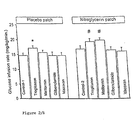
Figure 2 /A Interaction between different treatments on insulin sensitivity in normal conscious rabbits. The data are means+/-SD.
Control-1, n=6; Control-2, n=7; Nitroglycerin patch 0.07 mg/kg/h; Troglitazon 70 mg/kg p.os, n=6;Metformin 5 mg/kg i.v., n=6;Glibenclamide 1 mg/kg i.v., n=6;Idazoxan 2 mg/kg
i.v., n=6
*: significant vs. control-1, p<0.05
#: significant vs. control-2, p<0.05 -
Figure 2 /B Interaction between different treatments on insulin sensitivity in hypercholesterolaemic, insulin resistant conscious rabbits. The data are means+/-SD
Control-1, n=6; Control-2, n=6; Nitroglycerin patch 0.07 mg/kg/h; Troglitazon 70 mg/kg p.os, n=6;Metformin 5 mg/kg i.v., n=6;Glibenclamide 1 mg/kg i.v., n=6;Idazoxan 2 mg/kg
i.v., n=6
+: significant vs. placebo patch, p<0.05 -
Figure 3 Interaction between ISMN and metformin on insulin sensitivity in normal and hypercholesterolaemic, insulin resistant-conscious rabbits. The data are means+/-SD
Placebo-1, n=6; Placebo-2, n=6;Metformin 100 mg/kg p.os, n=6
ISMN: isosorbide-5-mononitrate 5 mg/kg p.os n=6;
HC-IR: hypercholesterolaemic, insulin resistant
*: significant vs. placebo-1, p<0.05
#: significant vs. placebo-2, p<0.05 -
Figure 4 /A Synergism between enzymatic NO donors and insulin sensitizers in hypercholesterolaemic, insulin resistant conscious rabbits. The data are expressed as percent of means. HC-IR: hypercholesterolaemic, insulin resistant
NTG: nitroglycerin; ISMN: isosorbide-5-mononitrate
*: significant vs. HC-IR control, p<0.05 -
Figure 4 /B Synergism between nitroglycerin and non insulin sensitizig antihyperglycaemic compounds in hypercholesterolaemic, insulin resistant conscious rabbits. The data are expressed as percent of means.
HC-IR control, n=6; HC-IR: hypercholesterolaemic, insulin resistant; Nitroglycerin patch 0.07 mg/kg/h;Glibenclamide 1 mg/kg i.v., n=6;Idazoxan 2 mg/kg i.v., n=6; Combinations, n=6
*: significant vs. HC-IR control, p<0.05 -
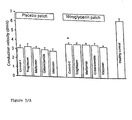
Figure 5 /A Effect of different treatments on nerve conduction velocity in femoral "C" fibers in streptozotocin diabetic rabbits. The data are means+/-SD.
Control-1, n=6; Control-2, n=6; Nitroglycerin patch 0.07 mg/kg/h; Troglitazon 70 mg/kg p.os, n=6;Metformin 5 mg/kg i.v., n=6;Glibenclamide 1 mg/kg i.v., n=6;Idazoxan 2 mg/kg
i.v., n=6
*: significant vs. control-1, p<0.05 -
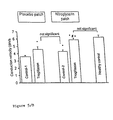
Figure 5 /B Effect of nitroglycerin and nitroglycerin-troglitazon combination on nerve conduction velocity in femoral "C" fibers in hypercholesterolaemic, insulin resistant rabbits. The data are means+/-SD.
Contrcl-1, n=6; Control-2, n=6; Nitroglycerin patch 0.07 mg/kg/h; Troglitazon 70 mg/kg p.os, n=6
*: significant vs. control-1, p<0.05
#: significant vs. control-2, p<0.05
+: significant vs. placebo patch, p<0.05 -
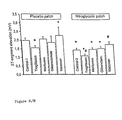
Figure 6 /A Interaction between different treatments on ventricular pacing induced ischaemia in normal conscious rabbits. The data are means+/-SD
Control-1, n=6
Control-2, n=6; Nitroglycerin patch 0.07 mg/kg/h; Troglitazon
70 mg/kg p.os, n=6;Metformin 5 mg/kg i.v., n=6; Glibenclamide
1 mg/kg i.v., n=6;Idazoxan 2 mg/kg i.v., n=6
*: significant vs. control-1, p<0.05
+: significant vs. placebo patch, p<0.05 -
Figure 6 /B Interaction between different treatments on ventricular pacing-induced ischaemia in hypercholesterolaemic, insulin resistant rabbits. The data are means+/-SD
Control-1, n=6; Control-2, n=6; Nitroglycerin patch 0.07 mg/kg/h; Troglitazon 70 mg/kg p.os, n=6;Metformin 5 mg/kg i.v., n=6;Glibenclamide 1 mg/kg i.v., n=6;Idazoxan 2 mg/kg
i.v., n=6
*: significant vs. control-1, p<0.05
#: significant vs. control-2, p<0.05 -
Figure 7 Treshold doses of per os controlled-release isosorbide-5-mononitrate (ISMN) on insulin sensitivity and myocardial ischaemia in normal conscious rabbits. The data are means+/-SD. * placebo vs. treatment on insulin sensitivity and # placebo vs. treatment on ST-elevation, p<0.05.
Glucose infusion rate (insulin sensitivity)
ST-elevation (ventricular pacing-induced ischaemia)
- The following examples illustrate various aspects of the invention without the aim of limitation.
- Effect of nitroglycerin on glucose-stimulated insulin release in humans.
Twenty persons were studied. None of them had a history of hypertension, diabetes mellitus, or smoking. - Between 2 oral glucose, tolerance tests (OGTT) the volunteers were randomized for receiving either active NITRODERM TTS 10 (releasing approx. 0.4 mg hour-1 nitroglycerin) or placebo patches. The study was carried out and evaluated in a double blind fashion. The patients received the glucose solution at 8 a.m. Venous blood samples were taken during fasting (immediately before glucose) and at 15, 30, 60, 90, 120 and 180 minutes after the glucose load. The samples evaluated for plasma glucose level (mmol 1-1) and immunoreactive insulin responses (U ml-1). Plasma glucose was determined by means of an autoanalyzer, using the glucose oxidease method. Immunoreactive insulin levels were assessed by radioimmunoassay method using antihuman antibody. During the study, two ECG leads (II and V1 or V6) and arterial blood pressure were continuously monitored.

Nitroglycerin significantly decreased the increase in insulin in response tooral glucose load as compared to corresponding values in the placebo patch group. There were no differences in plasma glucose levels in the two groups (Fig. 1 and Table I). - The experiments are carried out with adult, male New Zealand white rabbits, weighing 3.0-3.5 kg, housed as described in Am. J. Physiol 1994, Heart Circ. Physiol, 35 : H2033-H2041 and J. Moll Cell. Cardiol. 1997, 29: 1977-1983.
Cardiac electrophysiology and haemodynamics:
The right intracavitary electrogram, the chest-lead ECG, the left ventricular pressure curve and MABP are continuously recorded as above.
Global myocardial ischaemia induced by ventricular overdrive pacing:
The induction of global myocardial ischaemia was based on a method described as above.
Experimental hyperlipidaemia and insulin resistance in rabbits:
Adult male New Zealand white rabbits are fed laboratory chow enriched with 1.5% cholesterol (atherosclerotic group) over a period of eight to twelve weeks. According to our experiences, exposure to cholesterol-enriched diet over this period results in a nearly twentyfold increase in serum total cholesterol level, a decrease in insulin-stimulated glucose uptake with aortic lesion surface area of 55 % and an approx. fifty percent loss of endothelium-dependent relaxation of rings from thoracic aortae in rabbits.
Nerve conduction velocity studies :
These series of experiments were carried out to verify/exclude sensory neuropathy. Left saphenous nerve conduction velocity was determined as described in Eur J. Pharmacol 1999, 386:83-88.
Determination of insulin sensitivity/insulin resistance :
To estimate insulin sensitivity and/or insulin resistance, hyperinsulinaemic (100U/ml) euglycaemic (5.5 mM/l) glucose clamping was used. The glucose clamping values (M) were established as values of glucose infusion rates expressed in mg/kg/min to maintain blood glucose level at 5.5 mM/l.
- As shown in
Fig. 2 /A and Table II, the M values of hyperinsulinaemic and euglycaemic glucose clamping significantly increased in the presence of troglitazon (70 mg/kg/day p. os over 3 days). Either metformin (5 mg/kg/day i.v. over 3 days) or glibenclamide (1 mg/kg i.v. 10 min prior to glucose infusion) or idazoxan (2 mg/kg i.v.) was without effect. - The M values are also significantly increased in the presence of 0.07 mg/kg/min transdermal nitroglycerin combined with troglitazon or metformin (
Fig. 2 /A, Table II). - In the presence of nitroglycerin (0,07 mg/kg/h) M values of hyperinsulinaemic and euglycaemic glucose clamping increased as shown in
Fig. 2 /B (control-2, Table II). In the presence of nitroglycerin and troglitazon (70 mg/kg/day p.os over 3 days), metformin (5 mg/kg/day i.v. over 3 days), glibenclamide (1 mg/kg i.v. 10 min prior to glucose infusion) or idazoxan (2 mg/kg i.v.) the M values are also significantly increased compared to the placebo patch group (Fig. 2 /B, Table II). - After treatment with isosorbide-5-mononitrate (ISMN) (1 mg/kg/day,
Olicard 40, Solvay Pharma, Hannover, Germany) M values of hyperinsulinaemic and euglycaemic glucose clamping increased as compared to the control (Fig. 3 , placebo-1; Table III) value. Metformin (100 mg/kg/day p.os over 3 days) was without any effect, but in the presence of ISMN , metformin elicited a significant increase in the M values (Fig. 3 , Table III). - After treatment with isosorbide-5-mononitrate (ISMN) (5 mg/kg/day,
Olicard 40, Solvay Pharma, Hannover, Germany) M values of hyperinsulinaemic and euglycaemic glucose clamping significantly increased as compared to the control (Fig. 3 , placebo-2) value. Metformin (100 mg/kg/day p.os over 3 days) alone and the combination of ISMN and metformin also elicited a significant increase in the M values (Fig. 3 , Table III).
1. - The enzymatic NO donors (nitroglycerin, ISMN) combined with known insulin sensitizer compounds (metformin, troglitazon) produced synergism (increased effectivity) on insulin sensitivity, as shown in
Fig. 4 /B and Table IV. - Nitroglycerin combined with antihyperglycaemic compounds that are without insulin sensitising effect (glibenclamide, idazoxan) produced synergism (increased effectivity) on glycaemic control (
Fig. 4 /B, Table IV). - Nitroglycerin and glibeclamide combination produced synergism not only on metabolic effects, but on anti-ischaemic effects (
Fig. 6 /B, Table VT), as well. - Streptozotocin (40 mg/kg i.v.) produced a decrease in nerve conduction velocity in femoral "A" and "C" fibres, respectively, as determined 8 weeks after streptozotocin injection. Nitroglycerin (12-h patch on vs 12-h patch off periods over three days) significantly improved nerve conduction in "C" fibres (
Fig. 5 /A, Table V) with a marginal amelioration of "A" fibre conduction (data not shown). Neither troglitazon,nor glibenclamide, idazoxan or metformin produced any effect on nerve conduction velocity in the streptozotocin-diabetes model. The combination of any of these drugs with nitroglycerin yielded an improvement of conduction velocity in streptozotocin-diabetic aminals similar to that seen with nitroglycerin alone. - An eight-week period of atherogenic diet resulted in a decrease in nerve conduction velocity in "C" fibres (
Fig. 5 /B.; control-1; Table V) . This was attenuated by nitroglycerin and troglitazon (Fig. 5 /B, control-2; Table V).
When these drugs were applied together, the "C" fibre nerve conduction velocity values increased further, and did not differ significantly from those measured in healthy rabbits in the absence of any drugs (Fig. 5 /B, Table V). - Troglitazon and nitroglycerin significantly decreased intra cavitary ST-segment elevation (
Fig. 6 /A, Table VI), but met formin and glibenclamide were without effect.
When nitroglycerin was combined with troglitazon, glibencla mide, metformin or idazoxan, each combination produced an anti-ischaemic effect similar to that produced by nitroglyc erin alone (Fig 6 /A, Table VI). - Nitroglycerin significantly decreased intracavitary ST-segment elevation (
Fig. 6 /B; control-2; Table VI). Troglitazon also induced an anti-ischaemic effect although of lower amplitude than that produced by nitroglycerin. Metformin and glibenclamide were without effect. Idazoxan aggravated ischaemic changes produced by VOP (Fig. 6 /B, Table VI), moreover, VOP induced ventricular extrasystoles in the insulin resistant animals.
When nitroglycerin was combined with troglitazon the anti-ischaemic effect exceeded that induced by nitroglycerin alone (Fig 6 /B, Table VI). Nitroglycerin + metformin, nitroglycerin + glibenclamide produced an anti-ischaemic effect approx. of the same magnitude as that seen with nitroglycerin alone. - The effect of 1, 2, and 4 mg/kg per os ISMN were tested, to compare the metabolic (insulin sensitising) and anti-ischaemic (changes in ST-segment elevation) dose range of ISMN. 1 mg/kg was without any effect, but 2 mg/kg produced significant metabolic effect with a statistically insignificant anti-ischaemic effect. 4 mg/kg and higher doses of ISMN had metabolic and anti-ischaemic effects, as well (
Fig. 7 , Table VII). The threshold dose of the insulin sensitising effect was 2mg/kg, 50% of the threshold dose of the anti-ishaemic effect.
The usual human anti-anginal (anti-ischaemic) doses of controlled release ISMN preparations are 30 to 240 mg/day. The threshold anti-anginal dose is 30 mg/day.
Human dose: 15 mg retard ISMN + 250 mg retard metfromin Evaluation of Experimental Results:
Our results have shown for the first time that in addition to favourable effects on the heart and vasculature, nitroglycerin, ISMN, and all of the other enzymatic NO donors at a dose identical or even lower to that used for the treatment of stable angina pectoris (see Table 1) produces metabolic effects, that influence insulin sensitivity in healthy and insulin resistant patients and mammals.
The enzymatic NO-donors applied at an anti-ischaemic dosage range (see the corresp. Table) produces additional metabolic effects, that influence post-prandial haemodynamic adjustments of potential risk in patients and mammals with coronary artery disease. - The combinations of the known antihyperglycaemic compounds with enzymatic NO donors produce synergism on insulin sensitivity.
Table 1 Doses of the Enzymatic NO-Donors Used for the Treatment of Stable Angina Pectoris drug form mg daily administration 1. NTG sublingual tablet 0,3-0,6 1-3 times or 2-5 min. before activity 2. NTG sublingual spray 0,4-0,8 1-3 times or 2-5 min. before activity 3. NTG buccal tablet 1-3 3 times or 2-5 min. before activity 4. NTG sustained release, oral 2,6-10,4 2-3 times 5. NTG transdermal ointment, 2% 1-10 cm 7,5-30 mg3-4 times 6. NTG transdermal patch 0,2-0,8 mg/bour once 7. ISDN oral spray 1,25-3,75 1-3 times or 2-5 min. before activity 8. ISDN sublingual tablet 2,5-10 5-10 min, before activity 9. ISDN tablet, capsule 10-45 3 times 10. ISDN sustained release, oral 20-80 1-2 times 11. ISDN transdermal 30-90 1-2 times 12. ISMN tablet, capsule 10-20 twice 13. ISMN sustained release, oral 30-240 once Table 2. Effect of transdermal nitroglycerin on oral glucose tolerance test (OGTT) in healthy volunteers. Placebo patch Active patch Sampling Glucose, mmol l-1 Insulin, µU ml-1 Glucose, mmol l-1 Insulin, µU ml-1 0(conlrol) 4.8±0.2 9.1±0.9 4.2±0.3 8.2±0.9 15 min 7.4±0.5' 77.7±3.3+ 7.3±1.1+ 38.9±4.4"+ 30 min 6.9±0.7' 78.8±6.1+ 6.1±0.6+ 36.3±5.0'+ 60 min 5.3±0.4+ 44.3±3.1+ 5.5±0.4 25.6±3.3'+ 90 min 4.4±0.2 30.6±3.7+ 4.7±0.7 24.1±2.9'+ 120 min 3.8±0.4 16.8±3.3+ 4.2±0.3 15.2±2.4' 180 min 4.1±0.4 12.1±3.1 4.5±0.5 14.4±2.6 The data are means±S.D. obtained with 20 patients. +: different from '0' values at p<0.05; * placebo vs active patch at p<0.05. Table I Effect of transdermal nitroglycerin on oral glucose tolerance test in human volunteers Placebo patch Active patch Sampling (min) Glucose(mmoL-1) Insulin (µUmL-1) Glucose(mmoL-1) Insulin (µUmL-1) 0 (control) 4.8±0.2 9.1±0.9 4.2±0.3 8.2±0.9 15 7.4±0.5 77.7±3.3 7.3±1.1 38.9±4.4 30 6.9±0.7 78.8±6.1 6.1±0.6 36.3±5.0 60 5.3±0.4 44.3±3.1 5.5±0.4 25.6±3.3 90 4.4±0.2 30.6±3.7 4.7±0.7 24.1±2.9 120 3.8±0.4 16.8±3.3 4.2±0.3 15.2±2.4 180 4.1±0.4 12.1±3.1 4.5±0.5 14.4±2.6 The data are mean±SD obtained from 20 patients. Table II Interaction between different treatments on insulin sensitivity in rabbits Glucose infusion rate (mg/kg/min.) Normal rabbit Hypercholesterolaemic, insulin resistant rabbit Placebo patch Active patch (nitroglycerin 0.07 mg/kg/h) Placebo patch Active patch (nitroglycerin 0.07 mg/kg/h) Control 14.667±0.8165 n=6 16.857±1.0690 n=7 9.000±1.0954 n=6 12.667±1.0328 n=6 Troglitazon, n=6 (70 mg/kg p.os) 17.167±0.7528 19.333±1.0328 11.000±1.8974 14.667±1.2111 Metformin, n=6 (5 mg/kg i.v.) 15.667±0.8165 19.833±0.7528 10.833±1.1690 14.5001±1.3784 Glibenclamide, n=6 (1 mg/kg i.v.) 14.667±1.2111 16.500±1.0488 8.833±0.9832 12.333±1.2111 Idazoxan, n=6 (2 mg/kg i.v.) 14.667±1.0328 16.000±1.2649 8.500±0.8367 12.833±1.7224 The data are mean±SD. Table III Interaction between ISMN and metformin on insulin sensitivity in rabbits Glucose infusion rate (mg/kg/min.) Treatment Normal rabbit Hypercholesterolaemic, insulin resistant rabbit Control, n=6 14.60±1.0300 9.70±1.6000 Metformin, n=6 (100 mg/kg p.os) 14.80±0.0800 11.70±1.0300 ISMN controlled release, (5 mg/kg p.os) 16.30±0.8200 14.00±0.8900 ISMN controlled release (5 mg/kg p.os) + metformin (100 mg/kg P.os), n=6 19.30±0.0820 15.90±0.7500 The data are mean±SD. Table IV Synergism between enzymatic NO donors and known anti-diabetics in hyperchotesterolaemic, insulin resistant rabbits Treatment Insulin sensitivity (%) Control 100.0 Metformin (5 mg/kg i.v.) 120.4 Troglitazon (70 mg/kg p.os) 122.2 Nitroglycerin patch (0.07 mg/kg/h) 140.7 Nitroglycerin patch (0.07 mg/kg/h) + metformin (5 mg/kg i.v.) 163.0 Nitroglycerin patch (0.07 mg/kg/h) + troglitazon (70 mg/kg p.os) 161.1 Metformin (100 mg/kg p.os) 120.6 ISMN controlled release (5 mg/kg p.os) 144.4 ISMN controlled release (5 mg/kg p.os) + Metformin (100 mg/kg p.os) 163.9 Table V Interaction between different treatments on nerve conduction velocity in femoral
"C" fibers in rabbitsNerve conduction velocity (dm/s)) Healthy untreated rabbit 6.2±0.3 Streptozotocin diabetic rabbit Hypercholesterolaemic, insulin resistant rabbit Treatment Placebo patch Active patch Placebo patch Active patch Control, n=6 3.1±0.3 3.6±0.2 3.6±0.2 4.3±0.4 Troglitazon, n=6 3.2±0.3 3.6±0.2 - - (70 mg/kg p.os) Metformin, n=6 3.1±0.2 3.6±0.2 - - (5 mg/kg i v.) Glibenclamide, n=6 2.9±0.24 3.6±0.2 - - (1 mg/kg i.v.) Idazoxan, n=6 2.8±0.26 3.4±0.2 - - (2 mg/kg i.v.) Troglitazon, n=6 (70 mg/kg p.os) - - 4.6±0.4 5.9±0.2 The data are mean±SD. Table VI Interaction between dilfferent treatments on ventricular pacing-induced ischaemia in rabbits ST-segment elevation (mV) Treatment Normal rabbit Hypercholesterolaemic, insulin resistant rabbit Placebo patch Active patch (nitroglycerin 0.07 mg/kg/h) Placebo patch Active patch (nitroglycerin 0.07 mg/kg/h) Control, n=6 1.3±0.10 0.7±0.10 2.0±0.13 1.4±0.10 Troglitazon, n=6 1.1±0.08 0.7±0.09 1.6±0.12 1.08±0.10 (70 mg/kg p.os) Metformin, n=6 1.4±0.08 0.8±0.10 2.1±0.13 1.5±0.08 (5 mg/kg i v.) Glibenclamide, n=6 1.4±0.08 0.8±0.08 1.9±0.40 1.5=0.13 (1 mg/kg i.v.) Idazoxan, n=6 1.4±0.05 0.8±0.09 2.3±0.50 1.8±0.16 (2 mg/kg i.v.) The data are mean±SD. Table VII Treshold doses of per os controlled release ISMN on insulin sensitivity and myocardial ischaemia in normal rabbits Treatment Glucose infusion rate (mg/kg/min.) ST-segment elevation (mV) Control, n=6 13.6±1.03 2.0±0.12 1 mg/kg ISMN, n=6 14.2±0.8 2.0±0.09 2 mg/kg ISMN, n=6 16.0±0.9 1.9±0.16 4 mg/kg ISMN, n=6 16.3±1.0 1.4±0.12 The data are mean±SD
Claims (22)
- The use of at least one enzymatic nitric oxide (NO) donor organic nitrate for the manufacture of an insulin-sensitizing medicament for:- treatment of diabetes mellitus;- prevention of diabetes mellitus;- treatment of pre-diabetes and pre-diabetic diseases;- prevention of pre-diabetic diseases;- treatment of a diabetes-associated disease selected from the group consisting of:wherein said medicament contains an insulin-sensitizing effective dose of said at least one enzymatic NO donor organic nitrate.disturbances in gastric and intestinal motility, particularly gastroparesis; problems affecting the sphincter of ODDI;
- The use of at least one enzymatic NO donor as claimed in claim 1, characterized in that said pre-diabetic diseases are selected from the group of polycystic ovary syndrome and gestational diabetes syndrome.
- The use of an enzymatic nitric oxide (NO) donor organic nitrate as claimed in claim 1, wherein said medicament is a pharmaceutical composition containing said NO donor(s), and which optionally comprises pharmaceutically acceptable carriers and/or other auxiliaries, said composition being preferably formulated as a composition for oral liquid, oral solid, nasal, or sublingual administration, and most preferably in tablet form.
- The use of an enzymatic nitric oxide (NO) donor organic nitrate as claimed in any one of claims 1 to 3, wherein said medicament further comprises an effective dose of at least one antidiabetic active ingredient, preferably an effective dose of at least one oral antidiabetic active ingredient.
- The use of an enzymatic nitric oxide (NO) donor organic nitrate as claimed in claim 4, wherein said medicament is a pharmaceutical composition containing both said NO donor(s) and said antidiabetic ingredient(s), and optionally comprises pharmaceutically acceptable carriers and/or other auxiliaries.
- The use of an enzymatic nitric oxide (NO) donor organic nitrate as claimed in claim 4, wherein said medicament comprises a combination of at least two separate pharmaceutical compositions, and wherein one of said at least two compositions comprises an effective dose of said at least one NO donor, and at least one further composition of said combination comprises an effective dose of said at least one antidiabetic ingredient, and said composition(s) optionally comprise(s) pharmaceutically acceptable carriers and/or other auxiliaries.
- The use of an enzymatic nitric oxide (NO) donor organic nitrate as claimed in any one of claims 1 to 6, wherein said NO donor(s) is/are selected from the group consisting of nitroglycerin (NTG), racemic isosorbide mononitrate (ISMN) and/or its stereoisomers, racemic isosorbide dinitrate (ISDN) and/or its stereoisomers, erythrityl tetranitrate, pentaerythritol tetranitrate, methylpropyl-propanediol dinitrate, propatyl nitrate, trolnitrate, tenitramine and nicorandile.
- The use of an enzymatic nitric oxide (NO) donor organic nitrate as claimed in any one of claims 4 to 7, wherein said antidiabetic ingredient(s) is/are selected from the group consisting of insulin, thiazolidinedion, biguanide derivatives, α-glucosidase inhibitor, α2-adrenergic antagonist, sulphonamides, preferably a sulphonyl urea, troglitazone, pioglitazone, rosiglitazone, meglitinide analogues, acetohexamide, carbutamide, chlorpropamide, glibenclamide, glibornuride, glibutamide, gliclazide, glipizide, glimeperide, gliquidone, glisentide, glisolamide, glisoxepide, glybuzole, glyclopyramide, glycyclamide, glymidine free acid and its salts, metahexamide, tolazamide, tolbutamide, metformine, phenformine, buformine, idazoxane, acarbose, miglitol and voglibose.
- The use of an enzymatic nitric oxide (NO) donor organic nitrate as claimed in any one of claims 4 to 8, wherein said NO donor(s) is/are selected from the group consisting of nitroglycerin, racemic isosorbide mononitrate and/or its stereoisomers, racemic isosorbide dinitrate and/or its stereoisomers, and wherein said antidiabetic ingredient is selected from the group consisting of insulin, troglitazone, pioglitazone, rosiglitazone, glibenclamide, metformine and idazoxane.
- The use of an enzymatic nitric oxide (NO) donor organic nitrate as claimed in any one of claims 3 to 9, wherein said composition(s) is/are formulated for parenteral, preferably intravenous, intramuscular, subcutaneous or transdermal, or for oral, nasal, sublingual or buccal administration, wherein said oral formulations comprise liquid preparations, preferably liquids and sprays, and solid preparations, preferably tablets.
- The use of an enzymatic nitric oxide (NO) donor organic nitrate as claimed in claim 10, wherein said composition(s) is/are formulated as a sustained-release formulation, preferably as a sustained-release medicament for oral application or a transdermal patch.
- The use of an enzymatic nitric oxide (NO) donor organic nitrate as claimed in claim 3, wherein said composition contains the following daily doses, or per hour doses, of nitroglycerin (NTG), isosorbide mononitrate (ISMN) or isosorbide dinitrate (ISDN):
NTG sustained-release, per os: 0.5-31.2 mg; NTG transdermal patch: 0.2-0.8 mg/h; ISDN tablet or capsule: 0.3-135 mg; ISDN sustained release, per os: 0.2-160 mg; ISDN transdermal: 3-180 mg; ISMN tablet or capsule: 1-40 mg; ISMN sustained-release, per os: 2-240 mg; ISMN transdermal: 40-300 mg. - The use of an enzymatic nitric oxide (NO) donor organic nitrate as claimed in claim 3, wherein said composition contains the following daily doses of nitroglycerin (NTG), isosorbide mononitrate (ISMN) or isosorbide dinitrate (ISDN):
NTG sustained-release, per os: 0.5-5.2 mg; ISDN tablet or capsule: 0.3-3 mg; ISDN sustained release, per os: 0.2-2 mg; ISMN tablet or capsule: 1-20 mg; ISMN sustained-release, per os: 2-30 mg; ISMN transdermal: 40-300 mg. - The use of an enzymatic nitric oxide (NO) donor organic nitrate as claimed in any one of claims 4 to 11, wherein said medicament is intended for combined therapy treatment, and said medicament is a composition as defined in claim 5 or comprises a combination of compositions as defined in claim 6, and said composition(s) contain(s) the following doses of NO donor (a) and antidiabetic ingredient (b), respectively:a) as enzymatic NO donor:
NTG retard, per os 0.26-31.2 mg; ISDN, per os 0.1-135 mg; ISDN retard, per os 0.2-160 mg; ISDN transdermal 3-180 mg; ISMN per os 0.1-120 mg; ISMN retard per os 0.2-240 mg; b) and, as antidiabetic active ingredient:glibenclamide, per os 0.75-14 mg; metformin, per os 50-3000 mg; glyburide, per os 0.1-100 mg; idazoxan, per os 20-600 mg; troglitazon, per os 20-600 mg; pioglitazon, per os 5-50 mg; rosiglitazon, per os 5-50 mg; insulin, i.v. 4-500 NE/ml. - The use of an enzymatic nitric oxide (NO) donor organic nitrate as claimed in any one of claims 4 to 11, wherein said medicament said comprises one of the following combinations of two or more active substances:- enzymatic NO donor, sulphonylurea and biguanide derivative; or- enzymatic NO donor, sulphonylurea and thiazolidinedione derivative; or- enzymatic NO donor, sulphonylurea and insulin; or- enzymatic NO donor, biguanide derivative, and thiazolidinedione derivative; or- enzymatic NO donor, biguanide derivative, and insulin; or- enzymatic NO donor, thiazolidinedione derivative and/or insulin; or- enzymatic NO donor, sulphonylurea, biguanide and thiazolidinedione derivative; or- enzymatic NO donor, sulphonylurea, biguanide, thiazolidinedione derivative and insulin.
- An insulin-sensitizing medicament comprising an insulin-sensitizing effective dose of at least one enzymatic nitric oxide (NO) donor organic nitrate and at least one anti-diabetic active ingredient selected from the group consisting of thiazolidinedion, biguanide derivatives, α-glucosidase inhibitor, α2-adrenergic antagonist, sulphonamides, preferably a sulphonyl urea, troglitazone, pioglitazone, rosiglitazone, meglitinide analogues, acetohexamide, carbutamide, chlorpropamide, glibenclamide, glibornuride, glibutamide, gliclazide, glipizide, glimeperide, gliquidone, glisentide, glisolamide, glisoxepide, glybuzole, glyclopyramide, glycyclamide, glymidine free acid and its salts, metahexamide, tolazamide, tolbutamide, metformine, phenformine, buformine, idazoxane, acarbose, miglitol and voglibose.
- A medicament as claimed in claim 16, characterized in that said medicament is a pharmaceutical composition containing both said NO donor(s) and said antidiabetic ingredient(s), and optionally comprises pharmaceutically acceptable carriers and/or other auxiliaries.
- A medicament as claimed in claim 16, characterized in that said medicament comprises a combination of at least two separate pharmaceutical compositions, and wherein one of said at least two compositions comprises an effective dose of said at least one NO donor, and at least one further composition of said medicament comprises an effective dose of said at least one antidiabetic ingredient, and said composition(s) optionally comprise(s) pharmaceutically acceptable carriers and/or other auxiliaries.
- A medicament as claimed in any one of claims 16 to 18, characterized in that said NO donor(s) is/are selected from the group consisting of nitroglycerin (NTG), racemic isosorbide mononitrate (ISMN) and/or its stereoisomers, racemic isosorbide dinitrate (ISDN) and/or its stereoisomers, erythrityl tetranitrate, pentaerythritol tetranitrate, methylpropyl-propanediol dinitrate, propatyl nitrate, trolnitrate, tenitramine and nicorandile.
- A medicament as claimed in any one of claims 17 to 19, characterized in that said pharmaceutical composition(s) is/are formulated for parenteral, preferably intravenous, intramuscular, subcutaneous or transdermal, or for oral, nasal, sublingual or buccal administration, wherein said oral formulations comprise liquid preparations, preferably liquids and sprays, and solid preparations, preferably tablets.
- A medicament as claimed in any one of claims 16 to 20, characterized in that it further contains insulin.
- A medicament as claimed in any one of claims 16 to 21, characterized in that it comprises one of the following combinations of two or more active substances:- enzymatic NO donor, sulphonylurea and biguanide derivative; or- enzymatic NO donor, sulphonylurea and thiazolidinedione derivative; or- enzymatic NO donor, sulphonylurea and insulin; or- enzymatic NO donor, biguanide derivative, and thiazolidinedione derivative; or- enzymatic NO donor, biguanide derivative, and insulin; or- enzymatic NO donor, thiazolidinedione derivative and/or insulin; or- enzymatic NO donor, sulphonylurea, biguanide and thiazolidinedione derivative; or- enzymatic NO donor, sulphonylurea, biguanide, thiazolidinedione derivative and insulin.
Applications Claiming Priority (3)
| Application Number | Priority Date | Filing Date | Title |
|---|---|---|---|
| HU0002628 | 2000-07-14 | ||
| HU0002628A HUP0002628A2 (en) | 2000-07-14 | 2000-07-14 | Pharmaceutical combinations for treating diabetes |
| PCT/HU2001/000079 WO2002005795A2 (en) | 2000-07-14 | 2001-07-13 | Pharmaceutical combinations for treatment and prevention of diabetes mellitus |
Publications (2)
| Publication Number | Publication Date |
|---|---|
| EP1303304A2 EP1303304A2 (en) | 2003-04-23 |
| EP1303304B1 true EP1303304B1 (en) | 2008-07-09 |
Family
ID=89978472
Family Applications (1)
| Application Number | Title | Priority Date | Filing Date |
|---|---|---|---|
| EP01954229A Expired - Lifetime EP1303304B1 (en) | 2000-07-14 | 2001-07-13 | Pharmaceutical combinations for treatment and prevention of diabetes mellitus |
Country Status (10)
| Country | Link |
|---|---|
| US (1) | US20040068005A1 (en) |
| EP (1) | EP1303304B1 (en) |
| JP (1) | JP2004503585A (en) |
| AT (1) | ATE400298T1 (en) |
| AU (1) | AU2001276571A1 (en) |
| CA (1) | CA2415392A1 (en) |
| DE (1) | DE60134747D1 (en) |
| ES (1) | ES2311530T3 (en) |
| HU (1) | HUP0002628A2 (en) |
| WO (1) | WO2002005795A2 (en) |
Families Citing this family (52)
| Publication number | Priority date | Publication date | Assignee | Title |
|---|---|---|---|---|
| PT1558220E (en) * | 2003-07-24 | 2010-03-12 | Rasendrakumar Jha | Oral compositions for treatment of diabetes |
| US9226909B2 (en) | 2004-04-19 | 2016-01-05 | Strategic Science & Technologies, Llc | Beneficial effects of increasing local blood flow |
| AU2005245240B2 (en) * | 2004-05-20 | 2010-04-29 | Scimar Ltd. | Use of drug combinations for treating insulin resistance |
| EP1700611A1 (en) * | 2005-02-11 | 2006-09-13 | NOLabs AB | Device for treatment of disorders in the oral cavity, and manufacturing process for the same |
| EP1861130B1 (en) * | 2005-02-11 | 2008-09-10 | NOLabs AB | Device and method for treatment of dermatomycosis, and in particular onychomycosis |
| EP1846058B1 (en) * | 2005-02-11 | 2009-07-15 | NOLabs AB | Device method, and use for treatment of neuropathy involving nitric oxide |
| EP1846009A2 (en) * | 2005-02-11 | 2007-10-24 | NOLabs AB | Improved device for application of medicaments, manufacturing method therefor, and method of treatment |
| DK1871433T3 (en) | 2005-03-24 | 2009-08-10 | Nolabs Ab | Cosmetic treatment with nitric oxide, device for performing this treatment and manufacturing process therefor |
| JP5246833B2 (en) * | 2005-12-16 | 2013-07-24 | 独立行政法人産業技術総合研究所 | Adiponectin production enhancer |
| JP5246834B2 (en) * | 2005-12-27 | 2013-07-24 | 独立行政法人産業技術総合研究所 | Adiponectin production enhancer |
| ITPI20060103A1 (en) * | 2006-08-07 | 2008-02-08 | Univ Pisa | PHARMACODYNAMIC HYBRIDS WITH HYPOGLYCEMIZING ACTIVITY AND NO-DONOR OBTAINED FROM THE CONJUGATION OF HYDROXYLATED GLIBENCLAMIDE DERIVATIVES WITH NITROOSSI-SUBSTITUTED CARBOXYLIC ACIDS. |
| US8822509B2 (en) | 2006-12-29 | 2014-09-02 | The University Of Queensland | Pain-relieving compositions and uses therefor |
| WO2008080194A1 (en) * | 2006-12-29 | 2008-07-10 | The University Of Queensland | Pain-relieving compositions and uses therefor |
| US12138268B2 (en) | 2009-06-24 | 2024-11-12 | Strategic Science & Technologies, Llc | Treatment of erectile dysfunction and other indications |
| WO2010151241A1 (en) | 2009-06-24 | 2010-12-29 | Strategic Science & Technologies, Llc | Topical composition containing naproxen |
| US11684624B2 (en) | 2009-06-24 | 2023-06-27 | Strategic Science & Technologies, Llc | Treatment of erectile dysfunction and other indications |
| RU2505291C2 (en) | 2009-06-24 | 2014-01-27 | СТРАТЕДЖИК САЙЕНС ЭНД ТЕКНОЛОДЖИЗ, ЭлЭлСи | Topical composition containing ibuprofen |
| ES2811515T3 (en) | 2010-12-29 | 2021-03-12 | Strategic Science & Tech Llc | Erectile dysfunction treatment and other indications |
| JP2014501283A (en) | 2010-12-29 | 2014-01-20 | ストラテジック サイエンス アンド テクノロジーズ, エルエルシー | Systems and methods for the treatment of allergies and other indications |
| EP2729131B1 (en) | 2011-07-05 | 2020-04-15 | Novan, Inc. | Topical compositions |
| WO2013173923A1 (en) | 2012-05-25 | 2013-11-28 | Diamedica, Inc. | Formulations of human tissue kallikrein-1 for parenteral delivery and related methods |
| PT2854841T (en) | 2012-06-04 | 2017-05-15 | Diamedica Inc | Human tissue kallikrein 1 glycosylation isoforms |
| US9855211B2 (en) | 2013-02-28 | 2018-01-02 | Novan, Inc. | Topical compositions and methods of using the same |
| US9724419B2 (en) | 2013-03-13 | 2017-08-08 | Transdermal Biotechnology, Inc. | Peptide systems and methods for metabolic conditions |
| US9750787B2 (en) | 2013-03-13 | 2017-09-05 | Transdermal Biotechnology, Inc. | Memory or learning improvement using peptide and other compositions |
| US9295636B2 (en) | 2013-03-13 | 2016-03-29 | Transdermal Biotechnology, Inc. | Wound healing using topical systems and methods |
| US20140271938A1 (en) | 2013-03-13 | 2014-09-18 | Transdermal Biotechnology, Inc. | Systems and methods for delivery of peptides |
| US9393265B2 (en) | 2013-03-13 | 2016-07-19 | Transdermal Biotechnology, Inc. | Wound healing using topical systems and methods |
| US9314433B2 (en) | 2013-03-13 | 2016-04-19 | Transdermal Biotechnology, Inc. | Methods and systems for treating or preventing cancer |
| US9295637B2 (en) | 2013-03-13 | 2016-03-29 | Transdermal Biotechnology, Inc. | Compositions and methods for affecting mood states |
| US9320758B2 (en) | 2013-03-13 | 2016-04-26 | Transdermal Biotechnology, Inc. | Brain and neural treatments comprising peptides and other compositions |
| US20140271937A1 (en) | 2013-03-13 | 2014-09-18 | Transdermal Biotechnology, Inc. | Brain and neural treatments comprising peptides and other compositions |
| US20140271731A1 (en) | 2013-03-13 | 2014-09-18 | Transdermal Biotechnology, Inc. | Cardiovascular disease treatment and prevention |
| US9314417B2 (en) | 2013-03-13 | 2016-04-19 | Transdermal Biotechnology, Inc. | Treatment of skin, including aging skin, to improve appearance |
| US9314422B2 (en) | 2013-03-13 | 2016-04-19 | Transdermal Biotechnology, Inc. | Peptide systems and methods for metabolic conditions |
| US9295647B2 (en) | 2013-03-13 | 2016-03-29 | Transdermal Biotechnology, Inc. | Systems and methods for delivery of peptides |
| US9849160B2 (en) | 2013-03-13 | 2017-12-26 | Transdermal Biotechnology, Inc. | Methods and systems for treating or preventing cancer |
| US9687520B2 (en) | 2013-03-13 | 2017-06-27 | Transdermal Biotechnology, Inc. | Memory or learning improvement using peptide and other compositions |
| US9339457B2 (en) | 2013-03-13 | 2016-05-17 | Transdermal Biotechnology, Inc. | Cardiovascular disease treatment and prevention |
| US9387159B2 (en) | 2013-03-13 | 2016-07-12 | Transdermal Biotechnology, Inc. | Treatment of skin, including aging skin, to improve appearance |
| US9393264B2 (en) | 2013-03-13 | 2016-07-19 | Transdermal Biotechnology, Inc. | Immune modulation using peptides and other compositions |
| US9320706B2 (en) | 2013-03-13 | 2016-04-26 | Transdermal Biotechnology, Inc. | Immune modulation using peptides and other compositions |
| US9314423B2 (en) | 2013-03-13 | 2016-04-19 | Transdermal Biotechnology, Inc. | Hair treatment systems and methods using peptides and other compositions |
| US9241899B2 (en) | 2013-03-13 | 2016-01-26 | Transdermal Biotechnology, Inc. | Topical systems and methods for treating sexual dysfunction |
| EP3030266B1 (en) | 2013-08-08 | 2020-10-28 | Novan Inc. | Topical compositions and methods of using the same |
| US20150065423A1 (en) * | 2013-08-30 | 2015-03-05 | Perosphere, Inc. | Rapid acting injectable formulations |
| EP3177262A4 (en) | 2014-08-08 | 2018-04-18 | Novan Inc. | Topical emulsions |
| WO2017015760A1 (en) * | 2015-07-28 | 2017-02-02 | Societe De Commercialisation Des Produits De La Recherche Appliquee Socpra Sciences Sante Et Humaines, S.E.C. | A pharmaceutical preparation for improving absorption and postprandial hypoglycemic action of insulin |
| EP3423100A4 (en) | 2016-03-02 | 2019-10-16 | Novan, Inc. | COMPOSITIONS FOR TREATING INFLAMMATION AND ASSOCIATED METHODS OF TREATMENT |
| WO2017180822A1 (en) | 2016-04-13 | 2017-10-19 | Novan, Inc. | Compositions, systems, kits, and methods for treating an infection |
| US11857608B2 (en) | 2017-03-09 | 2024-01-02 | Diamedica Inc. | Dosage forms of tissue kallikrein 1 |
| CN112920239B (en) * | 2019-12-05 | 2023-03-28 | 天津医科大学 | Preparation and application of alpha-glucosidase induced release NO donor |
Family Cites Families (10)
| Publication number | Priority date | Publication date | Assignee | Title |
|---|---|---|---|---|
| EP0159604B1 (en) * | 1984-04-09 | 1990-11-07 | Toyo Boseki Kabushiki Kaisha | Sustained-release preparation applicable to mucous membrane in oral cavity |
| US5212154A (en) * | 1987-08-14 | 1993-05-18 | Akzo N.V. | Preparation for treating complications in diabetes |
| US5262165A (en) * | 1992-02-04 | 1993-11-16 | Schering Corporation | Transdermal nitroglycerin patch with penetration enhancers |
| US5698589A (en) * | 1993-06-01 | 1997-12-16 | International Medical Innovations, Inc. | Water-based topical cream containing nitroglycerin and method of preparation and use thereof |
| DK1051972T3 (en) * | 1994-05-27 | 2008-01-28 | Strakan Int Ltd | Nitric oxide donor composition and method for the treatment of anal disorders |
| US6190704B1 (en) * | 1994-09-23 | 2001-02-20 | New York Society For The Ruptured And Crippled Maintaining The Hospital For Special Surgery | Regulation of wound healing by nitric oxide |
| JPH11292787A (en) * | 1995-08-15 | 1999-10-26 | Asahi Chem Ind Co Ltd | Transucosal preparation containing physiologically active peptide |
| US5906987A (en) * | 1997-03-10 | 1999-05-25 | Schering Aktiengesellschaft And Board Of Regents | Treatment of male climacteric disorders with nitric oxide synthase substrates and/or donors, in combination with androgens and/or aromatase inhibitors |
| WO1998043621A1 (en) * | 1997-03-31 | 1998-10-08 | The Children's Medical Center Corporation | Nitrosylation to inactivate apoptotic enzymes |
| US20010056068A1 (en) * | 1998-03-04 | 2001-12-27 | Kristof Chwalisz | Method of treatment and prevention of nitric oxide deficiency-related disorders with citrulline and citrulline derivatives |
-
2000
- 2000-07-14 HU HU0002628A patent/HUP0002628A2/en unknown
-
2001
- 2001-07-13 EP EP01954229A patent/EP1303304B1/en not_active Expired - Lifetime
- 2001-07-13 ES ES01954229T patent/ES2311530T3/en not_active Expired - Lifetime
- 2001-07-13 US US10/332,946 patent/US20040068005A1/en not_active Abandoned
- 2001-07-13 CA CA002415392A patent/CA2415392A1/en not_active Abandoned
- 2001-07-13 AU AU2001276571A patent/AU2001276571A1/en not_active Abandoned
- 2001-07-13 AT AT01954229T patent/ATE400298T1/en not_active IP Right Cessation
- 2001-07-13 JP JP2002511728A patent/JP2004503585A/en not_active Withdrawn
- 2001-07-13 WO PCT/HU2001/000079 patent/WO2002005795A2/en not_active Ceased
- 2001-07-13 DE DE60134747T patent/DE60134747D1/en not_active Expired - Lifetime
Also Published As
| Publication number | Publication date |
|---|---|
| WO2002005795A3 (en) | 2002-12-19 |
| AU2001276571A1 (en) | 2002-01-30 |
| US20040068005A1 (en) | 2004-04-08 |
| HUP0002628A2 (en) | 2002-06-29 |
| JP2004503585A (en) | 2004-02-05 |
| HU0002628D0 (en) | 2000-09-28 |
| ES2311530T3 (en) | 2009-02-16 |
| EP1303304A2 (en) | 2003-04-23 |
| ATE400298T1 (en) | 2008-07-15 |
| WO2002005795A2 (en) | 2002-01-24 |
| DE60134747D1 (en) | 2008-08-21 |
| CA2415392A1 (en) | 2002-01-24 |
| WO2002005795B1 (en) | 2003-01-30 |
Similar Documents
| Publication | Publication Date | Title |
|---|---|---|
| US20040068005A1 (en) | Pharmaceutical combinations | |
| US6498193B2 (en) | Treatment for complications of type 2 diabetes | |
| JP5000493B2 (en) | Pharmaceutical composition for treating insulin resistance, method of using bethanechol and N-acetylcysteine in the preparation of said pharmaceutical composition and kit comprising said pharmaceutical composition | |
| US6153632A (en) | Method and composition for the treatment of diabetes | |
| EP1174135B9 (en) | Pharmaceutical composition comprising pioglitazone and glimepiride for use in treatment of diabetes | |
| EP1377278B1 (en) | Treatment of type 2 diabetes with inhibitors of dipeptidyl peptidase iv | |
| ES2302702T3 (en) | PHARMACEUTICAL COMPOSITION THAT INCLUDES A COMBINATION OF METFORMIN AND GLIBENCLAMIDE. | |
| AU2003258909B2 (en) | Dosage forms and related therapies | |
| US6291495B1 (en) | Method and composition for the treatment of diabetes | |
| KR100479968B1 (en) | Use of gastrointestinal lipase inhibitors | |
| US20110269750A1 (en) | Roflumilast for the treatment of diabetes mellitus | |
| US20050119272A1 (en) | Use of phosphodiesterase antagonists to treat insulin resistance | |
| JP2013227337A (en) | Treatment of type 2 diabetes with combination of dpiv inhibitor and metformin or thiazolidinedione | |
| US20160051511A1 (en) | Pharmaceutical Composition Containing Glimepiride and Metformin Hydrochloride | |
| RS20050461A (en) | Use of a combination containing a non-nucleoside reverse transcriptase inhibitor (nnrt) with an inhibitor of cytochrome p450, such as protease inhibitors | |
| TWI519297B (en) | Methods of using diacerein as an adjunctive therapy for diabetes | |
| JPH0272114A (en) | Treatment of edema | |
| EP0547558A1 (en) | Use of aminoguanidine for the manufacture of a medicament for inhibiting nitric oxide formation | |
| KR20230143978A (en) | Pharmaceutical formulation for preventing or treating diabetes mellitus comprising cyclo-hispro | |
| JP2004511433A (en) | Methods for treating peripheral vascular disease, peripheral neuropathy, and autonomic neuropathy | |
| US20050165109A1 (en) | Pharmaceutical composition with combined active agents and methods for using the same | |
| HU227386B1 (en) | Pharmaceutical combinations for treatment and prevention of diabetes mellitus | |
| WO2006094942A1 (en) | Roflumilast for the treatment of diabetes mellitus | |
| Farukbhai | A Study on Drug-Drug Interaction Between Lercanidipine and Glipizide in Rats | |
| CA2597245A1 (en) | Use of rimonabant for the preparation of medicaments that can be used in the prevention and treatment of type 2 diabetes |
Legal Events
| Date | Code | Title | Description |
|---|---|---|---|
| PUAI | Public reference made under article 153(3) epc to a published international application that has entered the european phase |
Free format text: ORIGINAL CODE: 0009012 |
|
| AK | Designated contracting states |
Designated state(s): AT BE CH CY DE DK ES FI FR GB GR IE IT LI LU MC NL PT SE TR |
|
| AX | Request for extension of the european patent |
Extension state: AL LT LV MK RO SI |
|
| 17P | Request for examination filed |
Effective date: 20030613 |
|
| 17Q | First examination report despatched |
Effective date: 20031106 |
|
| RAP1 | Party data changed (applicant data changed or rights of an application transferred) |
Owner name: KERI PHARMA GENERICS KFT. |
|
| 17Q | First examination report despatched |
Effective date: 20031106 |
|
| GRAP | Despatch of communication of intention to grant a patent |
Free format text: ORIGINAL CODE: EPIDOSNIGR1 |
|
| GRAS | Grant fee paid |
Free format text: ORIGINAL CODE: EPIDOSNIGR3 |
|
| GRAA | (expected) grant |
Free format text: ORIGINAL CODE: 0009210 |
|
| AK | Designated contracting states |
Kind code of ref document: B1 Designated state(s): AT BE CH CY DE DK ES FI FR GB GR IE IT LI LU MC NL PT SE TR |
|
| AX | Request for extension of the european patent |
Extension state: AL LT LV MK RO SI |
|
| REG | Reference to a national code |
Ref country code: GB Ref legal event code: FG4D |
|
| RIN1 | Information on inventor provided before grant (corrected) |
Inventor name: NEMETH, JOZSEF Inventor name: TOSAKI, ARPAD Inventor name: SZILVASSY, ZOLTAN Inventor name: FERNINANDY, PETER Inventor name: HERNADI, FERENC Inventor name: PANKUCSI, CSABA Inventor name: KOVACS, PETER |
|
| REG | Reference to a national code |
Ref country code: CH Ref legal event code: EP |
|
| RAP2 | Party data changed (patent owner data changed or rights of a patent transferred) |
Owner name: ACTAVIS HUNGARY KFT. |
|
| REF | Corresponds to: |
Ref document number: 60134747 Country of ref document: DE Date of ref document: 20080821 Kind code of ref document: P |
|
| REG | Reference to a national code |
Ref country code: IE Ref legal event code: FG4D |
|
| NLT2 | Nl: modifications (of names), taken from the european patent patent bulletin |
Owner name: ACTAVIS HUNGARY KFT. Effective date: 20080813 |
|
| REG | Reference to a national code |
Ref country code: CH Ref legal event code: NV Representative=s name: PATENTANWAELTE SCHAAD, BALASS, MENZL & PARTNER AG |
|
| RIN2 | Information on inventor provided after grant (corrected) |
Inventor name: FERDINANDY, PETER Inventor name: HERNADI, FERENC Inventor name: TOSAKI, ARPAD Inventor name: PANKUCSI, CSABA Inventor name: SZILVASSY, ZOLTAN Inventor name: NEMETH, JOZSEF Inventor name: KOVACS, PETER |
|
| PG25 | Lapsed in a contracting state [announced via postgrant information from national office to epo] |
Ref country code: PT Free format text: LAPSE BECAUSE OF FAILURE TO SUBMIT A TRANSLATION OF THE DESCRIPTION OR TO PAY THE FEE WITHIN THE PRESCRIBED TIME-LIMIT Effective date: 20081209 |
|
| REG | Reference to a national code |
Ref country code: ES Ref legal event code: FG2A Ref document number: 2311530 Country of ref document: ES Kind code of ref document: T3 |
|
| PG25 | Lapsed in a contracting state [announced via postgrant information from national office to epo] |
Ref country code: AT Free format text: LAPSE BECAUSE OF FAILURE TO SUBMIT A TRANSLATION OF THE DESCRIPTION OR TO PAY THE FEE WITHIN THE PRESCRIBED TIME-LIMIT Effective date: 20080709 Ref country code: FI Free format text: LAPSE BECAUSE OF FAILURE TO SUBMIT A TRANSLATION OF THE DESCRIPTION OR TO PAY THE FEE WITHIN THE PRESCRIBED TIME-LIMIT Effective date: 20080709 |
|
| PG25 | Lapsed in a contracting state [announced via postgrant information from national office to epo] |
Ref country code: BE Free format text: LAPSE BECAUSE OF FAILURE TO SUBMIT A TRANSLATION OF THE DESCRIPTION OR TO PAY THE FEE WITHIN THE PRESCRIBED TIME-LIMIT Effective date: 20080709 Ref country code: MC Free format text: LAPSE BECAUSE OF NON-PAYMENT OF DUE FEES Effective date: 20080731 |
|
| REG | Reference to a national code |
Ref country code: IE Ref legal event code: MM4A |
|
| PG25 | Lapsed in a contracting state [announced via postgrant information from national office to epo] |
Ref country code: DK Free format text: LAPSE BECAUSE OF FAILURE TO SUBMIT A TRANSLATION OF THE DESCRIPTION OR TO PAY THE FEE WITHIN THE PRESCRIBED TIME-LIMIT Effective date: 20080709 |
|
| PLBE | No opposition filed within time limit |
Free format text: ORIGINAL CODE: 0009261 |
|
| STAA | Information on the status of an ep patent application or granted ep patent |
Free format text: STATUS: NO OPPOSITION FILED WITHIN TIME LIMIT |
|
| 26N | No opposition filed |
Effective date: 20090414 |
|
| PG25 | Lapsed in a contracting state [announced via postgrant information from national office to epo] |
Ref country code: IE Free format text: LAPSE BECAUSE OF NON-PAYMENT OF DUE FEES Effective date: 20080713 |
|
| PG25 | Lapsed in a contracting state [announced via postgrant information from national office to epo] |
Ref country code: SE Free format text: LAPSE BECAUSE OF FAILURE TO SUBMIT A TRANSLATION OF THE DESCRIPTION OR TO PAY THE FEE WITHIN THE PRESCRIBED TIME-LIMIT Effective date: 20081009 |
|
| PG25 | Lapsed in a contracting state [announced via postgrant information from national office to epo] |
Ref country code: LU Free format text: LAPSE BECAUSE OF NON-PAYMENT OF DUE FEES Effective date: 20080713 Ref country code: CY Free format text: LAPSE BECAUSE OF FAILURE TO SUBMIT A TRANSLATION OF THE DESCRIPTION OR TO PAY THE FEE WITHIN THE PRESCRIBED TIME-LIMIT Effective date: 20080709 |
|
| PG25 | Lapsed in a contracting state [announced via postgrant information from national office to epo] |
Ref country code: TR Free format text: LAPSE BECAUSE OF FAILURE TO SUBMIT A TRANSLATION OF THE DESCRIPTION OR TO PAY THE FEE WITHIN THE PRESCRIBED TIME-LIMIT Effective date: 20080709 |
|
| PG25 | Lapsed in a contracting state [announced via postgrant information from national office to epo] |
Ref country code: GR Free format text: LAPSE BECAUSE OF FAILURE TO SUBMIT A TRANSLATION OF THE DESCRIPTION OR TO PAY THE FEE WITHIN THE PRESCRIBED TIME-LIMIT Effective date: 20081010 |
|
| PGFP | Annual fee paid to national office [announced via postgrant information from national office to epo] |
Ref country code: CH Payment date: 20130704 Year of fee payment: 13 Ref country code: DE Payment date: 20130903 Year of fee payment: 13 Ref country code: NL Payment date: 20130730 Year of fee payment: 13 Ref country code: ES Payment date: 20130628 Year of fee payment: 13 |
|
| PGFP | Annual fee paid to national office [announced via postgrant information from national office to epo] |
Ref country code: FR Payment date: 20130716 Year of fee payment: 13 Ref country code: GB Payment date: 20130729 Year of fee payment: 13 |
|
| PGFP | Annual fee paid to national office [announced via postgrant information from national office to epo] |
Ref country code: IT Payment date: 20130724 Year of fee payment: 13 |
|
| REG | Reference to a national code |
Ref country code: DE Ref legal event code: R119 Ref document number: 60134747 Country of ref document: DE |
|
| REG | Reference to a national code |
Ref country code: NL Ref legal event code: V1 Effective date: 20150201 |
|
| REG | Reference to a national code |
Ref country code: CH Ref legal event code: PL |
|
| GBPC | Gb: european patent ceased through non-payment of renewal fee |
Effective date: 20140713 |
|
| PG25 | Lapsed in a contracting state [announced via postgrant information from national office to epo] |
Ref country code: NL Free format text: LAPSE BECAUSE OF NON-PAYMENT OF DUE FEES Effective date: 20150201 |
|
| REG | Reference to a national code |
Ref country code: FR Ref legal event code: ST Effective date: 20150331 |
|
| PG25 | Lapsed in a contracting state [announced via postgrant information from national office to epo] |
Ref country code: DE Free format text: LAPSE BECAUSE OF NON-PAYMENT OF DUE FEES Effective date: 20150203 Ref country code: IT Free format text: LAPSE BECAUSE OF NON-PAYMENT OF DUE FEES Effective date: 20140713 Ref country code: CH Free format text: LAPSE BECAUSE OF NON-PAYMENT OF DUE FEES Effective date: 20140731 Ref country code: LI Free format text: LAPSE BECAUSE OF NON-PAYMENT OF DUE FEES Effective date: 20140731 |
|
| REG | Reference to a national code |
Ref country code: DE Ref legal event code: R119 Ref document number: 60134747 Country of ref document: DE Effective date: 20150203 |
|
| PG25 | Lapsed in a contracting state [announced via postgrant information from national office to epo] |
Ref country code: FR Free format text: LAPSE BECAUSE OF NON-PAYMENT OF DUE FEES Effective date: 20140731 Ref country code: GB Free format text: LAPSE BECAUSE OF NON-PAYMENT OF DUE FEES Effective date: 20140713 |
|
| REG | Reference to a national code |
Ref country code: ES Ref legal event code: FD2A Effective date: 20150827 |
|
| PG25 | Lapsed in a contracting state [announced via postgrant information from national office to epo] |
Ref country code: ES Free format text: LAPSE BECAUSE OF NON-PAYMENT OF DUE FEES Effective date: 20140714 |