EP1297832A2 - Zusammentsetzung und Verfahren zur Behandlung von Psoriasis - Google Patents
Zusammentsetzung und Verfahren zur Behandlung von Psoriasis Download PDFInfo
- Publication number
- EP1297832A2 EP1297832A2 EP02021548A EP02021548A EP1297832A2 EP 1297832 A2 EP1297832 A2 EP 1297832A2 EP 02021548 A EP02021548 A EP 02021548A EP 02021548 A EP02021548 A EP 02021548A EP 1297832 A2 EP1297832 A2 EP 1297832A2
- Authority
- EP
- European Patent Office
- Prior art keywords
- trichothecene
- protein synthesis
- compound
- cells
- psoriatic
- Prior art date
- Legal status (The legal status is an assumption and is not a legal conclusion. Google has not performed a legal analysis and makes no representation as to the accuracy of the status listed.)
- Withdrawn
Links
- 0 CC([C@](CC1(N)O[N+](NC)[O-])N)=CC1OC([C@@](*)C(C1)O[N+](C)[O-])[C@]11OC1 Chemical compound CC([C@](CC1(N)O[N+](NC)[O-])N)=CC1OC([C@@](*)C(C1)O[N+](C)[O-])[C@]11OC1 0.000 description 1
Images


Classifications
-
- A—HUMAN NECESSITIES
- A61—MEDICAL OR VETERINARY SCIENCE; HYGIENE
- A61K—PREPARATIONS FOR MEDICAL, DENTAL OR TOILETRY PURPOSES
- A61K31/00—Medicinal preparations containing organic active ingredients
- A61K31/33—Heterocyclic compounds
- A61K31/335—Heterocyclic compounds having oxygen as the only ring hetero atom, e.g. fungichromin
- A61K31/365—Lactones
-
- A—HUMAN NECESSITIES
- A61—MEDICAL OR VETERINARY SCIENCE; HYGIENE
- A61K—PREPARATIONS FOR MEDICAL, DENTAL OR TOILETRY PURPOSES
- A61K31/00—Medicinal preparations containing organic active ingredients
- A61K31/33—Heterocyclic compounds
- A61K31/335—Heterocyclic compounds having oxygen as the only ring hetero atom, e.g. fungichromin
-
- A—HUMAN NECESSITIES
- A61—MEDICAL OR VETERINARY SCIENCE; HYGIENE
- A61K—PREPARATIONS FOR MEDICAL, DENTAL OR TOILETRY PURPOSES
- A61K31/00—Medicinal preparations containing organic active ingredients
- A61K31/33—Heterocyclic compounds
- A61K31/335—Heterocyclic compounds having oxygen as the only ring hetero atom, e.g. fungichromin
- A61K31/35—Heterocyclic compounds having oxygen as the only ring hetero atom, e.g. fungichromin having six-membered rings with one oxygen as the only ring hetero atom
- A61K31/352—Heterocyclic compounds having oxygen as the only ring hetero atom, e.g. fungichromin having six-membered rings with one oxygen as the only ring hetero atom condensed with carbocyclic rings, e.g. methantheline
-
- A—HUMAN NECESSITIES
- A61—MEDICAL OR VETERINARY SCIENCE; HYGIENE
- A61P—SPECIFIC THERAPEUTIC ACTIVITY OF CHEMICAL COMPOUNDS OR MEDICINAL PREPARATIONS
- A61P17/00—Drugs for dermatological disorders
-
- A—HUMAN NECESSITIES
- A61—MEDICAL OR VETERINARY SCIENCE; HYGIENE
- A61P—SPECIFIC THERAPEUTIC ACTIVITY OF CHEMICAL COMPOUNDS OR MEDICINAL PREPARATIONS
- A61P17/00—Drugs for dermatological disorders
- A61P17/06—Antipsoriatics
-
- A—HUMAN NECESSITIES
- A61—MEDICAL OR VETERINARY SCIENCE; HYGIENE
- A61P—SPECIFIC THERAPEUTIC ACTIVITY OF CHEMICAL COMPOUNDS OR MEDICINAL PREPARATIONS
- A61P17/00—Drugs for dermatological disorders
- A61P17/12—Keratolytics, e.g. wart or anti-corn preparations
-
- A—HUMAN NECESSITIES
- A61—MEDICAL OR VETERINARY SCIENCE; HYGIENE
- A61P—SPECIFIC THERAPEUTIC ACTIVITY OF CHEMICAL COMPOUNDS OR MEDICINAL PREPARATIONS
- A61P35/00—Antineoplastic agents
Definitions
- the current invention proposes topical administration of therapeutically effective doses of certain sesquiterpene epoxides (trichothecenes), to inhibit virtually every pathway involved in causing psoriasis.
- the most fundamental function a cell is protein synthesis (i.e. expression of its DNA). Proteins make up ⁇ 60% of a dry cell's mass by weight. In very broad and general terms, as cells mature and differentiate in the body, they reach an equilibrium in protein synthesis and protein degradation and settle down to perform their given function in this relative state of homeostasis. There are two notable exceptions that cause massive perturbations to this homeostasis: 1) when a cell is called upon to grow and divide and 2) when certain secretory cells are called upon to produce large amounts of proteins for secretion. Although the cell signaling signaling pathways.
- a cell that is called on to grow has as much as 5 times the protein synthesis activity of a non cycling cell and needs between 2,000 and 5,000 different enzymes and structural proteins to grow and divide.
- secretory cells such as those of the immune system become protein factories producing massive amounts of antibodies, mediators, growth factors, or other proteins when stimulated to do so.
- Cancer is a growth and divide type event, and even though the signaling mechanism is different in that it is self-induced intracellularly by several genetic mutations, the end result is also hyperaccelerated protein synthesis characteristic of a cycling cell. Viruses invade a cell, parasitize the host cellular machinery, and convert the cell into a factory producing massive amounts of viral proteins. much like a secretory cell.
- Inhibiting protein synthesis affects cells in a dose dependent manner and affects actively cycling cells differently than non cycling cells.
- protein synthesis inhibitors PSIs
- Inhibitory doses also stop hyperaccelerated protein synthesis by secretory cells.
- PSIs exhibit toxicity to actively cycling cells (hereinafter referred to as the cytotoxic dose).
- PSIs exhibit toxicity to all cells ( hereinafter referred to as the toxic dose).
- Psoriasis presents as elevated lesions that vary in size between one to several centimeters.
- Psoriasis is one of the most common dermatologic diseases, affecting about 2 percent of the population to some degree. There are actually several types of psoriasis, with plaque psoriasis being the most common, but the underlying problem in all of them is overproduction of epidermal cells. Instead of adhering to the 21 to 28 day cycle of cell turnover. those afflicted with psoriasis race through the cycle in 3 or 4 days.
- the epidermis may grow to 5 to 10 times its normal thickness.
- the thickened epidermis, overgrowth of blood vessels, and infiltrate of neutrophils and lymphocytes account for the psoriatic lesions being raised and easily palpable. The lesions may range from a few to many at any given time.
- psoriasis is an immune system overreaction against invading organisms, or toxins produced by those organisms (ôsuperantigensö), as it is known that latent psoriasis can be activated by various infections as well as certain drugs and injury to the skin. Bone marrow transplantation has resulted in clearance of the disease. In any event. psoriasis is currently considered to be an immunologic skin disorder.
- Topical Therapy - Outpatient topical therapy is the first-line approach.
- Topical treatments are available, however no single ideal topical agent exists for plaque psoriasis.
- Topical treatments available are corticosteroids, coal tar, anthralin, calcipotriene, tazarotene.
- Topical corticosteroids are considered the treatment of choice for the face. neck, skin folds, and genitalia for symptomatic relief. All topical steroids have anti-inflammatory, anti-pruritic, and vasoconstrictive effects. However their long term use is often accompanied by loss of effectiveness (tachyphylaxis). Systemic absorption is always a risk as it can suppress the pituitary-adrenal axis and induce cushingoid features.
- Coal tar contains literally thousands of different substances and the exact mechanisms of action is unknown, though an antimitotic effect has been ascribed to these substances.
- Anthralin is a synthetic derivative of a tree bark extract and in an antiproliferative agent that may upset oxidative metabolic processes, decreasing rate of epidermal cell proliferation. Although anthralin is considered one of the most effective agents available, it is not in widespread use because of high potential to cause irritation and staining.
- Calcipotriene is a synthetic vitamin D-3 analog that regulates skin cell production however is not in widespread use because it is expensive and no more than 100 g/wk can be used because of the risk of irritation, hypercalcemia. and vitamin D toxicity.
- Tazarotene is a retinoid derivative which very commonly causes irritation and as such is typically used in conjunction with a topical steroid. Retinoid derivatives alter the delayed hypersensitivity response and increase the number of Langerhans cells in the psoriatic lesion. Tazarotene is particularly useful for psoriasis involving the scalp. For plaque psoriasis. retinoids can be used in combination with ultraviolet phototherapy to minimize the dose of each.
- Phototherapy - Phototherapy is generally used only in the presence of extensive, widespread disease. Resistance to topical treatments is another indication for phototherapy. There are two main forms of phototherapy; UVB and PUVA.
- UVB or Ultraviolet B uses light in the 290 - 320 nm wavelengths and is usually combined with one or more topical treatments including; coal tar followed by UVB (Goeckerman regimen), tar bath followed by UVB followed by anthralin (Ingram method), or UVB combined with topical corticosteroids, calcipotriene, tazarotene, or simply bland emollients.
- topical treatments including; coal tar followed by UVB (Goeckerman regimen), tar bath followed by UVB followed by anthralin (Ingram method), or UVB combined with topical corticosteroids, calcipotriene, tazarotene, or simply bland emollients.
- a major drawback is the time commitment required and accessibility to UVB equipment.
- PUVA - uses the photosensitizing drug methoxsalen (8-methoxypsoralens) in conjunction with UVA light (wavelengths in the 320 - 400 nm range).
- PUVA interferes with DNA synthesis (methoxsalen binds covalently to pyrimidine bases in DNA), decreases cellular proliferation. and induces apoptosis of cutaneous lymphocytes leading to localized immunosuppression.
- Adverse effects include nausea, pruritus, burning, photo damage to the skin and increased risk of skin cancer.
- Systemic Agents - Systemic Treatment is initiated only after both topical and phototherapy have failed or for patients with very active psoriatic arthritis.
- the main agents available are the immunomodulators Methotrexate and Cyclosporine and the oral retinoid Acitretin.
- Methotrexate is a folic acid antagonist that inhibits DNA synthesis in tissues with high rates of turnover, such as psoriatic plaques. and is immunosuppressive to mononuclear cells in the skin, blood, and lymphatics. Methotrexate has toxic effects on hematologic, renal, GI, pulmonary, and neurologic systems.
- Cyclosporine inhibits production of interleukin-2. the cytokine responsible for inducing T-Cell proliferation. Skin lesions recur within days to weeks after treatment is stopped. Adverse effects include hypertension, impaired renal function, and theoretically increased risk of cancer.
- Acitretin is a second generation oral retinoid.
- the use of oral retinoid monotherapy has shown limited efficacy for chronic stable plaque psoriasis.
- compositions and methods of present invention will change that.
- the present invention provides topical compositions that have the ability to internalize rapidly into psoriatic tissue and inhibit virtually every aspect of psoriasis.
- the present invention overcomes the inability of prior art to provide a single topical agent for treatment of plaque psoriasis. It will be shown how compositions of present invention can be used to downregulate or shut down virtually every aspect of psoriasis. By binding to ribosomes and downregulating protein synthesis, it will be shown how compositions of present invention can be used to simultaneously; 1) directly stop cell cycling in basal layer epidermal stem cells (by dismantling the cell cycle control system).
- the present Invention also overcomes prior arts inability to use trichothecene in treatment of hyperaccelerated growth conditions.
- Anguidine a simple trichothecene, was tested against cancer and abandoned after Phase II testing showed a low tumor response and considerable hematologic toxicity.
- Prior arts attempt to remedy this failure are embodied in U.S. patents 4,906,452 and 4,744,981 which propose conjugates of trichothecene with monoclonal antibodies to enhance delivery to the tumor and glycosylation of trichothecene to increase blood solubility.
- Present invention takes a novel and unobvious approach that is exactly opposite to prior art in several respects. First, present invention reverses direction of administration (i.e. administered from tissue side to blood versus prior arts direction of blood to tissue).
- present invention embraces the non specific internalization properties to deliver the greatest doses to tissues it is applied to and depending on those tissues to retain the trichothecene, preventing it from reaching general circulation (versus prior arts targeted delivery by monoclonal antibodies).
- present invention embraces the use of macrocyclic trichothecene (versus simple trichothecenes in prior art) because the macrocyclic ring enhances rapid non specific internalization further enhancing localization and preventing entry into the blood.
- present invention embraces blood insolubility to prevent entry into the blood (versus prior art glycosylation).
- present invention uses inhibitory (non toxic) doses (versus prior arts toxic doses) and works primarily by dismantling the cell cycle control system versus killing the cell.
- FIG. 1A shows the hyperactive protein synthesis inhibiting dose profile in human epidermoid cells of Roridin A, a representative macrocyclic trichothecene.
- FIG. 1B shows the hyperactive protein synthesis inhibiting dose profile in human epidermoid cells of Satratoxin G, a representative macrocyclic trichothecene.
- FIG. 2A shows the hyperactive protein synthesis inhibiting dose profile in human epidermoid cells of T - 2, a representative simple trichothecene.
- FIG. 2B shows the hyperactive protein synthesis inhibiting dose profile in human epidermoid cells of DAS, a representative simple trichothecene.
- FIG. 3 shows the hyperactive Cyclin/CDK protein synthesis activity required at various points in the cell cycle to drive the cell through the cell cycle (i.e. the cell cycle control system).
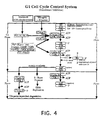
- FIG. 4 shows the molecular pathways depending on the hyperactive protein synthesis of the G I cyclin/CDK proteins required to drive the cell through the G phase of the cell cycle.
- the treatments disclosed below involve topical administration of biologically active trichothecenes the effectuate the inhibition of psoriasis by several mechanisms of action targeted at several target cell populations of both the epidermis and immune system. Materials and methods for achieving this are described below.
- Trichothecene mycotoxins constitute a family of fungal sesquiterpene epoxides that inhibit protein synthesis. Trichothecene mycotoxins are low molecular weight ( 250-700 daltons), non volatile compounds, and of over 150 trichothecenes have been identified. There are two broad classes: those that have only a central sesquiterpenoid structure and those that have an additional macrocyclic ring (simple and macrocyclic trichothecenes, respectively).
- terapéuticas As used in this application, "therapeutics”, “biologically active agent”, or “trichothecene” are defined as either simple or macrocyclic trichothecenes and include molecules of the following general chemical formulas: Simple trichothecenes are categorized into three groups with the following chemical formulas:
- R' is any molecule composed predominantly, or in its entirety, of combinations of C, H, and O:
- R' is any molecule composed predominantly, or in its entirety, of combinations of C, H, and O.
- Trichothecenes are fast acting potent inhibitors of protein synthesis in eucaryotic cells. Their main effects are on rapidly proliferating tissues such as bone marrow, skin. mucosa epithelia. and germ cells.
- the sesquiterpenoid ring binds to ribosomes, inhibiting protein synthesis.
- the macrocyclic ring enhances cell binding and internalization.
- Trichothecenes are invisible to the immune system since they neither contain nor produce amino acids. Since trichothecene molecules contain only carbon, hydrogen, and oxygen they are not subject to proteolytic degradation.
- U.S Pat. No. 4,906,452 column 11 first paragraph further discloses that some studies of the rates at which certain trichothecenes are converted into biologically inactive molecules (apotrichothecenes) found that macrocyclic trichothecenes are inactivated quite slowly and only by intracellular acid catalysis as might occur in lyzosomes.
- Trichothecenes are extremely stable to heat and ultraviolet light inactivation. Heating to 500_ F for 30 minutes is required for inactivation. Brief exposure to NaOH destroys toxic activity. These substances are relatively insoluble in water but are highly soluble in ethanol, methanol, and propylene glycol.
- Present invention intends to overcome prior arts inability to provide a single ideal topical agent for plaque psoriasis by providing a composition that simultaneously works by several mechanisms of action to shut down virtually every pathway involved in psoriasis.
- the pathways inhibited are:
- a cycling cell is driven by an orderly sequence of events coordinated by the cell cycle control system.
- the cell cycle control system is dependent on hyperactive burst of protein synthesis of cyclins and cyclin dependent kinases (CDK).
- Fig. 3 shows the bursts of cyclin/CDK protein synthesis required to drive a cell through the various parts of the cell cycle.
- Fig. 4 shows the cell cycle control systems pathways involved in driving a cell through the G1 phase of the cell cycle.
- inhibitory influences predominate and the normal state of a cell is not to cycle.
- the Rb protein is bound to the E2F-DP1 transcription factor inhibiting it.
- Cyclin/CDK When stimulated to proliferate, hyperactive protein synthesis of Cyclin/CDK is initiated, in particular Cyclin D/CDK4/6 complexes and Cyclin E/CDK2 complexes in G1, which phosphorylate the Rb protein, inactivating it, in turn activating the E2F-DP1 transcription factor. Inhibiting hyperactive protein synthesis of cyclins and CDKs prevents a cell from cycling. Cyclins such as cyclin D have short half lives ( ⁇ 15 minutes for cyclin D) and inhibiting their synthesis reduces their concentrations rapidly. After inactivation of the protein synthesis inhibitor, the cell requires 8 or so hours to rebuild its cyclin/CDK levels before it can resume cycling again. The inactivation period of certain trichothecenes, however, can be very long - on the order of 10 days or more - as discussed later in this application.
- Angiogenesis is the growth of new blood vessels. Without angiogenesis a tissue mass cannot grow beyond the size of a pinhead ( ⁇ 1 to 2 cubic millimeters).
- the naturally occurring balance between stimulators and inhibitors of angiogenesis in the human body is also one in which inhibitory influences predominate.
- the rare instances in which angiogenesis occurs under normal conditions are wound healing, organ regeneration, embryonic development, and female reproductive processes.
- cells are deprived of oxygen or nutrients, they produce and release angiogenic factors (proteins) that induce new capillary growth which is why nearly all vertebrate cell are located within 50 ⁇ m of a capillary.
- Unnatural or disease conditions that involve angiogenesis include psoriasis.
- Angiogenic growth factor protein production can come directly from epidermal cells as they crowd each other or from immune system mediated processes.
- Protein growth factors for angiogenesis dock with growth factor receptors on nearby endothelial cells (cells that form the wall of blood vessels).
- a normally dormant endothelial cell becomes activated, secretes enzymes that degrade the extracellular matrix (the surrounding tissue), invades the matrix, begins dividing and eventually the new endothelial cells organize into hollow tubes creating new networks of blood vessels.
- Trichothecene administration would directly inhibit angiogenesis by dismantling the cell cycle control system in endothelial cells by the same Cyclin/CDK mechanisms described for epidermal cells.
- Inhibiting Overexpressed Growth Factors - Trichothecenes would also inhibit overexpression of growth factor proteins for both epidermal proliferation and angiogenesis. It would locally inhibit the excessive production of protein growth factors, regardless of which cells they originate in (i.e. T-Cell produced interleukins or epithelial growth factors produced by crowded/starved epidermal cells).
- Trichothecenes are known to be immunosuppressive by virtue of their ability to inhibit protein synthesis and would thus also locally depress T-Cell or B-Cell responses to antigens (i.e. the previously mentioned ôsomethingö that triggers the immune response to begin with).
- Macrocyclic trichothecenes are preferred for use in present invention because they are relatively insoluble in blood and because the macrocyclic ring enhances cellular binding and internalization which tends to localize them more quickly and prevent their entry into general circulation.
- the Cleveland Infant Model The cluster of infant hemosiderosis in Cleveland (MMWR report) demonstrated, in vivo, in humans, the ability of certain macrocyclic trichothecenes to localize in tissue without appreciably entering general circulation.
- Adults and infants were subjected (inadvertently) to airborne (cytotoxic) concentrations of trichothecenes produced naturally by the fungus Stachybotrys atra.
- Trichothecenes produced by S. Atra include satratoxins H, G, F, roridin E, verrucarin J, and trichoverrols A and B.
- the mean age of the infants was ⁇ 10 weeks old (range 4 - 16 weeks). At this age, the lungs of infants are growing at an accelerated rate, and the destruction of lung tissue clearly indicated cytotoxic airborne concentrations (versus the lower inhibitory ones used in present invention).
- the median age of the infant ⁇ s mothers was 20 years (range 15 - 29 years). At this age, the lungs of adults are not growing at an accelerated rate, and are thus not affected by the cytotoxic dose levels. No serious health problems were reported by the adults.
- trichothecenes The likely molecular basis for the "localization" of these trichothecenes is their ability to be rapidly internalized into cells because oftheir macrocyclic ring combined with their insolubility in blood, which would tend to keep them out of the circulatory system.
- the incredibly small size of trichothecenes ( ⁇ 1 nm or less) allows them to travel between cells ( ⁇ 2 - 4 nm spacing). Once internalized they can travel through gap junctions. Gap junctions allow molecules smaller than ⁇ 1000 daltons ( ⁇ 1.5 nm in diameter) to pass between connected cells and trichothecenes are comfortably under the size limitation at 250 - 700 daltons. Gap junction travel would tend to further localized trichothecenes within the organ or other connected tissue mass.
- inhaled trichothecenes are somewhat "trapped" between the lumen of the lungs on one side and the circulatory system on the other side, in which they are insoluble. In between this is the lung tissue in which they eventually internalized -- in virtually the same way they would be expected to act when applied topically to the skin -- internalizing in the skin without appreciably entering general circulation.
- Fungi can be grown in culture and the trichothecenes extracted by centrifugal partition chromatography as described in Tani et. al. and described in other literature such as Onji et. al. (Onji, Y., Aoki, Y., Yamazoe, Y., Dohi, Y., and Moriyamam, T., 1988 Isolation of nivalenol and fusarenon-X from pressed barley culture by centrifugal partition chromatography. Journal Liquid Chromatography, 11:2537-2546) or Jarvis et al. (Jarvis, B.B., R.M. Eppley. and E.P.
- trichothecene mycotoxins can be purchased from companies such as Sigma Chemical Co. St. Louis MO, USA or Wako Pure Chemical Industries, Ltd.. Japan, or Wellcome Research Labs, Buckinghamshire, England or Boehringer-Mannheim, Manheim, West Germany.
- Preferred embodiment of current invention administers trichothecenes by topical application, mixed with either ethanol, methanol, propylene glycol, or dimethyl sulfoxide.
- the latter serve no biological role other than to act a vehicle to facilitate uniform distribution of the trichothecene to a given area of skin.
- compositions or “pharmaceutical compositions” or “compositions” and nothing in this application is intended to limit trichothecene from being mixed with any suitable substance that may facilitate administration, uniformity of distribution, enhance absorption, increase efficacy, or with other trichothecenes or any other substances that serve any other beneficial purpose, the aforementioned combinations also called “therapeutic composition” or “pharmaceutical compositions” of present invention.
- therapeutics or “therapeutics of present invention” is generally intended to refer to the biologically active trichothecene(s).
- a therapeutically effective dose of trichothecene as proposed in present invention under Full Inhibition is defined as a dose of the toxin that completely inhibits epidermal cell growth in psoriasis.
- the effective dose is expressed as the ⁇ 100% psoriatic inhibitory concentration (PIC 100 ) which is the concentration required to completely inhibit cell cycling without inducing toxicity to the epidermal skin population.
- PIC 100 psoriatic inhibitory concentration
- Intermittent administration returns psoriatic skin back to normal by periodically discontinuing administration (i.e. 3 - 4 day drug inactive period) so that even though the skin still races through the complete cycle in 3 to 4 days. it is allowed to do so only once a month, thus approximating the normal one complete cycle per month of normal skin.
- PIC 100 mm is hereby defined as the minimum concentration that inhibits ⁇ 100% of psoriatic cell growth without inducing toxicity to epidermal skin cells.
- PIC 100 max is hereby defined as the maximum concentration that inhibits ⁇ 100% of psoriatic cell growth without inducing toxicity to epidermal skin cells.
- Partial Inhibition A therapeutically effective dosage of trichothecene as proposed in present invention under Partial Inhibition is defined as a dose of the toxin that inhibits epidermal cell growth in psoriasis to a level that is normal in the absence of the condition.
- the effective dosage of each specific toxin is expressed as the approximately 85% psoriatic inhibitory concentration (PIC 85 ) which is the concentration required to reduce psoriatic cell growth by 85%.
- the underlying abnormality in psoriasis is that skin cells race through the process approximately 7 times faster than normal and, mathematically, an approximately 85% psoriatic inhibitory concentration (PIC 85 ) would inhibit the accelerated process to bring it back in line with normal cell growth rates (i.e. reducing the process from 7 X to 15% of 7X ⁇ 1, the normal skin maturation rate).
- the range of accelerated skin growth can vary by individual from 5 to 10 times faster, which mathematically, would imply a range of PIC 80 to PIC 90
- Therapeutics containing PIC 80 , PIC 85 , PIC 90 would provide physicians with the ability to more closely match patient needs however nothing in this application should be construed to limit other embodiments to any PIC value that subsequently may be found of therapeutic use.
- Continuous Administration as used in this application should not be construed to mean “daily” but once per time period required to maintain efficacy (i.e. dependent on intracellular inactivation time). and in the case of certain trichothecenes chosen, may mean once every 10 days or so.
- the PIC 80 , PIC 85 , PIC 90 , PIC 100 and PIC 100 max for four representative trichothecenes are presented below.
- the hyperactive protein synthesis inhibiting profiles were constructed from data collected from in vitro experiments using human epidermoid cells, virally infected with HSV-2 to induce a hyperactive state of protein synthesis, and conducted and reported by Okazaki et. al. in the attached Journal of Agricultural and Biological Chemistry articles. Since the Okazaki experiments were to determine viral inhibition properties, the data has been reformatted for relevance to present application of inhibiting hyperactively cycling cells. Stated data points were taken from Okazakis text, other data points were read from the graph, the rest were computed by linear interpolation between the aforementioned data points. Fig.
- FIG. 1A and 1B show the hyperactive protein synthesis inhibiting dose profile of roridin A and satratoxin G, respectively. Both roridin A and satratoxin G are macrocyclic trichothecenes. By ⁇ 5 ng/ml both had inhibited almost 100% ofthe hyperactive protein synthesis. Both did not reduce cell viability at concentrations of 10 ng/ml or less (i.e. PIC 100 max ).
- Figure 2A and 2B show the hyperactive protein synthesis inhibiting dose profile of T-2 and DAS, respectively. Both T-2 and DAS are simple trichothecenes. By doses of 5 ng/ml both had inhibited ⁇ 99% of hyperactive protein synthesis.
- Normal epidermis is ⁇ 200 ⁇ m thick.
- Psoriasis can cause the epidermis to thicken from 5 to 10 times normal thickness or from 1 mm (hereinafter referred to as moderate thickness psoriasis) to 2mm (hereinafter referred to as extreme thickness psoriasis).
- the volume of epidermis per square centimeter of skin surface area can thus range from 20 cubic mm for normal epidermal thickness ( 10 mm X 10 mm X .2 mm) to 100 cubic mm for moderate thickness psoriasis (i.e.
- a patients has a psoriatic patch of skin of ⁇ 1 square centimeter and it is 1 mm thick and one desires to achieve a PIC 100 concentration of 5 ng/ml of Satratoxin in the epidermis one would need to topically apply .1 ml of a solution such as ethanol possessing a concentration of 5 ng/ml of trichothecene (when the ethanol evaporates it leaves .5 ng in the .1 ml of epidermis or 5 ng/ml).
- the concentration of the topical solution can be varied as desired as long as it leaves .5 ng of trichothecene per square cm of epidermis to which it is topically applied (i.e..1 ml of 5 ng/ml trichothecene solution can be substituted with .25 ml of 2 ng/ml solution. .05 ml of 10 ng/ml solution etc).
- the psoriatic epidermis is extremely thick such as 2mm (i.e. .2 ml skin volume) the dose is proportionately computed so that 1 ng needs to be administered per square centimeter of psoriatic epidermis.
- ng to 2 ng/ml 5 ng/ml 10 ng/ml Thickness (mm) /sq cm skin
- PIC 100 Solution Solution Solution .2 (normal skin) .02 ml 0.1 ng .05 ml .02 ml .01 ml 1 (moderate psoriasis) .10 ml 0.5 ng .25 ml .10 ml .05 ml 2 (extreme psoriasis) .20 ml 1.0 ng .50 ml .20 ml .10 ml
- PIC 80 PIC 85
- PIC 90 levels can be computed.
- TABLE 3 shows the PIC 85 for the representative trichothecenes and the corresponding dose in ng/sq cm of epidermis to achieve PIC 85 . As previously shown, different combinations of concentrations and amounts of solution may be used to administer these doses.
- PIC 85 Dose Table Corresponding Dose of Trichothecene in ng/sq cm of epidermis @ various skin thicknesses Trichothecene PIC 85 .2 mm 1mm 2 mm Roridin A 2.5 ng/ml .050 ng .25 ng .50 ng Satratoxin G 3.2 ng/ml .064 ng .32 ng .64 ng T - 2 3.8 ng/ml .076 ng .38 ng .76 ng DAS 4.2 ng/ml .084 ng .42 ng .84 ng
- Dosage level is also interchangeable with frequency of administration. In vivo inactivation times for certain macrocyclic trichothecenes are in the order of 10 days as previously discussed. Lower doses, more frequently applied, to attain and maintain the defined epidermal PIC 85 or PIC 100 levels could be used in self administration regimens while providing a comfortable degree of safety. As an example a PIC 85 concentration, given a 10 day inactivation time, can be achieved in one application every 10 days, or alternatively it can be achieved by daily administration of the same amount of solution containing one tenth the concentration or using the same concentration but applying one tenth the amount of solution.
- a "drug inactive" period would also be required for PIC 85 doses, similar to the 3- 4 days per month for PIC 100 .
- PIC 85 would depress ⁇ 85% of protein synthesis, proportionately slowing down maturation of differentiated cells, growth factor production, and immune response, it would completely inhibit new epidermal cell division.
- the cell cycle control system is a "all or nothing" system and as shown in Figs. 3 & 4, driven by rapid burst of protein synthesis that need to reach critical concentrations to drive the cell forward through the cell cycle. 85% protein synthesis inhibition translates into 100% cell division inhibition.
- the goal of achieving the ideal epidermal depth of 200 ⁇ m is not an absolute. Reducing psoriatic epidermis from 1 or 2 mm to 400 ⁇ m (twice normal epidermal depth) may be a very acceptable treatment regimen. It simplifies administration to twice monthly, allowing 2 full epidermal cycles per month versus 1 and may be visually imperceptible relative to normal skin.
- Example 1 A patient presents with a psoriatic lesion of ⁇ 10 square centimeters on their arm and it is ⁇ 1 mm thick.
- Treatment The psoriatic lesion is slightly abraded with a pumice stone, defatted with Acetone, and petroleum jelly is placed on the normal skin around the psoriatic lesion.
- the patient is given a PIC 100 dose of 5 ng of satratoxin in ethanol which is topically administered to the psoriatic lesion (e.g. by eye dropper, needless syringe, or any other suitable means). This procedure is repeated in alternating cycles of 10 days, 14 days. 10 days, 14 days etc... (or any other suitable time period).
- Example 2 A patient presents with a psoriatic lesion of ⁇ 10 square centimeters on their arm and it is ⁇ 1 mm thick. Treatment: The patient is given a PIC 85 dose 2.5 ng roridin in propylene glycol which is topically applied to the psoriatic lesion (e.g. by brush, q-tip. or any other suitable means). The procedure is repeated as in example 1, or at any other suitable time period.
- Example 3 A patient presents with a psoriatic lesion of ⁇ 10 square centimeters on their arm and it is ⁇ 1 mm thick.
- Treatment The patient is given a PIC 100 dose comprising 2.5 ng of satratoxin and 2.5 ng of T-2 in an ethanol solution. Treatment is repeated as in example 1.
- Example 4 A patient had a psoriatic lesion of ⁇ 10 square centimeters on their arm has been treated several times and the epidermis has returned to a normal thickness of ⁇ .2 mm. The patient is given a topical cream containing 5 ng/ml of any one of the 4 trichothecenes presented and instructed to apply .2 ml (i.e. the PIC 100 ) to the psoriatic area once every 14 days thereafter (or any other suitable time period if the epidermis starts to thicken sooner). The patient is advised to immediately discontinue use and see the physician if the epidermis starts to thin or any redness is observed (i.e. psoriasis has gone away for good).
- .2 ml i.e. the PIC 100
- Preferred embodiment of present invention favors use of macrocyclic trichothecenes because the macrocyclic ring enhances cellular internalization, localizing more of the therapeutics in the epidermis and reducing transdermal migration into the blood stream.
- macrocyclic ring enhances cellular internalization, localizing more of the therapeutics in the epidermis and reducing transdermal migration into the blood stream.
- nothing in this application or its related claims should be construed to limit use of simple trichothecenes or combinations of macrocyclic and simple trichothecenes.
- Present invention also envisions possible preparation of skin prior to administration of therapeutics of present inventions is also envisioned.
- pretreatment methods exist to facilitate deeper and more even distribution of substances and these generally involve removal of some of the uppermost portions of the epidermis.
- a simple mechanical removal of some of the outermost layers of psoriatic skin may be performed by simple mechanical abrasion with a pumice stone or loofah sponge.
- substances such as alpha of beta hydroxy acids may be applied prior to application of therapeutics. These acids dissolve the intercellular glue that hold cells together, allowing for better penetration of therapeutics of invention.
- alpha hydroxy acids including lactic acid, citric acid, and glycolic acid
- Beta hydroxy acid work in deeper layers of the epidermis. Lack of cellular attachment would facilitate profusion on therapeutic in the epidermis. Defatting skin with acetone prior to administration of therapeutics is used to facilitate uniform distribution of therapeutics.
- Present invention also envisions directly incorporating any other substances into pharmaceutical compositions of present invention, such as those mentioned above that may facilitate application, enhance delivery or uniformity of distribution, or in any way increase efficacy into therapeutic compositions of present invention, including adding substances currently in use for topical treatment of psoriasis that function by alternative mechanisms of action or complementary mechanisms of action, previously described under prior art treatments section of this application, or any new such drugs to come onto the market in the future.
- compositions including antibiotics, antibiotic creams, or non-toxic pharmaceutical carriers or vehicles KY Jelly, or the like, and in any suitable form such as a liquid, solid, semi-solid, ointment, lotion, paste, or the like may also be used where advantageous.
- Heavier creams are specifically envisioned for home use type applications to make ôidiot proofö pharmaceutical compositions that limit the dose oftherapeutic that may be administered to a given area of skin.
- trichothecenes affect different cells in a dose dependent manner: at inhibitory doses they only stop cells from cycling, at cytotoxic doses they kill rapidly dividing cells, and at toxic levels they kill all cells.
- the current application deals with inhibitory doses.
- epithelial cell types in the body and only a small handful that are normally actively cycling. These include skin, hair, bone marrow, and gastrointestinal mucosa. Both skin and bone marrow cells cycle on a roughly 24 hour clock and as such would be similarly susceptible to cytotoxicity (i.e. nontoxic zone below 10 ng/ml for satratoxin and roridin and 200 ng/ml for T-2 and DAS). Since the blood would be the primary transdermal entry point for the trichothecenes a brief presentation of hematologic toxicity safety follows.
- the average human contains ⁇ 5.5 liters of blood and 42 liters of extracellular water outside the vasculature (per HPIM p. 421 15Th Ed.).
- the blood circulates at roughly once every minute throughout the body in a resting state. Consequently, any trichothecenes that migrate into the blood would be almost instantly be mixed into 5.5 liters of blood.
- the average human has ⁇ 18 square feet of skin (17,000 sq. cm.). At a normal epidermal thickness of 200 ⁇ m this translates to .34 liters of epidermis.
- Psoriatic epidermis can be 5 to 10 times thicker (1mm to 2mm). Under a worst case scenario, if a human had 2 mm psoriatic plaque over 100% of their skin, they would have a total psoriatic epidermal mass of 3.4 liters.
- a worst case scenario can be constructed to further demonstrate the safety of topical application of trichothecenes as presented in the example above.
- the worst case scenario requires that blood concentrations of macrocyclic trichothecenes never exceed 10 ng/ml for the two macrocyclic trichothecenes or 200 ng/ml for the two simple trichothecenes presented, to prevent any hematologic toxicity.
- the worst case scenario goes on to assume 0% of the trichothecene is absorbed by the epidermis or dermis, and 100% enters the blood stream
- a further safety check can be performed by contrasting the unrealistically extreme 17,000 ng worst case dose of T-2 against AMRIID's computed LD50 (lethal dose to 50% of people) for T-2 by inhalation of 1.21 mg/kg of body weight. This translates to a 84,700,000 ng dose of T-2 being inhaled by a 70 kg person to have a 50% chance of survival. This contrasts with the 17,000 ng worst case topically applied dose ( ⁇ 5,000 times smaller) for T-2 possible under the dose determination section of this application.
- Magnuson et. al. cited a 2.0 mg/kg of body weight LD50 for topical application of T-2 in rats.
- the present invention relates to an anti-psoriatic composition
- an anti-psoriatic composition comprising a mixture of therapeutically effective amounts of compound(s) containing a central sesquiterpene epoxide structure, preferably trichothecene(s). or fragments or subunits of such compound(s) still possessing the biological activity of inhibiting protein synthesis, and a suitable carrier, whereby a topical therapeutic for inhibiting psoriasis will be provided.
- a suitable carrier can be ethanol. methanol, propylene, glycol, dimethyl sulfoxide, or any combination thereof.
- the invention is directed to a method of inhibiting psoriasis comprising topical administration of therapeutically effective amounts of compound(s) containing a central sesquiterpene epoxide structure, or trichothecene(s), or any fragment or sub-unit of compound(s) containing a sesquiterpene epoxide structure or fragment or sub-unit of trichothecene(s) that still possess the biological activity of inhibiting protein synthesis.
- the invention further relates to a method of inhibiting the proliferation of psoriatic cells in humans or non-human animals, comprising topical application of a composition containing a therapeutically effective amount of a trichothecene or a mixture of trichothecenes directly onto a psoriatic area of skin on said humans or non-human animals.
- said trichothecene in one embodyment is a fragment or sub-unit of trichothecene which possesses the ability to inhibit protein synthesis.
- the invention relates to the use of compound(s) containing a central sesquiterpene epoxide structure, or trichothecene(s), or any fragment or sub-unit of compound(s) containing a sesquiterpene epoxide structure or fragment or sub-unit of trichothecene(s) that still possess the biological activity of inhibiting protein synthesis. for preparing a pharmaceutical composition for topical application directly onto a psoriatic area of skin on said humans or non-human animals.
- MOC Molecular Biology of the Cell. third edition, Garland Publishing, 1994, Bruce Alberts, Dennis Bray, Julian Lewis, Martin Raff, Keith Roberts, and James Watson.
- HPIM Harrison ⁇ s Principles of Internal Medicine, 14th or 15th edition, McGraw Hill, 1998/2001, Fauci, Braunwald, Isselbacher, Wilson, Martin, Kasper, Hauser, Longo.
Landscapes
- Health & Medical Sciences (AREA)
- Life Sciences & Earth Sciences (AREA)
- Public Health (AREA)
- Medicinal Chemistry (AREA)
- Veterinary Medicine (AREA)
- Animal Behavior & Ethology (AREA)
- Pharmacology & Pharmacy (AREA)
- Chemical & Material Sciences (AREA)
- General Health & Medical Sciences (AREA)
- Epidemiology (AREA)
- Organic Chemistry (AREA)
- Chemical Kinetics & Catalysis (AREA)
- Nuclear Medicine, Radiotherapy & Molecular Imaging (AREA)
- General Chemical & Material Sciences (AREA)
- Engineering & Computer Science (AREA)
- Bioinformatics & Cheminformatics (AREA)
- Dermatology (AREA)
- Pharmaceuticals Containing Other Organic And Inorganic Compounds (AREA)
- Medicinal Preparation (AREA)
Applications Claiming Priority (2)
| Application Number | Priority Date | Filing Date | Title |
|---|---|---|---|
| US09/965,483 US6346251B1 (en) | 1999-06-15 | 2001-09-26 | Compositions and methods for treating psoriasis |
| US965483 | 2001-09-26 |
Publications (2)
| Publication Number | Publication Date |
|---|---|
| EP1297832A2 true EP1297832A2 (de) | 2003-04-02 |
| EP1297832A3 EP1297832A3 (de) | 2003-04-16 |
Family
ID=25510032
Family Applications (1)
| Application Number | Title | Priority Date | Filing Date |
|---|---|---|---|
| EP02021548A Withdrawn EP1297832A3 (de) | 2001-09-26 | 2002-09-26 | Zusammentsetzung und Verfahren zur Behandlung von Psoriasis |
Country Status (2)
| Country | Link |
|---|---|
| US (1) | US6346251B1 (de) |
| EP (1) | EP1297832A3 (de) |
Cited By (1)
| Publication number | Priority date | Publication date | Assignee | Title |
|---|---|---|---|---|
| GB2433888A (en) * | 2006-01-05 | 2007-07-11 | Vernique Biotech Ltd | Topical use of epoxidised compounds from Vernonia galamensis seed on skin |
Families Citing this family (4)
| Publication number | Priority date | Publication date | Assignee | Title |
|---|---|---|---|---|
| US7015244B1 (en) | 1998-08-11 | 2006-03-21 | Mark Zamoyski | Inhalable chemical debridement for COPD |
| US20040039047A1 (en) | 1998-08-11 | 2004-02-26 | Mark Zamoyski | Compositions and methods for treating lung cancers |
| US6346251B1 (en) * | 1999-06-15 | 2002-02-12 | Mark Zamoyski | Compositions and methods for treating psoriasis |
| DE10338615A1 (de) * | 2003-08-22 | 2005-03-17 | Beiersdorf Ag | Reinigungsmaske mit pH neutraler Wirkung |
Family Cites Families (5)
| Publication number | Priority date | Publication date | Assignee | Title |
|---|---|---|---|---|
| US4744981A (en) | 1985-10-17 | 1988-05-17 | Neorx Corporation | Trichothecene antibody conjugates |
| US5905089A (en) * | 1997-04-14 | 1999-05-18 | Board Of Supervisors Of Louisiana State University And Agricultural And Mechanical College | Use of sesquiterpene lactones for treatment of severe inflammatory disorders |
| US6346251B1 (en) * | 1999-06-15 | 2002-02-12 | Mark Zamoyski | Compositions and methods for treating psoriasis |
| EP1242071A4 (de) * | 1999-12-23 | 2004-12-29 | Advanced Res & Tech Inst | Verwendung von parthenolid zur krebshemmung |
| US20020077350A1 (en) * | 2000-08-01 | 2002-06-20 | Ashni Naturaceuticals, Inc. | Compositions exhibiting synergistic inhibition of the expression and/or activity of clyclooxygenase-2 |
-
2001
- 2001-09-26 US US09/965,483 patent/US6346251B1/en not_active Expired - Fee Related
-
2002
- 2002-09-26 EP EP02021548A patent/EP1297832A3/de not_active Withdrawn
Cited By (3)
| Publication number | Priority date | Publication date | Assignee | Title |
|---|---|---|---|---|
| GB2433888A (en) * | 2006-01-05 | 2007-07-11 | Vernique Biotech Ltd | Topical use of epoxidised compounds from Vernonia galamensis seed on skin |
| GB2433888B (en) * | 2006-01-05 | 2009-09-02 | Vernique Biotech Ltd | Topical use of epoxidised compounds selected from vernolic acid and vernonia oil on skin |
| US7803409B2 (en) | 2006-01-05 | 2010-09-28 | Vernolix Limited | Use of naturally occurring epoxidised molecules from Vernonia galamensis |
Also Published As
| Publication number | Publication date |
|---|---|
| EP1297832A3 (de) | 2003-04-16 |
| US6346251B1 (en) | 2002-02-12 |
Similar Documents
| Publication | Publication Date | Title |
|---|---|---|
| US20060134226A1 (en) | Compositions useful to treat ocular neovascular diseases and macular degeneration | |
| KR101471022B1 (ko) | 손발바닥 홍반성감각장애의 치료를 위한 알로퓨리놀의 용도 | |
| BR0316050A (pt) | Métodos de tratar, controlar ou prevenir um câncer especìfico e doença associada com angiogênese indesejada e de reduzir ou evitar um efeito adverso associado com a administração de um segundo ingrediente ativo e com terapia de radiação, terapia hormonal, terapia biológica, ou imunoterapia em um paciente sofrendo de um câncer especìfico, composição farmacêutica e kit | |
| JP2012236857A (ja) | 抗egfr療法に二次的な皮疹の予防および処置のためのビタミンk | |
| CN108348469A (zh) | 治疗性组合物 | |
| EP0800388A1 (de) | Verbindungen zur veterinairen und medizinischen verwendungen | |
| AU2020275208B2 (en) | Formulation of delgocitinib in the form of a cream | |
| US6355251B1 (en) | Compositions and methods for epidermal chemexfoliation | |
| US6346251B1 (en) | Compositions and methods for treating psoriasis | |
| JP4387463B2 (ja) | タザロテンおよびコルチコステロイドによる乾癬の処置 | |
| TARNOWSKI | Multiple keratoacanthomata: response of a case to systemic chemotherapy | |
| JP2008521913A (ja) | キサントフィル類を用いて皮膚疾患を治療する方法 | |
| WO1994005293A1 (en) | Skin treatment compositions containing dimethylsulphone and allopurinol or oxypurinol | |
| US5962512A (en) | Oil containing 5-methoxypsoralen at a concentration of 60-100 ppm, and its use in treatment of psoriasis | |
| US7012091B1 (en) | Inhalable inhibitors of inflammation in the respiratory tract | |
| JP7758770B2 (ja) | 基底細胞がんおよび神経膠芽腫を治療する方法 | |
| US10369170B1 (en) | Methods of treating basal cell carcinoma and glioblastoma | |
| US20230330193A1 (en) | Enhancement of stem cell therapy for cartilage degeneration by anti-oxidant pre-conditioning | |
| US5869446A (en) | Preparation of lactoferrin (or serotransferrin or ovotransferrin) and desferrioxamine methanesulfonate (or other low molecular weight metal ion chelators) for the therapy of viral infections | |
| US20020009497A1 (en) | Method of treatment for dermatological disorders and compositions therefor | |
| WO1994005291A1 (en) | Skin cancer treatment compositions containing dimethyl sulphone and oxypurinol or allopurinol | |
| EP3164110B1 (de) | Pharmazeutische zusammensetzungen zur behandlung von psoriasis | |
| Navya et al. | Existing and novel therapies for psoriasis | |
| Jablonska et al. | Scleroderma and sclerotic skin conditions: unapproved treatments | |
| US7015244B1 (en) | Inhalable chemical debridement for COPD |
Legal Events
| Date | Code | Title | Description |
|---|---|---|---|
| PUAI | Public reference made under article 153(3) epc to a published international application that has entered the european phase |
Free format text: ORIGINAL CODE: 0009012 |
|
| PUAL | Search report despatched |
Free format text: ORIGINAL CODE: 0009013 |
|
| AK | Designated contracting states |
Kind code of ref document: A2 Designated state(s): AT BE BG CH CY CZ DE DK EE ES FI FR GB GR IE IT LI LU MC NL PT SE SK TR Designated state(s): AT BE BG CH CY CZ DE DK EE ES FI FR GB GR IE IT LI LU MC NL PT SE SK TR |
|
| AX | Request for extension of the european patent |
Extension state: AL LT LV MK RO SI |
|
| RIC1 | Information provided on ipc code assigned before grant |
Ipc: 7A 61P 35/00 B Ipc: 7A 61P 17/12 B Ipc: 7A 61P 17/00 B Ipc: 7A 61K 7/48 B Ipc: 7A 61K 31/365 B Ipc: 7A 61K 31/352 A |
|
| AK | Designated contracting states |
Designated state(s): AT BE BG CH CY CZ DE DK EE ES FI FR GB GR IE IT LI LU MC NL PT SE SK TR |
|
| AX | Request for extension of the european patent |
Extension state: AL LT LV MK RO SI |
|
| AKX | Designation fees paid | ||
| REG | Reference to a national code |
Ref country code: DE Ref legal event code: 8566 |
|
| STAA | Information on the status of an ep patent application or granted ep patent |
Free format text: STATUS: THE APPLICATION IS DEEMED TO BE WITHDRAWN |
|
| 18D | Application deemed to be withdrawn |
Effective date: 20031017 |