EP1296698B1 - Therapeutic agents for the treatment of infections - Google Patents
Therapeutic agents for the treatment of infections Download PDFInfo
- Publication number
- EP1296698B1 EP1296698B1 EP01937873.6A EP01937873A EP1296698B1 EP 1296698 B1 EP1296698 B1 EP 1296698B1 EP 01937873 A EP01937873 A EP 01937873A EP 1296698 B1 EP1296698 B1 EP 1296698B1
- Authority
- EP
- European Patent Office
- Prior art keywords
- euphorbia
- chemical agent
- compatible salt
- pkc
- pharmaceutically compatible
- Prior art date
- Legal status (The legal status is an assumption and is not a legal conclusion. Google has not performed a legal analysis and makes no representation as to the accuracy of the status listed.)
- Expired - Lifetime
Links
- 238000011282 treatment Methods 0.000 title claims description 56
- 208000015181 infectious disease Diseases 0.000 title claims description 33
- 239000003814 drug Substances 0.000 title claims description 17
- 229940124597 therapeutic agent Drugs 0.000 title description 3
- 241000221079 Euphorbia <genus> Species 0.000 claims description 339
- 108090000315 Protein Kinase C Proteins 0.000 claims description 103
- 102000003923 Protein Kinase C Human genes 0.000 claims description 103
- 230000000694 effects Effects 0.000 claims description 81
- 239000013043 chemical agent Substances 0.000 claims description 77
- 150000001875 compounds Chemical class 0.000 claims description 70
- 240000001837 Euphorbia peplus Species 0.000 claims description 66
- 241000196324 Embryophyta Species 0.000 claims description 49
- 229930004069 diterpene Natural products 0.000 claims description 45
- -1 romedae Species 0.000 claims description 34
- 150000003839 salts Chemical class 0.000 claims description 33
- 241000221017 Euphorbiaceae Species 0.000 claims description 31
- 229960002993 ingenol mebutate Drugs 0.000 claims description 30
- 239000003795 chemical substances by application Substances 0.000 claims description 29
- VDJHFHXMUKFKET-WDUFCVPESA-N ingenol mebutate Chemical group C[C@@H]1C[C@H]2C(C)(C)[C@H]2[C@@H]2C=C(CO)[C@@H](O)[C@]3(O)[C@@H](OC(=O)C(\C)=C/C)C(C)=C[C@]31C2=O VDJHFHXMUKFKET-WDUFCVPESA-N 0.000 claims description 28
- VDJHFHXMUKFKET-UHFFFAOYSA-N Ingenol mebutate Natural products CC1CC2C(C)(C)C2C2C=C(CO)C(O)C3(O)C(OC(=O)C(C)=CC)C(C)=CC31C2=O VDJHFHXMUKFKET-UHFFFAOYSA-N 0.000 claims description 27
- 206010028980 Neoplasm Diseases 0.000 claims description 26
- 241000700605 Viruses Species 0.000 claims description 26
- 244000052769 pathogen Species 0.000 claims description 26
- 239000000203 mixture Substances 0.000 claims description 25
- 210000003819 peripheral blood mononuclear cell Anatomy 0.000 claims description 25
- XLYOFNOQVPJJNP-UHFFFAOYSA-N water Substances O XLYOFNOQVPJJNP-UHFFFAOYSA-N 0.000 claims description 23
- 238000011321 prophylaxis Methods 0.000 claims description 19
- 208000024891 symptom Diseases 0.000 claims description 19
- 150000004141 diterpene derivatives Chemical class 0.000 claims description 18
- JHORJRSRQZDYPZ-UHFFFAOYSA-N 1,1,4,7,9-pentamethyldodecahydro-1h-2,8a-methanocyclopenta[a]cyclopropa[e][10]annulene Chemical compound CC1CC2C(C)(C)C2C2CC(C)CC3CC(C)CC31C2 JHORJRSRQZDYPZ-UHFFFAOYSA-N 0.000 claims description 15
- 241000894007 species Species 0.000 claims description 14
- 238000004519 manufacturing process Methods 0.000 claims description 13
- 230000019254 respiratory burst Effects 0.000 claims description 13
- 244000067602 Chamaesyce hirta Species 0.000 claims description 11
- UQOWJJGOQJONCI-UHFFFAOYSA-N 20-deoxyingenol-3-angelate Natural products CC1CC2C(C)(C)C2C2C=C(C)C(O)C3(O)C(OC(=O)C(C)=CC)C(C)=CC31C2=O UQOWJJGOQJONCI-UHFFFAOYSA-N 0.000 claims description 10
- 241001539473 Euphoria Species 0.000 claims description 10
- 206010015535 Euphoric mood Diseases 0.000 claims description 10
- 206010057249 Phagocytosis Diseases 0.000 claims description 10
- 230000008782 phagocytosis Effects 0.000 claims description 10
- 125000000623 heterocyclic group Chemical group 0.000 claims description 9
- IJGRMHOSHXDMSA-UHFFFAOYSA-N Atomic nitrogen Chemical group N#N IJGRMHOSHXDMSA-UHFFFAOYSA-N 0.000 claims description 8
- 125000001072 heteroaryl group Chemical group 0.000 claims description 8
- 244000117371 Euphorbia sp Species 0.000 claims description 7
- 241000238631 Hexapoda Species 0.000 claims description 7
- 230000014509 gene expression Effects 0.000 claims description 7
- BQJRUJTZSGYBEZ-YVQNUNKESA-N phorbol 12,13-dibutanoate Chemical compound C([C@]1(O)C(=O)C(C)=C[C@H]1[C@@]1(O)[C@H](C)[C@H]2OC(=O)CCC)C(CO)=C[C@H]1[C@H]1[C@]2(OC(=O)CCC)C1(C)C BQJRUJTZSGYBEZ-YVQNUNKESA-N 0.000 claims description 7
- 230000007306 turnover Effects 0.000 claims description 7
- 241000894006 Bacteria Species 0.000 claims description 6
- 210000004369 blood Anatomy 0.000 claims description 6
- 239000008280 blood Substances 0.000 claims description 6
- 230000001419 dependent effect Effects 0.000 claims description 6
- ZYCAGKYWXRKLSN-KLKWOBOISA-N C[C@@H]1C[C@H]2C(C)(C)[C@H]2[C@@H]2C=C(COC(C)=O)[C@@H](O)[C@]3(O)[C@@H](OC(=O)C(\C)=C/C)C(C)=C[C@]31C2=O Chemical compound C[C@@H]1C[C@H]2C(C)(C)[C@H]2[C@@H]2C=C(COC(C)=O)[C@@H](O)[C@]3(O)[C@@H](OC(=O)C(\C)=C/C)C(C)=C[C@]31C2=O ZYCAGKYWXRKLSN-KLKWOBOISA-N 0.000 claims description 5
- 125000004438 haloalkoxy group Chemical group 0.000 claims description 5
- 125000001188 haloalkyl group Chemical group 0.000 claims description 5
- 125000003837 (C1-C20) alkyl group Chemical group 0.000 claims description 4
- 125000006552 (C3-C8) cycloalkyl group Chemical group 0.000 claims description 4
- 125000006374 C2-C10 alkenyl group Chemical group 0.000 claims description 4
- 125000005865 C2-C10alkynyl group Chemical group 0.000 claims description 4
- 125000005915 C6-C14 aryl group Chemical group 0.000 claims description 4
- 241001448862 Croton Species 0.000 claims description 4
- 241000704053 Euphorbia lurida Species 0.000 claims description 4
- 241001553687 Euphorbia misella Species 0.000 claims description 4
- 241001553737 Euphorbia spathulata Species 0.000 claims description 4
- 241000558295 Homalanthus Species 0.000 claims description 4
- NINIDFKCEFEMDL-UHFFFAOYSA-N Sulfur Chemical group [S] NINIDFKCEFEMDL-UHFFFAOYSA-N 0.000 claims description 4
- 125000004183 alkoxy alkyl group Chemical group 0.000 claims description 4
- 229910052794 bromium Inorganic materials 0.000 claims description 4
- 239000000460 chlorine Substances 0.000 claims description 4
- 229910052801 chlorine Inorganic materials 0.000 claims description 4
- 125000004982 dihaloalkyl group Chemical group 0.000 claims description 4
- 229910052731 fluorine Inorganic materials 0.000 claims description 4
- 125000004446 heteroarylalkyl group Chemical group 0.000 claims description 4
- 229910052739 hydrogen Inorganic materials 0.000 claims description 4
- 229910052740 iodine Inorganic materials 0.000 claims description 4
- 229910052757 nitrogen Chemical group 0.000 claims description 4
- 239000011593 sulfur Substances 0.000 claims description 4
- 229910052717 sulfur Inorganic materials 0.000 claims description 4
- 125000004385 trihaloalkyl group Chemical group 0.000 claims description 4
- 241000233866 Fungi Species 0.000 claims description 3
- QVGXLLKOCUKJST-UHFFFAOYSA-N atomic oxygen Chemical group [O] QVGXLLKOCUKJST-UHFFFAOYSA-N 0.000 claims description 3
- 239000001257 hydrogen Substances 0.000 claims description 3
- 239000001301 oxygen Chemical group 0.000 claims description 3
- 229910052760 oxygen Inorganic materials 0.000 claims description 3
- 241001060350 Acalypha Species 0.000 claims description 2
- 241000933112 Acidoton Species 0.000 claims description 2
- 241001300714 Actinostemon Species 0.000 claims description 2
- 241001303063 Adelia <angiosperm> Species 0.000 claims description 2
- 241001300216 Adenophaedra Species 0.000 claims description 2
- 241001554343 Agrostistachys Species 0.000 claims description 2
- 241001554332 Alchornea Species 0.000 claims description 2
- 241001303001 Alchorneopsis Species 0.000 claims description 2
- 241000545417 Aleurites Species 0.000 claims description 2
- 241000867852 Amanoa Species 0.000 claims description 2
- 241001542137 Anacampseros Species 0.000 claims description 2
- 241000867911 Andrachne Species 0.000 claims description 2
- 235000015072 Antidesma Nutrition 0.000 claims description 2
- 241000785806 Antidesma Species 0.000 claims description 2
- 241001249101 Aporosa Species 0.000 claims description 2
- 241000310770 Argythamnia Species 0.000 claims description 2
- 241001300645 Astrococcus Species 0.000 claims description 2
- 241001300062 Baliospermum Species 0.000 claims description 2
- 241000558349 Bernardia Species 0.000 claims description 2
- 240000005220 Bischofia javanica Species 0.000 claims description 2
- 235000010893 Bischofia javanica Nutrition 0.000 claims description 2
- 241001300032 Blachia Species 0.000 claims description 2
- 241001300698 Bonania Species 0.000 claims description 2
- 241000405421 Breynia Species 0.000 claims description 2
- 241000785605 Bridelia Species 0.000 claims description 2
- 235000004936 Bromus mango Nutrition 0.000 claims description 2
- 241000071092 Candelabrum Species 0.000 claims description 2
- 241001300197 Caperonia Species 0.000 claims description 2
- 241001303011 Caryodendron Species 0.000 claims description 2
- 241000869021 Celianella Species 0.000 claims description 2
- 241001300690 Cephalocroton Species 0.000 claims description 2
- 241000366955 Chaenotheca Species 0.000 claims description 2
- 241000785810 Chaetocarpus Species 0.000 claims description 2
- 241000944318 Cheilosa Species 0.000 claims description 2
- 241001300185 Chiropetalum Species 0.000 claims description 2
- 241000785597 Cleistanthus Species 0.000 claims description 2
- 241001300651 Cnesmone Species 0.000 claims description 2
- 241001300671 Cnidoscolus Species 0.000 claims description 2
- 241000944184 Coccoceras Species 0.000 claims description 2
- 241000990192 Codiaeum Species 0.000 claims description 2
- 241000870753 Conceveiba Species 0.000 claims description 2
- 241000870724 Croizatia Species 0.000 claims description 2
- 241001300103 Crotonopsis Species 0.000 claims description 2
- 241001554488 Dalechampia Species 0.000 claims description 2
- 241000868948 Didymocistus Species 0.000 claims description 2
- 241000266013 Dimorphocalyx Species 0.000 claims description 2
- 241000867854 Discocarpus Species 0.000 claims description 2
- 241000819742 Ditaxis <mantid lacewing> Species 0.000 claims description 2
- 241001060713 Drypetes Species 0.000 claims description 2
- 241000558350 Dysopsis Species 0.000 claims description 2
- 241001554477 Elateriospermum Species 0.000 claims description 2
- 241000558344 Endospermum Species 0.000 claims description 2
- 241000016998 Erismanthus Species 0.000 claims description 2
- 241001553302 Euphorbia aaron-rossii Species 0.000 claims description 2
- 241000116144 Euphorbia acuta Species 0.000 claims description 2
- 241001553293 Euphorbia alta Species 0.000 claims description 2
- 241001553159 Euphorbia angusta Species 0.000 claims description 2
- 241001373717 Euphorbia anthonyi Species 0.000 claims description 2
- 241001373446 Euphorbia arizonica Species 0.000 claims description 2
- 241001191295 Euphorbia arteagae Species 0.000 claims description 2
- 241001082383 Euphorbia baselicis Species 0.000 claims description 2
- 241000704022 Euphorbia bergeri Species 0.000 claims description 2
- 241001553254 Euphorbia bicolor Species 0.000 claims description 2
- 241001553252 Euphorbia bifurcata Species 0.000 claims description 2
- 241001553250 Euphorbia bilobata Species 0.000 claims description 2
- 241001191291 Euphorbia brachiata Species 0.000 claims description 2
- 241000093820 Euphorbia brachycera Species 0.000 claims description 2
- 241001618844 Euphorbia caesia Species 0.000 claims description 2
- 241001553233 Euphorbia calcicola Species 0.000 claims description 2
- 241001373282 Euphorbia capitellata Species 0.000 claims description 2
- 241001373278 Euphorbia carmenensis Species 0.000 claims description 2
- 241001553150 Euphorbia carunculata Species 0.000 claims description 2
- 241001599902 Euphorbia celastroides Species 0.000 claims description 2
- 241001373713 Euphorbia chamaerrhodos Species 0.000 claims description 2
- 241000210641 Euphorbia chamaesula Species 0.000 claims description 2
- 241001373256 Euphorbia cinerascens Species 0.000 claims description 2
- 241001191285 Euphorbia colorata Species 0.000 claims description 2
- 241000093825 Euphorbia commutata Species 0.000 claims description 2
- 241000210643 Euphorbia creberrima Species 0.000 claims description 2
- 241000210644 Euphorbia crenulata Species 0.000 claims description 2
- 241001599887 Euphorbia cubensis Species 0.000 claims description 2
- 244000048459 Euphorbia cyathophora Species 0.000 claims description 2
- 241001553148 Euphorbia degeneri Species 0.000 claims description 2
- 241001373268 Euphorbia deltoidea Species 0.000 claims description 2
- 241001599890 Euphorbia dentata Species 0.000 claims description 2
- 241001373244 Euphorbia dioeca Species 0.000 claims description 2
- 241000498739 Euphorbia dussii Species 0.000 claims description 2
- 241001553564 Euphorbia eanophylla Species 0.000 claims description 2
- 241001553561 Euphorbia eglandulosa Species 0.000 claims description 2
- 241001553555 Euphorbia eriantha Species 0.000 claims description 2
- 241000221085 Euphorbia esula Species 0.000 claims description 2
- 241001553525 Euphorbia exstipulata Species 0.000 claims description 2
- 241001373250 Euphorbia fendleri Species 0.000 claims description 2
- 241001373251 Euphorbia florida Species 0.000 claims description 2
- 241001373253 Euphorbia geyeri Species 0.000 claims description 2
- 241001373239 Euphorbia glyptosperma Species 0.000 claims description 2
- 241001373234 Euphorbia gracillima Species 0.000 claims description 2
- 241001553506 Euphorbia gradyi Species 0.000 claims description 2
- 241001553807 Euphorbia graminea Species 0.000 claims description 2
- 241001191151 Euphorbia guadalajarana Species 0.000 claims description 2
- 241001553803 Euphorbia hedyotoides Species 0.000 claims description 2
- 241000789809 Euphorbia helenae Species 0.000 claims description 2
- 241000210605 Euphorbia helleri Species 0.000 claims description 2
- 241001191128 Euphorbia hinkleyorum Species 0.000 claims description 2
- 241001373241 Euphorbia hooveri Species 0.000 claims description 2
- 241000072948 Euphorbia humistrata Species 0.000 claims description 2
- 241001553794 Euphorbia jaliscensis Species 0.000 claims description 2
- 241001373698 Euphorbia jejuna Species 0.000 claims description 2
- 241001553793 Euphorbia juttae Species 0.000 claims description 2
- 241000356166 Euphorbia knuthii Species 0.000 claims description 2
- 241001373338 Euphorbia lasiocarpa Species 0.000 claims description 2
- 241001373340 Euphorbia lata Species 0.000 claims description 2
- 241000498513 Euphorbia ledienii Species 0.000 claims description 2
- 241001373352 Euphorbia leucophylla Species 0.000 claims description 2
- 241001373354 Euphorbia linguiformis Species 0.000 claims description 2
- 241000817985 Euphorbia lupulina Species 0.000 claims description 2
- 241001191122 Euphorbia lycioides Species 0.000 claims description 2
- 241001191117 Euphorbia macropodoides Species 0.000 claims description 2
- 241001379537 Euphorbia melanadenia Species 0.000 claims description 2
- 241001373324 Euphorbia mendezii Species 0.000 claims description 2
- 241001373326 Euphorbia mertonii Species 0.000 claims description 2
- 241001191114 Euphorbia mexiae Species 0.000 claims description 2
- 241001373328 Euphorbia micromera Species 0.000 claims description 2
- 241001373330 Euphorbia missurica Species 0.000 claims description 2
- 241001373318 Euphorbia multiformis Species 0.000 claims description 2
- 241001600122 Euphorbia nutans Species 0.000 claims description 2
- 241001553675 Euphorbia oaxacana Species 0.000 claims description 2
- 241001373312 Euphorbia olowaluana Species 0.000 claims description 2
- 241001379530 Euphorbia parishii Species 0.000 claims description 2
- 241001373692 Euphorbia parryi Species 0.000 claims description 2
- 241001373304 Euphorbia pediculifera Species 0.000 claims description 2
- 241001373693 Euphorbia petrina Species 0.000 claims description 2
- 241001191102 Euphorbia pinetorum Species 0.000 claims description 2
- 241001373300 Euphorbia pionosperma Species 0.000 claims description 2
- 241001600106 Euphorbia poeppigii Species 0.000 claims description 2
- 241001373071 Euphorbia polycarpa Species 0.000 claims description 2
- 241001553145 Euphorbia polycnemoides Species 0.000 claims description 2
- 241001191099 Euphorbia polyphylla Species 0.000 claims description 2
- 241000704074 Euphorbia portulacoides Species 0.000 claims description 2
- 241000652460 Euphorbia procumbens Species 0.000 claims description 2
- 244000062608 Euphorbia prostrata Species 0.000 claims description 2
- 241001553778 Euphorbia pteroneura Species 0.000 claims description 2
- 241000704065 Euphorbia purpurea Species 0.000 claims description 2
- 241000097488 Euphorbia rapulum Species 0.000 claims description 2
- 241001373694 Euphorbia remyi Species 0.000 claims description 2
- 241001373069 Euphorbia revoluta Species 0.000 claims description 2
- 241001553755 Euphorbia robusta Species 0.000 claims description 2
- 241001177582 Euphorbia saxatilis Species 0.000 claims description 2
- 241000210614 Euphorbia schizoloba Species 0.000 claims description 2
- 241000704097 Euphorbia sclerocyathium Species 0.000 claims description 2
- 241001599919 Euphorbia sect. Cubanthus Species 0.000 claims description 2
- 241001553742 Euphorbia segoviensis Species 0.000 claims description 2
- 241001618891 Euphorbia seguieriana Species 0.000 claims description 2
- 241000244736 Euphorbia serpillifolia Species 0.000 claims description 2
- 241001373182 Euphorbia serrula Species 0.000 claims description 2
- 241001553558 Euphorbia sinclairiana Species 0.000 claims description 2
- 241001191091 Euphorbia soobyi Species 0.000 claims description 2
- 241001600080 Euphorbia stellata Species 0.000 claims description 2
- 241001553723 Euphorbia subpeltata Species 0.000 claims description 2
- 241001553722 Euphorbia succedanea Species 0.000 claims description 2
- 241000500281 Euphorbia telephioides Species 0.000 claims description 2
- 241000210615 Euphorbia tetrapora Species 0.000 claims description 2
- 244000256297 Euphorbia tirucalli Species 0.000 claims description 2
- 241001373689 Euphorbia trachysperma Species 0.000 claims description 2
- 241000210624 Euphorbia tuerckheimii Species 0.000 claims description 2
- 241001570576 Euphorbia turczaninowii Species 0.000 claims description 2
- 241001373162 Euphorbia umbellulata Species 0.000 claims description 2
- 241001373158 Euphorbia villifera Species 0.000 claims description 2
- 241001570573 Euphorbia whitei Species 0.000 claims description 2
- 241001191073 Euphorbia xanti Species 0.000 claims description 2
- 241000789111 Excoecaria Species 0.000 claims description 2
- 241000785753 Flueggea Species 0.000 claims description 2
- 241001300136 Gavarretia Species 0.000 claims description 2
- 241000221018 Gelonium Species 0.000 claims description 2
- 241001301420 Givotia Species 0.000 claims description 2
- 241000421432 Glochidion Species 0.000 claims description 2
- 241001303044 Glycydendron Species 0.000 claims description 2
- 241000608174 Gymnadenia Species 0.000 claims description 2
- 241001300749 Gymnanthes Species 0.000 claims description 2
- 244000043261 Hevea brasiliensis Species 0.000 claims description 2
- 241000869029 Hieronyma Species 0.000 claims description 2
- 241000868951 Hymenocardia Species 0.000 claims description 2
- 241000221089 Jatropha Species 0.000 claims description 2
- 241000870766 Lasiocroton Species 0.000 claims description 2
- 241001303065 Leucocroton Species 0.000 claims description 2
- 241001300746 Mabea Species 0.000 claims description 2
- 241001561070 Macaranga Species 0.000 claims description 2
- 229930184510 Mallotus Natural products 0.000 claims description 2
- 241001060384 Mallotus <angiosperm> Species 0.000 claims description 2
- 240000007228 Mangifera indica Species 0.000 claims description 2
- 235000014826 Mangifera indica Nutrition 0.000 claims description 2
- 240000003183 Manihot esculenta Species 0.000 claims description 2
- 241000789133 Maprounea Species 0.000 claims description 2
- 241000221024 Mercurialis Species 0.000 claims description 2
- 241000558300 Micrandra Species 0.000 claims description 2
- 241000404165 Microcephala Species 0.000 claims description 2
- 244000085338 Microdesmis Species 0.000 claims description 2
- 241001300738 Microstachys Species 0.000 claims description 2
- 241000558292 Neoscortechinia Species 0.000 claims description 2
- 241001639851 Nephradenia Species 0.000 claims description 2
- 241000870767 Omphalea Species 0.000 claims description 2
- 241001300642 Ophellantha Species 0.000 claims description 2
- 241001280335 Orbiculariae Species 0.000 claims description 2
- 241000558287 Ostodes Species 0.000 claims description 2
- 241000602295 Oxydectes Species 0.000 claims description 2
- 241000366197 Paludicola Species 0.000 claims description 2
- 241001300042 Pausandra Species 0.000 claims description 2
- 241001387976 Pera Species 0.000 claims description 2
- 241001387969 Petalostigma Species 0.000 claims description 2
- 241001130943 Phyllanthus <Aves> Species 0.000 claims description 2
- 241000789129 Pimelodendron Species 0.000 claims description 2
- 241000951867 Piranhea Species 0.000 claims description 2
- 241001300673 Platygyna Species 0.000 claims description 2
- 241001300677 Plukenetia Species 0.000 claims description 2
- 241000870720 Podocalyx Species 0.000 claims description 2
- 101100505672 Podospora anserina grisea gene Proteins 0.000 claims description 2
- 241001301608 Pycnocoma Species 0.000 claims description 2
- 241000867913 Reverchonia Species 0.000 claims description 2
- 241000867892 Richeria Species 0.000 claims description 2
- 241001333412 Richeriella Species 0.000 claims description 2
- 241000789127 Ricinocarpos Species 0.000 claims description 2
- 241000556257 Rupicola <angiosperm> Species 0.000 claims description 2
- 241001300086 Sagotia Species 0.000 claims description 2
- 241000994241 Sapium Species 0.000 claims description 2
- 244000057114 Sapium sebiferum Species 0.000 claims description 2
- 241000785917 Savia Species 0.000 claims description 2
- 241001301432 Sclerocroton Species 0.000 claims description 2
- 241000867909 Securinega Species 0.000 claims description 2
- 241001273190 Spathiostemon Species 0.000 claims description 2
- 241001354228 Spixia Species 0.000 claims description 2
- 235000009184 Spondias indica Nutrition 0.000 claims description 2
- 241000789520 Strophioblachia Species 0.000 claims description 2
- 241001537924 Tetracoccus <angiosperm> Species 0.000 claims description 2
- 241001300663 Tetraplandra Species 0.000 claims description 2
- 241000870728 Tetrorchidium Species 0.000 claims description 2
- 241001300199 Thyrsanthera Species 0.000 claims description 2
- 241000566916 Tomentella Species 0.000 claims description 2
- 241000870682 Trigonostemon Species 0.000 claims description 2
- 241000789056 Tyria Species 0.000 claims description 2
- 229920003211 cis-1,4-polyisoprene Polymers 0.000 claims description 2
- 230000005722 itchiness Effects 0.000 claims description 2
- 235000005739 manihot Nutrition 0.000 claims description 2
- 229930187845 trigonostemon Natural products 0.000 claims description 2
- 241001303039 Adenocline Species 0.000 claims 1
- UQOWJJGOQJONCI-MZRDIQIISA-N C[C@@H]1C[C@H]2C(C)(C)[C@H]2[C@@H]2C=C(C)[C@@H](O)[C@]3(O)[C@@H](OC(=O)C(\C)=C/C)C(C)=C[C@]31C2=O Chemical compound C[C@@H]1C[C@H]2C(C)(C)[C@H]2[C@@H]2C=C(C)[C@@H](O)[C@]3(O)[C@@H](OC(=O)C(\C)=C/C)C(C)=C[C@]31C2=O UQOWJJGOQJONCI-MZRDIQIISA-N 0.000 claims 1
- 241000210612 Euphorbia peplidion Species 0.000 claims 1
- ACZVSMNFVFBOTM-UHFFFAOYSA-N beta-alanine betaine Chemical group C[N+](C)(C)CCC([O-])=O ACZVSMNFVFBOTM-UHFFFAOYSA-N 0.000 claims 1
- 229960003403 betaine hydrochloride Drugs 0.000 claims 1
- 150000002431 hydrogen Chemical class 0.000 claims 1
- 210000004027 cell Anatomy 0.000 description 130
- 238000000034 method Methods 0.000 description 52
- OKKJLVBELUTLKV-UHFFFAOYSA-N Methanol Chemical compound OC OKKJLVBELUTLKV-UHFFFAOYSA-N 0.000 description 38
- 230000004913 activation Effects 0.000 description 33
- 239000000284 extract Substances 0.000 description 31
- CSCPPACGZOOCGX-UHFFFAOYSA-N Acetone Chemical compound CC(C)=O CSCPPACGZOOCGX-UHFFFAOYSA-N 0.000 description 27
- 210000000440 neutrophil Anatomy 0.000 description 24
- 241000282414 Homo sapiens Species 0.000 description 23
- 239000000126 substance Substances 0.000 description 23
- 125000000567 diterpene group Chemical group 0.000 description 19
- 201000001441 melanoma Diseases 0.000 description 19
- LFQSCWFLJHTTHZ-UHFFFAOYSA-N Ethanol Chemical compound CCO LFQSCWFLJHTTHZ-UHFFFAOYSA-N 0.000 description 18
- 210000003491 skin Anatomy 0.000 description 18
- 238000010790 dilution Methods 0.000 description 17
- 239000012895 dilution Substances 0.000 description 17
- 241000699670 Mus sp. Species 0.000 description 16
- 230000004083 survival effect Effects 0.000 description 16
- 206010061218 Inflammation Diseases 0.000 description 15
- 230000004054 inflammatory process Effects 0.000 description 15
- DQYBRTASHMYDJG-UHFFFAOYSA-N Bisindolylmaleimide Chemical compound C1=CC=C2C(C=3C(=O)NC(C=3C=3C4=CC=CC=C4NC=3)=O)=CNC2=C1 DQYBRTASHMYDJG-UHFFFAOYSA-N 0.000 description 14
- 238000003556 assay Methods 0.000 description 14
- 210000000170 cell membrane Anatomy 0.000 description 13
- 238000002474 experimental method Methods 0.000 description 13
- 210000000987 immune system Anatomy 0.000 description 13
- ZYCAGKYWXRKLSN-HGPUAOJNSA-N pep008 Chemical compound C[C@@H]1C[C@H]2C(C)(C)[C@H]2[C@@H]2C=C(COC(C)=O)[C@@H](O)[C@]3(O)[C@@H](OC(=O)C(/C)=C/C)C(C)=C[C@]31C2=O ZYCAGKYWXRKLSN-HGPUAOJNSA-N 0.000 description 13
- PHEDXBVPIONUQT-RGYGYFBISA-N phorbol 13-acetate 12-myristate Chemical compound C([C@]1(O)C(=O)C(C)=C[C@H]1[C@@]1(O)[C@H](C)[C@H]2OC(=O)CCCCCCCCCCCCC)C(CO)=C[C@H]1[C@H]1[C@]2(OC(C)=O)C1(C)C PHEDXBVPIONUQT-RGYGYFBISA-N 0.000 description 13
- QMGUOJYZJKLOLH-UHFFFAOYSA-N 3-[1-[3-(dimethylamino)propyl]indol-3-yl]-4-(1h-indol-3-yl)pyrrole-2,5-dione Chemical compound C12=CC=CC=C2N(CCCN(C)C)C=C1C1=C(C=2C3=CC=CC=C3NC=2)C(=O)NC1=O QMGUOJYZJKLOLH-UHFFFAOYSA-N 0.000 description 12
- KFZMGEQAYNKOFK-UHFFFAOYSA-N Isopropanol Chemical compound CC(C)O KFZMGEQAYNKOFK-UHFFFAOYSA-N 0.000 description 12
- 229940079593 drug Drugs 0.000 description 12
- 210000000265 leukocyte Anatomy 0.000 description 12
- 241000725303 Human immunodeficiency virus Species 0.000 description 11
- 241001465754 Metazoa Species 0.000 description 11
- 230000009089 cytolysis Effects 0.000 description 11
- 230000004968 inflammatory condition Effects 0.000 description 11
- 239000000758 substrate Substances 0.000 description 11
- 239000000725 suspension Substances 0.000 description 11
- RTZKZFJDLAIYFH-UHFFFAOYSA-N Diethyl ether Chemical compound CCOCC RTZKZFJDLAIYFH-UHFFFAOYSA-N 0.000 description 10
- 108010029485 Protein Isoforms Proteins 0.000 description 10
- 102000001708 Protein Isoforms Human genes 0.000 description 10
- MJQUEDHRCUIRLF-TVIXENOKSA-N bryostatin 1 Chemical compound C([C@@H]1CC(/[C@@H]([C@@](C(C)(C)/C=C/2)(O)O1)OC(=O)/C=C/C=C/CCC)=C\C(=O)OC)[C@H]([C@@H](C)O)OC(=O)C[C@H](O)C[C@@H](O1)C[C@H](OC(C)=O)C(C)(C)[C@]1(O)C[C@@H]1C\C(=C\C(=O)OC)C[C@H]\2O1 MJQUEDHRCUIRLF-TVIXENOKSA-N 0.000 description 10
- 230000006698 induction Effects 0.000 description 10
- 108090000623 proteins and genes Proteins 0.000 description 10
- 239000002904 solvent Substances 0.000 description 10
- 241000588724 Escherichia coli Species 0.000 description 9
- 238000011161 development Methods 0.000 description 9
- 230000018109 developmental process Effects 0.000 description 9
- 239000000463 material Substances 0.000 description 9
- 230000004044 response Effects 0.000 description 9
- 239000000243 solution Substances 0.000 description 9
- 229960005539 bryostatin 1 Drugs 0.000 description 8
- 230000037311 normal skin Effects 0.000 description 8
- 238000002360 preparation method Methods 0.000 description 8
- 230000002829 reductive effect Effects 0.000 description 8
- XTHFKEDIFFGKHM-UHFFFAOYSA-N Dimethoxyethane Chemical compound COCCOC XTHFKEDIFFGKHM-UHFFFAOYSA-N 0.000 description 7
- 241000704100 Euphorbia umbellata Species 0.000 description 7
- 241000713772 Human immunodeficiency virus 1 Species 0.000 description 7
- 239000003463 adsorbent Substances 0.000 description 7
- 230000000120 cytopathologic effect Effects 0.000 description 7
- 230000001086 cytosolic effect Effects 0.000 description 7
- 208000037265 diseases, disorders, signs and symptoms Diseases 0.000 description 7
- 239000000499 gel Substances 0.000 description 7
- 239000005090 green fluorescent protein Substances 0.000 description 7
- 238000011534 incubation Methods 0.000 description 7
- 238000002347 injection Methods 0.000 description 7
- 239000007924 injection Substances 0.000 description 7
- 244000005700 microbiome Species 0.000 description 7
- 239000003960 organic solvent Substances 0.000 description 7
- 230000008569 process Effects 0.000 description 7
- 210000001519 tissue Anatomy 0.000 description 7
- 210000004881 tumor cell Anatomy 0.000 description 7
- 241000271566 Aves Species 0.000 description 6
- 208000011691 Burkitt lymphomas Diseases 0.000 description 6
- 102000004190 Enzymes Human genes 0.000 description 6
- 108090000790 Enzymes Proteins 0.000 description 6
- 241000699666 Mus <mouse, genus> Species 0.000 description 6
- VYPSYNLAJGMNEJ-UHFFFAOYSA-N Silicium dioxide Chemical compound O=[Si]=O VYPSYNLAJGMNEJ-UHFFFAOYSA-N 0.000 description 6
- 208000002474 Tinea Diseases 0.000 description 6
- 201000010099 disease Diseases 0.000 description 6
- 239000012636 effector Substances 0.000 description 6
- 238000000605 extraction Methods 0.000 description 6
- 230000002209 hydrophobic effect Effects 0.000 description 6
- 230000002434 immunopotentiative effect Effects 0.000 description 6
- 230000002147 killing effect Effects 0.000 description 6
- 210000001616 monocyte Anatomy 0.000 description 6
- 239000008194 pharmaceutical composition Substances 0.000 description 6
- 239000002644 phorbol ester Substances 0.000 description 6
- 239000013641 positive control Substances 0.000 description 6
- 230000003389 potentiating effect Effects 0.000 description 6
- BDERNNFJNOPAEC-UHFFFAOYSA-N propan-1-ol Chemical compound CCCO BDERNNFJNOPAEC-UHFFFAOYSA-N 0.000 description 6
- 102000004169 proteins and genes Human genes 0.000 description 6
- 230000010076 replication Effects 0.000 description 6
- 239000000523 sample Substances 0.000 description 6
- 238000012360 testing method Methods 0.000 description 6
- 230000000699 topical effect Effects 0.000 description 6
- 230000005945 translocation Effects 0.000 description 6
- 239000003981 vehicle Substances 0.000 description 6
- 230000003612 virological effect Effects 0.000 description 6
- 241001300734 Euphorbia guentheri Species 0.000 description 5
- 108010043121 Green Fluorescent Proteins Proteins 0.000 description 5
- 102000004144 Green Fluorescent Proteins Human genes 0.000 description 5
- 101001051767 Homo sapiens Protein kinase C beta type Proteins 0.000 description 5
- 108091000080 Phosphotransferase Proteins 0.000 description 5
- 102100024923 Protein kinase C beta type Human genes 0.000 description 5
- 230000015572 biosynthetic process Effects 0.000 description 5
- 239000002775 capsule Substances 0.000 description 5
- 238000004113 cell culture Methods 0.000 description 5
- 231100000135 cytotoxicity Toxicity 0.000 description 5
- 230000003013 cytotoxicity Effects 0.000 description 5
- 230000003412 degenerative effect Effects 0.000 description 5
- 210000002950 fibroblast Anatomy 0.000 description 5
- 238000000684 flow cytometry Methods 0.000 description 5
- 230000008595 infiltration Effects 0.000 description 5
- 238000001764 infiltration Methods 0.000 description 5
- 230000005764 inhibitory process Effects 0.000 description 5
- 239000007788 liquid Substances 0.000 description 5
- 102000020233 phosphotransferase Human genes 0.000 description 5
- 108090000765 processed proteins & peptides Proteins 0.000 description 5
- 230000009467 reduction Effects 0.000 description 5
- 238000000926 separation method Methods 0.000 description 5
- 230000000638 stimulation Effects 0.000 description 5
- 239000006228 supernatant Substances 0.000 description 5
- 230000001225 therapeutic effect Effects 0.000 description 5
- 238000002560 therapeutic procedure Methods 0.000 description 5
- 238000011200 topical administration Methods 0.000 description 5
- 241000701161 unidentified adenovirus Species 0.000 description 5
- 230000029812 viral genome replication Effects 0.000 description 5
- MYRTYDVEIRVNKP-UHFFFAOYSA-N 1,2-Divinylbenzene Chemical compound C=CC1=CC=CC=C1C=C MYRTYDVEIRVNKP-UHFFFAOYSA-N 0.000 description 4
- 241000355770 Euphorbia lugardae Species 0.000 description 4
- NTYJJOPFIAHURM-UHFFFAOYSA-N Histamine Chemical compound NCCC1=CN=CN1 NTYJJOPFIAHURM-UHFFFAOYSA-N 0.000 description 4
- 241000282412 Homo Species 0.000 description 4
- VEBVPUXQAPLADL-UHFFFAOYSA-N Ingenol Natural products C1=C(CO)C(O)C2(O)C(O)C(C)=CC32C(C)CC2C(C)(C)C2C1C3=O VEBVPUXQAPLADL-UHFFFAOYSA-N 0.000 description 4
- 239000012980 RPMI-1640 medium Substances 0.000 description 4
- 229920002472 Starch Polymers 0.000 description 4
- PPBRXRYQALVLMV-UHFFFAOYSA-N Styrene Chemical compound C=CC1=CC=CC=C1 PPBRXRYQALVLMV-UHFFFAOYSA-N 0.000 description 4
- 210000001744 T-lymphocyte Anatomy 0.000 description 4
- 230000000798 anti-retroviral effect Effects 0.000 description 4
- 230000000840 anti-viral effect Effects 0.000 description 4
- 125000003118 aryl group Chemical group 0.000 description 4
- 230000000975 bioactive effect Effects 0.000 description 4
- 229930002875 chlorophyll Natural products 0.000 description 4
- 235000019804 chlorophyll Nutrition 0.000 description 4
- ATNHDLDRLWWWCB-AENOIHSZSA-M chlorophyll a Chemical compound C1([C@@H](C(=O)OC)C(=O)C2=C3C)=C2N2C3=CC(C(CC)=C3C)=[N+]4C3=CC3=C(C=C)C(C)=C5N3[Mg-2]42[N+]2=C1[C@@H](CCC(=O)OC\C=C(/C)CCC[C@H](C)CCC[C@H](C)CCCC(C)C)[C@H](C)C2=C5 ATNHDLDRLWWWCB-AENOIHSZSA-M 0.000 description 4
- 229920001577 copolymer Polymers 0.000 description 4
- 239000006071 cream Substances 0.000 description 4
- 150000001982 diacylglycerols Chemical class 0.000 description 4
- 230000004069 differentiation Effects 0.000 description 4
- 239000003937 drug carrier Substances 0.000 description 4
- 150000002148 esters Chemical class 0.000 description 4
- 239000012259 ether extract Substances 0.000 description 4
- 238000009472 formulation Methods 0.000 description 4
- 229920000159 gelatin Polymers 0.000 description 4
- 235000019322 gelatine Nutrition 0.000 description 4
- 230000028993 immune response Effects 0.000 description 4
- VEBVPUXQAPLADL-POYOOMFHSA-N ingenol Chemical compound C1=C(CO)[C@@H](O)[C@]2(O)[C@@H](O)C(C)=C[C@]32[C@H](C)C[C@H]2C(C)(C)[C@H]2[C@H]1C3=O VEBVPUXQAPLADL-POYOOMFHSA-N 0.000 description 4
- 239000004816 latex Substances 0.000 description 4
- 229920000126 latex Polymers 0.000 description 4
- 239000002502 liposome Substances 0.000 description 4
- 230000004807 localization Effects 0.000 description 4
- 210000004698 lymphocyte Anatomy 0.000 description 4
- 238000011580 nude mouse model Methods 0.000 description 4
- 210000005259 peripheral blood Anatomy 0.000 description 4
- 239000011886 peripheral blood Substances 0.000 description 4
- 235000013855 polyvinylpyrrolidone Nutrition 0.000 description 4
- 239000001267 polyvinylpyrrolidone Substances 0.000 description 4
- 229920000036 polyvinylpyrrolidone Polymers 0.000 description 4
- 238000002203 pretreatment Methods 0.000 description 4
- 239000000047 product Substances 0.000 description 4
- 230000001105 regulatory effect Effects 0.000 description 4
- 239000011347 resin Substances 0.000 description 4
- 229920005989 resin Polymers 0.000 description 4
- 201000003068 rheumatic fever Diseases 0.000 description 4
- 208000004124 rheumatic heart disease Diseases 0.000 description 4
- 238000012216 screening Methods 0.000 description 4
- 238000007920 subcutaneous administration Methods 0.000 description 4
- 238000003786 synthesis reaction Methods 0.000 description 4
- 239000003826 tablet Substances 0.000 description 4
- 229960005486 vaccine Drugs 0.000 description 4
- TZCPCKNHXULUIY-RGULYWFUSA-N 1,2-distearoyl-sn-glycero-3-phosphoserine Chemical compound CCCCCCCCCCCCCCCCCC(=O)OC[C@H](COP(O)(=O)OC[C@H](N)C(O)=O)OC(=O)CCCCCCCCCCCCCCCCC TZCPCKNHXULUIY-RGULYWFUSA-N 0.000 description 3
- ZWEHNKRNPOVVGH-UHFFFAOYSA-N 2-Butanone Chemical compound CCC(C)=O ZWEHNKRNPOVVGH-UHFFFAOYSA-N 0.000 description 3
- 241000710929 Alphavirus Species 0.000 description 3
- 241000272517 Anseriformes Species 0.000 description 3
- 239000002028 Biomass Substances 0.000 description 3
- 108091003079 Bovine Serum Albumin Proteins 0.000 description 3
- 208000011231 Crohn disease Diseases 0.000 description 3
- FBPFZTCFMRRESA-FSIIMWSLSA-N D-Glucitol Natural products OC[C@H](O)[C@H](O)[C@@H](O)[C@H](O)CO FBPFZTCFMRRESA-FSIIMWSLSA-N 0.000 description 3
- FBPFZTCFMRRESA-JGWLITMVSA-N D-glucitol Chemical compound OC[C@H](O)[C@@H](O)[C@H](O)[C@H](O)CO FBPFZTCFMRRESA-JGWLITMVSA-N 0.000 description 3
- 102100031636 Dynein axonemal heavy chain 9 Human genes 0.000 description 3
- XEKOWRVHYACXOJ-UHFFFAOYSA-N Ethyl acetate Chemical compound CCOC(C)=O XEKOWRVHYACXOJ-UHFFFAOYSA-N 0.000 description 3
- 108010010803 Gelatin Proteins 0.000 description 3
- PEDCQBHIVMGVHV-UHFFFAOYSA-N Glycerine Chemical compound OCC(O)CO PEDCQBHIVMGVHV-UHFFFAOYSA-N 0.000 description 3
- ZWZWYGMENQVNFU-UHFFFAOYSA-N Glycerophosphorylserin Natural products OC(=O)C(N)COP(O)(=O)OCC(O)CO ZWZWYGMENQVNFU-UHFFFAOYSA-N 0.000 description 3
- 208000031886 HIV Infections Diseases 0.000 description 3
- 101000866325 Homo sapiens Dynein axonemal heavy chain 9 Proteins 0.000 description 3
- 241001480037 Microsporum Species 0.000 description 3
- ZMXDDKWLCZADIW-UHFFFAOYSA-N N,N-Dimethylformamide Chemical compound CN(C)C=O ZMXDDKWLCZADIW-UHFFFAOYSA-N 0.000 description 3
- 206010030113 Oedema Diseases 0.000 description 3
- 241000288906 Primates Species 0.000 description 3
- 102000001253 Protein Kinase Human genes 0.000 description 3
- 229920005654 Sephadex Polymers 0.000 description 3
- 239000012507 Sephadex™ Substances 0.000 description 3
- 208000000453 Skin Neoplasms Diseases 0.000 description 3
- YXFVVABEGXRONW-UHFFFAOYSA-N Toluene Chemical compound CC1=CC=CC=C1 YXFVVABEGXRONW-UHFFFAOYSA-N 0.000 description 3
- 241000893966 Trichophyton verrucosum Species 0.000 description 3
- 208000036142 Viral infection Diseases 0.000 description 3
- 230000009471 action Effects 0.000 description 3
- 230000003213 activating effect Effects 0.000 description 3
- 239000012190 activator Substances 0.000 description 3
- 230000002411 adverse Effects 0.000 description 3
- 150000001298 alcohols Chemical class 0.000 description 3
- 239000000427 antigen Substances 0.000 description 3
- 108091007433 antigens Proteins 0.000 description 3
- 102000036639 antigens Human genes 0.000 description 3
- 230000001580 bacterial effect Effects 0.000 description 3
- 239000011324 bead Substances 0.000 description 3
- 230000003115 biocidal effect Effects 0.000 description 3
- 210000004556 brain Anatomy 0.000 description 3
- 239000000872 buffer Substances 0.000 description 3
- 201000011510 cancer Diseases 0.000 description 3
- 210000000234 capsid Anatomy 0.000 description 3
- 239000000969 carrier Substances 0.000 description 3
- 239000001913 cellulose Substances 0.000 description 3
- 229920002678 cellulose Polymers 0.000 description 3
- 235000010980 cellulose Nutrition 0.000 description 3
- 229920001429 chelating resin Polymers 0.000 description 3
- 238000004587 chromatography analysis Methods 0.000 description 3
- 238000000576 coating method Methods 0.000 description 3
- 210000000805 cytoplasm Anatomy 0.000 description 3
- 238000001514 detection method Methods 0.000 description 3
- 239000002552 dosage form Substances 0.000 description 3
- 239000008298 dragée Substances 0.000 description 3
- 239000000975 dye Substances 0.000 description 3
- 108010048367 enhanced green fluorescent protein Proteins 0.000 description 3
- 230000005284 excitation Effects 0.000 description 3
- 239000012091 fetal bovine serum Substances 0.000 description 3
- 238000000799 fluorescence microscopy Methods 0.000 description 3
- 238000001943 fluorescence-activated cell sorting Methods 0.000 description 3
- 239000008273 gelatin Substances 0.000 description 3
- 235000011852 gelatine desserts Nutrition 0.000 description 3
- 239000001963 growth medium Substances 0.000 description 3
- 229910052736 halogen Inorganic materials 0.000 description 3
- 150000002367 halogens Chemical class 0.000 description 3
- 238000000338 in vitro Methods 0.000 description 3
- 230000002757 inflammatory effect Effects 0.000 description 3
- 239000003112 inhibitor Substances 0.000 description 3
- 238000007912 intraperitoneal administration Methods 0.000 description 3
- 230000007246 mechanism Effects 0.000 description 3
- 230000001404 mediated effect Effects 0.000 description 3
- 238000013508 migration Methods 0.000 description 3
- 210000000822 natural killer cell Anatomy 0.000 description 3
- 230000017074 necrotic cell death Effects 0.000 description 3
- 230000000242 pagocytic effect Effects 0.000 description 3
- 230000001737 promoting effect Effects 0.000 description 3
- 108060006633 protein kinase Proteins 0.000 description 3
- 239000000600 sorbitol Substances 0.000 description 3
- 239000003381 stabilizer Substances 0.000 description 3
- 235000019698 starch Nutrition 0.000 description 3
- 230000004936 stimulating effect Effects 0.000 description 3
- 235000000346 sugar Nutrition 0.000 description 3
- 230000009885 systemic effect Effects 0.000 description 3
- 239000000454 talc Substances 0.000 description 3
- 229910052623 talc Inorganic materials 0.000 description 3
- 238000004809 thin layer chromatography Methods 0.000 description 3
- 238000001890 transfection Methods 0.000 description 3
- 230000009385 viral infection Effects 0.000 description 3
- XYJODUBPWNZLML-UHFFFAOYSA-N 5-ethyl-6-phenyl-6h-phenanthridine-3,8-diamine Chemical compound C12=CC(N)=CC=C2C2=CC=C(N)C=C2N(CC)C1C1=CC=CC=C1 XYJODUBPWNZLML-UHFFFAOYSA-N 0.000 description 2
- GUBGYTABKSRVRQ-XLOQQCSPSA-N Alpha-Lactose Chemical compound O[C@@H]1[C@@H](O)[C@@H](O)[C@@H](CO)O[C@H]1O[C@@H]1[C@@H](CO)O[C@H](O)[C@H](O)[C@H]1O GUBGYTABKSRVRQ-XLOQQCSPSA-N 0.000 description 2
- XKRFYHLGVUSROY-UHFFFAOYSA-N Argon Chemical compound [Ar] XKRFYHLGVUSROY-UHFFFAOYSA-N 0.000 description 2
- 101150009389 BZLF1 gene Proteins 0.000 description 2
- 206010004146 Basal cell carcinoma Diseases 0.000 description 2
- 241000222122 Candida albicans Species 0.000 description 2
- 102000005367 Carboxypeptidases Human genes 0.000 description 2
- 108010006303 Carboxypeptidases Proteins 0.000 description 2
- 206010012442 Dermatitis contact Diseases 0.000 description 2
- IAZDPXIOMUYVGZ-UHFFFAOYSA-N Dimethylsulphoxide Chemical compound CS(C)=O IAZDPXIOMUYVGZ-UHFFFAOYSA-N 0.000 description 2
- AOJJSUZBOXZQNB-TZSSRYMLSA-N Doxorubicin Chemical compound O([C@H]1C[C@@](O)(CC=2C(O)=C3C(=O)C=4C=CC=C(C=4C(=O)C3=C(O)C=21)OC)C(=O)CO)[C@H]1C[C@H](N)[C@H](O)[C@H](C)O1 AOJJSUZBOXZQNB-TZSSRYMLSA-N 0.000 description 2
- 206010066919 Epidemic polyarthritis Diseases 0.000 description 2
- 208000001382 Experimental Melanoma Diseases 0.000 description 2
- 241000282326 Felis catus Species 0.000 description 2
- WSFSSNUMVMOOMR-UHFFFAOYSA-N Formaldehyde Chemical compound O=C WSFSSNUMVMOOMR-UHFFFAOYSA-N 0.000 description 2
- 206010018366 Glomerulonephritis acute Diseases 0.000 description 2
- 208000037357 HIV infectious disease Diseases 0.000 description 2
- WZUVPPKBWHMQCE-UHFFFAOYSA-N Haematoxylin Chemical compound C12=CC(O)=C(O)C=C2CC2(O)C1C1=CC=C(O)C(O)=C1OC2 WZUVPPKBWHMQCE-UHFFFAOYSA-N 0.000 description 2
- 208000030836 Hashimoto thyroiditis Diseases 0.000 description 2
- 241000613443 Helicobasidium longisporum Species 0.000 description 2
- 208000005176 Hepatitis C Diseases 0.000 description 2
- 241001135569 Human adenovirus 5 Species 0.000 description 2
- 108010044467 Isoenzymes Proteins 0.000 description 2
- GUBGYTABKSRVRQ-QKKXKWKRSA-N Lactose Natural products OC[C@H]1O[C@@H](O[C@H]2[C@H](O)[C@@H](O)C(O)O[C@@H]2CO)[C@H](O)[C@@H](O)[C@H]1O GUBGYTABKSRVRQ-QKKXKWKRSA-N 0.000 description 2
- LRHPLDYGYMQRHN-UHFFFAOYSA-N N-Butanol Chemical compound CCCCO LRHPLDYGYMQRHN-UHFFFAOYSA-N 0.000 description 2
- 102000003992 Peroxidases Human genes 0.000 description 2
- 201000007100 Pharyngitis Diseases 0.000 description 2
- 241000286209 Phasianidae Species 0.000 description 2
- NBIIXXVUZAFLBC-UHFFFAOYSA-N Phosphoric acid Chemical compound OP(O)(O)=O NBIIXXVUZAFLBC-UHFFFAOYSA-N 0.000 description 2
- 102100024924 Protein kinase C alpha type Human genes 0.000 description 2
- 208000003251 Pruritus Diseases 0.000 description 2
- 241000710942 Ross River virus Species 0.000 description 2
- 240000004808 Saccharomyces cerevisiae Species 0.000 description 2
- 241000607149 Salmonella sp. Species 0.000 description 2
- 241001147693 Staphylococcus sp. Species 0.000 description 2
- 206010042033 Stevens-Johnson syndrome Diseases 0.000 description 2
- 206010061372 Streptococcal infection Diseases 0.000 description 2
- 241000193996 Streptococcus pyogenes Species 0.000 description 2
- 241000194022 Streptococcus sp. Species 0.000 description 2
- 238000000692 Student's t-test Methods 0.000 description 2
- DKGAVHZHDRPRBM-UHFFFAOYSA-N Tert-Butanol Chemical compound CC(C)(C)O DKGAVHZHDRPRBM-UHFFFAOYSA-N 0.000 description 2
- WYURNTSHIVDZCO-UHFFFAOYSA-N Tetrahydrofuran Chemical compound C1CCOC1 WYURNTSHIVDZCO-UHFFFAOYSA-N 0.000 description 2
- IQFYYKKMVGJFEH-XLPZGREQSA-N Thymidine Chemical compound O=C1NC(=O)C(C)=CN1[C@@H]1O[C@H](CO)[C@@H](O)C1 IQFYYKKMVGJFEH-XLPZGREQSA-N 0.000 description 2
- GWEVSGVZZGPLCZ-UHFFFAOYSA-N Titan oxide Chemical compound O=[Ti]=O GWEVSGVZZGPLCZ-UHFFFAOYSA-N 0.000 description 2
- 108091023040 Transcription factor Proteins 0.000 description 2
- 102000040945 Transcription factor Human genes 0.000 description 2
- 241000223238 Trichophyton Species 0.000 description 2
- 238000002835 absorbance Methods 0.000 description 2
- DPXJVFZANSGRMM-UHFFFAOYSA-N acetic acid;2,3,4,5,6-pentahydroxyhexanal;sodium Chemical compound [Na].CC(O)=O.OCC(O)C(O)C(O)C(O)C=O DPXJVFZANSGRMM-UHFFFAOYSA-N 0.000 description 2
- 230000034662 activation of innate immune response Effects 0.000 description 2
- 239000004480 active ingredient Substances 0.000 description 2
- 231100000851 acute glomerulonephritis Toxicity 0.000 description 2
- 235000010443 alginic acid Nutrition 0.000 description 2
- 239000000783 alginic acid Substances 0.000 description 2
- 229920000615 alginic acid Polymers 0.000 description 2
- 229960001126 alginic acid Drugs 0.000 description 2
- 150000004781 alginic acids Chemical class 0.000 description 2
- 125000000217 alkyl group Chemical group 0.000 description 2
- 125000005601 angeloyl group Chemical group 0.000 description 2
- 238000010171 animal model Methods 0.000 description 2
- 230000001093 anti-cancer Effects 0.000 description 2
- 239000002246 antineoplastic agent Substances 0.000 description 2
- 239000007864 aqueous solution Substances 0.000 description 2
- 239000003125 aqueous solvent Substances 0.000 description 2
- IQFYYKKMVGJFEH-UHFFFAOYSA-N beta-L-thymidine Natural products O=C1NC(=O)C(C)=CN1C1OC(CO)C(O)C1 IQFYYKKMVGJFEH-UHFFFAOYSA-N 0.000 description 2
- 229960005520 bryostatin Drugs 0.000 description 2
- MUIWQCKLQMOUAT-AKUNNTHJSA-N bryostatin 20 Natural products COC(=O)C=C1C[C@@]2(C)C[C@]3(O)O[C@](C)(C[C@@H](O)CC(=O)O[C@](C)(C[C@@]4(C)O[C@](O)(CC5=CC(=O)O[C@]45C)C(C)(C)C=C[C@@](C)(C1)O2)[C@@H](C)O)C[C@H](OC(=O)C(C)(C)C)C3(C)C MUIWQCKLQMOUAT-AKUNNTHJSA-N 0.000 description 2
- OSGAYBCDTDRGGQ-UHFFFAOYSA-L calcium sulfate Chemical compound [Ca+2].[O-]S([O-])(=O)=O OSGAYBCDTDRGGQ-UHFFFAOYSA-L 0.000 description 2
- 239000001768 carboxy methyl cellulose Substances 0.000 description 2
- 230000036755 cellular response Effects 0.000 description 2
- 210000003850 cellular structure Anatomy 0.000 description 2
- 238000006243 chemical reaction Methods 0.000 description 2
- 238000002512 chemotherapy Methods 0.000 description 2
- 230000001684 chronic effect Effects 0.000 description 2
- 238000013270 controlled release Methods 0.000 description 2
- 238000007796 conventional method Methods 0.000 description 2
- 231100000433 cytotoxic Toxicity 0.000 description 2
- 230000001472 cytotoxic effect Effects 0.000 description 2
- 239000003085 diluting agent Substances 0.000 description 2
- 230000002900 effect on cell Effects 0.000 description 2
- 239000003995 emulsifying agent Substances 0.000 description 2
- 239000010685 fatty oil Substances 0.000 description 2
- 239000000945 filler Substances 0.000 description 2
- 239000007850 fluorescent dye Substances 0.000 description 2
- 210000003953 foreskin Anatomy 0.000 description 2
- 238000001415 gene therapy Methods 0.000 description 2
- 239000011521 glass Substances 0.000 description 2
- 239000008187 granular material Substances 0.000 description 2
- 210000003714 granulocyte Anatomy 0.000 description 2
- 230000012010 growth Effects 0.000 description 2
- 208000002672 hepatitis B Diseases 0.000 description 2
- 238000004128 high performance liquid chromatography Methods 0.000 description 2
- 229960001340 histamine Drugs 0.000 description 2
- 210000003630 histaminocyte Anatomy 0.000 description 2
- 208000033519 human immunodeficiency virus infectious disease Diseases 0.000 description 2
- 125000004435 hydrogen atom Chemical class [H]* 0.000 description 2
- 239000001866 hydroxypropyl methyl cellulose Substances 0.000 description 2
- 235000010979 hydroxypropyl methyl cellulose Nutrition 0.000 description 2
- 229920003088 hydroxypropyl methyl cellulose Polymers 0.000 description 2
- UFVKGYZPFZQRLF-UHFFFAOYSA-N hydroxypropyl methyl cellulose Chemical compound OC1C(O)C(OC)OC(CO)C1OC1C(O)C(O)C(OC2C(C(O)C(OC3C(C(O)C(O)C(CO)O3)O)C(CO)O2)O)C(CO)O1 UFVKGYZPFZQRLF-UHFFFAOYSA-N 0.000 description 2
- 230000036039 immunity Effects 0.000 description 2
- 239000007943 implant Substances 0.000 description 2
- 230000001976 improved effect Effects 0.000 description 2
- 201000006747 infectious mononucleosis Diseases 0.000 description 2
- 230000003834 intracellular effect Effects 0.000 description 2
- 230000007794 irritation Effects 0.000 description 2
- 238000002955 isolation Methods 0.000 description 2
- 150000002576 ketones Chemical class 0.000 description 2
- 238000009533 lab test Methods 0.000 description 2
- 239000008101 lactose Substances 0.000 description 2
- 230000003902 lesion Effects 0.000 description 2
- 231100000518 lethal Toxicity 0.000 description 2
- 230000001665 lethal effect Effects 0.000 description 2
- 239000011344 liquid material Substances 0.000 description 2
- 230000033001 locomotion Effects 0.000 description 2
- 239000006210 lotion Substances 0.000 description 2
- 239000000314 lubricant Substances 0.000 description 2
- 230000002101 lytic effect Effects 0.000 description 2
- 210000002540 macrophage Anatomy 0.000 description 2
- HQKMJHAJHXVSDF-UHFFFAOYSA-L magnesium stearate Chemical compound [Mg+2].CCCCCCCCCCCCCCCCCC([O-])=O.CCCCCCCCCCCCCCCCCC([O-])=O HQKMJHAJHXVSDF-UHFFFAOYSA-L 0.000 description 2
- 241001515942 marmosets Species 0.000 description 2
- 239000002609 medium Substances 0.000 description 2
- 239000000401 methanolic extract Substances 0.000 description 2
- TZIHFWKZFHZASV-UHFFFAOYSA-N methyl formate Chemical compound COC=O TZIHFWKZFHZASV-UHFFFAOYSA-N 0.000 description 2
- 239000004005 microsphere Substances 0.000 description 2
- 230000005012 migration Effects 0.000 description 2
- 230000000897 modulatory effect Effects 0.000 description 2
- 210000004400 mucous membrane Anatomy 0.000 description 2
- 239000013642 negative control Substances 0.000 description 2
- JPXMTWWFLBLUCD-UHFFFAOYSA-N nitro blue tetrazolium(2+) Chemical compound COC1=CC(C=2C=C(OC)C(=CC=2)[N+]=2N(N=C(N=2)C=2C=CC=CC=2)C=2C=CC(=CC=2)[N+]([O-])=O)=CC=C1[N+]1=NC(C=2C=CC=CC=2)=NN1C1=CC=C([N+]([O-])=O)C=C1 JPXMTWWFLBLUCD-UHFFFAOYSA-N 0.000 description 2
- 239000003921 oil Substances 0.000 description 2
- 235000019198 oils Nutrition 0.000 description 2
- 230000003647 oxidation Effects 0.000 description 2
- 238000007254 oxidation reaction Methods 0.000 description 2
- 210000004976 peripheral blood cell Anatomy 0.000 description 2
- 108040007629 peroxidase activity proteins Proteins 0.000 description 2
- 125000001997 phenyl group Chemical group [H]C1=C([H])C([H])=C(*)C([H])=C1[H] 0.000 description 2
- 230000026731 phosphorylation Effects 0.000 description 2
- 238000006366 phosphorylation reaction Methods 0.000 description 2
- 230000036470 plasma concentration Effects 0.000 description 2
- 229920001223 polyethylene glycol Polymers 0.000 description 2
- 238000012545 processing Methods 0.000 description 2
- 230000001681 protective effect Effects 0.000 description 2
- 230000000722 protumoral effect Effects 0.000 description 2
- 238000000746 purification Methods 0.000 description 2
- 230000008439 repair process Effects 0.000 description 2
- 230000001850 reproductive effect Effects 0.000 description 2
- 229920006395 saturated elastomer Polymers 0.000 description 2
- 239000000377 silicon dioxide Substances 0.000 description 2
- 201000008261 skin carcinoma Diseases 0.000 description 2
- 235000019812 sodium carboxymethyl cellulose Nutrition 0.000 description 2
- 229920001027 sodium carboxymethylcellulose Polymers 0.000 description 2
- 238000001179 sorption measurement Methods 0.000 description 2
- 238000010186 staining Methods 0.000 description 2
- 230000003068 static effect Effects 0.000 description 2
- 150000008163 sugars Chemical class 0.000 description 2
- 239000006188 syrup Substances 0.000 description 2
- 235000020357 syrup Nutrition 0.000 description 2
- 238000012353 t test Methods 0.000 description 2
- 235000012222 talc Nutrition 0.000 description 2
- 150000003505 terpenes Chemical class 0.000 description 2
- 206010044008 tonsillitis Diseases 0.000 description 2
- 231100000331 toxic Toxicity 0.000 description 2
- 230000002588 toxic effect Effects 0.000 description 2
- 230000001988 toxicity Effects 0.000 description 2
- 231100000419 toxicity Toxicity 0.000 description 2
- 238000013518 transcription Methods 0.000 description 2
- 230000035897 transcription Effects 0.000 description 2
- 241001529453 unidentified herpesvirus Species 0.000 description 2
- 241001430294 unidentified retrovirus Species 0.000 description 2
- LNAZSHAWQACDHT-XIYTZBAFSA-N (2r,3r,4s,5r,6s)-4,5-dimethoxy-2-(methoxymethyl)-3-[(2s,3r,4s,5r,6r)-3,4,5-trimethoxy-6-(methoxymethyl)oxan-2-yl]oxy-6-[(2r,3r,4s,5r,6r)-4,5,6-trimethoxy-2-(methoxymethyl)oxan-3-yl]oxyoxane Chemical compound CO[C@@H]1[C@@H](OC)[C@H](OC)[C@@H](COC)O[C@H]1O[C@H]1[C@H](OC)[C@@H](OC)[C@H](O[C@H]2[C@@H]([C@@H](OC)[C@H](OC)O[C@@H]2COC)OC)O[C@@H]1COC LNAZSHAWQACDHT-XIYTZBAFSA-N 0.000 description 1
- VQVUBYASAICPFU-UHFFFAOYSA-N (6'-acetyloxy-2',7'-dichloro-3-oxospiro[2-benzofuran-1,9'-xanthene]-3'-yl) acetate Chemical compound O1C(=O)C2=CC=CC=C2C21C1=CC(Cl)=C(OC(C)=O)C=C1OC1=C2C=C(Cl)C(OC(=O)C)=C1 VQVUBYASAICPFU-UHFFFAOYSA-N 0.000 description 1
- 125000004529 1,2,3-triazinyl group Chemical group N1=NN=C(C=C1)* 0.000 description 1
- 125000001399 1,2,3-triazolyl group Chemical group N1N=NC(=C1)* 0.000 description 1
- 125000004504 1,2,4-oxadiazolyl group Chemical group 0.000 description 1
- 125000004530 1,2,4-triazinyl group Chemical group N1=NC(=NC=C1)* 0.000 description 1
- 125000001376 1,2,4-triazolyl group Chemical group N1N=C(N=C1)* 0.000 description 1
- 125000004506 1,2,5-oxadiazolyl group Chemical group 0.000 description 1
- 125000001781 1,3,4-oxadiazolyl group Chemical group 0.000 description 1
- 125000003363 1,3,5-triazinyl group Chemical group N1=C(N=CN=C1)* 0.000 description 1
- RYHBNJHYFVUHQT-UHFFFAOYSA-N 1,4-Dioxane Chemical compound C1COCCO1 RYHBNJHYFVUHQT-UHFFFAOYSA-N 0.000 description 1
- IXPNQXFRVYWDDI-UHFFFAOYSA-N 1-methyl-2,4-dioxo-1,3-diazinane-5-carboximidamide Chemical compound CN1CC(C(N)=N)C(=O)NC1=O IXPNQXFRVYWDDI-UHFFFAOYSA-N 0.000 description 1
- 125000001462 1-pyrrolyl group Chemical group [*]N1C([H])=C([H])C([H])=C1[H] 0.000 description 1
- HZLCGUXUOFWCCN-UHFFFAOYSA-N 2-hydroxynonadecane-1,2,3-tricarboxylic acid Chemical compound CCCCCCCCCCCCCCCCC(C(O)=O)C(O)(C(O)=O)CC(O)=O HZLCGUXUOFWCCN-UHFFFAOYSA-N 0.000 description 1
- ZYCAGKYWXRKLSN-UHFFFAOYSA-N 20-acetyl-ingenol-3-angelate Natural products CC1CC2C(C)(C)C2C2C=C(COC(C)=O)C(O)C3(O)C(OC(=O)C(C)=CC)C(C)=CC31C2=O ZYCAGKYWXRKLSN-UHFFFAOYSA-N 0.000 description 1
- QFVHZQCOUORWEI-UHFFFAOYSA-N 4-[(4-anilino-5-sulfonaphthalen-1-yl)diazenyl]-5-hydroxynaphthalene-2,7-disulfonic acid Chemical compound C=12C(O)=CC(S(O)(=O)=O)=CC2=CC(S(O)(=O)=O)=CC=1N=NC(C1=CC=CC(=C11)S(O)(=O)=O)=CC=C1NC1=CC=CC=C1 QFVHZQCOUORWEI-UHFFFAOYSA-N 0.000 description 1
- ZCYVEMRRCGMTRW-UHFFFAOYSA-N 7553-56-2 Chemical compound [I] ZCYVEMRRCGMTRW-UHFFFAOYSA-N 0.000 description 1
- 208000030507 AIDS Diseases 0.000 description 1
- 206010001513 AIDS related complex Diseases 0.000 description 1
- 241001249944 Abbreviata Species 0.000 description 1
- 244000215068 Acacia senegal Species 0.000 description 1
- 208000002874 Acne Vulgaris Diseases 0.000 description 1
- 208000020154 Acnes Diseases 0.000 description 1
- 239000004925 Acrylic resin Substances 0.000 description 1
- 229920000178 Acrylic resin Polymers 0.000 description 1
- 229920001817 Agar Polymers 0.000 description 1
- 208000007887 Alphavirus Infections Diseases 0.000 description 1
- 101100313763 Arabidopsis thaliana TIM22-2 gene Proteins 0.000 description 1
- 241000239223 Arachnida Species 0.000 description 1
- 241000228212 Aspergillus Species 0.000 description 1
- 241000416162 Astragalus gummifer Species 0.000 description 1
- 241000193738 Bacillus anthracis Species 0.000 description 1
- 241000194110 Bacillus sp. (in: Bacteria) Species 0.000 description 1
- 241001235572 Balantioides coli Species 0.000 description 1
- 241000228405 Blastomyces dermatitidis Species 0.000 description 1
- 241000588832 Bordetella pertussis Species 0.000 description 1
- 241001135529 Bordetella sp. Species 0.000 description 1
- 241000589972 Borrelia sp. Species 0.000 description 1
- 241000589969 Borreliella burgdorferi Species 0.000 description 1
- 241000283690 Bos taurus Species 0.000 description 1
- WKBOTKDWSSQWDR-UHFFFAOYSA-N Bromine atom Chemical compound [Br] WKBOTKDWSSQWDR-UHFFFAOYSA-N 0.000 description 1
- 108010003545 C1 peptide Proteins 0.000 description 1
- 238000011746 C57BL/6J (JAX™ mouse strain) Methods 0.000 description 1
- 206010007134 Candida infections Diseases 0.000 description 1
- 241000283707 Capra Species 0.000 description 1
- 208000005623 Carcinogenesis Diseases 0.000 description 1
- 235000014653 Carica parviflora Nutrition 0.000 description 1
- 241000700199 Cavia porcellus Species 0.000 description 1
- 241001495184 Chlamydia sp. Species 0.000 description 1
- 241000606153 Chlamydia trachomatis Species 0.000 description 1
- ZAMOUSCENKQFHK-UHFFFAOYSA-N Chlorine atom Chemical compound [Cl] ZAMOUSCENKQFHK-UHFFFAOYSA-N 0.000 description 1
- 206010008909 Chronic Hepatitis Diseases 0.000 description 1
- 241001340526 Chrysoclista linneella Species 0.000 description 1
- 241000193155 Clostridium botulinum Species 0.000 description 1
- 241000193468 Clostridium perfringens Species 0.000 description 1
- 241000193464 Clostridium sp. Species 0.000 description 1
- 241000193449 Clostridium tetani Species 0.000 description 1
- 241000243321 Cnidaria Species 0.000 description 1
- 206010009900 Colitis ulcerative Diseases 0.000 description 1
- 229920002261 Corn starch Polymers 0.000 description 1
- 241000186216 Corynebacterium Species 0.000 description 1
- 241000186227 Corynebacterium diphtheriae Species 0.000 description 1
- 241000699800 Cricetinae Species 0.000 description 1
- 201000007336 Cryptococcosis Diseases 0.000 description 1
- 241000221204 Cryptococcus neoformans Species 0.000 description 1
- 241000223935 Cryptosporidium Species 0.000 description 1
- 241000256113 Culicidae Species 0.000 description 1
- 108090000695 Cytokines Proteins 0.000 description 1
- 102000004127 Cytokines Human genes 0.000 description 1
- 241000701022 Cytomegalovirus Species 0.000 description 1
- FBPFZTCFMRRESA-KVTDHHQDSA-N D-Mannitol Chemical compound OC[C@@H](O)[C@@H](O)[C@H](O)[C@H](O)CO FBPFZTCFMRRESA-KVTDHHQDSA-N 0.000 description 1
- 108020004414 DNA Proteins 0.000 description 1
- 208000019505 Deglutition disease Diseases 0.000 description 1
- 201000004624 Dermatitis Diseases 0.000 description 1
- 206010012438 Dermatitis atopic Diseases 0.000 description 1
- 206010012504 Dermatophytosis Diseases 0.000 description 1
- 229920002307 Dextran Polymers 0.000 description 1
- 208000006926 Discoid Lupus Erythematosus Diseases 0.000 description 1
- 241000045500 Diseae Species 0.000 description 1
- 238000002965 ELISA Methods 0.000 description 1
- 238000012286 ELISA Assay Methods 0.000 description 1
- 238000008157 ELISA kit Methods 0.000 description 1
- LVGKNOAMLMIIKO-UHFFFAOYSA-N Elaidinsaeure-aethylester Natural products CCCCCCCCC=CCCCCCCCC(=O)OCC LVGKNOAMLMIIKO-UHFFFAOYSA-N 0.000 description 1
- 241000224432 Entamoeba histolytica Species 0.000 description 1
- 241000709661 Enterovirus Species 0.000 description 1
- 241000991587 Enterovirus C Species 0.000 description 1
- 241001480035 Epidermophyton Species 0.000 description 1
- 241000283074 Equus asinus Species 0.000 description 1
- 241000283073 Equus caballus Species 0.000 description 1
- 206010015150 Erythema Diseases 0.000 description 1
- 206010015218 Erythema multiforme Diseases 0.000 description 1
- 241000488157 Escherichia sp. Species 0.000 description 1
- 108090000371 Esterases Proteins 0.000 description 1
- 241000704034 Euphorbia acerensis Species 0.000 description 1
- 241001373703 Euphorbia arabica Species 0.000 description 1
- 241001191145 Euphorbia hexagona Species 0.000 description 1
- 241001373298 Euphorbia perlignea Species 0.000 description 1
- 241001373183 Euphorbia setiloba Species 0.000 description 1
- 241001553739 Euphorbia sonorae Species 0.000 description 1
- 241000500277 Euphorbia xylopoda Species 0.000 description 1
- 206010063560 Excessive granulation tissue Diseases 0.000 description 1
- 108010037362 Extracellular Matrix Proteins Proteins 0.000 description 1
- 102000010834 Extracellular Matrix Proteins Human genes 0.000 description 1
- 229920001917 Ficoll Polymers 0.000 description 1
- PXGOKWXKJXAPGV-UHFFFAOYSA-N Fluorine Chemical compound FF PXGOKWXKJXAPGV-UHFFFAOYSA-N 0.000 description 1
- 101710177291 Gag polyprotein Proteins 0.000 description 1
- 241000287828 Gallus gallus Species 0.000 description 1
- 239000001828 Gelatine Substances 0.000 description 1
- 241000224467 Giardia intestinalis Species 0.000 description 1
- 206010018364 Glomerulonephritis Diseases 0.000 description 1
- 208000003807 Graves Disease Diseases 0.000 description 1
- 208000015023 Graves' disease Diseases 0.000 description 1
- 229920000084 Gum arabic Polymers 0.000 description 1
- 241000606768 Haemophilus influenzae Species 0.000 description 1
- 101000575170 Halobacterium salinarum (strain ATCC 700922 / JCM 11081 / NRC-1) 50S ribosomal protein L12 Proteins 0.000 description 1
- 206010019973 Herpes virus infection Diseases 0.000 description 1
- 208000007514 Herpes zoster Diseases 0.000 description 1
- 241000228404 Histoplasma capsulatum Species 0.000 description 1
- 101001055216 Homo sapiens Interleukin-9 Proteins 0.000 description 1
- 101001051777 Homo sapiens Protein kinase C alpha type Proteins 0.000 description 1
- 101001026864 Homo sapiens Protein kinase C gamma type Proteins 0.000 description 1
- 241000598436 Human T-cell lymphotropic virus Species 0.000 description 1
- 241000713340 Human immunodeficiency virus 2 Species 0.000 description 1
- 206010020751 Hypersensitivity Diseases 0.000 description 1
- 201000009794 Idiopathic Pulmonary Fibrosis Diseases 0.000 description 1
- 206010021531 Impetigo Diseases 0.000 description 1
- 102000006992 Interferon-alpha Human genes 0.000 description 1
- 108010047761 Interferon-alpha Proteins 0.000 description 1
- 102000003996 Interferon-beta Human genes 0.000 description 1
- 108090000467 Interferon-beta Proteins 0.000 description 1
- 102000000588 Interleukin-2 Human genes 0.000 description 1
- 108010002350 Interleukin-2 Proteins 0.000 description 1
- 102100026871 Interleukin-9 Human genes 0.000 description 1
- 208000029523 Interstitial Lung disease Diseases 0.000 description 1
- 239000005909 Kieselgur Substances 0.000 description 1
- 201000008225 Klebsiella pneumonia Diseases 0.000 description 1
- 241000588747 Klebsiella pneumoniae Species 0.000 description 1
- 241000588754 Klebsiella sp. Species 0.000 description 1
- 241000589242 Legionella pneumophila Species 0.000 description 1
- 241000589268 Legionella sp. Species 0.000 description 1
- 241000222722 Leishmania <genus> Species 0.000 description 1
- 206010024434 Lichen sclerosus Diseases 0.000 description 1
- 241000186779 Listeria monocytogenes Species 0.000 description 1
- 241001084338 Listeria sp. Species 0.000 description 1
- 208000019178 Ludwig angina Diseases 0.000 description 1
- KDXKERNSBIXSRK-UHFFFAOYSA-N Lysine Natural products NCCCCC(N)C(O)=O KDXKERNSBIXSRK-UHFFFAOYSA-N 0.000 description 1
- 239000004472 Lysine Substances 0.000 description 1
- 235000019759 Maize starch Nutrition 0.000 description 1
- 101710125418 Major capsid protein Proteins 0.000 description 1
- 241000124008 Mammalia Species 0.000 description 1
- 229930195725 Mannitol Natural products 0.000 description 1
- 241000712079 Measles morbillivirus Species 0.000 description 1
- 244000062730 Melissa officinalis Species 0.000 description 1
- 235000010654 Melissa officinalis Nutrition 0.000 description 1
- 201000009906 Meningitis Diseases 0.000 description 1
- 241001460074 Microsporum distortum Species 0.000 description 1
- 241000711386 Mumps virus Species 0.000 description 1
- 241000699660 Mus musculus Species 0.000 description 1
- 241000186362 Mycobacterium leprae Species 0.000 description 1
- 241000187488 Mycobacterium sp. Species 0.000 description 1
- 241000187479 Mycobacterium tuberculosis Species 0.000 description 1
- 241000202934 Mycoplasma pneumoniae Species 0.000 description 1
- 241000202944 Mycoplasma sp. Species 0.000 description 1
- GXCLVBGFBYZDAG-UHFFFAOYSA-N N-[2-(1H-indol-3-yl)ethyl]-N-methylprop-2-en-1-amine Chemical compound CN(CCC1=CNC2=C1C=CC=C2)CC=C GXCLVBGFBYZDAG-UHFFFAOYSA-N 0.000 description 1
- 206010028885 Necrotising fasciitis Diseases 0.000 description 1
- 241000588652 Neisseria gonorrhoeae Species 0.000 description 1
- 241000588650 Neisseria meningitidis Species 0.000 description 1
- 241001440871 Neisseria sp. Species 0.000 description 1
- 241000244206 Nematoda Species 0.000 description 1
- 206010029098 Neoplasm skin Diseases 0.000 description 1
- 201000009053 Neurodermatitis Diseases 0.000 description 1
- 206010030094 Odynophagia Diseases 0.000 description 1
- 206010053159 Organ failure Diseases 0.000 description 1
- 206010033128 Ovarian cancer Diseases 0.000 description 1
- 102000042846 PKC family Human genes 0.000 description 1
- 108091082203 PKC family Proteins 0.000 description 1
- 229910019142 PO4 Inorganic materials 0.000 description 1
- 206010033645 Pancreatitis Diseases 0.000 description 1
- 241001494479 Pecora Species 0.000 description 1
- 206010034686 Peritonsillar abscess Diseases 0.000 description 1
- 241000577979 Peromyscus spicilegus Species 0.000 description 1
- 241000255129 Phlebotominae Species 0.000 description 1
- 241000224016 Plasmodium Species 0.000 description 1
- 241000223821 Plasmodium malariae Species 0.000 description 1
- 241001442539 Plasmodium sp. Species 0.000 description 1
- 241000233872 Pneumocystis carinii Species 0.000 description 1
- 206010035717 Pneumonia klebsiella Diseases 0.000 description 1
- 239000004952 Polyamide Substances 0.000 description 1
- 239000002202 Polyethylene glycol Substances 0.000 description 1
- 229920000954 Polyglycolide Polymers 0.000 description 1
- 235000014258 Polygonum bistorta Nutrition 0.000 description 1
- XBDQKXXYIPTUBI-UHFFFAOYSA-M Propionate Chemical compound CCC([O-])=O XBDQKXXYIPTUBI-UHFFFAOYSA-M 0.000 description 1
- 102000001892 Protein Kinase C-theta Human genes 0.000 description 1
- 108010015499 Protein Kinase C-theta Proteins 0.000 description 1
- 101710109947 Protein kinase C alpha type Proteins 0.000 description 1
- 102100037314 Protein kinase C gamma type Human genes 0.000 description 1
- 241000711798 Rabies lyssavirus Species 0.000 description 1
- 241000700159 Rattus Species 0.000 description 1
- 206010038389 Renal cancer Diseases 0.000 description 1
- 241000606695 Rickettsia rickettsii Species 0.000 description 1
- 241000606714 Rickettsia sp. Species 0.000 description 1
- 241000710799 Rubella virus Species 0.000 description 1
- 241000293871 Salmonella enterica subsp. enterica serovar Typhi Species 0.000 description 1
- 241000293869 Salmonella enterica subsp. enterica serovar Typhimurium Species 0.000 description 1
- 244000078613 Scirpus geniculatus Species 0.000 description 1
- 206010040047 Sepsis Diseases 0.000 description 1
- 206010040070 Septic Shock Diseases 0.000 description 1
- 241000607764 Shigella dysenteriae Species 0.000 description 1
- 241000607758 Shigella sp. Species 0.000 description 1
- FAPWRFPIFSIZLT-UHFFFAOYSA-M Sodium chloride Chemical compound [Na+].[Cl-] FAPWRFPIFSIZLT-UHFFFAOYSA-M 0.000 description 1
- 229920002125 Sokalan® Polymers 0.000 description 1
- 235000009233 Stachytarpheta cayennensis Nutrition 0.000 description 1
- 241000191967 Staphylococcus aureus Species 0.000 description 1
- 231100000168 Stevens-Johnson syndrome Toxicity 0.000 description 1
- 241000193998 Streptococcus pneumoniae Species 0.000 description 1
- 241001505901 Streptococcus sp. 'group A' Species 0.000 description 1
- CZMRCDWAGMRECN-UGDNZRGBSA-N Sucrose Chemical compound O[C@H]1[C@H](O)[C@@H](CO)O[C@@]1(CO)O[C@@H]1[C@H](O)[C@@H](O)[C@H](O)[C@@H](CO)O1 CZMRCDWAGMRECN-UGDNZRGBSA-N 0.000 description 1
- 229930006000 Sucrose Natural products 0.000 description 1
- OUUQCZGPVNCOIJ-UHFFFAOYSA-M Superoxide Chemical compound [O-][O] OUUQCZGPVNCOIJ-UHFFFAOYSA-M 0.000 description 1
- 241000282898 Sus scrofa Species 0.000 description 1
- 230000005867 T cell response Effects 0.000 description 1
- KKEYFWRCBNTPAC-UHFFFAOYSA-N Terephthalic acid Chemical compound OC(=O)C1=CC=C(C(O)=O)C=C1 KKEYFWRCBNTPAC-UHFFFAOYSA-N 0.000 description 1
- 206010043784 Thyroiditis subacute Diseases 0.000 description 1
- 206010044223 Toxic epidermal necrolysis Diseases 0.000 description 1
- 231100000087 Toxic epidermal necrolysis Toxicity 0.000 description 1
- 206010044248 Toxic shock syndrome Diseases 0.000 description 1
- 231100000650 Toxic shock syndrome Toxicity 0.000 description 1
- 241000223997 Toxoplasma gondii Species 0.000 description 1
- 229920001615 Tragacanth Polymers 0.000 description 1
- 241000589884 Treponema pallidum Species 0.000 description 1
- 241000589906 Treponema sp. Species 0.000 description 1
- 241000224527 Trichomonas vaginalis Species 0.000 description 1
- 241001045770 Trichophyton mentagrophytes Species 0.000 description 1
- 241001442399 Trypanosoma brucei gambiense Species 0.000 description 1
- 241000223109 Trypanosoma cruzi Species 0.000 description 1
- 208000025865 Ulcer Diseases 0.000 description 1
- 201000006704 Ulcerative Colitis Diseases 0.000 description 1
- 241001125316 Ureaplasma sp. Species 0.000 description 1
- 208000024780 Urticaria Diseases 0.000 description 1
- 206010046851 Uveitis Diseases 0.000 description 1
- 206010046865 Vaccinia virus infection Diseases 0.000 description 1
- 241000700647 Variola virus Species 0.000 description 1
- 206010047115 Vasculitis Diseases 0.000 description 1
- 241000607626 Vibrio cholerae Species 0.000 description 1
- 241000607284 Vibrio sp. Species 0.000 description 1
- 206010058874 Viraemia Diseases 0.000 description 1
- 206010052428 Wound Diseases 0.000 description 1
- 238000010817 Wright-Giemsa staining Methods 0.000 description 1
- 241000607479 Yersinia pestis Species 0.000 description 1
- 241000131891 Yersinia sp. Species 0.000 description 1
- 206010000269 abscess Diseases 0.000 description 1
- 235000010489 acacia gum Nutrition 0.000 description 1
- 239000000205 acacia gum Substances 0.000 description 1
- 238000009825 accumulation Methods 0.000 description 1
- KXKVLQRXCPHEJC-UHFFFAOYSA-N acetic acid trimethyl ester Natural products COC(C)=O KXKVLQRXCPHEJC-UHFFFAOYSA-N 0.000 description 1
- 239000002253 acid Substances 0.000 description 1
- 150000007513 acids Chemical class 0.000 description 1
- 206010000496 acne Diseases 0.000 description 1
- 201000007691 actinomycosis Diseases 0.000 description 1
- 239000013543 active substance Substances 0.000 description 1
- 230000001154 acute effect Effects 0.000 description 1
- 206010001093 acute tonsillitis Diseases 0.000 description 1
- 239000002671 adjuvant Substances 0.000 description 1
- 229940009456 adriamycin Drugs 0.000 description 1
- 239000000443 aerosol Substances 0.000 description 1
- 239000008272 agar Substances 0.000 description 1
- 235000010419 agar Nutrition 0.000 description 1
- 229940040563 agaric acid Drugs 0.000 description 1
- 238000000246 agarose gel electrophoresis Methods 0.000 description 1
- 230000001476 alcoholic effect Effects 0.000 description 1
- 125000003545 alkoxy group Chemical group 0.000 description 1
- 208000002029 allergic contact dermatitis Diseases 0.000 description 1
- 208000026935 allergic disease Diseases 0.000 description 1
- 230000007815 allergy Effects 0.000 description 1
- 230000004075 alteration Effects 0.000 description 1
- 229910000147 aluminium phosphate Inorganic materials 0.000 description 1
- 150000001408 amides Chemical class 0.000 description 1
- 206010002022 amyloidosis Diseases 0.000 description 1
- 238000004458 analytical method Methods 0.000 description 1
- 125000002178 anthracenyl group Chemical group C1(=CC=CC2=CC3=CC=CC=C3C=C12)* 0.000 description 1
- 239000002259 anti human immunodeficiency virus agent Substances 0.000 description 1
- 230000000844 anti-bacterial effect Effects 0.000 description 1
- 229940124411 anti-hiv antiviral agent Drugs 0.000 description 1
- 230000030741 antigen processing and presentation Effects 0.000 description 1
- 238000011225 antiretroviral therapy Methods 0.000 description 1
- 230000001640 apoptogenic effect Effects 0.000 description 1
- 230000006907 apoptotic process Effects 0.000 description 1
- 238000013459 approach Methods 0.000 description 1
- 229910052786 argon Inorganic materials 0.000 description 1
- 201000008937 atopic dermatitis Diseases 0.000 description 1
- 230000001908 autoinhibitory effect Effects 0.000 description 1
- 125000002785 azepinyl group Chemical group 0.000 description 1
- 229940065181 bacillus anthracis Drugs 0.000 description 1
- 208000007456 balantidiasis Diseases 0.000 description 1
- 230000004888 barrier function Effects 0.000 description 1
- 239000002585 base Substances 0.000 description 1
- 230000009286 beneficial effect Effects 0.000 description 1
- 230000008901 benefit Effects 0.000 description 1
- 125000000499 benzofuranyl group Chemical group O1C(=CC2=C1C=CC=C2)* 0.000 description 1
- 125000004541 benzoxazolyl group Chemical group O1C(=NC2=C1C=CC=C2)* 0.000 description 1
- 102000005936 beta-Galactosidase Human genes 0.000 description 1
- 108010005774 beta-Galactosidase Proteins 0.000 description 1
- 125000002619 bicyclic group Chemical group 0.000 description 1
- 239000011230 binding agent Substances 0.000 description 1
- 230000031018 biological processes and functions Effects 0.000 description 1
- 230000037396 body weight Effects 0.000 description 1
- GDTBXPJZTBHREO-UHFFFAOYSA-N bromine Substances BrBr GDTBXPJZTBHREO-UHFFFAOYSA-N 0.000 description 1
- 239000008366 buffered solution Substances 0.000 description 1
- 210000004899 c-terminal region Anatomy 0.000 description 1
- 239000001175 calcium sulphate Substances 0.000 description 1
- 235000011132 calcium sulphate Nutrition 0.000 description 1
- 238000004364 calculation method Methods 0.000 description 1
- 230000036952 cancer formation Effects 0.000 description 1
- 230000000711 cancerogenic effect Effects 0.000 description 1
- 229940095731 candida albicans Drugs 0.000 description 1
- 201000003984 candidiasis Diseases 0.000 description 1
- 125000002837 carbocyclic group Chemical group 0.000 description 1
- 231100000504 carcinogenesis Toxicity 0.000 description 1
- 231100000315 carcinogenic Toxicity 0.000 description 1
- 230000015556 catabolic process Effects 0.000 description 1
- 108700021031 cdc Genes Proteins 0.000 description 1
- 230000030833 cell death Effects 0.000 description 1
- 230000024245 cell differentiation Effects 0.000 description 1
- 230000001413 cellular effect Effects 0.000 description 1
- 230000007969 cellular immunity Effects 0.000 description 1
- 230000008859 change Effects 0.000 description 1
- 229940038705 chlamydia trachomatis Drugs 0.000 description 1
- 125000000259 cinnolinyl group Chemical group N1=NC(=CC2=CC=CC=C12)* 0.000 description 1
- 231100000670 co-carcinogen Toxicity 0.000 description 1
- 239000011248 coating agent Substances 0.000 description 1
- 239000003142 cocarcinogen Substances 0.000 description 1
- 238000004440 column chromatography Methods 0.000 description 1
- 230000001143 conditioned effect Effects 0.000 description 1
- 208000010247 contact dermatitis Diseases 0.000 description 1
- 230000001276 controlling effect Effects 0.000 description 1
- 239000000287 crude extract Substances 0.000 description 1
- 238000003235 crystal violet staining Methods 0.000 description 1
- 239000012228 culture supernatant Substances 0.000 description 1
- 210000004748 cultured cell Anatomy 0.000 description 1
- 208000004921 cutaneous lupus erythematosus Diseases 0.000 description 1
- 238000005520 cutting process Methods 0.000 description 1
- 125000004122 cyclic group Chemical group 0.000 description 1
- 210000000172 cytosol Anatomy 0.000 description 1
- 230000006378 damage Effects 0.000 description 1
- 230000007423 decrease Effects 0.000 description 1
- 230000007123 defense Effects 0.000 description 1
- 210000004207 dermis Anatomy 0.000 description 1
- 235000014113 dietary fatty acids Nutrition 0.000 description 1
- 229940042399 direct acting antivirals protease inhibitors Drugs 0.000 description 1
- 208000035475 disorder Diseases 0.000 description 1
- 231100000673 dose–response relationship Toxicity 0.000 description 1
- 230000003828 downregulation Effects 0.000 description 1
- 238000012377 drug delivery Methods 0.000 description 1
- 230000001804 emulsifying effect Effects 0.000 description 1
- 206010014599 encephalitis Diseases 0.000 description 1
- 210000003038 endothelium Anatomy 0.000 description 1
- 229940007078 entamoeba histolytica Drugs 0.000 description 1
- 238000001952 enzyme assay Methods 0.000 description 1
- YQGOJNYOYNNSMM-UHFFFAOYSA-N eosin Chemical compound [Na+].OC(=O)C1=CC=CC=C1C1=C2C=C(Br)C(=O)C(Br)=C2OC2=C(Br)C(O)=C(Br)C=C21 YQGOJNYOYNNSMM-UHFFFAOYSA-N 0.000 description 1
- 210000002615 epidermis Anatomy 0.000 description 1
- 208000001606 epiglottitis Diseases 0.000 description 1
- 210000000981 epithelium Anatomy 0.000 description 1
- 210000003743 erythrocyte Anatomy 0.000 description 1
- 150000002170 ethers Chemical class 0.000 description 1
- LVGKNOAMLMIIKO-QXMHVHEDSA-N ethyl oleate Chemical compound CCCCCCCC\C=C/CCCCCCCC(=O)OCC LVGKNOAMLMIIKO-QXMHVHEDSA-N 0.000 description 1
- 229940093471 ethyl oleate Drugs 0.000 description 1
- 230000007717 exclusion Effects 0.000 description 1
- 230000028023 exocytosis Effects 0.000 description 1
- 239000013604 expression vector Substances 0.000 description 1
- 210000002744 extracellular matrix Anatomy 0.000 description 1
- 239000000194 fatty acid Substances 0.000 description 1
- 229930195729 fatty acid Natural products 0.000 description 1
- 238000001914 filtration Methods 0.000 description 1
- MHMNJMPURVTYEJ-UHFFFAOYSA-N fluorescein-5-isothiocyanate Chemical compound O1C(=O)C2=CC(N=C=S)=CC=C2C21C1=CC=C(O)C=C1OC1=CC(O)=CC=C21 MHMNJMPURVTYEJ-UHFFFAOYSA-N 0.000 description 1
- 239000011737 fluorine Substances 0.000 description 1
- 239000006260 foam Substances 0.000 description 1
- 235000013305 food Nutrition 0.000 description 1
- 230000037406 food intake Effects 0.000 description 1
- 210000000245 forearm Anatomy 0.000 description 1
- 238000005194 fractionation Methods 0.000 description 1
- 239000012458 free base Substances 0.000 description 1
- 238000004108 freeze drying Methods 0.000 description 1
- 229940084434 fungoid Drugs 0.000 description 1
- 125000002541 furyl group Chemical group 0.000 description 1
- 238000001502 gel electrophoresis Methods 0.000 description 1
- 230000002068 genetic effect Effects 0.000 description 1
- 229940085435 giardia lamblia Drugs 0.000 description 1
- 210000001126 granulation tissue Anatomy 0.000 description 1
- 238000000227 grinding Methods 0.000 description 1
- 125000005843 halogen group Chemical group 0.000 description 1
- 230000036541 health Effects 0.000 description 1
- ZFGMDIBRIDKWMY-PASTXAENSA-N heparin Chemical compound CC(O)=N[C@@H]1[C@@H](O)[C@H](O)[C@@H](COS(O)(=O)=O)O[C@@H]1O[C@@H]1[C@@H](C(O)=O)O[C@@H](O[C@H]2[C@@H]([C@@H](OS(O)(=O)=O)[C@@H](O[C@@H]3[C@@H](OC(O)[C@H](OS(O)(=O)=O)[C@H]3O)C(O)=O)O[C@@H]2O)CS(O)(=O)=O)[C@H](O)[C@H]1O ZFGMDIBRIDKWMY-PASTXAENSA-N 0.000 description 1
- 229920000669 heparin Polymers 0.000 description 1
- 208000006454 hepatitis Diseases 0.000 description 1
- 208000005252 hepatitis A Diseases 0.000 description 1
- 125000005842 heteroatom Chemical group 0.000 description 1
- 210000005260 human cell Anatomy 0.000 description 1
- 230000007062 hydrolysis Effects 0.000 description 1
- 238000006460 hydrolysis reaction Methods 0.000 description 1
- 229920001600 hydrophobic polymer Polymers 0.000 description 1
- 125000002883 imidazolyl group Chemical group 0.000 description 1
- 238000007654 immersion Methods 0.000 description 1
- 230000002519 immonomodulatory effect Effects 0.000 description 1
- 230000005934 immune activation Effects 0.000 description 1
- 210000002865 immune cell Anatomy 0.000 description 1
- 230000008076 immune mechanism Effects 0.000 description 1
- 238000001727 in vivo Methods 0.000 description 1
- 125000003406 indolizinyl group Chemical group C=1(C=CN2C=CC=CC12)* 0.000 description 1
- 125000001041 indolyl group Chemical group 0.000 description 1
- 239000012678 infectious agent Substances 0.000 description 1
- 230000028709 inflammatory response Effects 0.000 description 1
- 230000004941 influx Effects 0.000 description 1
- 239000004615 ingredient Substances 0.000 description 1
- 210000005007 innate immune system Anatomy 0.000 description 1
- 239000002054 inoculum Substances 0.000 description 1
- 238000007689 inspection Methods 0.000 description 1
- 208000036971 interstitial lung disease 2 Diseases 0.000 description 1
- 230000000968 intestinal effect Effects 0.000 description 1
- 238000007918 intramuscular administration Methods 0.000 description 1
- 238000010255 intramuscular injection Methods 0.000 description 1
- 239000007927 intramuscular injection Substances 0.000 description 1
- 238000007913 intrathecal administration Methods 0.000 description 1
- 238000001990 intravenous administration Methods 0.000 description 1
- 238000007914 intraventricular administration Methods 0.000 description 1
- 230000009545 invasion Effects 0.000 description 1
- 238000011835 investigation Methods 0.000 description 1
- 239000011630 iodine Substances 0.000 description 1
- 239000002085 irritant Substances 0.000 description 1
- 230000000622 irritating effect Effects 0.000 description 1
- 125000001977 isobenzofuranyl group Chemical group C=1(OC=C2C=CC=CC12)* 0.000 description 1
- 125000005438 isoindazolyl group Chemical group 0.000 description 1
- 125000000904 isoindolyl group Chemical group C=1(NC=C2C=CC=CC12)* 0.000 description 1
- FZWBNHMXJMCXLU-BLAUPYHCSA-N isomaltotriose Chemical compound O[C@@H]1[C@@H](O)[C@H](O)[C@@H](CO)O[C@@H]1OC[C@@H]1[C@@H](O)[C@H](O)[C@@H](O)[C@@H](OC[C@@H](O)[C@@H](O)[C@H](O)[C@@H](O)C=O)O1 FZWBNHMXJMCXLU-BLAUPYHCSA-N 0.000 description 1
- 125000002183 isoquinolinyl group Chemical group C1(=NC=CC2=CC=CC=C12)* 0.000 description 1
- 125000001786 isothiazolyl group Chemical group 0.000 description 1
- 239000004922 lacquer Substances 0.000 description 1
- 229940115932 legionella pneumophila Drugs 0.000 description 1
- 201000011486 lichen planus Diseases 0.000 description 1
- 239000003446 ligand Substances 0.000 description 1
- 230000000670 limiting effect Effects 0.000 description 1
- 239000000865 liniment Substances 0.000 description 1
- 229940057995 liquid paraffin Drugs 0.000 description 1
- 244000144972 livestock Species 0.000 description 1
- 238000011068 loading method Methods 0.000 description 1
- 239000007937 lozenge Substances 0.000 description 1
- 206010025135 lupus erythematosus Diseases 0.000 description 1
- 238000002803 maceration Methods 0.000 description 1
- 235000019359 magnesium stearate Nutrition 0.000 description 1
- 201000004792 malaria Diseases 0.000 description 1
- 239000000594 mannitol Substances 0.000 description 1
- 235000010355 mannitol Nutrition 0.000 description 1
- 239000011159 matrix material Substances 0.000 description 1
- 210000004379 membrane Anatomy 0.000 description 1
- 239000012528 membrane Substances 0.000 description 1
- 229920000609 methyl cellulose Polymers 0.000 description 1
- 239000001923 methylcellulose Substances 0.000 description 1
- 235000010981 methylcellulose Nutrition 0.000 description 1
- 238000002156 mixing Methods 0.000 description 1
- 210000000214 mouth Anatomy 0.000 description 1
- 229940013390 mycoplasma pneumoniae Drugs 0.000 description 1
- 125000001624 naphthyl group Chemical group 0.000 description 1
- 125000004593 naphthyridinyl group Chemical group N1=C(C=CC2=CC=CN=C12)* 0.000 description 1
- 229930014626 natural product Natural products 0.000 description 1
- 230000001338 necrotic effect Effects 0.000 description 1
- 201000007970 necrotizing fasciitis Diseases 0.000 description 1
- 239000002547 new drug Substances 0.000 description 1
- JCXJVPUVTGWSNB-UHFFFAOYSA-N nitrogen dioxide Inorganic materials O=[N]=O JCXJVPUVTGWSNB-UHFFFAOYSA-N 0.000 description 1
- 231100000956 nontoxicity Toxicity 0.000 description 1
- 210000001331 nose Anatomy 0.000 description 1
- 239000002674 ointment Substances 0.000 description 1
- 239000003791 organic solvent mixture Substances 0.000 description 1
- 125000002971 oxazolyl group Chemical group 0.000 description 1
- 125000003585 oxepinyl group Chemical group 0.000 description 1
- 238000007911 parenteral administration Methods 0.000 description 1
- 230000001717 pathogenic effect Effects 0.000 description 1
- 230000001575 pathological effect Effects 0.000 description 1
- 239000008188 pellet Substances 0.000 description 1
- 230000035515 penetration Effects 0.000 description 1
- 239000000137 peptide hydrolase inhibitor Substances 0.000 description 1
- 210000005105 peripheral blood lymphocyte Anatomy 0.000 description 1
- 230000002093 peripheral effect Effects 0.000 description 1
- 230000002688 persistence Effects 0.000 description 1
- 239000000575 pesticide Substances 0.000 description 1
- 239000000546 pharmaceutical excipient Substances 0.000 description 1
- 239000000825 pharmaceutical preparation Substances 0.000 description 1
- 230000000144 pharmacologic effect Effects 0.000 description 1
- 210000003800 pharynx Anatomy 0.000 description 1
- 150000004633 phorbol derivatives Chemical class 0.000 description 1
- 239000010452 phosphate Substances 0.000 description 1
- NBIIXXVUZAFLBC-UHFFFAOYSA-K phosphate Chemical compound [O-]P([O-])([O-])=O NBIIXXVUZAFLBC-UHFFFAOYSA-K 0.000 description 1
- 239000008363 phosphate buffer Substances 0.000 description 1
- 125000004592 phthalazinyl group Chemical group C1(=NN=CC2=CC=CC=C12)* 0.000 description 1
- 230000000704 physical effect Effects 0.000 description 1
- 239000002504 physiological saline solution Substances 0.000 description 1
- 108010086662 phytohemagglutinin-M Proteins 0.000 description 1
- 239000000049 pigment Substances 0.000 description 1
- 239000006187 pill Substances 0.000 description 1
- 229940118768 plasmodium malariae Drugs 0.000 description 1
- 229920003023 plastic Polymers 0.000 description 1
- 239000004033 plastic Substances 0.000 description 1
- 239000004014 plasticizer Substances 0.000 description 1
- 229920000747 poly(lactic acid) Polymers 0.000 description 1
- 229920002647 polyamide Polymers 0.000 description 1
- 229920000642 polymer Polymers 0.000 description 1
- 229920005862 polyol Polymers 0.000 description 1
- 150000003077 polyols Chemical class 0.000 description 1
- 229920001592 potato starch Polymers 0.000 description 1
- 230000003334 potential effect Effects 0.000 description 1
- 229940124606 potential therapeutic agent Drugs 0.000 description 1
- 244000144977 poultry Species 0.000 description 1
- 239000000843 powder Substances 0.000 description 1
- 239000002244 precipitate Substances 0.000 description 1
- 230000002265 prevention Effects 0.000 description 1
- 206010036807 progressive multifocal leukoencephalopathy Diseases 0.000 description 1
- 230000002035 prolonged effect Effects 0.000 description 1
- 230000000644 propagated effect Effects 0.000 description 1
- 230000000069 prophylactic effect Effects 0.000 description 1
- 125000000561 purinyl group Chemical group N1=C(N=C2N=CNC2=C1)* 0.000 description 1
- 125000003373 pyrazinyl group Chemical group 0.000 description 1
- 125000003226 pyrazolyl group Chemical group 0.000 description 1
- 125000004076 pyridyl group Chemical group 0.000 description 1
- 125000000714 pyrimidinyl group Chemical group 0.000 description 1
- 125000002294 quinazolinyl group Chemical group N1=C(N=CC2=CC=CC=C12)* 0.000 description 1
- 125000002943 quinolinyl group Chemical group N1=C(C=CC2=CC=CC=C12)* 0.000 description 1
- 239000011541 reaction mixture Substances 0.000 description 1
- 230000007115 recruitment Effects 0.000 description 1
- 210000000664 rectum Anatomy 0.000 description 1
- 201000010174 renal carcinoma Diseases 0.000 description 1
- 238000011160 research Methods 0.000 description 1
- 230000000717 retained effect Effects 0.000 description 1
- 229940100486 rice starch Drugs 0.000 description 1
- 229940075118 rickettsia rickettsii Drugs 0.000 description 1
- 239000003419 rna directed dna polymerase inhibitor Substances 0.000 description 1
- 238000010088 rubber extraction Methods 0.000 description 1
- 239000004576 sand Substances 0.000 description 1
- 201000000306 sarcoidosis Diseases 0.000 description 1
- 230000028327 secretion Effects 0.000 description 1
- 230000035807 sensation Effects 0.000 description 1
- 235000011803 sesame oil Nutrition 0.000 description 1
- 239000008159 sesame oil Substances 0.000 description 1
- 230000001568 sexual effect Effects 0.000 description 1
- 229940007046 shigella dysenteriae Drugs 0.000 description 1
- 230000019491 signal transduction Effects 0.000 description 1
- 239000000741 silica gel Substances 0.000 description 1
- 229910002027 silica gel Inorganic materials 0.000 description 1
- 238000010898 silica gel chromatography Methods 0.000 description 1
- 210000001626 skin fibroblast Anatomy 0.000 description 1
- 206010040872 skin infection Diseases 0.000 description 1
- 239000002002 slurry Substances 0.000 description 1
- 235000010413 sodium alginate Nutrition 0.000 description 1
- 239000000661 sodium alginate Substances 0.000 description 1
- 229940005550 sodium alginate Drugs 0.000 description 1
- 239000007901 soft capsule Substances 0.000 description 1
- 239000007787 solid Substances 0.000 description 1
- 239000012439 solid excipient Substances 0.000 description 1
- 238000000638 solvent extraction Methods 0.000 description 1
- 201000010321 spongiotic dermatitis Diseases 0.000 description 1
- 239000007921 spray Substances 0.000 description 1
- 230000007480 spreading Effects 0.000 description 1
- 238000003892 spreading Methods 0.000 description 1
- 238000010561 standard procedure Methods 0.000 description 1
- 239000008107 starch Substances 0.000 description 1
- 239000007858 starting material Substances 0.000 description 1
- 238000003756 stirring Methods 0.000 description 1
- 229940031000 streptococcus pneumoniae Drugs 0.000 description 1
- 201000007497 subacute thyroiditis Diseases 0.000 description 1
- 238000010254 subcutaneous injection Methods 0.000 description 1
- 239000007929 subcutaneous injection Substances 0.000 description 1
- 201000009867 subcutaneous mycosis Diseases 0.000 description 1
- 125000001424 substituent group Chemical group 0.000 description 1
- 238000006467 substitution reaction Methods 0.000 description 1
- 239000005720 sucrose Substances 0.000 description 1
- 239000000829 suppository Substances 0.000 description 1
- 201000006489 suppurative thyroiditis Diseases 0.000 description 1
- 238000013268 sustained release Methods 0.000 description 1
- 239000012730 sustained-release form Substances 0.000 description 1
- 230000008961 swelling Effects 0.000 description 1
- 208000011580 syndromic disease Diseases 0.000 description 1
- 201000004595 synovitis Diseases 0.000 description 1
- 208000006379 syphilis Diseases 0.000 description 1
- 238000007910 systemic administration Methods 0.000 description 1
- YLQBMQCUIZJEEH-UHFFFAOYSA-N tetrahydrofuran Natural products C=1C=COC=1 YLQBMQCUIZJEEH-UHFFFAOYSA-N 0.000 description 1
- 125000003831 tetrazolyl group Chemical group 0.000 description 1
- 231100001274 therapeutic index Toxicity 0.000 description 1
- 239000002562 thickening agent Substances 0.000 description 1
- 125000001544 thienyl group Chemical group 0.000 description 1
- 125000003777 thiepinyl group Chemical group 0.000 description 1
- 125000001806 thionaphthenyl group Chemical group 0.000 description 1
- 206010043778 thyroiditis Diseases 0.000 description 1
- 230000000451 tissue damage Effects 0.000 description 1
- 231100000827 tissue damage Toxicity 0.000 description 1
- 239000004408 titanium dioxide Substances 0.000 description 1
- 239000003053 toxin Substances 0.000 description 1
- 231100000765 toxin Toxicity 0.000 description 1
- 230000002103 transcriptional effect Effects 0.000 description 1
- 239000012096 transfection reagent Substances 0.000 description 1
- 238000013519 translation Methods 0.000 description 1
- 238000011269 treatment regimen Methods 0.000 description 1
- 150000003626 triacylglycerols Chemical class 0.000 description 1
- 201000008827 tuberculosis Diseases 0.000 description 1
- 239000000717 tumor promoter Substances 0.000 description 1
- 241000712461 unidentified influenza virus Species 0.000 description 1
- 208000007089 vaccinia Diseases 0.000 description 1
- 210000001215 vagina Anatomy 0.000 description 1
- 235000015112 vegetable and seed oil Nutrition 0.000 description 1
- 239000008158 vegetable oil Substances 0.000 description 1
- 239000002435 venom Substances 0.000 description 1
- 231100000611 venom Toxicity 0.000 description 1
- 210000001048 venom Anatomy 0.000 description 1
- 229940118696 vibrio cholerae Drugs 0.000 description 1
- 238000005406 washing Methods 0.000 description 1
- 239000001993 wax Substances 0.000 description 1
- 230000003442 weekly effect Effects 0.000 description 1
- 238000001262 western blot Methods 0.000 description 1
- 229940100445 wheat starch Drugs 0.000 description 1
Images
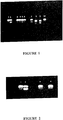


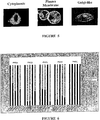
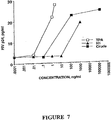


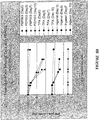
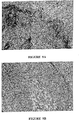


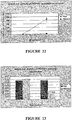


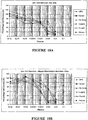

Classifications
-
- A—HUMAN NECESSITIES
- A61—MEDICAL OR VETERINARY SCIENCE; HYGIENE
- A61K—PREPARATIONS FOR MEDICAL, DENTAL OR TOILETRY PURPOSES
- A61K31/00—Medicinal preparations containing organic active ingredients
- A61K31/33—Heterocyclic compounds
- A61K31/395—Heterocyclic compounds having nitrogen as a ring hetero atom, e.g. guanethidine or rifamycins
- A61K31/435—Heterocyclic compounds having nitrogen as a ring hetero atom, e.g. guanethidine or rifamycins having six-membered rings with one nitrogen as the only ring hetero atom
- A61K31/44—Non condensed pyridines; Hydrogenated derivatives thereof
- A61K31/455—Nicotinic acids, e.g. niacin; Derivatives thereof, e.g. esters, amides
-
- A—HUMAN NECESSITIES
- A61—MEDICAL OR VETERINARY SCIENCE; HYGIENE
- A61K—PREPARATIONS FOR MEDICAL, DENTAL OR TOILETRY PURPOSES
- A61K31/00—Medicinal preparations containing organic active ingredients
- A61K31/21—Esters, e.g. nitroglycerine, selenocyanates
- A61K31/215—Esters, e.g. nitroglycerine, selenocyanates of carboxylic acids
- A61K31/22—Esters, e.g. nitroglycerine, selenocyanates of carboxylic acids of acyclic acids, e.g. pravastatin
-
- A—HUMAN NECESSITIES
- A61—MEDICAL OR VETERINARY SCIENCE; HYGIENE
- A61K—PREPARATIONS FOR MEDICAL, DENTAL OR TOILETRY PURPOSES
- A61K36/00—Medicinal preparations of undetermined constitution containing material from algae, lichens, fungi or plants, or derivatives thereof, e.g. traditional herbal medicines
- A61K36/18—Magnoliophyta (angiosperms)
- A61K36/185—Magnoliopsida (dicotyledons)
- A61K36/47—Euphorbiaceae (Spurge family), e.g. Ricinus (castorbean)
-
- A—HUMAN NECESSITIES
- A61—MEDICAL OR VETERINARY SCIENCE; HYGIENE
- A61P—SPECIFIC THERAPEUTIC ACTIVITY OF CHEMICAL COMPOUNDS OR MEDICINAL PREPARATIONS
- A61P11/00—Drugs for disorders of the respiratory system
- A61P11/06—Antiasthmatics
-
- A—HUMAN NECESSITIES
- A61—MEDICAL OR VETERINARY SCIENCE; HYGIENE
- A61P—SPECIFIC THERAPEUTIC ACTIVITY OF CHEMICAL COMPOUNDS OR MEDICINAL PREPARATIONS
- A61P17/00—Drugs for dermatological disorders
-
- A—HUMAN NECESSITIES
- A61—MEDICAL OR VETERINARY SCIENCE; HYGIENE
- A61P—SPECIFIC THERAPEUTIC ACTIVITY OF CHEMICAL COMPOUNDS OR MEDICINAL PREPARATIONS
- A61P17/00—Drugs for dermatological disorders
- A61P17/04—Antipruritics
-
- A—HUMAN NECESSITIES
- A61—MEDICAL OR VETERINARY SCIENCE; HYGIENE
- A61P—SPECIFIC THERAPEUTIC ACTIVITY OF CHEMICAL COMPOUNDS OR MEDICINAL PREPARATIONS
- A61P17/00—Drugs for dermatological disorders
- A61P17/06—Antipsoriatics
-
- A—HUMAN NECESSITIES
- A61—MEDICAL OR VETERINARY SCIENCE; HYGIENE
- A61P—SPECIFIC THERAPEUTIC ACTIVITY OF CHEMICAL COMPOUNDS OR MEDICINAL PREPARATIONS
- A61P17/00—Drugs for dermatological disorders
- A61P17/10—Anti-acne agents
-
- A—HUMAN NECESSITIES
- A61—MEDICAL OR VETERINARY SCIENCE; HYGIENE
- A61P—SPECIFIC THERAPEUTIC ACTIVITY OF CHEMICAL COMPOUNDS OR MEDICINAL PREPARATIONS
- A61P19/00—Drugs for skeletal disorders
-
- A—HUMAN NECESSITIES
- A61—MEDICAL OR VETERINARY SCIENCE; HYGIENE
- A61P—SPECIFIC THERAPEUTIC ACTIVITY OF CHEMICAL COMPOUNDS OR MEDICINAL PREPARATIONS
- A61P19/00—Drugs for skeletal disorders
- A61P19/02—Drugs for skeletal disorders for joint disorders, e.g. arthritis, arthrosis
-
- A—HUMAN NECESSITIES
- A61—MEDICAL OR VETERINARY SCIENCE; HYGIENE
- A61P—SPECIFIC THERAPEUTIC ACTIVITY OF CHEMICAL COMPOUNDS OR MEDICINAL PREPARATIONS
- A61P25/00—Drugs for disorders of the nervous system
-
- A—HUMAN NECESSITIES
- A61—MEDICAL OR VETERINARY SCIENCE; HYGIENE
- A61P—SPECIFIC THERAPEUTIC ACTIVITY OF CHEMICAL COMPOUNDS OR MEDICINAL PREPARATIONS
- A61P25/00—Drugs for disorders of the nervous system
- A61P25/24—Antidepressants
-
- A—HUMAN NECESSITIES
- A61—MEDICAL OR VETERINARY SCIENCE; HYGIENE
- A61P—SPECIFIC THERAPEUTIC ACTIVITY OF CHEMICAL COMPOUNDS OR MEDICINAL PREPARATIONS
- A61P25/00—Drugs for disorders of the nervous system
- A61P25/28—Drugs for disorders of the nervous system for treating neurodegenerative disorders of the central nervous system, e.g. nootropic agents, cognition enhancers, drugs for treating Alzheimer's disease or other forms of dementia
-
- A—HUMAN NECESSITIES
- A61—MEDICAL OR VETERINARY SCIENCE; HYGIENE
- A61P—SPECIFIC THERAPEUTIC ACTIVITY OF CHEMICAL COMPOUNDS OR MEDICINAL PREPARATIONS
- A61P29/00—Non-central analgesic, antipyretic or antiinflammatory agents, e.g. antirheumatic agents; Non-steroidal antiinflammatory drugs [NSAID]
-
- A—HUMAN NECESSITIES
- A61—MEDICAL OR VETERINARY SCIENCE; HYGIENE
- A61P—SPECIFIC THERAPEUTIC ACTIVITY OF CHEMICAL COMPOUNDS OR MEDICINAL PREPARATIONS
- A61P3/00—Drugs for disorders of the metabolism
- A61P3/08—Drugs for disorders of the metabolism for glucose homeostasis
- A61P3/10—Drugs for disorders of the metabolism for glucose homeostasis for hyperglycaemia, e.g. antidiabetics
-
- A—HUMAN NECESSITIES
- A61—MEDICAL OR VETERINARY SCIENCE; HYGIENE
- A61P—SPECIFIC THERAPEUTIC ACTIVITY OF CHEMICAL COMPOUNDS OR MEDICINAL PREPARATIONS
- A61P31/00—Antiinfectives, i.e. antibiotics, antiseptics, chemotherapeutics
-
- A—HUMAN NECESSITIES
- A61—MEDICAL OR VETERINARY SCIENCE; HYGIENE
- A61P—SPECIFIC THERAPEUTIC ACTIVITY OF CHEMICAL COMPOUNDS OR MEDICINAL PREPARATIONS
- A61P31/00—Antiinfectives, i.e. antibiotics, antiseptics, chemotherapeutics
- A61P31/02—Local antiseptics
-
- A—HUMAN NECESSITIES
- A61—MEDICAL OR VETERINARY SCIENCE; HYGIENE
- A61P—SPECIFIC THERAPEUTIC ACTIVITY OF CHEMICAL COMPOUNDS OR MEDICINAL PREPARATIONS
- A61P31/00—Antiinfectives, i.e. antibiotics, antiseptics, chemotherapeutics
- A61P31/04—Antibacterial agents
-
- A—HUMAN NECESSITIES
- A61—MEDICAL OR VETERINARY SCIENCE; HYGIENE
- A61P—SPECIFIC THERAPEUTIC ACTIVITY OF CHEMICAL COMPOUNDS OR MEDICINAL PREPARATIONS
- A61P31/00—Antiinfectives, i.e. antibiotics, antiseptics, chemotherapeutics
- A61P31/12—Antivirals
-
- A—HUMAN NECESSITIES
- A61—MEDICAL OR VETERINARY SCIENCE; HYGIENE
- A61P—SPECIFIC THERAPEUTIC ACTIVITY OF CHEMICAL COMPOUNDS OR MEDICINAL PREPARATIONS
- A61P31/00—Antiinfectives, i.e. antibiotics, antiseptics, chemotherapeutics
- A61P31/12—Antivirals
- A61P31/14—Antivirals for RNA viruses
-
- A—HUMAN NECESSITIES
- A61—MEDICAL OR VETERINARY SCIENCE; HYGIENE
- A61P—SPECIFIC THERAPEUTIC ACTIVITY OF CHEMICAL COMPOUNDS OR MEDICINAL PREPARATIONS
- A61P31/00—Antiinfectives, i.e. antibiotics, antiseptics, chemotherapeutics
- A61P31/12—Antivirals
- A61P31/14—Antivirals for RNA viruses
- A61P31/16—Antivirals for RNA viruses for influenza or rhinoviruses
-
- A—HUMAN NECESSITIES
- A61—MEDICAL OR VETERINARY SCIENCE; HYGIENE
- A61P—SPECIFIC THERAPEUTIC ACTIVITY OF CHEMICAL COMPOUNDS OR MEDICINAL PREPARATIONS
- A61P31/00—Antiinfectives, i.e. antibiotics, antiseptics, chemotherapeutics
- A61P31/12—Antivirals
- A61P31/14—Antivirals for RNA viruses
- A61P31/18—Antivirals for RNA viruses for HIV
-
- A—HUMAN NECESSITIES
- A61—MEDICAL OR VETERINARY SCIENCE; HYGIENE
- A61P—SPECIFIC THERAPEUTIC ACTIVITY OF CHEMICAL COMPOUNDS OR MEDICINAL PREPARATIONS
- A61P31/00—Antiinfectives, i.e. antibiotics, antiseptics, chemotherapeutics
- A61P31/12—Antivirals
- A61P31/20—Antivirals for DNA viruses
-
- A—HUMAN NECESSITIES
- A61—MEDICAL OR VETERINARY SCIENCE; HYGIENE
- A61P—SPECIFIC THERAPEUTIC ACTIVITY OF CHEMICAL COMPOUNDS OR MEDICINAL PREPARATIONS
- A61P31/00—Antiinfectives, i.e. antibiotics, antiseptics, chemotherapeutics
- A61P31/12—Antivirals
- A61P31/20—Antivirals for DNA viruses
- A61P31/22—Antivirals for DNA viruses for herpes viruses
-
- A—HUMAN NECESSITIES
- A61—MEDICAL OR VETERINARY SCIENCE; HYGIENE
- A61P—SPECIFIC THERAPEUTIC ACTIVITY OF CHEMICAL COMPOUNDS OR MEDICINAL PREPARATIONS
- A61P33/00—Antiparasitic agents
-
- A—HUMAN NECESSITIES
- A61—MEDICAL OR VETERINARY SCIENCE; HYGIENE
- A61P—SPECIFIC THERAPEUTIC ACTIVITY OF CHEMICAL COMPOUNDS OR MEDICINAL PREPARATIONS
- A61P33/00—Antiparasitic agents
- A61P33/10—Anthelmintics
-
- A—HUMAN NECESSITIES
- A61—MEDICAL OR VETERINARY SCIENCE; HYGIENE
- A61P—SPECIFIC THERAPEUTIC ACTIVITY OF CHEMICAL COMPOUNDS OR MEDICINAL PREPARATIONS
- A61P35/00—Antineoplastic agents
-
- A—HUMAN NECESSITIES
- A61—MEDICAL OR VETERINARY SCIENCE; HYGIENE
- A61P—SPECIFIC THERAPEUTIC ACTIVITY OF CHEMICAL COMPOUNDS OR MEDICINAL PREPARATIONS
- A61P37/00—Drugs for immunological or allergic disorders
- A61P37/02—Immunomodulators
- A61P37/04—Immunostimulants
-
- A—HUMAN NECESSITIES
- A61—MEDICAL OR VETERINARY SCIENCE; HYGIENE
- A61P—SPECIFIC THERAPEUTIC ACTIVITY OF CHEMICAL COMPOUNDS OR MEDICINAL PREPARATIONS
- A61P37/00—Drugs for immunological or allergic disorders
- A61P37/02—Immunomodulators
- A61P37/06—Immunosuppressants, e.g. drugs for graft rejection
-
- A—HUMAN NECESSITIES
- A61—MEDICAL OR VETERINARY SCIENCE; HYGIENE
- A61P—SPECIFIC THERAPEUTIC ACTIVITY OF CHEMICAL COMPOUNDS OR MEDICINAL PREPARATIONS
- A61P37/00—Drugs for immunological or allergic disorders
- A61P37/08—Antiallergic agents
-
- A—HUMAN NECESSITIES
- A61—MEDICAL OR VETERINARY SCIENCE; HYGIENE
- A61P—SPECIFIC THERAPEUTIC ACTIVITY OF CHEMICAL COMPOUNDS OR MEDICINAL PREPARATIONS
- A61P39/00—General protective or antinoxious agents
-
- A—HUMAN NECESSITIES
- A61—MEDICAL OR VETERINARY SCIENCE; HYGIENE
- A61P—SPECIFIC THERAPEUTIC ACTIVITY OF CHEMICAL COMPOUNDS OR MEDICINAL PREPARATIONS
- A61P39/00—General protective or antinoxious agents
- A61P39/02—Antidotes
-
- A—HUMAN NECESSITIES
- A61—MEDICAL OR VETERINARY SCIENCE; HYGIENE
- A61P—SPECIFIC THERAPEUTIC ACTIVITY OF CHEMICAL COMPOUNDS OR MEDICINAL PREPARATIONS
- A61P43/00—Drugs for specific purposes, not provided for in groups A61P1/00-A61P41/00
-
- A—HUMAN NECESSITIES
- A61—MEDICAL OR VETERINARY SCIENCE; HYGIENE
- A61P—SPECIFIC THERAPEUTIC ACTIVITY OF CHEMICAL COMPOUNDS OR MEDICINAL PREPARATIONS
- A61P7/00—Drugs for disorders of the blood or the extracellular fluid
-
- A—HUMAN NECESSITIES
- A61—MEDICAL OR VETERINARY SCIENCE; HYGIENE
- A61P—SPECIFIC THERAPEUTIC ACTIVITY OF CHEMICAL COMPOUNDS OR MEDICINAL PREPARATIONS
- A61P9/00—Drugs for disorders of the cardiovascular system
-
- A—HUMAN NECESSITIES
- A61—MEDICAL OR VETERINARY SCIENCE; HYGIENE
- A61P—SPECIFIC THERAPEUTIC ACTIVITY OF CHEMICAL COMPOUNDS OR MEDICINAL PREPARATIONS
- A61P9/00—Drugs for disorders of the cardiovascular system
- A61P9/10—Drugs for disorders of the cardiovascular system for treating ischaemic or atherosclerotic diseases, e.g. antianginal drugs, coronary vasodilators, drugs for myocardial infarction, retinopathy, cerebrovascula insufficiency, renal arteriosclerosis
-
- A—HUMAN NECESSITIES
- A61—MEDICAL OR VETERINARY SCIENCE; HYGIENE
- A61P—SPECIFIC THERAPEUTIC ACTIVITY OF CHEMICAL COMPOUNDS OR MEDICINAL PREPARATIONS
- A61P9/00—Drugs for disorders of the cardiovascular system
- A61P9/12—Antihypertensives
-
- C—CHEMISTRY; METALLURGY
- C07—ORGANIC CHEMISTRY
- C07C—ACYCLIC OR CARBOCYCLIC COMPOUNDS
- C07C69/00—Esters of carboxylic acids; Esters of carbonic or haloformic acids
- C07C69/52—Esters of acyclic unsaturated carboxylic acids having the esterified carboxyl group bound to an acyclic carbon atom
- C07C69/533—Monocarboxylic acid esters having only one carbon-to-carbon double bond
-
- Y—GENERAL TAGGING OF NEW TECHNOLOGICAL DEVELOPMENTS; GENERAL TAGGING OF CROSS-SECTIONAL TECHNOLOGIES SPANNING OVER SEVERAL SECTIONS OF THE IPC; TECHNICAL SUBJECTS COVERED BY FORMER USPC CROSS-REFERENCE ART COLLECTIONS [XRACs] AND DIGESTS
- Y02—TECHNOLOGIES OR APPLICATIONS FOR MITIGATION OR ADAPTATION AGAINST CLIMATE CHANGE
- Y02A—TECHNOLOGIES FOR ADAPTATION TO CLIMATE CHANGE
- Y02A50/00—TECHNOLOGIES FOR ADAPTATION TO CLIMATE CHANGE in human health protection, e.g. against extreme weather
- Y02A50/30—Against vector-borne diseases, e.g. mosquito-borne, fly-borne, tick-borne or waterborne diseases whose impact is exacerbated by climate change
-
- Y—GENERAL TAGGING OF NEW TECHNOLOGICAL DEVELOPMENTS; GENERAL TAGGING OF CROSS-SECTIONAL TECHNOLOGIES SPANNING OVER SEVERAL SECTIONS OF THE IPC; TECHNICAL SUBJECTS COVERED BY FORMER USPC CROSS-REFERENCE ART COLLECTIONS [XRACs] AND DIGESTS
- Y02—TECHNOLOGIES OR APPLICATIONS FOR MITIGATION OR ADAPTATION AGAINST CLIMATE CHANGE
- Y02A—TECHNOLOGIES FOR ADAPTATION TO CLIMATE CHANGE
- Y02A90/00—Technologies having an indirect contribution to adaptation to climate change
- Y02A90/10—Information and communication technologies [ICT] supporting adaptation to climate change, e.g. for weather forecasting or climate simulation
Definitions
- the present invention relates generally to chemical agents useful in the treatment and prophylaxis of infection by a pathogenic organism or a potentially pathogenic organism in a mammalian animal including human and primate, non-mammalian animal and avian species. More particularly, the present invention provides a chemical agent of the macrocyclic diterpene family obtained from a member of the Euphorbiaceae family of plants or botanical or horticultural relatives thereof or chemically synthetic forms of the agents for use in the treatment or prophylaxis of infection by a pathogenic organism or a potentially pathogenic organism in a mammal, animal or avian species.
- the chemical agent of the present invention may be in the form of a purified compound, mixture of compounds, or be in the form of a chemical fraction, sub-fraction or preparation or extract of the plant.
- Natural product screening is a term applied to the screening of natural environments for bioactive molecules. Particularly sought after bioactive molecules are those having potential as useful therapeutic agents. Natural environments include plants, microorganisms, coral and marine animals. The search for potential therapeutic agents for the treatment of cancer and infection by pathogenic organisms remains an important focus.
- the Euphorbiaceae family of plants covers a wide variety of plants including weeds and other types of plants of Euphorbia species. There have been a variety of inconclusive reports on the potential effects of the sap of these plants on a range of conditions as well as promoting tumorigenesis and causing skin and ocular irritation.
- Euphorbia pilulifera L (synonyms E . hirta L., E. capitata Lam.), whose common names include pill-bearing spurge, snakeweed, cat's hair, Queensland asthma weed and flowery-headed spurge.
- the plant is widely distributed in tropical countries, including India, and in Northern Australia, including Queensland.
- Euphorbia hirta plants and extracts thereof have been considered for a variety of purposes, including tumor therapy ( EP 0 330 094 ), AIDS-related complex and AIDS ( HU-208790 ) and increasing immunity and as an anti-fungoid agent for treatment of open wounds ( DE-4102054 ).
- the inventors have identified chemical agents and fractions comprising these agents which are useful in the treatment and prophylaxis of infections in malian, animal and avian subjects.
- the present invention is predicated in part on the identification of chemical agents and fractions comprising same from plants of the Euphorbiaceae family which are useful in the treatment and prophylaxis of conditions associated with infection by pathogenic organisms.
- the inventors have further identified that the chemical agents of the present invention are capable of modulating protein kinase C (PKC) activity thus providing a basis for the treatment of infections where PKC activity is required to be up-regulated or down-regulated.
- PKC protein kinase C
- one aspect of the present invention contemplates agents for use in a method for the treatment or prophylaxis of infections in an subject, said method comprising the administration to said subject of a symptom-ameliorating effective amount of a chemical agent obtainable from a plant of the Euphorbiaceae family which chemical agent is a macrocyclic diterpene of general formula (VI)as defined herein and which chemical agent is capable of modulating PKC activity, PKC-dependent gene expression or PKC enzyme turnover and wherein said chemical agent is administered for a time and under conditions sufficient to ameliorate one or more symptoms associated with said infections.
- a chemical agent obtainable from a plant of the Euphorbiaceae family which chemical agent is a macrocyclic diterpene of general formula (VI)as defined herein and which chemical agent is capable of modulating PKC activity, PKC-dependent gene expression or PKC enzyme turnover and wherein said chemical agent is administered for a time and under conditions sufficient to ameliorate one or more symptoms associated with said infections.
- Another aspect of the present invention contemplates agents for use in a method for the immunopotentiation of a subject in the treatment and prophylaxis of said subject for infection by a pathogenic organism or a potential pathogenic organism, said method comprising the administration to said subject of a symptom-ameliorating effective amount of a macrocyclic diterpene of general formula (VI), or a chemical fraction comprising same from a plant of the family Euphorbiaceae wherein said macrocyclic diterpene modulates PKC activity, synthesis or enzyme turnover, said administration being for a time and under conditions sufficient to potentiate components of the immune system.
- VIP macrocyclic diterpene of general formula
- Still another aspect of the present invention contemplates a method of assessing the suitability of a chemical agent from Euphorbiaceae for the practice of the present invention.
- Numerical values are assigned to chemical agents including fractions comprising the chemical agents as set forth, for example, in Table A:- TABLE A Feature Value
- An ability to modulate PKC activity or effect +1 An ability to induce bipolar dendritic activity +1
- An ability to stimulate phagocytosis in peripheral blood mononuclear cells +1 Derived from a member of the Euphorbiacea family +1 Derived from E. peplus +3 Water extractible from the sap of Euphorbia sp. +2 An ability to activate latent virus +4 A lower tumor promotion activity than TPA/PMA +2
- the present description discloses the identification of biologically useful properties of chemical agents and chemical fractions comprising these agents obtainable from a member of the Euphorbiaceae family of plants or their botanical or horticultural relatives. These biologically useful properties include their use in the prophylaxis and/or treatment of inflammatory conditions including facilitating potentiation of the immune system or of cells or other compounds of the immune system as well as the amelioration of symptons associated with inflammation.
- treatment is used in its broadest sense and includes the prevention of a diseae condition as well as facilitating the amelioration of the effects of symptoms of inflammation in addition to or alternatively stimulating components of the immune system.
- prophylaxis is also used herein in its broadest sense to encompass a reduction in the risk of development of inflammation.
- an agent may act to treat a subject prophylactically.
- the prophylactic administration of an agent may result in the agent becoming involved in the treatment of a pathological condition.
- Use of the terms “treatment” or “prophylaxis” is not to be taken as limiting the intended result which is to reduce the adverse effects of inflammation or to potentiate the immune system or components therein and/or to ameliorate the symptoms or risk of development of symptoms caused or facilitated by inflammation.
- the present description discloses the use of one or more macrocyclic diterpenes from a member of the Euphorbiaceae family of plants or botanical or horticultural relatives of such plants.
- Reference herein to a member of the Euphorbiaceae family includes reference to species from the genera Acalypha, Acidoton, Actinostemon, Adelia, Aderaocline, Adenocrepis, Adenophaedra, Adisca, Agrostistachys, Alchornea, Alchorneopsis, Alcinaeanthus, Alcoceria, Aleurites, Amanoa, Andrachne, Angostyles, Anisophyllum, Antidesma, Aphora, Aporosa, Aporosella, Argythamnia, Astrococcus, Astrogyne, Baccanrea, Baliospermum, Bernardia, Beyeriopsis, Bischofia, Blachia, Blumeodondron, Bonania, Bradleia, Breyni
- the most preferred genus is the genus Euphorbia.
- Particularly useful species of this genus include Euphorbia aaron-rossii, Euphorbia abbreviata, Euphorbia acuta, Euphorbia alatocaulis, Euphorbia albicaulis, Euphorbia algomarginata, Euphorbia aliceae, Euphorbia alta, Euphorbia anacampseros, Euphorbia andromedae, Euphorbia angusta, Euphorbia anthonyi, Euphorbia antiguensis, Euphorbia apocynifolia, Euphorbia arabica, Euphorbia ariensis, Euphorbia arizonica, Euphorbia arkansana, Euphorbia arteagae, Euphorbia arundelana, Euphorbia astroites, Euphorbia atrococca, Euphorbia baselicis, Euphorbia batabanensis, Euphorbia bergeri, Euphorbia bermudiana, Euphorbia
- Synadenium grantii and Synadenium compactum are particularly preferred species of the genus Synadenium.
- Particularly preferred species of the genus Monadenium include Monadenium lugardae and Monadenium guentheri.
- Endadenium gossweileni A preferred species of the genus Endadenium is Endadenium gossweileni.
- Euphorbia peplus is particularly preferred.
- Reference herein to "Euphorbia peplus”or its abbreviation “E. peplus” includes various varieties, strains, lines, hybrids or derivatives of this plant as well as its botanical or horticultural relatives.
- a whole Euphorbiaceae plant or parts thereof including sap or seeds or other reproductive material may be used.
- seeds or reproductive material to be used a plant or plantlet is first required to be propagated.
- Reference herein to a Euphorbiaceae plant, a Euphorbia species or E. peplus further encompasses genetically modified plants.
- Genetically modified plants include trangenic plants or plants in which a trait has been removed or where an endogenous gene sequence has been down-regulated, mutated or otherwise altered including the alteration or introduction of genetic material which exhibits a regulatory effect on a particular gene. Consequently, a plant which exhibits a character not naturally present in a Euphorbiaceae plant or a species of Euphorbia or in E. peplus is also described herein
- the macrocyclic diterpenes are generally in extracts of the Euphorbiaceae plants.
- An extract may comprise, therefore, sap or liquid or semi-liquid material exuded from, or present in, leaves, stem, flowers, seeds, bark or between the bark and the stem. Most preferably, the extract is from sap.
- the extract may comprise liquid or semi-liquid material located in fractions extracted from sap, leaves, stems, flowers, bark or other plant material of the Euphoriaceae plant.
- plant material may be subject to physical manipulation to disrupt plant fibres and extracellular matrix material and inter- and intra-tissue extracted into a solvent including an aqueous environment. All such sources of the macrocyclic diterpenes are encompassed by the present invention including macrocyclic diterpenes obtained by synthetic routes.
- the preferred macrocyclic diterpenes are selected from compounds of the ingenane family of general formula (VI).
- a compound is stated to be a member of the ingenane family on the basis of chemical structure and/or chemical or physical properties.
- a compound which is a derivative of an ingenane is also disclosed through use of the terms "ingenane” since the term include derivatives, chemical analogues and chemically synthetic forms of these families of compounds.
- One particularly preferred derivative is an angeloyl derivative of ingenane.
- a chemical agent which exhibits an effect on a protein kinase C (PKC) enzyme.
- PKC protein kinase C
- Such an effect may be a direct activation or inhibition of PKC activity or a direct effect on the levels of PKC enzyme in a cell or exported from a cell.
- the effect may be transitory or may involve an initial activation of PKC activity or PKC enzyme synthesis or induction of a functional conformation followed by a down-regulation of PKC activity, enzyme levels or formation of a deactivated conformation. Consequently, an effect on PKC is regarded herein as a modulatory effect and is conveniently determined by consequential events such as resulting from altered signal transduction. For example, activation of immune mechanisms or activation of a gene promoter may occur and this is regarded herein as a modulatory effect on PKC.
- the chemical agents may be in purified or isolated form meaning that the preparation is substantially devoid of other compounds or contaminating agents other than diluent, solvent or carrier or isoforms of the agents.
- the term "chemical agent” includes preparations of two or more compounds either admixed together or co-purified from a particular source.
- the chemical agent may also be a chemical fraction, extract or other preparation from the Euphorbiaceace plant.
- a “chemical agent” includes a purified form of one or more compounds or a chemical fraction or extract such as from the sap of a Euphorbiaceace plant, and in particular a species of Euphorbia, and most preferably from E. peplus or botanical or horticultural relatives or variants thereof.
- a method for the treatment or prophylaxis of an inflammatory condition in an subject comprising the administration to said subject of a symptom-ameliorating effective amount of a chemical agent obtainable from a plant of the Euphorbiaceae family or a derivative or chemical analogue thereof which chemical agent is a macrocyclic diterpene selected from compounds of the ingenanefamiliy and which chemical agent or derivative or chemical analogue is represented by the general formula (VI) wherein:
- Also disclosed is a method for immunopotentiation of a subject comprising administering to said subject an effective amount of a chemical agent represented by the general formulae (VI) as defined above and which chemical agent is capable of modulating PKC activity, PKC-dependent gene expression or PKC enzyme turnover and wherein said chemical agent or its derivatives or chemical analogues is administered for a time and under conditions sufficient to potentiate the immune system or components therein.
- a chemical agent represented by the general formulae (VI) as defined above and which chemical agent is capable of modulating PKC activity, PKC-dependent gene expression or PKC enzyme turnover and wherein said chemical agent or its derivatives or chemical analogues is administered for a time and under conditions sufficient to potentiate the immune system or components therein.
- R 24 is hydrogen, O-Acetyl or OH.
- R 25 and R 26 are OH.
- alkyl refers to linear or branched chains.
- haloalkyl refers to an alkyl group substituted by at least one halogen.
- haloalkoxy refers to an alkoxy group substituted by at least one halogen.
- halogen refers to fluorine, chlorine, bromine and iodine.
- aryl refers to aromatic carbocyclic ring systems such as phenyl or naphthyl, anthracenyl, especially phenyl.
- heterocycle refers to a saturated, unsaturated, or aromatic carbocyclic group having a single ring, multiple fused rings (for example, bicyclic, tricyclic, or other similar bridged ring systems or substituents), or multiple condensed rings, and having at least one heteroatom such as nitrogen, oxygen, or sulfur within at least one of the rings.
- heteroaryl refers to a heterocycle in which at least one ring is aromatic. Any heterocyclic or heteroaryl group can be unsubstituted or optionally substituted with one or more groups, as defined above.
- bi- or tricyclic heteroaryl moieties may comprise at least one ring, which is either completely, or partially, saturated.
- Suitable heteroaryl moieties include, but are not limited to oxazolyl, thiazaoyl, thienyl, furyl, 1-isobenzofuranyl, 3H-pyrrolyl, 2H-pyrrolyl, N-pyrrolyl, imidazolyl, pyrazolyl, isothiazolyl, isooxazolyl, pyridyl, pyrazinyl, pyrimidinyl, pyradazinyl, indolizinyl, isoindolyl, indoyl, indolyl, purinyl, phthalazinyl, 1,2,3-triazolyl, 1,2,4-triazolyl, 1,2,3-oxadiazoyl, 1,2,4-oxadiazolyl, 1,2,5-oxadiazolyl, 1,3,4-o
- Immunopotentiation of the immune system is useful in immune-compromised subjects as well as for treating infection by pathogenic organisms or potentially pathogenic organisms.
- a method for the immunopotentiation of a subject in the treatment and prophylaxis of said subject for infection by a pathogenic organism or a potential pathogenic organism comprising the administration to said subject of a symptom-ameliorating effective amount of a macrocyclic diterpene of general formula (VI), or a chemical fraction comprising same from a plant of the family Euphorbiaceae or a derivative or chemical analogue of said macrocyclic diterpene having the structures as defined above wherein said macrocyclic diterpene modulates PKC activity, synthesis or enzyme turnover, said administration being for a time and under conditions sufficient to potentiate components of the immune system.
- a macrocyclic diterpene of general formula (VI) or a chemical fraction comprising same from a plant of the family Euphorbiaceae or a derivative or chemical analogue of said macrocyclic diterpene having the structures as defined above wherein said macrocyclic diterpene modulates PKC activity, synthesis or enzyme turnover, said administration being for a
- a pathogenic organism or a potential pathogenic organism includes prokaryotic microorganism, a lower eukaryotic microorganism, a complex eukaryotic organism or a virus.
- a prokaryotic microorganism includes bacteria such as Gram positive, Gram negative and Gram variable bacteria and intracellular bacteria.
- bacteria contemplated herein include the speices of the genera Treponema sp., Borrelia sp., Neisseria sp., Legionella sp., Bordetella sp., Escherichia sp., Salmonella sp., Shigella sp., Klebsiella sp., Yersinia sp., Vibrio sp., Hemophilus sp., Rickettsia sp., Chlamydia sp., Mycoplasma sp., Staphylococcus sp., Streptococcus sp., Bacillus sp., Clostridium sp., Corynebacterium. sp., Proprionibacterium sp., Mycobacterium sp., Ureaplasm
- Particularly preferred species include Treponema pallidum, Borrelia burgdorferi, Neisseria gonorrhea, Neisseria meningitidis, Legionella pneumophila, Bordetella pertussis, Escherichia coli, Salmonella typhi, Salmonella typhimurium, Shigella dysenteriae, Klebsiella pneumonia, Yersinia pestis, Vibrio cholerae, Hemophilus influenzae, Rickettsia rickettsii, Chlamydia trachomatis, Mycoplasma pneumoniae, Staphylococcus aureus, Streptococcus pneumoniae, Streptococcus pyogenes, Bacillus anthracis, Clostridium botulinum, Clostridium tetani, Clostridium perfringens, Corynebacterium diphtheriae, Proprionibacterium acnes, Mycobacterium tuberculos
- a lower eukaryotic organism includes a yeast or fungus such as but not limited to Pneumocystis carinii, Candida albicans, Aspergillus, Histoplasma capsulatum, Blastomyces dermatitidis, Cryptococcus neoformans, Trichophyton and Microsporum.
- yeast or fungus such as but not limited to Pneumocystis carinii, Candida albicans, Aspergillus, Histoplasma capsulatum, Blastomyces dermatitidis, Cryptococcus neoformans, Trichophyton and Microsporum.
- a complex eukaryotic organism includes worms, insects, arachnids, nematodes, aemobe, Entamoeba histolytica, Giardia lamblia, Trichomonas vaginalis, Trypanosoma brucei gambiense, Trypanosoma cruzi, Balantidium coli, Plasmodium malariae, Plasmodium tropicalis, Toxoplasma gondii, Cryptosporidium or Leishmania.
- viruses is used in its broadest sense to include viruses of the families adenoviruses, papovaviruses, herpesviruses: simplex, varicella-zoster, Epstein-Barr, CMV, pox viruses: smallpox, vaccinia, hepatitis B, rhinoviruses, hepatitis A, poliovirus, rubellavirus, hepatitis C, arboviruses, rabiesvirus, influenzaviruses A and B, measlesvirus, mumpsvirus, HIV, HTLV I and II.
- prokaryotic microorganisms are Salmonella sp. and other enteric microorganisms and Streptococcus sp. and Staphylococcus sp.
- Particularly preferred lower eukaryotic organisms include species of Trichophytos, Microsporum and Epidermophytos, yeast and Plasmodium sp. such as malaria agents.
- Preferred complex eukaroytic organisms are insects such as blood-sucking insects.
- Preferred viruses are HIV, EBV and CMV.
- Also disclosed a method for the treatment or prophylaxis of an inflammatory condition in a subject comprising the administration to said subject of a symptom-ameliorating effective amount of a macrocyclic diterpene or chemical fraction comprising same from a plant of the family Euphorbiaceae or a derivative or chemical analogue of said macrocyclic diterpene having the structures as defined above wherein said macrocyclic diterpene or its derivative or chemical analogue modulates PKC activity, synthesis or enzyme turnover, said administration being for a time and under conditions sufficient to treat said inflammatory condition.
- Inflammatory conditions include but are not limited to sepsis, viral infection, glomerulonephritis, lupus, uveitis, chronic hepatitis, chronic non-suppurative thyroiditis, tuberculosis, syphilis, actinomycosis, sarcoidosis, amyloidosis, granulomatous thyroiditis, lymphocytic thyroiditis, Hashimoto's thyroiditis, invasive fibrous thyroiditis, Grave's disease, regional enteritis, Crohn's disease, granulomatous ileitis, ulcerative colitis, chorioretinal inflammatory syndrome, pancreatitis, synovitis of the hip, odynophagia, dysphagia, viral and bacterial pharyngitis, infectious mononucleosis, acute tonsillitis, peritonsillar abscess, ulcerative tonsillitis, lingual tonsillitis, Candidiasis, Epiglottitis,
- Particularly preferred compounds are angeloyl substituted ingenanes or derivatives thereof such as ingenol-3-angelate, 20-hydroxy-ingenol-3-angelate, 20-O-acetyl-ingenol-3-angelate, or derivatives of said angelates, or pharmaceutically acceptable salts of these.
- An aspect of the present invention contemplates a method of assessing the suitability of a chemical agent from Euphorbiaceae for the practice of the present invention.
- Numerical values are assigned to chemical agents including fractions comprising the chemical agents as set forth, for example, in Table A:- TABLE A Feature Value
- An ability to modulate PKC activity or effect +1 An ability to reduce bipolar dentritic activity +1
- An ability to stimulate phagocytosis in peripheral blood mononuclear cells +1 Derived from a member of the Euphorbiacea family +1 Derived from E . peplus +3 Water extractible from the sap of Euphorbia sp. +2 An ability to activate latent virus +4 A lower tumor promotion activity than TPA/PMA +2
- the value for each feature is referred to as the Index Value (I V ).
- I V i.e. ⁇ I V
- P A potency of agent
- peplus +3 Water extractible from the sap of Euphorbia sp. +2 An ability to activate latent virus +4 A lower tumor promotion activity than TPA/PMA +2 or pharmaceutically acceptable salts of these, said chemical agent being administered for a time and under conditions sufficient to ameliorate at least one symptom caused by or associated with inflammation.
- peplus +3 Water extractible from the sap of Euphorbia sp. +2 An ability to activate latent virus +4 A lower tumor promotion activity than TPA/PMA +2 or pharmaceutically acceptable salts of these, said chemical agent being administered for a time and under conditions sufficient to immunopotentiate said subject.
- Preferred compounds are selected from the list comprising:-
- Reference herein to a subject includes a human, primate, livestock animal (e.g. sheep, cow, horse, pig, goat, donkey), laboratory test animal (e.g. mouse, rat, guinea pig, hamster), companion animal (e.g. dog, cat) or avian species such as poultry birds (e.g. chicken, ducks, turkeys, geese) or game birds (e.g. arid ducks, pheasants).
- livestock animal e.g. sheep, cow, horse, pig, goat, donkey
- laboratory test animal e.g. mouse, rat, guinea pig, hamster
- companion animal e.g. dog, cat
- avian species such as poultry birds (e.g. chicken, ducks, turkeys, geese) or game birds (e.g. arid ducks, pheasants).
- the preferred subject is a human or primate or laboratory test animal.
- the most preferred subject is a human.
- the assessment of the suitability of a compound or group of compounds for treating or preventing conditions herein described is suitably facilitated with the assistance of a computer programmed with software, which inter alia adds index values (I V ) for at least two features associated with the compound(s) to provide a potency value (P A ) corresponding to the effectiveness of the compound(s) for treating or preventing an inflammatory condition or for promoting stimulation of the immune system or components therein.
- the compound features can be selected from:-
- compositions useful in treating a pathogenic infection can be used as actives for the treatment or prophylaxis of a condition associated with the presence of a biological entity or part thereof or toxin or venom therefrom or a genetic event caused thereby in a subject.
- the chemical agents can be administered to a patient either by themselves, or in pharmaceutical compositions where they are mixed with a suitable pharmaceutically acceptable carrier.
- compositions for treatment and/or prophylaxis of an inflammatory condition or to induce immunpotentiation in a subject comprising one or more chemical agents of the invention, together with a pharmaceutically acceptable carrier and/or diluent.
- chemical agents may be formulated and administered systemically or locally. Techniques for formulation and administration may be found in " Remington's Pharmaceutical Sciences," Mack Publishing Co., Easton, Pa., latest editi on. Suitable routes may, for example, include oral, rectal, transmucosal, or intestinal administration; parenteral delivery, including intramuscular, subcutaneous, intramedullary injections, as well as intrathecal, direct intraventricular, intravenous, intraperitoneal, intranasal, or intraocular injections.
- the chemical agents of the invention may be formulated in aqueous solutions, preferably in physiologically compatible buffers such as Hanks' solution, Ringer's solution, or physiological saline buffer.
- penetrants appropriate to the barrier to be permeated are used in the formulation. Such penetrants are generally known in the art. Intra-muscular and subcutaneous injection is appropriate, for example, for administration of immunomodulatory compositions and vaccines.
- the chemical agents can be formulated readily using pharmaceutically acceptable carriers well known in the art into dosages suitable for oral administration.
- Such carriers enable the compounds of the invention to be formulated in dosage forms such as tablets, pills, capsules, liquids, gels, syrups, slurries, suspensions and the like, for oral ingestion by a patient to be treated.
- These carriers may be selected from sugars, starches, cellulose and its derivatives, malt, gelatine, talc, calcium sulphate, vegetable oils, synthetic oils, polyols, alginic acid, phosphate buffered solutions, emulsifiers, isotonic saline, and pyrogen-free water.
- compositions herein described include compositions wherein the active ingredients are contained in an effective amount to achieve their intended purpose.
- the dose of agent administered to a patient should be sufficient to effect a beneficial response in the patient over time such as a reduction in the symptoms associated with the presence of an inflammatory condition in a subject.
- the quantity of the agent(s) to be administered may depend on the subject to be treated inclusive of the age, sex, weight and general health condition thereof. In this regard, precise amounts of the agent(s) for administration will depend on the judgement of the practitioner.
- the physician may evaluate progression of the disorder. In any event, those of skill in the art may readily determine suitable dosages of the chemical agents of the invention.
- compositions for parenteral administration include aqueous solutions of the active compounds in water-soluble form. Additionally, suspensions of the active compounds may be prepared as appropriate oily injection suspensions. Suitable lipophilic solvents or vehicles include fatty oils such as sesame oil, or synthetic fatty acid esters, such as ethyl oleate or triglycerides, or liposomes. Aqueous injection suspensions may contain substances which increase the viscosity of the suspension, such as sodium carboxymethyl cellulose, sorbitol, or dextran. Optionally, the suspension may also contain suitable stabilizers or agents which increase the solubility of the compounds to allow for the preparation of highly concentrated solutions.
- compositions for oral use can be obtained by combining the active compounds with solid excipient, optionally grinding a resulting mixture, and processing the mixture of granules, after adding suitable auxiliaries, if desired, to obtain tablets or dragee cores.
- suitable excipients are, in particular, fillers such as sugars, including lactose, sucrose, mannitol, or sorbitol; cellulose preparations such as., for example, maize starch, wheat starch, rice starch, potato starch, gelatin, gum tragacanth, methyl cellulose, hydroxypropylmethyl-cellulose, sodium carboxymethylcellulose, and/or polyvinylpyrrolidone (PVP).
- PVP polyvinylpyrrolidone
- disintegrating agents may be added, such as the cross-linked polyvinyl pyrrolidone, agar, or alginic acid or a salt thereof such as sodium alginate.
- Such compositions may be prepared by any of the methods of pharmacy but all methods include the step of bringing into association one or more chemical agents as described above with the carrier which constitutes one or more necessary ingredients.
- the pharmaceutical compositions of the present invention may be manufactured in a manner that is itself known, e.g. by means of conventional mixing, dissolving, granulating, dragee-making, levigating, emulsifying, encapsulating, entrapping or lyophilising processes.
- Dragee cores are provided with suitable coatings.
- suitable coatings For this purpose, concentrated sugar solutions may be used, which may optionally contain gum arabic, talc, polyvinyl pyrrolidone, carbopol gel, polyethylene glycol, and/or titanium dioxide, lacquer solutions, and suitable organic solvents or solvent mixtures.
- Dyestuffs or pigments may be added to the tablets or dragee coatings for identification or to characterize different combinations of active compound doses.
- compositions which can be used orally include push-fit capsules made of gelatin, as well as soft, sealed capsules made of gelatin and a plasticizer, such as glycerol or sorbitol.
- the push-fit capsules can contain the active ingredients in admixture with filler such as lactose, binders such as starches, and/or lubricants such as talc or magnesium stearate and, optionally, stabilizers.
- the active compounds may be dissolved or suspended in suitable liquids, such as fatty oils, liquid paraffin, or liquid polyethylene glycols.
- stabilizers may be added.
- Dosage forms of the chemical agents of the invention may also include injecting or implanting controlled releasing devices designed specifically for this purpose or other forms of implants modified to act additionally in this fashion.
- Controlled release of an agent of the invention may be effected by coating the same, for example, with hydrophobic polymers including acrylic resins, waxes, higher aliphatic alcohols, polylactic and polyglycolic acids and certain cellulose derivatives such as hydroxypropylmethyl cellulose.
- controlled release may be effected by using other polymer matrices, liposomes and/or microspheres.
- Chemical agents of the invention may be provided as salts with pharmaceutically compatible counterions.
- Pharmaceutically compatible salts may be formed with many acids, including hydrochloric, sulphuric, acetic, lactic, tartaric, malic, succinic. Salts tend to be more soluble in aqueous or other protonic solvents that are the corresponding free base forms.
- the therapeutically effective dose can be estimated initially from cell culture assays such as to reduce inflammation in vitro or to potentiate immune cells in vitro.
- a dose can be formulated in animal models to achieve a circulating concentration range that includes the IC50 as determined in cell culture (e.g. the concentration of a test agent, which achieves a half-maximal inhibition of inflammation). Such information can be used to more accurately determine useful doses in humans.
- Toxicity and therapeutic efficacy of such chemical agents can be determined by standard pharmaceutical procedures in cell cultures or experimental animals, e.g. for determining the LD50 (the dose lethal to 50% of the population) and the ED50 (the dose therapeutically effective in 50% of the population).
- the dose ratio between toxic and therapeutic effects is the therapeutic index and it can be expressed as the ratio LD50/ED50.
- Compounds that exhibit large therapeutic indices are preferred.
- the data obtained from these cell culture assays and animal studies can be used in formulating a range of dosages for use in humans.
- the dosage of such compounds lies preferably within a range of circulating concentrations that include the ED50 with little or no toxicity.
- the dosage may vary within this range depending upon the dosage form employed and the route of administration utilized.
- the exact formulation, route of administration and dosage can be chosen by the individual physician in view of the patient's condition (see for example Fingl et al., 1975, in "The Pharmacological Basis of Therapeutics", Ch. 1 p1
- Dosage amount and interval may be adjusted individually to provide plasma levels of the active agent which are sufficient to maintain symptom-ameliorating effects.
- Usual patient dosages for systemic administration range from 1-2000 mg/day, commonly from 1-250 mg/day, and typically from 10-150 mg/day. Stated in terms of patient body weight, usual dosages range from 0.02-25 mg/kg/day, commonly from 0.02-3 mg/kg/day, typically from 0.2-1.5 mg/kg/day. Stated in terms of patient body surface areas, usual dosages range from 0.5-1200 mg/m 2 /day, commonly from 0.5-150 mg/m 2 /day, typically from 5-100 mg/m 2 /day.
- the liposomes will be targeted to and taken up selectively by the tissue.
- the effective local concentration of the agent may not be related to plasma concentration.
- compositions containing between 0.001-5% or more chemical agent are generally suitable. Regions for topical administration include the skin surface and also mucous membrane tissues of the vagina, rectum, nose, mouth, and throat. Compositions for topical administration via the skin and mucous membranes should not give rise to signs of irritation, such as swelling or redness.
- the topical composition may include a pharmaceutically acceptable carrier adapted for topical administration.
- the composition may take the form of a suspension, solution, ointment, lotion, sexual lubricant, cream, foam, aerosol, spray, suppository, implant, inhalant, tablet, capsule, dry powder, syrup, balm or lozenge, for example. Methods for preparing such compositions are well known in the pharmaceutical industry.
- the topical composition is administered topically to a subject, e.g. by the direct laying on or spreading of the composition on the epidermal or epithelial tissue of the subject, or transdermally via a "patch".
- compositions include, for example, lotions, creams, solutions, gels and solids.
- Suitable carriers for topical administration preferably remain in place on the skin as a continuous film, and resist being removed by perspiration or immersion in water.
- the carrier is organic in nature and capable of having dispersed or dissolved therein a chemical agent of the invention.
- the carrier may include pharmaceutically-acceptable emolients, emulsifiers, thickening agents, solvents and the like.
- the aqueous solvent is preferably water.
- the biomass is derived from a plant, which is preferably a member of the Euphorbiaceae family of plants or botanical or horticultural relatives of such plants. Matter from the plant (e.g. foliage, stems, roots, seeds, bark, etc.) is preferably cut, macerated or mulched to increase the surface area of the plant matter for aqueous extraction of the macrocyclic diterpenes.
- the process preferably further comprises adsorbing the macrocyclic diterpenes to a non-ionic adsorbent, which is suitably a non-ionic porous synthetic adsorbent.
- a non-ionic porous synthetic adsorbent is suitably a non-ionic porous synthetic adsorbent.
- the non-ionic porous synthetic adsorbents are aromatic copolymers mainly composed of styrene and divinylbenzene, and methacrylic copolymers mainly composed of monomethacrylate and dimethacrylate.
- non-ionic porous synthetic adsorbents which comprise, as the basic structure, aromatic copolymers mainly composed of styrene and divinylbenzene include, for example, Diaion HP10, HP20, HP21, HP30, HP40, HP50, SP850, and SP205 (trade names: Mitsubishi Chemical Corp.), and Amberlite XAD-2, XAD4, (trade names: Rohm and Haas Co.).
- non-ionic porous synthetic adsorbent which comprise, as the basic structure, methacrylic copolymer mainly composed of monomethacrylate and dimethacrylate are Diaion HP2MG, Amberlite XAD-7, XAD-8 and XAD-16 and others.
- the process further comprises eluting macrocyclic diterpenes from the non-ionic adsorbent with water and water-soluble organic solvent(s).
- the treatment may be conducted by a batch method using water and water-soluble organic solvent(s) which dissolve macrocyclic diterpenes, or may also be conducted continuously or in batch using a column chromatography method.
- Examples of a water-soluble organic solvent are alcohols such as methanol, ethanol, n-propyl alcohol, isopropyl alcohol, and tert-butanol, ethers such as dioxane and tetrahydrofuran, ketones such as acetone, amides such as dimethylformamide, sulfur-containing compounds such as dimethylsulfoxide. Two or more of such organic solvents may be mixed for use.
- solvents less soluble in water for example, alcohols such as n-butanol, esters such as methyl formate and methyl acetate, and ketones such as methyl ethyl ketone may also be used to the extent that it does not separate during development.
- Particularly preferred water-soluble organic solvents are alcohols, in particular, methanol, ethanol, propyl alcohol, and the like. Furthermore, different kinds of solvent may also be used sequentially for development.
- Macrocyclic diterpenes can be further purified using media and techniques which separate compounds on the basis of molecular size and/or polarity.
- the macrocyclic diterpenes are separated using Sephadex HL-20 resin and preferably using water and water-soluble organic solvent(s) for development.
- PKC Activation Kinase activity of PKC as measured by enzyme assay
- Sap from E . peplus plants was collected, stored at -20°C, thawed and stored at 4°C for 1 week prior to use.
- the H fraction was prepared from frozen sap by thin layer chromatography (TLC) as described in International Patent Application No. PCT/AU98/00656 and was stored as dried silica-associated material at 4°C. This material was enriched in jatrophanes and pepluanes. One to two months prior to use, the material was dissolved in ethylene glycol dimethyl ether (DME) and stored at 4°C. The concentrations were determined from the dry weight of the material.
- TLC thin layer chromatography
- DME ethylene glycol dimethyl ether
- PKC assays crude sap (PEP001) and the PEP004 fraction was ether extracted twice to produce an ether-soluble fraction enriched in diterpenes, namely, ingenanes, jatrophanes and pepluanes. The remaining water soluble fraction was also used.
- An ingenane fraction was prepared from the ether-soluble extract by TLC as described in International Patent Application No. PCT/AU98/00656 .
- the conventional and novel protein kinase C (PKC) isoforms in their unstimulated state, are inactive as kinases.
- the C1 domain of these PKCs contains an autoinhibitory, pseudosubstrate site that binds to the substrate site (C4 domain) and inactivates the kinase functionality of the protein.
- Activation of PKC results from binding of diacylglycerol (DAG) to the C1 domain, which, via multiple phosphorylation events and conformational changes to the protein, ultimately leads to the release of PKC autoinhibition.
- DAG diacylglycerol
- TPA and other related compounds have been shown to bind to the C1 domain of various PKC isoforms and presumably by similar means as DAG, lead to their activation.
- kinase activity of rat brain PKC was determined using the PeptagTM NonRadioactive Protein Kinase Kit (Promega). Using agarose gel electrophoresis the technique visualises the opposing electrostatic charge of a fluorescently labeled peptide (PLSRTLSVAAK) compared to the phosphorylated version of the same peptide.
- PLSRTLSVAAK fluorescently labeled peptide
- FIG. 1 The results of an assay of PKC with the fluorescent substrate (PepTag) are shown in Figure 1 .
- the reaction mixture was separated by gel electrophoresis, showing migration of the unreacted substrate (a) to the anode (top), and the product (b), which is more negatively charged because of phosphorylation by PKC, moving towards the cathode (bottom).
- the positive control activator (phosphatidyl serine) supplied by the manufacturer (lane 2) showed strong activation compared with PKC and substrate alone (lane 1).
- Various dilutions of TPA also showed activation of PKC (lanes 3, 4 and 5).
- Figure 2 shows the results of testing fractionated materials simultaneously with negative (lane 1) and positive controls (lane 2).
- Fraction H mixture of jatrophanes and pepluanes
- lane 3 shows a low activity
- arrow moving away from the unreacted substrate.
- a similar result was found for the ingenane fraction (lane 4).
- the kinase activity of the PKC sample was assessed before stimulation (Negative Control) and after stimulation with PEP001, phosphatidyl serine (an acid-lipid, known to activate PKC, provided by Promega; Positive Control) and TPA (20 ⁇ g/mL).
- PEP001 phosphatidyl serine
- TPA TPA (20 ⁇ g/mL
- PEP001 activates PKC to a similar level as phosphatidyl serine (200 ⁇ g/mL) and to a greater level than TPA (20 ⁇ g/mL). From this experiment, it is clear that the PEP001 activates PKC.
- Activation of PKC can also be demonstrated by a simple fluorescence microscopy-based assay.
- PKC Upon activation, PKC is known to translocate from the cytoplasm to the plasma membrane of the cell.
- GFP green fluorescent protein
- EGFP enhanced GFP
- activation of the PKC can be detected by the movement of diffuse cytoplasmic GFP to a ring of fluorescence associated with the plasma membrane.
- crude E . peplus extract has been shown to activate PKC ⁇ and PKC ⁇ .
- MM96L cells were first transfected using a commercially-available kit (Qiagen Effectine Transfection Kit) with a PKC-GFP expression vector (Clontech; http://www.clontech.com/gfp /) and allowed to produce the PKC-GFP protein for 24 hr. The cells were then treated with crude E. peplus extract and TPA and observed under a fluorescent microscope (488 nm excitation). Two controls were used - no DNA, which allows for the identification of non-transfected cells, and no drugs, which allows for the calculation of transfection efficiency and the identification of transfected cells without PKC activation. pPKC ⁇ -EGFP and pPKC ⁇ -EGFP were tested, and crude E.
- HeLa cells were plated out in a 24-well plate containing coverslips and transfected with PKC isoforms fused to EGFP, using a commercially available effectine-transfection kit (QIAGEN, Pty. Ltd.). Cells were exposed to the transfection reagents for 16-24 hr. Subsequently, transfected cells were treated for one hour with TPA (100 ng/mL), bryostatin-1 (5 pg/mL), PEP003 (2.25 ⁇ g/mL; 5 ⁇ M) or PEP005 (670 ⁇ g/mL) 1.5 ⁇ M), Following treatment, cells were fixed on coverslips and mounted on glass slides.
- TPA 100 ng/mL
- bryostatin-1 5 pg/mL
- PEP003 2.25 ⁇ g/mL; 5 ⁇ M
- PEP005 670 ⁇ g/mL
- PKC ⁇ transfected HeLa cells treated with TPA also show an increase in Golgi-like fluorescence.
- treatment with PEP005 and bryostatin-1 decreases the number of cells with PKC ⁇ concentrated in the Golgi.
- the number of PKC ⁇ transfected HeLa cells with Golgi-like localization is increased in response to all treatments.
- TPA, Bryostatin-1, PEP003 and PEP005 fail to induce translocation of PKC ⁇ , suggesting that PEP003 and PEP005 do not activate members of the atypical PKC family.
- TPA, Bryostatin-1, PEP003 and PEP005 display differences in their ability to induce translocation of the specific PKC isoforms to the plasma membrane and/or Golgi. These differences may play a role in determining the different biological actions of these compounds.
- a competition assay was performed to determine whether the diterpene esters of the instant invention bind to the phorbol ester binding site of PKC.
- This competition assay showed that 23 ⁇ g/mL PEP003 displaced >90% [3H]-phorbol dibutyrate from binding to rat brain homogenate, used as a source of PKC (Gonzalez et al., 1999). This binding was not blocked by co-incubation with bisindolylmaleimide.
- HAART highly active anti-retroviral therapy
- CD4 + cells capable of actively transcribing virus, such as CD4 + cells, act as a major latent reservoir and enable the virus to avoid anti-retroviral chemotherapy or immune system surveillance.
- an agent which activates latent virus from the infected cells Activated virus could then be killed by aggressive anti-retroviral chemotherapy and it has been hypothesized that immune system surveillance could also be improved under these conditions.
- Anti-cancer agents have been widely investigated as potential anti-HIV agents.
- PKC activators have been shown to activate latent retroviruses.
- PMA has been shown to activate latent HIV in monocytes (Tobiume et al., 1998).
- PMA is a known tumor promoter.
- a latently HIV-1 infected cell line (U1) derived from the promonocytic cell line U937 after infection with HIV-1 LAI strain, was used in these experiments. In the absence of activation, no or little virus (measured as p24 production) is produced by the U1 cell line. Phorbol esters are known to activate virus production from these cells (Tobiume et al., 1998) and so TPA/PMA was used as a positive control in these experiments.
- U1 cells were cultured in RPM1-1640 medium supplemented with 10% fetal bovine serum, 10 5 cells/mL were cultured for 20 hr in the presence and absence of various concentrations of either the phorbol ester TPA or crude E. peplus sap (PEP001) or PEP004 (H1) derived therefrom.
- Supernatants were collected and viral replication monitored by determination of the amounts of HIV p24 gag protein in the culture supernatants by ELISA, using a NEN Life Science HIV-1 p24 ELISA kit. p24 values were calculated from OD values using a standard curve.
- TPA the crude sap (PEP001) from E. peplus and the PEP004 fraction all activated HIV from U1 cells, as illustrated in Figure 7 .
- the crude sap (PEP001) was 50 times less active than TPA.
- the PEP004 fraction was 1000 times less active than TPA.
- HIV human immunodeficiency virus
- PBMC Peripheral blood mononuclear cells
- the activated PBMC were infected with 10 g (Low Titre) and 100 ng (High Titre) of CA-p24 equivalents of the HIV-strain pNL4-3. Cells were infected for two hr after which, the virus was removed and the cells were washed with culture media.
- Viruses and viral promoters especially adenovirus and CMV are used to deliver gene therapy in a range of human disease conditions. Gene expression and, hence, therapeutic effect will be enhanced if the promoters driving their transcription can be activated further by an agent.
- Virus replication (enumerated as the number of stained cells following successive incubations with adenovirus antibody, peroxidase-conjugated protein A and peroxidase substrate) was increased by 344% with 67 ng/mL PEP005, 256% with 295 ng/mL PEP006, 248% with 226 ng/mL PEP008 and 147% with 67.5 ng/mL PEP010.
- the CMV promoter is commonly used to activate the transcription of genes in constructs transfected into a variety of cells, due to its strong transcriptional activity in a variety of human cell types.
- the ability of TPA to increase this activity has been demonstrated in cells undergoing non-productive infection with an adenovirus construct (Christenson et al., 1999), thus raising the possibility of increasing the production of a therapeutic protein encoded by a similar construct.
- Human melanoma cells (MM96L; 50,000 per microtiter well) were treated with TPA or dilutions of crude E. peplus sap, infected with a 1/20 dilution of a pool of adenovirus-5 expressing ⁇ -galactosidase driven by the CMV promoter. After incubation for 20 hr, the wells were washed with 3x with PBS, 50 ⁇ L of chlorophenol red galactoside (GPRG) substrate solution added and the absorbance at 540 nm read after 90 min. The inventors found TPA (100 ng/mL) and crude E. peplus sap (diluted 1 in 10,000) both induced the CMV promoter activity by >3-fold.
- TPA 100 ng/mL
- crude E. peplus sap diluted 1 in 10,000
- Neutrophils represent about 70% of peripheral white blood cells in humans and play a pivotal role in inflammation and the innate defense against disease (Mollinedo, 1999). Upon activation, neutrophils release superoxide radicals and granules containing a variety of enzymes and other compounds. These secretions are able to destroy invading pathogens, but also result in inflammation and associated tissue damage.
- E. peplus sap causes accumulation of neutrophils at the site of application, showing that E. peplus sap is capable of recruiting neutrophils.
- a mixture of active diterpenes obtained as an ether extract from E . peplus sap was applied (2 ⁇ L of 100 mg/mL in ethanol) on the skin of a nu/nu mouse. After 24 hr, the animal was sacrificed and the skin fixed in 10% formalin for sectioning and hematoxylin/eosin staining. As shown in Figures 9A and 9B , control skin showed normal skin structure with few infiltrating monocytes. The treated skin showed large numbers of infiltrating neutrophils, characterized by their polymorphic nuclei. There was no evidence of gross damage to the skin.
- Basal cell carcinoma is the most common cancer in the Caucasian population, with the highest annual incidence globally having been recorded in Australia (Miller et al., 1994, Marks et al., 1993).
- New developments have begun looking at treating non-melanoma skin cancer (NMSC) using topical therapies.
- NMSC non-melanoma skin cancer
- the essence of this therapy may rely upon the induction of an inflammatory response with infiltration of leucocytes, in particular neutrophils.
- mice were divided into six groups of four mice per group. In three of these groups the mice had a B16 melanoma injected s.c. (2 sites per mouse, 5 x 10 5 cells/site), that was left to grow for 8 days to approximate tumor sizes of 5-8mm in diameter. A single application of one of all three compounds was then applied to the tumor or to normal skin. Each compound was applied on two groups of mice, one with tumor and 1 without tumor.
- the three compounds were PEP010 (2 ⁇ L; 150 mM) in 10 ⁇ L of isopropanol gel (isopropyl alcohol 25% (w/w), propyl alcohol 25% (w/w)) (vehicle), PEP009 (2 ⁇ L of stock) in 10 ⁇ L of vehicle or vehicle alone as a control.
- PEP010 (2 ⁇ L; 150 mM) in 10 ⁇ L of isopropanol gel (isopropyl alcohol 25% (w/w), propyl alcohol 25% (w/w)) (vehicle), PEP009 (2 ⁇ L of stock) in 10 ⁇ L of vehicle or vehicle alone as a control.
- One mouse from each group was then sacrificed at either 4 hr, 24 hr, 48 hr or 144 hr post single application of compound and then tissue excised and sections prepared for histology.
- Activation of innate immune responses induction of a respiratory burst in peripheral blood mononuclear cells
- Monocytes/macrophages are blood-borne and tissue cells which are usually activated by T lymphocytes and antibodies. Upon activation, they are able to phagocytose pathogens, release superoxide radicals and are an important source of cytokines.
- Crude E . peplus extract was shown to be able to induce the release of superoxide radicals by use of a fluorescence-activated cell sorting (FACS)-based method, in which superoxide radicals are detected by the dye dihydroethidium.
- FACS fluorescence-activated cell sorting
- phagocytic activity was activated by E . peplus, as shown by increased uptake of nitroblue tetrazolium and adherence to plastic was increased by E. peplus ; this is believed to indicate activation and differentiation of macrophages.
- PBMC Human peripheral blood mononuclear cells prepared by standard Ficoll separation comprise approximately 5% monocytes. PBMC were incubated with dihydroethidium, a reduced form of the dye which becomes fluorescent when oxidized by a respiratory burst, then treated in 10% FCS-RPMI 1640 at 37°C for 15 min with crude E . peplus extract diluted 1/1000 or 100 ng/mL TPA and analyzed by flow cytometry using conventional methods (Handbook of Flow Cytometry Methods, p. 151). The mean channel numbers for fluorescence were 618 (controls) and 818 ( E. peplus extract diluted 1/1000). These results, illustrated in Figures 11A and 11B , show that the E.
- peplus extract induced intracellular oxidation of the dye, typical of a respiratory burst. Phagocytic activity was determined by a conventional method (Hudson and Hay, Practical Immunology, 3 rd edition, p. 74). Cells were treated in 10% FCS-RPMI 1640 at 37°C for 20 min with introblue tetrazolium (NBT) and crude E. peplus extract (PEP001) diluted 1/1000 or 100 ng/mL TPA, followd by counting the number of blue-stained cells in a haemocytometer. The average of three fields gave figures of ⁇ 2% (controls), 10% (TPA) and 8.7% (E. peplus sap) cells stained blue. This demonstrates induction of phagocytic activity, part of the normal response to infectious agents, by E . peplus sap, as shown by uptake by cells of the blue NBT precipitate.
- DCFH-DA 2',7'-dichlorofluorescein diacetate
- the cells were then incubated with DCFH-DA (1 ⁇ L/mL of 20 mM stock) for 15 minutes to allow it to be taken up and trapped by hydrolysis with cellular esterases. The cells were then stimulated by test compounds for 15 min at 37°C. Controls included in the experiment were unloaded control (cells with no DCFH-DA) and loaded control (cells with DCFH-DA, but no stimulation). These were used to monitor the non-specific oxidation of unstimulated cells. The cells were then analyzed on the flow cytometer (excitation at 488 nm, emission at 525 ⁇ 20 nm), gating each sample for individual cell populations - granulocytes, monocytes and lymphocytes (Table 3).
- Phagocytosis by peripheral blood mononuclear cells was assayed (Steinkamp et al., 1982) using 1 ⁇ m Fluoresbrite TM yellow-green fluorescent latex spheres (Polysciences, Inc., Warrington, PA).
- a sample of whole, heparinized blood was treated with drug and 5x10E7 fluorescent latex beads in 10 ⁇ L of PBS added per mL of suspension.
- Cells were incubated and maintained in suspension for 30 min by means of a shaker platform at 37°C. The stimulated and non-stimulated samples were then lysed to isolate PBMCs.
- the PBMCs were run on the flow cytometer measuring FITC (excitation at 488 nm, emission at 525 ⁇ 20 nm), gated for fluorescence (phagocytosed spheres) and light scatter (cell size).
- viruses including alphaviruses
- innate antiviral activities which are often mediated by the activation of interferon ⁇ / ⁇ responses (Antalis et al., 1998).
- antiviral activities inhibit the ability of cells to support viral replication.
- viral infections including those caused by Ross River virus
- viral replication results in virus-induced cytophathic effect (CPE) or cell death.
- CPE virus-induced cytophathic effect
- Treatment of human fibroblast cells with E . peplus ingenanes was shown to activate antiviral activity and prevented CPE induced by an alphavirus infection.
- Human skin fibroblasts (10e4/well) were seeded in 96 well plate and left overnight to adhere.
- An extract of E. peplus ingenanes was added at 5 ⁇ g/mL for 48 hr.
- An alphavirus (Ross River virus, T48) was then added at a dose of 1, 10 and 100 cell culture ID50 for 6 days (La Linn et al., 1996).
- the cytopathic effect of the viral infection was assayed using crystal violet staining. Protected cells stain violet, whereas cells which have suffered CPE detach from the plate, leaving the well unstained.
- Alphavirus-induced CPE was observed in treated cells only at a 100-fold greater dose of virus than was required to induce CPE in untreated cells, indicating that a significant degree of protection was conferred by the E . peplus extract.
- GAS group A streptococcus
- RF rheumatic fever
- RHD rheumatic heart disease
- AGN acute glomerulonephritis
- mice were treated with 50 ⁇ L of PEP003 (500 nM), PEP004 (1:100 dilution from stock) or control (PBS/10% acetone), 24 hr prior to and thereafter i.p. challenge with live GAS.
- PEP003 500 nM
- PEP004 1:100 dilution from stock
- control PBS/10% acetone
- mice Two different strains of mice (Quackenbush and B10.BR) and four different GAS strains (NS-1, PL-1, 88/30 and M1) were used. Mice were monitored for two weeks post-challenge and the percentage survival of mice determined.
- Percentage survival in Quackenbush mice challenged with PL-1 GAS was 70% (PEP003), 60% (PEP004) and 40% (control) (Table 5).
- Control mice that had been given the same successive treatment of PEP003 and PEP004 (but not challenged) to rule out any potential adverse side effects of the compounds were then also challenged with PL-1; survival was 40%, 80%, and 20% for PEP003, PEP004 and controls, respectively (Table 6).
- survival was 50% for PEP003 and controls, and 80% for PEP004 (Table 5).
- Blood was collected into a Sodium Heparin tube (Becton Dickinson VACUTAINER) and leucocytes prepared by lysis of red blood cells ( Handbook of Flow Cytometry Methods. Robinson JP. Wiley-Liss Inc 1993 . Oxidative Burst Methods H 2 O 2 DCF Assay by Flow cytometry p 147-149).
- Leucocytes were resuspended and divided equally into two tubes such that each tube contained 7 x 10 6 peripheral blood cells (PBCs). Both tubes were then centrifuged (Beckman, GS-6) at 1000 rpm for 10 minutes.
- Ringworm is a subcutaneous mycosis or dermatophytosis caused by fungi of the species Trichophyton, Microsporum and Epidermophyton, in which the infection is confined to the keratinous structures of the body.
- a two week old ringworm lesion, determined to be Trichophyton mentagrophytes var. mentagrophytes by culture, on the volar surface of the forearm of an adult male human was treated with a single topical application of crude E . peplus extract and was shown to resolve after seven days. Resolution of such lesions in the absence of treatment does occur, but is considered extremely rare.
- the inventors treated human sand fly bites with E. peplus extract and found a rapid reduction in the itchy sensation compared to untreated bits at a distant site. Without wishing to be bound by any proposed mechanism, the inventors believe that the E. peplus extract may strongly stimulate mast cell exocytosis and histamine release and thereby prevent the slow release over time of these compounds, a feature associated with itchiness.
- PEP004 had no effect on VCA production in any of the cell lines used. However, PEP003 did induce high levels of VCA in both Burkitt's lymphoma cell lines (MutuI and BL74), but only at 10 5 concentration ( Figure 15 ). Similar results were obtained when the cell lines were assayed for induction of BZLF1, the initial transactivator of EBV replication ( Figure 16 ). The results show that PEP003 was capable of activating EBV in Burkitt's lymphoma cell lines, but appeared to have little effect on LCLs.
- both TPA and PEP003 can modulate gene expression in EBV transformed tumor cells at the doses used; (2) while PEP003 induced VCA in MutuI cells TPA did not, indicating different modes of action; (3) surprisingly, there was no apparent effect of PEP003 on lymphoblastoid cells, indicating potential for activating latent herpesvirus in tumors without affecting the normal infection.
- Melanomas and other cancers can be killed by both specific (T cell-mediated) and non-specific (natural killer cell and other mechanisms) arms of the immune response. These killer cells can be generated in vitro by stimulating peripheral blood T cells from selected melanoma patients with melanoma cells derived from the same patient ("autologous"). Natural killer cells can be recognized by their lysis of the natural killer-sensitive cell line K562. It has been theorized that some anti-tumor agents alter the susceptibility of melanomas to immune responses.
- Peripheral blood lymphocytes from patient A02 who has a strong specific T cell response to her own melanoma cells (A02-M), were thawed and stimulated by irradiated A02-M pre-treated overnight at 37°C with (a) PEP003 (2.25 ⁇ g/mL; 50 ⁇ M); (b) TPA (100 ng/mL); or (c) control solvent/buffer, and washed x2 before addition to responding lymphocytes (washing x 2 achieves a residual agent dilution of x 100,000). After 10 days of culture, the stimulated cells were harvested and used as effectors against an NK-sensitive cell line (K562) to test for the level of NK activity generated in culture. All determinations were performed in triplicate, at E:T ratios of 45, 15, 5 and 1.7:1. A standard 5 hour 51 Cr release assay was performed. Stimulations were performed in 10% fetal bovine serum/RPMI-1640.
- Fresh E. peplus plants (17 kg) were chopped and soaked in 150 litres of water at 4°C for 20 hr.
- the water was pumped through 50 and 100 mesh sieves, filtered through 5 and 2 micron filters and then recirculated through a 100 mm diameter column of Amberlite XAD-16 (1.5 kg, conditioned successively with ethyl acetate, methanol and water) at 4°C (approximately 1.2 L/min) for 72 hr.
- Adsorption of bioactivity to the resin was found to be virtually complete within 20 hr.
- the hydrophobic adsorbent polyamide (ICN Biomedical Research Products) was also used to trap the diterpenes from water; it had the advantage of allowing the diterpene esters to be selectively eluted with 50-80% methanol, thus separating them from inactive, hydrophobic compounds, which remained on the column.
- the following method is based upon the surprising discovery that the stems of E . peplus contain approximately 90% of the bioactive diterpenes and significantly less chlorophyll compared with the leaves.
- the plants are dried in air, shaken to remove the leaves and the stems compressed and covered with an equal weight of methanol for 24 hr.
- the solvent is then poured off, evaporated to dryness under reduced pressure and the residue dissolved in methanol for chromatography on Sephadex HL20 as described below. This method is also suitable for isolation of low-chlorophyll fractions from other plant species.
- Leukocytes obtained by lysis of human peripheral blood were added to 5000 MM96L human melanoma cells or 7000 neonatal foreskin fibroblasts per microtitre well at effector: target ratios of 1000, 100 and 10: 1.
- Ing9 60 ng/mL was added and after 48 hr incubation the cultures were washed and labelled with [3H]-thymidine for 2 hr.
- the melanoma cells showed 9% survival with PEP008 whereas the normal fibroblasts had 100% survival.
- Untreated leukocytes had no effect on cell survival.
- diterpene esters of the invention activate human peripheral blood leukocytes to produce, in a PKC-dependent manner, phagocytosis and a respiratory burst which are potentially lethal to micro-organisms and other cells.
- This example shows that drug-activated, PKC-dependent processes can direct tumor-specific killing by cells of the innate immune system.
- Leukocytes obtained by lysis of human peripheral blood were added to 5000 MM96L human melanoma cells or 7000 neonatal foreskin fibroblasts per microtitre well at effector: target ratios of 1000, 100 and 10:1.
- the target cells had been treated with 60 ng/mL PEP008 for 20 hr beforehand, and washed and the medium replaced before the leukocytes were added. After 48 hr incubation with the leukocytes the cultures were washed and labelled with [3H]-thymidine for 2 hr.
- the melanoma cells showed 12% survival with PEP008 whereas the normal fibroblasts had 100% survival. Untreated leukocytes had no effect on cell survival.
- Topical composition A for the treatment of conditions affecting skin e.g. infections, skin cancers
- Tinctures Compounds of the invention were diluted into acetone, ethanol or isopropanol to the same final bioactivity as the E. peplus latex as measured by bipolar activity in MM96L human melanoma cells (10 million bp units per mL). Samples (2-5 ⁇ L) were applied daily for 3 days to the surface of mouse melanoma B16 tumor 3-5 days after implanting s.c. 1 million cells on the flanks of nude mice. Efficacy, defined as 67% or more sites cured, was obtained for E . peplus sap, PEP005, PEP008 and a mixture of PEP005, PEP006 and PEP008.
- Topical composition B for the treatment of conditions affecting skin e.g. infections, skin cancers
- Creams and gels A variety of hydrophobic cream bases was found to be ineffective when used to deliver compounds to the skin as described above for the tinctures. Efficacy was obtained with the use of an isopropanol gel, formulated as described for the tinctures.
- E. peplus sap and its terpenoid components activate PKC, with consequent potential to induce a wide range of cellular responses without the high tumor promoting activity of TPA.
- the carboxypeptidase activity may have application in enhancement of tissue penetration and in antigen processing for optimal immune responses.
- E. peplus extract induces a set of cellular responses with affects PKC, cell cycle genes and inflammatory mediators, some but by no means all of which are similar to the action of TPA.
- E. peplus sap and its terpenoid components are useful in the treatment of a variety of infections and as adjuvants for stimulating immune responses.
- Sap was collected from Synadenium grantii, Synadenium compactum, Mondenium lugardae, Mondenium guentheri, Endadenium gossweileni, and E . peplus and serially diluted ten-fold up to 10 -7 into sterile 1.5 mL EppendorfTM tubes using growth medium. Ten-microlitre aliquots of each dilution, in the presence or absence of the PKC inhibitor bisindolylmaleimide (1 ⁇ g/mL or 10 ⁇ g/mL), were added to 5000 MM96L cells per well of a microtitre plate. After 3 days, cells were examined for cytotoxicity or differentiation to a bipolar dendritic phenotype.
- Example 24 The saps of Example 24 were also examined for their cytotoxic effect on the ovarian carcinoma cell line JAM.
Landscapes
- Health & Medical Sciences (AREA)
- Life Sciences & Earth Sciences (AREA)
- Chemical & Material Sciences (AREA)
- Veterinary Medicine (AREA)
- Medicinal Chemistry (AREA)
- Pharmacology & Pharmacy (AREA)
- Animal Behavior & Ethology (AREA)
- General Health & Medical Sciences (AREA)
- Public Health (AREA)
- Organic Chemistry (AREA)
- Chemical Kinetics & Catalysis (AREA)
- General Chemical & Material Sciences (AREA)
- Nuclear Medicine, Radiotherapy & Molecular Imaging (AREA)
- Engineering & Computer Science (AREA)
- Bioinformatics & Cheminformatics (AREA)
- Virology (AREA)
- Communicable Diseases (AREA)
- Oncology (AREA)
- Natural Medicines & Medicinal Plants (AREA)
- Immunology (AREA)
- Epidemiology (AREA)
- Molecular Biology (AREA)
- Biotechnology (AREA)
- Dermatology (AREA)
- Diabetes (AREA)
- Pulmonology (AREA)
- Neurosurgery (AREA)
- Neurology (AREA)
- Biomedical Technology (AREA)
- Emergency Medicine (AREA)
- Heart & Thoracic Surgery (AREA)
- Tropical Medicine & Parasitology (AREA)
- Cardiology (AREA)
- Mycology (AREA)
- Microbiology (AREA)
- Medical Informatics (AREA)
- Botany (AREA)
- Alternative & Traditional Medicine (AREA)
- Toxicology (AREA)
- Physical Education & Sports Medicine (AREA)
Description
- The present invention relates generally to chemical agents useful in the treatment and prophylaxis of infection by a pathogenic organism or a potentially pathogenic organism in a mammalian animal including human and primate, non-mammalian animal and avian species. More particularly, the present invention provides a chemical agent of the macrocyclic diterpene family obtained from a member of the Euphorbiaceae family of plants or botanical or horticultural relatives thereof or chemically synthetic forms of the agents for use in the treatment or prophylaxis of infection by a pathogenic organism or a potentially pathogenic organism in a mammal, animal or avian species.
- The chemical agent of the present invention may be in the form of a purified compound, mixture of compounds, or be in the form of a chemical fraction, sub-fraction or preparation or extract of the plant.
- Bibliographic details of the publications referred to by author in this specification are collected at the end of the description.
- Reference to any prior art in this specification is not, and should not be taken as, an acknowledgment or any form of suggestion that this prior art forms part of the common general knowledge in Australia or any other country.
- Natural product screening is a term applied to the screening of natural environments for bioactive molecules. Particularly sought after bioactive molecules are those having potential as useful therapeutic agents. Natural environments include plants, microorganisms, coral and marine animals. The search for potential therapeutic agents for the treatment of cancer and infection by pathogenic organisms remains an important focus.
- The Euphorbiaceae family of plants covers a wide variety of plants including weeds and other types of plants of Euphorbia species. There have been a variety of inconclusive reports on the potential effects of the sap of these plants on a range of conditions as well as promoting tumorigenesis and causing skin and ocular irritation.
- The most intensively studied species of this group is Euphorbia pilulifera L (synonyms E. hirta L., E. capitata Lam.), whose common names include pill-bearing spurge, snakeweed, cat's hair, Queensland asthma weed and flowery-headed spurge. The plant is widely distributed in tropical countries, including India, and in Northern Australia, including Queensland.
- A recent report describes selective cytotoxicity of a number of tiglilane diterpene esters from the latex of Euphorbia poisonii, a highly toxic plant found in Northern Nigeria, which is used as a garden pesticide. One of these compounds has a selective cytotoxicity for the human kidney carcinoma cell line A-498 more than 10,000 times greater than that of adriamycin (Fatope et al., 1996).
- Euphorbia hirta plants and extracts thereof have been considered for a variety of purposes, including tumor therapy (
EP 0 330 094HU-208790 DE-4102054 ). - Thus, while there are isolated reports of anti-cancer activity of various Euphorbia preparations (see Fatope et al., 1996; Oksuz et al., 1996), not only are the compounds present in at least one Euphorbia species reported to be carcinogenic (Evans and Osman, 1974; Stavric and Stolz, 1976; Hecker, 1970), but at least one species has a skin-irritant and tumor-promoting effect (Gundidz et al., 1993) and another species reduces EBV-specific cellular immunity in Burkitt's lymphoma (Imai, 1994).
- In accordance with the present invention, the inventors have identified chemical agents and fractions comprising these agents which are useful in the treatment and prophylaxis of infections in mamalian, animal and avian subjects.
- The present invention is defined by the claims. Subject-matter which is not encompassed by the claims does not form part of the present invention. Throughout this specification, unless the context requires otherwise, the word "comprise", or variations such as "comprises" or "comprising", will be understood to imply the inclusion of a stated element or integer or group of elements or integers but not the exclusion of any other element or integer or group of elements or integers.
- The present invention is predicated in part on the identification of chemical agents and fractions comprising same from plants of the Euphorbiaceae family which are useful in the treatment and prophylaxis of conditions associated with infection by pathogenic organisms. The inventors have further identified that the chemical agents of the present invention are capable of modulating protein kinase C (PKC) activity thus providing a basis for the treatment of infections where PKC activity is required to be up-regulated or down-regulated.
- Accordingly, one aspect of the present invention contemplates agents for use in a method for the treatment or prophylaxis of infections in an subject, said method comprising the administration to said subject of a symptom-ameliorating effective amount of a chemical agent obtainable from a plant of the Euphorbiaceae family which chemical agent is a macrocyclic diterpene of general formula (VI)as defined herein and which chemical agent is capable of modulating PKC activity, PKC-dependent gene expression or PKC enzyme turnover and wherein said chemical agent is administered for a time and under conditions sufficient to ameliorate one or more symptoms associated with said infections.
- Another aspect of the present invention contemplates agents for use in a method for the immunopotentiation of a subject in the treatment and prophylaxis of said subject for infection by a pathogenic organism or a potential pathogenic organism, said method comprising the administration to said subject of a symptom-ameliorating effective amount of a macrocyclic diterpene of general formula (VI), or a chemical fraction comprising same from a plant of the family Euphorbiaceae wherein said macrocyclic diterpene modulates PKC activity, synthesis or enzyme turnover, said administration being for a time and under conditions sufficient to potentiate components of the immune system.
- Still another aspect of the present invention contemplates a method of assessing the suitability of a chemical agent from Euphorbiaceae for the practice of the present invention. Numerical values are assigned to chemical agents including fractions comprising the chemical agents as set forth, for example, in Table A:-
TABLE A Feature Value An ability to modulate PKC activity or effect +1 An ability to induce bipolar dendritic activity +1 An ability to displace phorbol dibutyrate from binding to PKC +1 An ability to induce respiratory burst in leucocytes +1 An ability to stimulate phagocytosis in peripheral blood mononuclear cells +1 Derived from a member of the Euphorbiacea family +1 Derived from E. peplus +3 Water extractible from the sap of Euphorbia sp. +2 An ability to activate latent virus +4 A lower tumor promotion activity than TPA/PMA +2 - Still even another aspect of the present invention contemplates a method for the treatment or prophylaxis of an infection in a subject, said method comprising administration to said subject of a symptom-ameliorating effective amount of a macrocyclic diterpene obtainable from a Euphorbiaceae plant or its botanical or horticultural relative, said macrocyclic diterpene being selected from an ingenanehaving the structure represented by the general formulae VI) as defined below and wherein said chemical agent exhibits a potency of agent (PA) of >10, wherein the PA = ΣIv where Iv is a numerical value associated with a particular feature as defined in Table A or pharmaceutically acceptable salts of these, said chemical agent being administered for a time and under conditions sufficient to ameliorate at least one symptom caused by or associated with infections.
-
-
Figure 1 shows the activation of PKC, using a fluorescent peptide assay ("PepTag" nonradioactive protein kinase kit, Promega).Lane 1, PKC and substrate alone;lane 2, plus positive control activator;lane 3, plus 100 ng/ml TPA;lane 4, plus 0.1 ng/ml TPA;lane 5, plus 0.01 ng/ml TPA;lane 6, plus 0.001 ng/ml TPA;lane 7, ether extract of E. peplus sap in DEM, diluted 1 in 5;lane 8, aqueous layer from ether extraction, diluted 1/25;lane 9, crude sap diluted 1/25;lane 10, DME alone. -
Figure 2 shows the activation of PKC by E. peplus fractions.Lanes Figure 1 ;lane lane -
Figure 3 is photographic representation showing the results of a PKC assay using rat brain PKC.Lane 1, negative control;lane 2, positive control;lane 3, empty;lane 4, PEP001 (1/125 dilution),lane 5, PEP001 (1/500 dilution) andlane 6, TPA (20 µg), -
Figure 4 is a photographic representation showing the activation of PKC in MM96L cells expressing PKC fused to green fluorescent protein (GFP). (A) PKCβ expressed in the nuclei of MM96L human melanoma PKC MM96L cells in the absence of drug. (B) After treatment with crude E. peplus extract for 2 hr. -
Figure 5 is a photographic representation showing induction of translocation of activated PKCs by the compounds of the instant invention to the cytoplasm, plasma membrane and to the Golgi or similarly located cellular structure. -
Figure 6 is a graphical representation showing the induction of translation of the classical and novel PKC isoforms in response to PEP003, PEP005, bryostatin-1 and TPA. -
Figure 7 is a graphical representation showing the activation of HIV from U1 cells. -
Figure 8 is a graphical representation showing treatment of lytic HIV infection of peripheral blood mononuclear cells (PBMC) with PEP003, PEP004, TPA and ingenol, expressed as p24 production over a 10 day treatment period. (A) Uninfected cells, (B) low titer infected cells, (C) low titer infected cells represented as p24 production versus drug concentration, (D) same as (C) but high titer infection. -
Figure 9 is a photographic representation showing the recruitment of neutrophils in the skin induced by PEP001 extract. (A) Normal skin of nude mouse. (B) Skin of nude mouse showing infiltration of neutrophils one day after treatment with E. peplus sap. -
Figure 10 is a photographic representation showing effect of PEP010 onrecruitment of neutrophils in normal skin of nude mouse and skin overlying subcutaneously implanted B16 melanoma. (A) 24 hr treatment, (B) 48 hr treatment. -
Figure 11 is a graphical representation illustrating the ability of PEP001 to induce the release of superoxide radical, as demonstrated by fluorescence-activated cell sorting. -
Figure 12 is a graphical representation showing the effect of pre-treatment of leukocytes with PEP003 on E. coli activity (16 hr incubation), relative to PBS control; depicted as numbers of E. coli cells/ml media. -
Figure 13 is a graphical representation showing the effect of pre-treatment of leukocytes with PEP003 on E. coli numbers depicted in terms of turbidity. -
Figure 14 is a photographic representation showing production of viral capsid antigen (VCA) in B95-8 (EBV+ Marmoset cell line) after treatment with TPA, PEP003 and PEP004 for 3 and 7 days. -
Figure 15 is a photographic representation showing production of viral capsid antigen (VCA) in BL74 and Mutu I (Burkitts lymphoma cell lines) after treatment with TPA, PEP003 and PEP004 for 3 and 7 days. -
Figure 16 is a photographic representation showing production of BZLF1 (the initial transactivator of EBV) after treatment with TPA, PEP003 and PEP004 for 3 and 7 days. -
Figure 17 is a graphical representation showing activation of natural killer cell activity, assayed as % specific lysis of K562 cells (a natural killer - sensitive cell line) after pre-treatment of AO2-M melanoma cells with PEP003 and TPA. -
Figure 18 is a graphical representation showing survival of Jam cells after treatment with saps from the Euphorbiaceae, expressed as percentage cell survival determined by sulfurhodamine B staining of cells. - Compounds may be referred to in the subject specification by a compound code. These are defined as below:-
TABLE OF COMPOUND CODES COMPOUND CODE DESCRIPTION PEP001 Crude sap PEP002 Methanol and ether extract of E. peplus sap prepared according to Example 7 of PCT/AU98/00656 PEP003 Ingenane enriched fraction prepared according to Examples 21 and 23 PEP005 20-hydroxy-ingenol-3-angelate PEP006 Ingenol-3-angelate PEP008 20-O-acetyl-ingenol-3-angelate PEP009 Acetone Extract of XAD prepared according to Example 21 PEP010 Ingenane enriched fraction prepared according to Examples 22 and 23 - The present description discloses the identification of biologically useful properties of chemical agents and chemical fractions comprising these agents obtainable from a member of the Euphorbiaceae family of plants or their botanical or horticultural relatives. These biologically useful properties include their use in the prophylaxis and/or treatment of inflammatory conditions including facilitating potentiation of the immune system or of cells or other compounds of the immune system as well as the amelioration of symptons associated with inflammation.
- The term "treatment" is used in its broadest sense and includes the prevention of a diseae condition as well as facilitating the amelioration of the effects of symptoms of inflammation in addition to or alternatively stimulating components of the immune system.
- The term "prophylaxis" is also used herein in its broadest sense to encompass a reduction in the risk of development of inflammation. In certain conditions, an agent may act to treat a subject prophylactically. Furthermore, the prophylactic administration of an agent may result in the agent becoming involved in the treatment of a pathological condition. Use of the terms "treatment" or "prophylaxis" is not to be taken as limiting the intended result which is to reduce the adverse effects of inflammation or to potentiate the immune system or components therein and/or to ameliorate the symptoms or risk of development of symptoms caused or facilitated by inflammation.
- The present description discloses the use of one or more macrocyclic diterpenes from a member of the Euphorbiaceae family of plants or botanical or horticultural relatives of such plants. Reference herein to a member of the Euphorbiaceae family includes reference to species from the genera Acalypha, Acidoton, Actinostemon, Adelia, Aderaocline, Adenocrepis, Adenophaedra, Adisca, Agrostistachys, Alchornea, Alchorneopsis, Alcinaeanthus, Alcoceria, Aleurites, Amanoa, Andrachne, Angostyles, Anisophyllum, Antidesma, Aphora, Aporosa, Aporosella, Argythamnia, Astrococcus, Astrogyne, Baccanrea, Baliospermum, Bernardia, Beyeriopsis, Bischofia, Blachia, Blumeodondron, Bonania, Bradleia, Breynia, Breyniopsis, Briedelia, Buraeavia, Caperonia, Caryodendron, Celianella, Cephalocroton, Chaenotheca, Chaetocarpus, Chamaesyce, Cheilosa, Chiropetalum, Choriophyllum, Cicca, Chaoxylon, Cleidon, Cleistanthus, Cluytia, Cnesmone, Cnidoscolus, Coccoceras, Codiaeum, Coelodiscus, Conami, Conceveiba, Conceveibastrum, Conceveibum, Corythea, Croizatia, Croton, Crotonopsis, Crozophora, Cubanthus, Cunuria, Dactylostemon, Dalechampia, Dendrocousinsia, Diaspersus, Didymocistus, Dimorphocalyx, Discocarpus, Ditaxis, Dodecastingma, Drypetes, Dysopsis, Elateriospermum, Endadenium, Endospermum, Erismanthus, Erythrocarpus, Erythrochilus, Eumecanthus, Euphorbia, Euphorbiodendron, Excoecaria, Flueggea, Calearia, Garcia, Gavarretia, Gelonium, Giara, Givotia, Glochidion, Clochidionopsis, Glycydendron, Gymnanthes, Gymnosparia, Haematospermum, Hendecandra, Hevea, Hieronima, Hieronyma, Hippocrepandra, Homalanthus, Hymenocardia, Janipha, Jatropha, Julocroton, Lasiocroton, Leiocarpus, Leonardia, Lepidanthus, Leucocroton, Mabea, Macaranga, Mallotus, Manihot, Mappa, Maprounea, Melanthesa, Mercurialis, Mettenia, Micrandra, Microdesmis, Microelus, Microstachy, Maocroton, Monadenium, Mozinna, Neoscortechinia, Omalanthus, Omphalea, Ophellantha, Orbicularia, Ostodes, Oxydectes, Palenga, Pantadenia, Paradrypeptes, Pausandra, Pedilanthus, Pera, Peridium, Petalostigma, Phyllanthus, Picrodendro, Pierardia, Pilinophytum, Pimeleodendron, Piranhea, Platygyna, Plukenetia, Podocalyx, Poinsettia, Poraresia, Prosartema, Pseudanthus, Pycnocoma, Quadrasia, Reverchonia, Richeria, Richeriella, Ricinella, Ricinocarpus, Rottlera, Sagotia, Sanwithia, Sapium, Savia, Sclerocroton, Sebastiana, Securinega, Senefeldera, Senefilderopsis, Serophyton, Siphonia, Spathiostemon, Spixia, Stillingia, Strophioblachia, Synadenium, Tetracoccus, Tetraplandra, Tetrorchidium, Thyrsanthera, Tithymalus, Trageia, Trewia, Trigonostemon, Tyria and Xyloplzylla.
- The most preferred genus is the genus Euphorbia. Particularly useful species of this genus include Euphorbia aaron-rossii, Euphorbia abbreviata, Euphorbia acuta, Euphorbia alatocaulis, Euphorbia albicaulis, Euphorbia algomarginata, Euphorbia aliceae, Euphorbia alta, Euphorbia anacampseros, Euphorbia andromedae, Euphorbia angusta, Euphorbia anthonyi, Euphorbia antiguensis, Euphorbia apocynifolia, Euphorbia arabica, Euphorbia ariensis, Euphorbia arizonica, Euphorbia arkansana, Euphorbia arteagae, Euphorbia arundelana, Euphorbia astroites, Euphorbia atrococca, Euphorbia baselicis, Euphorbia batabanensis, Euphorbia bergeri, Euphorbia bermudiana, Euphorbia bicolor, Euphorbia biformis, Euphorbia bifurcata, Euphorbia bilobata, Euphorbia biramensis, Euphorbia biuncialis, Euphorbia blepharostipula, Euphorbia blodgetti, Euphorbia boerhaavioides, Euphorbia boliviana, Euphorbia bracei, Euphorbia brachiata, Euphorbia brachycera, Euphorbia brandegee, Euphorbia brittonii, Euphorbia caesia, Euphorbia calcicola, Euphorbia campestris, Euphorbia candelabrum, Euphorbia capitellata, Euphorbia carmenensis, Euphorbia carunculata, Euphorbia cayensis, Euphorbia celastroides, Euphorbia chalicophila, Euphorbia chamaerrhodos, Euphorbia chamaesula, Euphorbia chiapensis, Euphorbia chiogenoides, Euphorbia cinerascens, Euphorbia clarionensis, Euphorbia colimae, Euphorbia colorata, Euphorbia commutata, Euphorbia consoquitlae, Euphorbia convolvuloides, Euphorbia corallifera, Euphorbia creberrima, Euphorbia crenulata, Euphorbia cubensis, Euphorbia cuspidata, Euphorbia cymbiformis, Euphorbia darlingtonii, Euphorbia defoliata, Euphorbia degeneri, Euphorbia deltoidea, Euphorbia dentata, Euphorbia depressa Euphorbia dictyosperma, Euphorbia dictyosperma, Euphorbia dioeca, Euphorbia discoidalis, Euphorbia dorsiventralis, Euphorbia drumondii, Euphorbia duclouxii, Euphorbia dussii, Euphorbia eanophylla, Euphorbia eggersii, Euphorbia eglandulosa, Euphorbia elata, Euphorbia enalla, Euphorbia eriogonoides, Euphorbia eriophylla, Euphorbia esculaeformis, Euphorbia espirituensis, Euphorbia esula, Euphorbia excisa, Euphorbia exclusa, Euphorbia exstipitata, Euphorbia exstipulata, Euphorbia fendleri, Euphorbia filicaulis, Euphorbia filiformis, Euphorbia florida, Euphorbia fruticulosa, Euphorbia garber, Euphorbia gaumerii, Euphorbia gerardiana, Euphorbia geyeri, Euphorbia glyptosperma, Euphorbia gorgonis, Euphorbia gracilior, Euphorbia gracillima, Euphorbia gradyi, Euphorbia graminea, Euphorbia graminiea Euphorbia grisea, Euphorbia guadalajarana, Euphorbia guanarensis, Euphorbia gymnadenia, Euphorbia haematantha, Euphorbia hedyotoides, Euphorbia heldrichii, Euphorbia helenae, Euphorbia helleri, Euphorbia helwigii, Euphorbia henricksonii, Euphorbia heterophylla, Euphorbia hexagona, Euphorbia hexagonoides, Euphorbia hinkleyorum, Euphorbia hintonii, Euphorbia hirtula, Euphorbia hirta, Euphorbia hooveri, Euphorbia humistrata, Euphorbia hypericifolia, Euphorbia inundata, Euphorbia involuta, Euphorbia jaliscensis, Euphorbia jejuna, Euphorbia johnston, Euphorbia juttae, Euphorbia knuthii, Euphorbia lasiocarpa, Euphorbia lata, Euphorbia latazi, Euphorbia latericolor, Euphorbia laxiflora Euphorbia lecheoides, Euphorbia ledienii, Euphorbia leucophylla, Euphorbia lineata, Euphorbia linguiformis, Euphorbia longecornuta, Euphorbia longepetiolata, Euphorbia longeramosa, Euphorbia longinsulicola, Euphorbia longipila, Euphorbia lupulina, Euphorbia lurida, Euphorbia lycioides, Euphorbia macropodoides, macvaughiana, Euphorbia manca, Euphorbia mandoniana, Euphorbia mangleti, Euphorbia mango, Euphorbia marylandica, Euphorbia mayana, Euphorbia melanadenia, Euphorbia melanocarpa, Euphorbia meridensis, Euphorbia mertonii, Euphorbia mexiae, Euphorbia microcephala, Euphorbia microclada, Euphorbia micromera, Euphorbia misella, Euphorbia missurica, Euphorbia montana, Euphorbia montereyana, Euphorbia multicaulis, Euphorbia multiformis, Euphorbia multinodis, Euphorbia multiseta, Euphorbia muscicola, Euphorbia neomexicana, Euphorbia nephradenia, Euphorbia niqueroana, Euphorbia oaxacana, Euphorbia occidentalis, Euphorbia odontodenia, Euphorbia olivacea, Euphorbia olowaluana, Euphorbia opthalmica, Euphorbia ovata, Euphorbia pachypoda, Euphorbia pachyrhiza, Euphorbia padifolia, Euphorbia palmeri, Euphorbia paludicola, Euphorbia parciflora, Euphorbia parishii, Euphorbia parryi, Euphorbia paxiana, Euphorbia pediculifera, Euphoria peplidion, Euphorbia peploides, Euphorbia peplus, Euphorbia pergamena, Euphorbia perlignea, Euphorbia petaloidea, Euphorbia petaloidea, Euphorbia petrina, Euphorbia picachensis, Euphorbia pilosula, Euphorbia pilulifera, Euphorbia pinariona, Euphorbia pinetorum, Euphorbia pionosperma, Euphorbia platysperma, Euphorbia plicata, Euphorbia poeppigii, Euphorbia poliosperma, Euphorbia polycarpa, Euphorbia polycnemoides, Euphorbia polyphylla, Euphorbia portoricensis, Euphorbia portulacoides Euphorbia portulana, Euphorbia preslii, Euphorbia prostrata, Euphorbia pteroneura, Euphorbia pycnanthema, Euphorbia ramosa, Euphorbia rapulum, Euphorbia remyi, Euphorbia retroscabra, Euphorbia revoluta, Euphorbia rivularis, Euphorbia robusta, Euphorbia romosa, Euphorbia rubida, Euphorbia rubrosperma, Euphorbia rupicola, Euphorbia sanmartensis, Euphorbia saxatilis M. Bieb, Euphorbia schizoloba, Euphorbia sclerocyathium, Euphorbia scopulorum, Euphorbia senilis, Euphorbia serpyllifolia, Euphorbia serrula, Euphorbia setiloba Engelm, Euphorbia sonorae, Euphorbia soobyi, Euphorbia sparsiflora, Euphorbia sphaerosperma, Euphorbia syphilitica, Euphorbia spruceana, Euphorbia subcoerulea, Euphorbia stellata, Euphorbia submammilaris, Euphorbia subpeltata, Euphorbia subpubens, Euphorbia subreniforme, Euphorbia subtrifoliata, Euphorbia succedanea, Euphorbia tamaulipasana, Euphorbia telephioides, Euphorbia tenuissima, Euphorbia tetrapora, Euphorbia tirucalli, Euphorbia tomentella, Euphoria tomentosa, Euphorbia torralbasii, Euphorbia tovariensis, Euphorbia trachysperma, Euphorbia tricolor, Euphorbia troyana, Euphorbia tuerckheimii, Euphorbia turczaninowii, Euphorbia umbellulata, Euphorbia undulata, Euphorbia vermiformis, Euphorbia versicolor, Euphorbia villifera, Euphorbia violacea, Euphorbia whitei, Euphorbia xanti Engelm, Euphorbia xylopoda Greenm., Euphorbia yayalesia Urb., Euphorbia yungasensis, Euphorbia zeravschanica and Euphorbia zinniiflora.
- Particularly preferred species of the genus Synadenium include Synadenium grantii and Synadenium compactum.
- Particularly preferred species of the genus Monadenium include Monadenium lugardae and Monadenium guentheri.
- A preferred species of the genus Endadenium is Endadenium gossweileni.
- Euphorbia peplus is particularly preferred. Reference herein to "Euphorbia peplus"or its abbreviation "E. peplus" includes various varieties, strains, lines, hybrids or derivatives of this plant as well as its botanical or horticultural relatives. Furthermore, a whole Euphorbiaceae plant or parts thereof including sap or seeds or other reproductive material may be used. Generally, for seeds or reproductive material to be used, a plant or plantlet is first required to be propagated.
- Reference herein to a Euphorbiaceae plant, a Euphorbia species or E. peplus further encompasses genetically modified plants. Genetically modified plants include trangenic plants or plants in which a trait has been removed or where an endogenous gene sequence has been down-regulated, mutated or otherwise altered including the alteration or introduction of genetic material which exhibits a regulatory effect on a particular gene. Consequently, a plant which exhibits a character not naturally present in a Euphorbiaceae plant or a species of Euphorbia or in E. peplus is also described herein
- The macrocyclic diterpenes are generally in extracts of the Euphorbiaceae plants. An extract may comprise, therefore, sap or liquid or semi-liquid material exuded from, or present in, leaves, stem, flowers, seeds, bark or between the bark and the stem. Most preferably, the extract is from sap. Furthermore, the extract may comprise liquid or semi-liquid material located in fractions extracted from sap, leaves, stems, flowers, bark or other plant material of the Euphoriaceae plant. For example, plant material may be subject to physical manipulation to disrupt plant fibres and extracellular matrix material and inter- and intra-tissue extracted into a solvent including an aqueous environment. All such sources of the macrocyclic diterpenes are encompassed by the present invention including macrocyclic diterpenes obtained by synthetic routes.
- The preferred macrocyclic diterpenes are selected from compounds of the ingenane family of general formula (VI). A compound is stated to be a member of the ingenane family on the basis of chemical structure and/or chemical or physical properties. A compound which is a derivative of an ingenane is also disclosed through use of the terms "ingenane" since the term include derivatives, chemical analogues and chemically synthetic forms of these families of compounds. One particularly preferred derivative is an angeloyl derivative of ingenane.
- Also disclosed is a chemical agent which exhibits an effect on a protein kinase C (PKC) enzyme. Such an effect may be a direct activation or inhibition of PKC activity or a direct effect on the levels of PKC enzyme in a cell or exported from a cell. Furthermore, the effect may be transitory or may involve an initial activation of PKC activity or PKC enzyme synthesis or induction of a functional conformation followed by a down-regulation of PKC activity, enzyme levels or formation of a deactivated conformation. Consequently, an effect on PKC is regarded herein as a modulatory effect and is conveniently determined by consequential events such as resulting from altered signal transduction. For example, activation of immune mechanisms or activation of a gene promoter may occur and this is regarded herein as a modulatory effect on PKC.
- The chemical agents may be in purified or isolated form meaning that the preparation is substantially devoid of other compounds or contaminating agents other than diluent, solvent or carrier or isoforms of the agents. Furthermore, the term "chemical agent" includes preparations of two or more compounds either admixed together or co-purified from a particular source. The chemical agent may also be a chemical fraction, extract or other preparation from the Euphorbiaceace plant.
- Consequently, reference herein to a "chemical agent" includes a purified form of one or more compounds or a chemical fraction or extract such as from the sap of a Euphorbiaceace plant, and in particular a species of Euphorbia, and most preferably from E. peplus or botanical or horticultural relatives or variants thereof.
- Accordingly, also disclosed is a method for the treatment or prophylaxis of an inflammatory condition in an subject, said method comprising the administration to said subject of a symptom-ameliorating effective amount of a chemical agent obtainable from a plant of the Euphorbiaceae family or a derivative or chemical analogue thereof which chemical agent is a macrocyclic diterpene selected from compounds of the ingenanefamiliy and which chemical agent or derivative or chemical analogue is represented by the general formula (VI)

- R24, R25 and R26 are independently selected from hydrogen, OH, R27, R28, F, Cl, Br, I, CN, OR27, SR27, NR27R28, N(=O)2, NR27OR28, ONR27R28, SOR27, SO2R27, SO3R27, SONR27R28, SO2NR27R28, SO3NR27R28) P(R27)3, P(=O)(R27)3, Si(R27)3, B(R27)2, (C=X)R29 or X(C=X)R29 where X is selected from sulfur, oxygen and nitrogen;
- R27 and R28 are each independently selected from C1-C20 alkyl (branched or straight chained), C1-C20 arylalkyl, C3-C8 cycloalkyl, C6-C14 aryl, C1-C14 heteroaryl, C1-C14 heterocycle, C2-C10 alkenyl (branched or straight chained), C2-C10 alkynyl (branched or straight chained), C1-C10 heteroarylalkyl, C1-C10 alkoxyalkyl, C1-C10 haloalkyl, dihaloalkyl, trihaloalkyl, haloalkoxy, C1-C10alkyl which is substituted by CN, OR27', SR27', NR27,R28', N(=O)2, NR27'OR28', ONR27'R28, SOR27', SO2R27', SO3R27', SONR27'R28', SO2NR27'R28', SO3NR27'R28', P(R27')3, P(=O)(R27')3, Si(R27')3, B(R27')2;
- R27' and R28 are each independently selected from C1-C20 alkyl (branched or straight chained), C1-C20arylalkyl, C3-C8 cycloalkyl, C6-C14 aryl, C1-C14 heteroaryl, C1-C14 heterocycle, C2-C10 alkenyl (branched or straight chained), C2-C10 alkynyl (branched or straight chained), C1-C10 heteroarylalkyl, C1-C10 alkoxyalkyl, C1-C10 haloalkyl, dihaloalkyl, trihaloalkyl, haloalkoxy;
- R29 is selected from R27, R28, CN, COR27, CO2R27, OR27, SR27, NR27R28, N(=O)2, NR27OR28, ONR27R28, SOR27, SO2R27, SO3R27, SONR27R28, SO2NR27R28, SO3NR27R28, P(R27)3, P(=O)(R27)3, Si(R27)3, B(R27)2
- Also disclosed is a method for immunopotentiation of a subject, said method comprising administering to said subject an effective amount of a chemical agent represented by the general formulae (VI) as defined above and which chemical agent is capable of modulating PKC activity, PKC-dependent gene expression or PKC enzyme turnover and wherein said chemical agent or its derivatives or chemical analogues is administered for a time and under conditions sufficient to potentiate the immune system or components therein.
- In a preferred embodiment, R24 is hydrogen, O-Acetyl or OH.
- In another preferred embodiment, R25 and R26 are OH.
- As used herein, the term "alkyl" refers to linear or branched chains. The term "haloalkyl" refers to an alkyl group substituted by at least one halogen. Similarly, the term "haloalkoxy" refers to an alkoxy group substituted by at least one halogen. As used herein the term "halogen" refers to fluorine, chlorine, bromine and iodine.
- As used herein the term "aryl" refers to aromatic carbocyclic ring systems such as phenyl or naphthyl, anthracenyl, especially phenyl. Suitably, aryl is C6-C14 with mono, di- and tri-substitution containing F, Cl, Br, I, NO2, CF3, CN, OR1, COR1, CO2R1, NHR1, NR1R2, NR1OR2, ONR1R2, SOR1, SO2R1, SO3R1, SONR1R2, SO2NR1R2, SO3NR1R2, P(R1)3, P(=O)(R1)3, Si(R1)3, B(R1)2, wherein R1 and R2 are defined above
- As used herein the terms "heterocycle", "heterocyclic", "heterocyclic systems" and the like refer to a saturated, unsaturated, or aromatic carbocyclic group having a single ring, multiple fused rings (for example, bicyclic, tricyclic, or other similar bridged ring systems or substituents), or multiple condensed rings, and having at least one heteroatom such as nitrogen, oxygen, or sulfur within at least one of the rings. This term also includes "heteroaryl" which refers to a heterocycle in which at least one ring is aromatic. Any heterocyclic or heteroaryl group can be unsubstituted or optionally substituted with one or more groups, as defined above. Further, bi- or tricyclic heteroaryl moieties may comprise at least one ring, which is either completely, or partially, saturated. Suitable heteroaryl moieties include, but are not limited to oxazolyl, thiazaoyl, thienyl, furyl, 1-isobenzofuranyl, 3H-pyrrolyl, 2H-pyrrolyl, N-pyrrolyl, imidazolyl, pyrazolyl, isothiazolyl, isooxazolyl, pyridyl, pyrazinyl, pyrimidinyl, pyradazinyl, indolizinyl, isoindolyl, indoyl, indolyl, purinyl, phthalazinyl, 1,2,3-triazolyl, 1,2,4-triazolyl, 1,2,3-oxadiazoyl, 1,2,4-oxadiazolyl, 1,2,5-oxadiazolyl, 1,3,4-oxadiazolyl, 1,2,3,4-oxatriazolyl, 1,2,3,5-oxatriazolyl, 1,3,5-triazinyl, 1,2,4-triazinyl, 1,2,3-triazinyl, azepinyl, oxepinyl, thiepinyl, benzofuranyl, isobenzofuranyl, thionaphthenyl, isothionaphthenyl, indoleninyl, 2-isobenzazolyl, 1,5-pyrindinyl, pyrano[3,4-b]pyrrolyl, isoindazolyl, indoxazinyl, benzoxazolyl, anthranilyl, quinolinyl, isoquinolinyl, cinnolinyl, quinazolinyl, naphthyridinyl, pyrido[3,4-b]pyridinyl, and pyrido[3,2-b]pyridinyl, pyrido[4,3-b]pyridinyl.
- Reference to an inflammatory condition including both therapeutically useful inflammation (e.g. immunopotentiation) and clincally adverse inflammation. Immunopotentiation of the immune system is useful in immune-compromised subjects as well as for treating infection by pathogenic organisms or potentially pathogenic organisms.
- There is disclosed a method for the immunopotentiation of a subject in the treatment and prophylaxis of said subject for infection by a pathogenic organism or a potential pathogenic organism, said method comprising the administration to said subject of a symptom-ameliorating effective amount of a macrocyclic diterpene of general formula (VI), or a chemical fraction comprising same from a plant of the family Euphorbiaceae or a derivative or chemical analogue of said macrocyclic diterpene having the structures as defined above wherein said macrocyclic diterpene modulates PKC activity, synthesis or enzyme turnover, said administration being for a time and under conditions sufficient to potentiate components of the immune system.
- A pathogenic organism or a potential pathogenic organism includes prokaryotic microorganism, a lower eukaryotic microorganism, a complex eukaryotic organism or a virus.
- A prokaryotic microorganism includes bacteria such as Gram positive, Gram negative and Gram variable bacteria and intracellular bacteria. Examples of bacteria contemplated herein include the speices of the genera Treponema sp., Borrelia sp., Neisseria sp., Legionella sp., Bordetella sp., Escherichia sp., Salmonella sp., Shigella sp., Klebsiella sp., Yersinia sp., Vibrio sp., Hemophilus sp., Rickettsia sp., Chlamydia sp., Mycoplasma sp., Staphylococcus sp., Streptococcus sp., Bacillus sp., Clostridium sp., Corynebacterium. sp., Proprionibacterium sp., Mycobacterium sp., Ureaplasma sp. and Listeria sp.
- Particularly preferred species include Treponema pallidum, Borrelia burgdorferi, Neisseria gonorrhea, Neisseria meningitidis, Legionella pneumophila, Bordetella pertussis, Escherichia coli, Salmonella typhi, Salmonella typhimurium, Shigella dysenteriae, Klebsiella pneumonia, Yersinia pestis, Vibrio cholerae, Hemophilus influenzae, Rickettsia rickettsii, Chlamydia trachomatis, Mycoplasma pneumoniae, Staphylococcus aureus, Streptococcus pneumoniae, Streptococcus pyogenes, Bacillus anthracis, Clostridium botulinum, Clostridium tetani, Clostridium perfringens, Corynebacterium diphtheriae, Proprionibacterium acnes, Mycobacterium tuberculosis, Mycobacterium leprae and Listeria monocytogenes.
- A lower eukaryotic organism includes a yeast or fungus such as but not limited to Pneumocystis carinii, Candida albicans, Aspergillus, Histoplasma capsulatum, Blastomyces dermatitidis, Cryptococcus neoformans, Trichophyton and Microsporum.
- A complex eukaryotic organism includes worms, insects, arachnids, nematodes, aemobe, Entamoeba histolytica, Giardia lamblia, Trichomonas vaginalis, Trypanosoma brucei gambiense, Trypanosoma cruzi, Balantidium coli, Plasmodium malariae, Plasmodium tropicalis, Toxoplasma gondii, Cryptosporidium or Leishmania.
- The term "viruses" is used in its broadest sense to include viruses of the families adenoviruses, papovaviruses, herpesviruses: simplex, varicella-zoster, Epstein-Barr, CMV, pox viruses: smallpox, vaccinia, hepatitis B, rhinoviruses, hepatitis A, poliovirus, rubellavirus, hepatitis C, arboviruses, rabiesvirus, influenzaviruses A and B, measlesvirus, mumpsvirus, HIV, HTLV I and II.
- Particularly preferred prokaryotic microorganisms are Salmonella sp. and other enteric microorganisms and Streptococcus sp. and Staphylococcus sp. Particularly preferred lower eukaryotic organisms include species of Trichophytos, Microsporum and Epidermophytos, yeast and Plasmodium sp. such as malaria agents.
- Preferred complex eukaroytic organisms are insects such as blood-sucking insects.
- Preferred viruses are HIV, EBV and CMV.
- Also disclosed a method for the treatment or prophylaxis of an inflammatory condition in a subject, said method comprising the administration to said subject of a symptom-ameliorating effective amount of a macrocyclic diterpene or chemical fraction comprising same from a plant of the family Euphorbiaceae or a derivative or chemical analogue of said macrocyclic diterpene having the structures as defined above wherein said macrocyclic diterpene or its derivative or chemical analogue modulates PKC activity, synthesis or enzyme turnover, said administration being for a time and under conditions sufficient to treat said inflammatory condition.
- Inflammatory conditions include but are not limited to sepsis, viral infection, glomerulonephritis, lupus, uveitis, chronic hepatitis, chronic non-suppurative thyroiditis, tuberculosis, syphilis, actinomycosis, sarcoidosis, amyloidosis, granulomatous thyroiditis, lymphocytic thyroiditis, Hashimoto's thyroiditis, invasive fibrous thyroiditis, Grave's disease, regional enteritis, Crohn's disease, granulomatous ileitis, ulcerative colitis, chorioretinal inflammatory syndrome, pancreatitis, synovitis of the hip, odynophagia, dysphagia, viral and bacterial pharyngitis, infectious mononucleosis, acute tonsillitis, peritonsillar abscess, ulcerative tonsillitis, lingual tonsillitis, Candidiasis, Epiglottitis, tracheobronchial inflammation, Ludwig's angina, idiopathic pulmonary fibrosis, interstitial lung disease, lichen planus, lichen sclerosus, abscess, meningitis, encephalitis, vasculitis, progressive multi-focal leukoencephalopathy, urticaria, spongiotic dermatitis, allergic contact dermatitis, dermatitis, chronic contact dermatitis, lichen simplex chronicus, atopic dermatitis, erythema multiforme, stevens-johnson syndrome, toxic epidermal necrolysis, discoid lupus erythematosus and acne vulgaris.
- Particularly preferred compounds are angeloyl substituted ingenanes or derivatives thereof such as ingenol-3-angelate, 20-hydroxy-ingenol-3-angelate, 20-O-acetyl-ingenol-3-angelate, or derivatives of said angelates, or pharmaceutically acceptable salts of these.
- An aspect of the present invention contemplates a method of assessing the suitability of a chemical agent from Euphorbiaceae for the practice of the present invention. Numerical values are assigned to chemical agents including fractions comprising the chemical agents as set forth, for example, in Table A:-
TABLE A Feature Value An ability to modulate PKC activity or effect +1 An ability to reduce bipolar dentritic activity +1 An ability to displace phorbol dibutyrate from binding to PKC +1 An ability to induce respiratory burst in leucocytes +1 An ability to stimulate phagocytosis in peripheral blood mononuclear cells +1 Derived from a member of the Euphorbiacea family +1 Derived from E. peplus +3 Water extractible from the sap of Euphorbia sp. +2 An ability to activate latent virus +4 A lower tumor promotion activity than TPA/ PMA + 2 - The value for each feature is referred to as the Index Value (IV).
- The sum of IV, i.e. ΣIV, provides a potency of agent (PA) value and this enables an analytical approach to screening and selecting compounds from Euphorbiaceae useful in the practice of the present invention.
- In one example, 20-acetyl-ingenol-3 angelate exhibits a PA = ΣIV = 15.
- Also described is a method for the treatment or prophylaxis of an inflammatory condition in a subject, said method comprising administration to said subject of a symptom-ameliorating effective amount of a macrocyclic diterpene obtainable from a Euphorbiaceae plant or its botanical or horticultural relative, said macrocyclic diterpene being selected from an ingenane, or a derivative or chemical analogue thereof, having the structure represented by the general formulae (VI) as defined above and wherein said chemical agent exhibits a potency of agent (PA) of >10, wherein the PA = ∑IV where Iv is a numerical value associated with a particular feature as listed below:-
Feature Value An ability to modulate PKC activity or effect +1 An ability to induce bipolar dendritic activity +1 An ability to displace phorbol dibutyrate from binding to PKC +1 An ability to induce respiratory burst in leucocytes +1 An ability to stimulate phagocytosis in peripheral blood mononuclear cells +1 Derived from a member of the Euphorbiacea family +1 Derived from E. peplus +3 Water extractible from the sap of Euphorbia sp. +2 An ability to activate latent virus +4 A lower tumor promotion activity than TPA/PMA +2 - Also described is a method for immunopotentiating a subject, said method comprising administration to said subject of a potentiating effective amount of a macrocyclic diterpene obtainable from a Euphorbiaceae plant or its botanical or horticultural relative, said macrocyclic diterpene being selected from an ingenane or a derivative or chemical analogue thereof, having the structure represented by the general formulae (VI) as defined above and wherein said chemical agent exhibits a potency of agent (PA) of >10, wherein the PA = ∑IV where IV is a numerical value associated with a particular feature as listed below:-
Feature Value An ability to modulate PKC activity or effect +1 An ability to induce bipolar dendritic activity +1 An ability to displace phorbol dibutyrate from binding to PKC +1 An ability to induce respiratory burst in leucocytes +1 An ability to stimulate phagocytosis in peripheral blood mononuclear cells +1 Derived from a member of the Euphorbiaceae family +1 Derived from E. peplus +3 Water extractible from the sap of Euphorbia sp. +2 An ability to activate latent virus +4 A lower tumor promotion activity than TPA/PMA +2 - Preferred compounds are selected from the list comprising:-
- 20-O-acetyl-ingenol-3-angelate, derivatives of 20-O-acetyl-ingenol-3-angelate.
- 20-hydroxy-ingelol-3-angelate, derivatives of 20-hydroxy-ingenol-3-angelate; and
- ingenol-3-angelate, derivatives of ingenol-3-angelate.
- Reference herein to a subject includes a human, primate, livestock animal (e.g. sheep, cow, horse, pig, goat, donkey), laboratory test animal (e.g. mouse, rat, guinea pig, hamster), companion animal (e.g. dog, cat) or avian species such as poultry birds (e.g. chicken, ducks, turkeys, geese) or game birds (e.g. arid ducks, pheasants).
- The preferred subject is a human or primate or laboratory test animal.
- The most preferred subject is a human.
- The ability to assign numerical values to certain characteristics enables data processing means to assess the likely usefulness of a particular compound or group of compounds forming a chemical agent.
- The assessment of the suitability of a compound or group of compounds for treating or preventing conditions herein described is suitably facilitated with the assistance of a computer programmed with software, which inter alia adds index values (IV) for at least two features associated with the compound(s) to provide a potency value (PA) corresponding to the effectiveness of the compound(s) for treating or preventing an inflammatory condition or for promoting stimulation of the immune system or components therein. The compound features can be selected from:-
- (a) the ability to modulate PKC activity or effect;
- (b) the ability to induce bipolar dendritic activity;
- (c) the ability to be derived from a member of the Euphorbiaceae family;
- (d) the ability to be derived from E. peplus;
- (e) the ability to be water extractable from the sap of a Euphorbia species;
- (f) the ability to activate latent virus; or
- (g) lower tumor promoting capacity than TPA or PMA.
- Also disclosed are pharmaceutical compositions useful in treating a pathogenic infection. In this regard, the chemical agents of the invention can be used as actives for the treatment or prophylaxis of a condition associated with the presence of a biological entity or part thereof or toxin or venom therefrom or a genetic event caused thereby in a subject. The chemical agents can be administered to a patient either by themselves, or in pharmaceutical compositions where they are mixed with a suitable pharmaceutically acceptable carrier.
- Also disclosed is a composition for treatment and/or prophylaxis of an inflammatory condition or to induce immunpotentiation in a subject, comprising one or more chemical agents of the invention, together with a pharmaceutically acceptable carrier and/or diluent.
- Depending on the specific conditions being treated, chemical agents may be formulated and administered systemically or locally. Techniques for formulation and administration may be found in "Remington's Pharmaceutical Sciences," Mack Publishing Co., Easton, Pa., latest edition. Suitable routes may, for example, include oral, rectal, transmucosal, or intestinal administration; parenteral delivery, including intramuscular, subcutaneous, intramedullary injections, as well as intrathecal, direct intraventricular, intravenous, intraperitoneal, intranasal, or intraocular injections. For injection, the chemical agents of the invention may be formulated in aqueous solutions, preferably in physiologically compatible buffers such as Hanks' solution, Ringer's solution, or physiological saline buffer. For transmucosal administration, penetrants appropriate to the barrier to be permeated are used in the formulation. Such penetrants are generally known in the art. Intra-muscular and subcutaneous injection is appropriate, for example, for administration of immunomodulatory compositions and vaccines.
- The chemical agents can be formulated readily using pharmaceutically acceptable carriers well known in the art into dosages suitable for oral administration. Such carriers enable the compounds of the invention to be formulated in dosage forms such as tablets, pills, capsules, liquids, gels, syrups, slurries, suspensions and the like, for oral ingestion by a patient to be treated. These carriers may be selected from sugars, starches, cellulose and its derivatives, malt, gelatine, talc, calcium sulphate, vegetable oils, synthetic oils, polyols, alginic acid, phosphate buffered solutions, emulsifiers, isotonic saline, and pyrogen-free water.
- Pharmaceutical compositions herein described include compositions wherein the active ingredients are contained in an effective amount to achieve their intended purpose. The dose of agent administered to a patient should be sufficient to effect a beneficial response in the patient over time such as a reduction in the symptoms associated with the presence of an inflammatory condition in a subject. The quantity of the agent(s) to be administered may depend on the subject to be treated inclusive of the age, sex, weight and general health condition thereof. In this regard, precise amounts of the agent(s) for administration will depend on the judgement of the practitioner. In determining the effective amount of the chemical agent to be administered in the treatment or prophylaxis of a condition associated with the inflammation, the physician may evaluate progression of the disorder. In any event, those of skill in the art may readily determine suitable dosages of the chemical agents of the invention.
- Pharmaceutical formulations for parenteral administration include aqueous solutions of the active compounds in water-soluble form. Additionally, suspensions of the active compounds may be prepared as appropriate oily injection suspensions. Suitable lipophilic solvents or vehicles include fatty oils such as sesame oil, or synthetic fatty acid esters, such as ethyl oleate or triglycerides, or liposomes. Aqueous injection suspensions may contain substances which increase the viscosity of the suspension, such as sodium carboxymethyl cellulose, sorbitol, or dextran. Optionally, the suspension may also contain suitable stabilizers or agents which increase the solubility of the compounds to allow for the preparation of highly concentrated solutions.
- Pharmaceutical preparations for oral use can be obtained by combining the active compounds with solid excipient, optionally grinding a resulting mixture, and processing the mixture of granules, after adding suitable auxiliaries, if desired, to obtain tablets or dragee cores. Suitable excipients are, in particular, fillers such as sugars, including lactose, sucrose, mannitol, or sorbitol; cellulose preparations such as., for example, maize starch, wheat starch, rice starch, potato starch, gelatin, gum tragacanth, methyl cellulose, hydroxypropylmethyl-cellulose, sodium carboxymethylcellulose, and/or polyvinylpyrrolidone (PVP). If desired, disintegrating agents may be added, such as the cross-linked polyvinyl pyrrolidone, agar, or alginic acid or a salt thereof such as sodium alginate. Such compositions may be prepared by any of the methods of pharmacy but all methods include the step of bringing into association one or more chemical agents as described above with the carrier which constitutes one or more necessary ingredients. In general, the pharmaceutical compositions of the present invention may be manufactured in a manner that is itself known, e.g. by means of conventional mixing, dissolving, granulating, dragee-making, levigating, emulsifying, encapsulating, entrapping or lyophilising processes.
- Dragee cores are provided with suitable coatings. For this purpose, concentrated sugar solutions may be used, which may optionally contain gum arabic, talc, polyvinyl pyrrolidone, carbopol gel, polyethylene glycol, and/or titanium dioxide, lacquer solutions, and suitable organic solvents or solvent mixtures. Dyestuffs or pigments may be added to the tablets or dragee coatings for identification or to characterize different combinations of active compound doses.
- Pharmaceutical compositions which can be used orally include push-fit capsules made of gelatin, as well as soft, sealed capsules made of gelatin and a plasticizer, such as glycerol or sorbitol. The push-fit capsules can contain the active ingredients in admixture with filler such as lactose, binders such as starches, and/or lubricants such as talc or magnesium stearate and, optionally, stabilizers. In soft capsules, the active compounds may be dissolved or suspended in suitable liquids, such as fatty oils, liquid paraffin, or liquid polyethylene glycols. In addition, stabilizers may be added.
- Dosage forms of the chemical agents of the invention may also include injecting or implanting controlled releasing devices designed specifically for this purpose or other forms of implants modified to act additionally in this fashion. Controlled release of an agent of the invention may be effected by coating the same, for example, with hydrophobic polymers including acrylic resins, waxes, higher aliphatic alcohols, polylactic and polyglycolic acids and certain cellulose derivatives such as hydroxypropylmethyl cellulose. In addition, controlled release may be effected by using other polymer matrices, liposomes and/or microspheres.
- Chemical agents of the invention may be provided as salts with pharmaceutically compatible counterions. Pharmaceutically compatible salts may be formed with many acids, including hydrochloric, sulphuric, acetic, lactic, tartaric, malic, succinic. Salts tend to be more soluble in aqueous or other protonic solvents that are the corresponding free base forms.
- The therapeutically effective dose can be estimated initially from cell culture assays such as to reduce inflammation in vitro or to potentiate immune cells in vitro. For example, a dose can be formulated in animal models to achieve a circulating concentration range that includes the IC50 as determined in cell culture (e.g. the concentration of a test agent, which achieves a half-maximal inhibition of inflammation). Such information can be used to more accurately determine useful doses in humans.
- Toxicity and therapeutic efficacy of such chemical agents can be determined by standard pharmaceutical procedures in cell cultures or experimental animals, e.g. for determining the LD50 (the dose lethal to 50% of the population) and the ED50 (the dose therapeutically effective in 50% of the population). The dose ratio between toxic and therapeutic effects is the therapeutic index and it can be expressed as the ratio LD50/ED50. Compounds that exhibit large therapeutic indices are preferred. The data obtained from these cell culture assays and animal studies can be used in formulating a range of dosages for use in humans. The dosage of such compounds lies preferably within a range of circulating concentrations that include the ED50 with little or no toxicity. The dosage may vary within this range depending upon the dosage form employed and the route of administration utilized. The exact formulation, route of administration and dosage can be chosen by the individual physician in view of the patient's condition (see for example Fingl et al., 1975, in "The Pharmacological Basis of Therapeutics", Ch. 1 p1).
- Dosage amount and interval may be adjusted individually to provide plasma levels of the active agent which are sufficient to maintain symptom-ameliorating effects. Usual patient dosages for systemic administration range from 1-2000 mg/day, commonly from 1-250 mg/day, and typically from 10-150 mg/day. Stated in terms of patient body weight, usual dosages range from 0.02-25 mg/kg/day, commonly from 0.02-3 mg/kg/day, typically from 0.2-1.5 mg/kg/day. Stated in terms of patient body surface areas, usual dosages range from 0.5-1200 mg/m2/day, commonly from 0.5-150 mg/m2/day, typically from 5-100 mg/m2/day.
- Alternately, one may administer the compound in a local rather than systemic manner, for example, via injection of the compound directly into a tissue, often in a depot or sustained release formulation. Furthermore, one may administer the drug in a targeted drug delivery system, for example, in a liposome coated with tissue-specific antibody. The liposomes will be targeted to and taken up selectively by the tissue. In cases of local administration or selective uptake, the effective local concentration of the agent may not be related to plasma concentration.
- The chemical agents of the invention can also be delivered topically. For topical administration, a composition containing between 0.001-5% or more chemical agent is generally suitable. Regions for topical administration include the skin surface and also mucous membrane tissues of the vagina, rectum, nose, mouth, and throat. Compositions for topical administration via the skin and mucous membranes should not give rise to signs of irritation, such as swelling or redness.
- The topical composition may include a pharmaceutically acceptable carrier adapted for topical administration. Thus, the composition may take the form of a suspension, solution, ointment, lotion, sexual lubricant, cream, foam, aerosol, spray, suppository, implant, inhalant, tablet, capsule, dry powder, syrup, balm or lozenge, for example. Methods for preparing such compositions are well known in the pharmaceutical industry.
- In one embodiment, the topical composition is administered topically to a subject, e.g. by the direct laying on or spreading of the composition on the epidermal or epithelial tissue of the subject, or transdermally via a "patch". Such compositions include, for example, lotions, creams, solutions, gels and solids. Suitable carriers for topical administration preferably remain in place on the skin as a continuous film, and resist being removed by perspiration or immersion in water. Generally, the carrier is organic in nature and capable of having dispersed or dissolved therein a chemical agent of the invention. The carrier may include pharmaceutically-acceptable emolients, emulsifiers, thickening agents, solvents and the like.
- Also disclosed is a process for separating macrocyclic diterpenes from a biomass containing same, said process comprising contacting the biomass with an aqueous solvent for a time and under conditions sufficient to extract the macrocyclic diterpenes into said solvent.
- The aqueous solvent is preferably water.
- Suitably, the biomass is derived from a plant, which is preferably a member of the Euphorbiaceae family of plants or botanical or horticultural relatives of such plants. Matter from the plant (e.g. foliage, stems, roots, seeds, bark, etc.) is preferably cut, macerated or mulched to increase the surface area of the plant matter for aqueous extraction of the macrocyclic diterpenes.
- The process preferably further comprises adsorbing the macrocyclic diterpenes to a non-ionic adsorbent, which is suitably a non-ionic porous synthetic adsorbent. Among the non-ionic porous synthetic adsorbents are aromatic copolymers mainly composed of styrene and divinylbenzene, and methacrylic copolymers mainly composed of monomethacrylate and dimethacrylate. Such non-ionic porous synthetic adsorbents which comprise, as the basic structure, aromatic copolymers mainly composed of styrene and divinylbenzene include, for example, Diaion HP10, HP20, HP21, HP30, HP40, HP50, SP850, and SP205 (trade names: Mitsubishi Chemical Corp.), and Amberlite XAD-2, XAD4, (trade names: Rohm and Haas Co.). Examples of non-ionic porous synthetic adsorbent which comprise, as the basic structure, methacrylic copolymer mainly composed of monomethacrylate and dimethacrylate are Diaion HP2MG, Amberlite XAD-7, XAD-8 and XAD-16 and others.
- Preferably, the process further comprises eluting macrocyclic diterpenes from the non-ionic adsorbent with water and water-soluble organic solvent(s).
- The treatment may be conducted by a batch method using water and water-soluble organic solvent(s) which dissolve macrocyclic diterpenes, or may also be conducted continuously or in batch using a column chromatography method.
- Examples of a water-soluble organic solvent are alcohols such as methanol, ethanol, n-propyl alcohol, isopropyl alcohol, and tert-butanol, ethers such as dioxane and tetrahydrofuran, ketones such as acetone, amides such as dimethylformamide, sulfur-containing compounds such as dimethylsulfoxide. Two or more of such organic solvents may be mixed for use. In addition, solvents less soluble in water, for example, alcohols such as n-butanol, esters such as methyl formate and methyl acetate, and ketones such as methyl ethyl ketone may also be used to the extent that it does not separate during development. Particularly preferred water-soluble organic solvents are alcohols, in particular, methanol, ethanol, propyl alcohol, and the like. Furthermore, different kinds of solvent may also be used sequentially for development.
- Macrocyclic diterpenes can be further purified using media and techniques which separate compounds on the basis of molecular size and/or polarity. In a preferred embodiment of this type, the macrocyclic diterpenes are separated using Sephadex HL-20 resin and preferably using water and water-soluble organic solvent(s) for development.
- The present invention is further described by the following Examples.
- Sap from E. peplus plants was collected, stored at -20°C, thawed and stored at 4°C for 1 week prior to use. The H fraction was prepared from frozen sap by thin layer chromatography (TLC) as described in International Patent Application No.
PCT/AU98/00656 PCT/AU98/00656 - The conventional and novel protein kinase C (PKC) isoforms, in their unstimulated state, are inactive as kinases. The C1 domain of these PKCs contains an autoinhibitory, pseudosubstrate site that binds to the substrate site (C4 domain) and inactivates the kinase functionality of the protein. Activation of PKC results from binding of diacylglycerol (DAG) to the C1 domain, which, via multiple phosphorylation events and conformational changes to the protein, ultimately leads to the release of PKC autoinhibition. TPA and other related compounds have been shown to bind to the C1 domain of various PKC isoforms and presumably by similar means as DAG, lead to their activation.
- The kinase activity of rat brain PKC (Promega) was determined using the Peptag™ NonRadioactive Protein Kinase Kit (Promega). Using agarose gel electrophoresis the technique visualises the opposing electrostatic charge of a fluorescently labeled peptide (PLSRTLSVAAK) compared to the phosphorylated version of the same peptide.
- The results of an assay of PKC with the fluorescent substrate (PepTag) are shown in
Figure 1 . The reaction mixture was separated by gel electrophoresis, showing migration of the unreacted substrate (a) to the anode (top), and the product (b), which is more negatively charged because of phosphorylation by PKC, moving towards the cathode (bottom). The positive control activator (phosphatidyl serine) supplied by the manufacturer (lane 2) showed strong activation compared with PKC and substrate alone (lane 1). Various dilutions of TPA also showed activation of PKC (lanes - An ether extract of E. peplus sap, reconstituted in dimethoxyethane (DME) and incubated with PKC at a final dilution of 1 in 5 relative to the sap, gave a significant level of action (lane 7), as did the crude sap itself (lane 9). In the latter case, however, both the substrate and product (band c, lane 9) were found further towards the cathode. This result was interpreted as being due to a carboxypeptidase activity in the crude sap, cleaving the C-terminal, positively-charged lysine from the substrate peptide. This was confirmed by the finding that the aqueous layer from ether extraction had minimal PKC-activating ability, but altered migration of the substrate in the same way as the crude sap (lane 8). DME itself had no activity (lane 10).
-
Figure 2 shows the results of testing fractionated materials simultaneously with negative (lane 1) and positive controls (lane 2). Fraction H (mixture of jatrophanes and pepluanes) showed a low activity (lane 3), seen as a halo of product (arrow) moving away from the unreacted substrate. A similar result was found for the ingenane fraction (lane 4). - All of the E. peplus fractions are tested for activation of all the available protein kinase enzymes using the peptide-based fluorescent tag test described above. The isoenzymes available for this experiment (Panevera) were α, β1, β11, γ, δ, ε, η and ζ.
- Essentially, the kinase activity of the PKC sample was assessed before stimulation (Negative Control) and after stimulation with PEP001, phosphatidyl serine (an acid-lipid, known to activate PKC, provided by Promega; Positive Control) and TPA (20 µg/mL). The results presented in
Figure 3 indicate that PEP001, at dilutions of 1:125 and 1:500, activates PKC to a similar level as phosphatidyl serine (200 µg/mL) and to a greater level than TPA (20 µg/mL). From this experiment, it is clear that the PEP001 activates PKC. - Activation of PKC can also be demonstrated by a simple fluorescence microscopy-based assay. Upon activation, PKC is known to translocate from the cytoplasm to the plasma membrane of the cell. By fusing PKC enzymes to the green fluorescent protein (GFP) or enhanced GFP (EGFP), activation of the PKC can be detected by the movement of diffuse cytoplasmic GFP to a ring of fluorescence associated with the plasma membrane. Using this assay, crude E. peplus extract has been shown to activate PKCβ and PKCγ.
- MM96L cells were first transfected using a commercially-available kit (Qiagen Effectine Transfection Kit) with a PKC-GFP expression vector (Clontech; http://www.clontech.com/gfp/) and allowed to produce the PKC-GFP protein for 24 hr. The cells were then treated with crude E. peplus extract and TPA and observed under a fluorescent microscope (488 nm excitation). Two controls were used - no DNA, which allows for the identification of non-transfected cells, and no drugs, which allows for the calculation of transfection efficiency and the identification of transfected cells without PKC activation. pPKCβ-EGFP and pPKCγ-EGFP were tested, and crude E. peplus extract was shown to induce movement of the fluorescence from the cytosol to the plasma membrane, indicating that crude E. peplus extract activated these PKC enzymes. The results are illustrated in
Figures 4A and 4B , which respectively show expression of PKCβ in the absence of any drug and after exposure to crude E. peplus extract for 2 hr. - In another experiment, translocation of individual PKC isoforms was observed using fluorescence microscopy and used as an indication of activation by PEP003 and PEP005. Five EGFP-PKC isoforms (Clontech) were available for this experiment, enabling the screening of the three predominant PKC families (i.e. classical, novel and atypical PKCs). The members of the various PKC families are α, β, and γ (classical), θ (novel) and ζ (atypical).
- HeLa cells were plated out in a 24-well plate containing coverslips and transfected with PKC isoforms fused to EGFP, using a commercially available effectine-transfection kit (QIAGEN, Pty. Ltd.). Cells were exposed to the transfection reagents for 16-24 hr. Subsequently, transfected cells were treated for one hour with TPA (100 ng/mL), bryostatin-1 (5 pg/mL), PEP003 (2.25 µg/mL; 5 µM) or PEP005 (670 µg/mL) 1.5 µM), Following treatment, cells were fixed on coverslips and mounted on glass slides. The slides were subsequently examined visually by fluorescence microscopy, photographed, and over 150 cells were counted/treatment/PKC isoform. Counted cells were classified according to the localisation of the PKC-EGFP fluorescence as either cytoplasmic or plasma membrane using ImagePro™ 4.1 (
Figure 5 ). Several cells also showed localisation to the Golgi, or similarly located cellular structure (Figure 5 ). The number of these cells was also counted. Results are presented as an average and standard deviation of percentages of cells (Table 1). - The results presented in
Figure 6 show that PKC α, θ and γ are translocated from the cytoplasm to the plasma membrane in response to treatment with PEP003, PEP005 and TPA but not with bryostatin-1. As expected, the diacylglycerol-independent PKCζ is not translocated in response to any treatment. PKCθ is translocated in response to PEP003, TPA and bryostatin-1, however, PEP005 does not induce any change in the isoenzymes localization. The results also show that treatment of PKCα and γ transfected cells with TPA, PEP003 and PEP005 leads to an increase in the number of cells displaying Golgi-like fluorescence. PKCβ transfected HeLa cells treated with TPA also show an increase in Golgi-like fluorescence. In contrast, treatment with PEP005 and bryostatin-1 decreases the number of cells with PKCβ concentrated in the Golgi. The number of PKCθ transfected HeLa cells with Golgi-like localization is increased in response to all treatments. - The above results indicate that PEP003 and PEP005 induce translocation of the classical and novel PKC isoforms tested, suggesting that these compounds activate members of the classical and novel PKC families. TPA, Bryostatin-1, PEP003 and PEP005 fail to induce translocation of PKCζ, suggesting that PEP003 and PEP005 do not activate members of the atypical PKC family. Furthermore, TPA, Bryostatin-1, PEP003 and PEP005 display differences in their ability to induce translocation of the specific PKC isoforms to the plasma membrane and/or Golgi. These differences may play a role in determining the different biological actions of these compounds.
- A competition assay was performed to determine whether the diterpene esters of the instant invention bind to the phorbol ester binding site of PKC. This competition assay showed that 23 µg/mL PEP003 displaced >90% [3H]-phorbol dibutyrate from binding to rat brain homogenate, used as a source of PKC (Gonzalez et al., 1999). This binding was not blocked by co-incubation with bisindolylmaleimide. These results show that PEP003 binds to the phorbol ester binding site of PKC, and bisindolylmaleimide does not.
- The use of highly active anti-retroviral therapy such as combinations of reverse transcriptase inhibitors and protease inhibitors (HAART) has significantly prolonged the life of individuals infected with HIV. However, the regimen is very burdensome, requiring strict adherence to prevent a recurrence of viraemia. Long-lived cells capable of actively transcribing virus, such as CD4+ cells, act as a major latent reservoir and enable the virus to avoid anti-retroviral chemotherapy or immune system surveillance. There is, therefore, an urgent need to find an agent which activates latent virus from the infected cells. Activated virus could then be killed by aggressive anti-retroviral chemotherapy and it has been hypothesized that immune system surveillance could also be improved under these conditions. Such an agent could have utility in other disease states in which virus is sequestered in infected cells, e.g. herpes infections. Anti-cancer agents have been widely investigated as potential anti-HIV agents. Several PKC activators have been shown to activate latent retroviruses. For example, PMA has been shown to activate latent HIV in monocytes (Tobiume et al., 1998). However, PMA is a known tumor promoter.
- A latently HIV-1 infected cell line (U1), derived from the promonocytic cell line U937 after infection with HIV-1 LAI strain, was used in these experiments. In the absence of activation, no or little virus (measured as p24 production) is produced by the U1 cell line. Phorbol esters are known to activate virus production from these cells (Tobiume et al., 1998) and so TPA/PMA was used as a positive control in these experiments.
- U1 cells were cultured in RPM1-1640 medium supplemented with 10% fetal bovine serum, 105 cells/mL were cultured for 20 hr in the presence and absence of various concentrations of either the phorbol ester TPA or crude E. peplus sap (PEP001) or PEP004 (H1) derived therefrom. Supernatants were collected and viral replication monitored by determination of the amounts of HIV p24 gag protein in the culture supernatants by ELISA, using a NEN Life Science HIV-1 p24 ELISA kit. p24 values were calculated from OD values using a standard curve.
- TPA, the crude sap (PEP001) from E. peplus and the PEP004 fraction all activated HIV from U1 cells, as illustrated in
Figure 7 . The crude sap (PEP001) was 50 times less active than TPA. The PEP004 fraction was 1000 times less active than TPA. - The human immunodeficiency virus (HIV), a retrovirus, is the cause of the fourth greatest killing disease in the world, infecting more than 36 million people. A number of anti-retroviral compounds have been approved for clinical use, but many HIV strains have developed resistance to these drugs. There is clear and immediate need for new anti-retroviral compounds.
- Experiments were conducted to assess the effect of the compounds of the instant invention on HIV-1 replication in acutely infected T cells. Peripheral blood mononuclear cells (PBMC) were obtained from non-HIV-1, non-HIV-2, non-Hepatitis B/C infected donors, stimulated with phytohemagglutinin-M and grown in culture media supplemented with 10 U/mL interleukin-2. The activated PBMC were infected with 10 g (Low Titre) and 100 ng (High Titre) of CA-p24 equivalents of the HIV-strain pNL4-3. Cells were infected for two hr after which, the virus was removed and the cells were washed with culture media. Equivalent numbers of cells were seeded into 24 well plates and compounds were added to the cultured cells that included: TPA at 8 nM and 80 nM, Ingenol at 280 nM, PEP003 at 500 nM, 50 nM and 5 nM, or PEP004 at dilutions of 1x10⁴ and 1x10⁵ from the stock (final concentrations). In addition, uninfected activated PBMC were grown in the presence of TPA (80 nM), Ingenol (280 nM), PEP003 (500 nM) and PEP004 (1x10⁴ dilution). Other cultures were neither infected nor treated with any compound, or infected but not treated with any compound. Supernatant was removed from each culture at
day - The data presented in
Figures 8A-8D show that PEP003 reduced virus replication kinetics in a dose-dependent manner. PEP003 at concentrations of 500 nM, 50 nM and 5 nM reduced the replication rate by approximately 99.9%, 95% and 47%, respectively, relative to the untreated, infected cells. PEP004 at dilutions of 1x10⁴ and 1x10⁵ reduced the replication rate by approximately 66% and 15%, respectively. Viral load seemed to alter these results slightly, as higher initial inoculums of virus reduced the total inhibition of PEP003 at 500 nM or 50 nM to approximately 97% (t-test; p<0.001) or 88% (t-test; p<0.074), respectively. The control compounds Ingenol (2.8 µM) and TPA (80 nM or 8 nM) reduced HIV-1 replication rates by approximately 35%, 98% and 38%, respectively. - Viruses and viral promoters especially adenovirus and CMV are used to deliver gene therapy in a range of human disease conditions. Gene expression and, hence, therapeutic effect will be enhanced if the promoters driving their transcription can be activated further by an agent.
- Human melanoma cells were infected with ten-fold dilutions of
adenovirus 5 in culture, treated with dilutions of PEP005, PEP006, PEP008 and PEP010 and adenovirus replication determined 2 days later by immunhistochemical detection of virus-replicating cells. Virus replication (enumerated as the number of stained cells following successive incubations with adenovirus antibody, peroxidase-conjugated protein A and peroxidase substrate) was increased by 344% with 67 ng/mL PEP005, 256% with 295 ng/mL PEP006, 248% with 226 ng/mL PEP008 and 147% with 67.5 ng/mL PEP010. - The CMV promoter is commonly used to activate the transcription of genes in constructs transfected into a variety of cells, due to its strong transcriptional activity in a variety of human cell types. The ability of TPA to increase this activity has been demonstrated in cells undergoing non-productive infection with an adenovirus construct (Christenson et al., 1999), thus raising the possibility of increasing the production of a therapeutic protein encoded by a similar construct.
- Human melanoma cells (MM96L; 50,000 per microtiter well) were treated with TPA or dilutions of crude E. peplus sap, infected with a 1/20 dilution of a pool of adenovirus-5 expressing β-galactosidase driven by the CMV promoter. After incubation for 20 hr, the wells were washed with 3x with PBS, 50 µL of chlorophenol red galactoside (GPRG) substrate solution added and the absorbance at 540 nm read after 90 min. The inventors found TPA (100 ng/mL) and crude E. peplus sap (diluted 1 in 10,000) both induced the CMV promoter activity by >3-fold.
- Neutrophils represent about 70% of peripheral white blood cells in humans and play a pivotal role in inflammation and the innate defense against disease (Mollinedo, 1999). Upon activation, neutrophils release superoxide radicals and granules containing a variety of enzymes and other compounds. These secretions are able to destroy invading pathogens, but also result in inflammation and associated tissue damage.
- The inventors found that E. peplus sap causes accumulation of neutrophils at the site of application, showing that E. peplus sap is capable of recruiting neutrophils. A mixture of active diterpenes obtained as an ether extract from E. peplus sap was applied (2 µL of 100 mg/mL in ethanol) on the skin of a nu/nu mouse. After 24 hr, the animal was sacrificed and the skin fixed in 10% formalin for sectioning and hematoxylin/eosin staining. As shown in
Figures 9A and 9B , control skin showed normal skin structure with few infiltrating monocytes. The treated skin showed large numbers of infiltrating neutrophils, characterized by their polymorphic nuclei. There was no evidence of gross damage to the skin. - Basal cell carcinoma (BCC) is the most common cancer in the Caucasian population, with the highest annual incidence globally having been recorded in Australia (Miller et al., 1994, Marks et al., 1993). New developments have begun looking at treating non-melanoma skin cancer (NMSC) using topical therapies. The essence of this therapy may rely upon the induction of an inflammatory response with infiltration of leucocytes, in particular neutrophils.
- To assess whether the compounds of the invention induce neutrophil infiltration, an experiment was designed on C57BL/6J mice. Twenty-four mice were divided into six groups of four mice per group. In three of these groups the mice had a B16 melanoma injected s.c. (2 sites per mouse, 5 x 10⁵ cells/site), that was left to grow for 8 days to approximate tumor sizes of 5-8mm in diameter. A single application of one of all three compounds was then applied to the tumor or to normal skin. Each compound was applied on two groups of mice, one with tumor and 1 without tumor. The three compounds were PEP010 (2 µL; 150 mM) in 10 µL of isopropanol gel (isopropyl alcohol 25% (w/w), propyl alcohol 25% (w/w)) (vehicle), PEP009 (2 µL of stock) in 10 µL of vehicle or vehicle alone as a control. One mouse from each group was then sacrificed at either 4 hr, 24 hr, 48 hr or 144 hr post single application of compound and then tissue excised and sections prepared for histology.
- The results at 4 hr show only minimal response with 1+ patchy neutrophils for both PEP010 on B16 tumor and PEP009 on normal skin and 2+ neutrophils present for PEP009 on B16 tumor (Table 2). At 24 hr, there are no neutrophils present in the control groups with vehicle alone but a 4+ neutrophil infiltration with PEP010 and PEP009 application, on both tumor and normal skin (
Figures 10A and10B ). In addition, 60-85% of the superficial tumor cells were apoptotic or necrotic in the B16 groups. At 48 hr, there was a similar pattern with a 4+ neutrophil presence with PEP010 and PEP009 application while the control groups showed an absence of neutrophils (Figures 10A and10B ). Along with the tumor cell necrosis and apoptosis, there is also evidence of some neutrophil breakdown at the 48 hour interval. The 144 hour group showed a lack of neutrophils in the control group and a presence of 2-4+ neutrophils, which were mostly now degenerate in the PEP010 and PEP009 groups. There was extensive necrosis of tumor and skin, and clear signs of granulation tissue and early repair. - This study shows that the PEP010 and PEP009 induce a marked inflammatory infiltrate of neutrophils as compared to vehicle alone and this influx of polymorphonuclear cells may be significant in altering the growth of certain skin cancers.
- Monocytes/macrophages are blood-borne and tissue cells which are usually activated by T lymphocytes and antibodies. Upon activation, they are able to phagocytose pathogens, release superoxide radicals and are an important source of cytokines. Crude E. peplus extract was shown to be able to induce the release of superoxide radicals by use of a fluorescence-activated cell sorting (FACS)-based method, in which superoxide radicals are detected by the dye dihydroethidium. In addition, phagocytic activity was activated by E. peplus, as shown by increased uptake of nitroblue tetrazolium and adherence to plastic was increased by E. peplus; this is believed to indicate activation and differentiation of macrophages.
- Human peripheral blood mononuclear cells (PBMC) prepared by standard Ficoll separation comprise approximately 5% monocytes. PBMC were incubated with dihydroethidium, a reduced form of the dye which becomes fluorescent when oxidized by a respiratory burst, then treated in 10% FCS-RPMI 1640 at 37°C for 15 min with crude E. peplus extract diluted 1/1000 or 100 ng/mL TPA and analyzed by flow cytometry using conventional methods (Handbook of Flow Cytometry Methods, p. 151). The mean channel numbers for fluorescence were 618 (controls) and 818 (E. peplus extract diluted 1/1000). These results, illustrated in
Figures 11A and 11B , show that the E. peplus extract induced intracellular oxidation of the dye, typical of a respiratory burst. Phagocytic activity was determined by a conventional method (Hudson and Hay, Practical Immunology, 3rd edition, p. 74). Cells were treated in 10% FCS-RPMI 1640 at 37°C for 20 min with introblue tetrazolium (NBT) and crude E. peplus extract (PEP001) diluted 1/1000 or 100 ng/mL TPA, followd by counting the number of blue-stained cells in a haemocytometer. The average of three fields gave figures of <2% (controls), 10% (TPA) and 8.7% (E. peplus sap) cells stained blue. This demonstrates induction of phagocytic activity, part of the normal response to infectious agents, by E. peplus sap, as shown by uptake by cells of the blue NBT precipitate. - Experiments were also carried out using 2',7'-dichlorofluorescein diacetate (DCFH-DA) to measure the production of H2O2.(JP Robinson, Oxidative burst methods, in Handbook of Flow Cytometry Methods, Wiley-Liss Inc, pp147-149, 1993). H2O2 oxidizes the non-fluorescent probe (DCFH-DA) to a fluorescent probe that can then be detected by a flow cytometer. Peripheral blood mononuclear cells (PBMC) were extracted from a donor blood sample by lysis of heparinized blood and used in a suspension of 1 x 10⁶/mL of phosphate buffer, pH 7.3. The cells were then incubated with DCFH-DA (1 µL/mL of 20 mM stock) for 15 minutes to allow it to be taken up and trapped by hydrolysis with cellular esterases. The cells were then stimulated by test compounds for 15 min at 37°C. Controls included in the experiment were unloaded control (cells with no DCFH-DA) and loaded control (cells with DCFH-DA, but no stimulation). These were used to monitor the non-specific oxidation of unstimulated cells. The cells were then analyzed on the flow cytometer (excitation at 488 nm, emission at 525±20 nm), gating each sample for individual cell populations - granulocytes, monocytes and lymphocytes (Table 3).
- All compounds except Bryostatin induced a respiratory burst, the effect being strongest in granulocytes and monocytes compared with lymphocytes. Similar results were obtained by measuring the reduction, under the same conditions, of nitroblue tetrazolium, measured as the proportion of purple-stained cells counted under the microscope.
- Evidence for the requirement of PKC activation was obtained by addition of bisindolylmaleimide (10 µg/mL or 1 µg/mL) at the same time as PEP005, PEP006, PEP008 and PEP010. This PKC inhibitor blocked the respiratory burst seen with TPA and PEP003.
- Phagocytosis by peripheral blood mononuclear cells (PBMCs) was assayed (Steinkamp et al., 1982) using 1 µm Fluoresbrite™ yellow-green fluorescent latex spheres (Polysciences, Inc., Warrington, PA). A sample of whole, heparinized blood was treated with drug and 5x10E7 fluorescent latex beads in 10 µL of PBS added per mL of suspension. Cells were incubated and maintained in suspension for 30 min by means of a shaker platform at 37°C. The stimulated and non-stimulated samples were then lysed to isolate PBMCs. The PBMCs were run on the flow cytometer measuring FITC (excitation at 488 nm, emission at 525±20 nm), gated for fluorescence (phagocytosed spheres) and light scatter (cell size).
- The data presented in Table 4 indicate that TPA, PEP006, PEP008, PEP003 and PEP005 all stimulate phagocytosis in PBMCs.
- Many viruses, including alphaviruses, are sensitive to innate antiviral activities, which are often mediated by the activation of interferon α/β responses (Antalis et al., 1998). Such antiviral activities inhibit the ability of cells to support viral replication. For many viral infections, including those caused by Ross River virus, viral replication results in virus-induced cytophathic effect (CPE) or cell death. Treatment of human fibroblast cells with E. peplus ingenanes was shown to activate antiviral activity and prevented CPE induced by an alphavirus infection.
- Human skin fibroblasts (10e4/well) were seeded in 96 well plate and left overnight to adhere. An extract of E. peplus ingenanes was added at 5 µg/mL for 48 hr. An alphavirus (Ross River virus, T48) was then added at a dose of 1, 10 and 100 cell culture ID50 for 6 days (La Linn et al., 1996). The cytopathic effect of the viral infection was assayed using crystal violet staining. Protected cells stain violet, whereas cells which have suffered CPE detach from the plate, leaving the well unstained. Alphavirus-induced CPE was observed in treated cells only at a 100-fold greater dose of virus than was required to induce CPE in untreated cells, indicating that a significant degree of protection was conferred by the E. peplus extract.
- Infection of humans with group A streptococcus (Streptococcus pyogenes) (GAS) can cause a variety of clinical manifestations including the relatively minor pharyngitis ("trep throat" and impetigo (superficial skin infection) to more severe invasive infections such as toxic shock syndrome and necrotizing fasciitis, both of which, may lead to multisystem organ failure. Lastly, the GAS post-infectious sequelae of rheumatic fever (RF), rheumatic heart disease (RHD) and acute glomerulonephritis (AGN) are a major problem in developing countries and indigenous populations, particularly in Australian Aboriginals. Current treatment for controlling GAS infection is with antibiotic therapy, however, since continual high dose administration of antibiotic is required in cases of repeated episodes of acute RF and the development of RHD, poor compliance is often associated with the persistence of these GAS-associated diseases. The development of a vaccine against GAS infection would prevent GAS-associated diseases including RF and RHD. In the absence of a vaccine, however, the development of new drugs with improved anti-bacterial activity may provide promising therapeutic agents.
- The inventors' aim was to test the ability of the PEP003 and PEP004 to systemically protect against GAS infection, in vivo. Mice (n=10) were treated with 50 µL of PEP003 (500 nM), PEP004 (1:100 dilution from stock) or control (PBS/10% acetone), 24 hr prior to and thereafter i.p. challenge with live GAS. Two different strains of mice (Quackenbush and B10.BR) and four different GAS strains (NS-1, PL-1, 88/30 and M1) were used. Mice were monitored for two weeks post-challenge and the percentage survival of mice determined. Percentage survival in Quackenbush mice challenged with PL-1 GAS was 70% (PEP003), 60% (PEP004) and 40% (control) (Table 5). Control mice that had been given the same successive treatment of PEP003 and PEP004 (but not challenged) to rule out any potential adverse side effects of the compounds were then also challenged with PL-1; survival was 40%, 80%, and 20% for PEP003, PEP004 and controls, respectively (Table 6). In the latter experiment, the protective effect of PEP004 approached significance (p=0.06), however, small numbers of mice were used (n=5). In Quackenbush mice challenged with NS-1 GAS, survival was 50% for PEP003 and controls, and 80% for PEP004 (Table 5). In B10.BR mice challenged with M1 GAS, survival was 10% for controls, 30% for PEP003 and 0% for PEP004 (Table 5). In B10.BR mice challenged with 88/30 GAS, survival was 20% for controls, 30% for PEP004 and 0% for PEP003 (Table 5). The data indicate a possible protective effect of PEP004 against systemic GAS challenge in Quackenbush mice. In addition, these data indicate that a weekly treatment regimen of PEP003 and PEP004 prior to GAS challenge may be more effective.
- Blood was collected into a Sodium Heparin tube (Becton Dickinson VACUTAINER) and leucocytes prepared by lysis of red blood cells (Handbook of Flow Cytometry Methods. Robinson JP. Wiley-Liss Inc 1993. Oxidative Burst Methods H2O2 DCF Assay by Flow cytometry p 147-149). Leucocytes were resuspended and divided equally into two tubes such that each tube contained 7 x 10⁶ peripheral blood cells (PBCs). Both tubes were then centrifuged (Beckman, GS-6) at 1000 rpm for 10 minutes. The supernatant was removed and the volume was then adjusted to 1 mL with RPMI 1640 (Gibco BRL, antibiotic free supplemented with 10% v/v fetal bovine serum. 100 µL of PEP003 (to give a final concentration of 23 µg/mL containing 10% acetone was then added to one tube and to the other, 100 µL of PBS/10% Acetone. To each tube, 10 µL E.coli (competent cells, XL10-Blue, Stratagene) was also added (to give a ∼1/100 dilution of a static culture). Both tubes were vortexed then centrifuged (Beckman, GS-6) at 2500 rpm for 10 minutes. Lids were loosened and the tubes were incubated at 37°C/5% CO2.
- Following 16 hr incubation, the tubes were vortexed. To estimate the number of E. coli, 50 µL was taken from both tubes as well as the static starter culture (stored at 4°C), transferred to Eppendorf tubes and centrifuged (Beckman, GS-15R) at 10,000 rpm for 10 minutes. Supernatant (∼45 µL) was removed and the pellet resuspended in the remaining ∼5 µL. A smear was made on a glass slide using the 5 µL bacterial suspension and stained using Quick Dip (Histo.Labs, Riverstone, Australia), a modified method of the Wright-Giemsa stain, which stains bacteria blue. E. coli were counted using a conventional light microscope (x 400) with an eyepiece micrometer (100 µm x 100 µm). This count was then adjusted to give a total count in the smear (area = 12.5x105 µm2) and expressed as the number of E. coli per mL. Another method of measuring growth of E. coli was to read the absorbance (595 nm) of the supernatant.
- The results presented in
Figures 12 and 13 show that treatment of leucocytes with PEP003 results in a significant reduction in bacterial numbers. - Ringworm is a subcutaneous mycosis or dermatophytosis caused by fungi of the species Trichophyton, Microsporum and Epidermophyton, in which the infection is confined to the keratinous structures of the body. A two week old ringworm lesion, determined to be Trichophyton mentagrophytes var. mentagrophytes by culture, on the volar surface of the forearm of an adult male human was treated with a single topical application of crude E. peplus extract and was shown to resolve after seven days. Resolution of such lesions in the absence of treatment does occur, but is considered extremely rare.
- The bites of blood sucking insects such as mosquitos and sand flies often cause an itchy inflammatory reaction at the site of the bite. Although the extract mechanism of this reaction is poorly understood, mast cells and histamine release are likely components of this reaction (Greaves and Wall, 1996; Horsmanheimo et al., 1996).
- In preliminary experiments, the inventors treated human sand fly bites with E. peplus extract and found a rapid reduction in the itchy sensation compared to untreated bits at a distant site. Without wishing to be bound by any proposed mechanism, the inventors believe that the E. peplus extract may strongly stimulate mast cell exocytosis and histamine release and thereby prevent the slow release over time of these compounds, a feature associated with itchiness.
- Initially the effect of PEP003 and PEP004 was tested on the B95-8 cell line (an EBV positive marmoset cell line that is used worldwide as one of the best EBV producers). This cell line was treated with each of these compounds (at different concentrations) for 3 days and 7 days, respectively, and activation of EBV virus production was measured by the appearance of a viral capsid antigen (VCA) on western blots. Also, as a comparison, EBV was activated in this cell line with TPA.
- To ensure that equal amounts of each sample were analyzed, the gels were stained with Coomassie blue and the loadings were adjusted to make them equal. Analyses of VCA in each of the samples showed that both PEP003 and PEP004 were capable of activating EBV (at all of the concentrations used) to similar levels as using 65 nM TPA (
Figure 14 ). Next the PEP003 and PEP004 were assayed on two Burkitt's lymphoma cell lines and an LCL. This time only concentrations of 10-5 and 10-7 were used. Neither PEP003 and PEP004 had much effect on the LCL (this LCL produces some VCA without and chemical induction and this was not increased by these compounds). PEP004 had no effect on VCA production in any of the cell lines used. However, PEP003 did induce high levels of VCA in both Burkitt's lymphoma cell lines (MutuI and BL74), but only at 105 concentration (Figure 15 ). Similar results were obtained when the cell lines were assayed for induction of BZLF1, the initial transactivator of EBV replication (Figure 16 ). The results show that PEP003 was capable of activating EBV in Burkitt's lymphoma cell lines, but appeared to have little effect on LCLs. - In conclusion, (1) both TPA and PEP003 can modulate gene expression in EBV transformed tumor cells at the doses used; (2) while PEP003 induced VCA in MutuI cells TPA did not, indicating different modes of action; (3) surprisingly, there was no apparent effect of PEP003 on lymphoblastoid cells, indicating potential for activating latent herpesvirus in tumors without affecting the normal infection.
- Melanomas and other cancers can be killed by both specific (T cell-mediated) and non-specific (natural killer cell and other mechanisms) arms of the immune response. These killer cells can be generated in vitro by stimulating peripheral blood T cells from selected melanoma patients with melanoma cells derived from the same patient ("autologous"). Natural killer cells can be recognized by their lysis of the natural killer-sensitive cell line K562. It has been theorized that some anti-tumor agents alter the susceptibility of melanomas to immune responses.
- Peripheral blood lymphocytes from patient A02, who has a strong specific T cell response to her own melanoma cells (A02-M), were thawed and stimulated by irradiated A02-M pre-treated overnight at 37°C with (a) PEP003 (2.25 µg/mL; 50 µM); (b) TPA (100 ng/mL); or (c) control solvent/buffer, and washed x2 before addition to responding lymphocytes (washing x 2 achieves a residual agent dilution of x 100,000). After 10 days of culture, the stimulated cells were harvested and used as effectors against an NK-sensitive cell line (K562) to test for the level of NK activity generated in culture. All determinations were performed in triplicate, at E:T ratios of 45, 15, 5 and 1.7:1. A standard 5 hour 51Cr release assay was performed. Stimulations were performed in 10% fetal bovine serum/RPMI-1640.
- The results presented in Table 7 and
Figure 17 indicate that pre-treatment of melanoma cells with PEP003 significantly increases the lysis of K562 compared to both TPA and the control treatment at the E:T ratio of 45:1 (P<0.01 in both cases), suggesting that PEP003 increases NK activity in A02 cultures. - Standard methods for the isolation of hydrophobic compounds from plants involve alcoholic extraction of the whole plant. This produces an extract containing chlorophyll and other hydrophobic substances from the leaves that interfere with subsequent purification of compounds by solvent extractions and chromatography. This is a particular problem in isolating highly bioactive diterpenes from members of the Euphorbiaceae family, due to co-migration with chlorophyll on silica gel chromatography. Two methods, both of which can be scaled up for economical, commercial production, have been developed to overcome this problem, as described in the present Example and in Example 18.
- Fresh E. peplus plants (17 kg) were chopped and soaked in 150 litres of water at 4°C for 20 hr. The water was pumped through 50 and 100 mesh sieves, filtered through 5 and 2 micron filters and then recirculated through a 100 mm diameter column of Amberlite XAD-16 (1.5 kg, conditioned successively with ethyl acetate, methanol and water) at 4°C (approximately 1.2 L/min) for 72 hr. Adsorption of bioactivity to the resin was found to be virtually complete within 20 hr.
- The resin was then washed successively with water and 50% methanol, then eluted with 1L of methanol, followed by 2 x 1L acetone. The eluates were evaporated and combined to give approximately 7 g of a thick oil. This was shown by HPTLC to be substantially free of chlorophyll and to contain the desired ingenane esters which were then purified as described below.
- The ability to extract diterpene esters from chopped plants in water was surprising given their relative hydrophobicity and water insolubility. A variety of manual (cutting with scissors) and mechanical (rotary cutters, motor-driven mulcher) plant maceration methods were successful, as was extraction at room temperature. Adsorption to the XAD-16 could be achieved by stirring the resin with the filtered or unfiltered water extract and then pouring off the latter. Filtration could also be carried out with minimal loss of bioactivity using diatomaceous earth, or membrane filters (220-650 microns). XAD-7 and XAD-4 were as effective as XAD-16.
- The hydrophobic adsorbent polyamide (ICN Biomedical Research Products) was also used to trap the diterpenes from water; it had the advantage of allowing the diterpene esters to be selectively eluted with 50-80% methanol, thus separating them from inactive, hydrophobic compounds, which remained on the column.
- The following method is based upon the surprising discovery that the stems of E. peplus contain approximately 90% of the bioactive diterpenes and significantly less chlorophyll compared with the leaves.
- The plants are dried in air, shaken to remove the leaves and the stems compressed and covered with an equal weight of methanol for 24 hr. The solvent is then poured off, evaporated to dryness under reduced pressure and the residue dissolved in methanol for chromatography on Sephadex HL20 as described below. This method is also suitable for isolation of low-chlorophyll fractions from other plant species.
- A solution of crude methanol extract from E. peplus in 4 mL 90% ethanol was loaded onto a 25 mm x 1000 mm column and eluted with 90% methanol. Fractions (4 mL) were analysed by HPTLC (silica gel, developed with 4:1 toluene: acetone and heated with phosphoric acid at 110 degrees for 15 min). Typically, fractions 54-63 contained jatrophane and pepluane esters and fractions 64-77 the ingenane esters, thus achieving satisfactory separation. Bioactivity, as judged by induction of bipolar morphology in the human melanoma cell line MM96L, was retained, as for example disclosed in
PCT/AU98/00656 - This separation was surprising because the polarity of the ingenane esters as judged by HPTLC on silica completely overlapped the range shown by the jatrophane and pepluane esters.
- Crude extracts obtained by the methods according to Examples 17 or 18 above, or by ether extraction of latex, were fractionated by Sephadex HL-20 chromatography (as above). Appropriate fractions from the latter were combined, the methanol evaporated under reduced pressure and the remaining water removed by freeze-drying or by ether extraction. This sample (200 µL of 100 mg/mL in methanol per injection) was fractionated by HPLC on a Phenomenex Luna 250 x 10 mm C18 column with a Phenomenex guard column in 70-100% methanol at 2 mL/min, with detection at 230 nm. Jatrophane and pepluane esters appeared at 25-42 min, PEP005 at 42-44 min, PEP008 at 46-50 min, and PEP006 at 50-54 min. Similar types of separation have been obtained by HPLC on C3 and C8 columns.
- Fractions pooled from repeated runs were evaporated to dryness (rotary evaporater or freeze dryer), and stored in acetone at -20° C under argon or nitrogen.
- Leukocytes obtained by lysis of human peripheral blood were added to 5000 MM96L human melanoma cells or 7000 neonatal foreskin fibroblasts per microtitre well at effector: target ratios of 1000, 100 and 10: 1. Ing9 (60 ng/mL) was added and after 48 hr incubation the cultures were washed and labelled with [3H]-thymidine for 2 hr. At 100:1 ratio of effector:target cells, the melanoma cells showed 9% survival with PEP008 whereas the normal fibroblasts had 100% survival. Untreated leukocytes had no effect on cell survival.
- These results indicate that the diterpene esters of the invention activate human peripheral blood leukocytes to produce, in a PKC-dependent manner, phagocytosis and a respiratory burst which are potentially lethal to micro-organisms and other cells.
- This example shows that drug-activated, PKC-dependent processes can direct tumor-specific killing by cells of the innate immune system.
- The question of whether drug treatment of the target tumor cells causes them to become susceptible to effector cells of the immune system was addressed as follows.
- Leukocytes obtained by lysis of human peripheral blood were added to 5000 MM96L human melanoma cells or 7000 neonatal foreskin fibroblasts per microtitre well at effector: target ratios of 1000, 100 and 10:1. The target cells had been treated with 60 ng/mL PEP008 for 20 hr beforehand, and washed and the medium replaced before the leukocytes were added. After 48 hr incubation with the leukocytes the cultures were washed and labelled with [3H]-thymidine for 2 hr. At 100:1 ratio of effector:target cells, the melanoma cells showed 12% survival with PEP008 whereas the normal fibroblasts had 100% survival. Untreated leukocytes had no effect on cell survival.
- This result showed that the drugs also act by making tumor cells specifically sensitive to lysis by the immune system.
- Tinctures: Compounds of the invention were diluted into acetone, ethanol or isopropanol to the same final bioactivity as the E. peplus latex as measured by bipolar activity in MM96L human melanoma cells (10 million bp units per mL). Samples (2-5 µL) were applied daily for 3 days to the surface of mouse melanoma B16 tumor 3-5 days after implanting s.c. 1 million cells on the flanks of nude mice. Efficacy, defined as 67% or more sites cured, was obtained for E. peplus sap, PEP005, PEP008 and a mixture of PEP005, PEP006 and PEP008.
- Creams and gels: A variety of hydrophobic cream bases was found to be ineffective when used to deliver compounds to the skin as described above for the tinctures. Efficacy was obtained with the use of an isopropanol gel, formulated as described for the tinctures.
- The results show that E. peplus sap and its terpenoid components activate PKC, with consequent potential to induce a wide range of cellular responses without the high tumor promoting activity of TPA. The carboxypeptidase activity may have application in enhancement of tissue penetration and in antigen processing for optimal immune responses.
- Overall, the results indicate that E. peplus extract induces a set of cellular responses with affects PKC, cell cycle genes and inflammatory mediators, some but by no means all of which are similar to the action of TPA. In particular, the results indicate that E. peplus sap and its terpenoid components are useful in the treatment of a variety of infections and as adjuvants for stimulating immune responses.
- Sap was collected from Synadenium grantii, Synadenium compactum, Mondenium lugardae, Mondenium guentheri, Endadenium gossweileni, and E. peplus and serially diluted ten-fold up to 10-7 into sterile 1.5 mL Eppendorf™ tubes using growth medium. Ten-microlitre aliquots of each dilution, in the presence or absence of the PKC inhibitor bisindolylmaleimide (1 µg/mL or 10 µg/mL), were added to 5000 MM96L cells per well of a microtitre plate. After 3 days, cells were examined for cytotoxicity or differentiation to a bipolar dendritic phenotype.
- The results presented in Table 8 show that the saps of S. grantii, S. compactum, M. lugardae, M. guentheri, and E. gossweileni, like that of E. peplus, induce the differentiation of MM96L cells to a bipolar phenotype and that this differentiation is inhibited by the bisindolylmaleimide. This inhibition strongly suggests that the active components of the saps induce cell differentiation by inhibition of PKC activity. The results also show that at higher concentrations (10-4 and above), the saps are effective in killing MM96L cells.
- The saps of Example 24 were also examined for their cytotoxic effect on the ovarian carcinoma cell line JAM. Ten-microlitre aliquots of each dilution of sap, prepared according to Example 24 in the presence or absence of the PKC inhibitor bisindolylmaleimide (10 µg/mL), or in the presence or absence of the PKC phorbol ester binding site ligand phorbol dibutyrate, were added to 5000 JAM cells per well of a microtitre plate. After three days, the cells were fixed with ethanol and the number of cells compared with untreated controls stained with sulfurhodamine B.
- The results presented in
Figures 18A and 18B indicate that, like the sap of E.peplus, the saps of S. grantii, S. compactum, M. lugardae, M. guentheri, and E. gossweileni, at concentrations of 10-4 and above, are effective in killing JAM cells. These results also show that cytotoxicity is inhibited by bisindolylmaleimide, suggesting that this effect is mediated by modulation of PKC. - Inspection of
Figure 18C reveals that the cytotoxic effects of saps derived from M. guentheri and E. gossweileni were blocked in the presence of phorbol dibutyrate, suggesting that the active components of these saps mediate their cytotoxicity by binding to the phorbol ester binding site of PKC.TABLE 1 PKC Alpha StDev PKC Beta StDev PRC Gamma StDev PKC Theta StDev PKC Zeta StDev CONTROL Golgi. 12.53 6.41 23.15 8.54 26.40 7.78 28.03 5.15 16.44 6.05 Cytoplasmic 100.00 0.00 100.00 0.00 100.00 0.00 100.00 0.00 100.00 0.00 Plasma Membrane 0.00 0.00 0.00 0.00 0.00 0.00 0.00 0.00 0.00 0.00 PEP003 n= 7 5 7 5 7 Golgi 80.89 11.53 29.66 7.56 74.48 18.36 43.19 12.62 8.90 2.39 Cytoplasmic 56.09 12.65 10.57 5.25 39.57 16.90 13.75 7.82 100.00 0.00 Plasma Membrane 43.91 12.65 89.43 5.25 60.43 16.90 86.25 7.82 0.00 0.00 n= 8 5 8 7 6 PEP005 Golgi 87.50 6.65 13.89 6.21 73.66 14.69 31.72 6.05 12.16 3.93 Cytoplasmic 36.22 18.50 11.85 5.70 73.66 14.90 100.00 0.00 100.00 0.00 Plasma Membrane 63.78 18.50 87.38 5.24 61.99 14.90 0.00 0.00 0.00 0.00 BRYOSTATIN n= 8 5 7 8 7 Golgi 16.15 12.17 12.87 7.47 28.30 12.81 95.89 5.65 4.50 5.45 Cytoplasmic 98.90 2.91 2.91 0.00 100.00 0.00 23.33 1.66 100.00 0.00 Plasma Membrane 1.10 2.91 0.00 0.00 0.00 0.00 76.67 1.66 0.00 0.00 n= 8 5 8 8 7 TPA. Golgi 76.61 25.25 41.38 21.12 70.21 14.12 84.94 9.43 10.99 5.75 Cytoplasmic 41.09 14.93 34.98 22.19 8.75 6.02 18.25 7.56 100.00 0.00 Plasma Membrane 58.91 14.93 65.02 22.19 91.25 6.02 81.74 7.56 0.00 0.00 n= 8 6 7 7 7 TABLE 2 Treatment Normal Skin Tumour Neutroph. Necr./Apop. Other Neutroph. Necr./Apop. Other PEP010 4hr 1+ None Oedema 1+ 24hr 4+ None* Oedema 4+ 85%* Deep viable rim 48hr 4+ Epidermis/ Dermis 4+ 50% 144hr 2-4+ Degenerative Extensive Granular Tissue 2-4+ Degenerative 100% Tumour mostly in s.c. PEP009 4hr 1+ None Oedema 2+ 15-30 % 24hr 4+ None* Few superficial neutrophils 4+ 60-70%* 48hr 4+ Present Degenerative neutrophils 4+ 100% Tumour more superficial 144hr 3-4+ Degenerative Extensive Early repair 4+ Degenerative >80% Tumour in deep facia * When underlying tumor is present, there is significant necrosis of overyling skin, in comparison to normal skin TABLE 3 Treatment Drug dose Mean channel no. for fluorescence (ratio of control) Lymphocytes Monocytes Granulocytes Cells plus DCF- DA Nil 1 1 1 TPA 100 ng/ml 8.7 24 58 PEP006 294 ng/ml 4.4 14 47 PEP008 226 ng/ml 8.5 25 62 PEP010 675 ng/ml 9.6 30 56 PEP005 67 ng/ml 8.3 24 49 Bryostatin-1 5 ng/ ml 1 1 1 TABLE 4 Flow cytometric detection of phagocytosis by fluorescent microspheres Treatement % Cells labelled Control - Cells alone 0 Control - Cells + Beads 0.96 TPA 100ng/ml 3.46 PEP006 294ng/ml (10-5) 1.41 PEP008 226ng/ml (10-5) 4.42 PEP010 675ng/ml (10-5) 3.73 PEP005 66.8ng/ml (10-5) 4.18 TABLE 5 Mouse Strain GAS Strain % Survival Control PEP003 PEP004 Quack. PL1 40 70 60 NS1 50 50 80 B10.BR M1 10 30 0 88/30 20 0 30 TABLE 6 Mouse Strain GAS Strain % Survival Control PEP003 PEP004 Quack. PL1 20 40 80 TABLE 7 E:F Ratio PBMC treated A02-M (PEP003) PBMC treated A02-M (TPA) PBMC treated A02-M (Control) % Lysis SE % Lysis SE % Lysis SE 45 21 1.2 14 2.1 8.8 1.8 15 7.1 1.9 5.4 1.4 3.7 0.5 5 3.7 1.4 1.6 0.6 1.5 0.9 1.7 1.1 1 0.3 0.9 1 1.5 TABLE 8 MM96L Biolar assay DRUG Bipolar End pont Toxicity End point MPA 1.00E-07 1.00E-02 Synadenium grantii 1.00E-07 1.00E-03 Synadenium compactum 1.OOE-07 1.00E-03 Monadenium lugardae 1.00E-07 1.00E-03 Monadenium guentheri 1.00E-07 1.00E-03 Endadenium gossweileni 1.00E-07 1.00E-03 Bisindolylmaleimide 1 10ug/ml + MPA 0 1.00E-02 Bisindolylmaleimide 1 10ug/ml + Synadenium grantii 0 1.00E-03 Bisindolylmaleimide 1 10ug/ml + Synadenium compactum 0 1.00E-03 Bisindolylmaleimide 1 10ug/ml + Mondenium lugardae 0 1.00E.03 Bisindolylmaleimide 1 10ug/ml + Ivlondenium guentheri 0 1.00E-03 Bisindolylmaleimide 1 10ug/ml + Endadenium gossweileni 0 1.00E-03 Bisindolylmaleimide 1 1ug/ml + MPA 1.00E-06 1.00E-02 Bisindolylmaleimide 1 1ug/ml + Synadenium grantii 1.00E-07 1.00E-03 Bisindolylmaleimide 1 1ug/ml + synadenium compactum 1.00E-06 1.00E-03 Bisindolylmaleimide 1 1ug/ml + Mondenium lugardae 1.00E-07 1.00E-03 Bisindolylmaleimide 1 1ug/ml + Mondenium guentheri 1.00E-07 1.00E-03 Bisindolylmaleimide 1 1ug/ml + Endadenium gossweileni 1.00E-07 1.00E-03 -
- Antalis et al., J. Exp. Med. 187: 1799-1811, 1998.
- Christenson et al., Endothelium 7: 75-82, 1999.
- Elliott et al., Vaccine 17: 2009-2019, 1999.
- Evans & Osman, Nature 250: 348, 1974.
- Fatope et al., J. Med. Chem. 39: 1005-1008, 1996.
- Gonzalez et al., Melanoma Res. 9: 599-606, 1999.
- Greaves and Wall, Lancet 348(9032): 938-940, 1996.
- Gundidza and Kufa, Centr. Afr. J. Med. 38: 444-447, 1992.
- Hecker "Cocarcinogens from Euphorbiaceae and Thymeleaceae" in "Symposium on Pharmacognosy and Phytochemistry", 147-165, (Wagner et al., eds., Springer Verlag, 1970).
- Horsmanheimo et al., J. Allergy Clin. Immunol. 98: 408-411, 1996.
- Imai et al., Anticancer Res. 14: 933-936, 1994.
- La Linn et al., J. Gen. Virol. 77: 407-412, 1996.
- Marks et al., Int. J. Cancer 53(4): 585-590, 1993.
- Matsushita et al., Int. J. Hematol. 72(1): 20-7, 2000.
- Miller et al., J. Am. Acad. Dermatol. 30(5): 774-778, 1974.
- Mollinedo, Immunol. Today 20(12): 535-7, 1999.
- Murali-Krishna et al., Immunity 8: 177-187, 1998
- Oksuz et al., Phytochemistry 42: 473-478, 1996.
- Starvic and Stolz, Food Cosmet. Toxicol. 14: 141, 1976.
- Steinkamp et al., Science 215: 64-66, 1982.
- Tobiume et al., J. Gen. Virol. 79: 1363-1371, 1998.
Claims (16)
- A chemical agent obtainable from a plant of the Euphorbiaceae family or a pharmaceutically compatible salt thereof which chemical agent is a macrocyclic diterpene selected from compounds of the ingenane family represented by the general formula (VI):-
 R24, R25 and R26 are independently selected from hydrogen, OH, R27, R28, F, Cl, Br, I, CN, OR27, SR27, NR27R28, N(=O)2, NR27OR28, ONR27R28, SOR27, SO2R27, SO3R27, SONR27R28, SO2NR27R28, SO3NR27R28, P(R27)3, P(=O)(R27)3, Si(R27)3, B(R27)2, (C=X)R29 or X(C=X)R29 where X is selected from sulfur, oxygen and nitrogen;R27 and R28 are each independently selected from C1-C20 alkyl (branched or straight chained), C1-C20 arylalkyl, C3-C8 cycloalkyl, C6-C14 aryl, C1-C14 heteroaryl, C1-C14 heterocycle, C2-C10 alkenyl (branched or straight chained), C2-C10 alkynyl (branched or straight chained), C1-C10 heteroarylalkyl, C1-C10 alkoxyalkyl, C1-C10 haloalkyl, dihaloalkyl, trihaloalkyl, haloalkoxy, C1-C10alkyl which is substituted by CN, OR27', SR27', NR27'R28', N(=O)2, NR27'OR28', ONR27'R28', SOR27', SO2R27', SO3R27, SONR27'R28', SO2NR27'R28', SO3NR27'R28', P(R27')3, P(=O)(R27')3, Si(R27')3, B(R27')2;R27' and R28' are each independently selected from C1-C20 alkyl (branched or straight chained), C1-C20arylalkyl, C3-C8 cycloalkyl, C6-C14 aryl, C1-C14 heteroaryl, C1-Cl4 heterocycle, C2-C10 alkenyl (branched or straight chained), C2-C10 alkynyl (branched or straight chained), C1-C10 heteroarylalkyl, C1-C10 alkoxyalkyl, C1-C10 haloalkyl, dihaloalkyl, trihaloalkyl, haloalkoxy;R29 is selected from R27, R28, CN, COR27, CO2R27, OR27, SR27, NR27R28, N(=O)2, NR27OR28, ONR27R28, SOR27, SO2R27, SO3R27, SONR27R28, SO2NR27R28, SO3NR27R28, P(R27)3) P(=O)(R27)3, Si(R27)3, B(R27)2 and which chemical agent or pharmaceutically compatible salt thereof is capable of modulating PKC activity, PKC-dependent gene expression or PKC enzyme turnover for use in the treatment or prophylaxis of infection by a pathogenic organism or a potentially pathogenic organism in a subject and wherein said chemical agent or pharmaceutically compatible salt thereof is for administration for a time and under conditions sufficient to ameliorate one or more symptoms associated with infection by said pathogenic organism or potentially pathogenic organism.
 - The chemical agent or pharmaceutically compatible salt thereof for use as claimed in claim 1 wherein said chemical agent or pharmaceutical compatible salt thereof exhibits a potency of agent (PA) of >10, wherein the PA = ΣIV where IV is a numerical value associated with a particular feature as listed below:-
Feature Value An ability to modulate PKC activity or effect +1 An ability to induce bipolar dendritic activity +1 An ability to displace phorbol dibutyrate from binding to PKC +1 An ability to induce respiratory burst in leucocytes +1 An ability to stimulate phagocytosis in peripheral blood mononuclear cells +1 Derived from a member of the Euphorbiacea family +1 Derived from E. peplus +3 Water extractible from the sap of Euphorbia sp. +2 An ability to activate latent virus +4 A lower tumor promotion activity than TPA/PMA +2 - The chemical agent or pharmaceutically compatible salt thereof for use according to Claim 1 wherein R24 is H, O-Acetyl or OH.
- The chemical agent or pharmaceutically compatible salt thereof for use according to Claim 1 wherein R25 and R26 are OH.
- The chemical agent or pharmaceutically compatible salt thereof for use according to any one of Claims 1 to 4 wherein the plant is of the genus selected from Acalypha, Acidoton, Actinostemon, Adelia, Adenocline, Adenocrepis, Adenophaedra, Adisca, Agrostistachys, Alchornea, Alchorneopsis, Alcinaeanthus, Alcoceria, Aleurites, Amanoa, Andrachne, Angostyles, Anisophyllum, Antidesma, Aphora, Aporosa, Aporosella, Argythamnia, Astrococcus, Astrogyne, Baccanrea, Baliospermum, Bernardia, Beyeriopsis, Bischofia, Blachia, Blumeodondron, Bonania, Bradleia, Breynia, Breyniopsis, Briedelia, Buraeavia, Caperonia, Caryodendron, Celianella, Cephalocroton, Chaenotheca, Chaetocarpus, Chamaesyce, Cheilosa, Chiropetalum, Choriophyllum, Cicca, Chaoxylon, Cleidon, Cleistanthus, Cluytia, Cnesmone, Cnidoscolus, Coccoceras, Codiaeum, Coelodiscus, Conami, Conceveiba, Conceveibastrum, Conceveïbum, Corythea, Croizatia, Croton, Crotonopsis, Crozophora, Cubanthus, Cunuria, Dactylostemon, Dalechampia, Dendrocousinsia, Diaspersus, Didymocistus, Dimorphocalyx, Discocarpus, Ditaxis, Dodecastingma, Drypetes, Dysopsis, Elateriospermum, Endadenium, Endospermum, Erismanthus, Erythrocarpus, Erythrochilus, Eumecanthus, Euphorbia, Euphorbiodendron, Excoecaria, Flueggea, Calearia, Garcia, Gavarretia, Gelonium, Giara, Givotia, Glochidion, Clochidionopsis, Glycydendron, Gymnanthes, Gymnosparia, Haematospermum, Hendecandra, Hevea, Hieronima, Hieronyma, Hippocrepandra, Homalanthus, Hymenocardia, Janipha, Jatropha, Julocroton, Lasiocroton, Leiocarpus, Leonardia, Lepidanthus, Leucocroton, Mabea, Macaranga, Mallotus, Manihot, Mappa, Maprounea, Melanthesa, Mercurialis, Mettenia, Micrandra, Microdesmis, Microelus, Microstachy, Maocroton, Monadenium, Mozinna, Neoscortechinia, Omalanthus, Omphalea, Ophellantha, Orbicularia, Ostodes, Oxydectes, Palenga, Pantadenia, Paradrypeptes, Pausandra, Pedilanthus, Pera, Peridium, Petalostigma, Phyllanthus, Picrodendro, Pierardia, Pilinophytum, Pimeleodendron, Piranhea, Platygyna, Plukenetia, Podocalyx, Poinsettia, Poraresia, Prosartema, Pseudanthus, Pycnocoma, Quadrasia, Reverchonia, Richeria, Richeriella, Ricinella, Ricinocarpus, Rottlera, Sagotia, Sanwithia, Sapium, Savia, Sclerocroton, Sebastiana, Securinega, Senefeldera, Senefilderopsis, Serophyton, Siphonia, Spathiostemon, Spixia, Stillingia, Strophioblachia, Synadenium, Tetracoccus, Tetraplandra, Tetrorchidium, Thyrsanthera, Tithymalus, Trageia, Trewia, Trigonostemon, Tyria and Xylophylla.
- The chemical agent or pharmaceutically compatible salt thereof for use according to Claim 5 wherein the plant is of the genus Euphorbia.
- The chemical agent or pharmaceutically compatible salt thereof for use according to Claim 6 wherein the species of Euphorbia is selected from Euphorbia aaron-rossii, Euphorbia abbreviate, Euphorbia acuta, Euphorbia alatocaulis, Euphorbia albicaulis, Euphorbia algomarginata, Euphorbia aliceae, Euphorbia alta, Euphorbia anacampseros, Euphorbia andromedae, Euphorbia angusta, Euphorbia anthonyi, Euphorbia antiguensis, Euphorbia apocynifolia, Euphorbia arabic, Euphorbia ariensis, Euphorbia arizonica, Euphorbia arkansana, Euphorbia arteagae, Euphorbia arundelana, Euphorbia astroites, Euphorbia atrococca, Euphorbia baselicis, Euphorbia batabanensis, Euphorbia bergeri, Euphorbia bermudiana, Euphorbia bicolor, Euphorbia biformis, Euphorbia bifurcata, Euphorbia bilobata, Euphorbia biramensis, Euphorbia biuncialis, Euphorbia blepharostipula, Euphorbia blodgetti, Euphorbia boerhaavioides, Euphorbia boliviana, Euphorbia bracei, Euphorbia brachiata, Euphorbia brachycera, Euphorbia brandegee, Euphorbia brittonii, Euphorbia caesia, Euphorbia calcicola, Euphorbia campestris, Euphorbia candelabrum, Euphorbia capitellata, Euphorbia carmenensis, Euphorbia carunculata, Euphorbia cayensis, Euphorbia celastroides, Euphorbia chalicophila, Euphorbia chamaerrhodos, Euphorbia chamaesula, Euphorbia chiapensis, Euphorbia chiogenoides, Euphorbia cinerascens, Euphorbia clarionensis, Euphorbia colimae, Euphorbia colorata, Euphorbia commutata, Euphorbia consoquitlae, 5 Euphorbia convolvuloides, Euphorbia corallifera, Euphorbia creberrima, Euphorbia crenulata, Euphorbia cubensis, Euphorbia cuspidata, Euphorbia cymbiformis, Euphorbia darlingtonii, Euphorbia defoliata, Euphorbia degeneri, Euphorbia deltoidea, Euphorbia dentata, Euphorbia depressa Euphorbia dictyosperma, Euphorbia dictyosperma, Euphorbia dioeca, Euphorbia discoidalis, Euphorbia dorsiventralis, Euphorbia drumondii, Euphorbia duclouxii, Euphorbia dussii, Euphorbia eanophylla, Euphorbia eggersii, Euphorbia eglandulosa, Euphorbia elata, Euphorbia enalla, Euphorbia eriogonoides, Euphorbia eriophylla, Euphorbia esculaeformis, Euphorbia espirituensis, Euphorbia esula, Euphorbia excisa, Euphorbia exclusa, Euphorbia exstipitata, Euphorbia exstipulata, Euphorbia fendleri, Euphorbia filicaulis, Euphorbia filiformis, Euphorbia florida, Euphorbia fruticulosa, Euphorbia garber, Euphorbia gaumerii, Euphorbia gerardiana, Euphorbia geyeri, Euphorbia glyptosperma, Euphorbia gorgonis, Euphorbia gracilior, Euphorbia gracillima, Euphorbia gradyi, Euphorbia graminea, Euphorbia graminiea Euphorbia grisea, Euphorbia guadalajarana, Euphorbia guanarensis, Euphorbia gymnadenia, Euphorbia haematantha, Euphorbia hedyotoides, Euphorbia heldrichii, Euphorbia helenae, Euphorbia helleri, Euphorbia helwigii, Euphorbia henricksonii, Euphorbia heterophylla, Euphorbia hexagon, Euphorbia hexagonoides, Euphorbia hinkleyorum, Euphorbia hintonii, Euphorbia hirtula, Euphorbia hirta, Euphorbia hooveri, Euphorbia humistrata, Euphorbia hypericifolia, Euphoria inundata, Euphorbia involuta, Euphorbia jaliscensis, Euphorbia jejuna, Euphorbia johnston, Euphorbia juttae, Euphorbia knuthii, Euphorbia lasiocarpa, Euphorbia lata, Euphorbia latazi, Euphorbia latericolor, Euphorbia laxiflora Euphorbia lecheoides, Euphorbia ledienii, Euphorbia leucophylla, Euphorbia lineata, Euphorbia linguiformis, Euphorbia longecornuta, Euphorbia longepetiolata, Euphorbia longeramosa, Euphorbia longinsulicola, Euphoria longipila, Euphorbia lupulina, Euphorbia lurida, Euphorbia lycioides, Euphorbia macropodoides, macvaughiana, Euphorbia manca, Euphorbia mandoniana, Euphorbia mangleti, Euphorbia mango, Euphorbia marylandica, Euphorbia mayana, Euphorbia melanadenia, Euphorbia melanocarpa, Euphorbia meridensis, Euphorbia mertonii, Euphorbia mexiae, Euphorbia microcephala, Euphorbia microclada, Euphorbia micromera, Euphorbia misella, Euphorbia missurica, Euphorbia montana, Euphorbia montereyana, Euphorbia multicaulis, Euphorbia multiformis, Euphorbia 5 multinodis, Euphorbia multiseta, Euphorbia muscicola, Euphorbia neomexicana, Euphorbia nephradenia, Euphorbia niqueroana, Euphorbia oaxacana, Euphorbia occidentalis, Euphorbia odontodenia, Euphorbia olivacea, Euphorbia olowaluana, Euphorbia opthalmica, Euphorbia ovata, Euphorbia pachypoda, Euphorbia pachyrhiza, Euphoria padifolia, Euphorbia palmeri, Euphorbia paludicola, Euphorbia parciflora, Euphorbia parishii, Euphorbia parryi, Euphorbia paxiana, Euphorbia pediculifera, Euphorbia peplidion, Euphorbia peploides, Euphorbia peplus, Euphorbia pergamena, Euphoria perlignea, Euphorbia petaloidea, Euphorbia petaloidea, Euphorbia petrina, Euphorbia picachensis, Euphorbia pilosula, Euphorbia pilulifera, Euphorbia pinariona, Euphorbia pinetorum, Euphorbia pionosperma, Euphorbia platysperma, Euphorbia plicata, Euphorbia poeppigii, Euphorbia poliosperma, Euphorbia polycarpa, Euphorbia polycnemoides, Euphorbia polyphylla, Euphorbia portoricensis, Euphorbia portulacoides Euphorbia portulana, Euphorbia preslii, Euphorbia prostrata, Euphorbia pteroneura, Euphorbia pycnanthema, Euphorbia ramosa, Euphorbia rapulum, Euphorbia remyi, Euphorbia retroscabra, Euphorbia revoluta, Euphorbia rivularis, Euphorbia robusta, Euphorbia romosa, Euphorbia rubida, Euphorbia rubrosperma, Euphorbia rupicola, Euphorbia sanmartensis, Euphorbia saxatilis M. Bieb, Euphorbia schizoloba, Euphorbia sclerocyathium, Euphorbia scopulorum, Euphorbia senilis, Euphorbia serpyllifolia, Euphorbia serrula, Euphoria setiloba Engelm, Euphoria sonorae, Euphorbia soobyi, Euphorbia sparsiflora, Euphorbia sphaerosperma, Euphorbia syphilitica, Euphorbia spruceana, Euphorbia subcoerulea, Euphorbia stellata, Euphorbia submammilaris, Euphorbia subpeltata., Euphorbia subpubens, Euphorbia subreniforme, Euphoria subtrifoliata, Euphorbia succedanea, Euphorbia tamaulipasana, Euphorbia telephioides, Euphorbia tenuissima, Euphorbia tetrapora, Euphorbia tirucalli, Euphorbia tomentella, Euphorbia tomentosa, Euphorbia torralbasii, Euphorbia tovariensis, Euphorbia trachysperma, Euphorbia tricolor, Euphorbia troyana, Euphorbia tuerckheimii, Euphorbia turczaninowii, Euphorbia umbellulata, Euphorbia undulata, Euphorbia vermiformis, Euphorbia versicolor, Euphorbia villifera, Euphorbia violacea, Euphorbia whitei, Euphorbia xanti Engelm, Euphoria xylopoda Greenm., Euphorbia yayalesia Urb., Euphorbia yungasensis, Euphorbia zeravschanica and Euphorbia zinniiflora.
- The chemical agent or pharmaceutically compatible salt thereof for use according to Claim 7 wherein the species of Euphorbia is Euphorbia peplus.
- The chemical agent or pharmaceutically compatible salt thereof for use according to any one of claims 1 to 8 wherein the pathogenic organism or potentially pathogenic organism is selected from: a bacteria, a virus, a fungus or an insect.
- The chemical agent or pharmaceutically compatible salt thereof for use according to any one of claims 1 to 9 wherein the symptom is itchiness caused by blood sucking insects.
- The chemical agent or pharmaceutically compatible salt thereof for use according to any one of Claims 1 to 10 wherein said chemical agent is ingenol-3-angelate, 20-deoxyingenol-3-angelate or 20-O-acetyl-ingenol-3-angelate or a pharmaceutically acceptable salt of these.
- The chemical agent or pharmaceutically compatible salt thereof for use according to claim 11 wherein said chemical agent is ingenol-3-angelate or a pharmaceutically acceptable salt thereof.
- The chemical agent or pharmaceutically compatible salt thereof for use according to any one of Claims 1 to 12 wherein said chemical agent or pharmaceutically compatible salt thereof is provided in the form of a composition consisting of a pharmaceutically- or cosmetically-acceptable carrier and said chemical agent or pharmaceutically compatible salt thereof.
- The chemical agent or pharmaceutically compatible salt thereof for use according to Claim 13 wherein said carrier is selected from β-alanine betaine hydrochloride and t-4-hydroxy-N,N-dimethylproline.
- Use of a chemical agent obtainable from a plant of the Euphorbiaceae family or a pharmaceutically acceptable salt thereof wherein said chemical agent or pharmaceutically compatible salt thereof is as defined in any one of claims 1 to 8 or 11 to 14 for the manufacture of a medicament for the treatment or prophylaxis of infection by a pathogenic organism or a potential pathogenic organism in a subject and wherein said chemical agent or pharmaceutically compatible salt thereof is for administration for a time and under conditions sufficient to ameliorate one or more symptoms associated with infection by said pathogenic organism or potential pathogenic organism.
- Use as claimed in claim 15 wherein said condition is as defined in claim 9 or 10.
Applications Claiming Priority (3)
| Application Number | Priority Date | Filing Date | Title |
|---|---|---|---|
| AUPQ801700 | 2000-06-07 | ||
| AUPQ8017A AUPQ801700A0 (en) | 2000-06-07 | 2000-06-07 | Enzyme and viral activation |
| PCT/AU2001/000680 WO2001093885A1 (en) | 2000-06-07 | 2001-06-07 | Therapeutic agents - ii |
Publications (3)
| Publication Number | Publication Date |
|---|---|
| EP1296698A1 EP1296698A1 (en) | 2003-04-02 |
| EP1296698A4 EP1296698A4 (en) | 2005-02-16 |
| EP1296698B1 true EP1296698B1 (en) | 2015-01-14 |
Family
ID=3822089
Family Applications (3)
| Application Number | Title | Priority Date | Filing Date |
|---|---|---|---|
| EP01937873.6A Expired - Lifetime EP1296698B1 (en) | 2000-06-07 | 2001-06-07 | Therapeutic agents for the treatment of infections |
| EP01940015.9A Expired - Lifetime EP1296699B1 (en) | 2000-06-07 | 2001-06-07 | Therapeutic agents - iii |
| EP01937872A Withdrawn EP1296697A4 (en) | 2000-06-07 | 2001-06-07 | THERAPEUTIC AGENTS - I |
Family Applications After (2)
| Application Number | Title | Priority Date | Filing Date |
|---|---|---|---|
| EP01940015.9A Expired - Lifetime EP1296699B1 (en) | 2000-06-07 | 2001-06-07 | Therapeutic agents - iii |
| EP01937872A Withdrawn EP1296697A4 (en) | 2000-06-07 | 2001-06-07 | THERAPEUTIC AGENTS - I |
Country Status (8)
| Country | Link |
|---|---|
| US (6) | US20030195168A1 (en) |
| EP (3) | EP1296698B1 (en) |
| JP (3) | JP5822418B2 (en) |
| AU (1) | AUPQ801700A0 (en) |
| BR (3) | BR0111375A (en) |
| CA (3) | CA2411642C (en) |
| NZ (3) | NZ522425A (en) |
| WO (3) | WO2001093883A1 (en) |
Families Citing this family (62)
| Publication number | Priority date | Publication date | Assignee | Title |
|---|---|---|---|---|
| AUPO864097A0 (en) | 1997-08-19 | 1997-09-11 | Peplin Pty Ltd | Anti-cancer compounds |
| AUPQ801700A0 (en) | 2000-06-07 | 2000-06-29 | Peplin Research Pty Ltd | Enzyme and viral activation |
| AUPQ923100A0 (en) | 2000-08-07 | 2000-08-31 | Peplin Research Pty Ltd | Treatment of prostate cancer |
| ATE439372T1 (en) | 2000-10-27 | 2009-08-15 | Novartis Vaccines & Diagnostic | NUCLEIC ACIDS AND PROTEINS OF GROUP A AND B STREPTOCOCICS |
| US20050065205A1 (en) | 2002-03-07 | 2005-03-24 | Daniel Alkon | Methods for Alzheimer's disease treatment and cognitive enhance |
| US6825229B2 (en) | 2002-03-07 | 2004-11-30 | Blanchette Rockefeller Neurosciences Institute | Methods for Alzheimer's Disease treatment and cognitive enhancement |
| WO2004018646A2 (en) * | 2002-08-26 | 2004-03-04 | Chiron Corporation | Conserved and specific streptococcal genomes |
| ATE378345T1 (en) * | 2003-07-24 | 2007-11-15 | Teva Gyogyszergyar Zartkoeruee | METHOD FOR PURIFYING MACROLIDS |
| JP4875490B2 (en) * | 2003-07-31 | 2012-02-15 | ノバルティス バクシンズ アンド ダイアグノスティックス,インコーポレーテッド | Immunogenic composition for Streptococcus pyogenes |
| US8945589B2 (en) * | 2003-09-15 | 2015-02-03 | Novartis Vaccines And Diagnostics, Srl | Immunogenic compositions for Streptococcus agalactiae |
| US20050070565A1 (en) * | 2003-09-26 | 2005-03-31 | Arnsten Amy F.T. | Chelerythrine, analogs thereof and their use in the treatment of bipolar disorder and other cognitive disorders |
| TW201206425A (en) | 2004-05-18 | 2012-02-16 | Brni Neurosciences Inst | Treatment of depressive disorders |
| US20060165716A1 (en) * | 2004-07-29 | 2006-07-27 | Telford John L | Immunogenic compositions for gram positive bacteria such as streptococcus agalactiae |
| DE102004044428A1 (en) * | 2004-09-14 | 2006-03-30 | Toximed Gmbh | Process and pharmaceutical agent for the control of plasmodia |
| WO2006042027A2 (en) * | 2004-10-08 | 2006-04-20 | Novartis Vaccines And Diagnostics Inc. | Immunogenic and therapeutic compositions for streptococcus pyogenes |
| US20070264221A1 (en) * | 2004-11-03 | 2007-11-15 | Philippe Moser | Extract of a Plant Belonging to the Genus Plukenetia Volubilis and Its Cosmetic Use |
| NZ554710A (en) * | 2004-12-13 | 2010-03-26 | Peplin Research Pty Ltd | Treatment of solid cancers with angeloyl substituted ingenanes |
| US20090076132A1 (en) * | 2005-03-11 | 2009-03-19 | Gary Pekoe | Antiviral compositions and methods of treatment |
| US20060204600A1 (en) * | 2005-03-11 | 2006-09-14 | Paul Konz | Dragon's blood anti-viral materials and methods |
| US20070054890A1 (en) | 2005-07-29 | 2007-03-08 | Alkon Daniel L | Protein synthesis required for long-term memory is induced by PKC activation on days preceding associative learning |
| CA2629337A1 (en) * | 2005-11-14 | 2007-05-18 | Peplin Research Pty Ltd | Use of angeloyl-substituted ingenanes in combination with other agents to treat cancer |
| US20090215884A1 (en) * | 2005-11-25 | 2009-08-27 | Peplin Research Pty Ltd. | Method for wound healing |
| GB0525680D0 (en) | 2005-12-16 | 2006-01-25 | Peplin Ltd | Therapeutic compositions |
| ATE522541T1 (en) * | 2006-06-09 | 2011-09-15 | Novartis Ag | BACTERIAL ADHESIN CONFORMERS |
| AU2007348285A1 (en) * | 2006-10-30 | 2008-09-12 | Novartis Ag | Immunogenic and therapeutic compositions for streptococcus pyogenes |
| KR20140049054A (en) | 2007-02-09 | 2014-04-24 | 블랜체트 록펠러 뉴로사이언시즈 인스티튜트 | Therapeutic effects of bryostatins, bryologs, and other related substances on head trauma-induced memory impairment and brain injury |
| HRP20160181T1 (en) | 2007-04-30 | 2016-05-06 | Leo Laboratories Limited | TREATMENT OF VIRUSALLY INDUCED LESIONS |
| CA2699513C (en) | 2007-09-12 | 2018-03-13 | Novartis Ag | Gas57 mutant antigens and gas57 antibodies |
| KR100926408B1 (en) | 2007-10-09 | 2009-11-12 | 고려대학교 산학협력단 | Susceptibility to Induce Gamma Herpes Virus Reactivation and Pharmaceutical Composition Comprising the Same |
| BRPI0821240B8 (en) | 2007-12-21 | 2022-10-04 | Novartis Ag | mutant forms of streptolysin o |
| KR101089314B1 (en) | 2010-06-07 | 2011-12-02 | 한국식품연구원 | Composition for the prevention, treatment or improvement of obesity containing Euphorbia steroid as an active ingredient |
| LT2595948T (en) | 2010-07-20 | 2019-12-10 | Leo Laboratories Ltd | A method of producing ingenol-3-angelate |
| WO2012080466A2 (en) | 2010-12-17 | 2012-06-21 | Leo Pharma A/S | Ingenols for treating seborrheic keratosis |
| TWI548616B (en) * | 2010-12-22 | 2016-09-11 | 理奧實驗有限公司 | Ingenol-3-acylates iii and ingenol-3-carbamates |
| AU2011348638B2 (en) | 2010-12-22 | 2015-05-21 | Leo Laboratories Limited | 3-acyl-ingenols II |
| CN103443066A (en) | 2010-12-22 | 2013-12-11 | 利奥实验室有限公司 | Ingenol-3-acylates I |
| CN102977019A (en) * | 2011-09-06 | 2013-03-20 | 高峰 | New C19 diterpenoid alkaloid in Aconitum hemsleyanum var. janyuanum and applications thereof in preparation of anticancer drugs |
| JP2013063938A (en) * | 2011-09-20 | 2013-04-11 | Kao Corp | Melanogenesis promoter |
| KR101406201B1 (en) | 2011-10-19 | 2014-06-12 | 한국생명공학연구원 | Ingenane type diterpene compound and a pharmaceutical composition for treatment and prevention of virus infection comprising the same |
| EP2790694A1 (en) | 2011-12-12 | 2014-10-22 | Leo Laboratories Limited | A topical composition comprising an ingenol derivative and a surfactant-cosolvent mixture |
| EP2790672A1 (en) | 2011-12-12 | 2014-10-22 | Leo Laboratories Limited | Gel compositions |
| EP2790670A1 (en) | 2011-12-12 | 2014-10-22 | Leo Laboratories Limited | Gel compositions |
| US20130251782A1 (en) | 2012-03-22 | 2013-09-26 | Leo Laboratories Limited | Topical application of ingenol mebutate with occlusion |
| EP2858629A1 (en) | 2012-06-08 | 2015-04-15 | Leo Laboratories Limited | A topical gel composition comprising an ingenol derivative and a solvent mixture |
| ES2691077T3 (en) | 2012-07-16 | 2018-11-23 | Leo Laboratories Limited | Process for the preparation of ingenol-3-angelato from 20-desoxi-ingenol |
| CN103086882B (en) * | 2013-02-05 | 2015-04-15 | 中国科学院新疆理化技术研究所 | Macrocyclic diterpene compounds in fruits of Euphorbia sororia, and preparation method and use thereof |
| US9526714B2 (en) | 2014-03-24 | 2016-12-27 | Leo Laboratories Limited | Method for treating skin lesions with ingenol mebutate |
| US9758464B2 (en) | 2014-05-23 | 2017-09-12 | Alphora Research Inc. | Continuous flow process for the preparation of Ingenol-3-mebutate |
| WO2016022358A1 (en) | 2014-08-08 | 2016-02-11 | The Regents Of The University Of California | Compositions and methods for reactivating latent viral infections |
| CN104649901B (en) * | 2015-02-09 | 2017-03-29 | 中国科学院昆明植物研究所 | A kind of preparation method of the material medicine ingenol methyl butene acid esters for treating actinic keratosiss |
| KR101735785B1 (en) | 2015-06-15 | 2017-05-15 | 대한민국(환경부 국립생물자원관장) | Composition for Anti-Allergy Using an Extract of Trigonostemon reidioides |
| KR101735784B1 (en) * | 2015-06-15 | 2017-05-15 | 대한민국(환경부 국립생물자원관장) | Composition for Anti-inflammation Using an Extract of Trigonostemon reidioides |
| WO2017083783A2 (en) | 2015-11-11 | 2017-05-18 | K-Gen, Inc. | Methods of cancer treatment |
| CN105348095A (en) * | 2015-12-07 | 2016-02-24 | 西宁意格知识产权咨询服务有限公司 | Novel diterpenoid as well as preparation method and medical application thereof |
| US10275356B2 (en) * | 2015-12-11 | 2019-04-30 | Quanta Computer Inc. | Component carrier with converter board |
| KR101755017B1 (en) | 2016-08-10 | 2017-07-06 | 호서대학교 산학협력단 | Method for preparation of extracts of Dudleya brittonii and composition for anti-cancer or anti-oxidation comprising the extracts of Dudleya brittonii as active ingredient |
| WO2018034318A1 (en) * | 2016-08-18 | 2018-02-22 | 国立大学法人 奈良先端科学技術大学院大学 | Immunomodulator |
| US10425485B2 (en) * | 2016-11-21 | 2019-09-24 | Cisco Technology, Inc. | Integrating information centric networking (ICN) over low power and lossy networks (LLNs) |
| CN109912419A (en) * | 2017-12-13 | 2019-06-21 | 复旦大学 | Ingenane-type diterpenes and their use in the preparation of anti-HIV drugs |
| KR101978915B1 (en) * | 2018-08-08 | 2019-05-15 | 애경산업(주) | The composition comprising extract of Euphorbia pulcherrima for improving acne |
| KR102811616B1 (en) * | 2018-11-06 | 2025-05-22 | 한국생명공학연구원 | A Pharmaceutical Composition For Preventing Or Treating EBV-related Disease |
| KR102508255B1 (en) * | 2021-02-15 | 2023-03-09 | 연세대학교 산학협력단 | Compositon for Controlling Sugar Containing Atypical PKC Activator |
Family Cites Families (51)
| Publication number | Priority date | Publication date | Assignee | Title |
|---|---|---|---|---|
| US3809749A (en) * | 1971-03-05 | 1974-05-07 | Amazon Natural Drug Co | Topical pharmaceutical composition and method employing sap from the tree croton lechleri |
| DE2902506A1 (en) * | 1979-01-23 | 1980-07-24 | Deutsches Krebsforsch | USE OF DITERPENAL ALCOHOLS AND DERIVATIVES THEREOF AS AN ANTINEOPLASTIC AGENT, OR ONLY LITTLE IRRITATING AND / OR PROMOVING |
| US4418064A (en) * | 1982-09-29 | 1983-11-29 | The United States Of America As Represented By The Secretary Of Agriculture | Chemotherapeutically active maytansinoids: treflorine, trenudine, and N-methyltrenudone |
| US4560774A (en) * | 1982-11-17 | 1985-12-24 | Arizona State University | Macrocyclic lactones |
| US5643948A (en) * | 1986-06-11 | 1997-07-01 | Procyon Pharmaceuticals, Inc. | Protein kinase C modulators. K. |
| US5962498A (en) | 1986-06-11 | 1999-10-05 | Procyon Pharmaceuticals, Inc. | Protein kinase C modulators. C. indolactam structural-types with anti-inflammatory activity |
| US5886019A (en) * | 1986-06-11 | 1999-03-23 | Procyon Pharmaceuticals, Inc. | Protein kinase C modulators. F. |
| US5145842A (en) * | 1986-06-11 | 1992-09-08 | Alder Research Center Limited Partnership | Protein kinase c. modulators. d. |
| US5891870A (en) * | 1986-06-11 | 1999-04-06 | Procyon Pharmaceuticals, Inc. | Protein kinase C modulators Q |
| IL82811A0 (en) | 1986-06-11 | 1987-12-20 | Alder Res Center Corp | Anti-inflammatory compositions containing methanol derivatives and novel compounds contained therein |
| US5886017A (en) * | 1986-06-11 | 1999-03-23 | Procyon Pharmaceuticals, Inc. | Protein kinase C modulators. E. |
| US5891906A (en) | 1986-06-11 | 1999-04-06 | Procyon Pharmaceuticals, Inc. | Polyacetate-derived phorboids having anti-inflammatory and other uses |
| US5750568A (en) | 1986-06-11 | 1998-05-12 | Procyon Pharmaceuticals, Inc. | Protein kinase C Modulators. L. |
| US5716968A (en) * | 1986-06-11 | 1998-02-10 | Procyon Pharmaceuticals, Inc. | Protein kinase C modulators. H. |
| DE3805965A1 (en) | 1988-02-25 | 1989-09-07 | Tamas Geb Szenasi Eszter | USE OF THE EUPHORBIA HIRTA L. PLANT AND ITS EXTRACTS AND ITS ACTIVE SUBSTANCES |
| DE4102054A1 (en) | 1991-01-24 | 1992-07-30 | Geb Szenasi Tamas | Euphorbia hirta L. to increase immunity - e.g. against influenza, winter colds and AIDS and as antifungal agent to treat open wounds |
| US5317009A (en) * | 1991-08-26 | 1994-05-31 | New York University | Anti-HIV proteins GAP 31, DAP 30 and DAP 32 and therapeutic uses thereof |
| HU208790B (en) | 1991-12-05 | 1994-01-28 | Tamas | Process for producing pharmaceutical compositions against arc and aids, comprising euphorbia hirta l. plant or its parts or their extracts |
| CN1047084C (en) | 1993-03-30 | 1999-12-08 | 刘振宪 | Oral liquid for treatment of esophagus disease and its preparing method |
| US6593371B1 (en) * | 1993-05-19 | 2003-07-15 | Jeff J. Staggs | Treatment for wart and related disorders |
| CN1048164C (en) | 1993-08-24 | 2000-01-12 | 吴雪姣 | Compound chinaroot greenbrier oral liquid |
| JP2913451B2 (en) | 1994-06-22 | 1999-06-28 | 株式会社イナックス | Height adjustment structure of waterproof pan |
| JPH08245505A (en) | 1994-09-09 | 1996-09-24 | Tosoh Corp | Diterpene derivative, its production and antitumor agent containing the same as active ingredient |
| JPH08176004A (en) | 1994-12-21 | 1996-07-09 | Lion Corp | Bio-aging agent and skin composition |
| JPH08176002A (en) | 1994-12-27 | 1996-07-09 | Kao Corp | Cell adhesion inhibitor |
| US5874464A (en) * | 1995-01-13 | 1999-02-23 | The United States Of America As Represented By The Department Of Health And Human Services | Conformationally constrained diacylglycerol analogues |
| CN1070372C (en) | 1995-02-15 | 2001-09-05 | 赵国强 | Powerful anticancer plaster and its preparing method |
| WO1997015575A1 (en) | 1995-10-27 | 1997-05-01 | Procyon Pharmaceuticals, Inc. | Protein kinase c modulators. y. |
| CN1058620C (en) | 1995-11-12 | 2000-11-22 | 卢颖 | Yingfengaidi medicine and its production process |
| US5749111A (en) * | 1996-02-14 | 1998-05-12 | Teksource, Lc | Gelatinous cushions with buckling columns |
| US5932613A (en) * | 1996-07-03 | 1999-08-03 | Millennium Pharmaceuticals, Inc. | Anticancer agents |
| US6329459B1 (en) * | 1996-09-23 | 2001-12-11 | Bridgestone Corporation | Extended syndiotactic polystyrene-elastomeric block copolymers |
| AUPO864097A0 (en) * | 1997-08-19 | 1997-09-11 | Peplin Pty Ltd | Anti-cancer compounds |
| CN1242693A (en) * | 1997-08-26 | 2000-01-26 | 精工爱普生株式会社 | Measuring, sensing and diagnosing apparatus and method relating to wave pulse, cardiac function, and motion intensity |
| US6228939B1 (en) * | 1999-05-19 | 2001-05-08 | Bridgestone Corporation | Thermoreversible gels comprising near gelation polymers |
| CN1123580C (en) * | 1999-08-16 | 2003-10-08 | 陶氏化学公司 | Hydrogenated block copolymers and optical media discs produced therefrom |
| JP2001139468A (en) | 1999-11-11 | 2001-05-22 | Lead Chemical Co Ltd | Phorbol derivatives with antiviral activity |
| AUPQ801700A0 (en) | 2000-06-07 | 2000-06-29 | Peplin Research Pty Ltd | Enzyme and viral activation |
| AUPQ923100A0 (en) | 2000-08-07 | 2000-08-31 | Peplin Research Pty Ltd | Treatment of prostate cancer |
| JP4880816B2 (en) | 2000-12-15 | 2012-02-22 | 株式会社ヤクルト本社 | Skin anti-aging agent |
| US6923993B2 (en) * | 2001-12-12 | 2005-08-02 | Nicholas J. Donato | Process of isolating extract from the Euphorbia obesa plant and methods for using the same |
| JP3935360B2 (en) | 2002-01-22 | 2007-06-20 | 丸善製薬株式会社 | Hyaluronic acid production promoter, skin cosmetics and cosmetics |
| US7939090B2 (en) * | 2003-10-21 | 2011-05-10 | Cedars-Sinai Medical Center | System and method for the treatment of cancer, including cancers of the central nervous system |
| WO2005065696A1 (en) | 2004-01-01 | 2005-07-21 | Panacea Biotec Ltd. | Pharmaceutical compositions comprising an extract of euphorbia prostrata |
| NZ554710A (en) | 2004-12-13 | 2010-03-26 | Peplin Research Pty Ltd | Treatment of solid cancers with angeloyl substituted ingenanes |
| US7378455B2 (en) * | 2005-06-30 | 2008-05-27 | General Electric Company | Molding composition and method, and molded article |
| BRPI0504797B1 (en) * | 2005-10-27 | 2020-02-04 | Pele Nova Biotecnologia S.A. | topical formulation, cosmetic treatment method for skin rejuvenation, cosmetic treatment method and use of a formulation |
| CA2629337A1 (en) | 2005-11-14 | 2007-05-18 | Peplin Research Pty Ltd | Use of angeloyl-substituted ingenanes in combination with other agents to treat cancer |
| US20090215884A1 (en) | 2005-11-25 | 2009-08-27 | Peplin Research Pty Ltd. | Method for wound healing |
| GB0525680D0 (en) | 2005-12-16 | 2006-01-25 | Peplin Ltd | Therapeutic compositions |
| HRP20160181T1 (en) | 2007-04-30 | 2016-05-06 | Leo Laboratories Limited | TREATMENT OF VIRUSALLY INDUCED LESIONS |
-
2000
- 2000-06-07 AU AUPQ8017A patent/AUPQ801700A0/en not_active Abandoned
-
2001
- 2001-06-07 NZ NZ522425A patent/NZ522425A/en not_active IP Right Cessation
- 2001-06-07 WO PCT/AU2001/000678 patent/WO2001093883A1/en not_active Ceased
- 2001-06-07 JP JP2002501456A patent/JP5822418B2/en not_active Expired - Fee Related
- 2001-06-07 CA CA2411642A patent/CA2411642C/en not_active Expired - Fee Related
- 2001-06-07 WO PCT/AU2001/000680 patent/WO2001093885A1/en not_active Ceased
- 2001-06-07 JP JP2002501455A patent/JP5339662B2/en not_active Expired - Fee Related
- 2001-06-07 WO PCT/AU2001/000679 patent/WO2001093884A1/en not_active Ceased
- 2001-06-07 JP JP2002501454A patent/JP5822417B2/en not_active Expired - Fee Related
- 2001-06-07 NZ NZ522426A patent/NZ522426A/en not_active IP Right Cessation
- 2001-06-07 EP EP01937873.6A patent/EP1296698B1/en not_active Expired - Lifetime
- 2001-06-07 EP EP01940015.9A patent/EP1296699B1/en not_active Expired - Lifetime
- 2001-06-07 CA CA2411726A patent/CA2411726C/en not_active Expired - Fee Related
- 2001-06-07 EP EP01937872A patent/EP1296697A4/en not_active Withdrawn
- 2001-06-07 BR BR0111375-5A patent/BR0111375A/en not_active IP Right Cessation
- 2001-06-07 BR BR0111423-9A patent/BR0111423A/en not_active IP Right Cessation
- 2001-06-07 CA CA2411596A patent/CA2411596C/en not_active Expired - Fee Related
- 2001-06-07 BR BR0111458-1A patent/BR0111458A/en not_active Application Discontinuation
- 2001-06-07 NZ NZ522427A patent/NZ522427A/en not_active IP Right Cessation
-
2002
- 2002-12-09 US US10/315,319 patent/US20030195168A1/en not_active Abandoned
- 2002-12-09 US US10/315,288 patent/US7449492B2/en not_active Expired - Fee Related
- 2002-12-09 US US10/315,318 patent/US7838555B2/en not_active Expired - Fee Related
-
2004
- 2004-12-01 US US11/000,712 patent/US20050209192A1/en not_active Abandoned
-
2009
- 2009-08-18 US US12/543,087 patent/US20100048698A1/en not_active Abandoned
-
2011
- 2011-02-24 US US13/034,172 patent/US9314458B2/en not_active Expired - Fee Related
Non-Patent Citations (14)
| Title |
|---|
| "Danti Dravanti Guna", TKDL,, 1 January 1979 (1979-01-01), XP003028005 * |
| "Dravanti Guna", TKDL,, 1 January 1998 (1998-01-01), XP003028017 * |
| "Harpa-rewadi", TKDL,, 1 January 1926 (1926-01-01), XP003028007 * |
| "Kuppi", TKDL,, 1 January 1899 (1899-01-01), XP003028006 * |
| "Linga Chenduram-20", TKDL,, 1 January 1975 (1975-01-01), XP003028016 * |
| "Paranghi Choornam", TKDL,, 1 January 1956 (1956-01-01), XP003028014 * |
| "Patoladi Curna", TKDL,, 1 January 2003 (2003-01-01), XP003028010 * |
| "Sankara Kiranikku Kudineer", TKDL, XP003028008 * |
| "Tadbeer-e-Hab-ul-Mulook", TKDL,, 1 January 1930 (1930-01-01), XP003028009 * |
| "Thalaka Mezhugu-3", TKDL,, 1 January 1975 (1975-01-01), XP003028012 * |
| "Vathakaduppukku Vethu", TKDL,, 1 January 1879 (1879-01-01), XP003028011 * |
| "Vathathirku Ennai", TKDL, XP003028015 * |
| "Velli Mezhugu", TKDL,, 1 January 1975 (1975-01-01), XP003028013 * |
| OGBOURNE S M ET AL: "Proceedings of the First International Conference on PEP005", ANTI-CANCER DRUGS, LIPPINCOTT WILLIAMS & WILKINS, US; NL, vol. 18, no. 3, 1 March 2007 (2007-03-01), pages 357 - 362, XP008124412, ISSN: 0959-4973, DOI: 10.1097/CAD.0B013E3280149EC5 * |
Also Published As
Similar Documents
| Publication | Publication Date | Title |
|---|---|---|
| US7838555B2 (en) | Macrocyclic diterpenes for the treatment and prophylaxis of acne vulgaris | |
| US7378445B2 (en) | Treatment of prostate cancer | |
| KR20150004629A (en) | Composition for treatment or prevention of inflammatory skin diseases comprising unripe Citurs unshiu extract, or synephrine or salts thereof | |
| Singh et al. | Nyctanthes arbor-tristis: a comprehensive review | |
| KR20180120604A (en) | Composition for improving cognitive or memory functions comprising Aster glehni extract | |
| KR101916603B1 (en) | Composition comprising Radish leaves extract for preventing, improving and treating brain neuronal disease | |
| AU752462B2 (en) | Therapeutic agents - I | |
| AU752435B2 (en) | Therapeutic agents - II | |
| AU748542B2 (en) | Therapeutic agents - III | |
| AU754778B2 (en) | Treatment of prostate cancer | |
| Martynov et al. | Structures and biological activity of cuprophyllins | |
| WO2008050707A1 (en) | Pharmaceutical agent and extract for use in the pharmaceutical |
Legal Events
| Date | Code | Title | Description |
|---|---|---|---|
| PUAI | Public reference made under article 153(3) epc to a published international application that has entered the european phase |
Free format text: ORIGINAL CODE: 0009012 |
|
| 17P | Request for examination filed |
Effective date: 20021224 |
|
| AK | Designated contracting states |
Kind code of ref document: A1 Designated state(s): AT BE CH CY DE DK ES FI FR GB GR IE IT LI LU MC NL PT SE TR |
|
| AX | Request for extension of the european patent |
Extension state: AL LT LV MK RO SI |
|
| A4 | Supplementary search report drawn up and despatched |
Effective date: 20050105 |
|
| 17Q | First examination report despatched |
Effective date: 20080523 |
|
| TPAC | Observations filed by third parties |
Free format text: ORIGINAL CODE: EPIDOSNTIPA |
|
| RAP1 | Party data changed (applicant data changed or rights of an application transferred) |
Owner name: LEO LABORATORIES LIMITED |
|
| REG | Reference to a national code |
Ref country code: DE Ref legal event code: R079 Ref document number: 60149201 Country of ref document: DE Free format text: PREVIOUS MAIN CLASS: A61K0035780000 Ipc: A61P0029000000 |
|
| GRAP | Despatch of communication of intention to grant a patent |
Free format text: ORIGINAL CODE: EPIDOSNIGR1 |
|
| RIC1 | Information provided on ipc code assigned before grant |
Ipc: A61P 29/00 20060101AFI20140724BHEP Ipc: G06F 19/00 20110101ALI20140724BHEP Ipc: A61P 31/18 20060101ALI20140724BHEP Ipc: A61K 31/455 20060101ALI20140724BHEP Ipc: A61P 31/02 20060101ALI20140724BHEP Ipc: A61K 36/47 20060101ALI20140724BHEP Ipc: A61K 31/22 20060101ALI20140724BHEP Ipc: A61P 31/04 20060101ALI20140724BHEP Ipc: A61P 33/10 20060101ALI20140724BHEP |
|
| INTG | Intention to grant announced |
Effective date: 20140805 |
|
| GRAS | Grant fee paid |
Free format text: ORIGINAL CODE: EPIDOSNIGR3 |
|
| GRAA | (expected) grant |
Free format text: ORIGINAL CODE: 0009210 |
|
| AK | Designated contracting states |
Kind code of ref document: B1 Designated state(s): AT BE CH CY DE DK ES FI FR GB GR IE IT LI LU MC NL PT SE TR |
|
| REG | Reference to a national code |
Ref country code: GB Ref legal event code: FG4D |
|
| REG | Reference to a national code |
Ref country code: CH Ref legal event code: EP |
|
| REG | Reference to a national code |
Ref country code: IE Ref legal event code: FG4D |
|
| REG | Reference to a national code |
Ref country code: AT Ref legal event code: REF Ref document number: 706700 Country of ref document: AT Kind code of ref document: T Effective date: 20150215 |
|
| REG | Reference to a national code |
Ref country code: DE Ref legal event code: R096 Ref document number: 60149201 Country of ref document: DE Effective date: 20150226 |
|
| REG | Reference to a national code |
Ref country code: NL Ref legal event code: VDEP Effective date: 20150114 |
|
| REG | Reference to a national code |
Ref country code: AT Ref legal event code: MK05 Ref document number: 706700 Country of ref document: AT Kind code of ref document: T Effective date: 20150114 |
|
| REG | Reference to a national code |
Ref country code: FR Ref legal event code: PLFP Year of fee payment: 15 |
|
| PG25 | Lapsed in a contracting state [announced via postgrant information from national office to epo] |
Ref country code: SE Free format text: LAPSE BECAUSE OF FAILURE TO SUBMIT A TRANSLATION OF THE DESCRIPTION OR TO PAY THE FEE WITHIN THE PRESCRIBED TIME-LIMIT Effective date: 20150114 Ref country code: ES Free format text: LAPSE BECAUSE OF FAILURE TO SUBMIT A TRANSLATION OF THE DESCRIPTION OR TO PAY THE FEE WITHIN THE PRESCRIBED TIME-LIMIT Effective date: 20150114 Ref country code: FI Free format text: LAPSE BECAUSE OF FAILURE TO SUBMIT A TRANSLATION OF THE DESCRIPTION OR TO PAY THE FEE WITHIN THE PRESCRIBED TIME-LIMIT Effective date: 20150114 |
|
| PG25 | Lapsed in a contracting state [announced via postgrant information from national office to epo] |
Ref country code: GR Free format text: LAPSE BECAUSE OF FAILURE TO SUBMIT A TRANSLATION OF THE DESCRIPTION OR TO PAY THE FEE WITHIN THE PRESCRIBED TIME-LIMIT Effective date: 20150415 Ref country code: NL Free format text: LAPSE BECAUSE OF FAILURE TO SUBMIT A TRANSLATION OF THE DESCRIPTION OR TO PAY THE FEE WITHIN THE PRESCRIBED TIME-LIMIT Effective date: 20150114 Ref country code: AT Free format text: LAPSE BECAUSE OF FAILURE TO SUBMIT A TRANSLATION OF THE DESCRIPTION OR TO PAY THE FEE WITHIN THE PRESCRIBED TIME-LIMIT Effective date: 20150114 |
|
| REG | Reference to a national code |
Ref country code: DE Ref legal event code: R097 Ref document number: 60149201 Country of ref document: DE |
|
| PG25 | Lapsed in a contracting state [announced via postgrant information from national office to epo] |
Ref country code: DK Free format text: LAPSE BECAUSE OF FAILURE TO SUBMIT A TRANSLATION OF THE DESCRIPTION OR TO PAY THE FEE WITHIN THE PRESCRIBED TIME-LIMIT Effective date: 20150114 |
|
| PLBE | No opposition filed within time limit |
Free format text: ORIGINAL CODE: 0009261 |
|
| STAA | Information on the status of an ep patent application or granted ep patent |
Free format text: STATUS: NO OPPOSITION FILED WITHIN TIME LIMIT |
|
| 26N | No opposition filed |
Effective date: 20151015 |
|
| PG25 | Lapsed in a contracting state [announced via postgrant information from national office to epo] |
Ref country code: IT Free format text: LAPSE BECAUSE OF FAILURE TO SUBMIT A TRANSLATION OF THE DESCRIPTION OR TO PAY THE FEE WITHIN THE PRESCRIBED TIME-LIMIT Effective date: 20150114 |
|
| PG25 | Lapsed in a contracting state [announced via postgrant information from national office to epo] |
Ref country code: MC Free format text: LAPSE BECAUSE OF FAILURE TO SUBMIT A TRANSLATION OF THE DESCRIPTION OR TO PAY THE FEE WITHIN THE PRESCRIBED TIME-LIMIT Effective date: 20150114 |
|
| REG | Reference to a national code |
Ref country code: CH Ref legal event code: PL |
|
| PG25 | Lapsed in a contracting state [announced via postgrant information from national office to epo] |
Ref country code: LU Free format text: LAPSE BECAUSE OF FAILURE TO SUBMIT A TRANSLATION OF THE DESCRIPTION OR TO PAY THE FEE WITHIN THE PRESCRIBED TIME-LIMIT Effective date: 20150607 |
|
| REG | Reference to a national code |
Ref country code: IE Ref legal event code: MM4A |
|
| PG25 | Lapsed in a contracting state [announced via postgrant information from national office to epo] |
Ref country code: LI Free format text: LAPSE BECAUSE OF NON-PAYMENT OF DUE FEES Effective date: 20150630 Ref country code: CH Free format text: LAPSE BECAUSE OF NON-PAYMENT OF DUE FEES Effective date: 20150630 Ref country code: IE Free format text: LAPSE BECAUSE OF NON-PAYMENT OF DUE FEES Effective date: 20150607 |
|
| PG25 | Lapsed in a contracting state [announced via postgrant information from national office to epo] |
Ref country code: BE Free format text: LAPSE BECAUSE OF FAILURE TO SUBMIT A TRANSLATION OF THE DESCRIPTION OR TO PAY THE FEE WITHIN THE PRESCRIBED TIME-LIMIT Effective date: 20150114 |
|
| REG | Reference to a national code |
Ref country code: FR Ref legal event code: PLFP Year of fee payment: 16 |
|
| PGFP | Annual fee paid to national office [announced via postgrant information from national office to epo] |
Ref country code: GB Payment date: 20160627 Year of fee payment: 16 |
|
| PGFP | Annual fee paid to national office [announced via postgrant information from national office to epo] |
Ref country code: FR Payment date: 20160628 Year of fee payment: 16 |
|
| PGFP | Annual fee paid to national office [announced via postgrant information from national office to epo] |
Ref country code: DE Payment date: 20160628 Year of fee payment: 16 |
|
| PG25 | Lapsed in a contracting state [announced via postgrant information from national office to epo] |
Ref country code: CY Free format text: LAPSE BECAUSE OF FAILURE TO SUBMIT A TRANSLATION OF THE DESCRIPTION OR TO PAY THE FEE WITHIN THE PRESCRIBED TIME-LIMIT Effective date: 20150114 |
|
| PG25 | Lapsed in a contracting state [announced via postgrant information from national office to epo] |
Ref country code: TR Free format text: LAPSE BECAUSE OF FAILURE TO SUBMIT A TRANSLATION OF THE DESCRIPTION OR TO PAY THE FEE WITHIN THE PRESCRIBED TIME-LIMIT Effective date: 20150114 |
|
| REG | Reference to a national code |
Ref country code: DE Ref legal event code: R119 Ref document number: 60149201 Country of ref document: DE |
|
| GBPC | Gb: european patent ceased through non-payment of renewal fee |
Effective date: 20170607 |
|
| REG | Reference to a national code |
Ref country code: FR Ref legal event code: ST Effective date: 20180228 |
|
| PG25 | Lapsed in a contracting state [announced via postgrant information from national office to epo] |
Ref country code: GB Free format text: LAPSE BECAUSE OF NON-PAYMENT OF DUE FEES Effective date: 20170607 Ref country code: DE Free format text: LAPSE BECAUSE OF NON-PAYMENT OF DUE FEES Effective date: 20180103 |
|
| PG25 | Lapsed in a contracting state [announced via postgrant information from national office to epo] |
Ref country code: FR Free format text: LAPSE BECAUSE OF NON-PAYMENT OF DUE FEES Effective date: 20170630 |
|
| PG25 | Lapsed in a contracting state [announced via postgrant information from national office to epo] |
Ref country code: PT Free format text: LAPSE BECAUSE OF FAILURE TO SUBMIT A TRANSLATION OF THE DESCRIPTION OR TO PAY THE FEE WITHIN THE PRESCRIBED TIME-LIMIT Effective date: 20150114 |